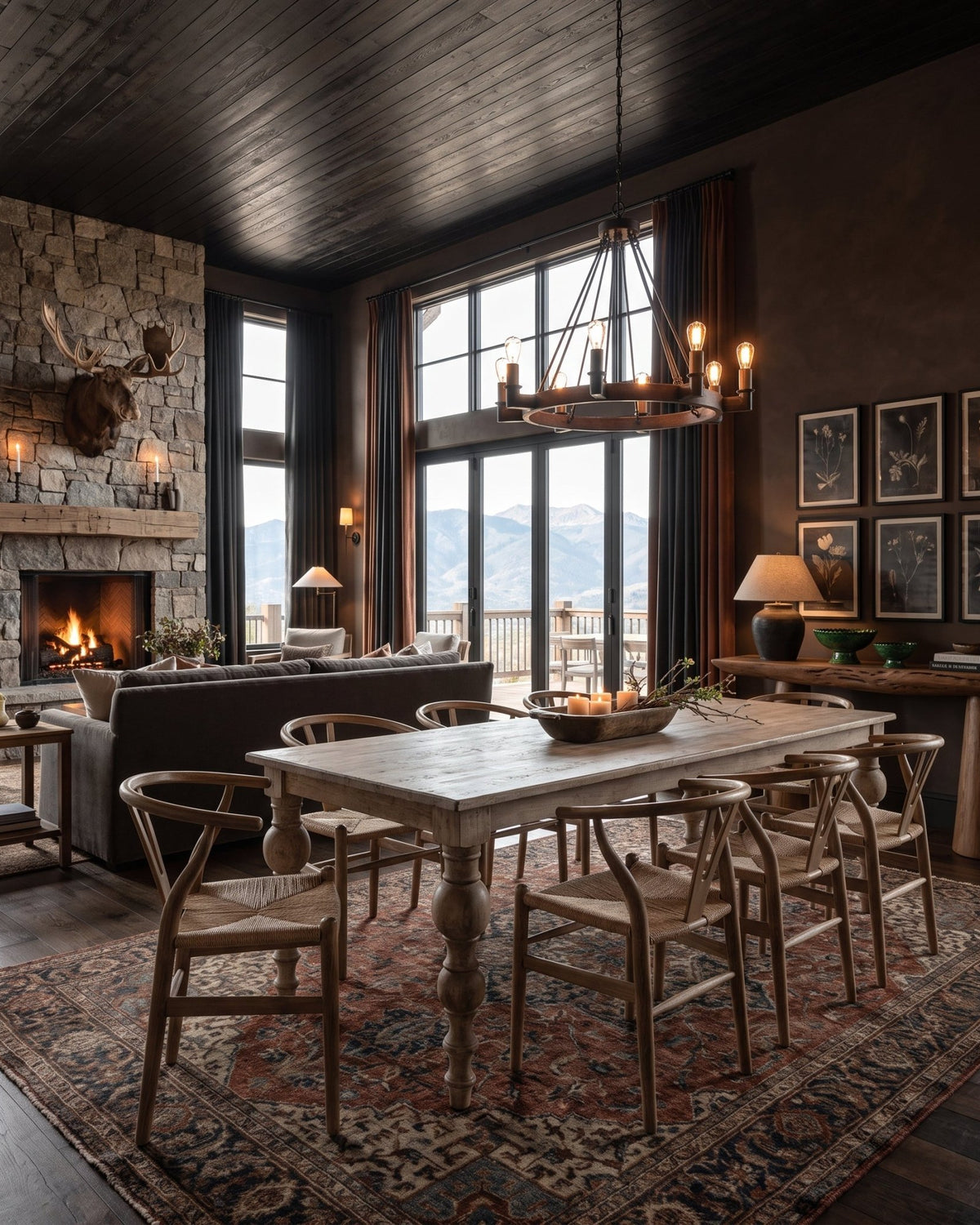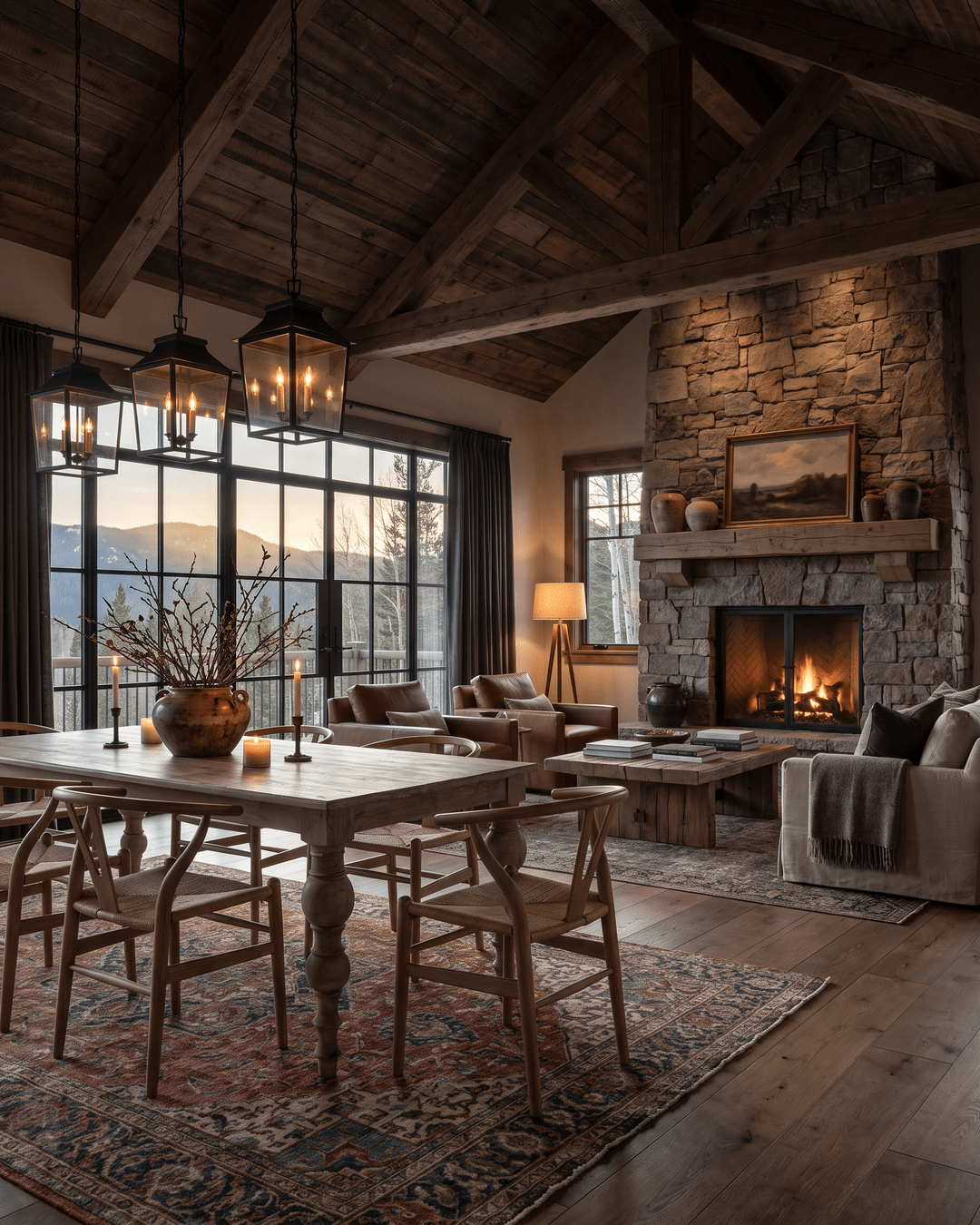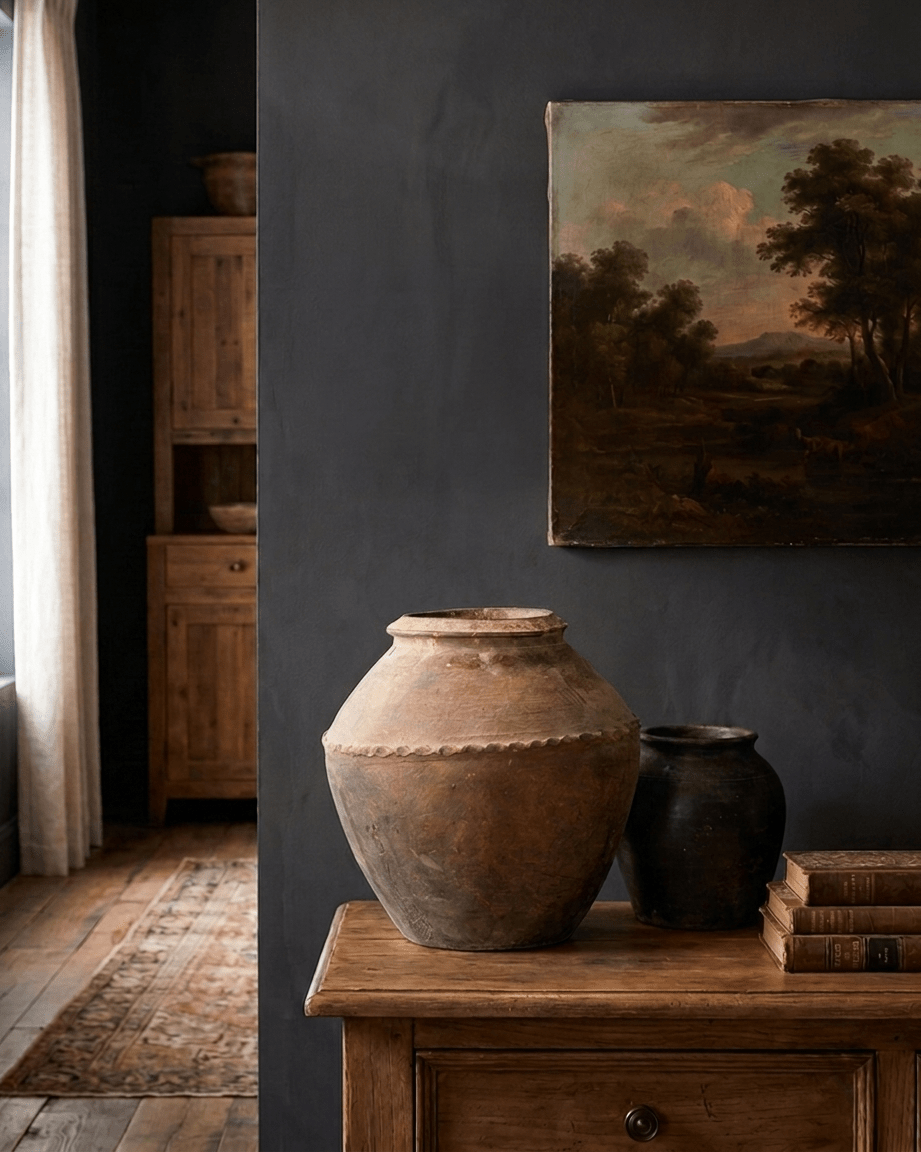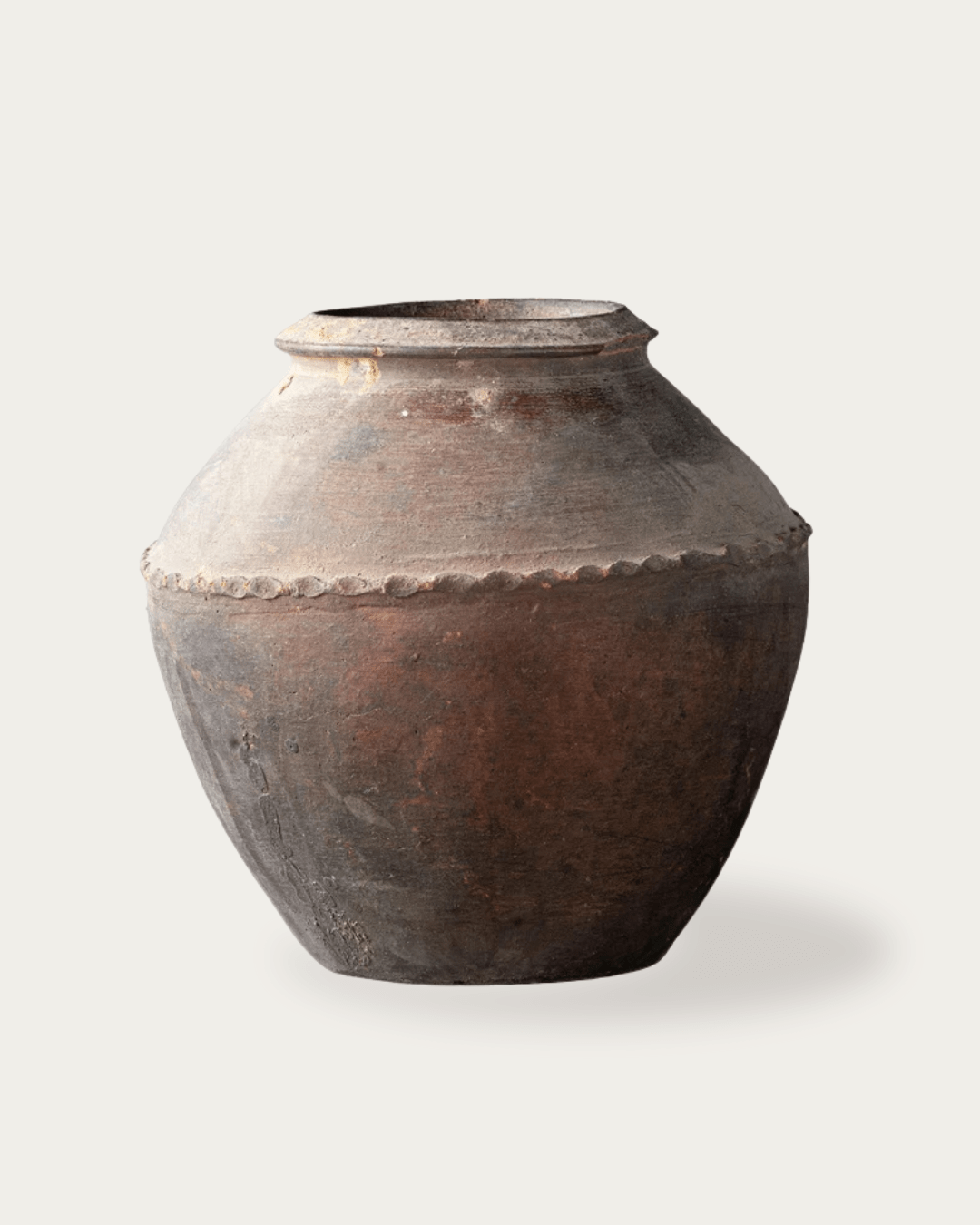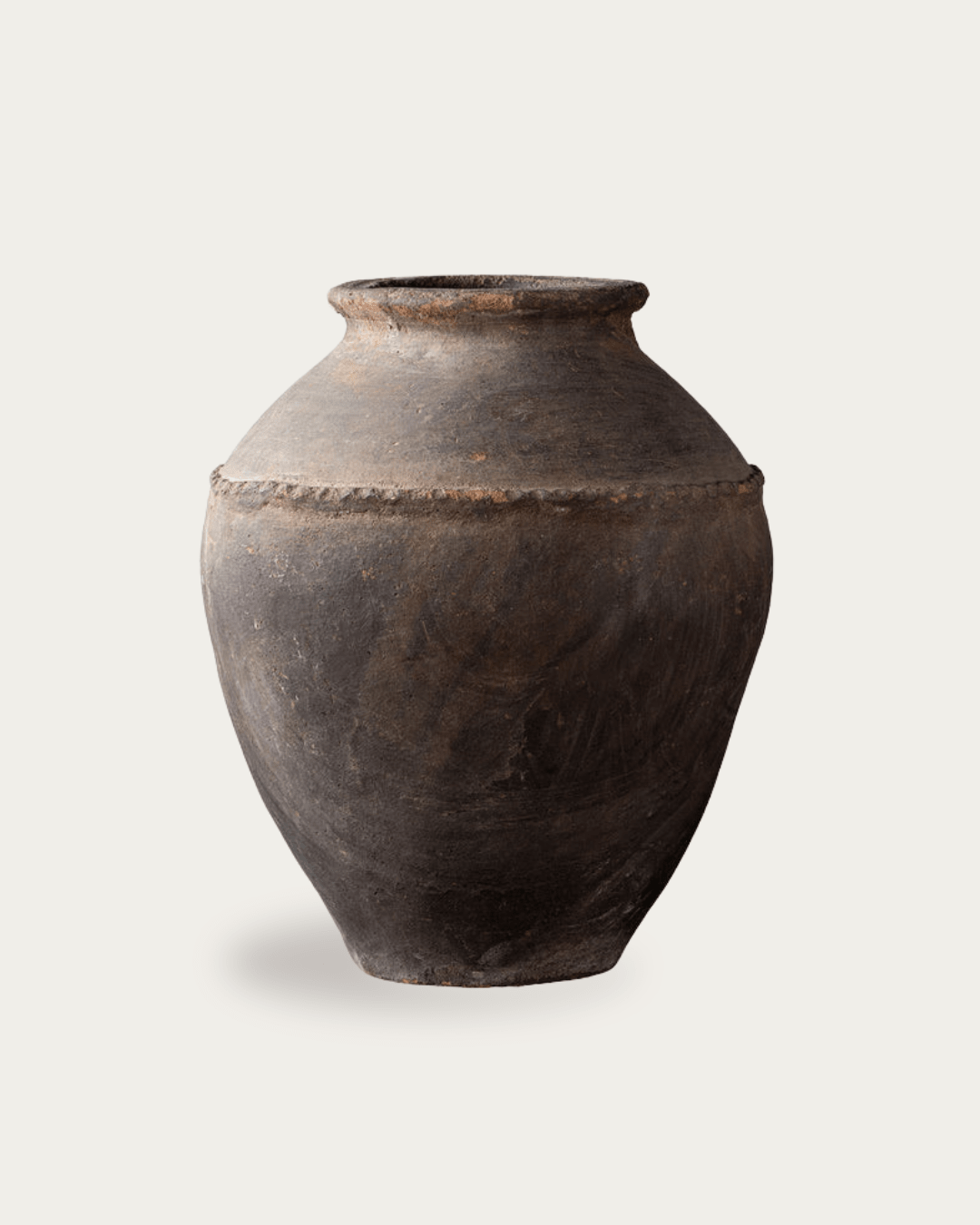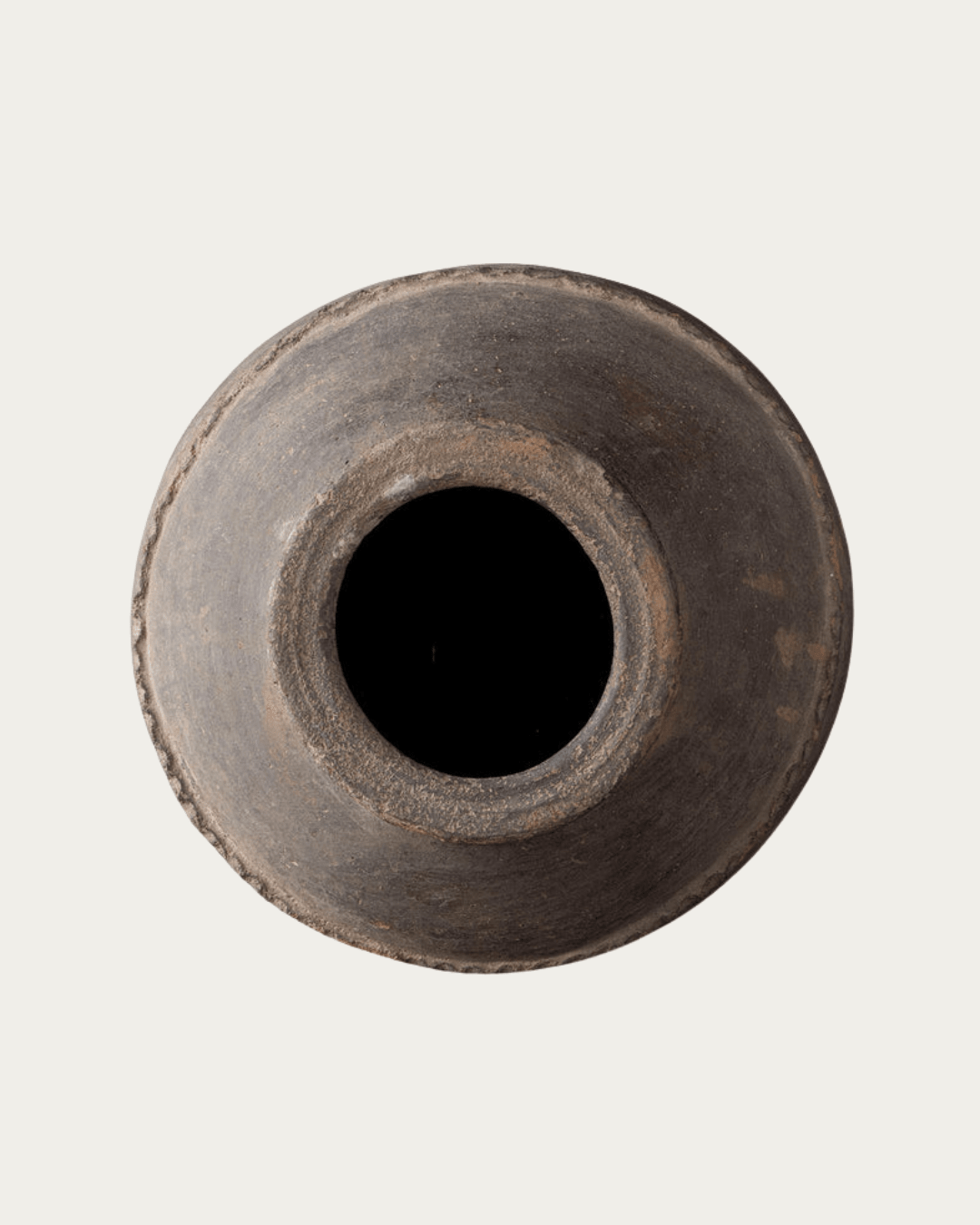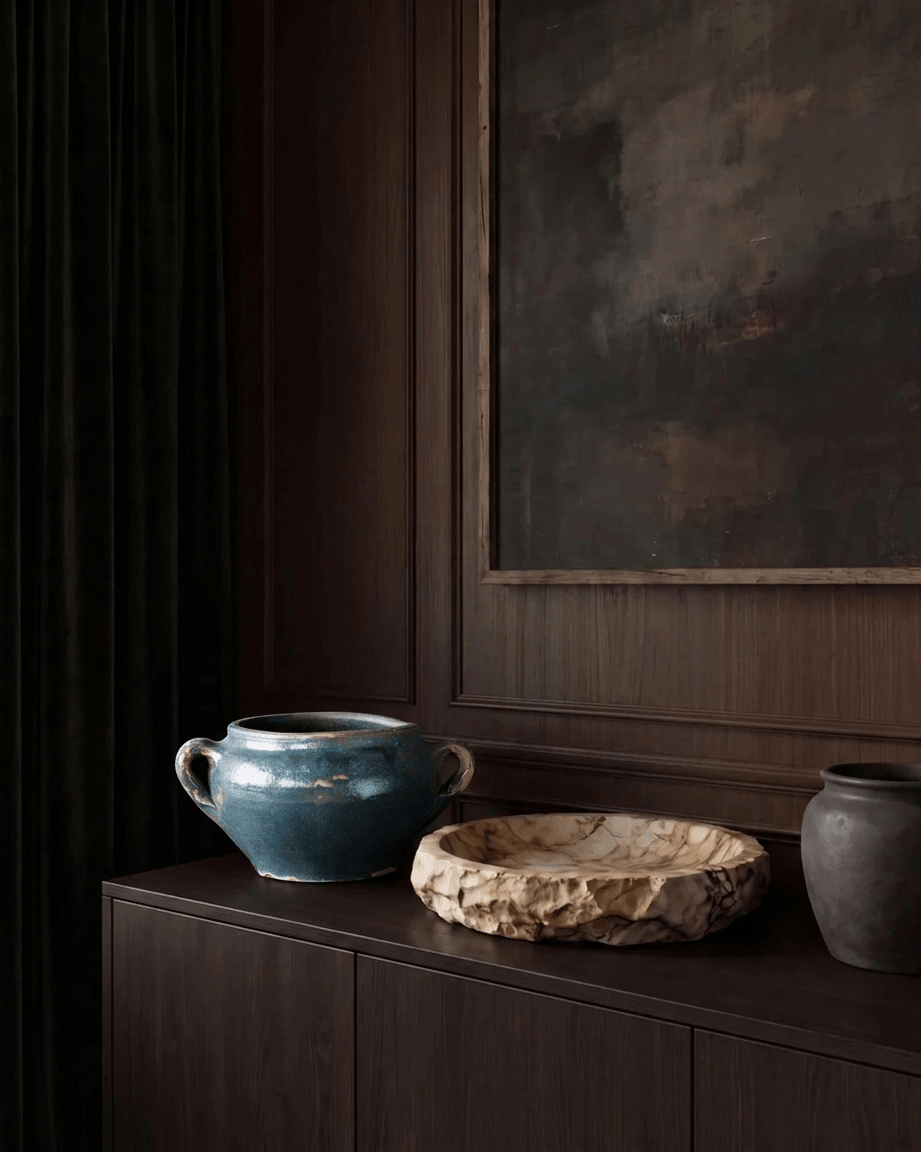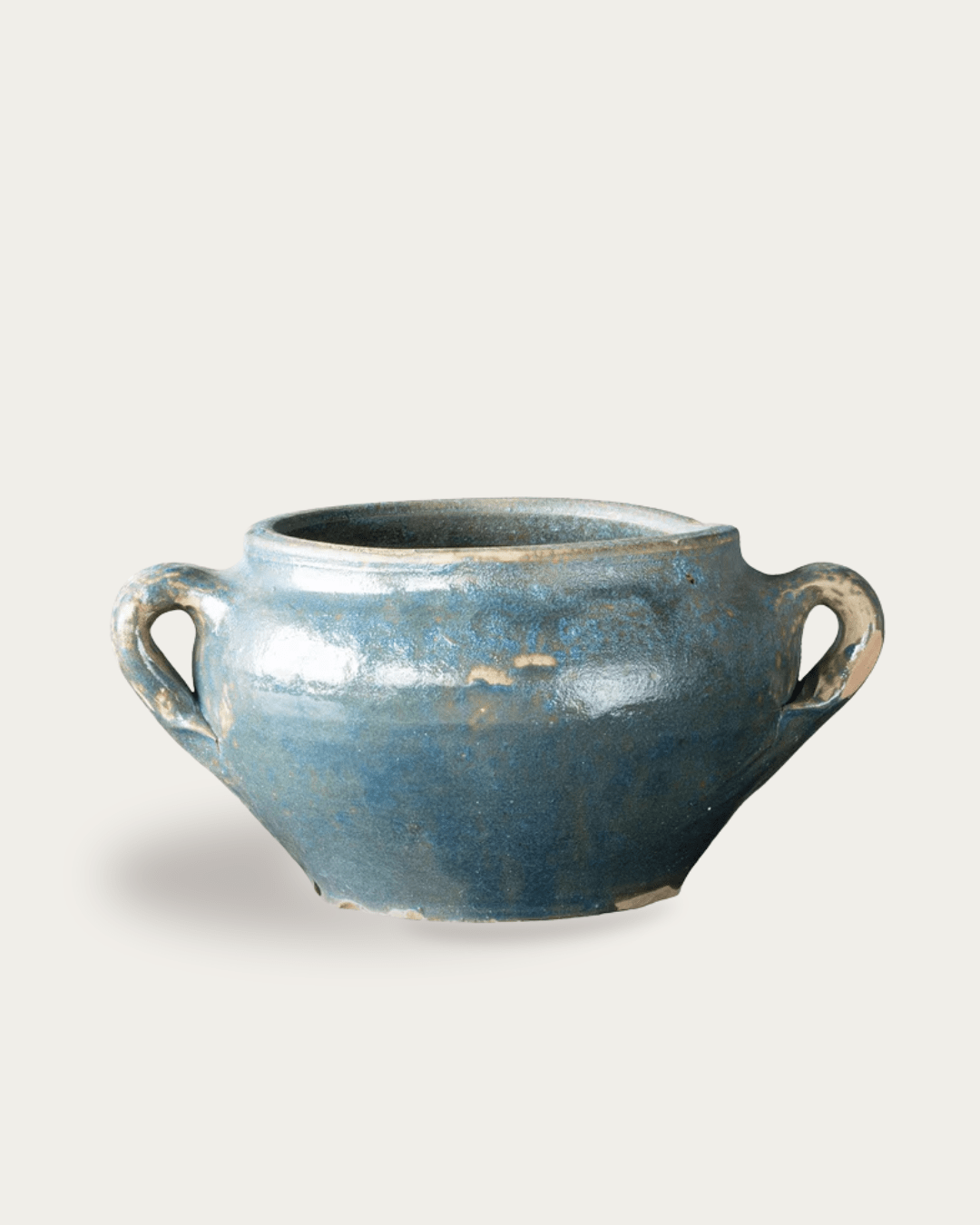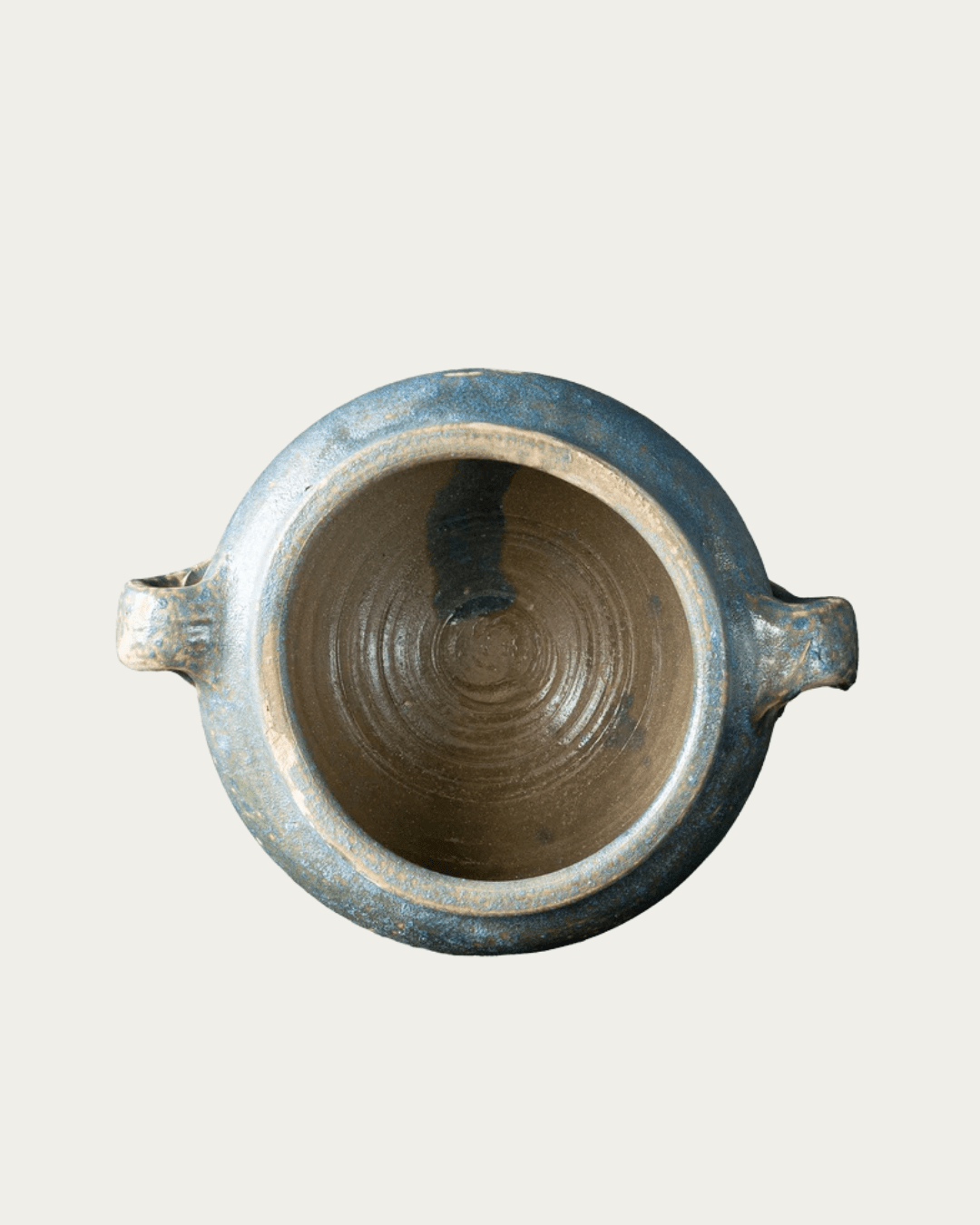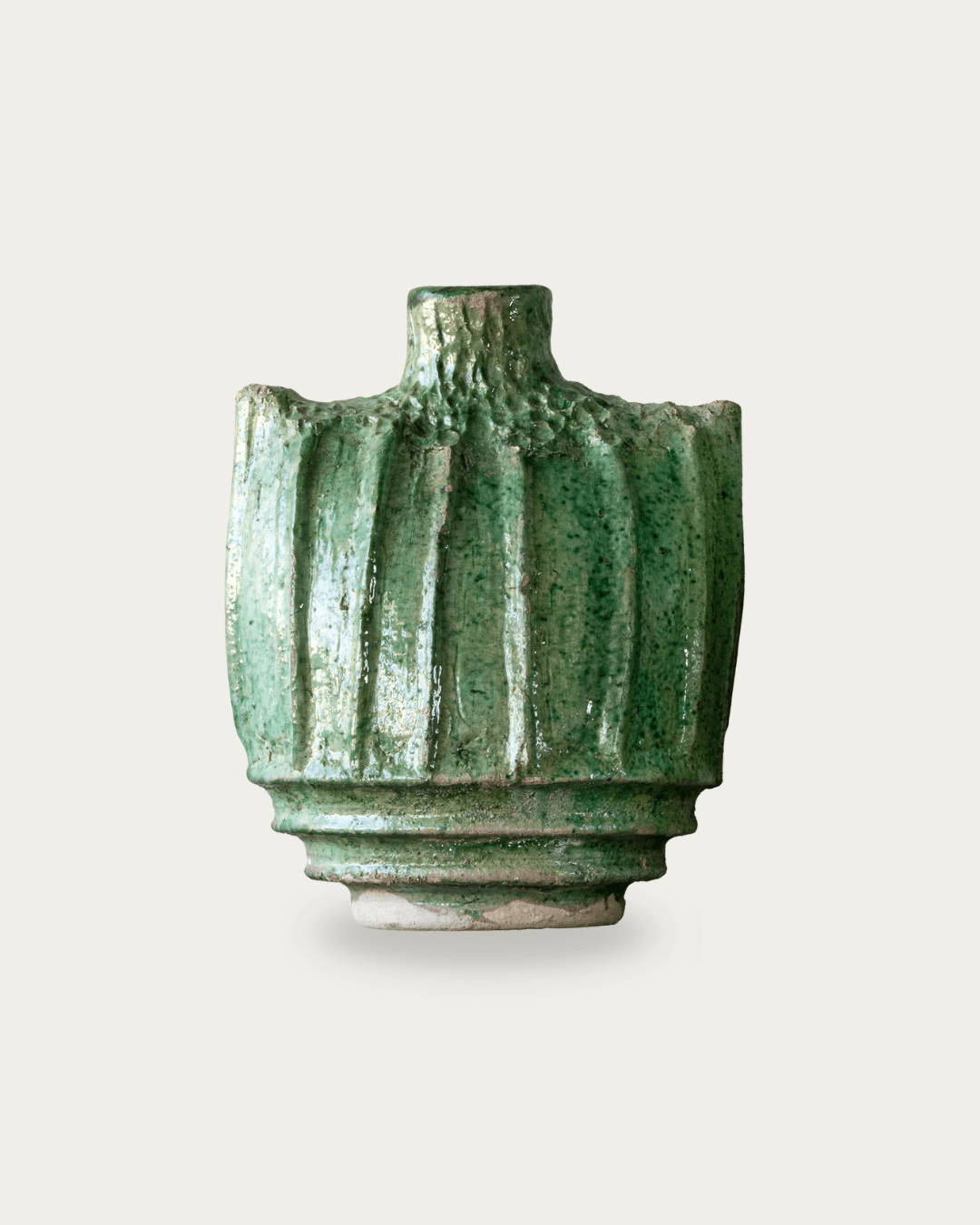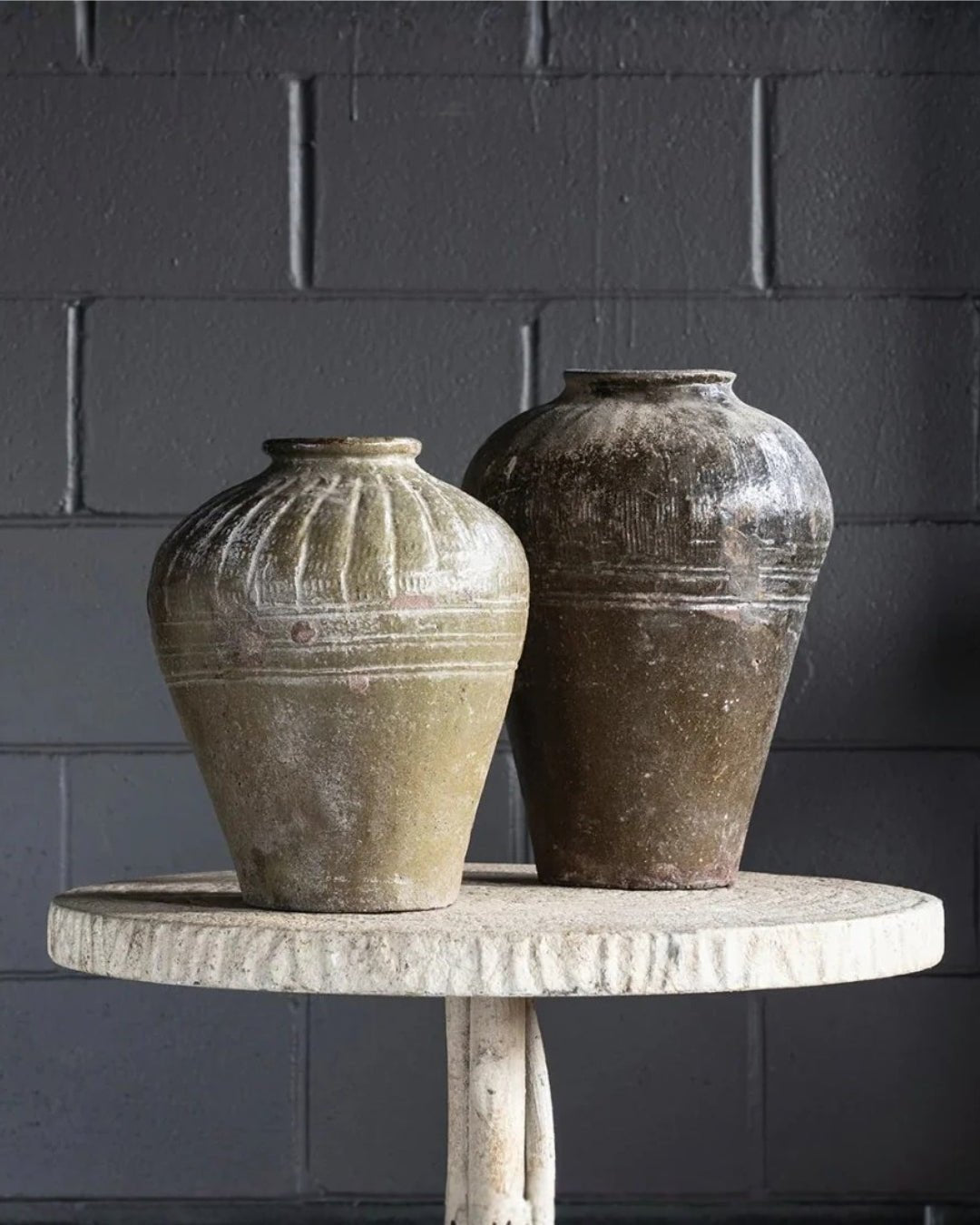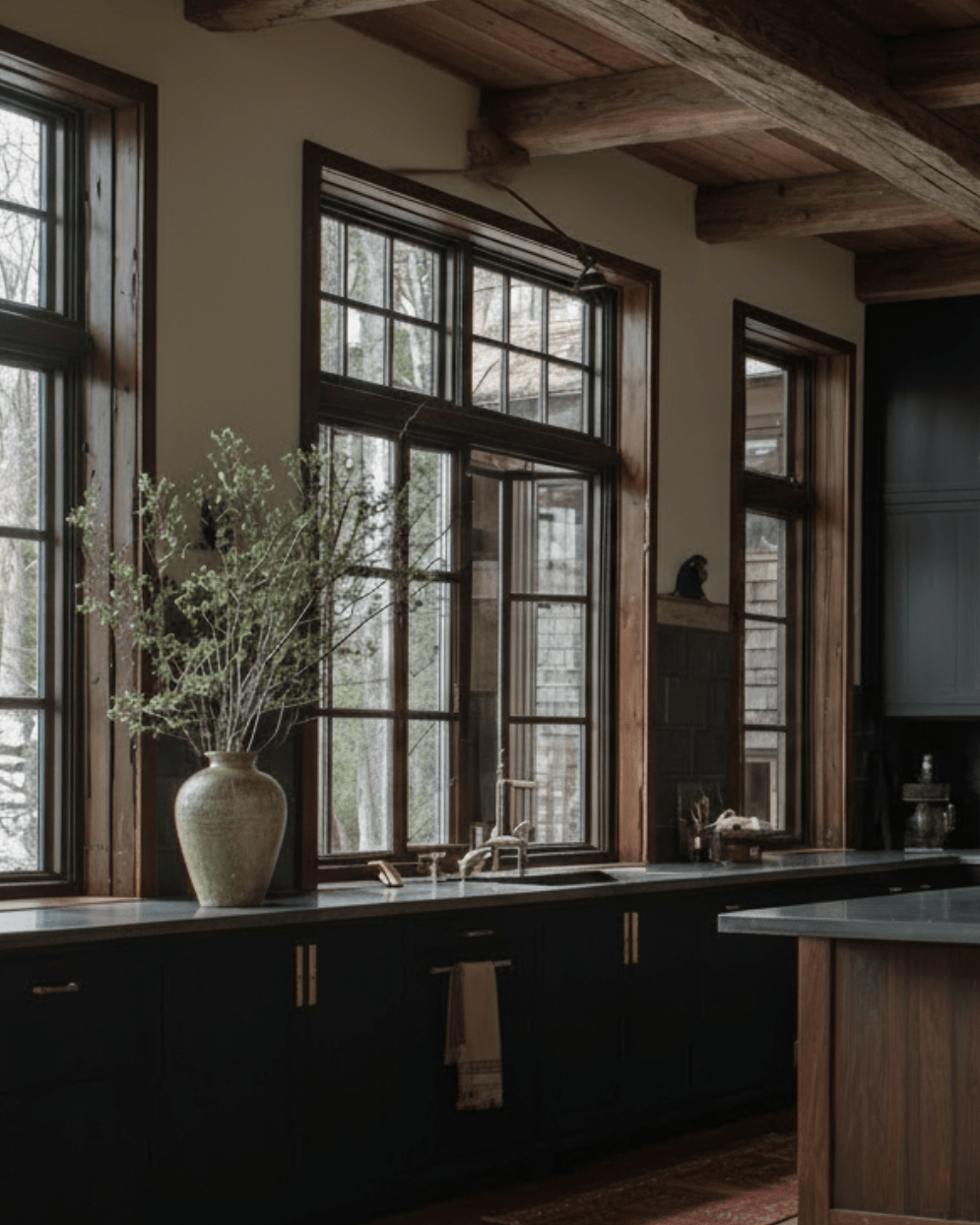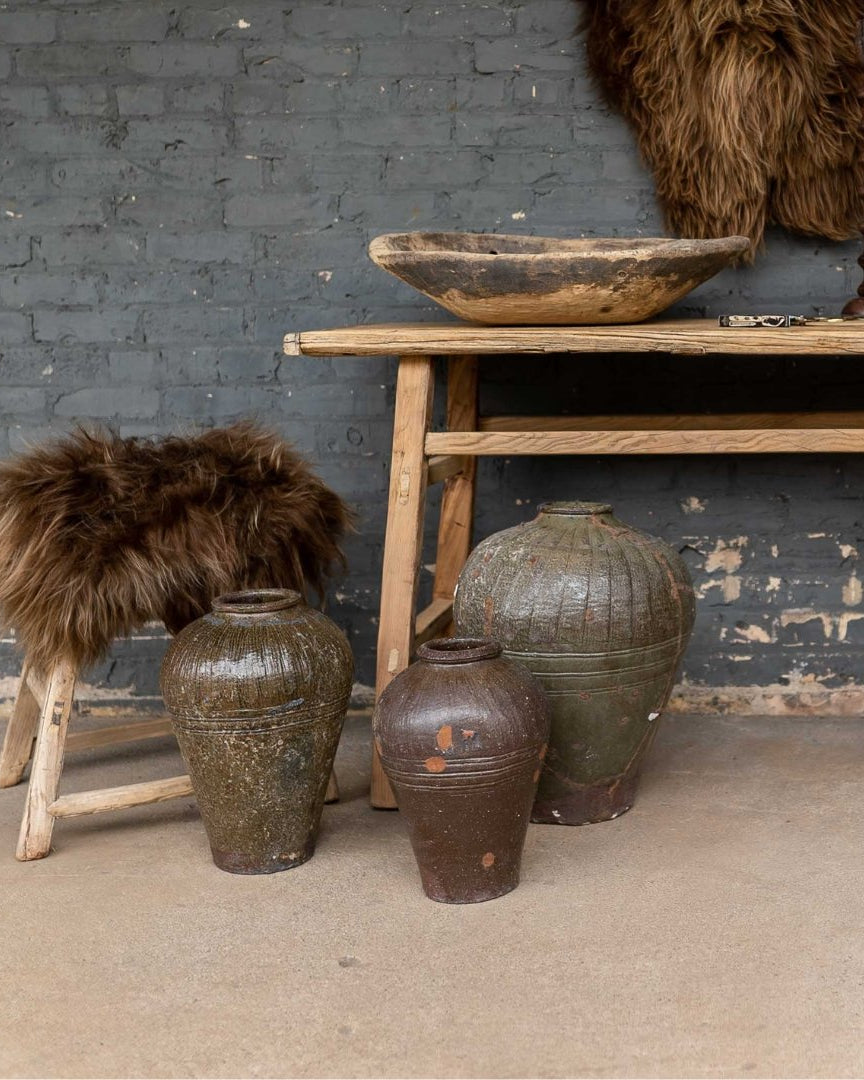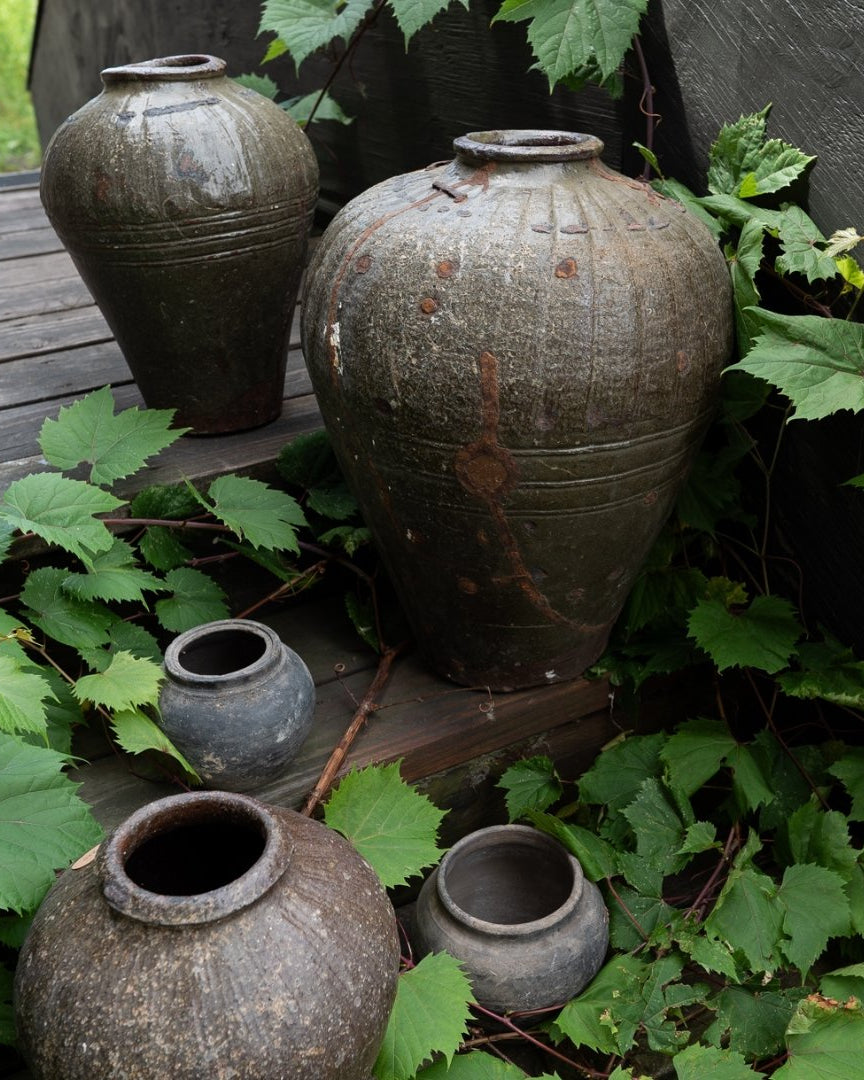






Most homes don’t lack character—they lack purpose. Walk through enough “styled” spaces and you’ll notice the pattern: objects carefully arranged, rarely touched, quietly doing nothing. That’s where vintage decor often gets stuck. Treated as a display, it becomes static. Treated as functional, it changes how a home actually works.
The shift is simple but decisive. Stop asking how old objects look. Start asking what they can do. Vintage decor was never designed to sit still. These pieces were made to carry, hold, weigh, grind, move. When you let them return to those roles, they stop being ornamental and start shaping the room.
Why Display-Only Styling Fails Vintage Decor
Vintage home decor struggles when it’s treated like fragile art. Shelves fill up. Tables get crowded. Every object competes for attention, and nothing feels grounded. This isn’t a style issue—it’s a functional one.
Historically, these objects earned their place through use. Zinc basins weren’t decorative bowls. Scales weren’t conversation pieces. Tables weren’t precious. They were tools. When that logic disappears, rooms start to feel busy but oddly ineffective.
The fix isn’t fewer objects—it’s clearer roles. Once a piece is allowed to work again, it naturally anchors the space around it.
Containers That Carry More Than Visual Weight
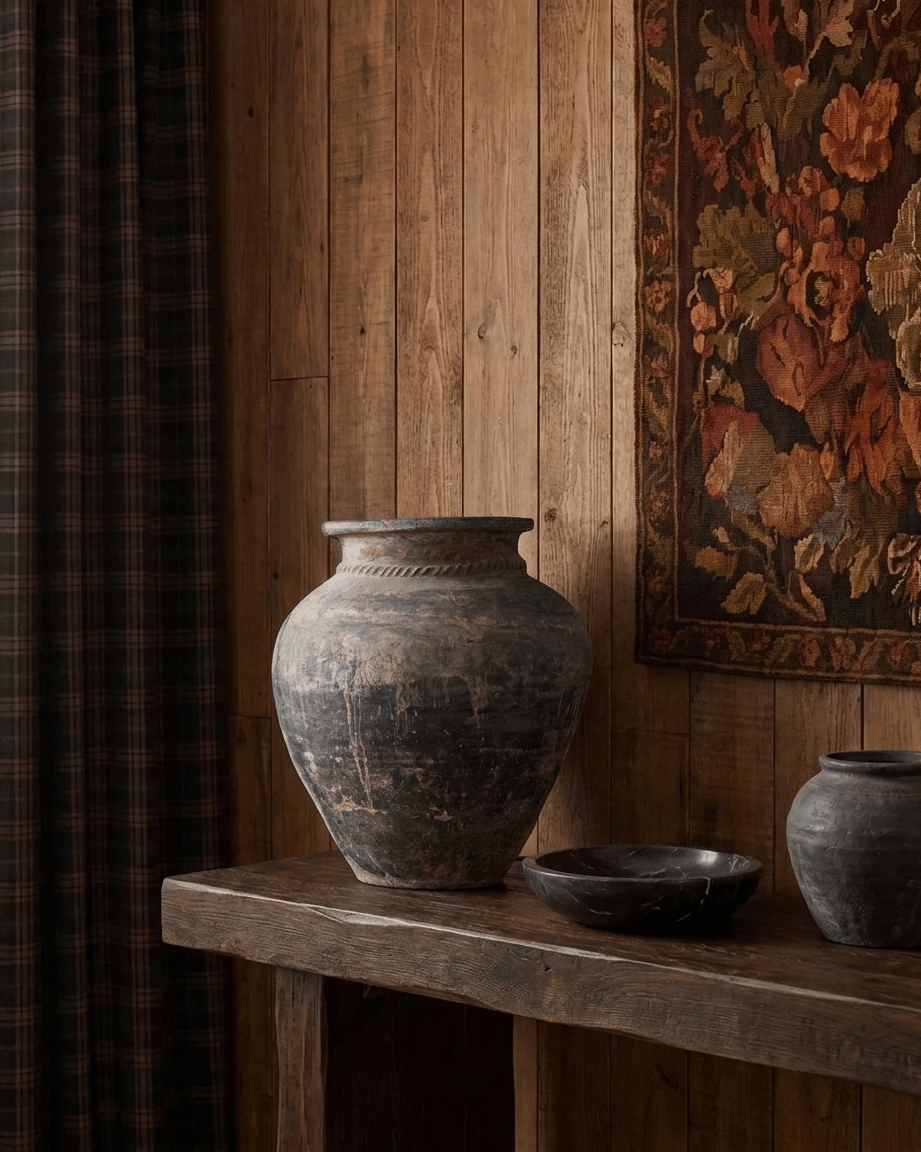
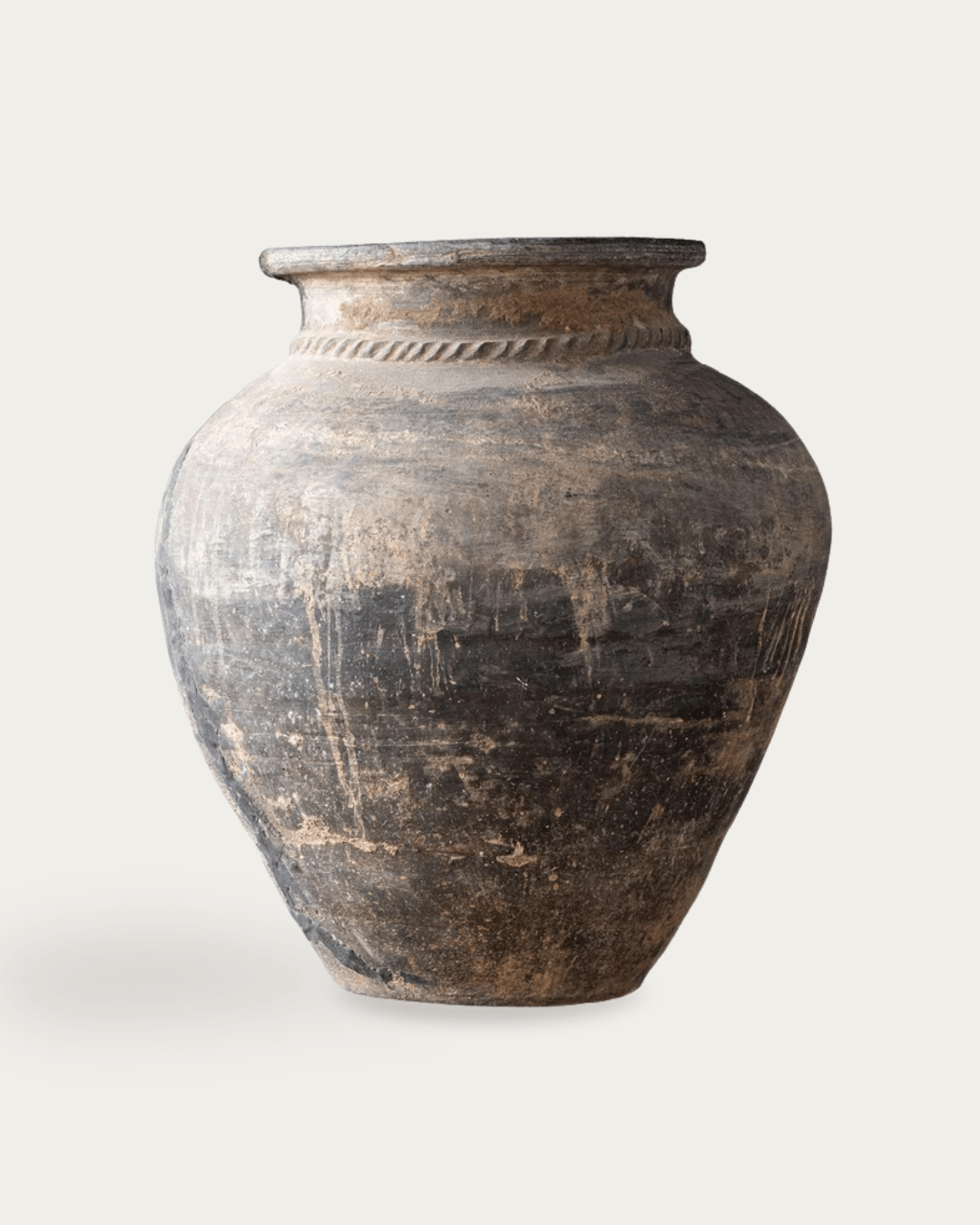
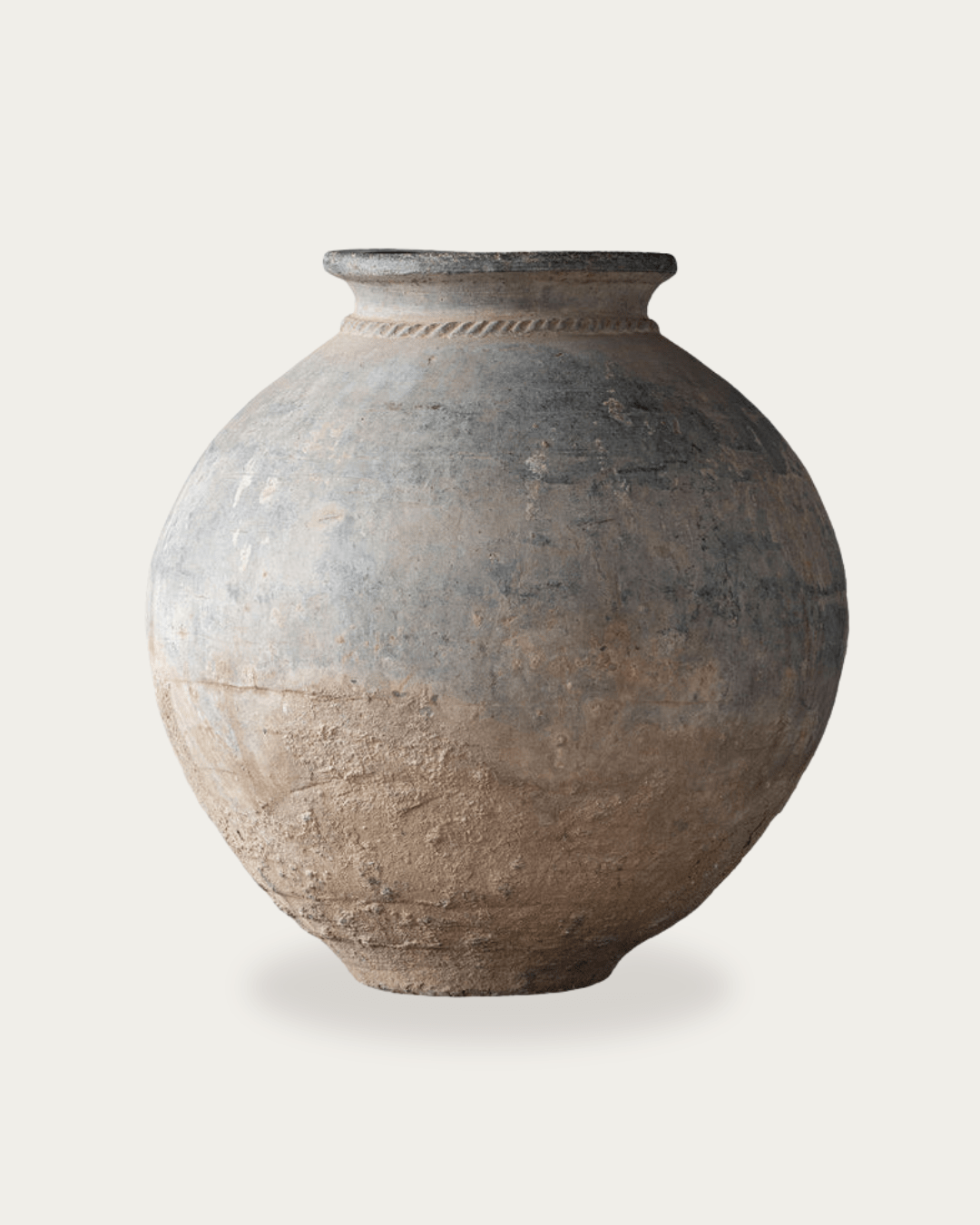
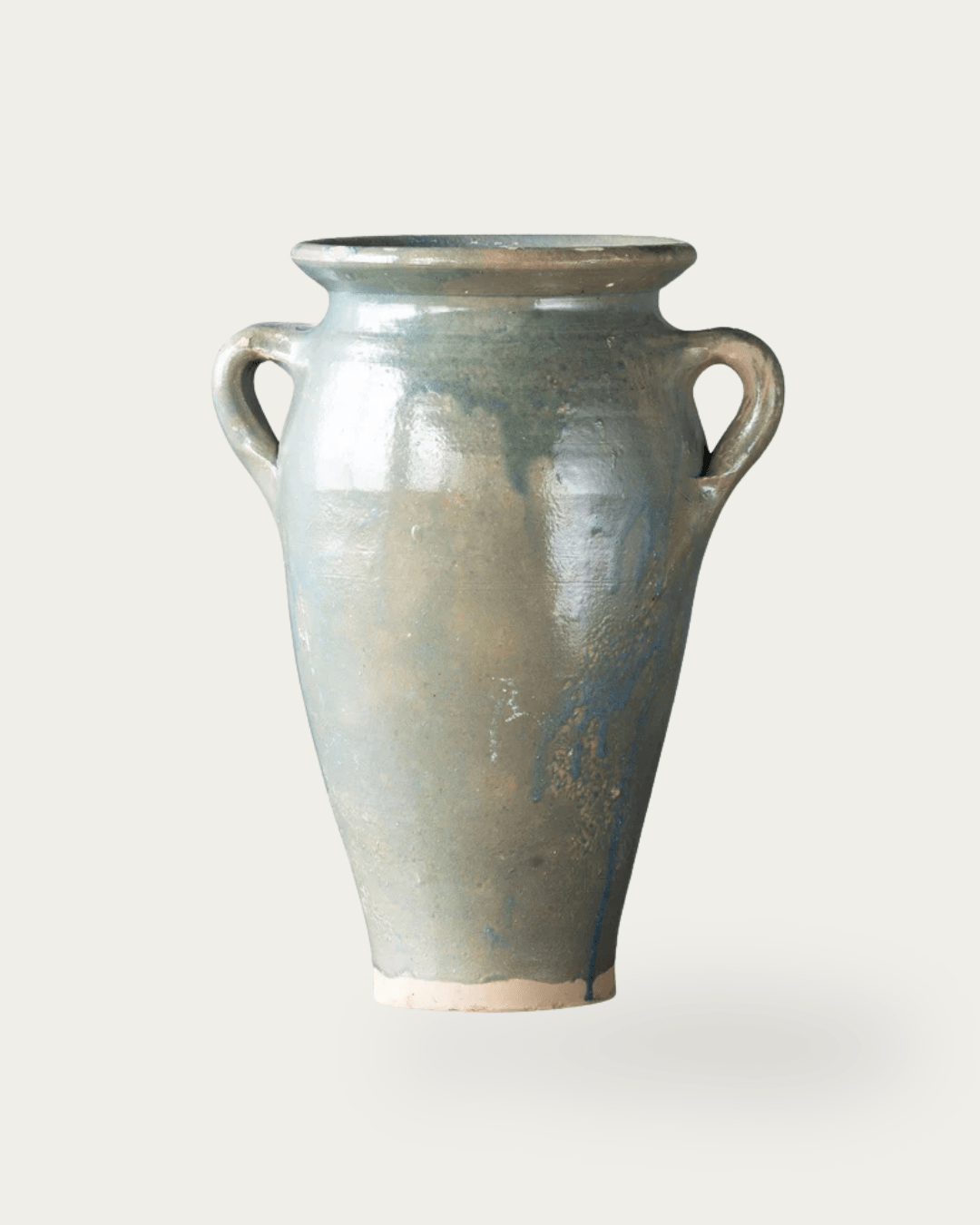
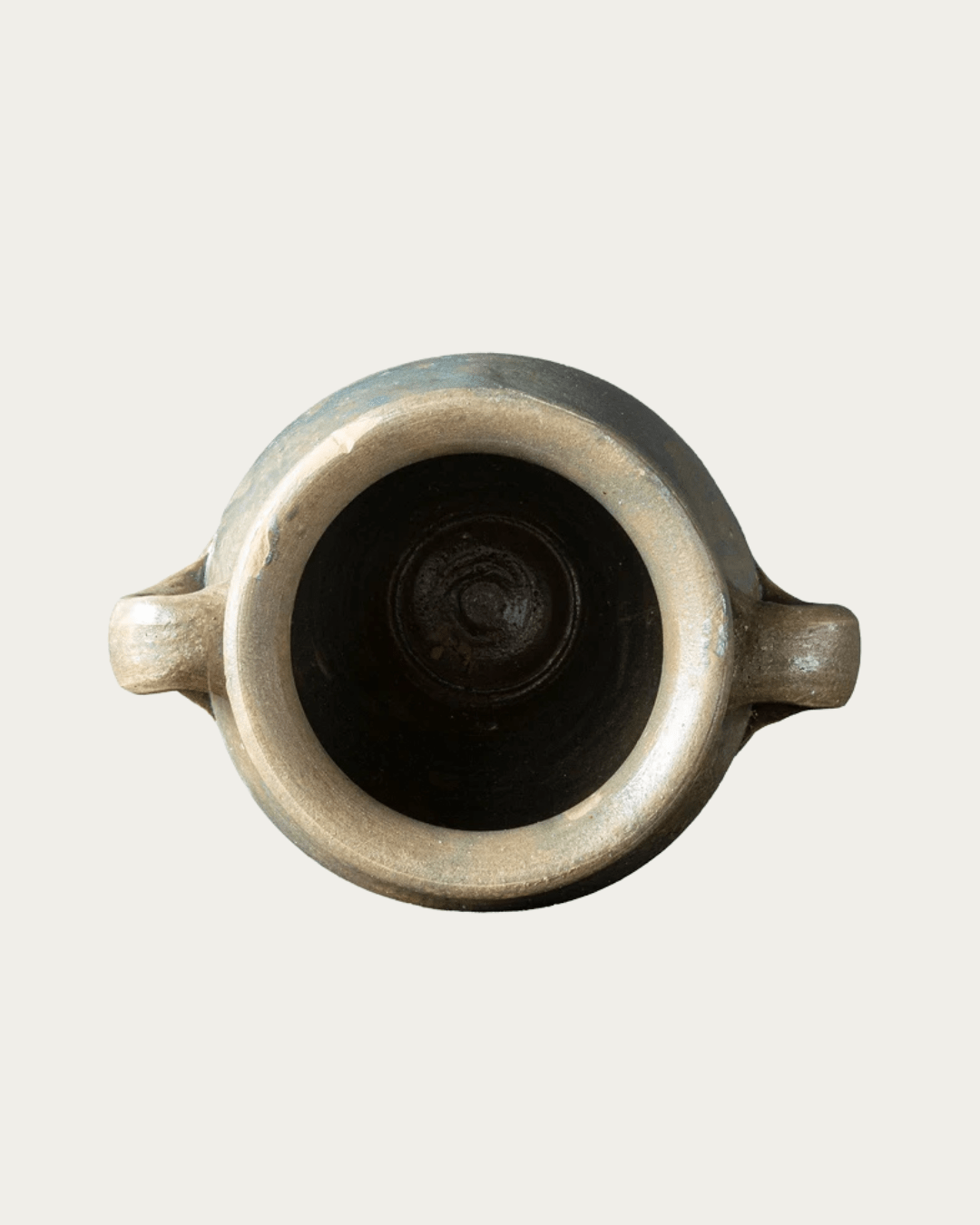
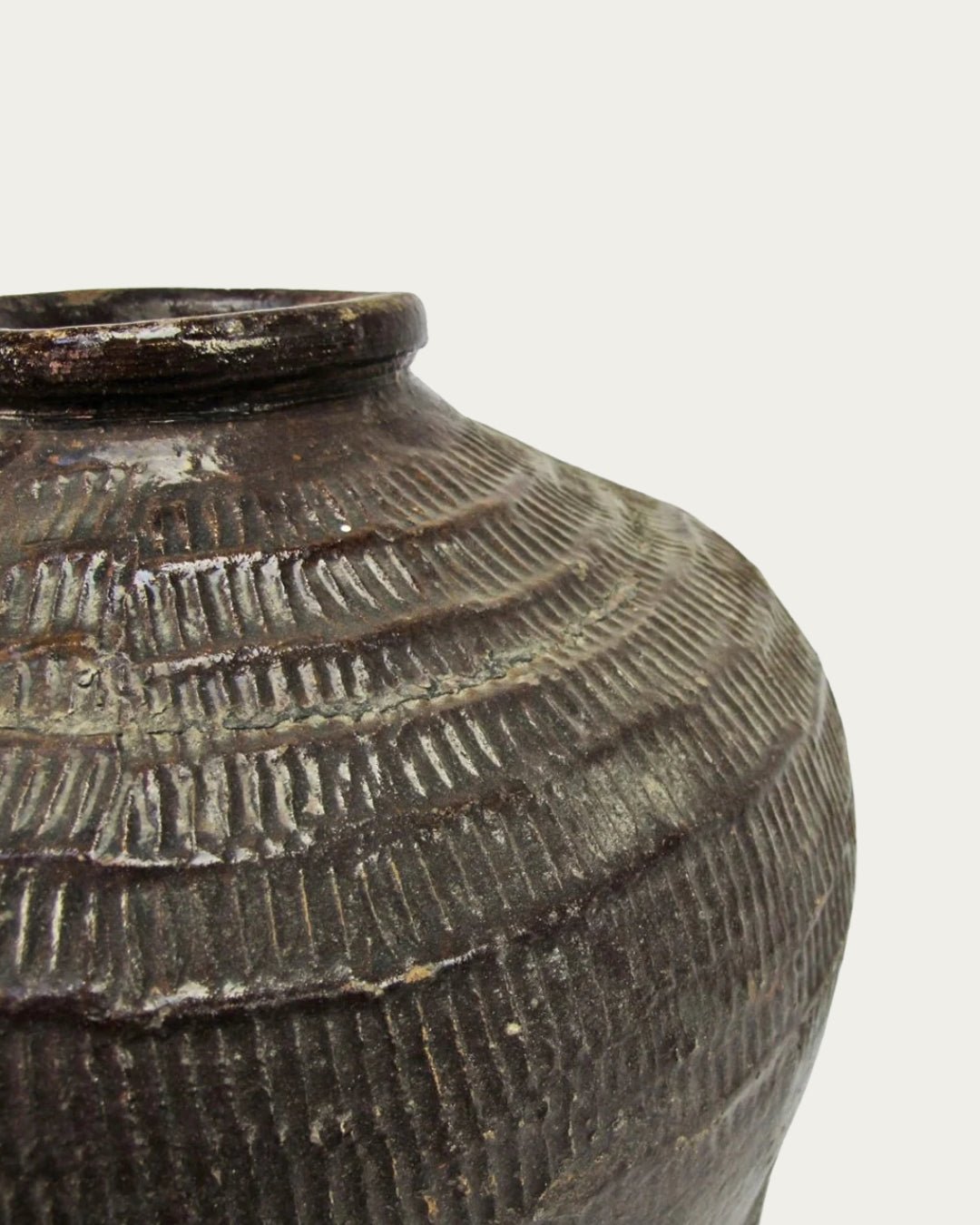
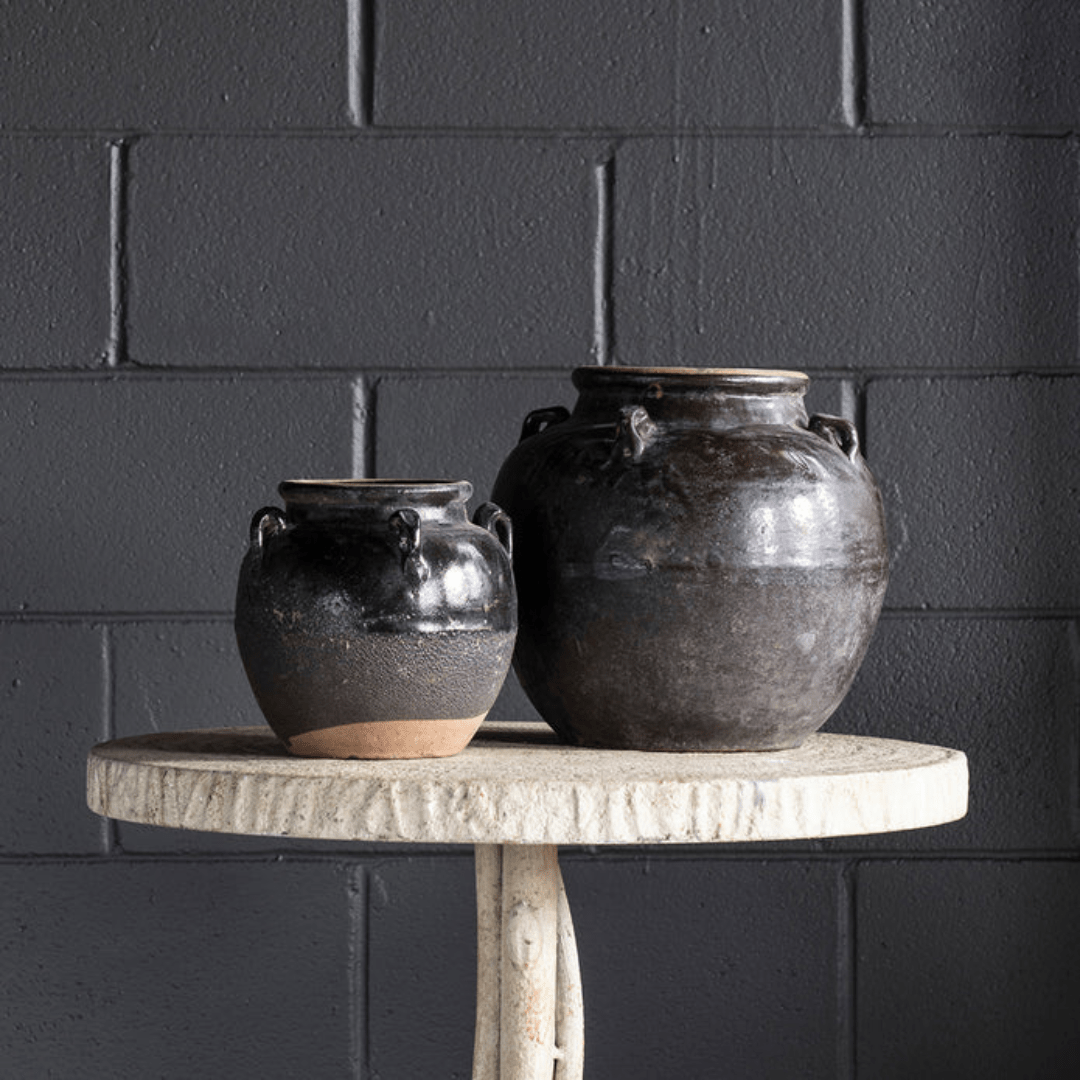
Some of the most effective vintage decor pieces are containers—not because they store things, but because they introduce mass and clarity. A well-proportioned vessel tells the eye where to pause.
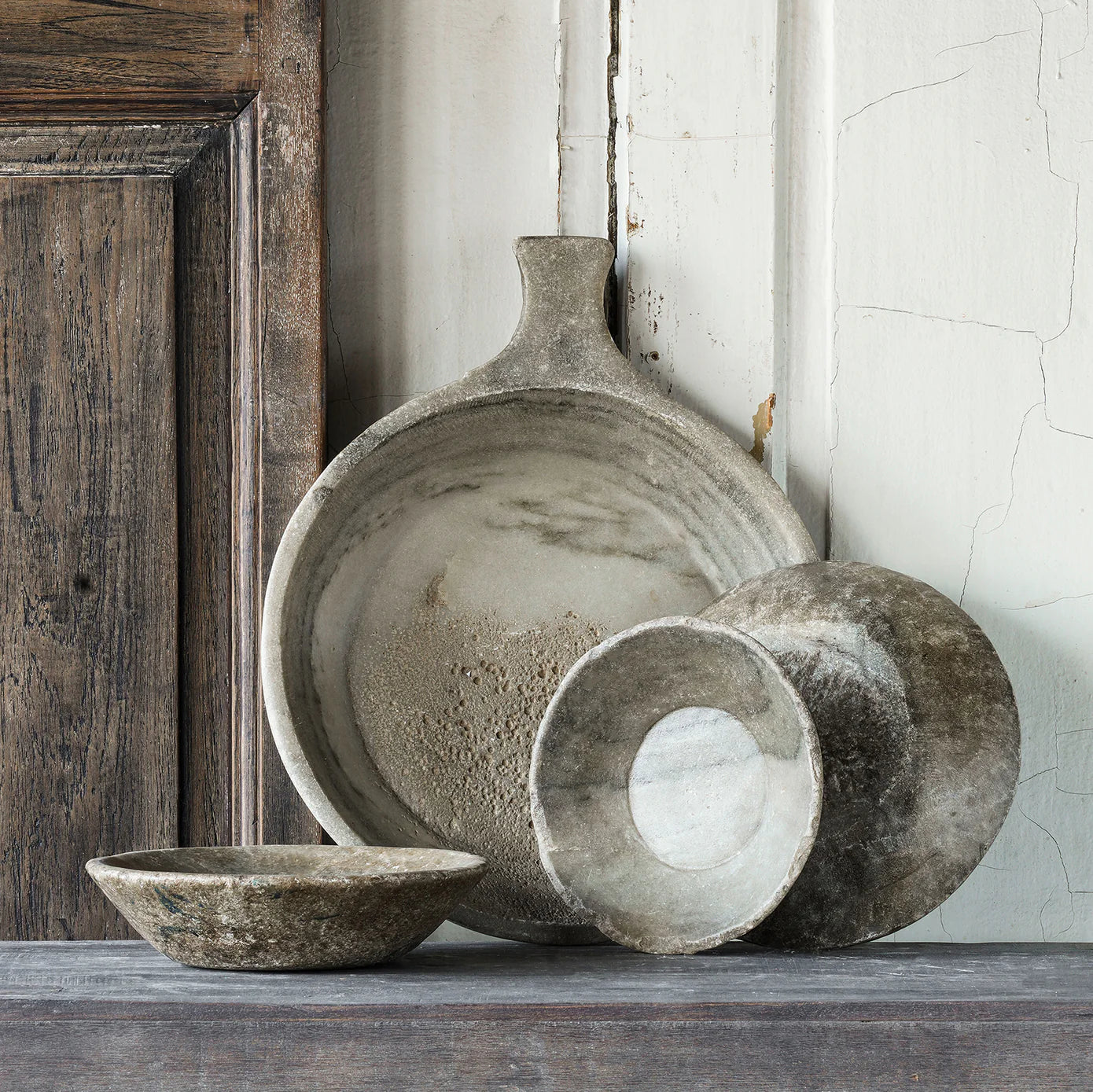
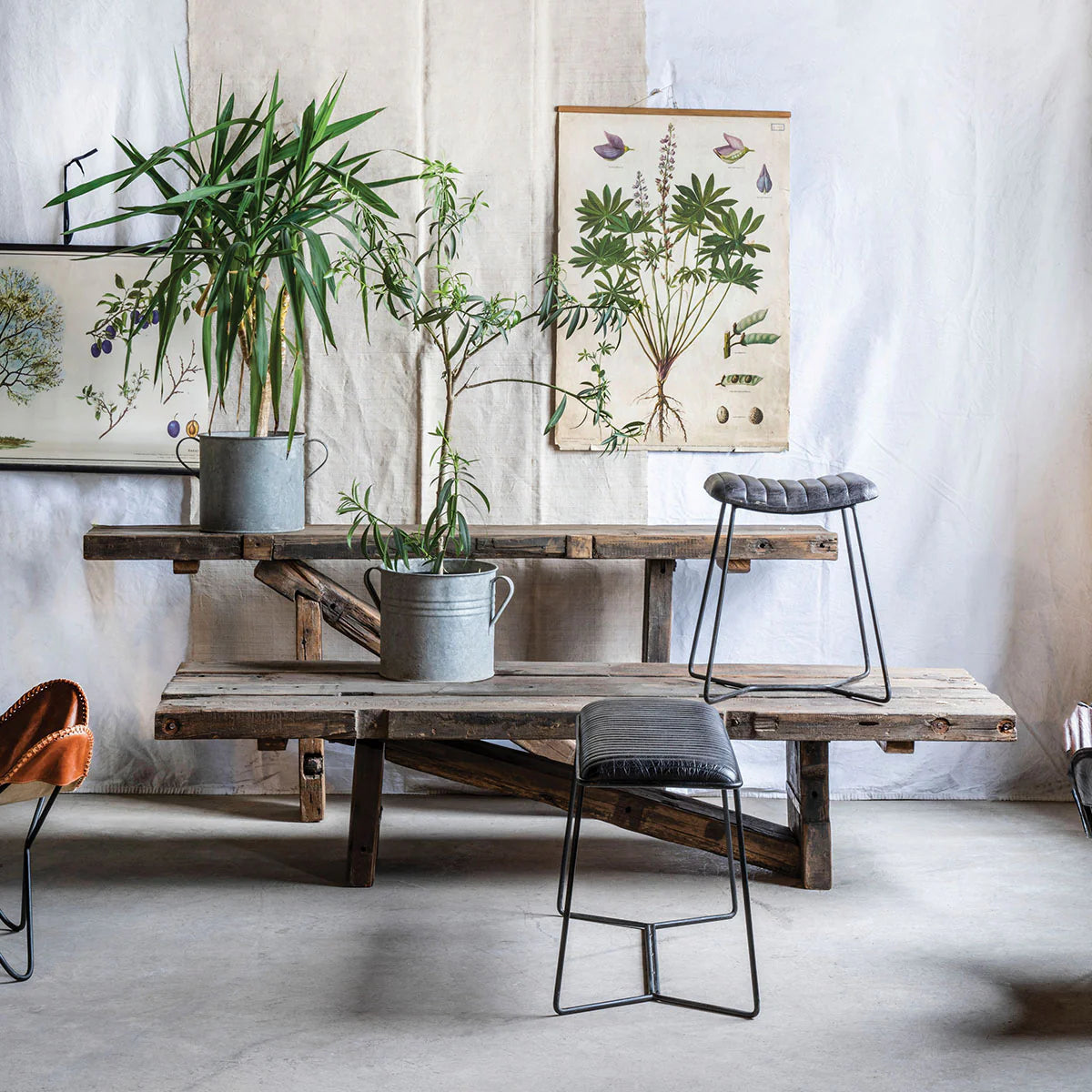
The Rikke vintage zinc basin works precisely because it isn’t delicate. Its material is industrial, its scale confident. In a kitchen, it can hold produce or linens. In an entry, it becomes a landing zone for daily clutter. Even empty, it holds visual authority.
Likewise, the Vigdis zinc bucket reads as practical before it reads as decorative. Use it for umbrellas, kindling, or branches. The function comes first—and the styling follows naturally.
RUTED Tip: If an object looks good empty but better in use, you’re on the right track.
When Tools Become Structure
Some vintage pieces don’t just hold things—they define zones. These are the objects that quietly organize a room without walls or labels.
The Camilla cart is a prime example. In a dining space, it becomes a mobile serving station. In a studio or kitchen, it holds frequently used tools. The point isn’t flexibility for its own sake—it’s movement. A piece that can shift as needed reduces the pressure to over-furnish.
The same logic applies to weight-based tools like the Stine traders scale. On a console or counter, it introduces balance and proportion. It can hold fruit, mail, or nothing at all. Its usefulness lies in how it stabilizes the visual field.
These pieces work because they’re unapologetically functional. They don’t ask permission to exist.
Surfaces That Invite Use, Not Preservation
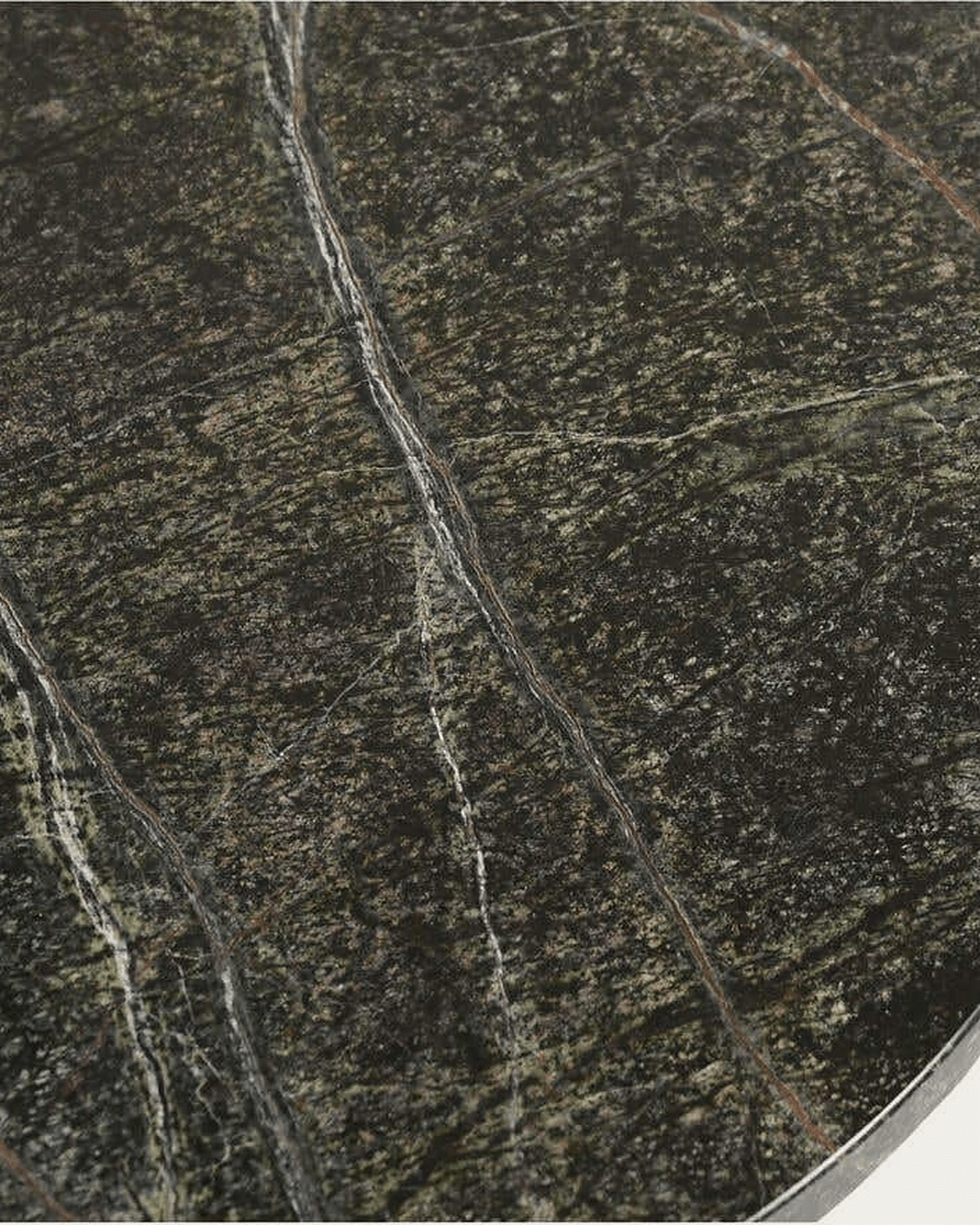
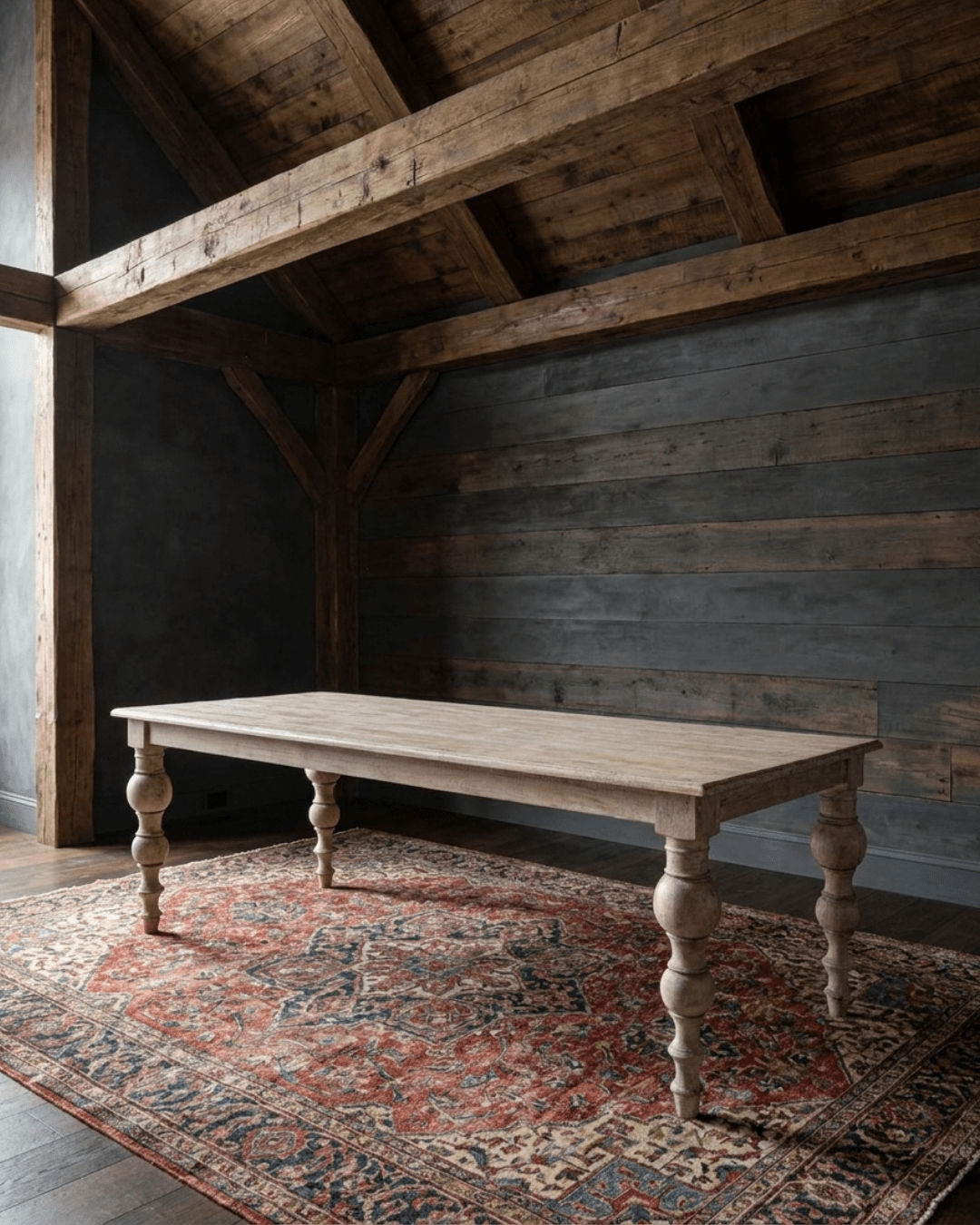
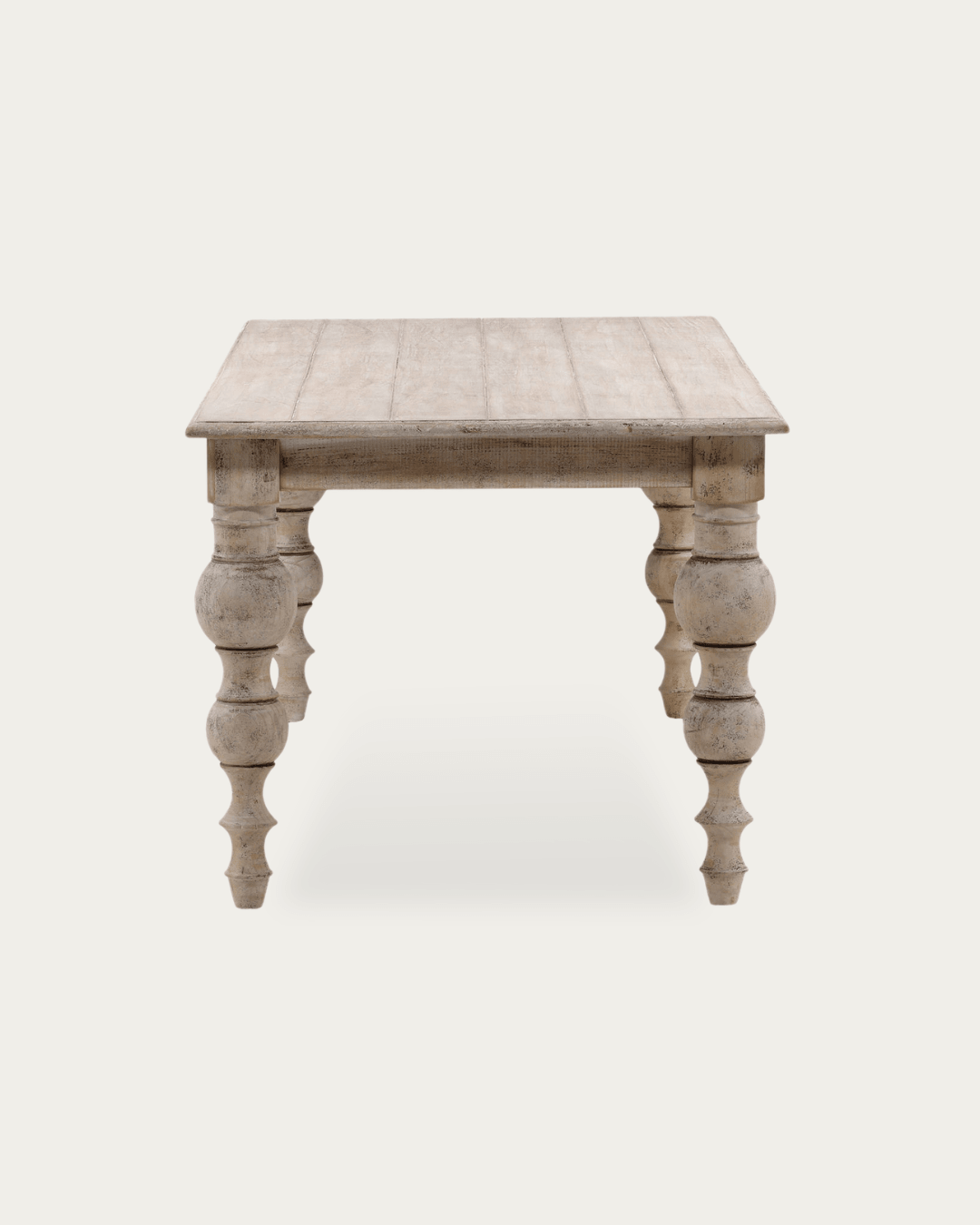
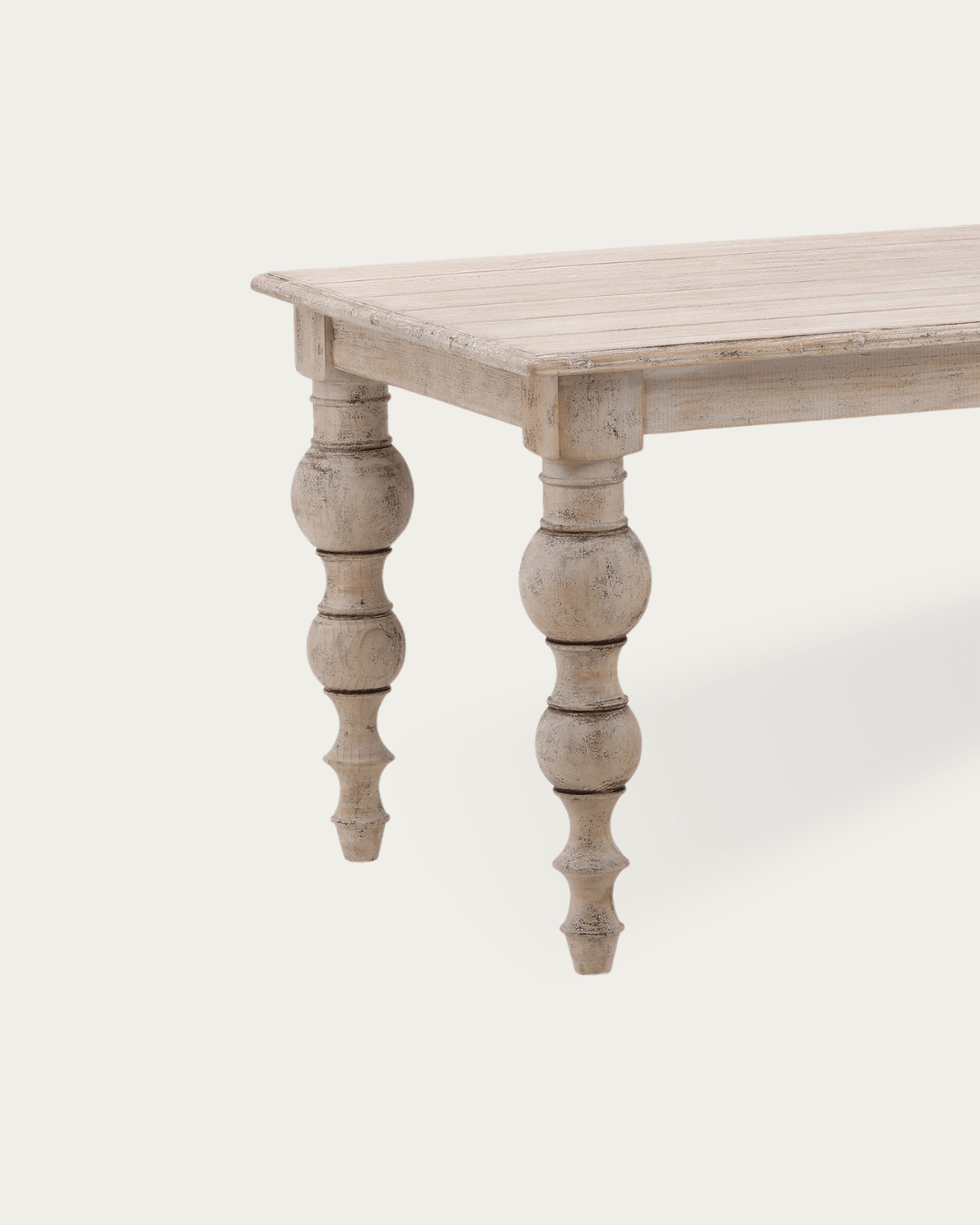
One of the biggest mistakes in antique home decor is treating old tables and work surfaces as untouchable. That instinct strips them of their value.
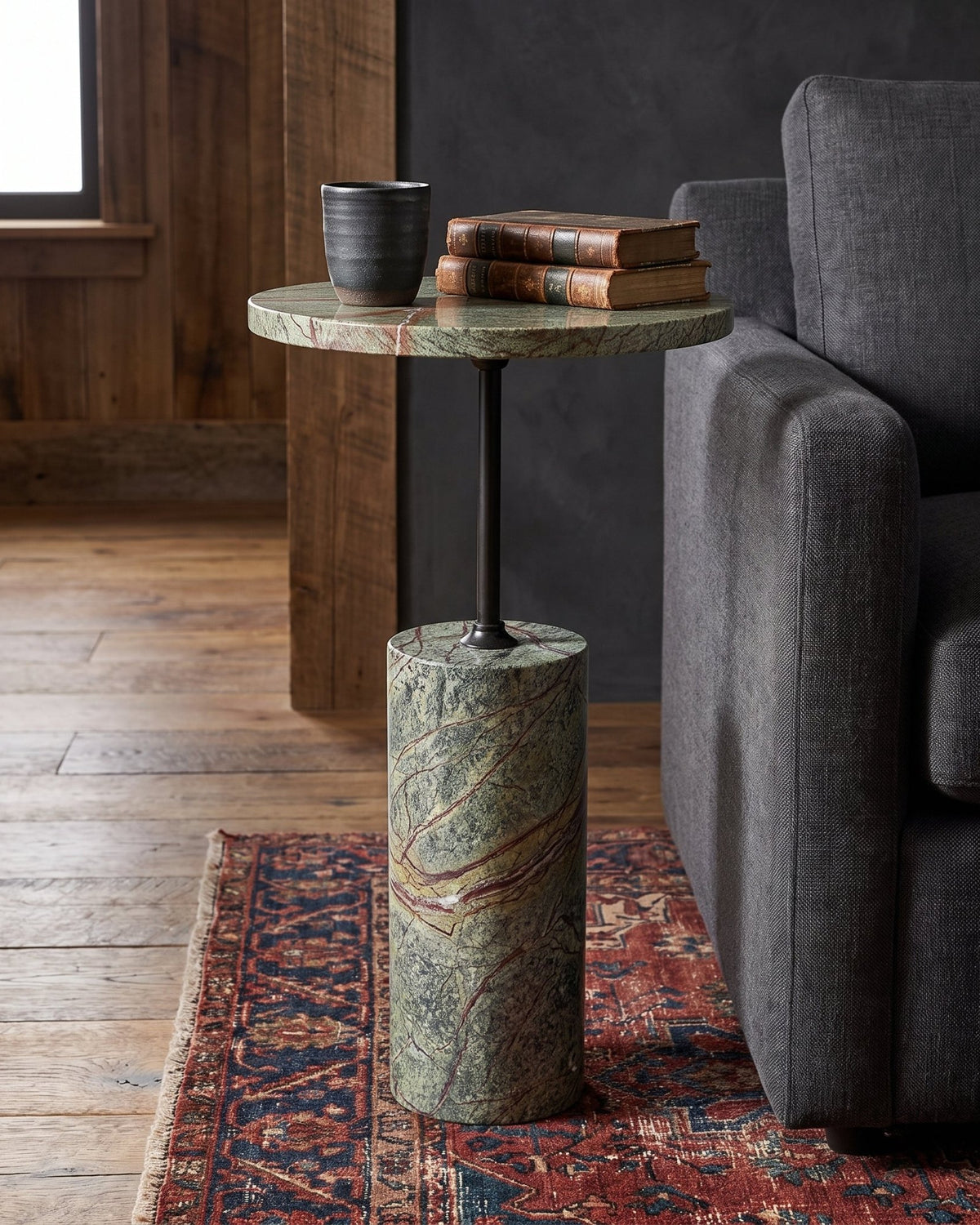
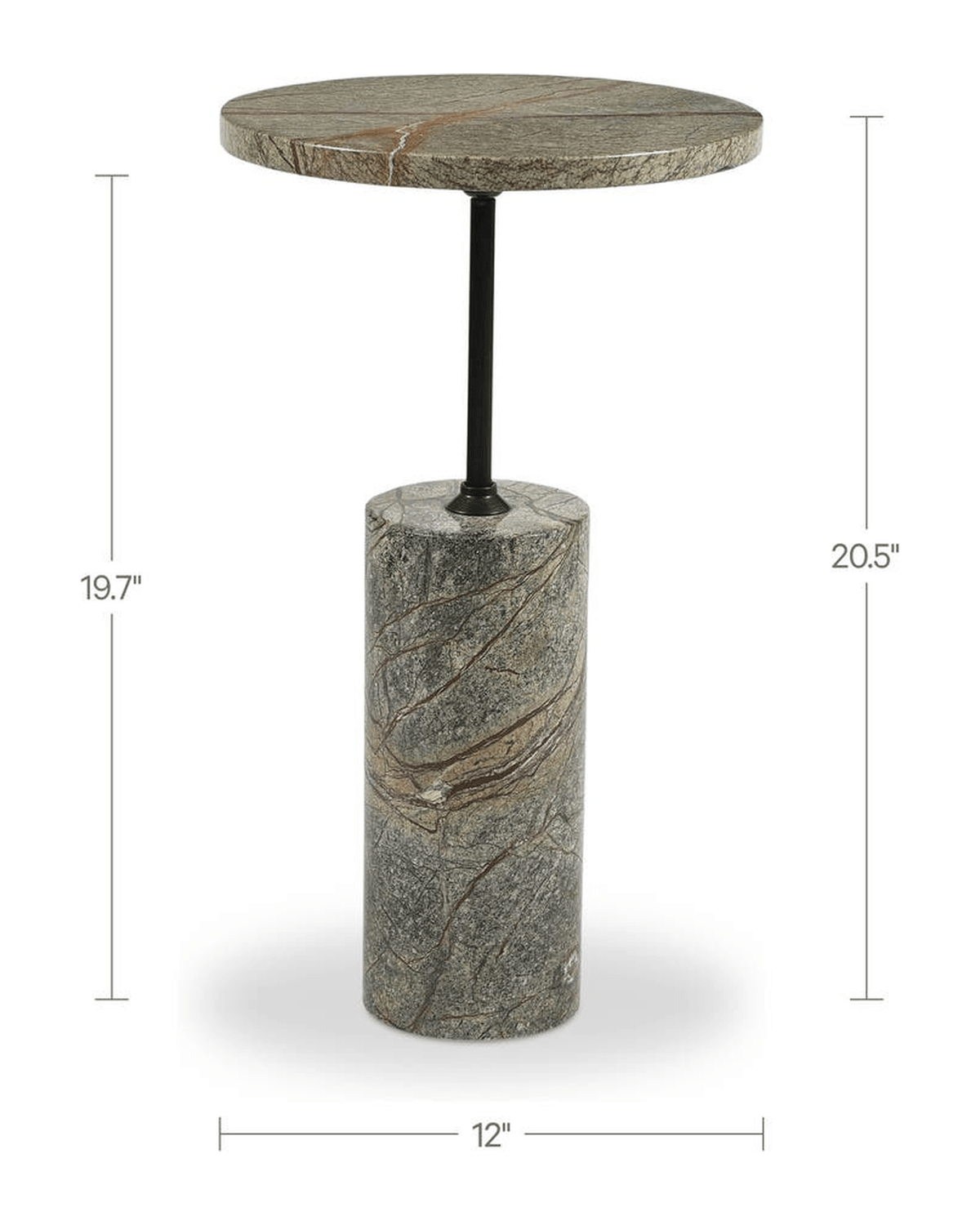
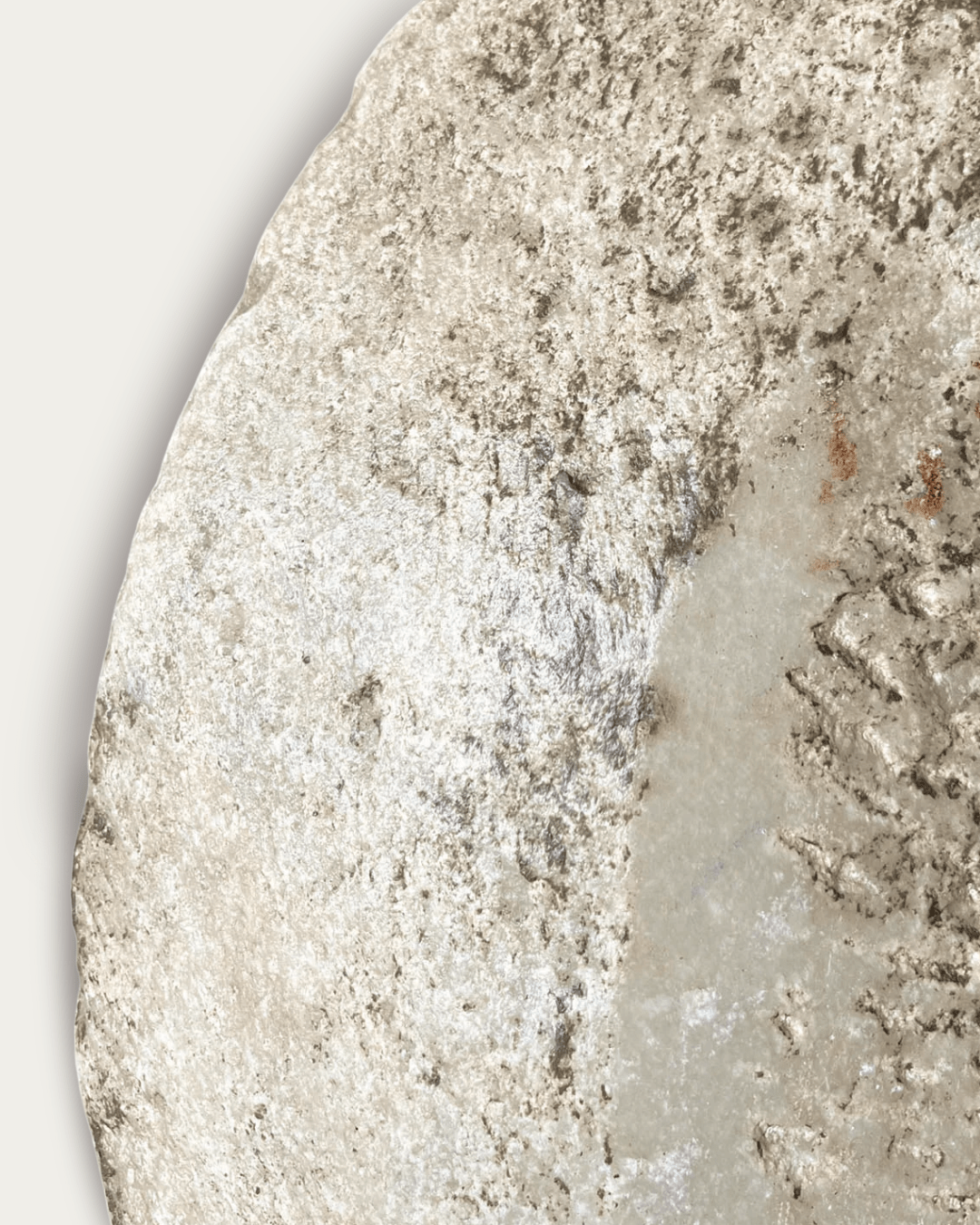
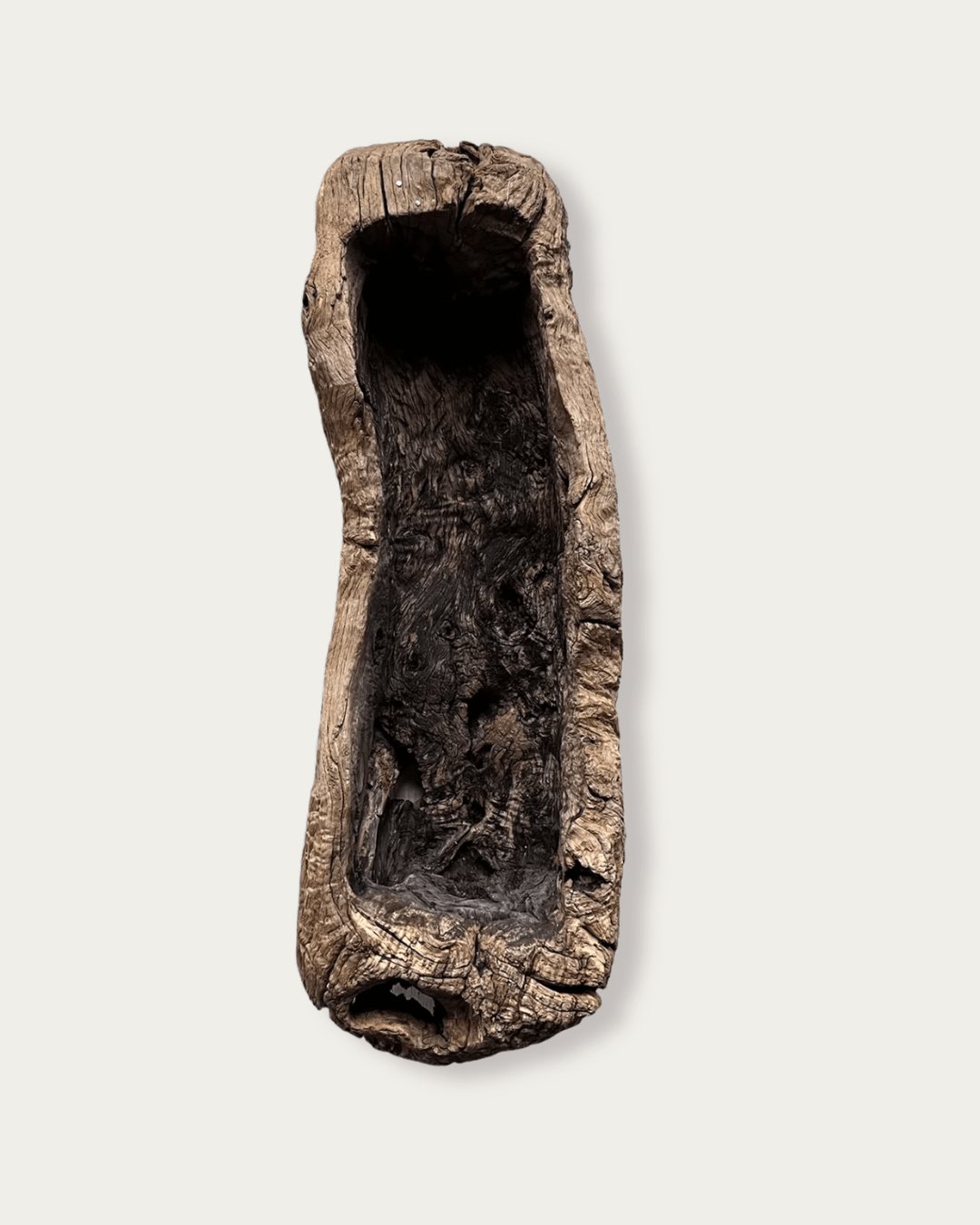
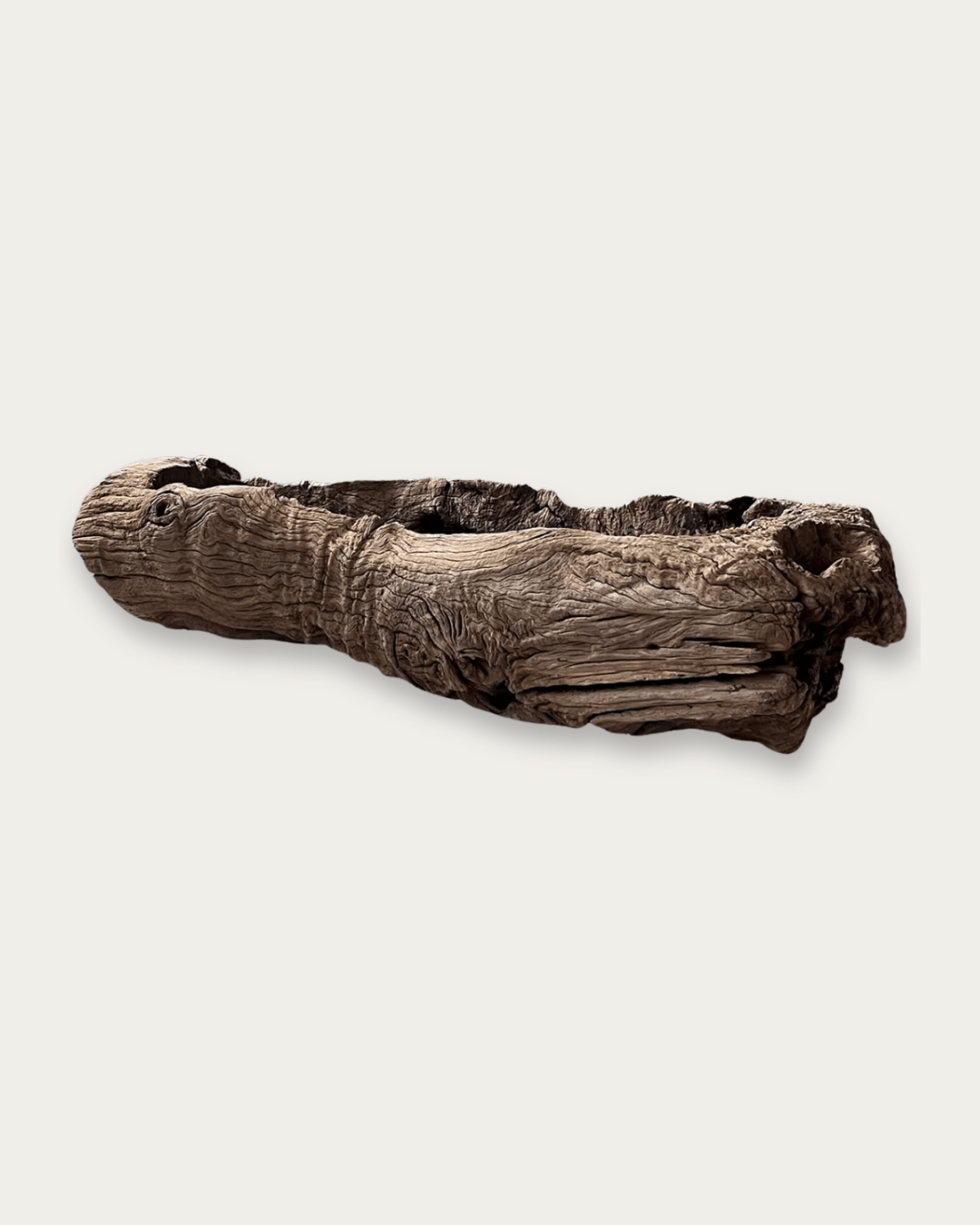
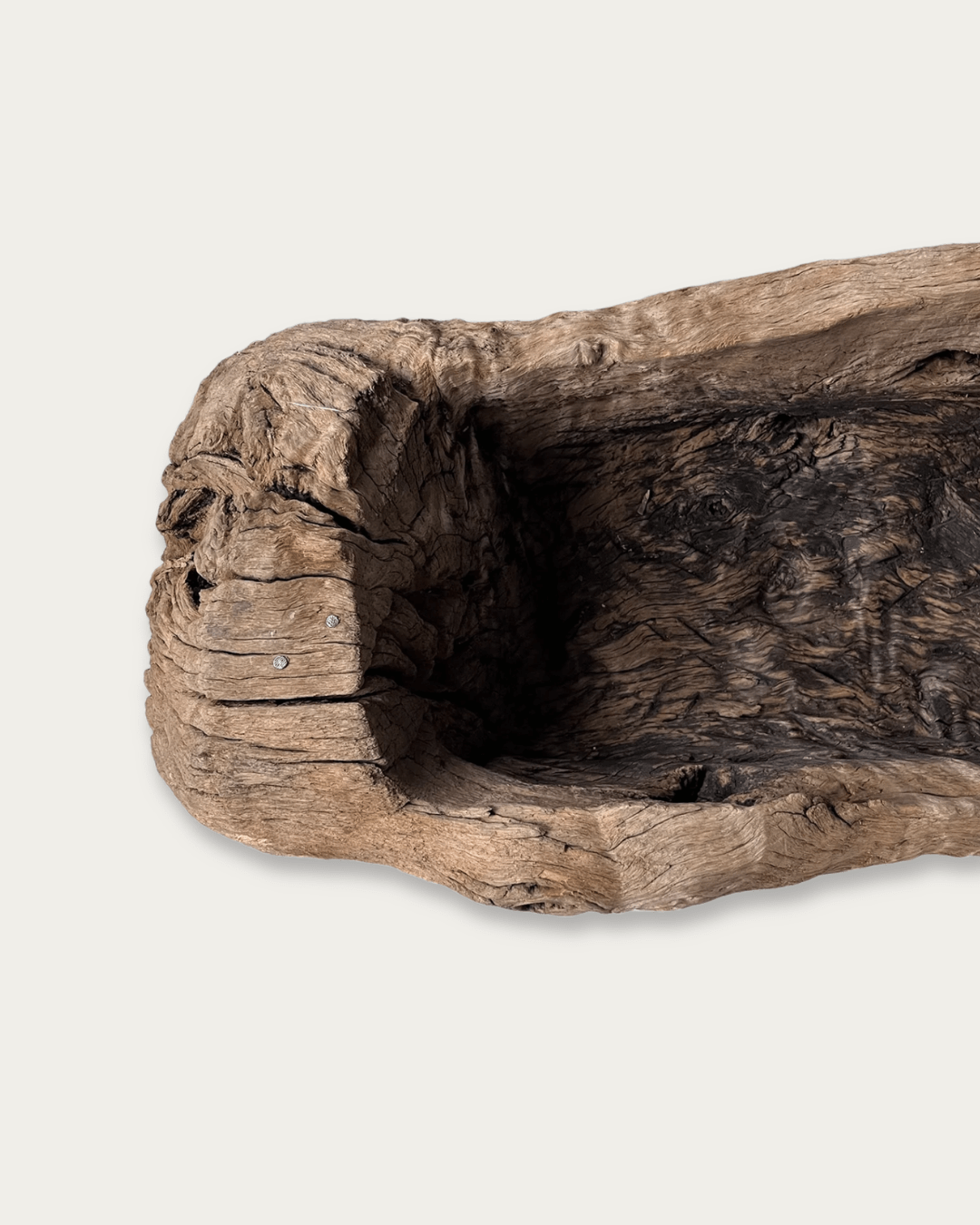
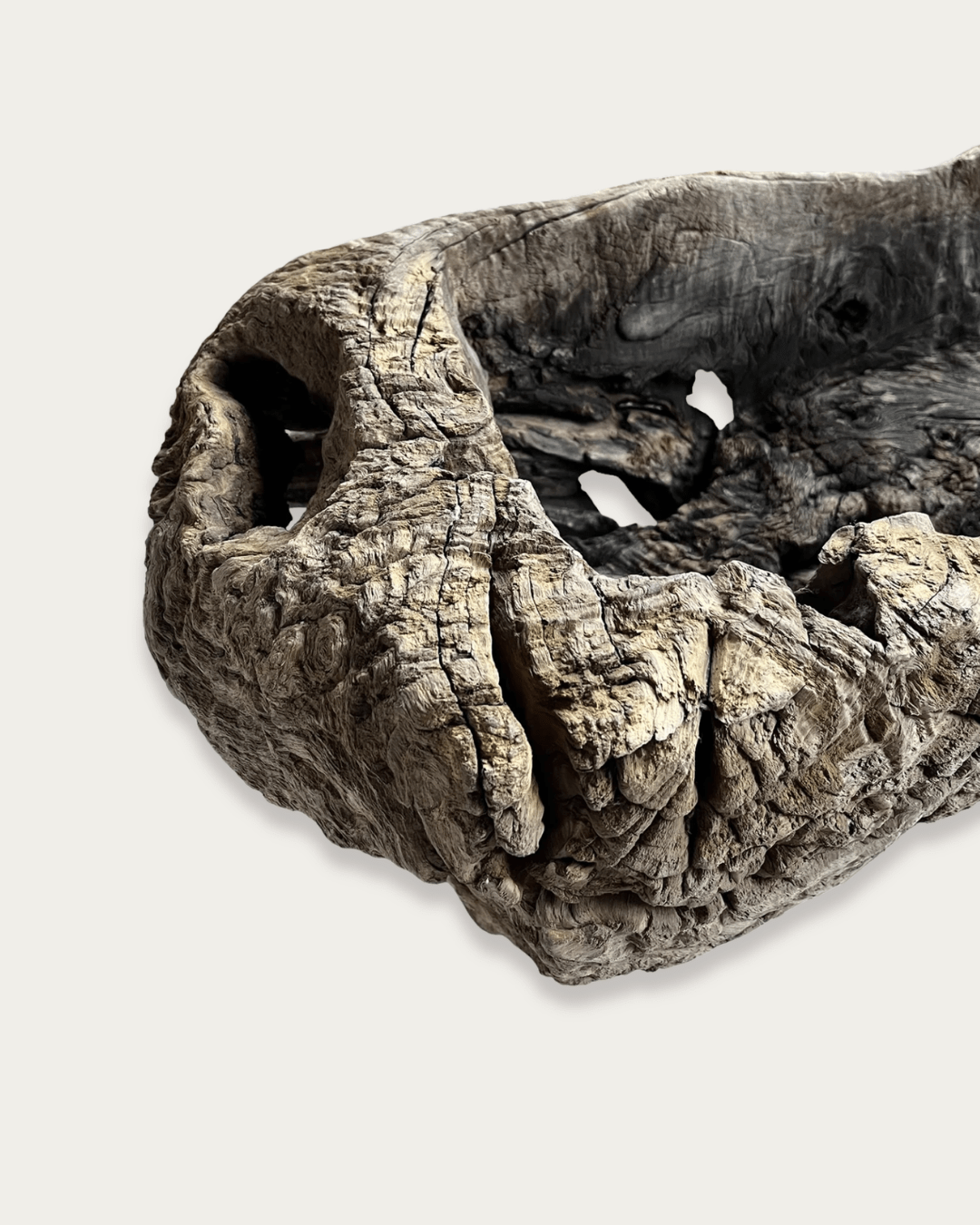
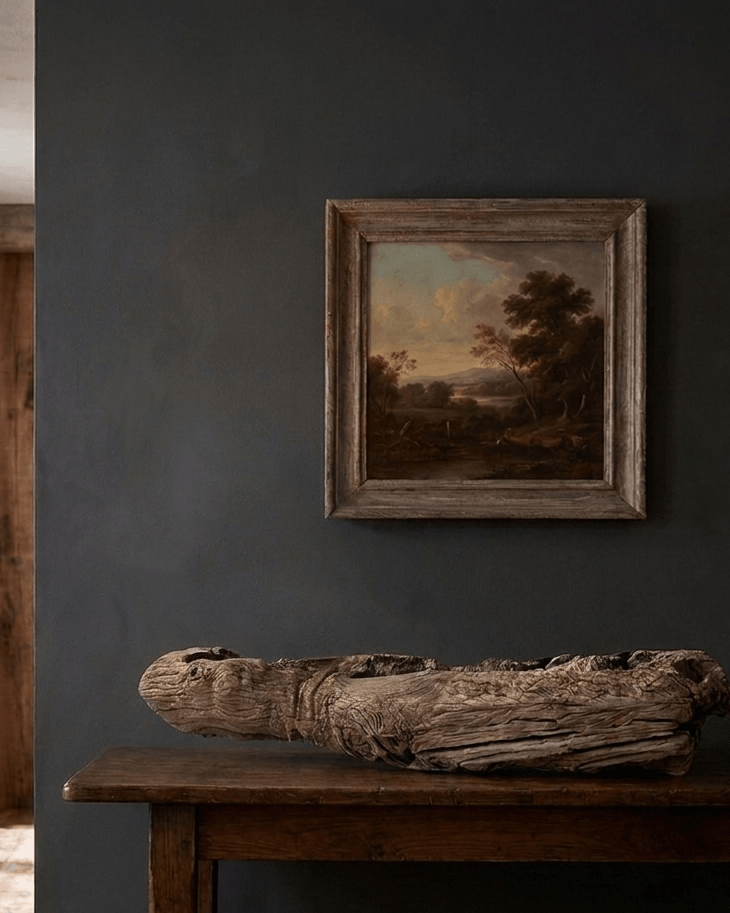
The Carved village grinding table was never meant to be pristine. Its surface tells a story of repeated use, pressure, and time. In a modern home, it can serve as a side table, plant stand, or low console—without pretending to be something else.
When surfaces show wear, they lower the stakes. You don’t worry about adding another object or setting something down. The room becomes more livable, not less.
This is where vintage decor quietly outperforms new furniture. It invites interaction instead of caution.
Sculptural Objects With a Job to Do
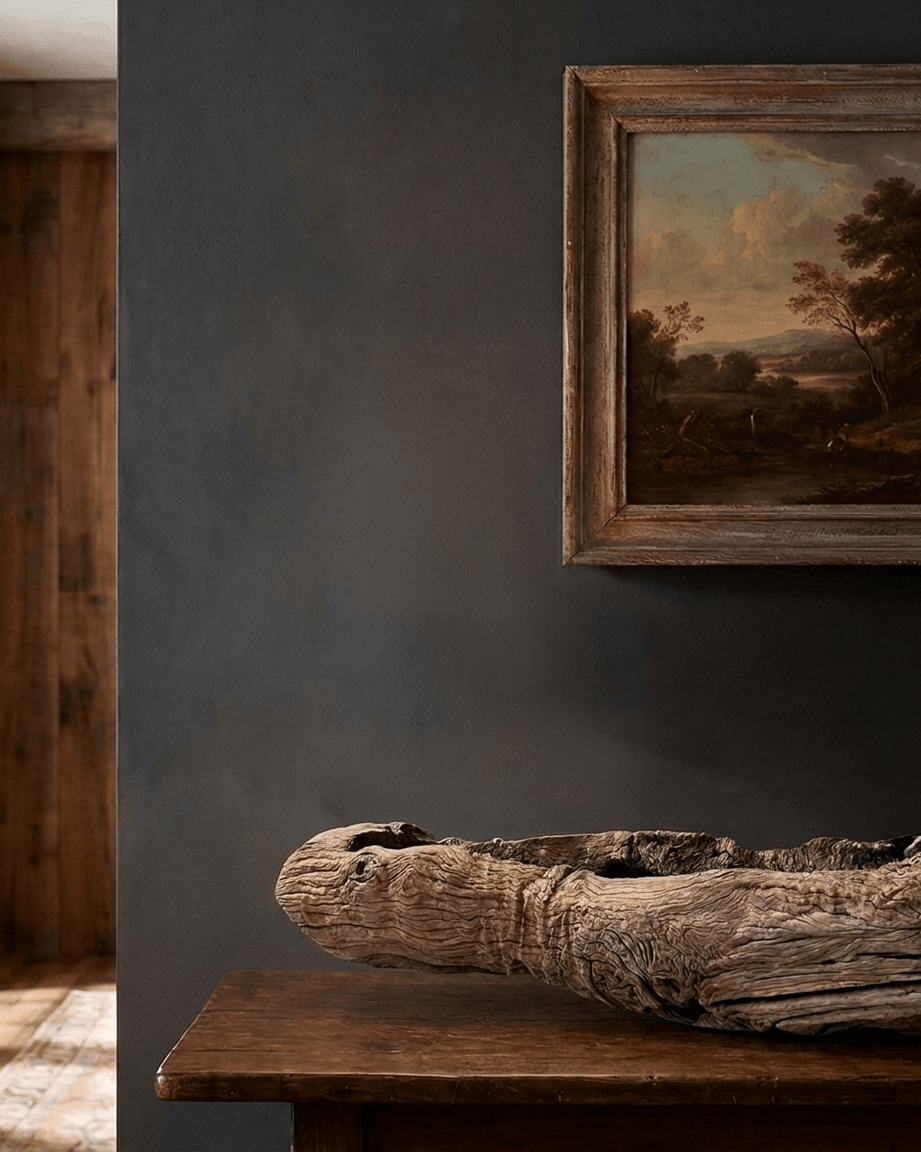
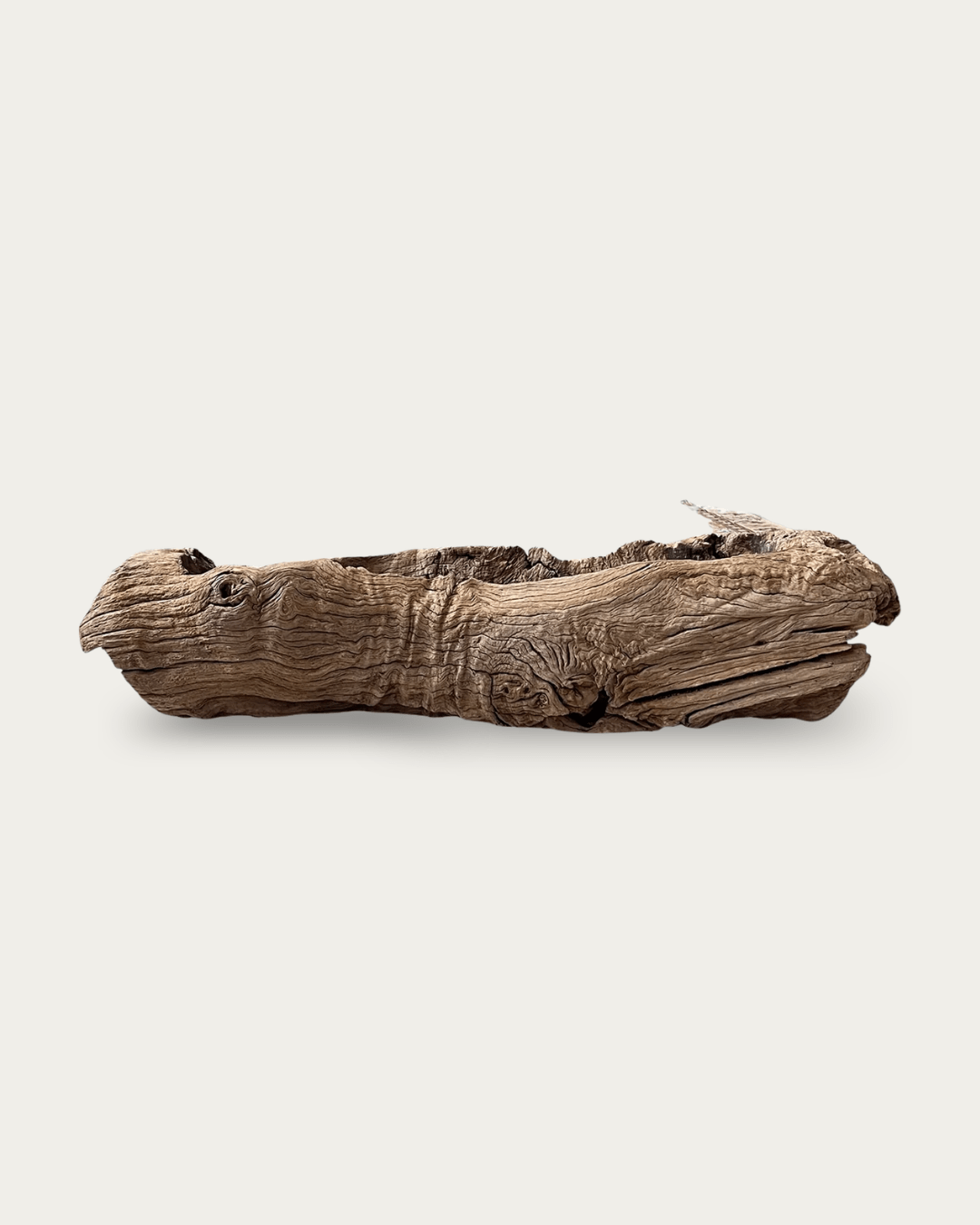
Not every useful object needs to store or carry. Some provide structure through form alone—especially when they break repetition.
The Hand-carved Stick Figure Sculpture works best when it’s not crowded. Placed near a doorway, window, or transition point, it creates a moment of pause. It doesn’t decorate the room; it punctuates it.
Paired with something grounded—like a low table or container—it adds contrast without noise. The key is restraint. One sculptural piece per zone is usually enough.
When objects are allowed space, they don’t need explanation.
Function Reduces Visual Clutter
Here’s the counterintuitive truth: using objects actually makes rooms feel calmer. When vintage decor has a clear role, there’s less temptation to add filler.
A zinc basin holding daily items replaces three smaller containers. A cart replaces multiple side tables. A heavy scale replaces scattered bowls. Function compresses decisions.
This is especially effective in open-plan homes, where visual flow matters. Instead of styling every surface, you define zones with working pieces. The room reads cleaner, even though nothing was removed.
Letting Vintage Decor Age Forward
Another benefit of functional use is longevity. Pieces that are used continue to evolve. Scratches blend in. Patina deepens. The object stays relevant because it’s part of daily life.
Display-only pieces stagnate. Used pieces adapt.
That’s why vintage decor feels most convincing when it’s integrated into routines. It becomes part of how the home operates, not just how it looks.
Conclusion: Use Changes Everything
Vintage decor doesn’t need to be protected to be respected. In fact, the opposite is true. When old objects are allowed to work again—to hold, carry, weigh, move—they regain their relevance.
The most compelling homes aren’t filled with things to look at. They’re shaped by things that do something.
Explore the vintage decor collection and look for pieces that can earn their place—not by sitting still, but by being used.