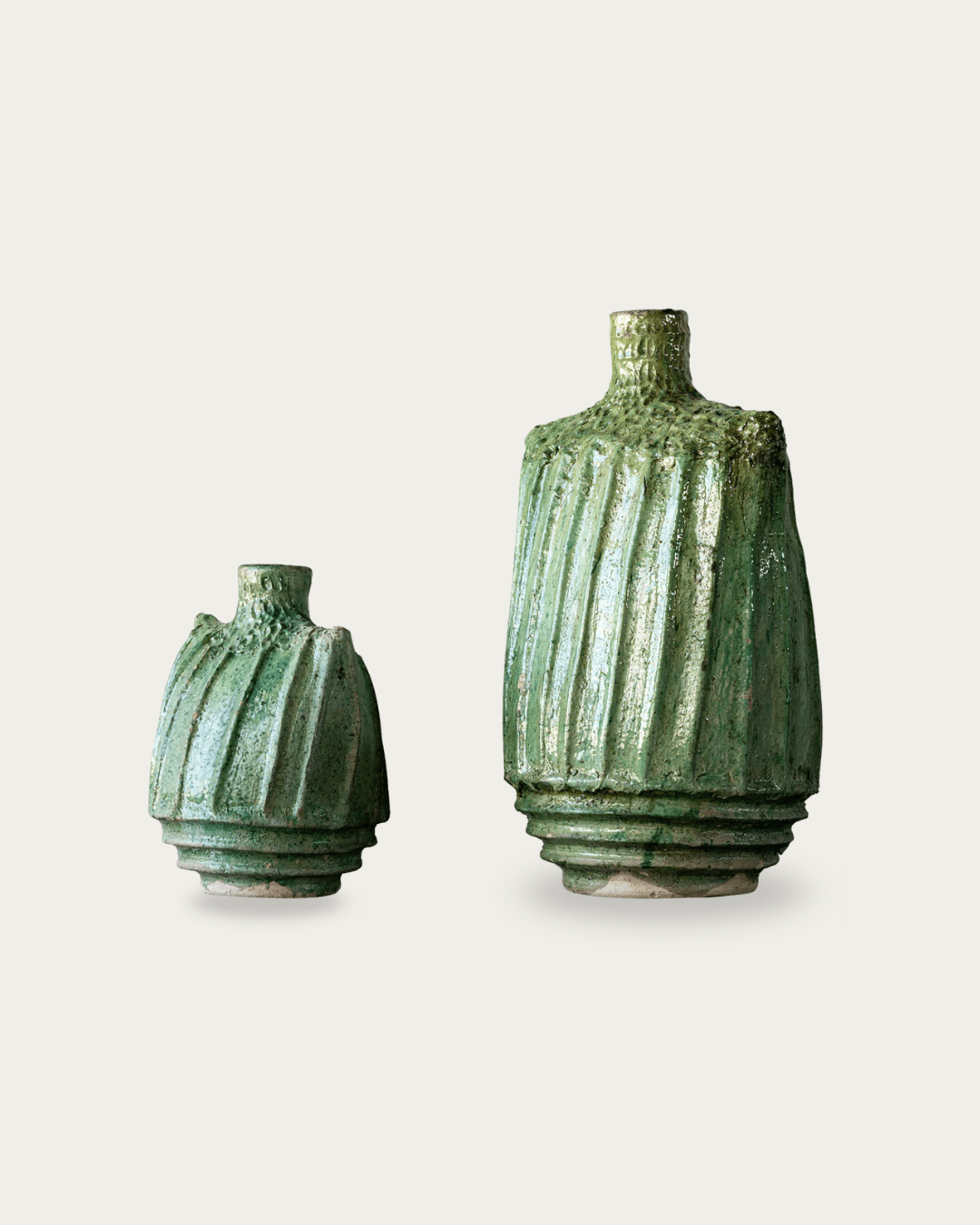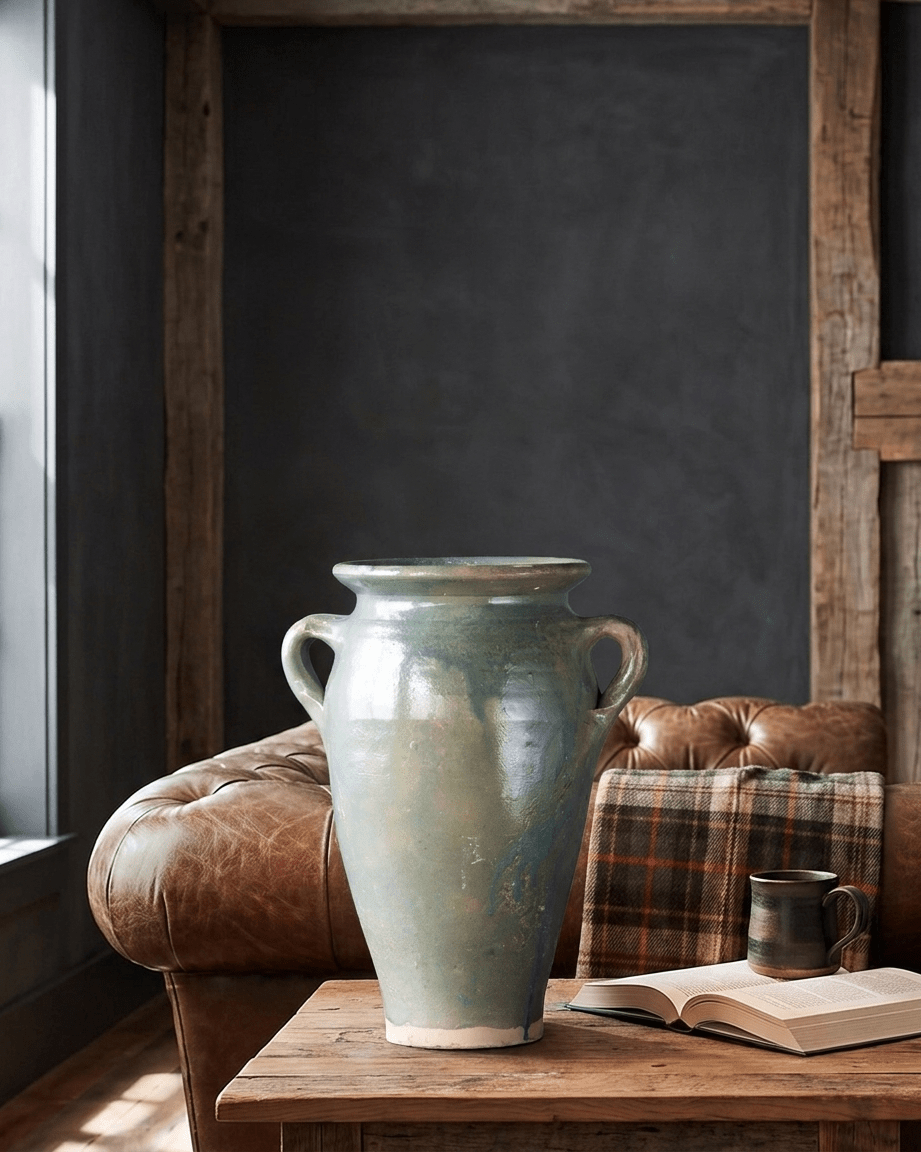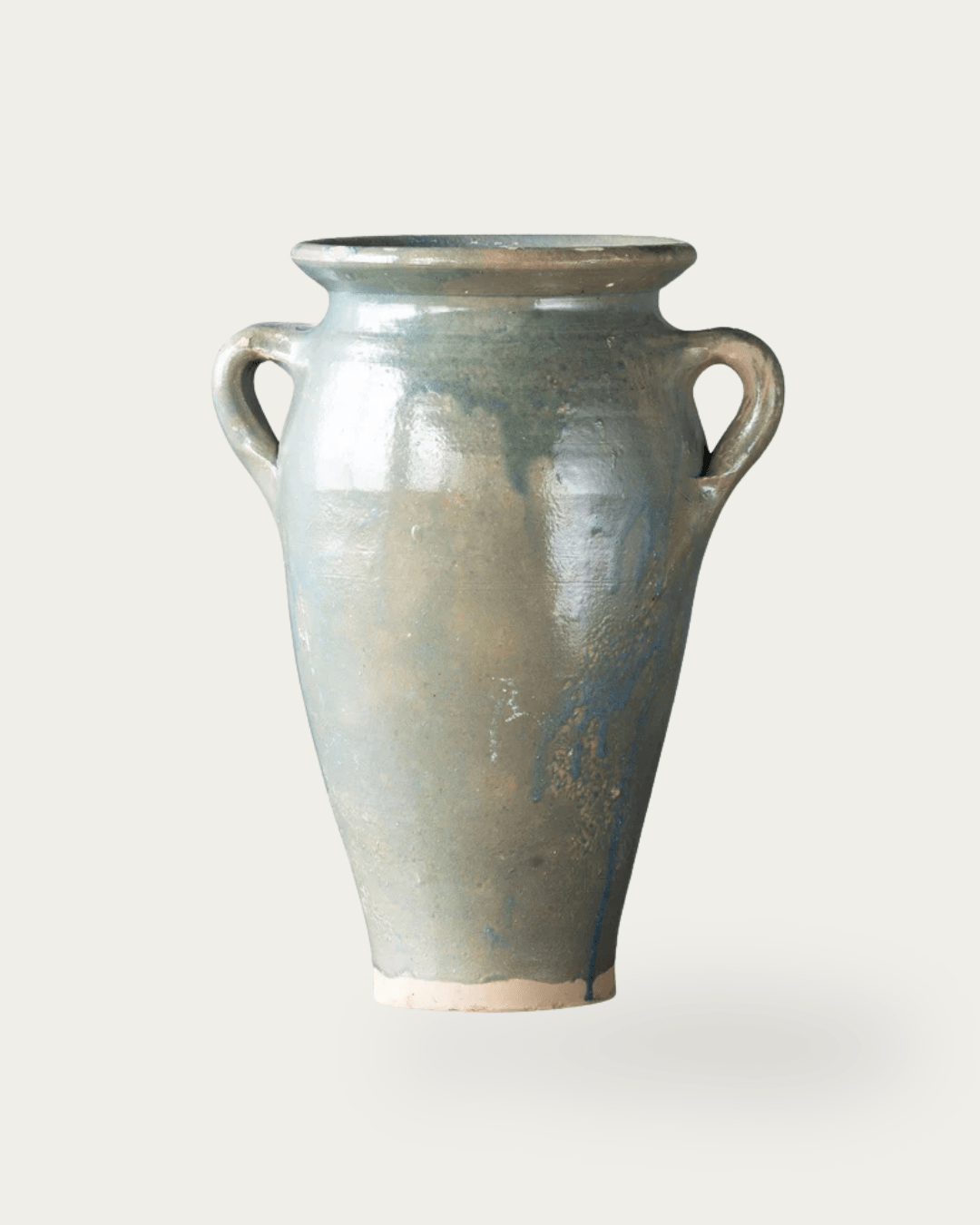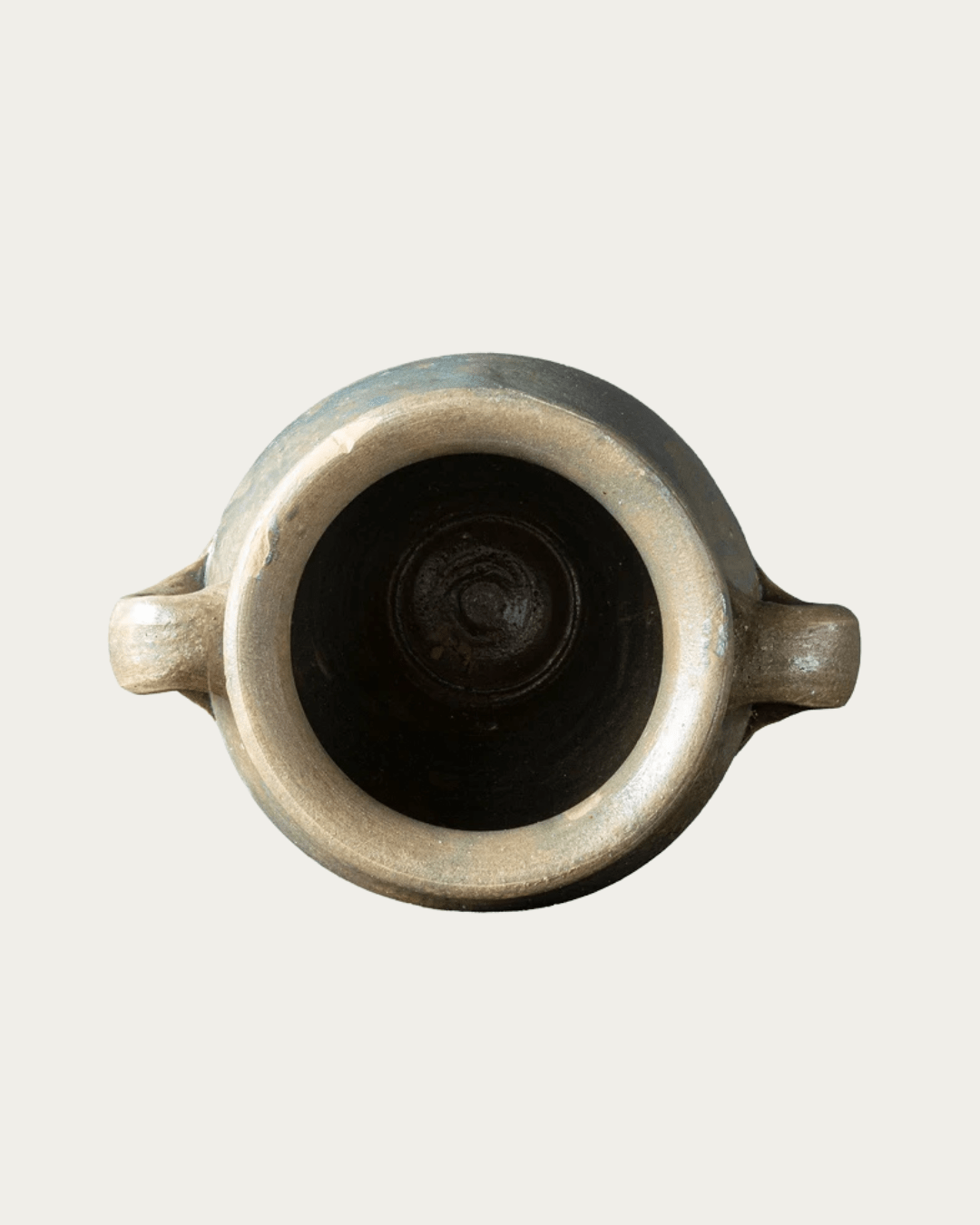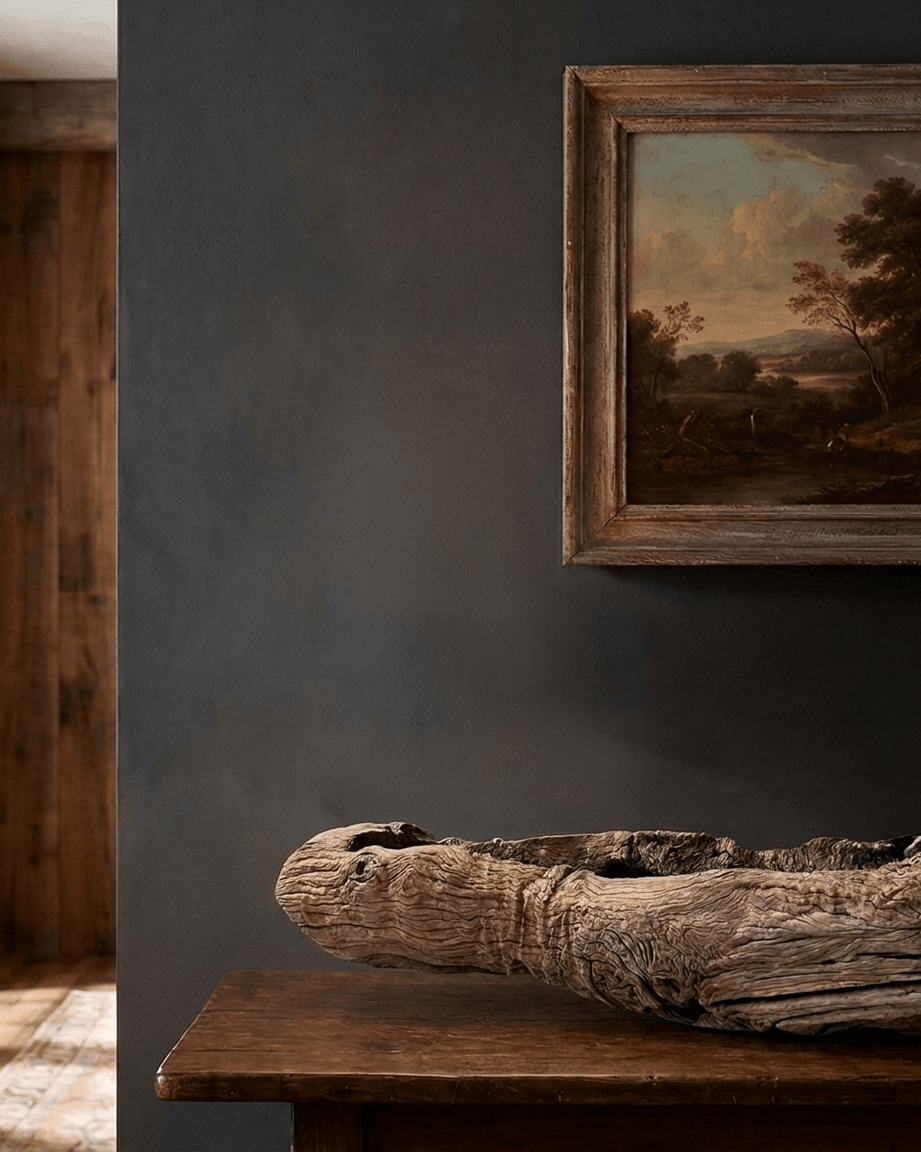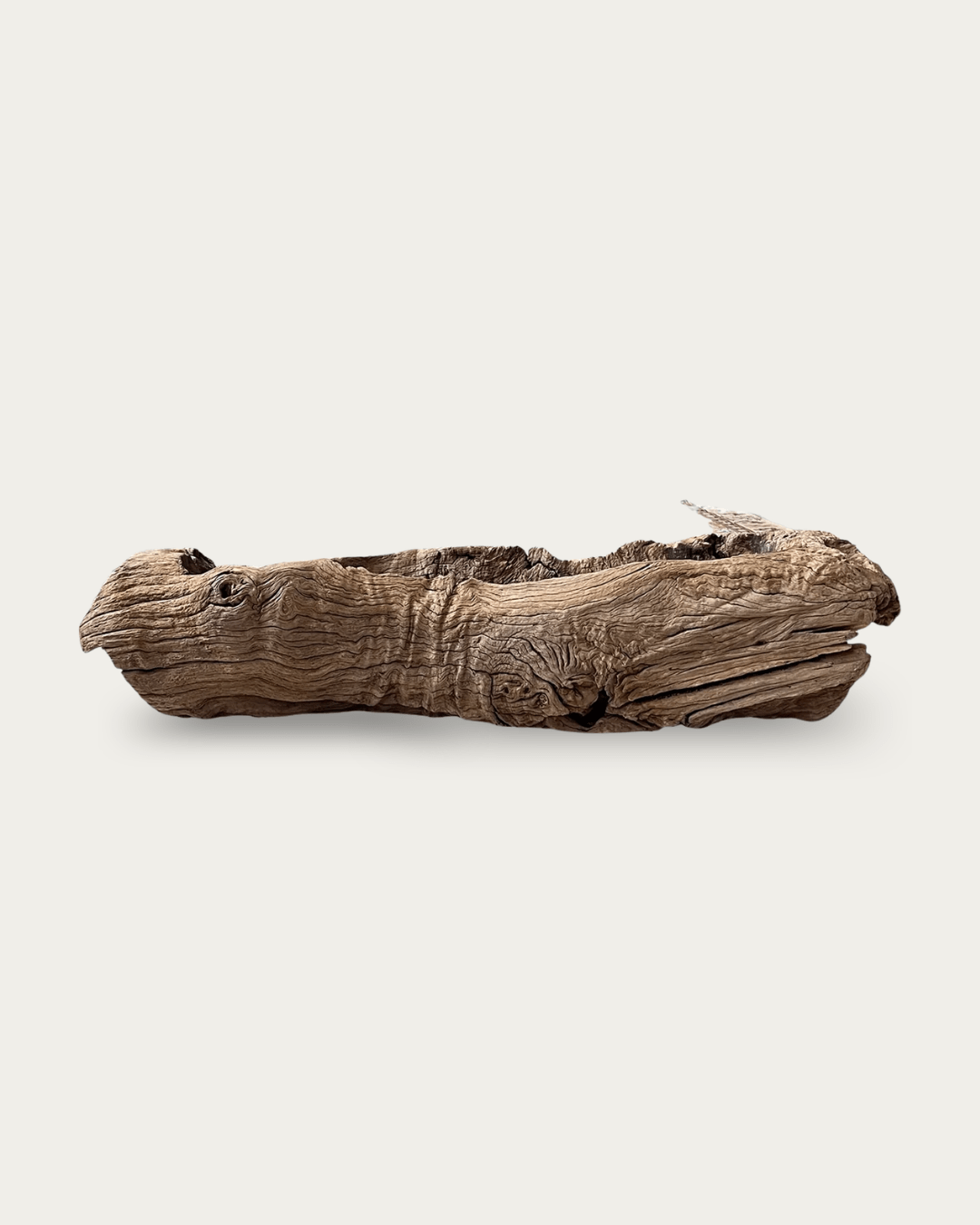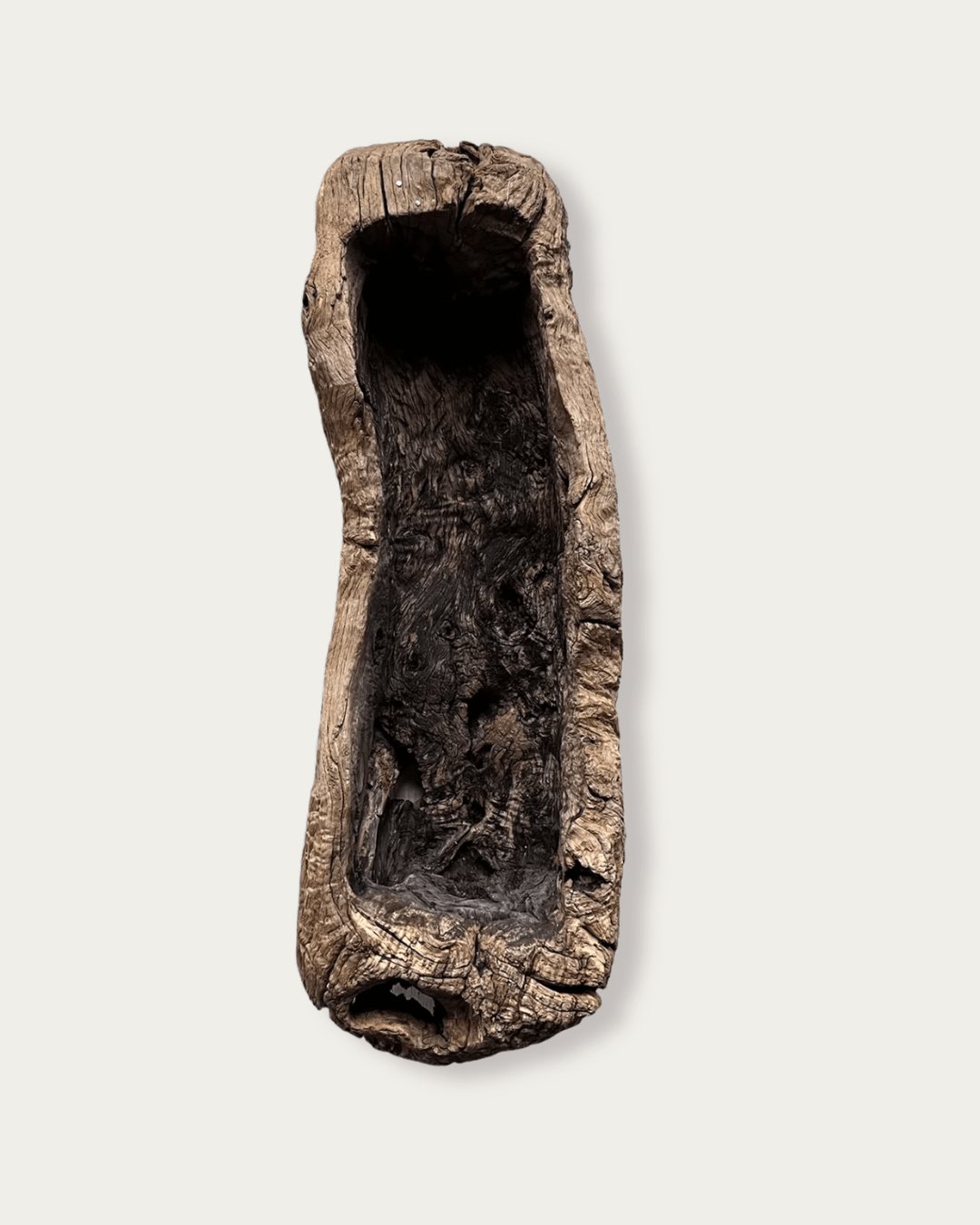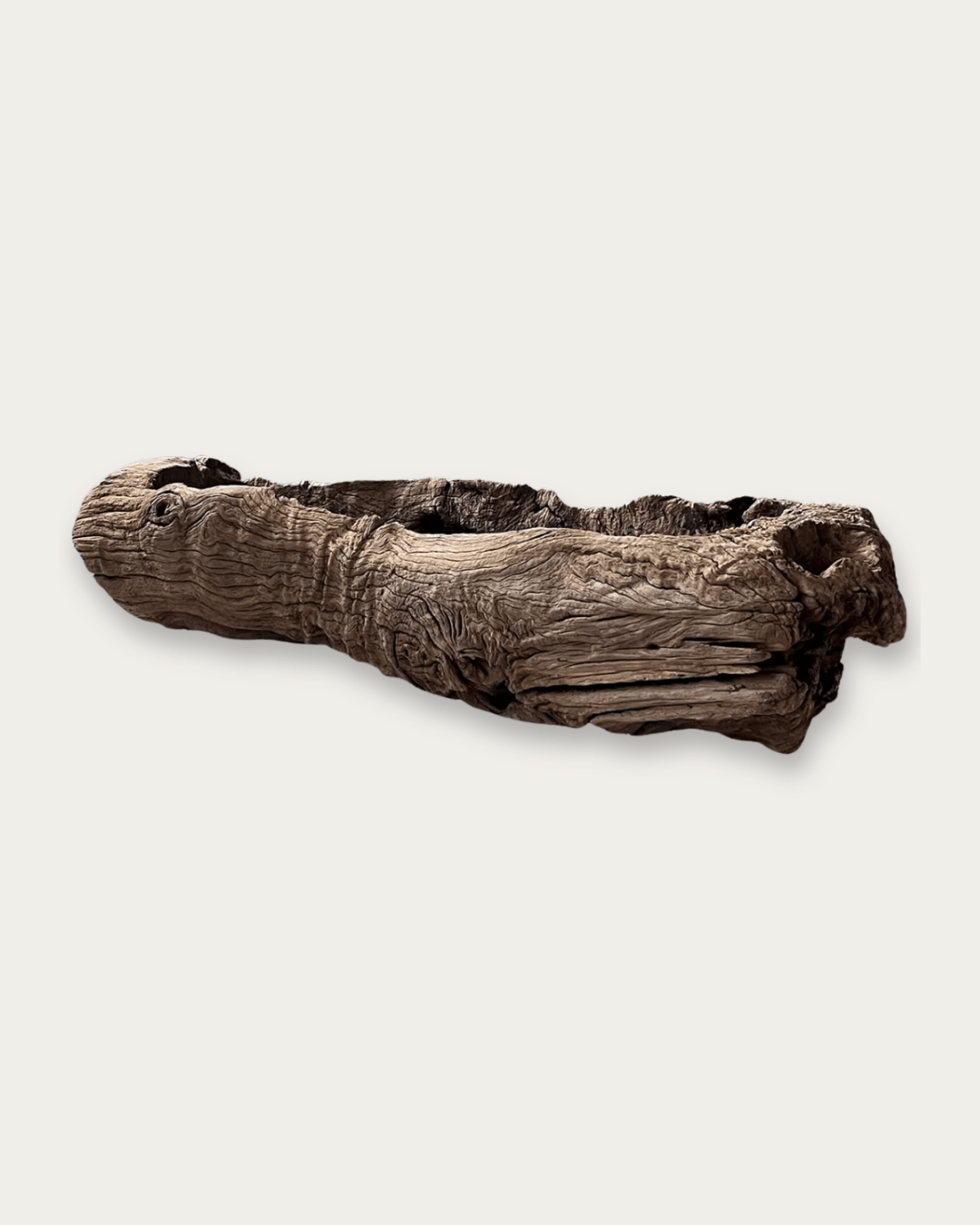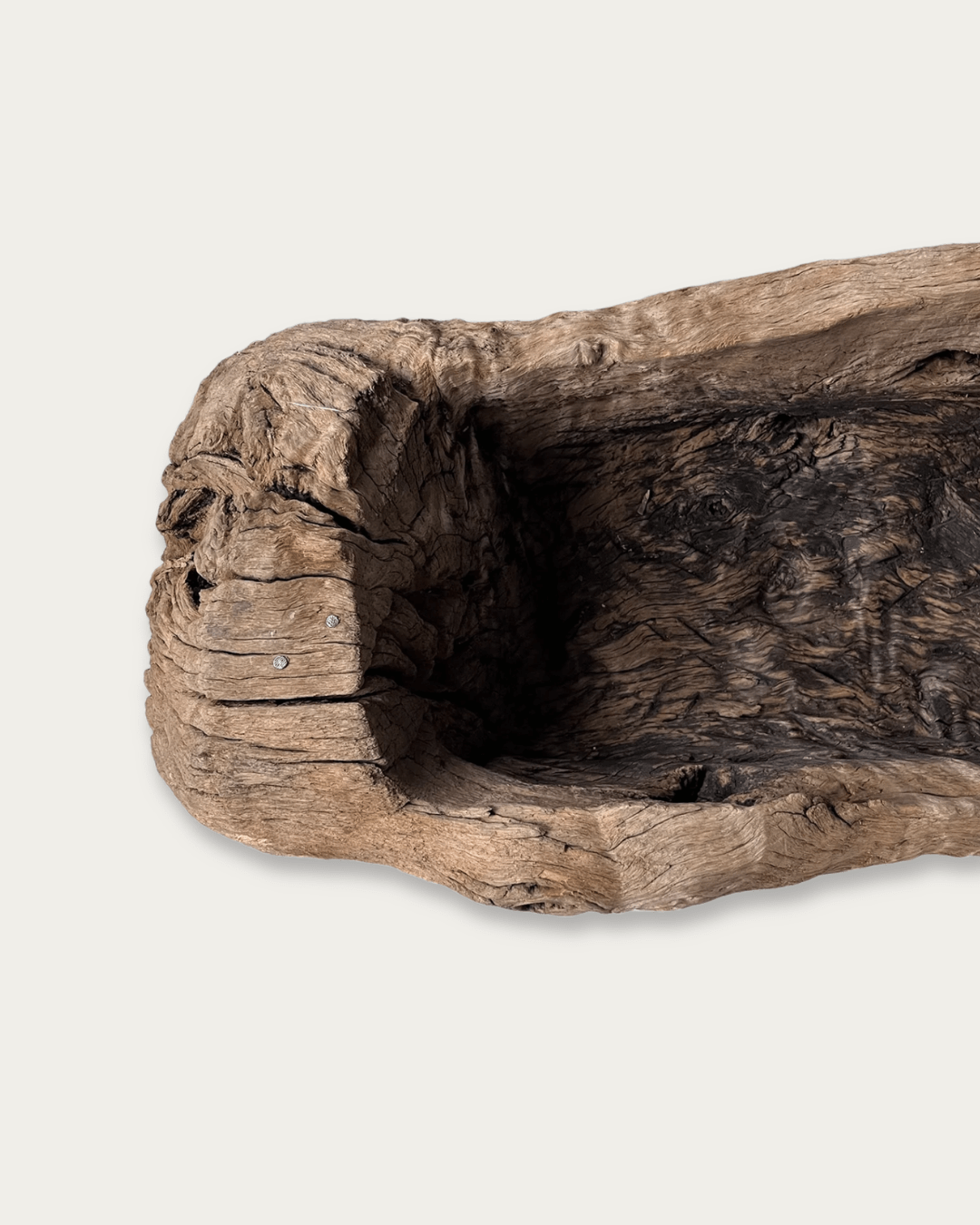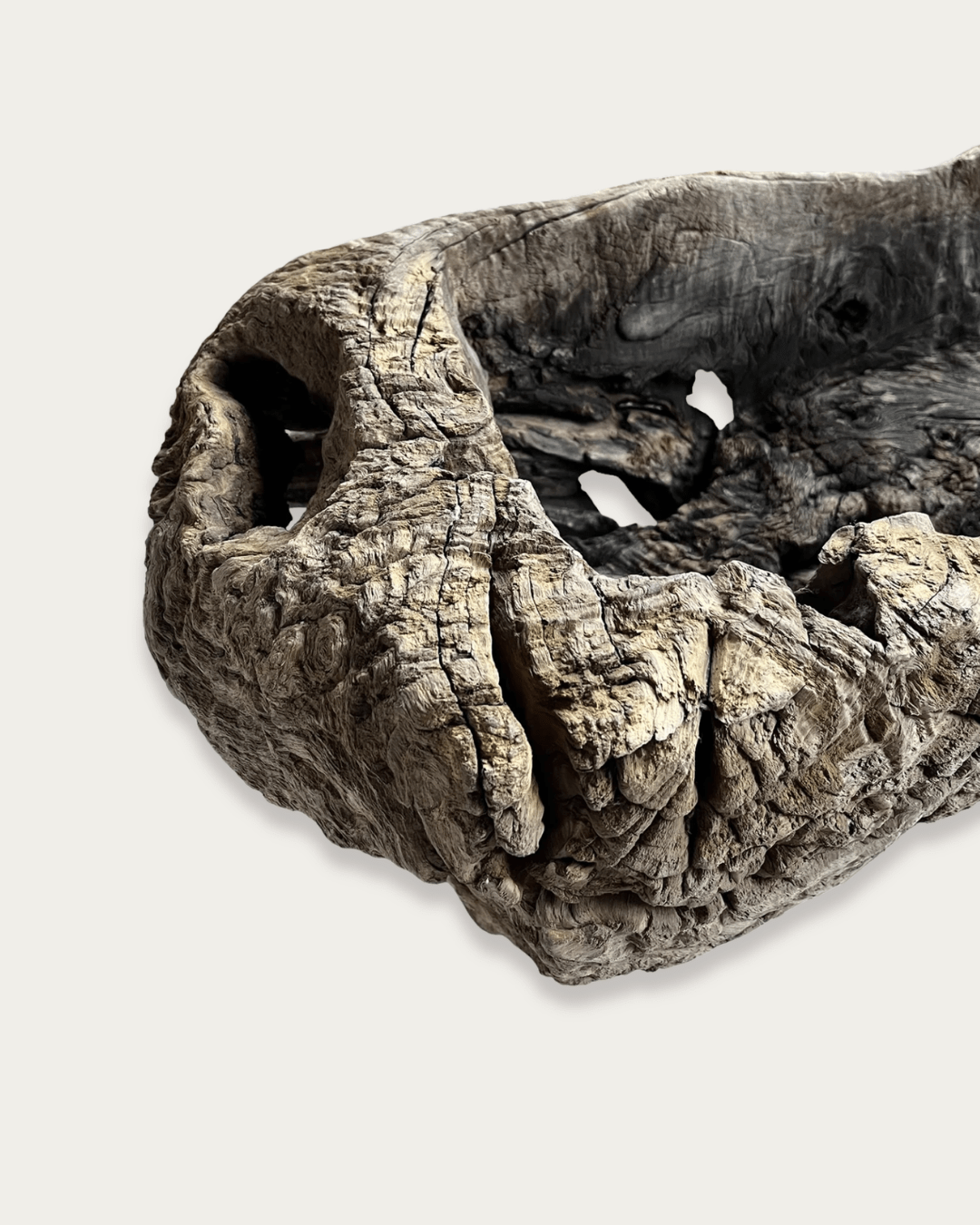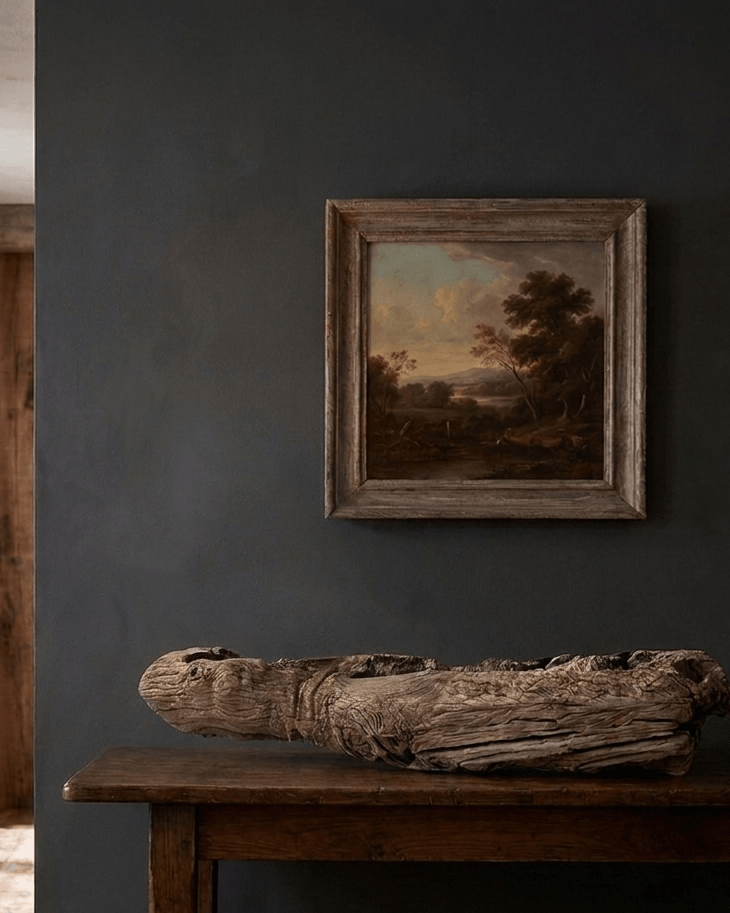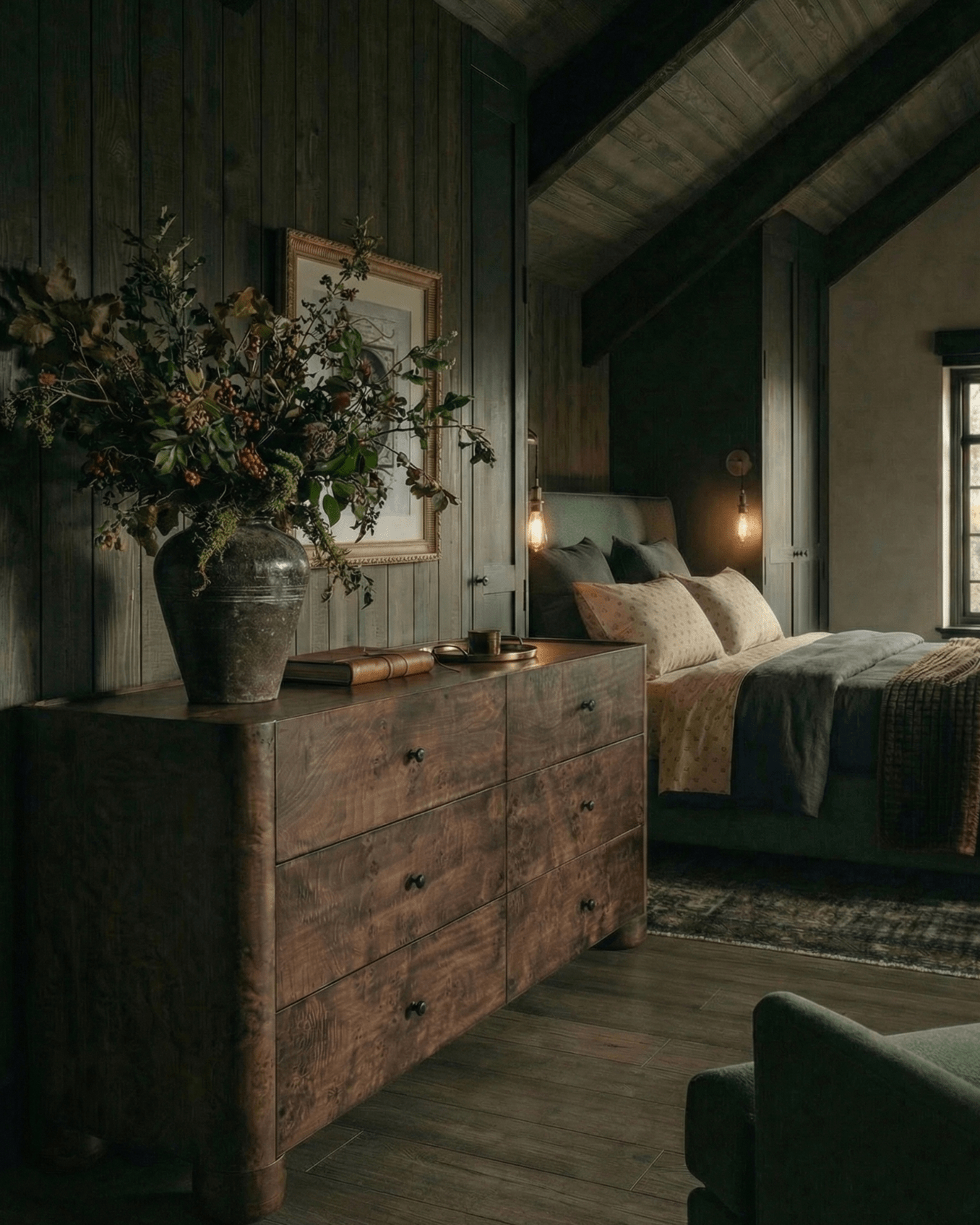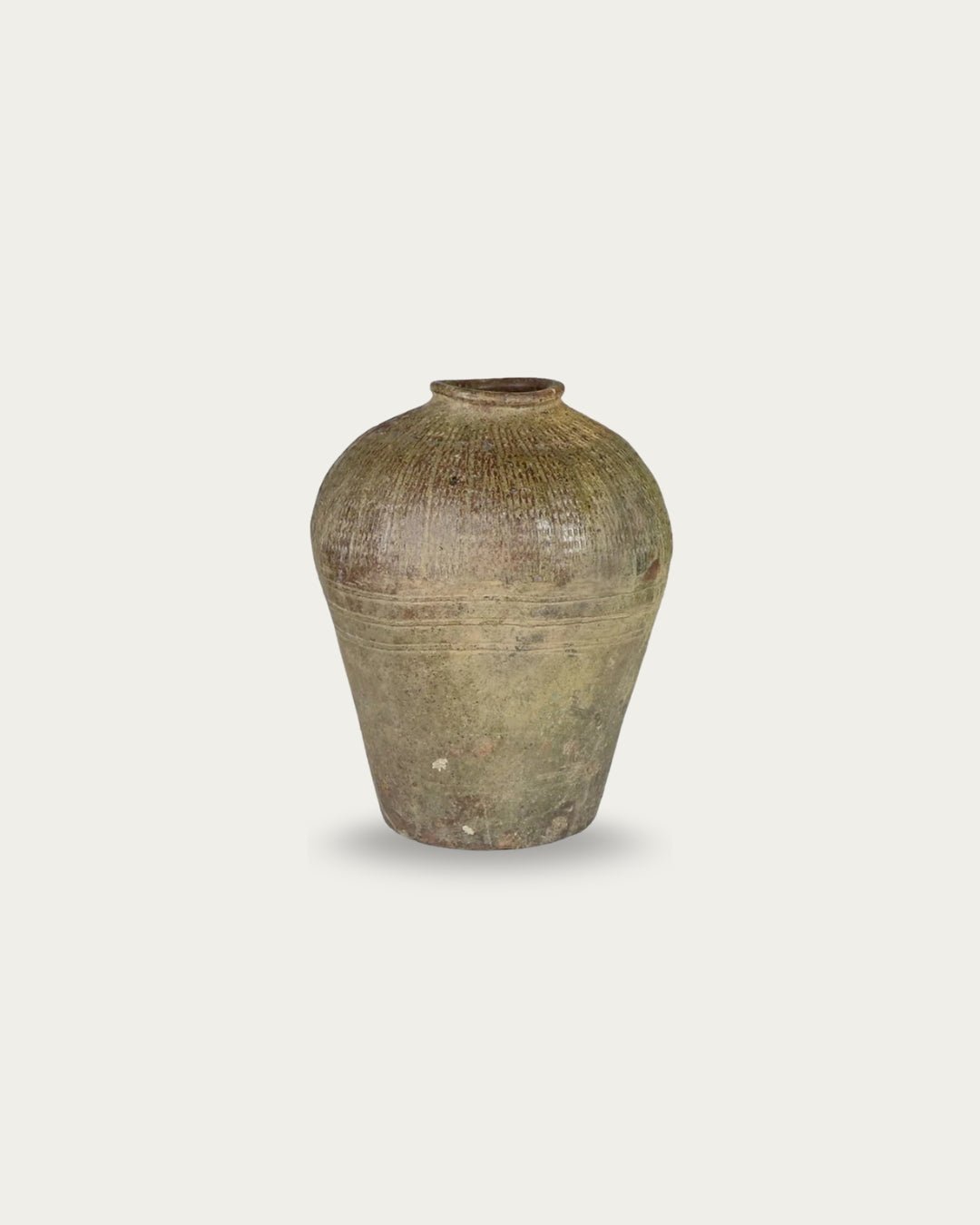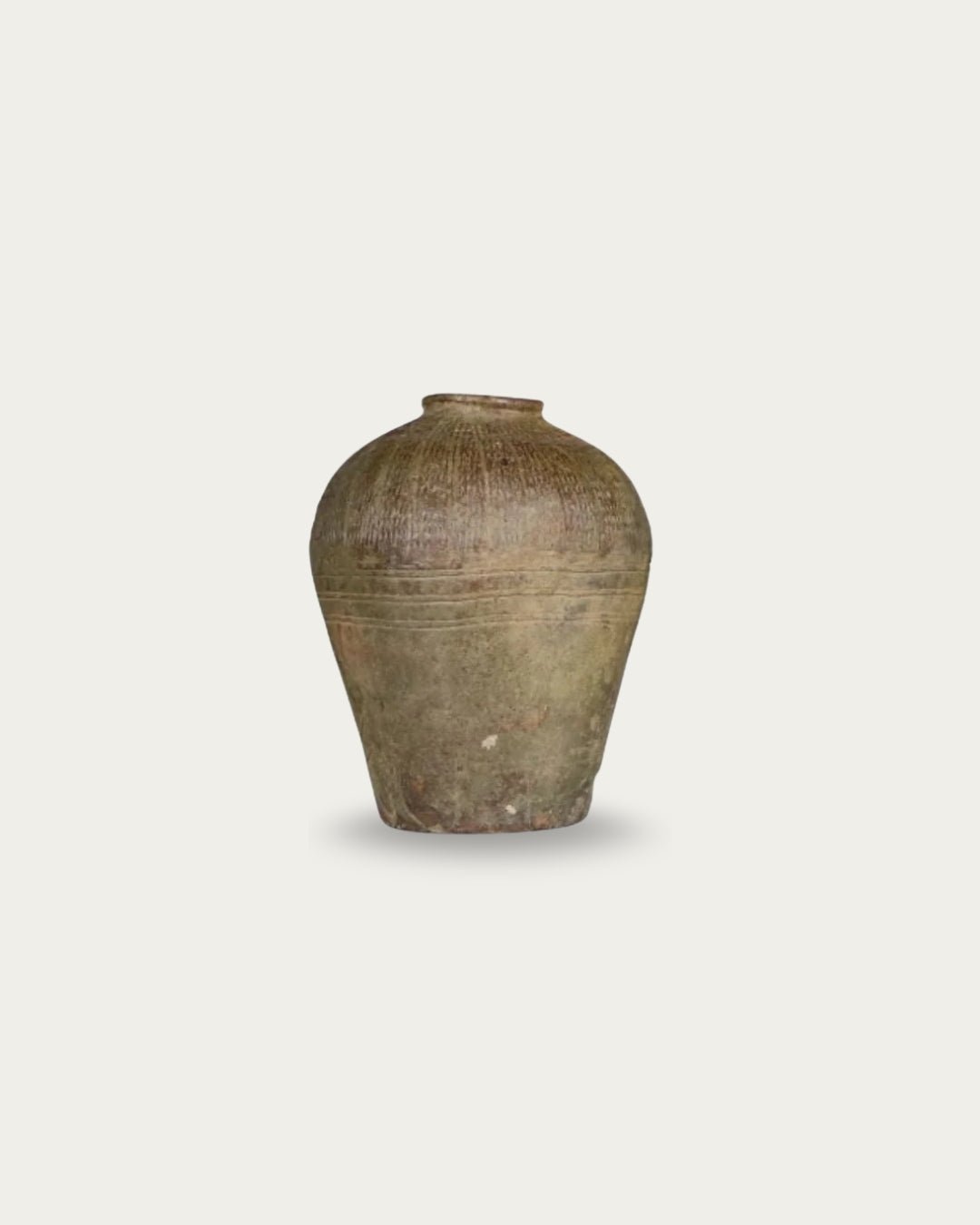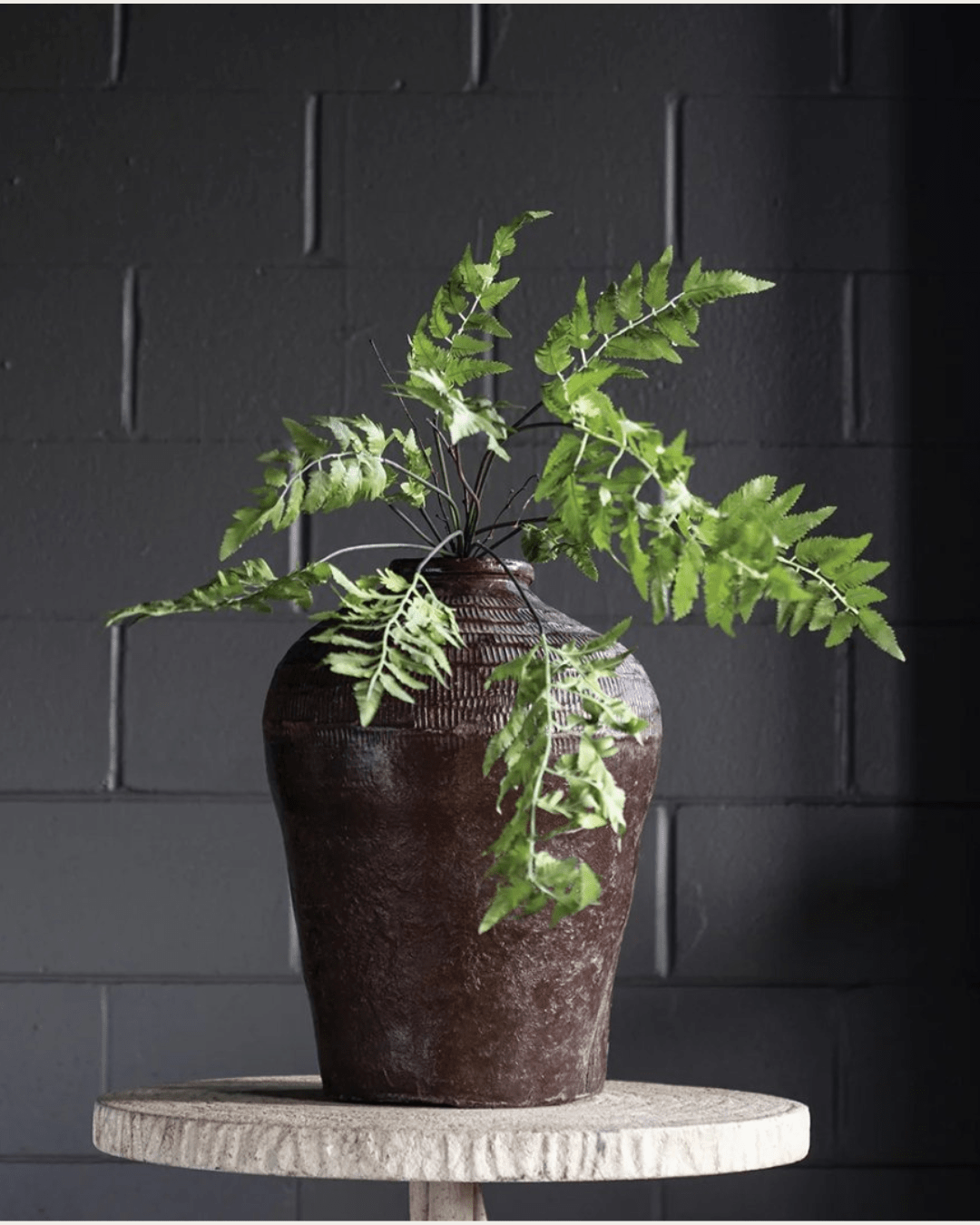






Most people approach a vintage pot the same way they approach decor: cautiously. They choose a size that feels safe. Easy to place. Easy to move. Easy to style around. And then they wonder why the room still feels unfinished.
Going bigger changes that.
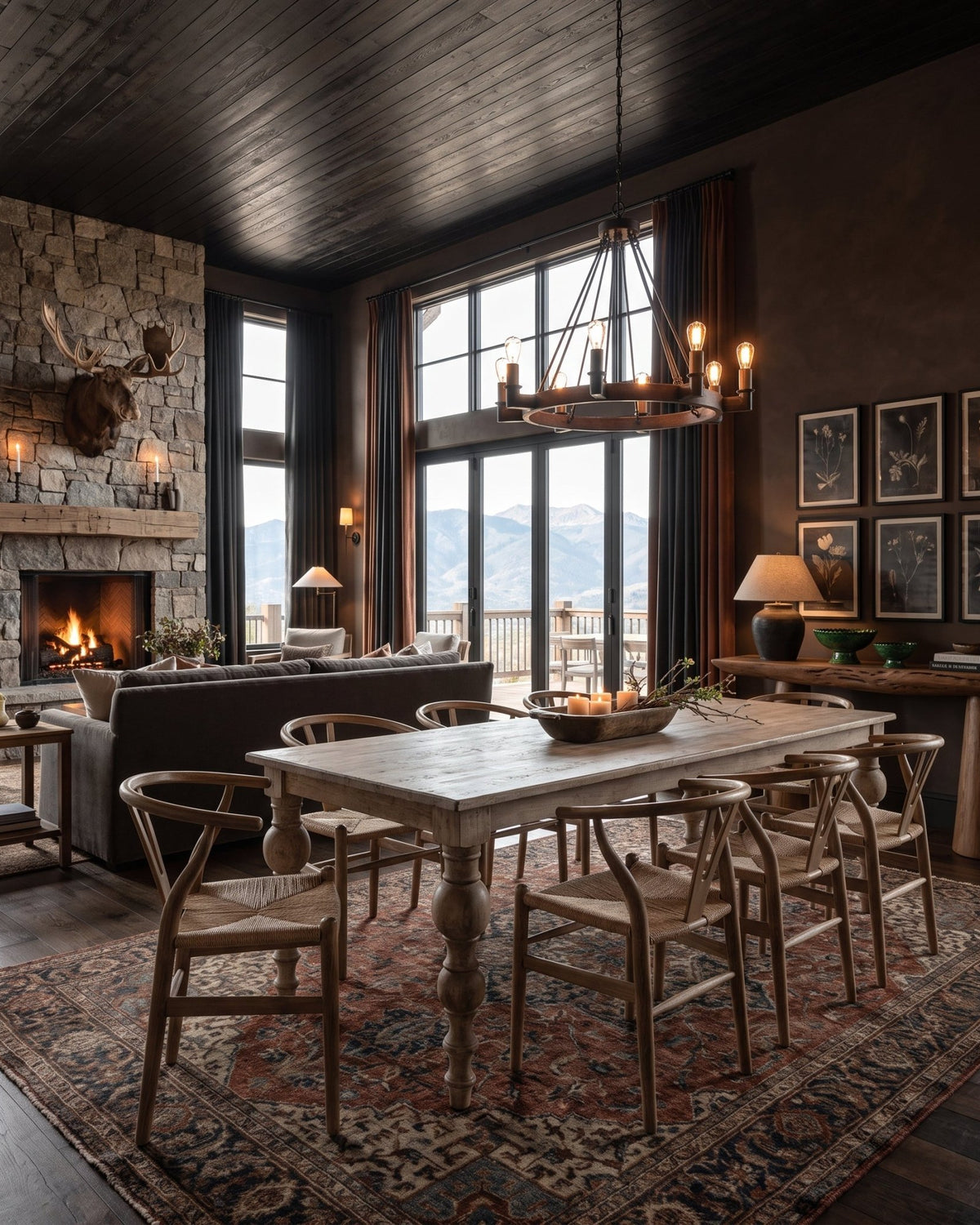
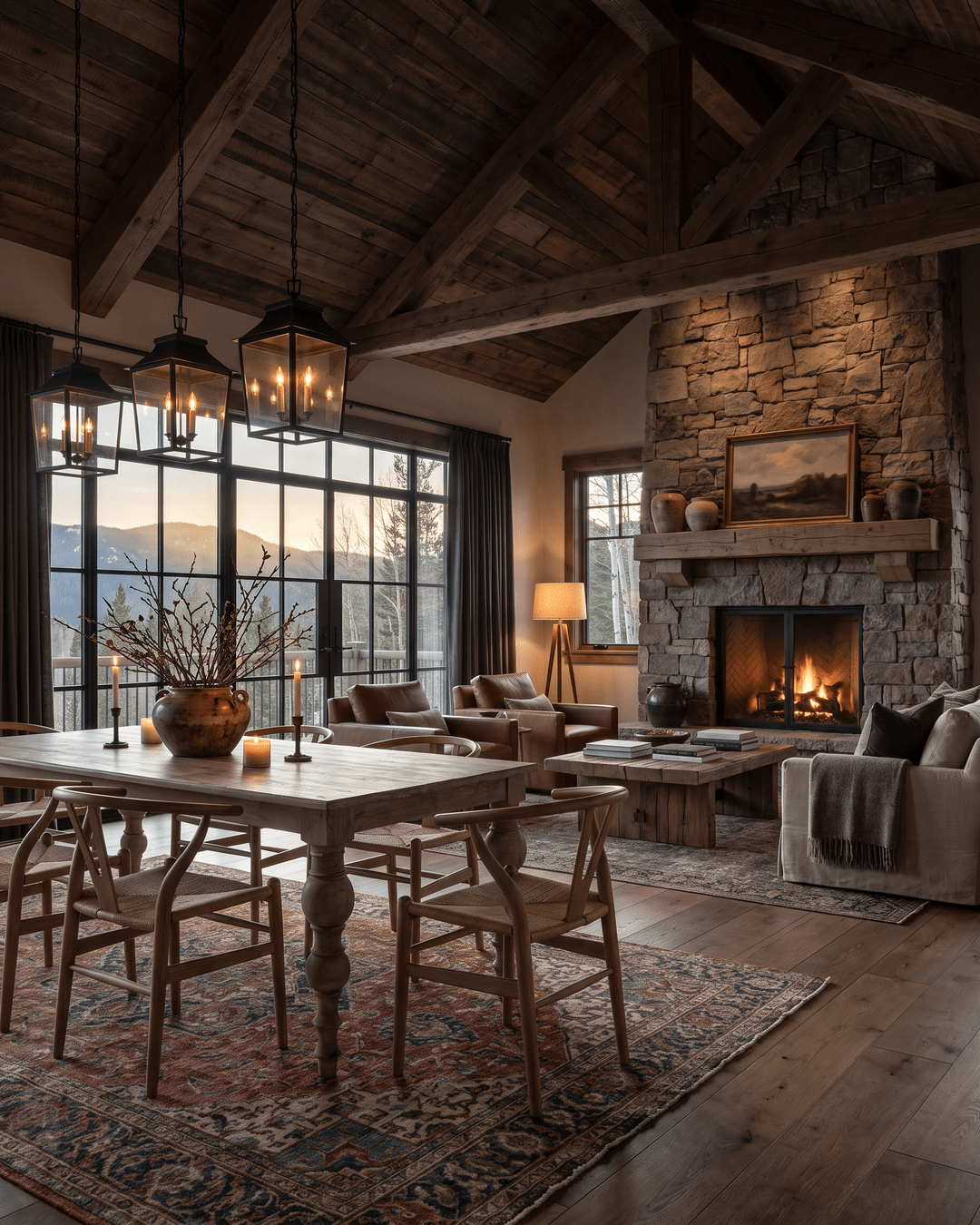
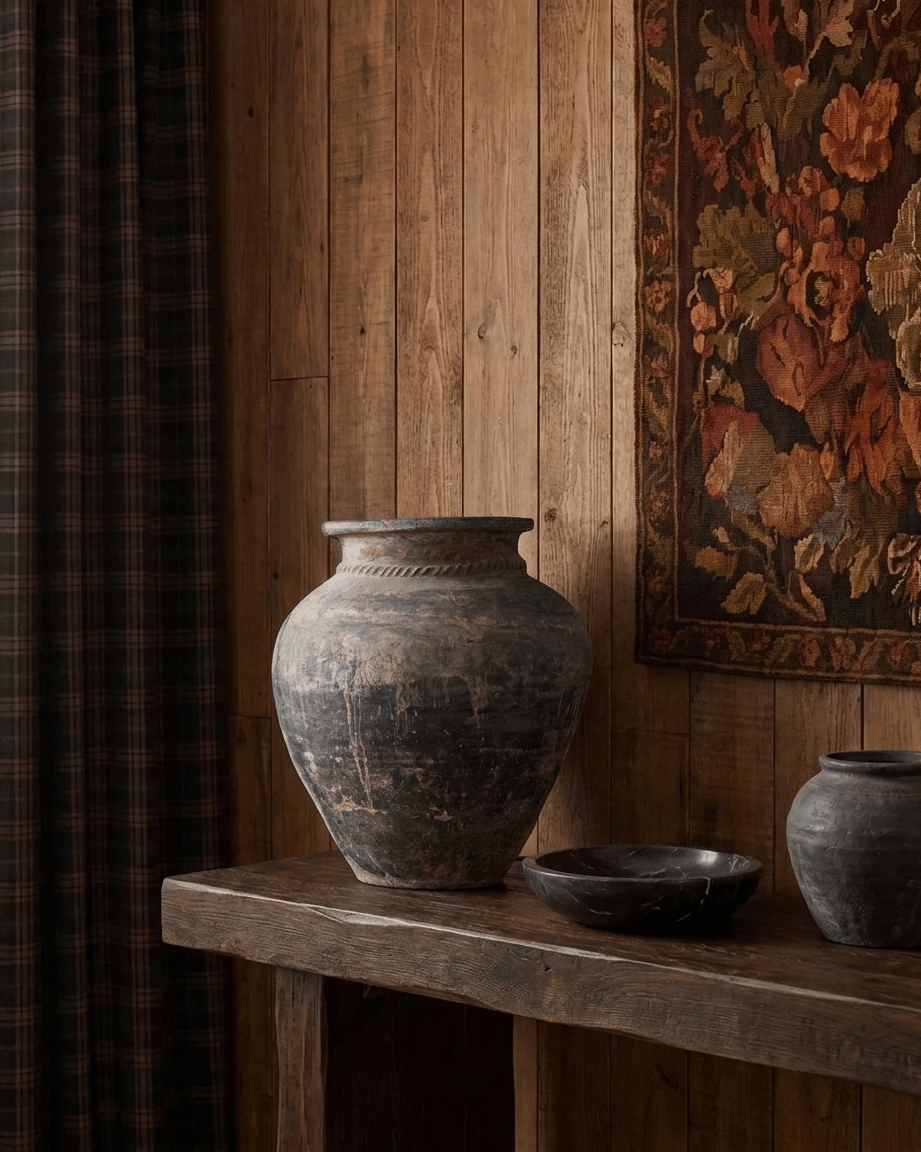
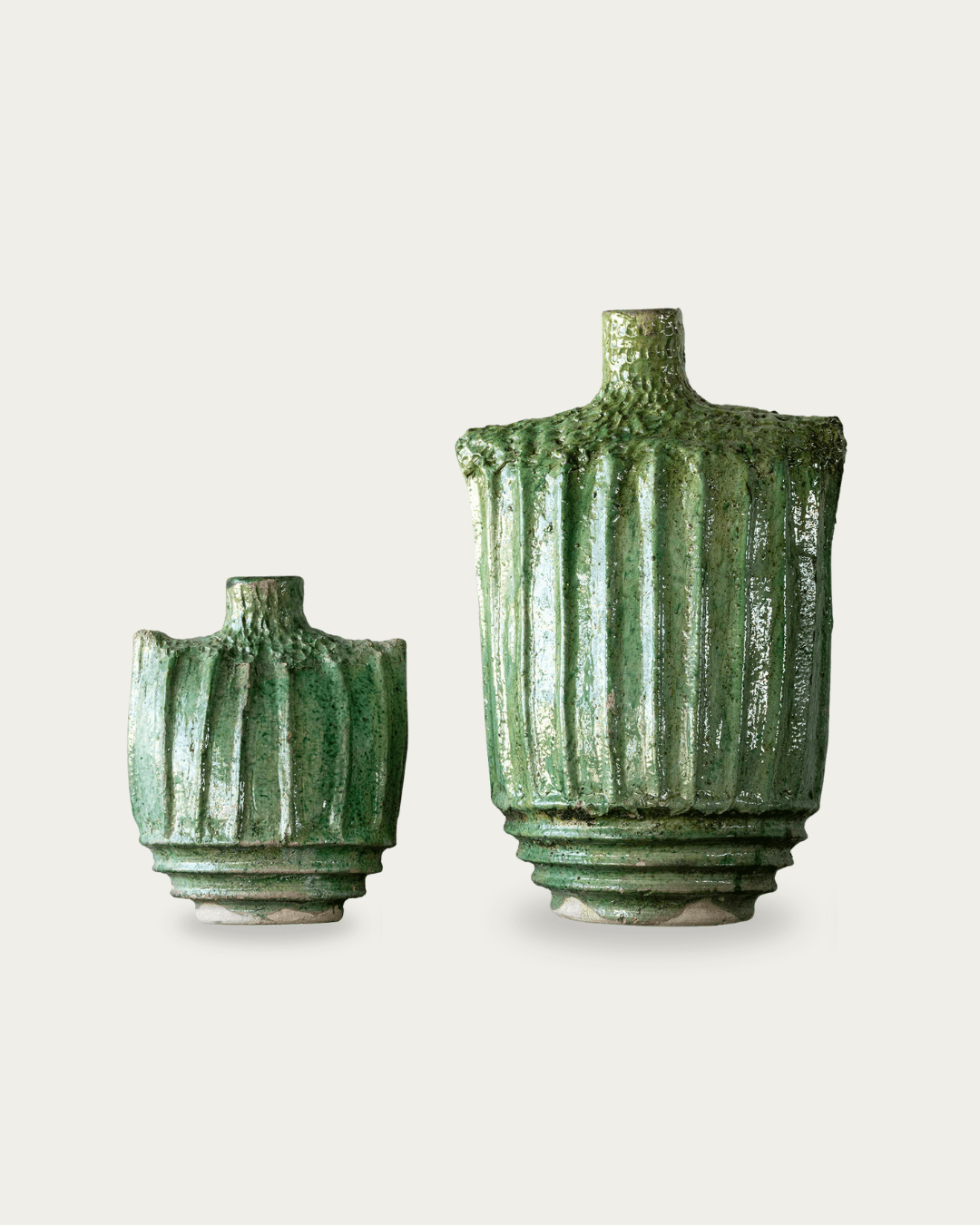
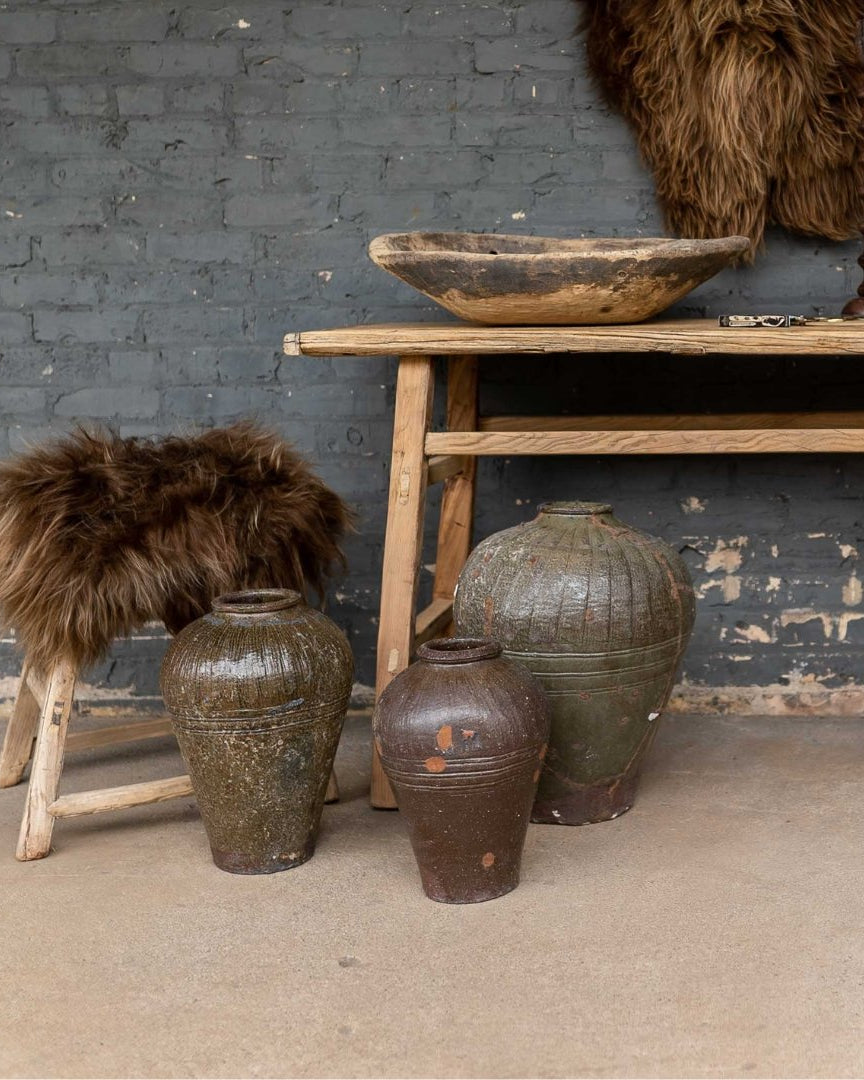
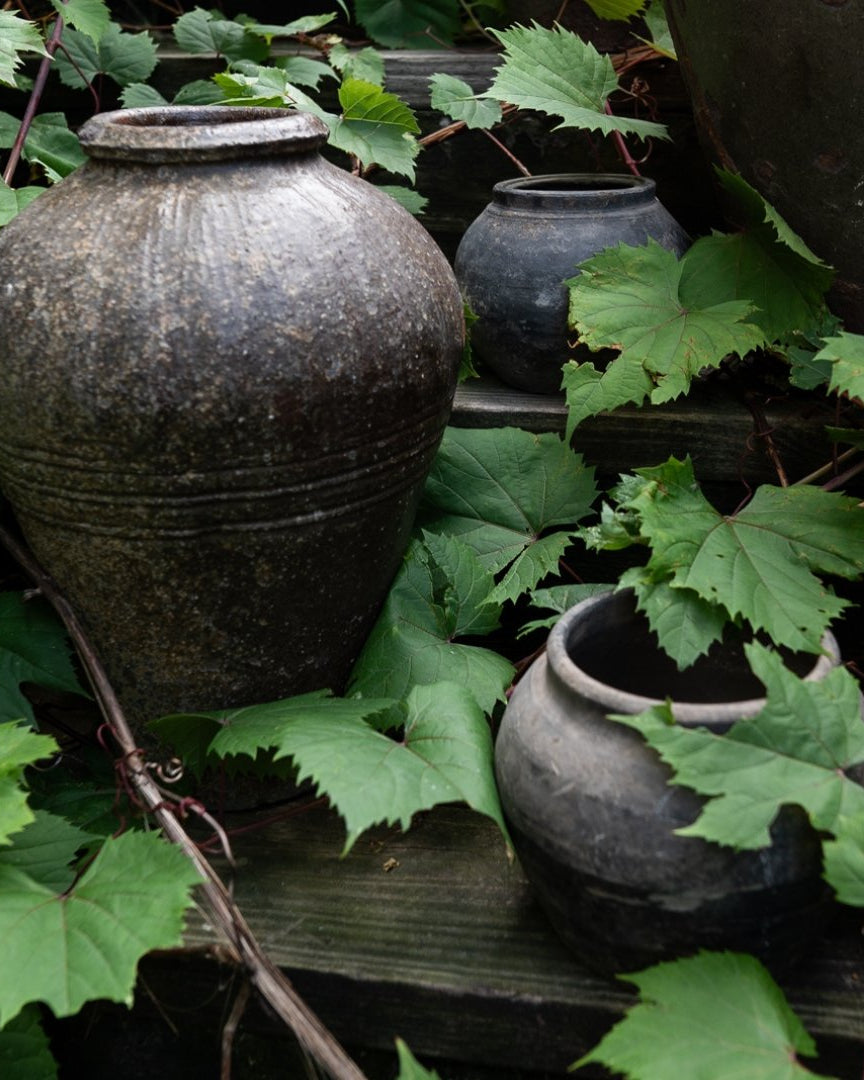
A large vintage pot doesn’t behave like decor. It behaves like a structure. It shifts how a space reads, how furniture relates, and how the eye moves through a room. Indoors or out, scale turns a vintage pot from an accent into an anchor—and that’s where the real difference happens.
Bigger Pots Change the Role of the Object
A small pot asks for attention. A large vintage pot commands it—quietly.
When the scale increases, the object stops needing explanation. It no longer relies on plants, branches, or styling tricks to justify its presence. The form itself does the work.
Large vintage pots were originally built for volume and weight. That history shows. Their proportions feel intentional even when placed alone. This is why oversized pieces immediately calm a space instead of cluttering it.
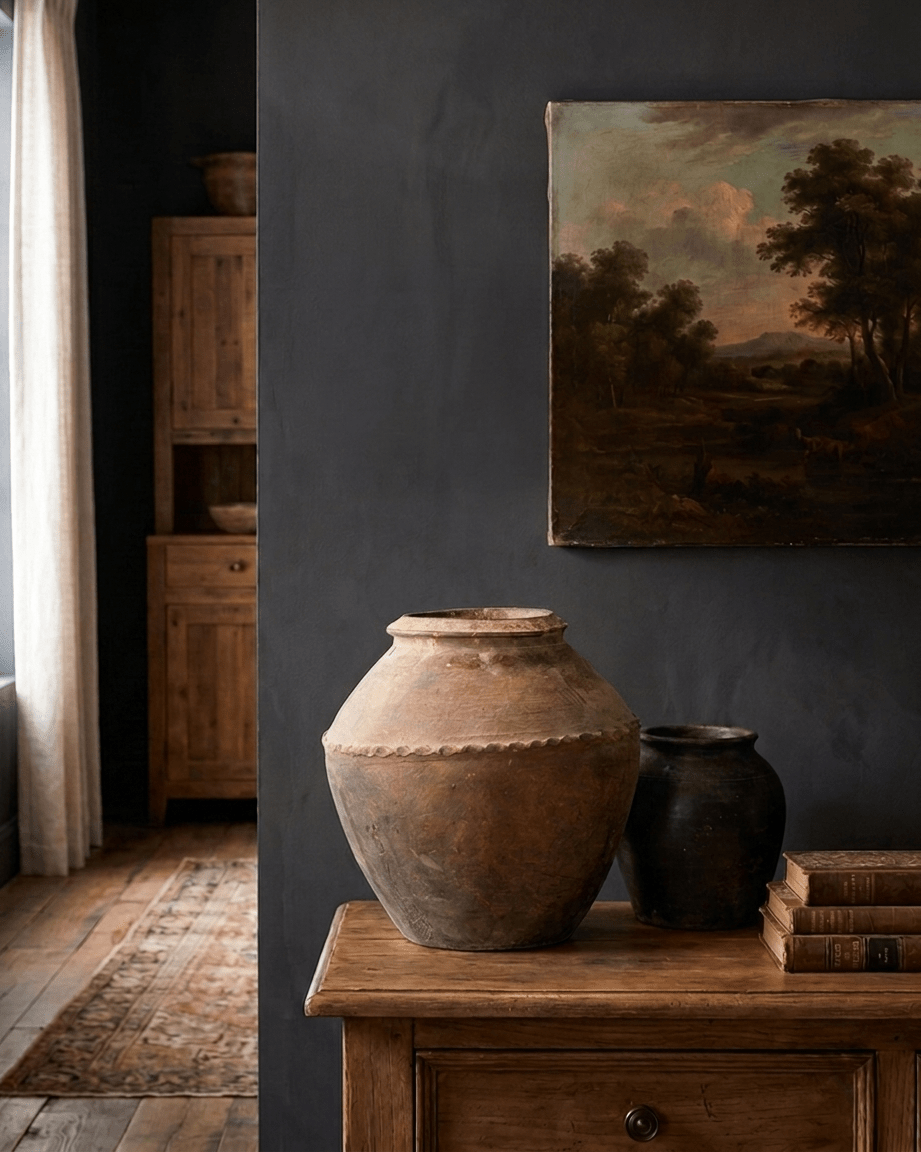
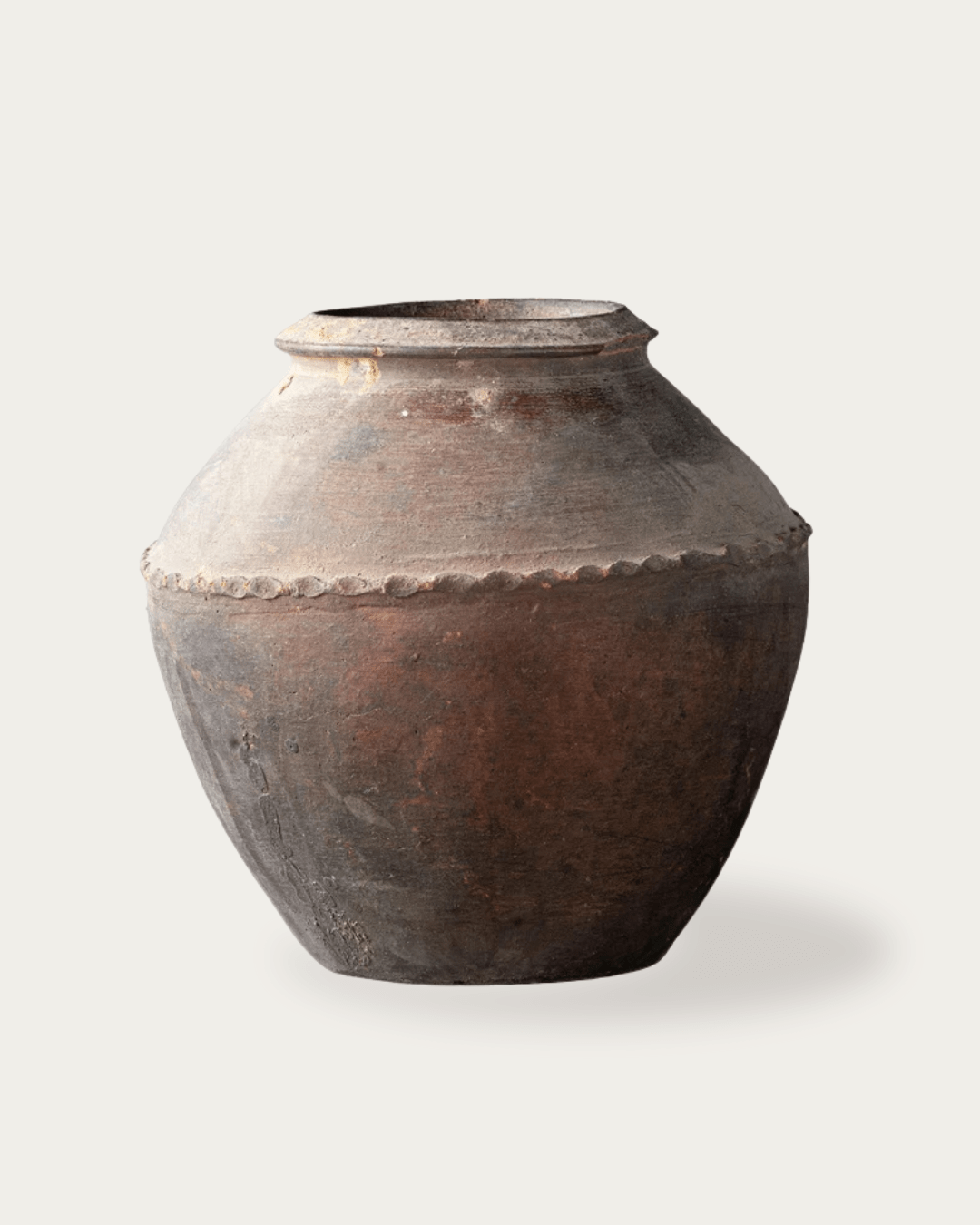
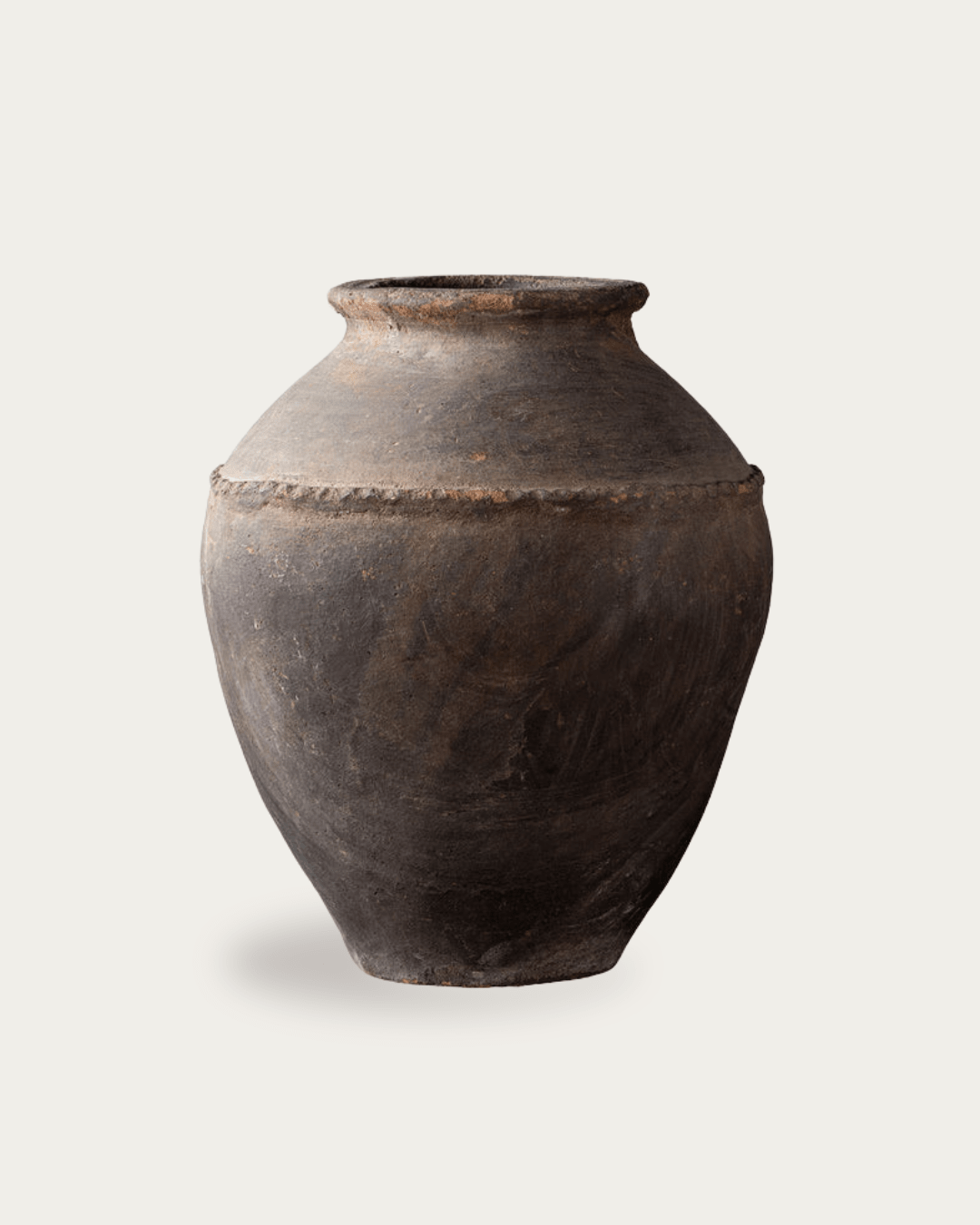
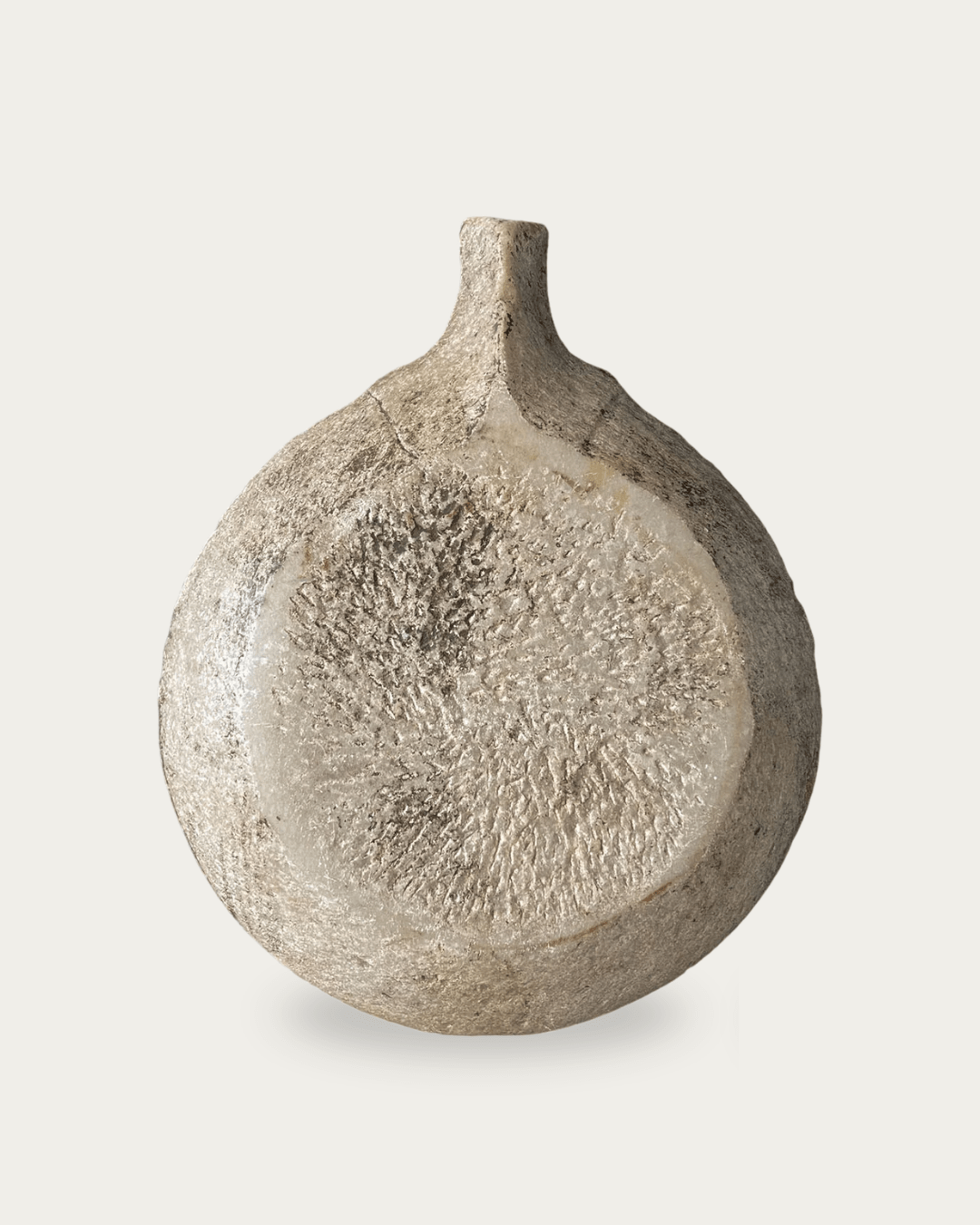
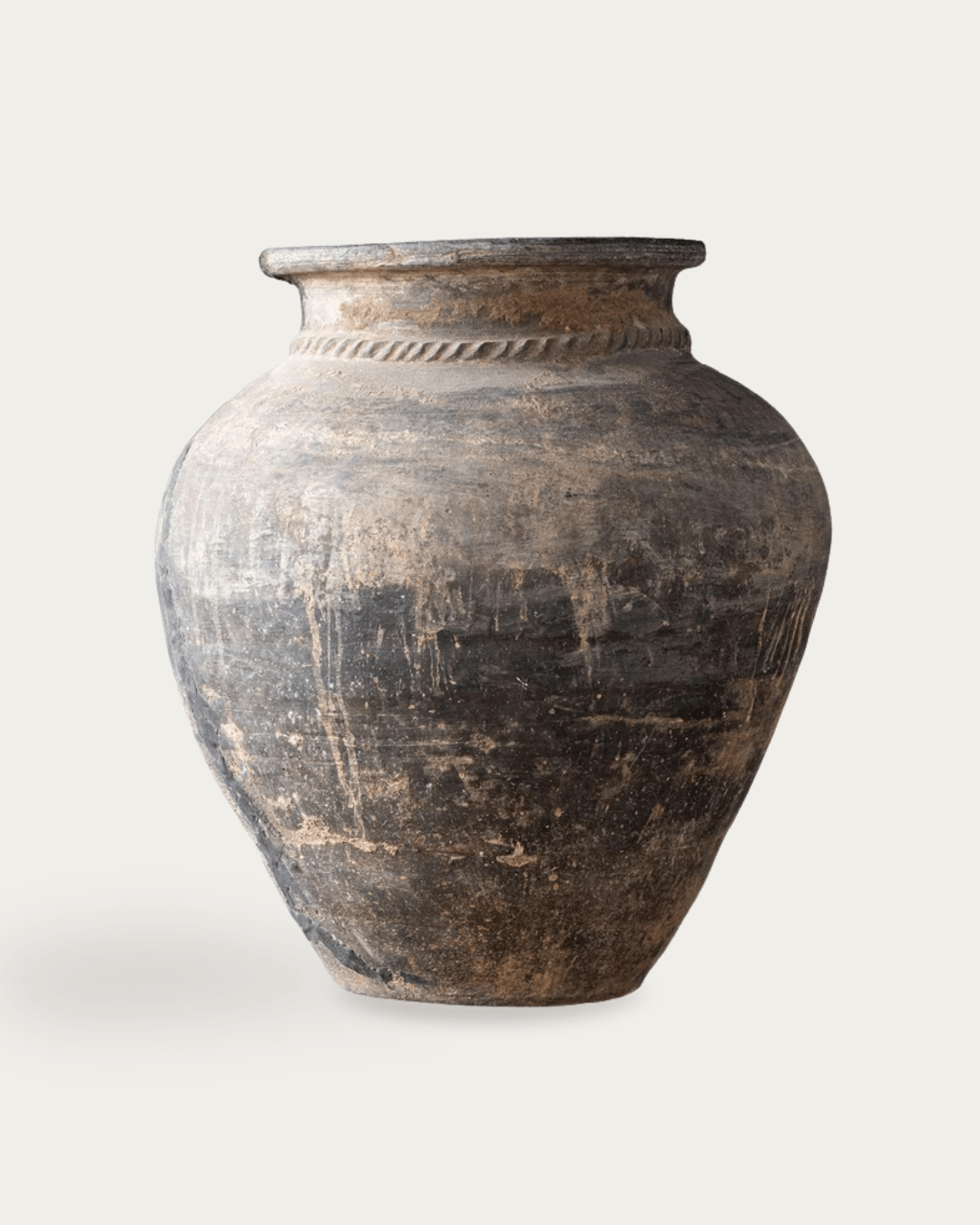
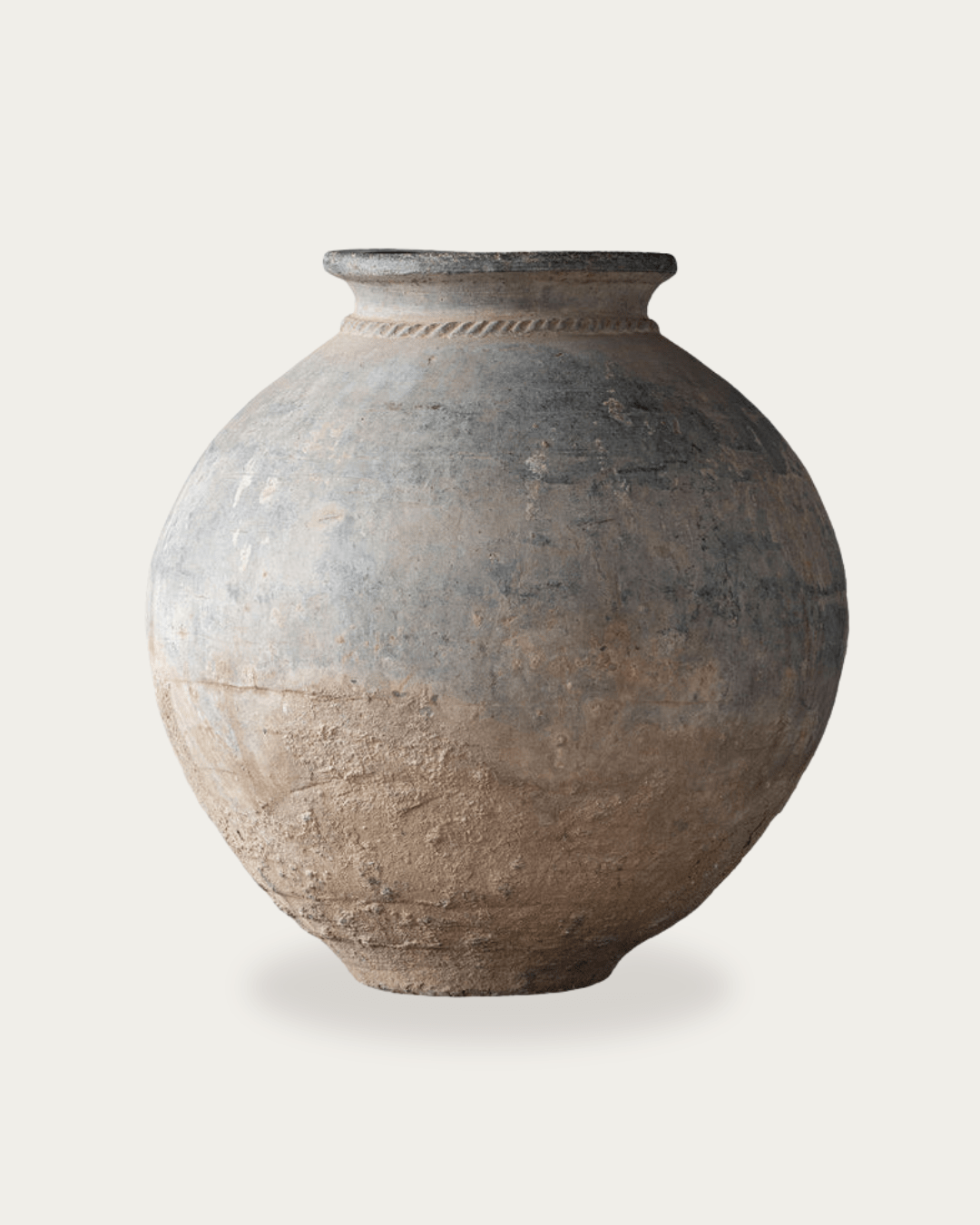
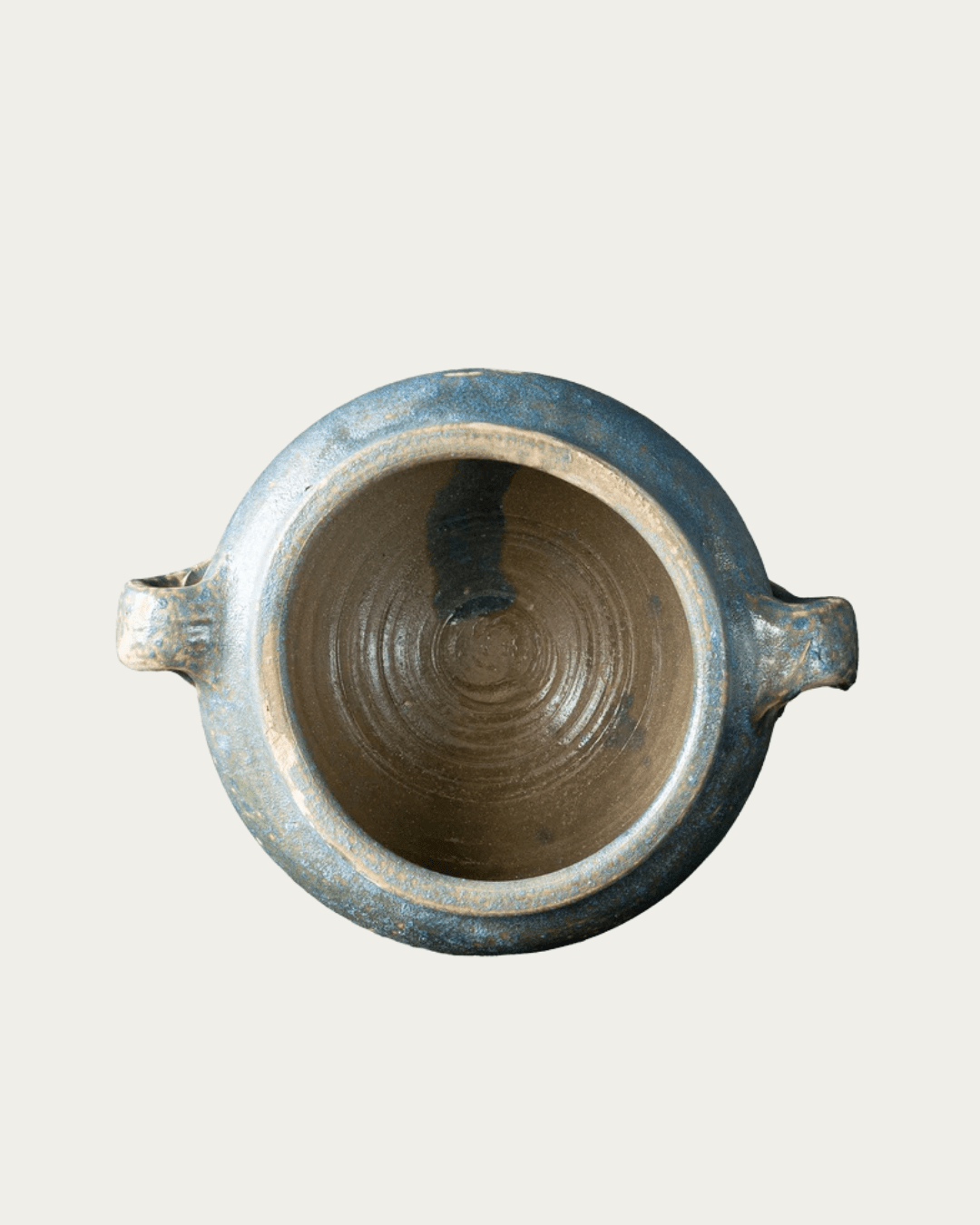
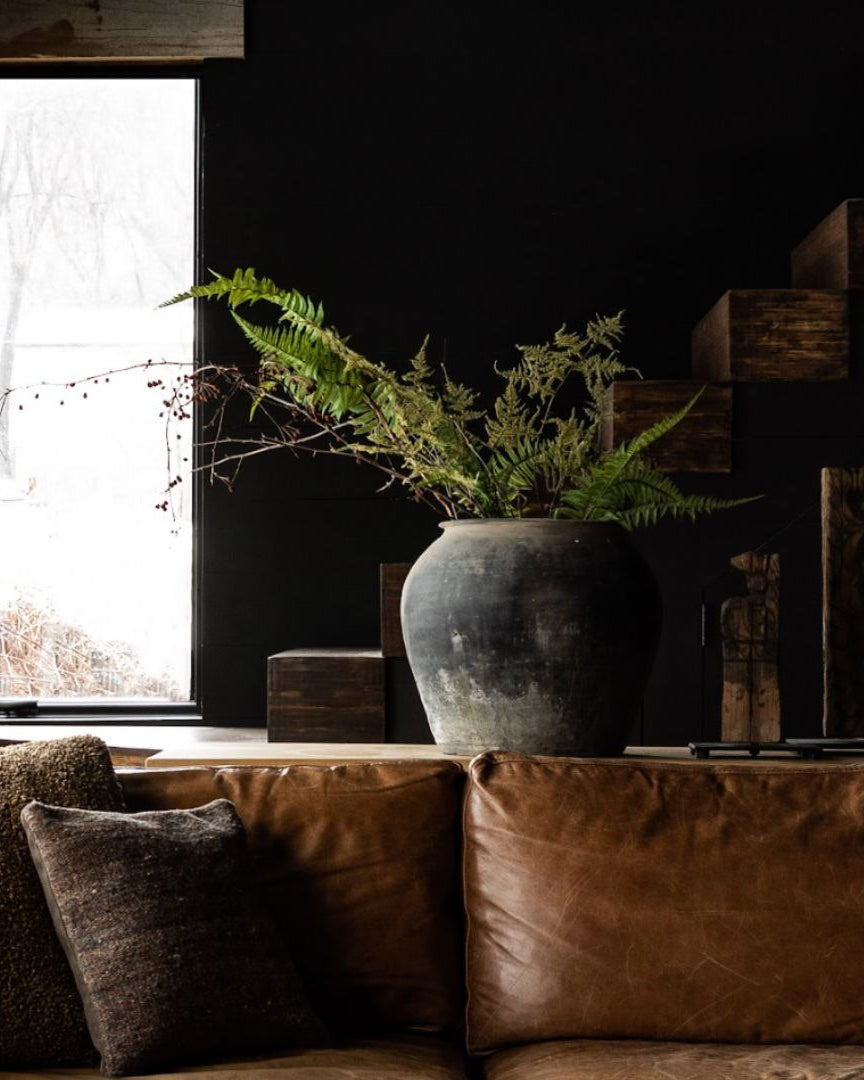
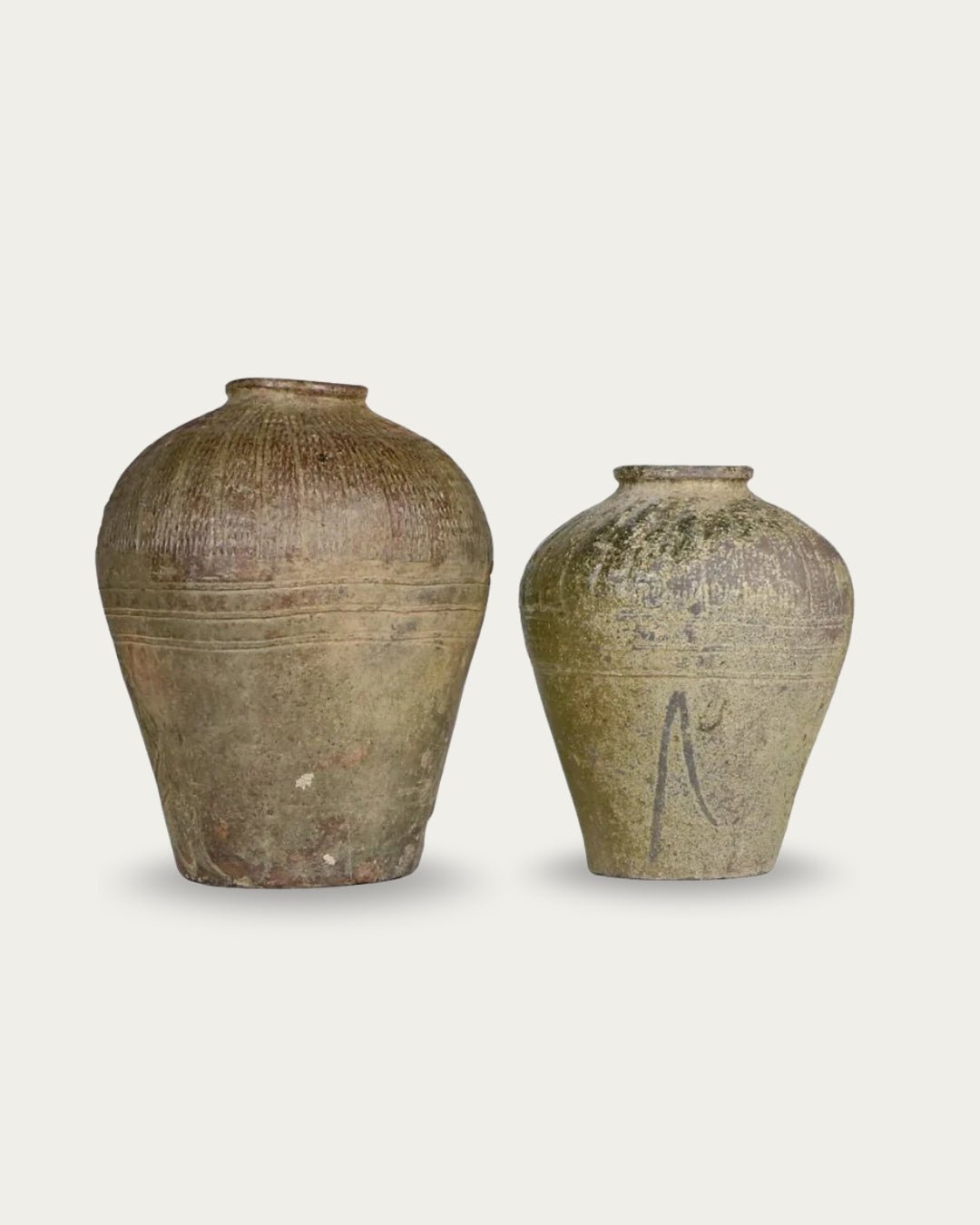
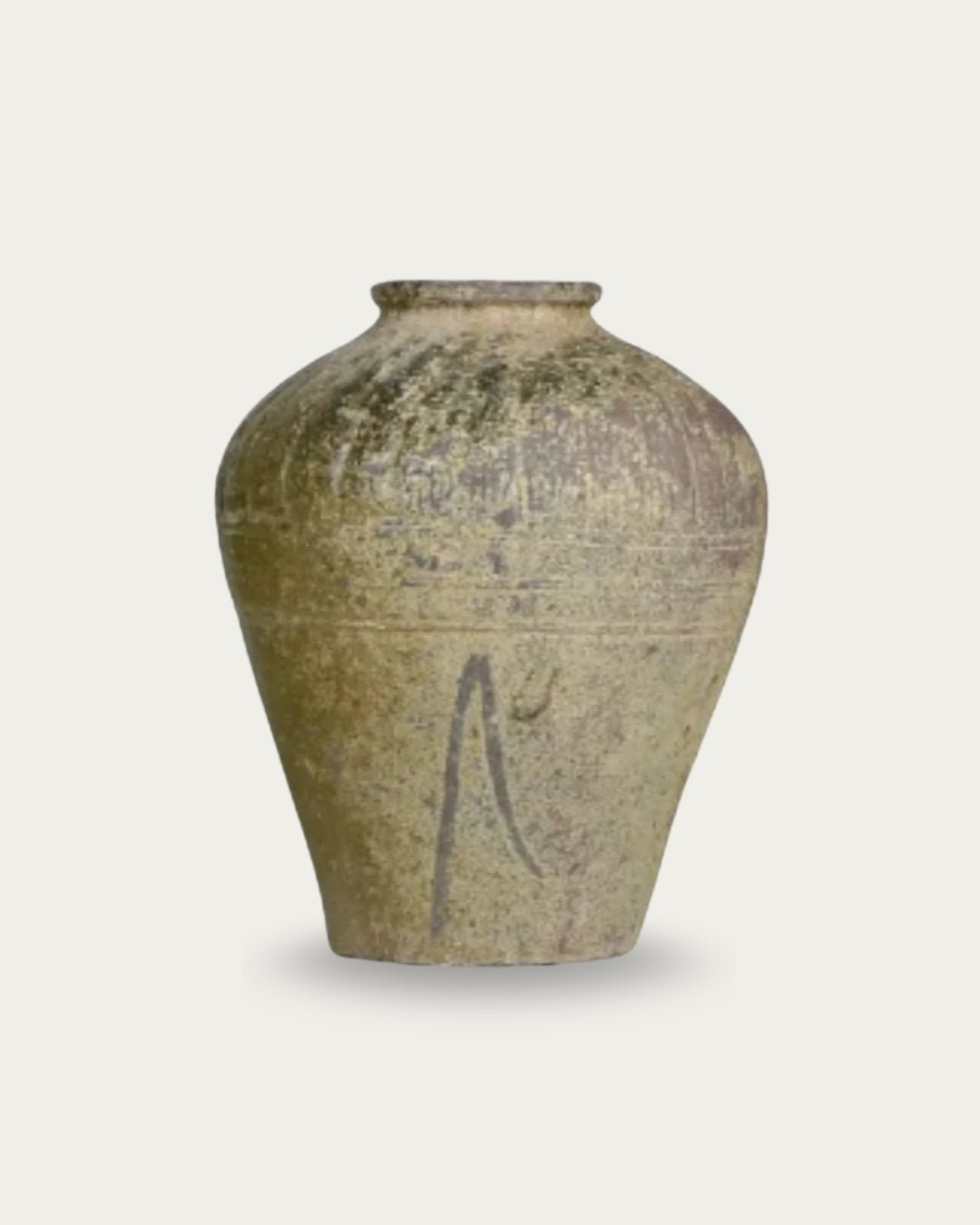
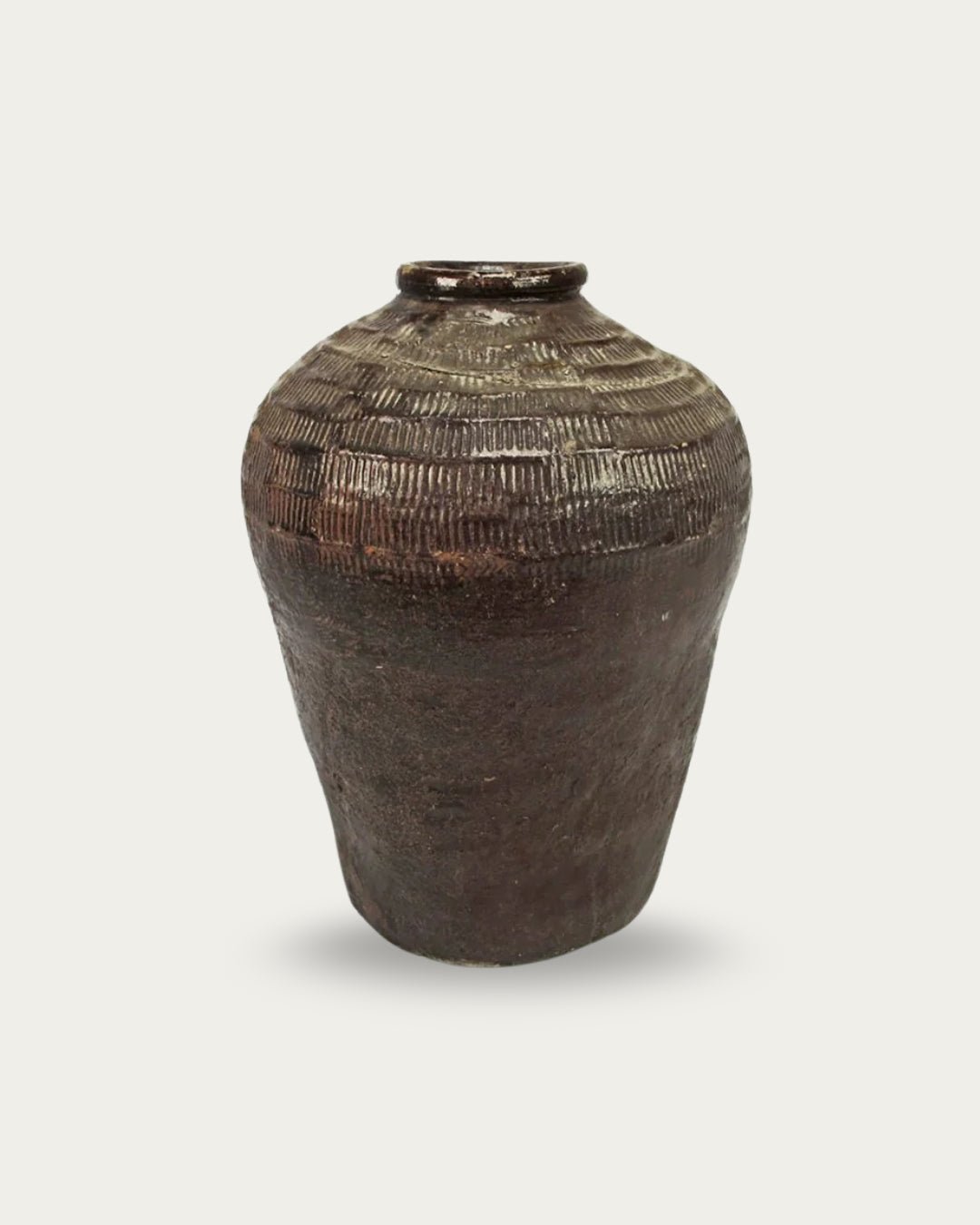
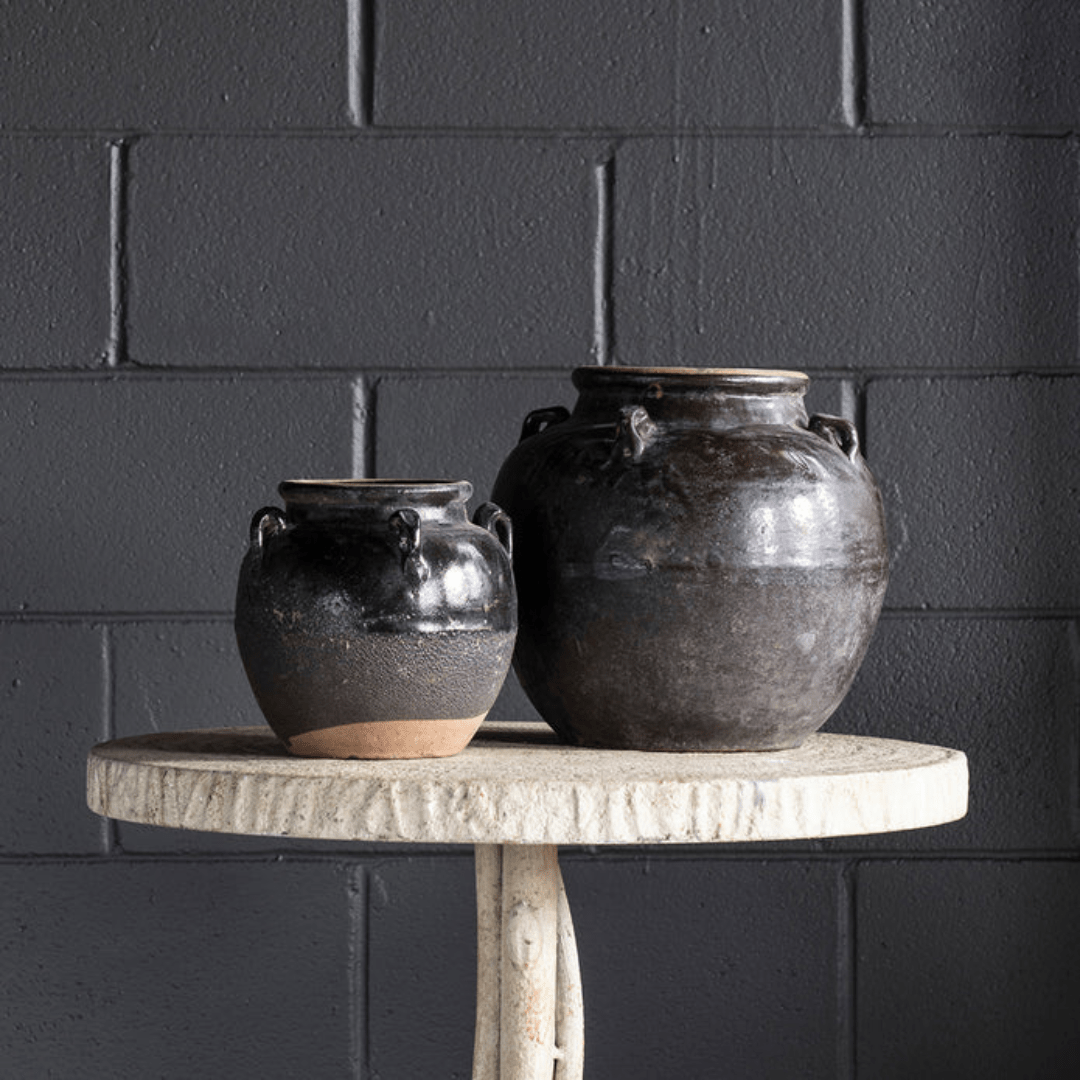
The Chinese water pot (large) is a perfect example. Its rounded mass and generous scale allow it to stand on the floor without disappearing or overpowering. It reads as deliberate, not decorative.
Scale Solves Awkward Spaces Faster Than Styling
Empty corners, wide doorways, long walls—these aren’t styling problems. They’re scale problems.
People often try to fix them with smaller objects layered together. The result is visual noise without resolution. A large vintage pot solves the issue in one move.
Placed at the edge of a seating area or near an entry, a large pot defines space without blocking movement. It gives the room a boundary that feels organic rather than constructed.
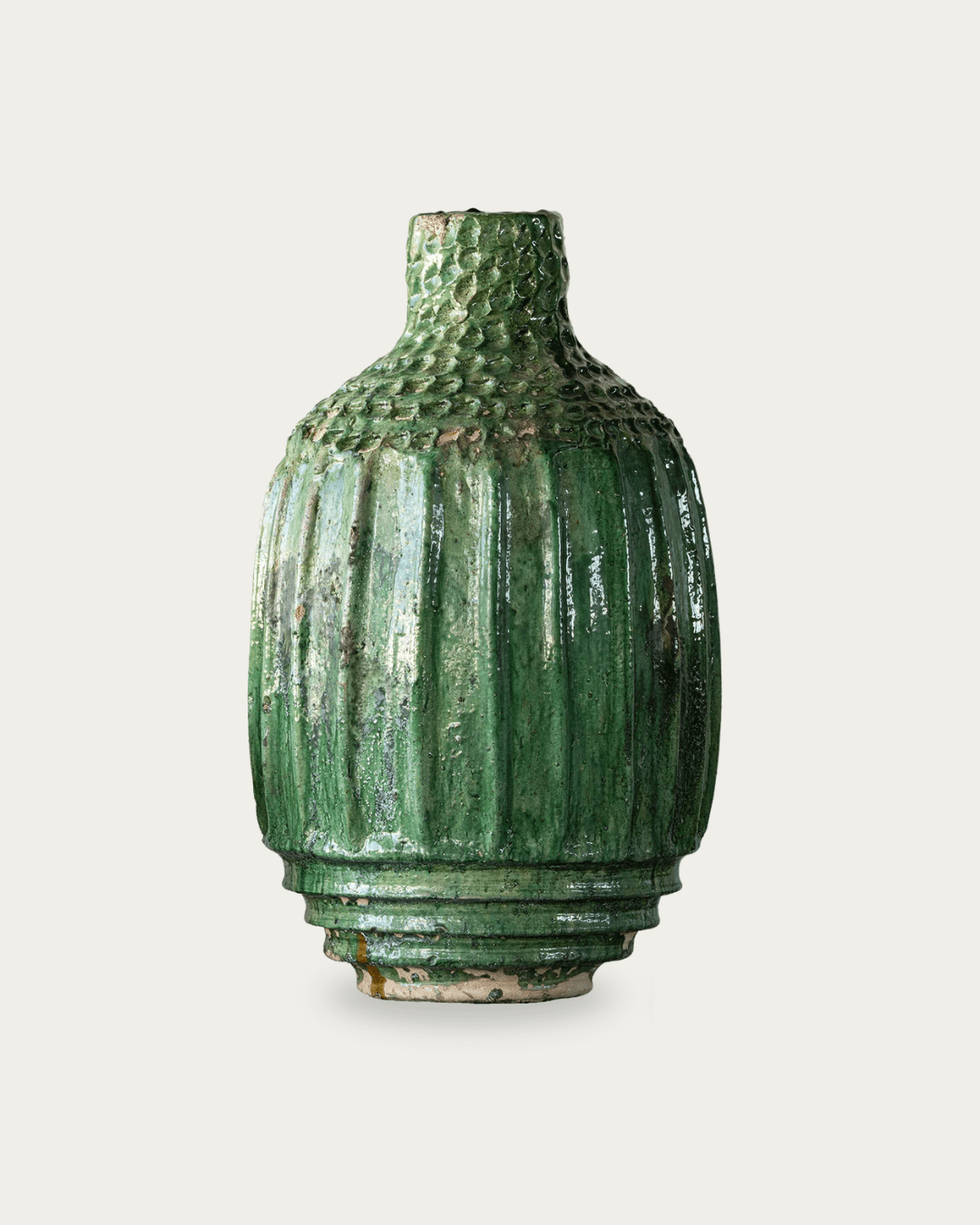
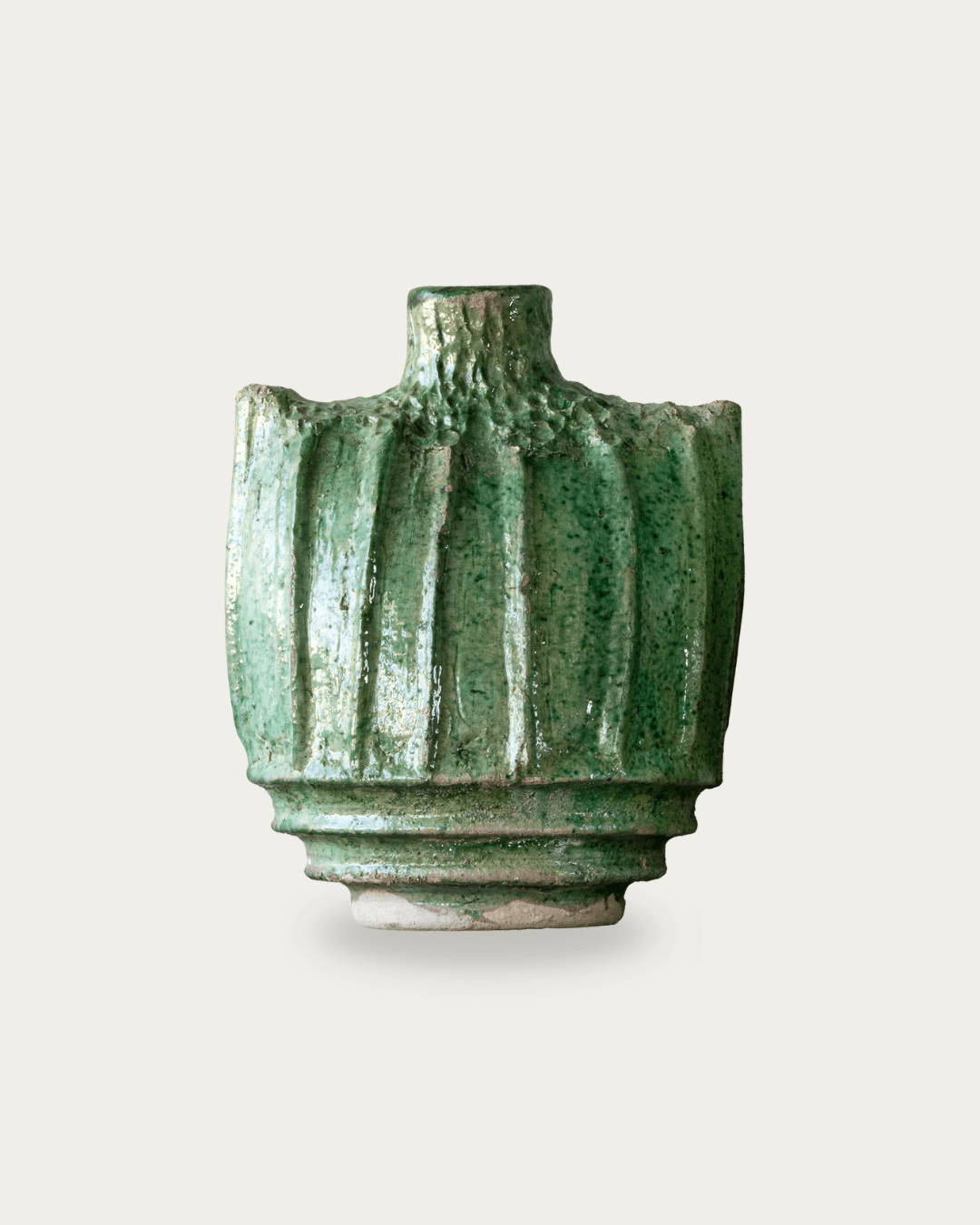
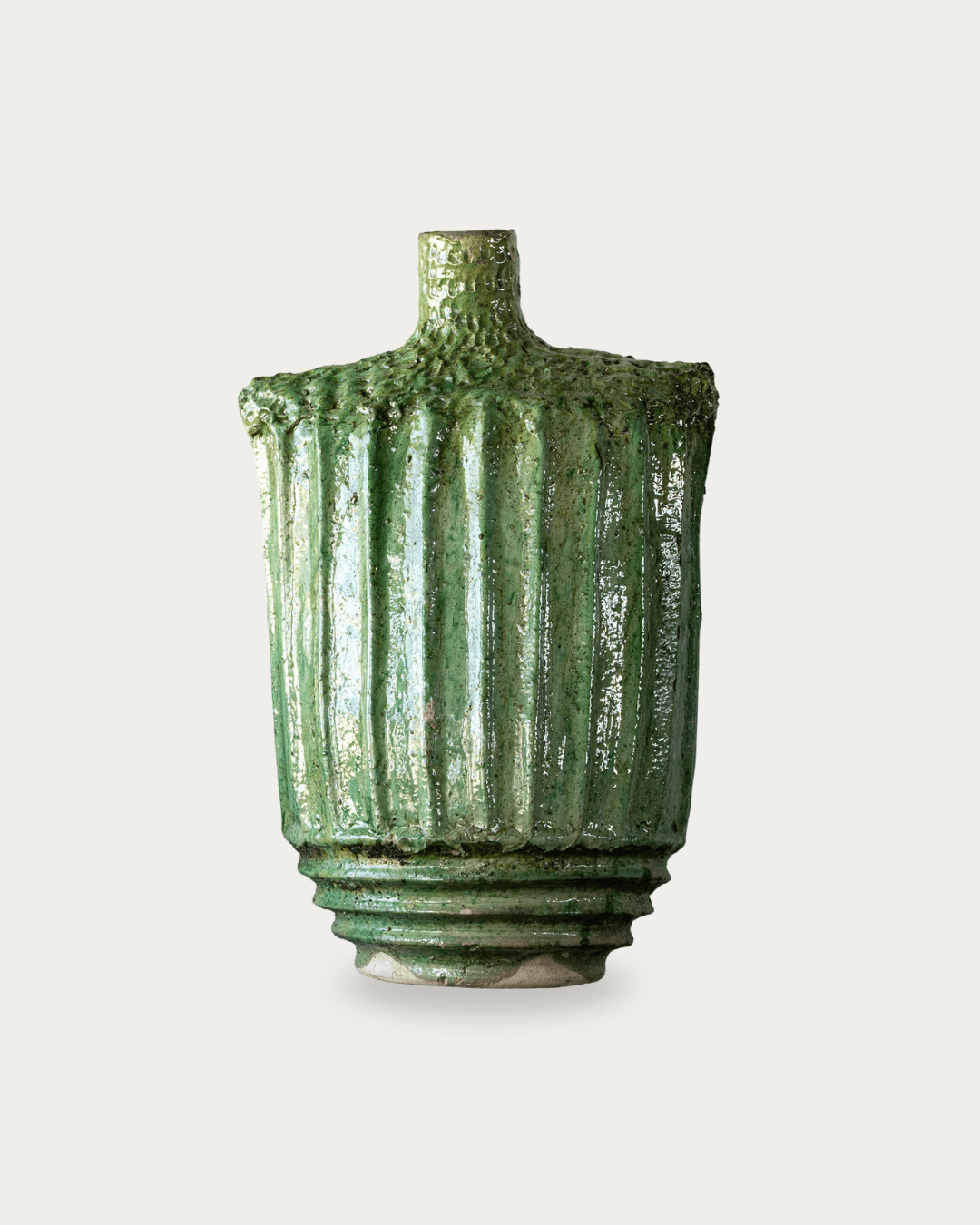
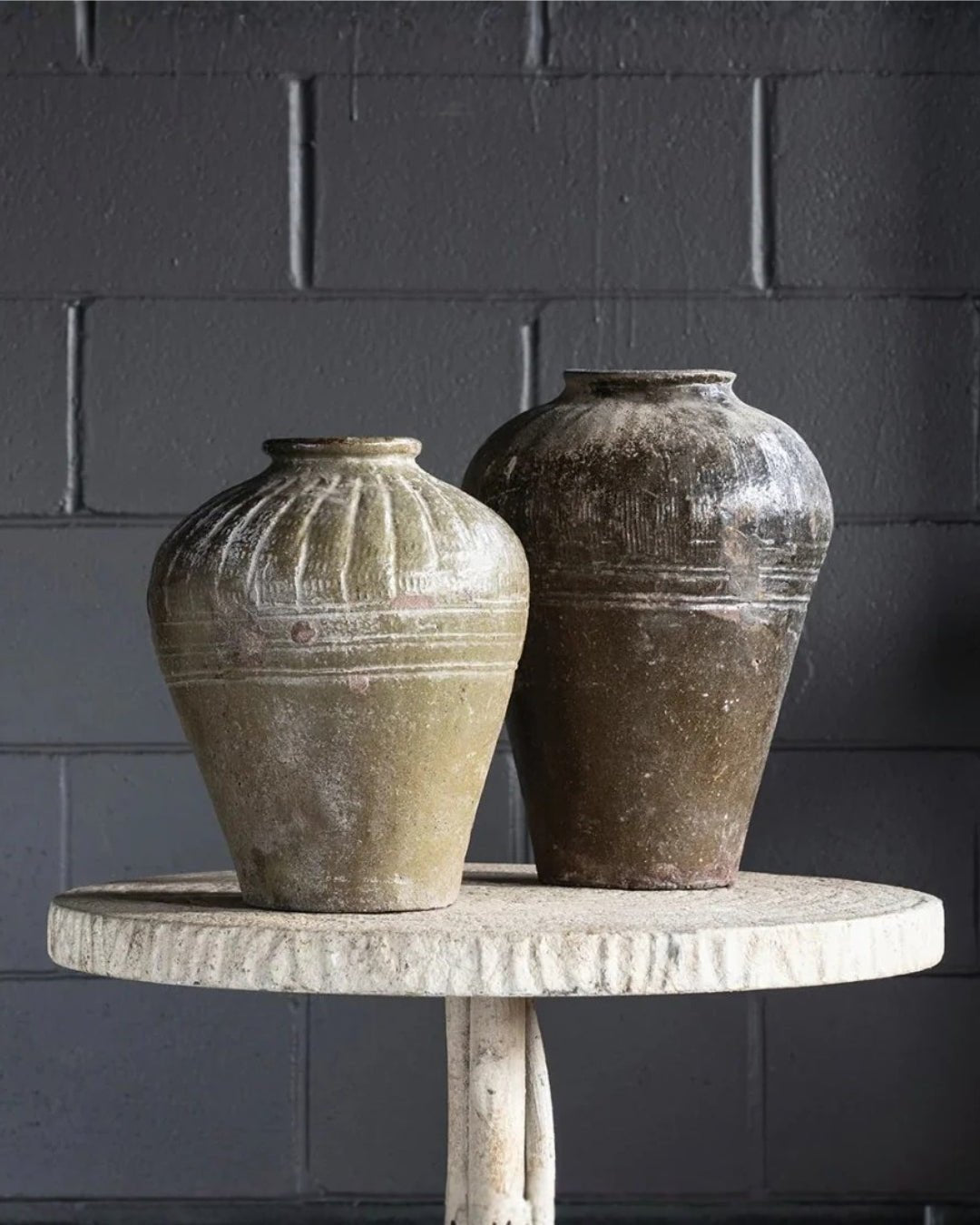
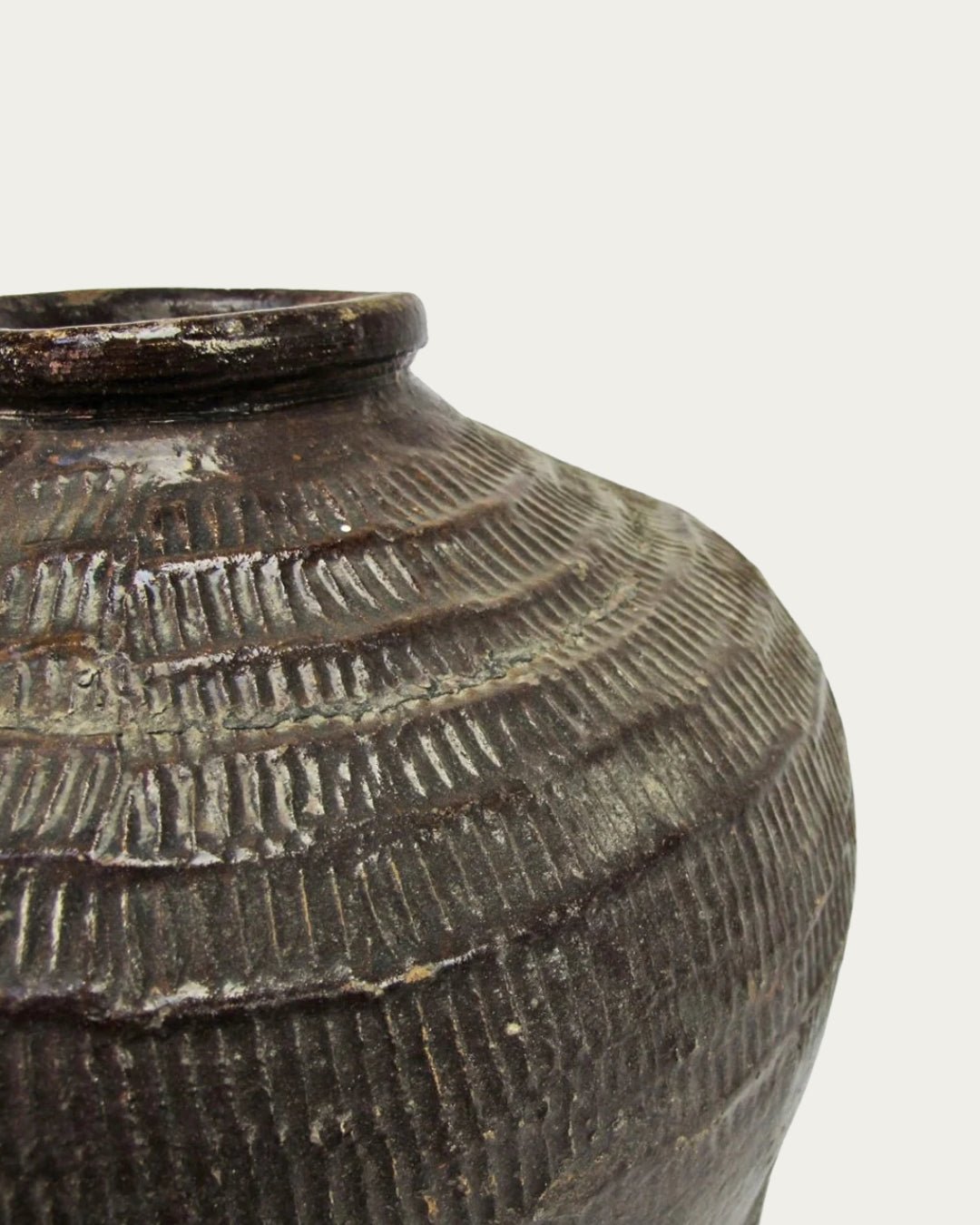
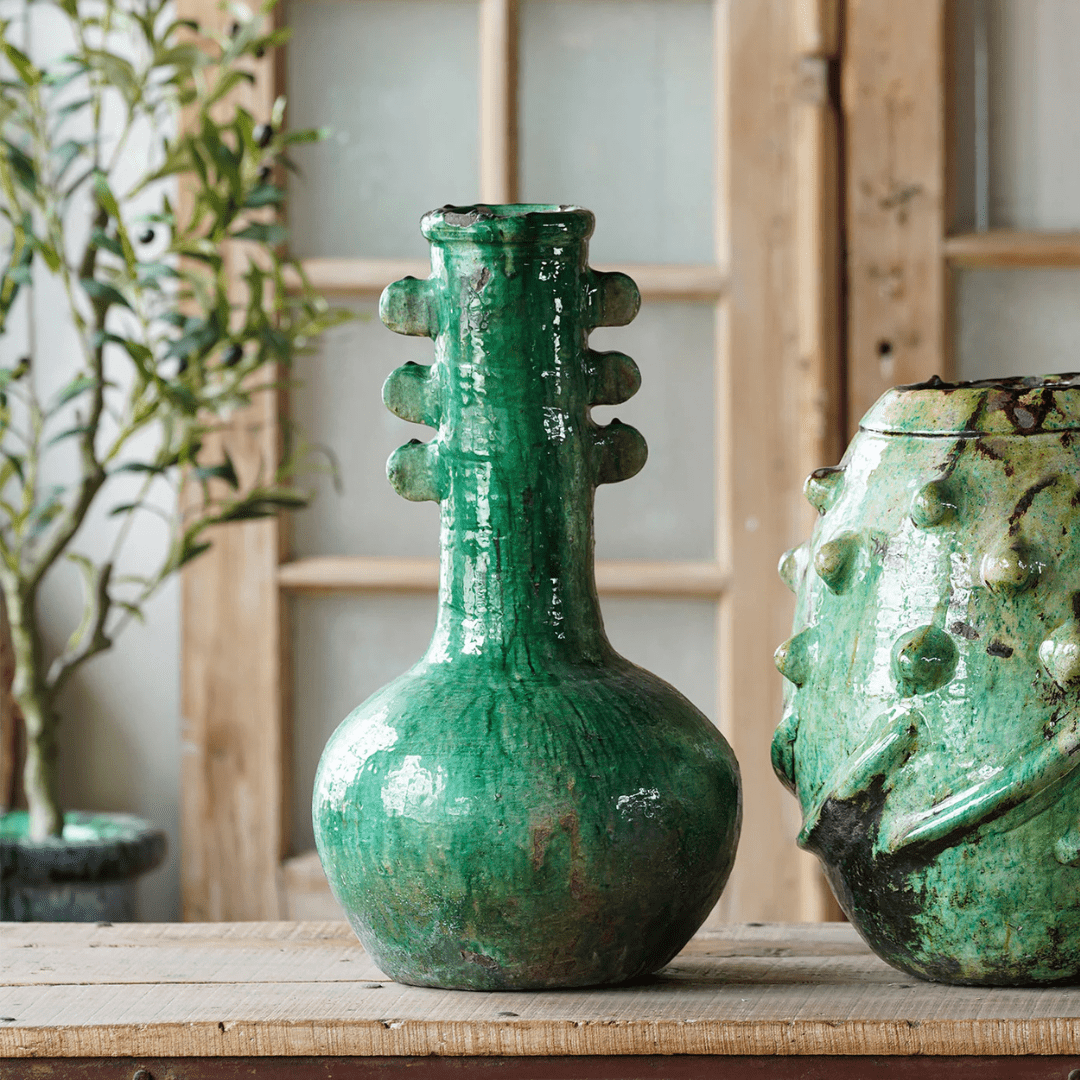
The Maria glazed pot works particularly well in transitional zones where light changes throughout the day. Its surface interacts with light subtly, giving depth without needing additional elements.
Bigger Means Fewer Decisions
One of the underrated benefits of going bigger is decision reduction.
A large vintage pot replaces the need for multiple smaller decor pieces. Instead of choosing a basket, a side table, and a decorative object, you choose one thing that can do all three jobs.
This simplifies the room instantly. Fewer objects. Clearer hierarchy. More breathing room.
The Rikke vintage zinc basin is especially effective in this role. Indoors, it can hold blankets, firewood, or daily clutter. Outdoors, it works as a planter or functional vessel. Either way, its scale eliminates the need for extra pieces nearby.
RUTED Tip: If a space needs three small objects to feel balanced, it usually needs one bigger one instead.
Large Vintage Pots Indoors: Structure Without Furniture
Inside the home, large vintage pots often work best when they replace furniture—not when they compete with it.
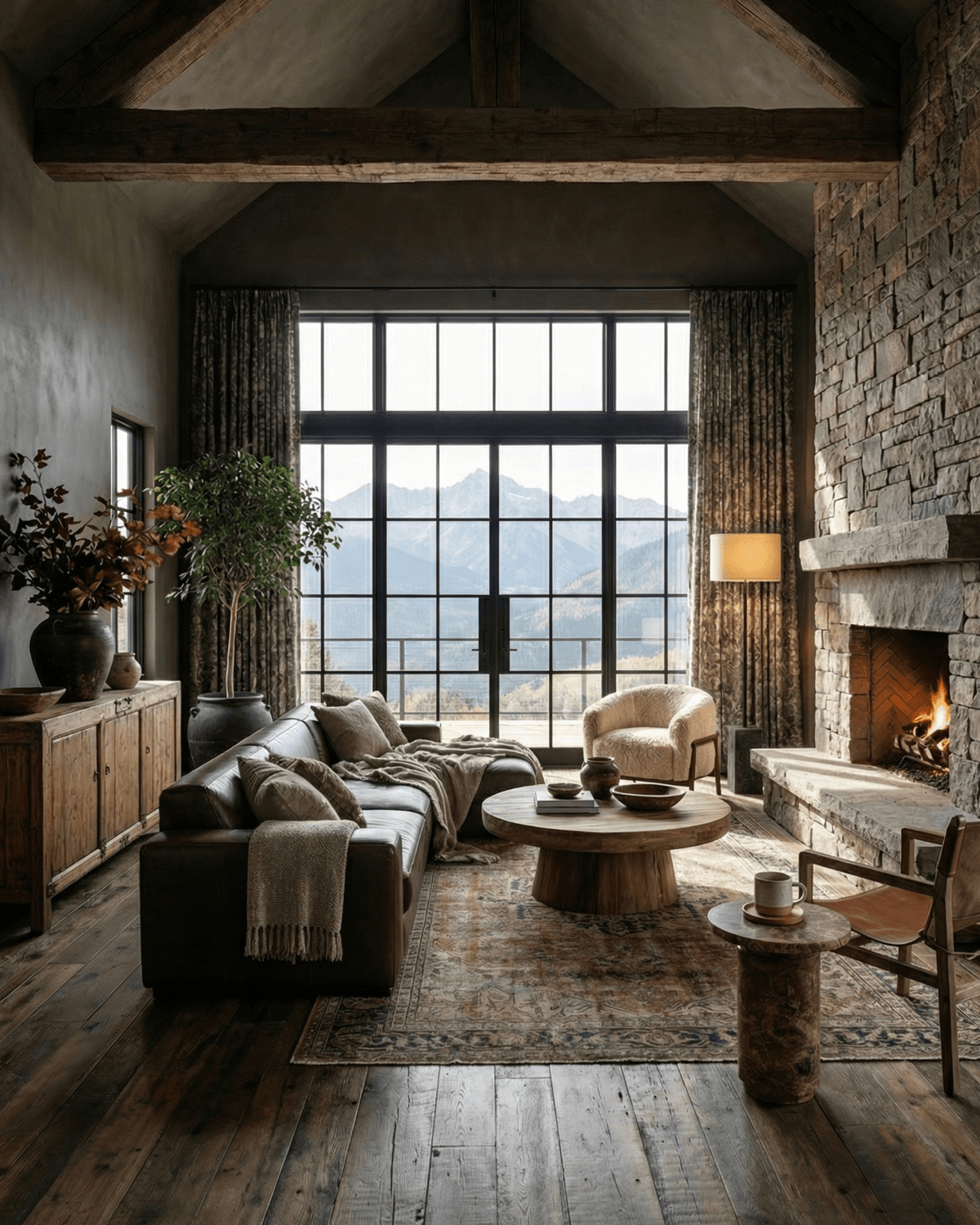
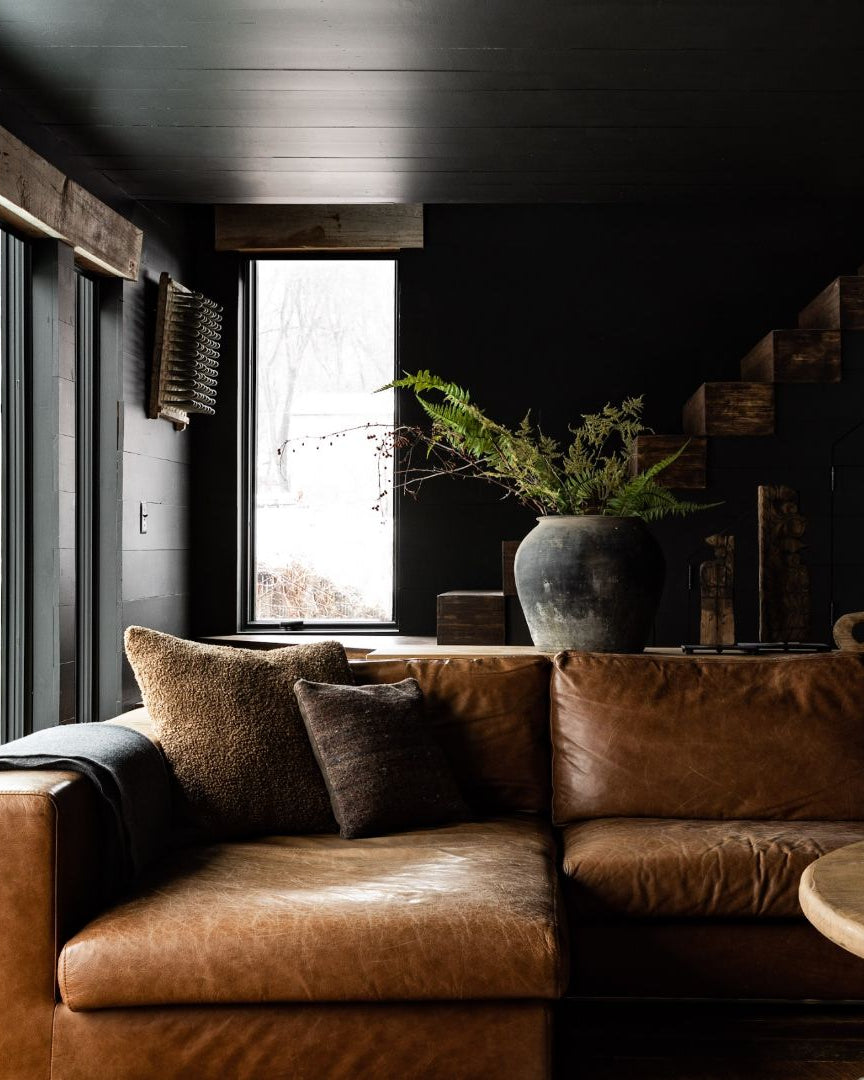
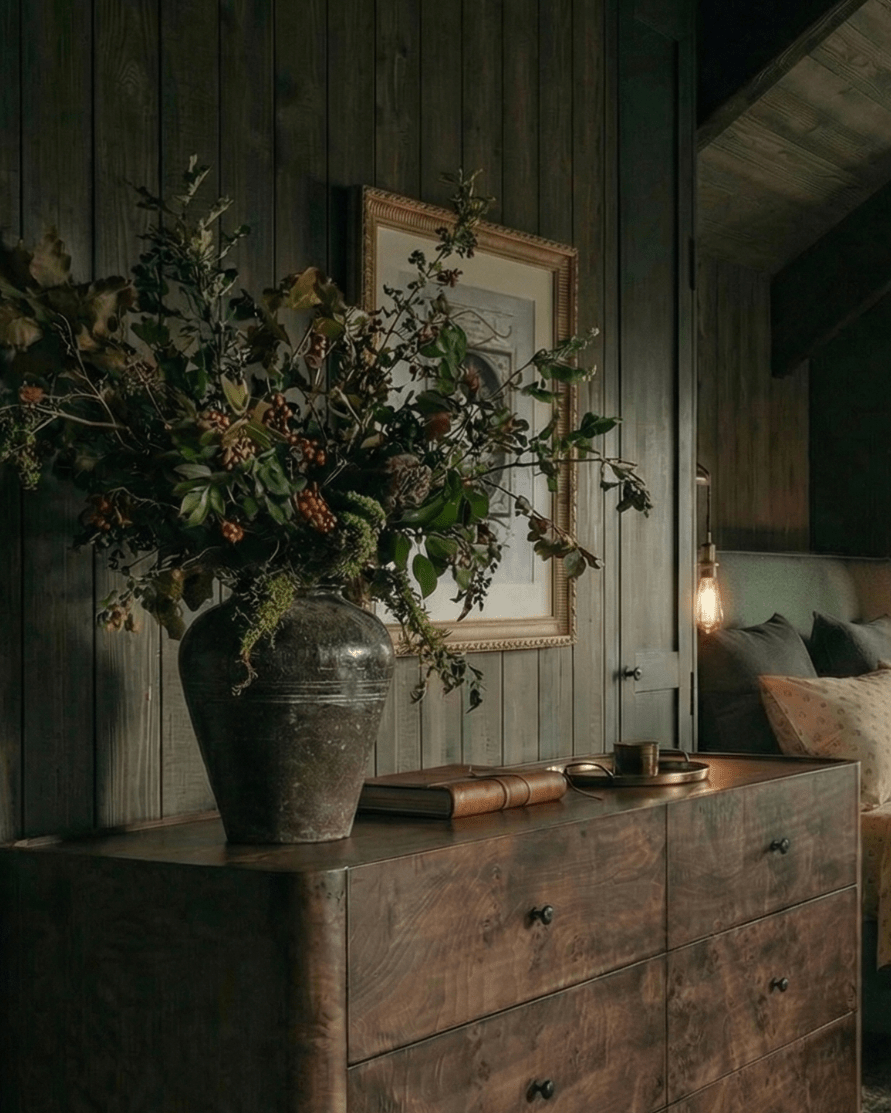
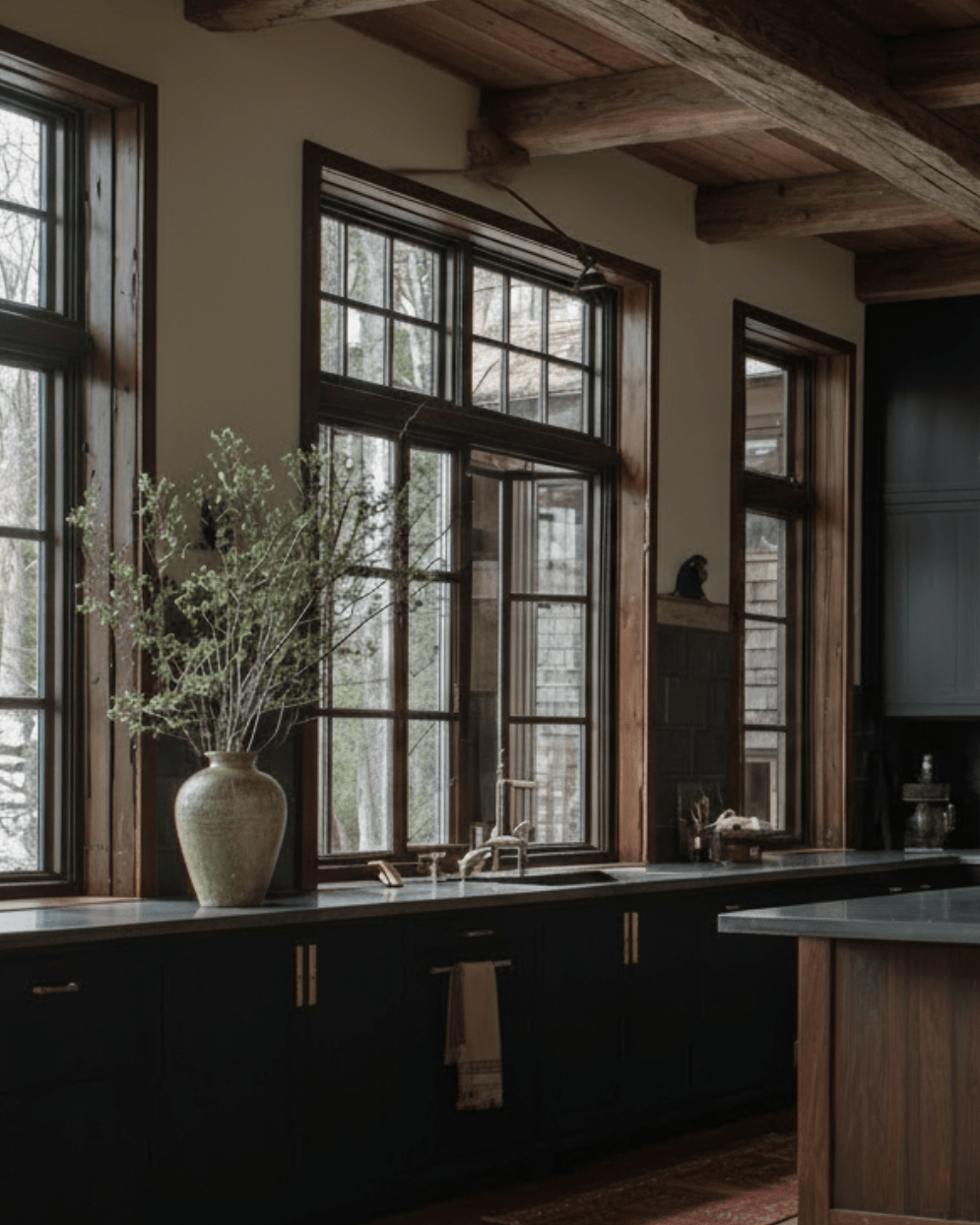
In living rooms, they can anchor seating areas. In bedrooms, they soften corners that feel too angular. In kitchens, they ground open shelving or islands without adding cabinetry.
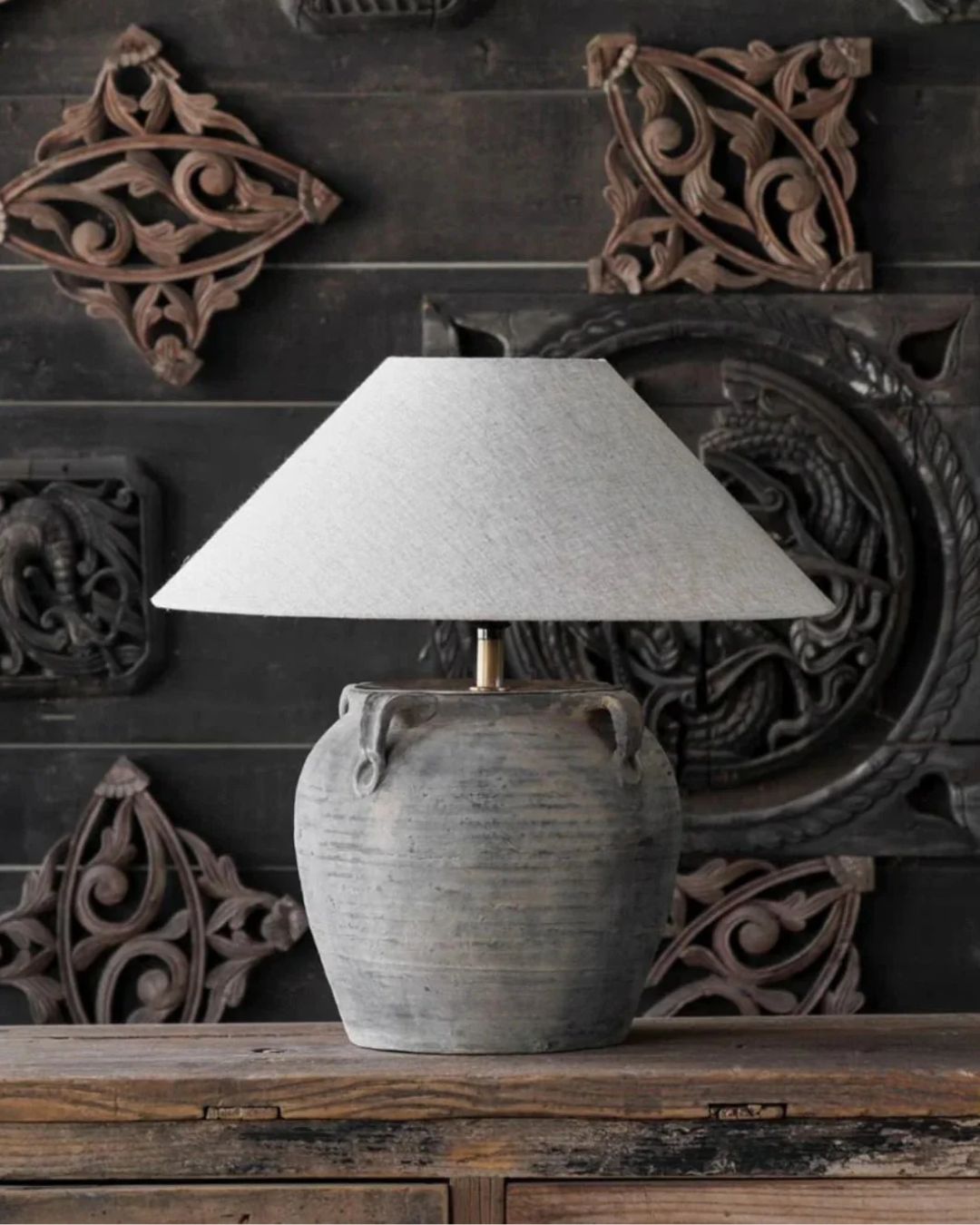
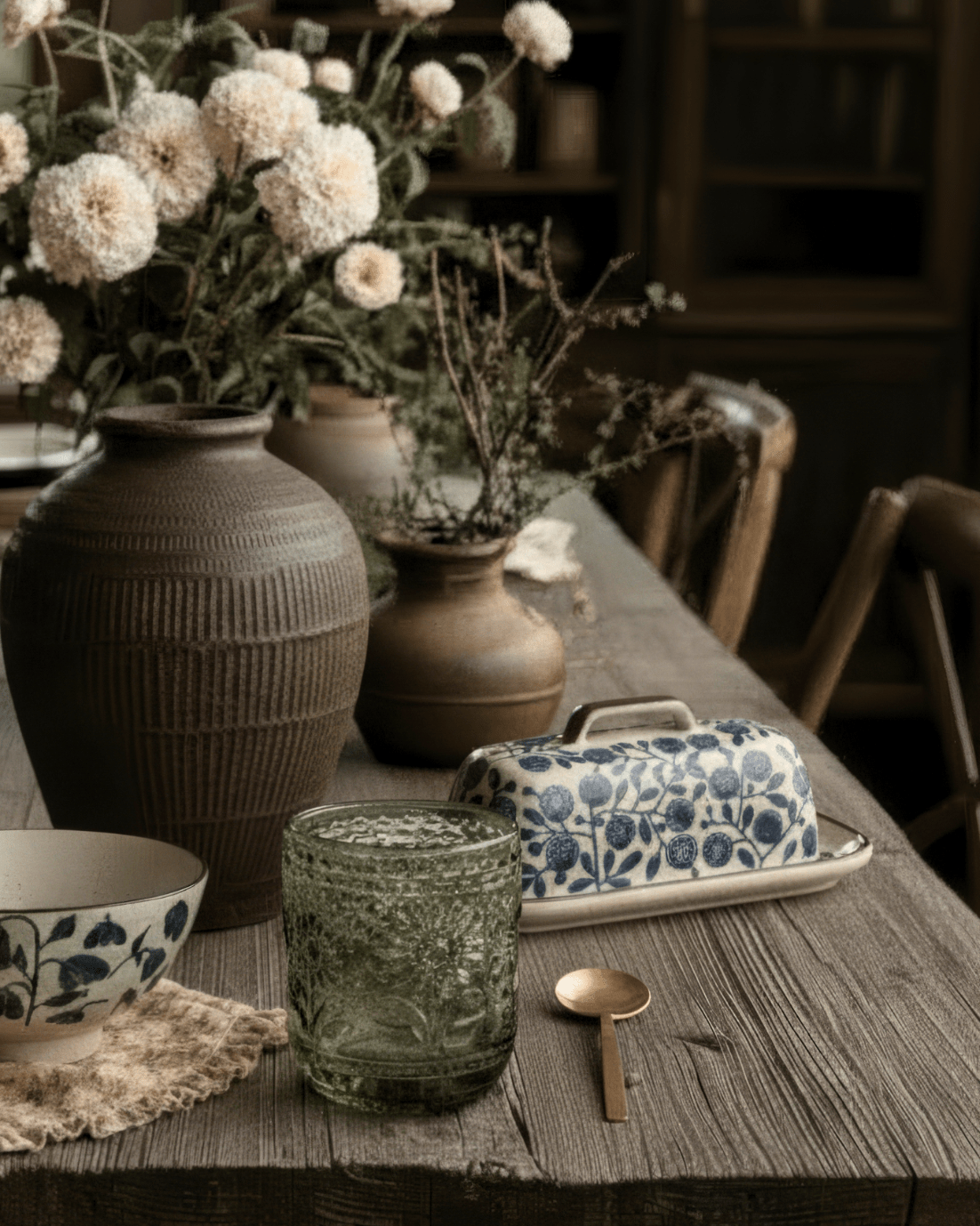
The Ylfa clay pot fits well into interiors where texture matters more than symmetry. Its material absorbs light, which makes it ideal for bright rooms that need depth rather than shine.
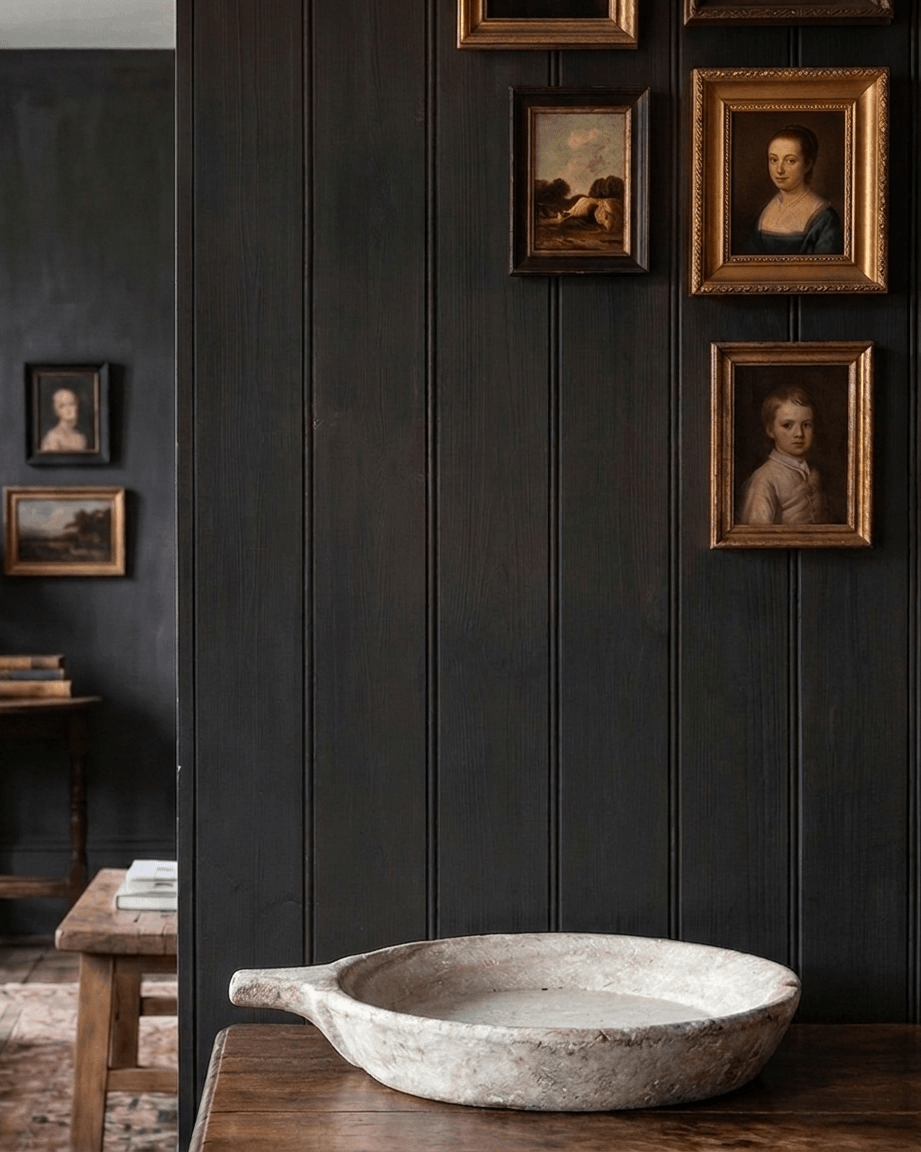
When used indoors, large pots work best when left relatively unstyled. Let the surface, scale, and placement do the talking.
Outdoors, Scale Becomes the Statement
Outside, going bigger is even more important.
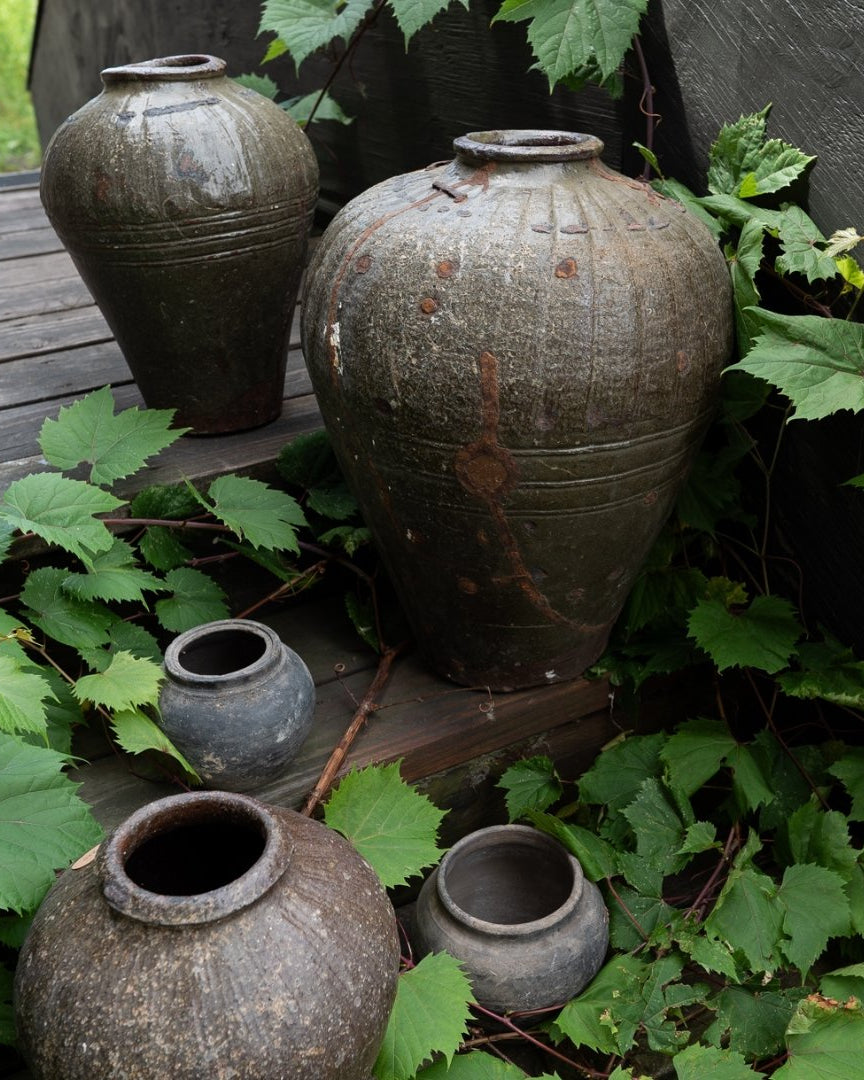
Small planters get lost against architecture, landscaping, and open air. A large vintage pot holds its ground. It reads from a distance. It creates rhythm along pathways, patios, and entryways.
The Sigriour pot is well suited to outdoor use because its form feels stable and intentional even when exposed to the elements. Whether planted or empty, it adds structure to outdoor spaces that often feel visually loose.
Large vintage pots outdoors don’t need symmetry. One placed deliberately is often stronger than a matched pair.
Material Matters More at Larger Scales
As size increases, material becomes more important—not less.
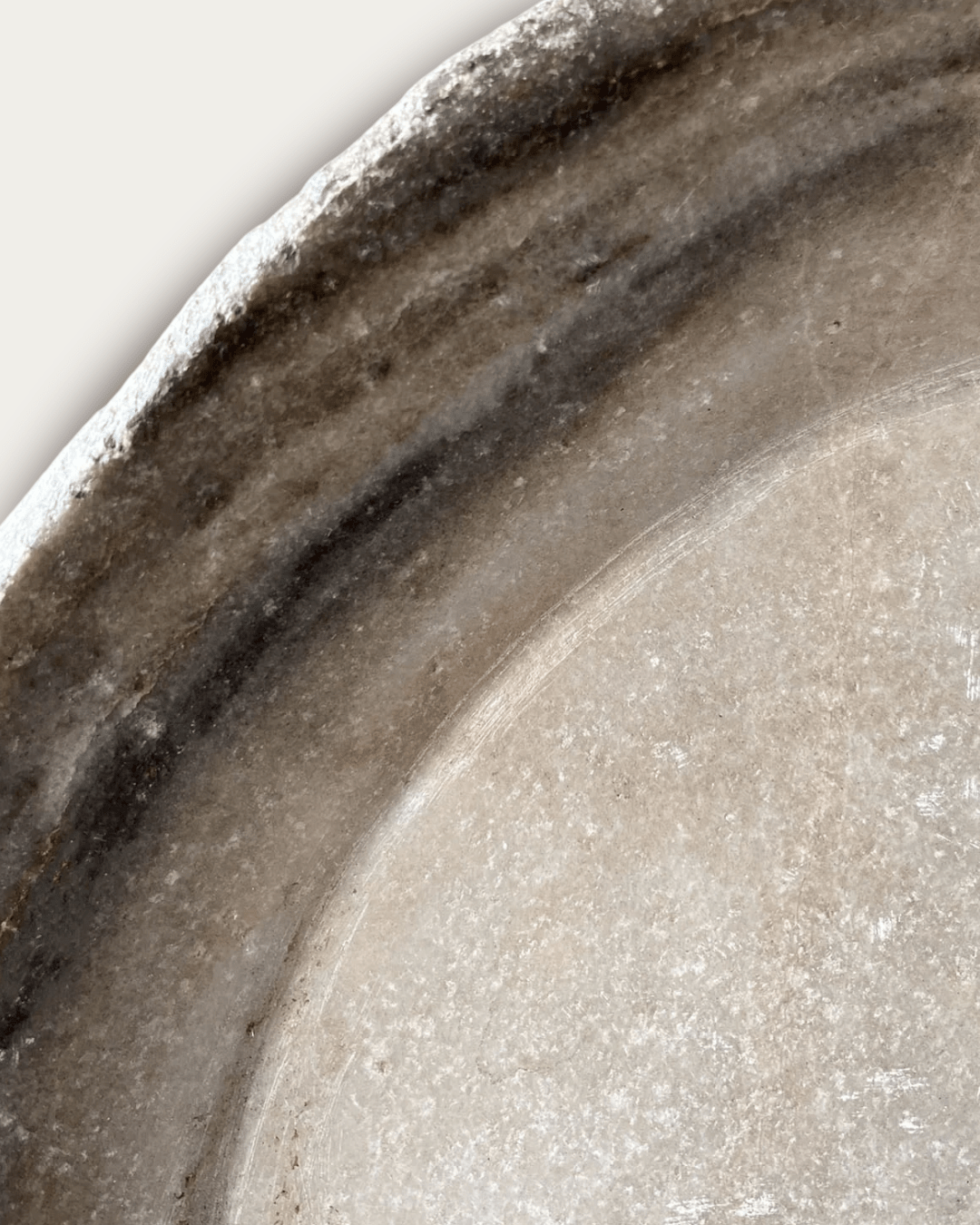
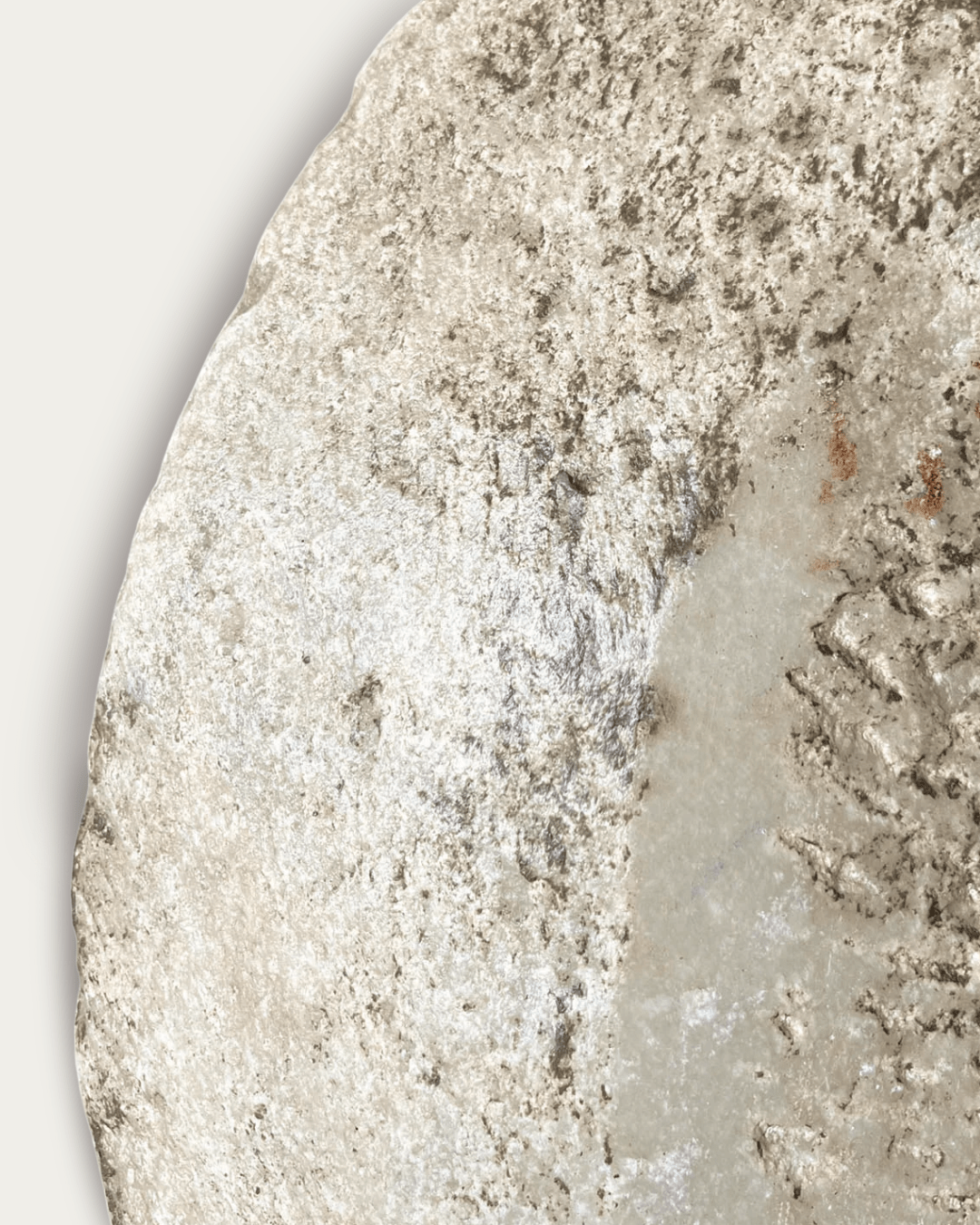
Glazed pots reflect light and feel heavier visually, which works well in shaded areas or near architectural features. Unglazed clay absorbs light and feels grounded, making it better suited to sunny interiors or open outdoor spaces.
Metal vessels like zinc behave differently again. They introduce contrast and edge, especially when paired with organic surroundings.
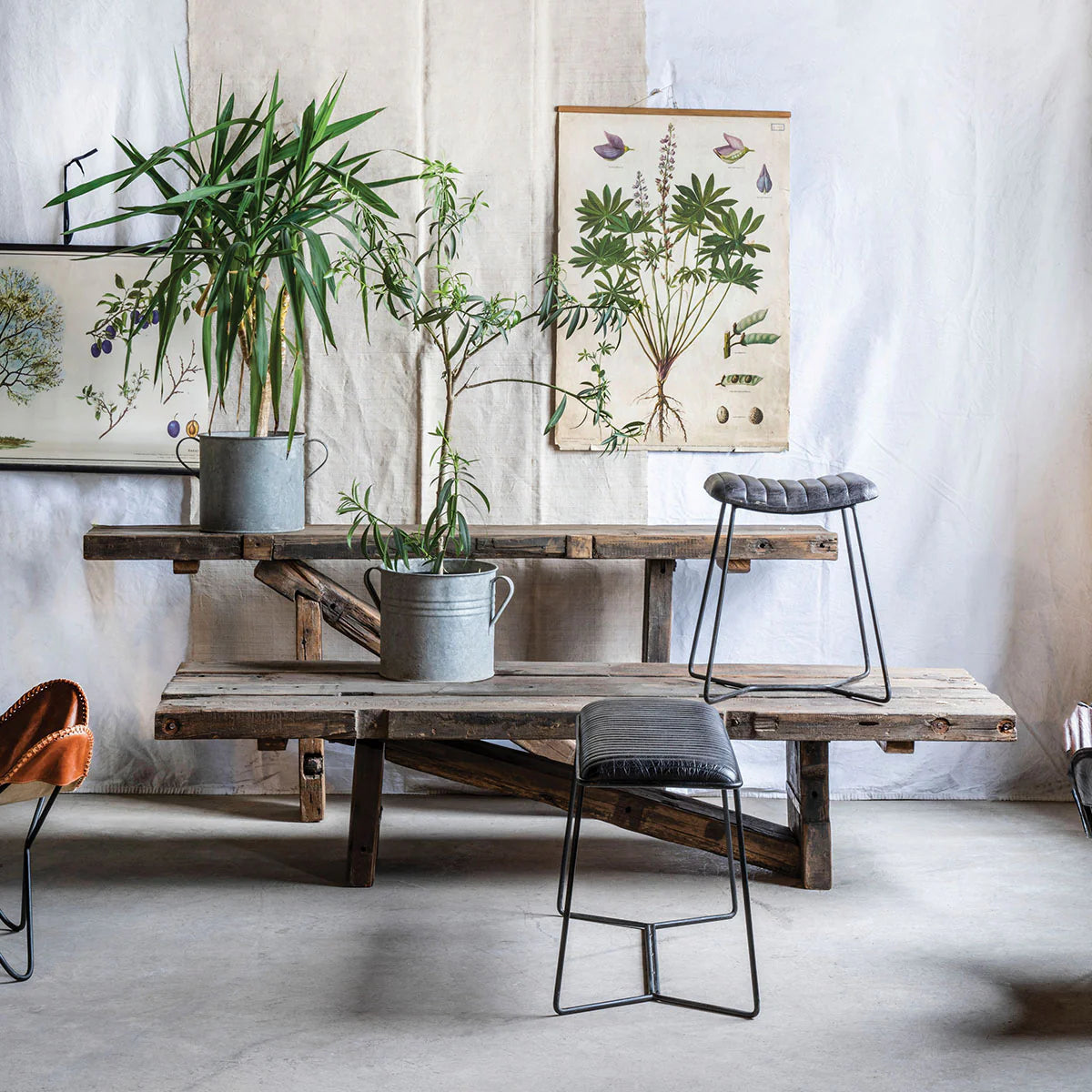
The Vigdis zinc bucket brings an industrial note that works both indoors and out. At a larger scale, it feels purposeful rather than utilitarian.
Choosing material based on environment—not just aesthetics—keeps large pots from feeling misplaced.
Big Pots Change How Plants Read
When you scale up the pot, plants stop being decorative and start feeling architectural.
A small plant in a large pot feels intentional. A large plant in a small pot feels stressed. Scale affects perception more than the plant itself.
Large vintage pots give plants room to breathe visually. Even minimal greenery feels impactful when the vessel carries enough presence.
This is why large pots work even with sparse planting—or no planting at all. The pot remains the focal point.

Why Empty Still Works—Especially When It’s Big
There’s a misconception that large pots must be filled to avoid looking unfinished. In reality, the opposite is often true.
An empty large vintage pot introduces negative space in a way smaller objects can’t. It creates pause. It gives the eye somewhere to stop without distraction.
This is particularly effective in minimal interiors where furniture lines are clean and surfaces are controlled. A large pot breaks repetition without adding chaos.
Going Bigger Means Letting Go of Overstyling
The biggest shift that comes with scale is psychological.
When a piece is large enough to stand on its own, the urge to decorate around it fades. You stop adjusting. You stop adding. The room settles.
Large vintage pots encourage restraint because they don’t need help. That independence is what makes them so effective.
They don’t ask to be styled. They ask to be placed.

Final Thoughts: Scale Is the Shortcut
Going bigger with a vintage pot isn’t about making a bold statement. It’s about making fewer decisions—and better ones.
Large vintage pots bring structure, reduce clutter, and define space indoors and out. They replace furniture, simplify layouts, and allow rooms to feel finished without feeling styled.
If a space feels close but not quite resolved, don’t add more small things. Change the scale.