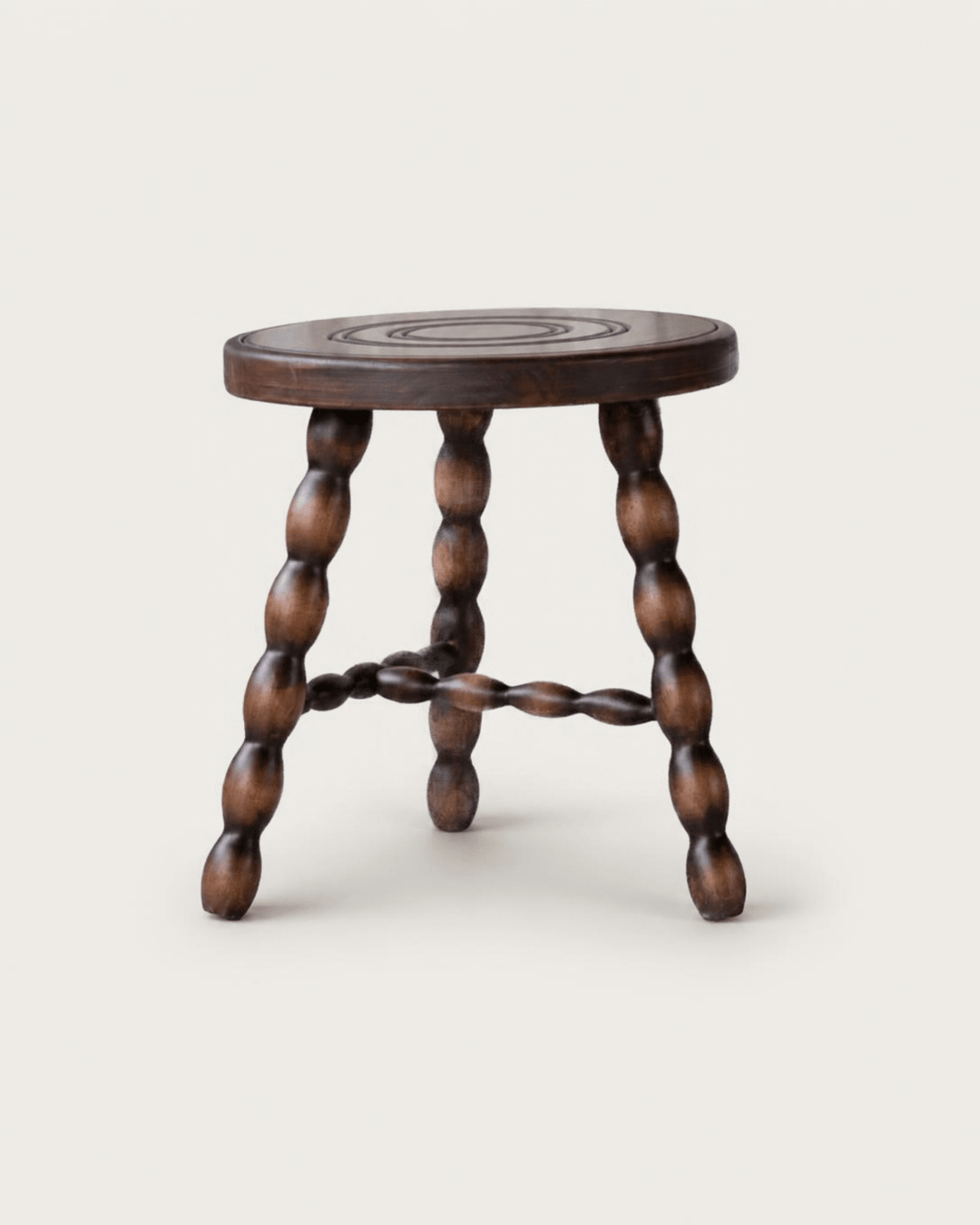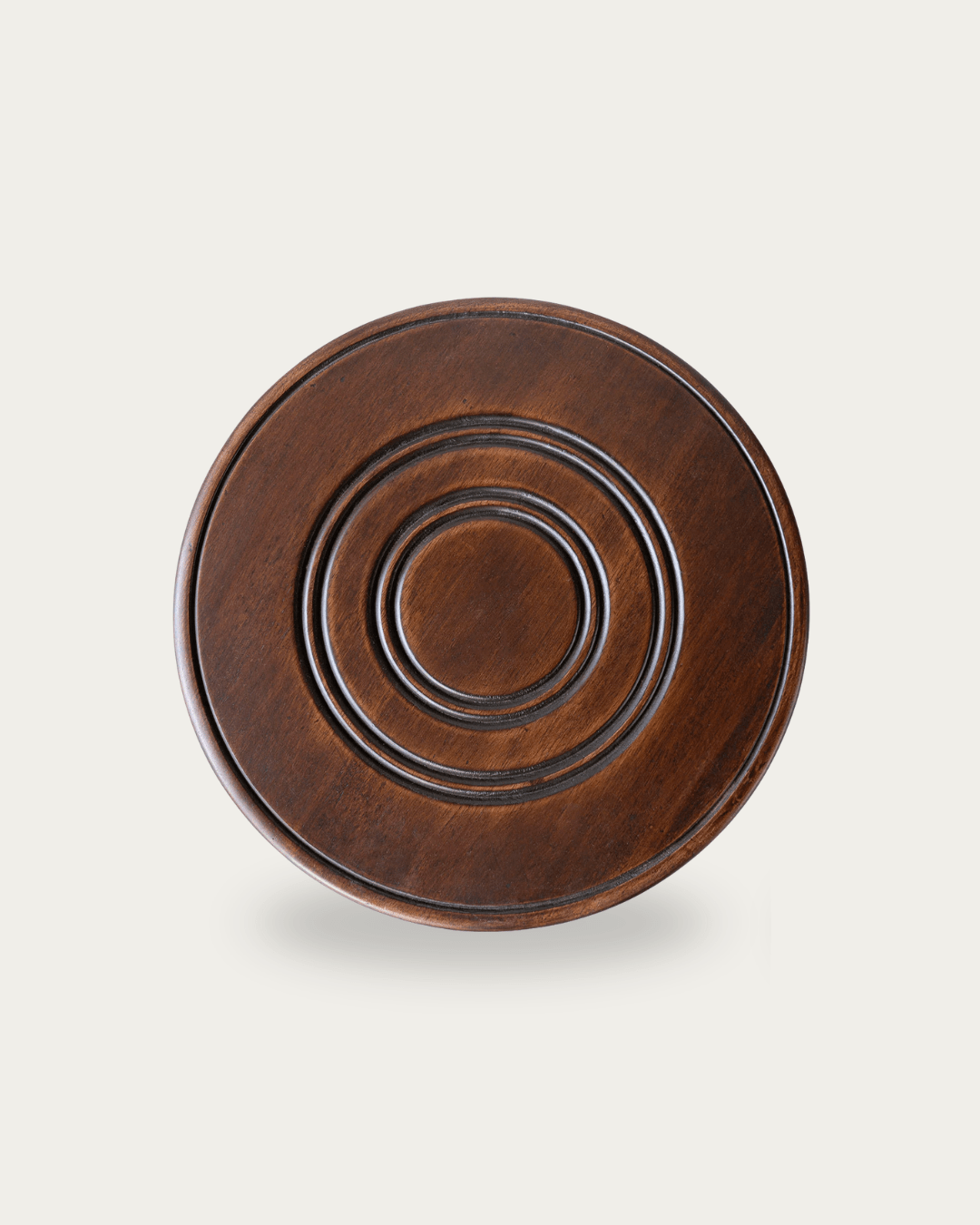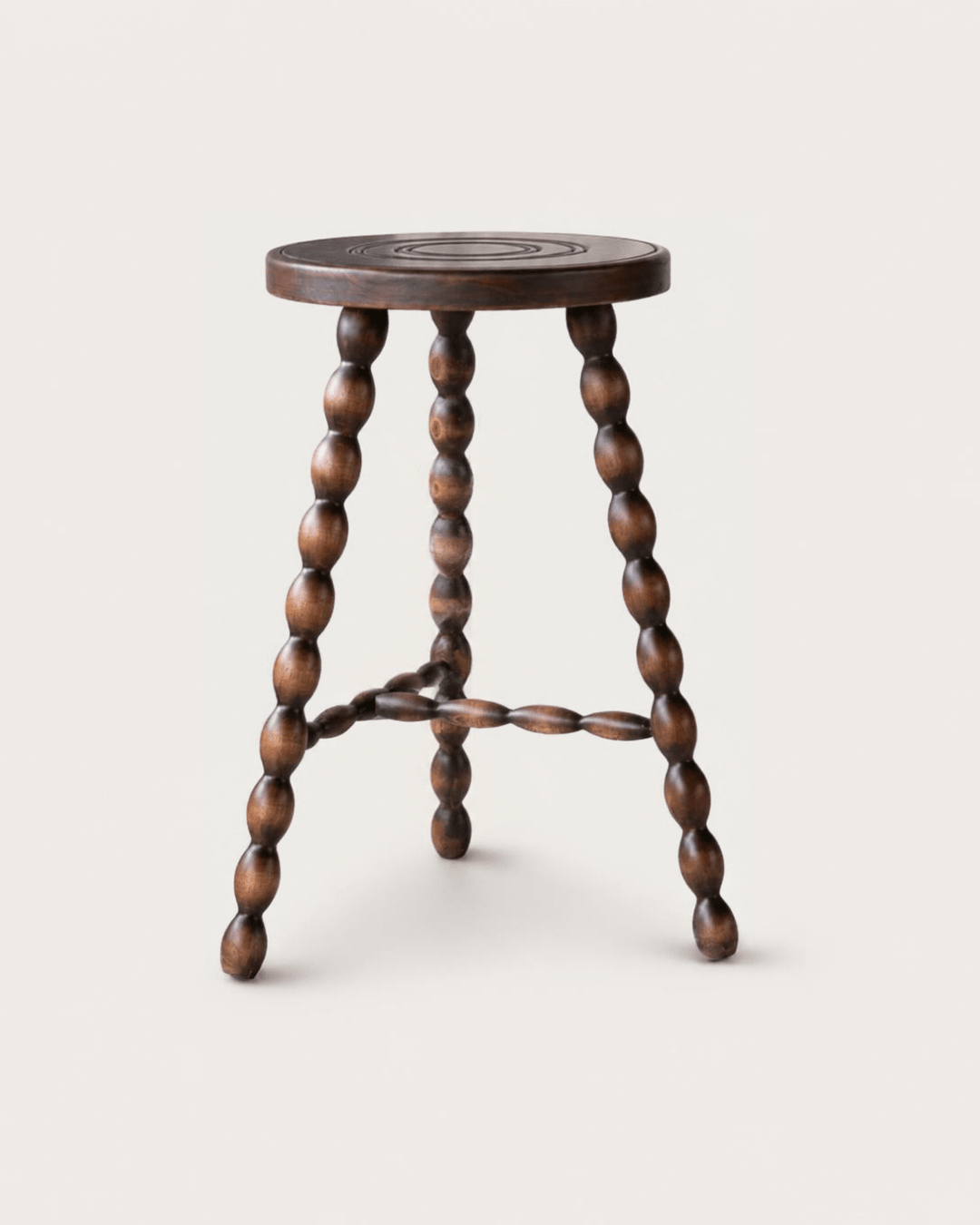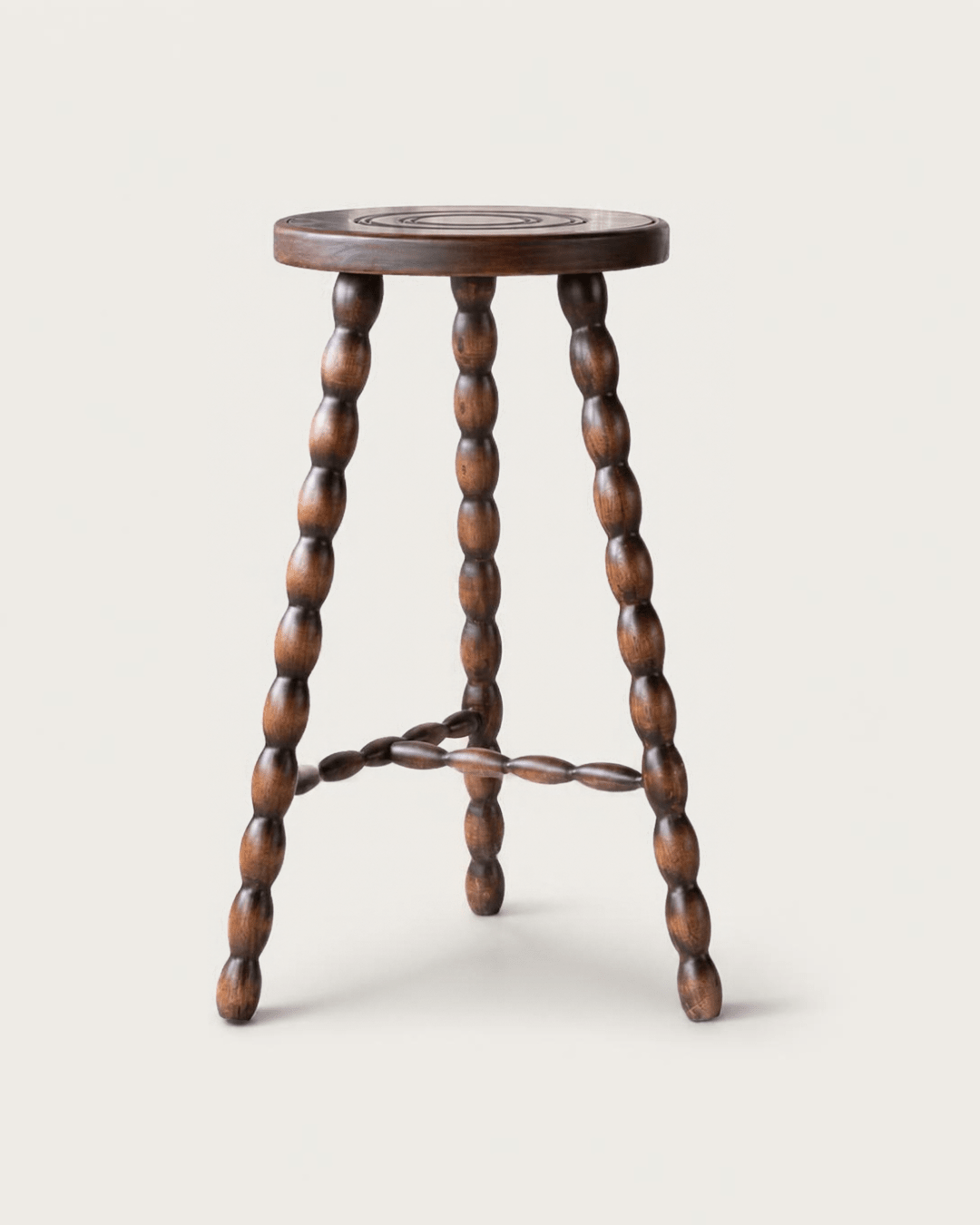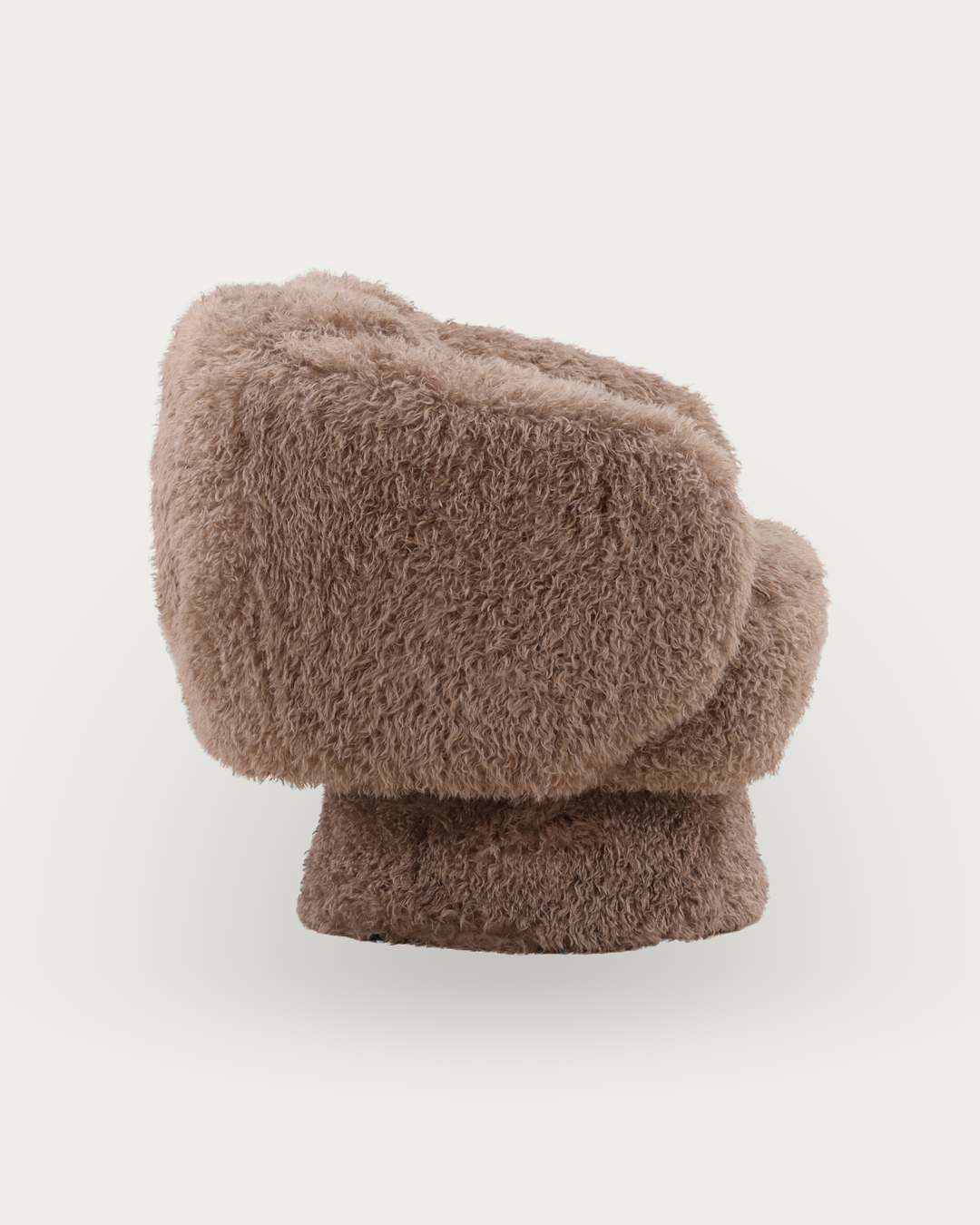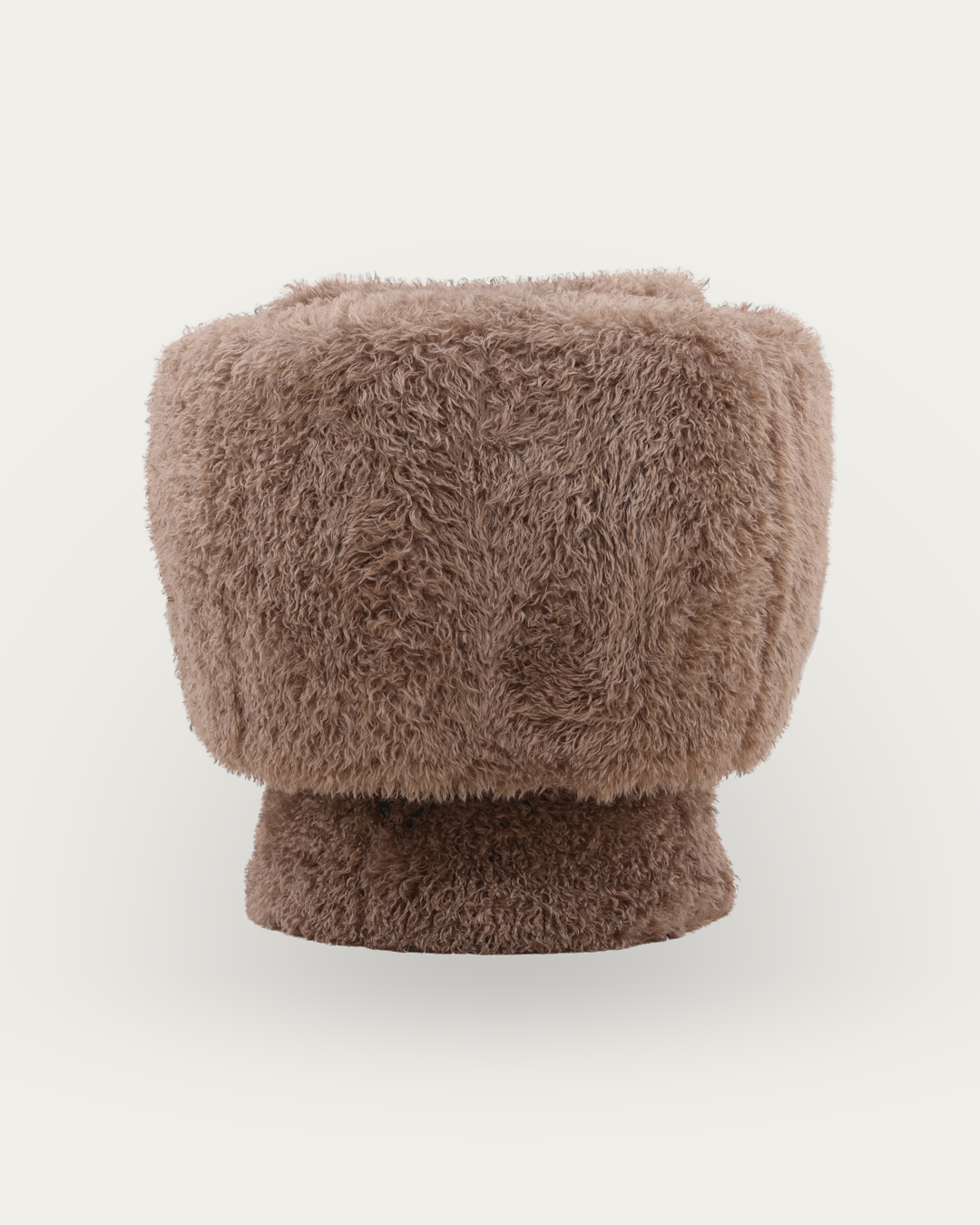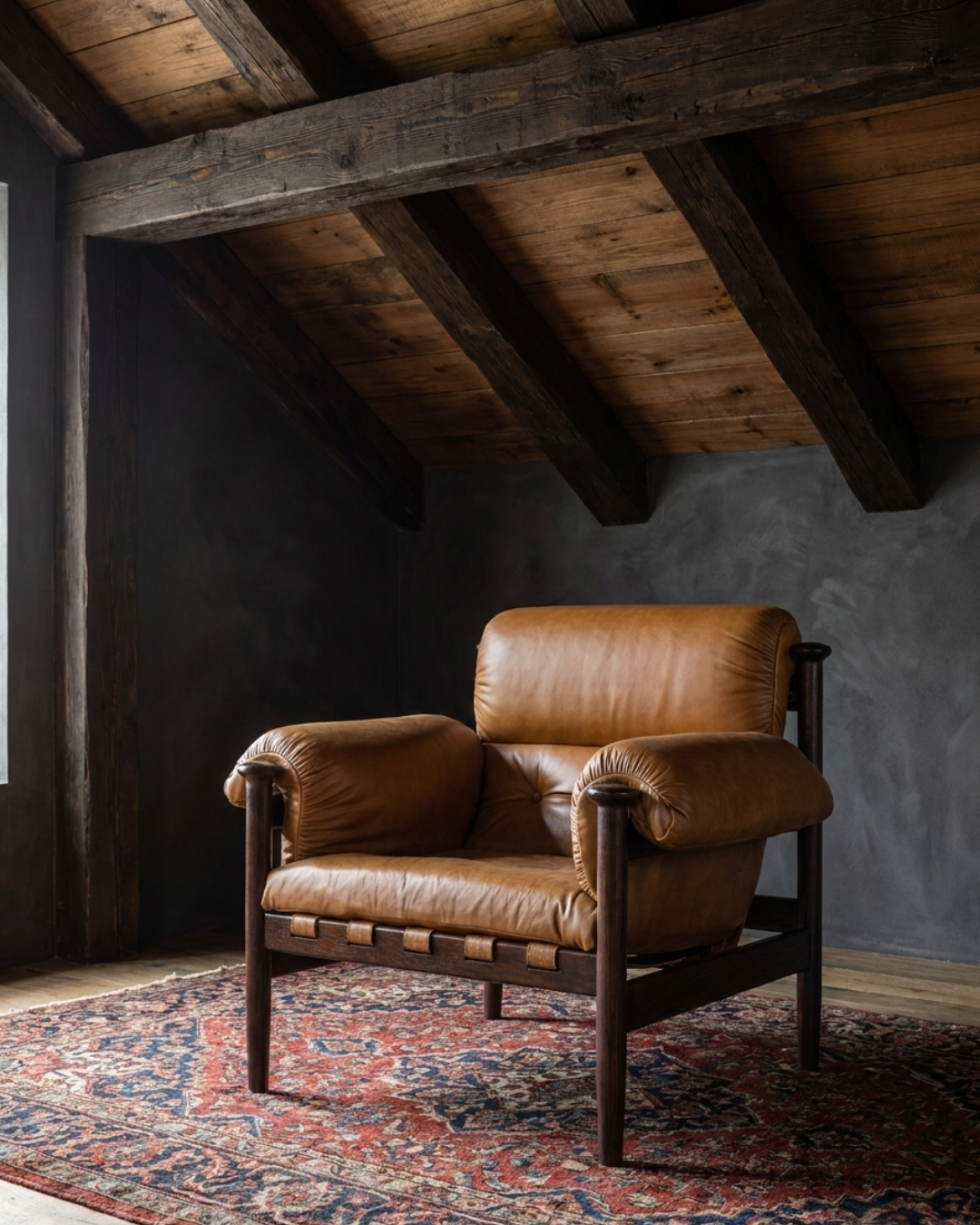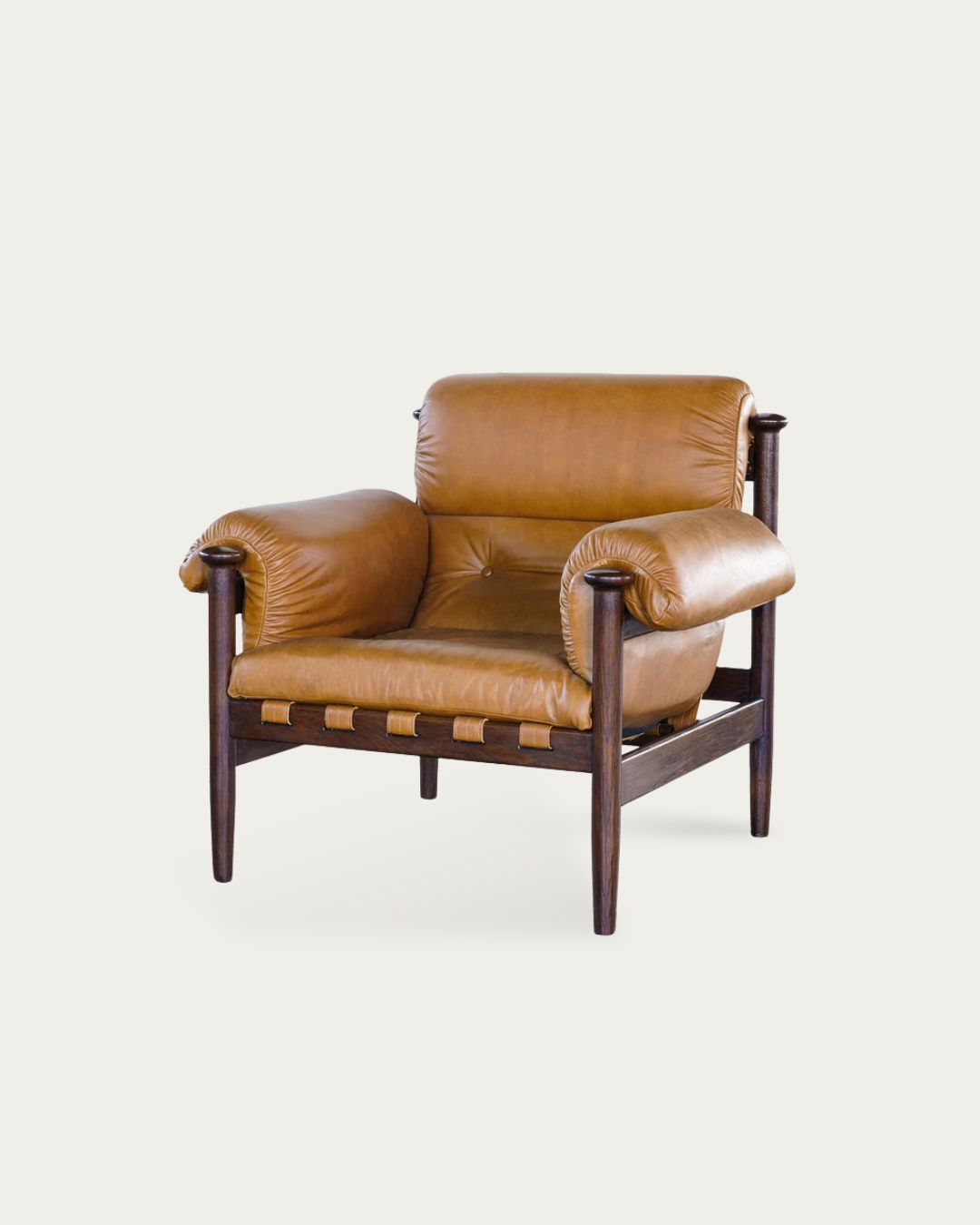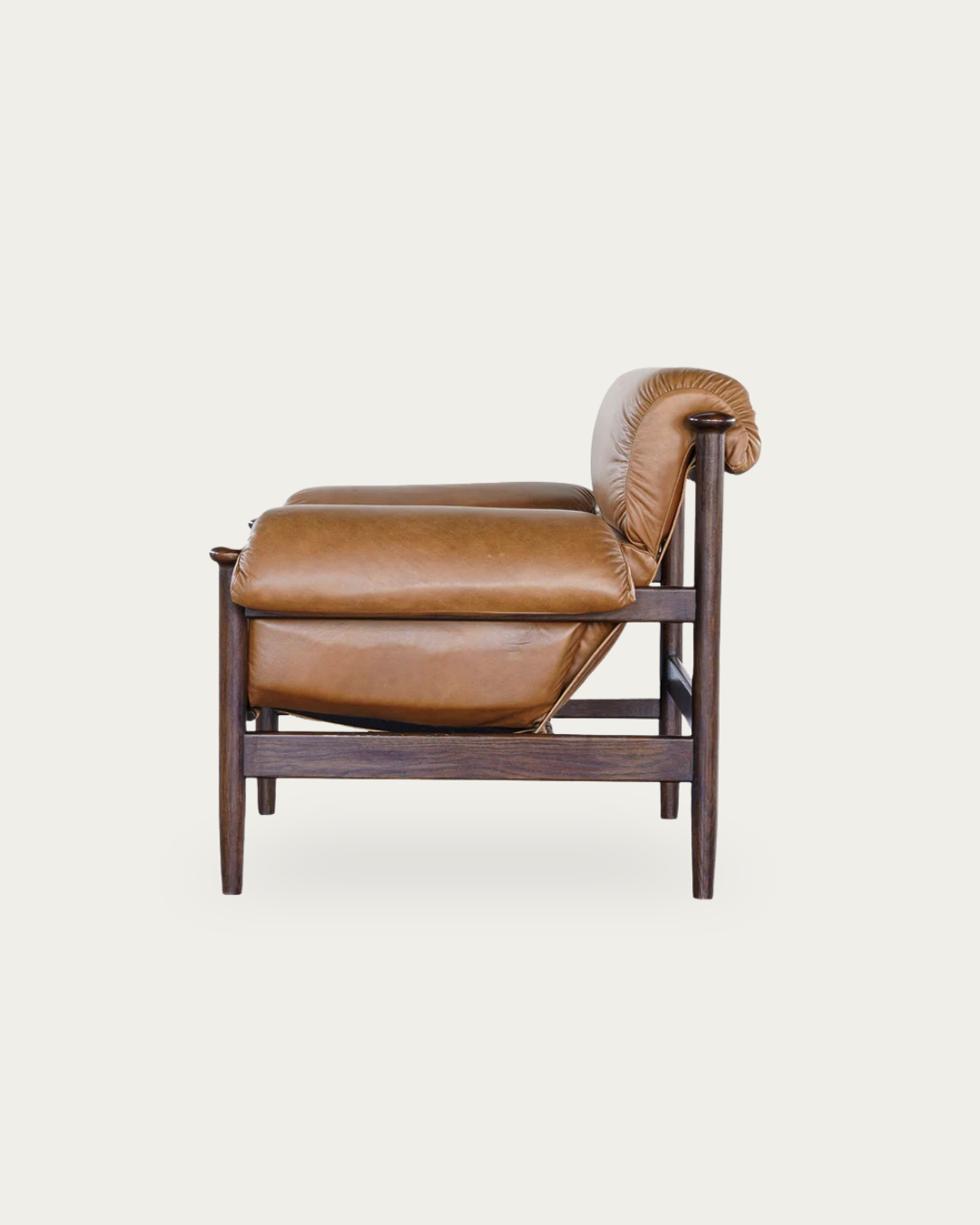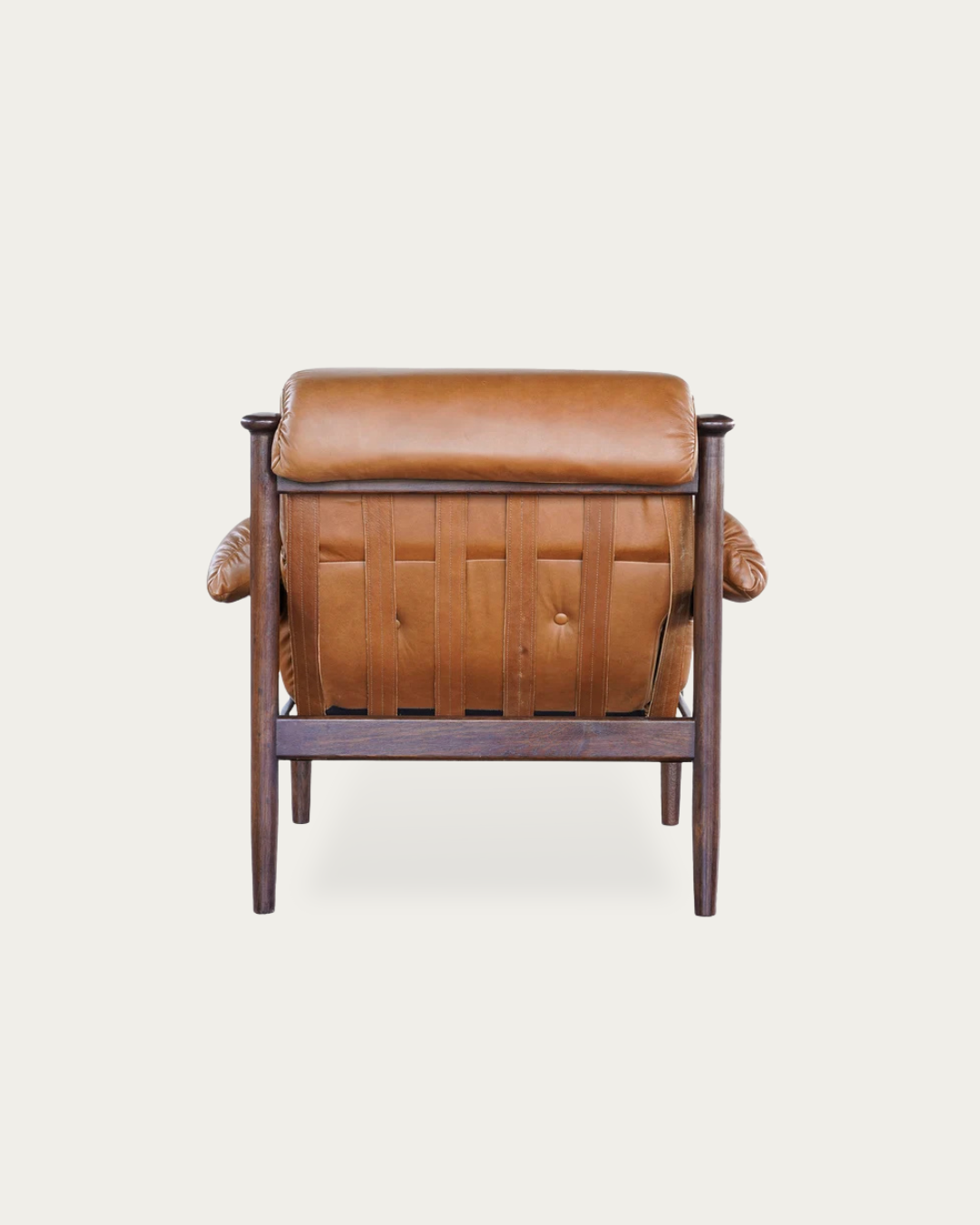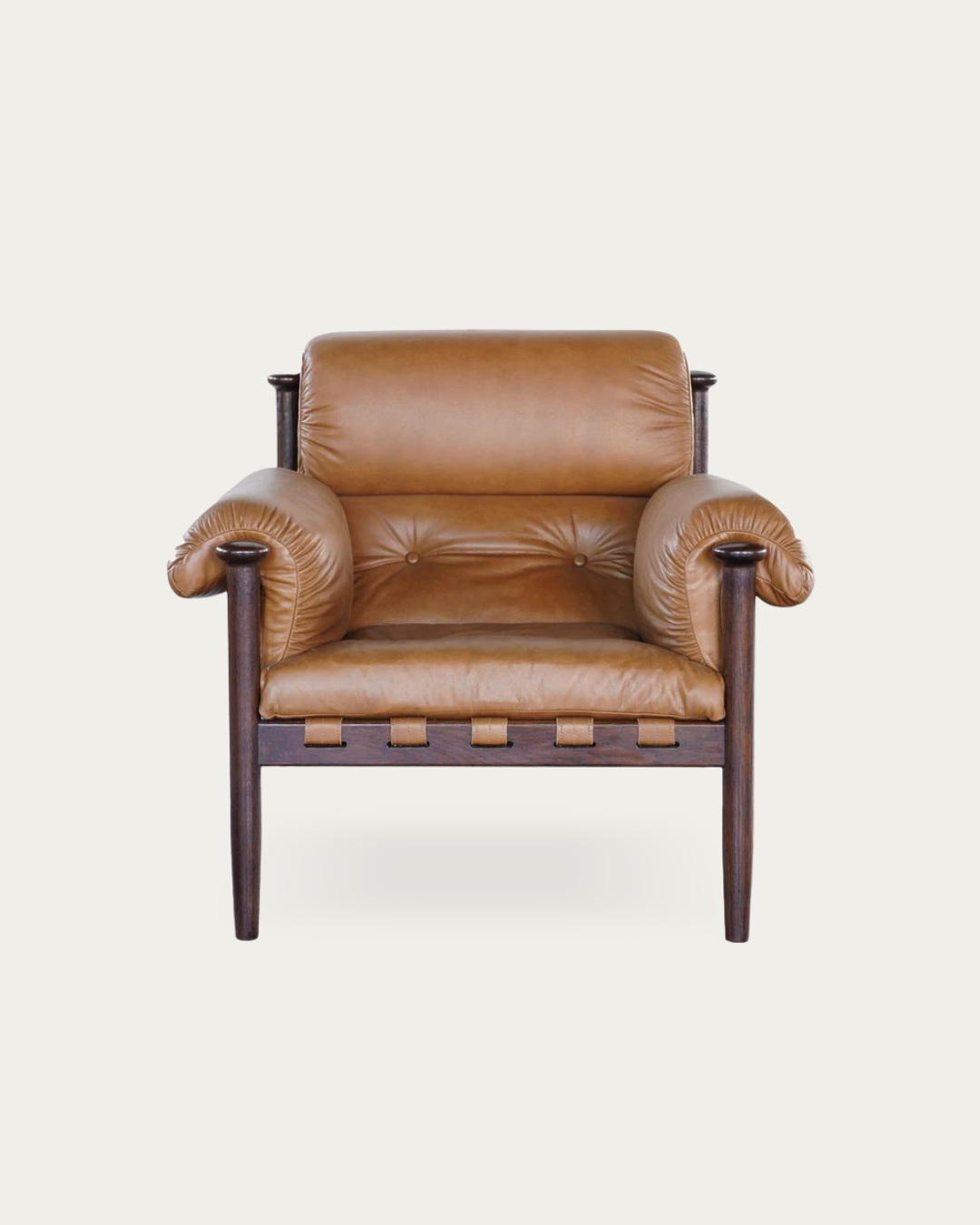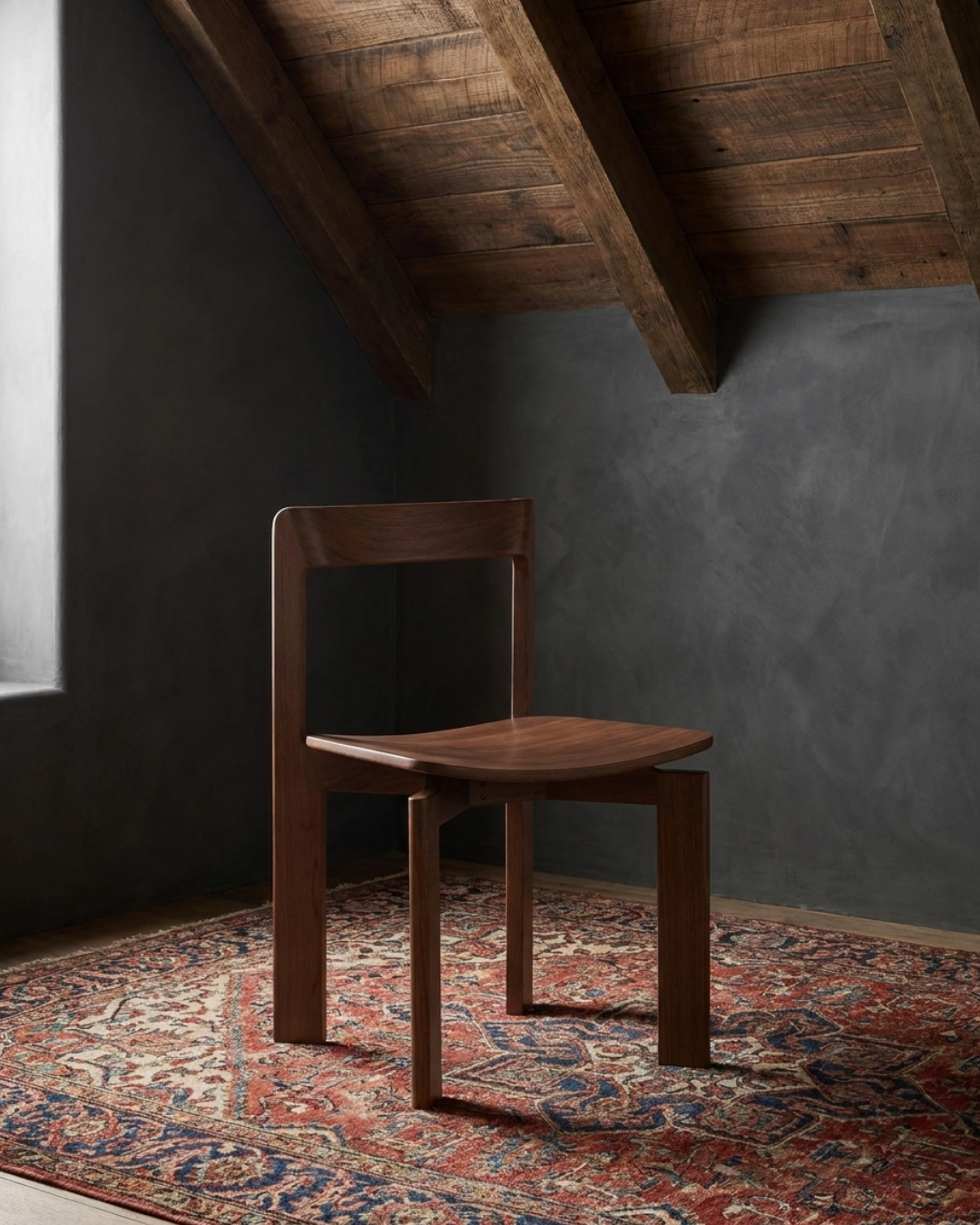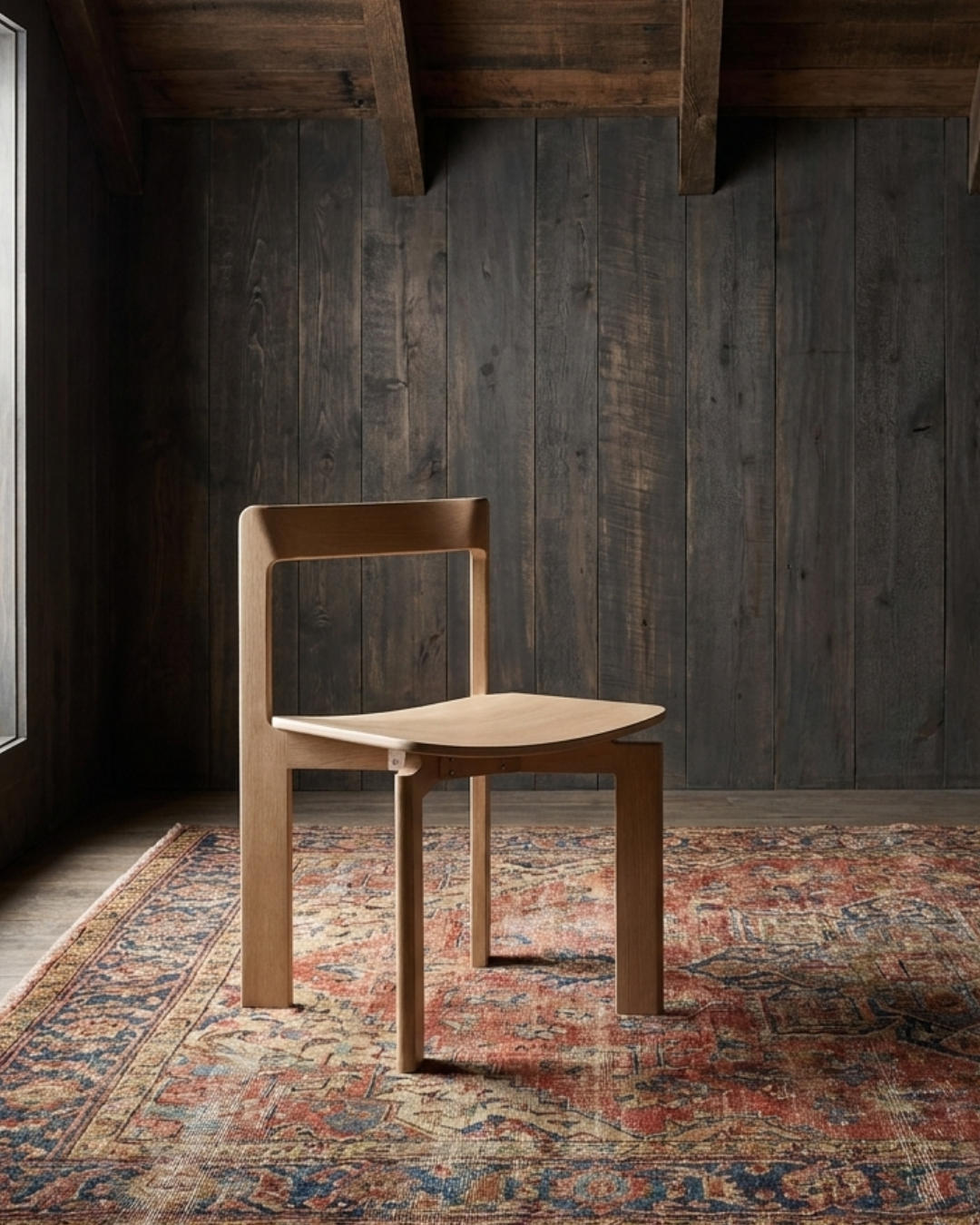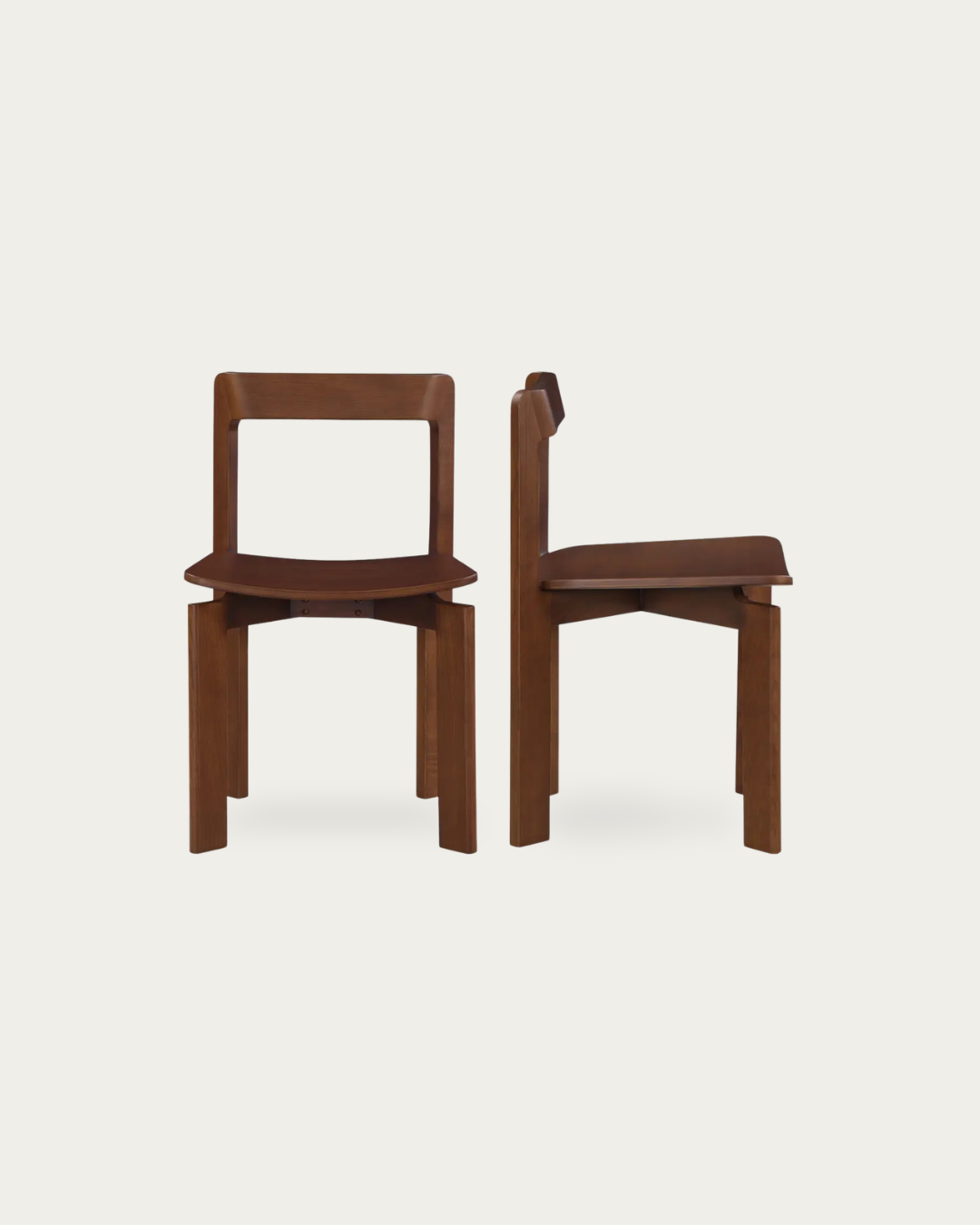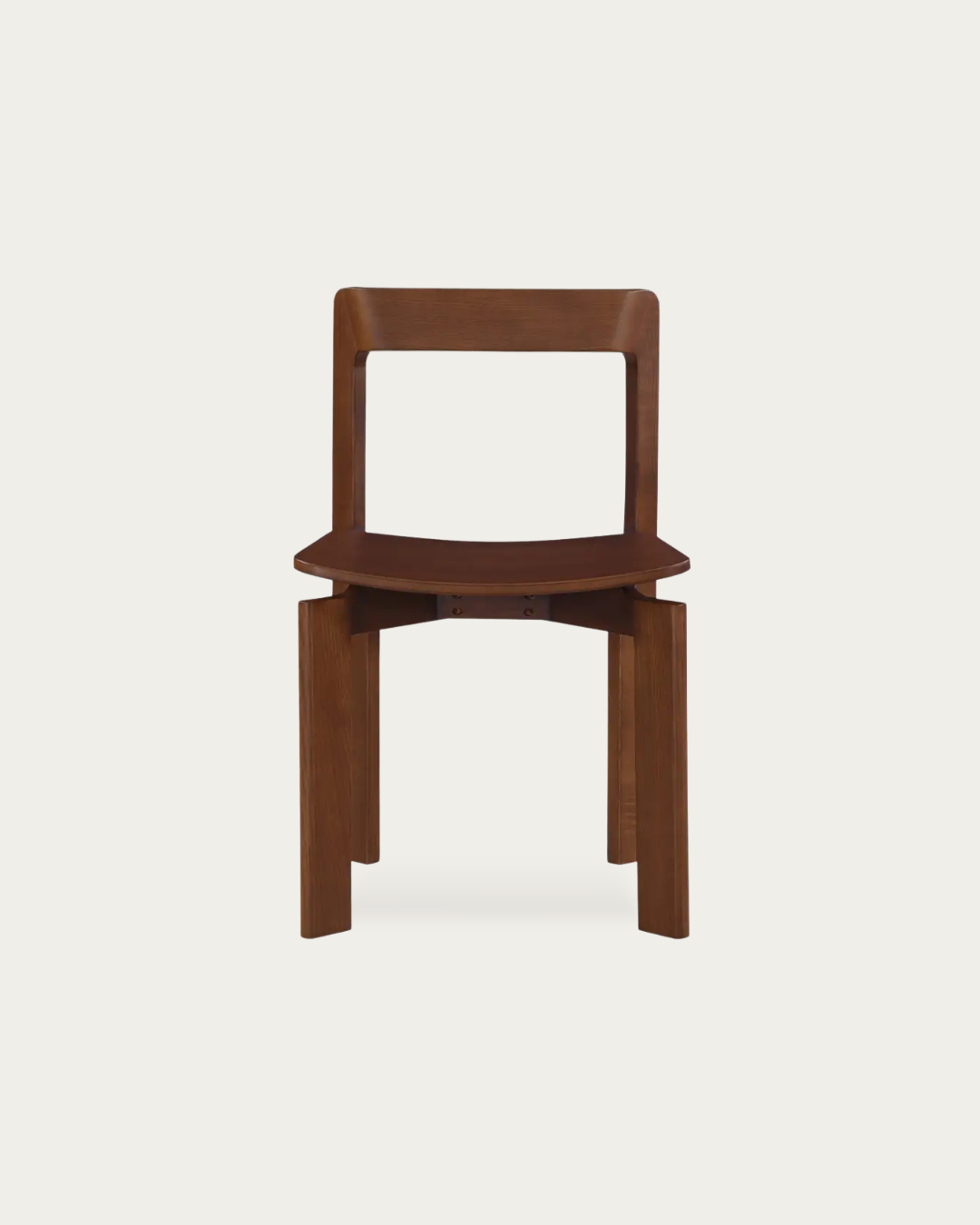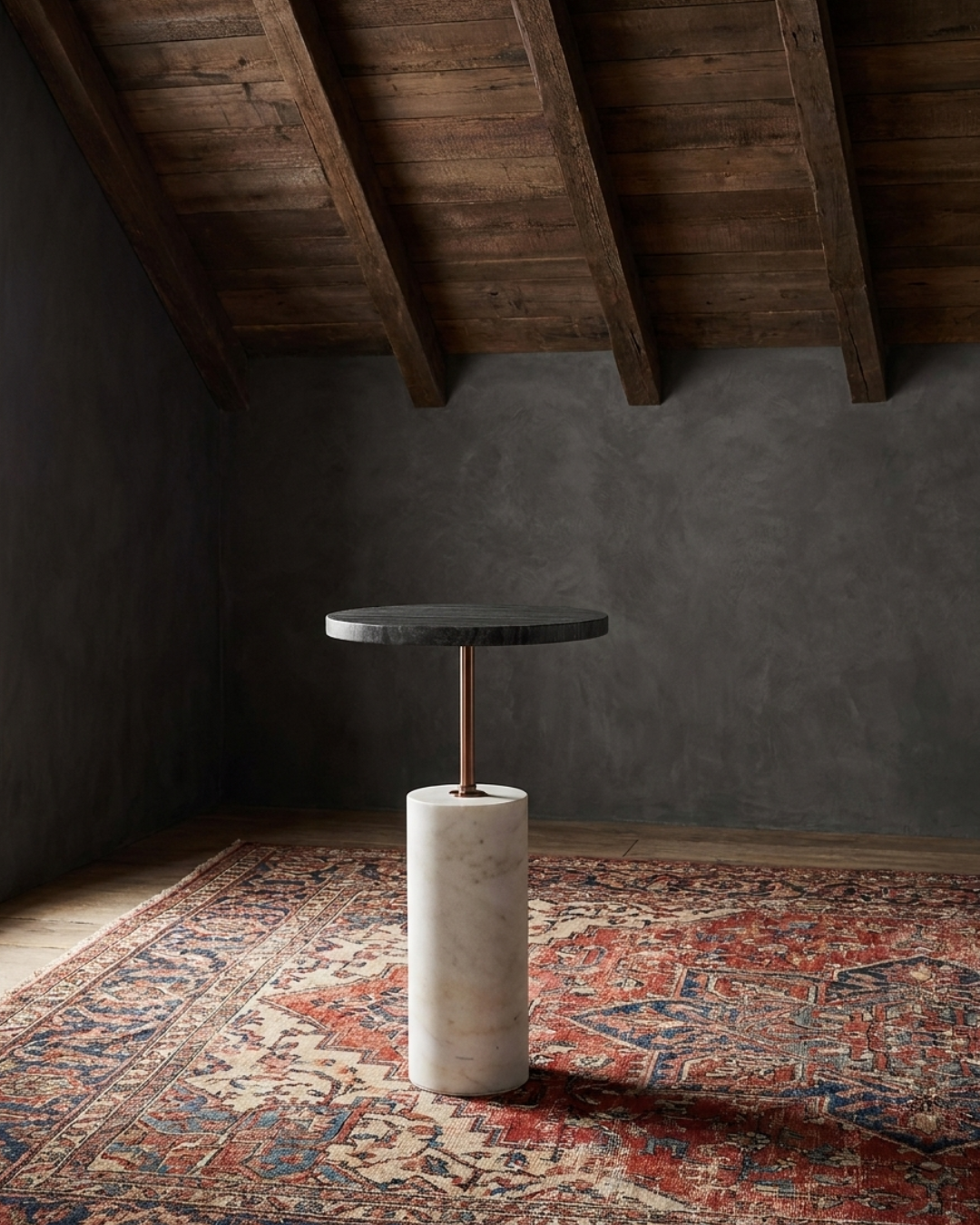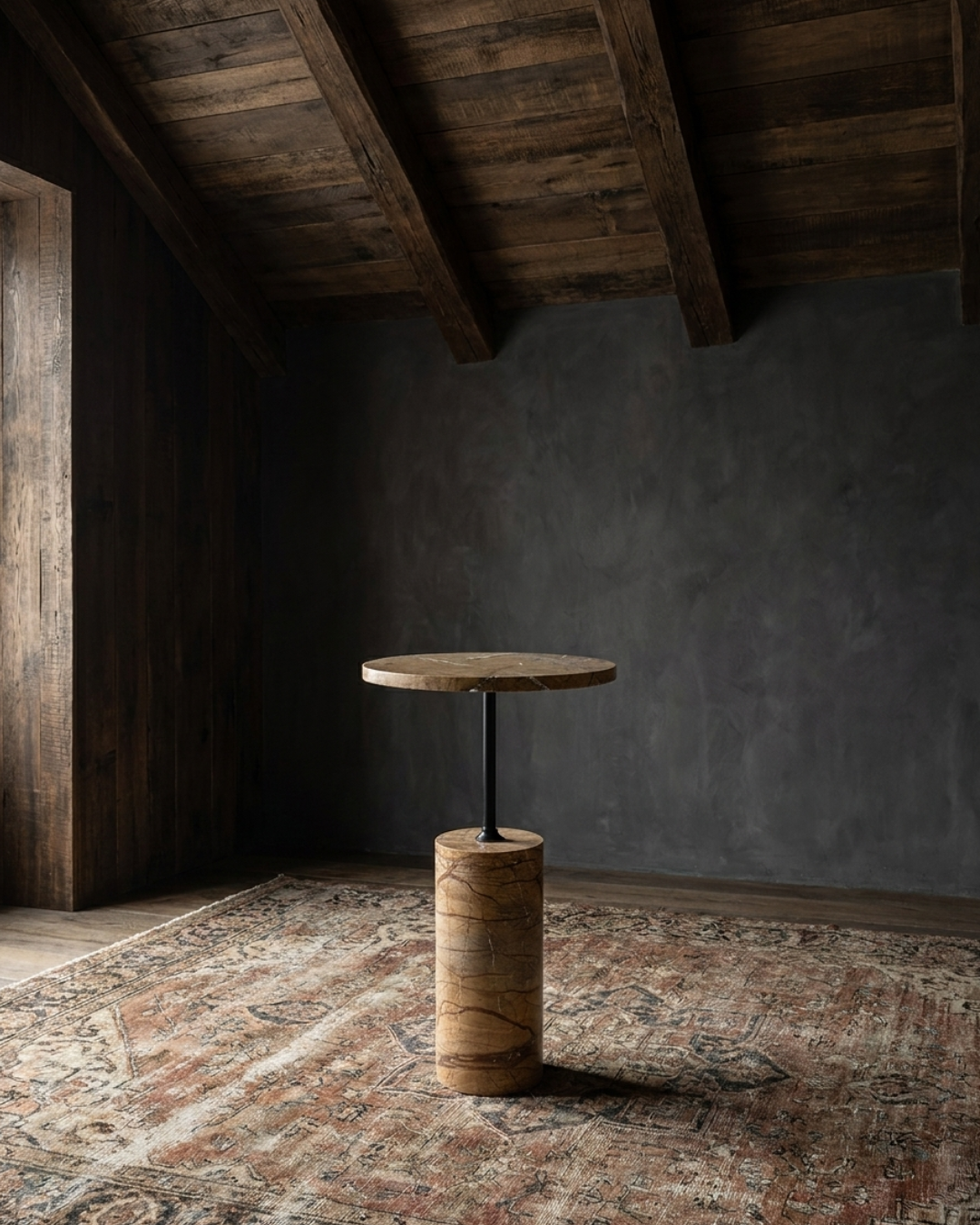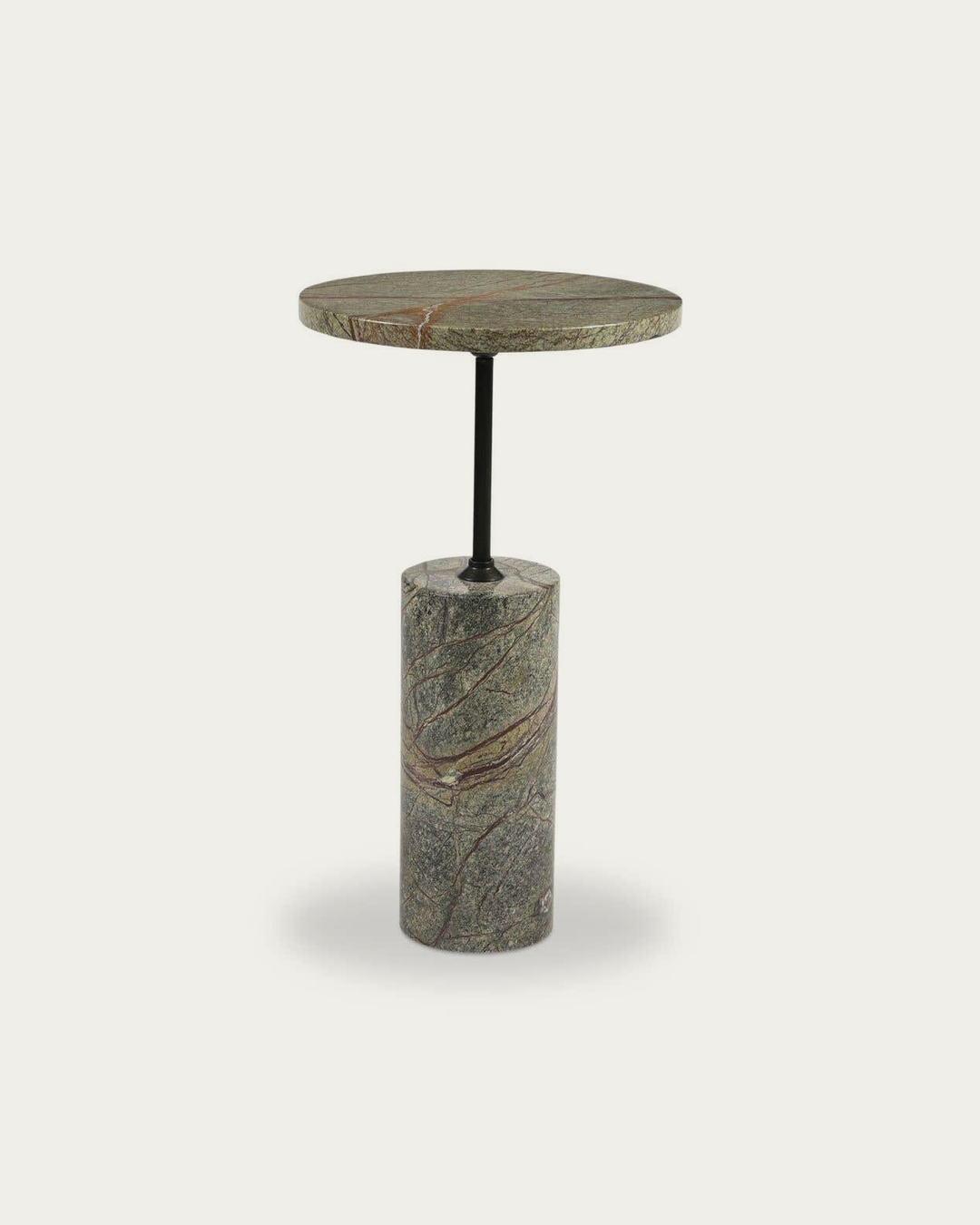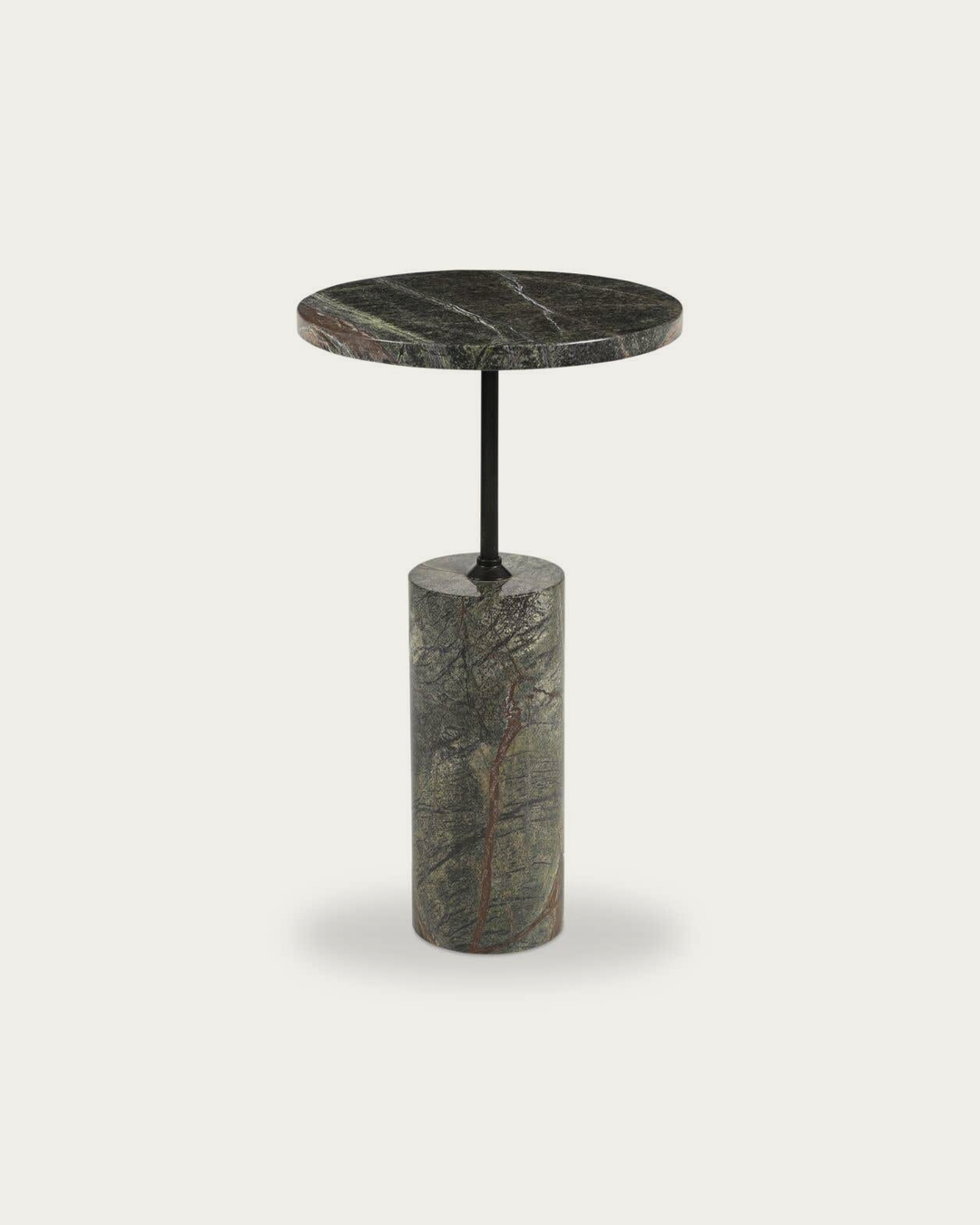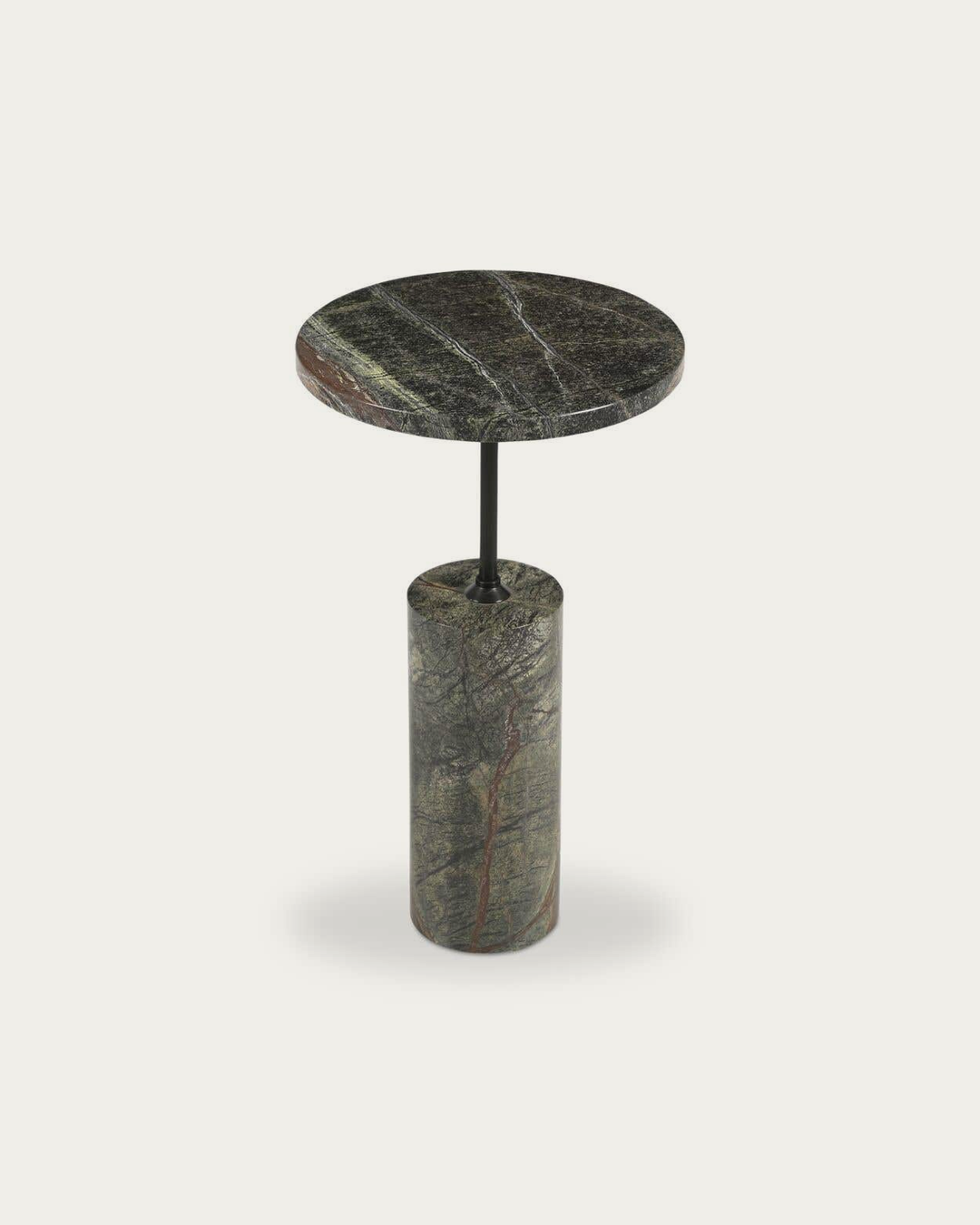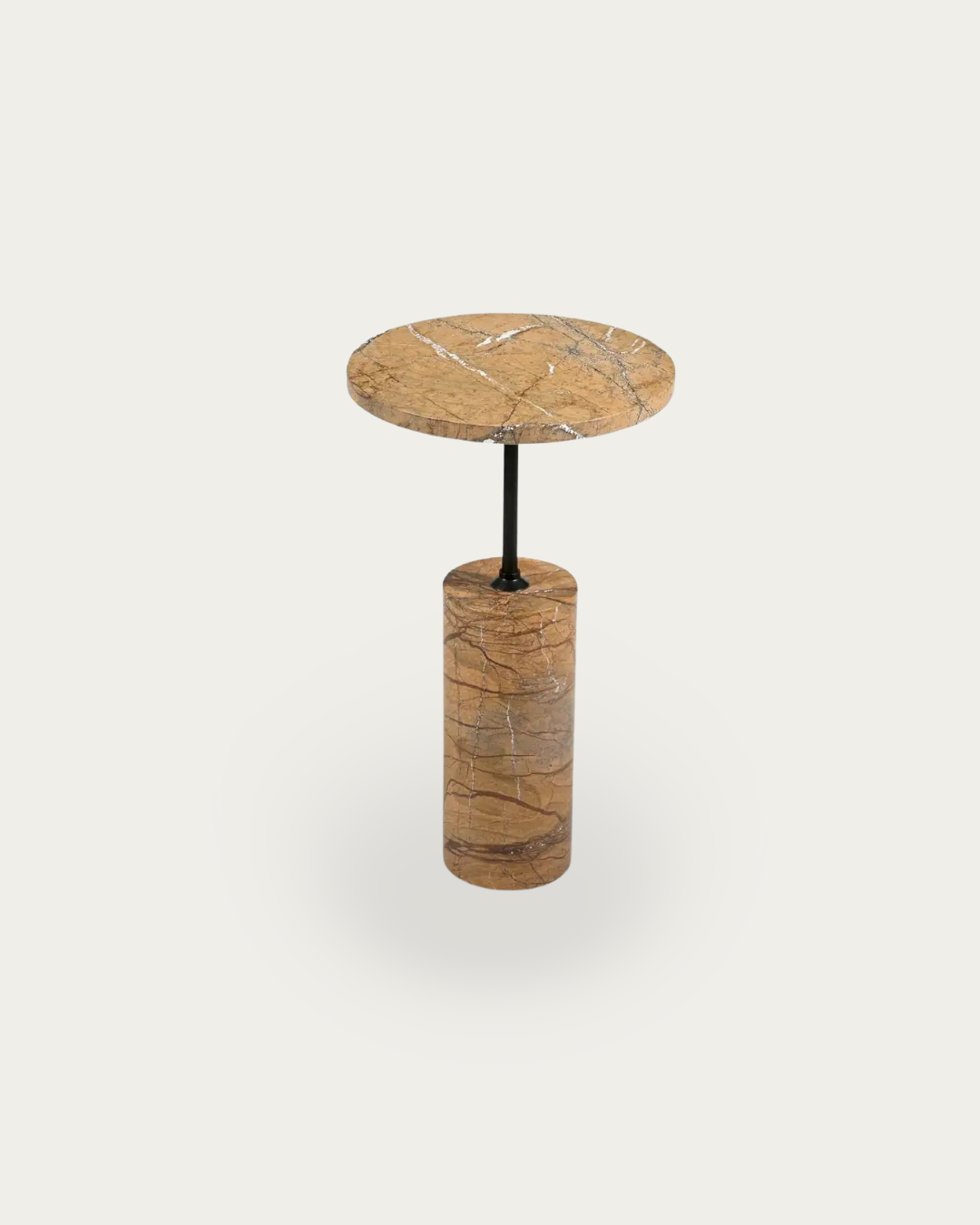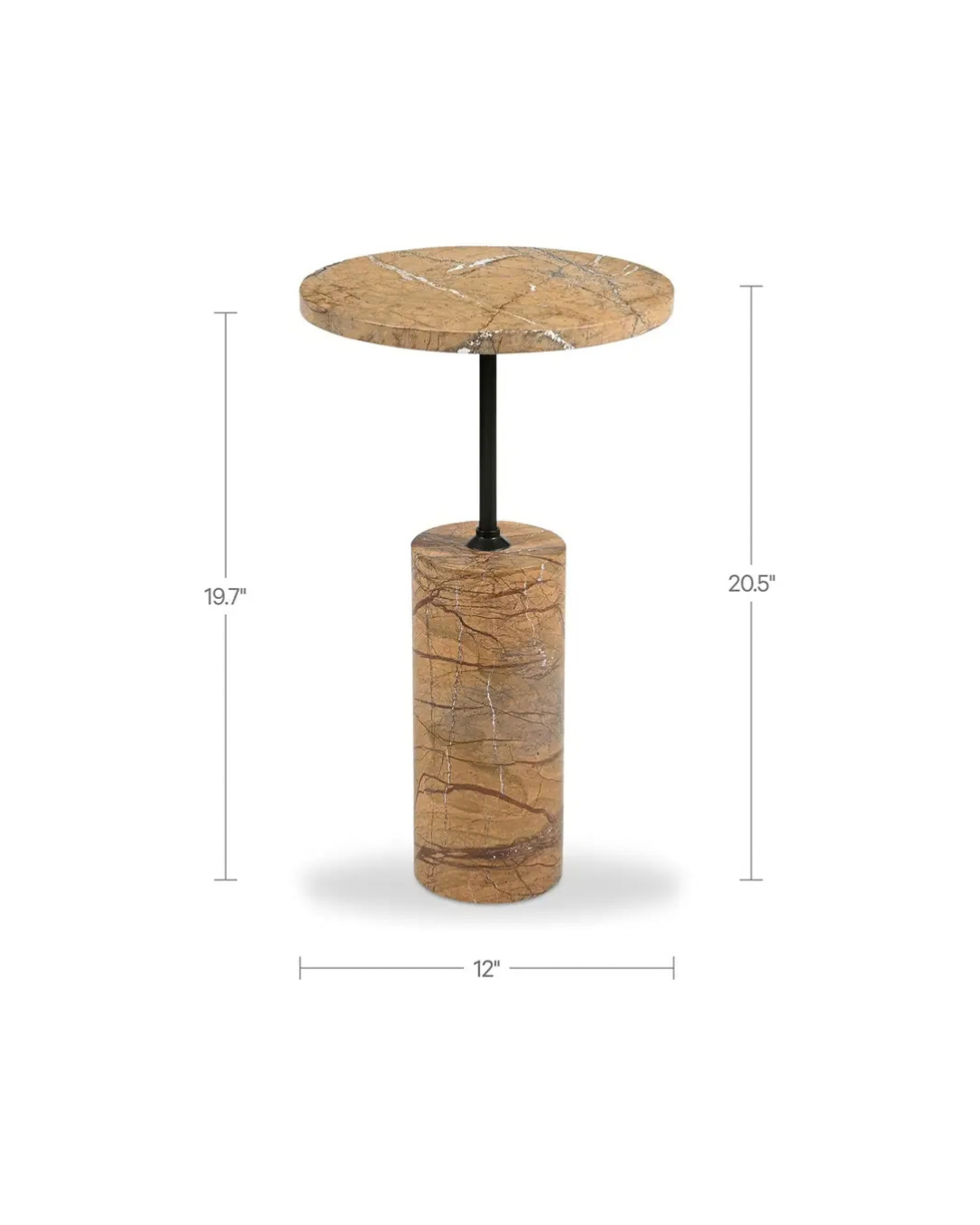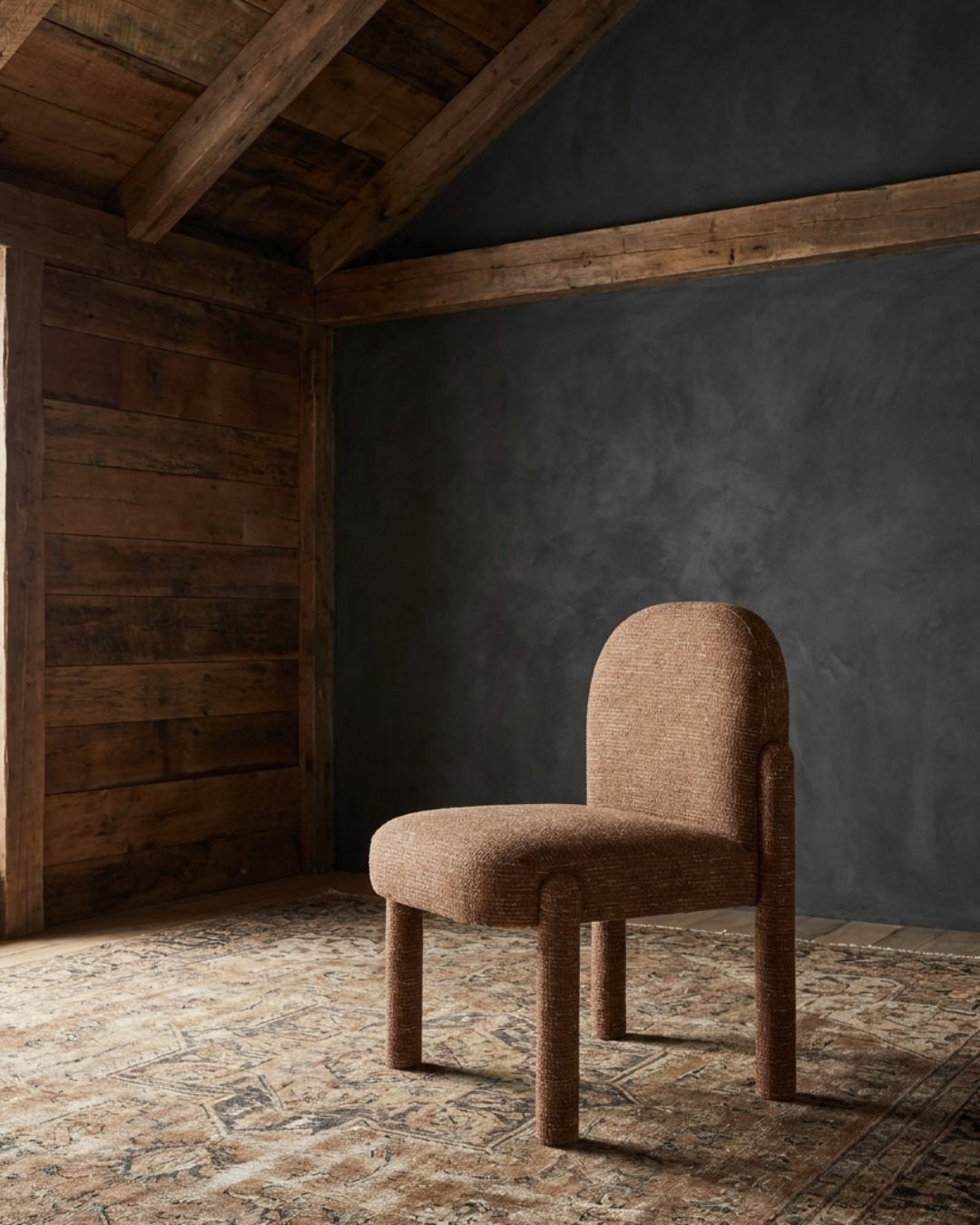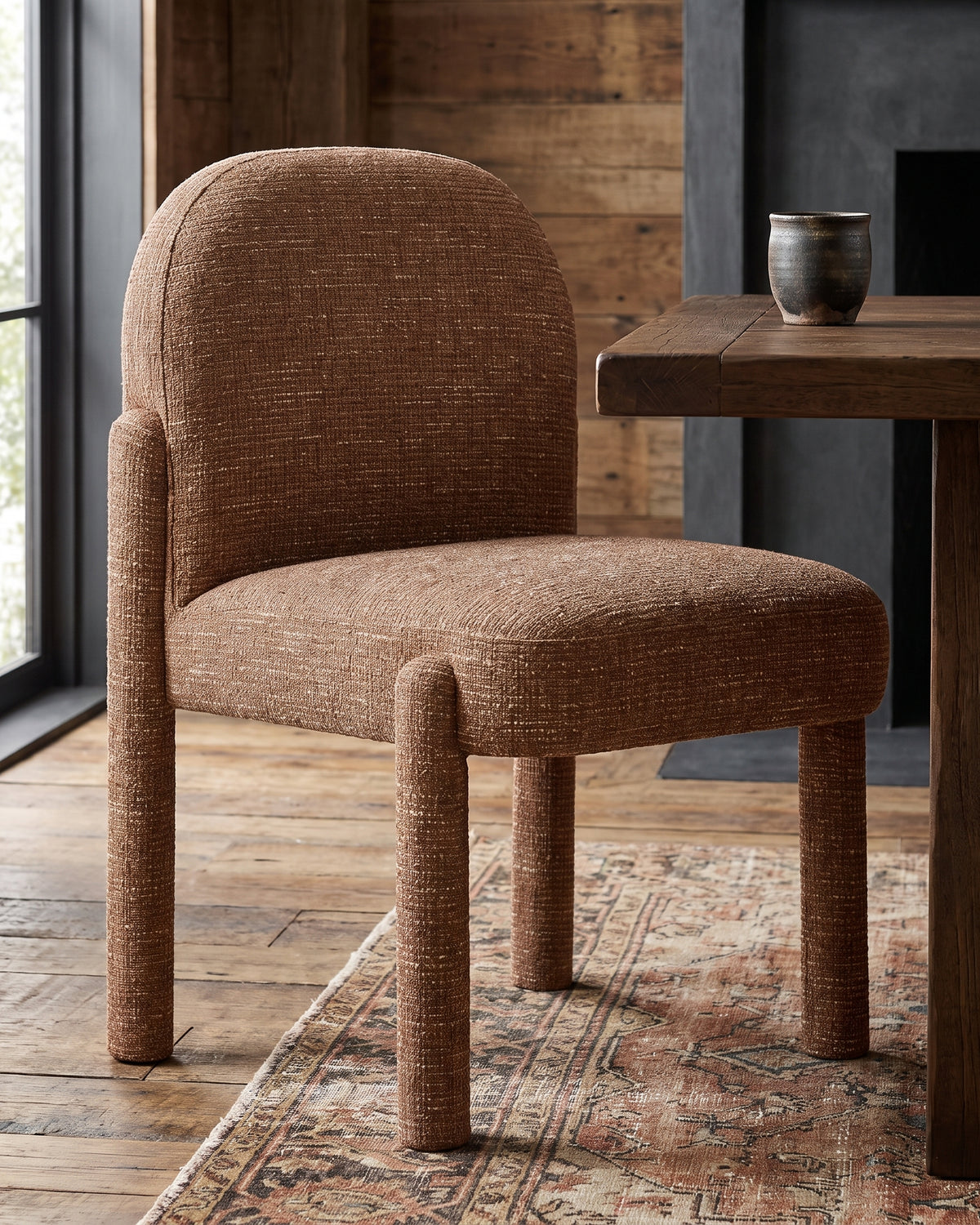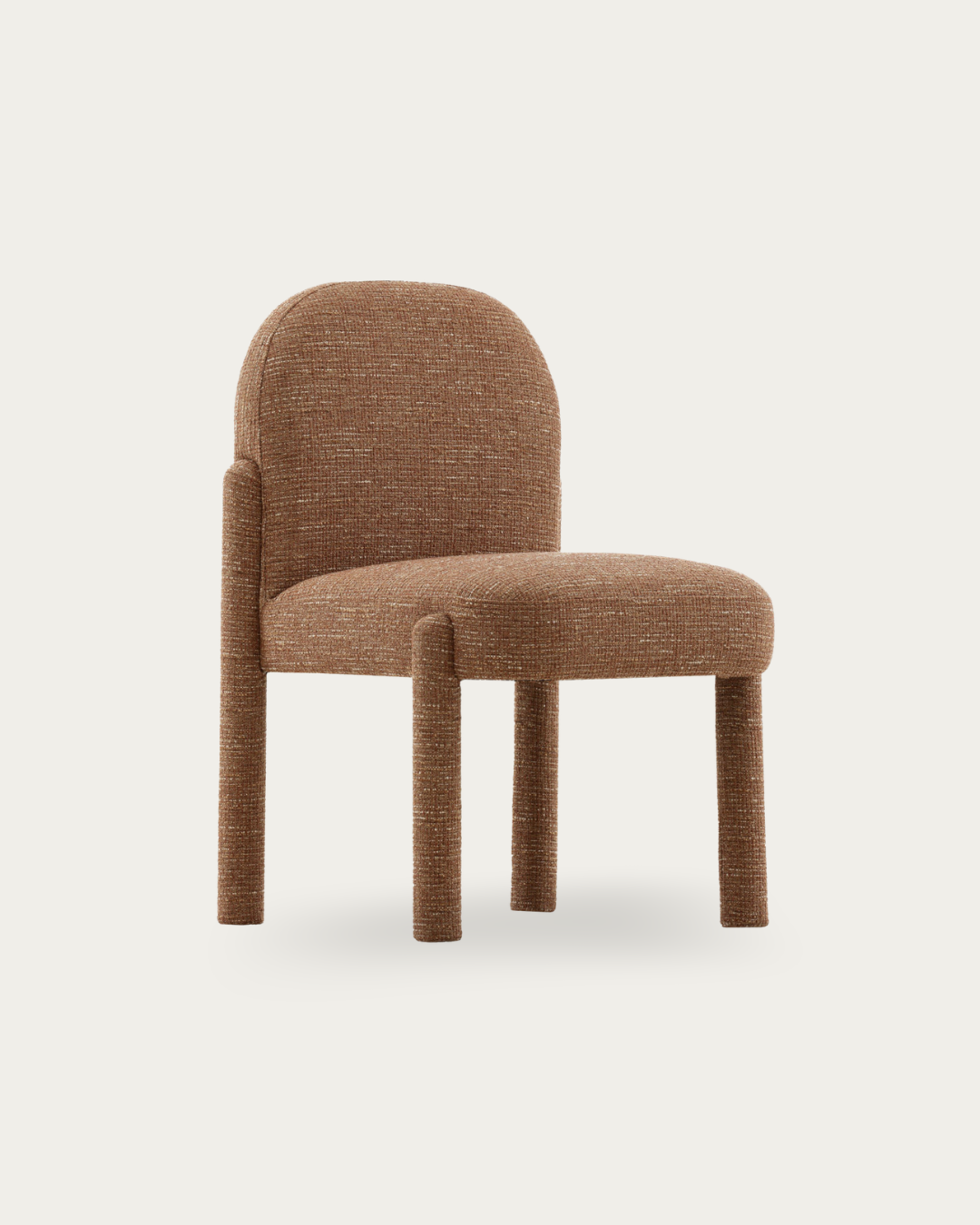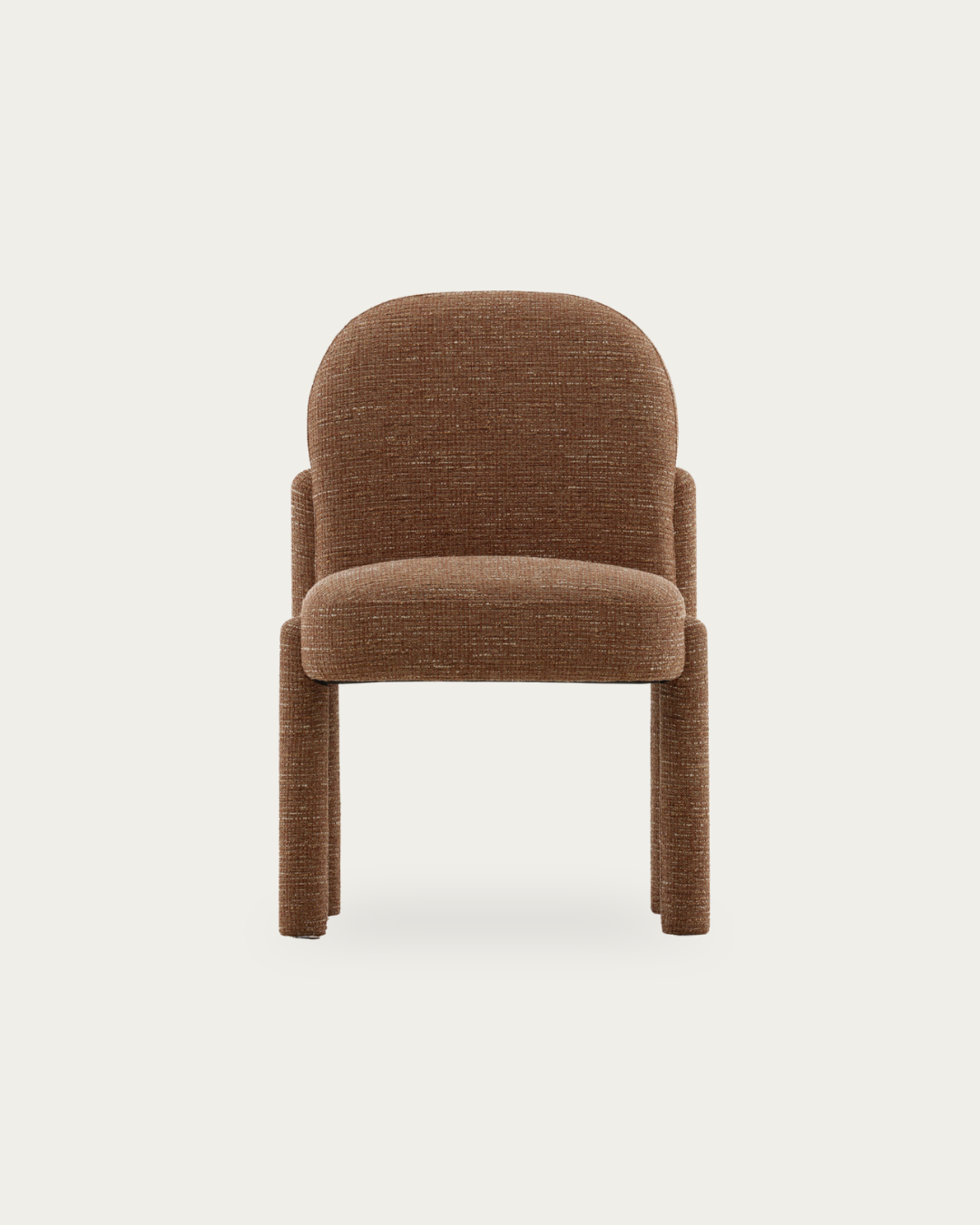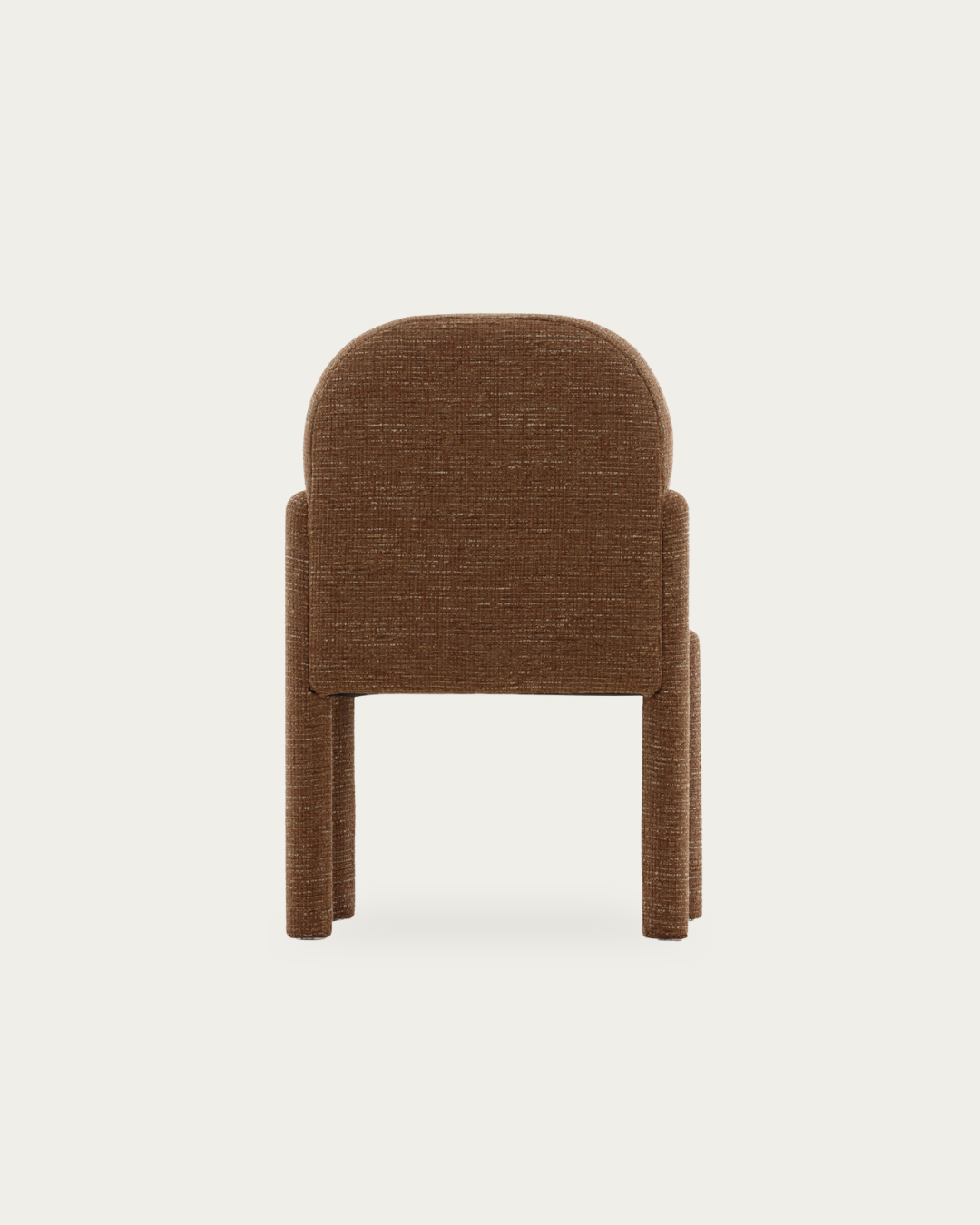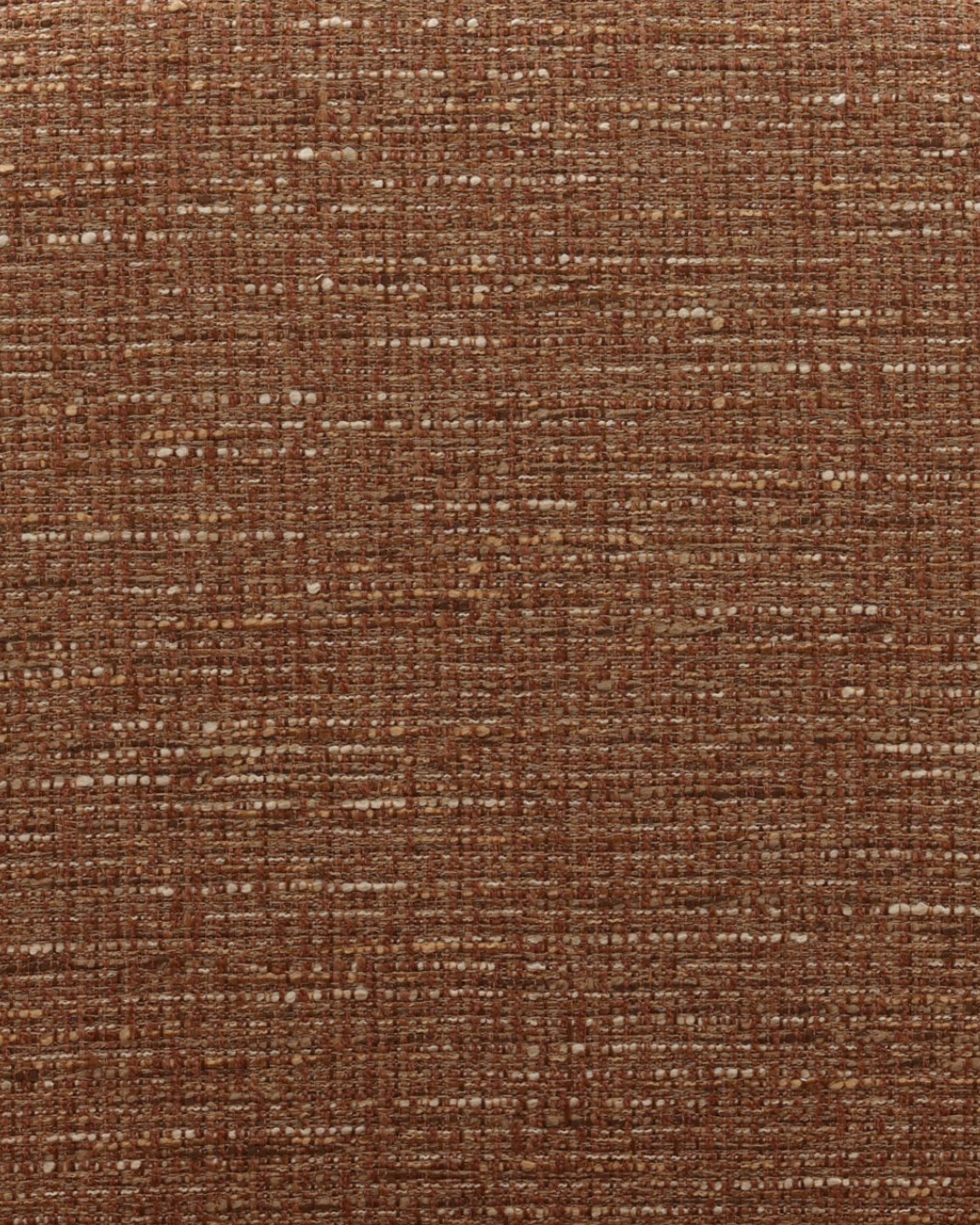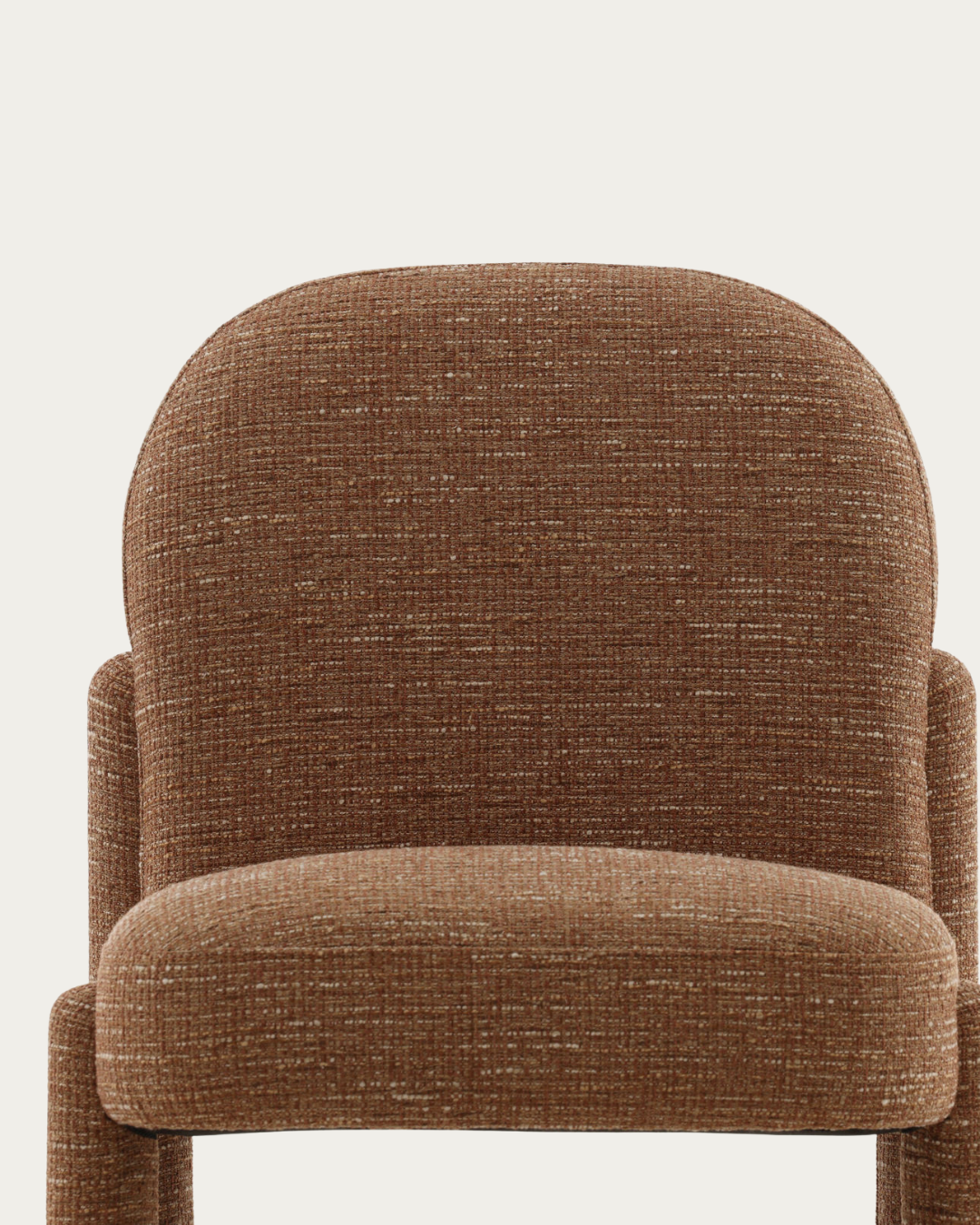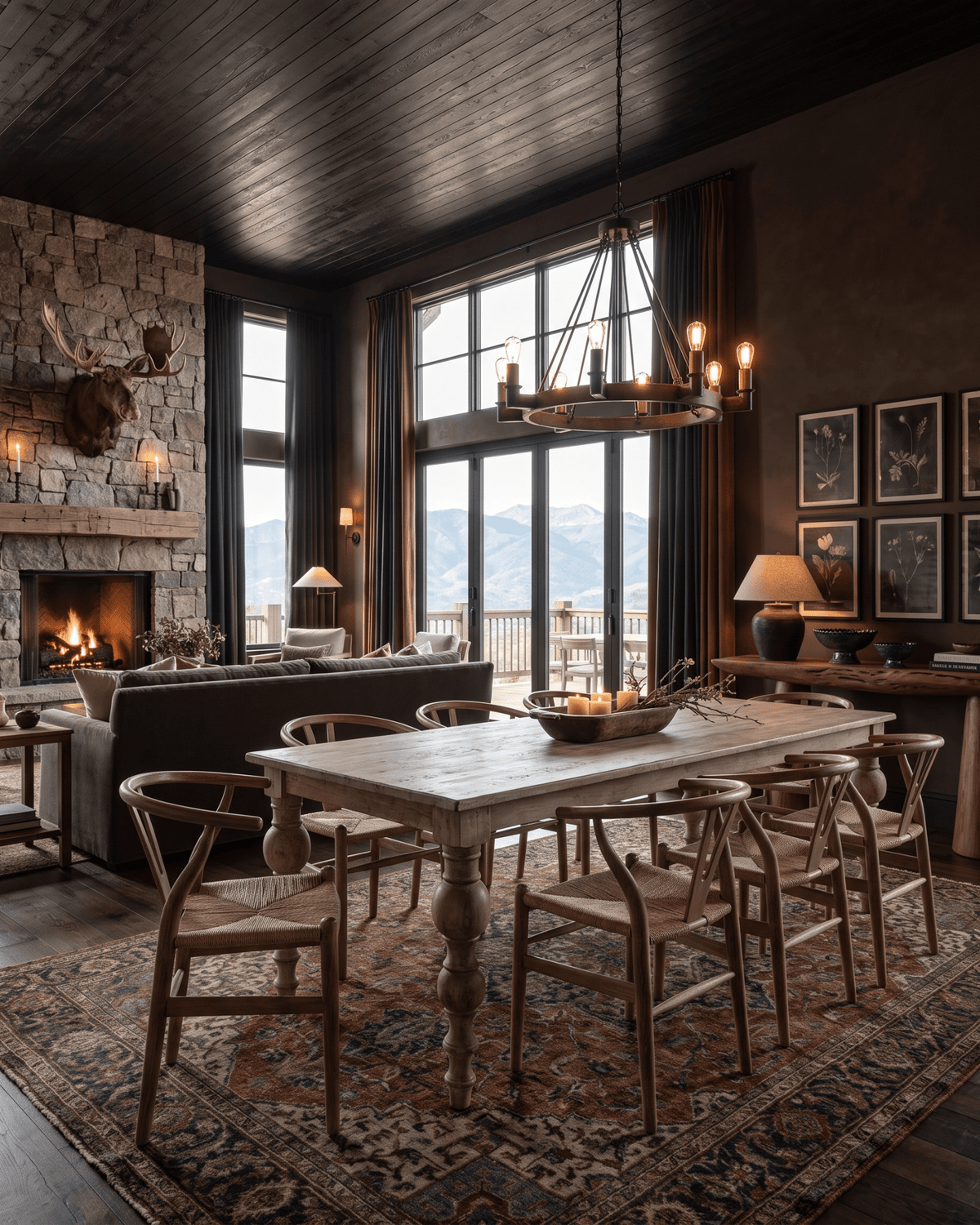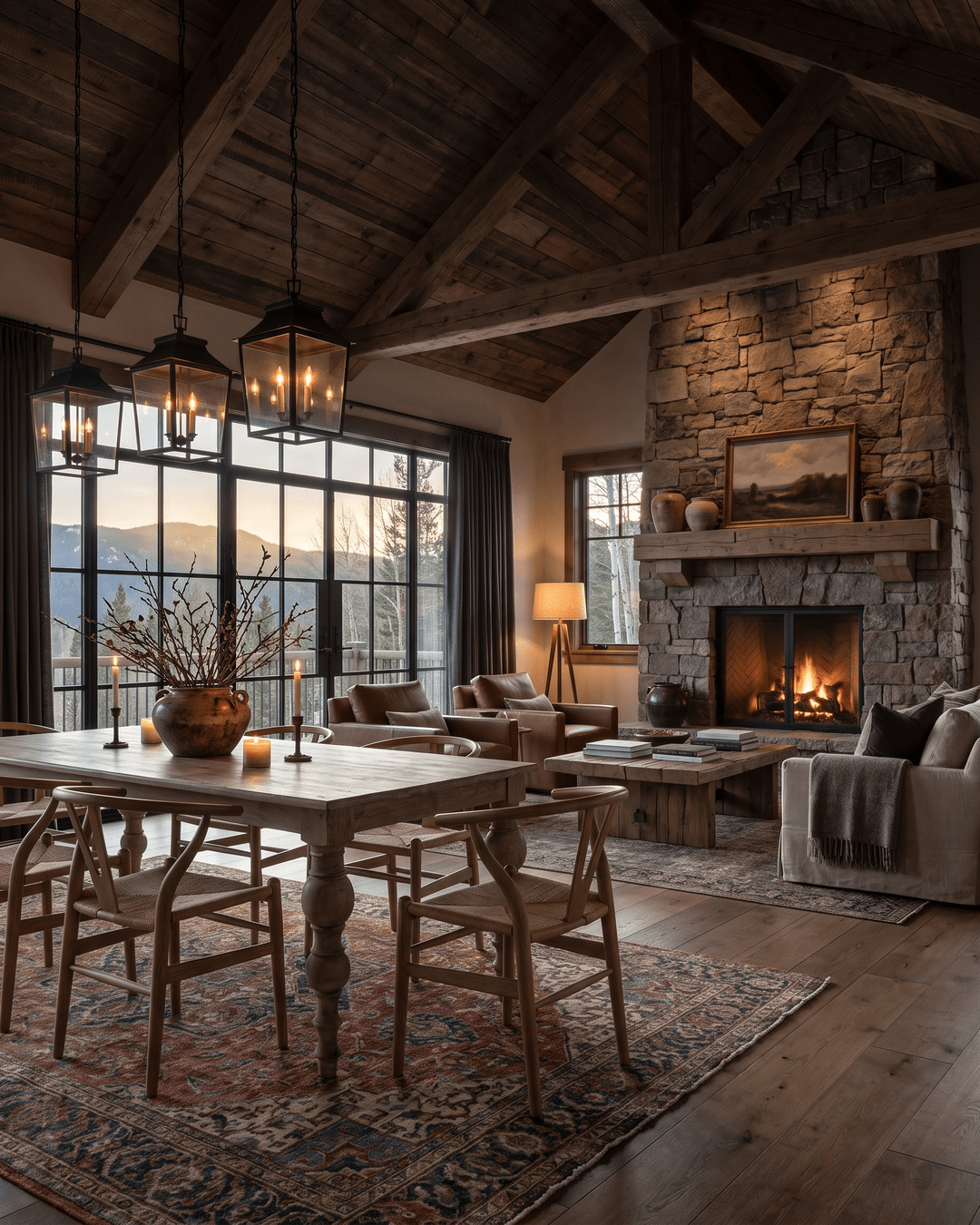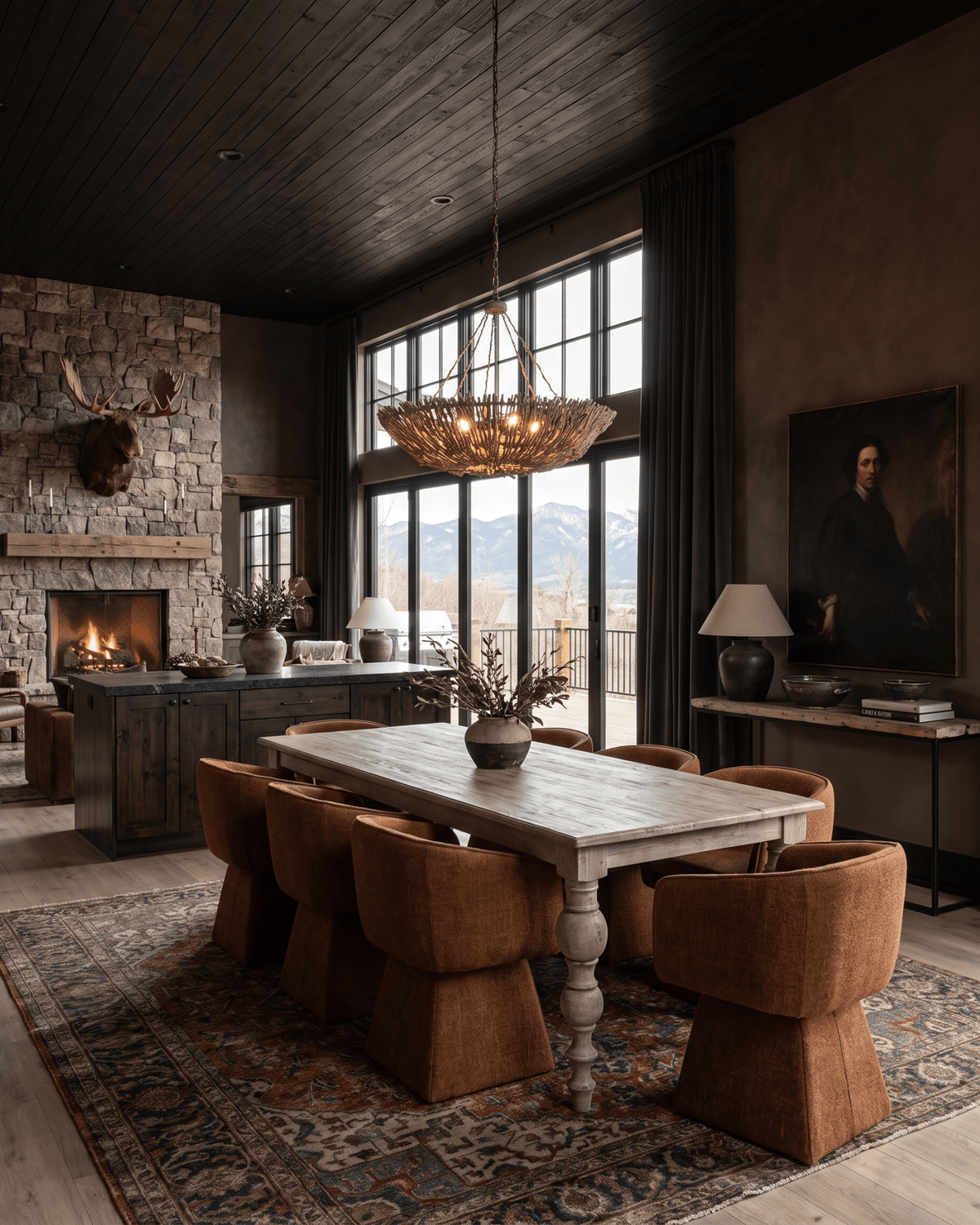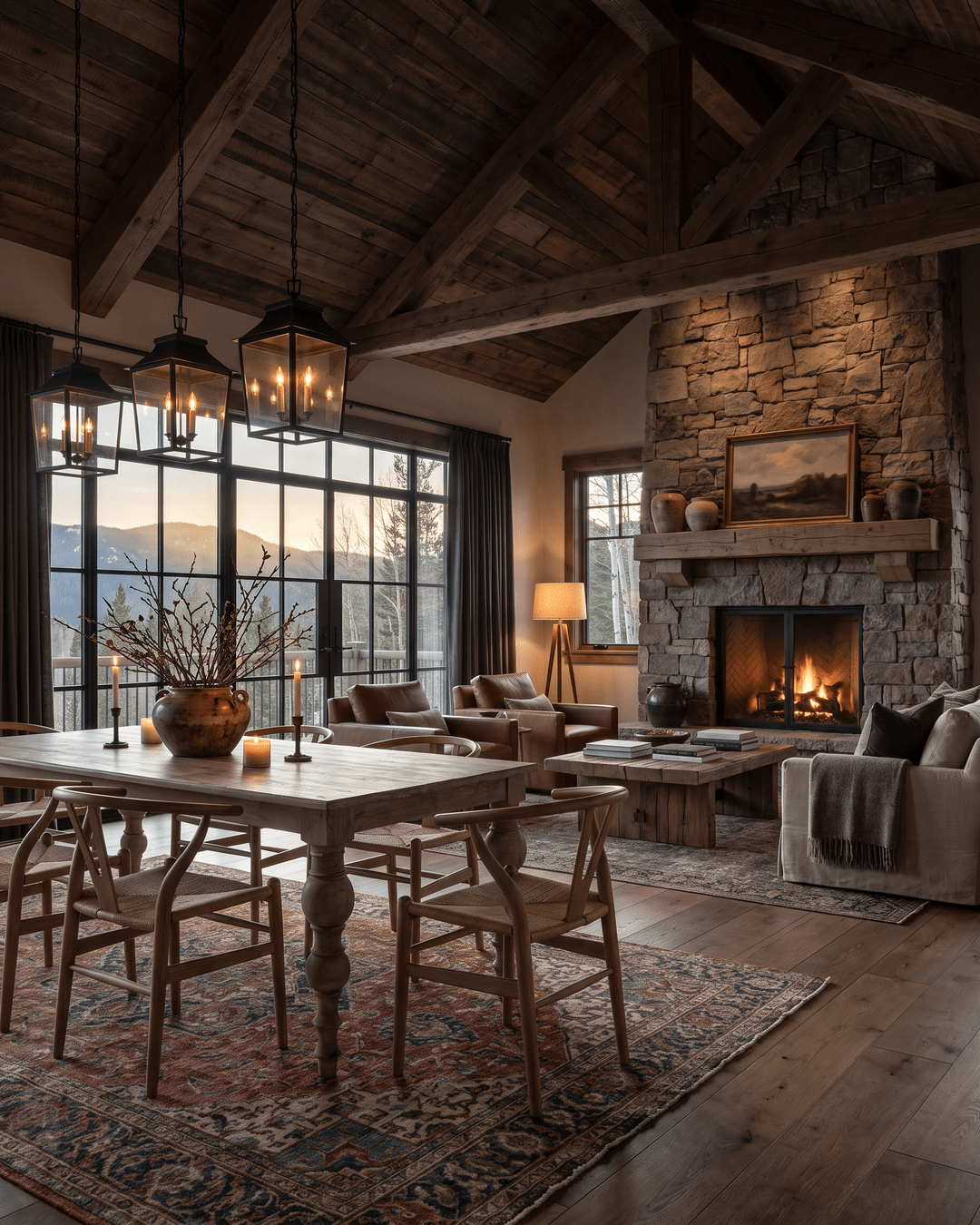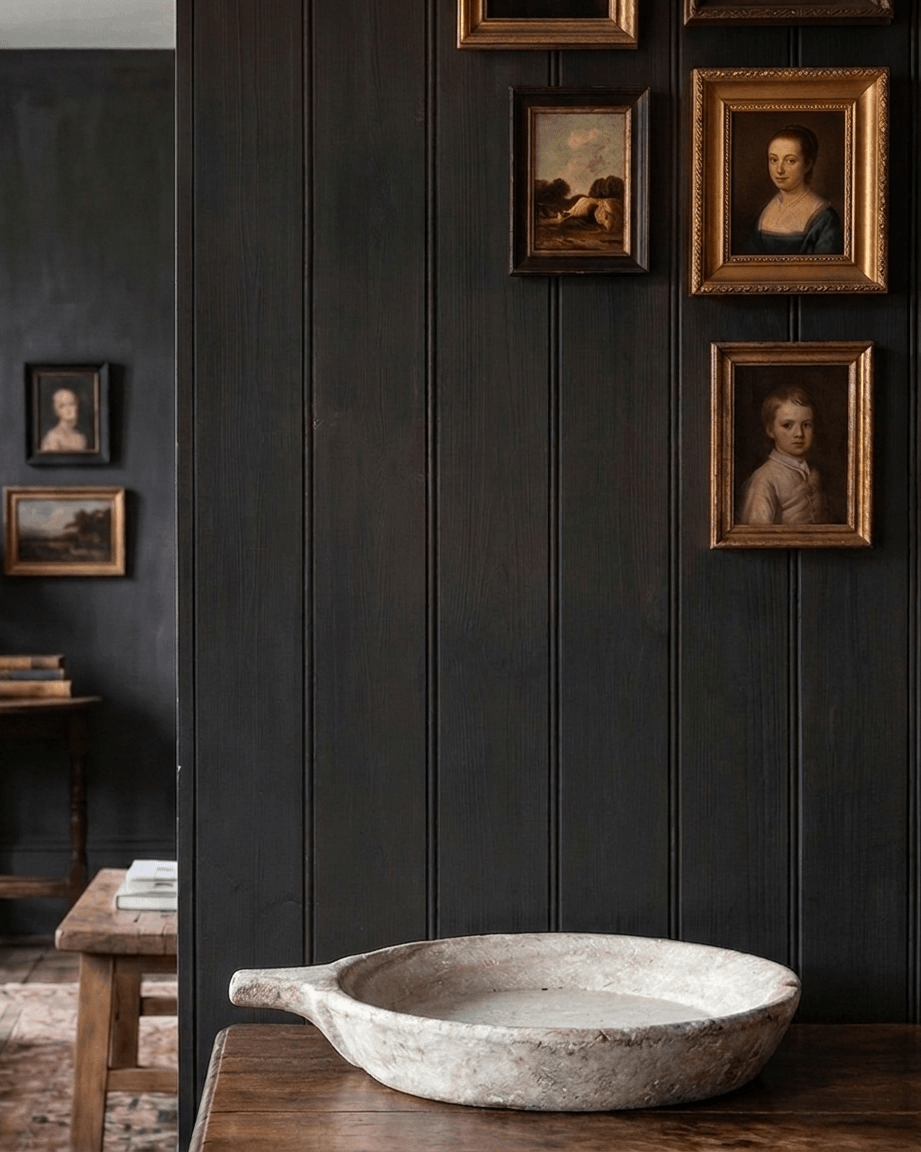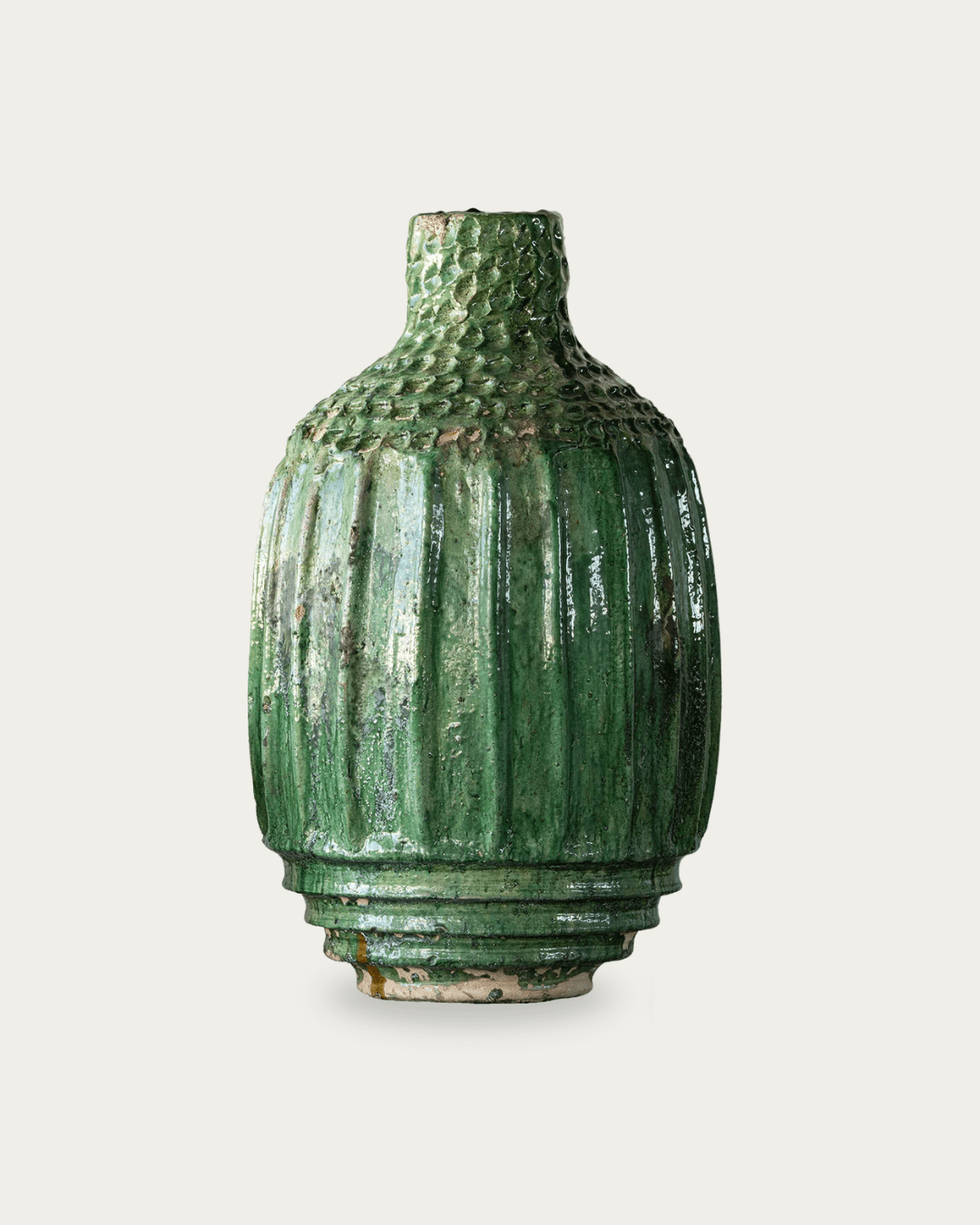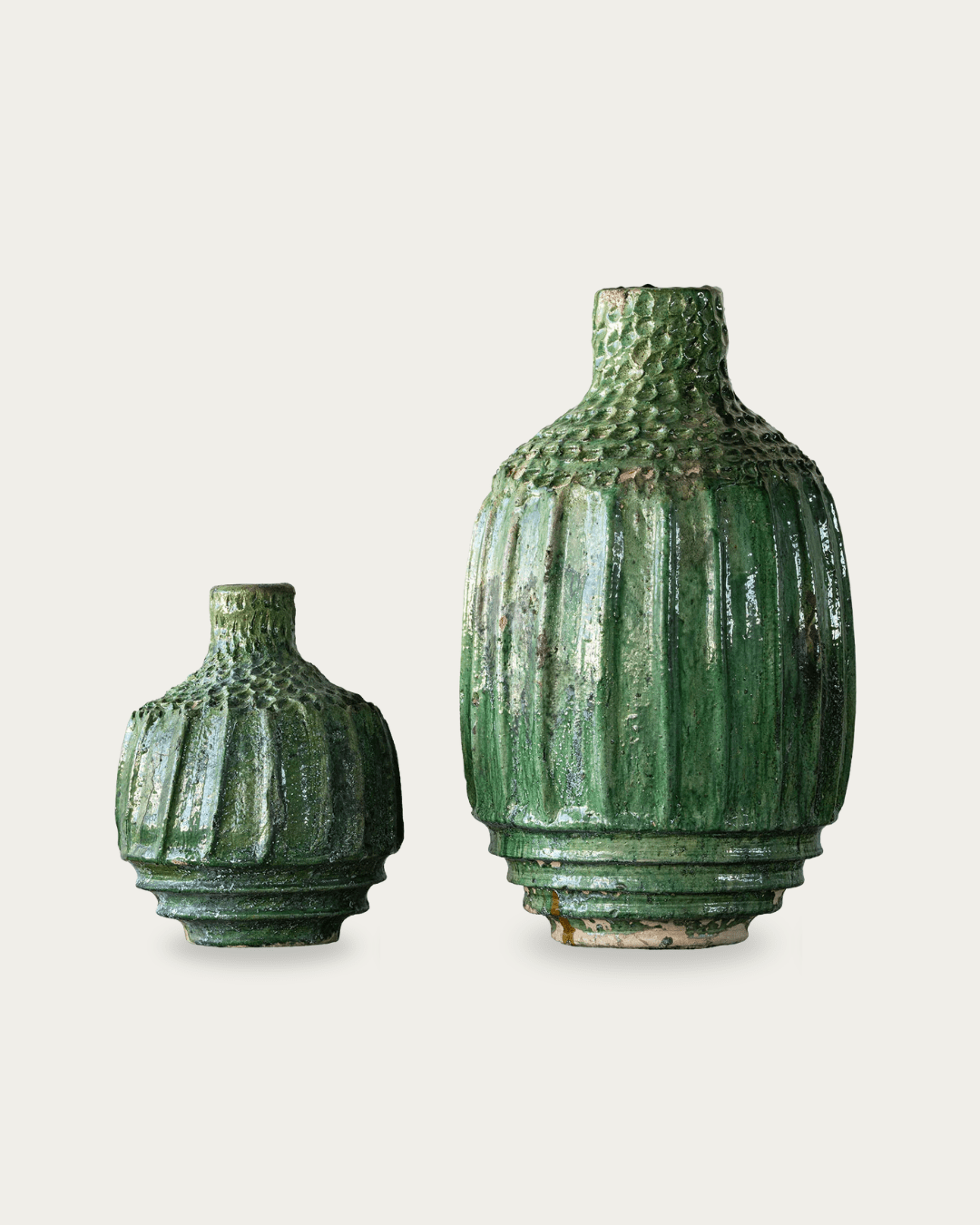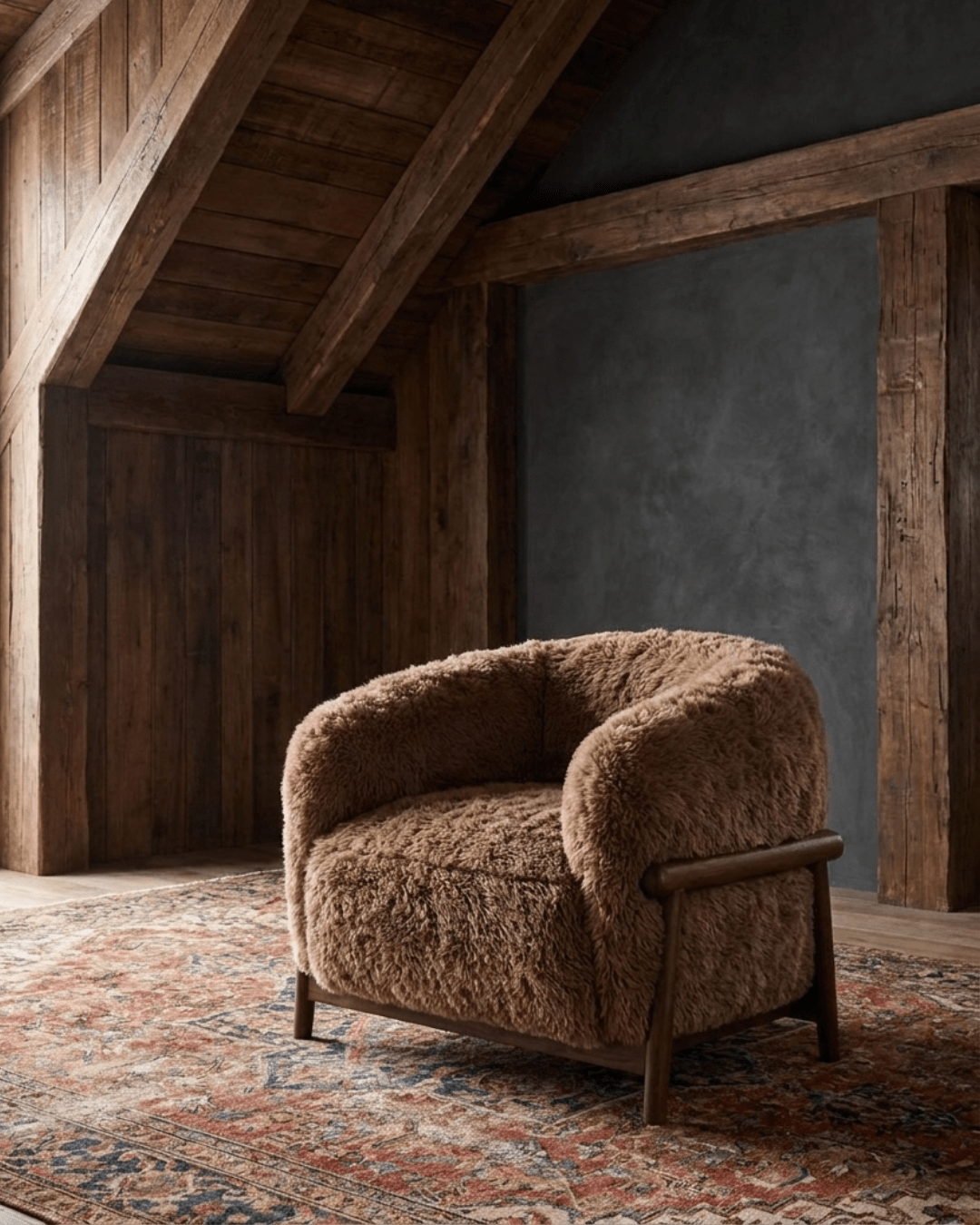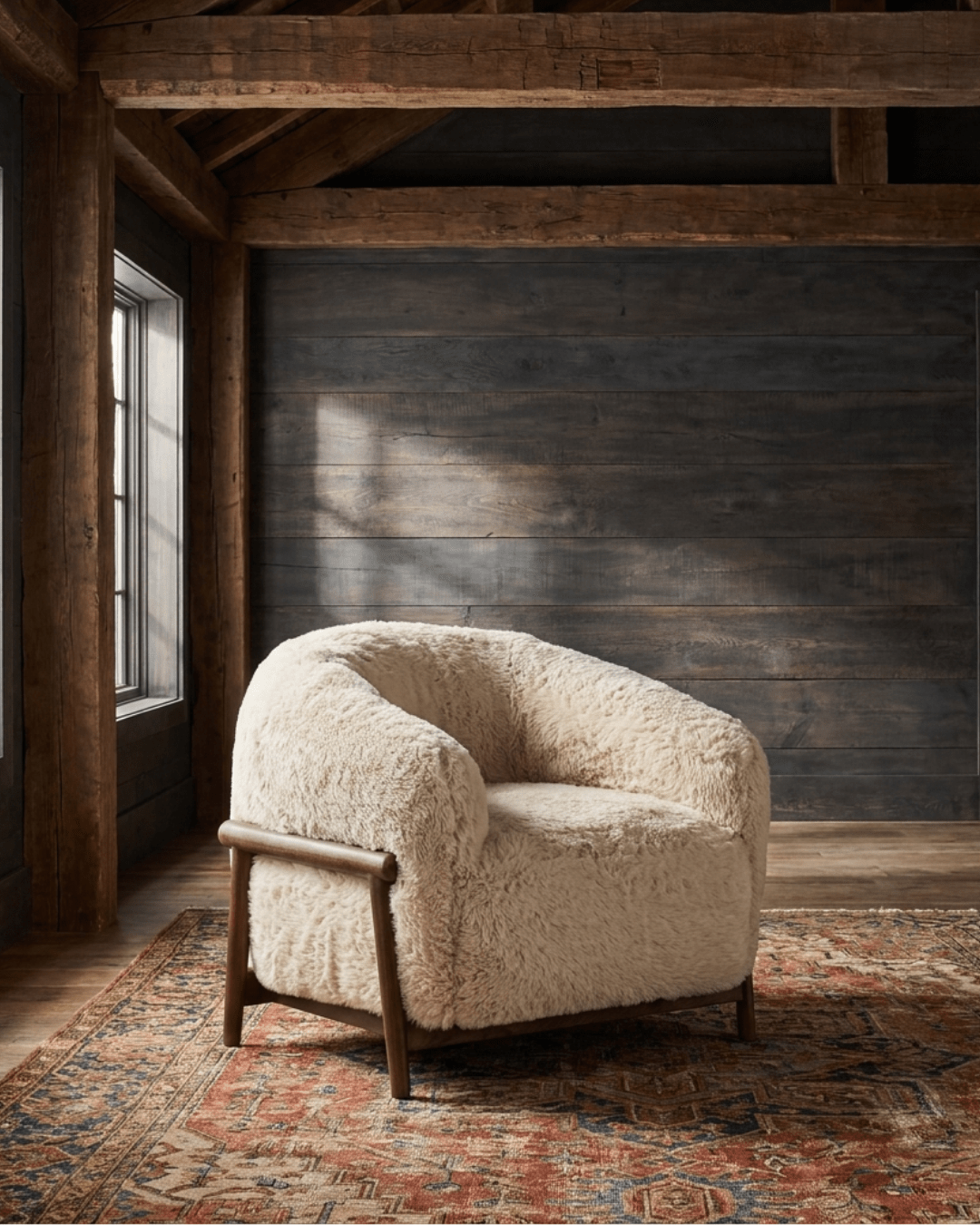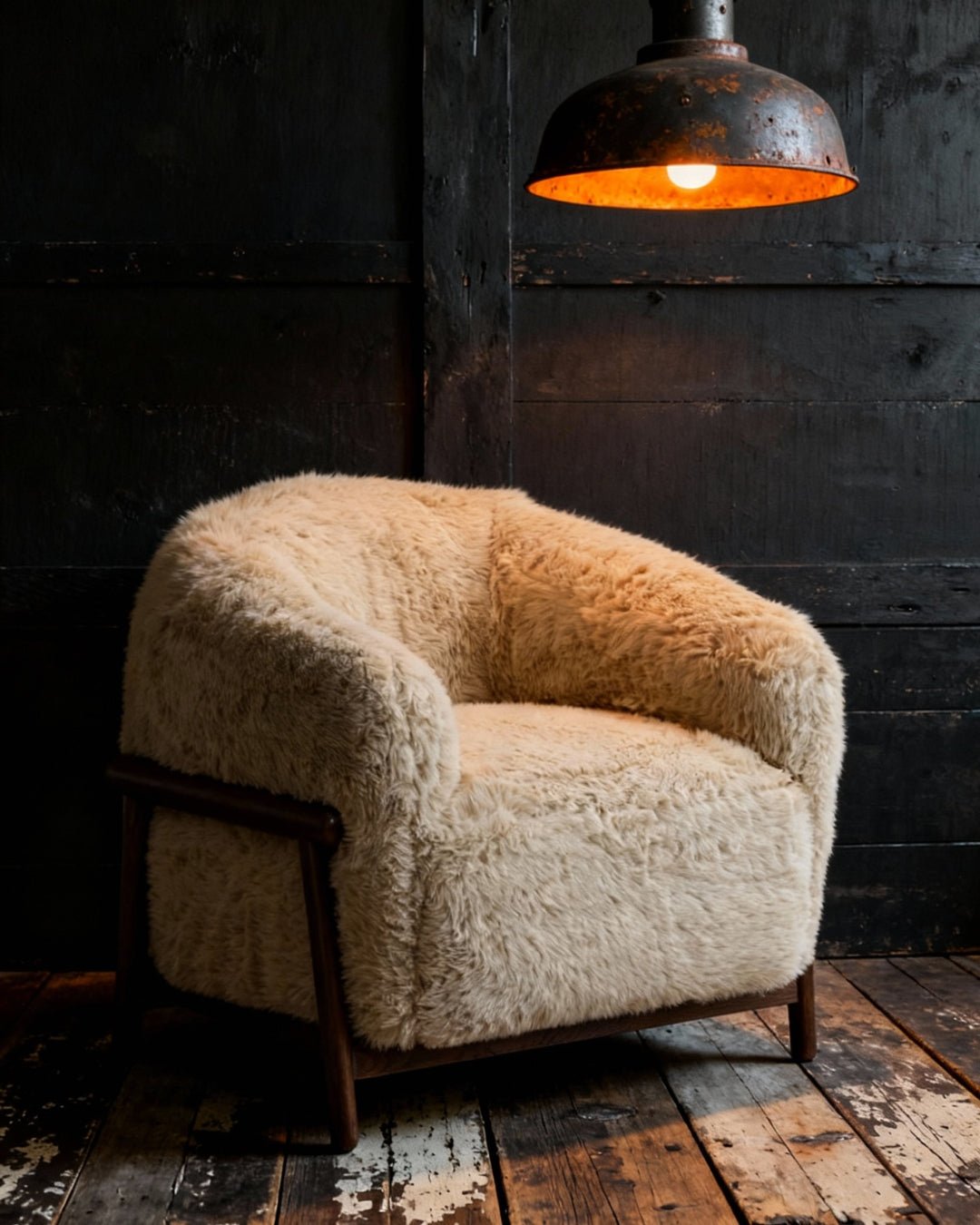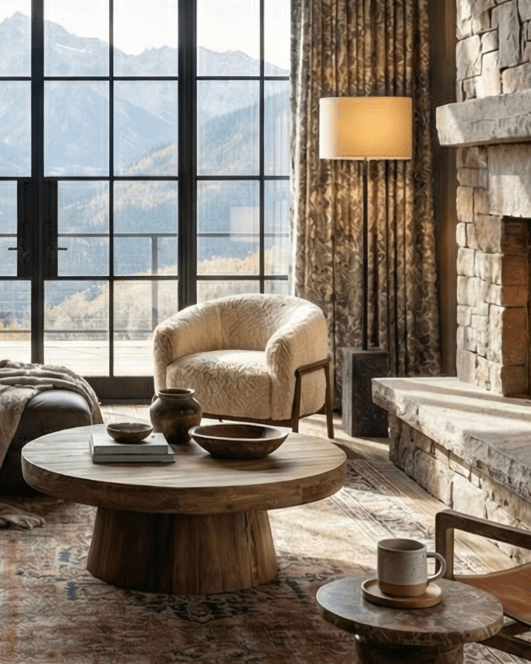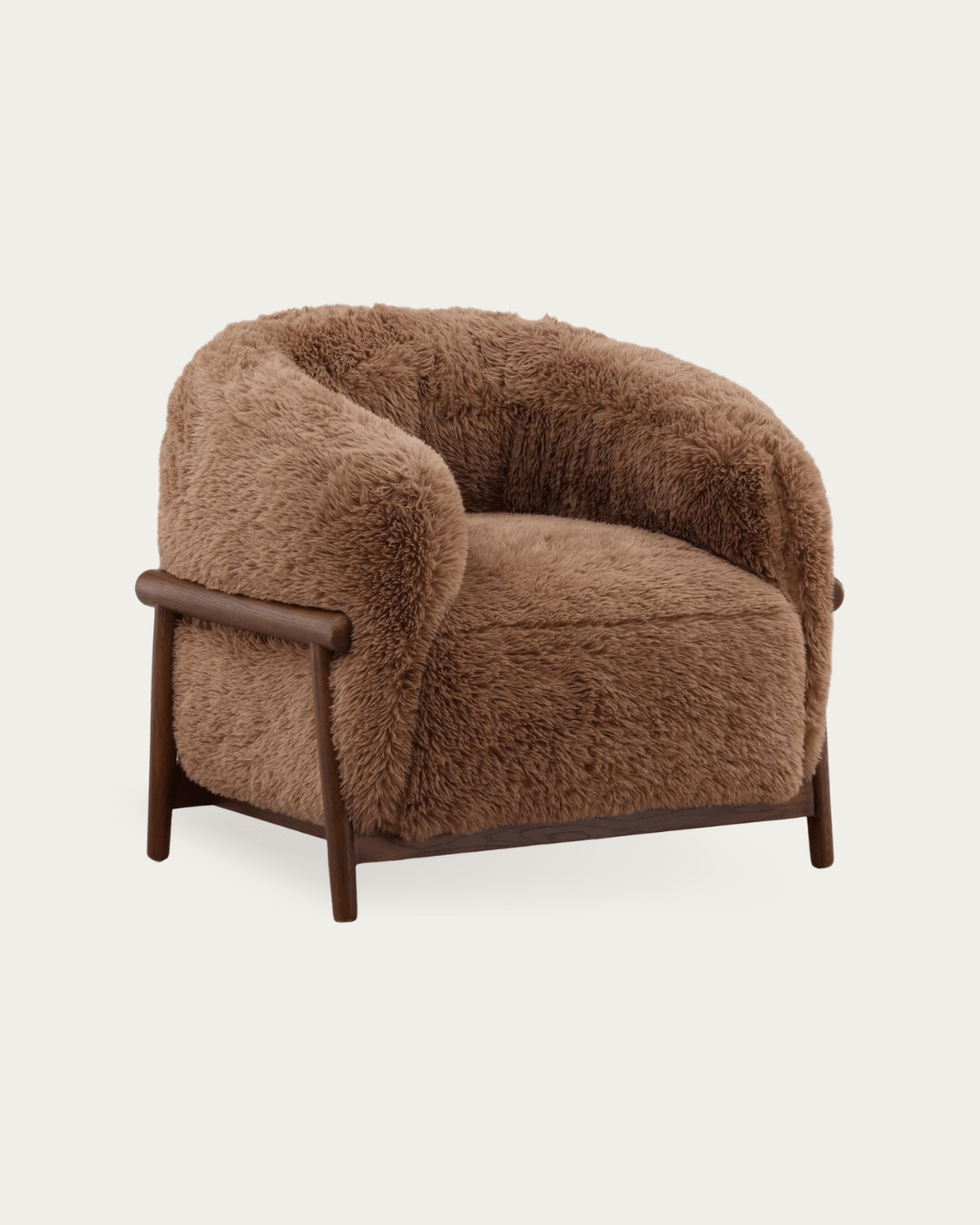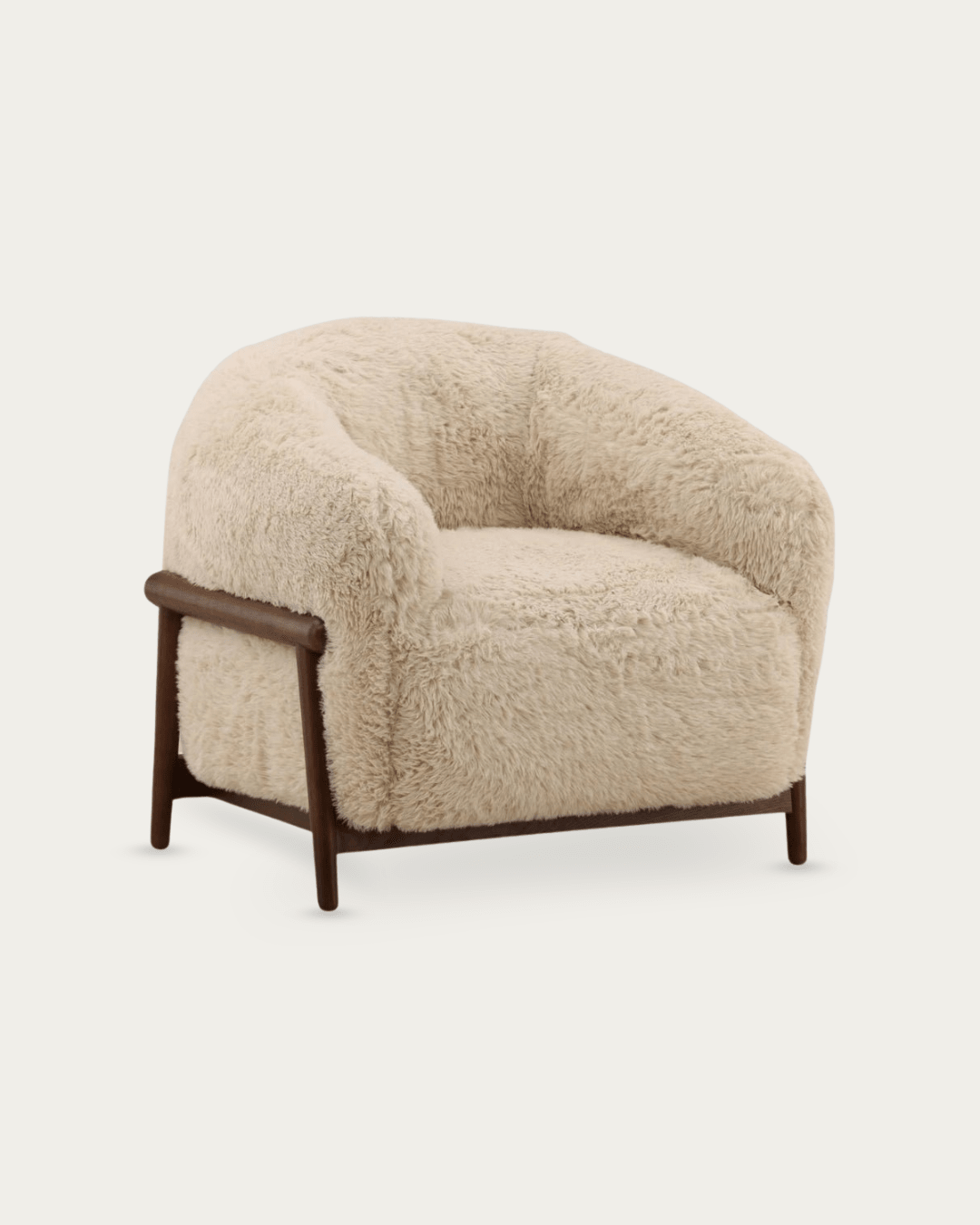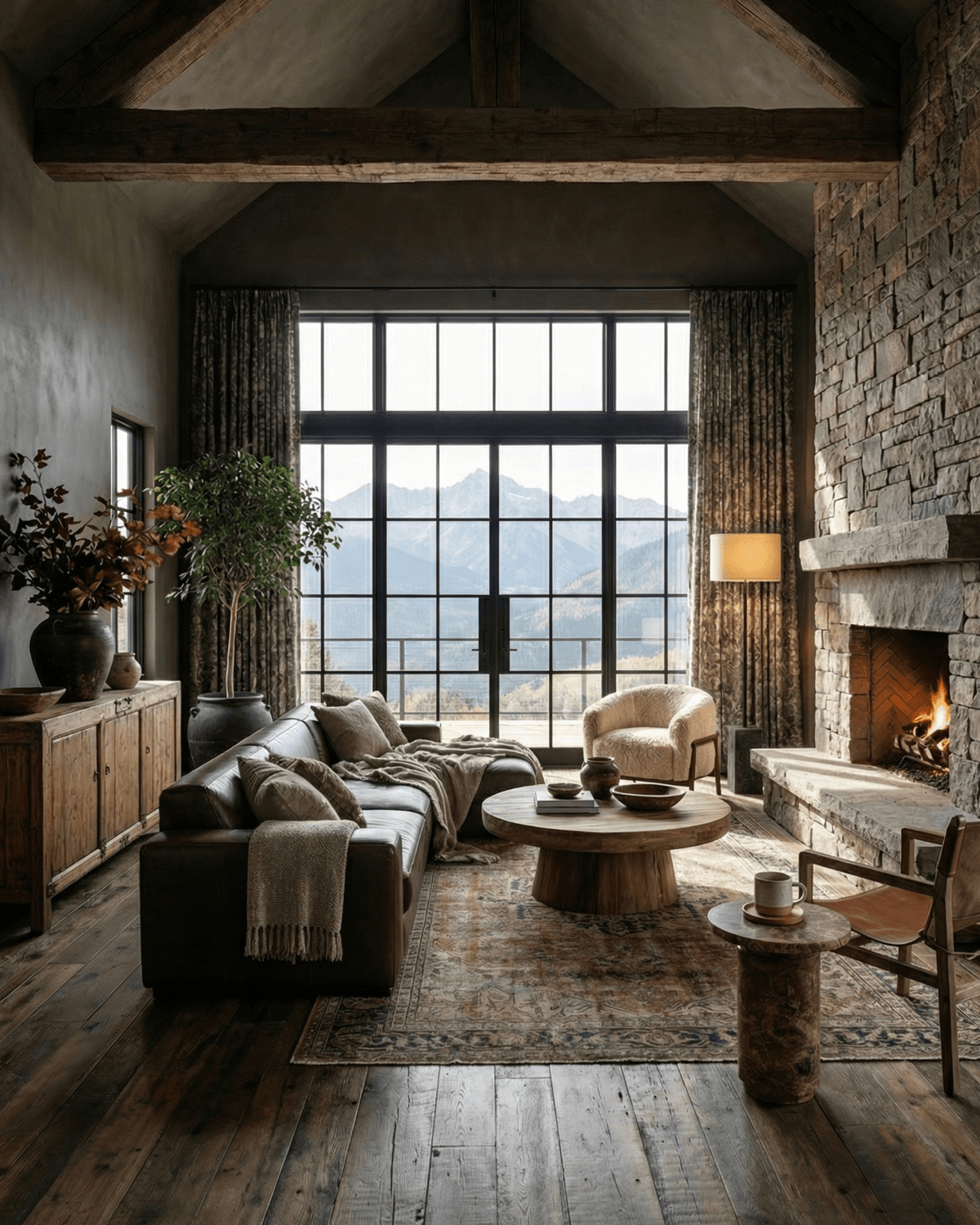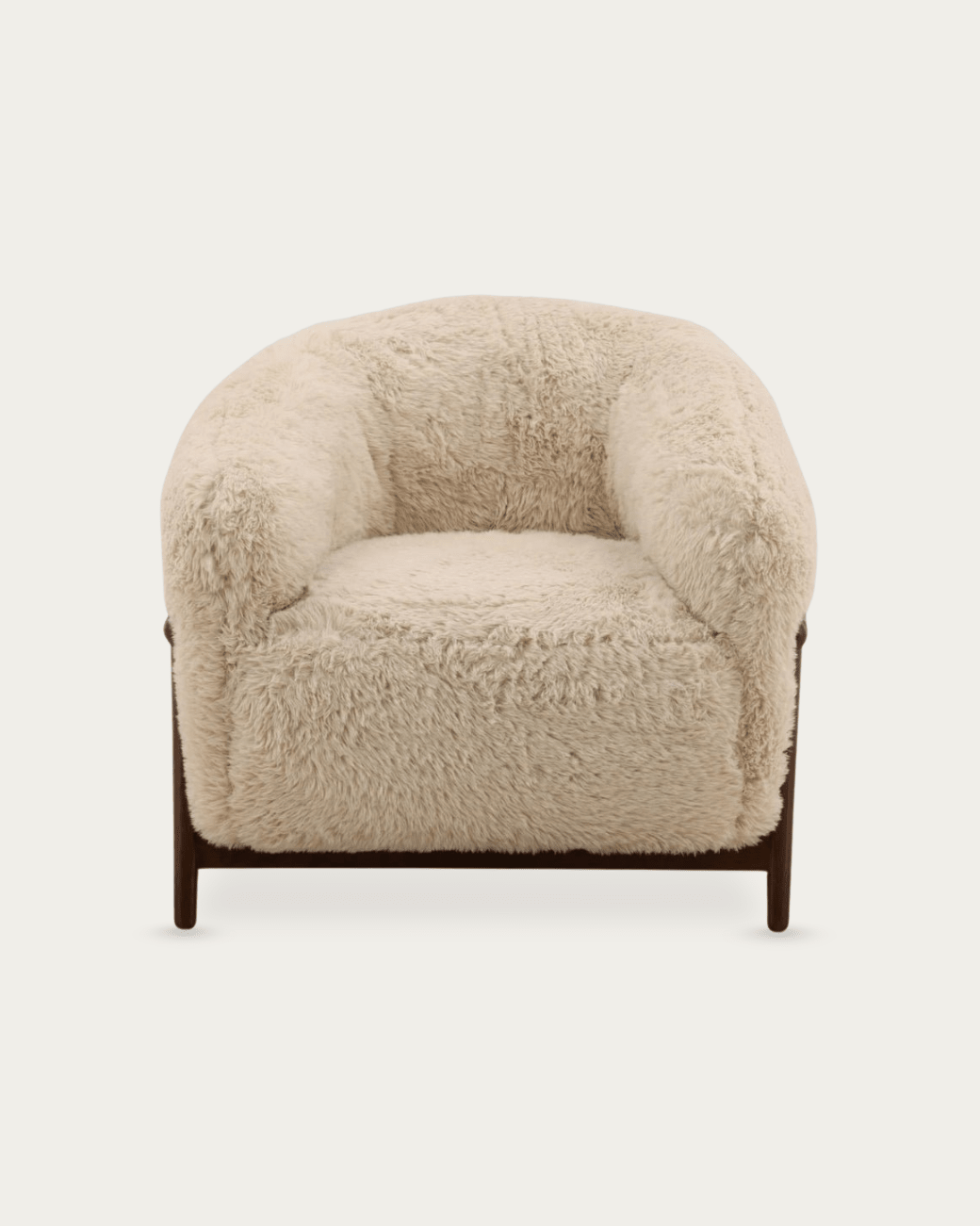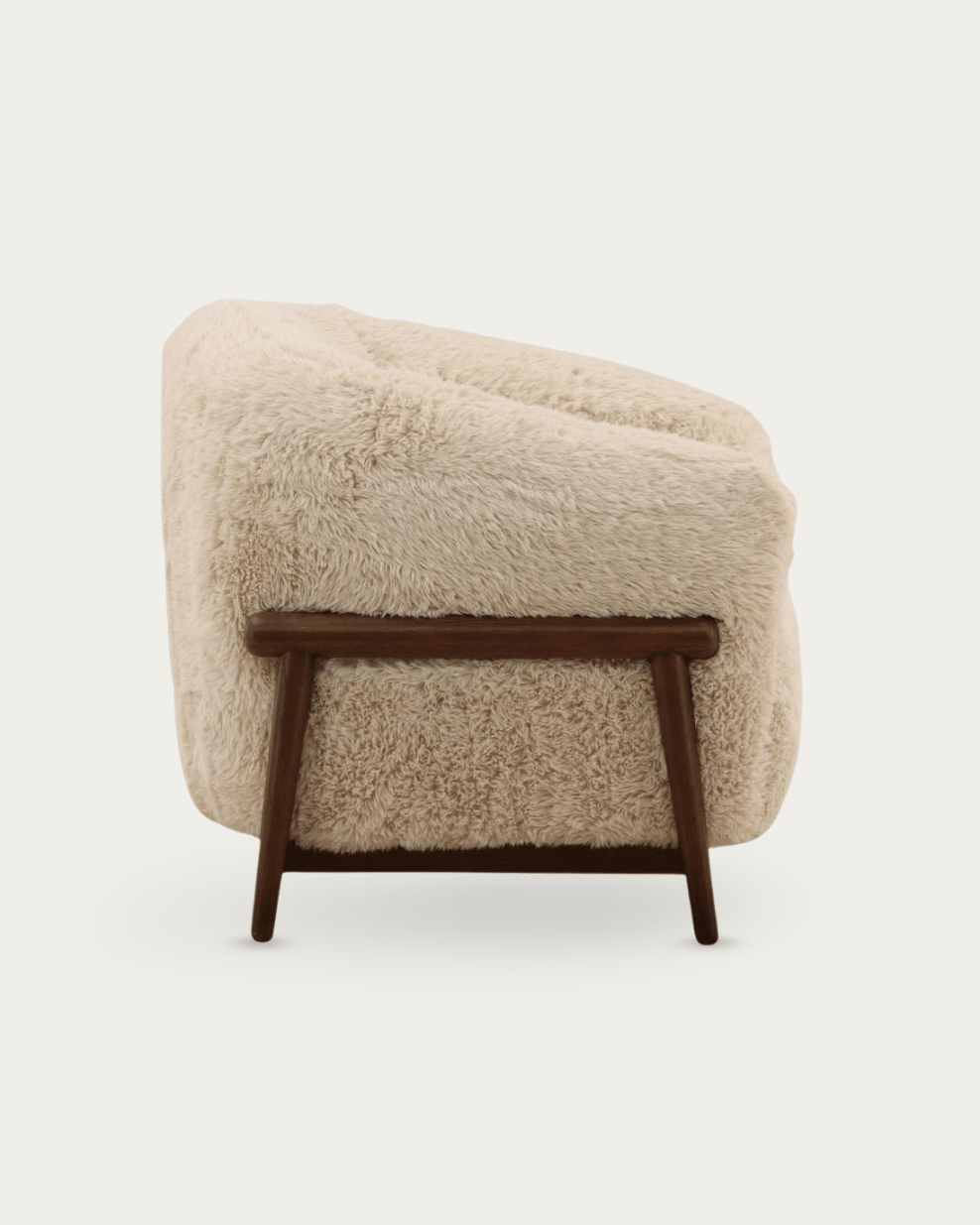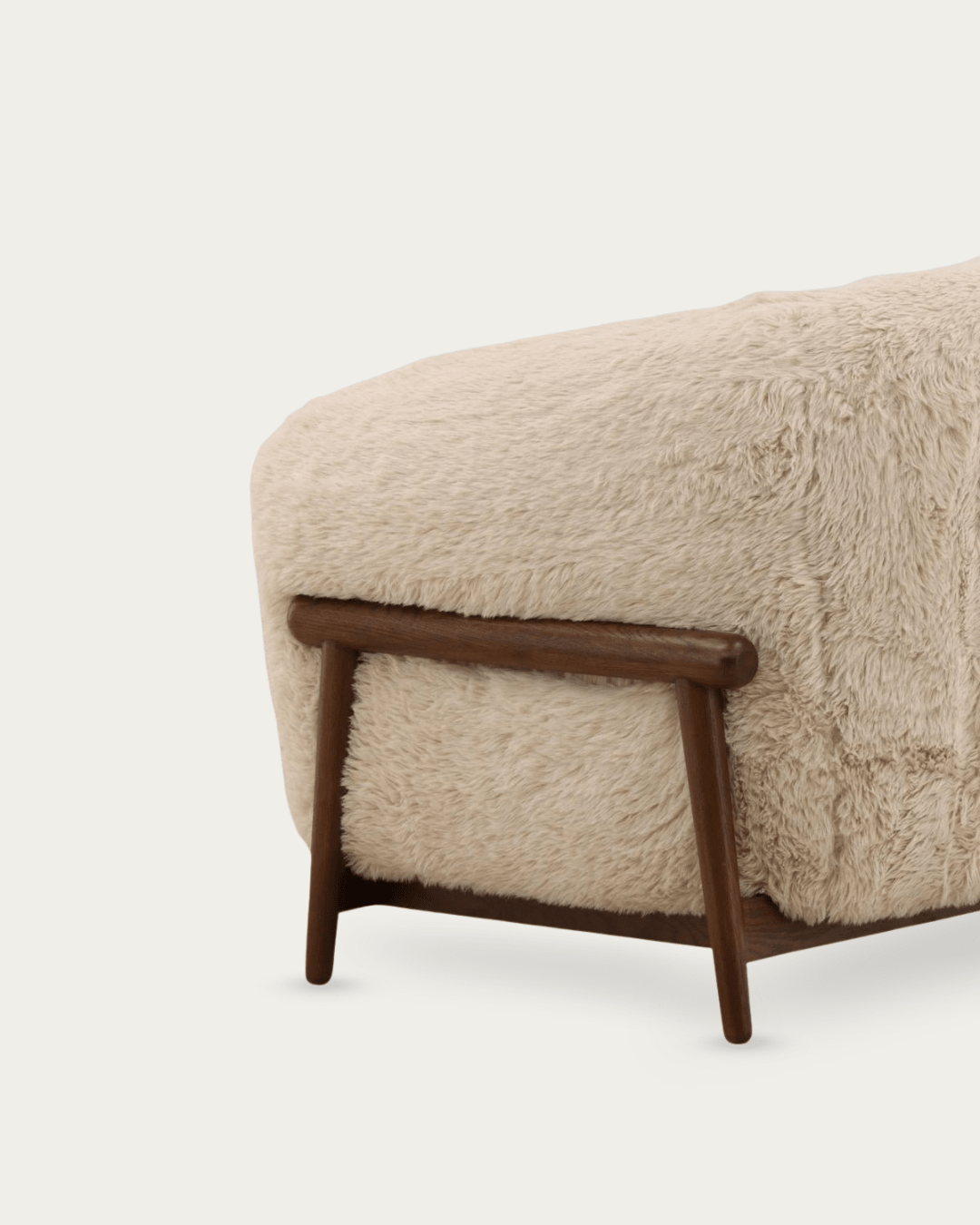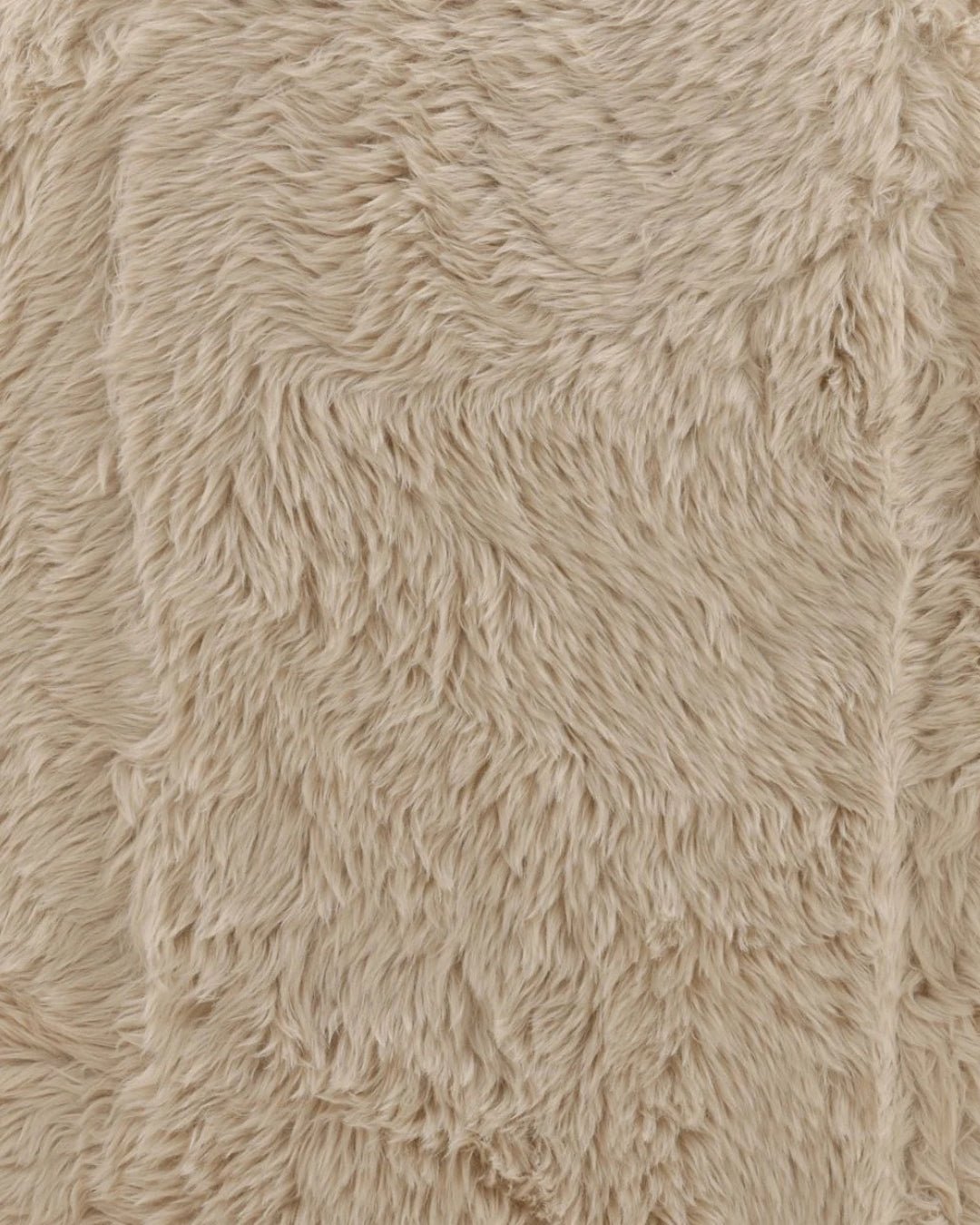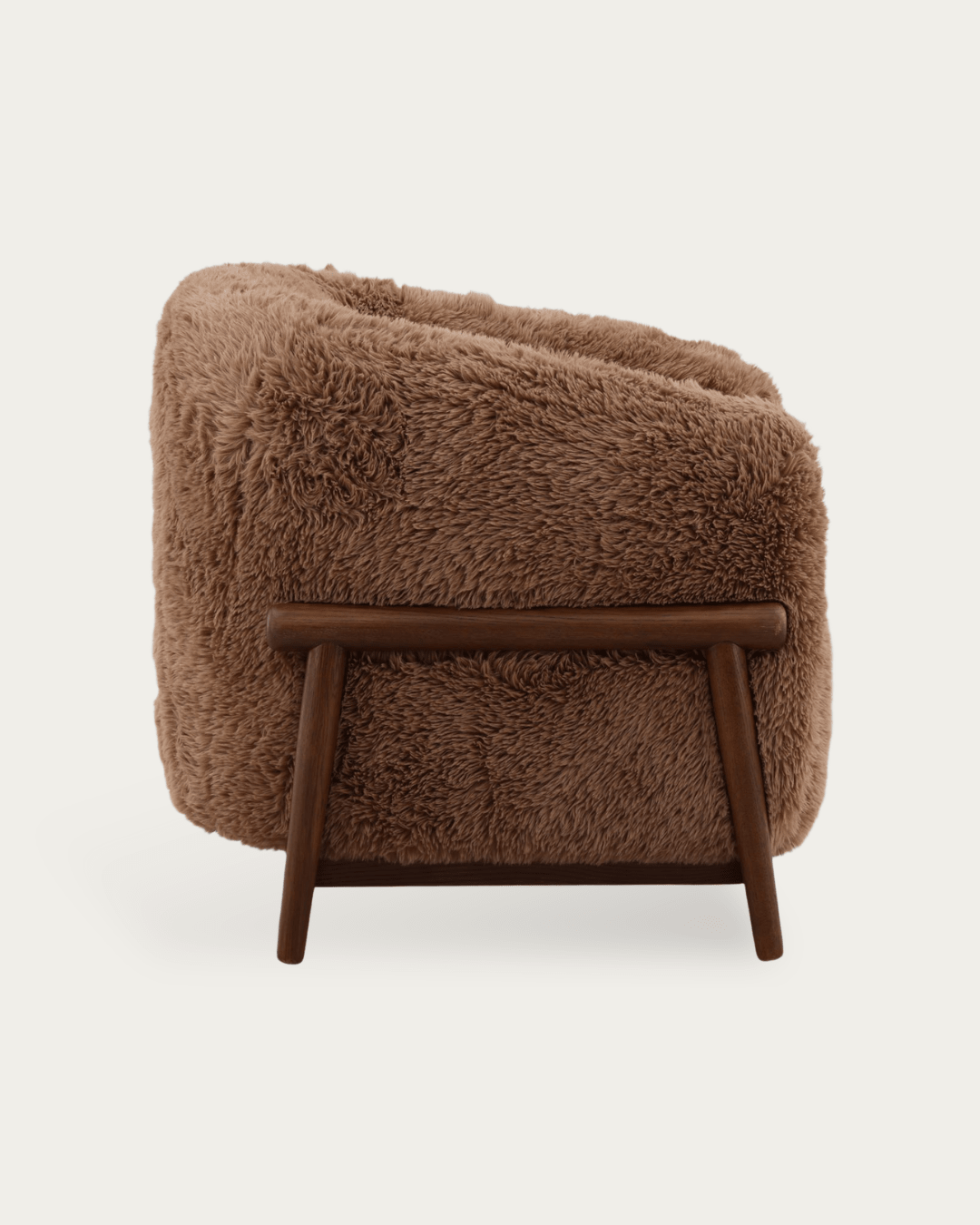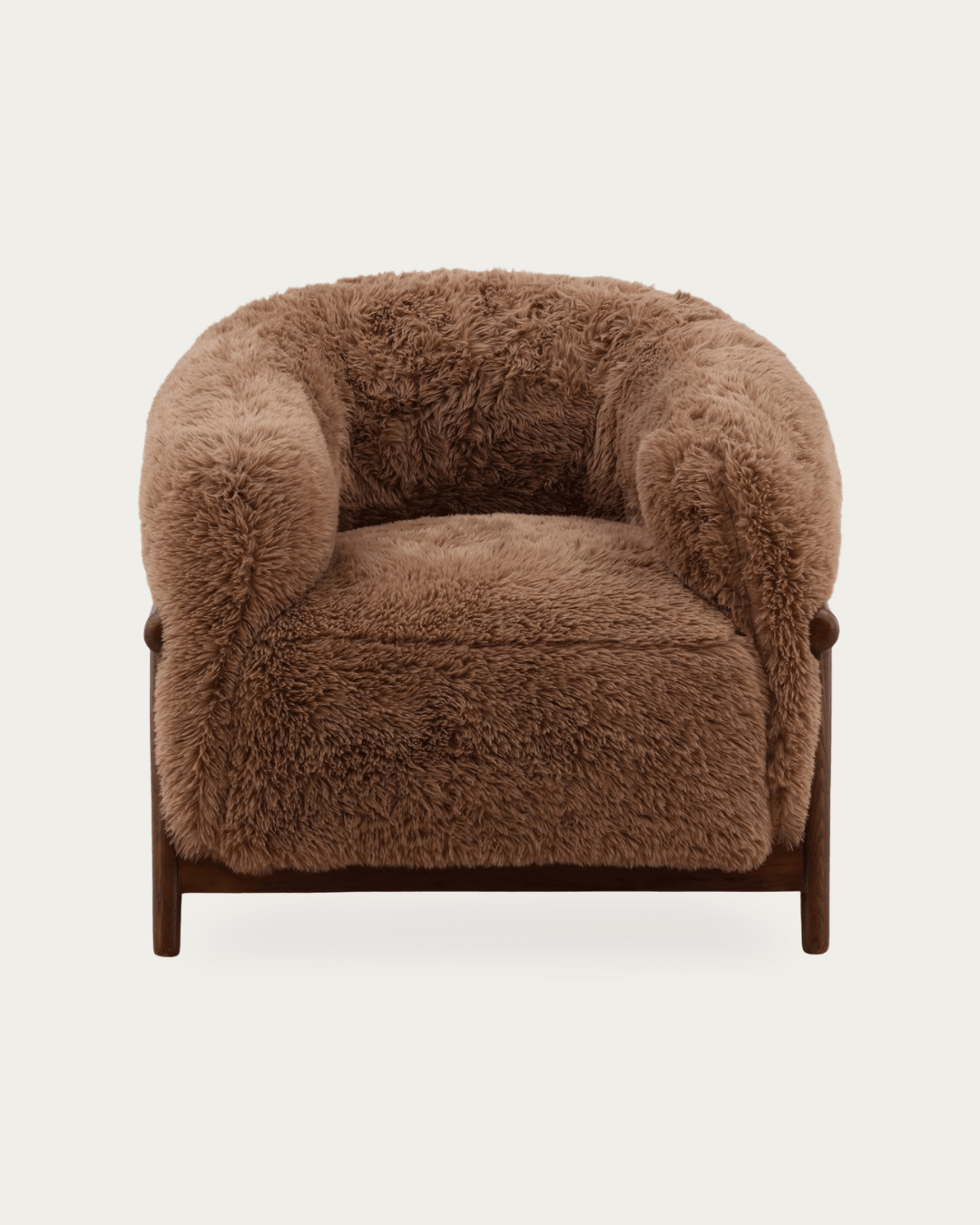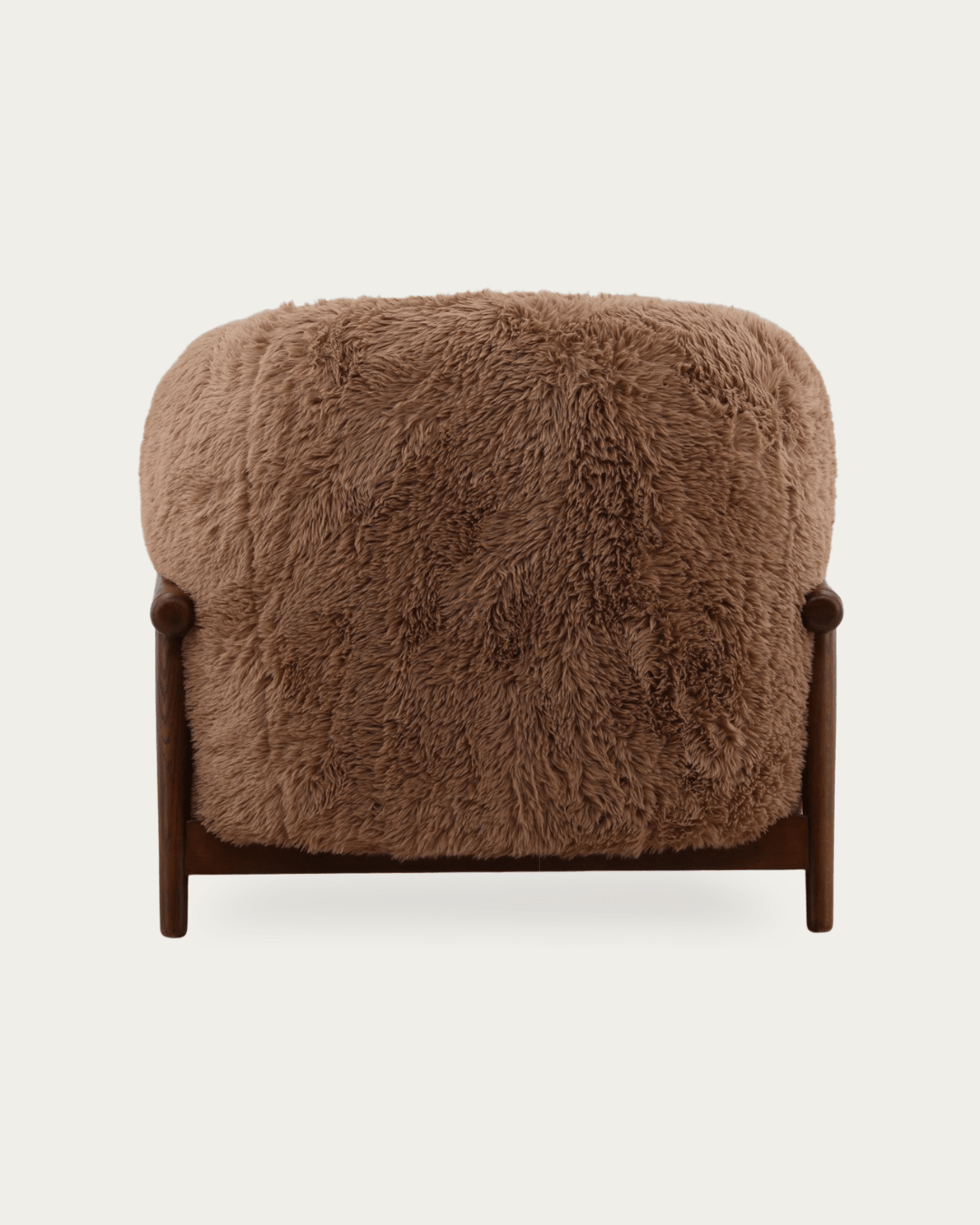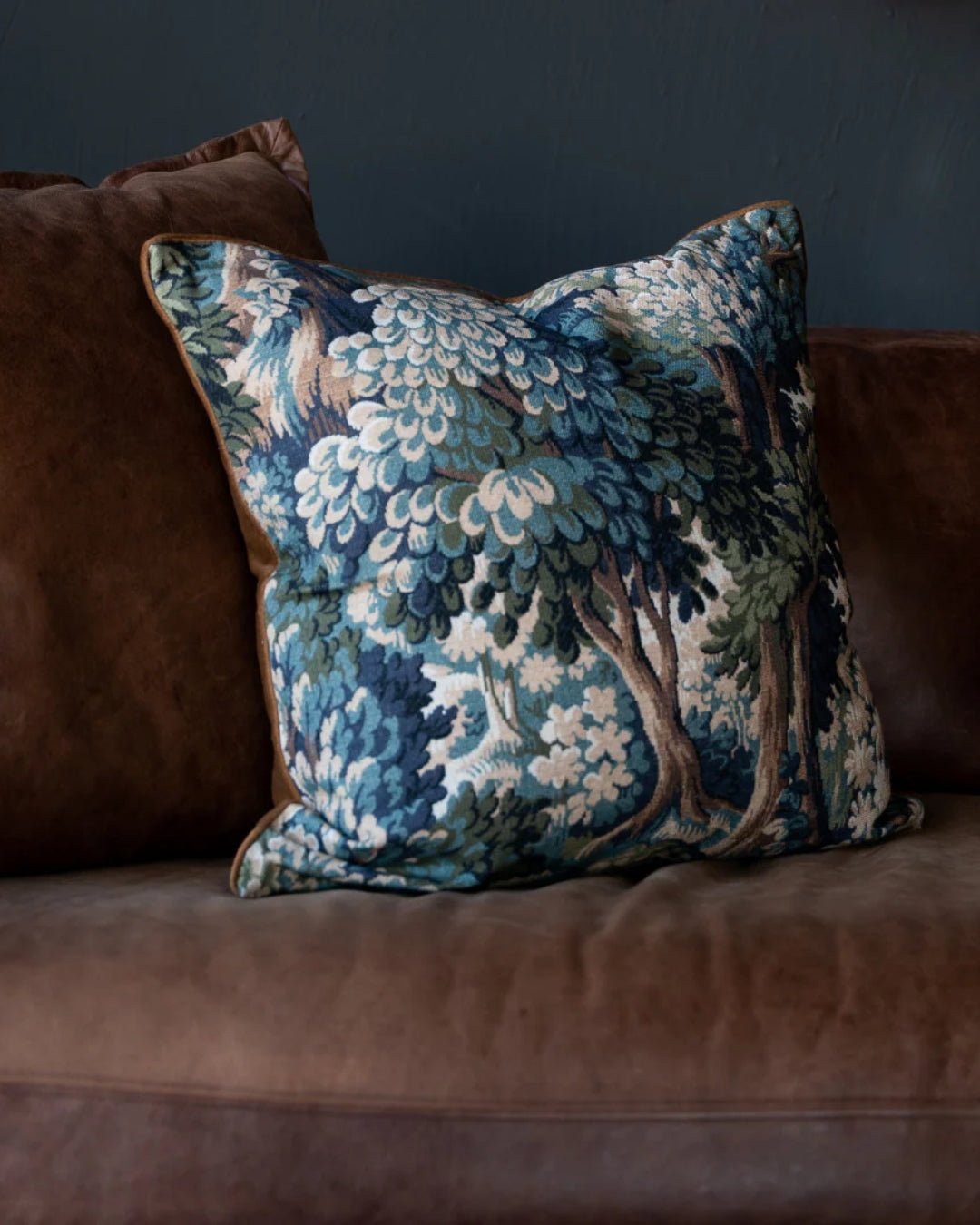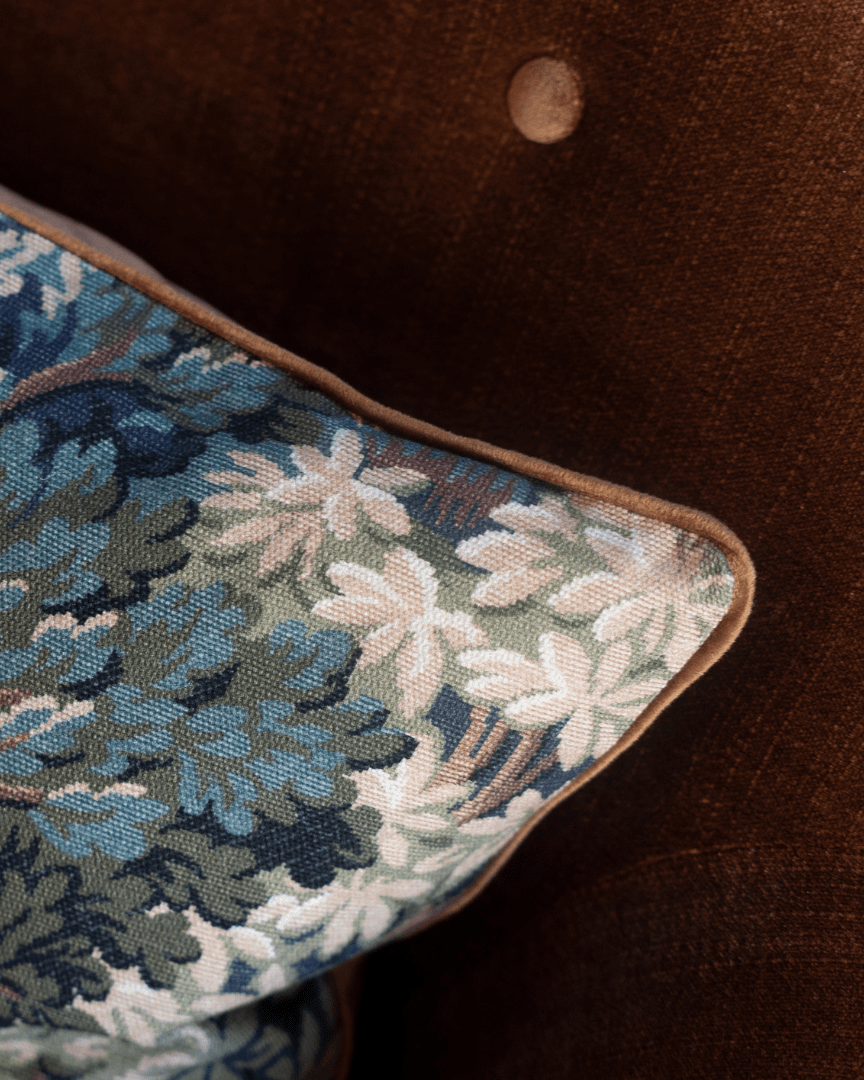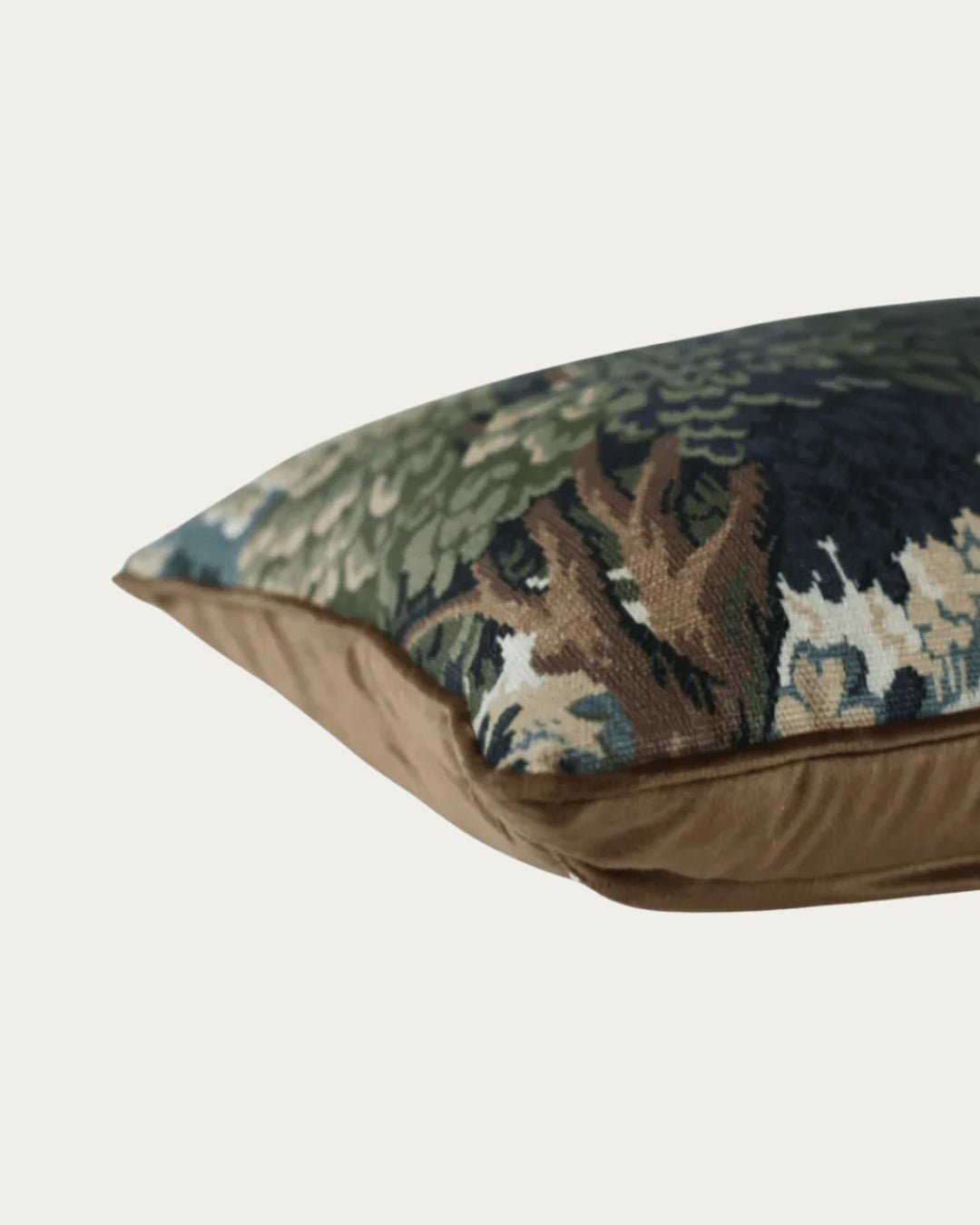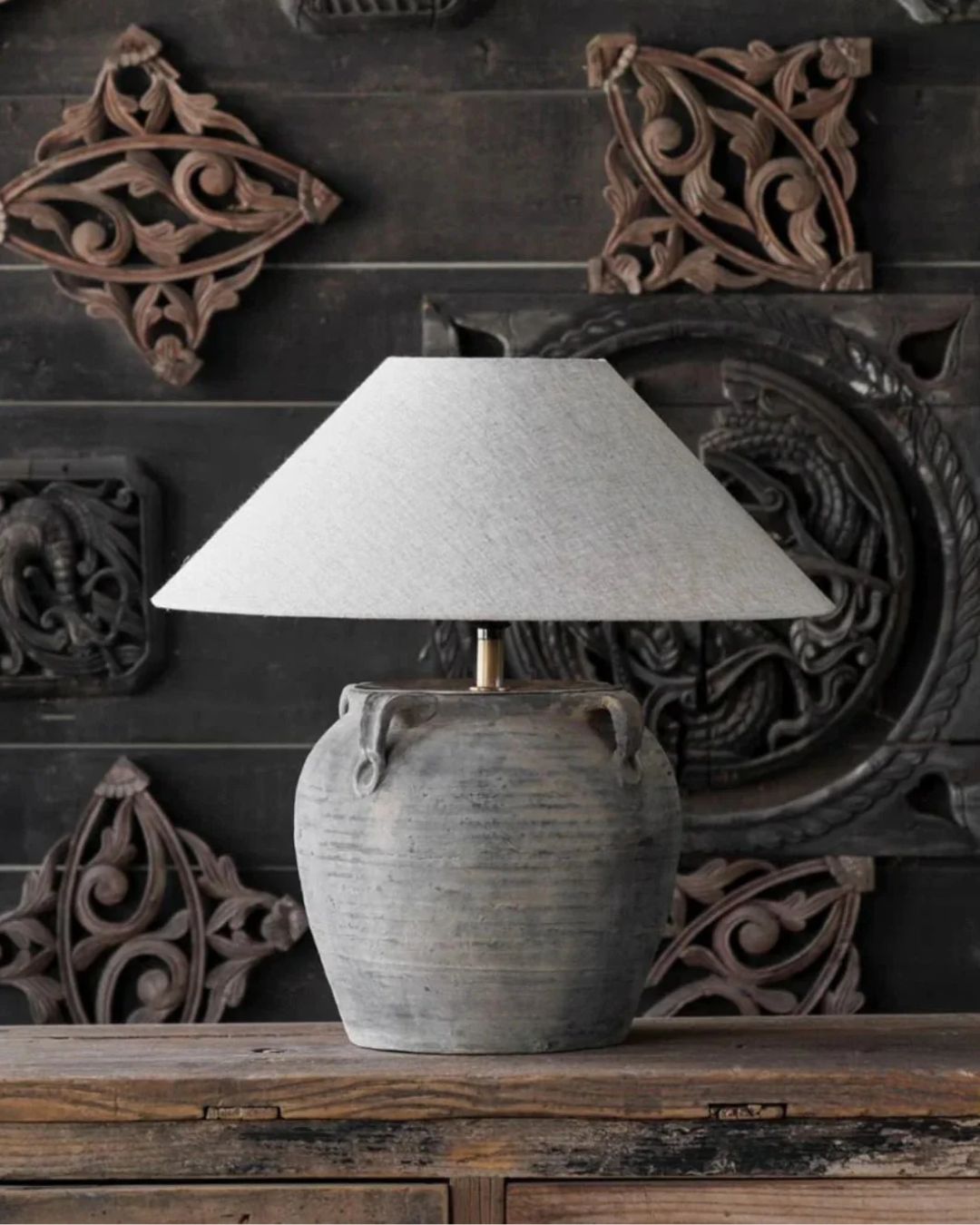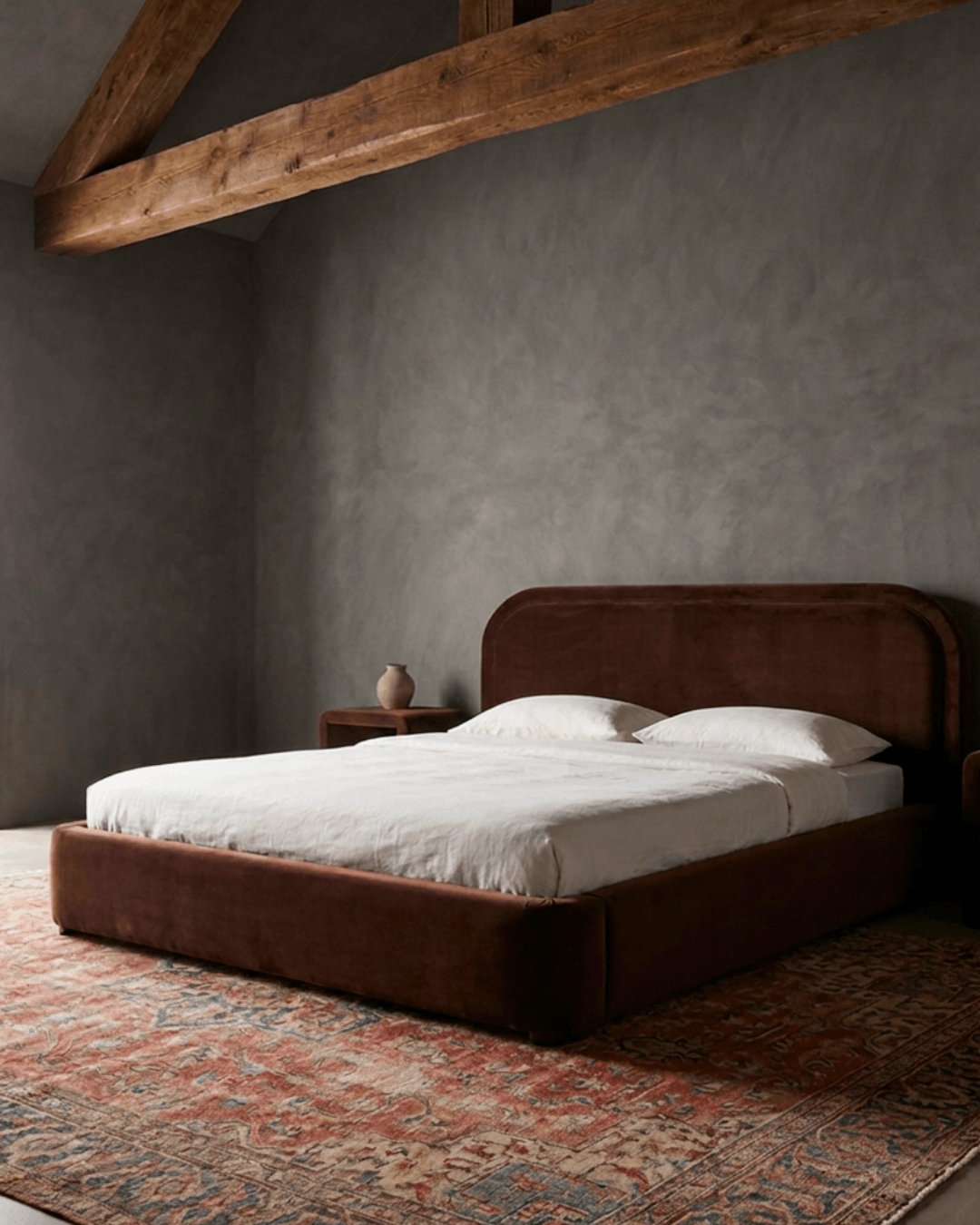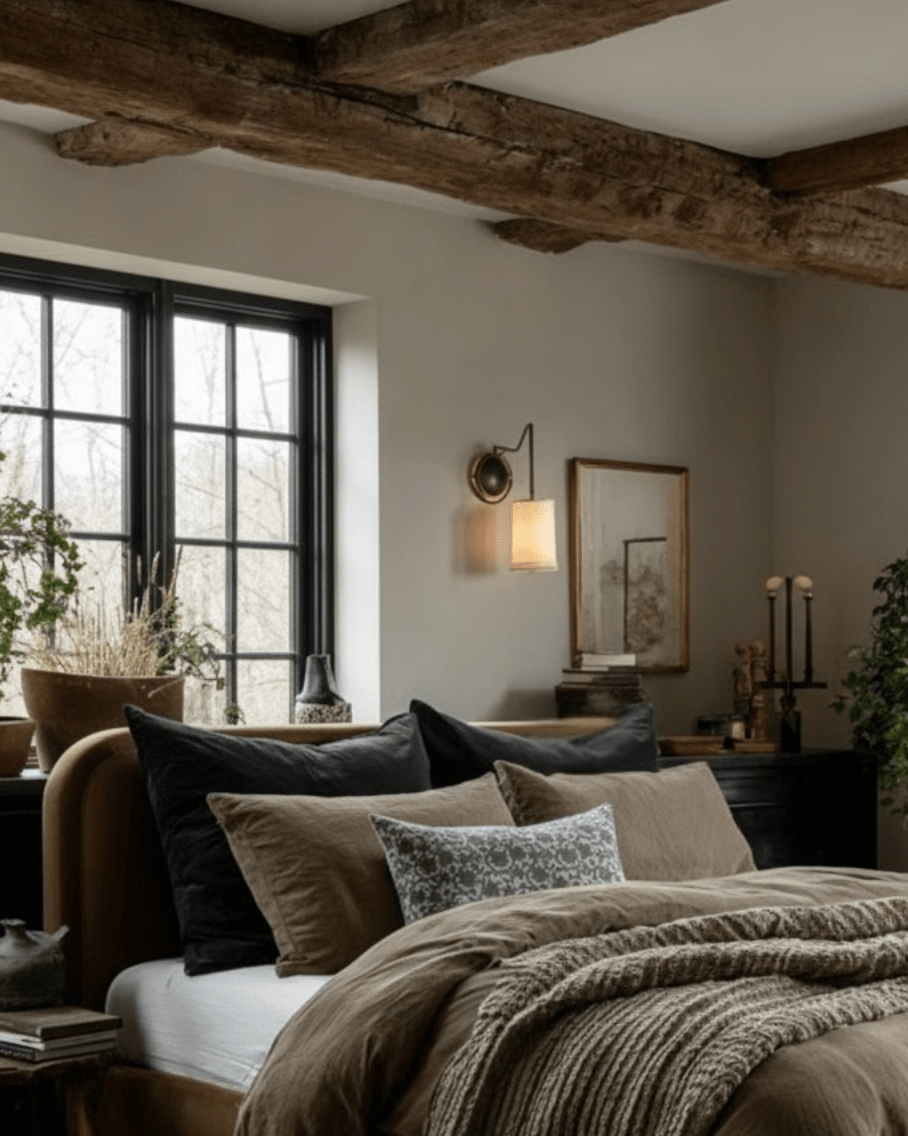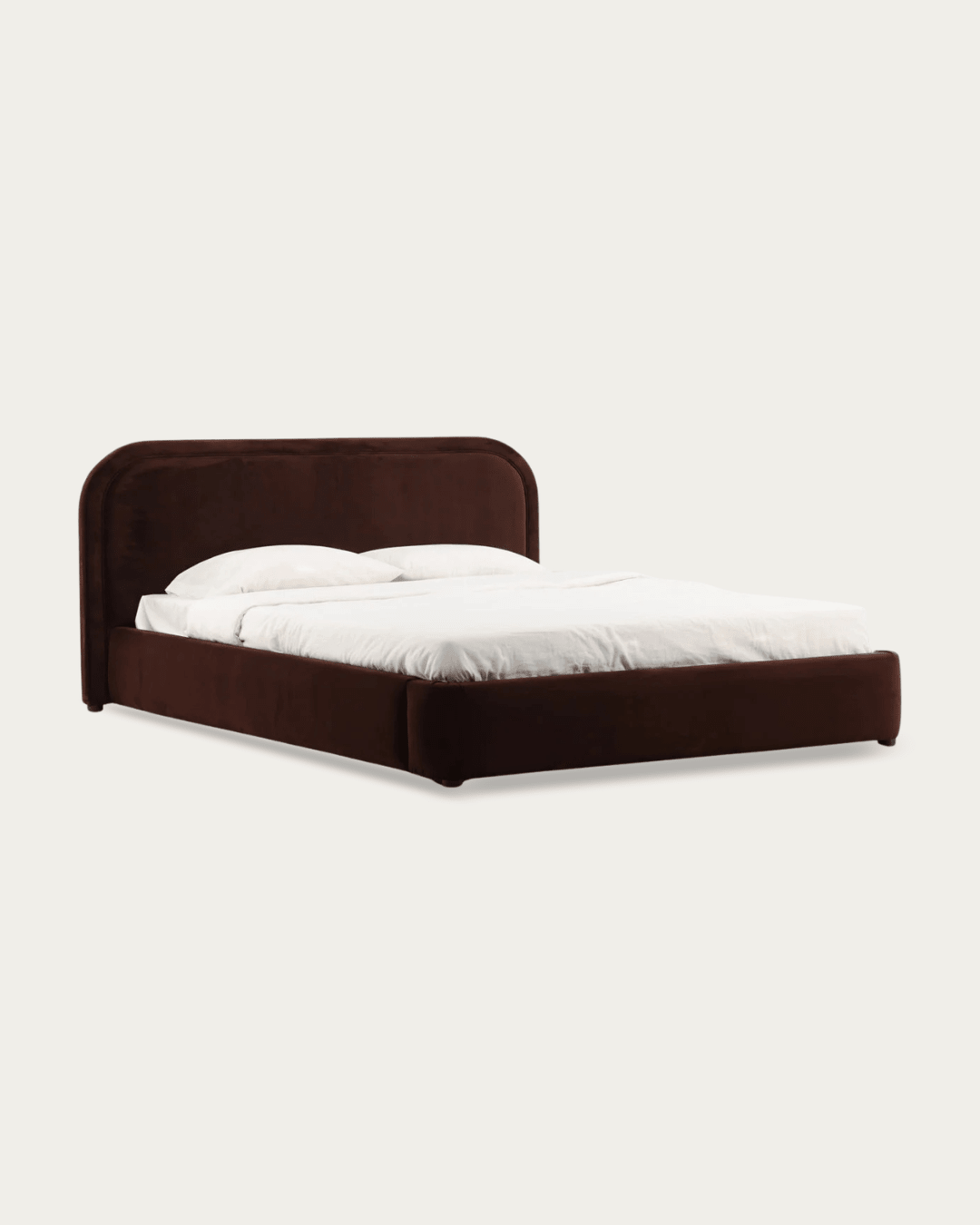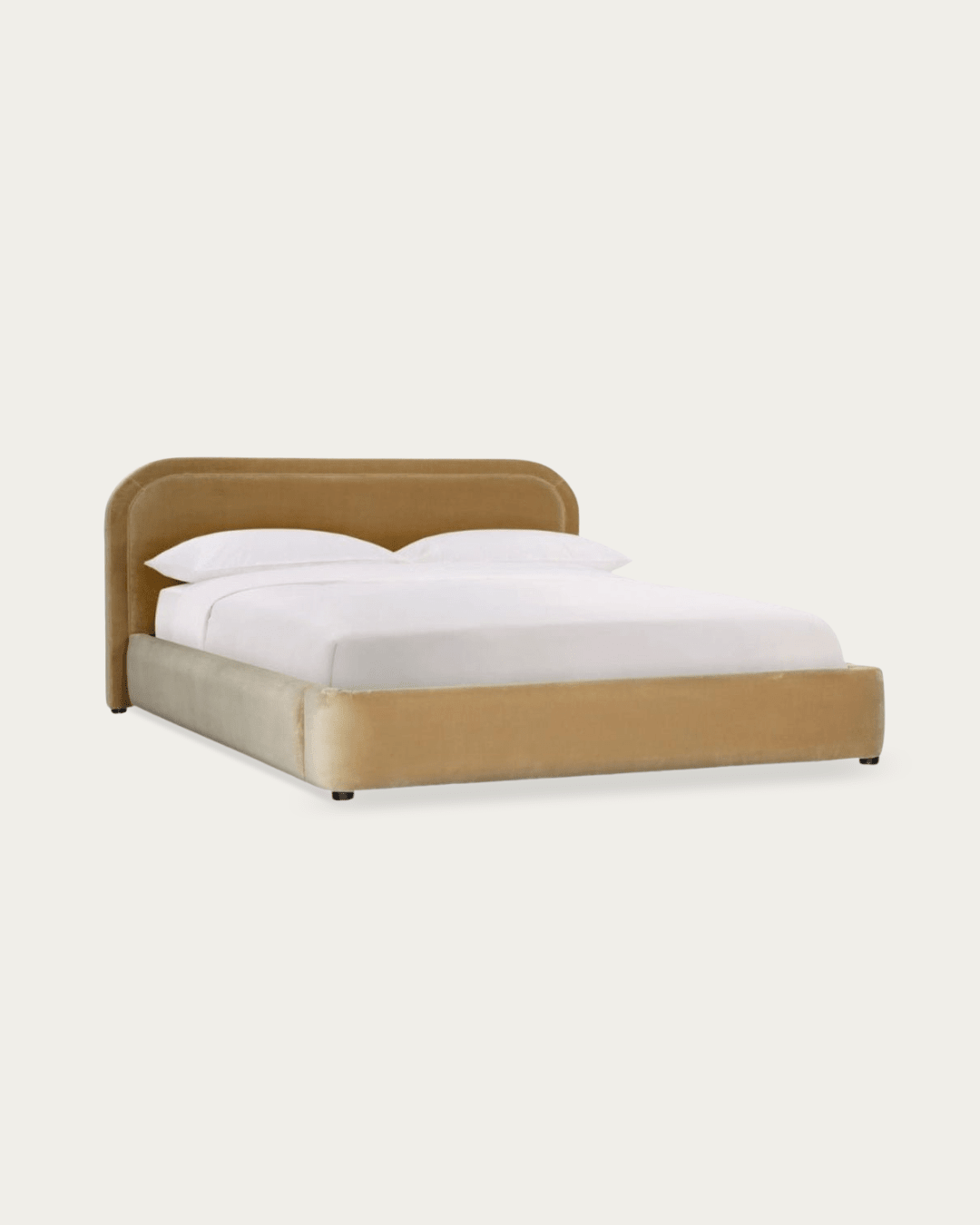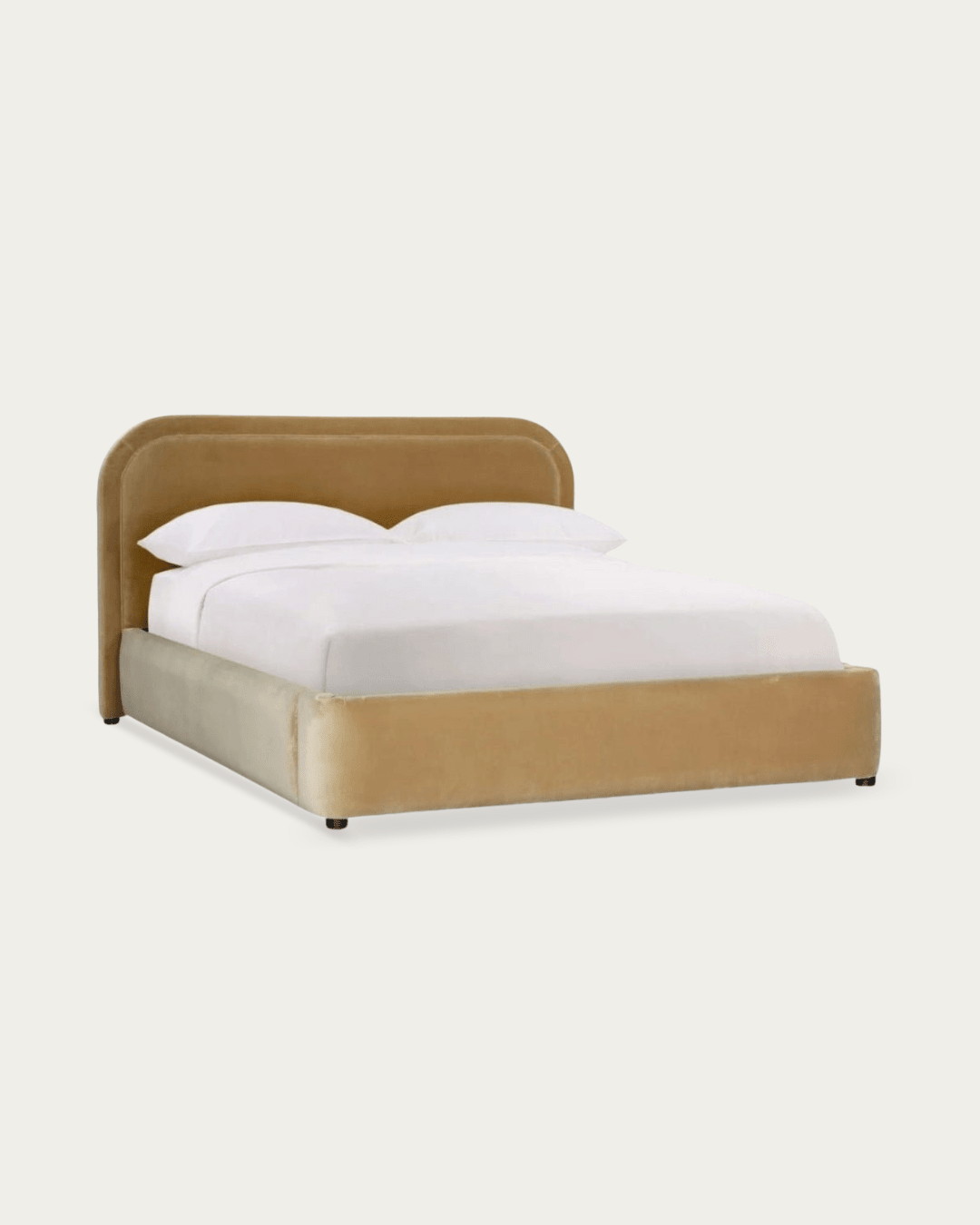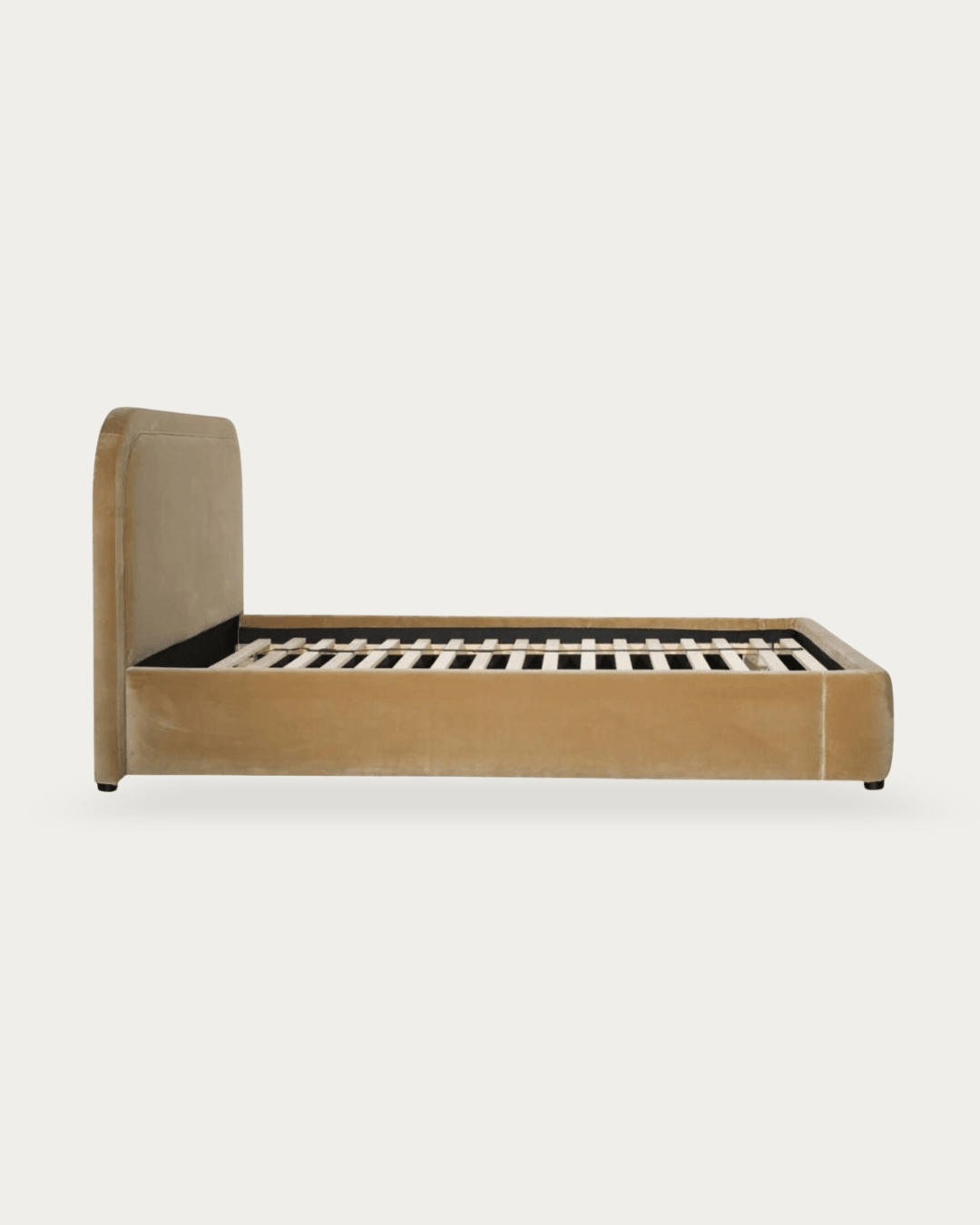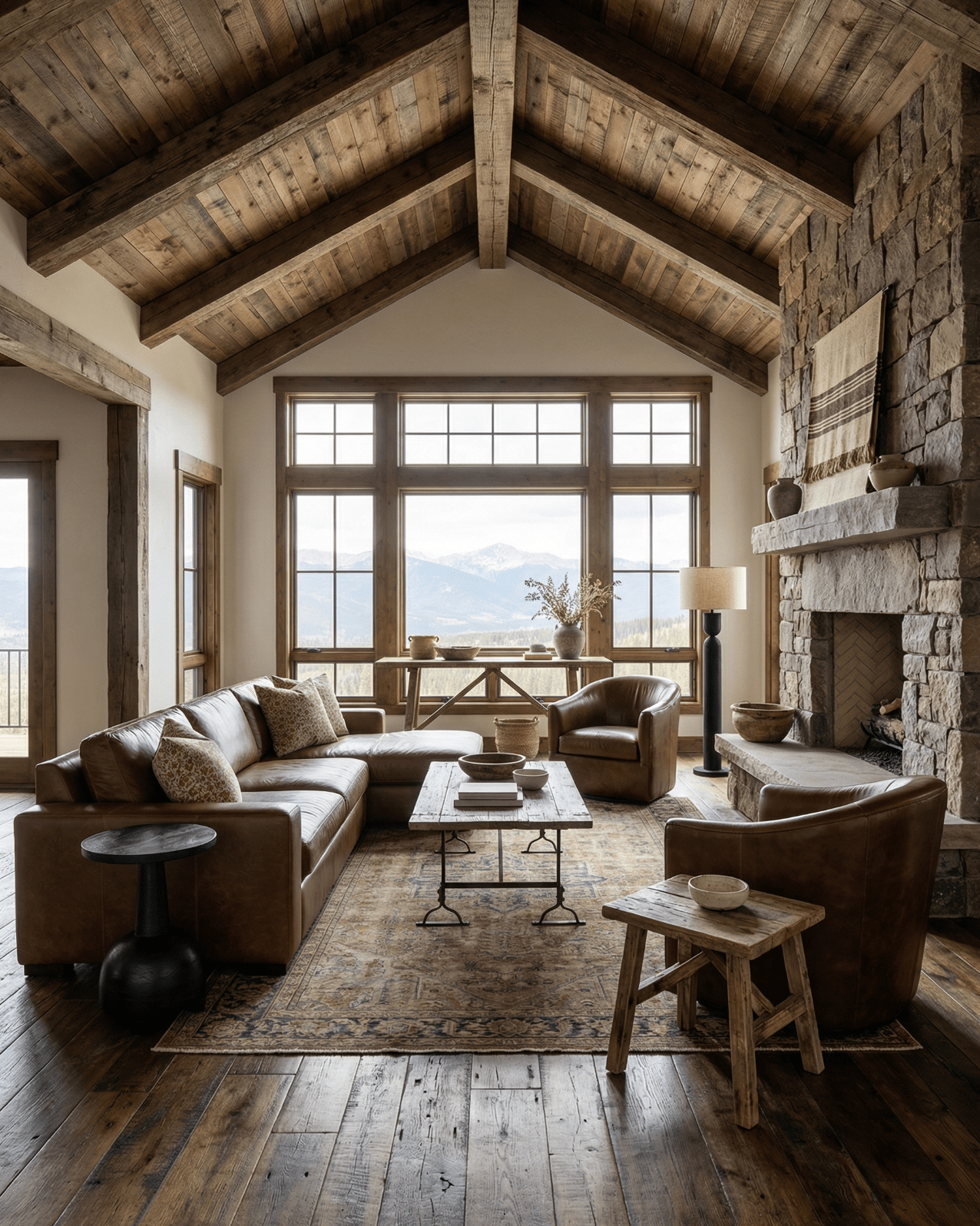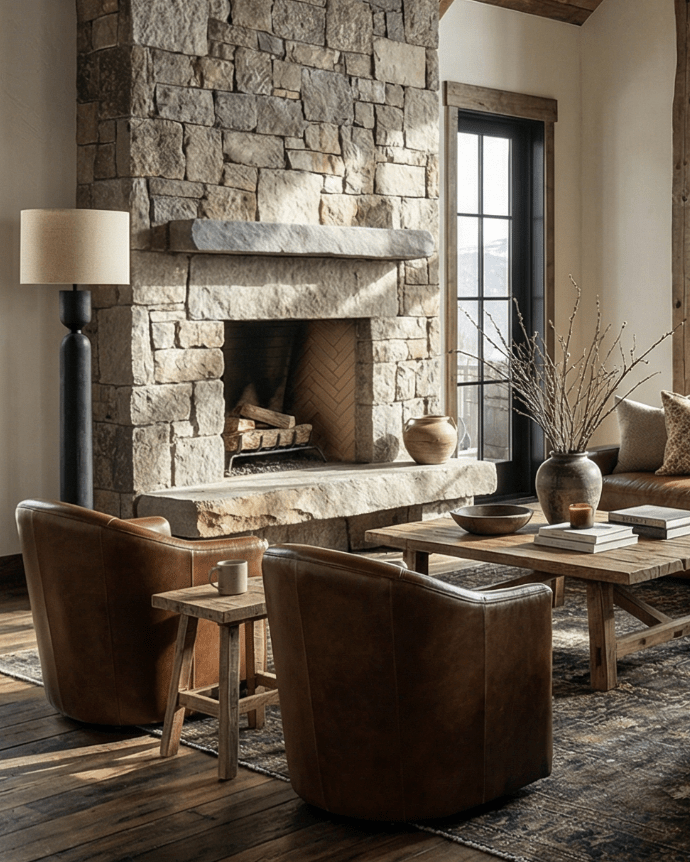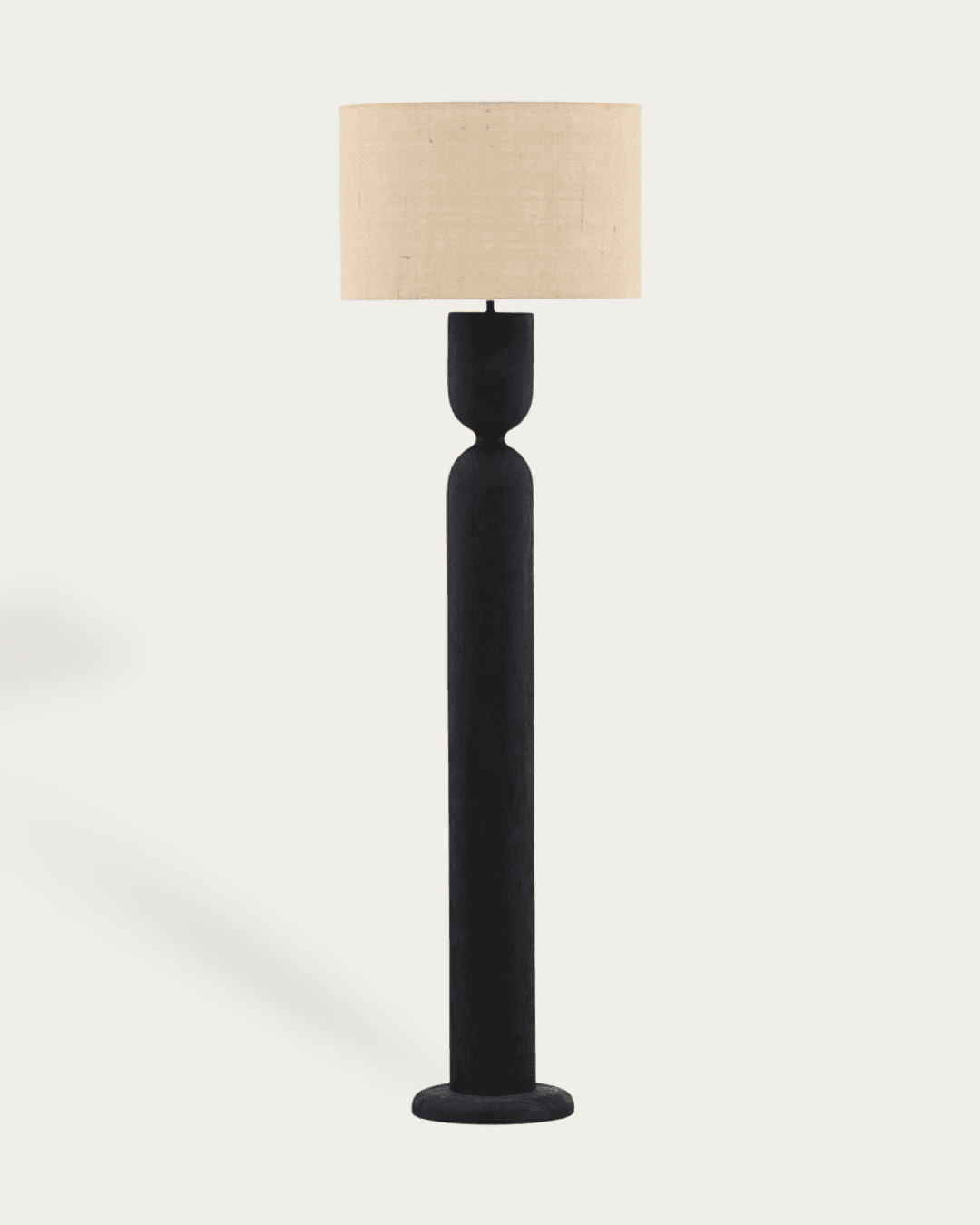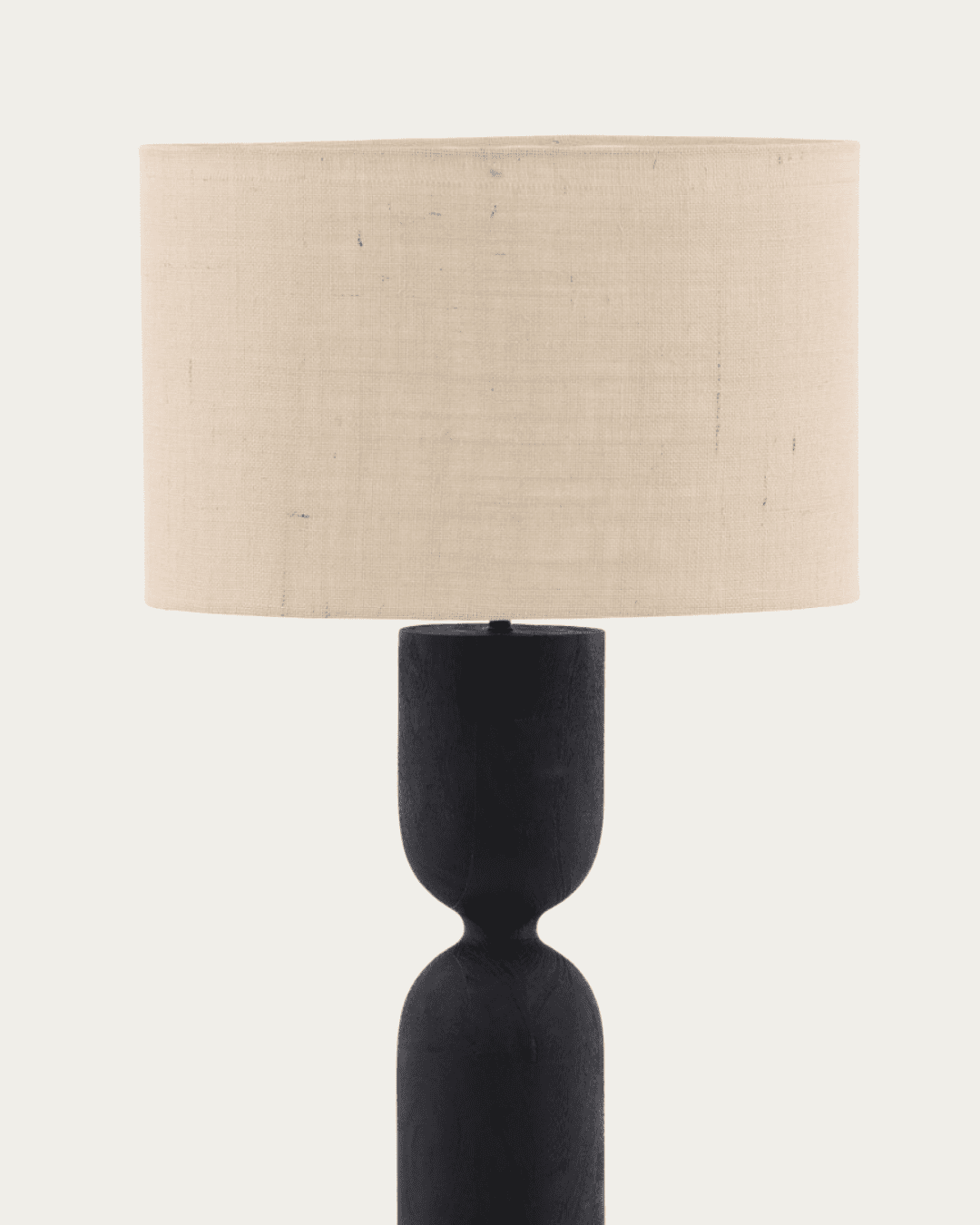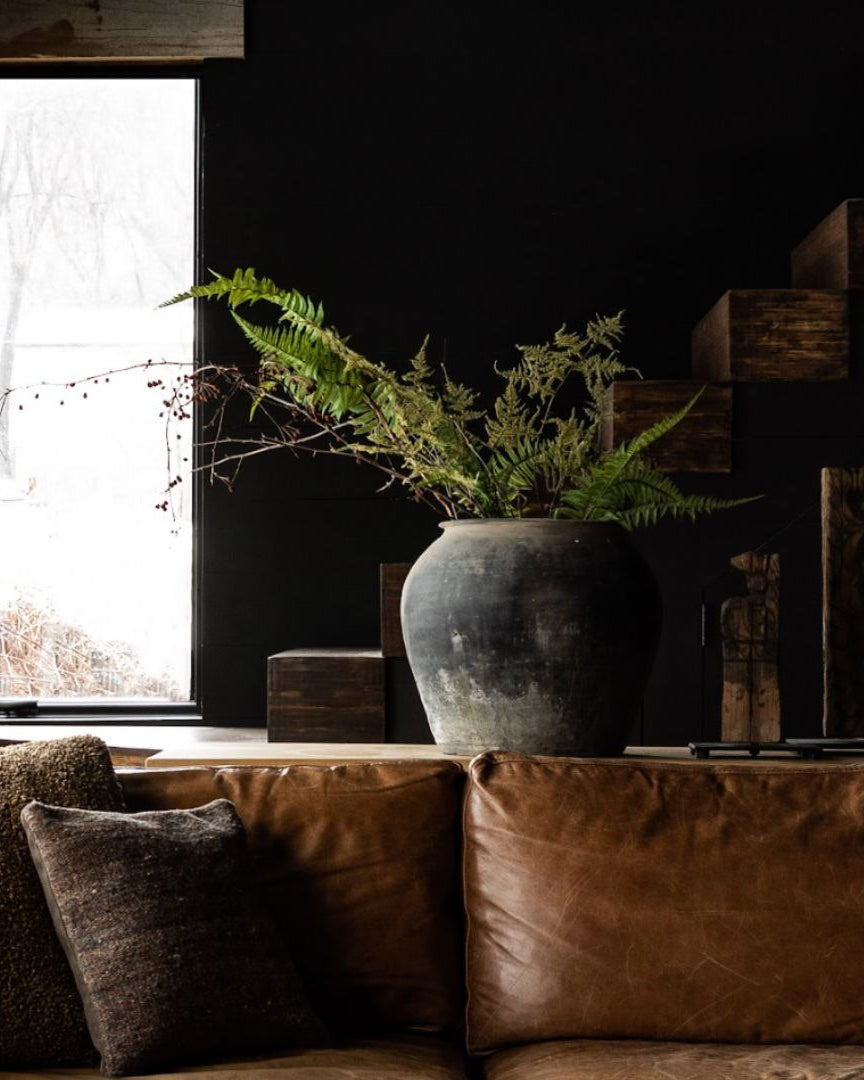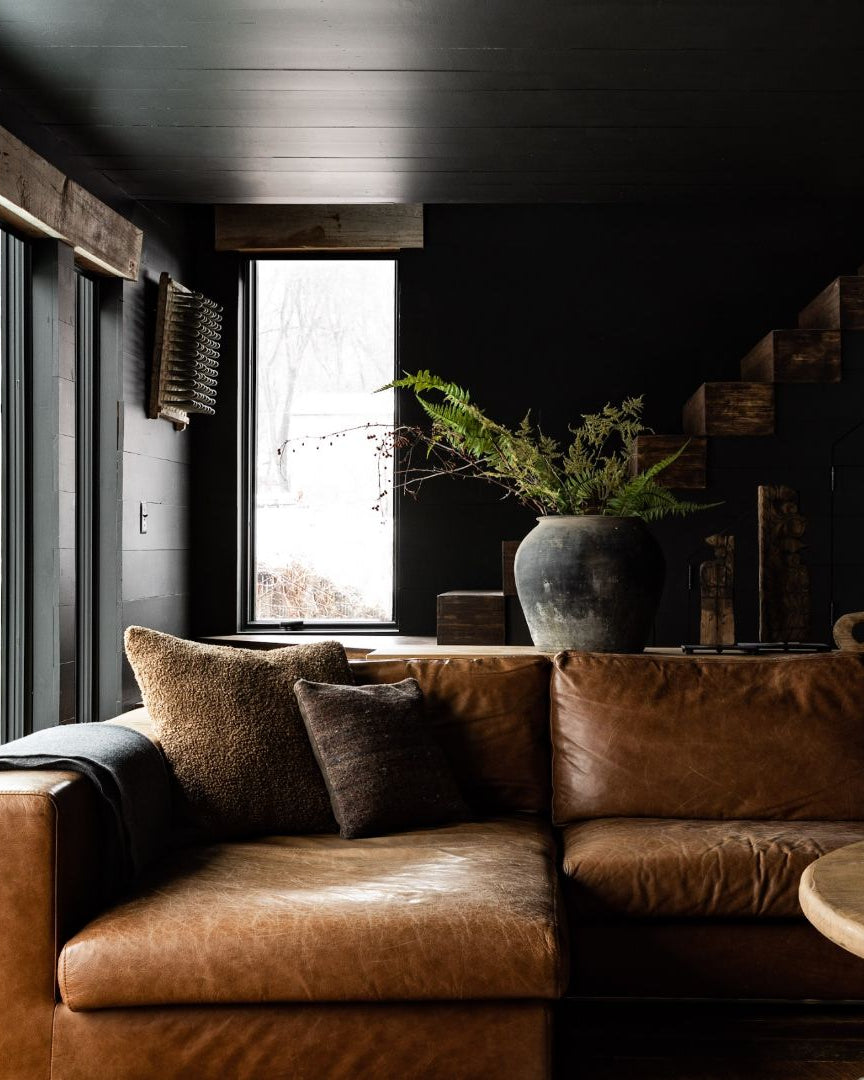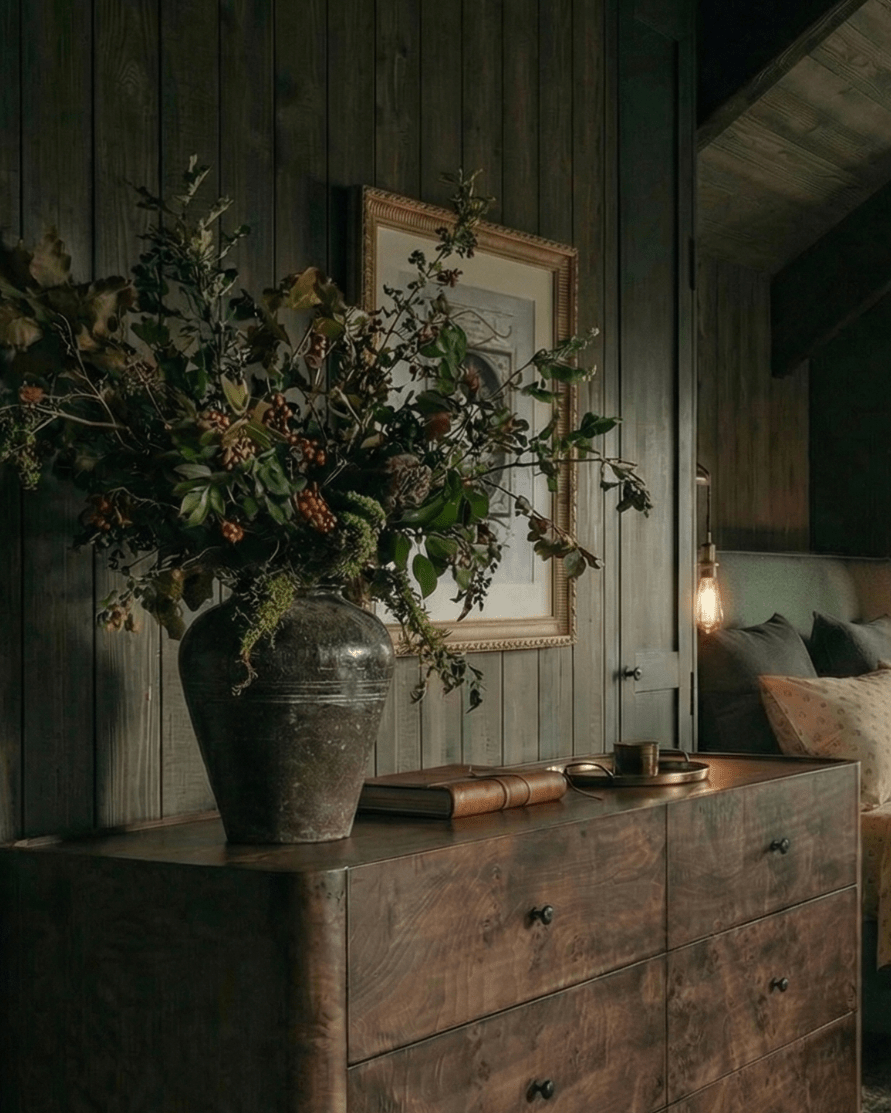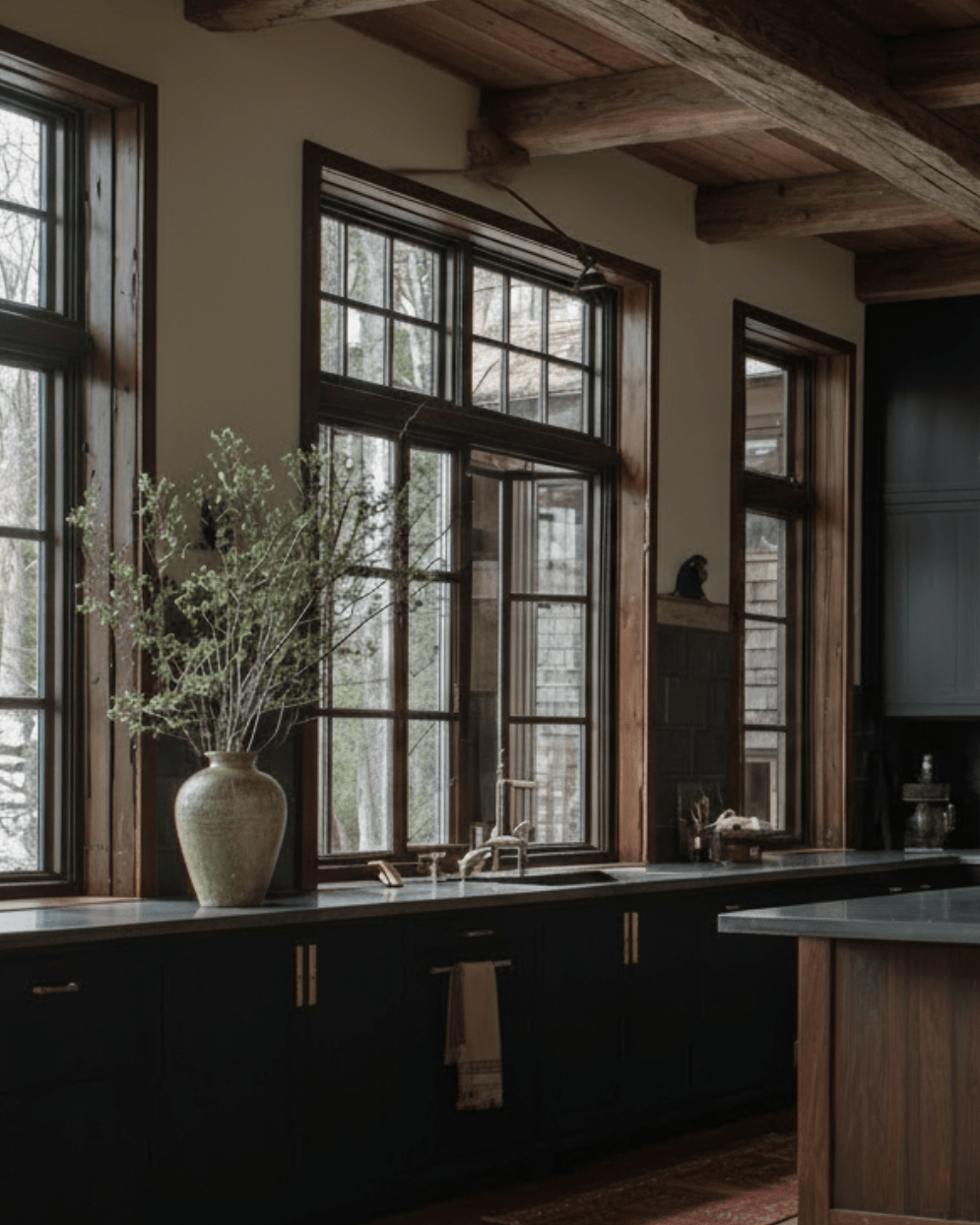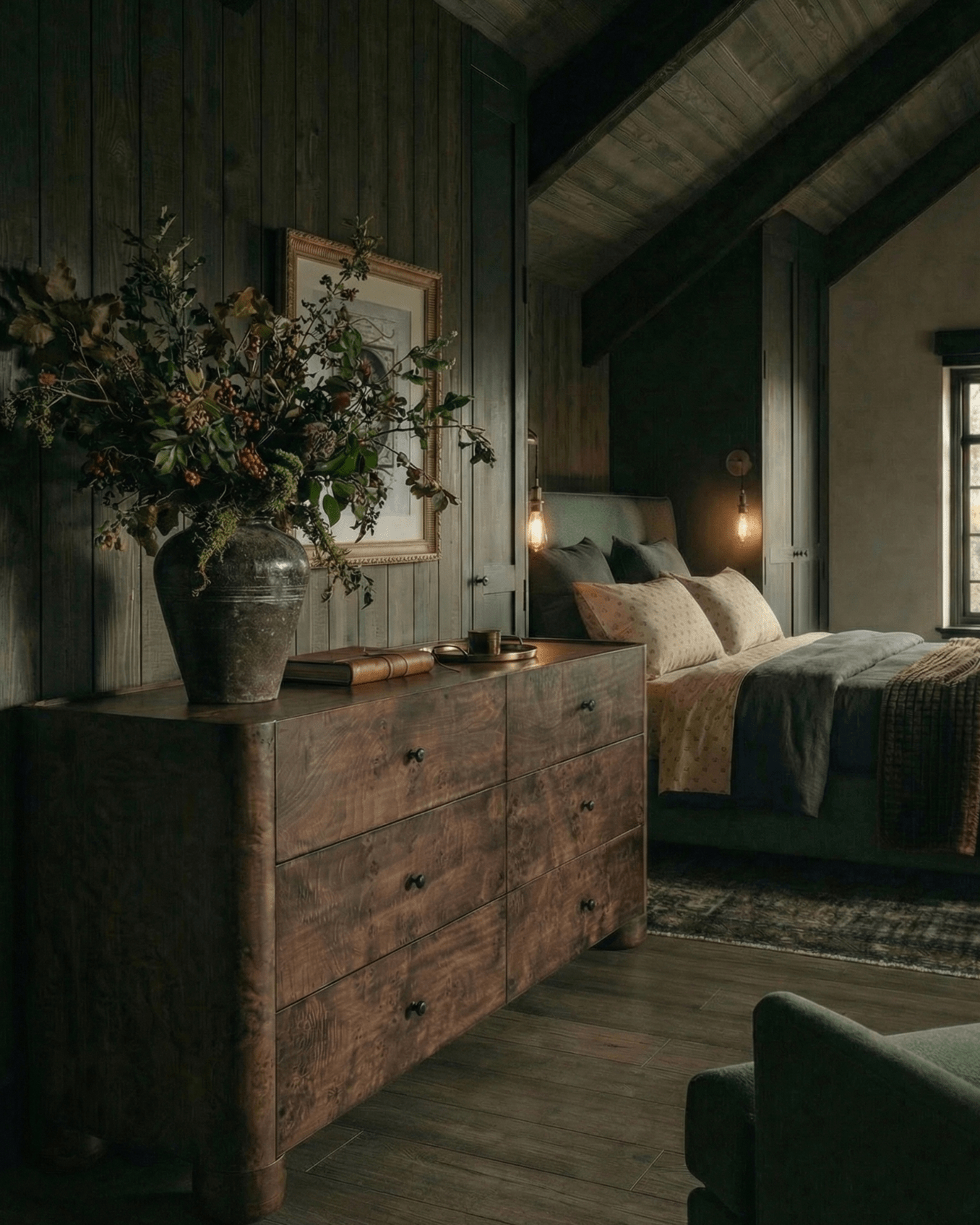










There’s a point where adding another throw pillow starts feeling suspicious.
The shelf is styled. The coffee table has books. The candles are lit. The vase has branches that may or may not have cost too much. Yet the room still feels unsettled.
Most people assume a living room feels incomplete because it needs more decor.
Usually, the opposite is true.
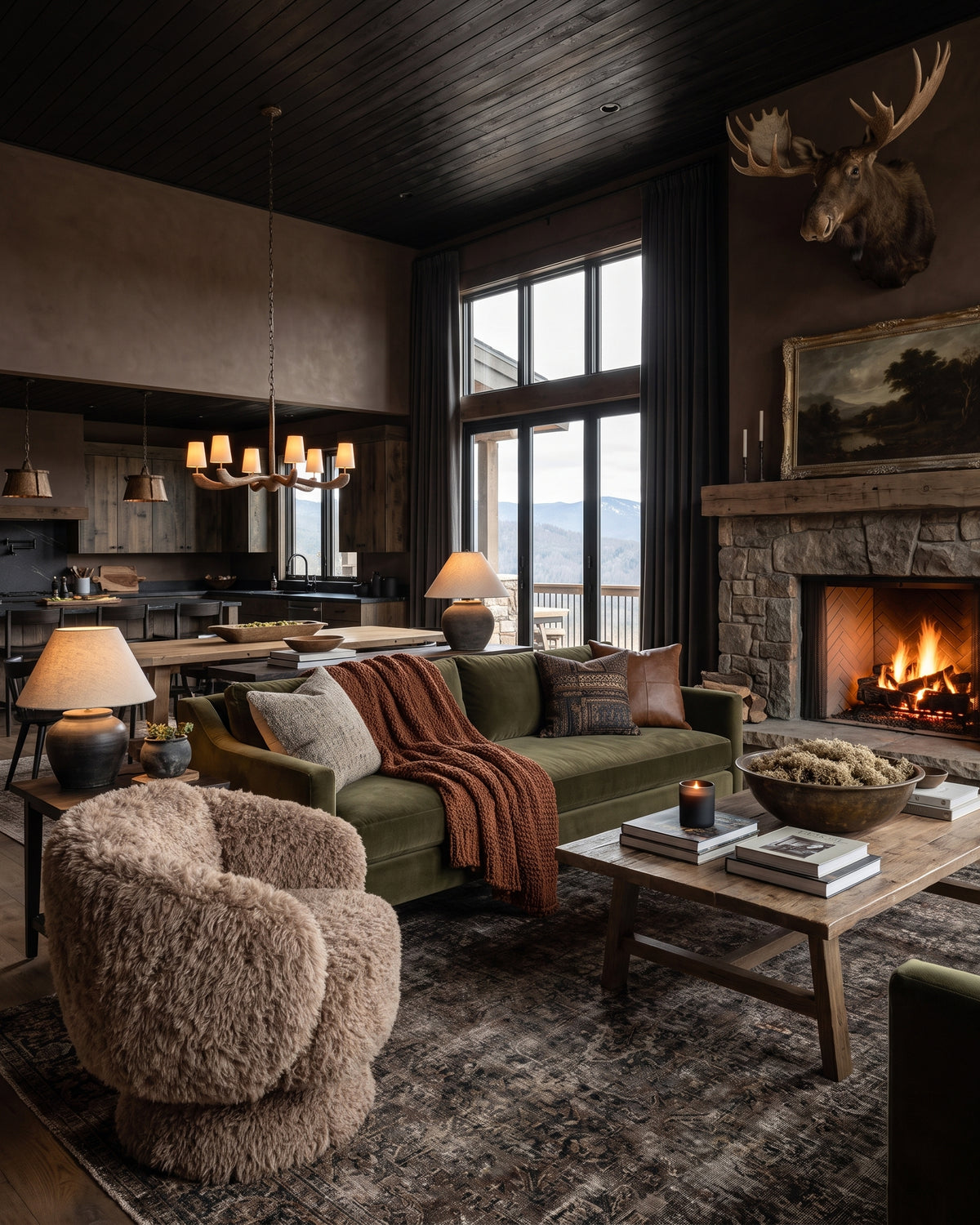
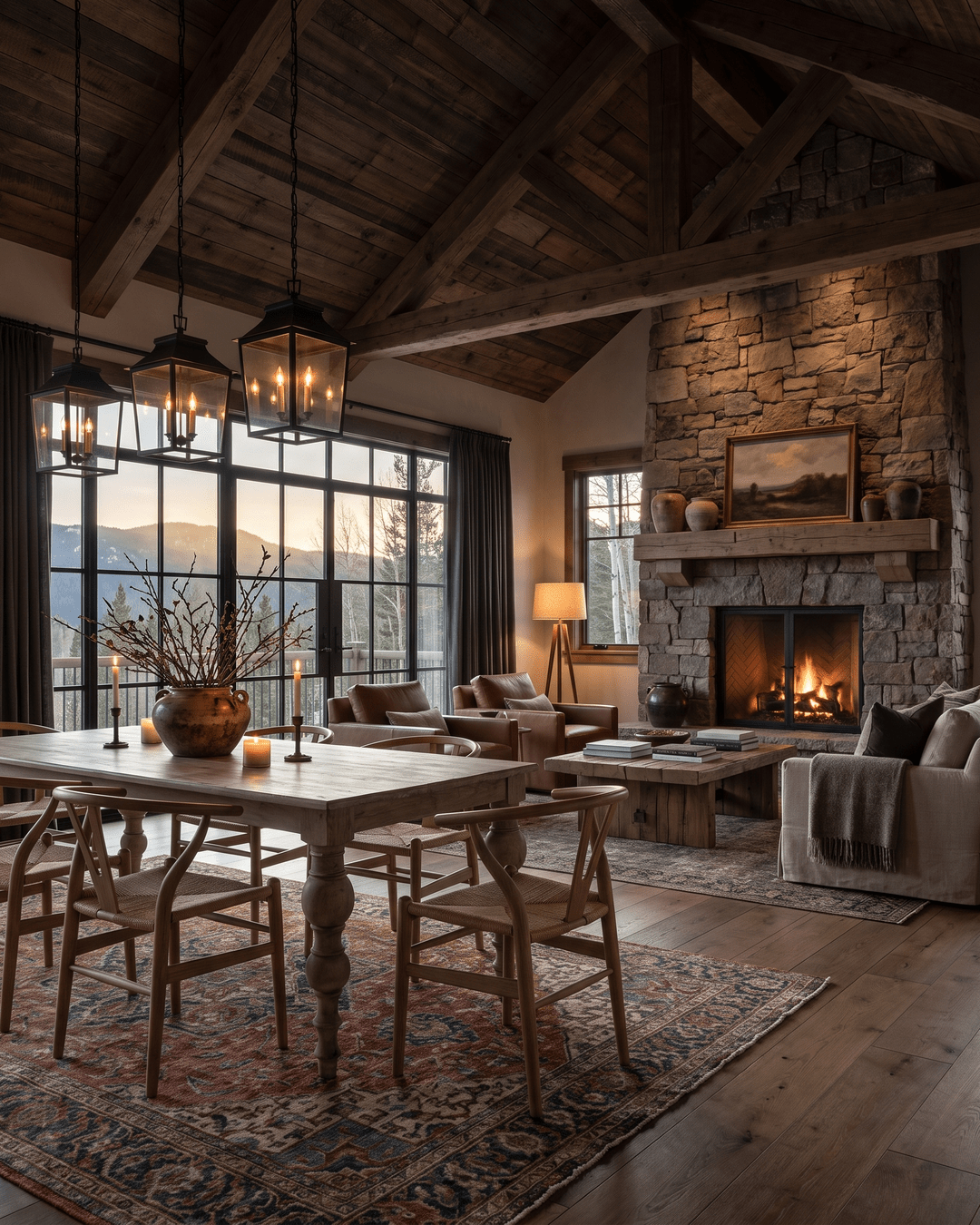
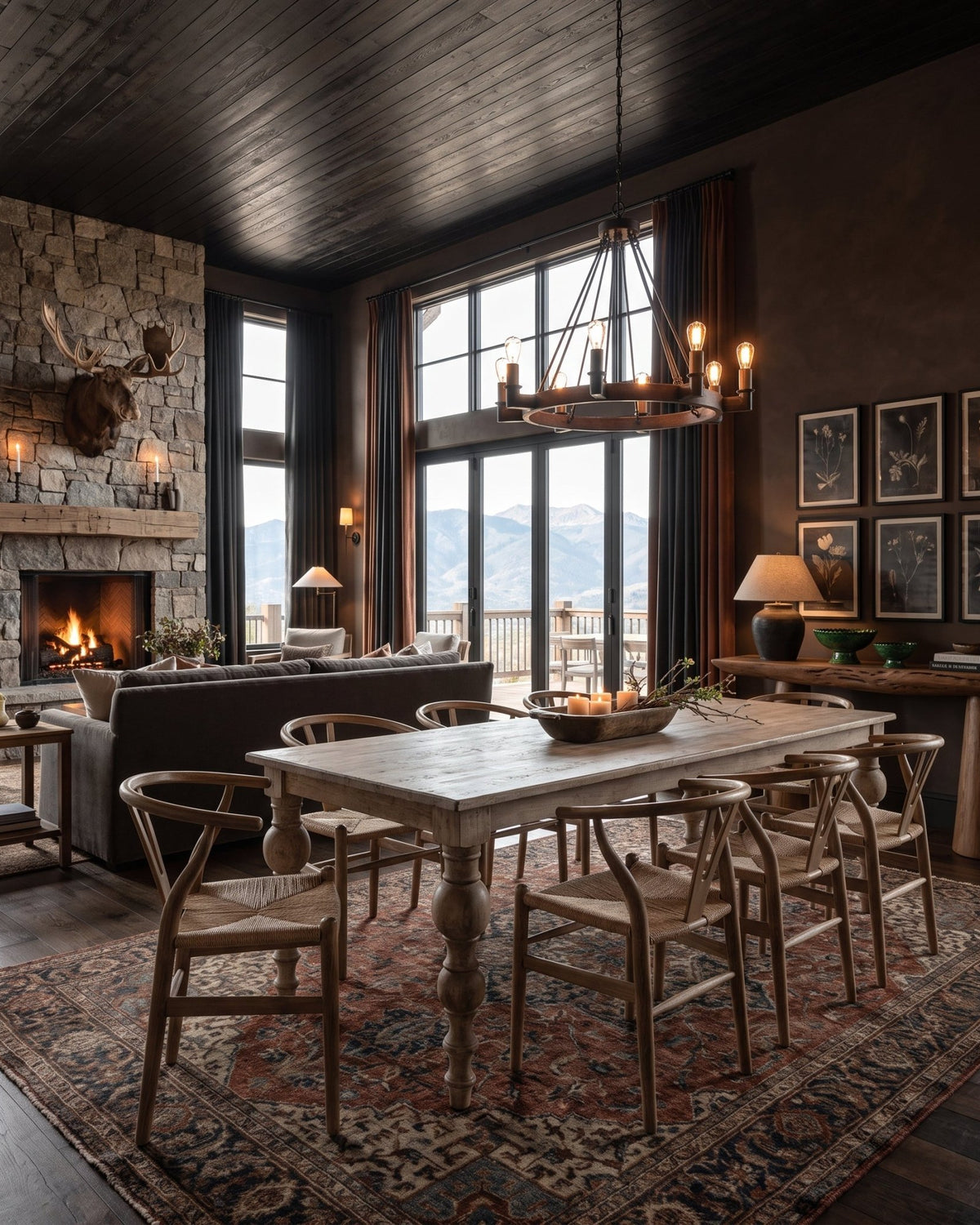
The strongest living room furniture creates regulation before a single decorative object enters the room. Scale, visual weight, proportion, and materiality have a far greater impact on how the nervous system experiences a space than styling ever will. When those foundational elements are working, the room feels easier to inhabit. When they aren't, no amount of accessorizing can fully compensate.
If you're rethinking how your space feels rather than simply how it looks, exploring Hello Norden's living room collection is a useful place to start. The pieces that shape a room most are often the ones people notice the least because they're doing their job properly.
The Nervous System Doesn't Care About Your Decorative Objects
Humans are constantly processing their environment.
Not consciously.
Automatically.
Before we notice artwork, throw blankets, or decorative accessories, the brain is already evaluating:
scale
spacing
visual weight
movement
proportion
furniture placement
This information helps determine whether a room feels organized or chaotic.
When furniture is appropriately scaled, the room feels easier to understand. The eye knows where to go. Attention settles more naturally. The nervous system spends less energy trying to make sense of the space.
The opposite happens when foundational furniture feels disconnected from the room. Everything may technically match, but the environment still feels visually noisy.
Why Rooms Feel "Off"
People often describe a room as feeling awkward without knowing why.
What they're often noticing is poor furniture relationships.
The sofa feels too small.
The seating arrangement feels disconnected.
The visual anchors are weak.
The room lacks structure.
These aren't decorating problems.
They're furniture problems.
Regulation Starts With Visual Weight
One of the most overlooked principles in living room design is visual weight.
Visual weight is the sense of presence a piece carries within a room.
A room without enough visual weight feels unsettled because nothing is substantial enough to organize the space.
This is where larger foundational pieces become important.
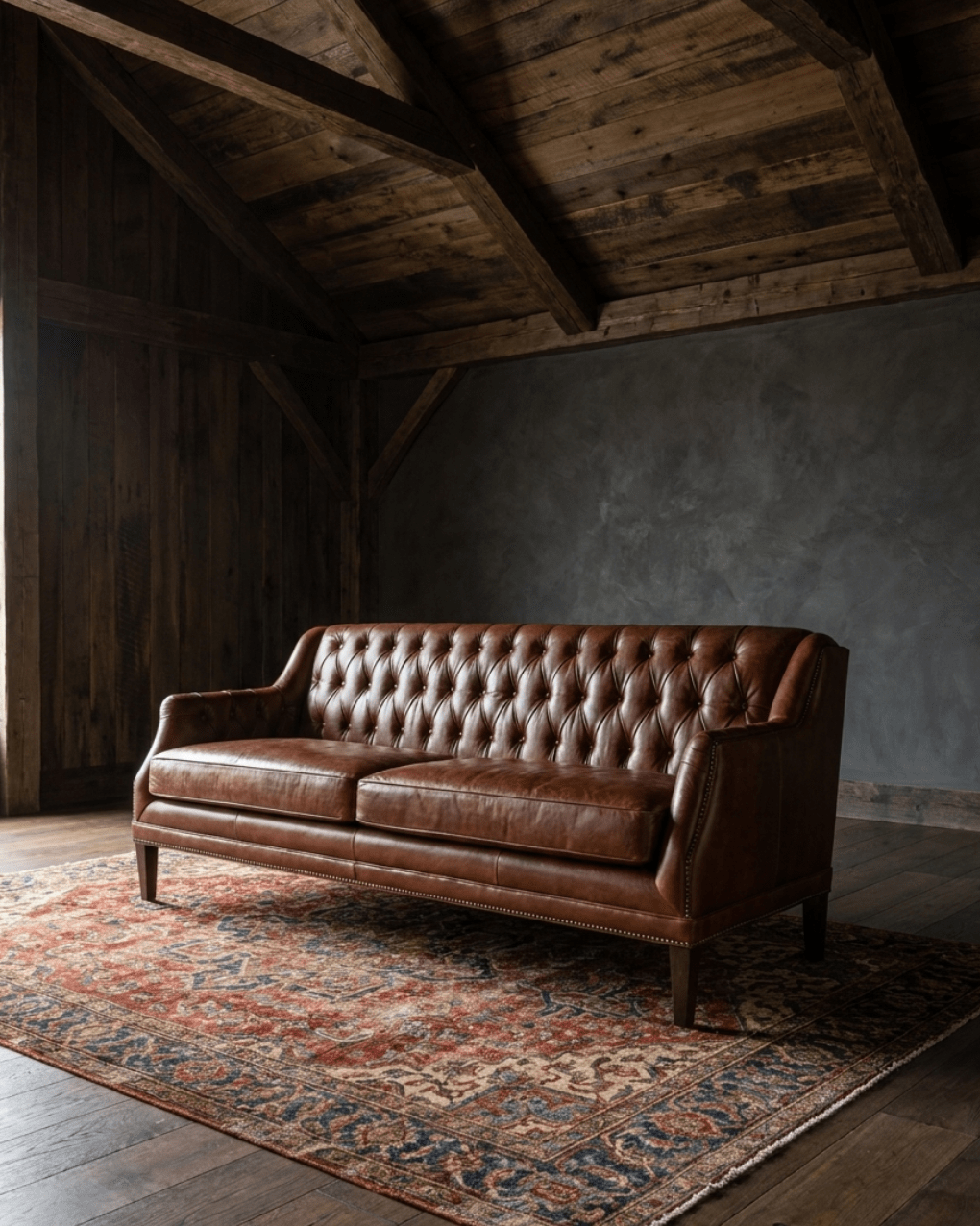
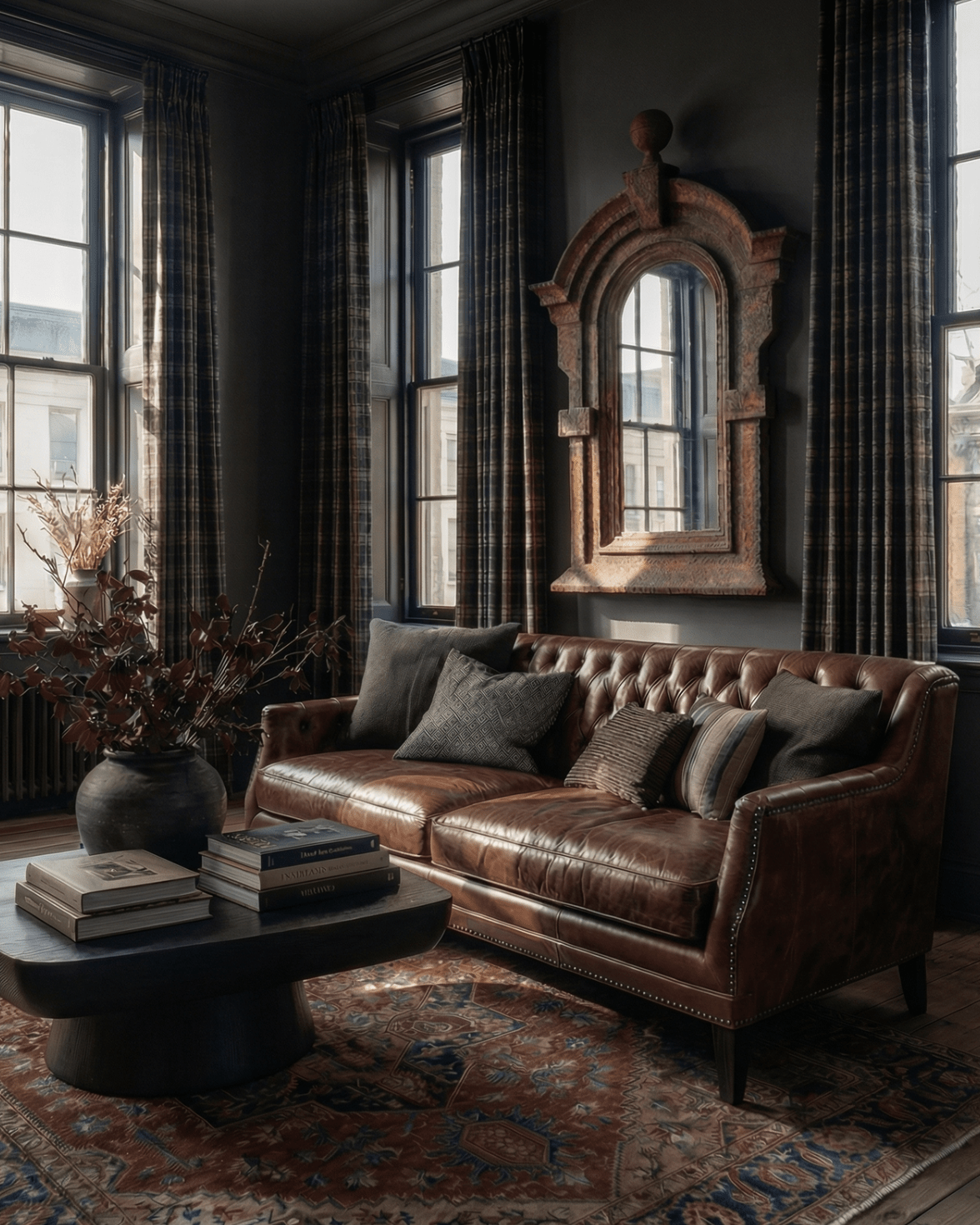
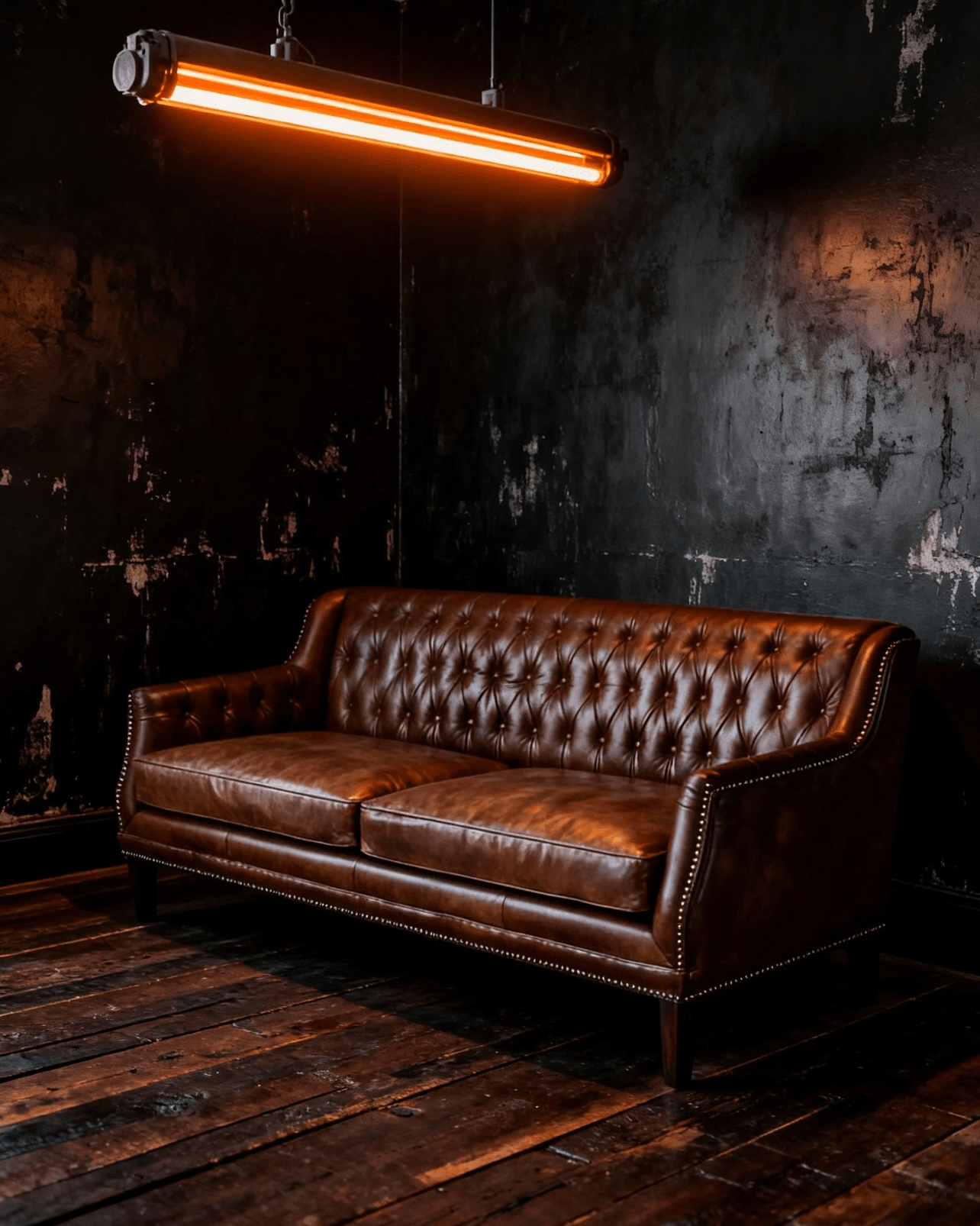
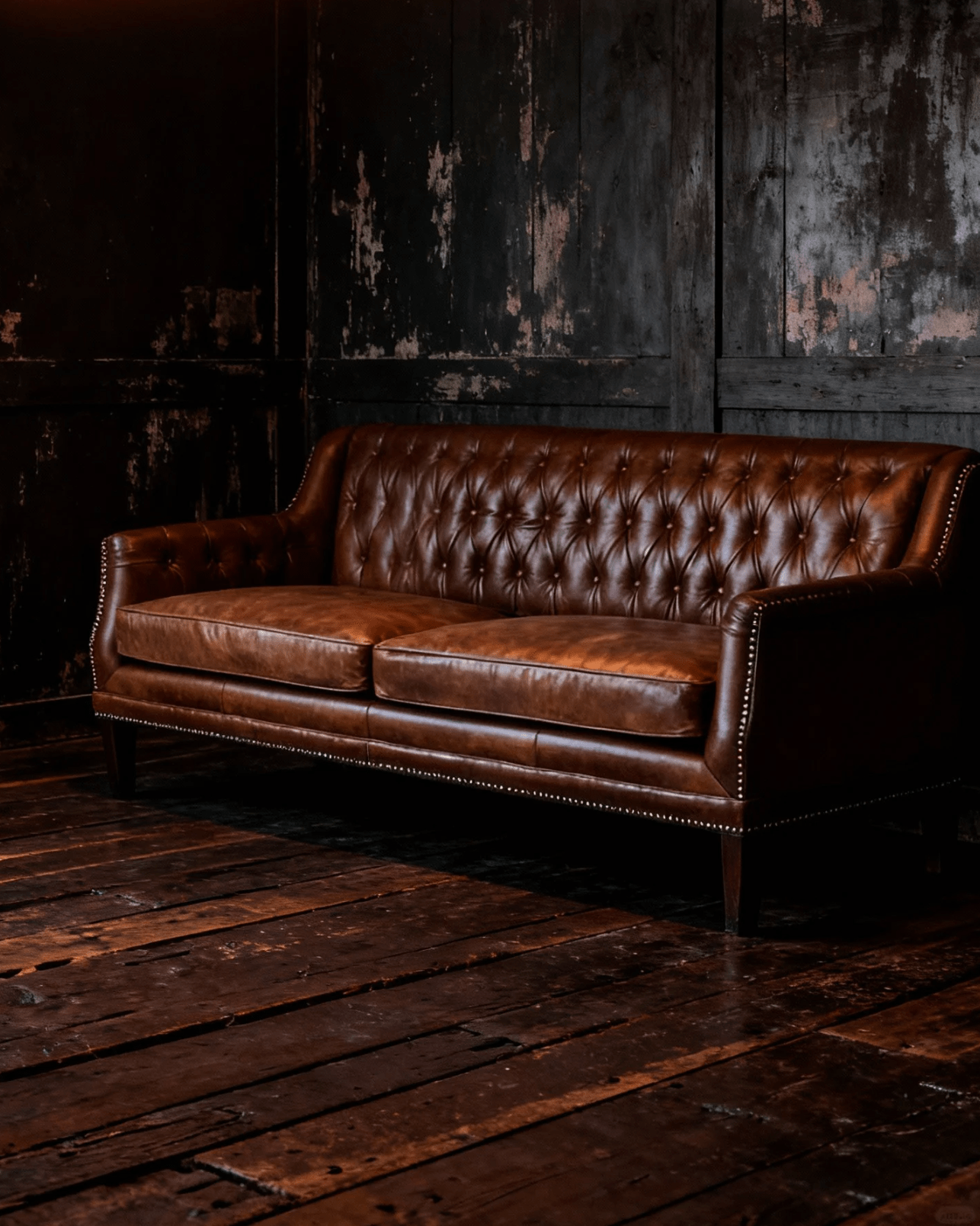
The Olin chesterfield sofa naturally creates visual grounding through its structured silhouette and proportion. Similarly, the Norden chesterfield sofa helps establish a stronger focal point that allows the rest of the room to feel connected rather than scattered.
Bigger Isn't Better. Balanced Is Better.
Visual weight isn't about filling a room with oversized furniture.
It's about creating enough presence for the eye to settle.
A well-proportioned sofa often contributes more to a room's comfort than an entire collection of accessories.
Large Rooms Need Anchors, Not More Accessories
One of the biggest mistakes people make in oversized living rooms is assuming empty space should be filled with decor.
Large rooms don't necessarily need more objects.
They need stronger anchors.
The brain naturally seeks orientation. In larger rooms, furniture often becomes the primary source of that orientation because architectural boundaries are less visually dominant.
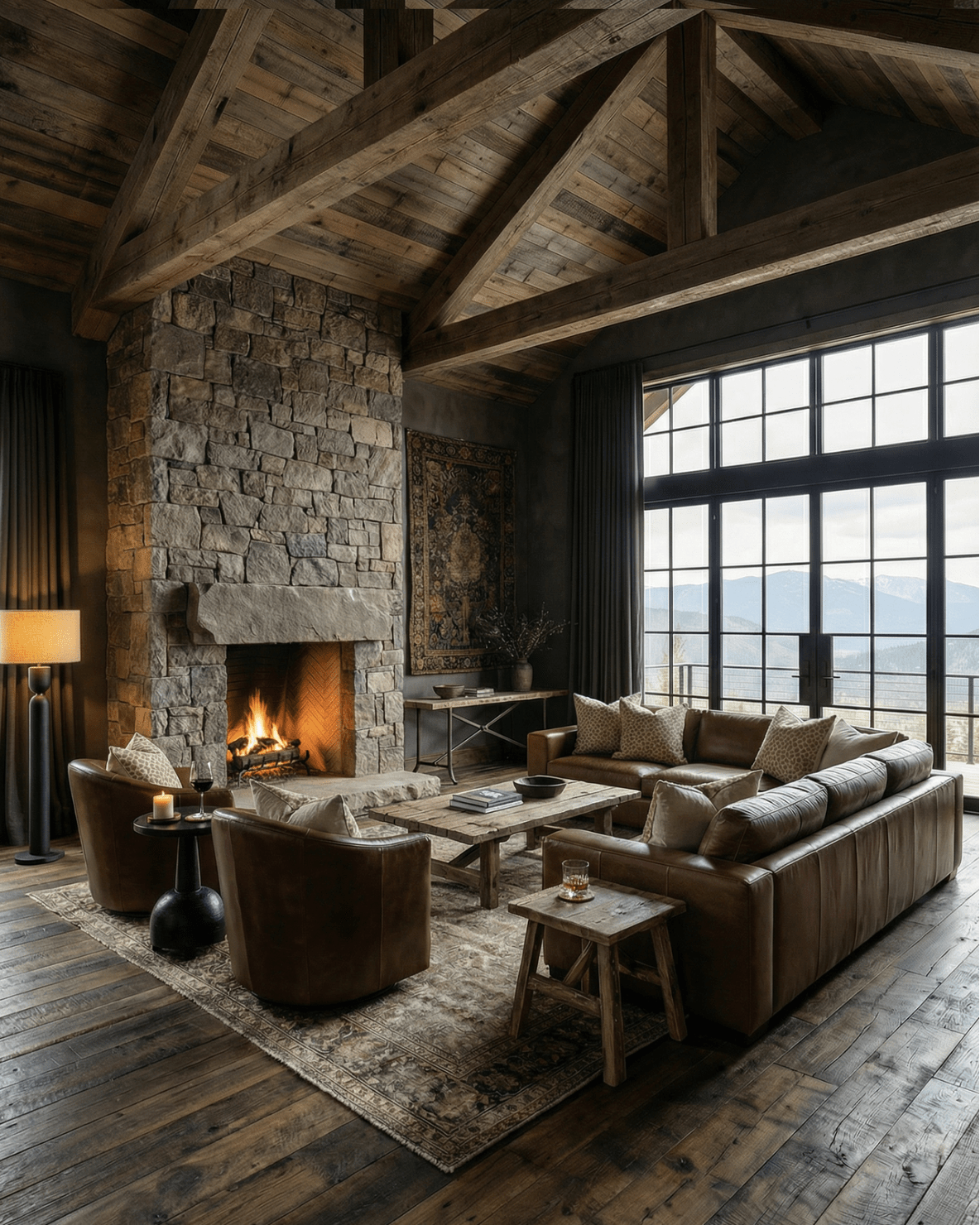
The Maxim sectional works particularly well in larger spaces because it helps establish a clear center of gravity. The Edda sectional creates a similar effect by strengthening furniture relationships across larger seating arrangements.
Empty Space Isn't the Enemy
Many of the most regulating interiors contain more open space than people expect.
The goal isn't filling every corner.
The goal is creating enough structure for the room to feel intentional.
Furniture Shapes Behaviour More Than Decor
Decor influences how a room looks.
Furniture influences how a room functions.
That's a much bigger responsibility.
The way furniture is scaled and arranged affects:
how people gather
how conversations happen
how circulation flows
how long people stay in a room
how comfortable they feel
The Maxim sofa with chaise helps create more relaxed gathering spaces by supporting multiple ways of sitting and lounging. Likewise, the Edda sofa creates flexibility without sacrificing visual structure.
Good Furniture Creates Good Behaviour
People don't simply sit on furniture.
They organize their lives around it.
The most successful living rooms support that reality rather than fighting against it.
RUTED Tip: If a room feels unfinished, stop buying decorative objects for thirty days. Instead, spend that month paying attention to what the room feels like. Where does your eye go first? Where does conversation happen? Where do people naturally gather? The answer is usually hiding in the furniture, not on the shelves.
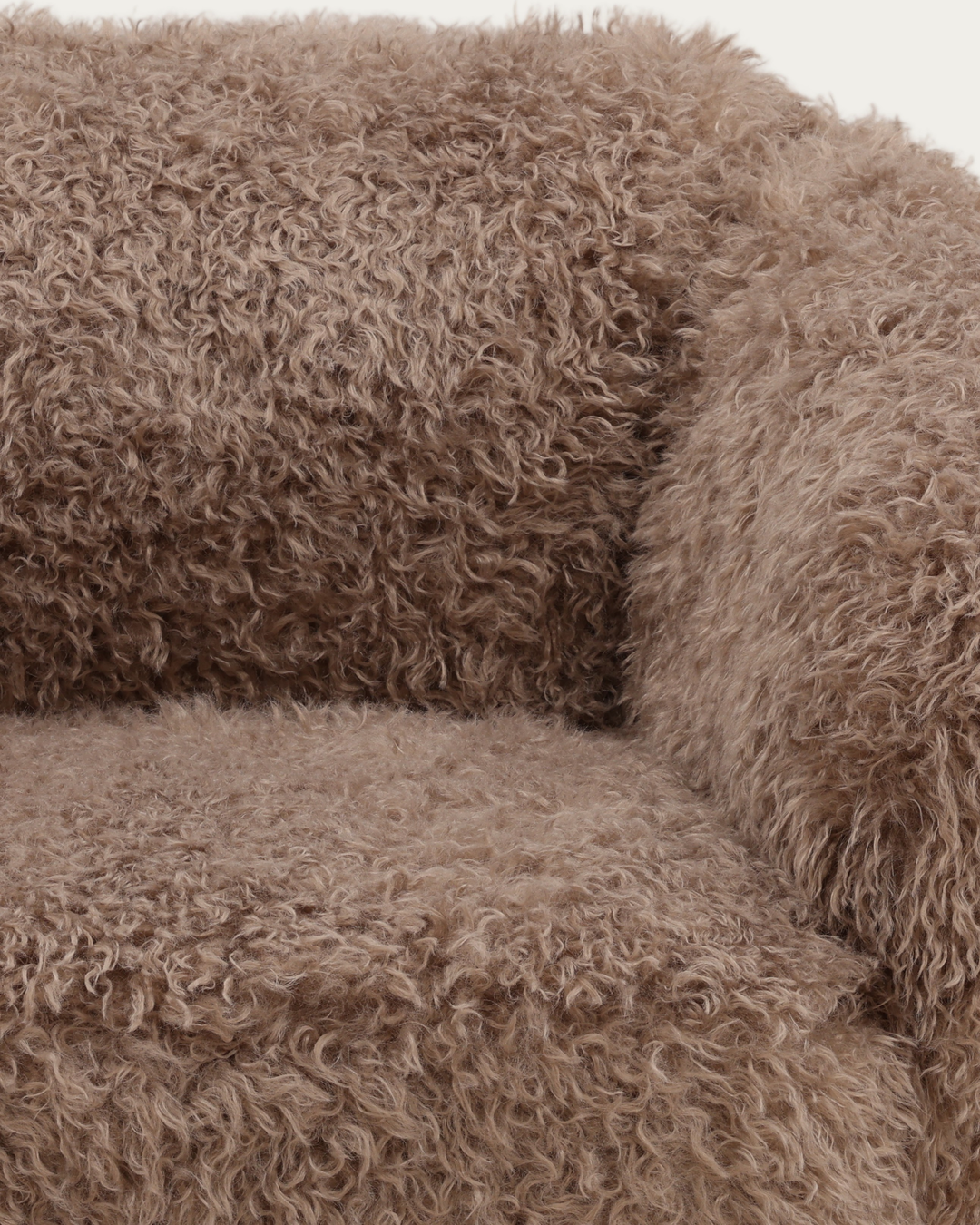
Texture Regulates Faster Than Styling
When people think about creating a calming room, they often focus on color.
Texture is frequently more important.
Texture creates depth without requiring visual clutter.
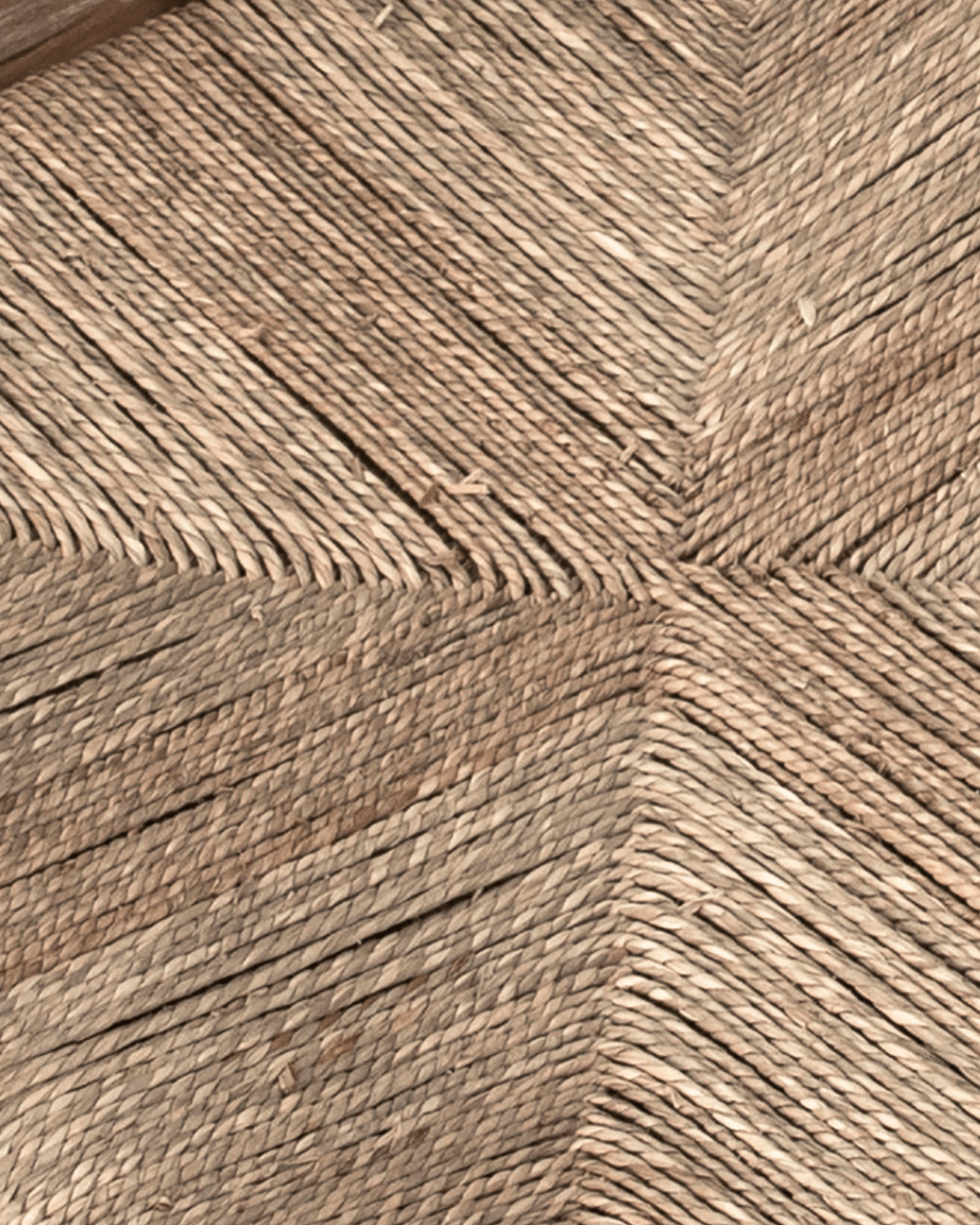
Natural materials, woven fabrics, leather, wood, and stone all contribute to sensory richness without overwhelming the room.
This is one reason foundational furniture tends to have a greater emotional impact than accessories.
The Halden sofa introduces texture and visual depth through materiality rather than decoration. The Edda sleeper sofa bed demonstrates how functionality and texture can work together while maintaining visual simplicity.
The Brain Likes Depth
Flat rooms often feel less engaging.
Overstyled rooms often feel exhausting.
Texture creates a middle ground where the room feels layered without becoming noisy.
The Best Living Rooms Feel Easy to Understand
The strongest interiors rarely rely on dramatic styling tricks.
They feel good because the foundational elements are doing their job.
The furniture feels connected to the architecture.
The scale feels appropriate.
The visual weight feels balanced.
The materials create depth.
The layout makes sense.
When those things happen, the nervous system stops scanning for problems.
The room becomes easier to process.
And that's what many people are actually searching for when they say they want a calm home.
Not perfection.
Not trend-driven styling.
Not another decorative object.
Just a space that feels coherent.

Less Styling. Better Foundations.
The secret to a more regulating living room isn't removing personality from a space.
It's understanding where personality should come from.
The most memorable rooms aren't memorable because of how many accessories they contain.
They're memorable because the furniture creates structure, balance, and visual confidence before styling ever enters the conversation.
That's why foundational living room furniture matters so much.
It influences how the room functions, how the eye moves, and how the nervous system responds.
The rooms that feel best rarely have the most decor.
They simply have furniture that fits the room.
Explore Hello Norden's living room collection to discover sofas, sectionals, and foundational pieces that help create spaces that feel calmer, more grounded, and easier to live in every day.