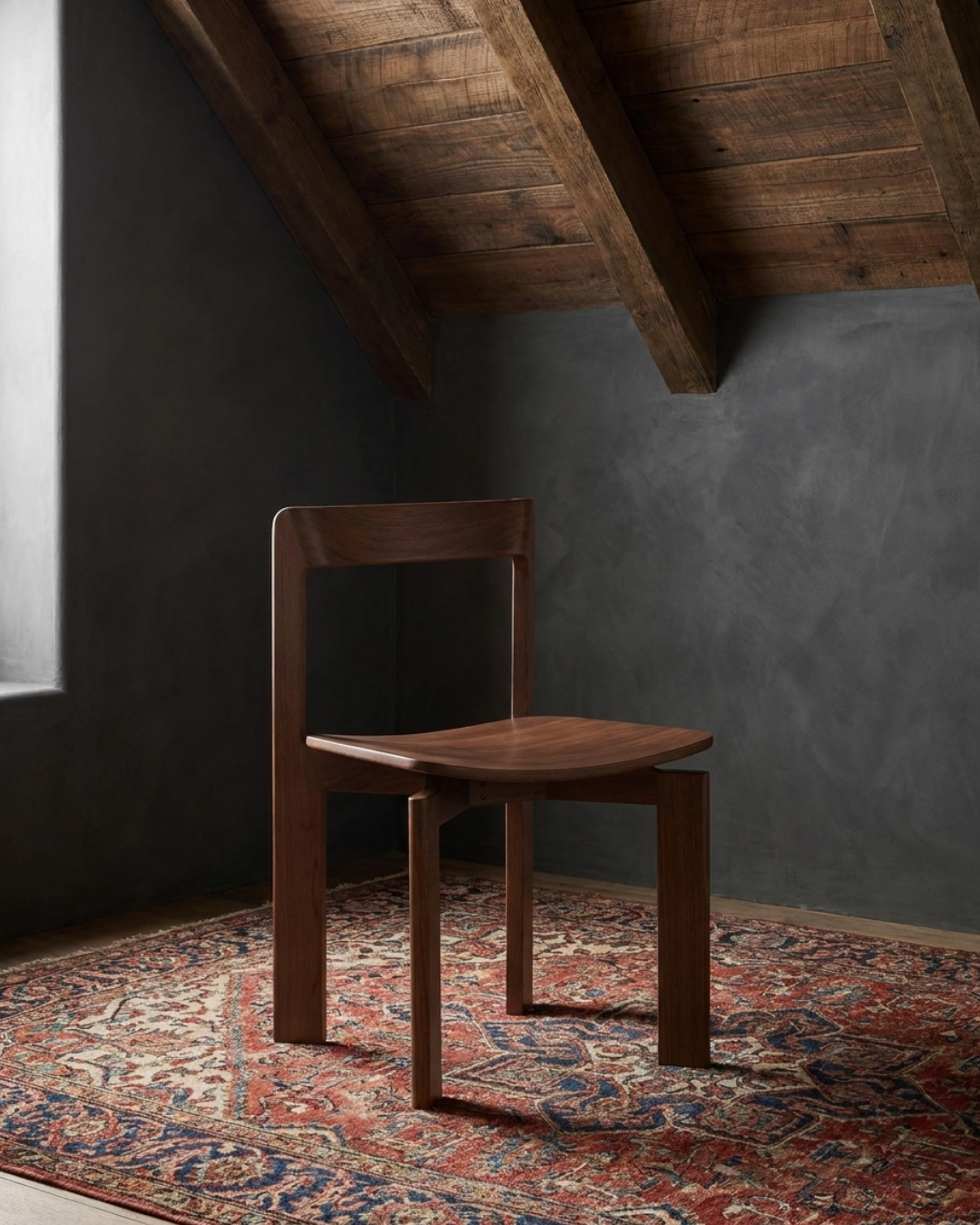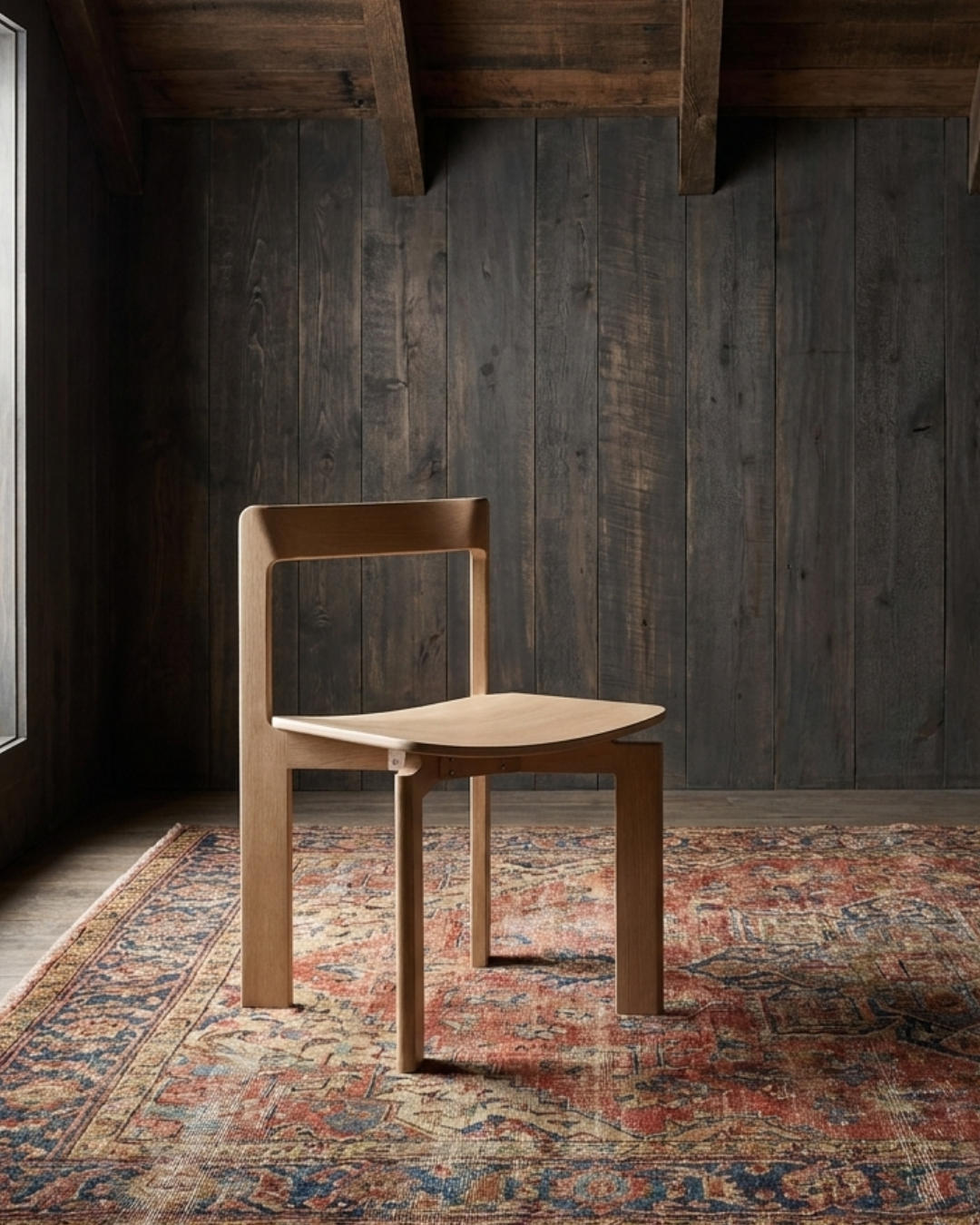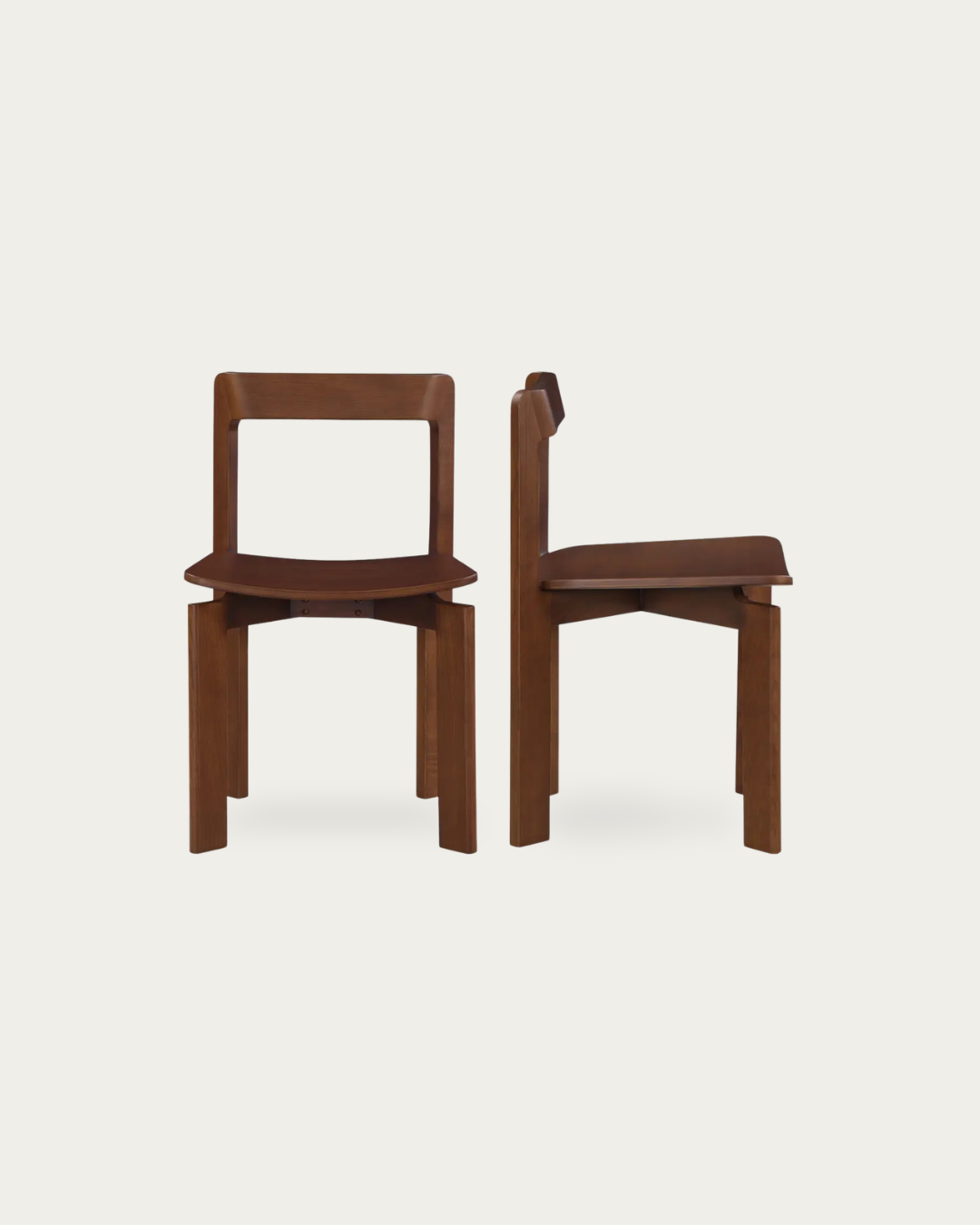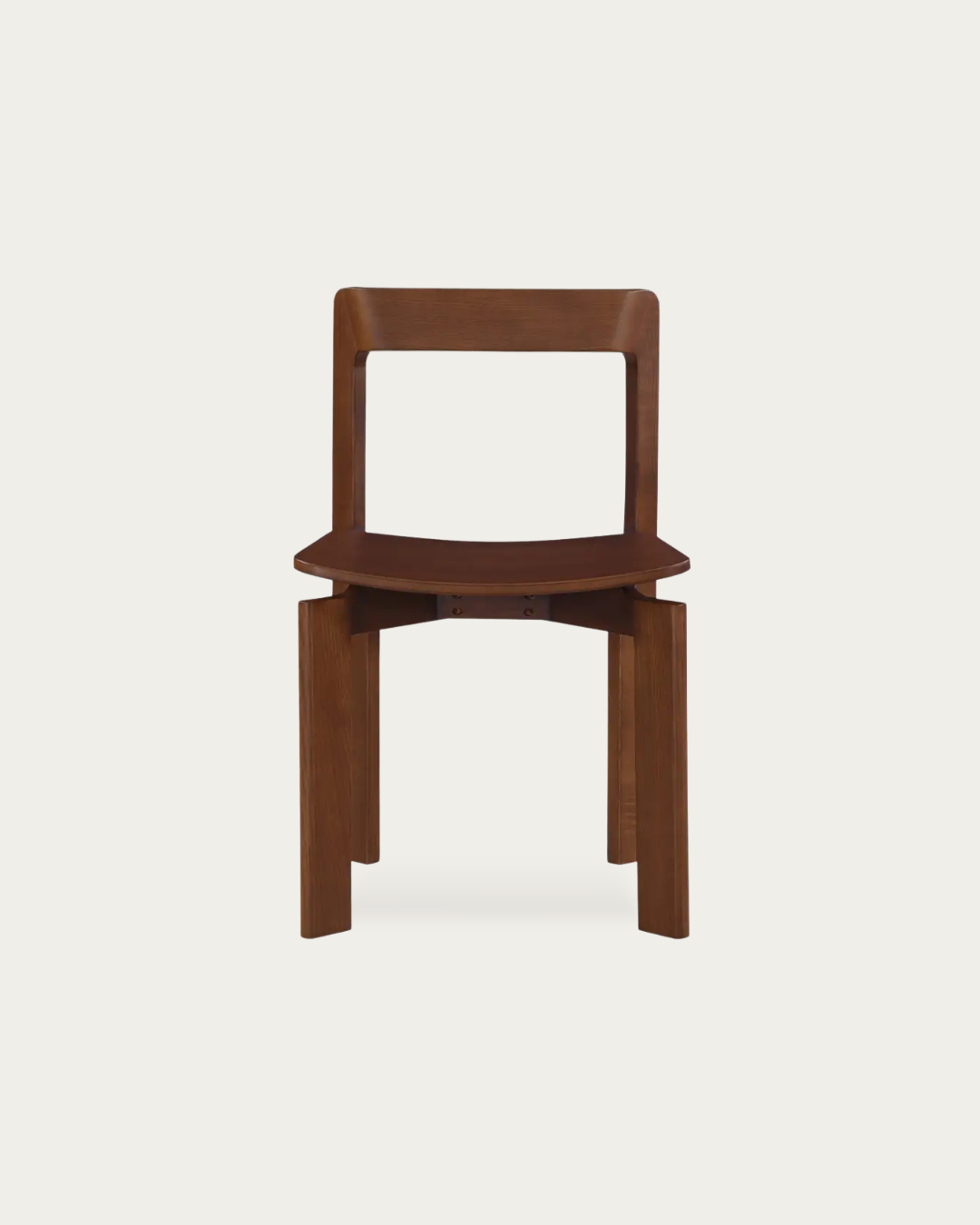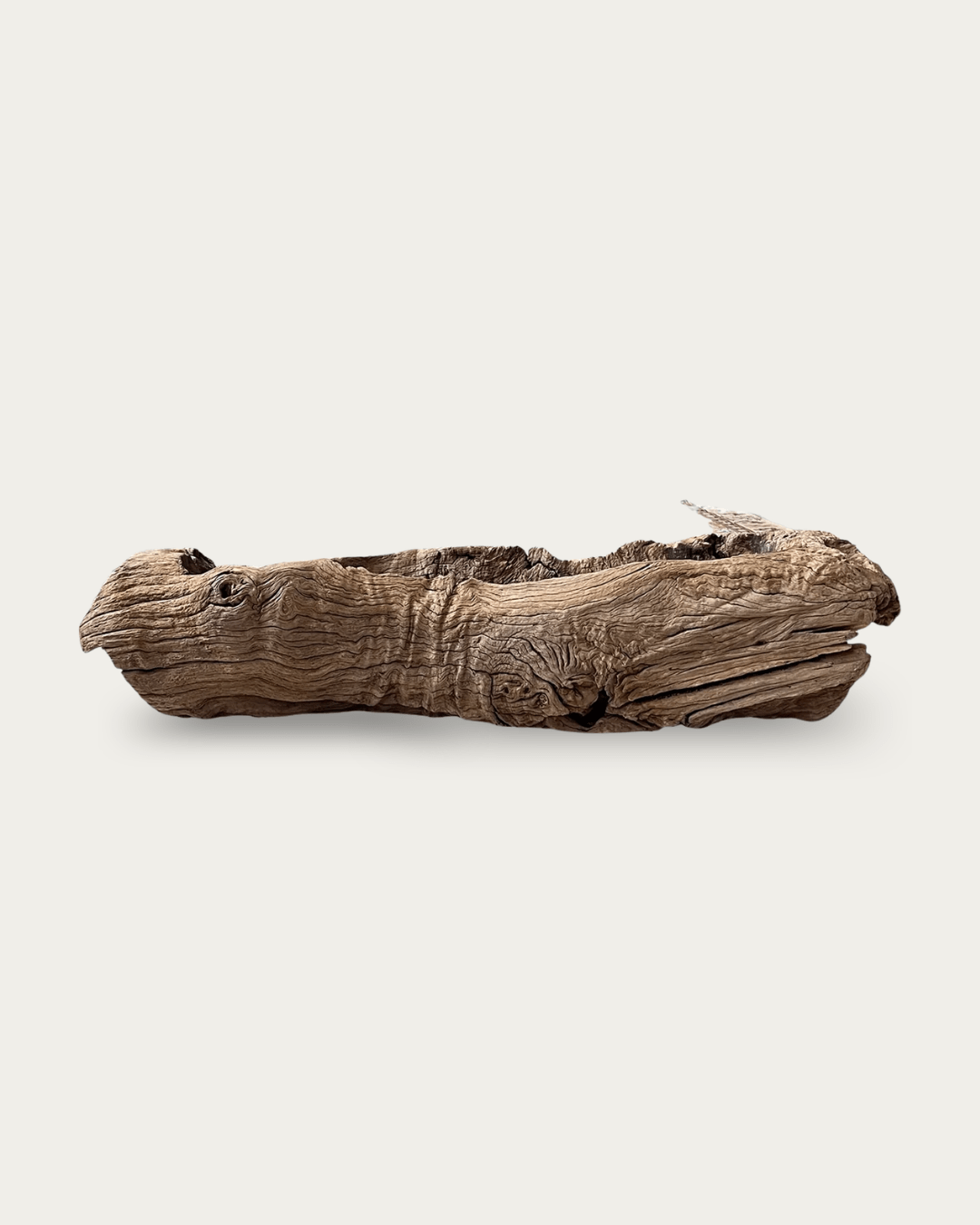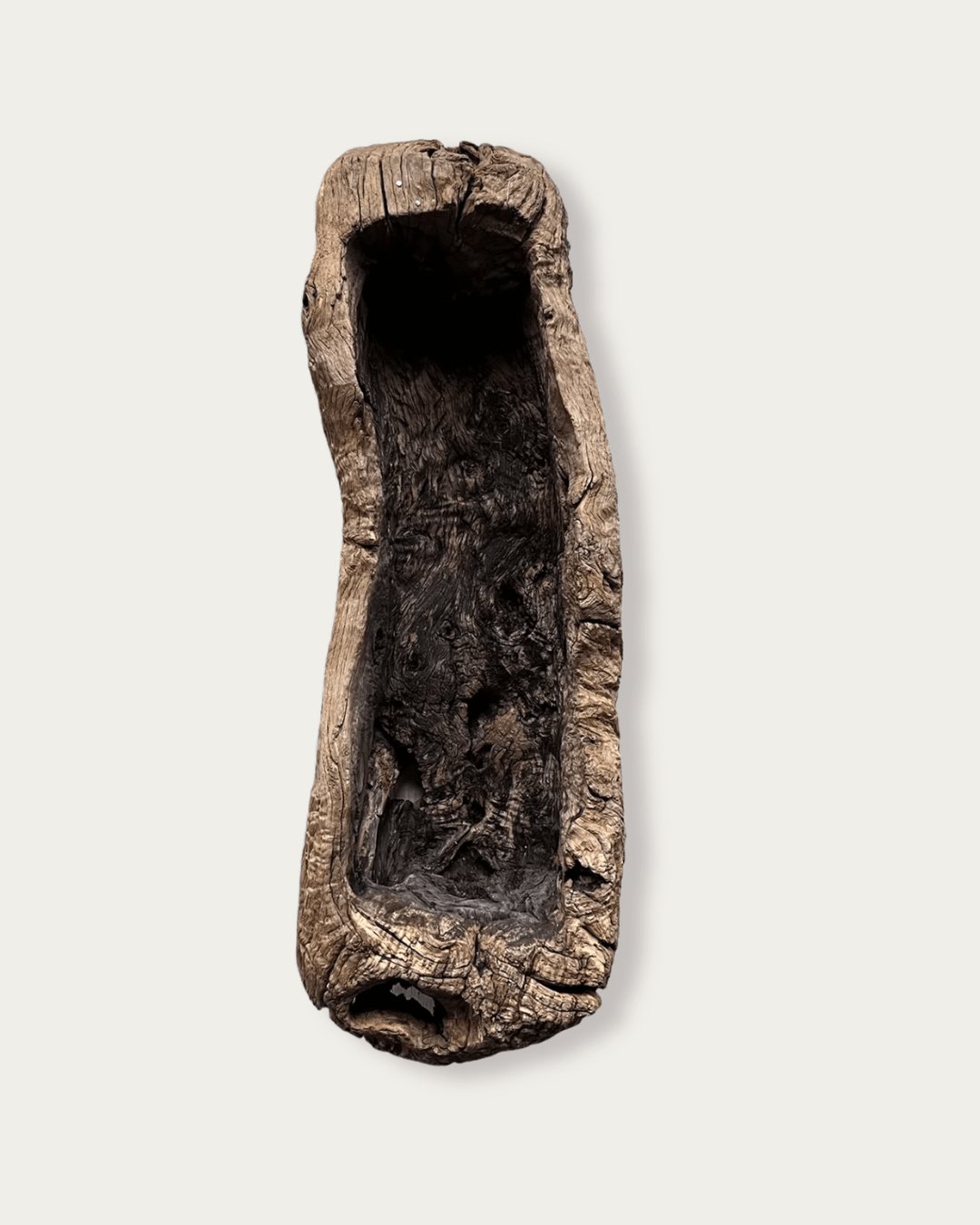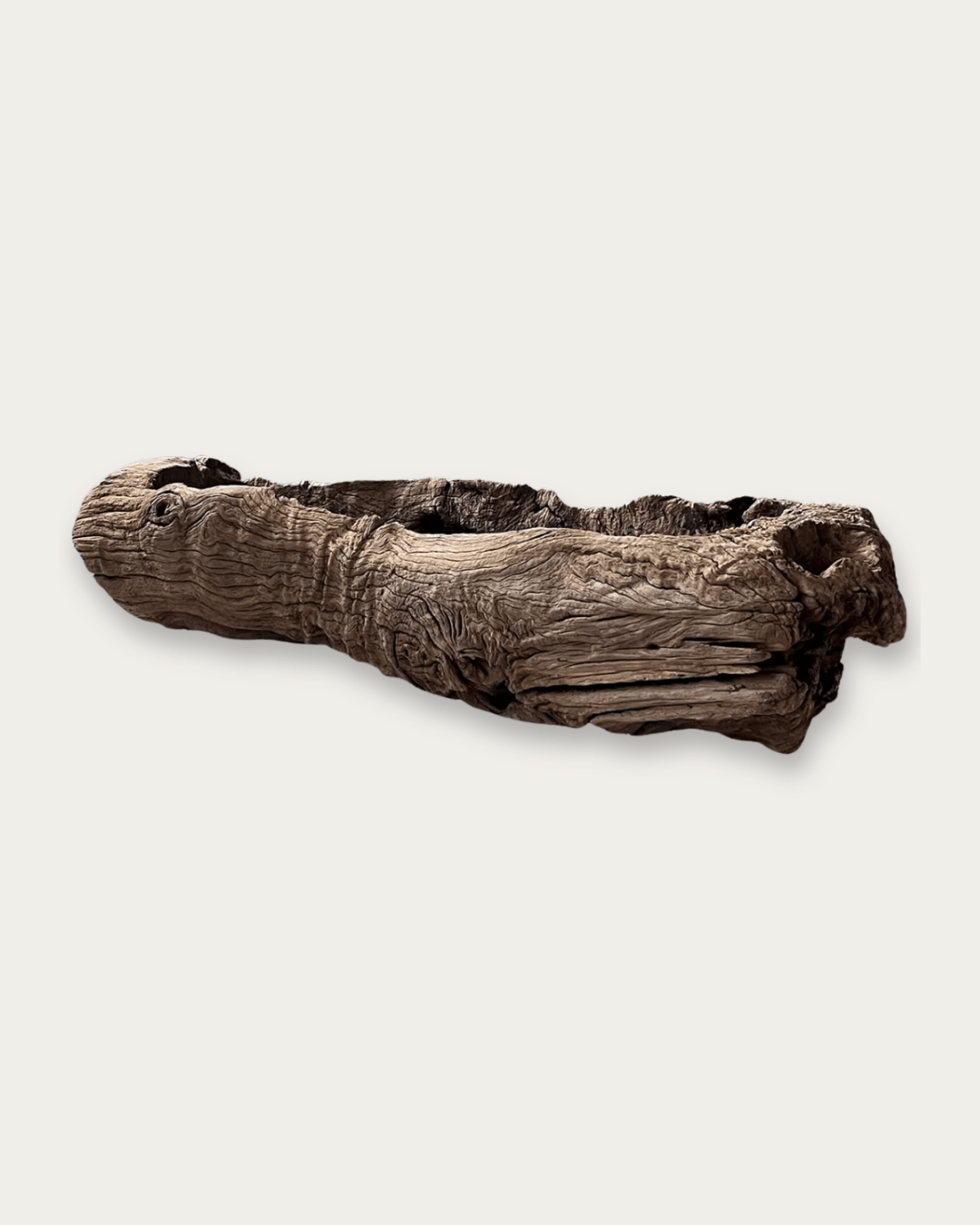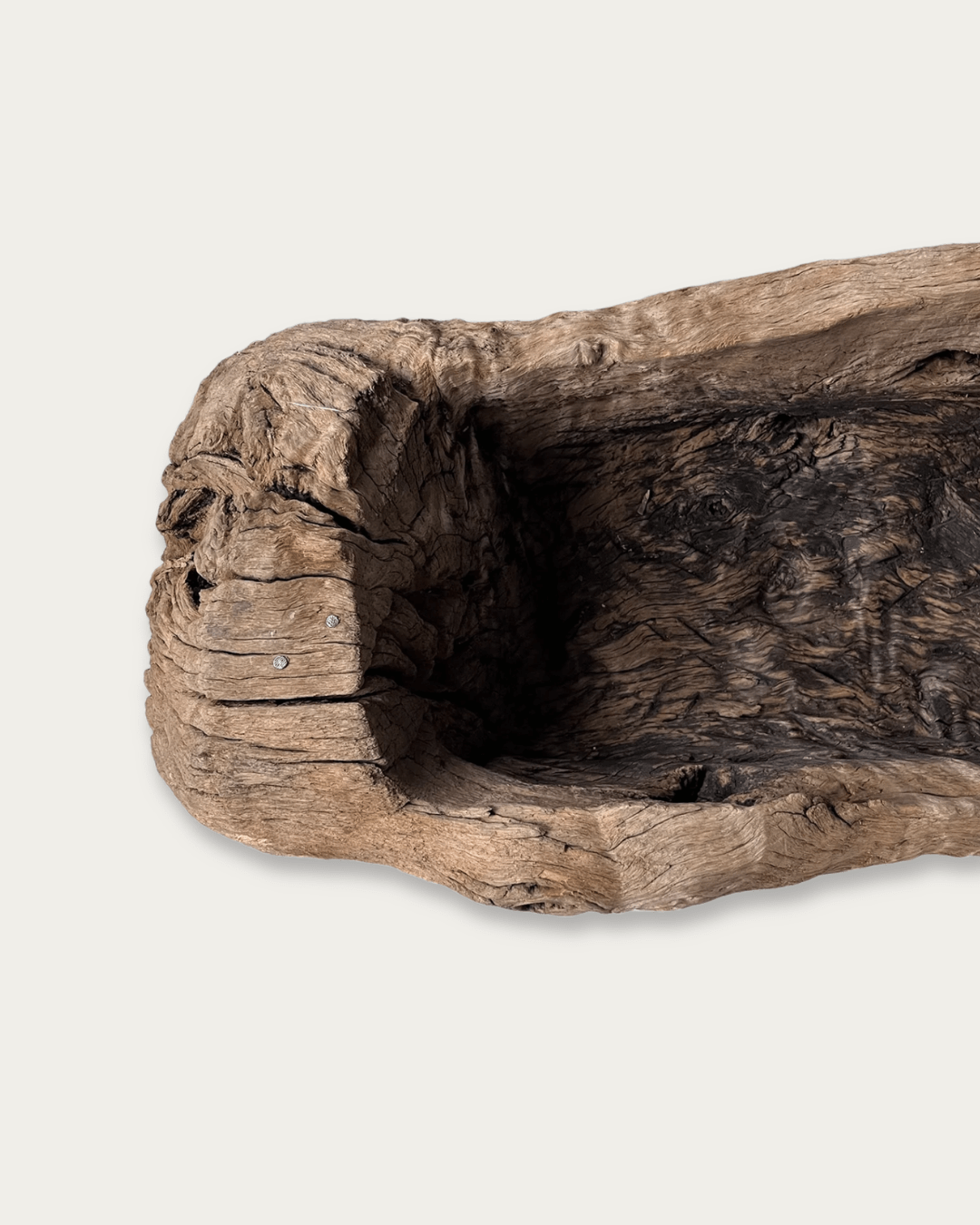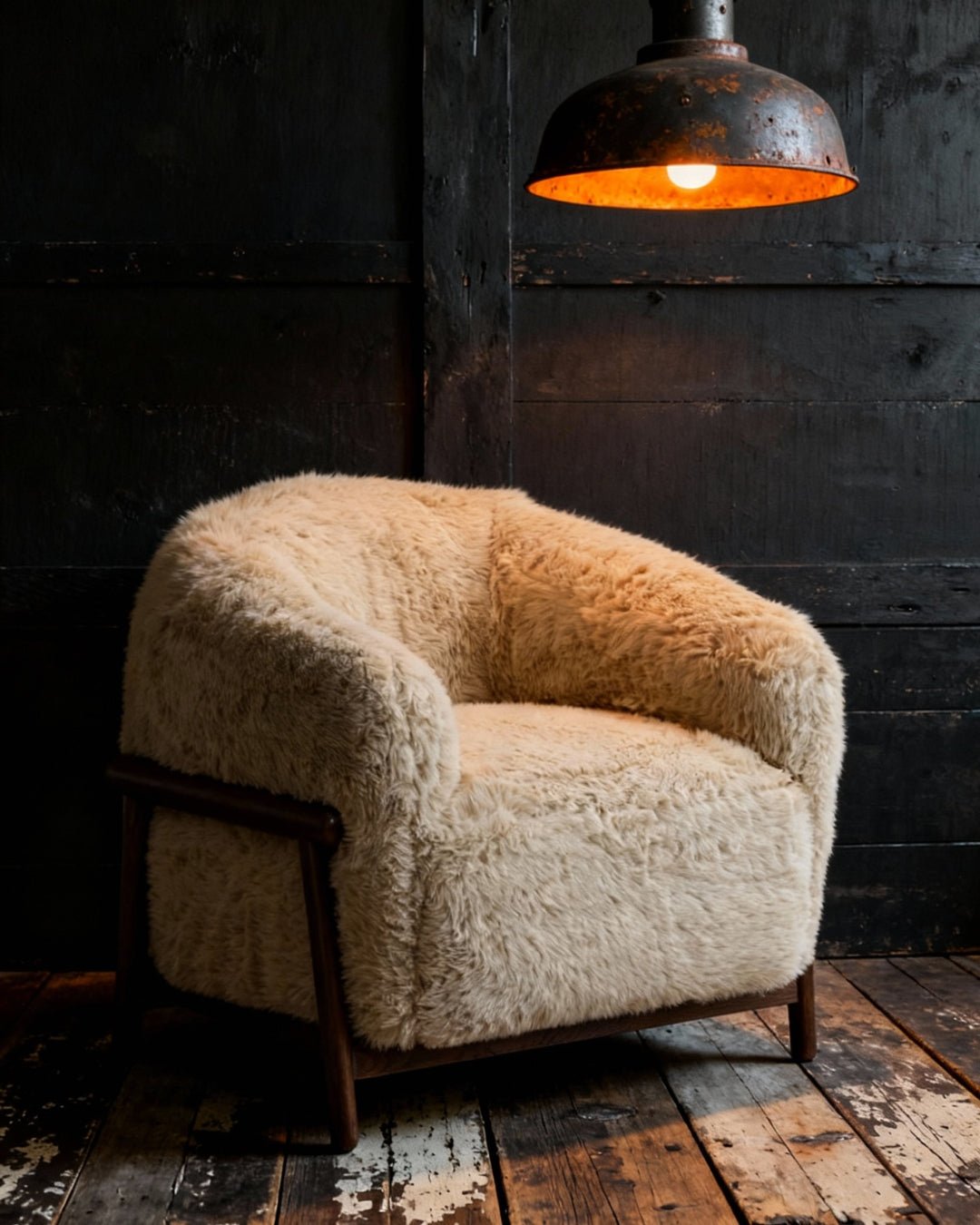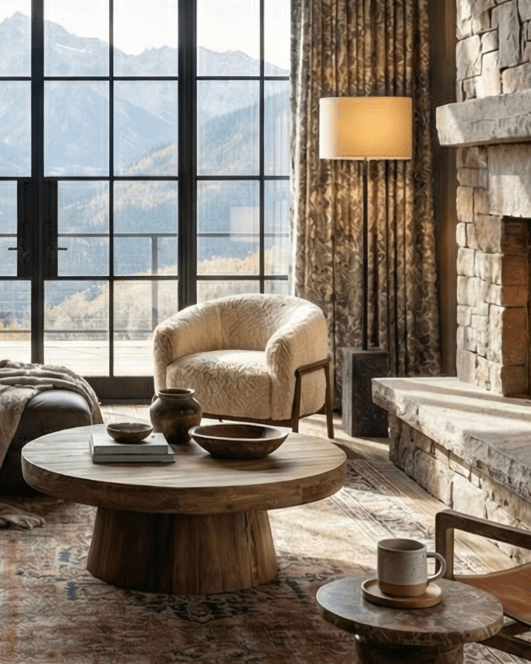








A lot of homes look finished but still feel unsettled.
The furniture matches. The walls are painted the “right” neutral. There’s a throw blanket folded somewhere for moral support. And yet the room still feels loud in a way nobody can fully explain.
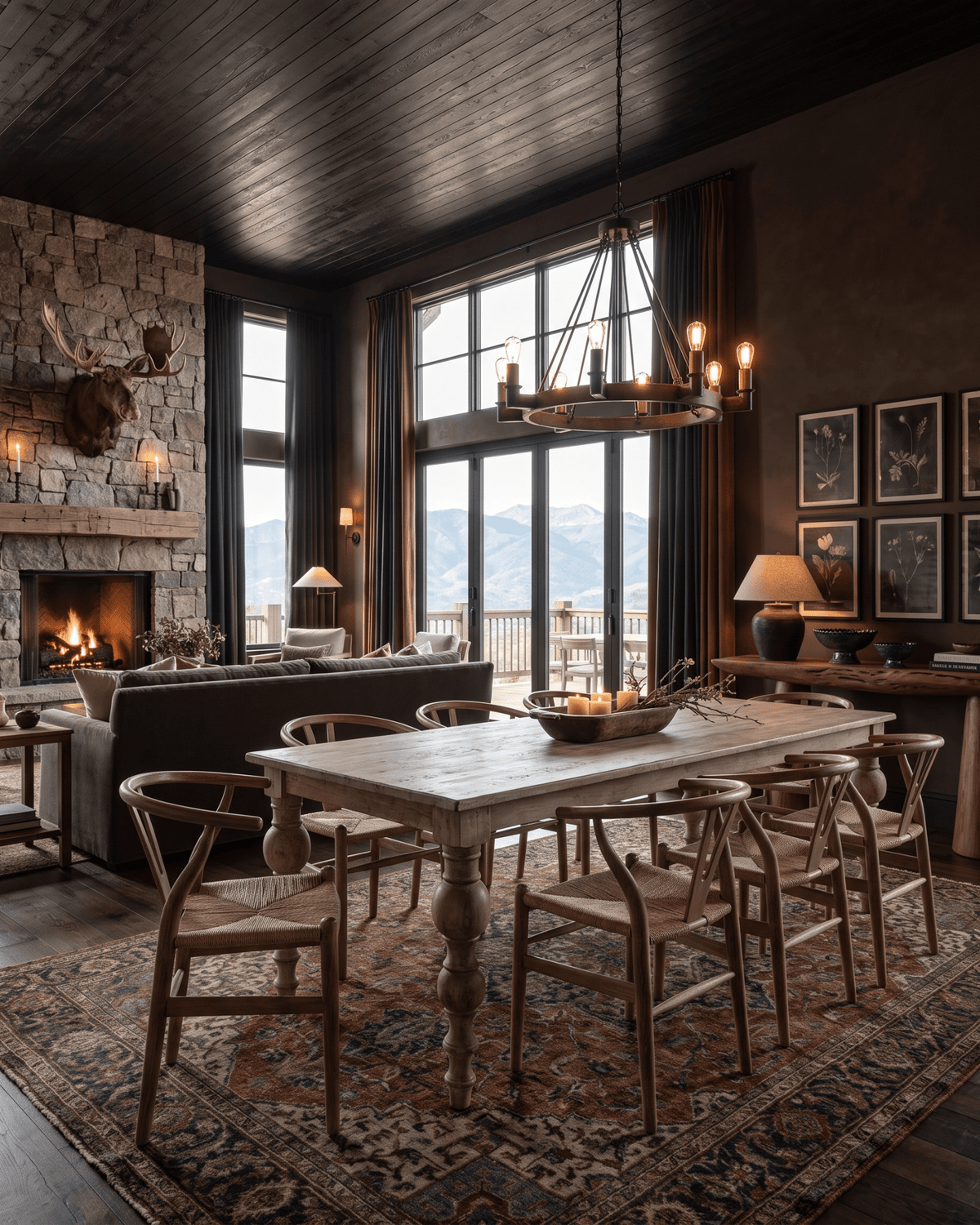
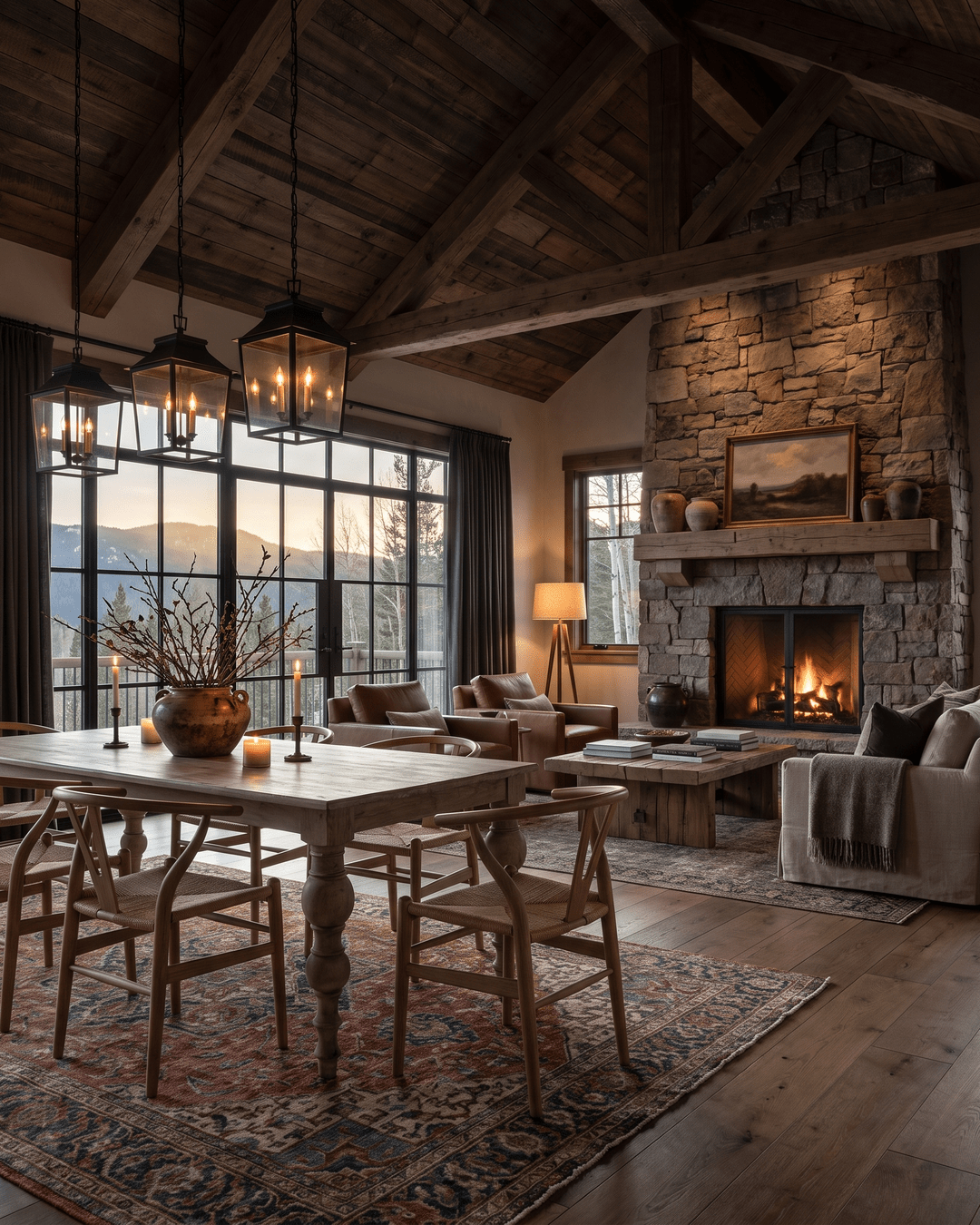
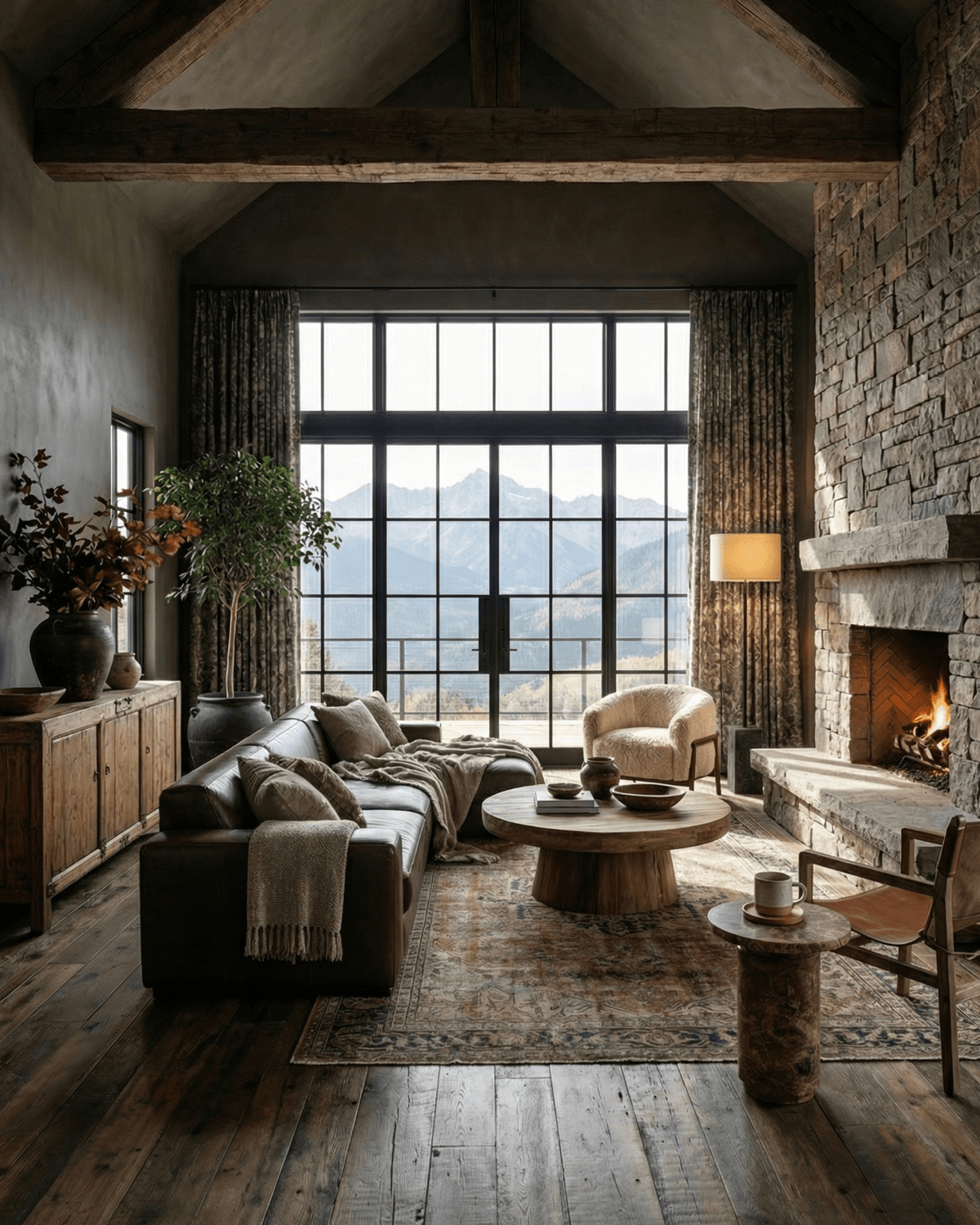
That’s partly why the idea of the modern mountain home has shifted so dramatically over the last few years. People are no longer chasing rustic performance or hyper-styled cabin aesthetics. They’re craving spaces that feel grounding to live in. Rooms that soften visual chaos instead of adding to it. Interiors that support slower rhythms, better conversations, and fewer sensory interruptions.
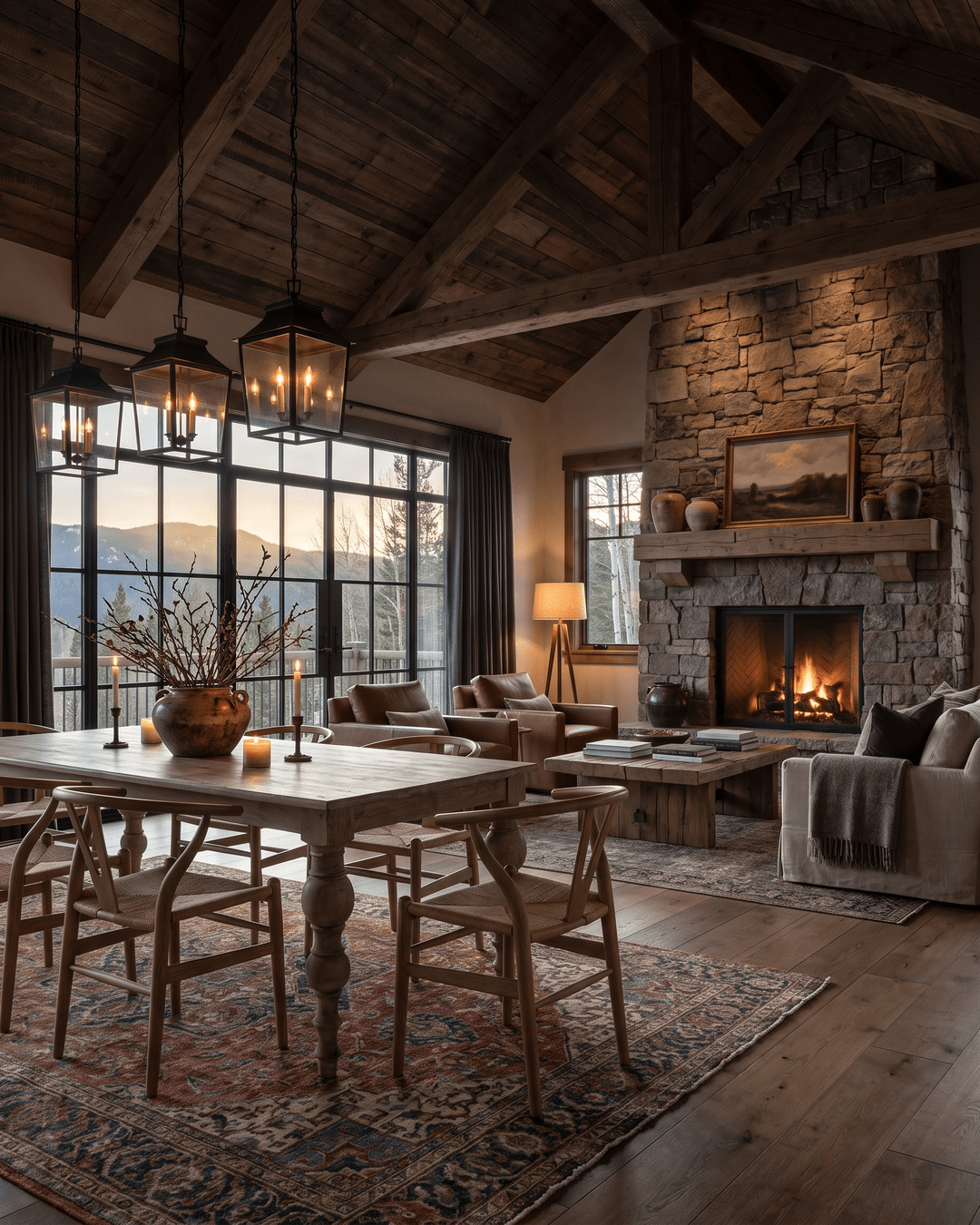
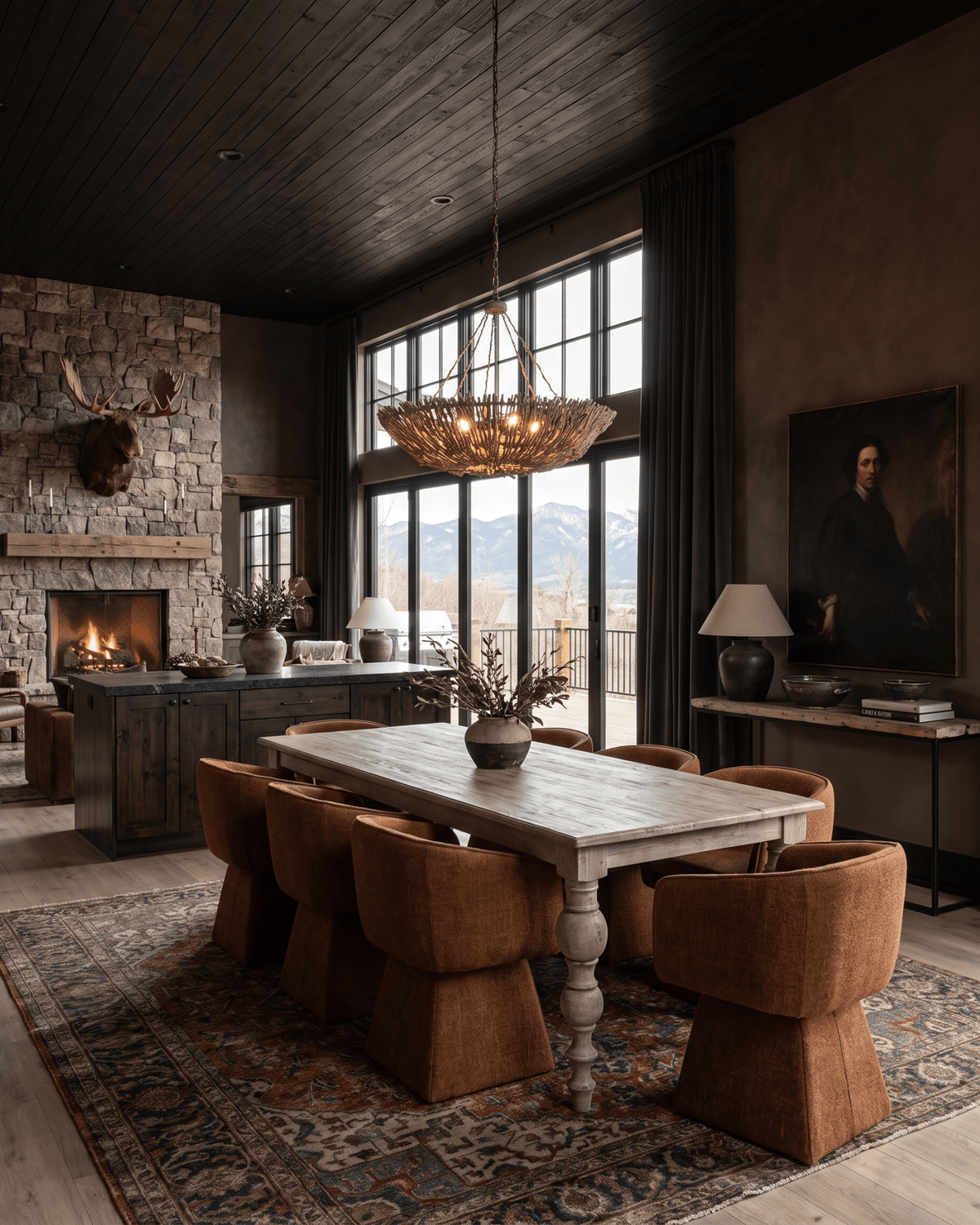
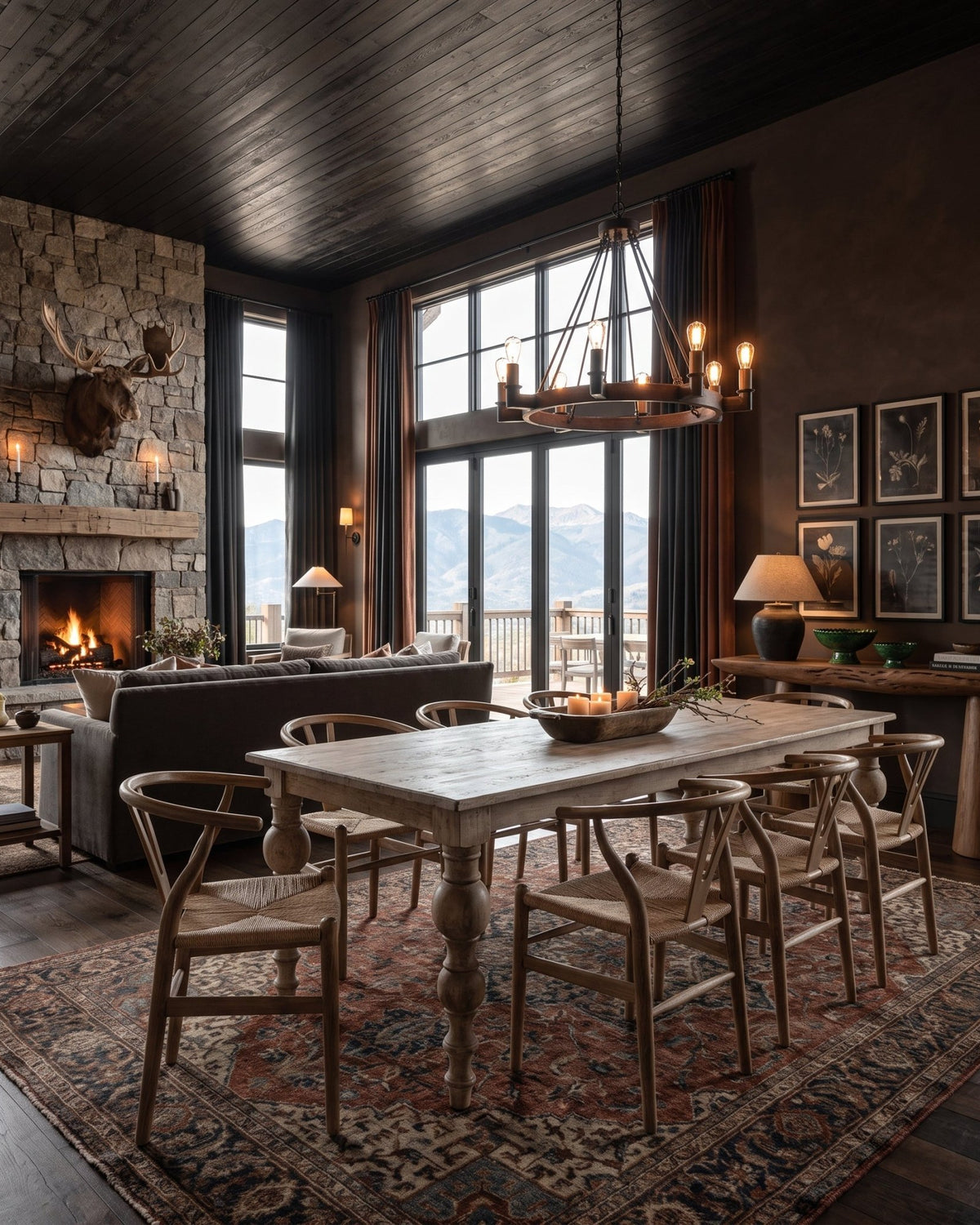
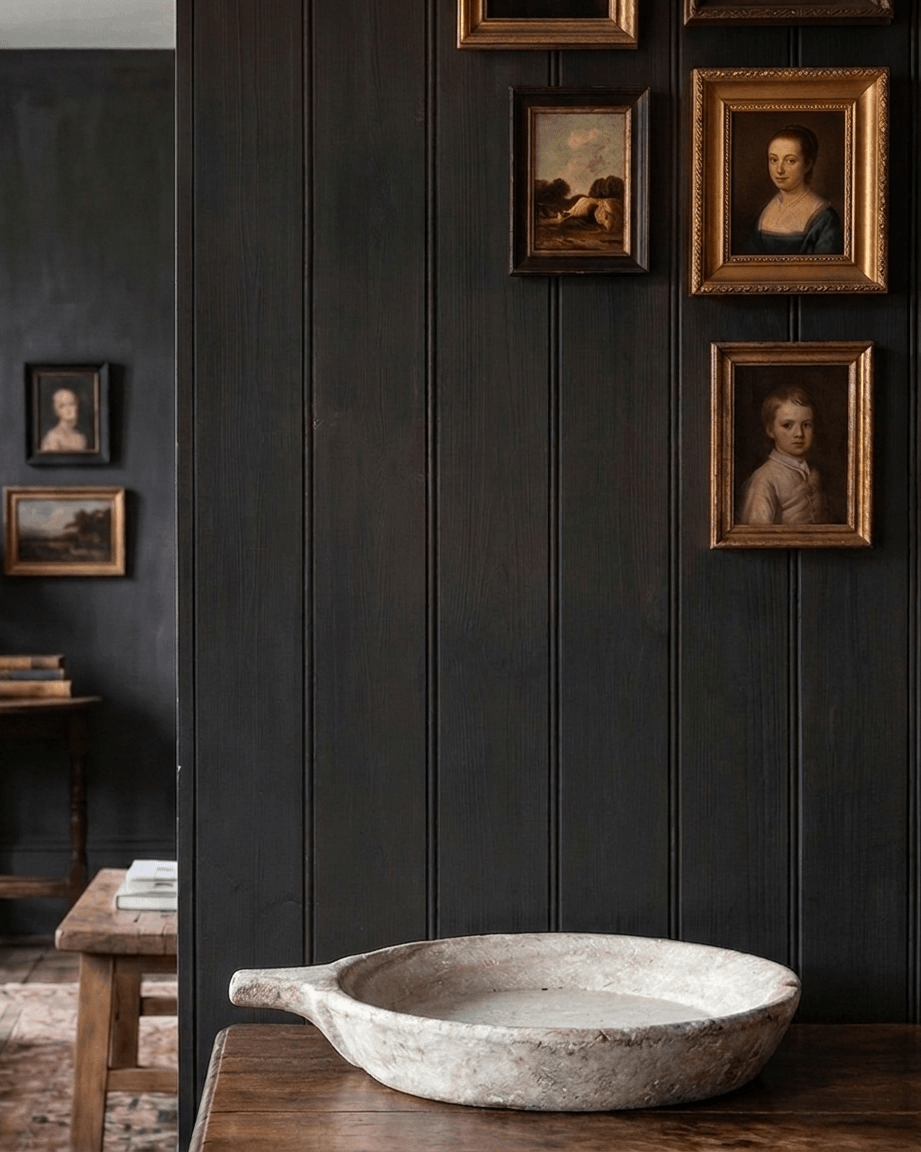
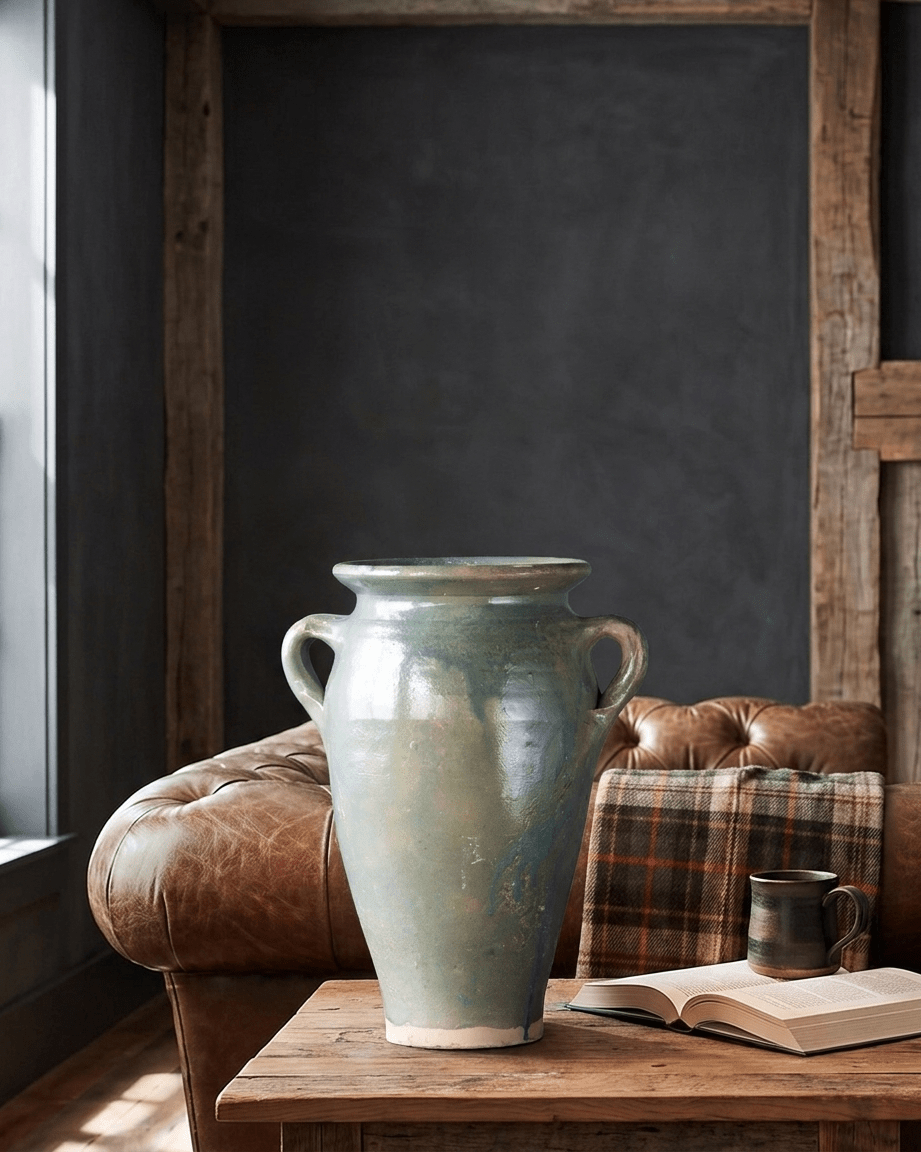
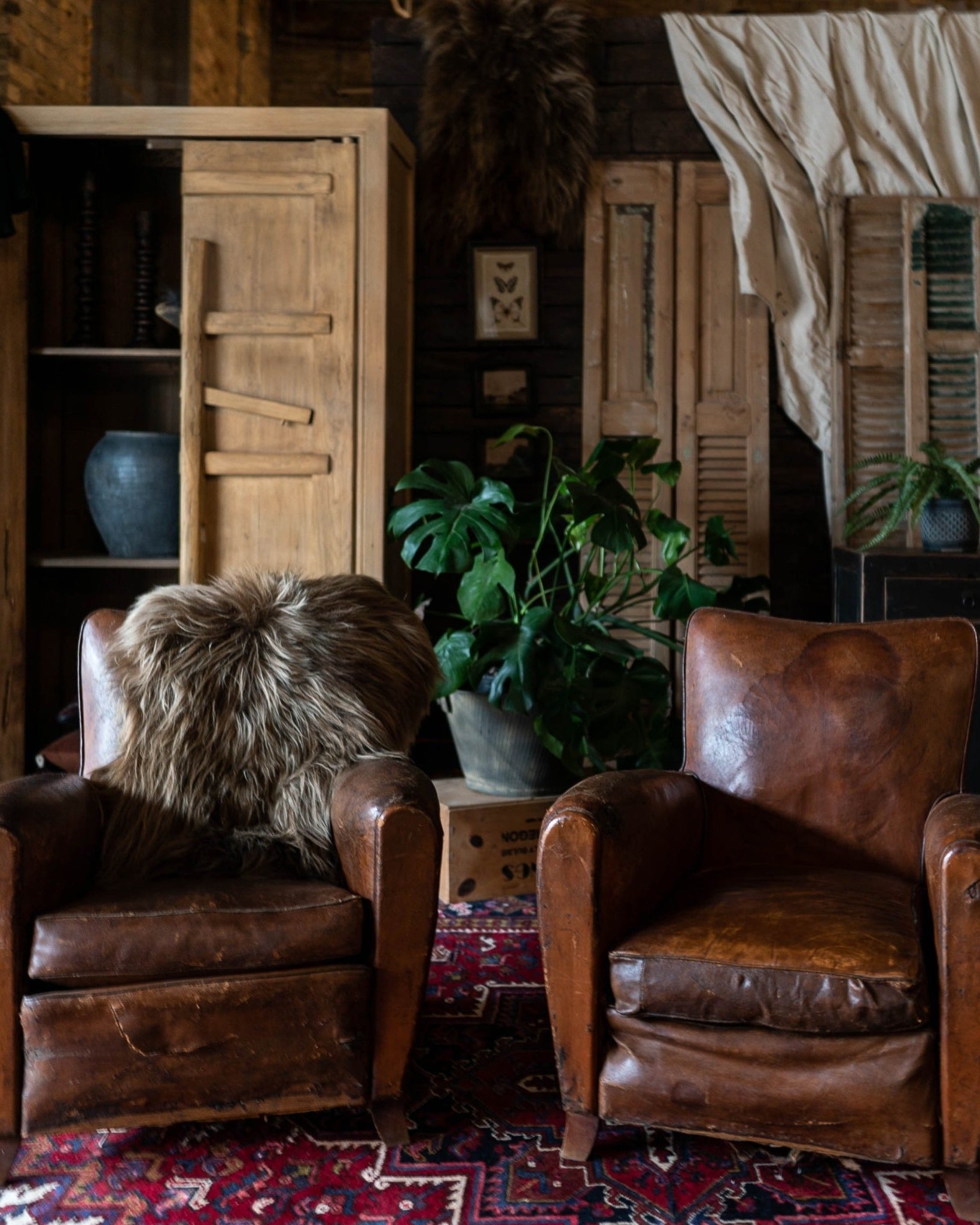
The best modern mountain homes don’t rely on perfection. They rely on material honesty, visual weight, layered texture, and restraint.
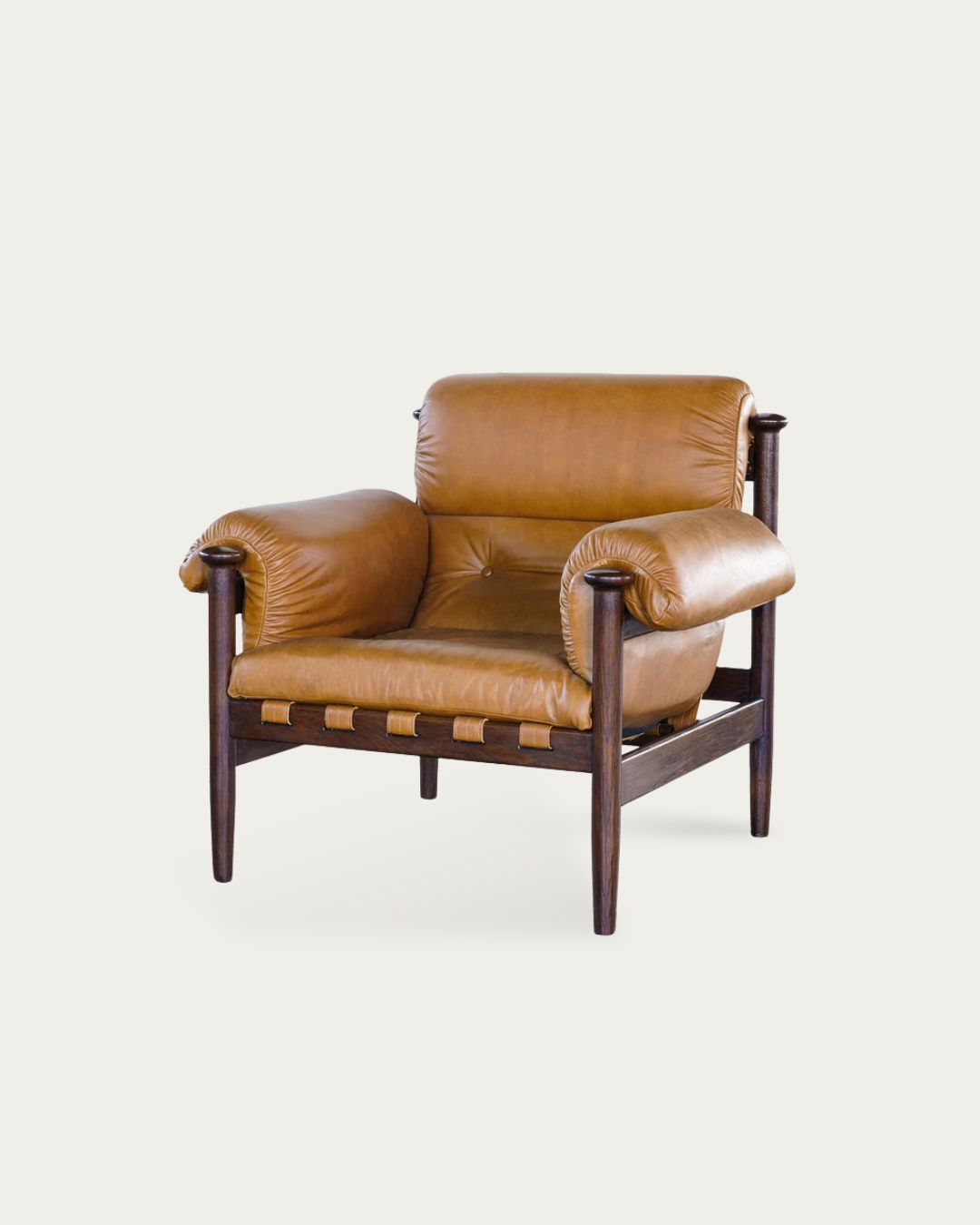
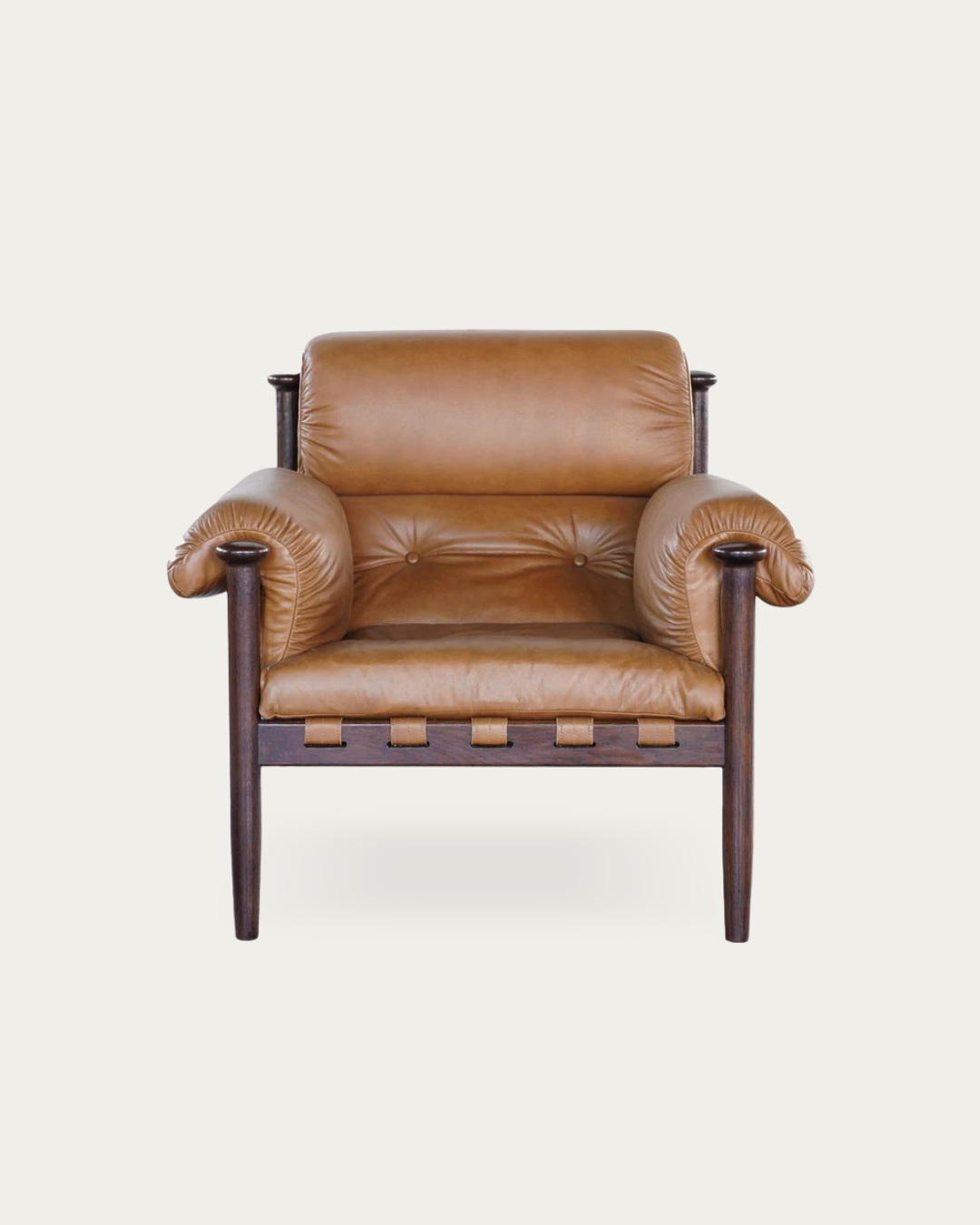
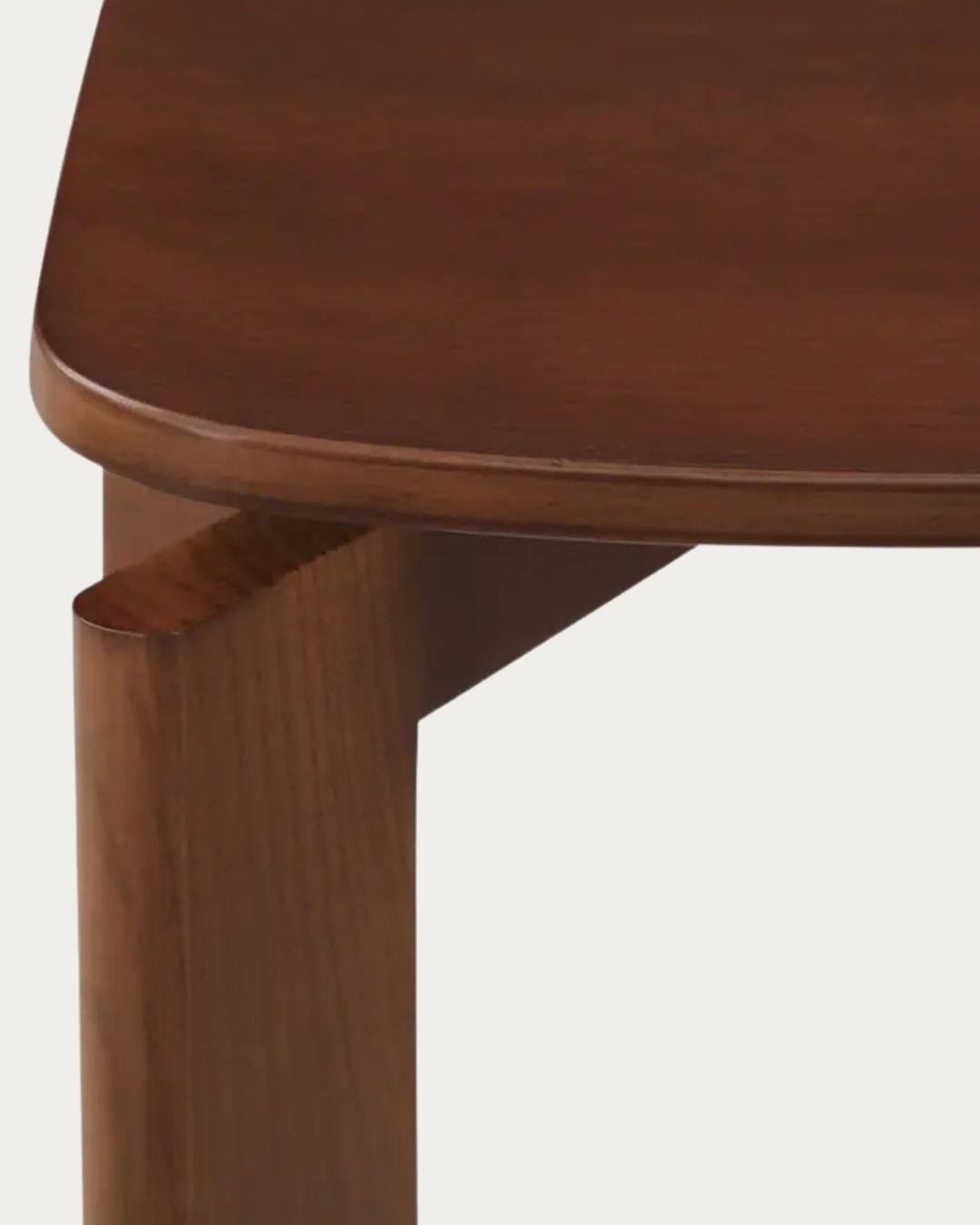
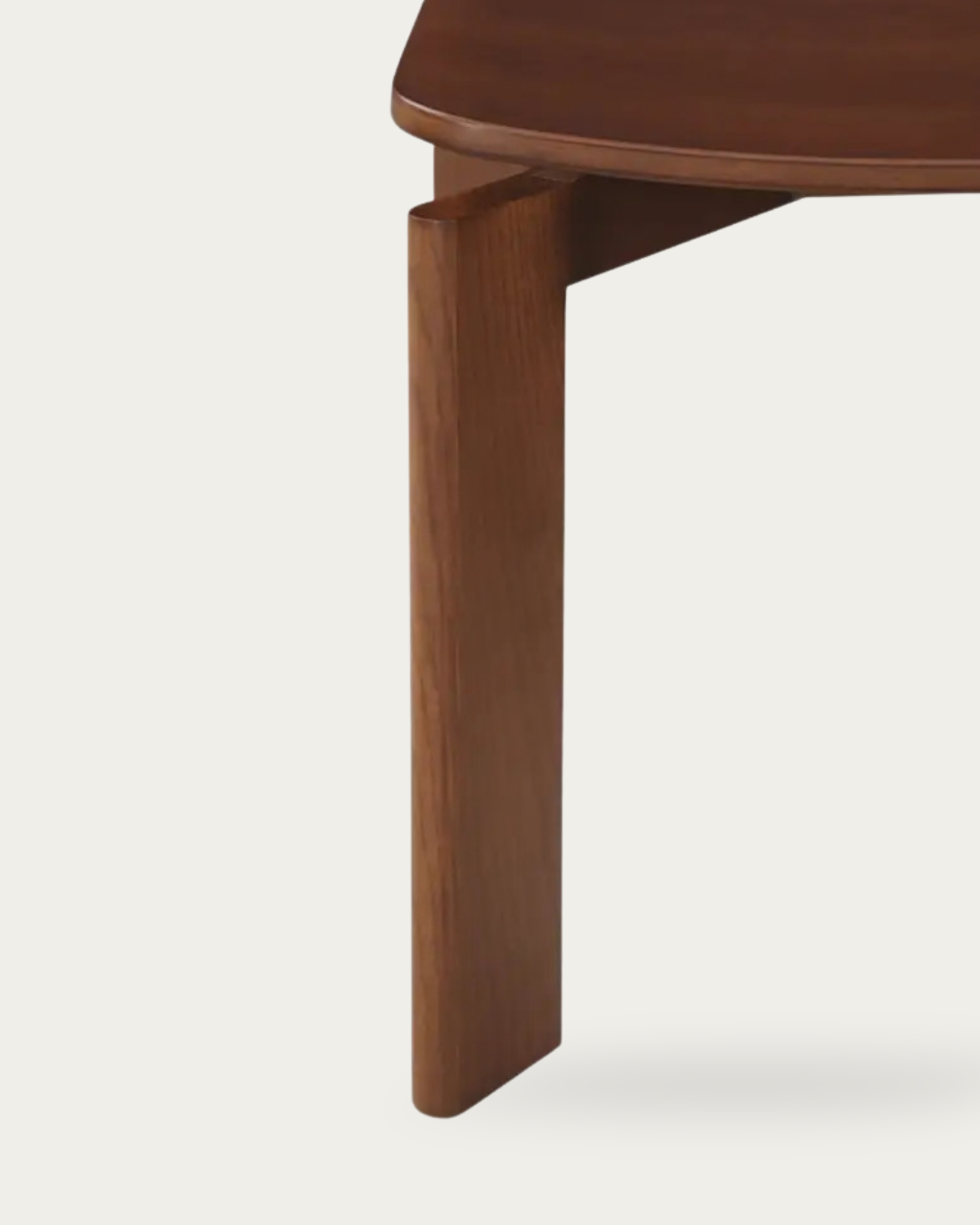
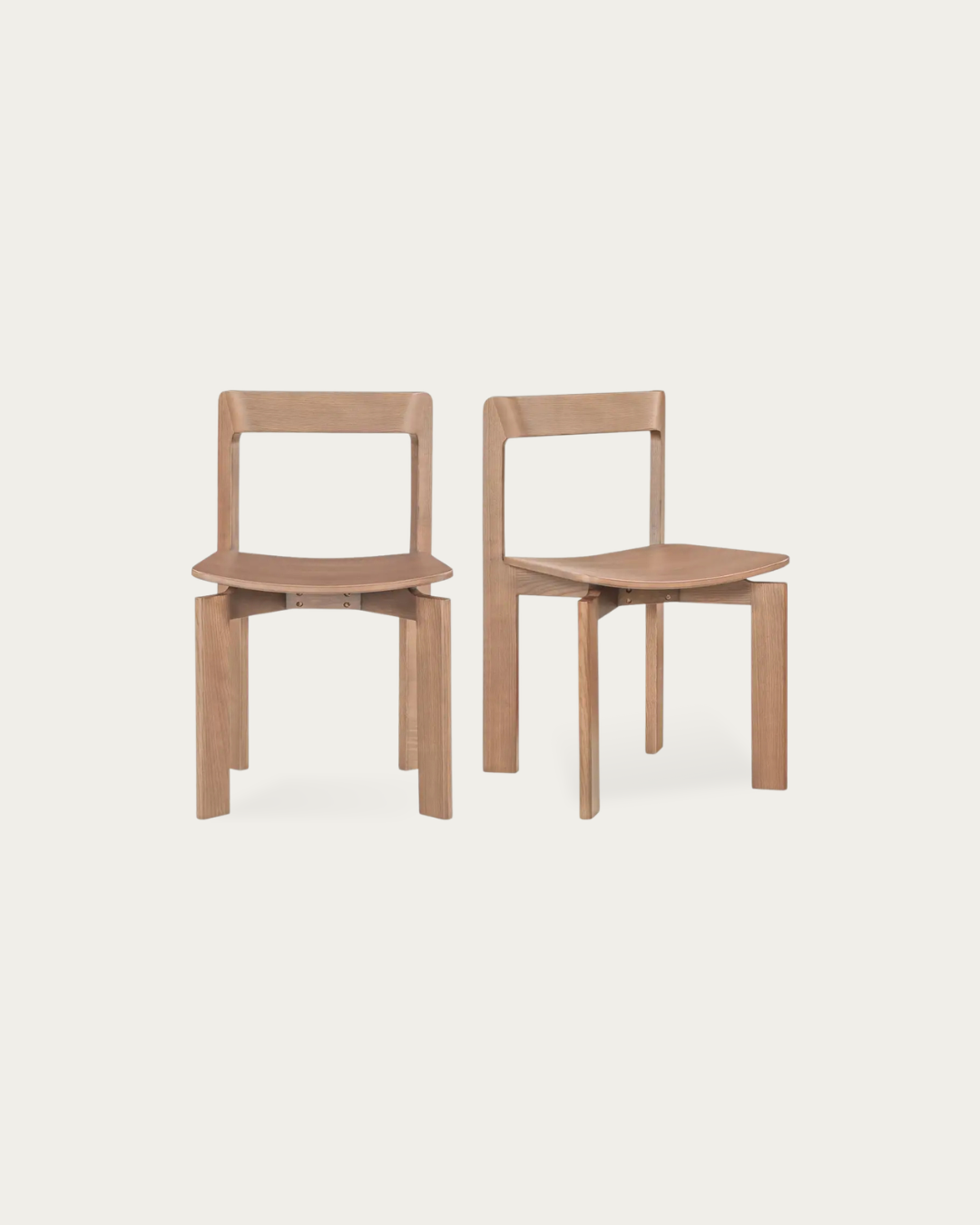
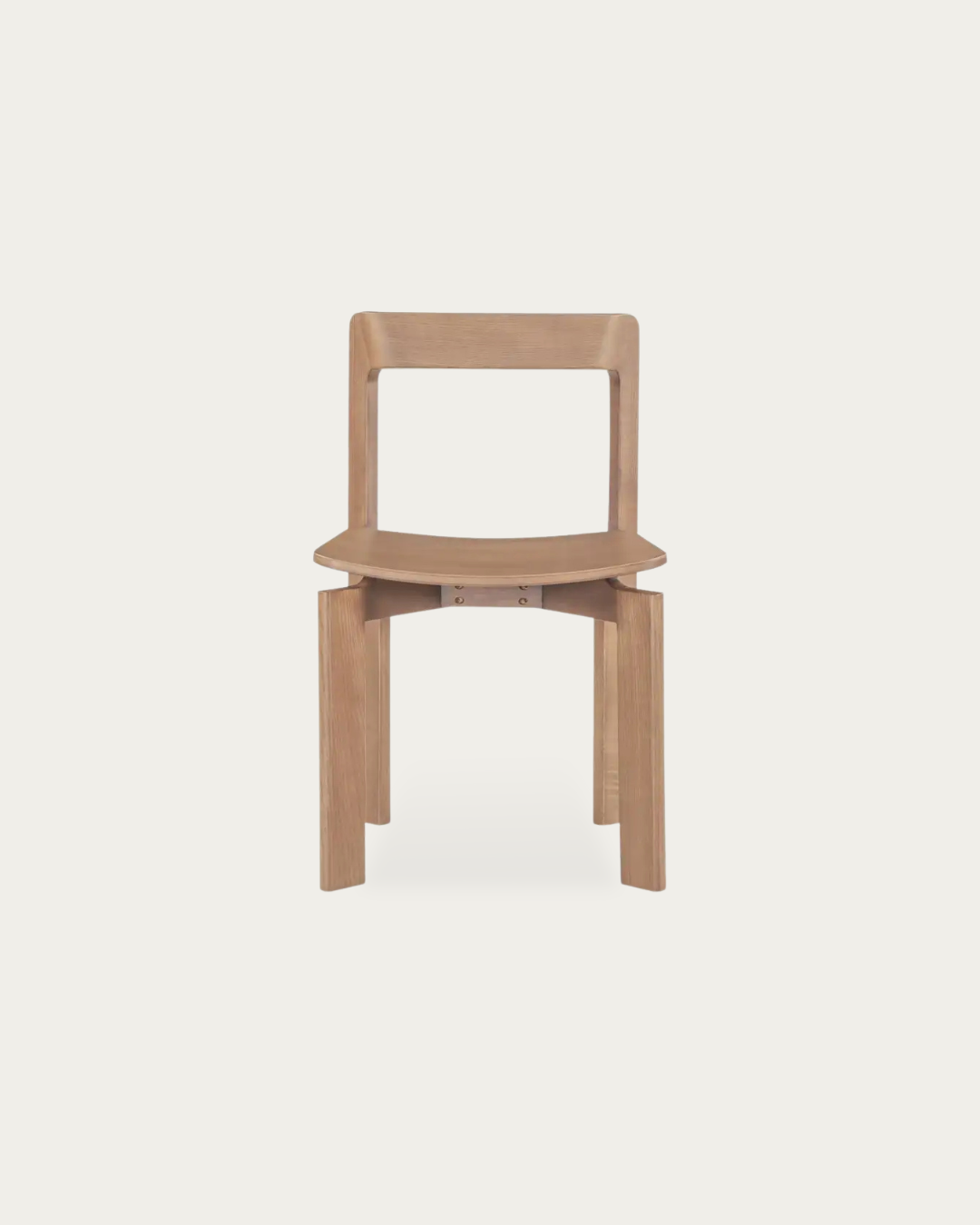
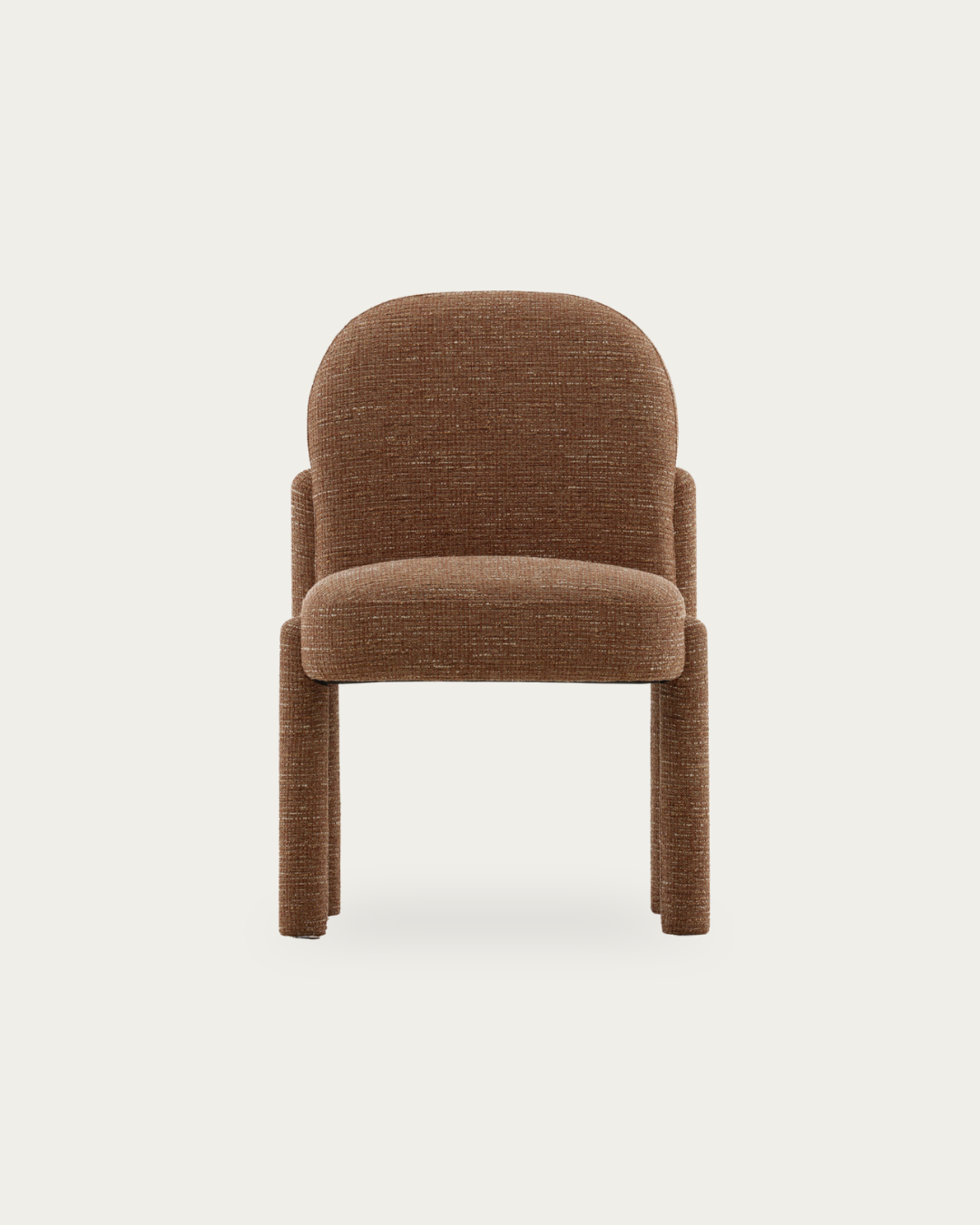
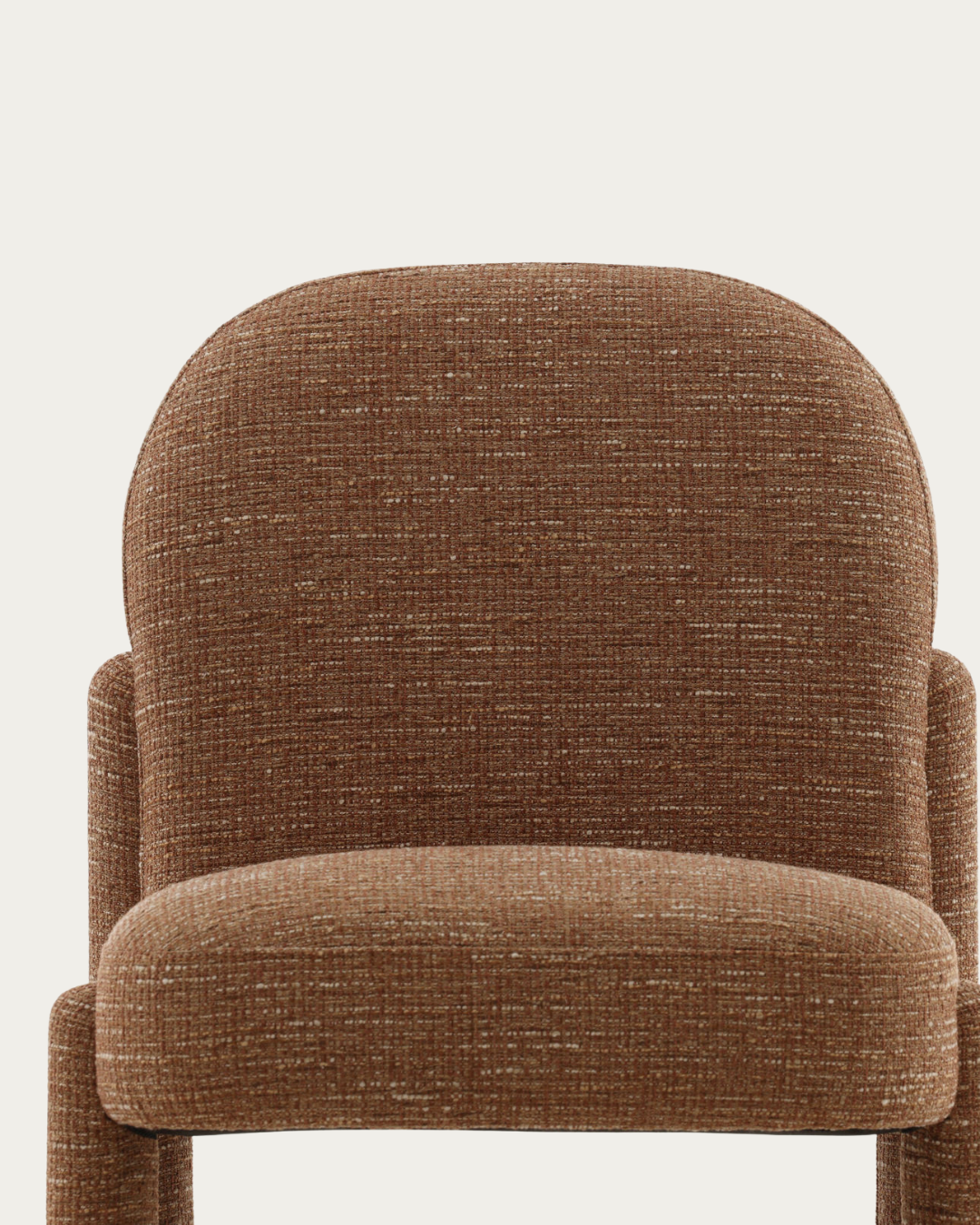
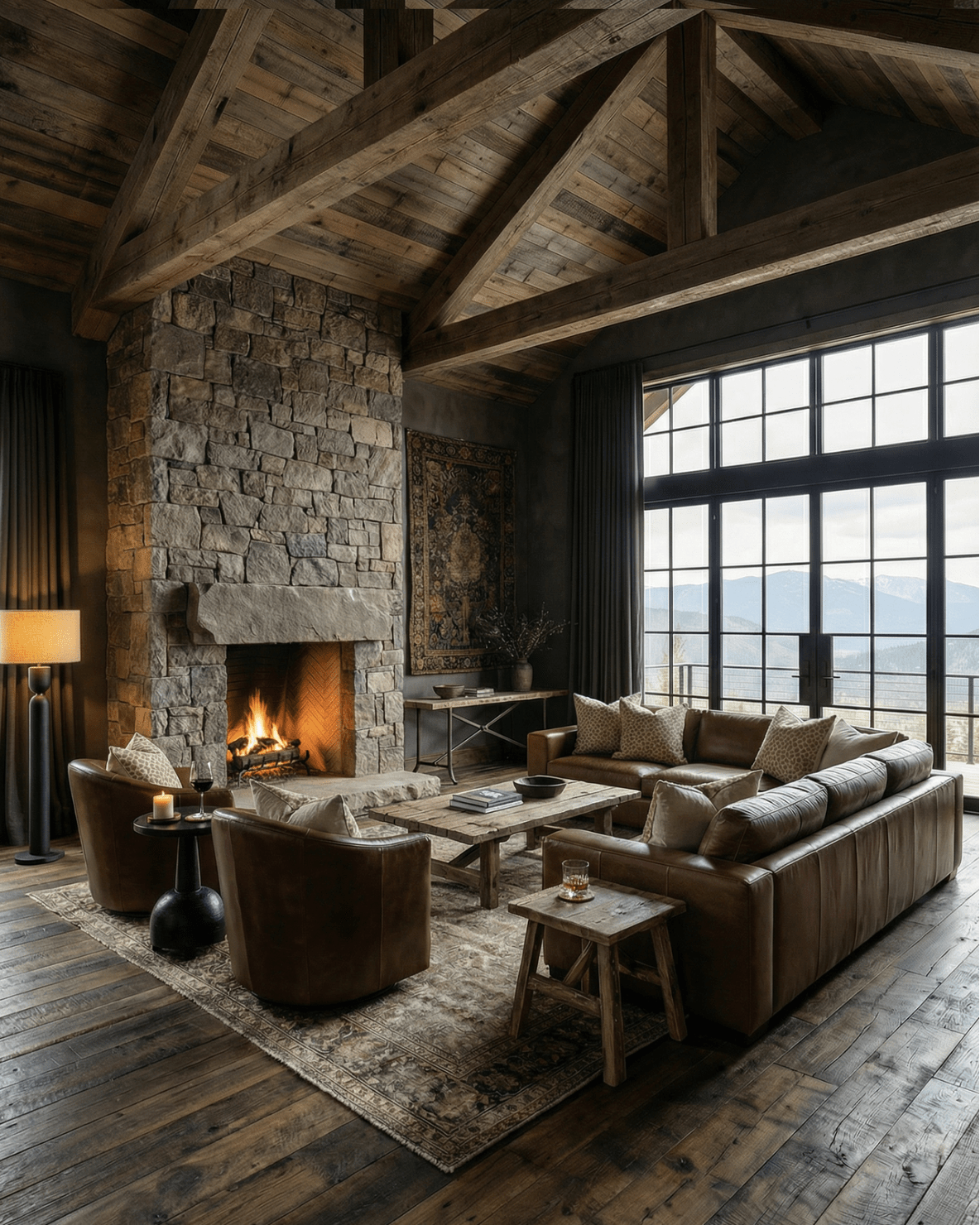
Many of the strongest spaces begin with substantial pieces from the Living room collection that visually anchor the room before any styling objects even enter the picture.
Weight Changes the Feeling of a Room Faster Than Decor Does
One oversized sofa will usually regulate a room more effectively than fifteen decorative objects.
That sounds dramatic until you actually test it.
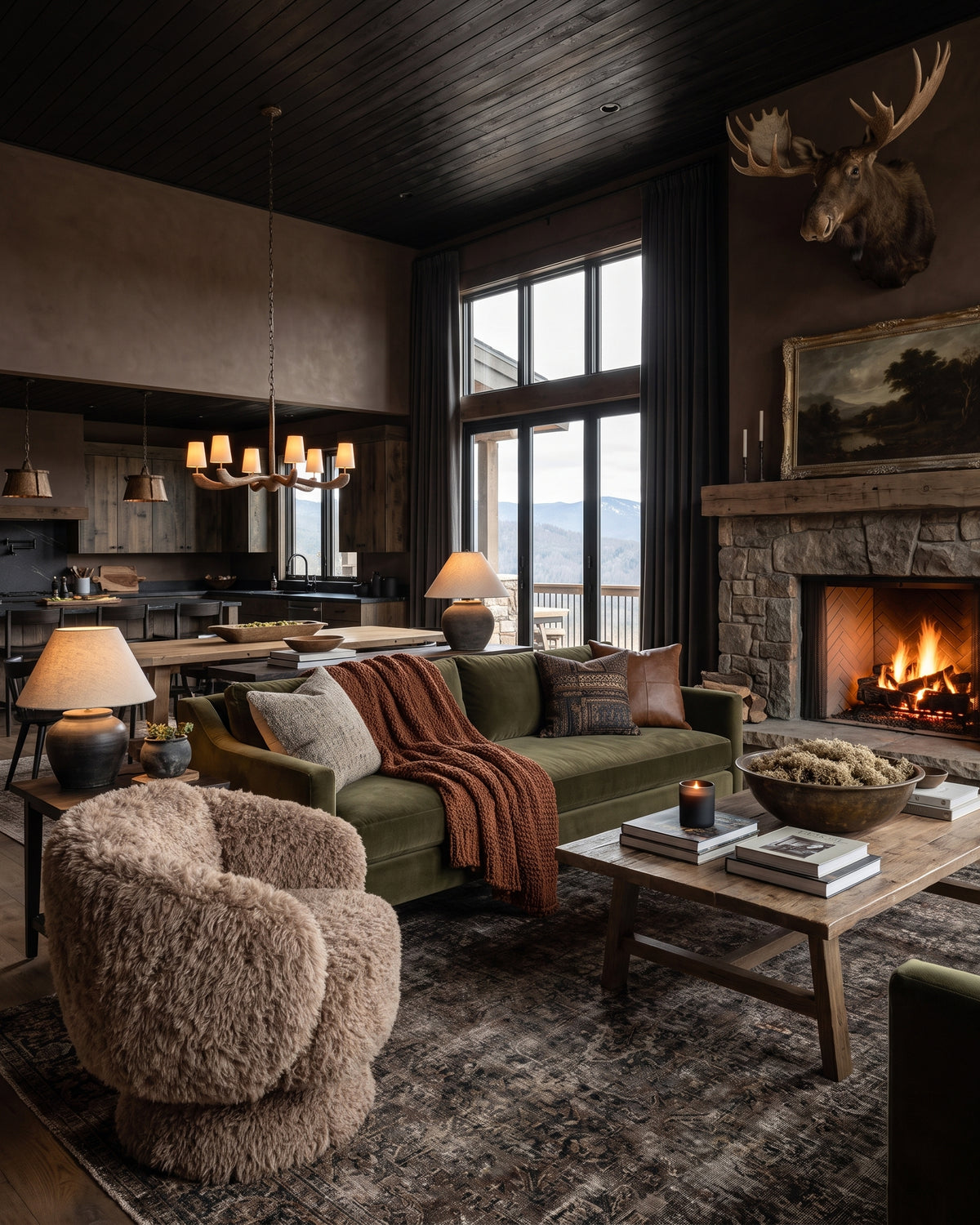
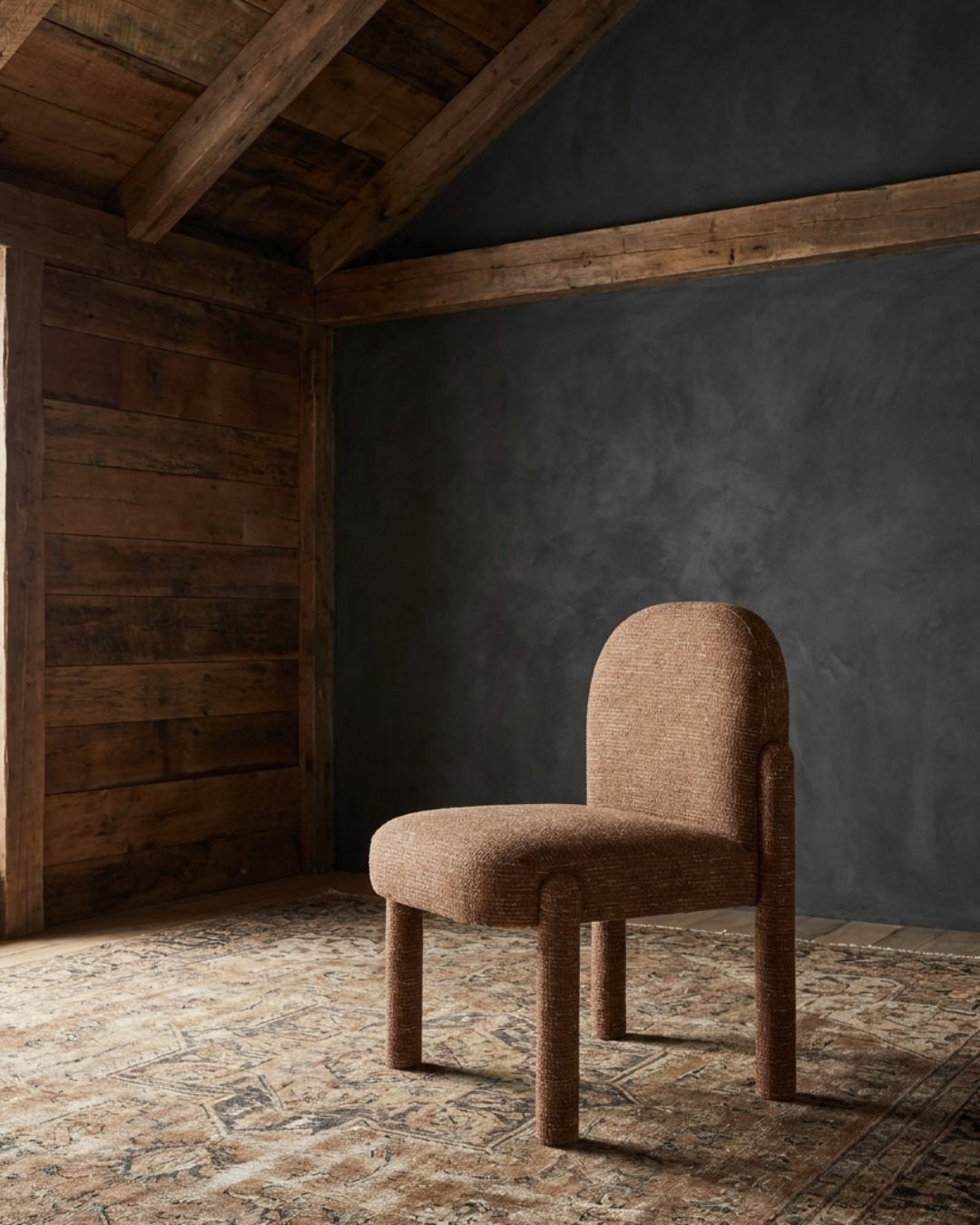
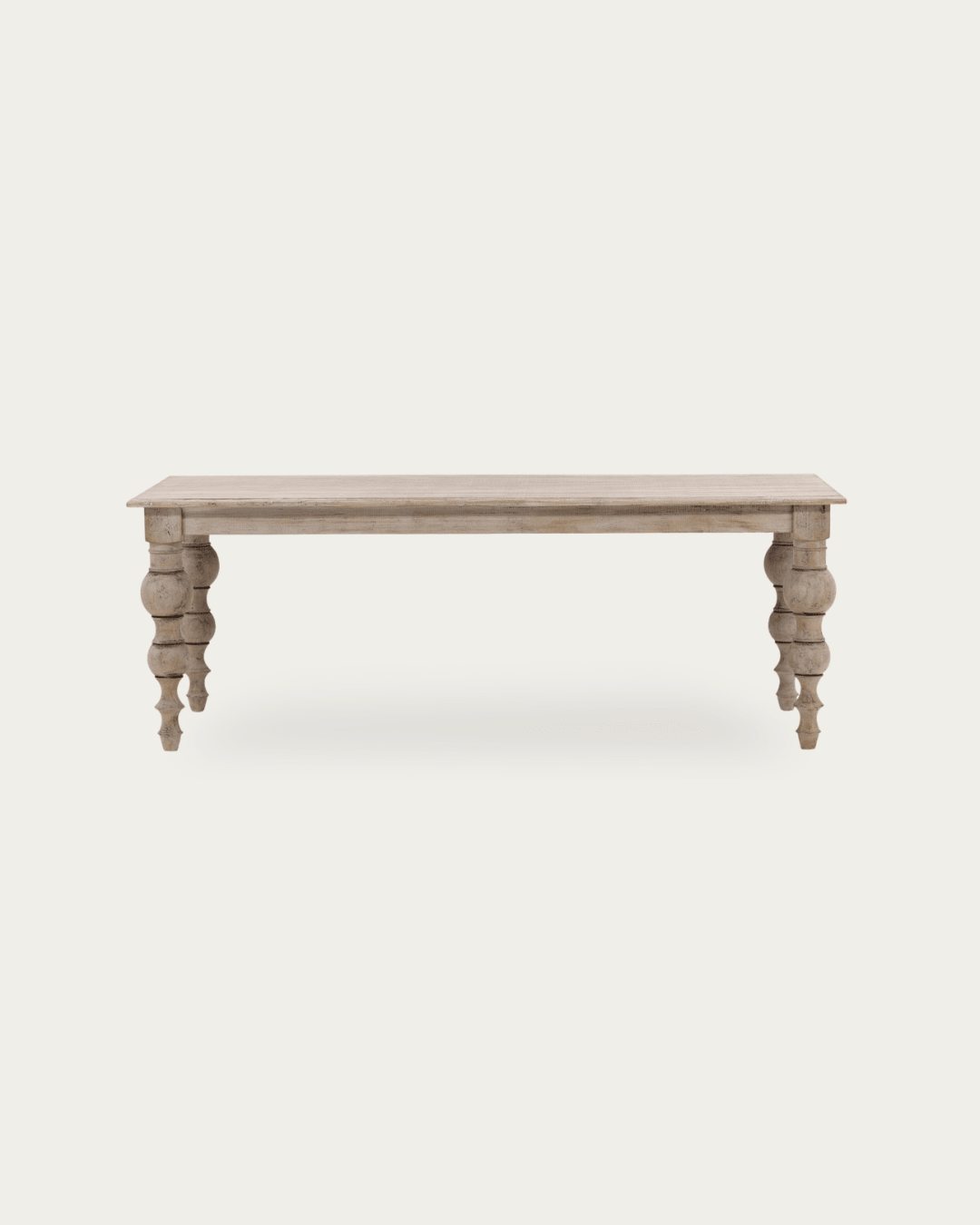
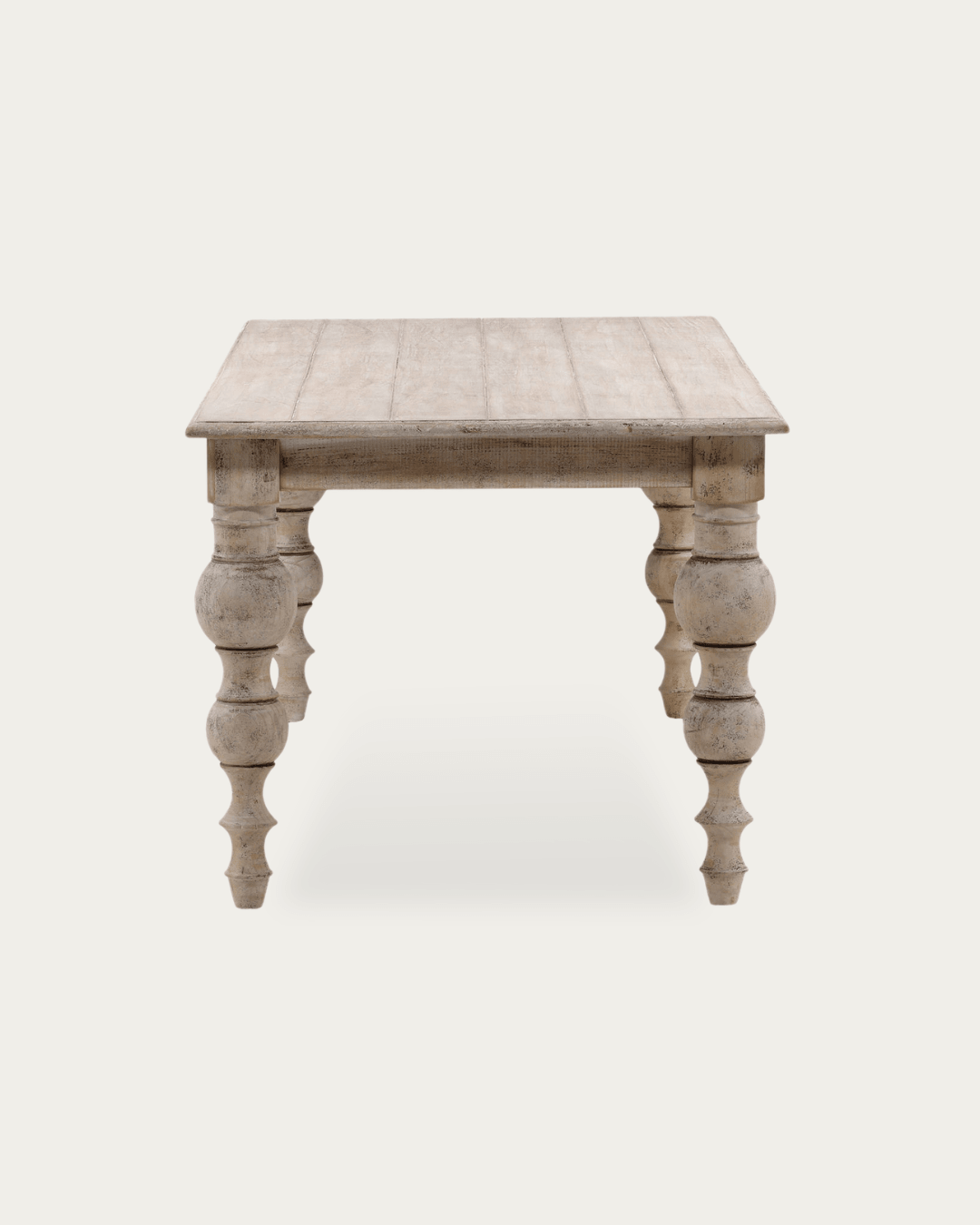
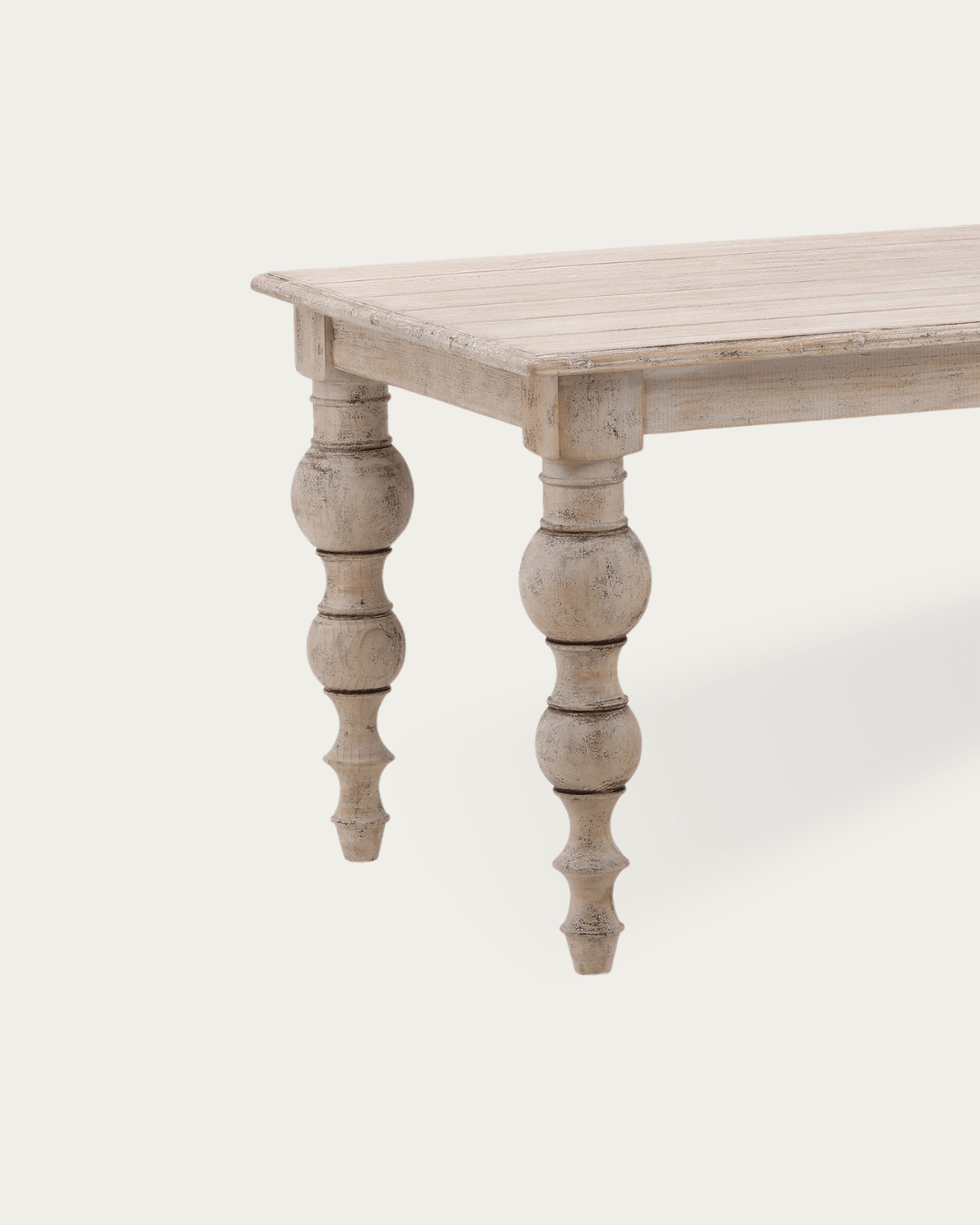
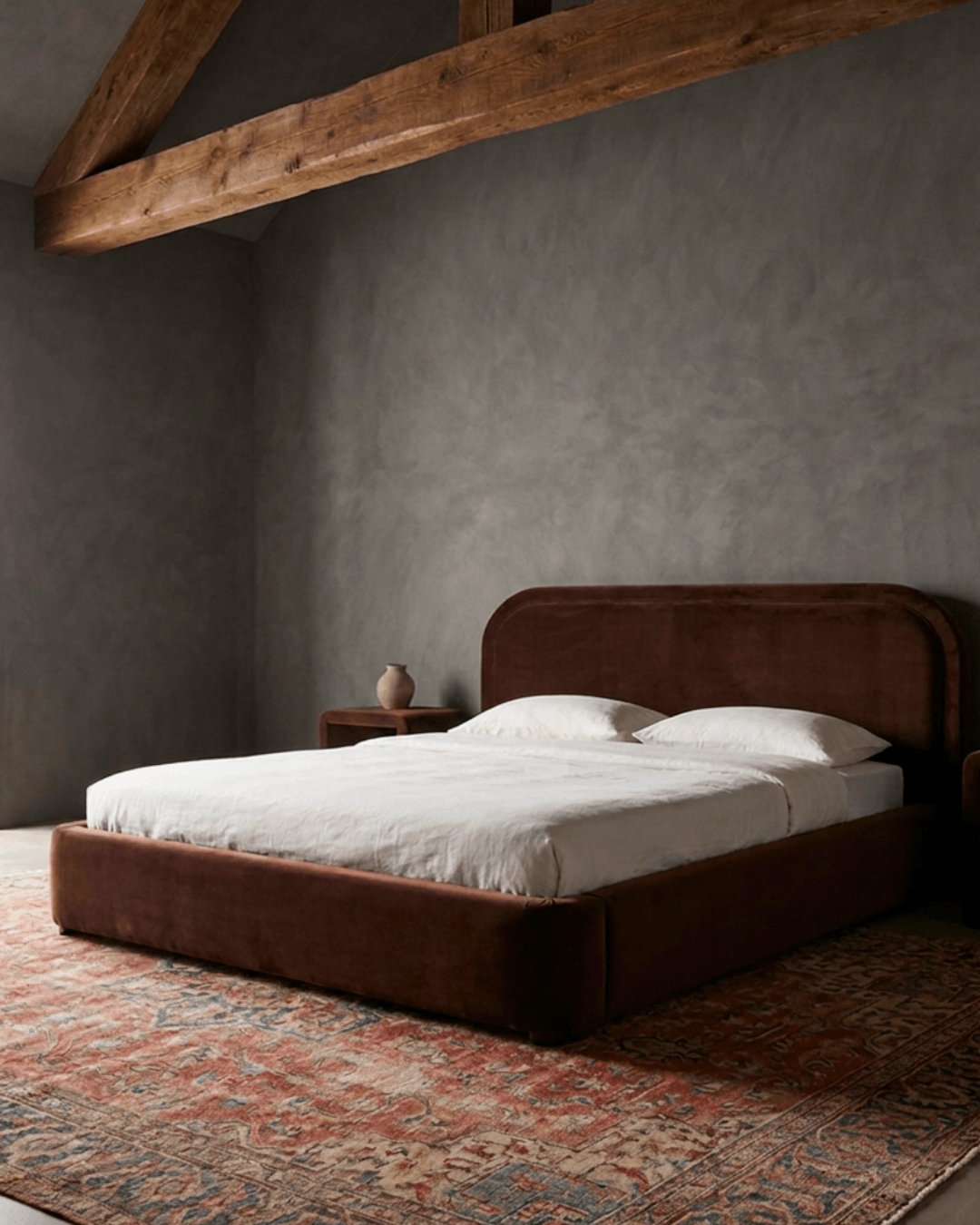
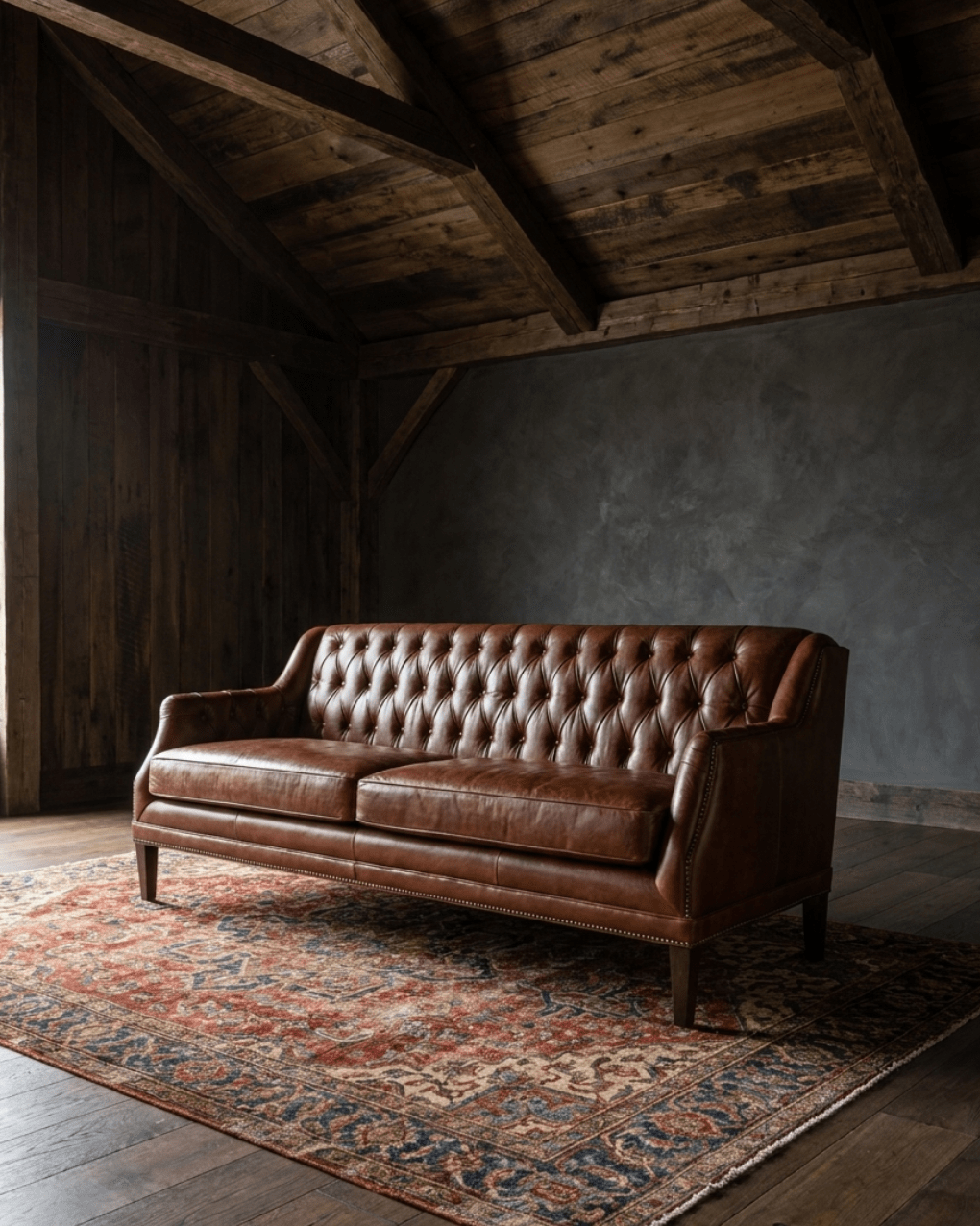
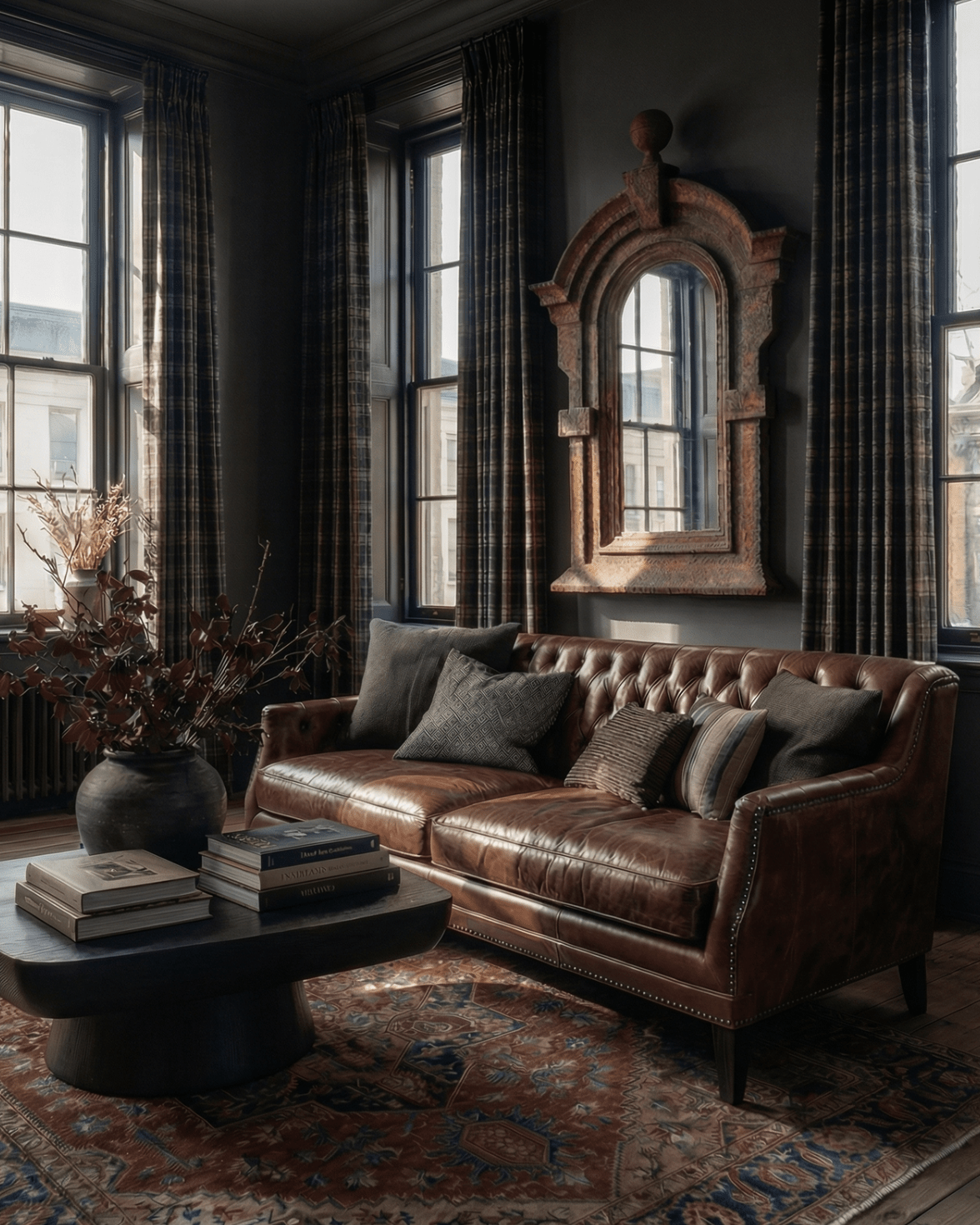
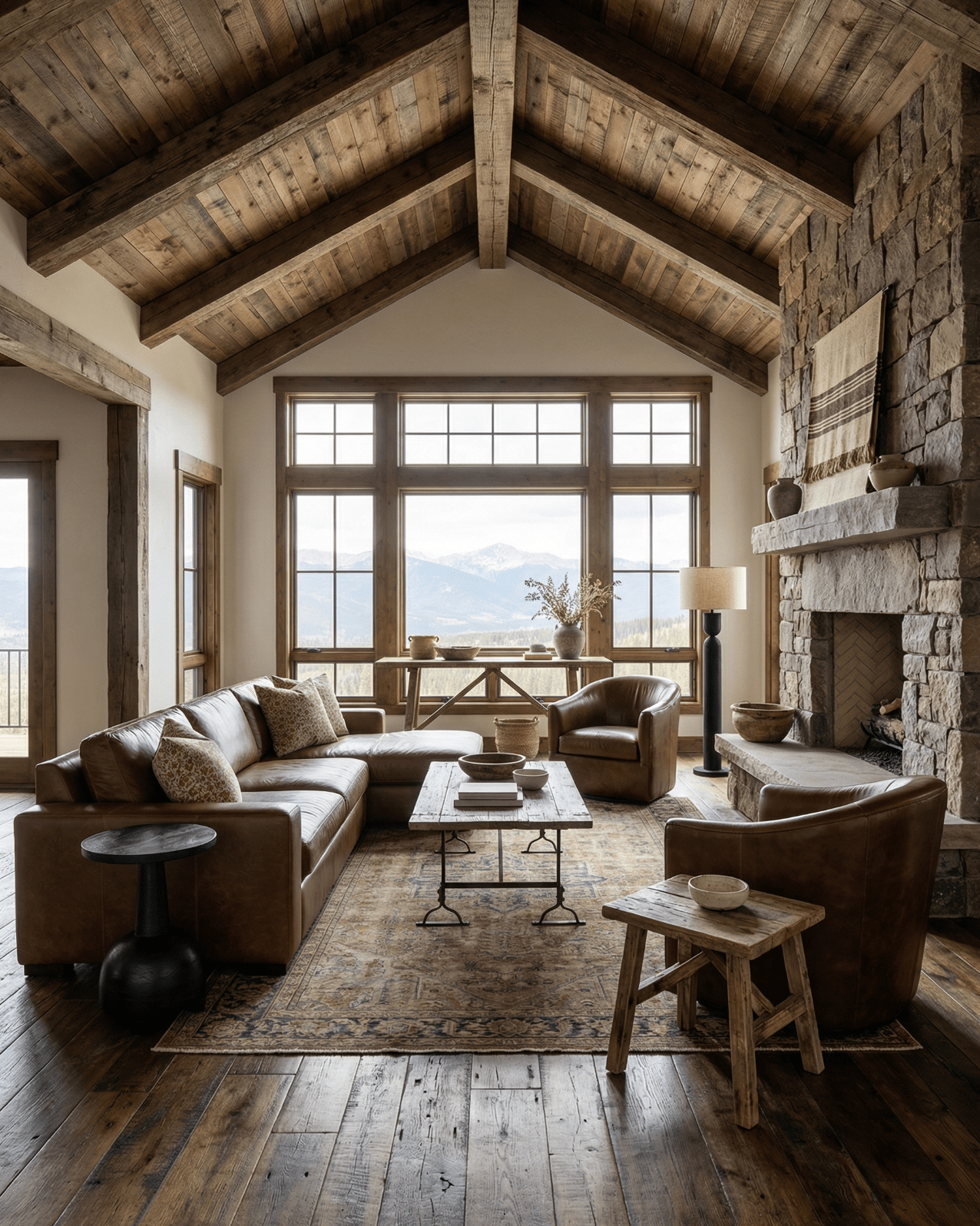
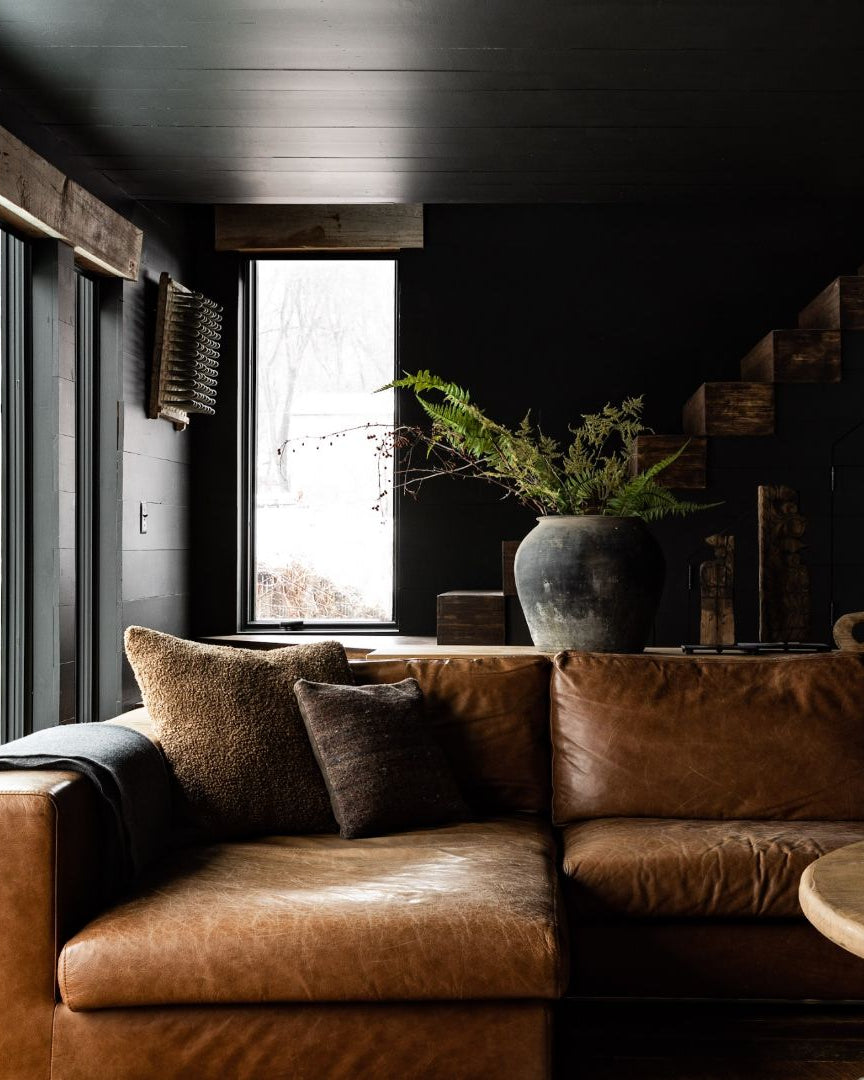
Rooms tend to feel calmer when the visual weight is carried by fewer, larger forms instead of many small competing ones. This is why modern mountain interiors often lean toward low-profile sectionals, thick wood tables, wider seating silhouettes, and grounded materials that visually slow the eye down.
A room filled with smaller fragmented pieces forces the nervous system to constantly process interruption after interruption. Larger furniture creates continuity instead.
That’s one reason oversized sectionals from the Sofas and sectionals collection tend to feel quieter than multiple smaller seating arrangements scattered throughout a room. The eye moves through the space more smoothly.
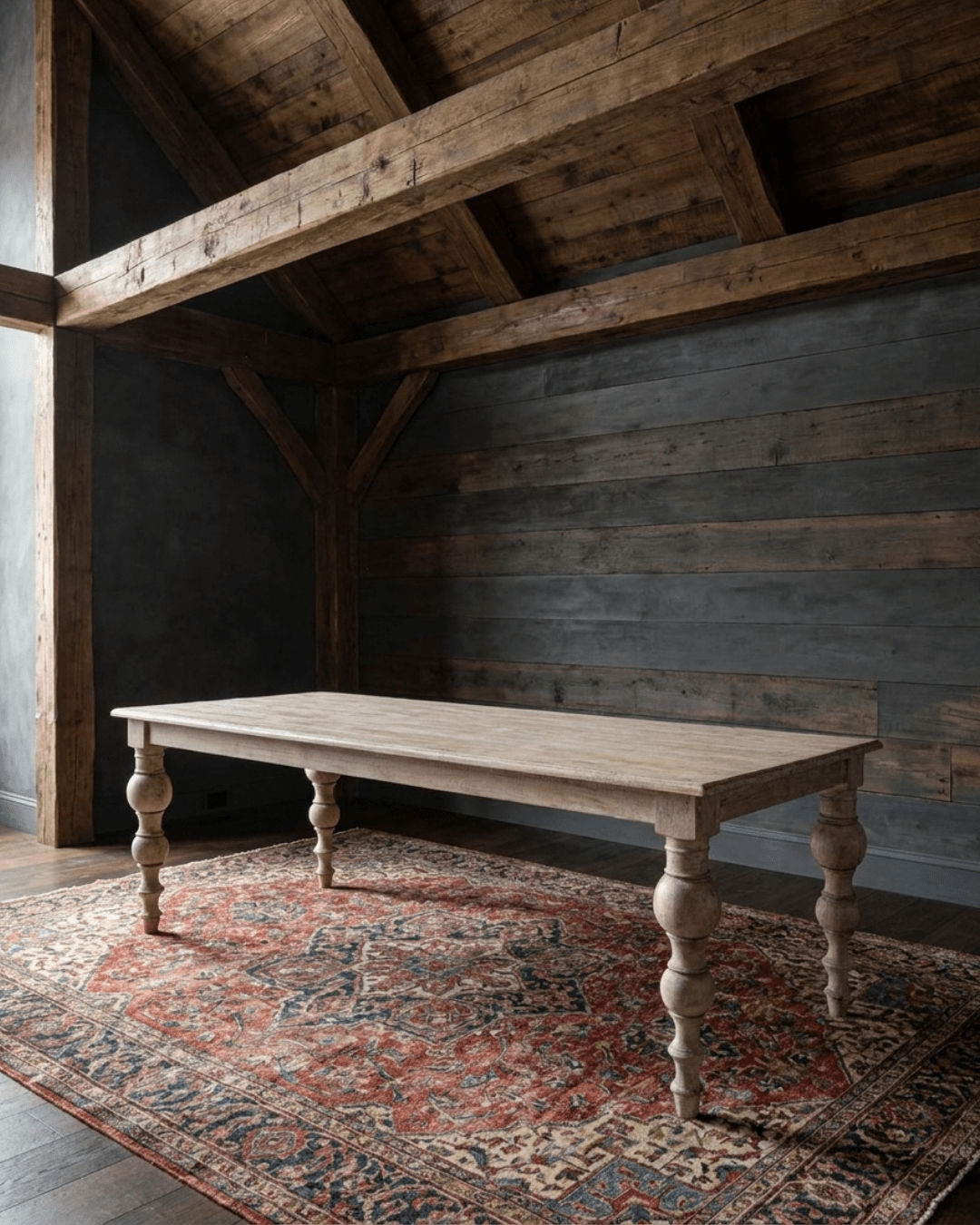
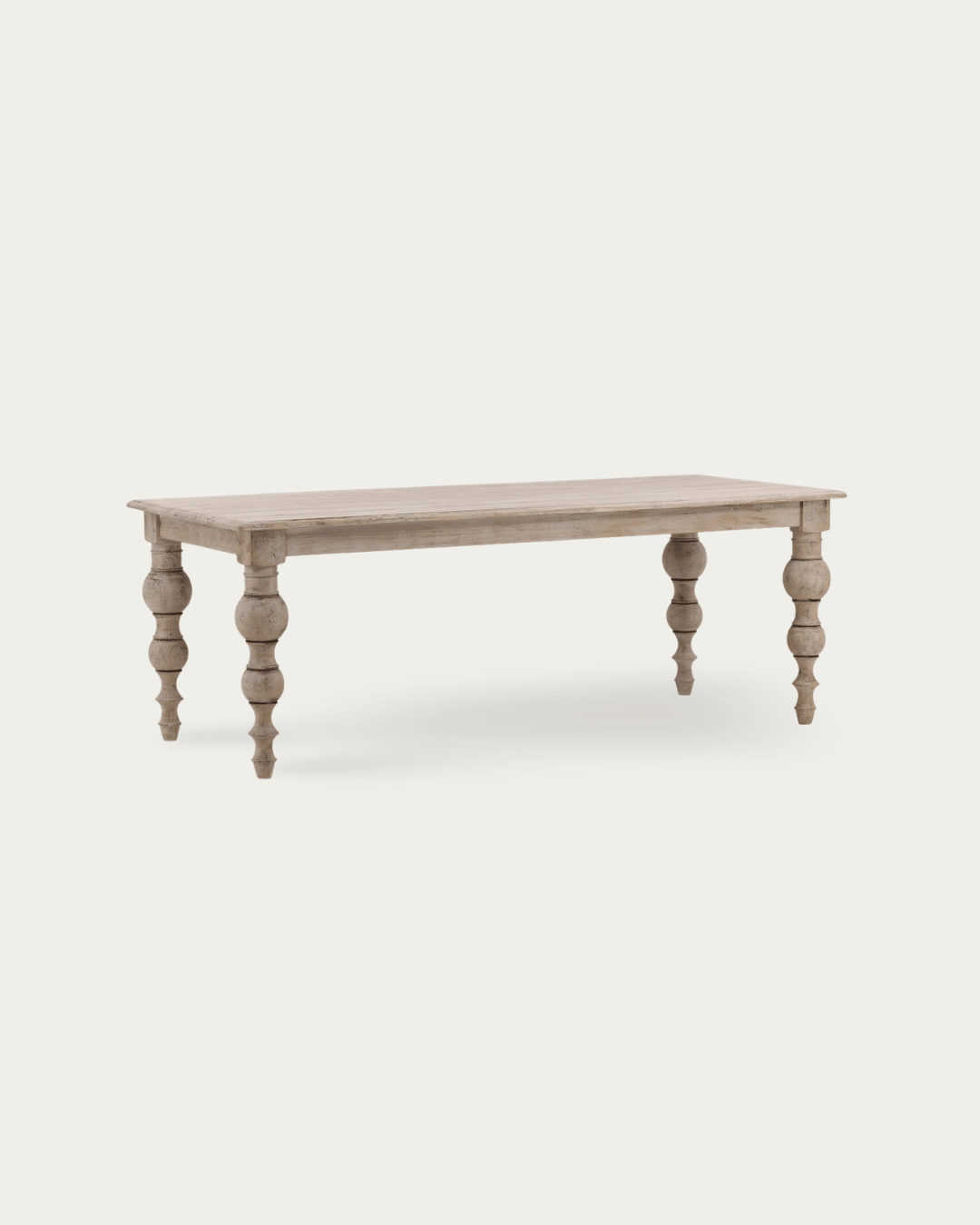
The same principle applies to substantial wood pieces. A heavier coffee table instantly creates a visual center of gravity. It gives the room somewhere to land.
The best spaces don’t feel busy because the furniture itself already carries enough presence.
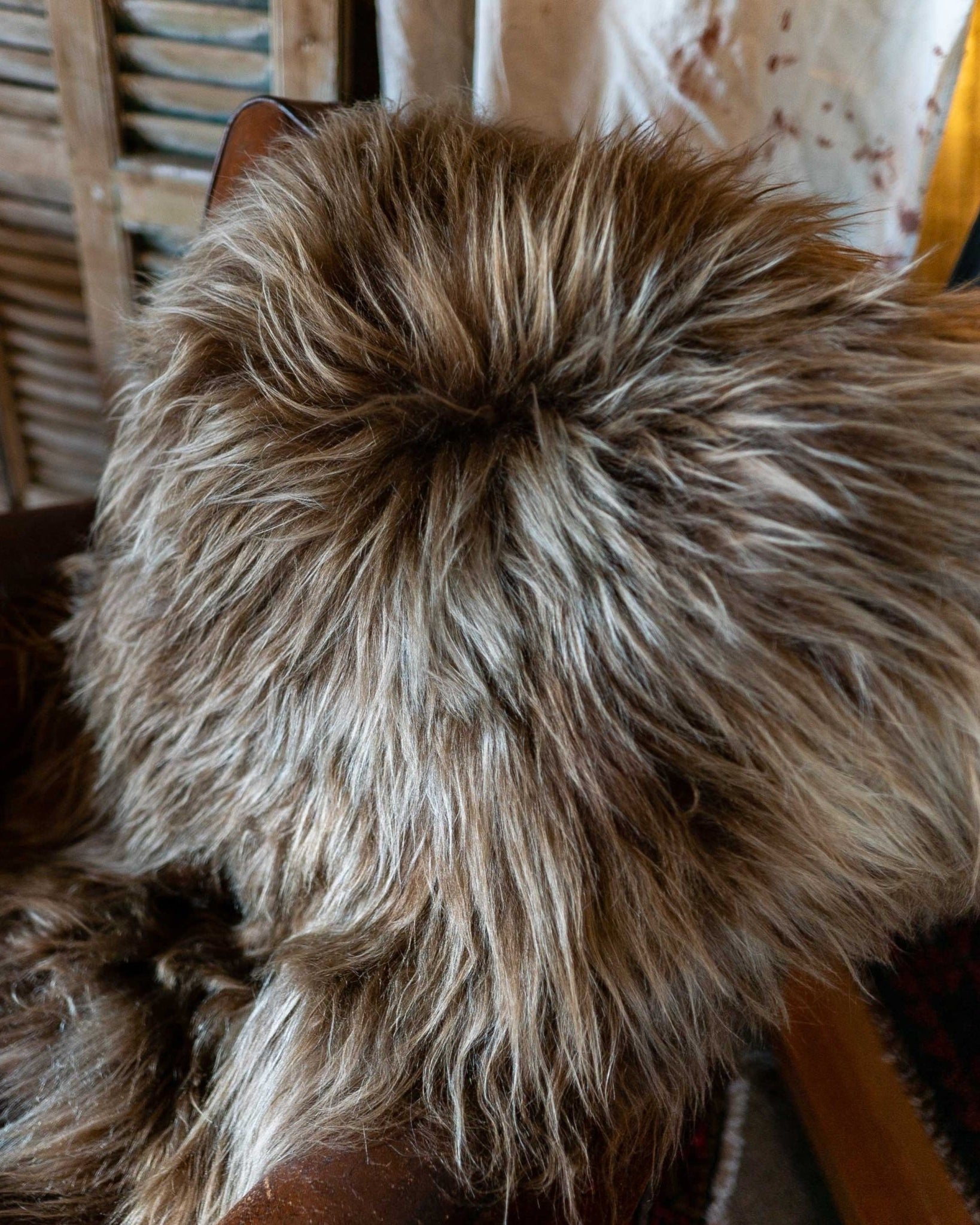
Texture Should Do Most of the Work
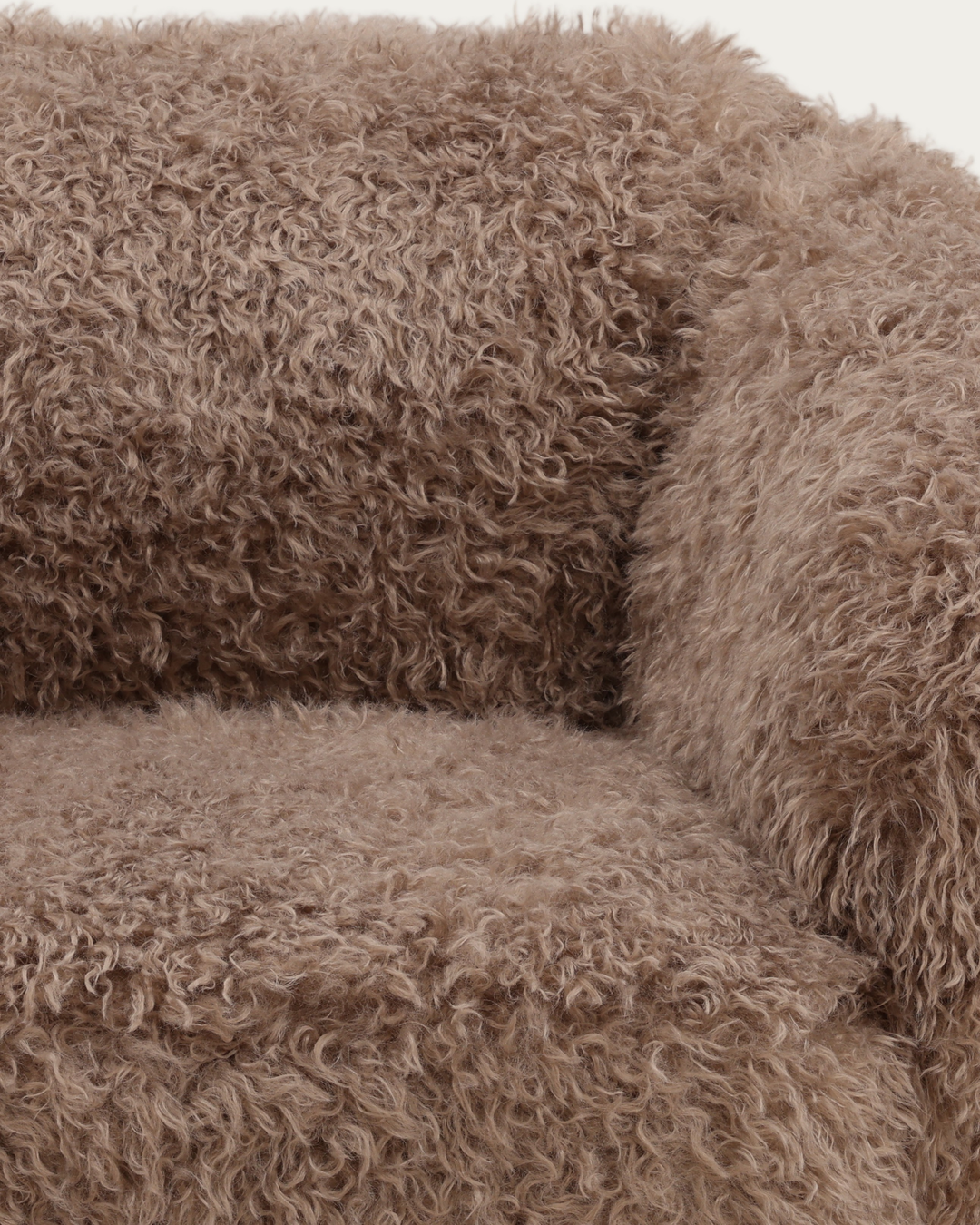
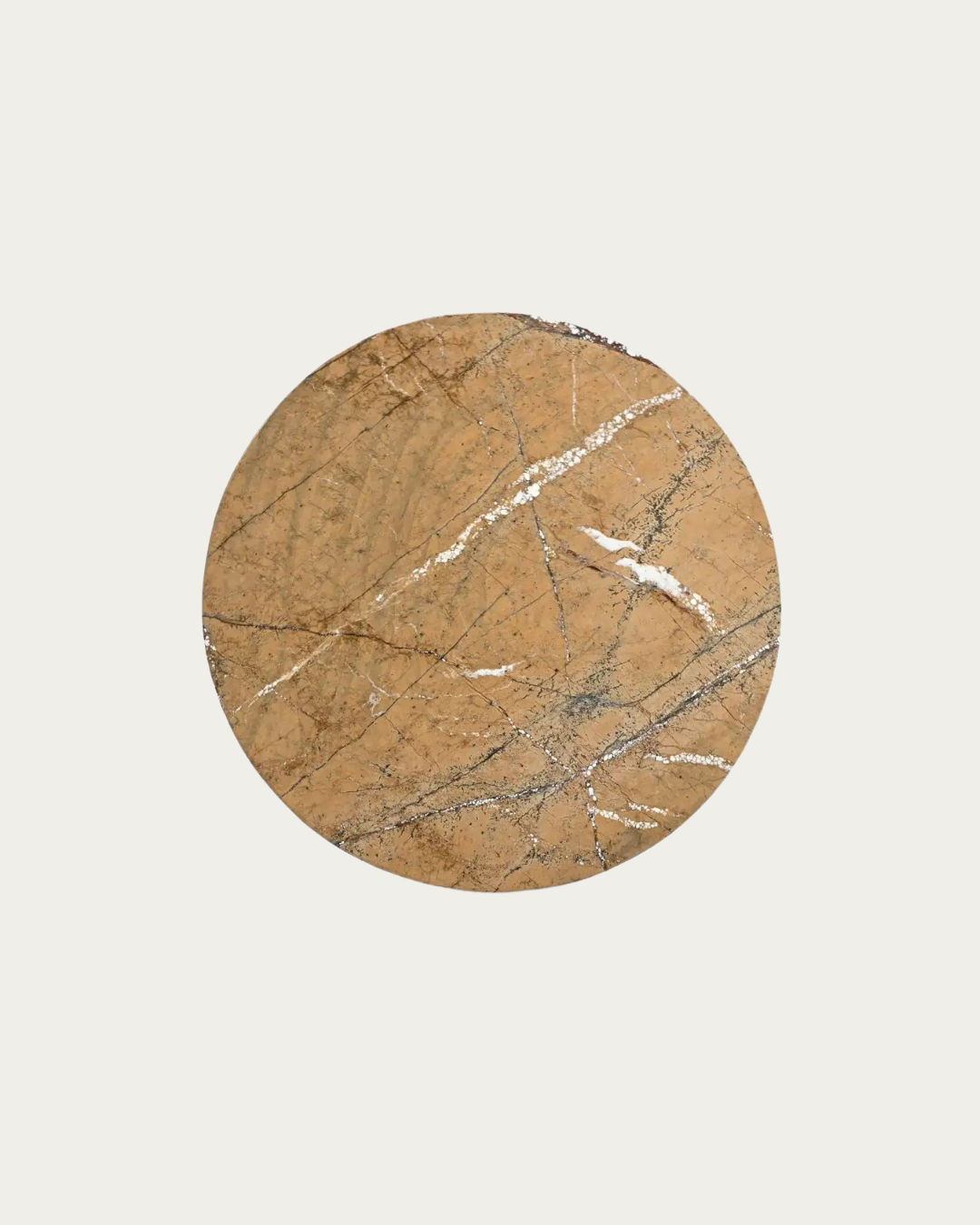
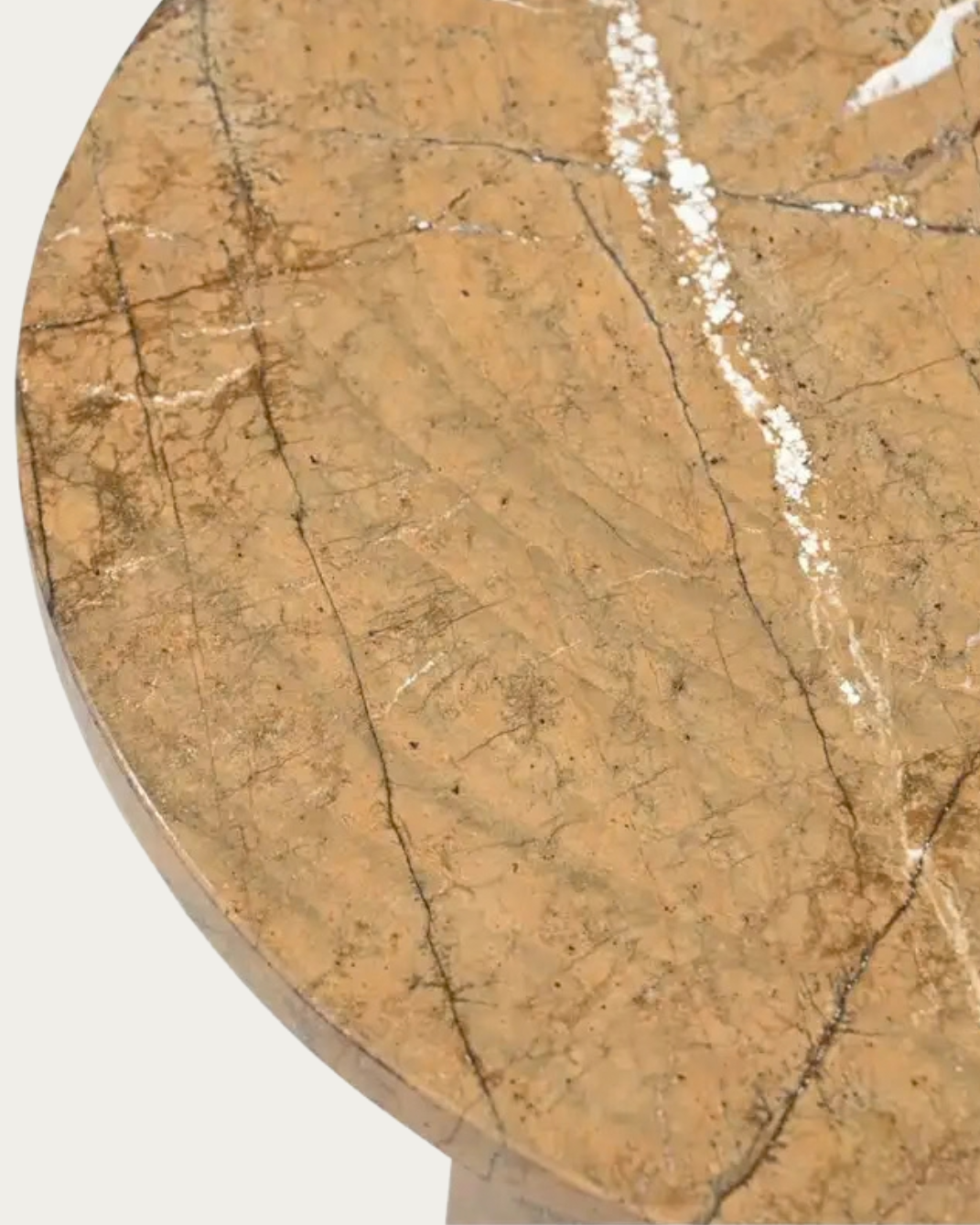
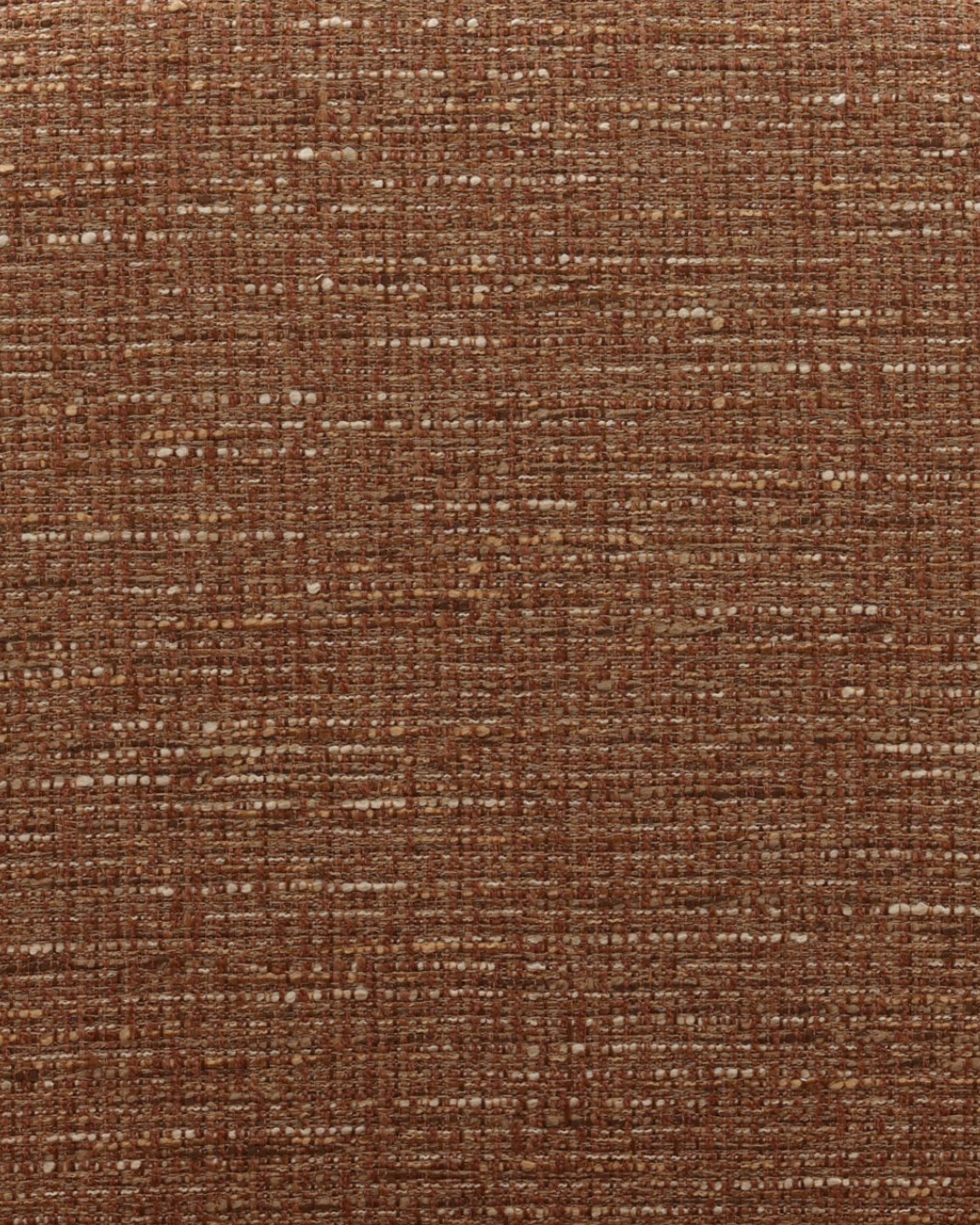
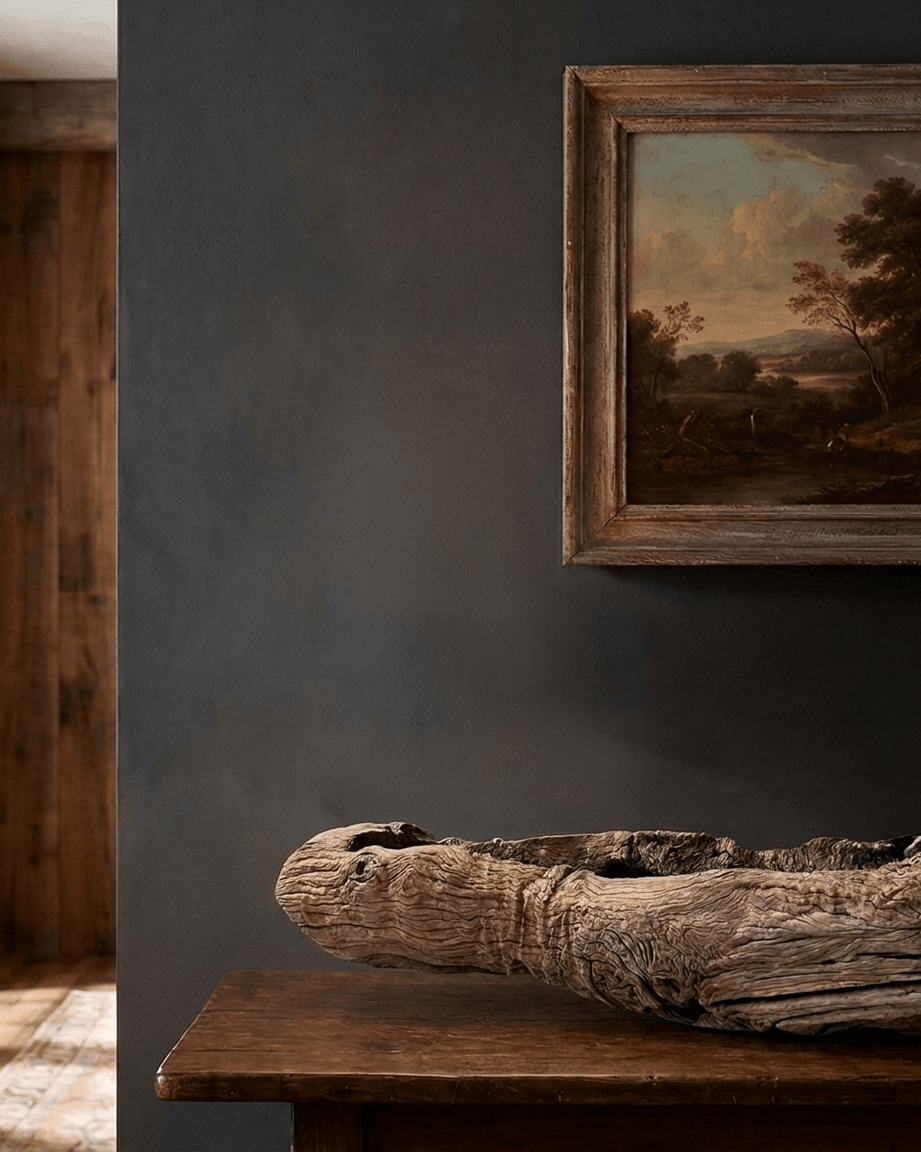
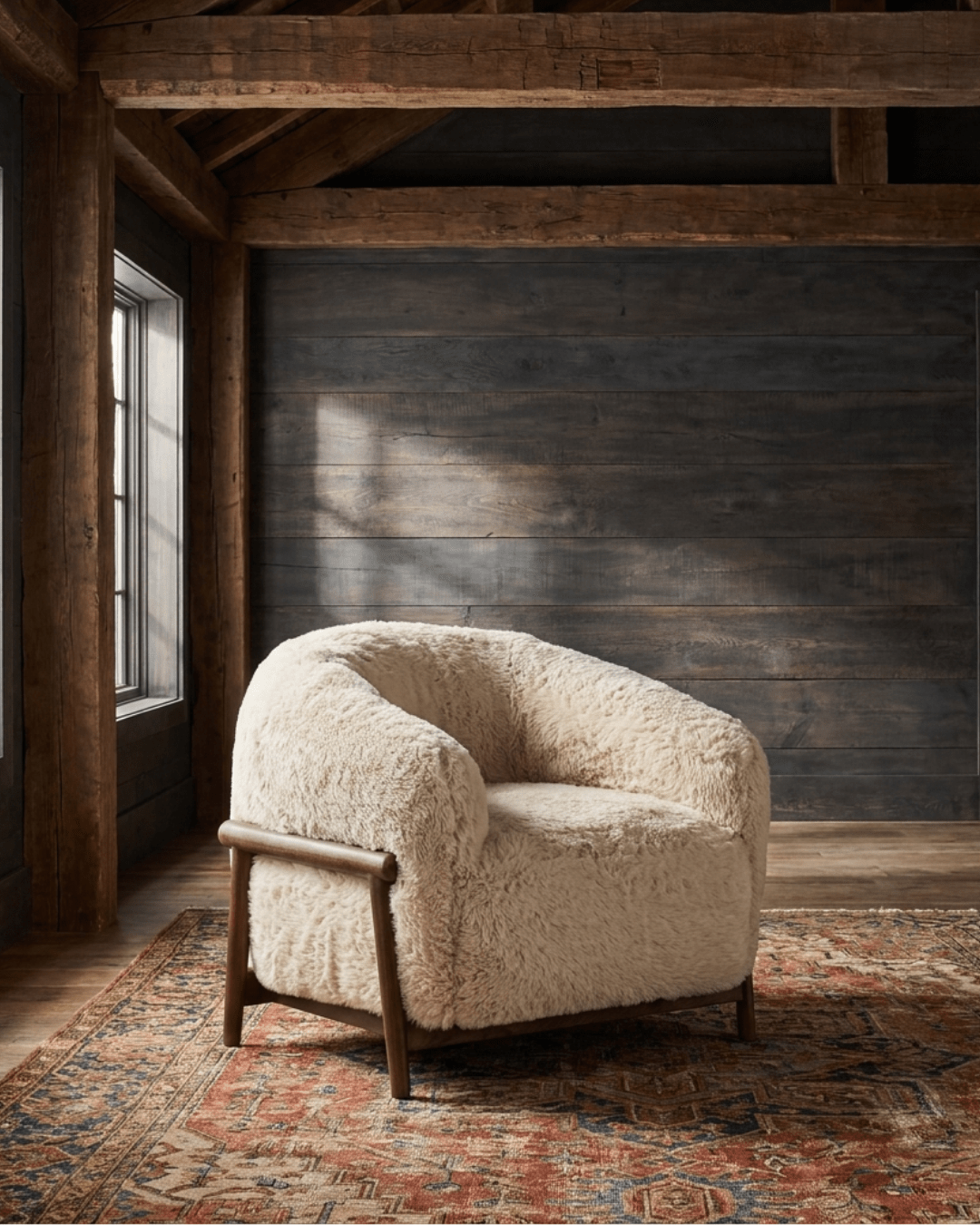
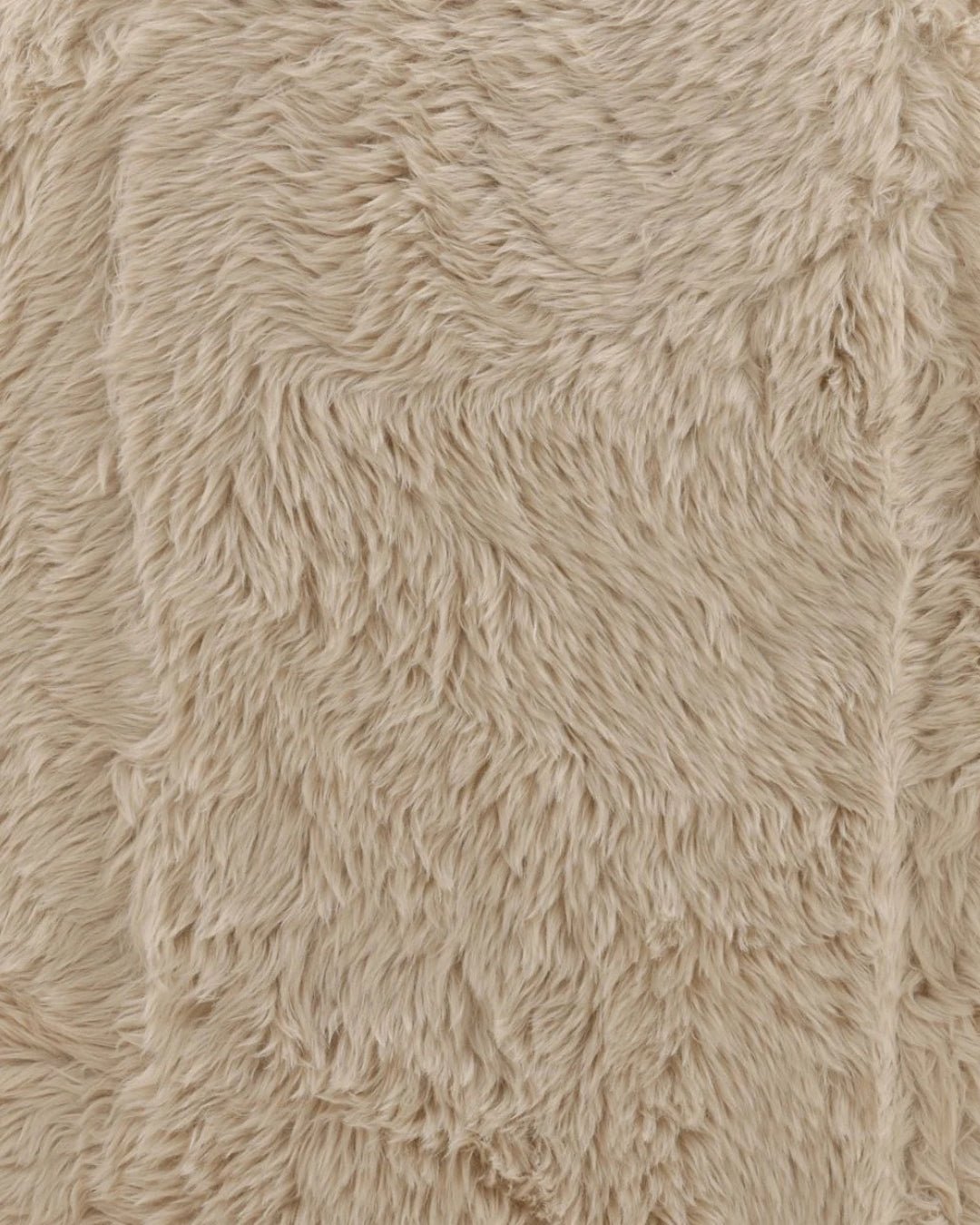
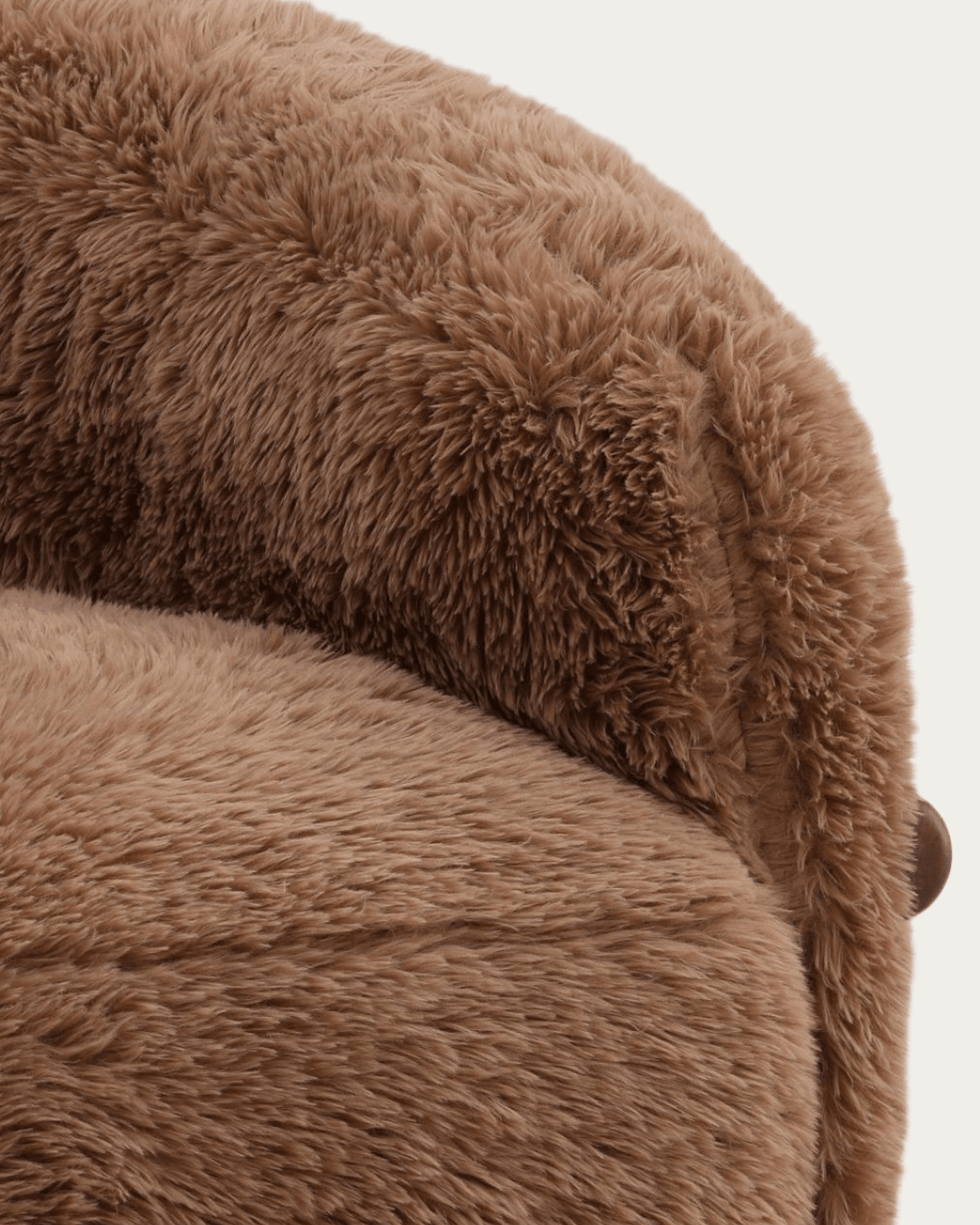
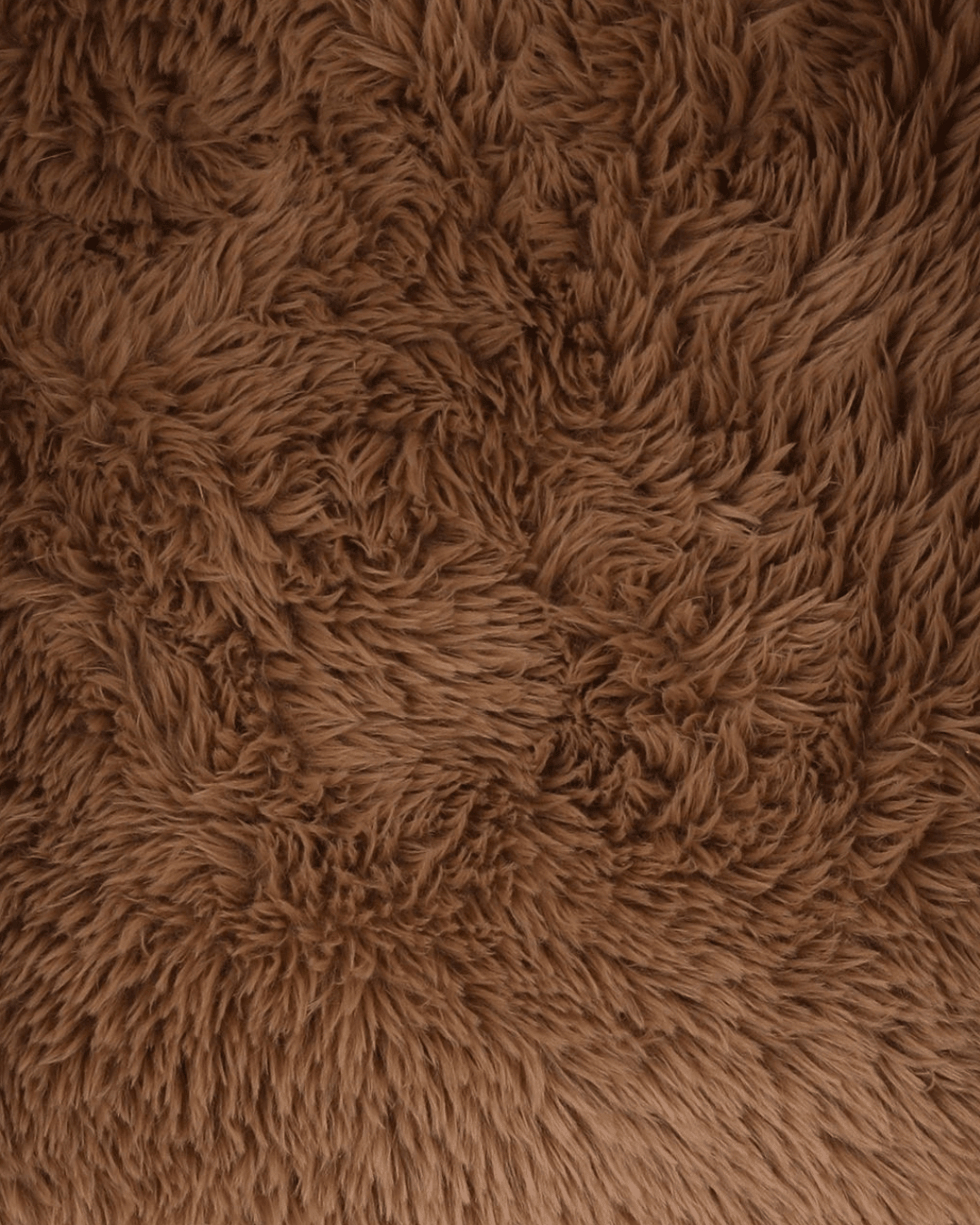
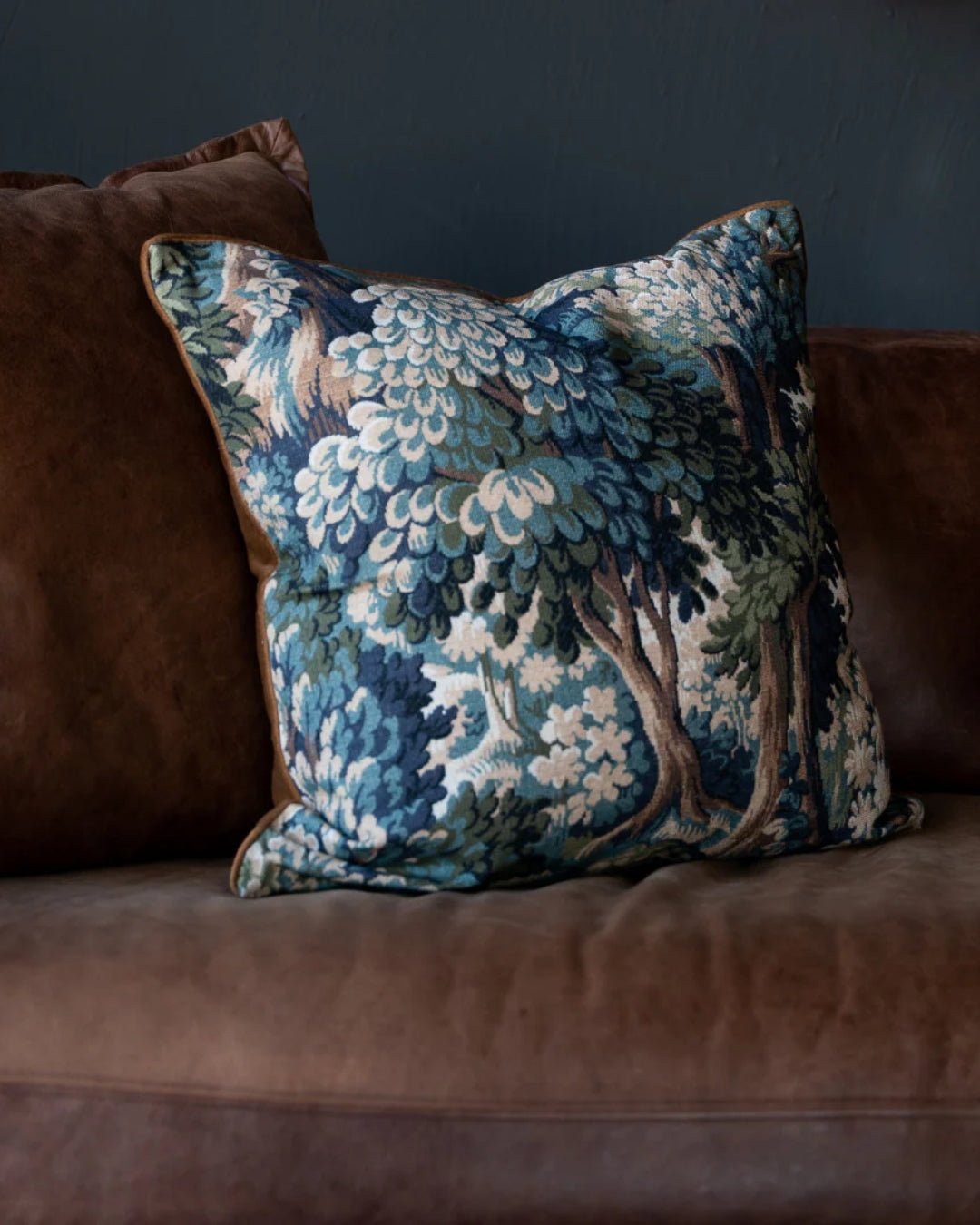
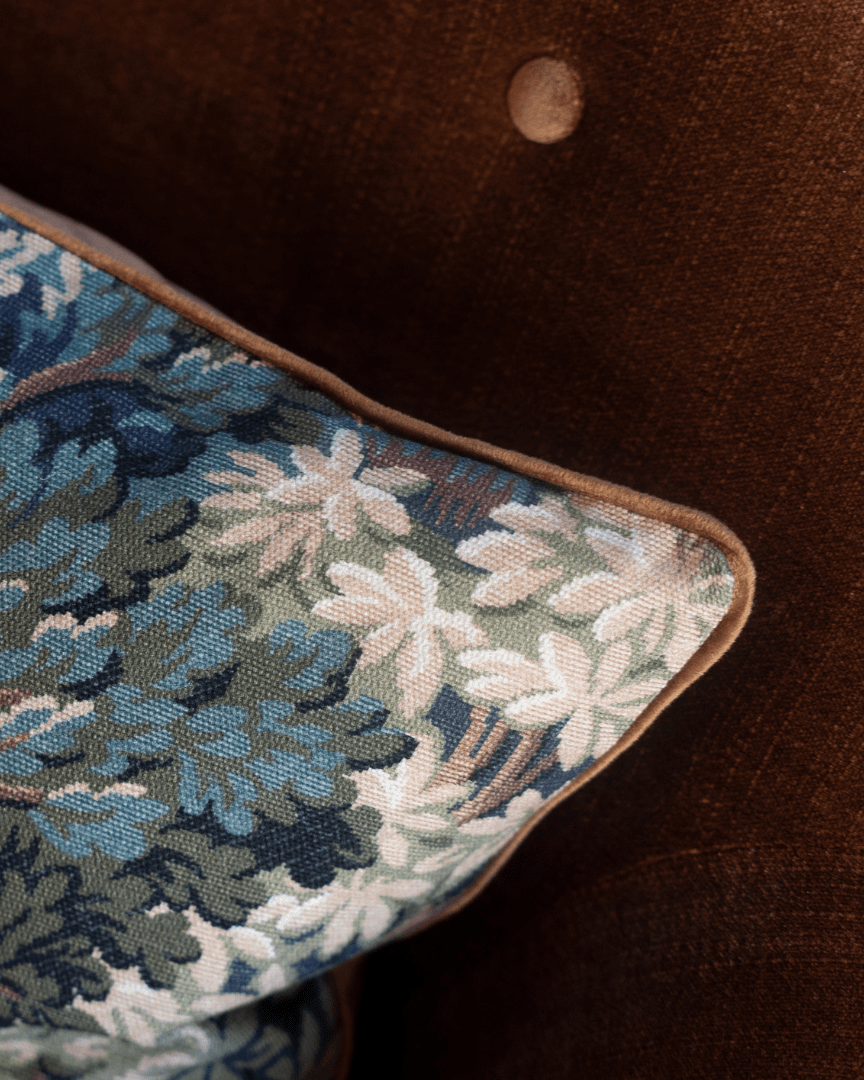
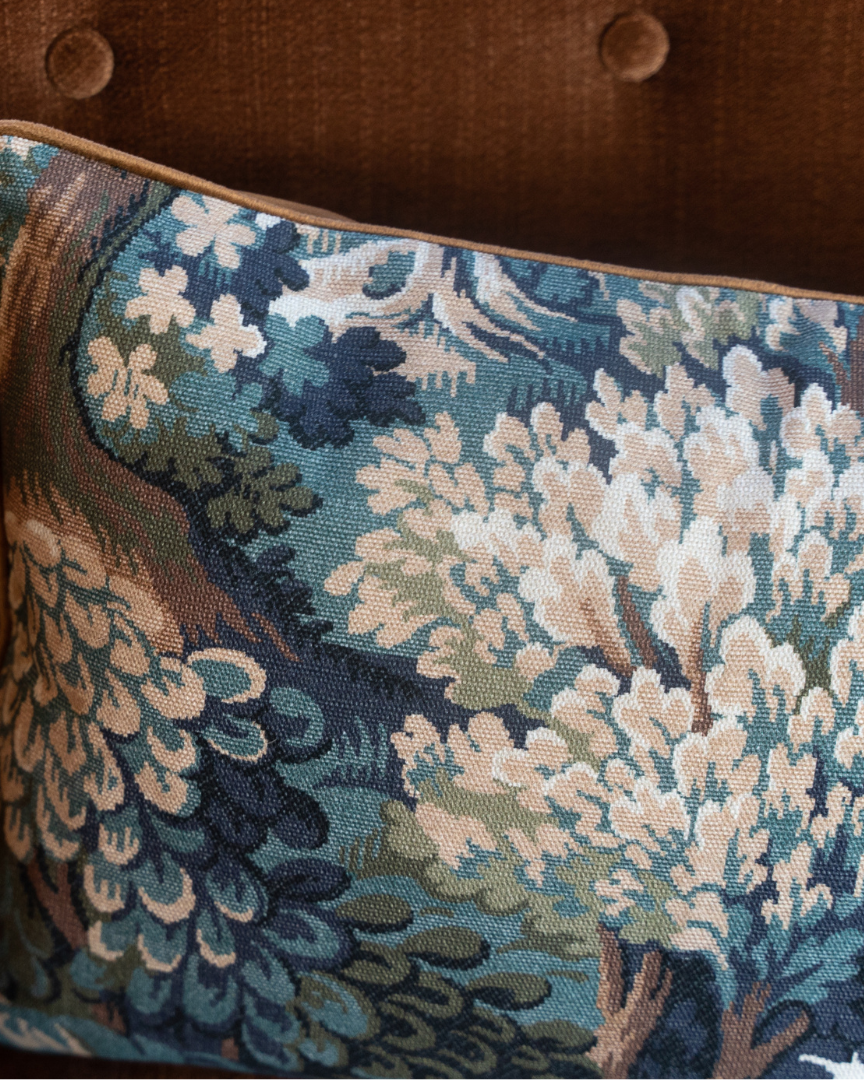
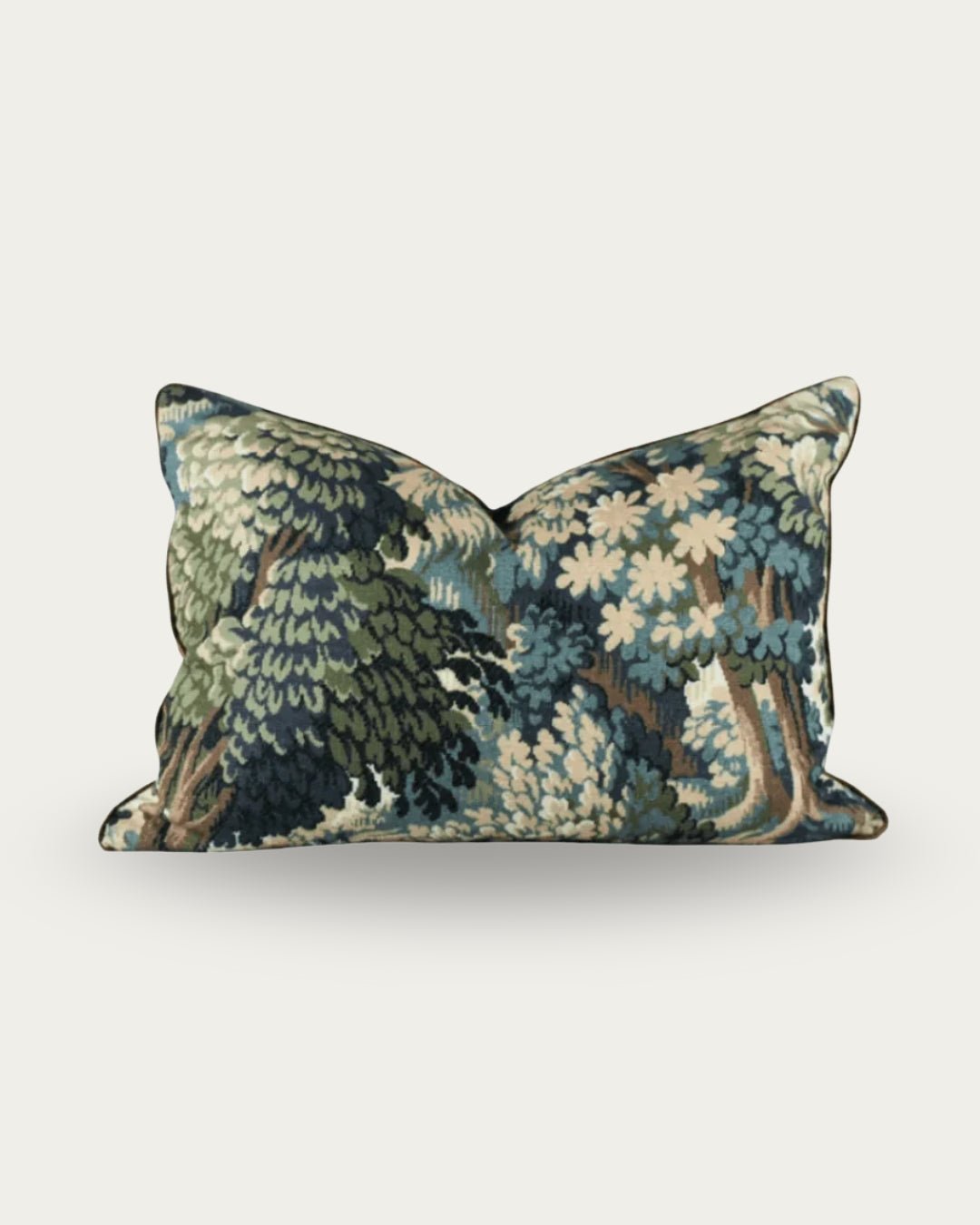
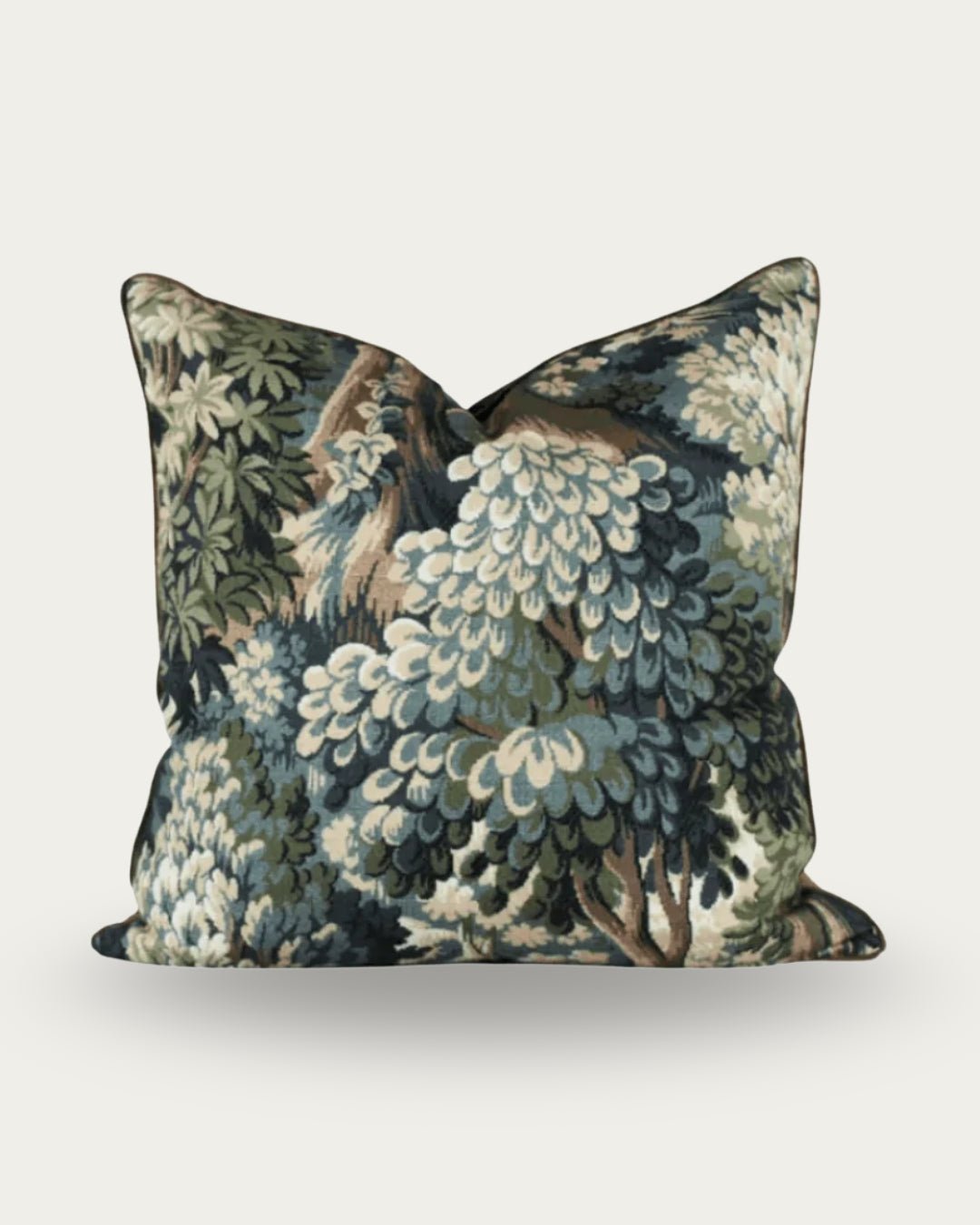
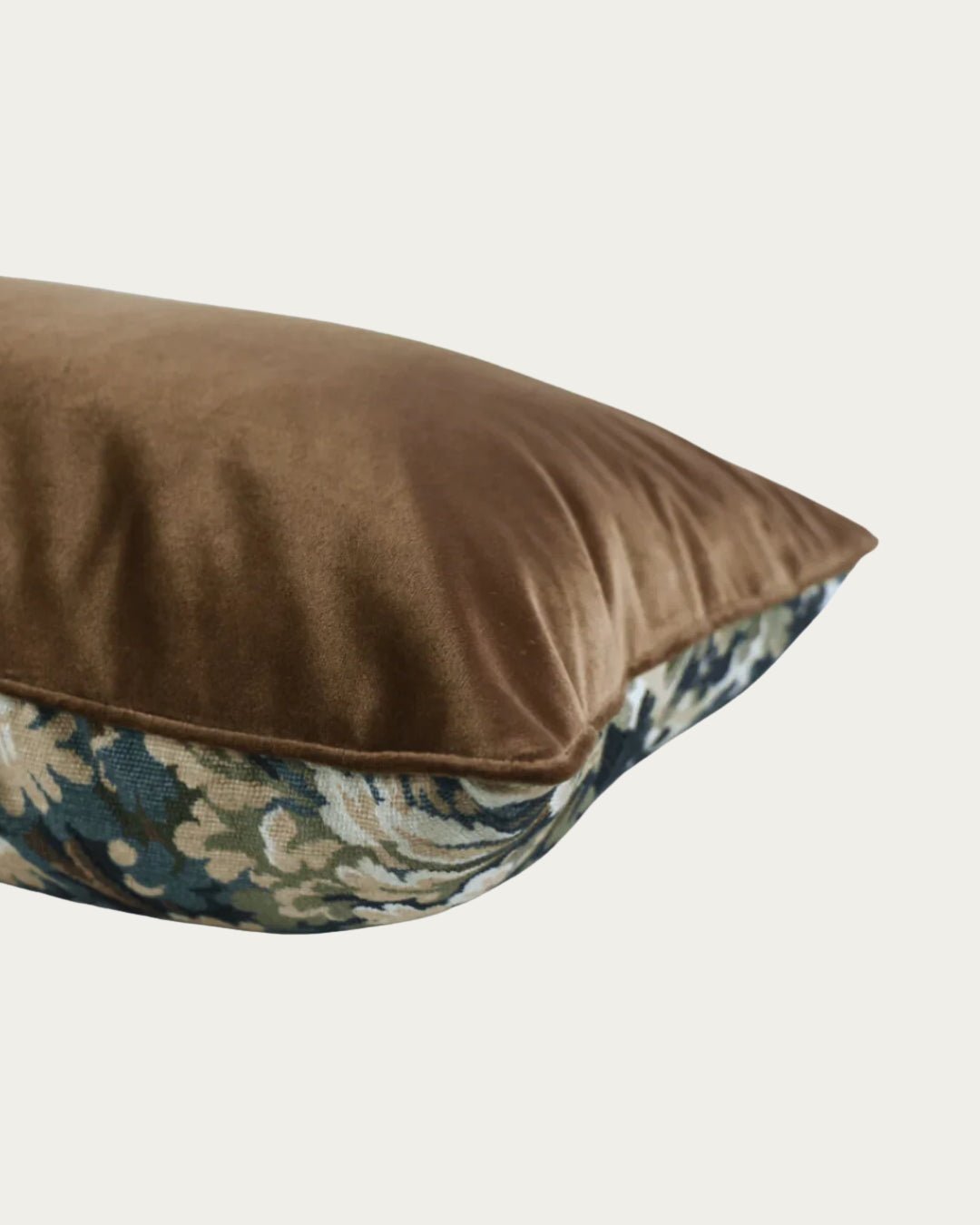
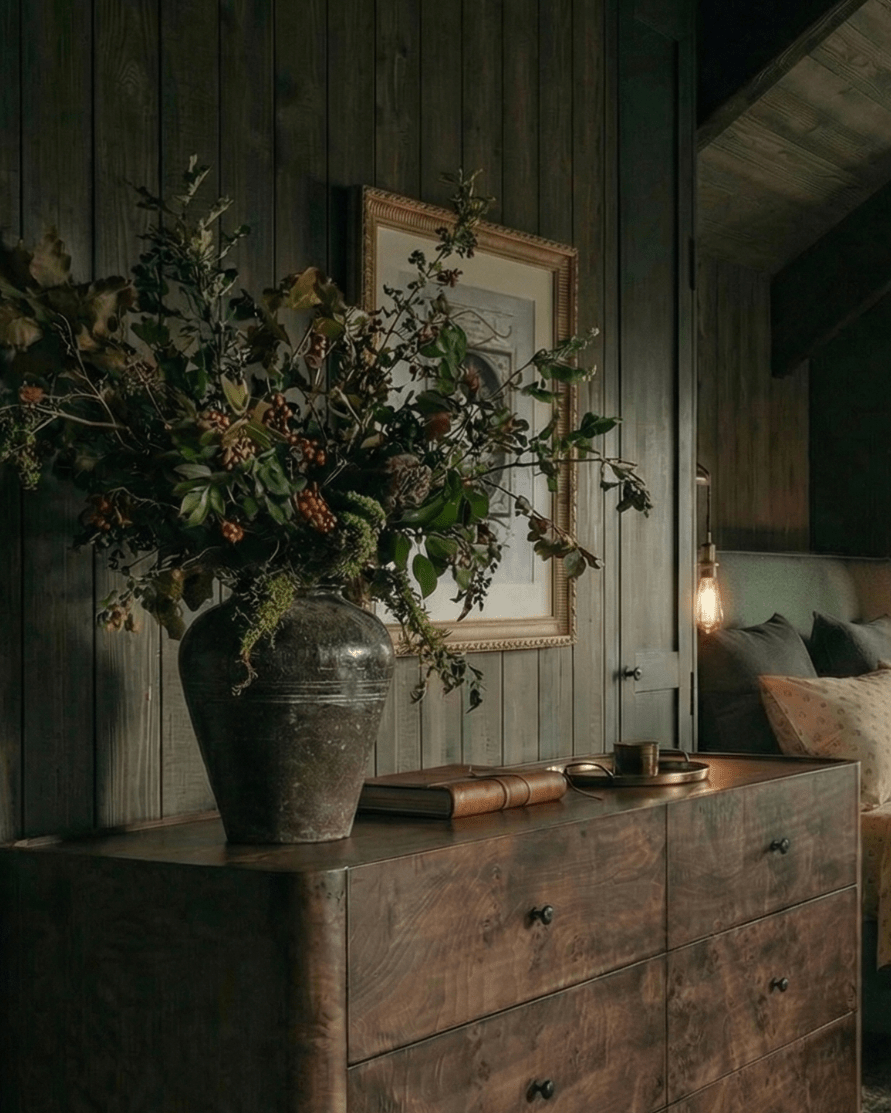
Modern mountain interiors work best when texture becomes the focal point instead of excessive contrast.
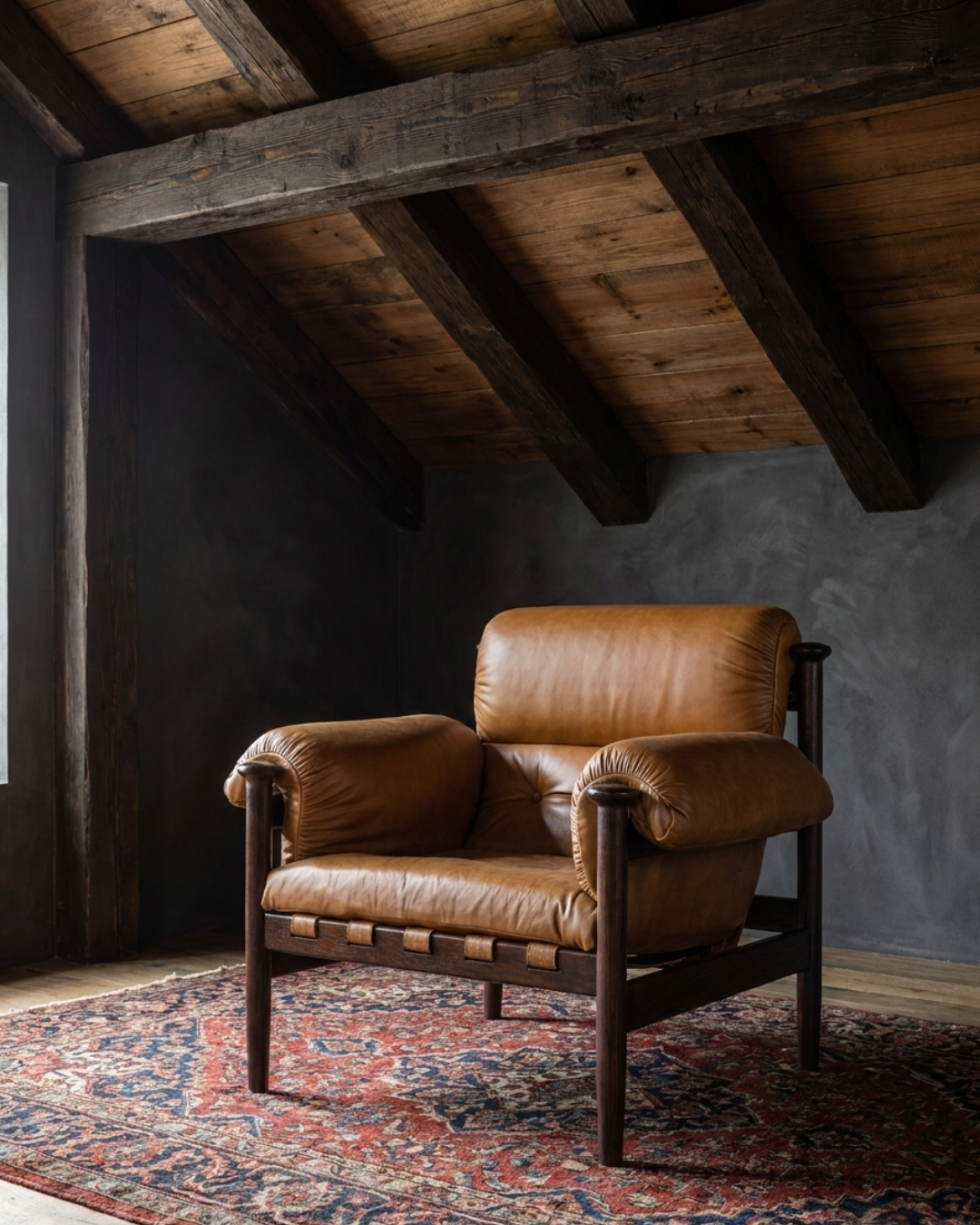
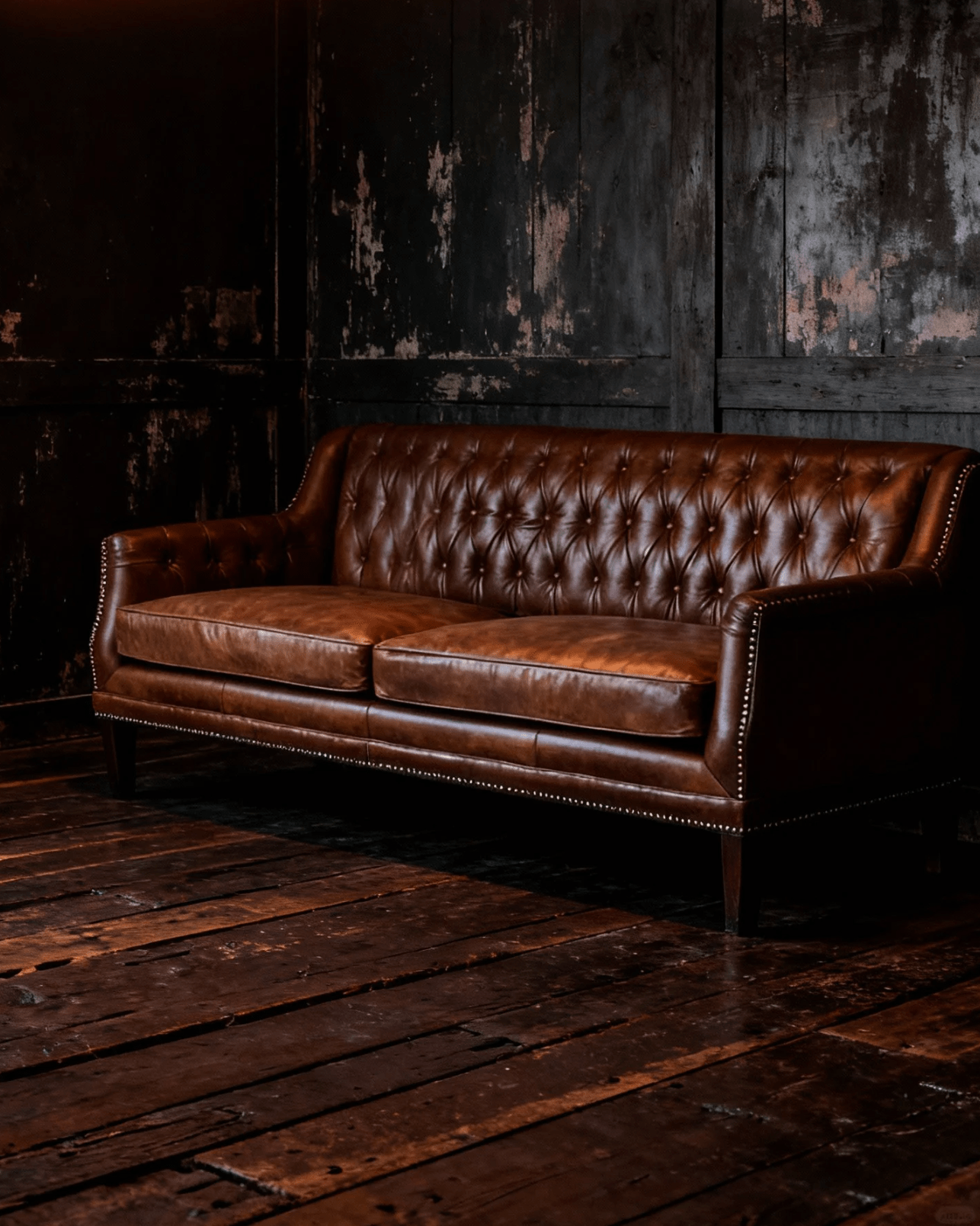
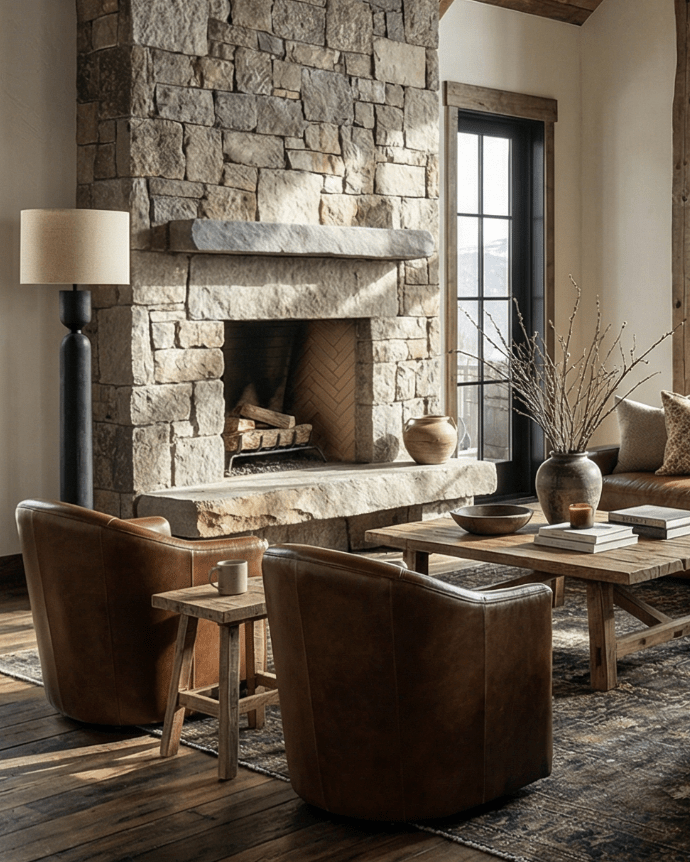
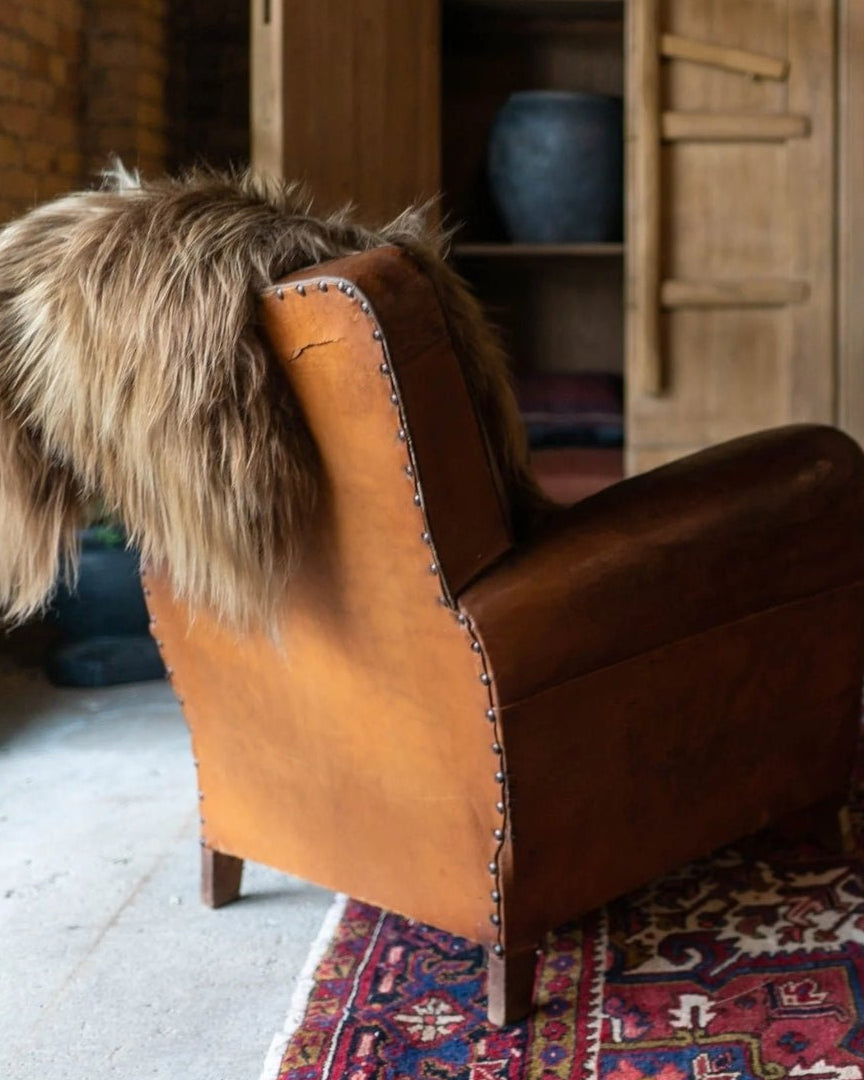
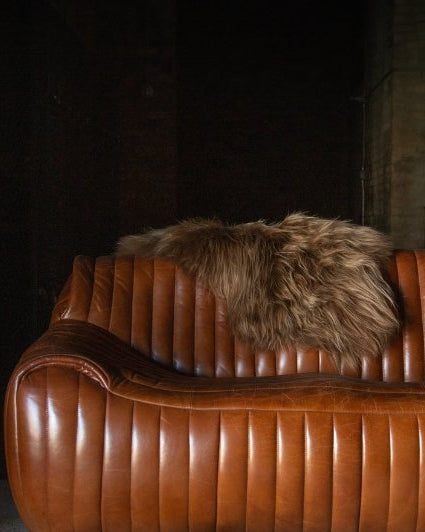
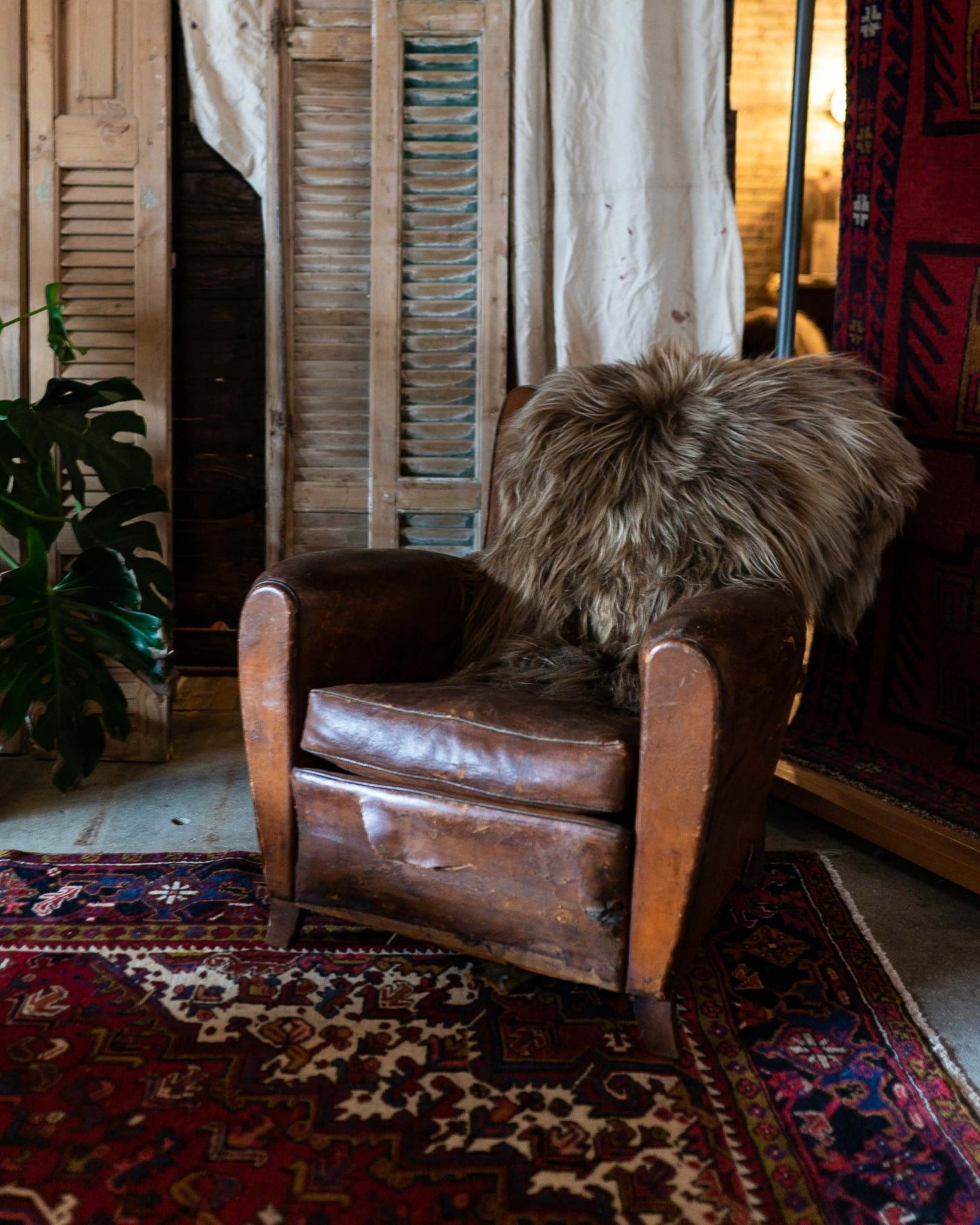
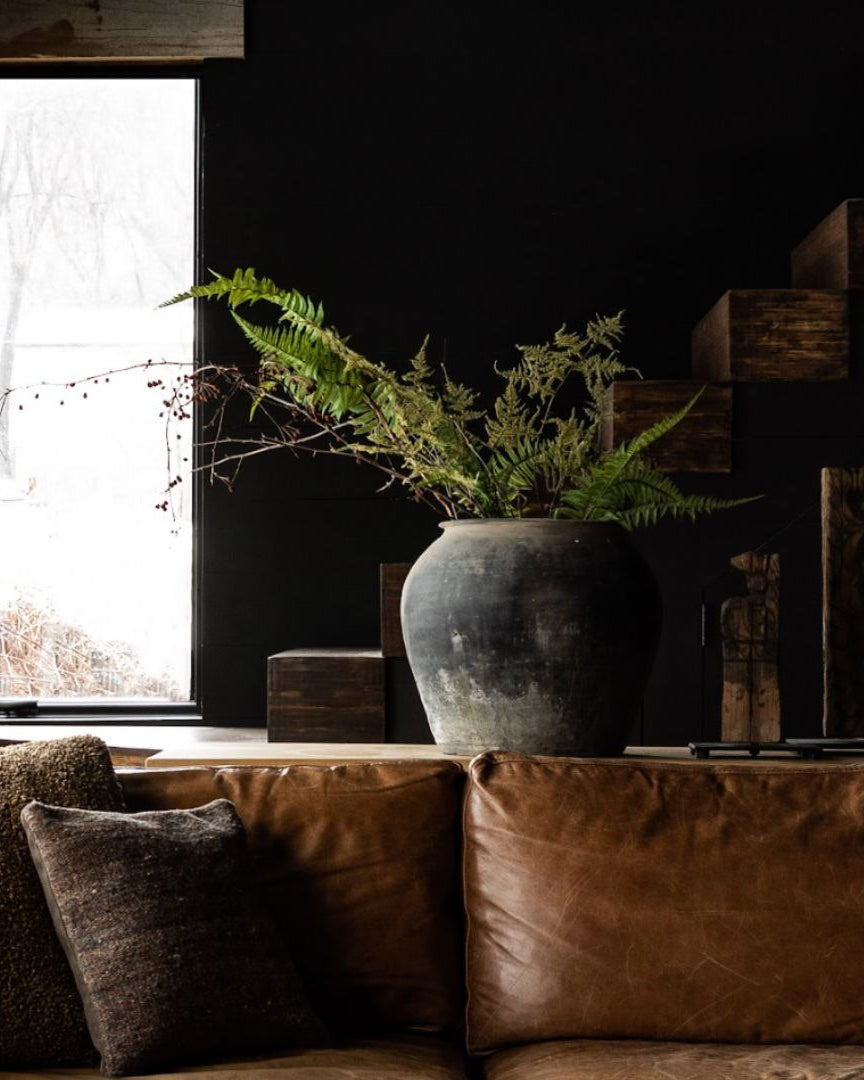
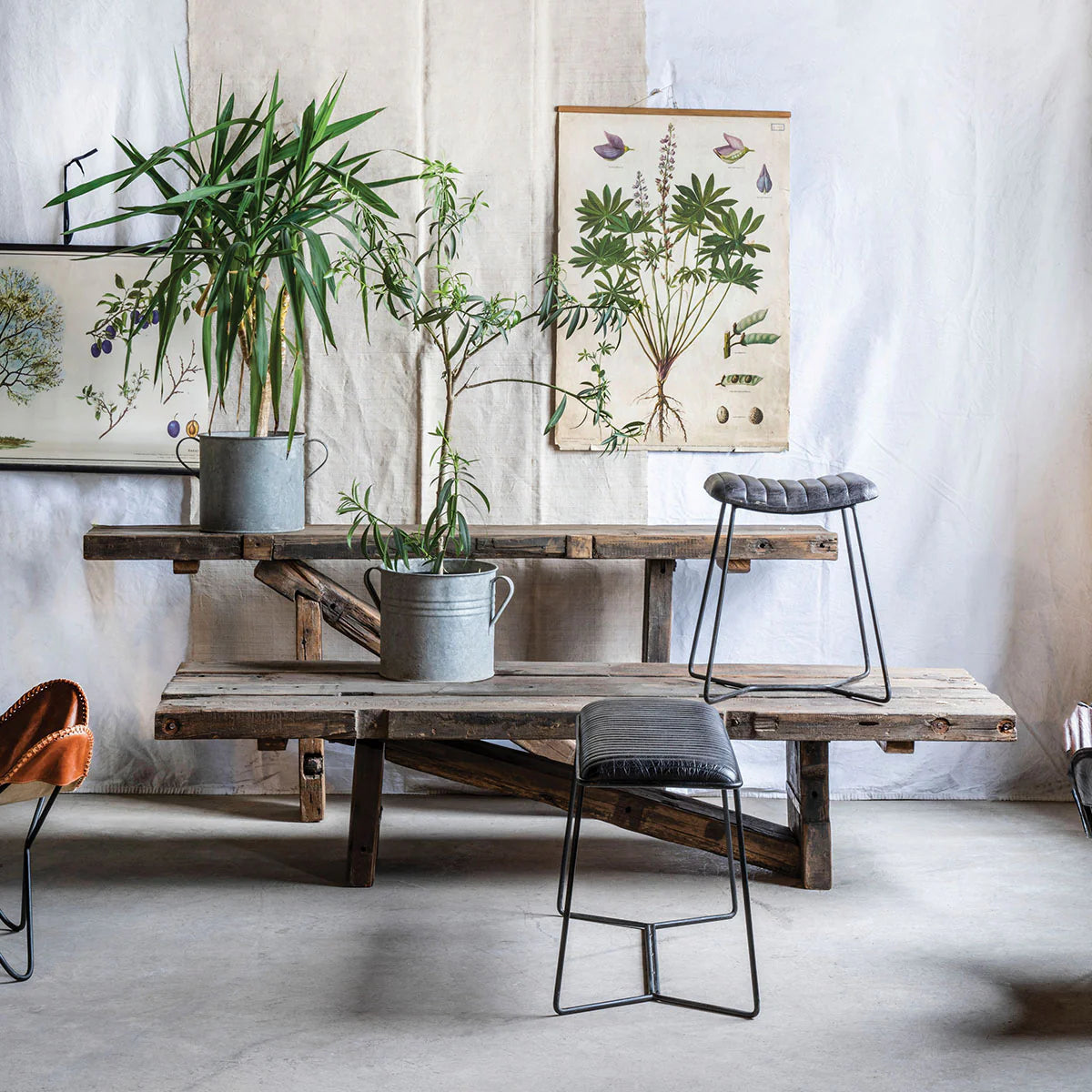
Leather beside reclaimed oak.
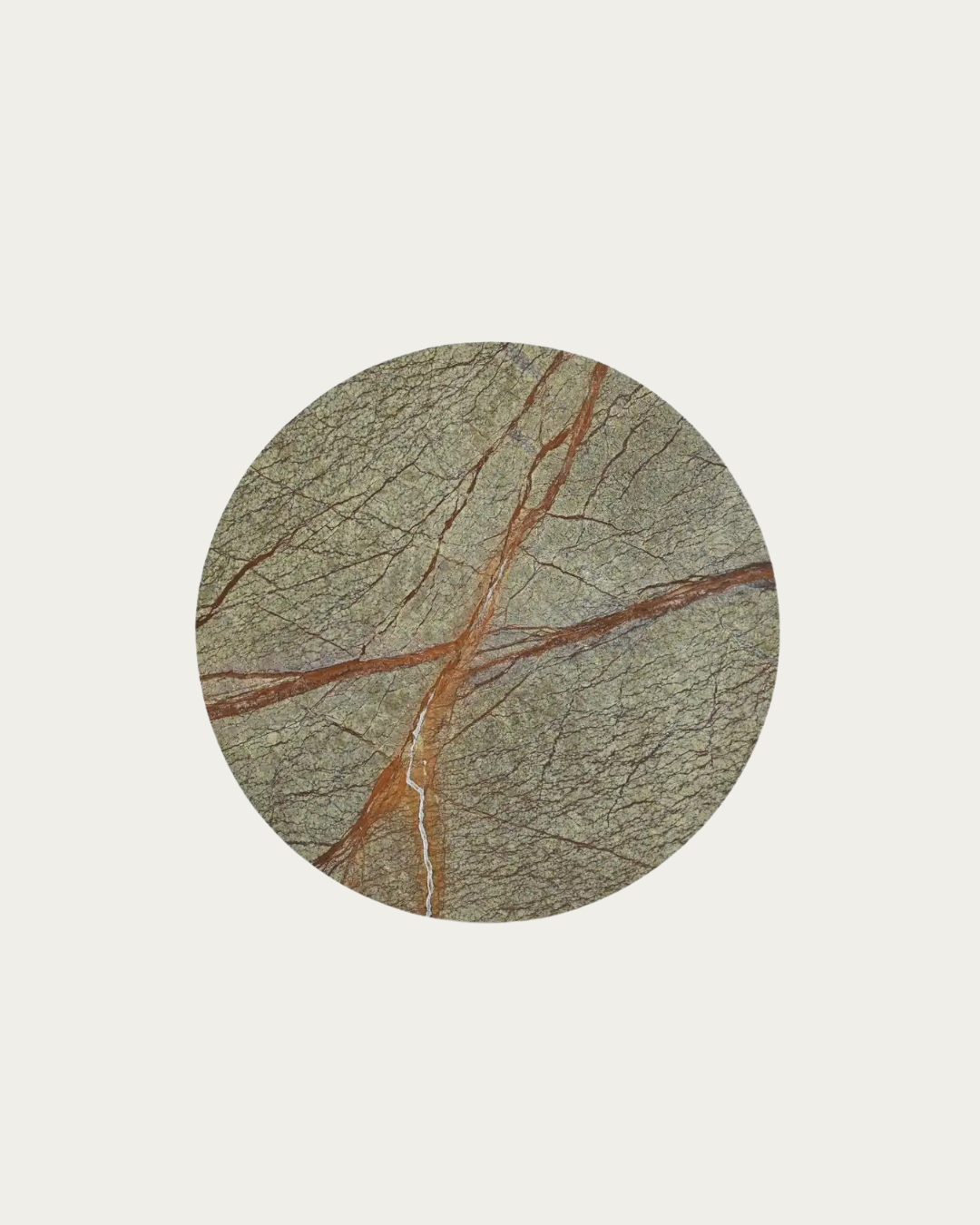
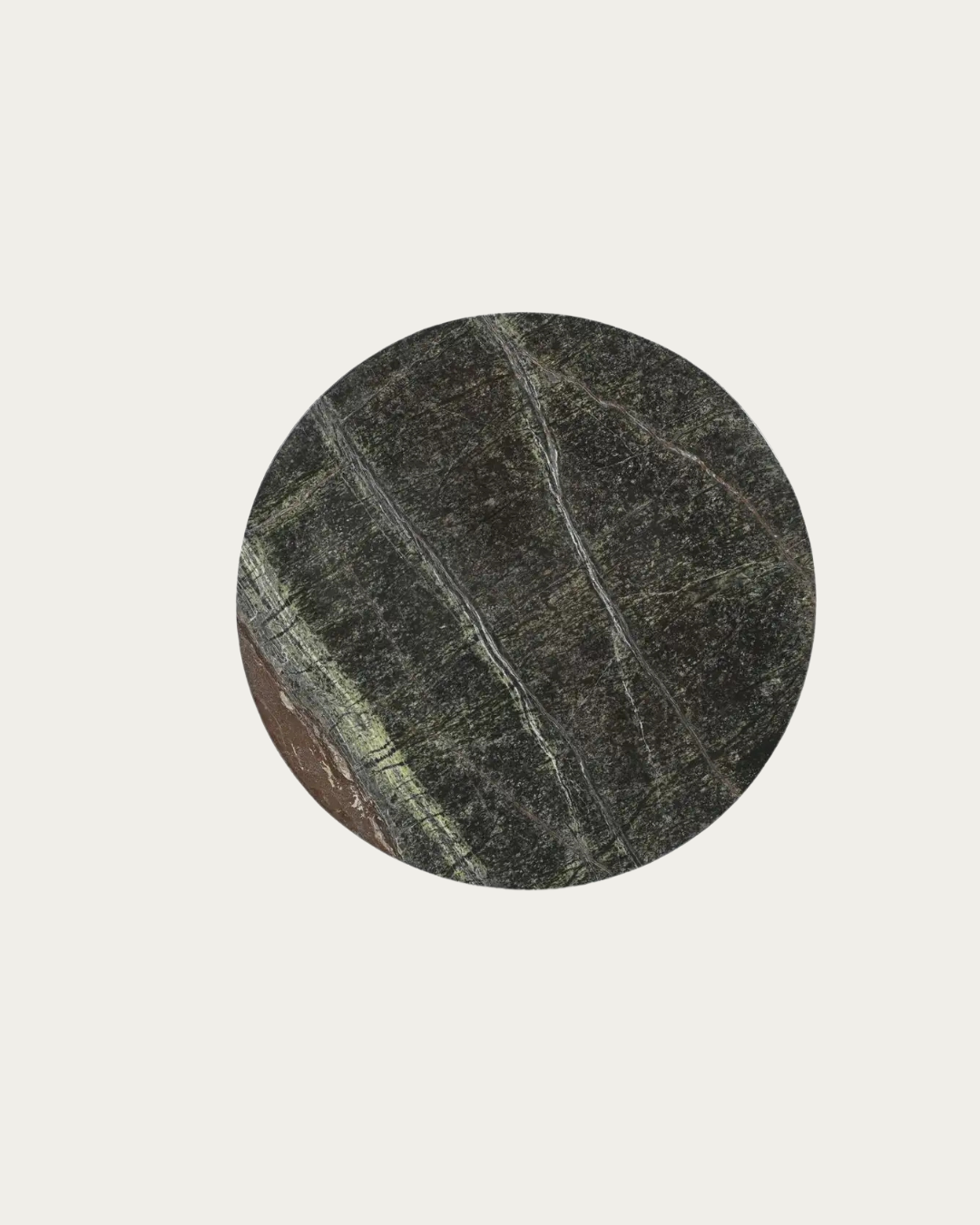
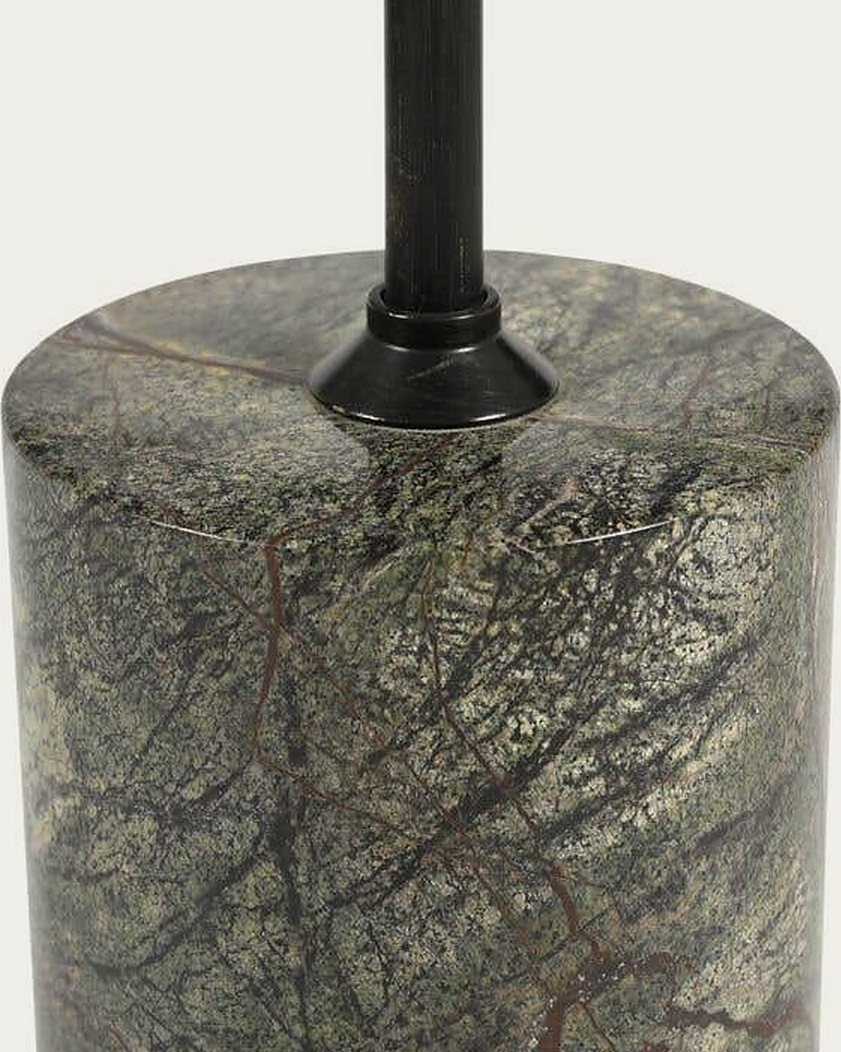
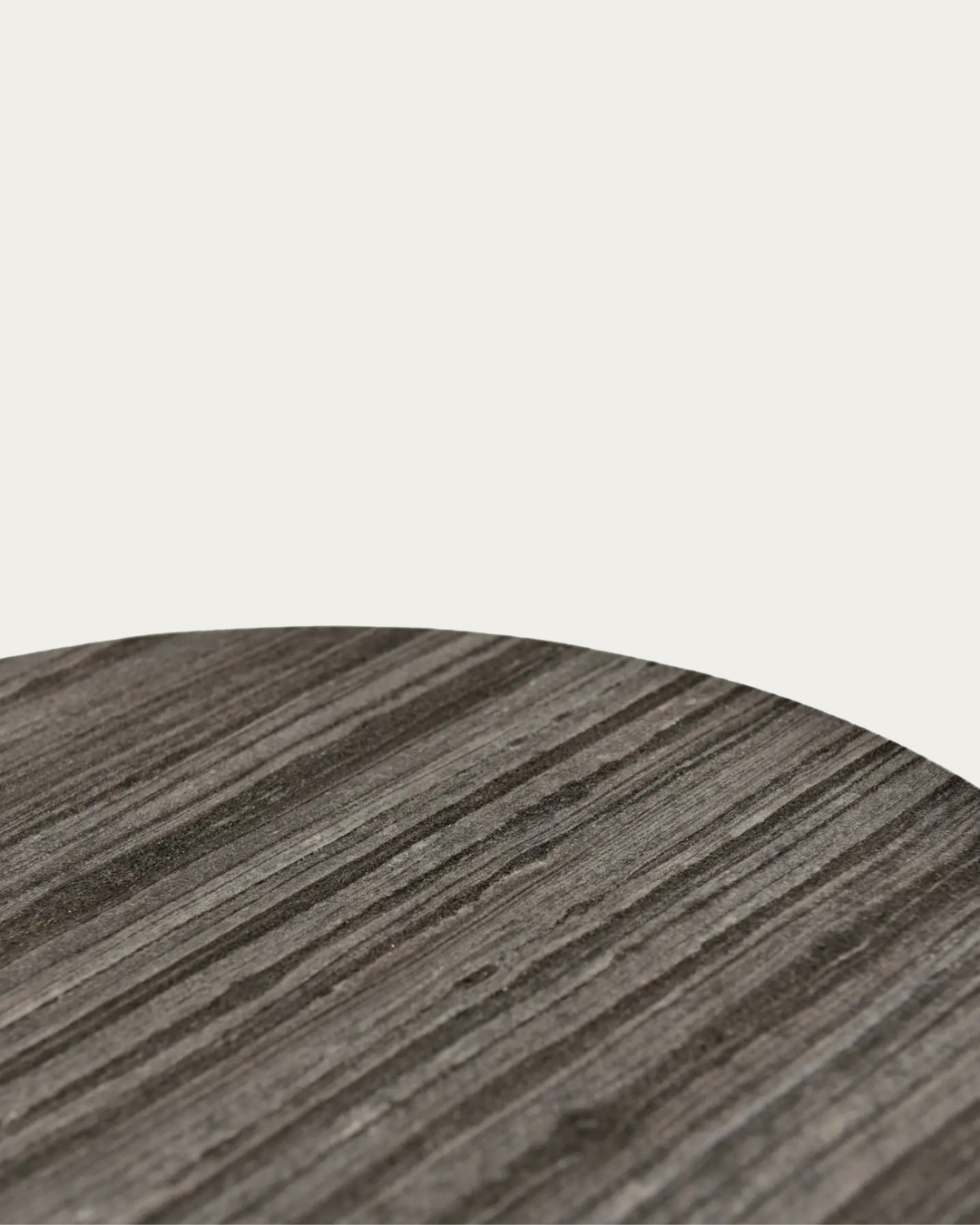
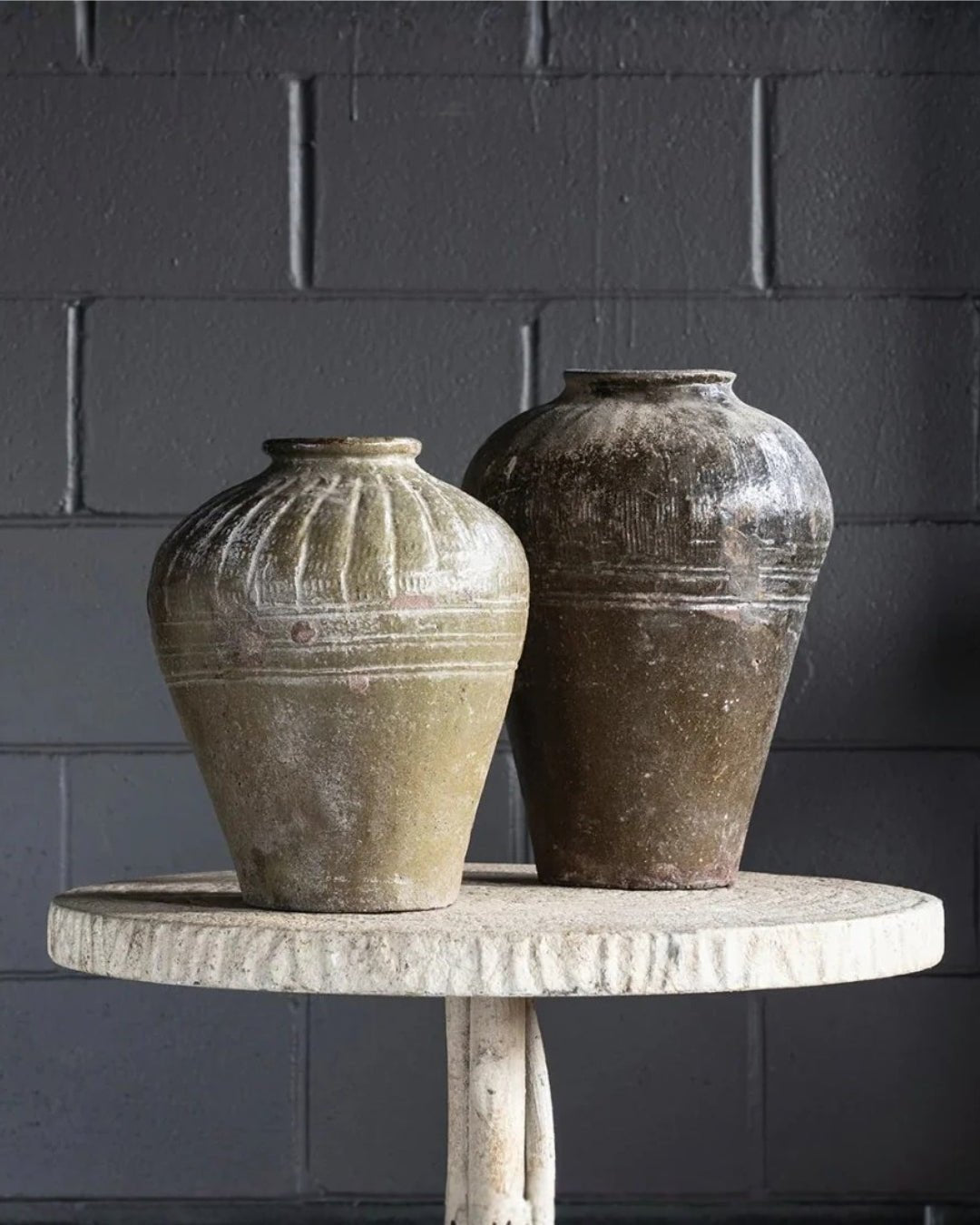
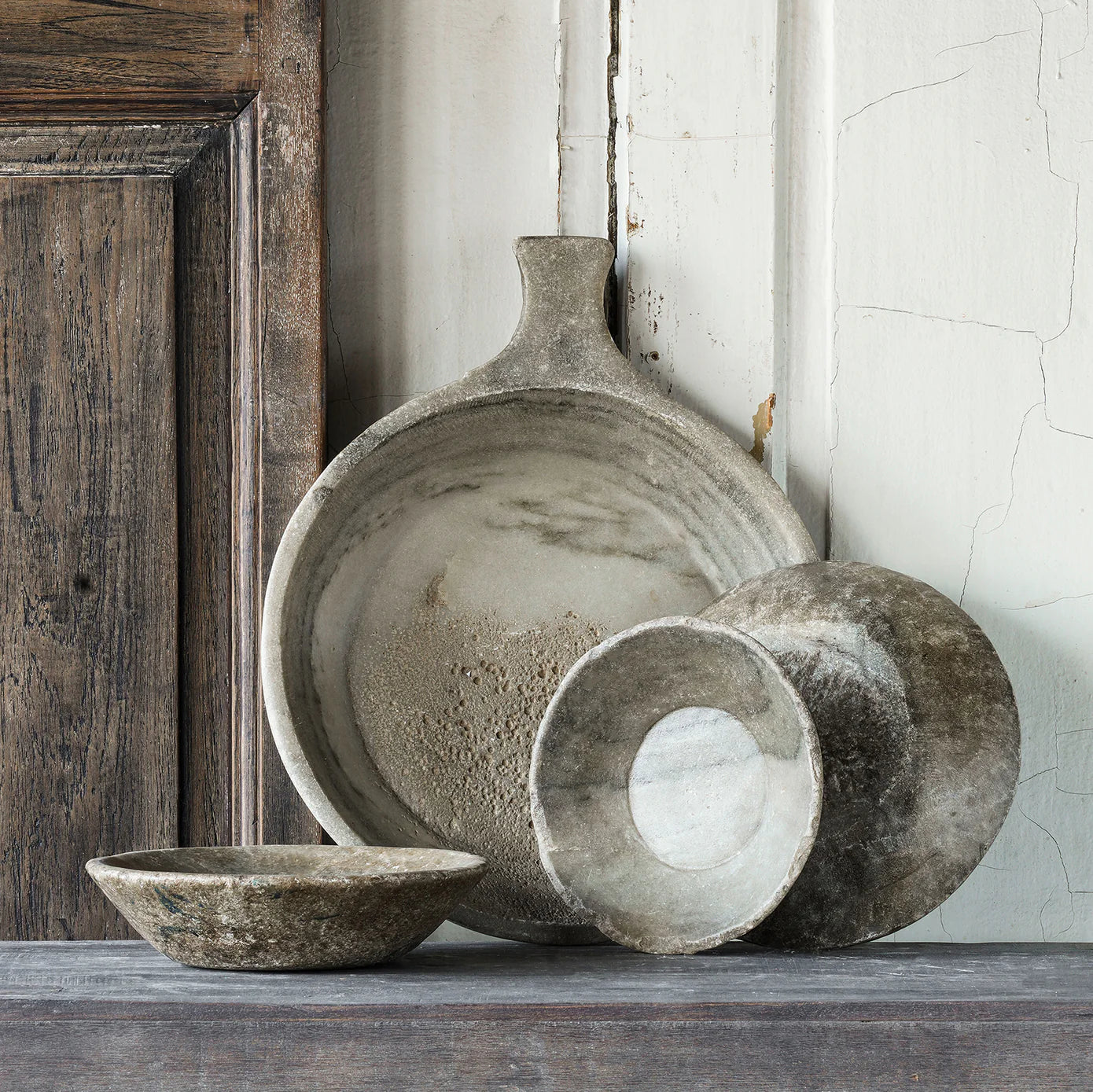
Matte stone against linen upholstery.
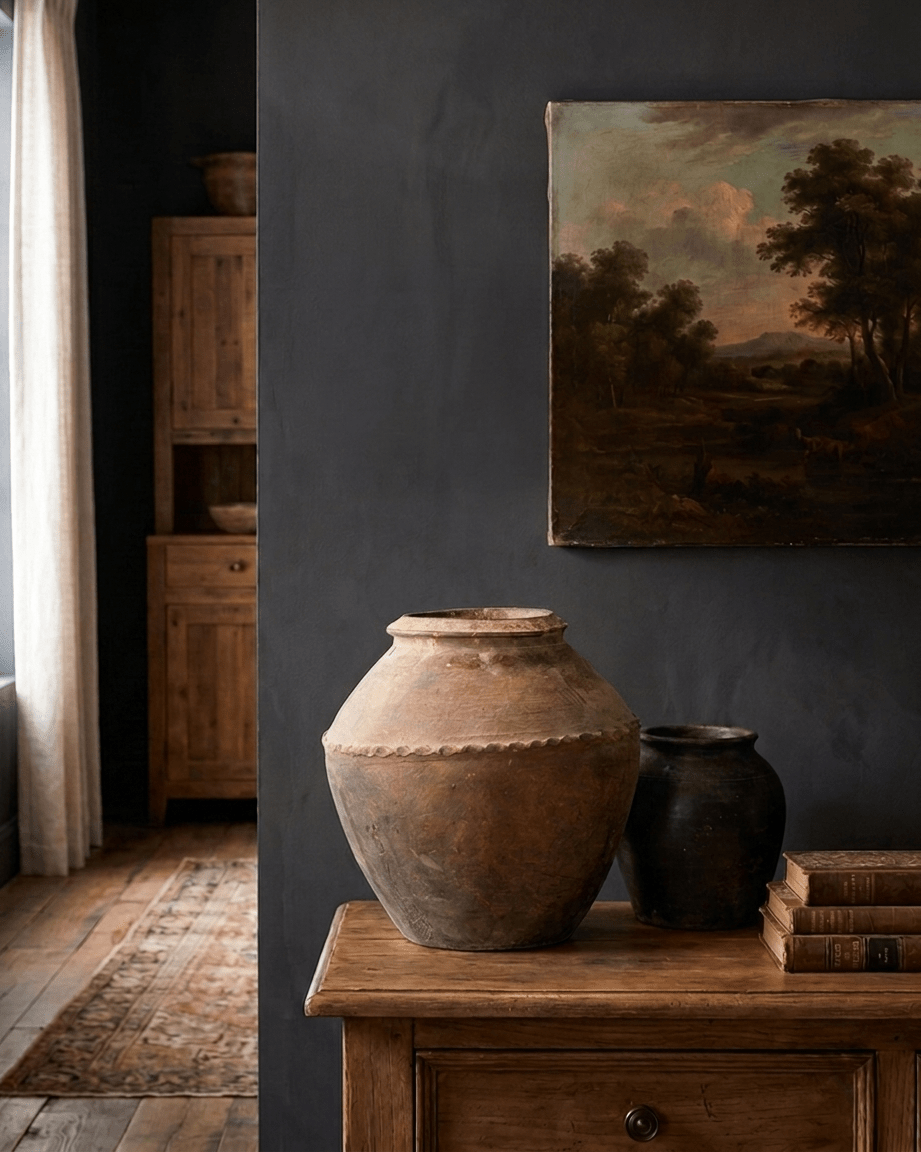
Aged brass beside darker wood grain.
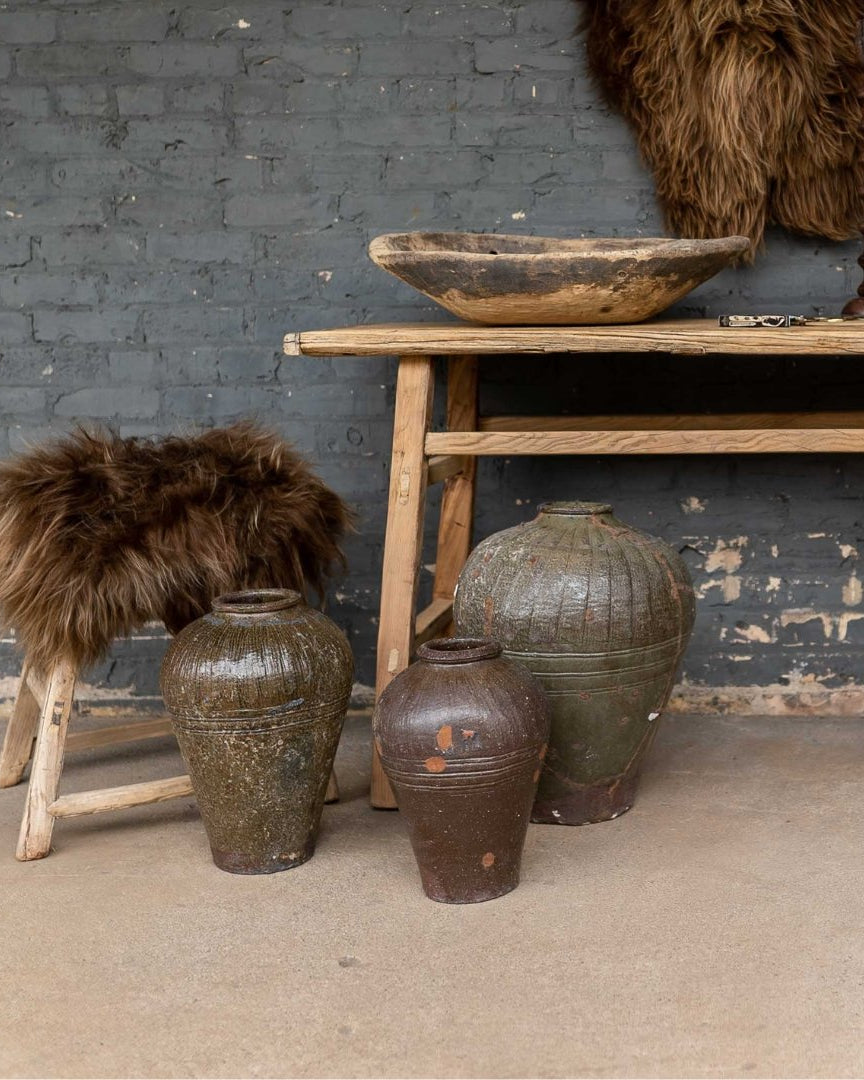
Worn finishes paired with softer textiles.
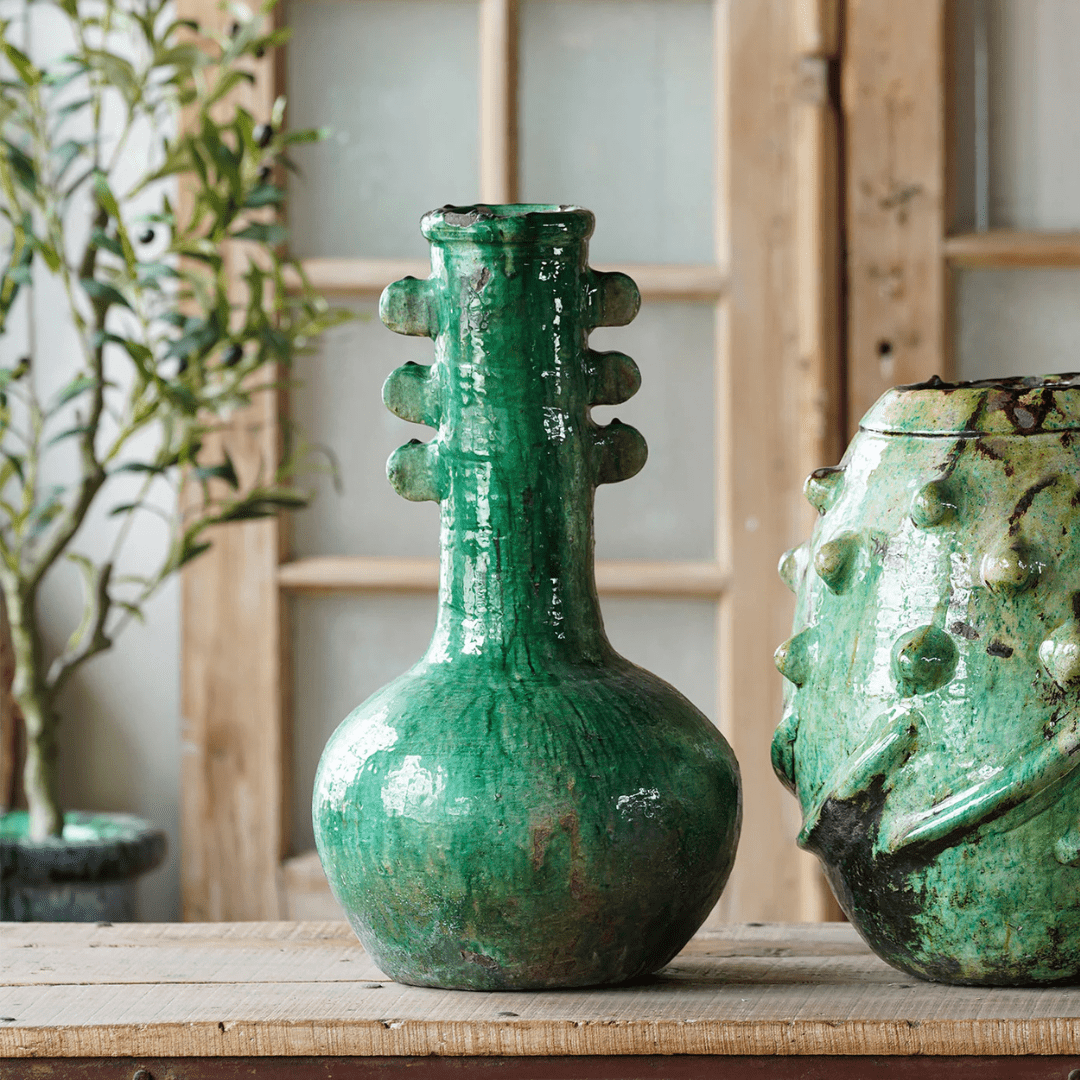
These combinations create depth naturally without relying on loud color palettes or trend-heavy styling.
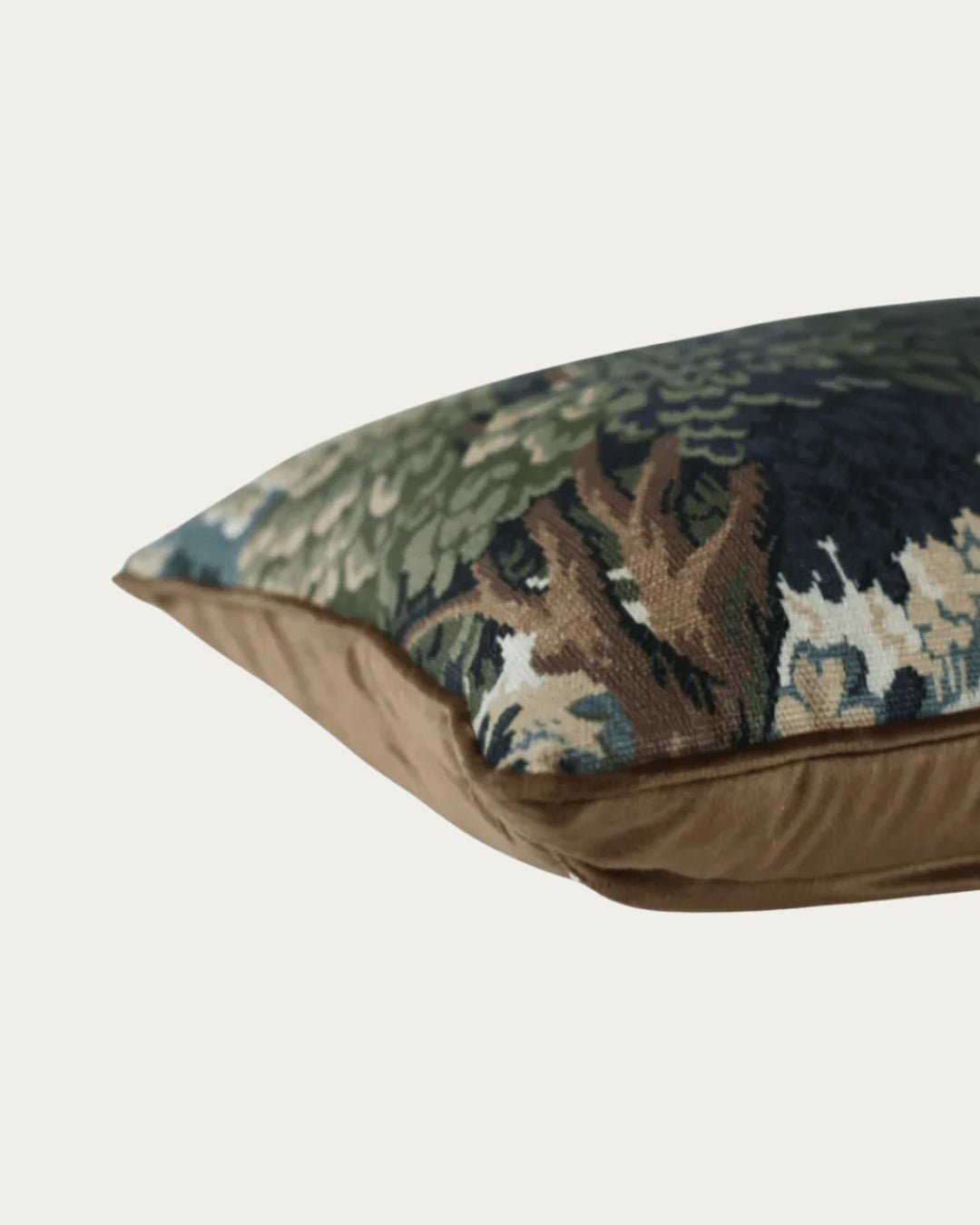
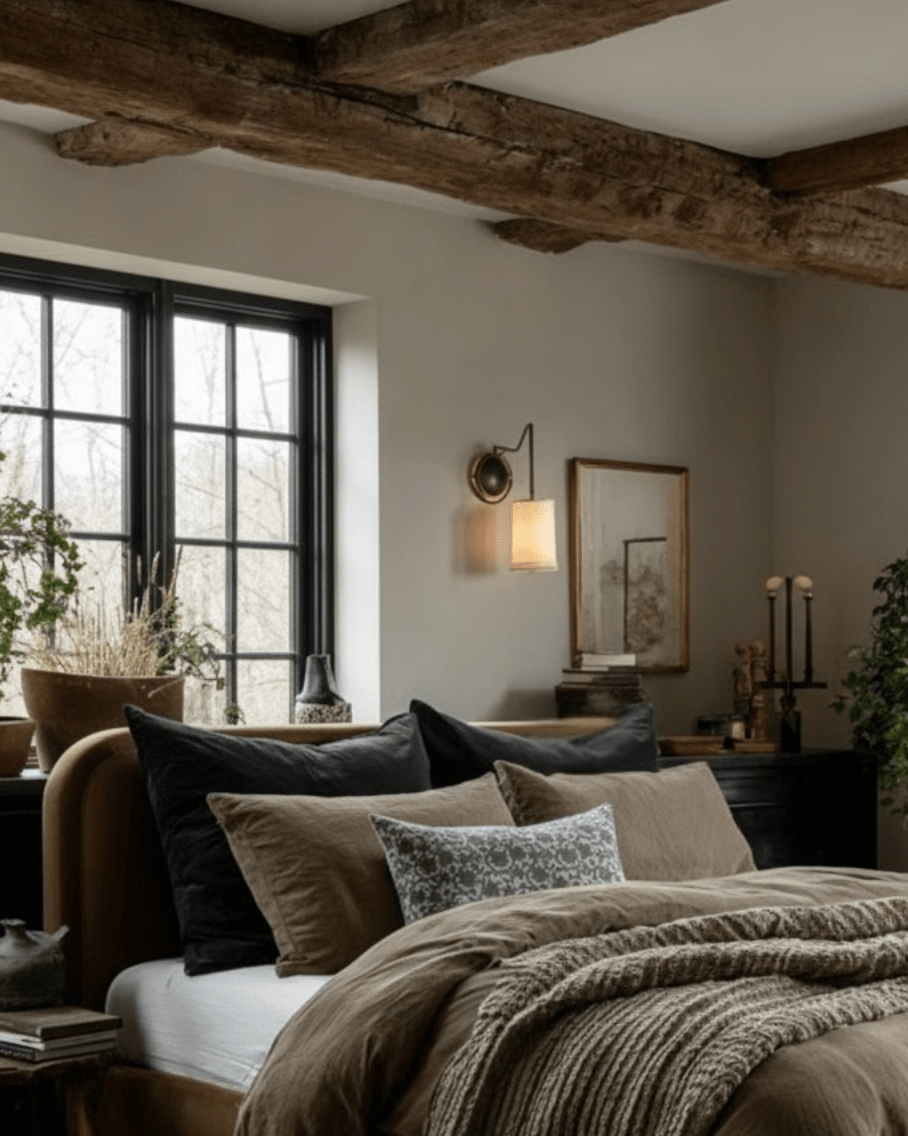
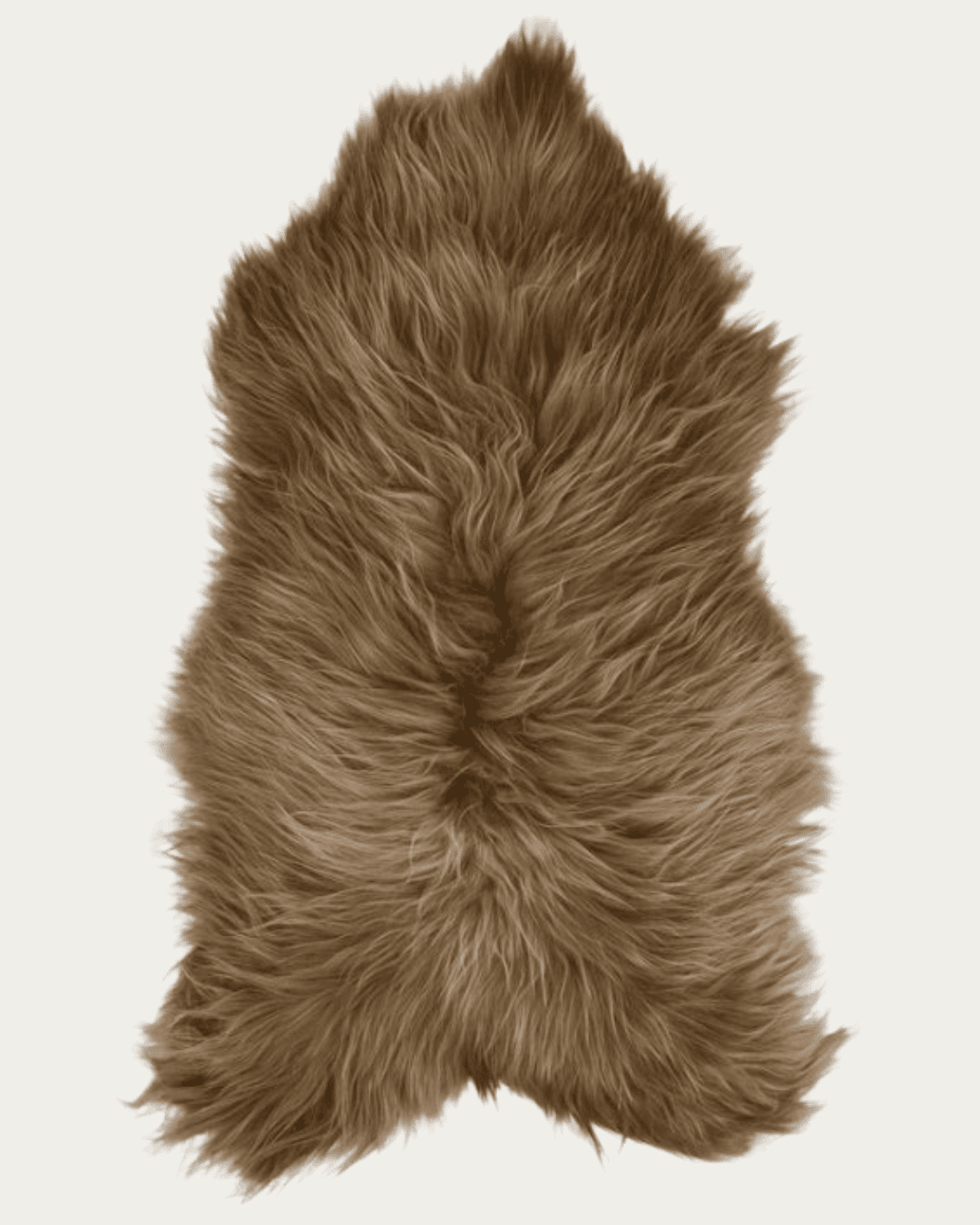
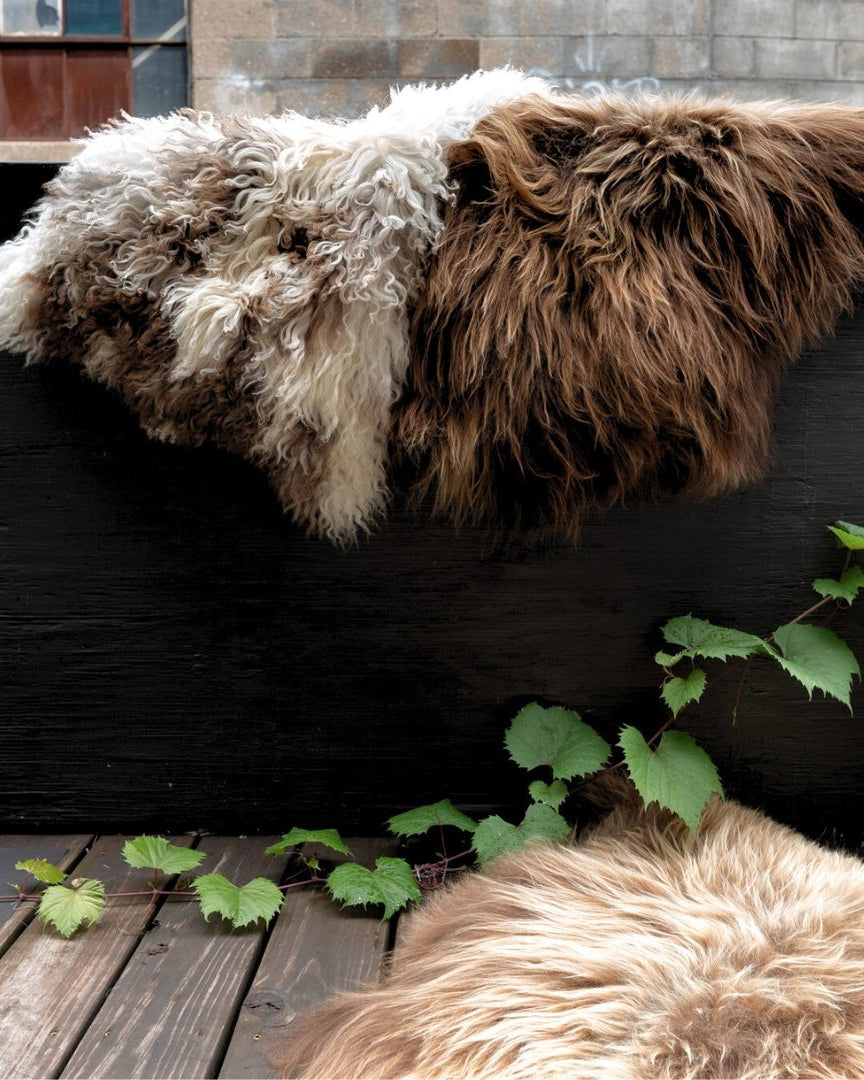
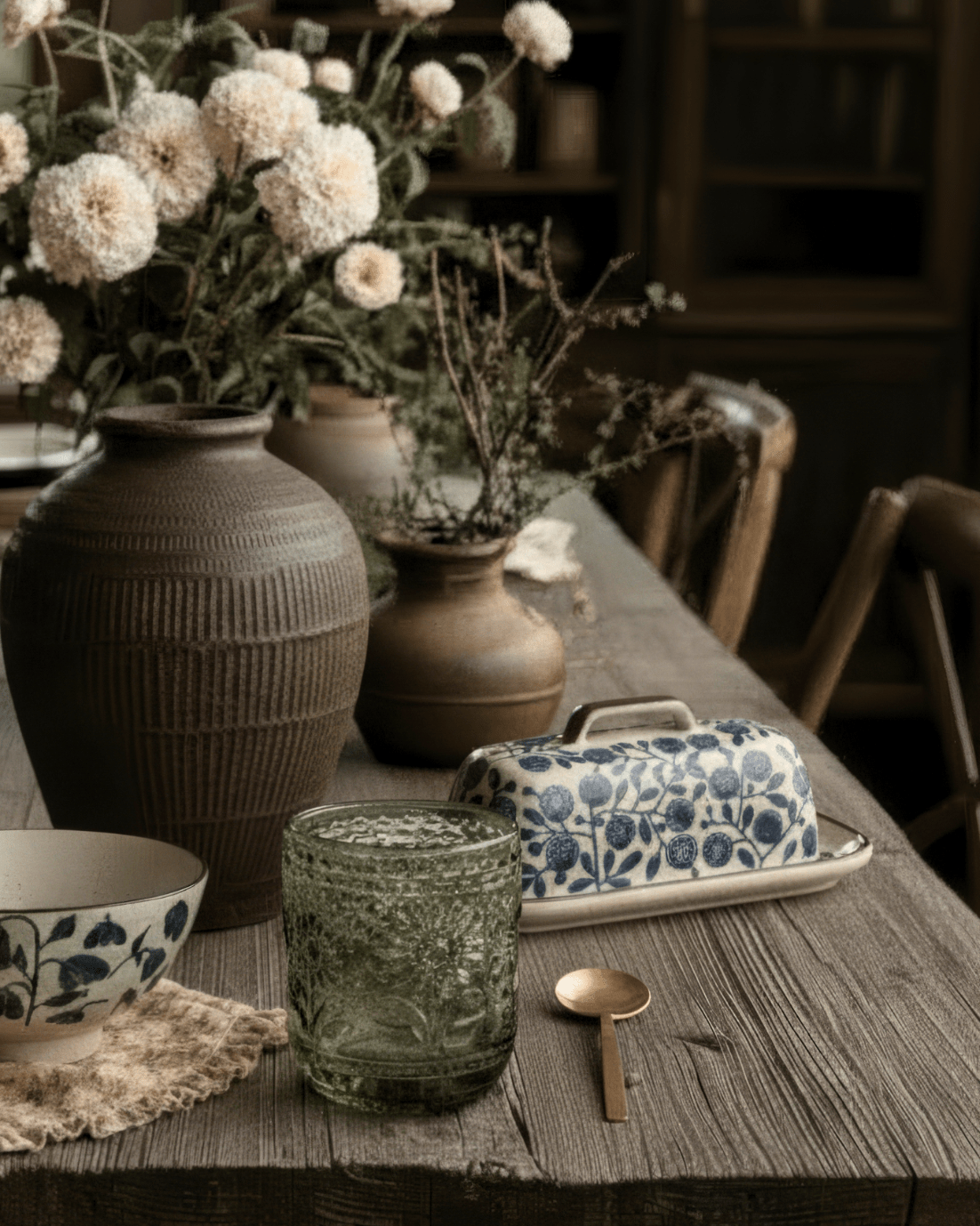
That’s why a room layered with tactile materials often feels more complete than one filled with decorative accessories. Texture gives the eye variation without overstimulation.
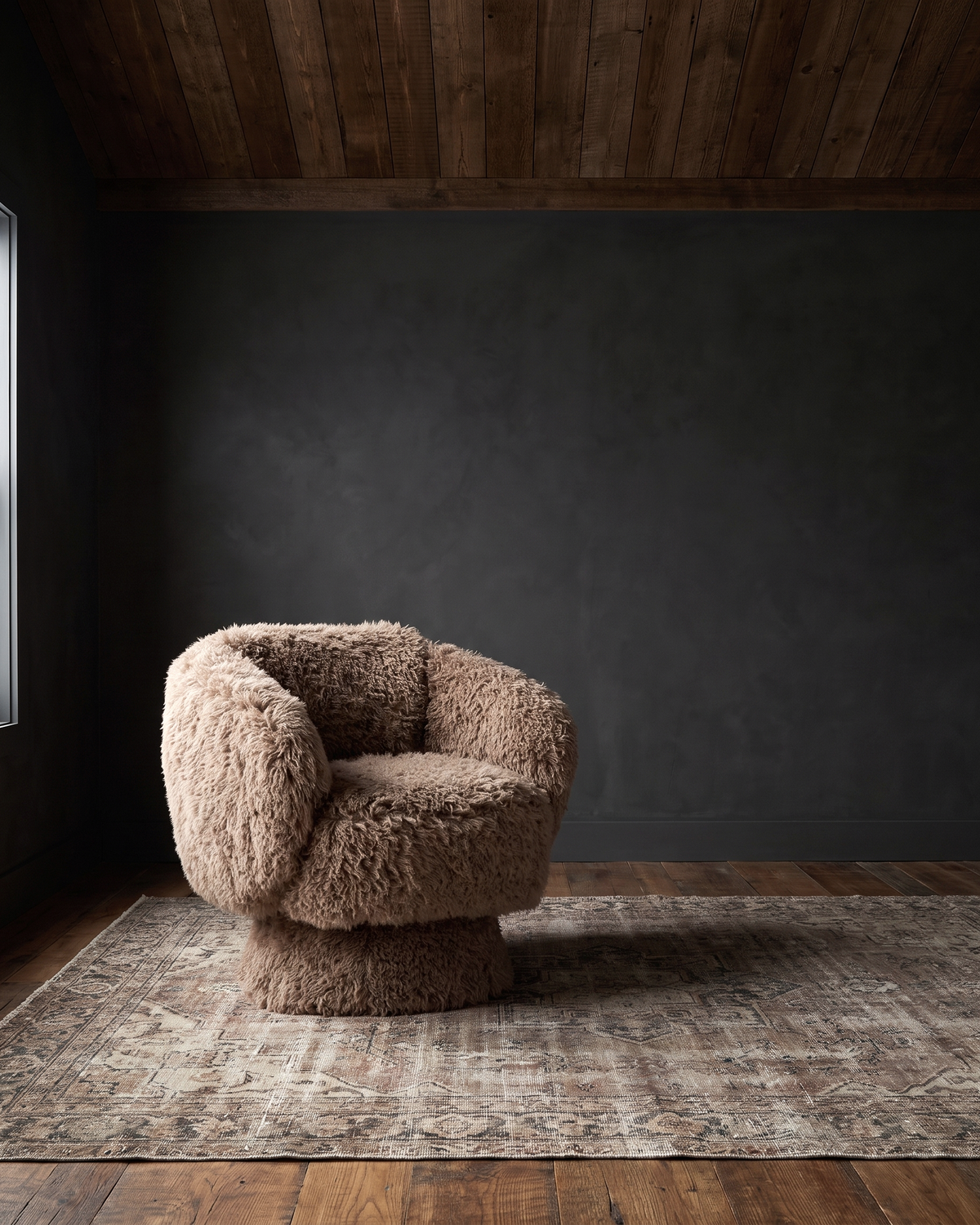
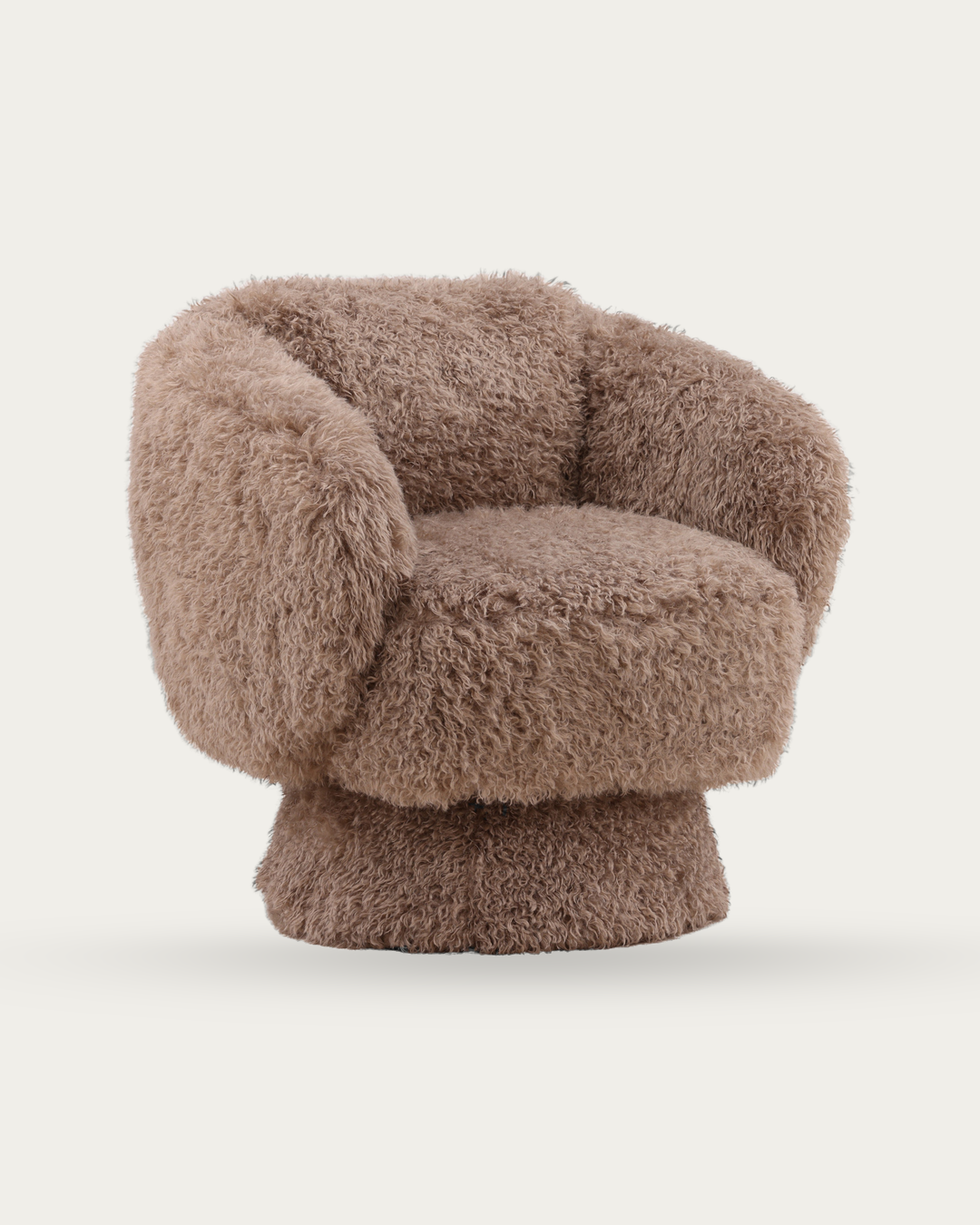
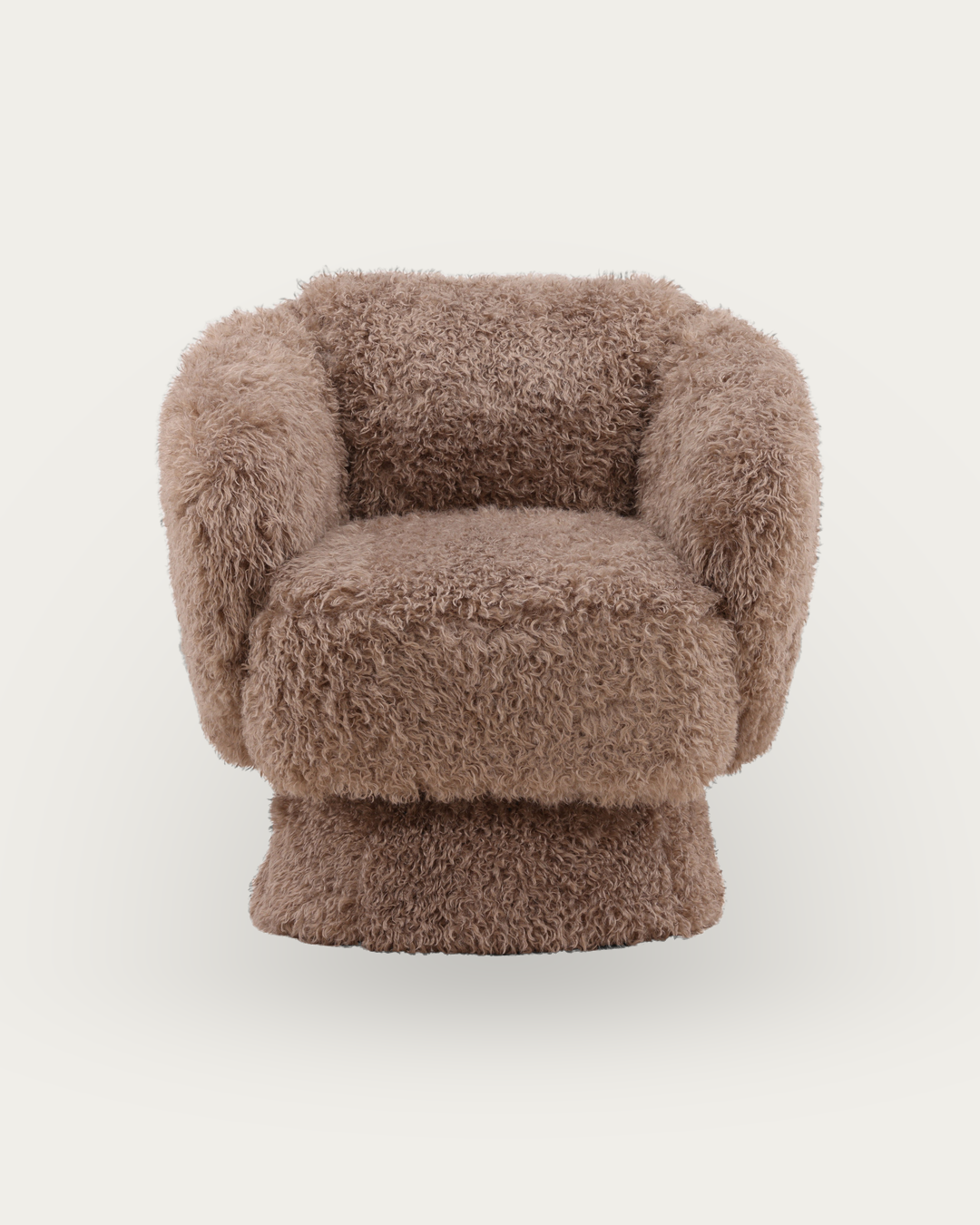
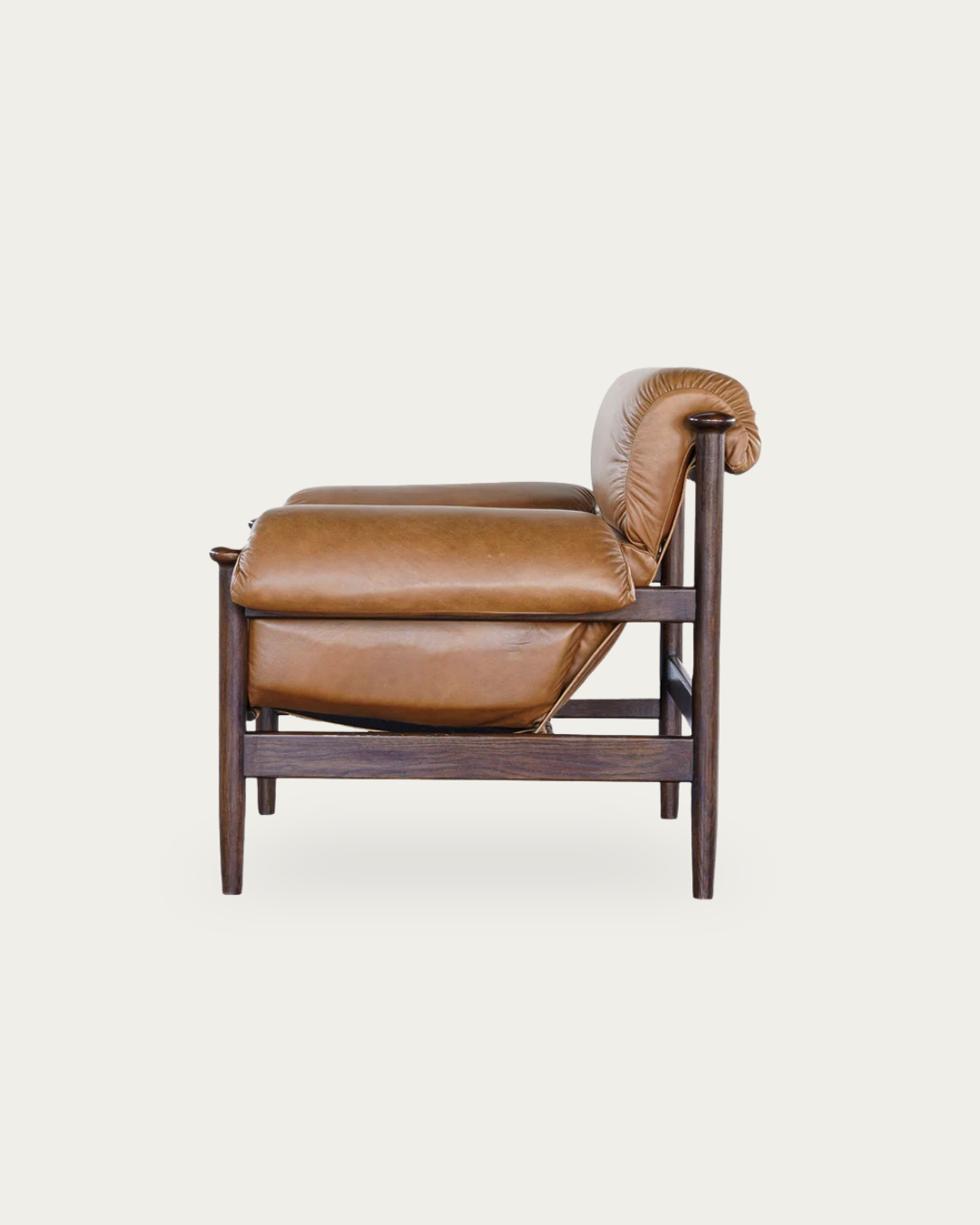
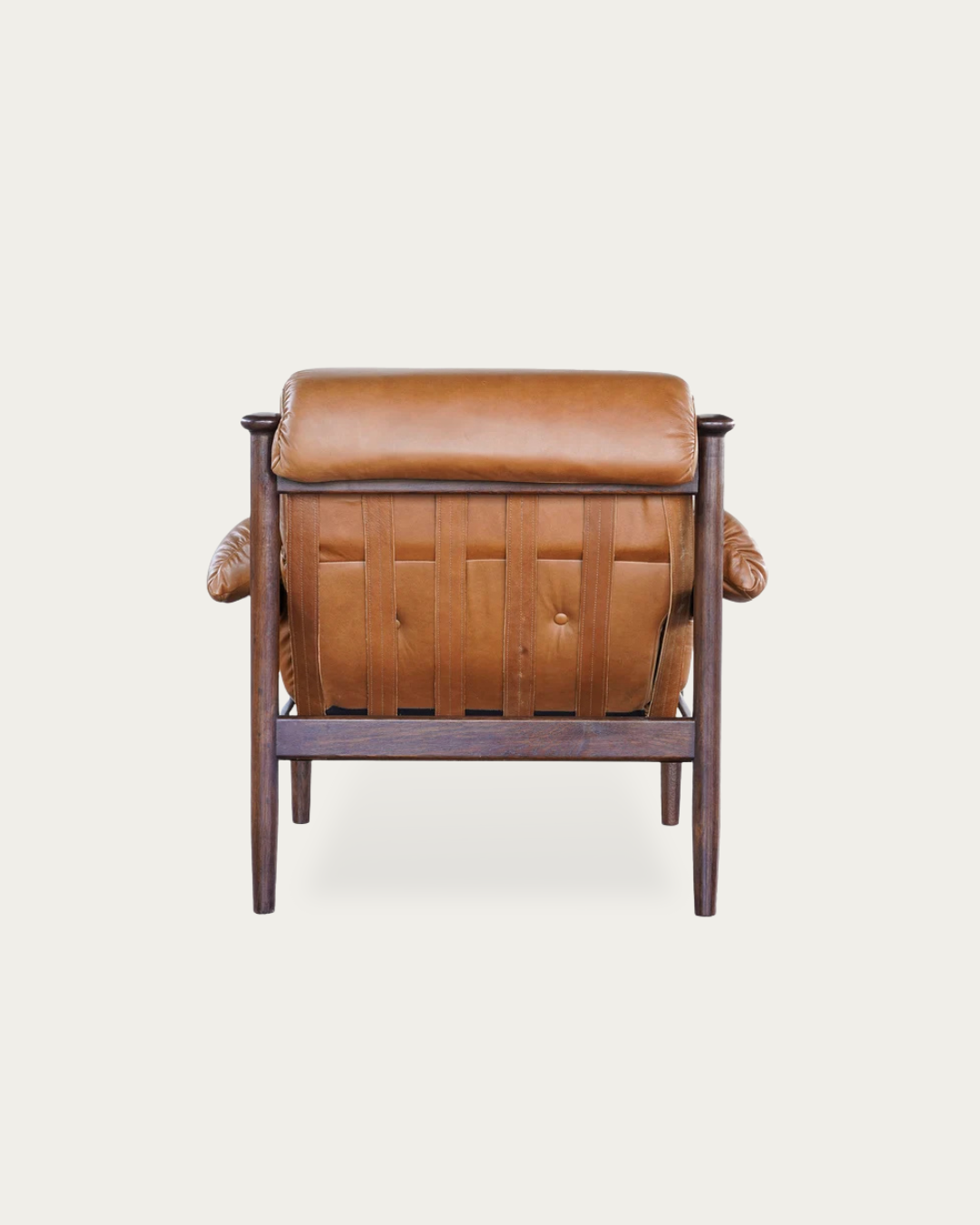
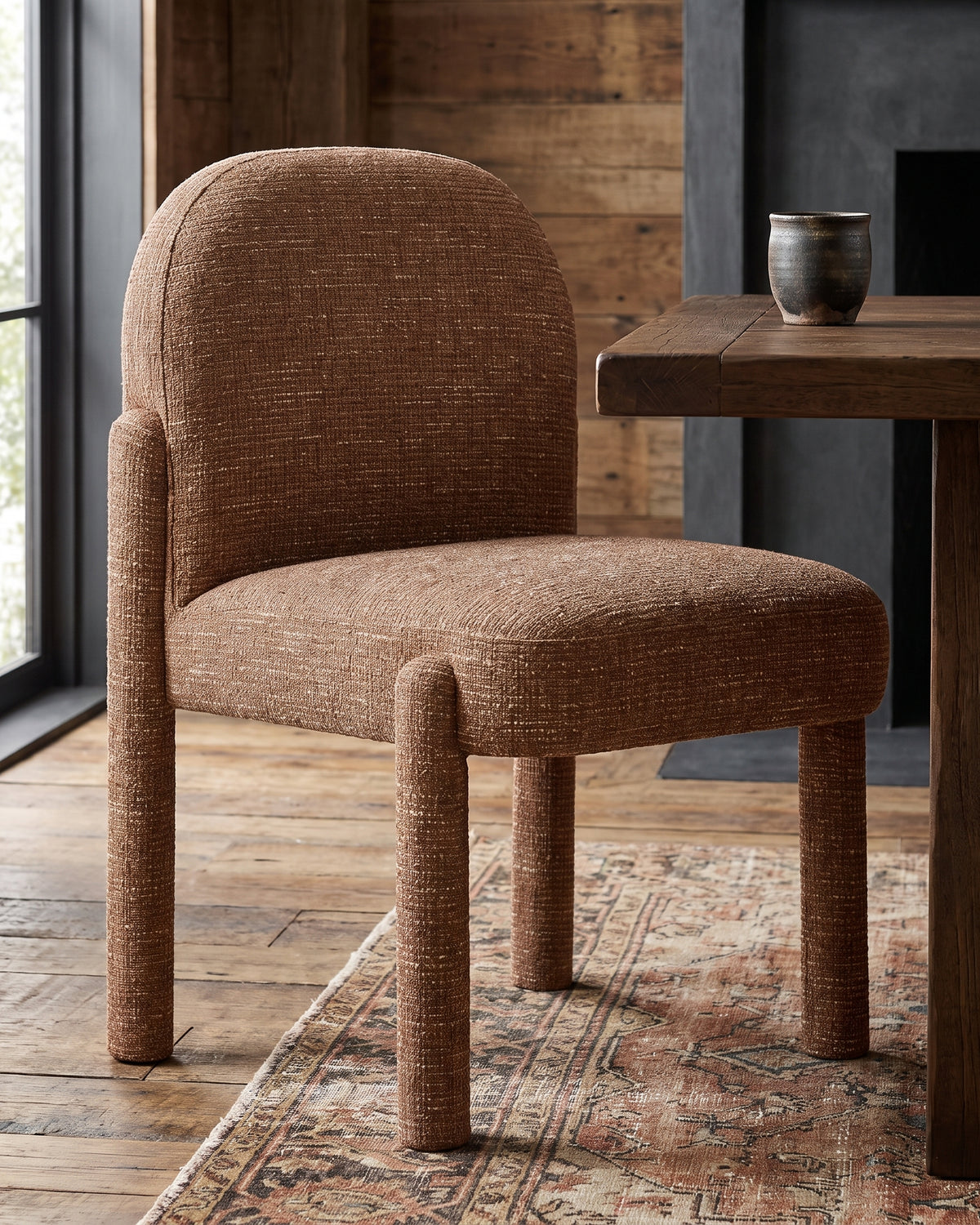
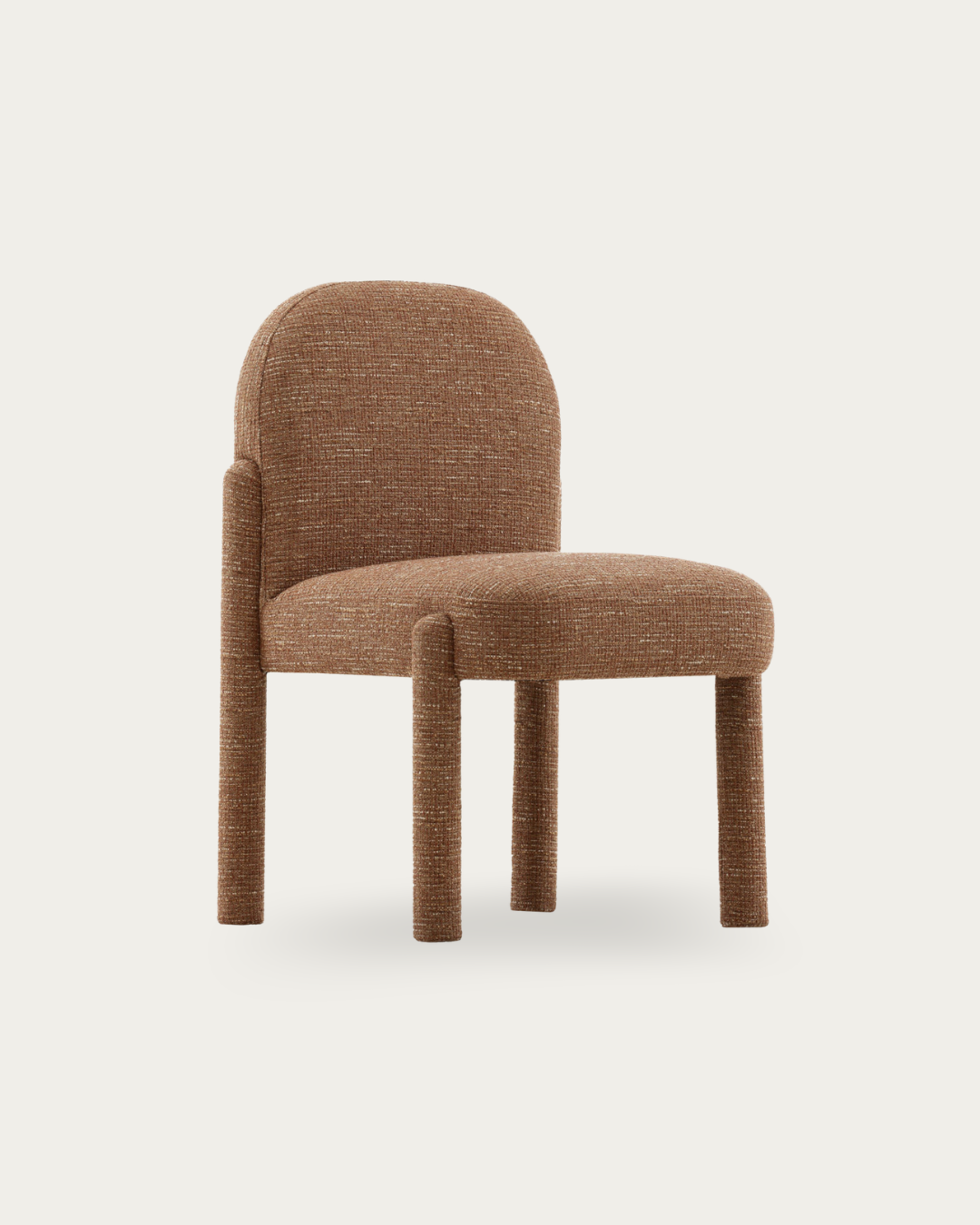
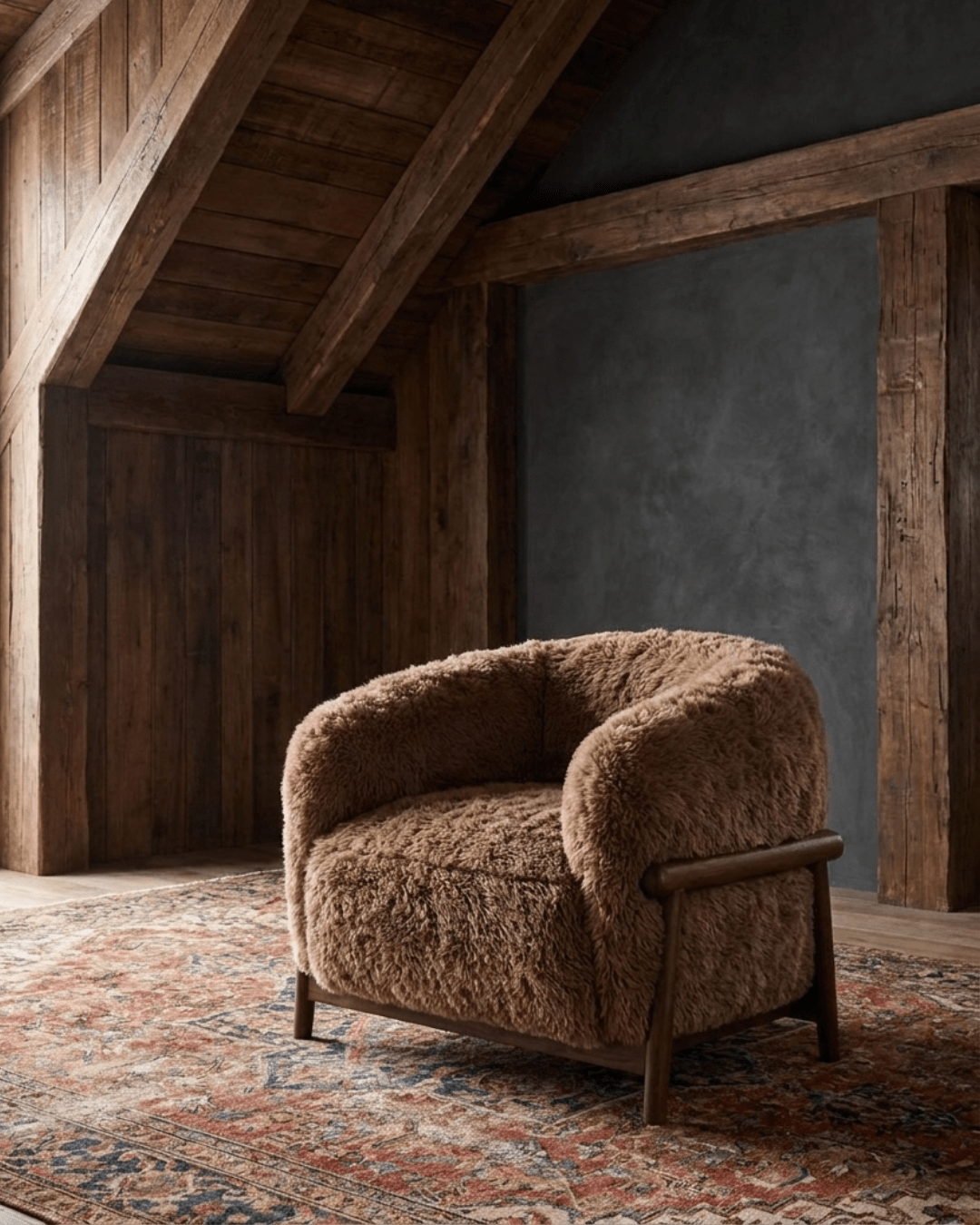
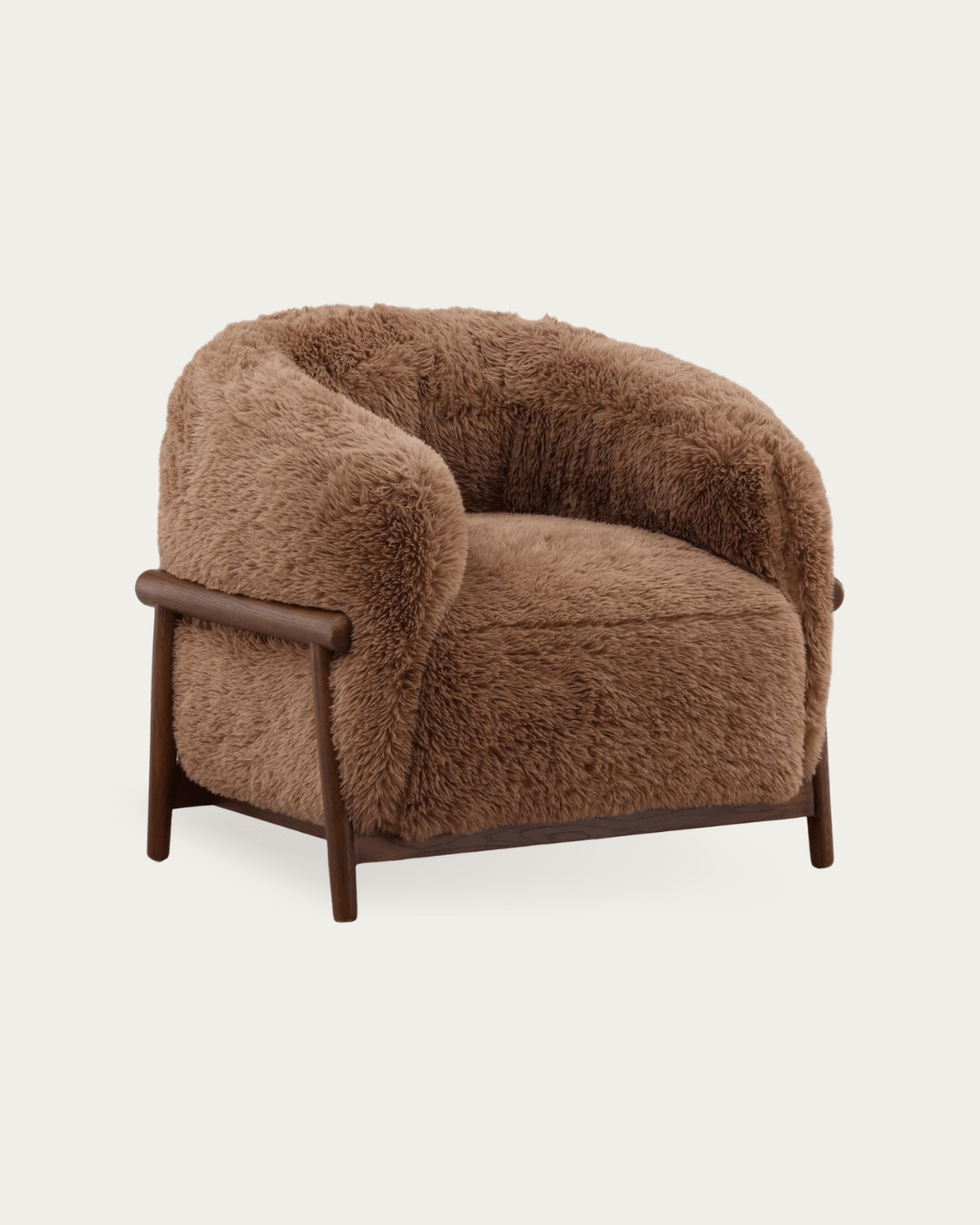
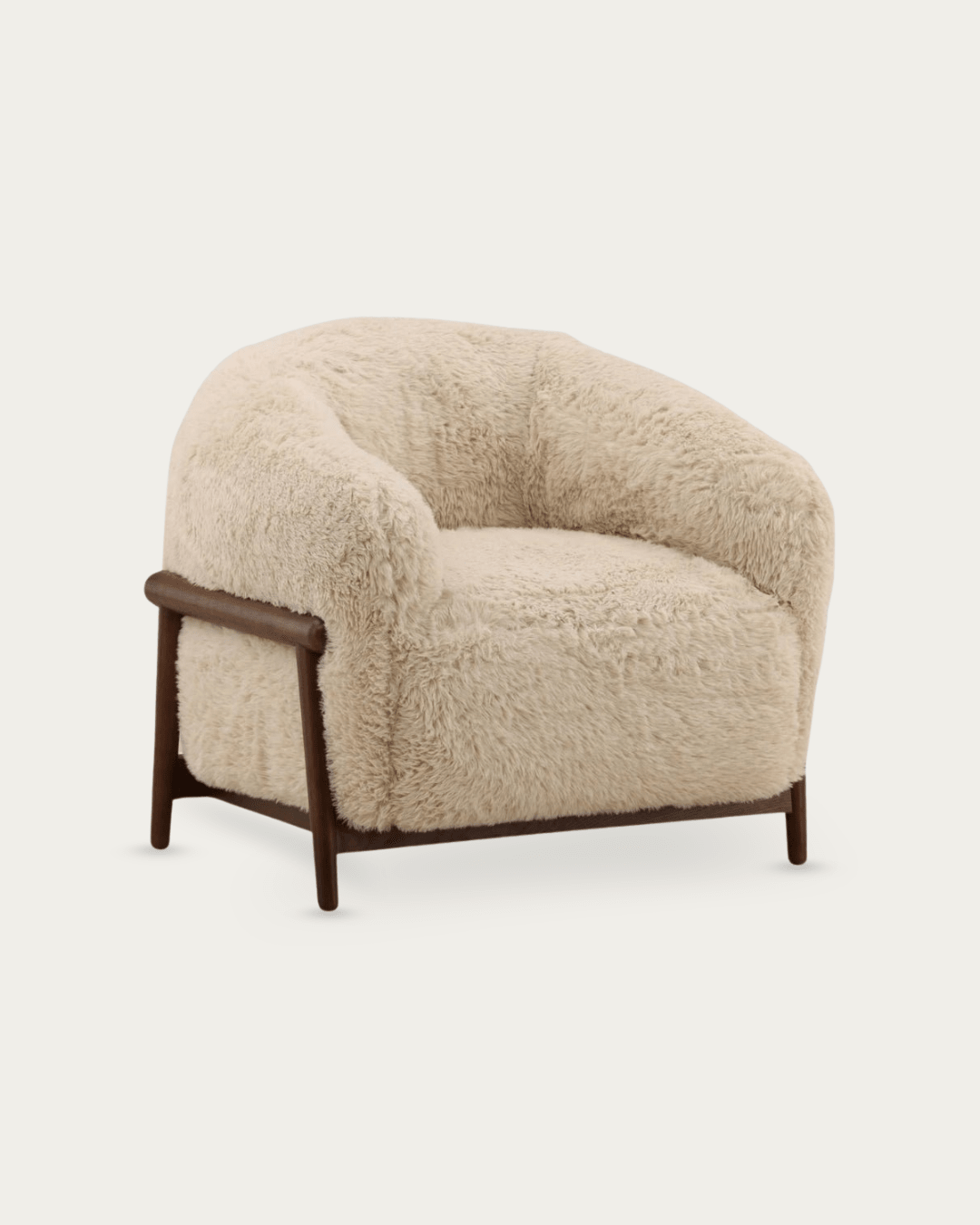
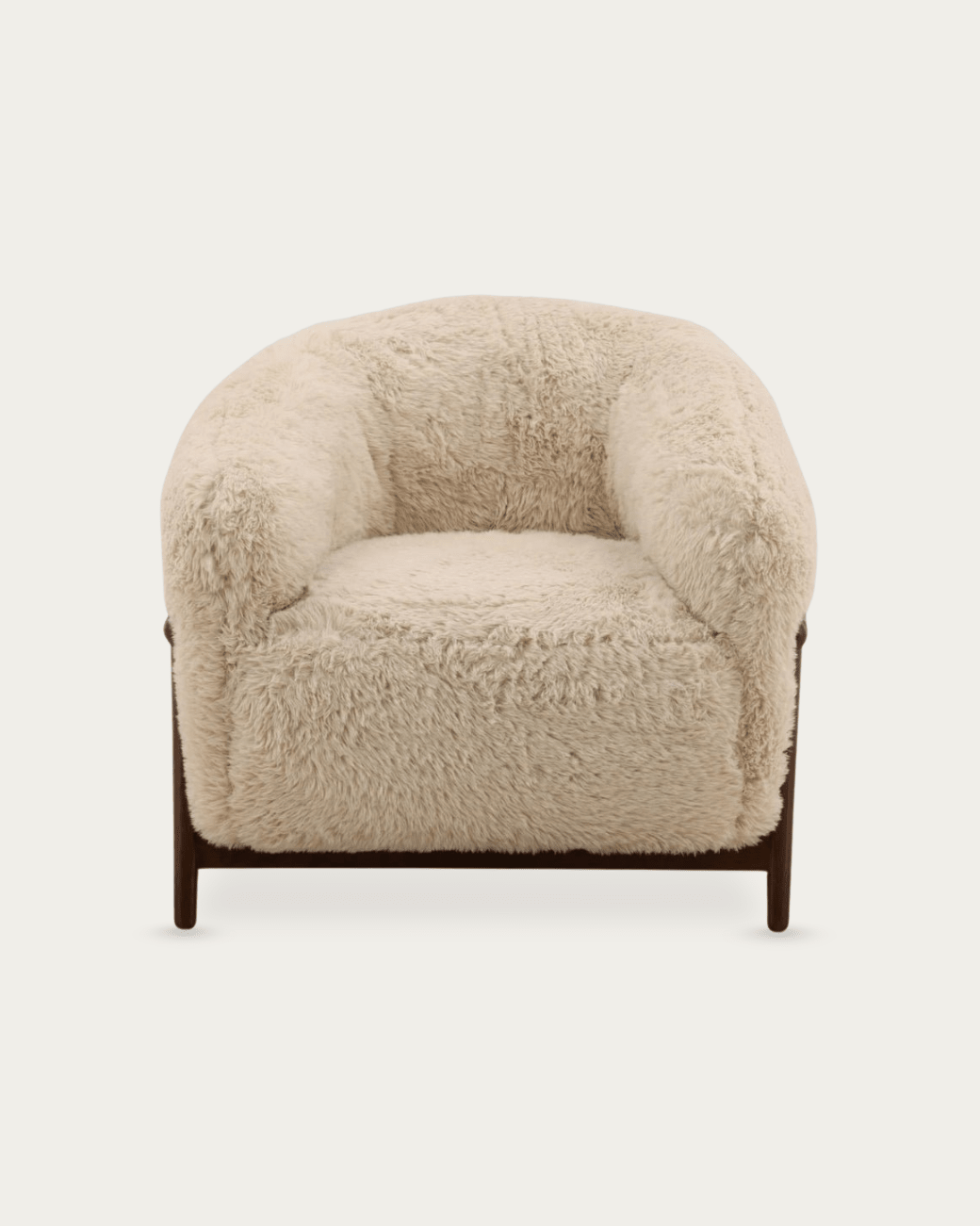
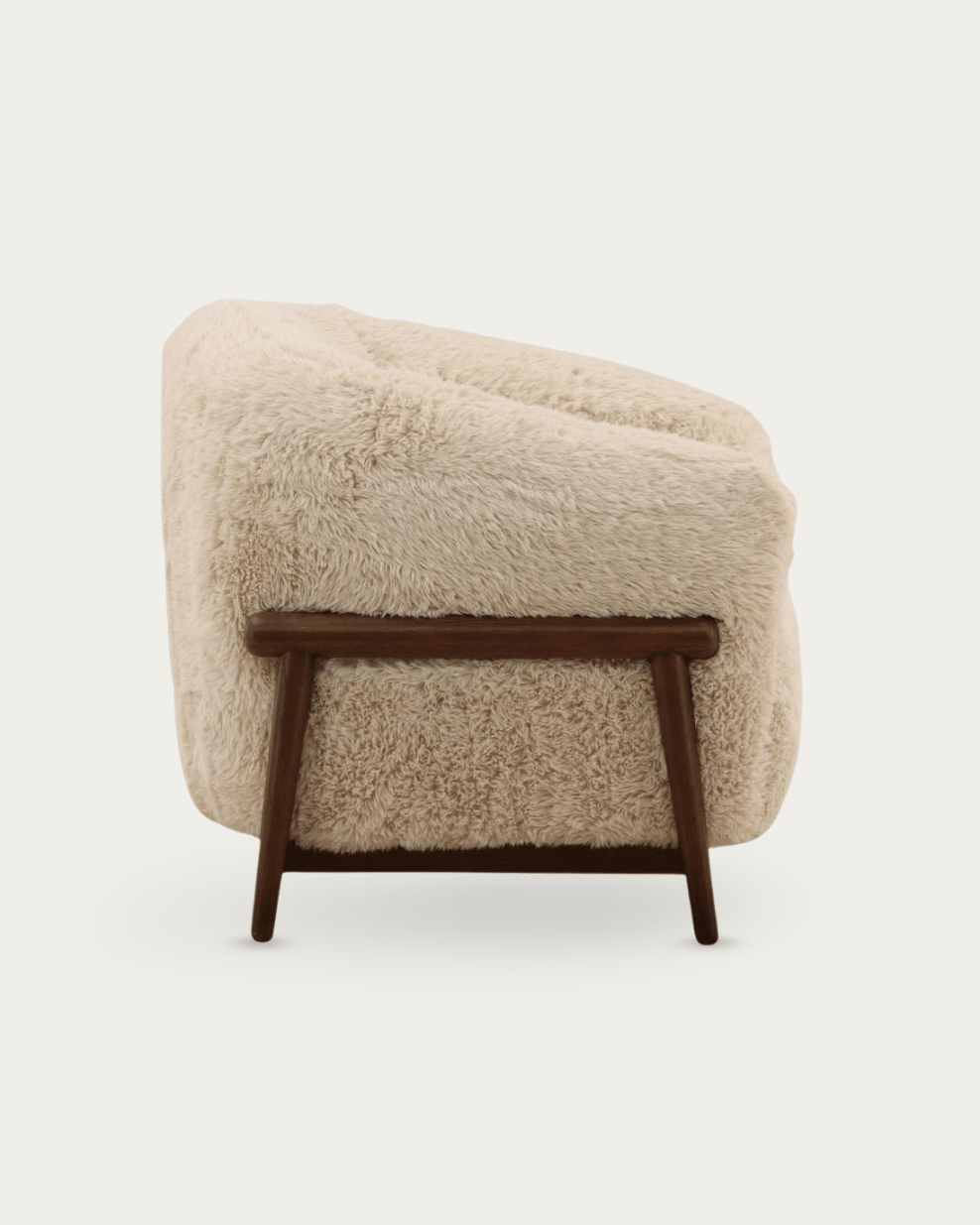
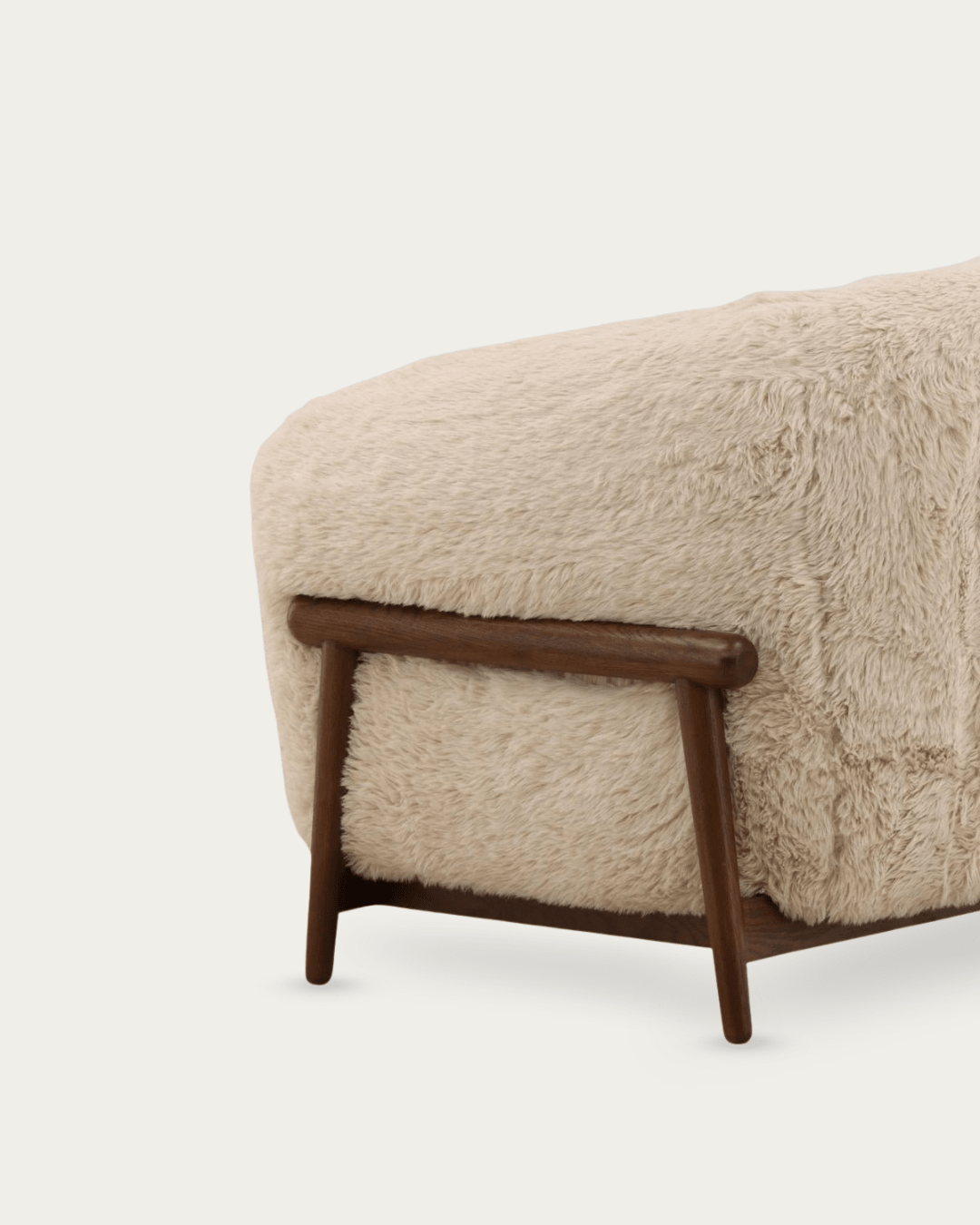
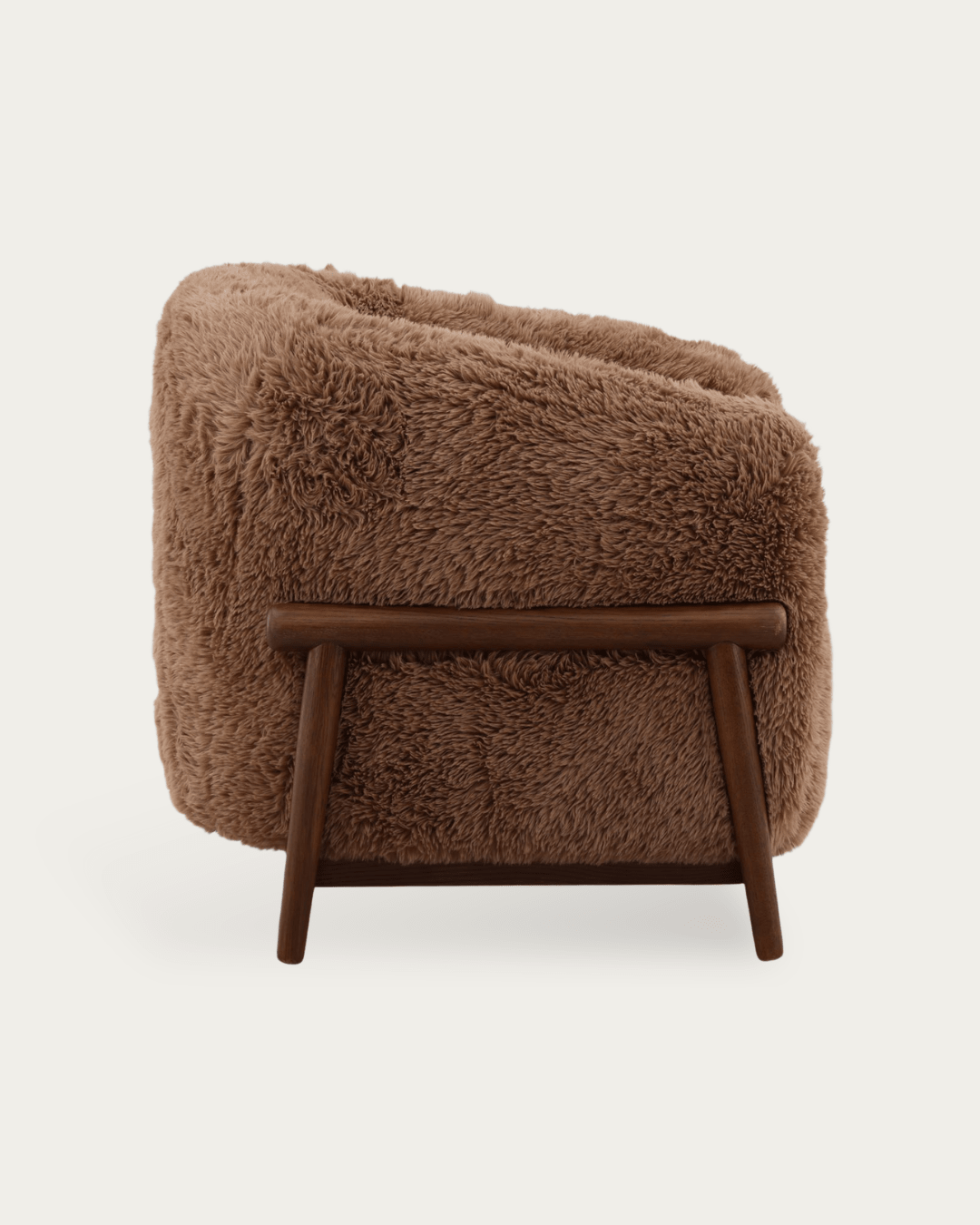
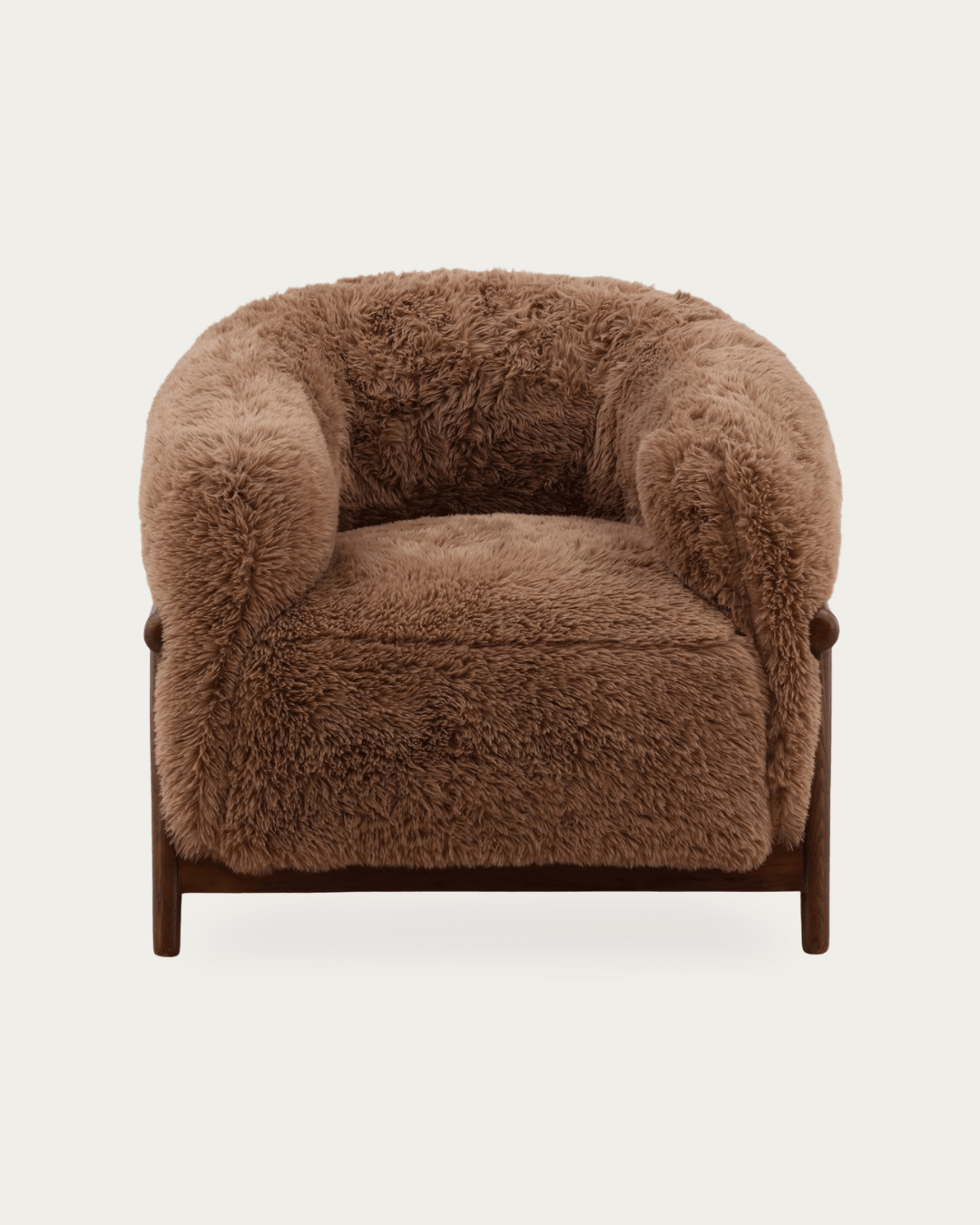
A substantial piece from the Coffee table collection paired with softer forms from the Lounge chair collection usually creates more balance than constantly adding smaller objects that fight for attention.
Coffee table collection:
Lounge chair collection:
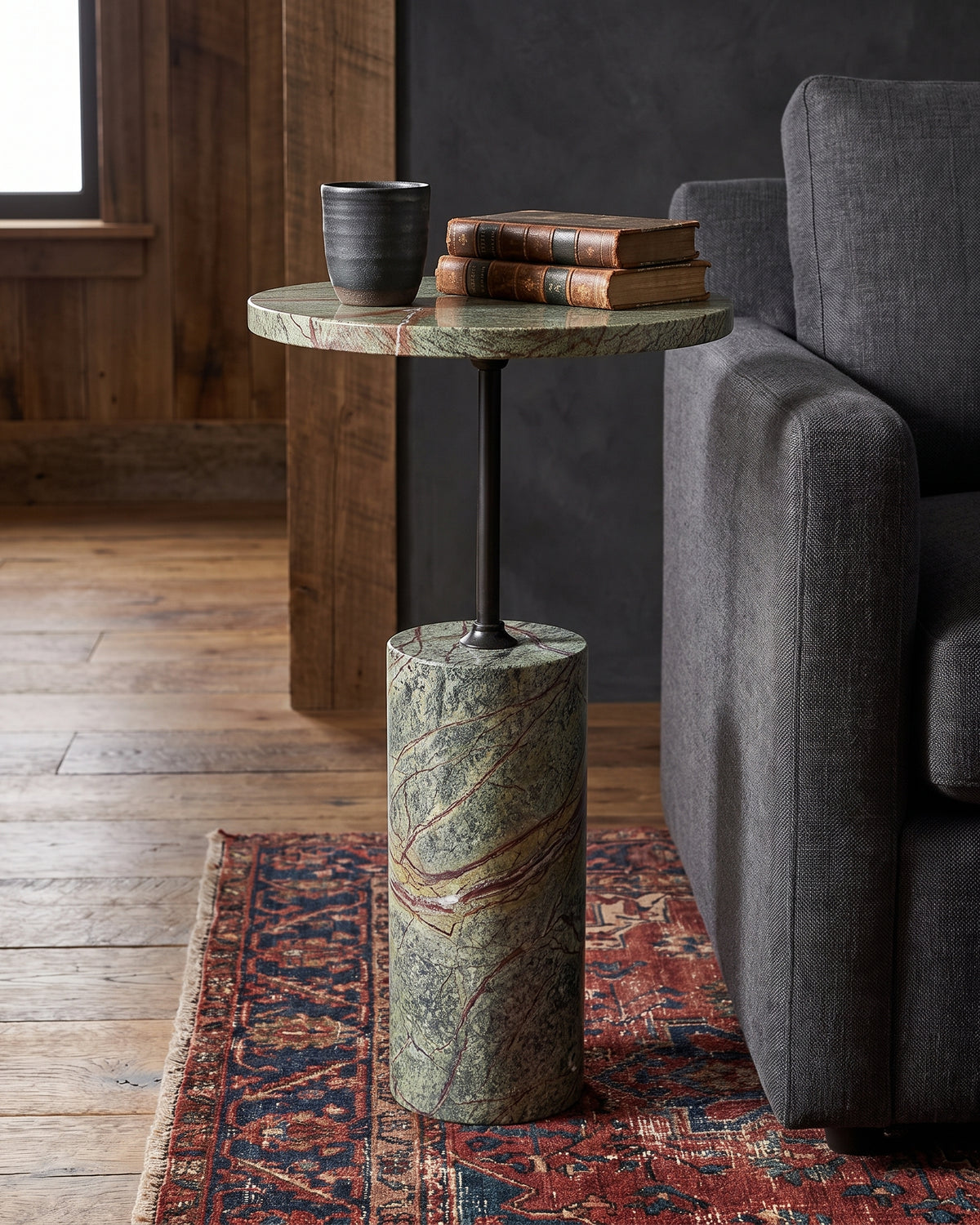
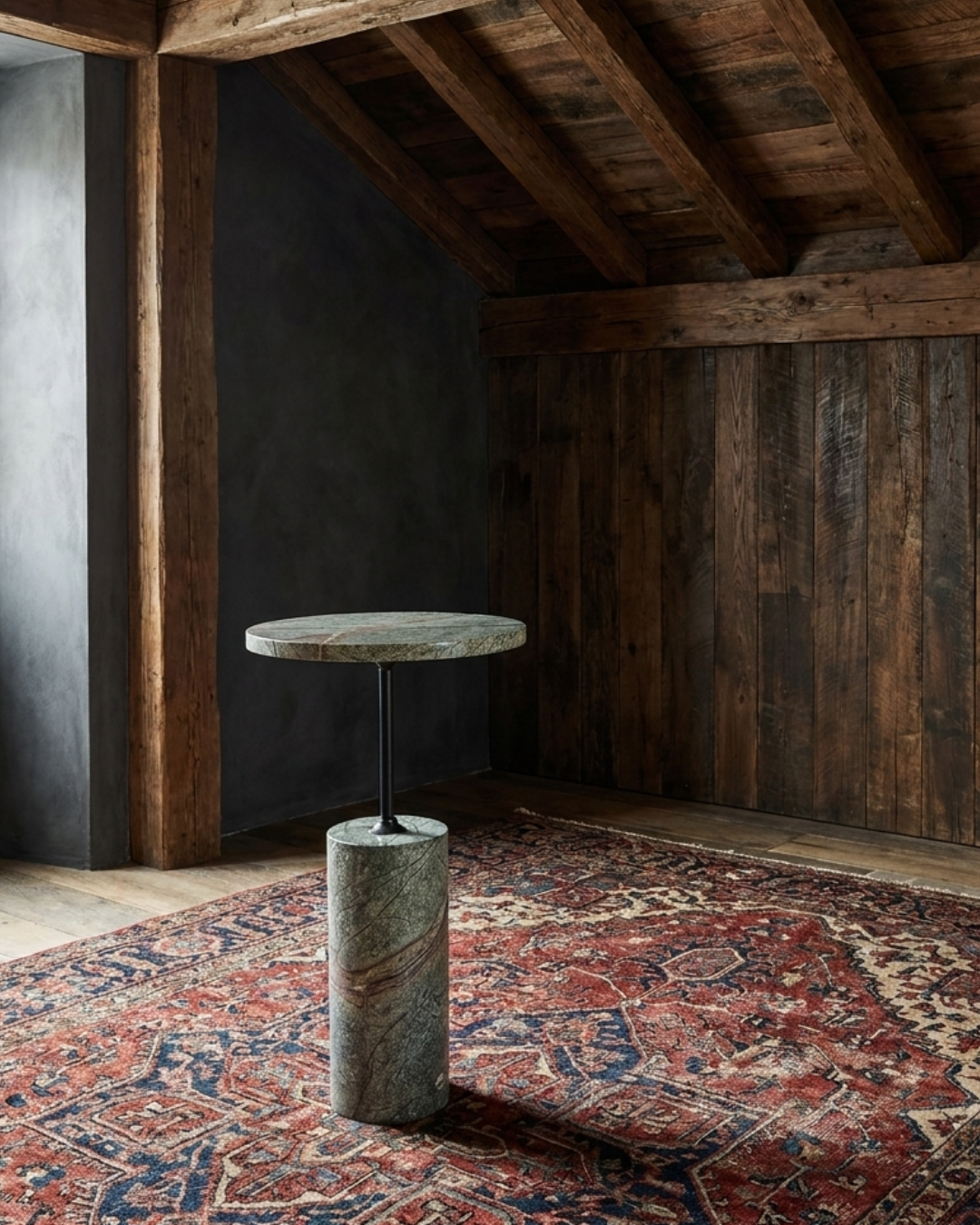
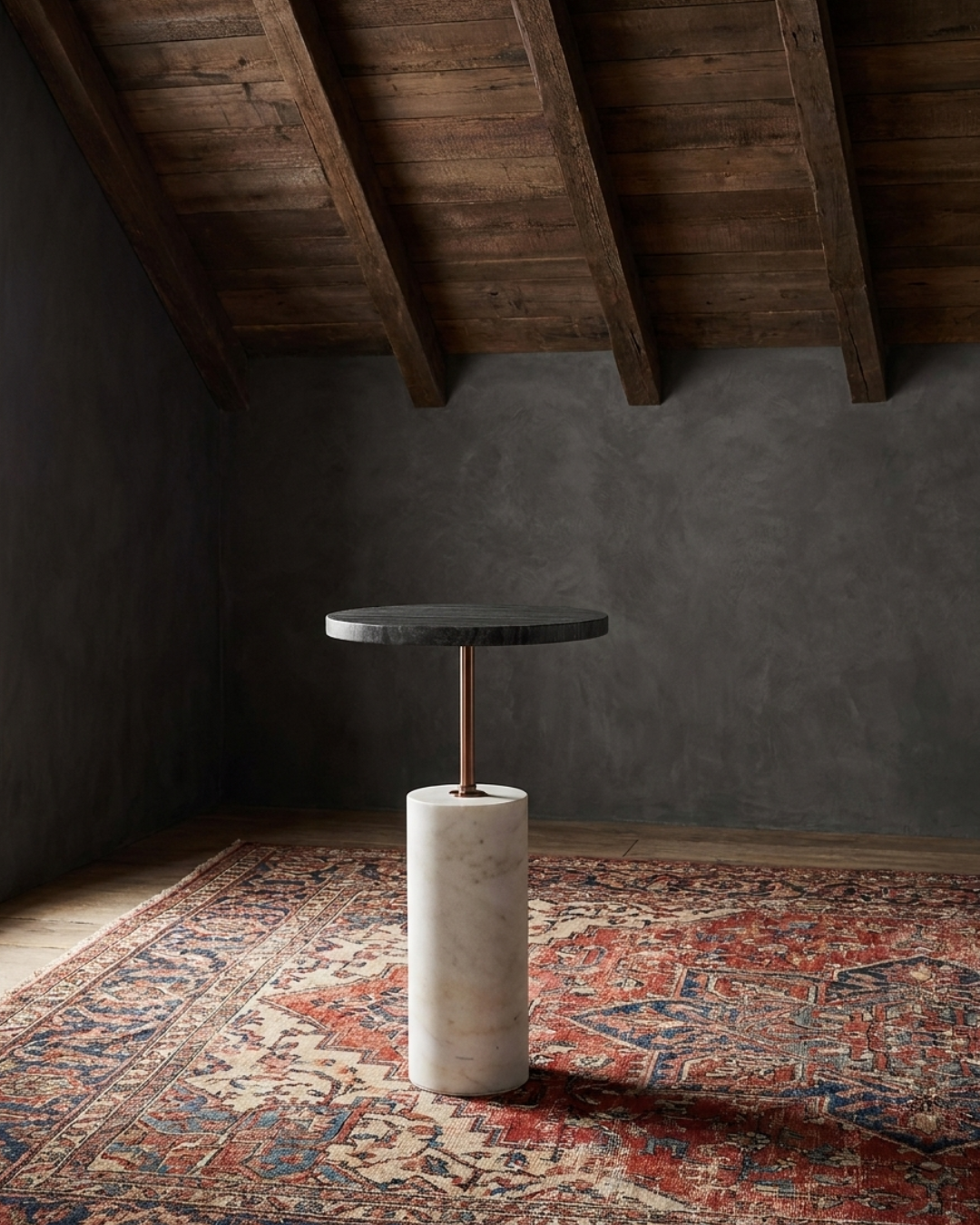
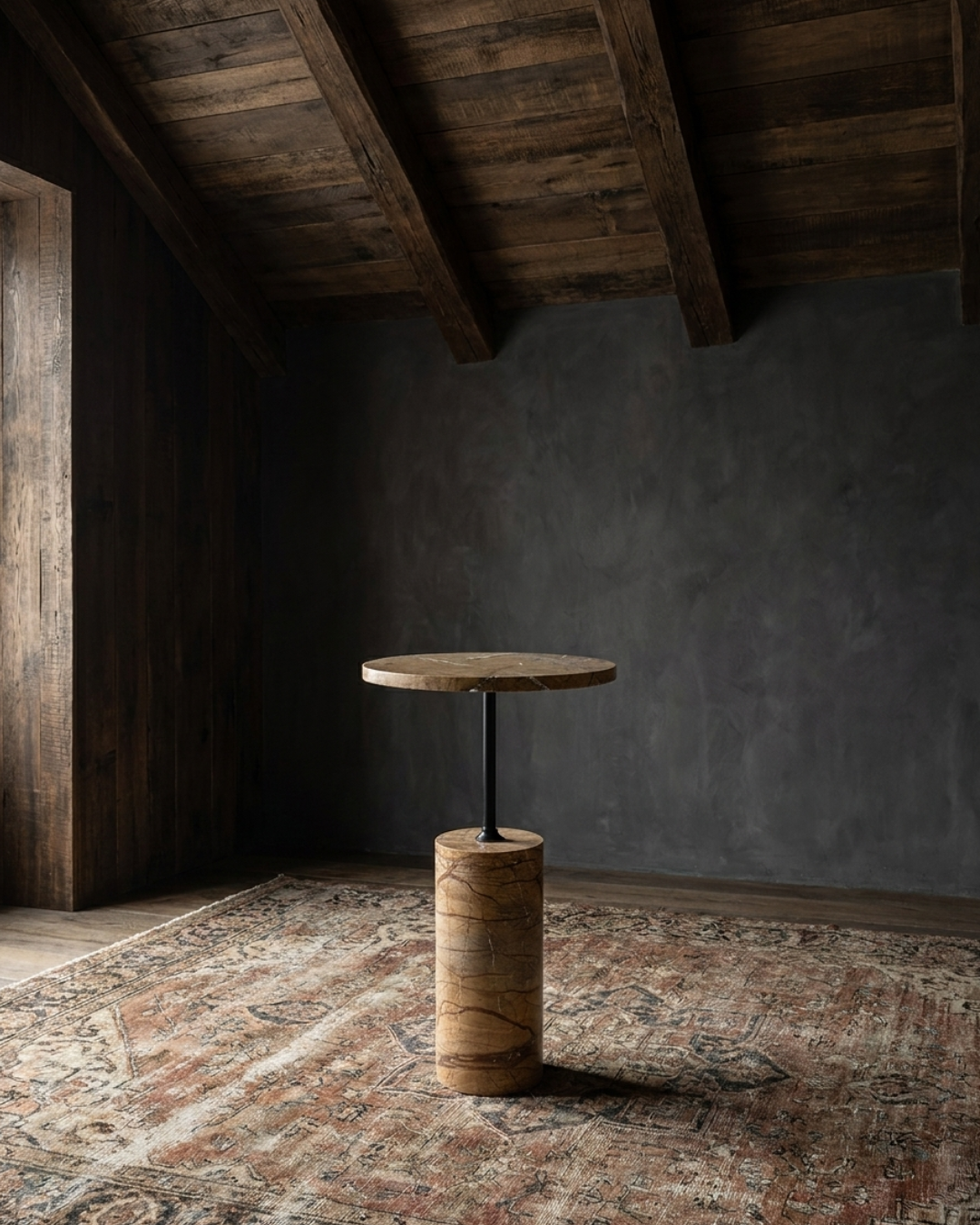
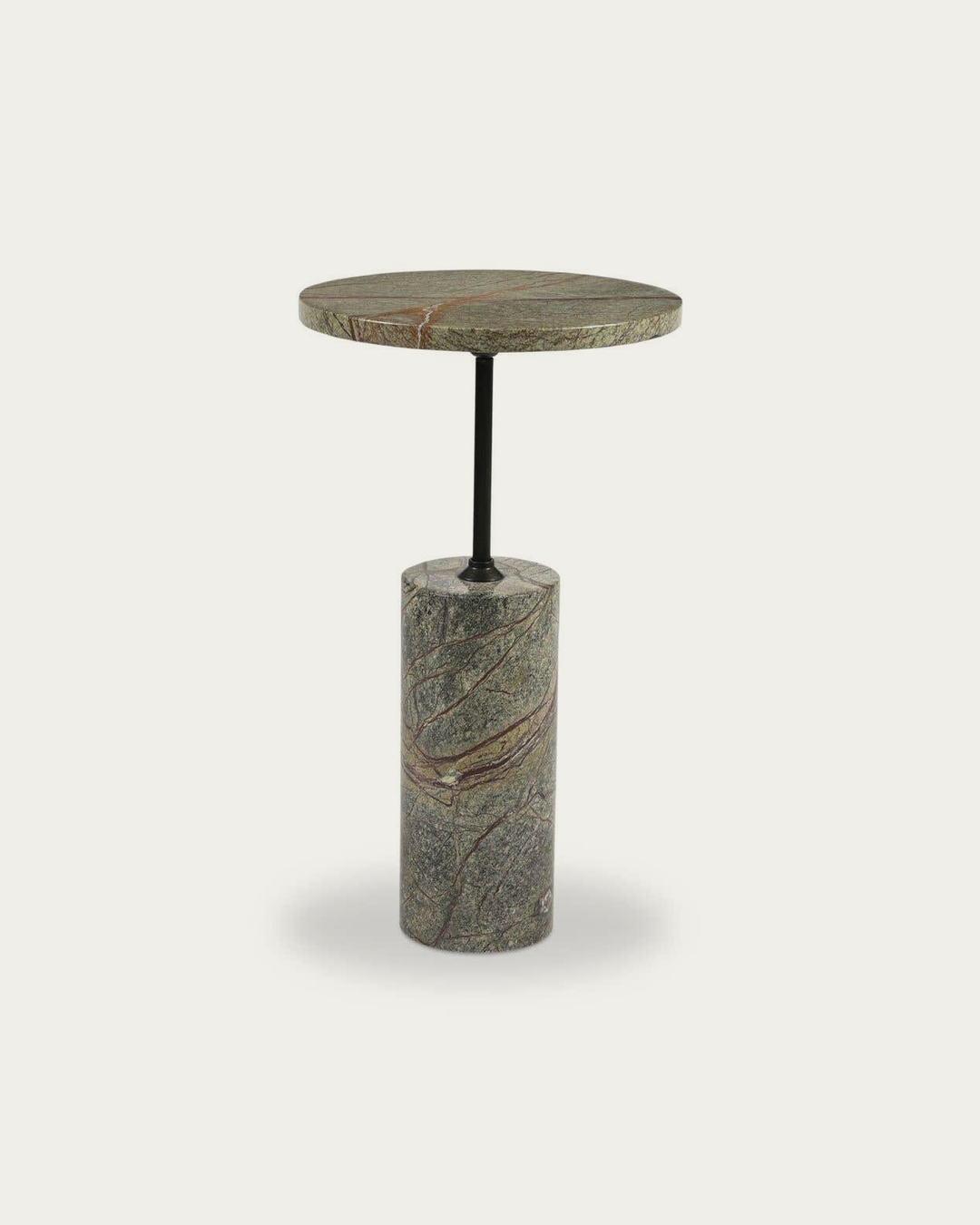
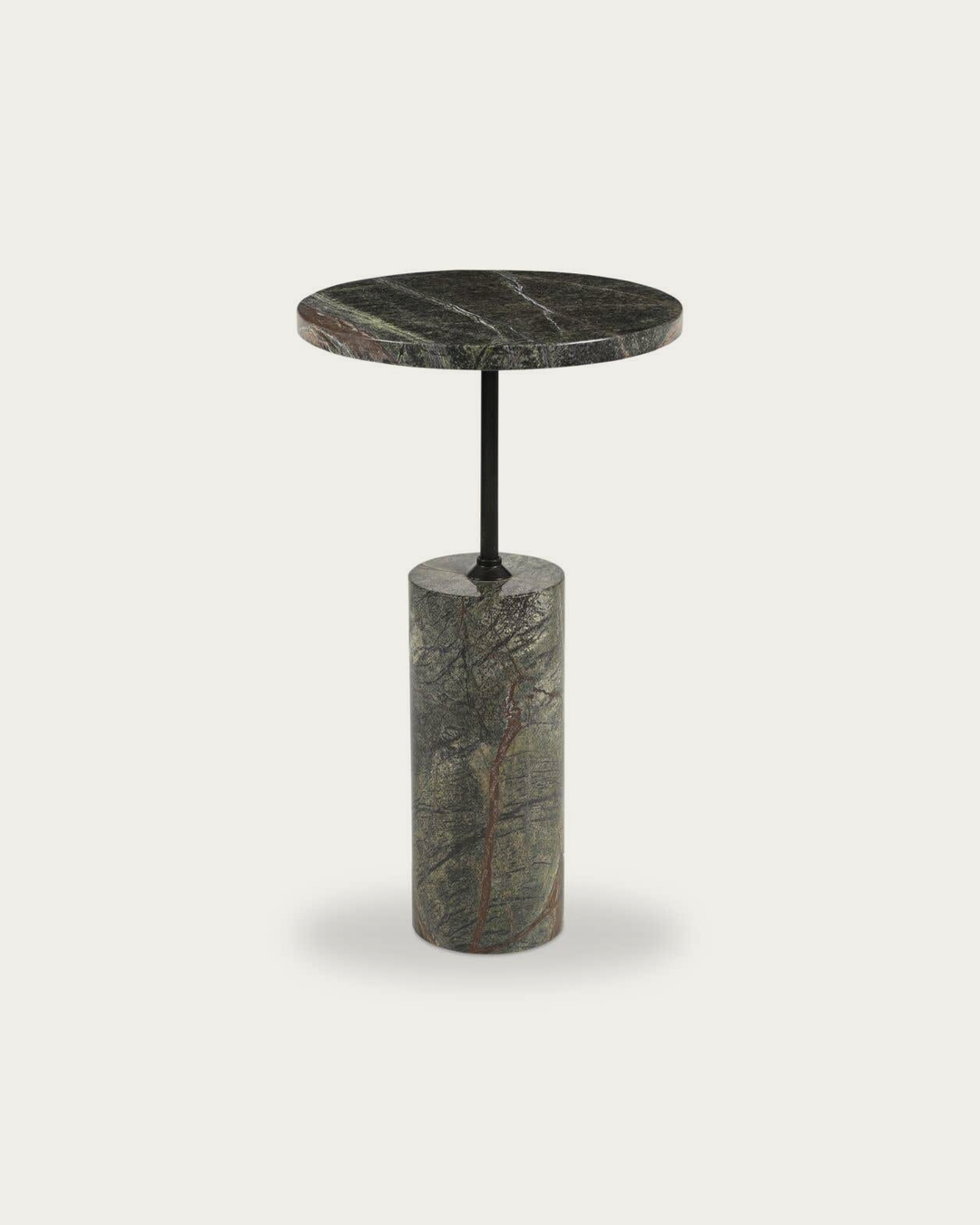
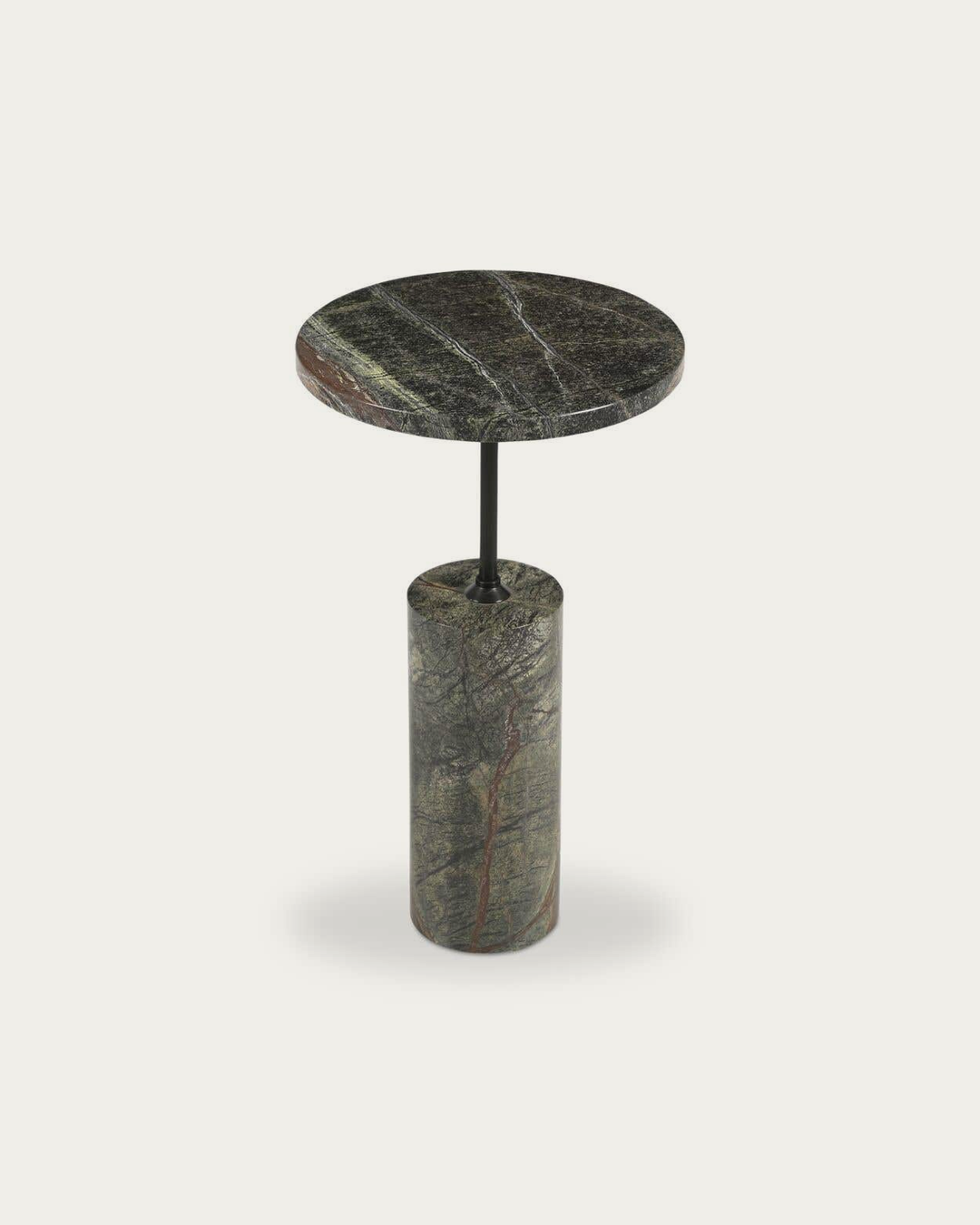
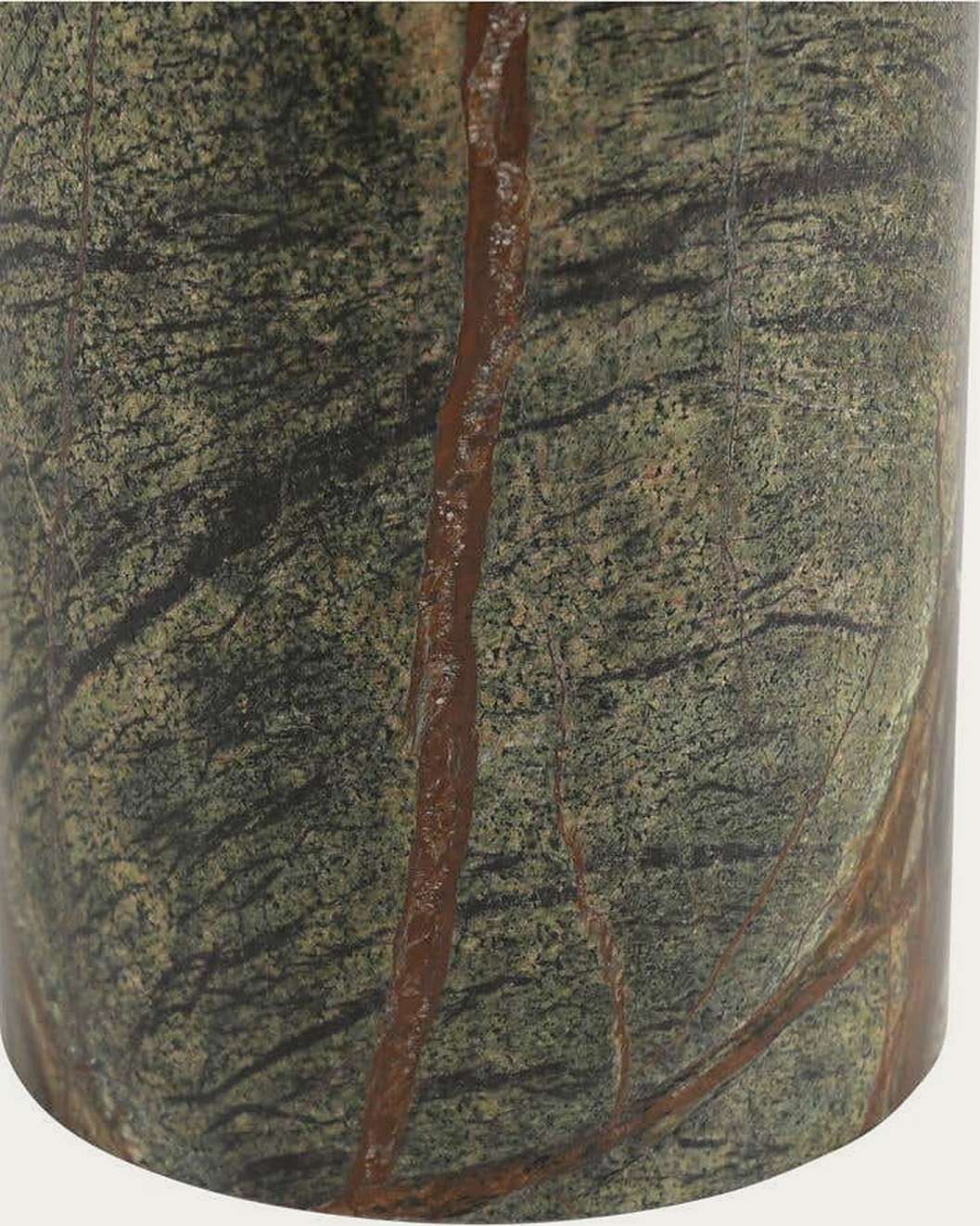
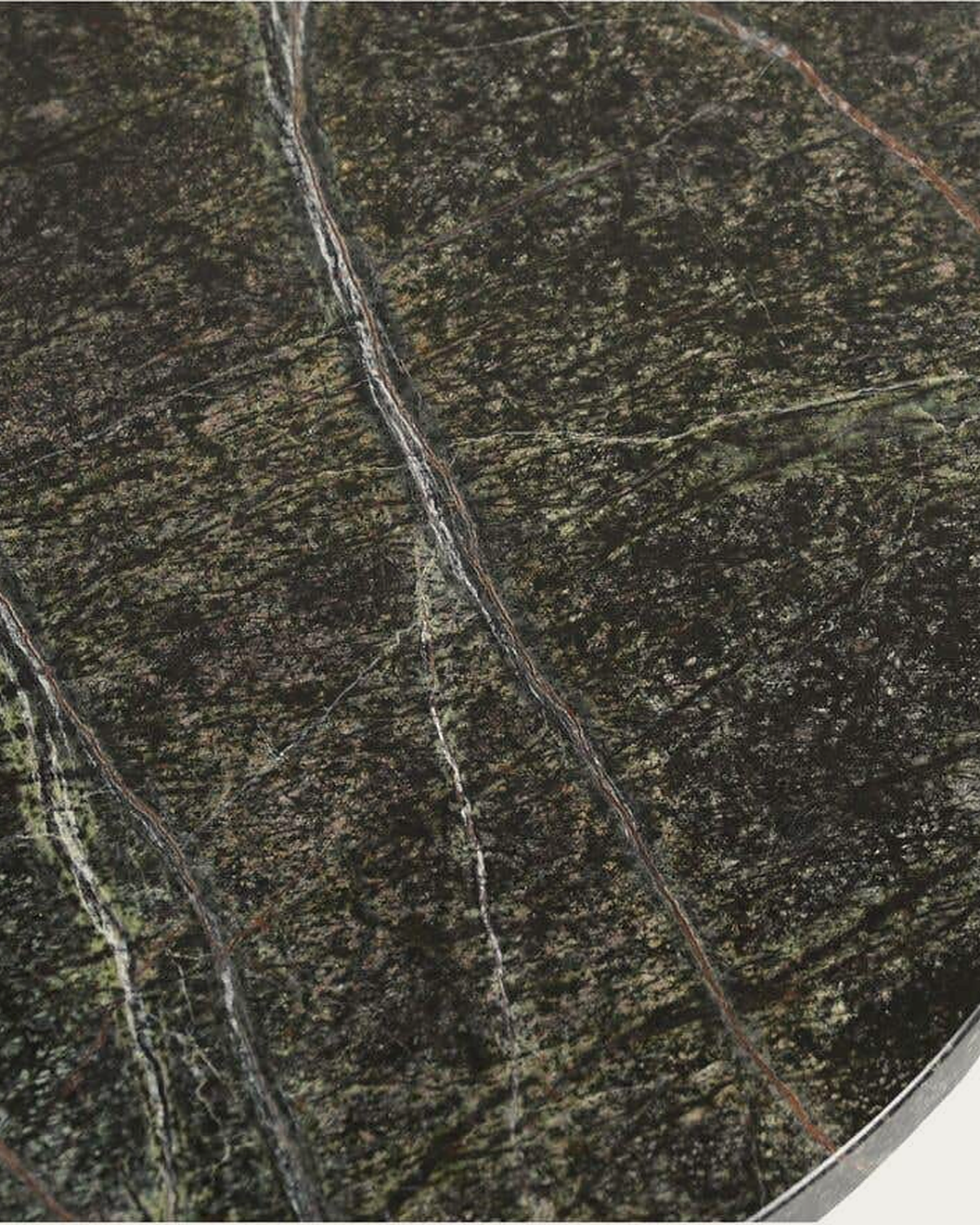
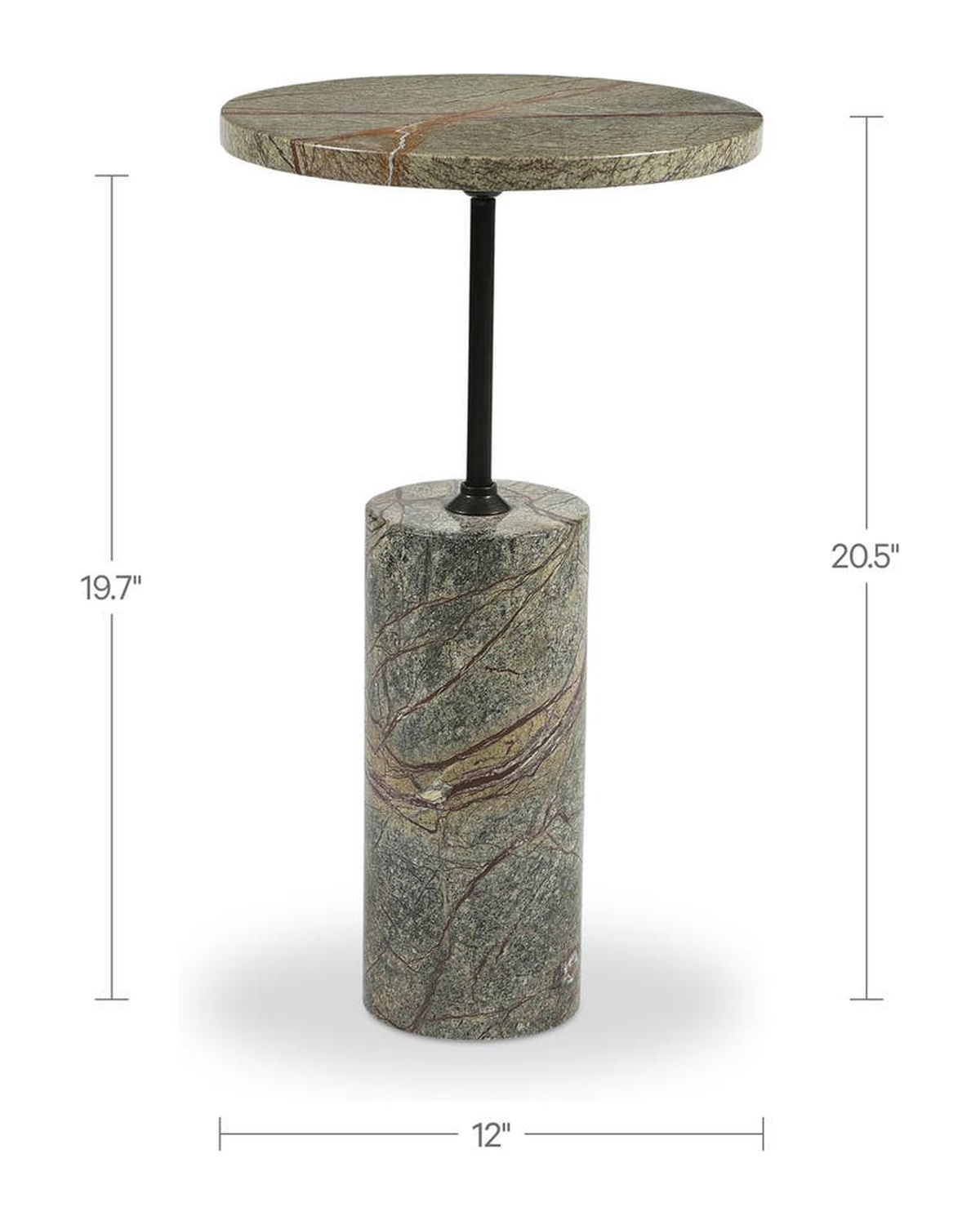
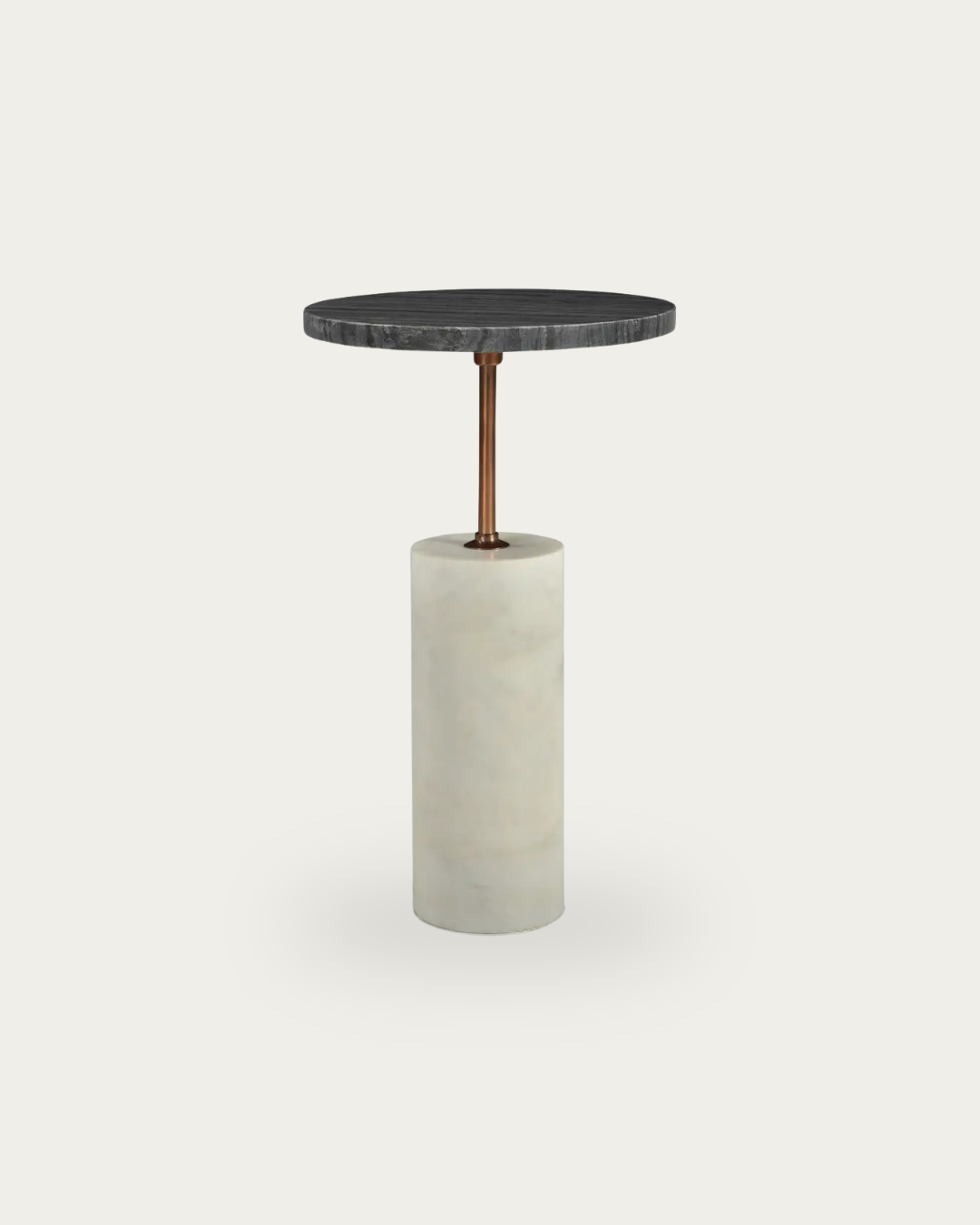
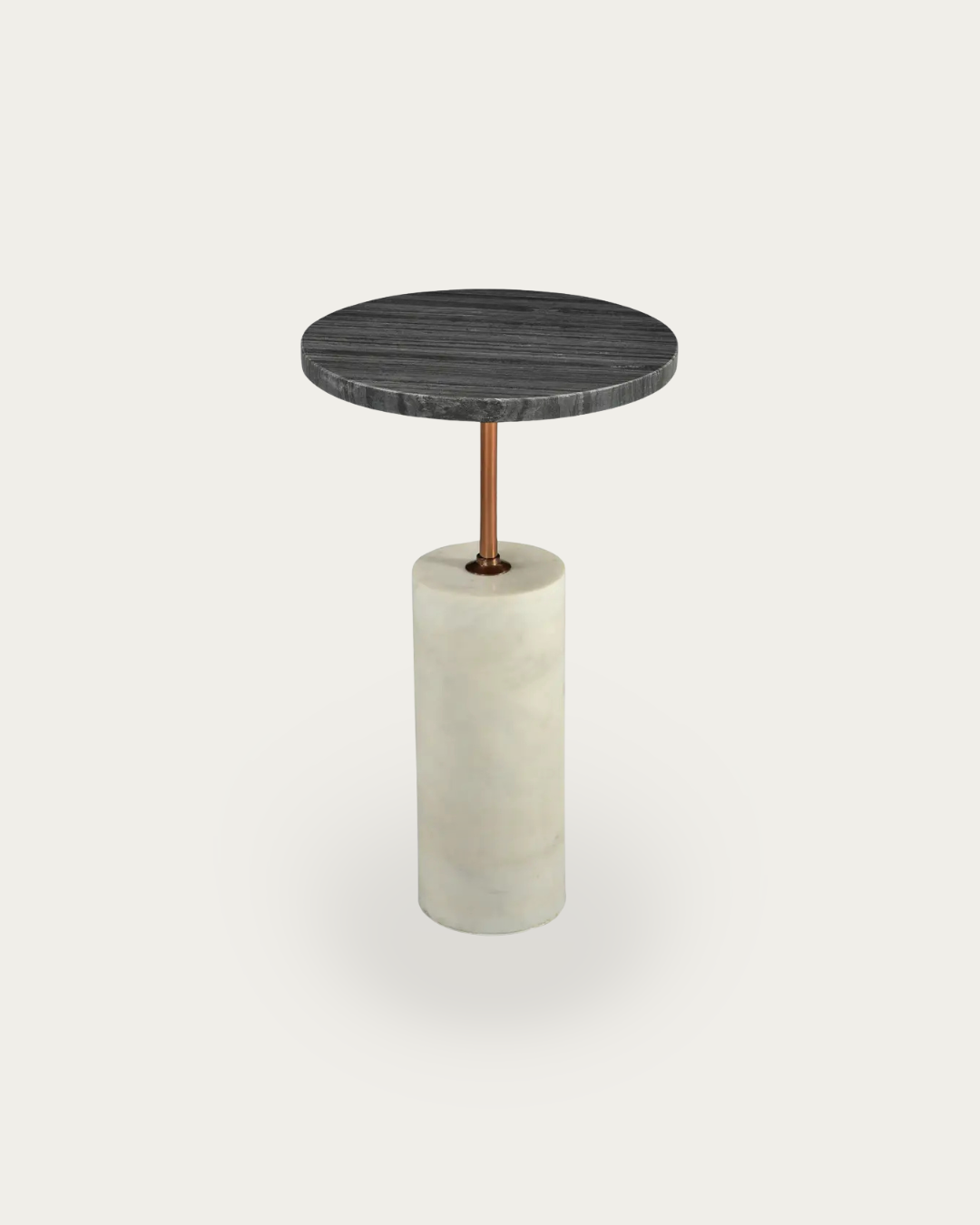
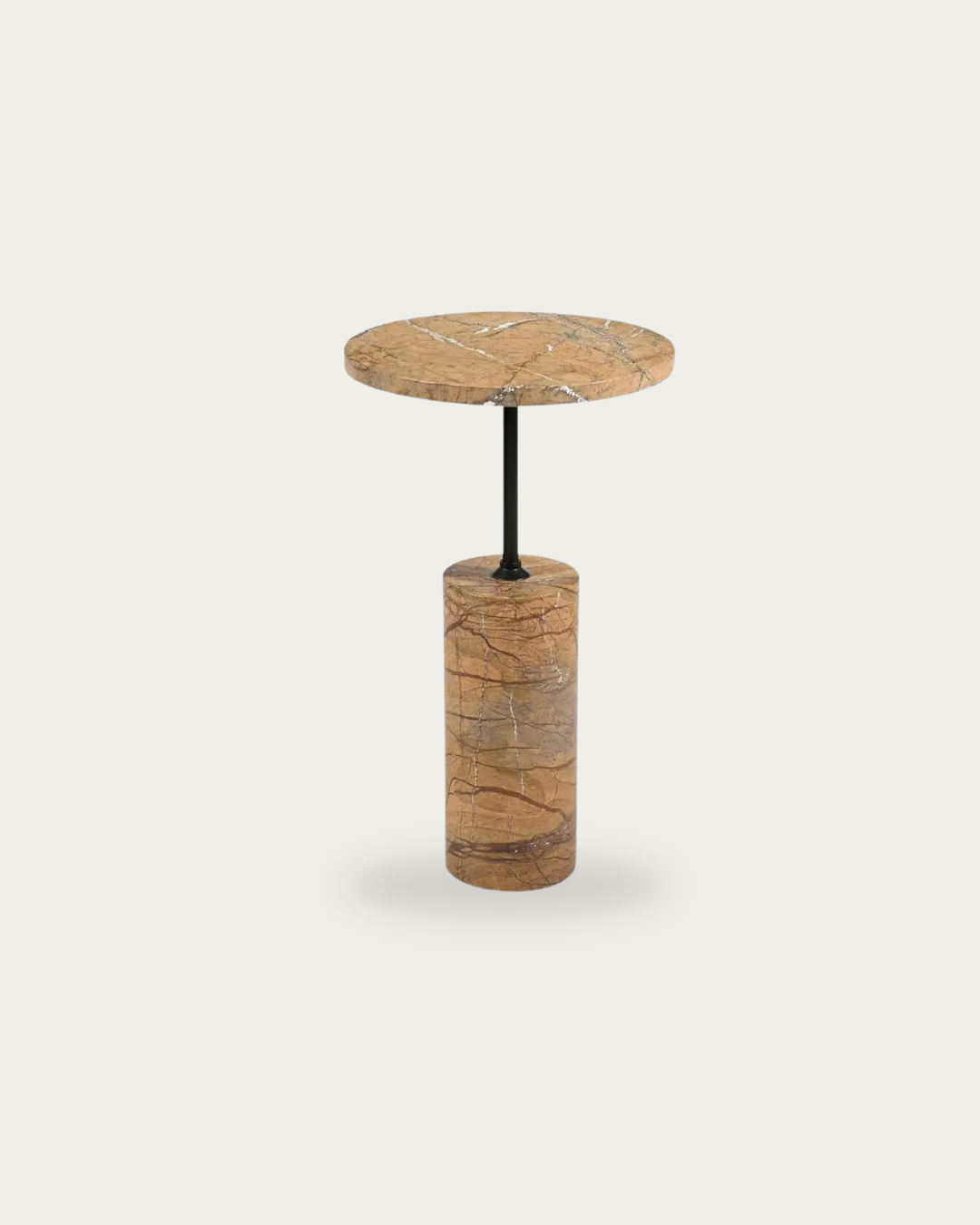
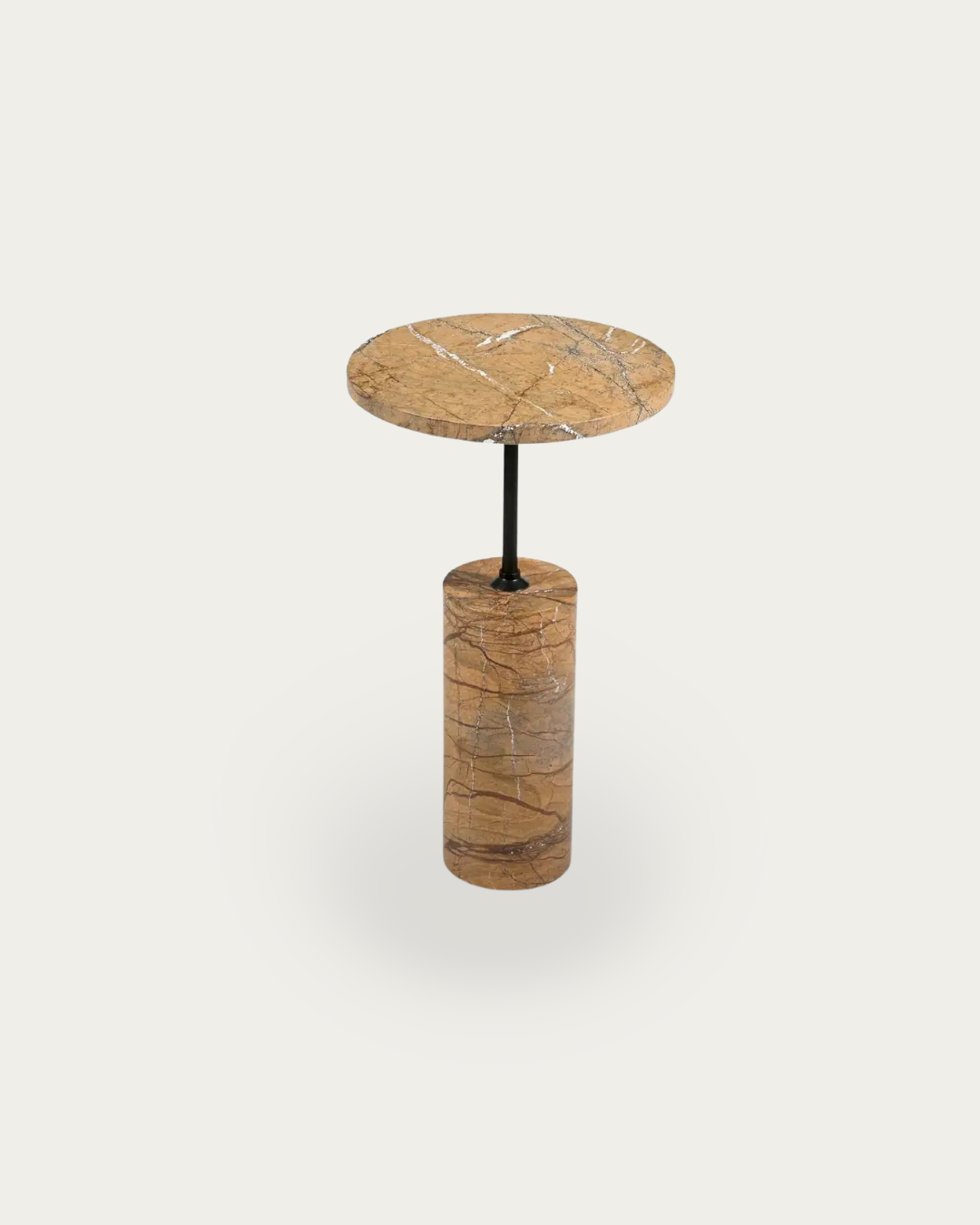
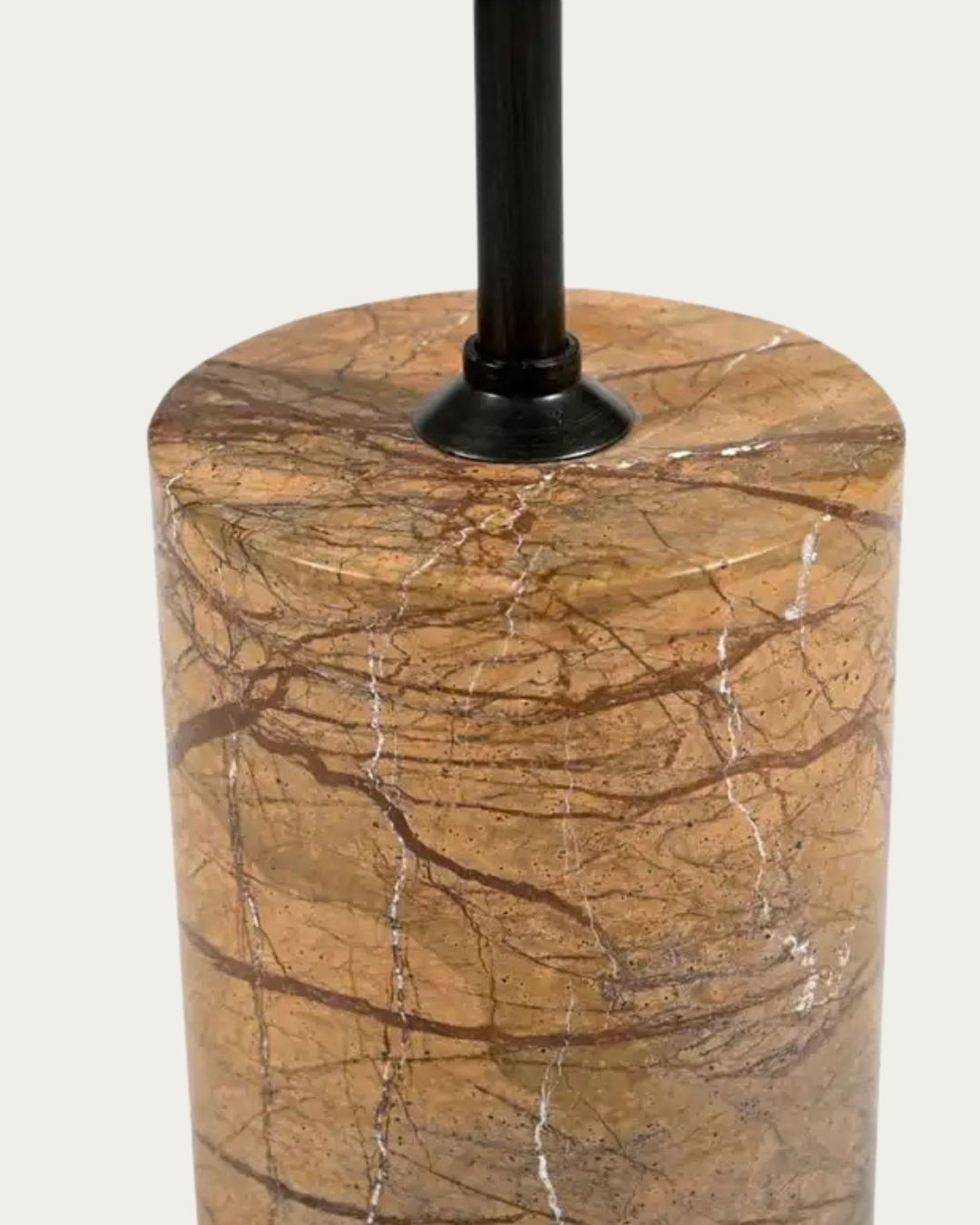
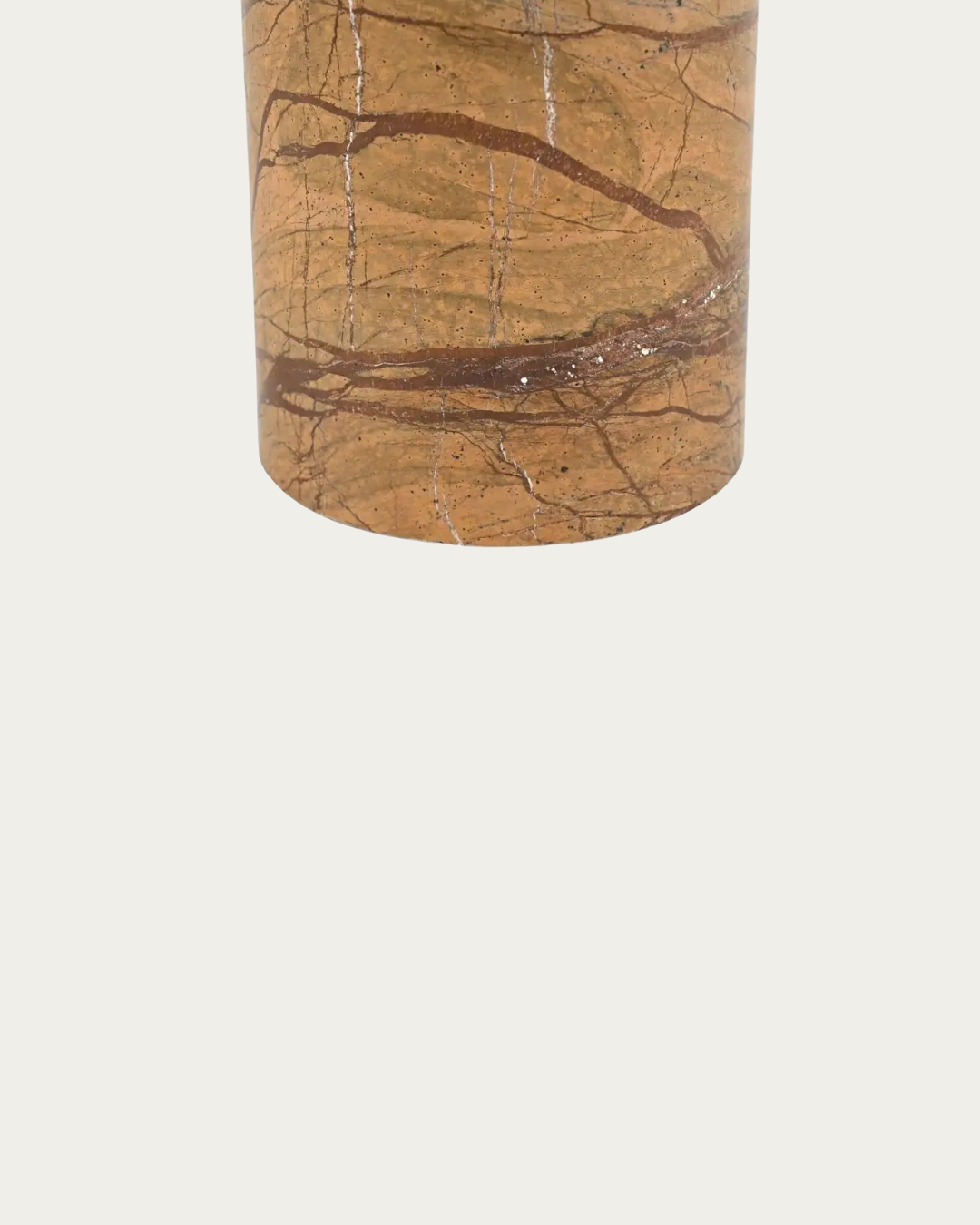
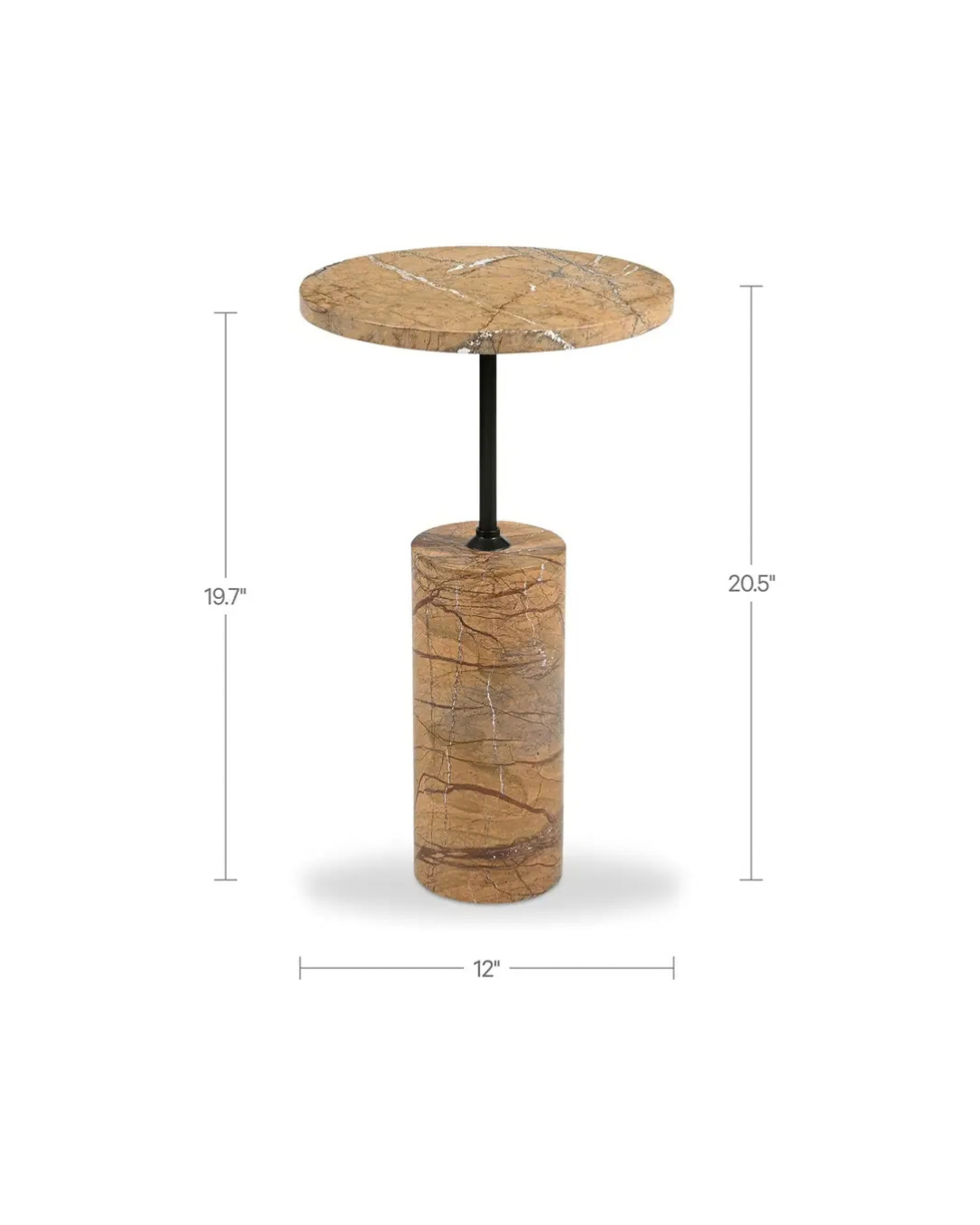
This is also where side tables matter more than people think. They’re not just functional landing zones for drinks or books. They create visual pacing throughout a room. The right proportions and finishes help slow transitions between larger furniture pieces.
That’s why modern mountain homes often use sculptural pieces from the Side tables collection instead of lightweight filler furniture that visually disappears.
The room starts feeling layered instead of cluttered.
The Nervous System Notices Light Before You Do
Lighting is usually the hidden reason a room feels overstimulating.
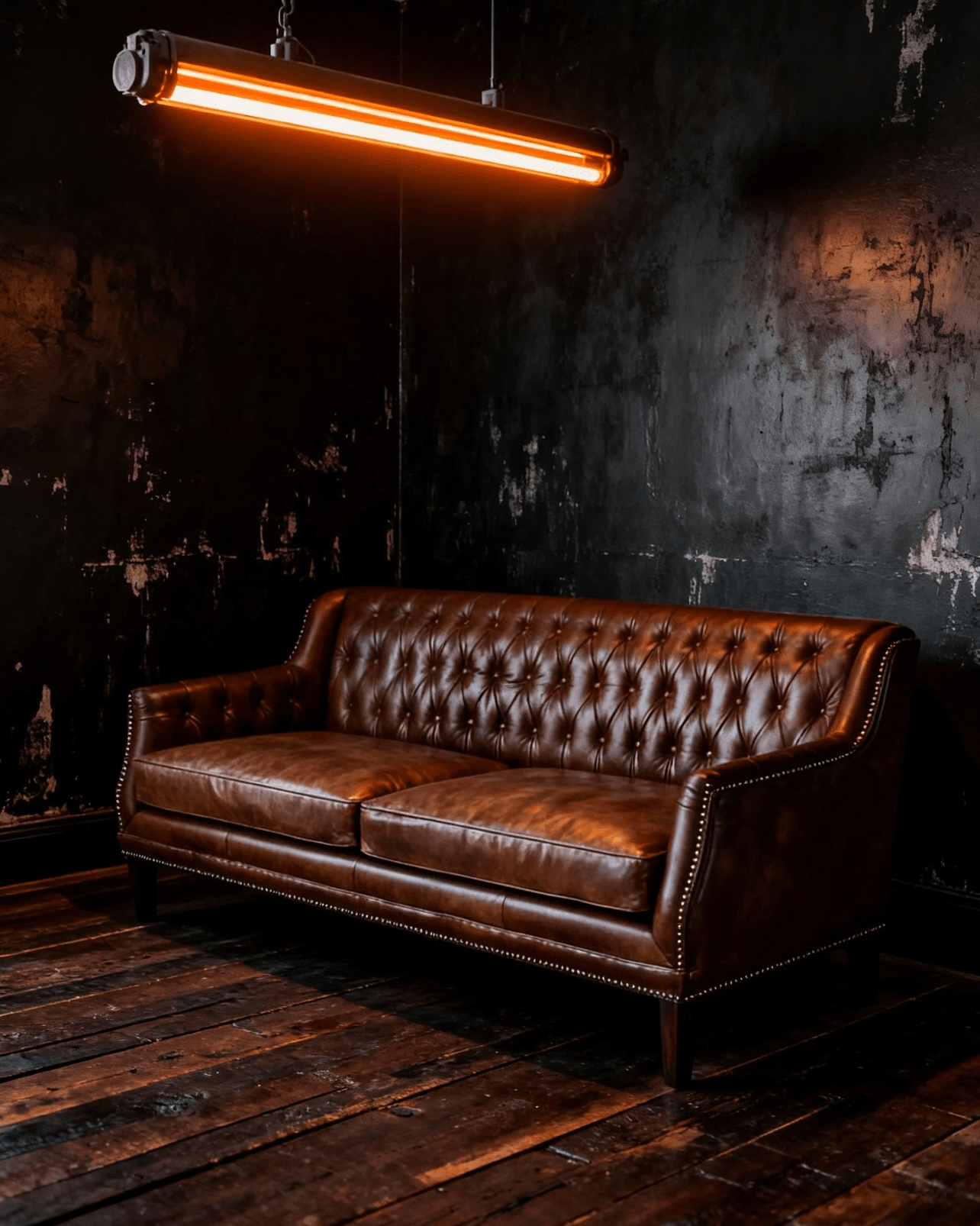
Most people assume the issue is color or layout when it’s actually overhead lighting blasting the room at full intensity like a parking garage interrogation scene.
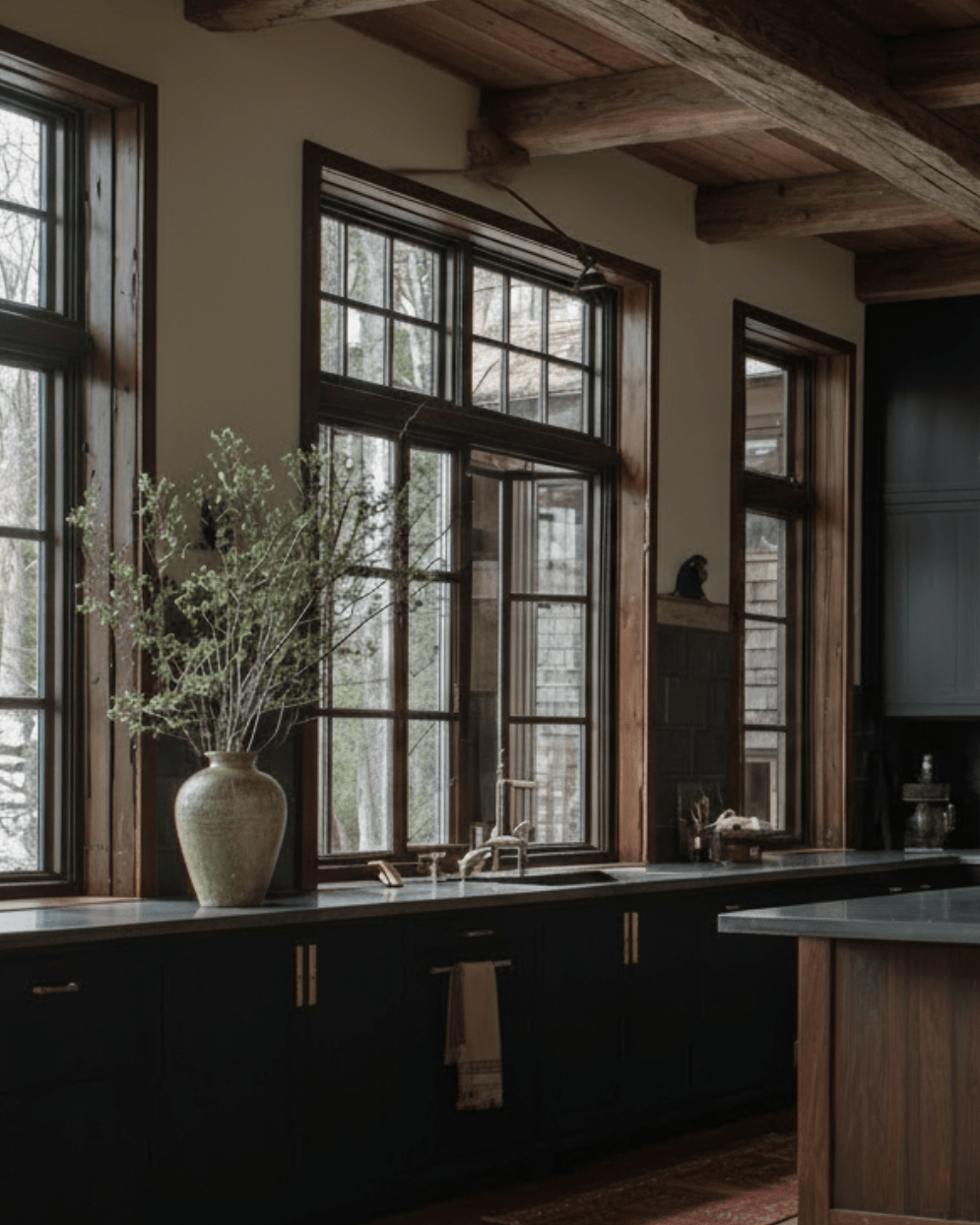
Modern mountain homes tend to rely on lower, softer, layered lighting because the nervous system responds differently to indirect illumination. Pools of light feel safer than total exposure.
That means:
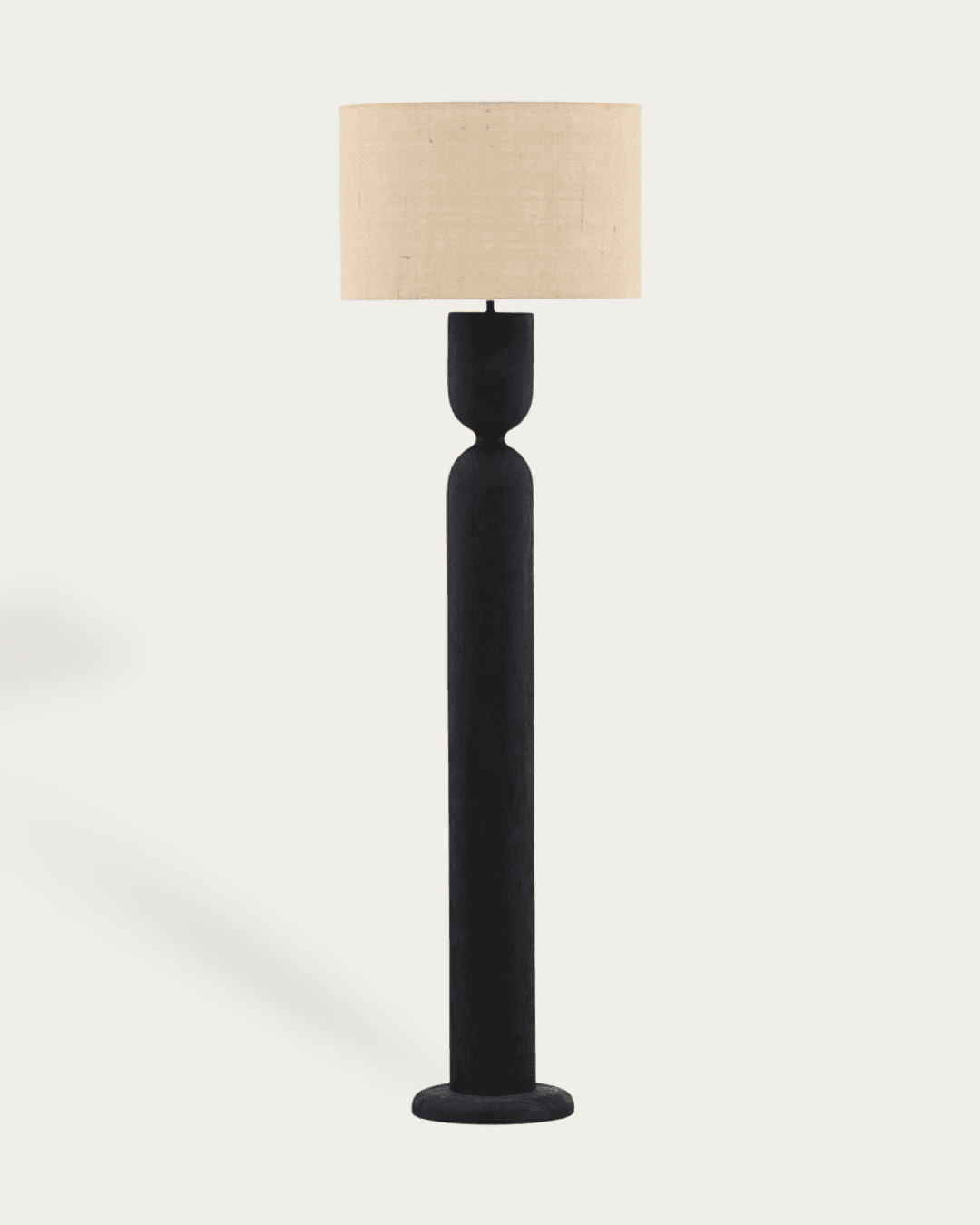
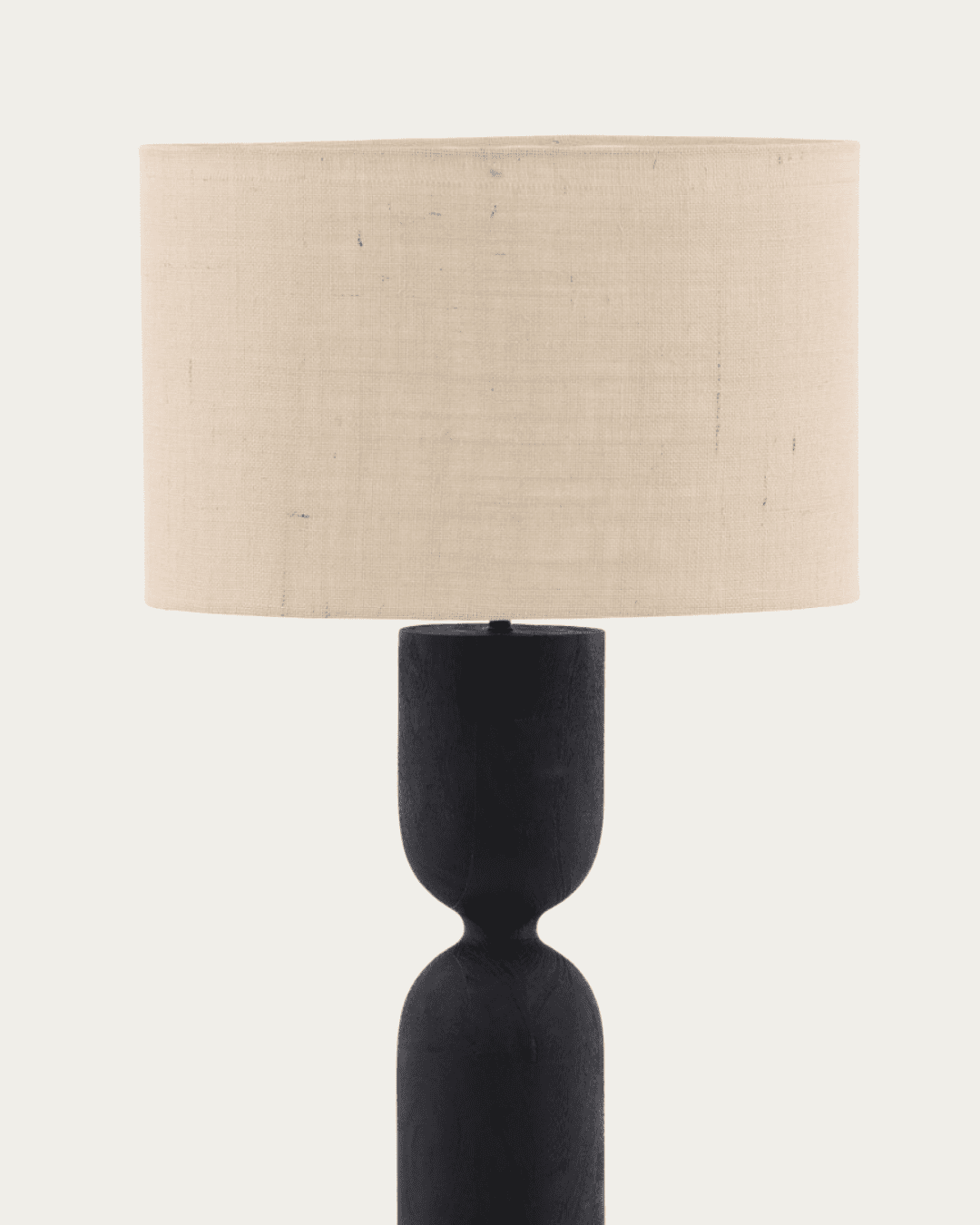
table lamps instead of relying entirely on ceiling lights
directional lighting instead of fully flooding the room
warmer tones instead of cool white bulbs
shadow and contrast instead of flat brightness
The goal isn’t darkness. It's a visual rhythm.
Lighting should guide the room quietly instead of demanding attention every time someone enters.
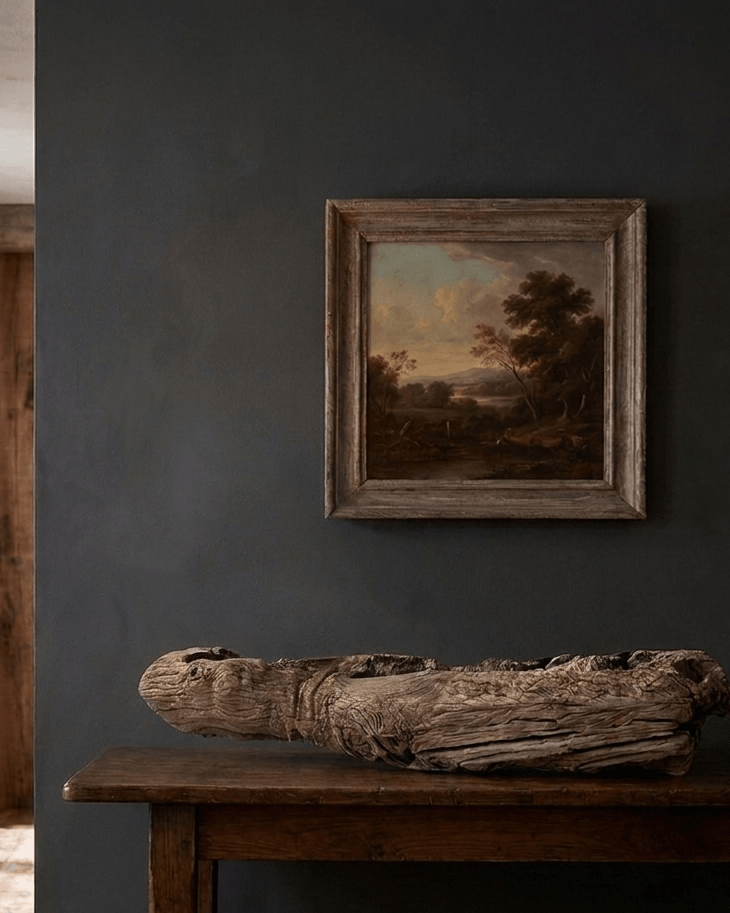
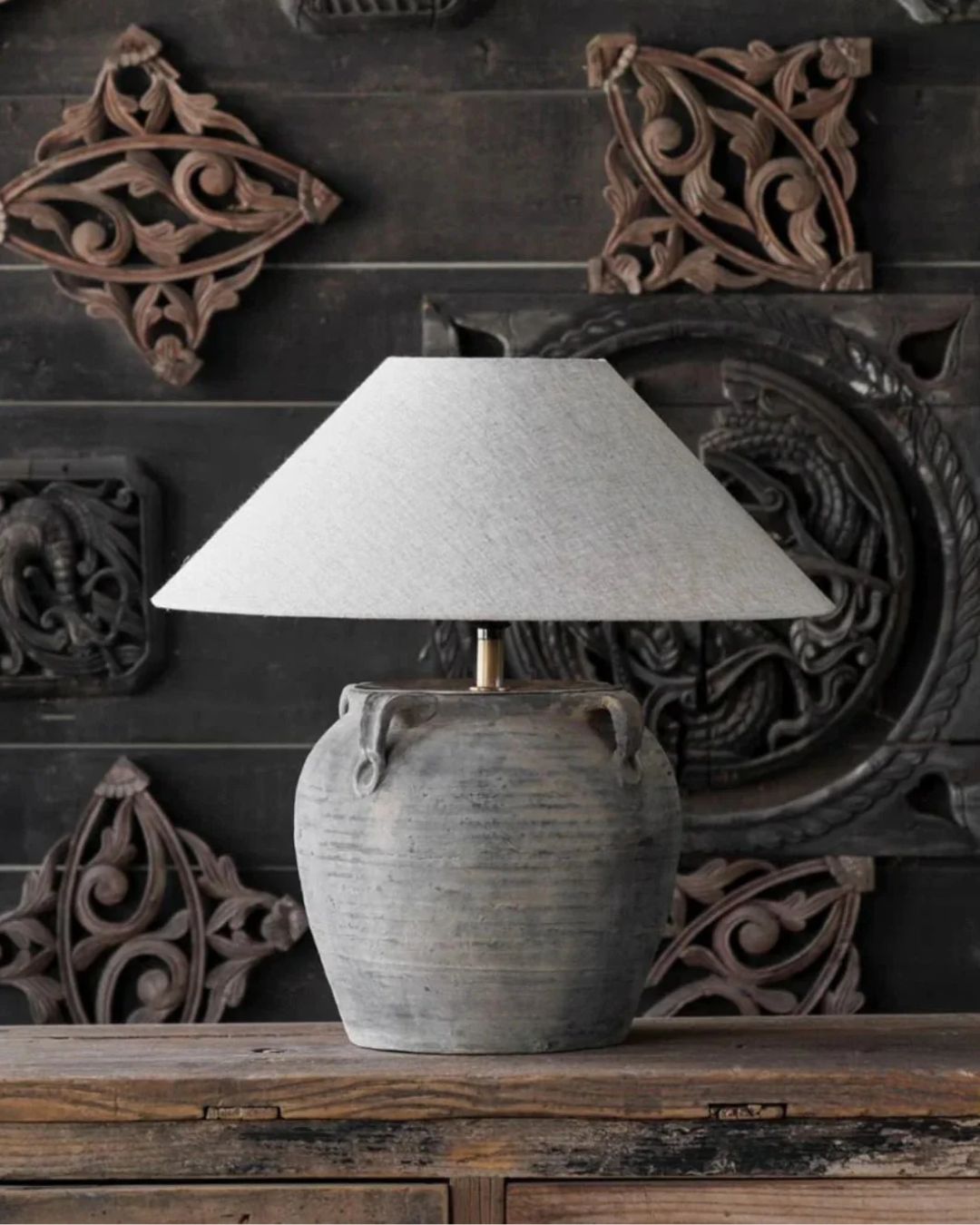
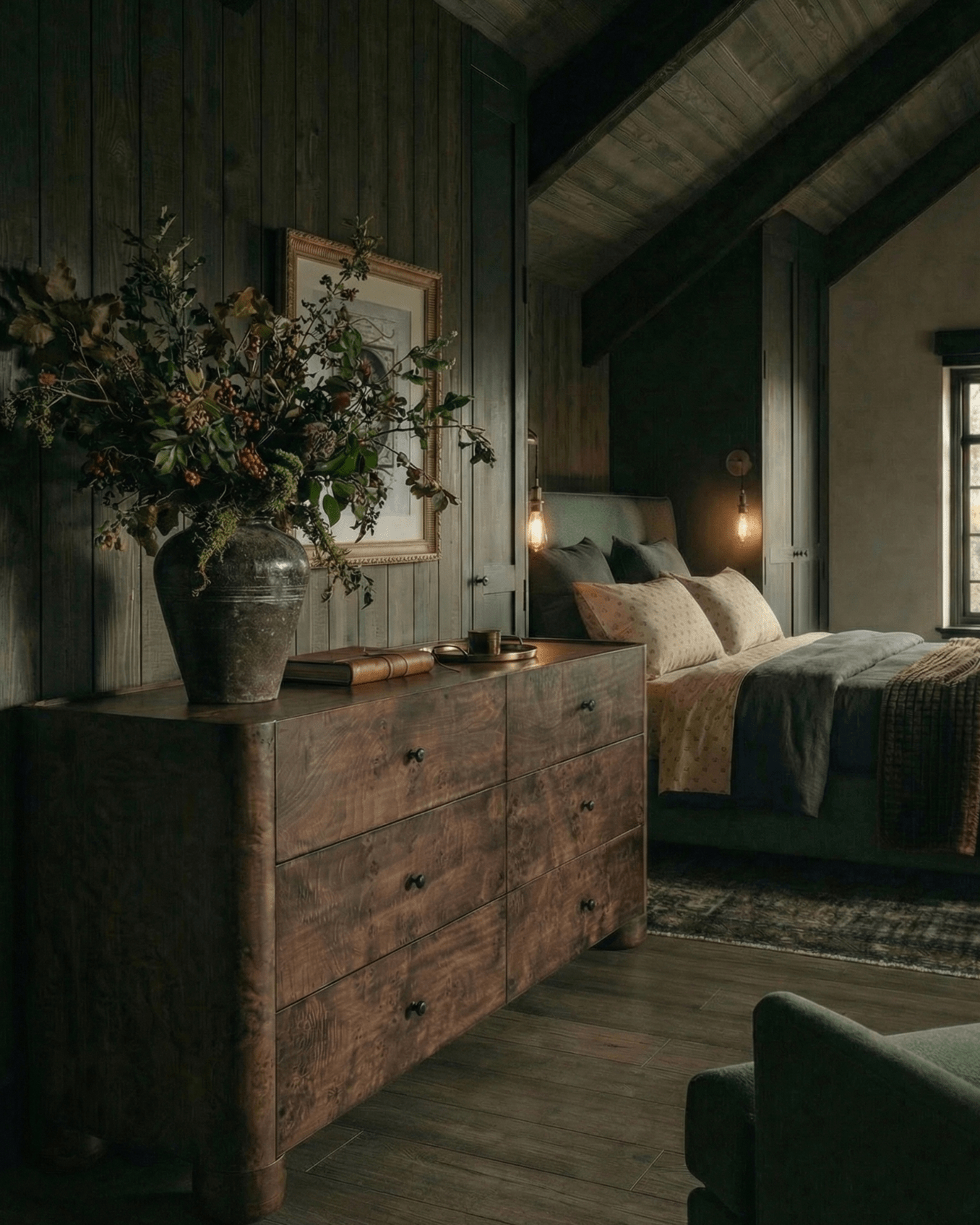
Consoles become especially useful here because they naturally create opportunities for softer layered lighting moments. A lamp placed on a textured wood console instantly lowers the intensity of a room while adding visual structure at the same time.
That’s part of why pieces from the Console collection work so well in modern mountain spaces. They create transition points between architecture, furniture, and light.
Less Visual Noise Doesn’t Mean Empty
There’s a difference between simplicity and sterility.
A room with less visual noise doesn’t feel cold. It feels resolved.
Modern mountain interiors usually achieve this through repetition and editing rather than minimalism for the sake of minimalism.
The palette stays relatively controlled.
Materials repeat intentionally.
Shapes echo throughout the room.
Furniture profiles stay visually grounded.
Nothing is competing to become the main character every five seconds.
That consistency matters because every visible object creates sensory input. Open shelving overloaded with decor, sharp color contrast, excessive patterns, and scattered styling moments all force the eye to work harder.
The best modern mountain homes reduce that cognitive load.
RUTED Tip: If a room feels stressful but you can’t explain why, start by removing the smallest objects first. Tiny visual interruptions create more nervous system fatigue than most people realize. The issue usually isn’t that the room lacks personality. It’s that too many things are asking for attention at the same time.

Storage also plays a bigger role here than people expect.
Closed cabinetry tends to regulate a room more effectively than endless open shelving because it reduces visual fragmentation. Larger storage pieces from the Cabinets and storage collection help conceal visual clutter while still contributing texture and material depth to the room itself.
The result feels quieter without feeling stripped down.
Furniture Should Feel Connected to the Architecture
One thing modern mountain homes consistently do well is scale.
The furniture feels proportional to the architecture instead of floating awkwardly inside it.
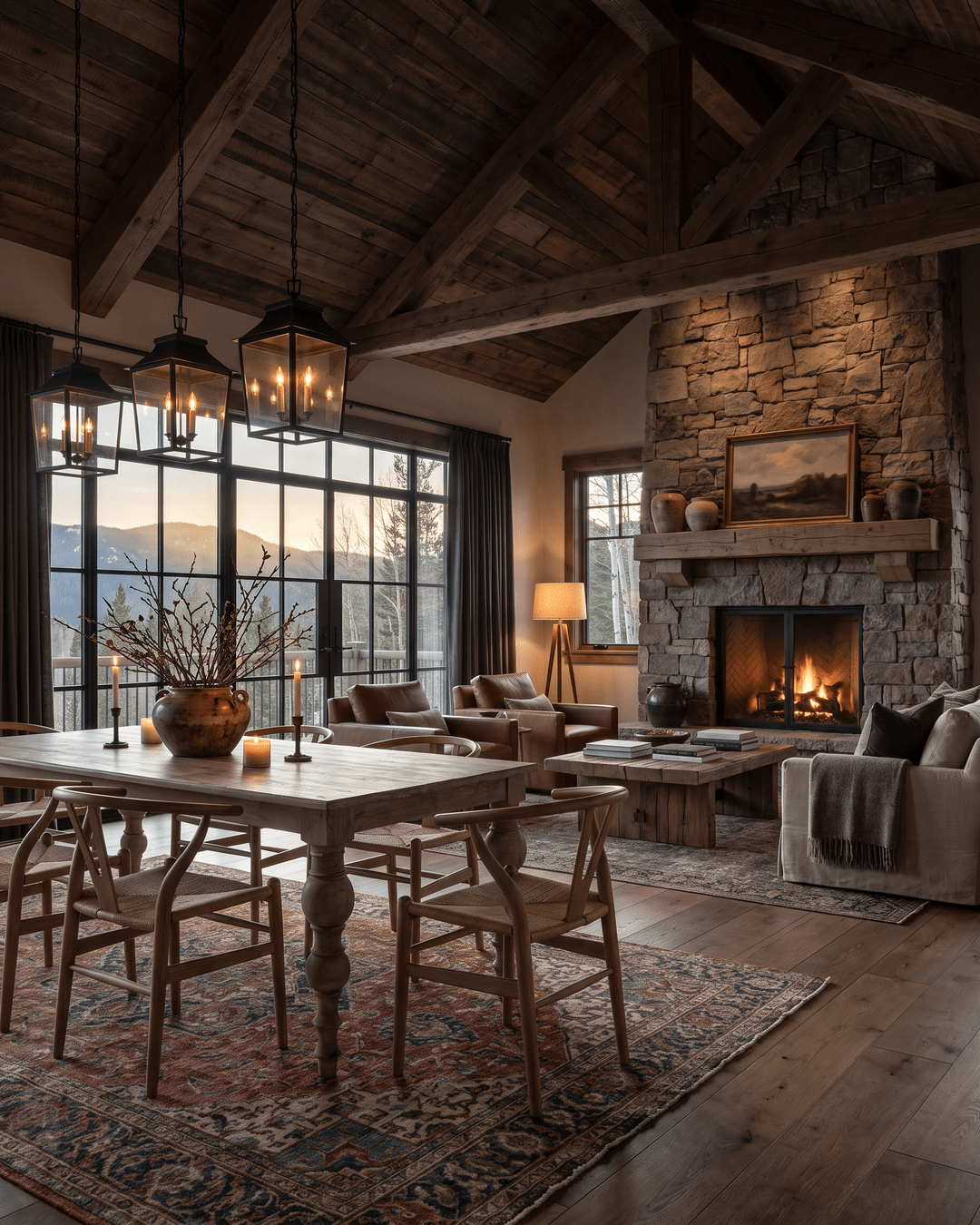
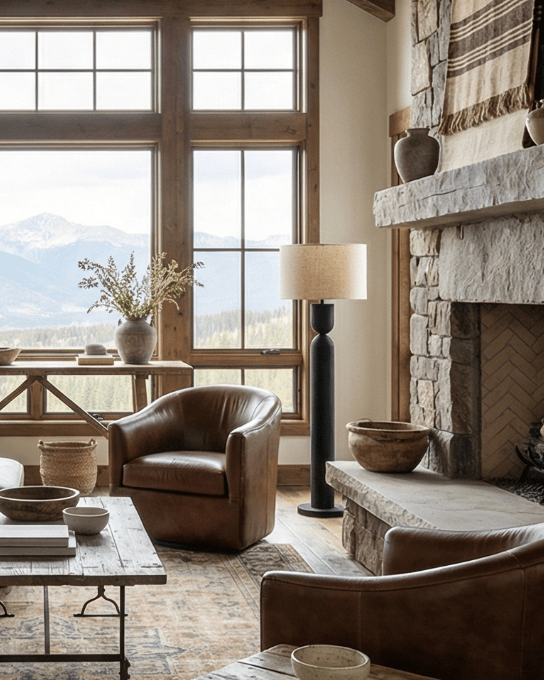
This becomes especially important in homes with taller ceilings, exposed beams, stone fireplaces, or larger windows. Smaller furniture often creates visual imbalance in these spaces because it lacks enough physical presence to hold the room together.
That’s why custom proportions matter.
A sectional that’s too short or a coffee table that’s too small can make an entire room feel visually unsettled even if everything technically matches.
Made-to-order furniture solves a lot of this because it allows scale to respond directly to the room itself instead of forcing the room to adapt to standard sizing.
That flexibility is part of why modern mountain interiors benefit so much from pieces within the Made-to-order furniture collection where dimensions, upholstery, and proportion can work with the architecture instead of against it.
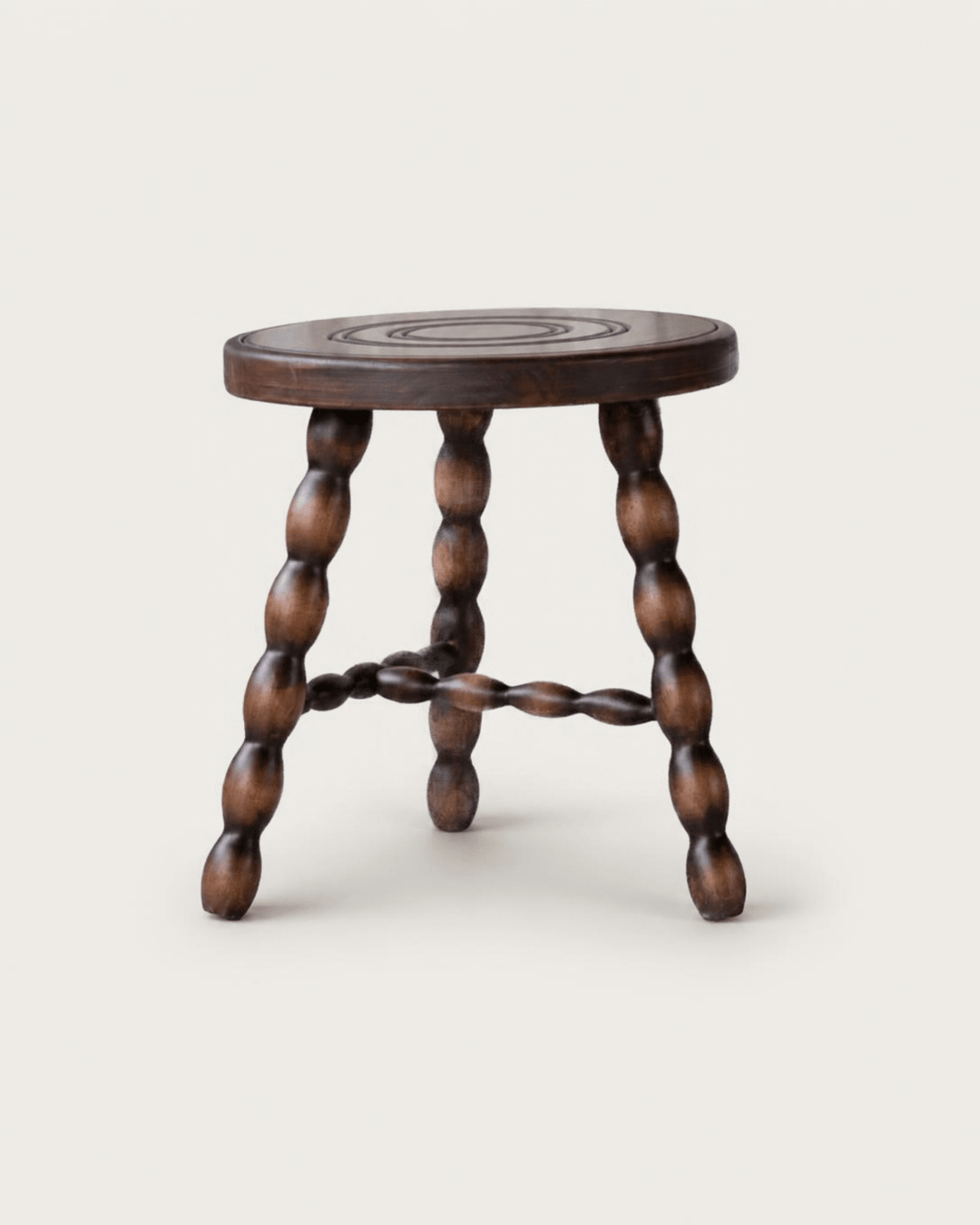
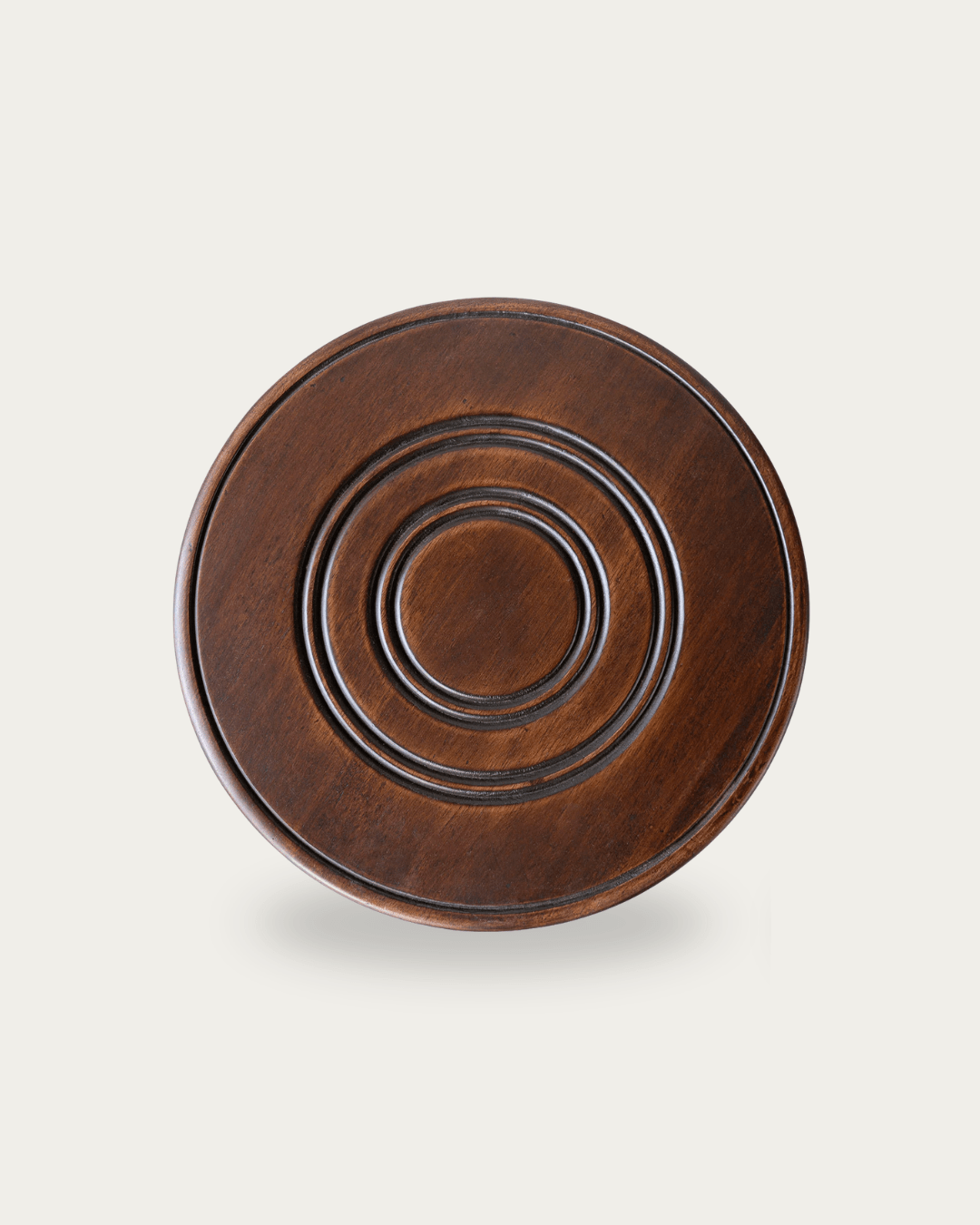
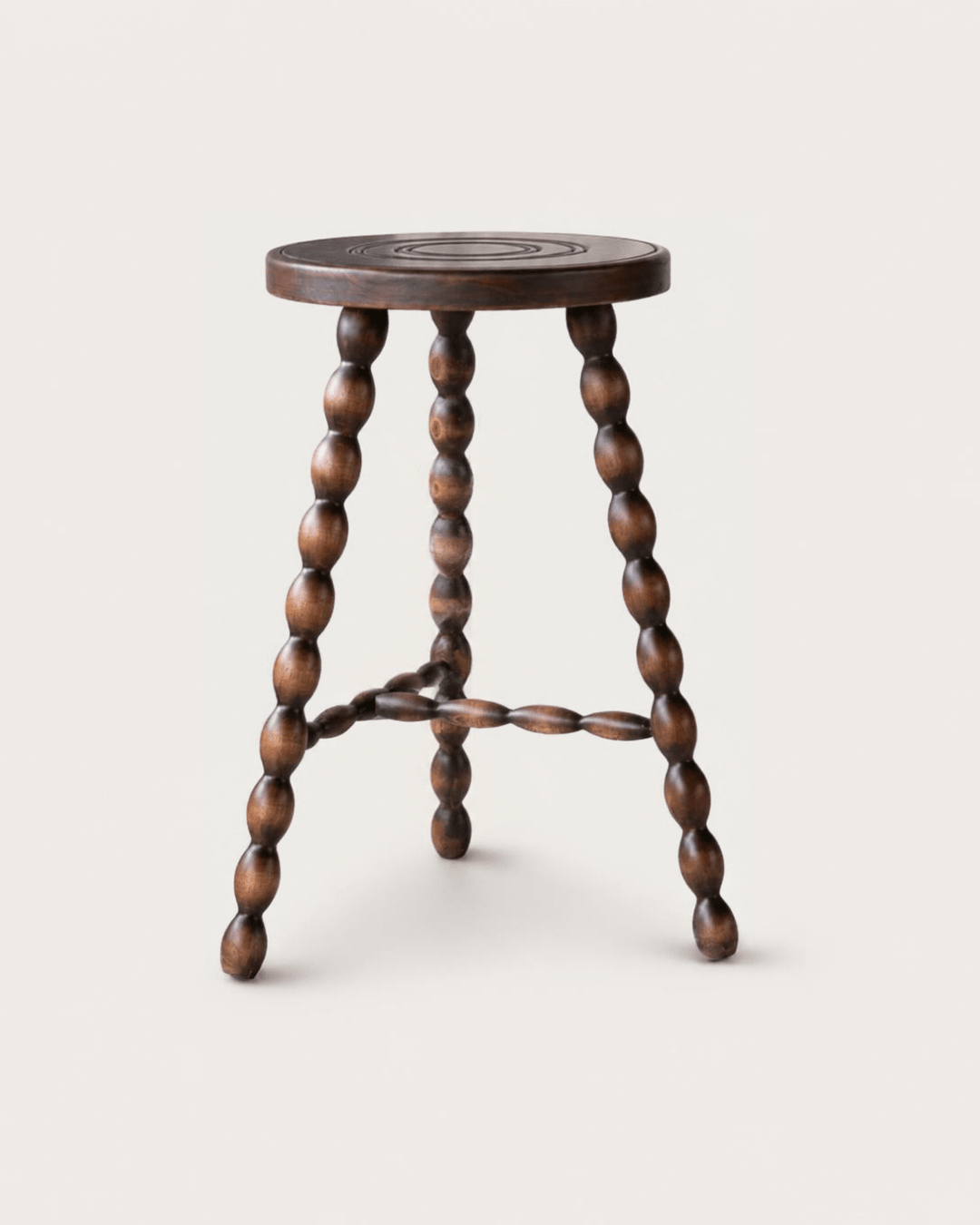
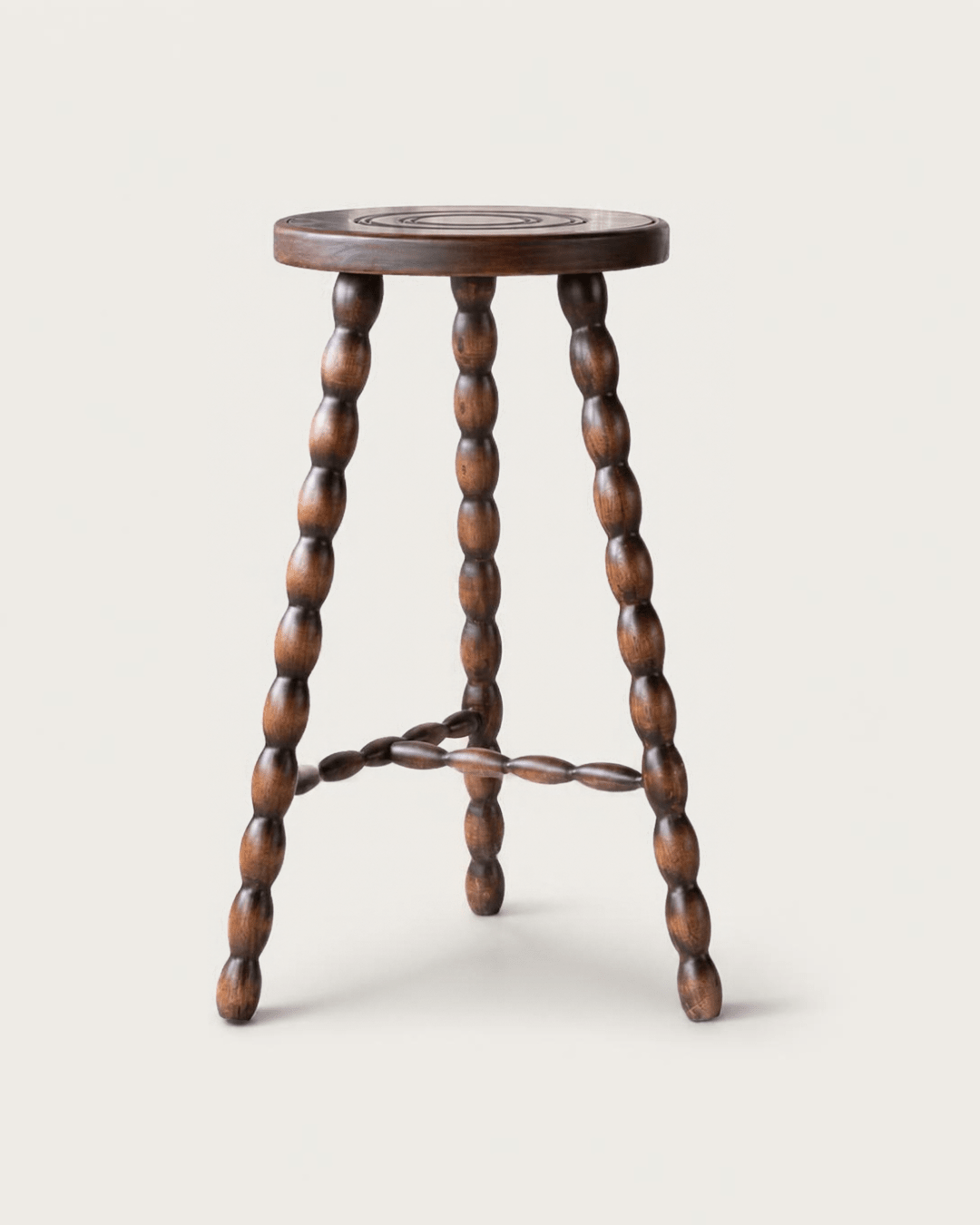
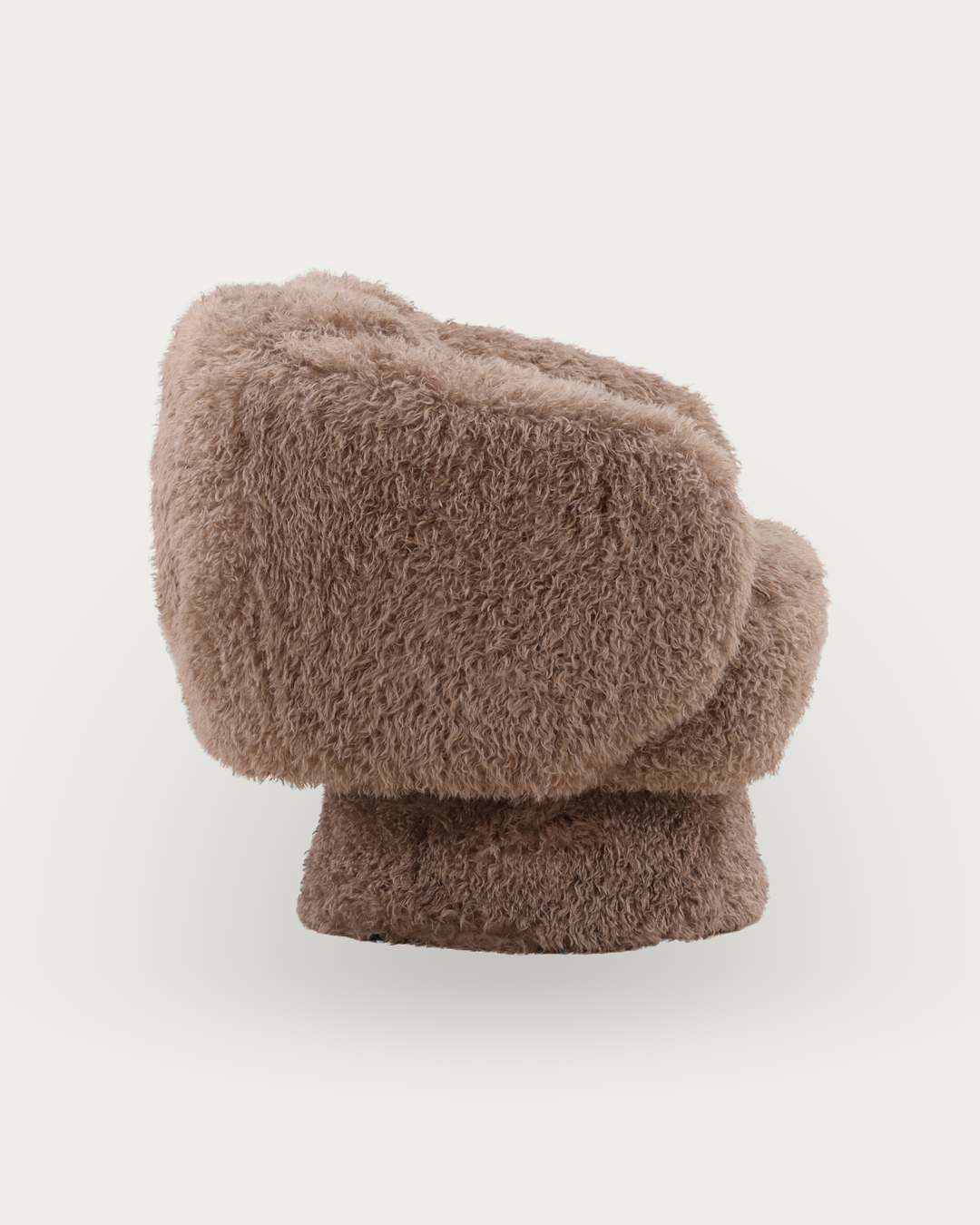
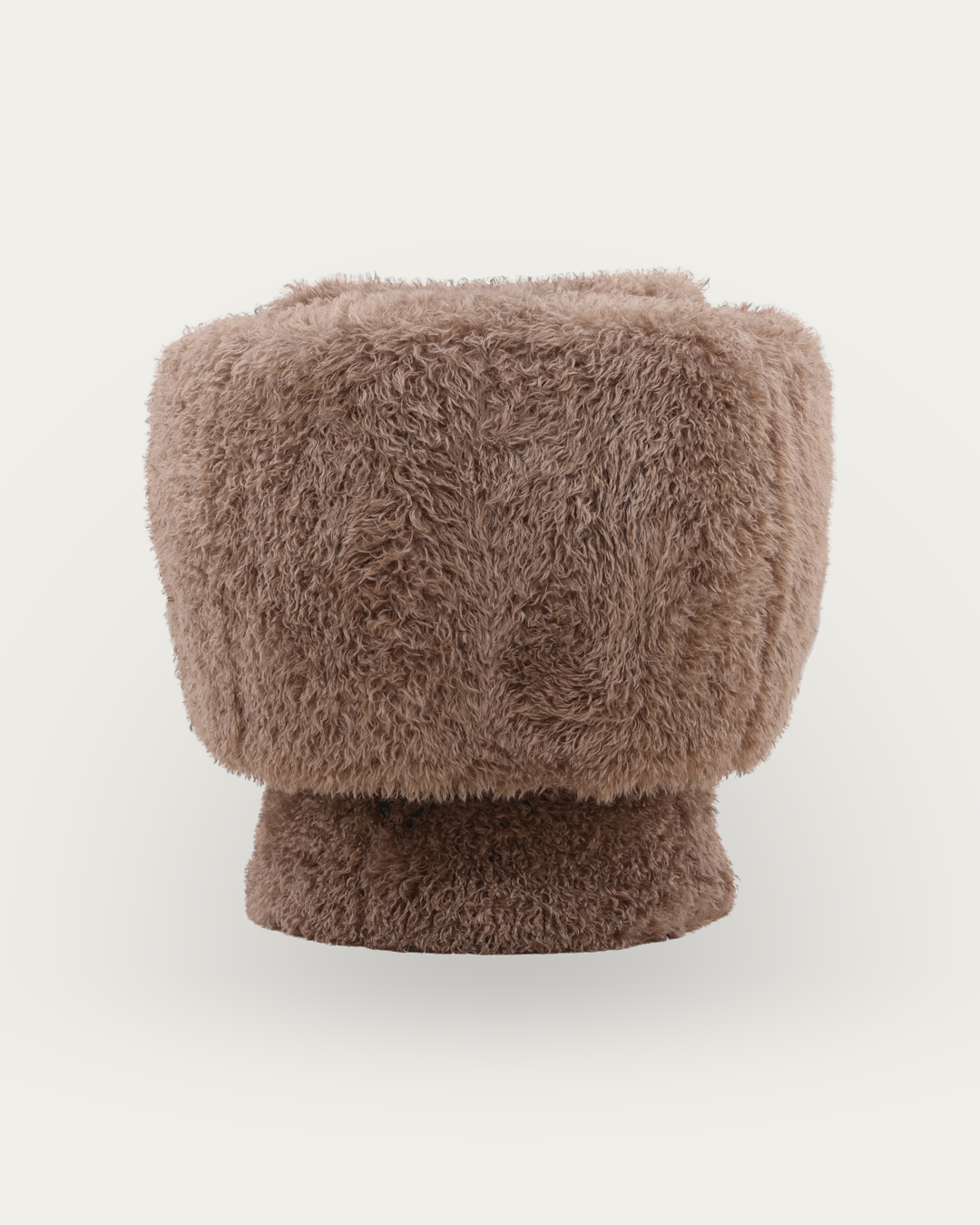
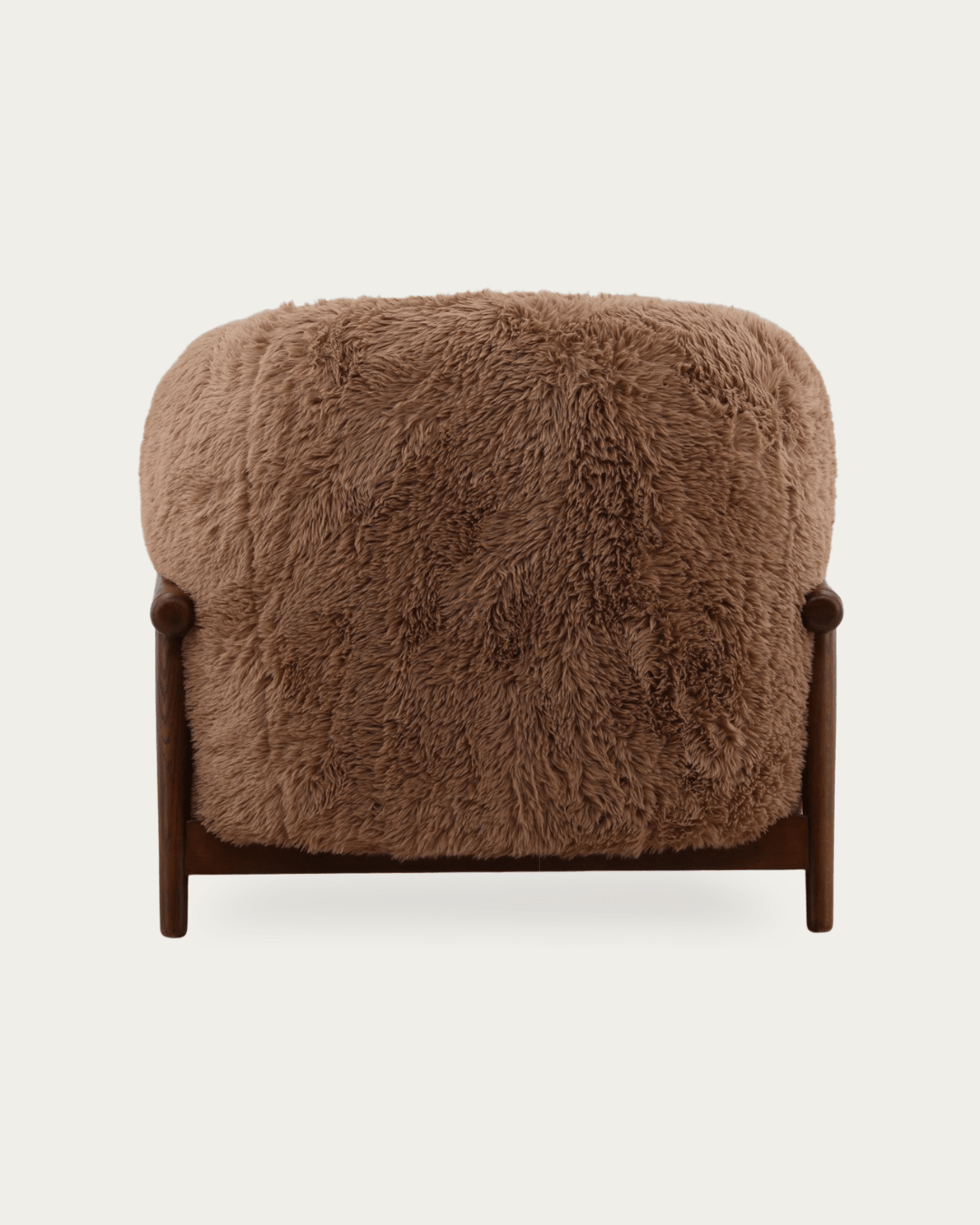
The same thinking applies to smaller accent pieces too. Stools and poufs aren’t just decorative extras in these spaces. They soften harder edges, add lower visual layers, and help distribute texture more evenly throughout the room.
A textured piece from the Stools and poufs collection can completely change how rigid a seating arrangement feels.
Made-to-order furniture collection:
Stools and poufs collection:
Modern Mountain Style Isn’t About Rustic Nostalgia
The newer version of the modern mountain home isn’t trying to recreate a lodge from twenty years ago.
It’s less themed.
Less performative.
Less interested in proving anything.
The focus has shifted toward sensation instead of aesthetic identity.
How does the room support rest?
How does the furniture influence conversation?
How does the lighting affect focus at night?
Does the space feel grounding or visually demanding?
Those questions are shaping interiors far more than trend forecasts right now.
That’s why modern mountain design keeps resonating. Its core ingredients already lean toward nervous system support:
heavier materials
softer lighting
slower visual rhythm
tactile surfaces
grounded furniture
fewer unnecessary interruptions
The result feels more human because the room prioritizes regulation over performance.
The Rooms People Remember Usually Feel Quiet
The most memorable homes rarely scream for attention.
They don’t rely on constant novelty or oversized trend moments. They feel composed because the materials carry enough depth on their own. The furniture feels connected to the architecture. The lighting softens instead of floods. The room leaves space for people to actually settle into it.
That’s the real formula behind a modern mountain home.
Not perfection.
Not rustic cosplay.
Not filling every corner.
Just texture, weight, light, and less visual noise.
Explore more grounded pieces, layered textures, and modern mountain-inspired furniture throughout the Living room collection and build a space that feels slower to live in, not just faster to photograph.