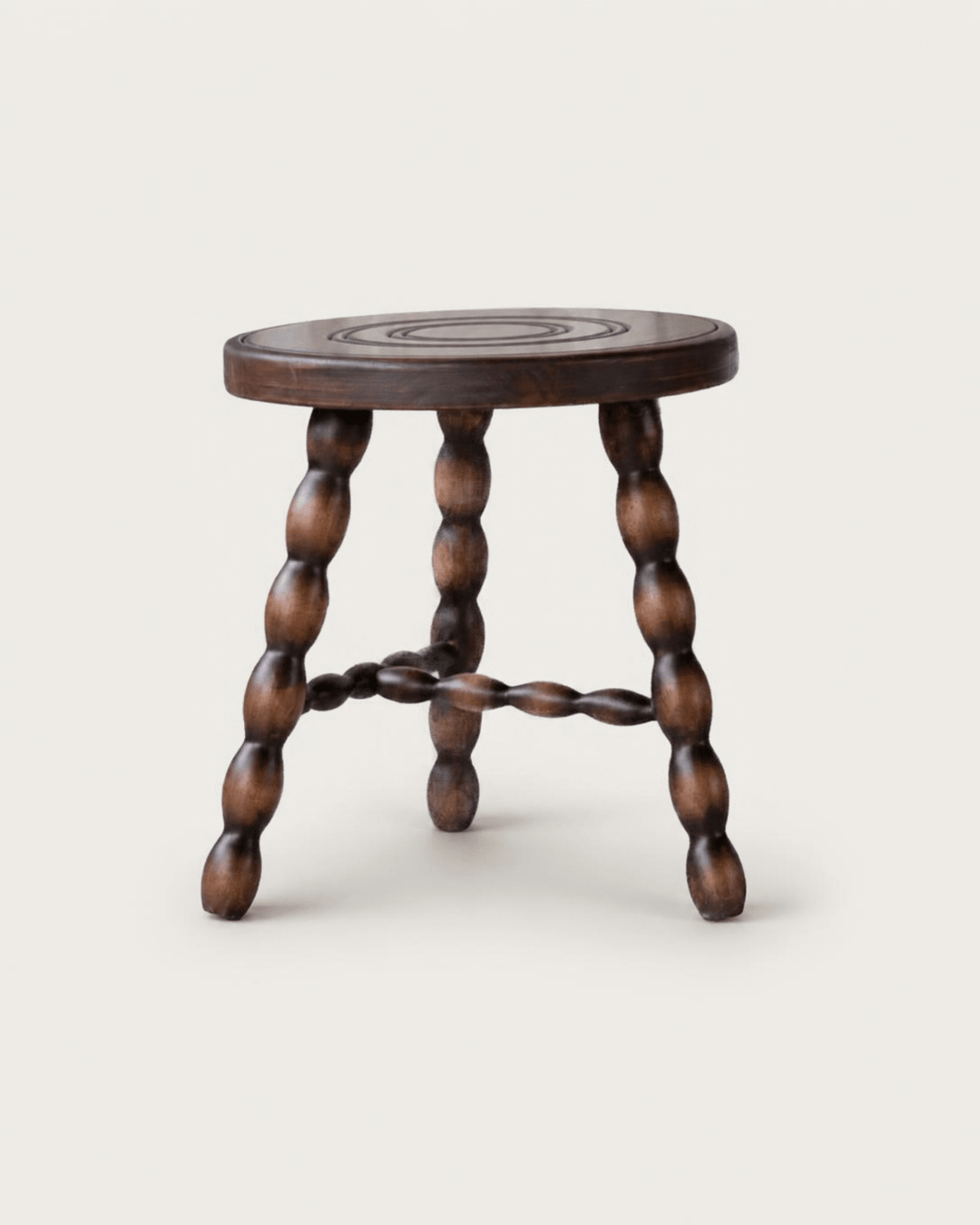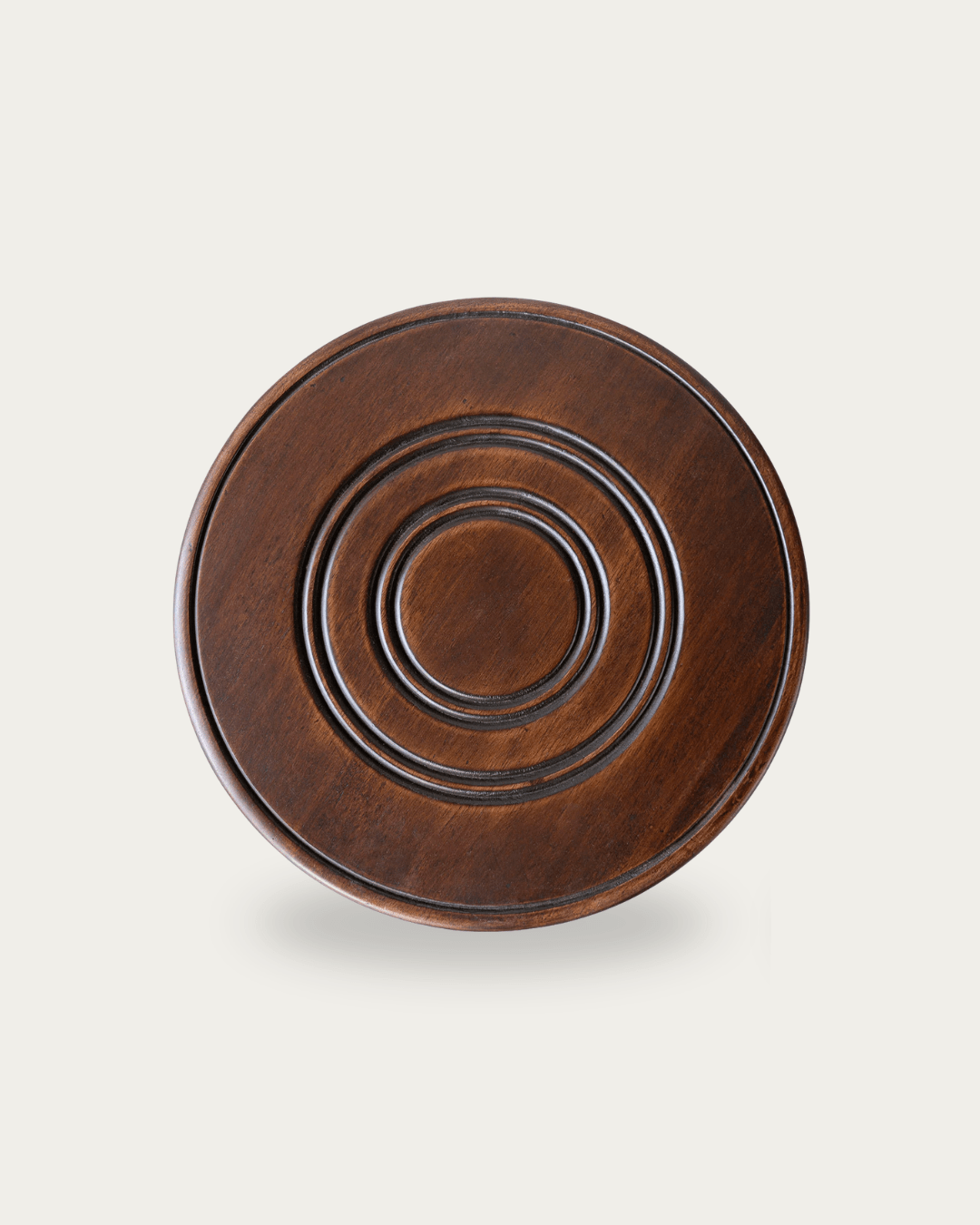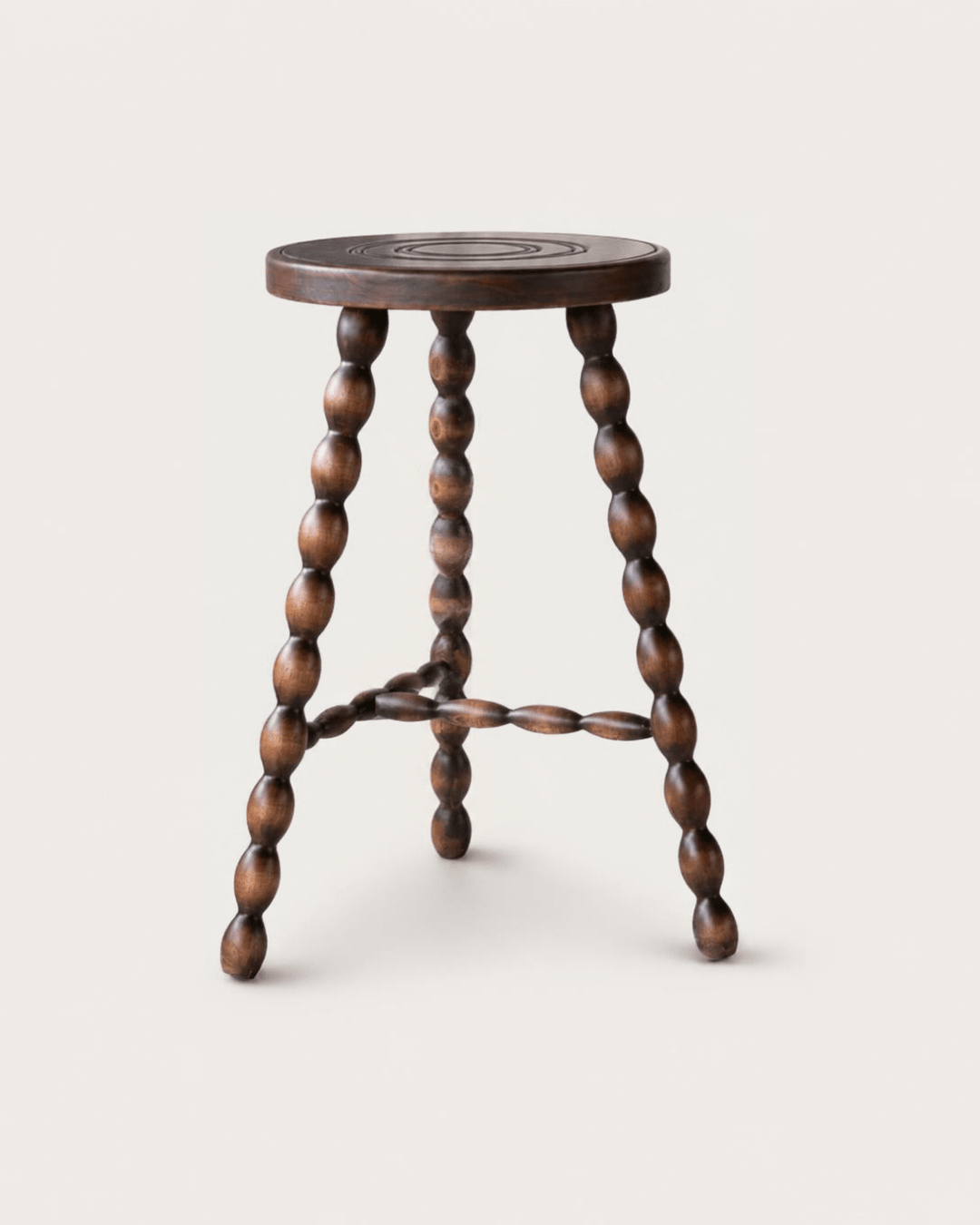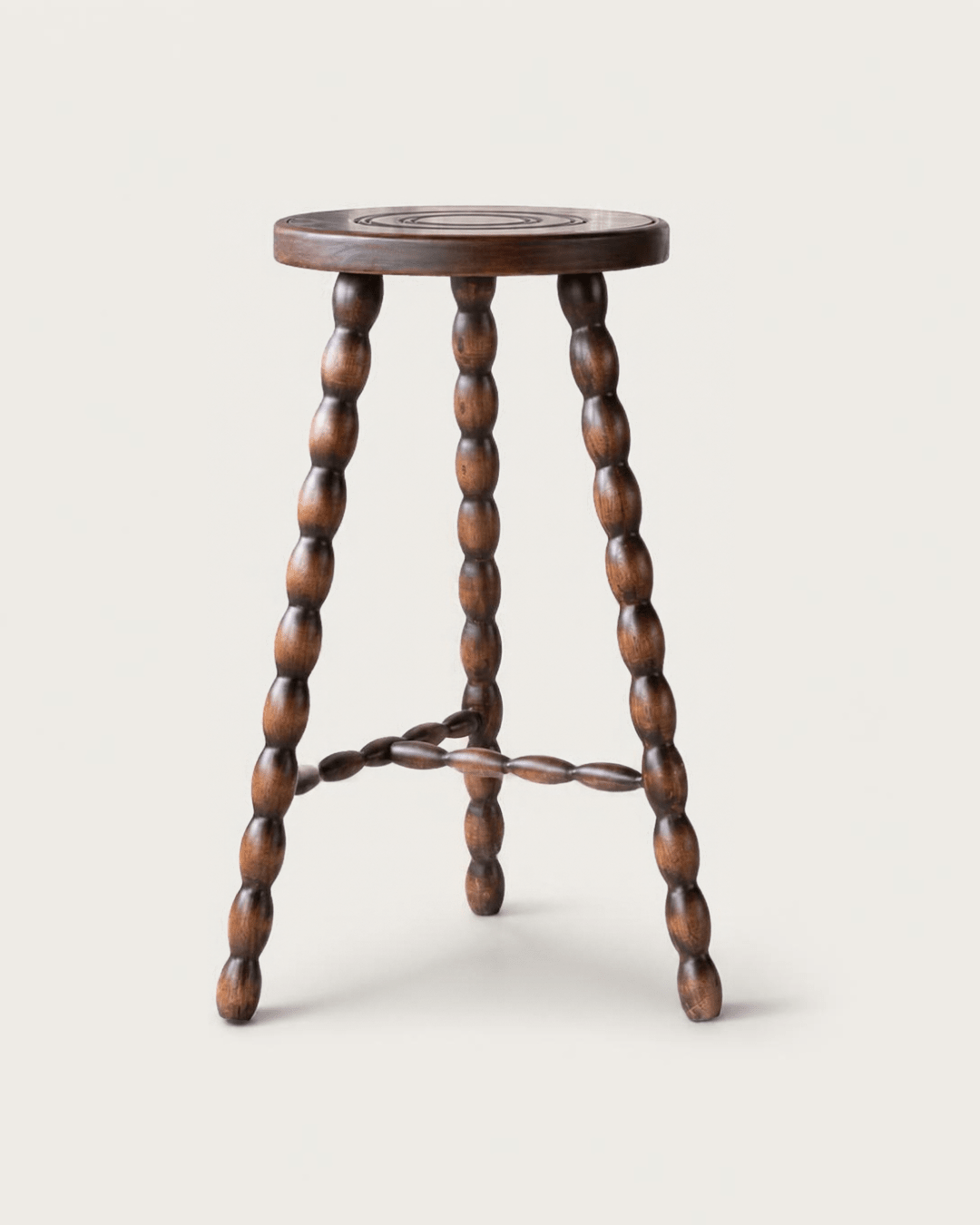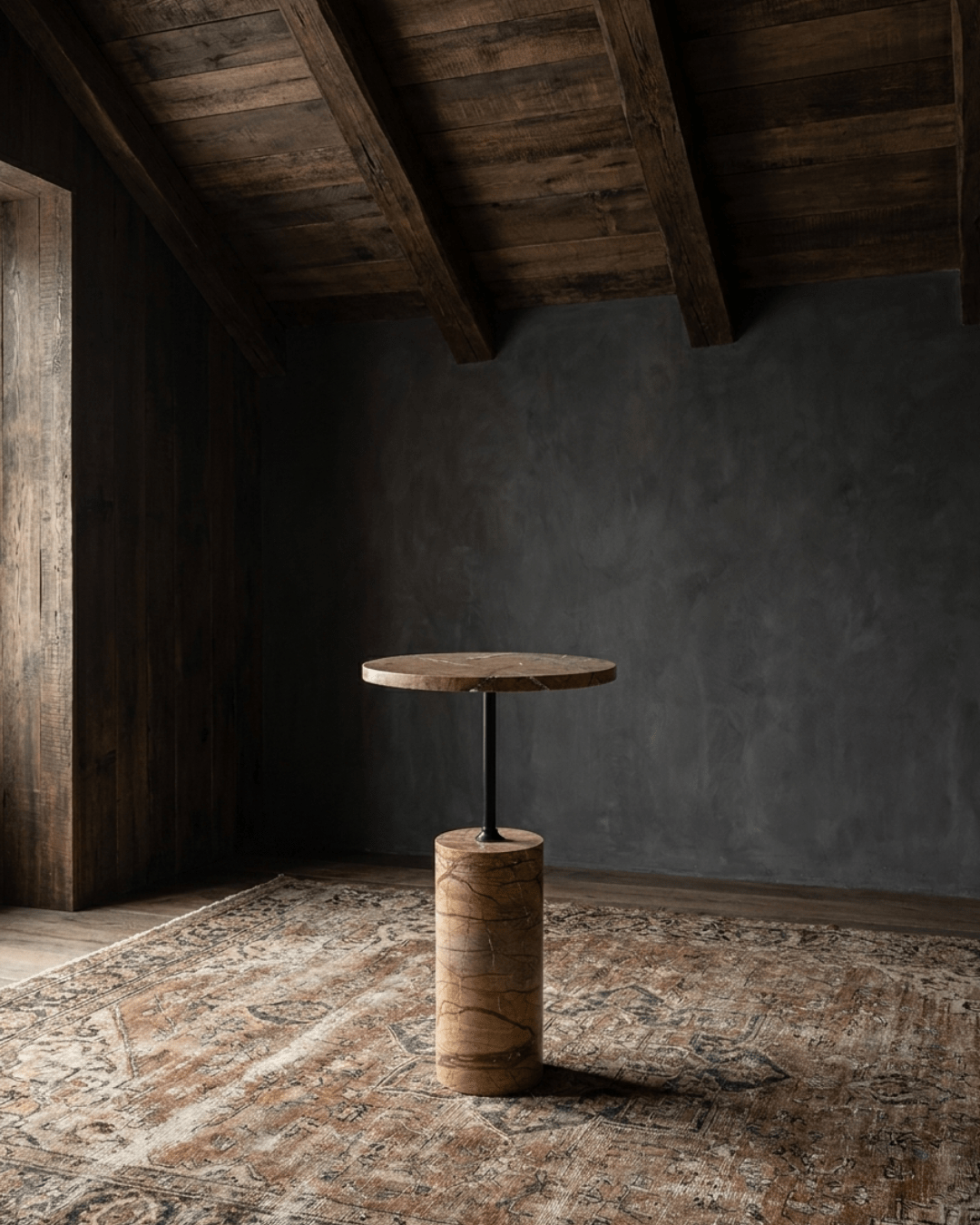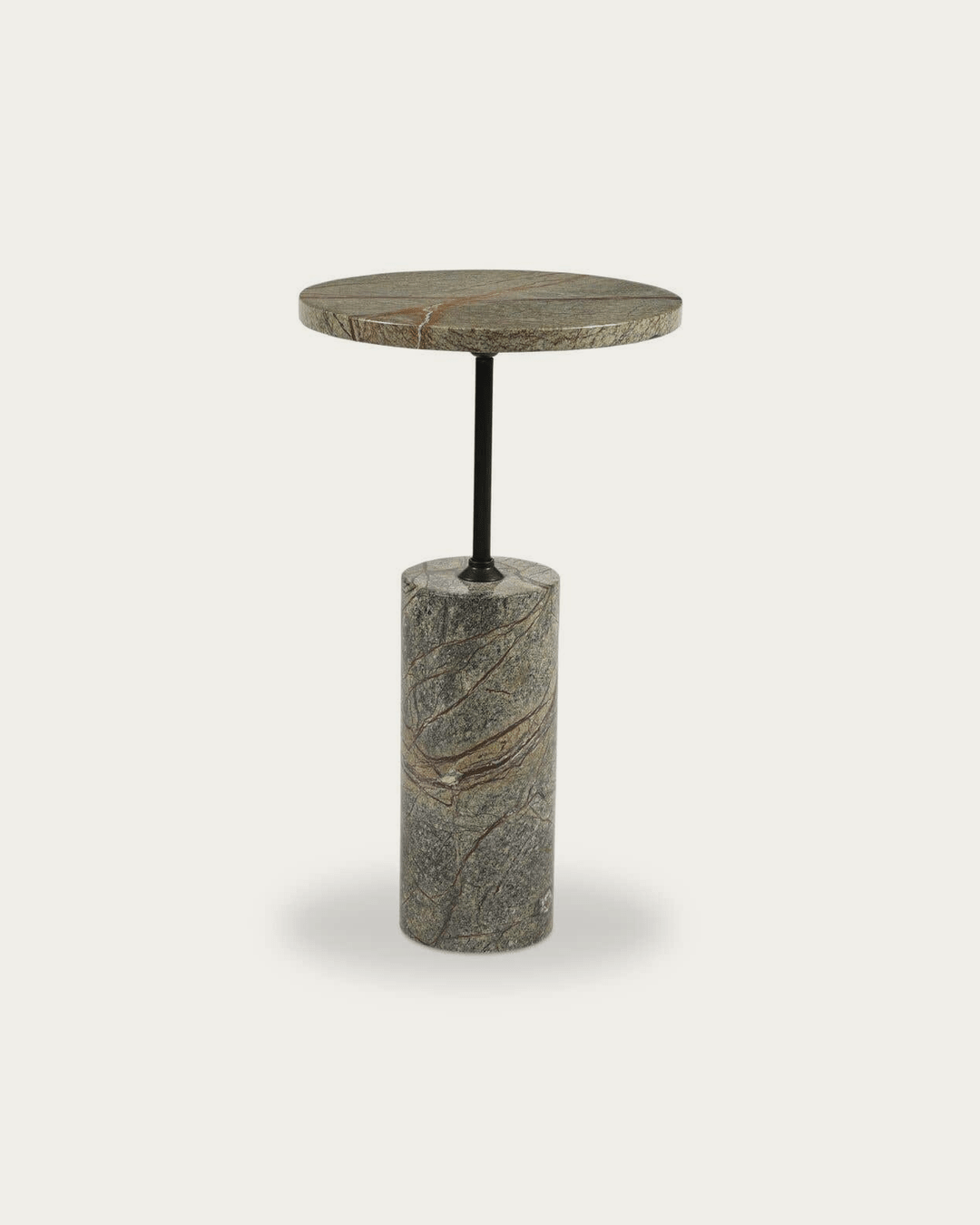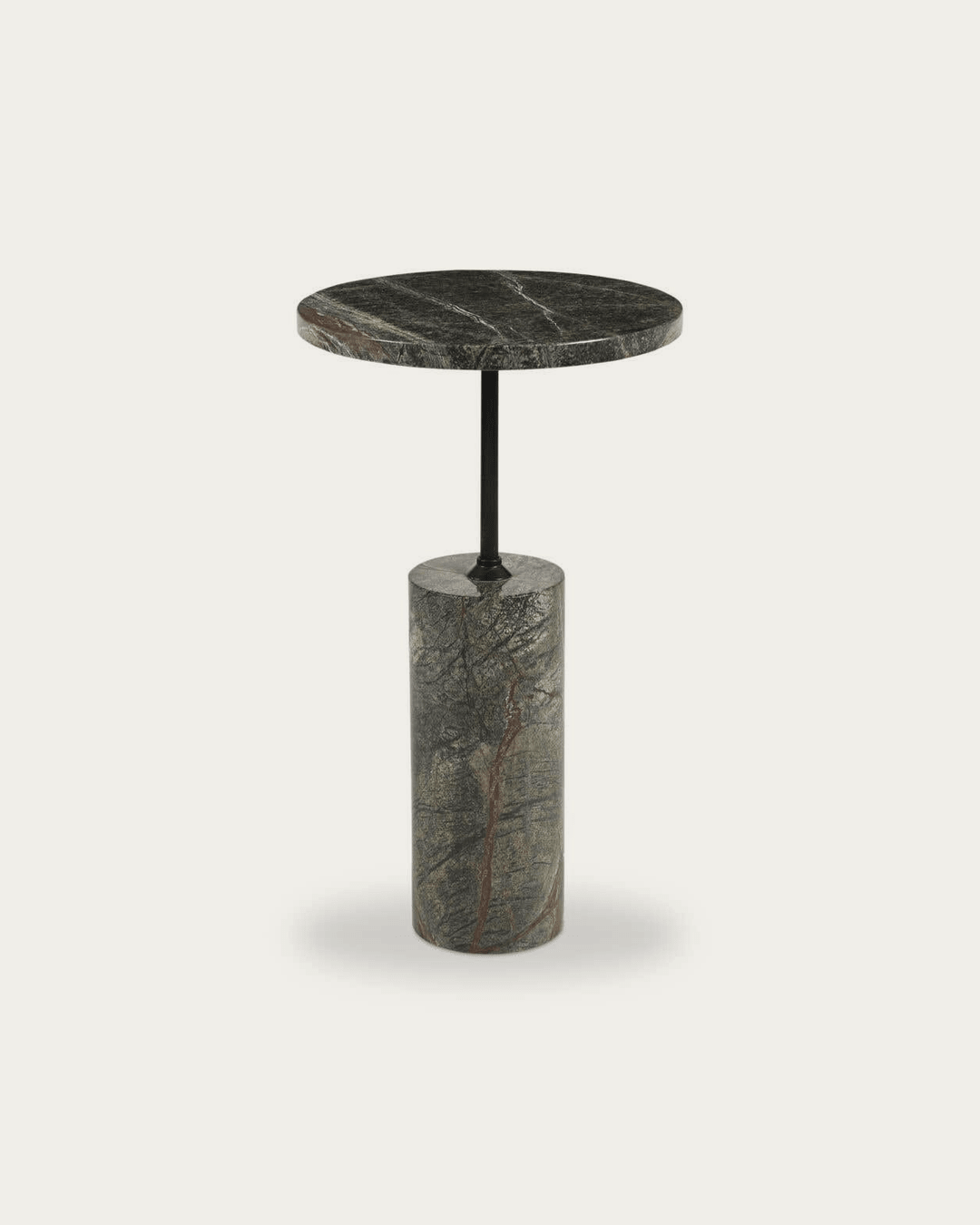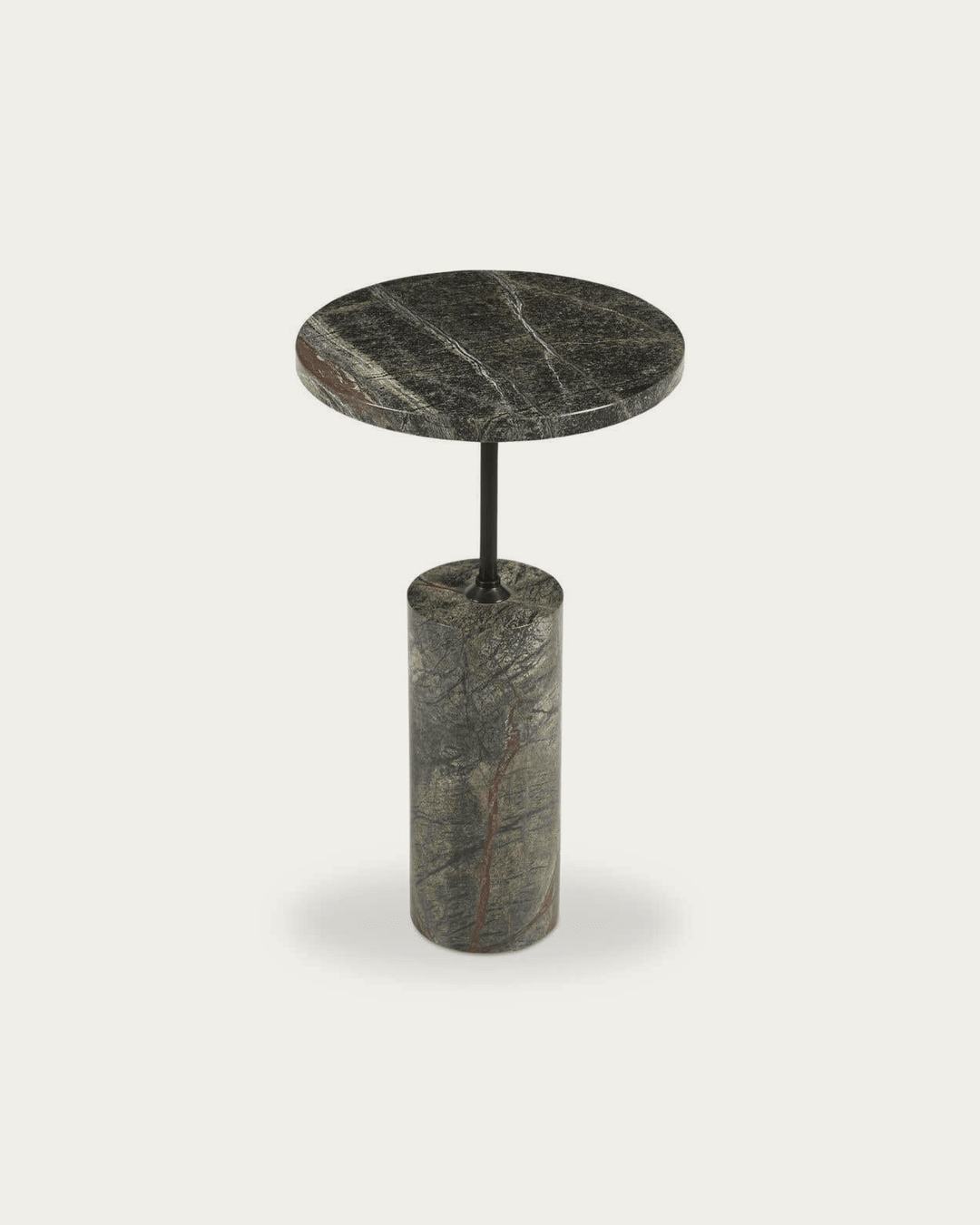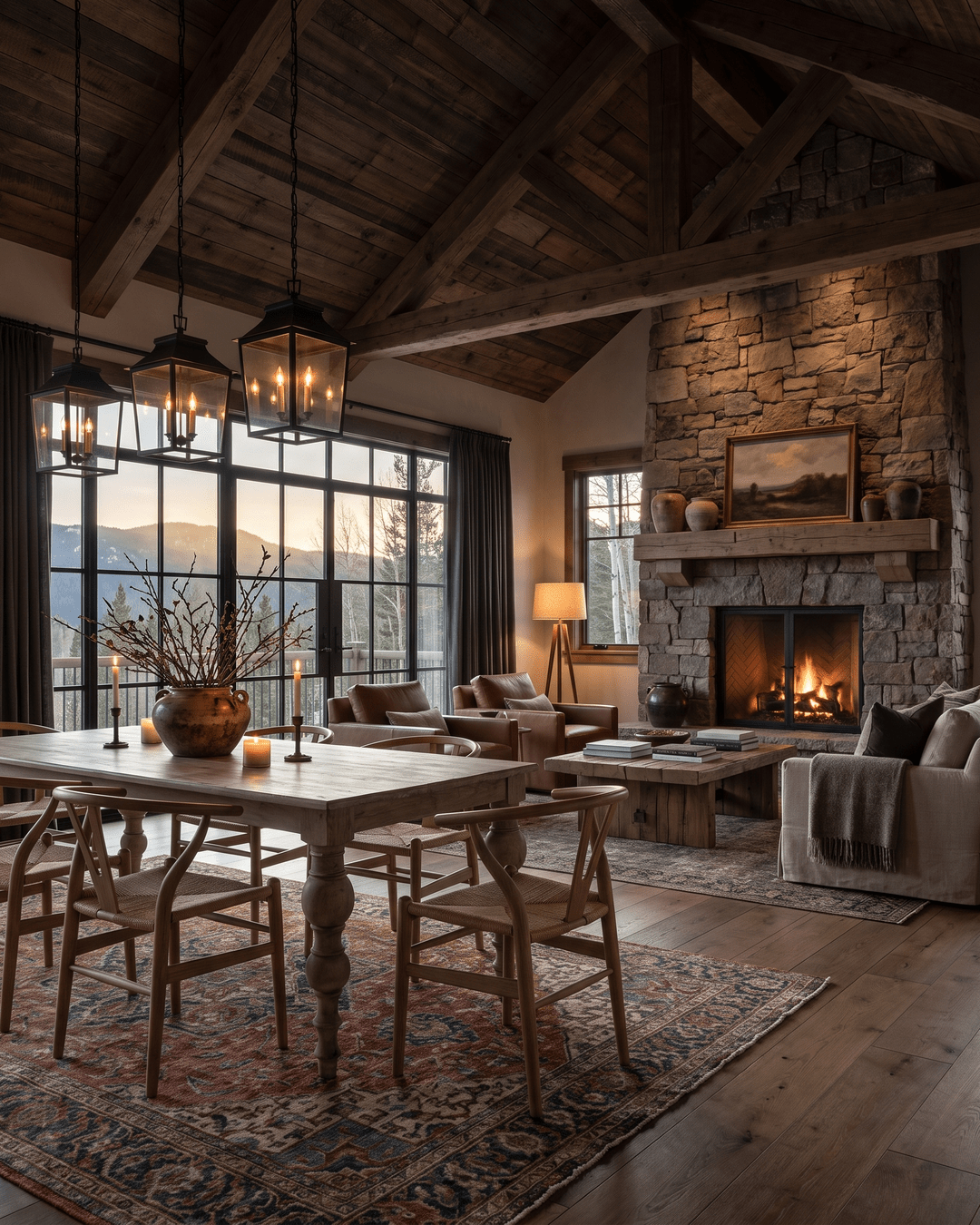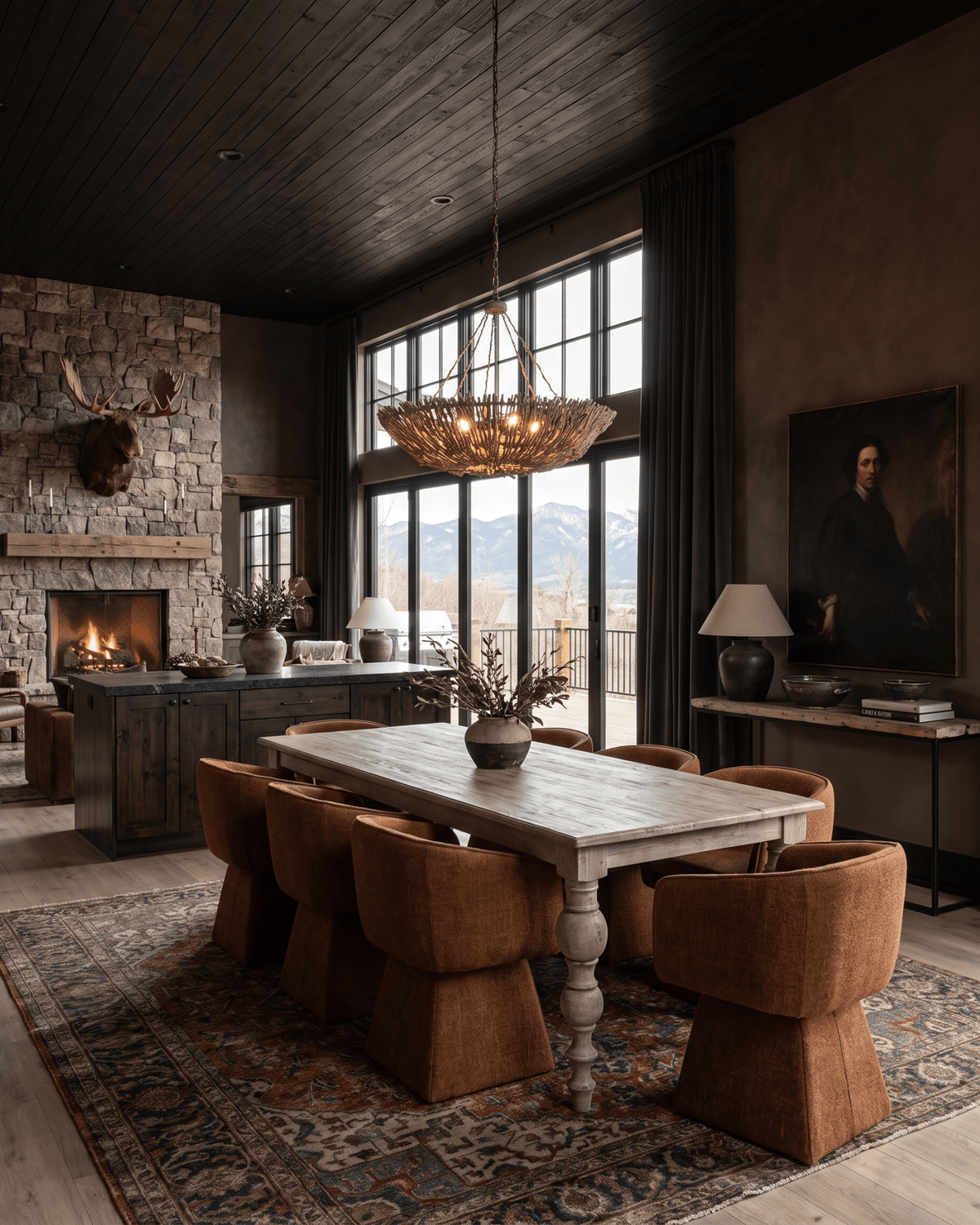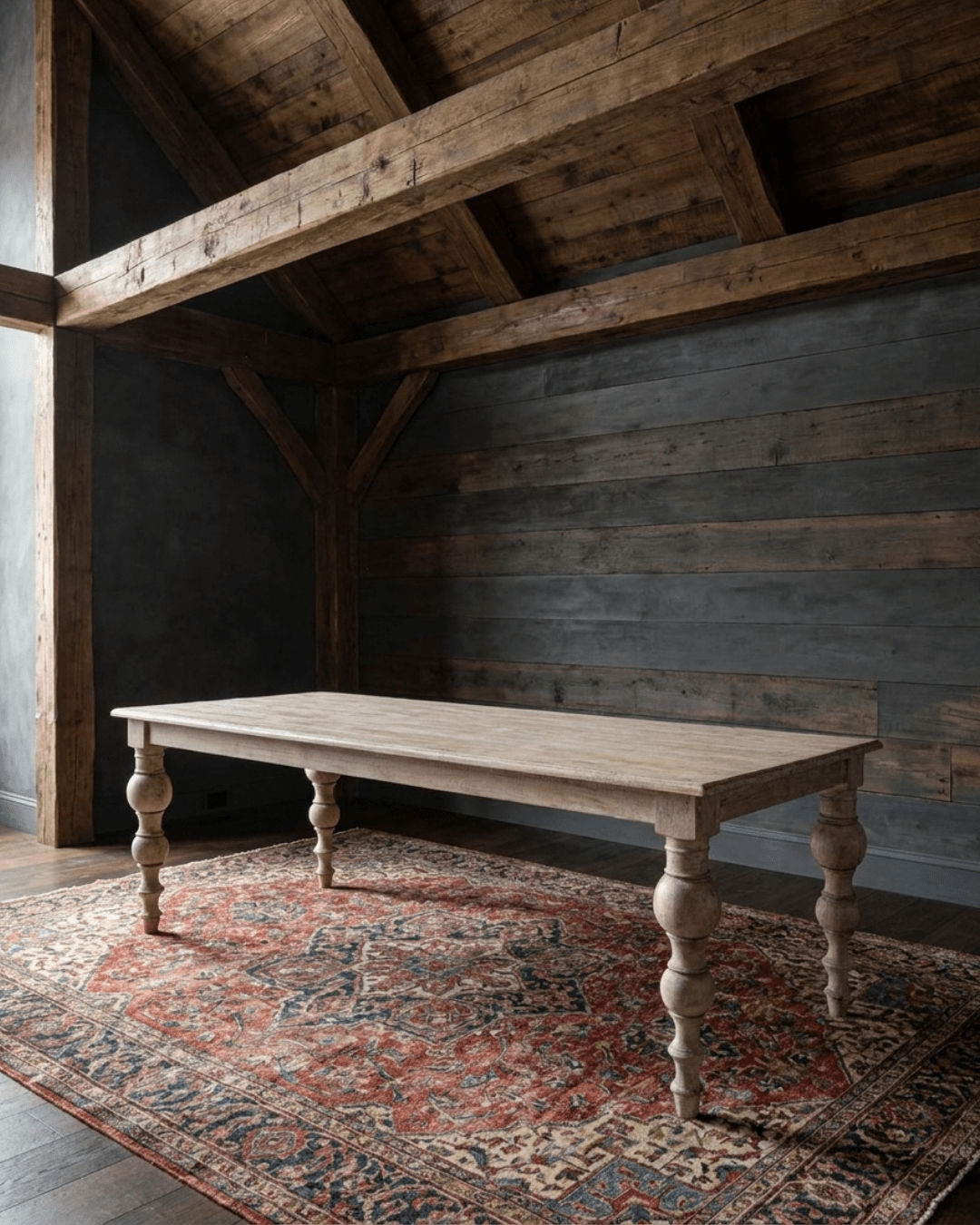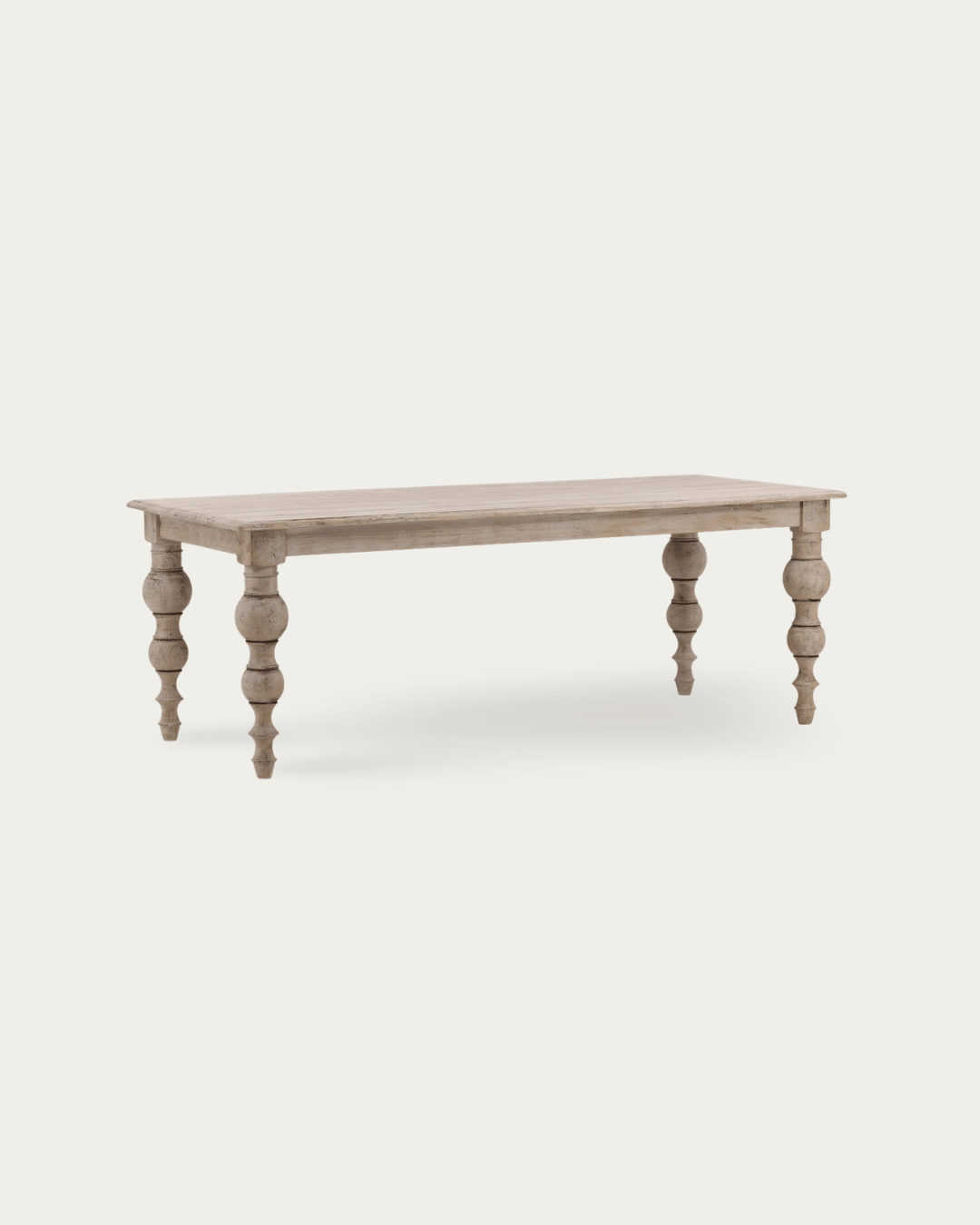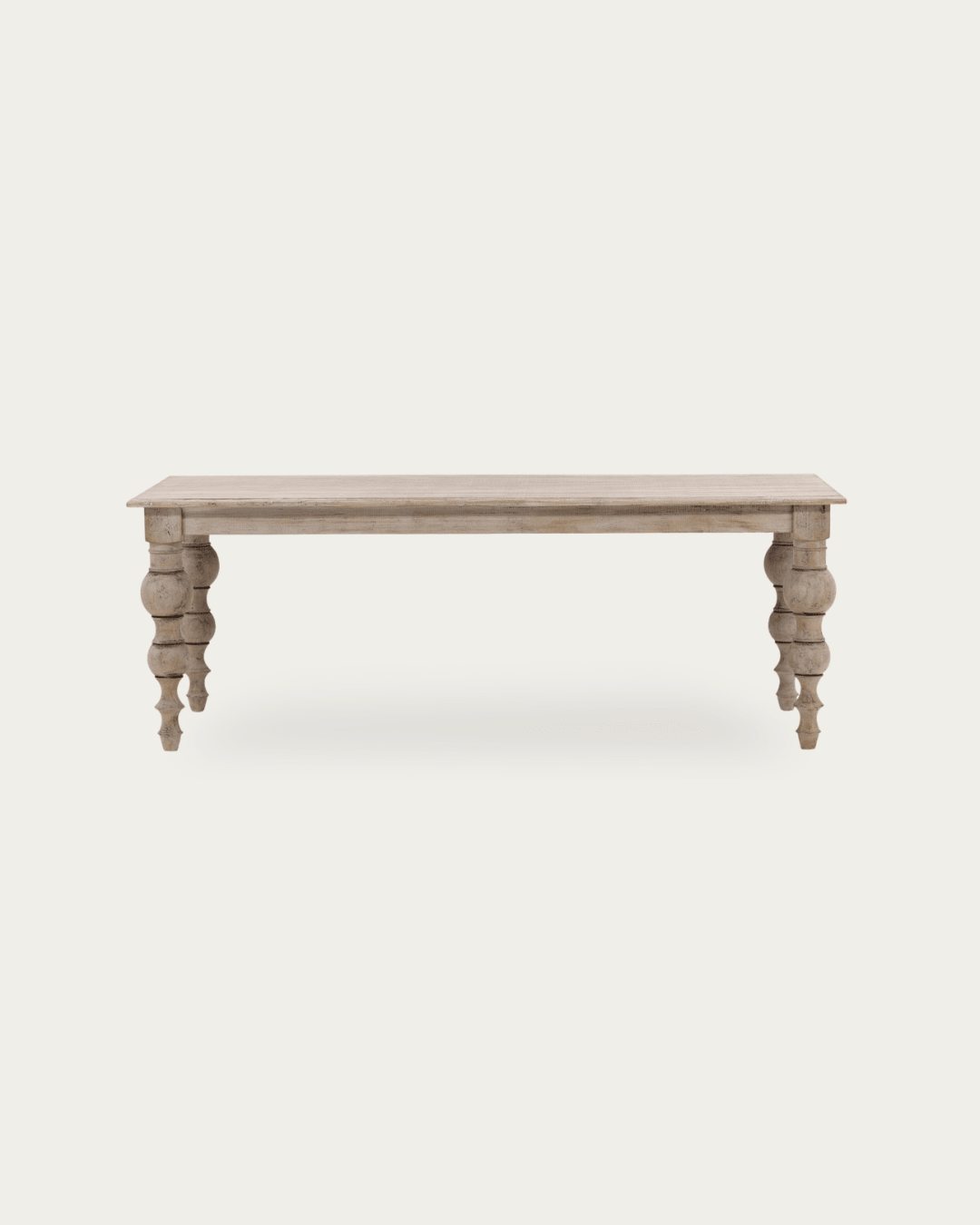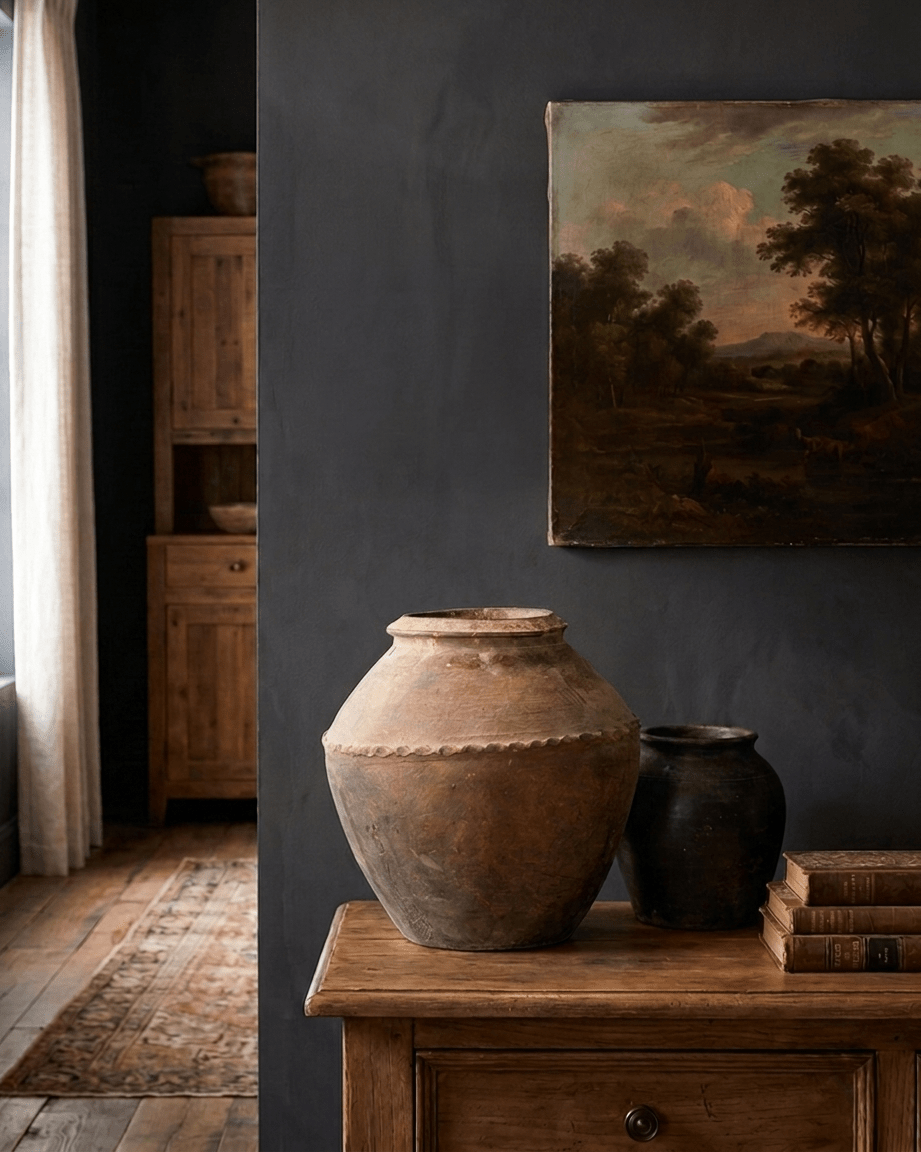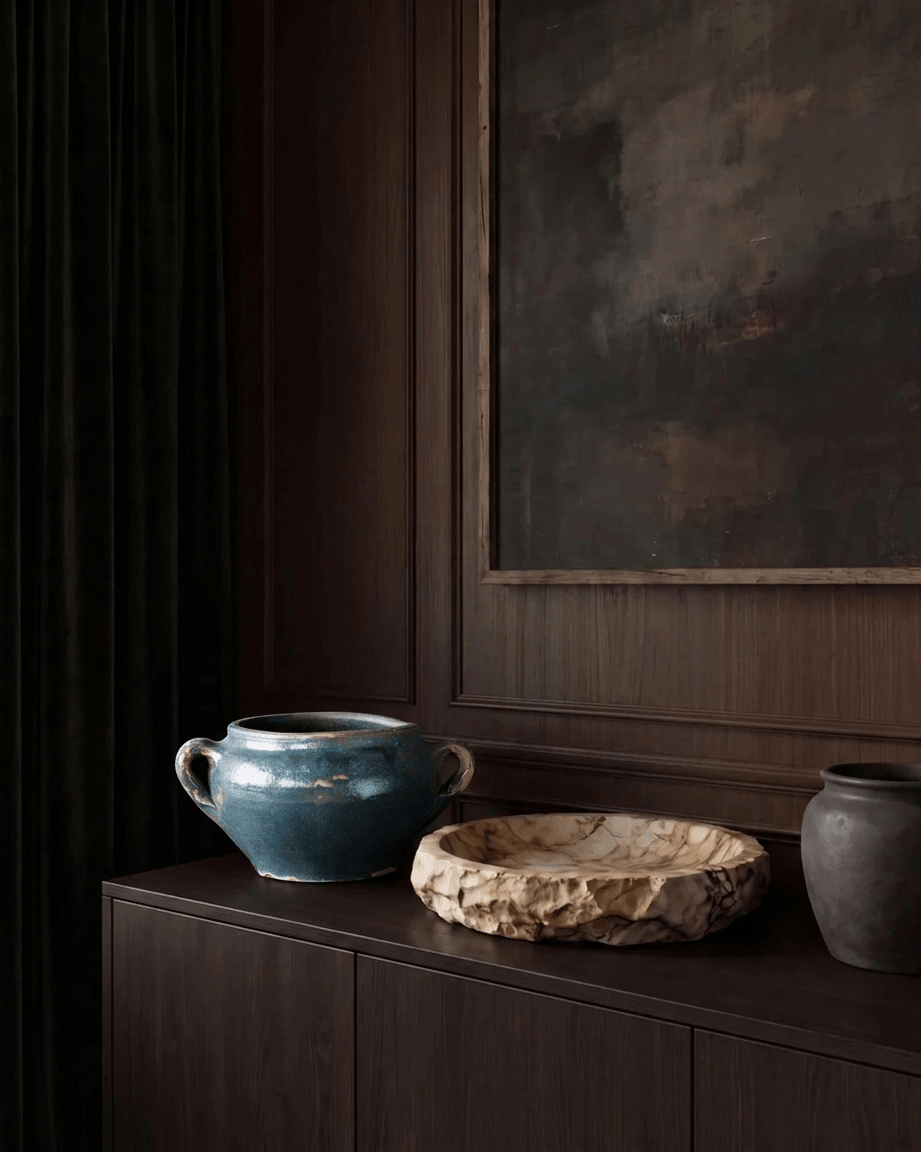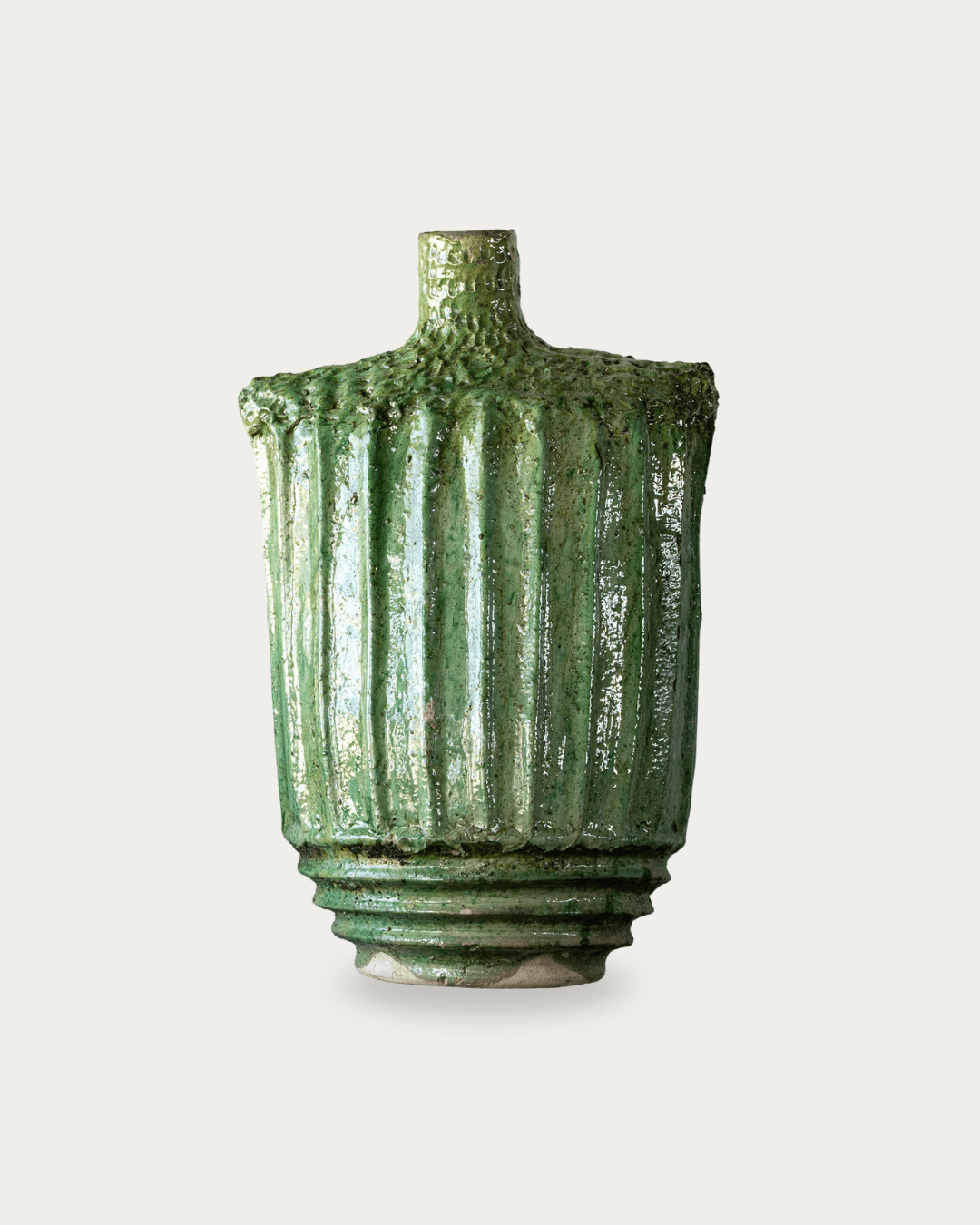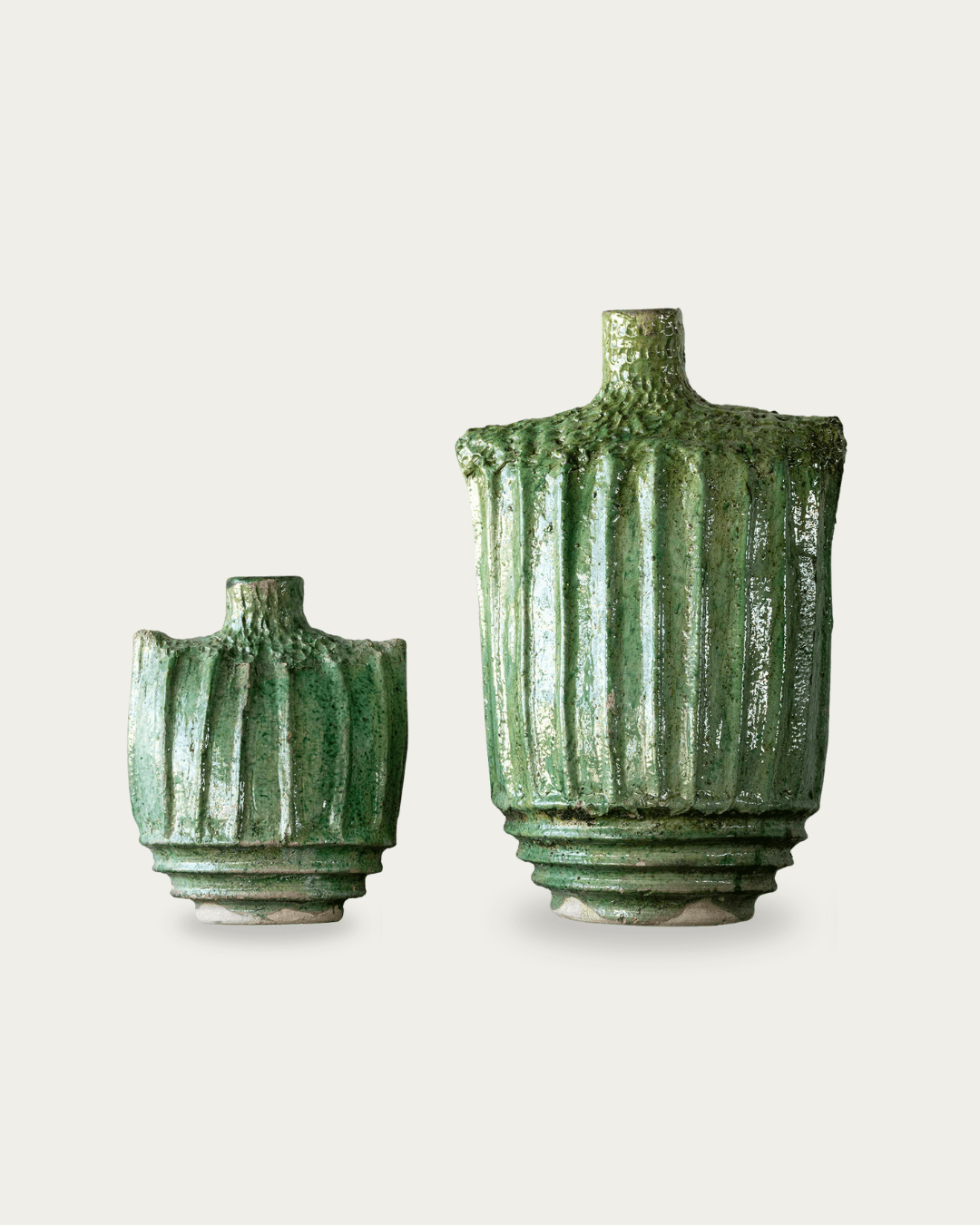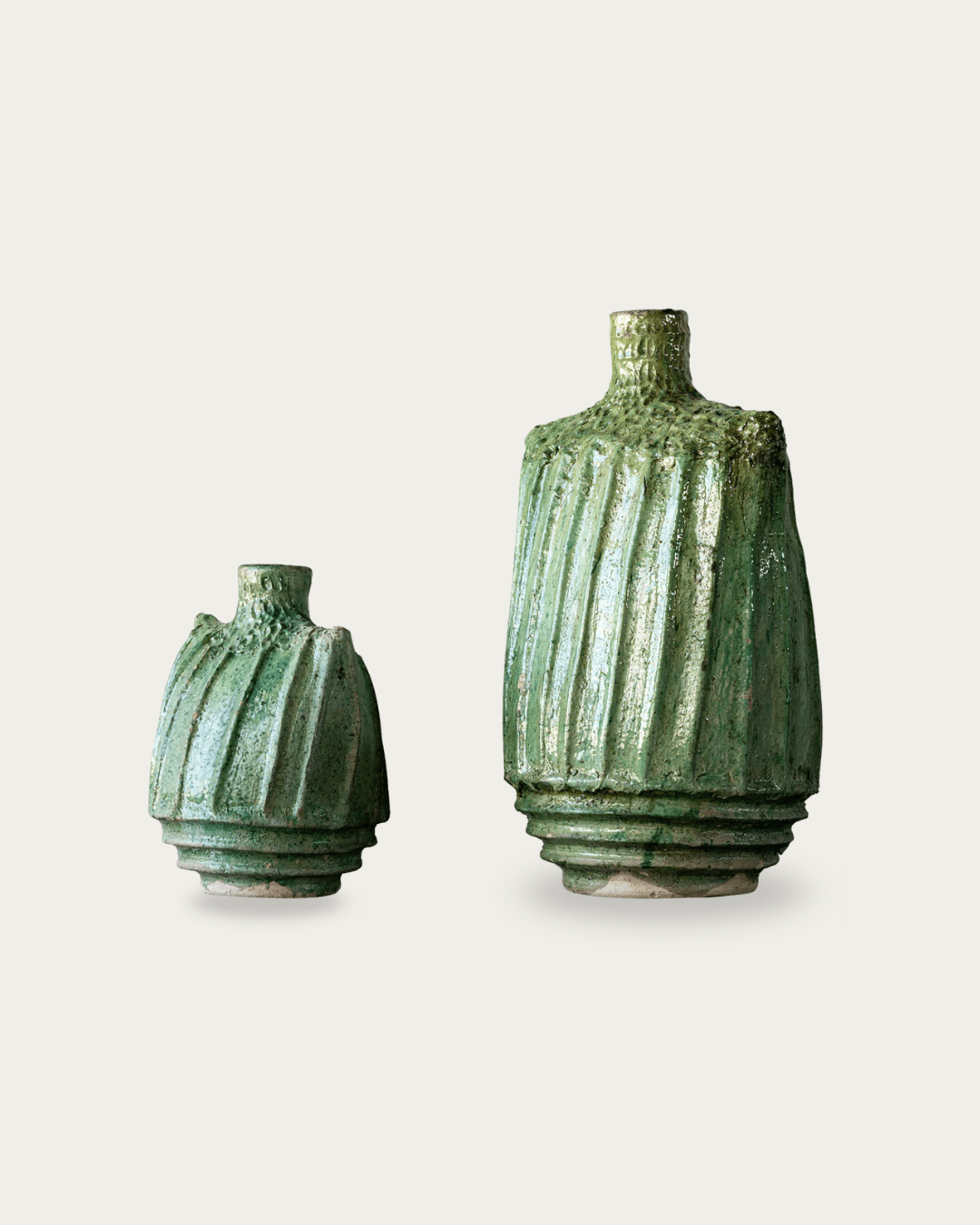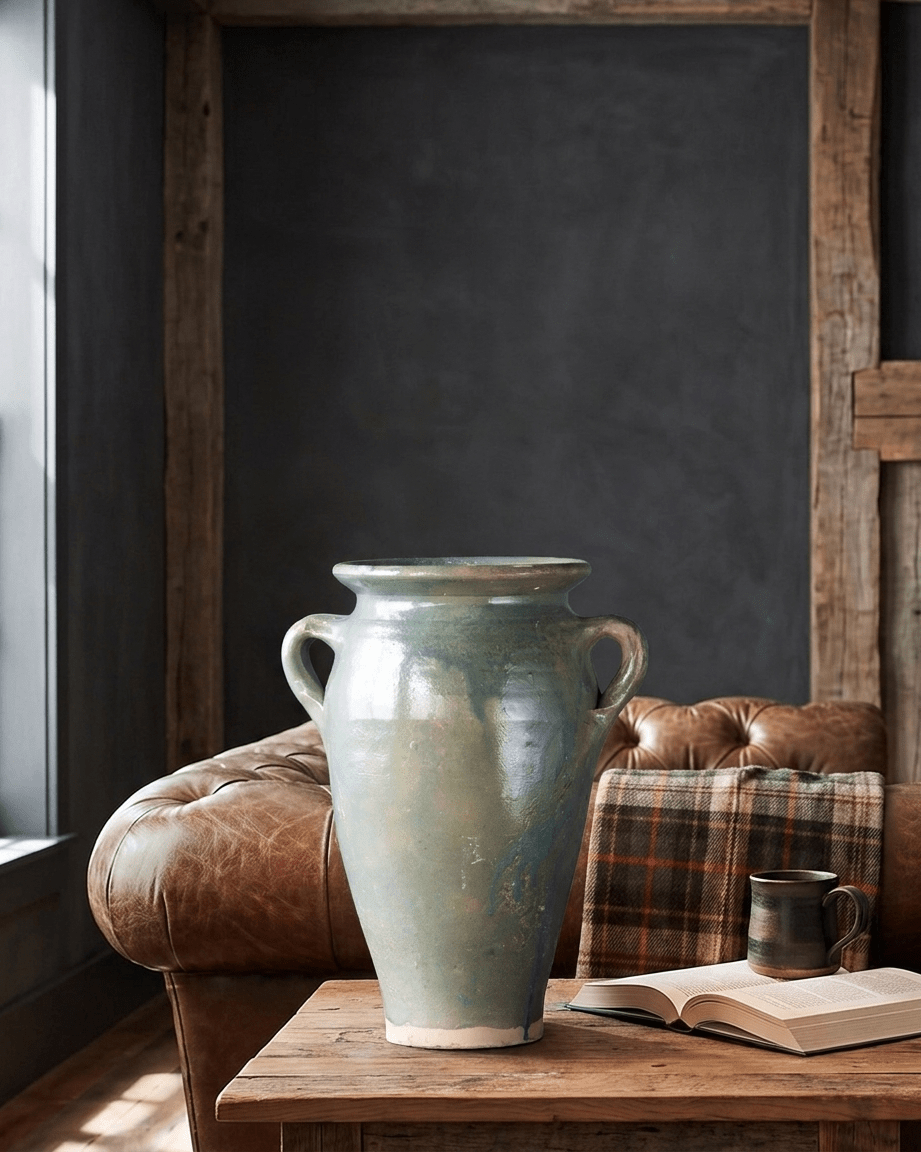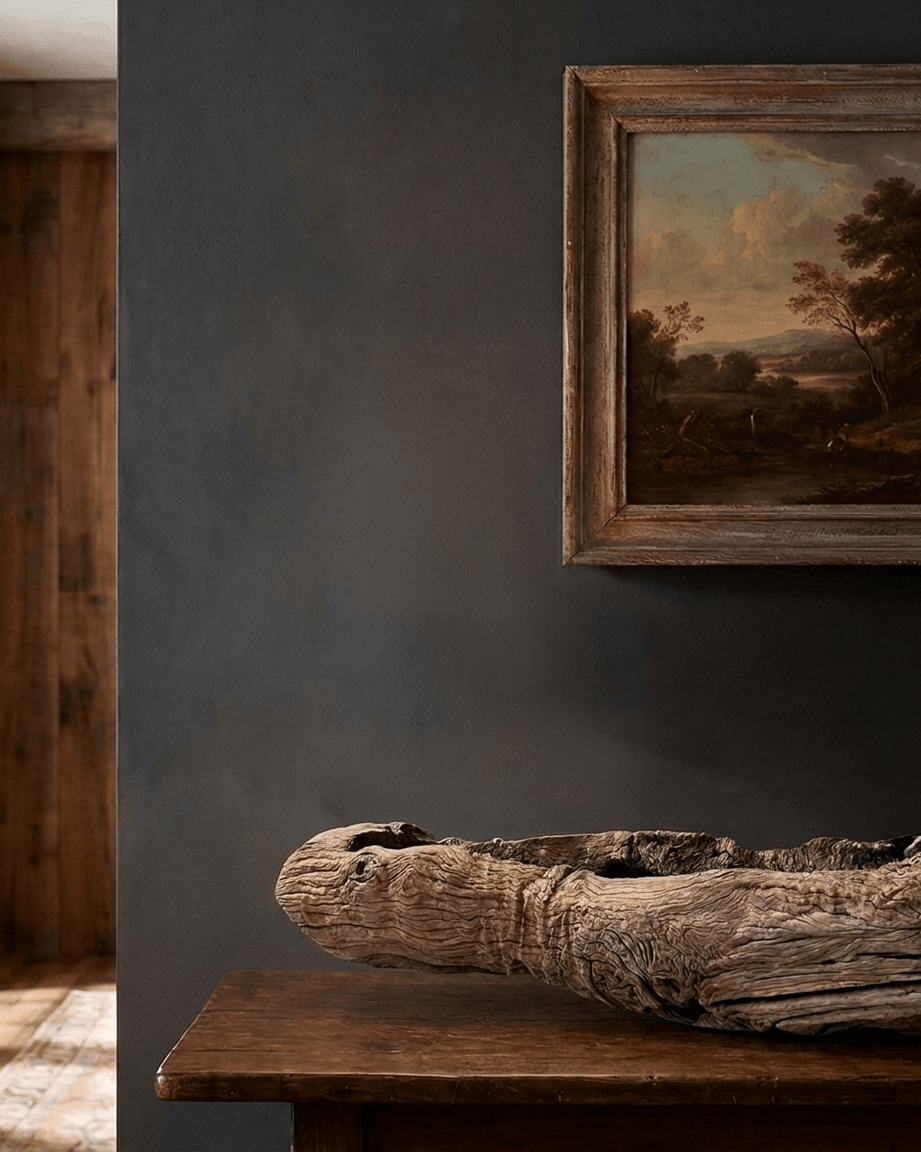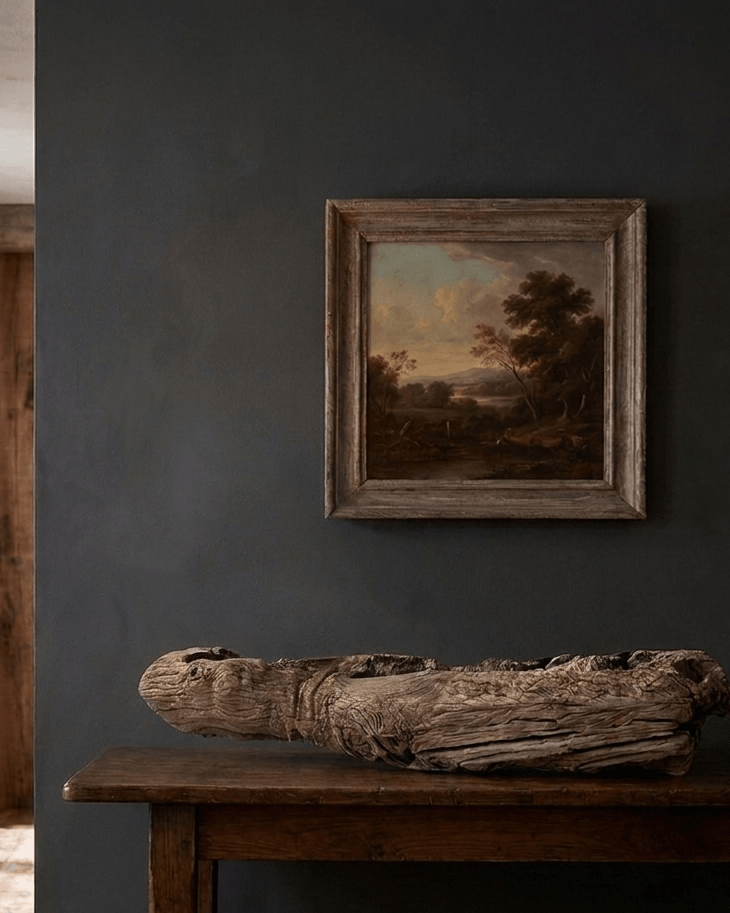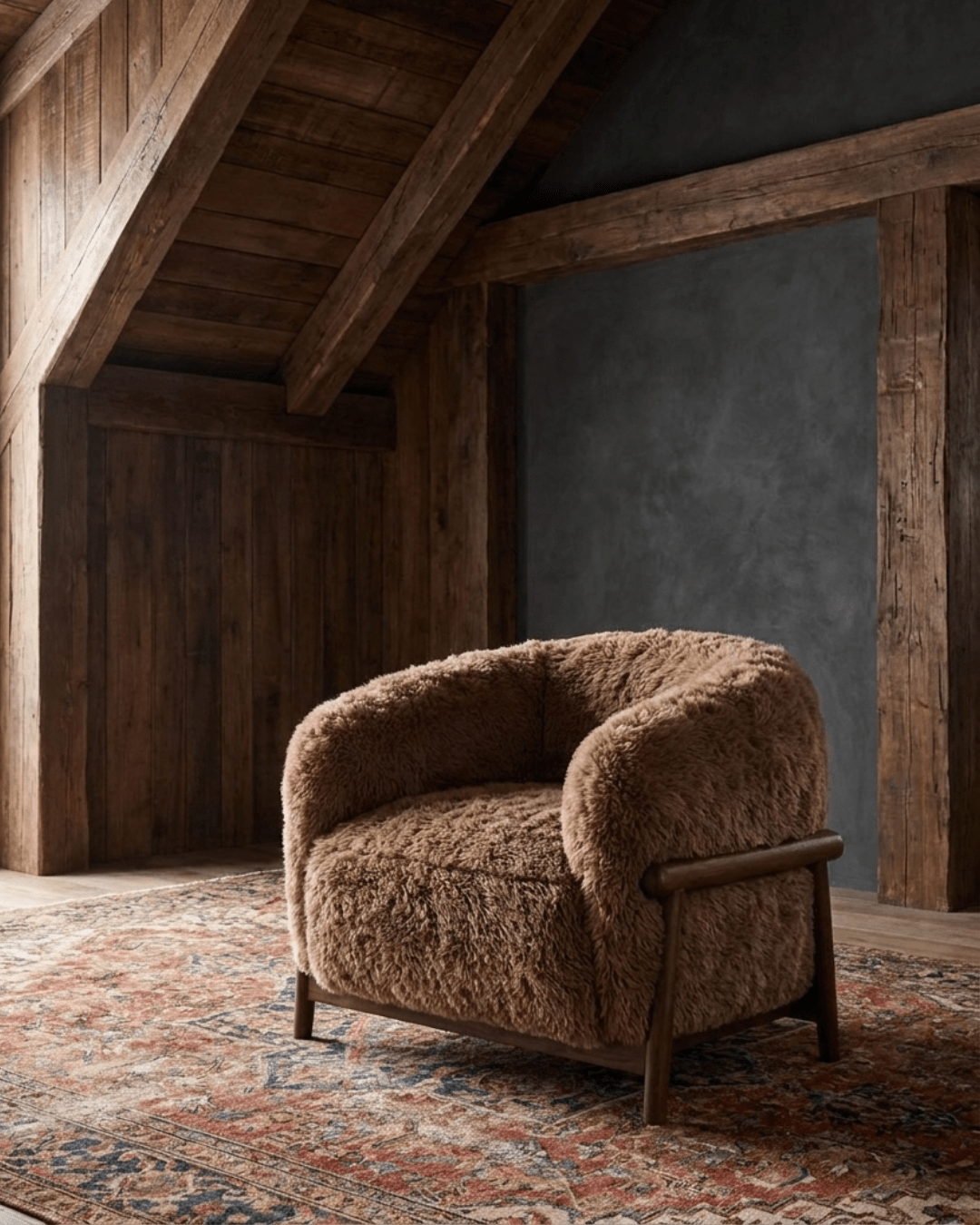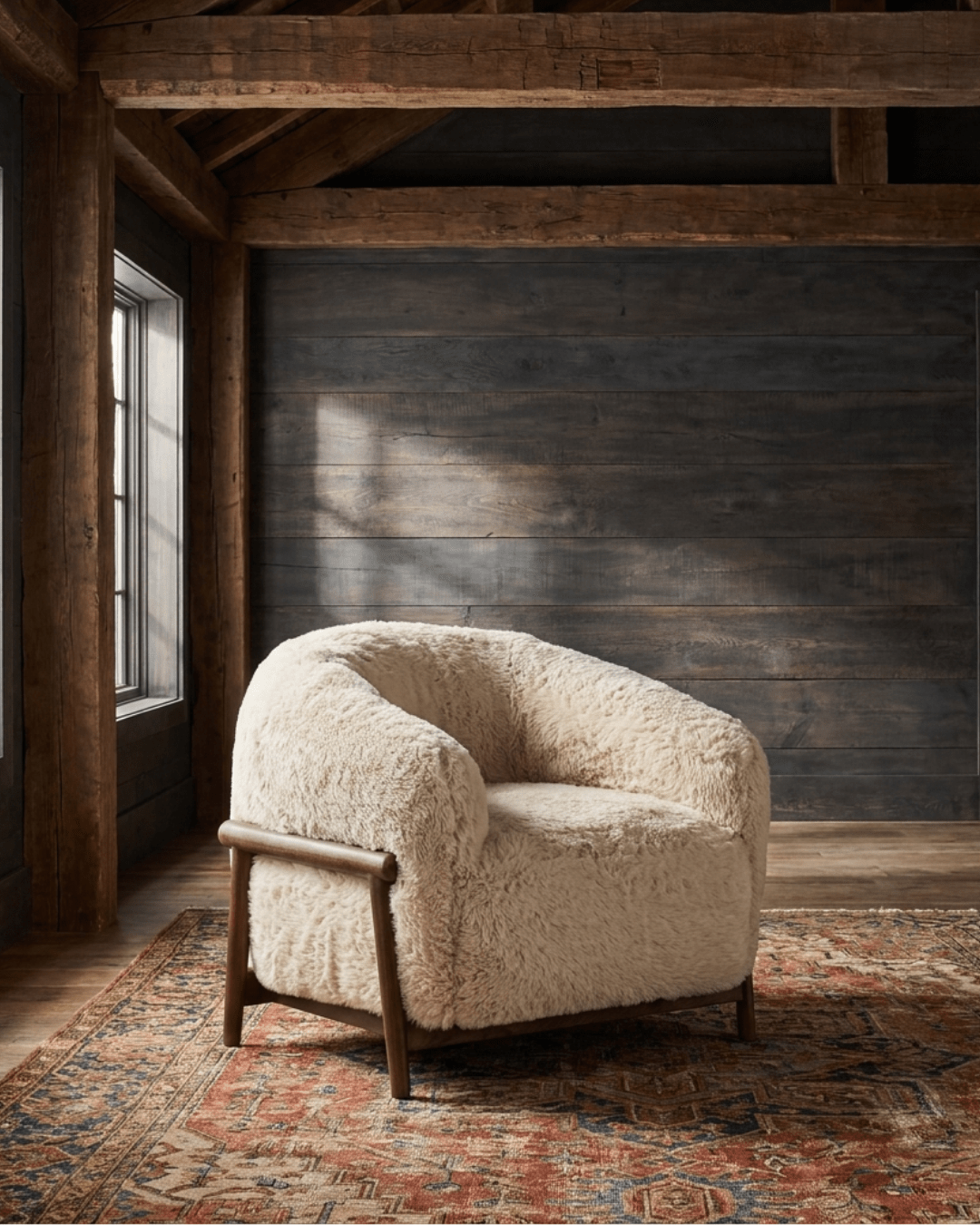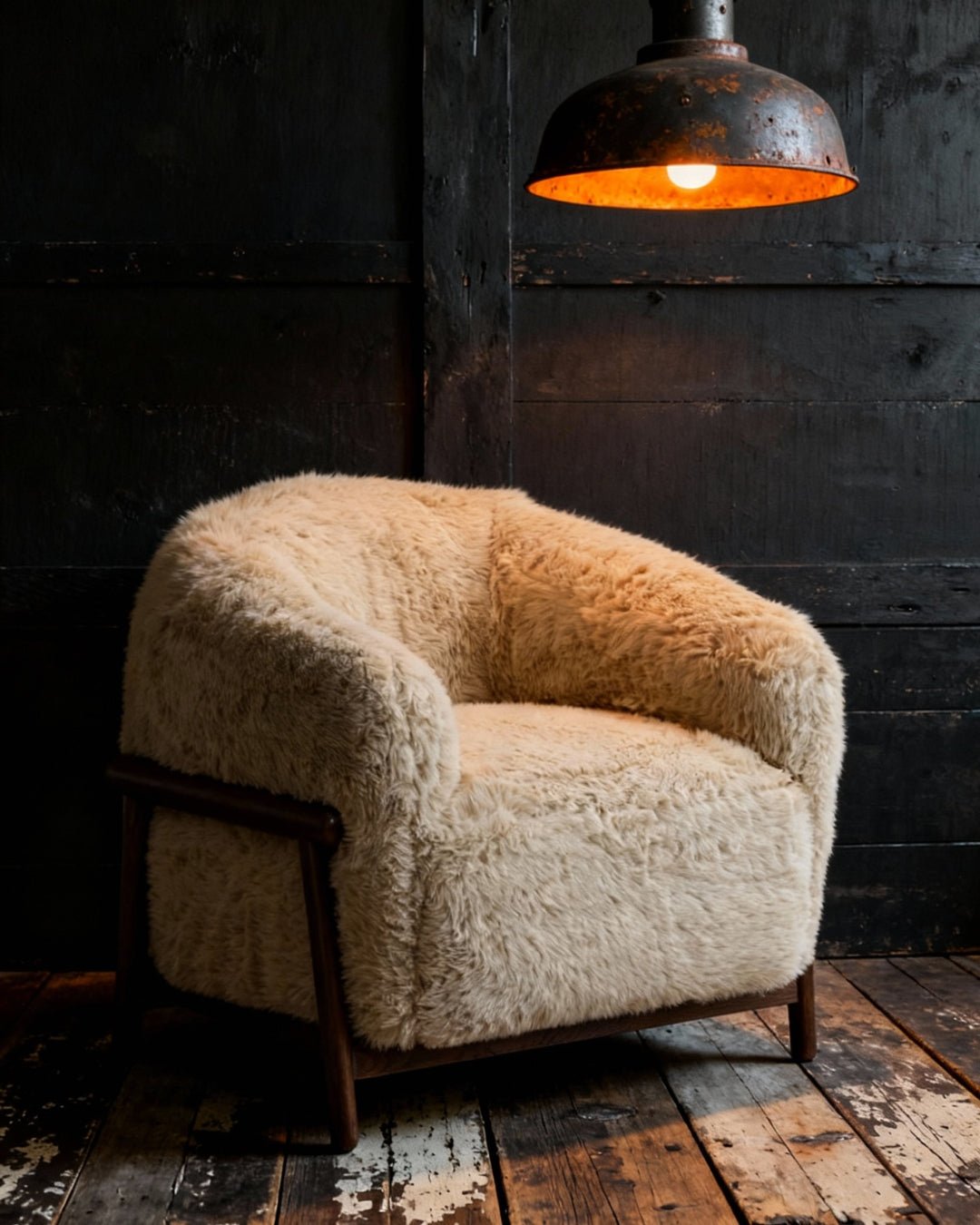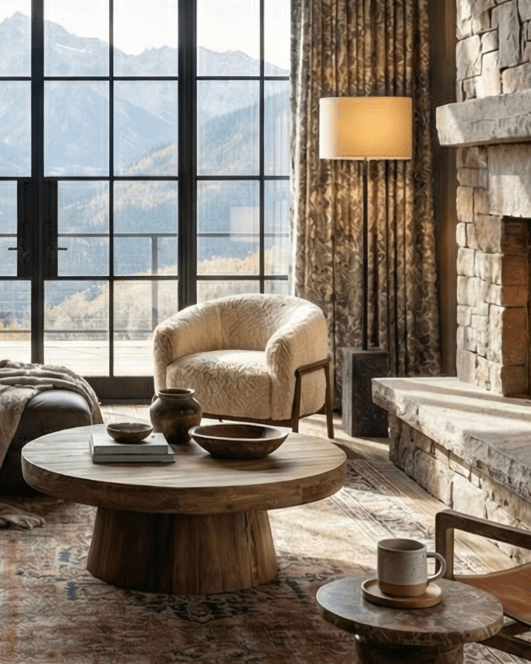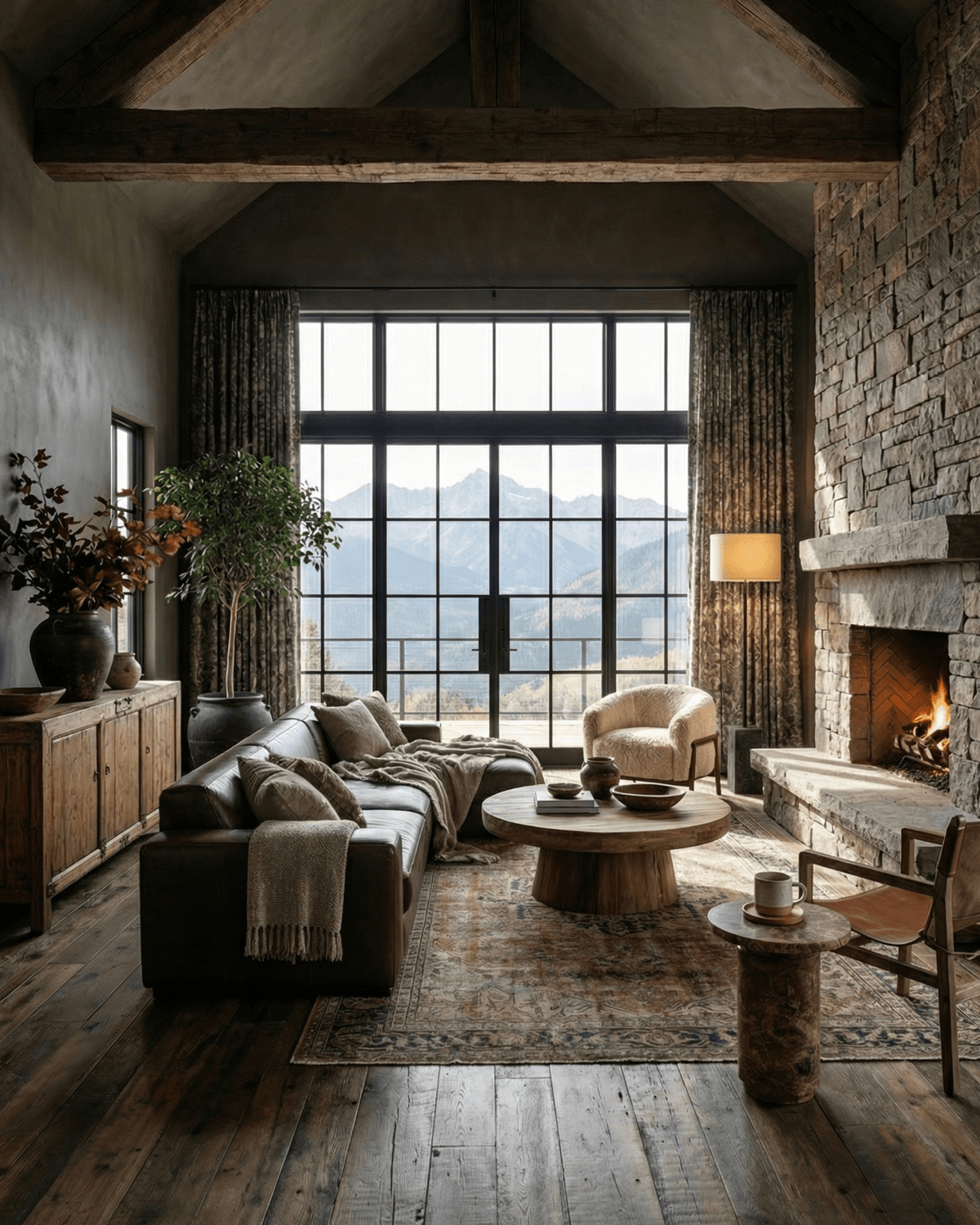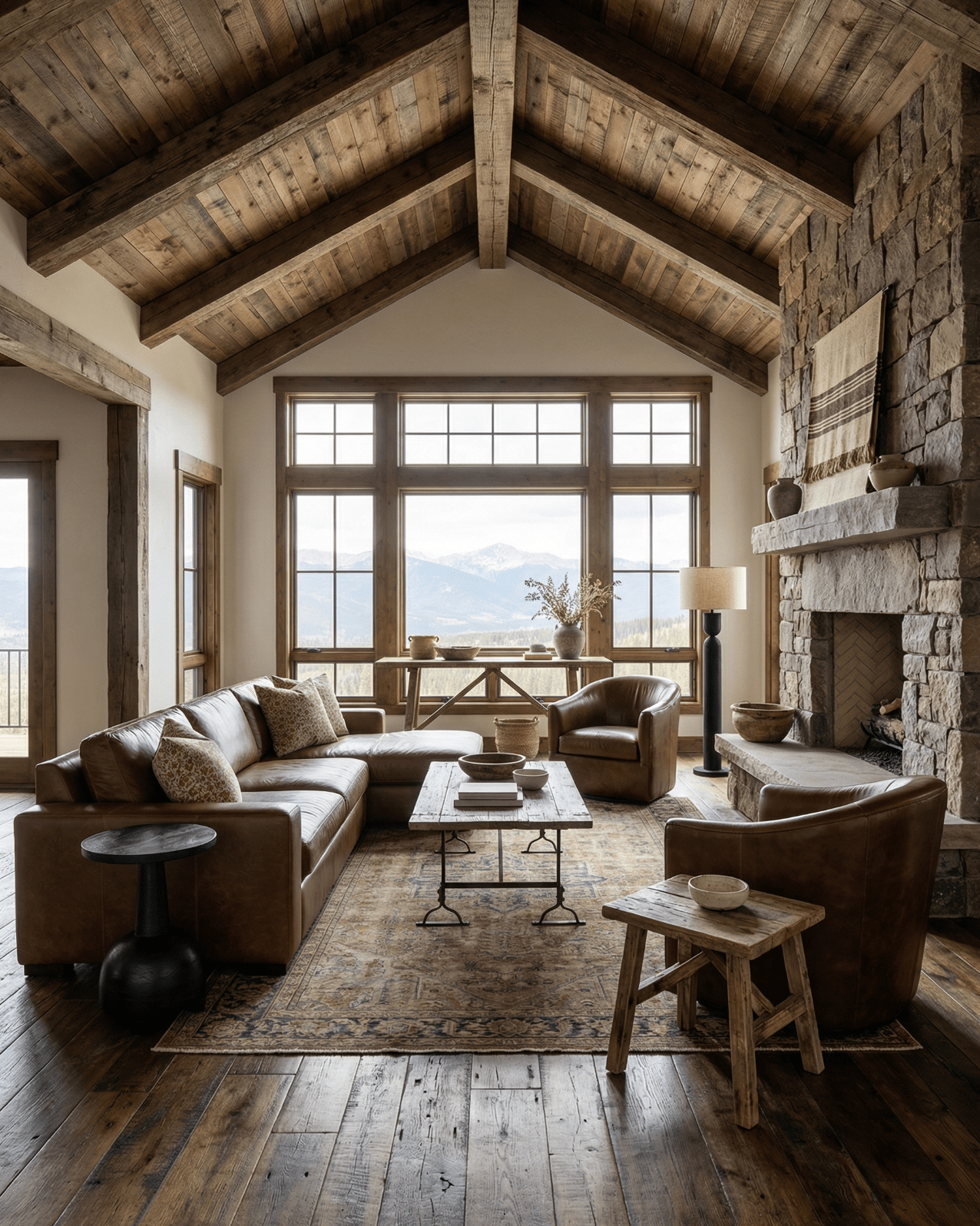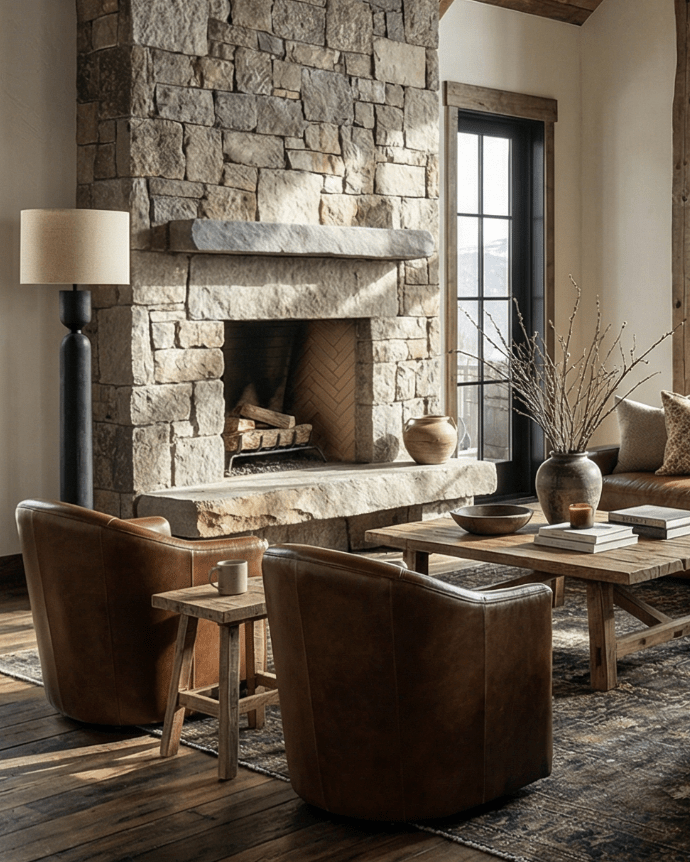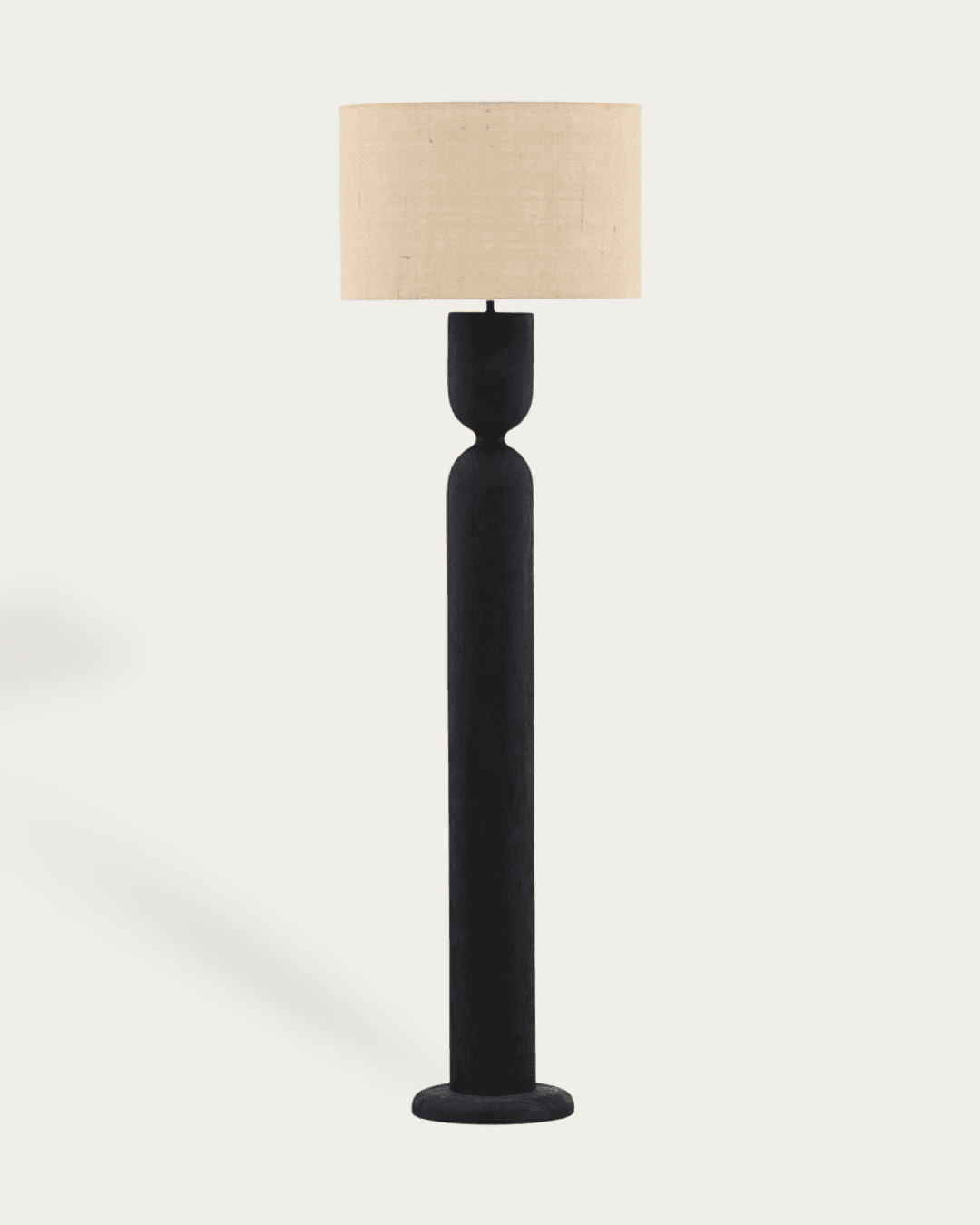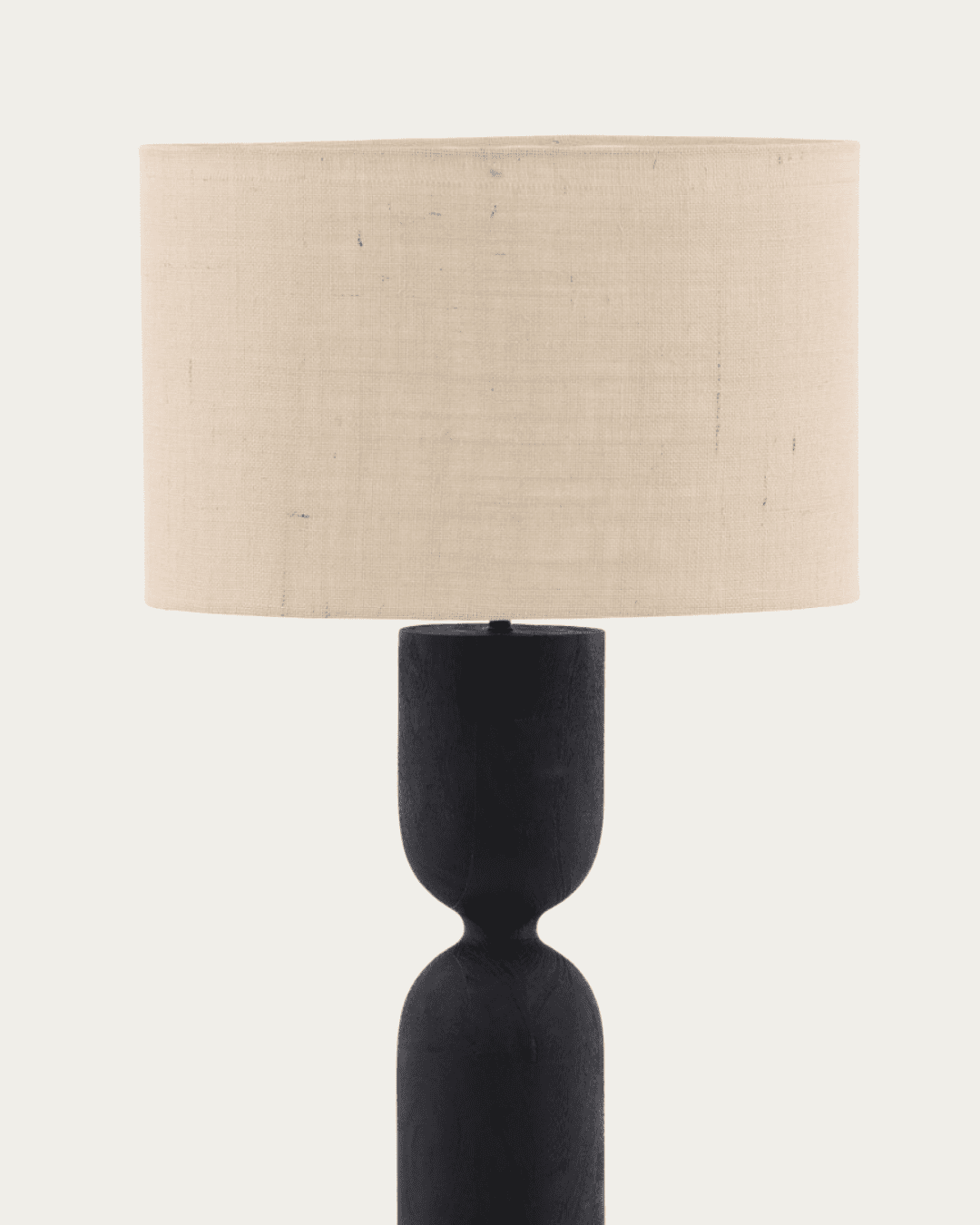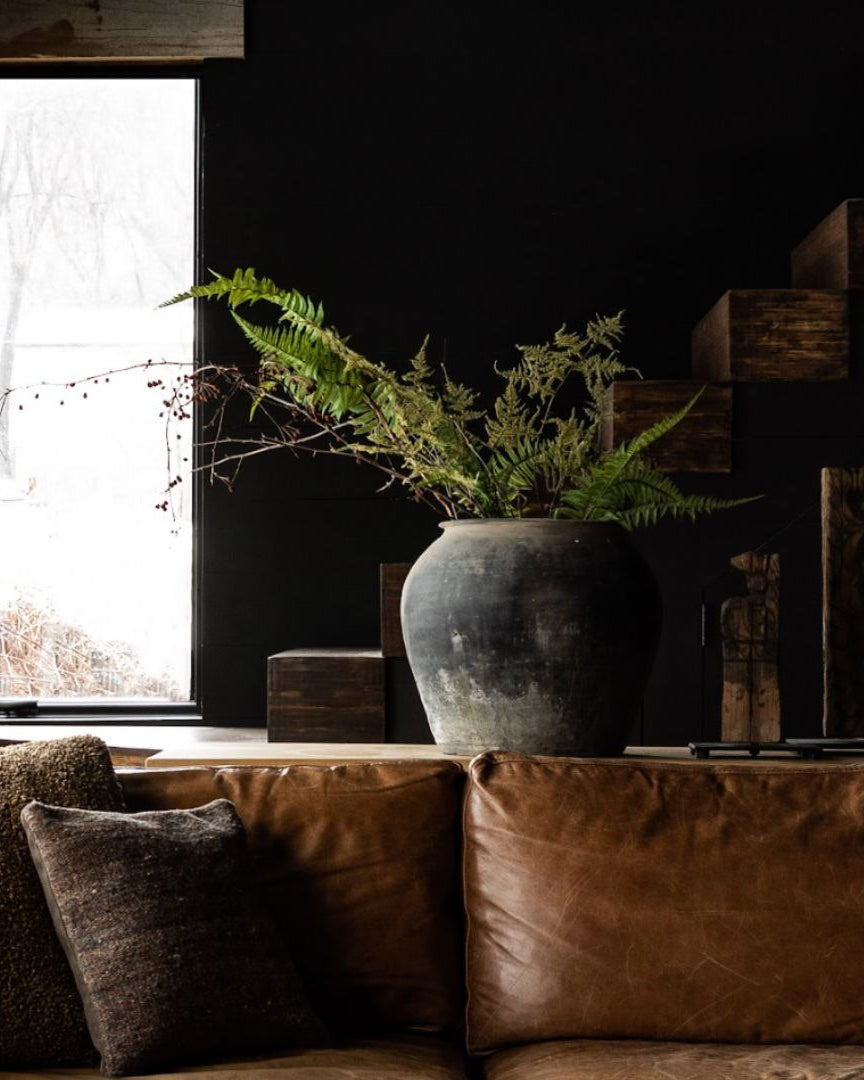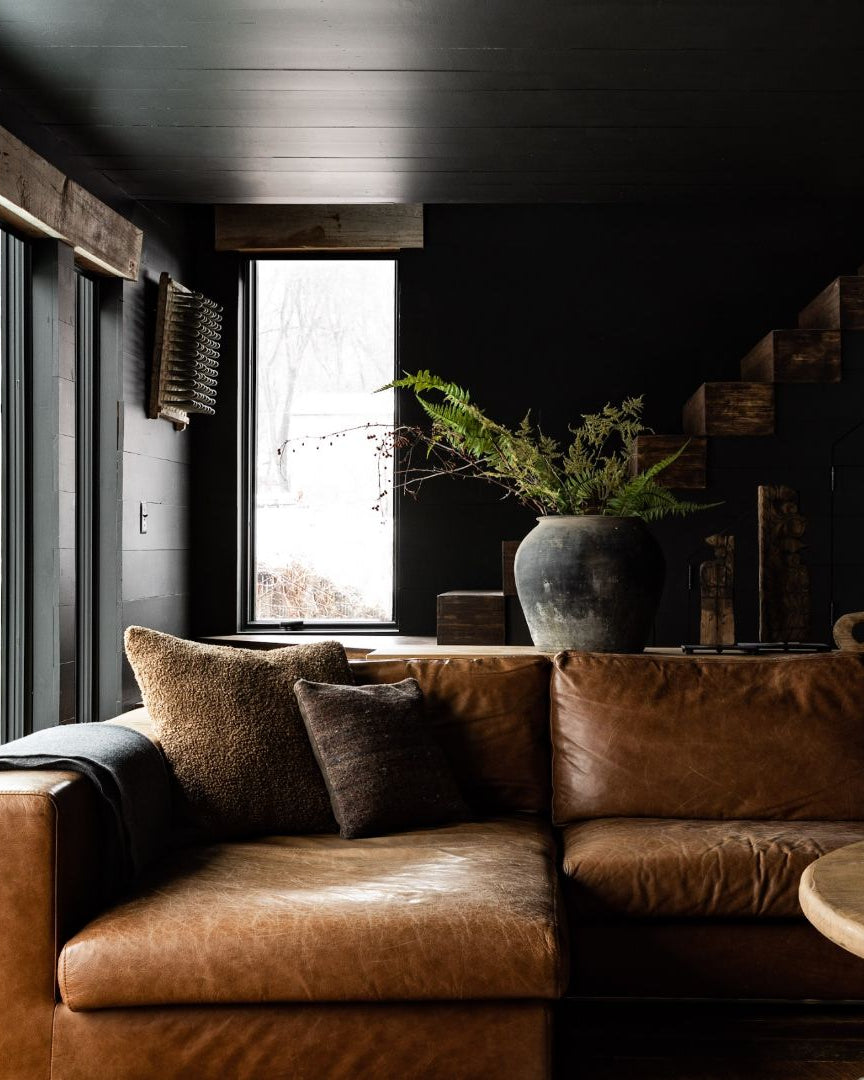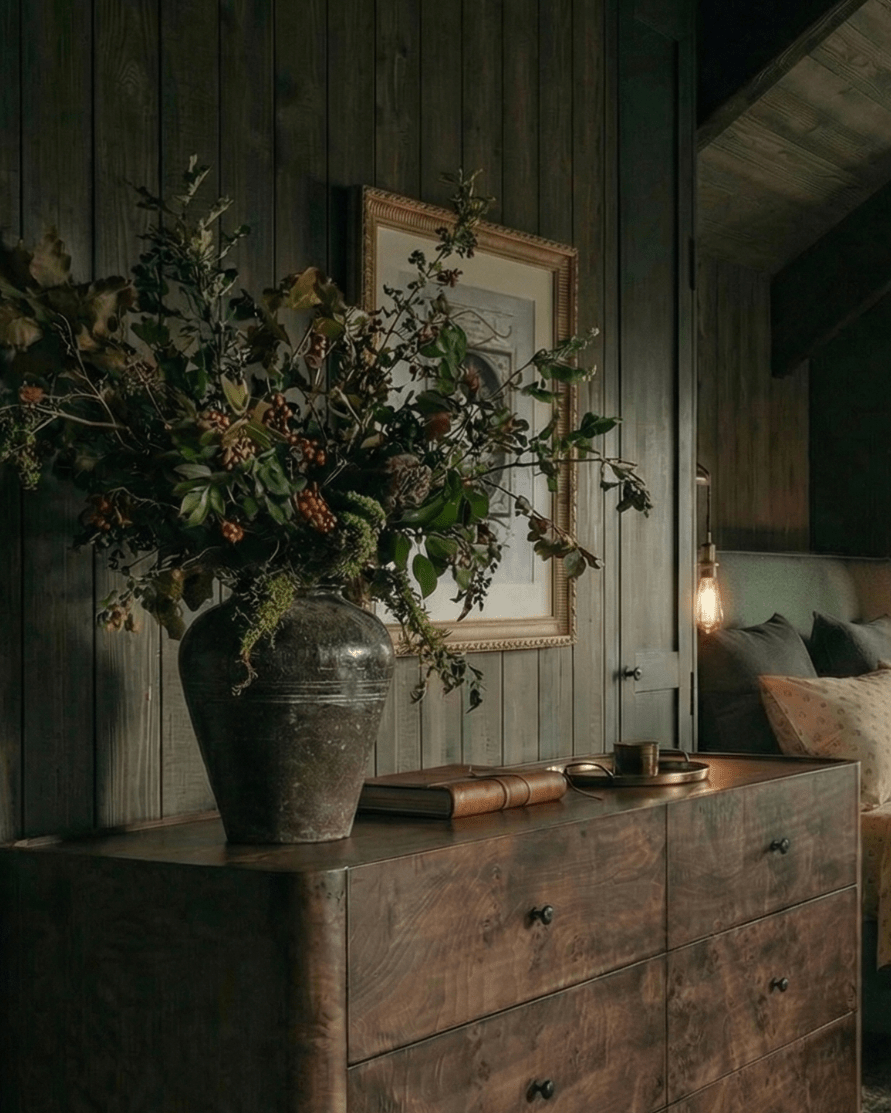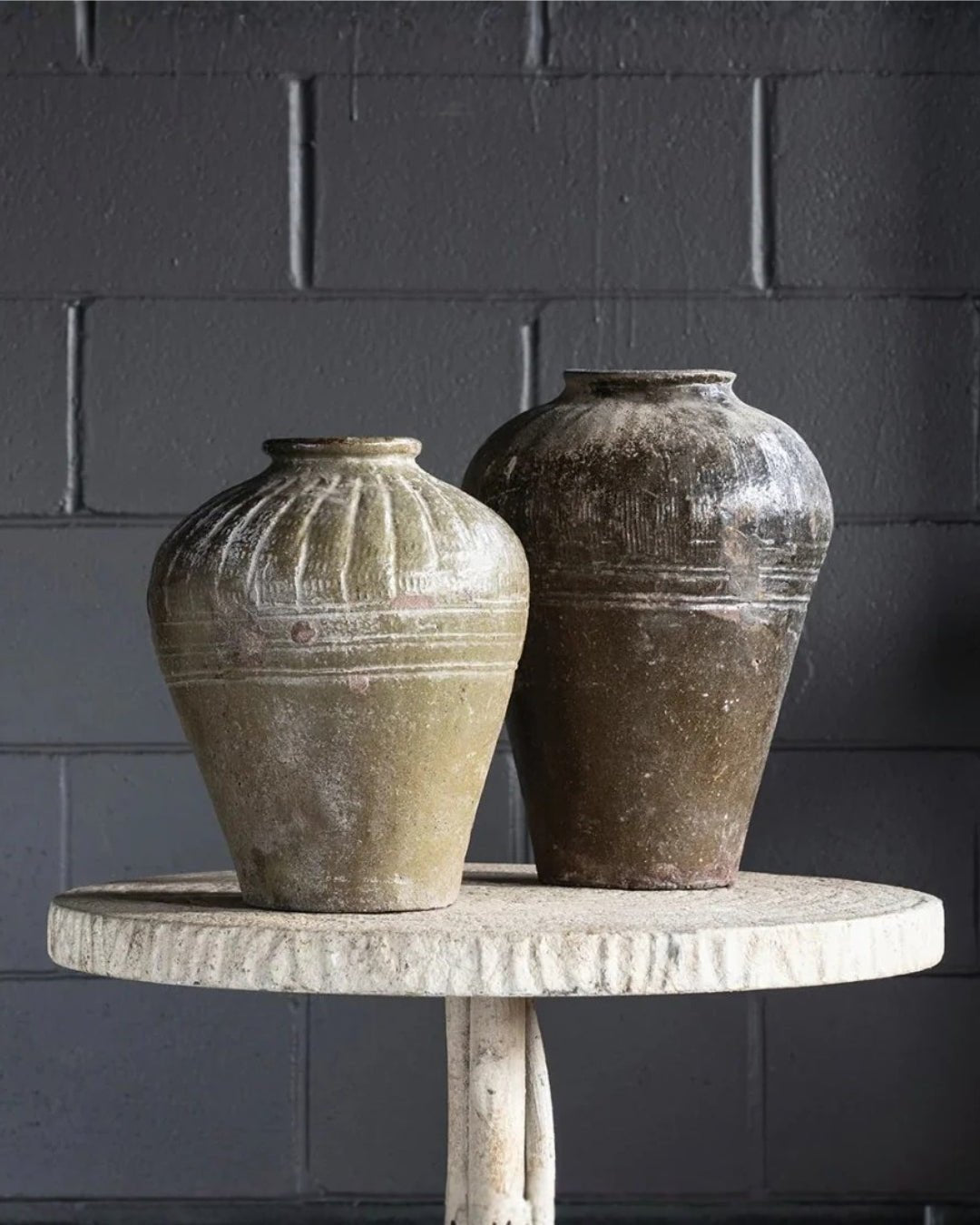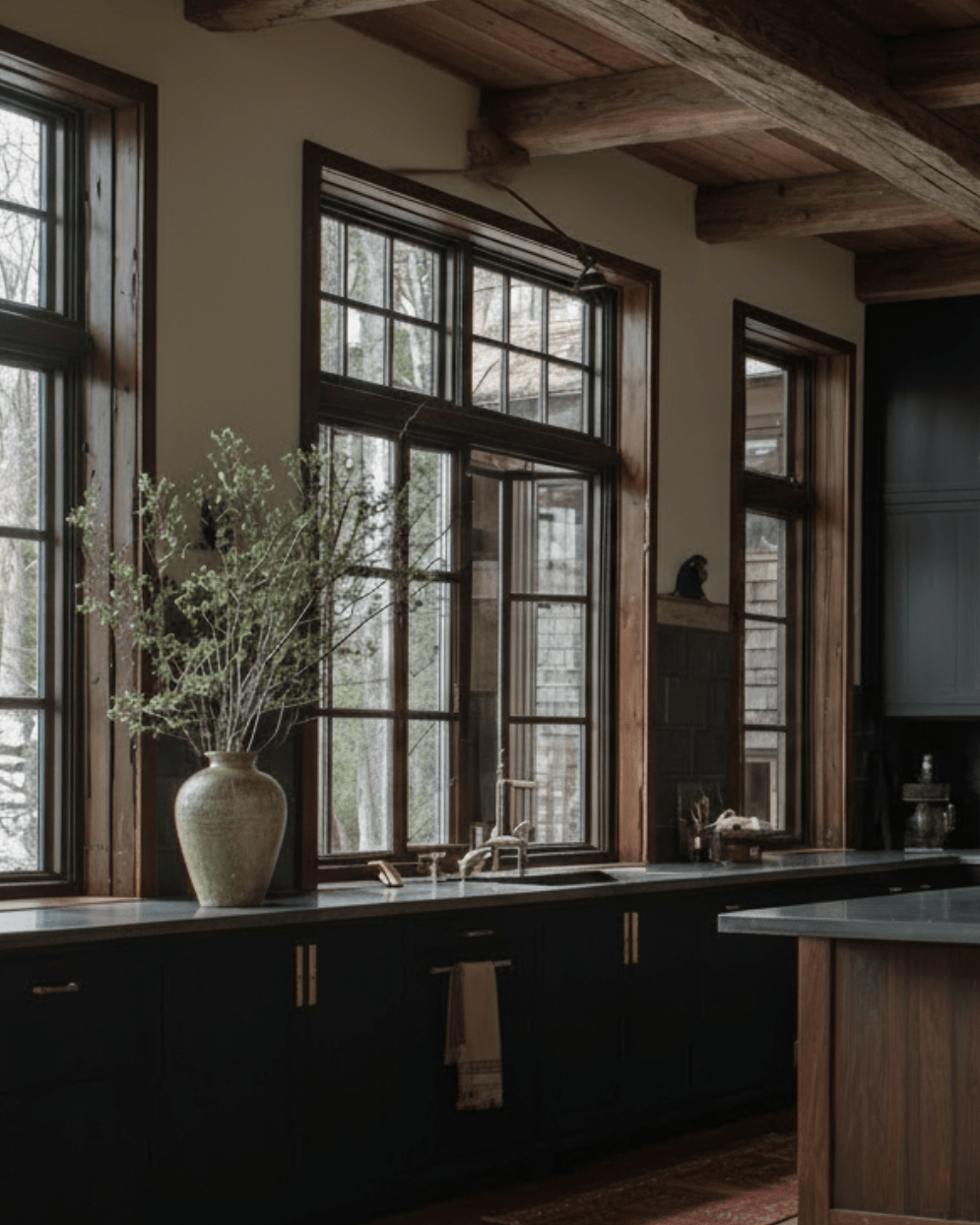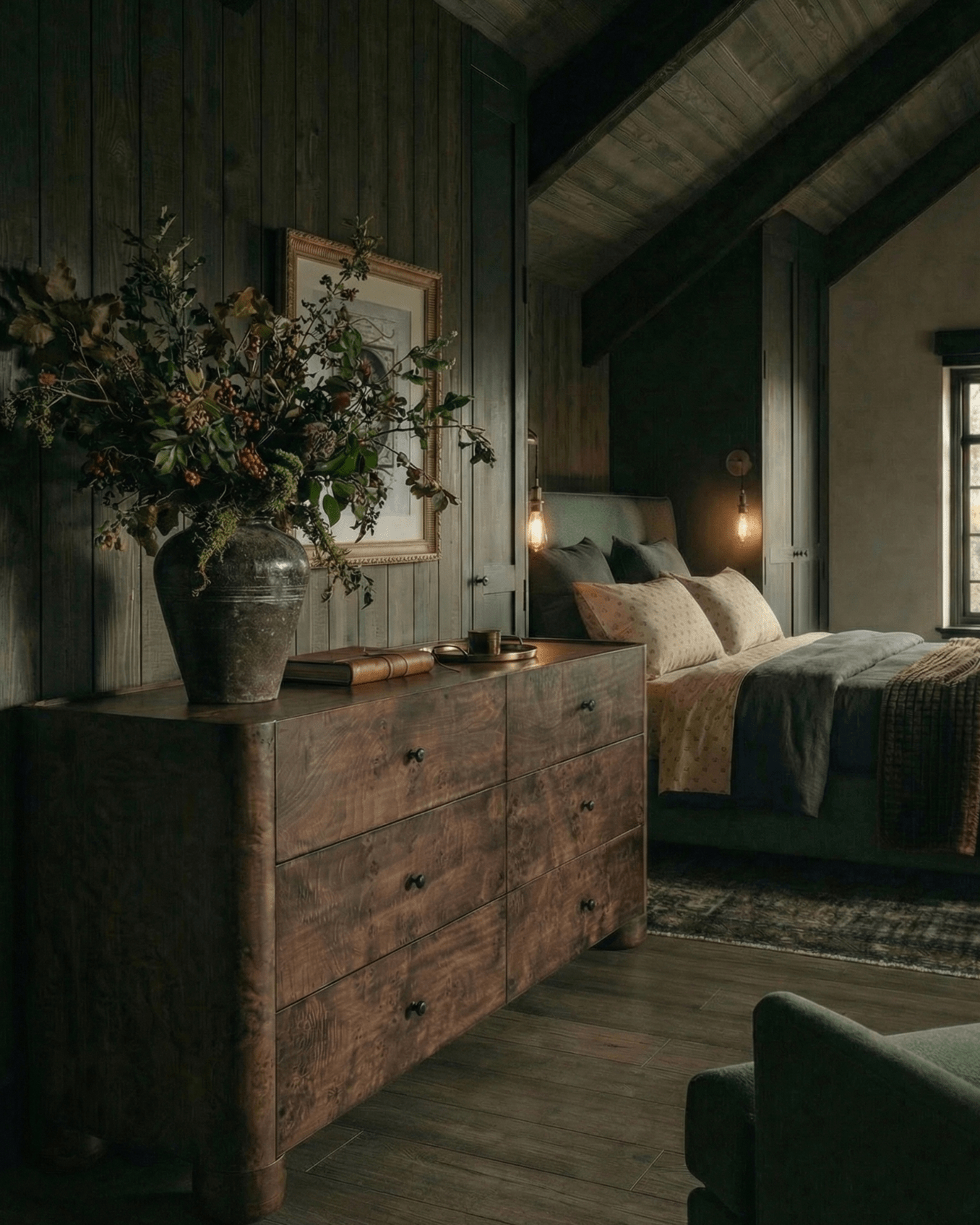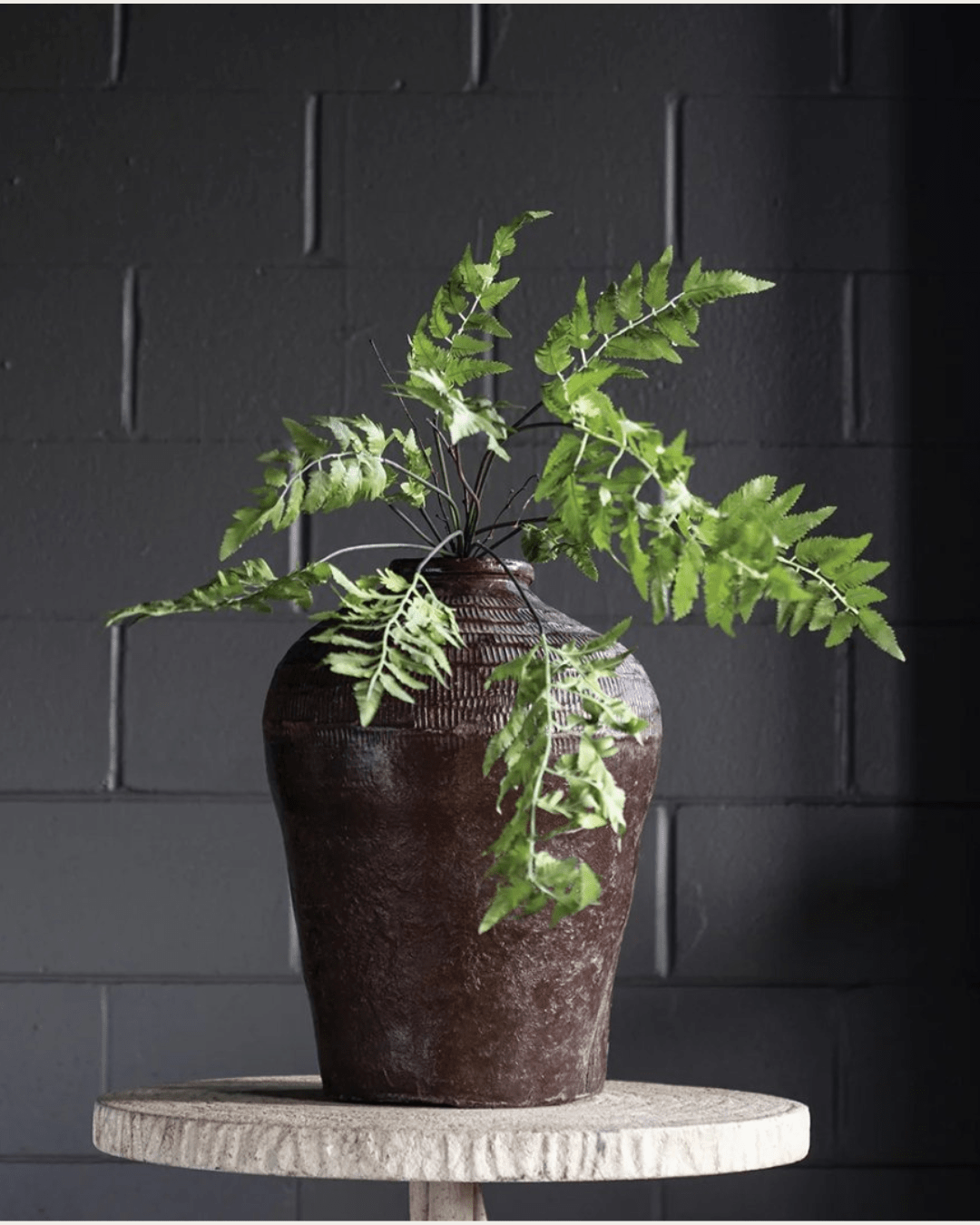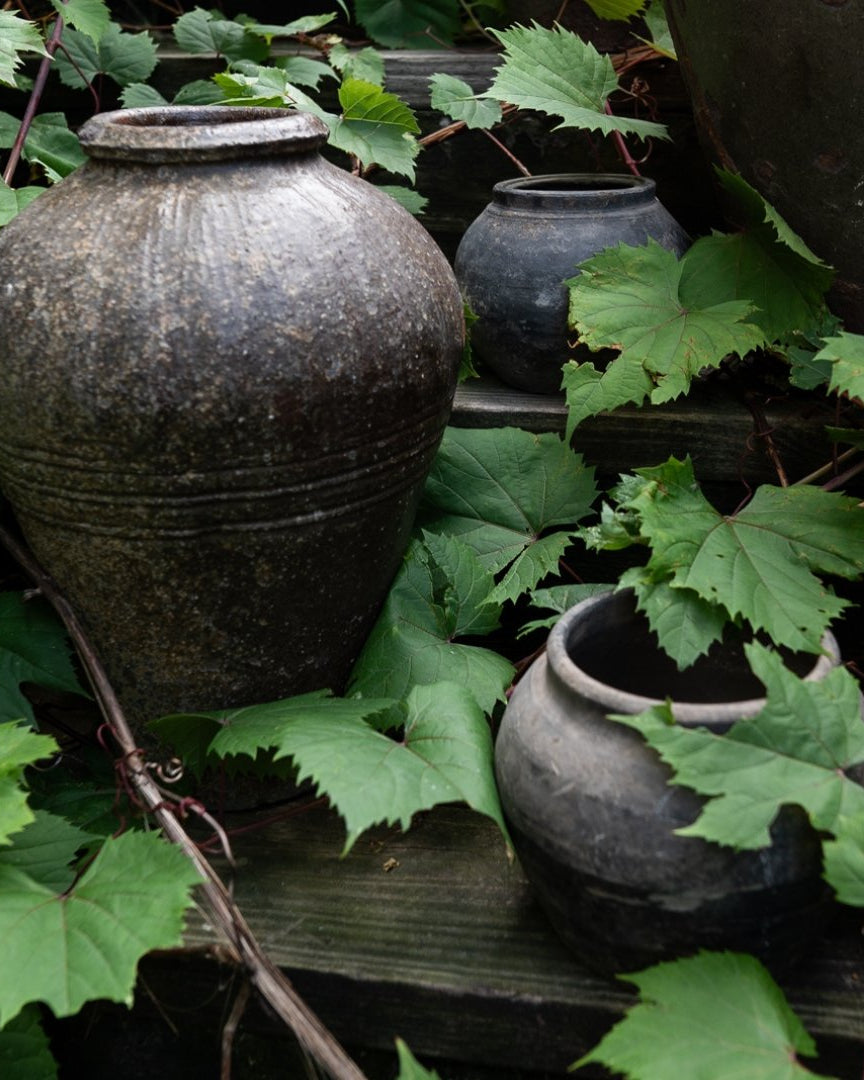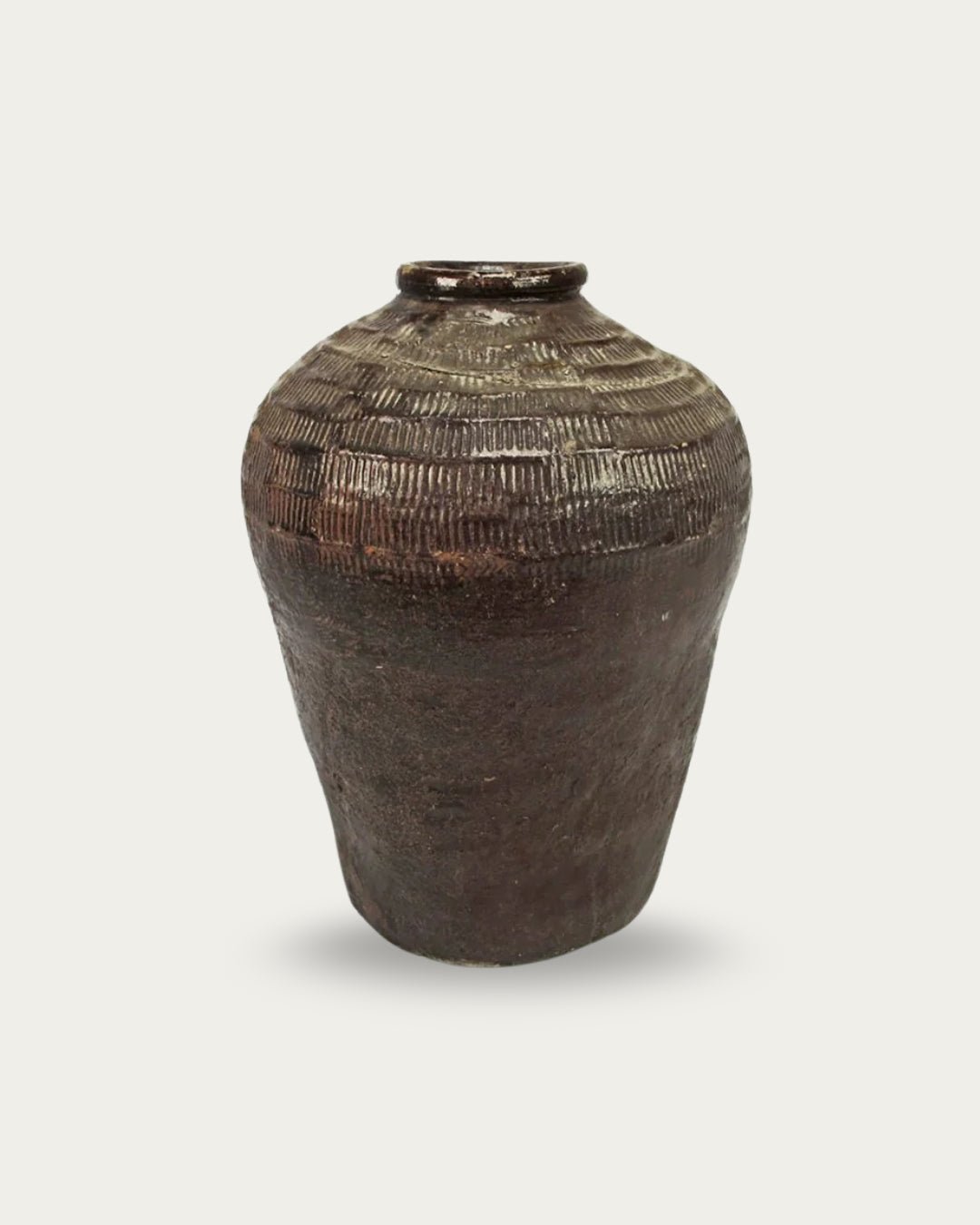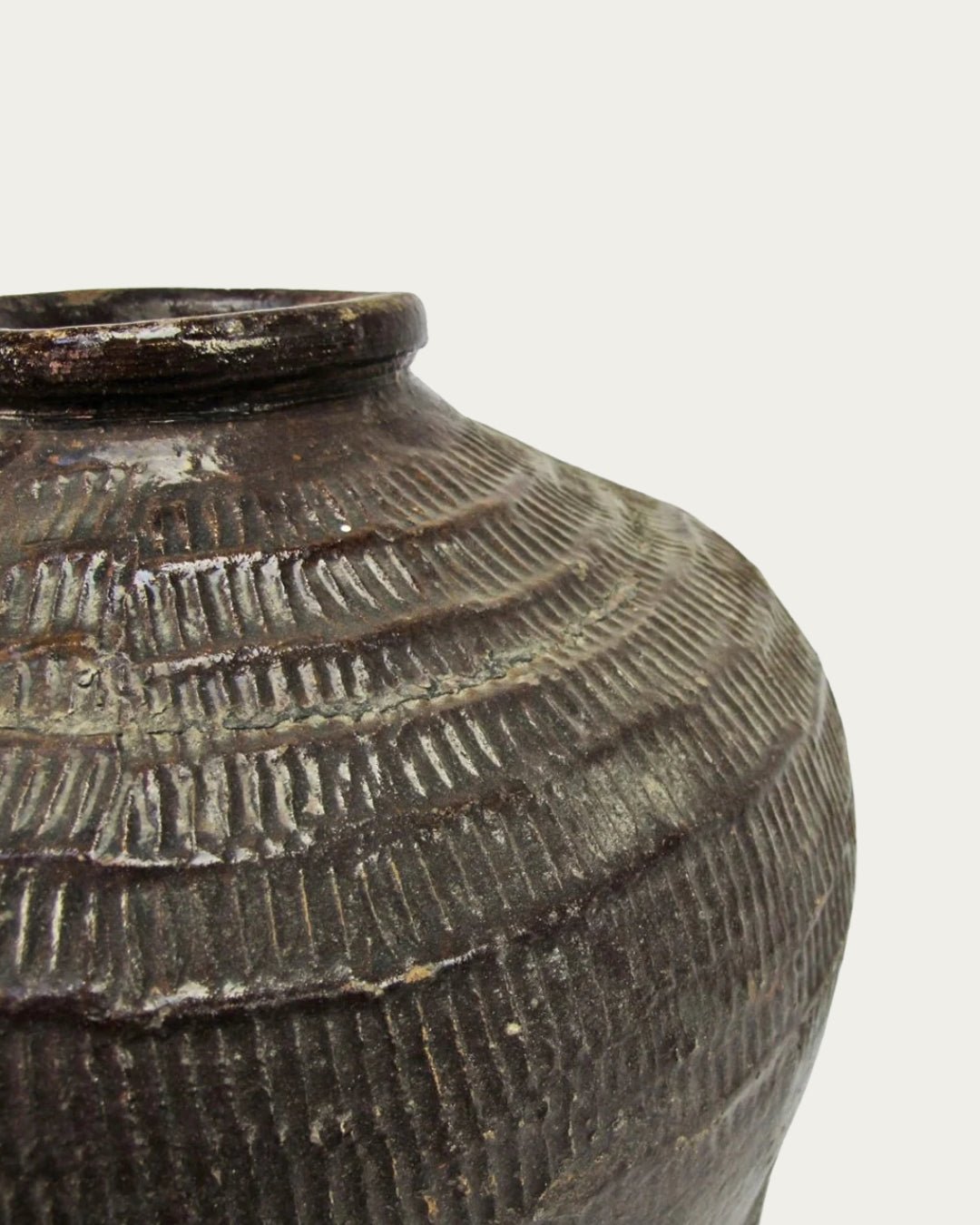







Shelves are having a moment — and not always a good one. Scroll any interior feed and you’ll see them stacked with objects, layered three rows deep, each item quietly competing for relevance. The result? Visual noise. This is where antique home decor benefits from a different approach. Instead of filling shelves, the most effective antique pieces earn their place by standing alone, carrying weight through scale, material, and purpose.
Why Shelves Became the Default (and Why They’re Not Always the Answer)
Shelves feel safe. They give structure. They let you add and subtract without commitment. But they also encourage over-styling—especially with antique decor, where every piece already has visual character.
Antique objects weren’t designed to be grouped endlessly. Many were made to work independently: to weigh, to hold, to mark time, to serve. When too many are clustered together, their individual presence disappears.
The anti-shelf mindset isn’t about removing storage—it’s about reserving shelves for what truly needs them and letting stronger pieces step out on their own.
Let the Wall Do the Heavy Lifting
Walls are often treated as blank canvases waiting for galleries. But antique decor performs better when the wall becomes a structural plane, not a collage.
When One Object Replaces a Shelf
The round zinc tray is a prime example. Hung on a dining room wall or above a fireplace, it reads as architecture rather than decoration. Its scale and metal surface reflect light subtly, creating depth without shine or excess.
Similarly, the round chapati mirror doesn’t behave like a typical mirror. Its thickness and circular form interrupt straight lines and flat planes, giving the wall something to hold onto—no shelf required.
RUTED Tip: If you feel the urge to “balance” a large wall object with smaller ones, pause. Balance often comes from scale, not symmetry.
Use the Floor as a Design Tool
Floors are underutilized in most homes. We’re quick to decorate at eye level, but antique pieces often work best when grounded.
Objects That Anchor from the Ground Up
The vintage moorish door on stand introduces vertical presence without installation or shelving. Placed near a sideboard or in a dining room corner, it creates height and authority—something shelves struggle to achieve.
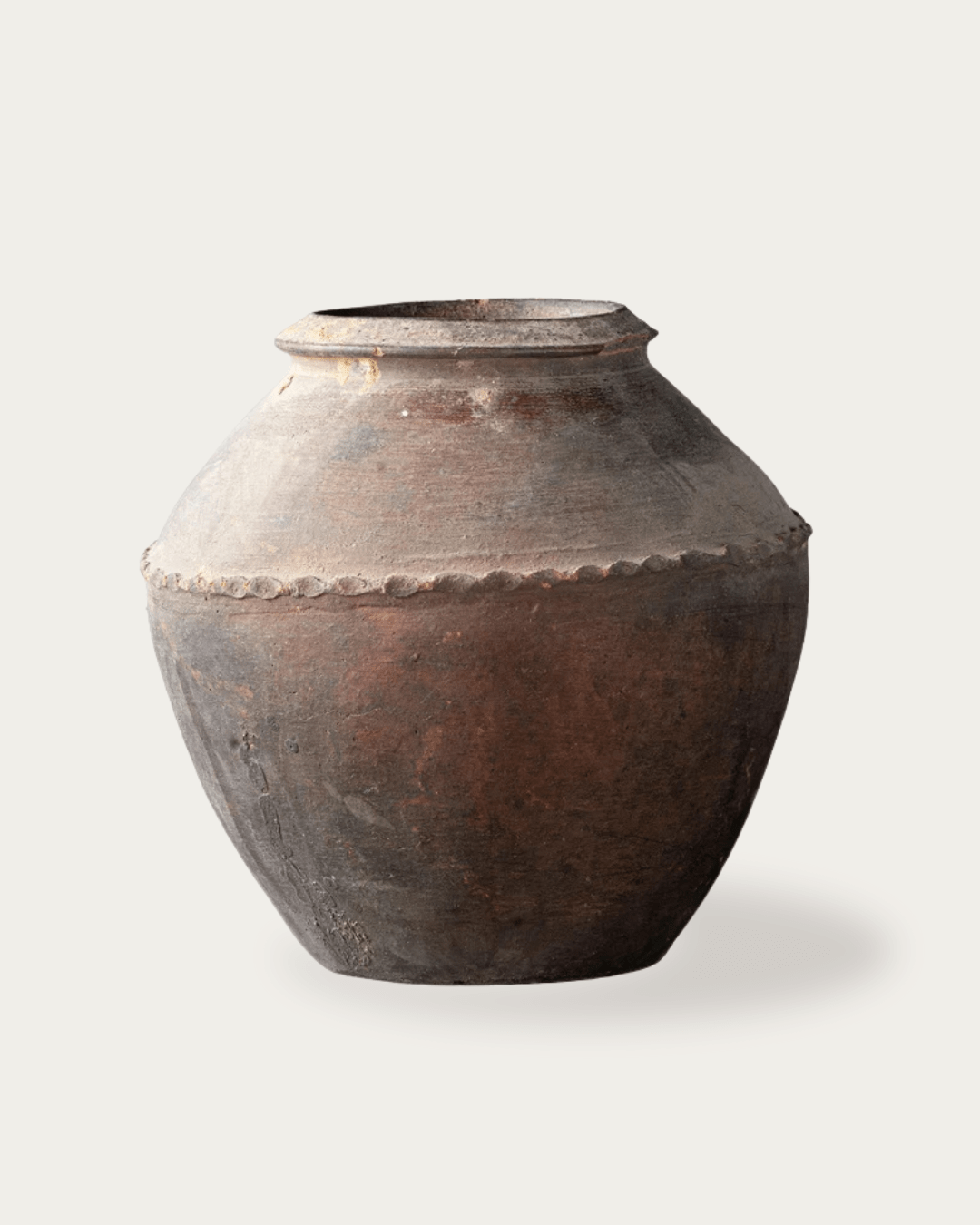
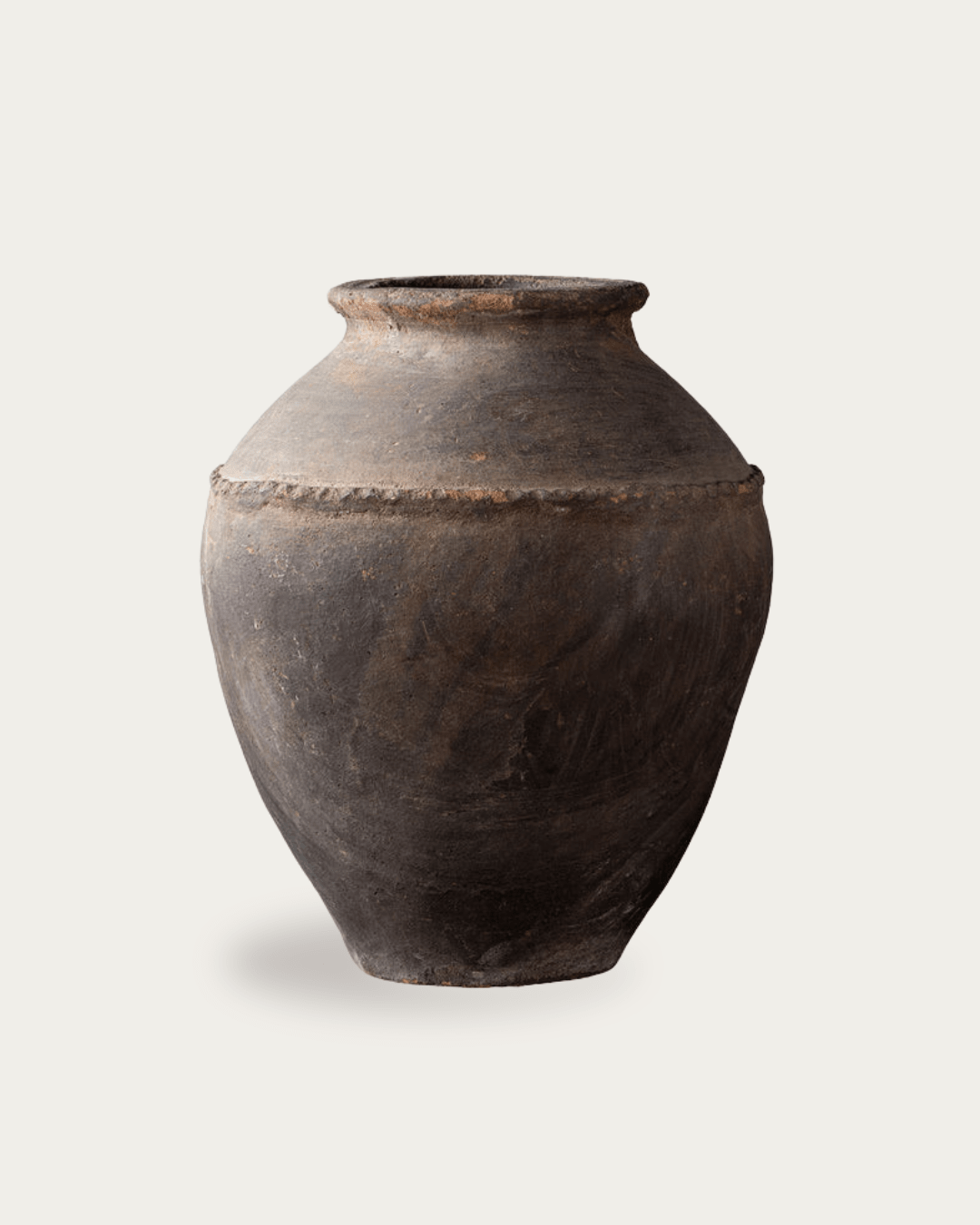
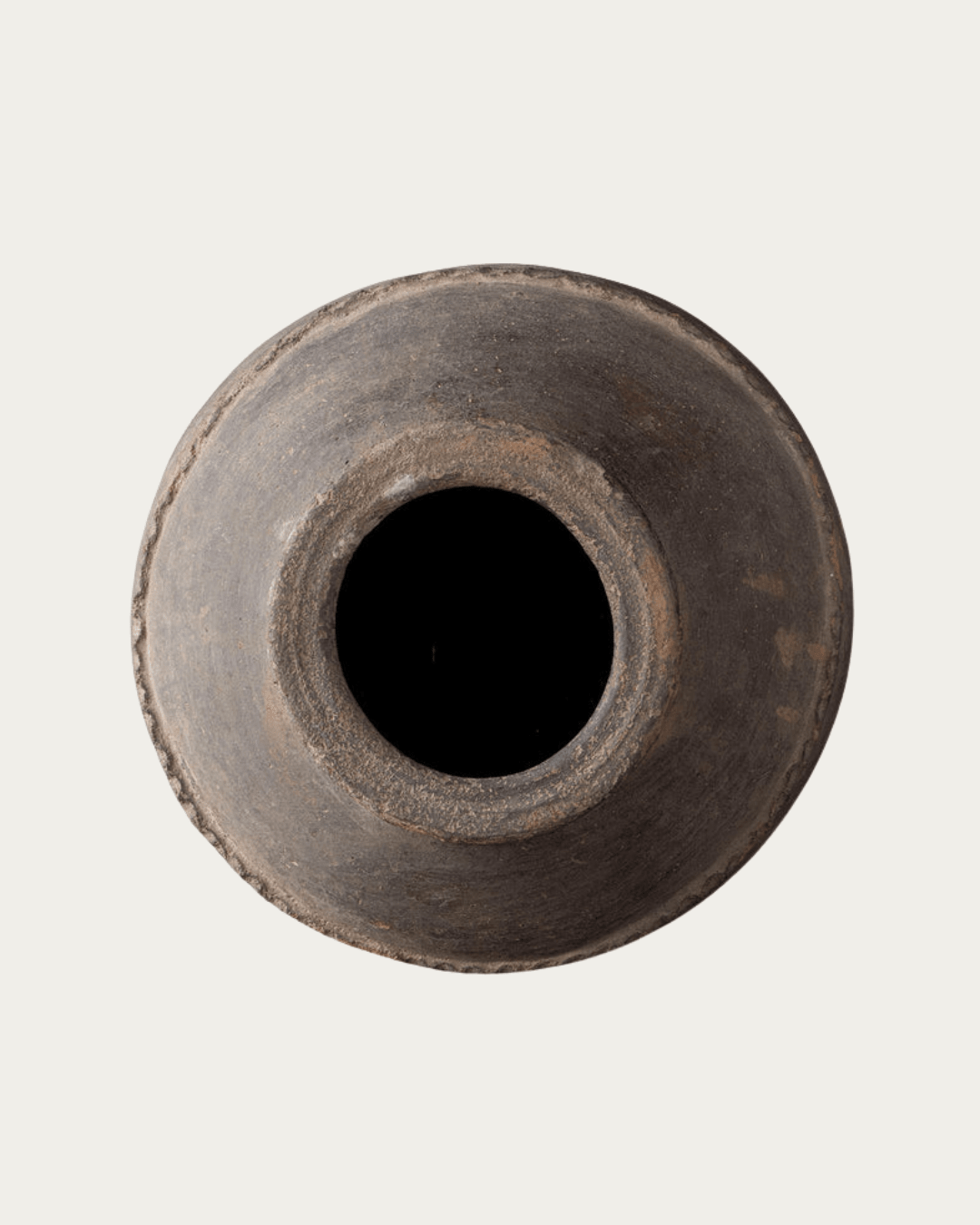
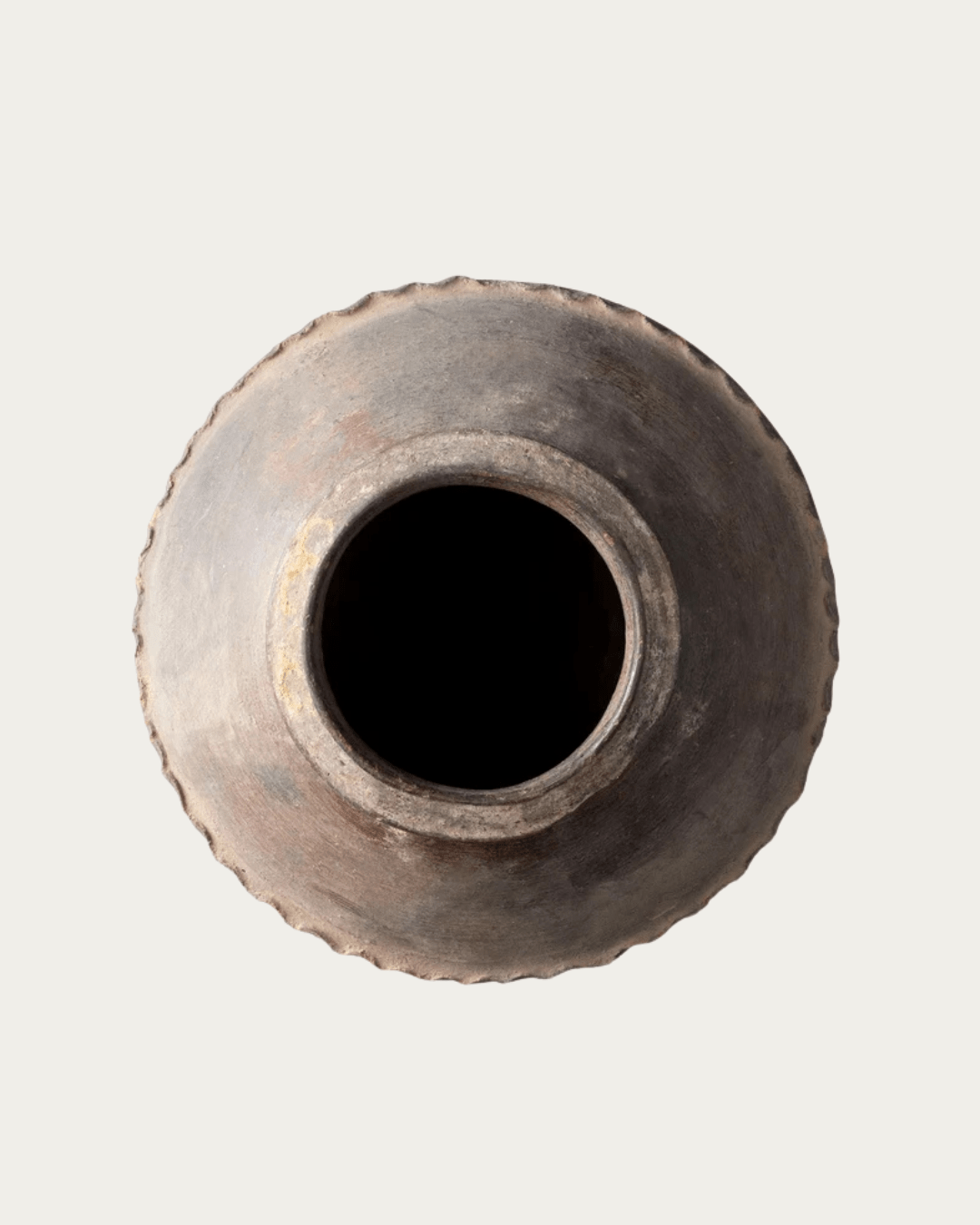
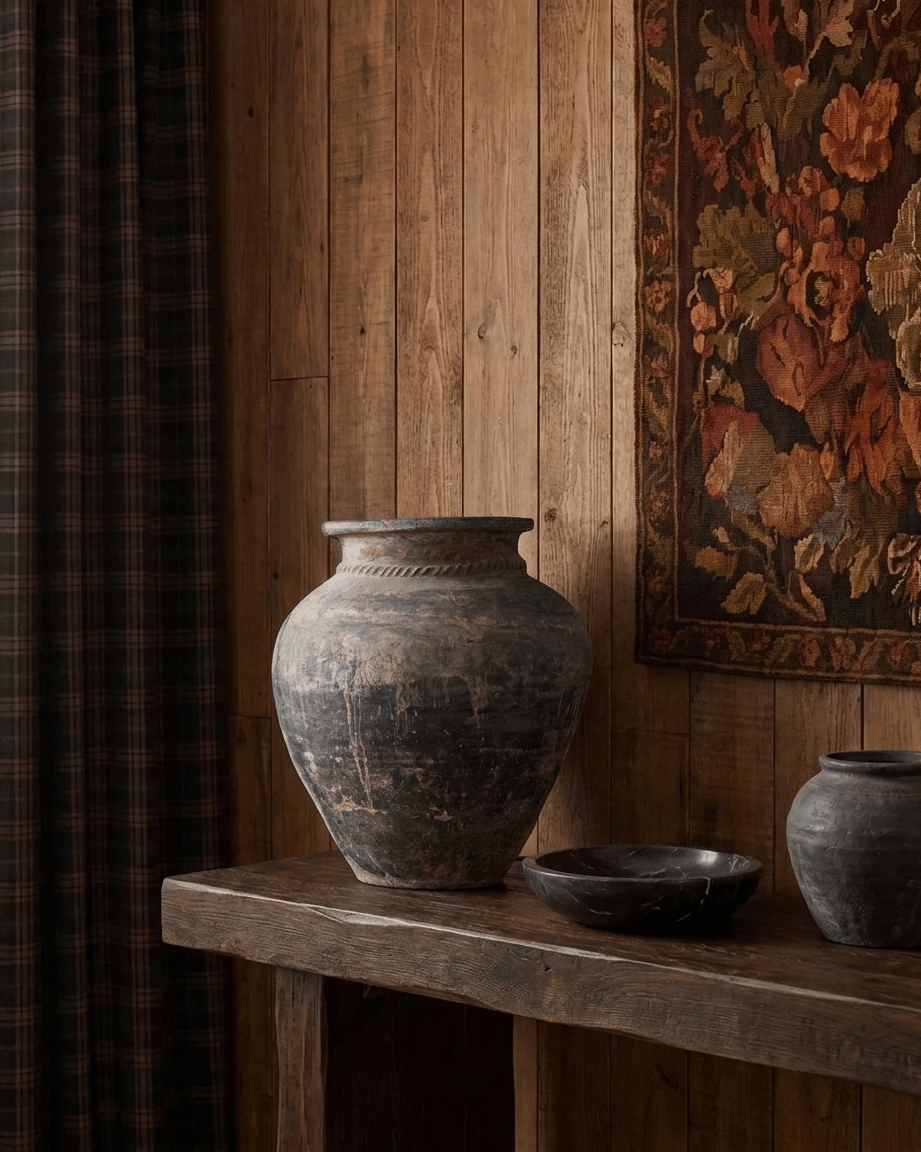
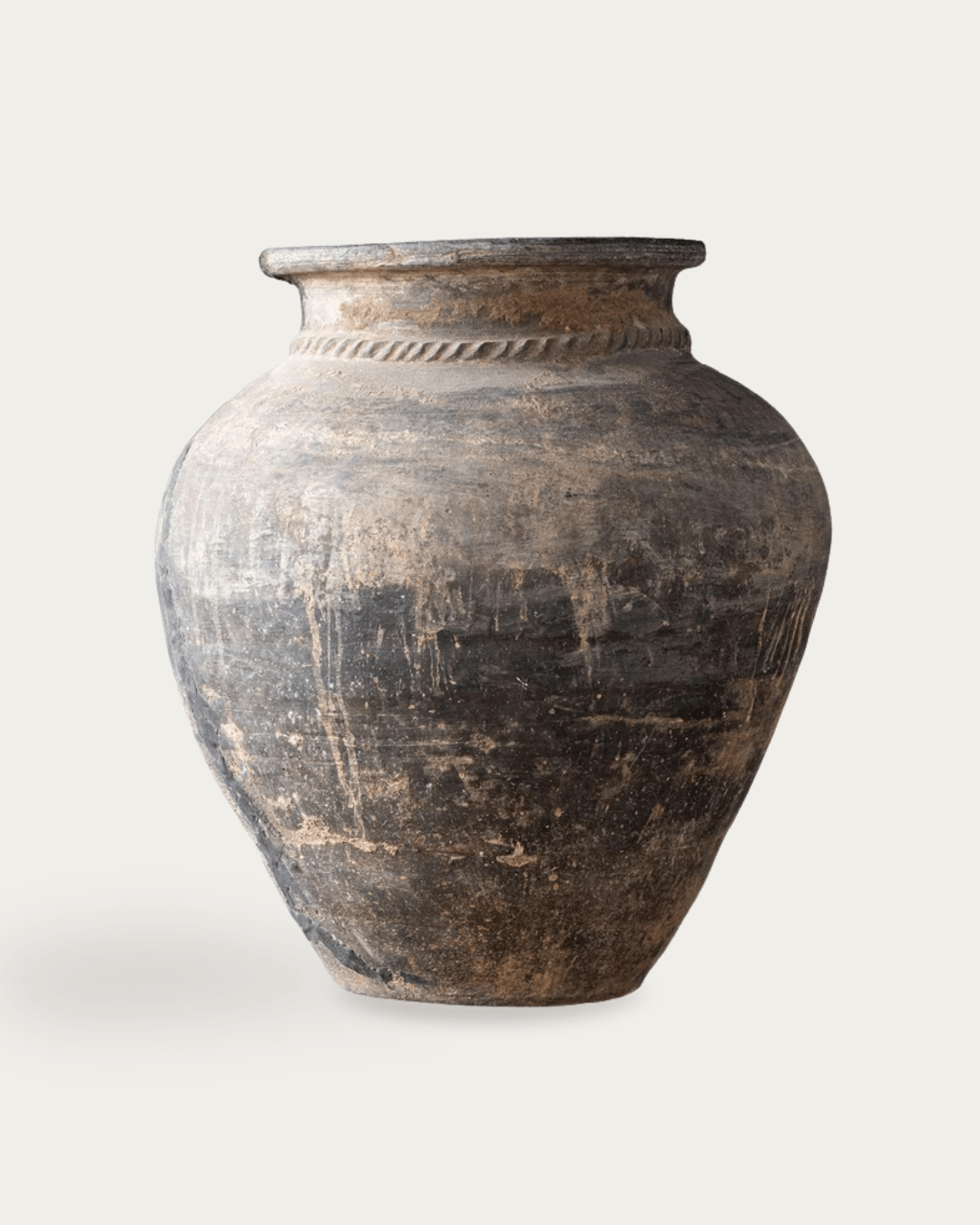
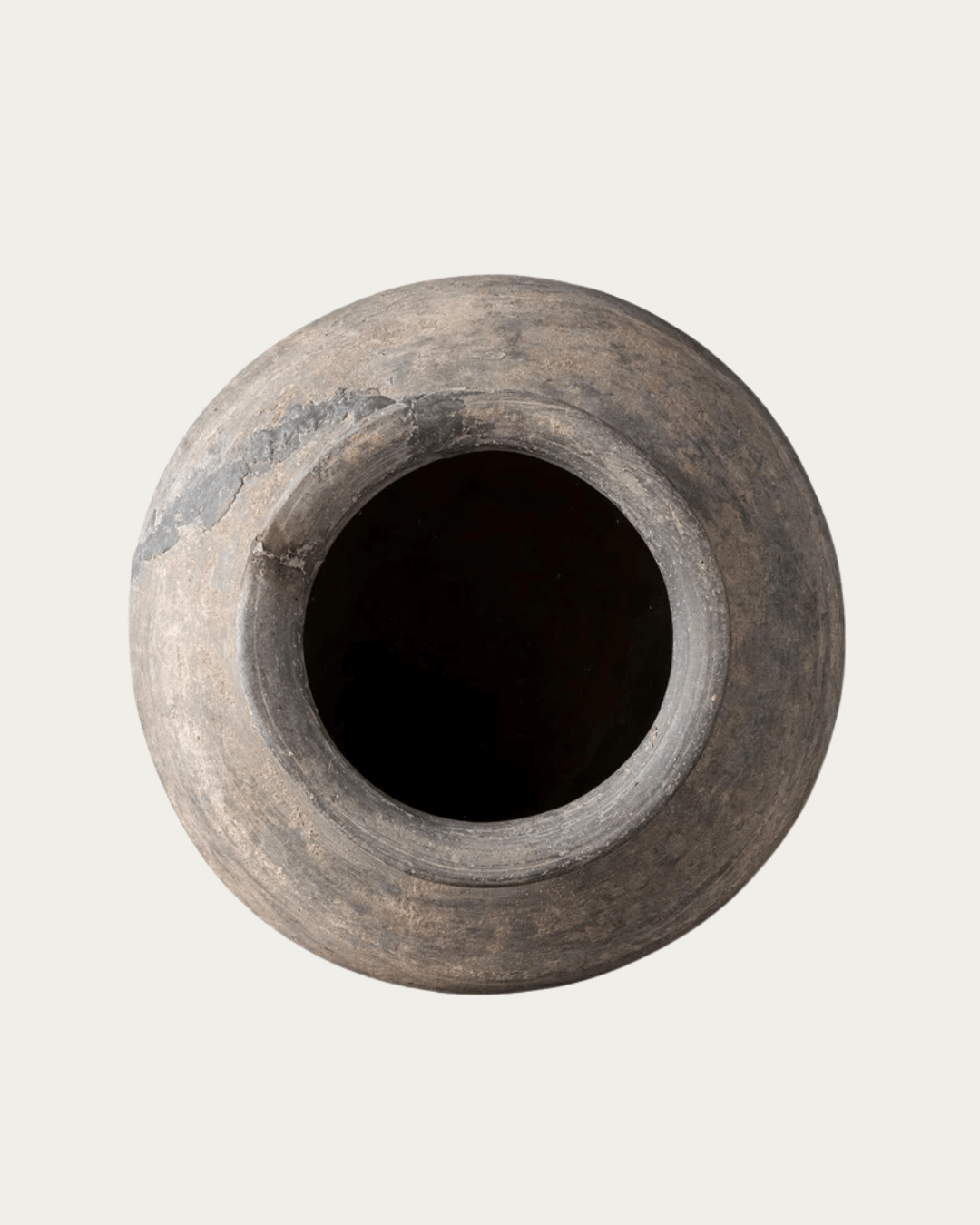
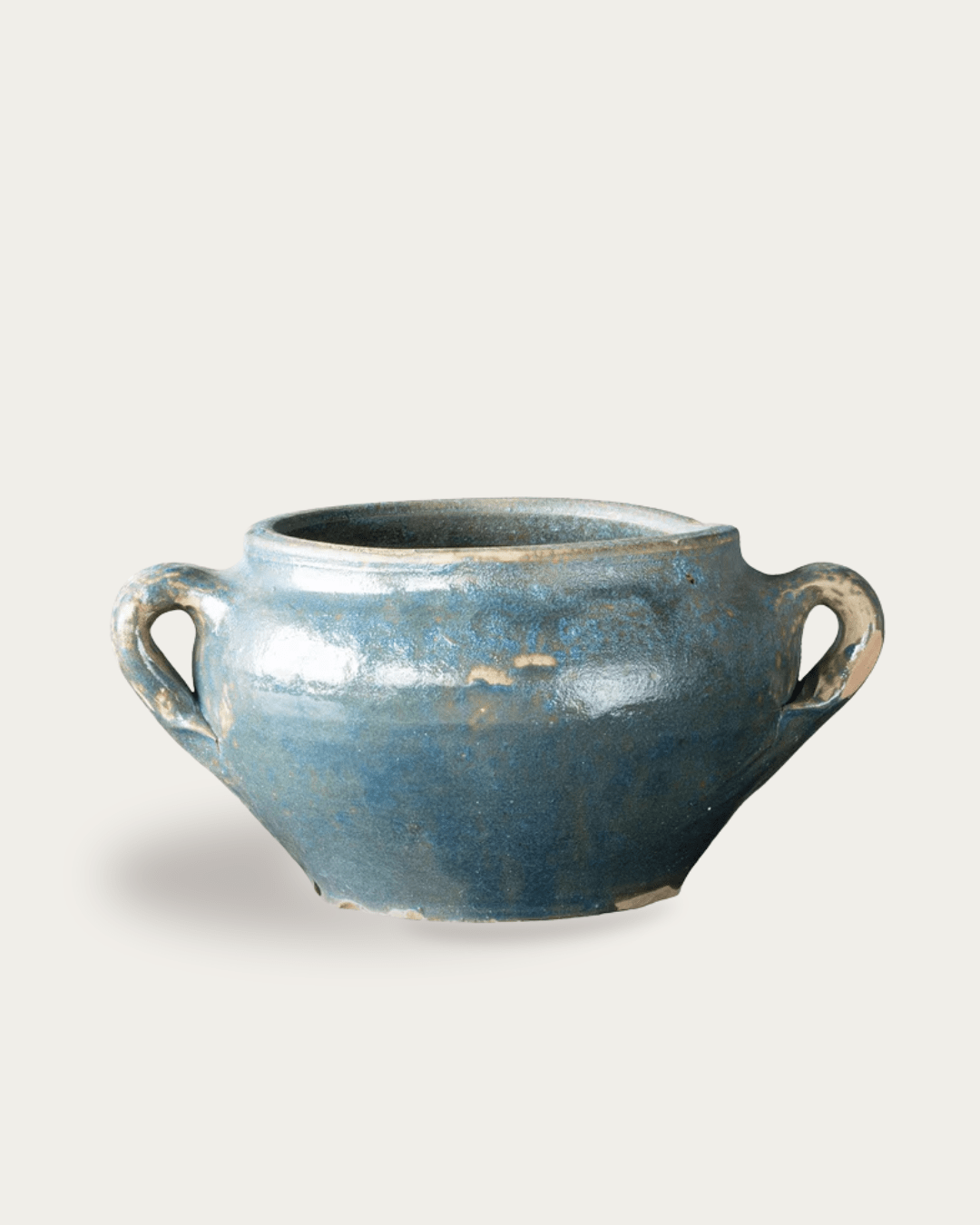
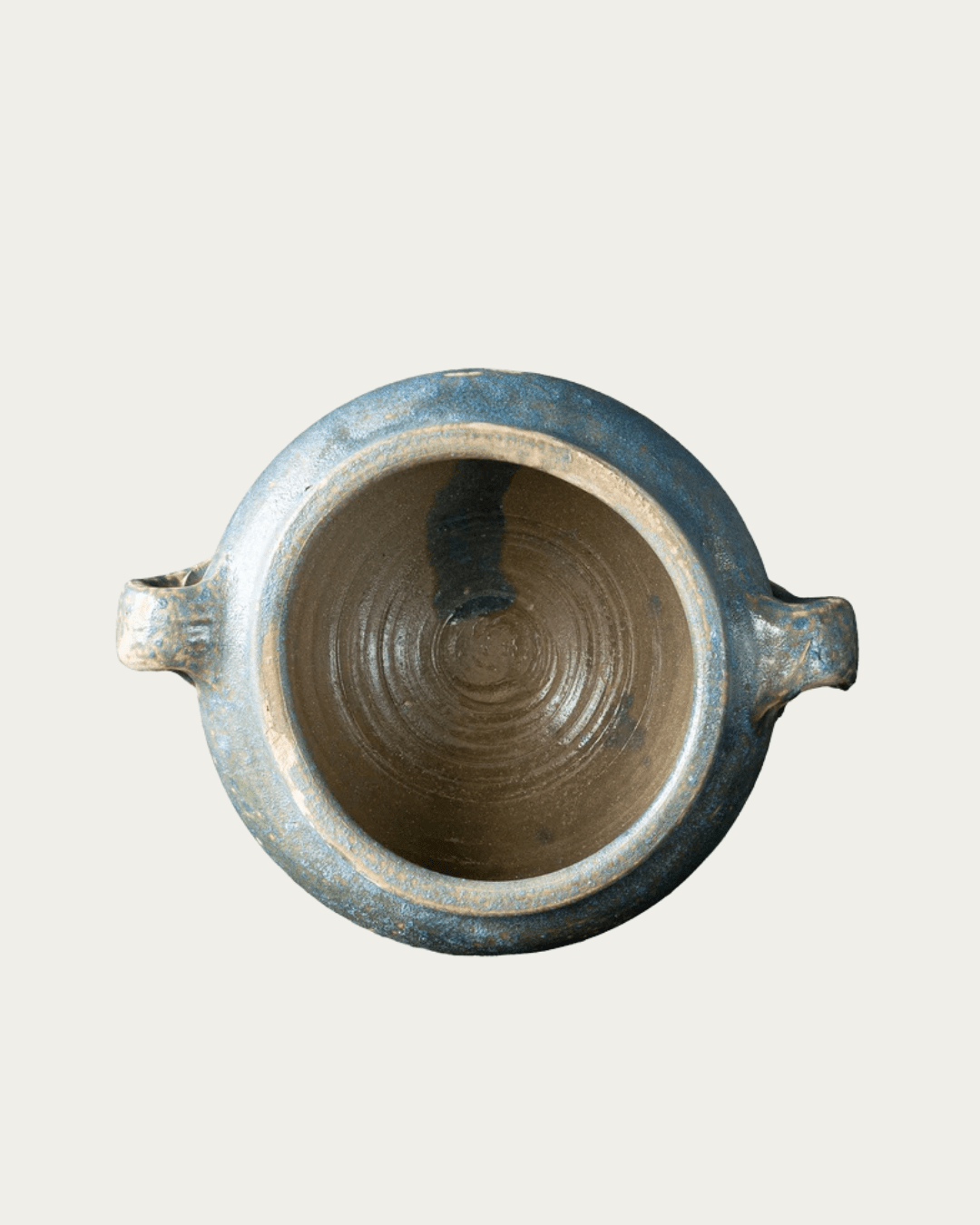
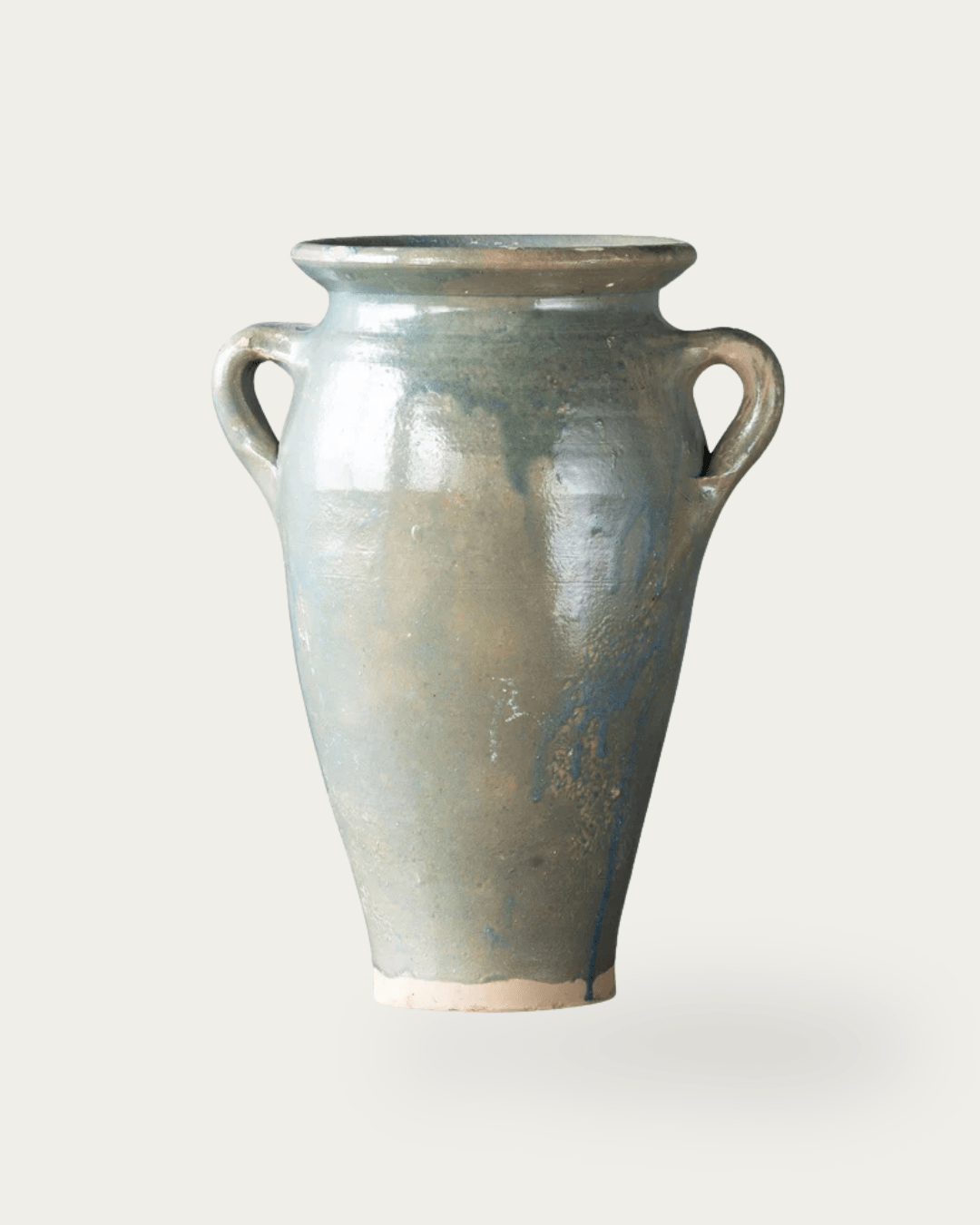
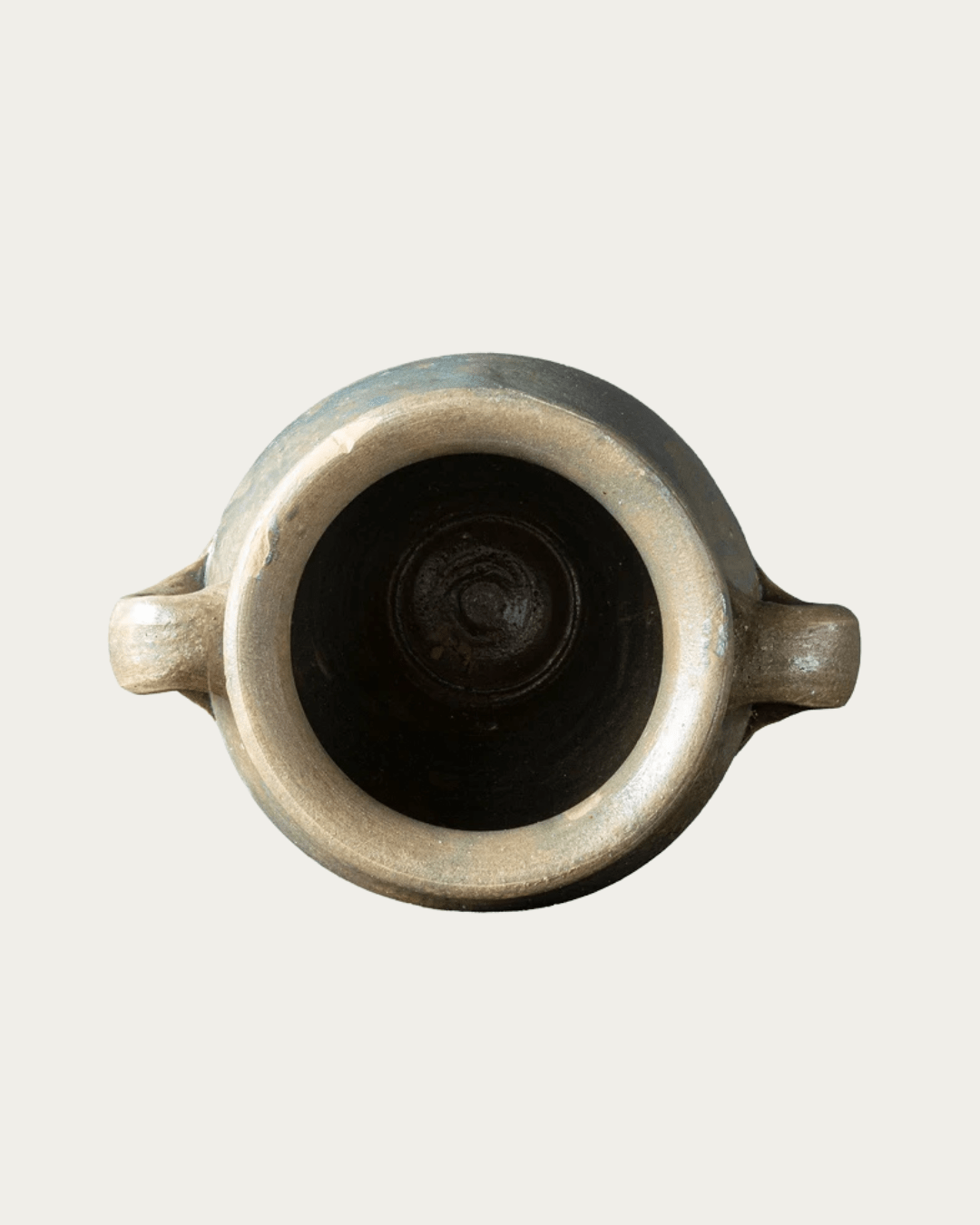
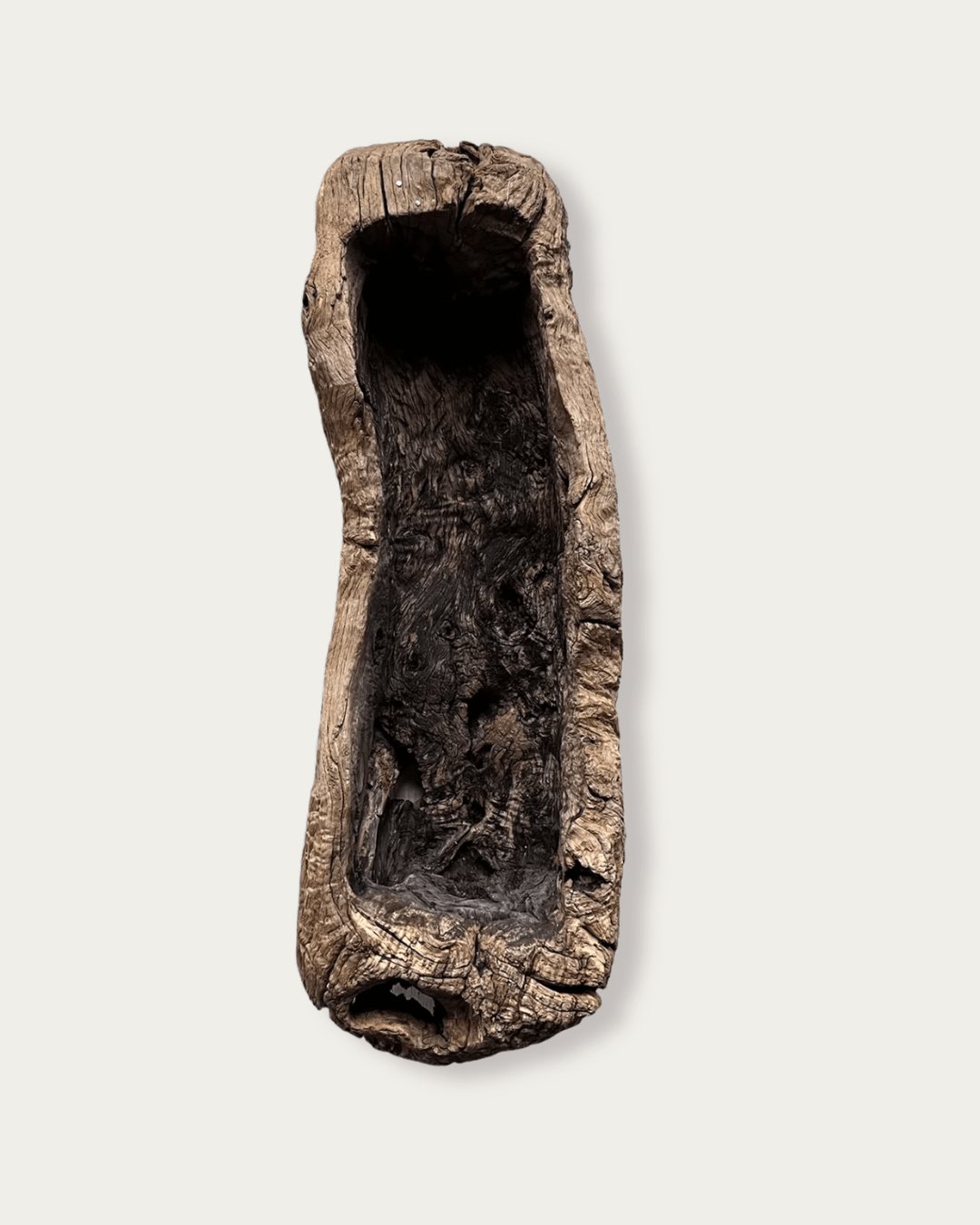
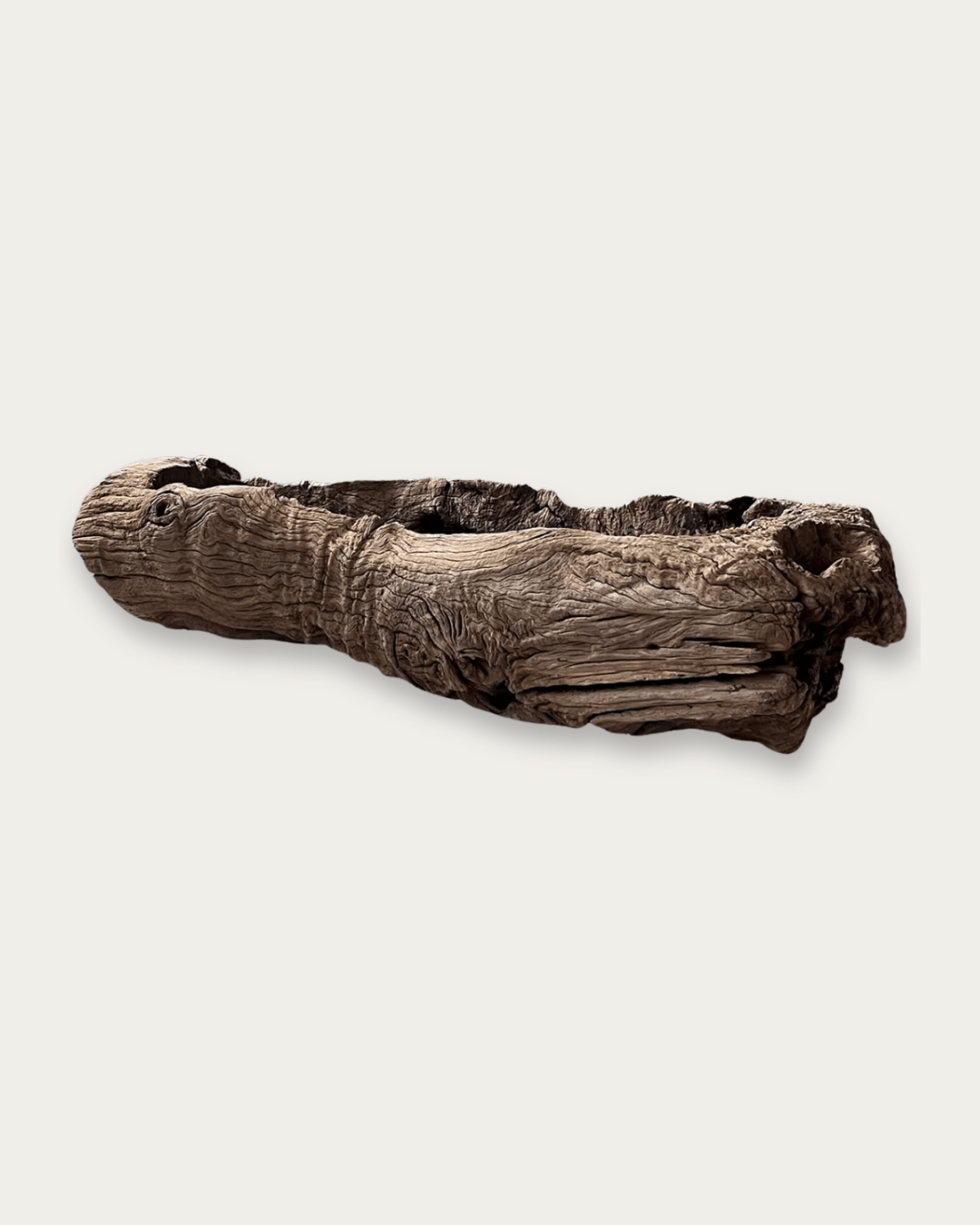
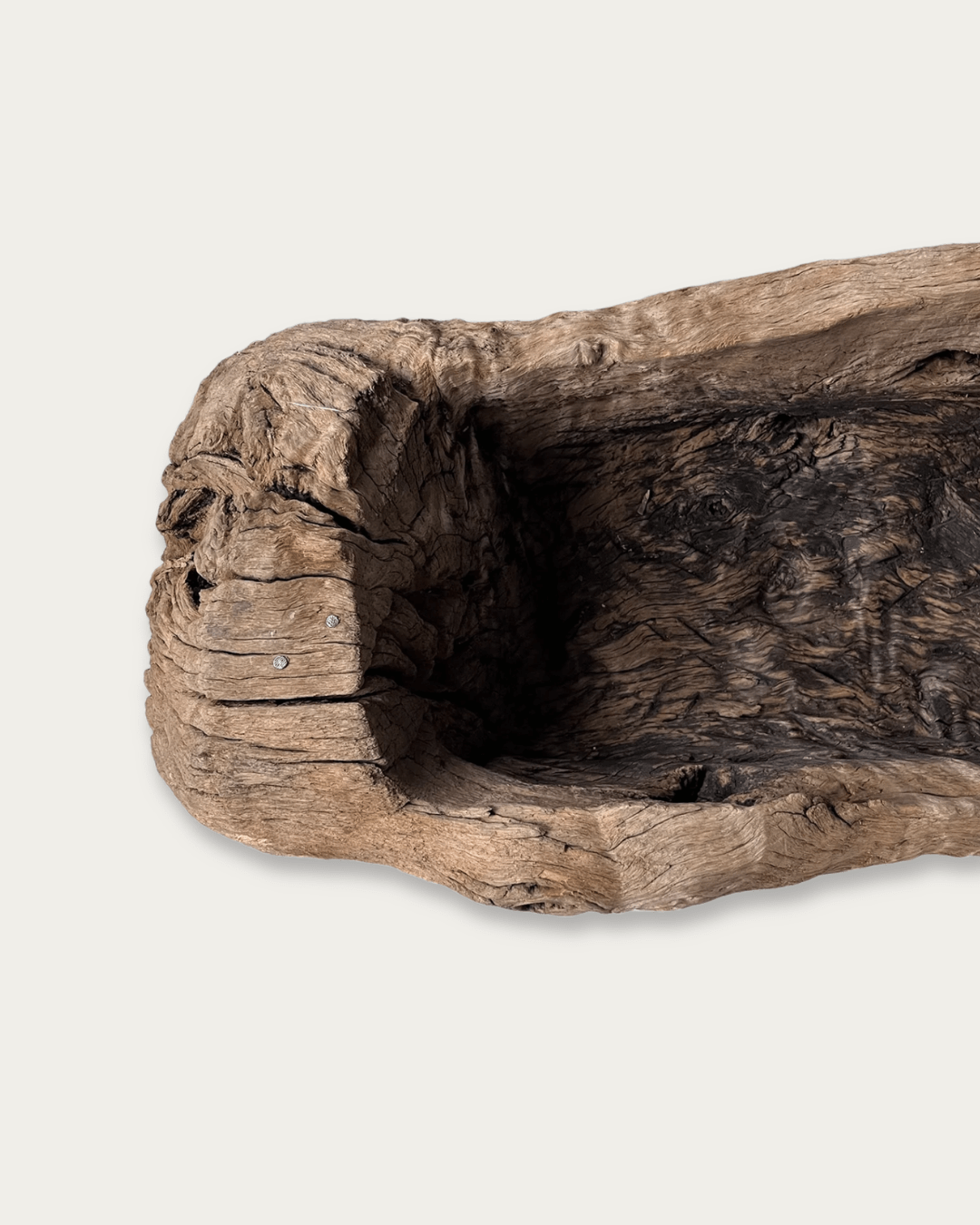
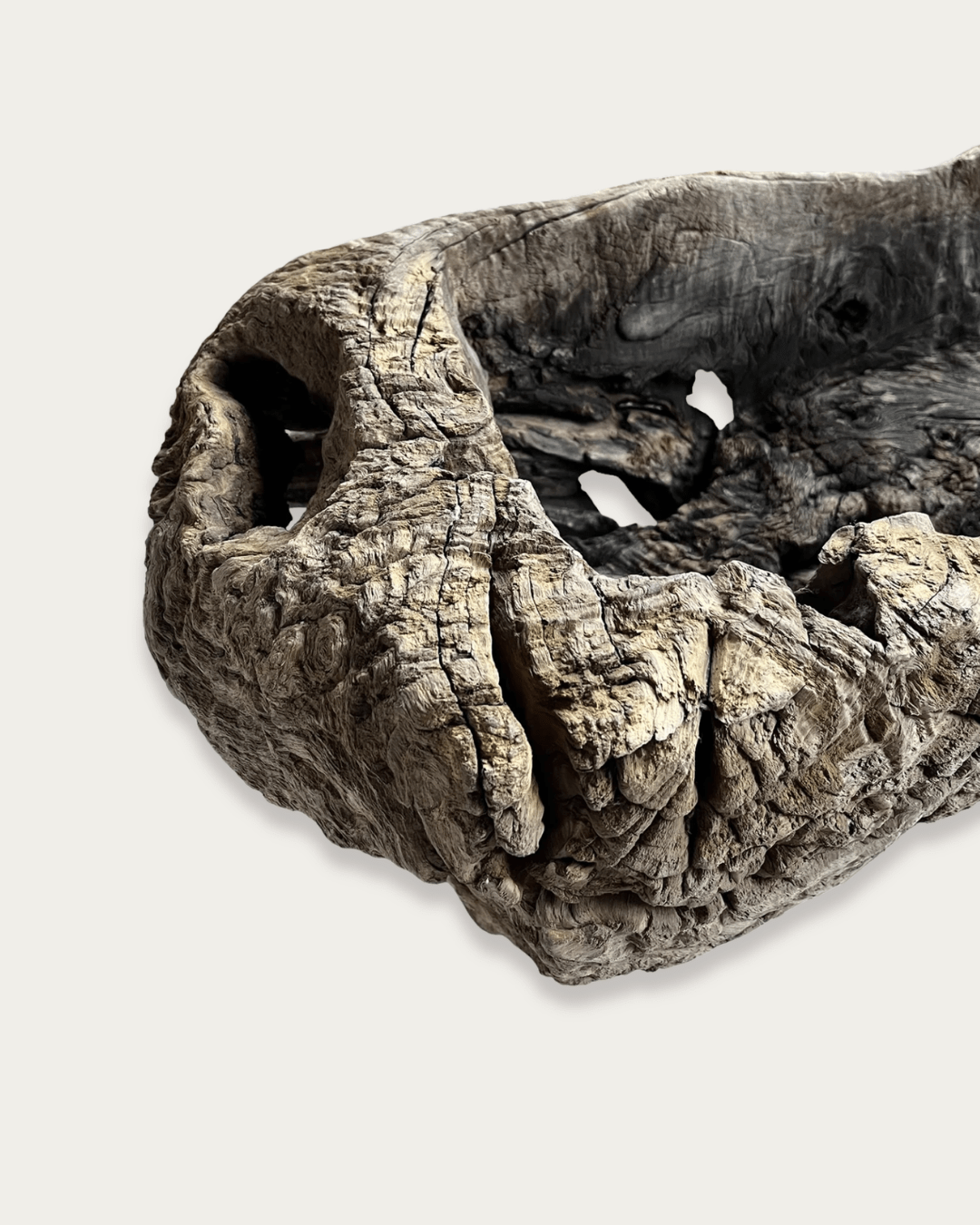
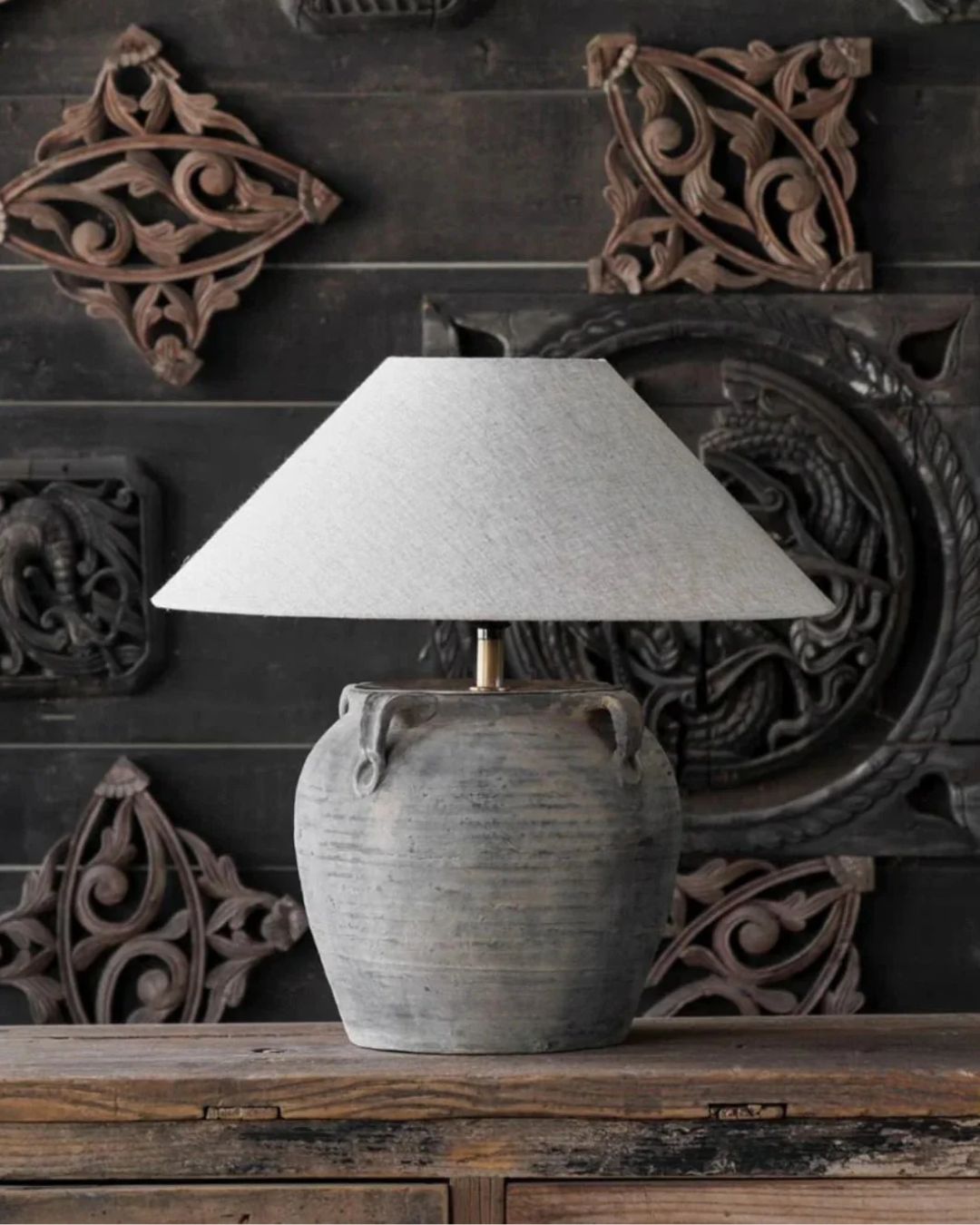
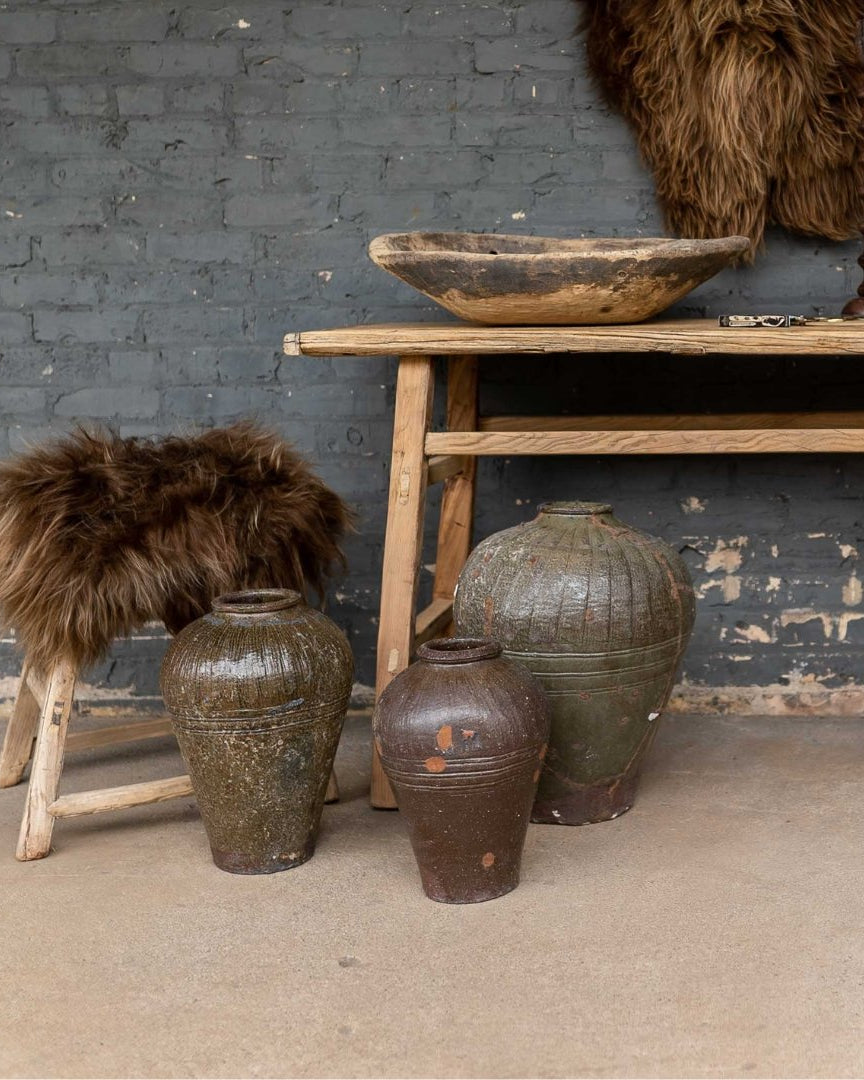
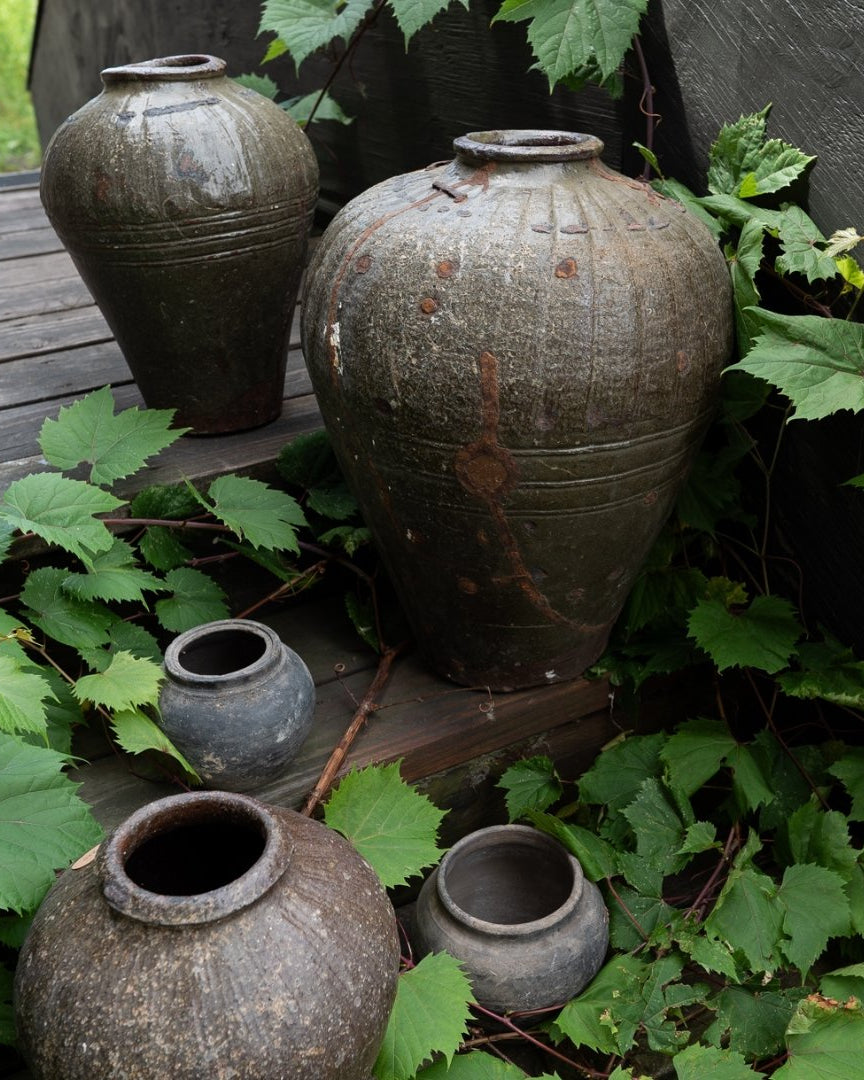
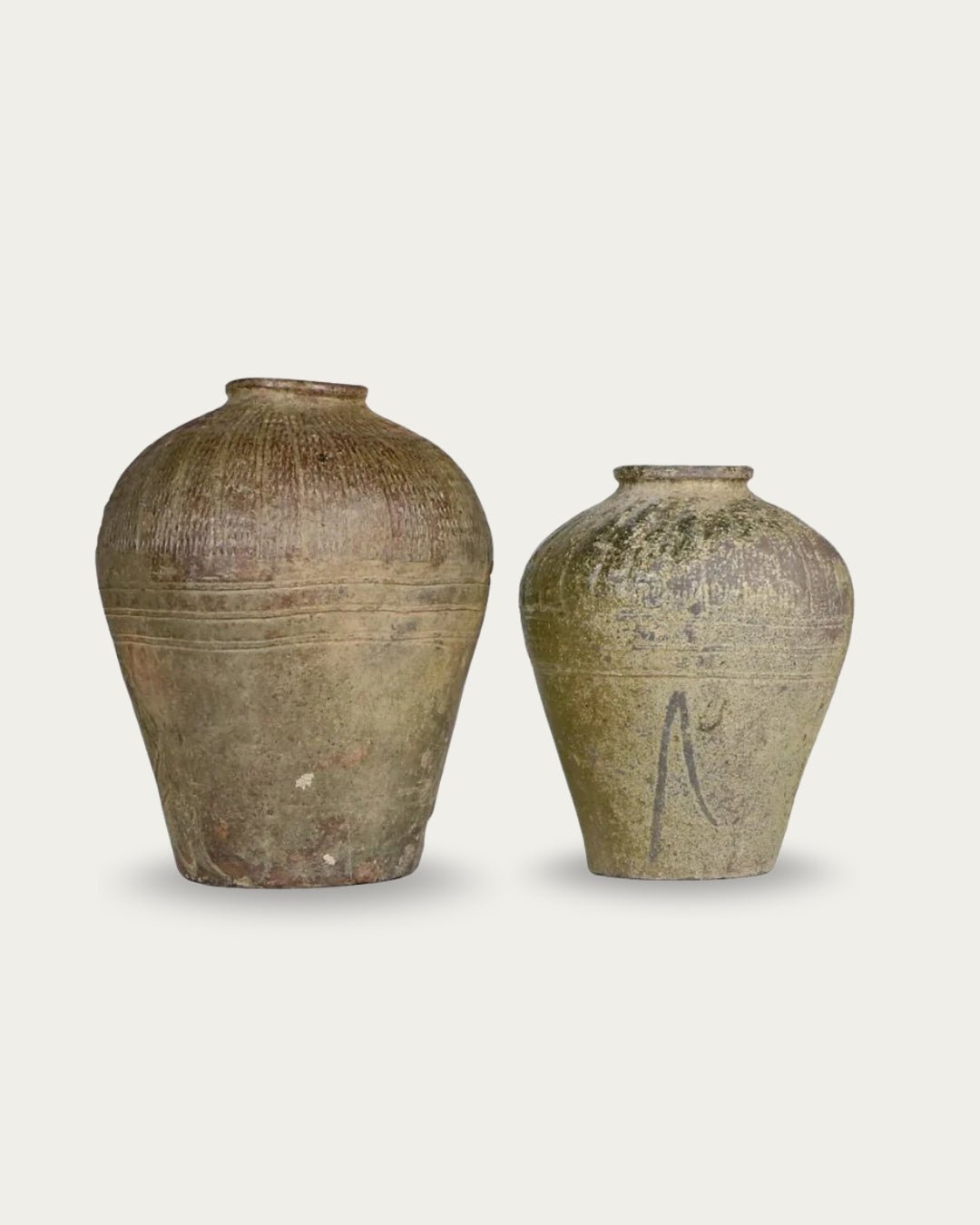
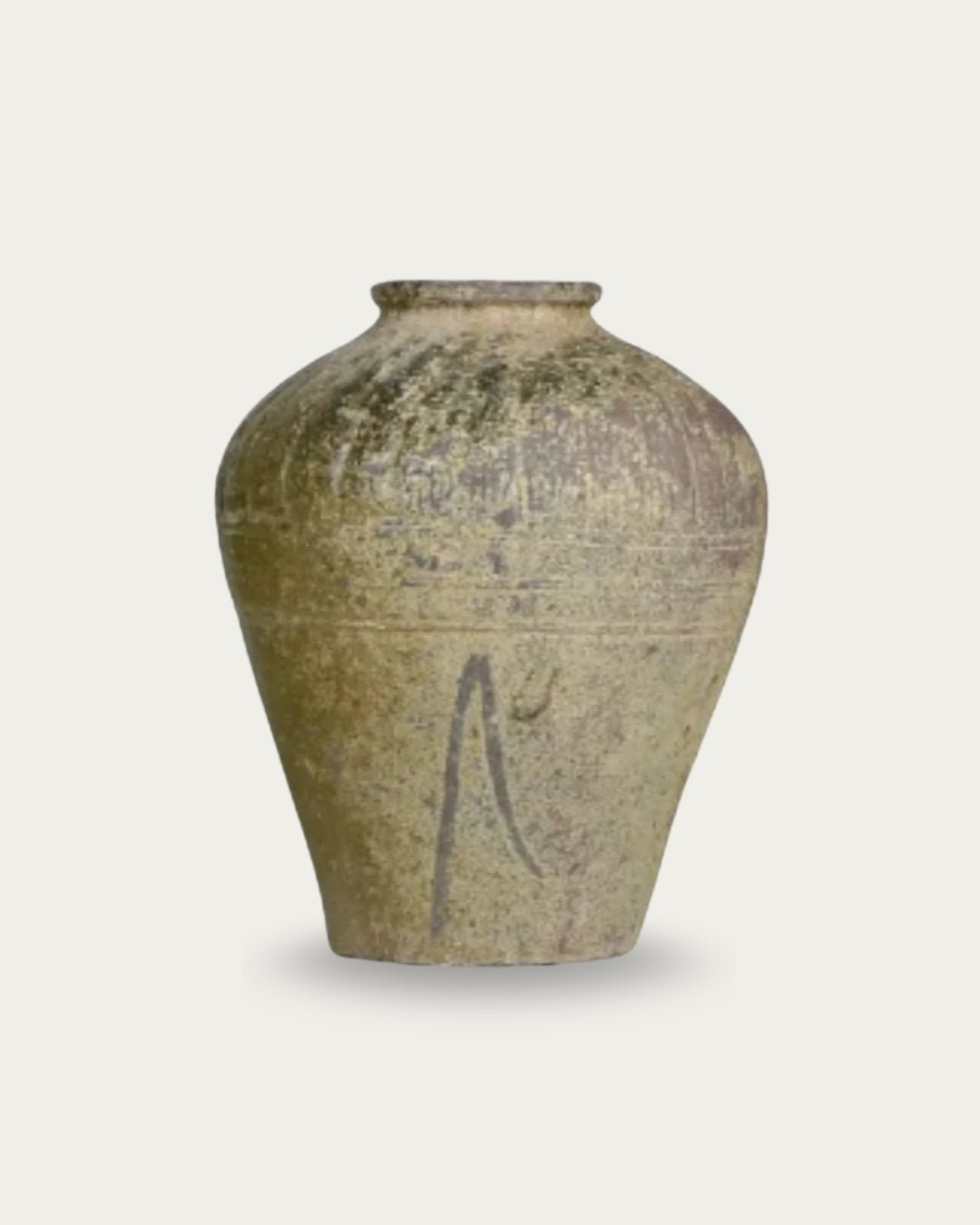
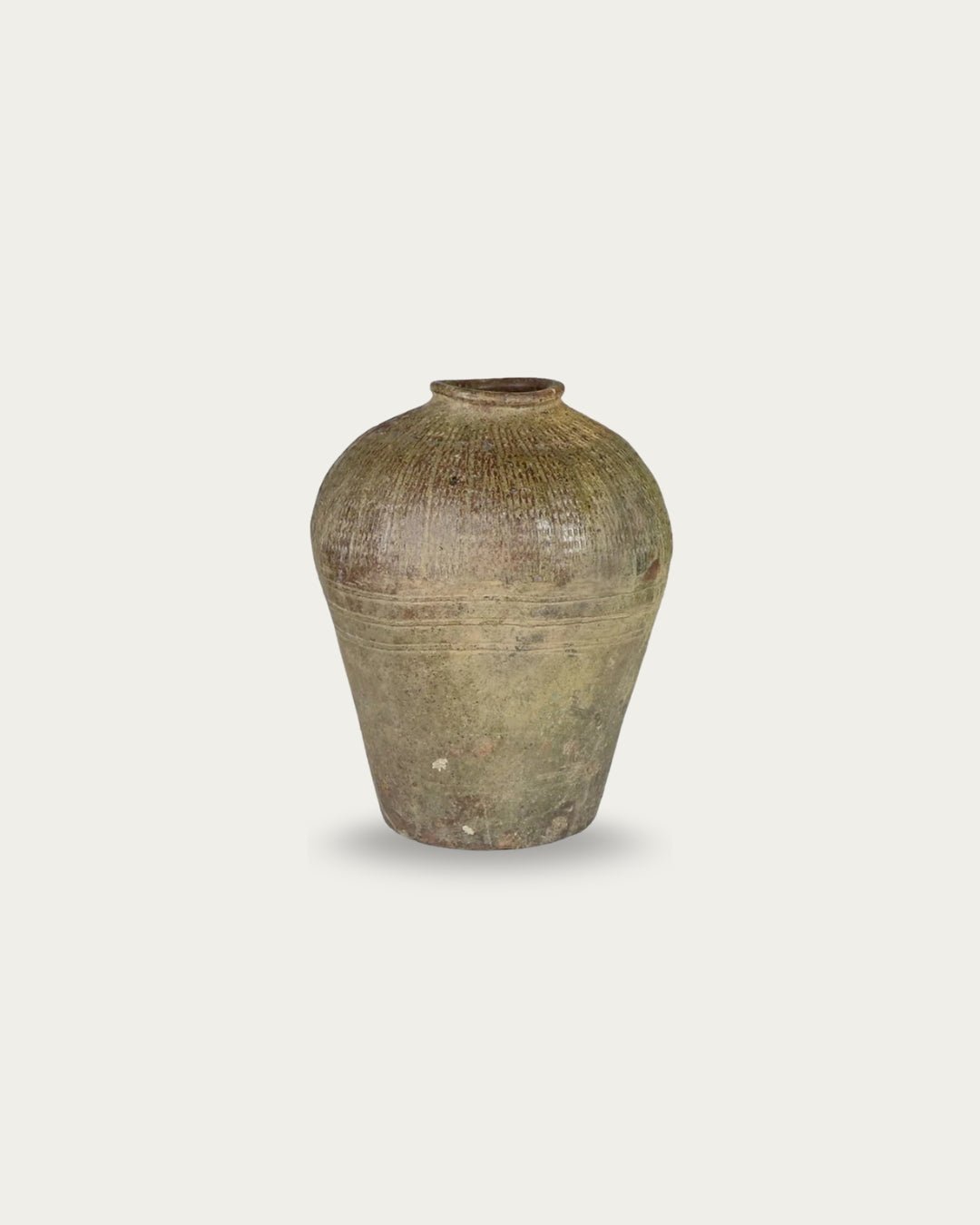
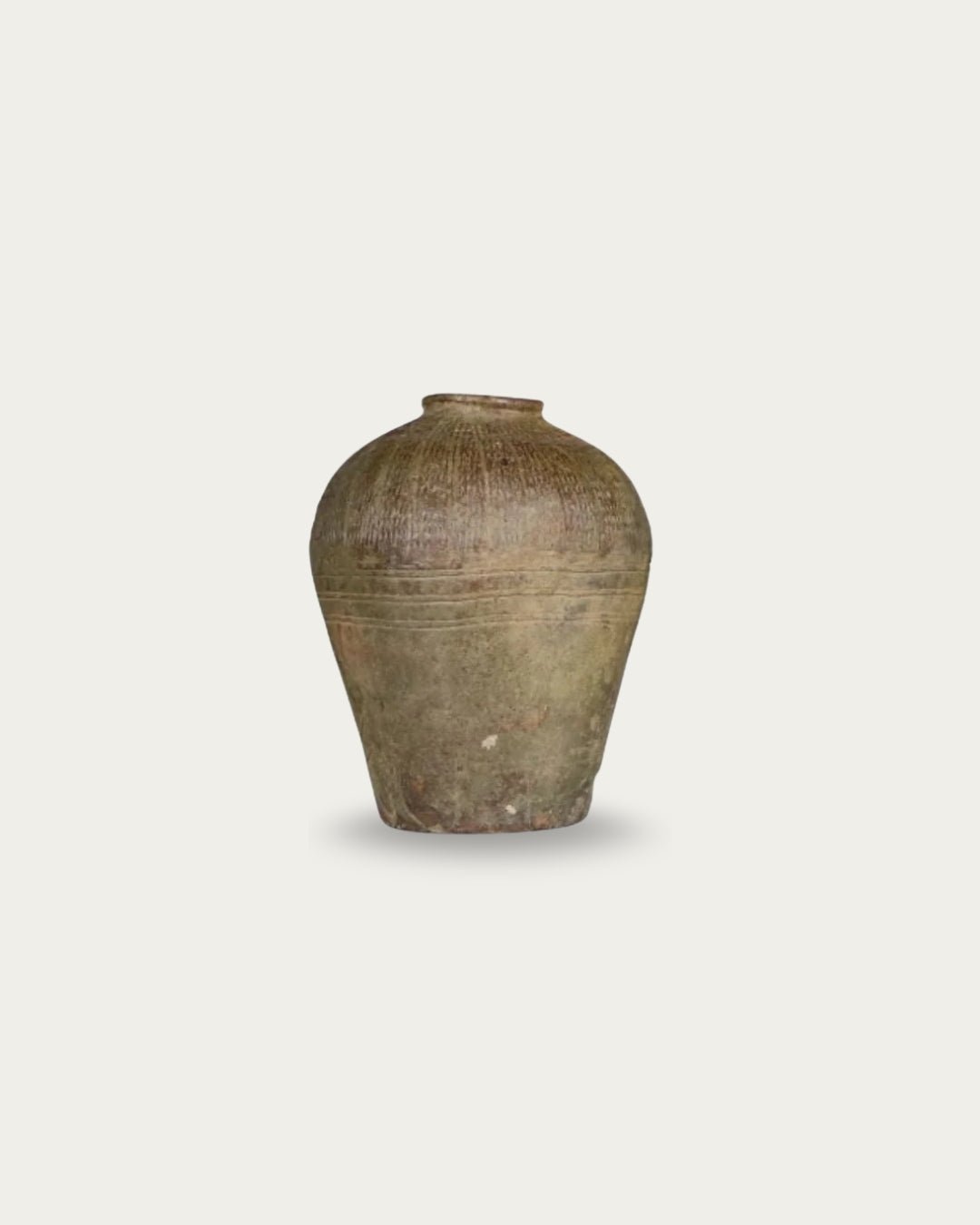
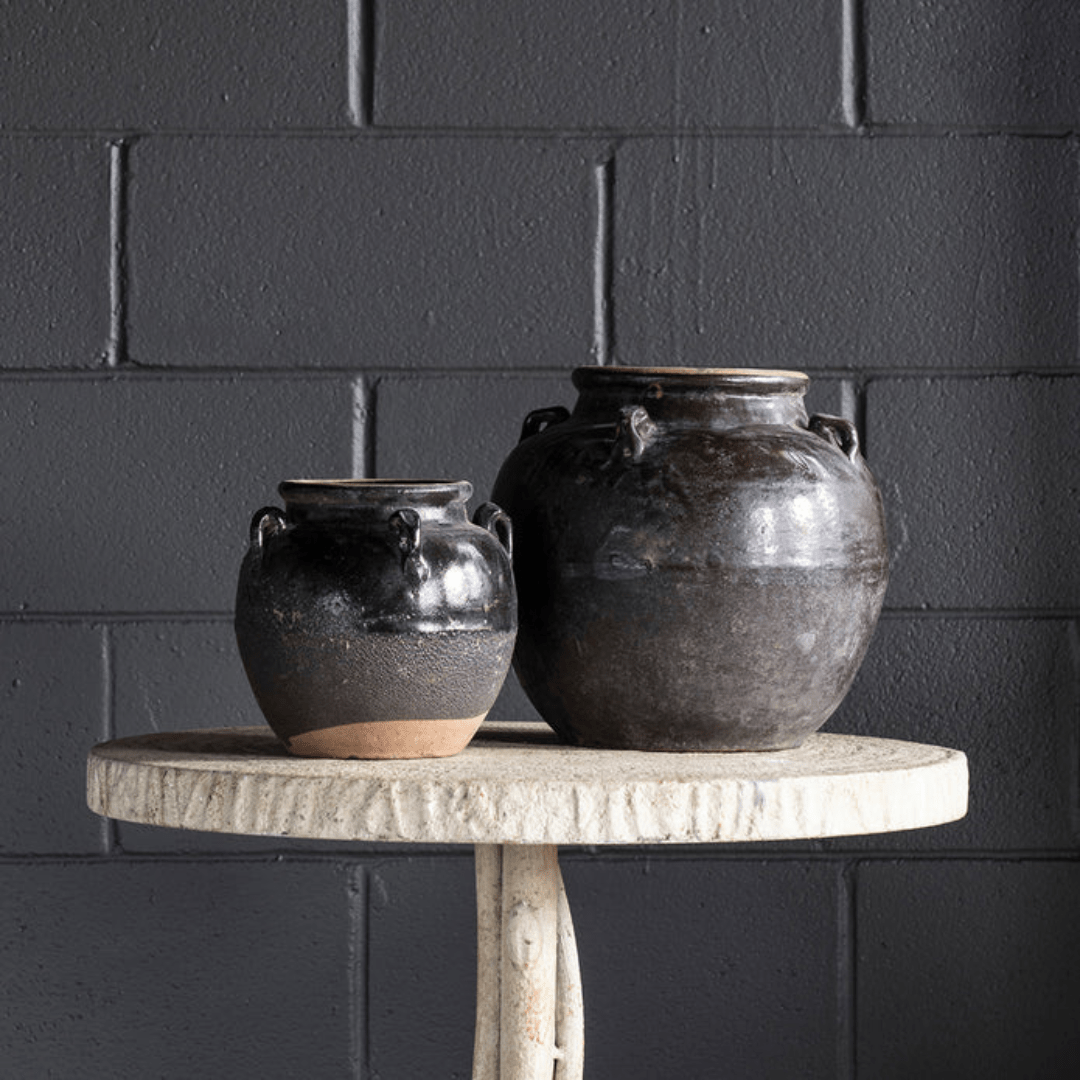
For smaller spaces, the Chinese water pot with handles works as a grounded, floor-level accent beside a hearth, console, or window. Its wide mouth, weighty form, and utilitarian handles give it visual gravity without demanding height. Even empty, it holds the space with confidence.
Tables Are Not Display Cases
Coffee tables, consoles, and side tables often become miniature shelves—layered with stacks, trays, and filler objects. Antique decor deserves a cleaner approach.
One Object Is Enough
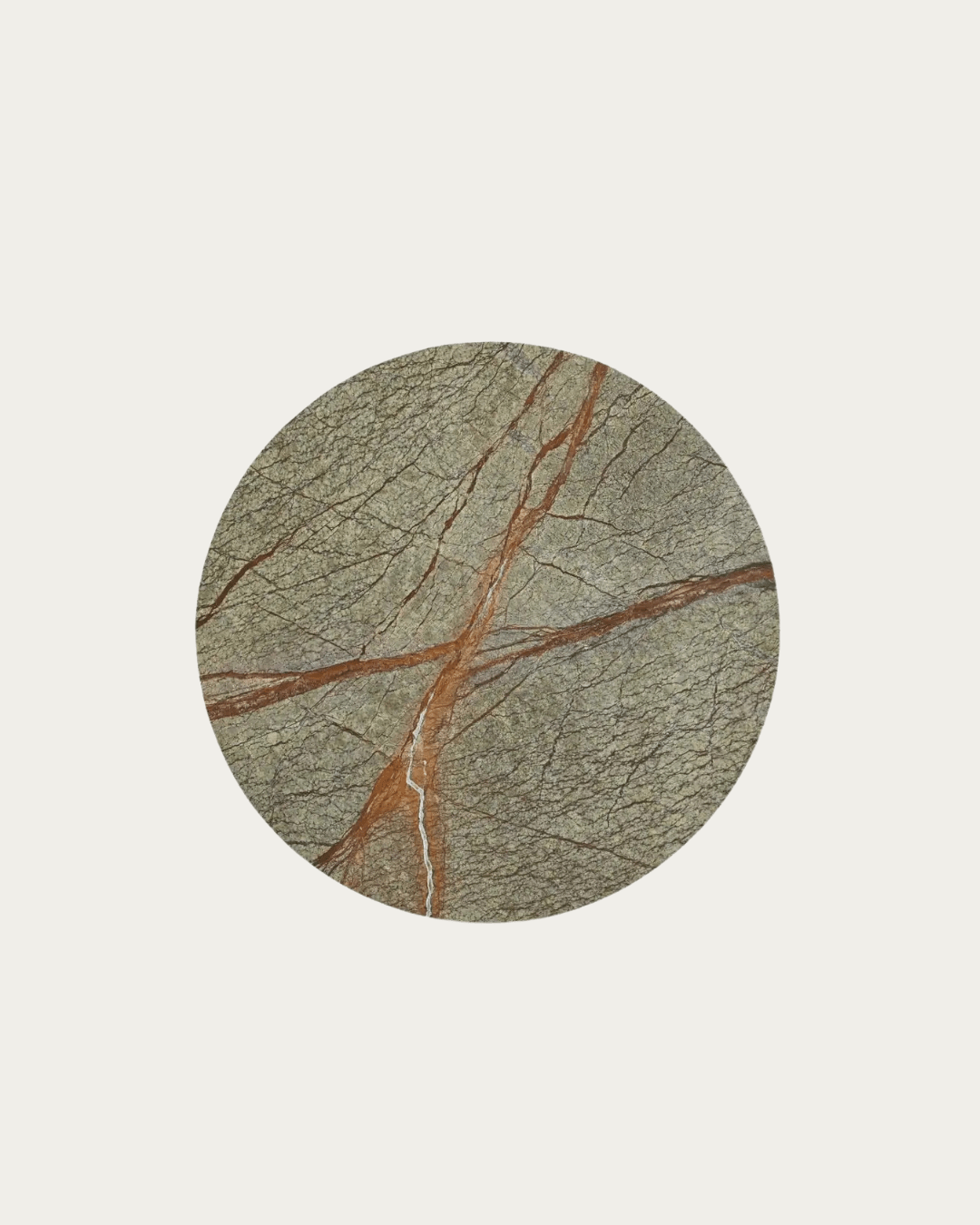
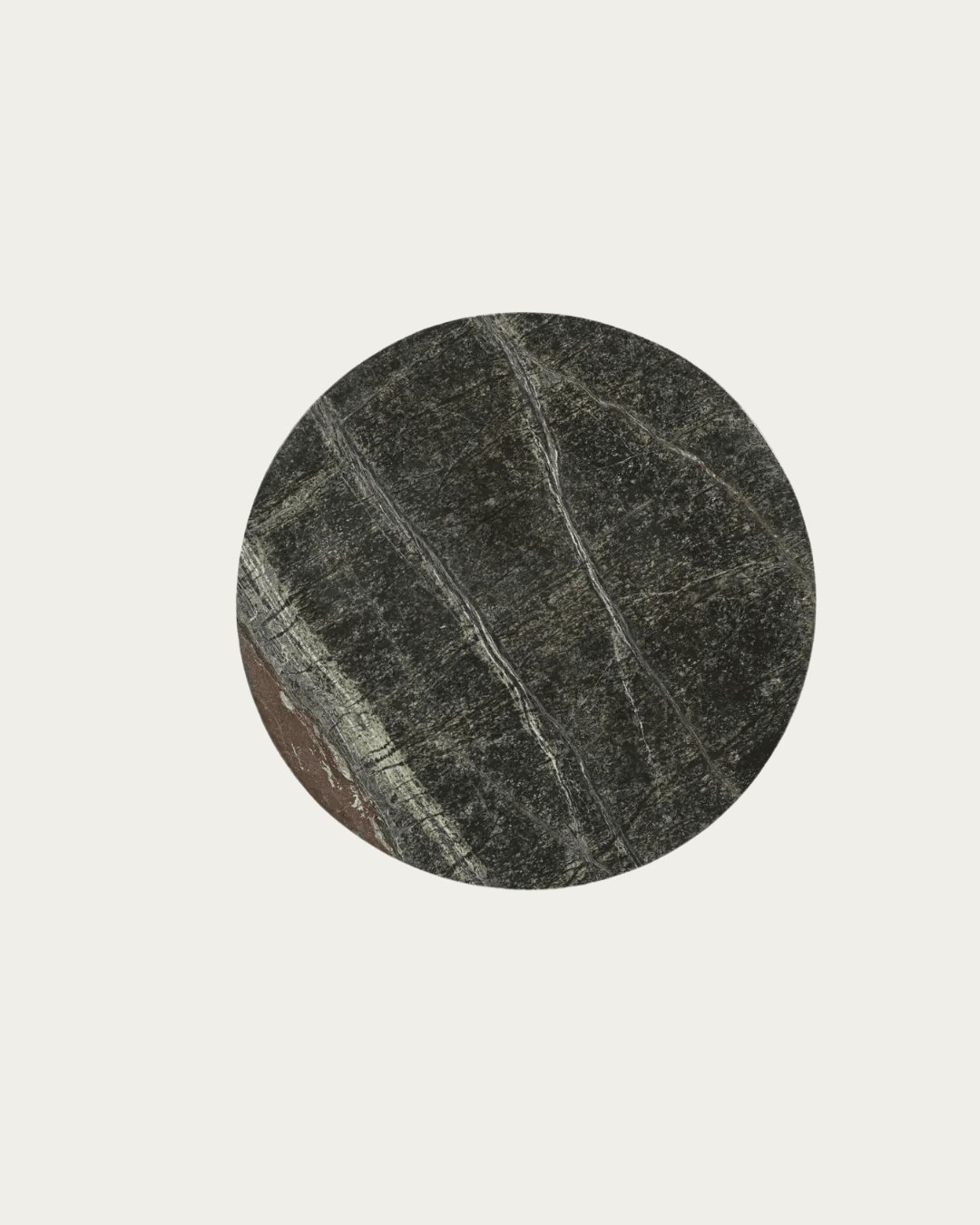
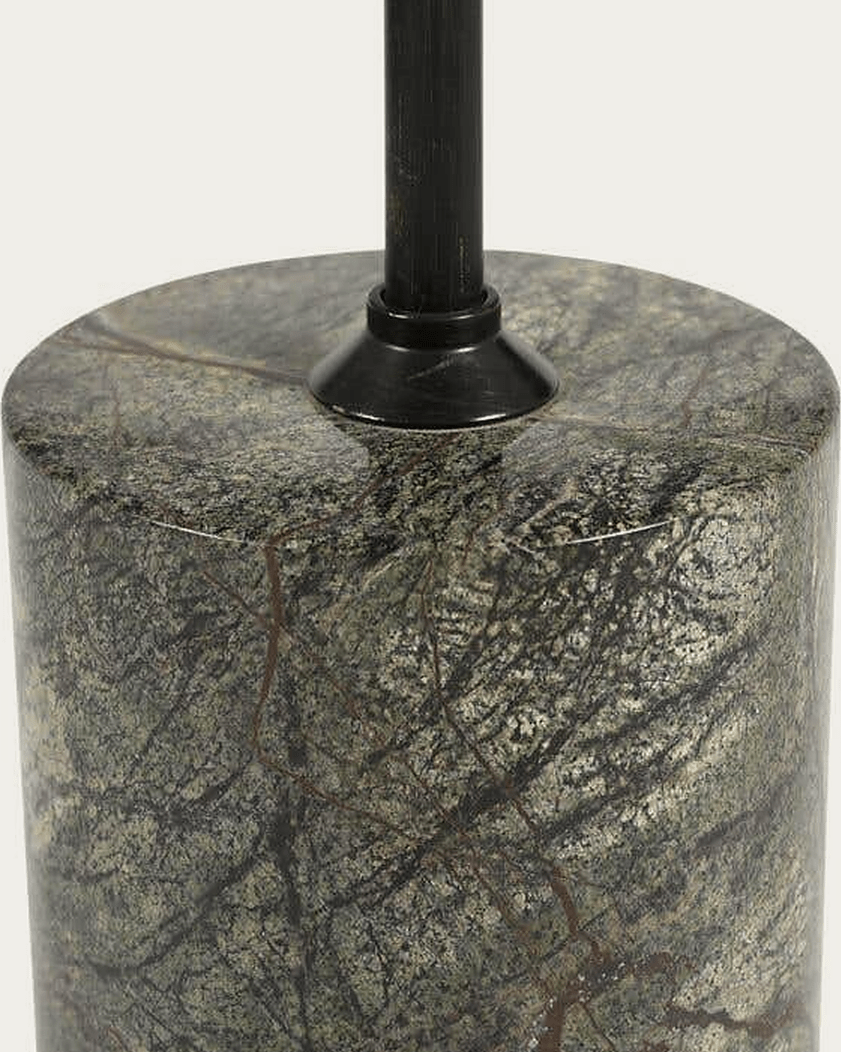
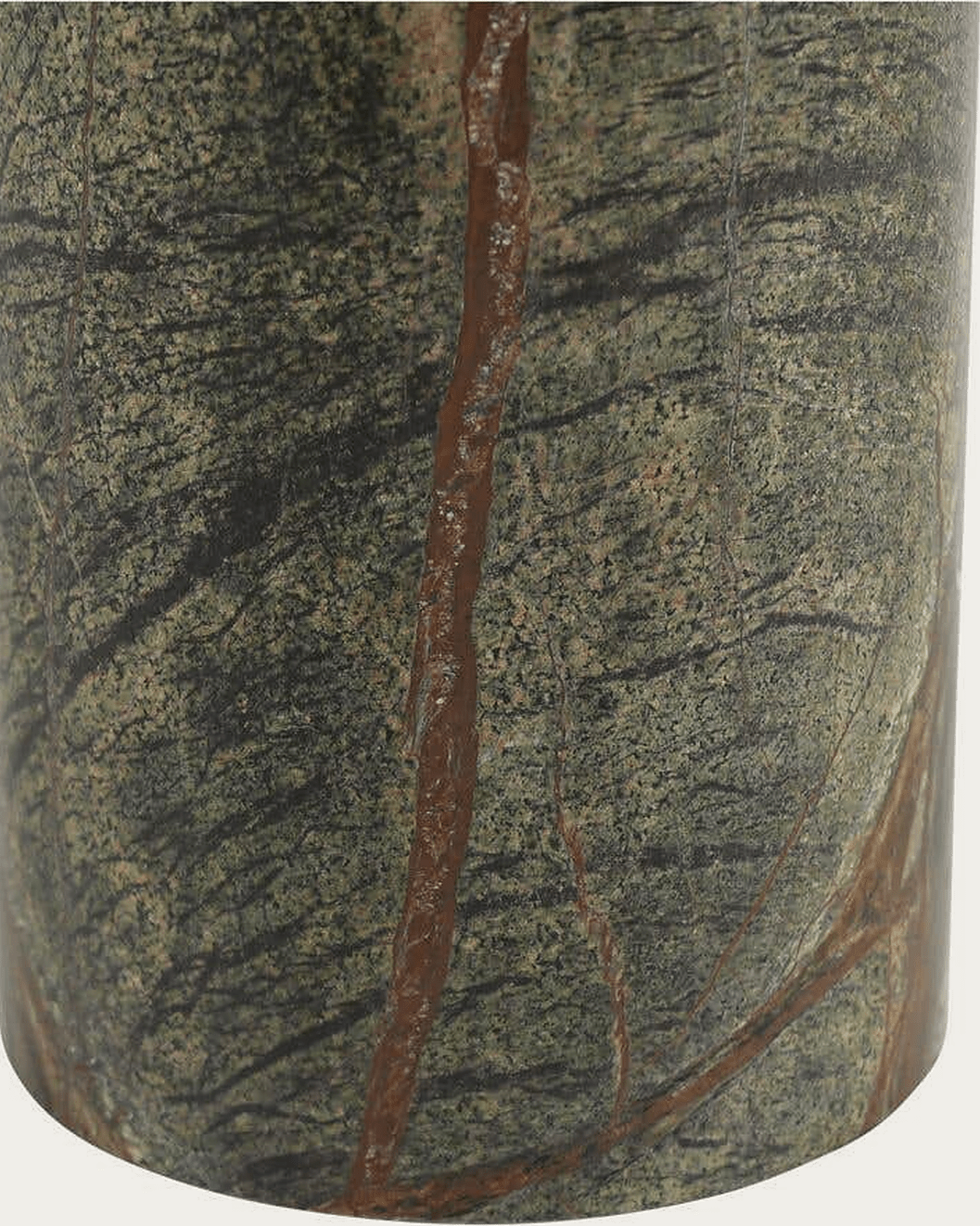
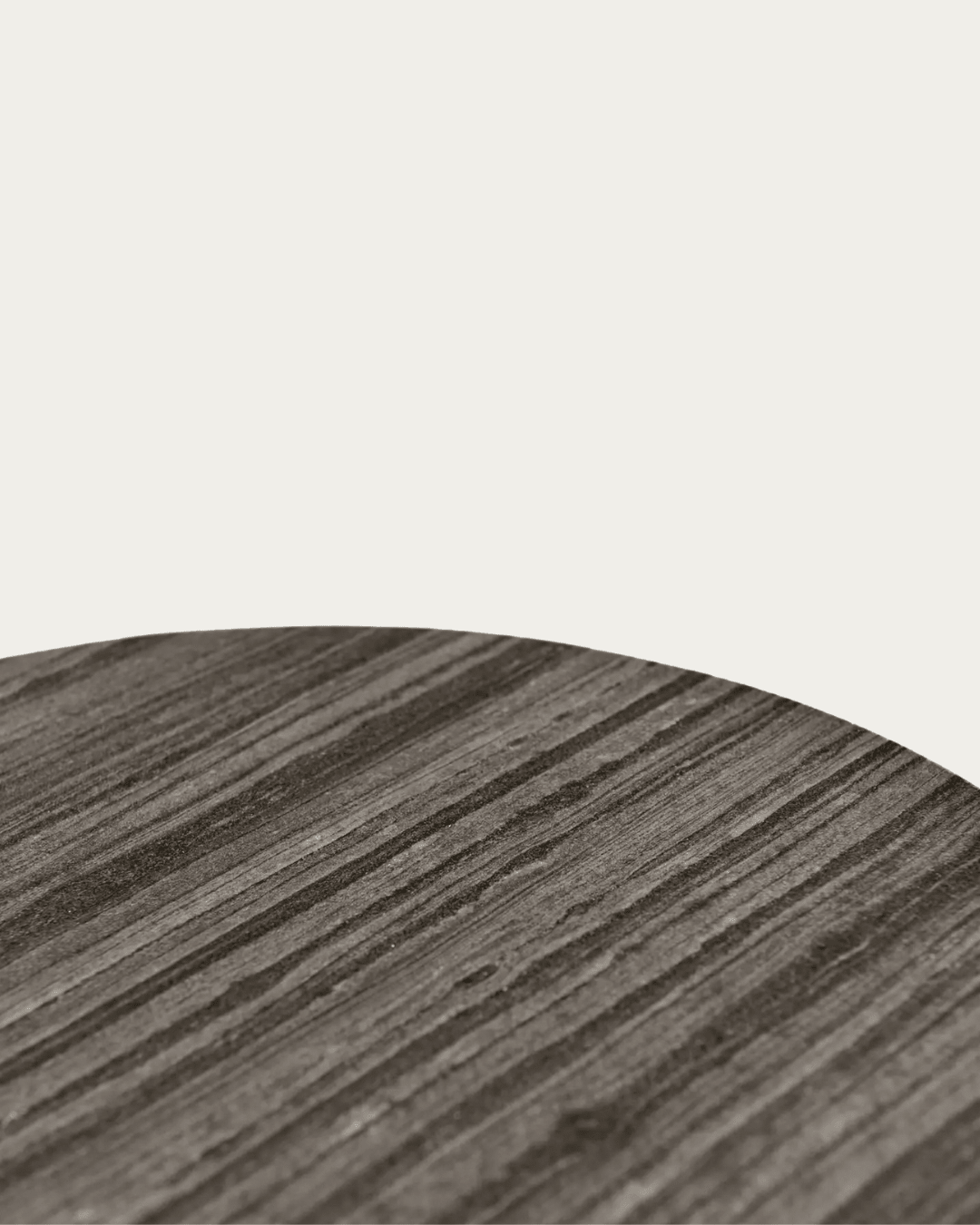
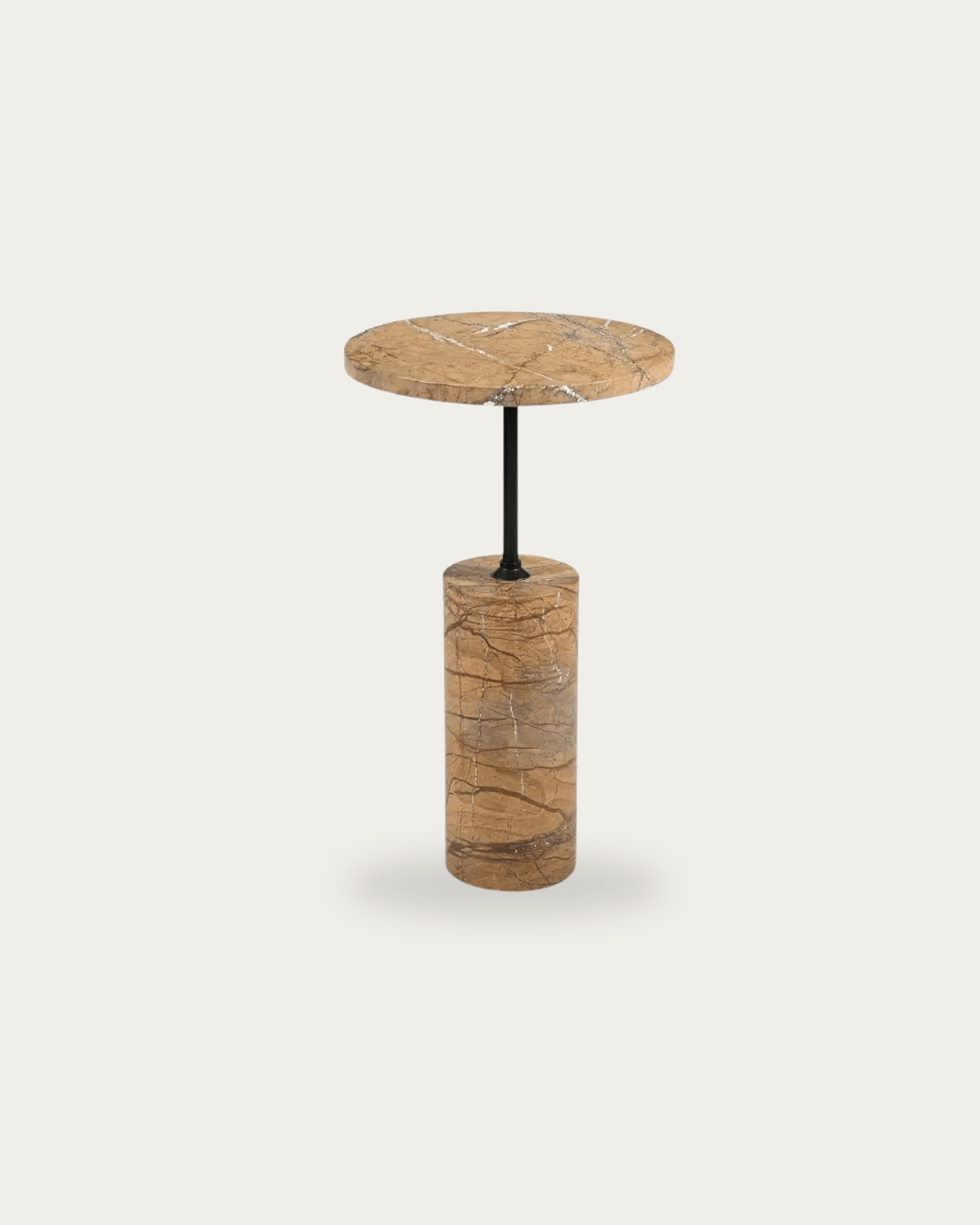
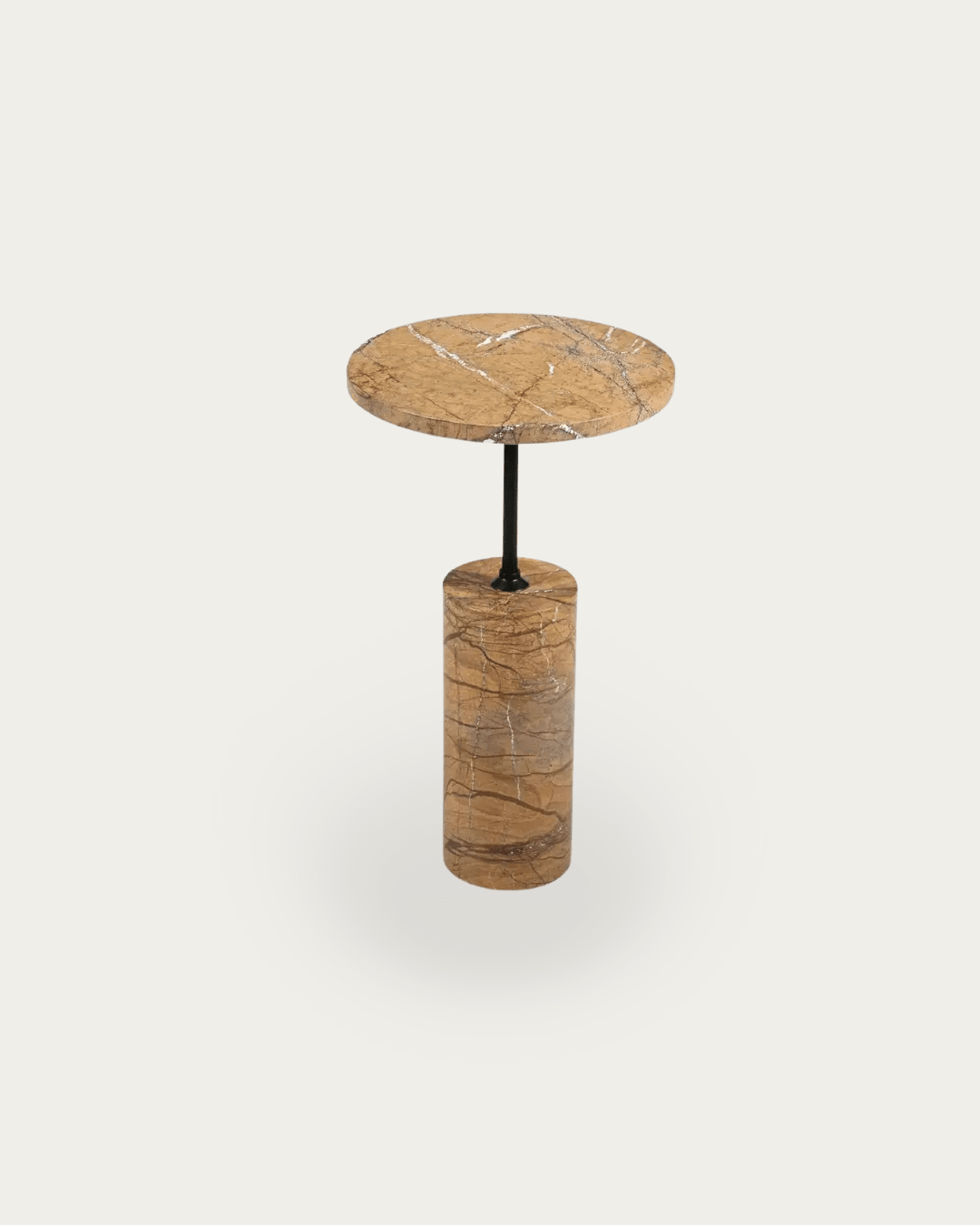
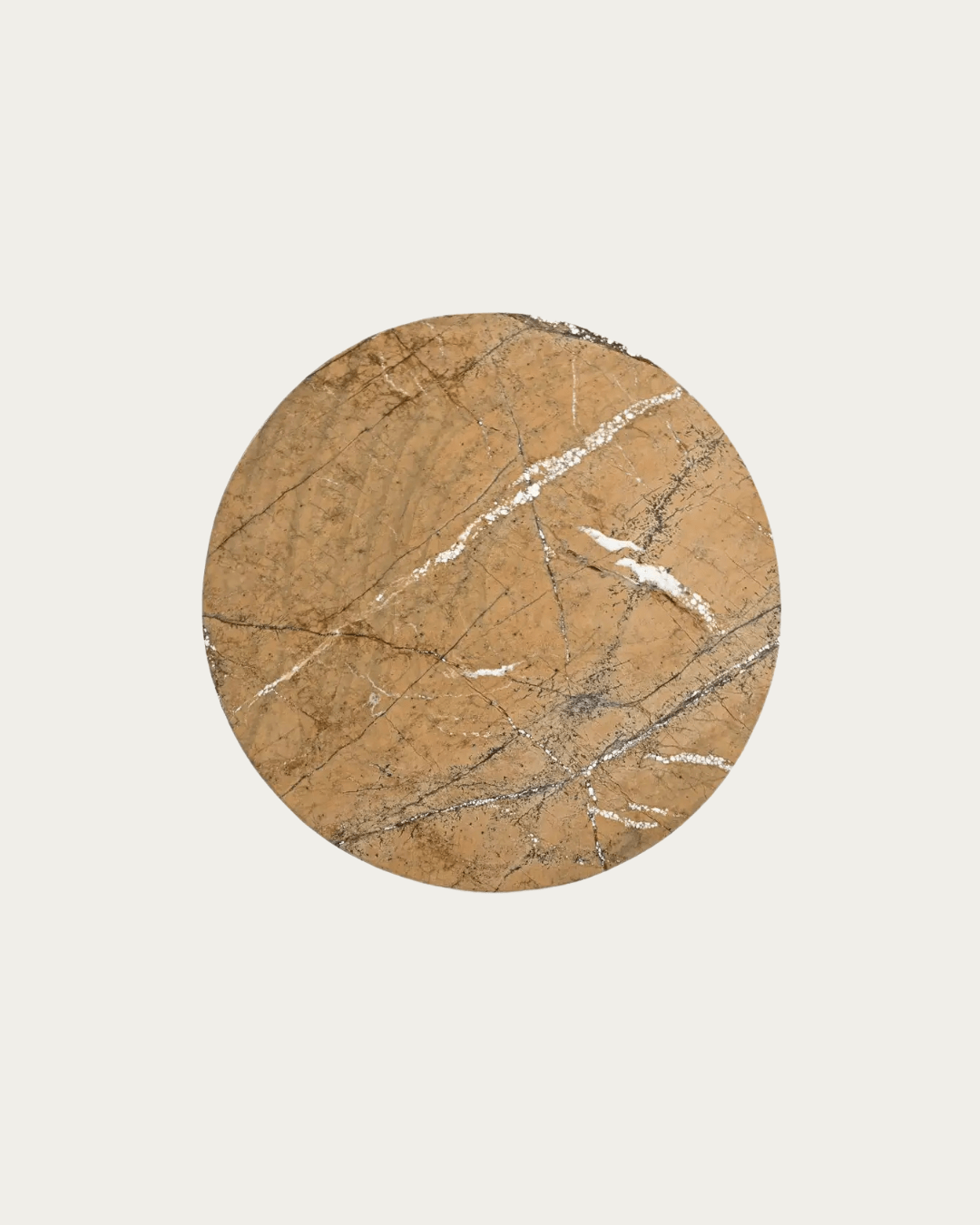
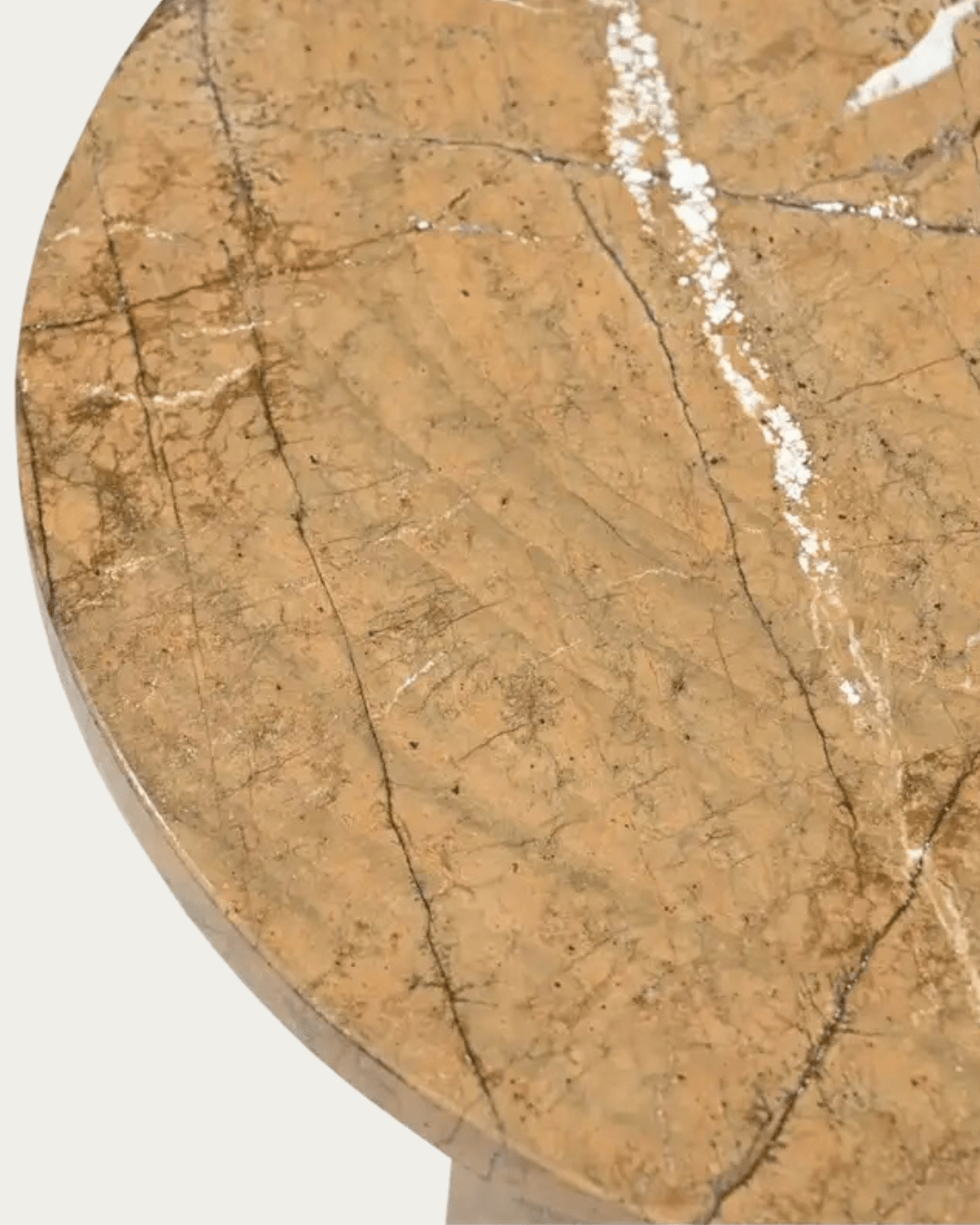
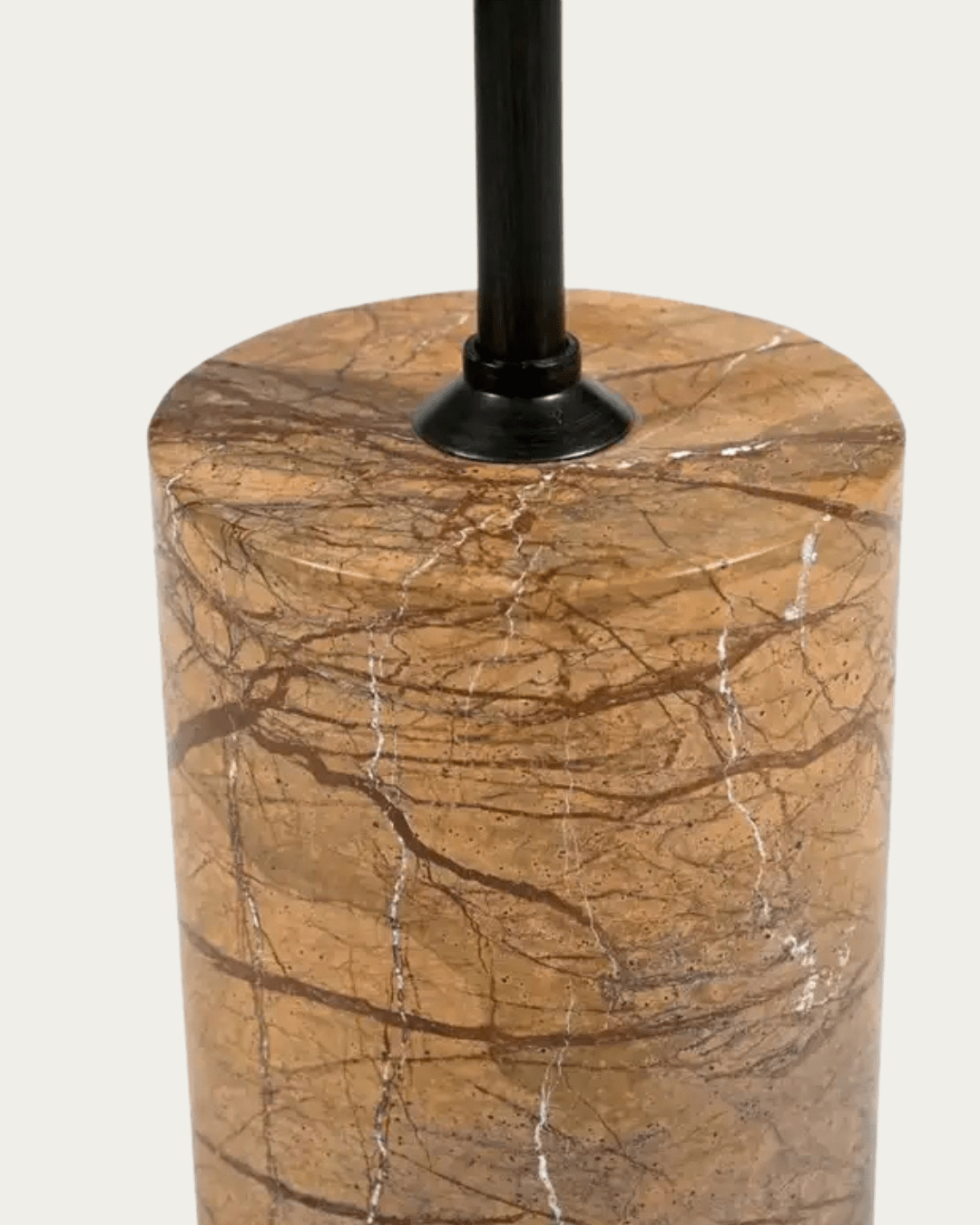
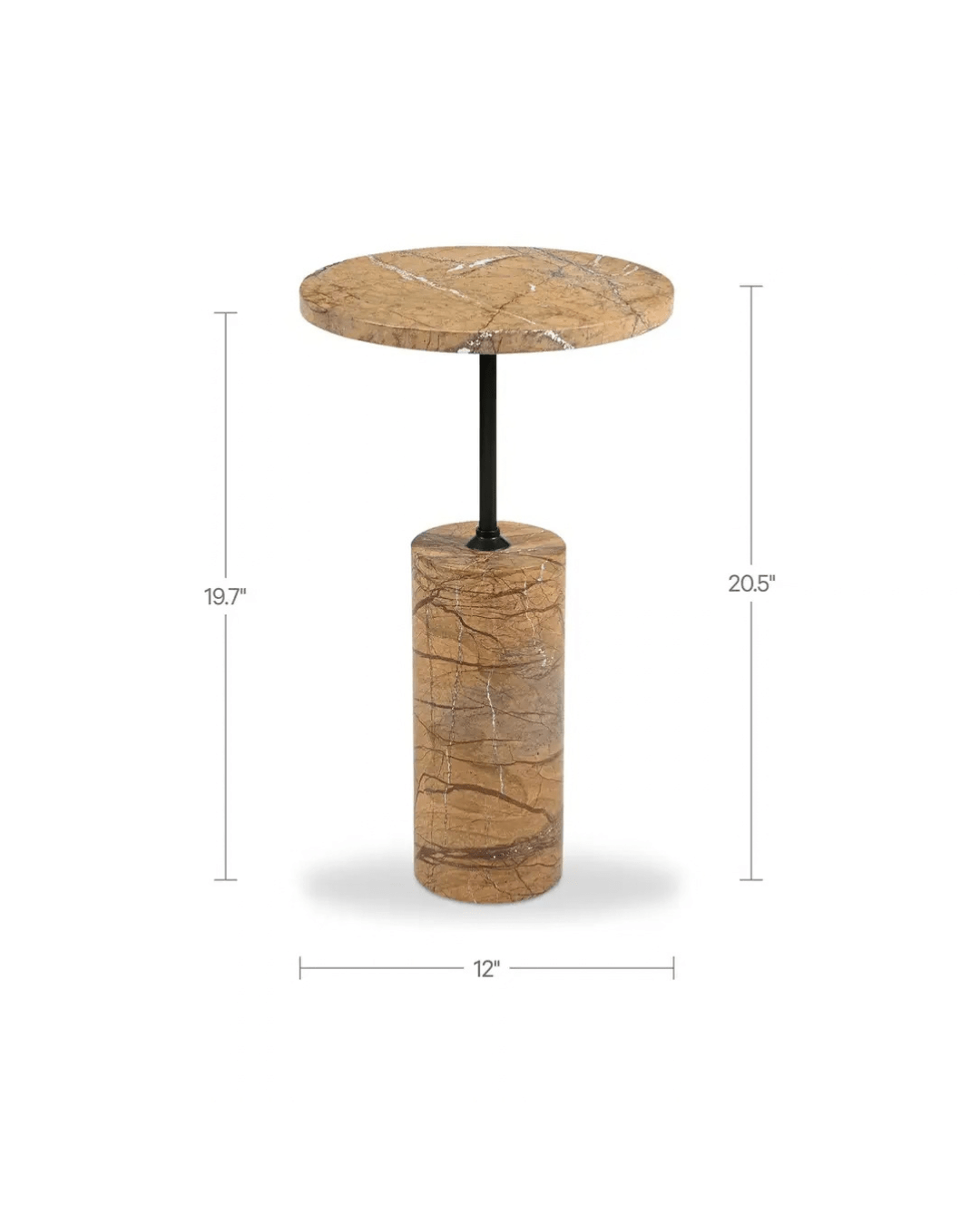
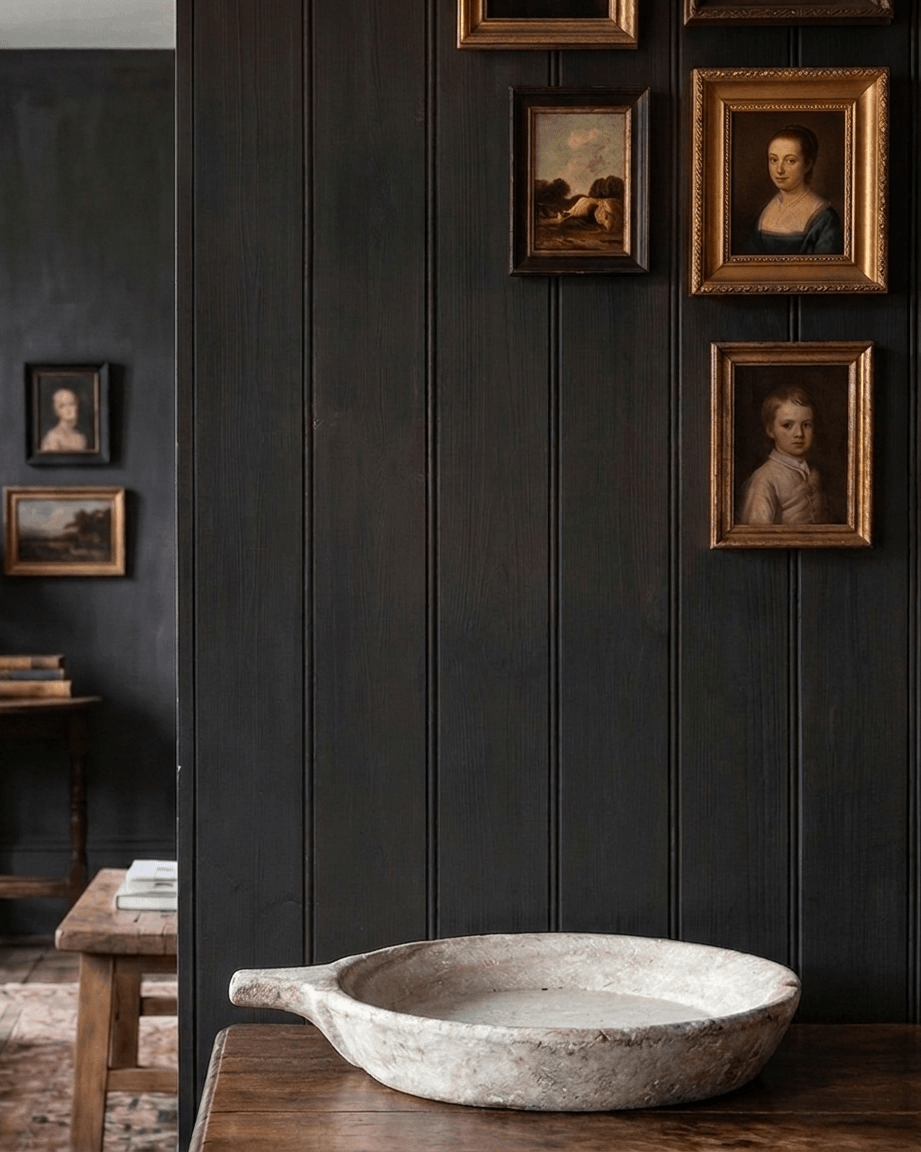
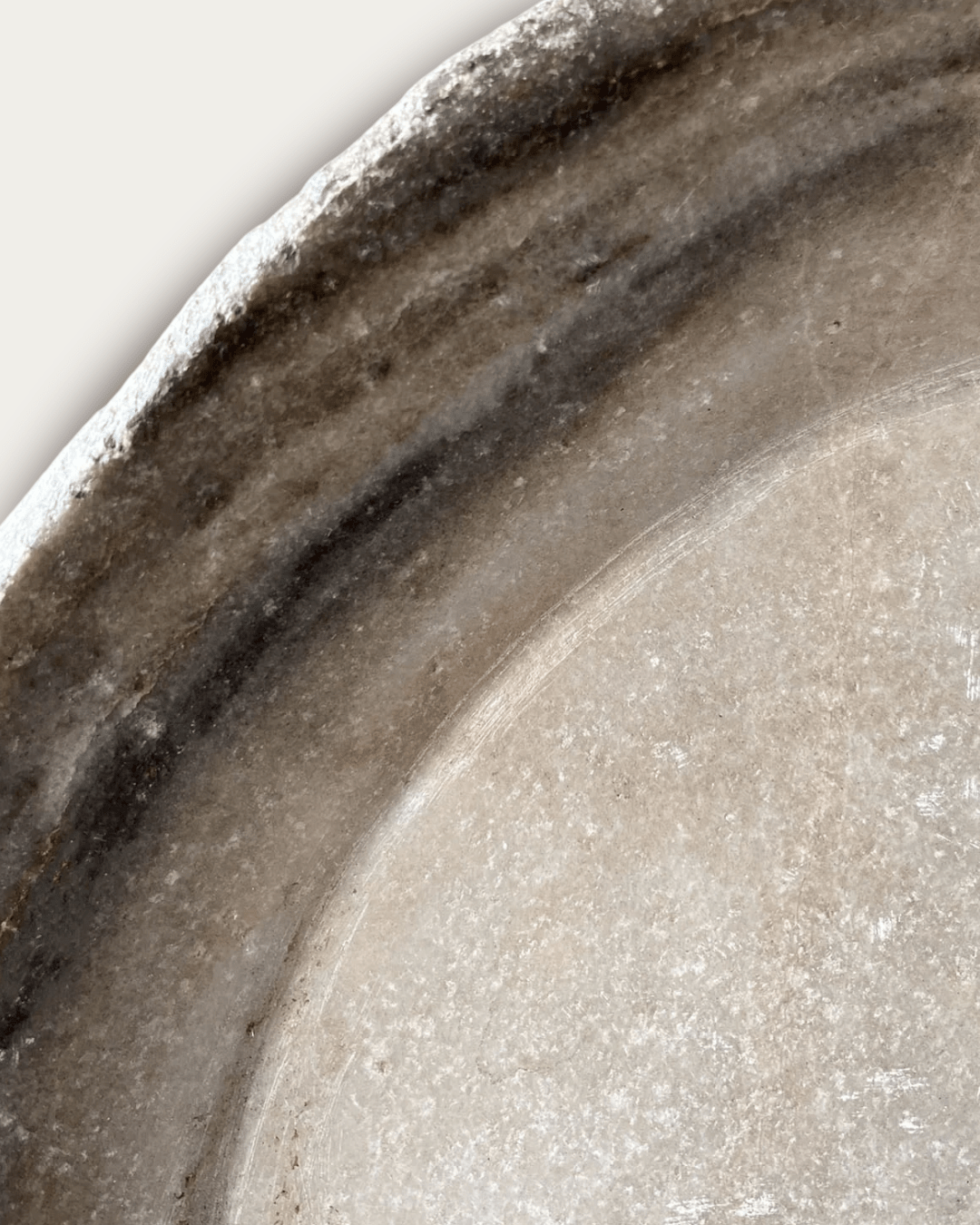
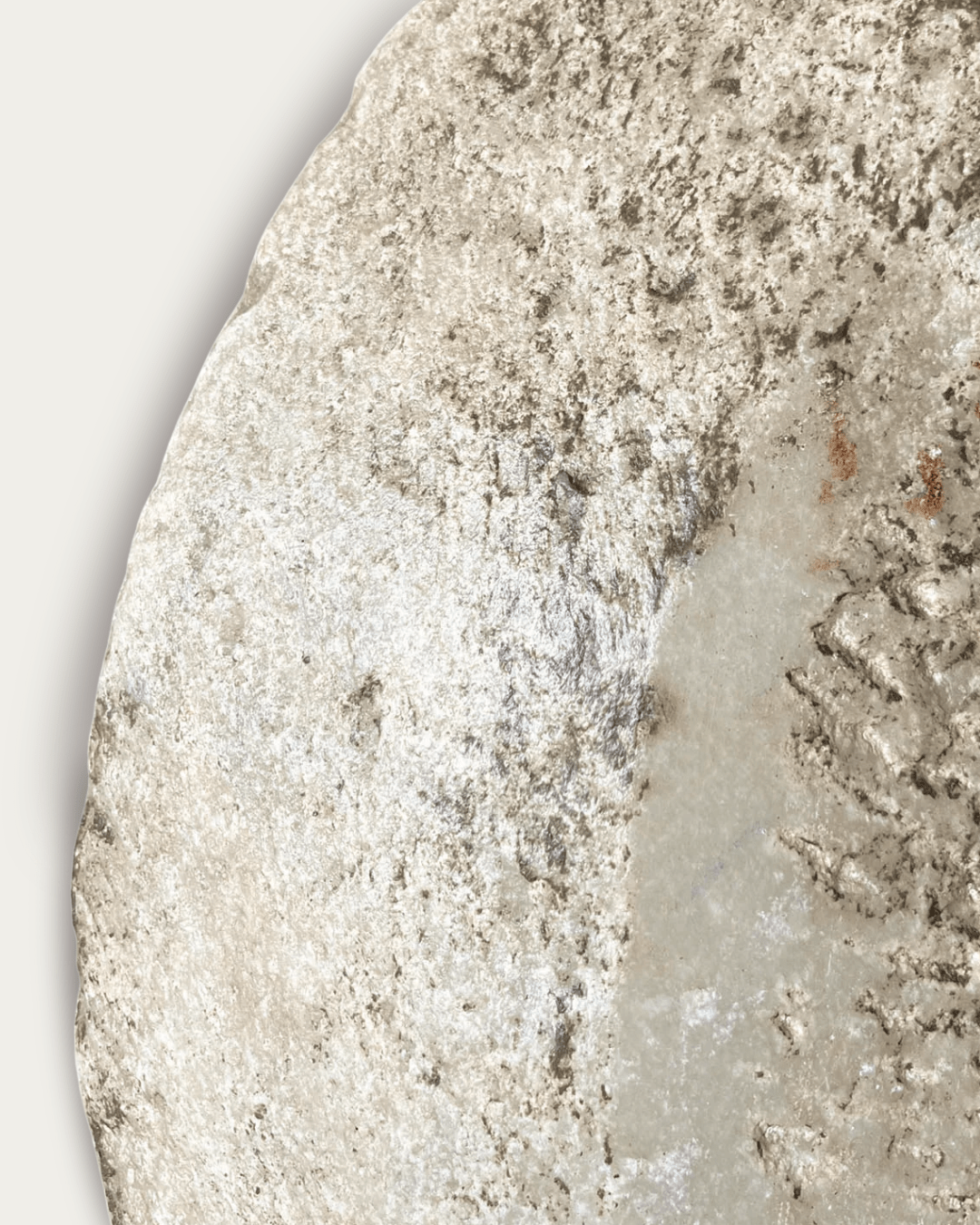
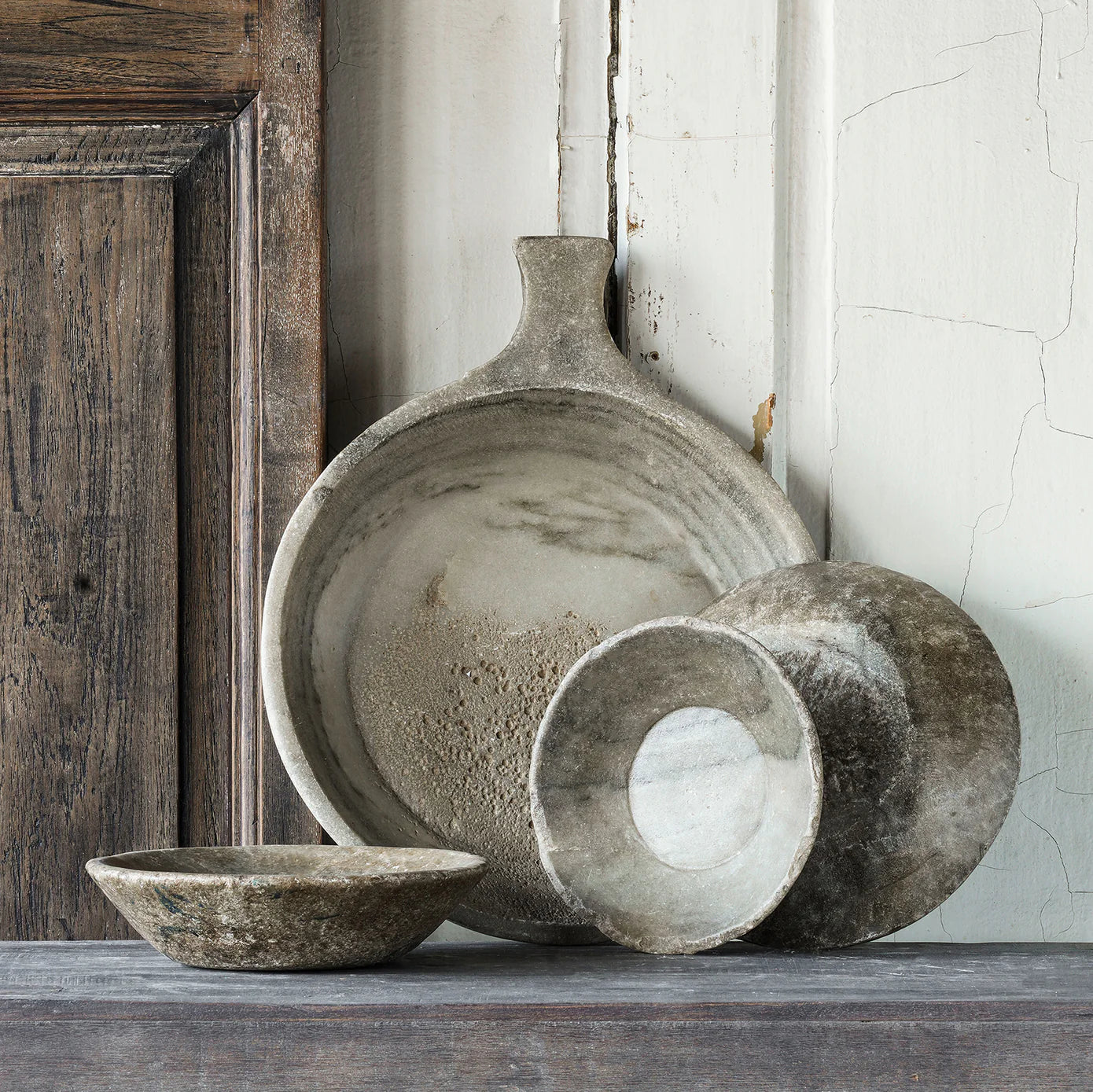
The vintage marble plate holds visual weight even when empty. Its material does the talking. Placed at the center of a table, it removes the need for additional styling.
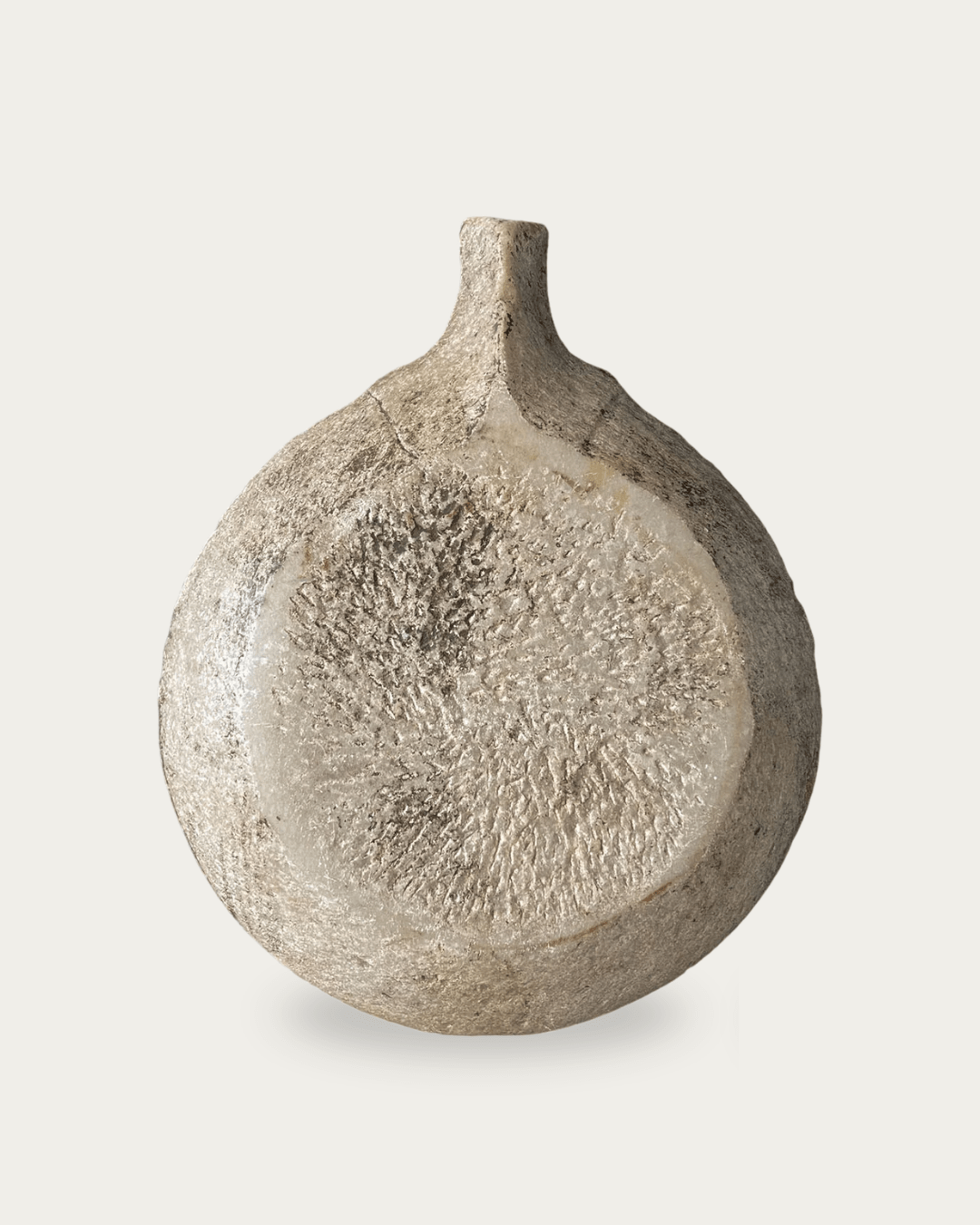
Likewise, the Fern stone biscuit mold plate functions as a flat sculptural surface. Lean it slightly on a console or lay it horizontally—either way, it reads as intentional without needing support.
Antique Objects Were Built to Stand Alone
Many antique pieces feel “complete” because they were never meant to be accessorized. They already contain layers of function, wear, and proportion.
Why Utility Translates to Presence
The vintage wooden glove mold sculpture carries human scale in a literal sense. Hung solo or placed upright, it introduces form and shadow without relying on grouping.
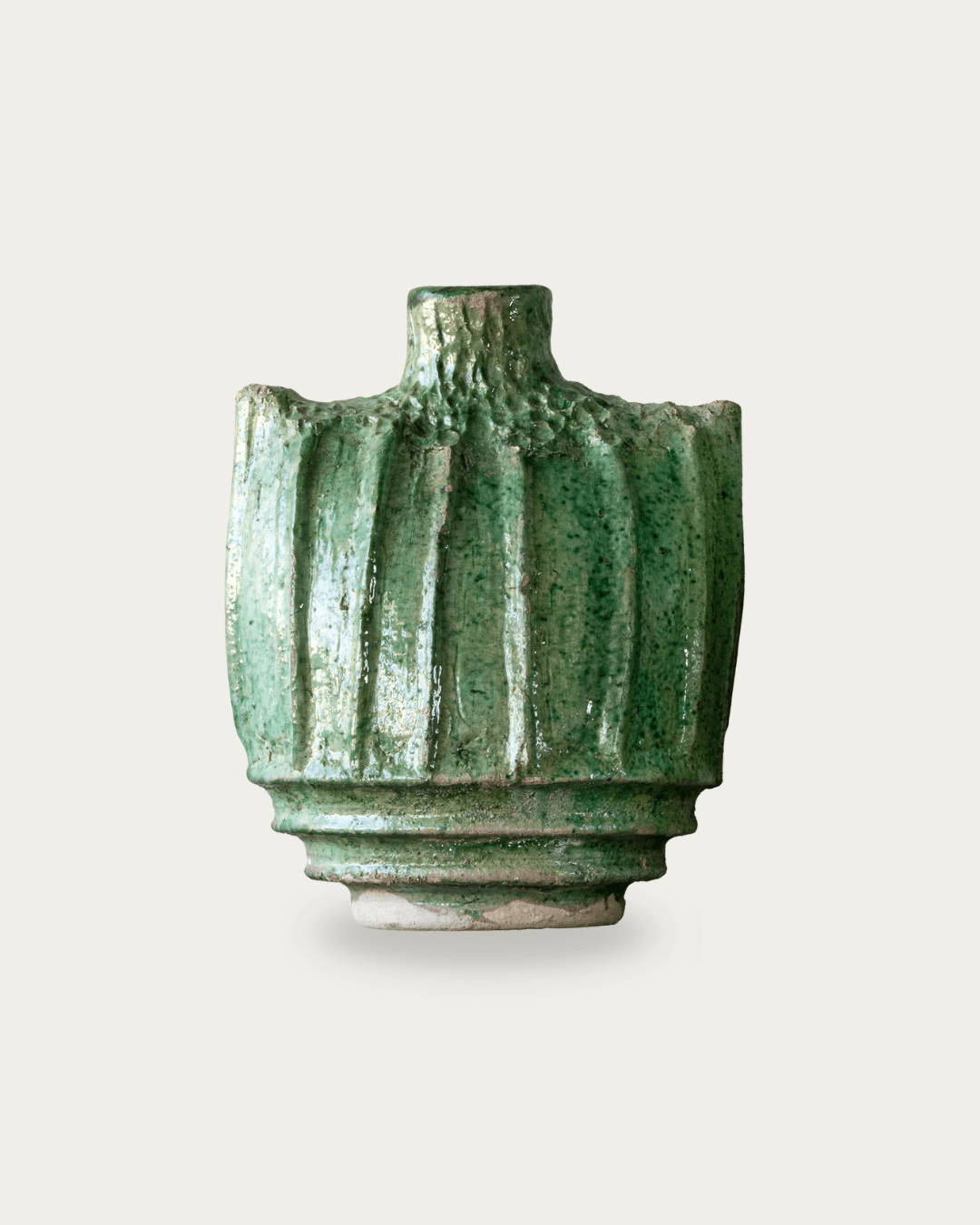
The same logic applies to objects like rice measurers or biscuit molds. They weren’t decorative to begin with—which is exactly why they work so well now.
Avoid the Shelf-by-Default Mentality
If every wall and corner leads back to shelving, it’s worth asking why. Shelves are often used to avoid decision-making. They allow for endless rearranging instead of committing to one strong piece.
Commitment Creates Clarity
Choosing one antique object and giving it space forces a decision—and that’s a good thing. It establishes hierarchy, making the rest of the room easier to read.
Ask yourself:
• Does this piece need support to feel intentional?
• Could it hold this space on its own?
• What happens if everything else is removed?
If the object still works, it’s earned its place.
Negative Space Is Not Empty Space
One of the biggest misconceptions in decorating is that empty space equals unfinished. In reality, negative space gives antique decor room to breathe.
A zinc tray on a wall feels heavier when it’s not flanked. A glove mold casts more interesting shadows when it’s alone. A marble plate feels more substantial when it’s not competing.
The absence of clutter is what allows these pieces to register.
When Shelves Do Make Sense
This isn’t an anti-storage manifesto. Shelves still have a role—just a more selective one.
Shelves work best when:
• Supporting secondary objects
• Holding books or functional items
• Framing, not starring, antique decor
If an antique piece is strong enough, it doesn’t belong on a shelf. It belongs instead of one.
Final Thoughts: Less Display, More Decision
The anti-shelf approach isn’t about minimalism for the sake of it. It’s about respect—for materials, for history, and for visual clarity. Antique home decor performs best when it’s allowed to stand alone, grounded by space rather than crowded by objects.
Fewer pieces don’t limit a room. They give it direction.
Explore antique decor chosen for presence, scale, and purpose.