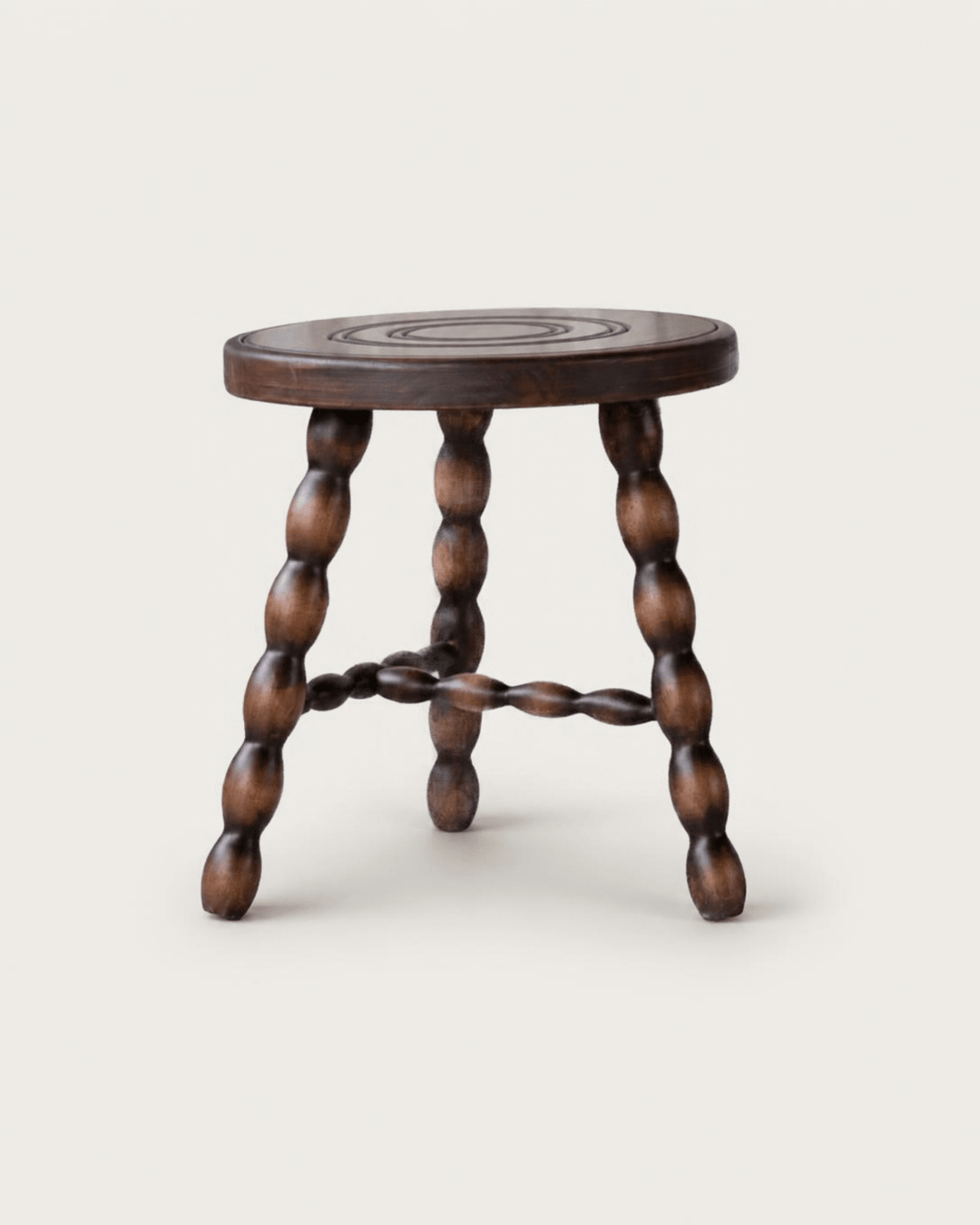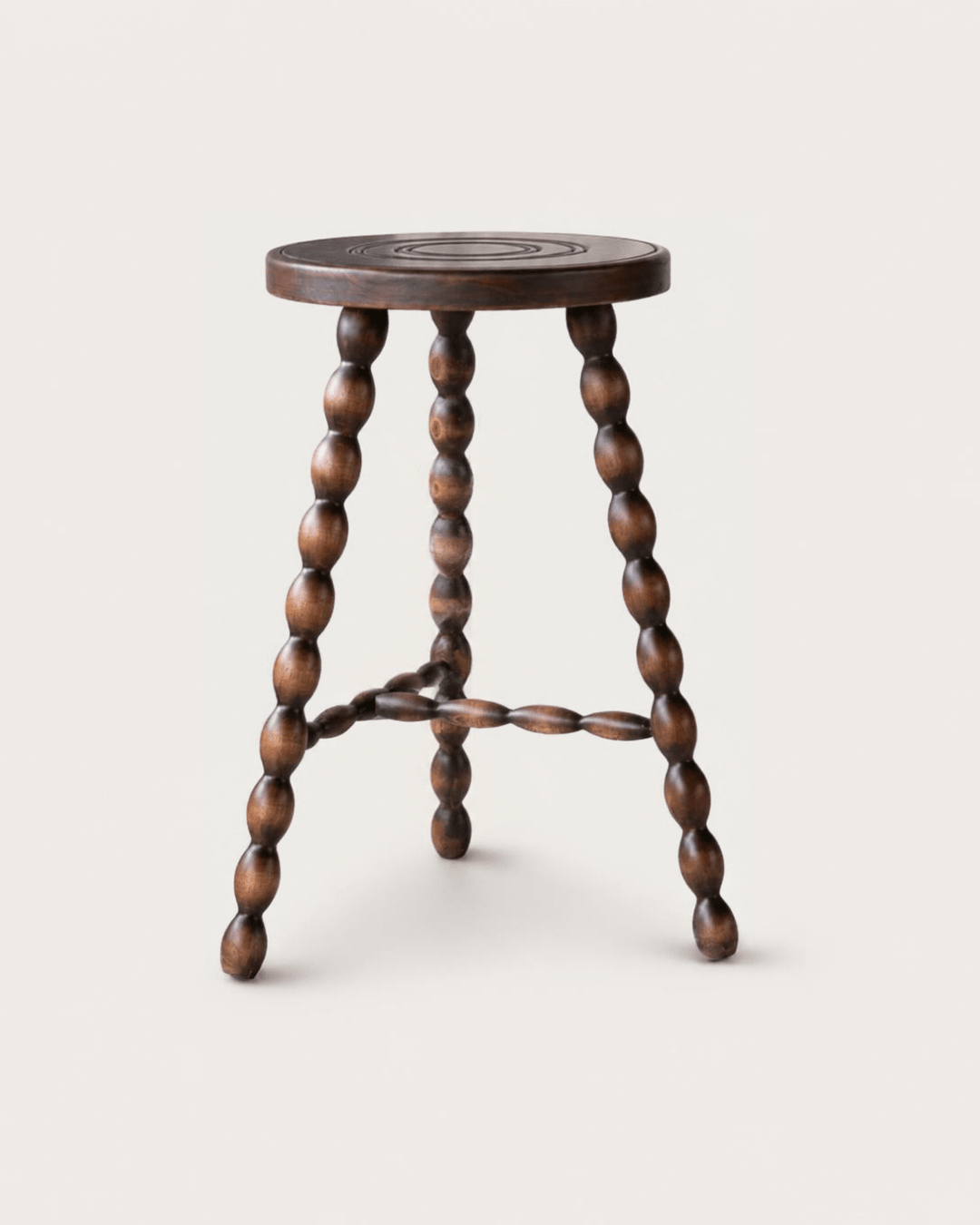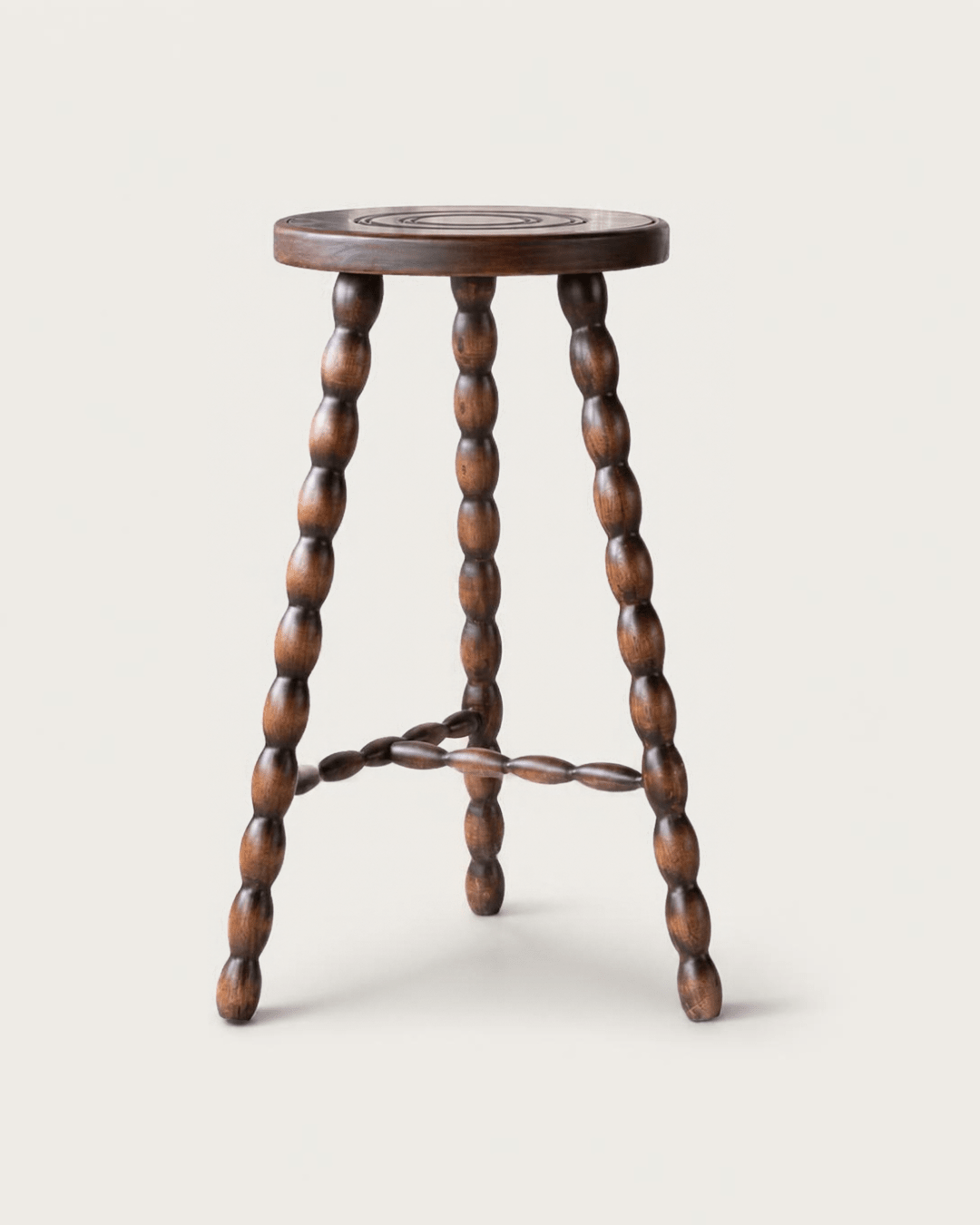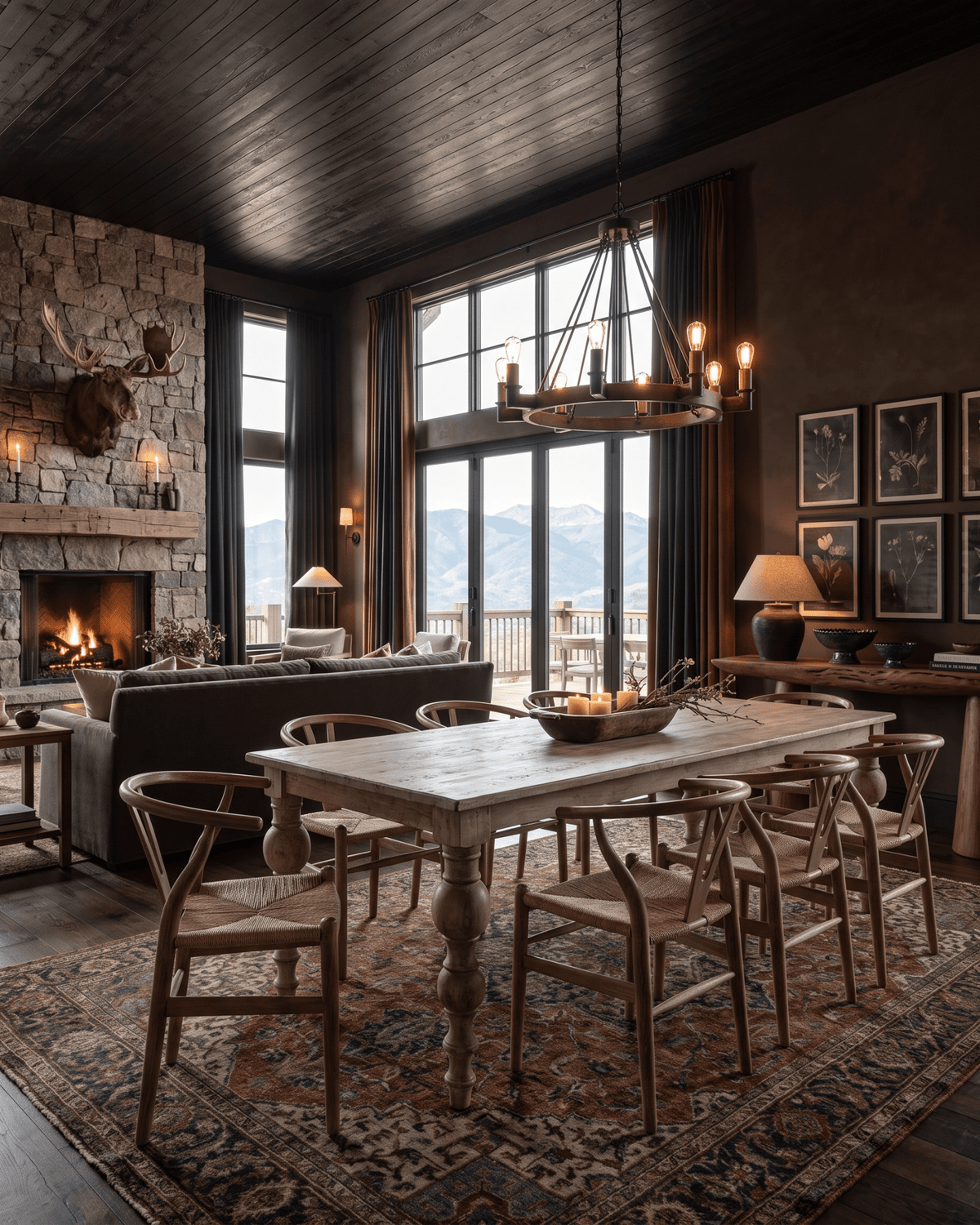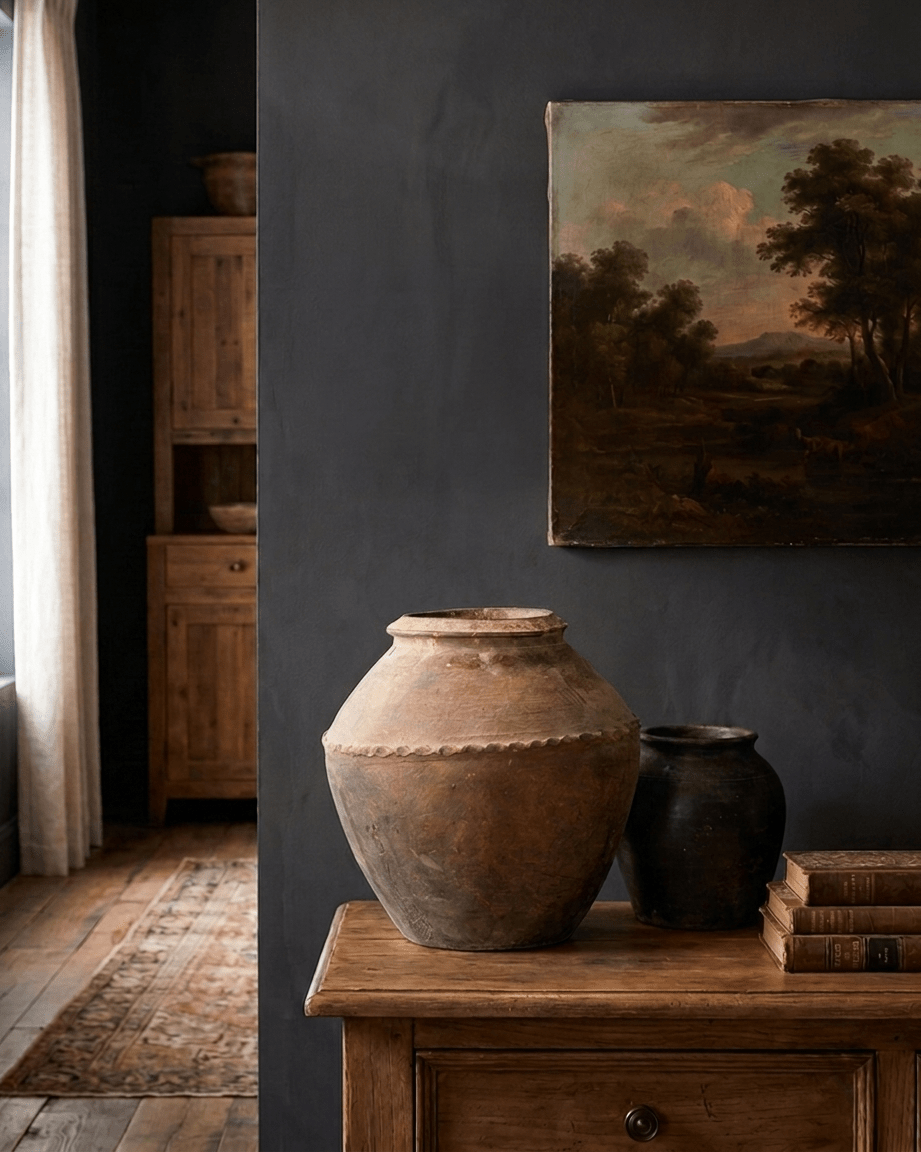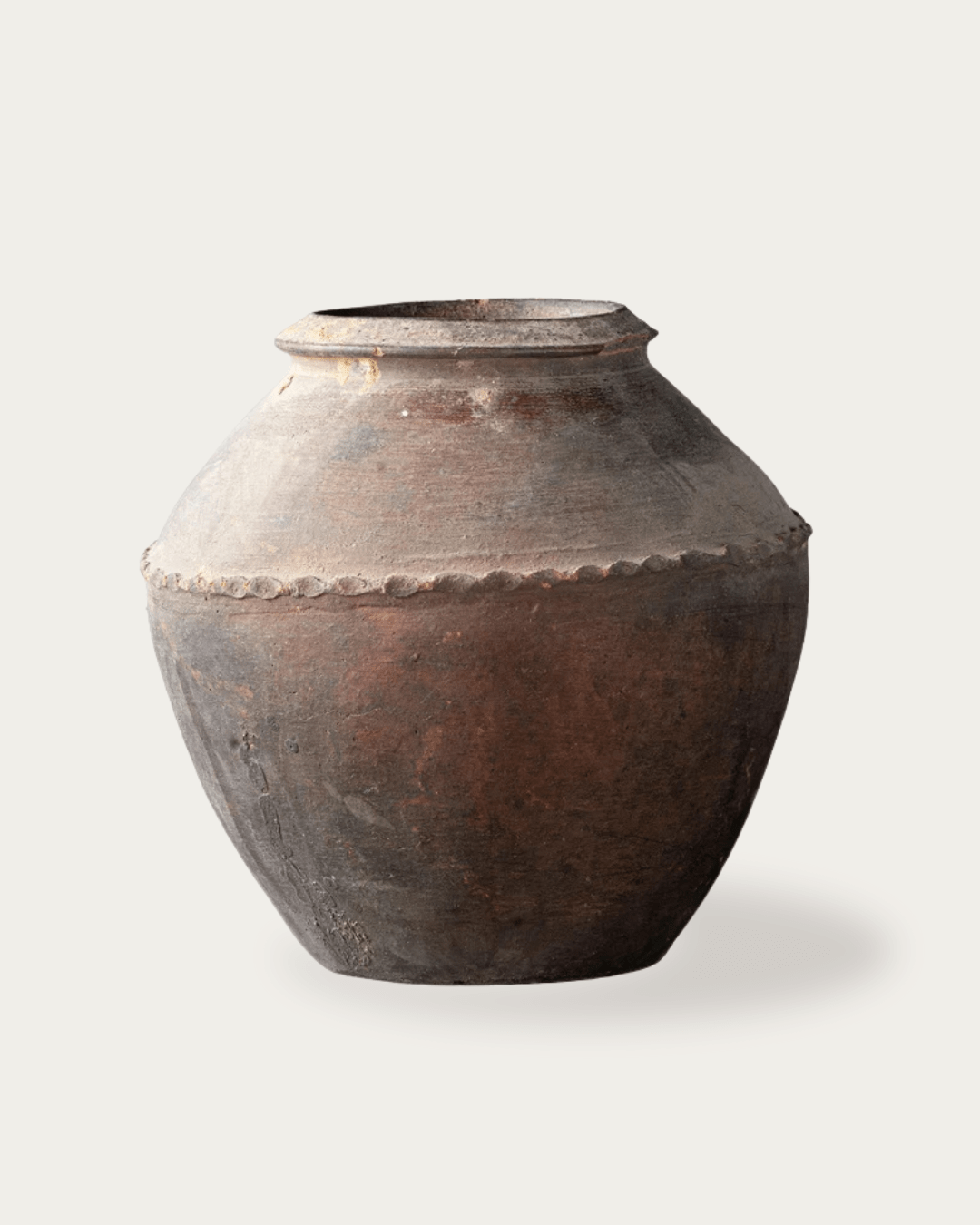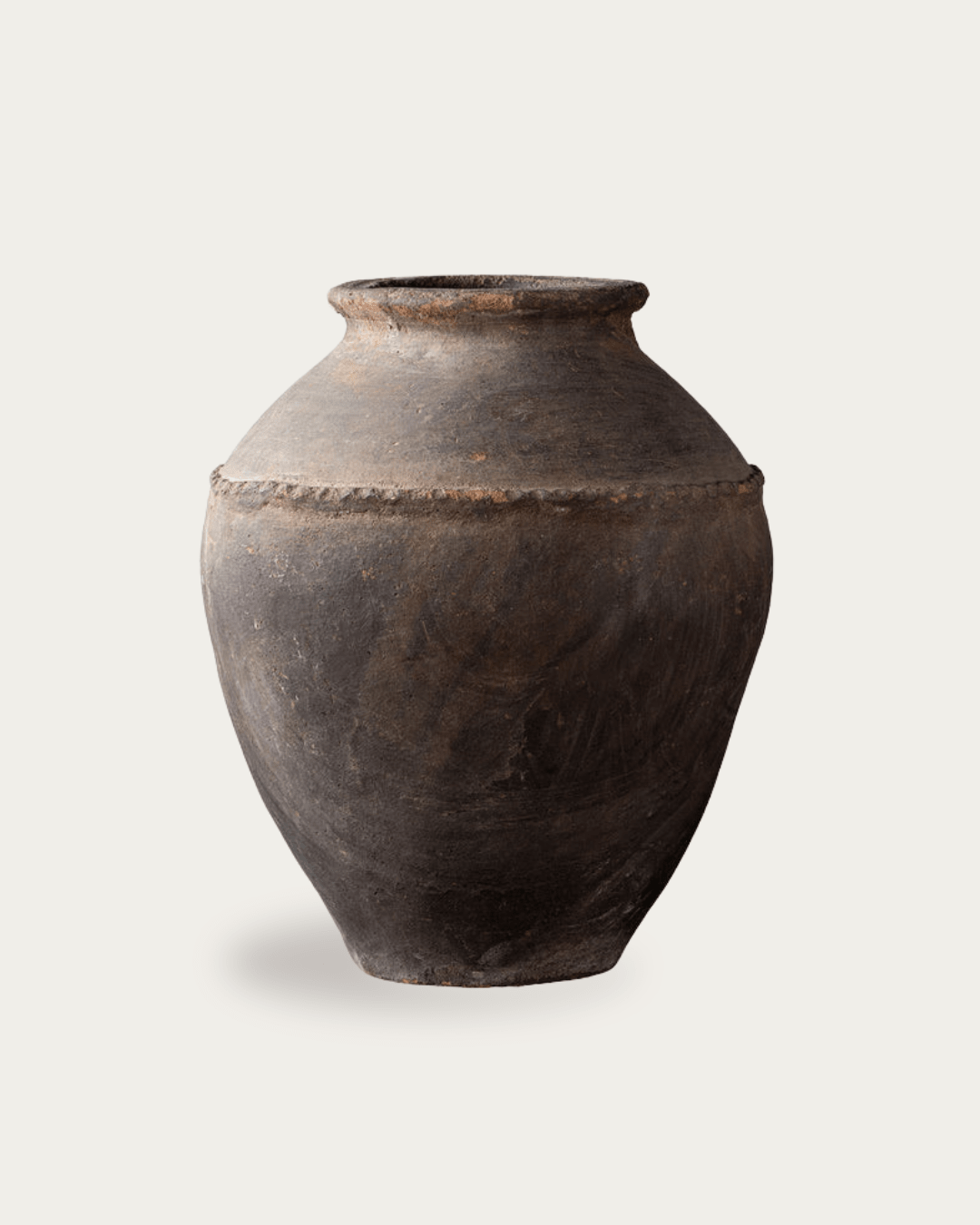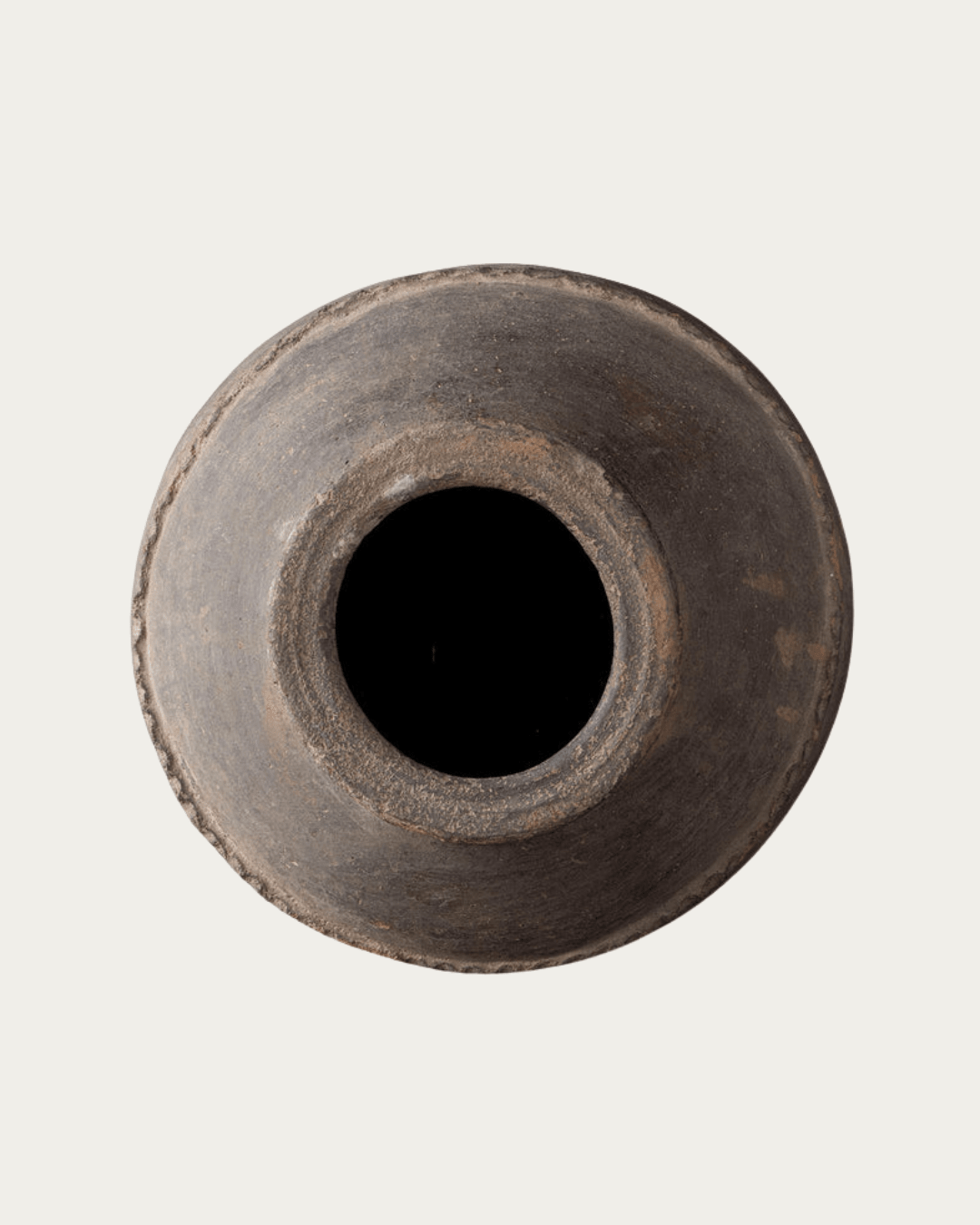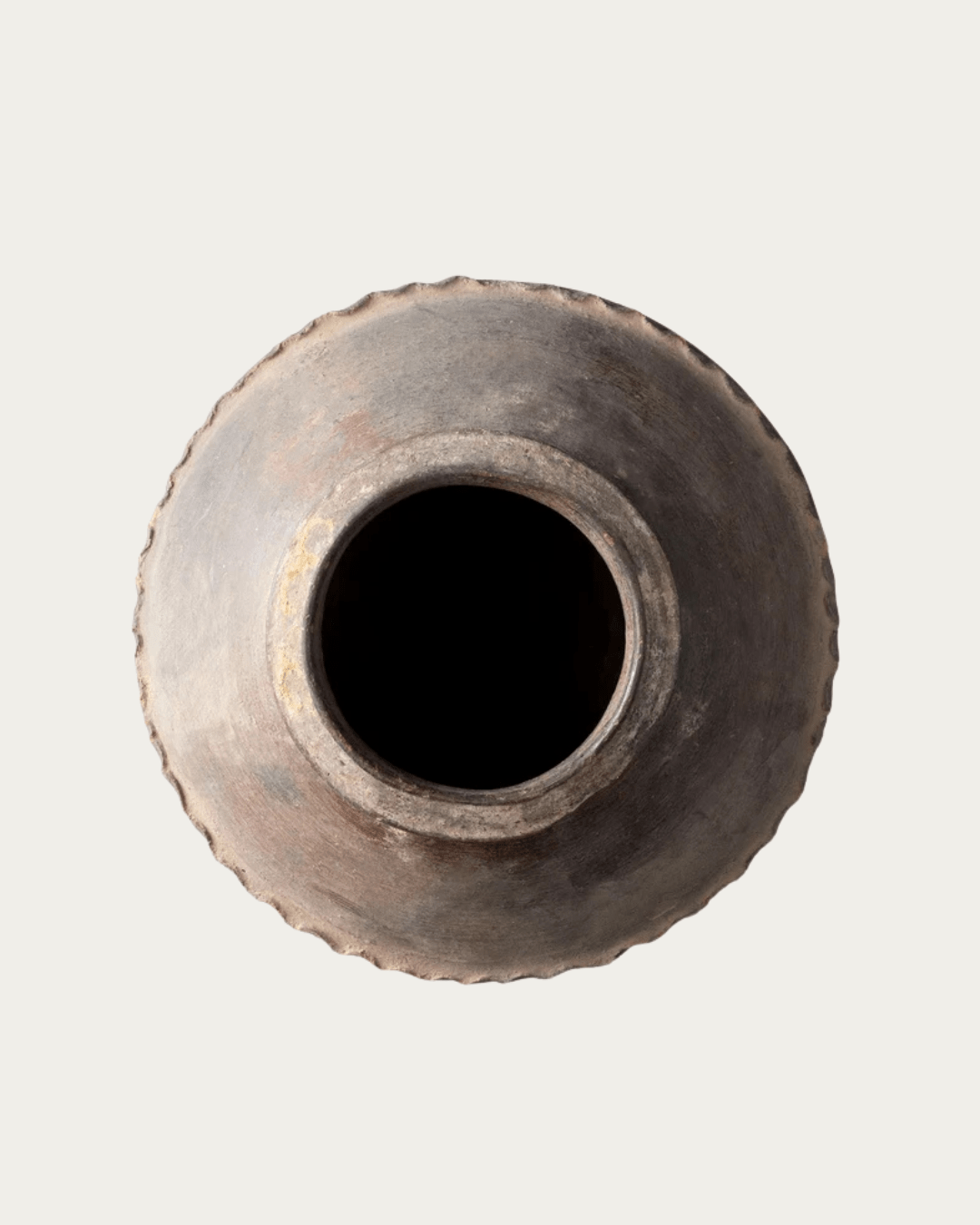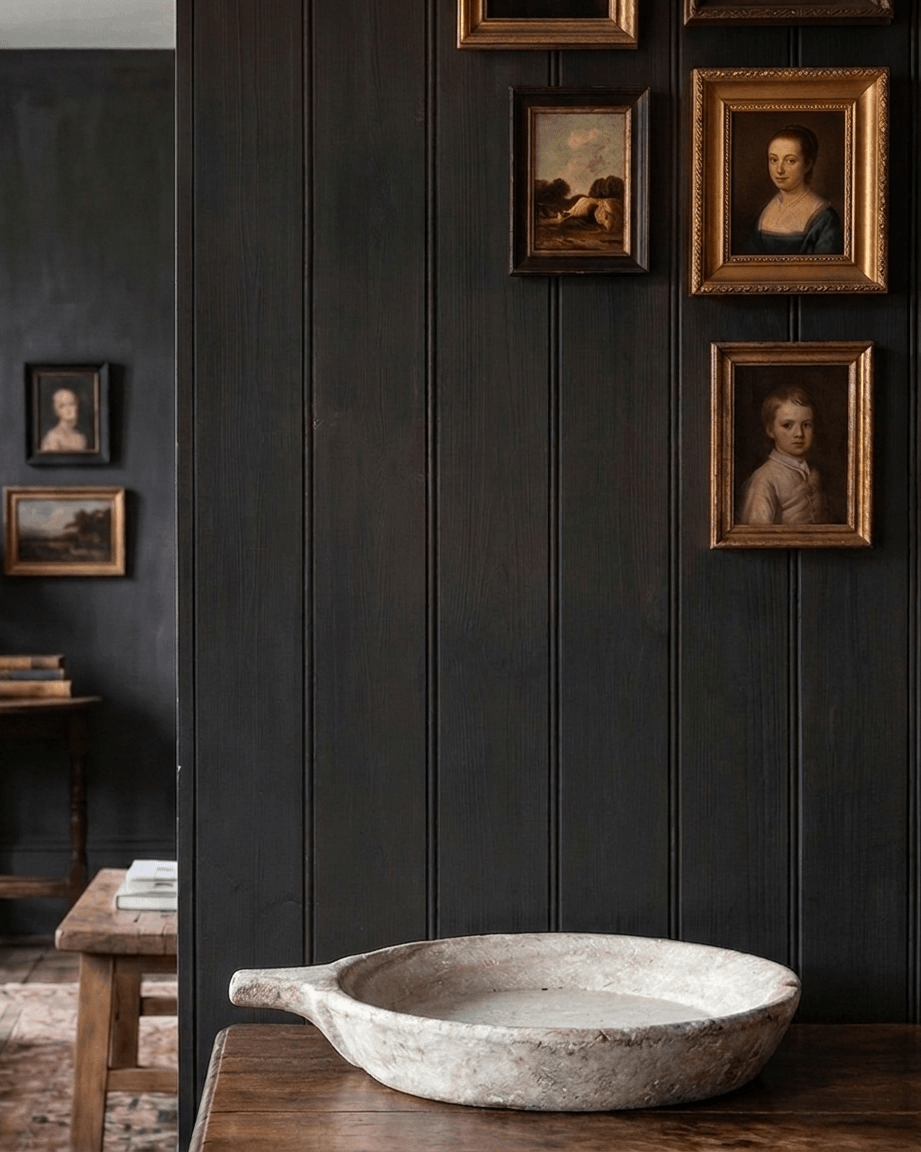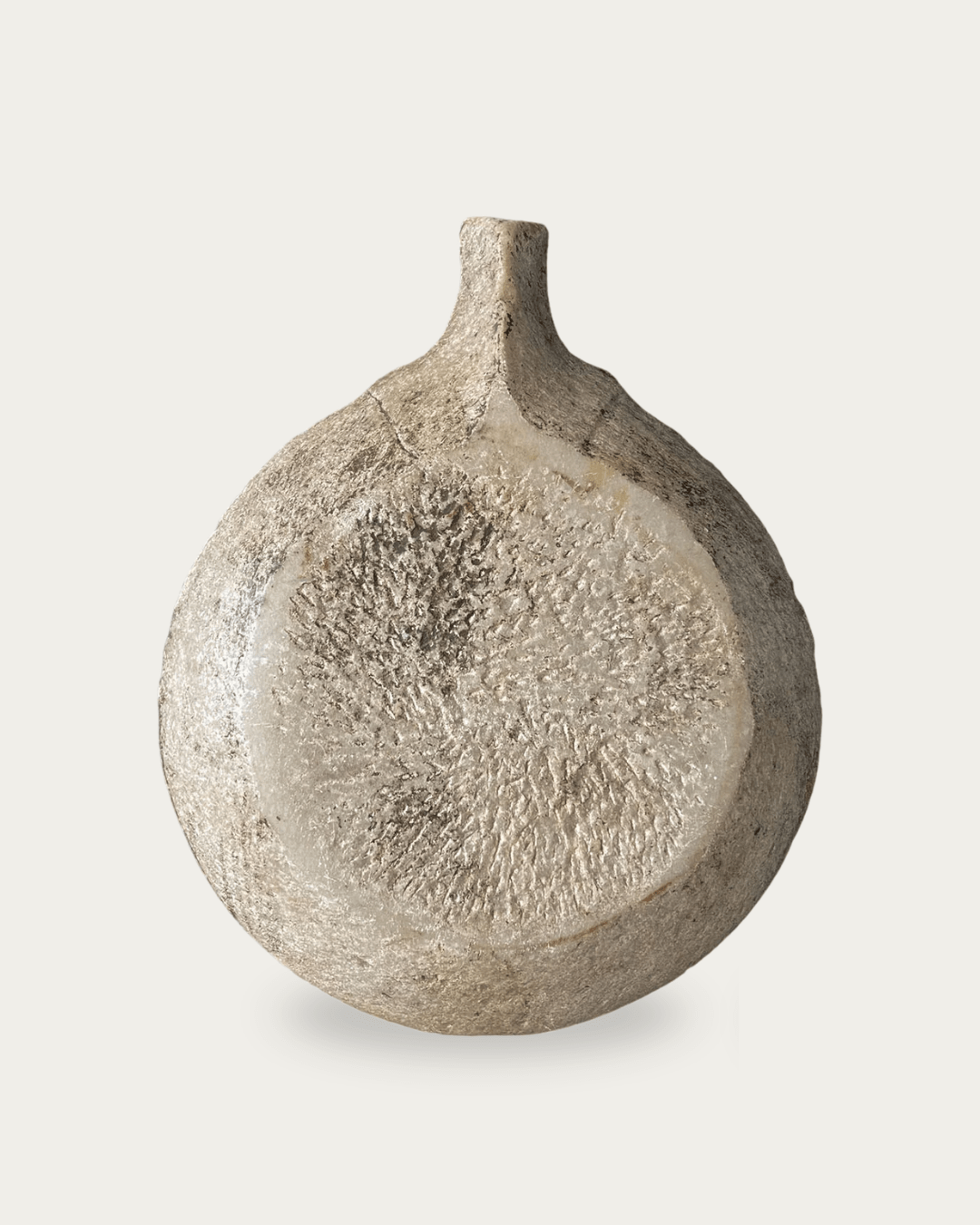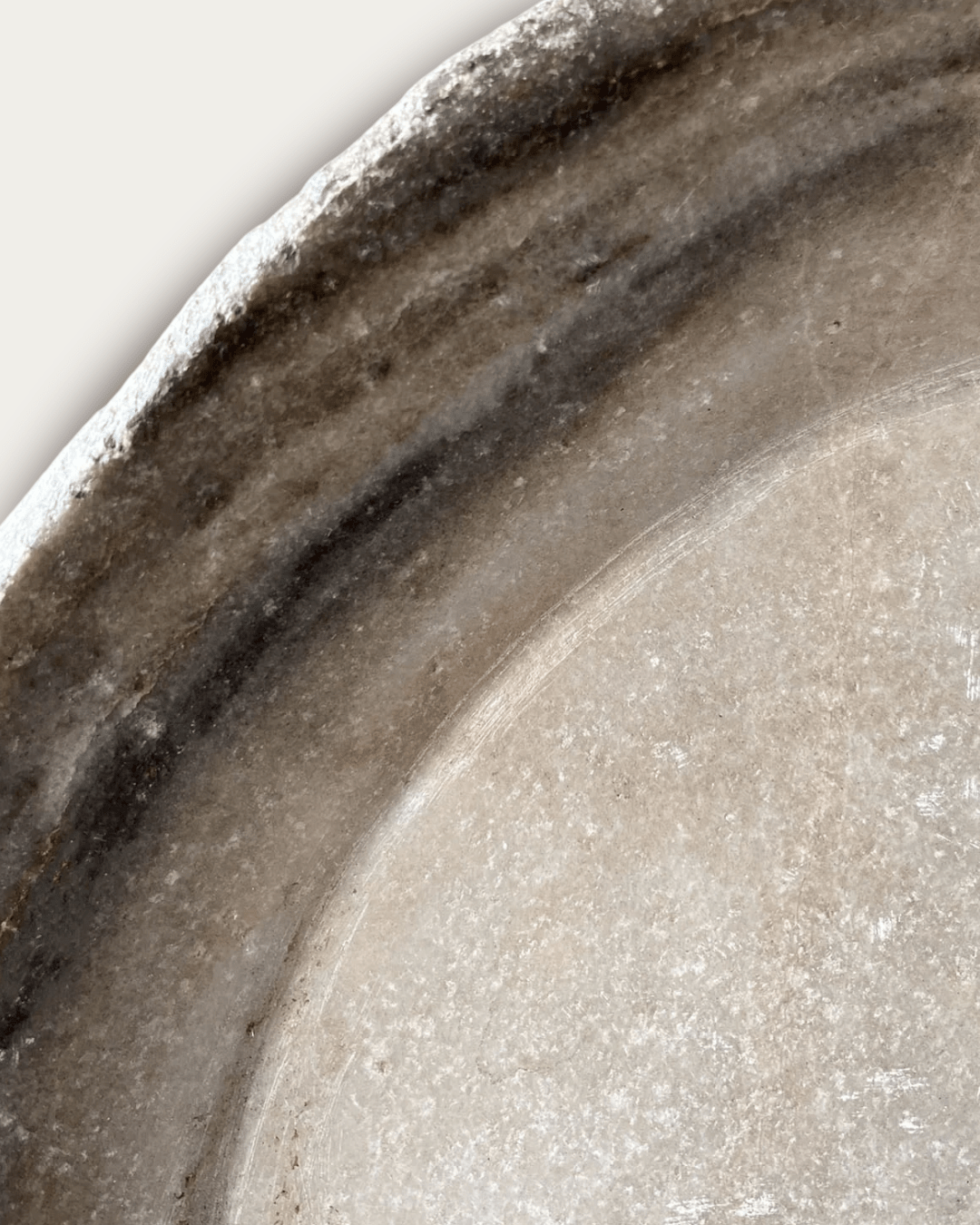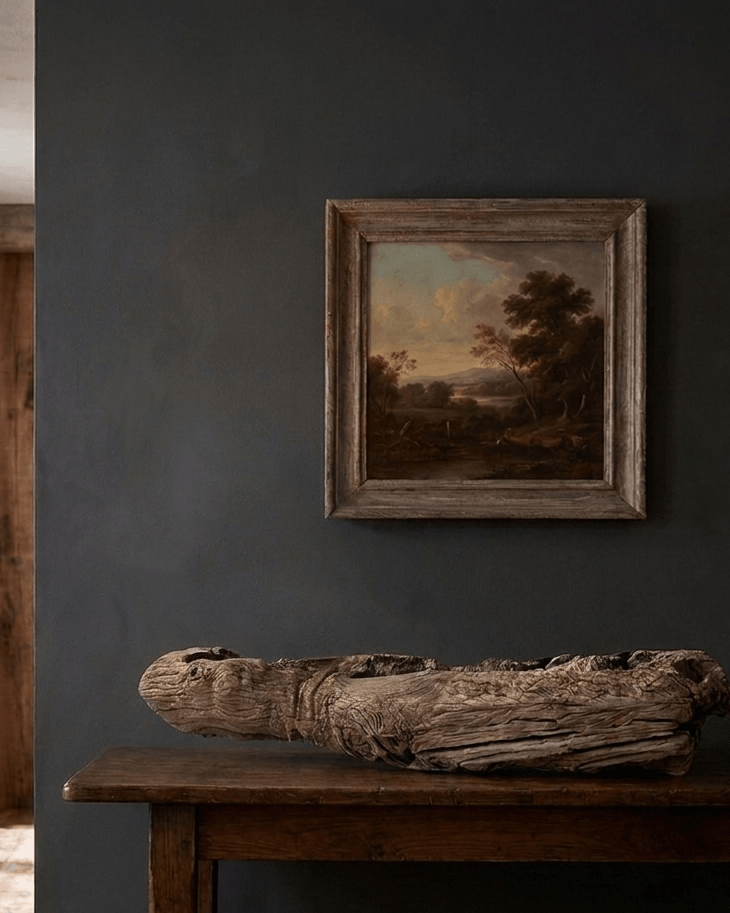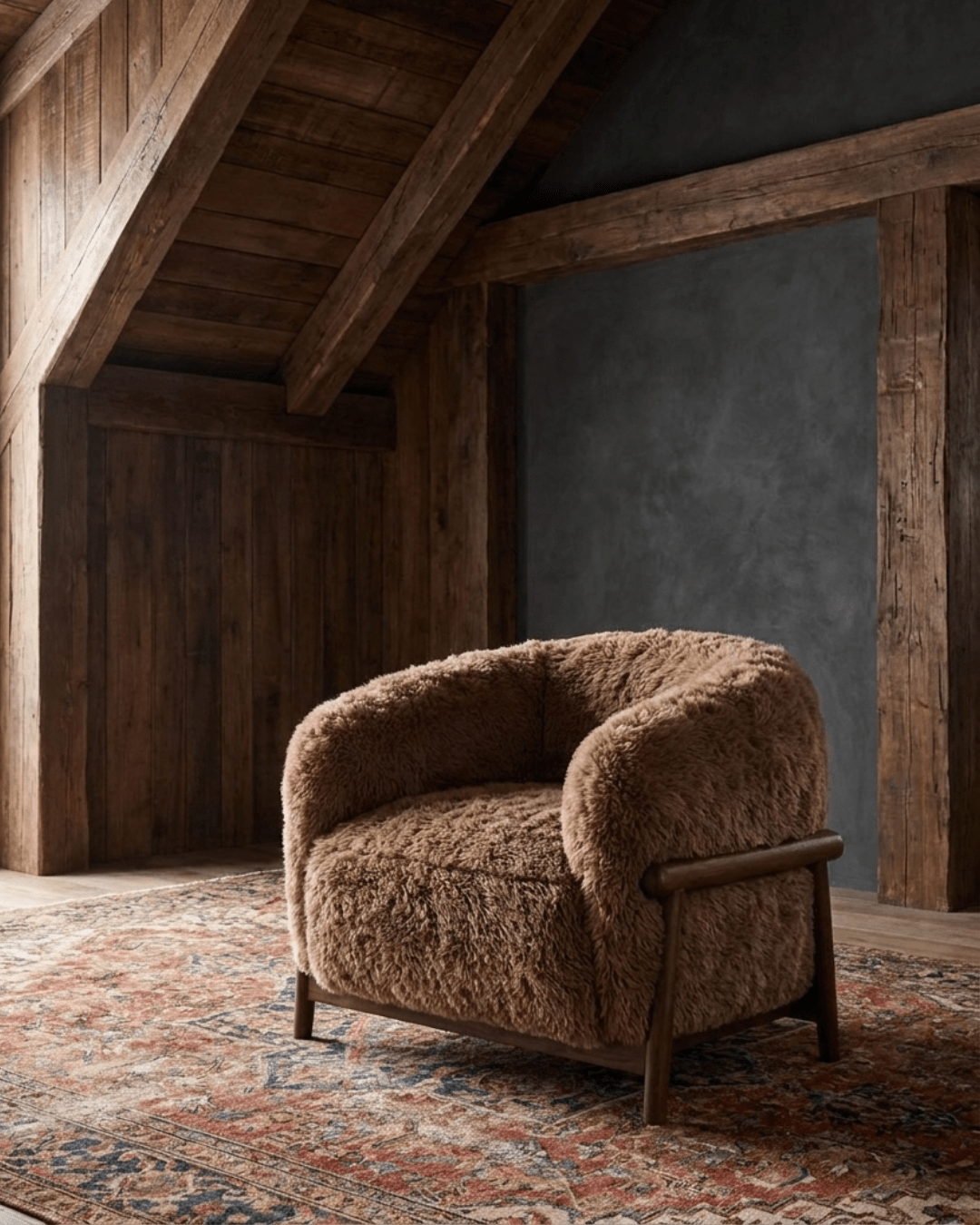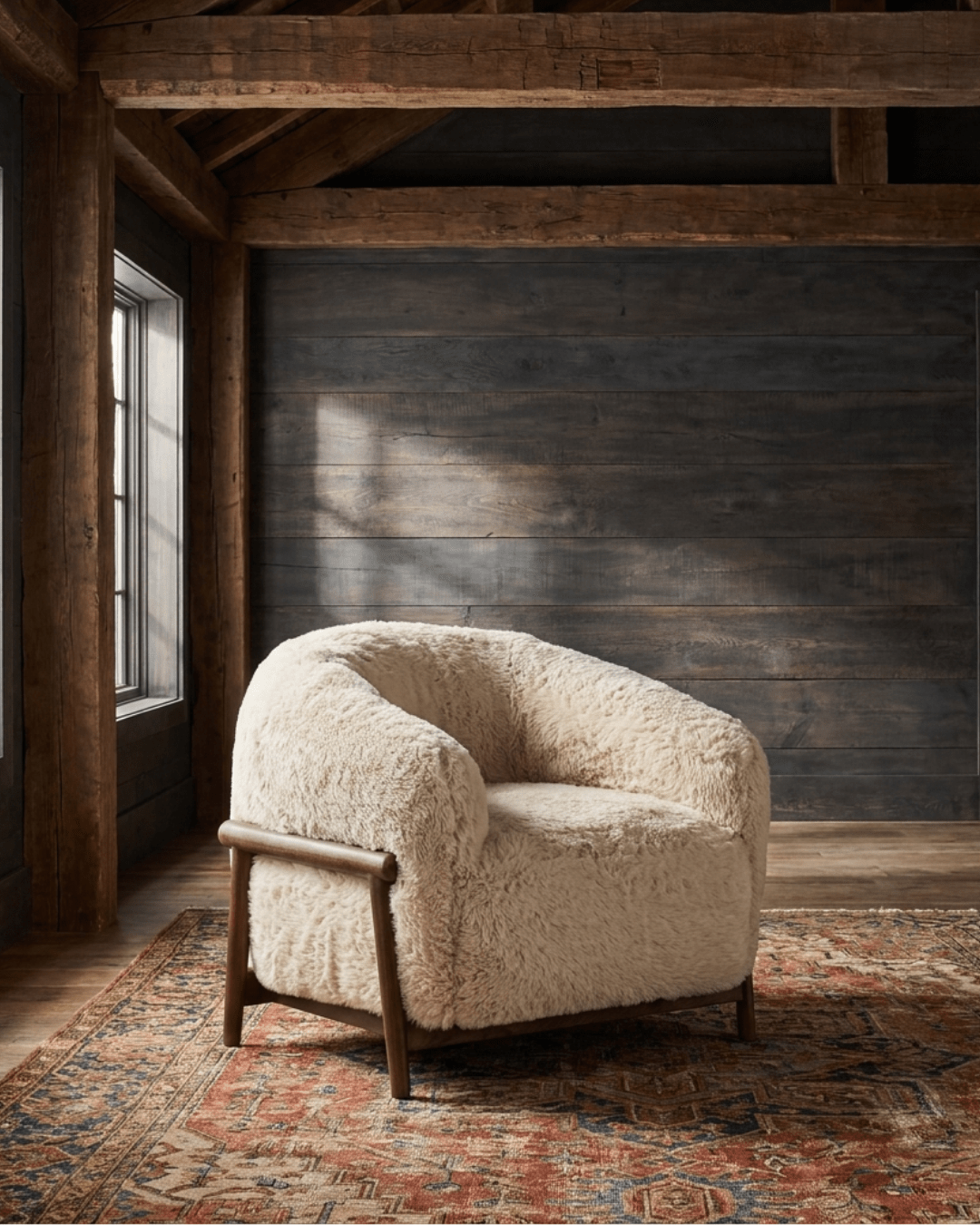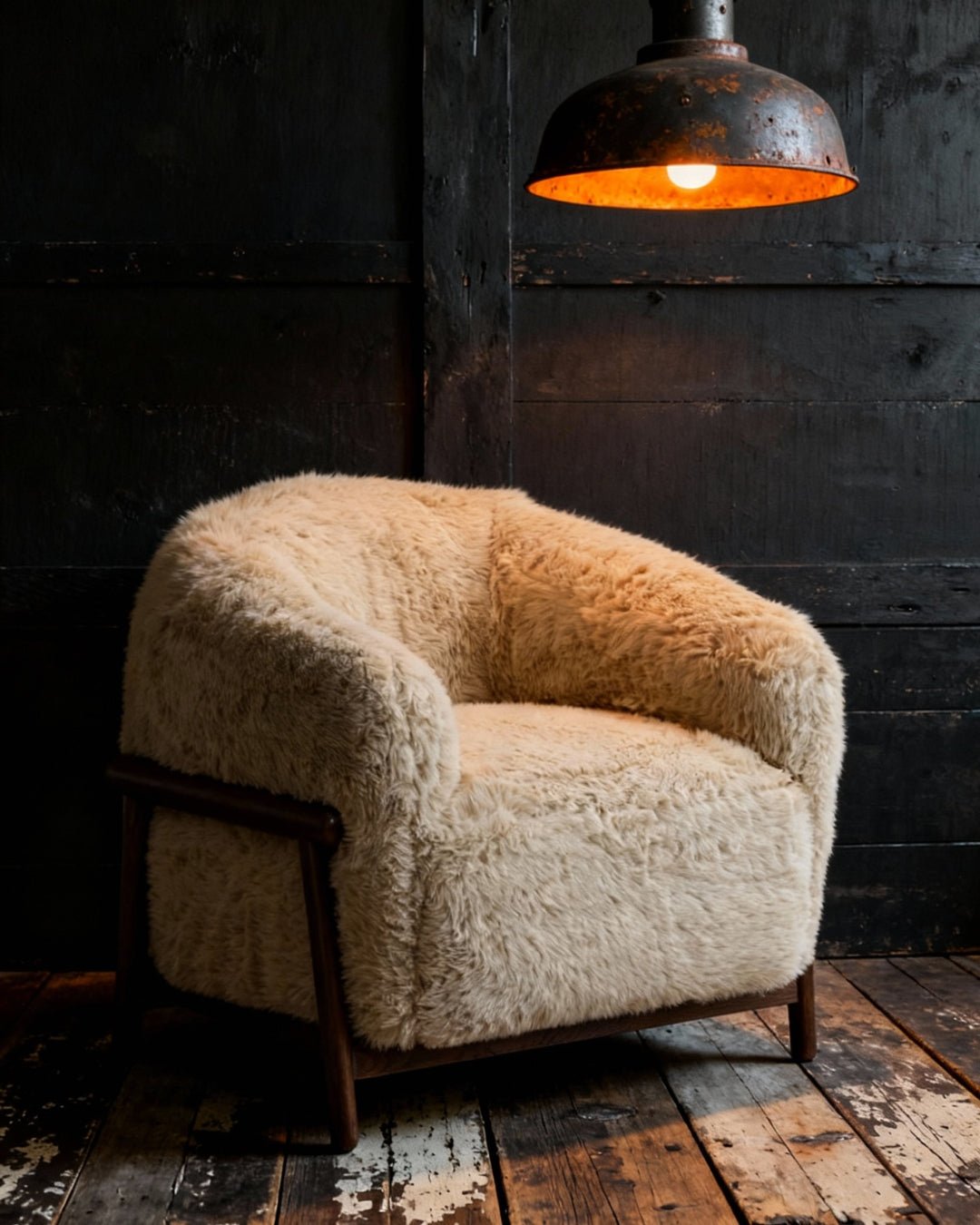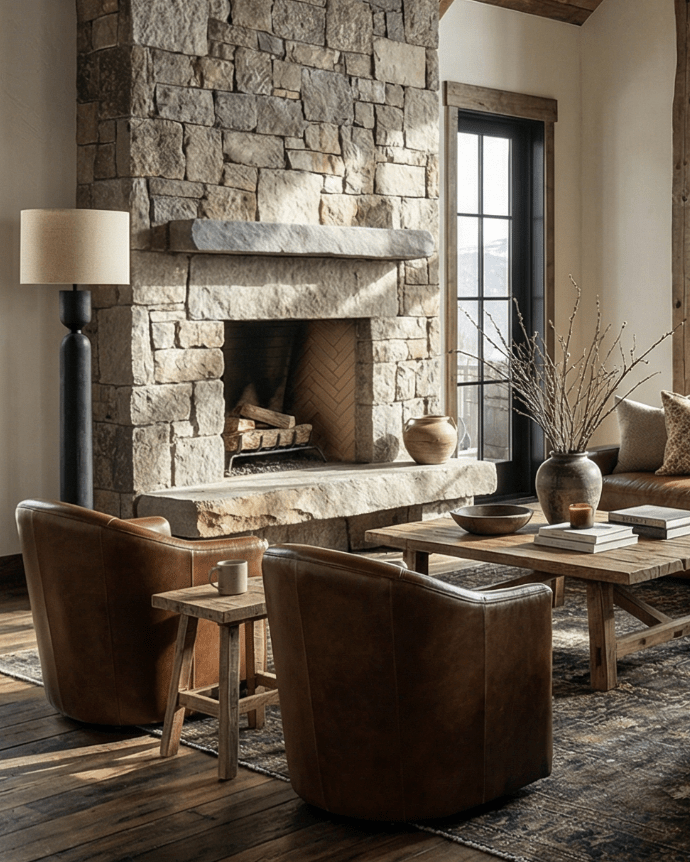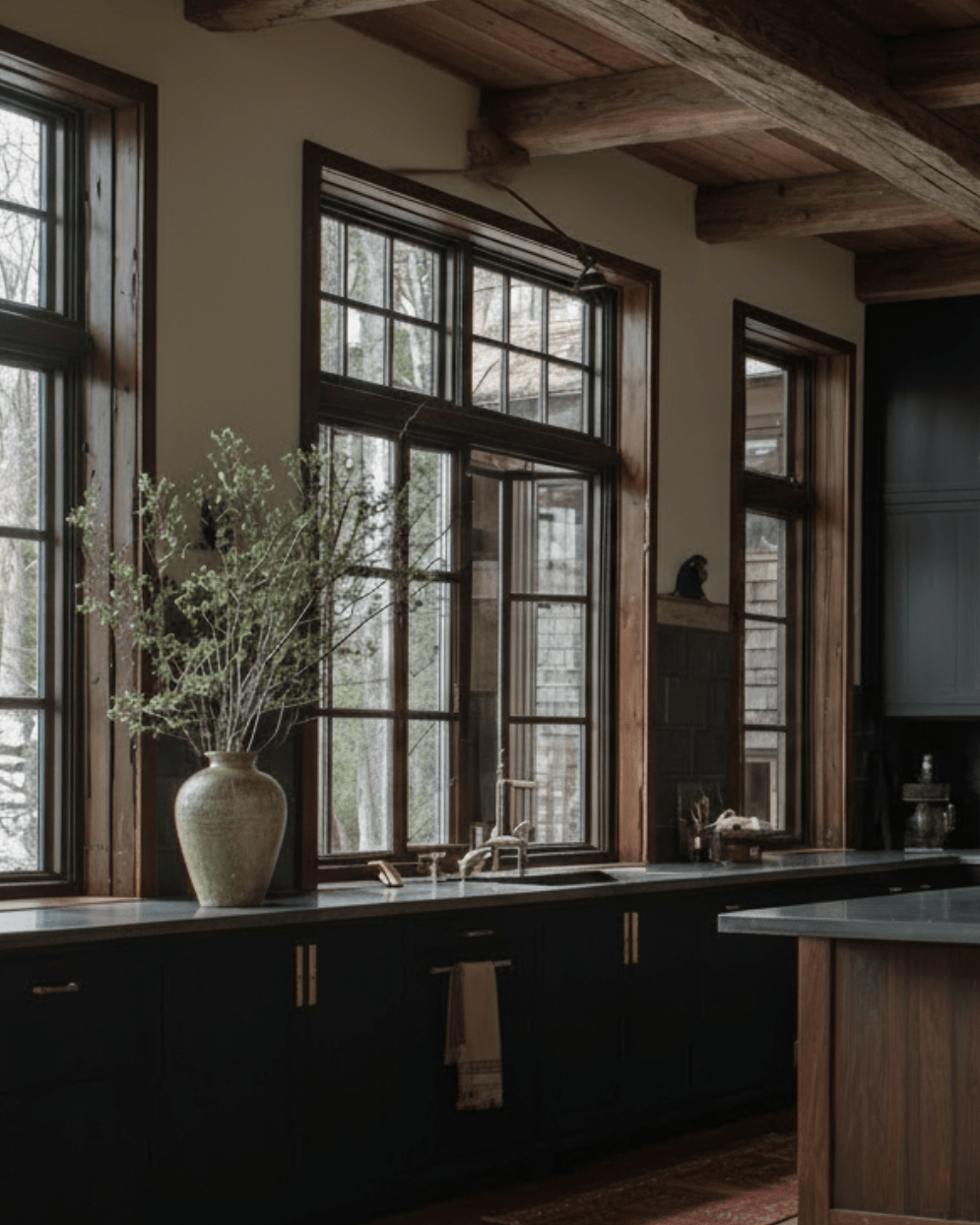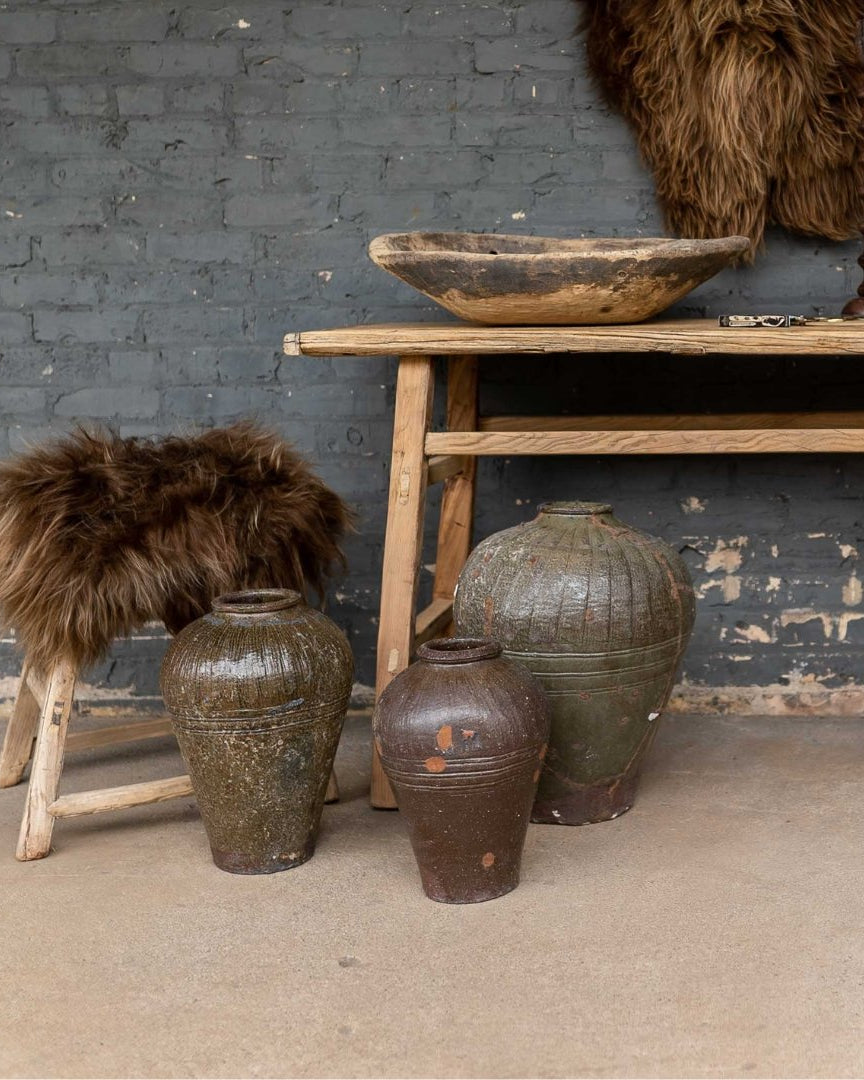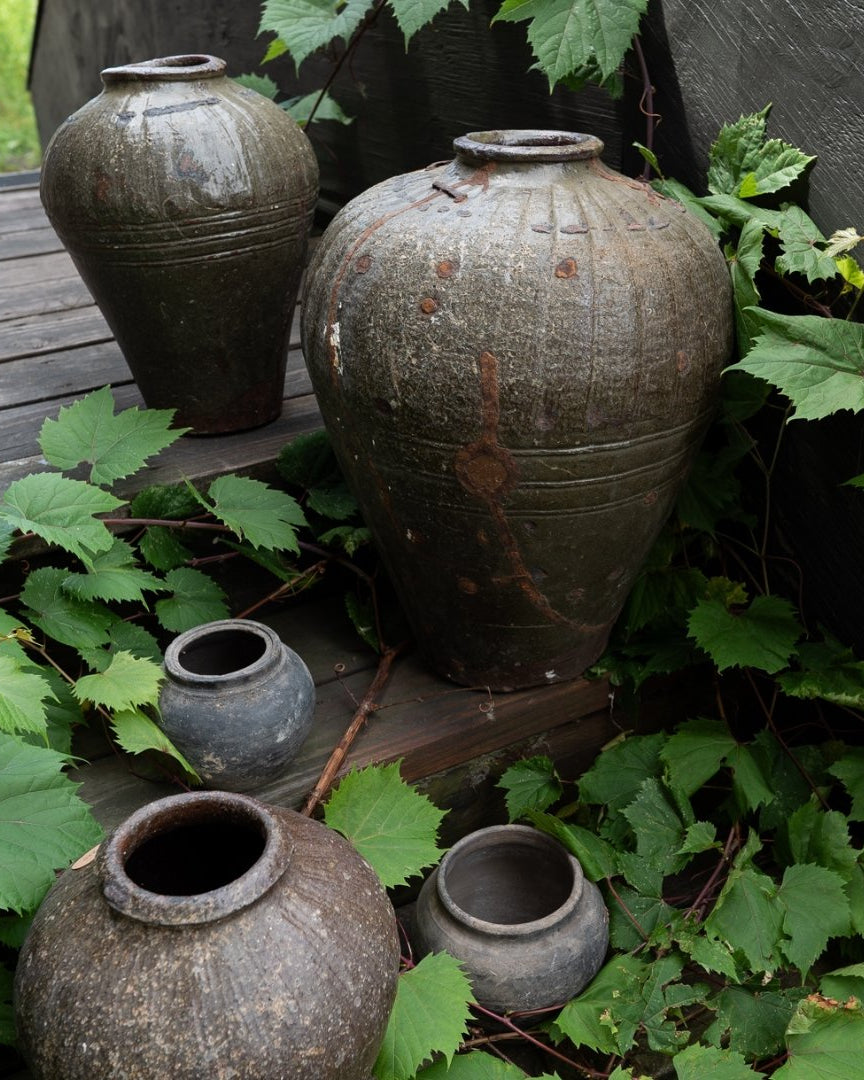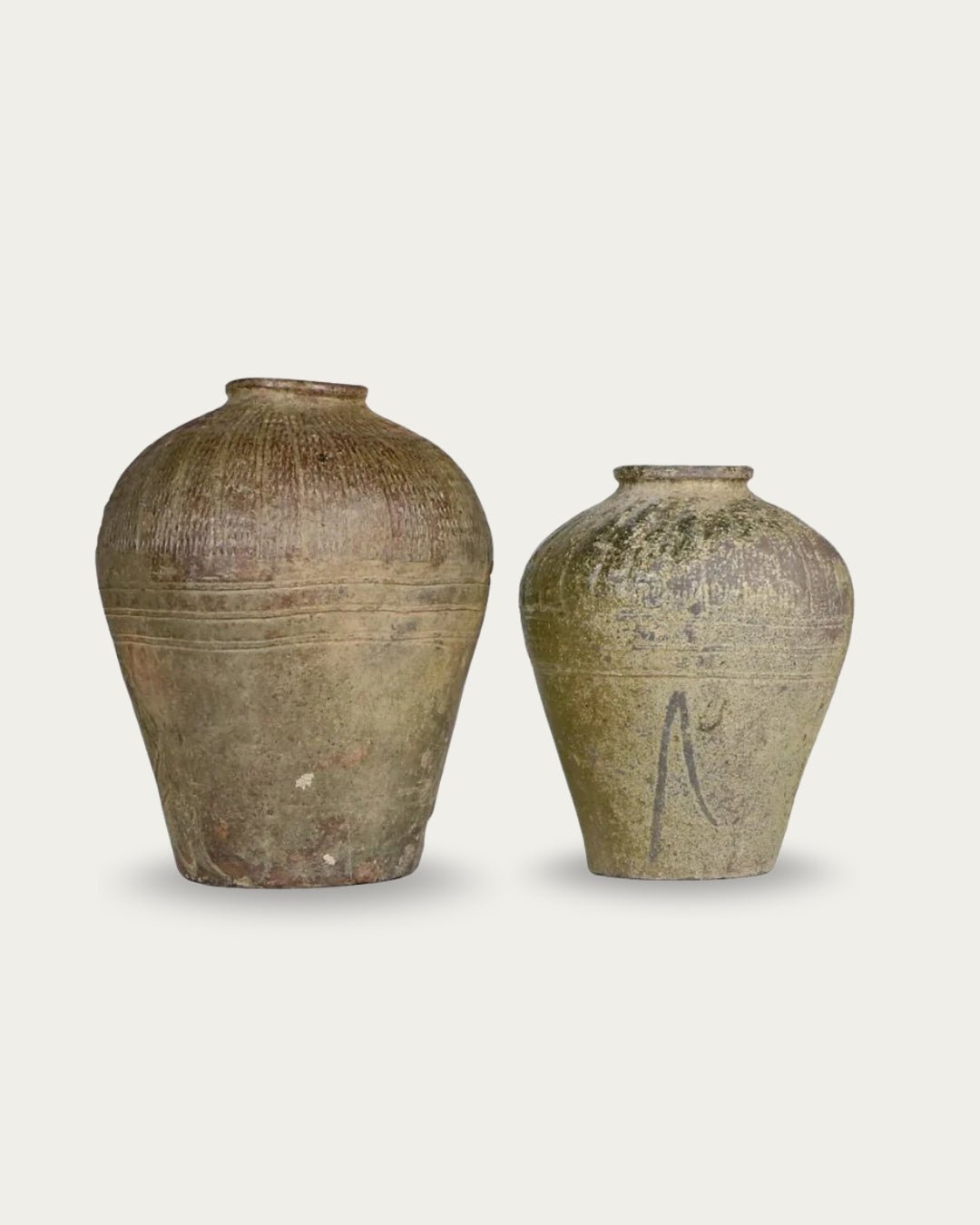




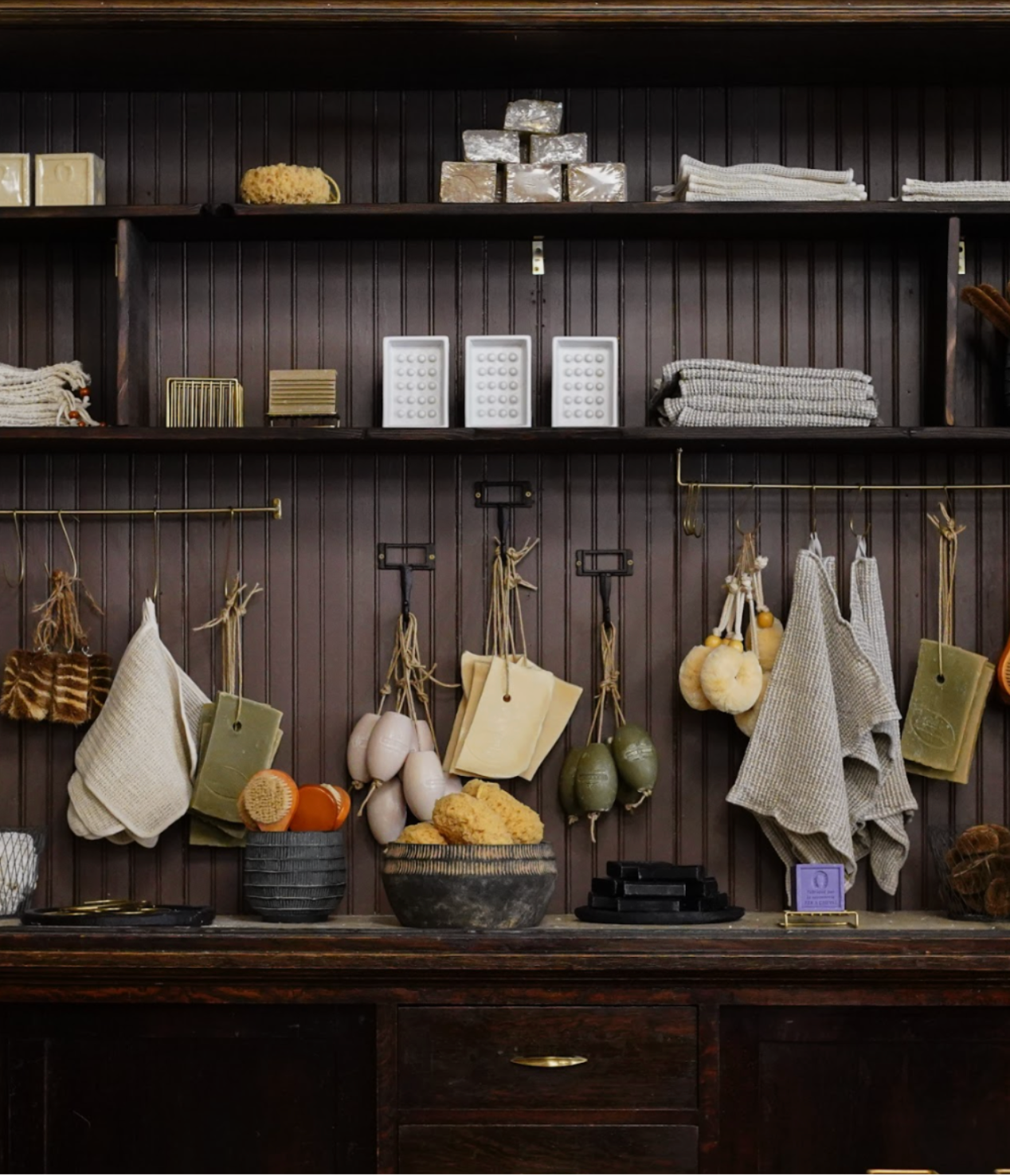


Most walls don’t need more art — they need more presence. If you’ve ever hung a perfectly sized frame only to feel like the room still lacks gravity, you’re not imagining it. That’s where home decor vintage takes a different role. Sculptural, hand-shaped objects don’t just decorate a wall or surface; they anchor it. They tell your eye where to land — and just as importantly, where to rest.
Why Sculptural Objects Do What Frames Can’t
Framed art is linear. Predictable. It lives inside neat borders and asks very little of the space around it. Sculptural vintage objects behave differently.
They project outward.
They cast shadows.
They introduce irregular edges and human-scale imperfections.
This is why vintage home decor rooted in utility — molds, vessels, tools — feels more grounded than purely decorative pieces. These objects once did something. That history shows up in their form.
Instead of thinking “what should go on this wall,” shift the question to: what can hold this space down?
The Wall as a Surface, Not a Gallery
Not every wall needs to be curated like a museum. Some walls work better when treated as architectural planes — surfaces that can carry weight.
Wall Anchors That Act Like Sculpture
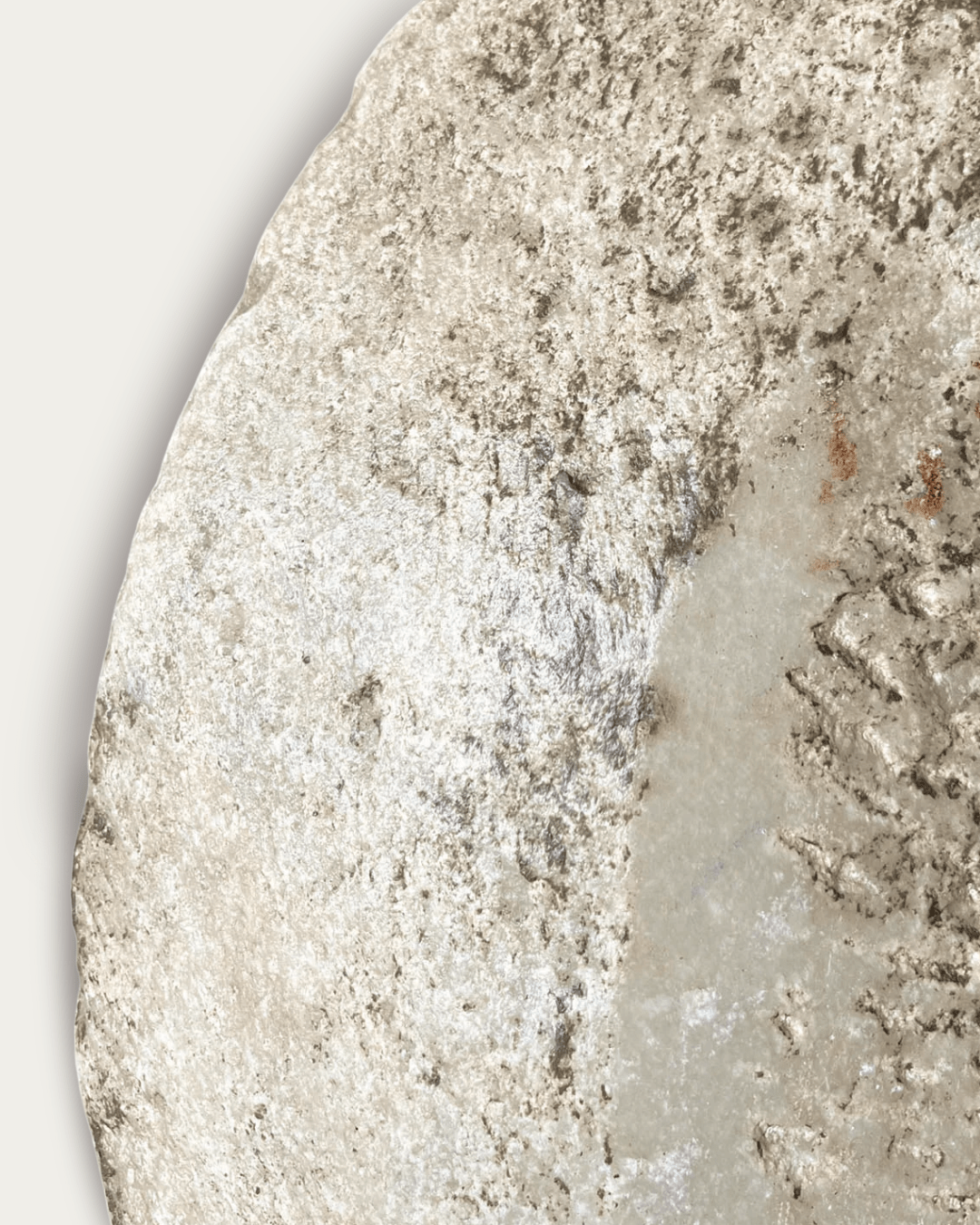
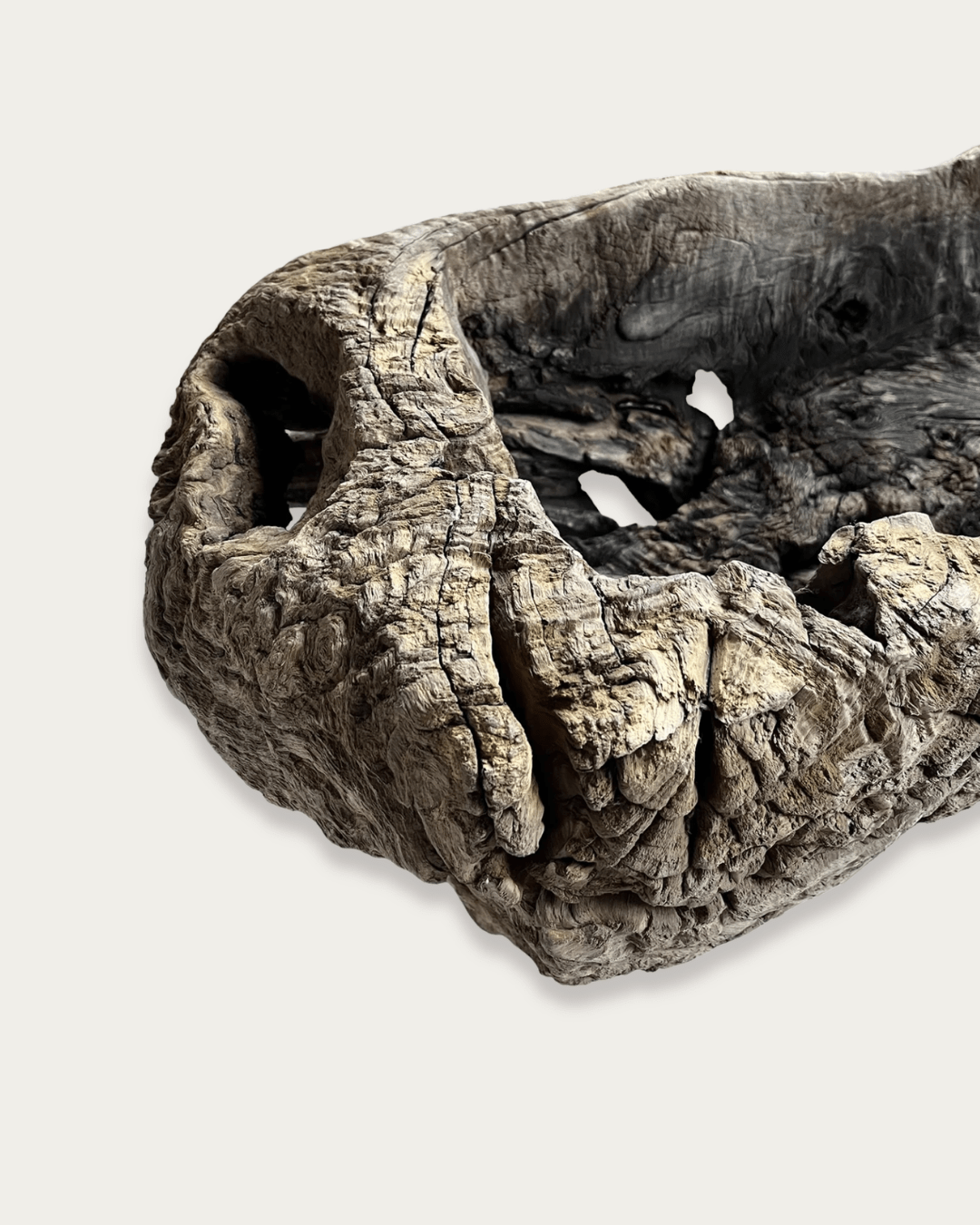
The Vintage balloon mold wall decor works precisely because it doesn’t try to be art. Its form is utilitarian, rounded, and unapologetically functional in origin. Hung solo, it introduces depth and shadow in a way a flat frame never could.
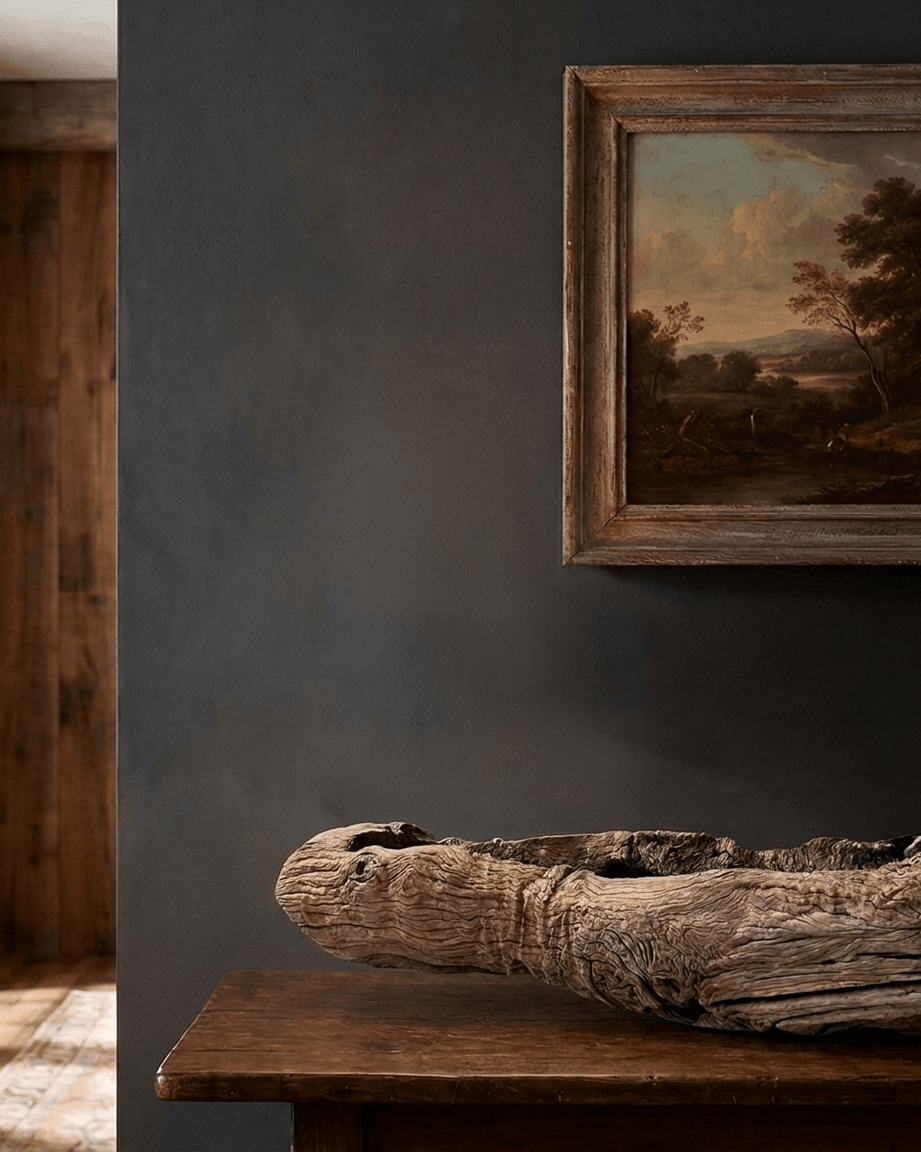
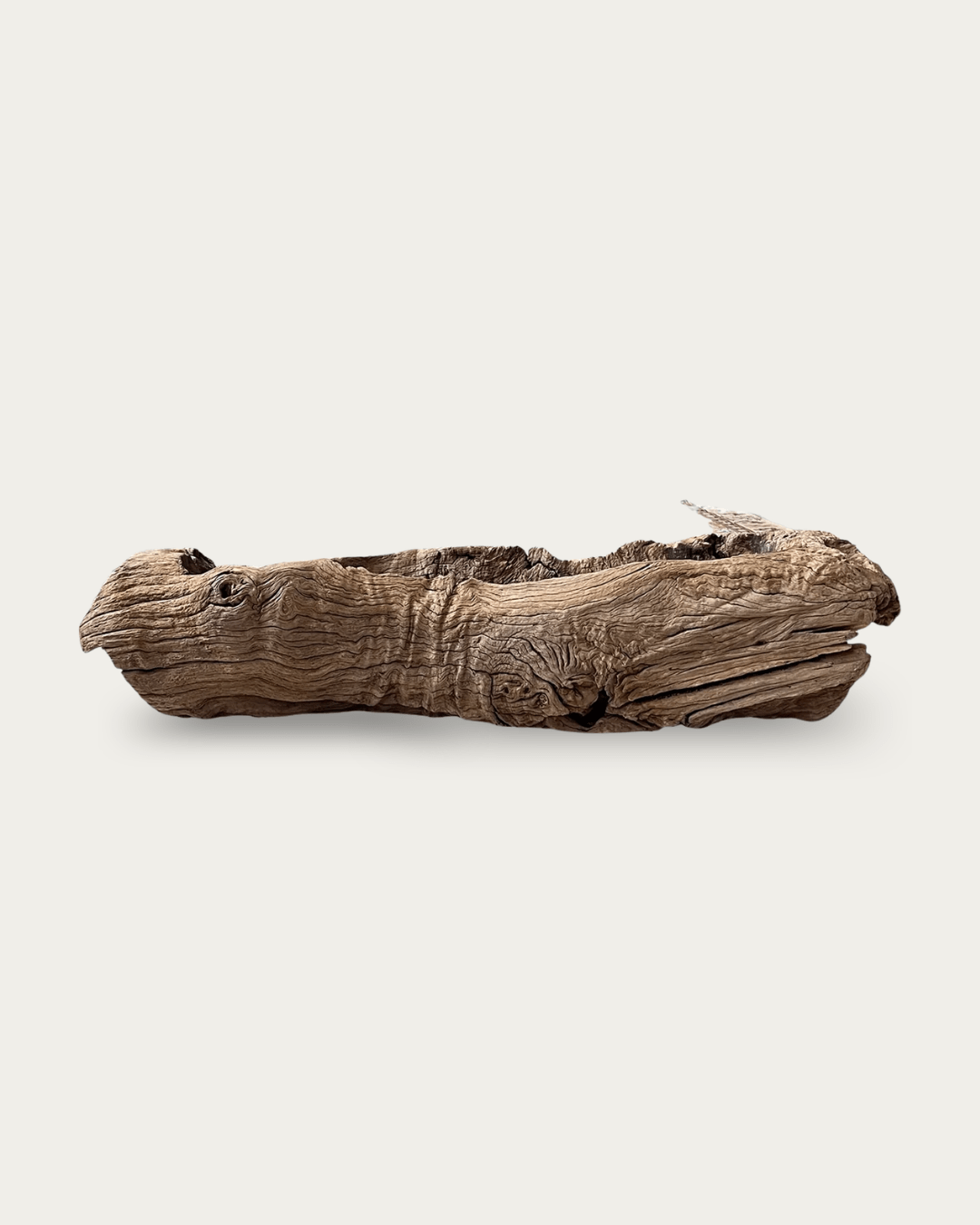
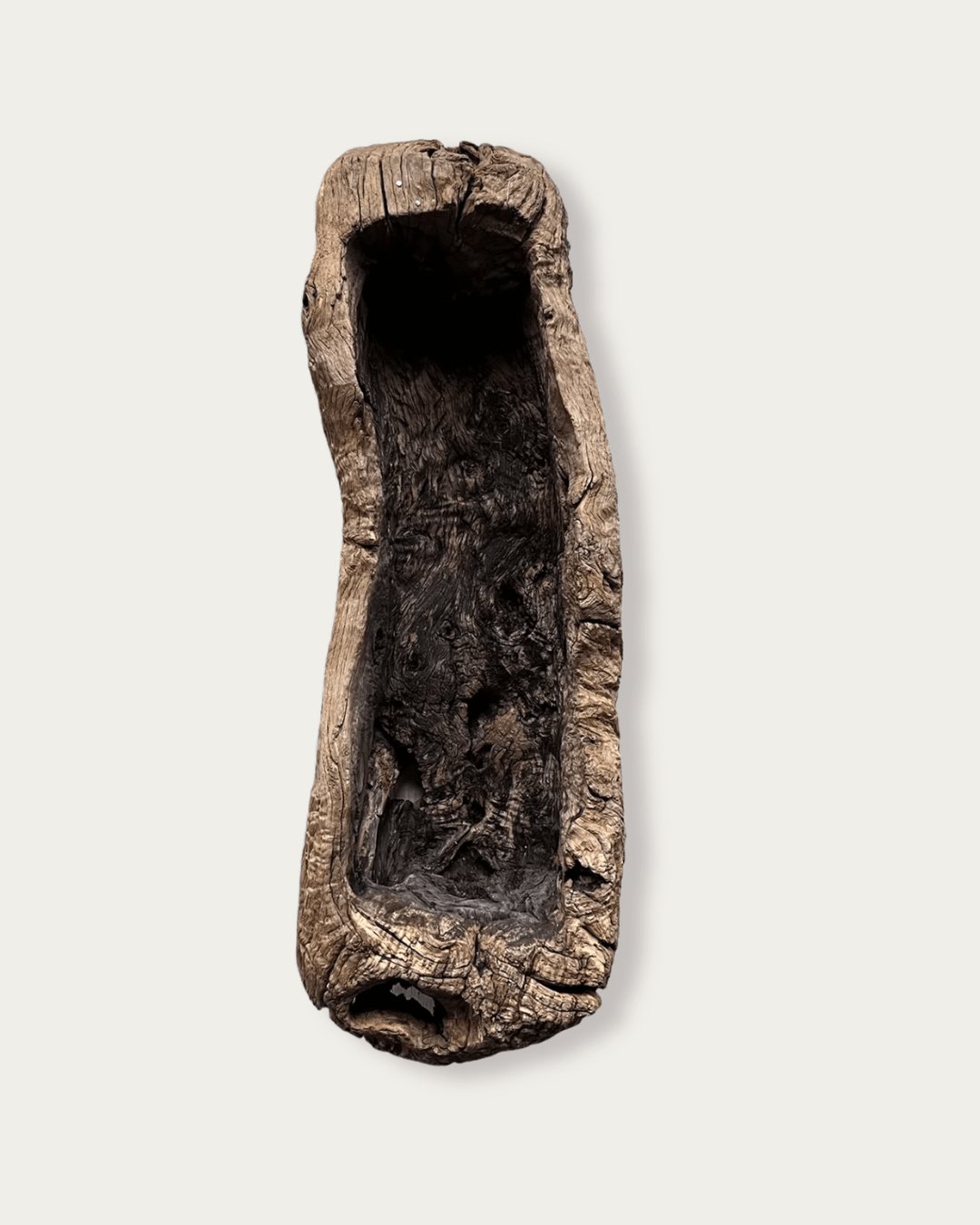
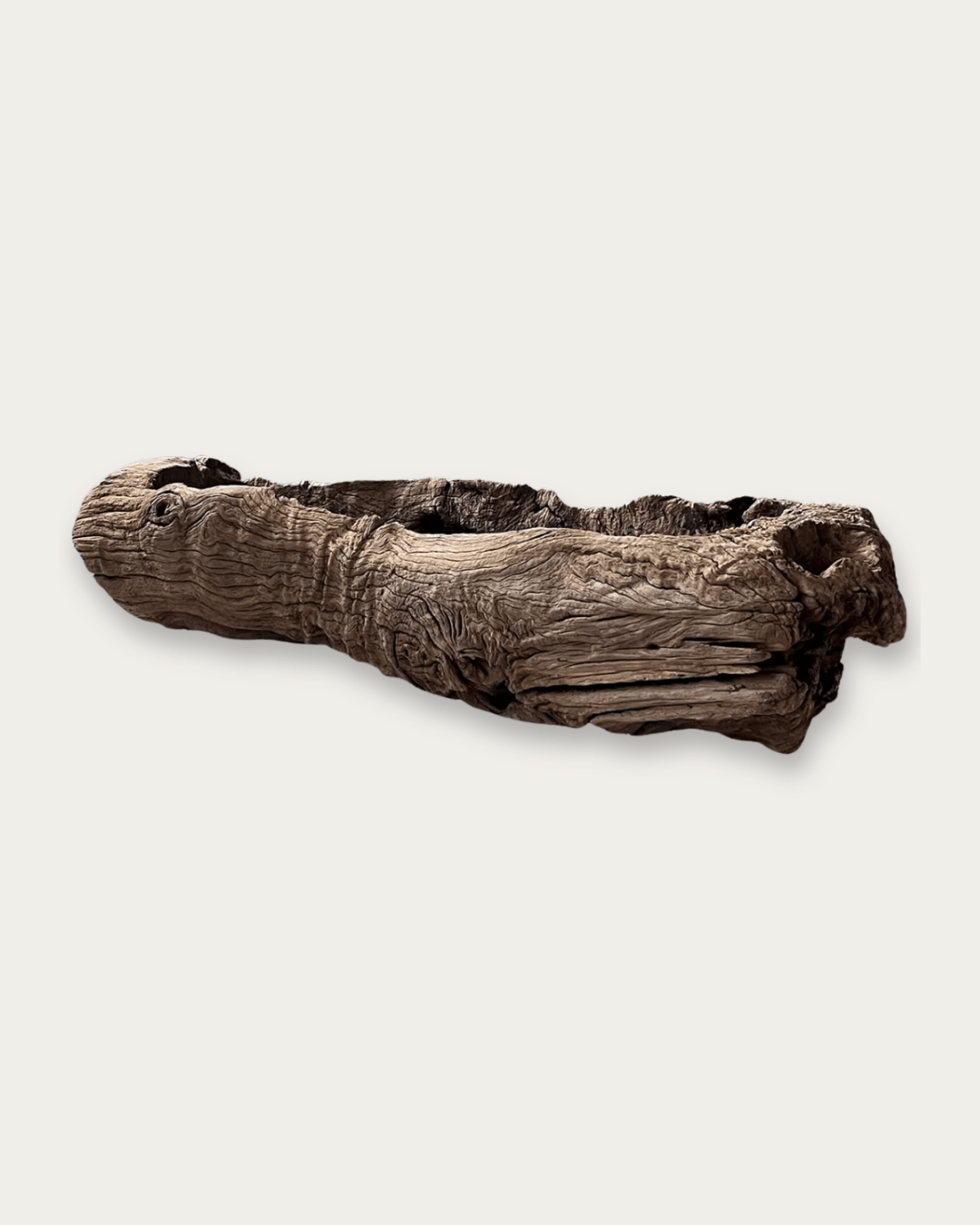
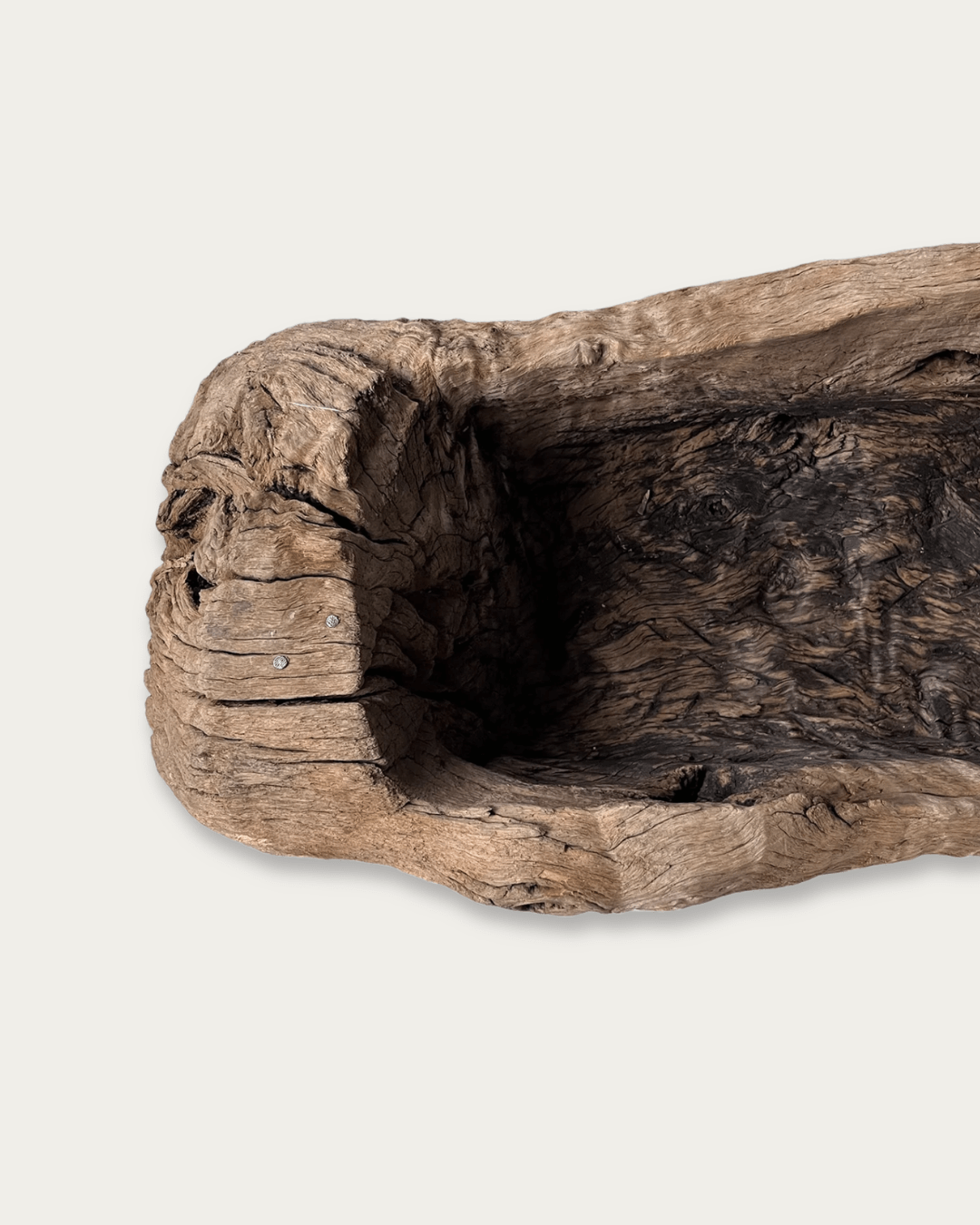
Pair it thoughtfully — not symmetrically — with the Vintage wooden glove mold sculpture. The contrast between curved and elongated forms creates visual rhythm without clutter. These pieces don’t need companions. They are the moment.
RUTED Tip: If a wall feels nervous, it’s usually because too many small things are asking for attention. One large object lowers the volume.
Mirrors That Behave Like Architecture
Mirrors are often treated as filler — something to hang when a wall feels empty. But the right mirror doesn’t fill space. It defines it.
Using Shape Instead of Shine
The Round chapati mirror reads less like a mirror and more like a structural element. Its thick, hand-carved frame carries visual weight, while the circular silhouette cuts through rigid room geometry.
This is especially effective in dining rooms, hallways, or above sideboards where rectangular furniture dominates. The mirror doesn’t compete — it interrupts, which is exactly what the space needs.
Avoid flanking it with sconces or matching décor. Let it sit slightly off-center if the room allows. Precision isn’t the goal here. Presence is.
Table Lamps as Grounding Objects, Not Accessories
Lighting is often chosen last, which is why it so often feels disconnected. But sculptural lamps can anchor a room just as effectively as wall pieces.
Form First, Light Second
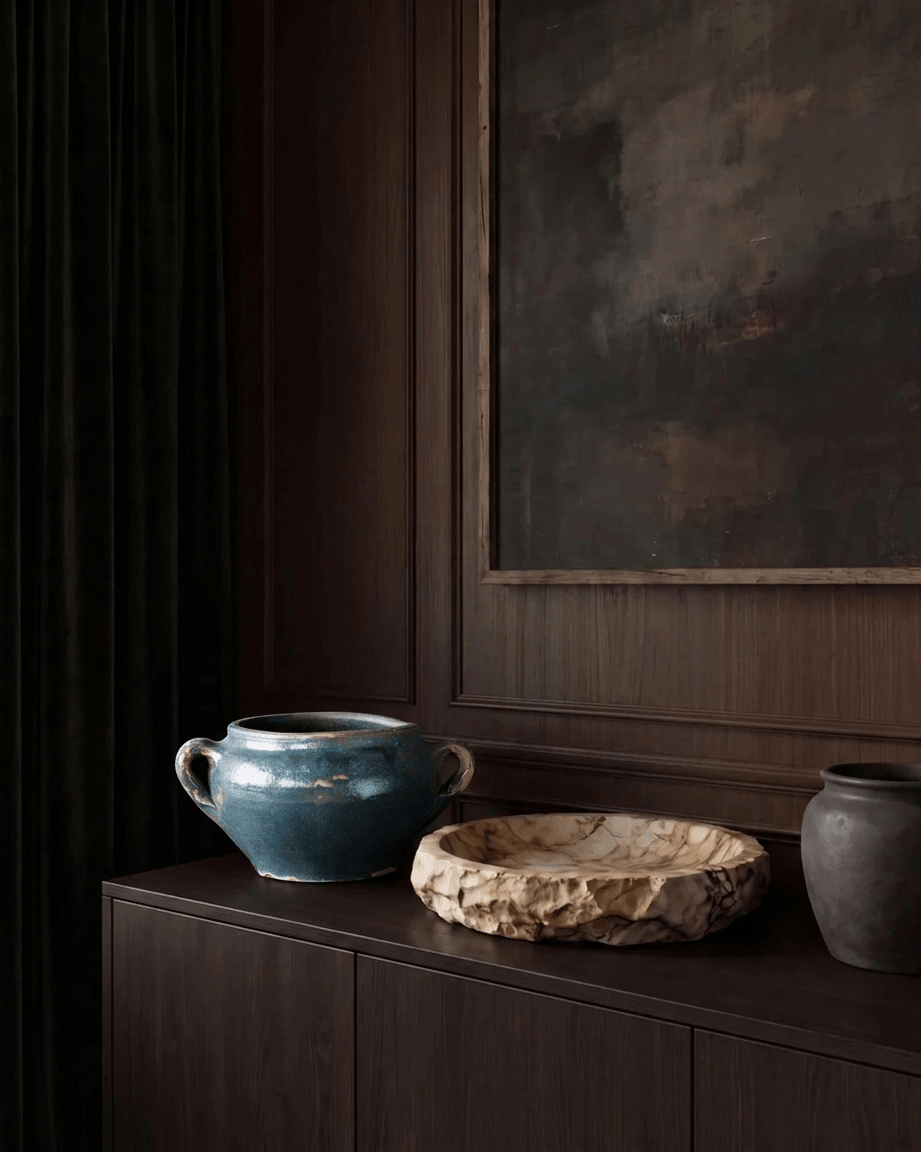
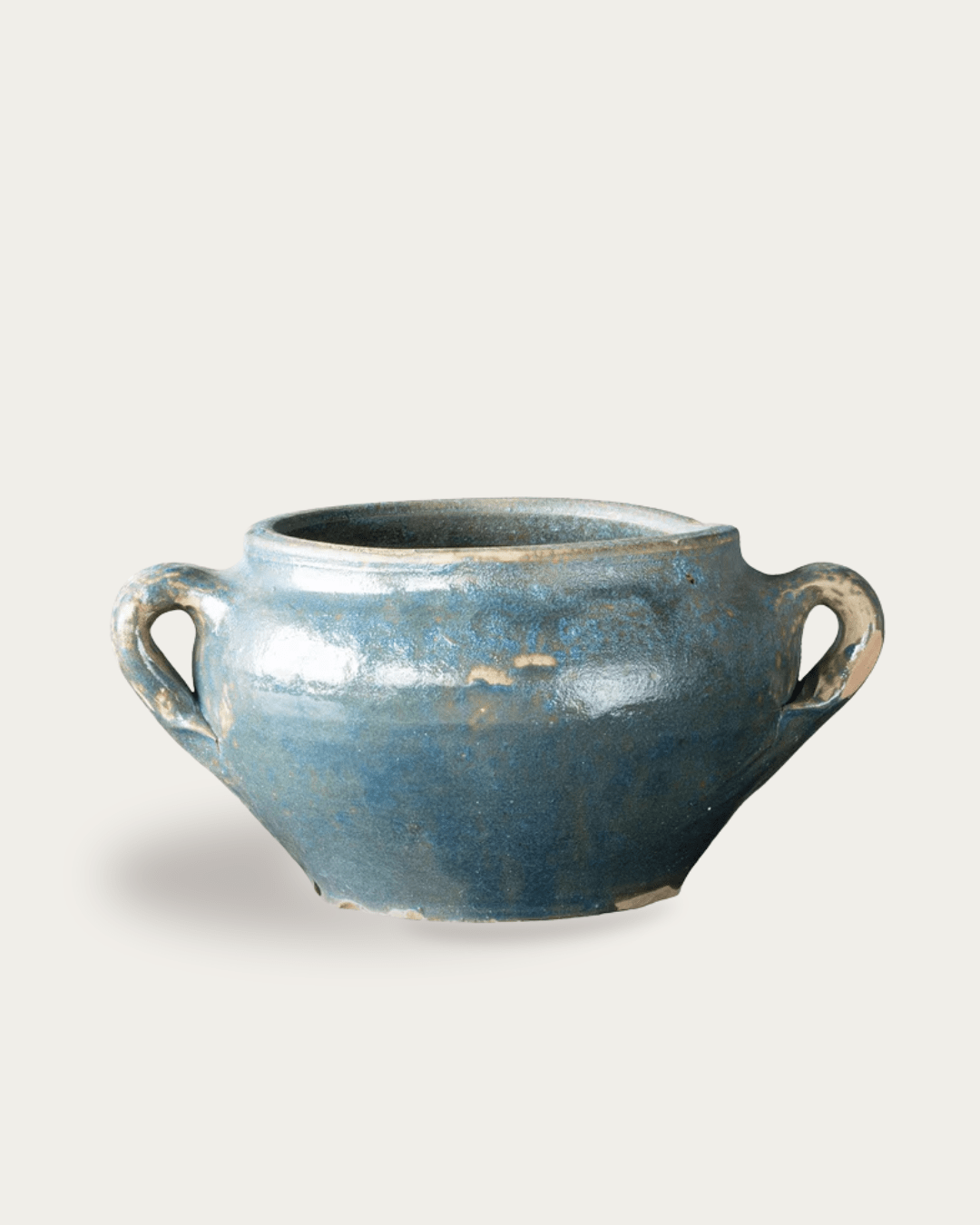
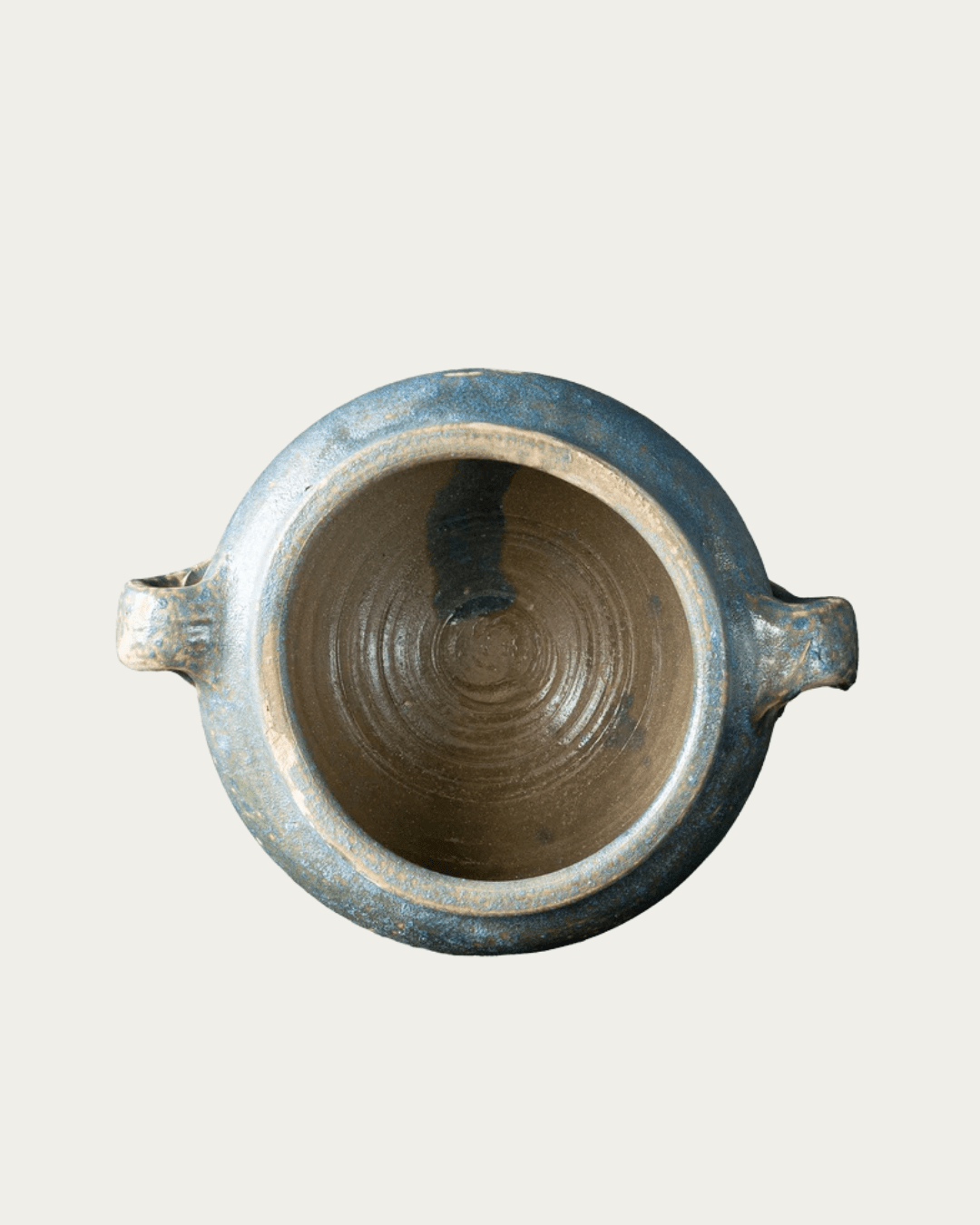
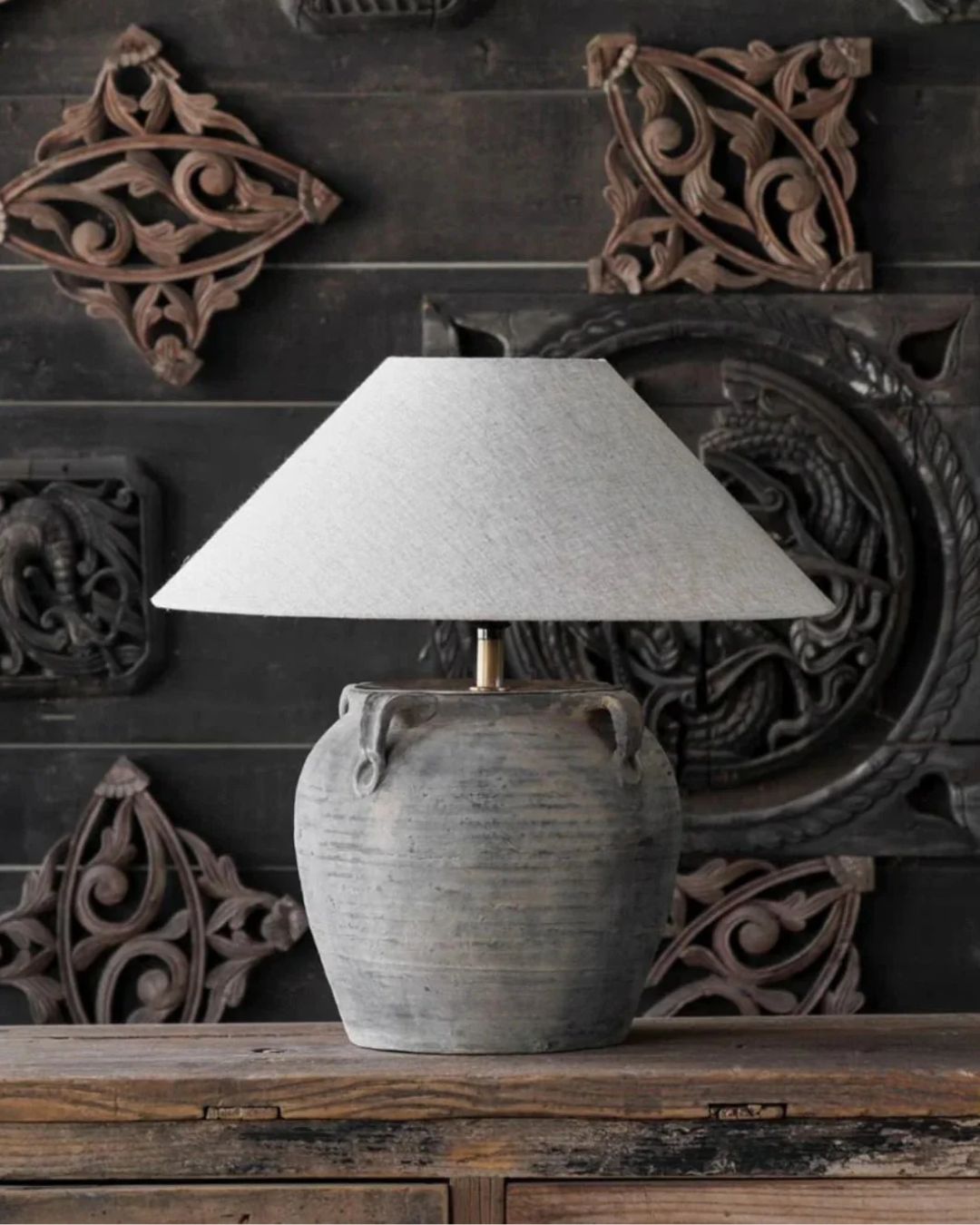
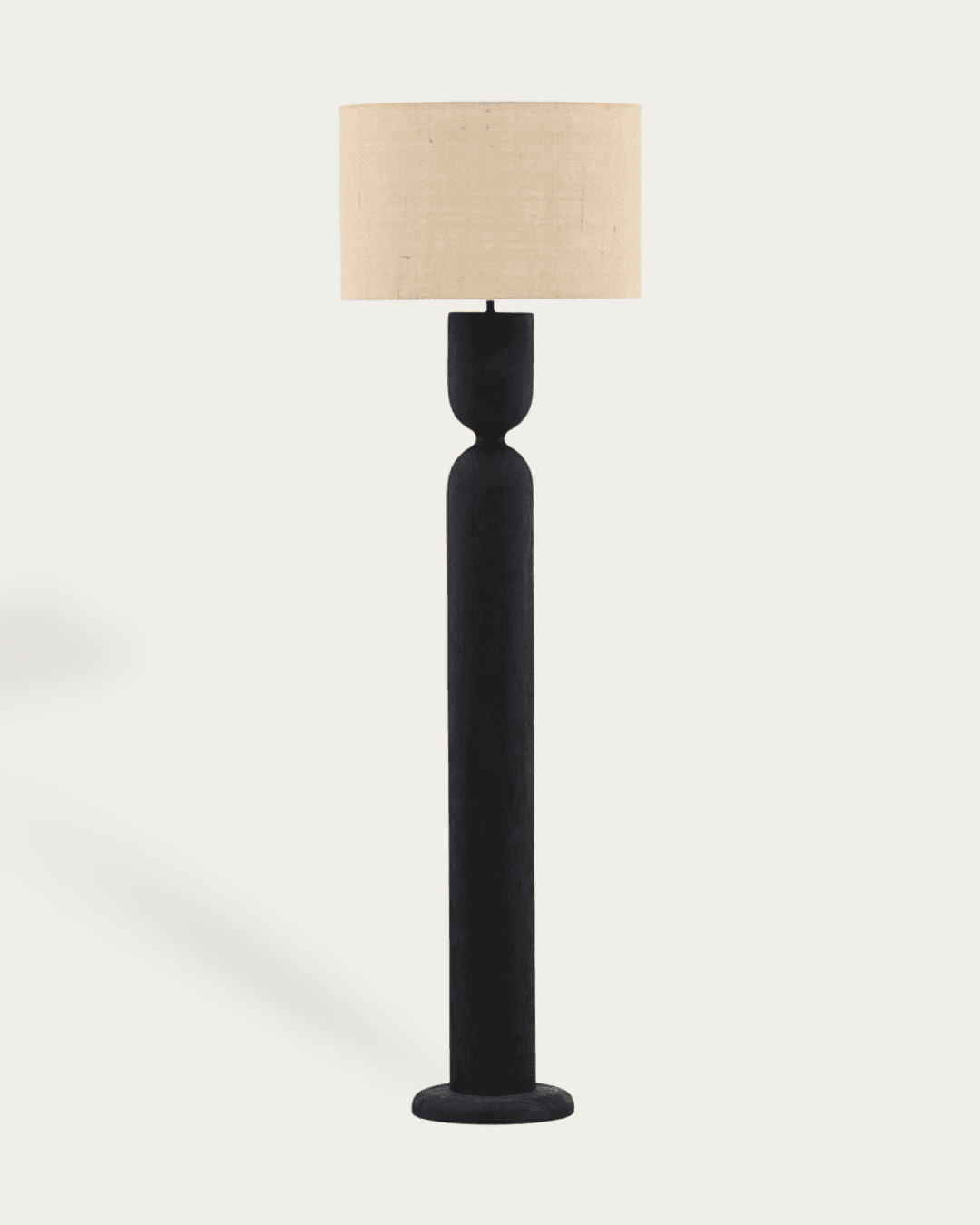
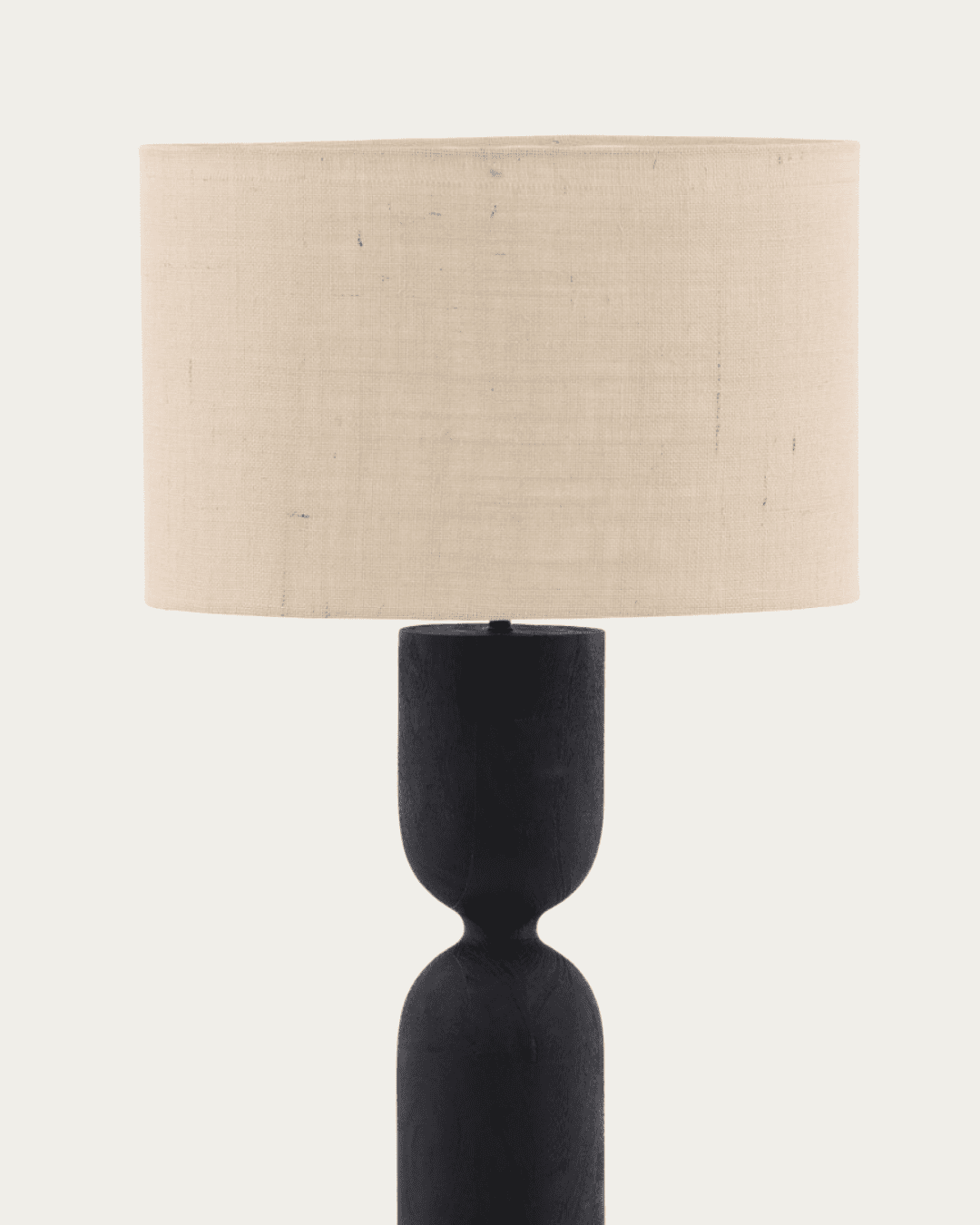
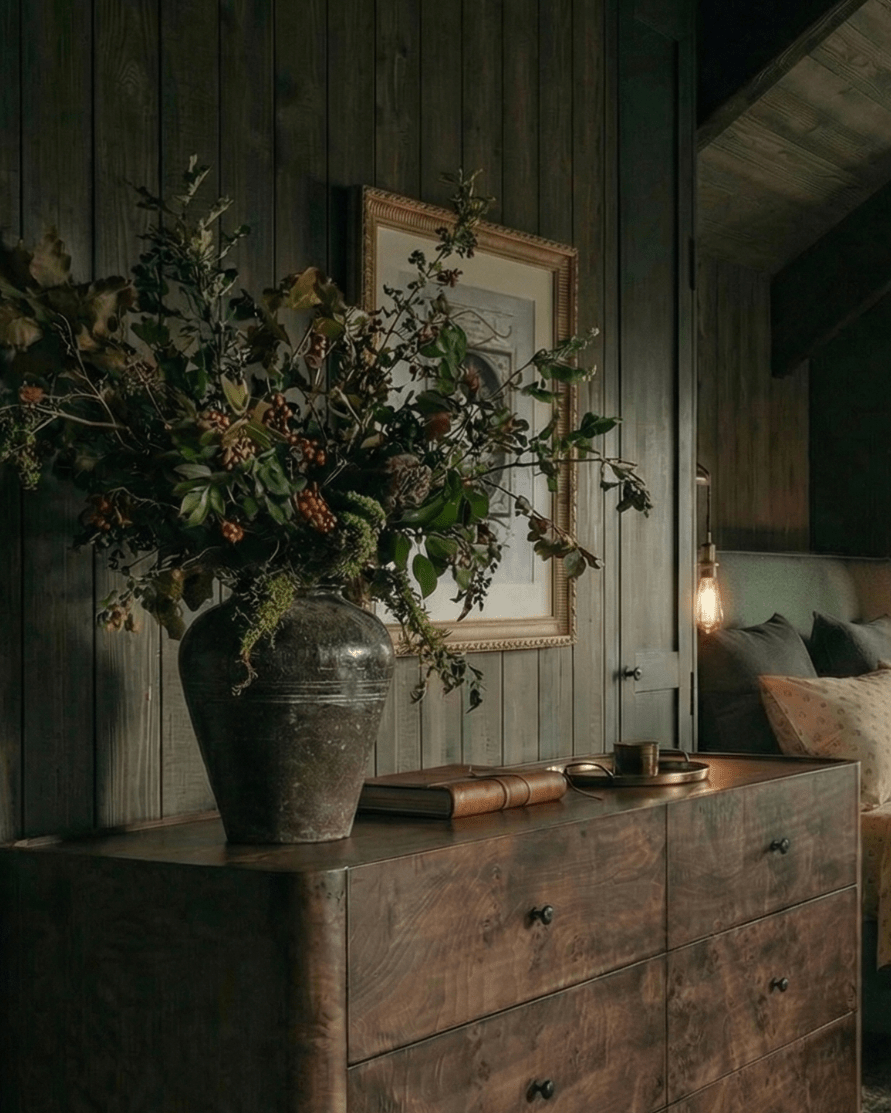
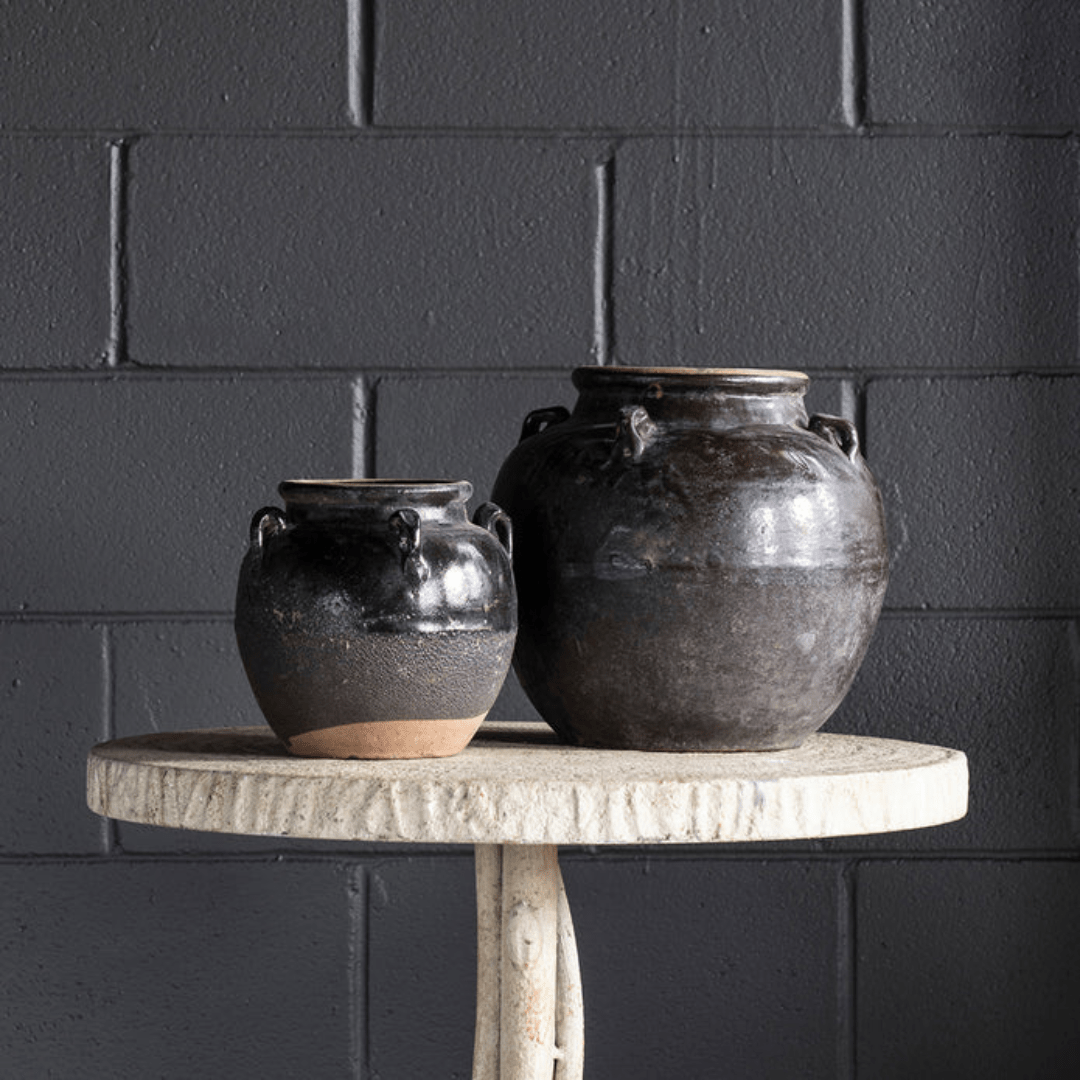
The Lamont glazed pot table lamp brings mass to a surface. Its rounded base and tactile glaze ground lighter furniture pieces and prevent consoles or side tables from feeling floaty.
This lamp works best when given breathing room. Skip the stacks of books and small accents. One lamp, one surface, done.
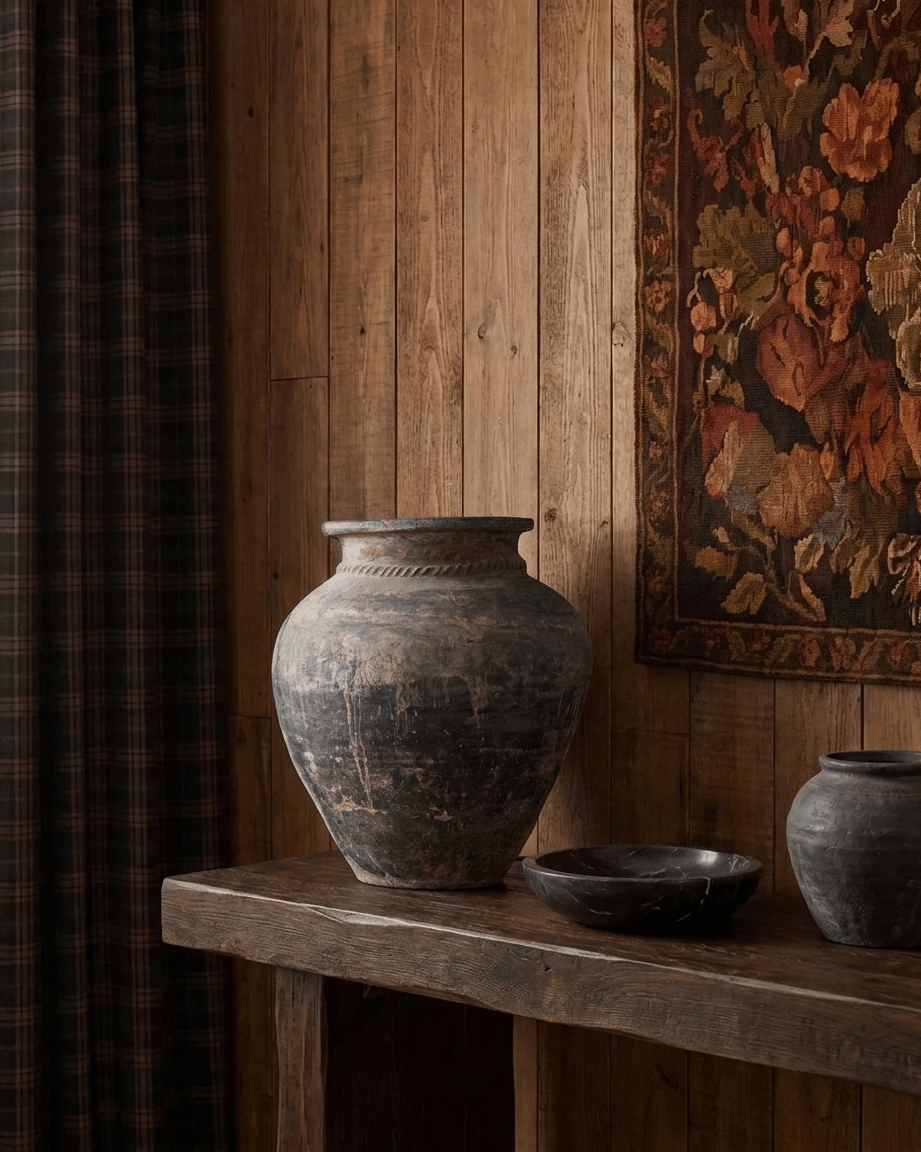
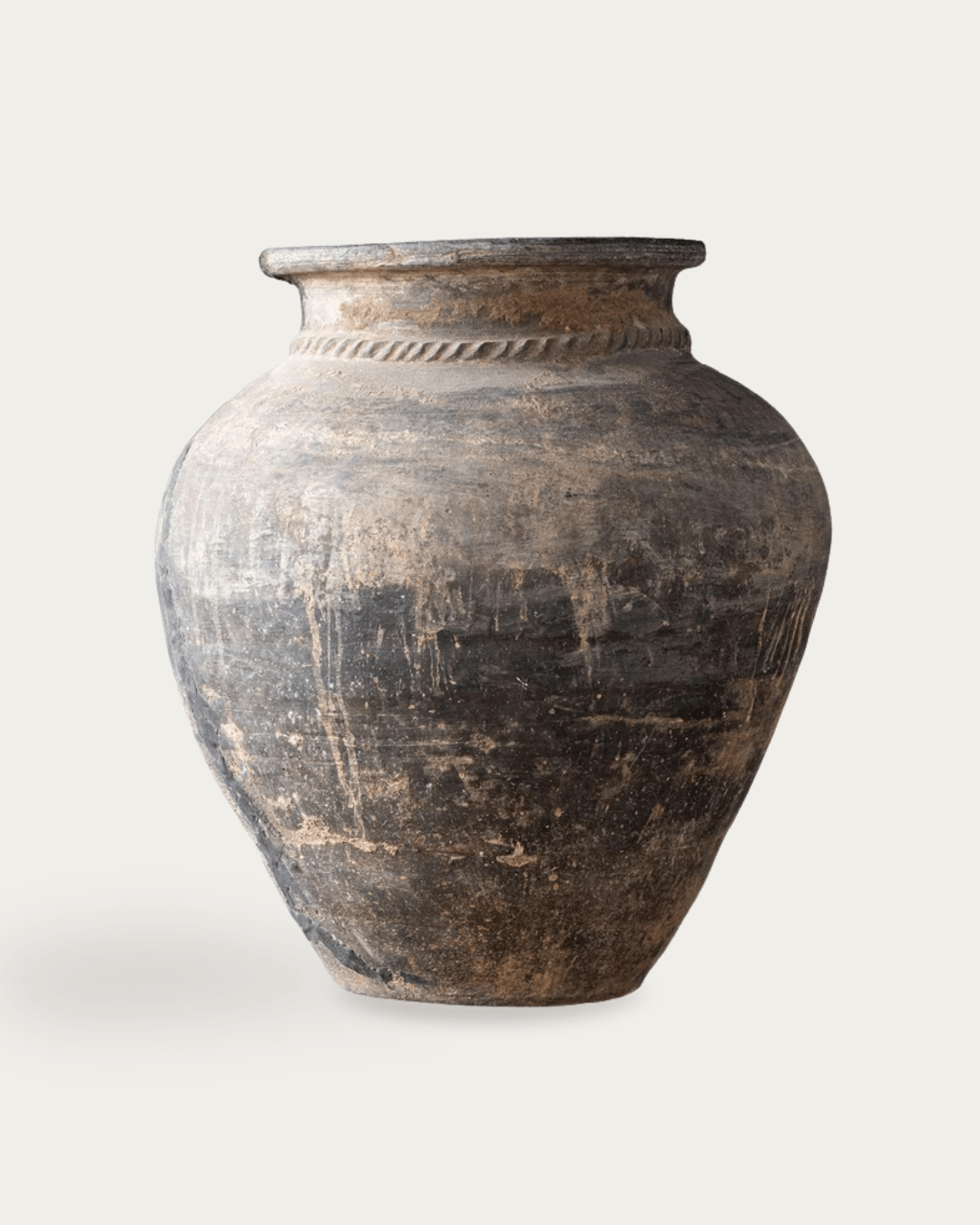
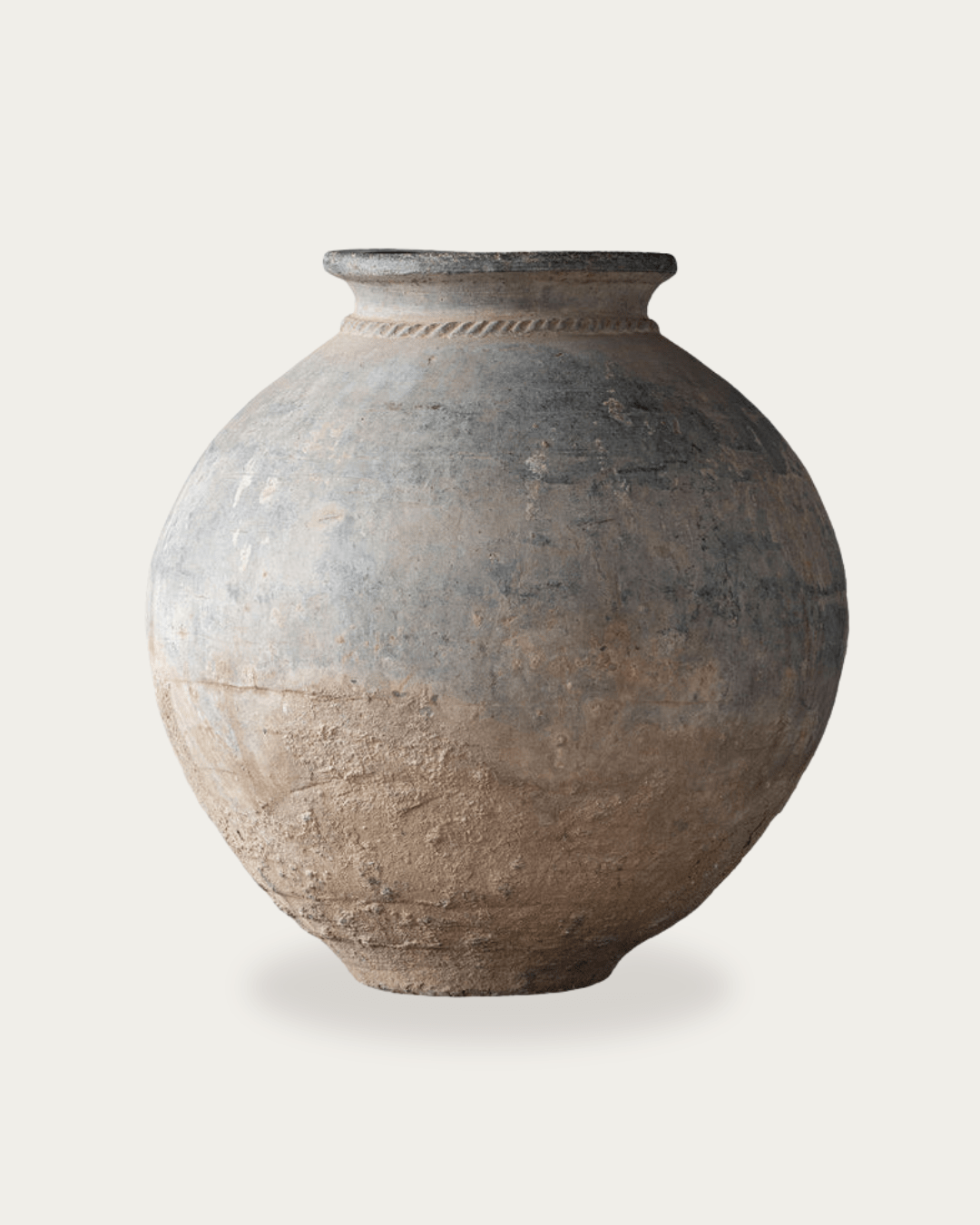
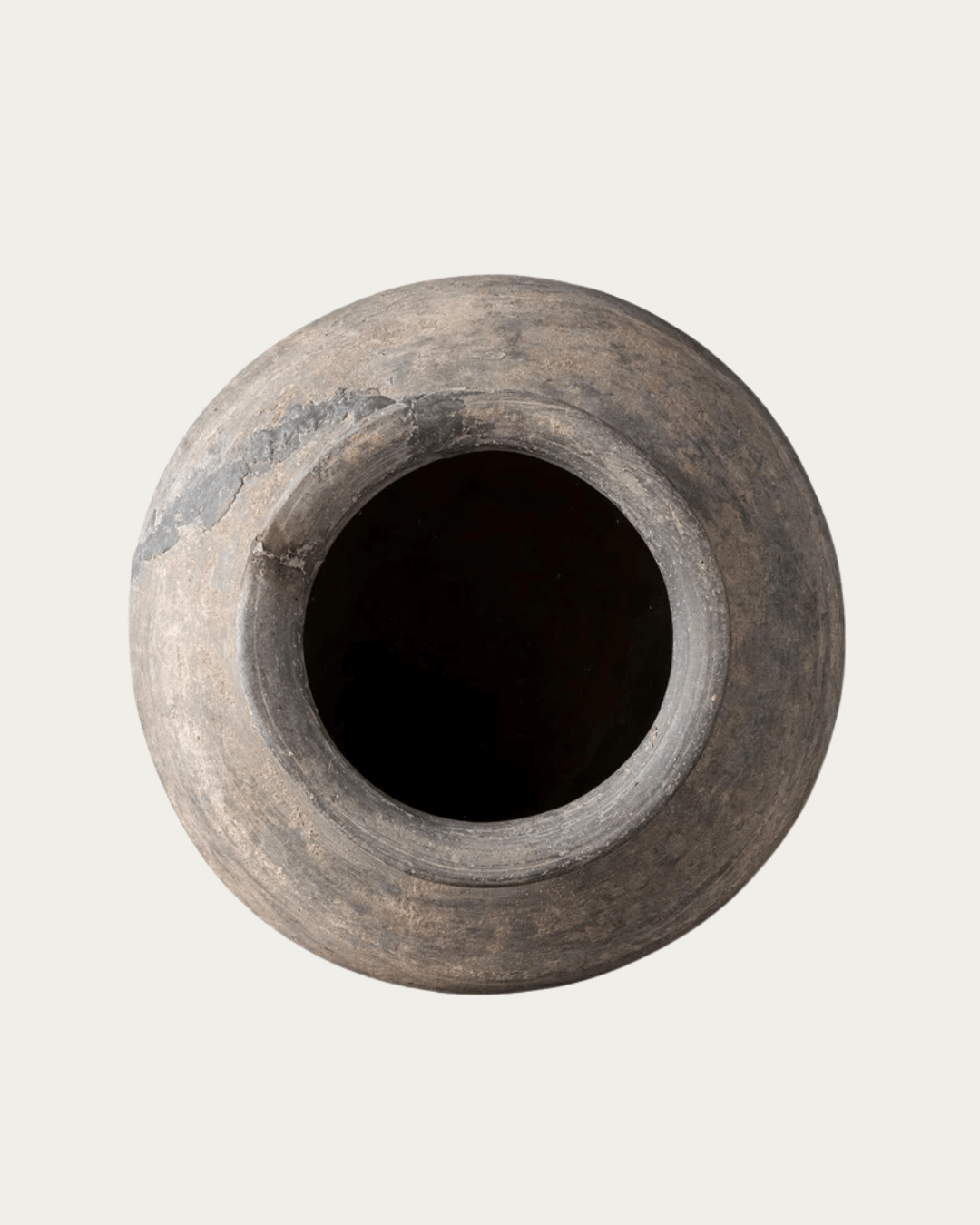
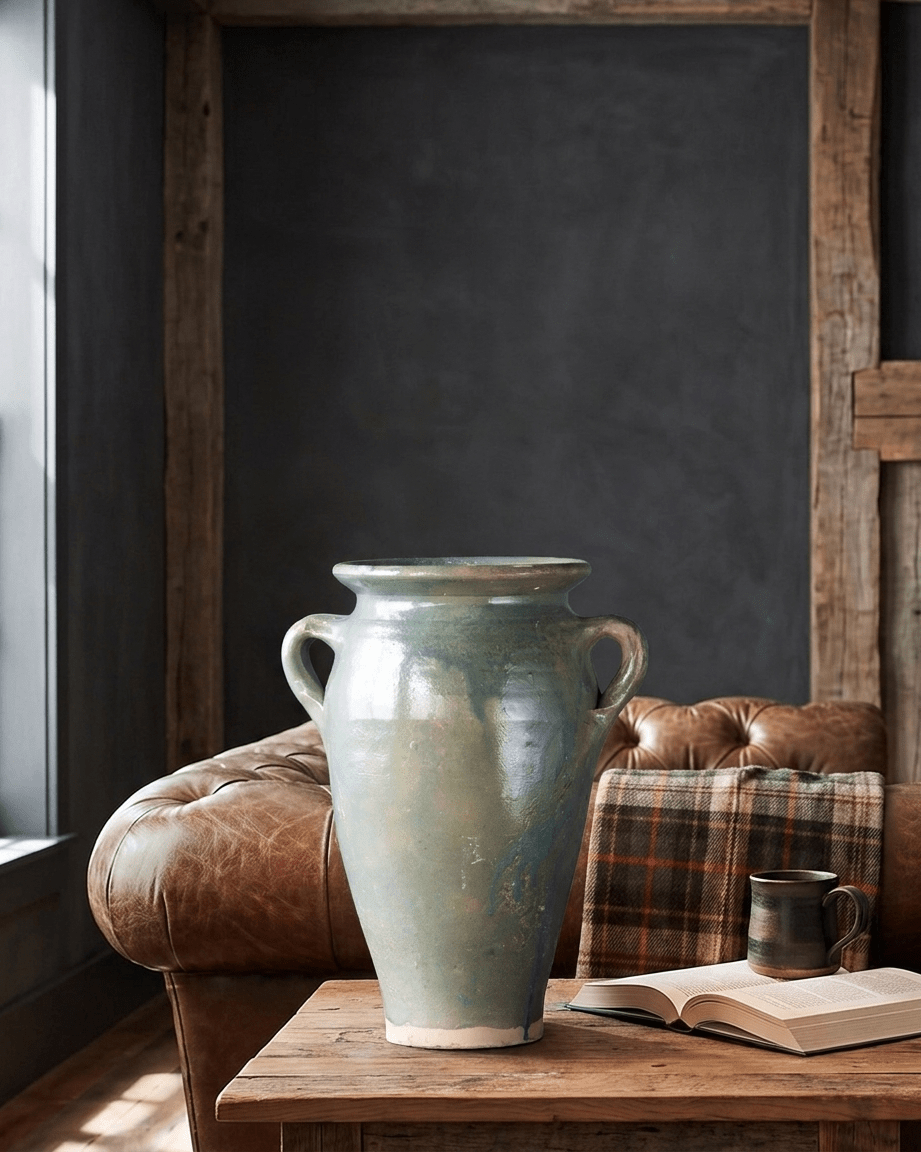
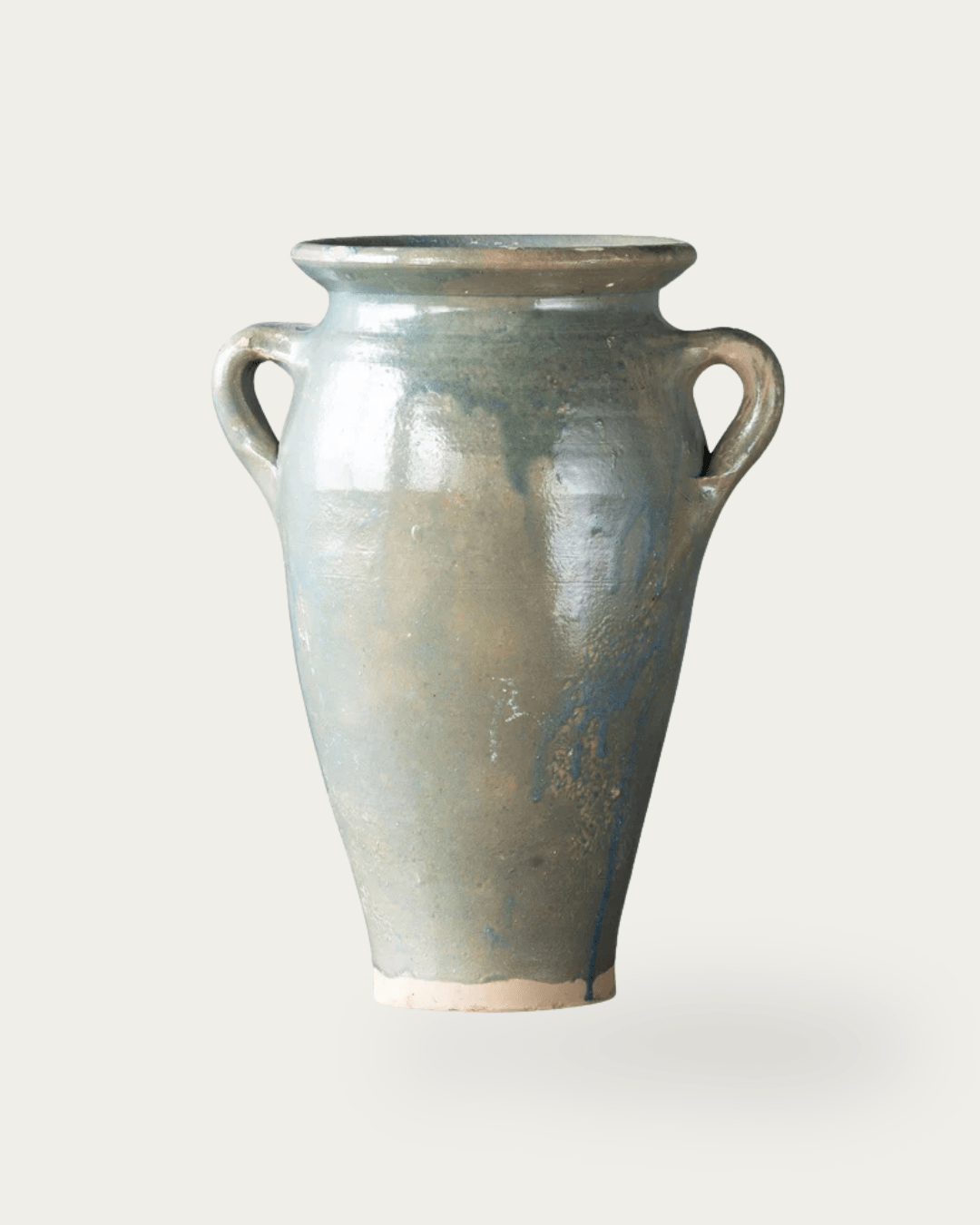
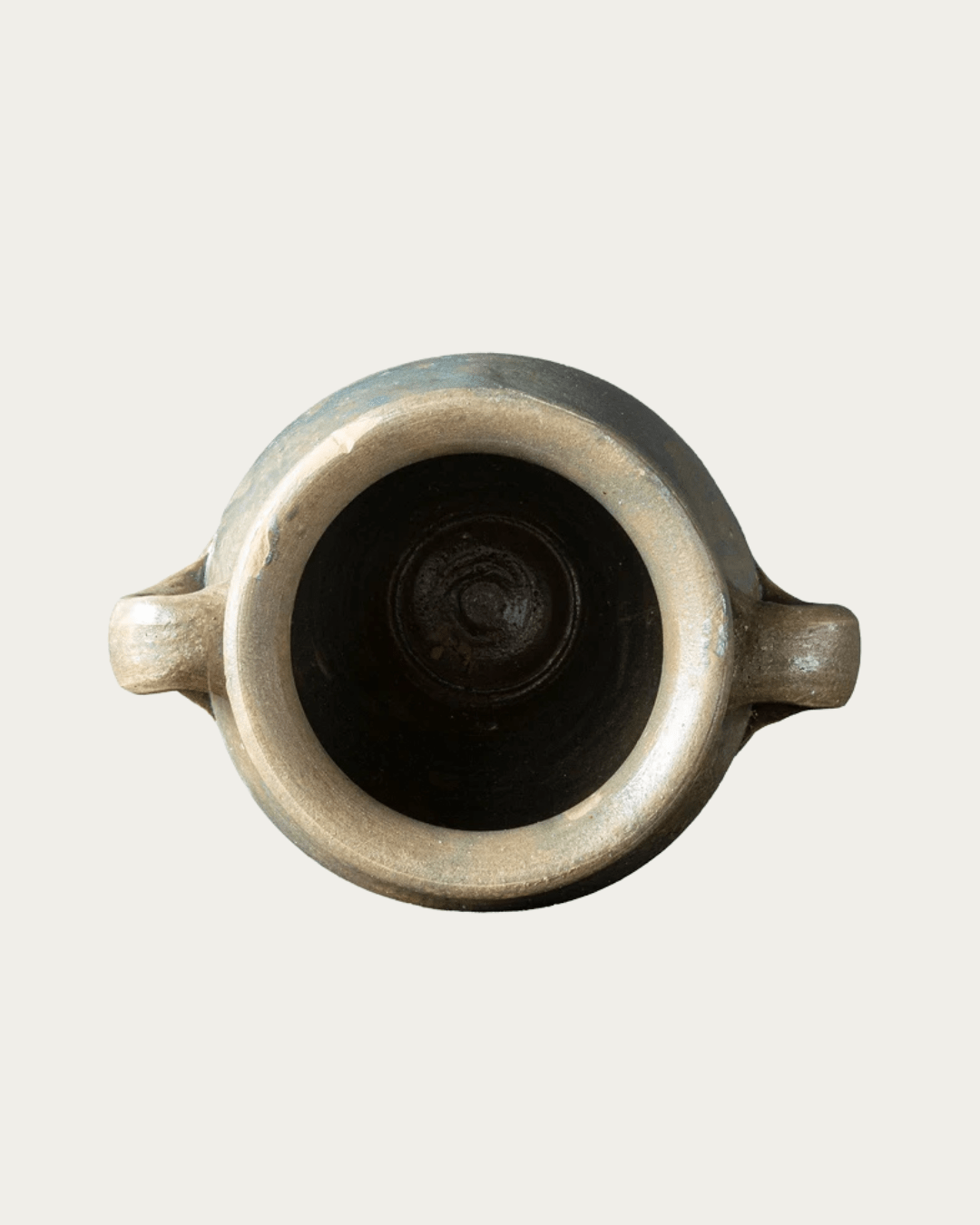
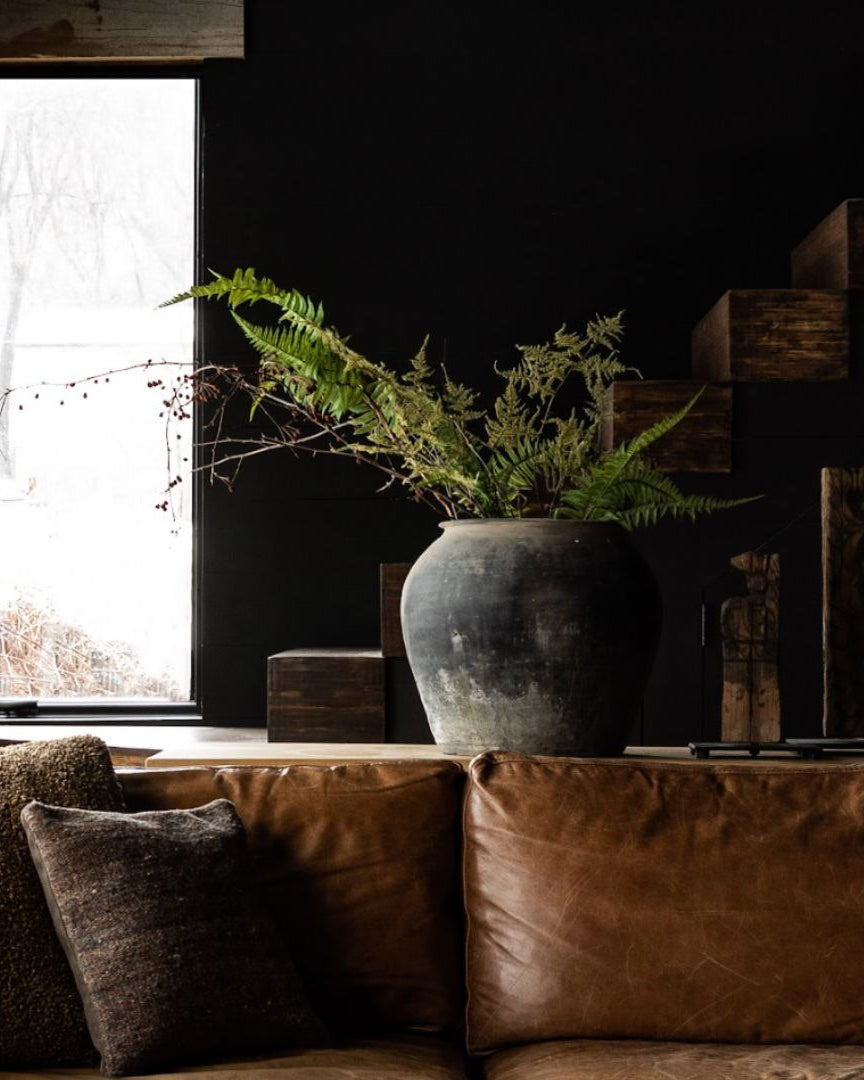
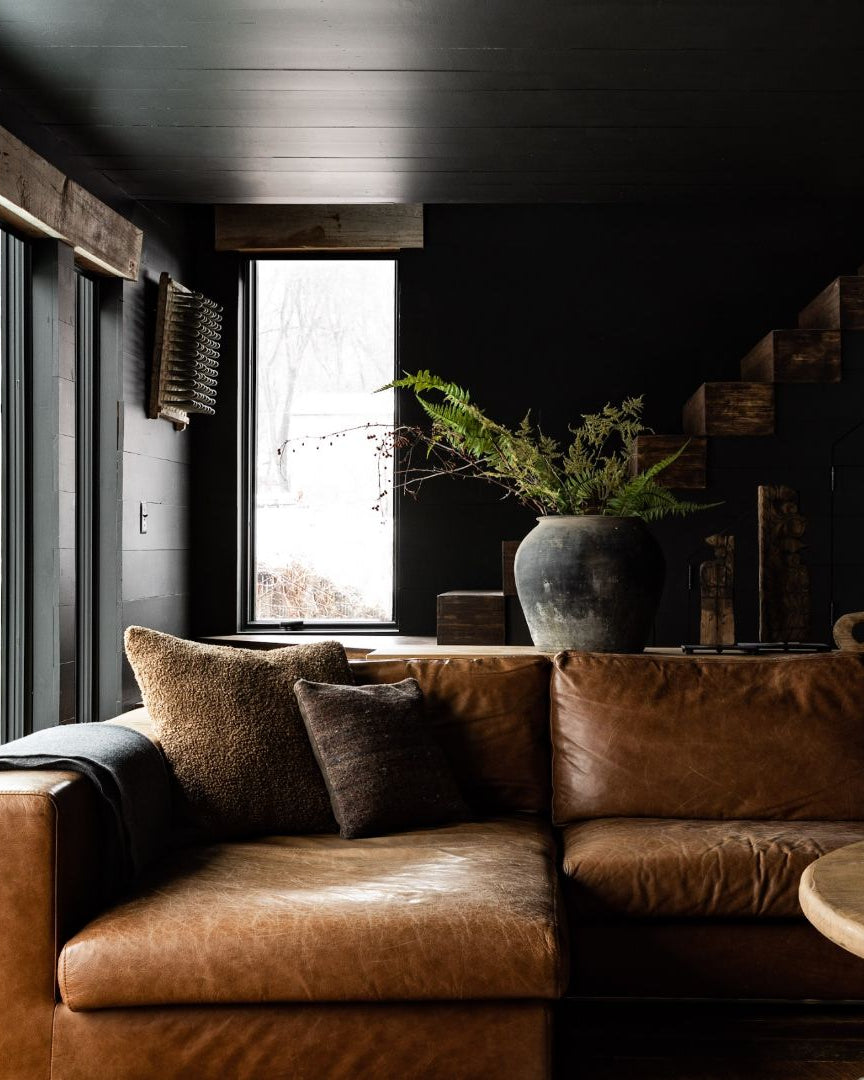
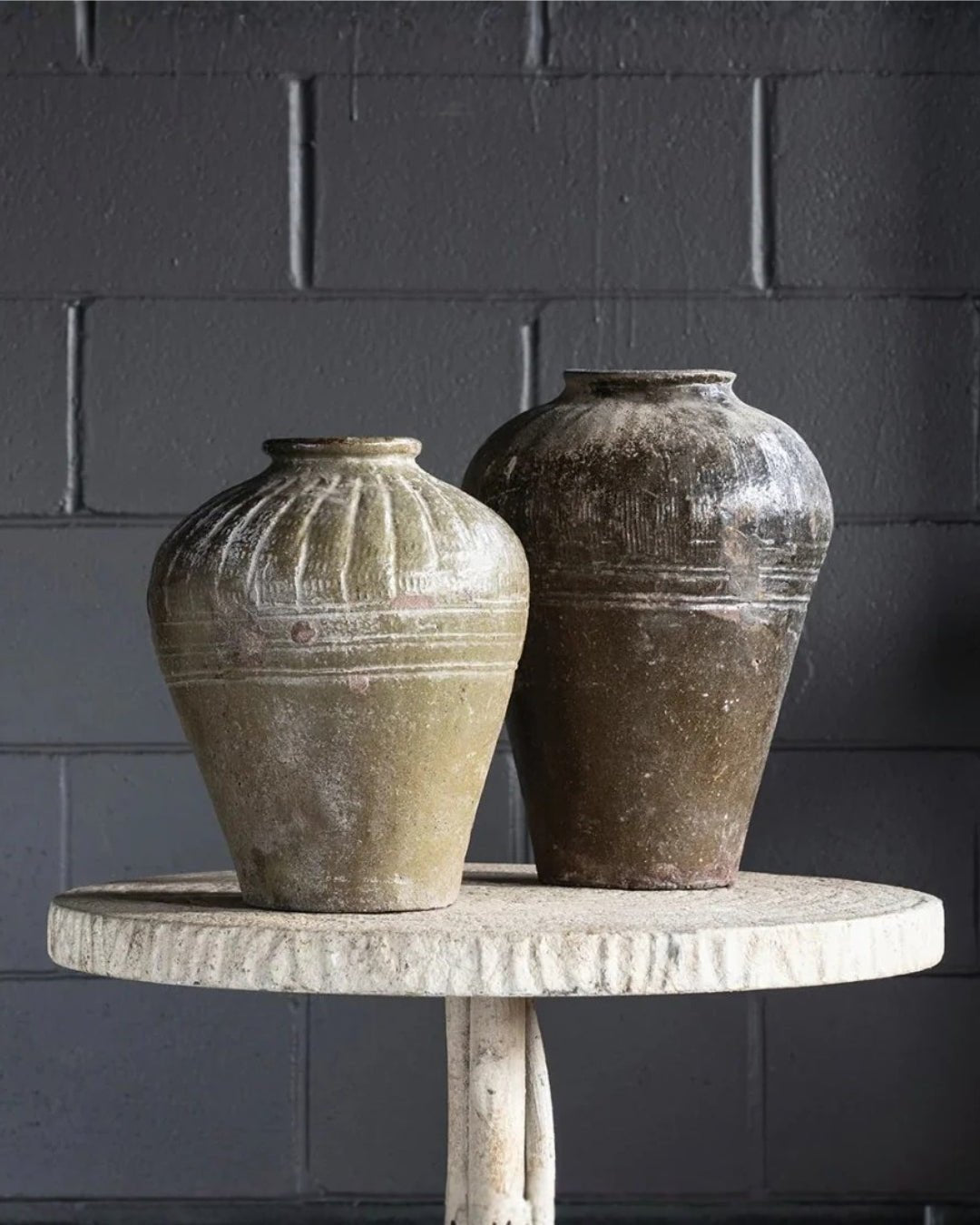
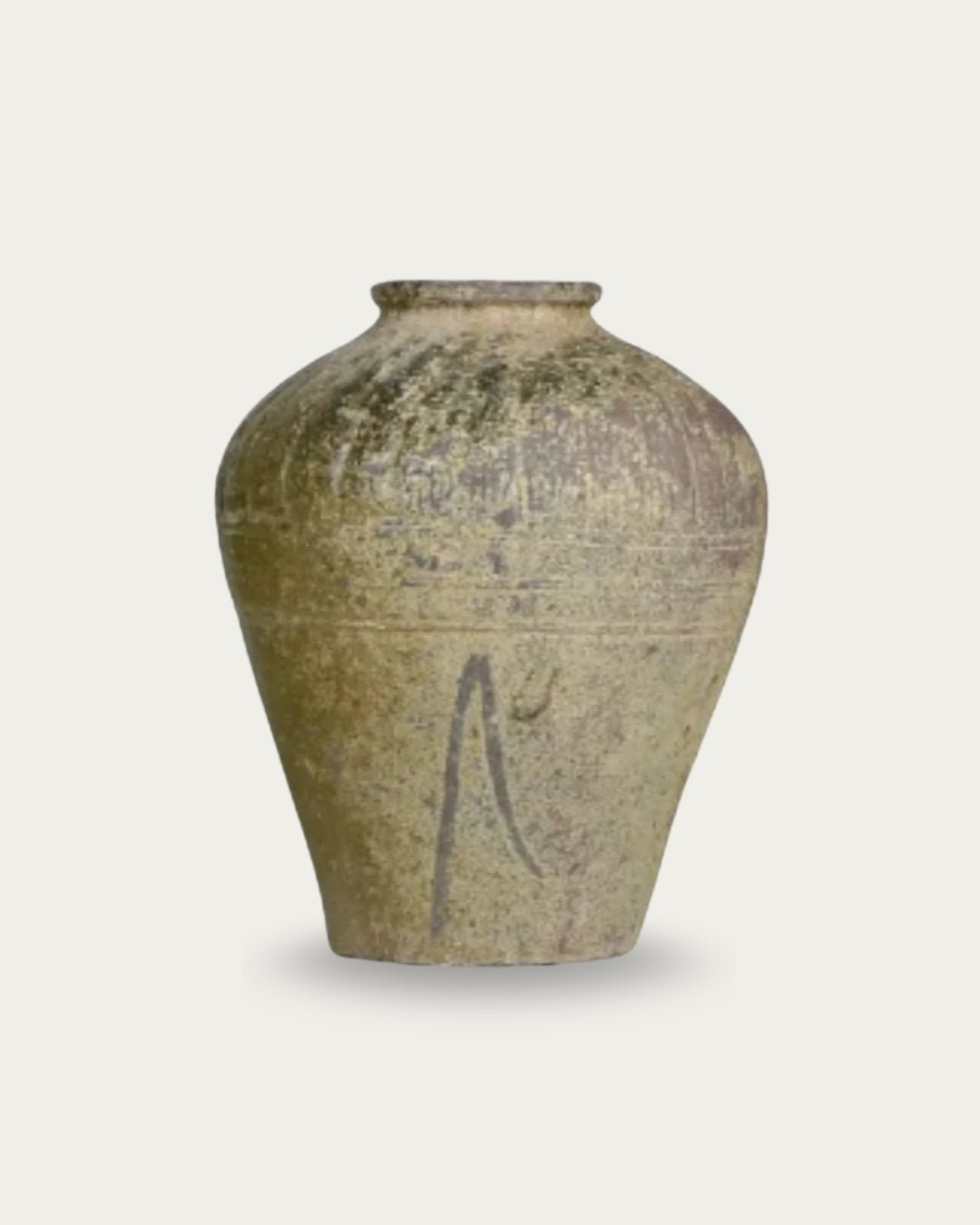
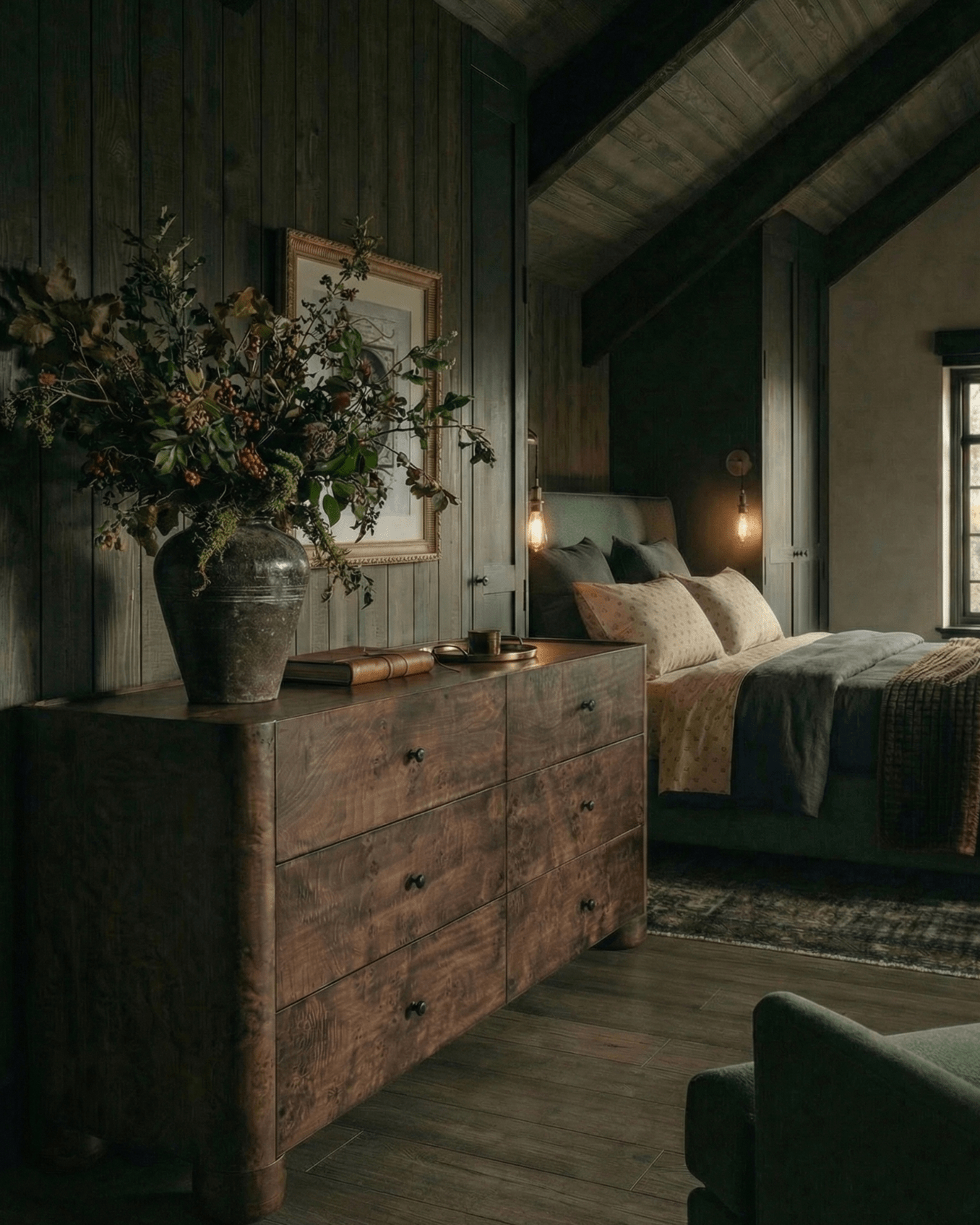
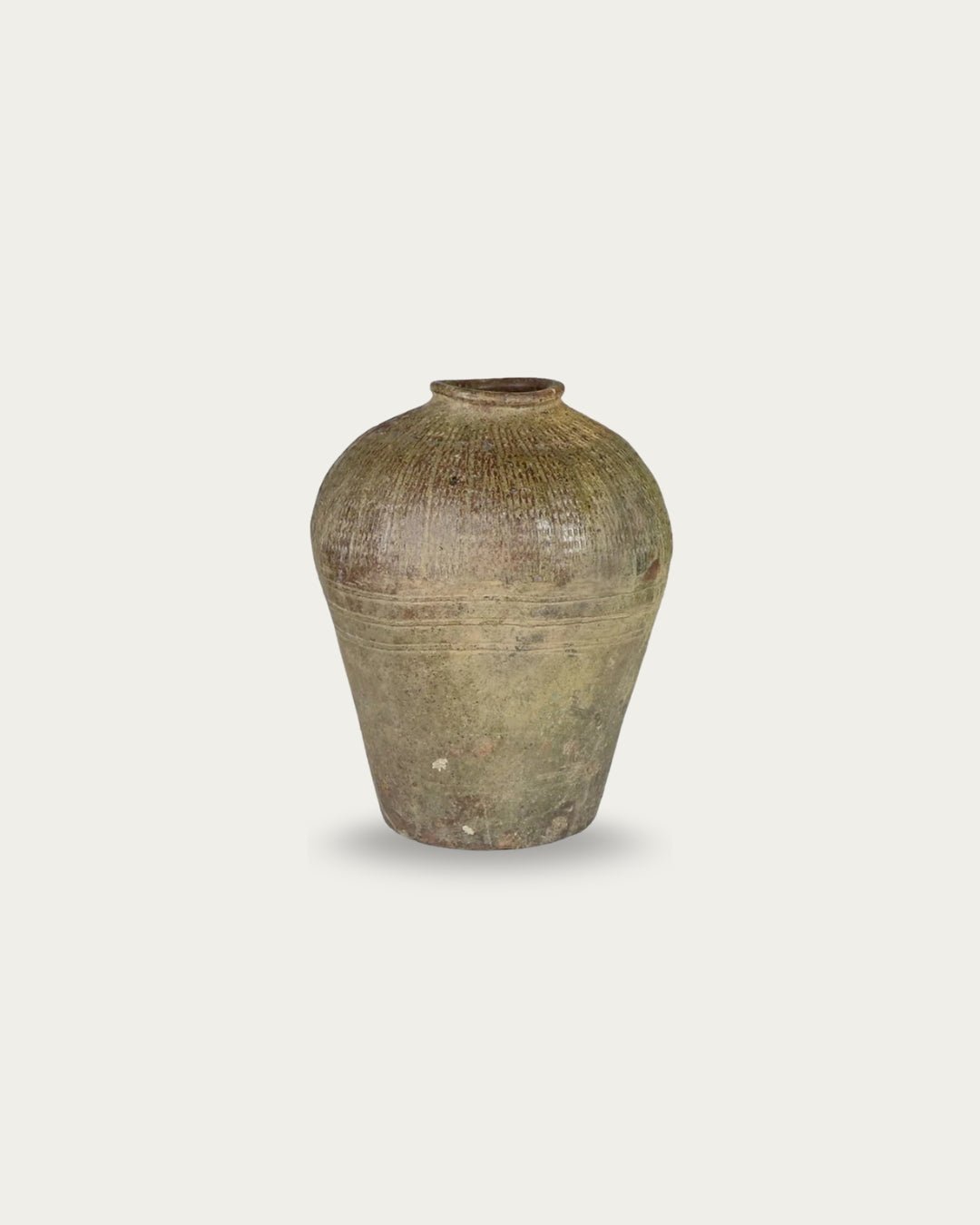
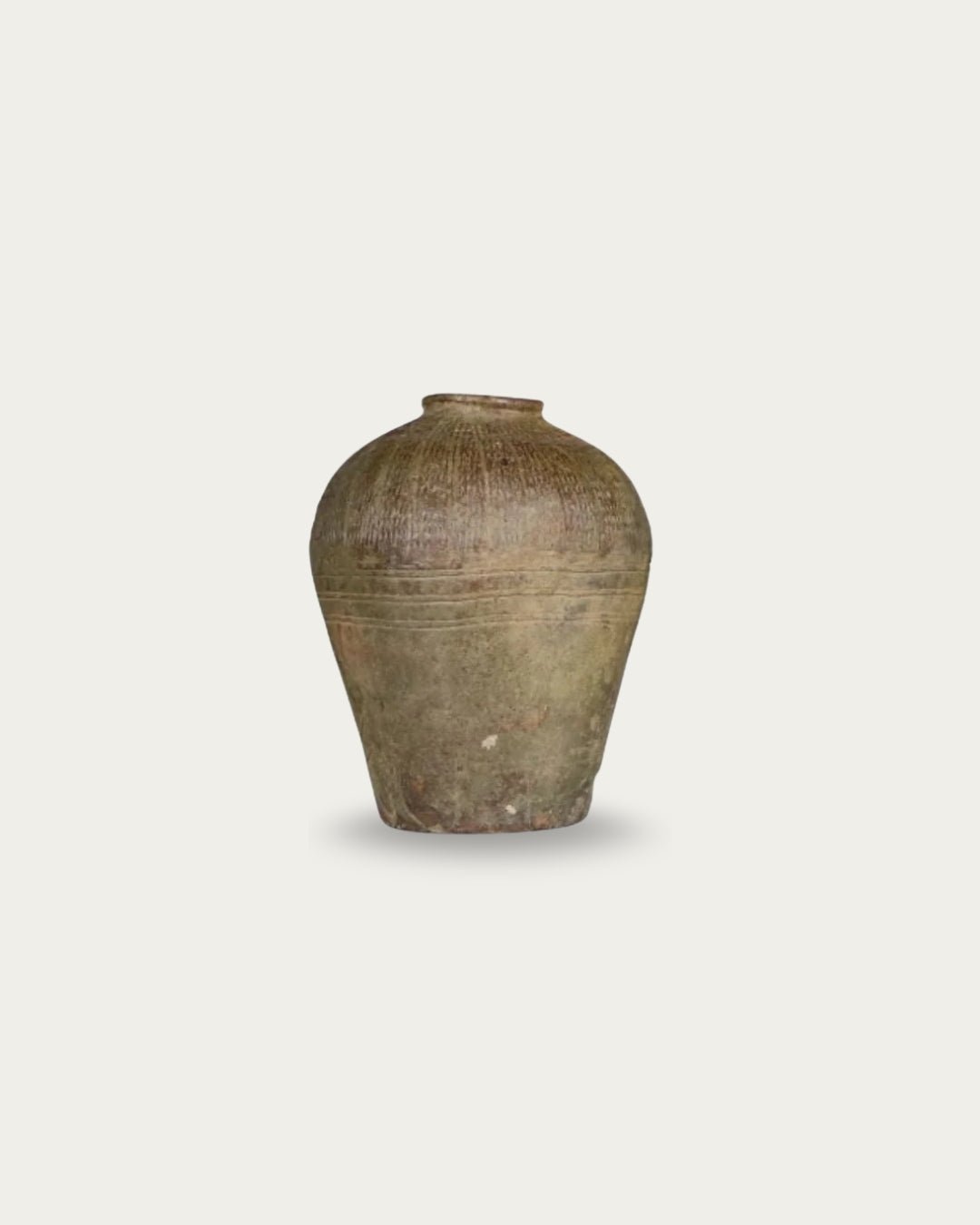
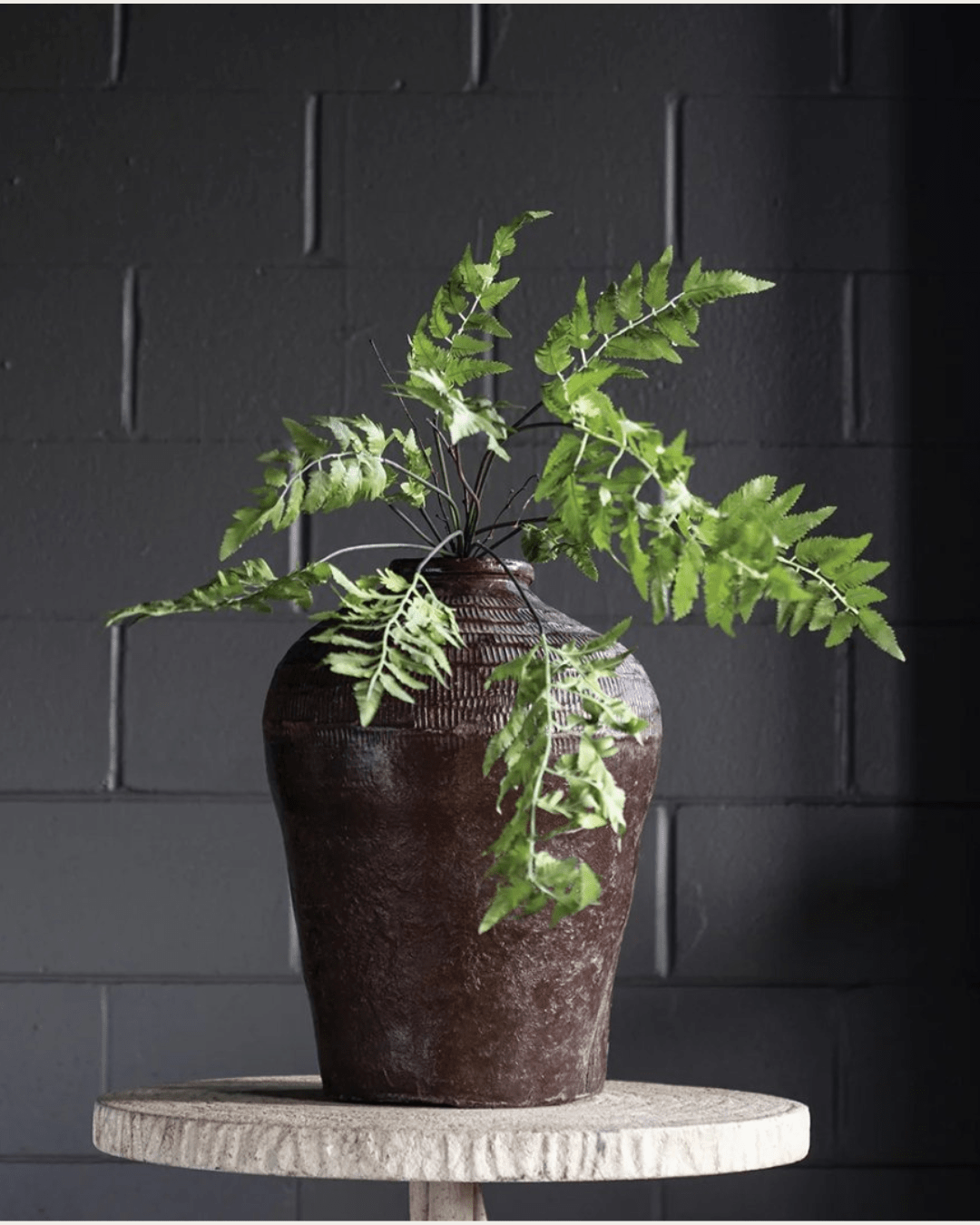
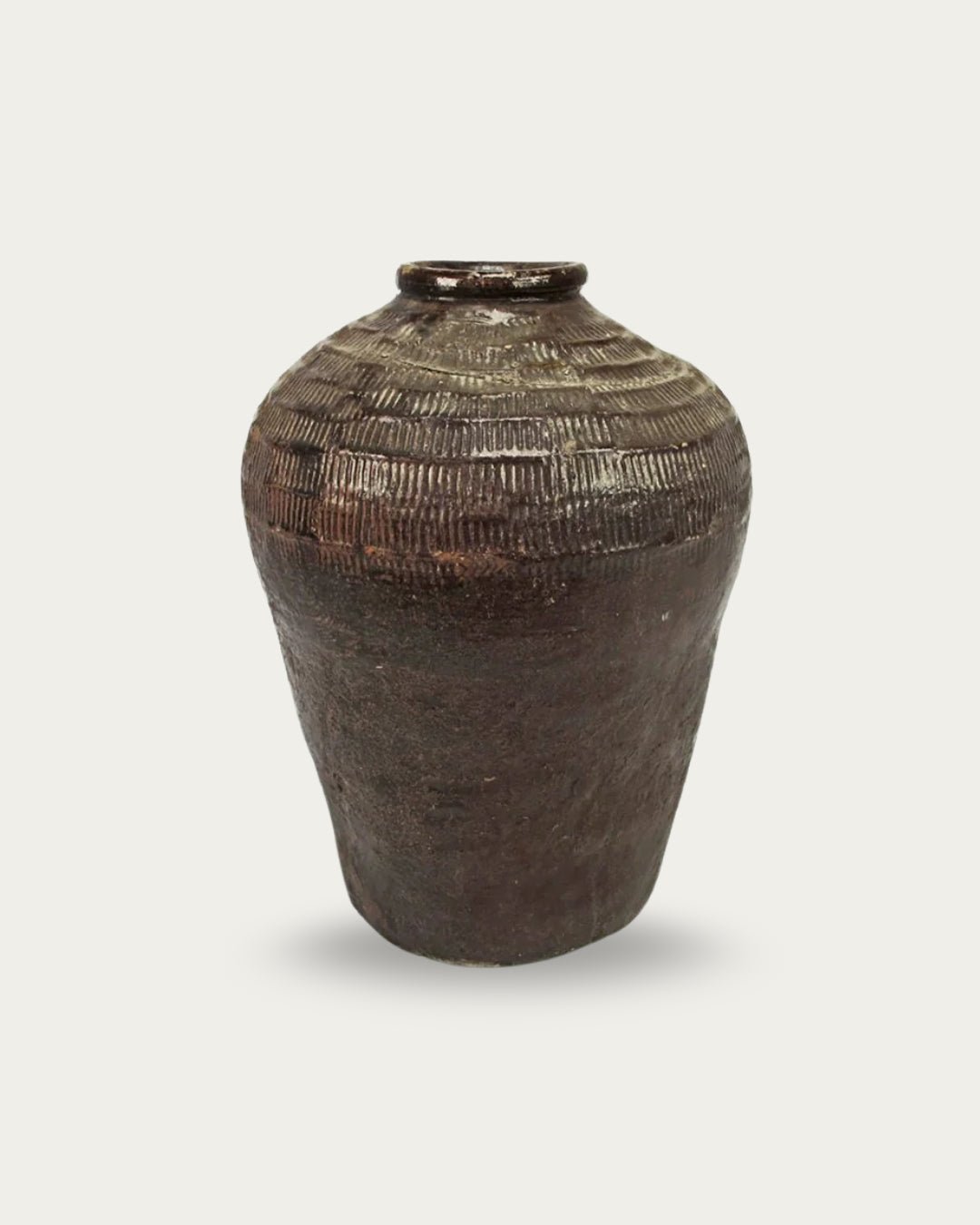
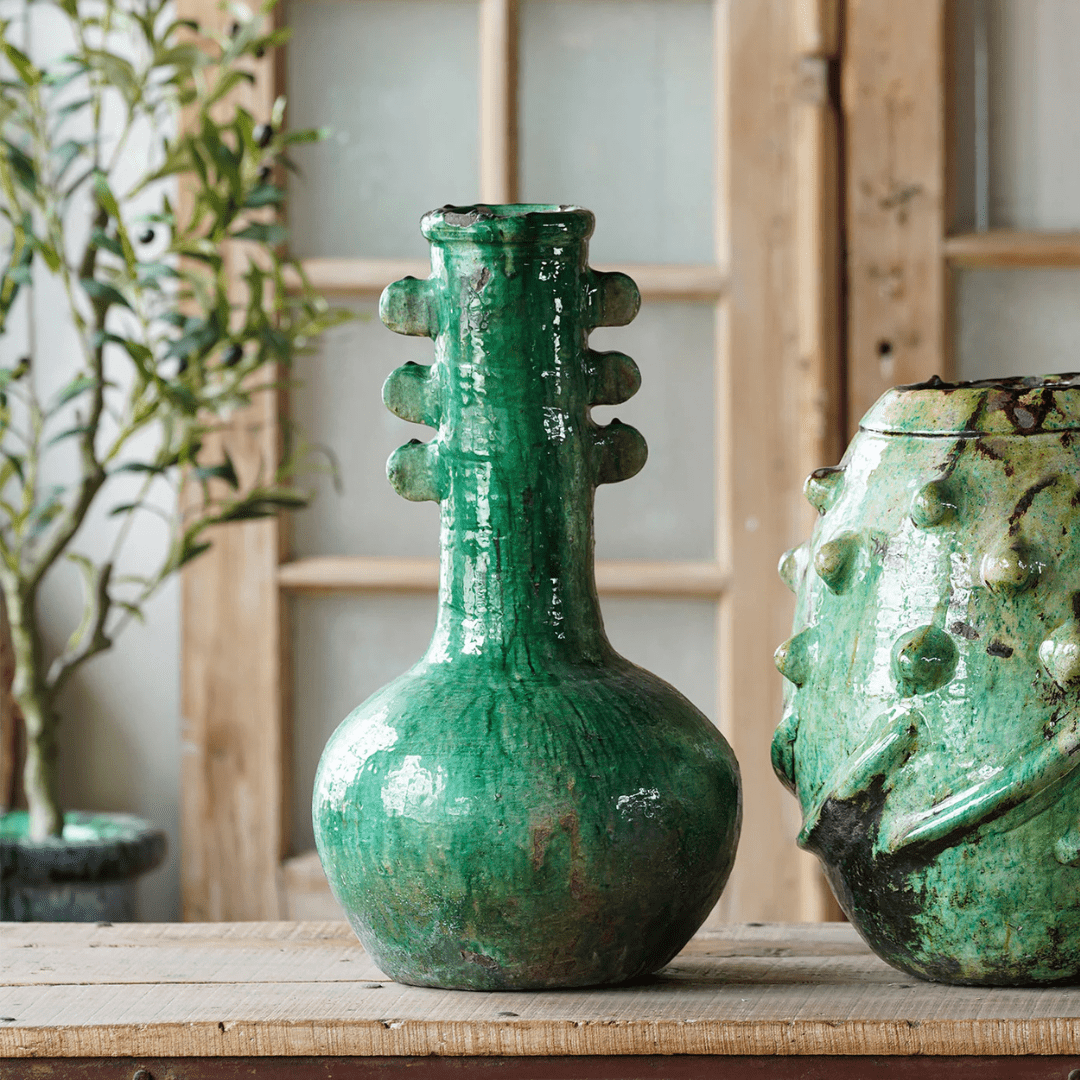
Pair it nearby — not on the same surface — with the Vintage clay vase. The shared material language creates cohesion without repetition.
Candlesticks That Read Like Objects, Not Accents
Candles are often treated as temporary décor. But certain pieces deserve permanence.
When Fire Meets Form
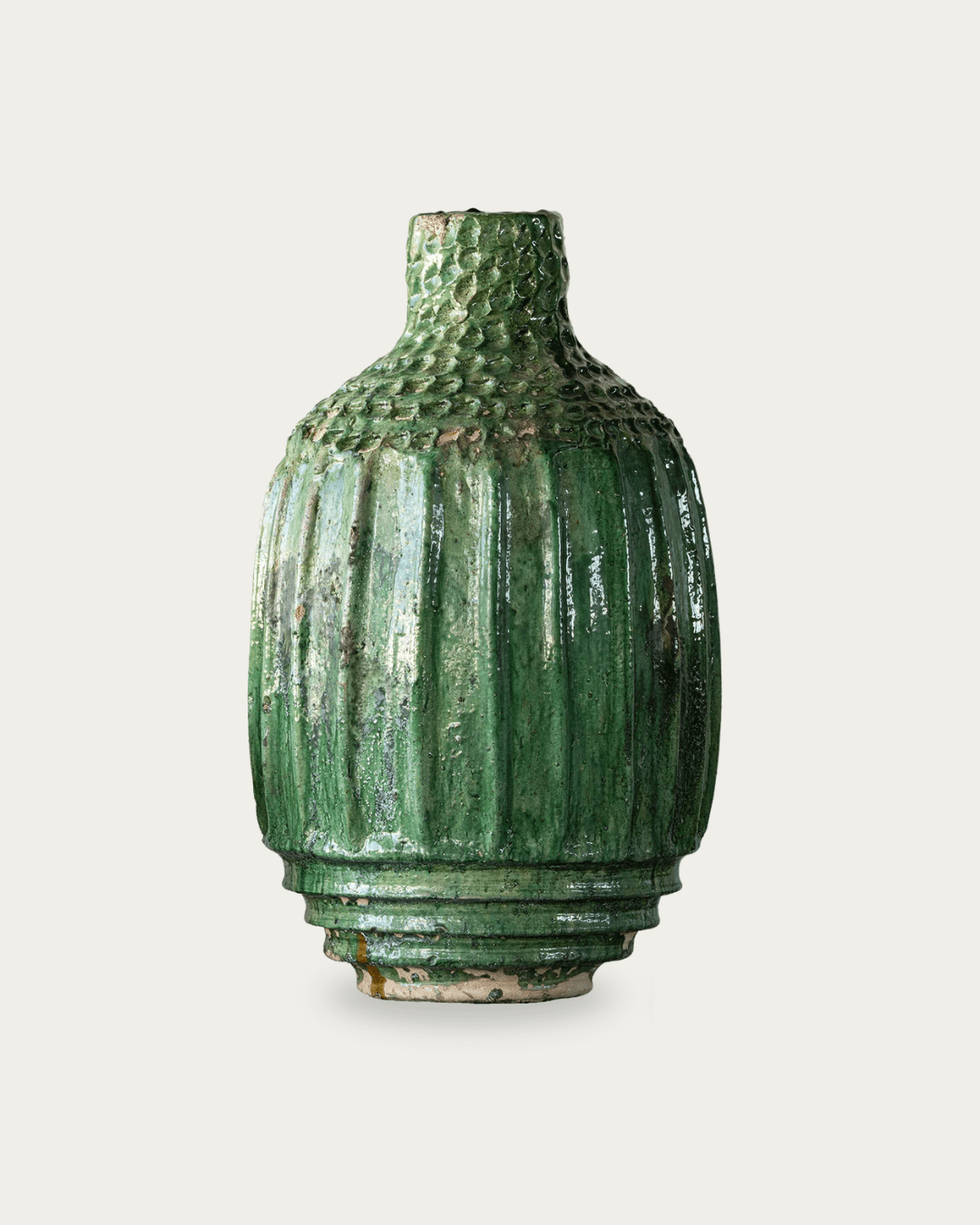
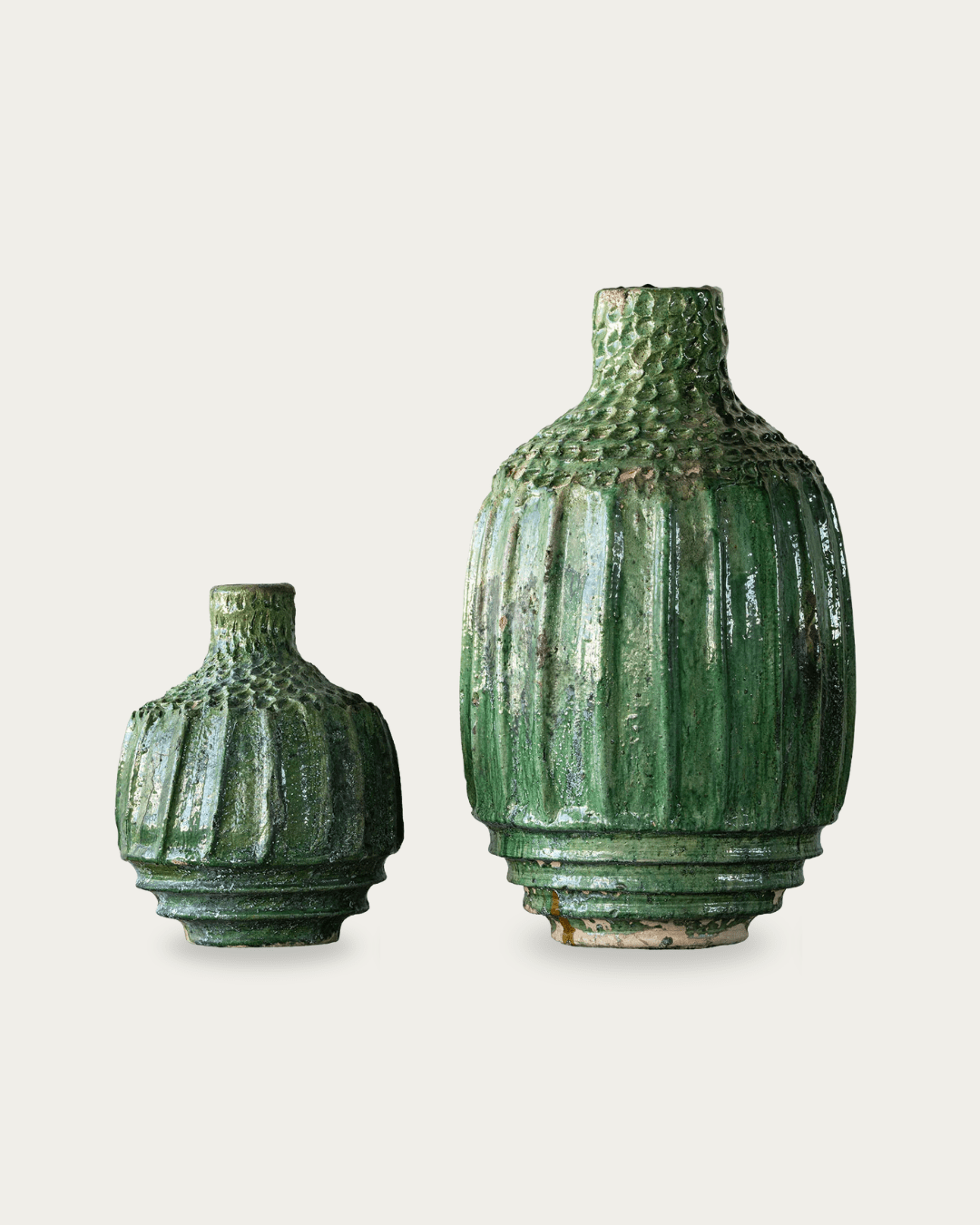
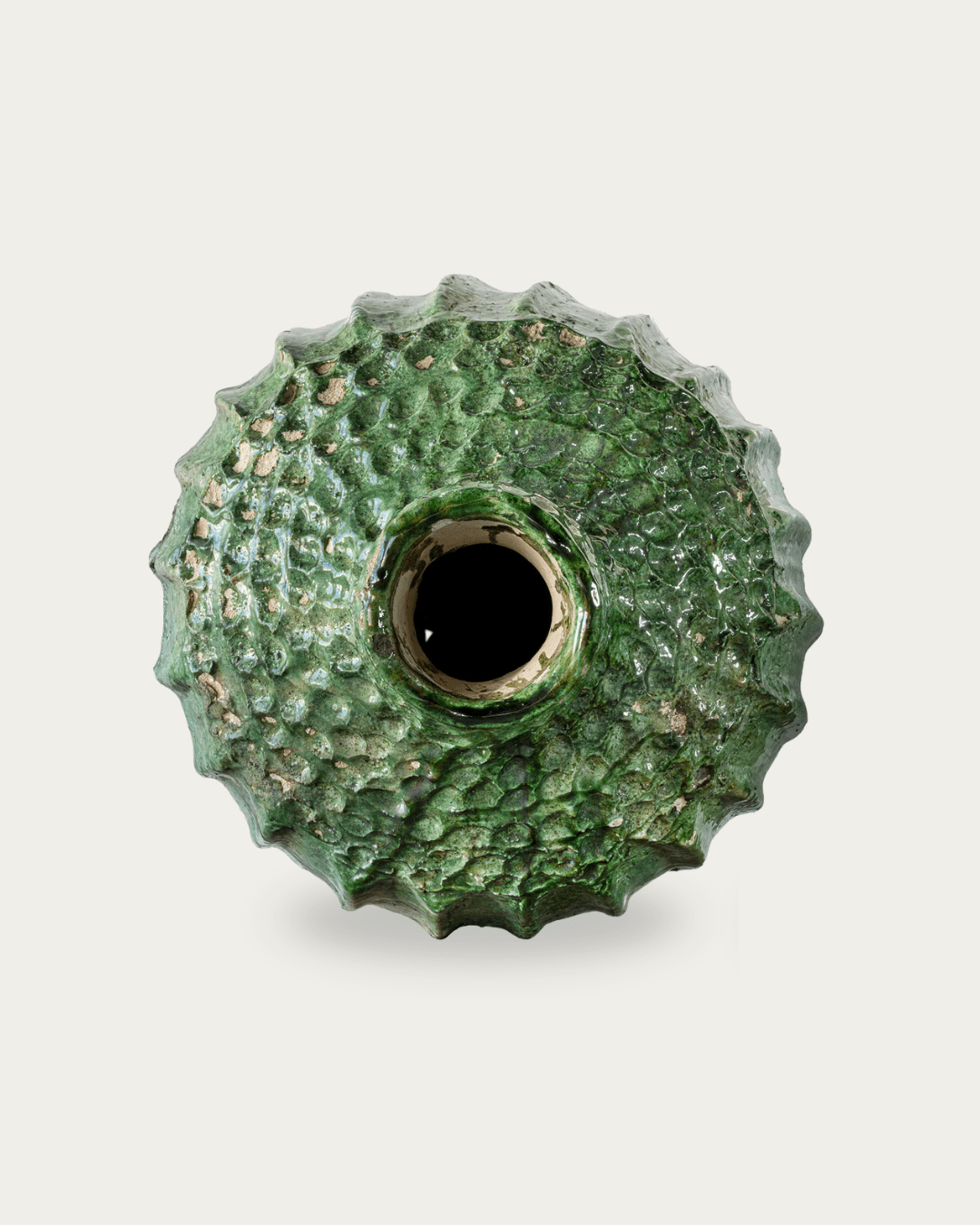
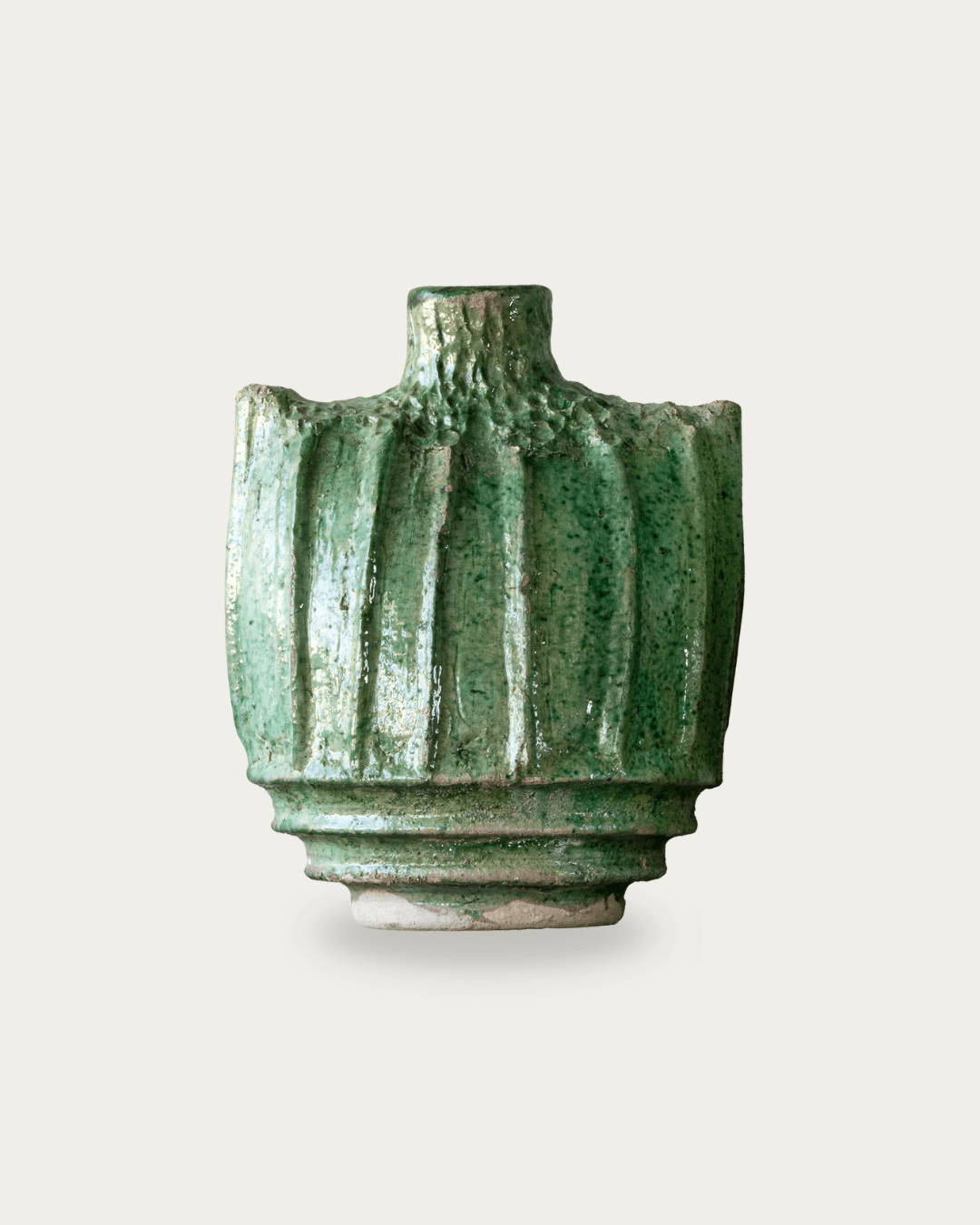
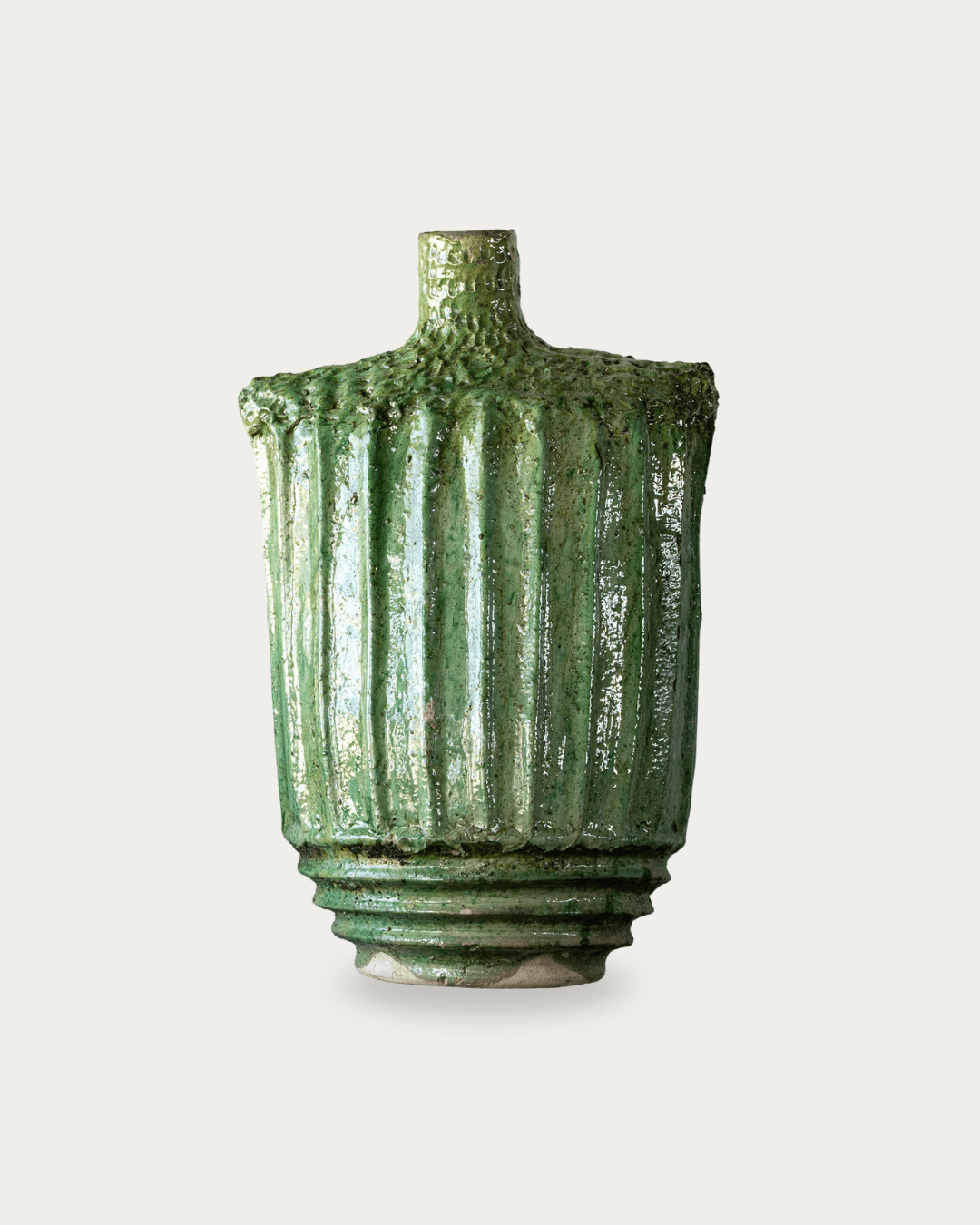
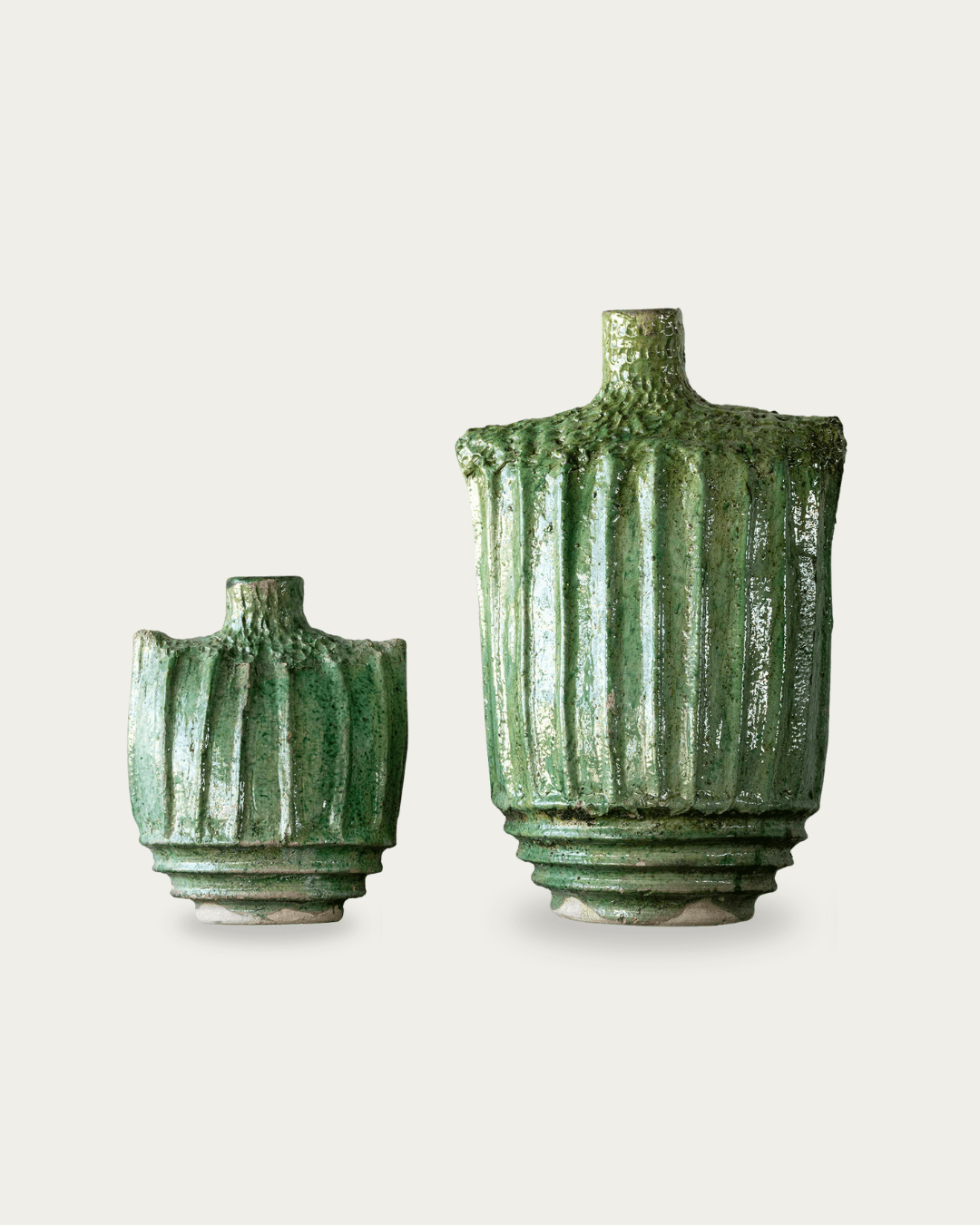
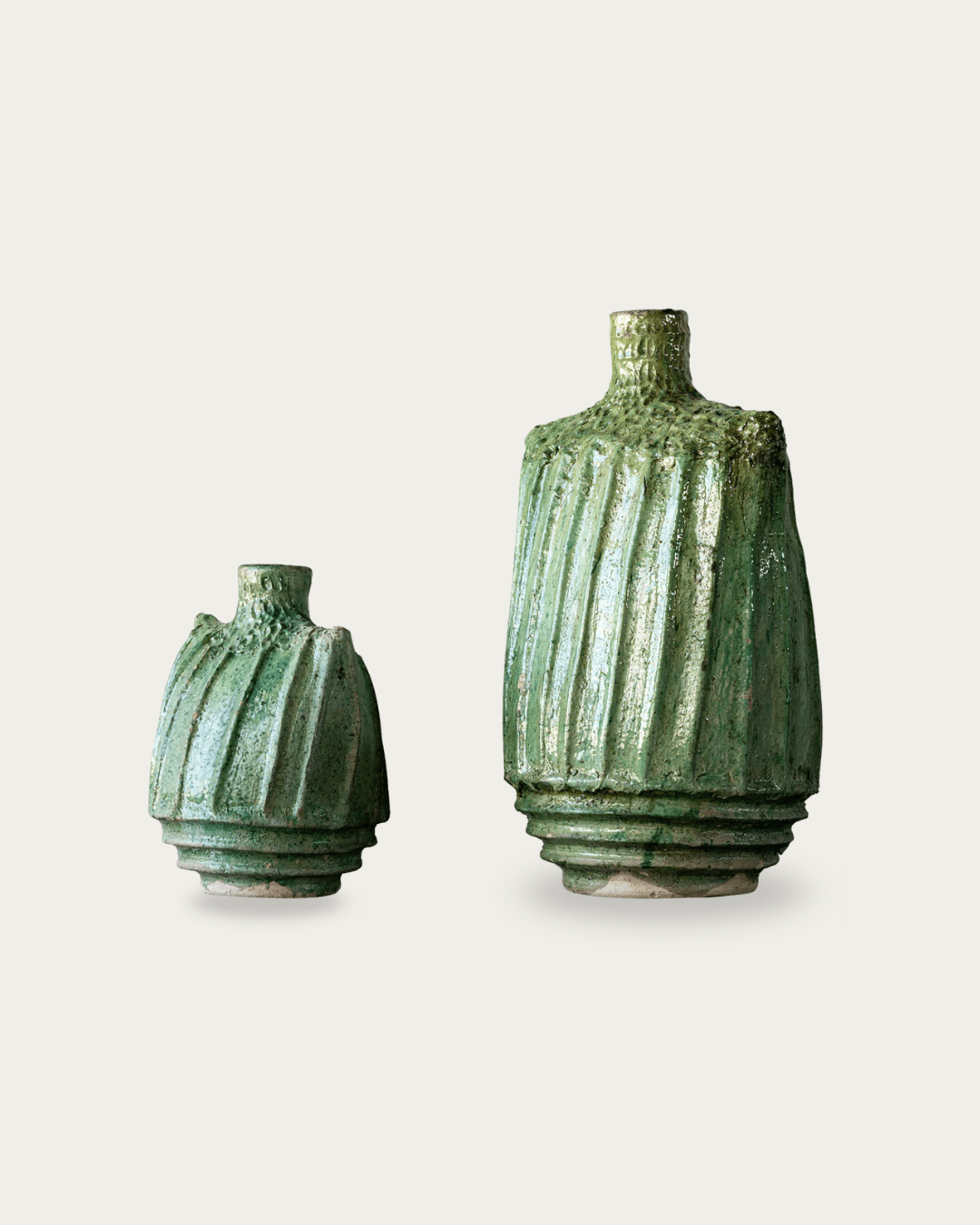
The Tamegroute green candle holder is a study in controlled irregularity. Its glaze variation and uneven edges catch light unpredictably, making it feel alive even when unlit.
Use it alone on a mantel or console — not as part of a matching set. Its power comes from contrast: old-world technique against clean surroundings.
When grouped, limit it to one companion object, ideally something matte or raw. Shiny-on-shiny cancels out the effect.
Object-Led Design: Let One Piece Set the Rules
The common thread across antique home decor that truly works isn’t age — it’s authority. These pieces don’t ask permission to exist in a space. They establish the rules.
Object-led design flips the traditional styling process:
Choose the object first
Let scale determine placement
Allow everything else to respond
This approach eliminates filler by default. If an object doesn’t support the anchor, it doesn’t belong.
Why Imperfection Is the Advantage
Perfect objects ask to be styled carefully. Imperfect ones relax a room instantly.
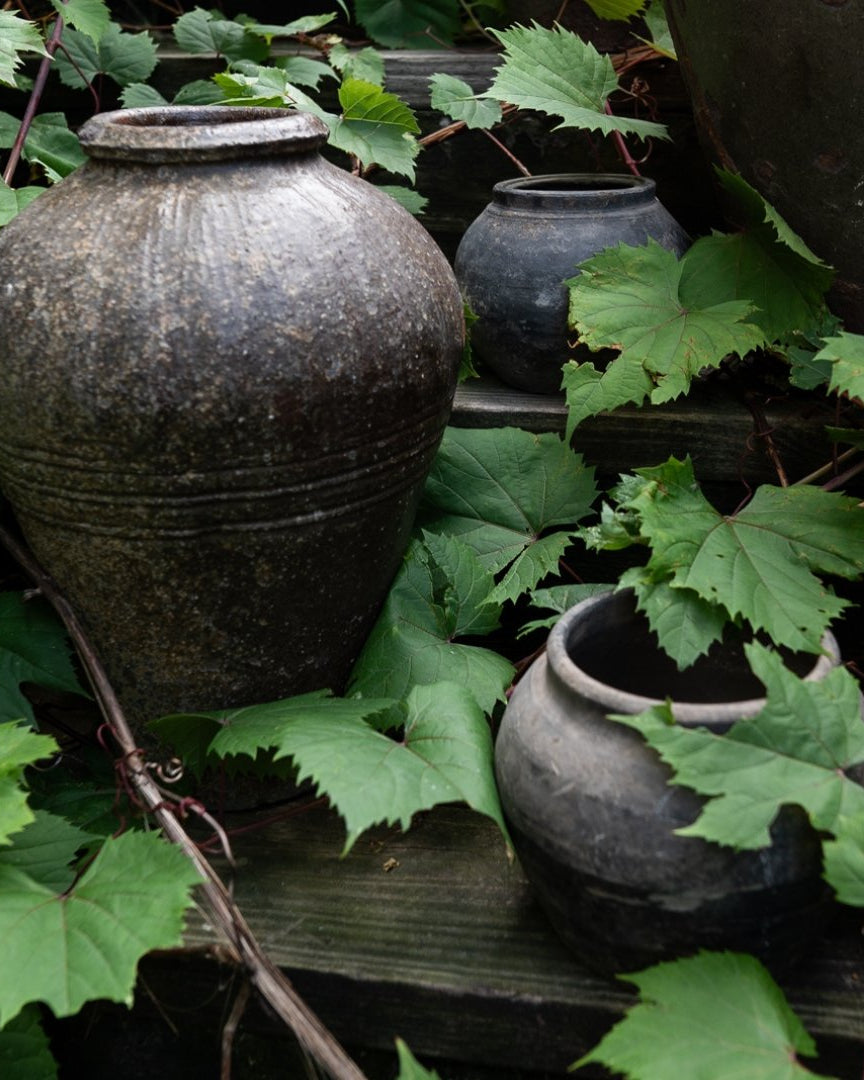
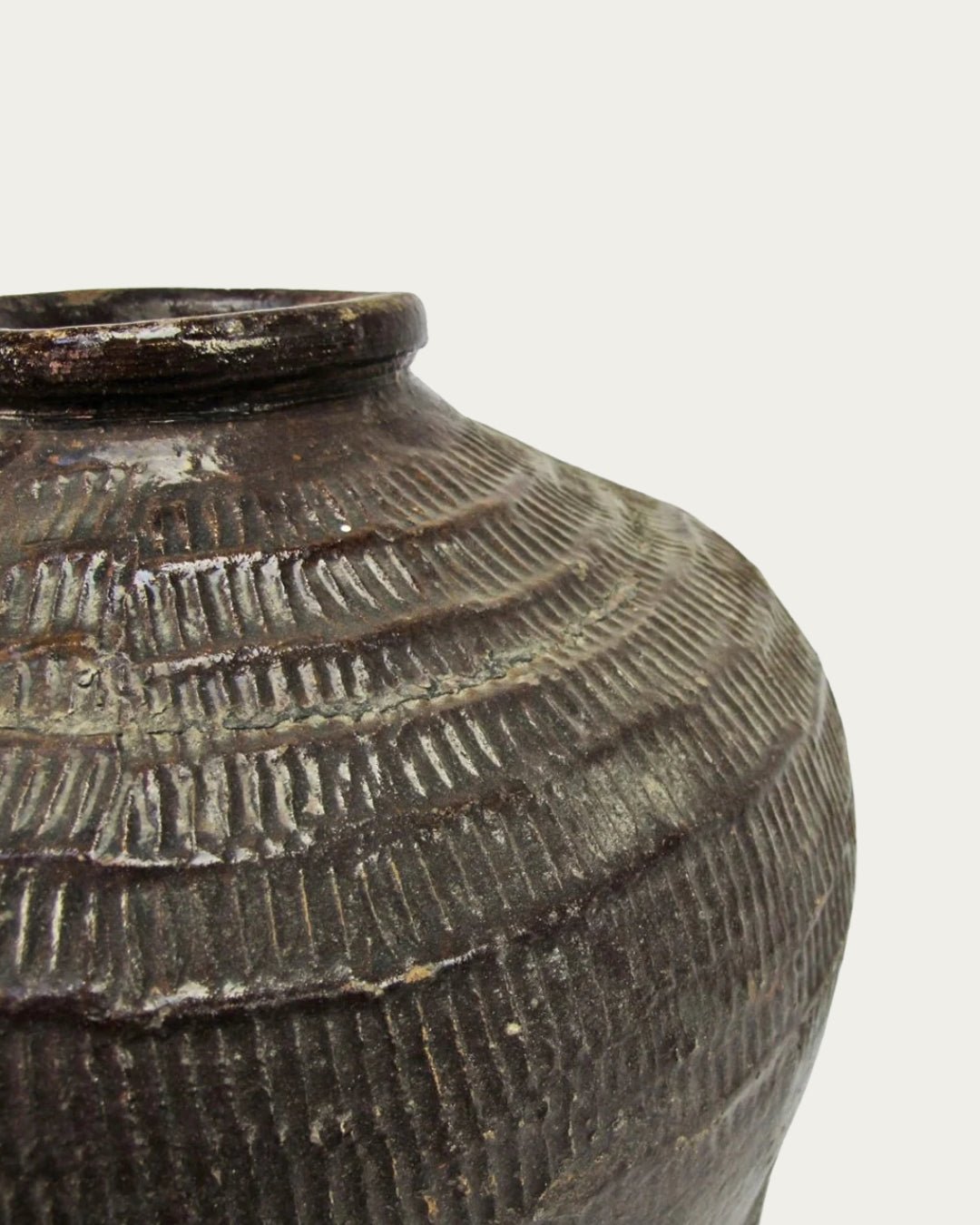
Hand-shaped forms — like molds, clay vessels, and glazed ceramics — carry irregularities that break visual tension. Your eye doesn’t scan them for symmetry. It accepts them as they are.
This is why vintage decor with visible wear often feels calmer than new, pristine alternatives. The object isn’t performing. It’s simply existing.
Where People Go Wrong (and How to Avoid It)
The most common mistake when working with sculptural pieces is overcompensation:
• Adding too many supporting items
• Forcing symmetry
• Treating objects as “collections” instead of individuals
If a piece feels lost, the answer is rarely more. It’s usually space.
Give the object a margin. Let negative space do some of the work.
Final Thoughts: Fewer Objects, Stronger Rooms
When you stop treating walls and surfaces as places to fill and start treating them as structures that need anchoring, everything changes. Sculptural vintage objects don’t decorate a room — they stabilize it.
They give your home a center of gravity.
They slow the eye.
They let the rest of the space exhale.