










Style Guide | Vale Mont Living & Dining Room
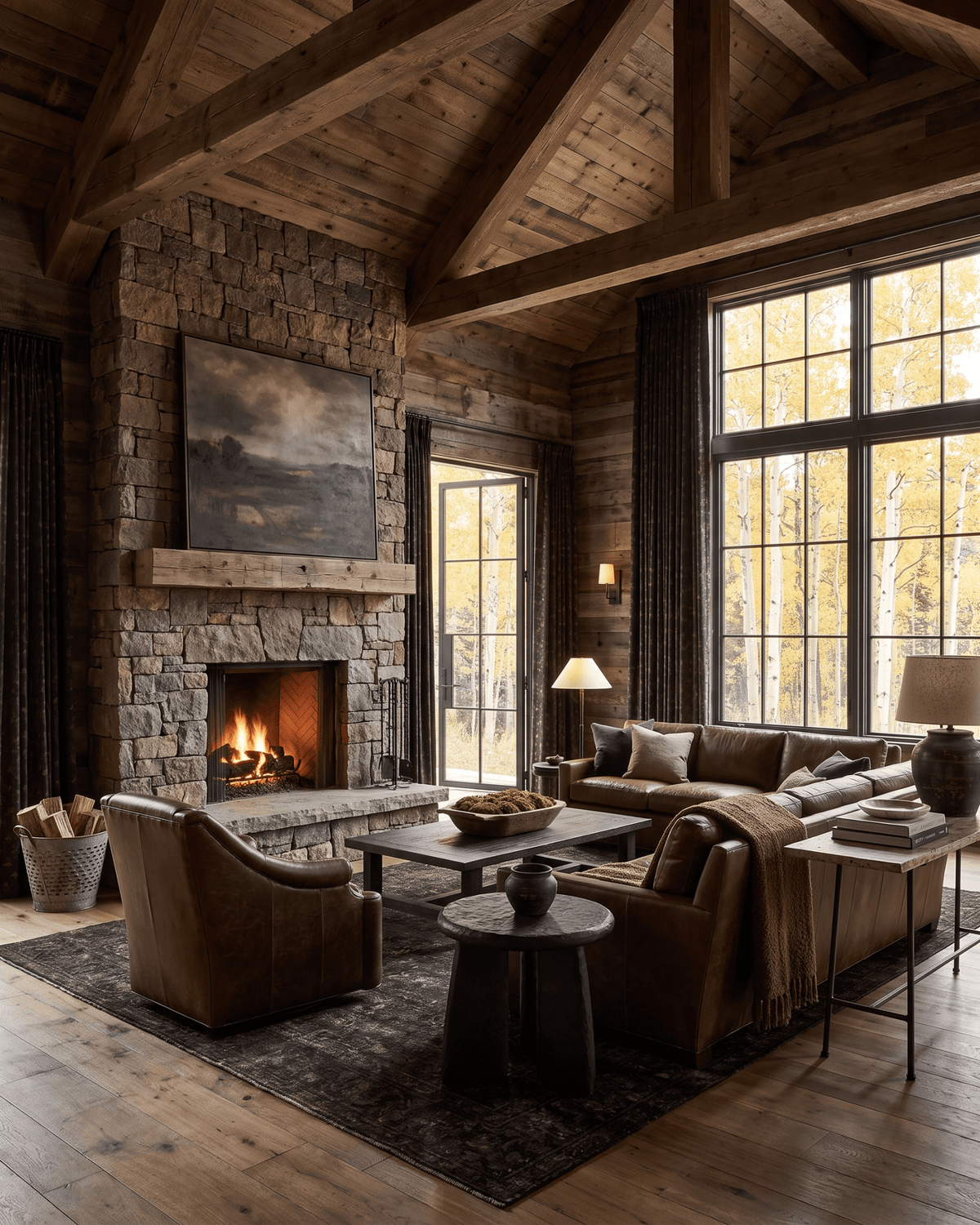
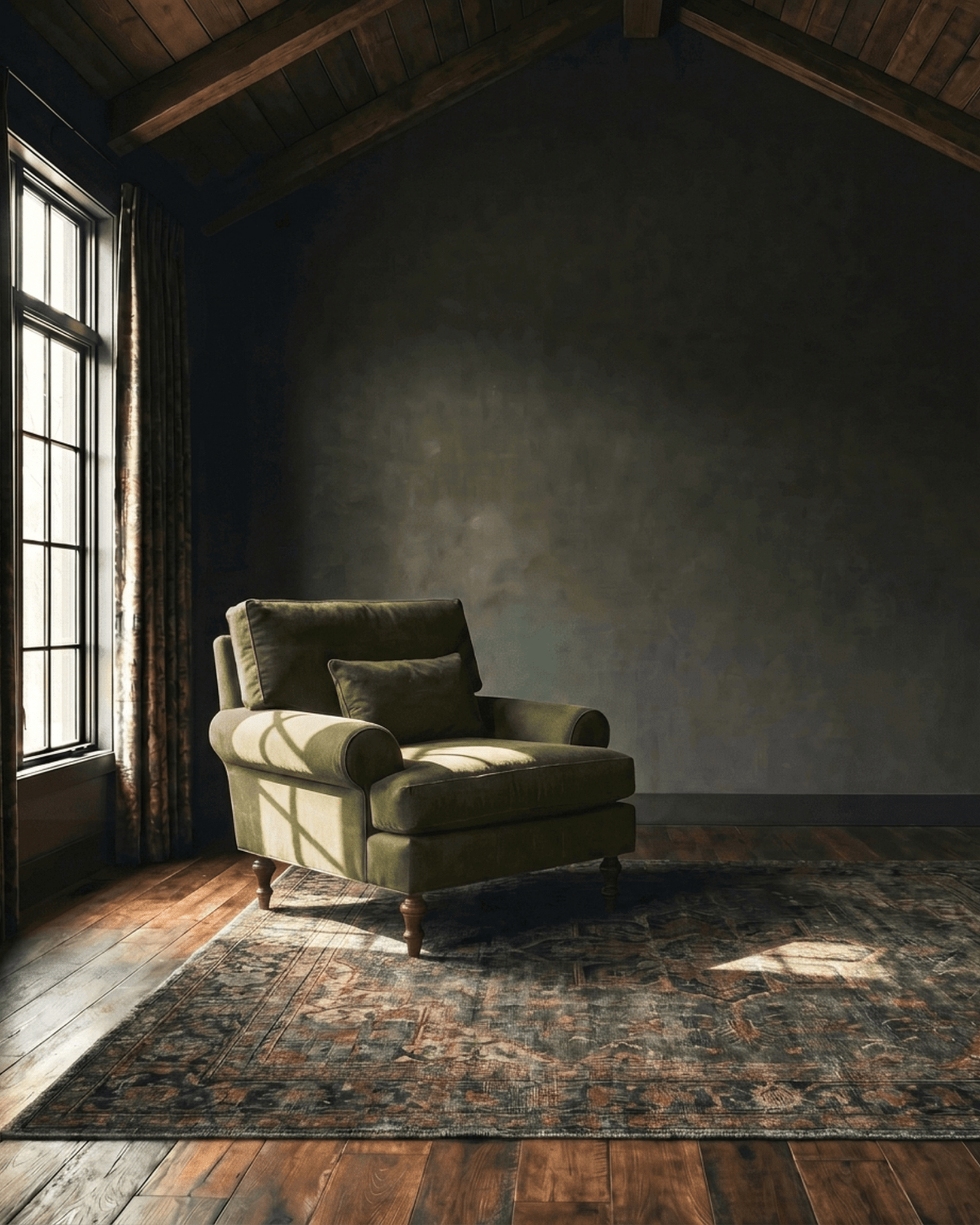
The first thing I locked in here was the sightline.
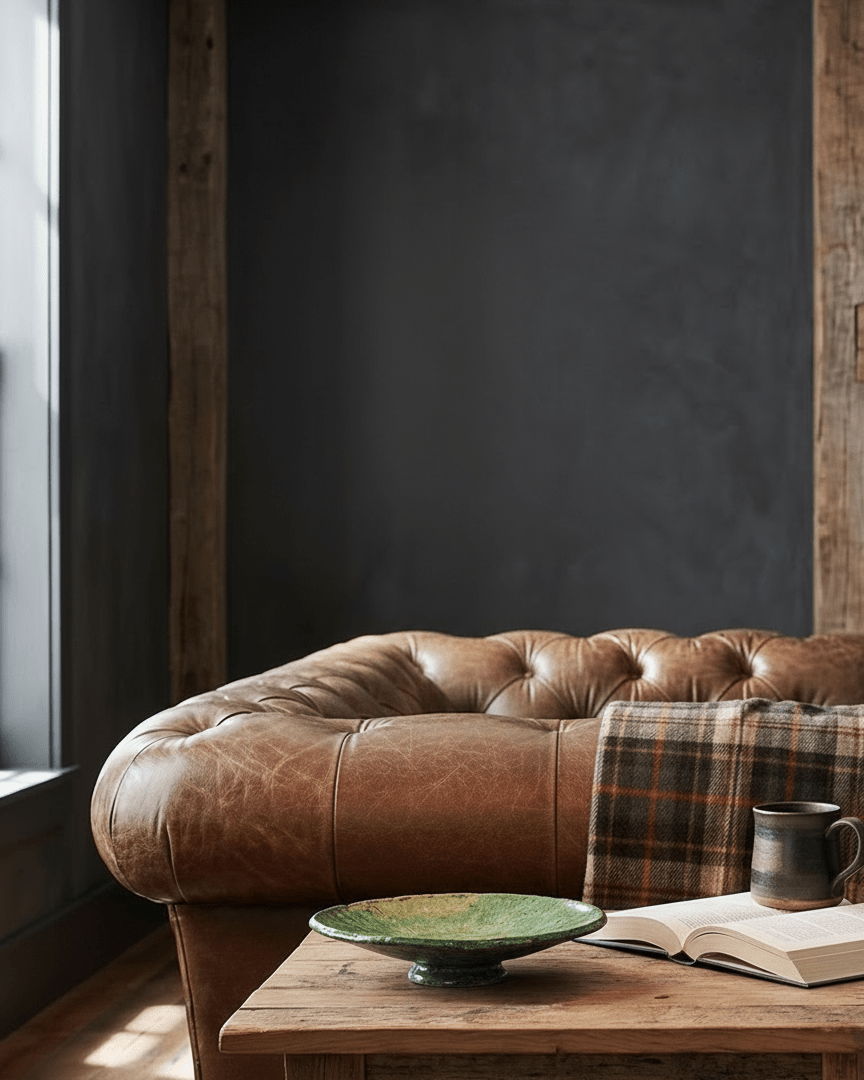
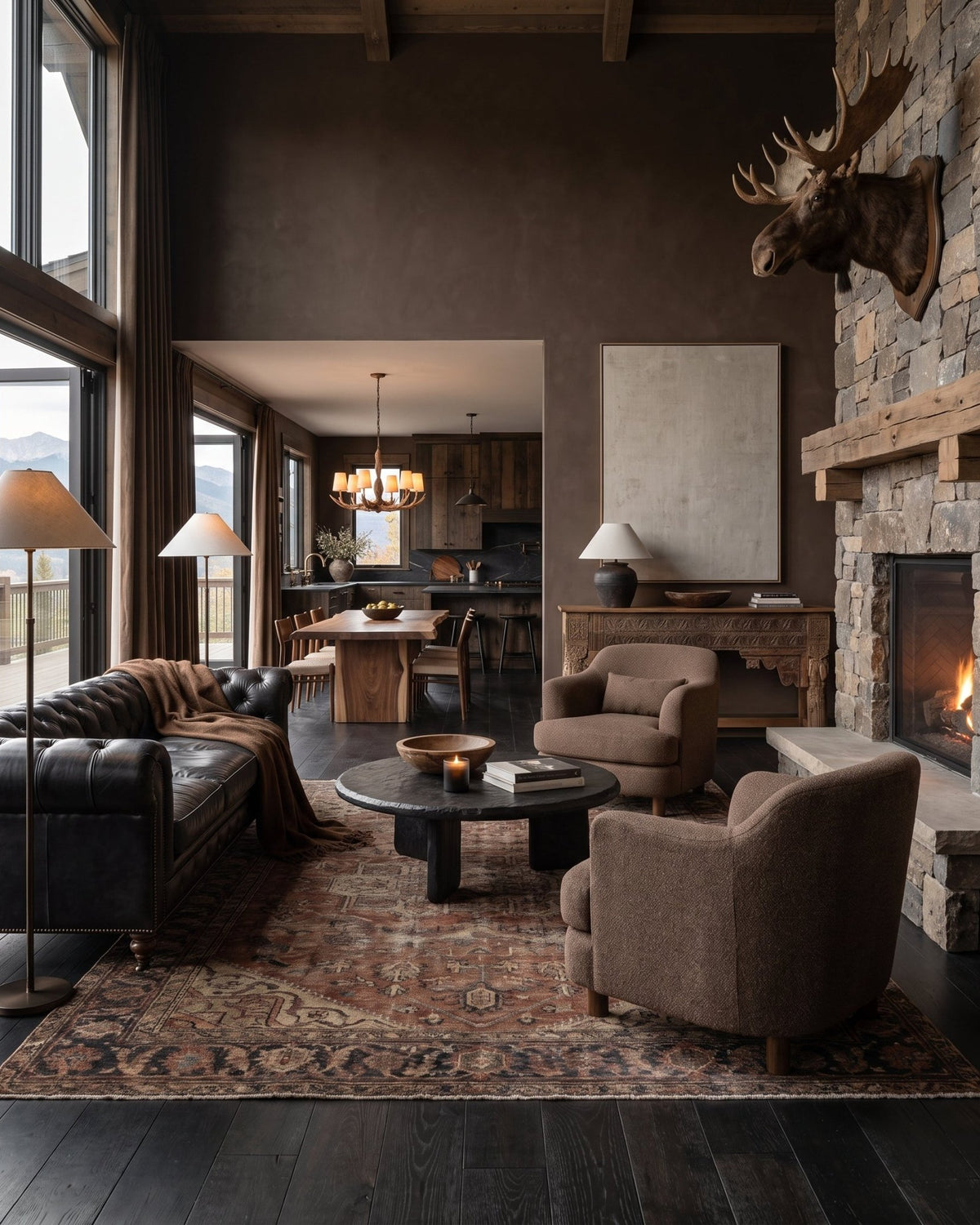
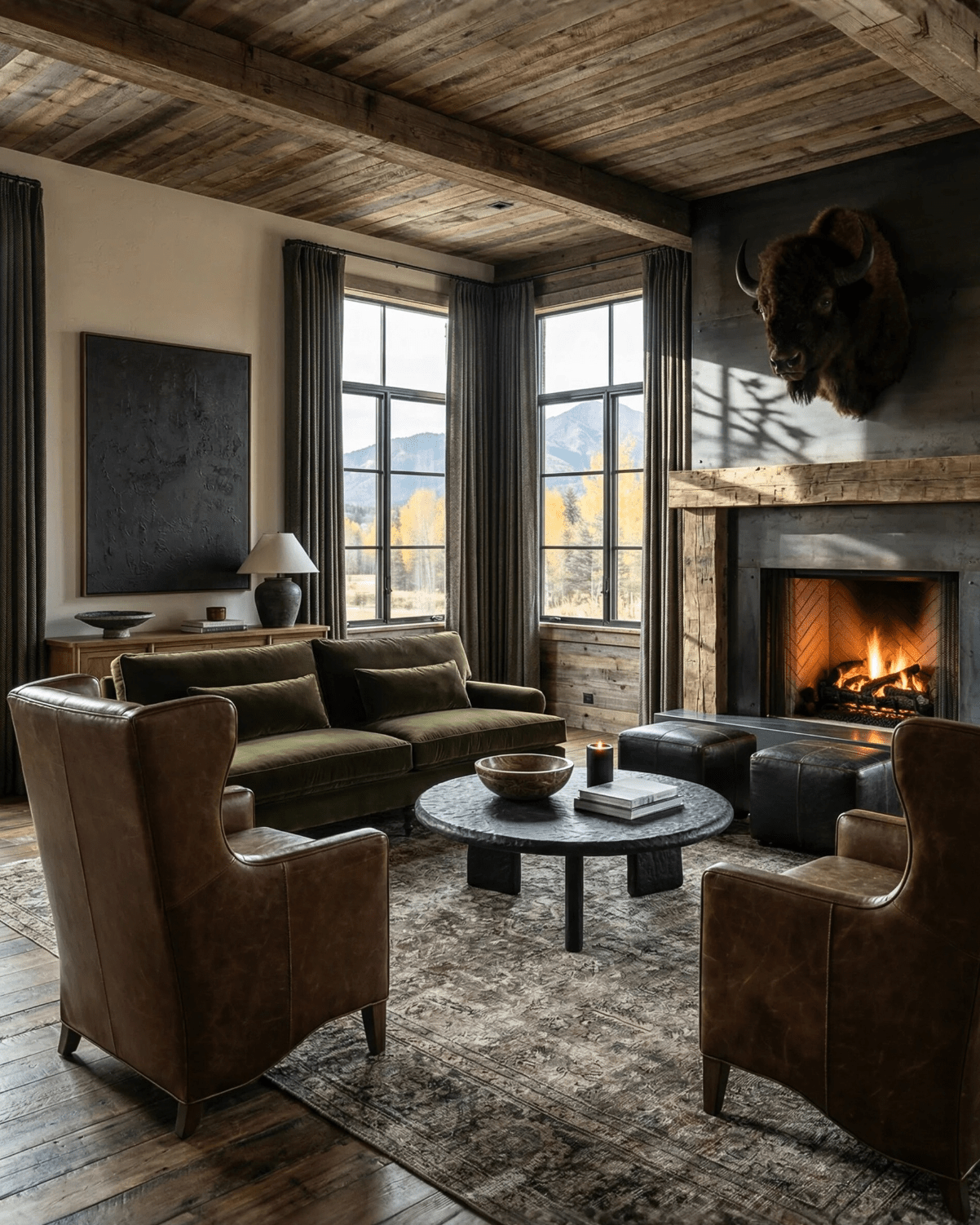
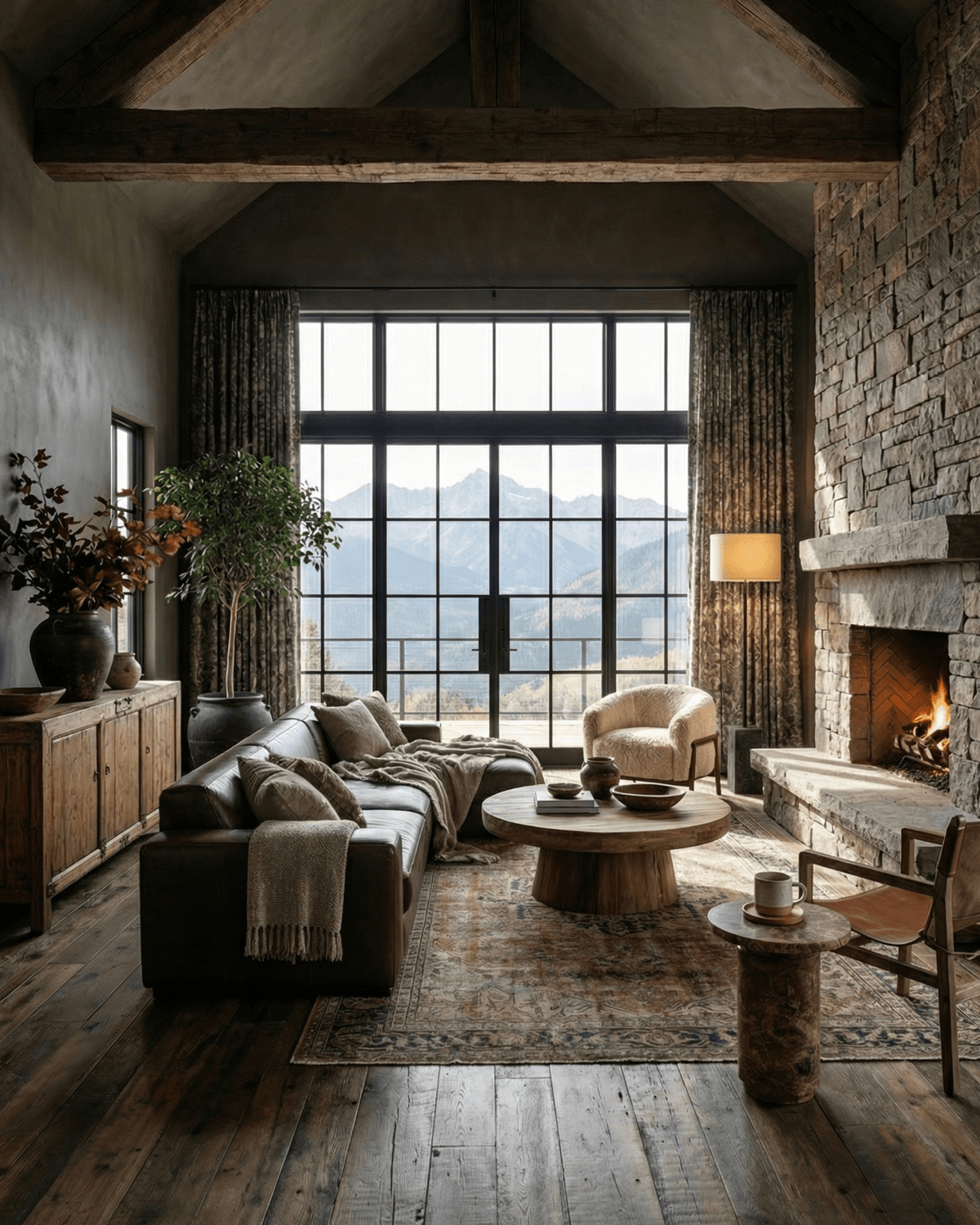
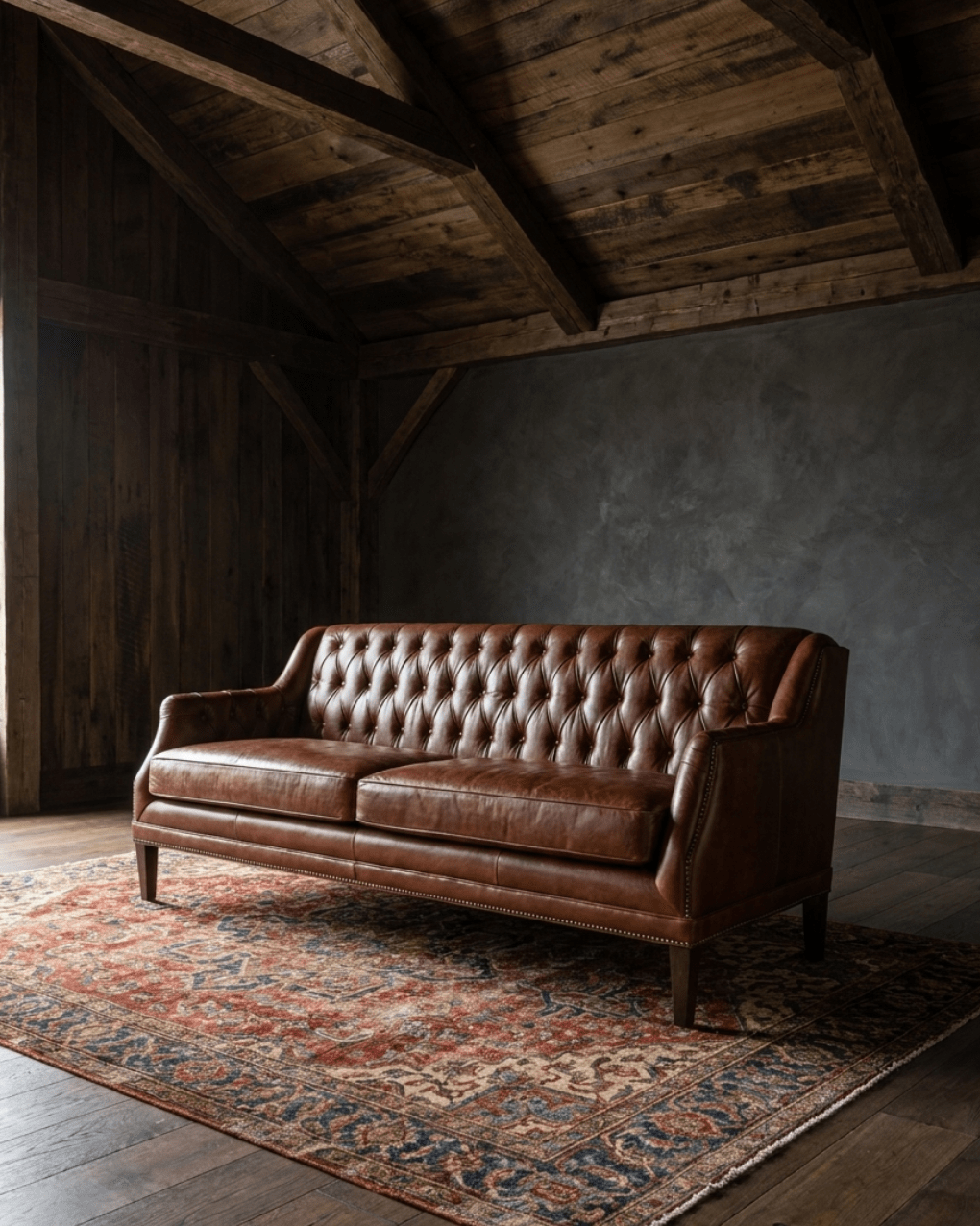
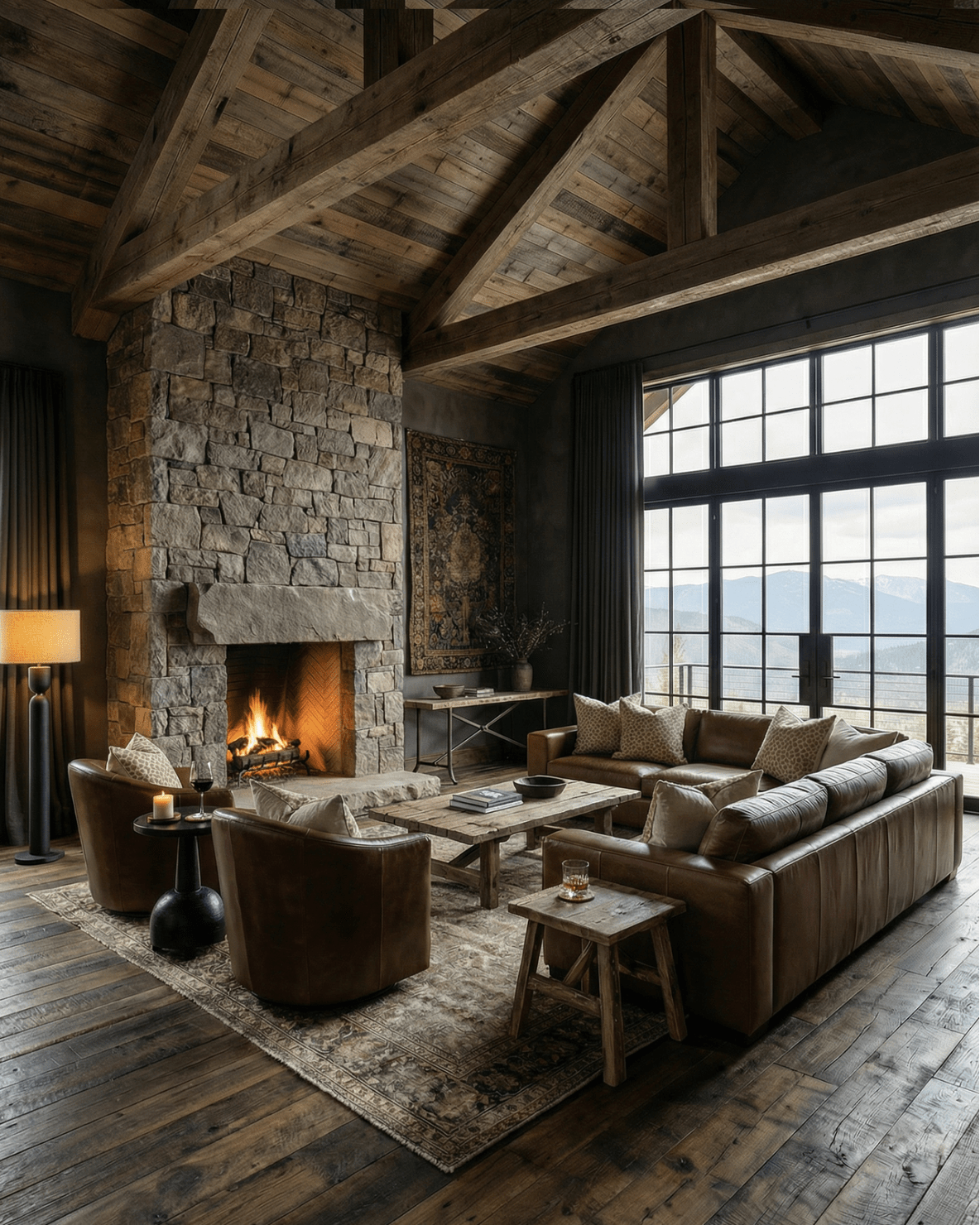
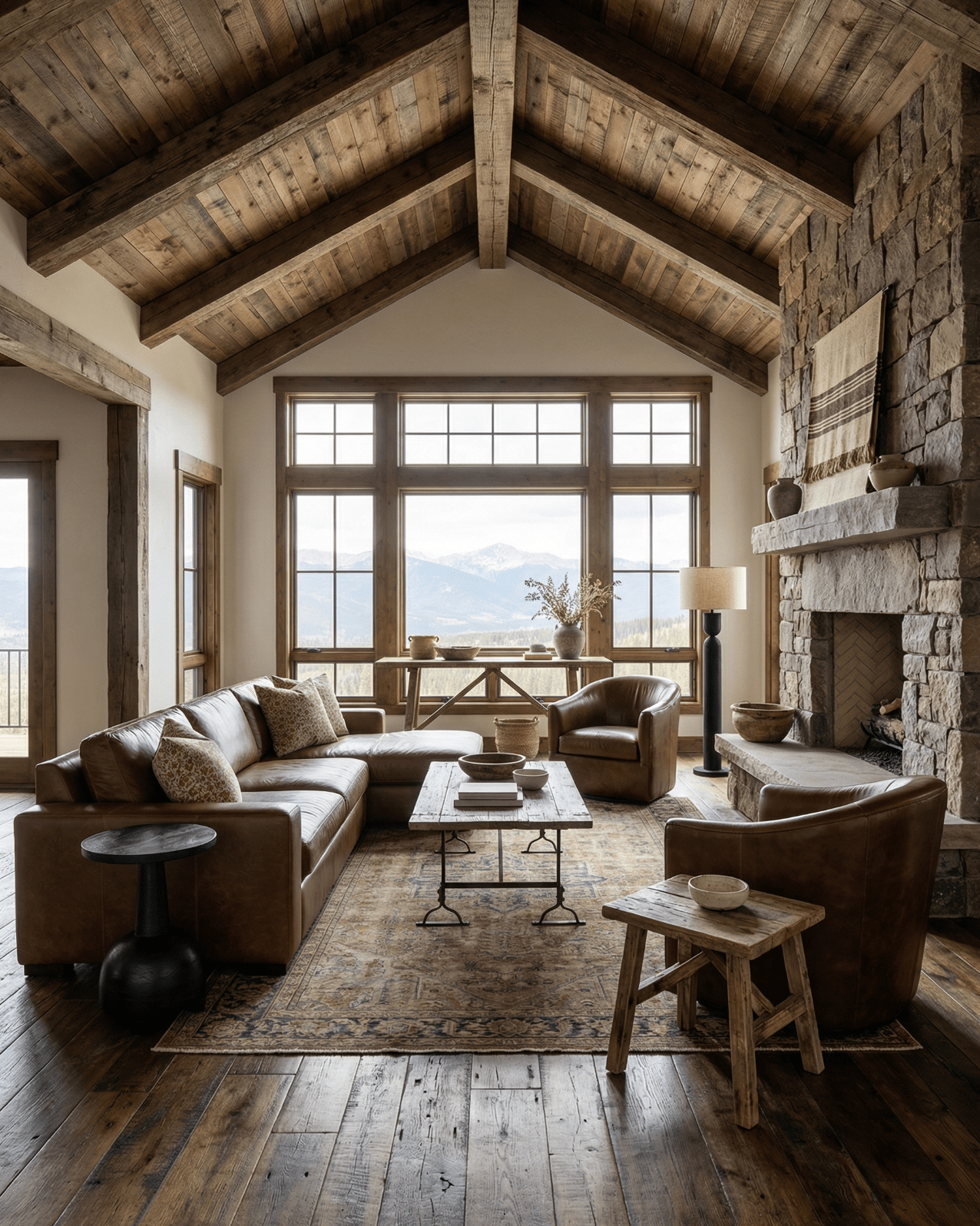
When you walk into this room, your eye lands on our Halden sofa and stays there. It doesn’t get pulled in five different directions, and that matters more than people realize.
Every time your eye has to bounce between competing focal points—different tones, different directions, different moments—your brain has to stop and reprocess the space. It’s subtle, but it’s the same kind of low-level stress as someone cutting you off in traffic. You don’t think about it, but your body does.
So I built this room so that doesn’t happen.
This room is grounded in Sight—one of the 8 senses—specifically how your brain processes continuity across what it’s taking in.
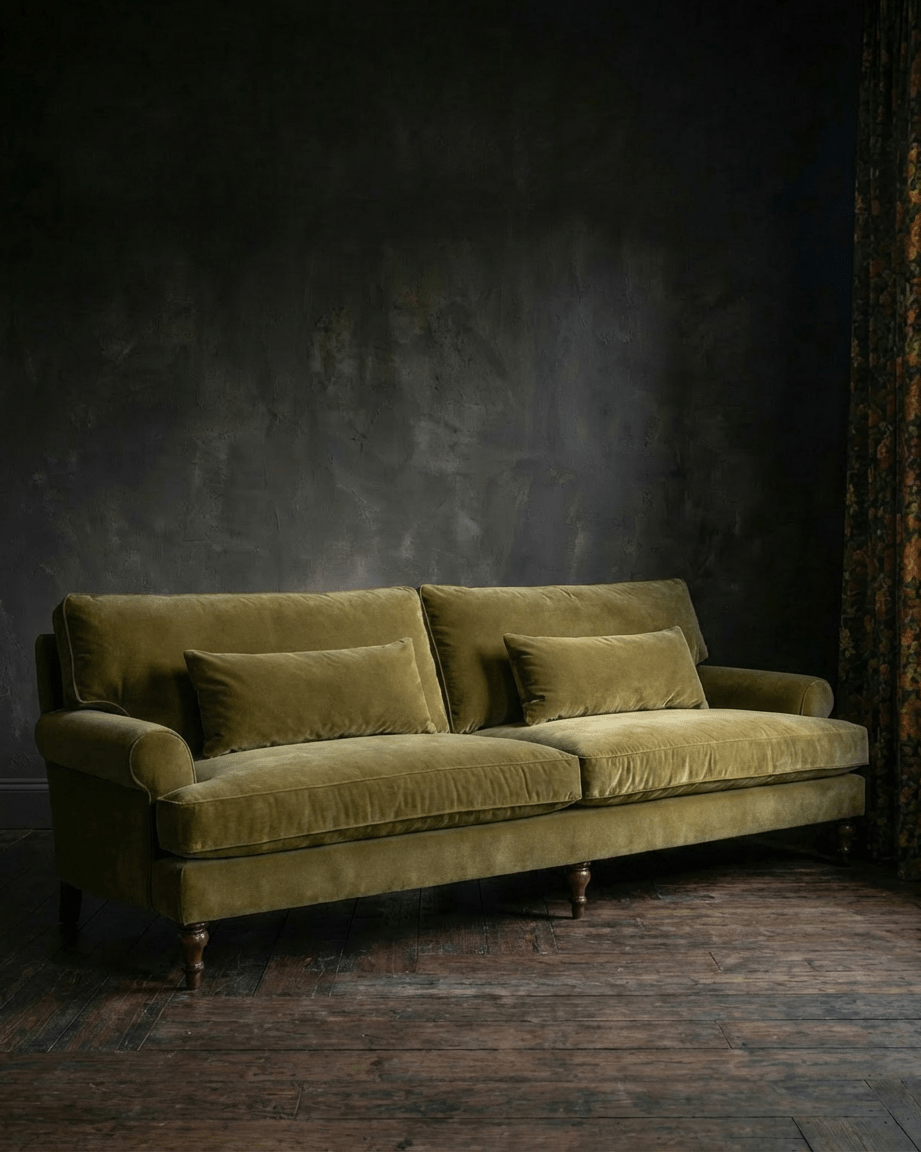
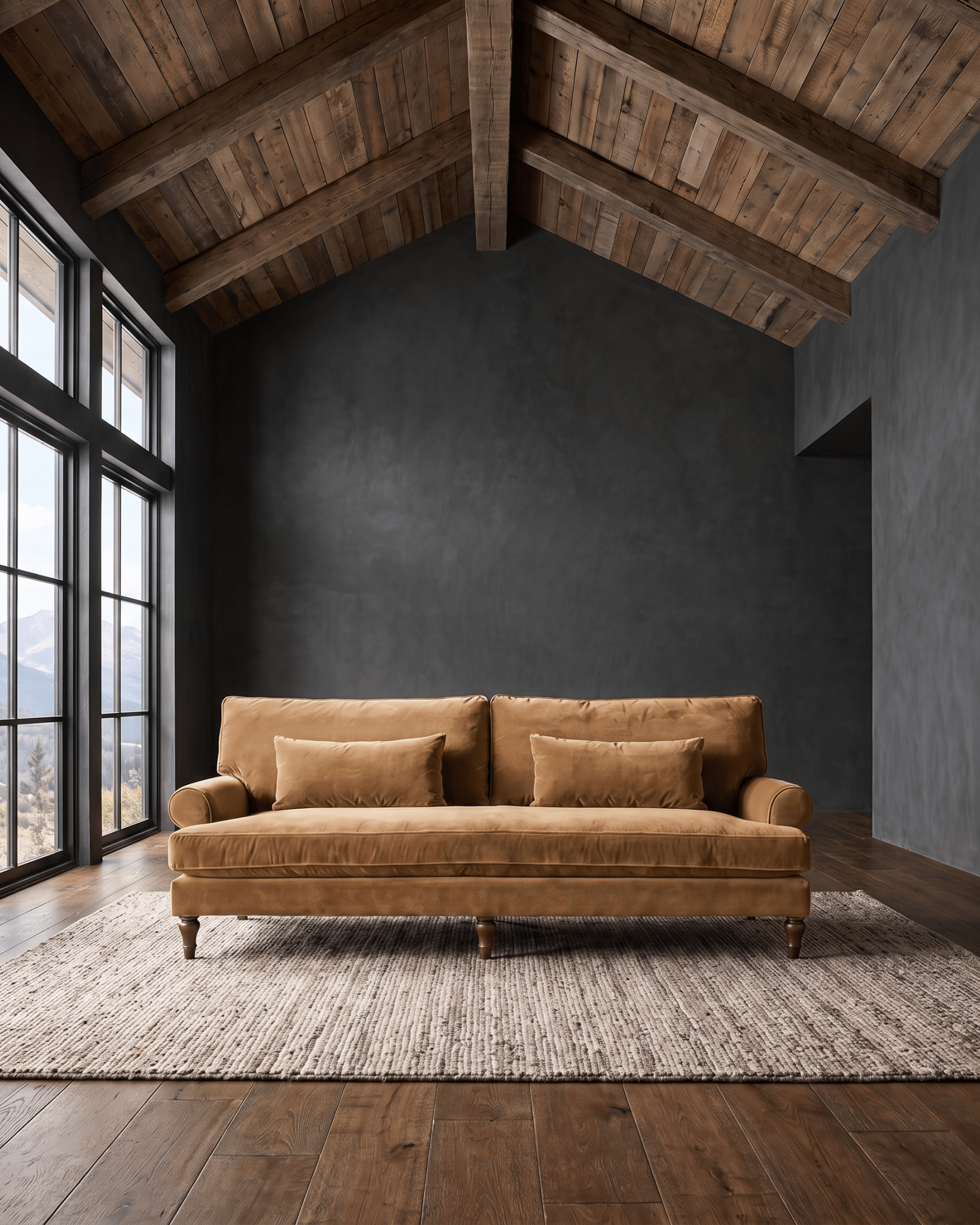
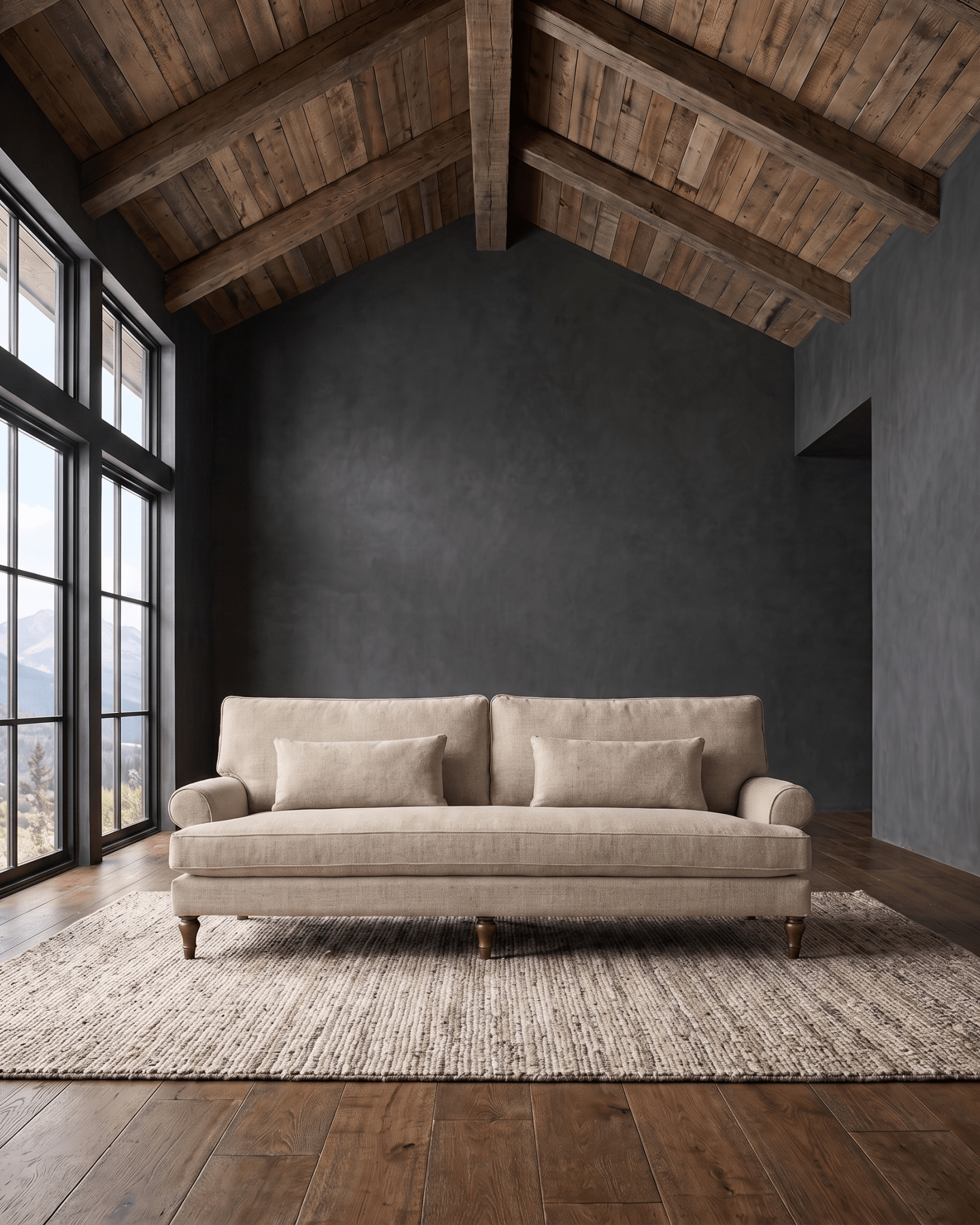
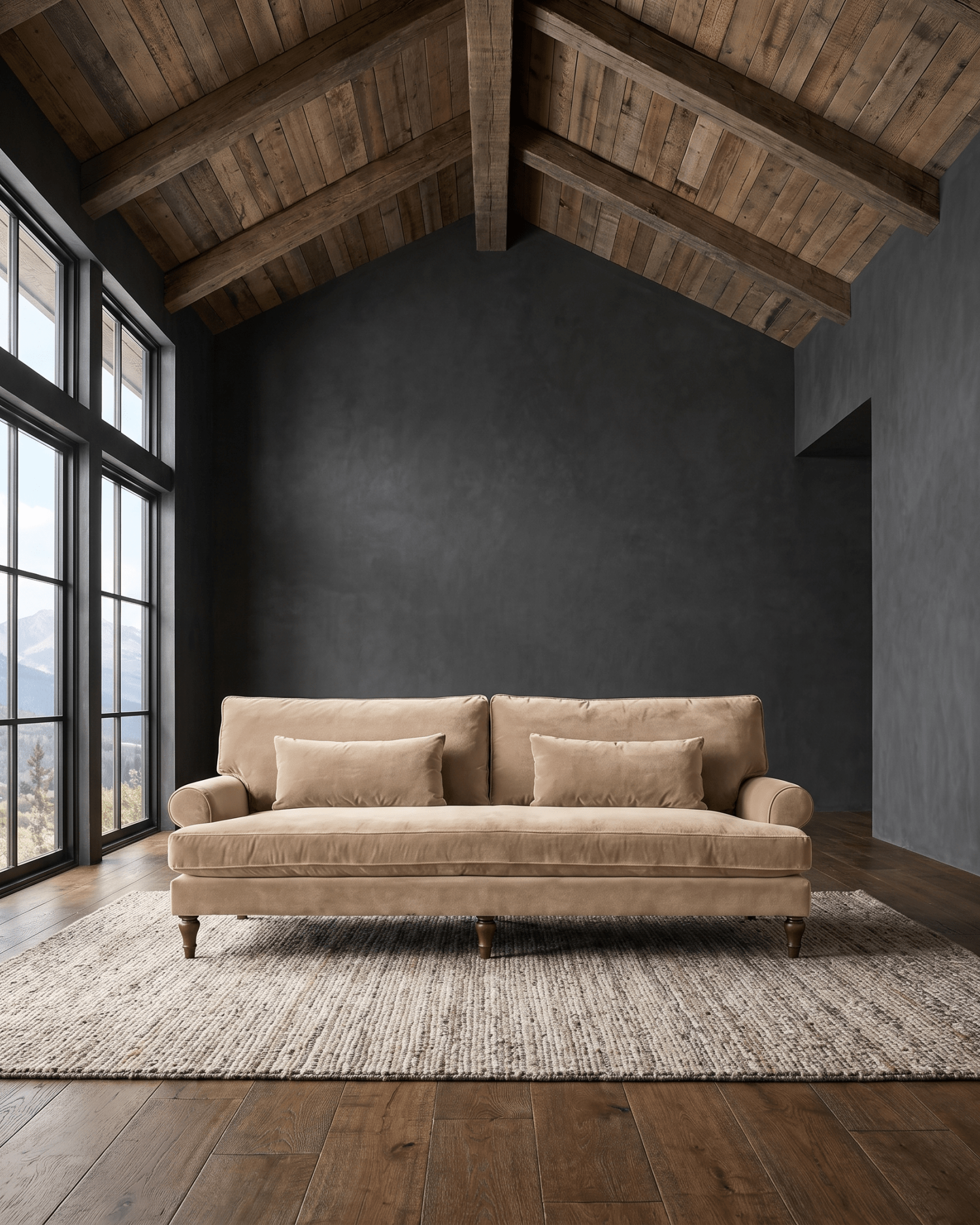
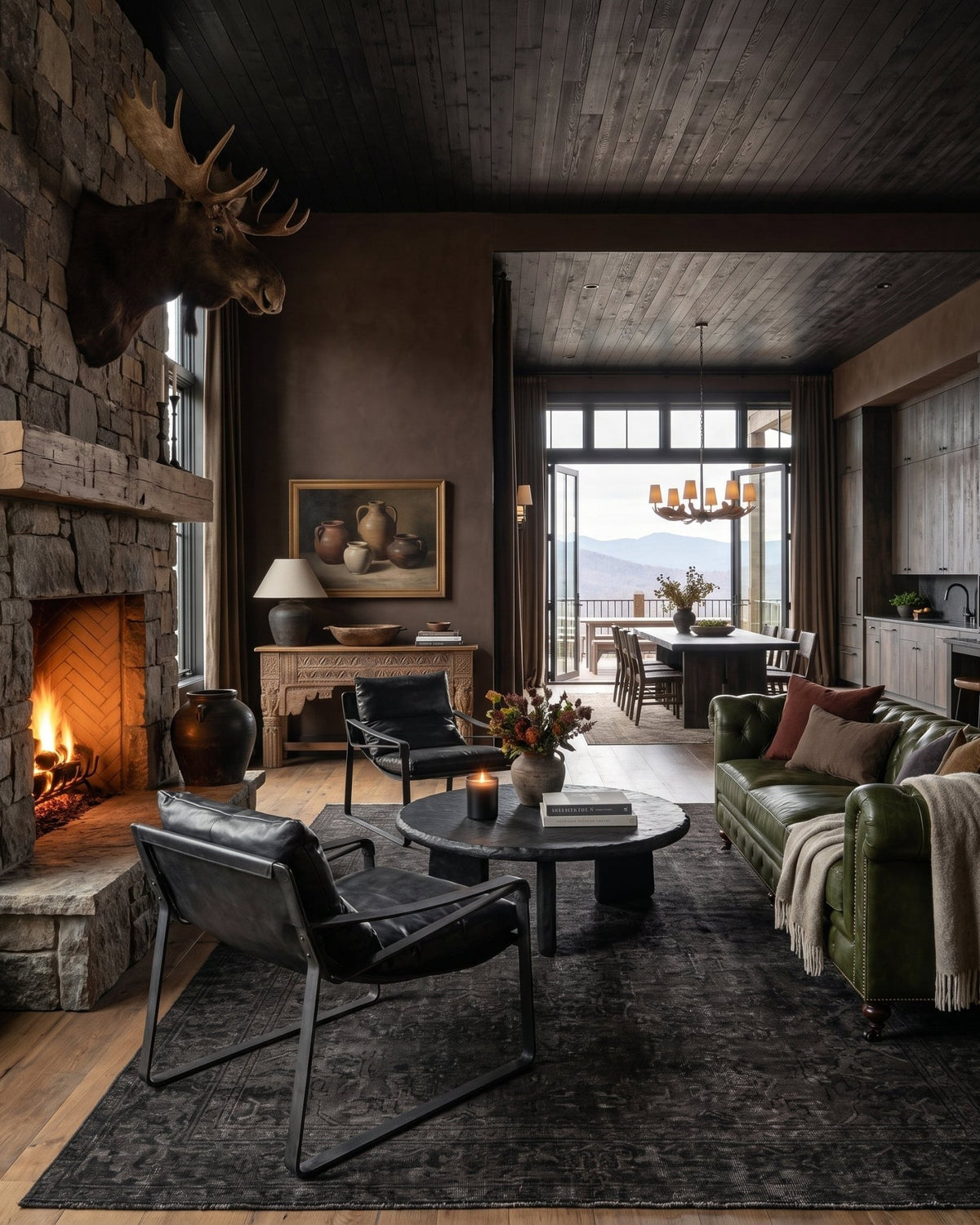
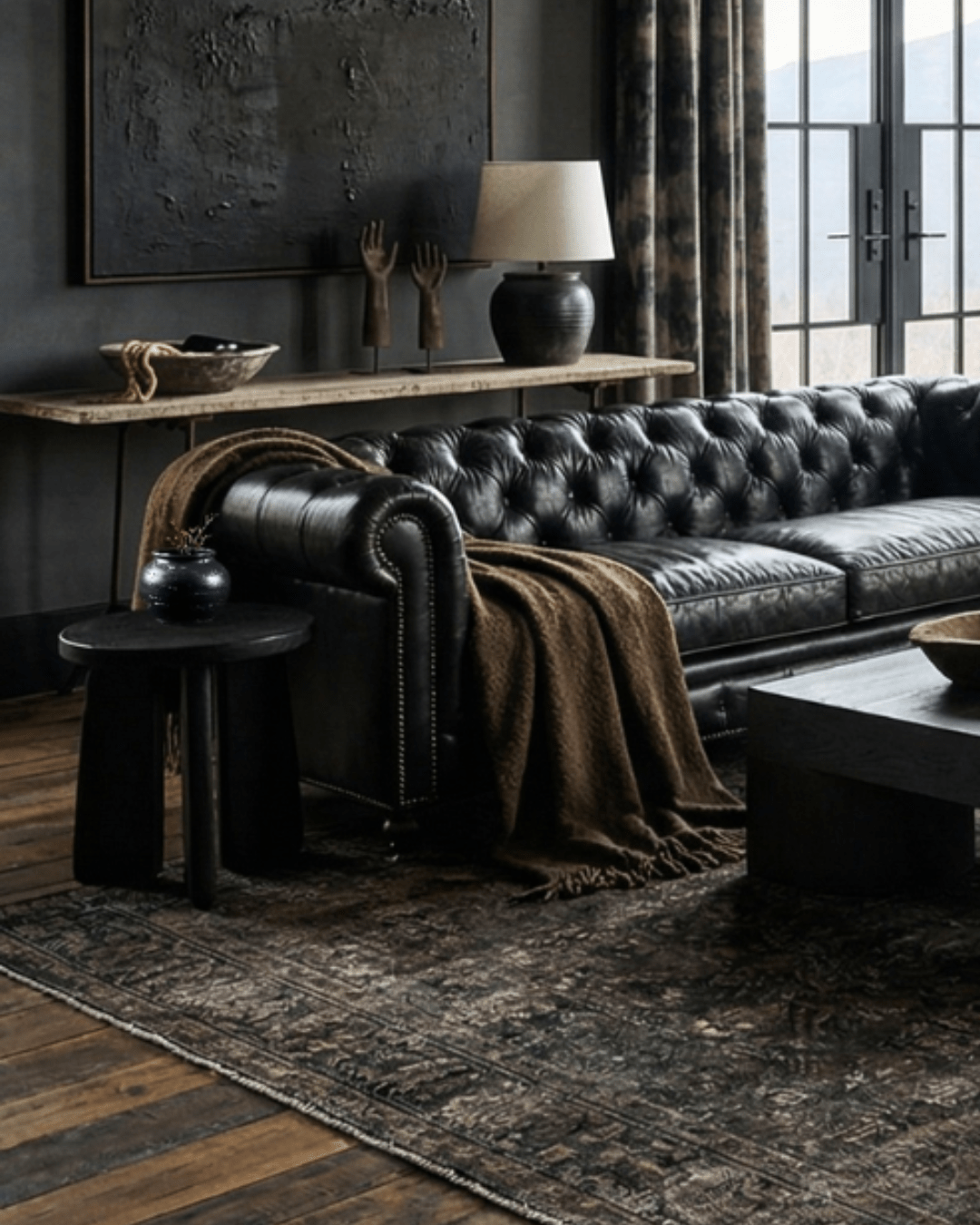
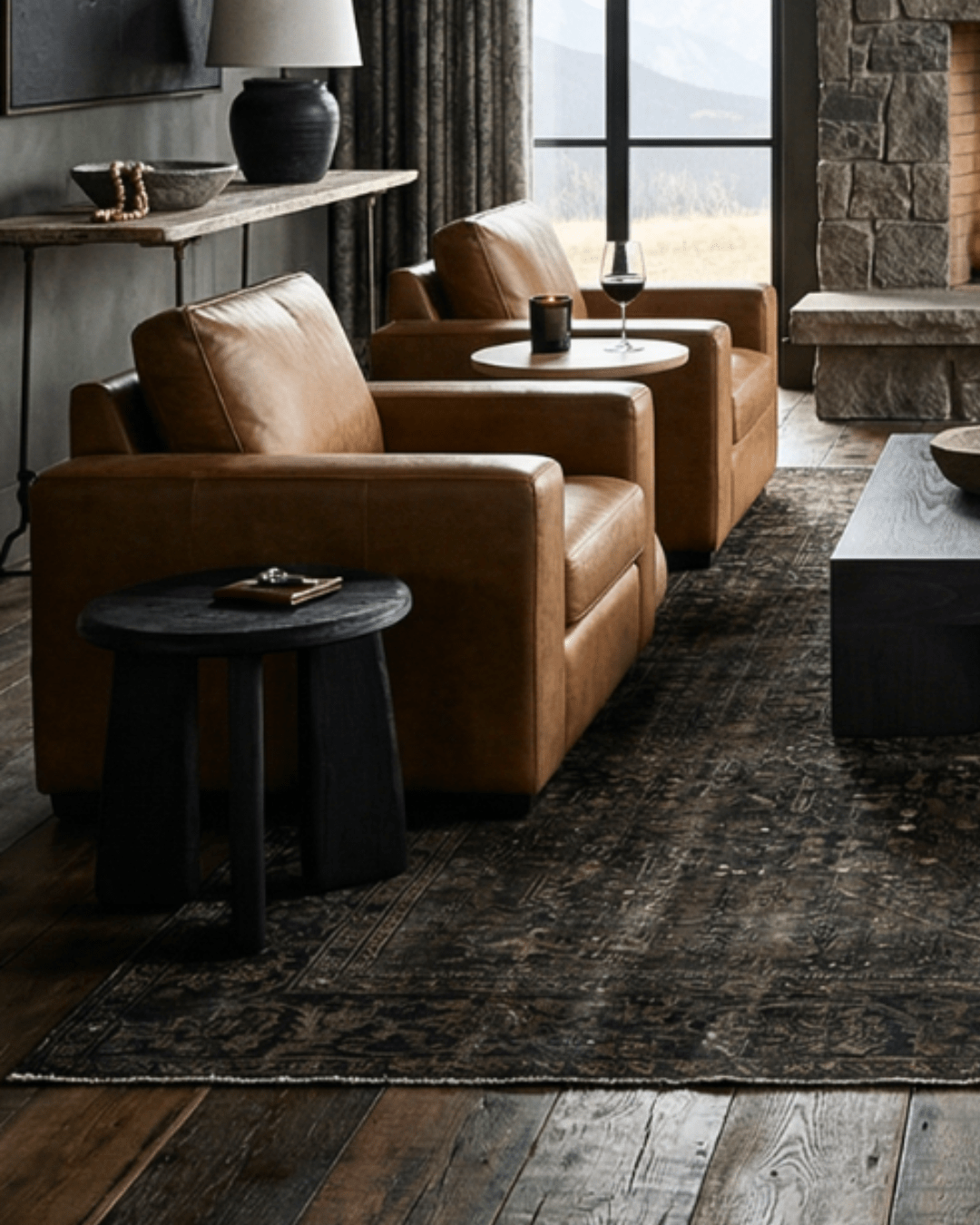
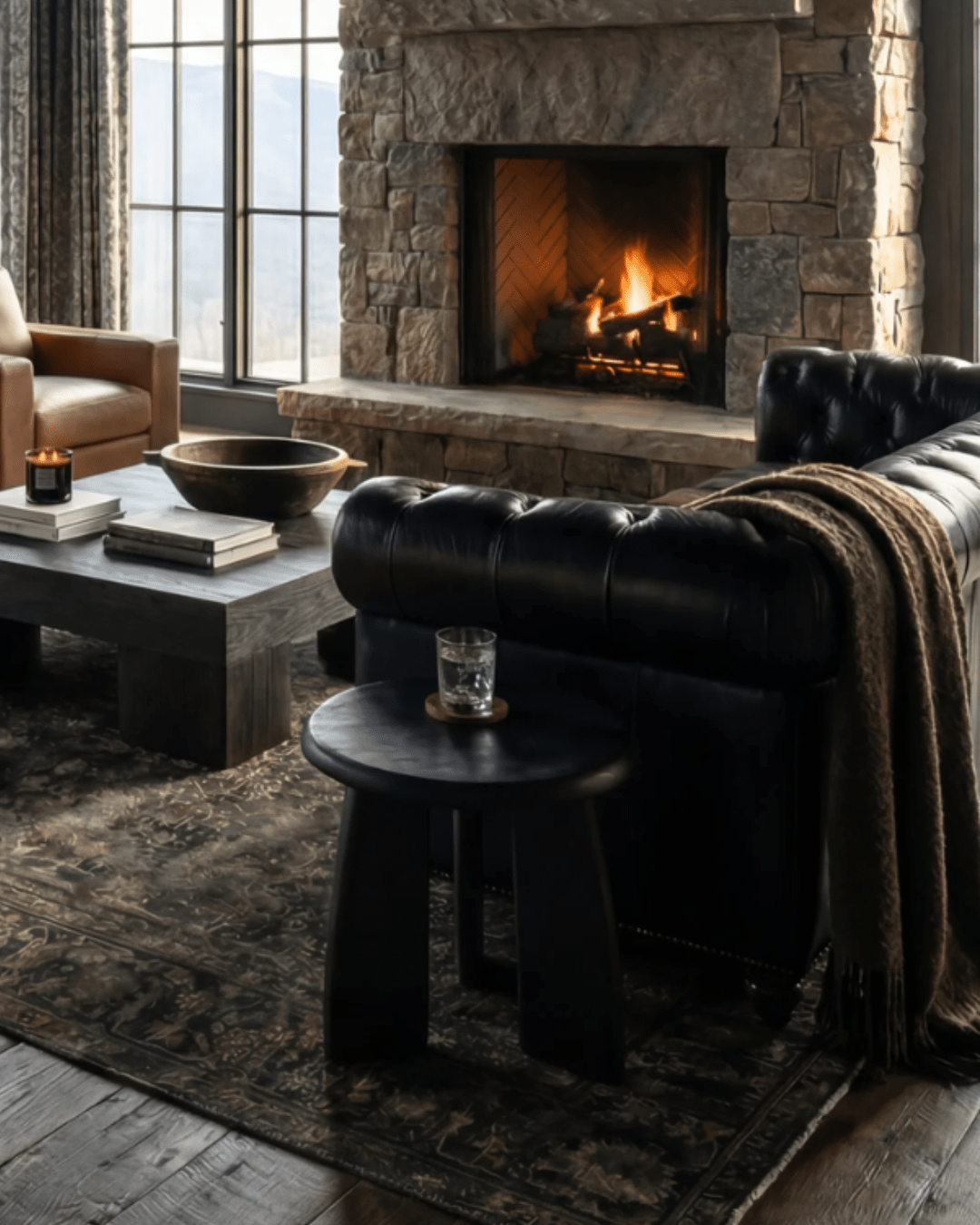
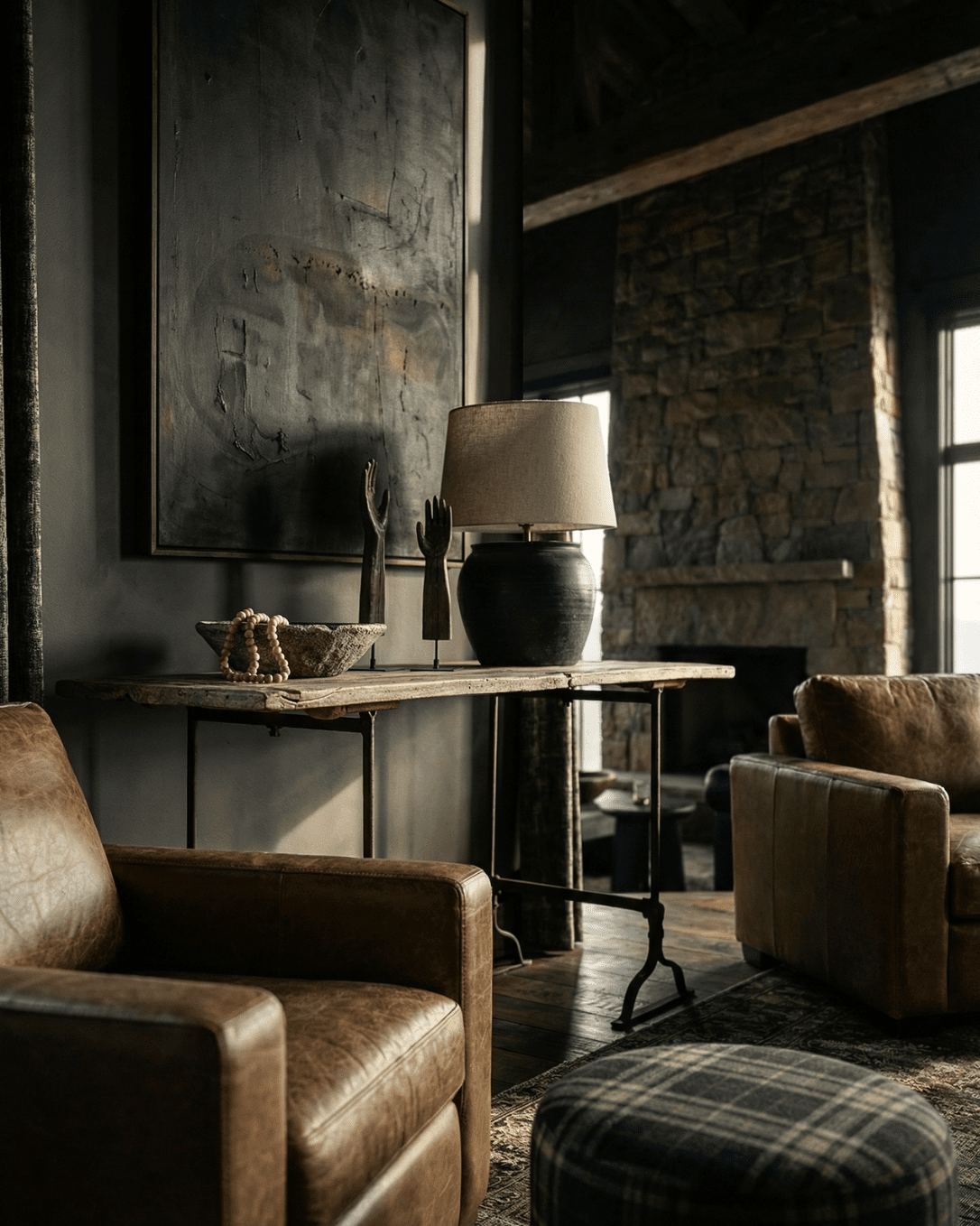
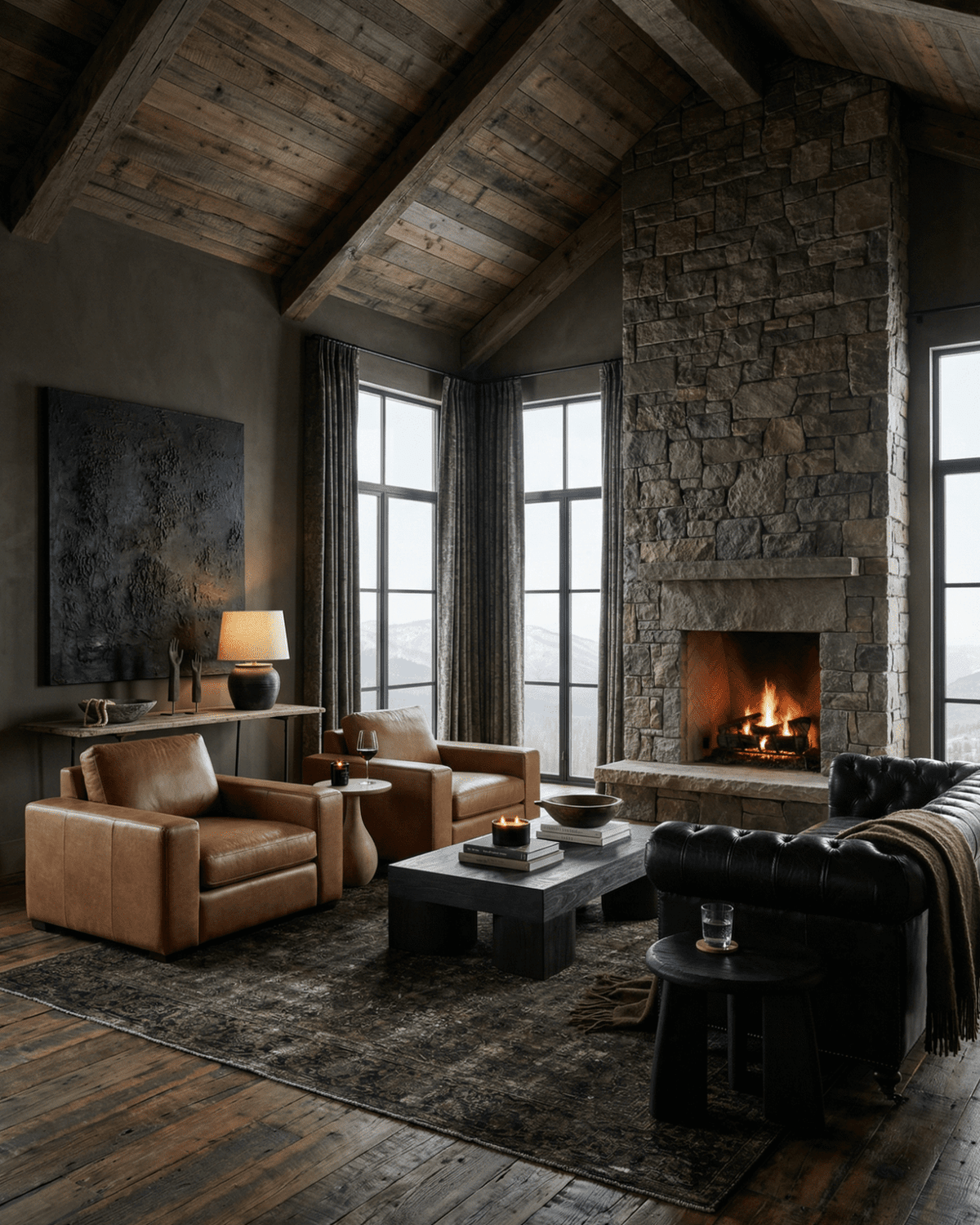
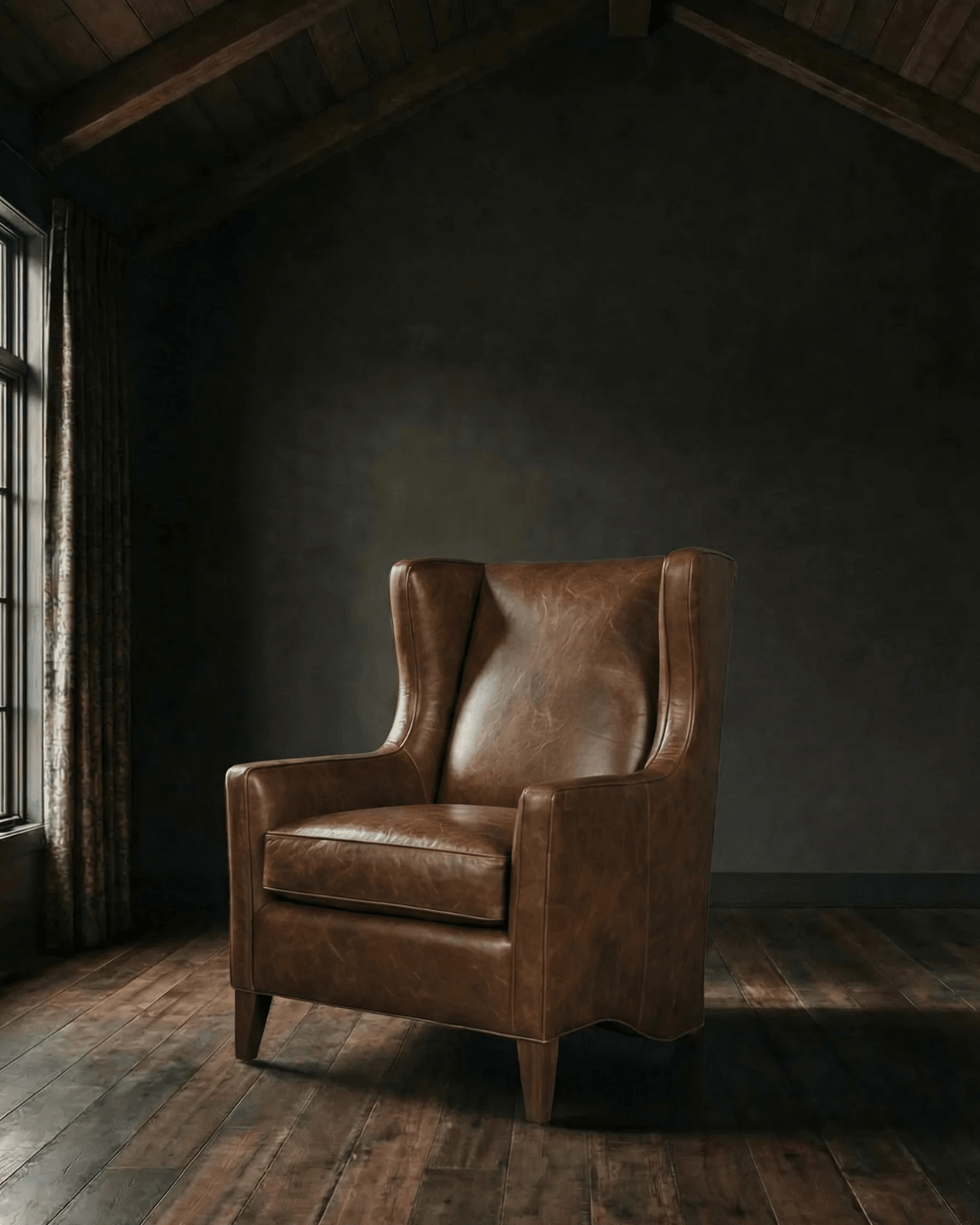
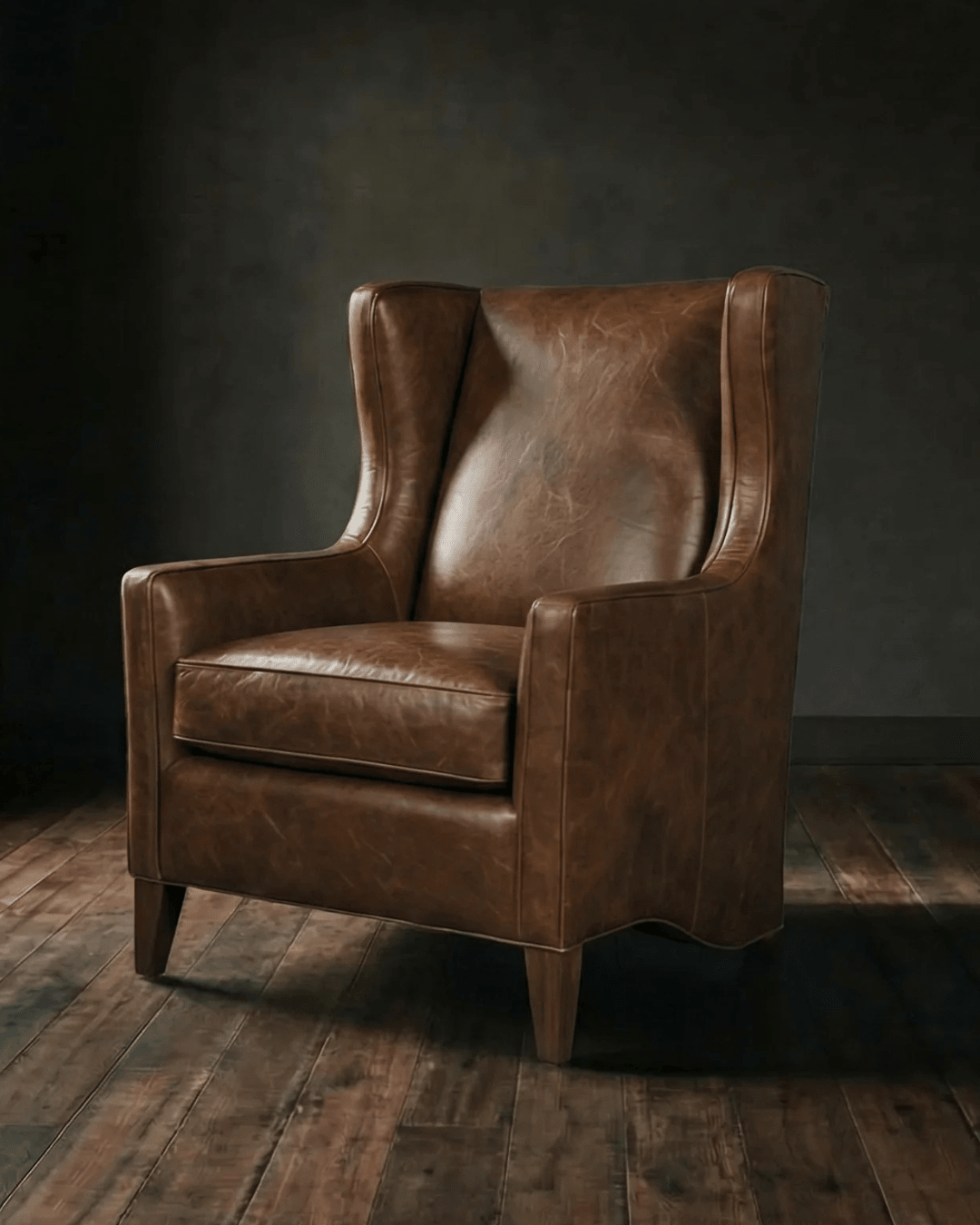
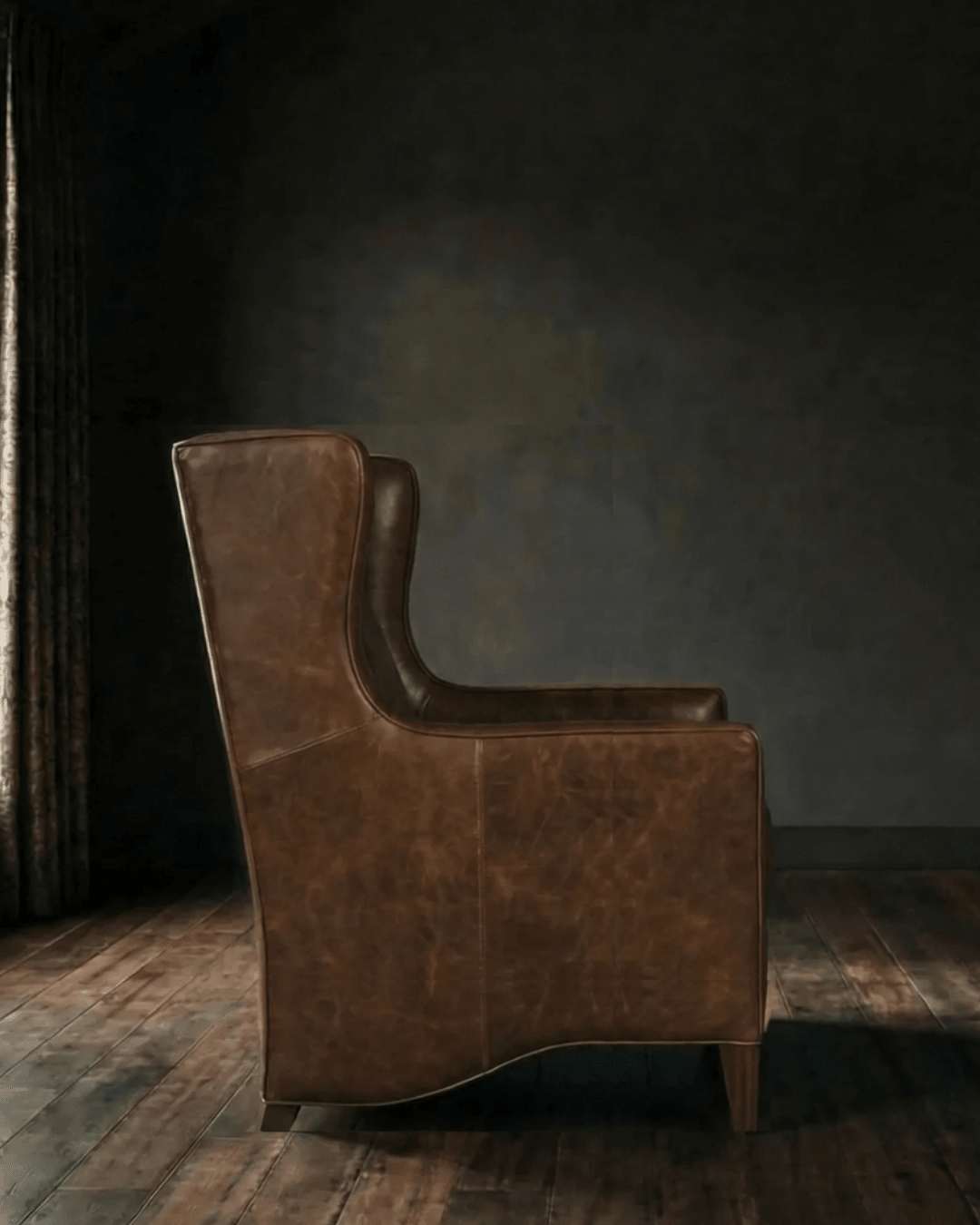
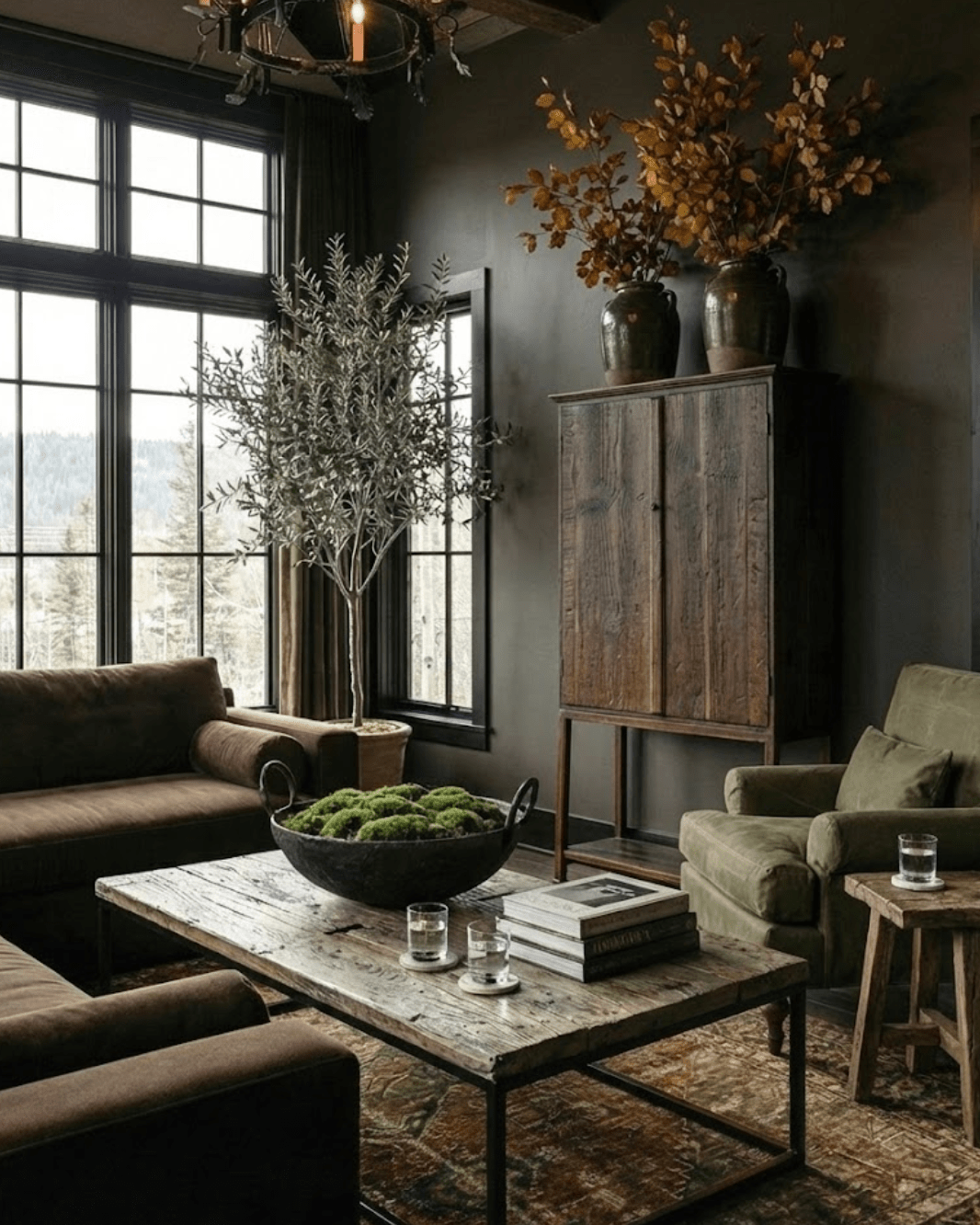
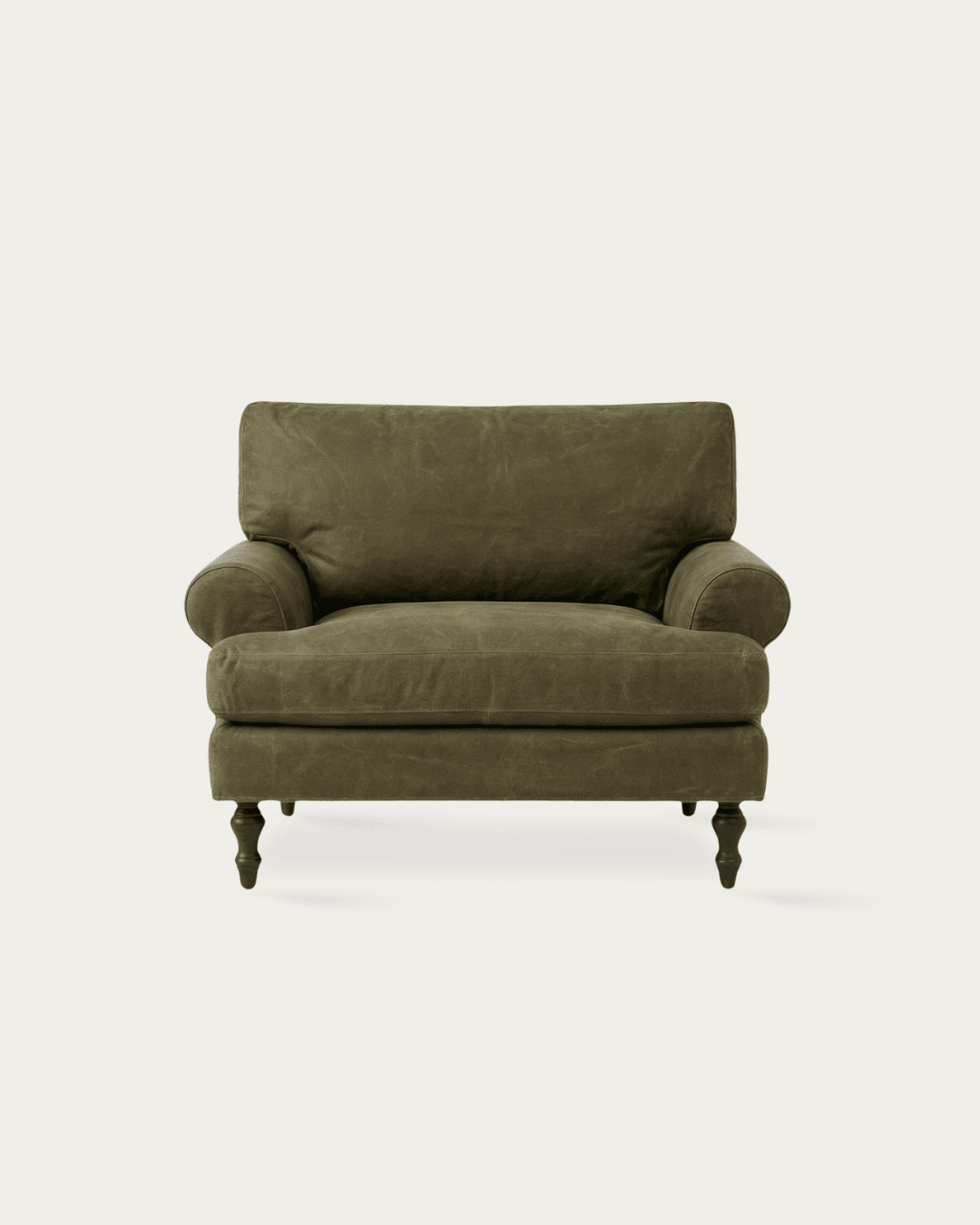
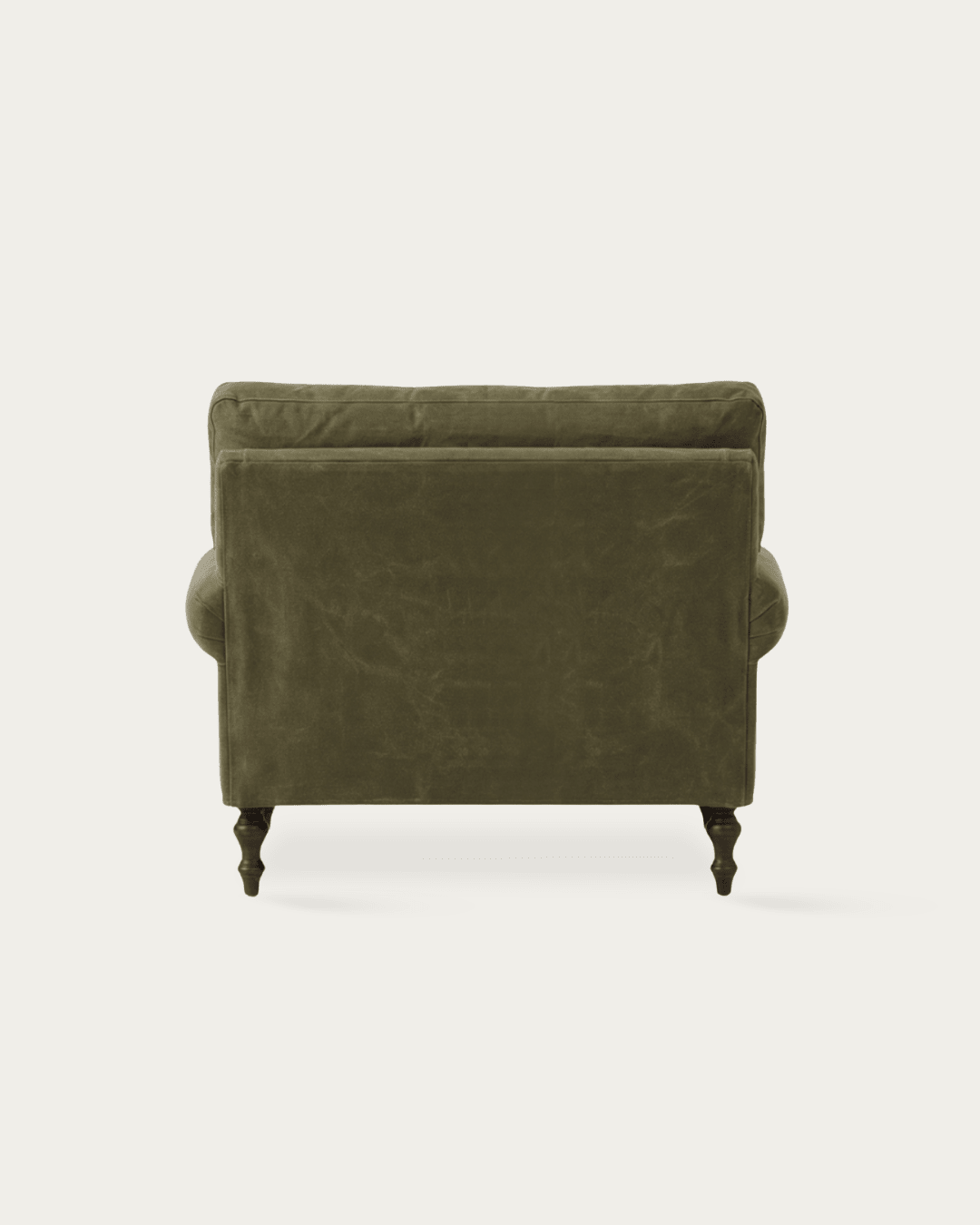
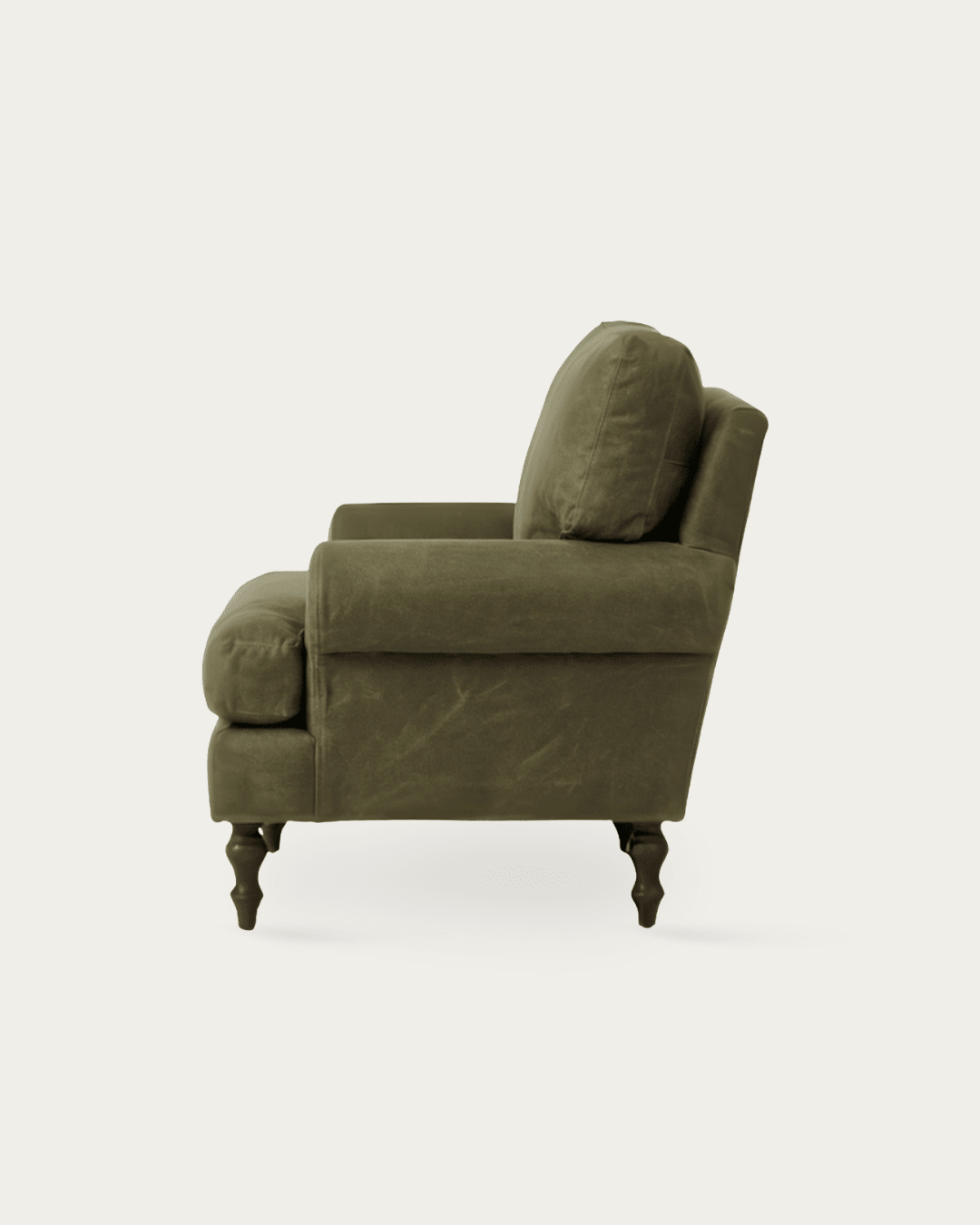
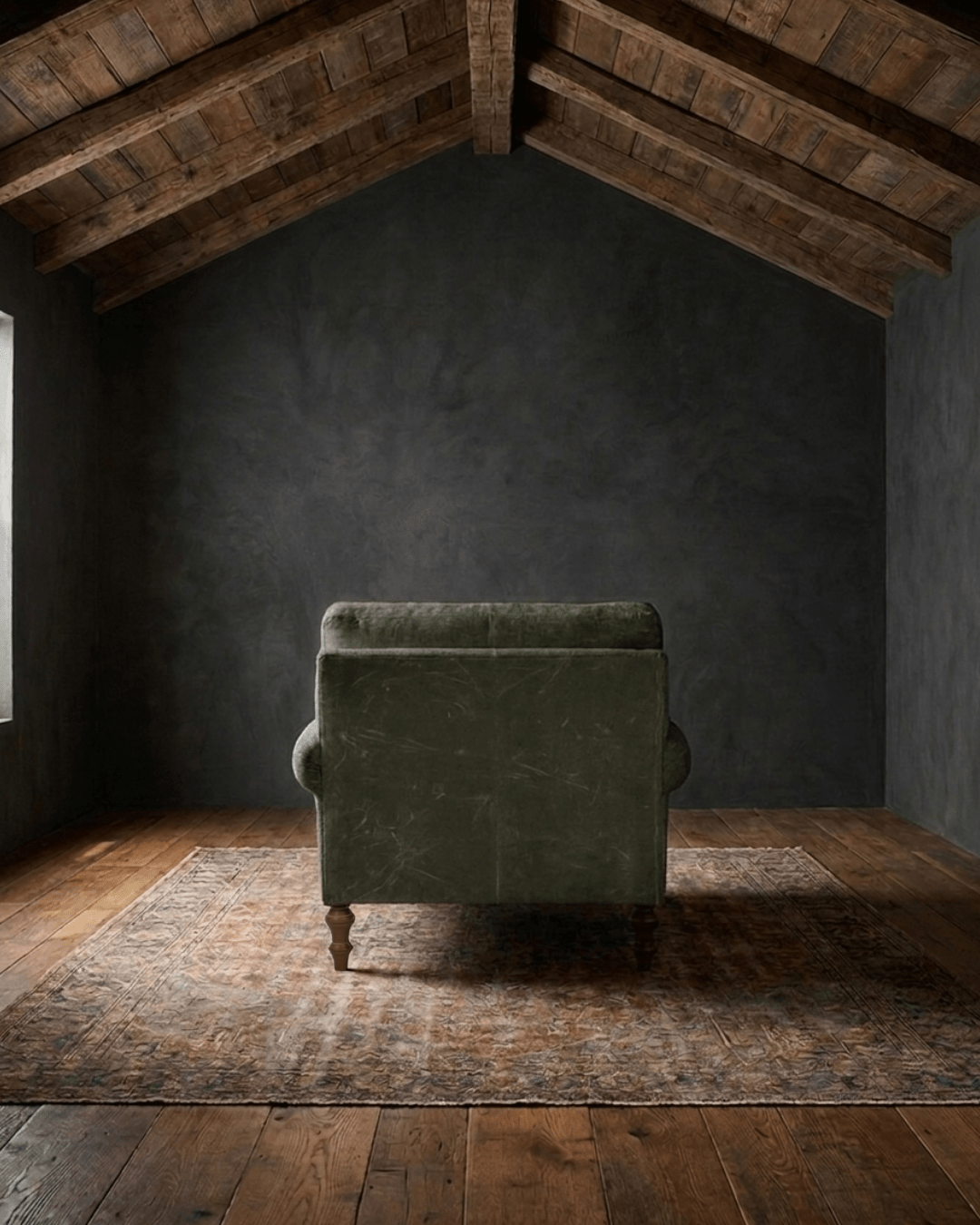
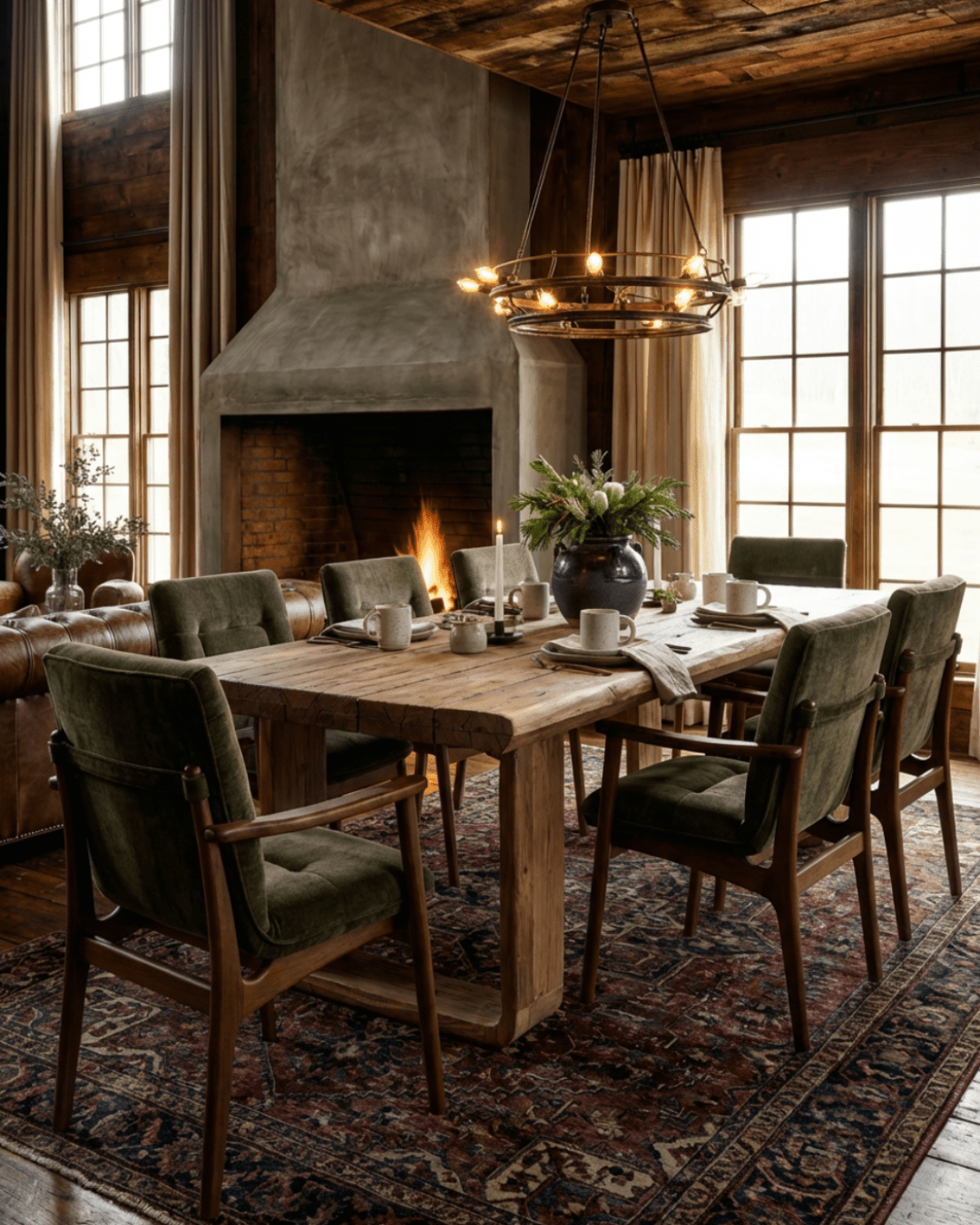
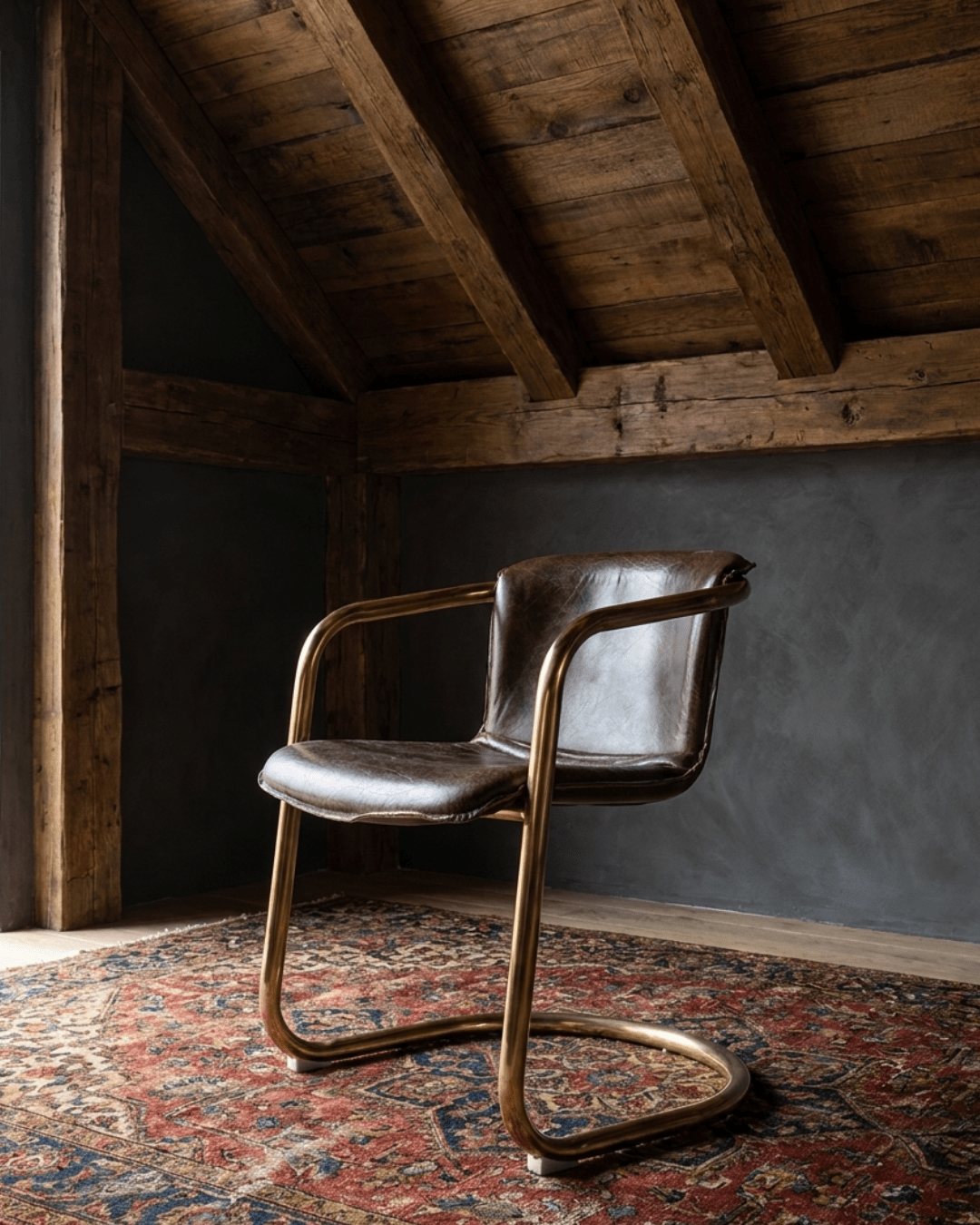
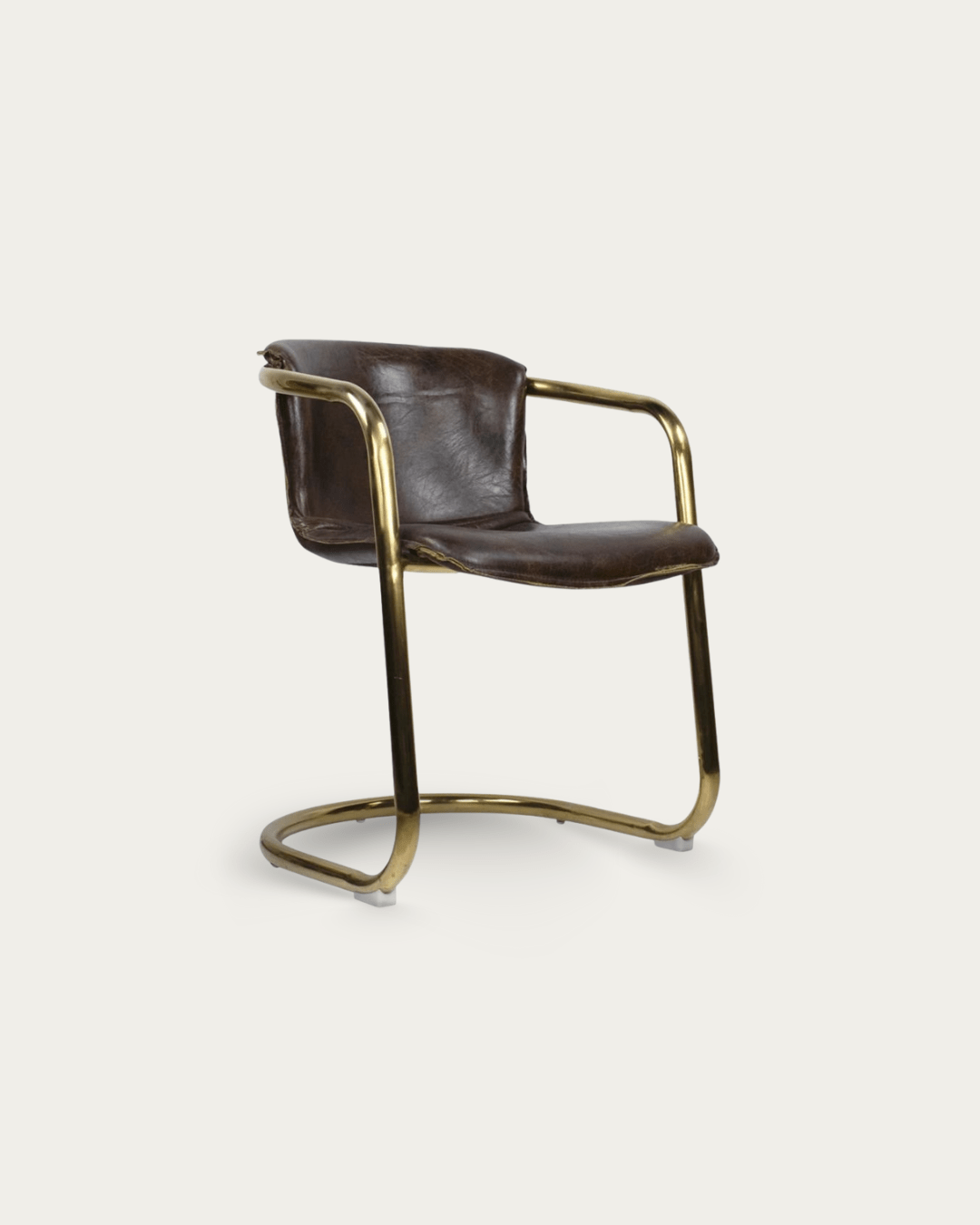
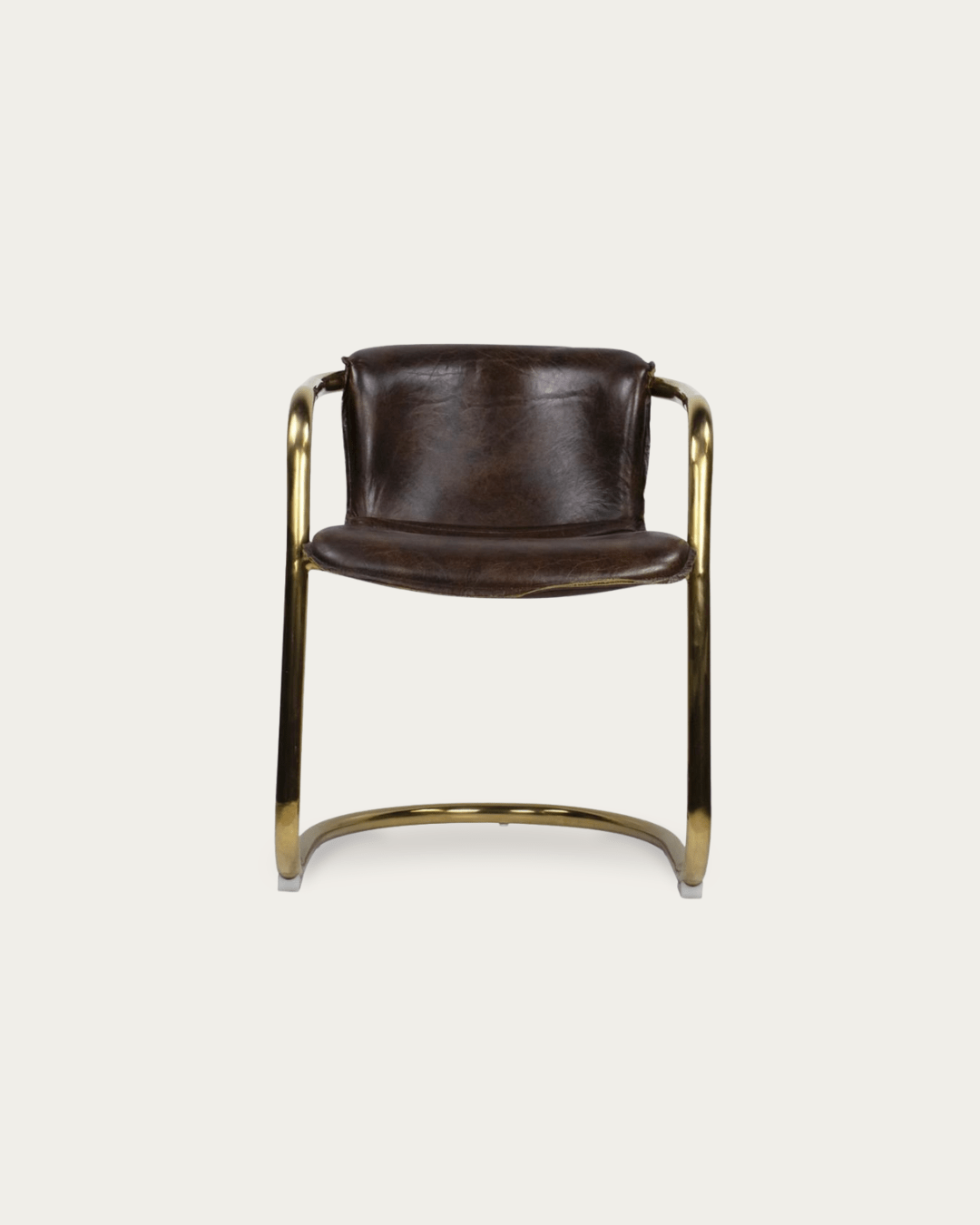
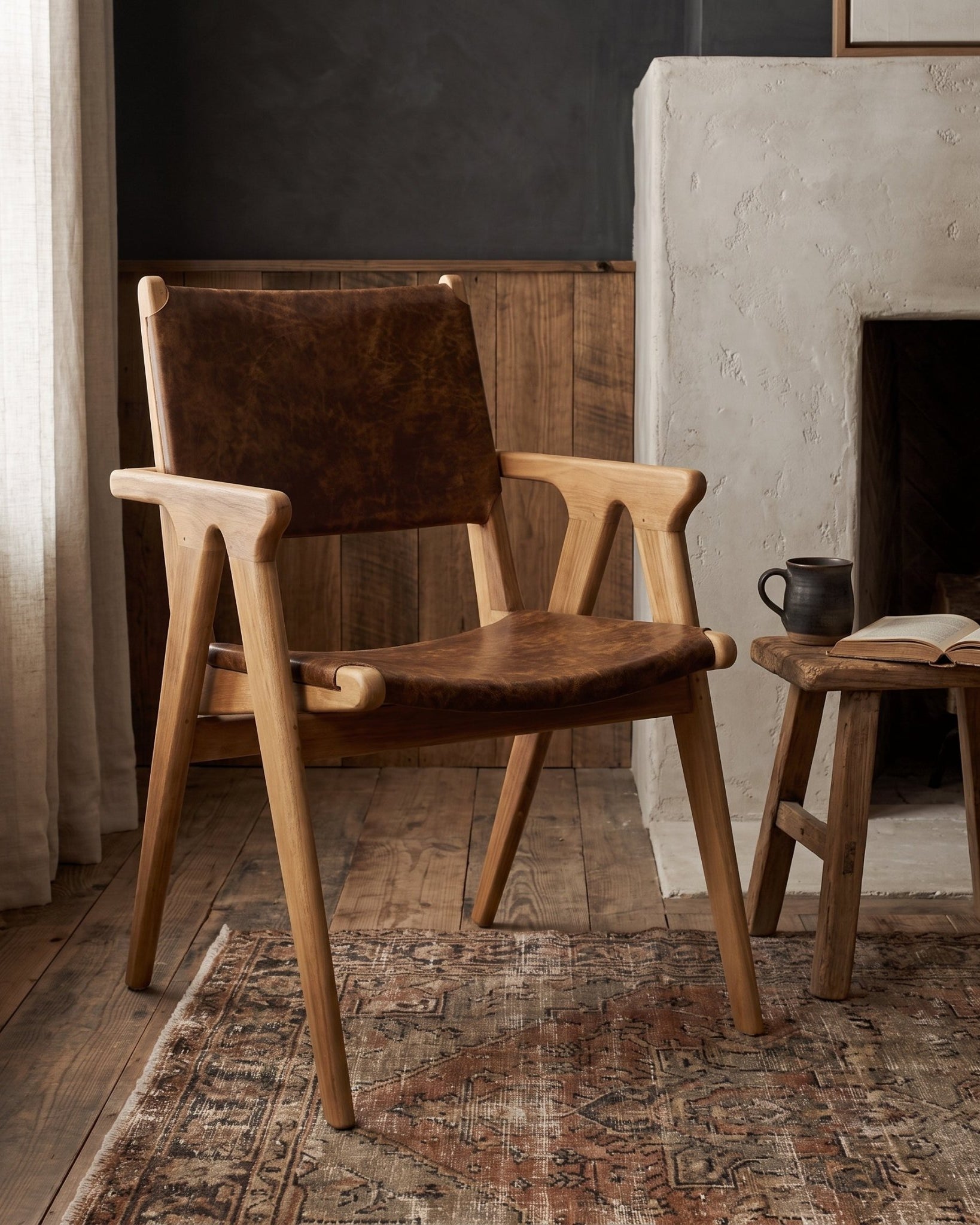
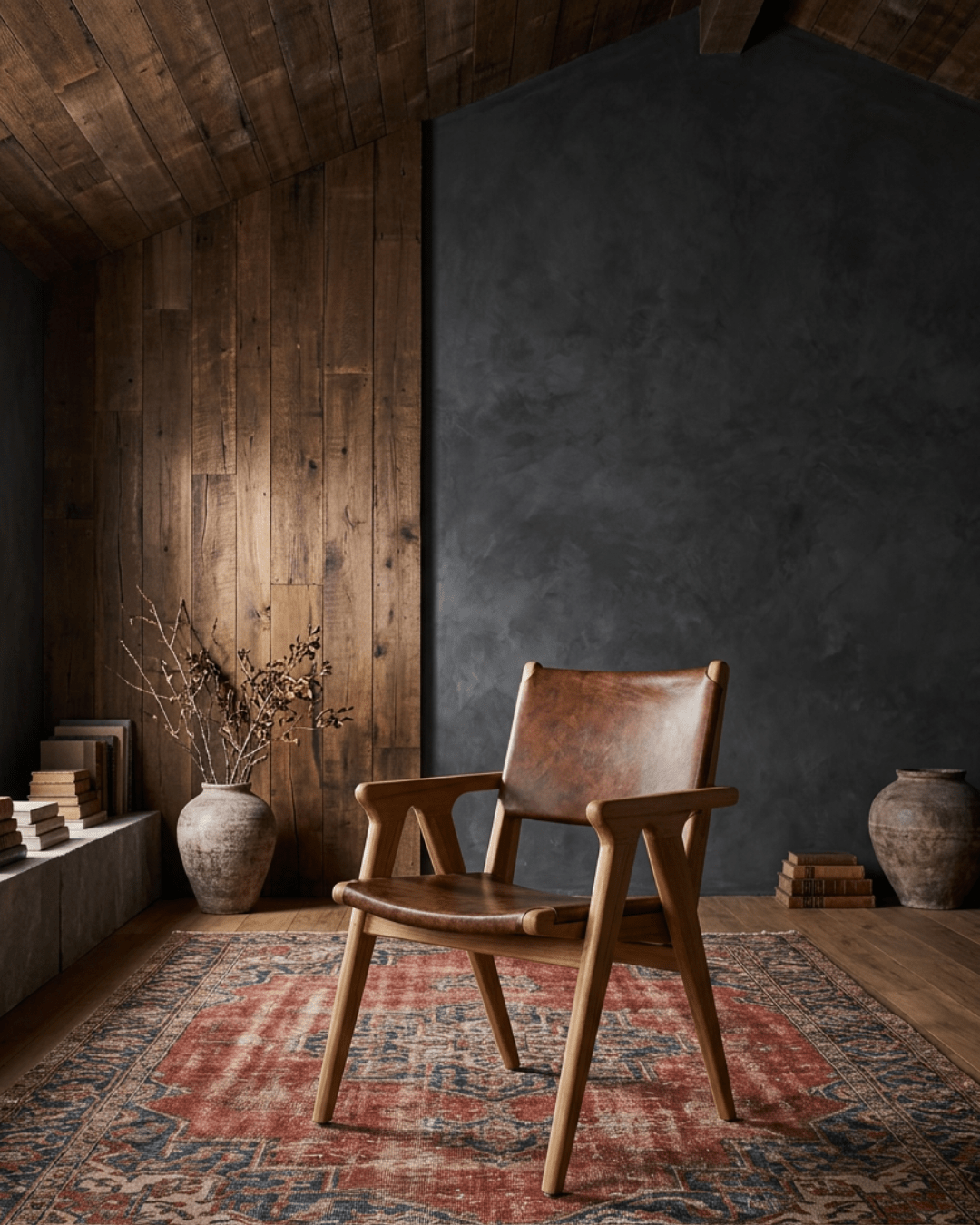
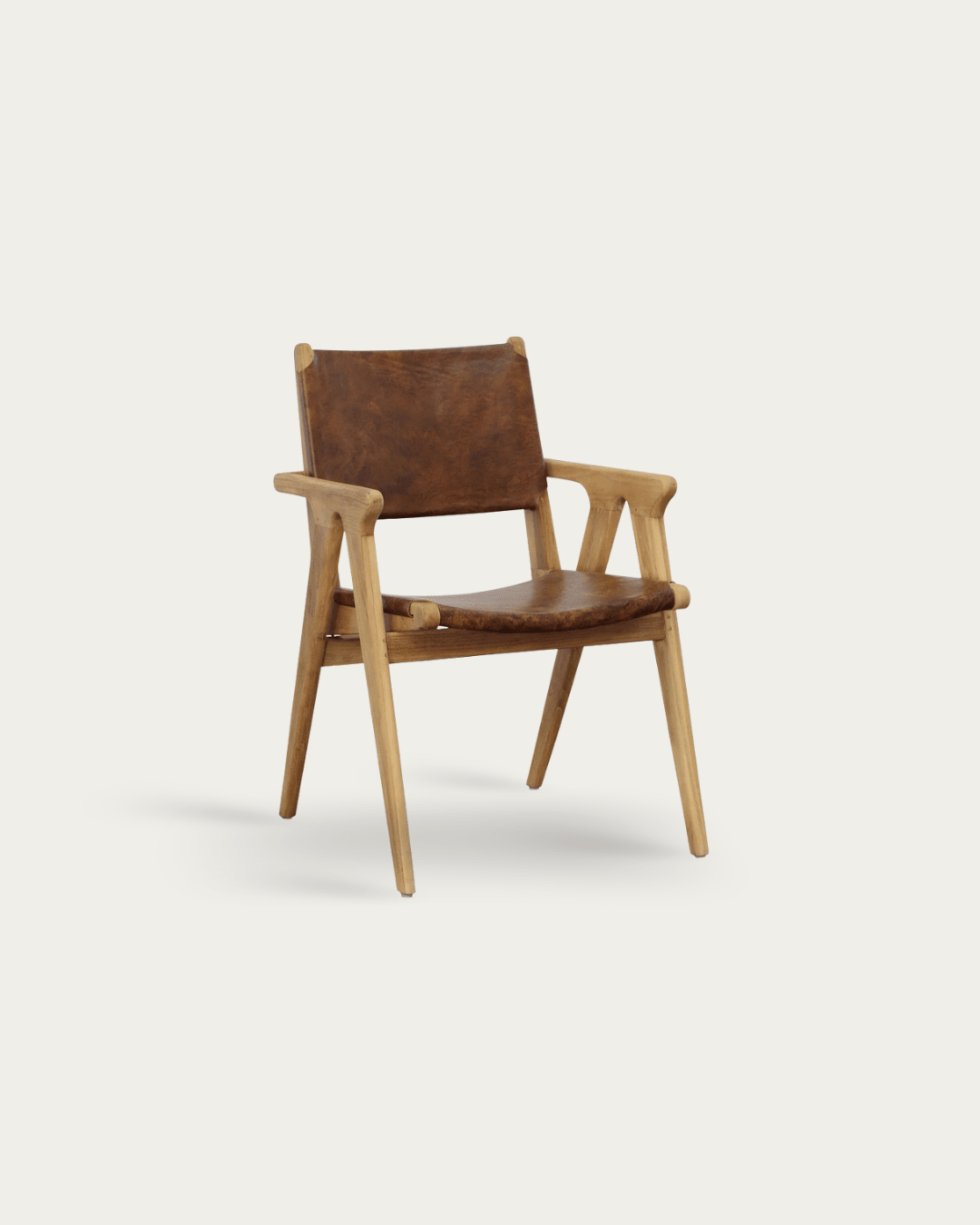
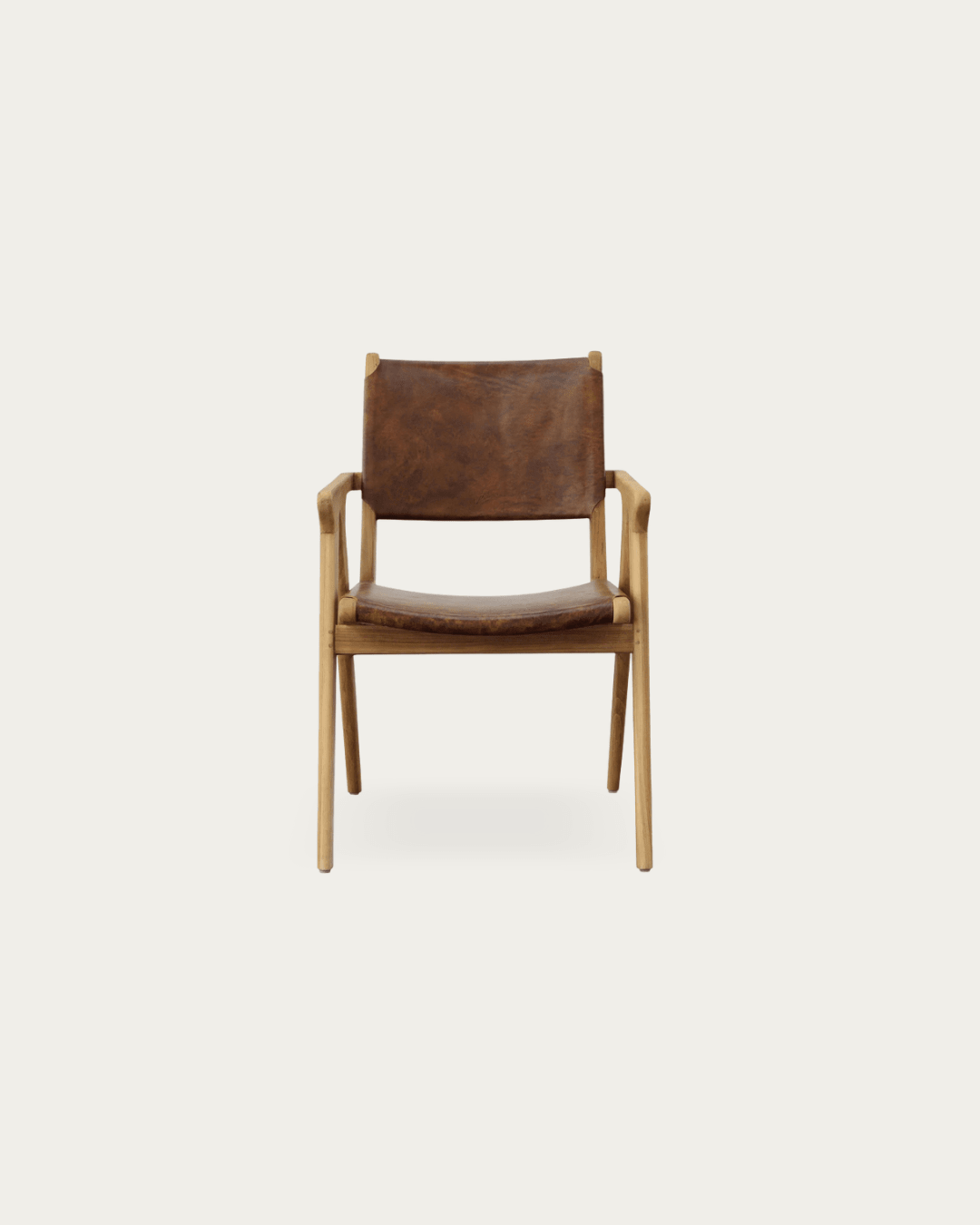
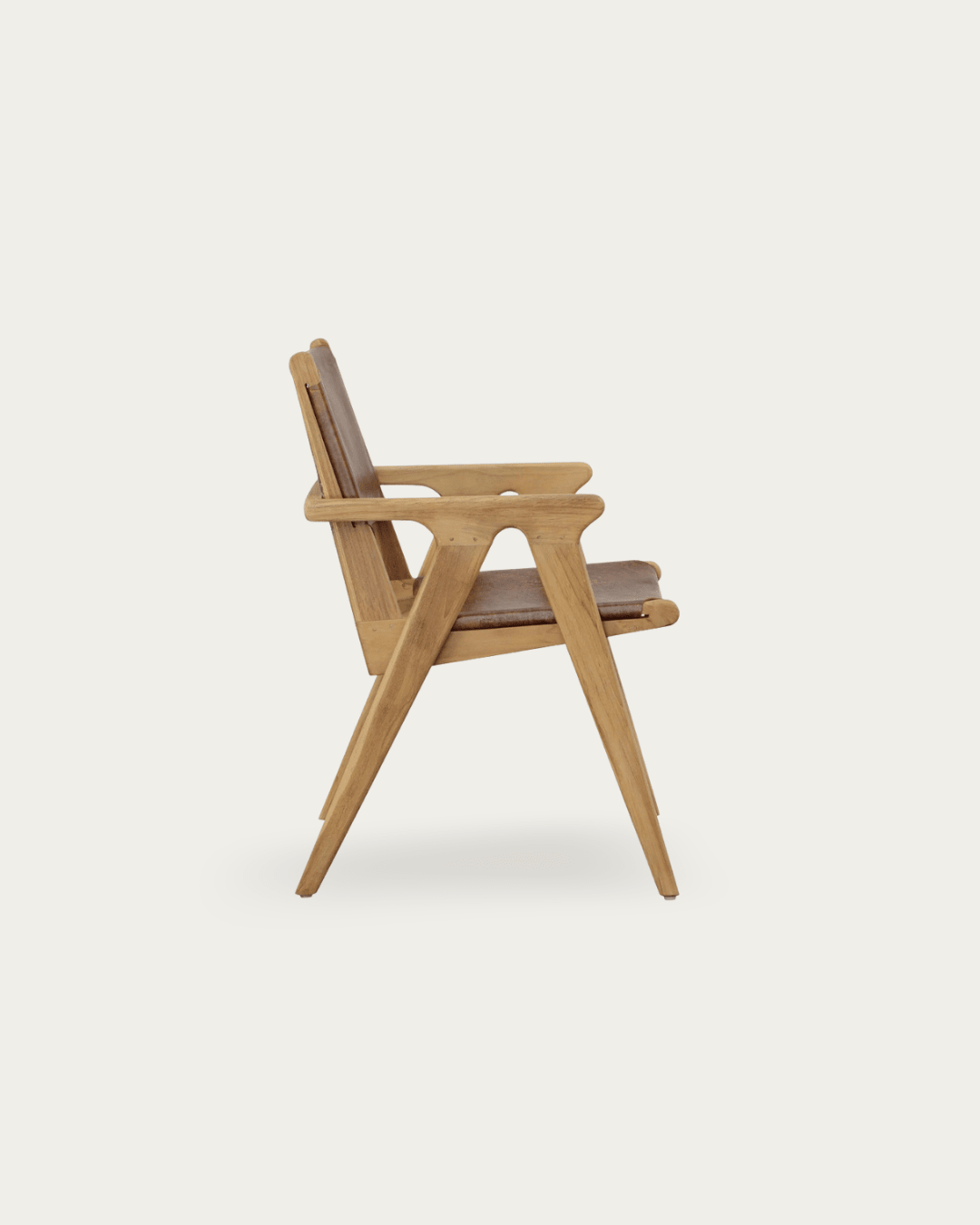
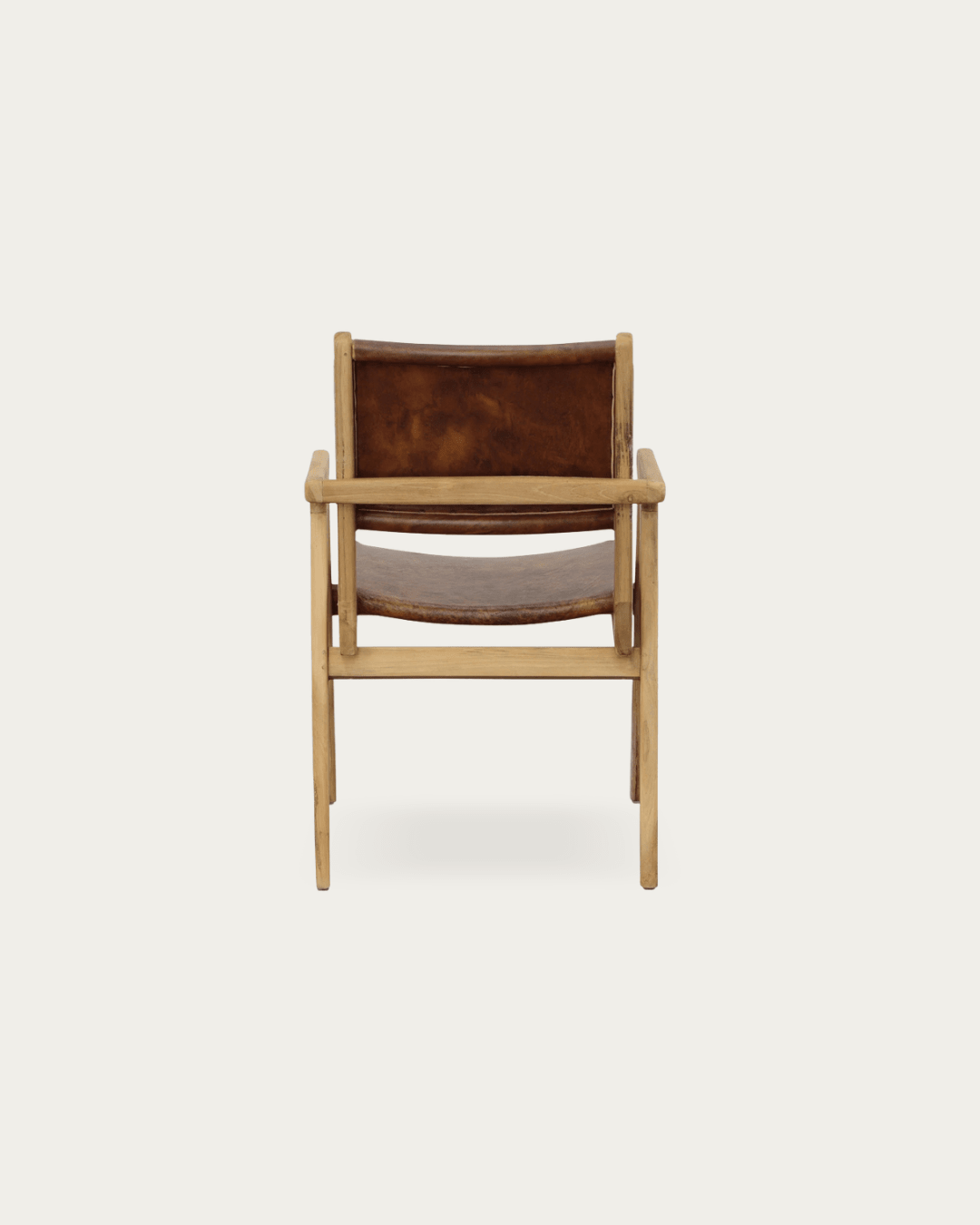
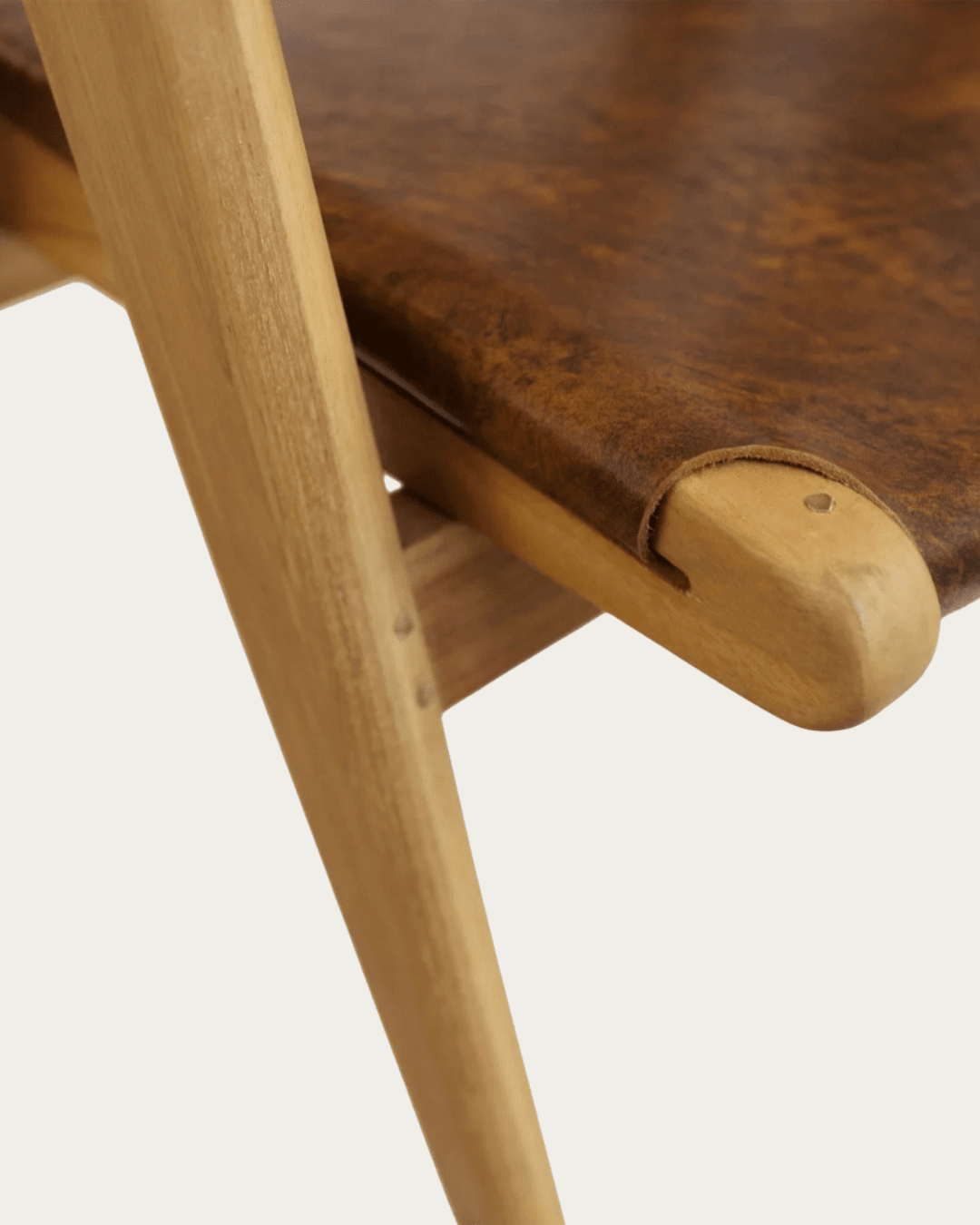
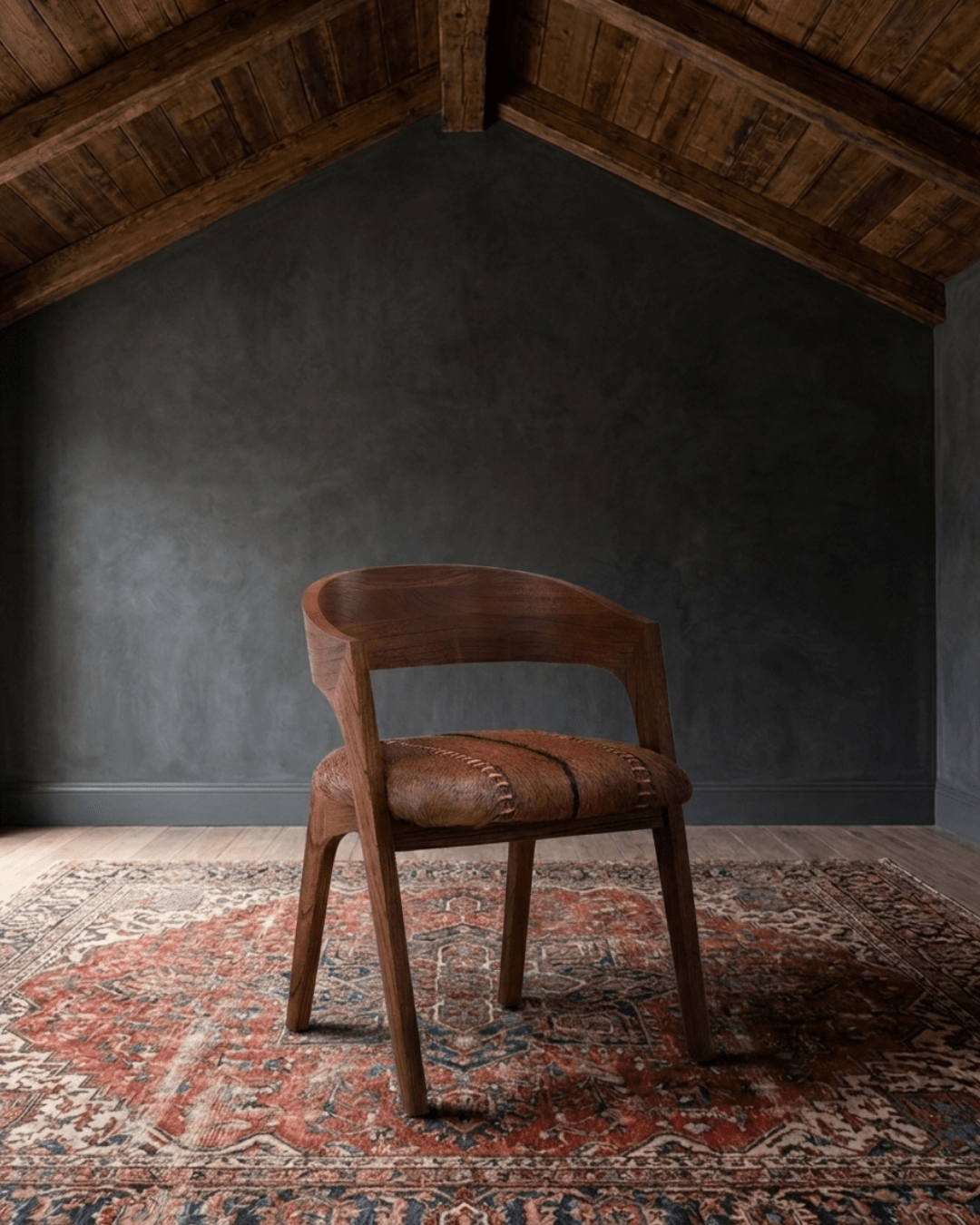
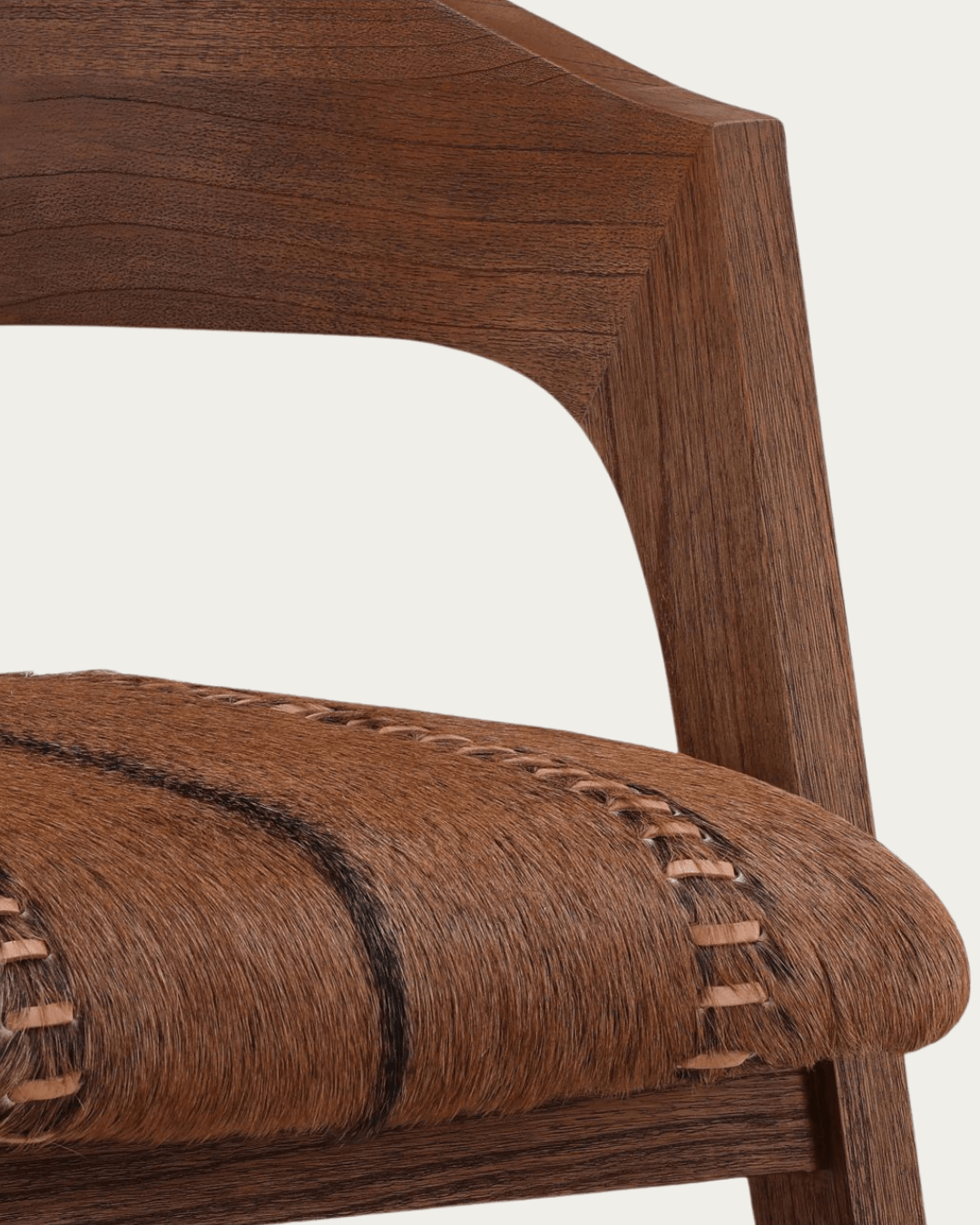
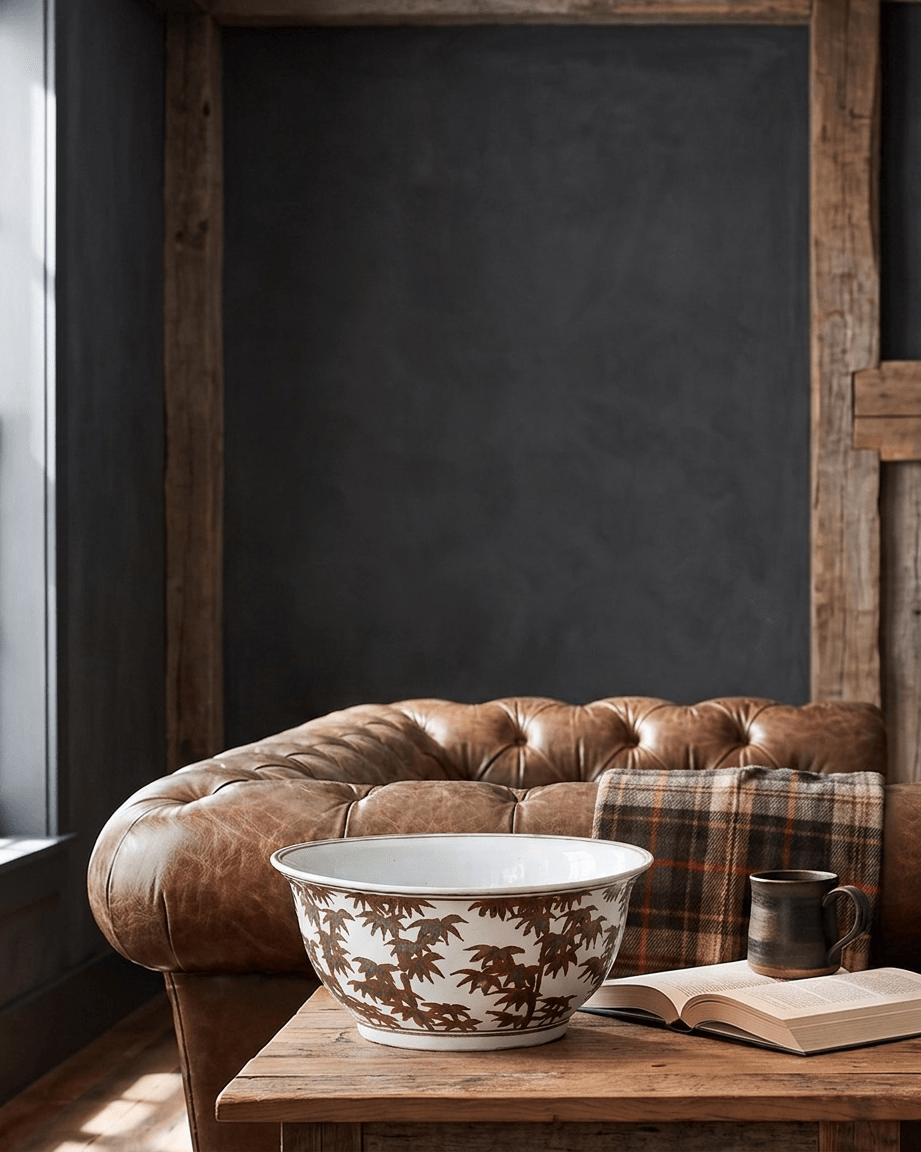
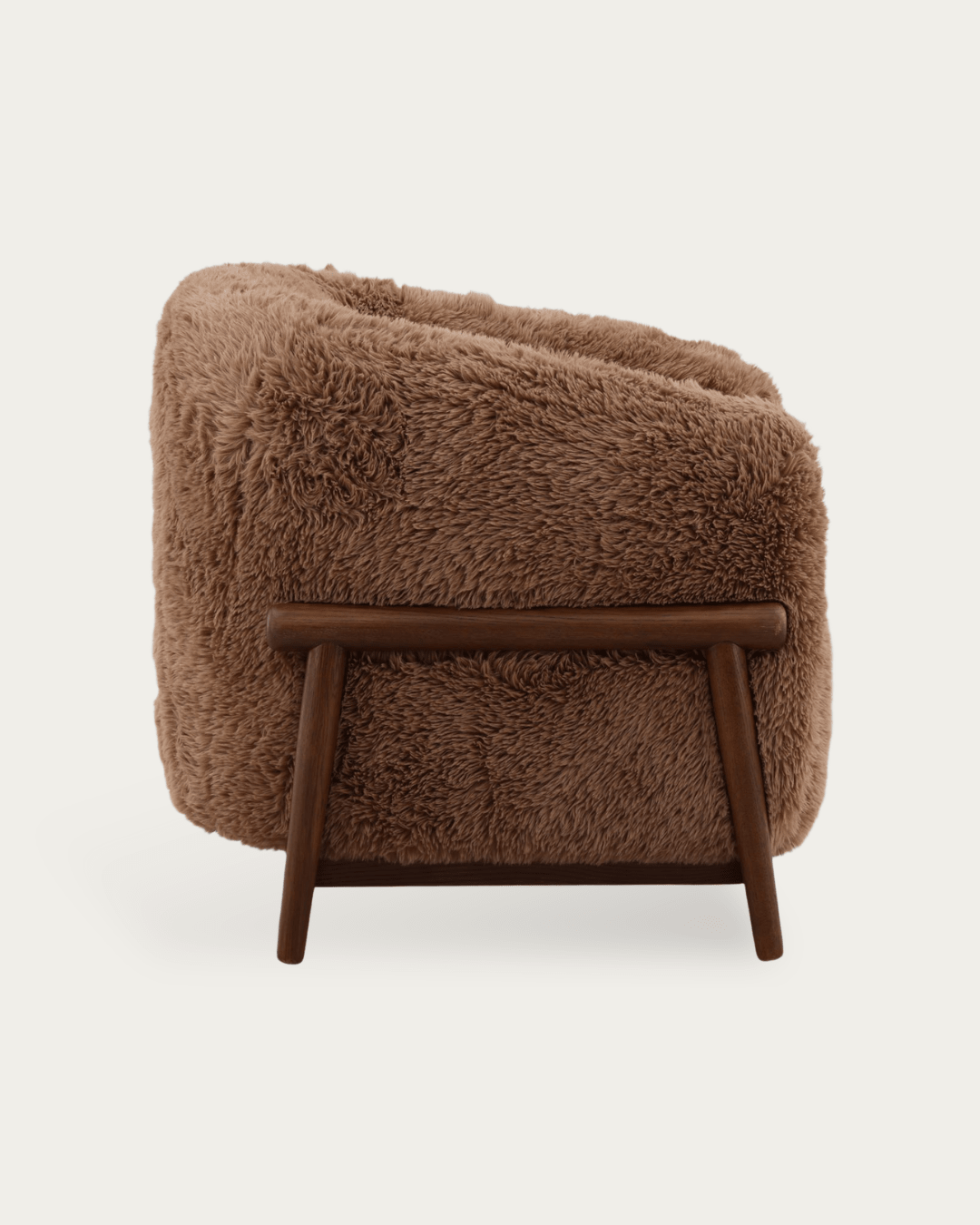
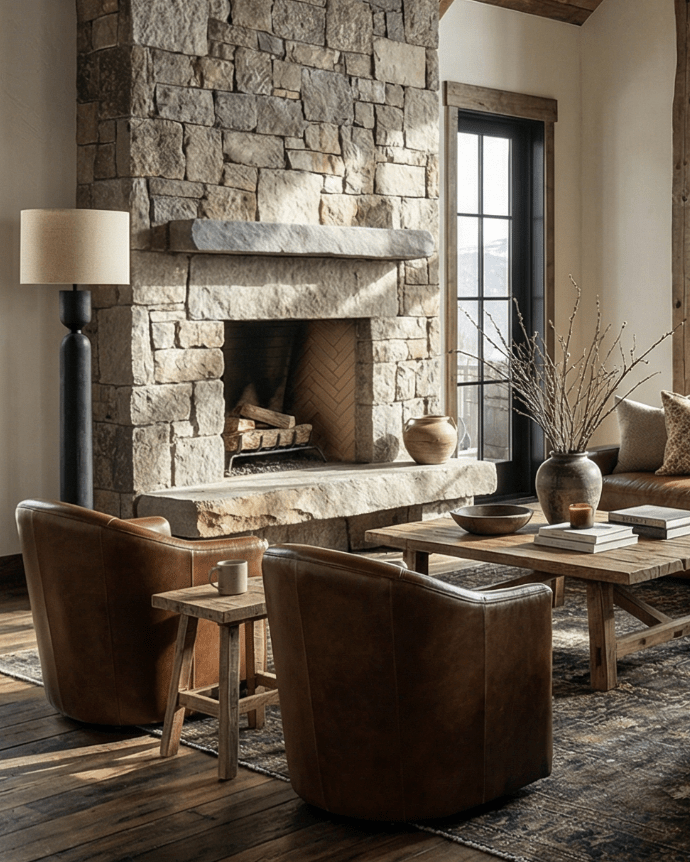
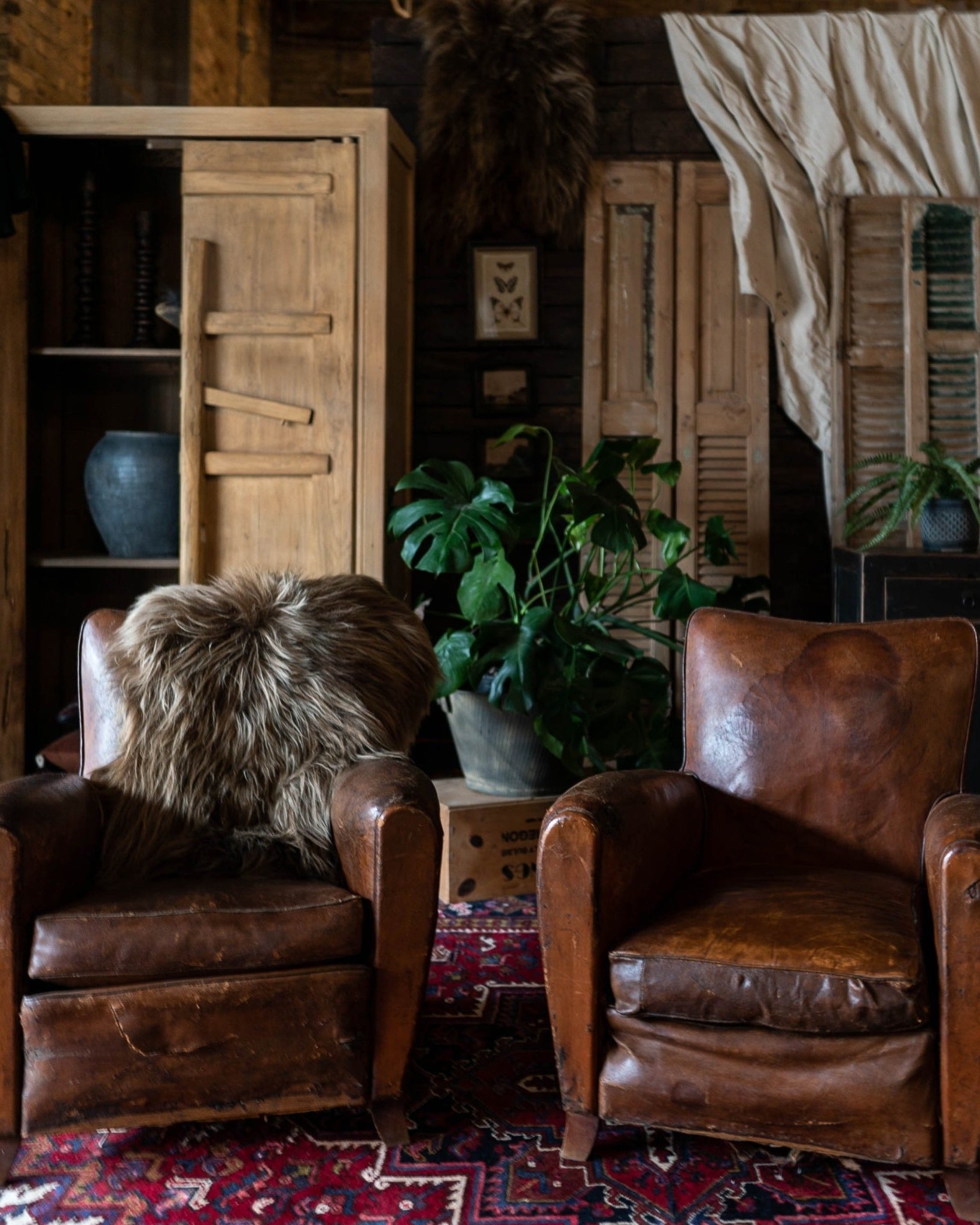
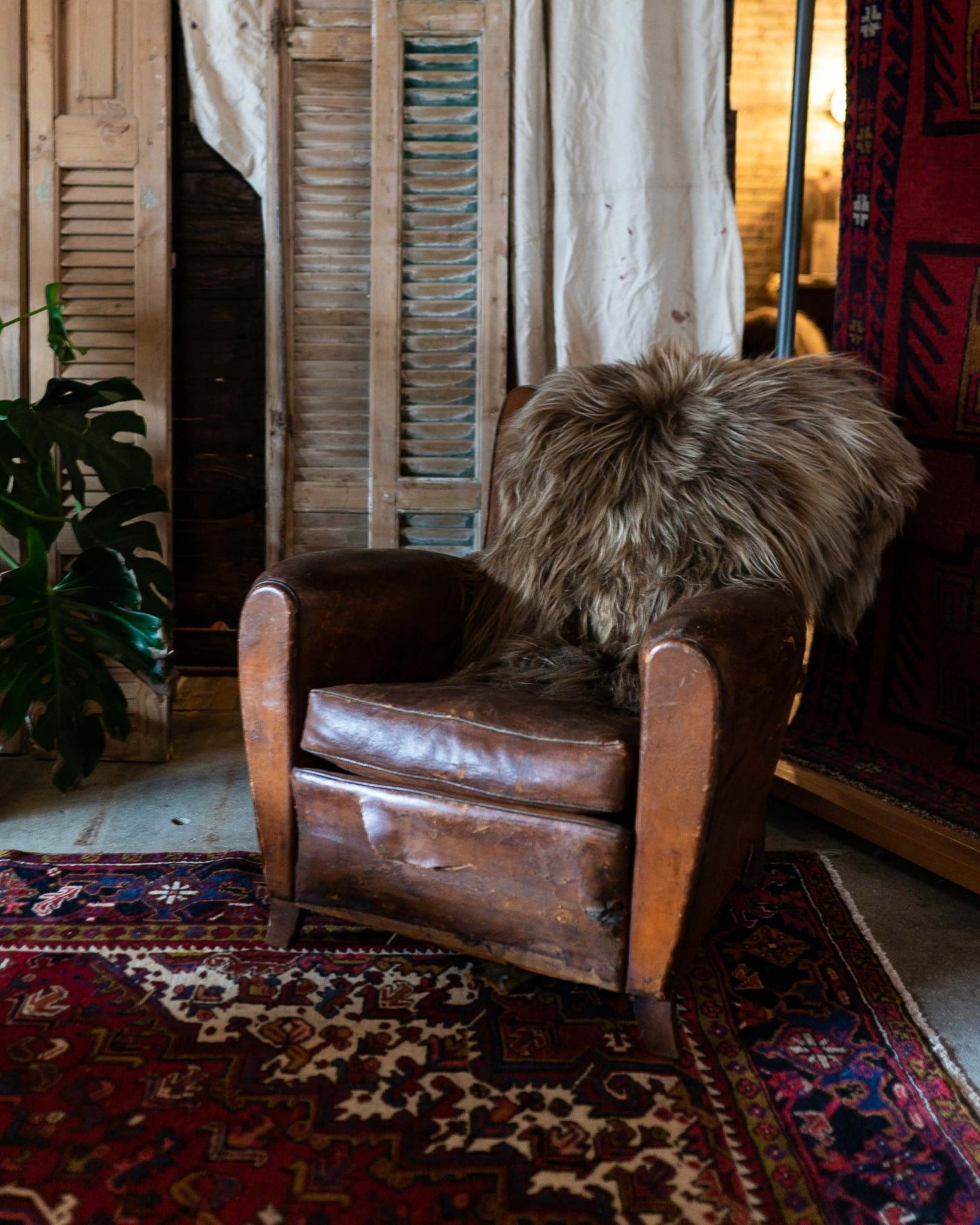
The Halden Sofa (in Banks Olive Eco-Performance Fabric) sets the tone immediately. The Fletcher Chairs (in St. Croix Holm Sweet Holm leather) pull in that same depth and weight, so nothing feels disconnected or out of place. It’s a controlled palette on purpose. Not layered endlessly, not mixed for the sake of interest, because once you introduce too many competing materials, your brain stops reading the room as one space and starts trying to figure it out.
Then the layout reinforces it.
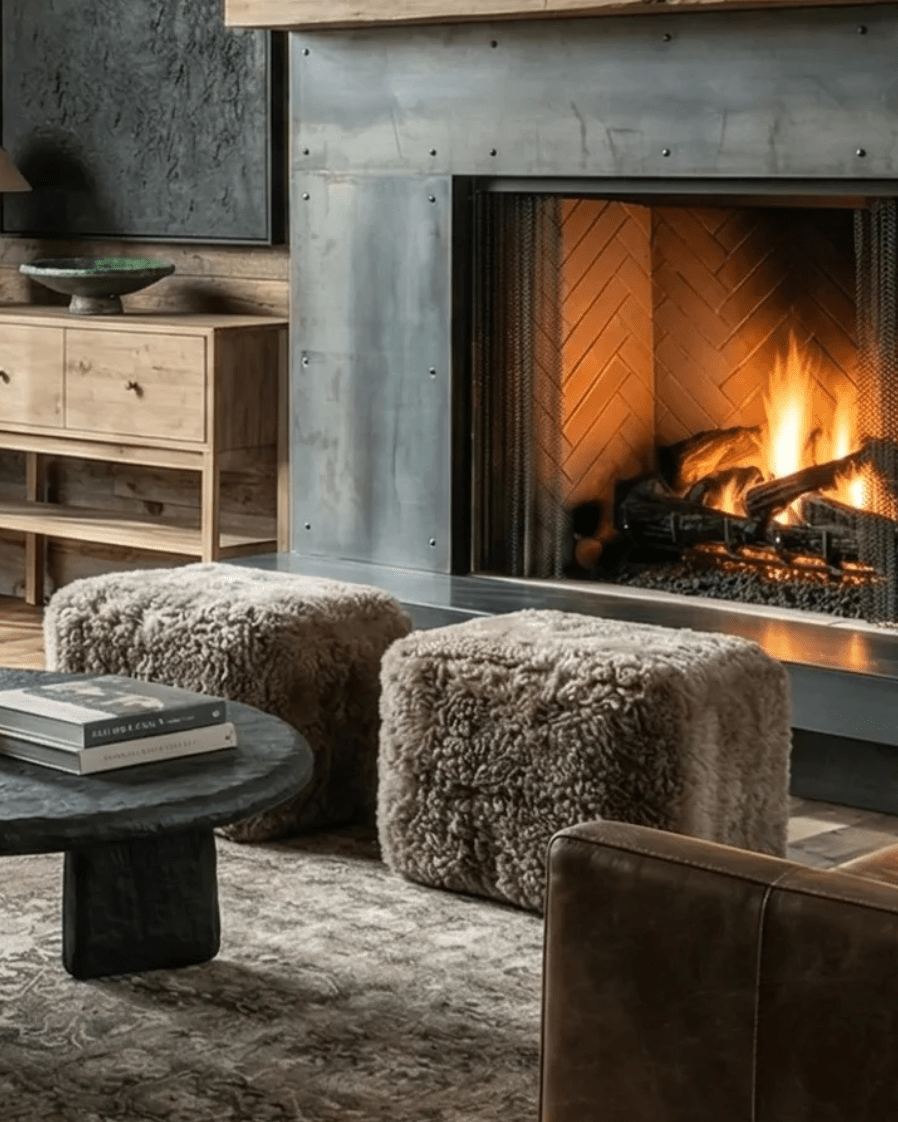
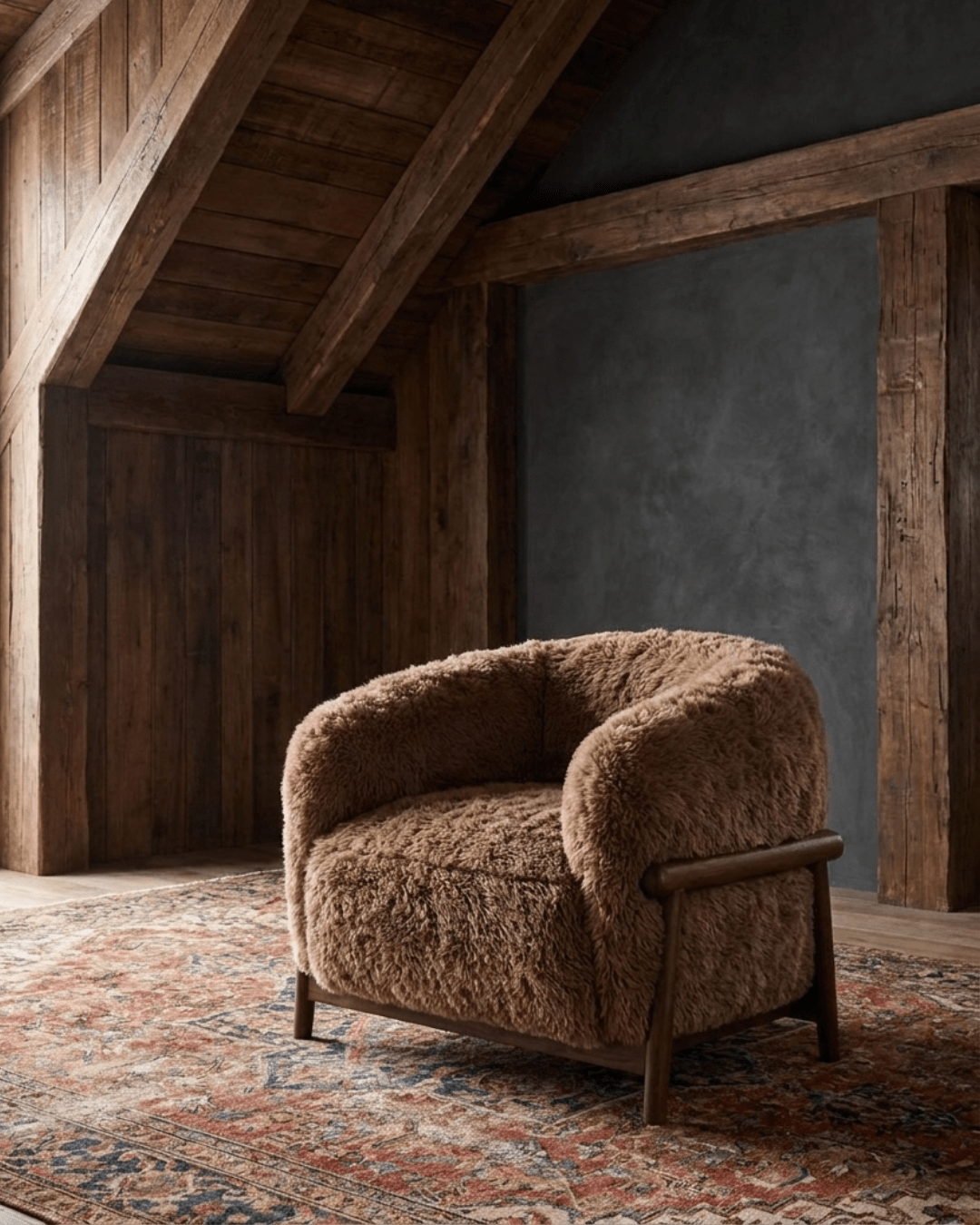
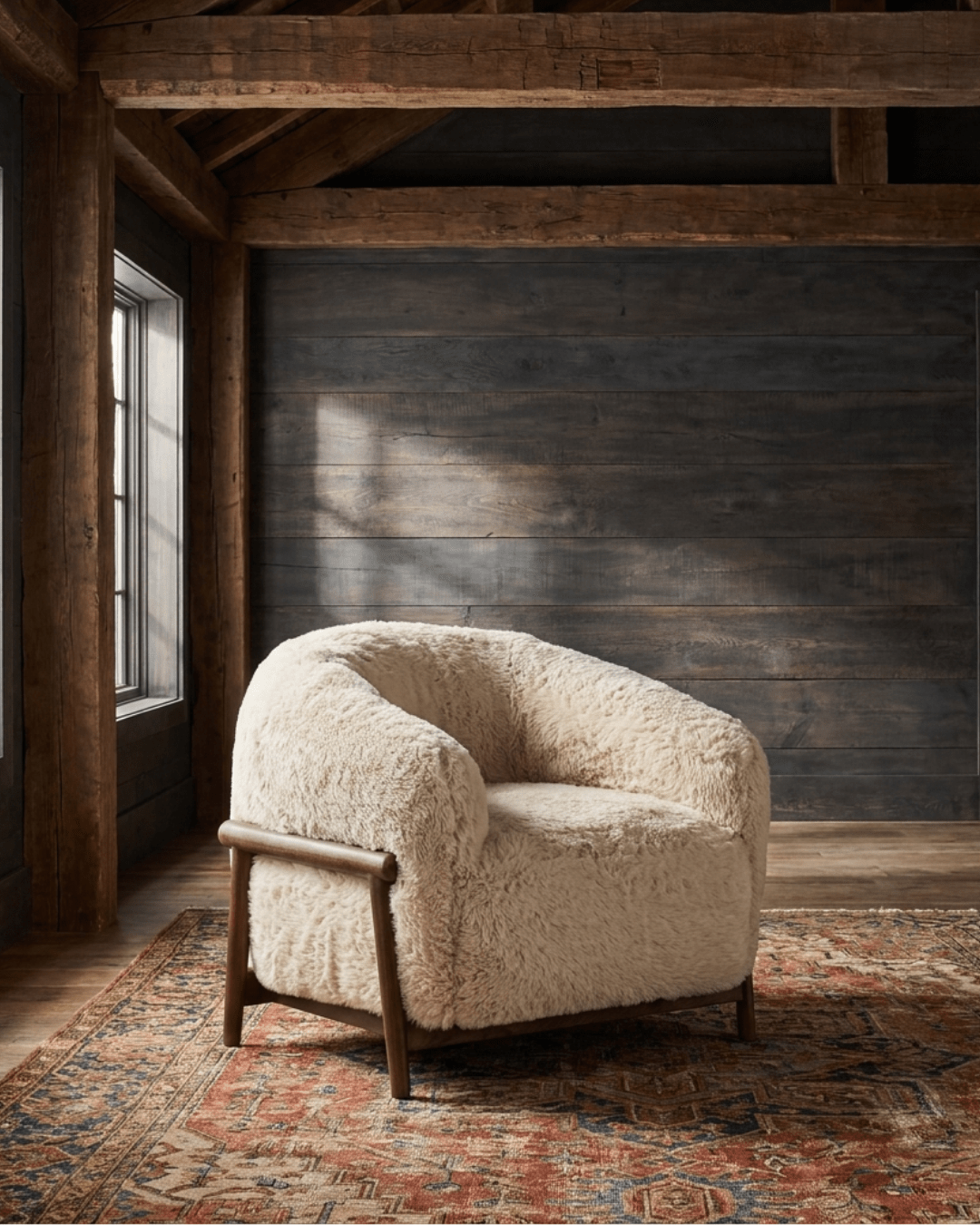
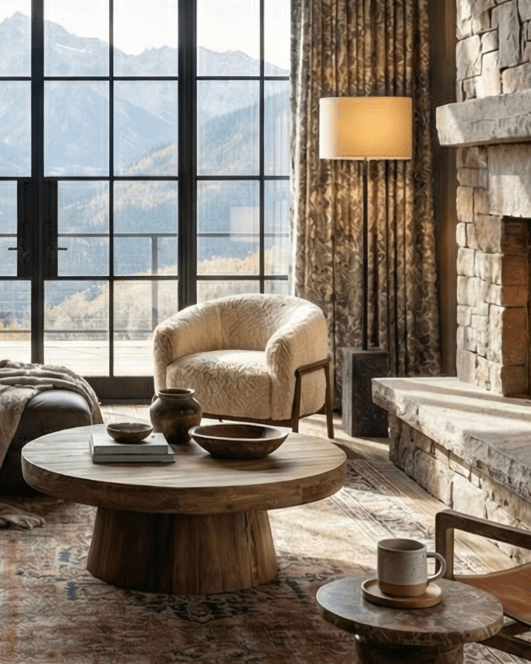
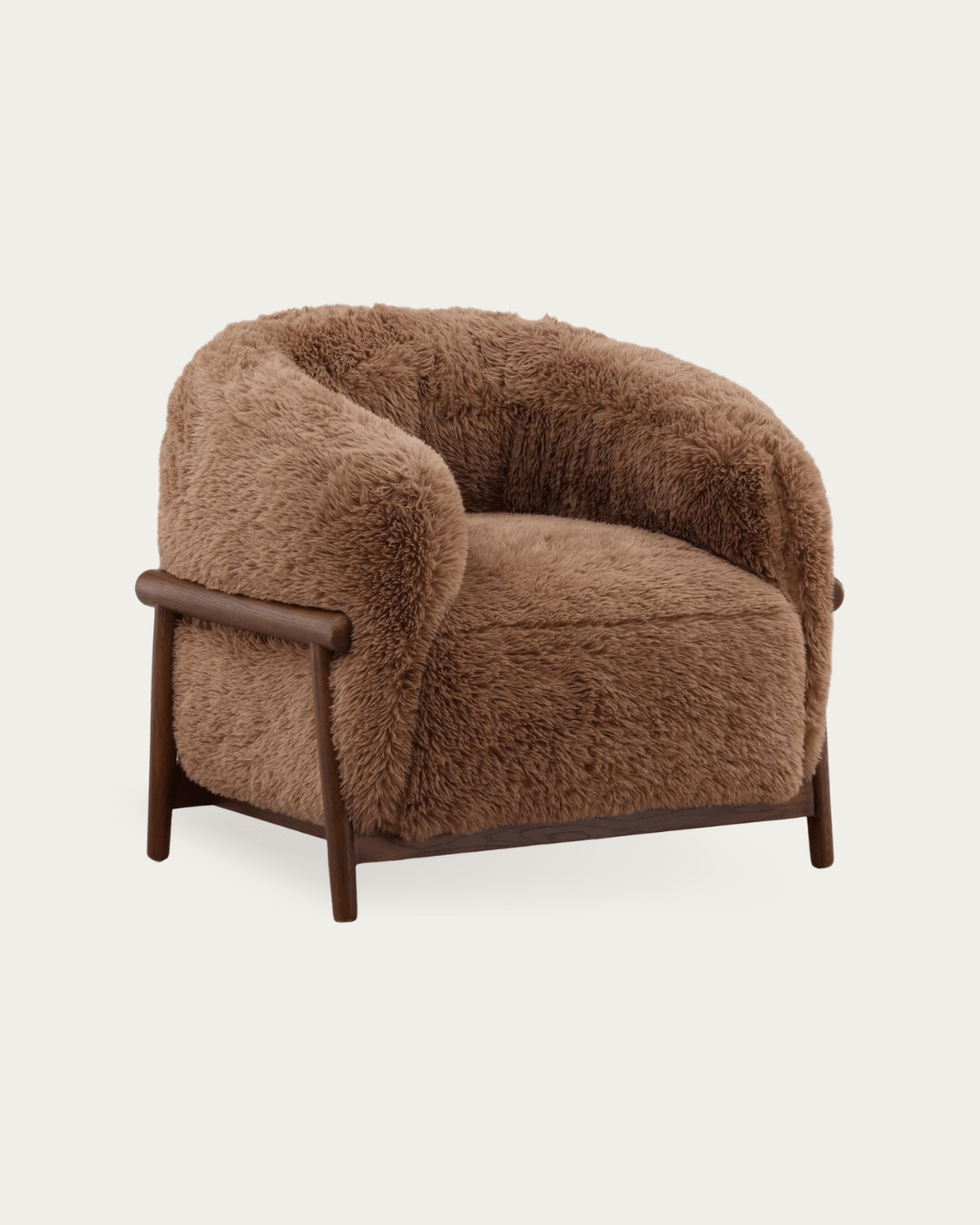
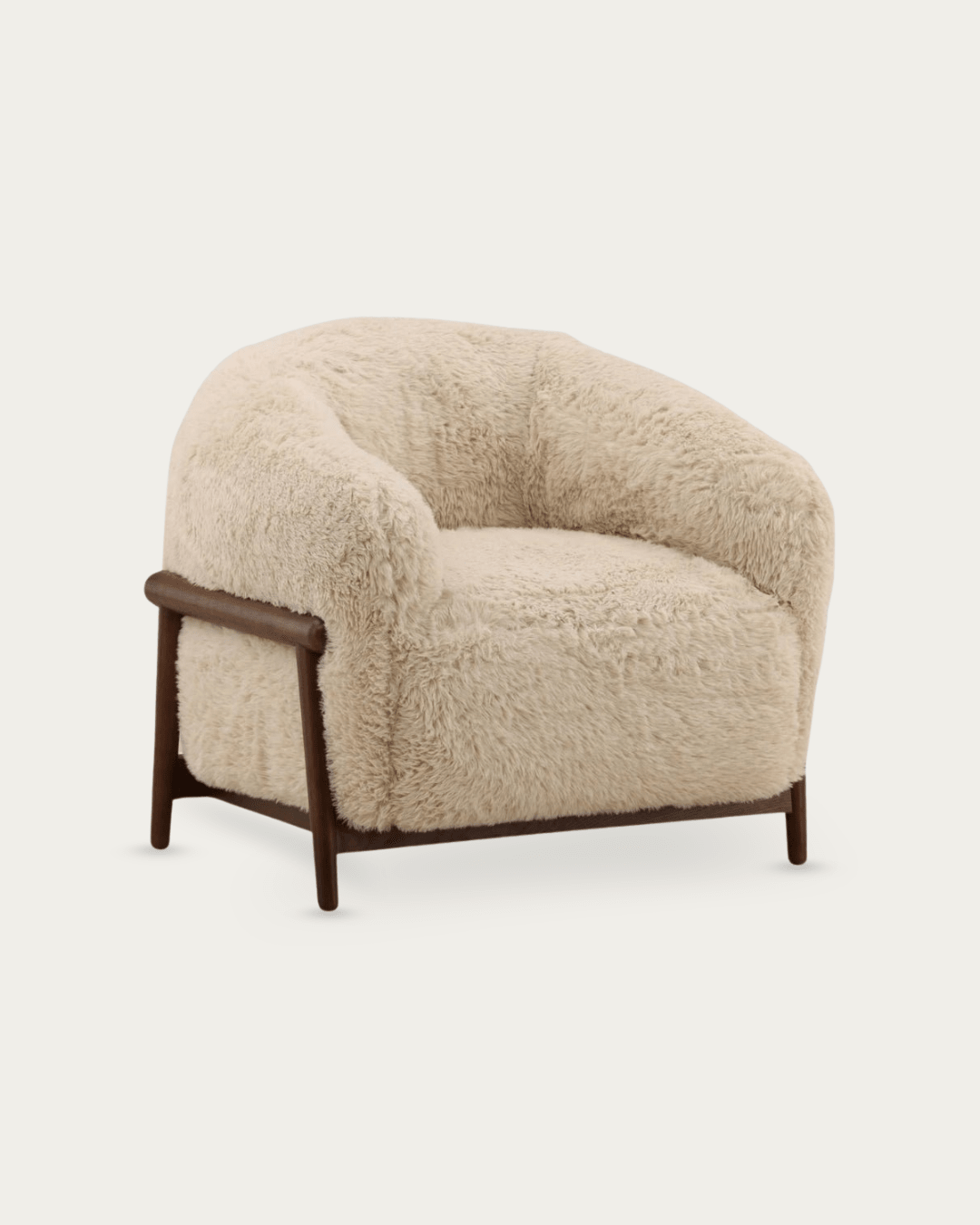
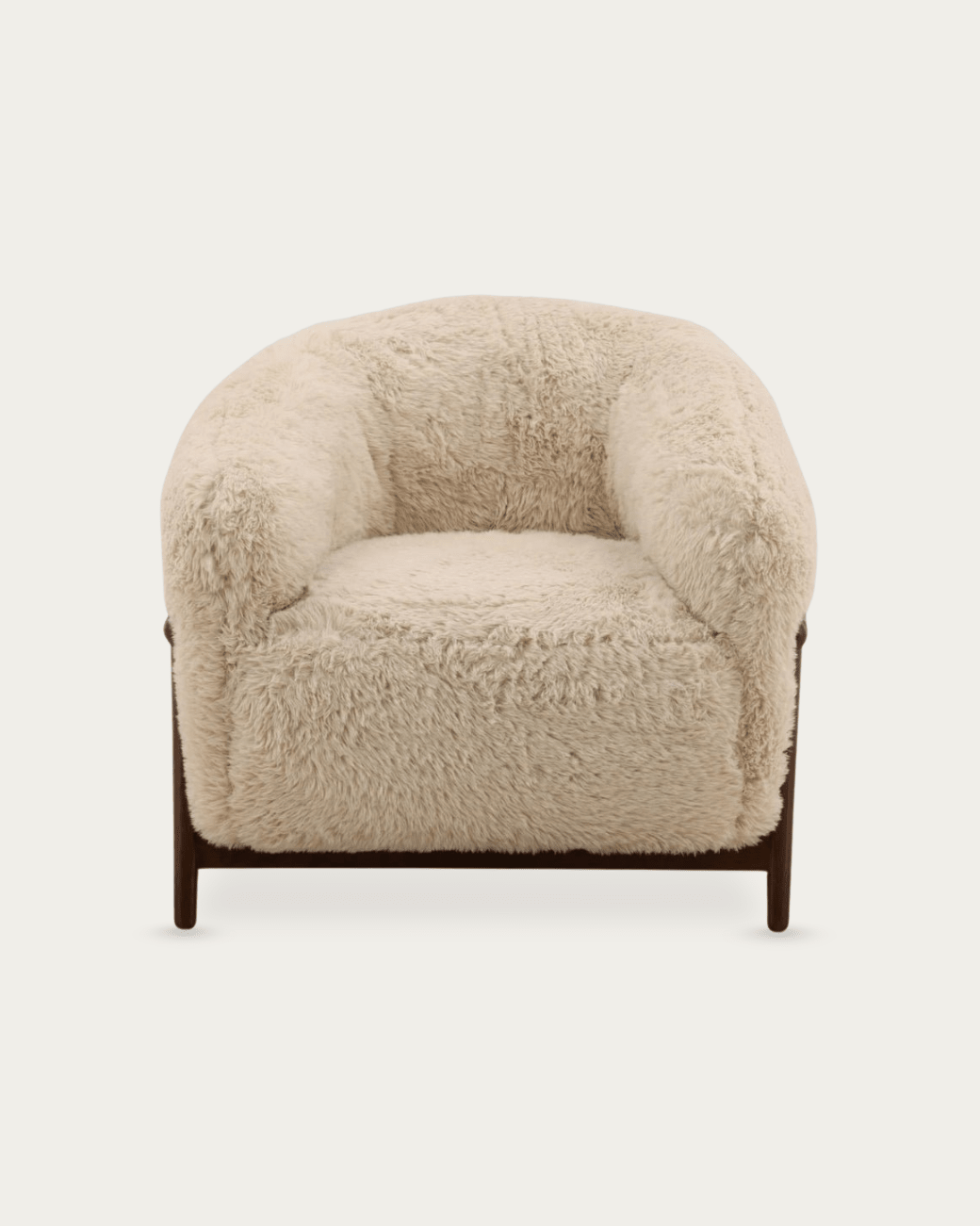
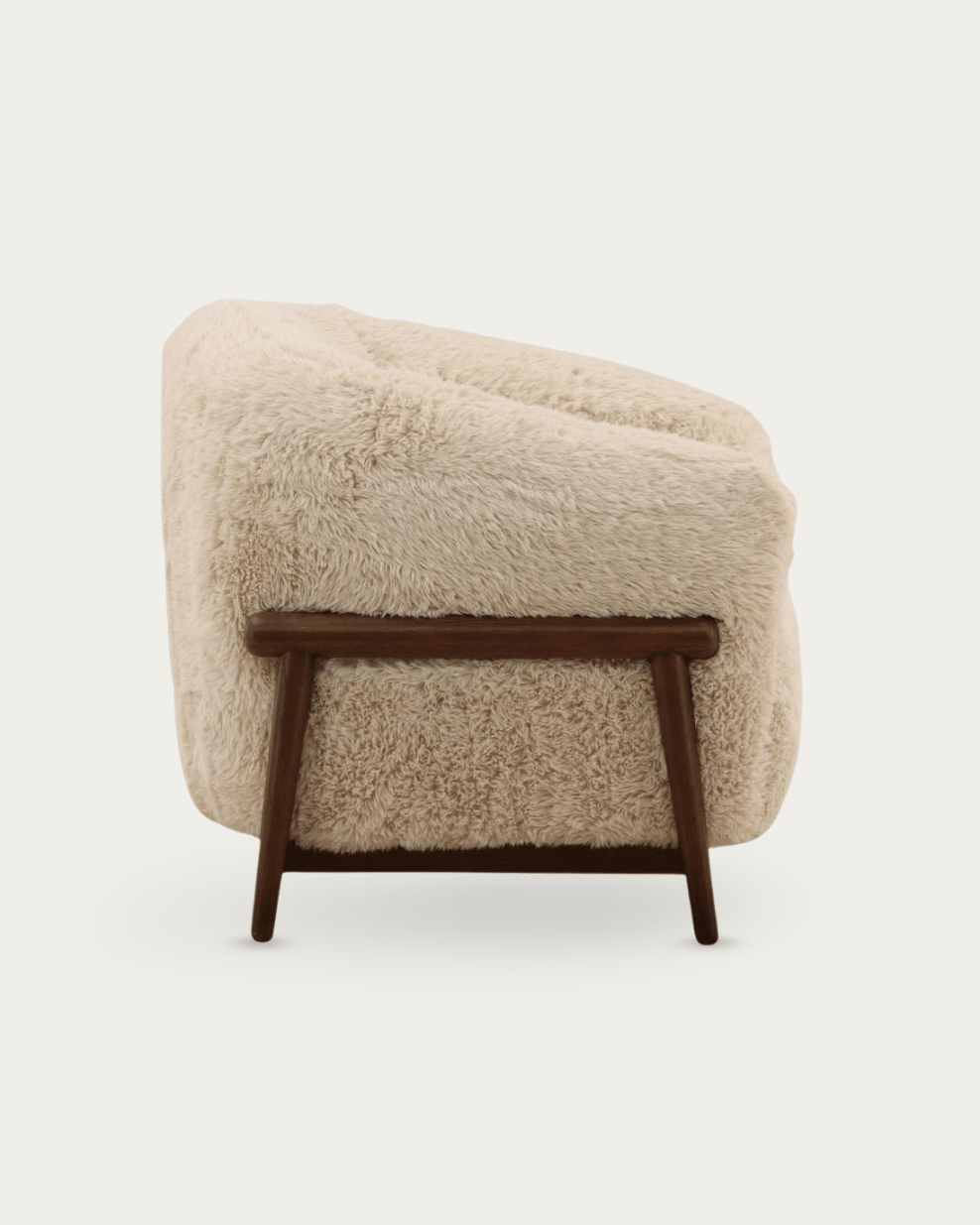
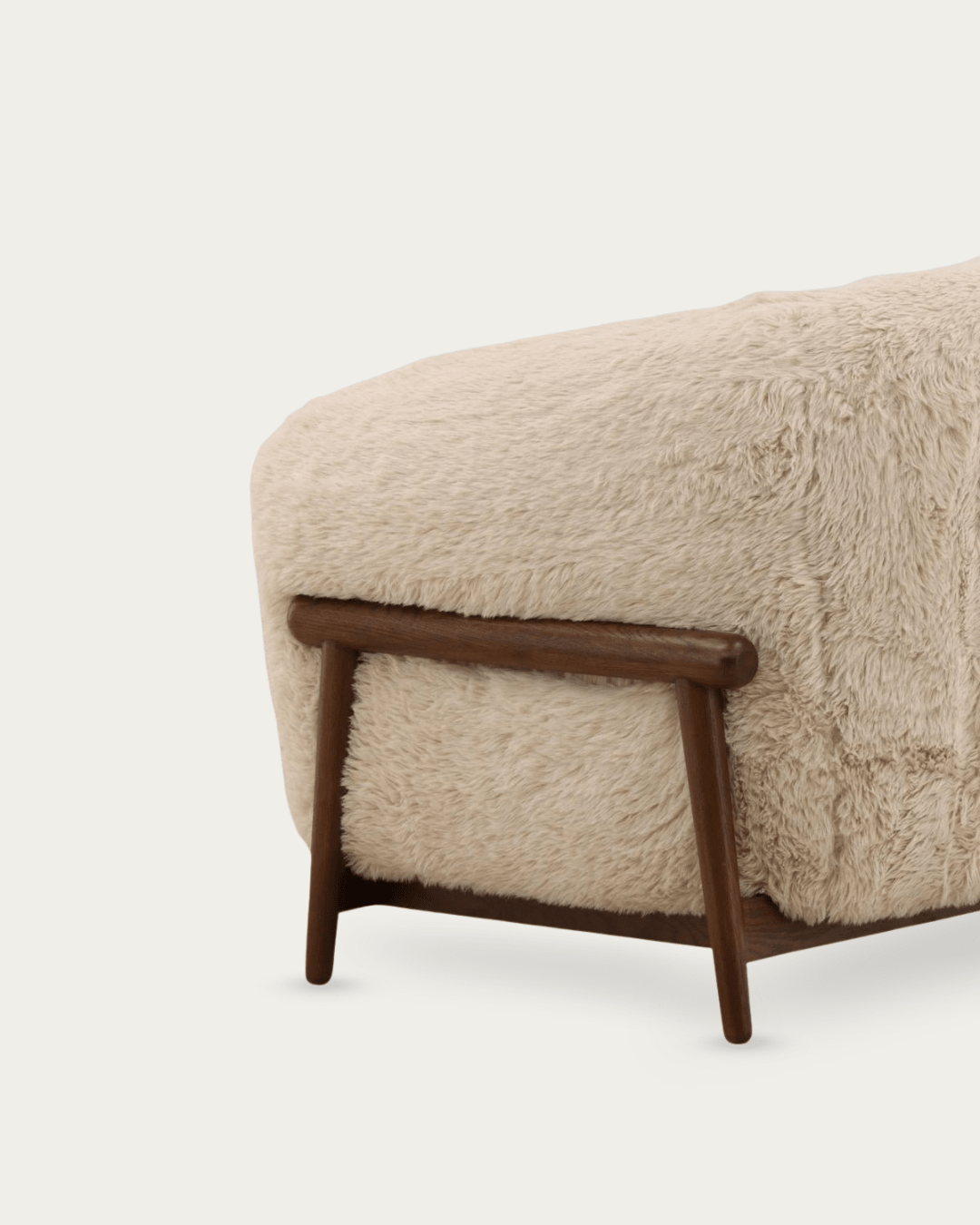
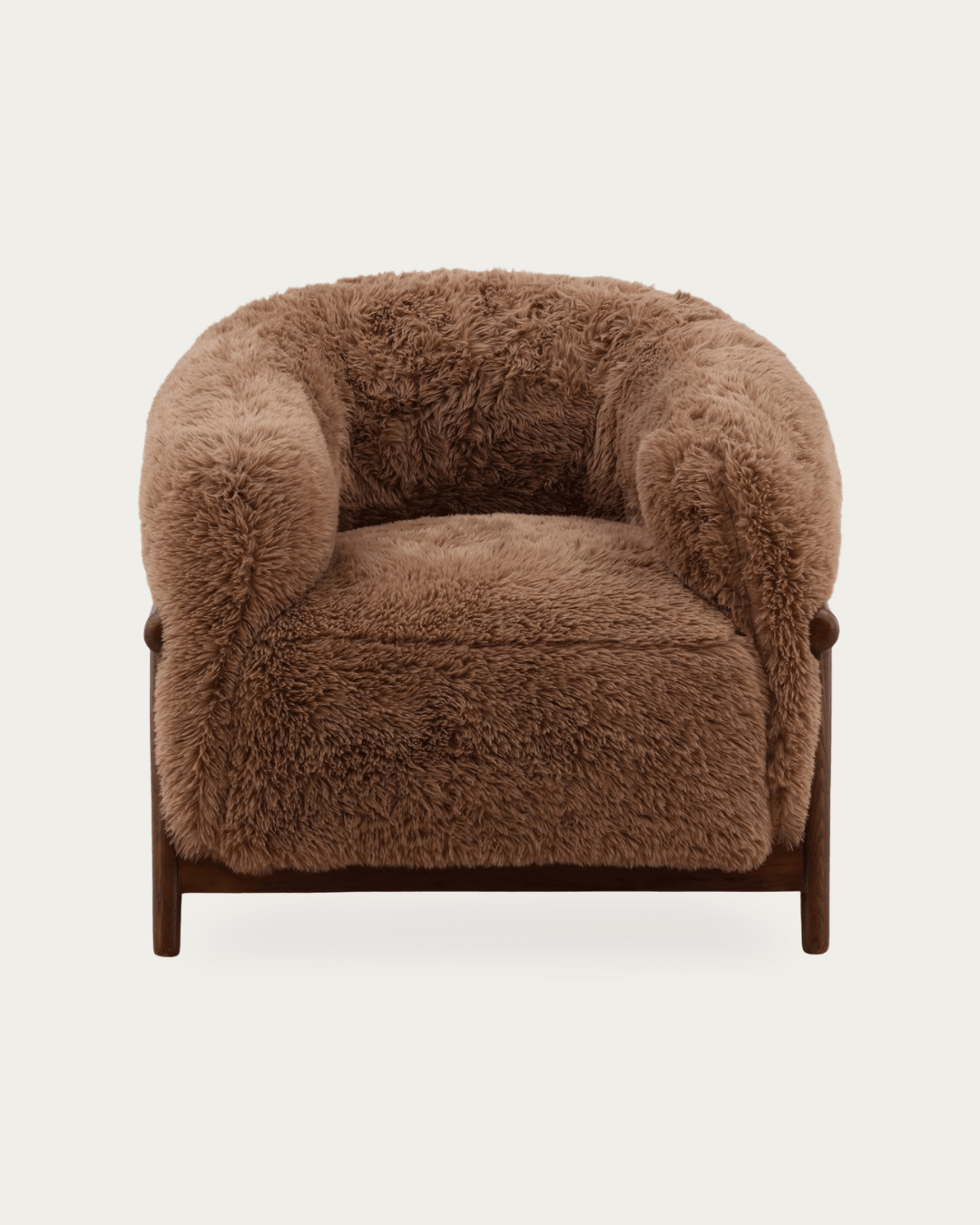
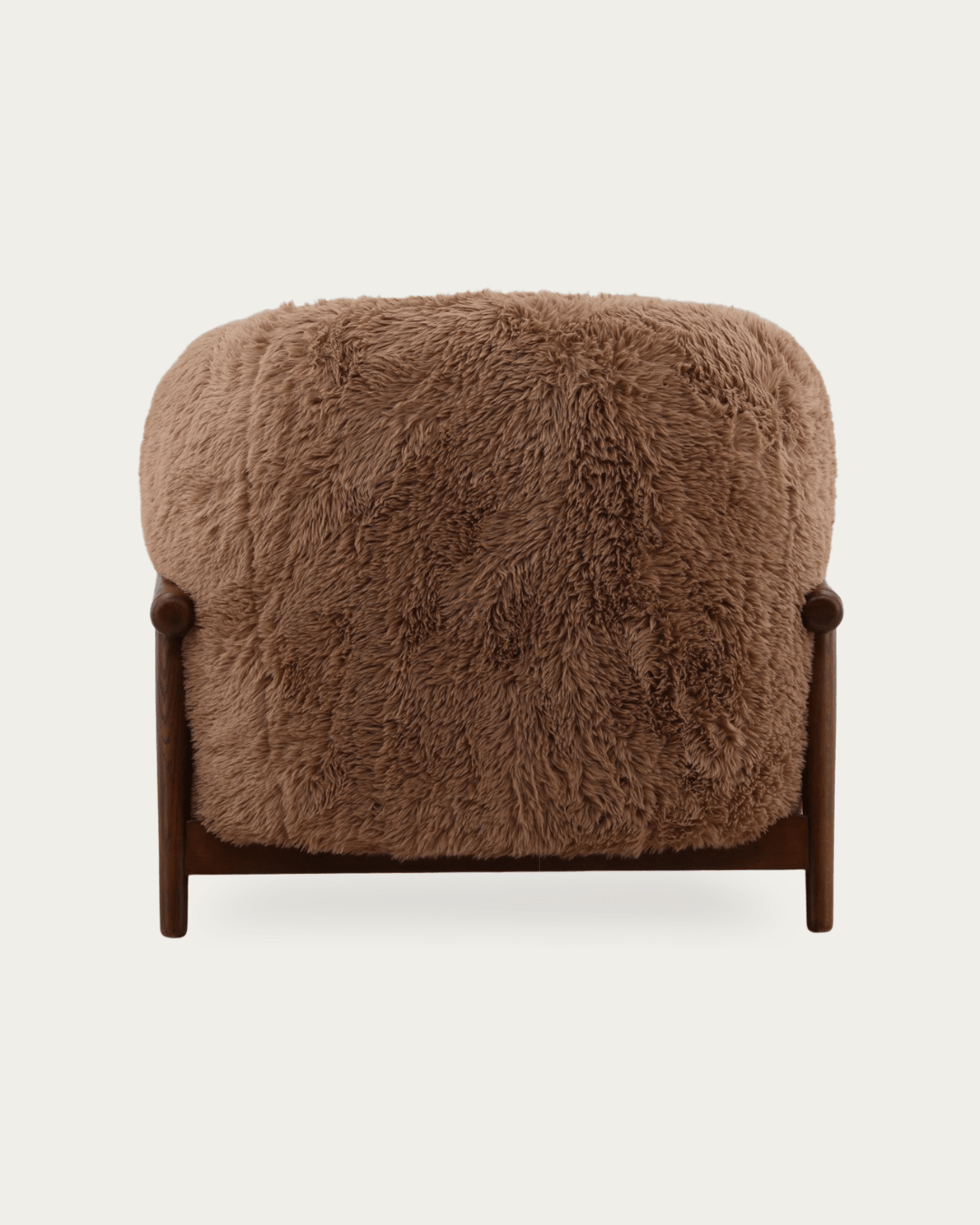
The sofa, chairs, and Lemi Ottoman (in natural shearling) all orient inward, so everything supports that same focal point instead of competing with it. Your brain is constantly trying to understand where to land in a space. When furniture points in different directions or lacks a clear center, your attention keeps moving, even if you don’t realize it. And that movement is a continuous stressor on your body.
That’s where a lot of rooms go wrong.
Now carry that into the dining area.
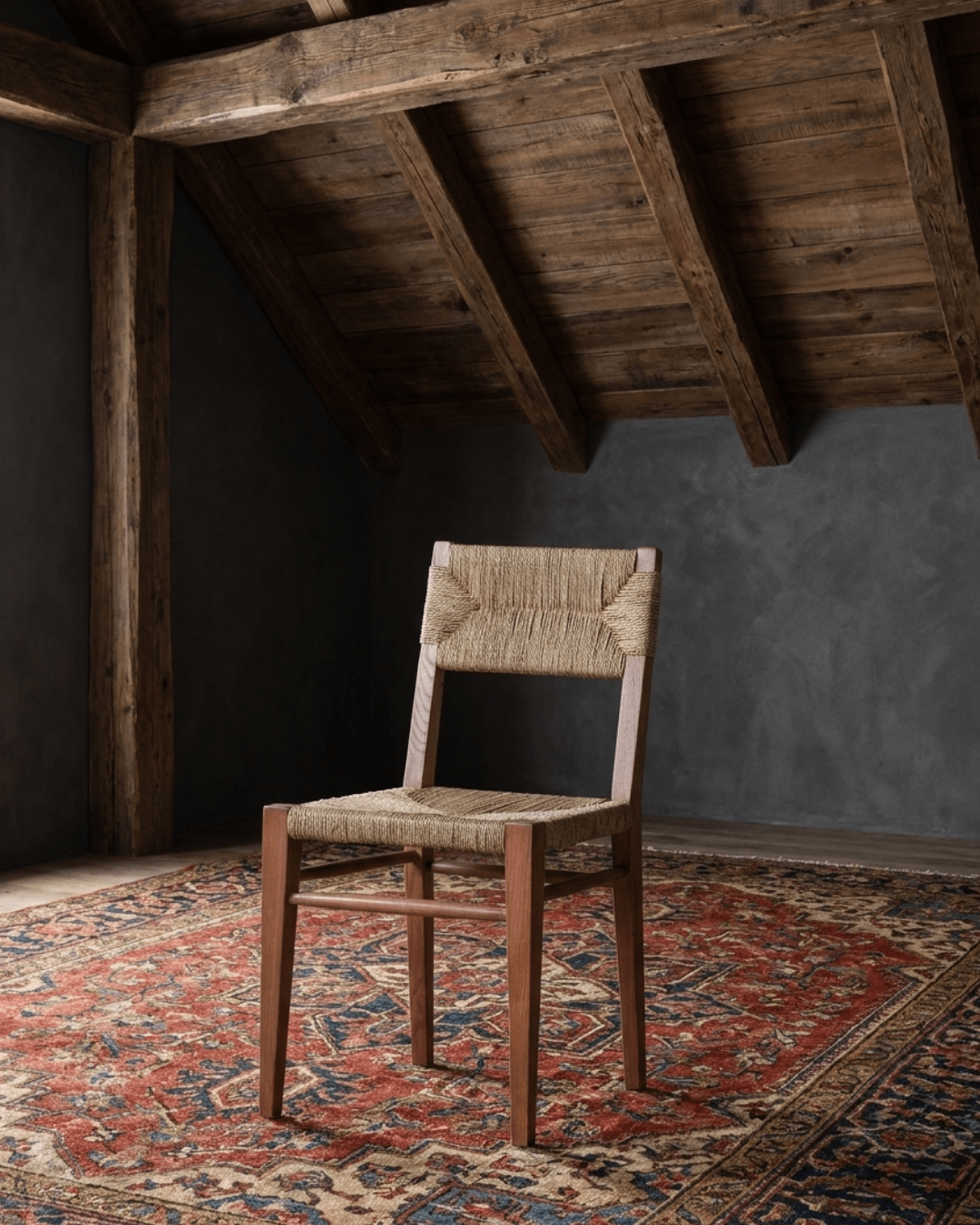
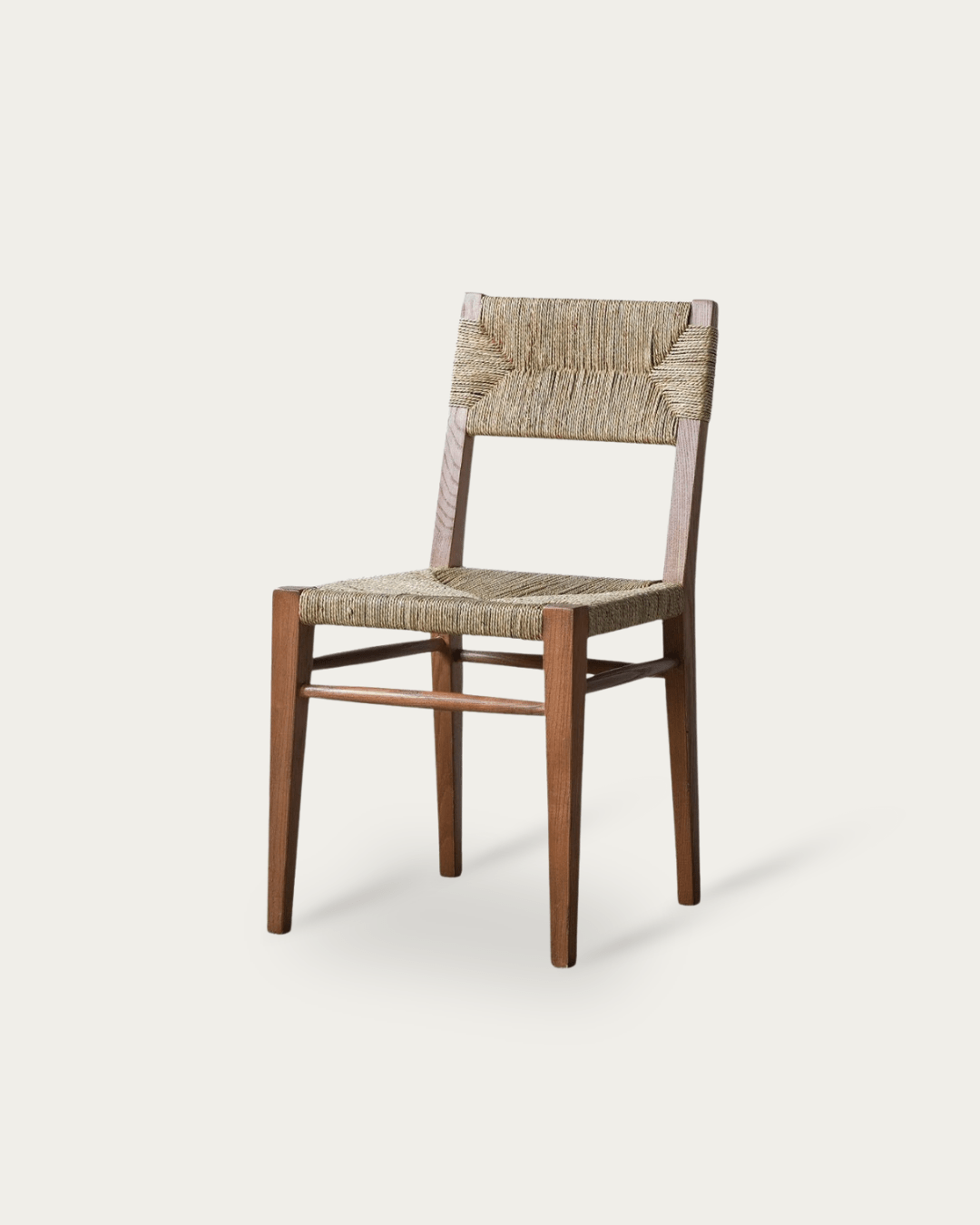
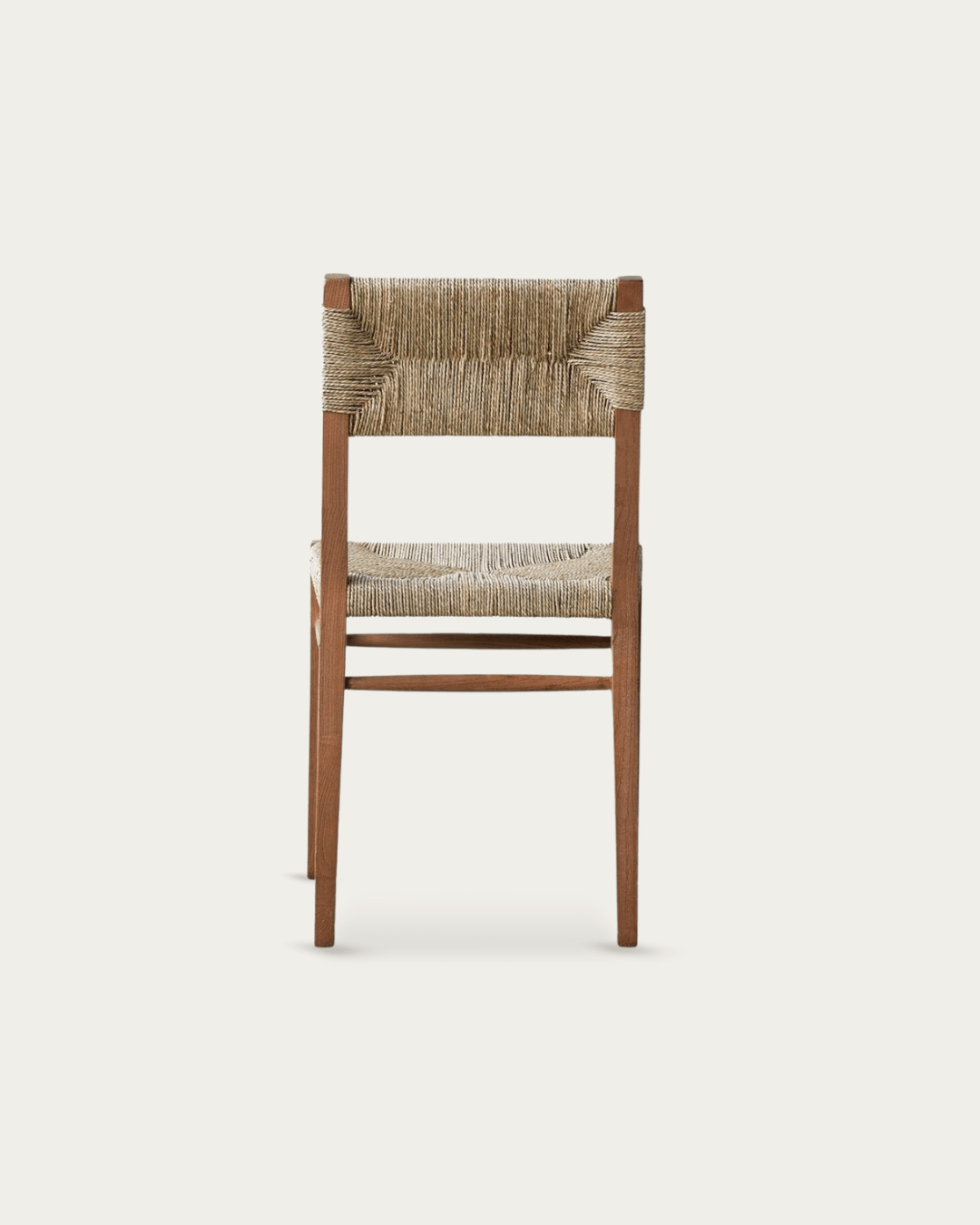
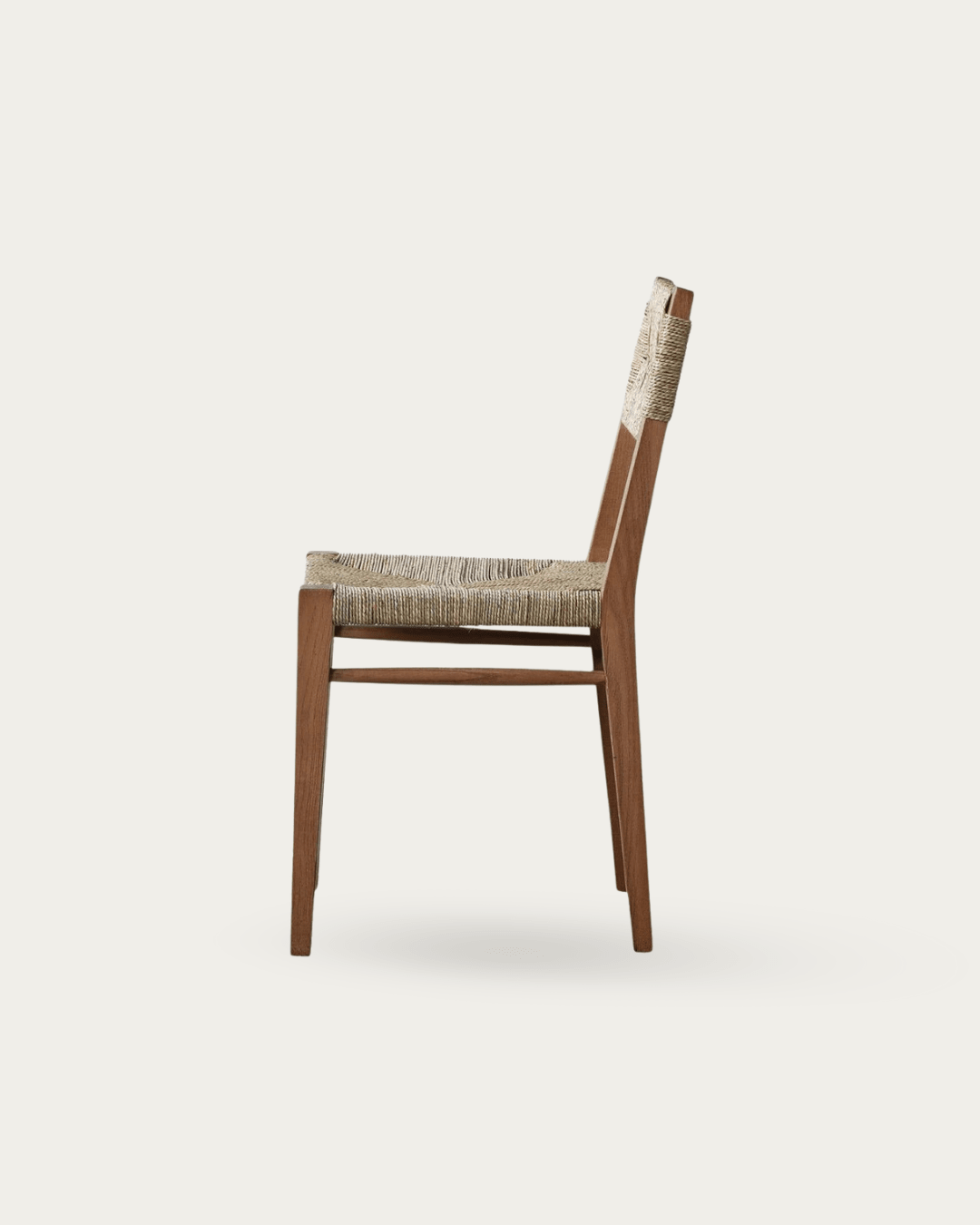
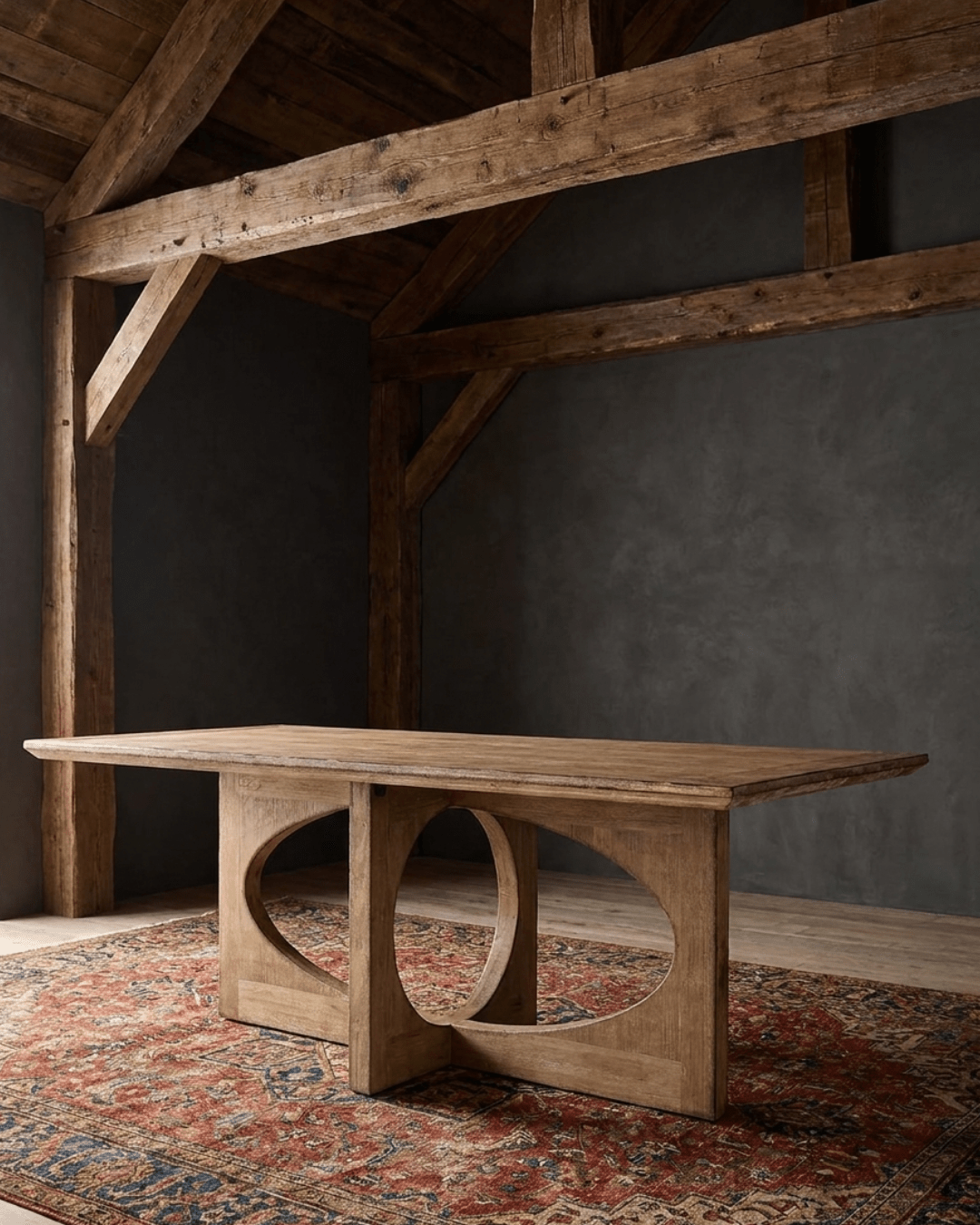
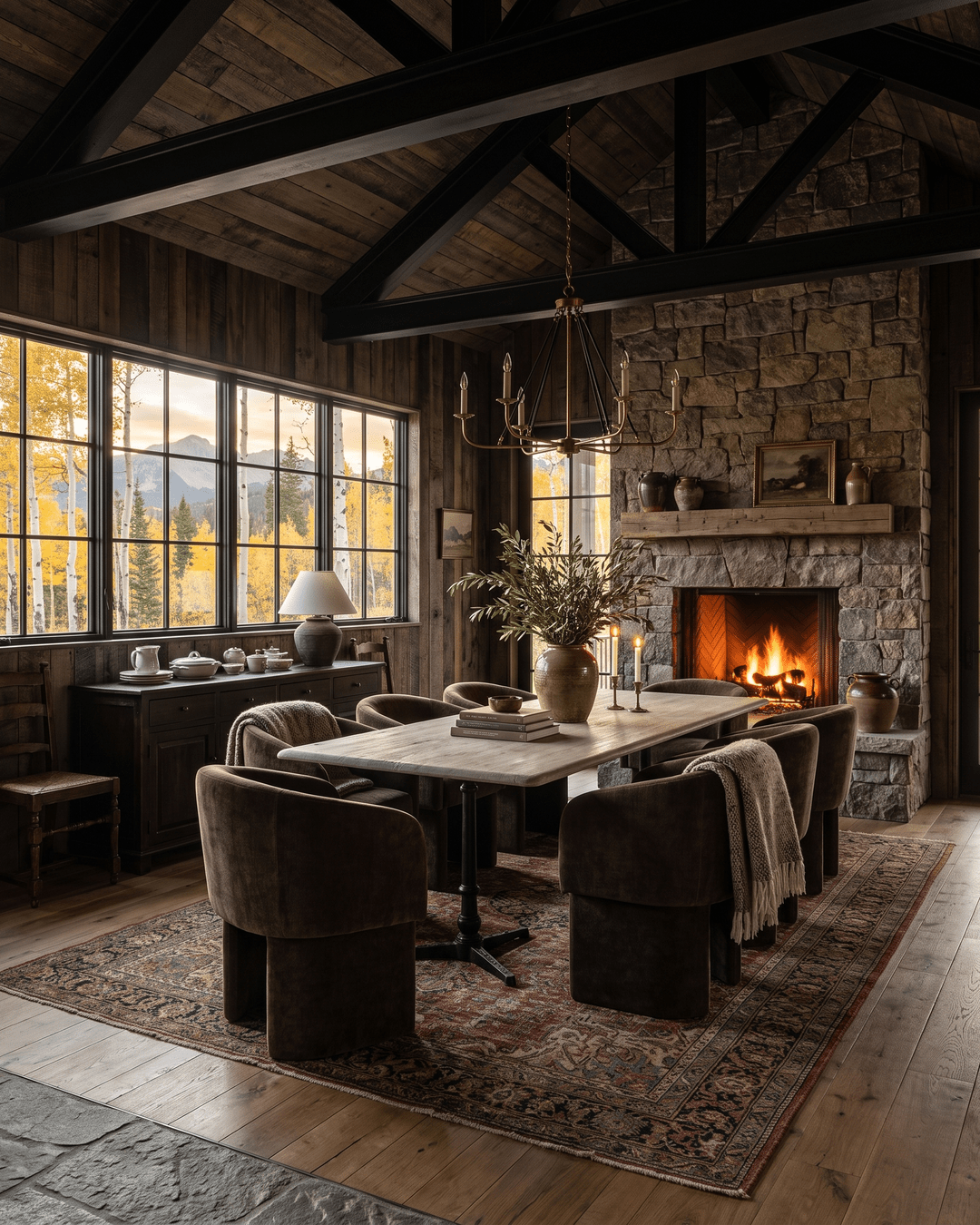
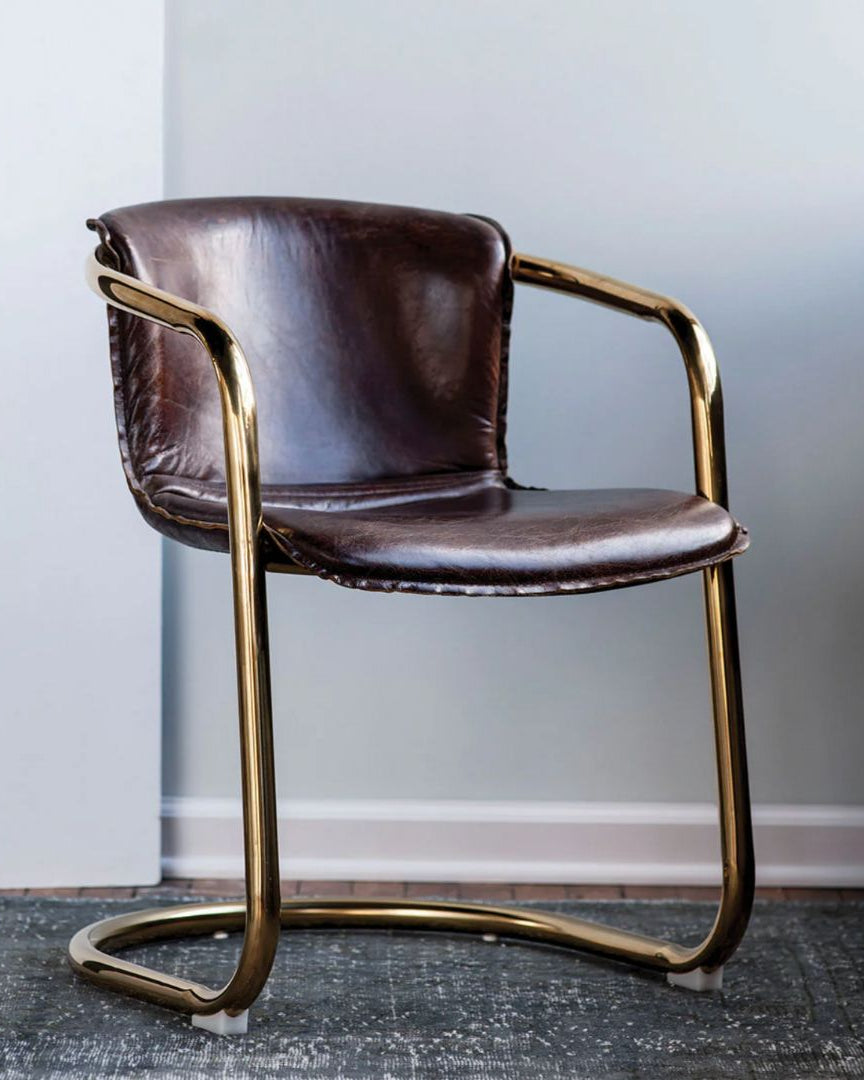
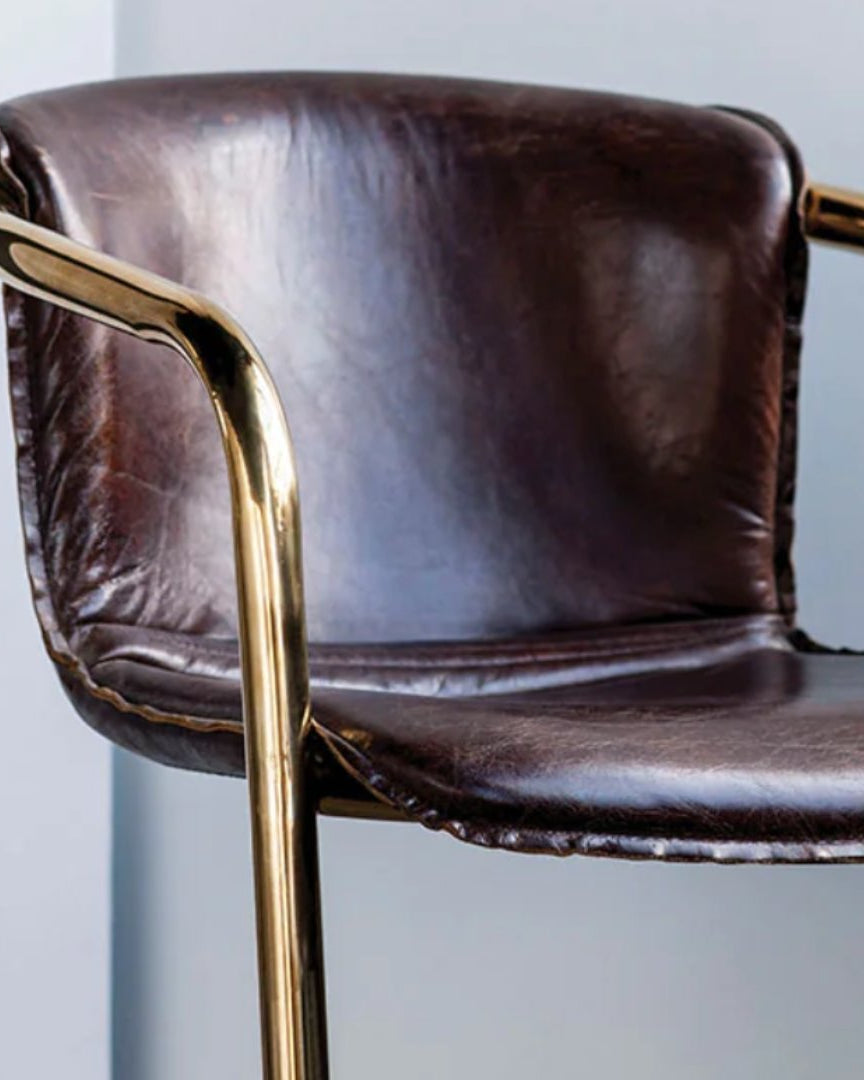
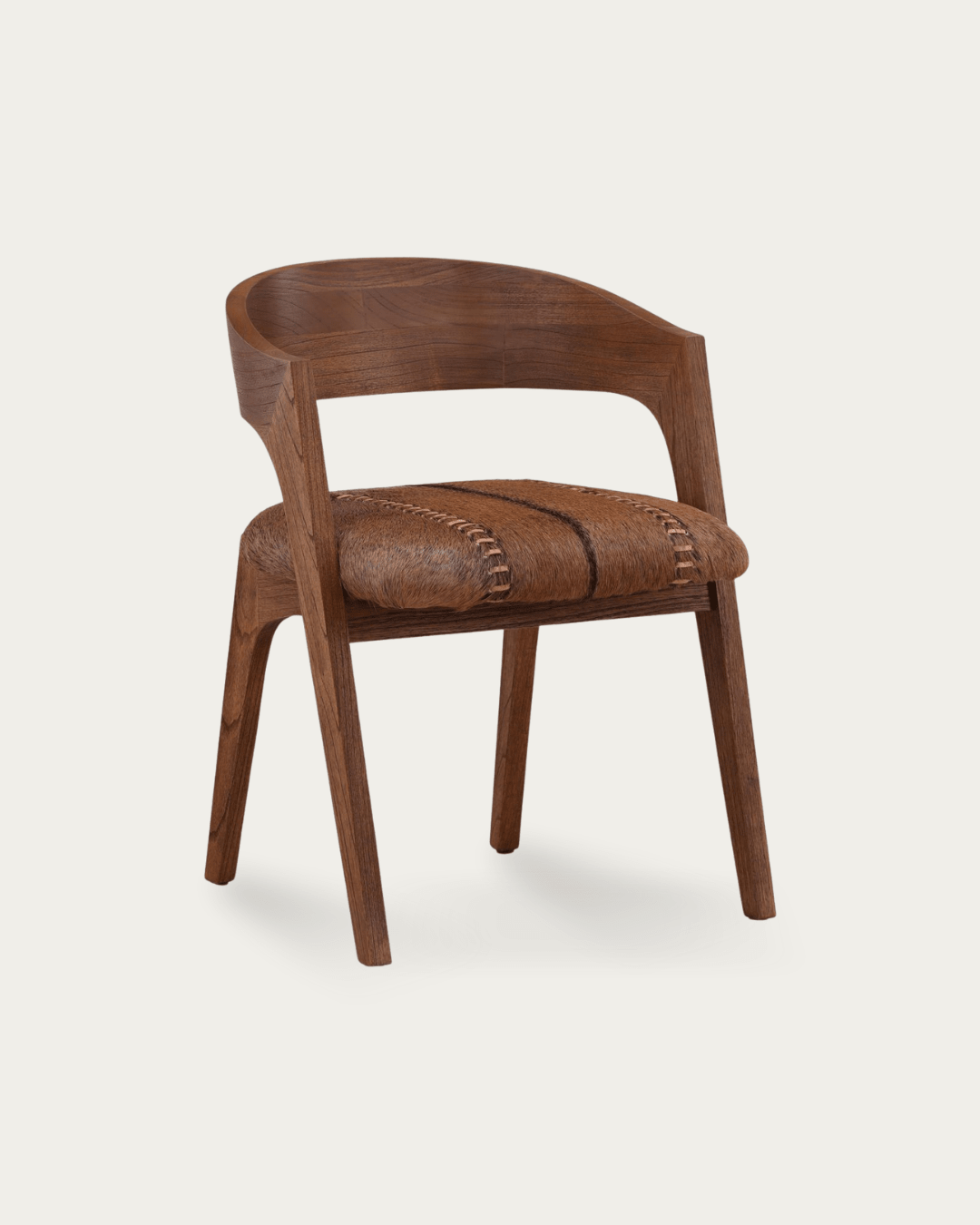
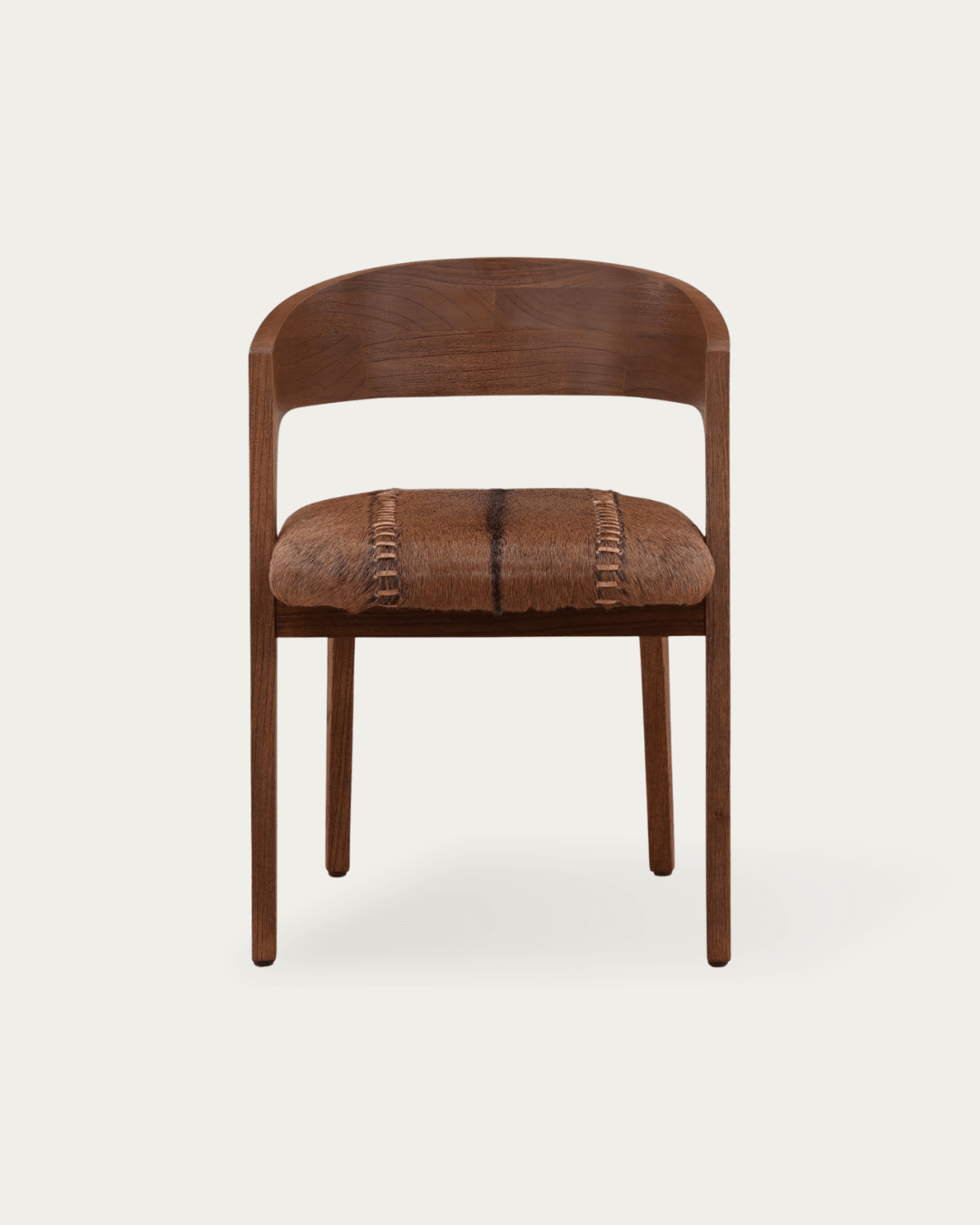
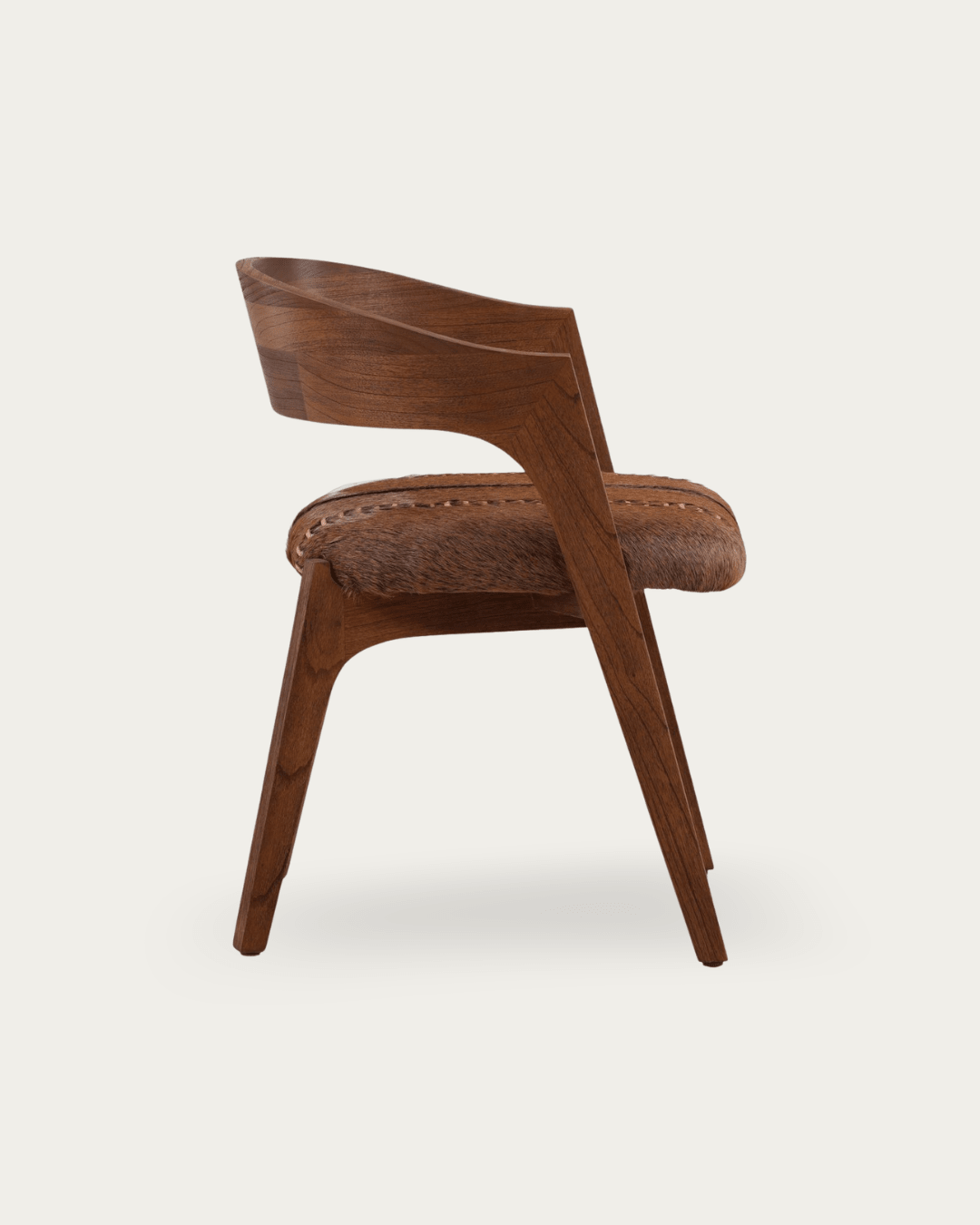
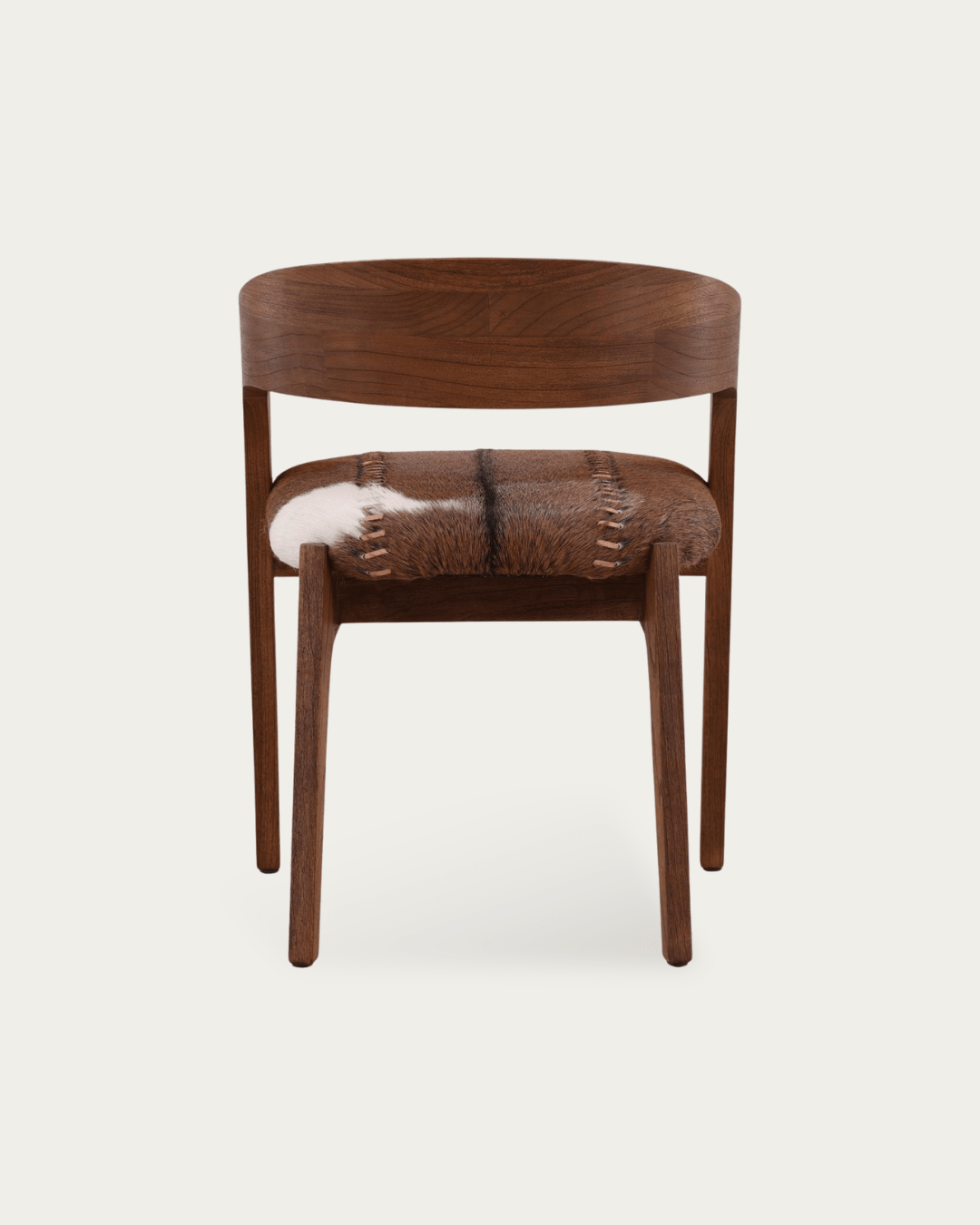
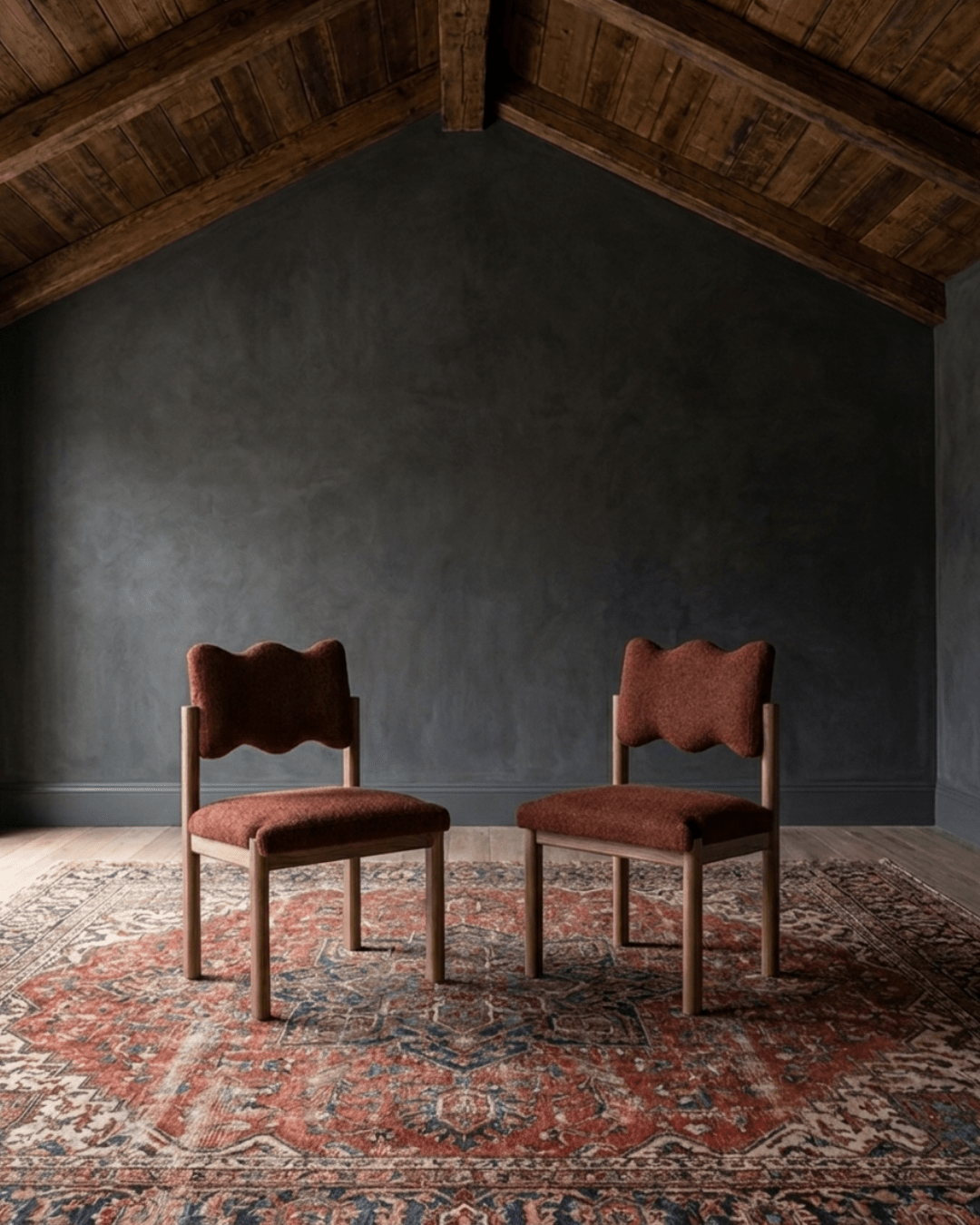
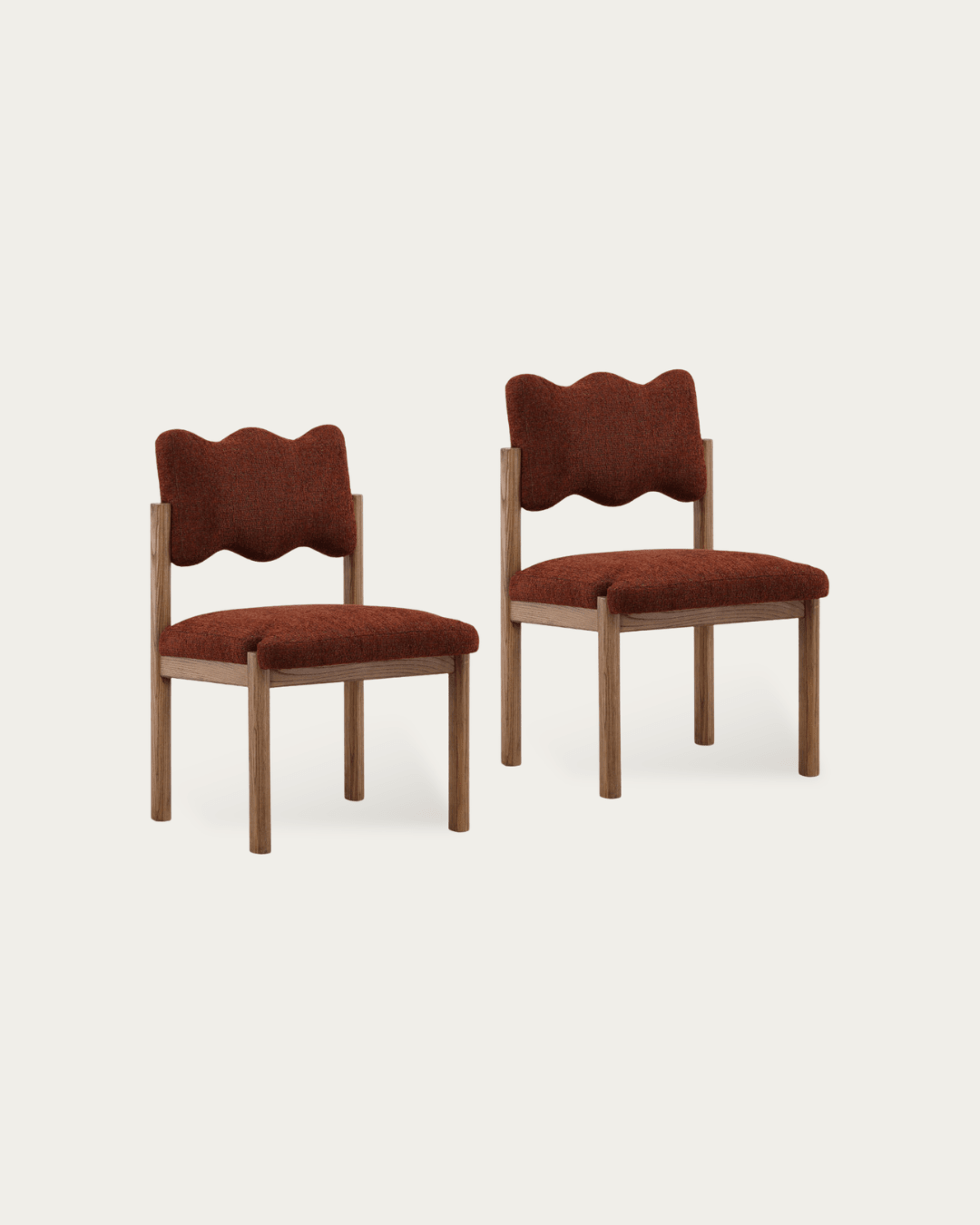
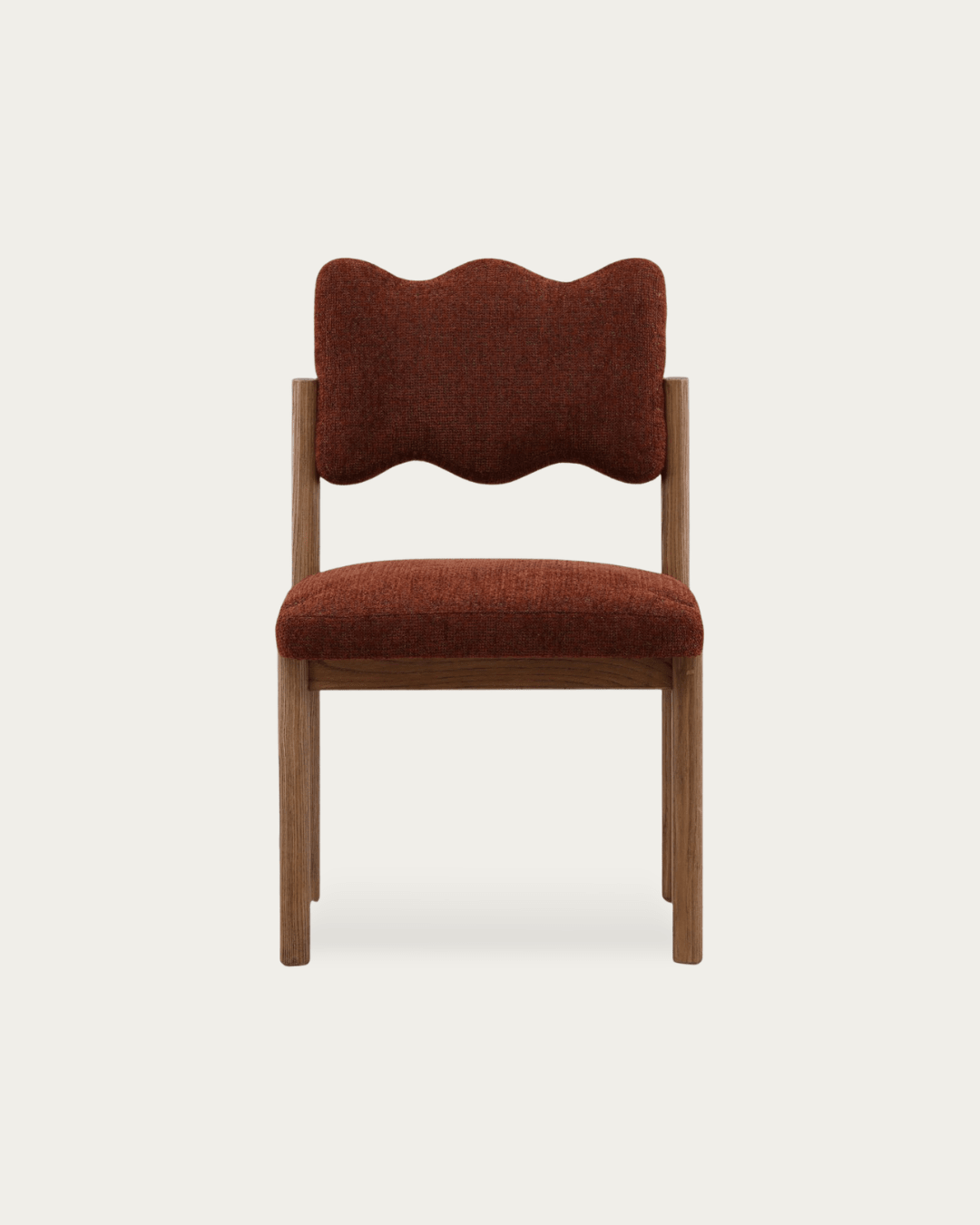
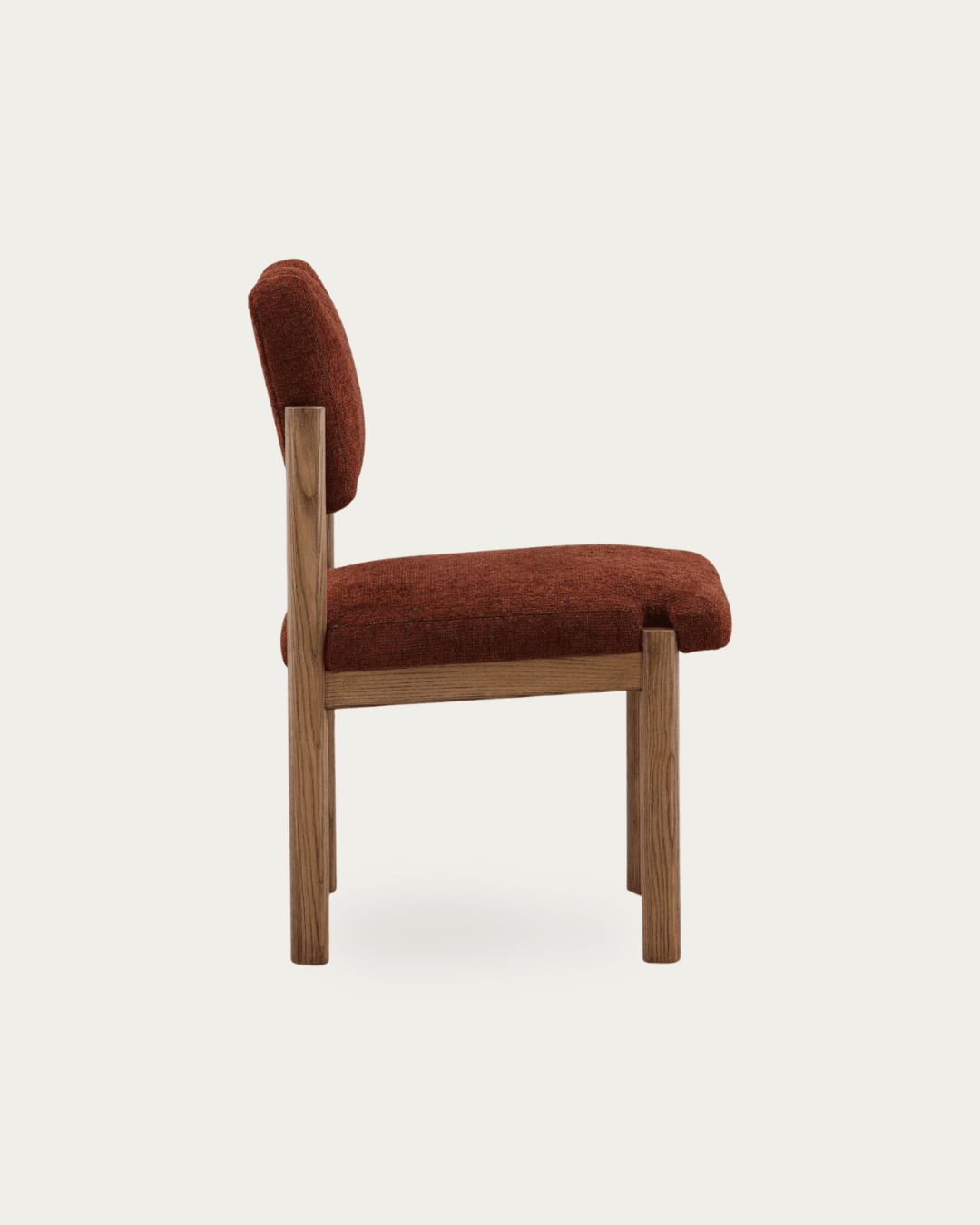
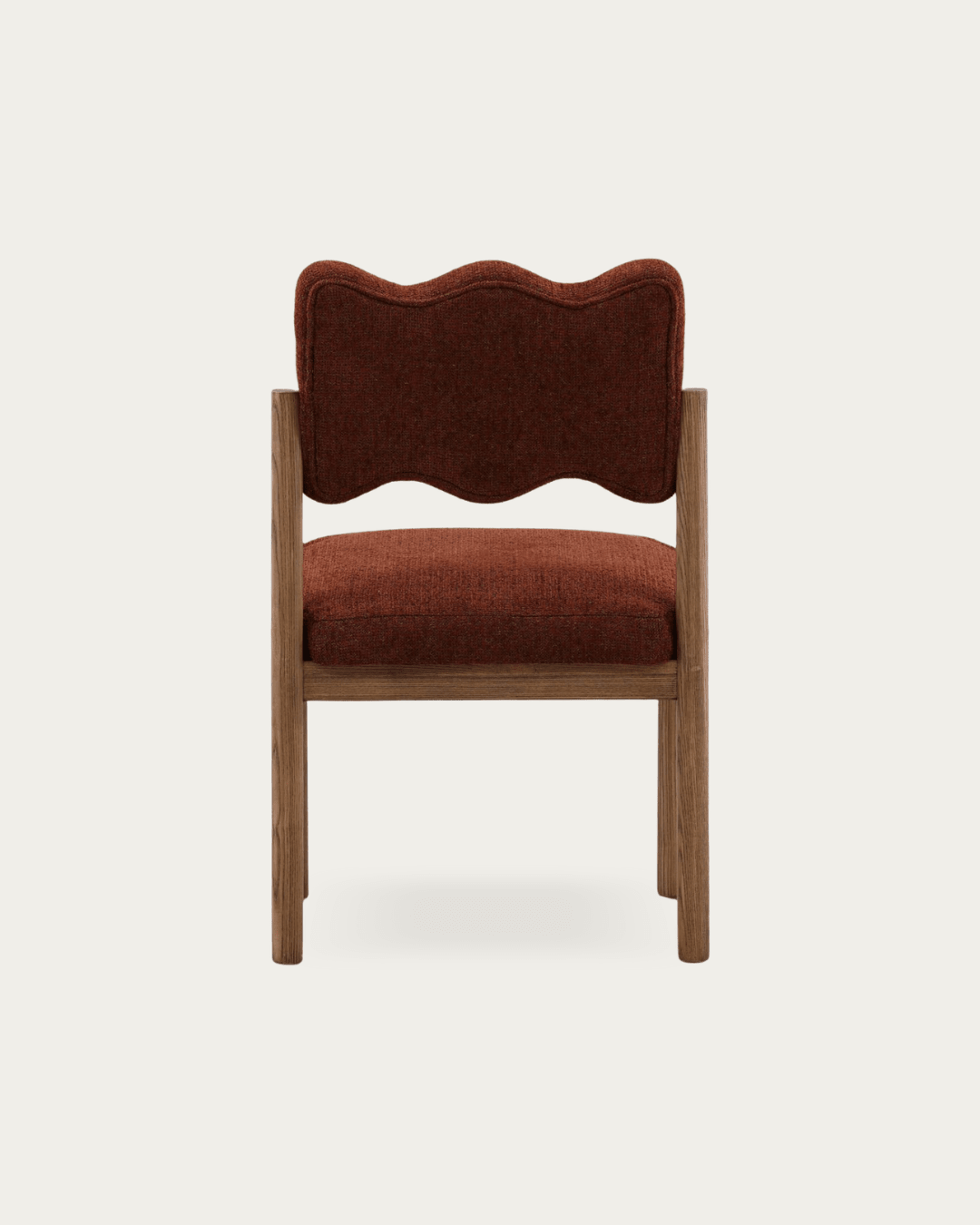
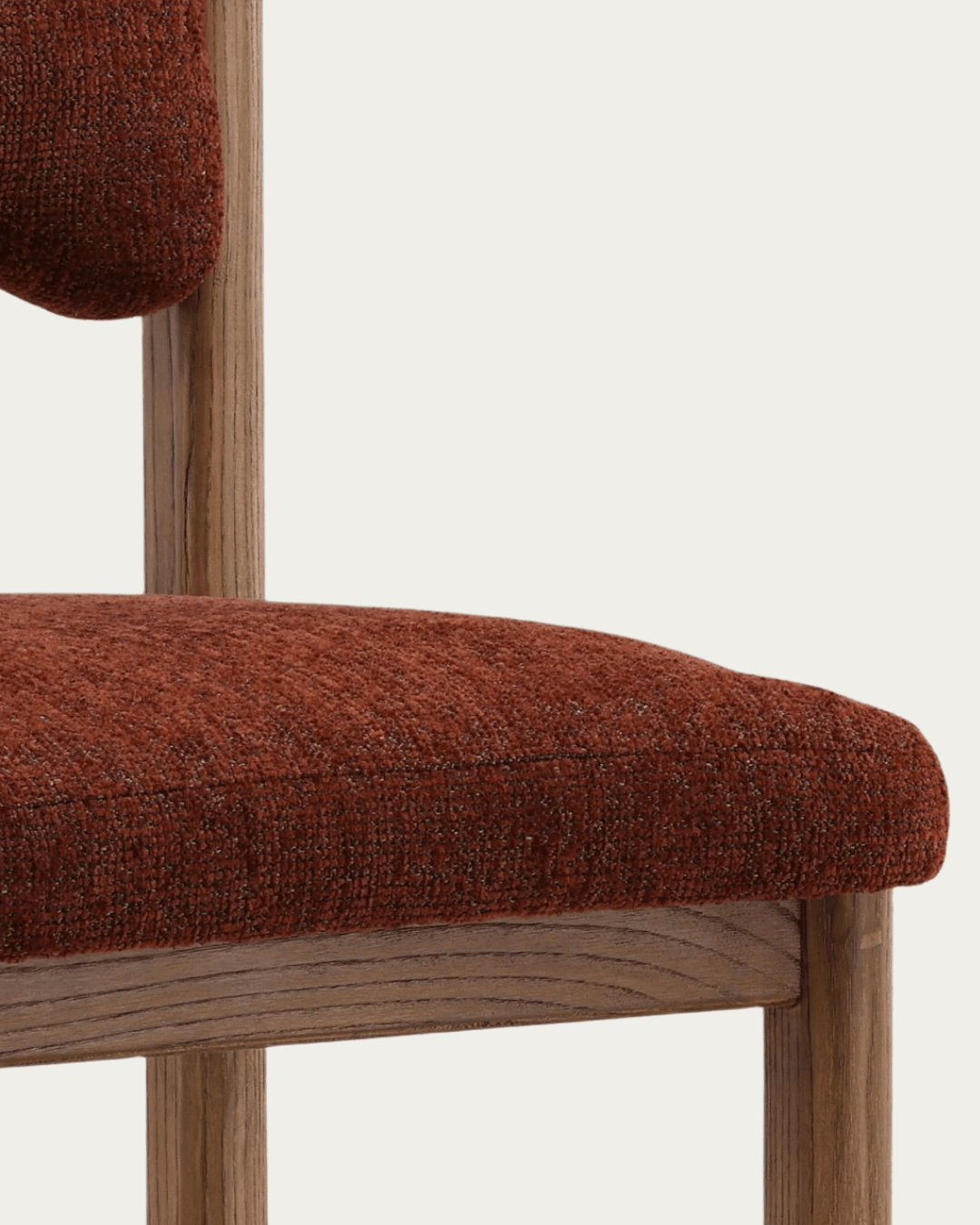
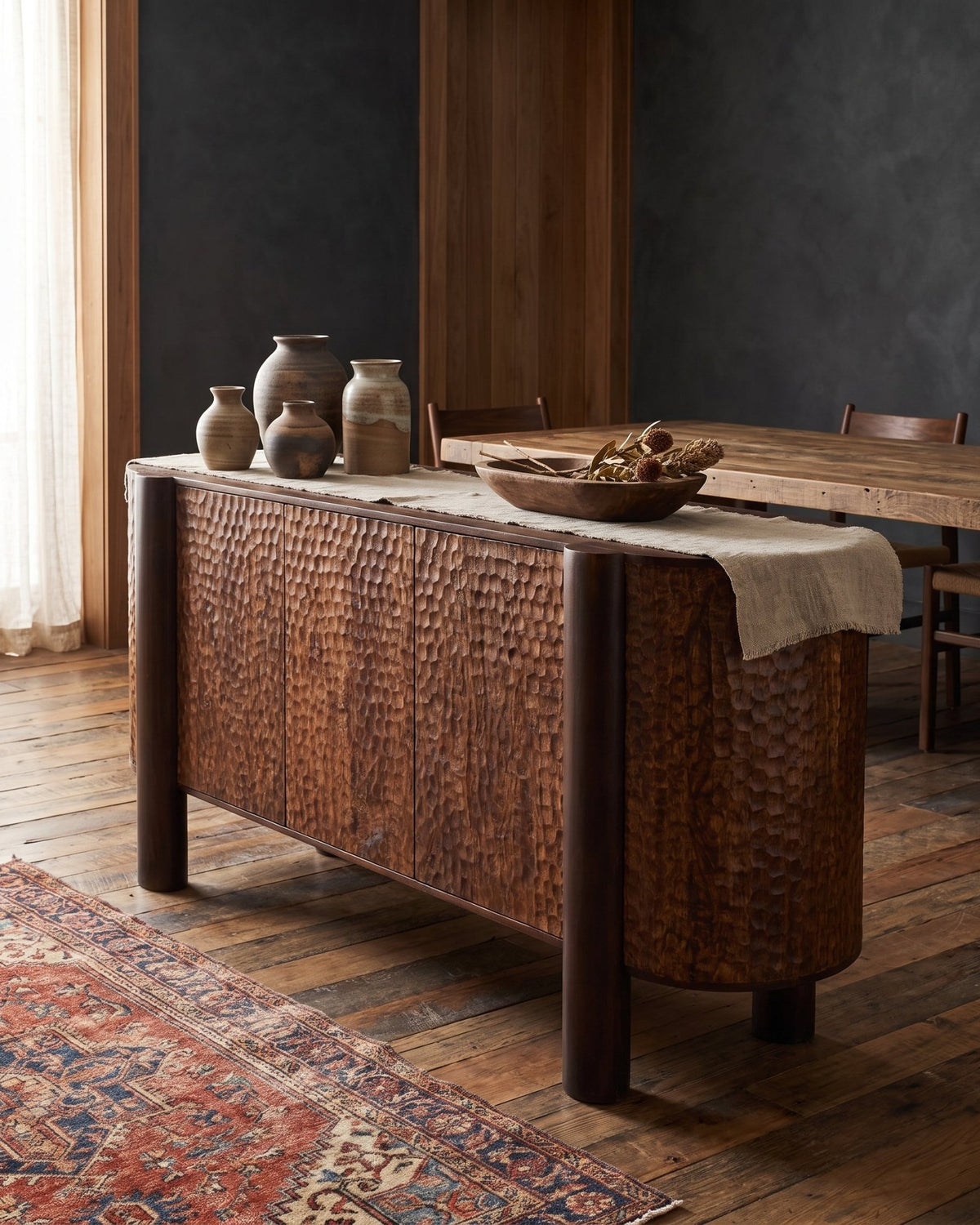
The tone from our Fletcher chairs is repeated in the dining chairs, so as you move through the room, your brain doesn’t hit a visual break and have to reset. Most designs treat these as separate zones, which forces your brain to reprocess everything again. That repetition here is what keeps the entire space reading as one continuous environment.
No interruption. No competing signals. Nothing your brain has to solve.
That’s why this room works. Not because it’s styled well, but because it removes friction from how your brain processes the space.