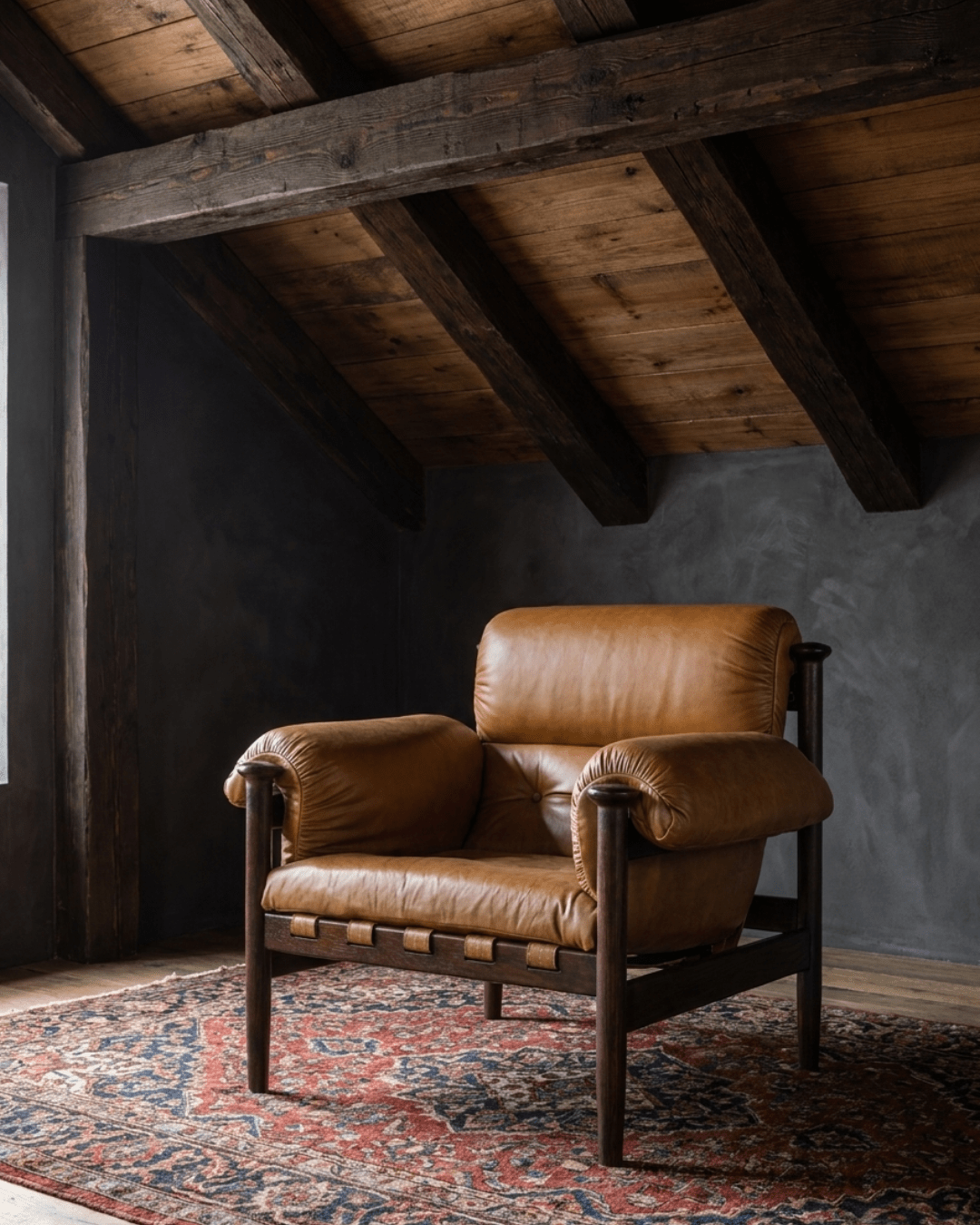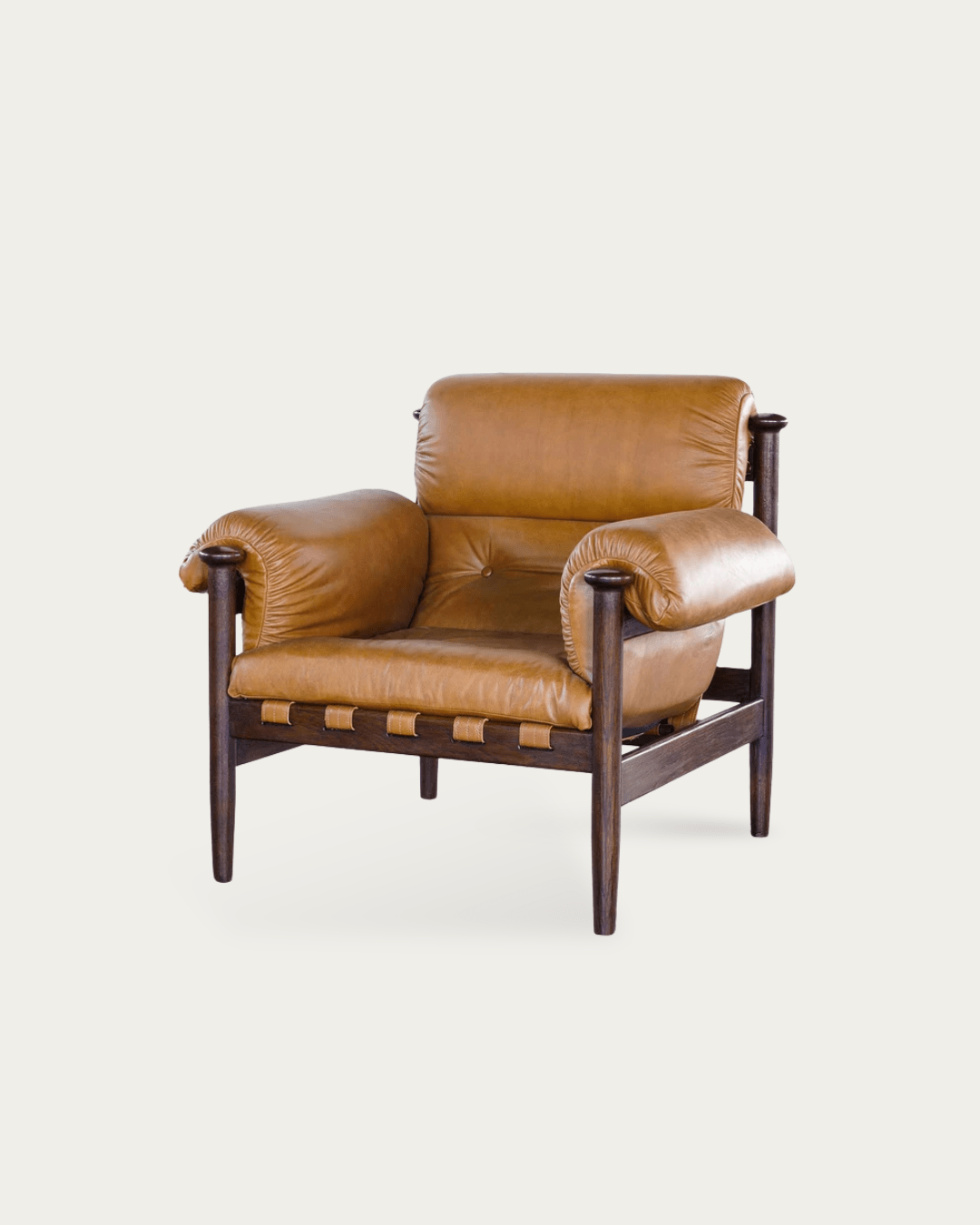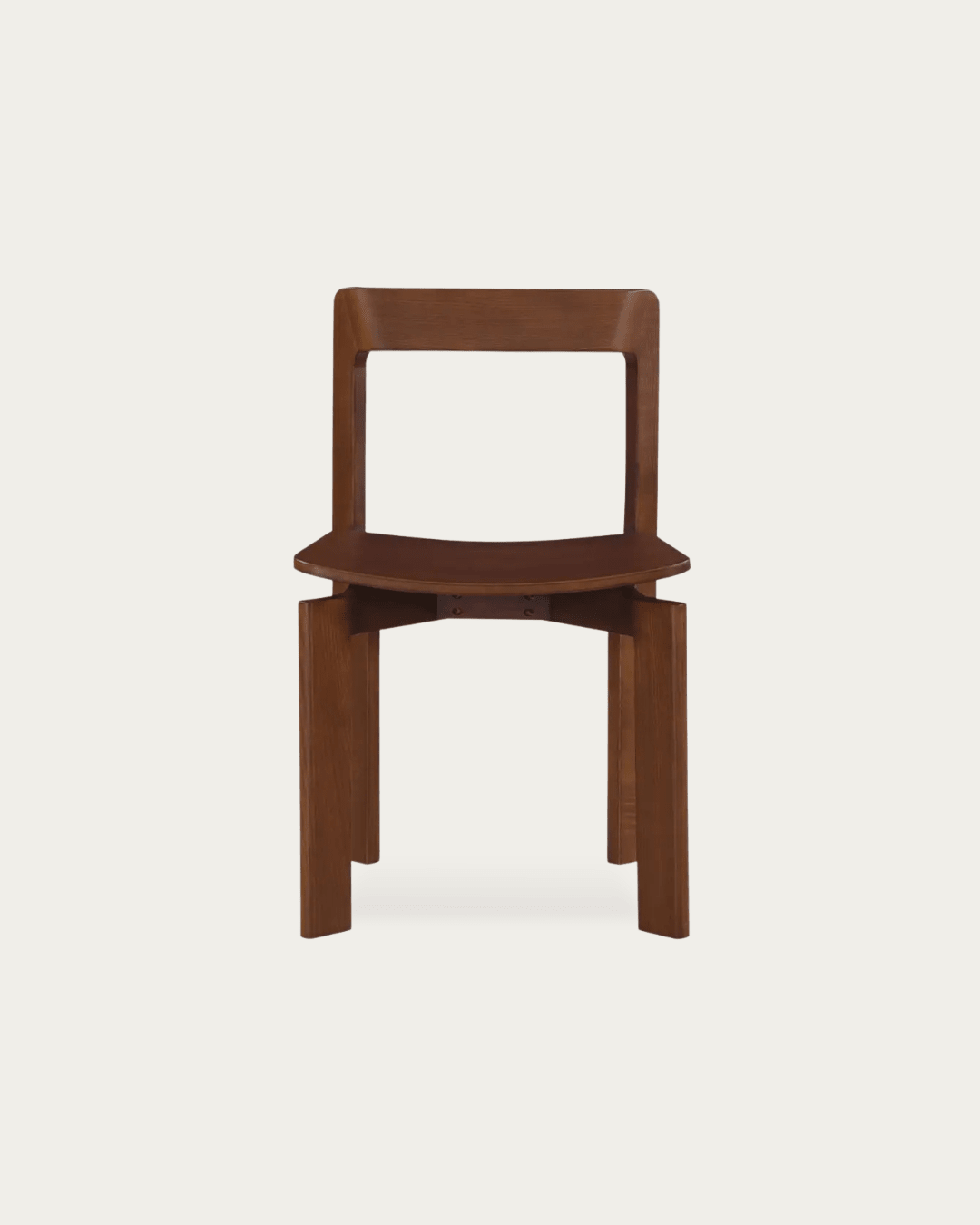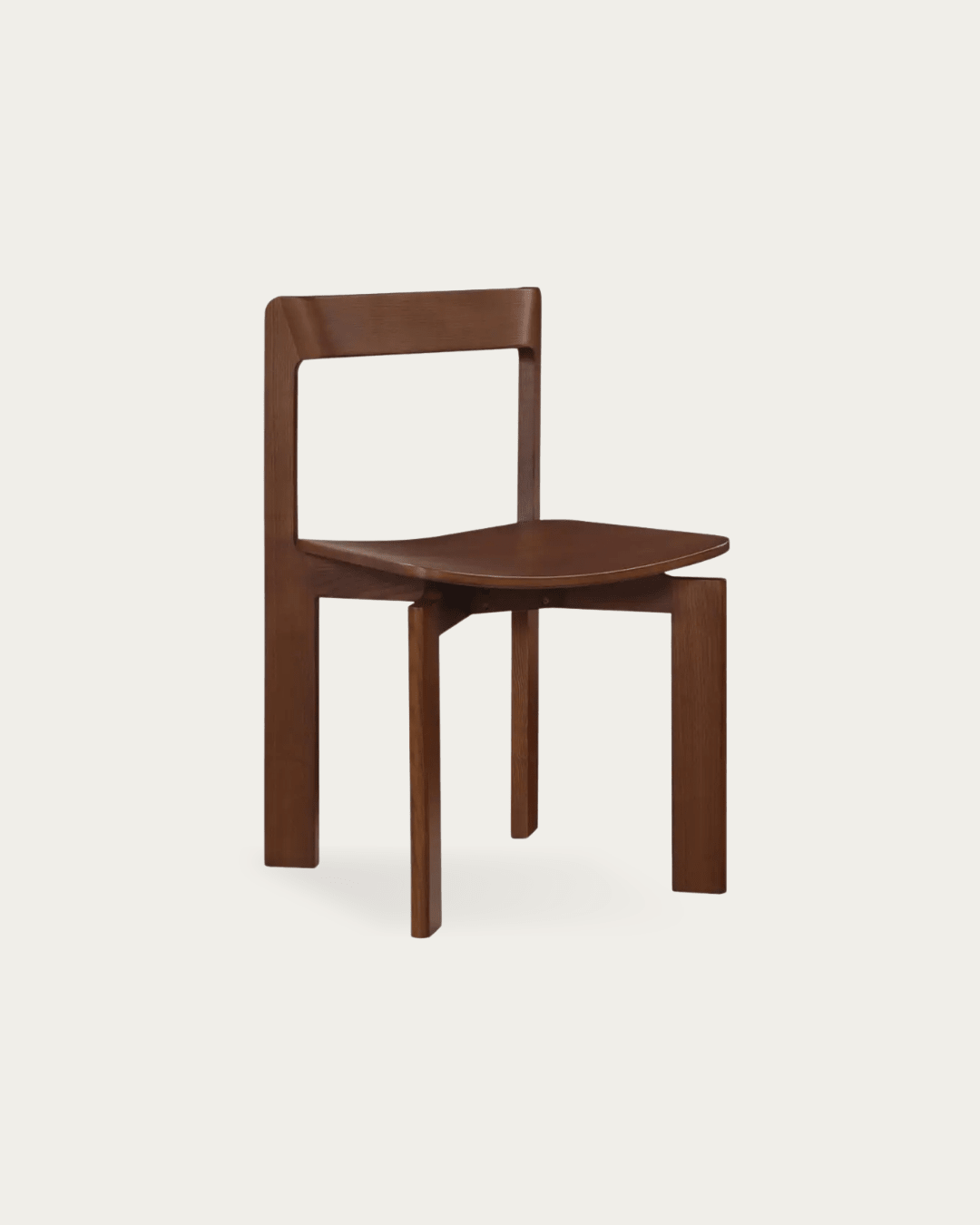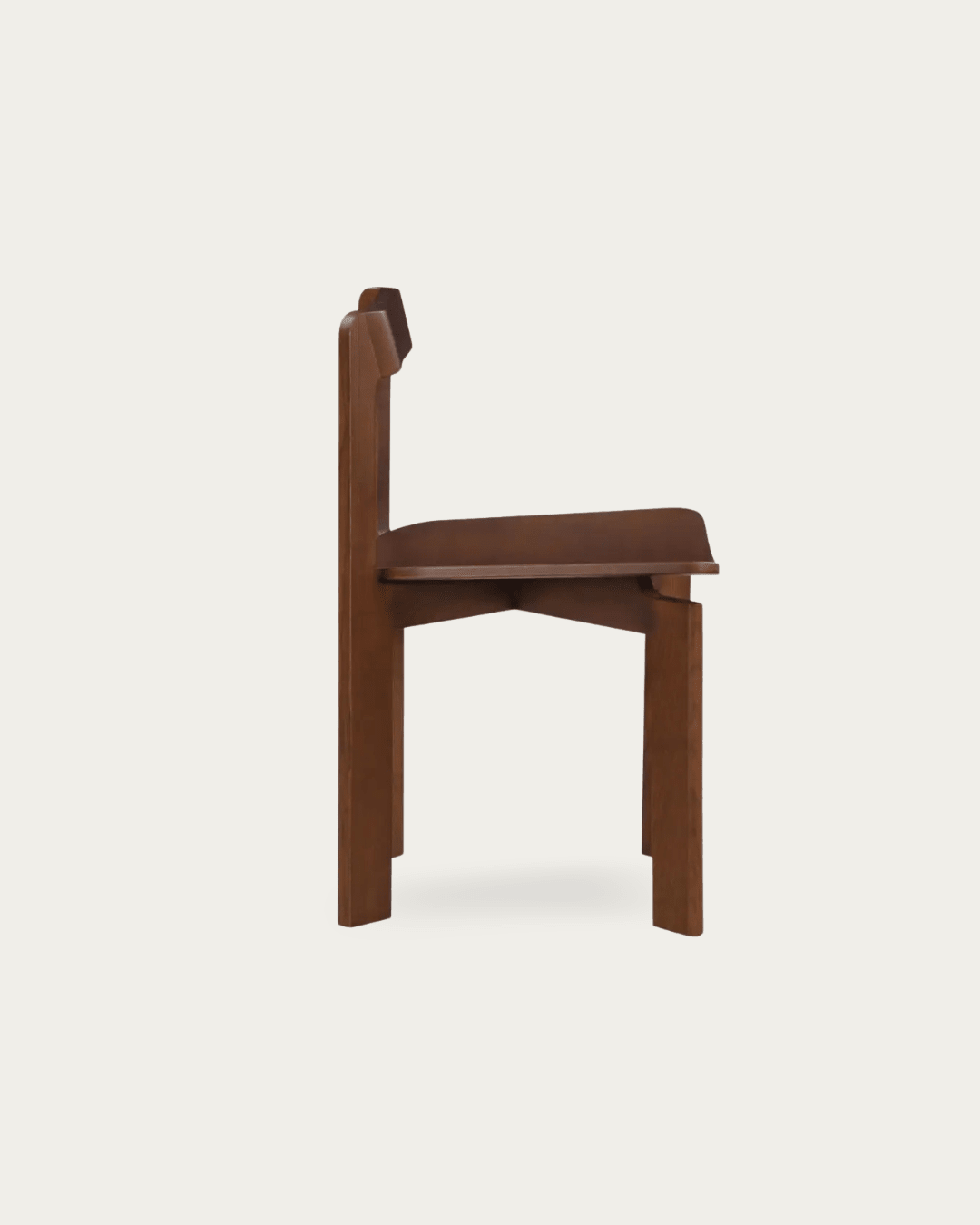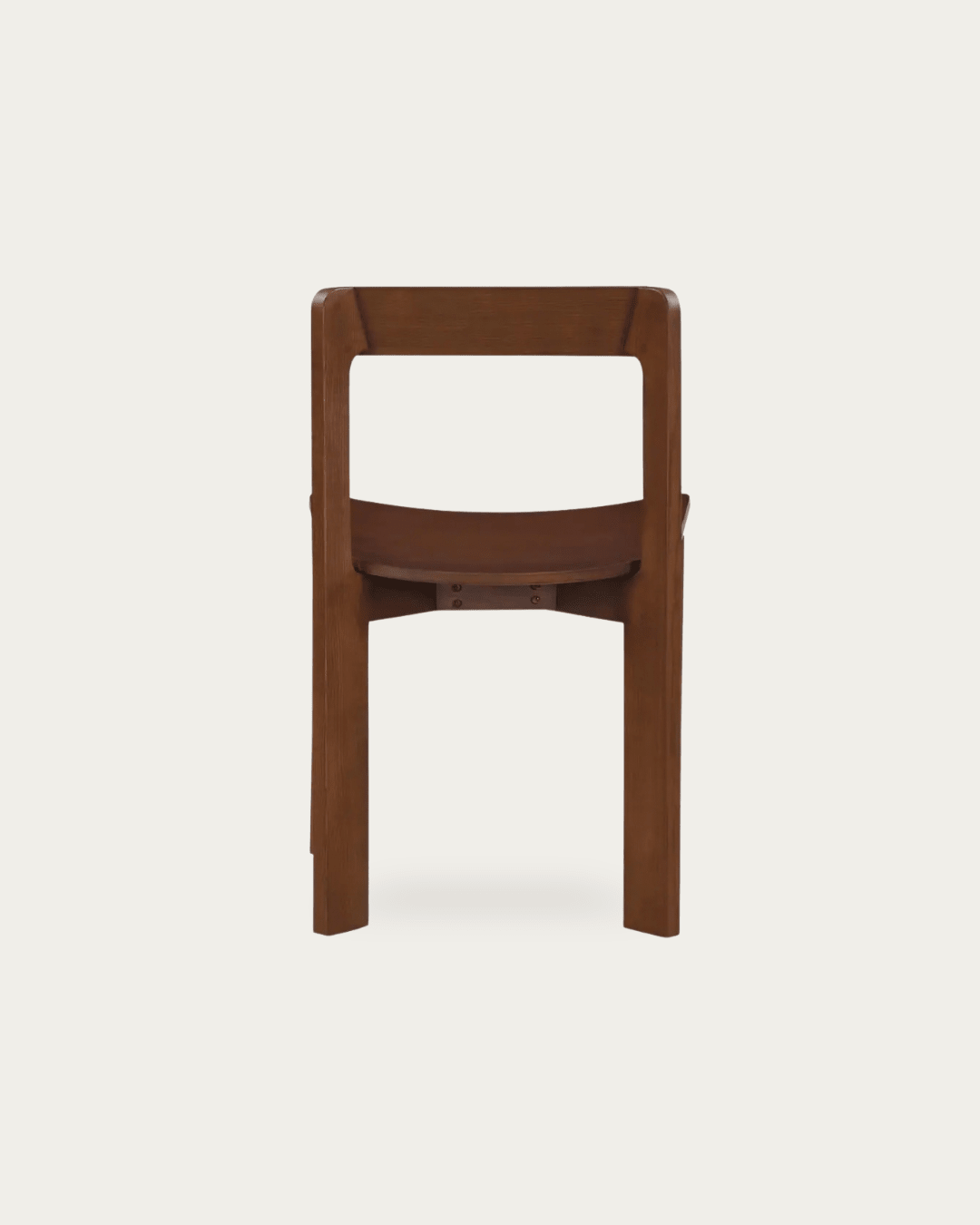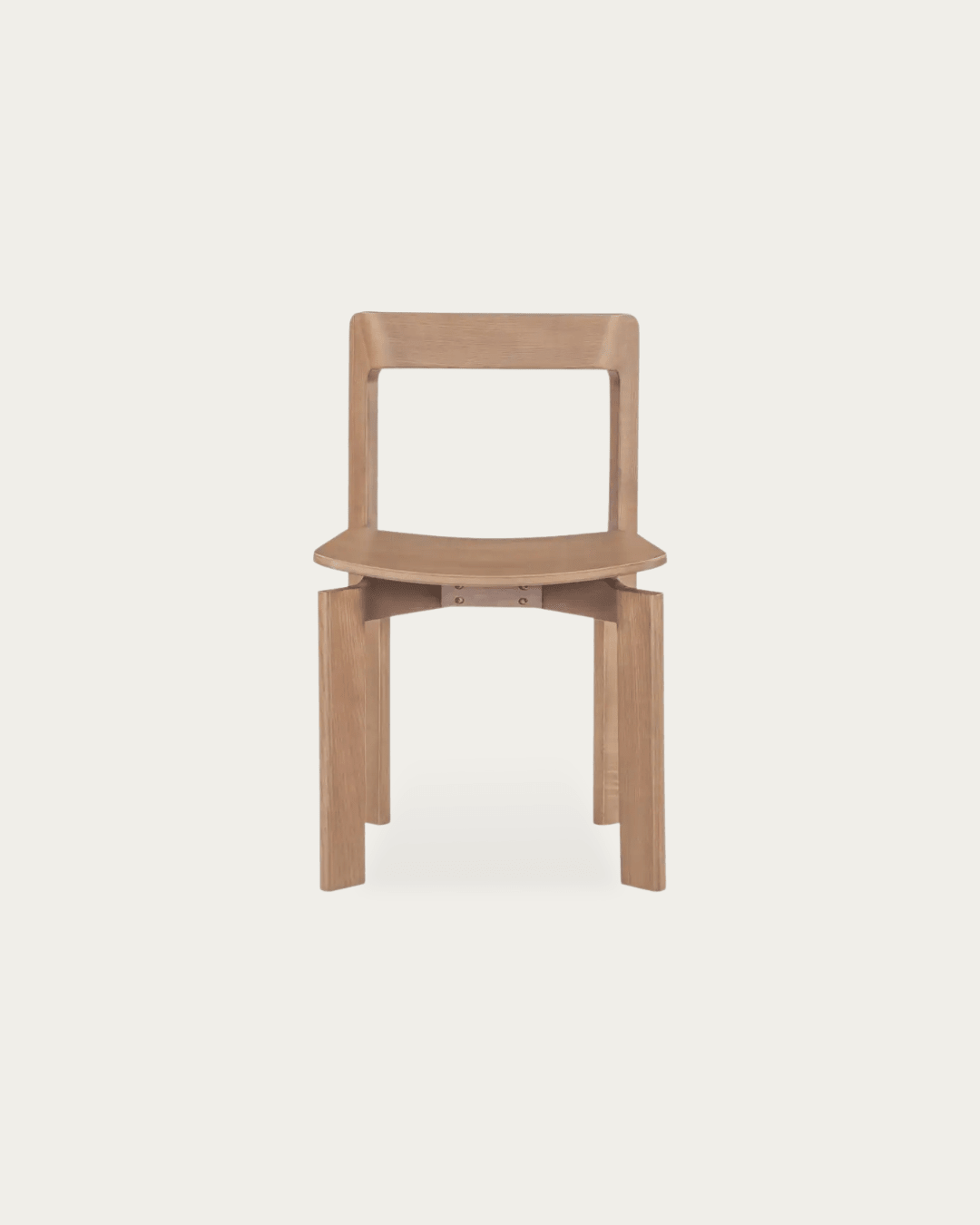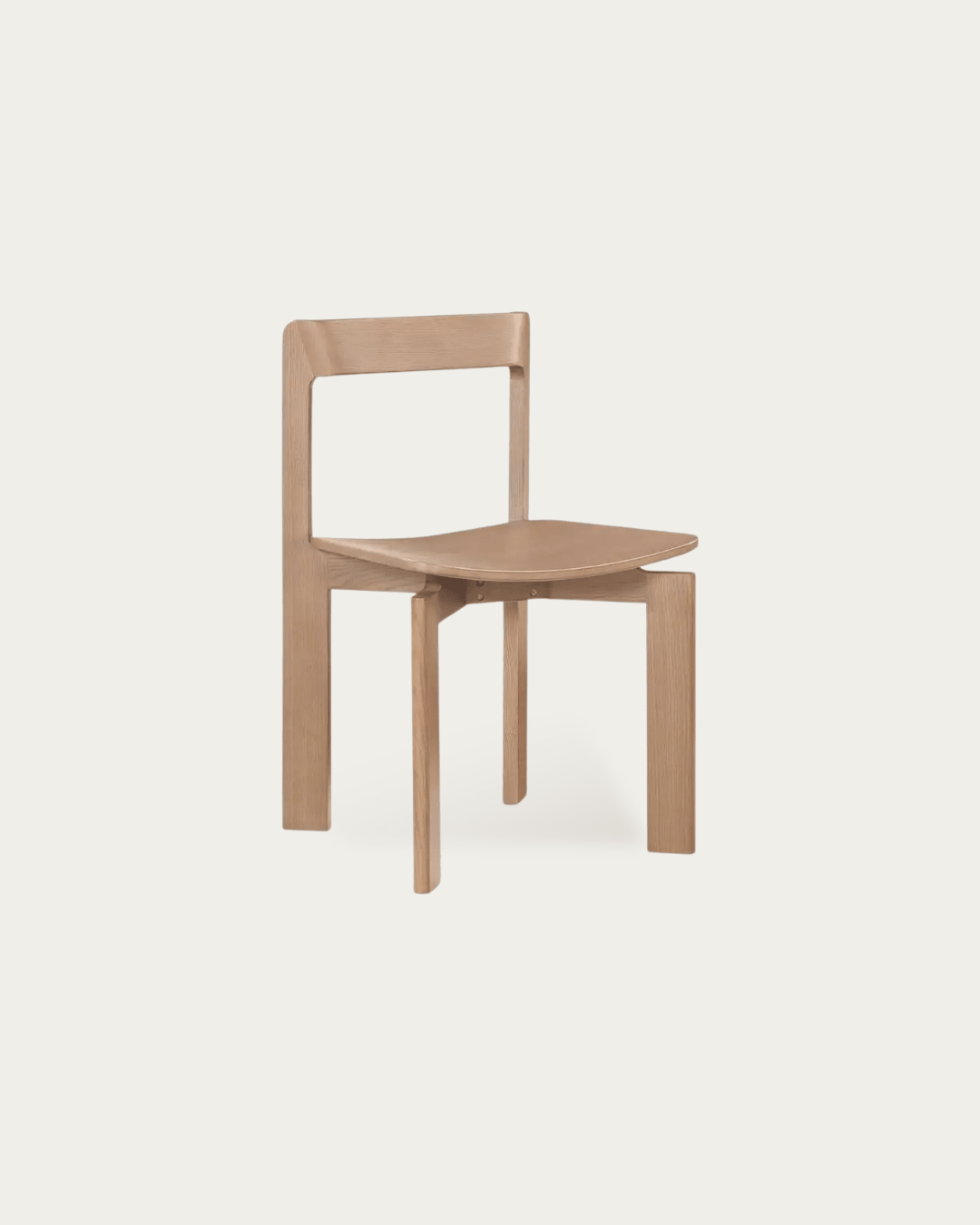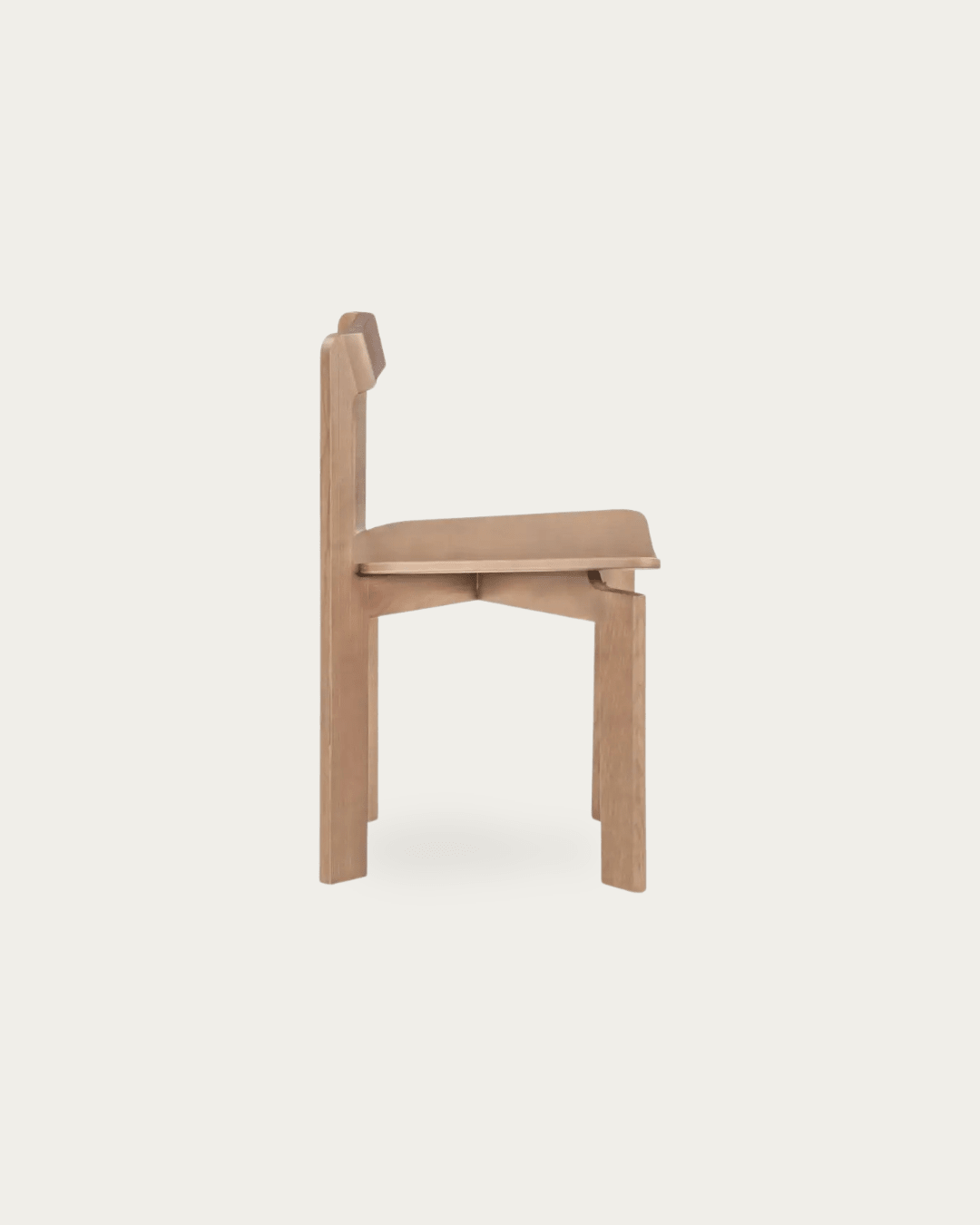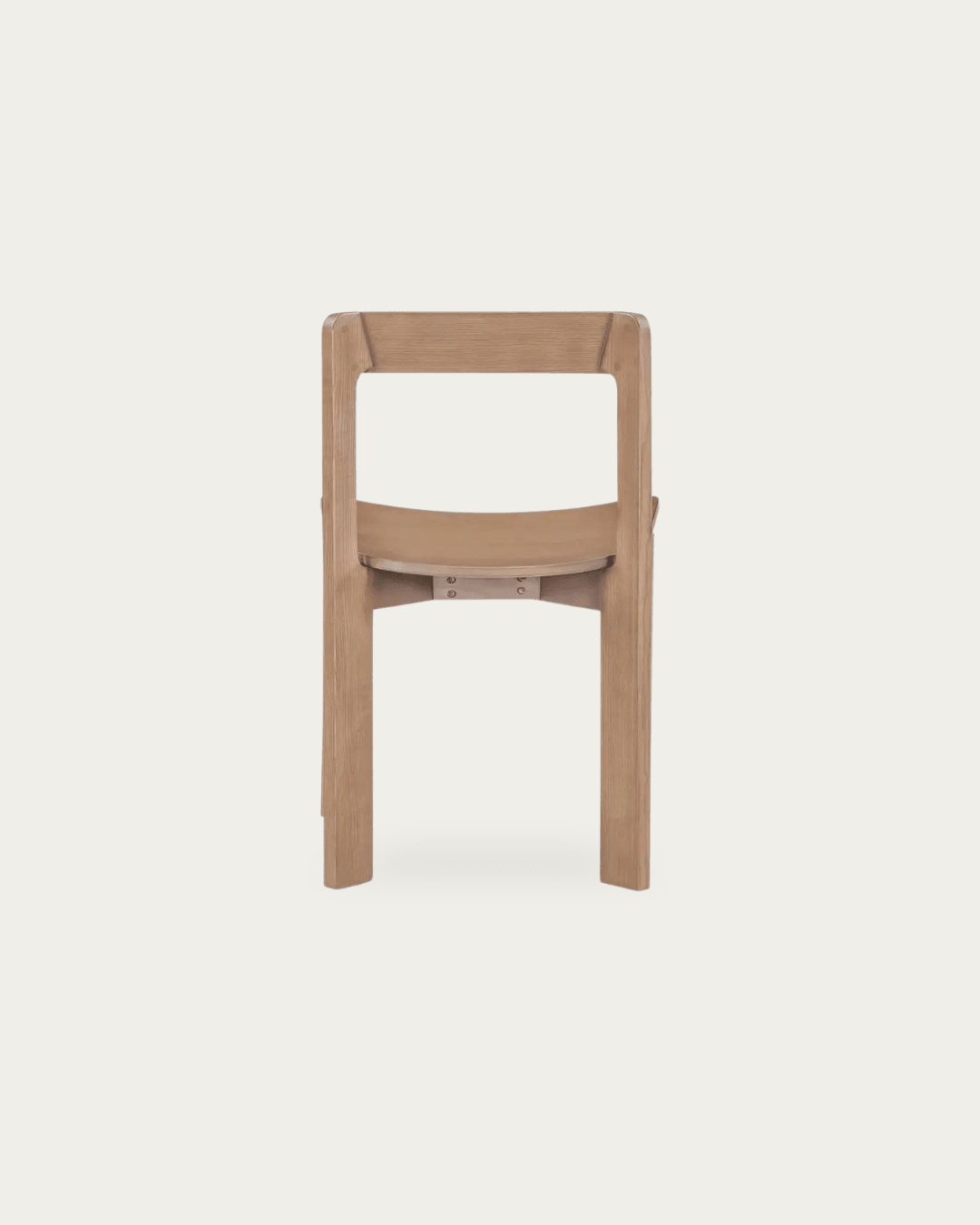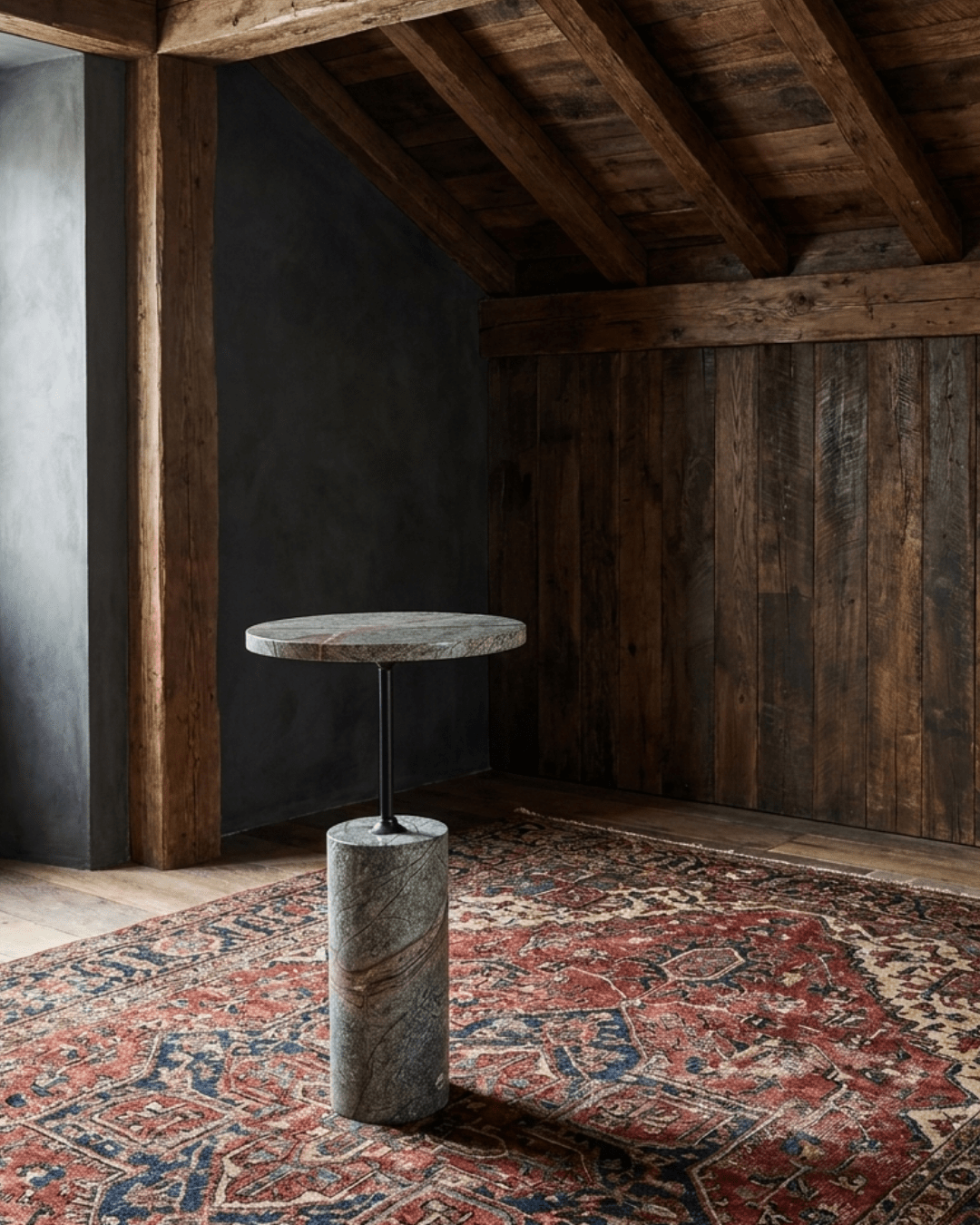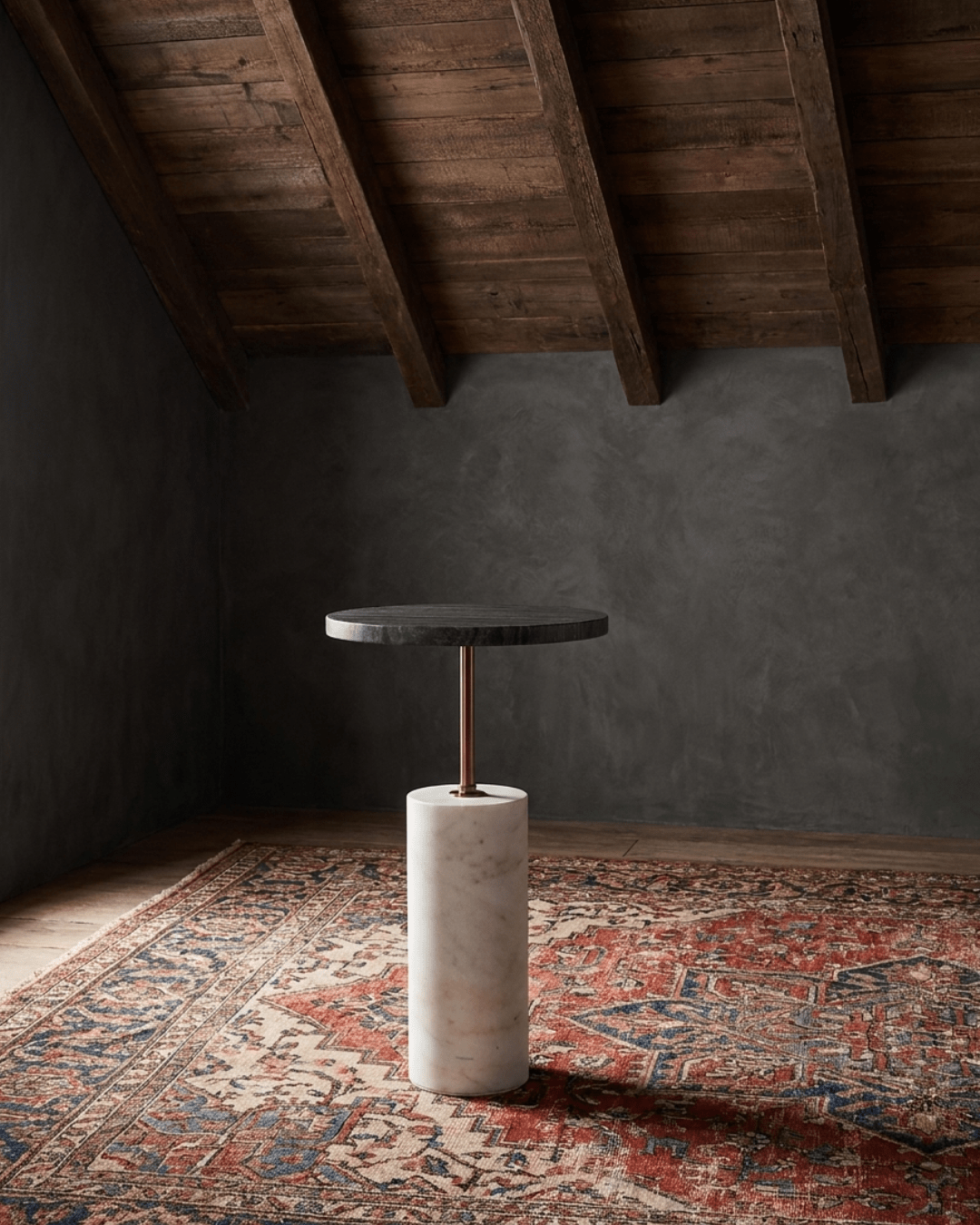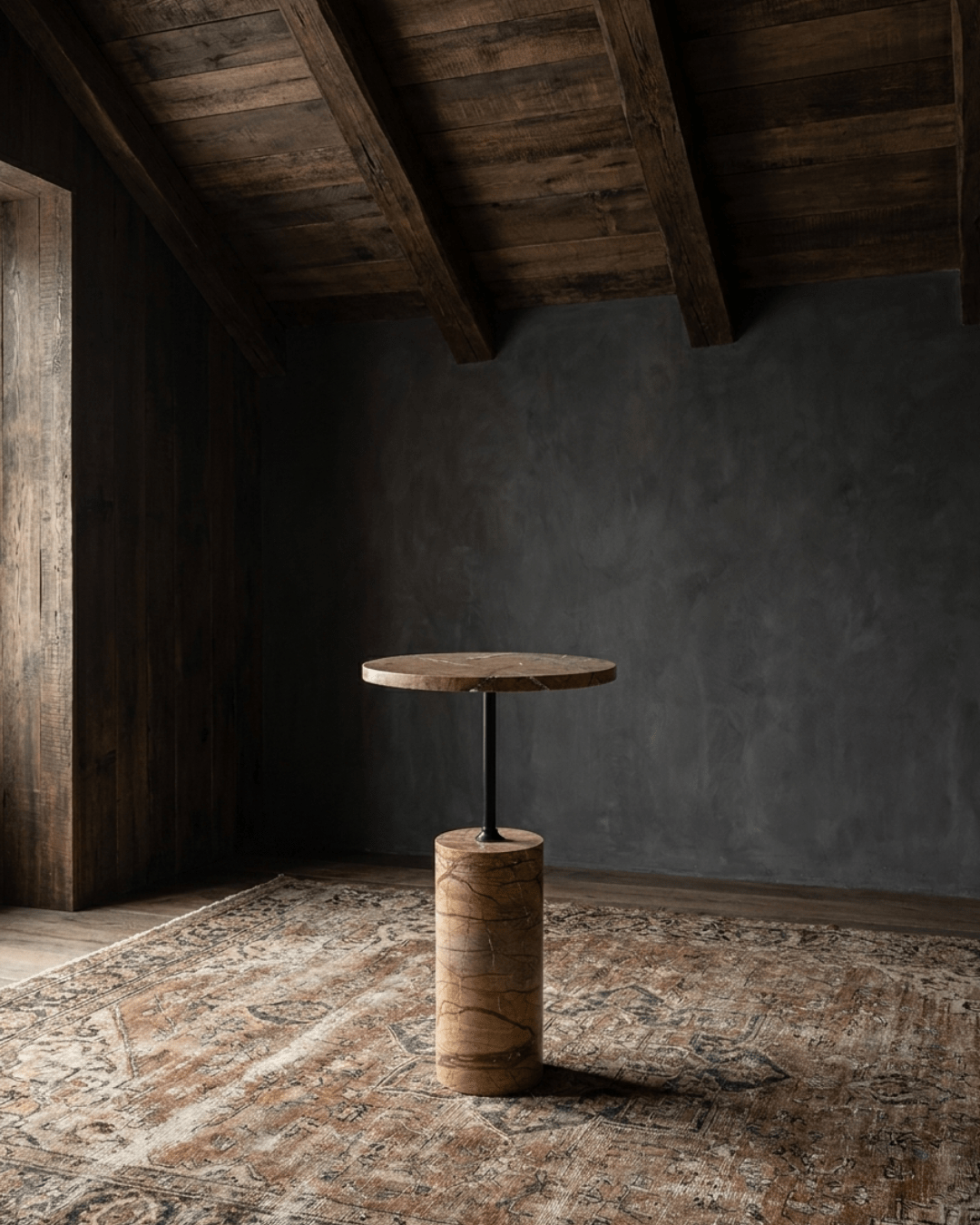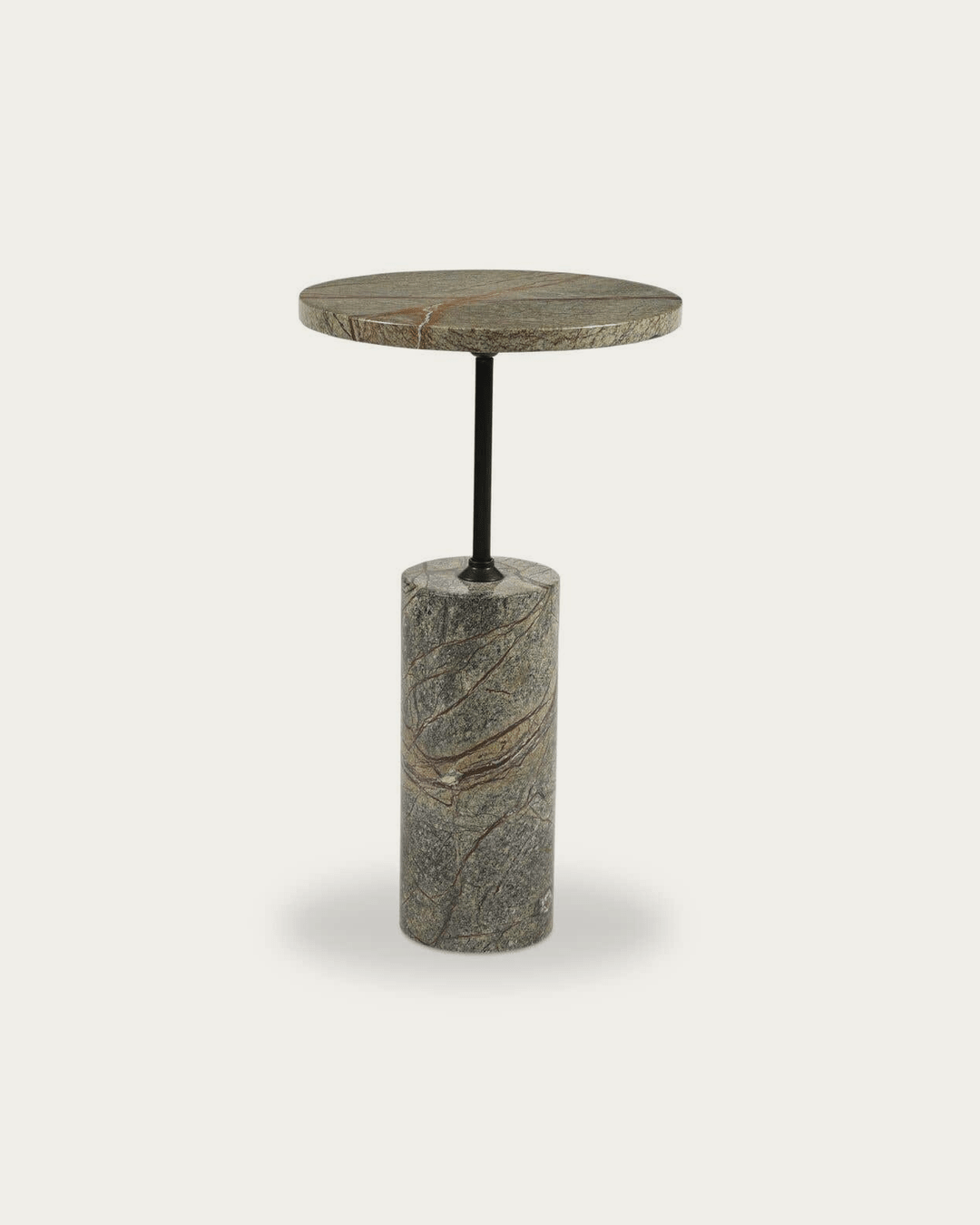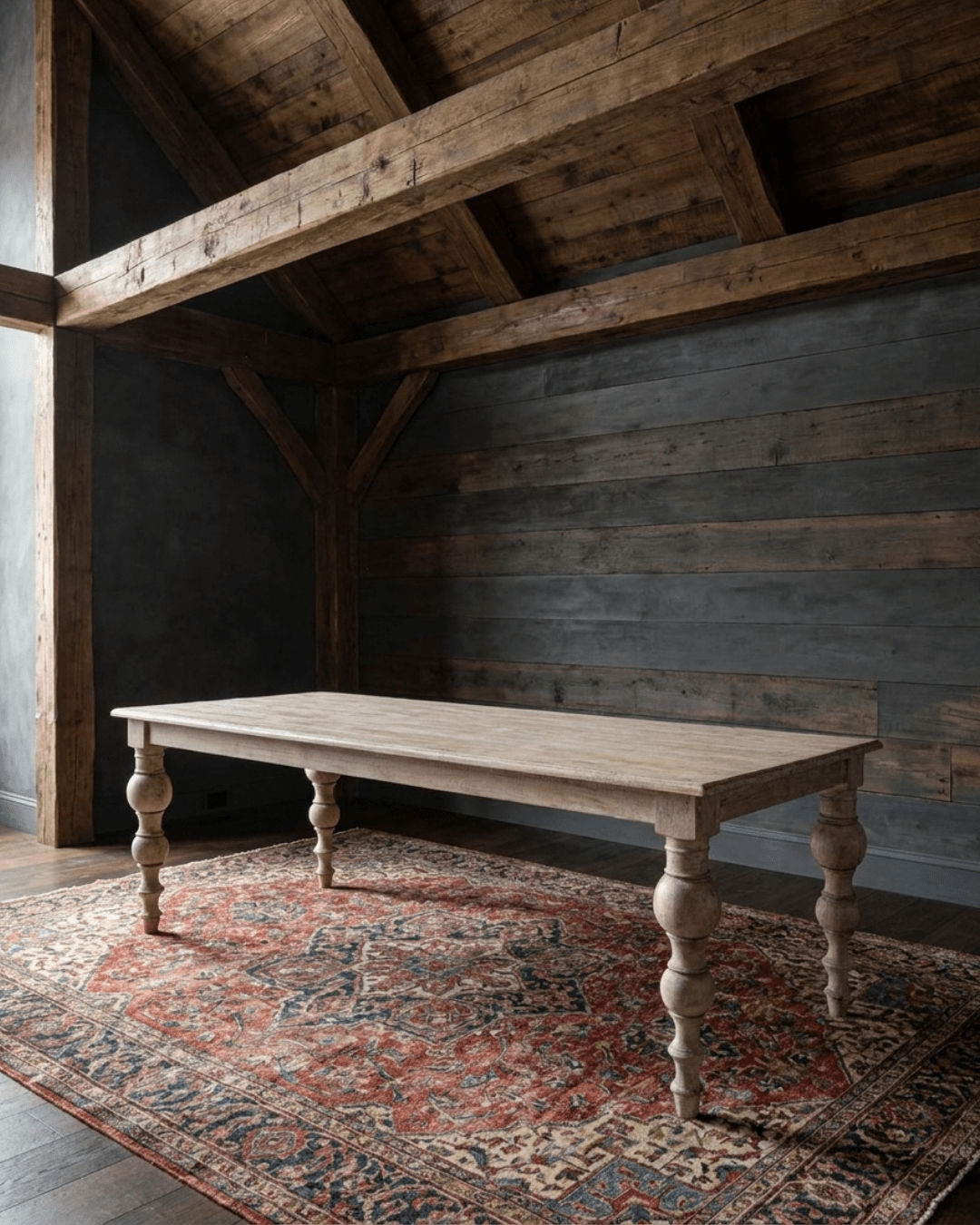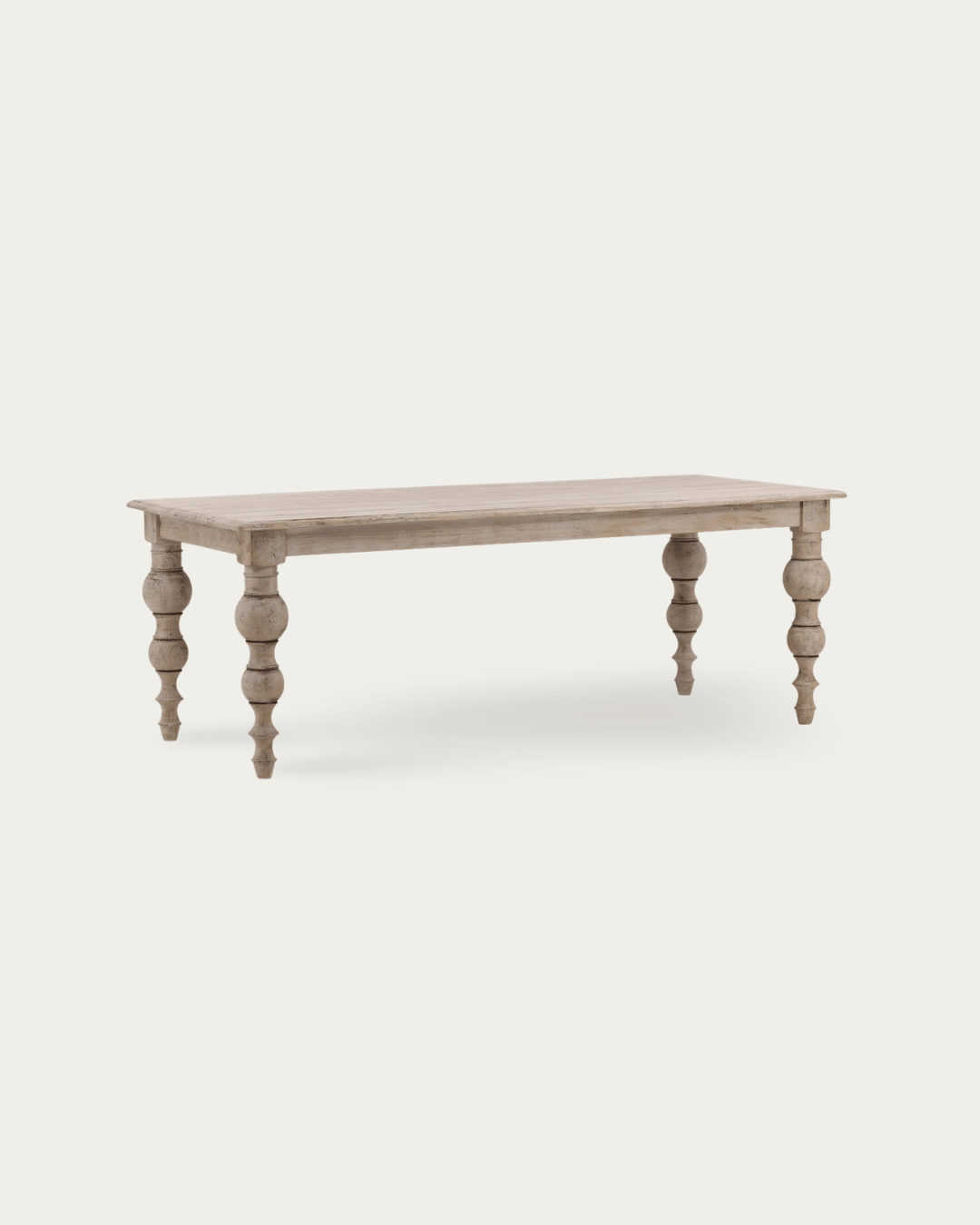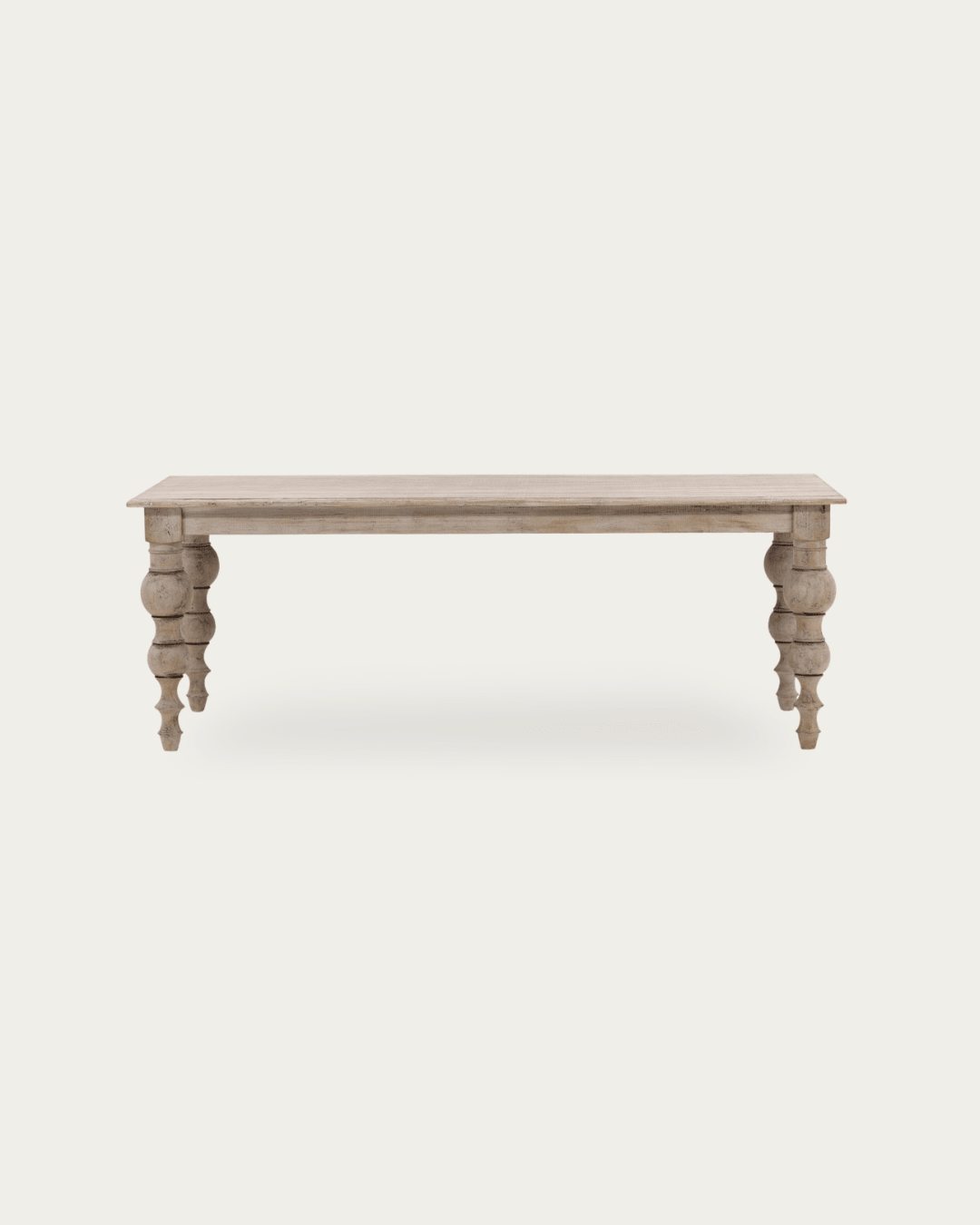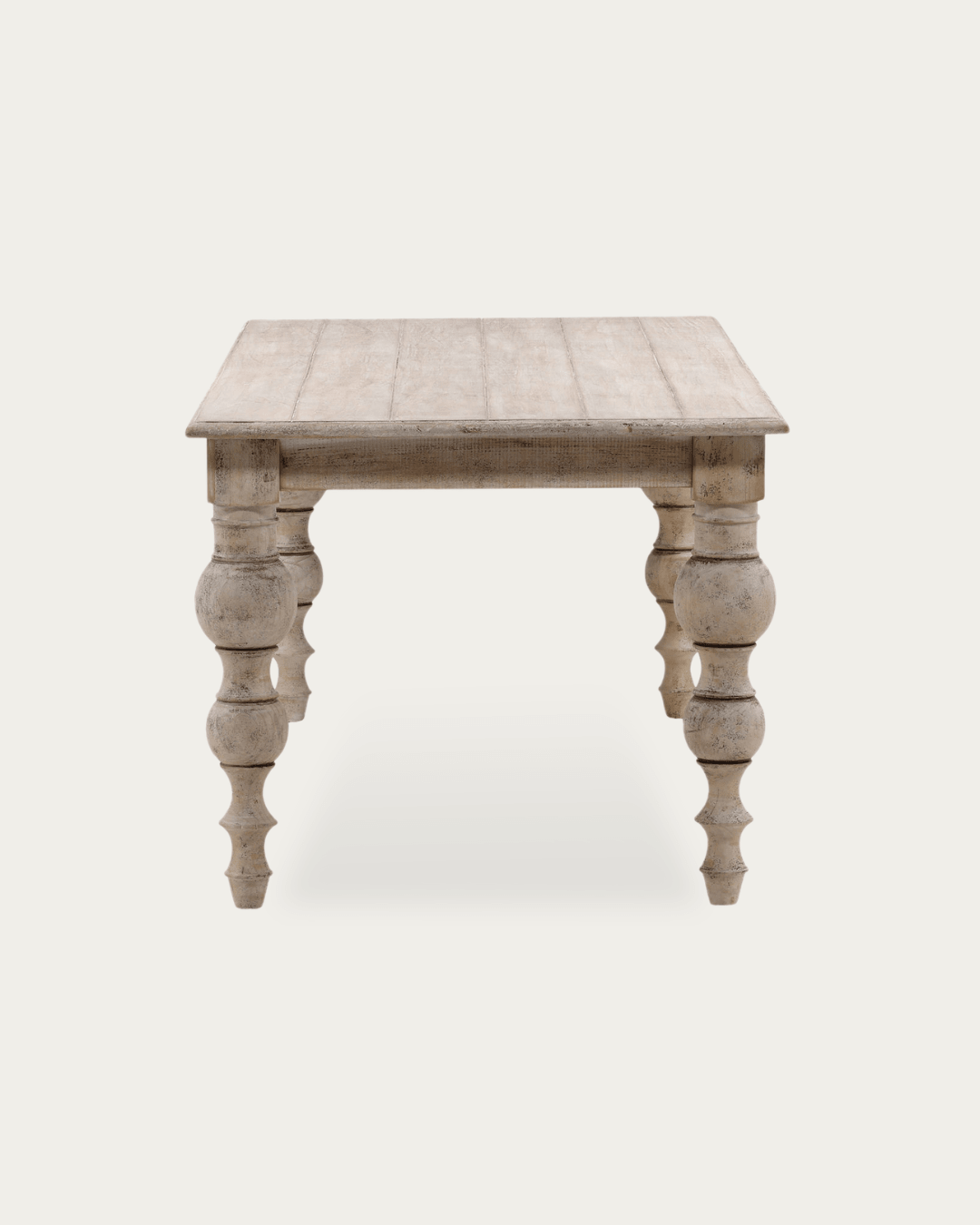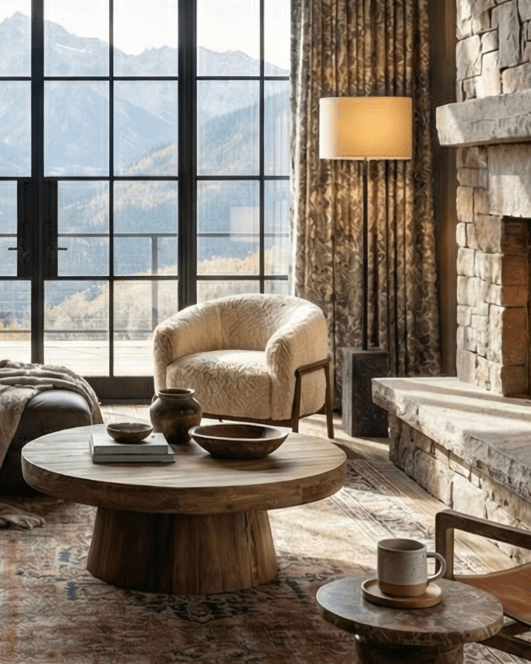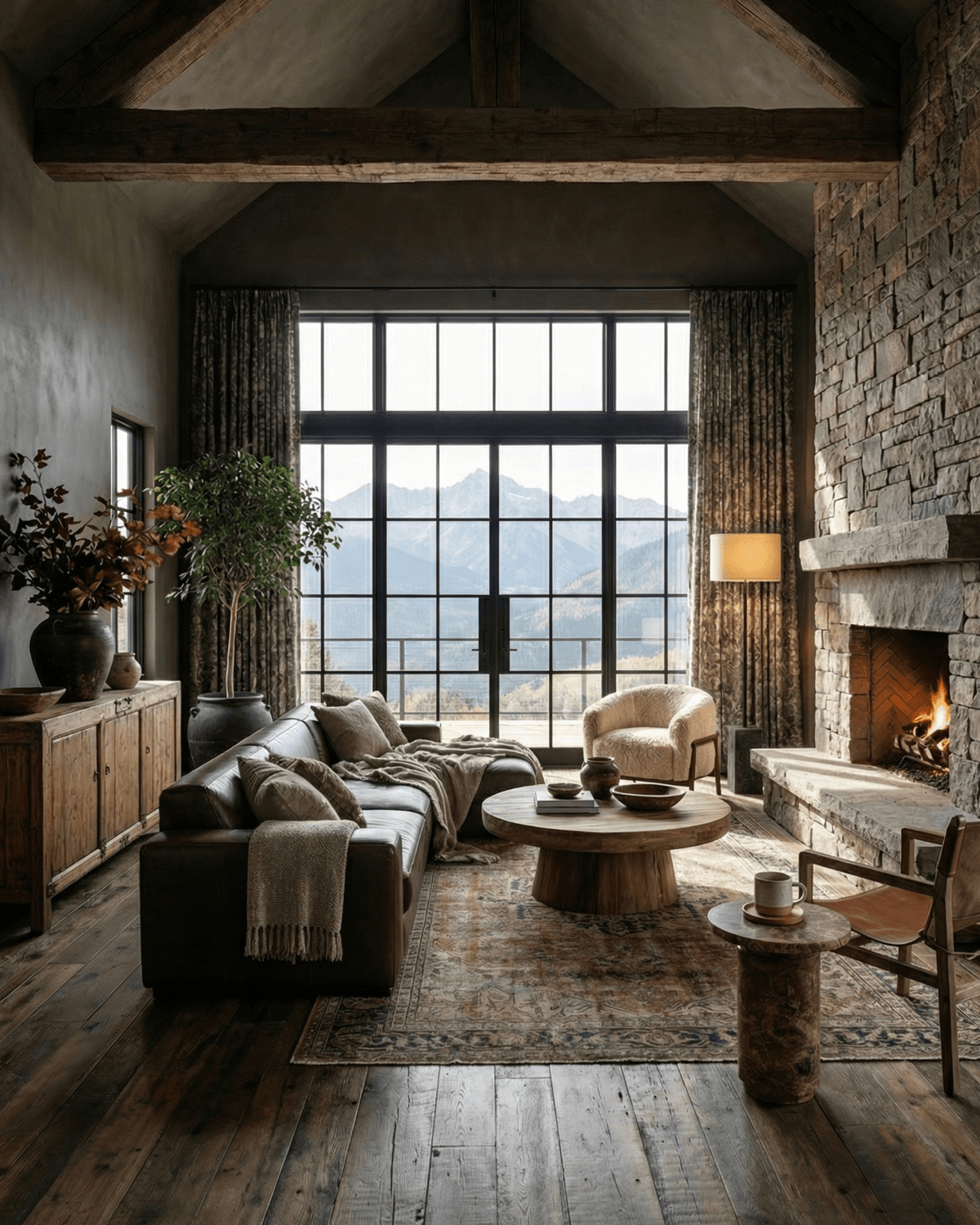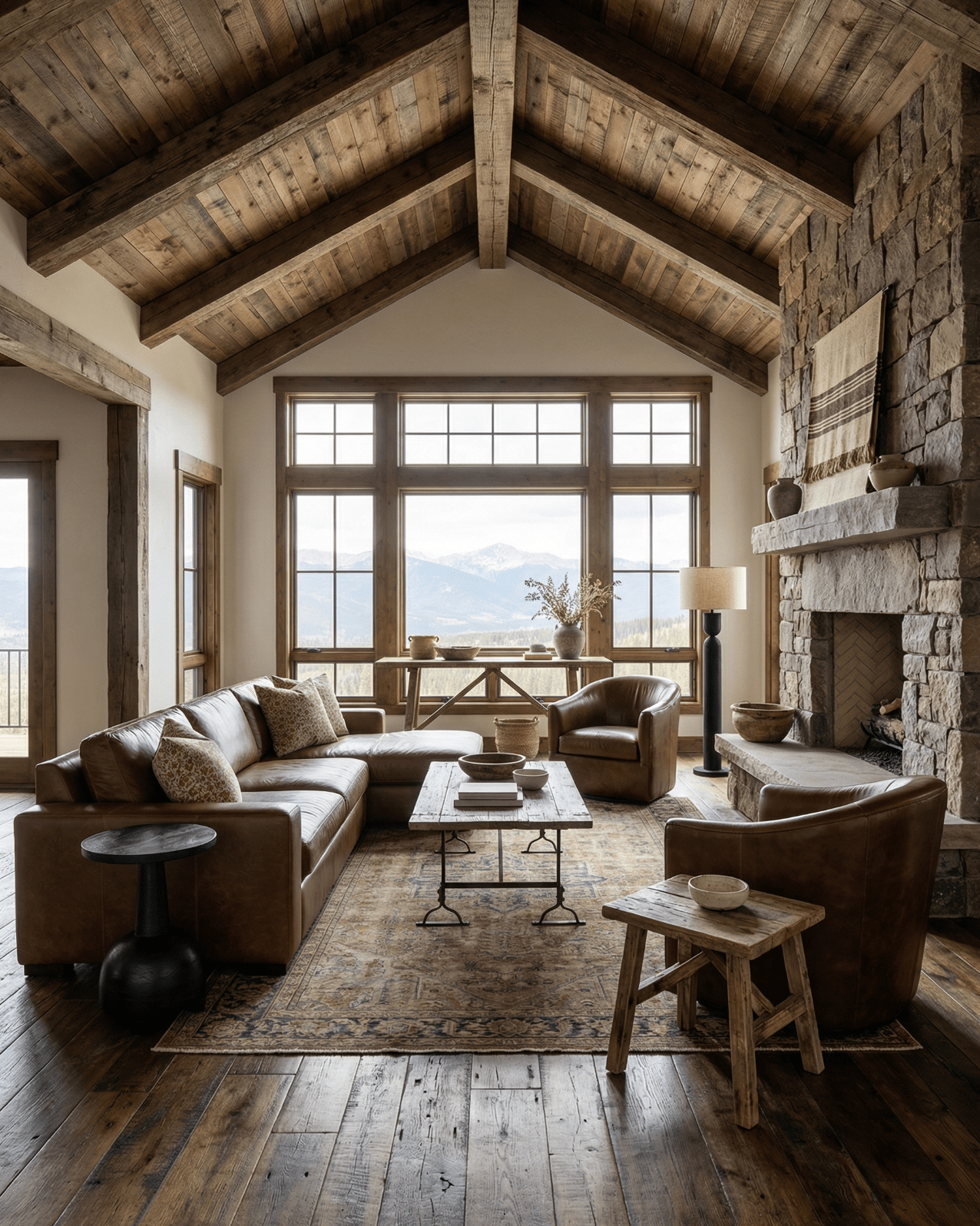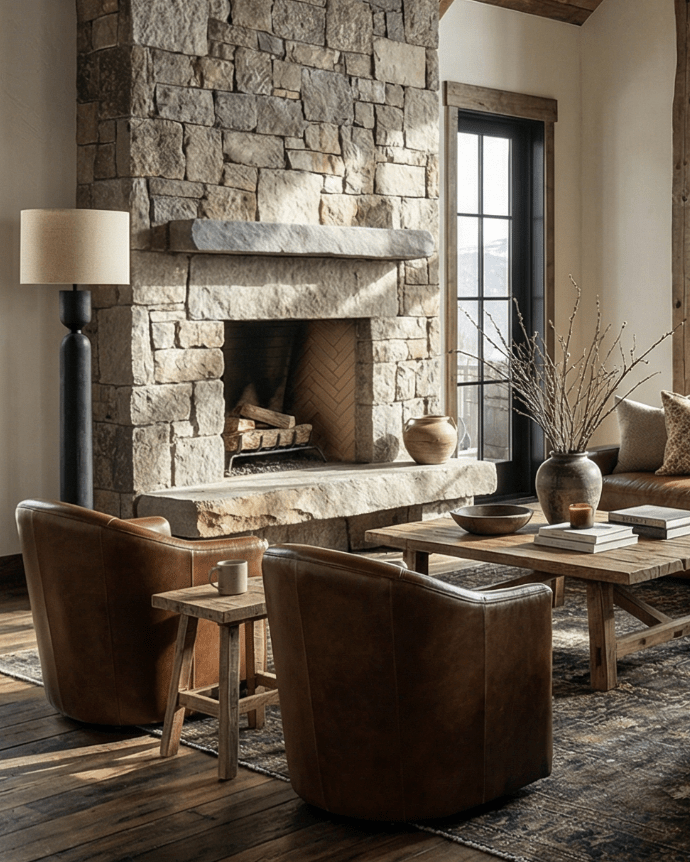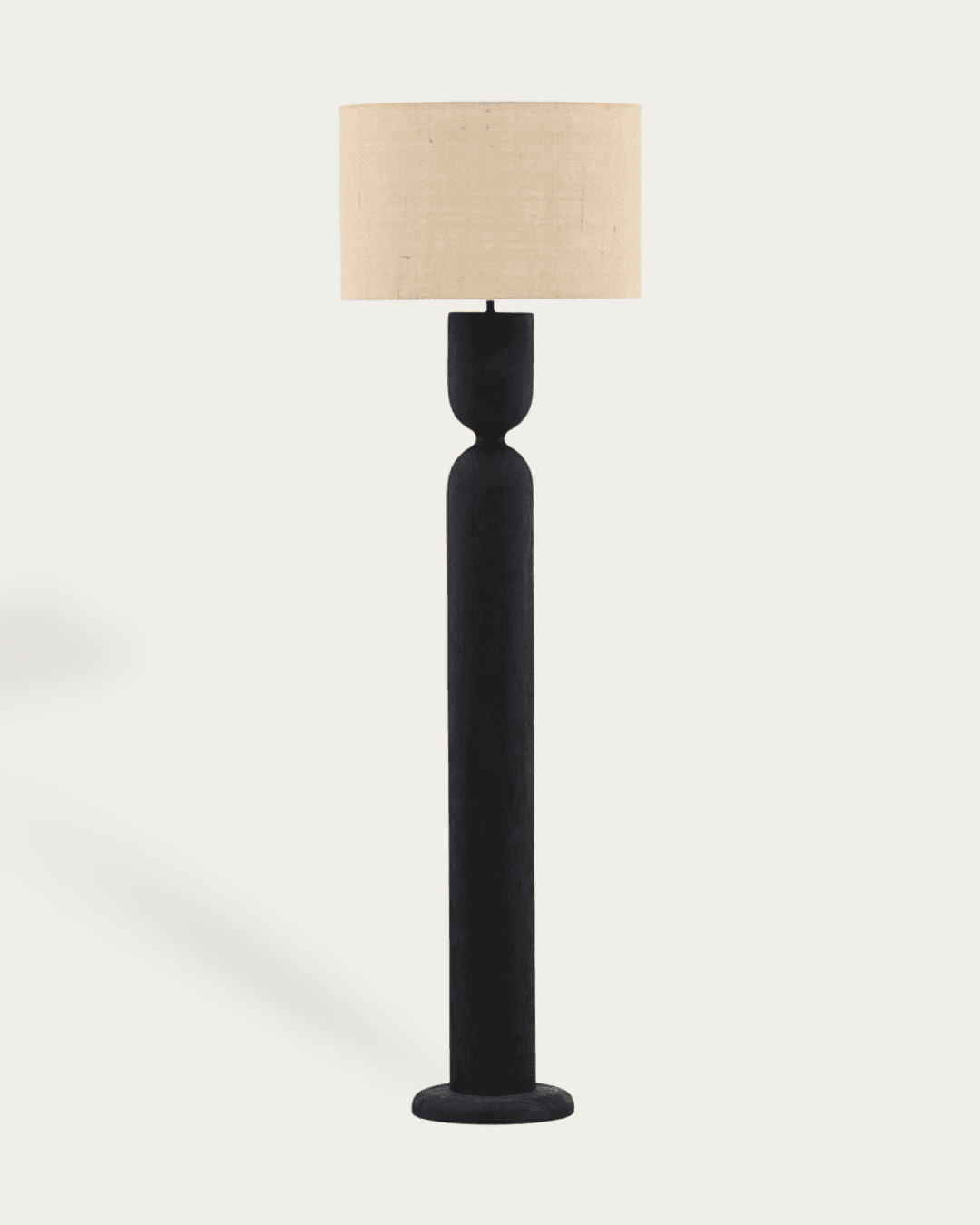















Most rooms don’t feel disconnected because they lack furniture. They feel disconnected because light, art, and circulation are treated as separate decisions. A vintage console table quietly solves this problem when it’s used as a connector rather than a surface to decorate. Placed with intention, it becomes the hinge between how light enters a room, how art is read on the wall, and how people move through the space.
This is less about styling and more about alignment. When a console table responds to its surroundings—windows, walls, artwork, and pathways—it stops behaving like furniture and starts acting like architecture.
Why the Console Table Is the Ideal Connector
A console table sits in one of the most overlooked zones of the home: the in-between. It lives along walls, beneath art, near windows, and at the edges of rooms where movement happens. That position gives it unique power.
Unlike larger furniture, a console doesn’t dominate the layout. Unlike small decor, it has enough mass to influence how the room reads. When chosen well, it can guide the eye horizontally, slow movement, and create continuity between elements that would otherwise feel unrelated.
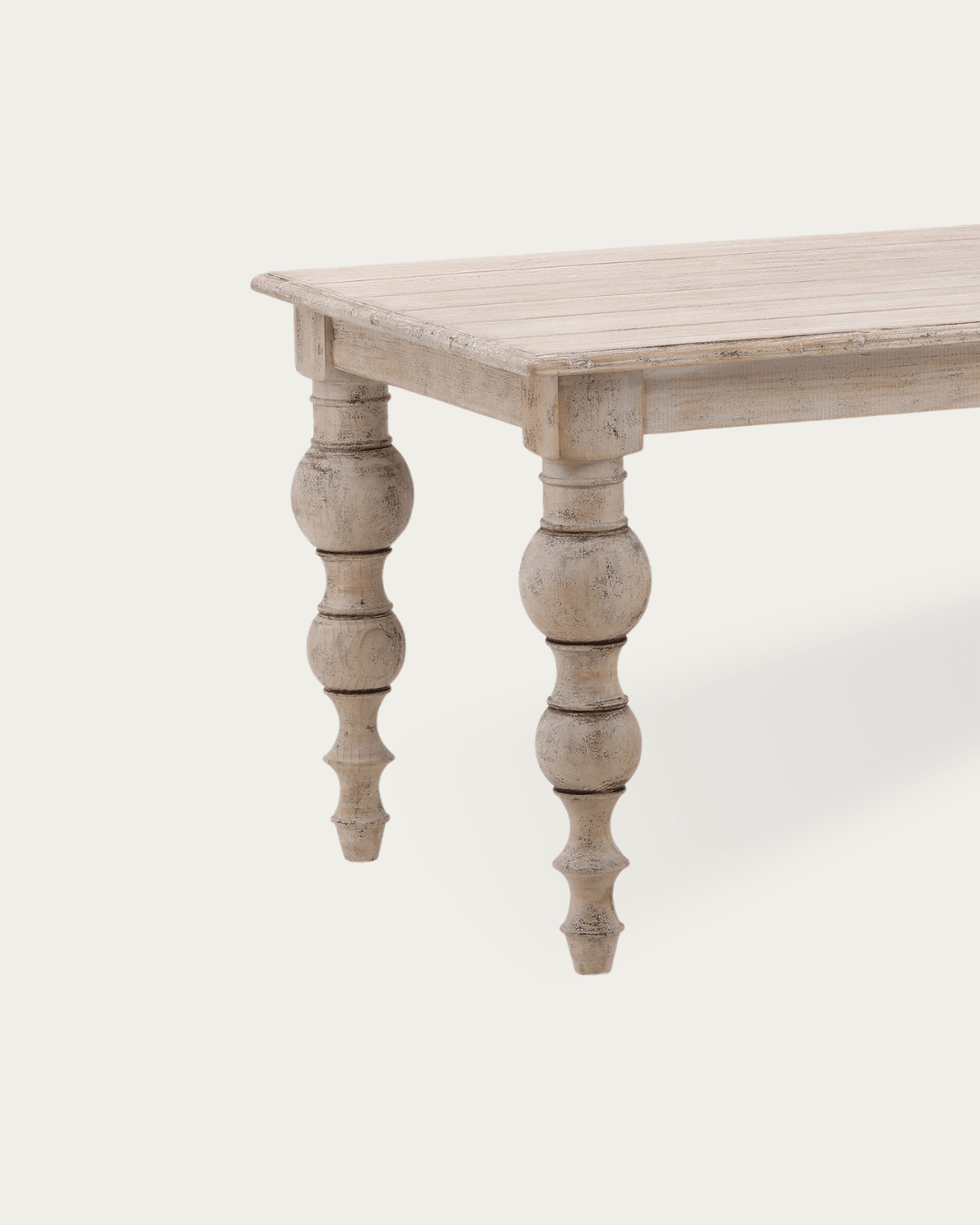
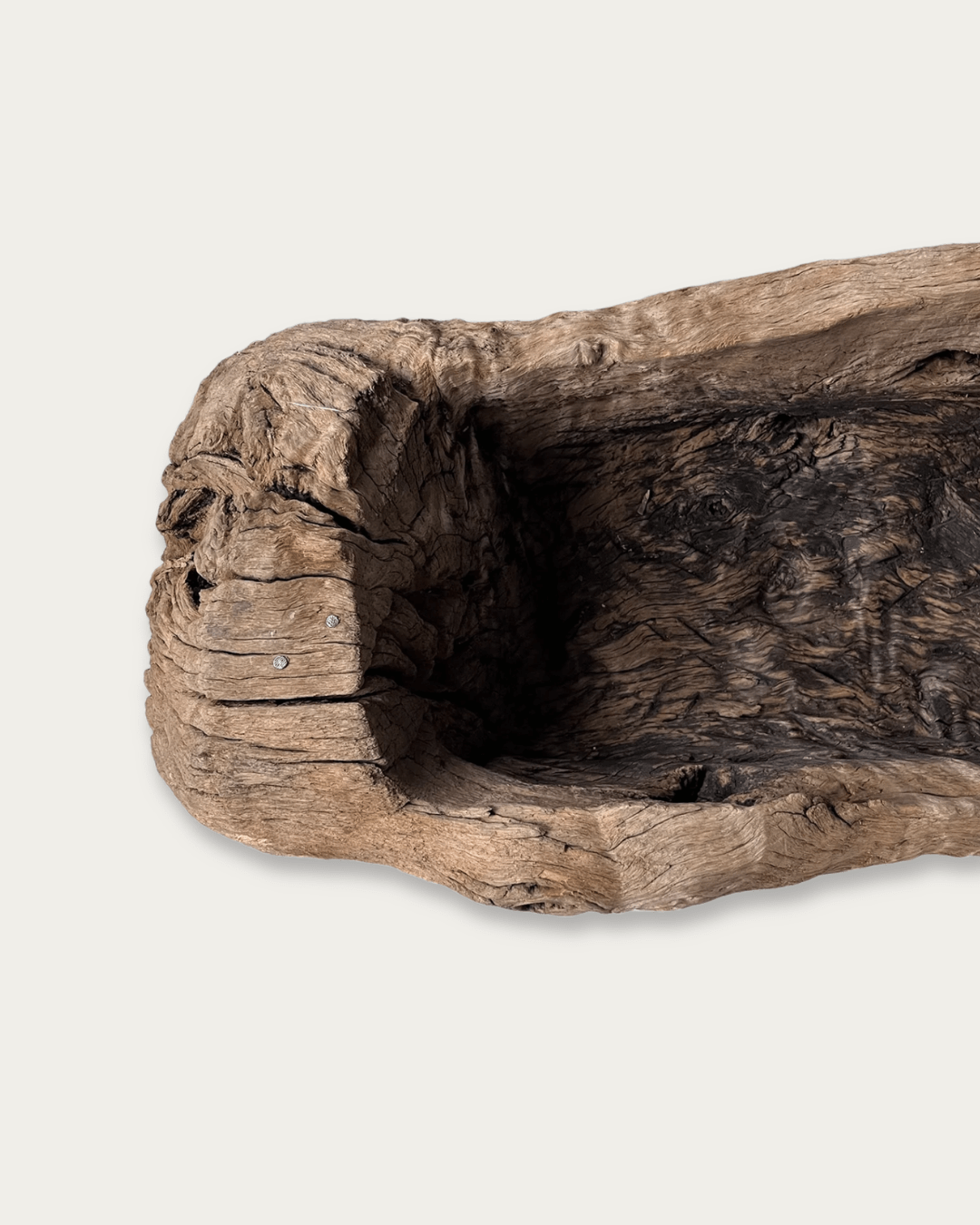
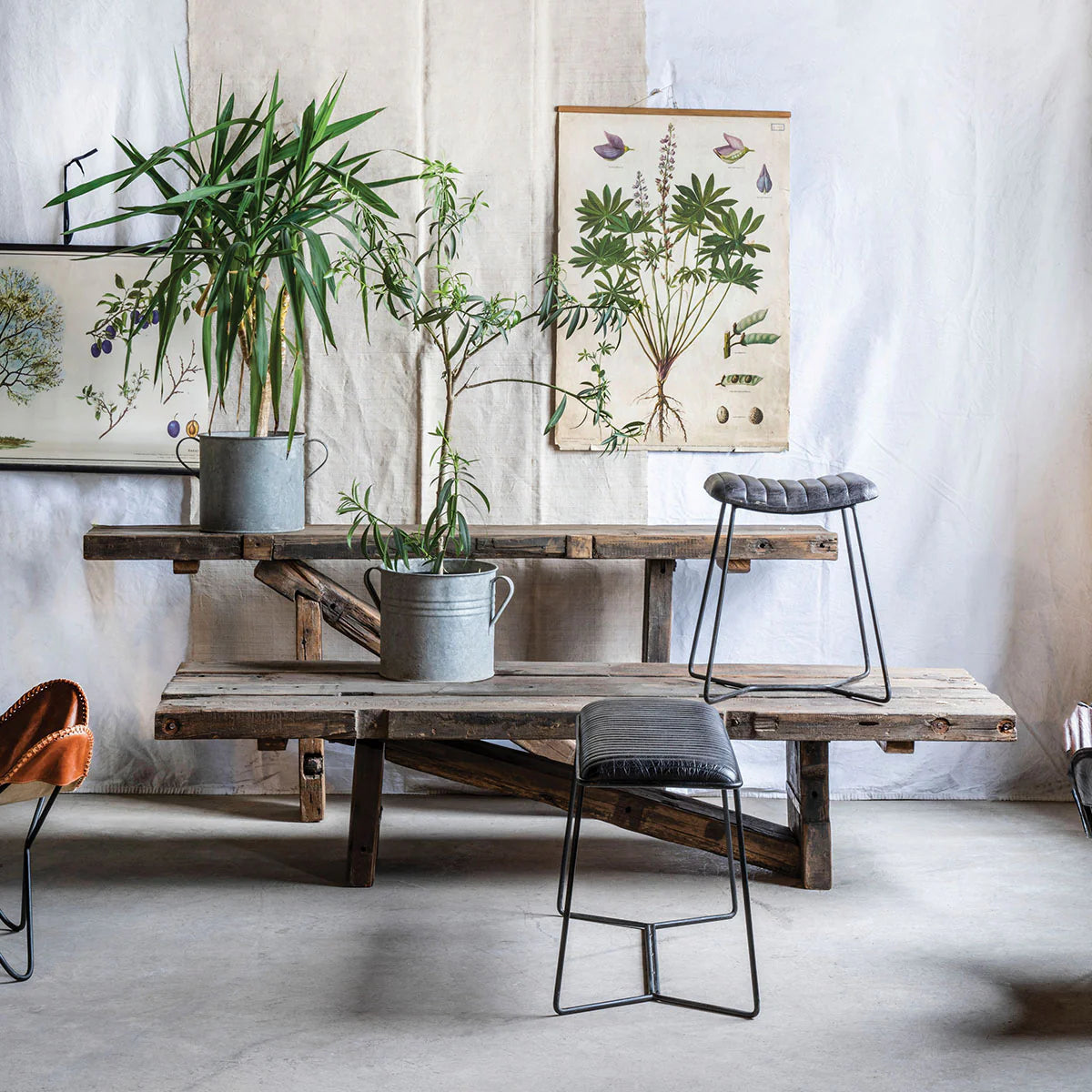
Vintage and reclaimed console tables are especially effective here because their materials absorb light and carry visual weight without gloss. They don’t compete with artwork or views; they support them.
A piece like the Helena console table works well in transitional spaces where the goal is cohesion rather than emphasis. Its proportions are steady, which allows the elements above and around it to take the lead.
Letting Natural Light Set the Tone
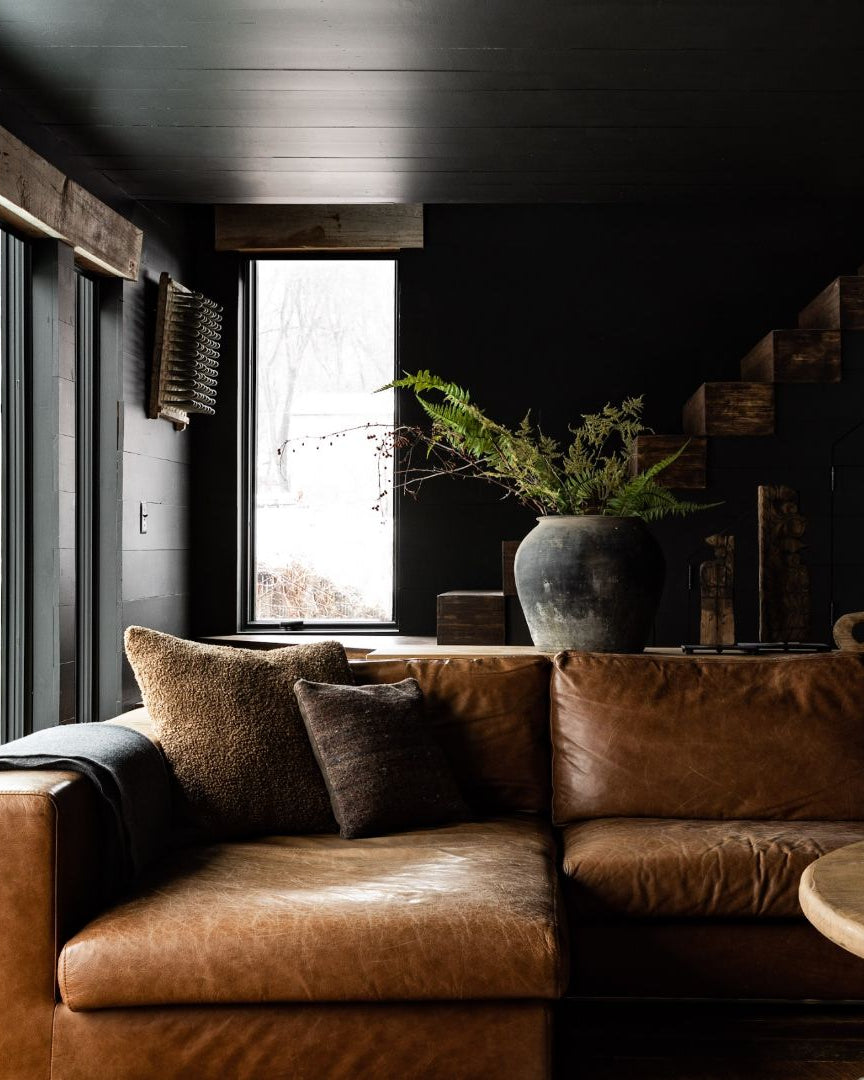
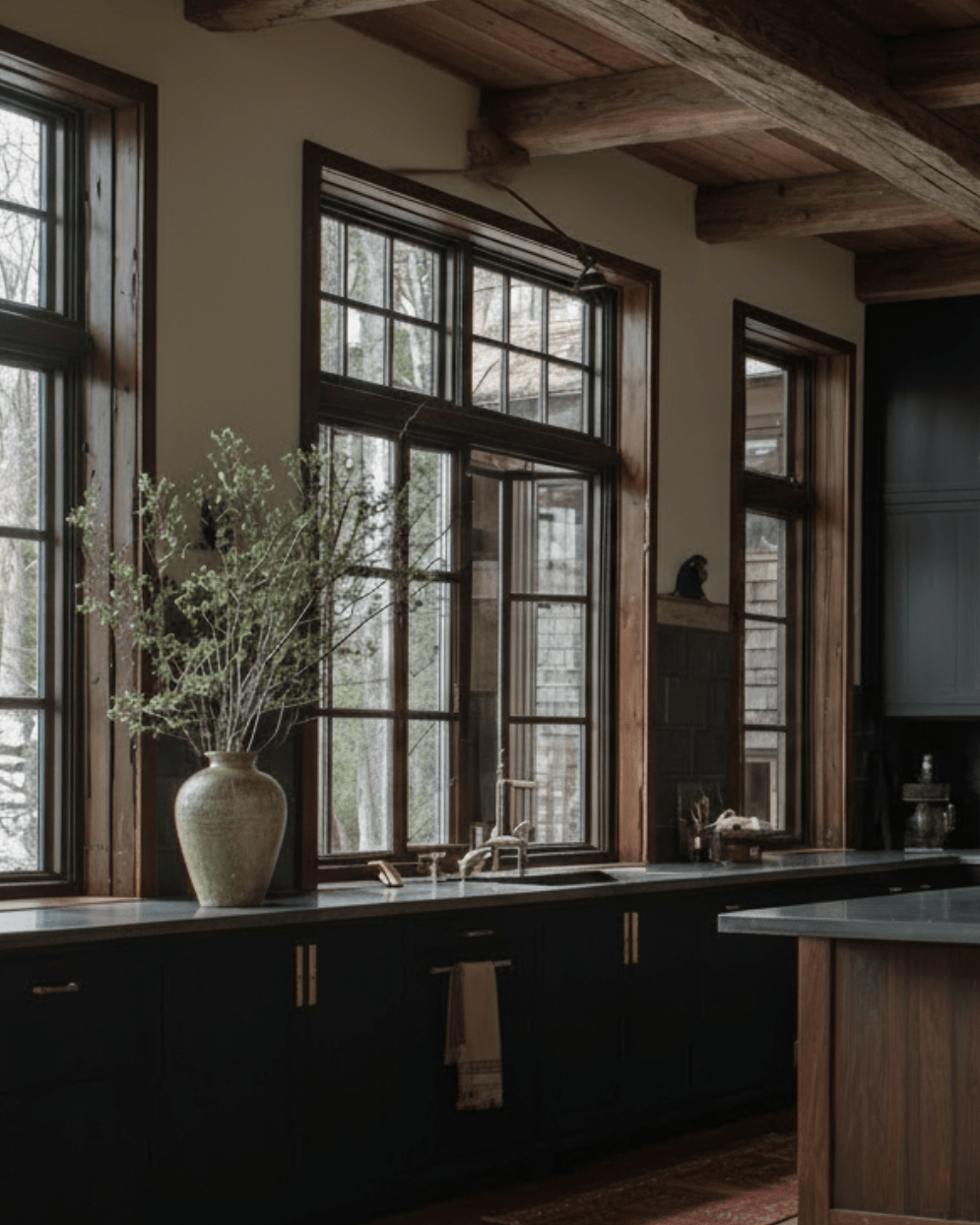
Light should determine where a console table lives—not the other way around. When placed near a window or along a wall that receives shifting daylight, a console becomes a mediator between interior and exterior.
As light changes throughout the day, objects on the console gain depth. Shadows lengthen, textures emerge, and the room feels active without rearrangement. This is where reclaimed wood excels. Its surface reacts to light subtly, never sharply.
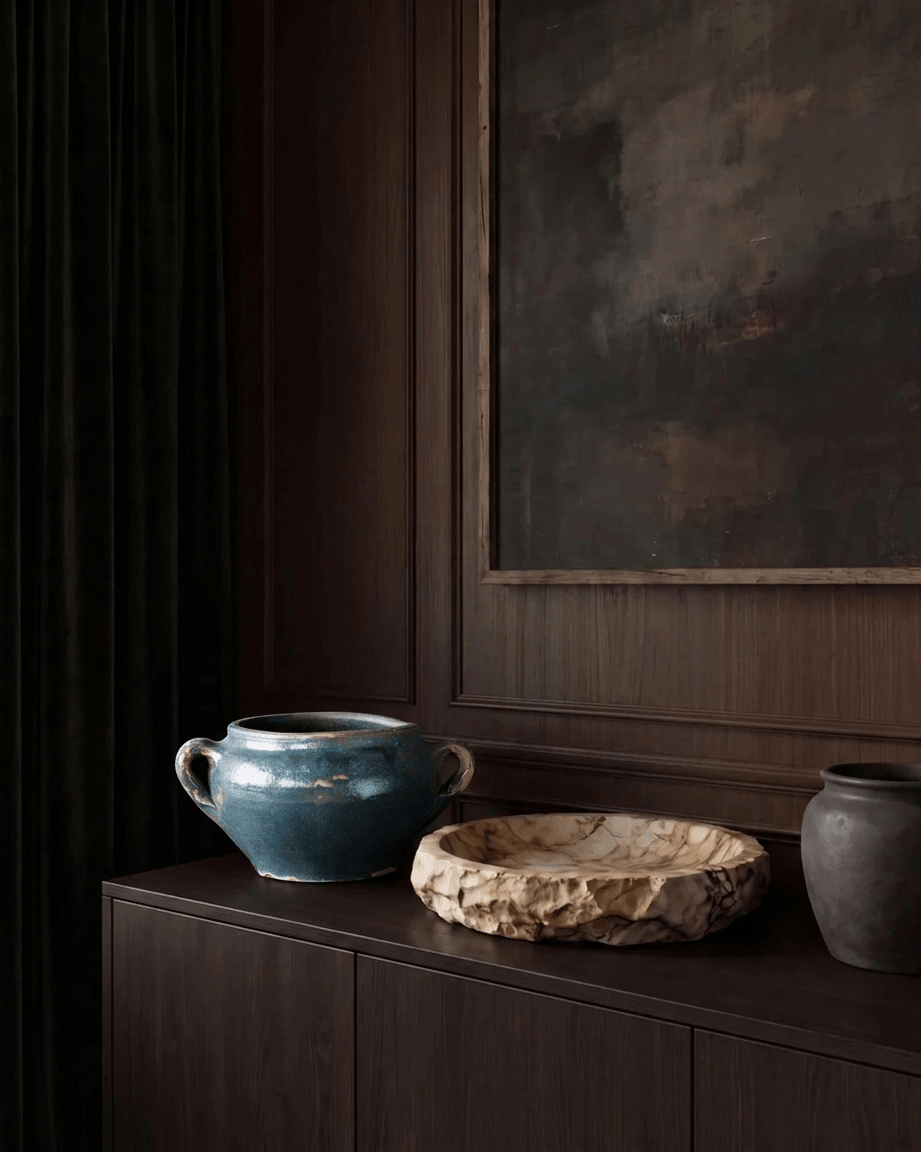
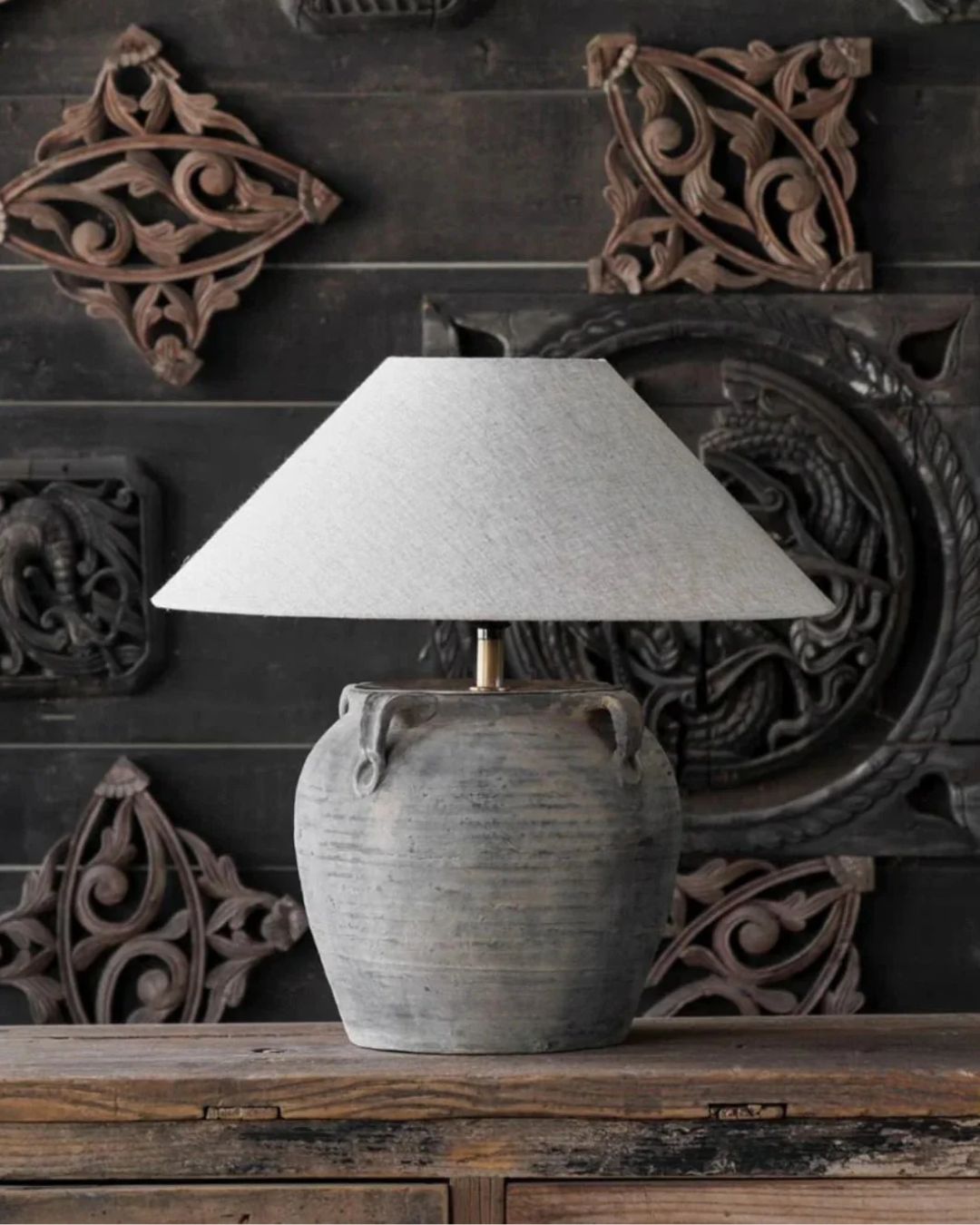
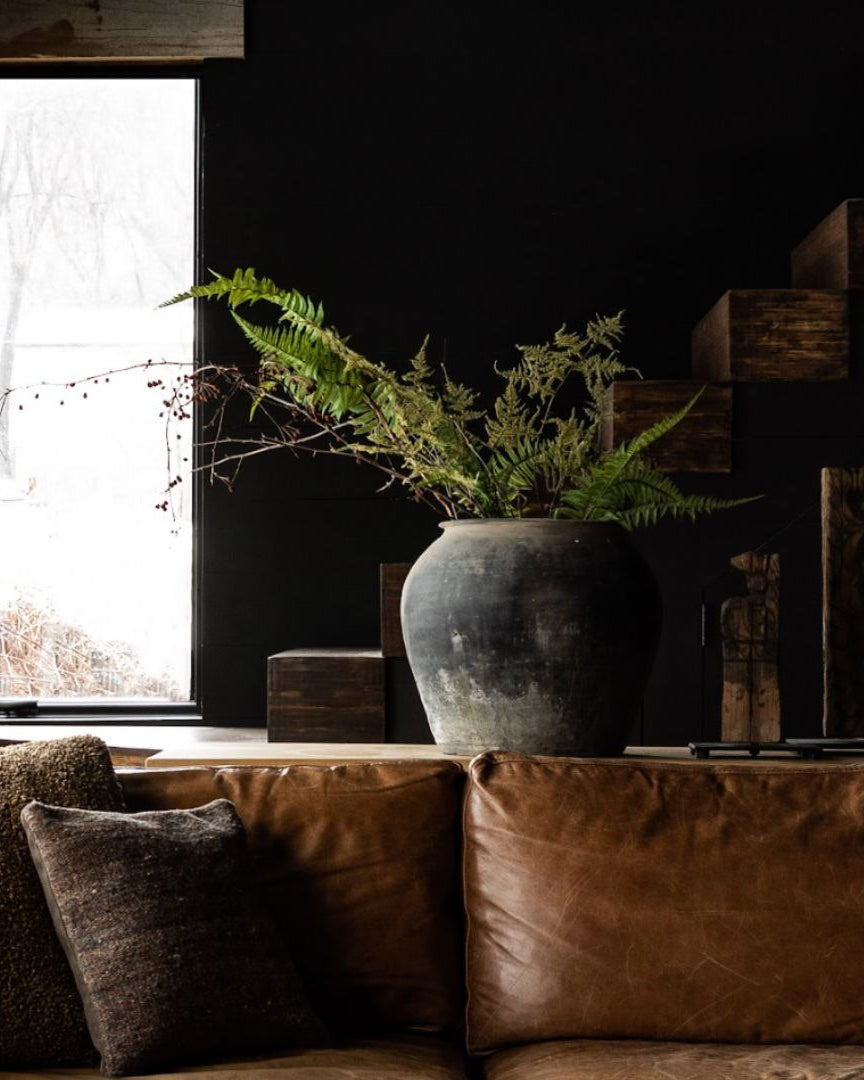
Planters and vessels placed near a console can quietly extend that relationship with light—especially when their surfaces are matte, mineral, or hand-formed. Vintage pots absorb and diffuse daylight rather than reflect it, helping the area feel grounded instead of staged.
In narrower rooms or hallways with borrowed light, a slimmer profile like the Edith console table keeps the passage open while still offering a visual pause. It allows light to pass while anchoring the wall.
If you’re building a layered lighting plan around consoles and artwork, the lighting collection integrates naturally into these setups.
Using the Console to Anchor Art Without Overpowering It
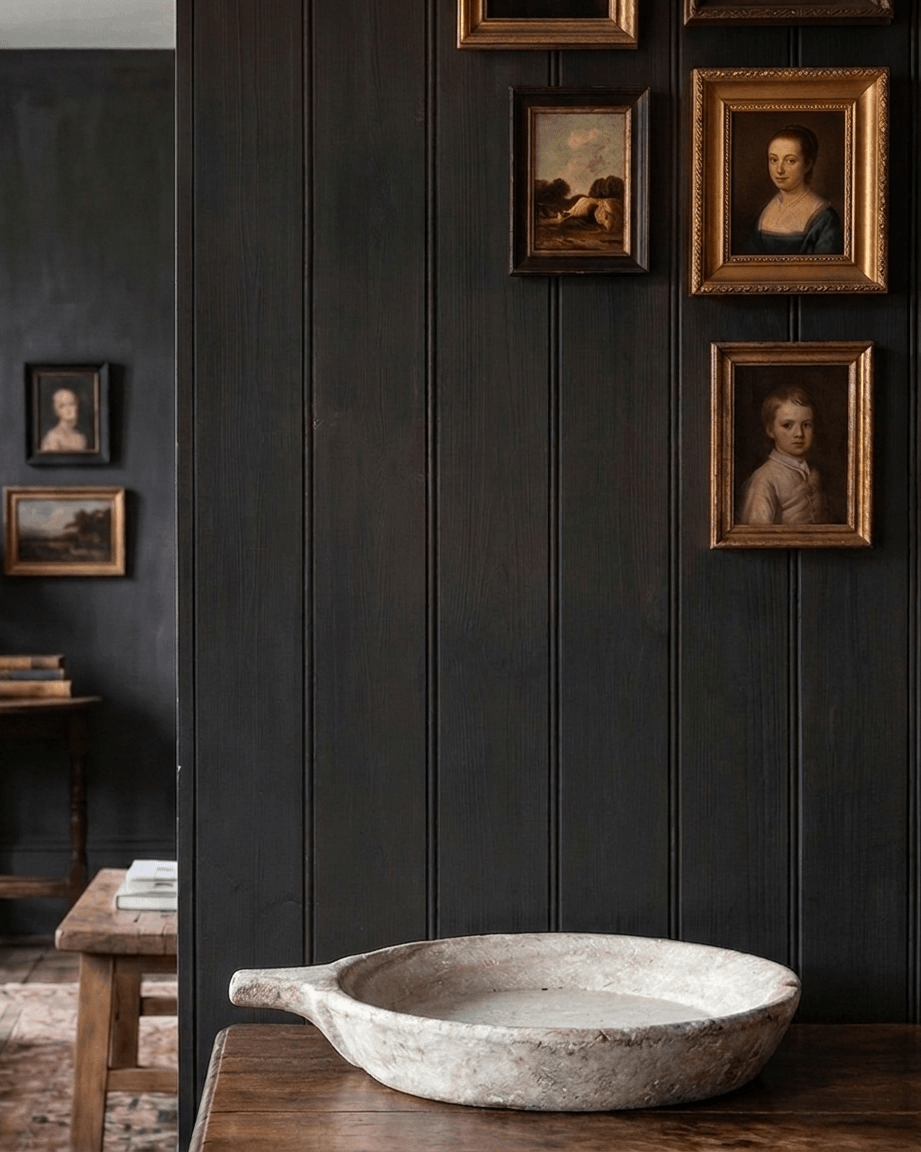
Art often floats when it lacks grounding. Hung without a visual base, even large pieces can feel disconnected from the room. A console table provides that base.
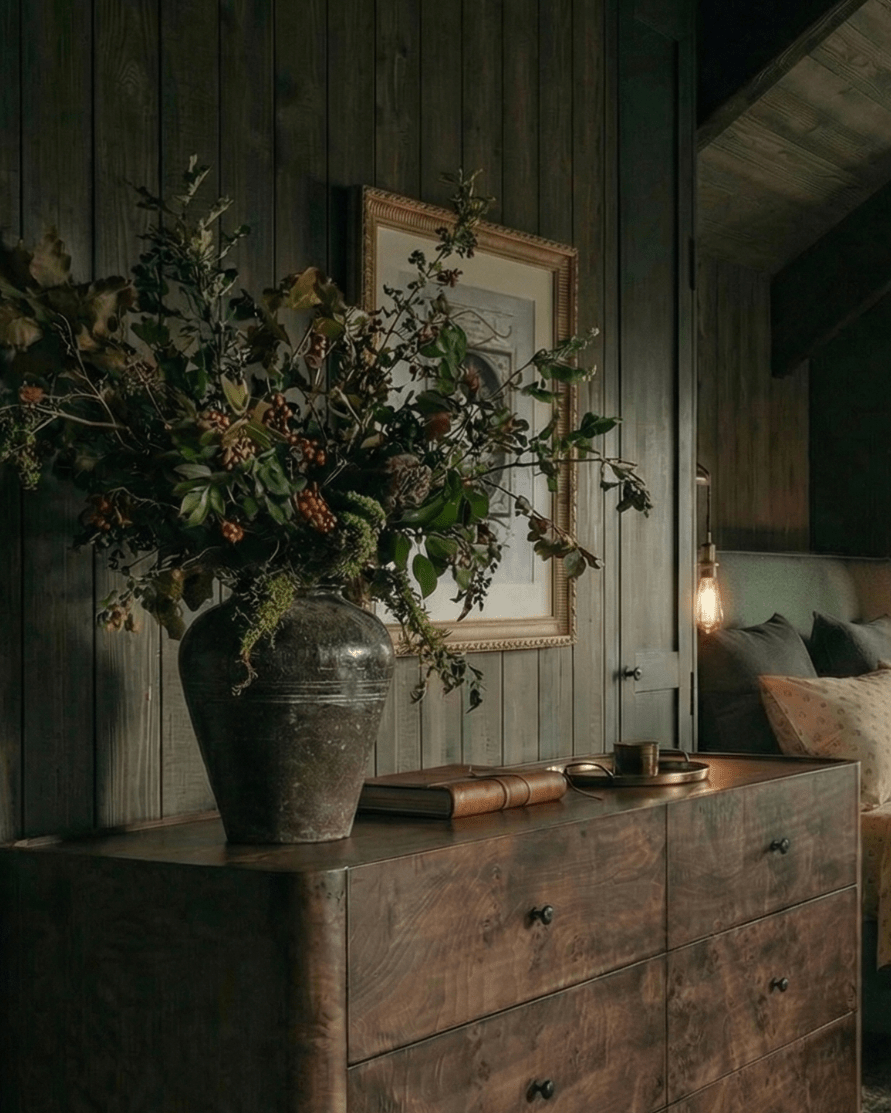
Art and mirrors work best when they’re treated as spatial tools, not decoration—especially above a console where reflection, scale, and negative space all matter. Pieces with age, irregularity, or softened edges tend to read calmer against reclaimed wood than anything overly polished, which is why vintage mirrors and wall art feel so natural in these placements.
The key is proportion. The console should be wide enough to support the artwork visually, but not so tall that it competes with it. Reclaimed consoles tend to succeed because their mass reads horizontally, giving art something to rest against visually.
The Bryndis console works particularly well beneath larger-scale art or mirrors. Its thickness and material presence hold the wall without requiring symmetry or multiple objects.
Avoid overstyling. One or two low-profile objects are enough. The art should remain the focal point, with the console acting as a stabilizer rather than a stage.
Creating Flow Between Rooms With Placement
Console tables are most effective when they acknowledge movement. In open-plan spaces, they can define zones without blocking sightlines. Along the back of a sofa, they create a threshold between living and dining. In entryways, they slow arrival and departure.
Architectural salvage pieces shine in these roles because they feel intentional even when placed off-center. The Linden architectural salvage console table behaves more like a built-in than a movable object. It suggests permanence, which helps anchor transitional areas.
When placed parallel to windows or doorways, a console can echo existing lines in the architecture. This repetition is what creates cohesion—not matching finishes or colors.
RUTED Tip: If a console feels like it’s “in the way,” rotate it ninety degrees or shift it off-center. Flow issues are often alignment problems, not size problems.

Material Choices That Support Visual Quiet
The role of a console table as a connector depends heavily on material. High-gloss or overly refined finishes reflect too much light, pulling attention away from art and views. Reclaimed wood, visible joinery, and aged surfaces do the opposite.
They absorb light. They soften transitions. They allow the eye to move easily from one element to another.
The Guobjorg console table is a strong example of material-led design. Its surface variation adds depth without decoration, making it ideal for rooms where art or natural scenery already carries visual interest.
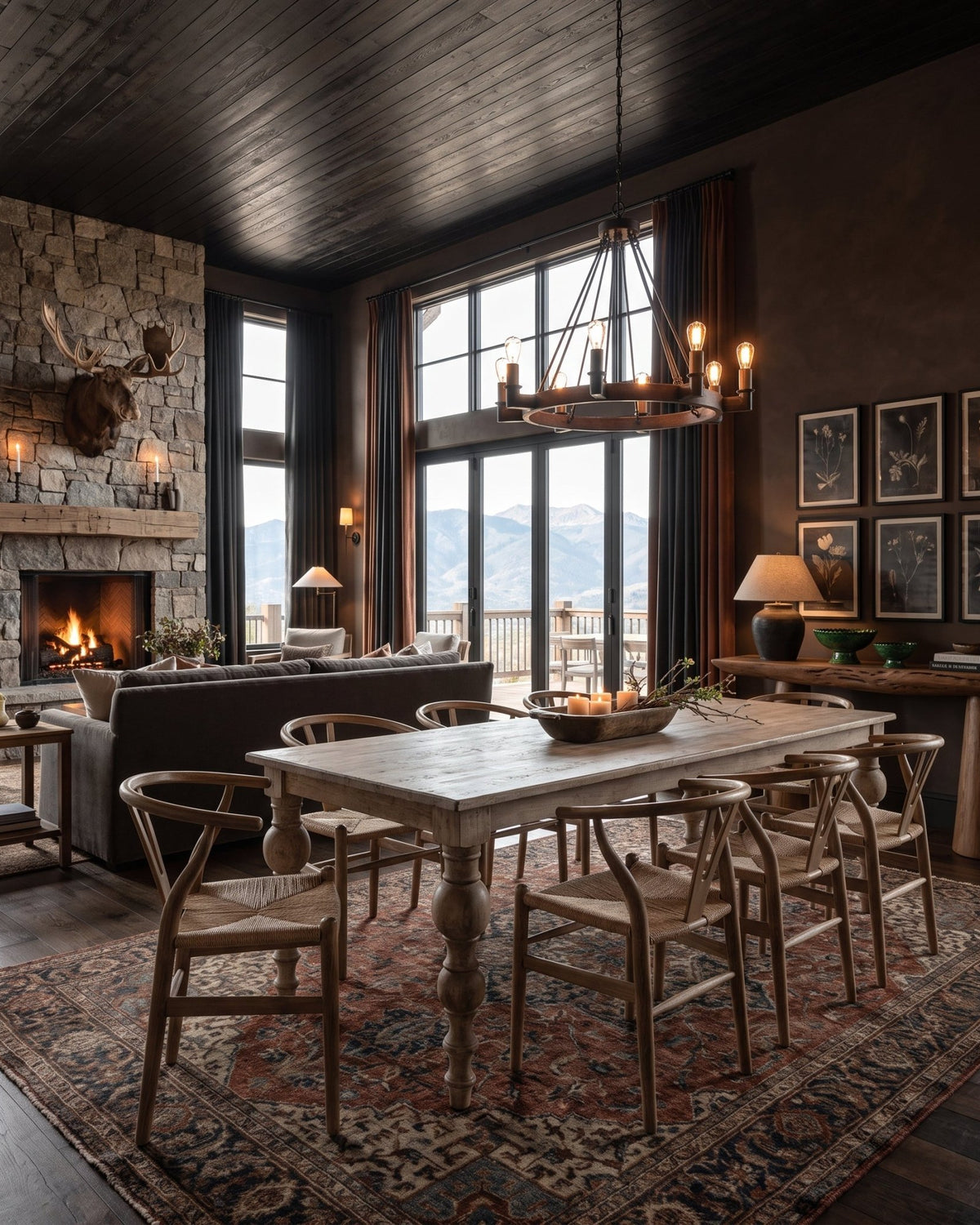
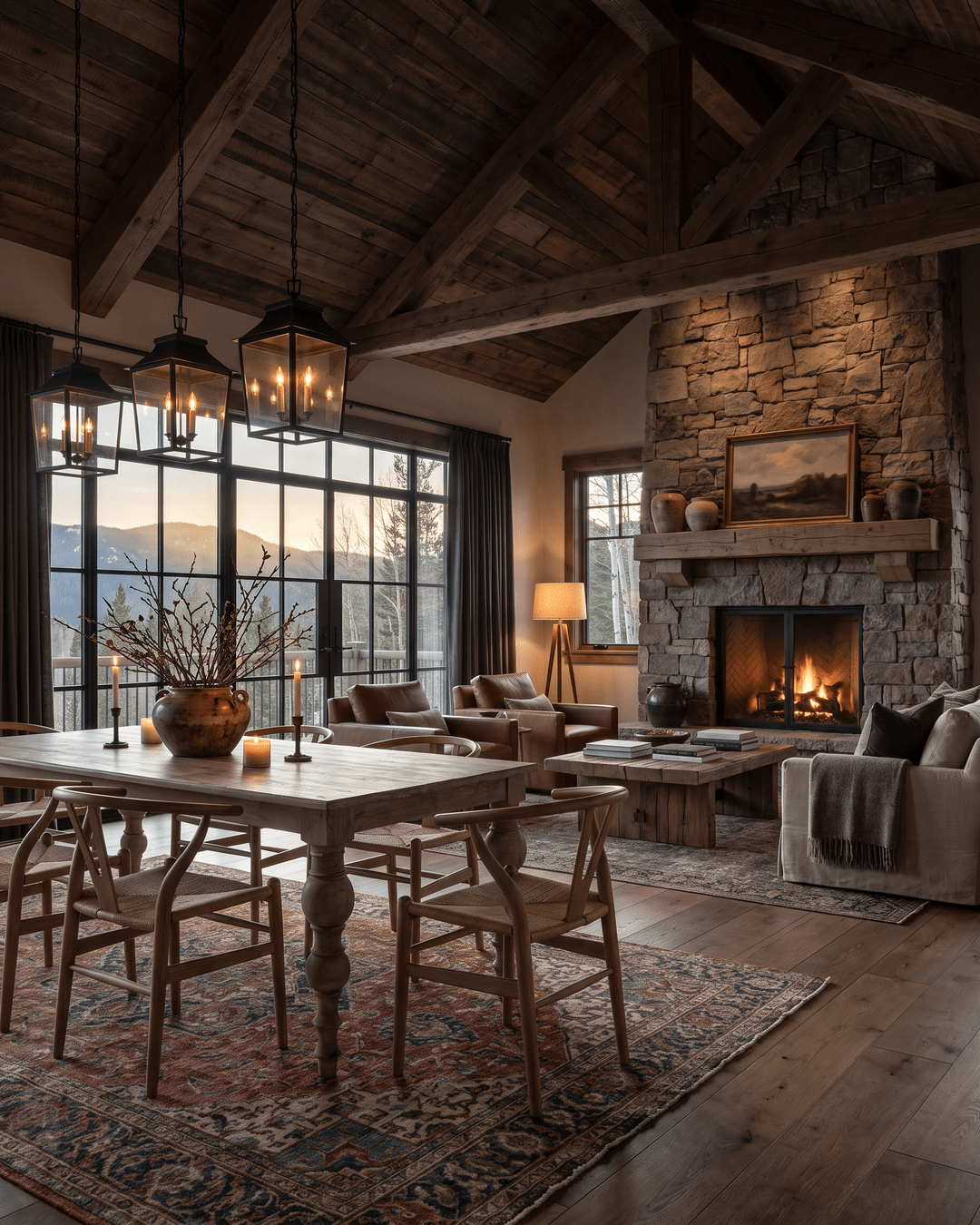
In spaces with strong architectural features—large windows, beams, or stonework—simpler console forms tend to work best. Let the room speak first.
Styling as a Supporting Act
Once placement and material are resolved, styling becomes secondary. The goal isn’t to fill the surface but to reinforce the relationship between light, art, and space.
Think in terms of height and density. Low objects keep sightlines clear. Grouping items toward one side introduces asymmetry, which often feels more natural in reclaimed interiors.
Avoid reflective accessories near windows. They create glare and distract from the view. Matte ceramics, wood, or stone maintain visual continuity.
A console that looks slightly under-styled is usually doing its job. It’s holding space, not performing.
When a Console Replaces Other Furniture
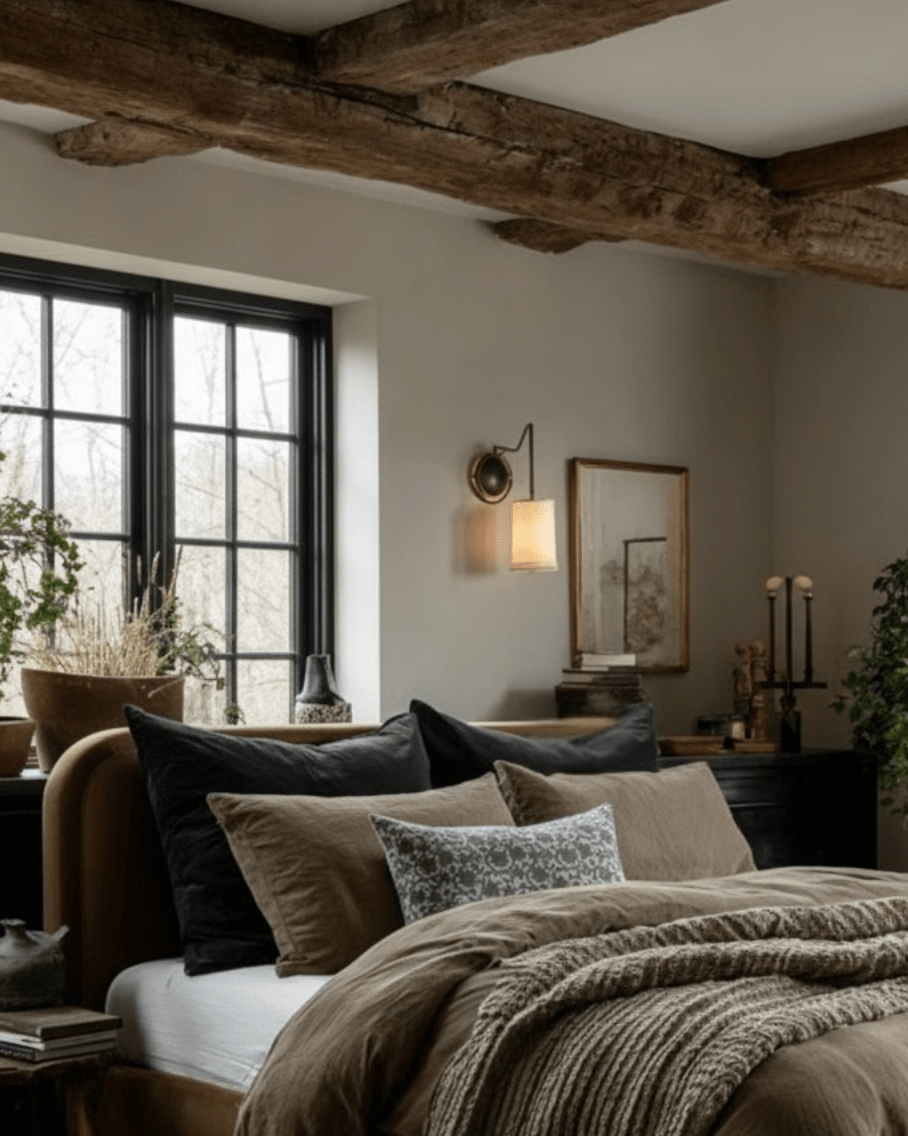
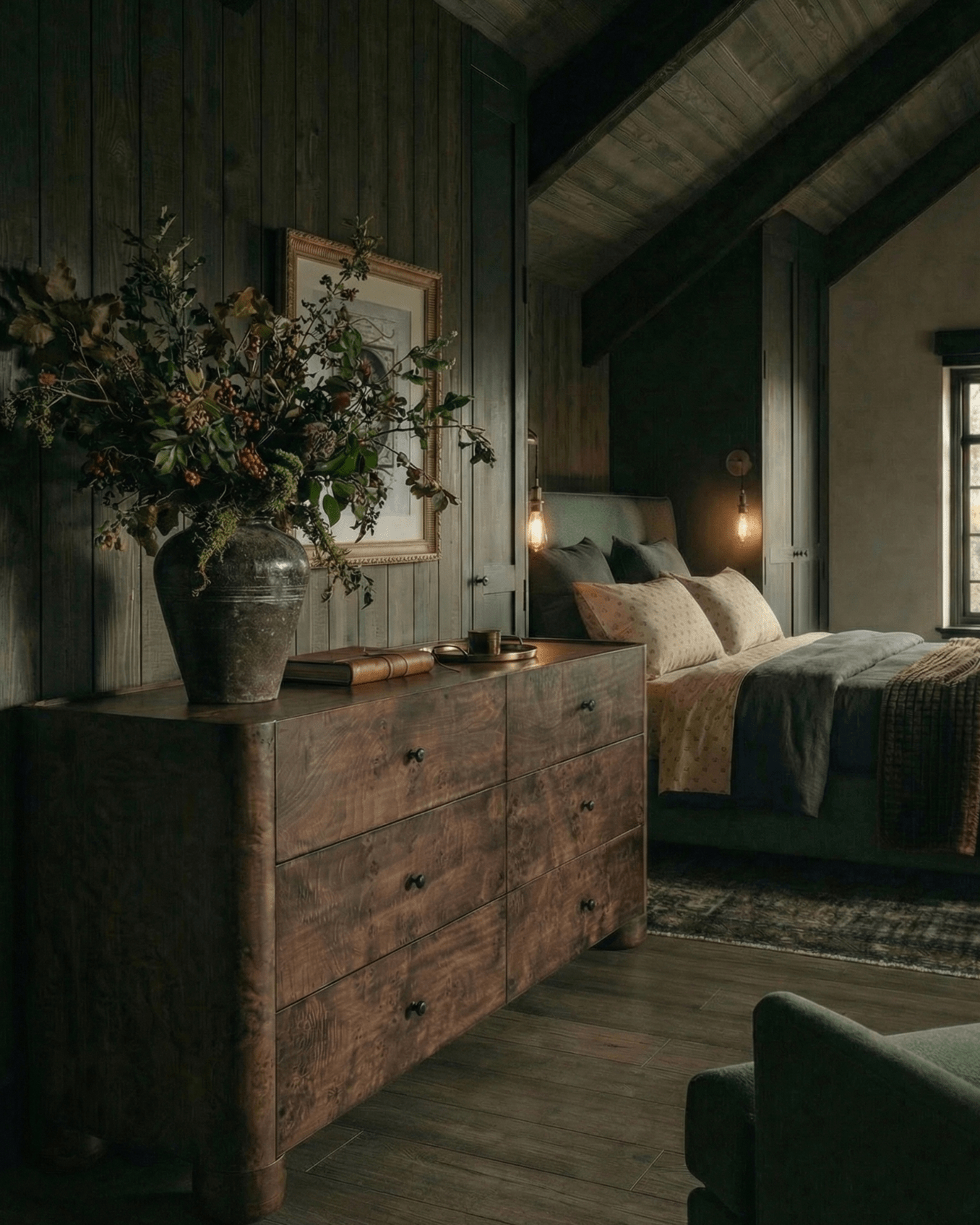
In some rooms, a console table can eliminate the need for additional furniture altogether. In bedrooms, it can replace bulky dressers. In dining rooms, it can stand in for sideboards. In living rooms, it can absorb functions that would otherwise be scattered across smaller pieces.
This consolidation reduces visual clutter and strengthens the room’s structure. Reclaimed consoles are particularly suited to this because they’re built to handle weight and use without feeling precious.
When a single piece does more work, the rest of the room can breathe.

The Long View: Letting the Console Evolve
One of the advantages of vintage and reclaimed furniture is that it improves with time. Small changes—new artwork, shifting light, seasonal objects—register more clearly when the foundation is stable.
A console table that connects light, art, and space doesn’t need constant updating. It adapts as the room changes around it.
This is why restraint matters. The fewer decisions you lock in at once, the more flexible the room becomes.
Final Thoughts: Connection Over Decoration
Using a vintage console table to connect light, art, and space is less about rules and more about attention. Attention to where light moves, how walls are read, and how people pass through a room.
When the console is chosen for proportion, material, and placement—not decoration—it becomes a quiet organizer. It links elements that would otherwise compete and allows the room to feel intentional without feeling arranged.
Explore the reclaimed furniture collection and look for console tables that can do more than hold objects—pieces that help the entire room make sense.