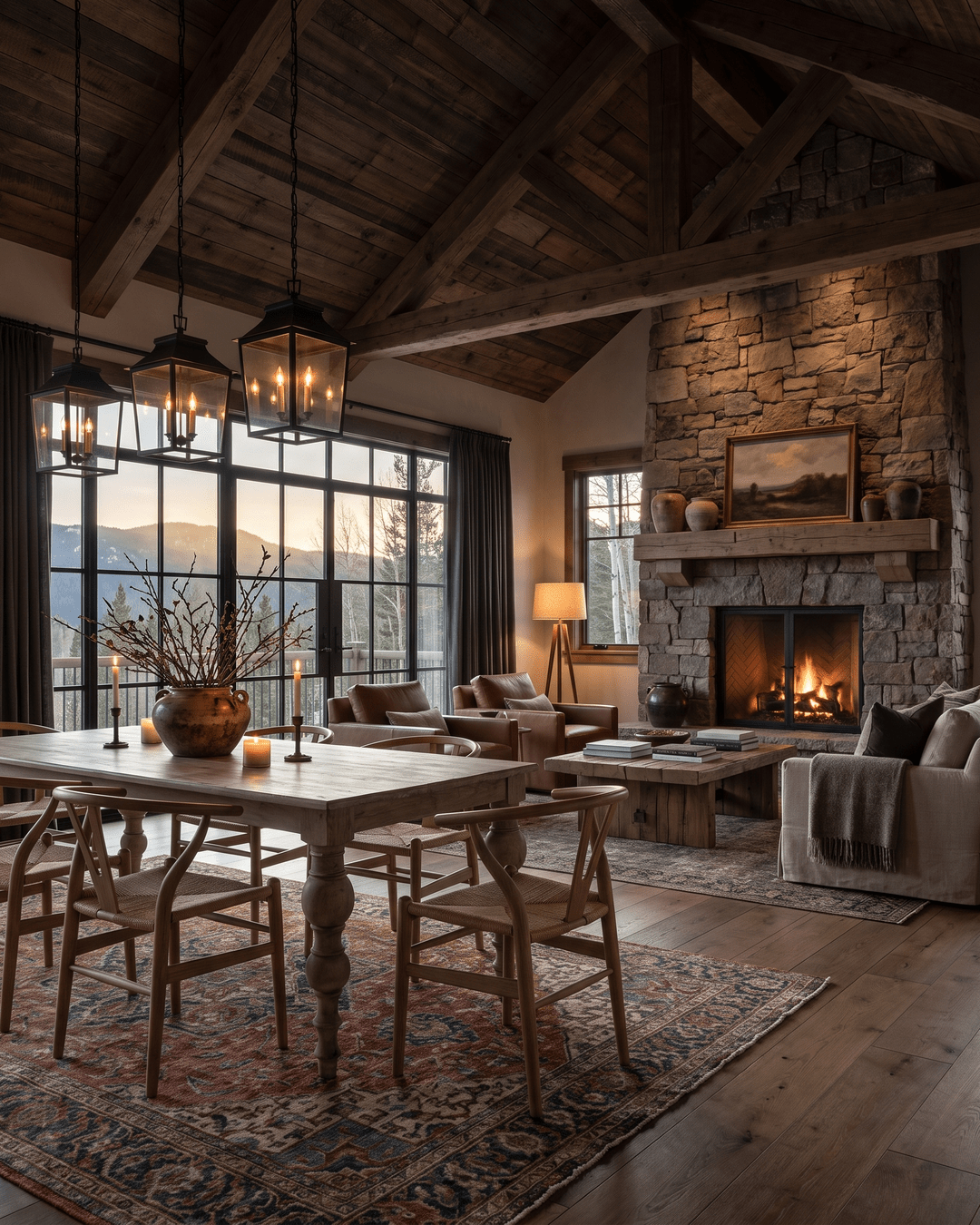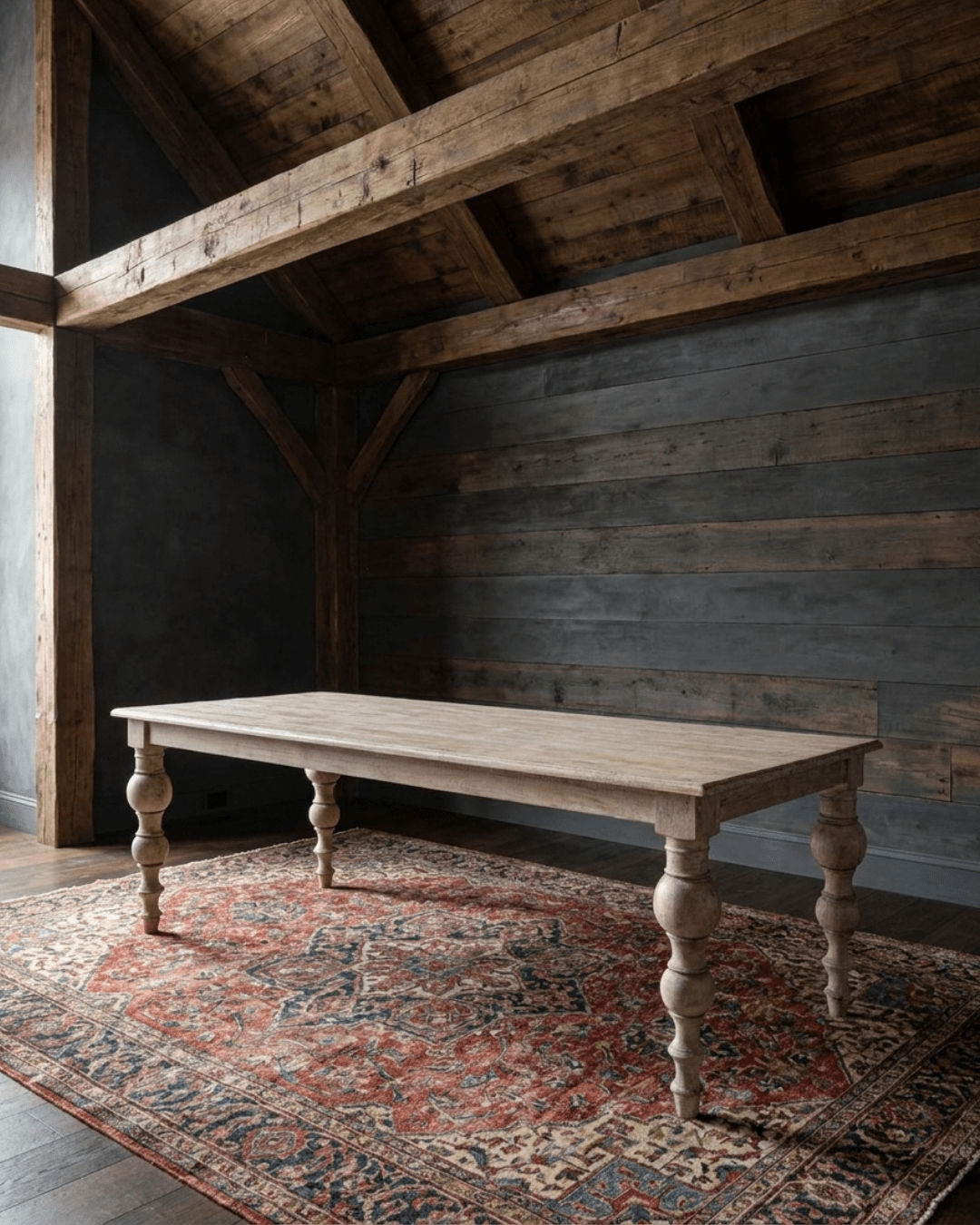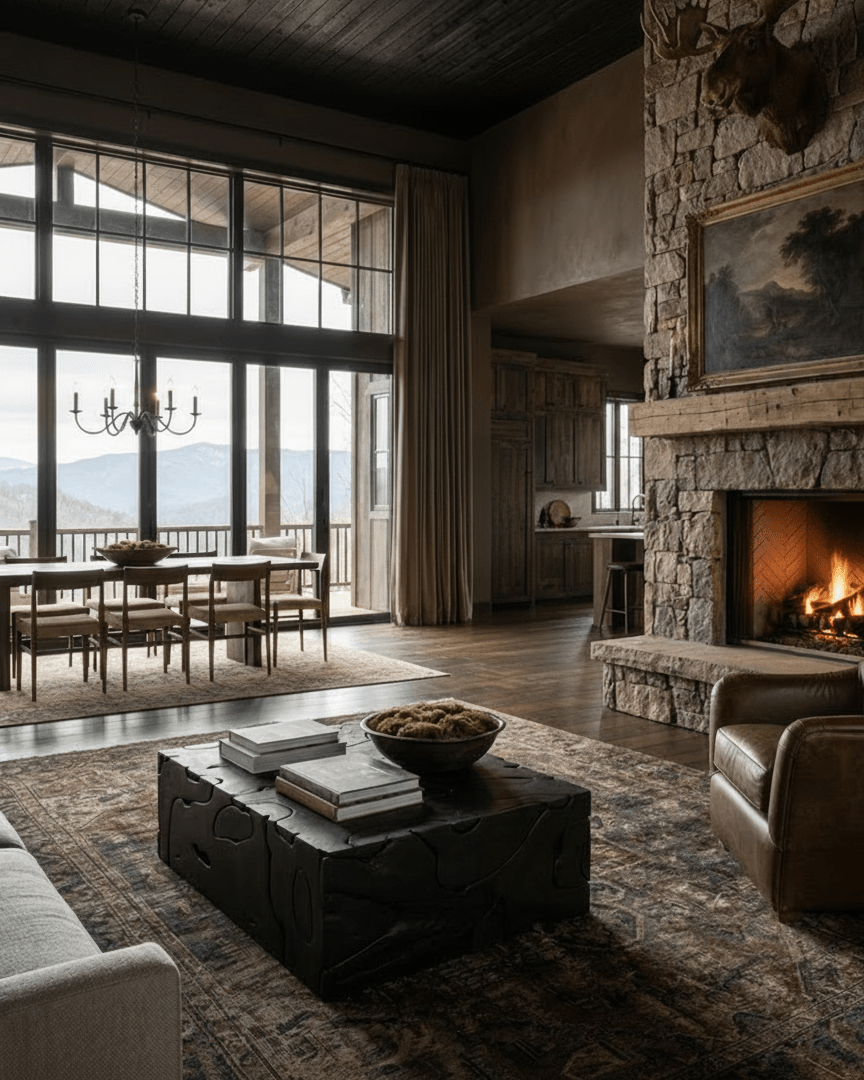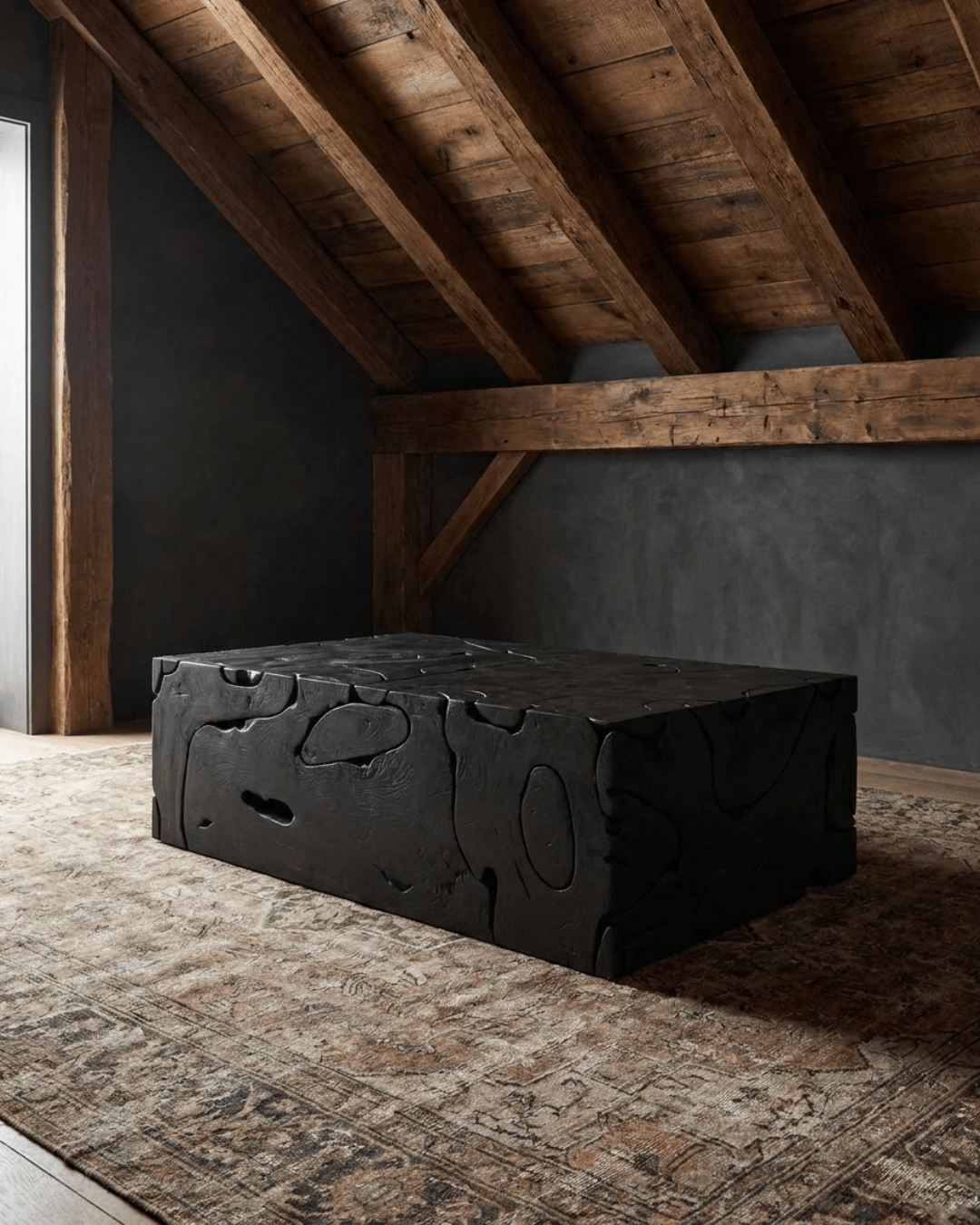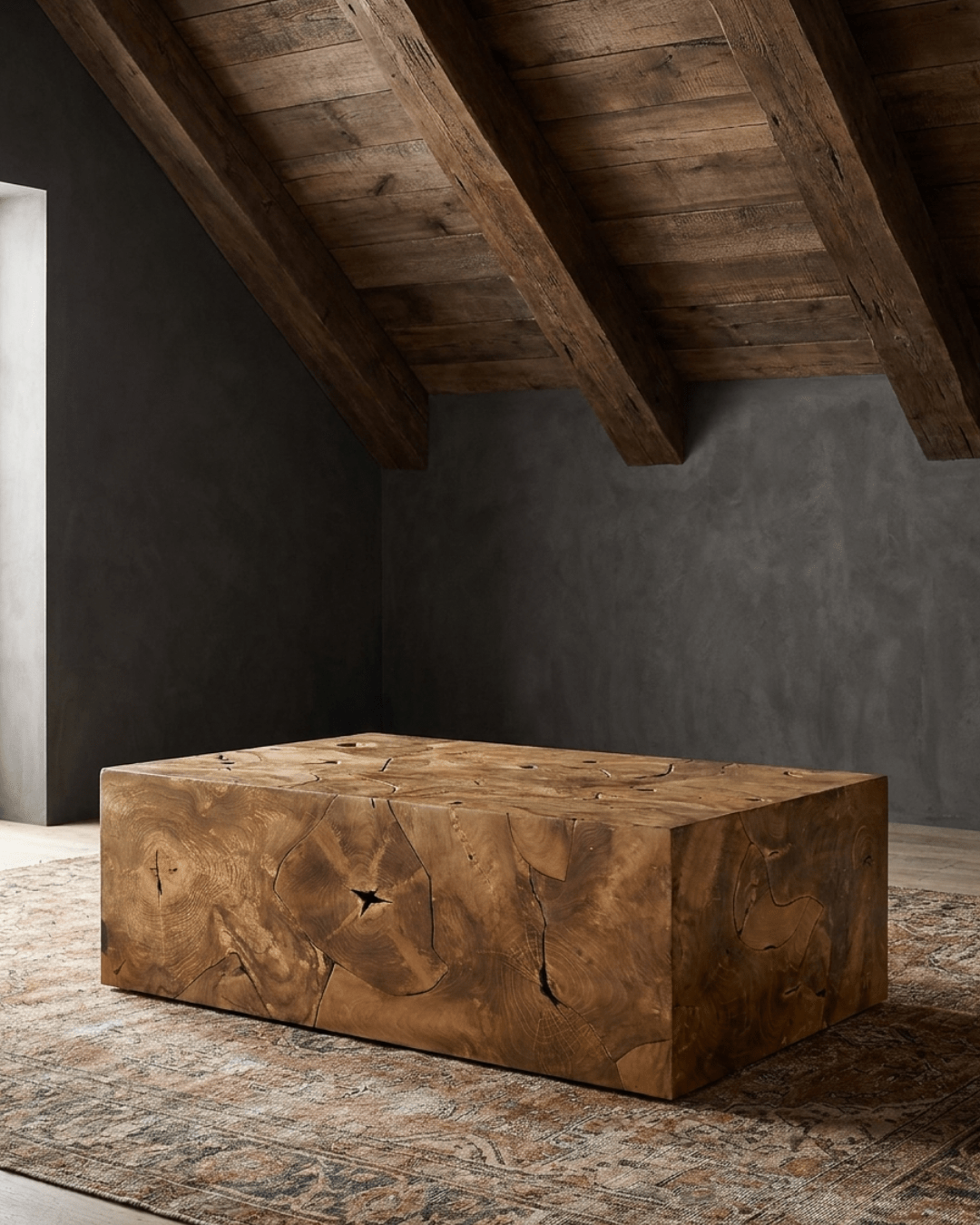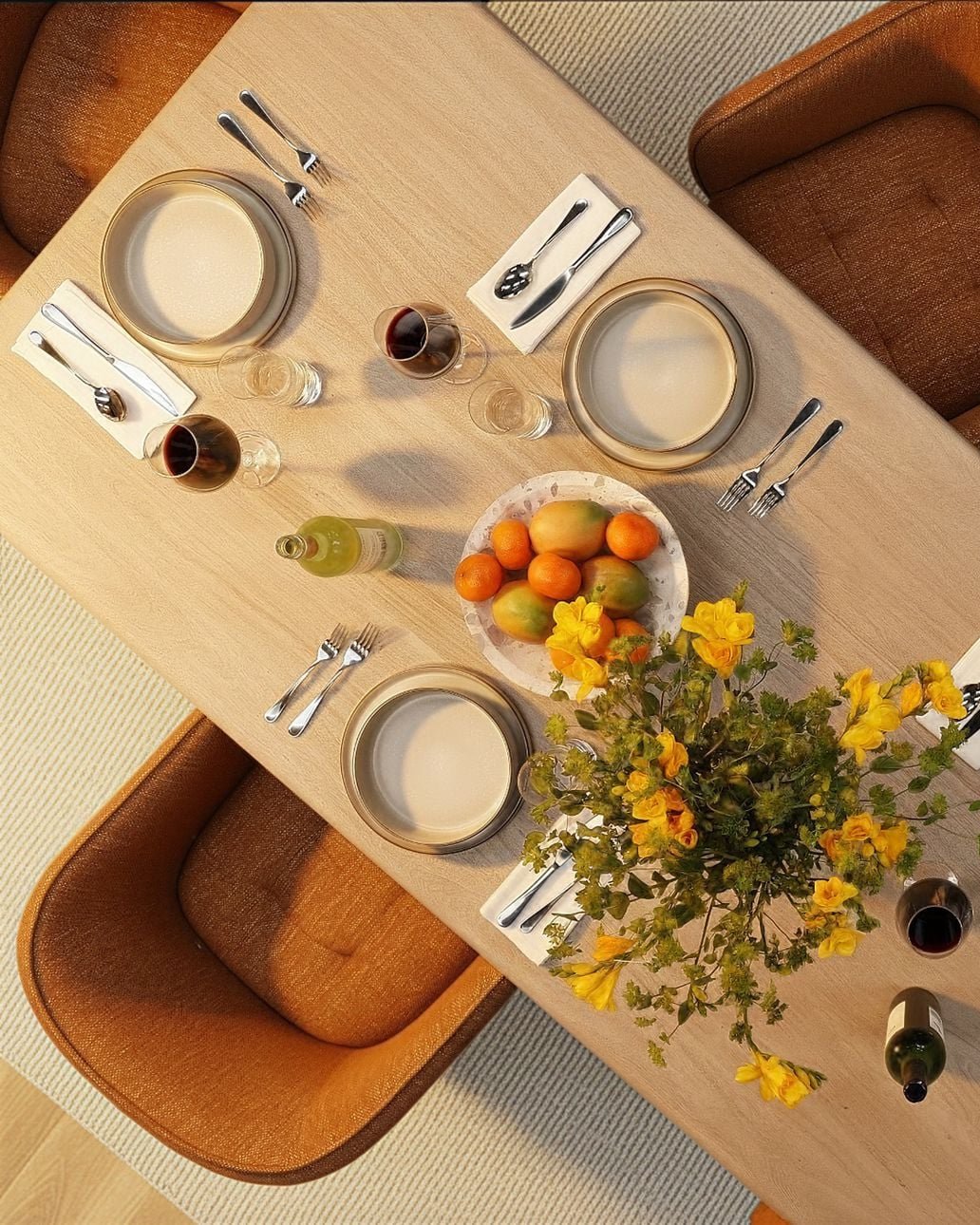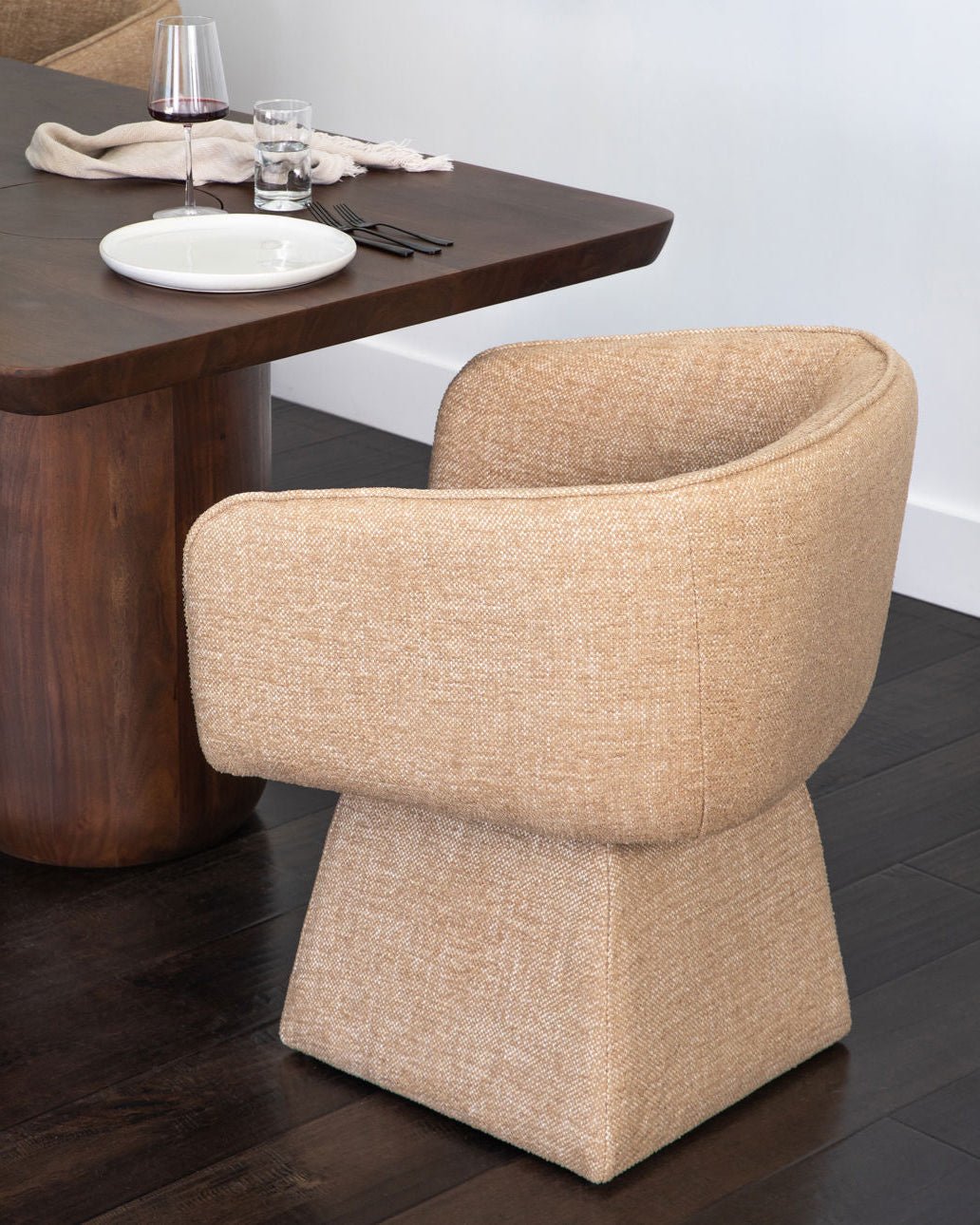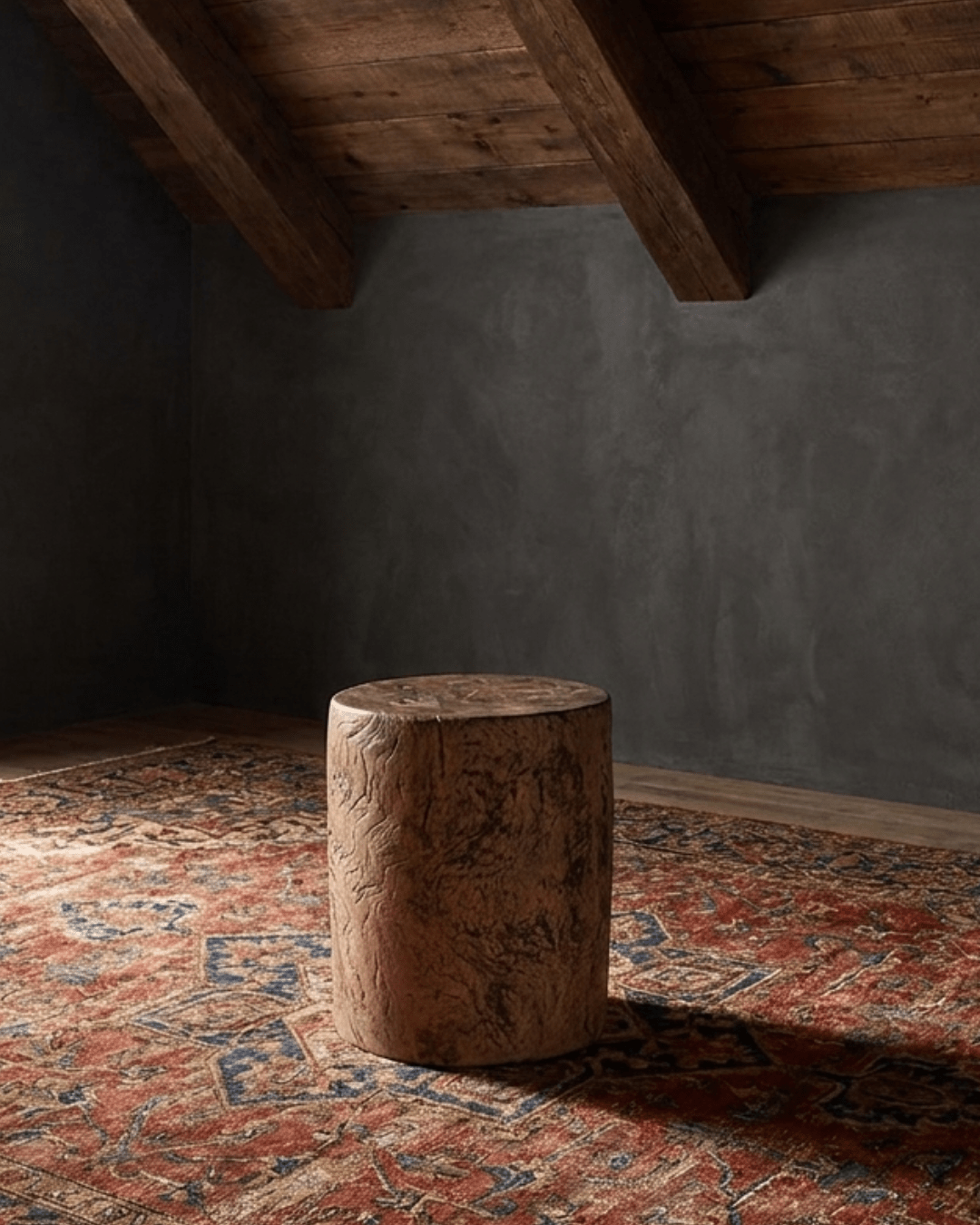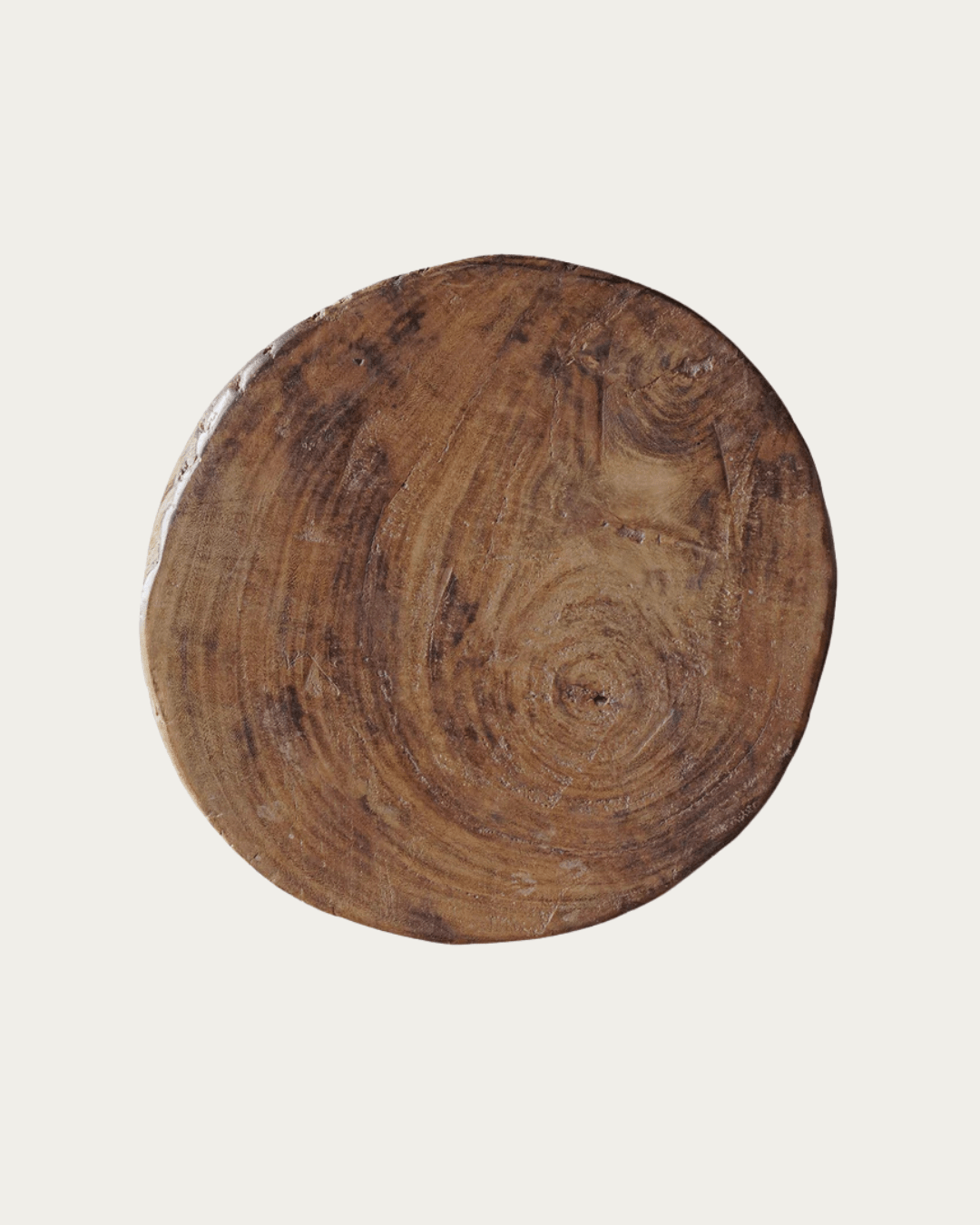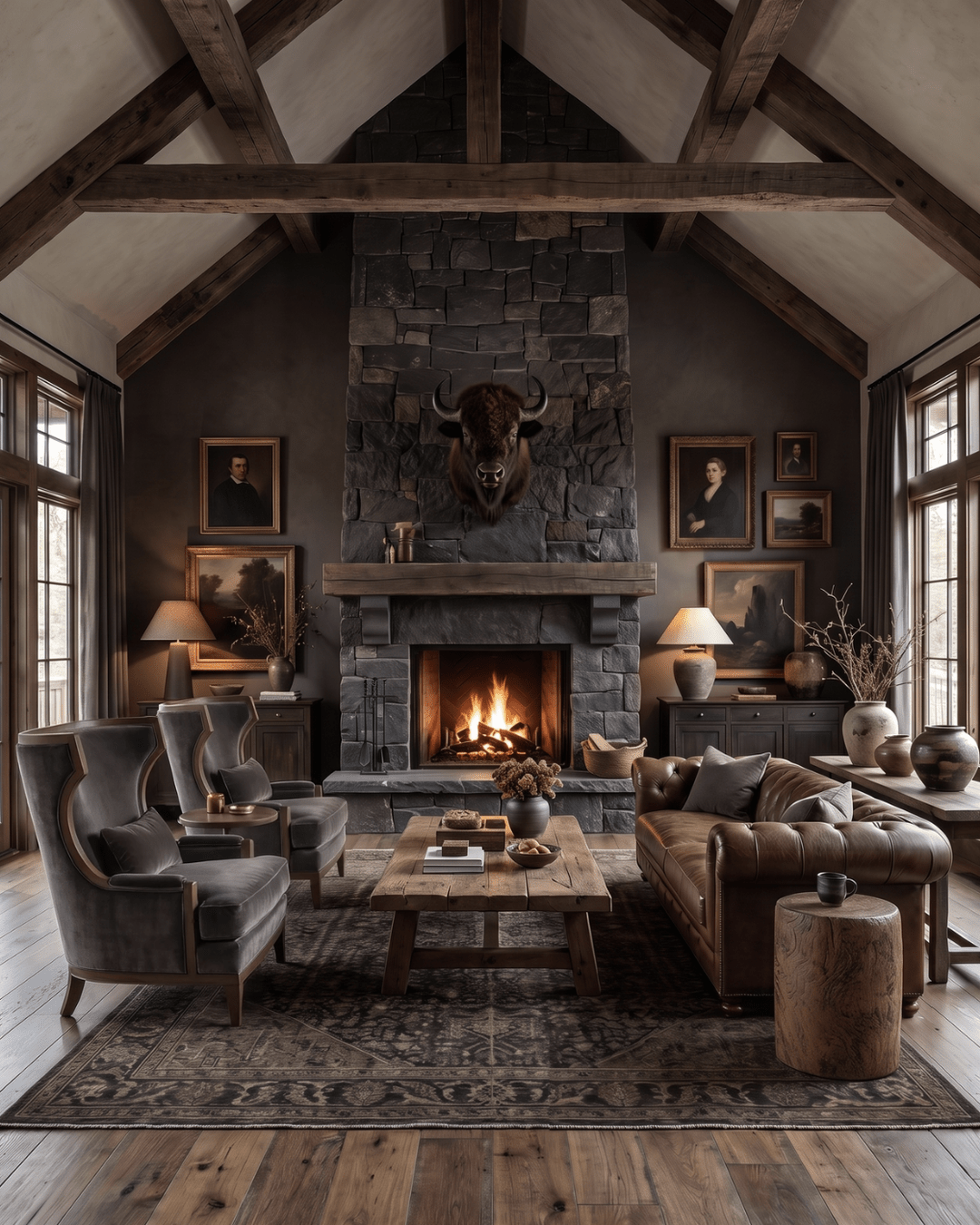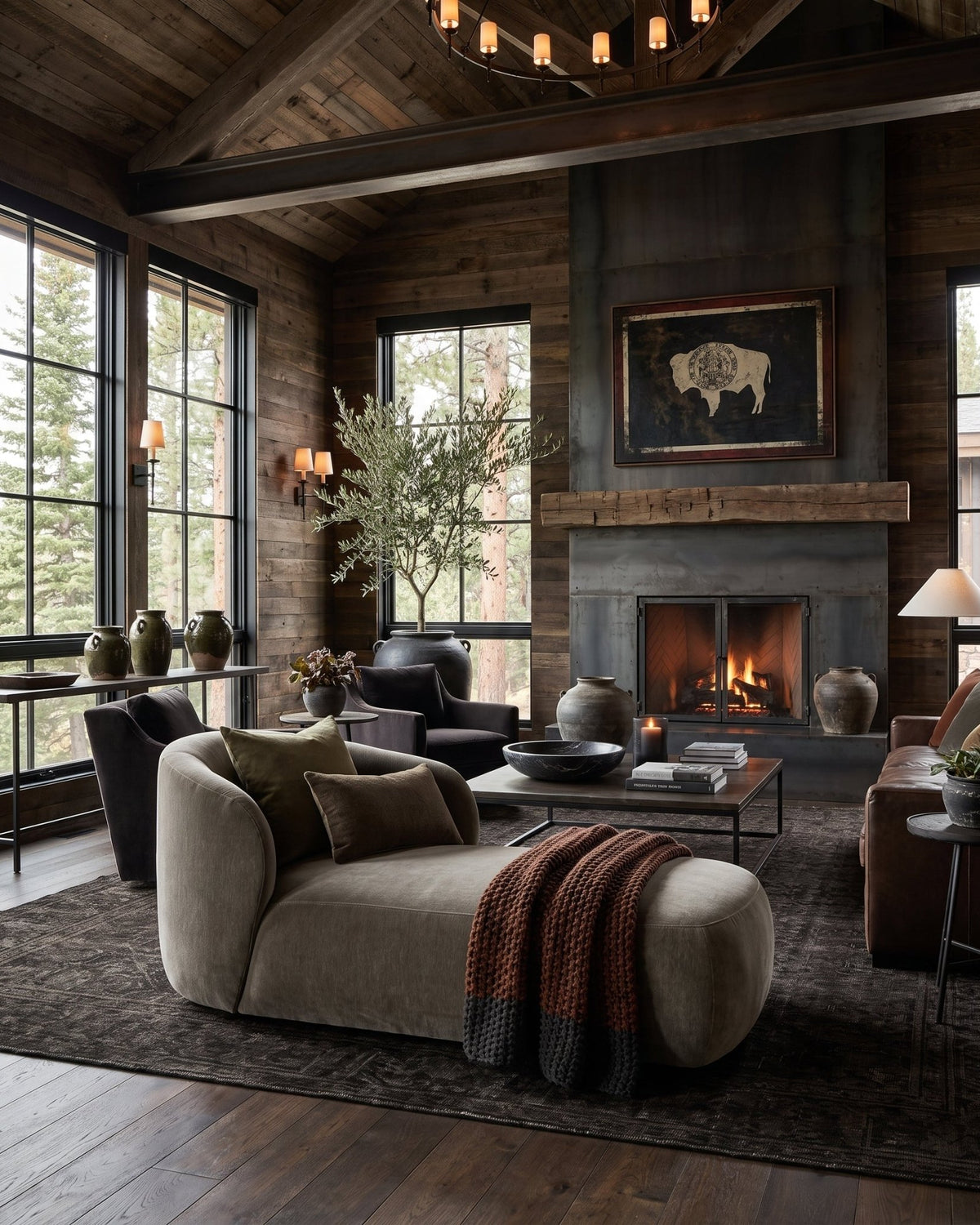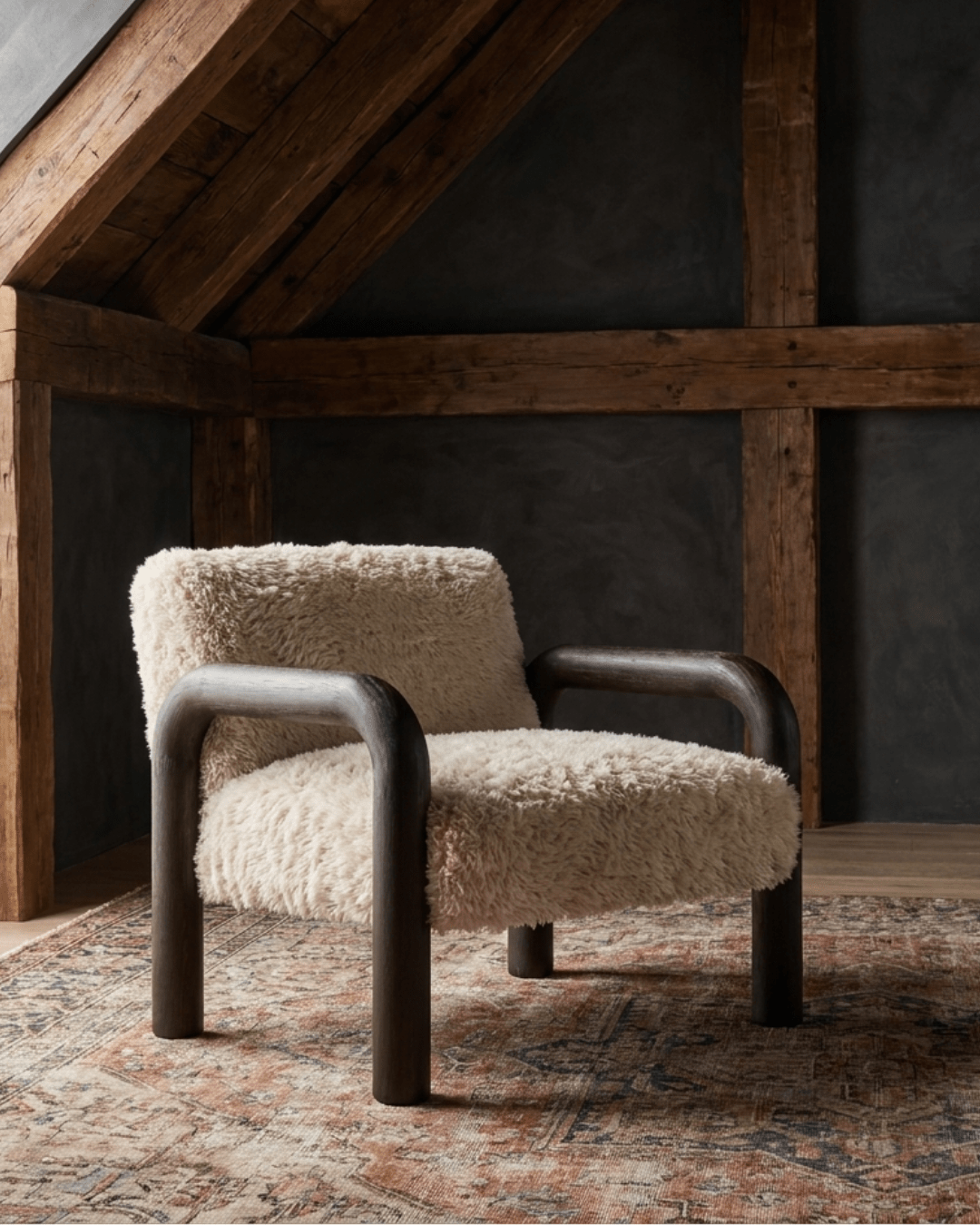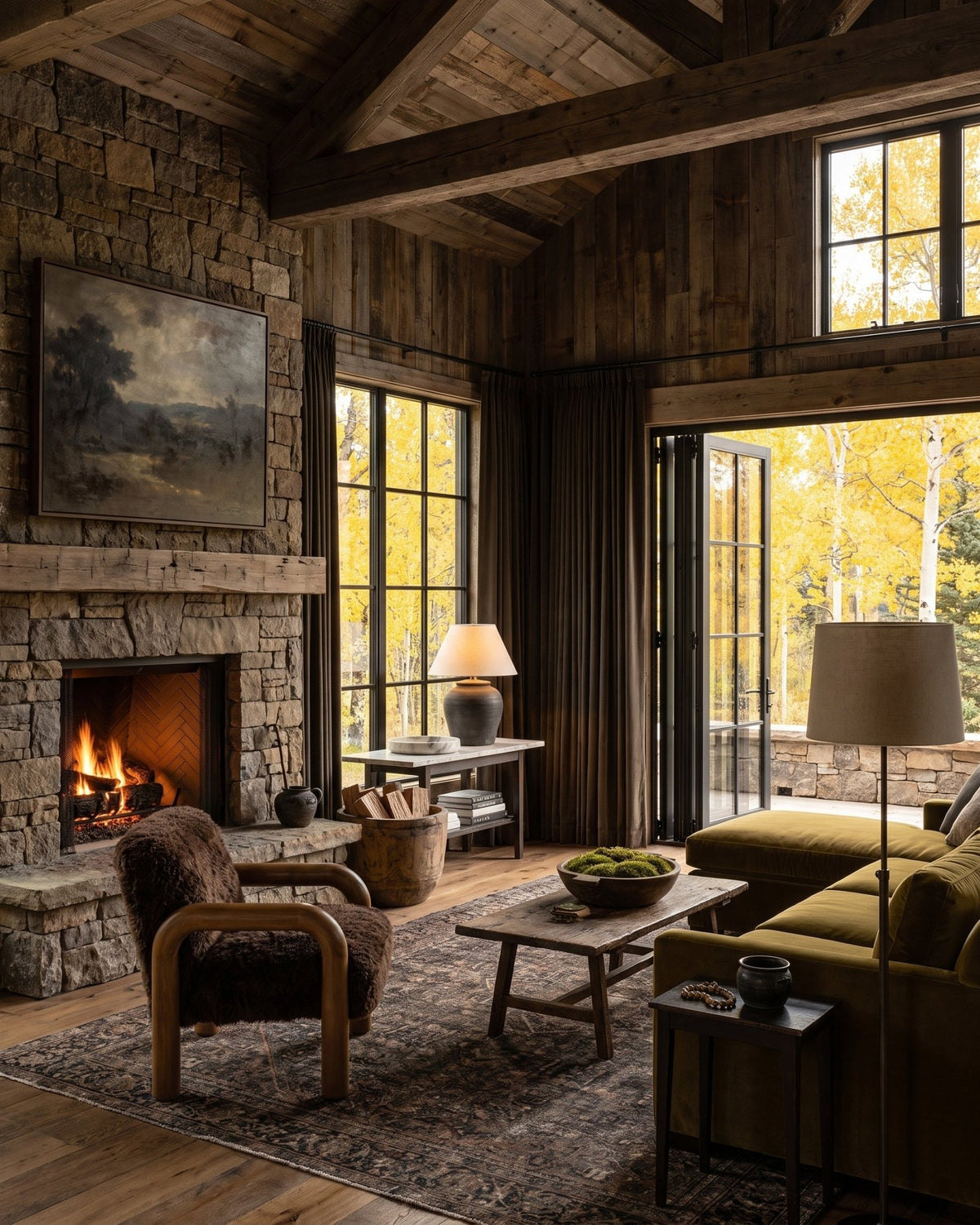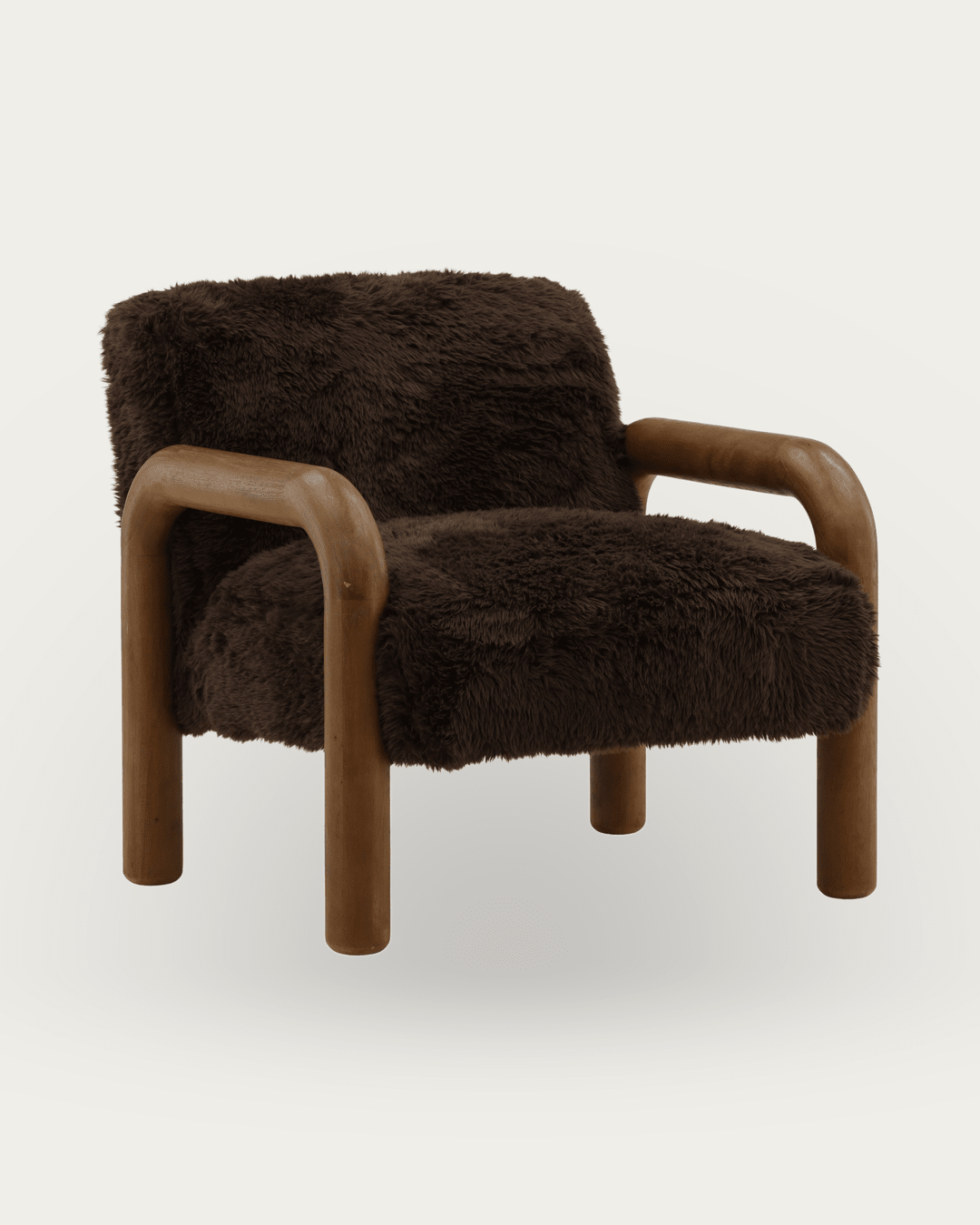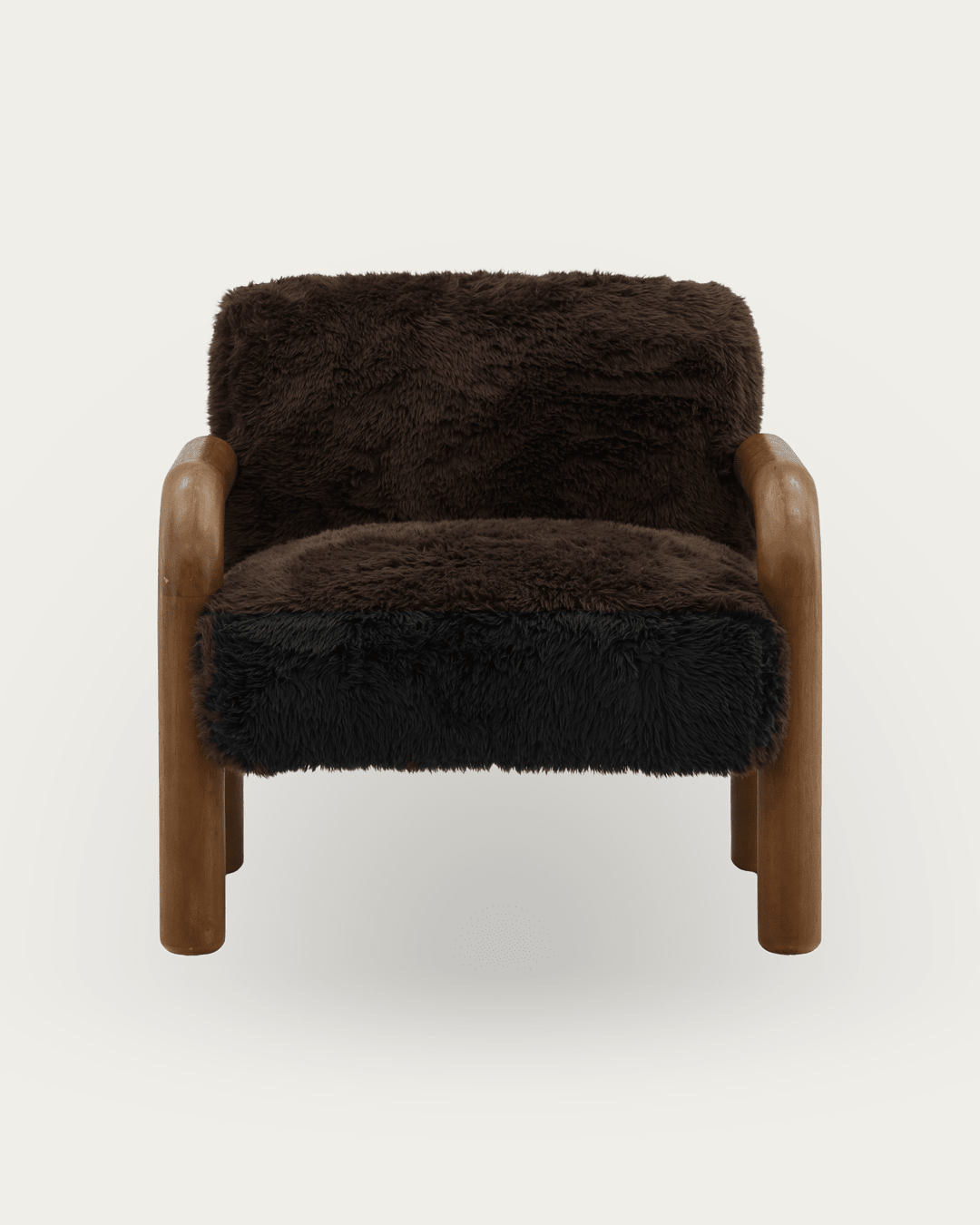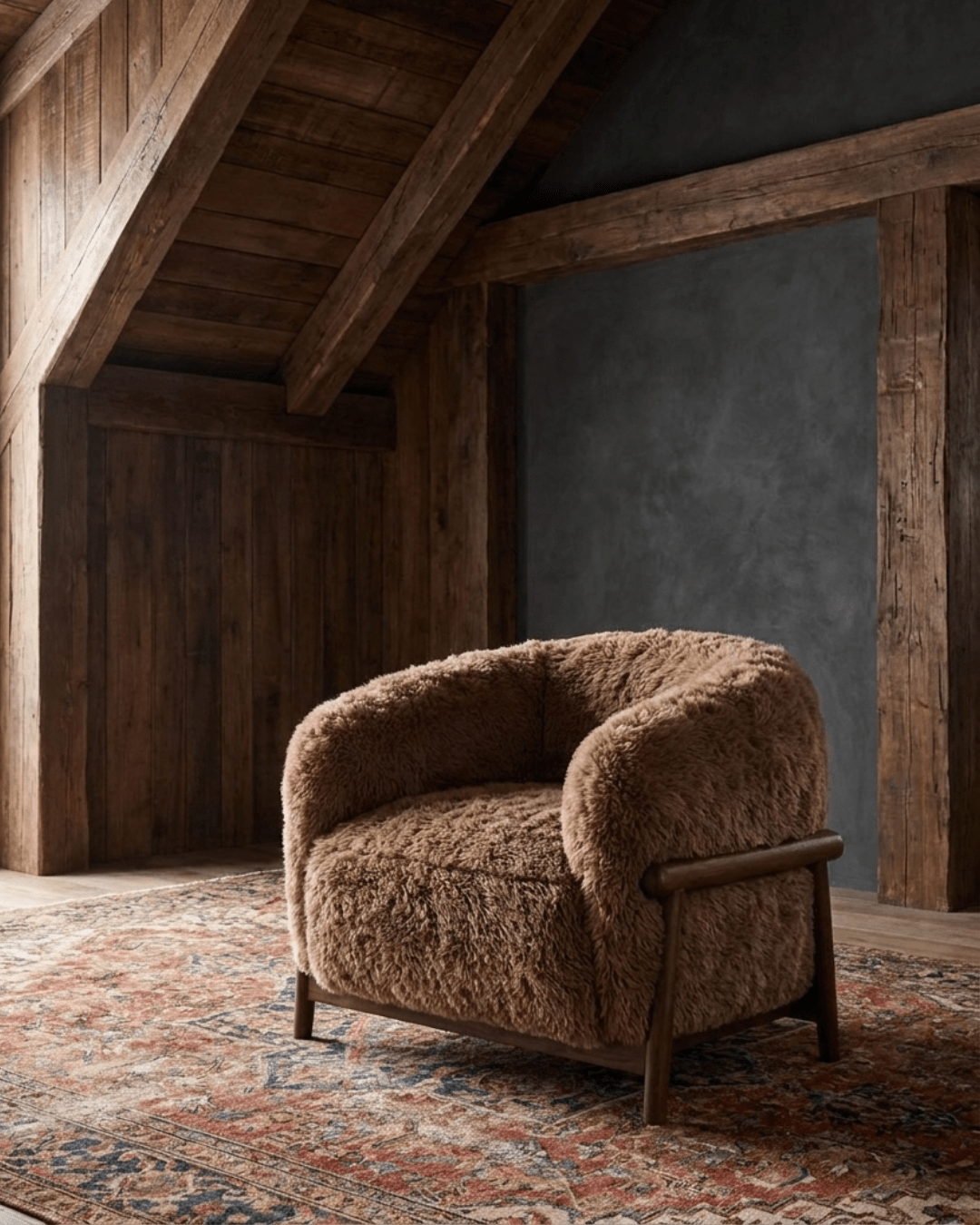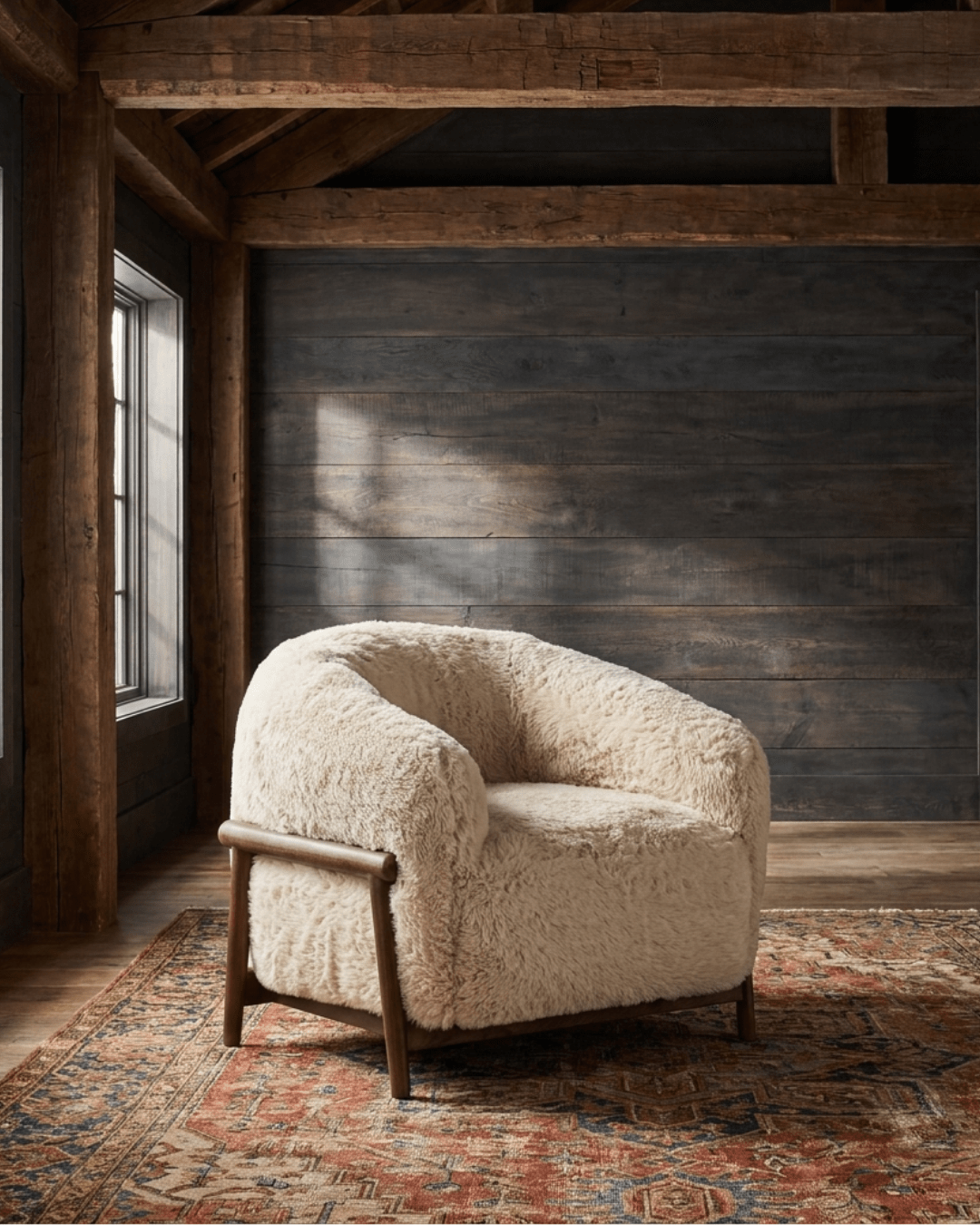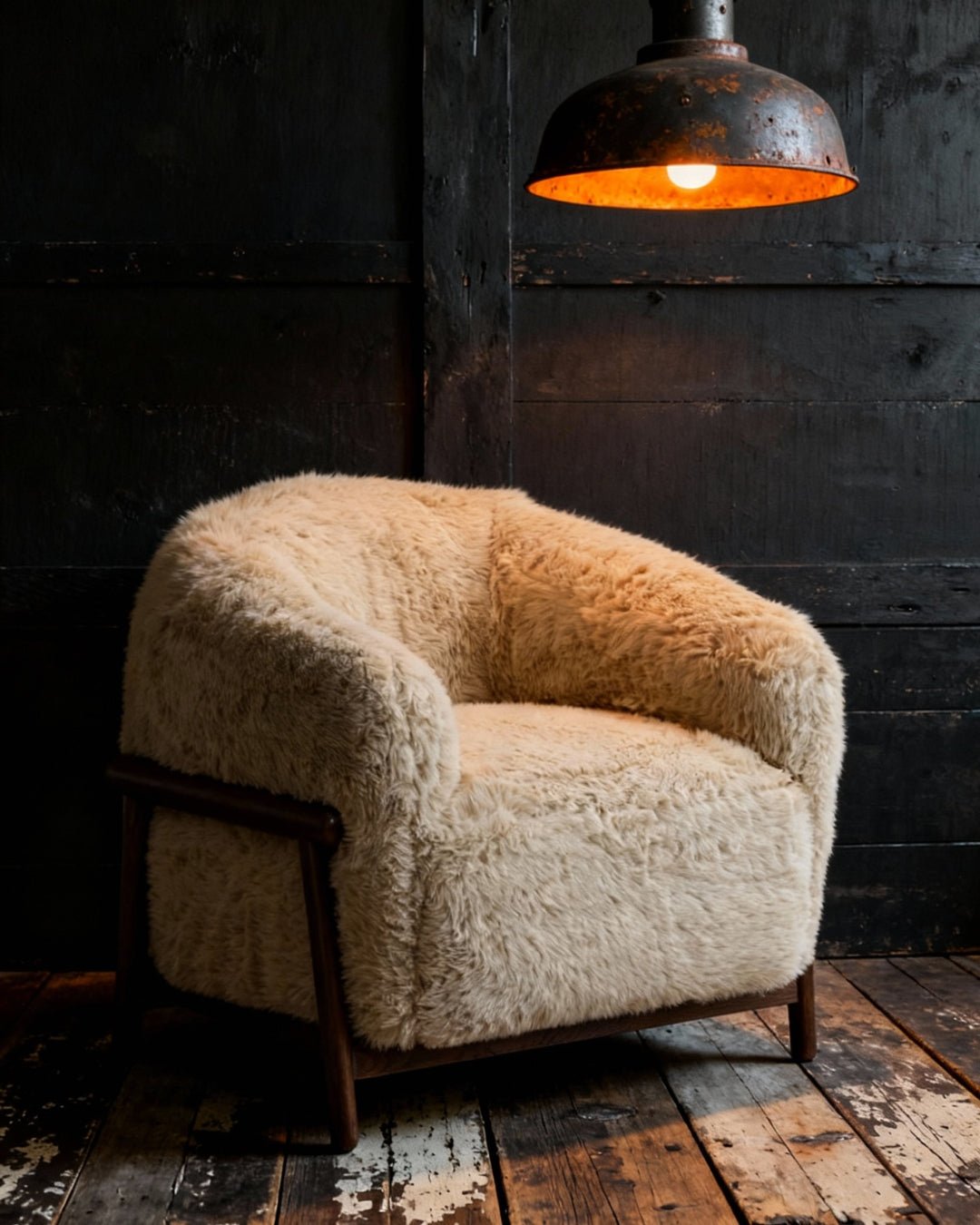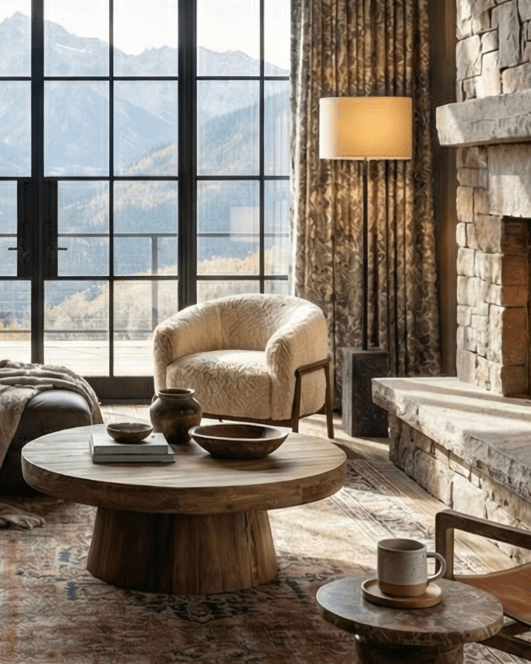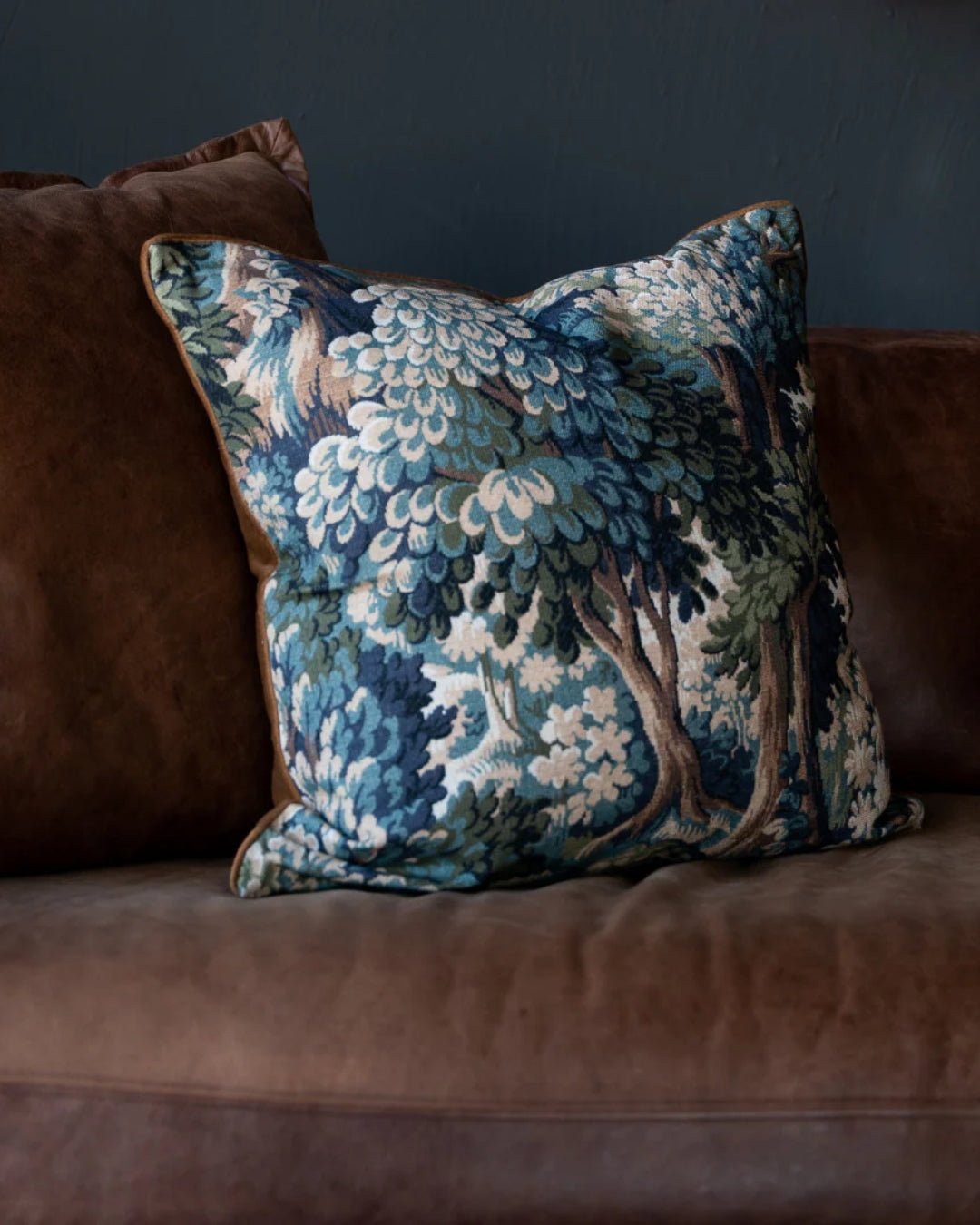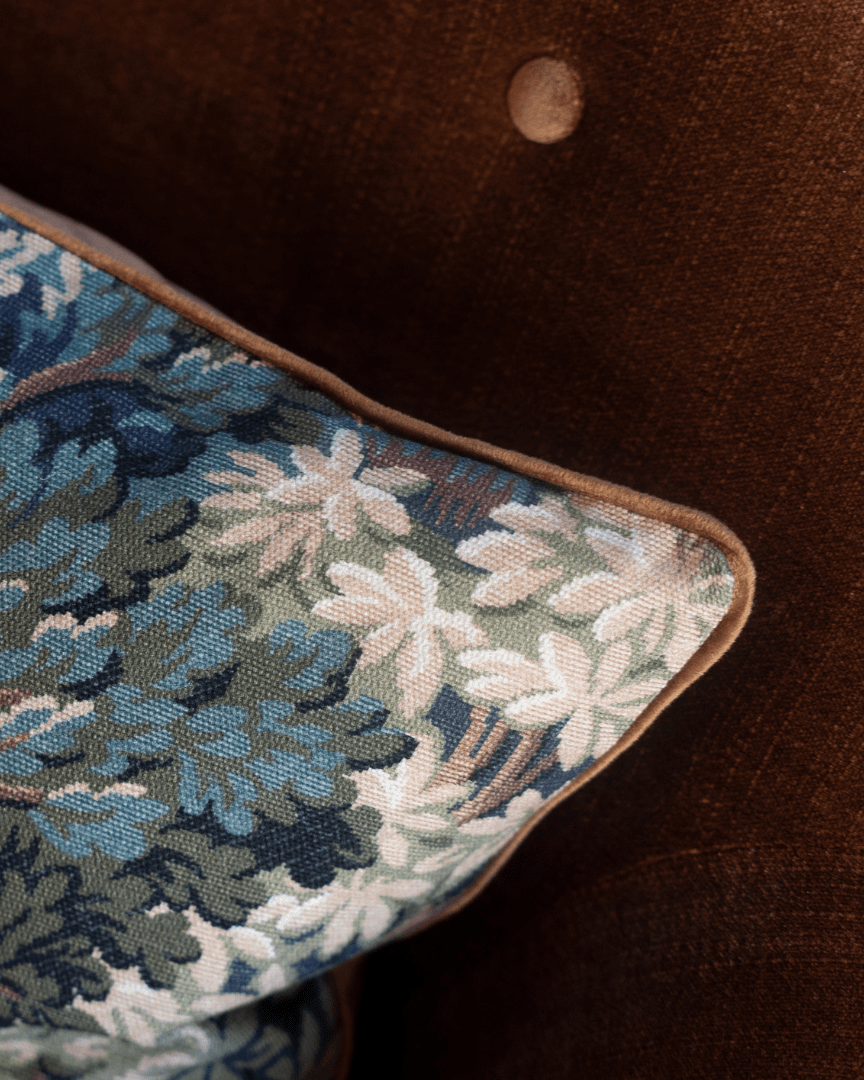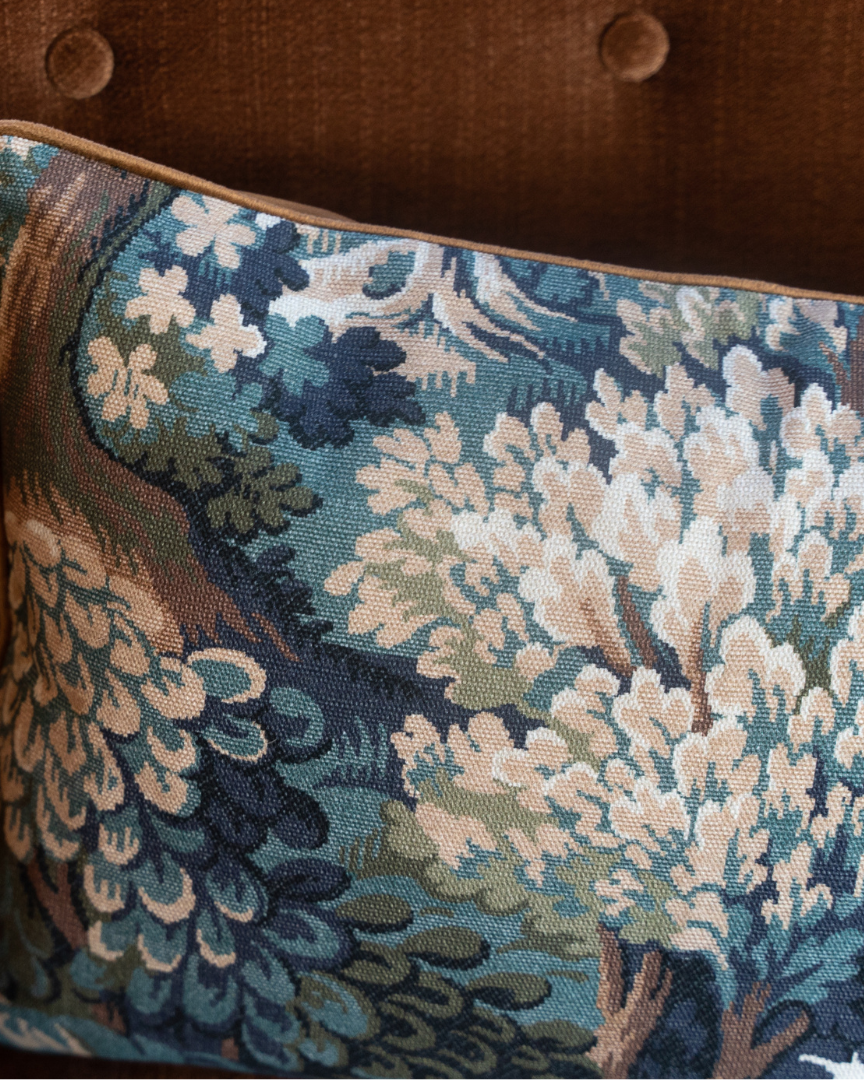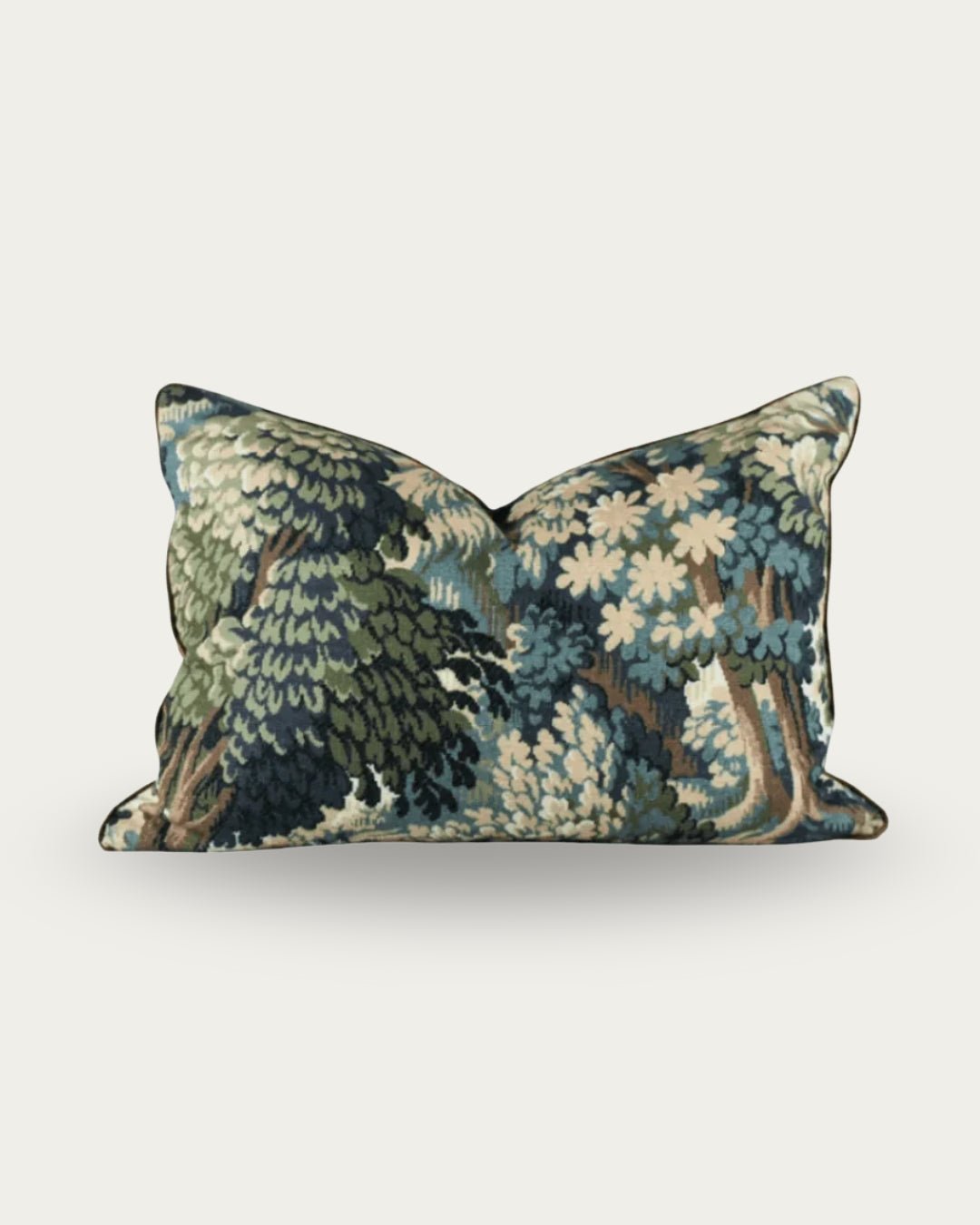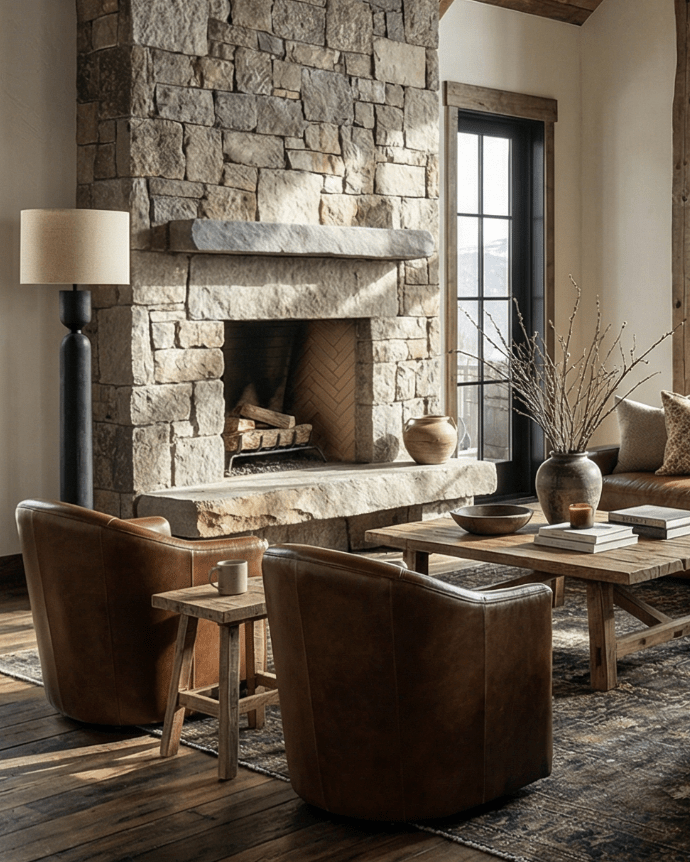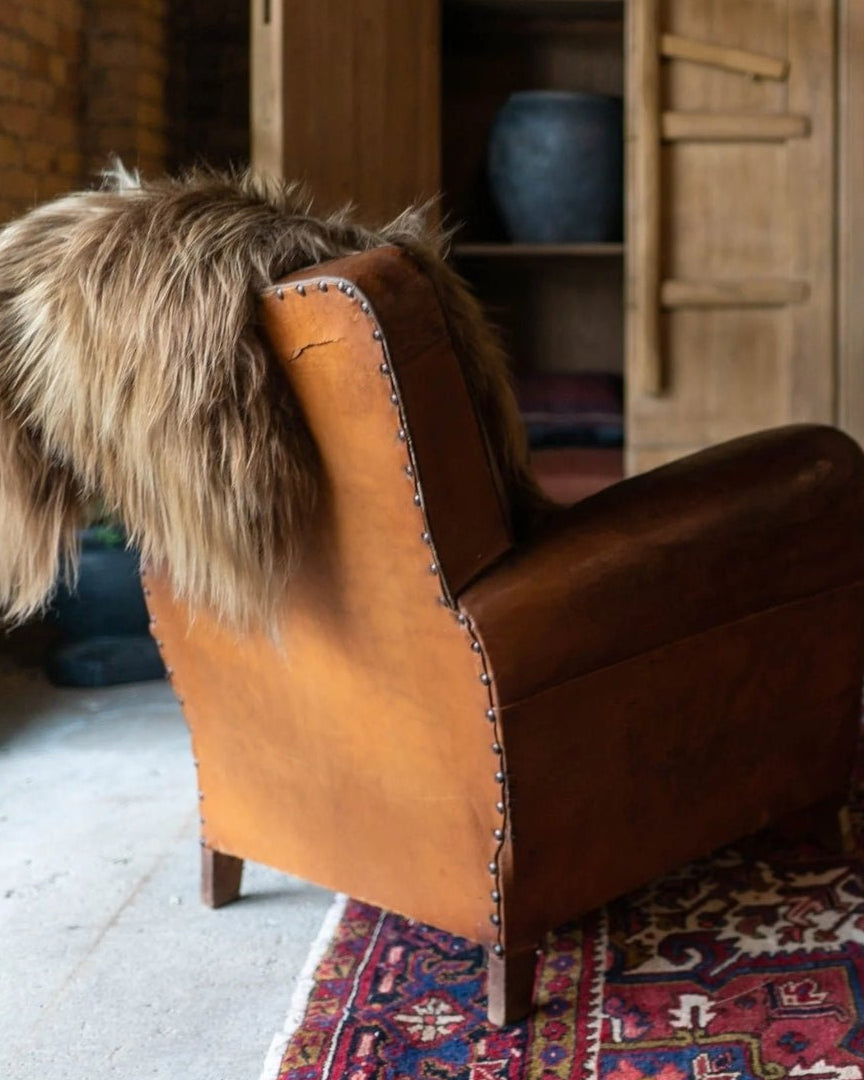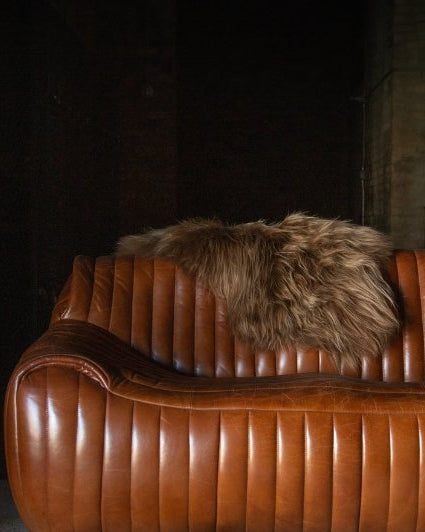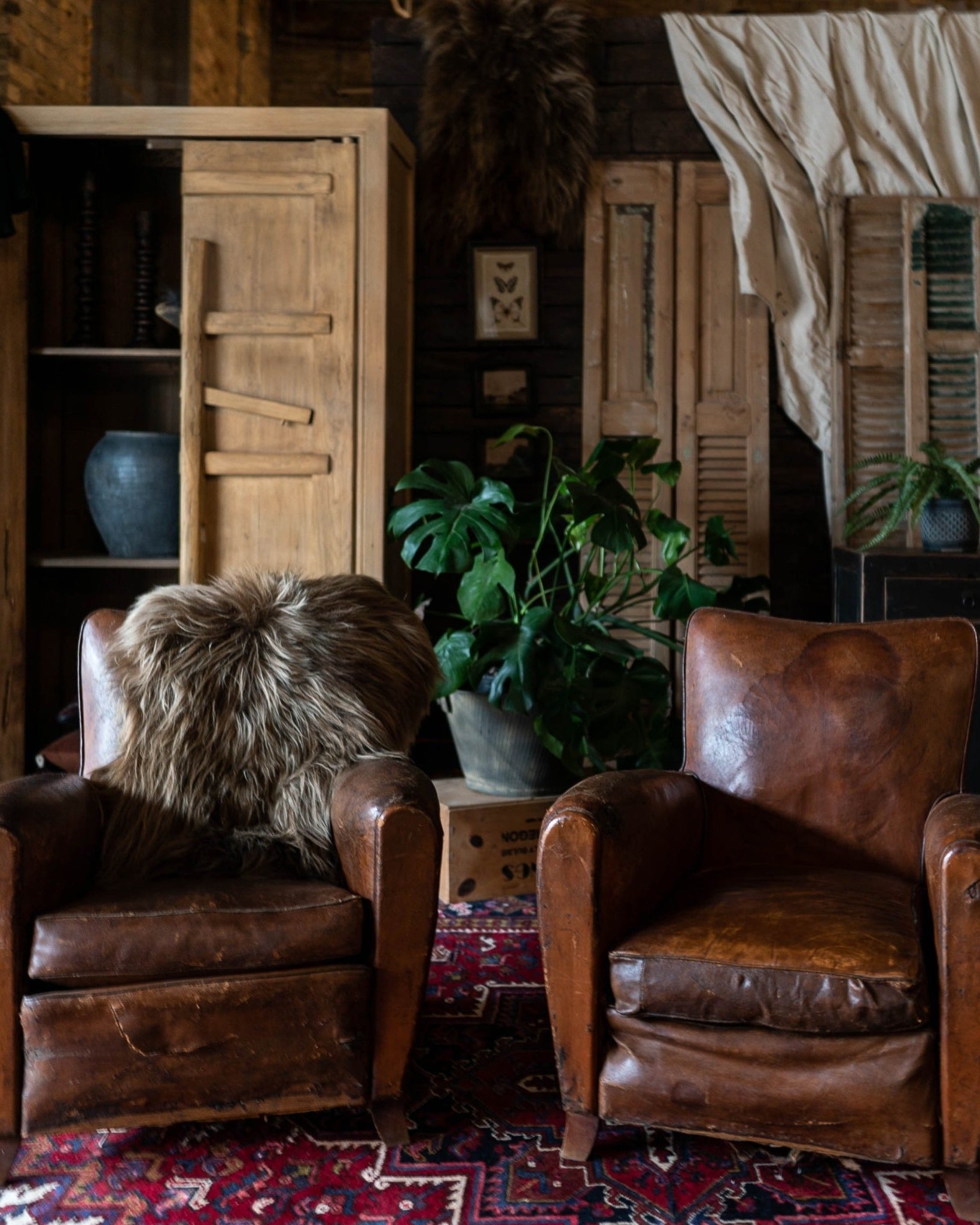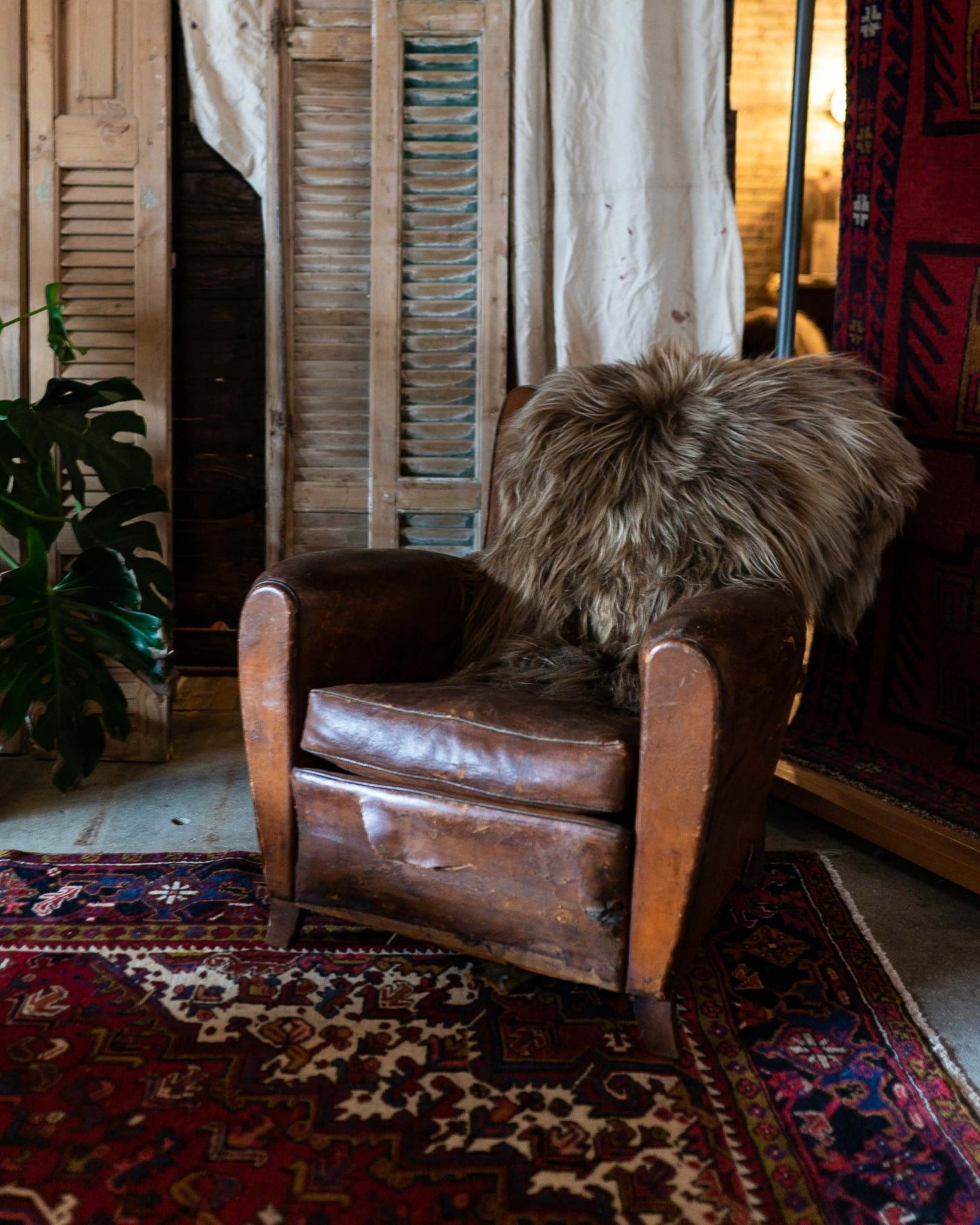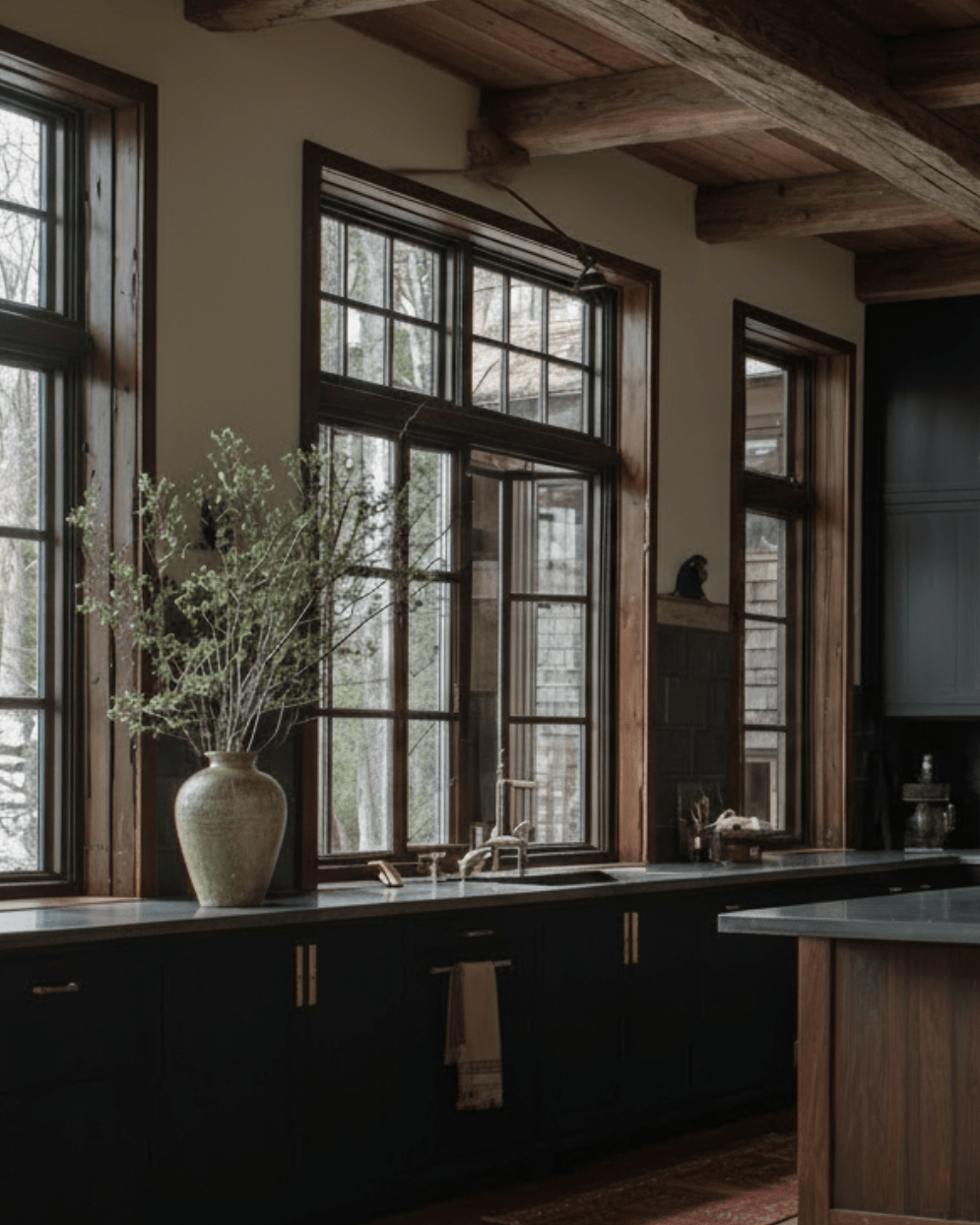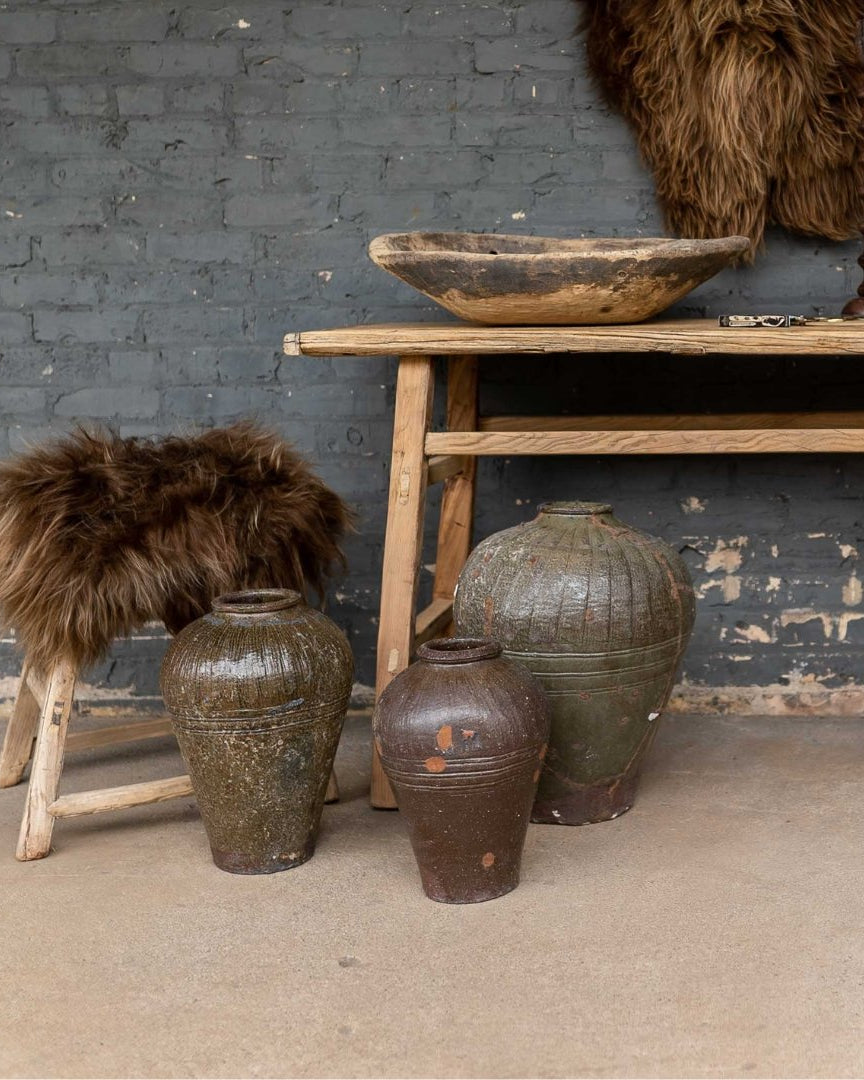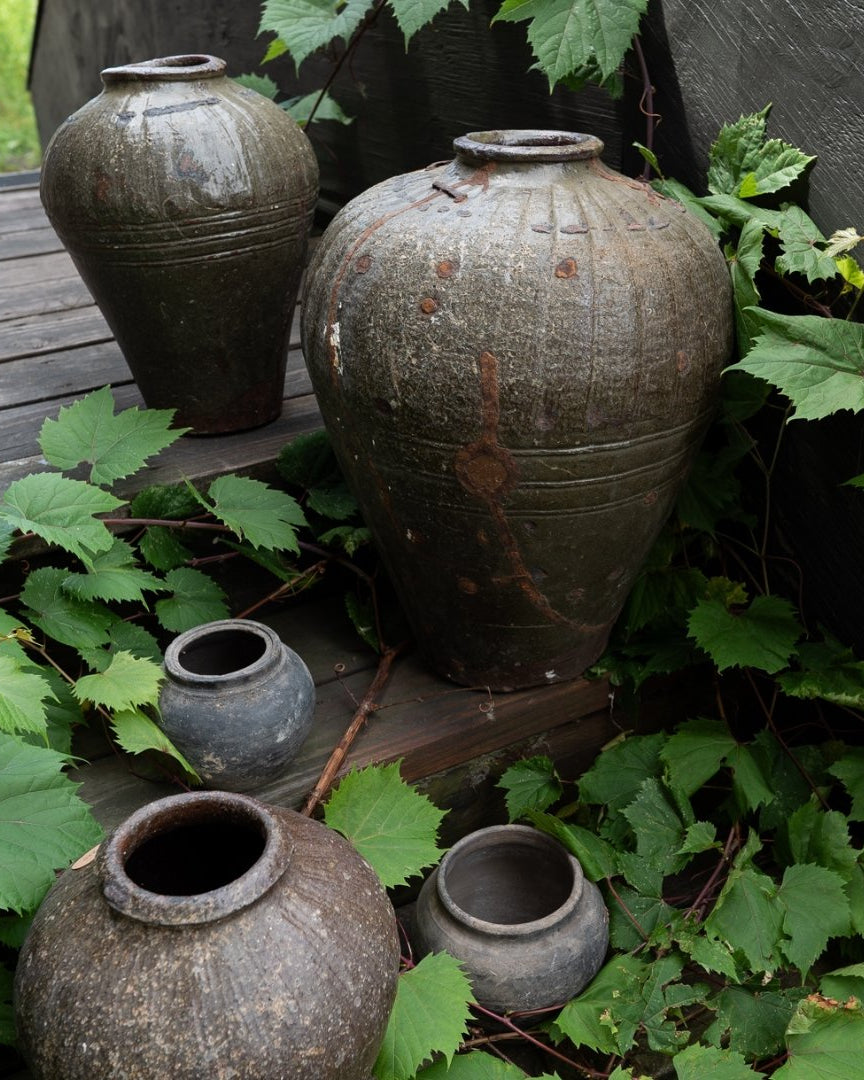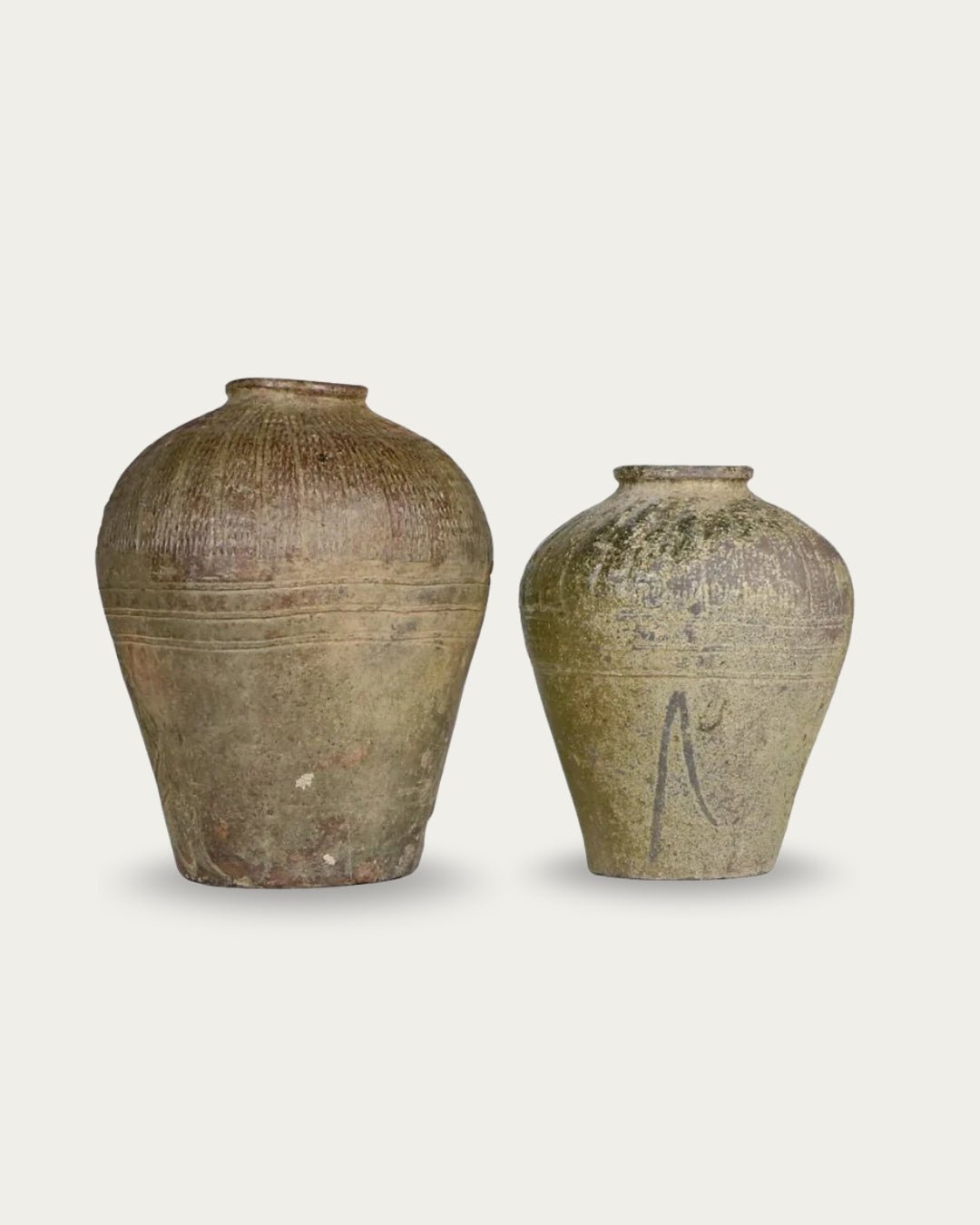







Have you ever walked into a room that felt instantly calming and assumed it was the color palette?
It usually isn't.
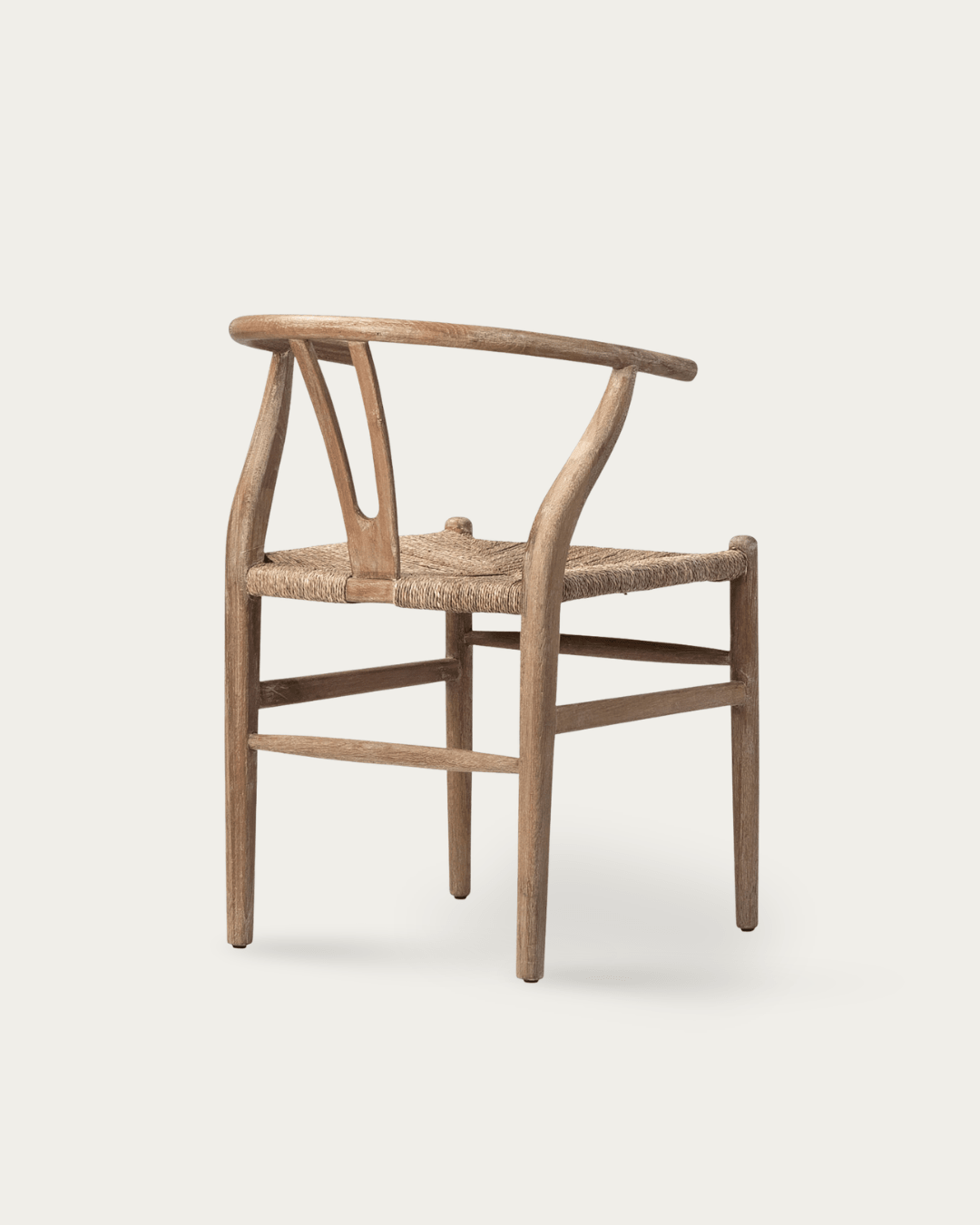
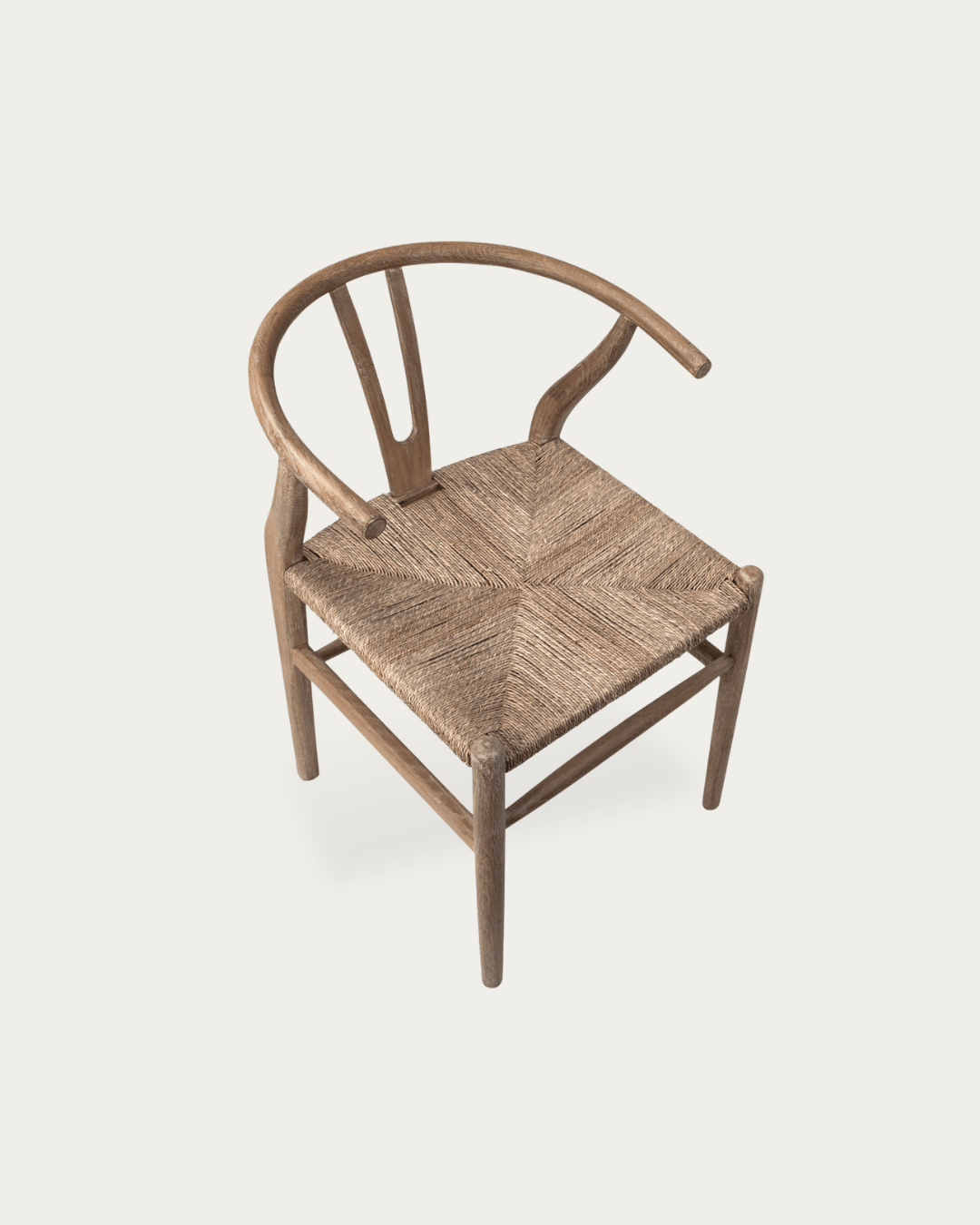
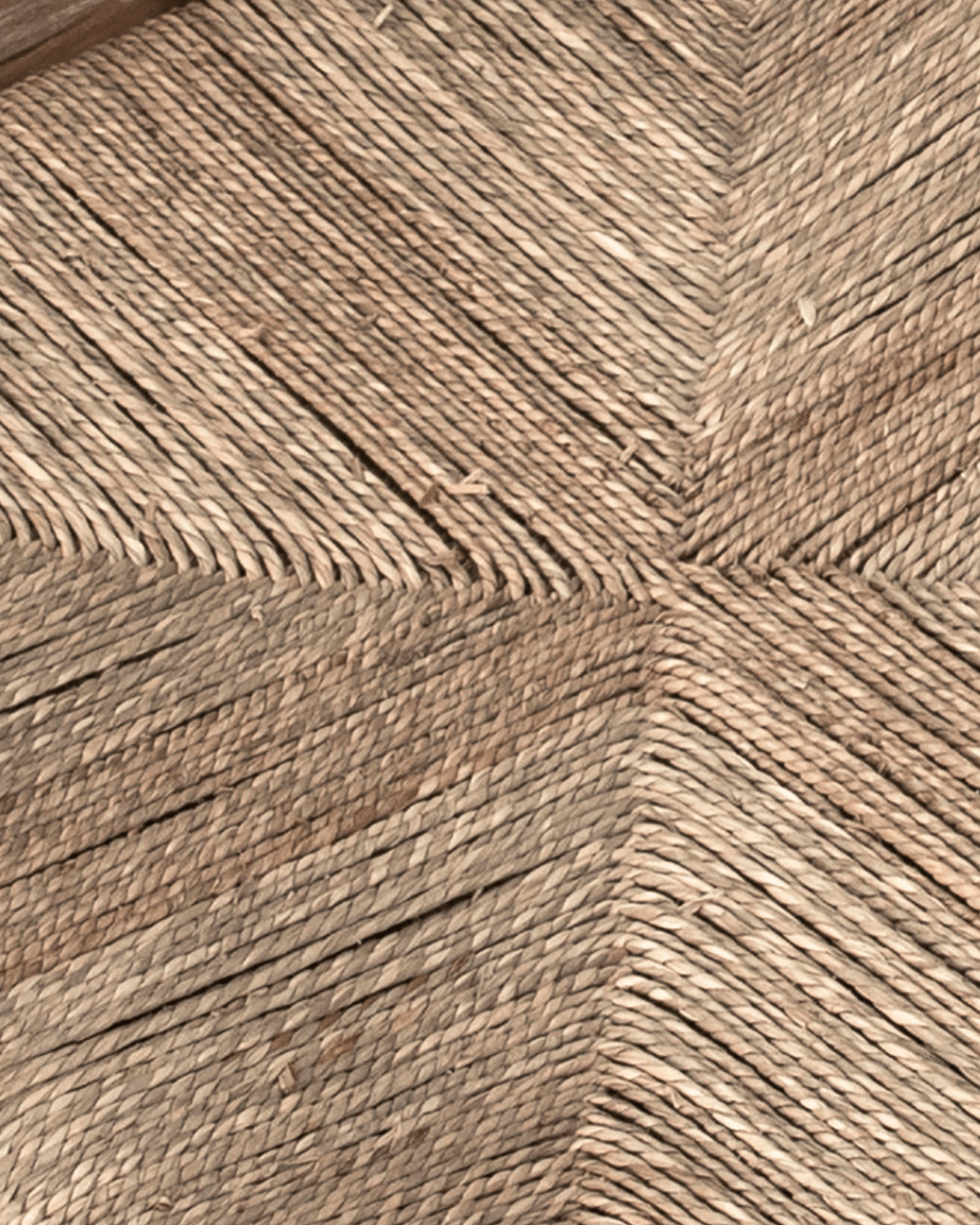
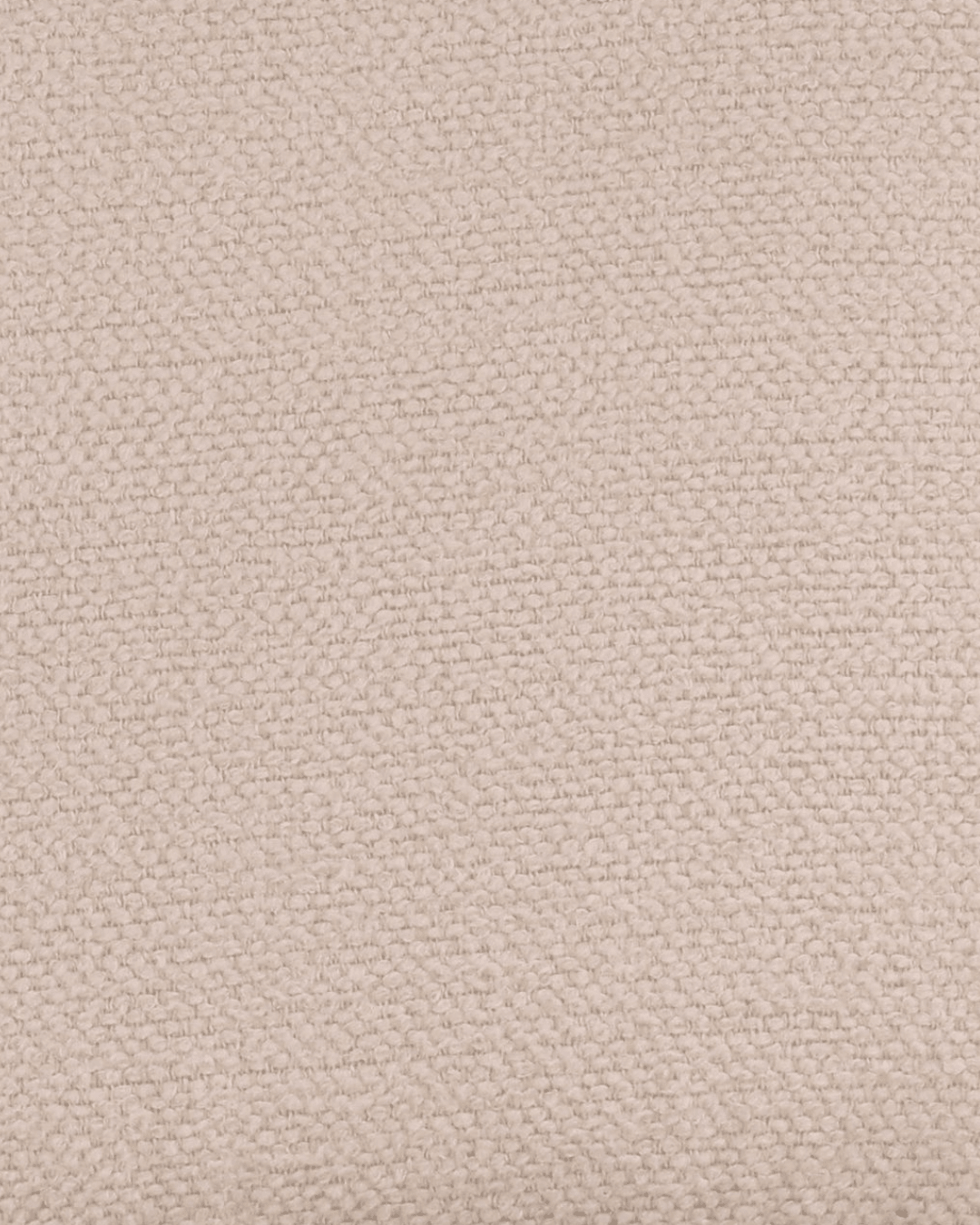
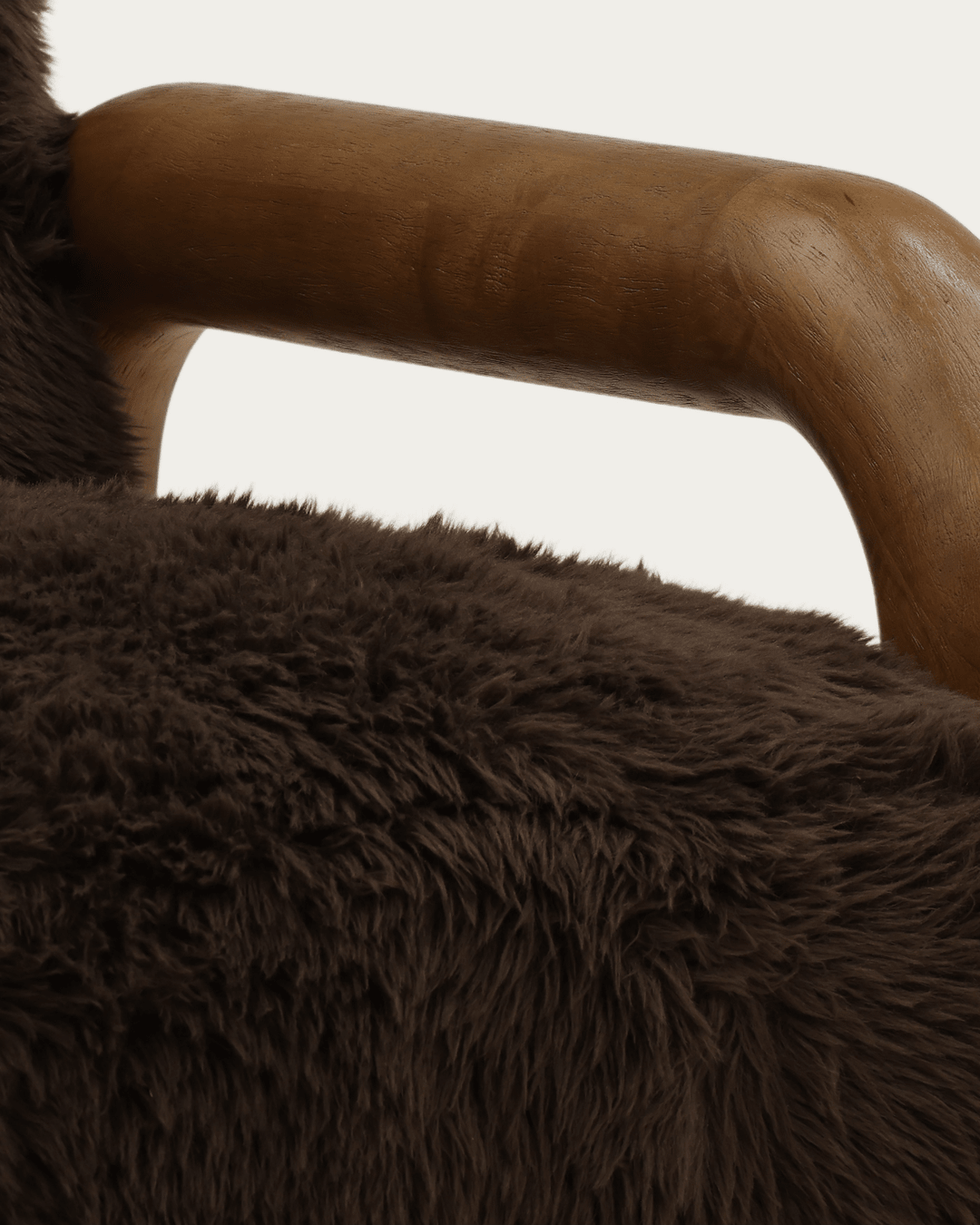
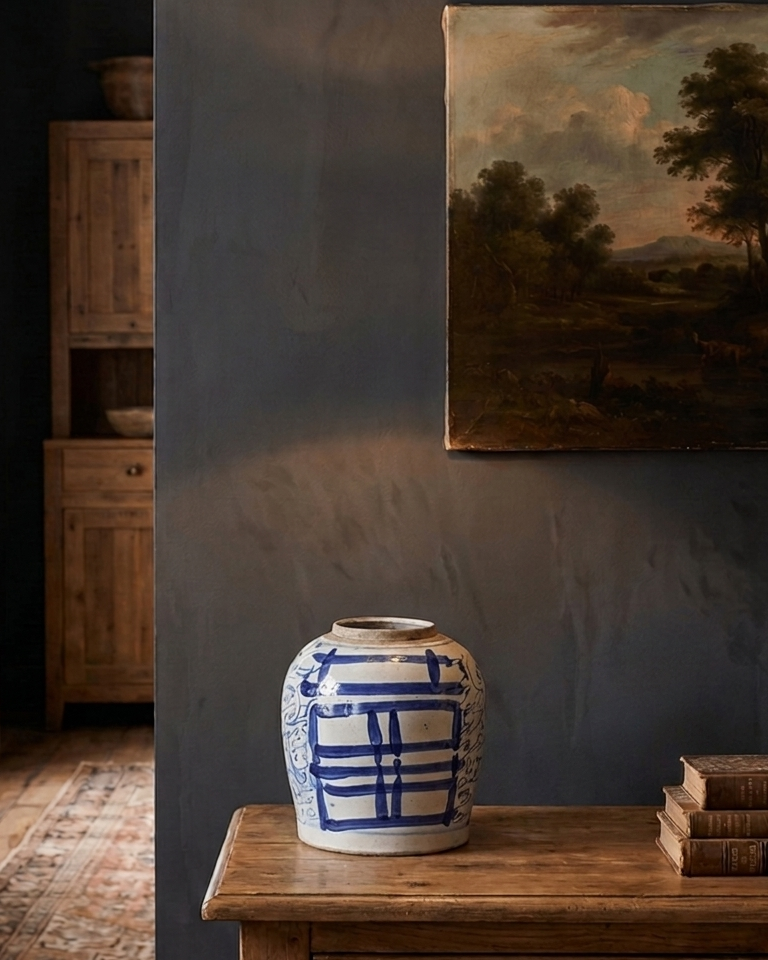
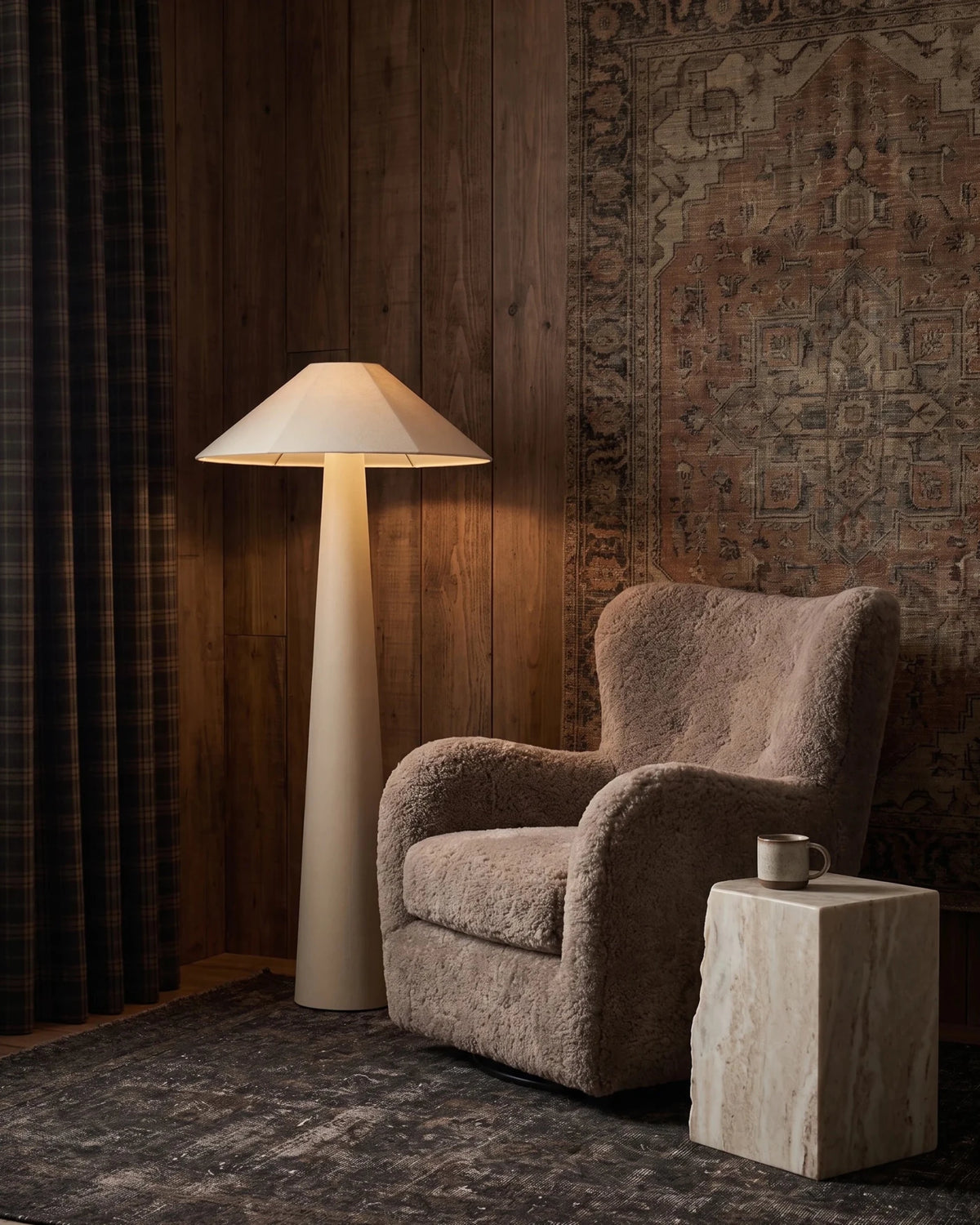
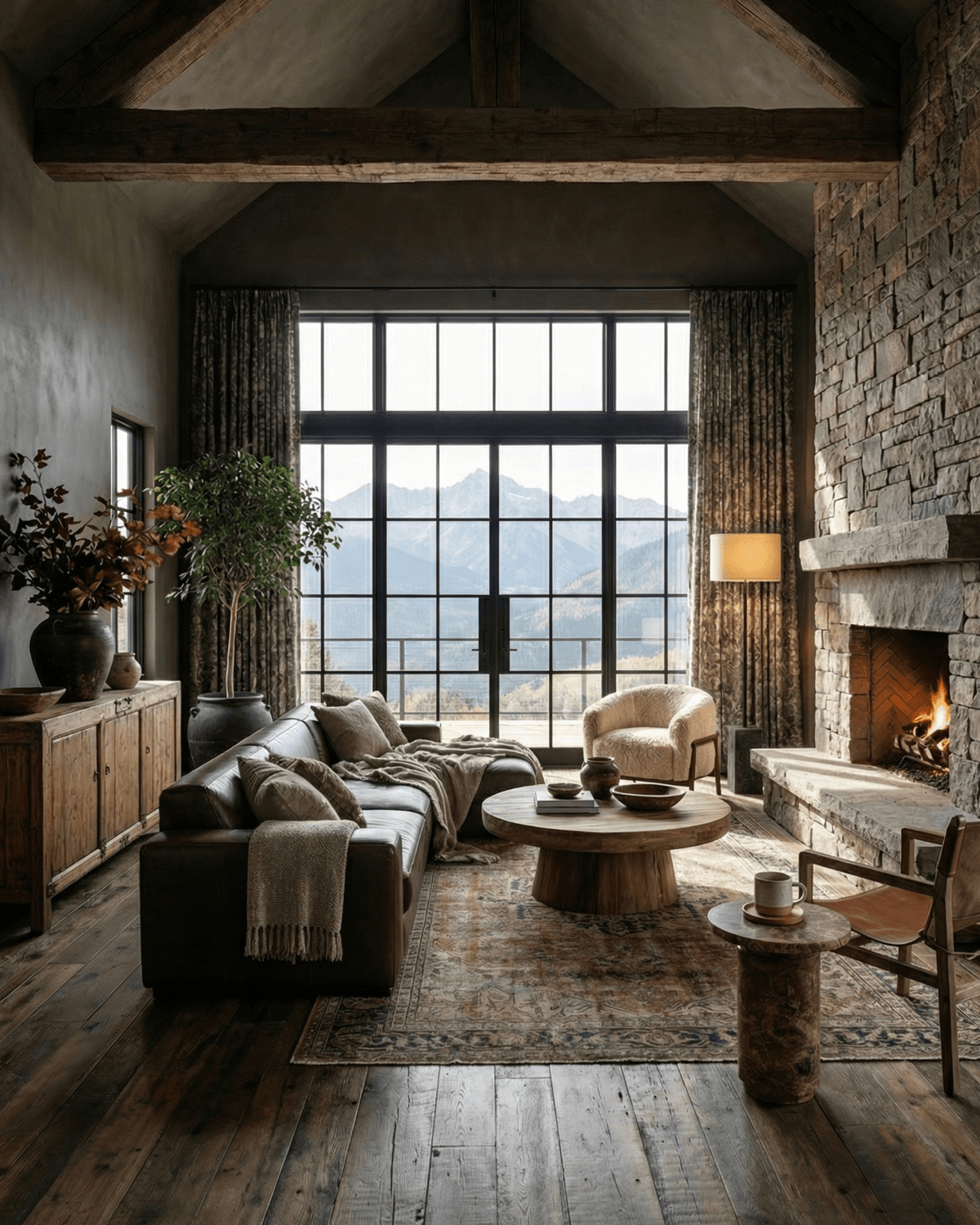
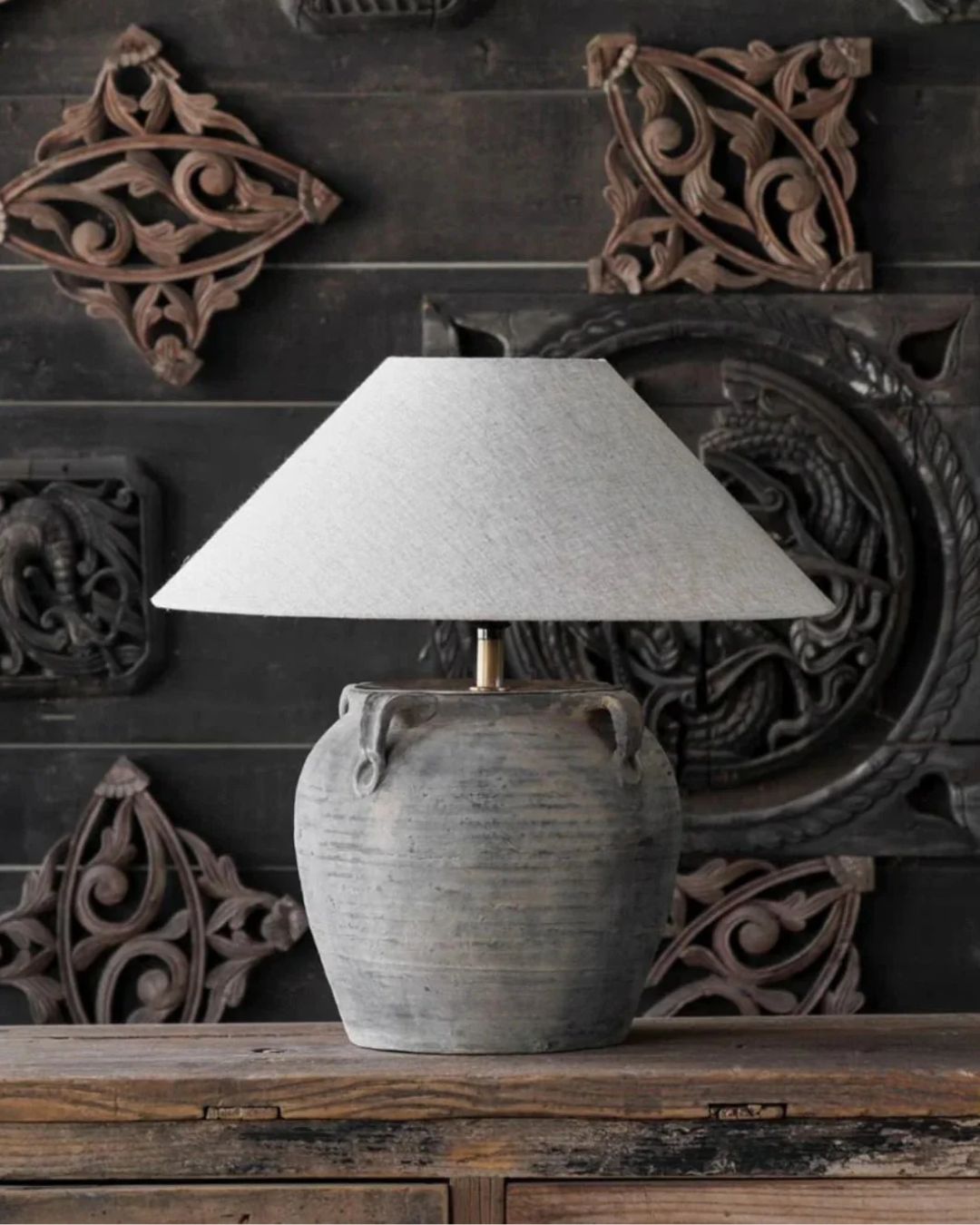
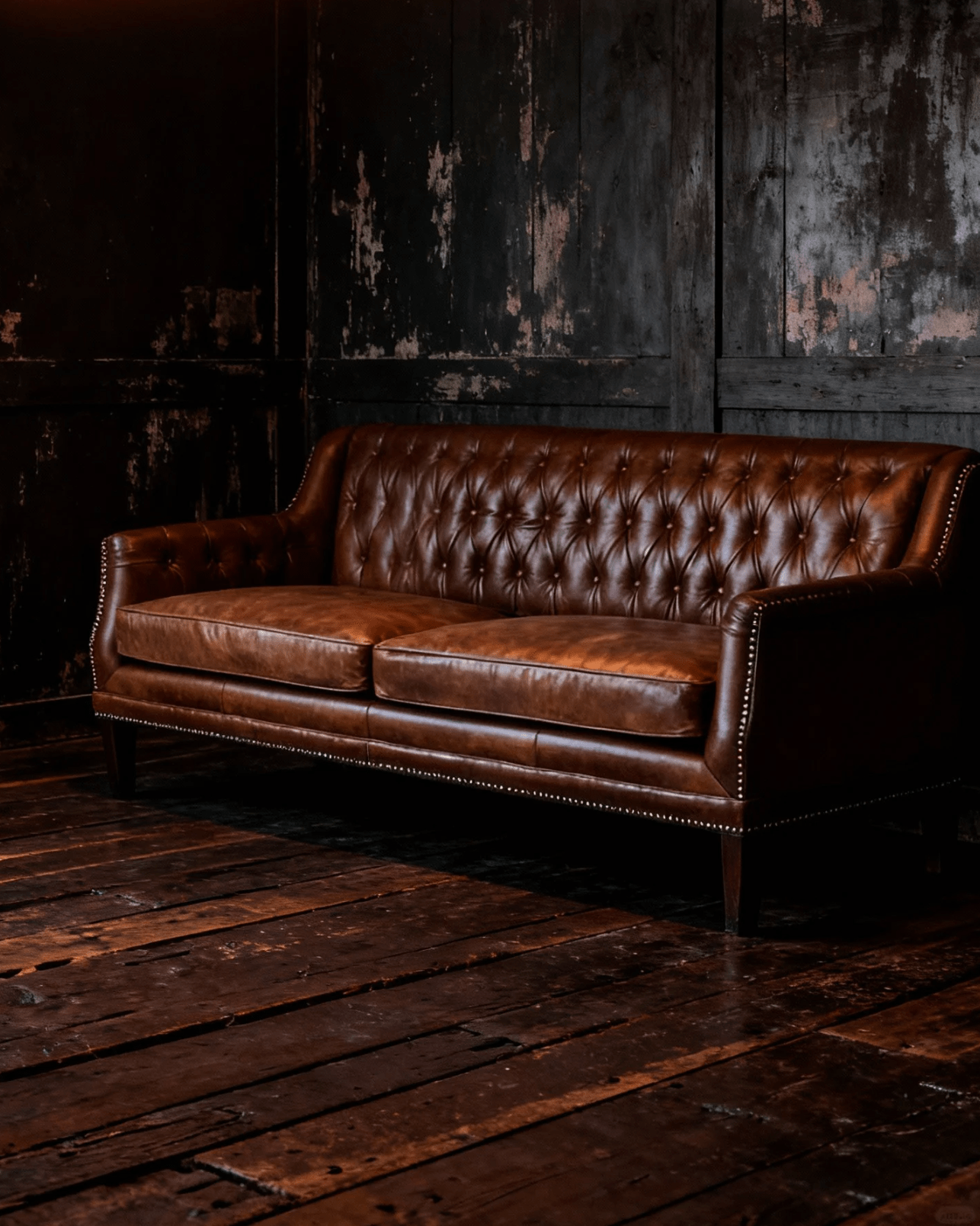
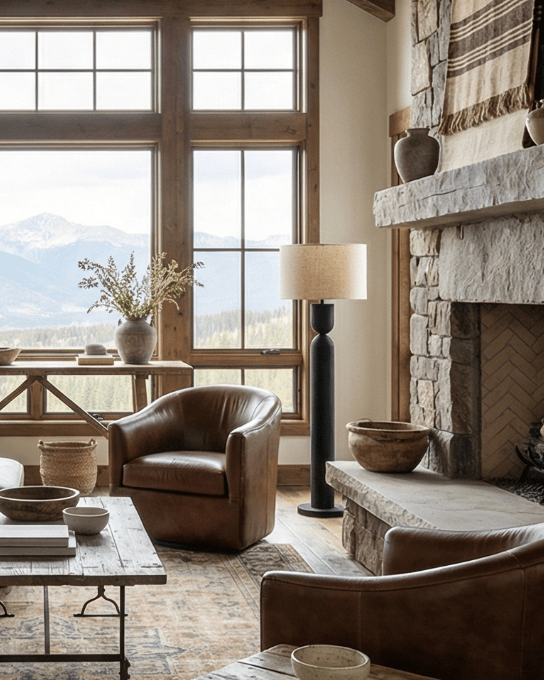
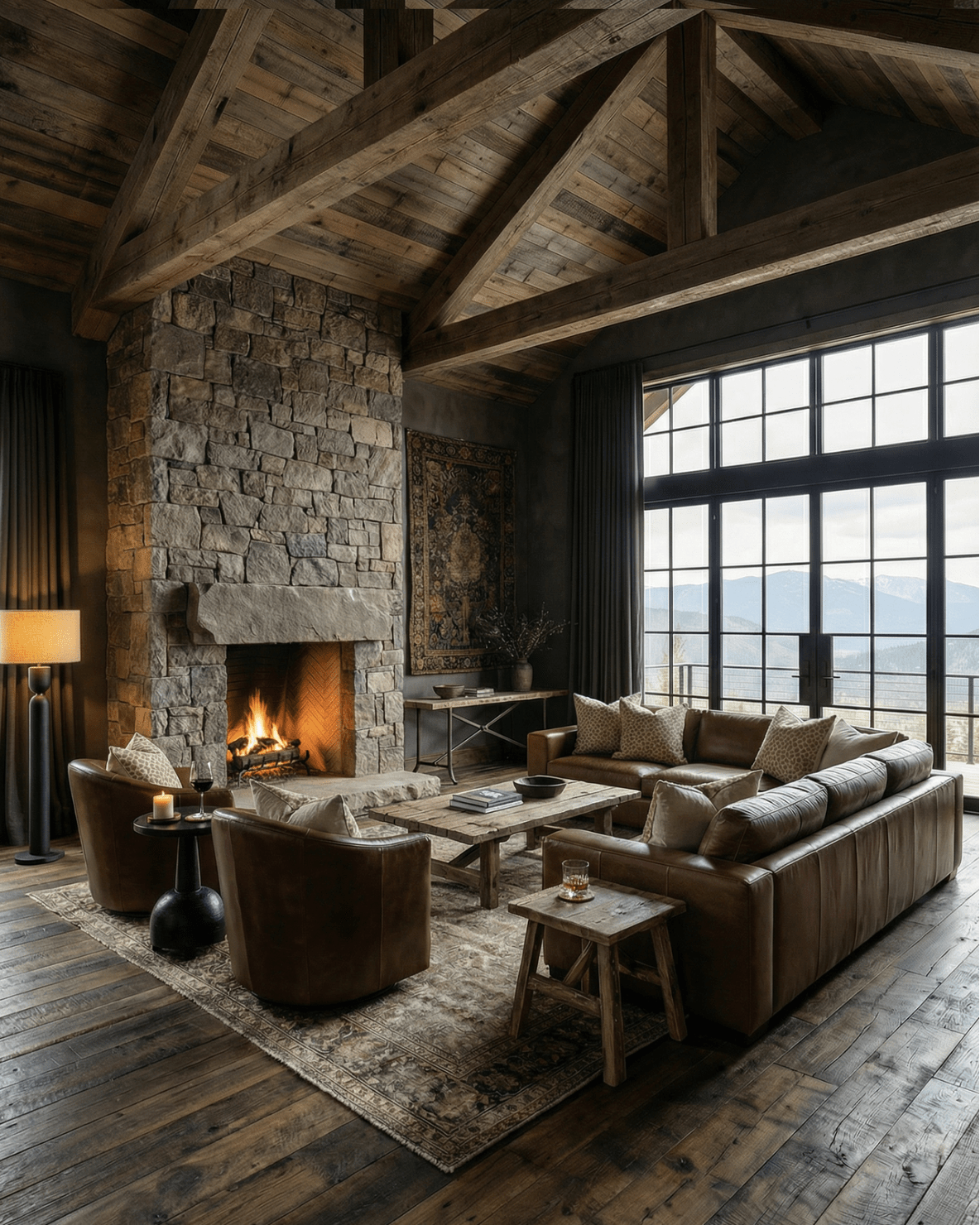
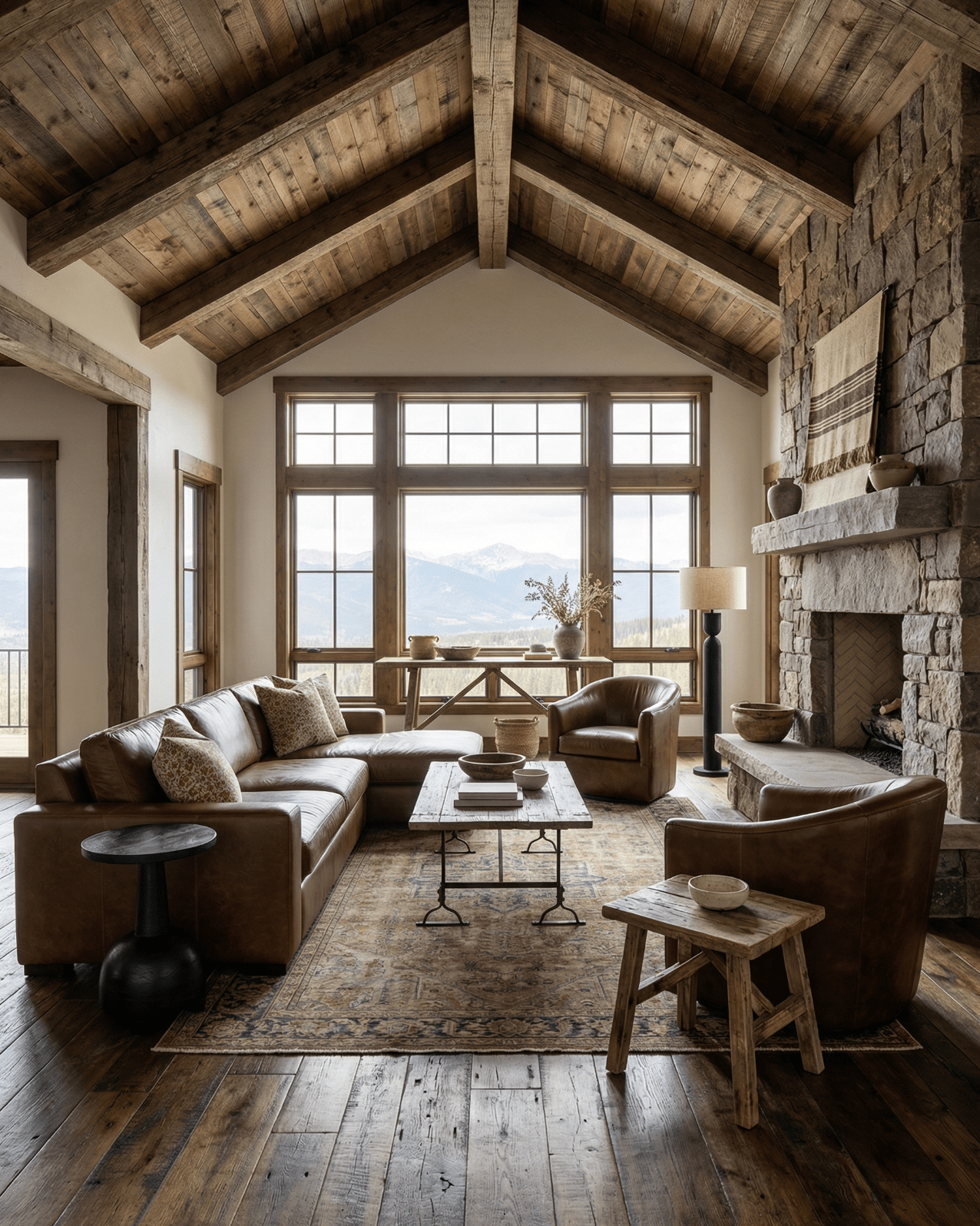
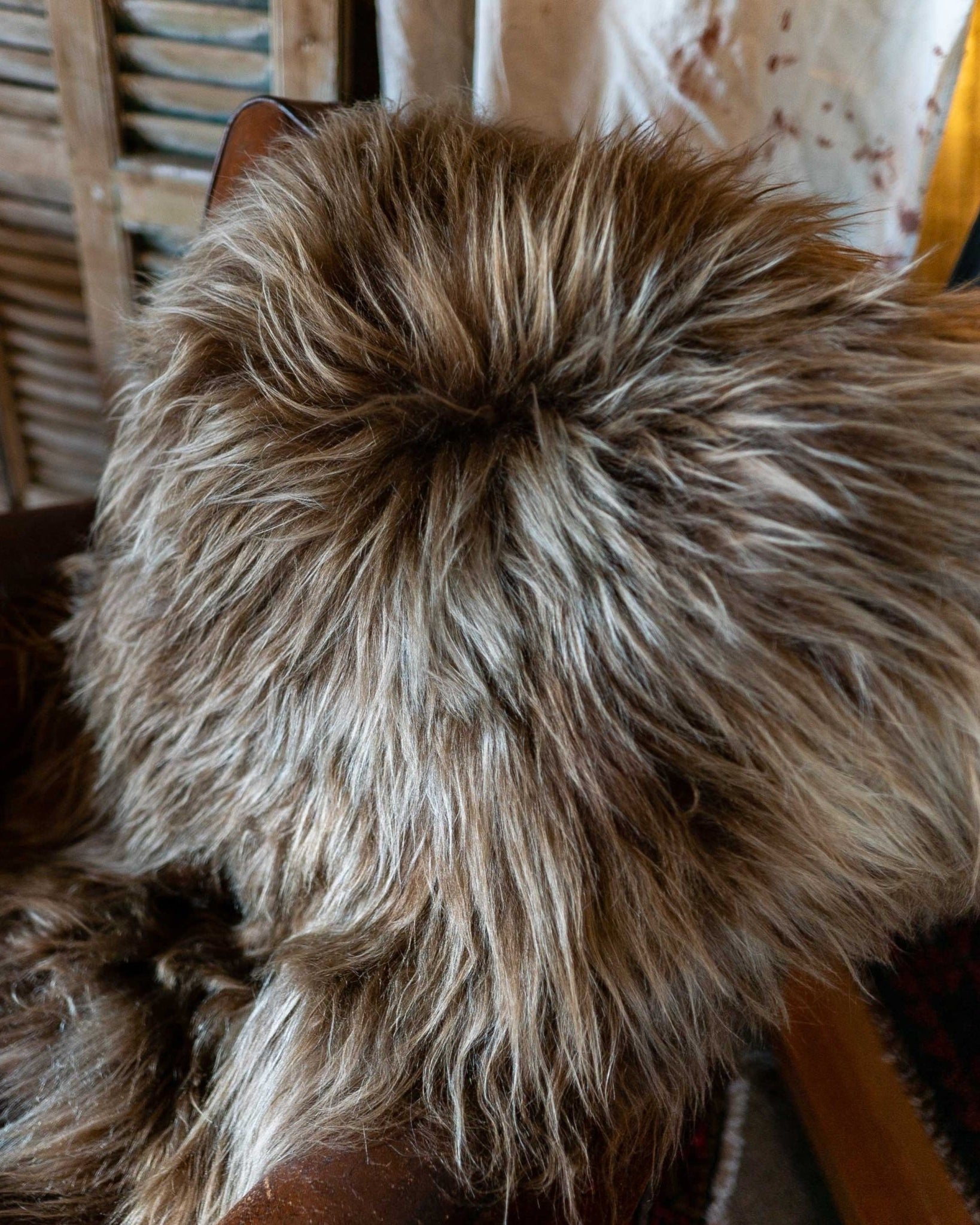
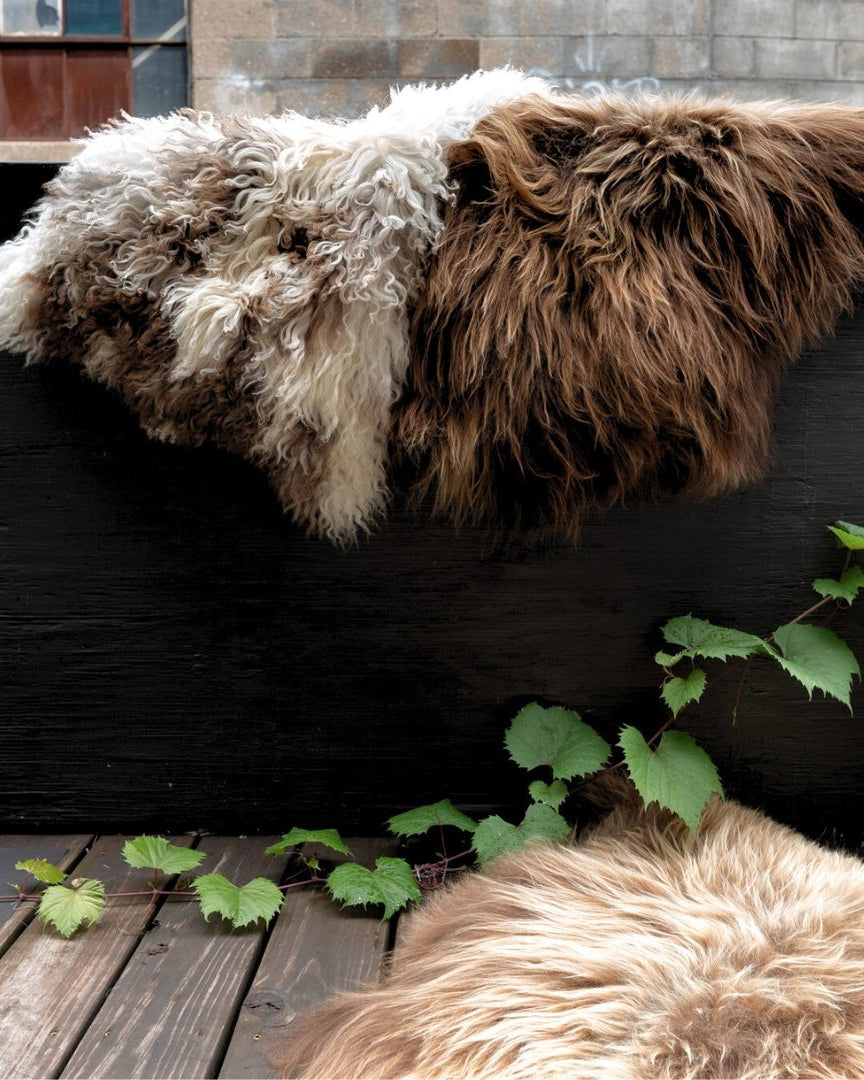
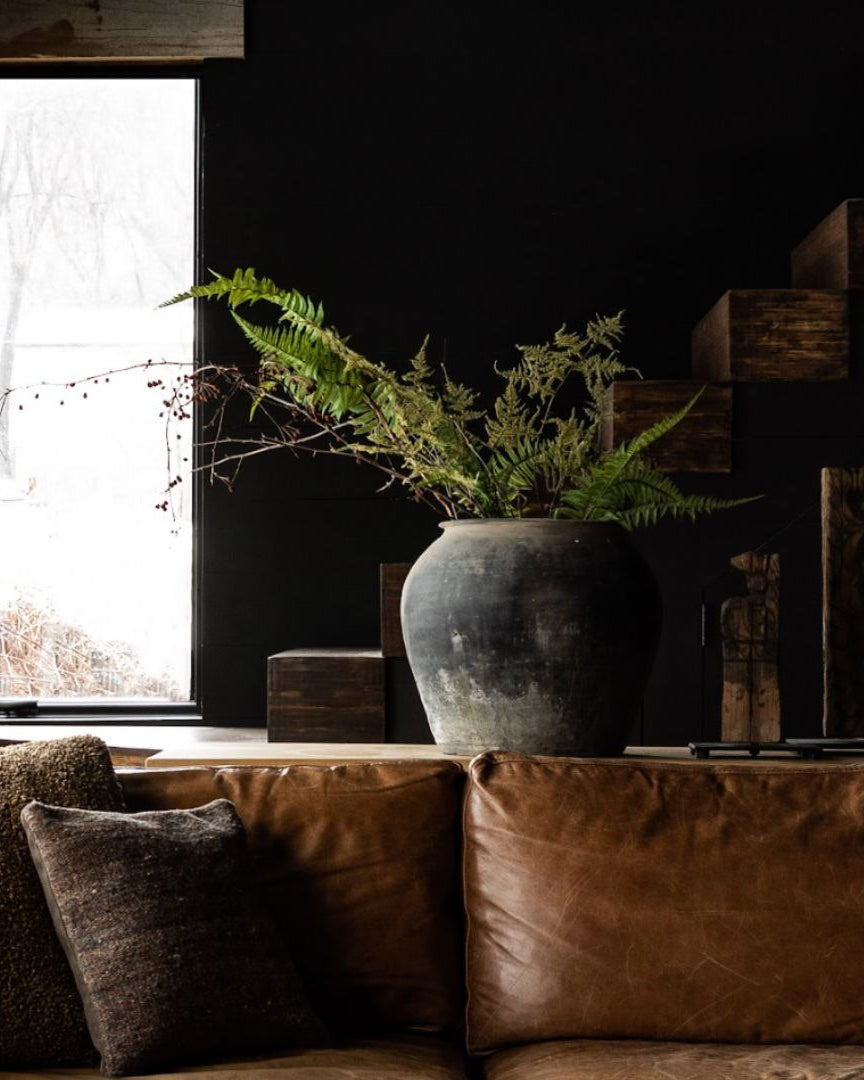
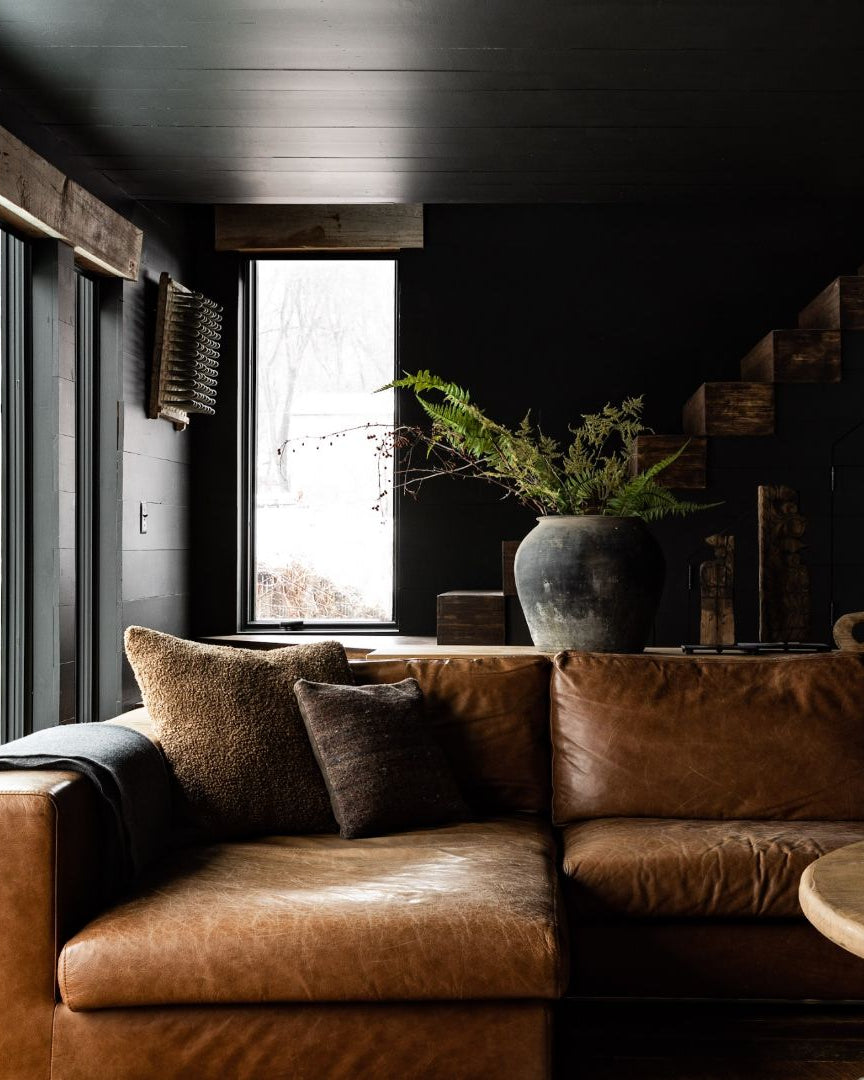
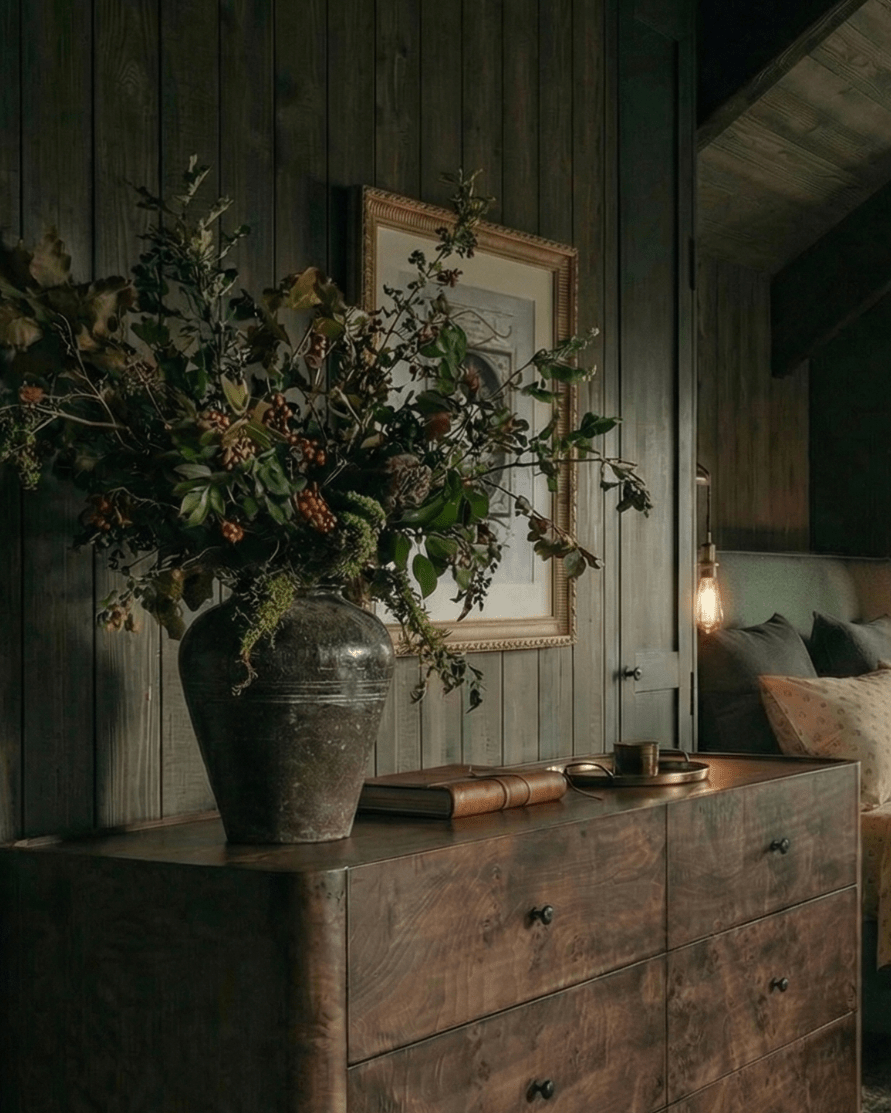
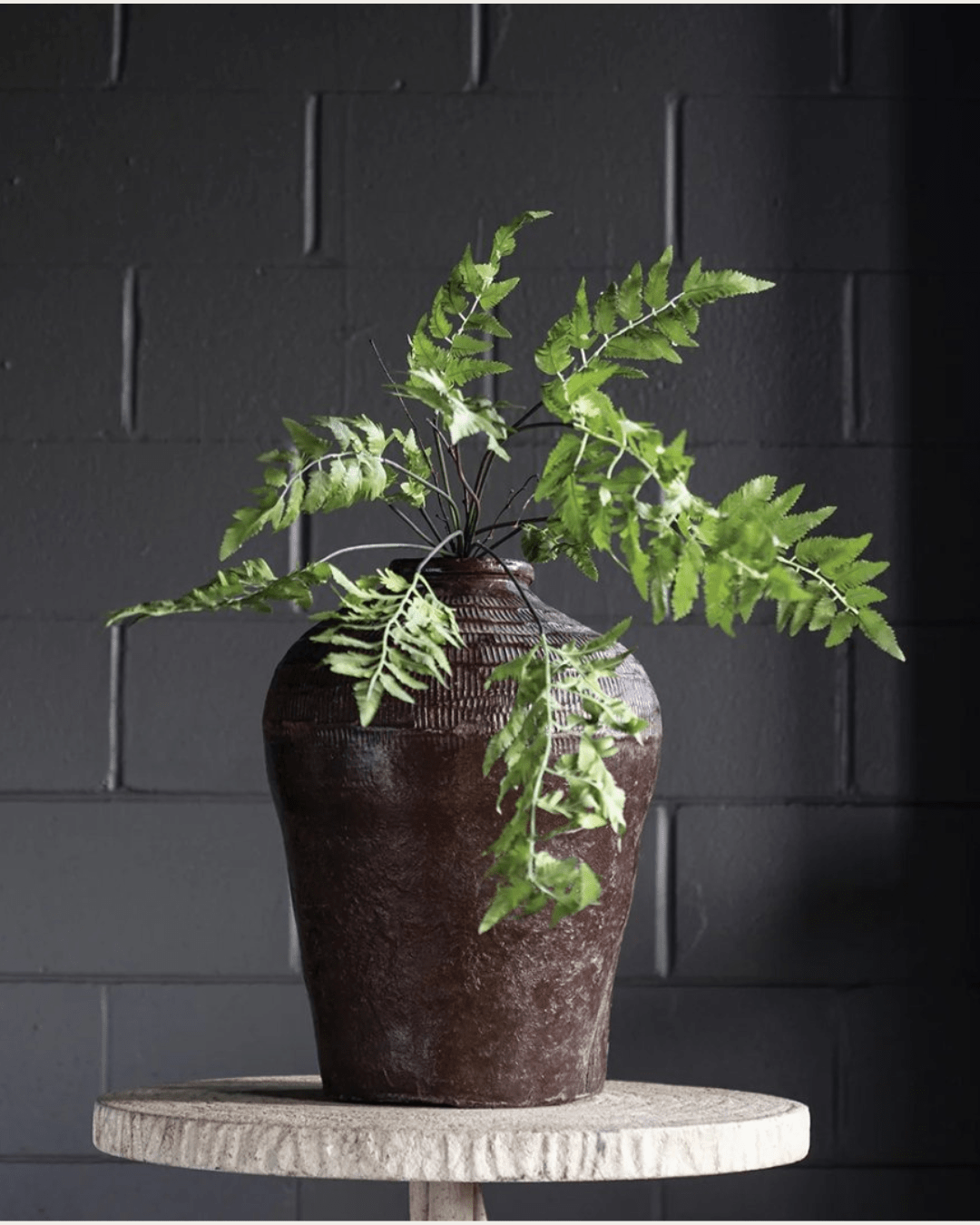
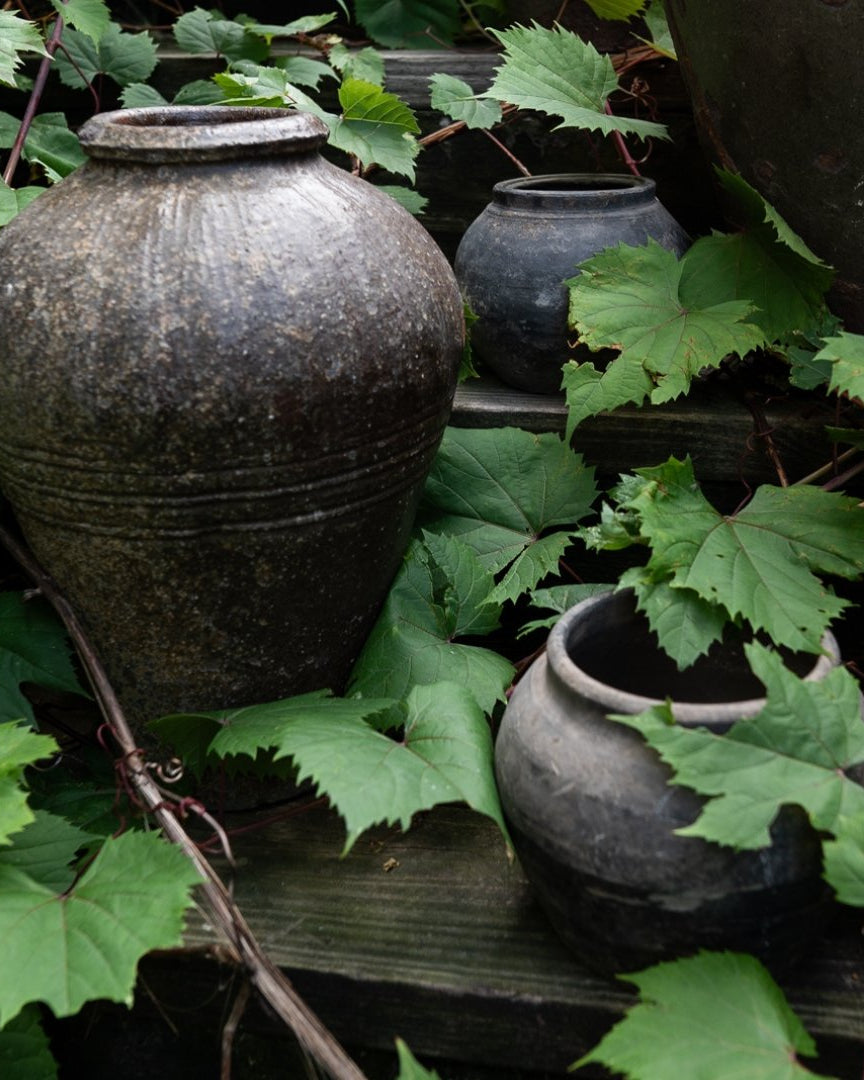
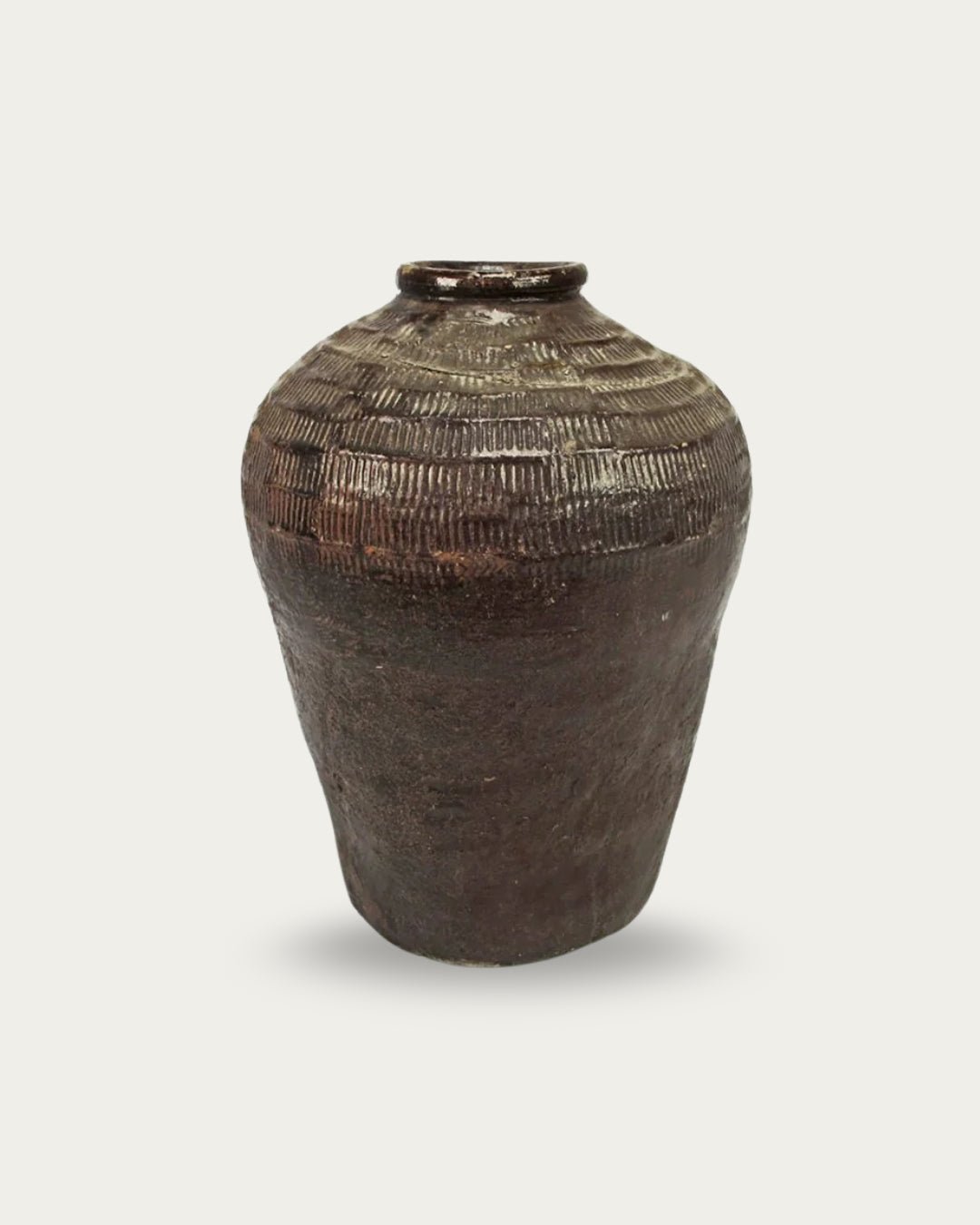
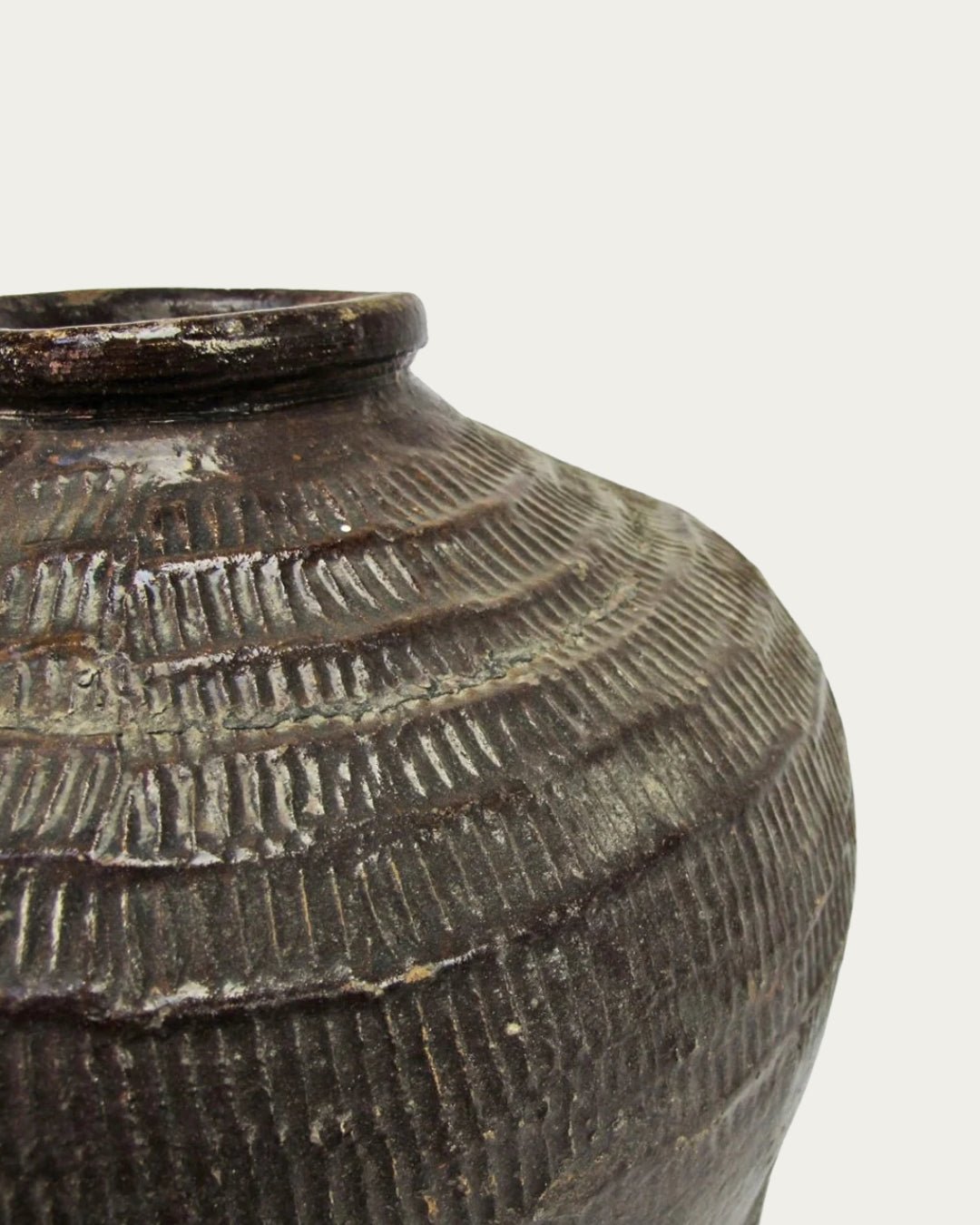
More often than not, the difference comes down to texture. The way light moves across a weathered surface. The subtle variation in a handmade bowl. The worn edge of a wooden object that has existed for decades. Long before we consciously evaluate a room, our nervous system is already responding to these details.
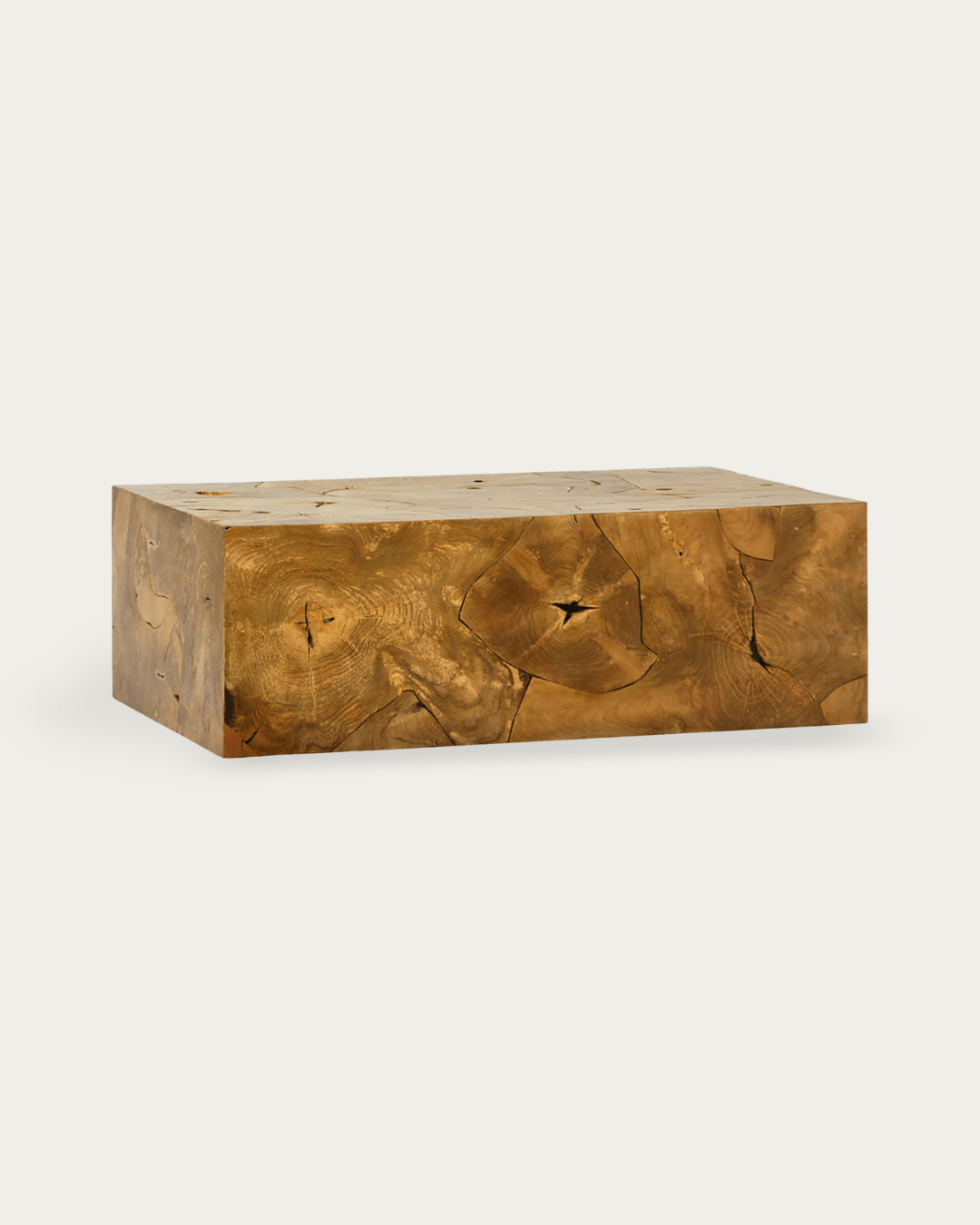
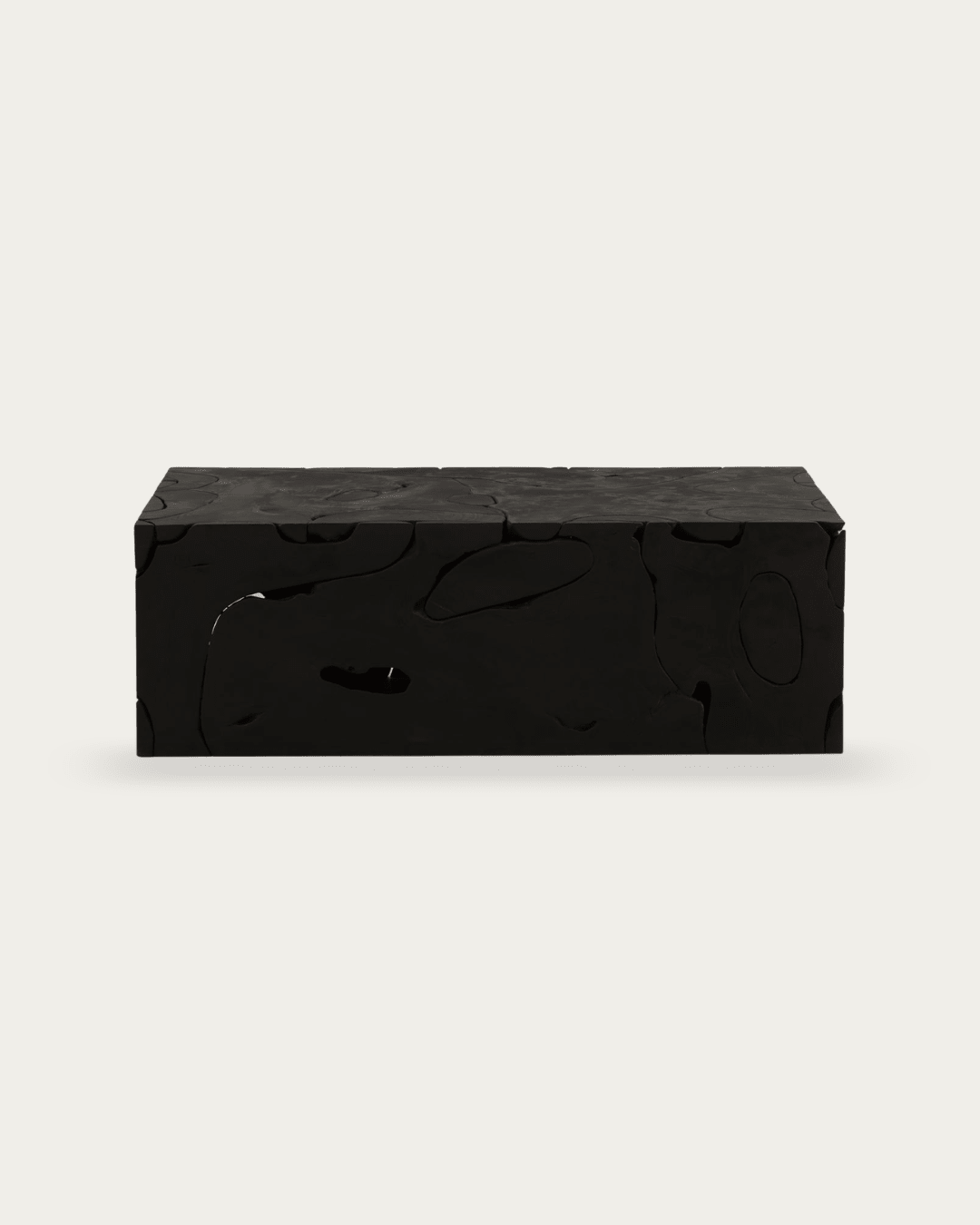
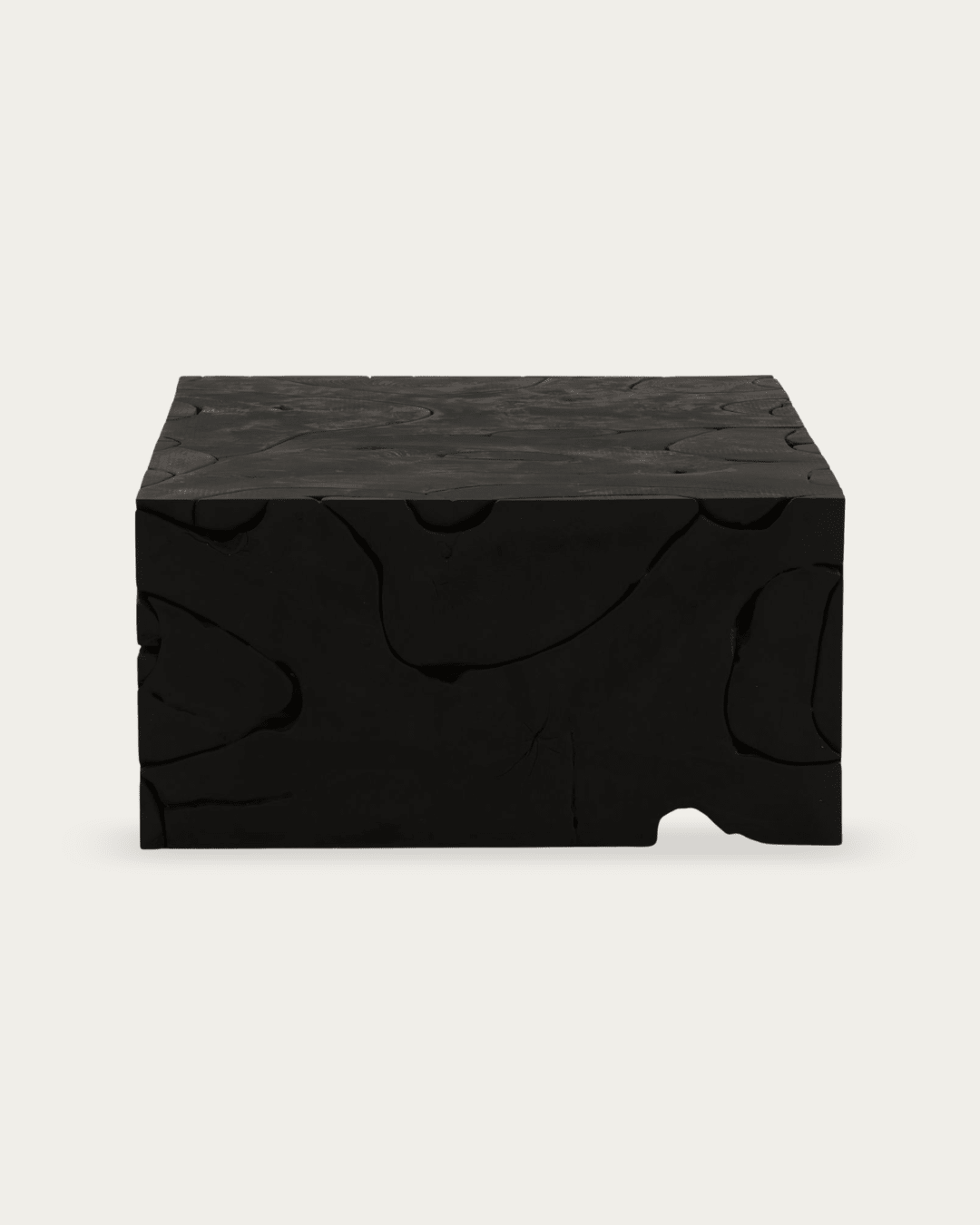
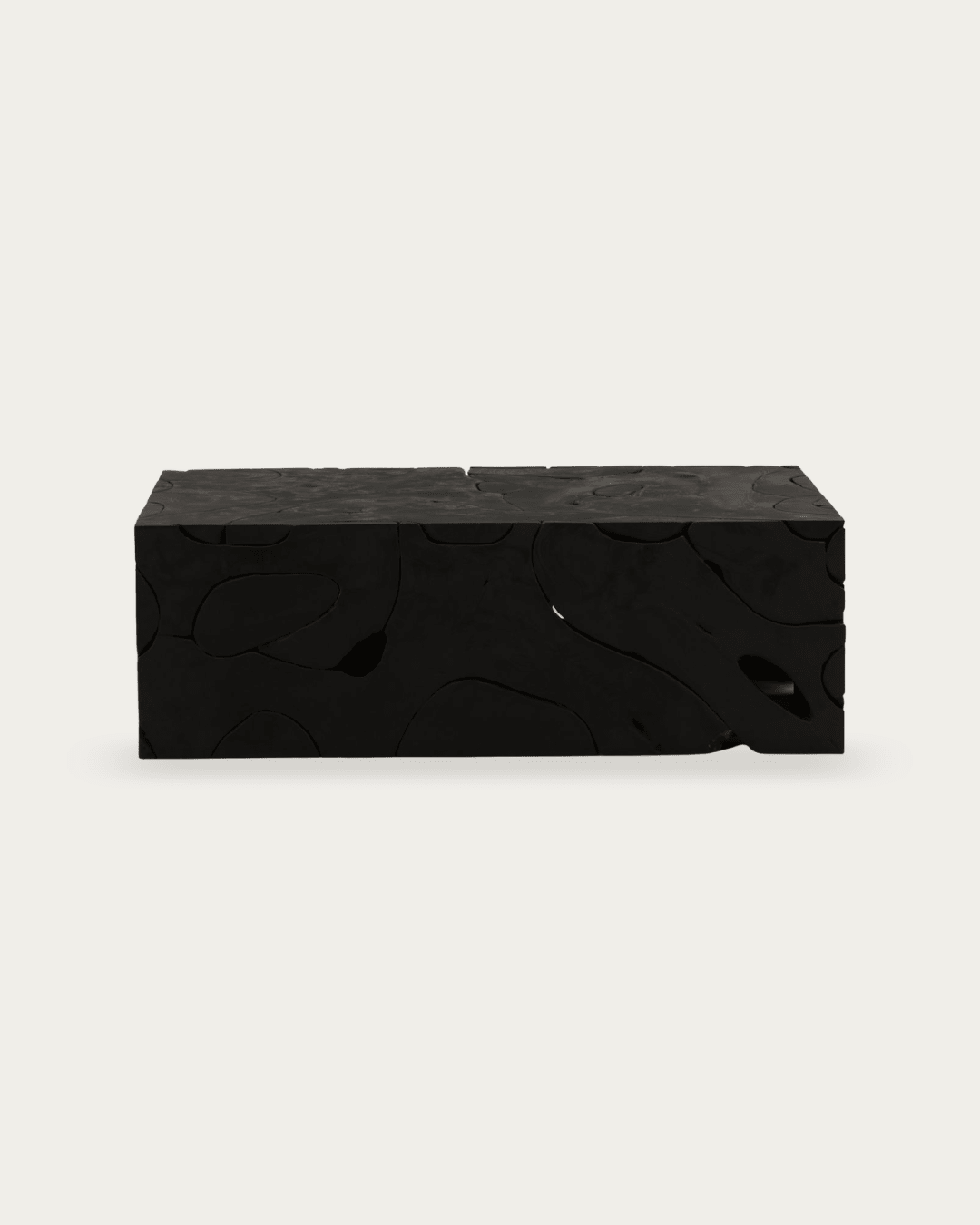
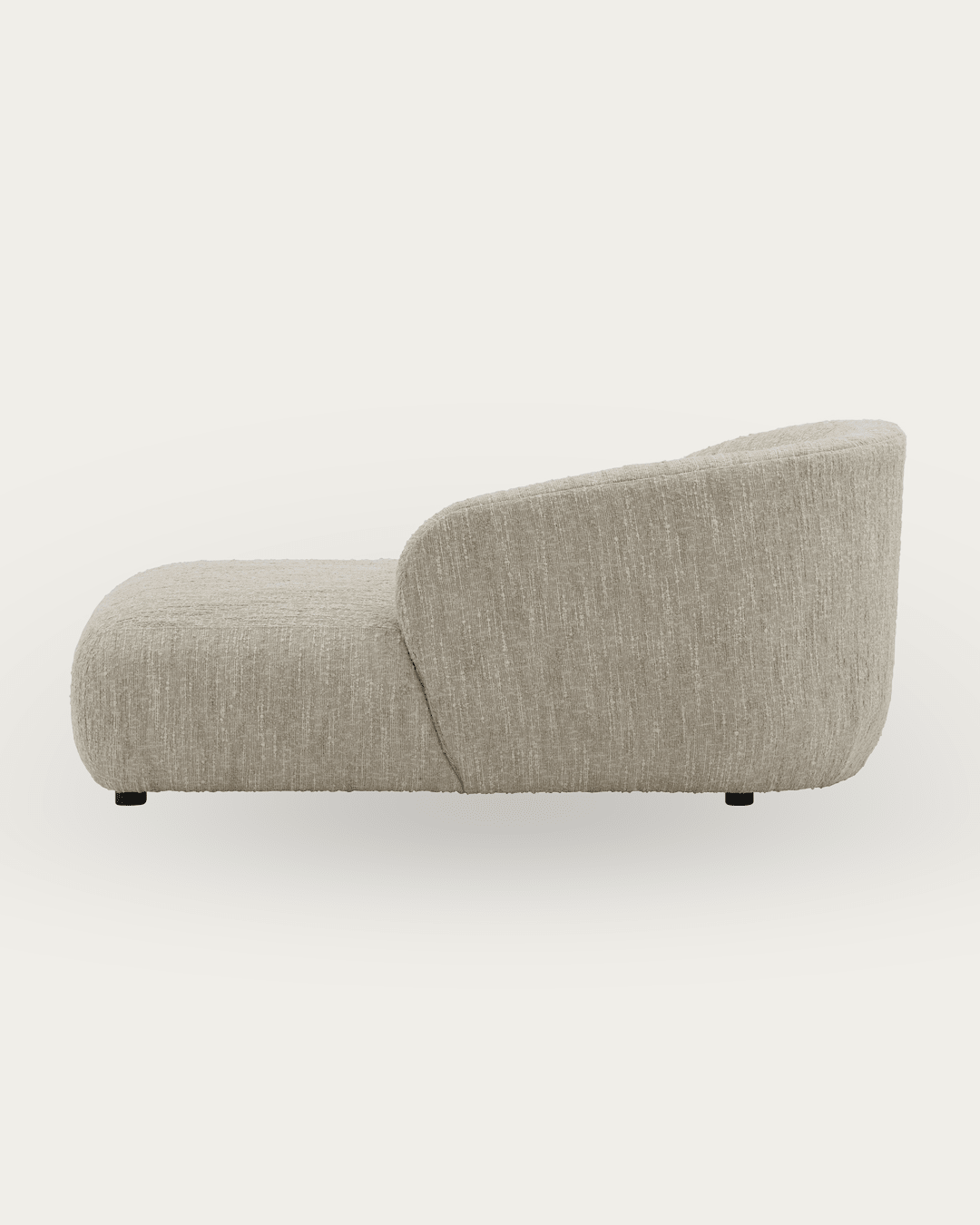
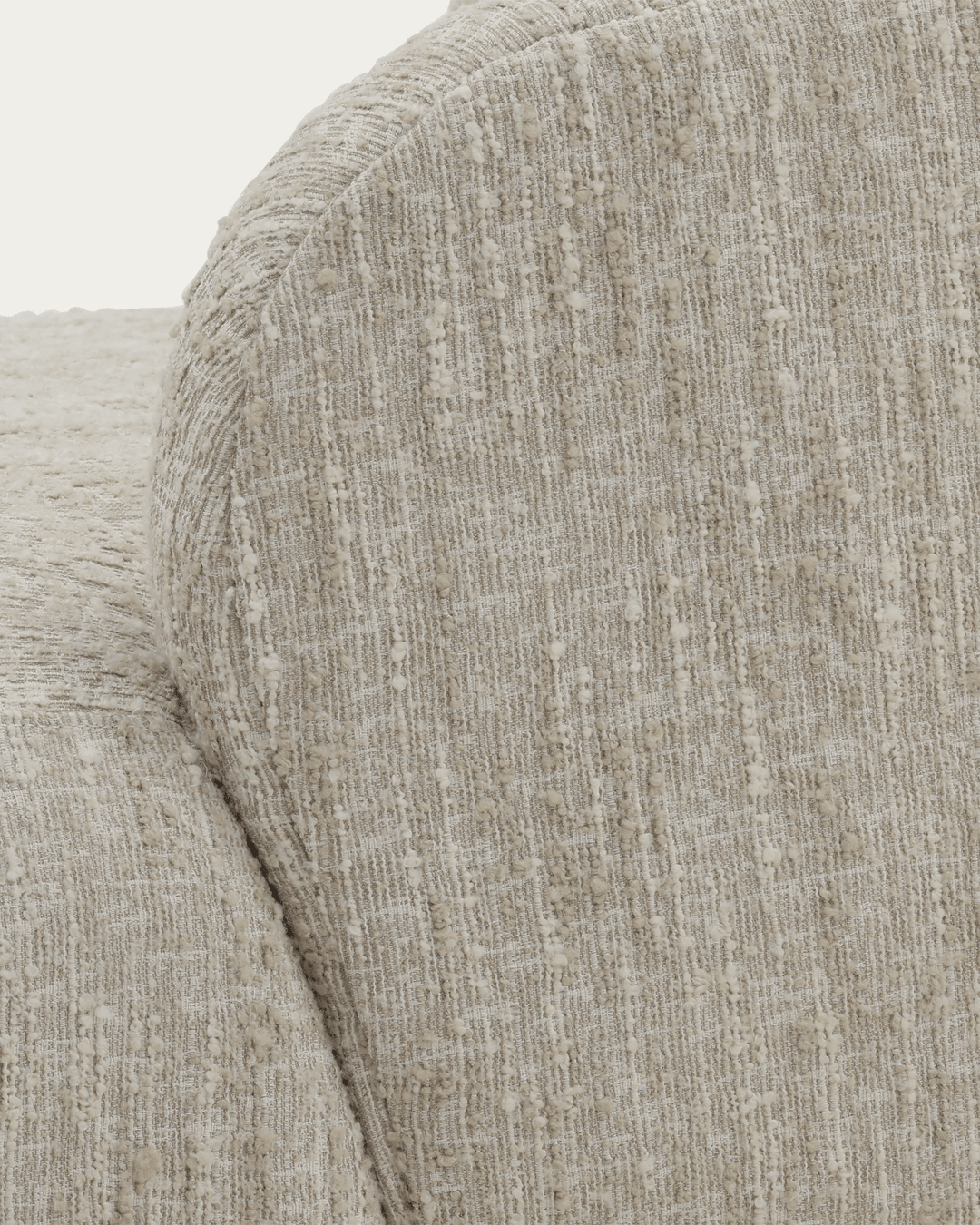
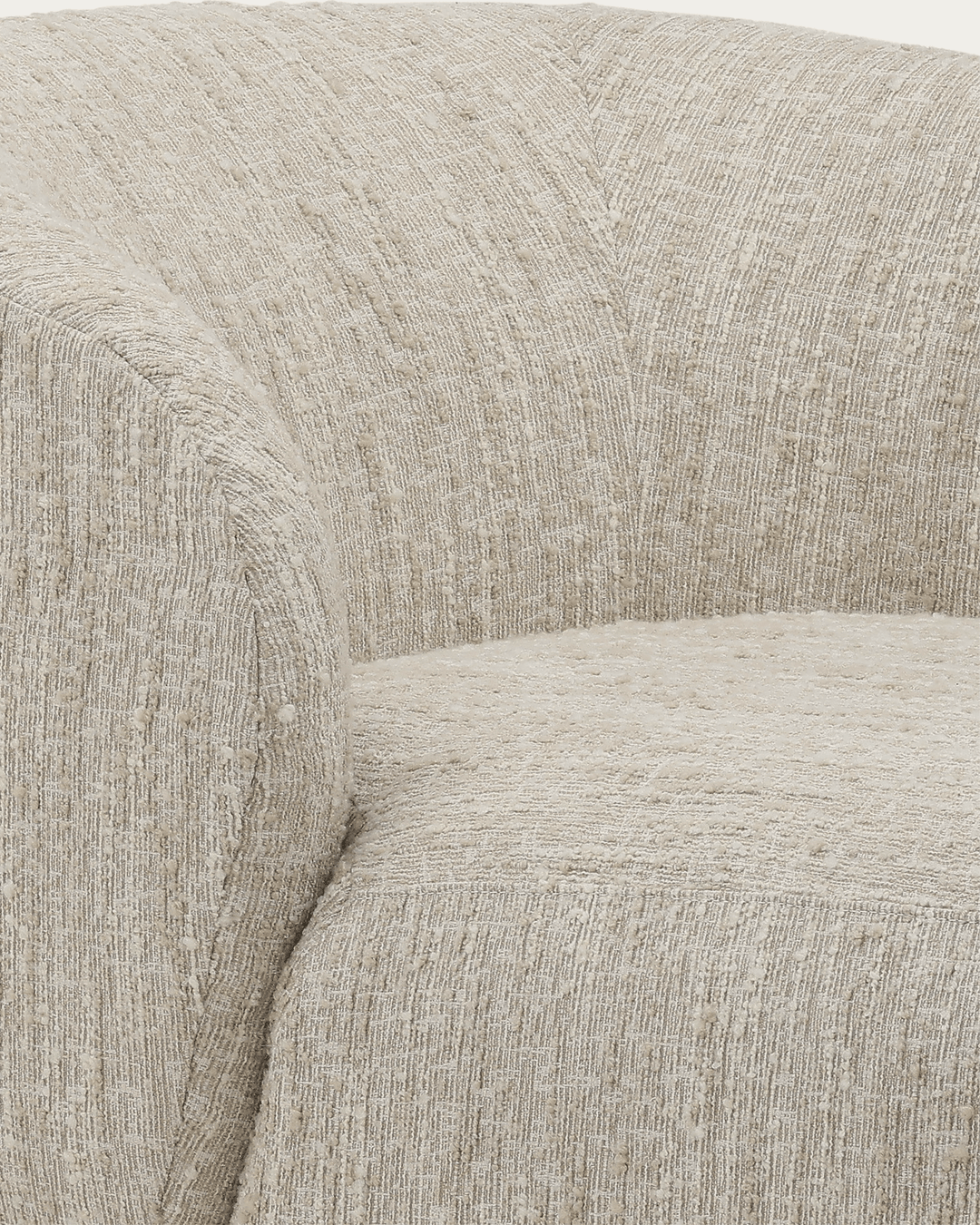
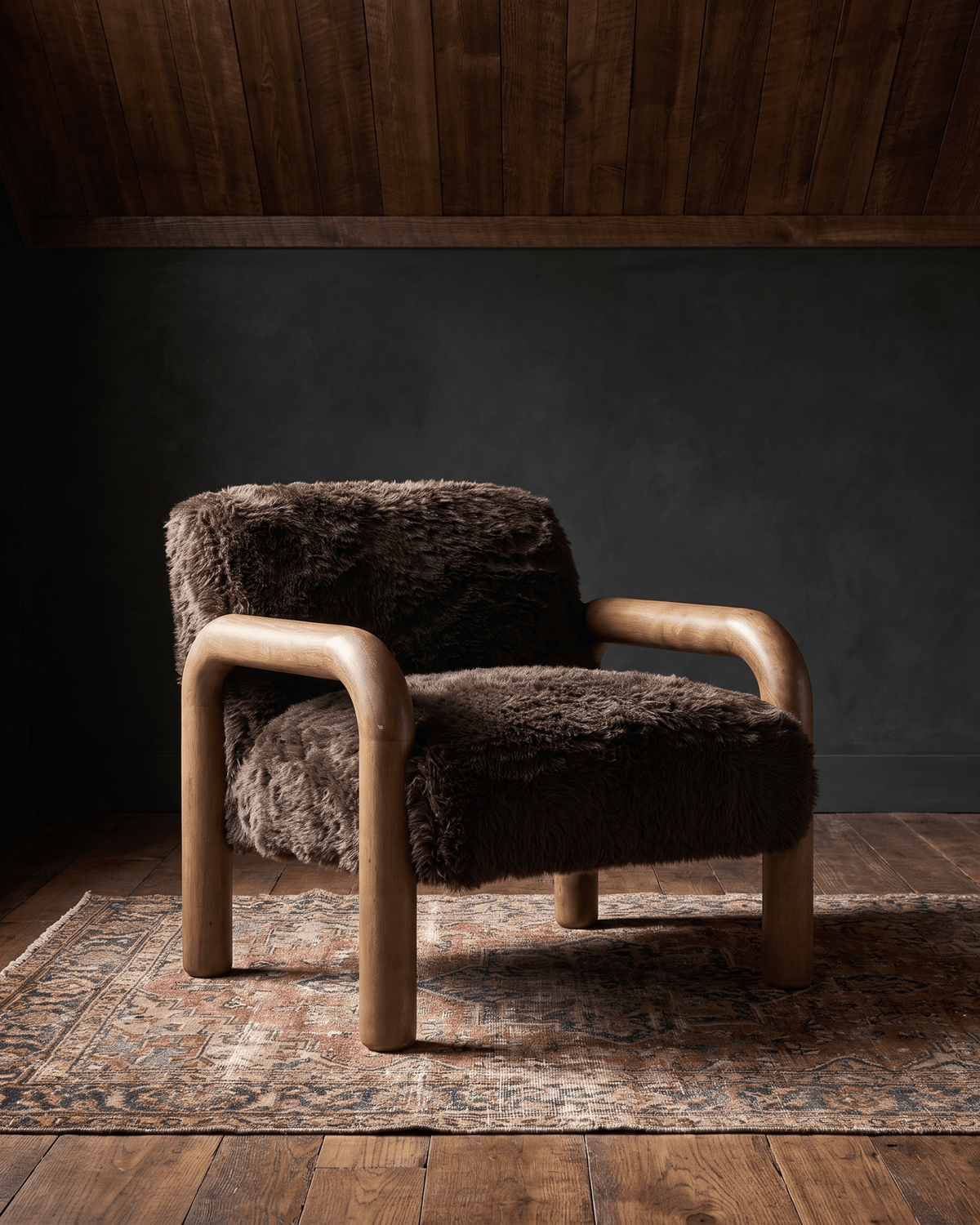
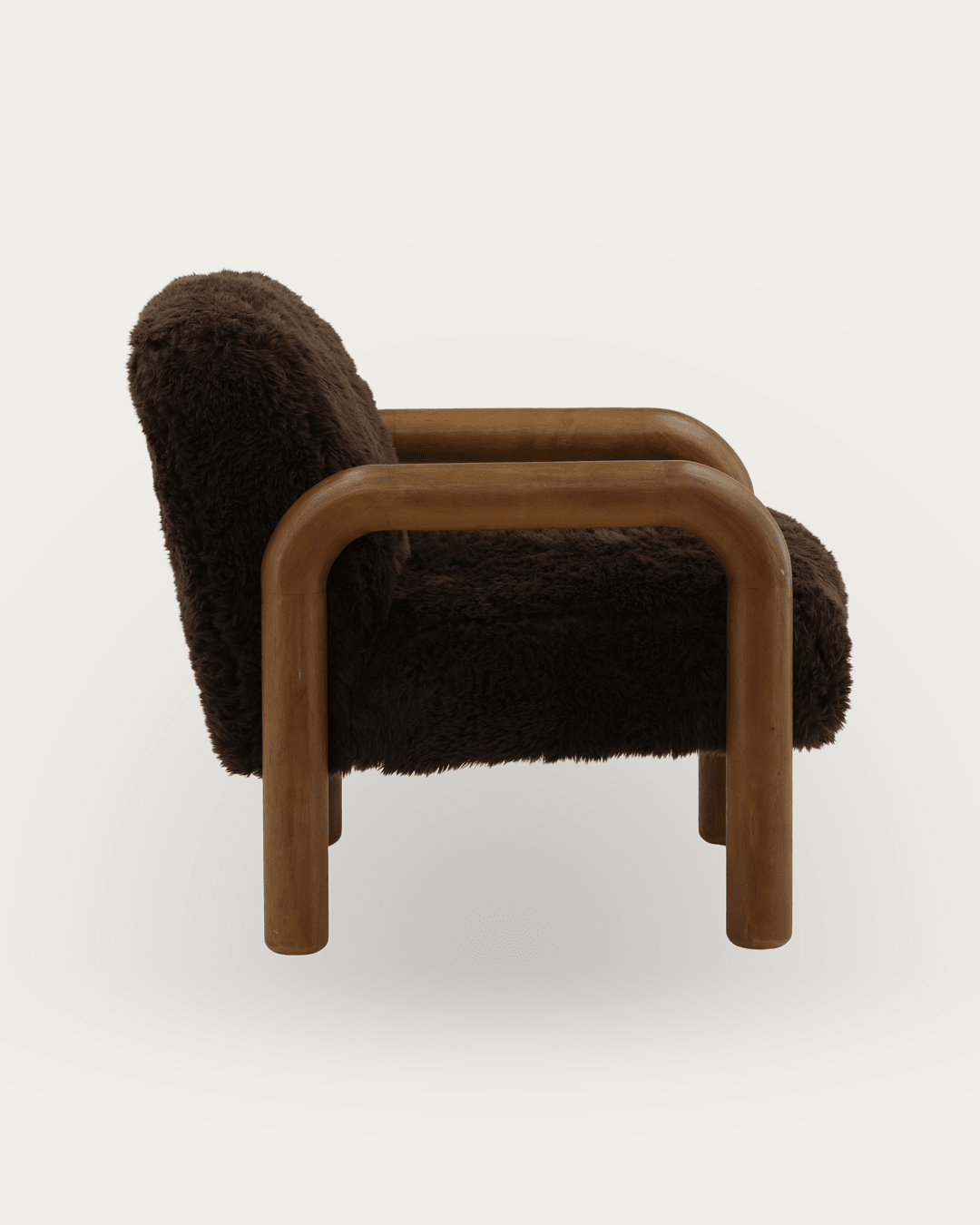
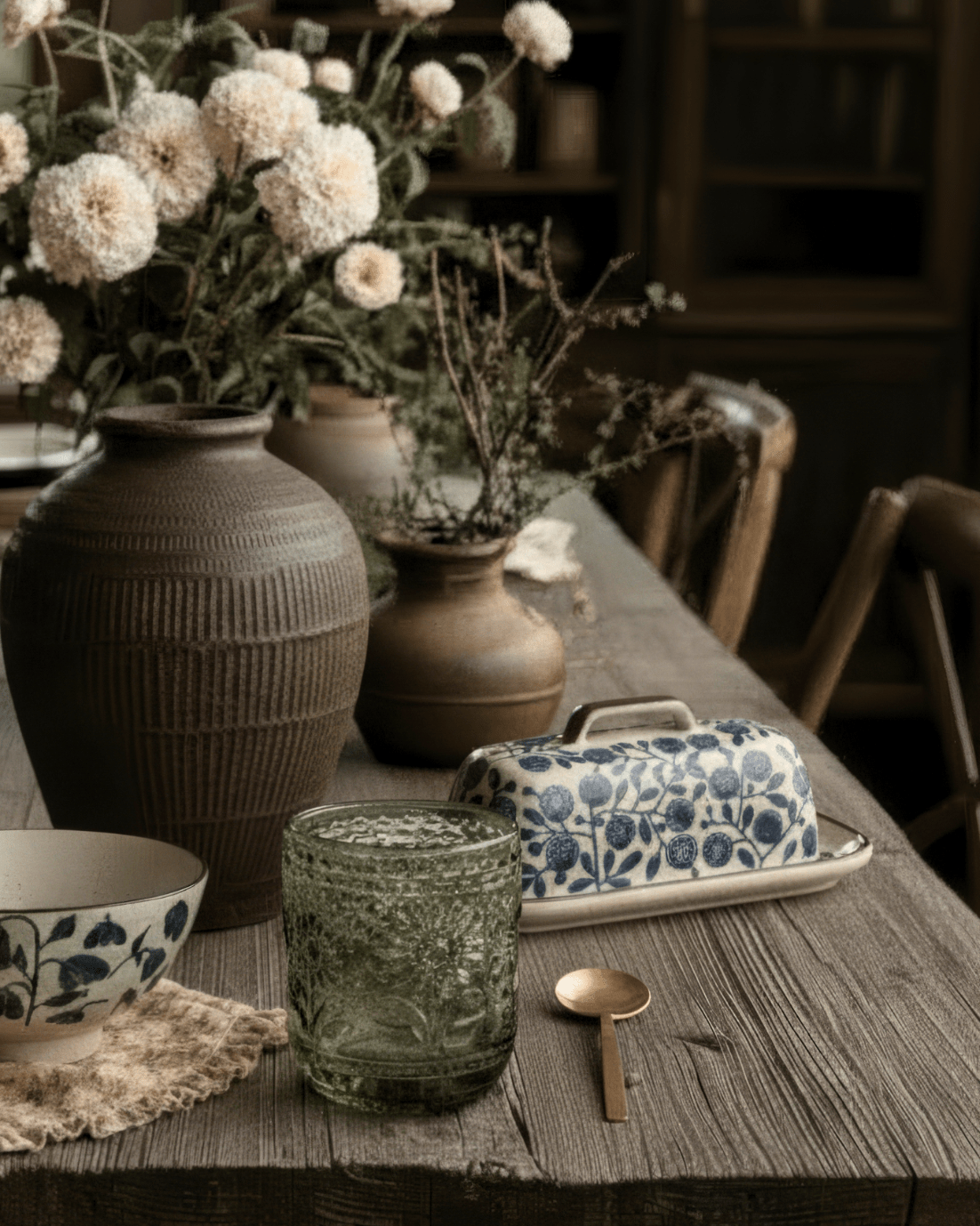
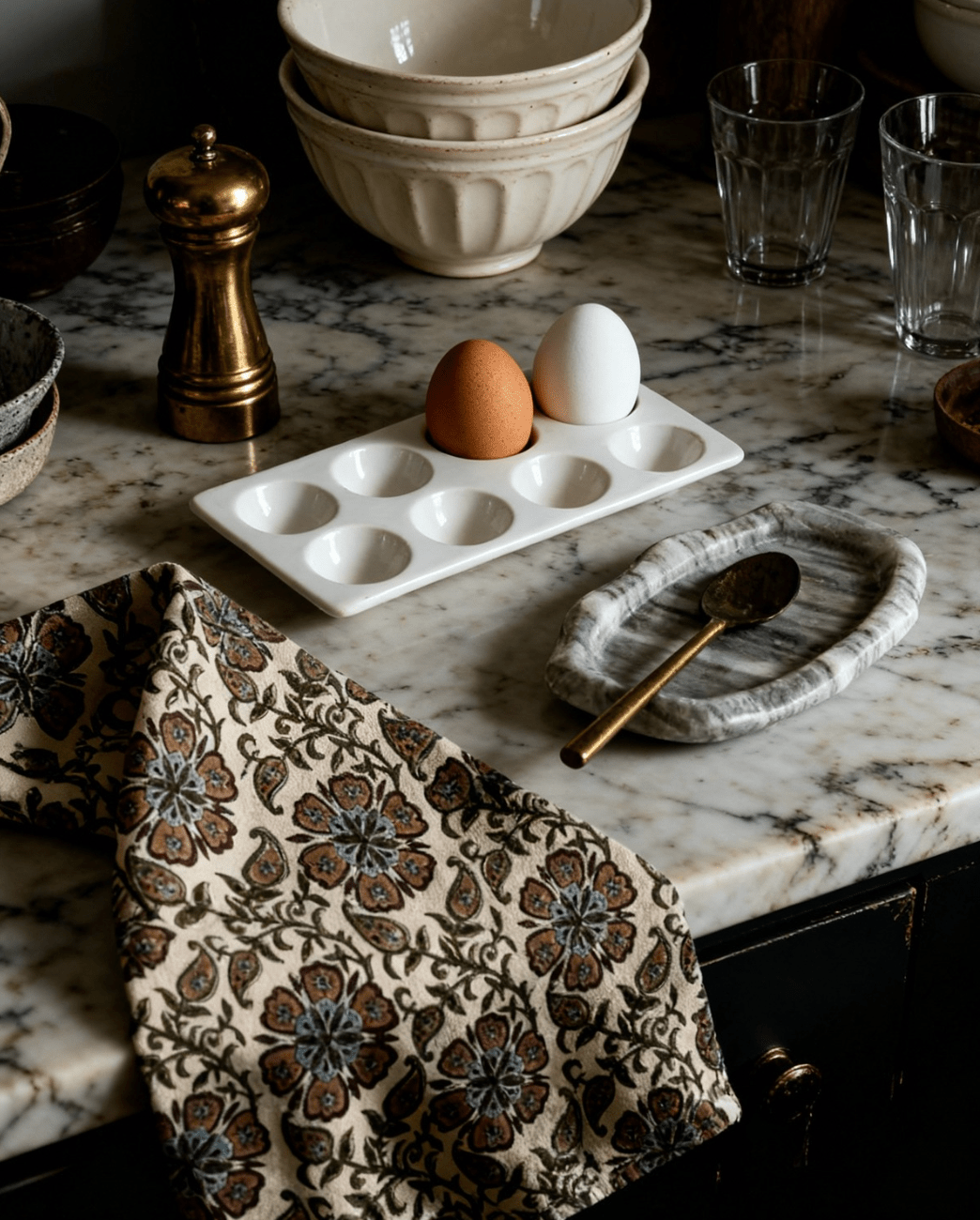
This is one reason vintage home decor continues to resonate so strongly today. While modern interiors often focus on cleaner lines and simplified forms, vintage pieces introduce texture, material depth, and sensory richness that help spaces feel more comfortable to inhabit. The result isn't necessarily a more decorated room. It's a room that feels easier to exist inside.
If you're looking to create a home with more depth, character, and sensory balance, explore Hello Norden's vintage decor collection. Sometimes what a room needs isn't more styling. It's more texture.
Why the Brain Responds to Texture Before Style
Most people think they decorate with their eyes.
The nervous system would disagree.
Before we consciously decide whether we like a room, the brain is already processing information about materials, surfaces, shapes, contrast, and texture. These signals help determine whether an environment feels comfortable, stimulating, stressful, or calming.
Humans evolved in environments filled with natural variation.
Stone.
Wood.
Clay.
Weathered surfaces.
Nothing was perfectly smooth. Nothing was perfectly uniform.
That history matters.
Modern interiors filled entirely with flawless surfaces can sometimes feel visually sterile because they lack the sensory variation our brains are accustomed to processing.
Vintage decor naturally introduces that variation.
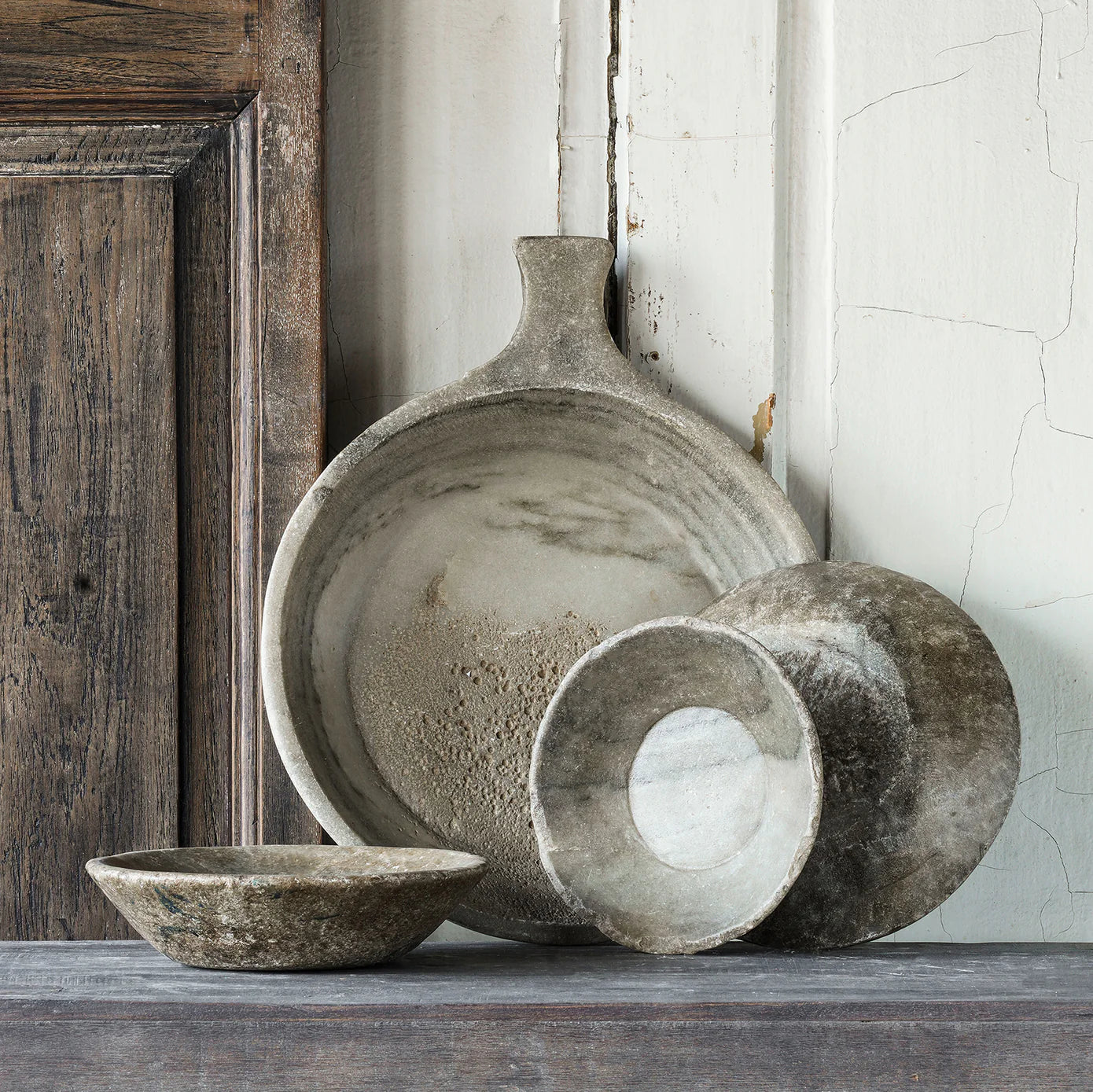
The Vintage shallow wood bowls showcase decades of grain movement, wear, and subtle imperfections that create visual depth. Similarly, the Vintage marble shallow bowl introduces natural variation through veining and stone texture rather than decorative excess.
Texture Creates Familiarity
The nervous system often responds positively to environments that feel familiar on a sensory level.
Natural textures remind us of landscapes, materials, and environments humans have interacted with for thousands of years.
That familiarity often translates into comfort.
Patina Is Visual Information
Patina isn't simply a sign of age.
It's information.
Every worn edge, softened surface, and weathered mark tells the brain something about the object.
It has existed.
It has been touched.
It has been used.
It has survived.
This may help explain why patinated objects often feel more emotionally engaging than brand-new accessories.
The Primitive rice measurer small carries visible signs of use that immediately create interest, while the Vintage rice carrier introduces both texture and narrative through its aged surface.
Neither piece needs additional styling tricks to feel meaningful.
The Brain Enjoys Discovery
Patina creates layers of visual information.
The eye notices new details over time.
Rooms become more rewarding because they continue revealing themselves gradually.
Handmade Surfaces Slow the Eye Down
One of the most overlooked benefits of vintage decor is how it changes the speed at which people experience a room.
Highly polished surfaces often reflect light evenly and reveal themselves instantly.
Textured surfaces behave differently.
They create shadows.
Variation.
Movement.
The eye naturally slows down to process them.
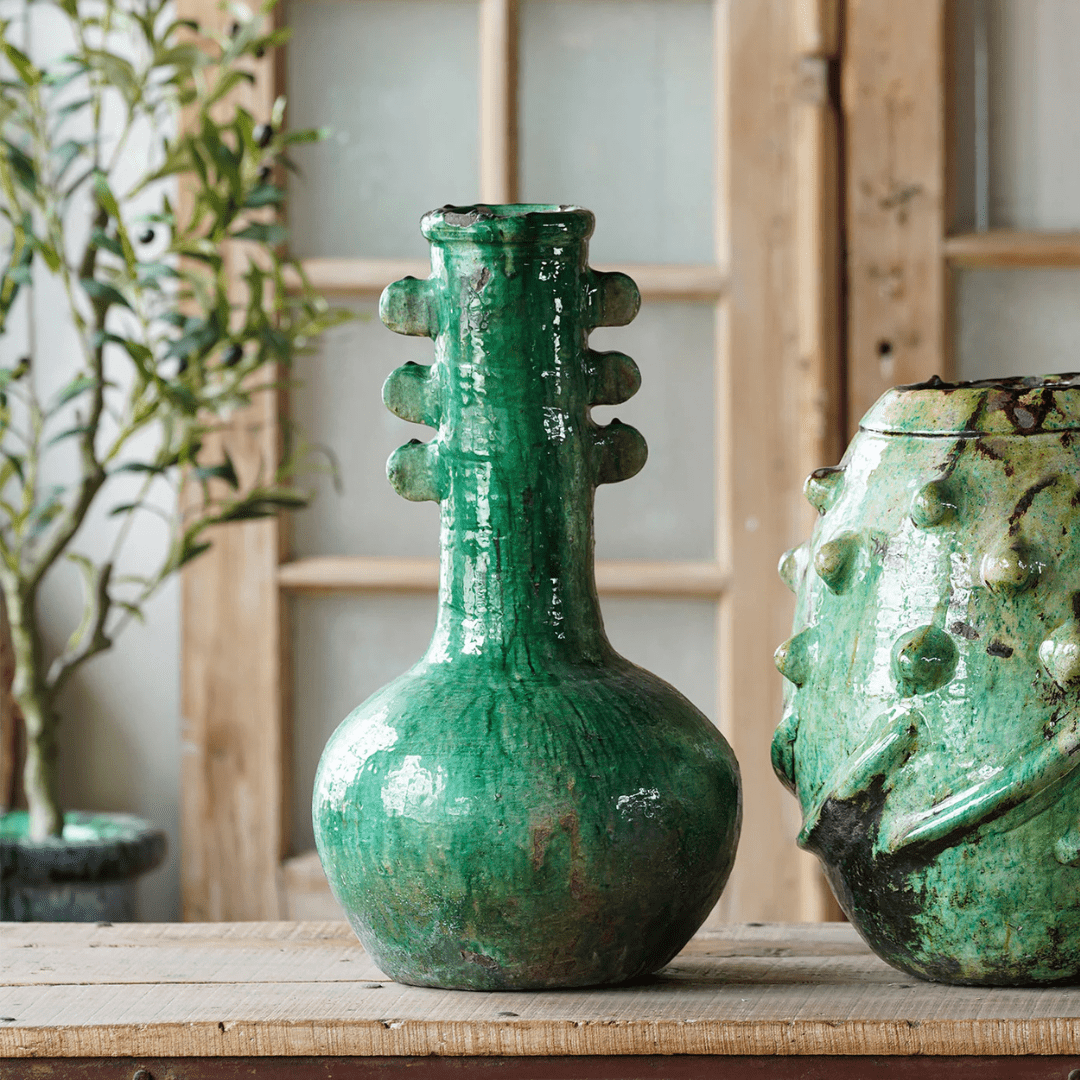
The Tamegroute green bowl creates this effect through its irregular glaze and handcrafted finish. The Tamegroute compote green bowl introduces additional depth through sculptural form and surface variation.
Slower Visual Processing Feels Calmer
Many overstimulating environments force the eye to move rapidly.
Texture encourages the opposite.
The room feels slower because the visual experience becomes slower.
Texture Creates Depth Without Clutter
When a room feels flat, most people respond by adding more objects.
More books.
More accessories.
More decorative layers.
Often the better solution is simply introducing more texture.
Texture creates depth without increasing visual noise.
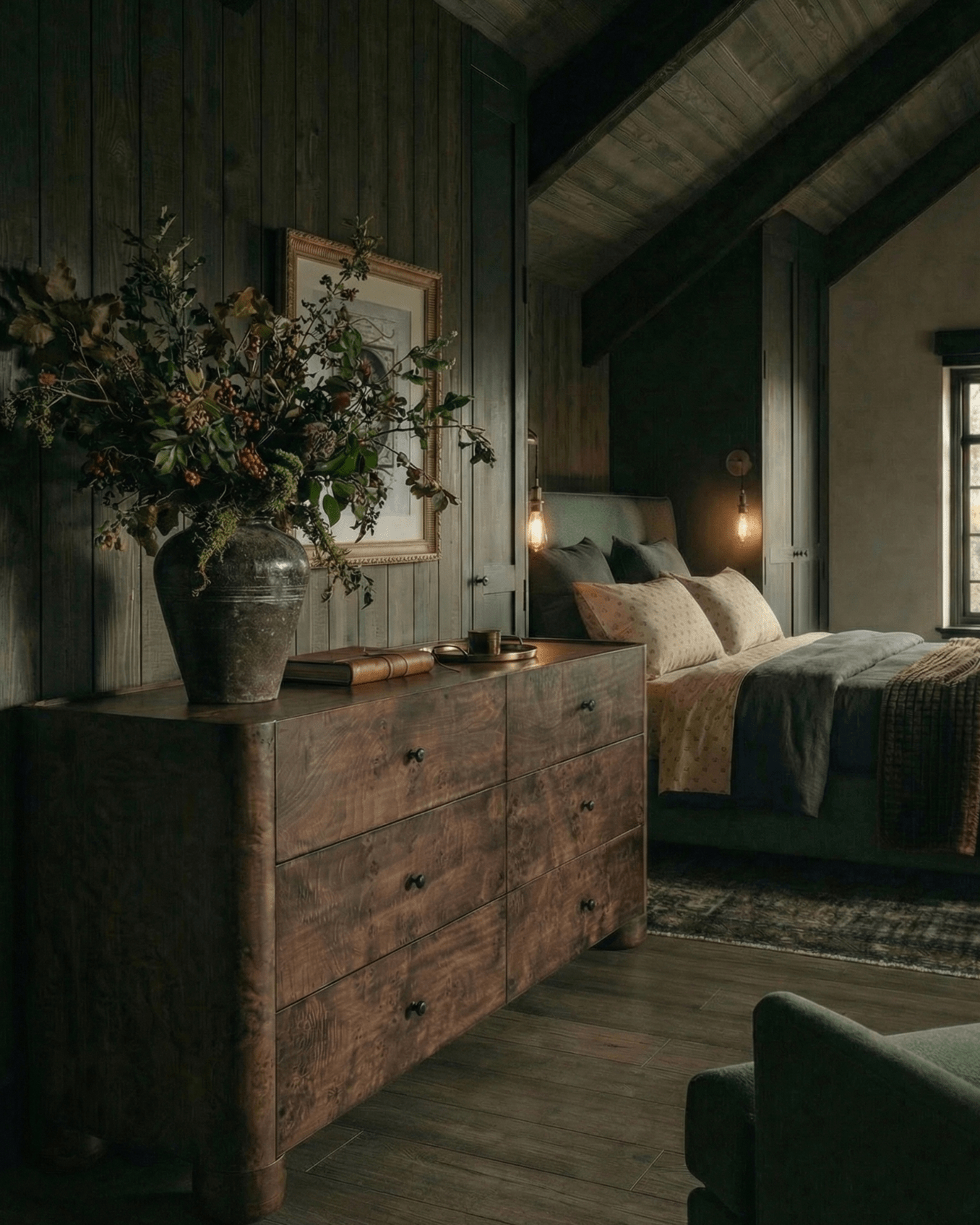
This is where vintage decor becomes especially valuable. Because the materials already carry variation, fewer objects are needed to create richness.
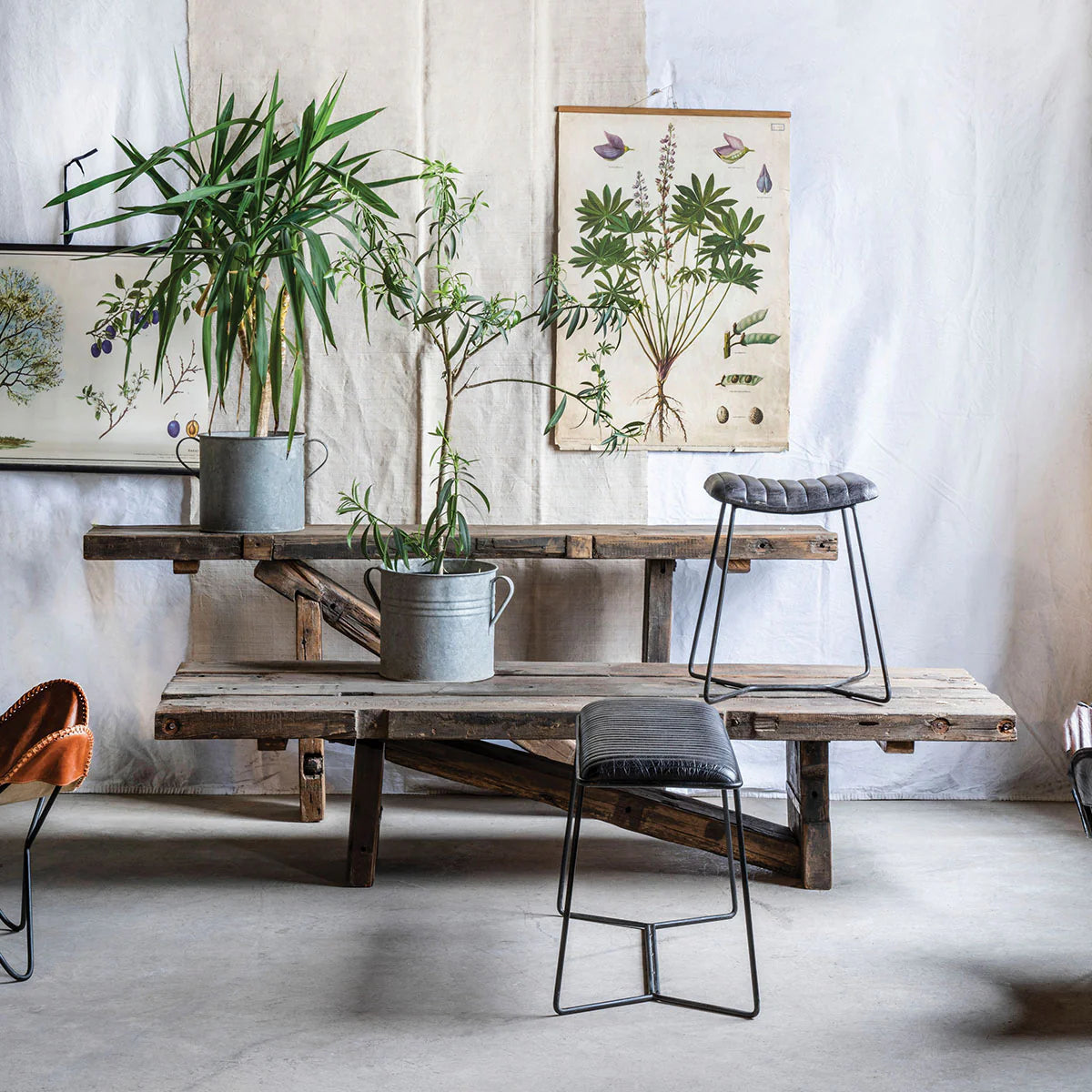
The Katia vintage chapati board adds texture through its aged wood surface, while the Gretel stone village plate contributes visual depth through carved stone detailing.
The room feels more layered without feeling more crowded.
Texture Is Doing the Decorating
The best vintage pieces don't require elaborate styling.
The material itself becomes the feature.
Large Vintage Pieces Influence an Entire Room
Texture isn't limited to small accessories.
Some of the strongest sensory experiences come from larger vintage objects that shape the room as a whole.
Large pieces create visual anchors while also introducing material variation at scale.
The Vintage moorish door on stand on stand immediately changes how a room feels because of its weathered texture, craftsmanship, and architectural presence. Likewise, the Mathias doors contribute depth through both scale and age.
These pieces create texture that can be appreciated from across the room.
Visual Anchors Reduce Cognitive Load
The brain constantly scans for structure.
Large textured objects help establish order, allowing the nervous system to relax rather than continuously searching for visual organization.
RUTED Tip: If a room feels cold, resist the urge to immediately change the paint color. Try adding texture first. One vintage object with genuine patina often creates more sensory depth than an entire wall painted in a new shade. Texture tends to solve problems color can't.
Vintage Decor Makes Modern Interiors Feel More Human
Many contemporary homes feature cleaner architecture, larger windows, and simpler silhouettes.
These elements create beautiful spaces, but they can sometimes feel overly polished when every object inside the room shares the same level of perfection.
Vintage decor introduces friction in the best possible way.
Not conflict.
Contrast.
The Fern stone biscuit mold plate introduces carved texture that immediately softens modern surroundings. The Tamegroute green candle holder adds handcrafted irregularity that helps prevent spaces from feeling overly controlled.
Humans Prefer Imperfect Environments
Perfect environments can feel emotionally distant.
Texture reminds us that homes are meant to be lived in rather than displayed.
Texture Creates Emotional Memory
There is another reason vintage decor often feels comforting.
Texture creates stronger memory associations than many people realize.
The brain forms connections between physical materials and emotional experiences.
The texture of aged wood.
The feel of weathered clay.
The surface of carved stone.
These sensory experiences tend to linger longer than visual trends.
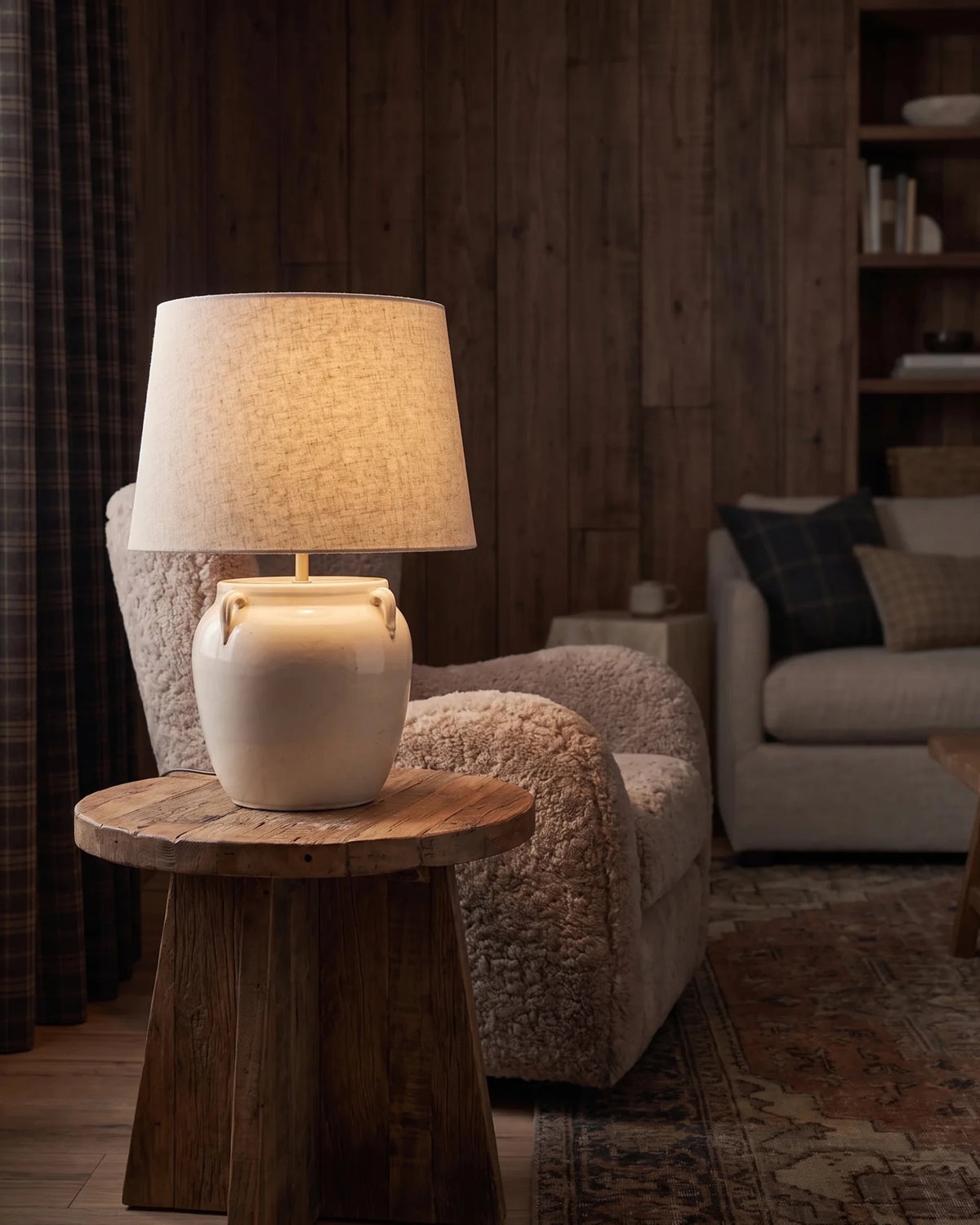
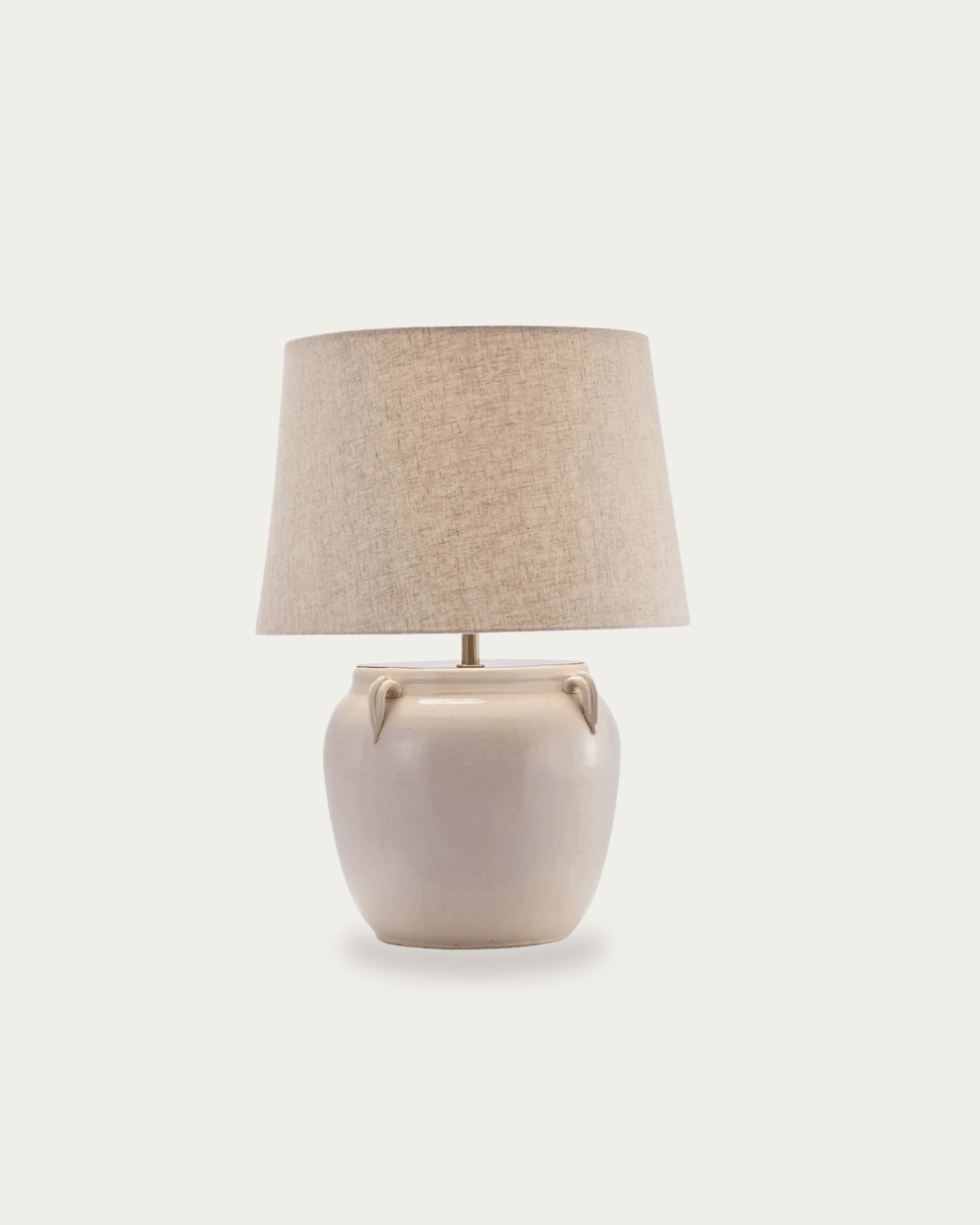
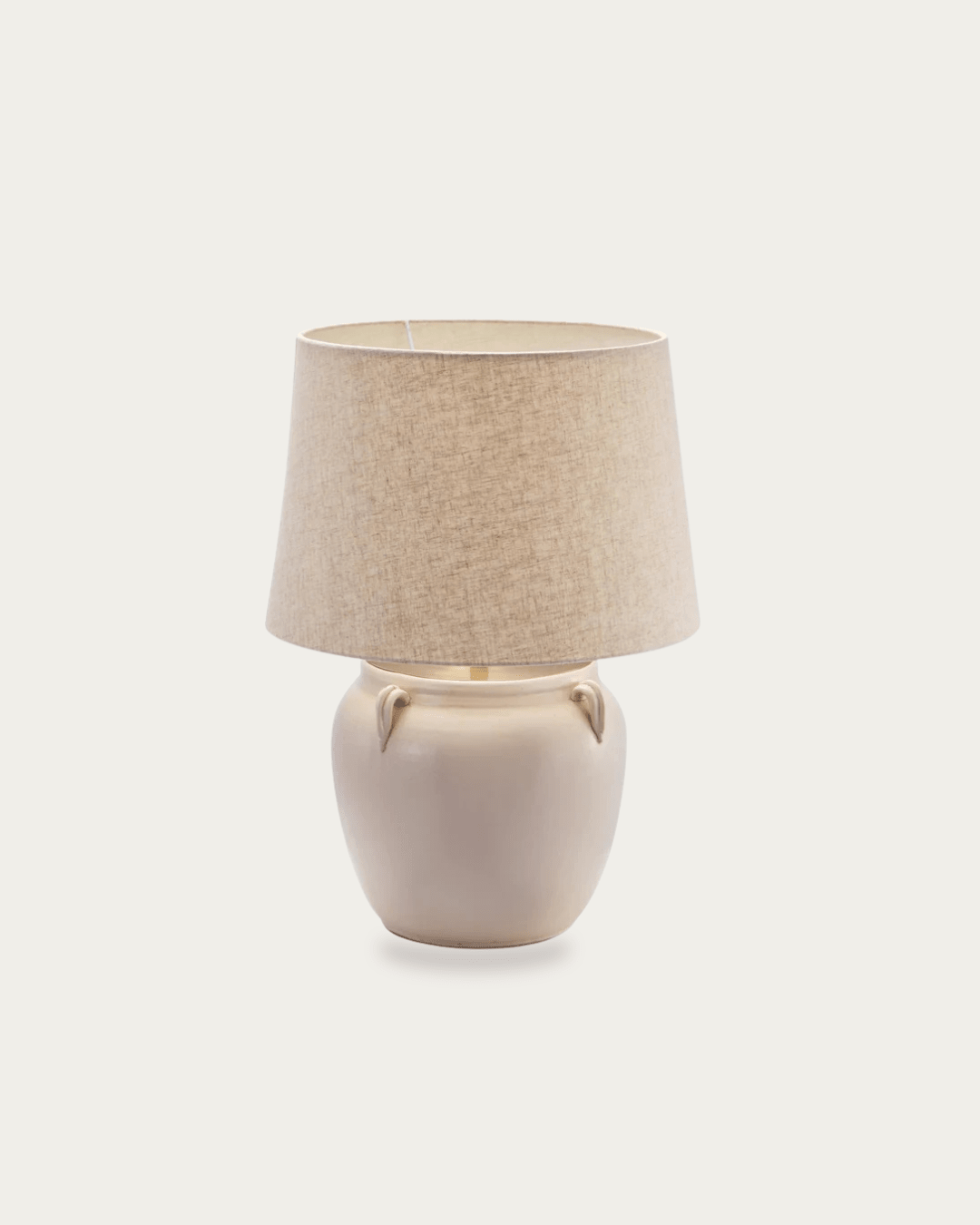
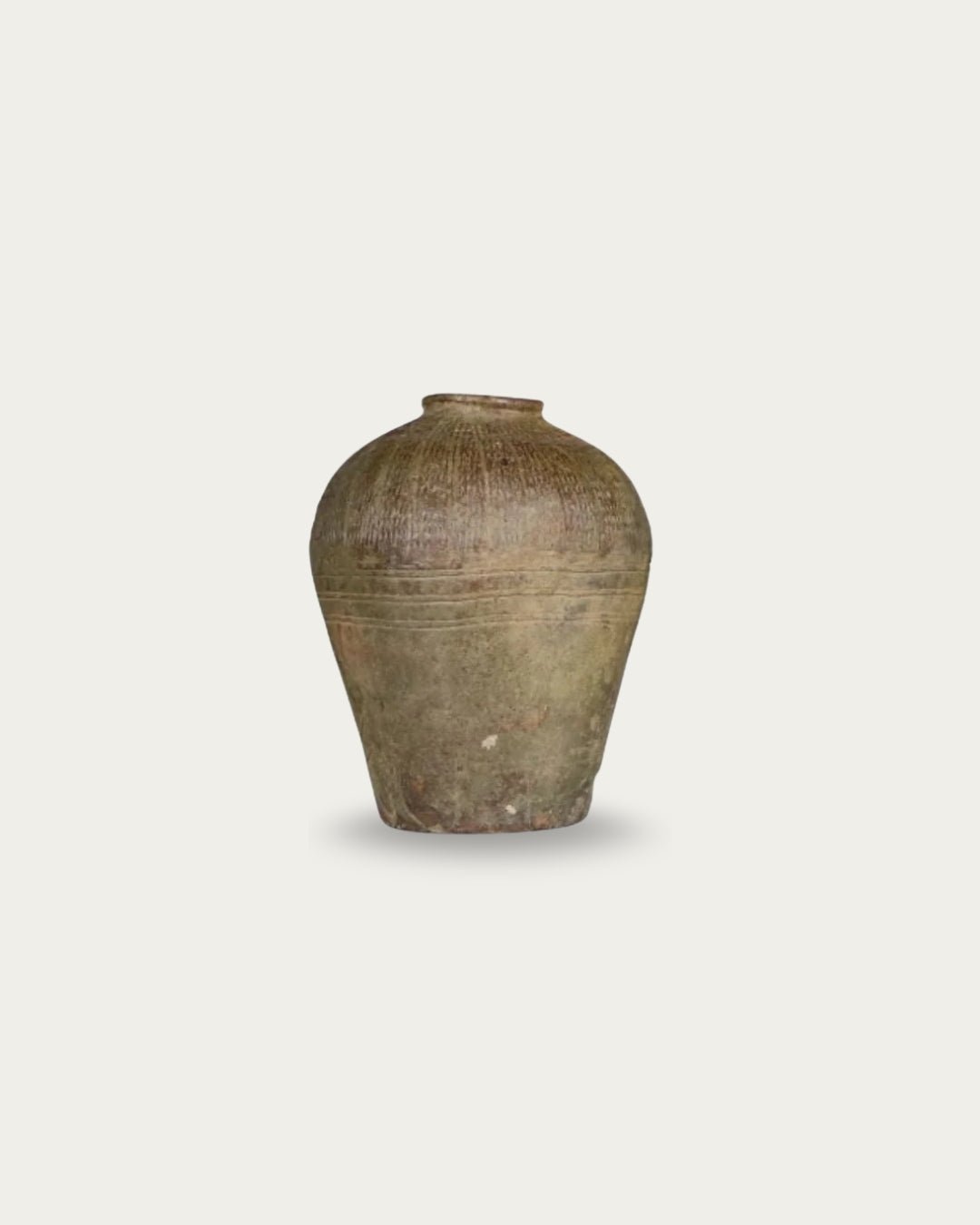
The Chinese harvest basket carries a tactile history that immediately feels authentic, while the Maria glazed pot introduces subtle surface variation that becomes more interesting over time.
Objects Become More Meaningful Through Sensory Experience
The strongest decorative pieces rarely succeed because they match a color scheme.
They succeed because they create connections.
Texture helps create that connection.
Why Vintage Decor Supports Nervous System Regulation
The conversation around home design is changing.
People are becoming less interested in rooms that simply photograph well.
They want homes that feel good to live in.
Texture plays a significant role in that experience.
Vintage decor naturally supports sensory balance because it introduces:
material variation
visual depth
patina
handcrafted imperfections
slower visual processing
authentic surfaces
These qualities create environments that feel layered without becoming overwhelming.
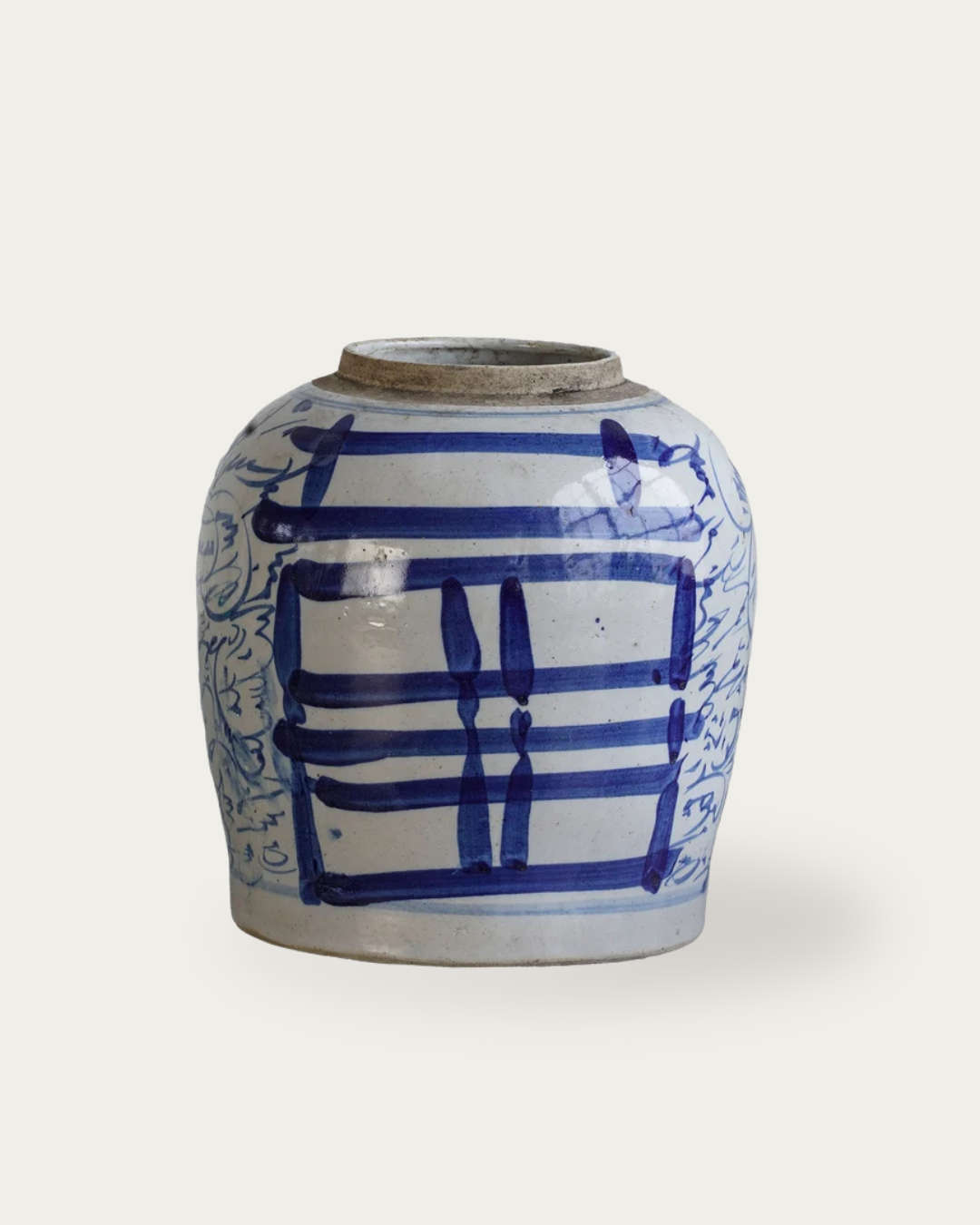
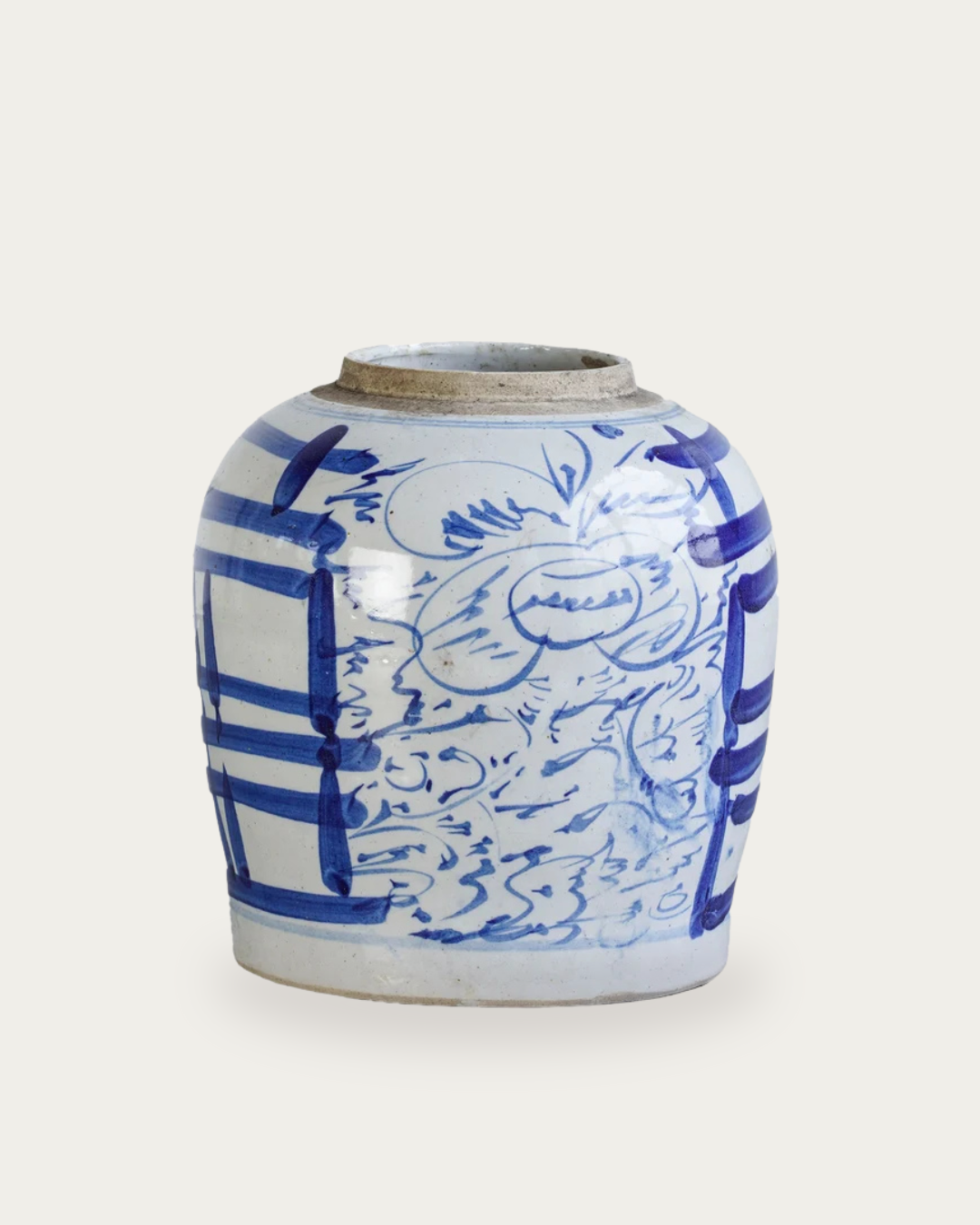
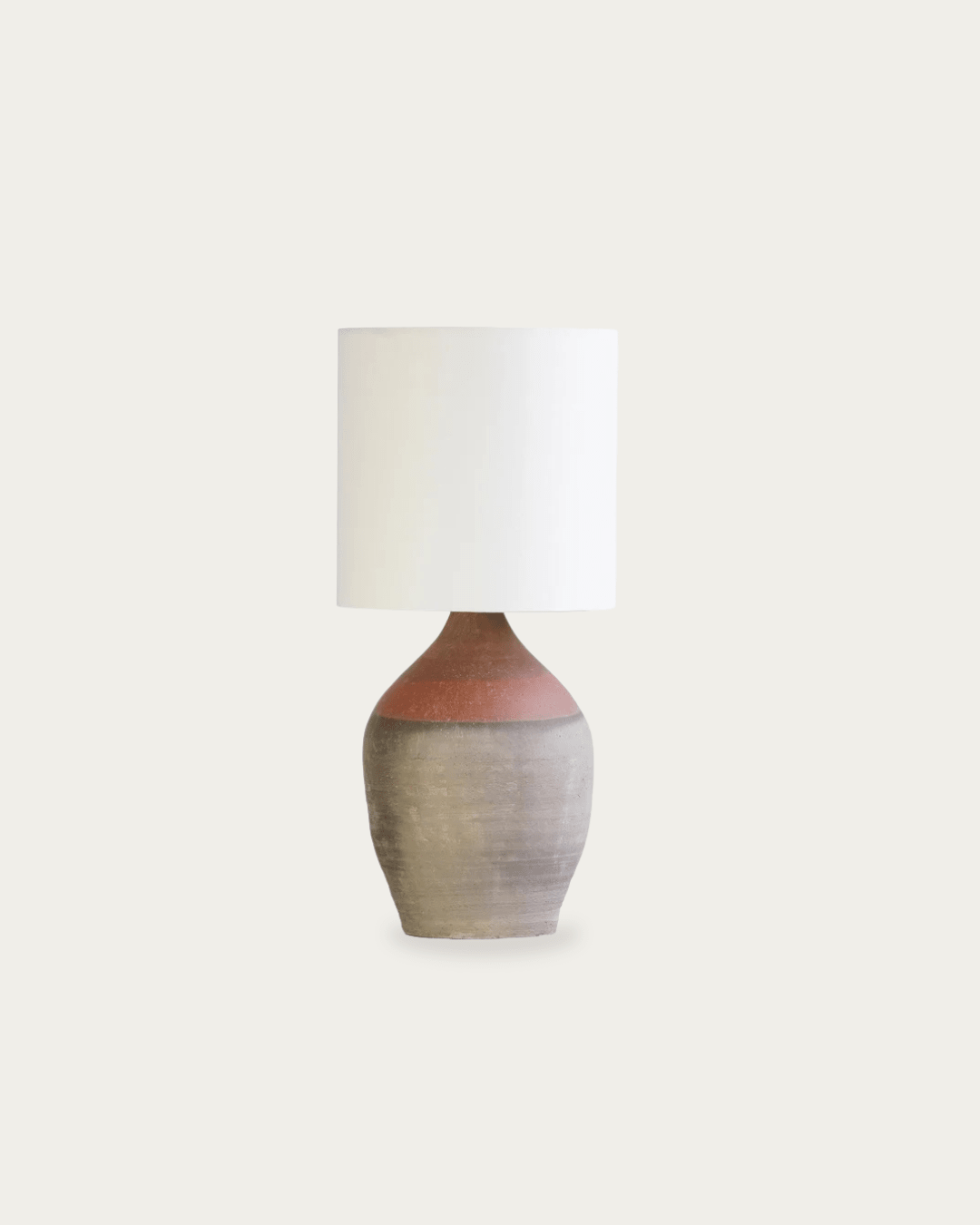
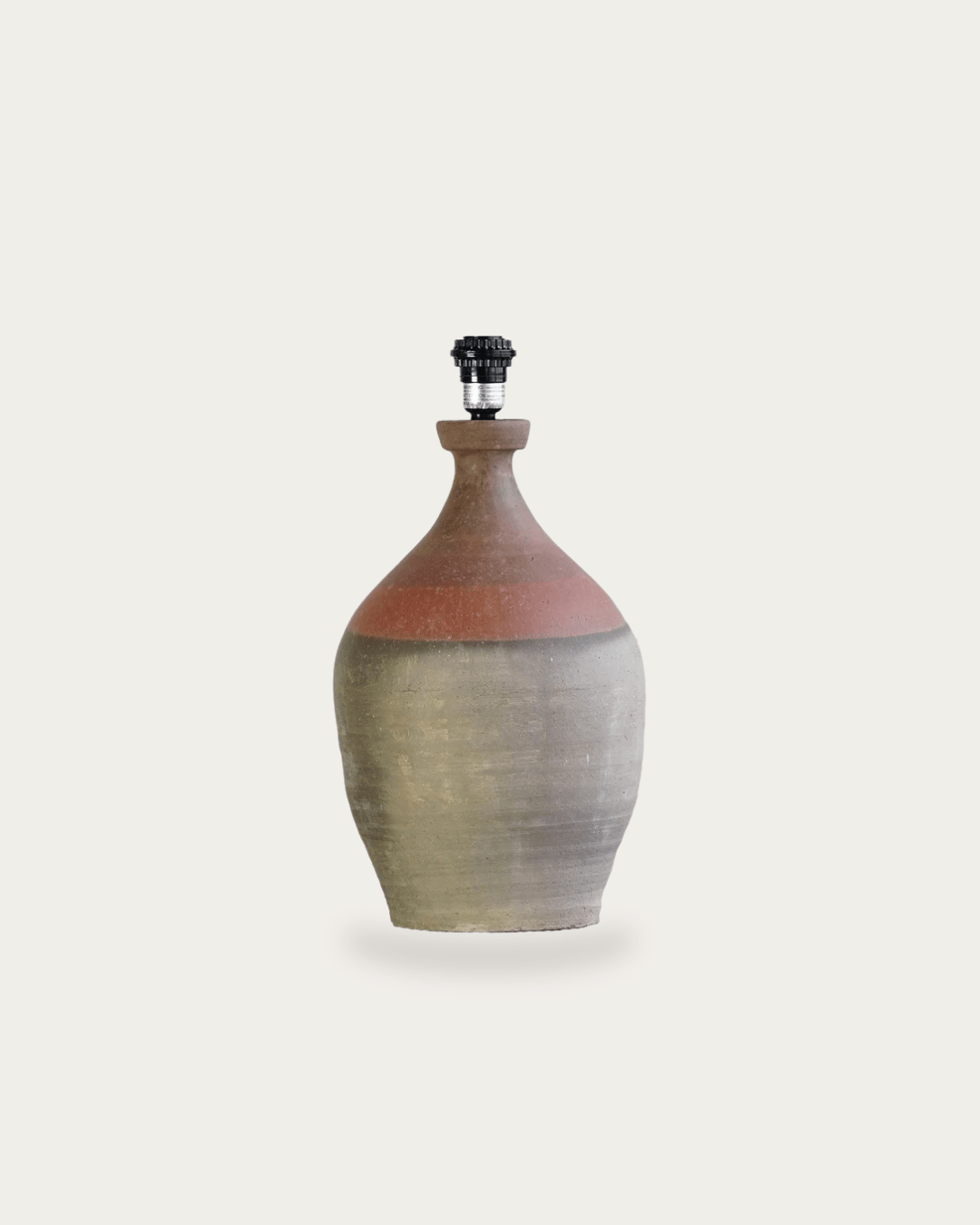
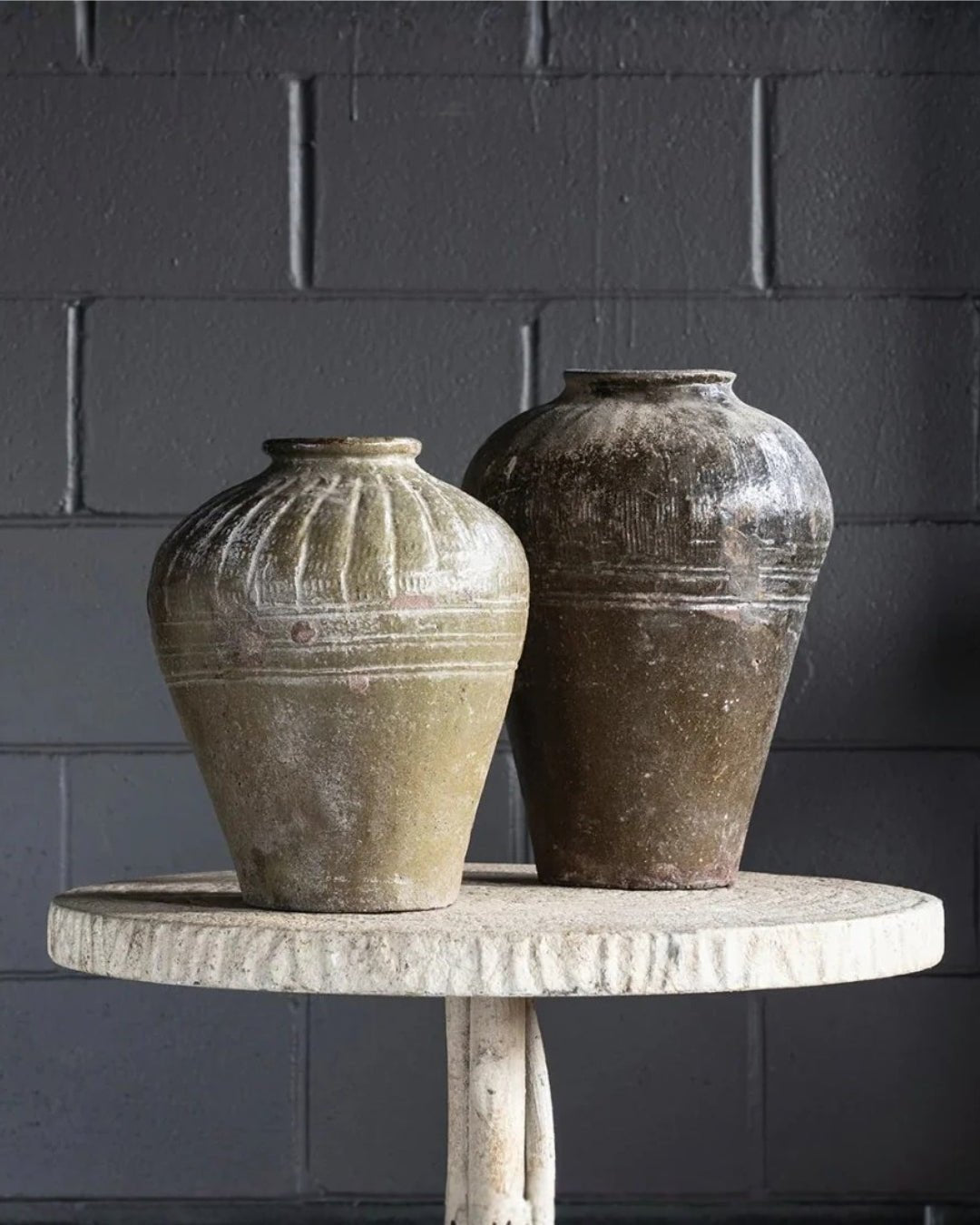
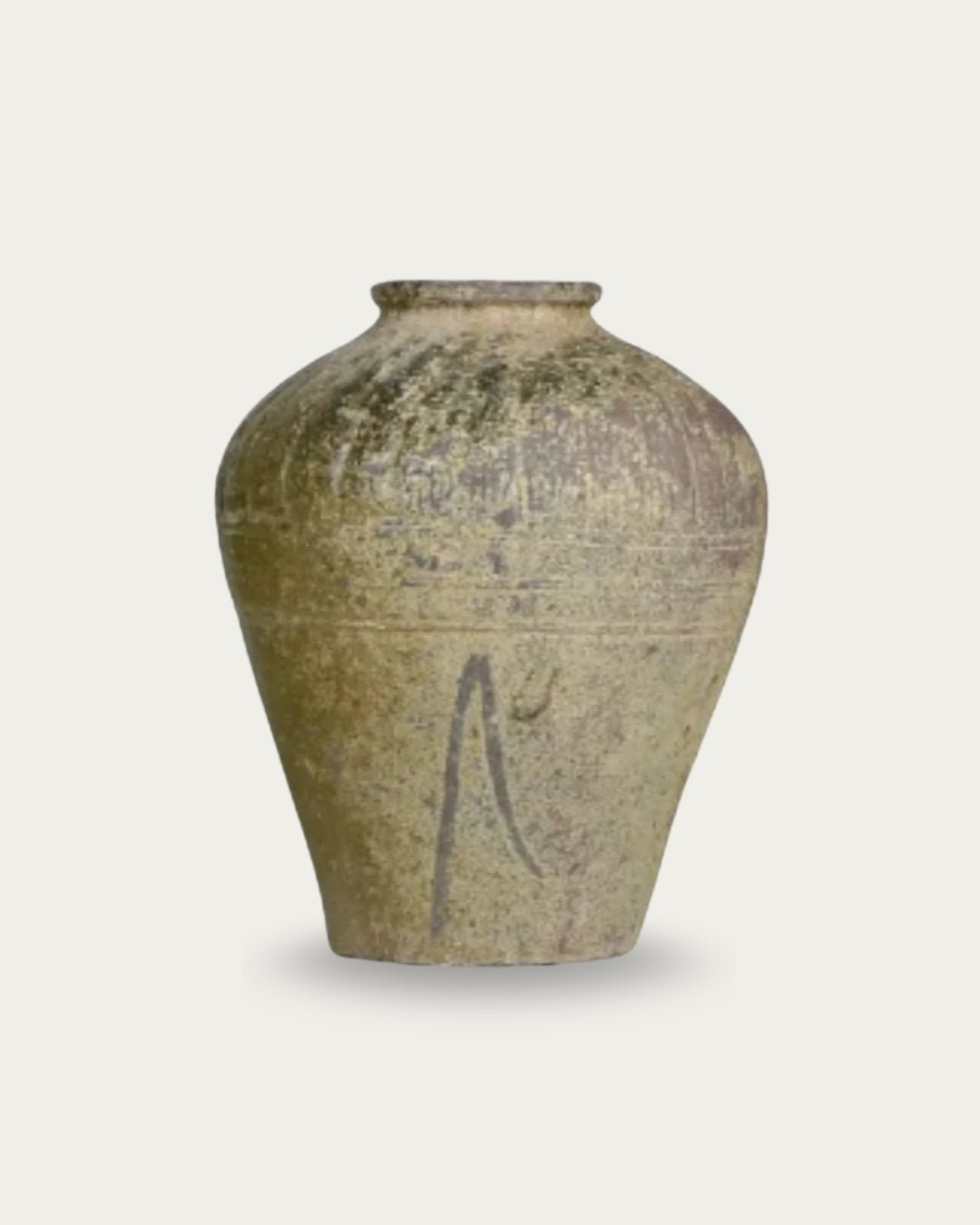
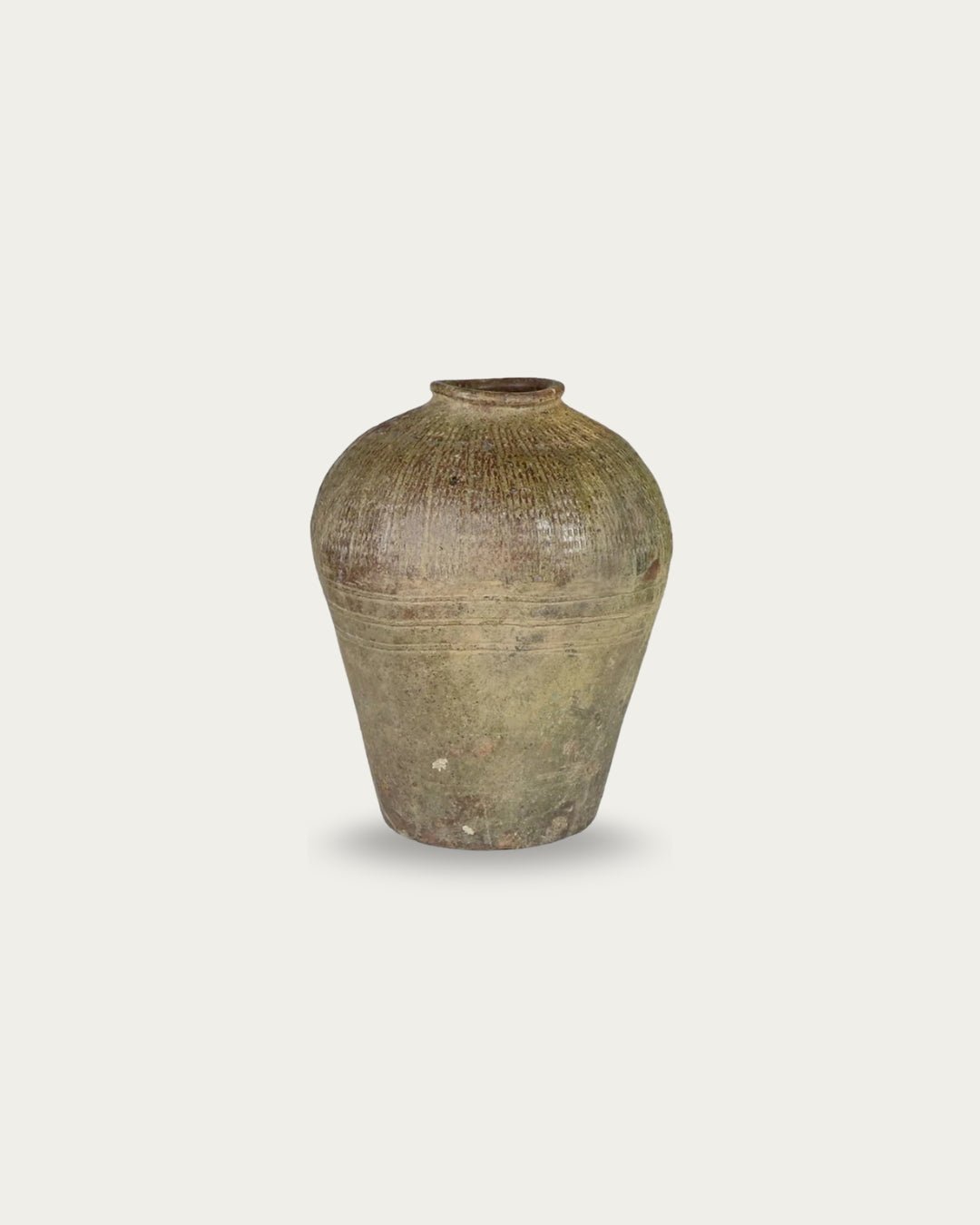
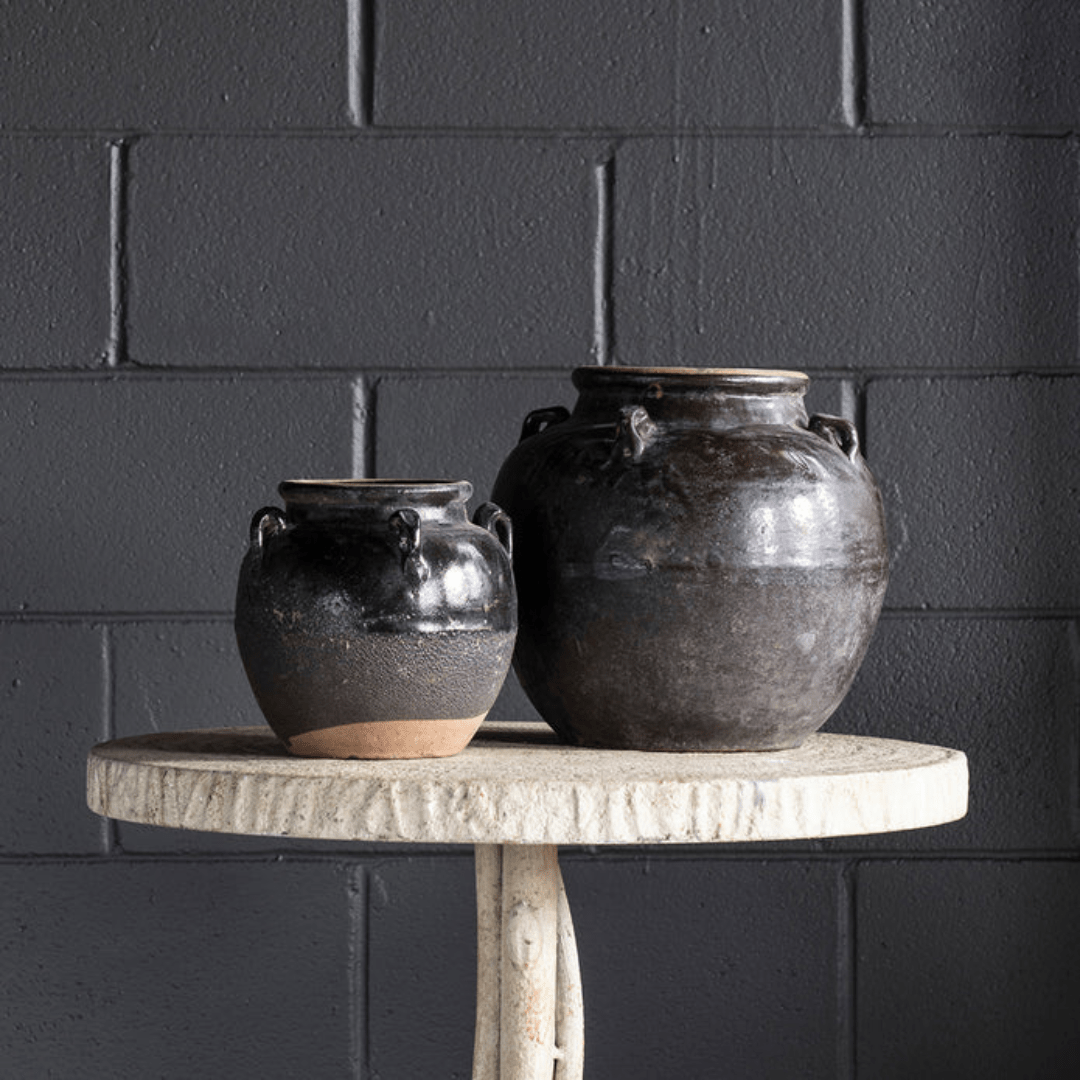
The Leeben vintage round zinc tray contributes depth through weathered metal, while the Guorun pot creates visual grounding through organic shape and aged texture.
The room becomes more engaging without becoming more demanding.
The Goal Isn't More Decor
It's a better sensory experience.
Vintage pieces help achieve that because texture carries much of the emotional atmosphere.
The Best Rooms Feel Rich, Not Busy
When people describe a room as calming, they rarely mention square footage or expensive finishes.
They talk about how the room feels.
Texture is often the reason.
The nervous system loves texture because texture creates depth without clutter, interest without chaos, and comfort without requiring perfection. Vintage home decor excels at this because the materials already contain the variation, patina, and history that modern spaces often lack.
Less matching.
Less perfection.
Less visual performance.
More texture.
More material honesty.
More objects that reward attention rather than demand it.
Explore Hello Norden's vintage decor collection to discover bowls, vessels, trays, boards, baskets, and collected pieces that help create homes with more sensory depth and less visual noise.