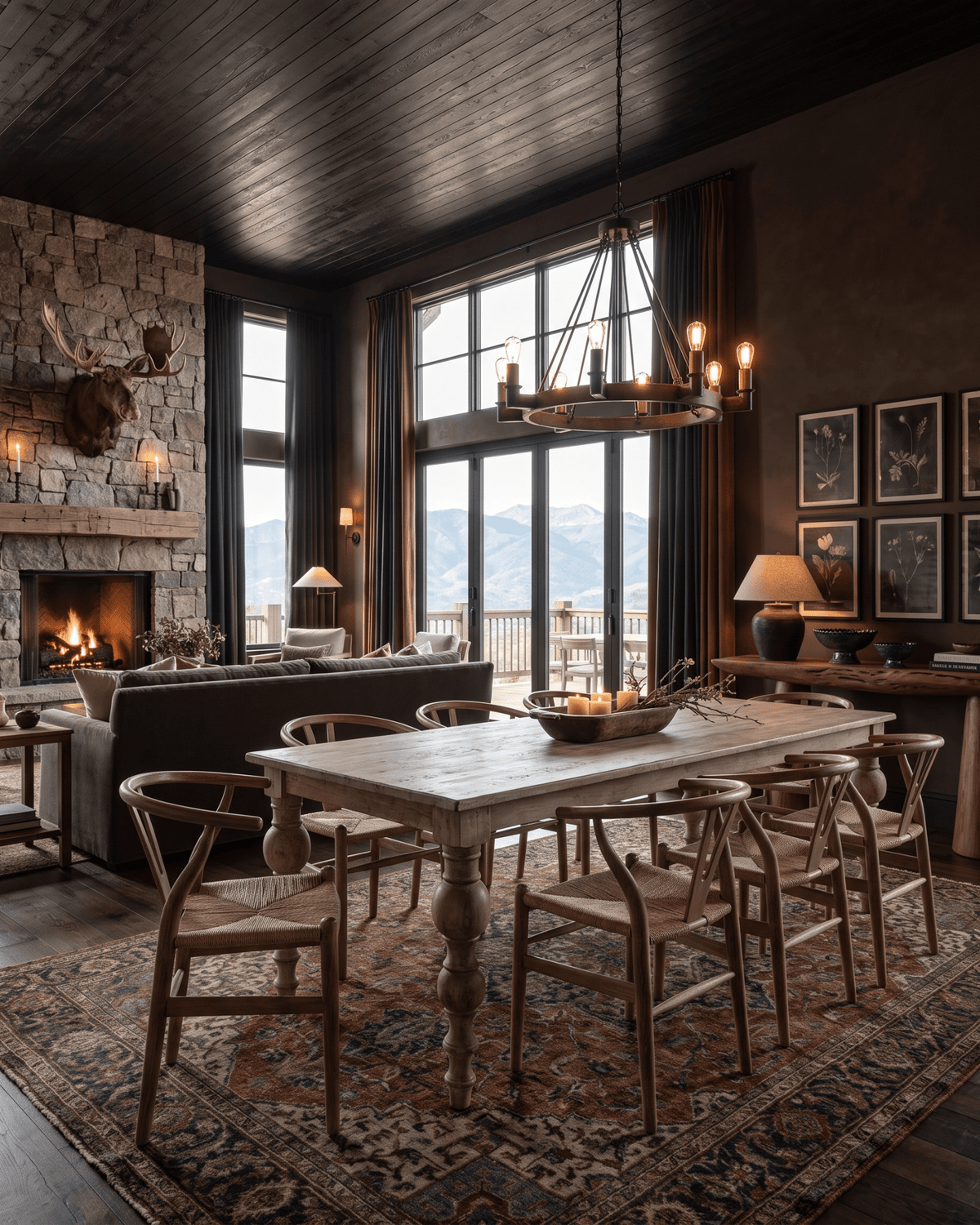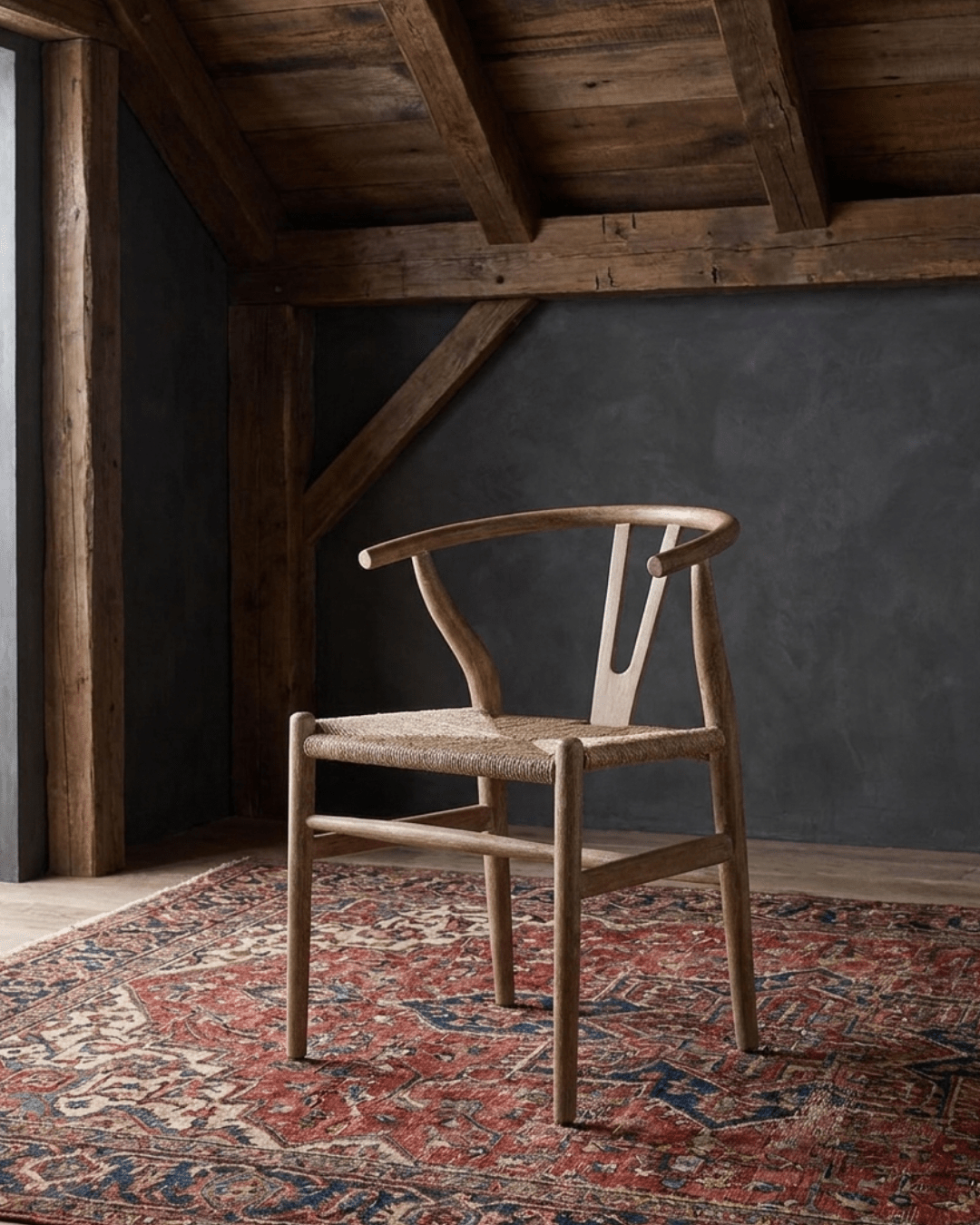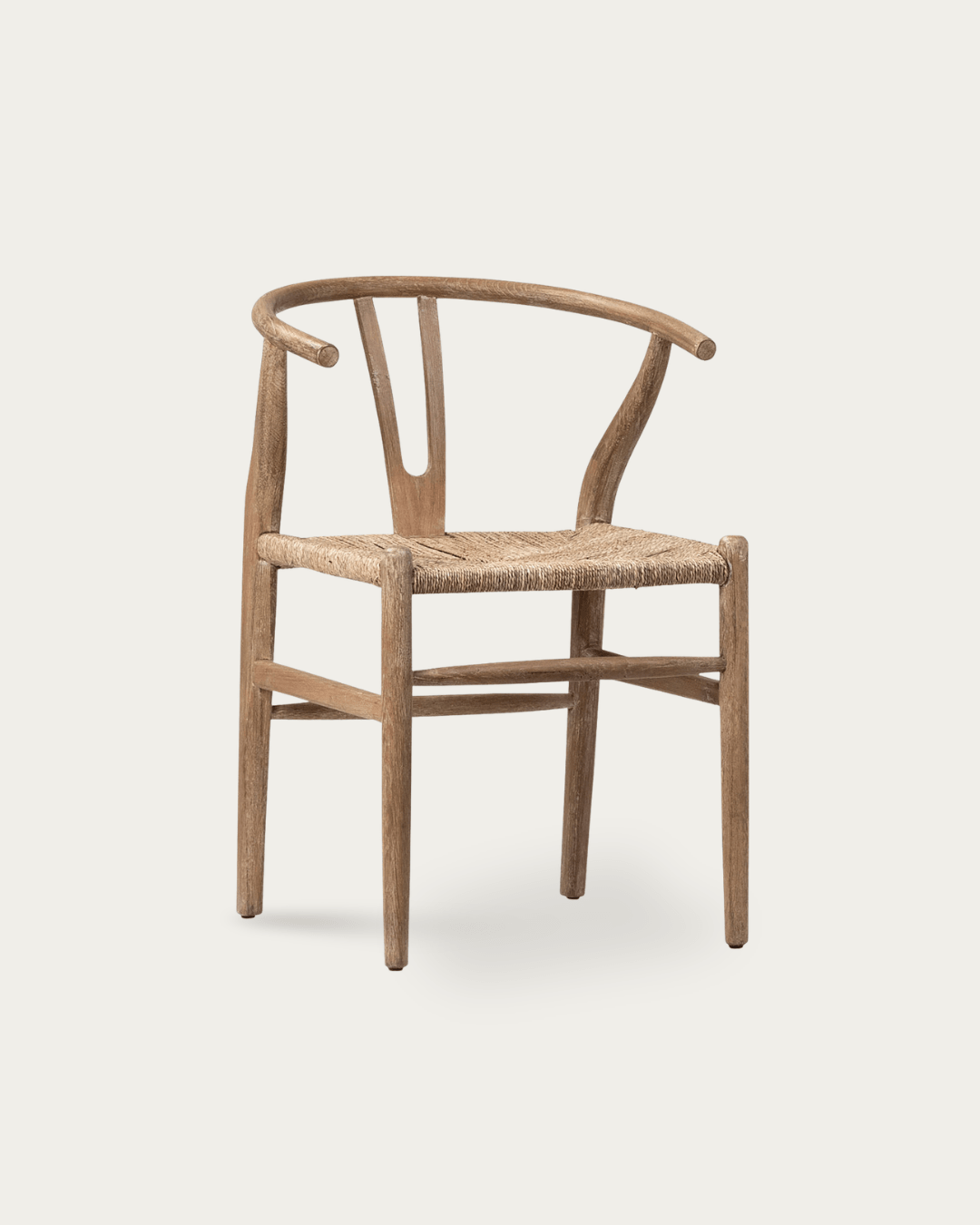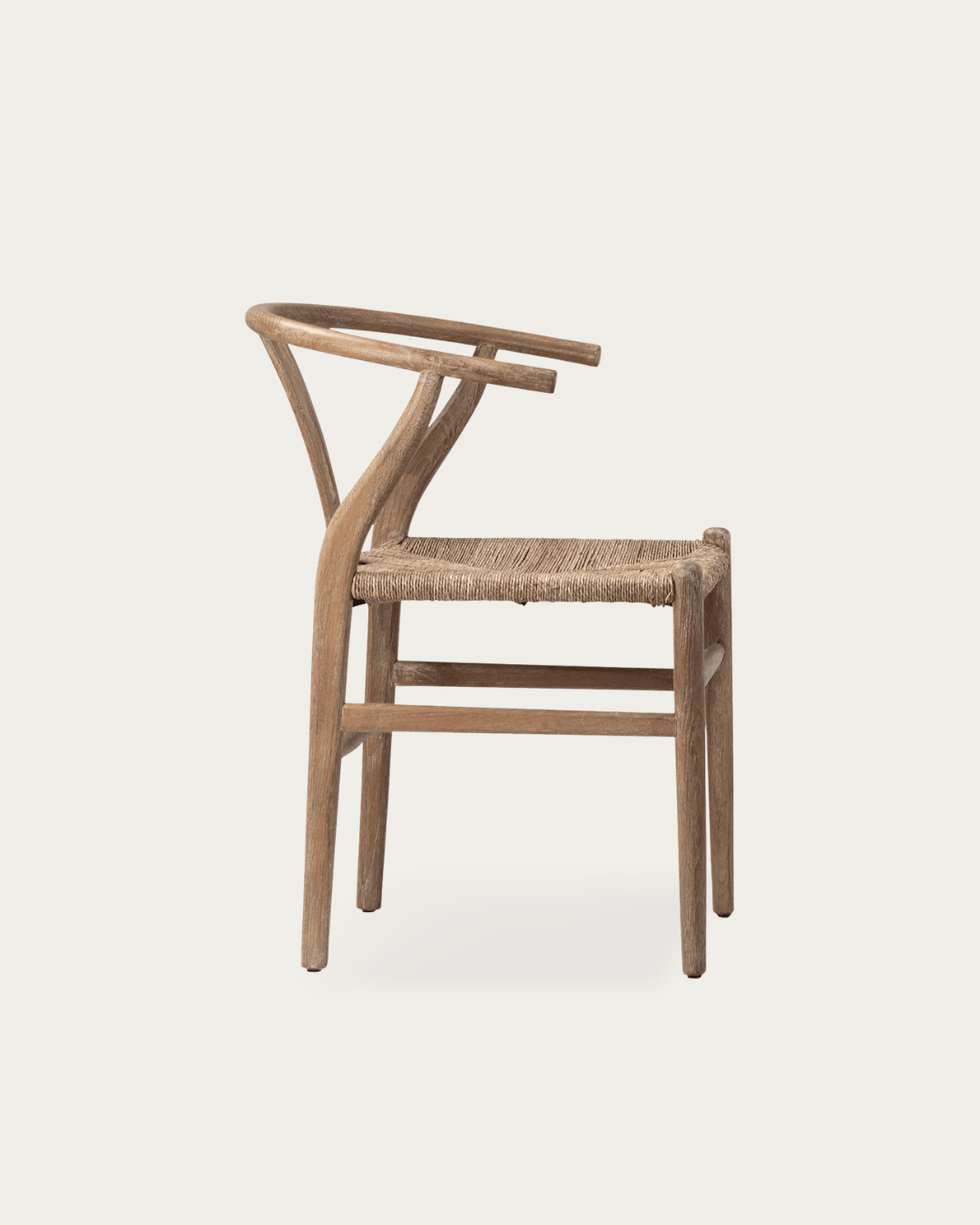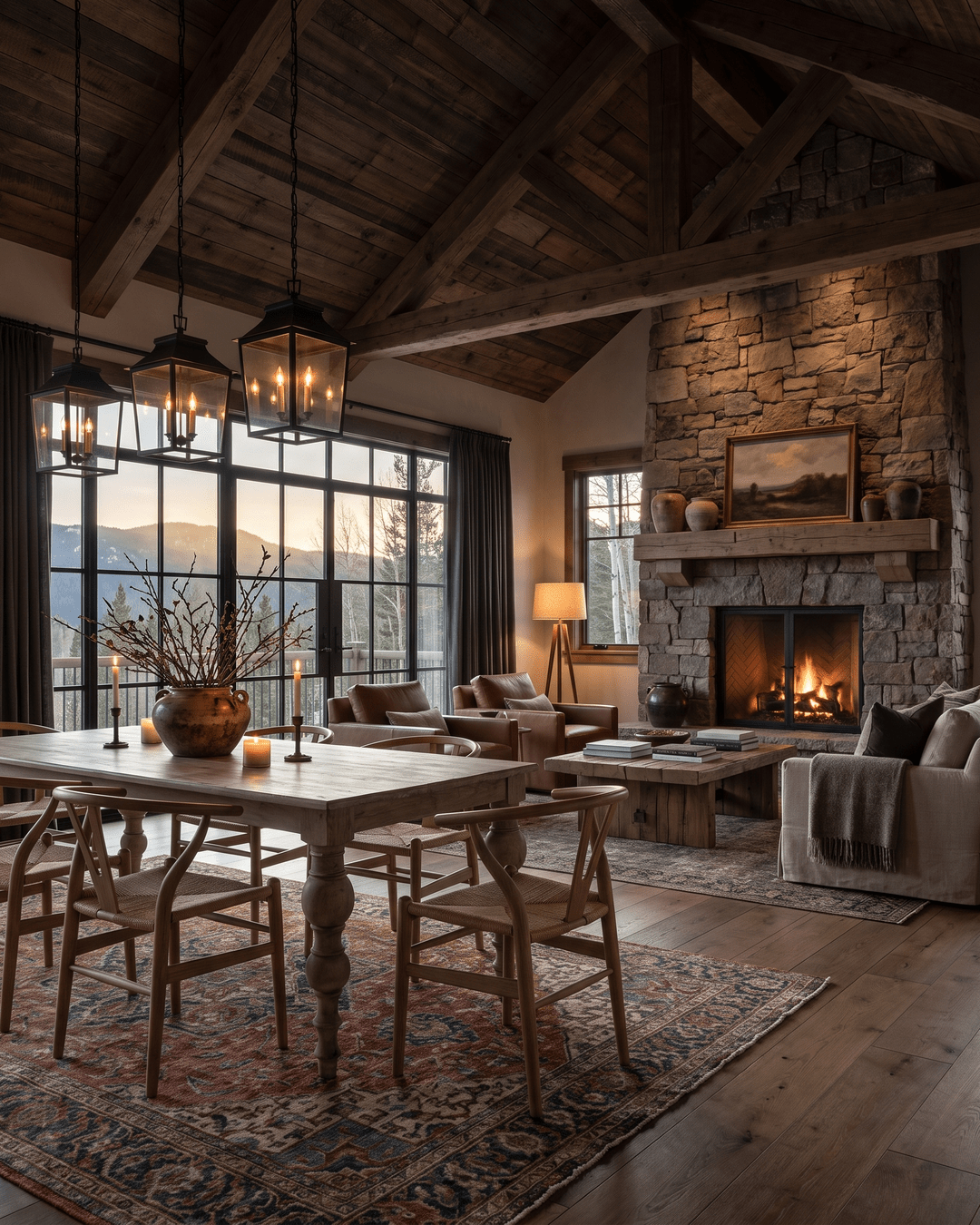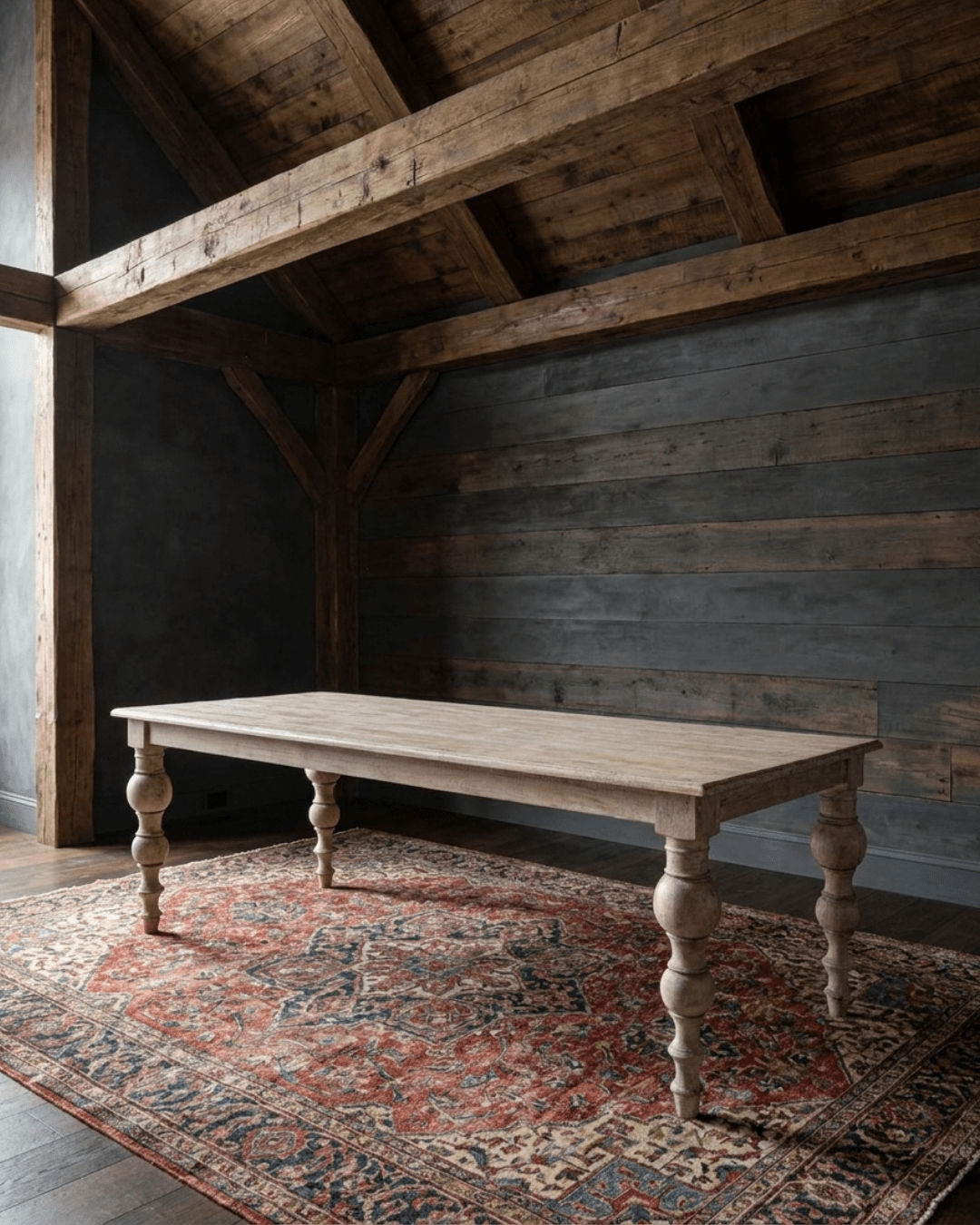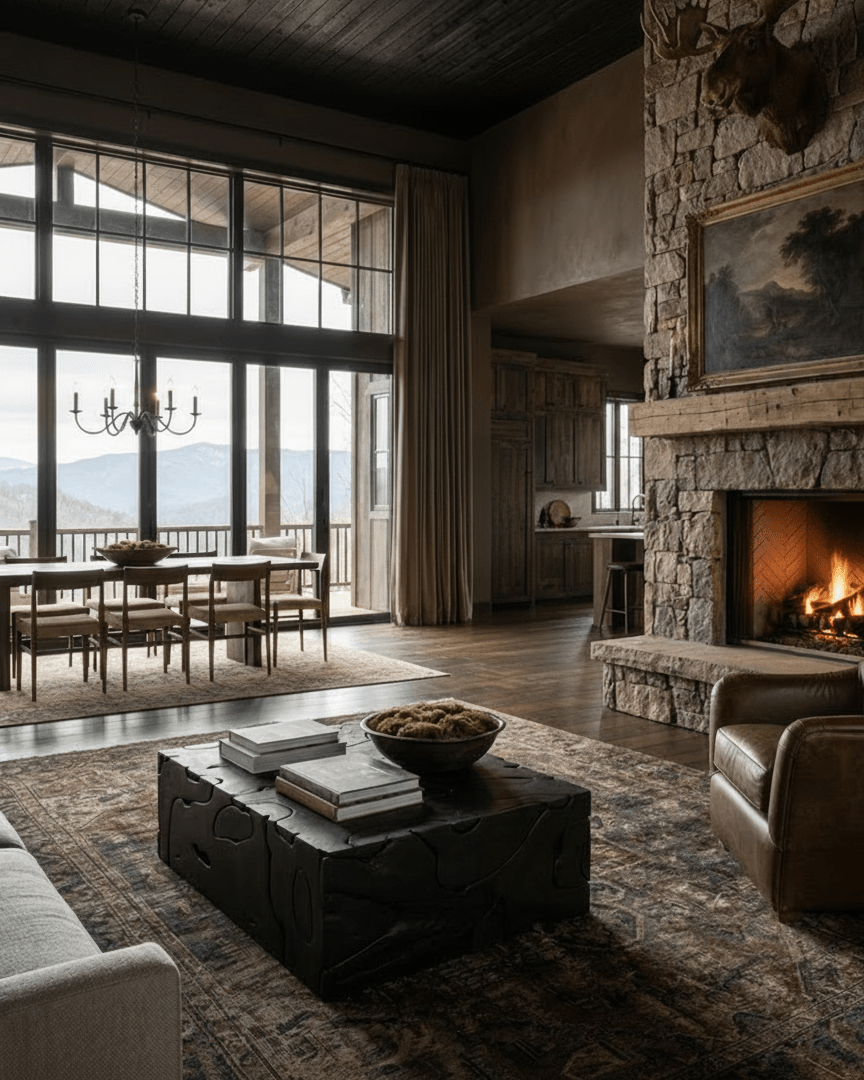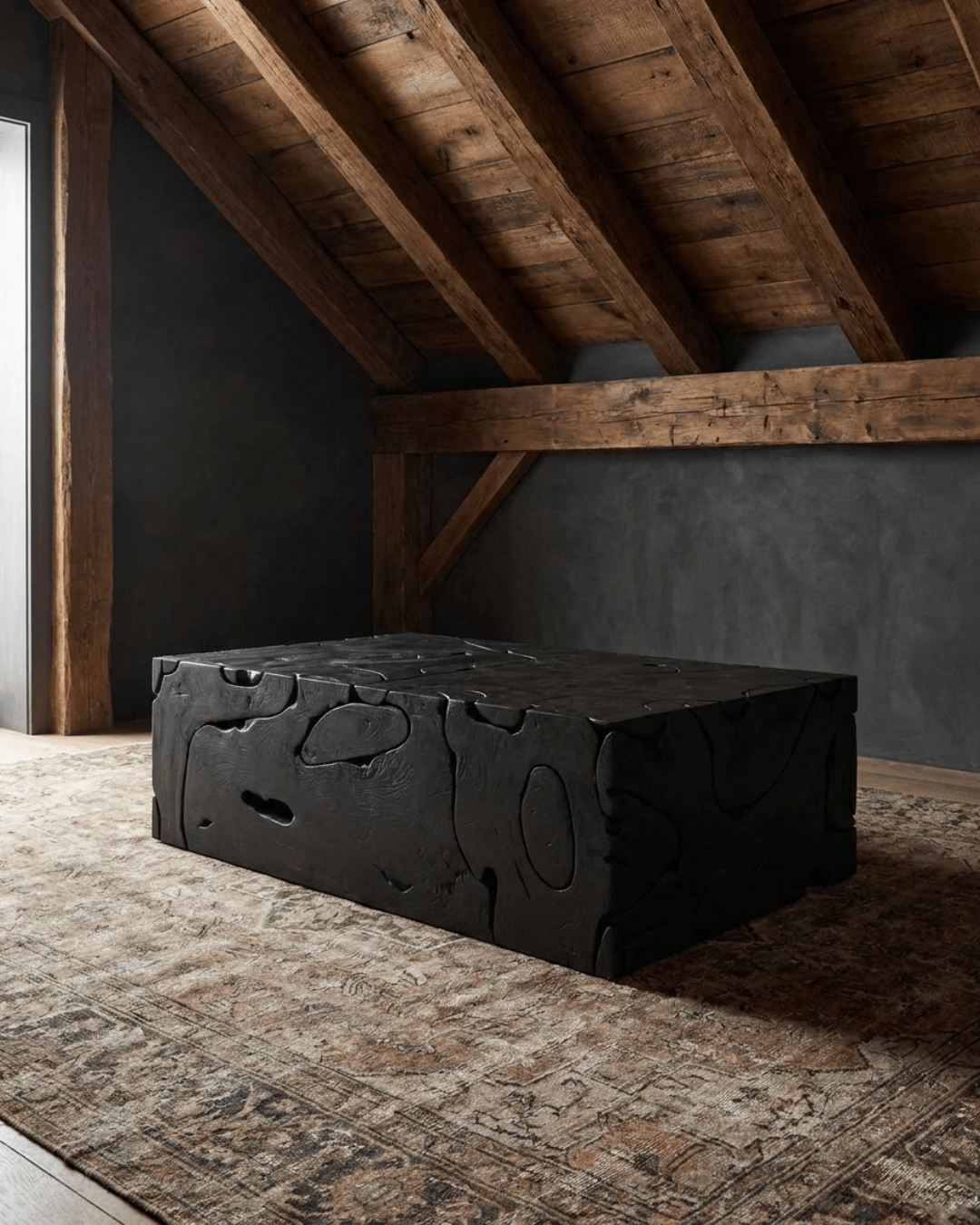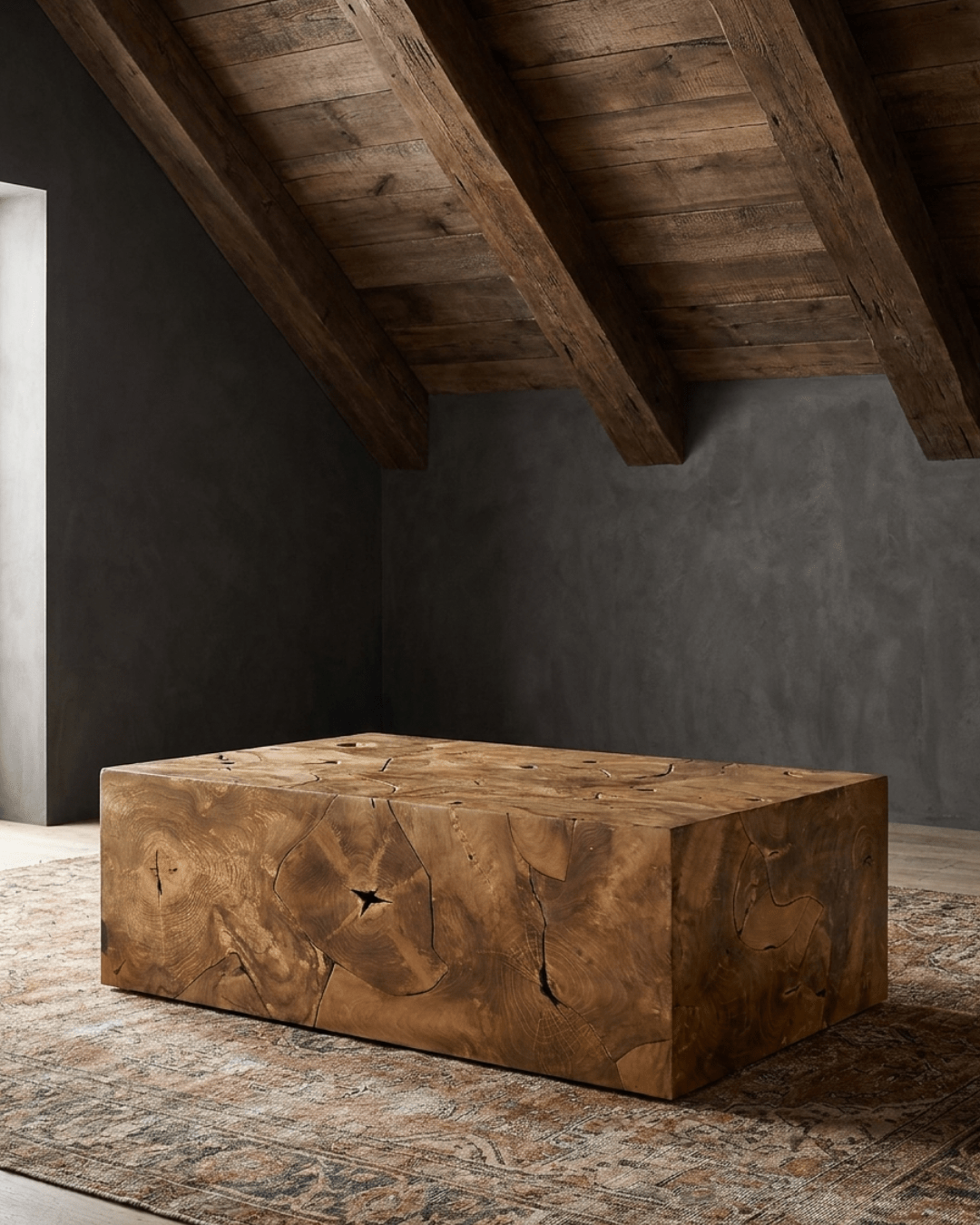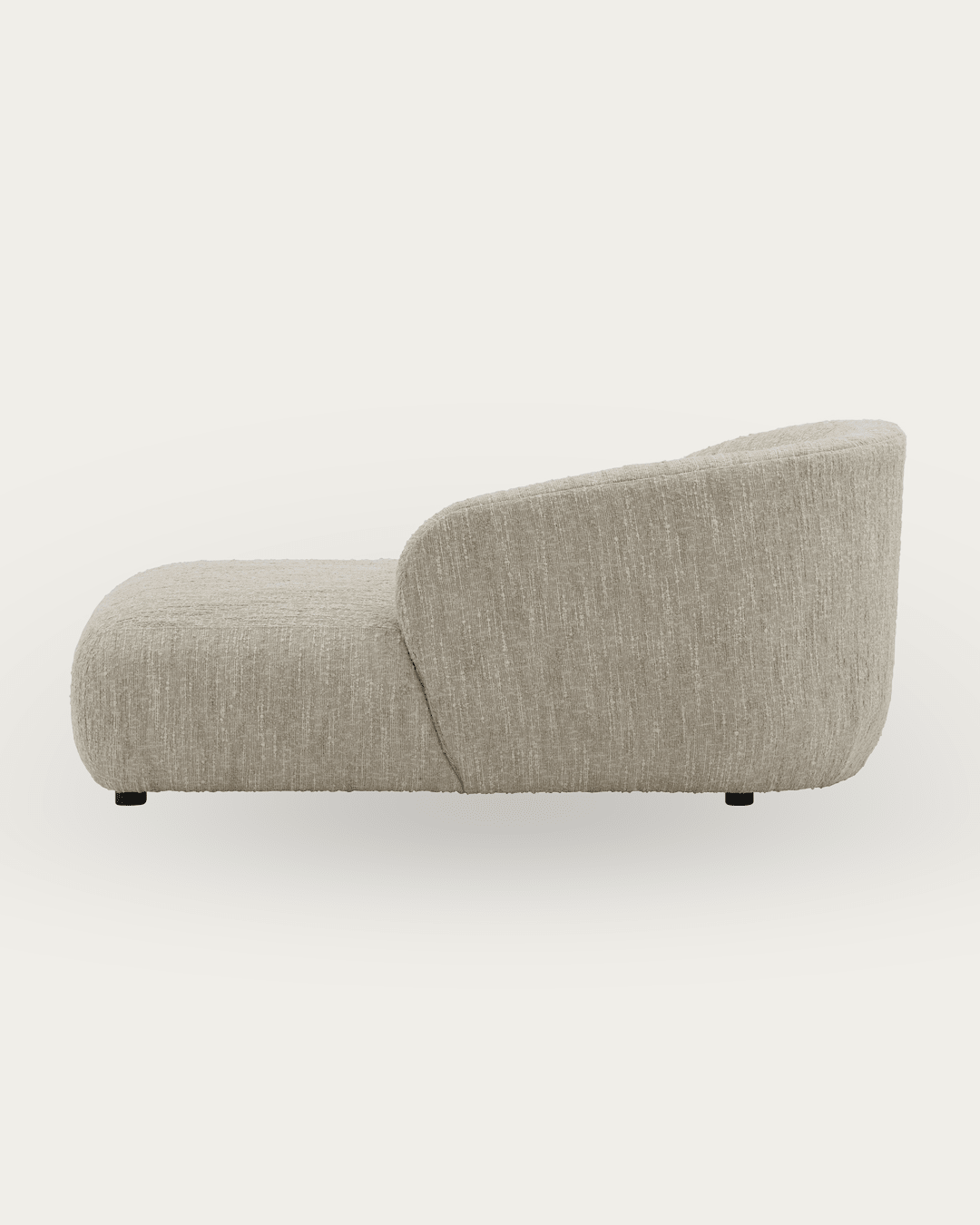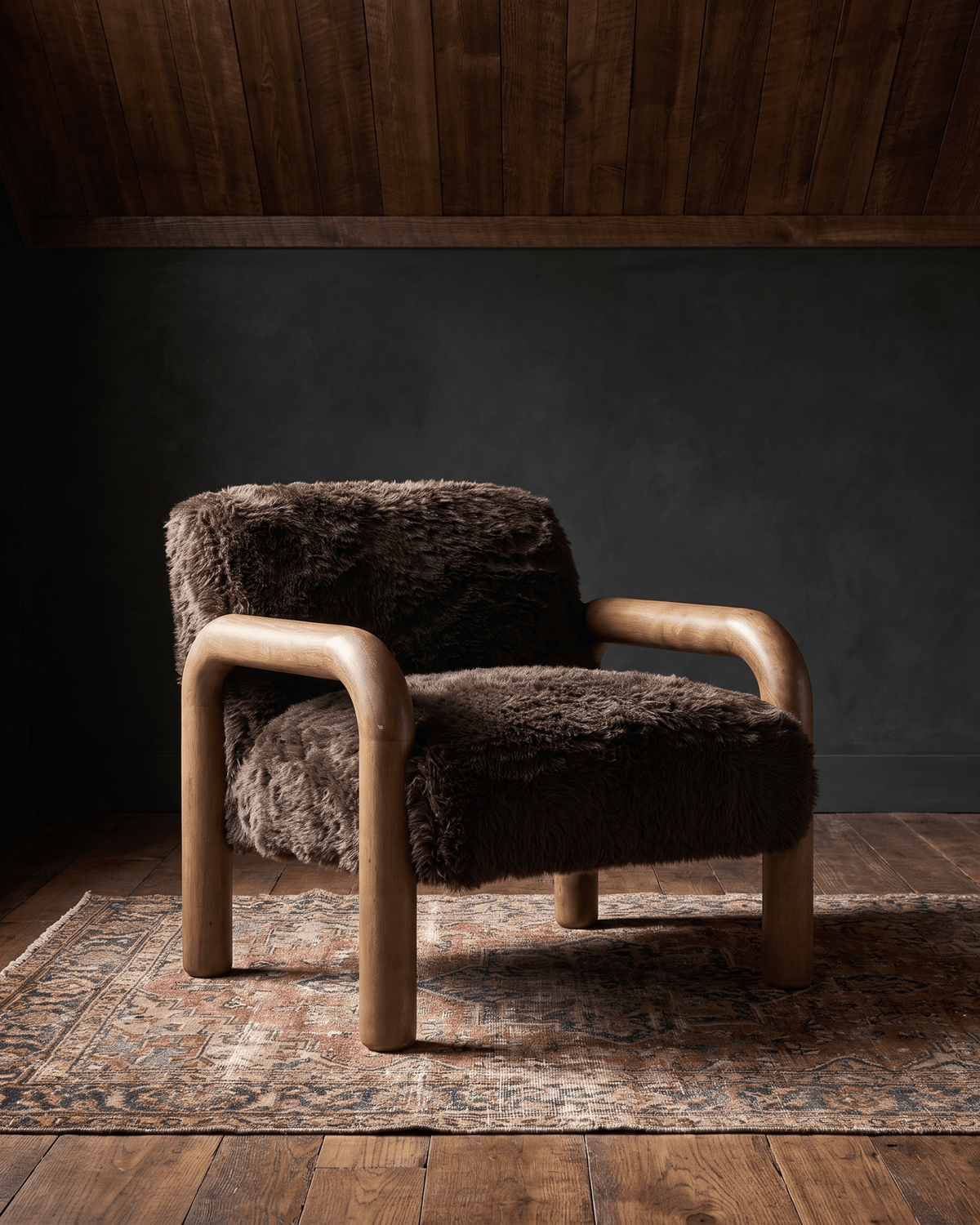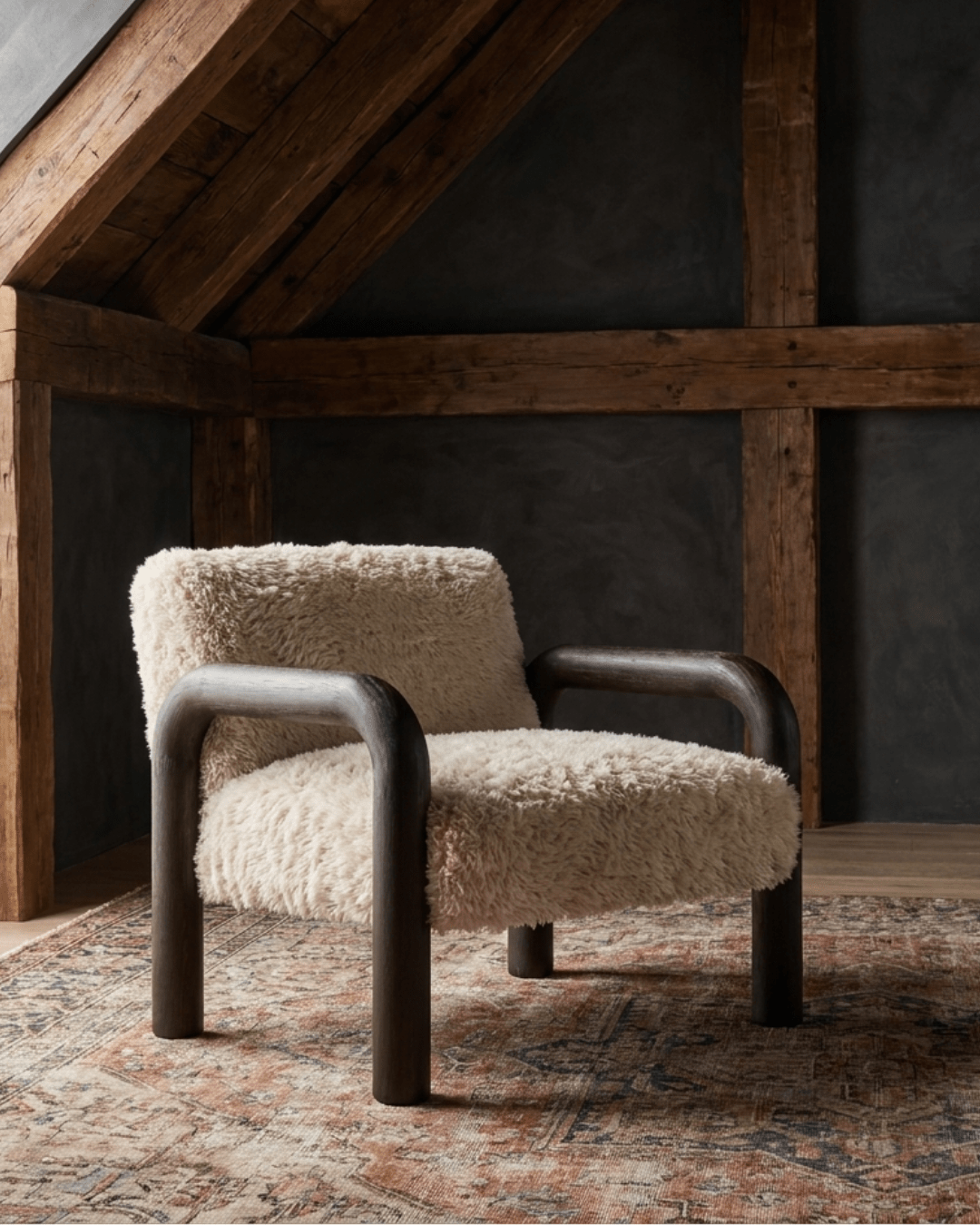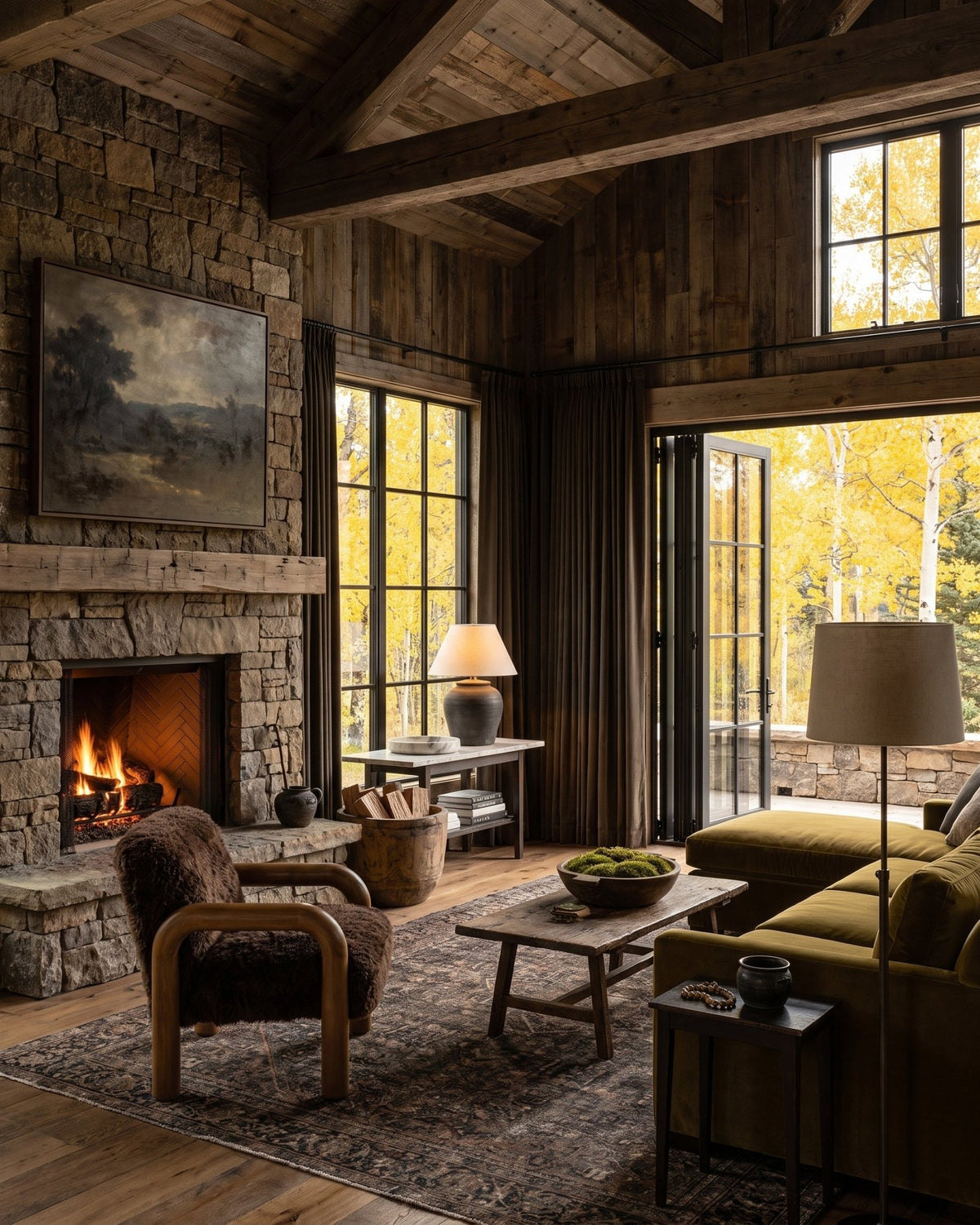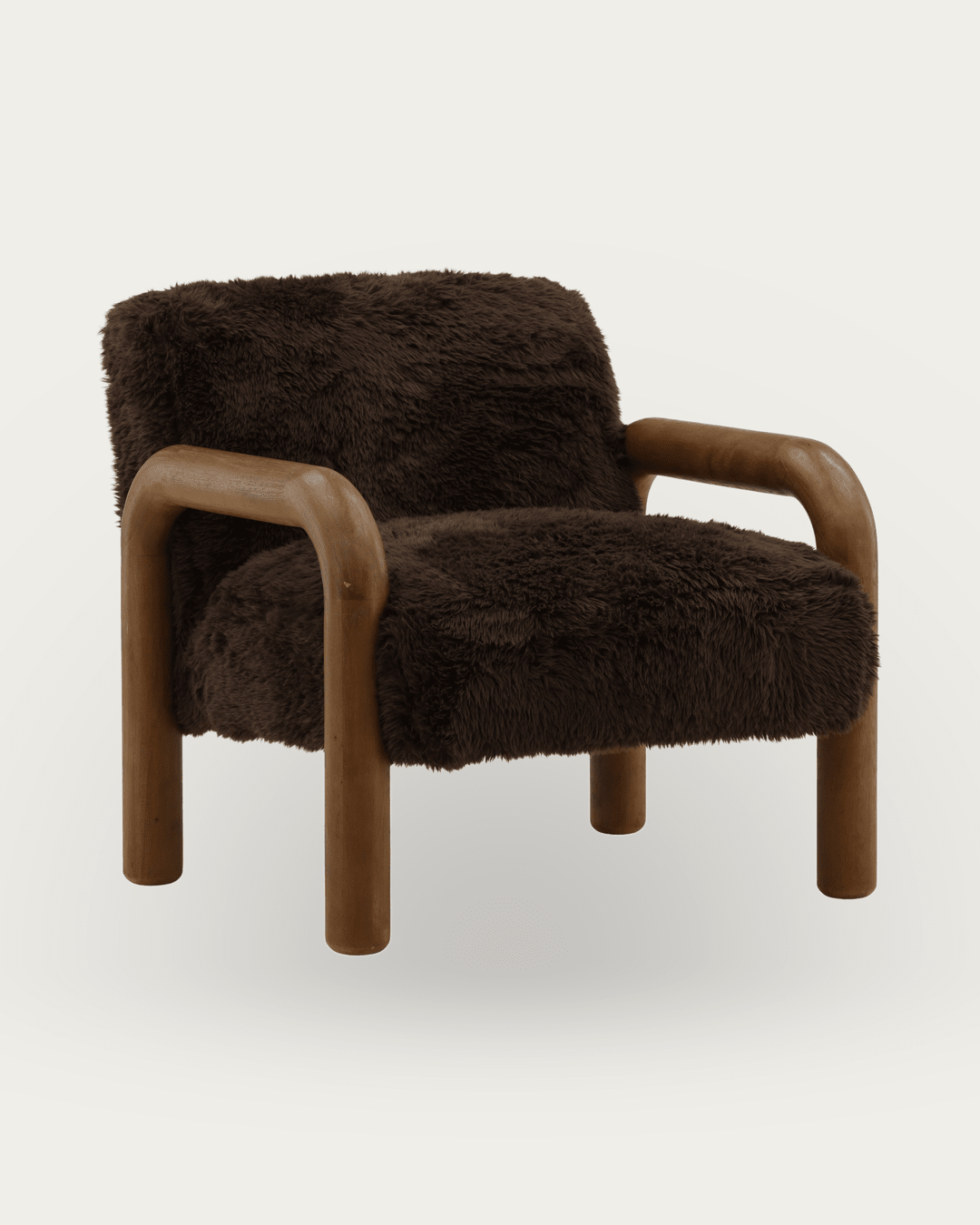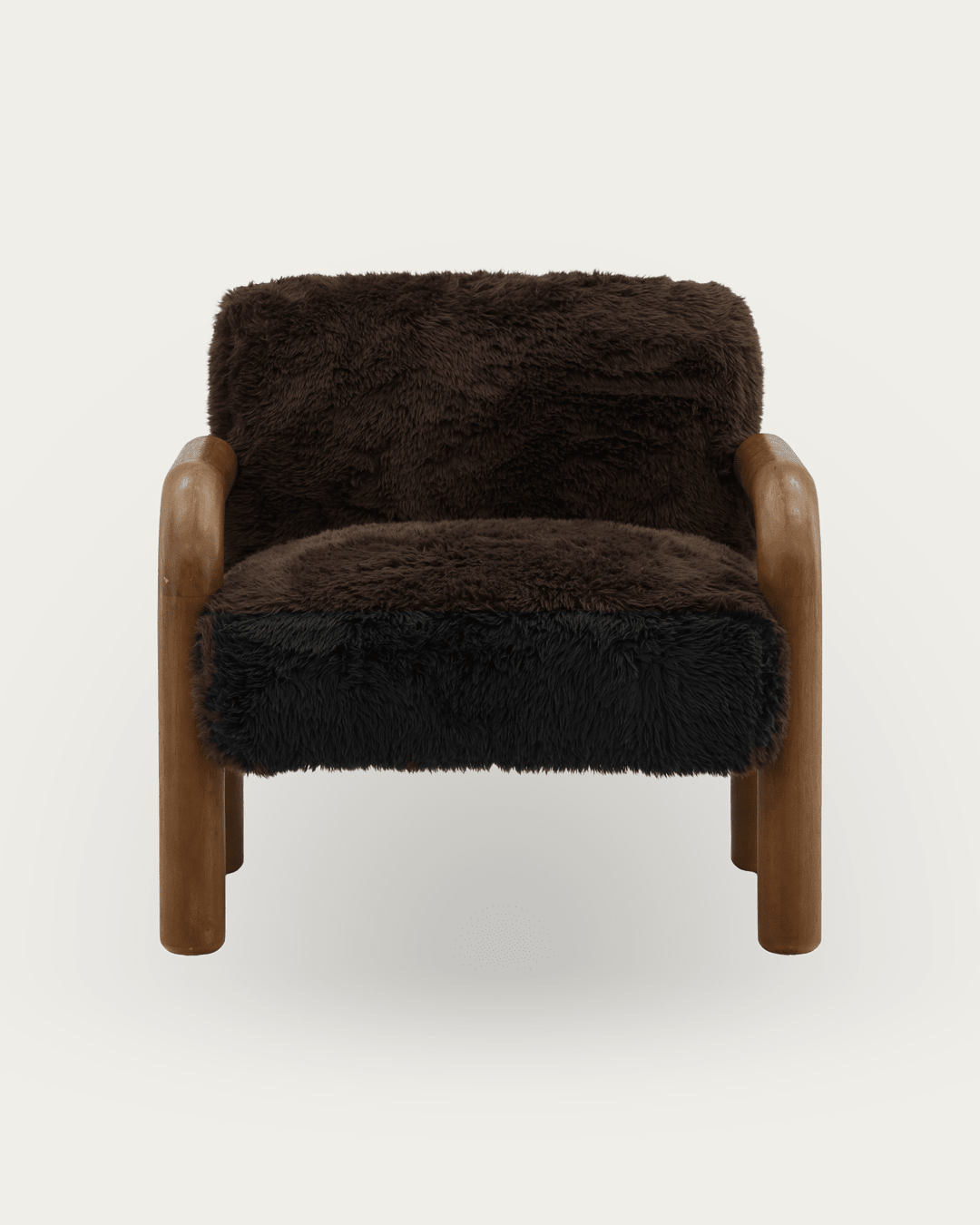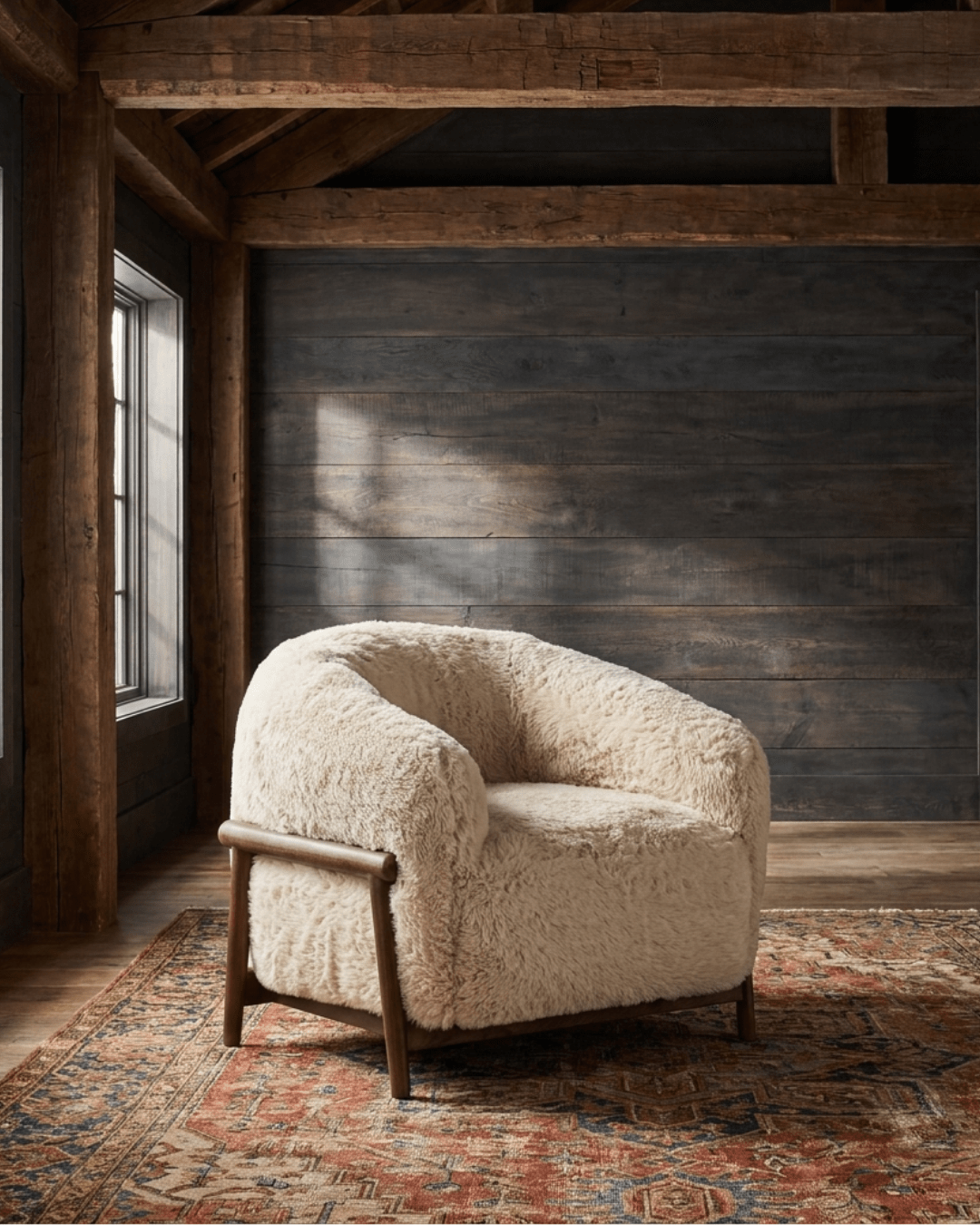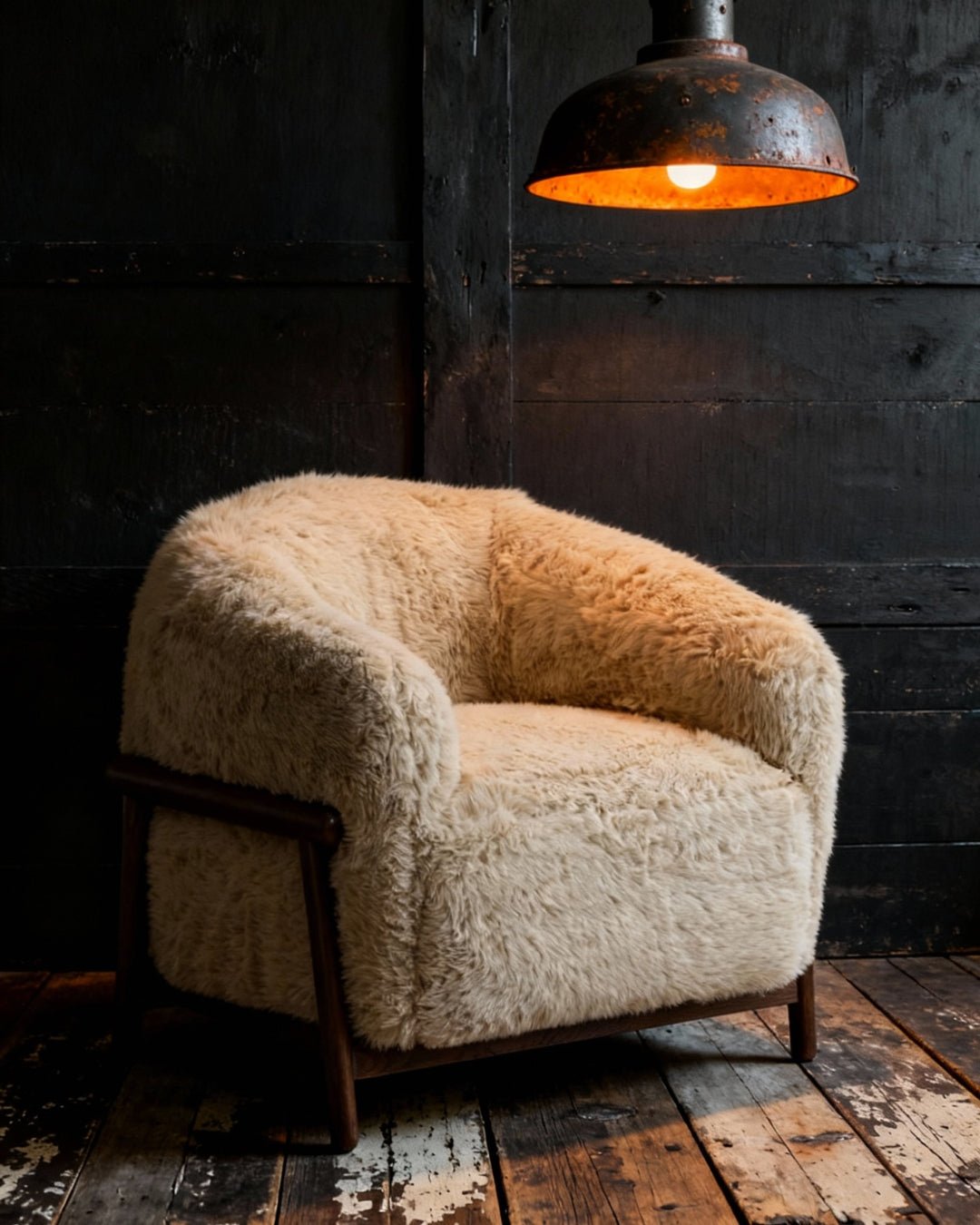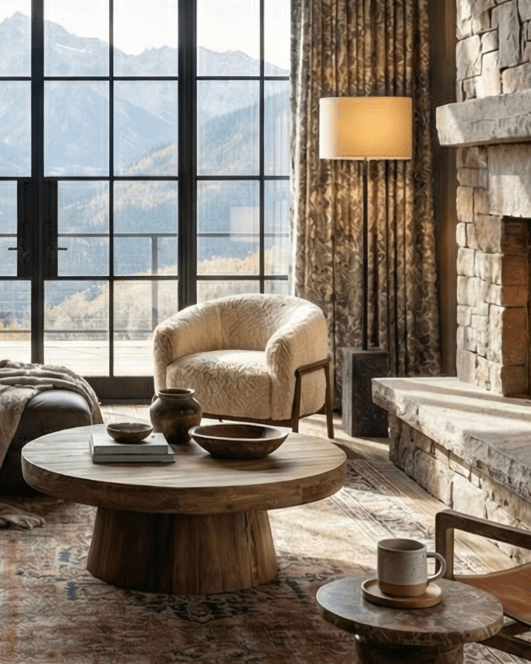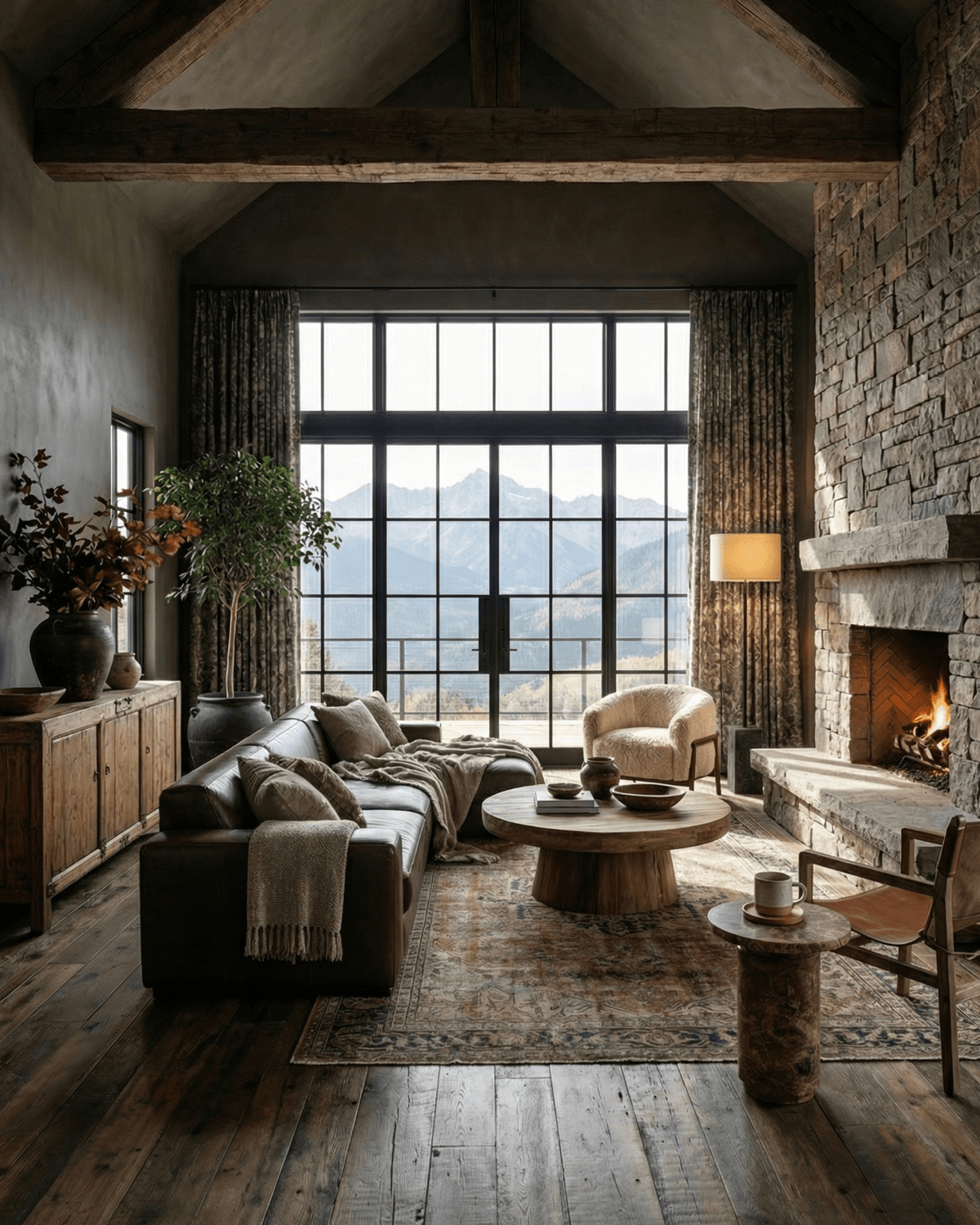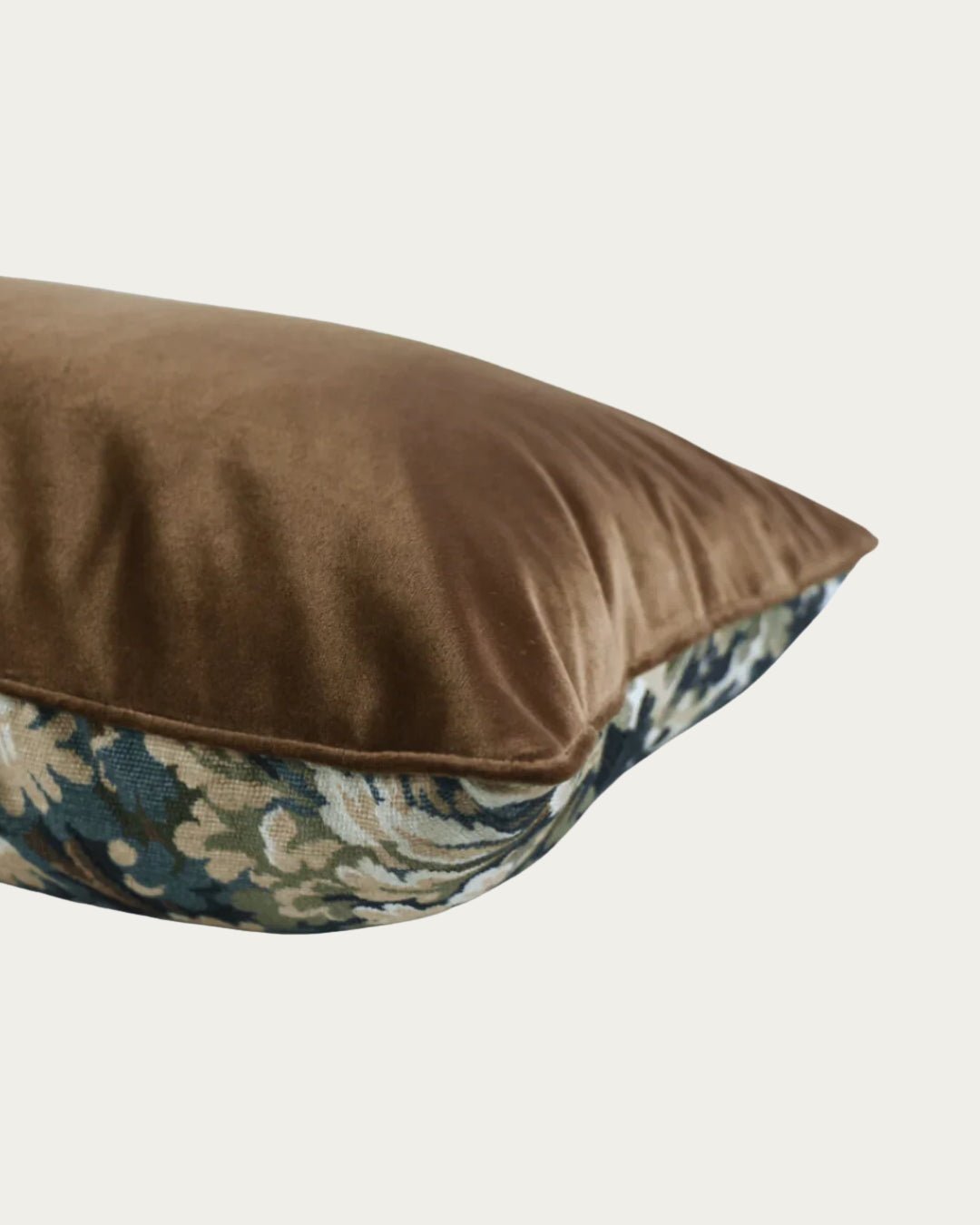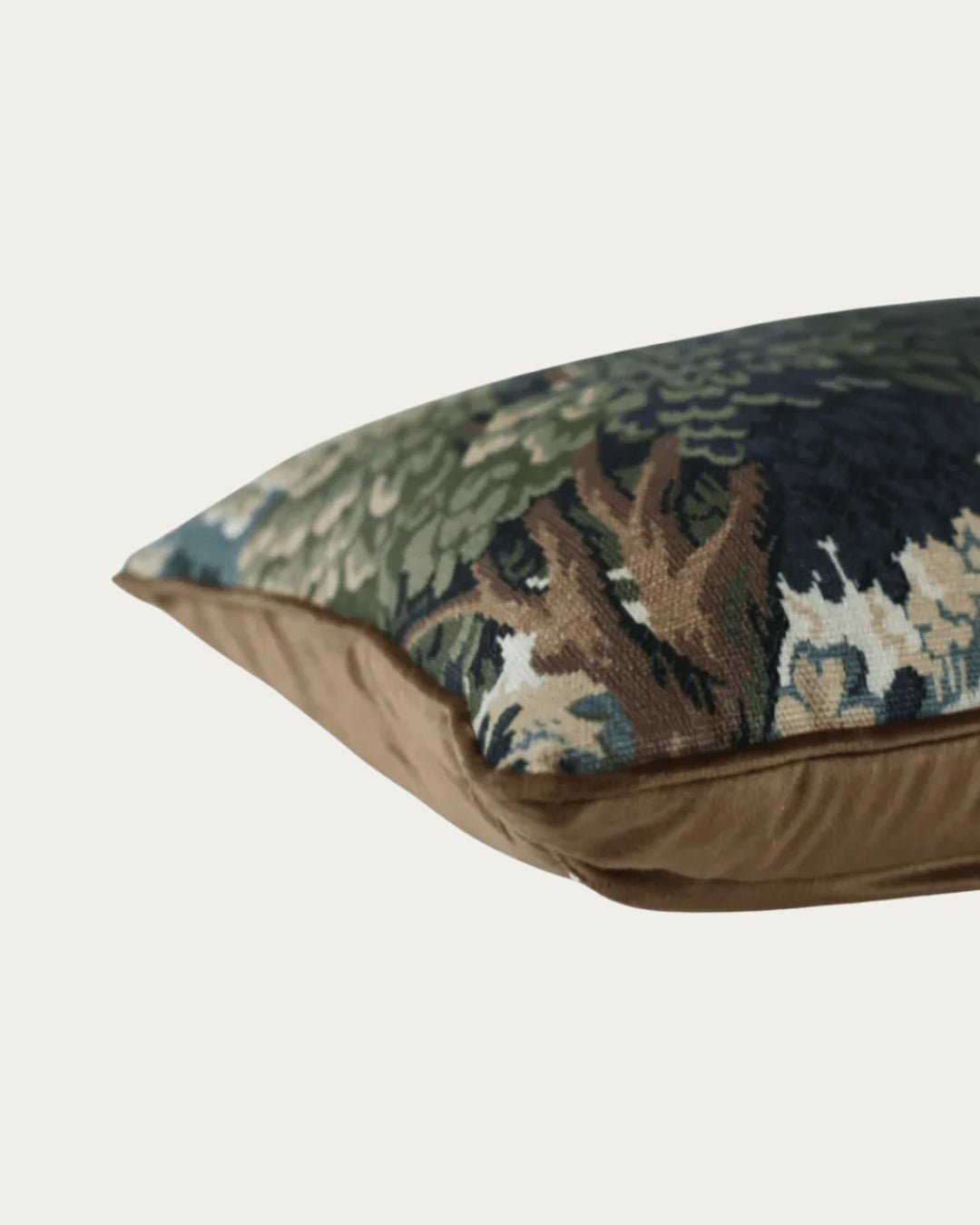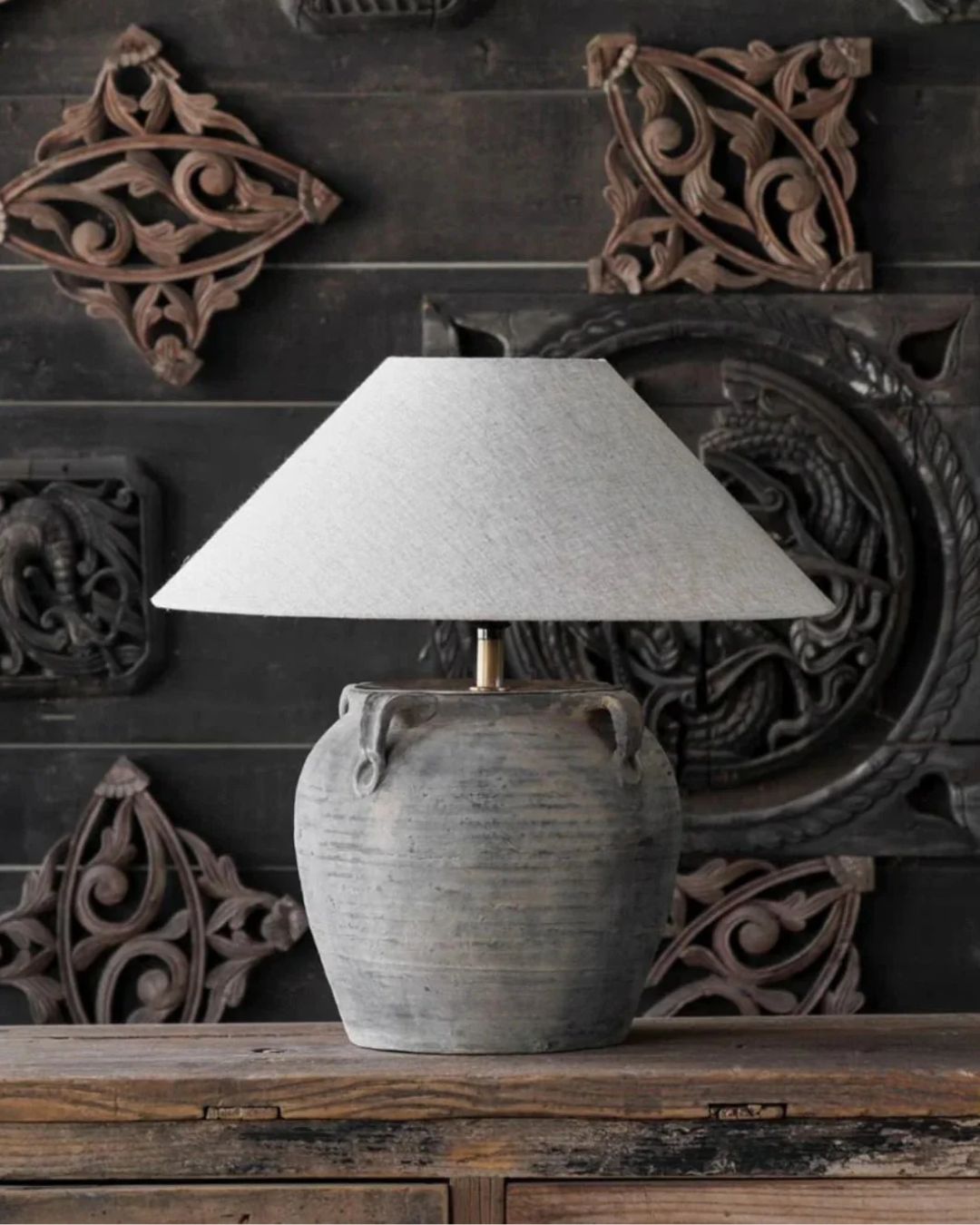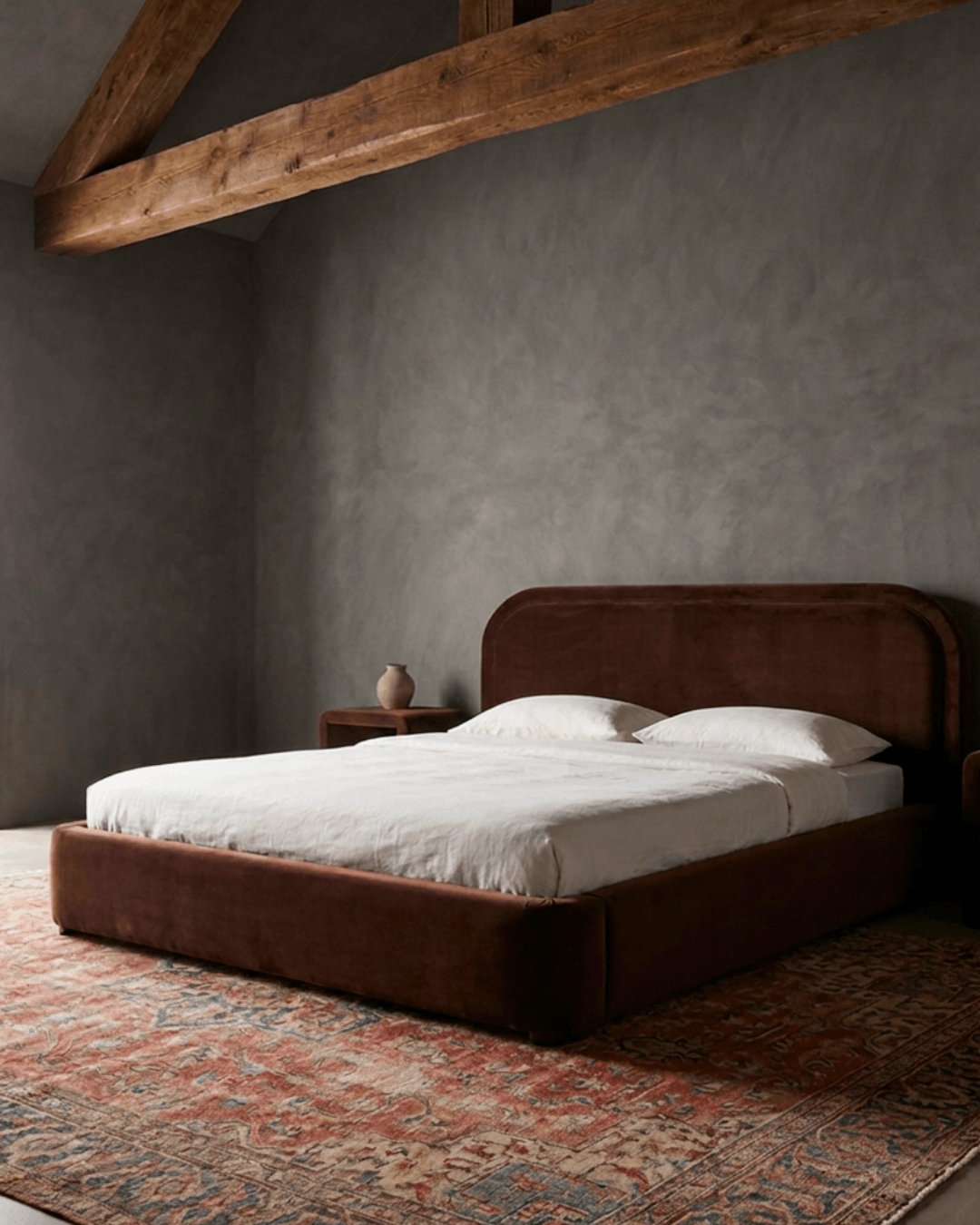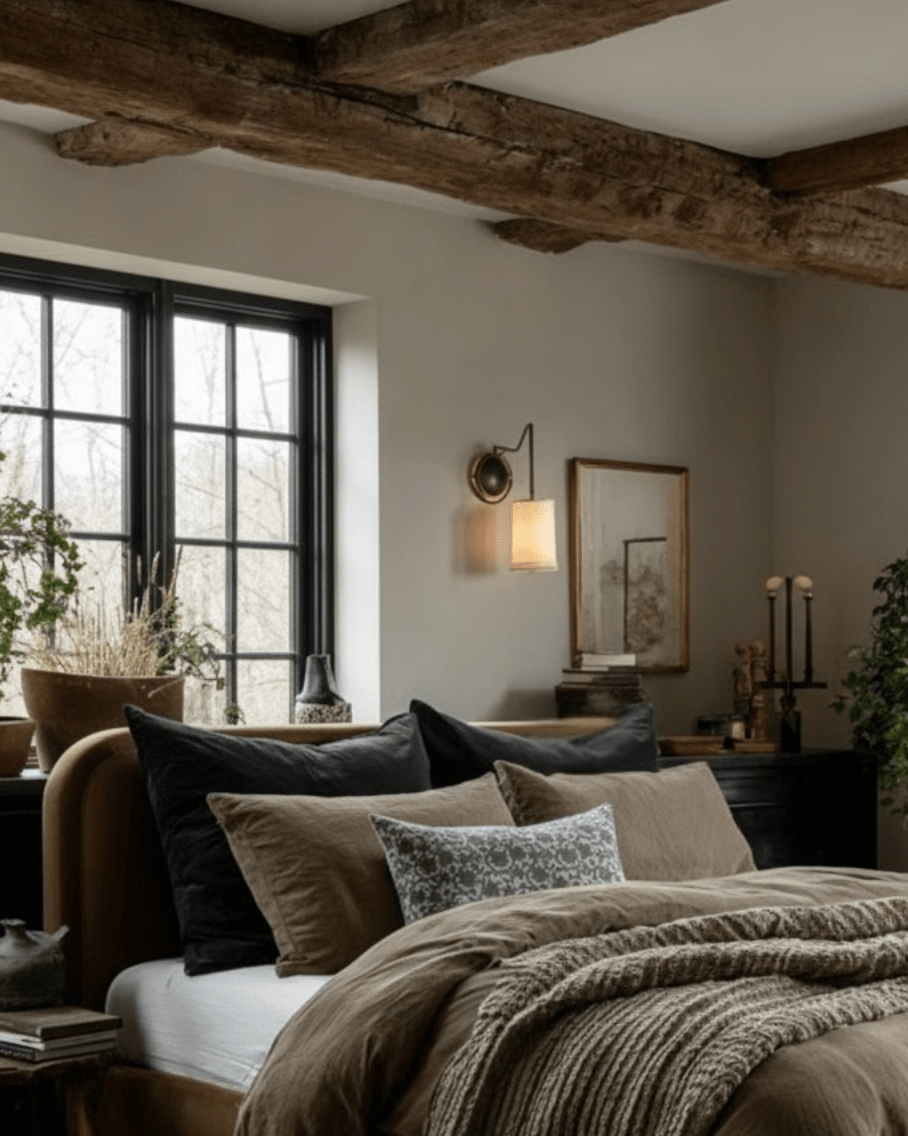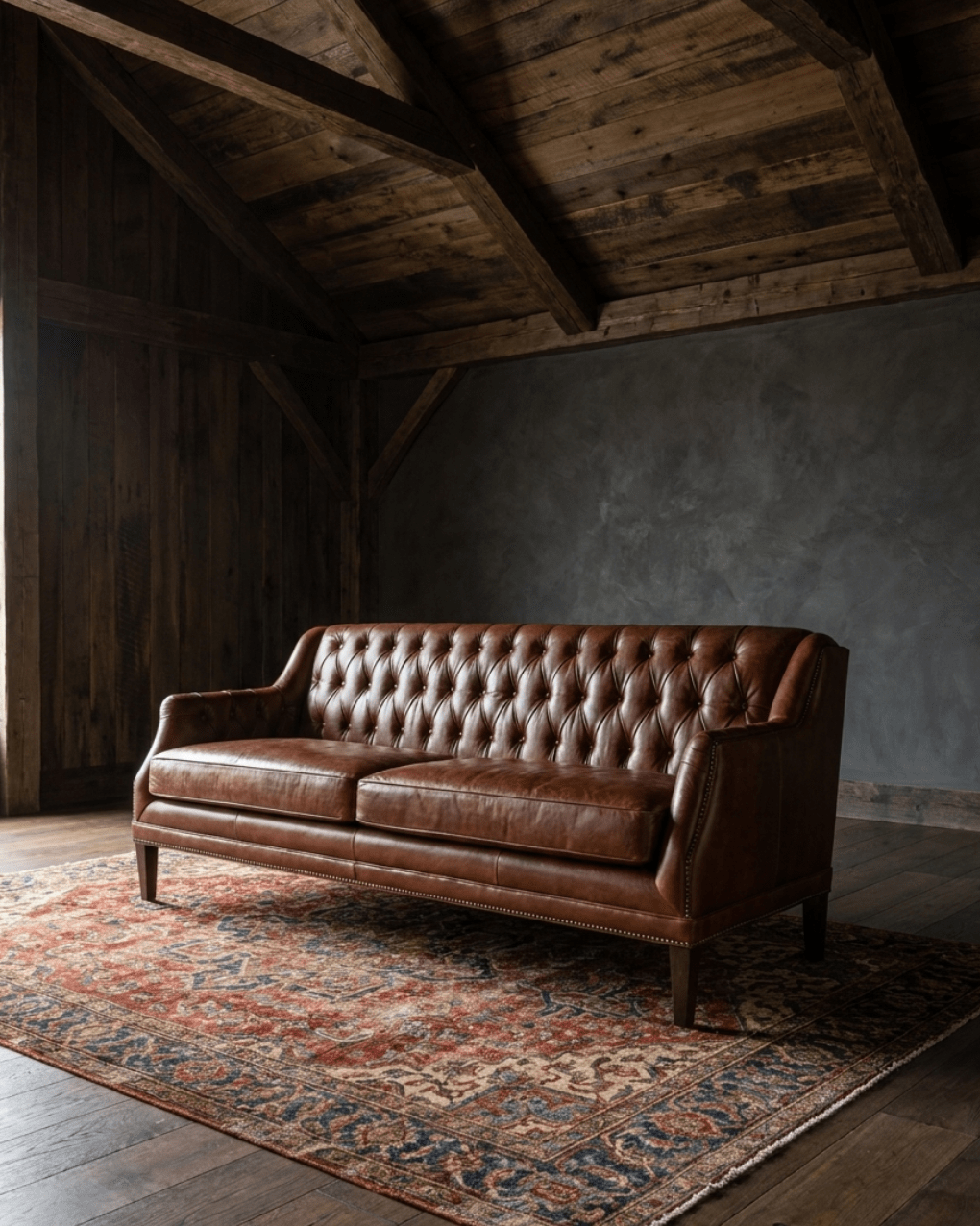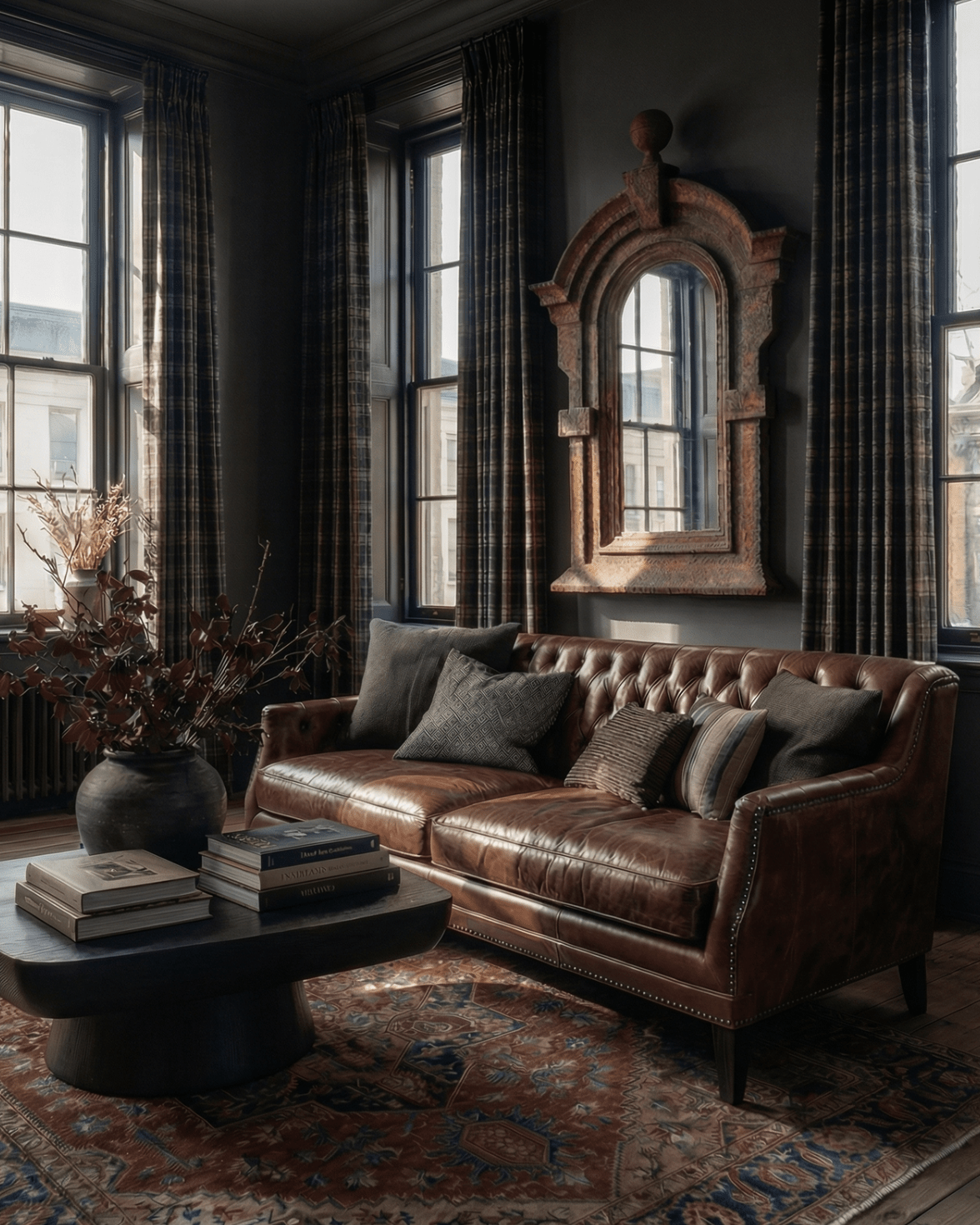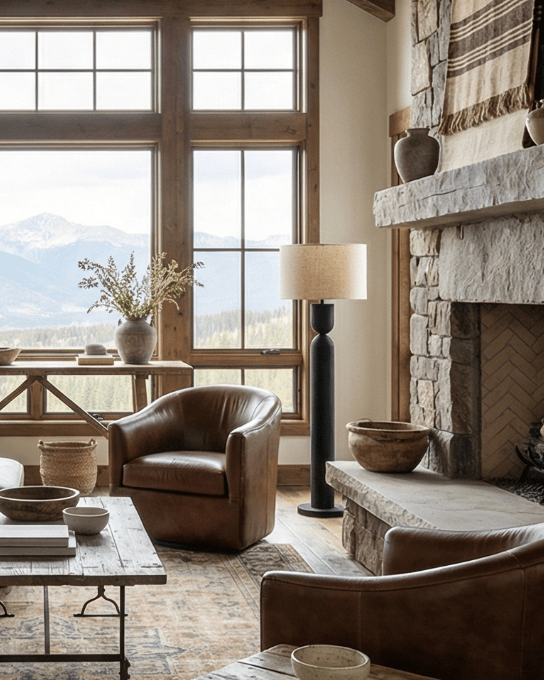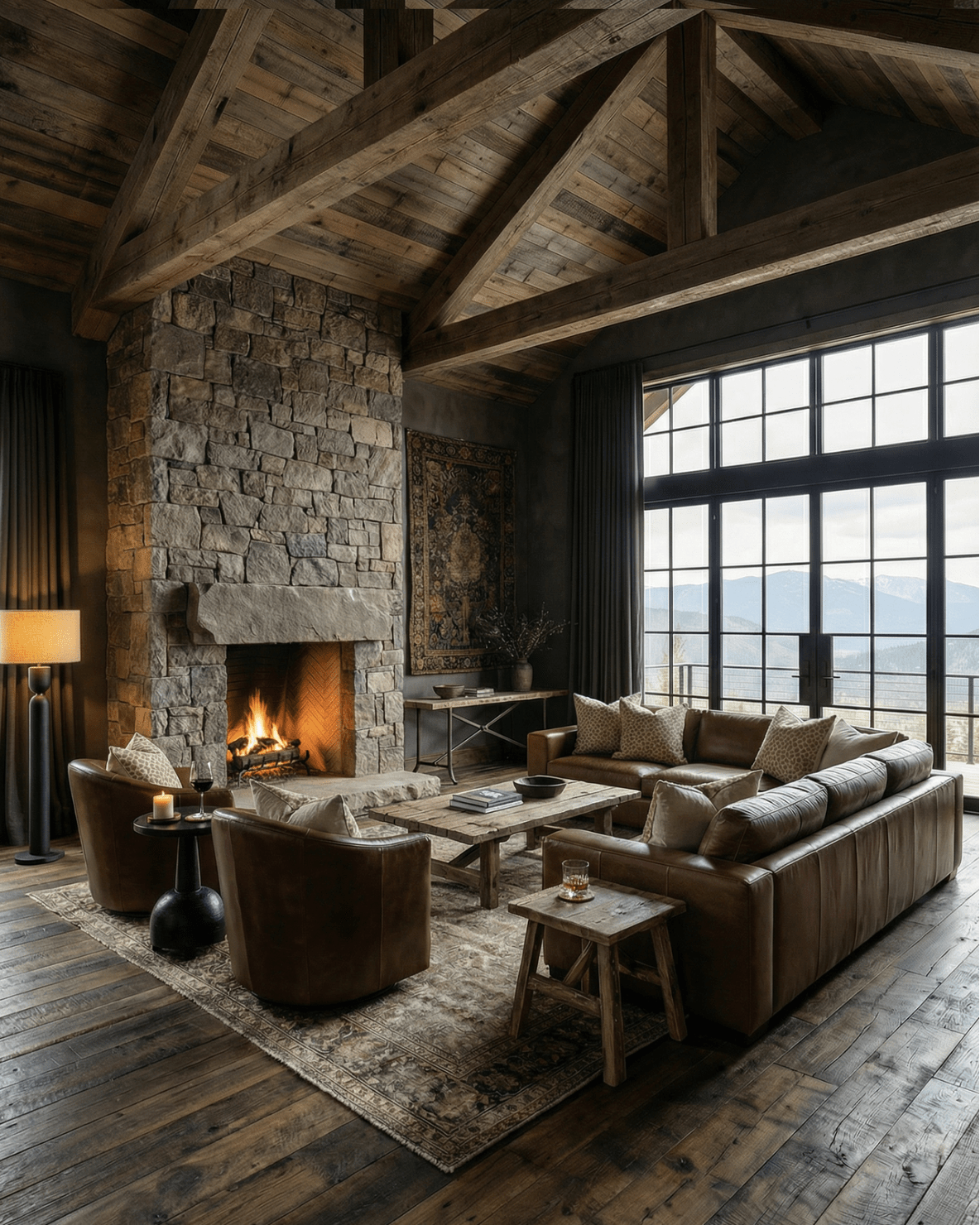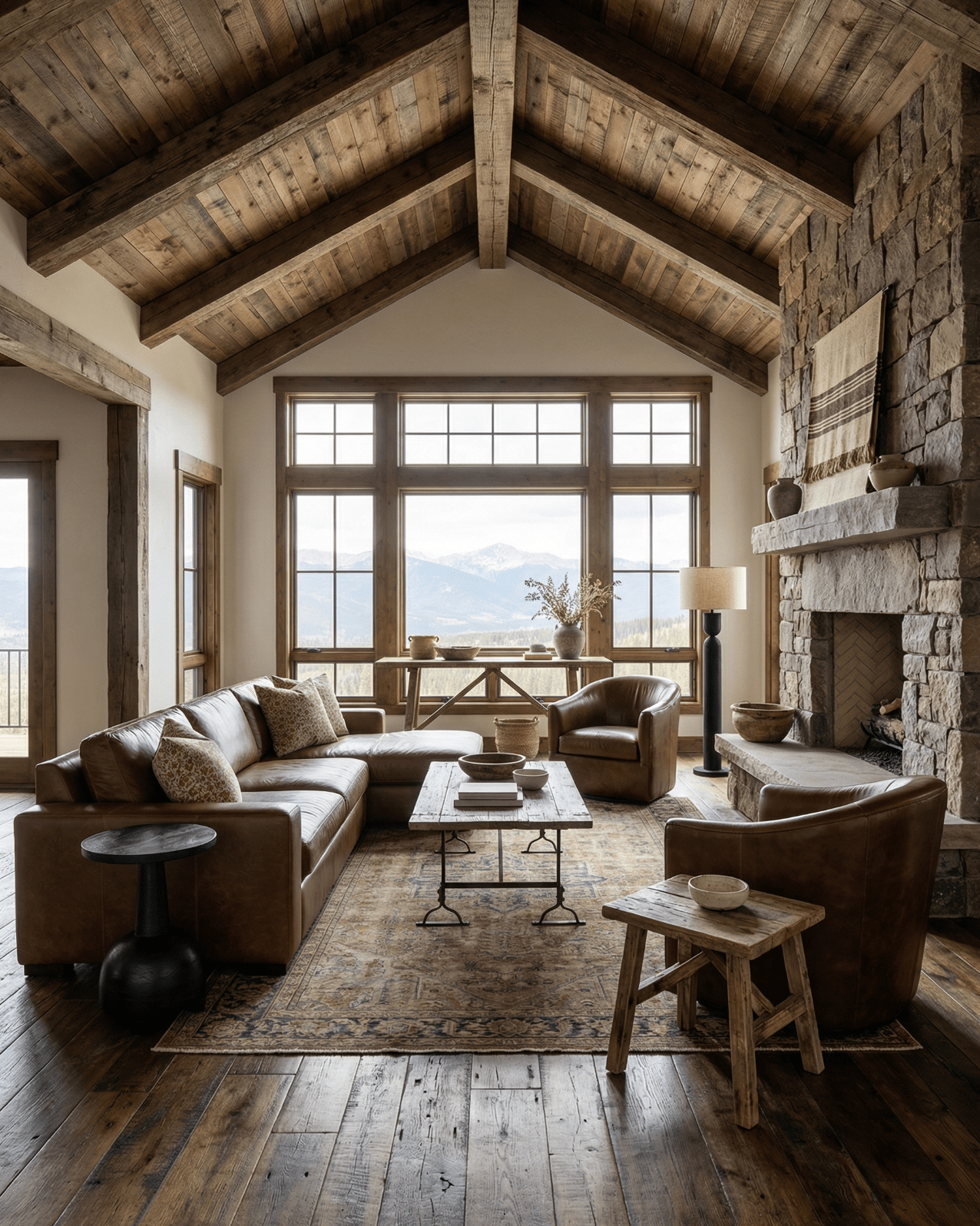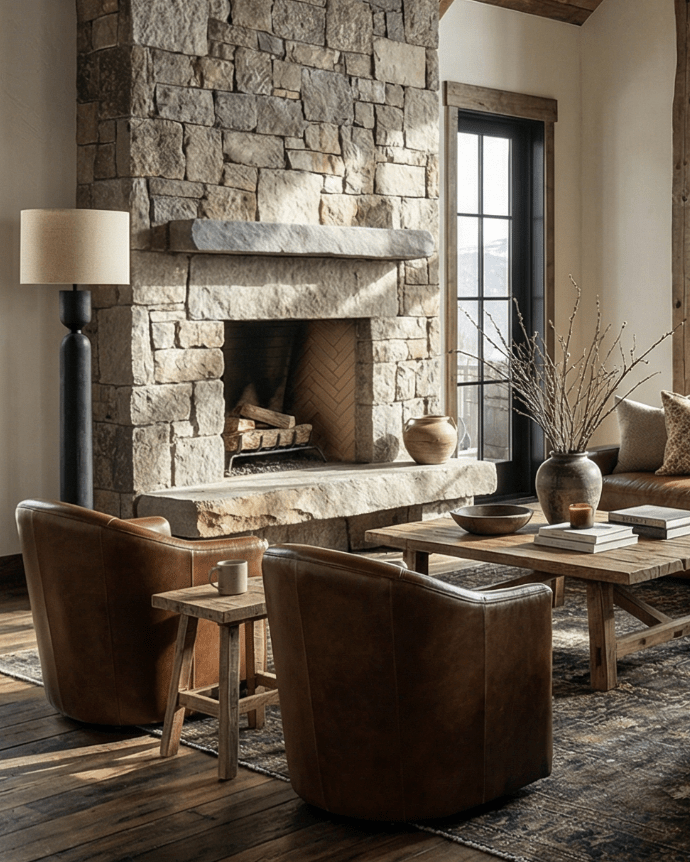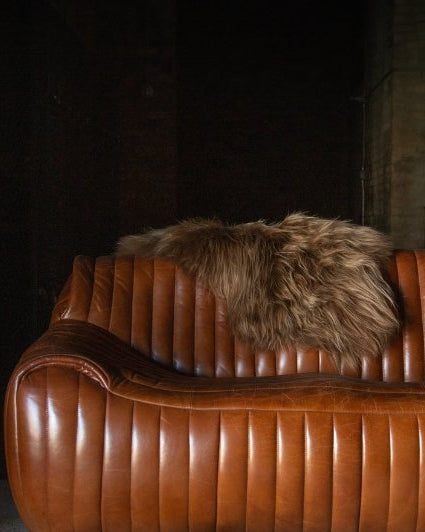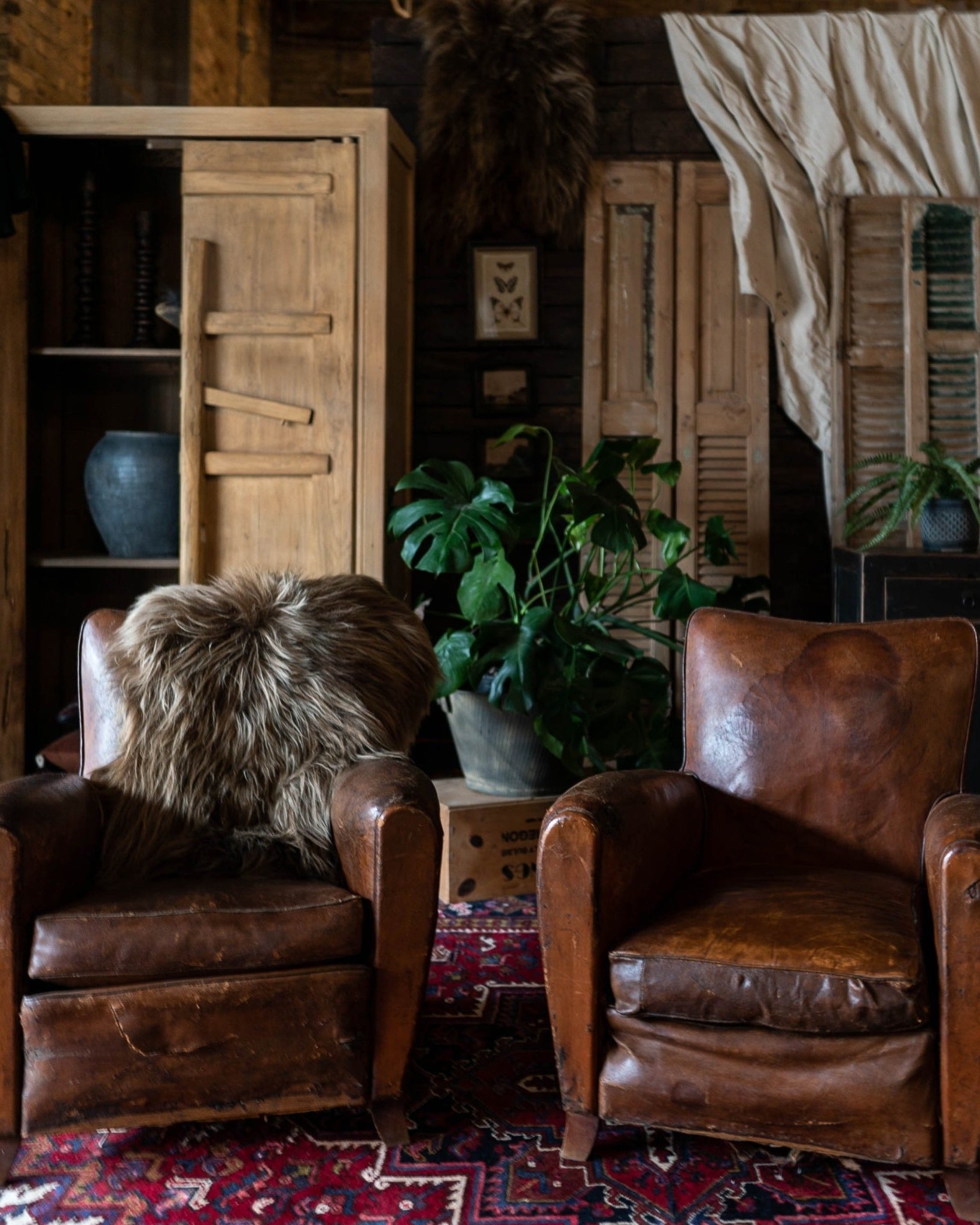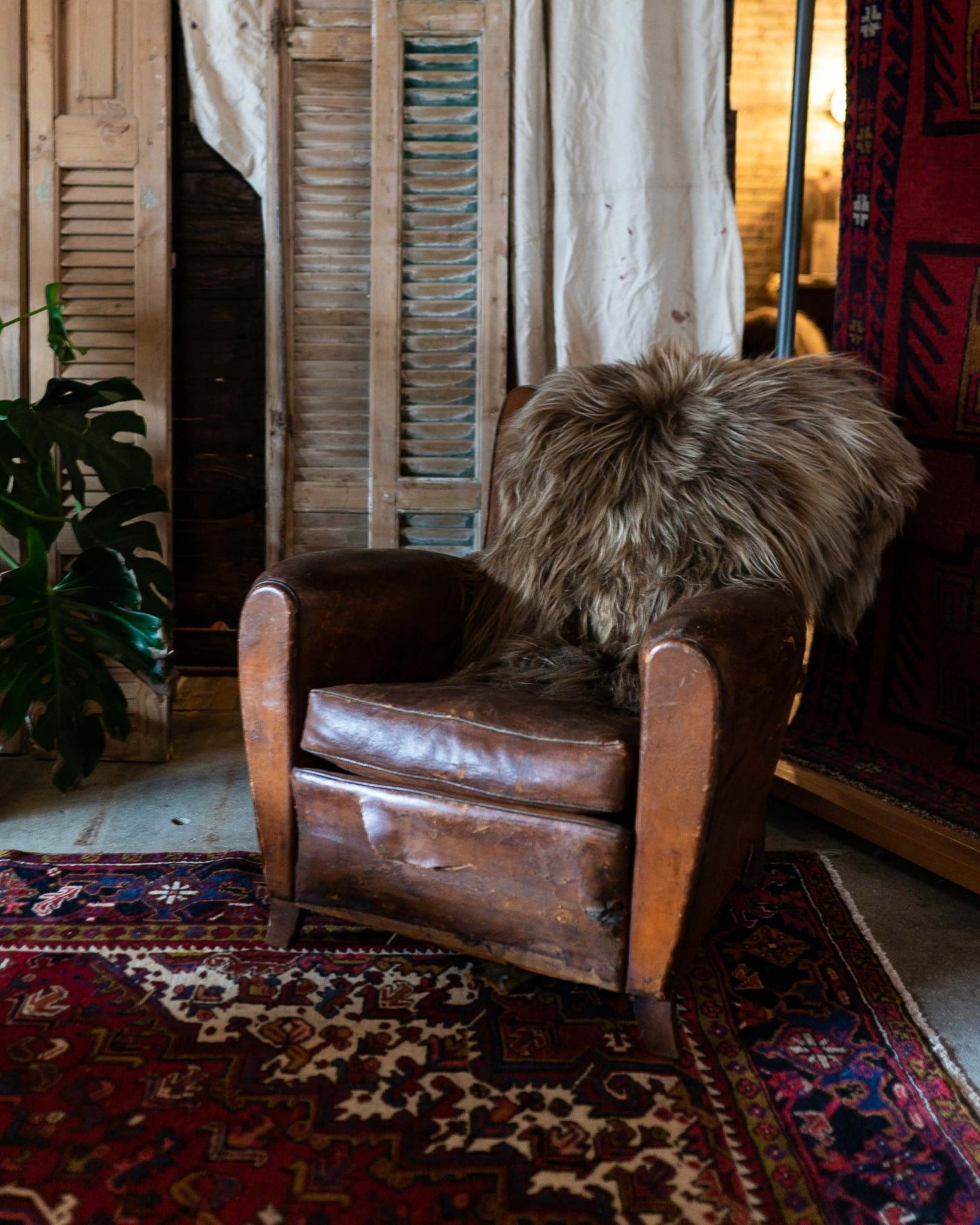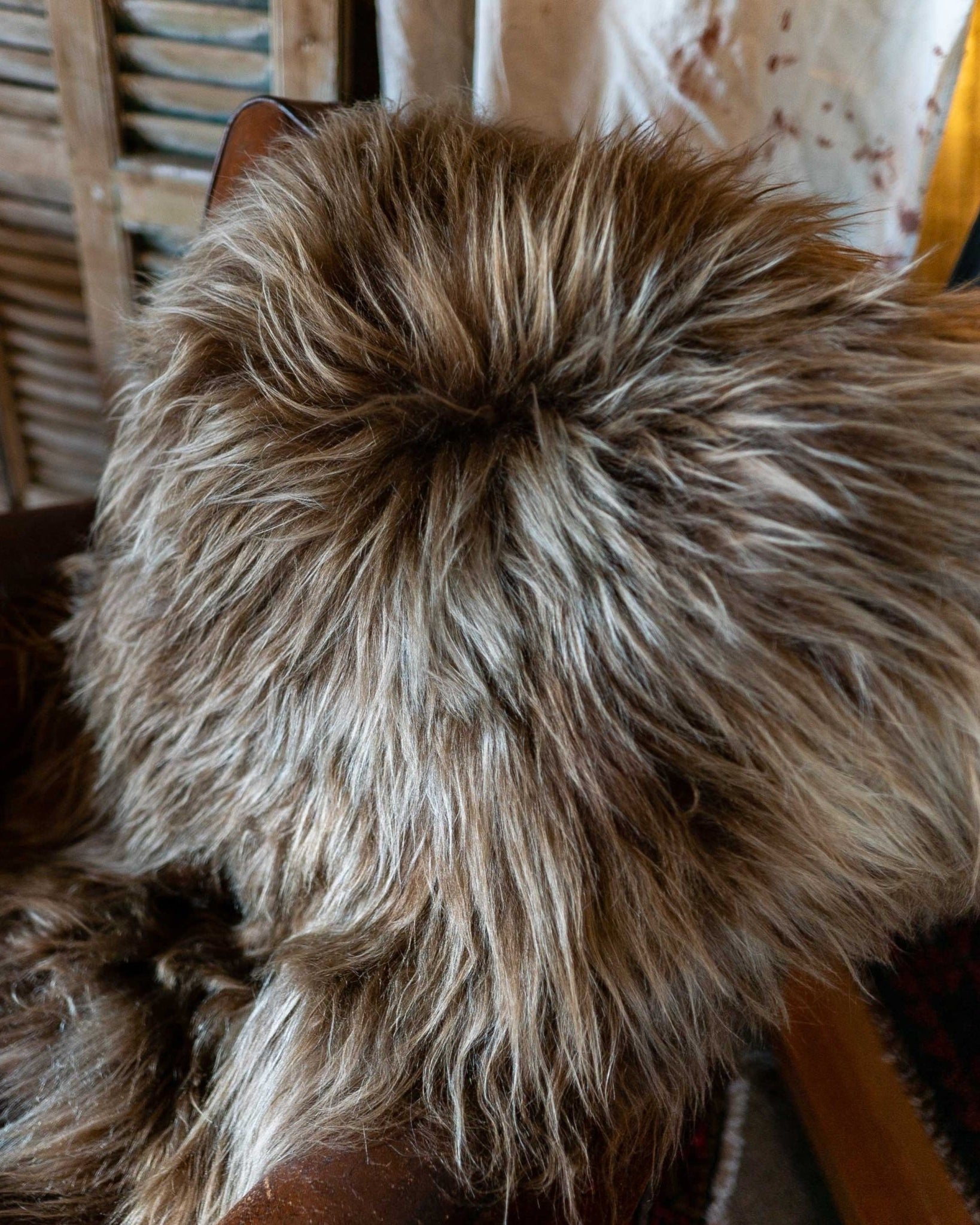







Have you ever noticed that some homes immediately make you exhale?
Not because they're larger. Not because they're perfectly styled. And not because every object matches.
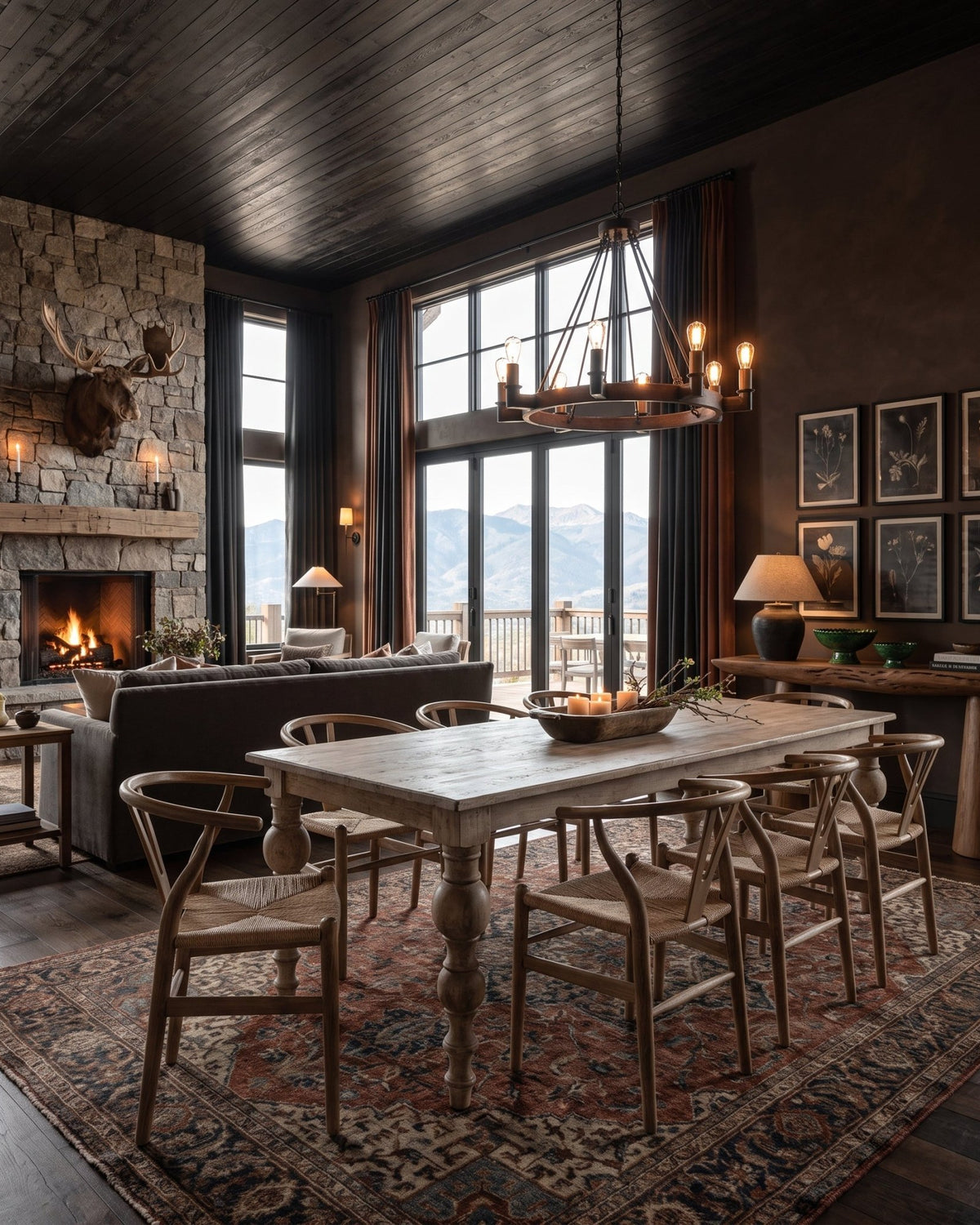
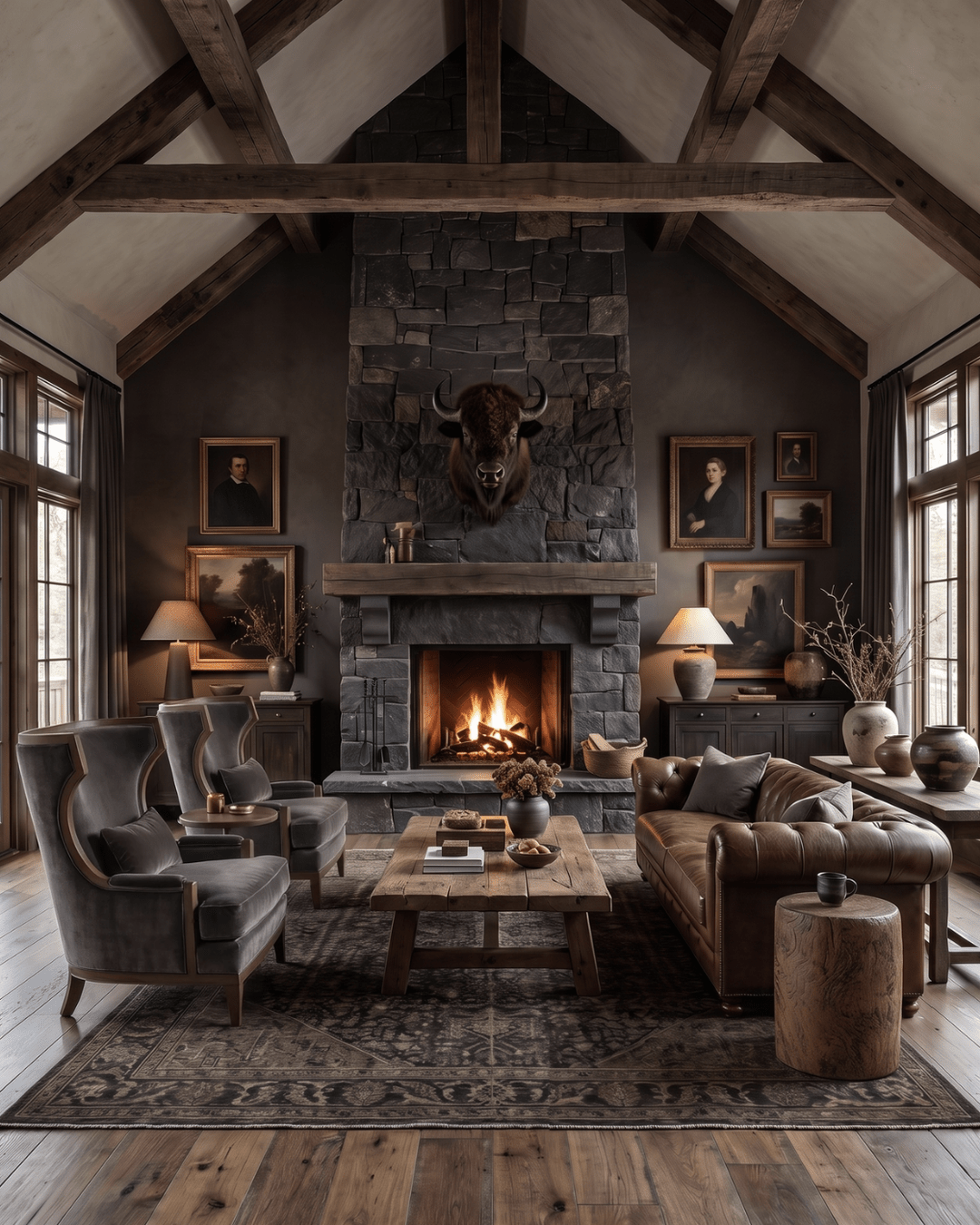
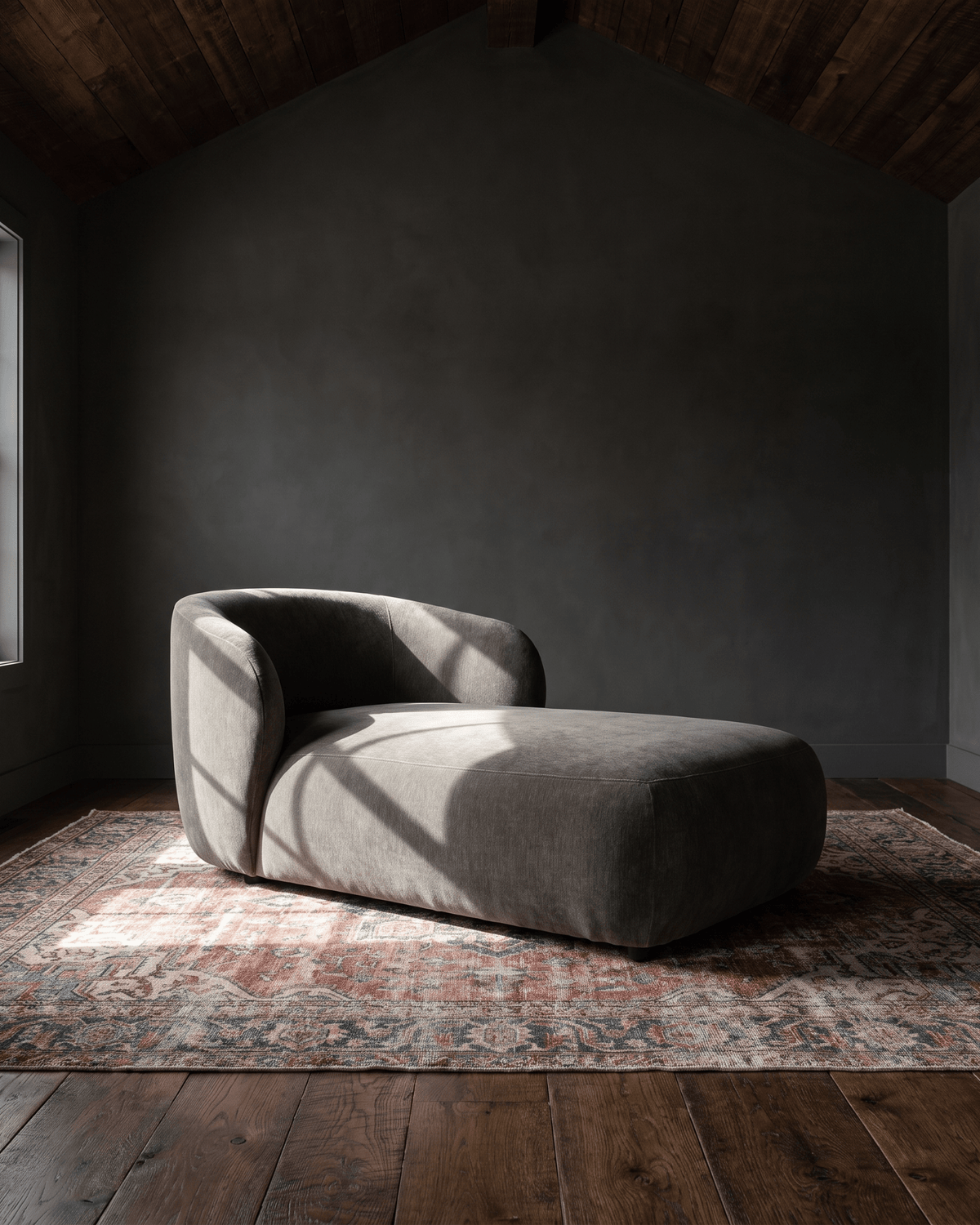
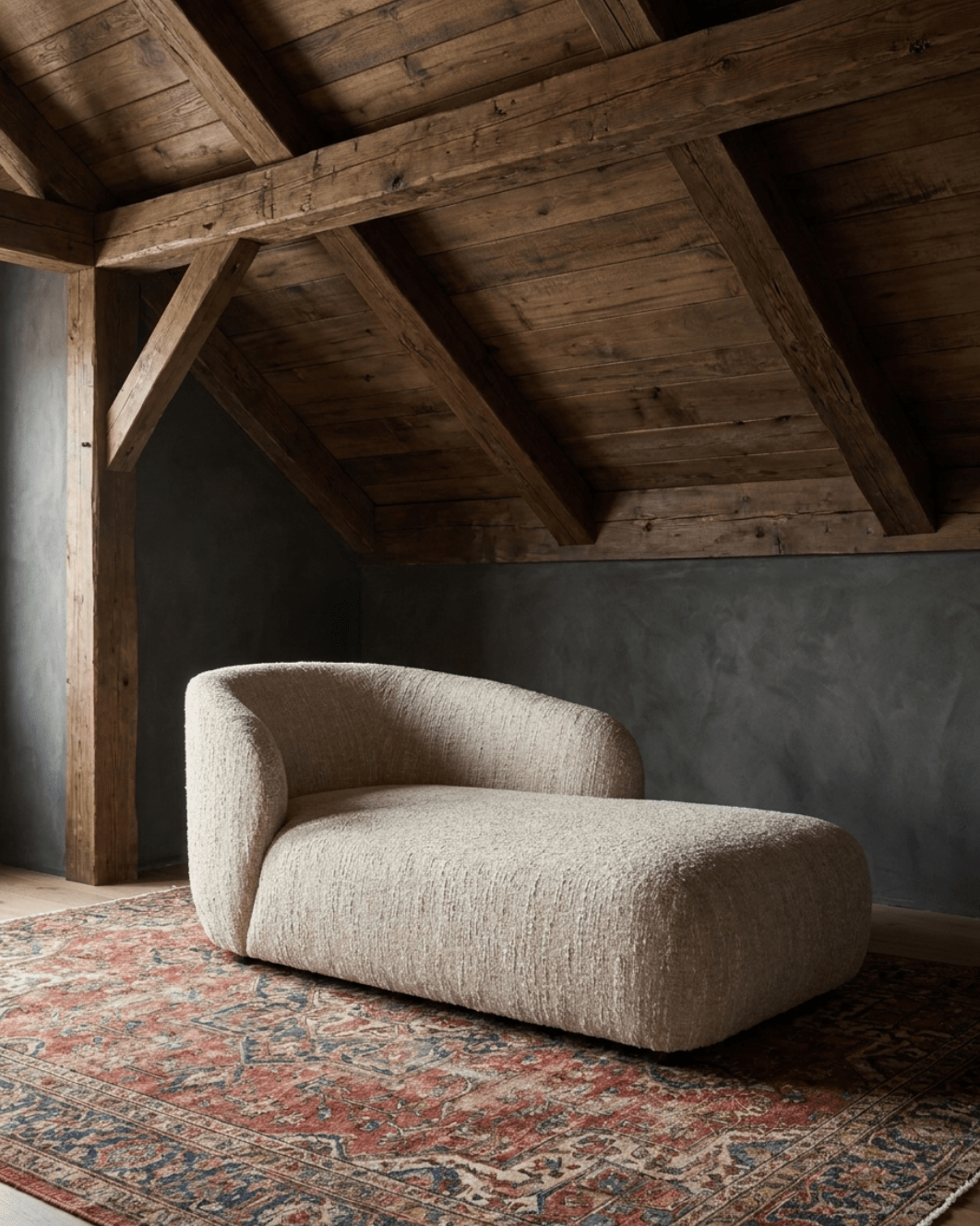
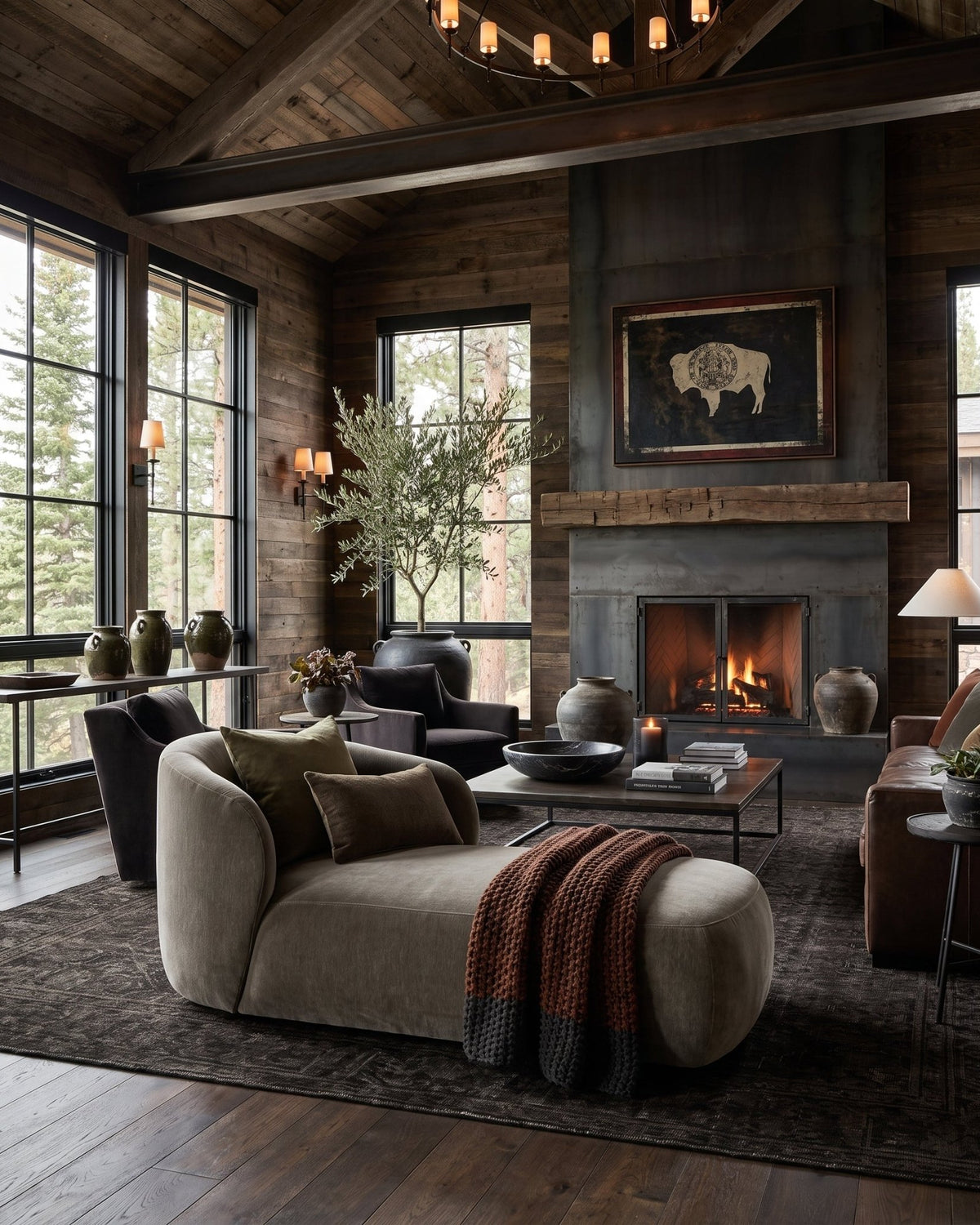
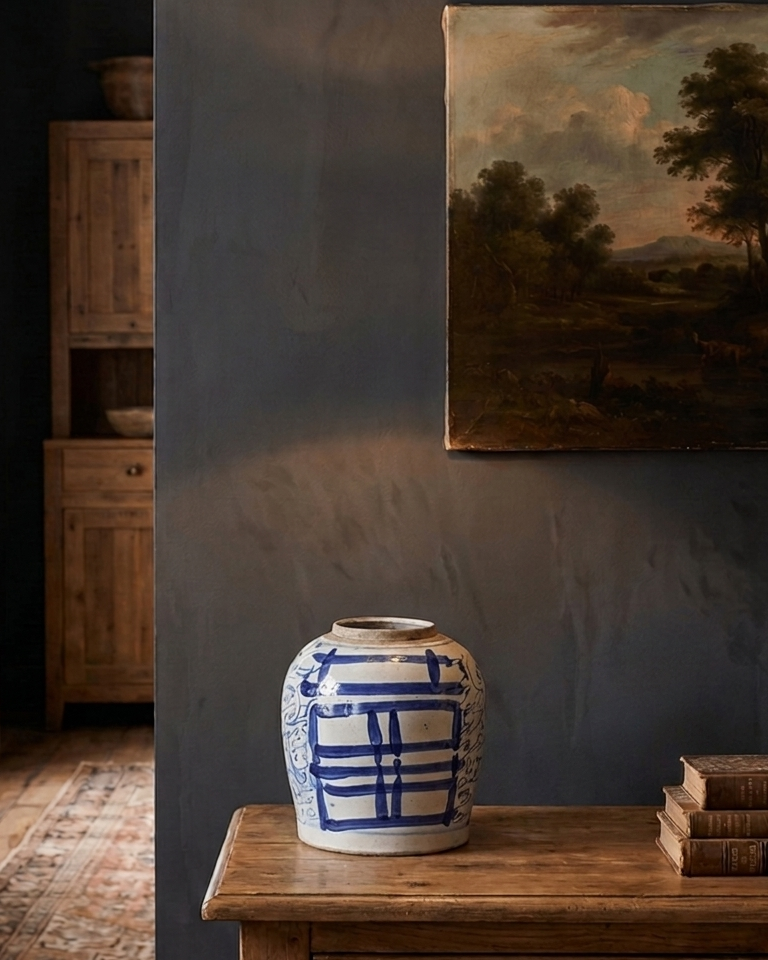
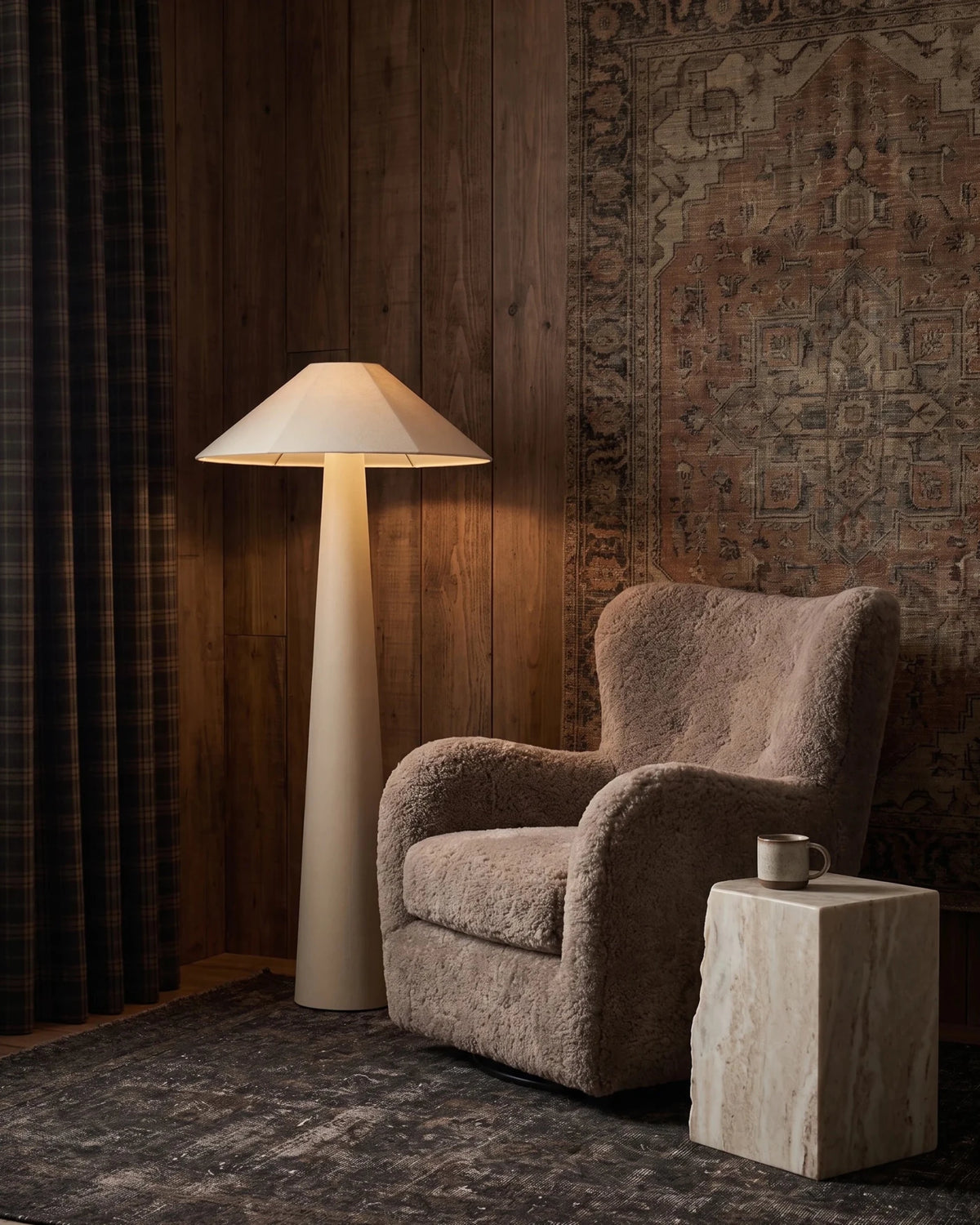
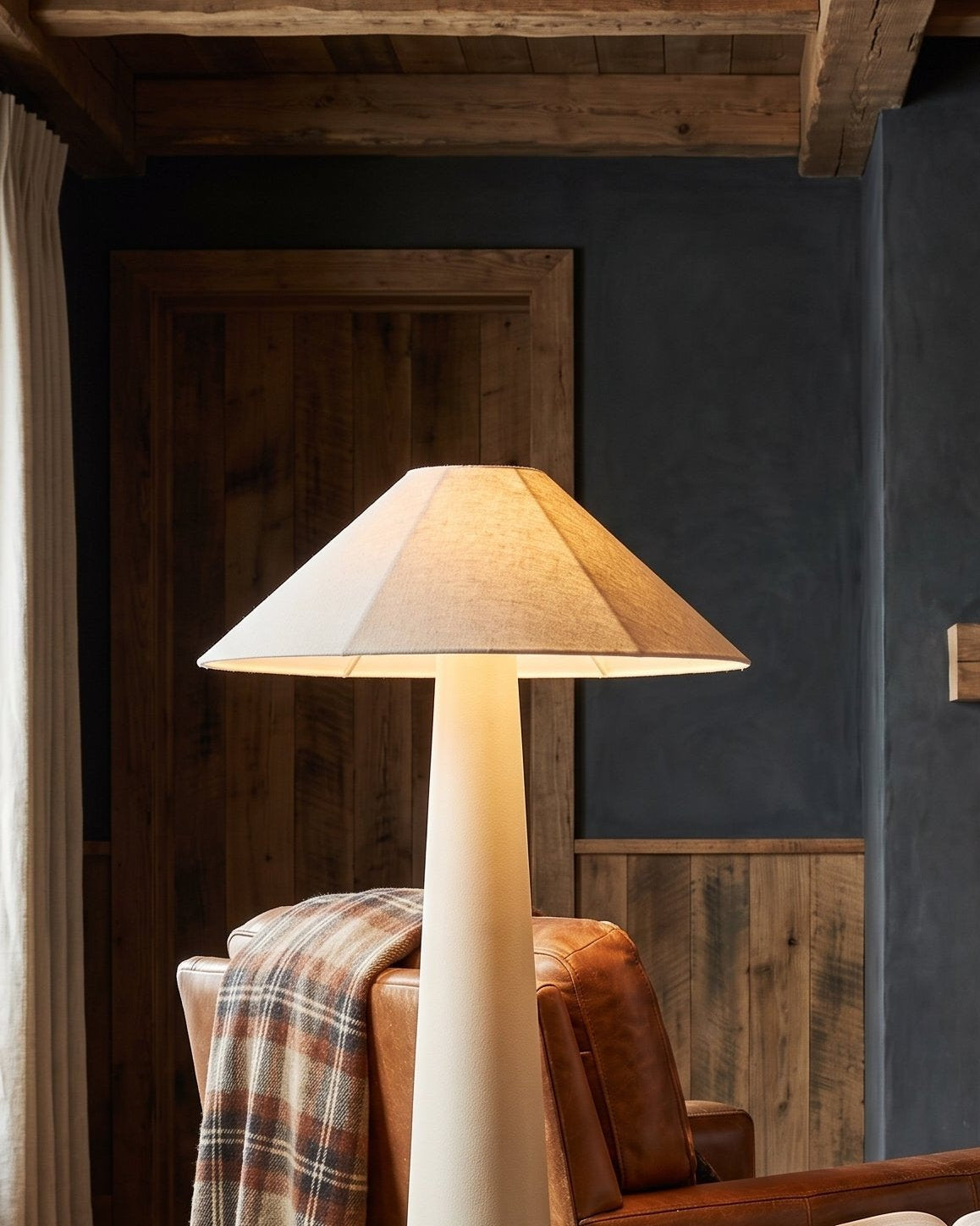
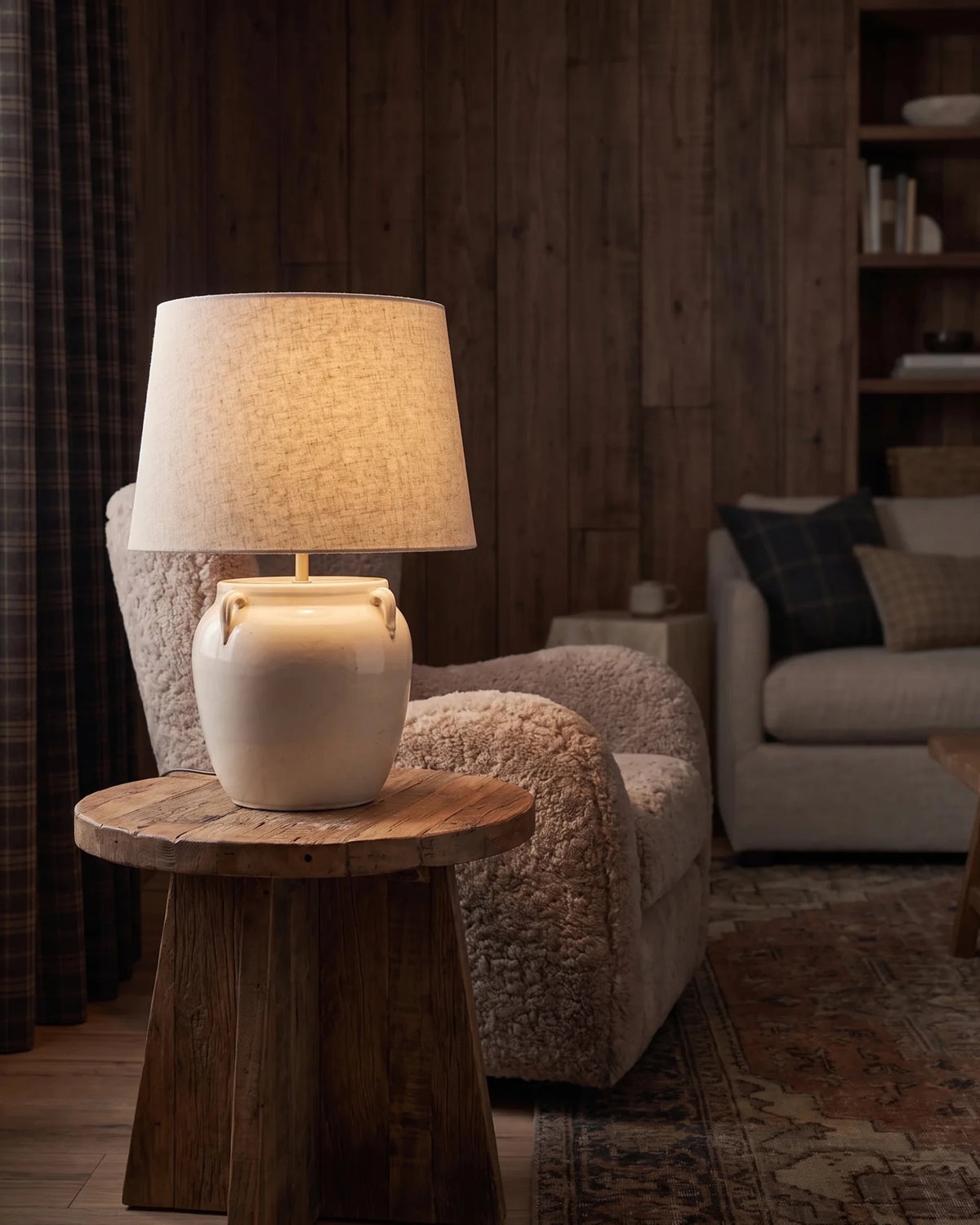
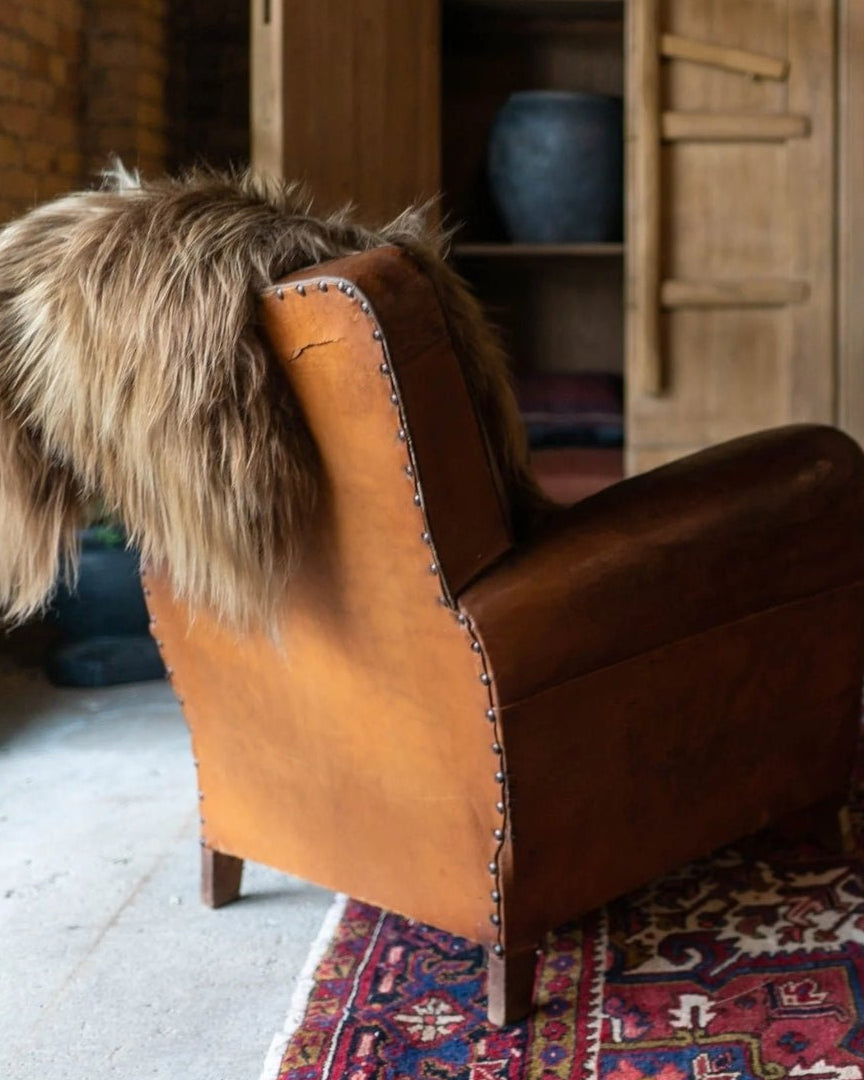
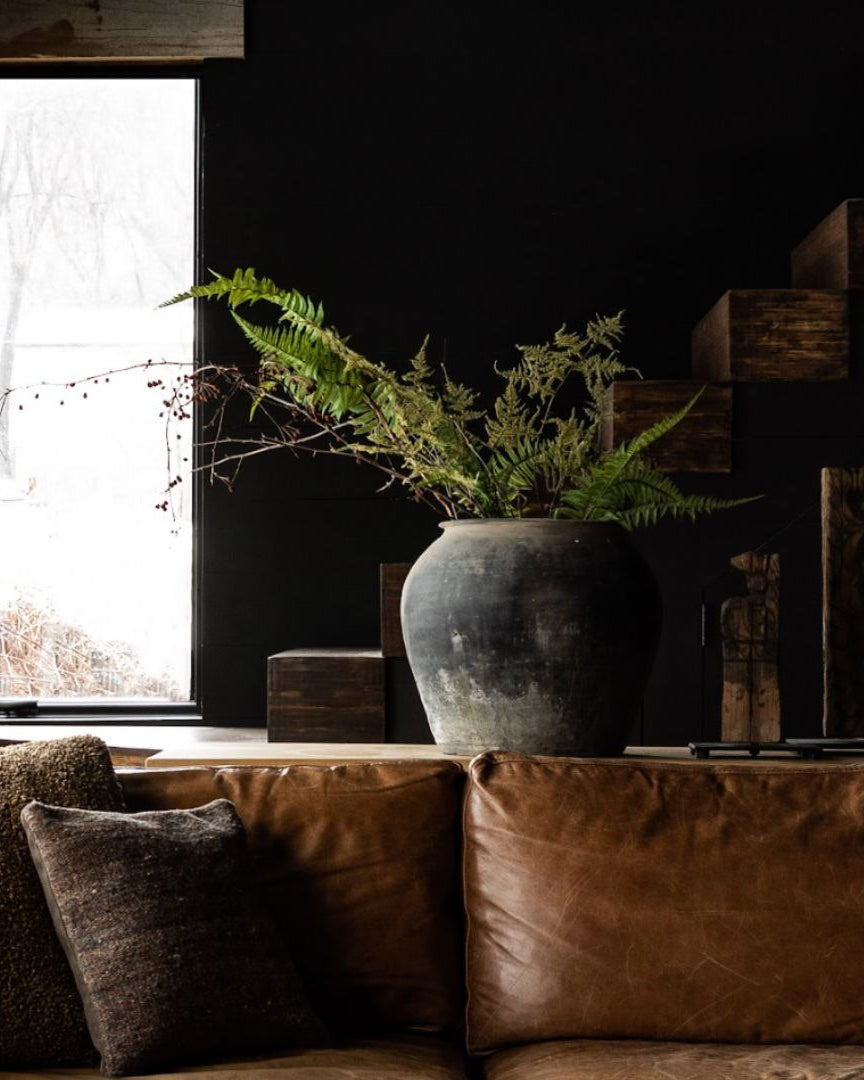
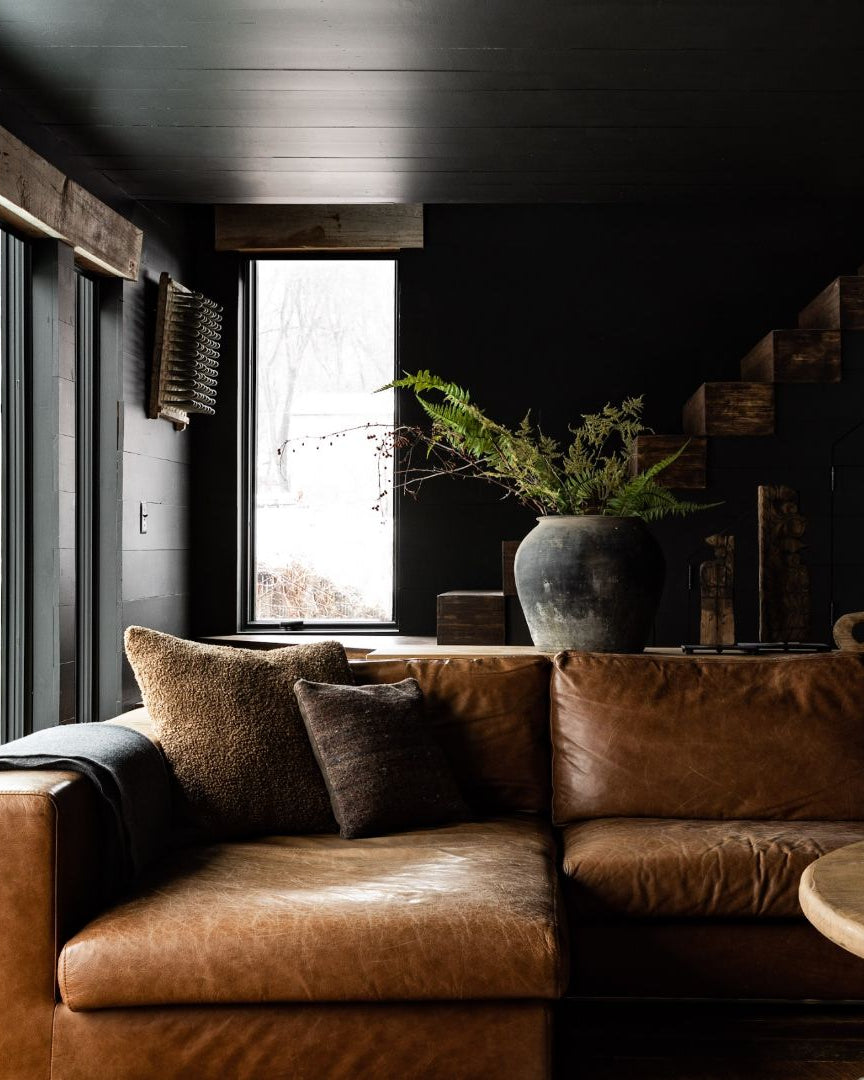
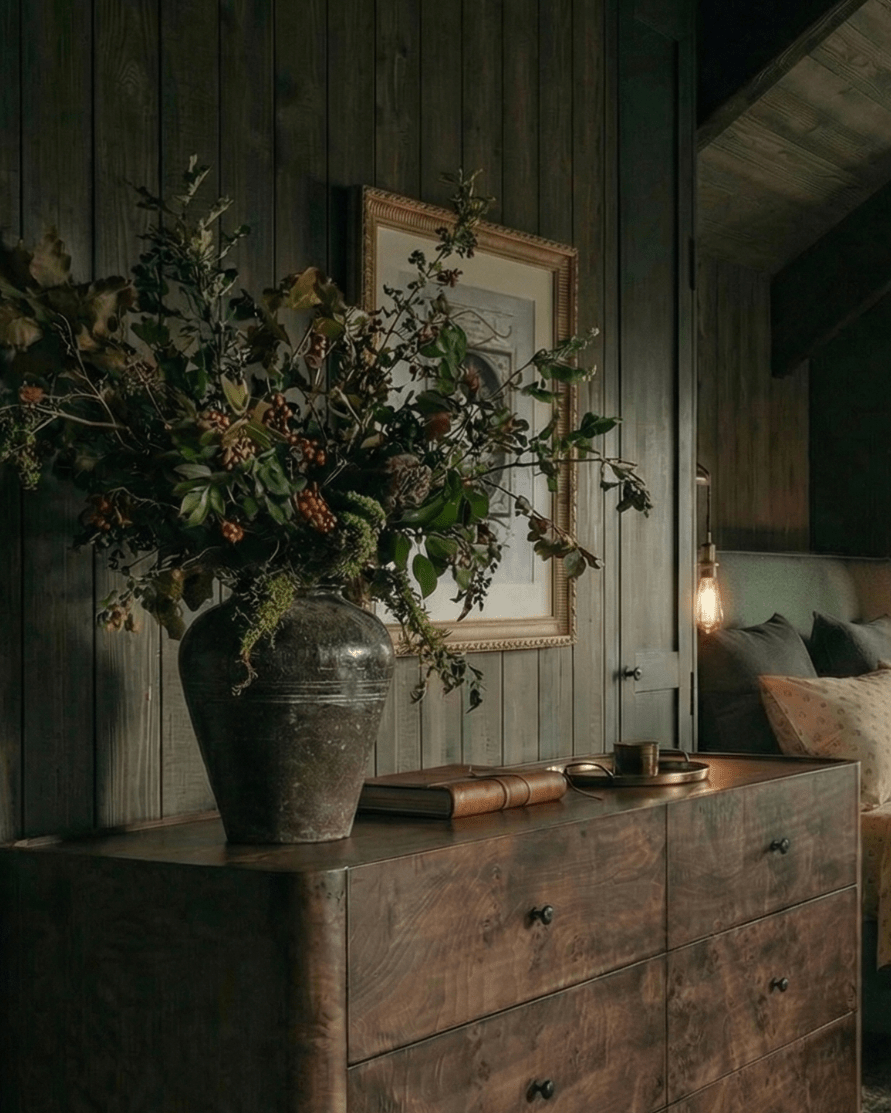
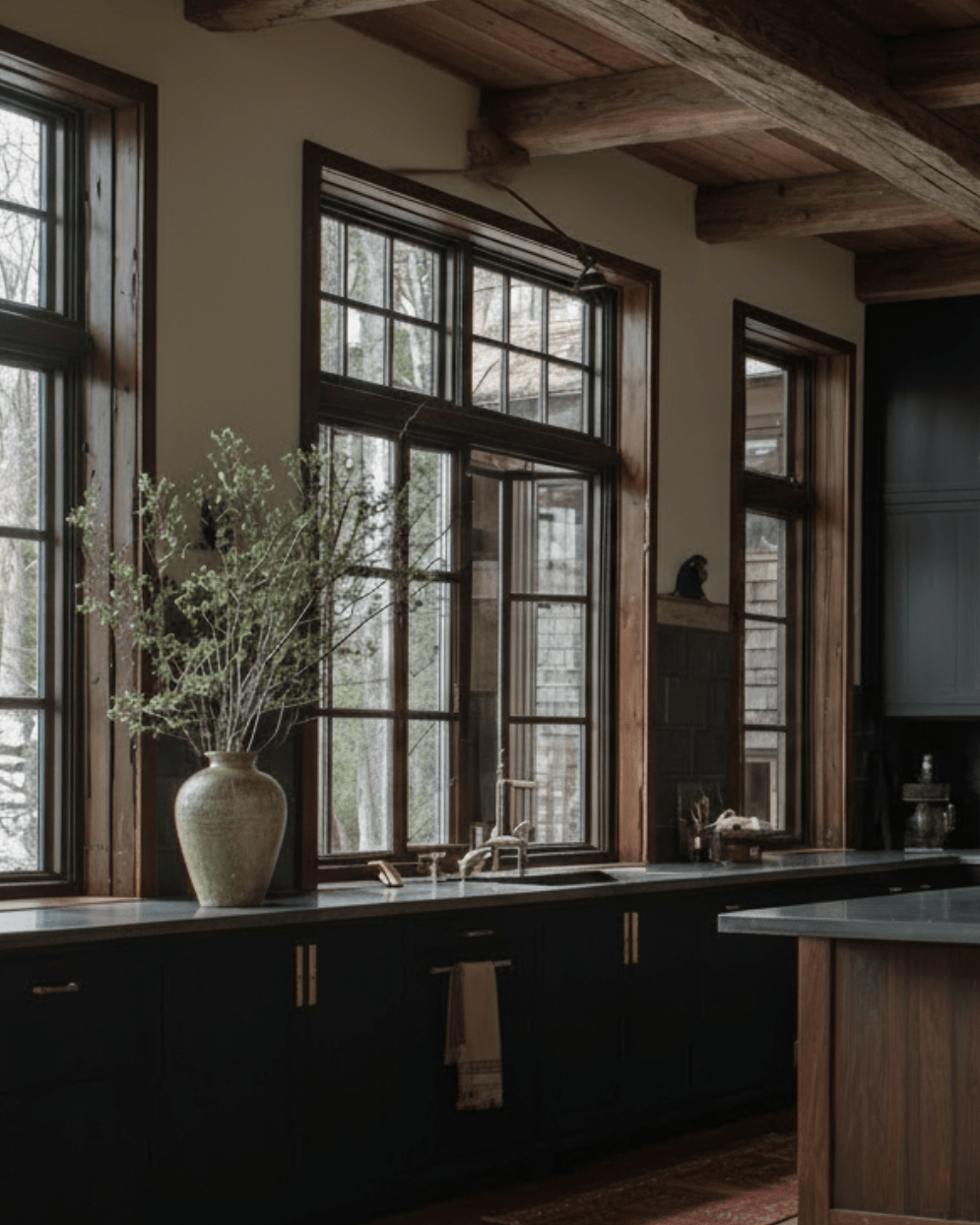
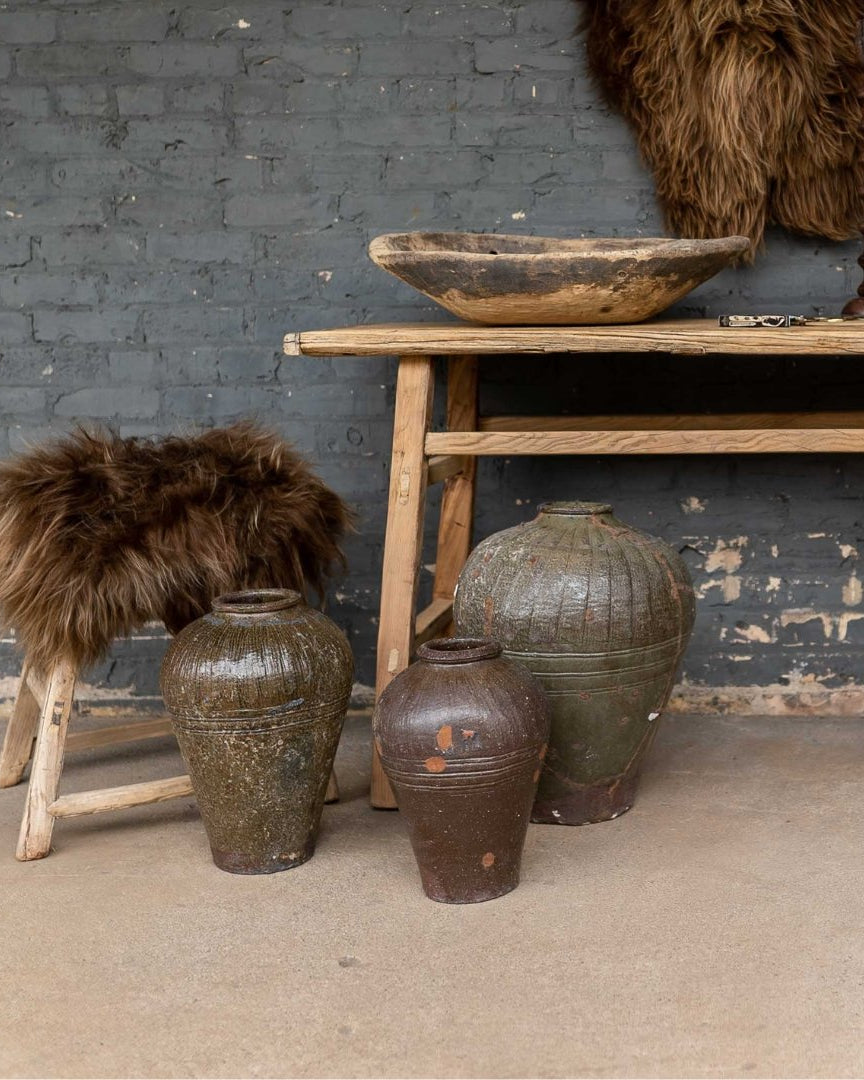
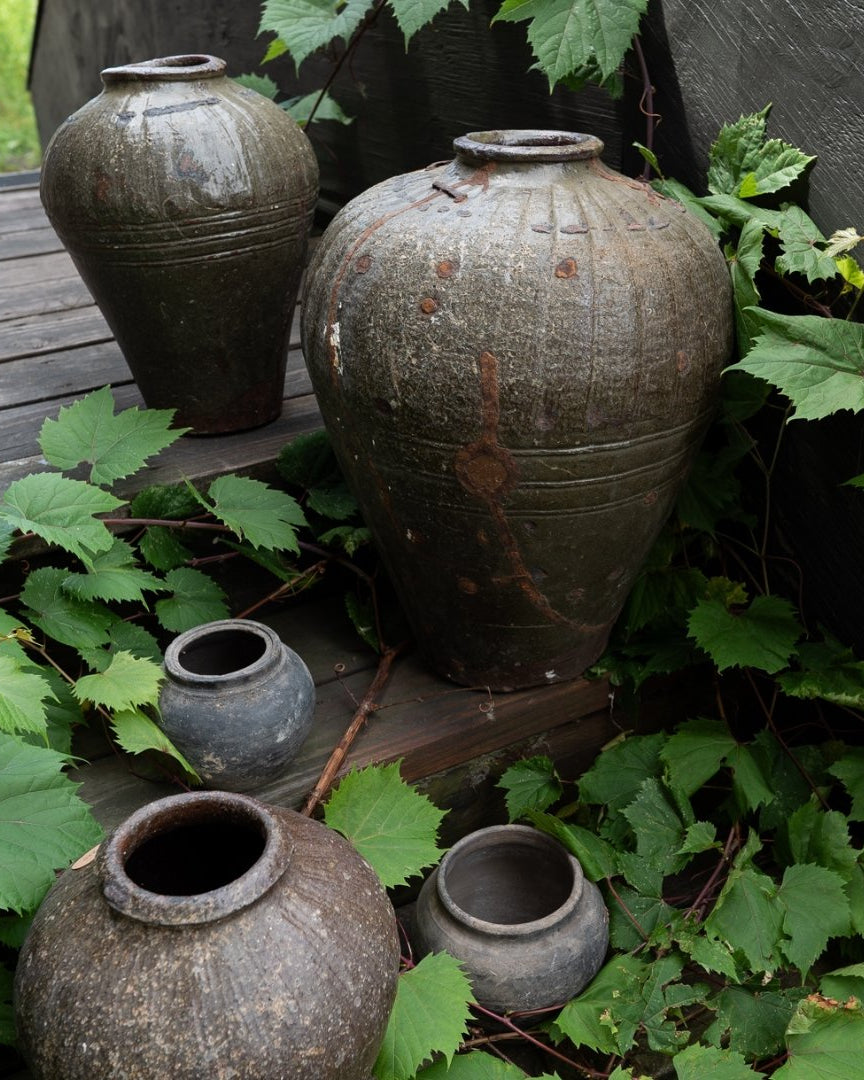
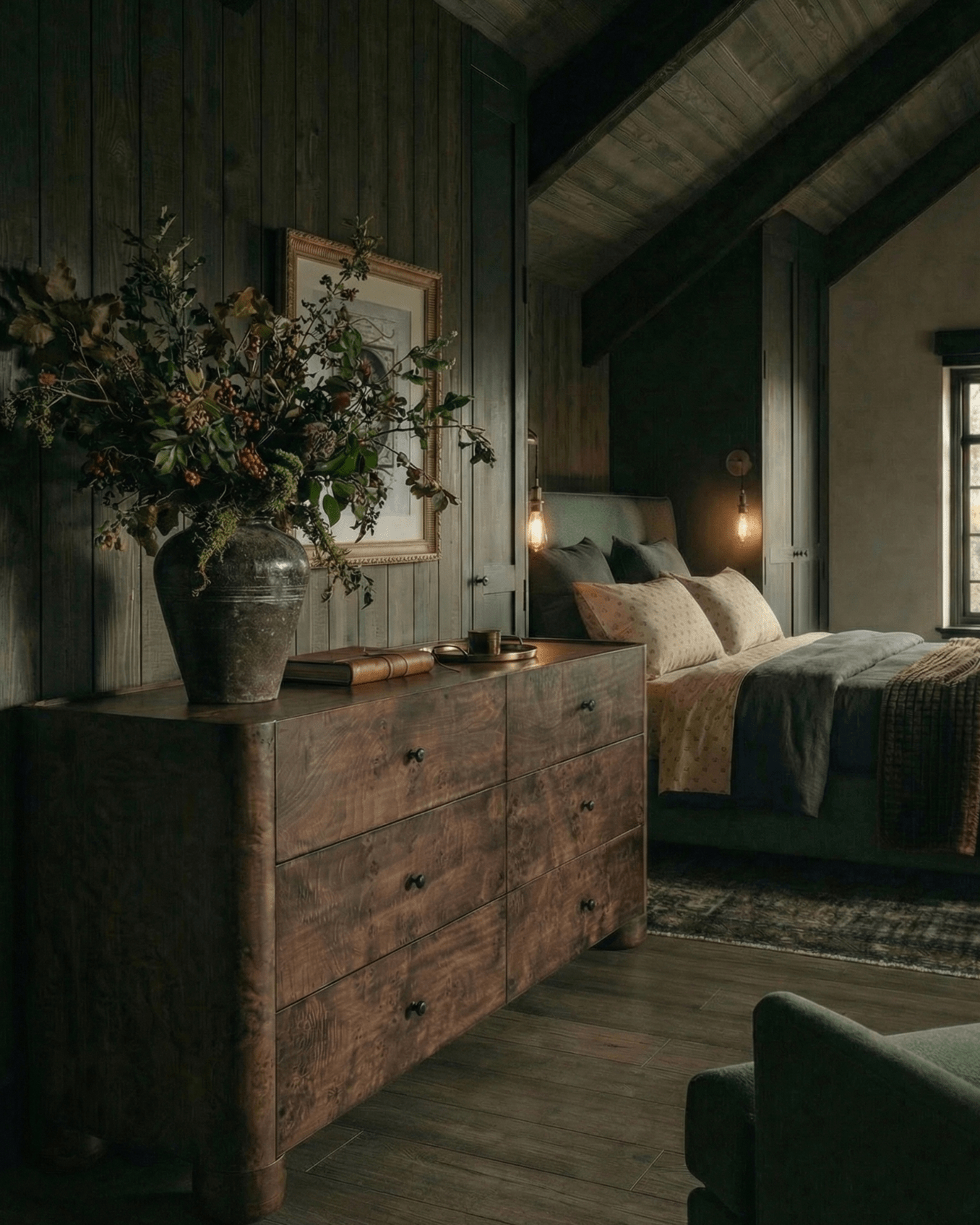
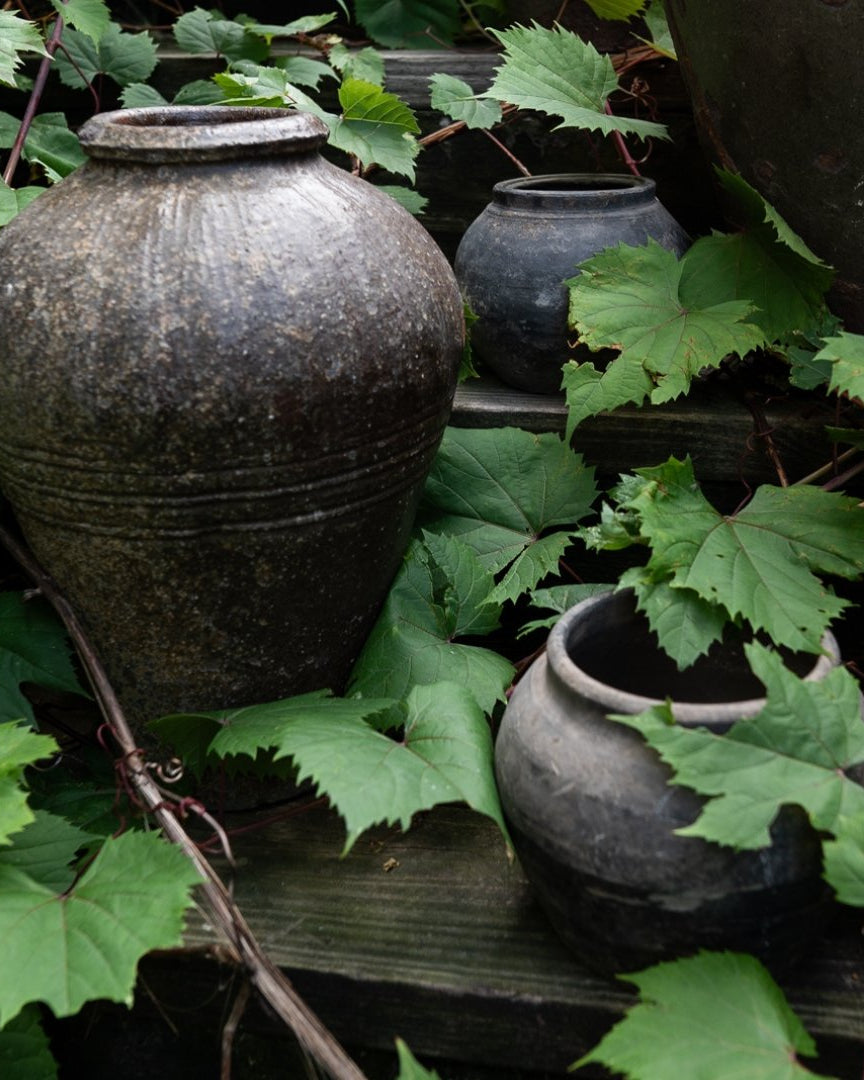
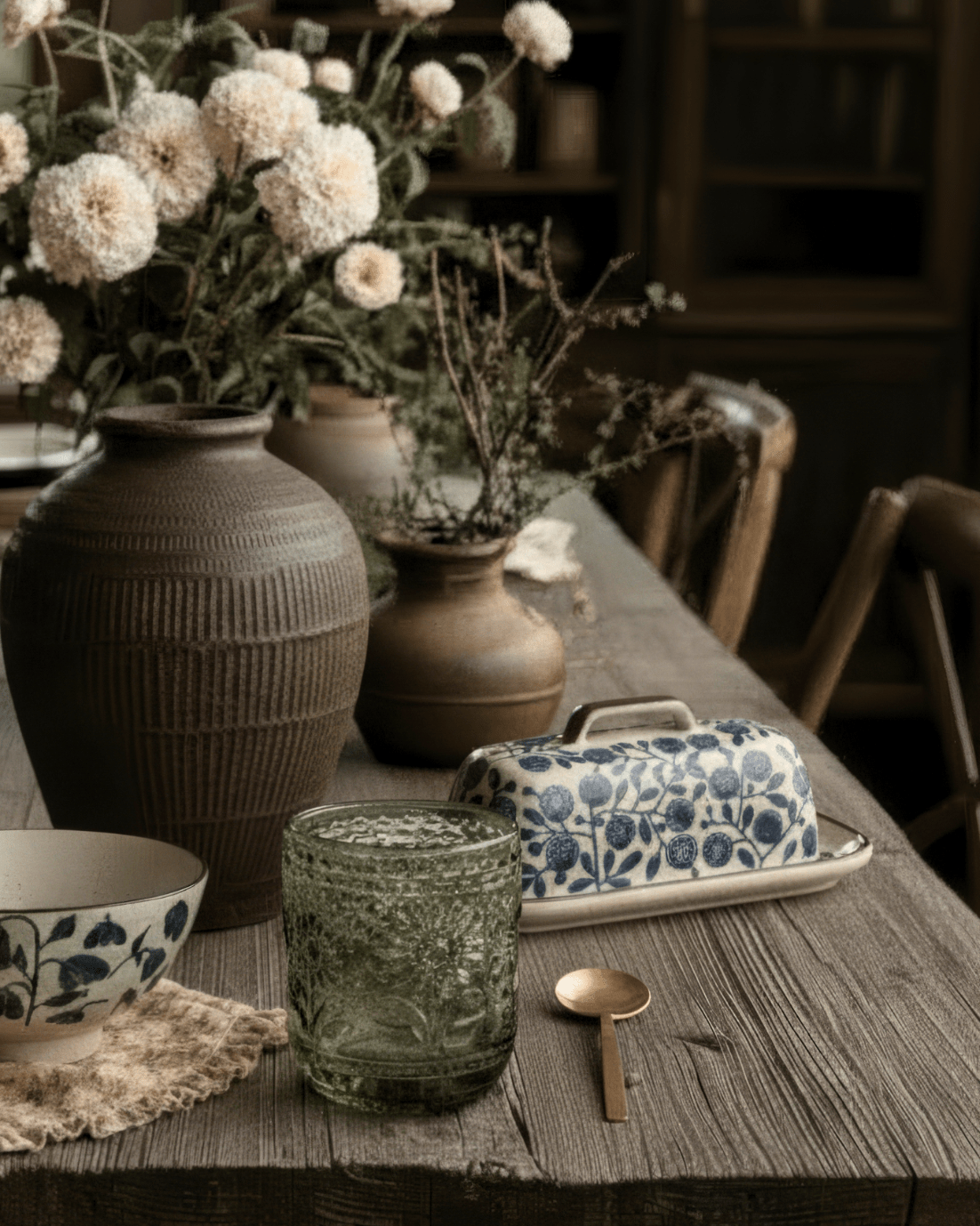
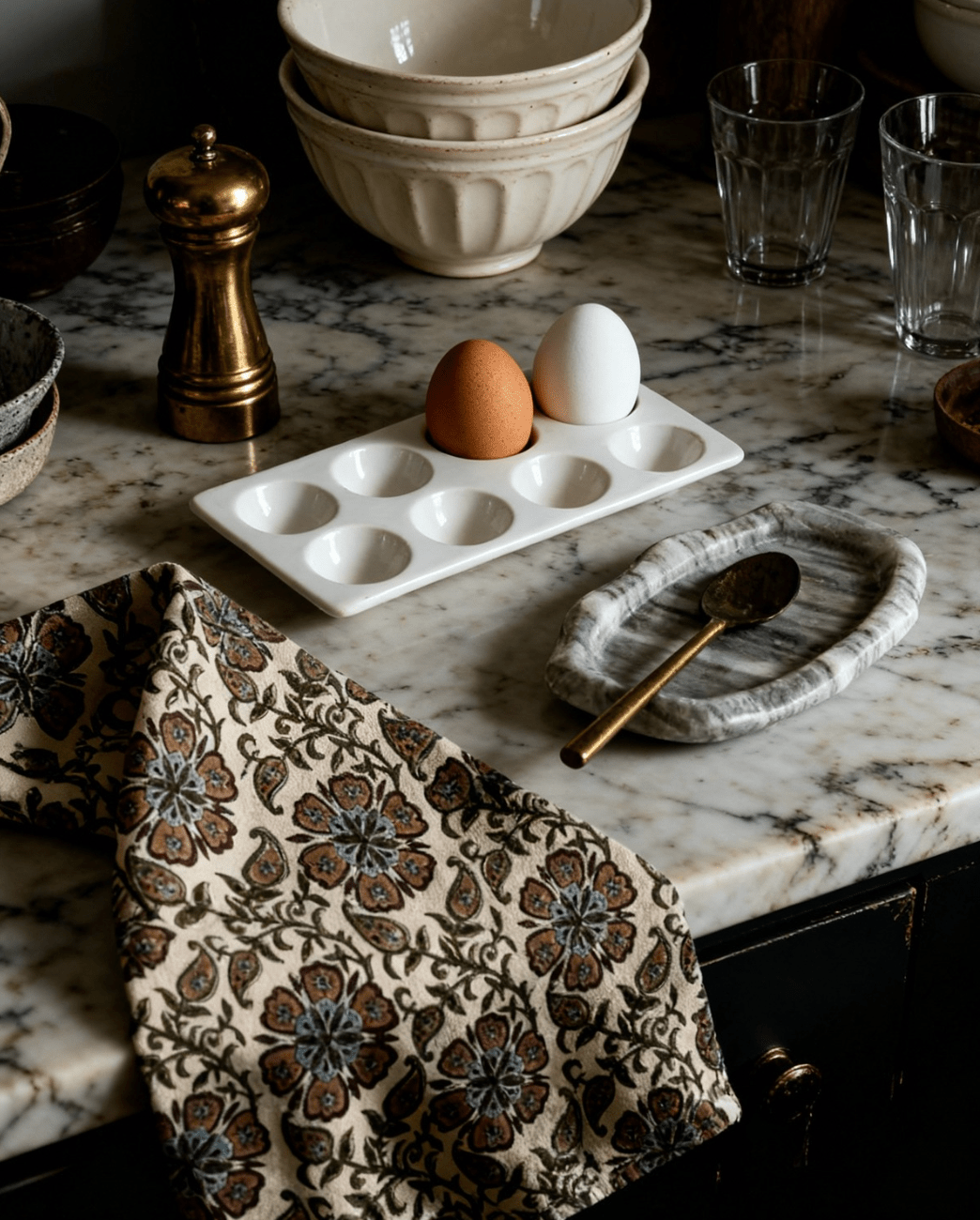
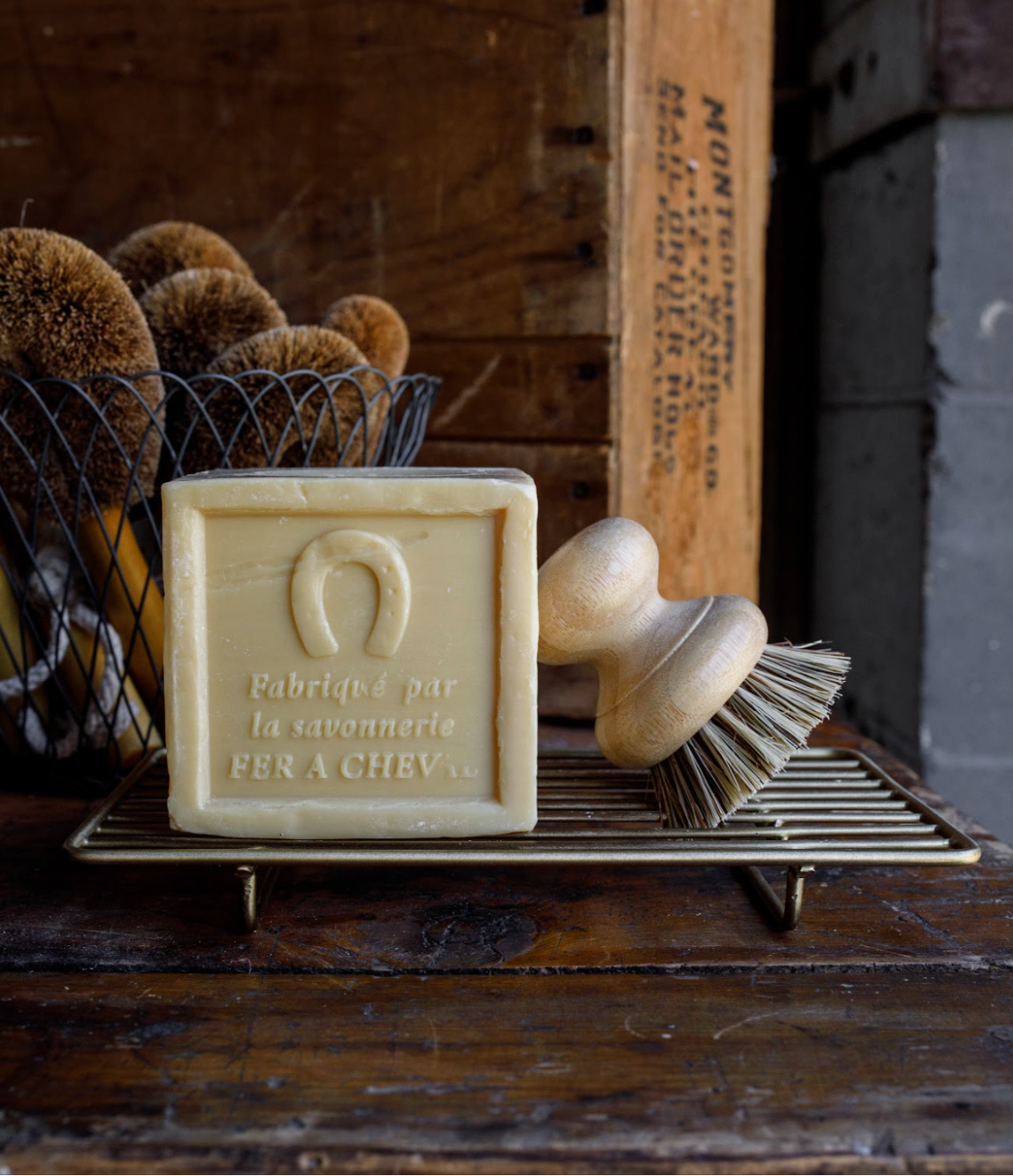
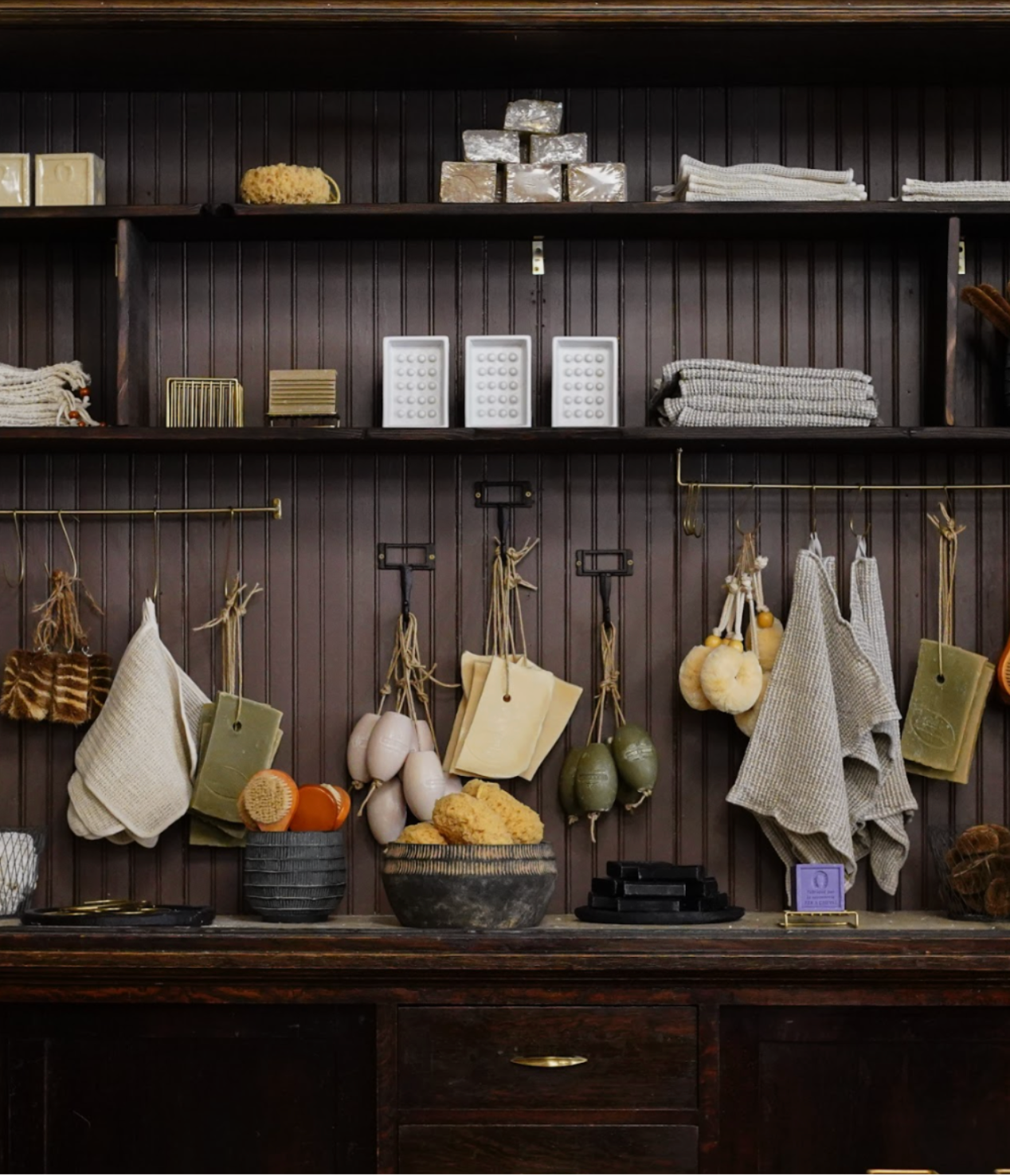
In fact, many of the most relaxing homes look surprisingly imperfect. The materials don't all come from the same collection. The objects feel gathered rather than purchased at once. The surfaces show age. The textures feel varied. The room seems to unfold slowly instead of revealing everything at first glance.
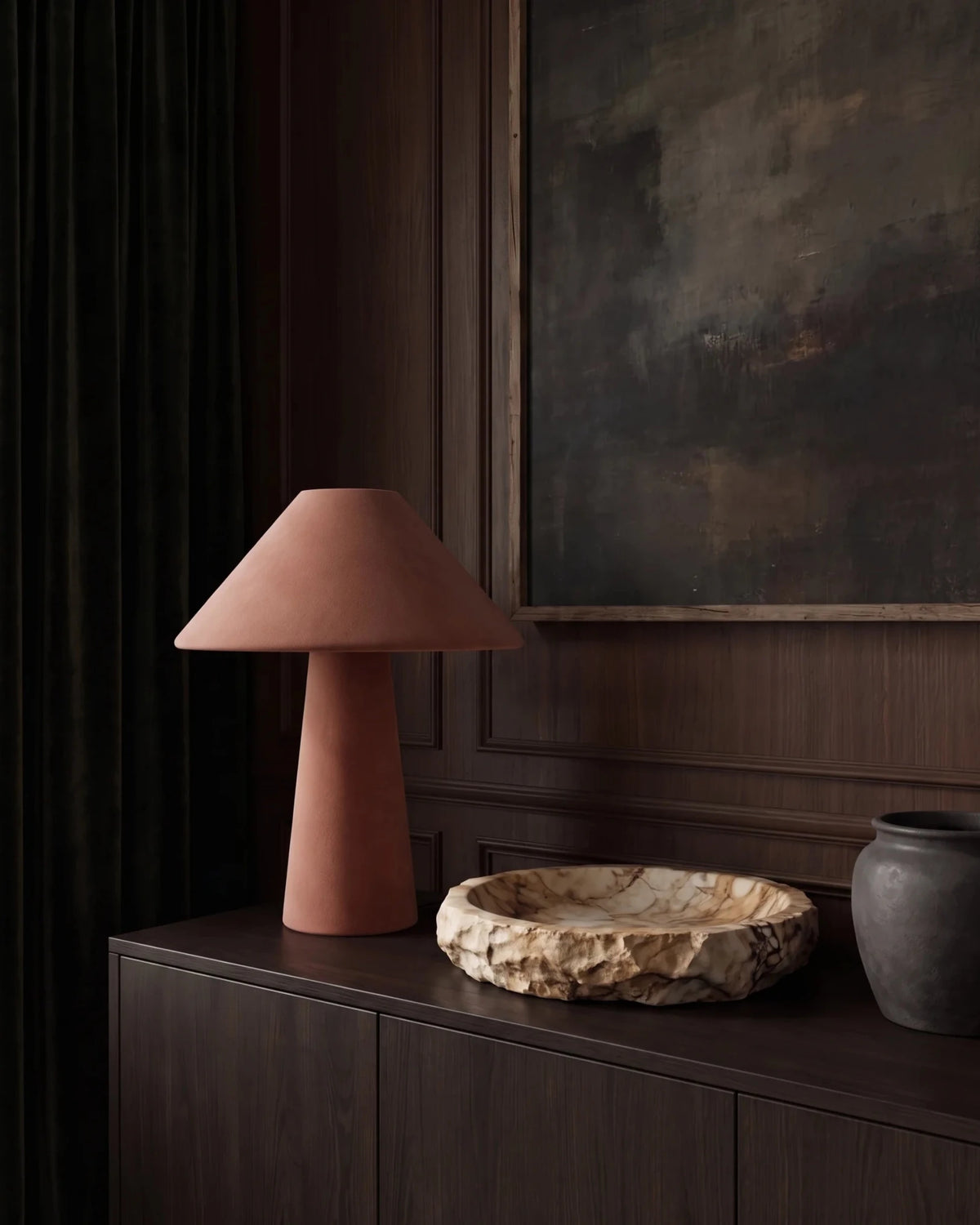
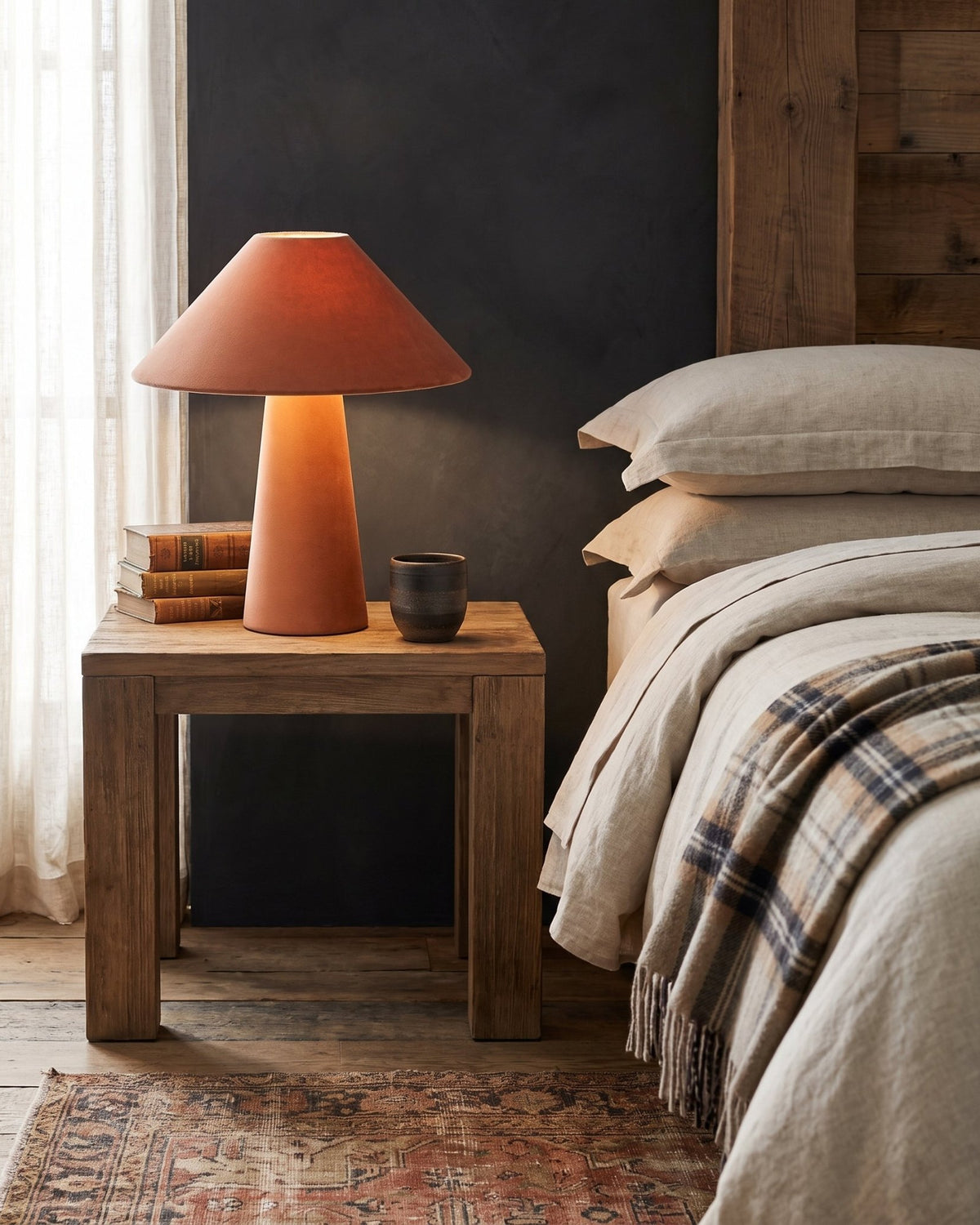
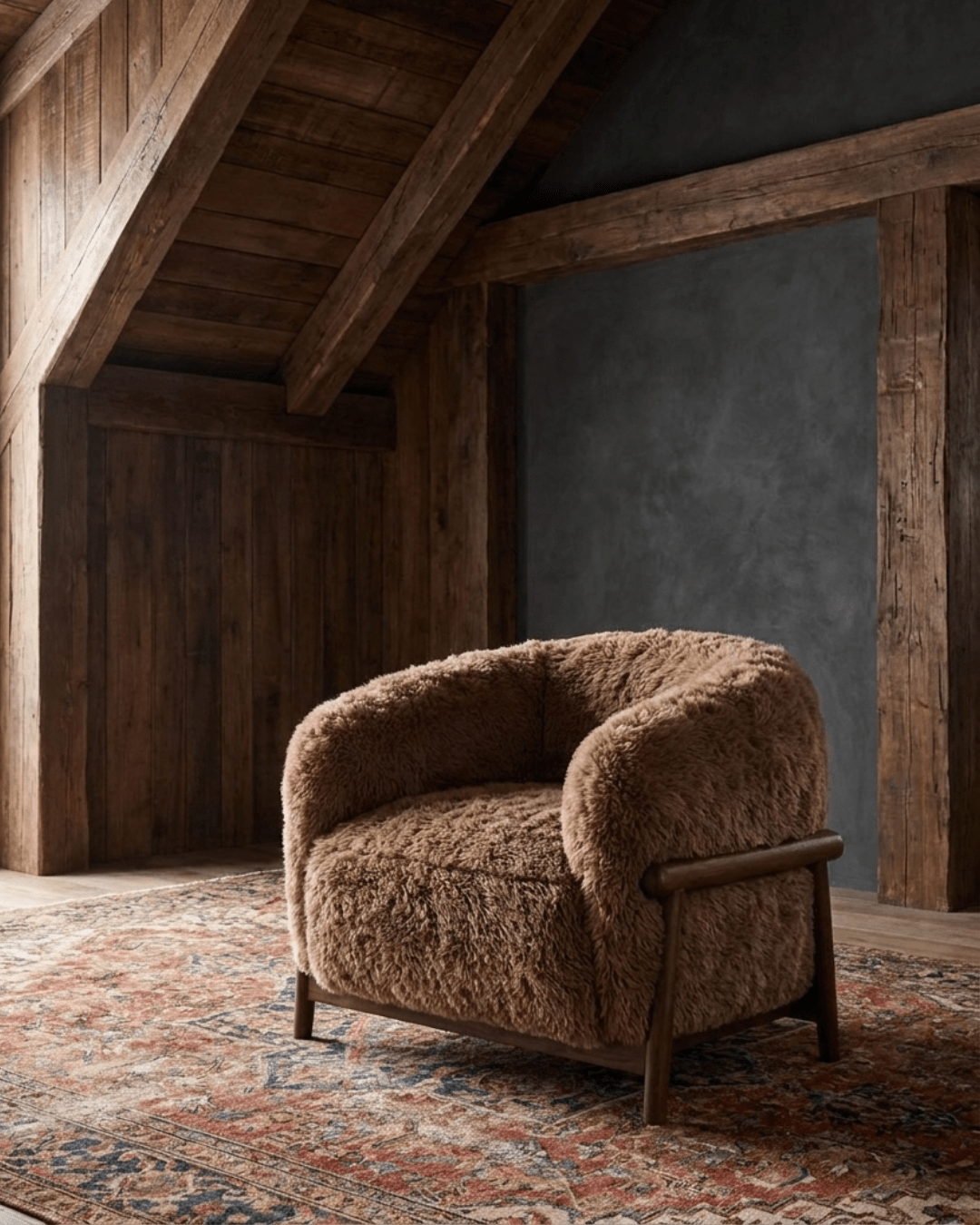
This is one of the reasons vintage home decor continues to resonate so strongly. Collected spaces often feel more relaxed because they align with how the human brain naturally processes environments. Rather than overwhelming the eye with uniformity or clutter, they create a balance of familiarity, texture, and visual discovery that helps the nervous system settle.
If you're looking to create a home with more depth and less visual pressure, explore Hello Norden's vintage decor collection. Sometimes the most calming rooms aren't the most decorated. They're the most thoughtfully collected.
Why the Brain Prefers Collected Spaces Over Perfect Ones
For years, decorating advice focused on coordination.
Matching furniture.
Matching finishes.
Matching accessories.
Matching everything.
The result often looked polished but felt strangely sterile.
Neuroscience offers an interesting explanation. Human brains evolved in environments filled with variation. Natural landscapes contain different textures, irregular shapes, and layered visual information. We are wired to process complexity that feels organic.
Collected interiors tend to mirror that experience.
A room filled with objects gathered over time creates visual diversity without becoming chaotic. The brain remains engaged, but it doesn't become overstimulated.
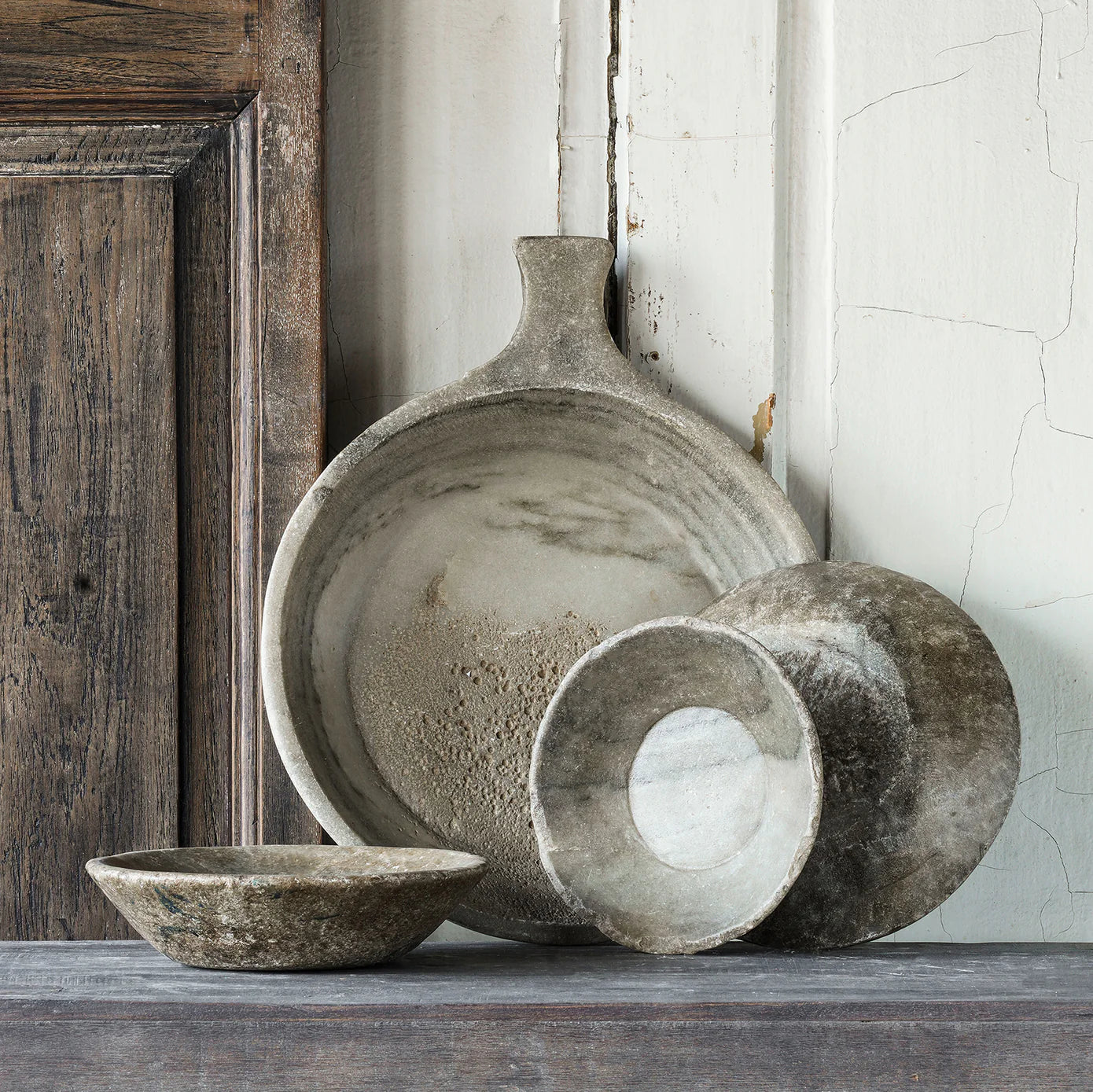
This is why pieces like the Vintage shallow wood bowls and the Vintage marble shallow bowl feel so natural in a space. Their surfaces contain variation, wear, and material depth that create visual interest without demanding constant attention.
The Difference Between Complexity and Clutter
People often confuse the two.
Complexity creates depth.
Clutter creates competition.
Collected spaces succeed because they offer complexity without overwhelming the eye.
Patina Creates Trust
There is something psychologically reassuring about objects that show signs of age.
Patina tells us that an object has survived.
It has been used.
Handled.
Moved.
Lived with.
The nervous system tends to trust materials that feel authentic. Highly manufactured perfection can sometimes feel strangely distant because there are no clues about how the object exists in the real world.
Vintage pieces provide those clues automatically.
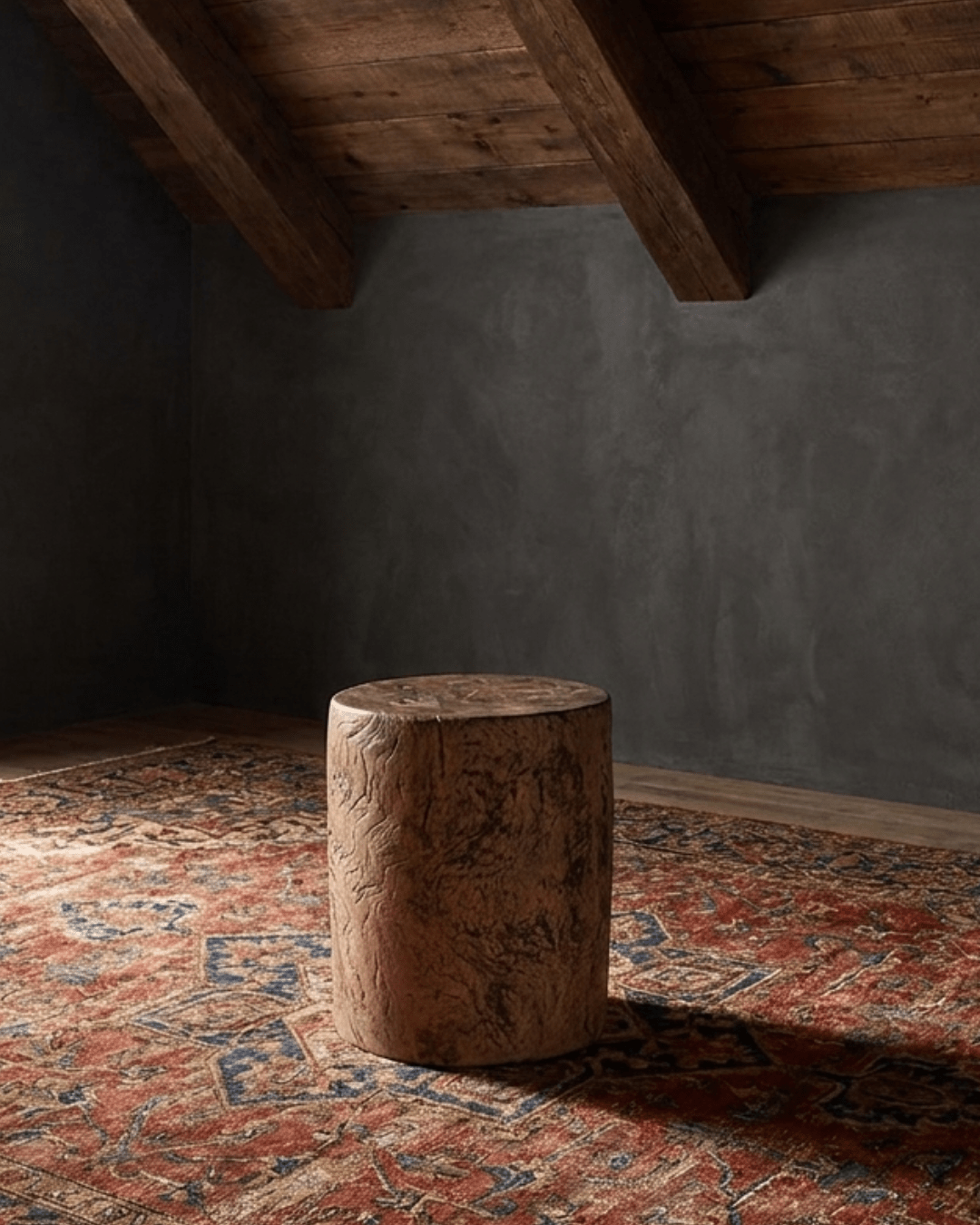
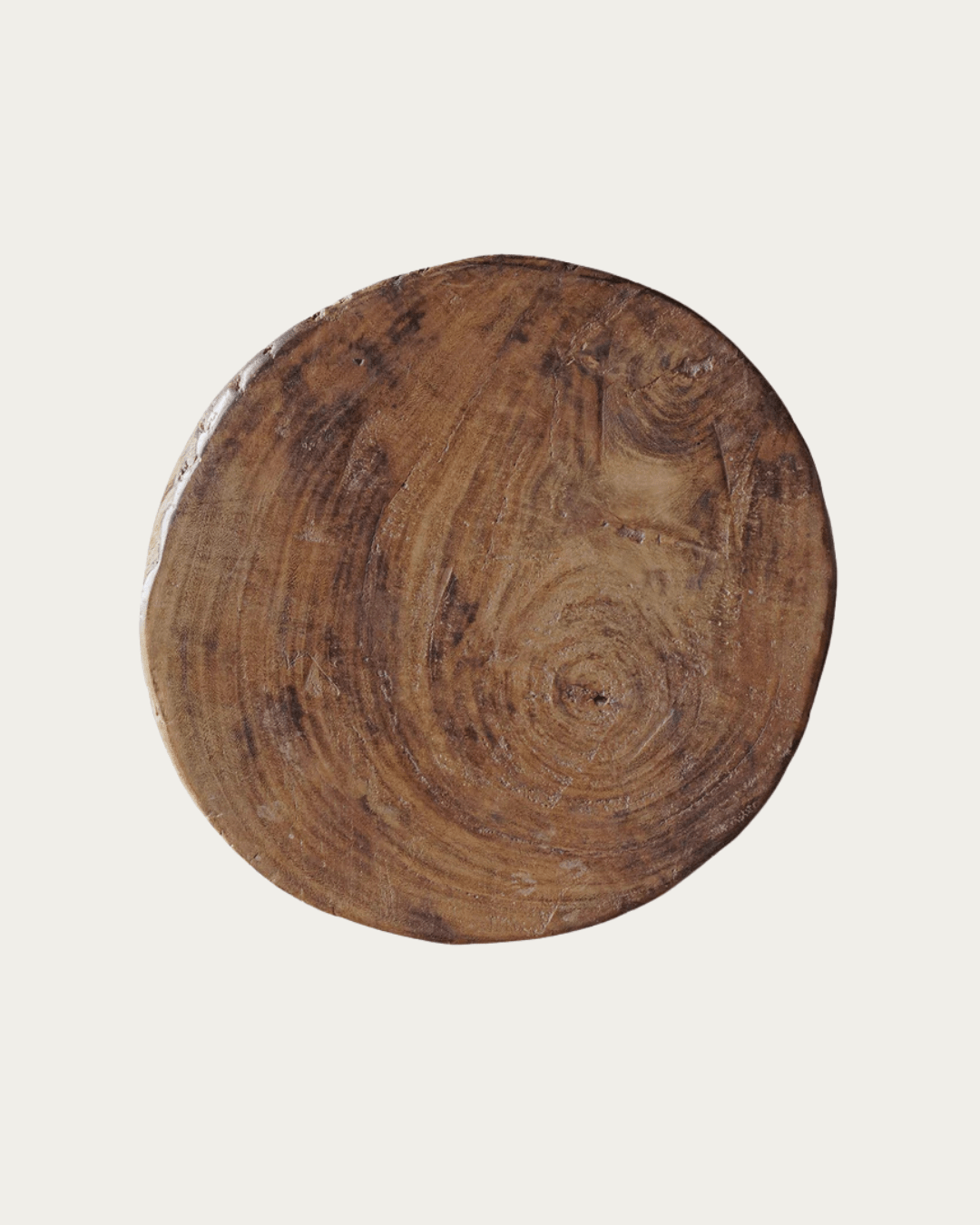
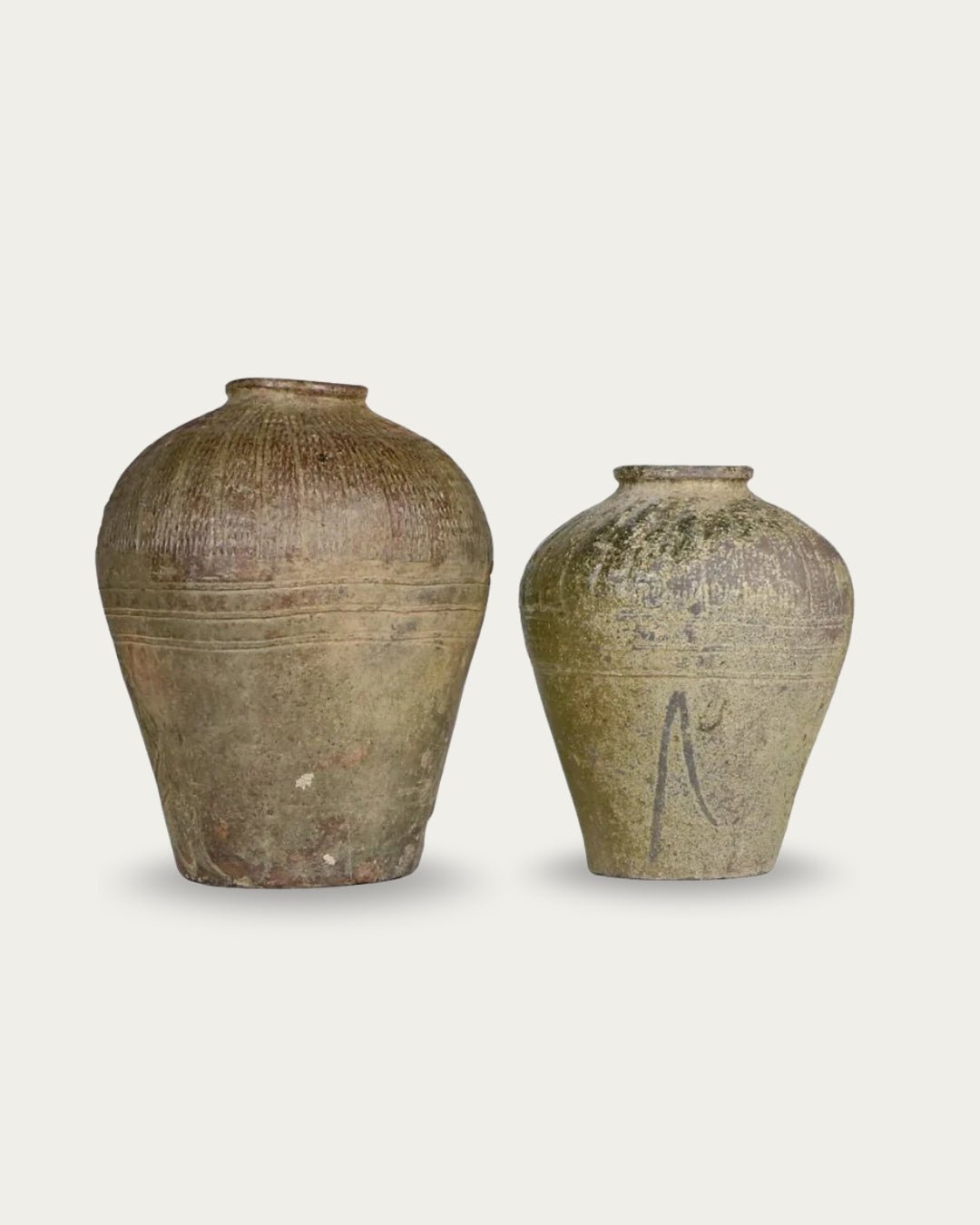
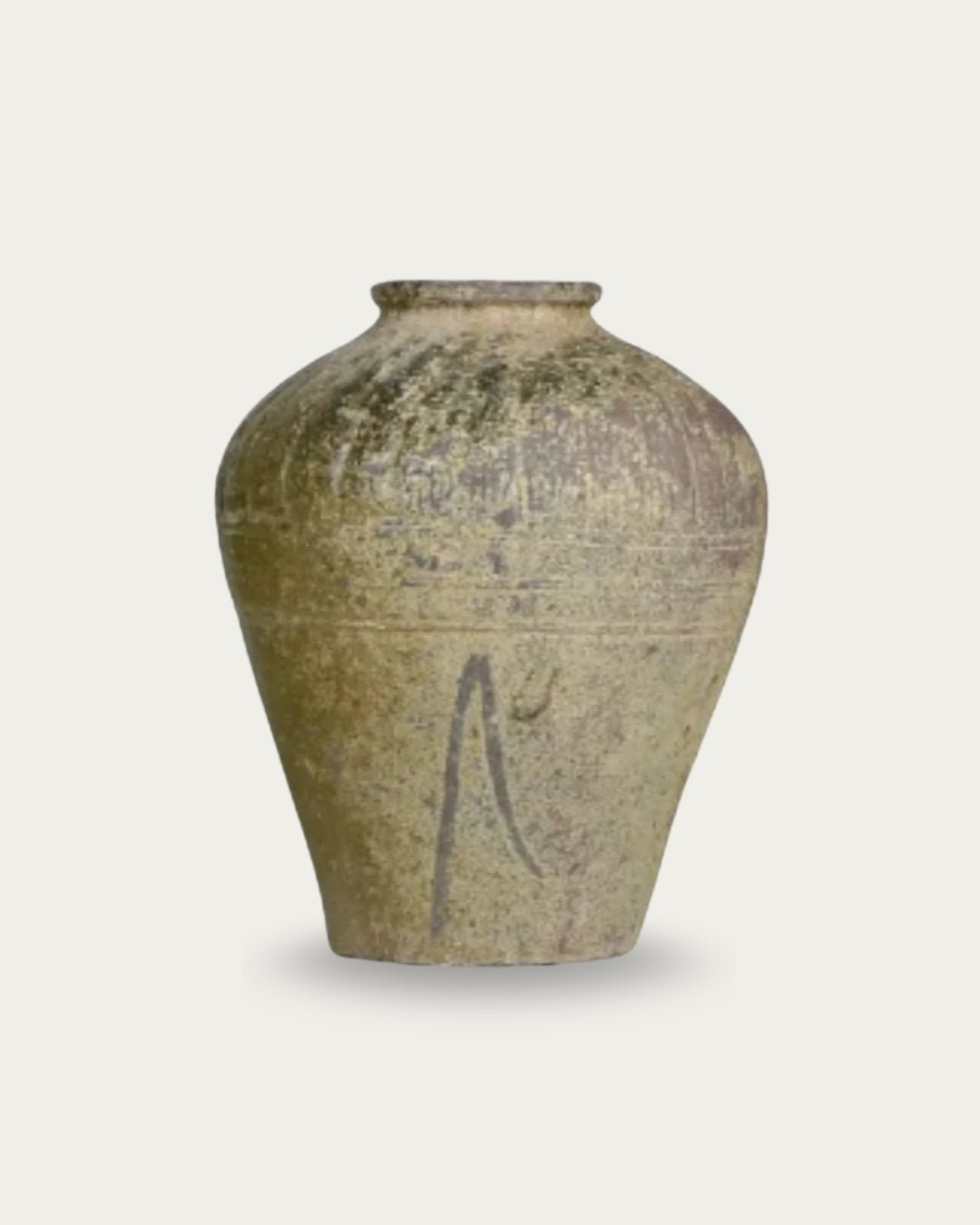
The Primitive rice measurer small carries subtle signs of use that make it feel approachable, while the Vintage rice carrier introduces age and material honesty that instantly create visual grounding.
Why Imperfection Feels Human
Perfect objects rarely reveal anything.
Patinated objects tell stories.
The brain is naturally drawn to those stories because they create emotional connection.
Texture Helps the Nervous System Slow Down
Many modern homes rely heavily on smooth surfaces.
Glass.
Lacquer.
Polished stone.
Perfectly finished materials.
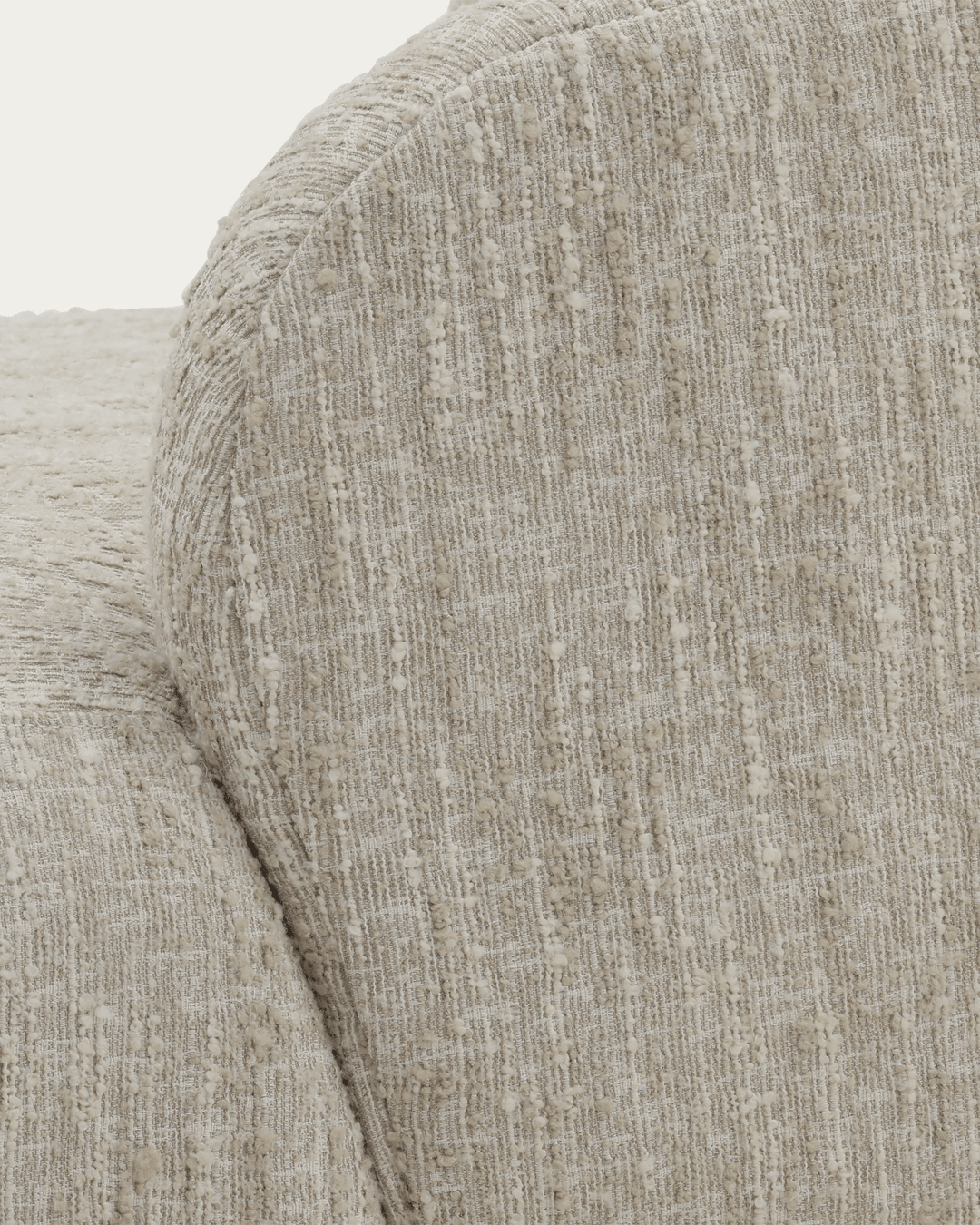
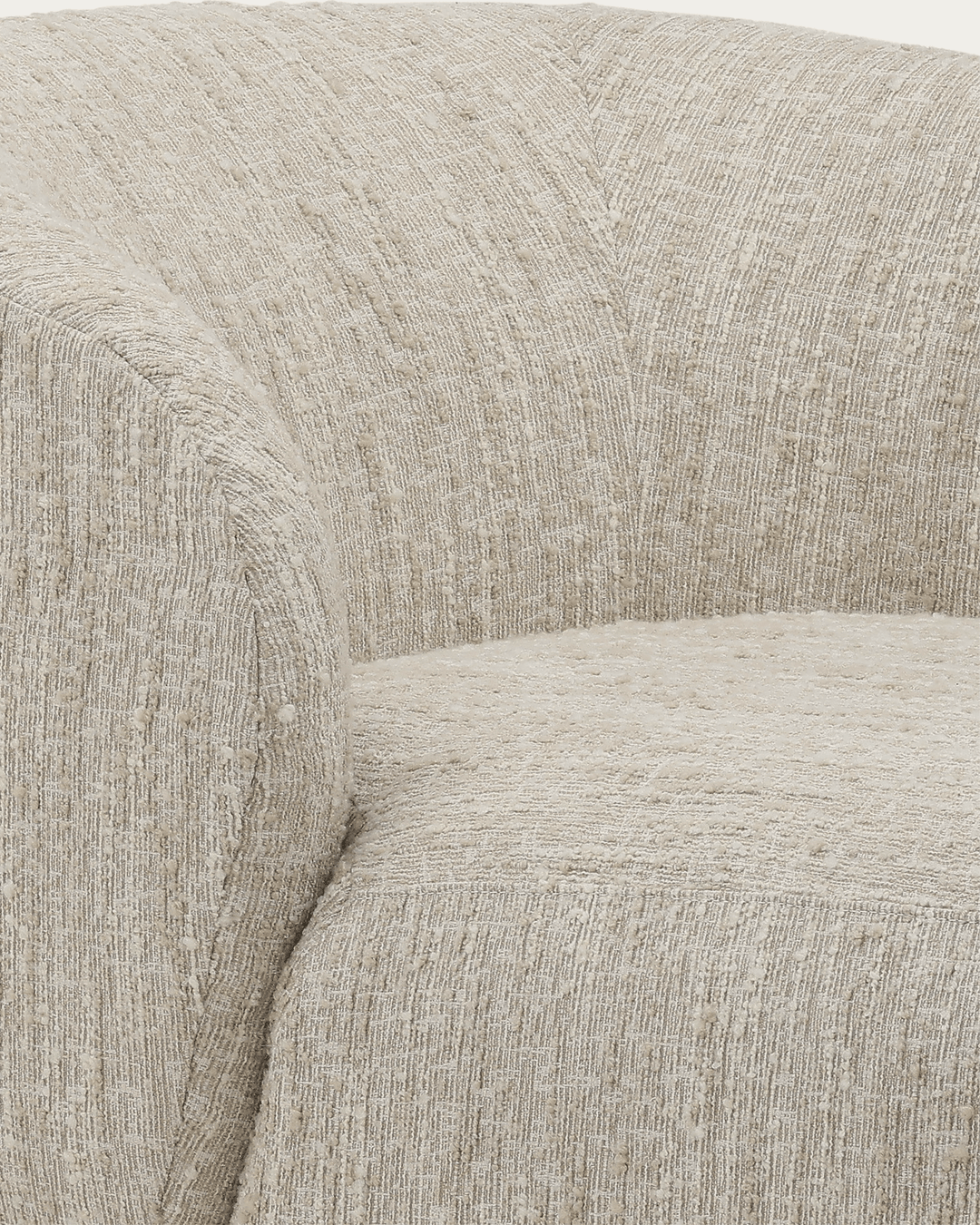
While beautiful, too many smooth surfaces can make a room feel visually flat.
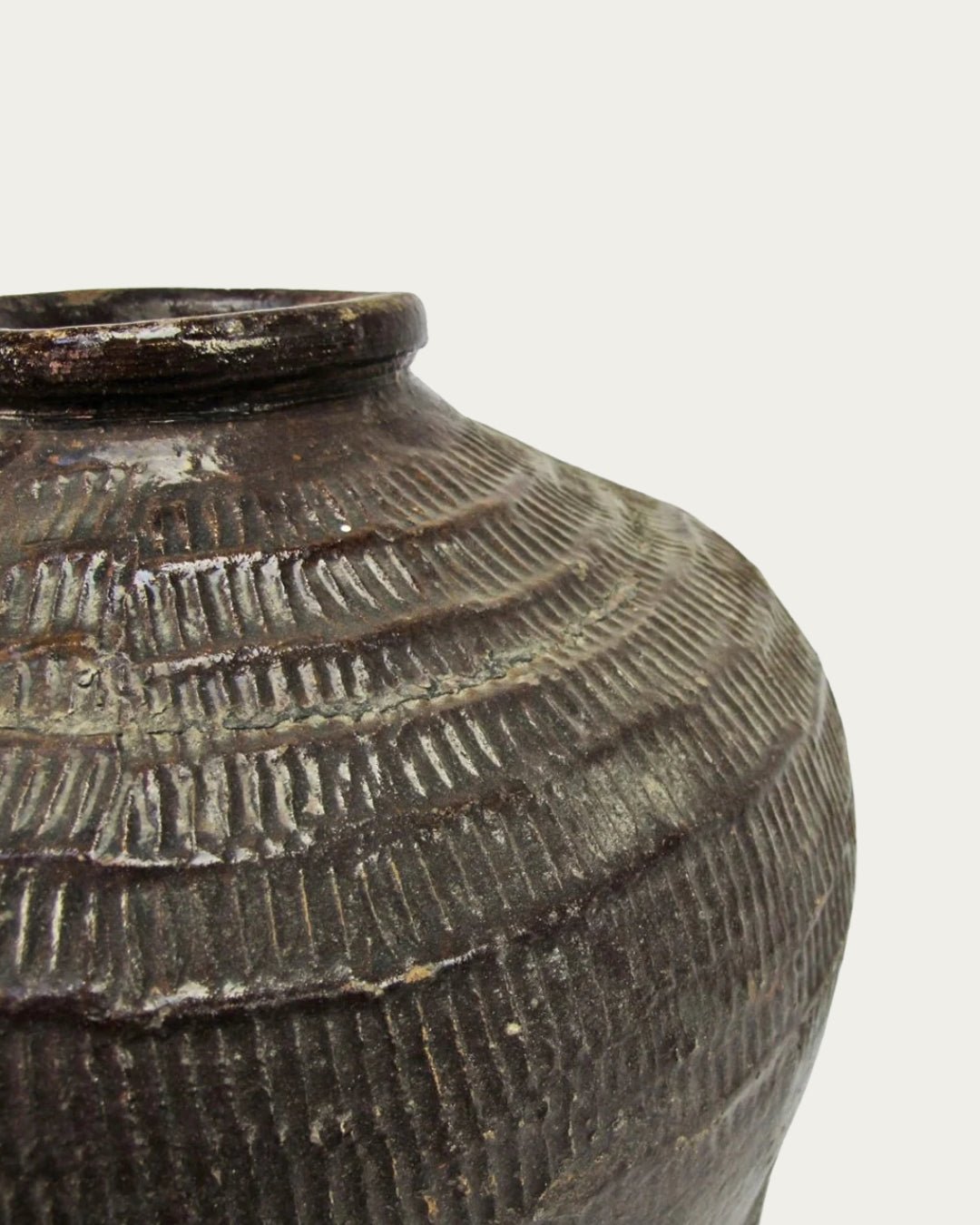
Vintage decor introduces texture.
Texture creates shadows.
Variation.
Movement.
Depth.
And most importantly, it changes how the eye moves through a room.
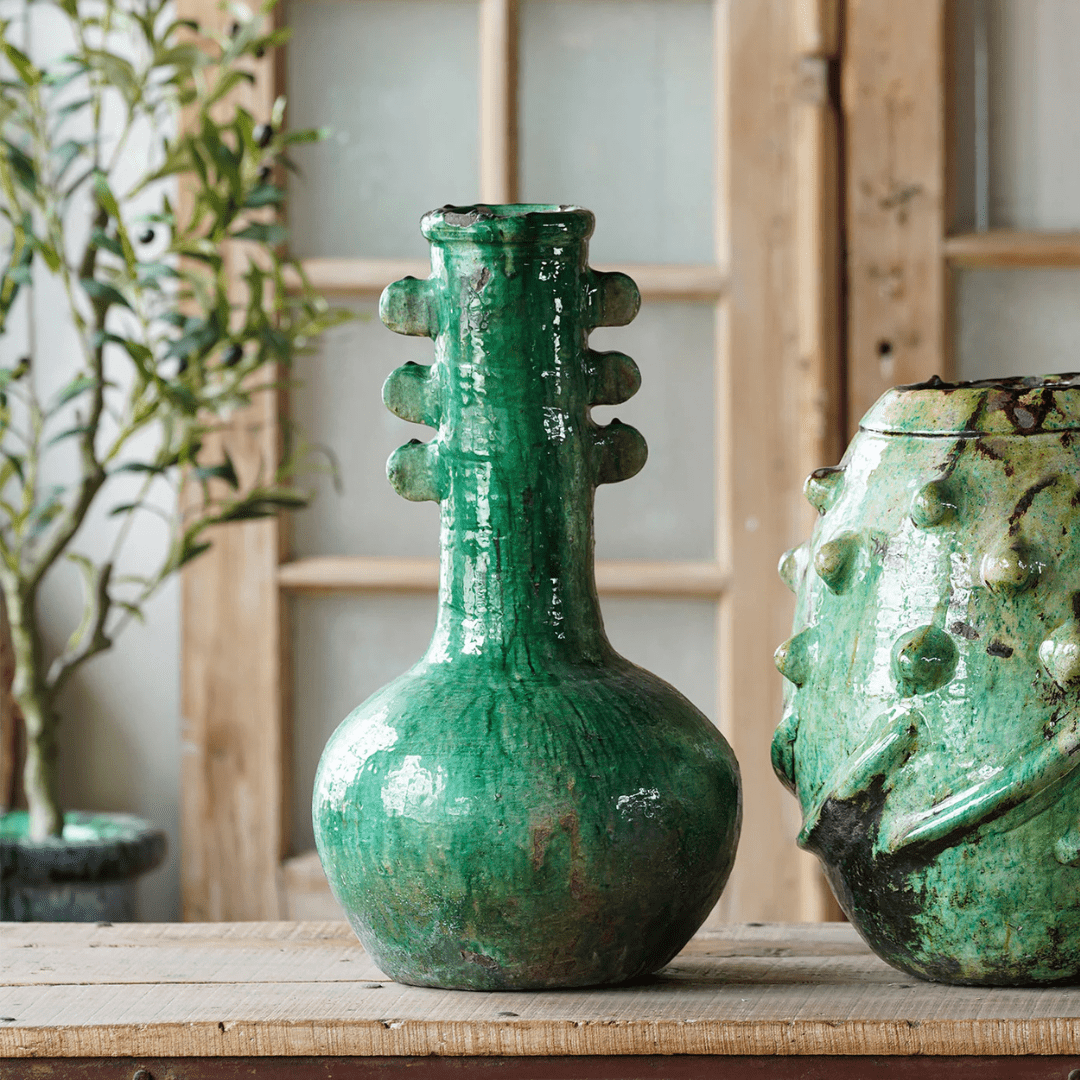
The Tamegroute green bowl offers irregular glazing that shifts throughout the day as light changes, while the Tamegroute compote green bowl adds sculptural texture that immediately enriches surrounding surfaces.
Texture Creates Visual Rest Stops
People often think texture stimulates the eye.
In reality, good texture helps slow it down.
The eye lingers.
Observes.
Processes.
And moves more comfortably through the space.
Collected Homes Feel Relaxed Because They Evolve Slowly
One of the biggest differences between decorated spaces and collected spaces is speed.
Decorated spaces often arrive all at once.
Collected spaces develop over time.
The brain tends to respond positively to environments that feel layered rather than manufactured.
This is partly because collected rooms contain visual surprises. Not dramatic surprises. Quiet ones.
A weathered object.
A handmade bowl.
A carved surface.
An aged vessel.
These discoveries reward attention without demanding it.
The Katia vintage chapati board creates depth through age and texture, while the Gretel stone village plate introduces subtle variation that reveals itself gradually over time.
The Room Doesn't Reveal Everything Immediately
Collected interiors are interesting because they aren't instantly understood.
The eye continues finding details.
The room stays engaging longer.
Larger Vintage Pieces Create Emotional Anchors
Not every collected object needs to be small.
Some of the most relaxing spaces include larger vintage pieces that create structure and visual stability.
The nervous system is constantly looking for anchors within an environment. Objects that help organize visual information reduce unconscious scanning and make spaces feel calmer.
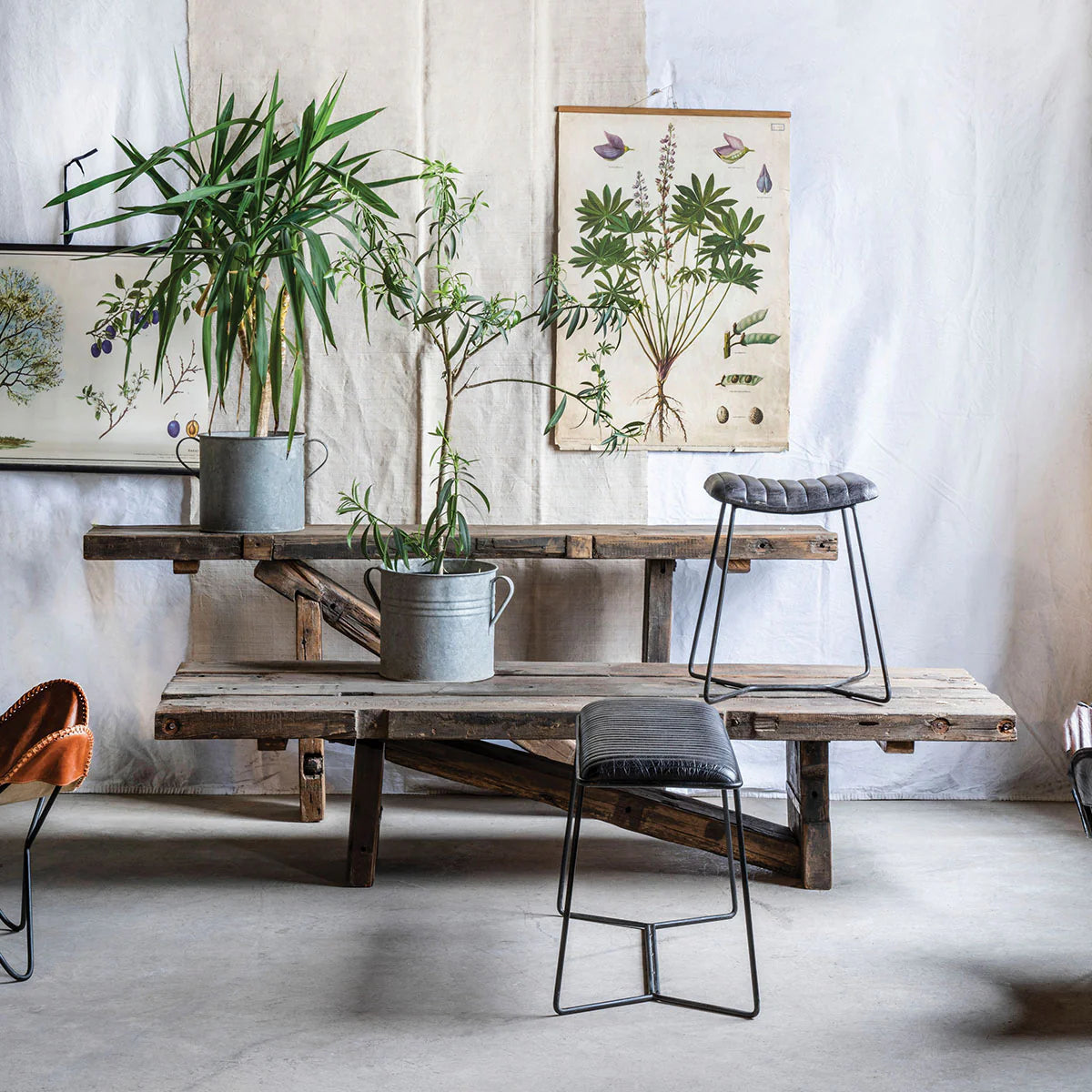
The Vintage moorish door on stand functions almost like architecture, creating a strong focal point that grounds an entire room. Similarly, the Mathias doors provide scale, texture, and visual permanence without feeling decorative for the sake of decoration.
Anchors Reduce Mental Work
When the eye knows where to settle, the brain expends less effort processing the environment.
That's one reason larger vintage pieces often feel surprisingly calming.
RUTED Tip: If a room feels too curated, stop shopping for matching decor. Instead, look for one object that feels like it arrived from a completely different chapter of life. Collected homes become interesting when objects have individual stories, not when they all appear to have been ordered during the same afternoon.

Material Honesty Creates Emotional Comfort
A major reason vintage homes feel more relaxed is because older objects tend to be materially honest.
Wood looks like wood.
Stone looks like stone.
Clay looks like clay.
The surfaces don't try to imitate something else.
The Fern stone biscuit mold plate reveals its carved texture openly, while the Tamegroute green candle holder embraces irregularity rather than hiding it.
This honesty matters psychologically.
The nervous system tends to relax when materials behave exactly as expected.
Authentic Materials Reduce Visual Tension
When objects feel genuine, the brain doesn't have to reconcile conflicting information.
The room feels coherent.
And coherence often feels calming.
Vintage Objects Create Memory Triggers
There is another reason collected spaces feel emotionally different.
They activate memory.
Not necessarily specific memories.
But the concept of memory itself.
Older objects naturally suggest continuity. They imply that life existed before this moment and will continue afterward. That subtle sense of history can make a space feel more grounded and less disposable.
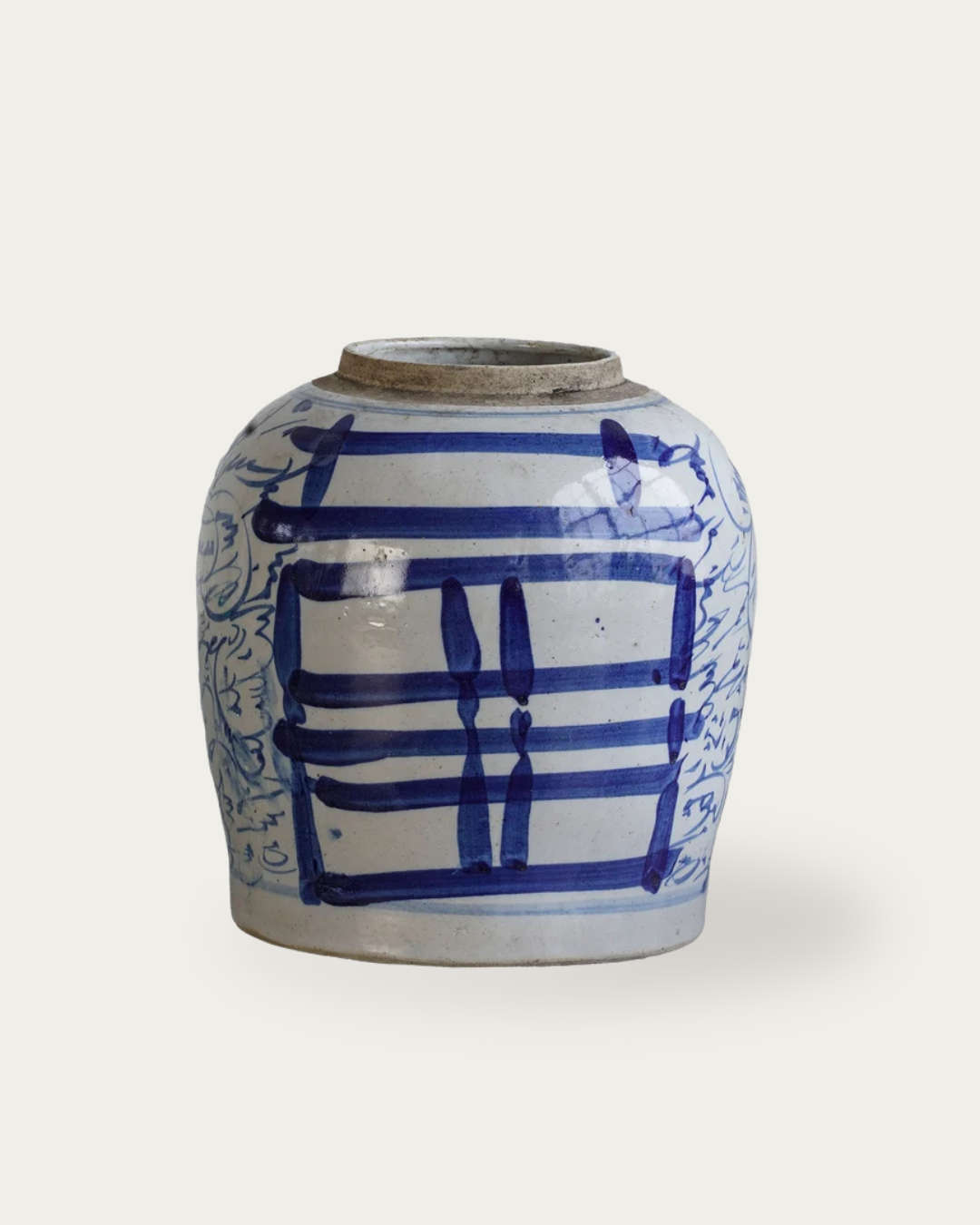
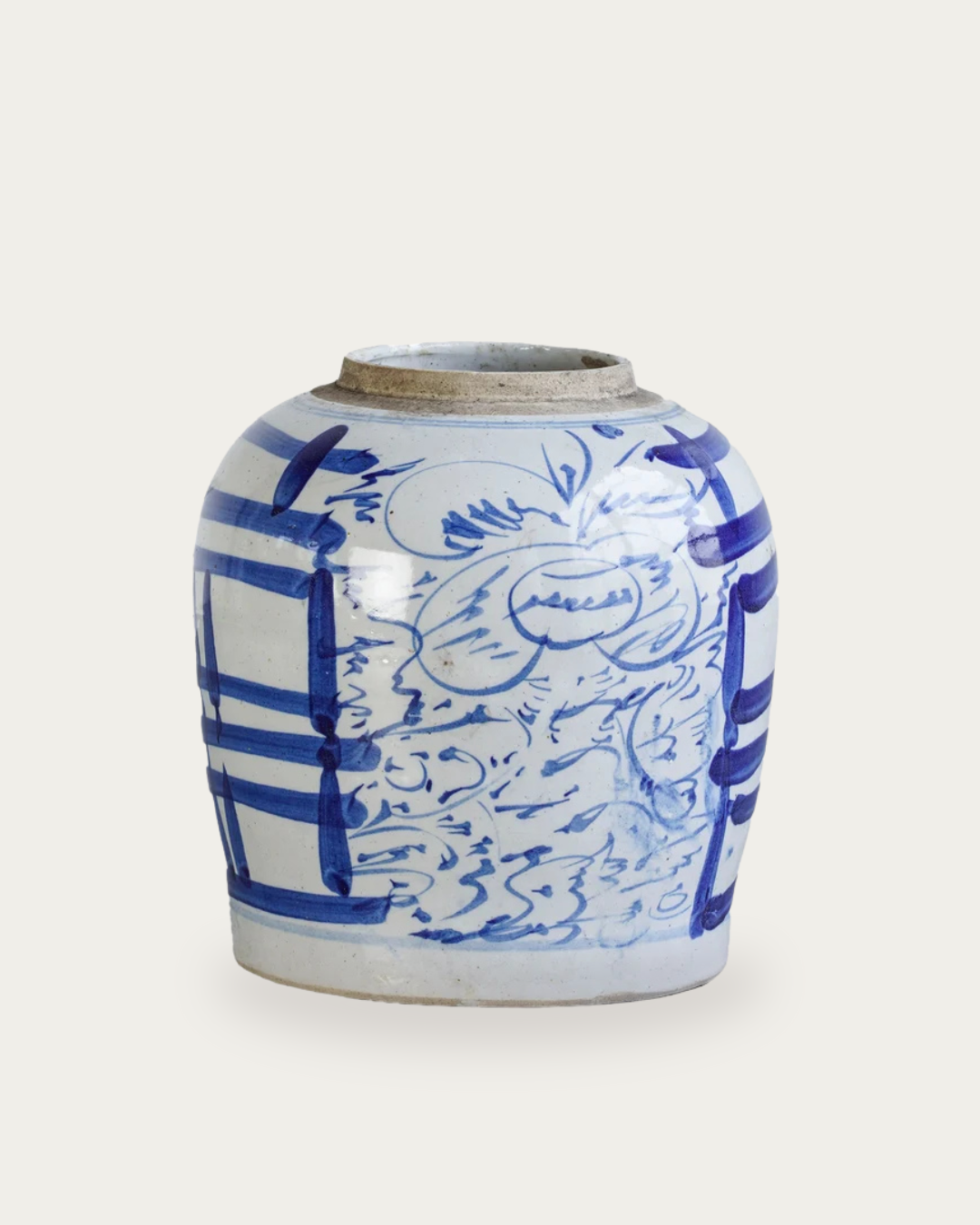
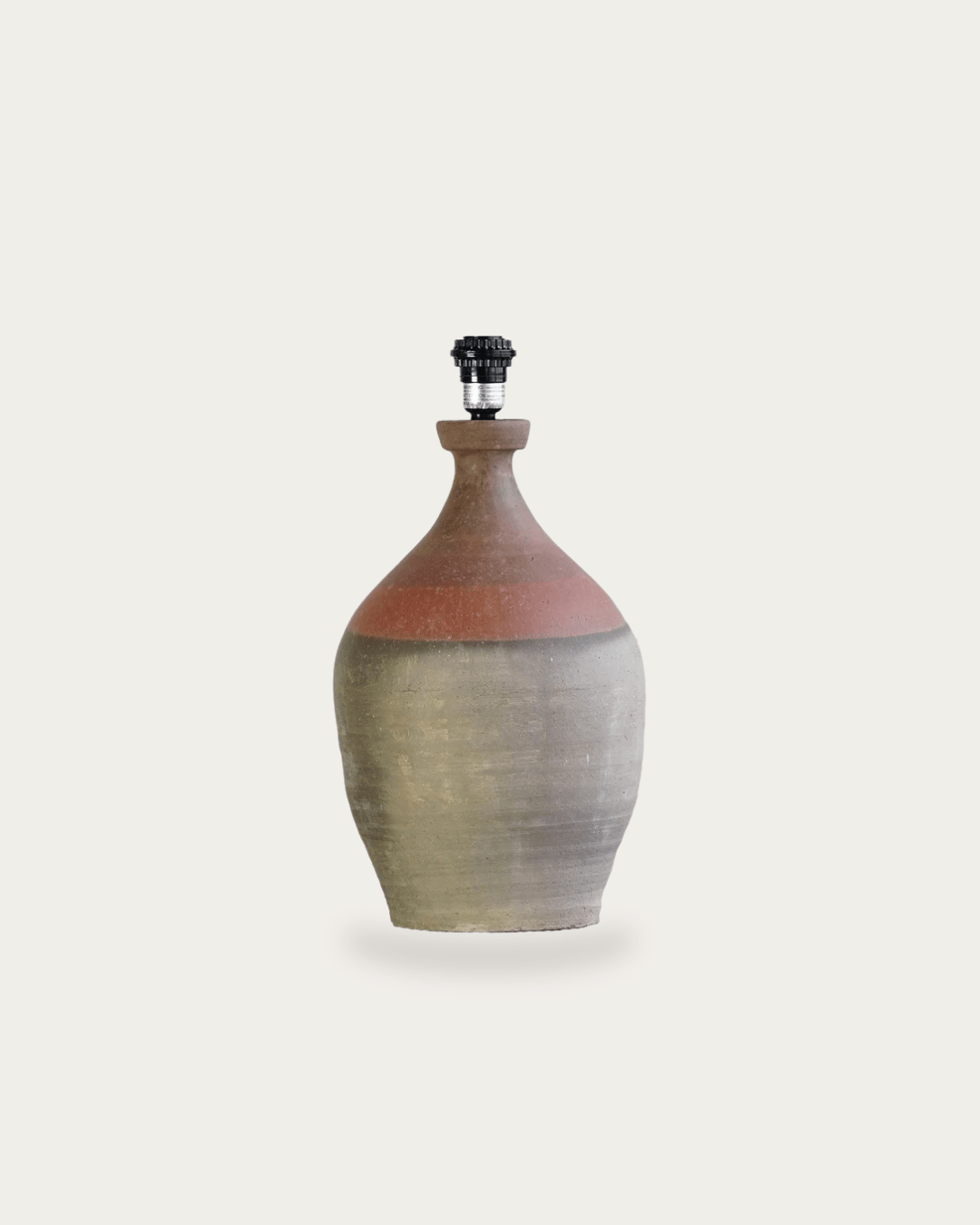
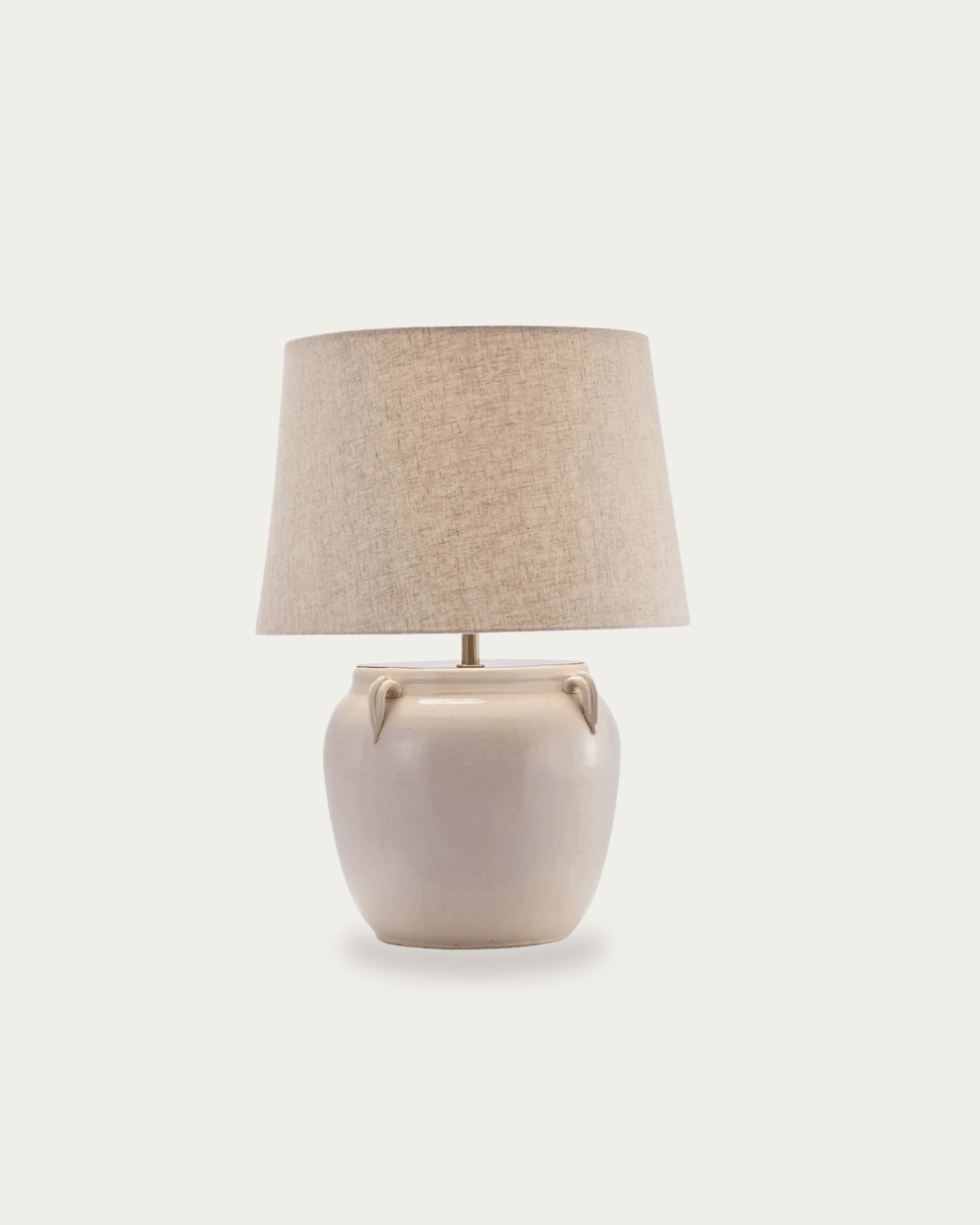
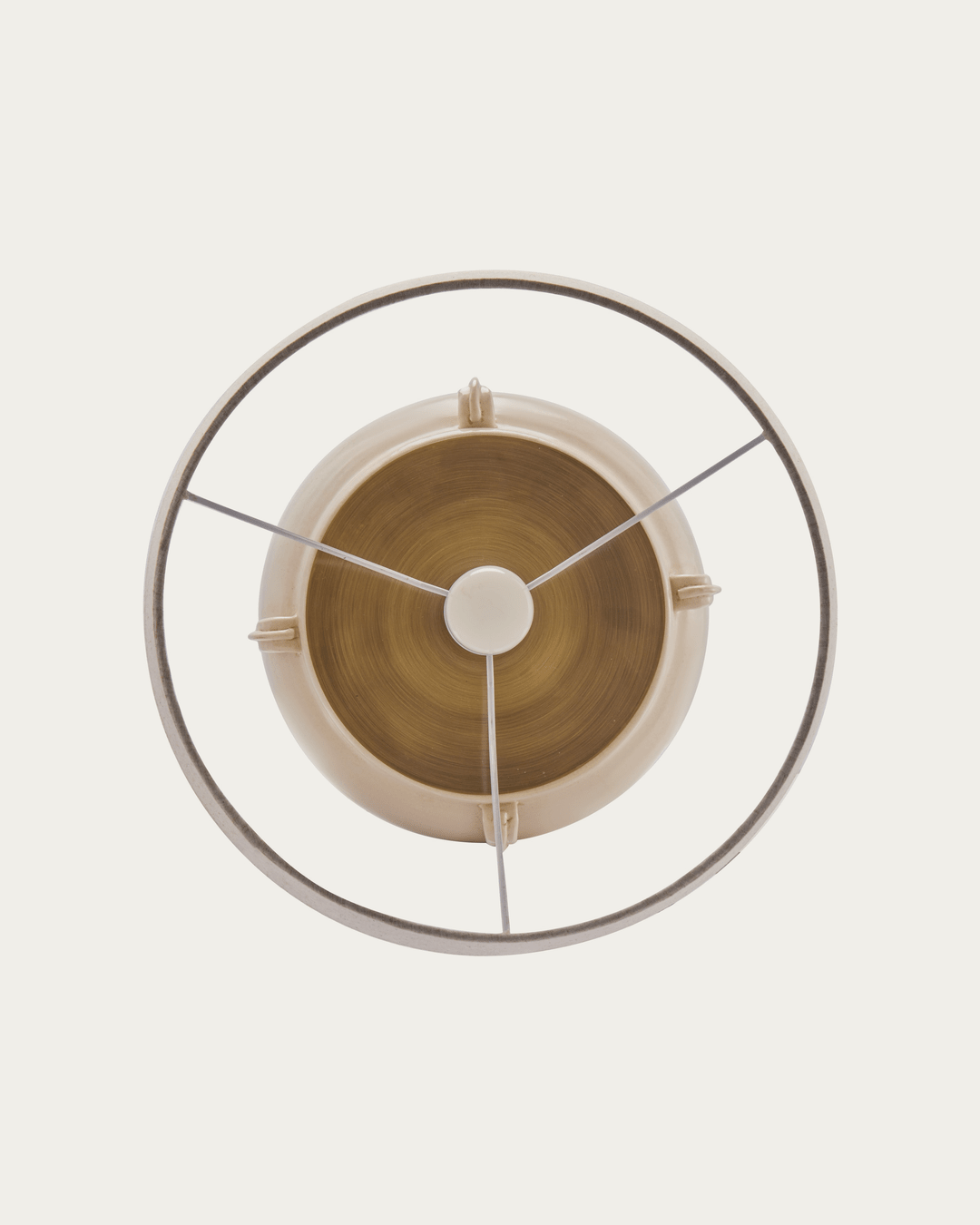
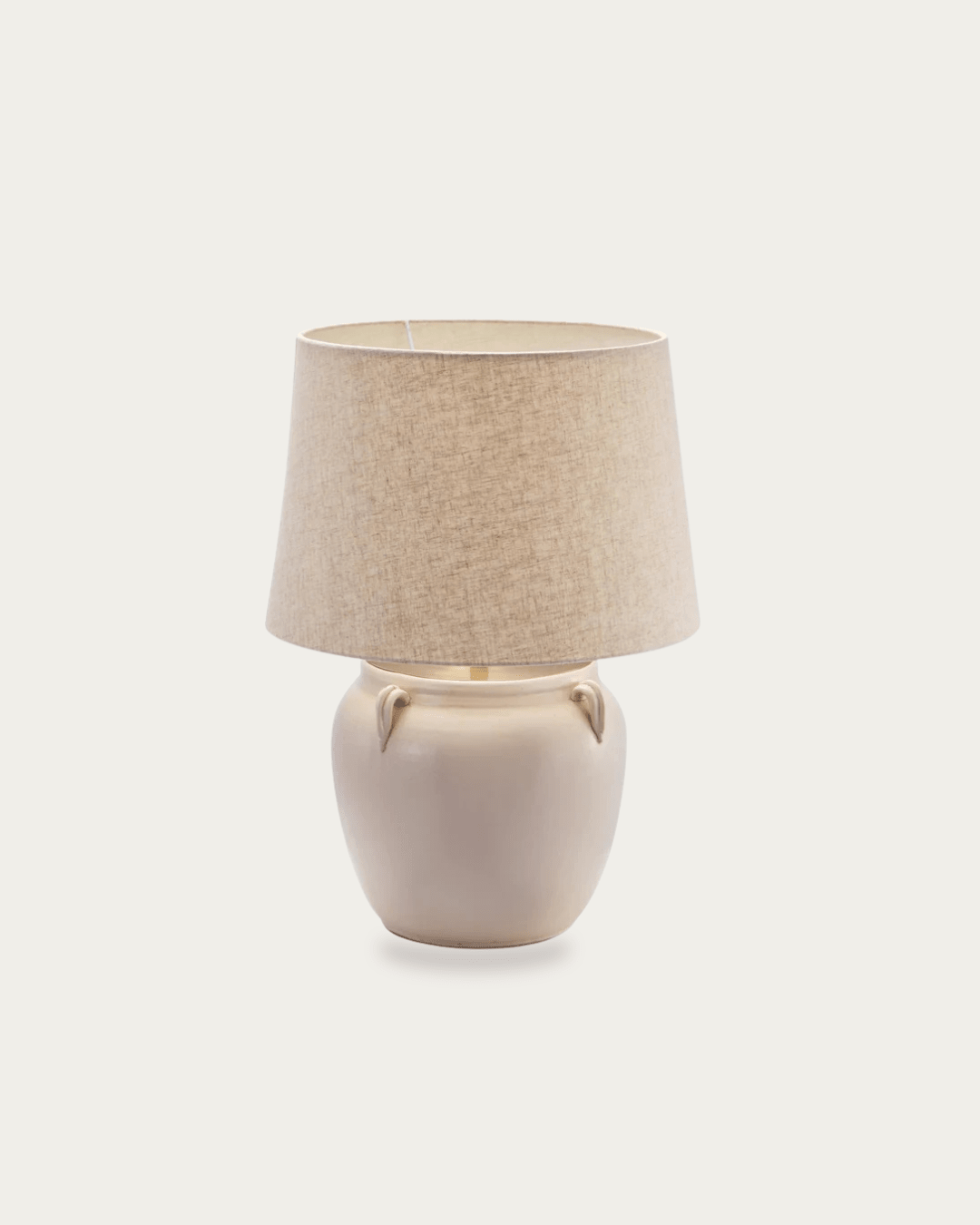
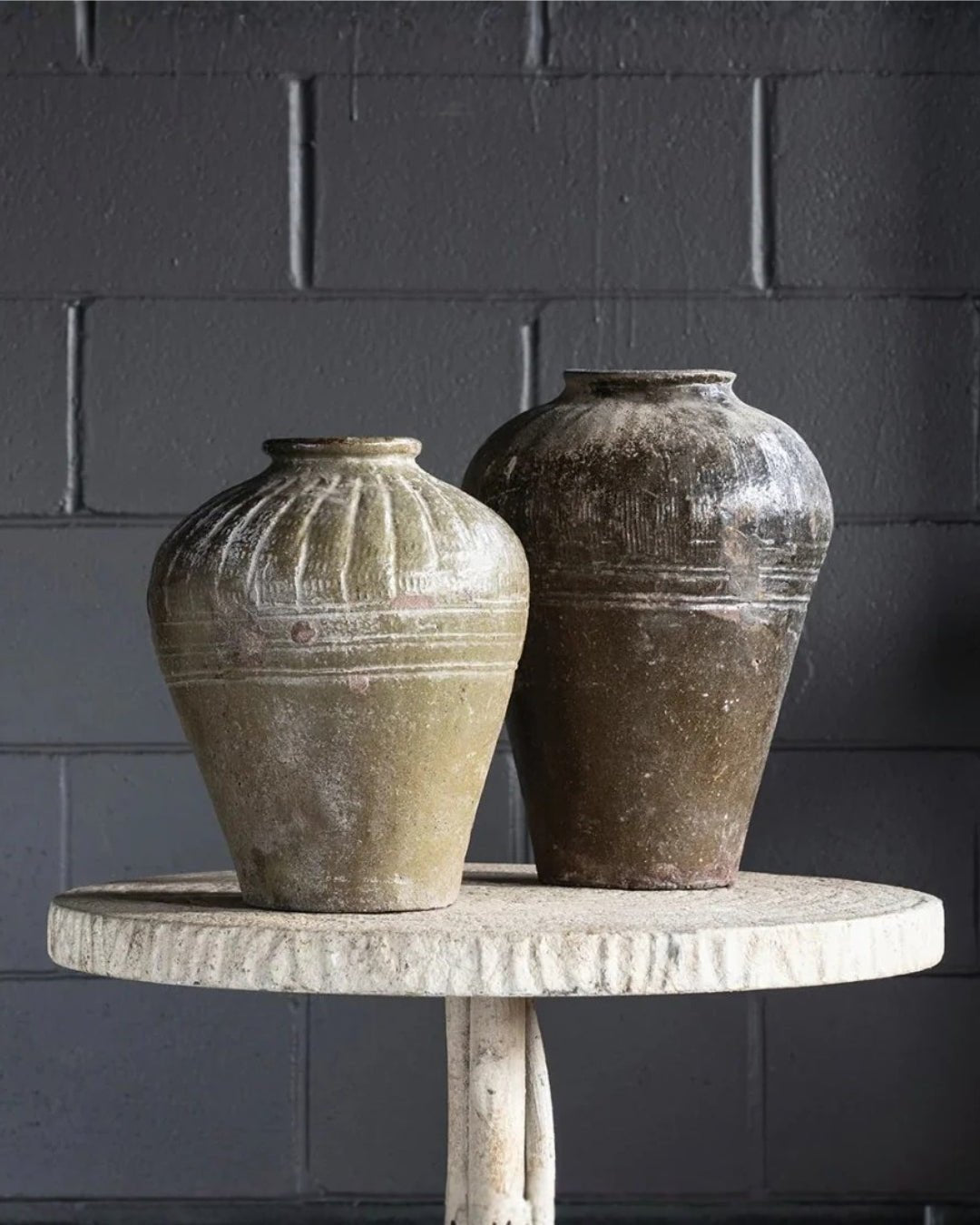
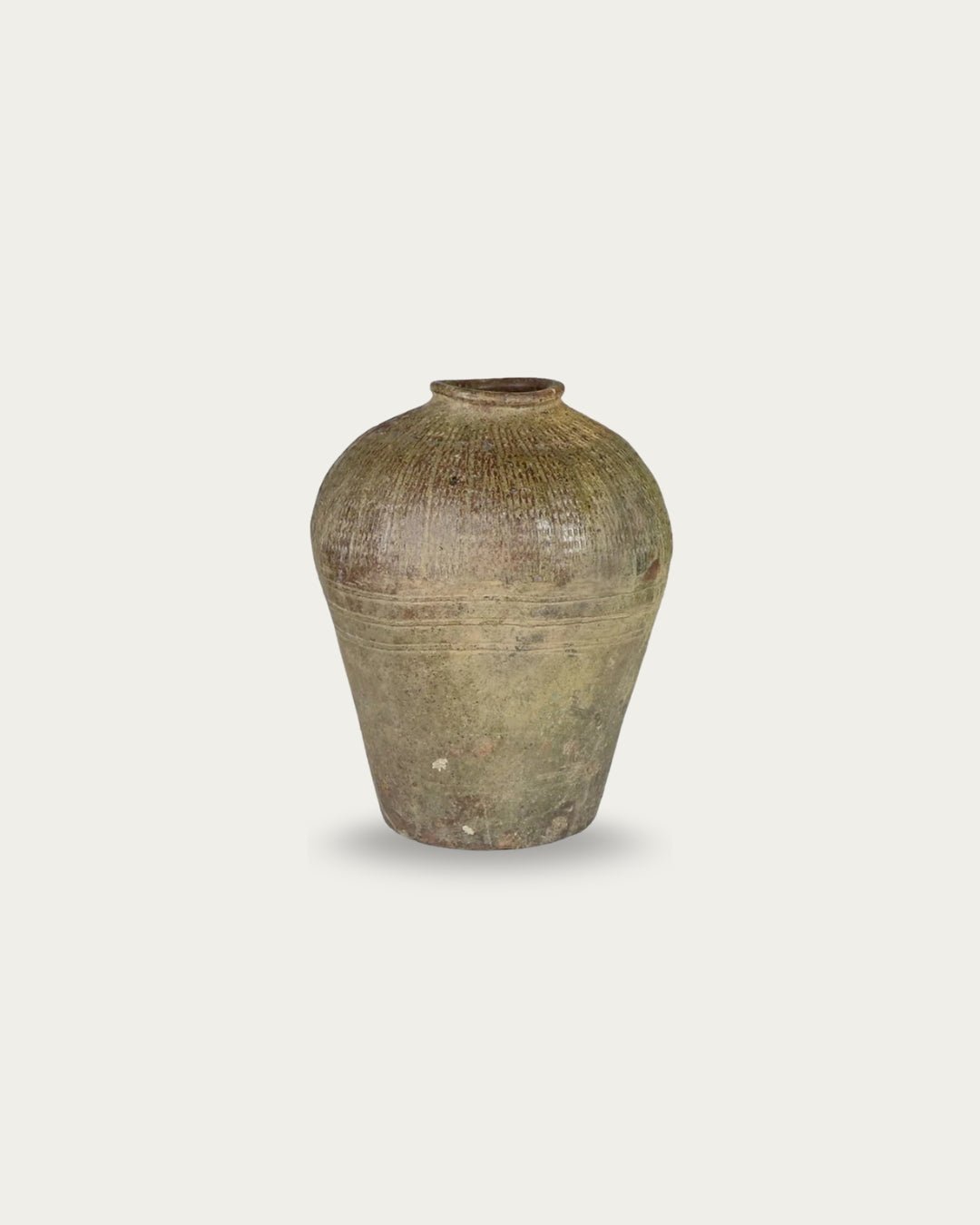
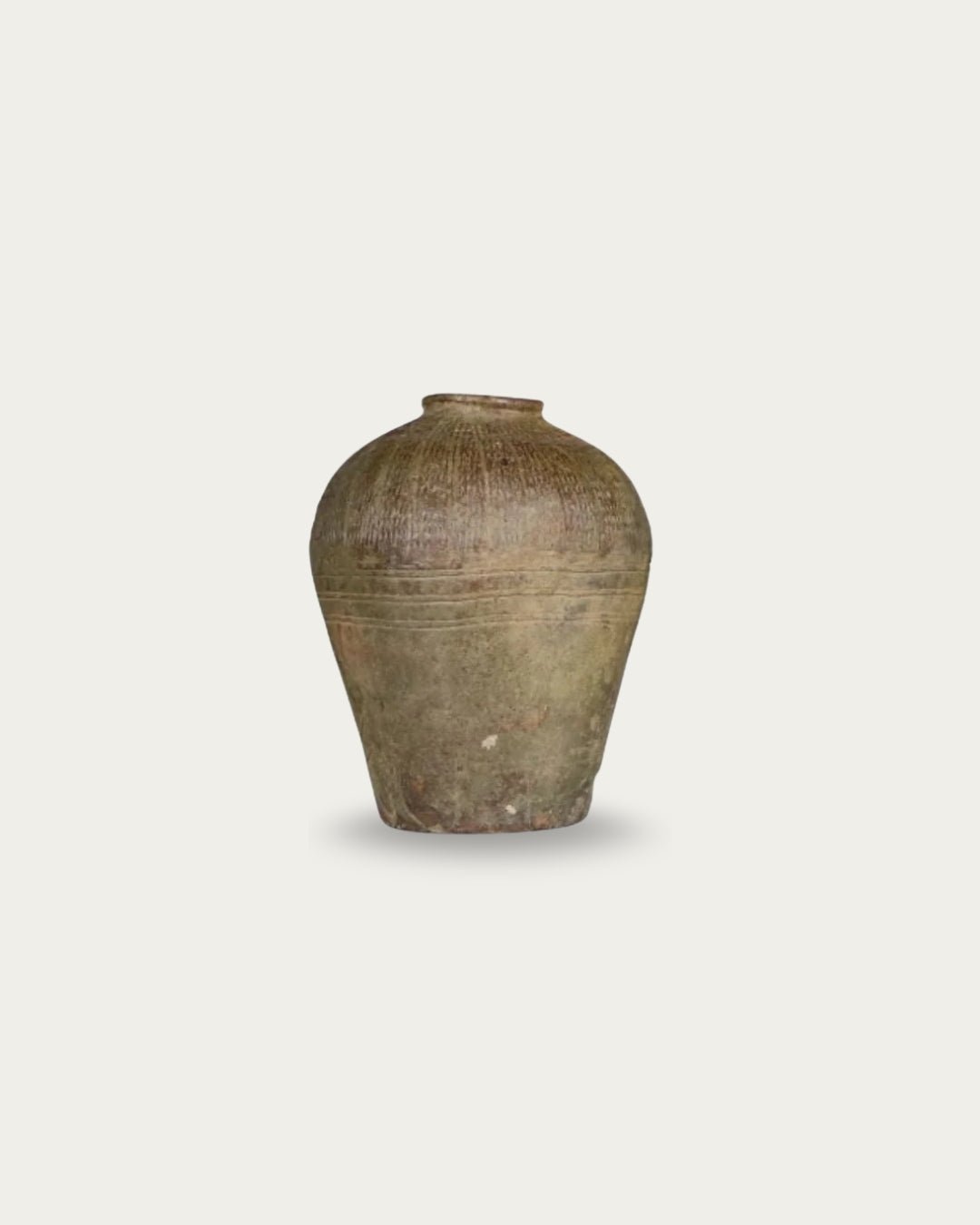
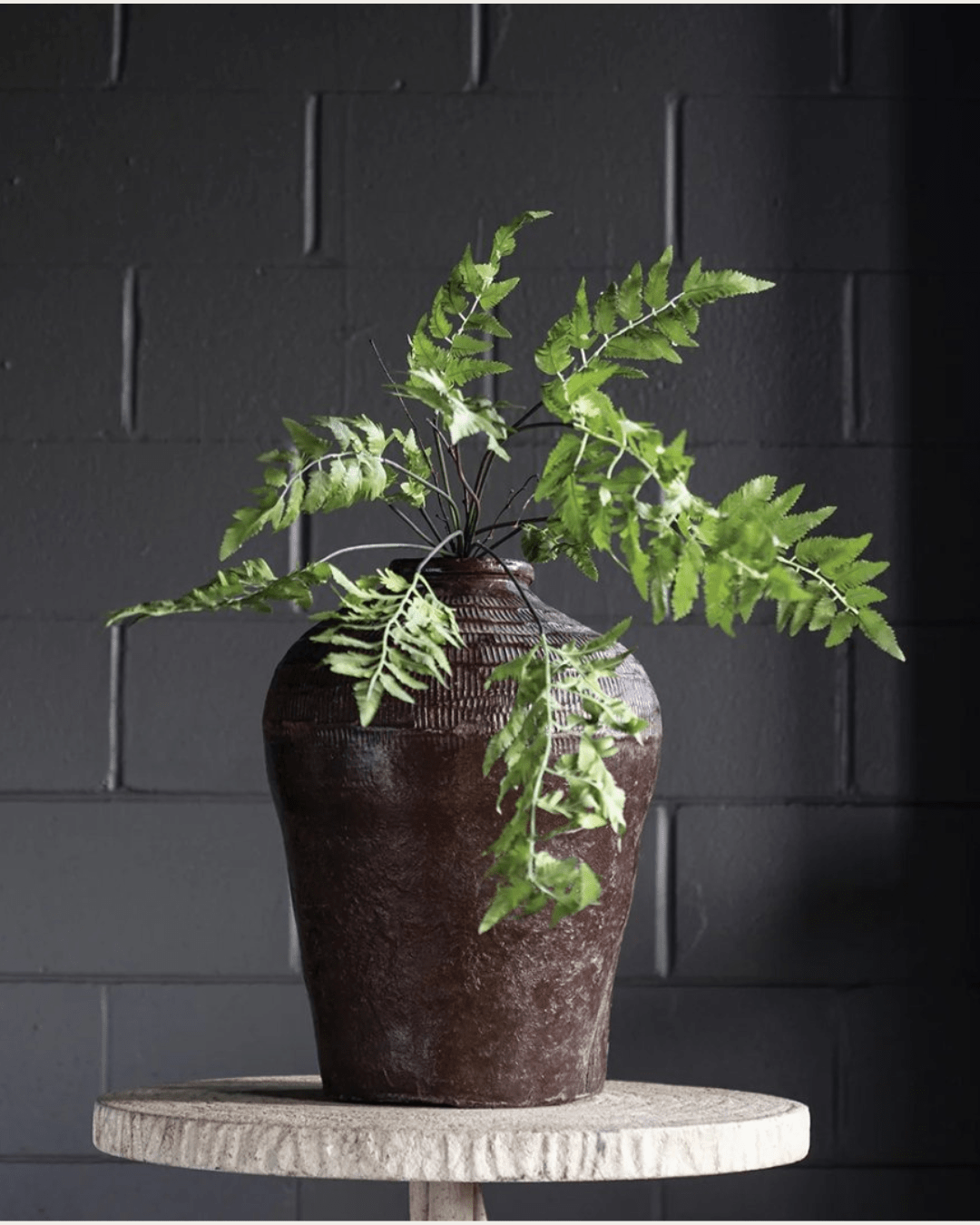
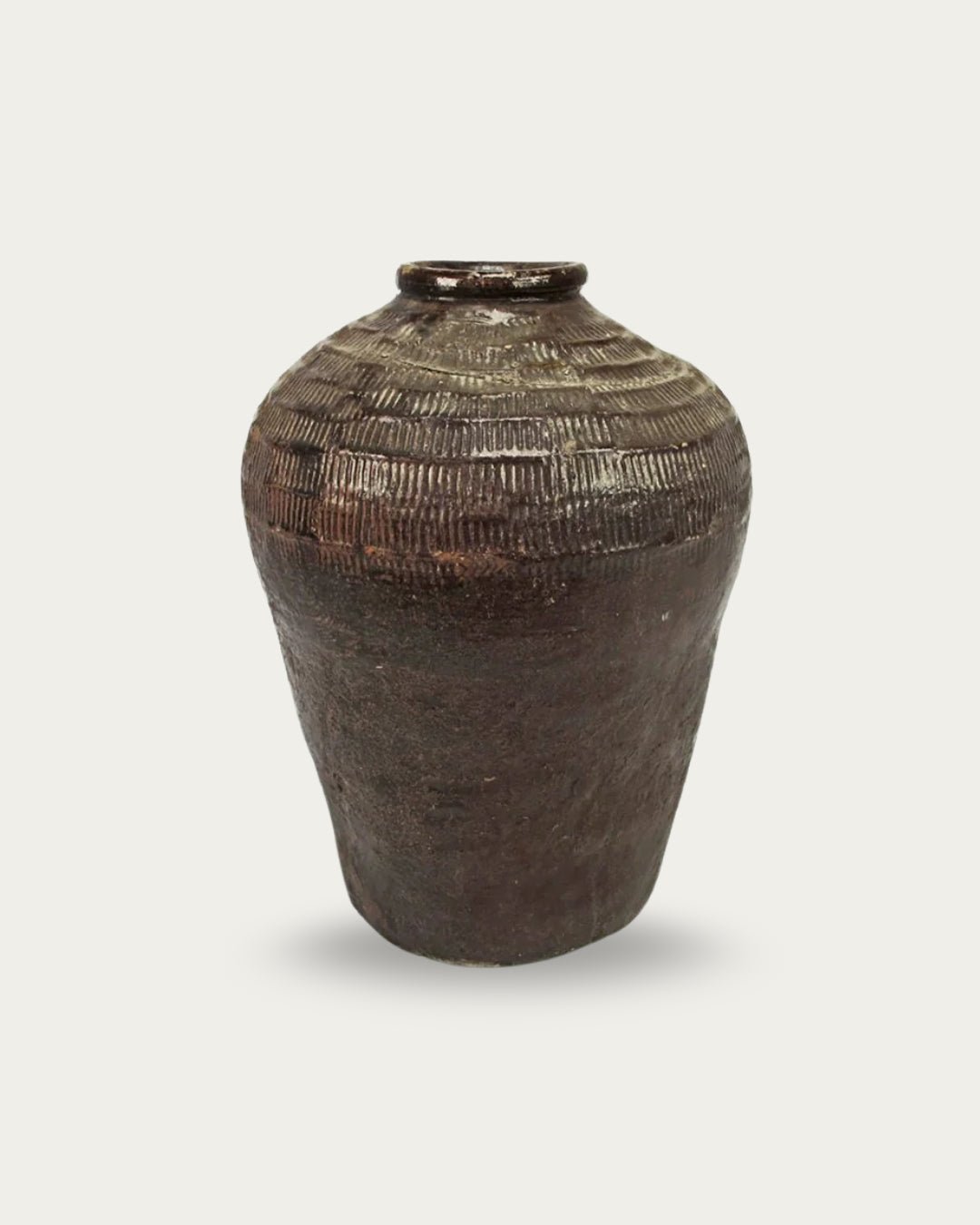
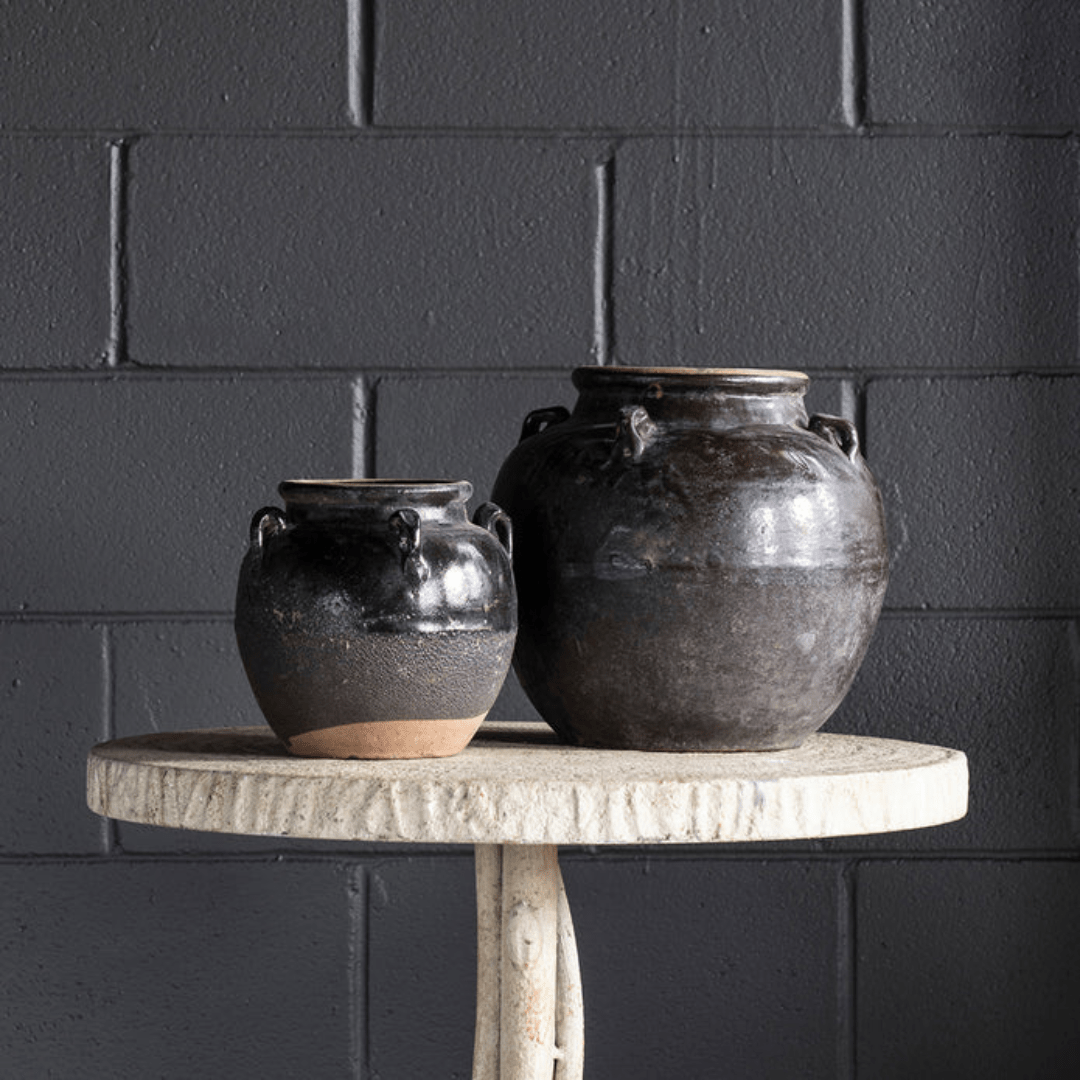
The Chinese harvest basket carries visible traces of use and purpose, while the Maria glazed pot introduces an aged surface that feels connected to time rather than detached from it.
History Creates Depth
Rooms feel richer when objects appear to have lived alongside people rather than simply appearing for decoration.
That depth creates emotional comfort.
Why Collected Homes Rarely Feel Trend Dependent
Trends often rely on novelty.
Collected spaces rely on accumulation.
Because vintage homes contain objects from different periods, materials, and origins, they tend to feel more resilient. The room isn't dependent on a single aesthetic moment.
Instead, it reflects a broader story.
The Leeben vintage round zinc tray and the Guorun pot contribute character through materiality rather than trend-driven styling.
This allows the room to evolve naturally over time.
Relaxed Spaces Don't Chase Relevance
The most comfortable homes rarely feel desperate to stay current.
They feel confident enough to develop gradually.
The Most Relaxing Homes Feel Collected, Not Decorated
When people describe a home as calming, they rarely mention matching accessories.
They talk about the atmosphere.
Texture.
Character.
Depth.
The feeling that the room has grown naturally over time.
That's the science behind collected spaces.
The brain prefers environments that balance complexity with coherence. Vintage home decor helps achieve that balance through patina, texture, material honesty, and visual history. The room becomes more interesting without becoming more demanding.
Less perfection.
Less coordination.
Less visual performance.
More texture.
More depth.
More objects that reward attention rather than compete for it.
Explore Hello Norden's vintage decor collection to discover bowls, vessels, baskets, mirrors, and collected pieces that help create homes that feel layered, relaxed, and genuinely lived in.