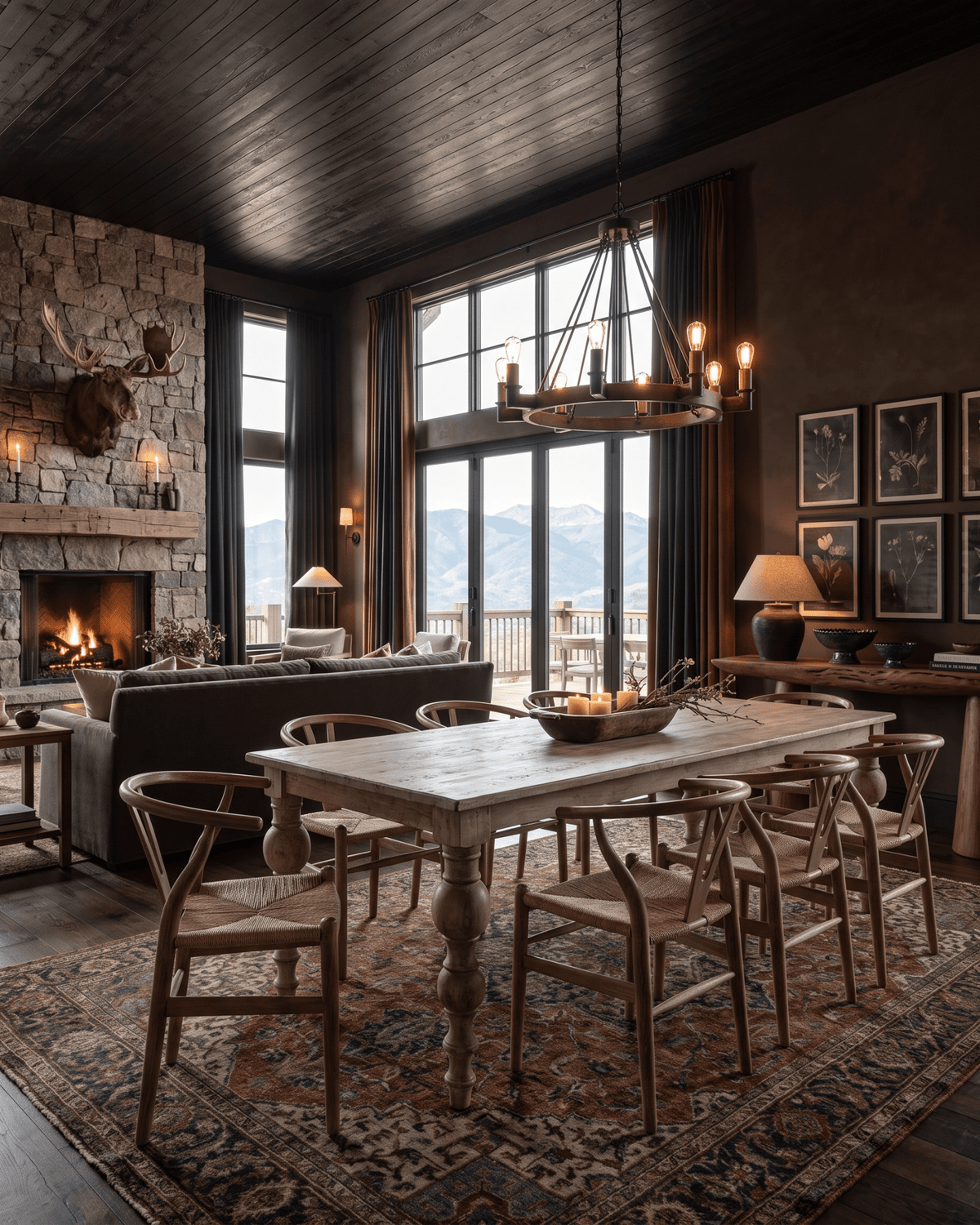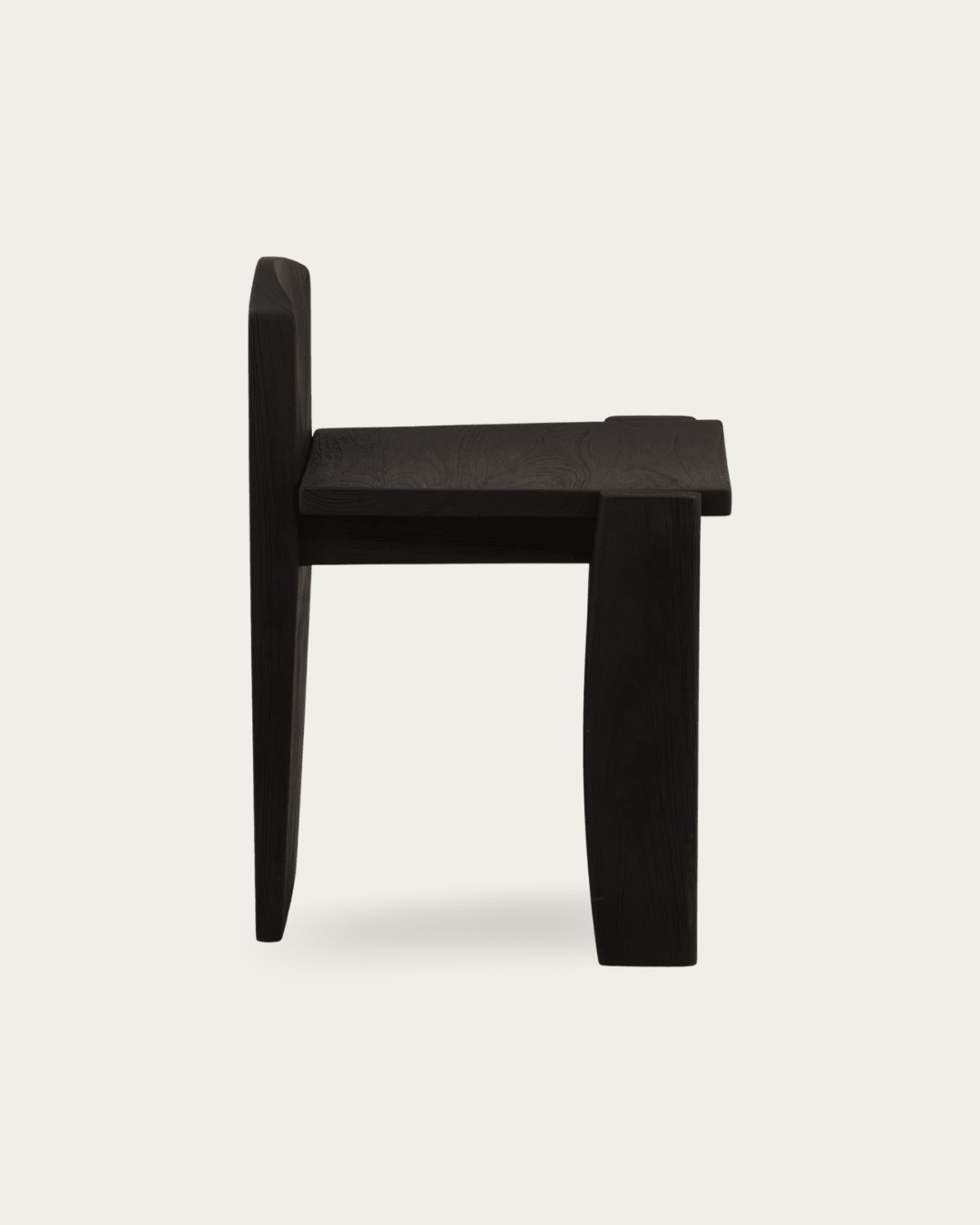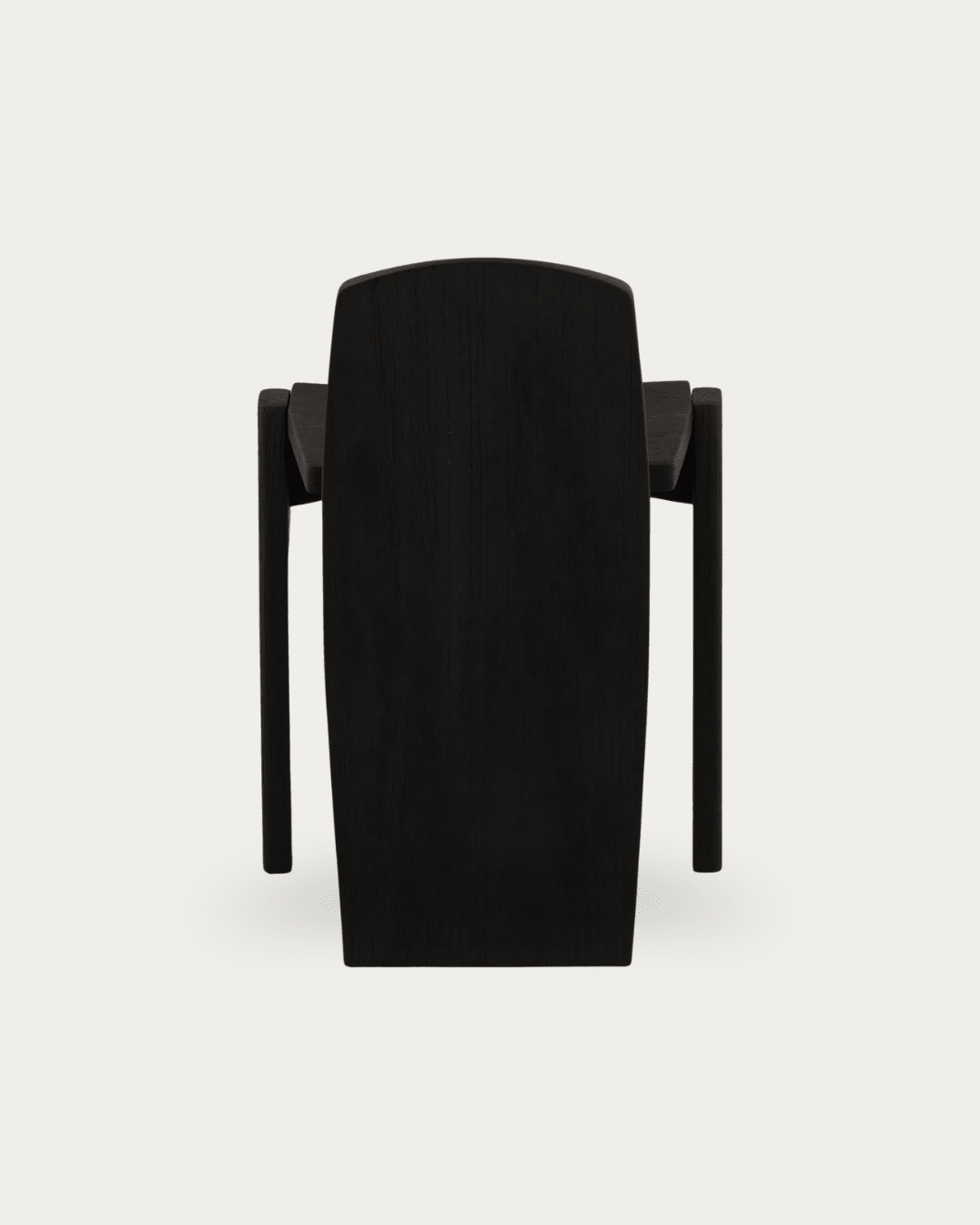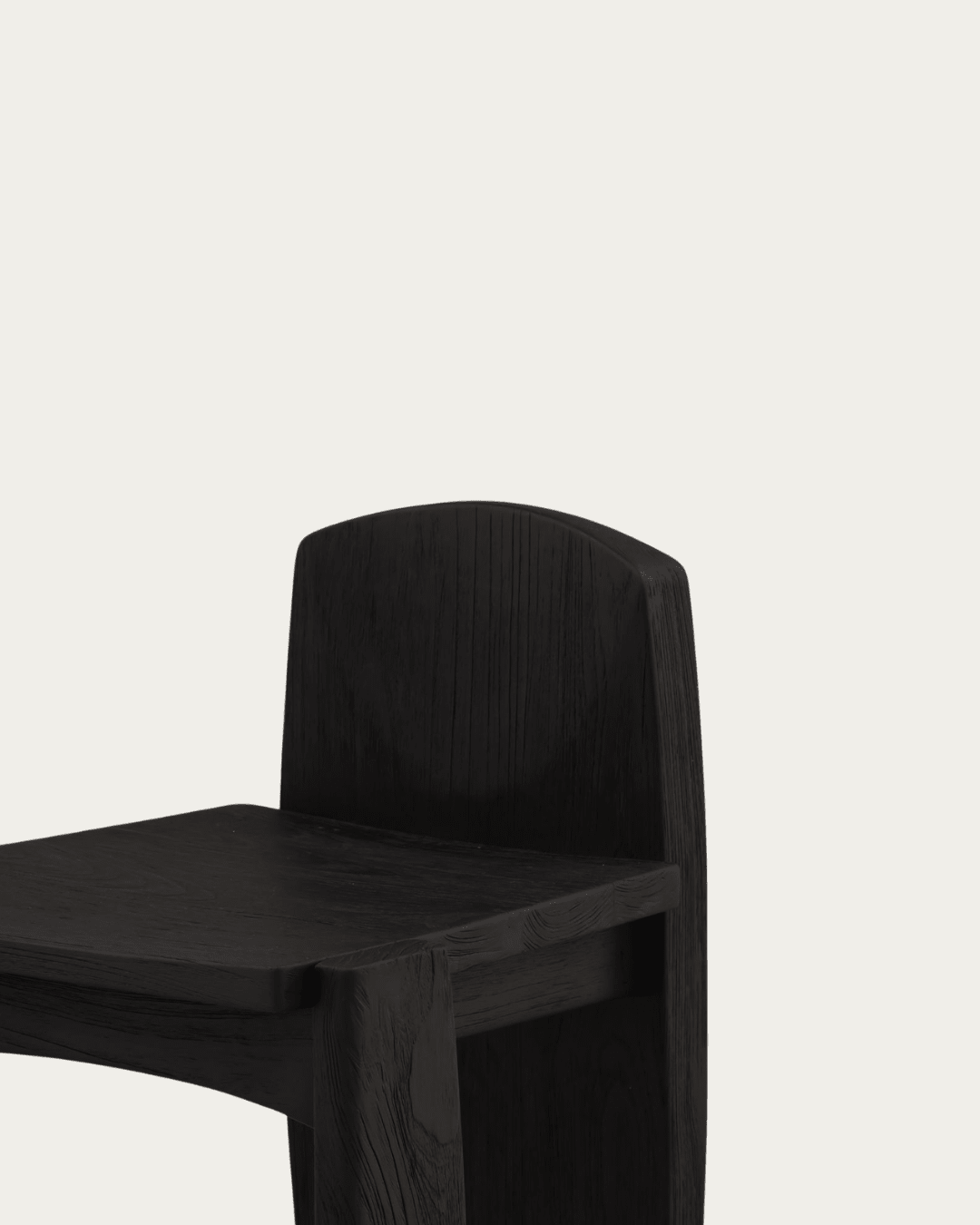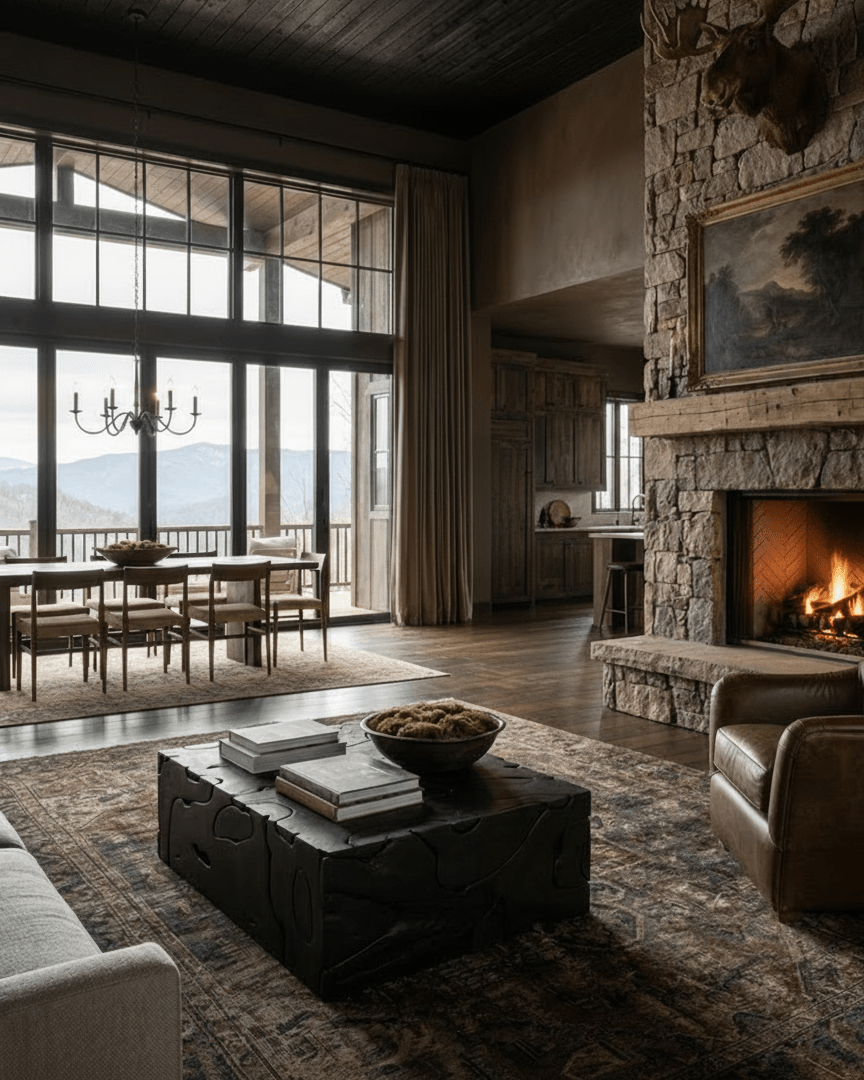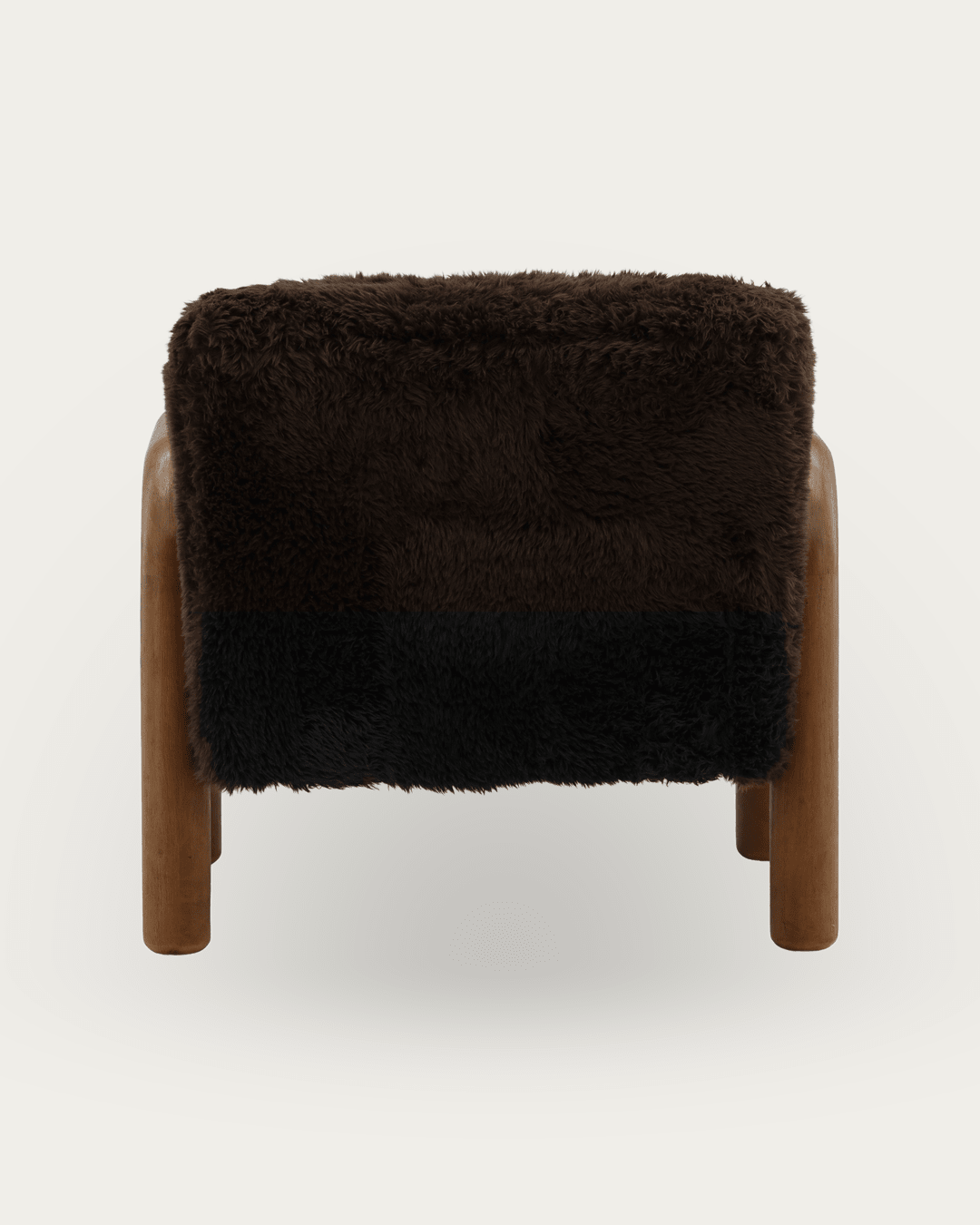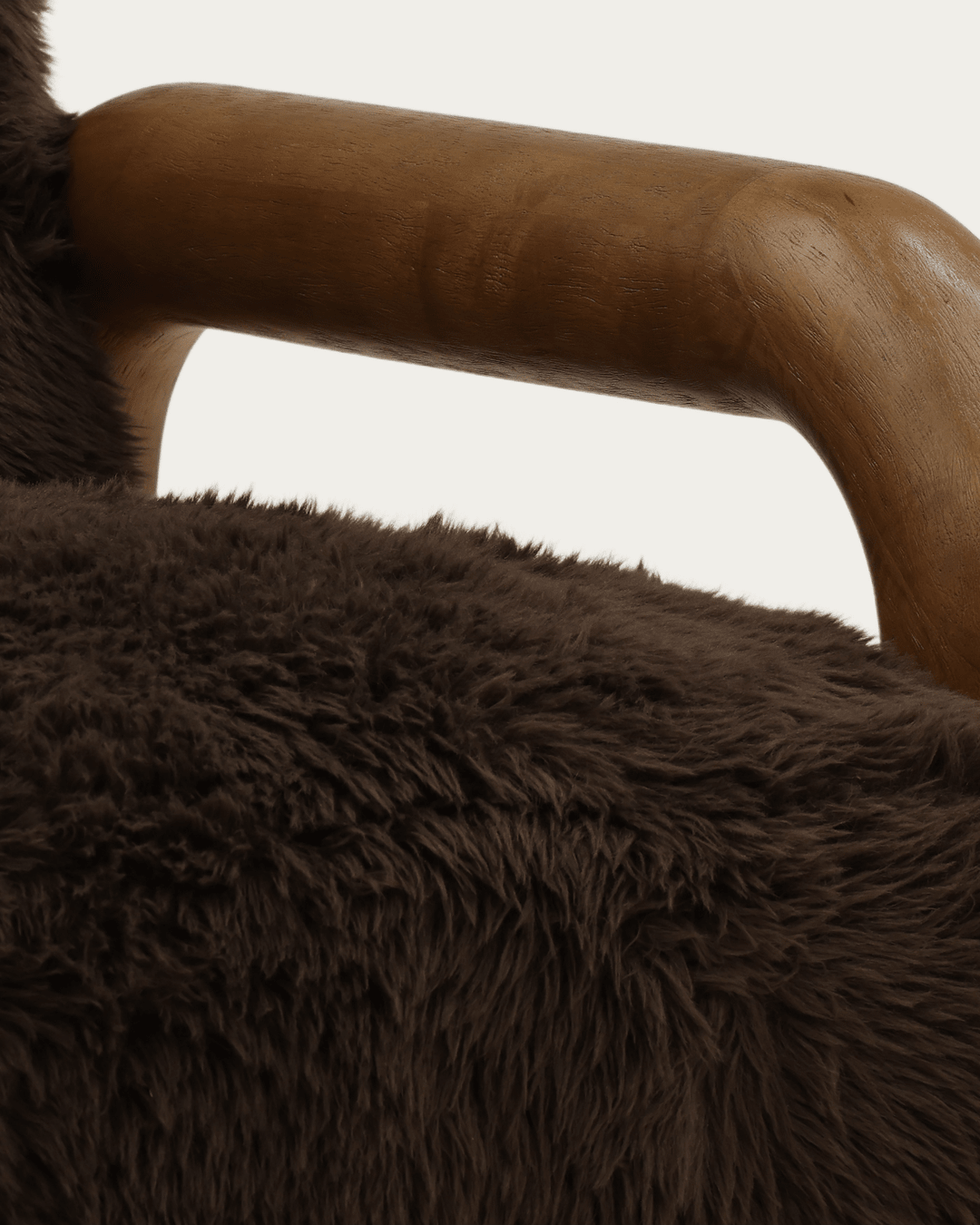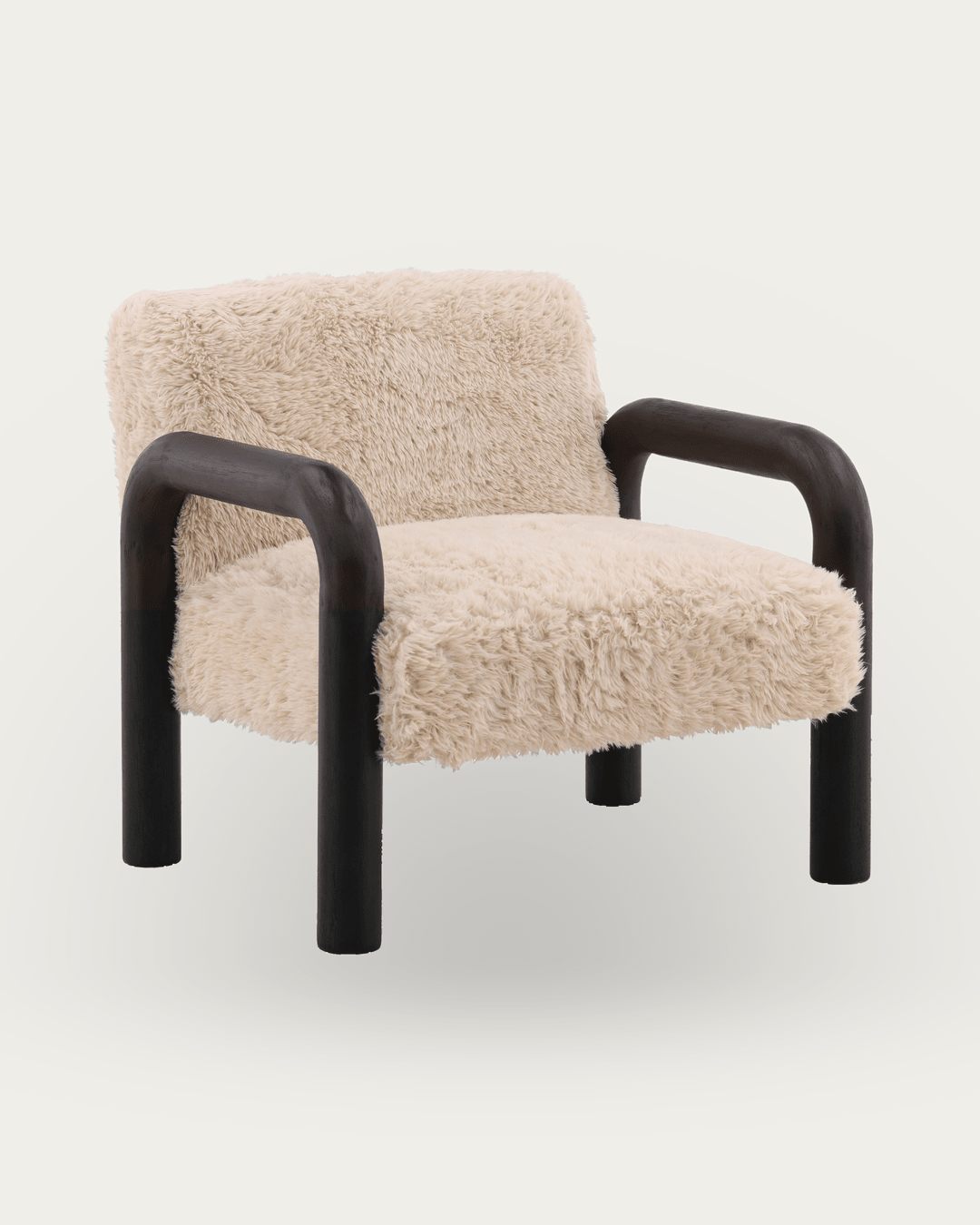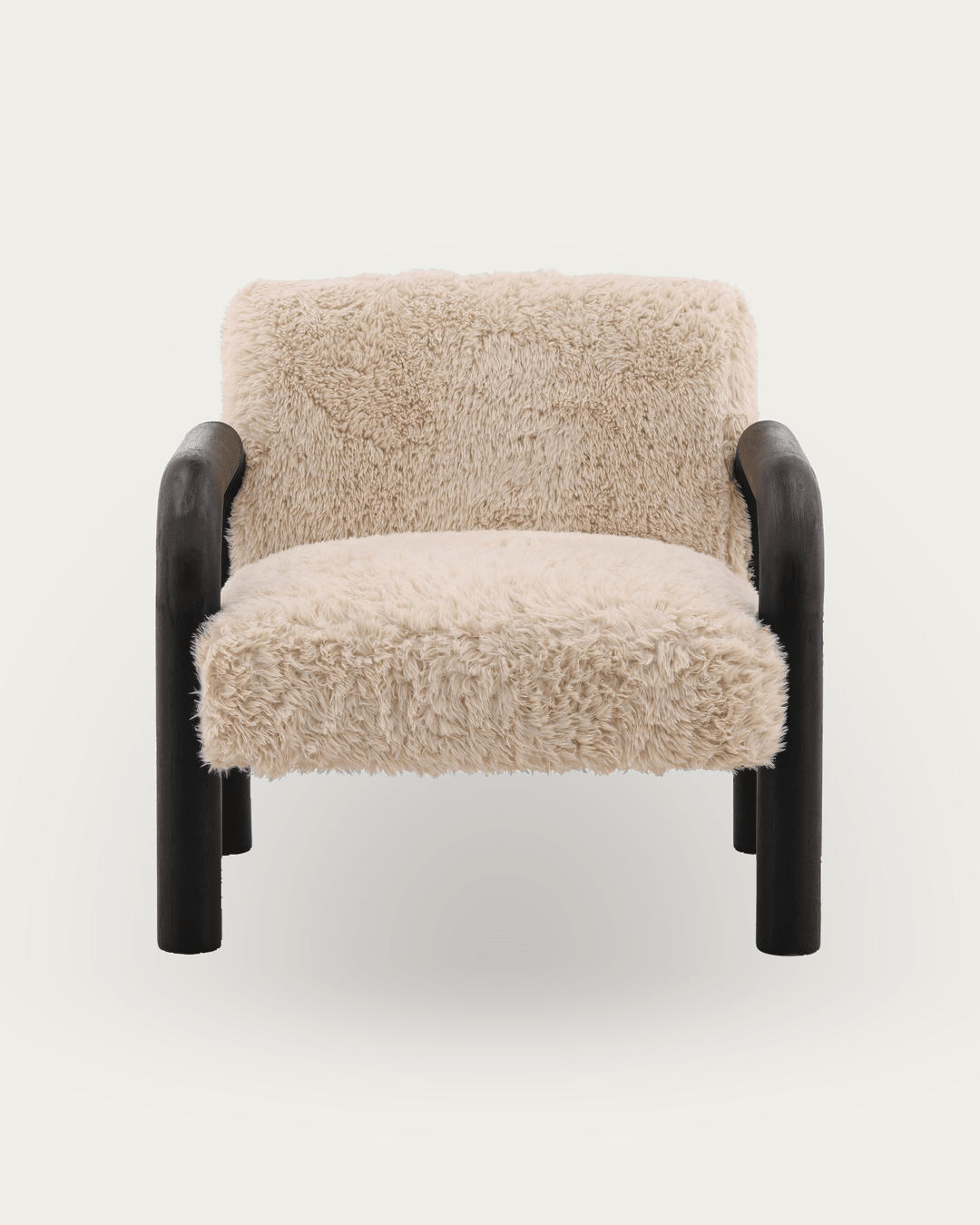








For years, buying dining chairs was easy. You picked a matching set, pushed them around a table, and called it done.
Now, some of the most interesting dining rooms are doing the opposite.
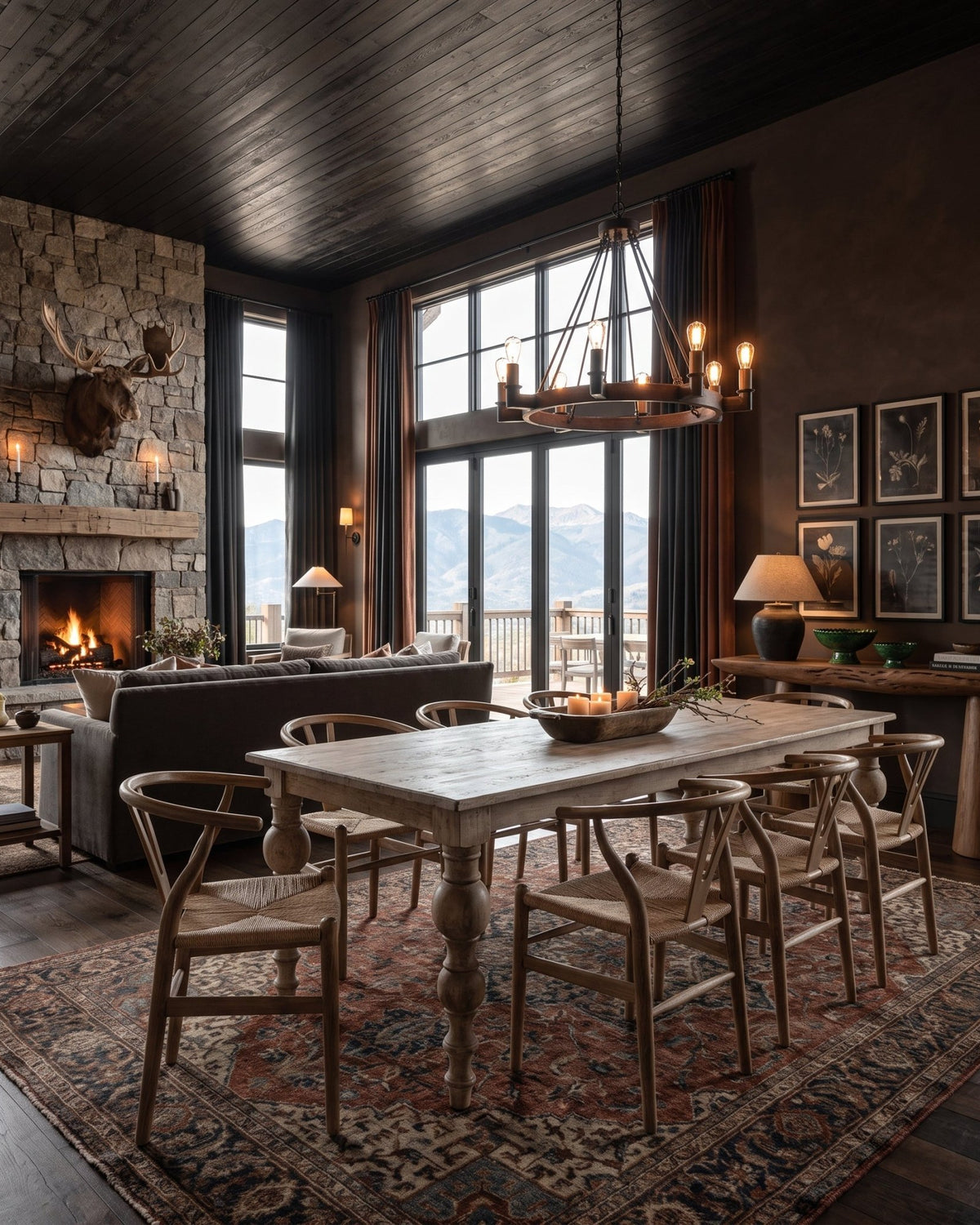
Designers are increasingly mixing upholstered dining chairs with wood dining chairs, combining different silhouettes, materials, and textures to create spaces that feel more personal and less showroom-perfect. But here's the catch: not every mismatched dining chair arrangement works.
Some dining rooms feel layered and effortless. Others feel visually noisy, strangely uncomfortable, or difficult to settle into.
The difference often has less to do with aesthetics and more to do with how the brain processes a space.
When done well, mismatched dining chairs create rhythm, variety, and visual interest. When done poorly, they create friction that your nervous system notices before you do.
If you're considering mismatched dining chairs, these are the 12 styling mistakes worth avoiding.
Looking for pieces that can work together without feeling identical? Hello Norden's dining chair collection offers a mix of upholstered and wood dining chairs that can be layered without feeling overly matched.
Mistake #1: Treating "Mismatched" as Random
The biggest misconception is believing mismatched means anything goes.
It doesn't.
The best dining rooms still follow a framework. They simply create variation within it.
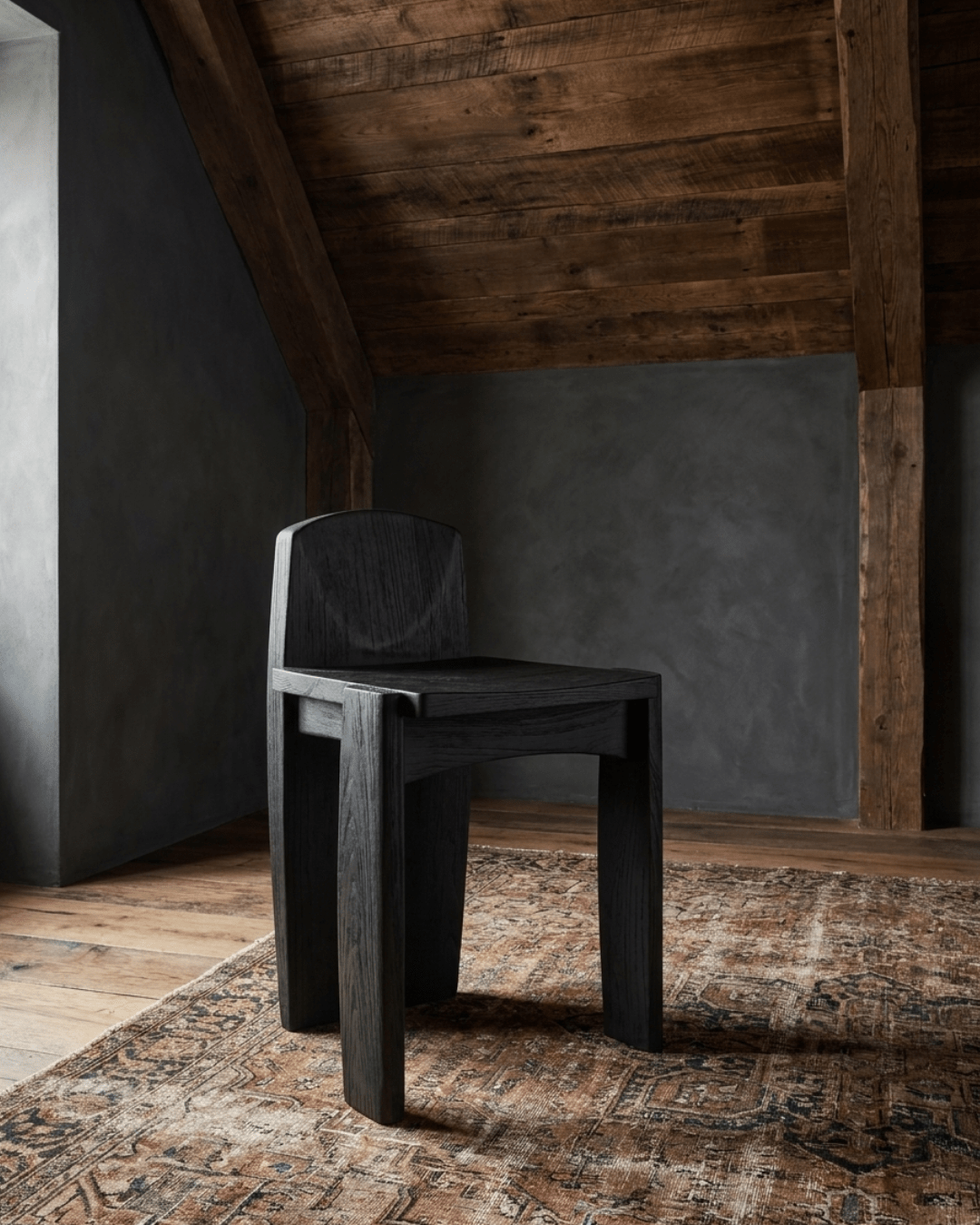
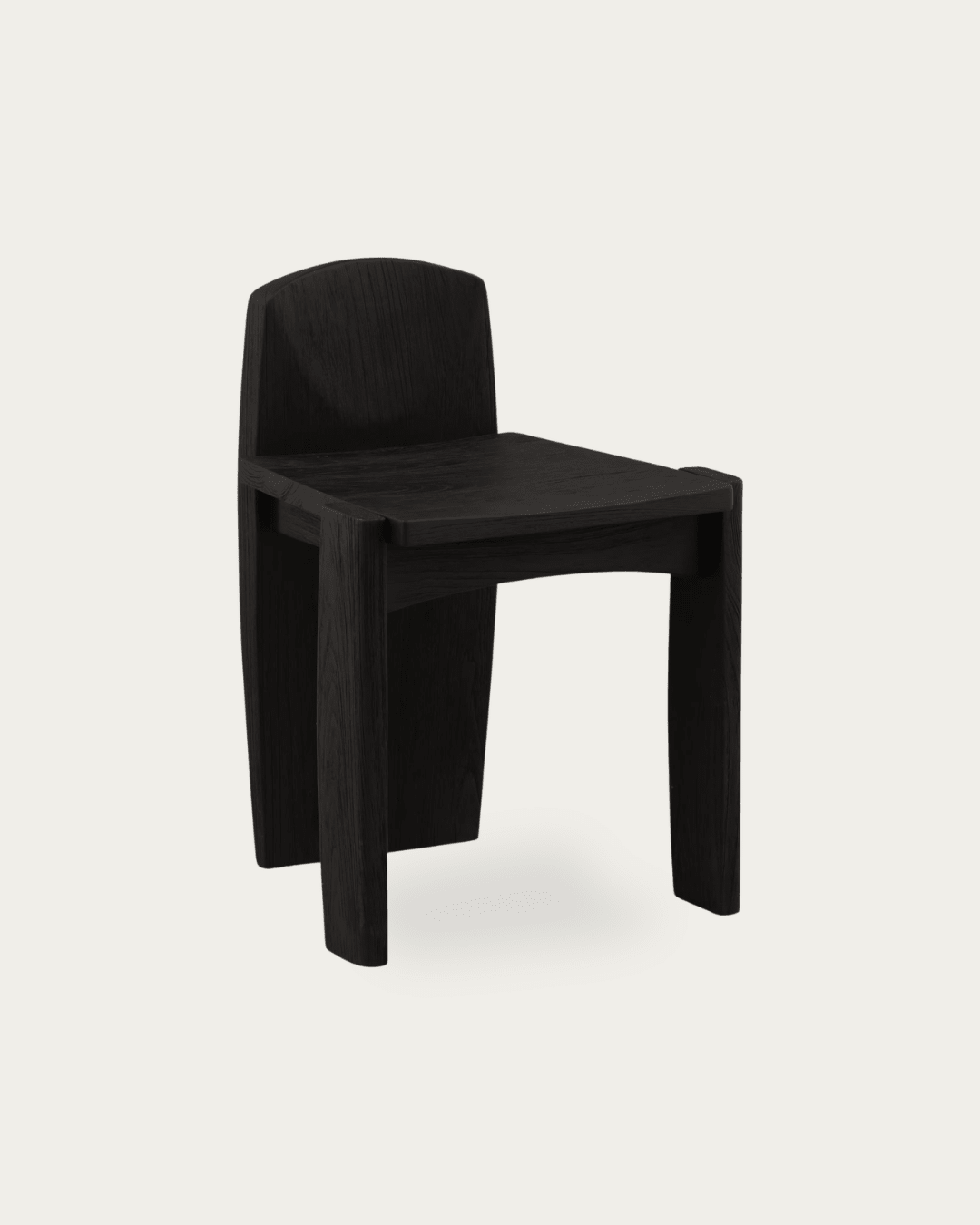
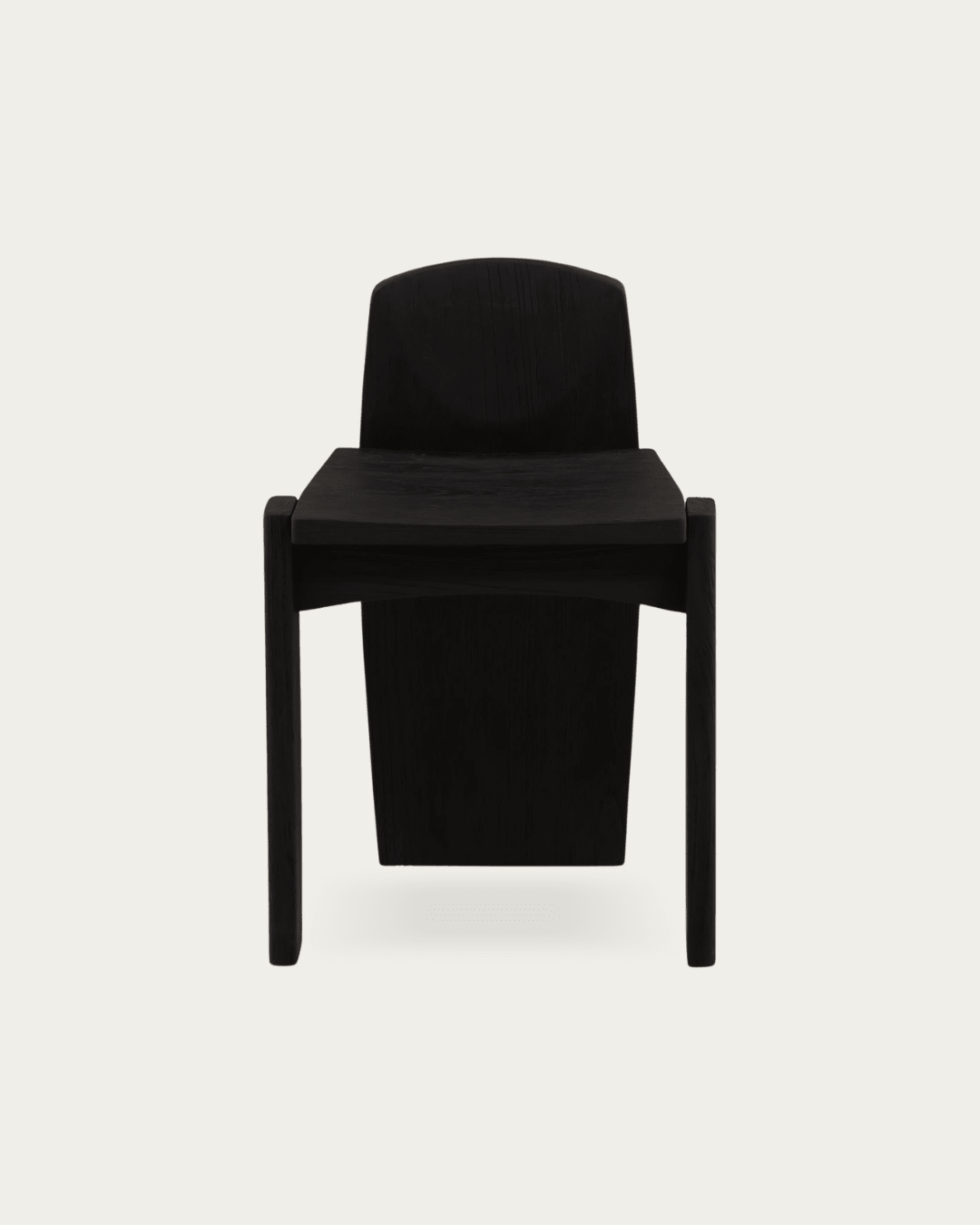
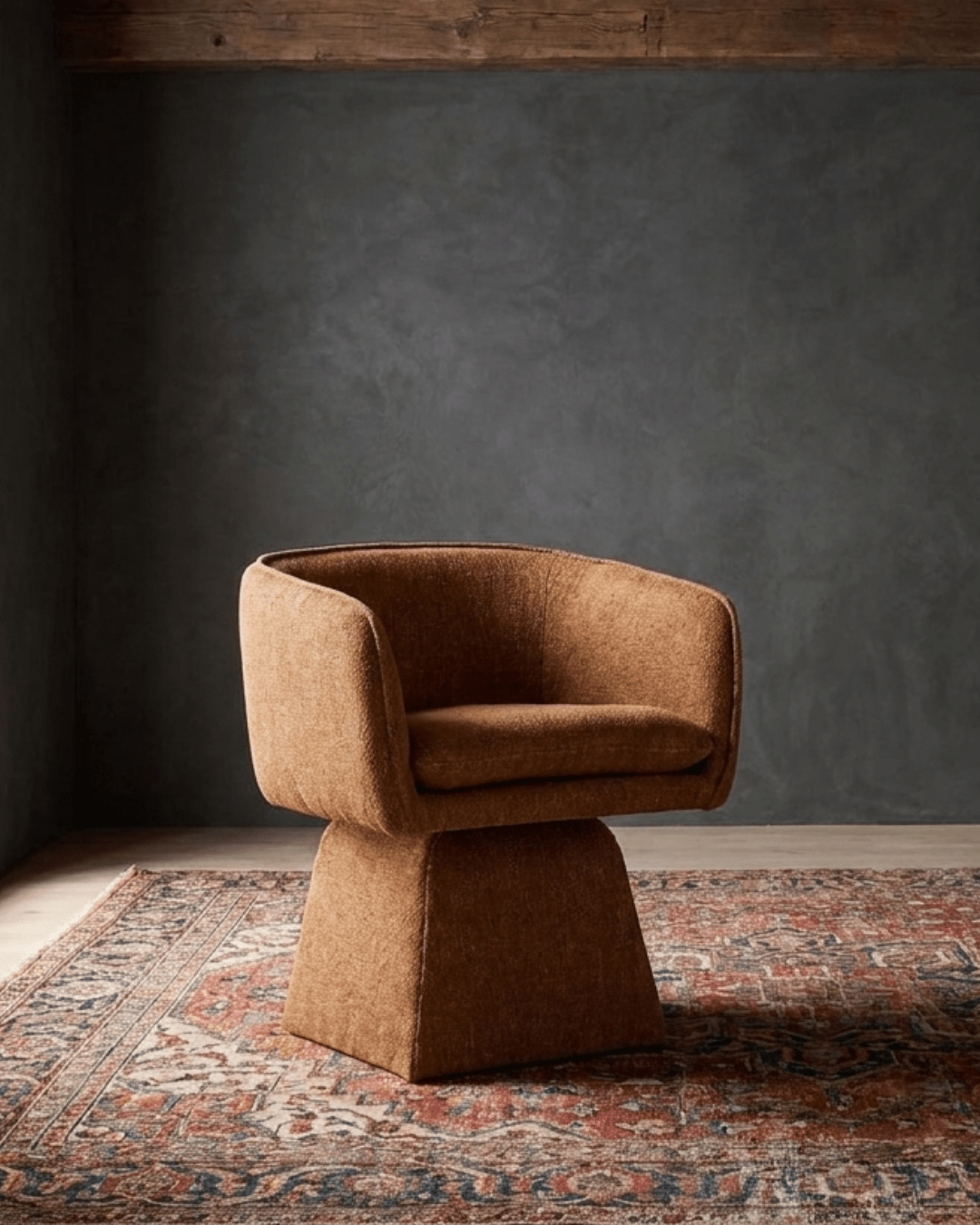
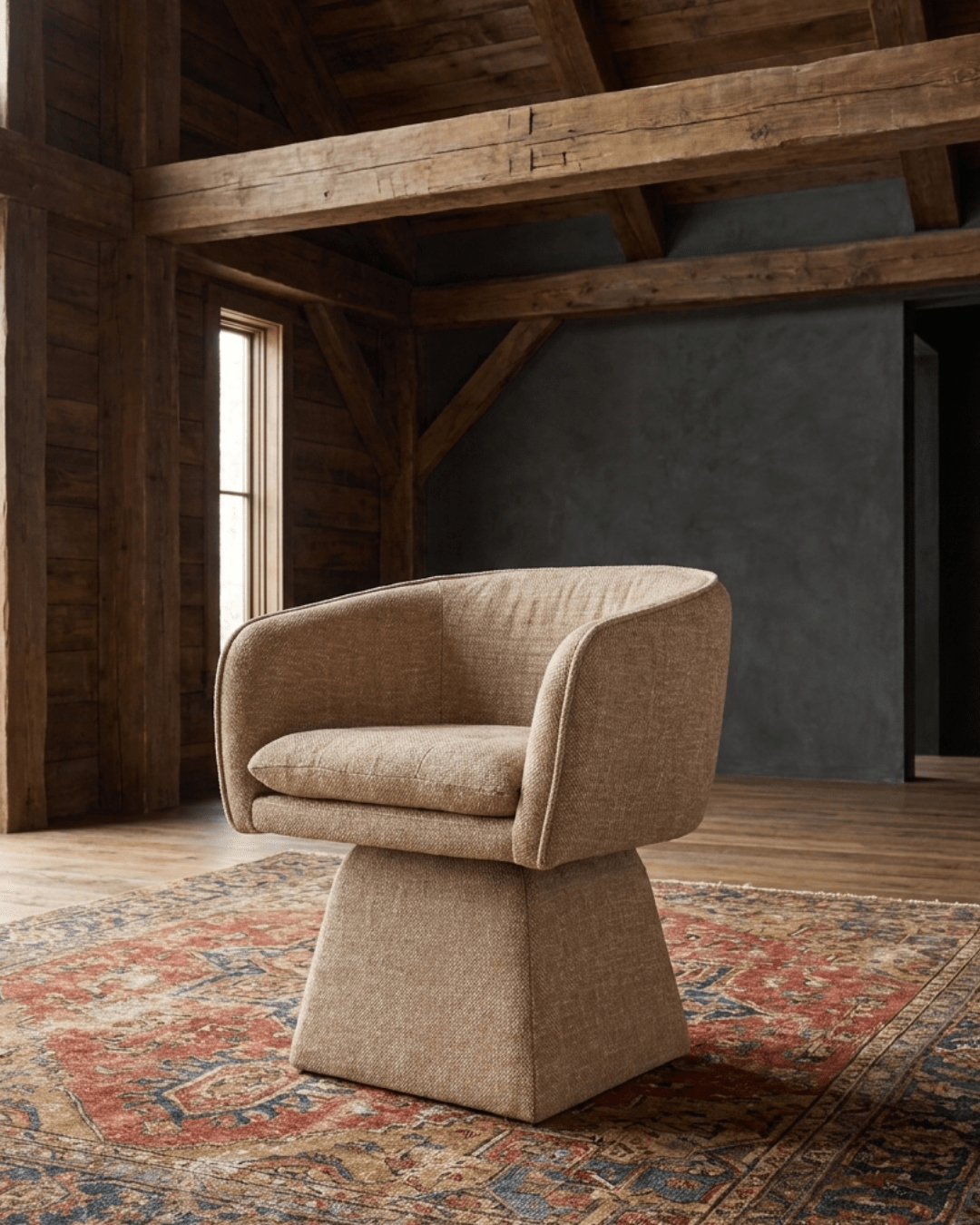
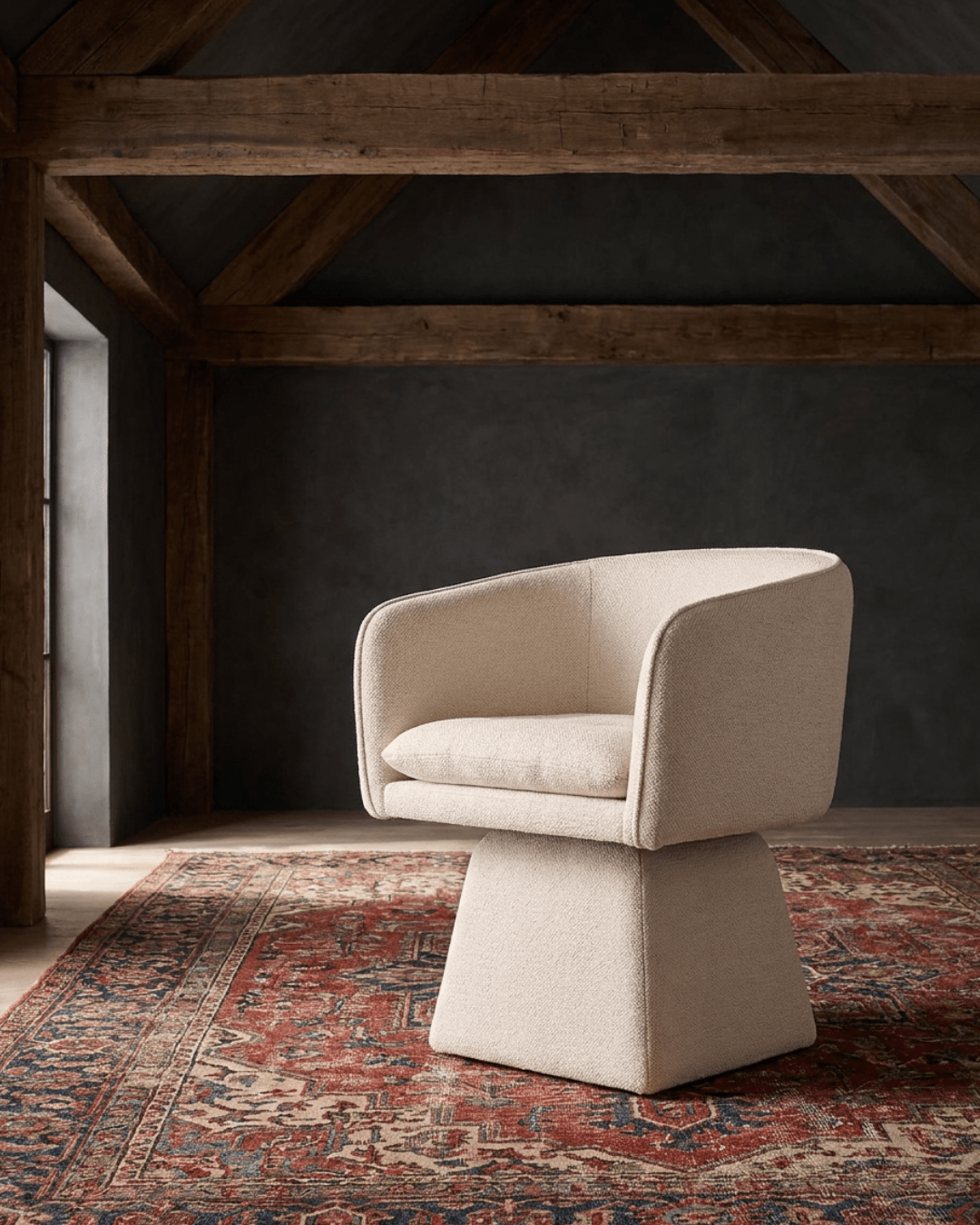
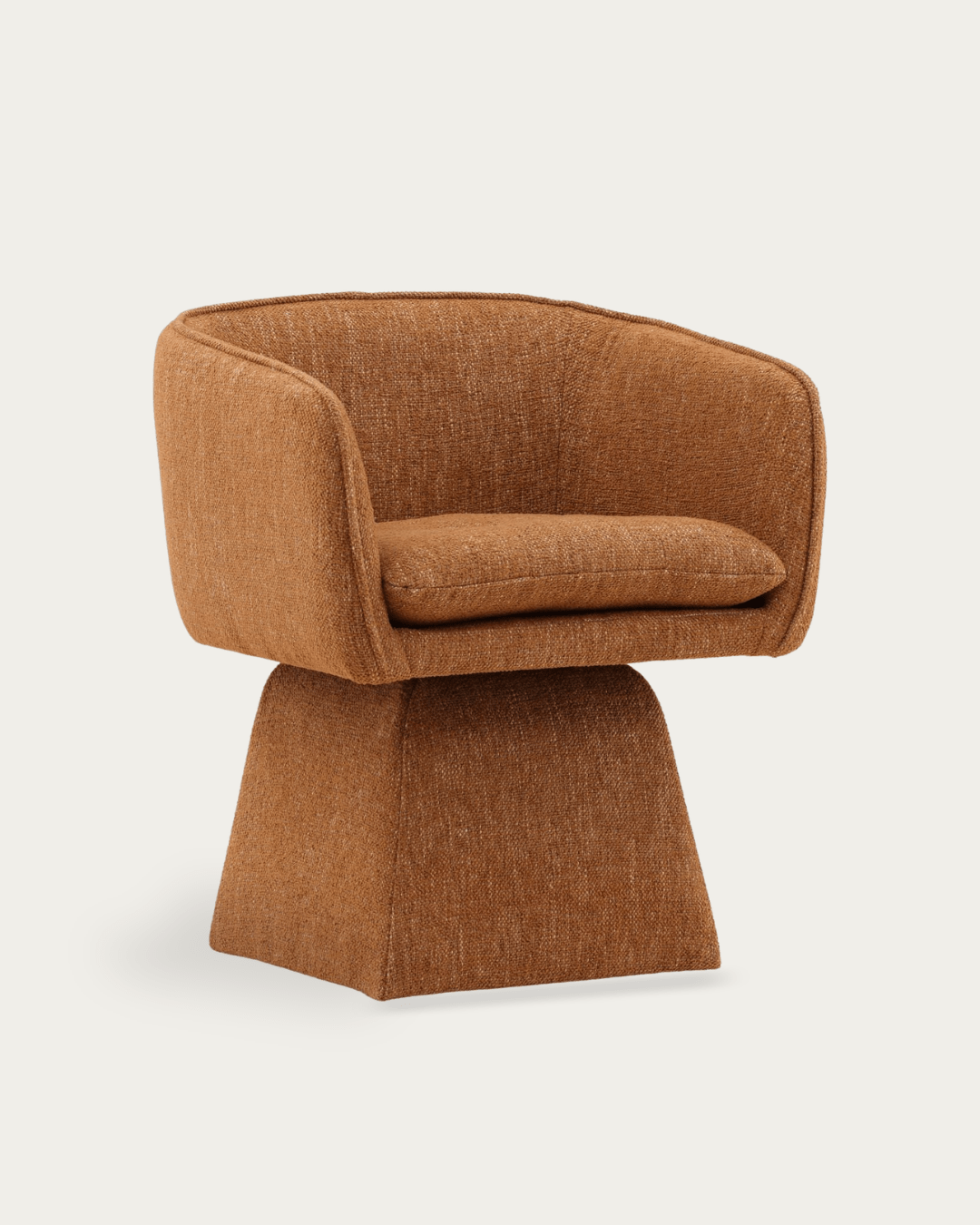
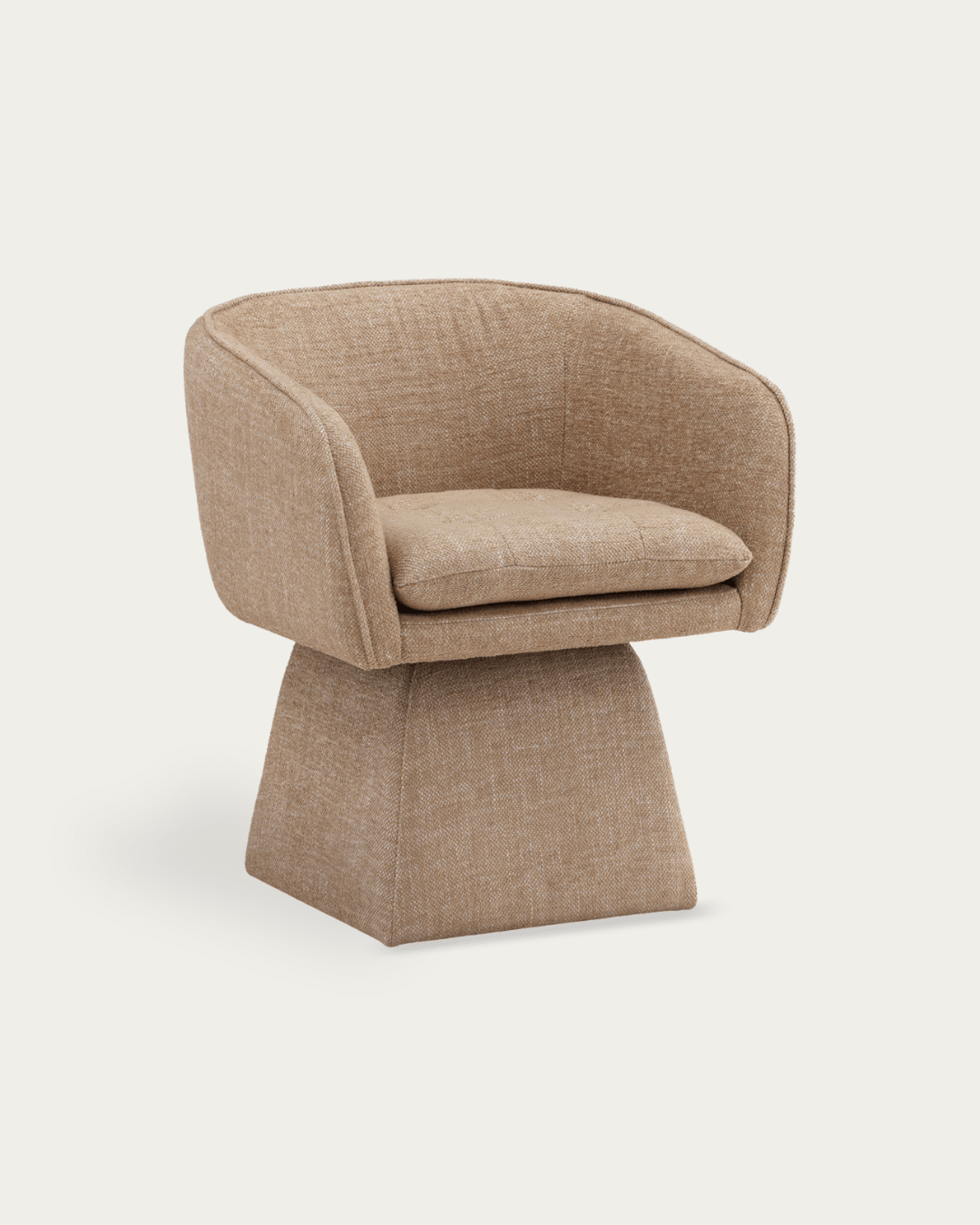
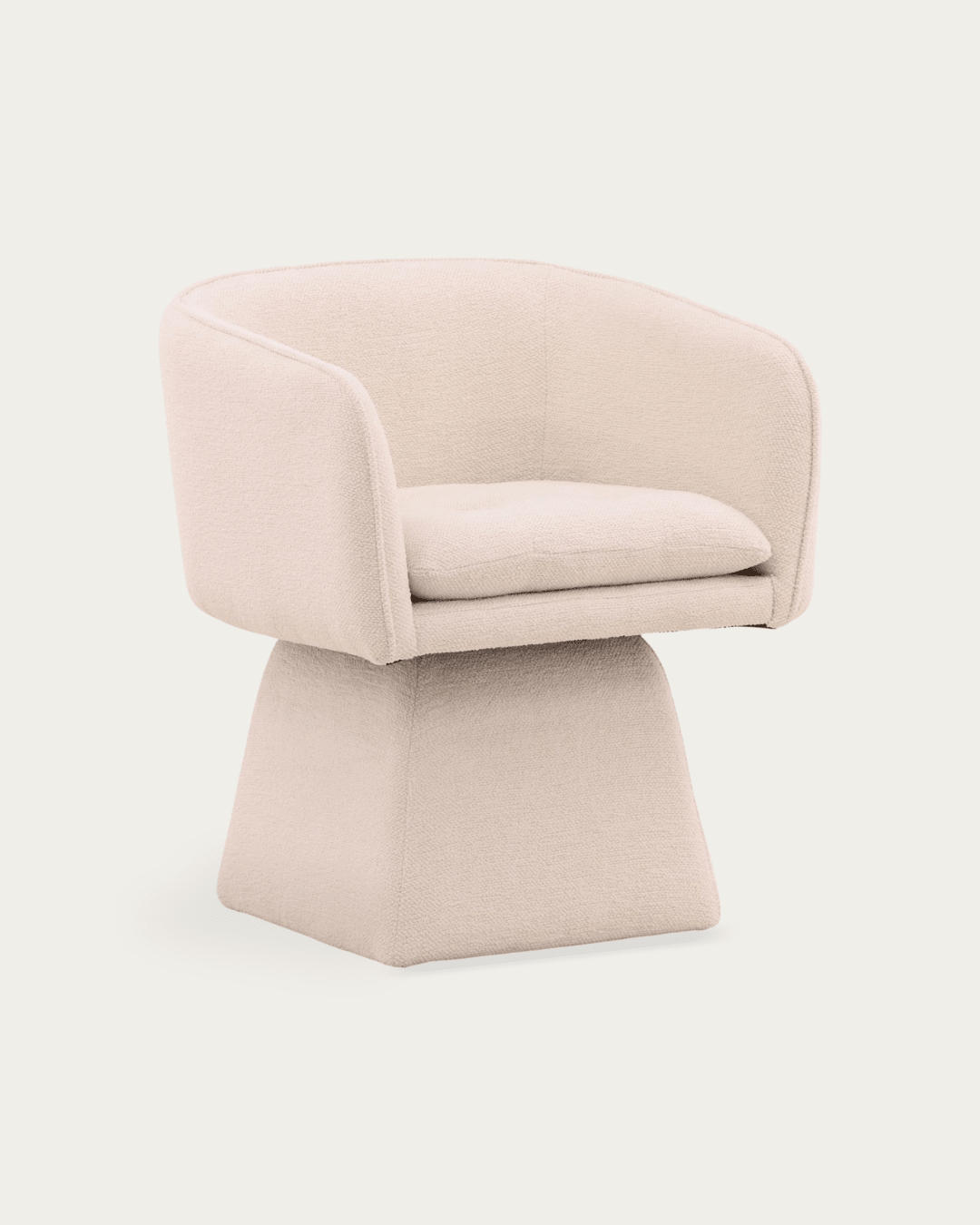
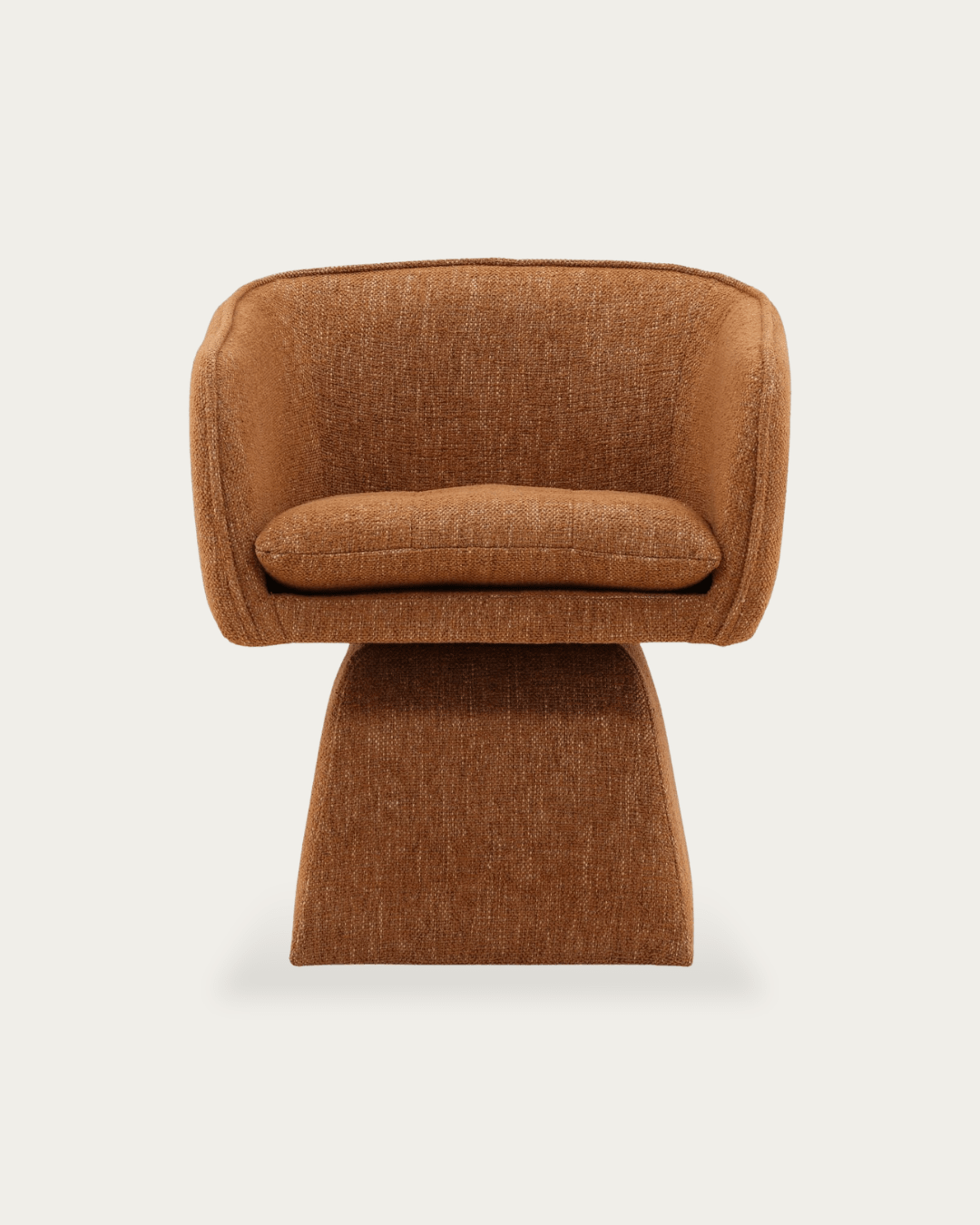
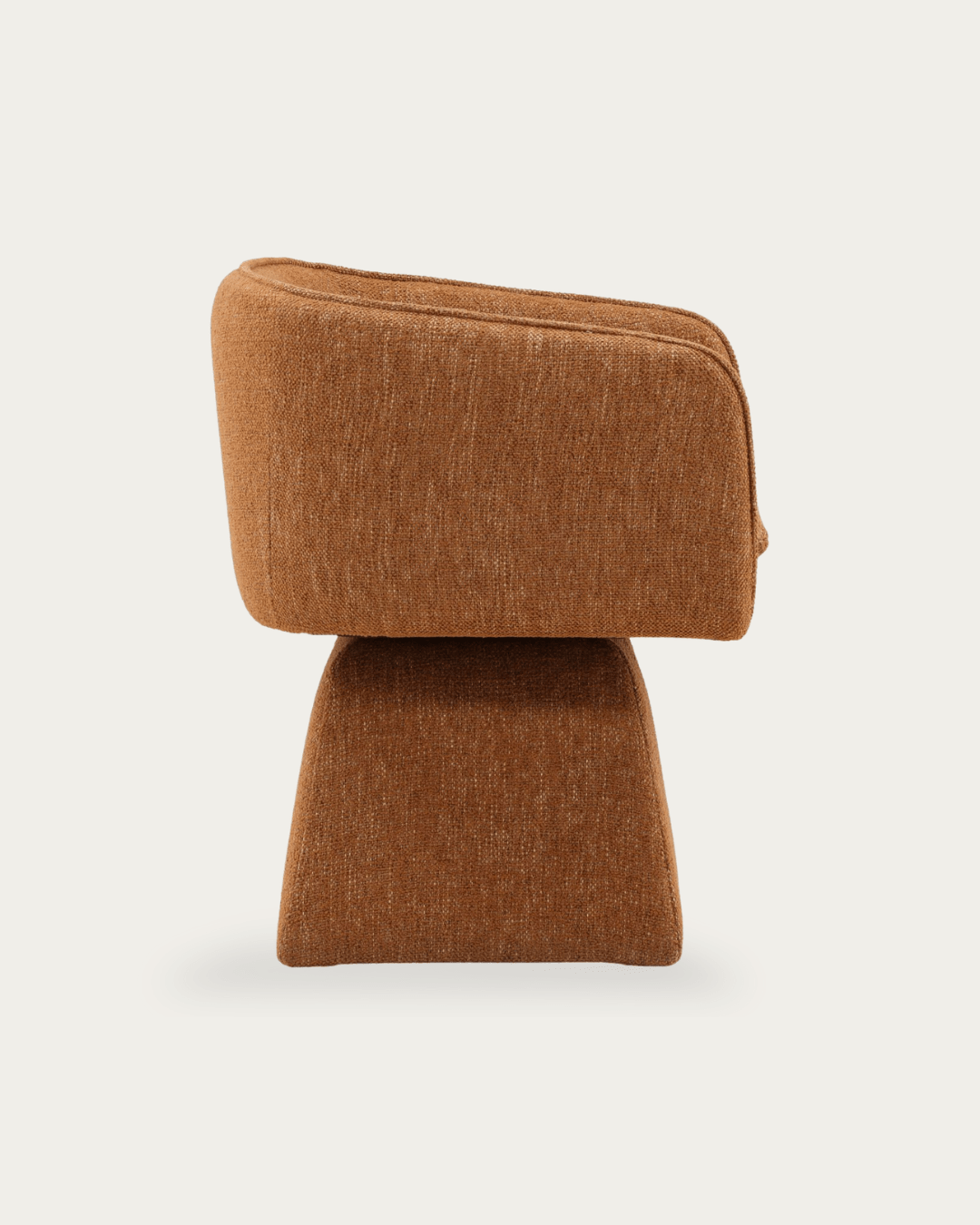
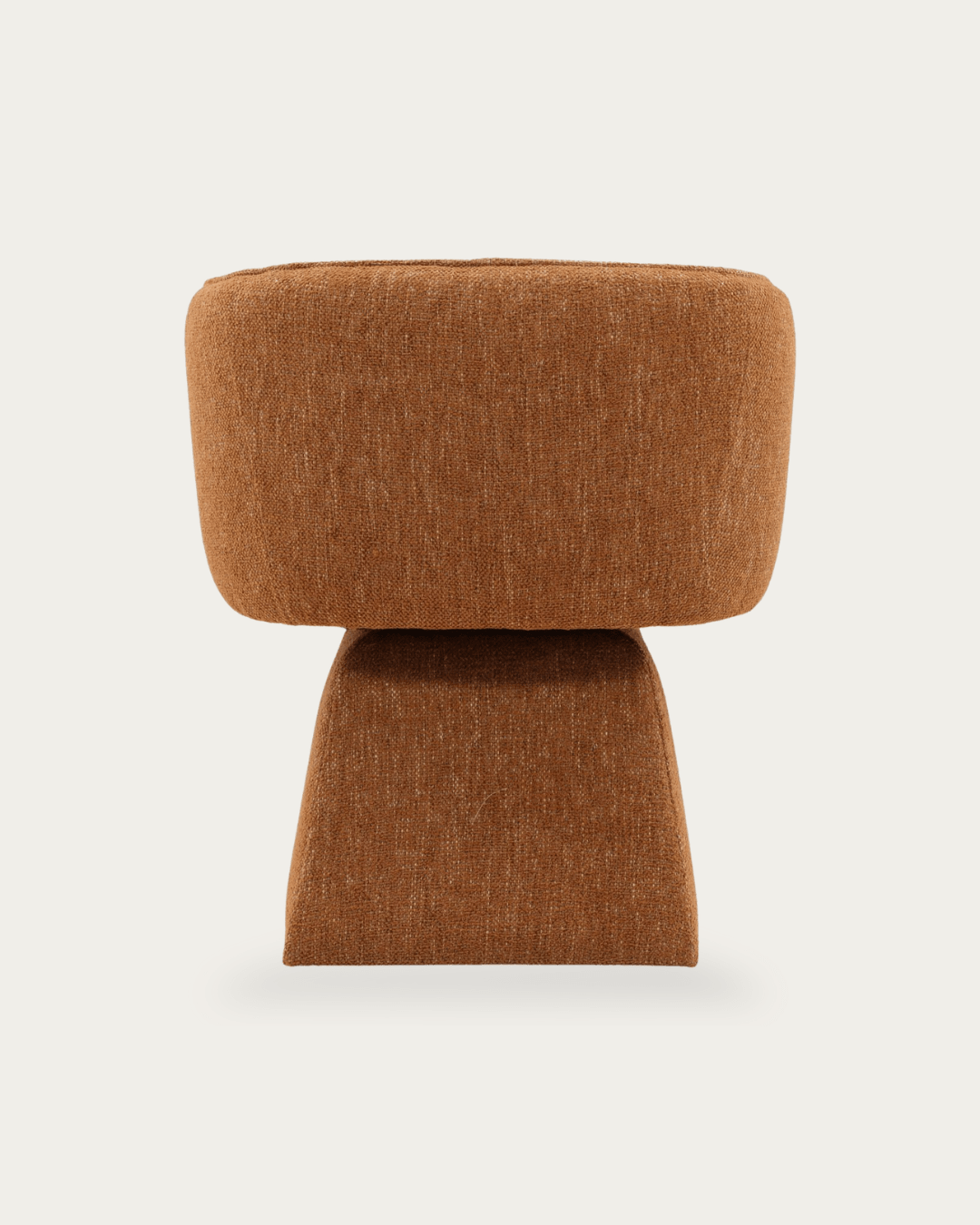
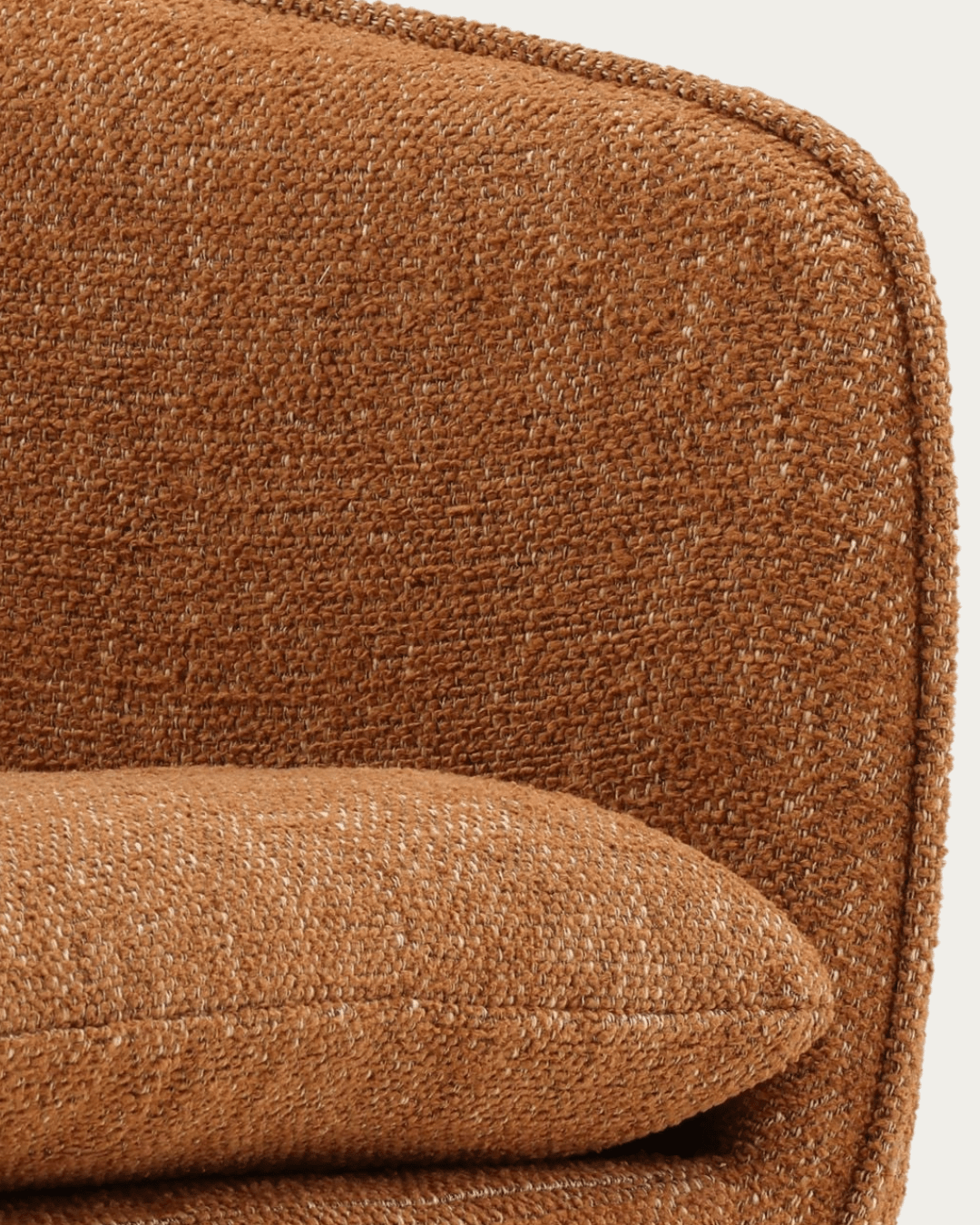
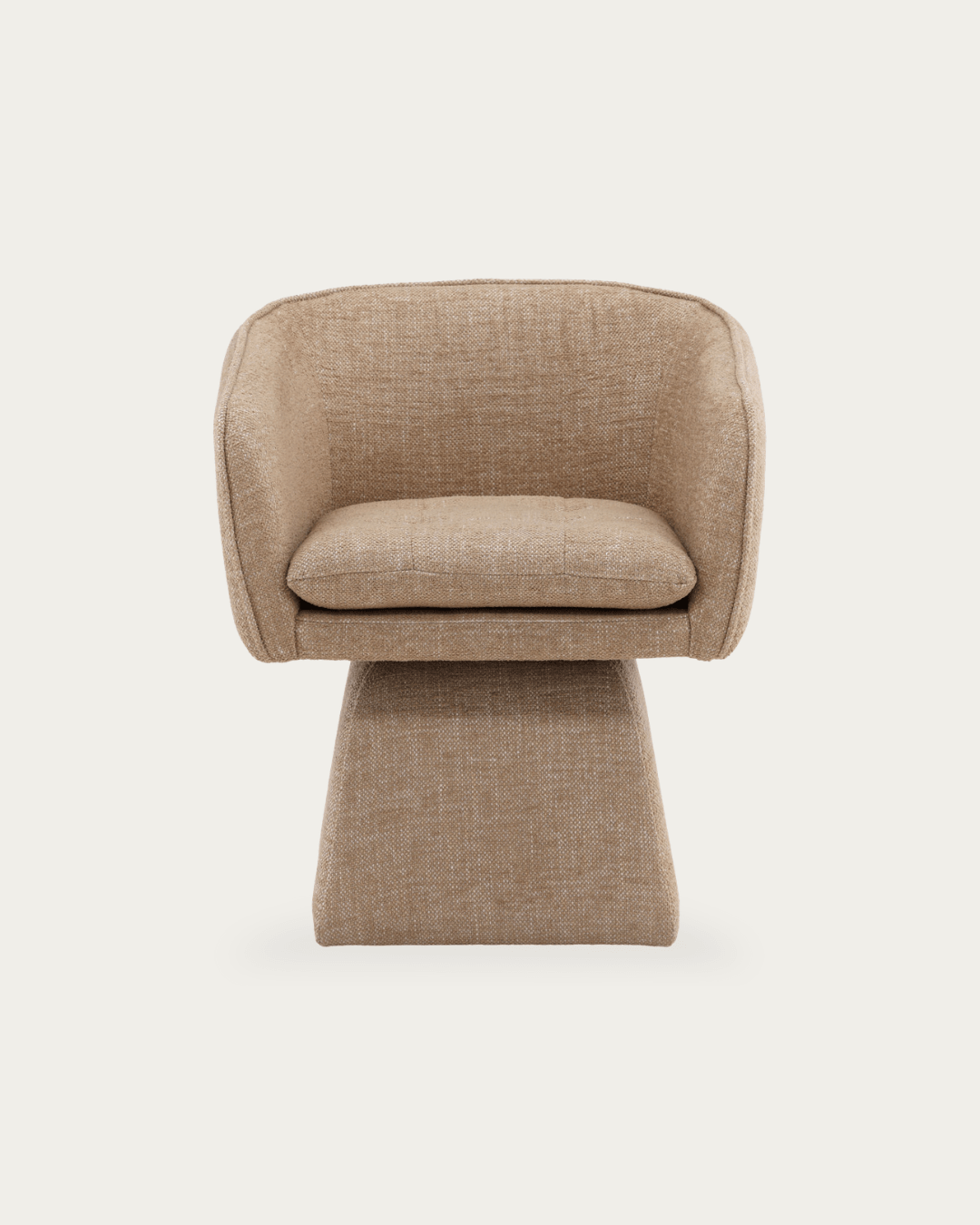
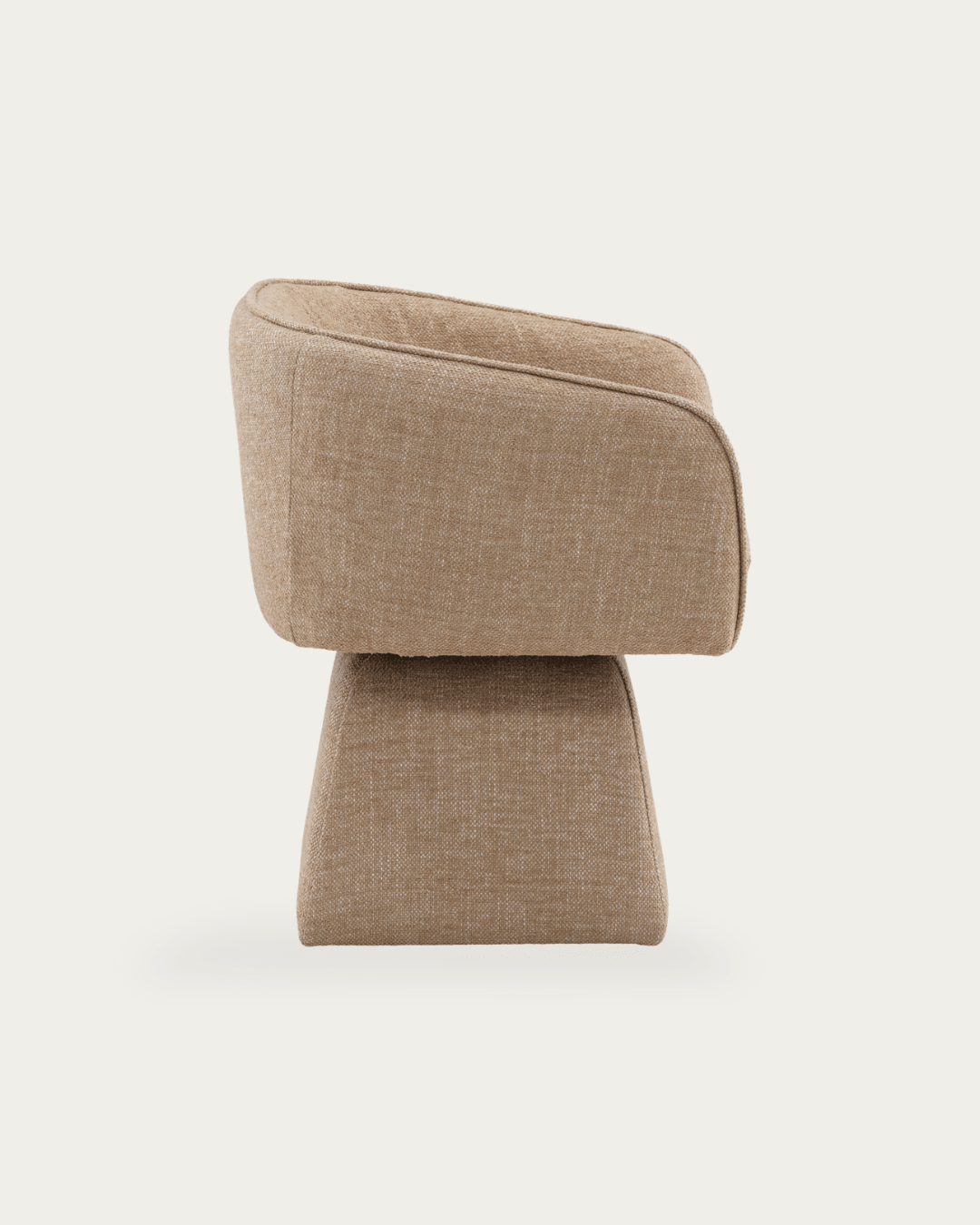
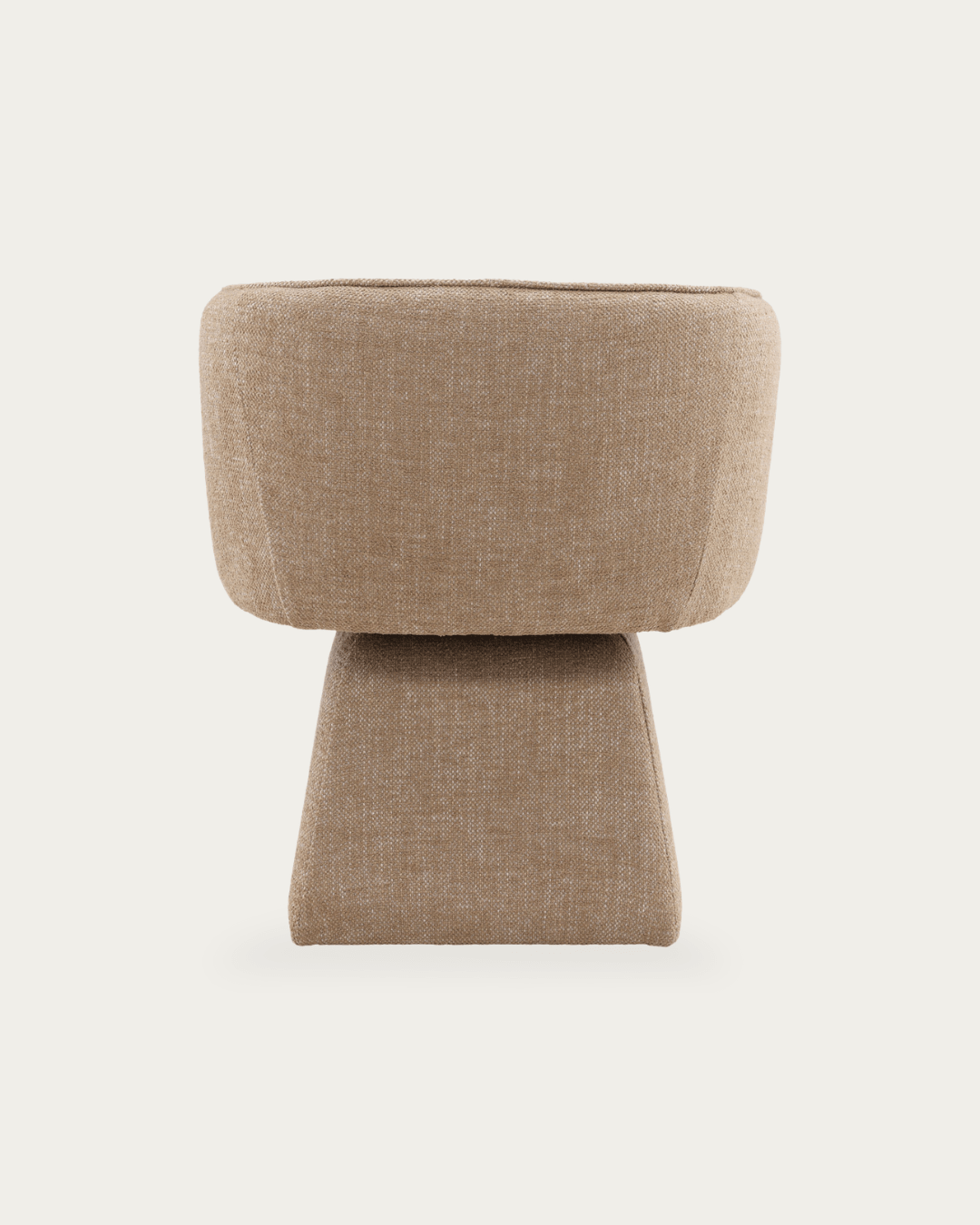
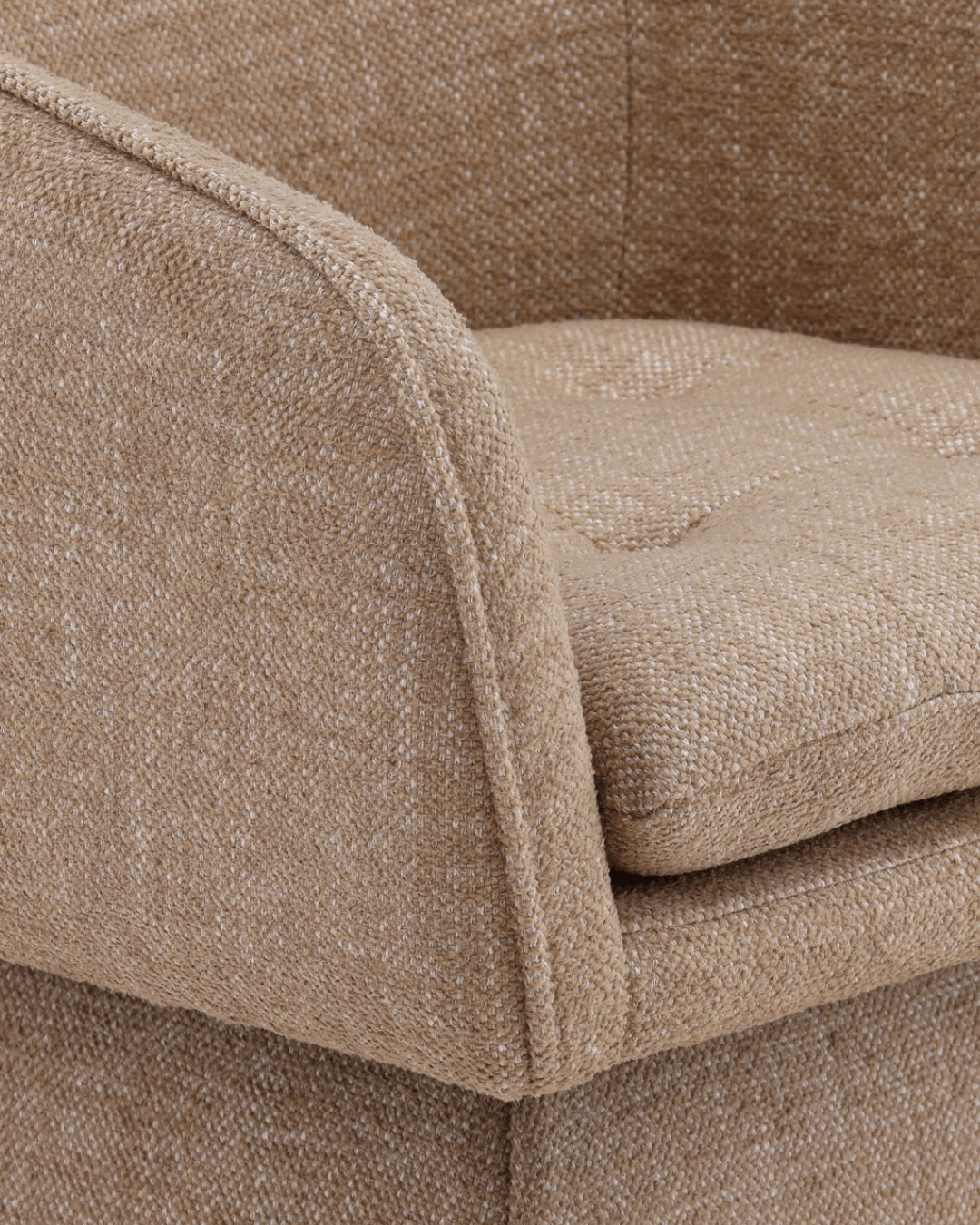
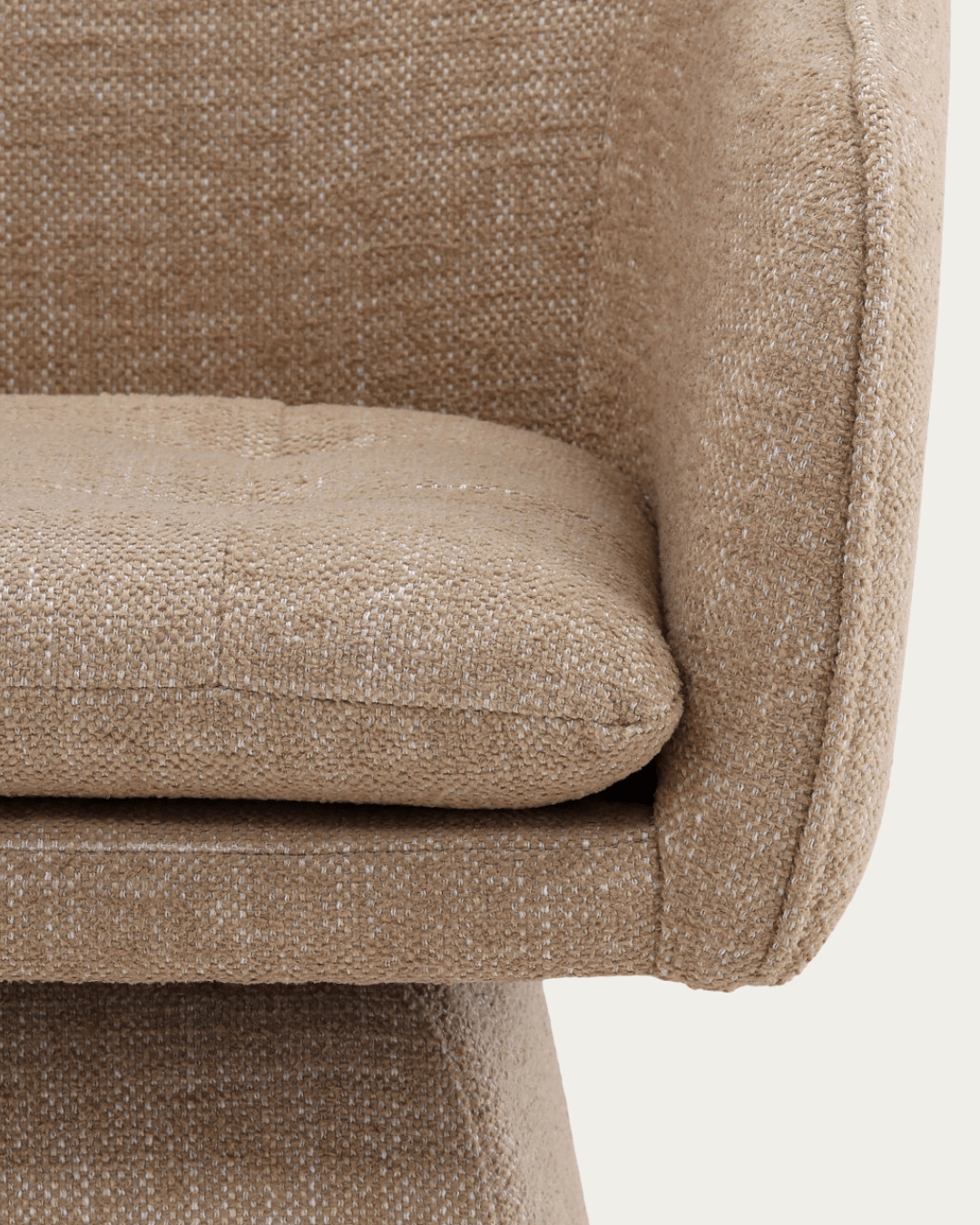
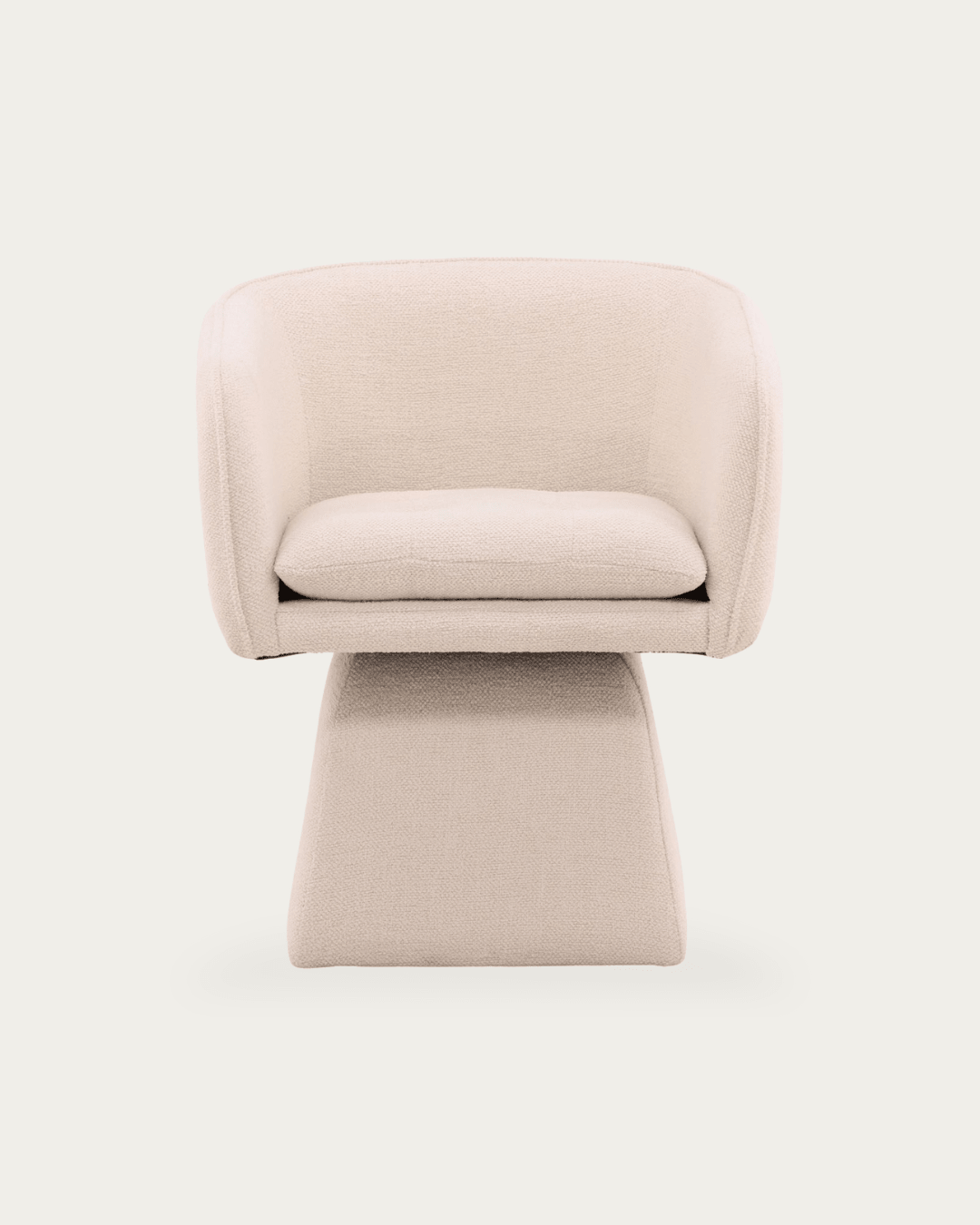
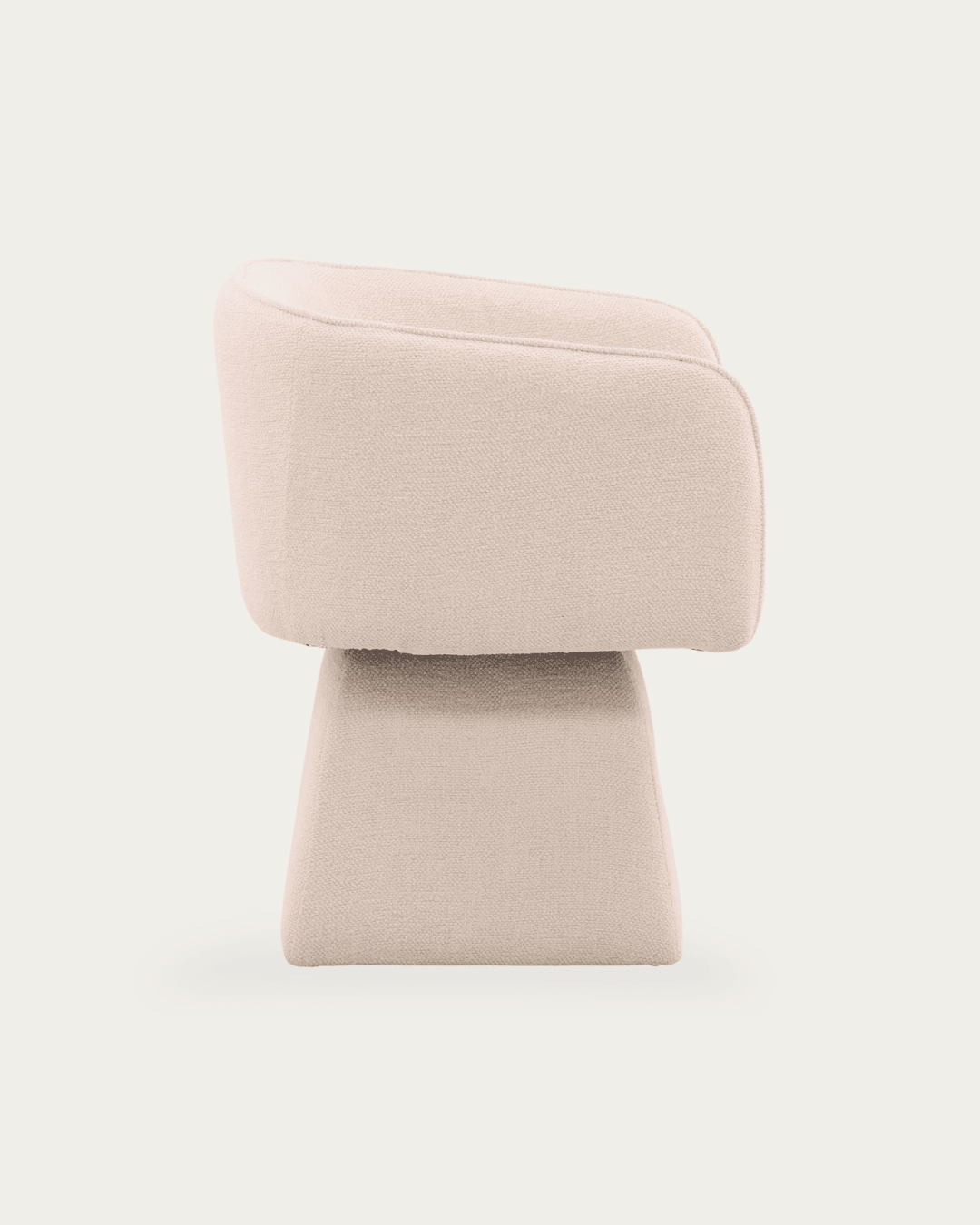
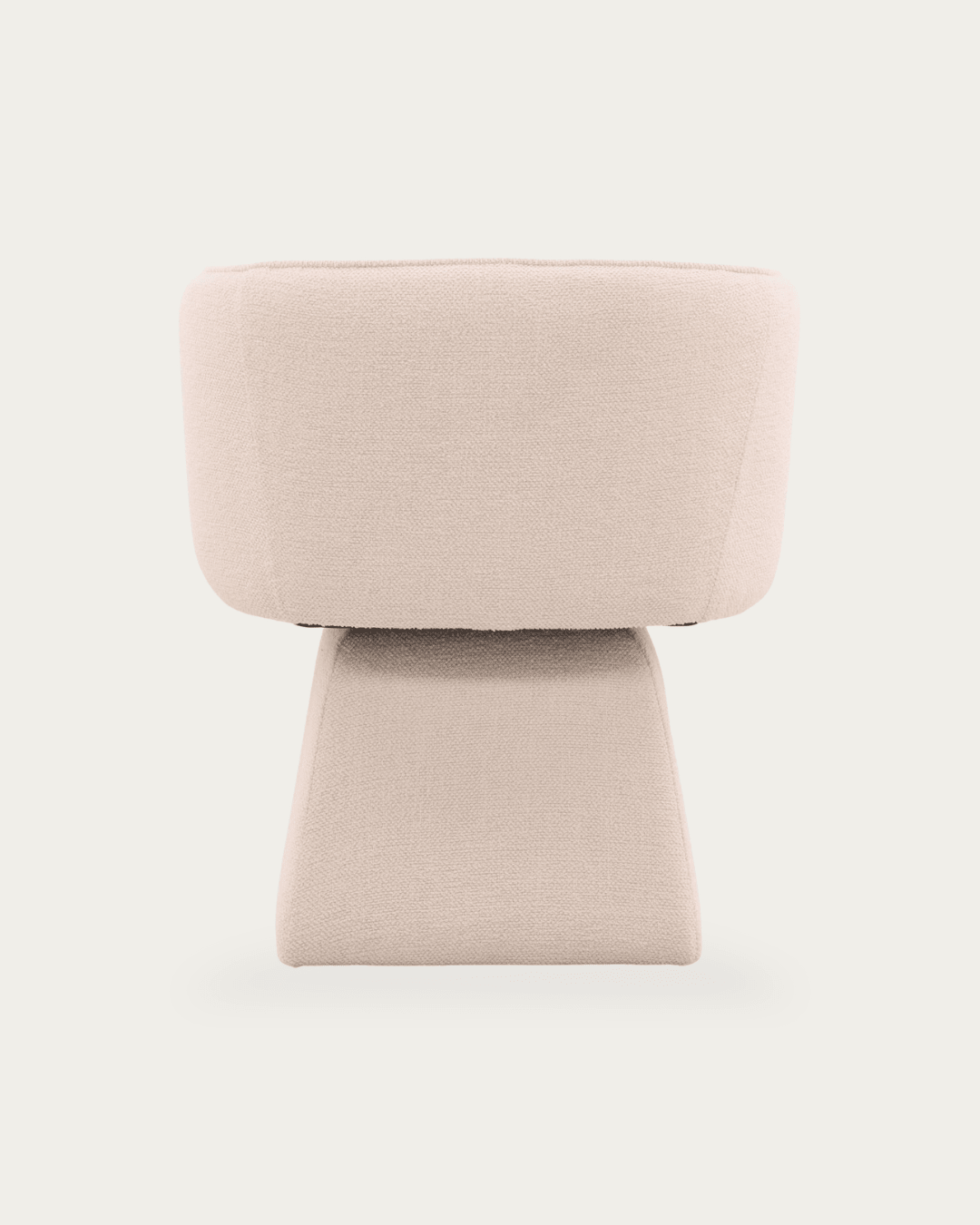
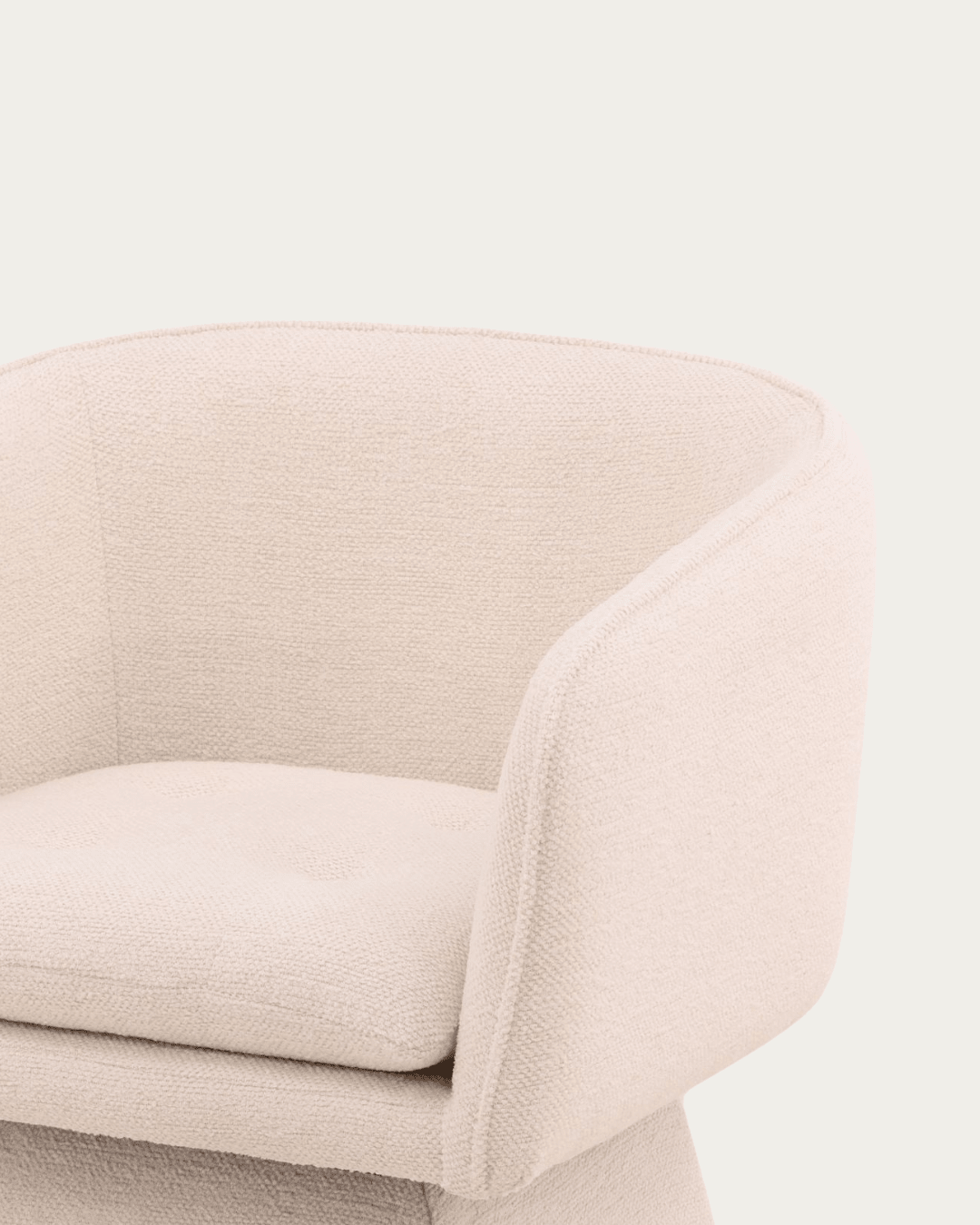
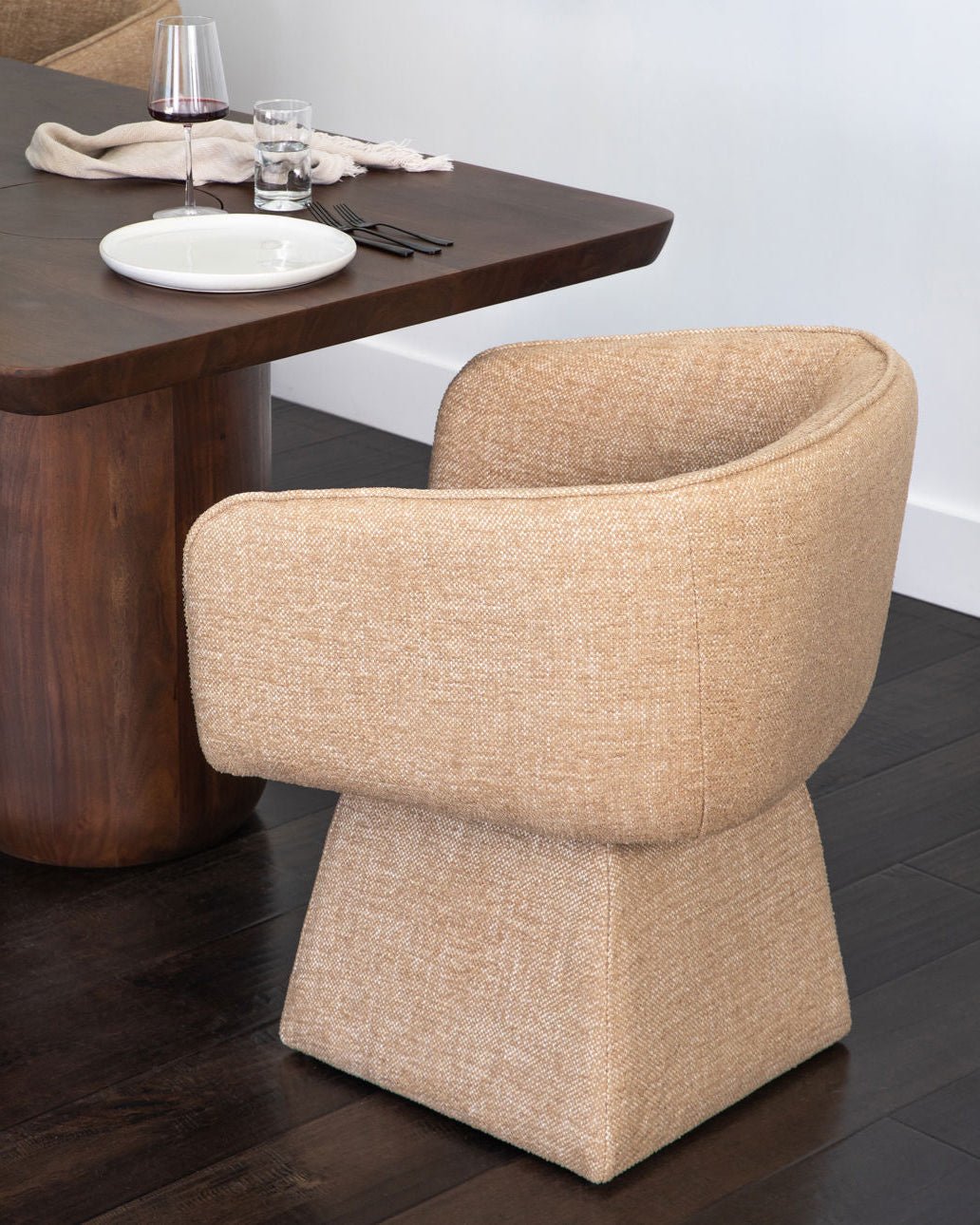
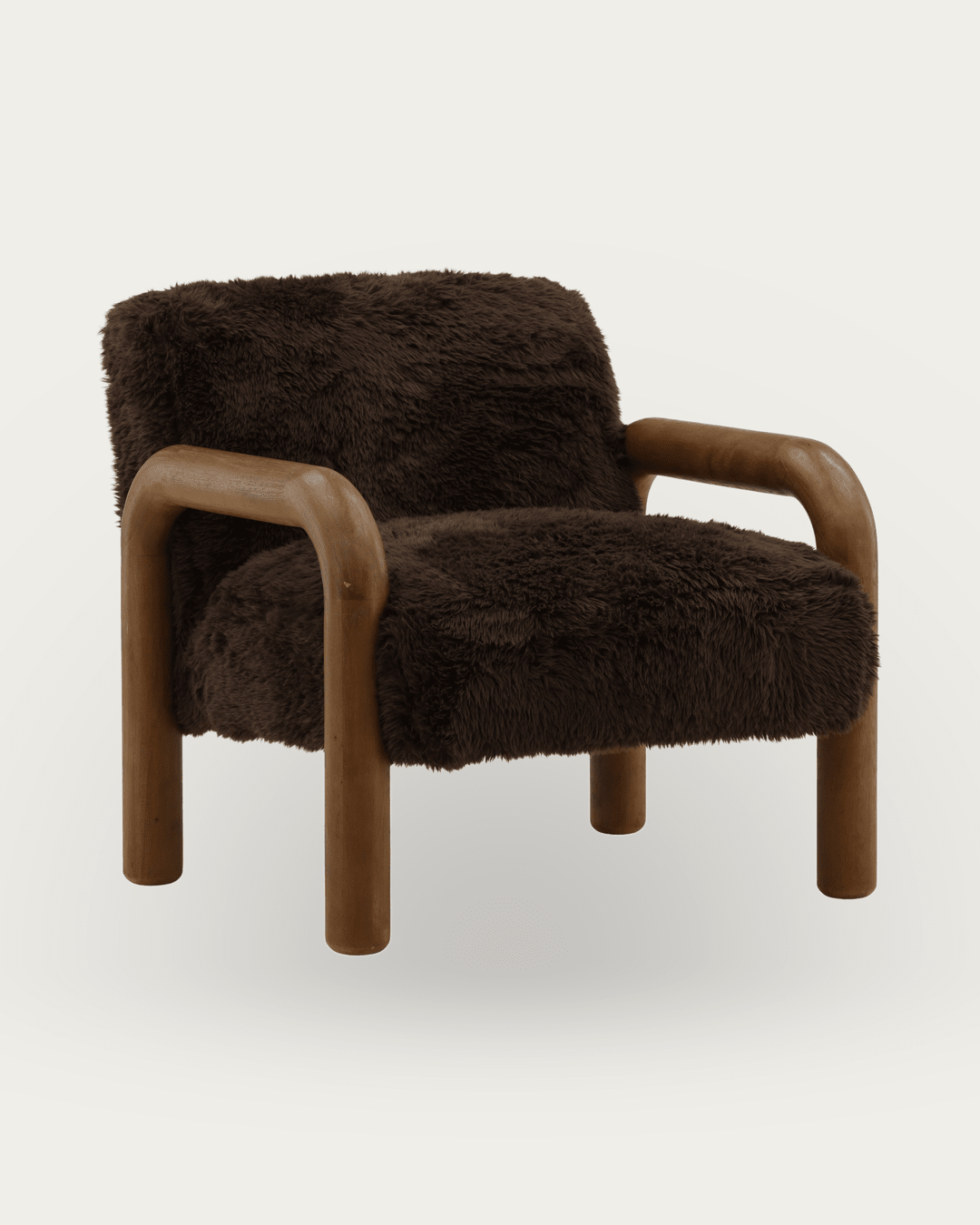
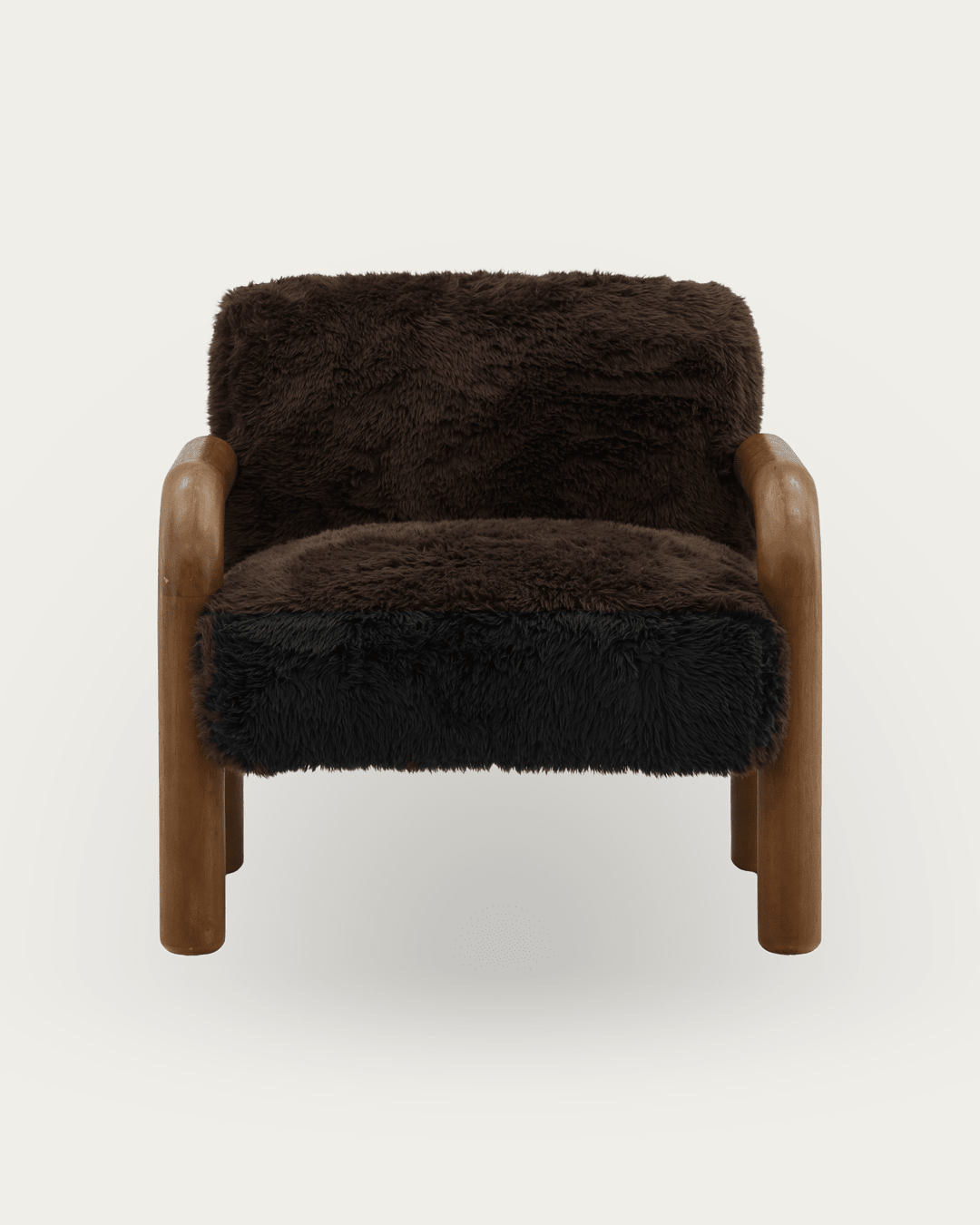
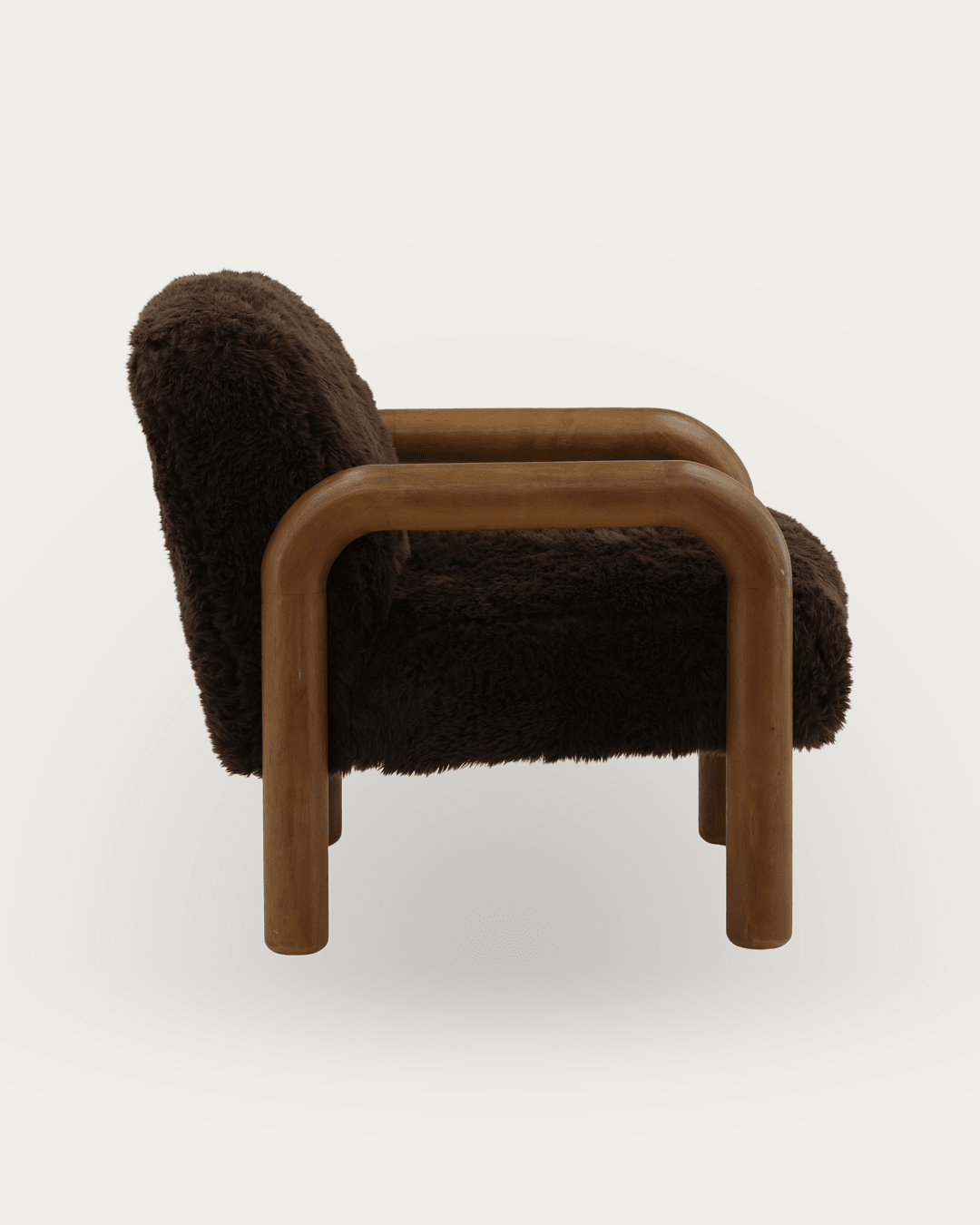
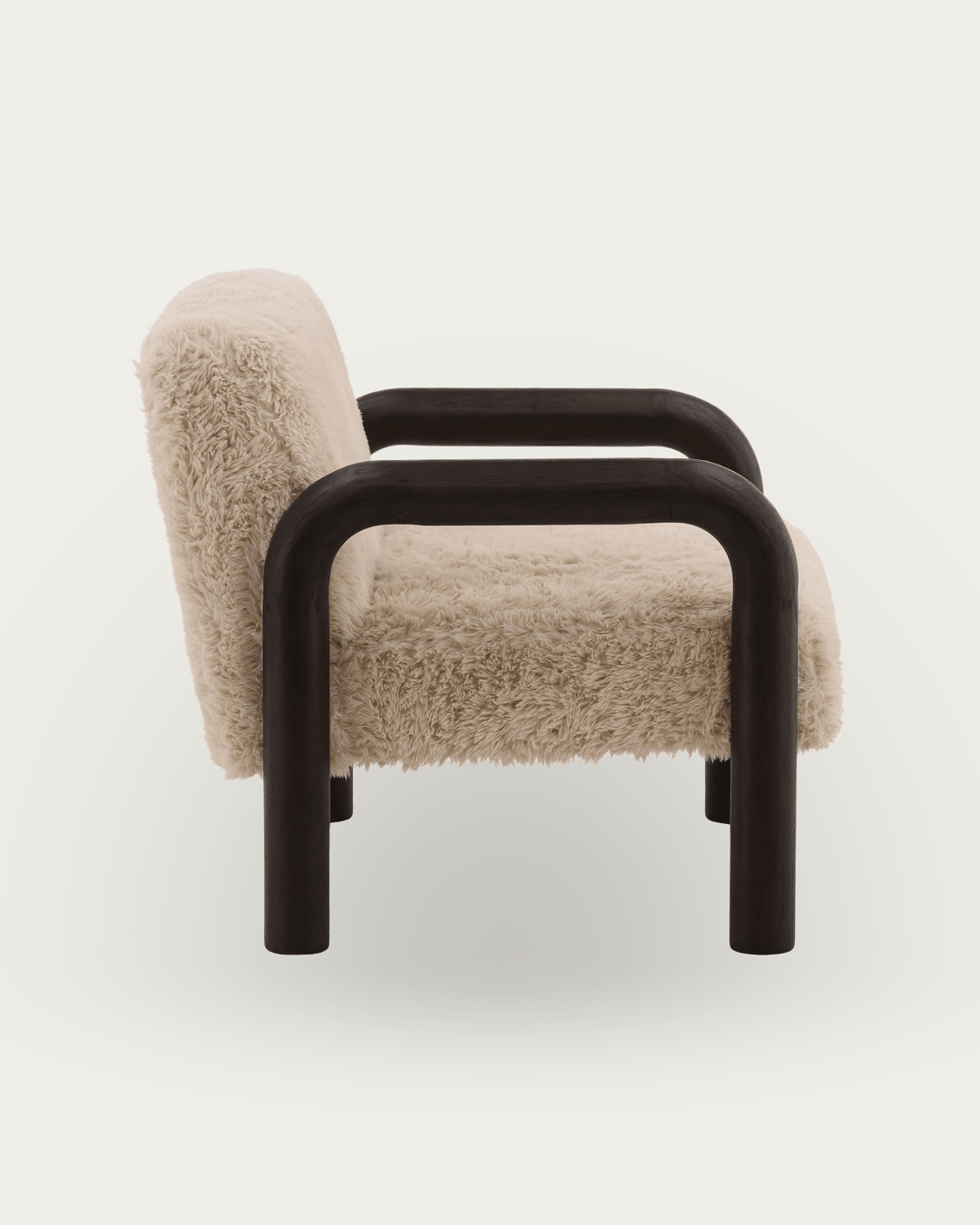
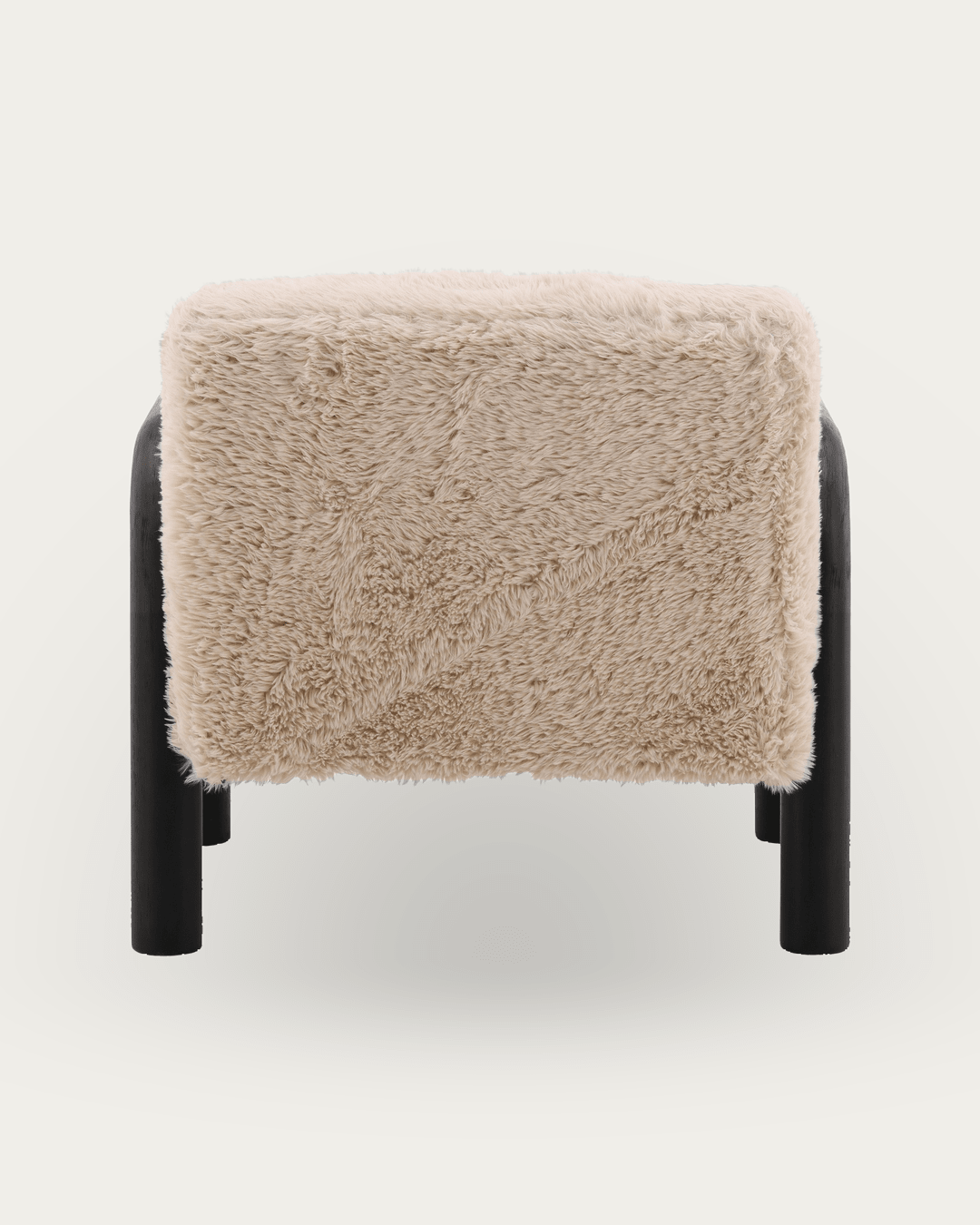
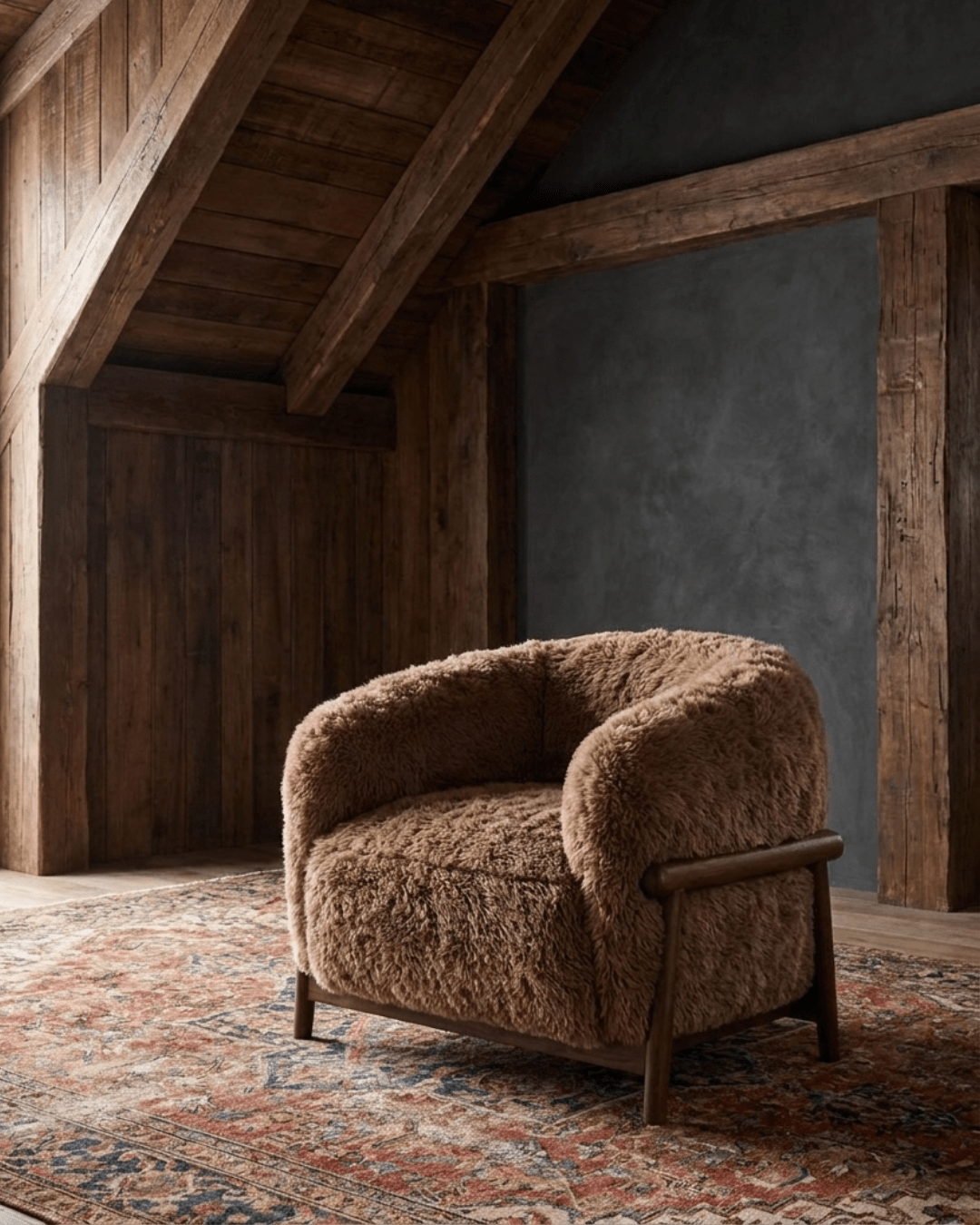
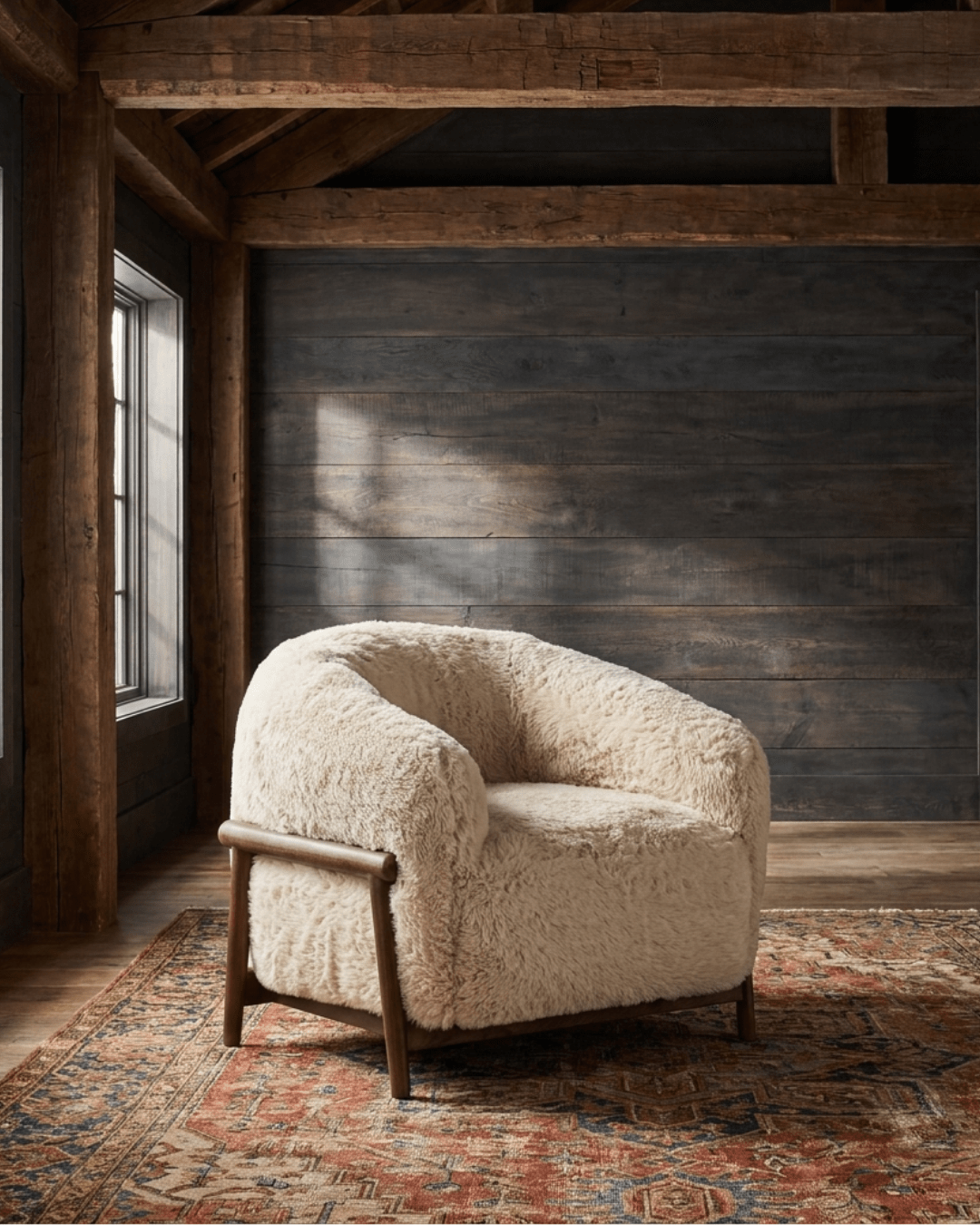
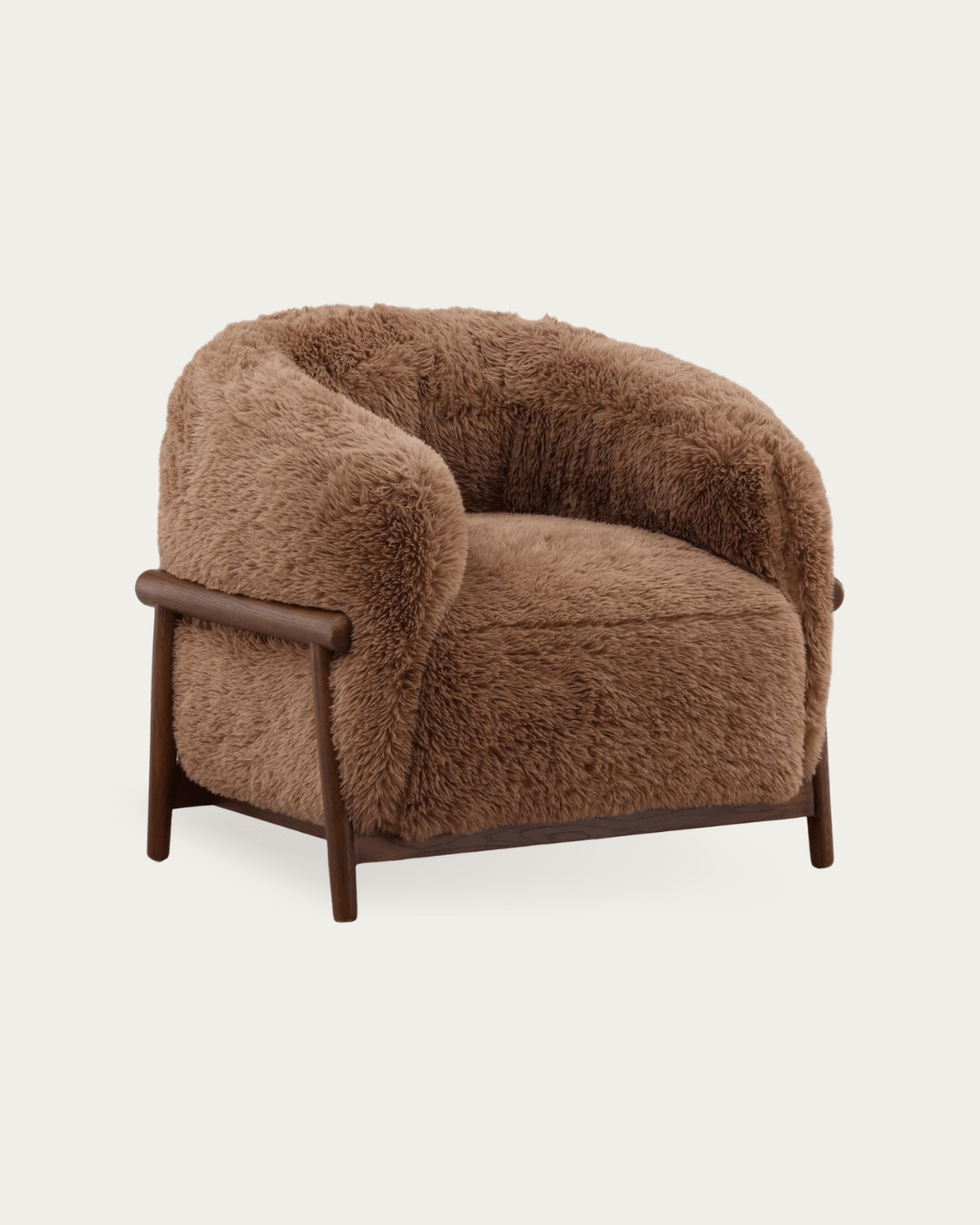
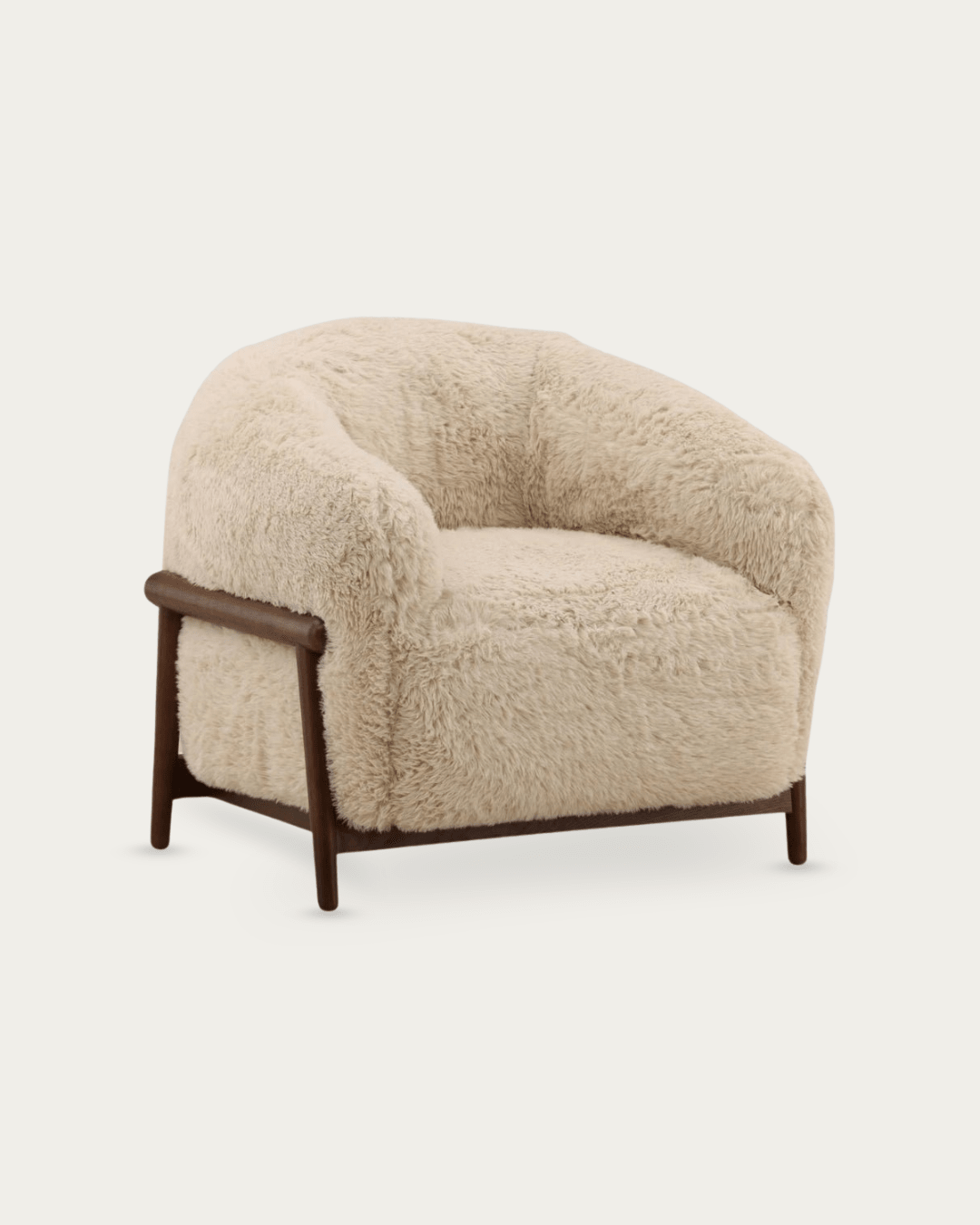
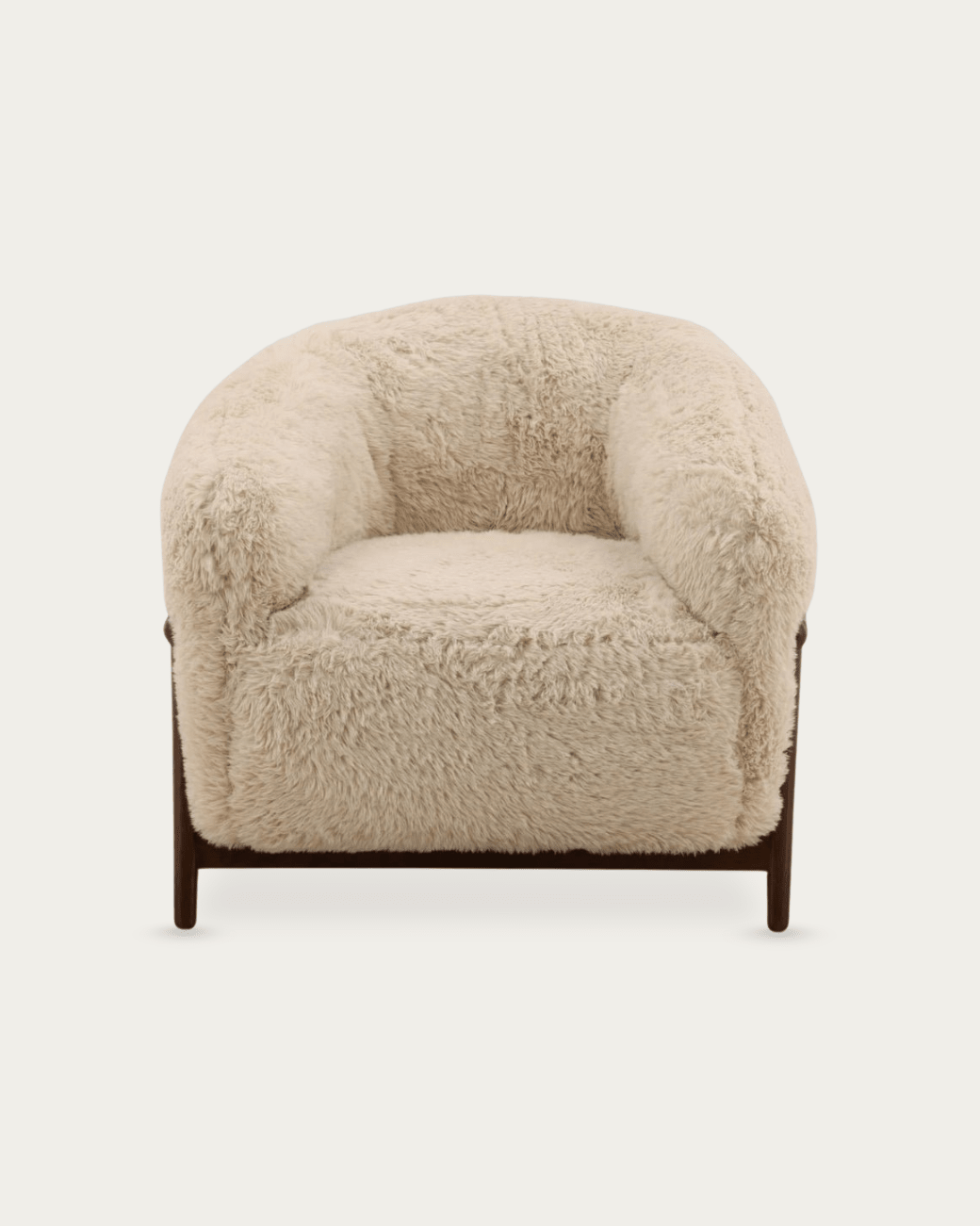
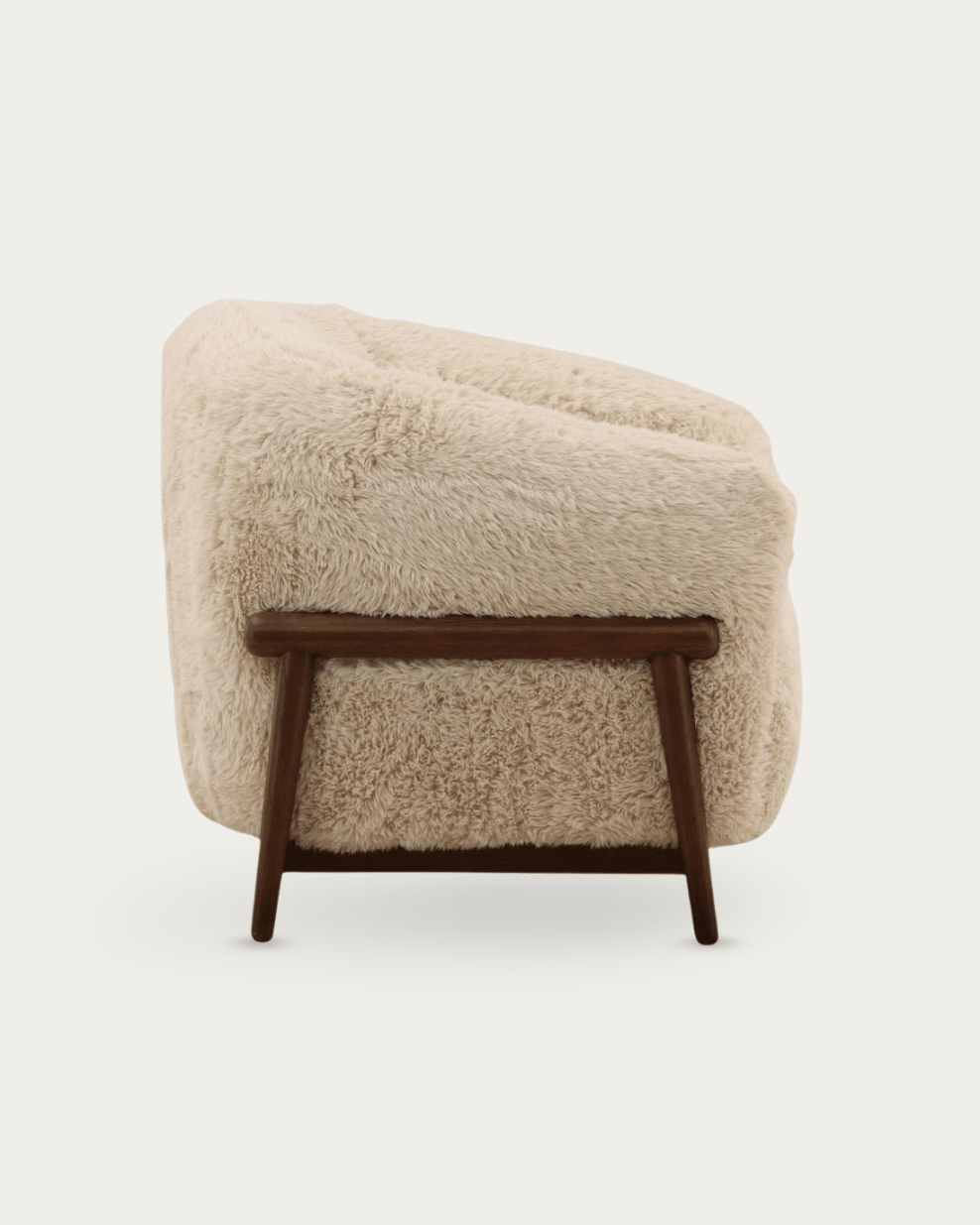
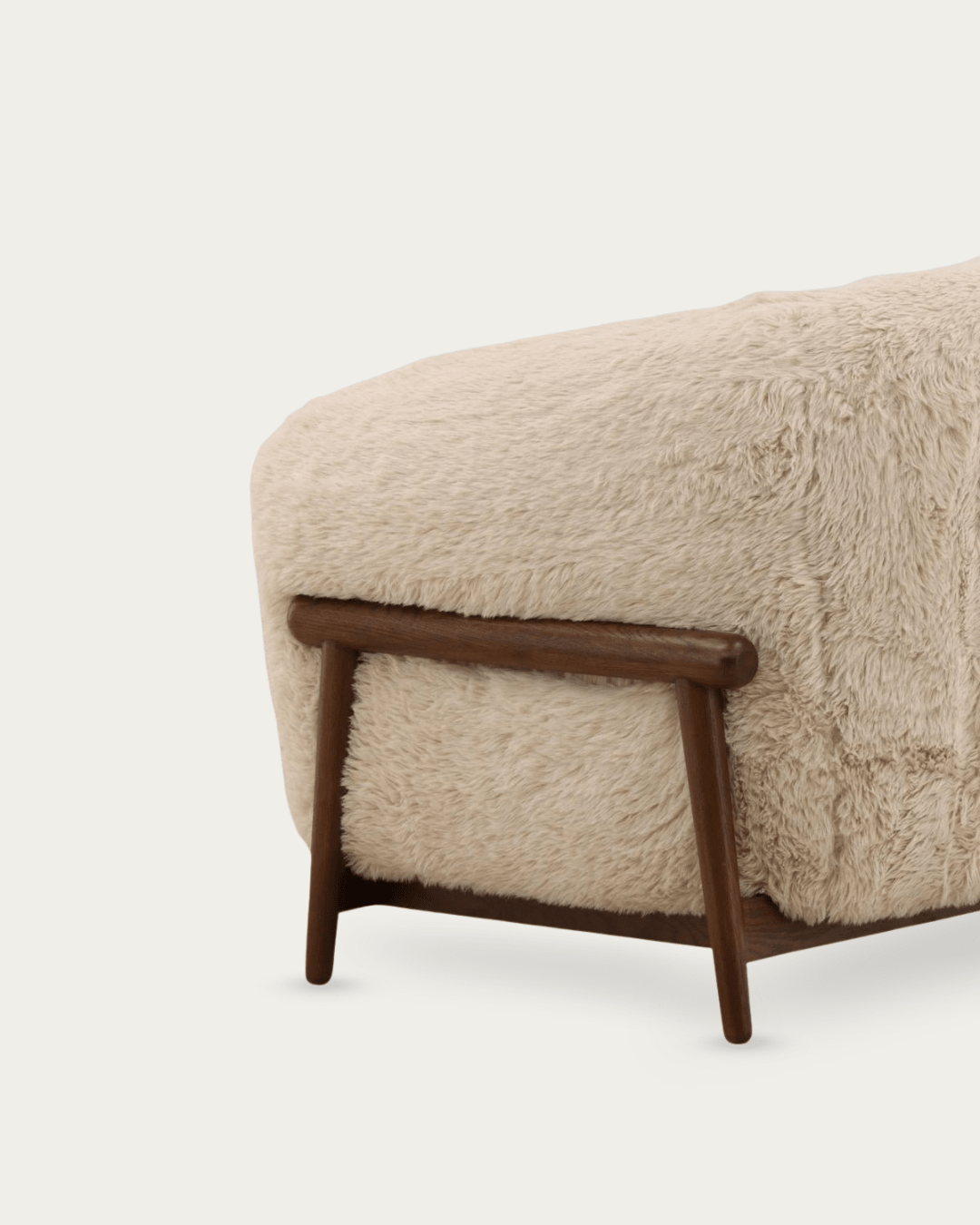
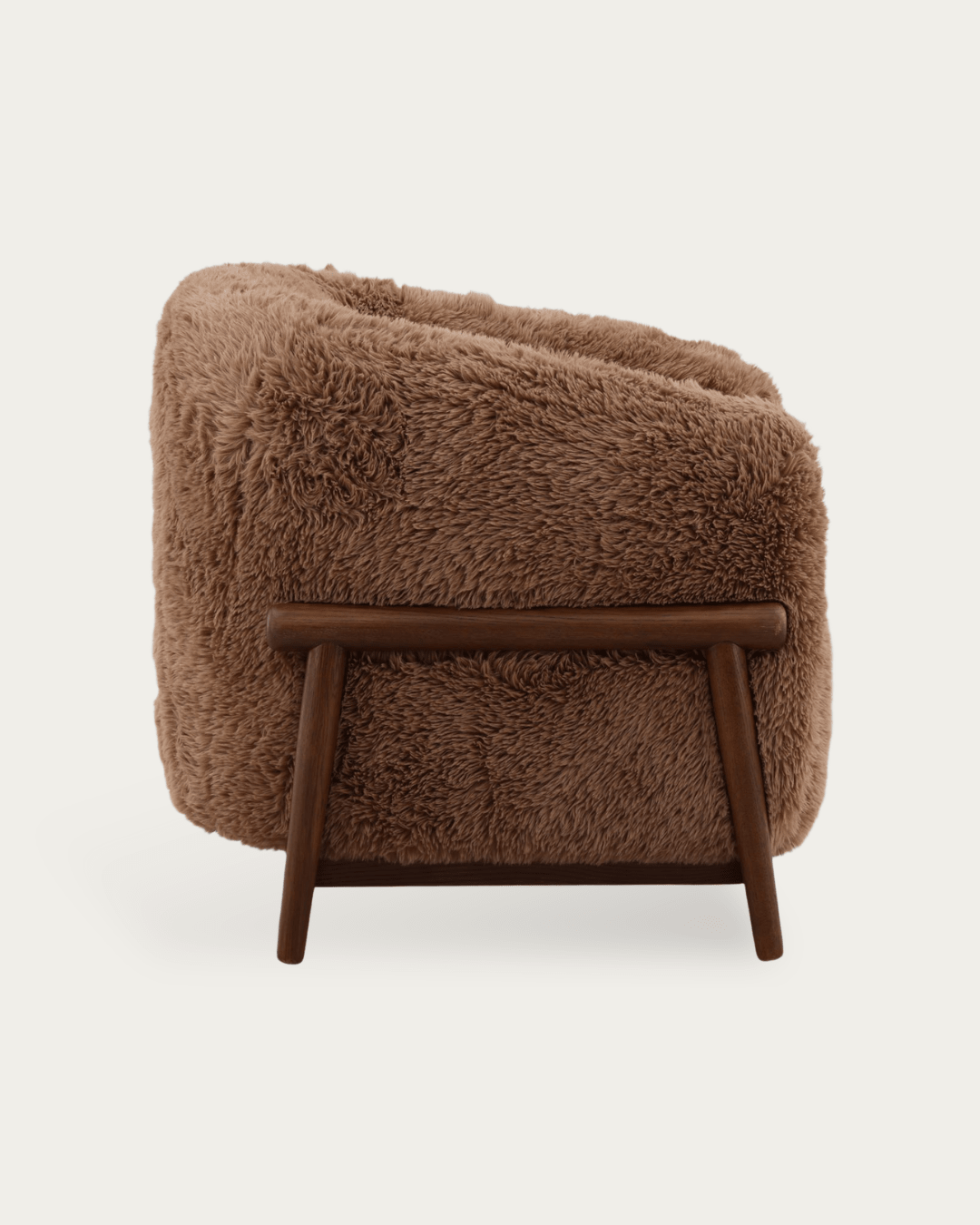
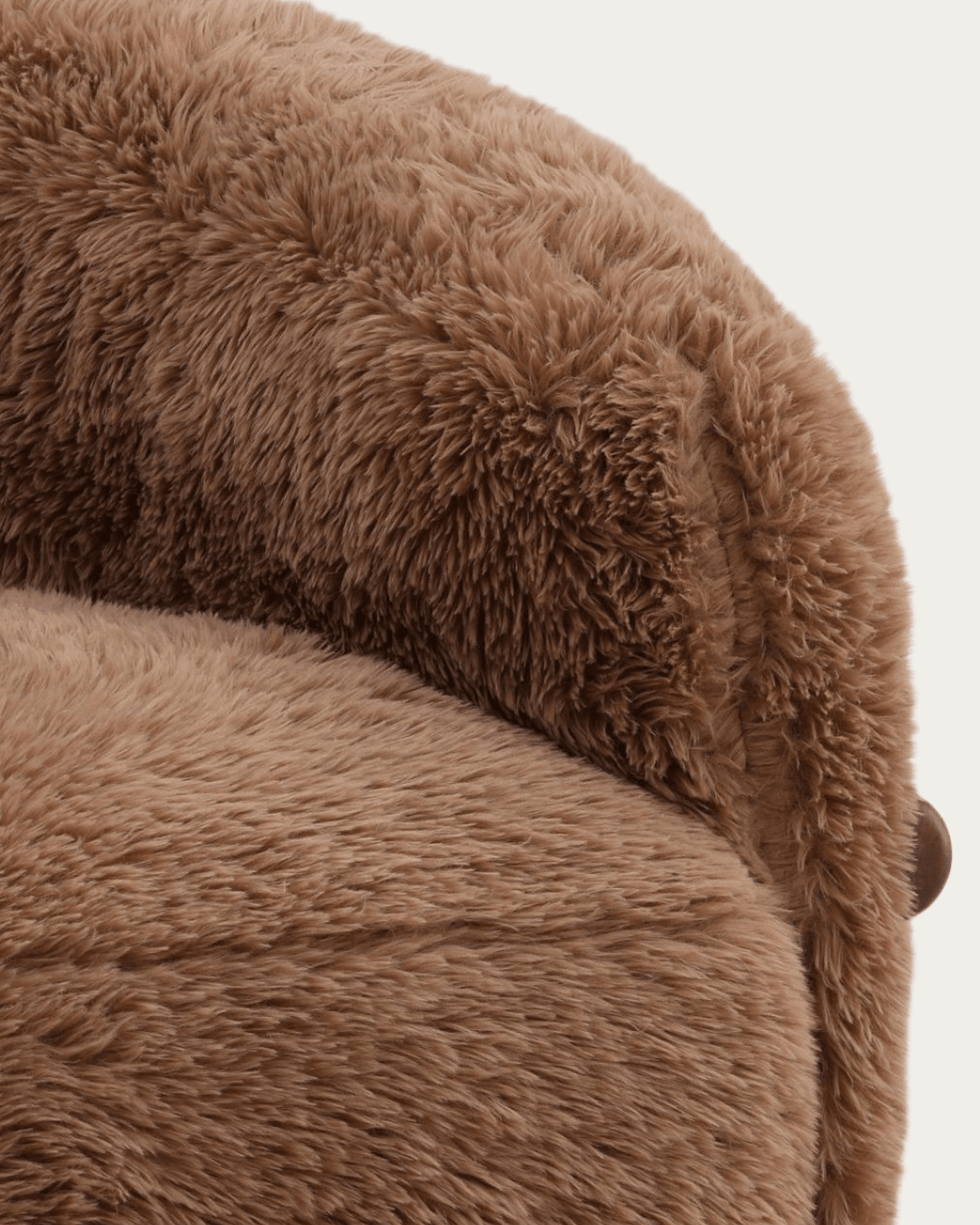
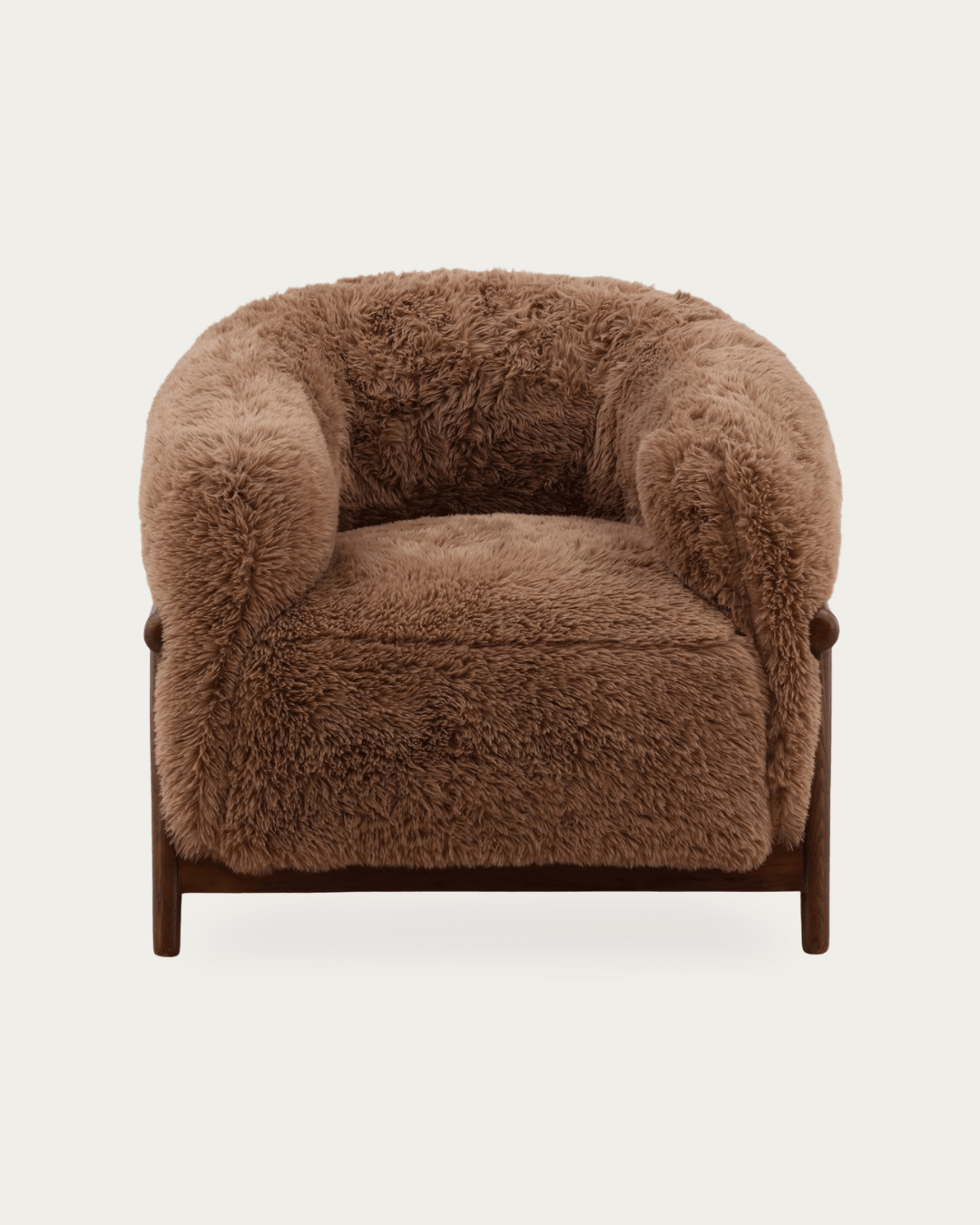
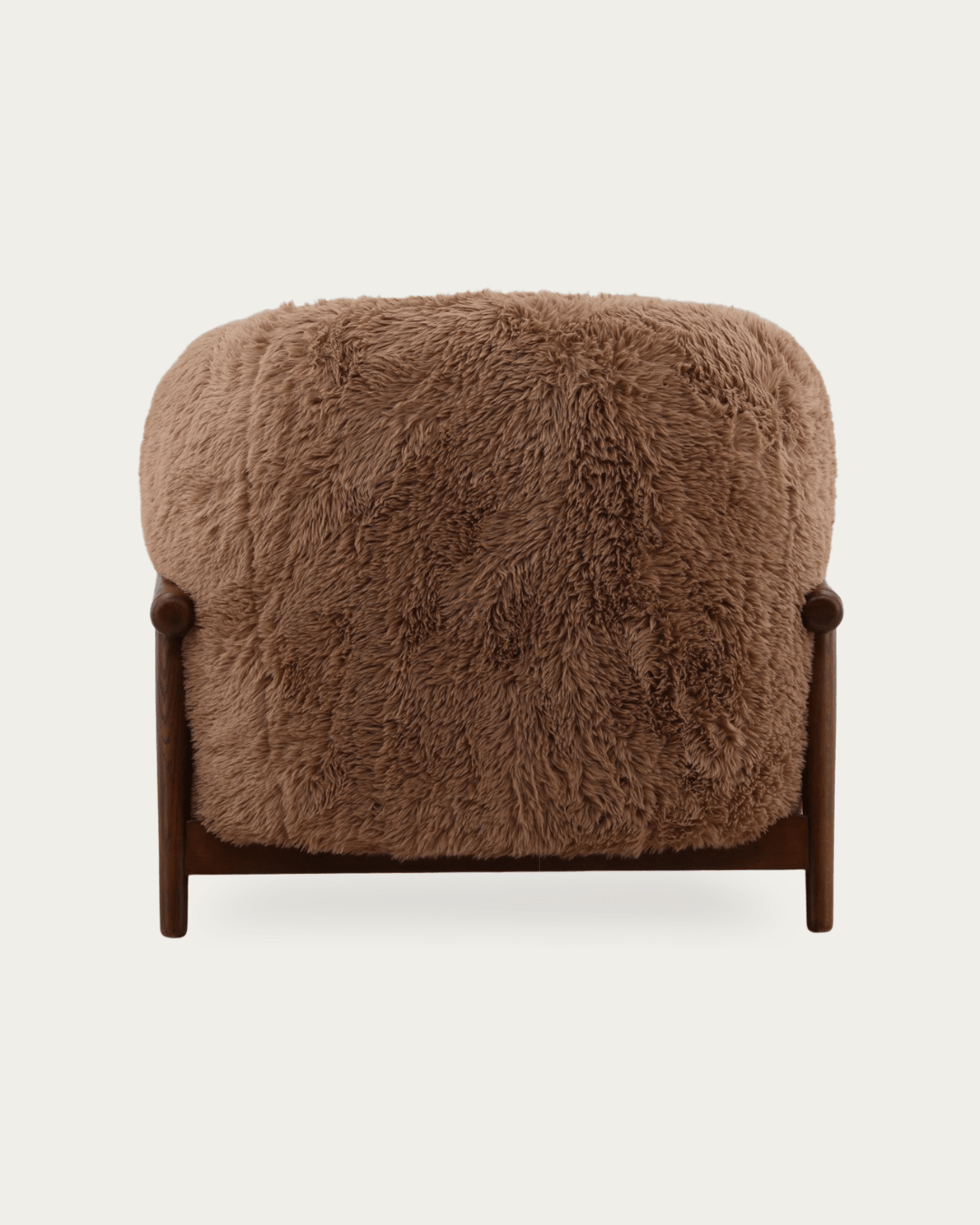
A curved upholstered chair like the Beret Chair can sit comfortably alongside a wood dining chair such as the Trym Dining Chair because both share similar proportions and visual presence.
The goal isn't chaos.
The goal is conversation.
Your Brain Is Constantly Looking for Patterns
Humans are pattern-seeking creatures.
The brain is always scanning the environment, looking for order and predictability. When every chair feels disconnected from the next, the eye keeps searching for a pattern that never arrives.
That's why some dining rooms feel oddly stressful despite looking "designer."
Too much variation creates unnecessary work for the brain.
Mistake #2: Ignoring Visual Weight
Most people focus on color.
Designers focus on visual weight.
Visual weight refers to how heavy or dominant an object feels within a room. Upholstered chairs naturally carry more visual weight than slimmer wood dining chairs because they occupy more visual space.
The Heidi Dining Chair has a substantial profile, while the Shelby Dining Chair feels lighter and more open.
When all the heavier chairs sit on one side of the table, the room can feel subtly unbalanced.
Why Balance Feels Good
Your brain is constantly assessing equilibrium.
Balanced spaces often feel easier to process because nothing visually dominates the room. The eye can move naturally instead of getting stuck.
Mistake #3: Mixing Seat Heights
This mistake seems small until dinner lasts two hours.
Different chair styles can have surprisingly different seat heights, creating an uneven dining experience.
Some guests end up too high.
Others sit too low.
The result feels awkward even if nobody can explain why.
Before mixing styles, compare dimensions carefully.
Consistency in function is often more important than consistency in appearance.
Mistake #4: Using Too Many Statement Chairs
Not every chair needs a dramatic silhouette.
One of the quickest ways to create visual clutter is filling the room with pieces that all demand attention.
Instead, allow one or two chairs to lead while the others support.
The Peder Dining Chair can make an excellent head chair because of its presence and upholstery, while simpler surrounding chairs allow it room to breathe.
Think Orchestra, Not Talent Show
A dining room works best when every piece isn't trying to be the star.
When everything shouts, nothing gets heard.
Mistake #5: Forgetting Texture
Texture often creates more cohesion than color.
A dining room filled entirely with smooth surfaces can feel strangely flat.
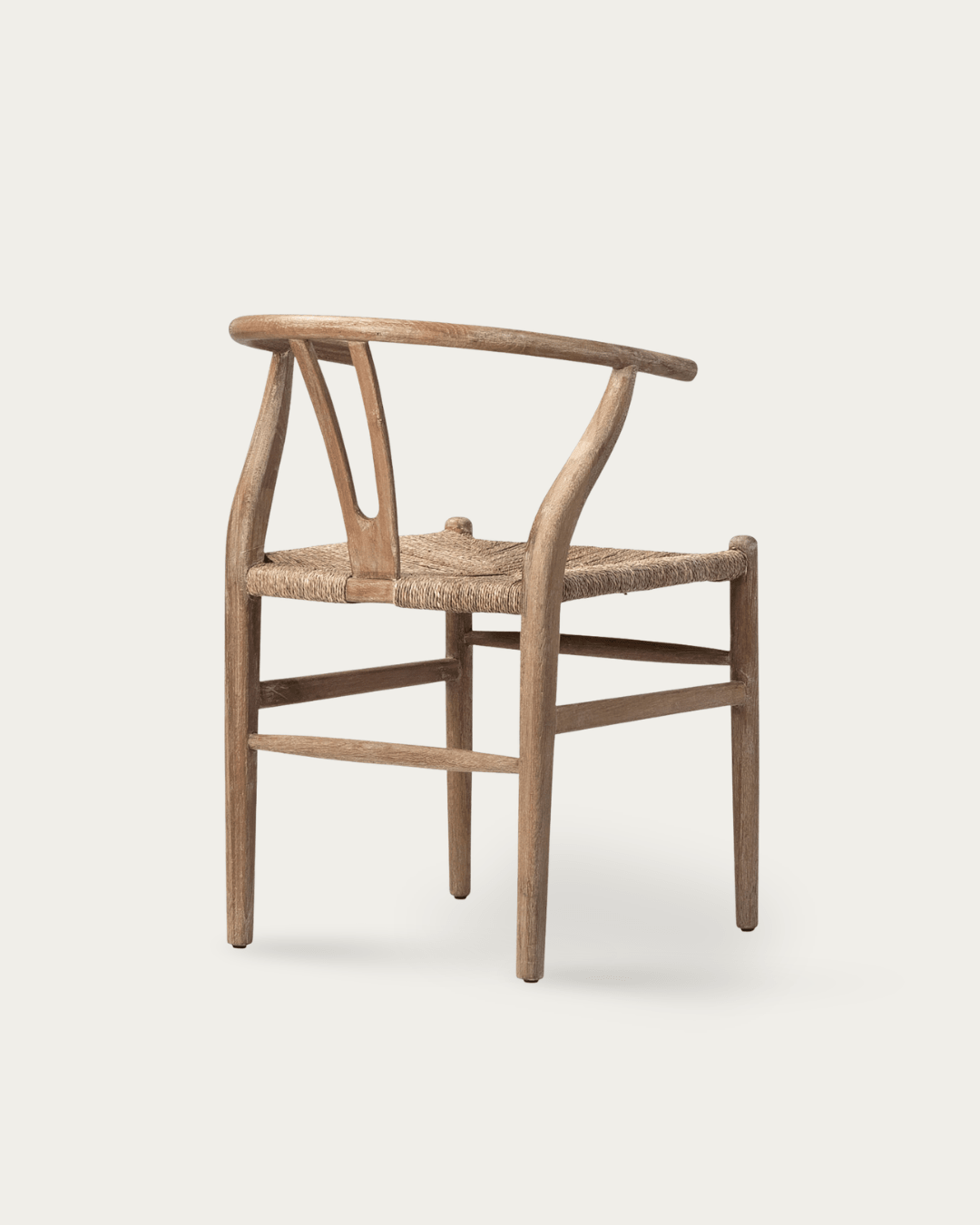
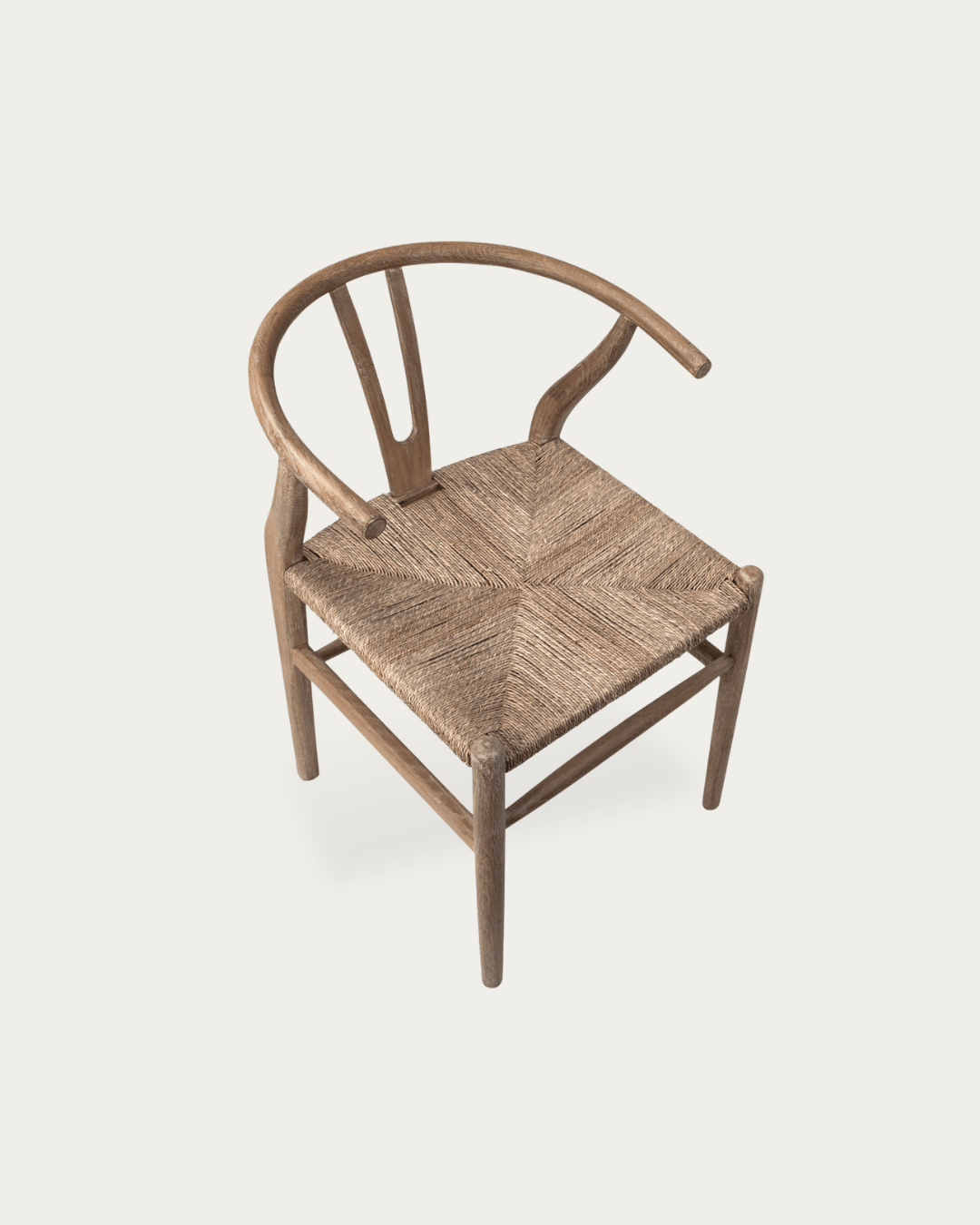
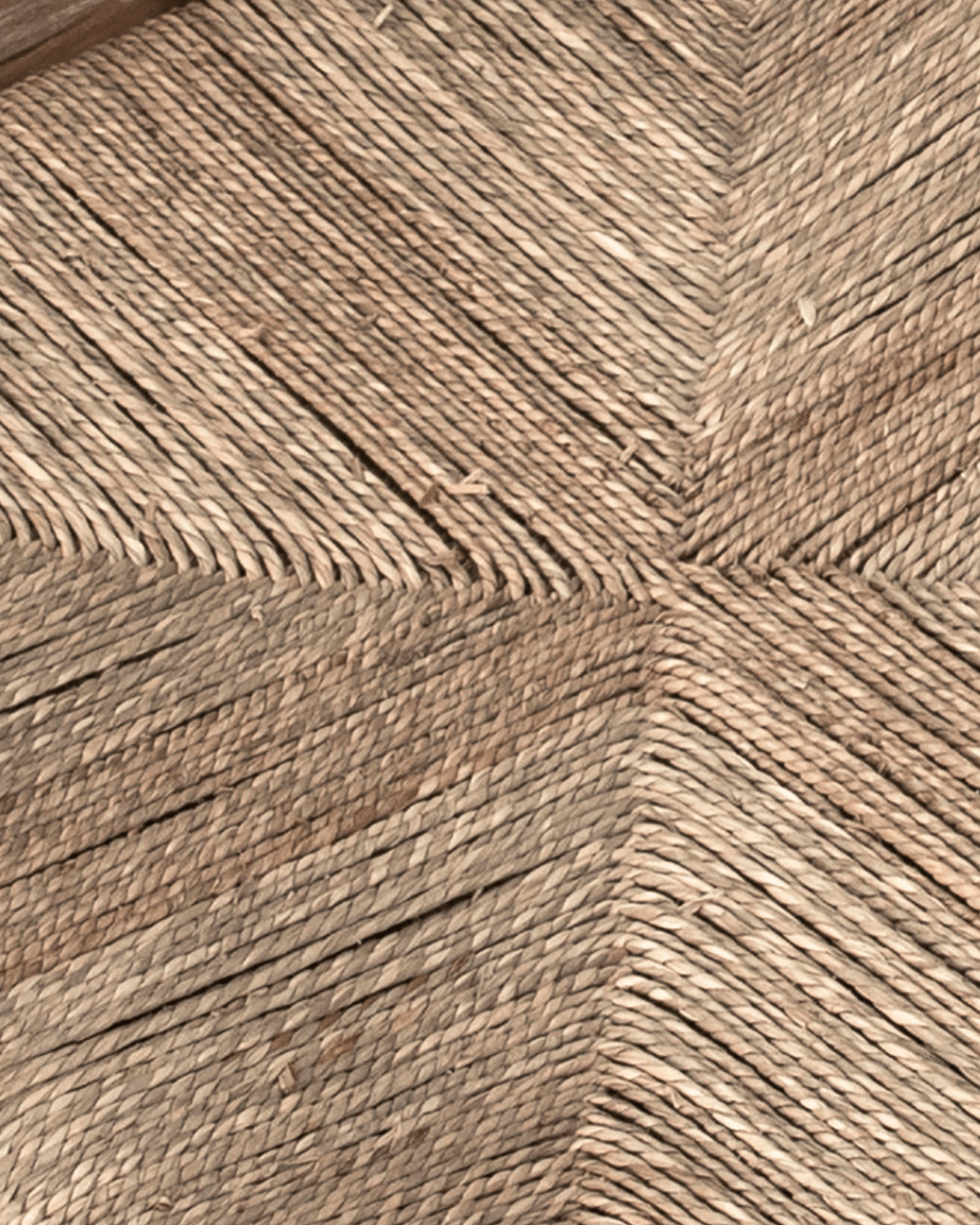
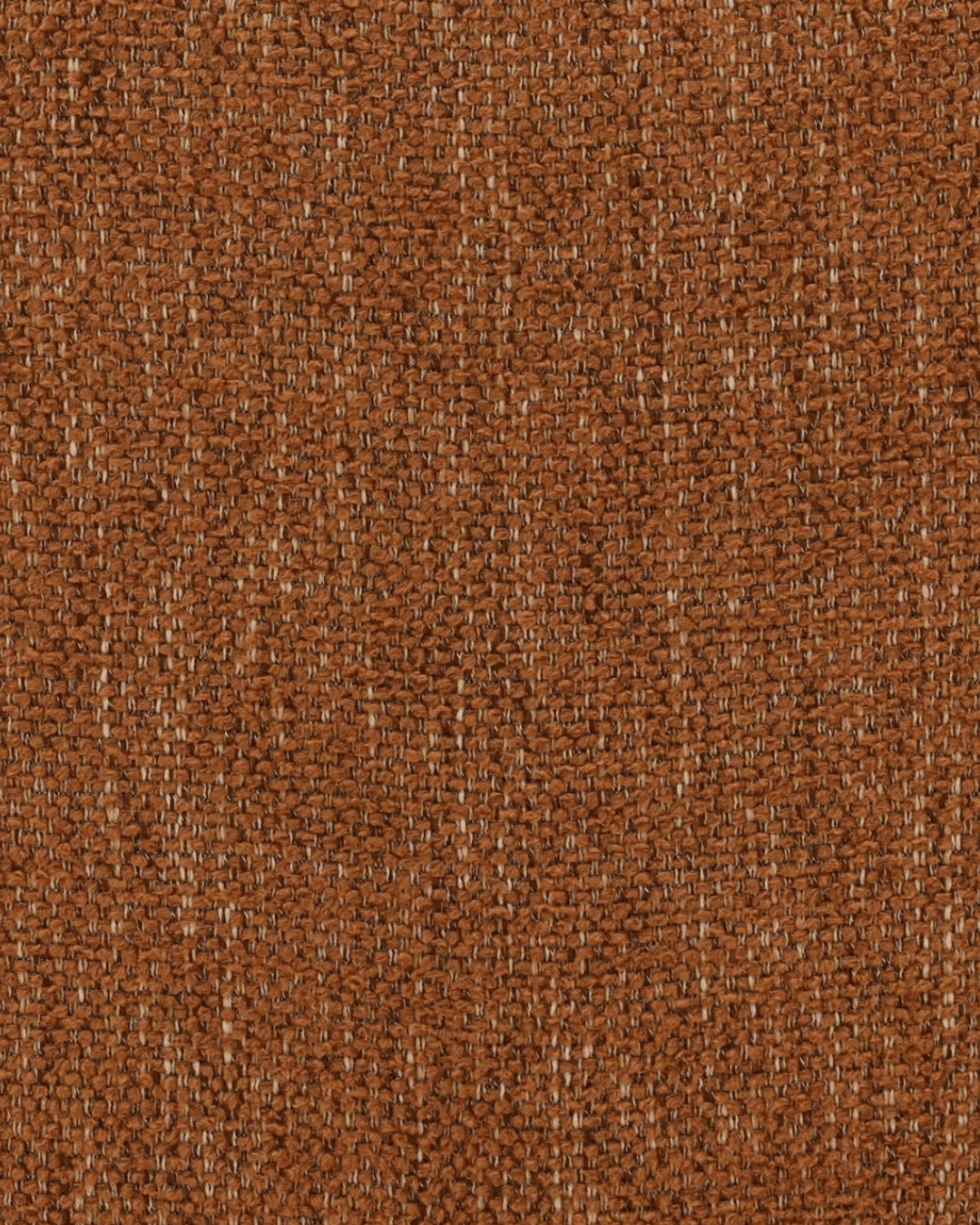
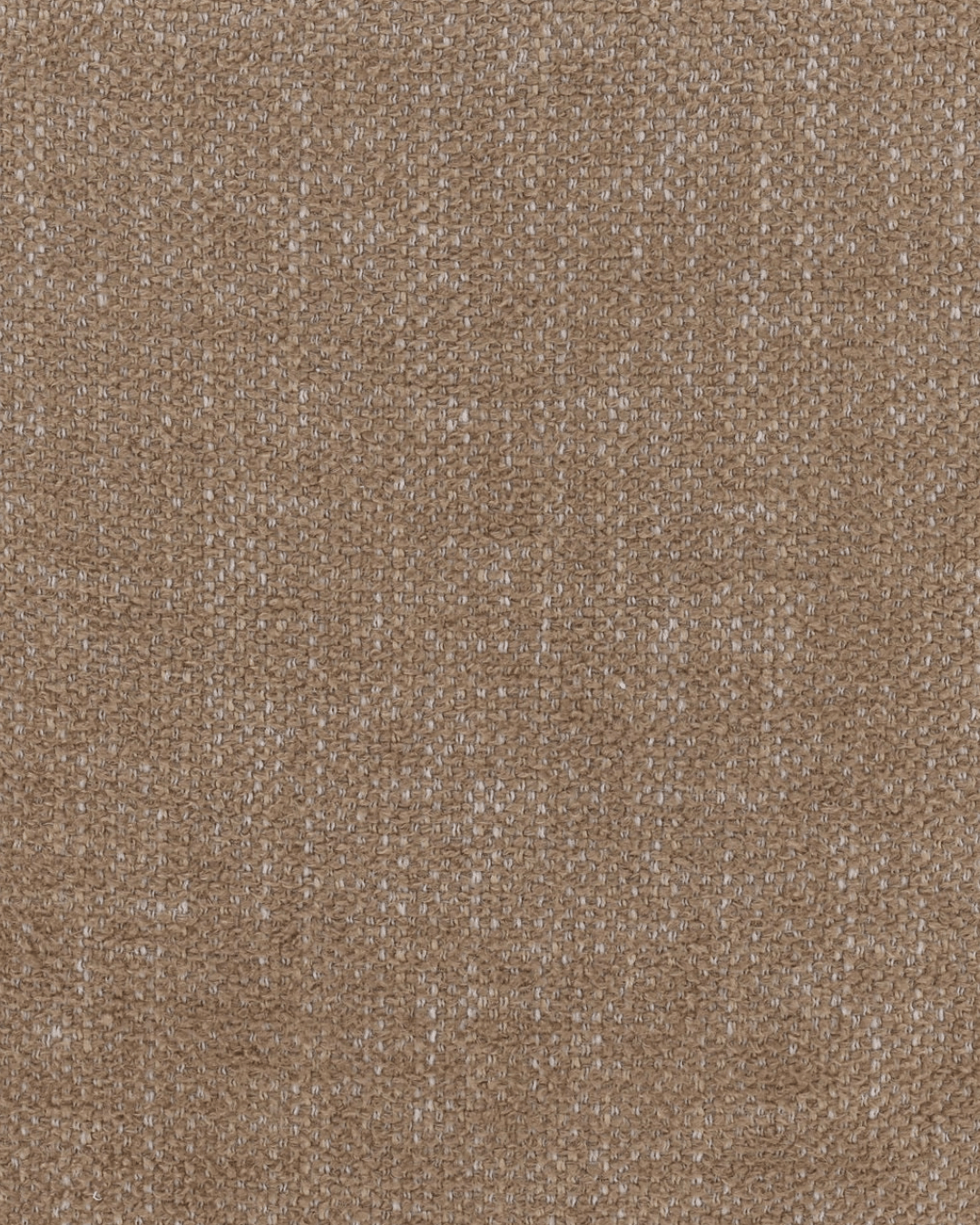
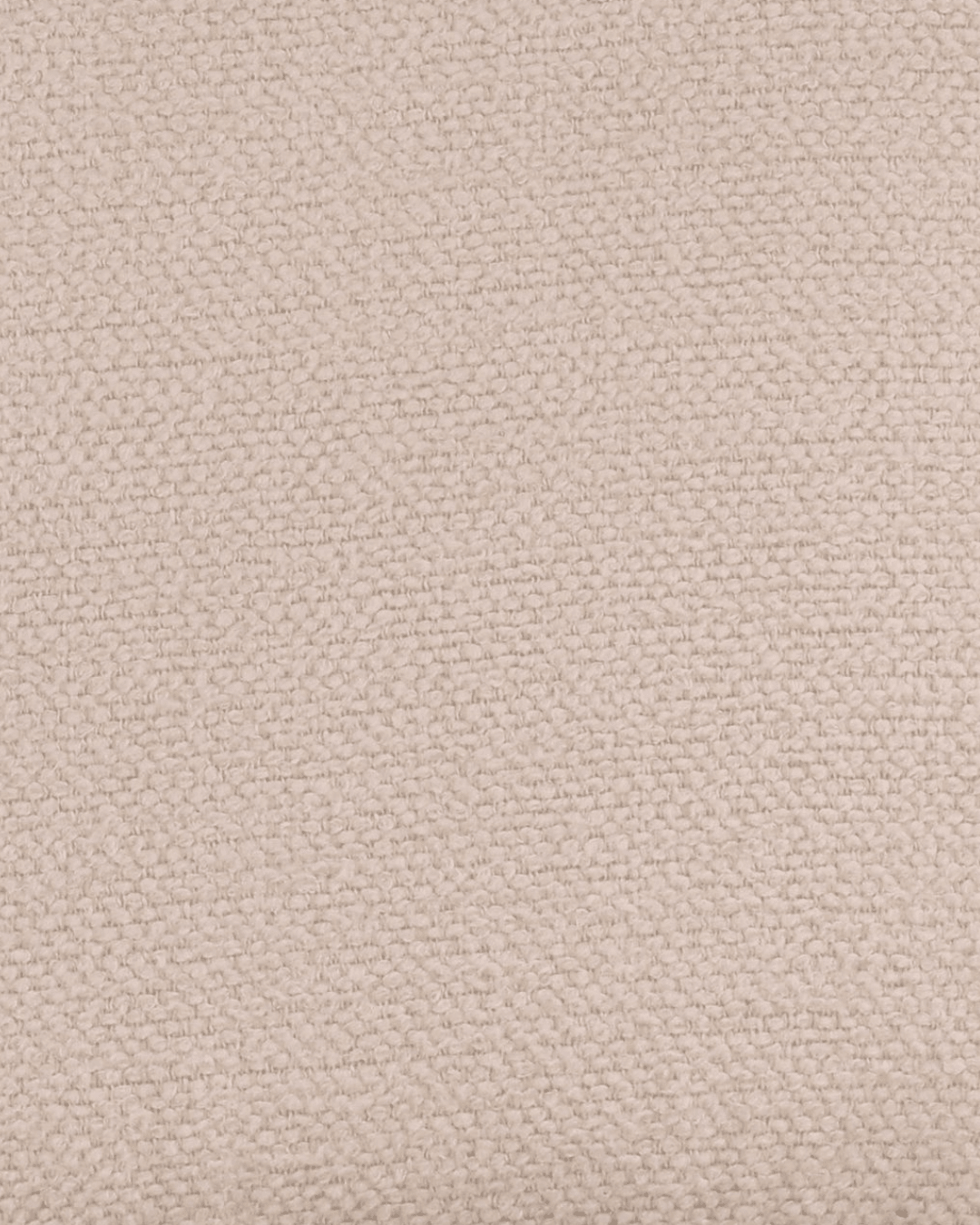
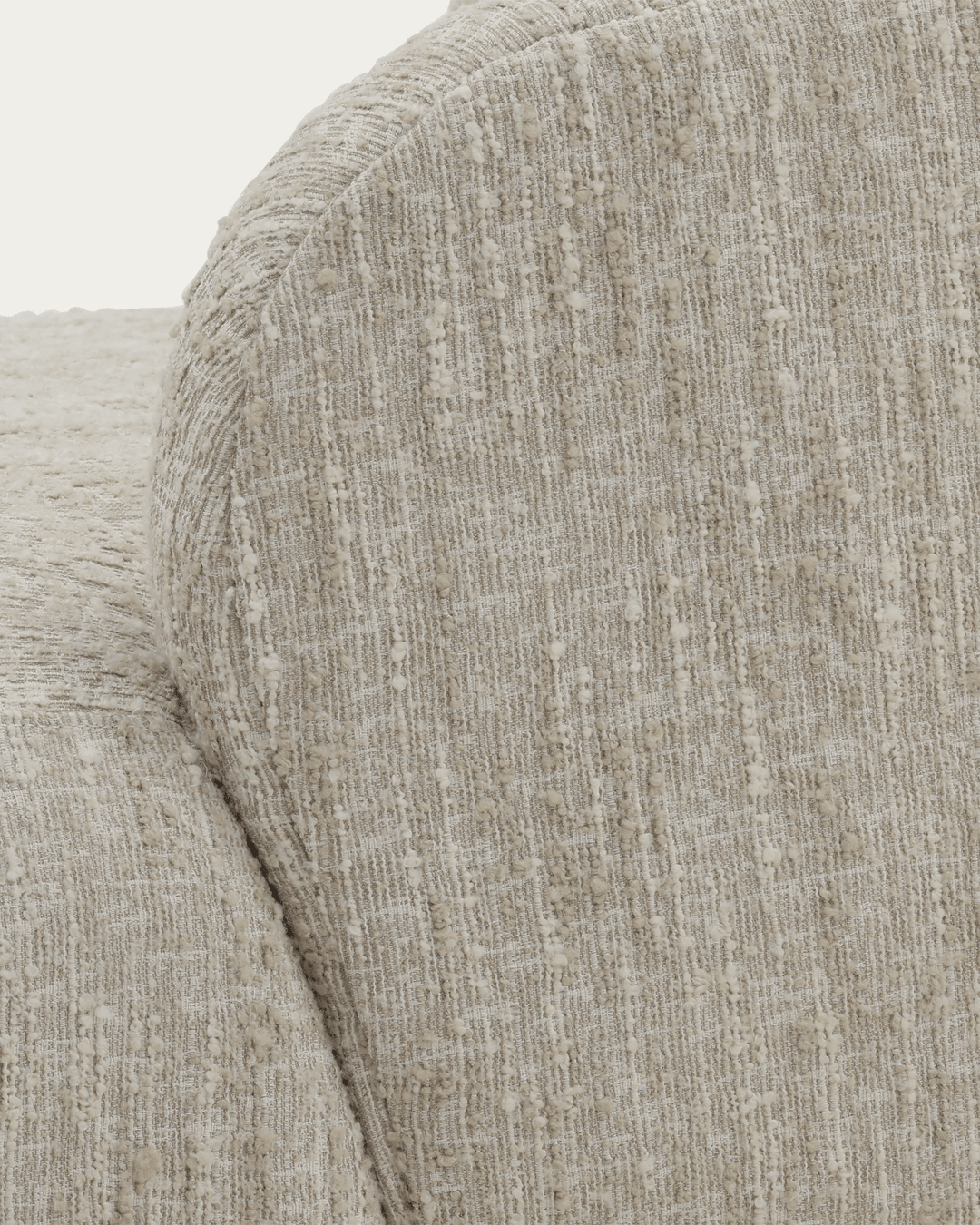
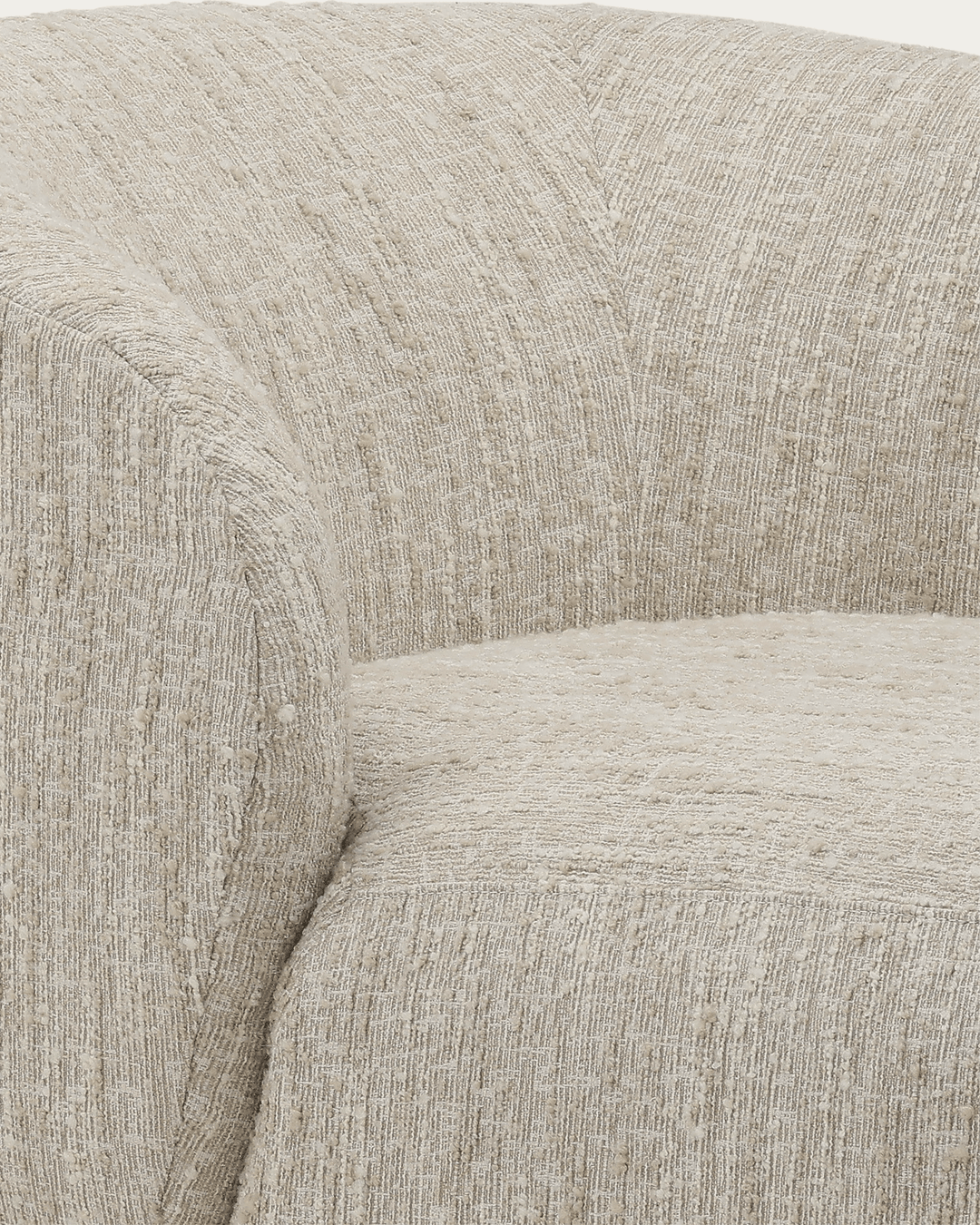
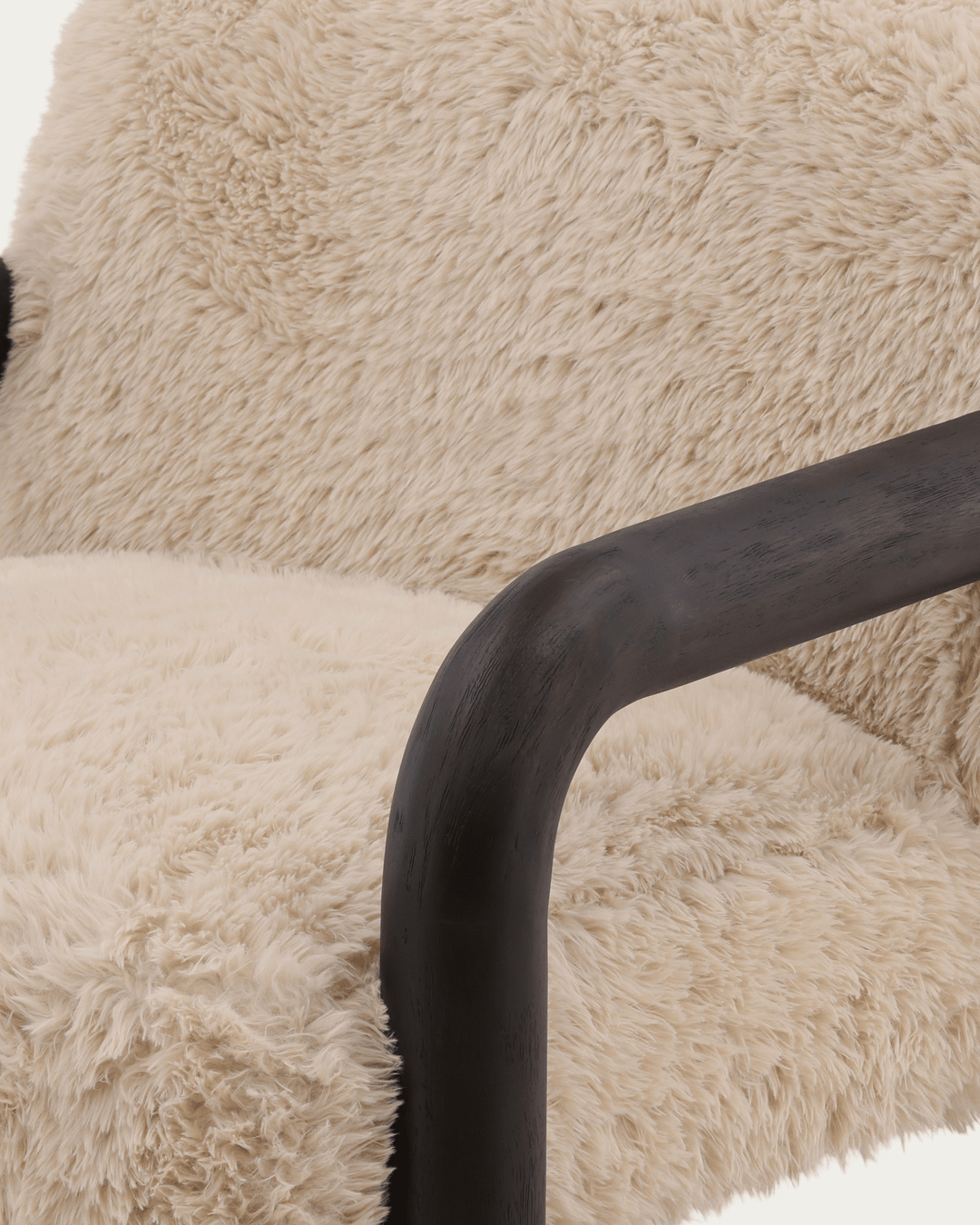
Combining upholstery, woven materials, wood grain, and natural finishes introduces sensory variety without overwhelming the space.
The Joia Woven Bistro Dining Chair brings woven texture into the room, while the Sabine Dining Chair introduces softness through upholstery.
Together they create contrast while still feeling connected.
Layering Creates Comfort
Layered texture gives the eye information to explore without creating visual overload.
It's one reason older homes often feel more comfortable than highly polished showrooms.
Mistake #6: Matching Color Instead of Mood
People often obsess over finding identical tones.
The better question is whether the chairs contribute to the same atmosphere.
A wood dining chair doesn't need to match an upholstered dining chair perfectly.
It simply needs to support the same story.
The Sigrid Scandinavian Dining Chair and the Eldrid Dining Chair are very different pieces, but both can contribute to a calm, grounded dining environment.
Mood creates cohesion.
Exact matching creates uniformity.
They're not the same thing.
Mistake #7: Ignoring the Dining Table
Sometimes homeowners spend weeks selecting chairs and forget the table is the largest object in the room.
The table should influence every chair decision.
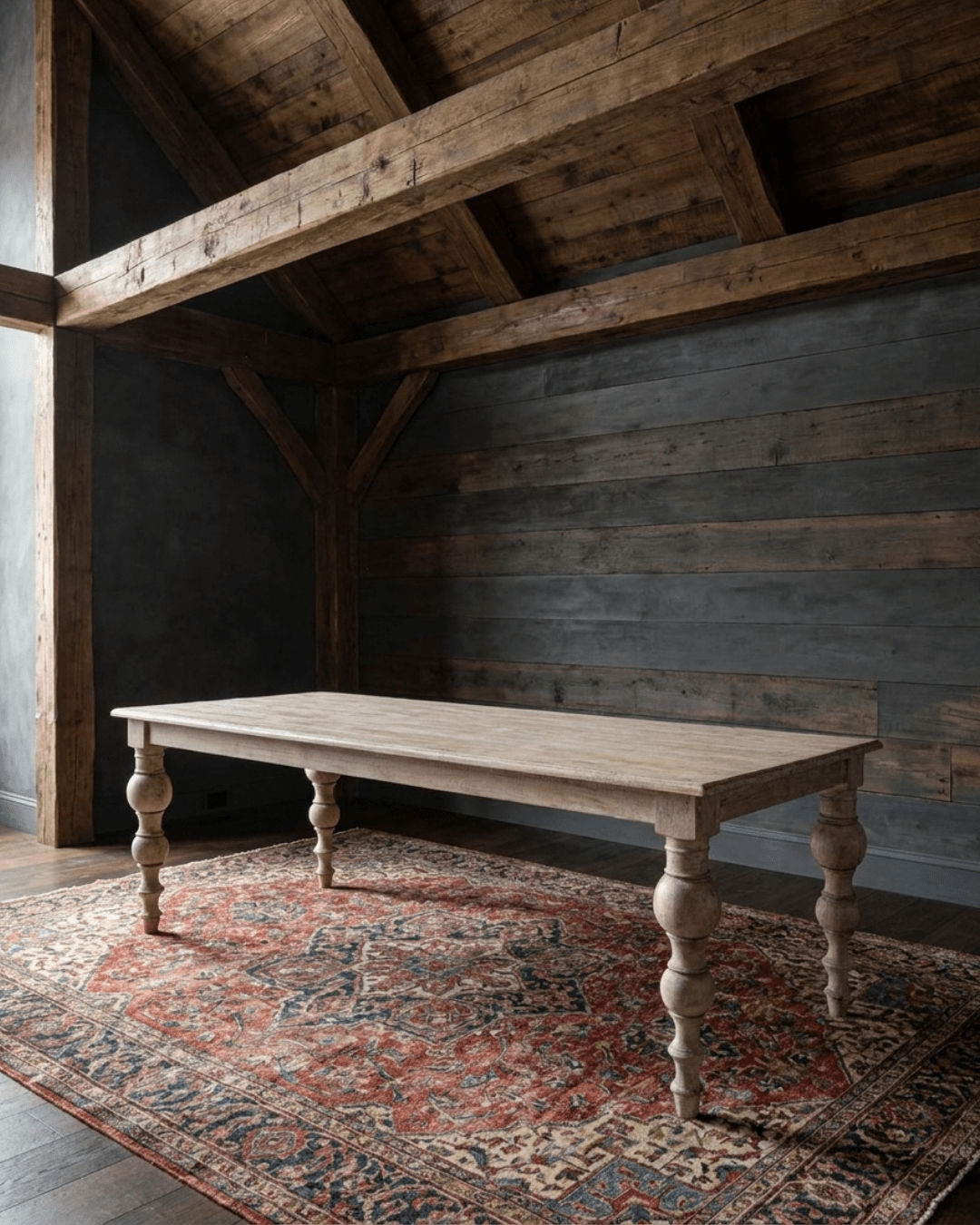
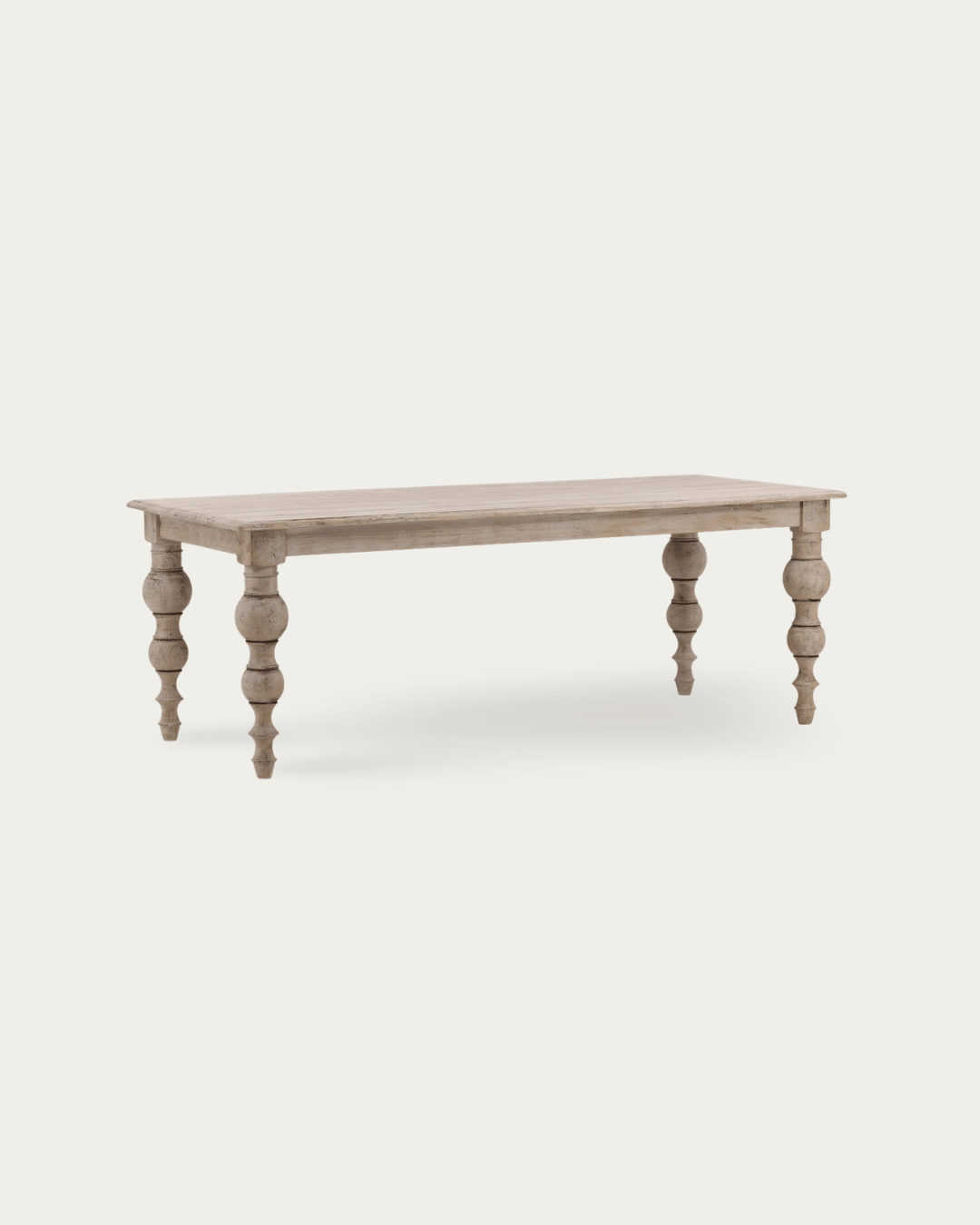
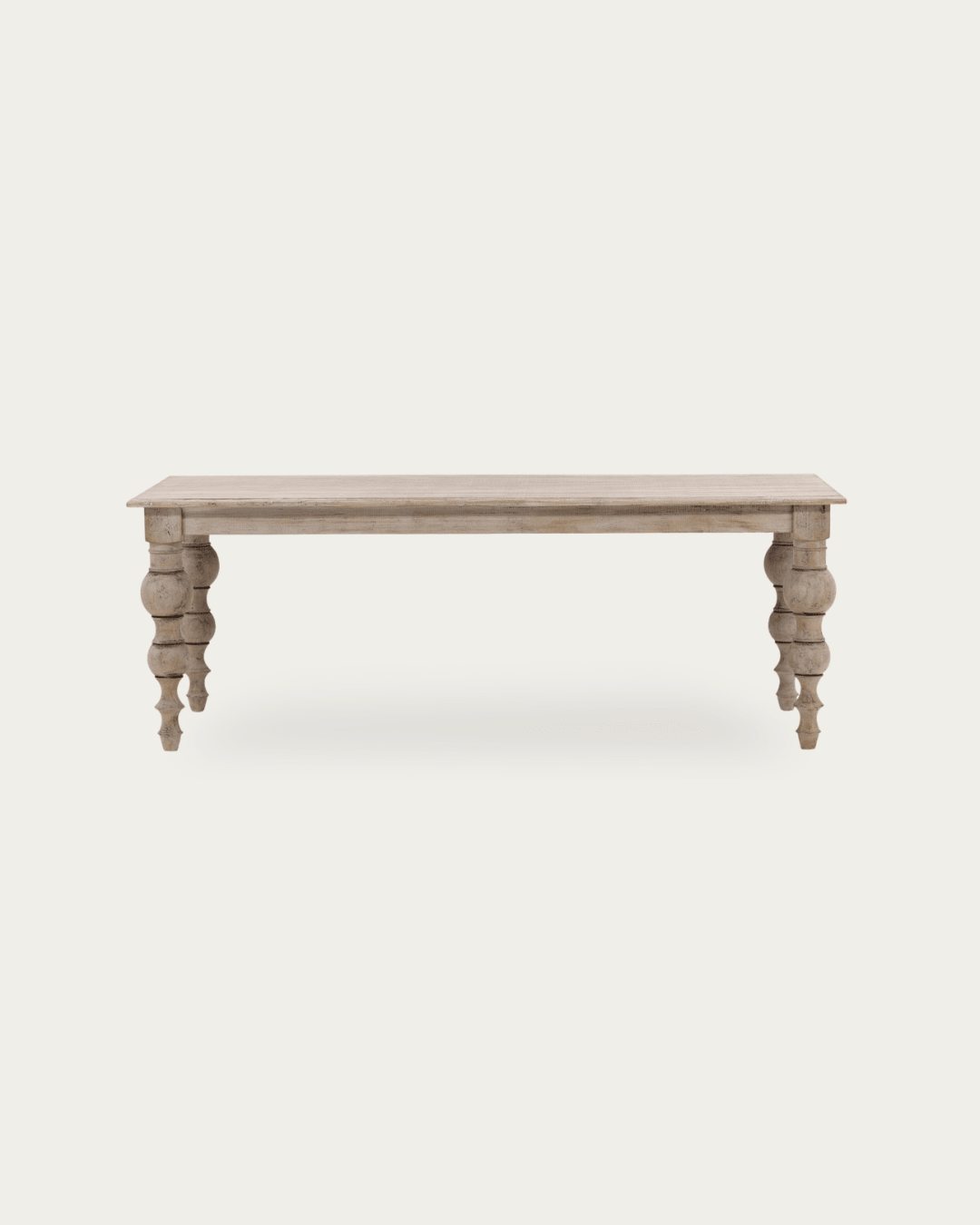
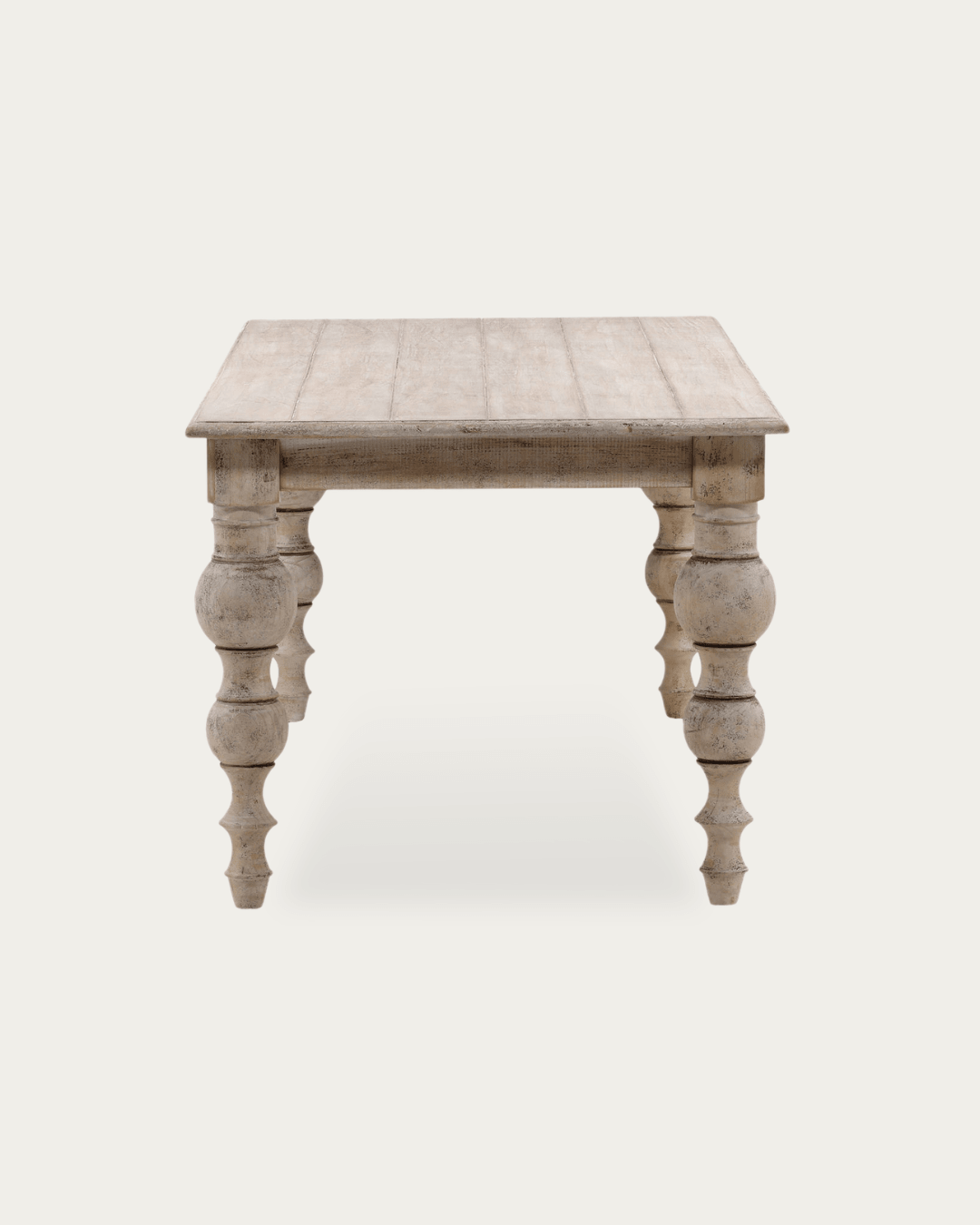
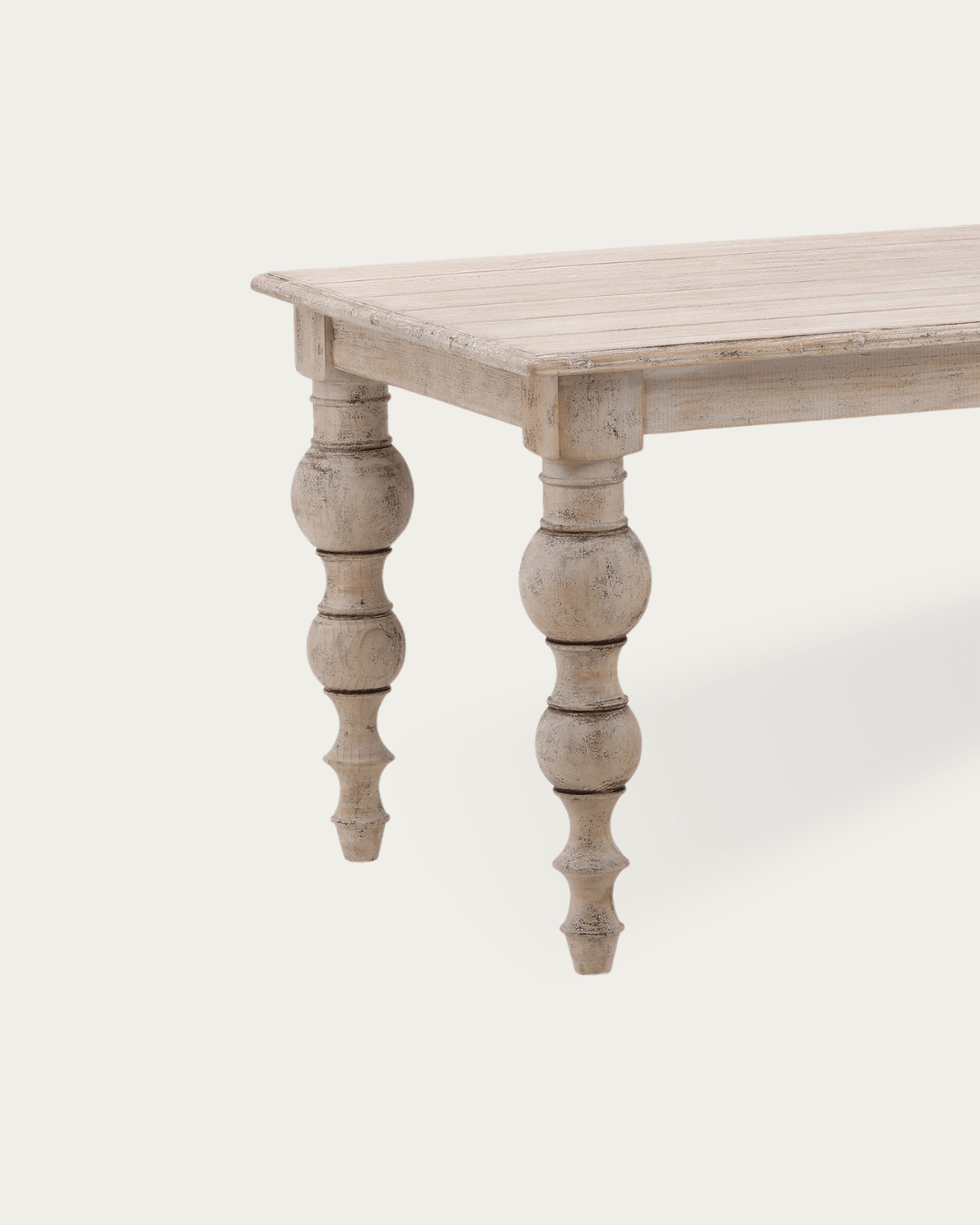
A substantial reclaimed wood table often benefits from lighter chair profiles.
A simpler table can support more expressive seating.
Let One Element Lead
Every successful room has a hierarchy.
Your dining table may be the hero.
Your chairs may be the supporting cast.
Trying to make both compete often creates visual noise.
Mistake #8: Making Every Chair Different
This is where many mismatched dining chair arrangements fall apart.
Mismatched doesn't require six unique chairs.
Often, two styles are enough.
A combination like the Elvy Dining Chair paired with the Saga Scandinavian Dining Chair creates variation while maintaining order.
The room feels collected rather than accidental.
RUTED Tip: The brain doesn't crave perfection. It craves predictability. A dining room becomes easier to relax in when variation exists within a recognizable pattern. Think rhythm, not repetition.
Mistake #9: Forgetting About Movement Around the Table
Dining rooms aren't static.
People pull chairs out.
They walk around them.
They gather, serve food, and move constantly.
Oversized chairs mixed with compact chairs can disrupt circulation and create frustration.
Good dining rooms work as well in motion as they do in photographs.
Mistake #10: Overlooking Wood Tones
Mixing wood tones isn't the problem.
Mixing them without repetition is.
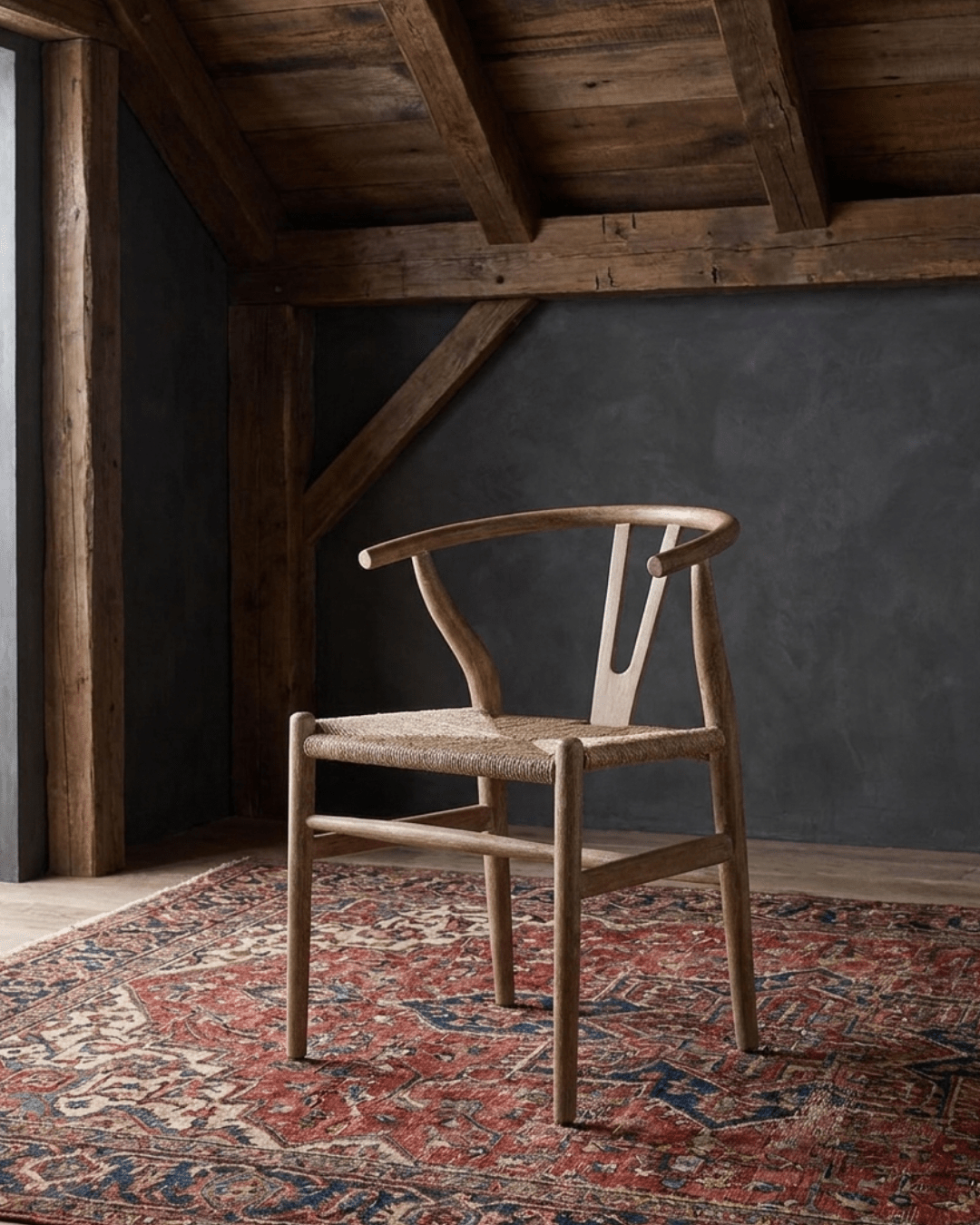
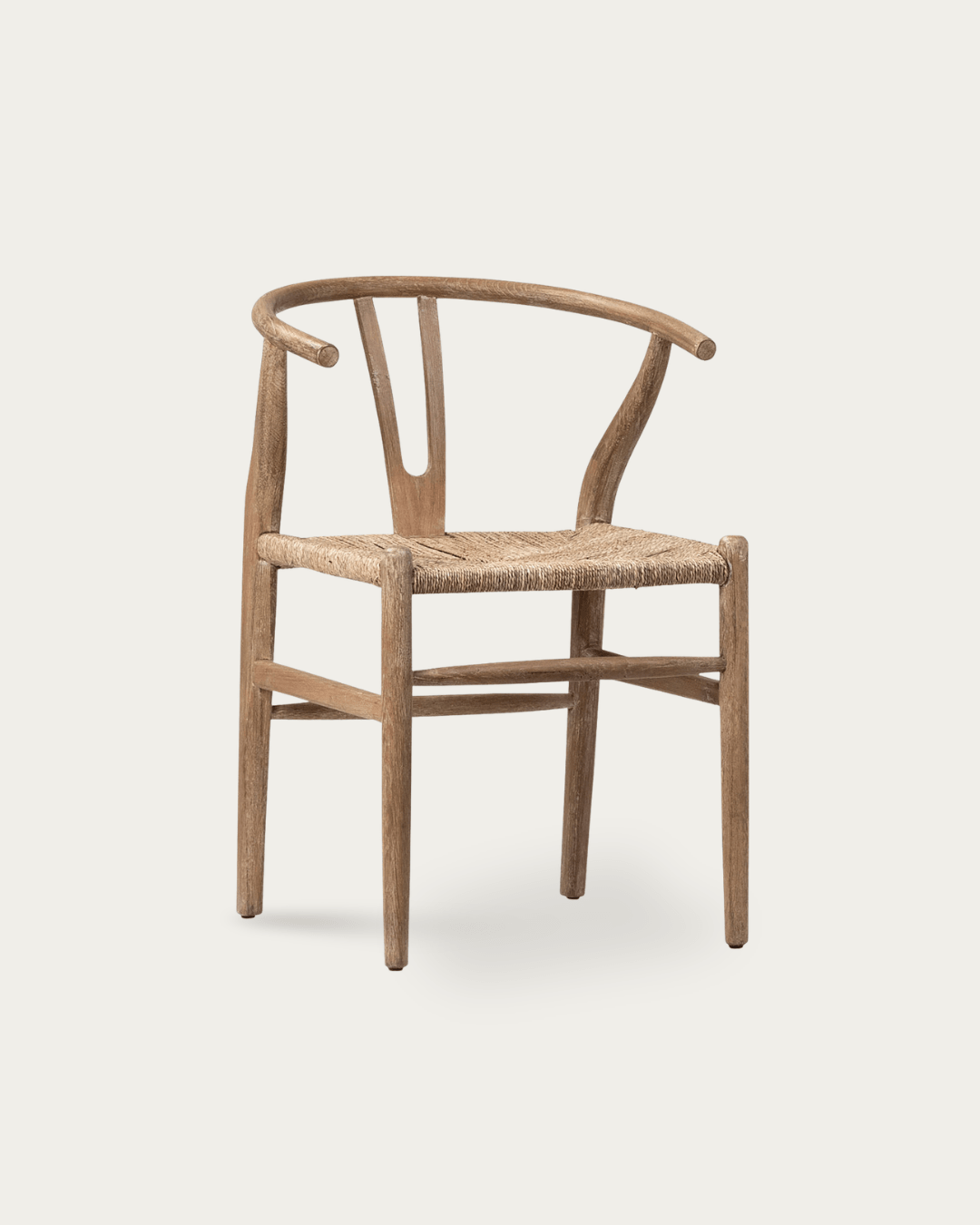
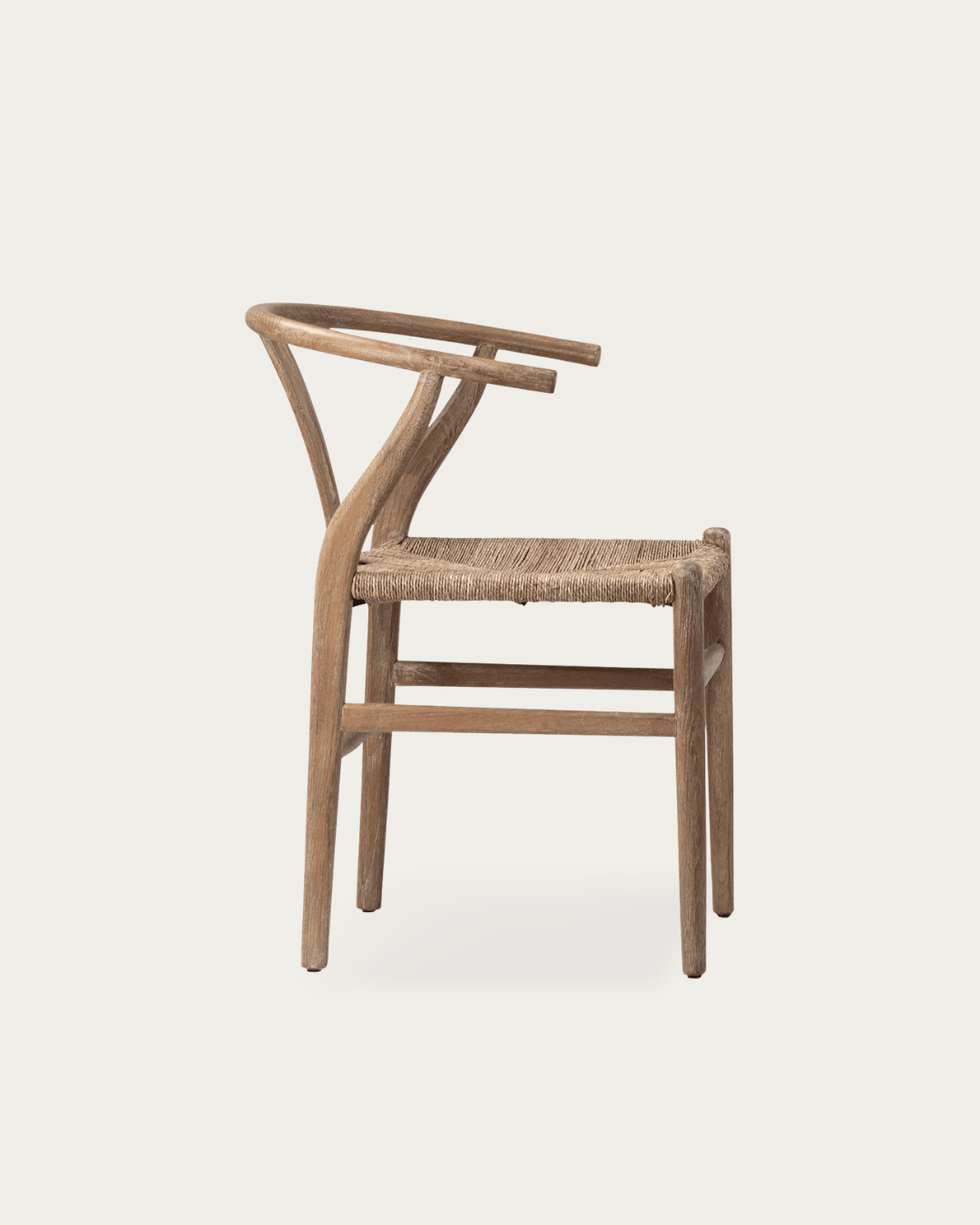
The Nikolaj Dining Chair can work alongside the Saffi Rustic Scandinavian Dining Chair when similar tones appear elsewhere in the room through shelving, flooring, or decor.
The eye likes connection points.
Give it a few.
Mistake #11: Prioritizing Trends Over Comfort
A dining room is one of the most social spaces in a home.
People linger.
They talk.
They celebrate.
The most beautiful chair in the world becomes a poor choice if nobody wants to sit in it.
The Yrja Dining Chair demonstrates why comfort should remain part of the conversation when selecting dining seating.
Function isn't separate from design.
Function is design.
Why Comfort Supports Connection
When the body feels physically supported, people can focus less on discomfort and more on conversation.
That matters around a dining table.
Mistake #12: Copying a Pinterest Photo Without Understanding Why It Works
Some of the most shared dining rooms online appear effortless.
What often goes unnoticed is the strategy underneath.
Successful mismatched dining chair arrangements usually rely on:
Consistent proportions
Repeated materials
Similar seat heights
Balanced visual weight
Thoughtful texture layering
Without those foundations, copying the look rarely recreates the feeling.
And ultimately, the feeling is the whole point.
Why Some Mismatched Dining Rooms Feel Better Than Others
The most successful dining rooms aren't necessarily the most expensive or the most perfectly styled.
They're the ones that create enough variation to feel interesting while maintaining enough structure to feel calm.
That's where neuroscience becomes surprisingly useful.
The brain is constantly evaluating rhythm, balance, predictability, and sensory input. Dining rooms that feel easiest to spend time in are often the ones that support those processes rather than fight them.
Mismatched dining chairs can absolutely create that effect.
The key is understanding that great design isn't about making every chair different.
It's about making every choice work together.
If you're building a dining room that feels layered, grounded, and intentionally collected, explore Hello Norden's dining chair collection to discover upholstered dining chairs and wood dining chairs that pair beautifully without looking overly matched.