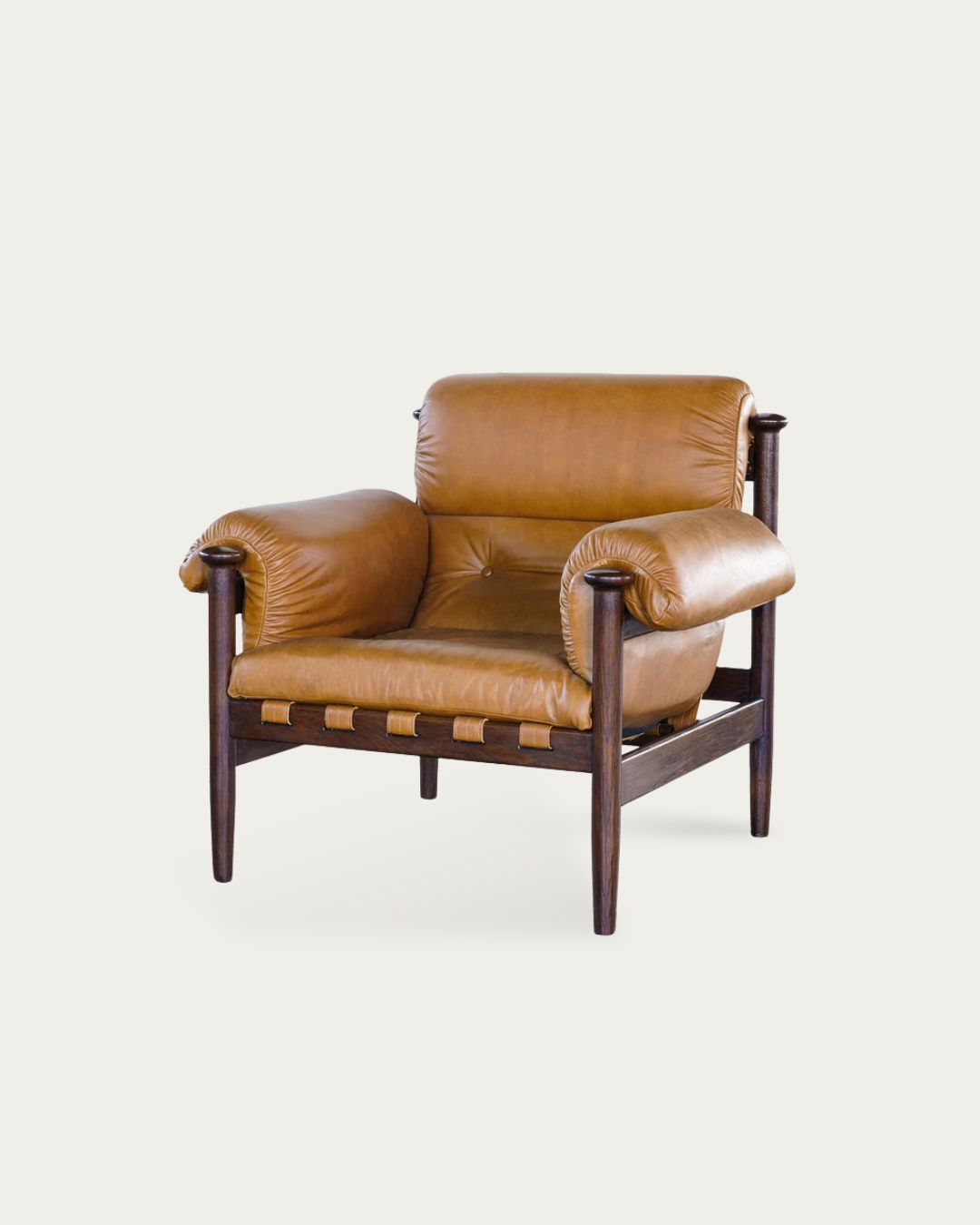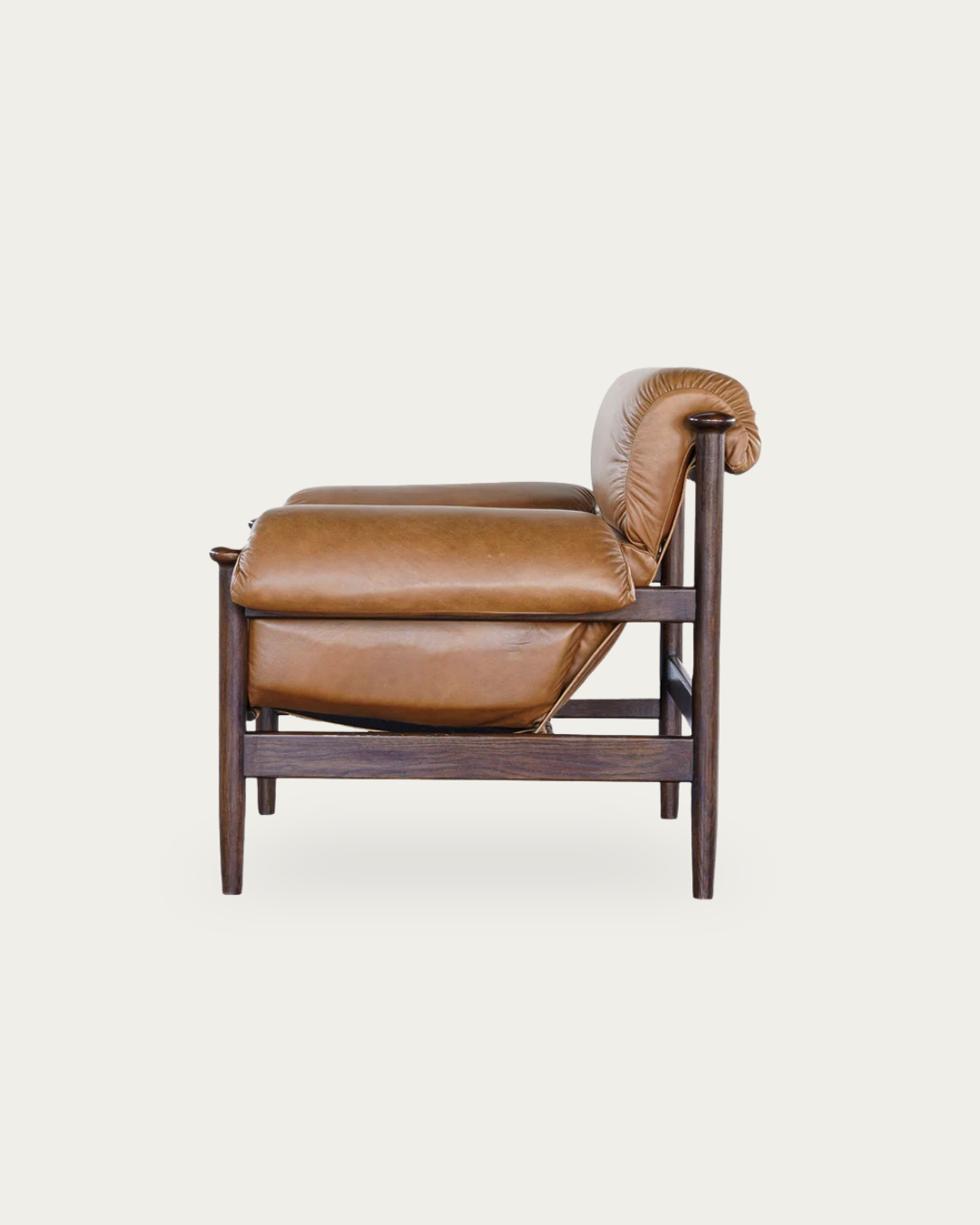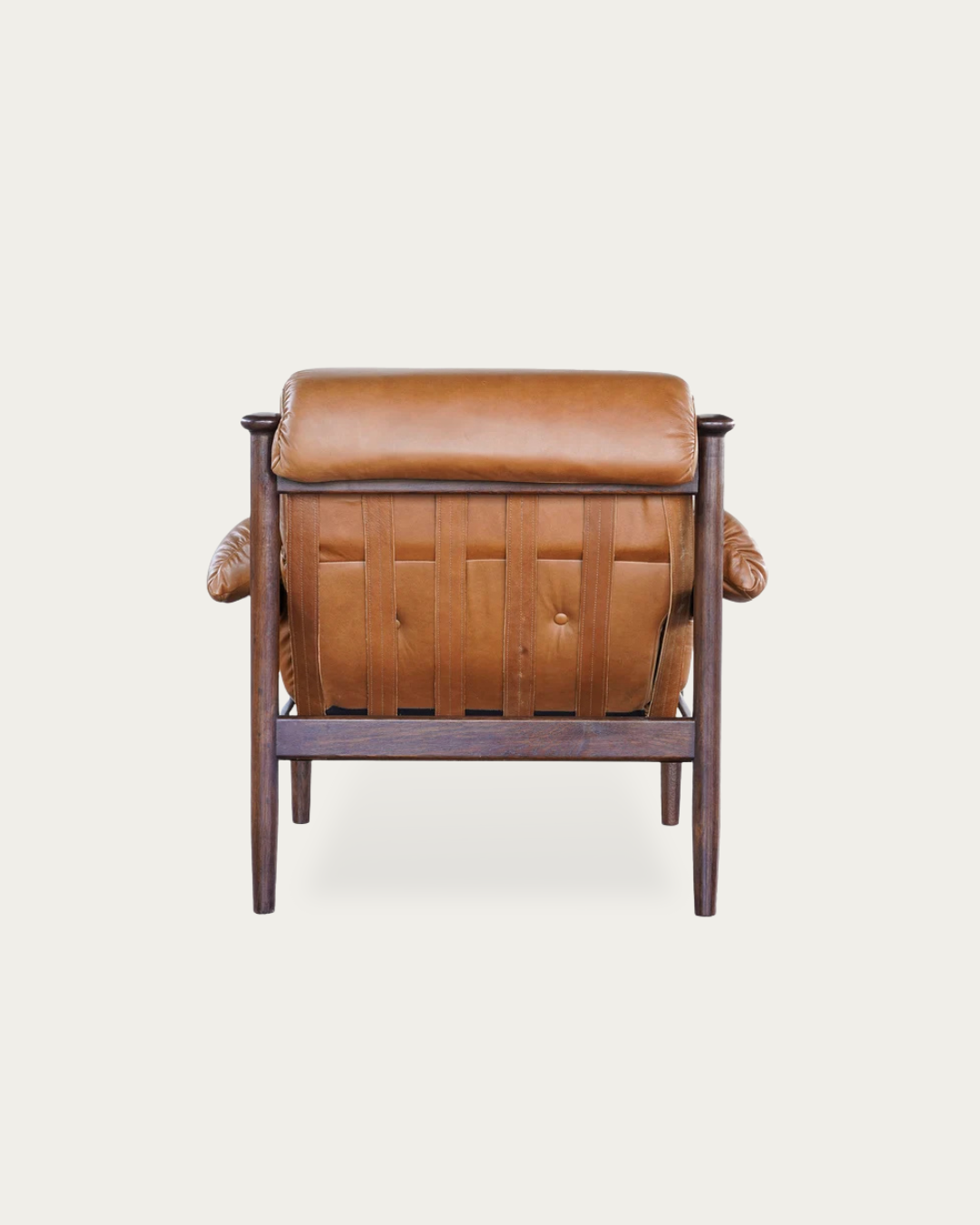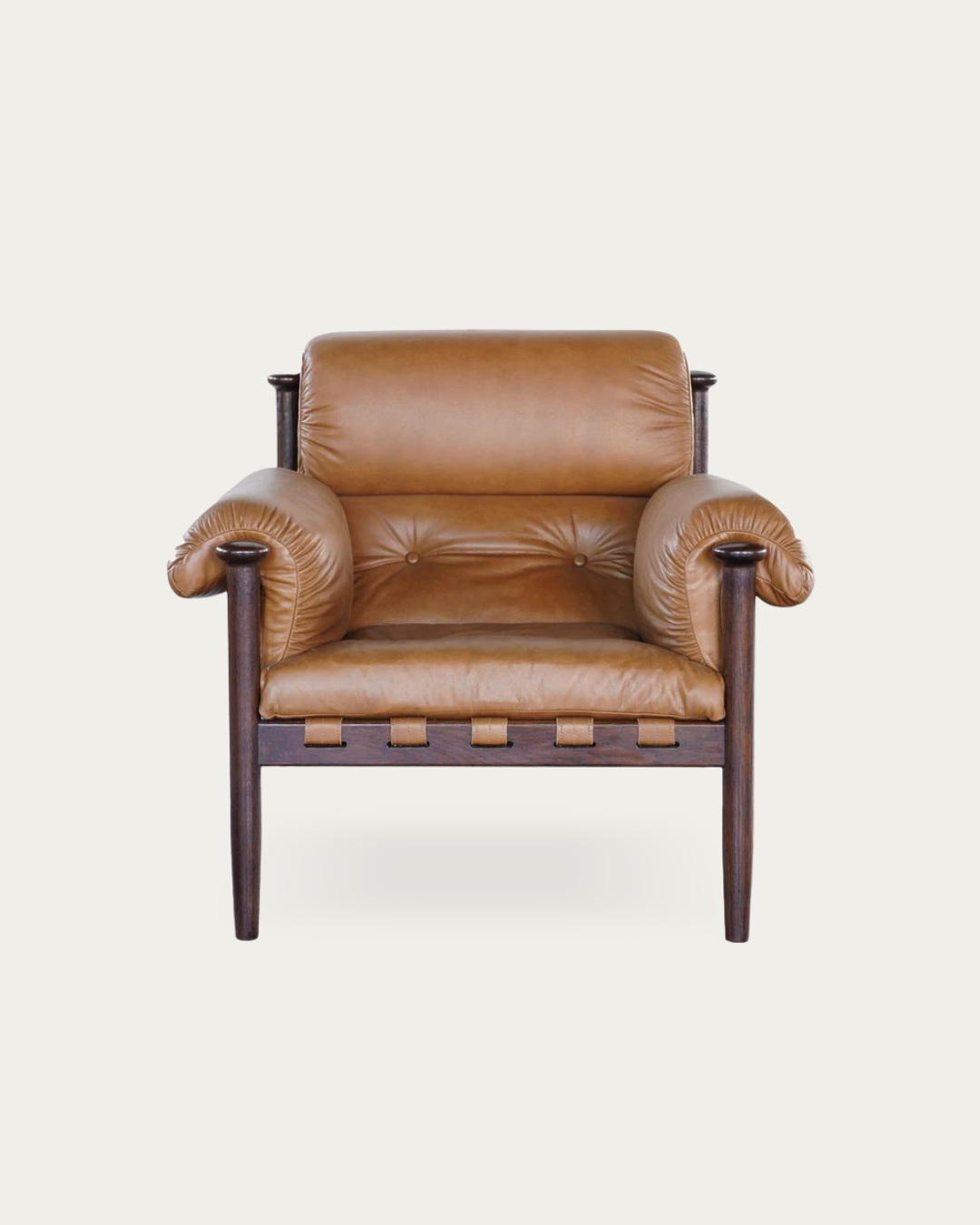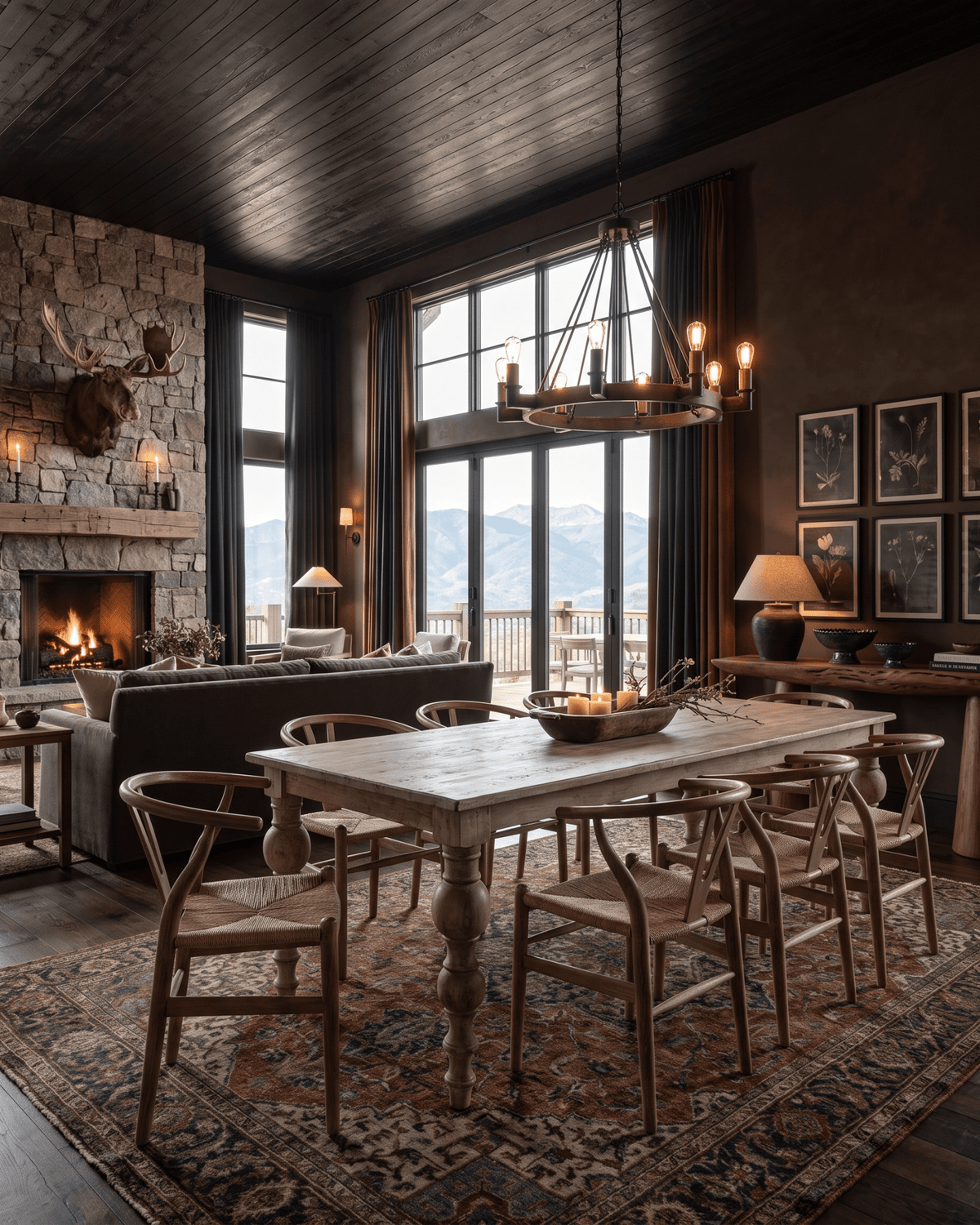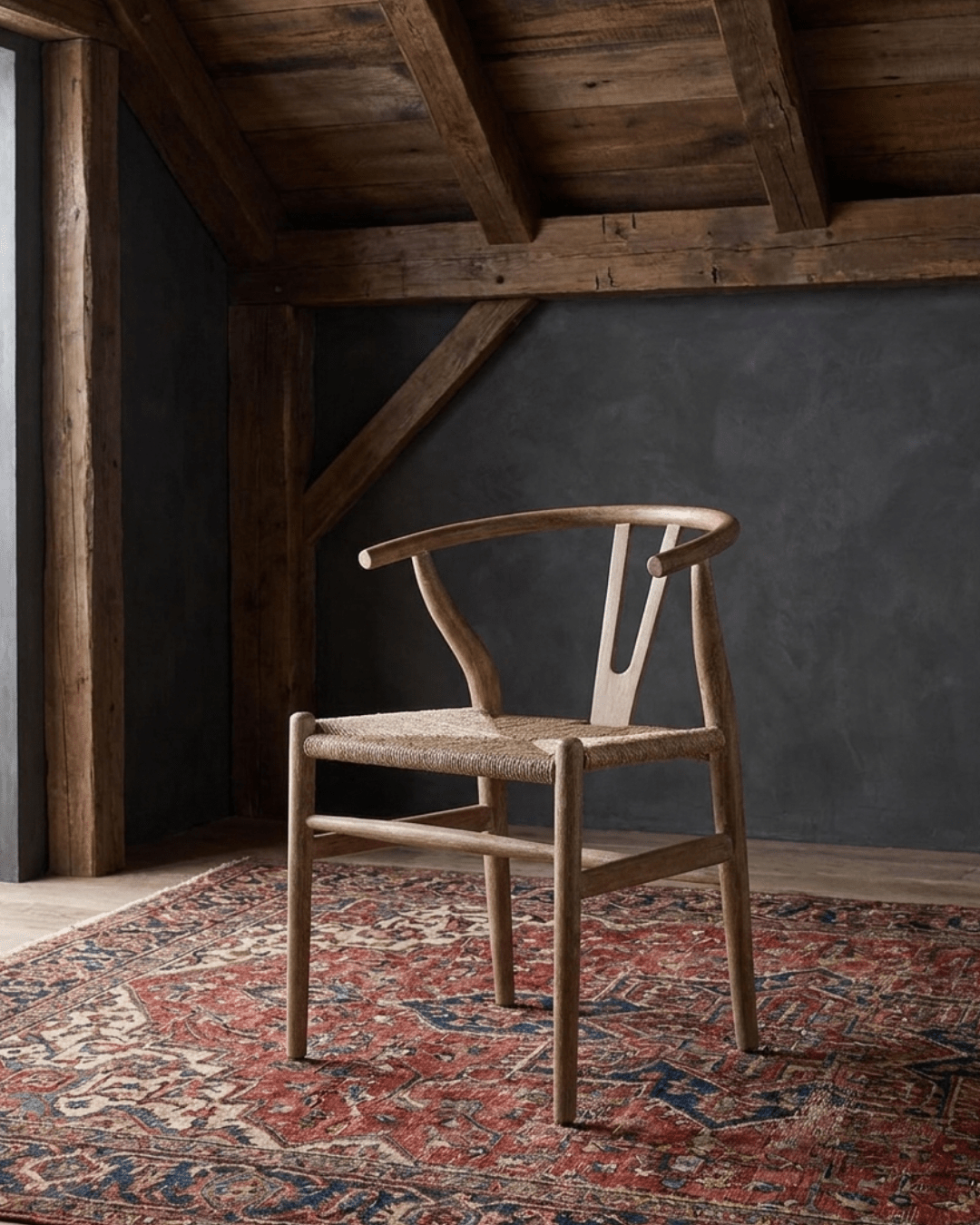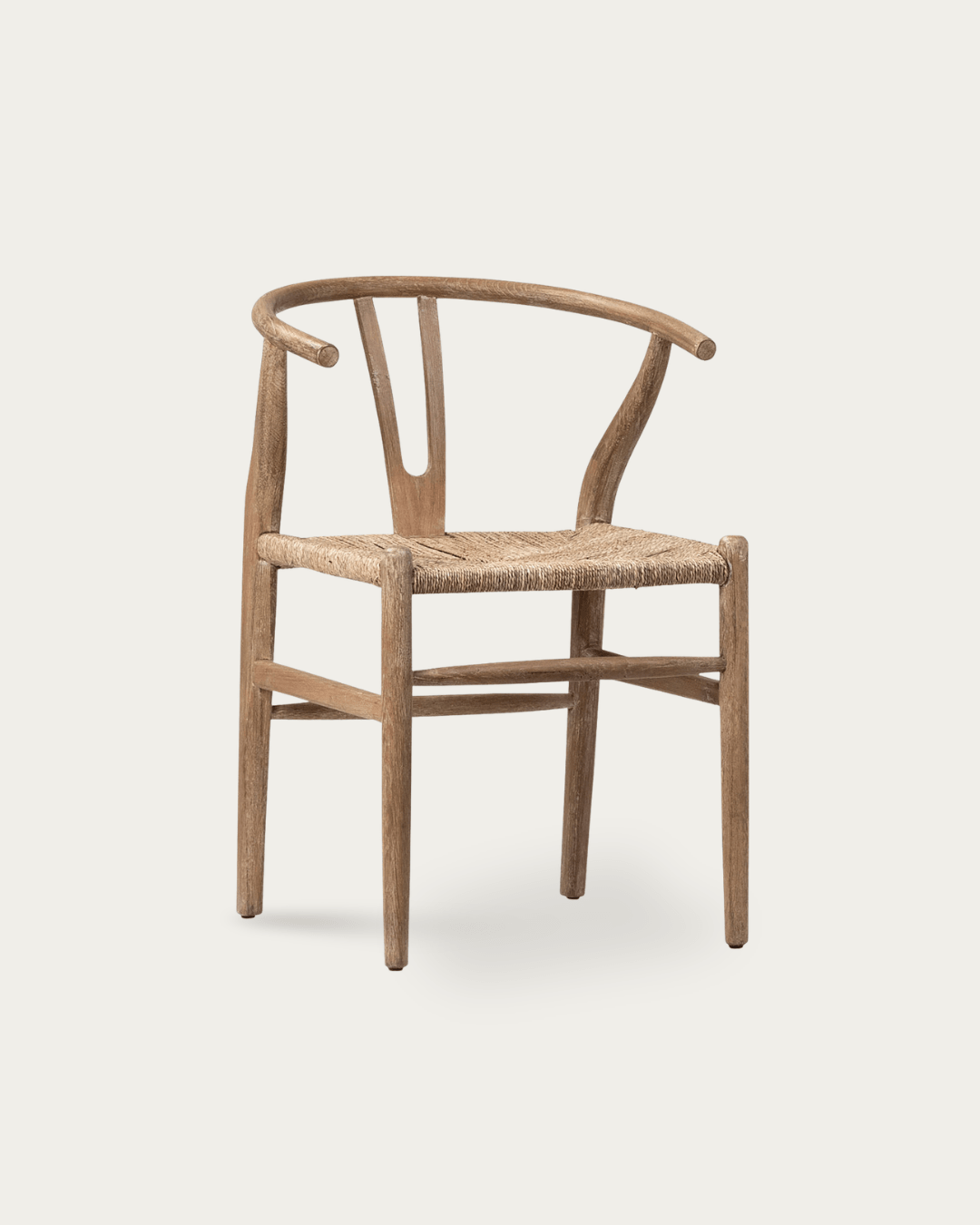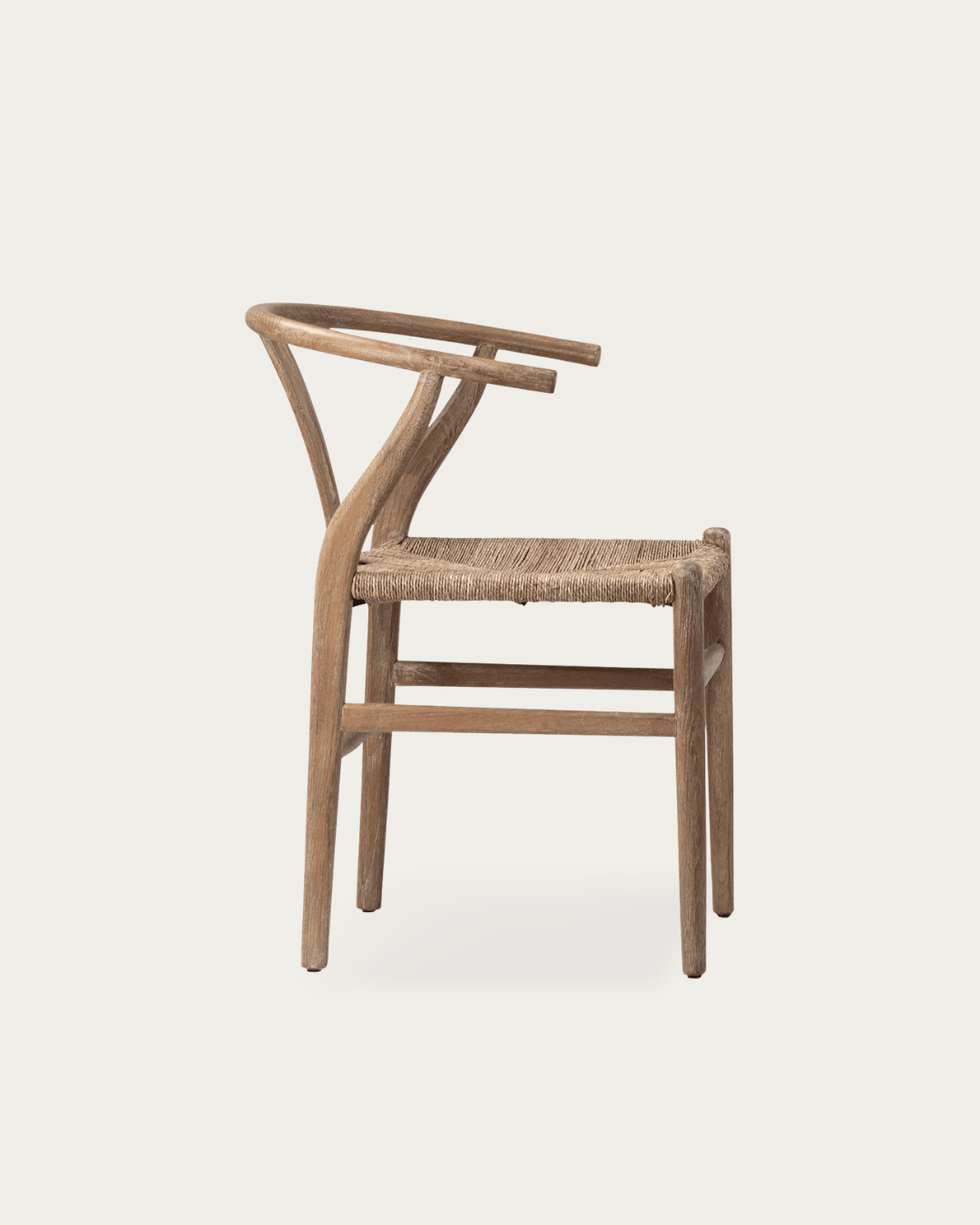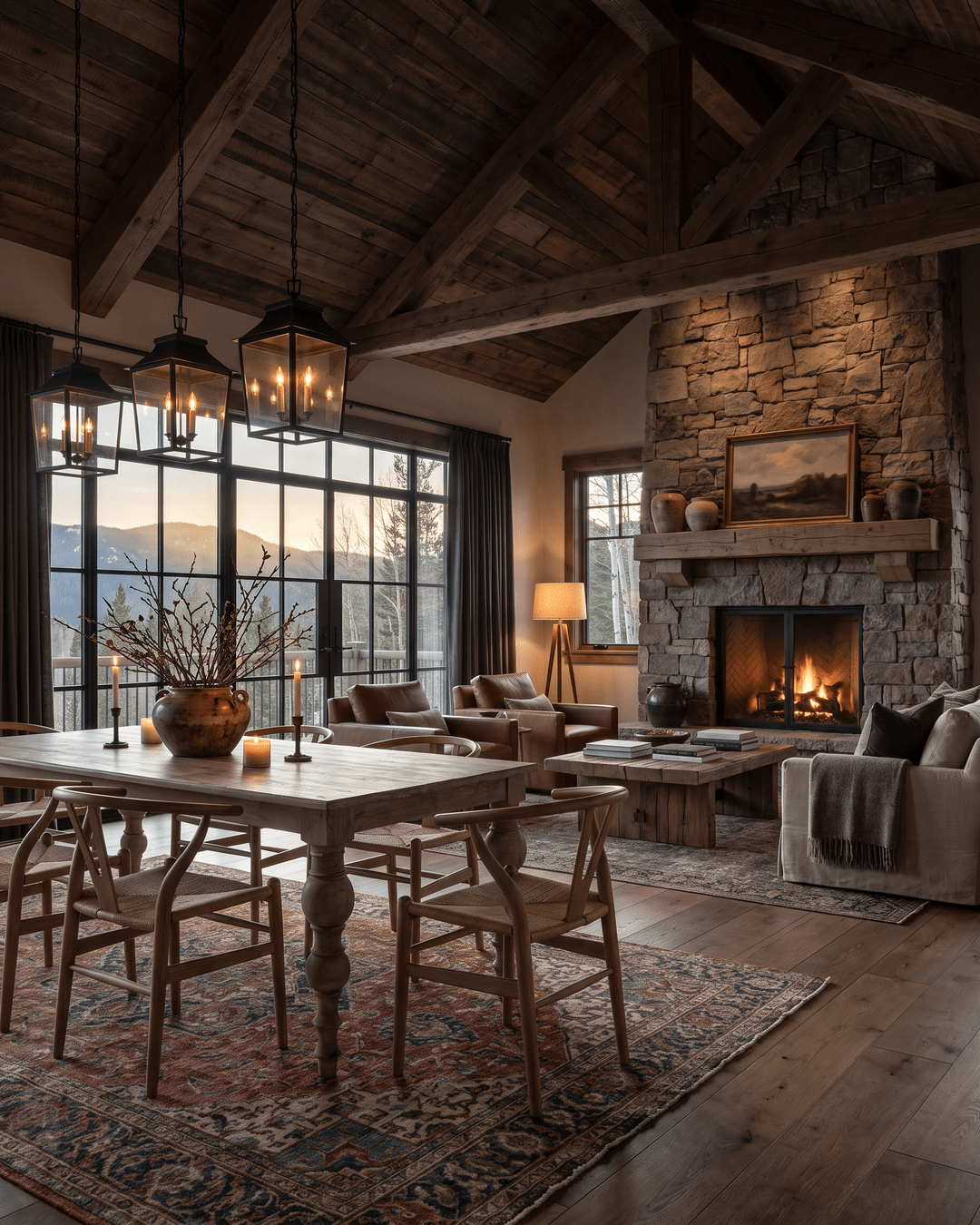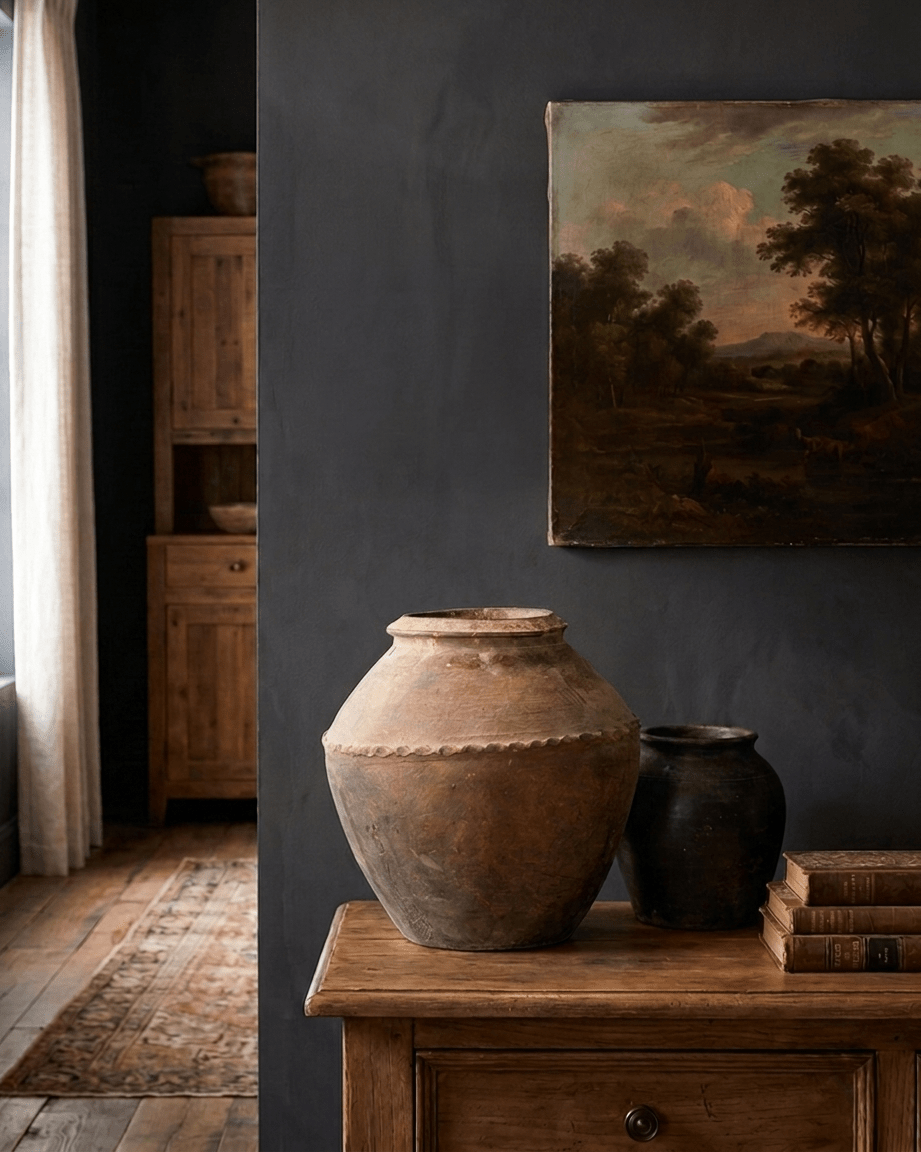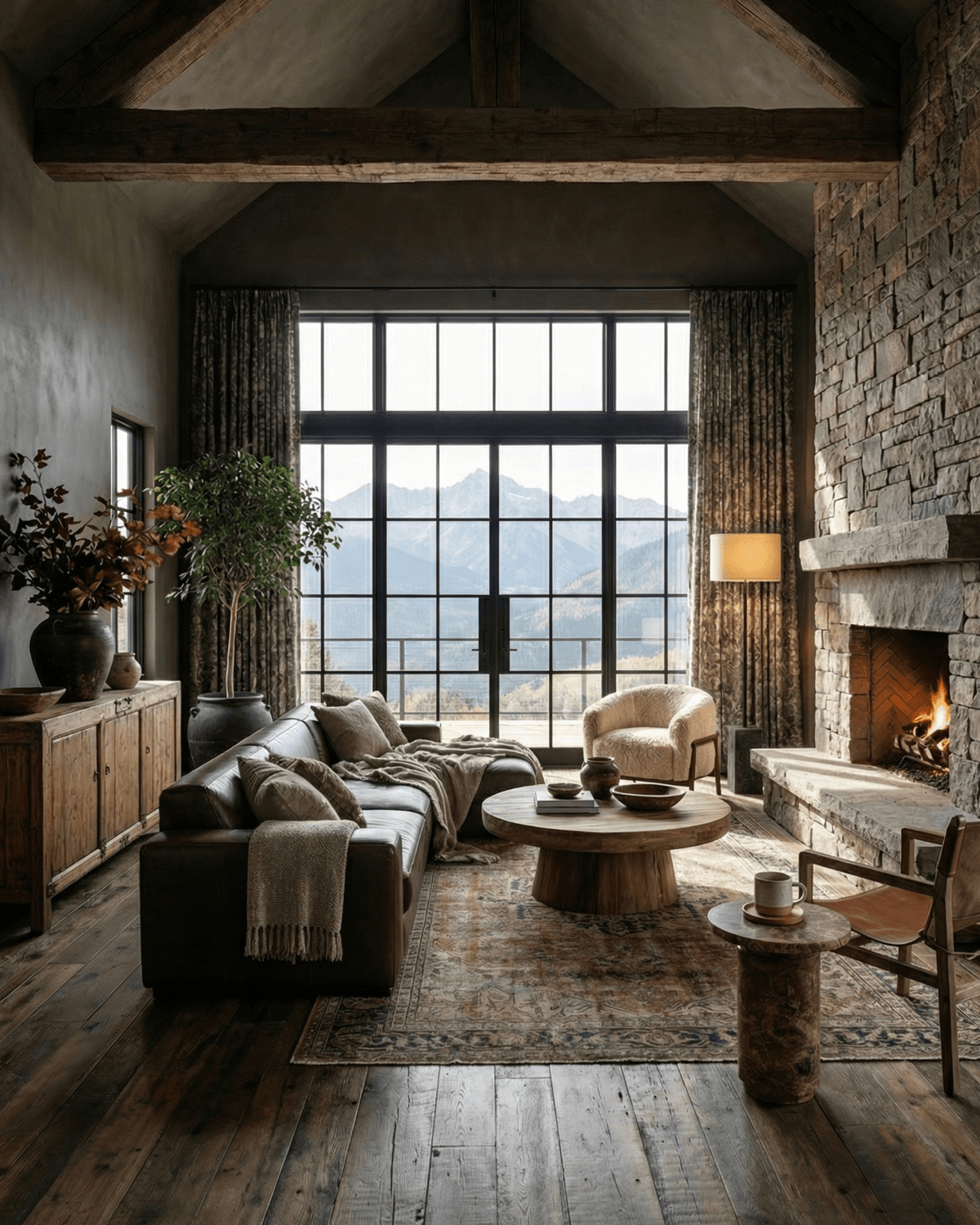








There was a time when the goal of a dining room was simple: buy a table, buy six matching chairs, and never think about it again.
Now, some of the most memorable dining rooms are built differently.
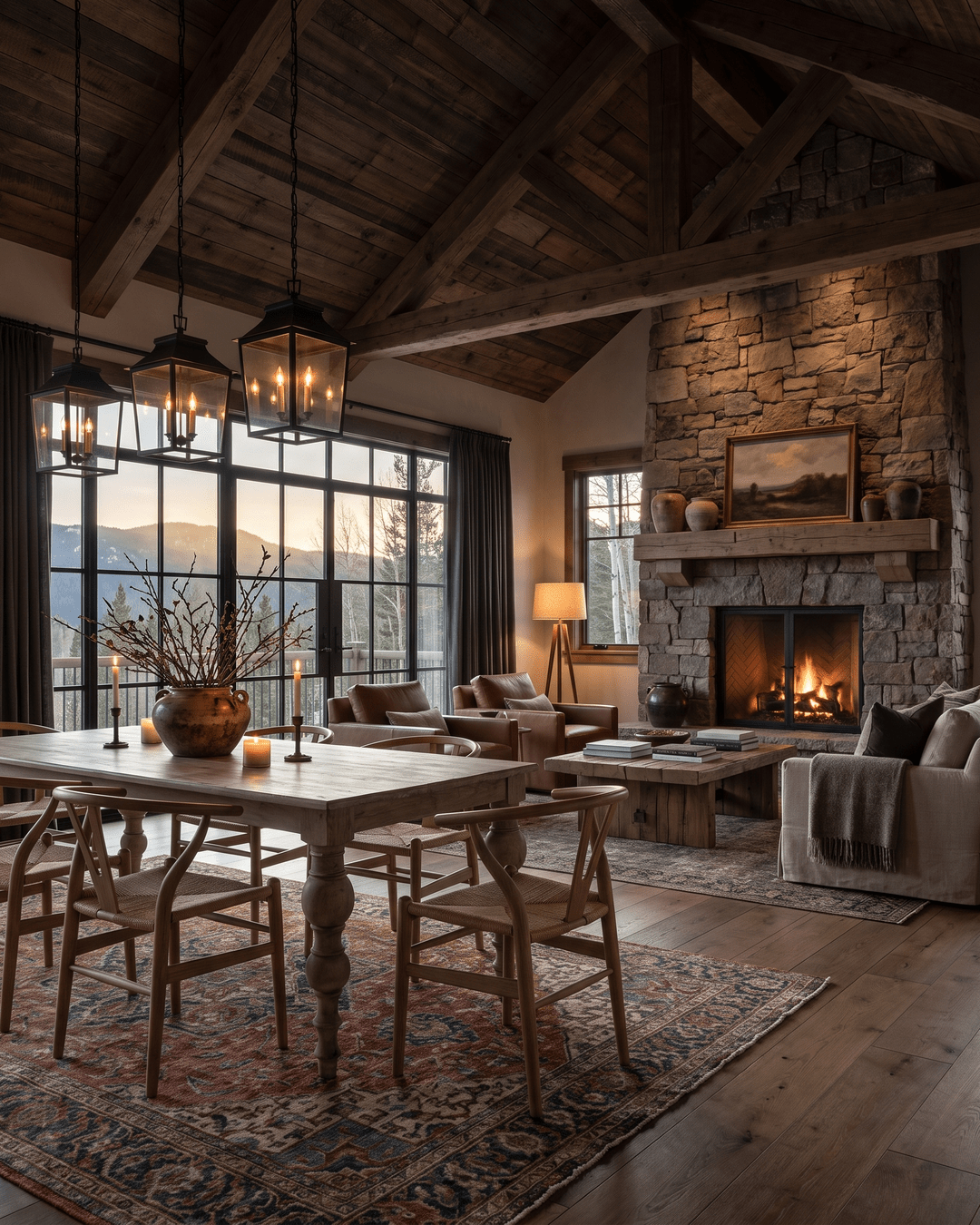
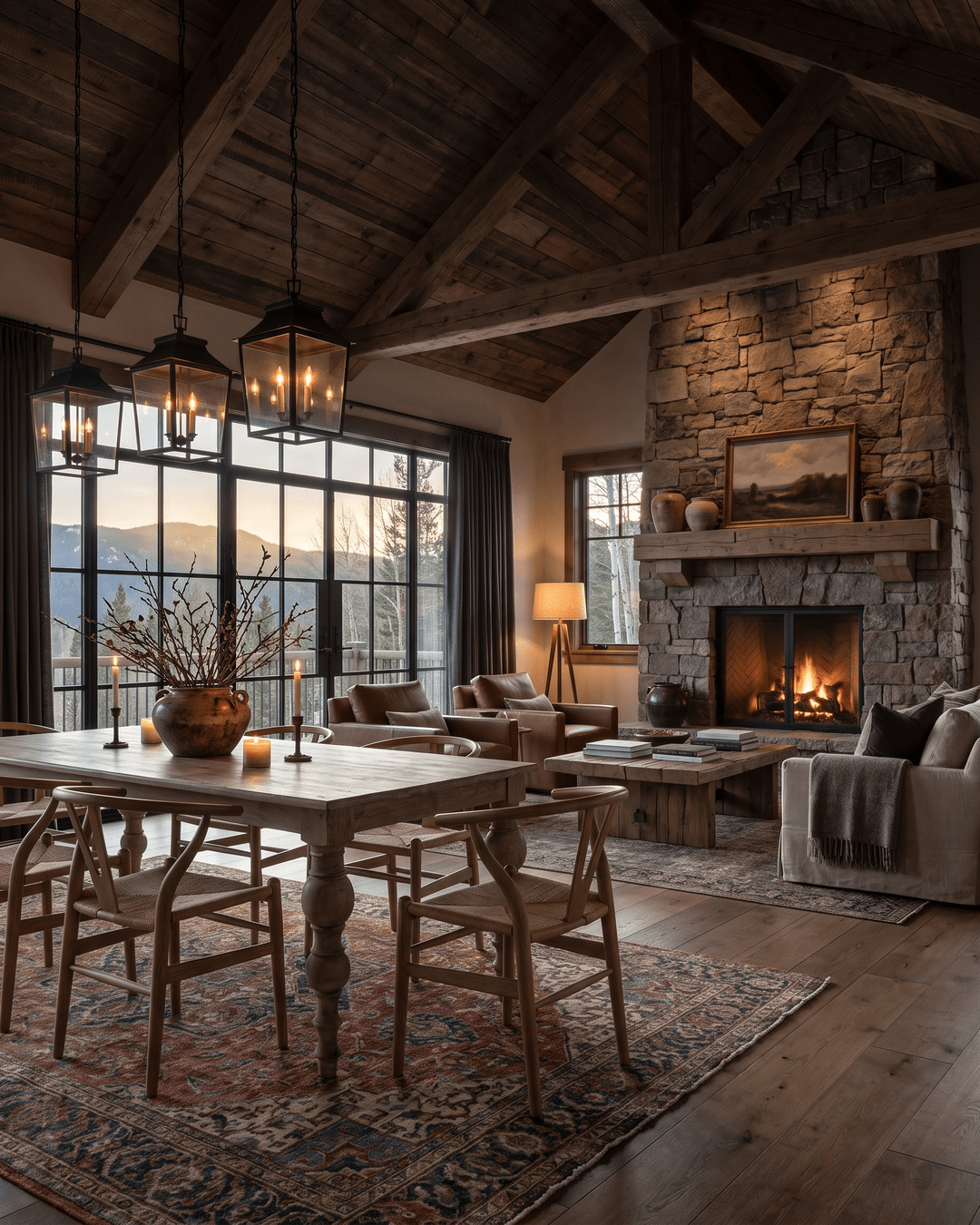
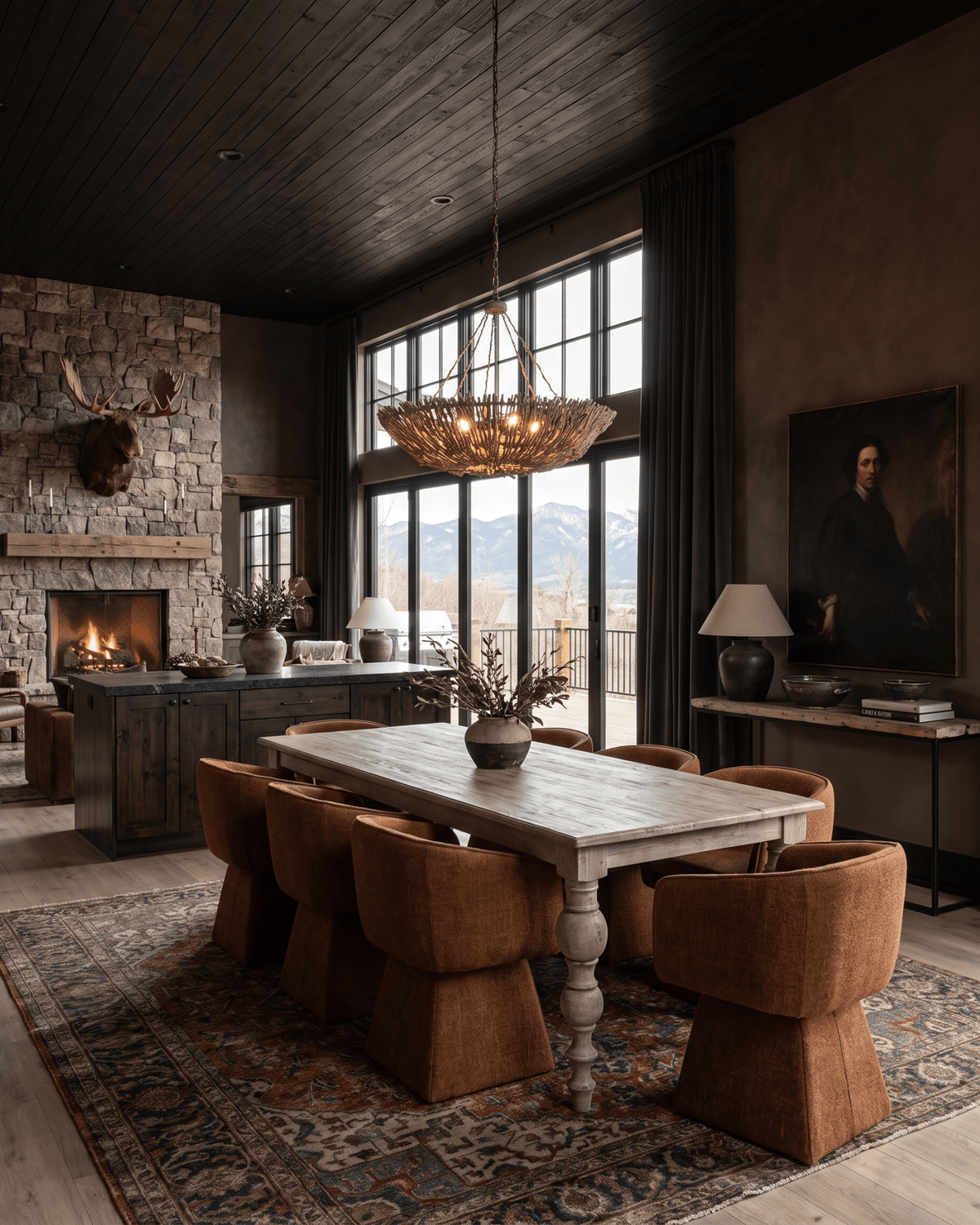
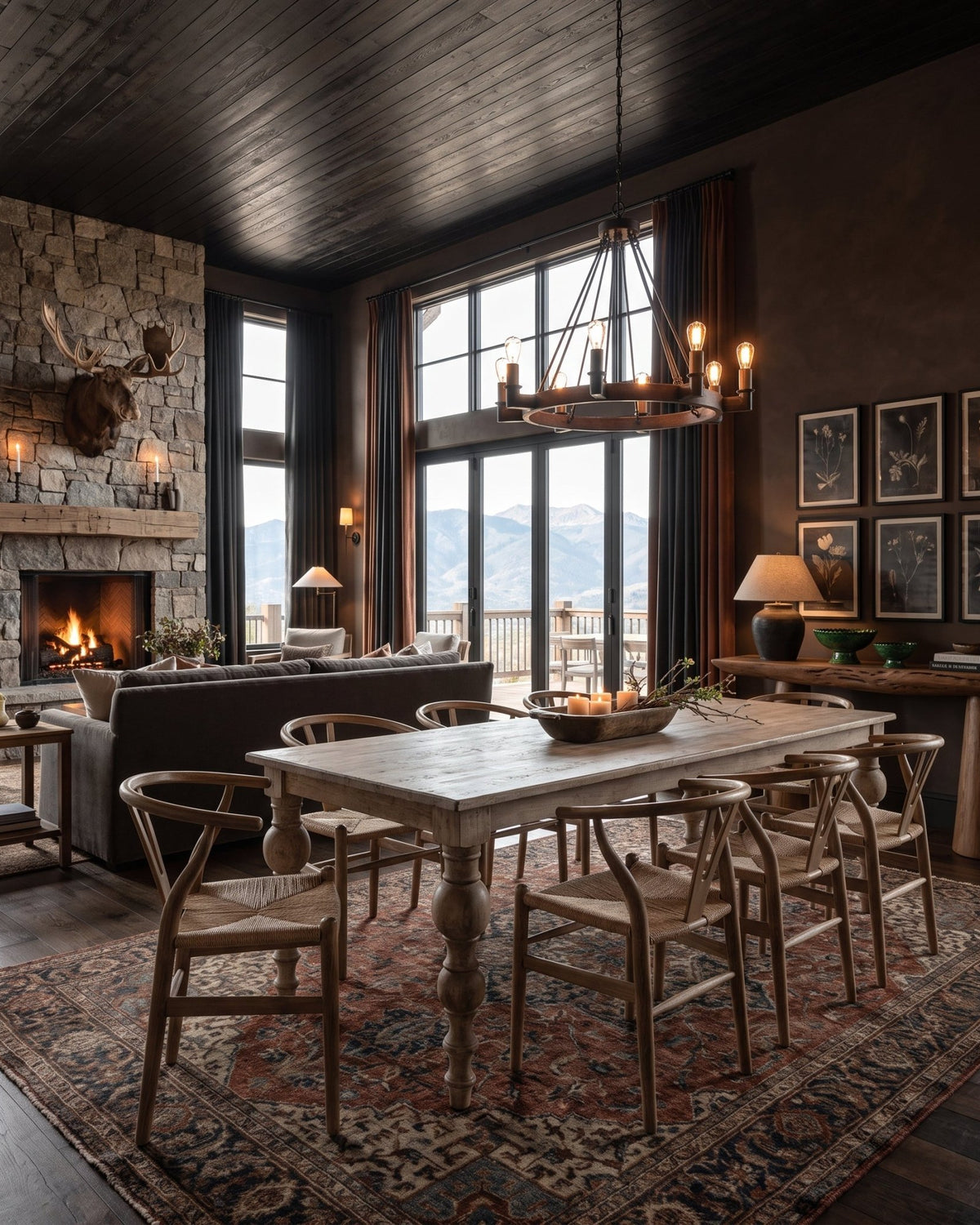
Instead of matching every piece, designers are pairing reclaimed dining tables with mismatched chairs that bring variation, texture, and personality to the room. The result isn't messier. In many cases, it actually feels calmer.
That might sound backwards, but there's a reason for it.
Humans tend to respond positively to environments that balance order with complexity. Too much repetition can feel sterile. Too much variation can feel chaotic. A reclaimed dining table surrounded by thoughtfully mixed seating often lands in the sweet spot between those two extremes.
If you're exploring ways to create a dining room that feels layered rather than overly coordinated, Hello Norden's reclaimed furniture collection and dining chair collection offer plenty of inspiration for building a space that feels grounded, comfortable, and visually engaging.
Reclaimed Dining Tables Give the Room a Center of Gravity
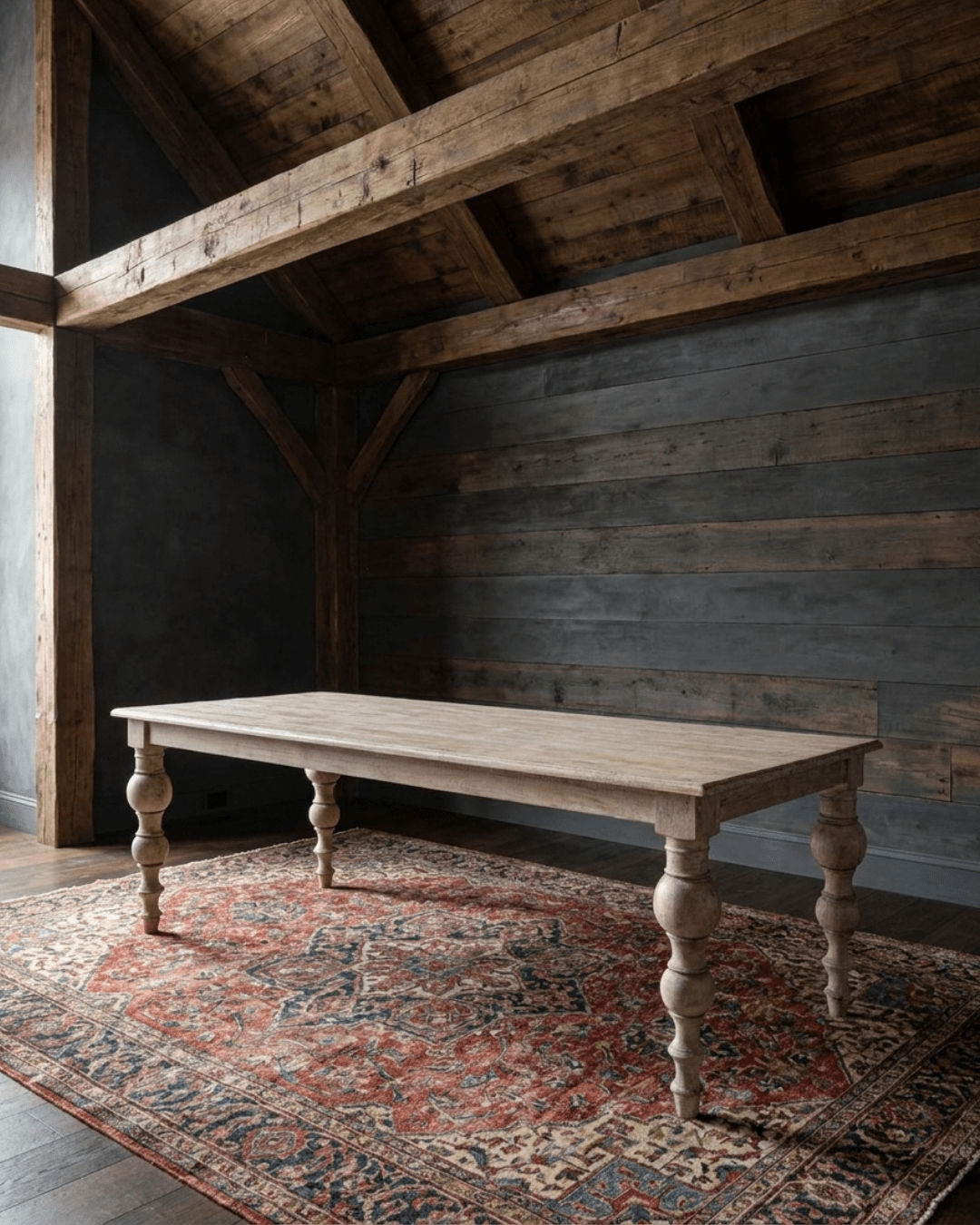
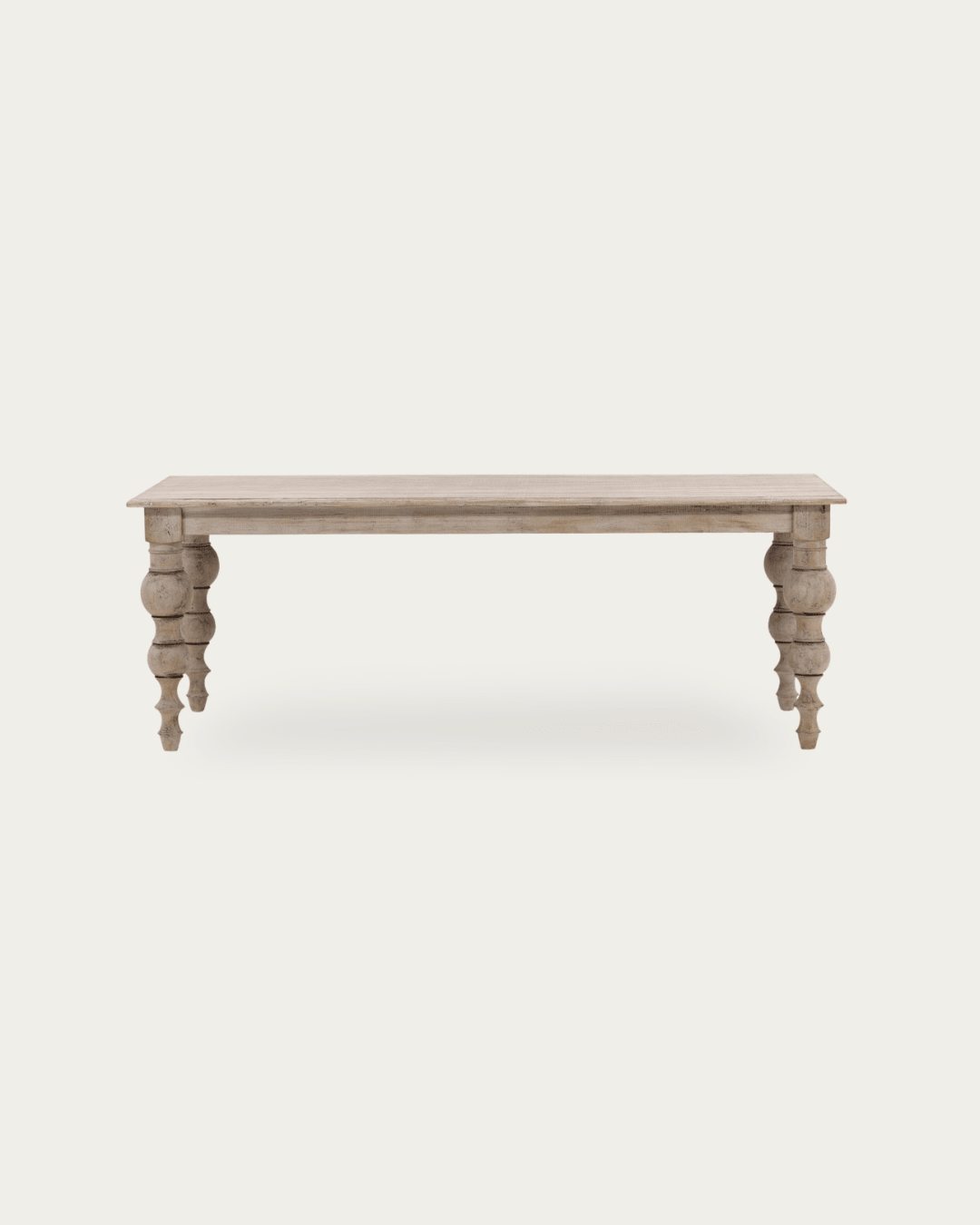
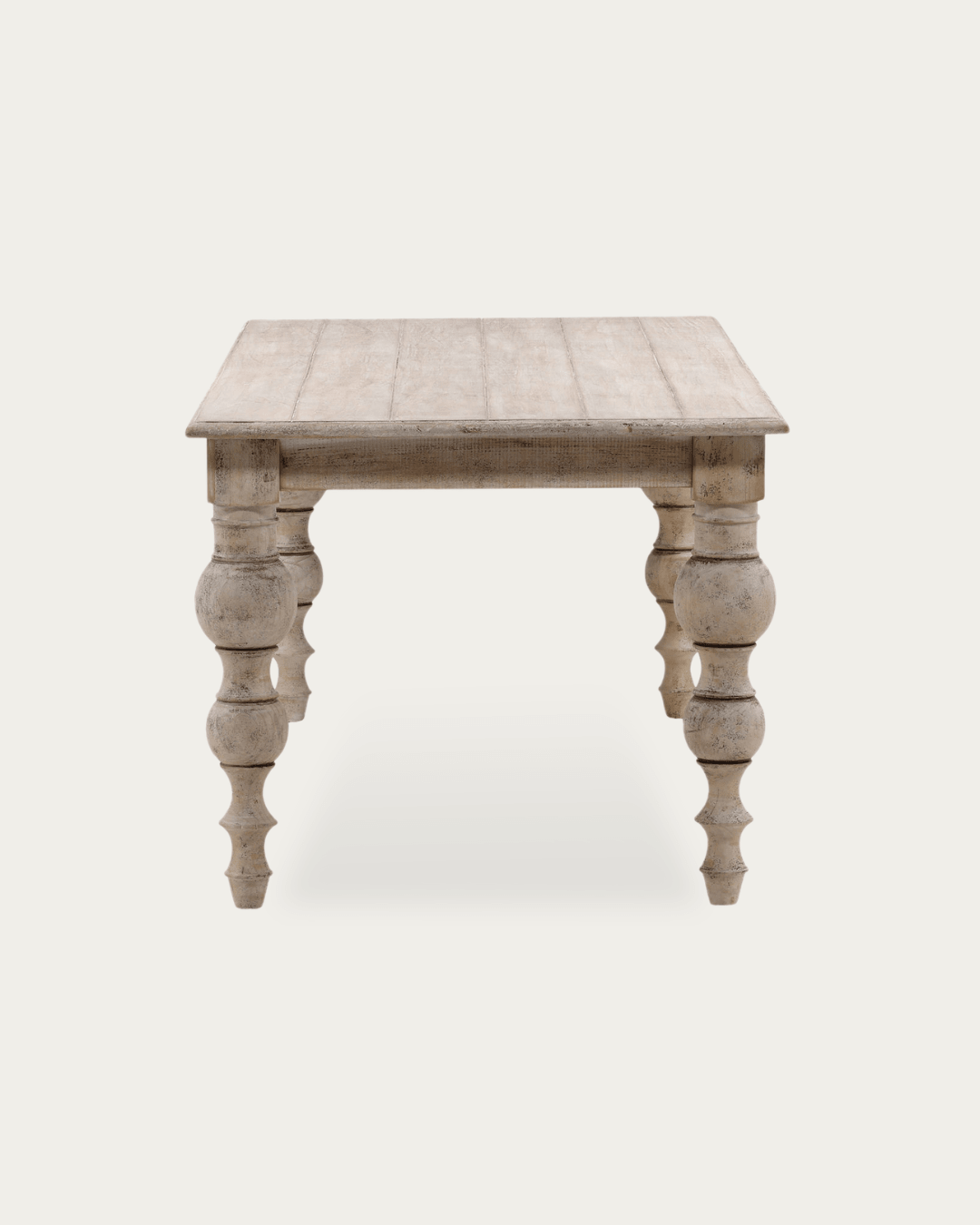
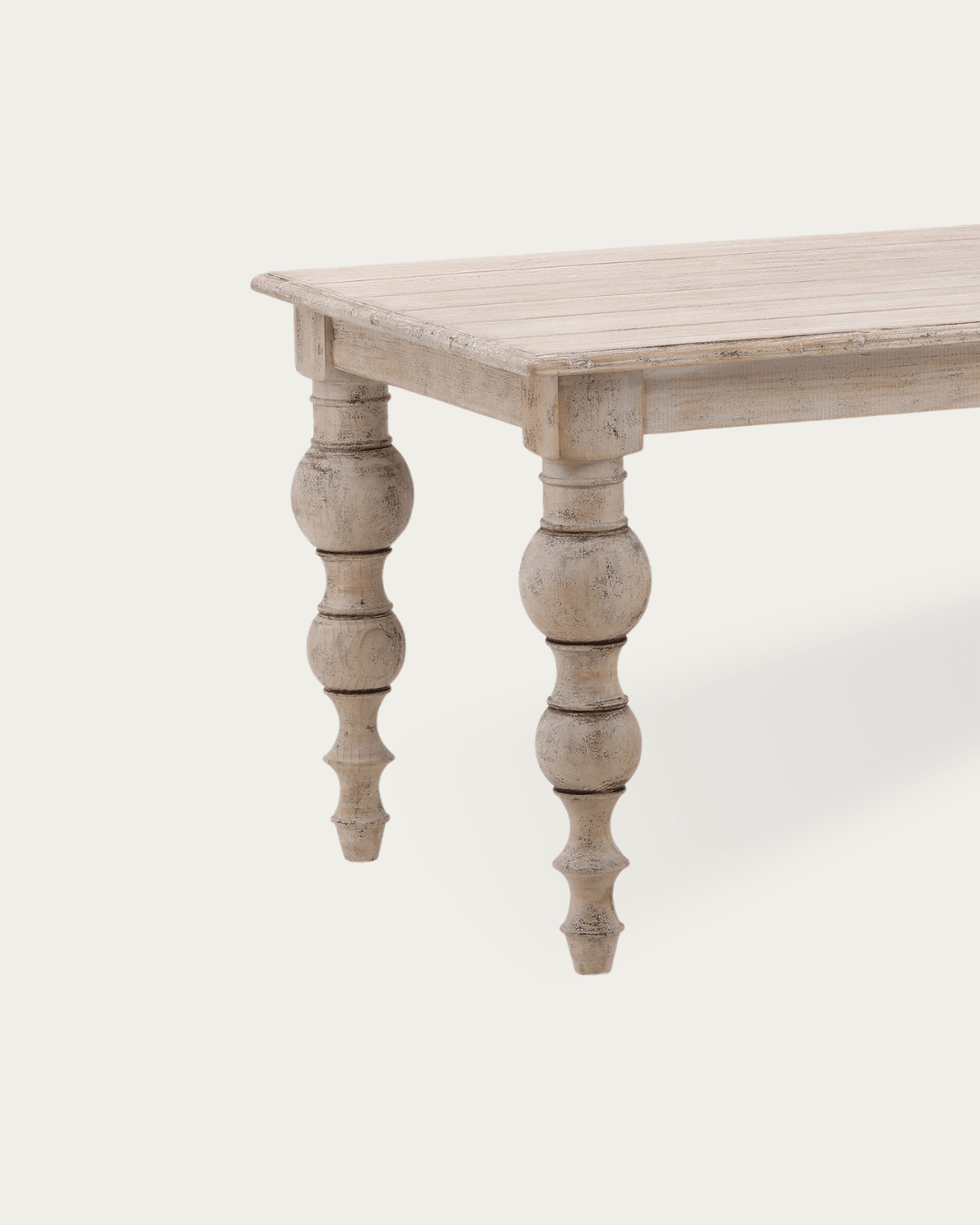
One reason reclaimed dining tables work so well is because they instantly create visual weight.
The grain variation, texture shifts, weathering, and imperfections naturally draw the eye. The table becomes an anchor before any styling happens.
This matters because the nervous system is constantly looking for stability within an environment. Larger grounded objects help create predictability, which makes a room easier to process.
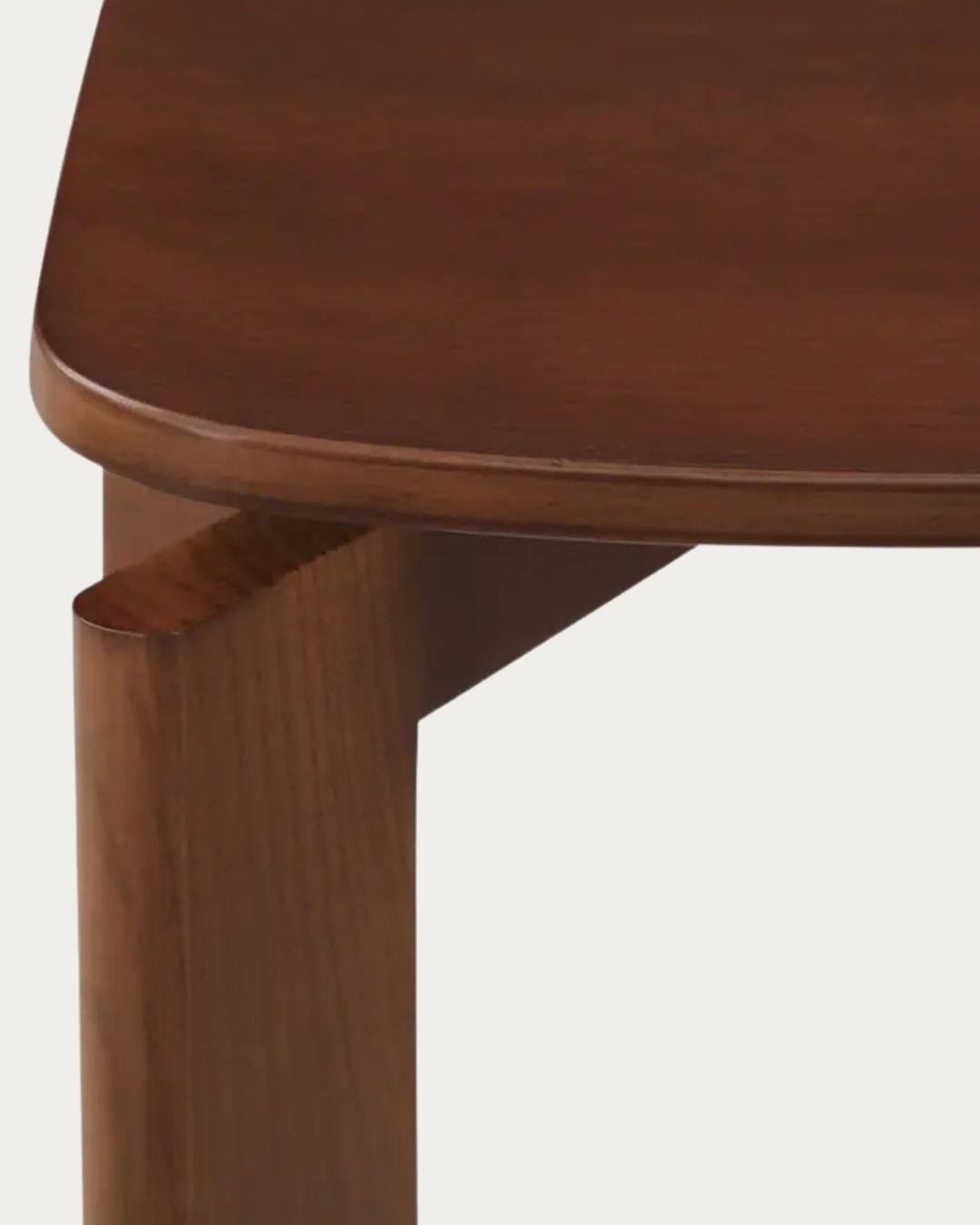
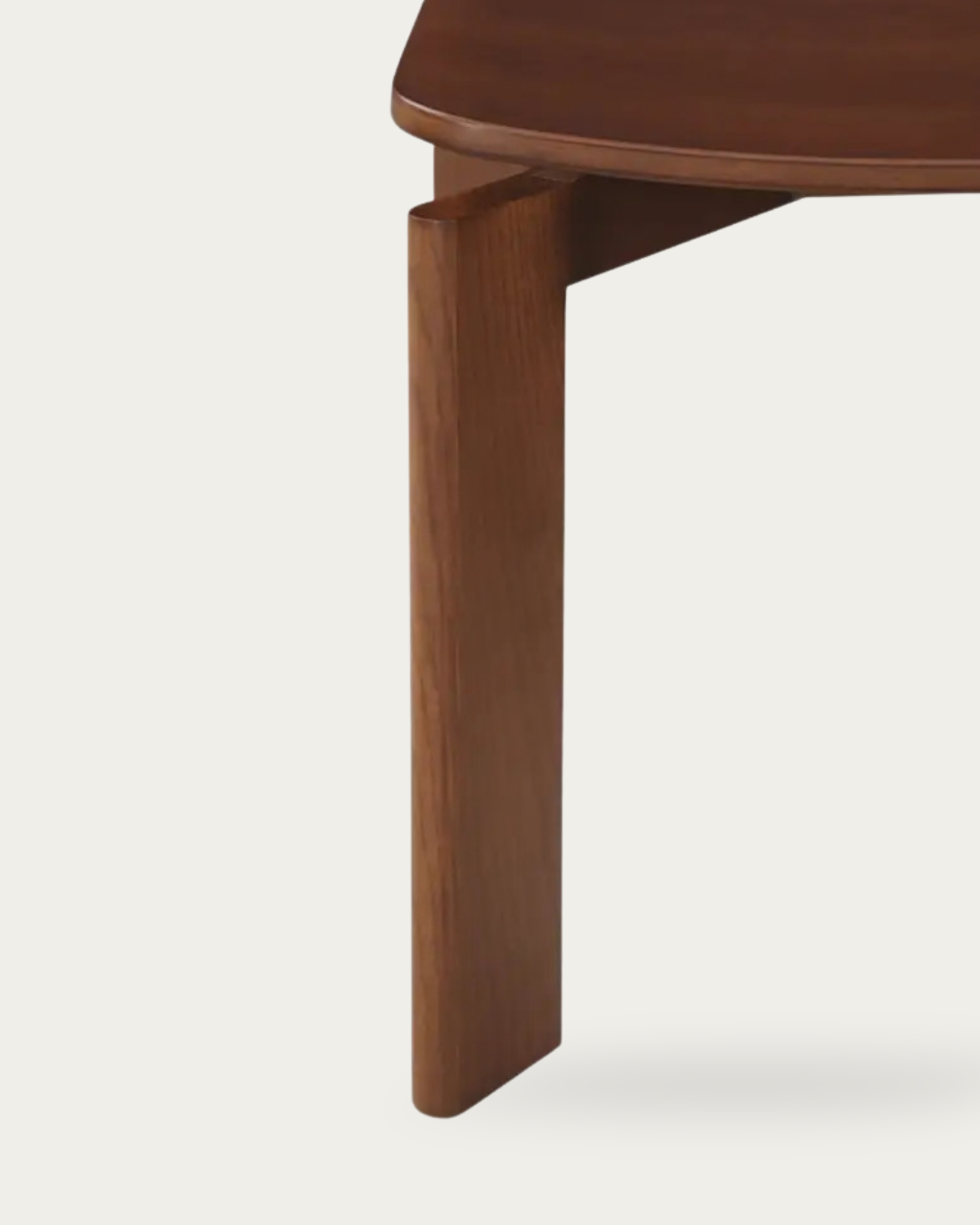
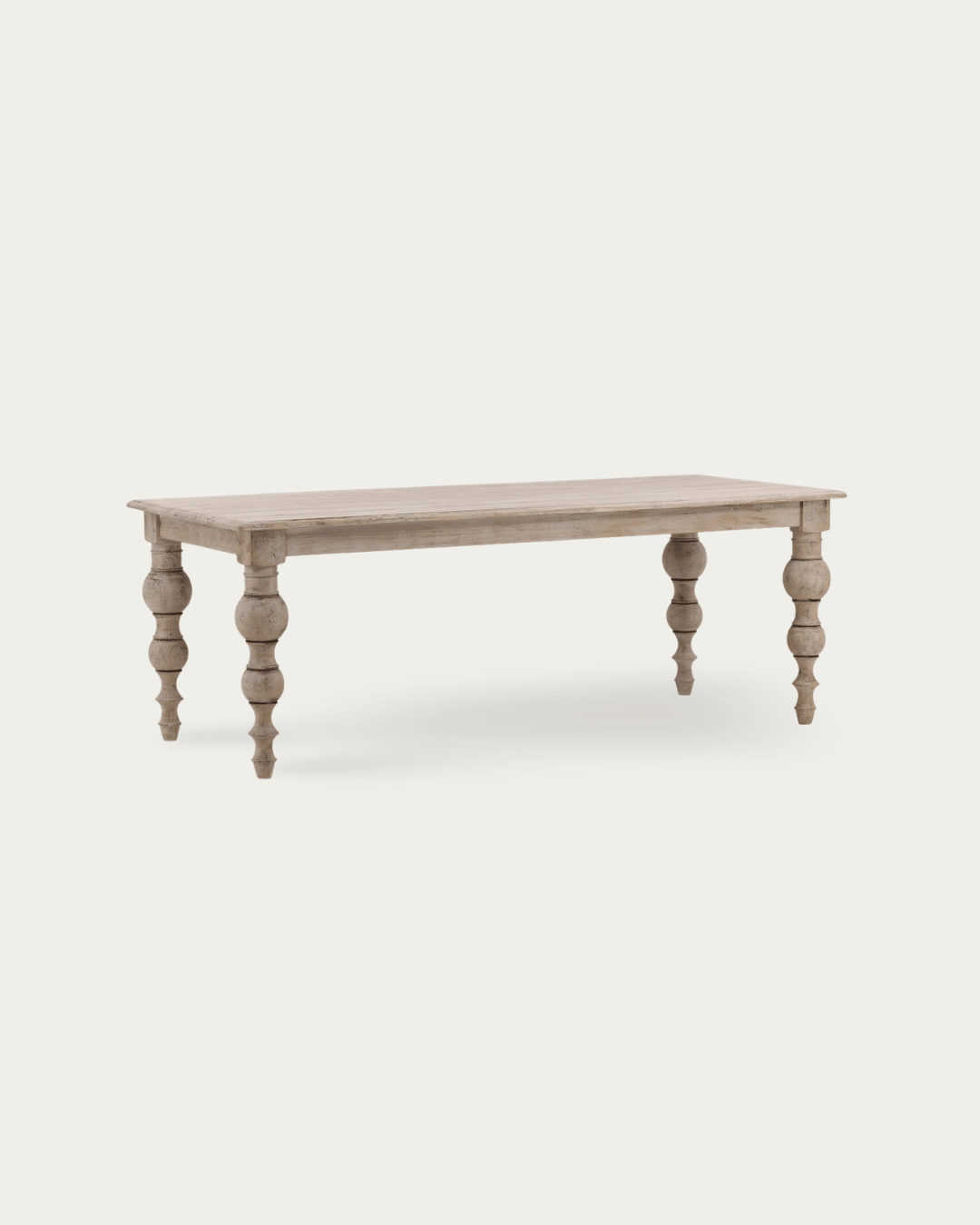
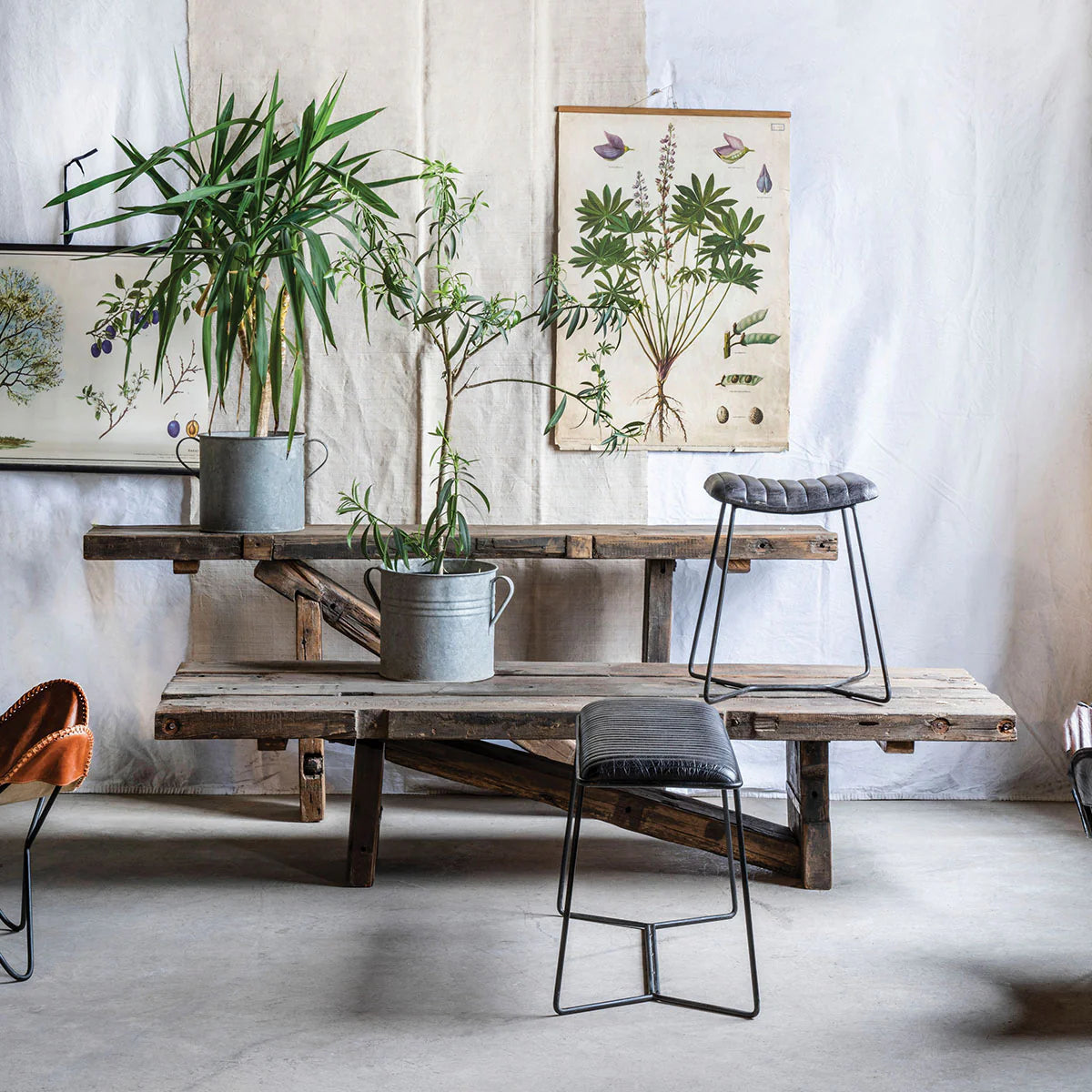
A reclaimed table like the Trym Dining Table creates a strong visual foundation through its substantial wood surface, while the Lovisa Dining Table offers a slightly softer interpretation of the same idea.
Once the table feels anchored, the chairs have more freedom to vary.
Why Visual Weight Feels Calming
People often describe certain rooms as "comfortable" without fully understanding why.
In many cases, visual weight is doing the work.
Large grounding pieces reduce visual fragmentation. Instead of the eye bouncing between dozens of competing elements, it immediately understands where to settle.
That's one reason reclaimed dining tables often feel so reassuring within a room.
Mismatched Chairs Create Better Visual Rhythm
Perfectly matching chairs can sometimes make a room feel static.
The eye understands everything instantly and then has nowhere else to go.
Mismatched chairs introduce rhythm.
Different shapes create movement.
Different materials create contrast.
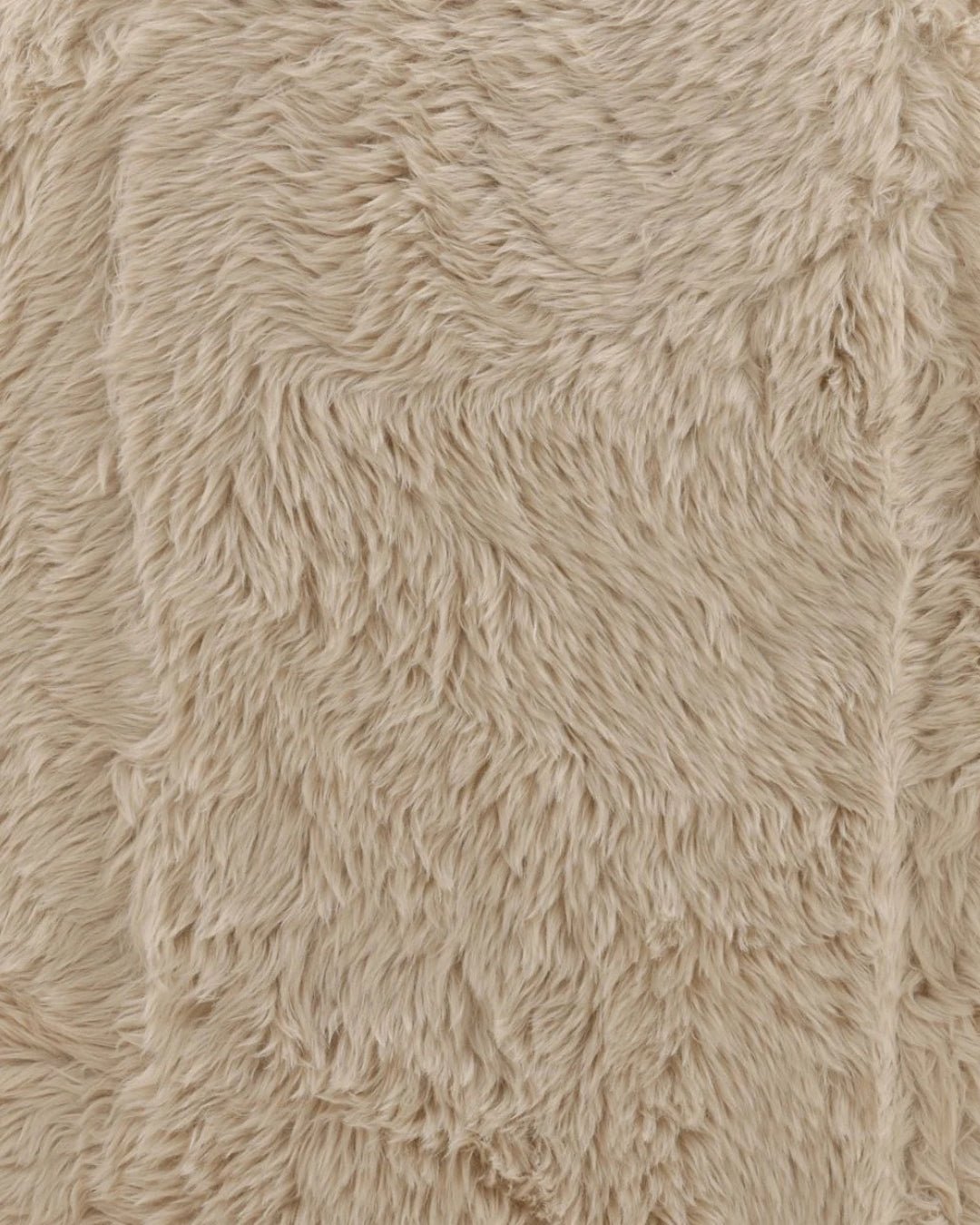
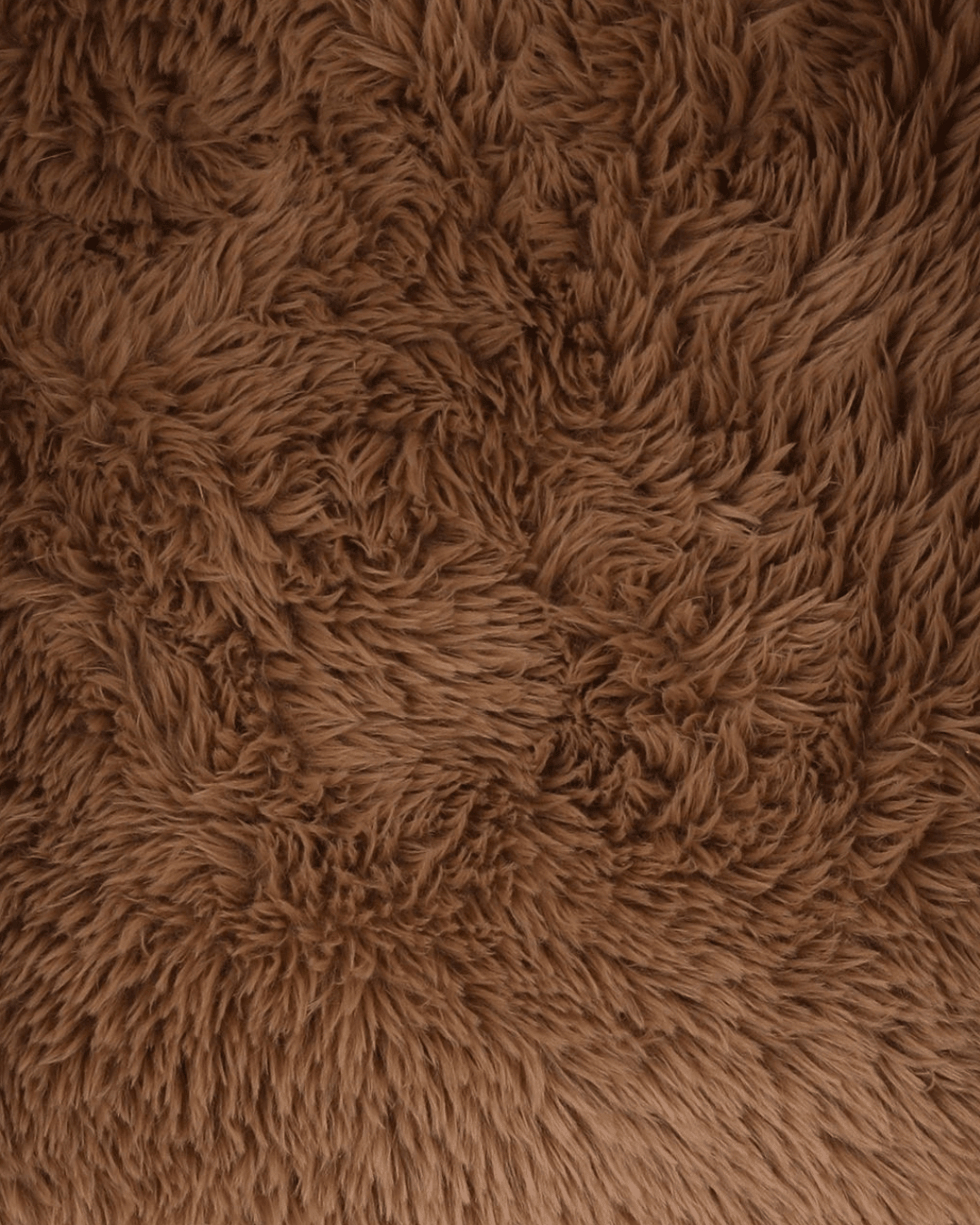
Different textures create depth.
The key is creating variation without creating confusion.
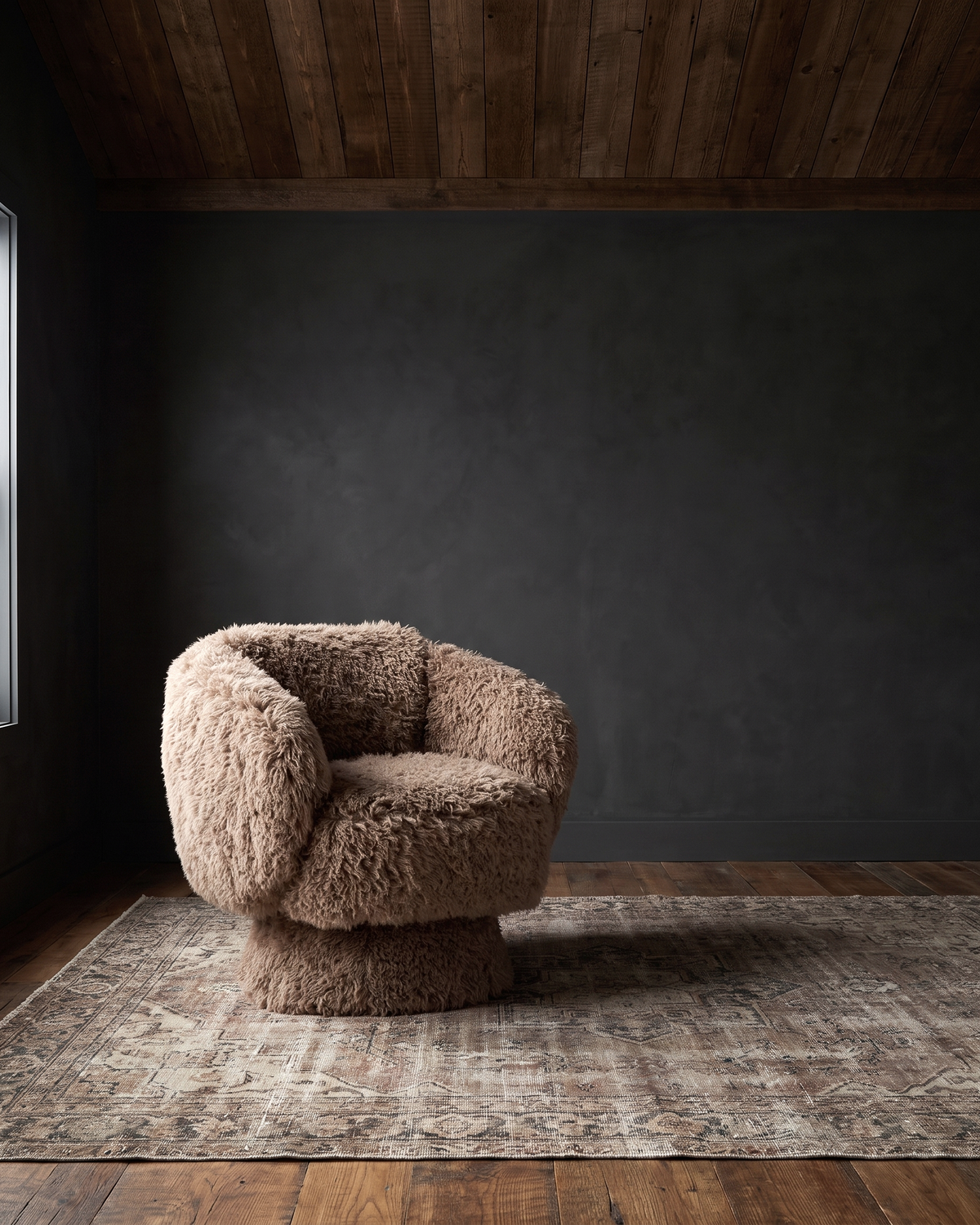
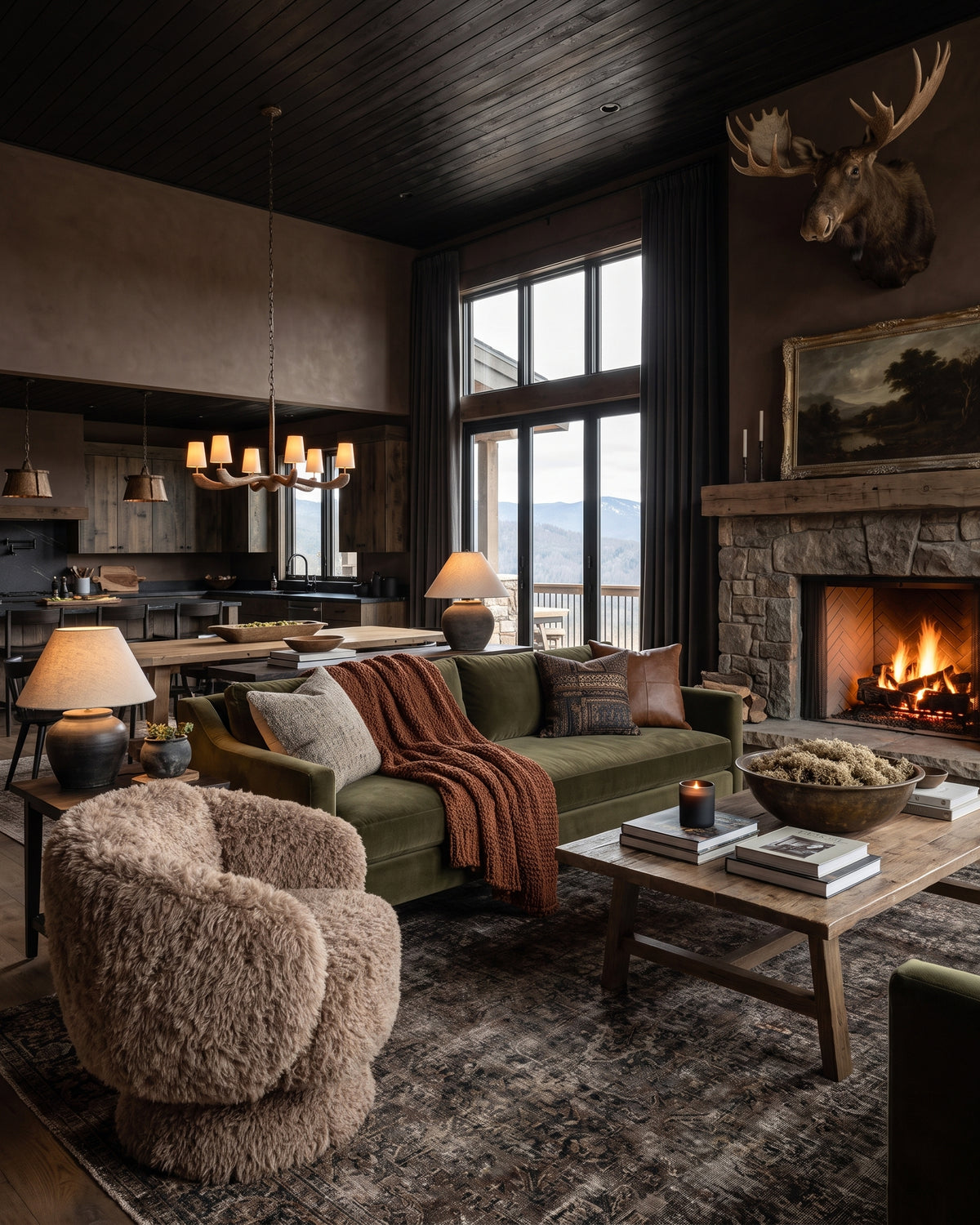
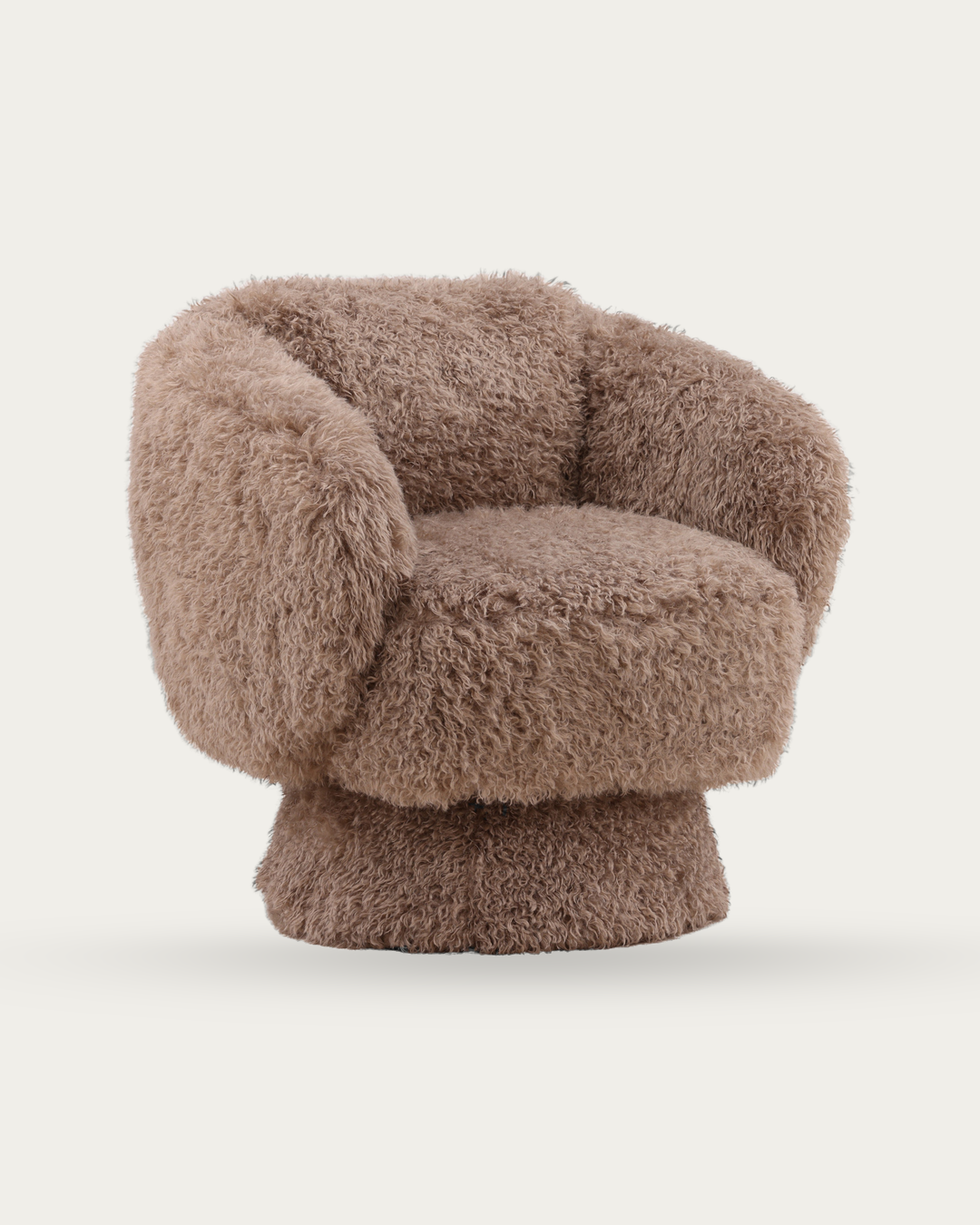
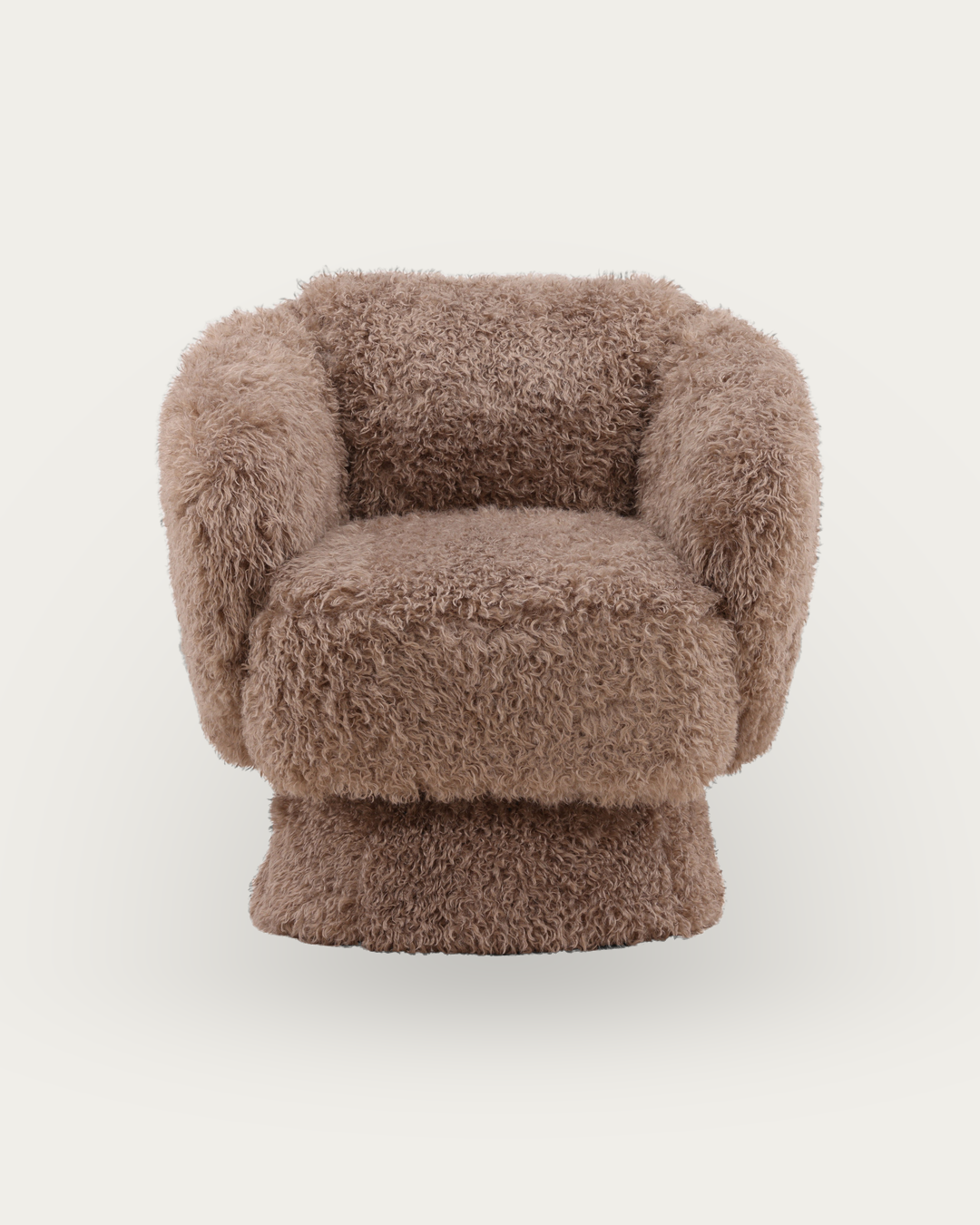
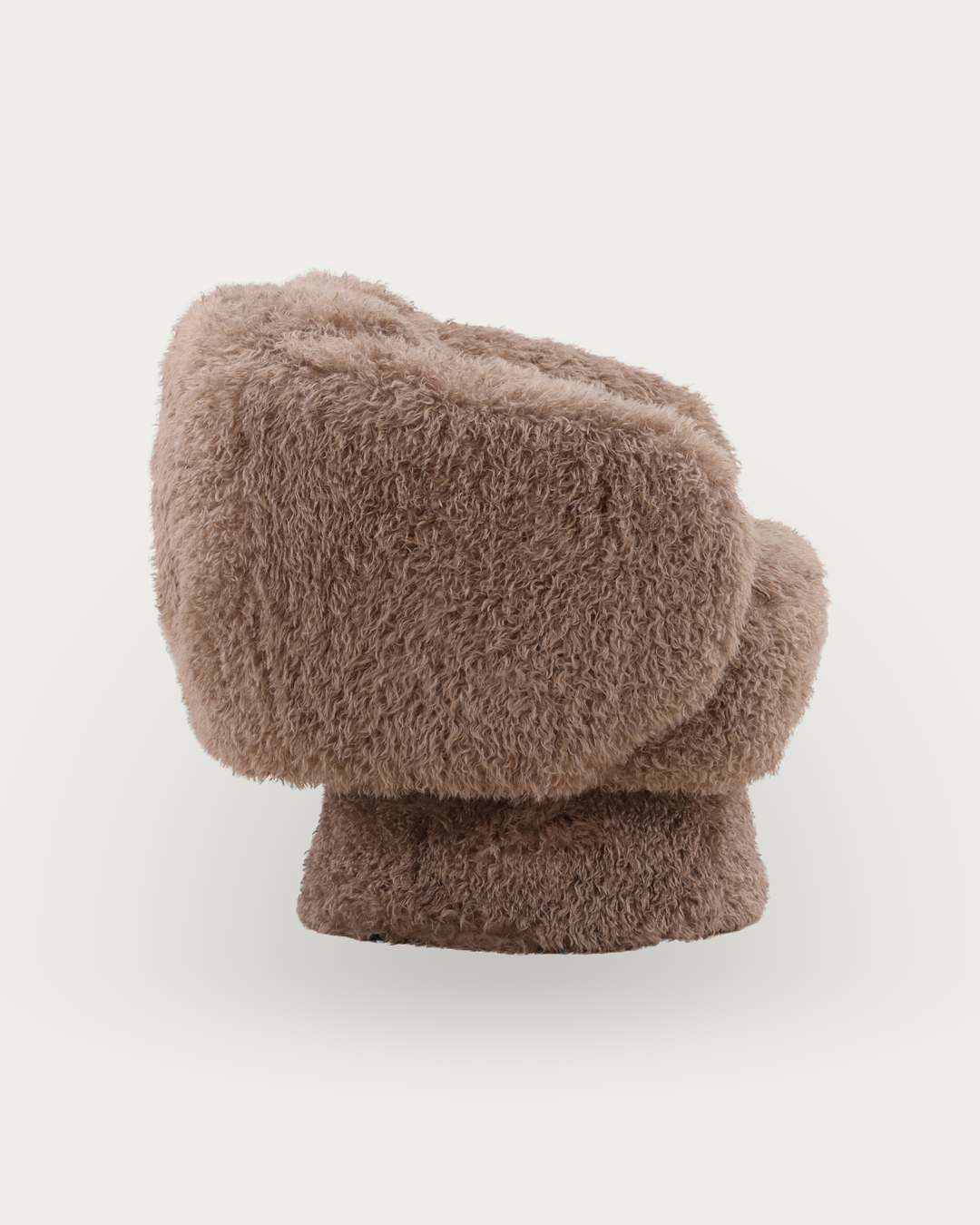
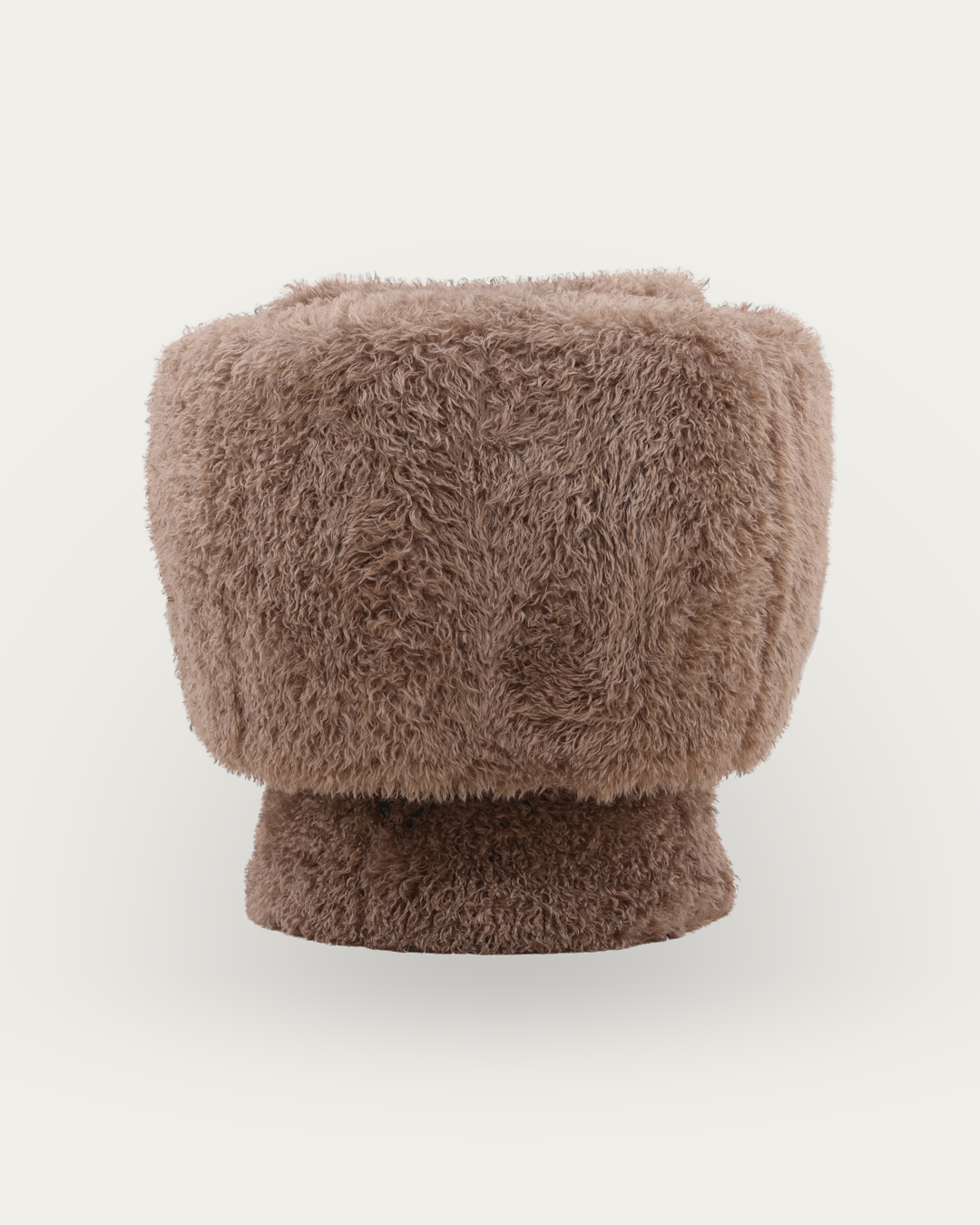
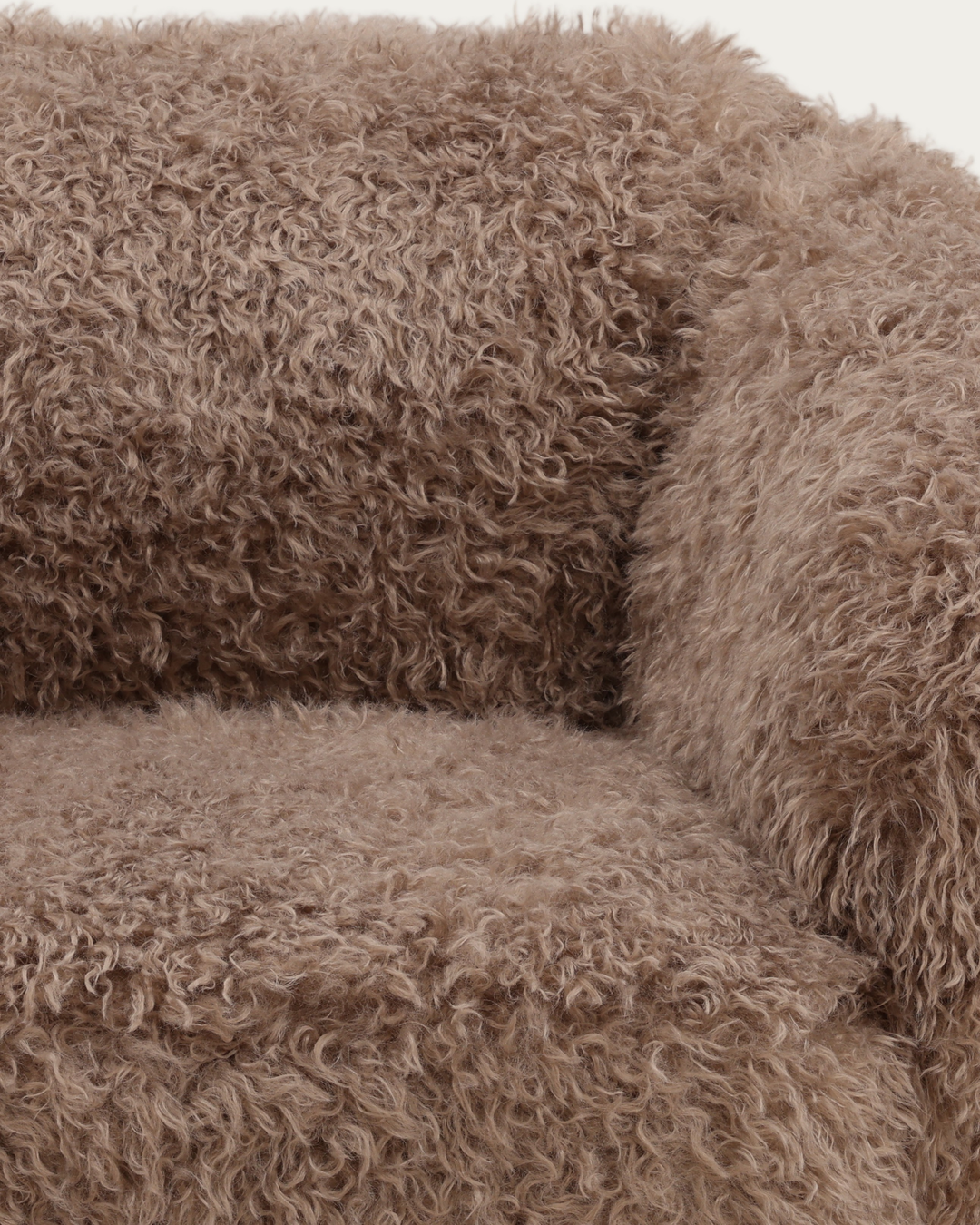
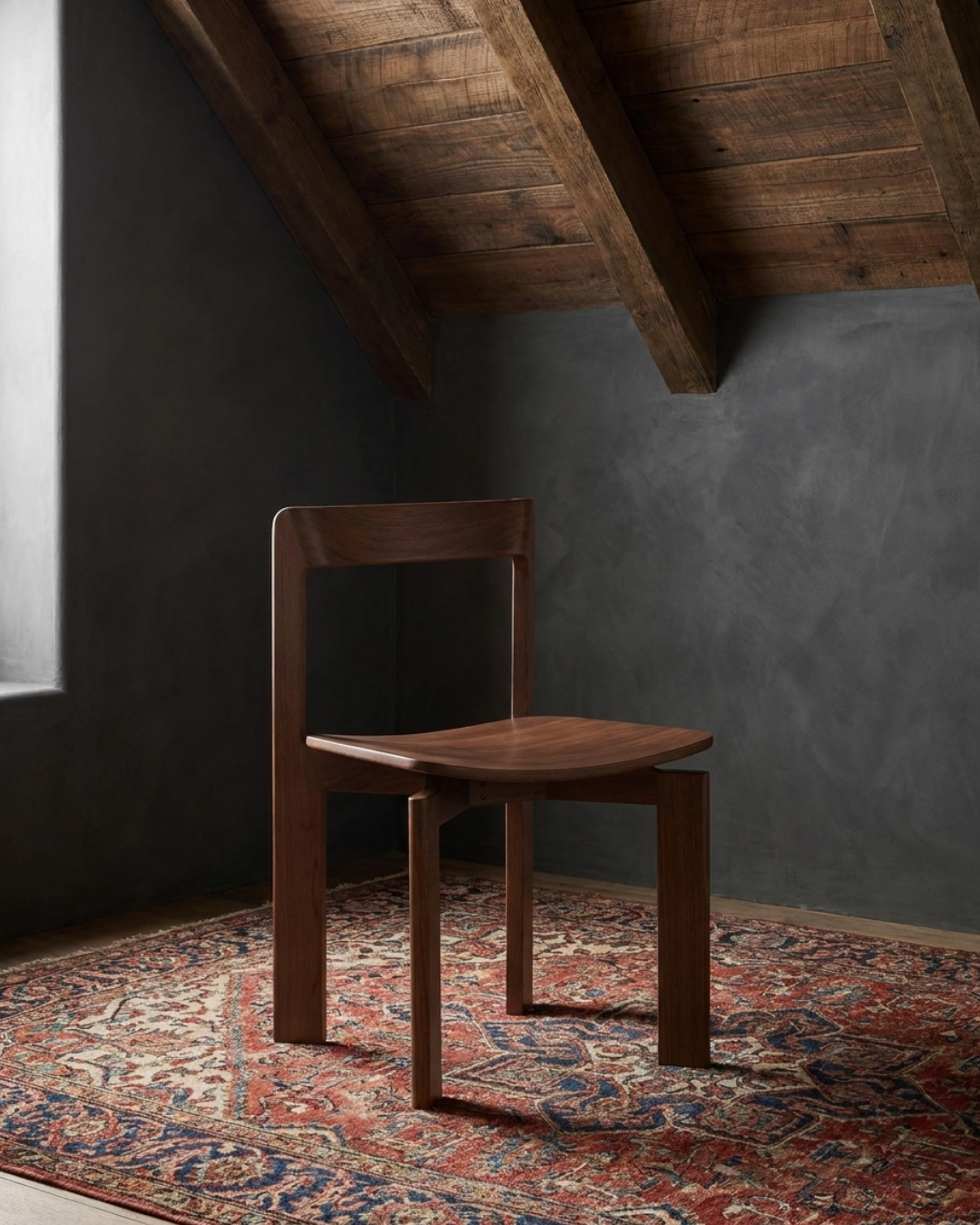
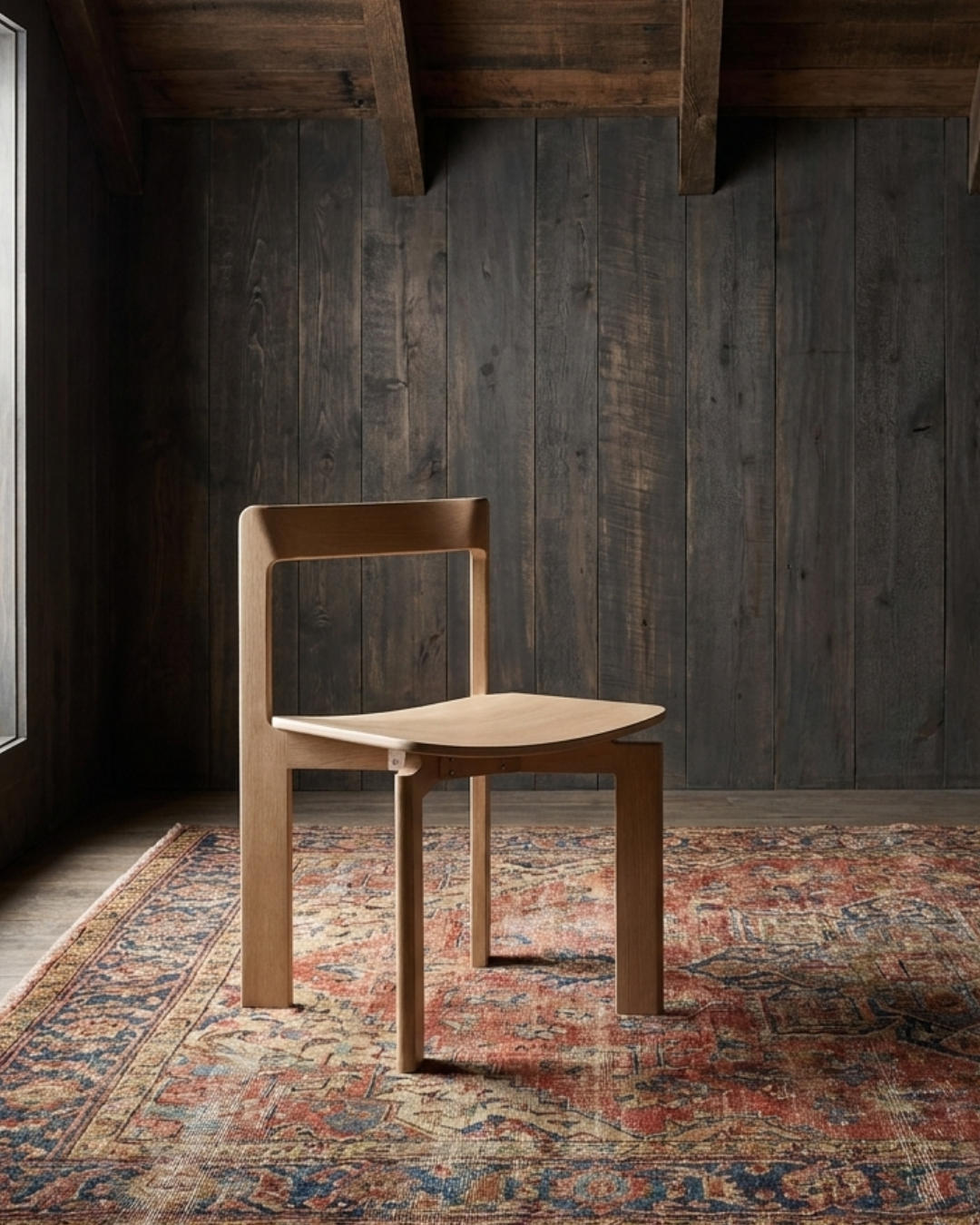
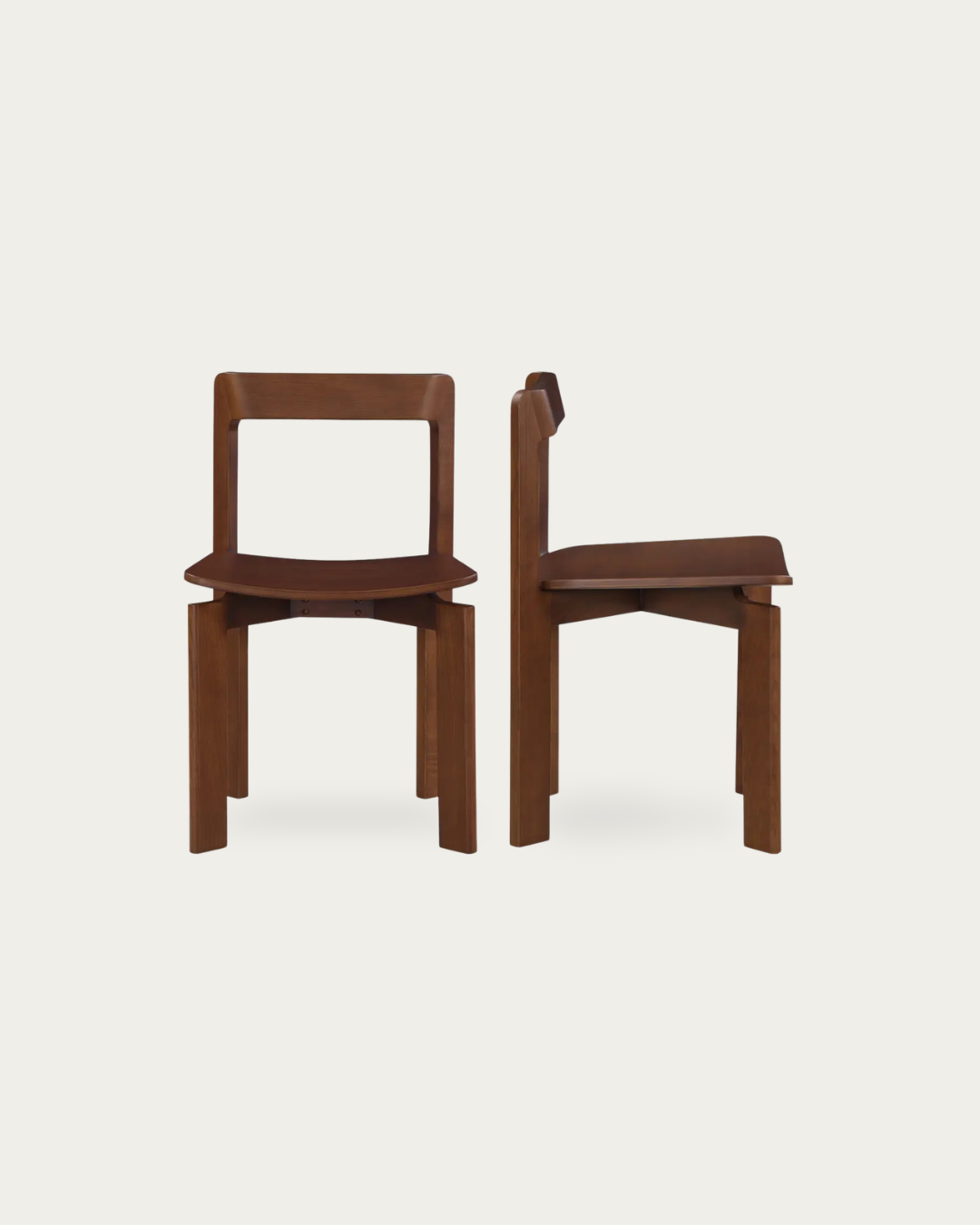
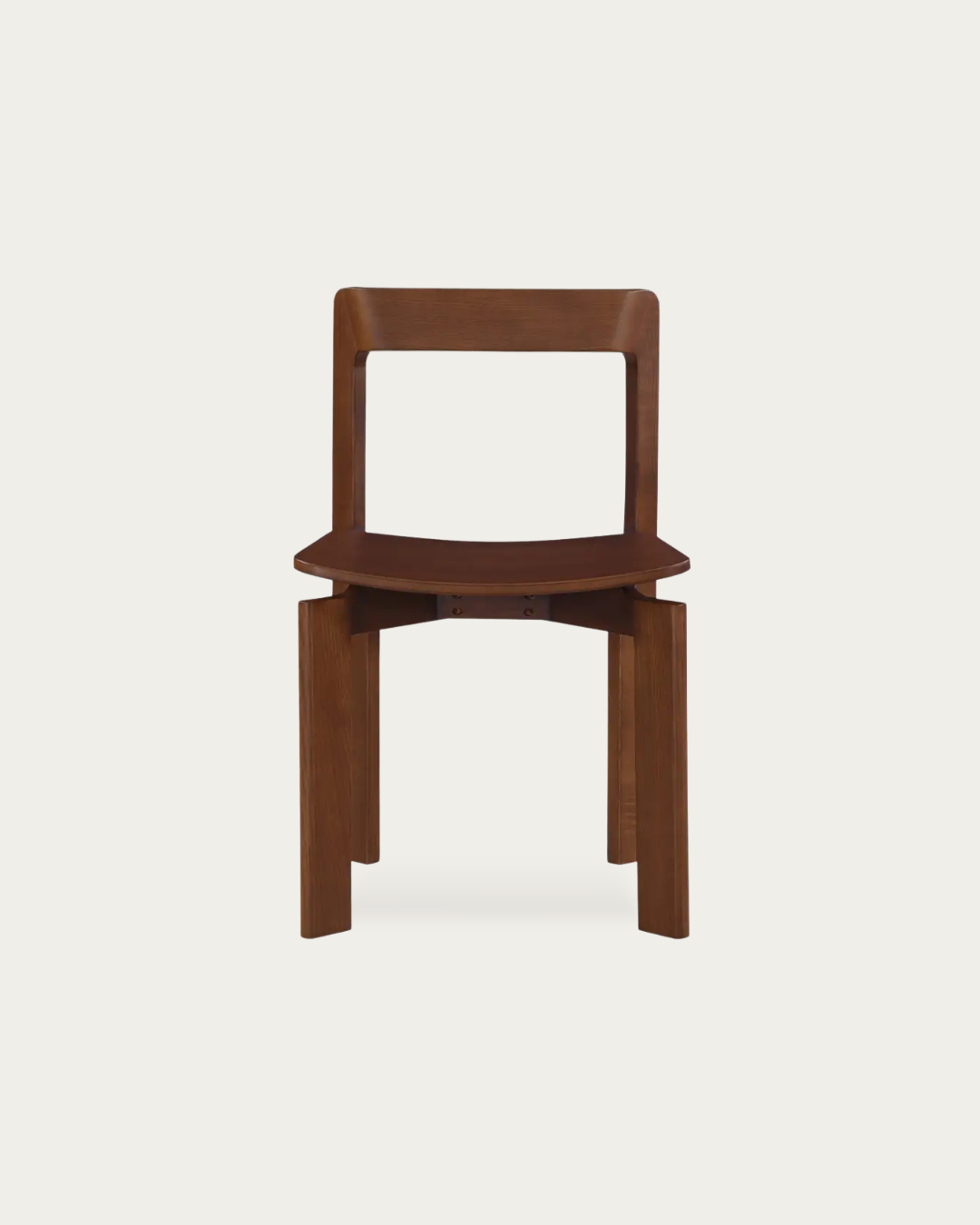
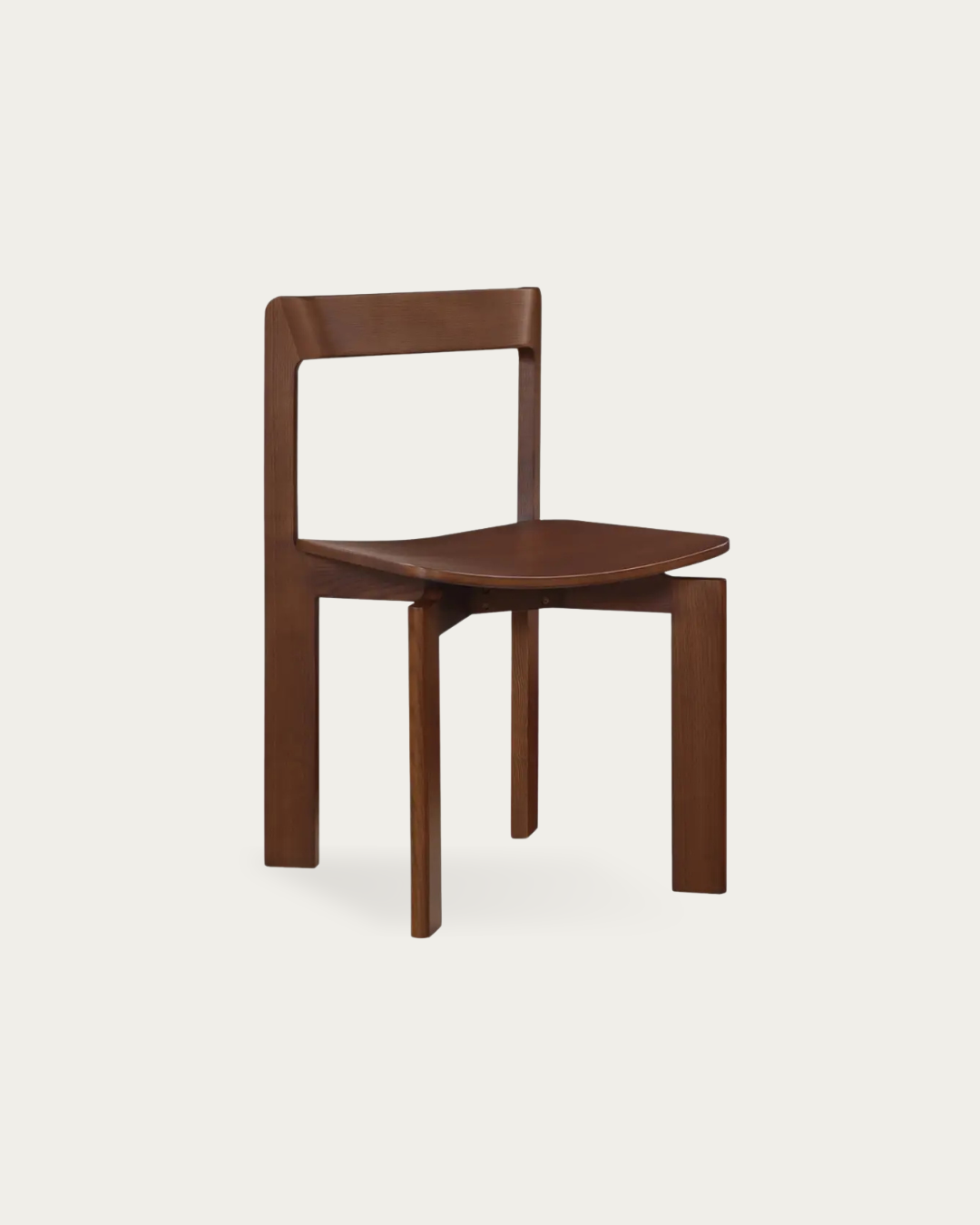
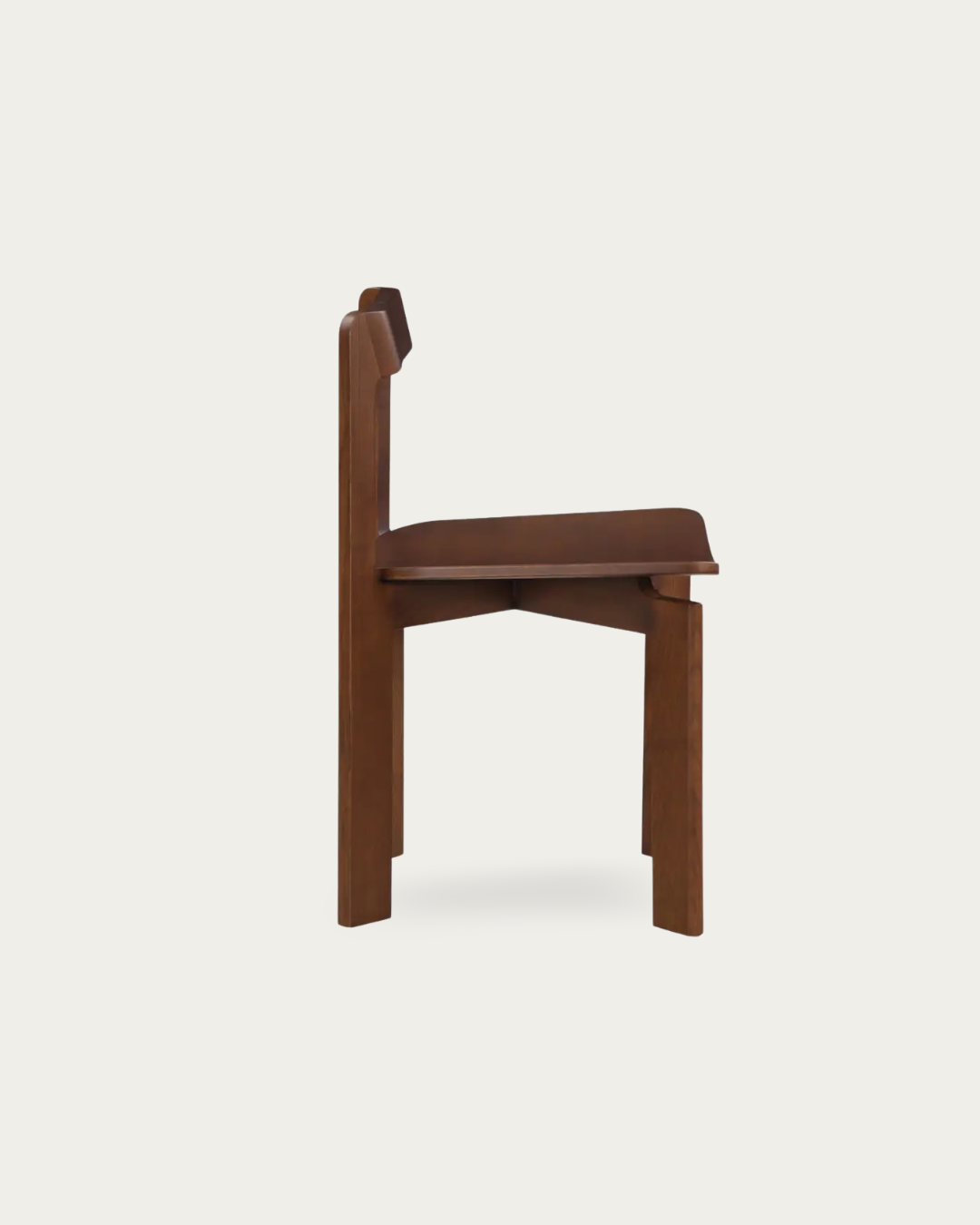
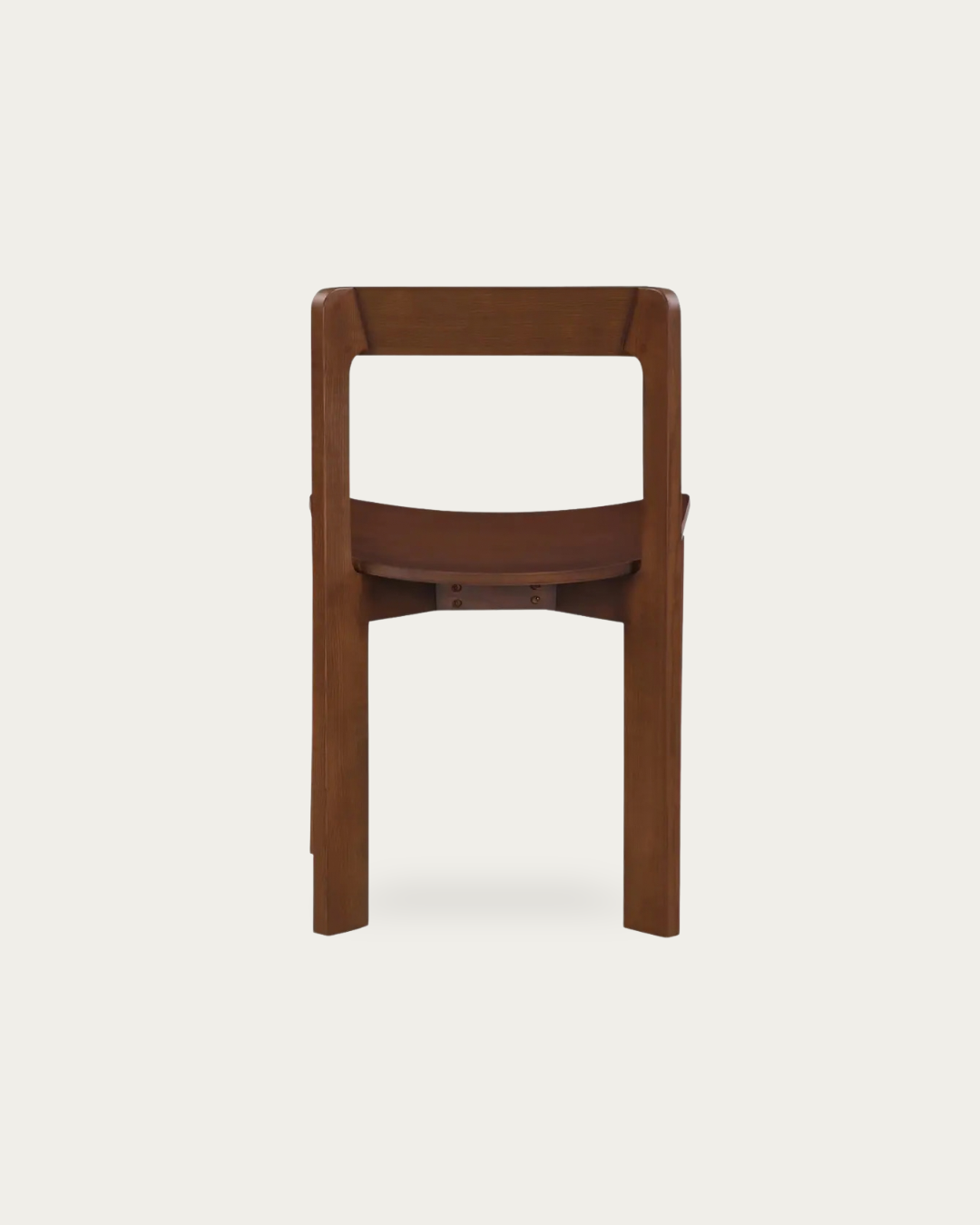
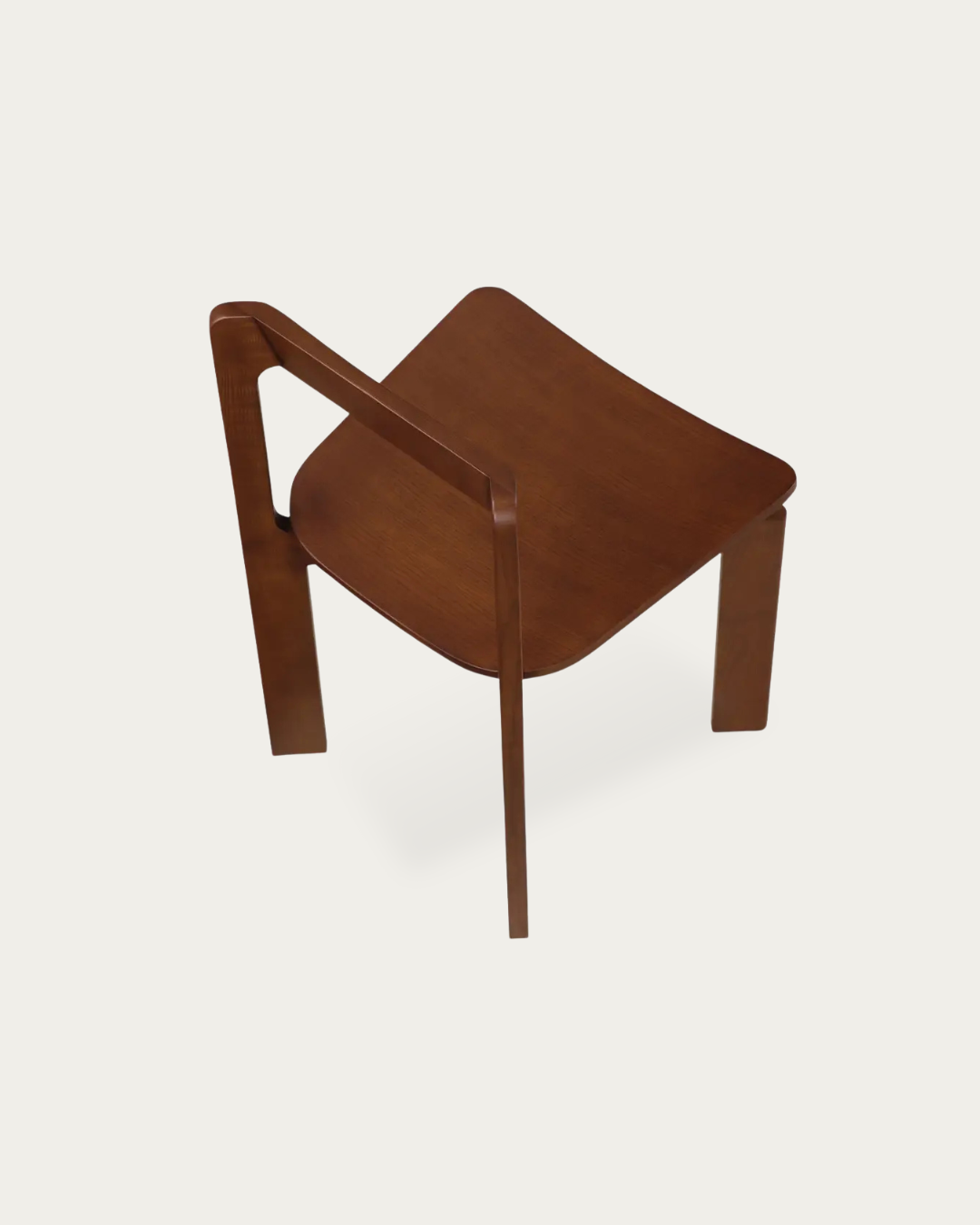
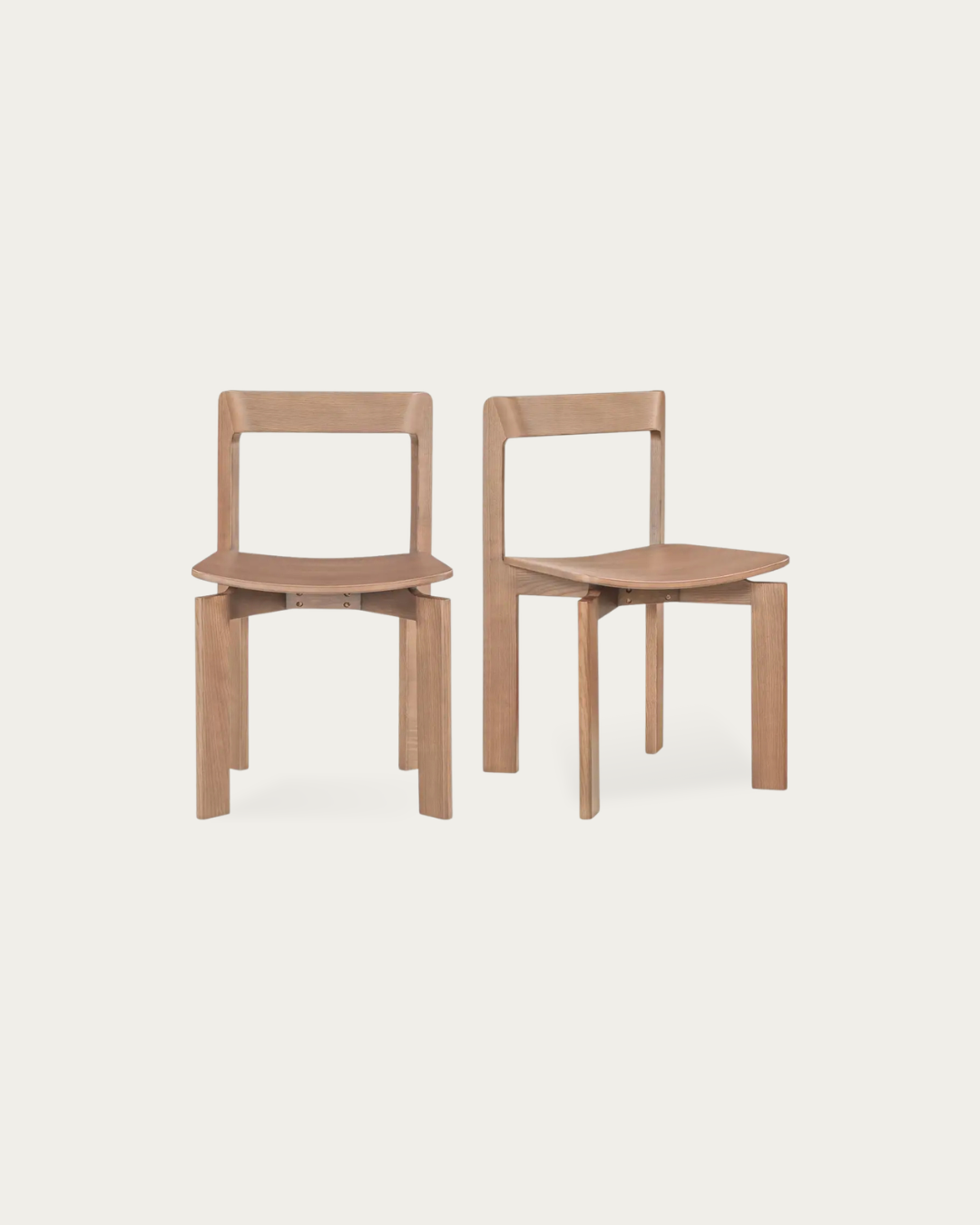
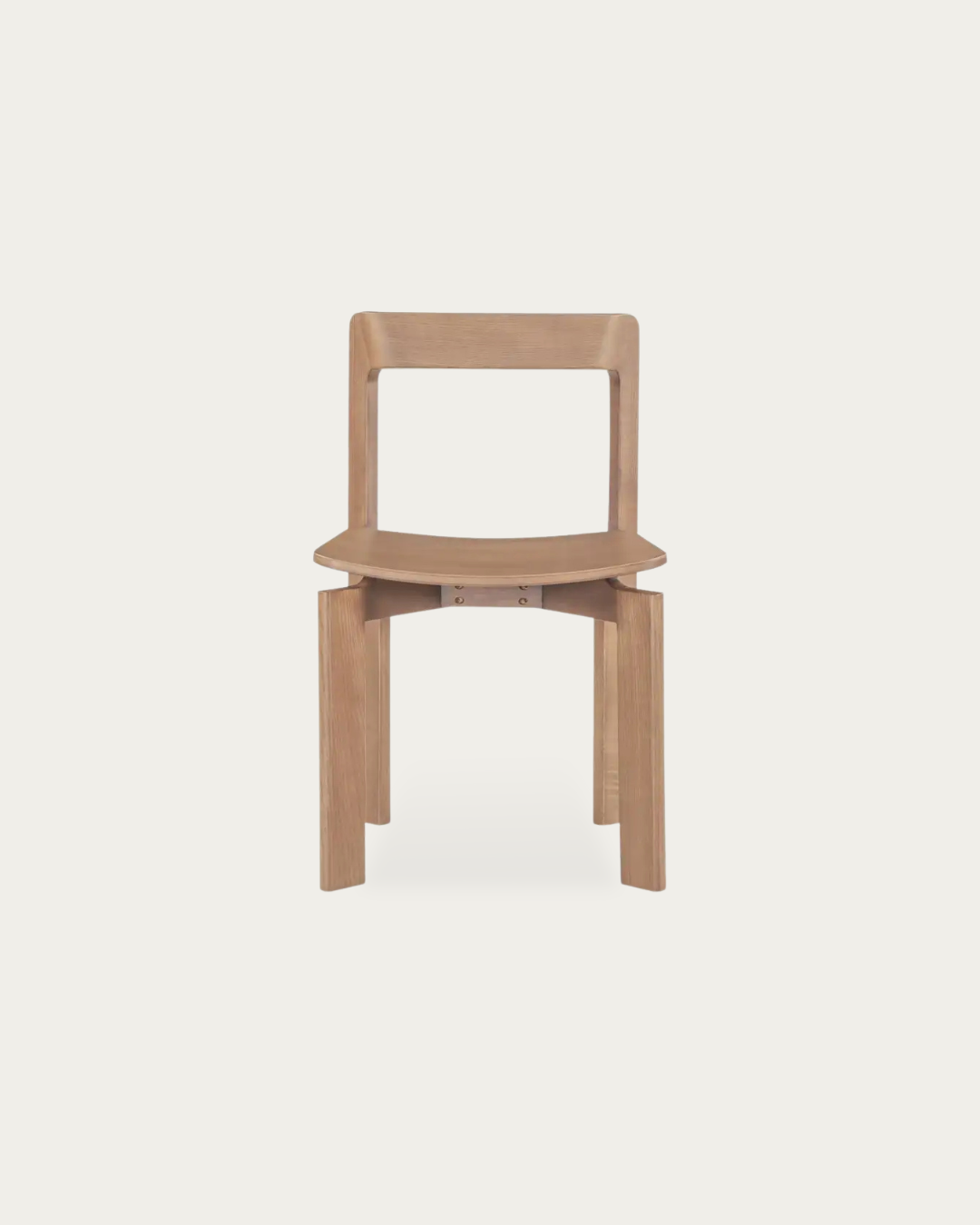
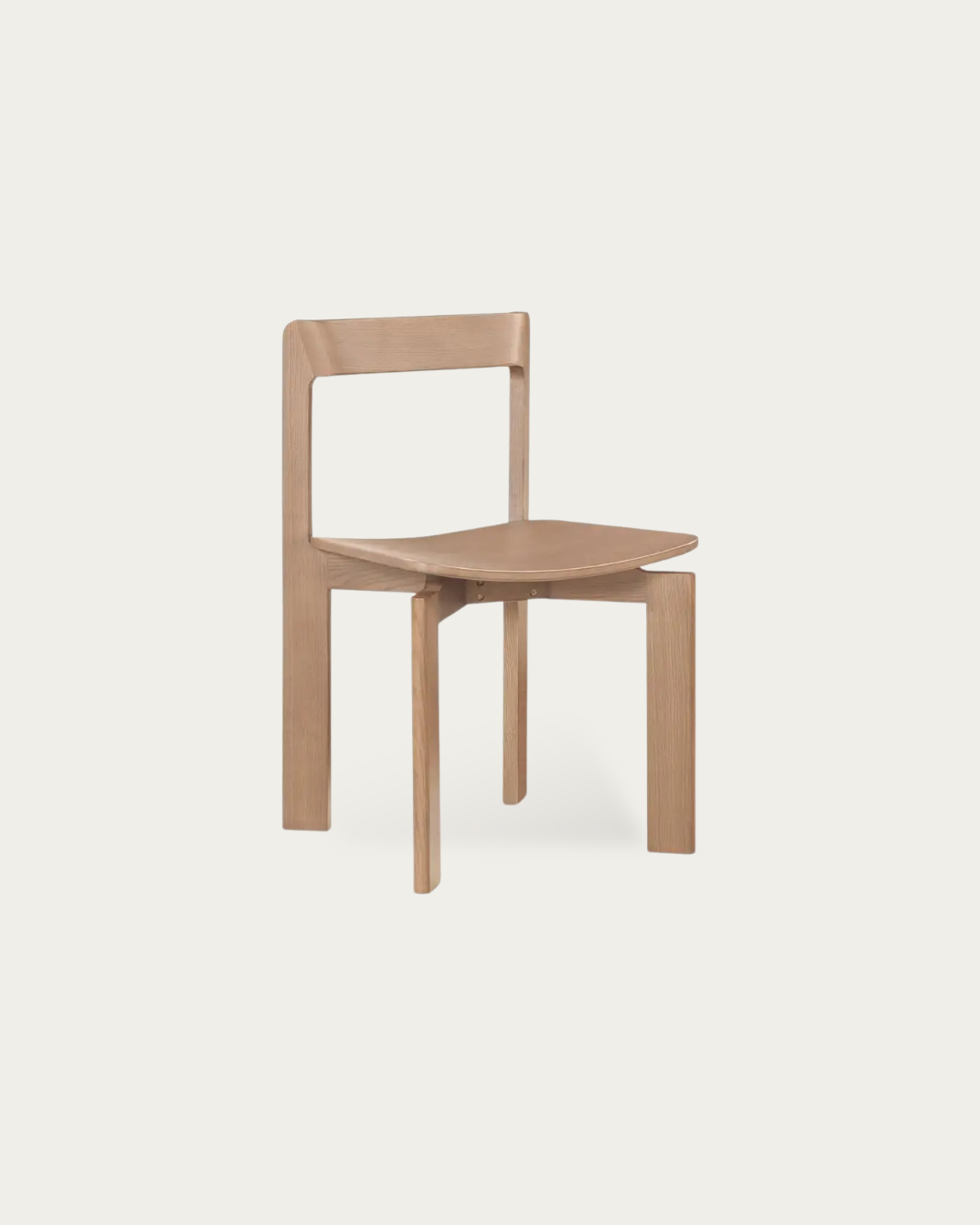
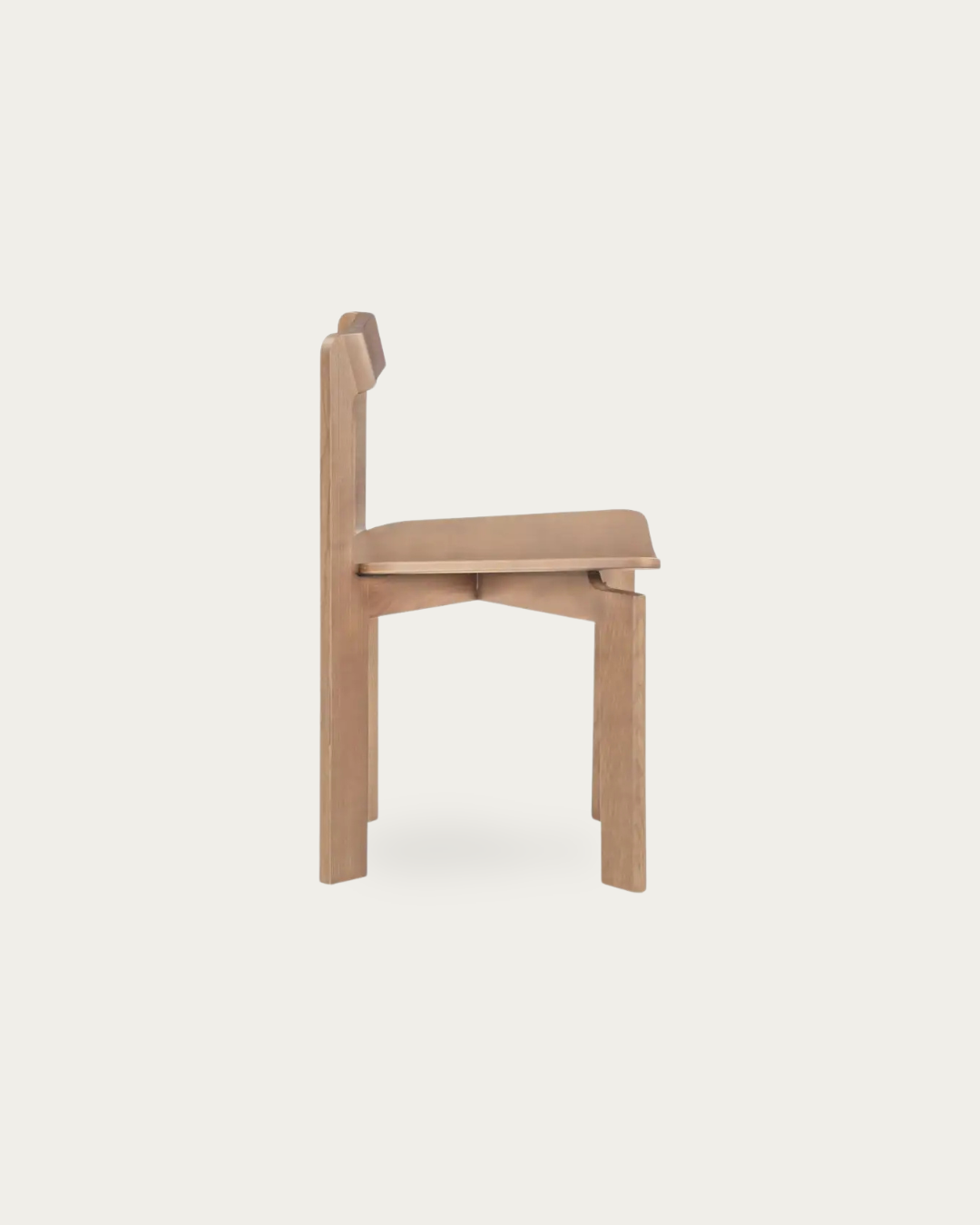
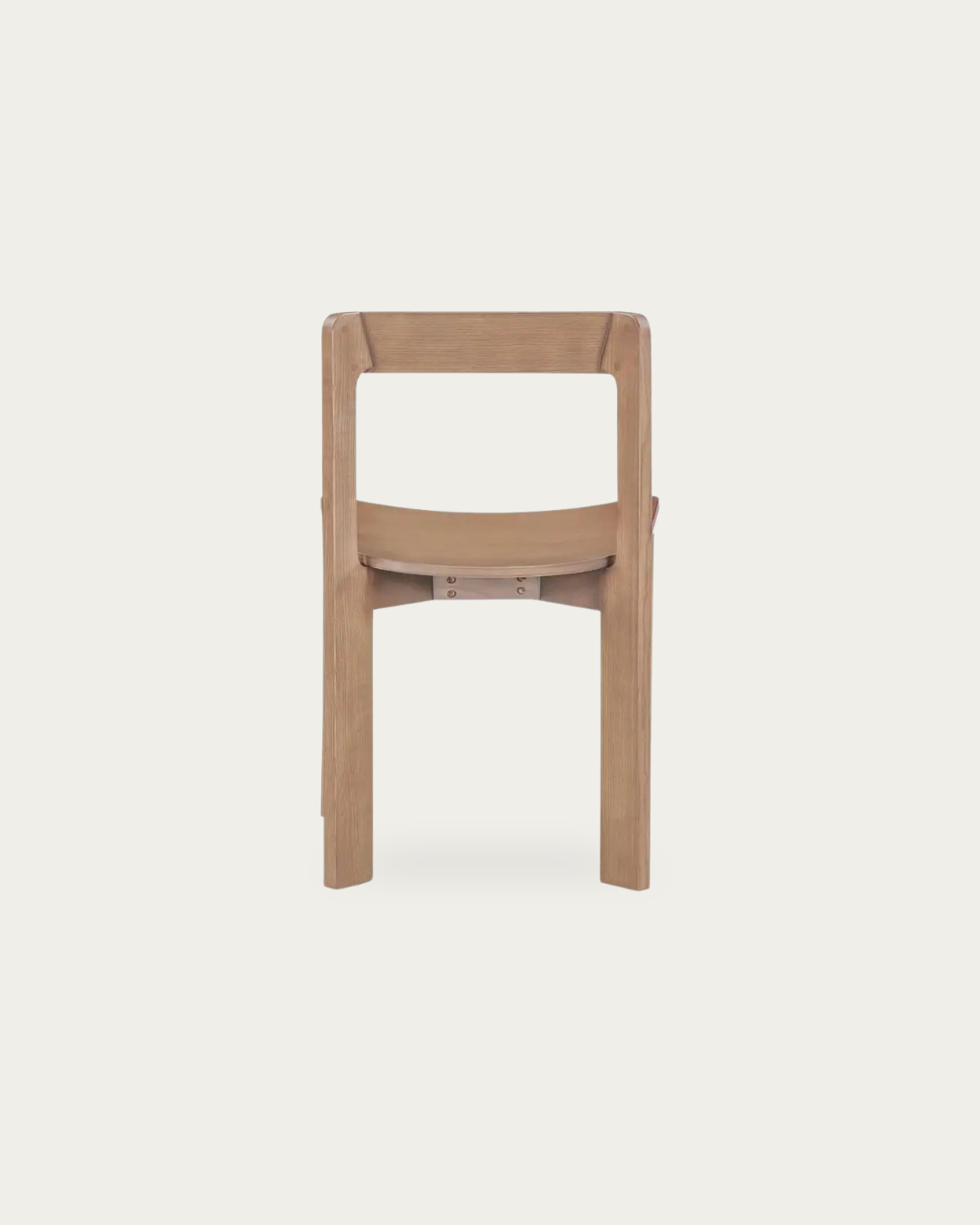
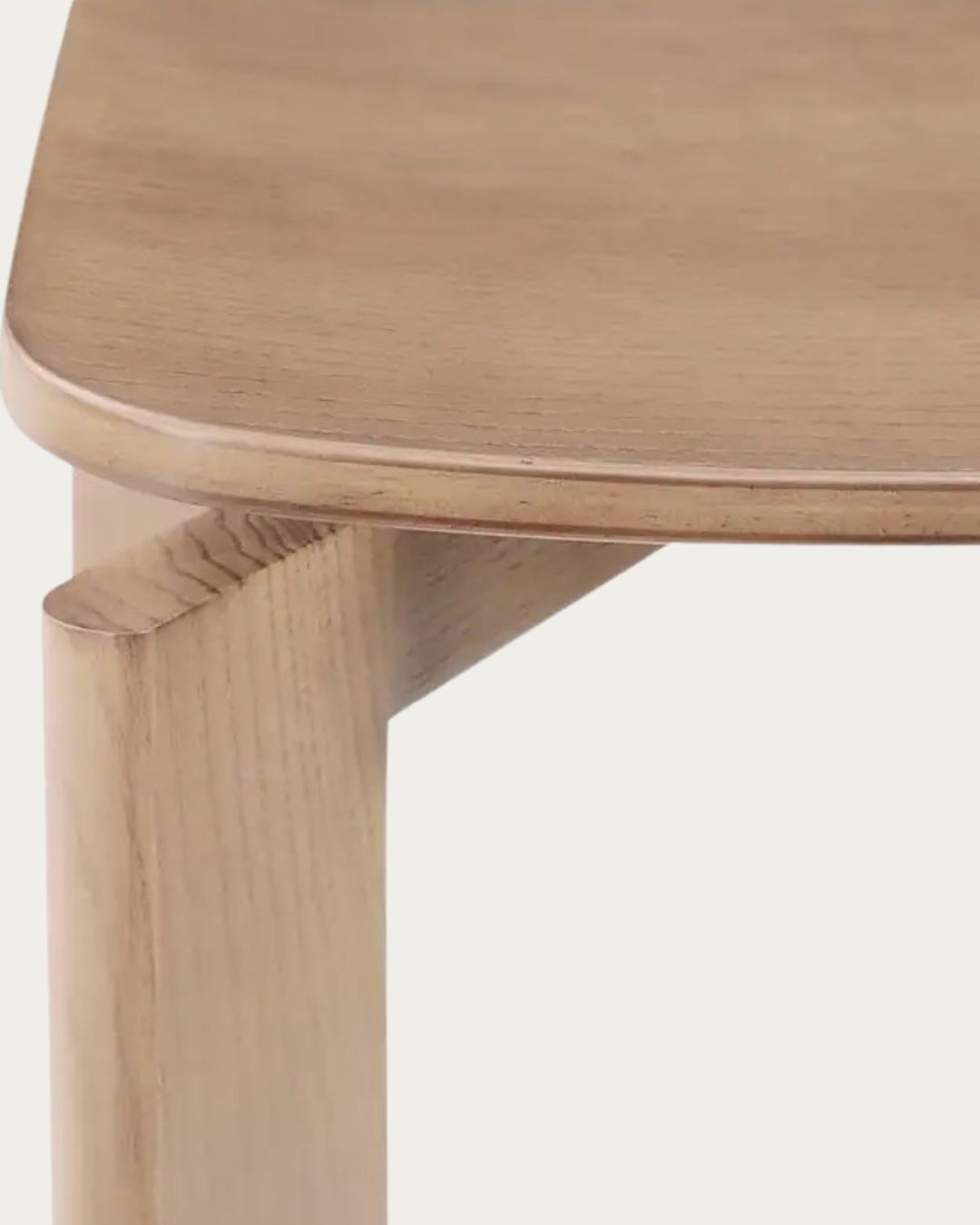
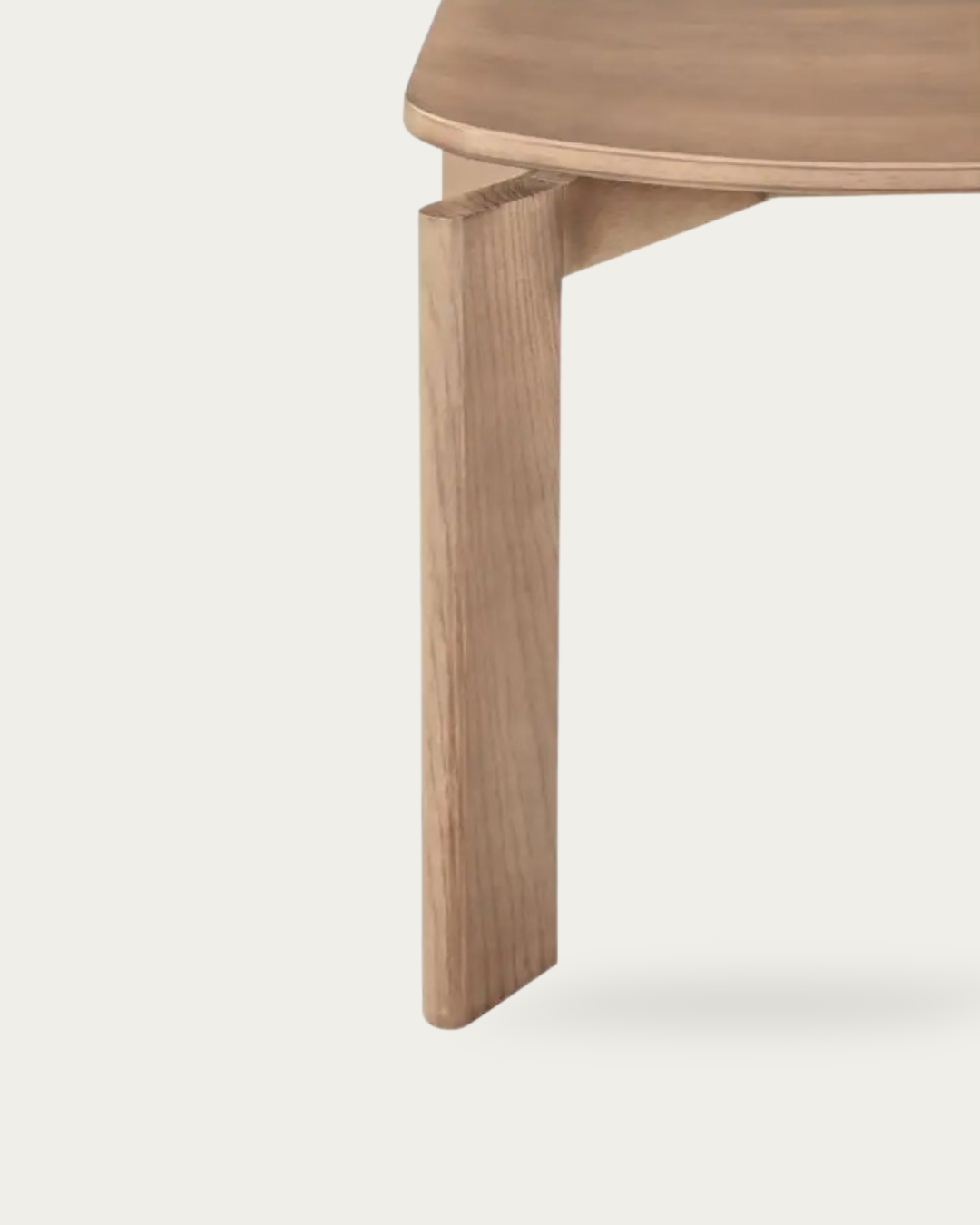
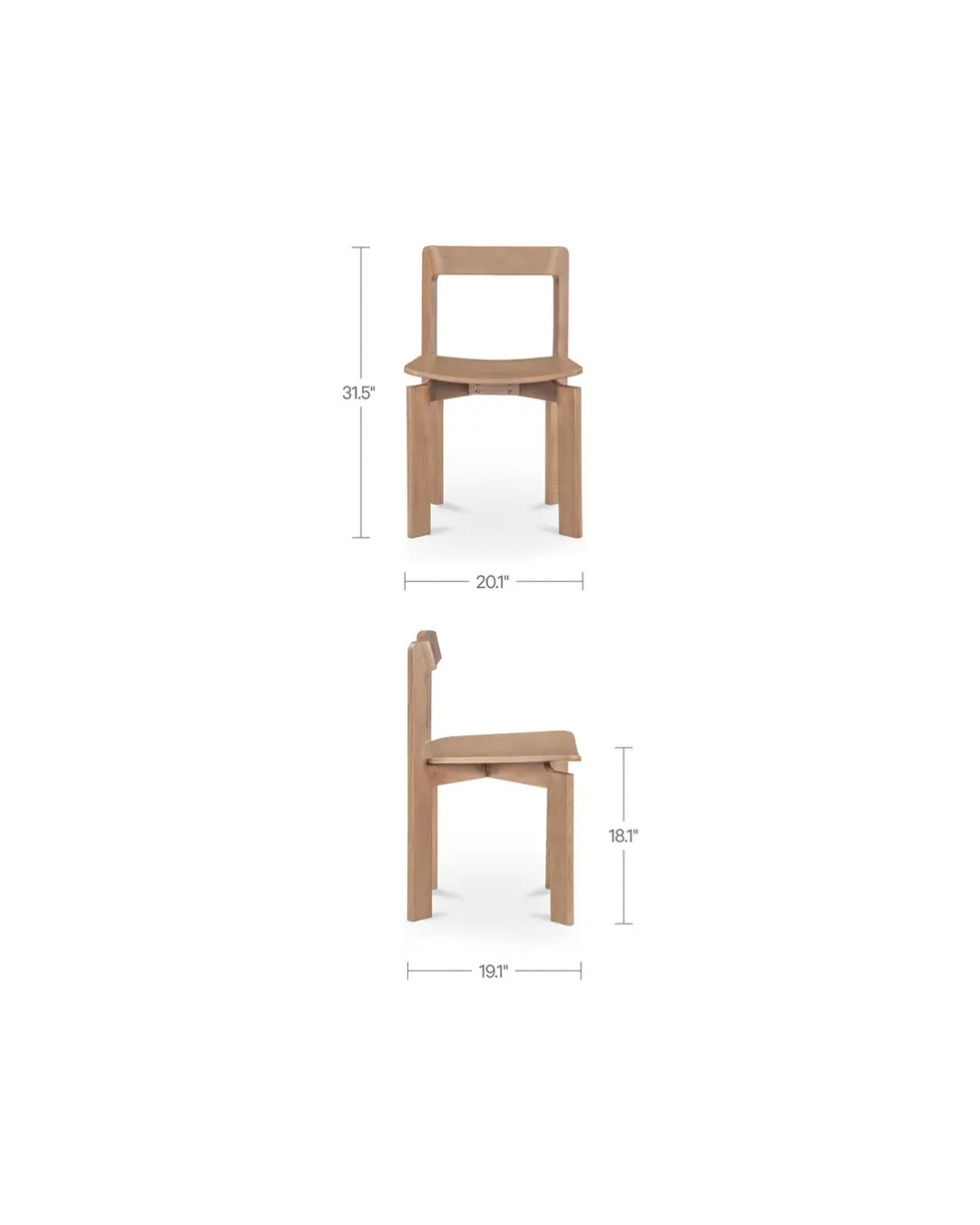
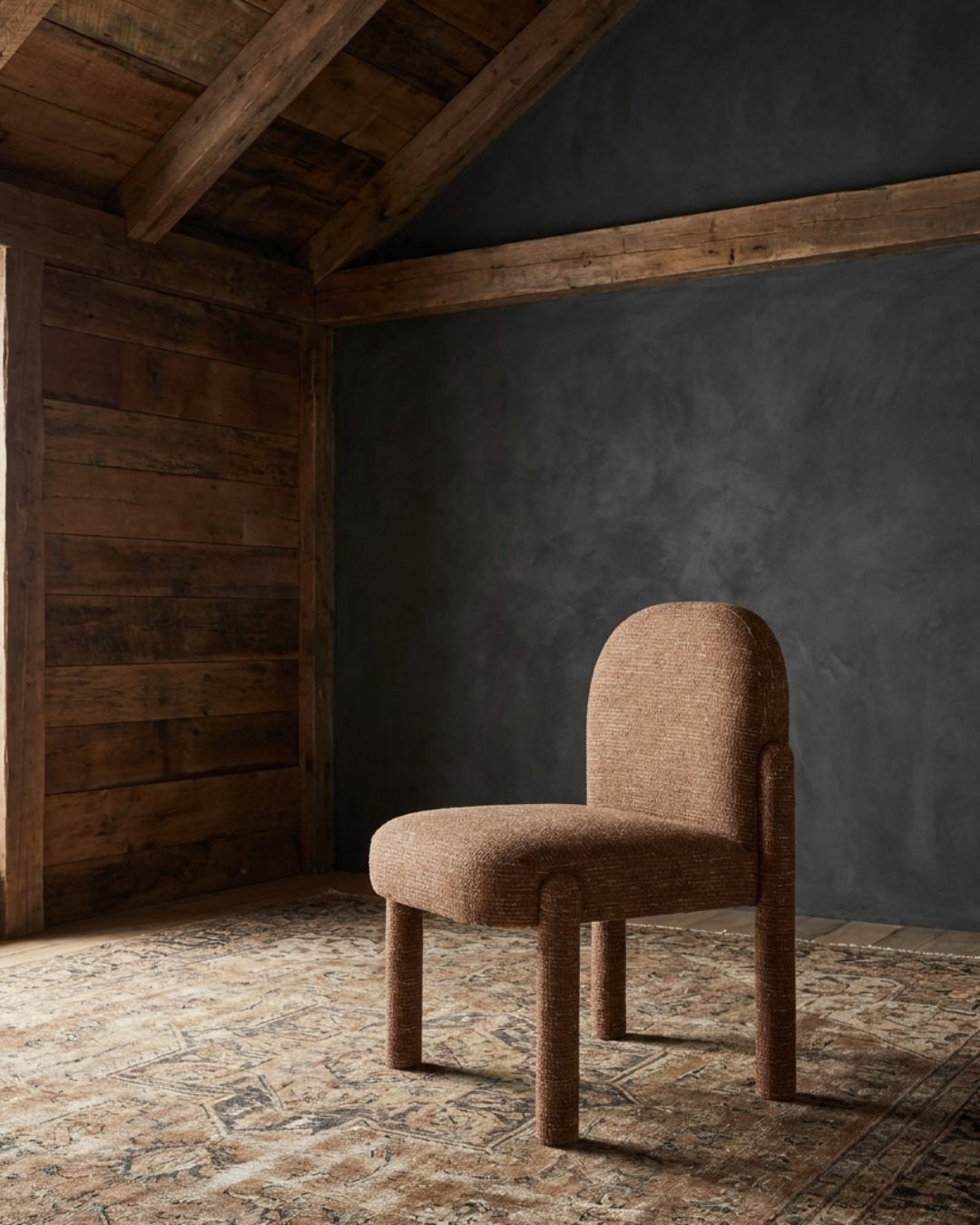
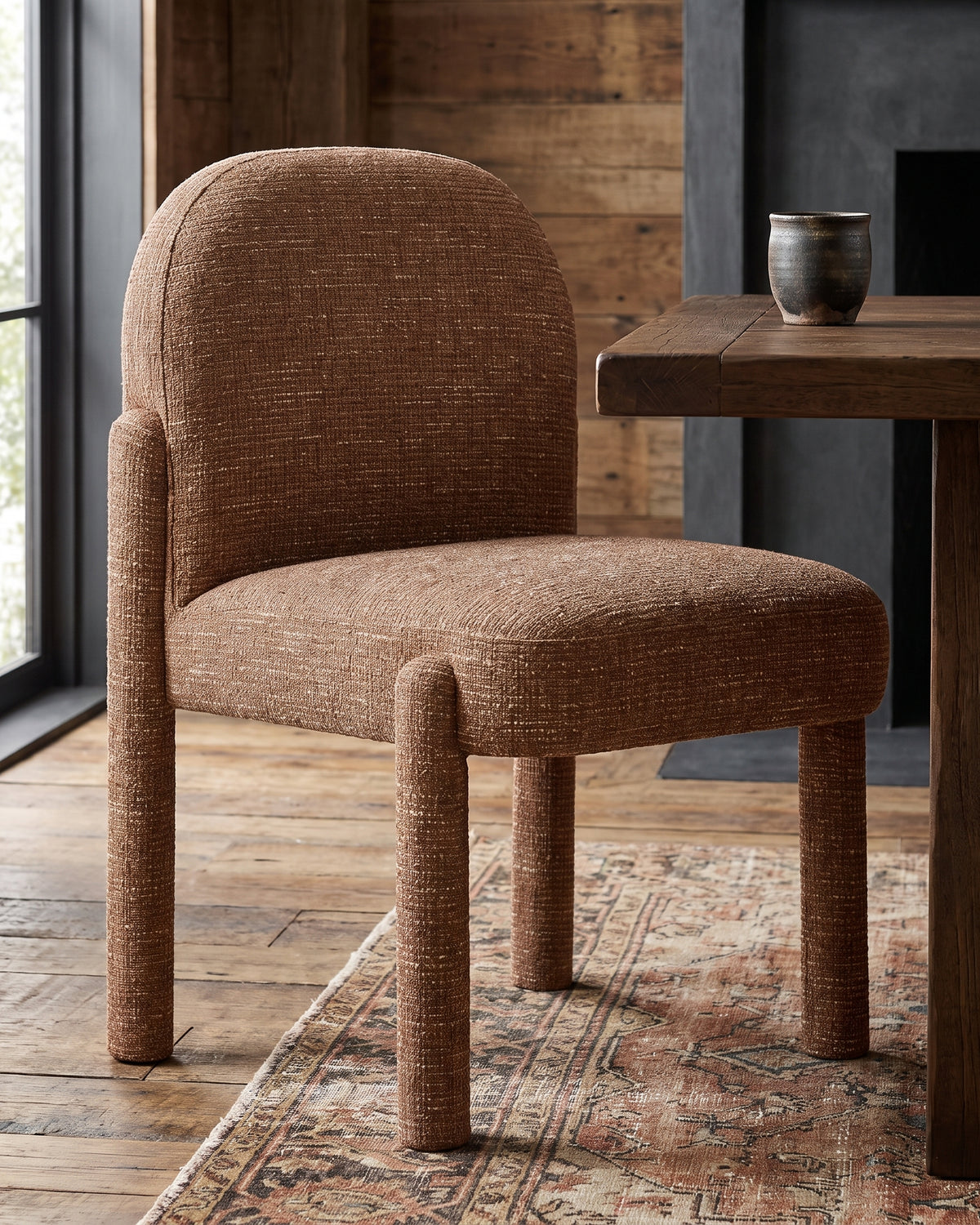
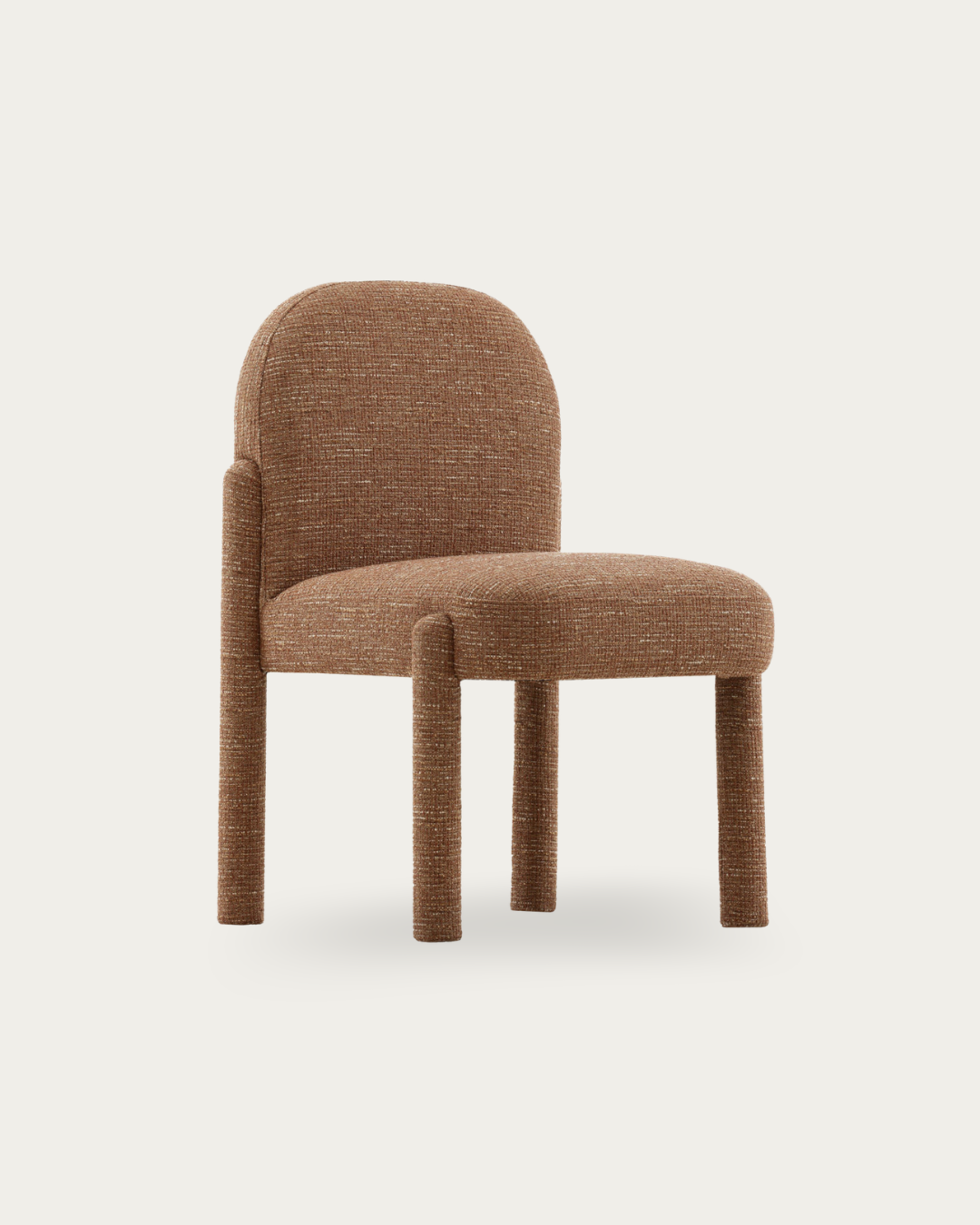
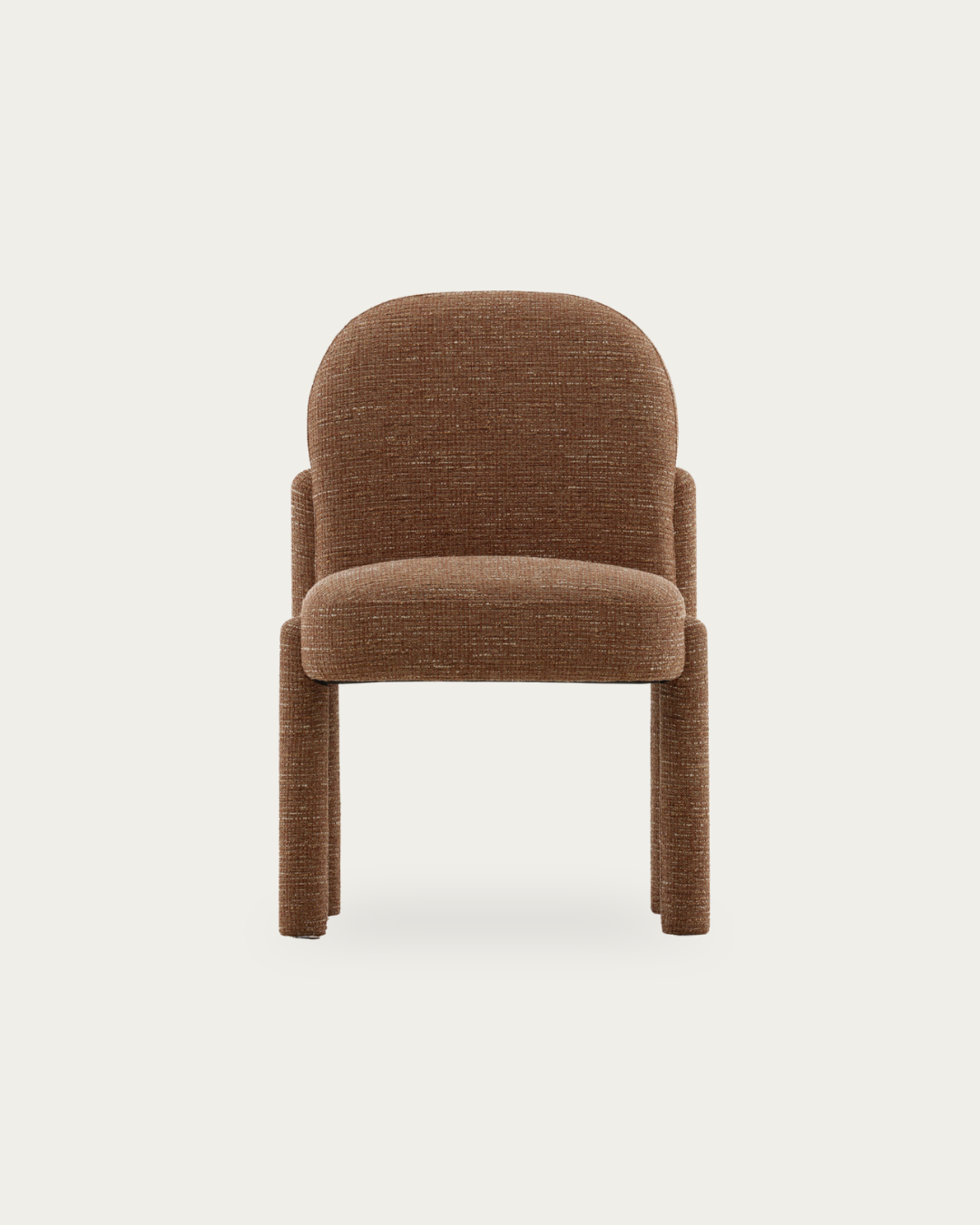
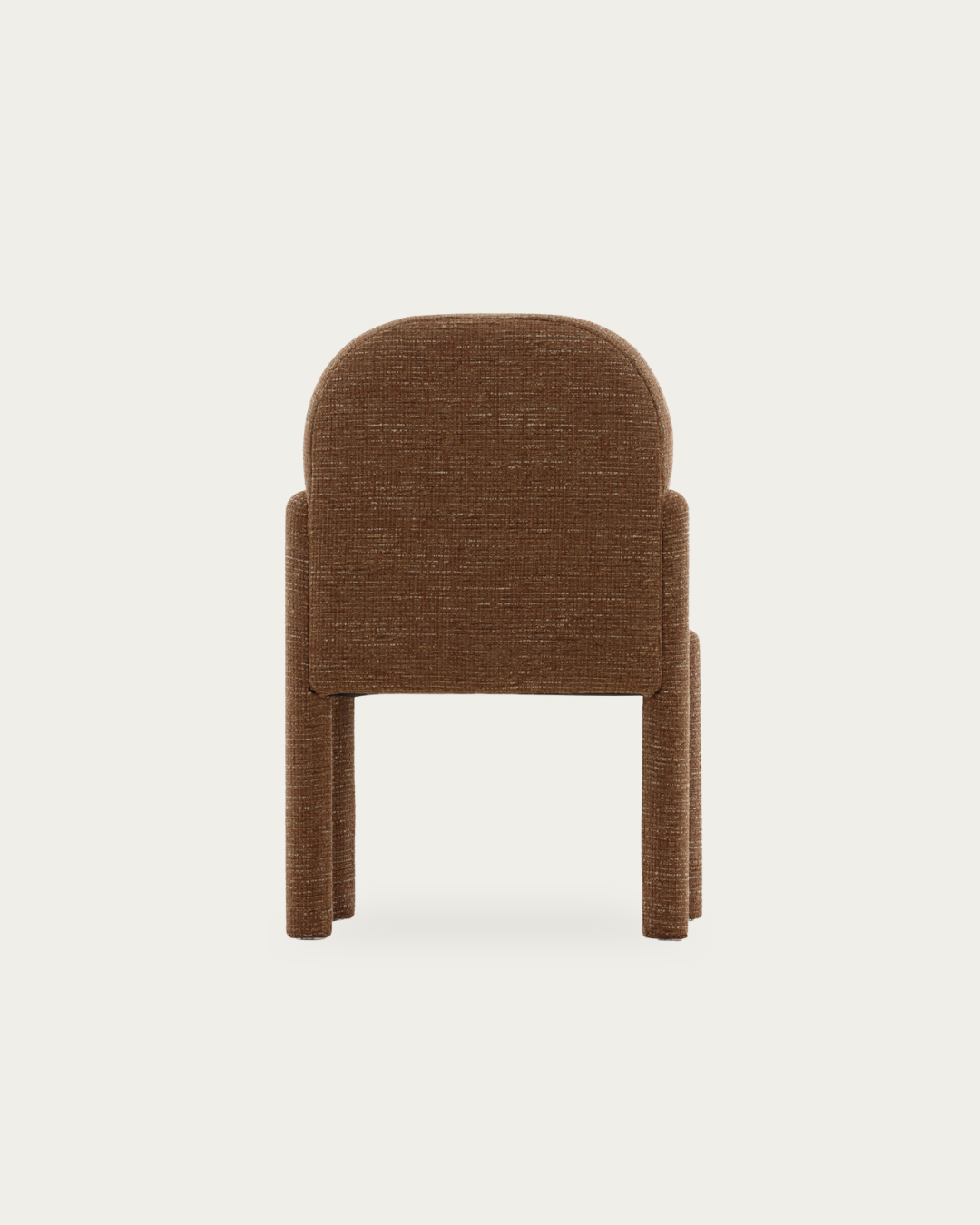
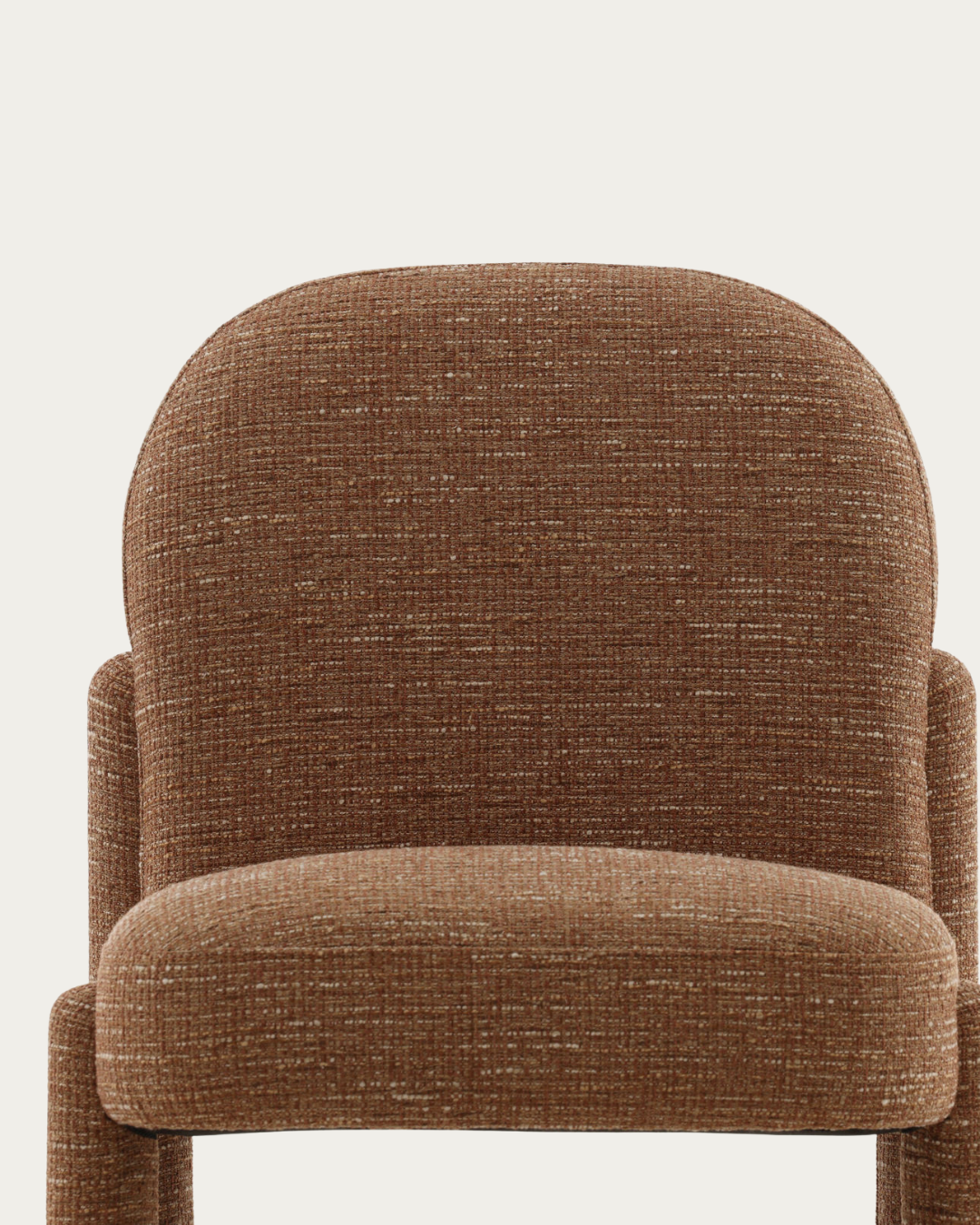
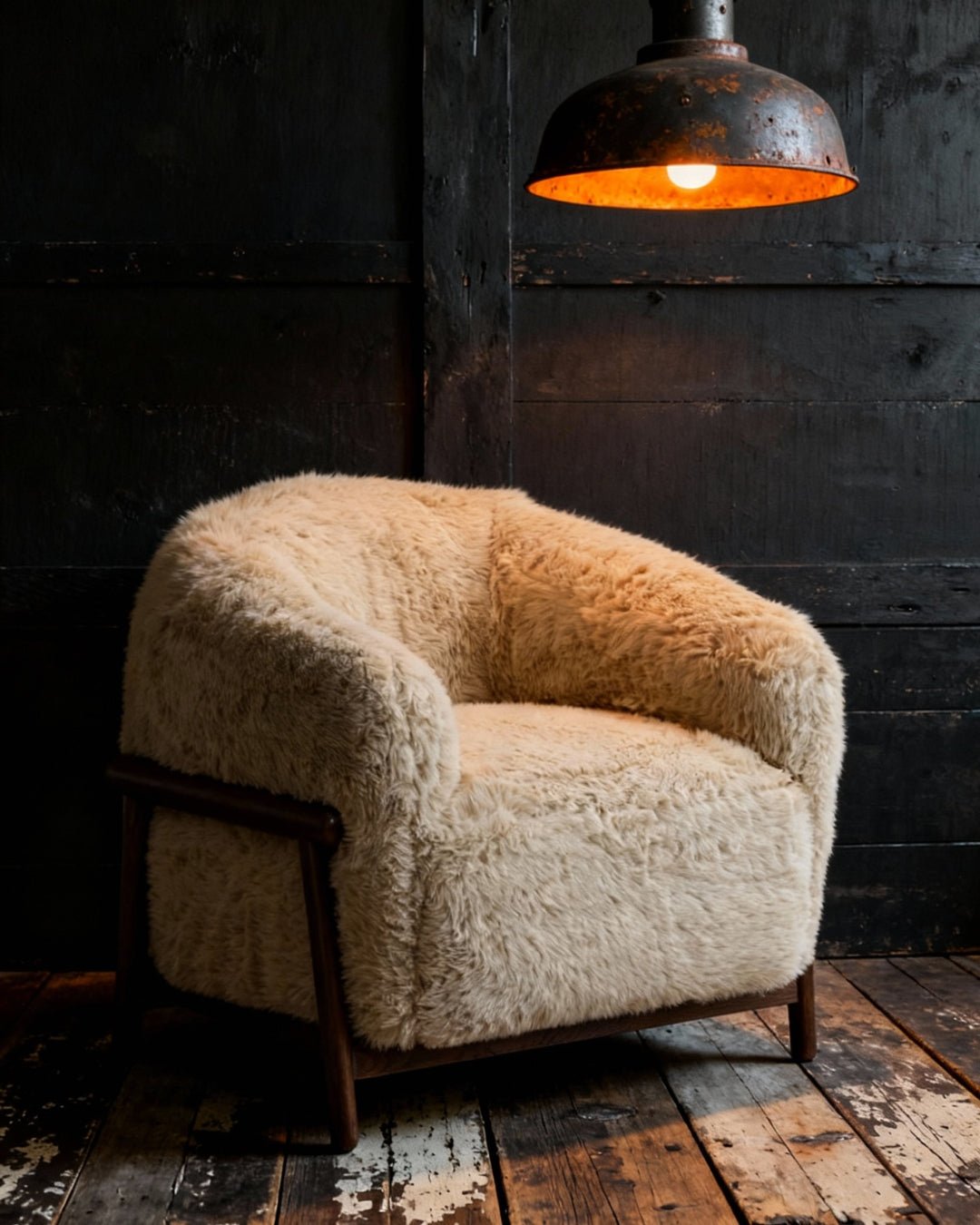
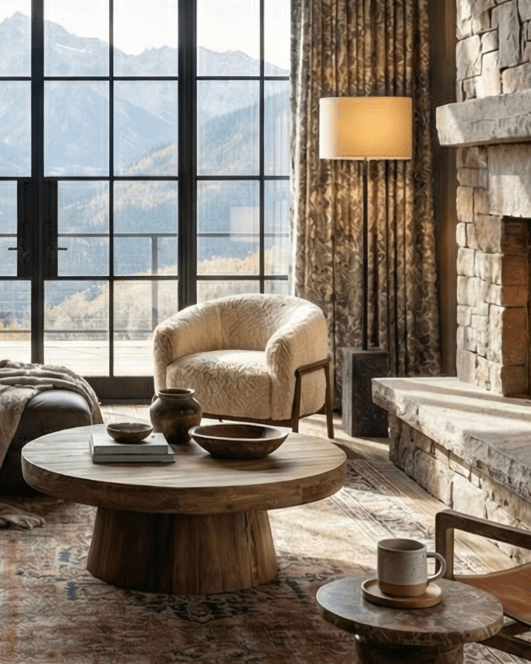
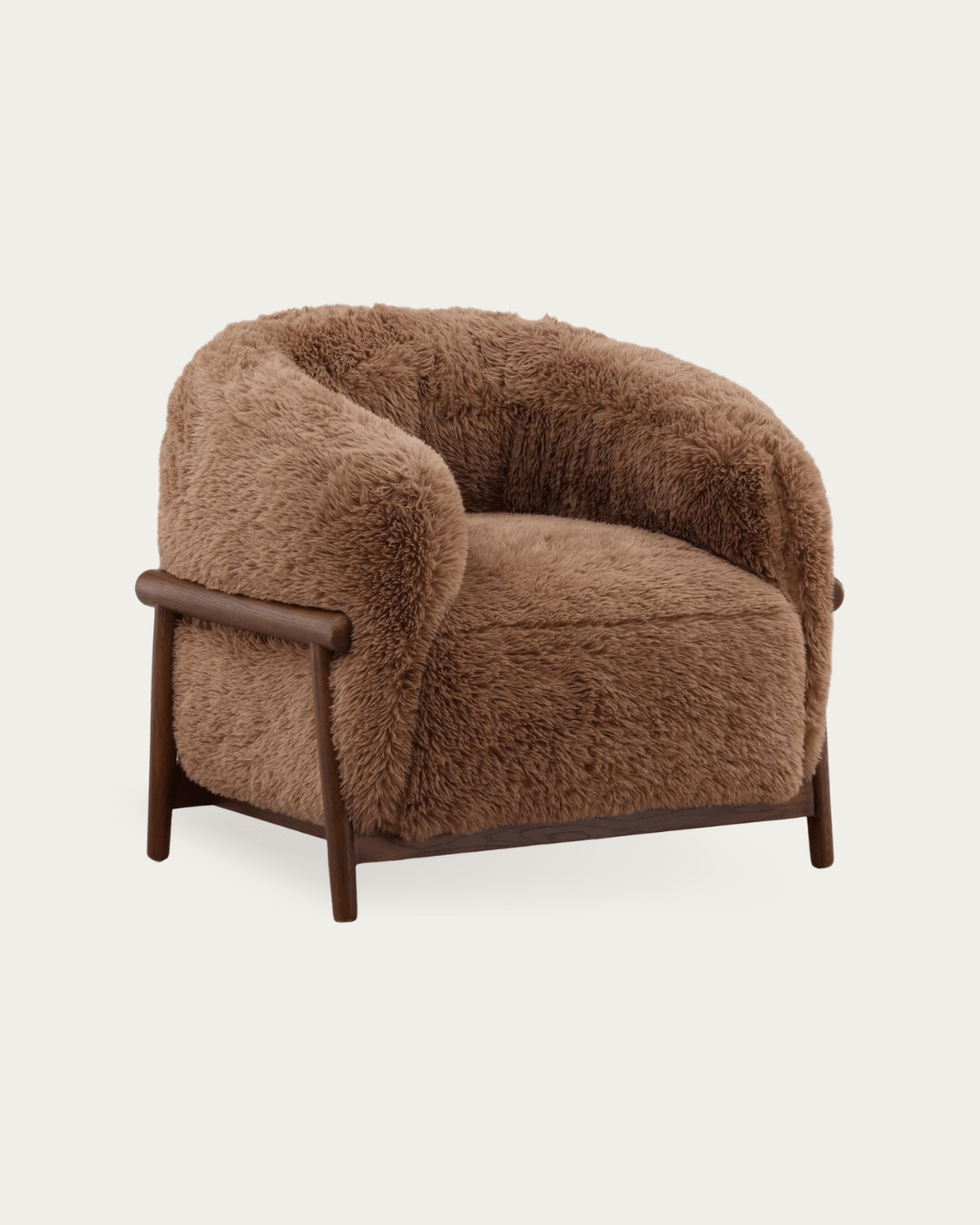
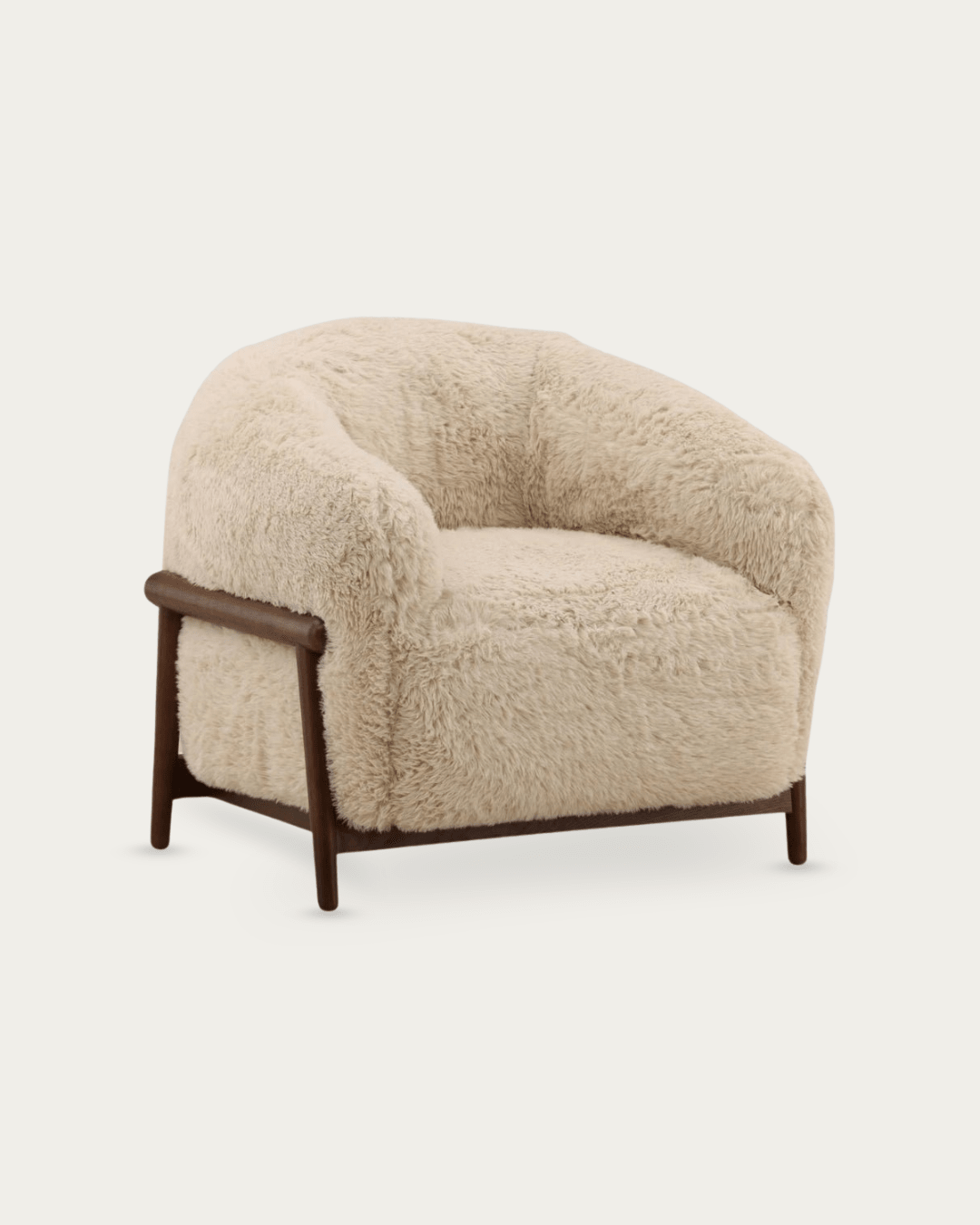
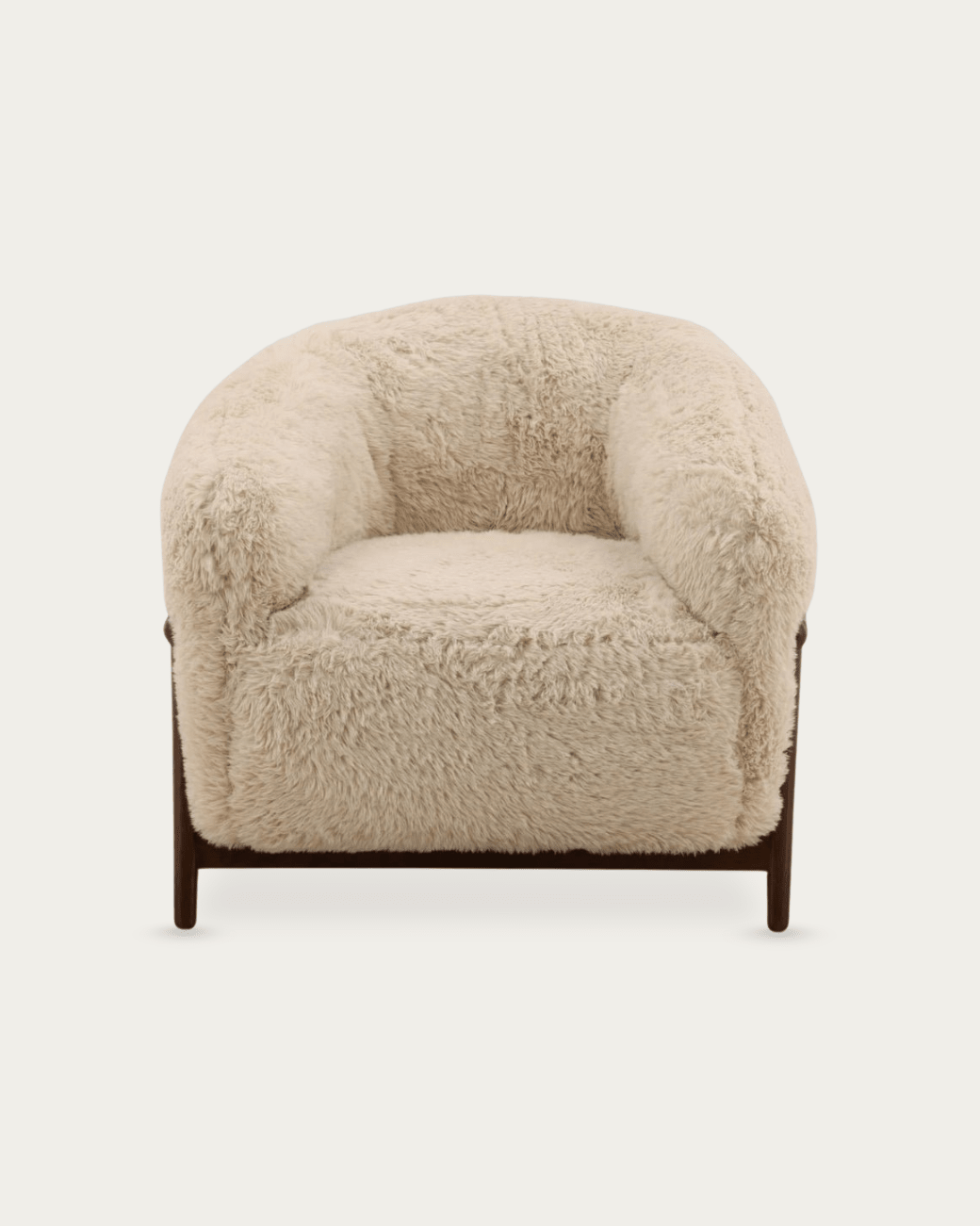
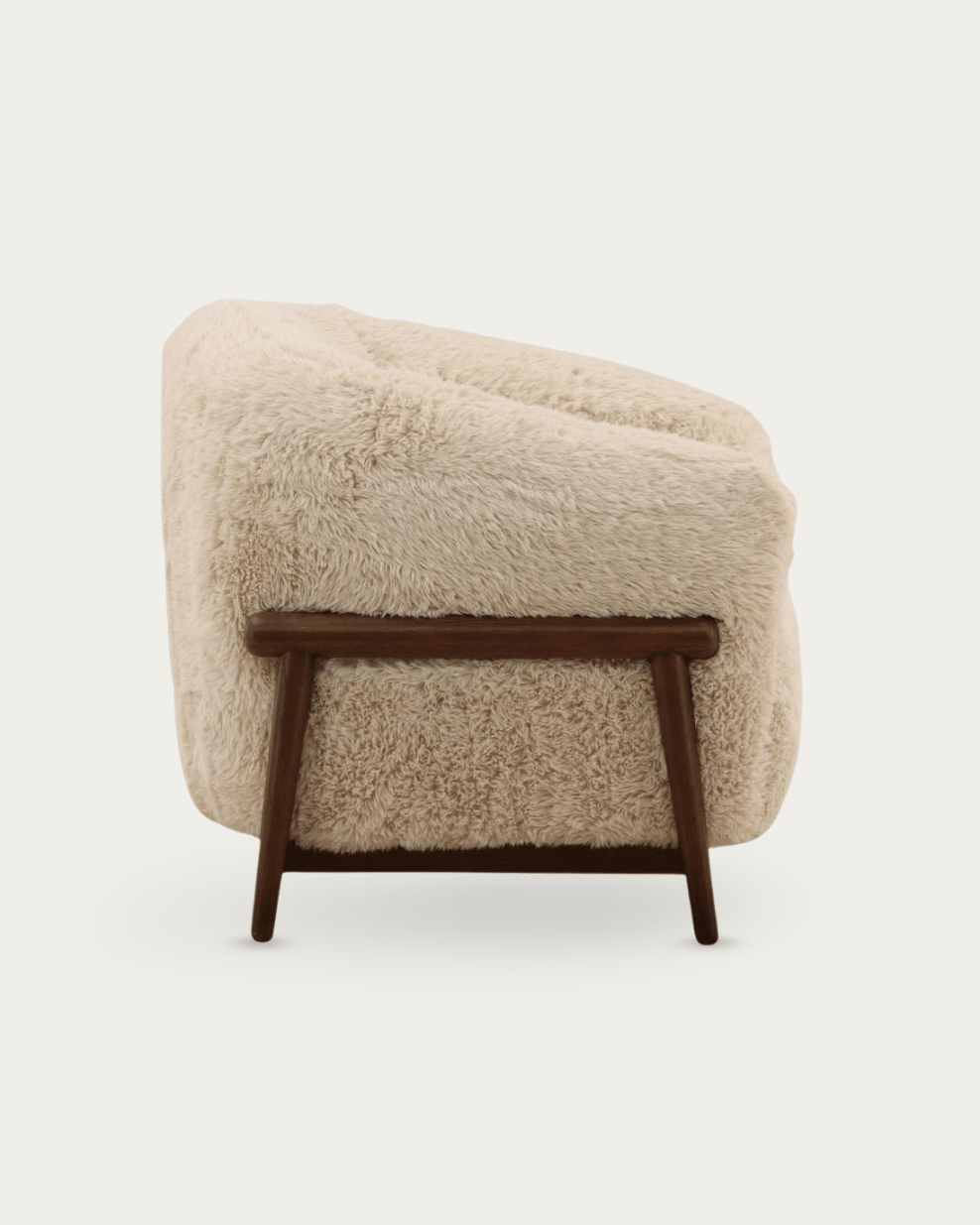
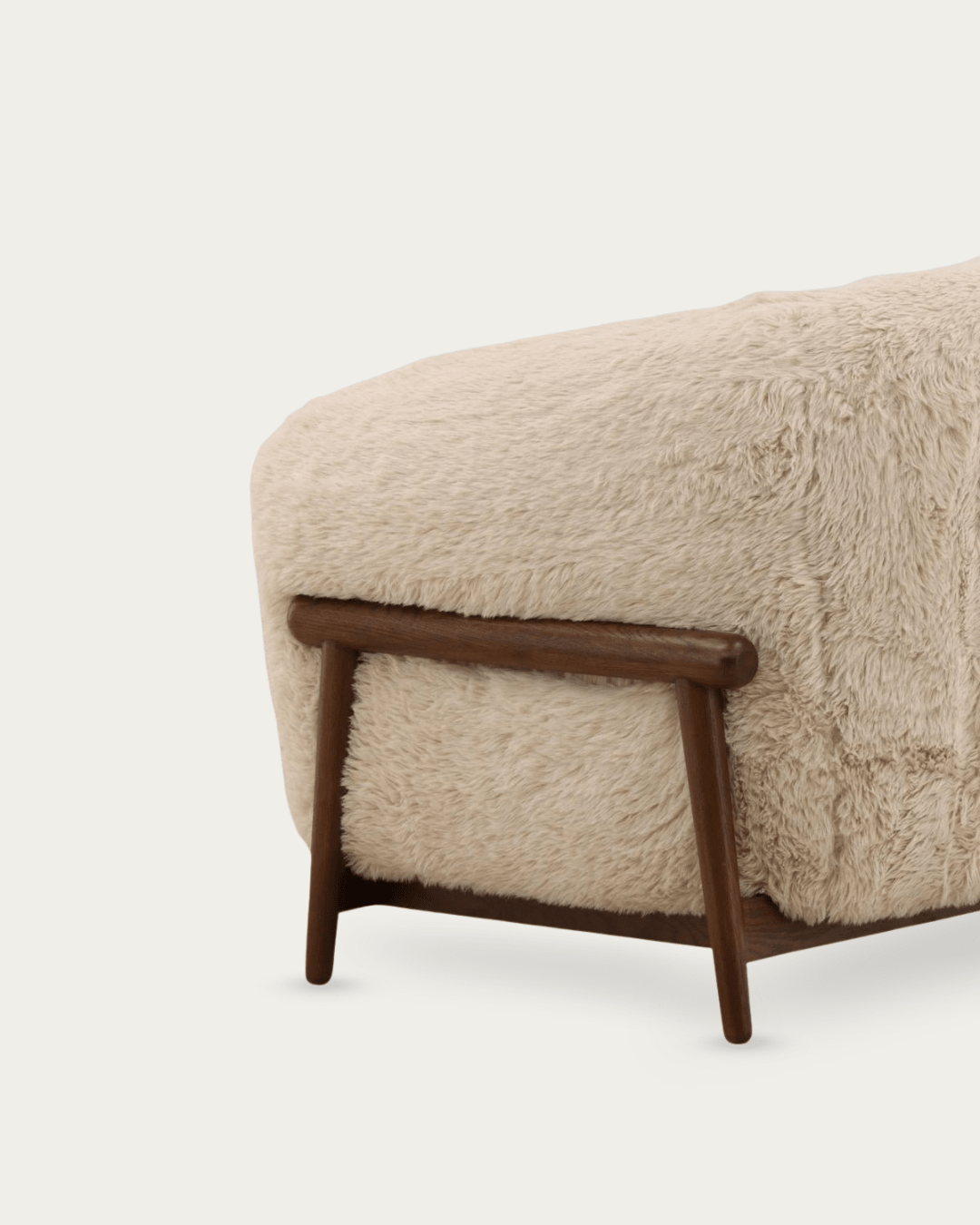
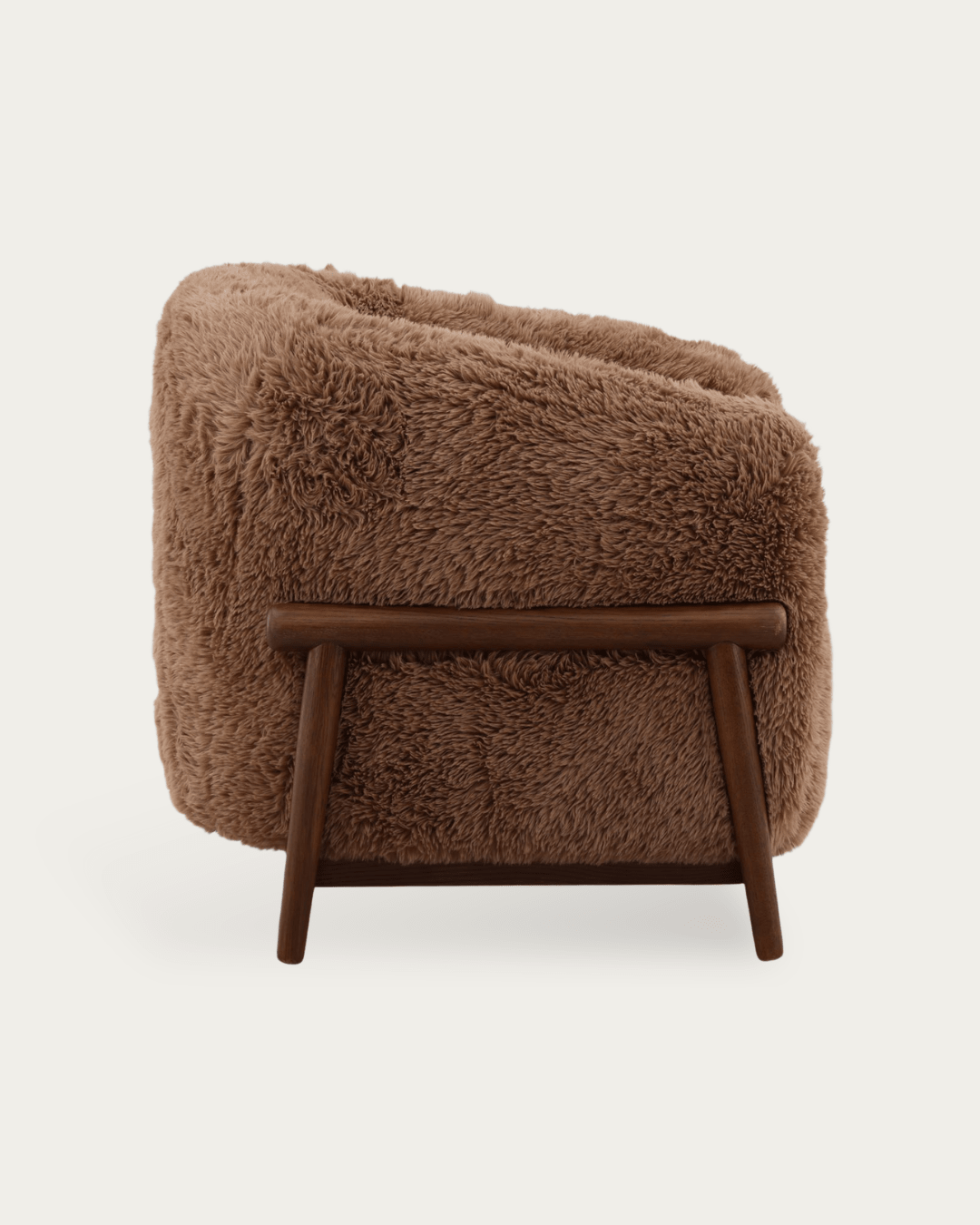
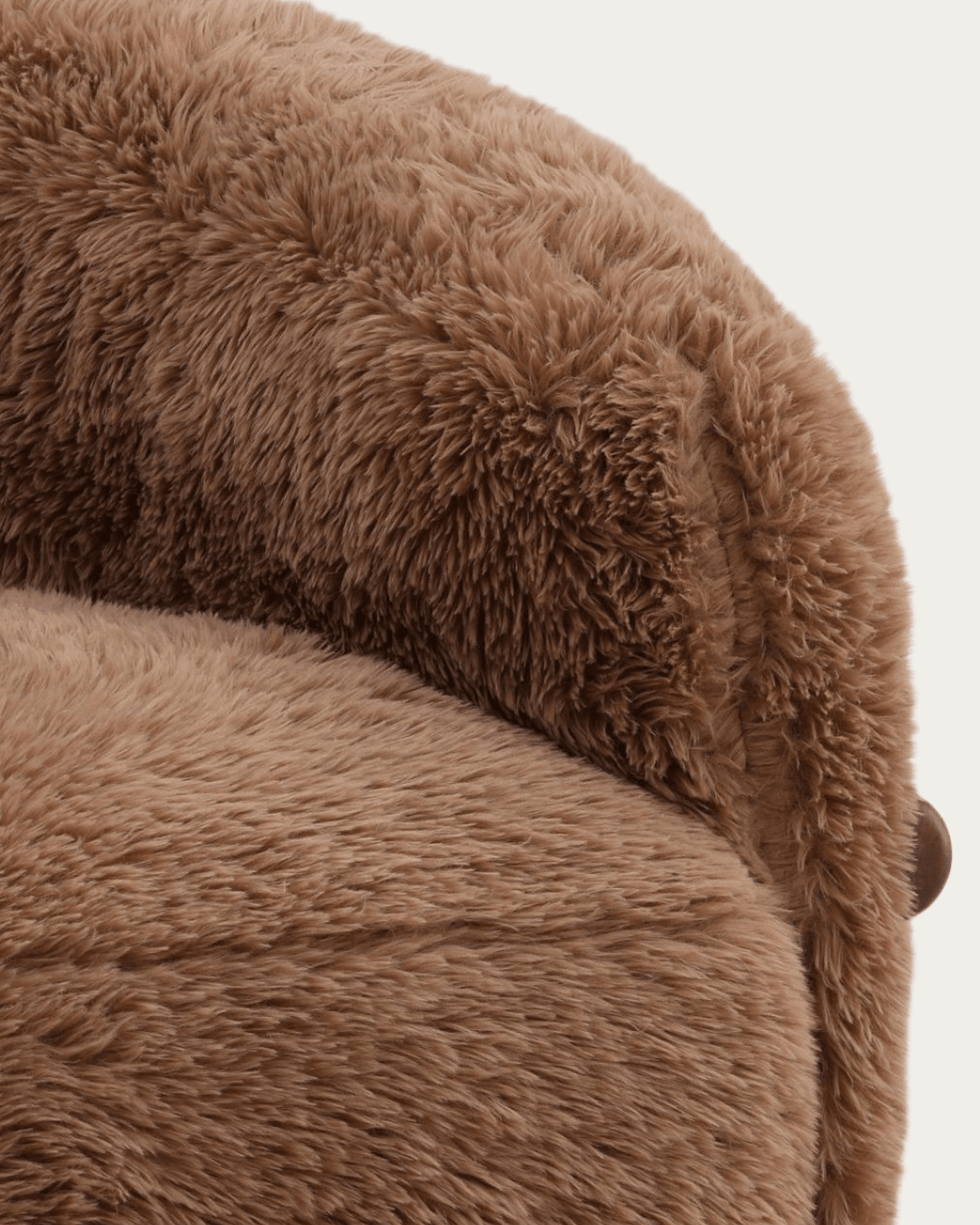
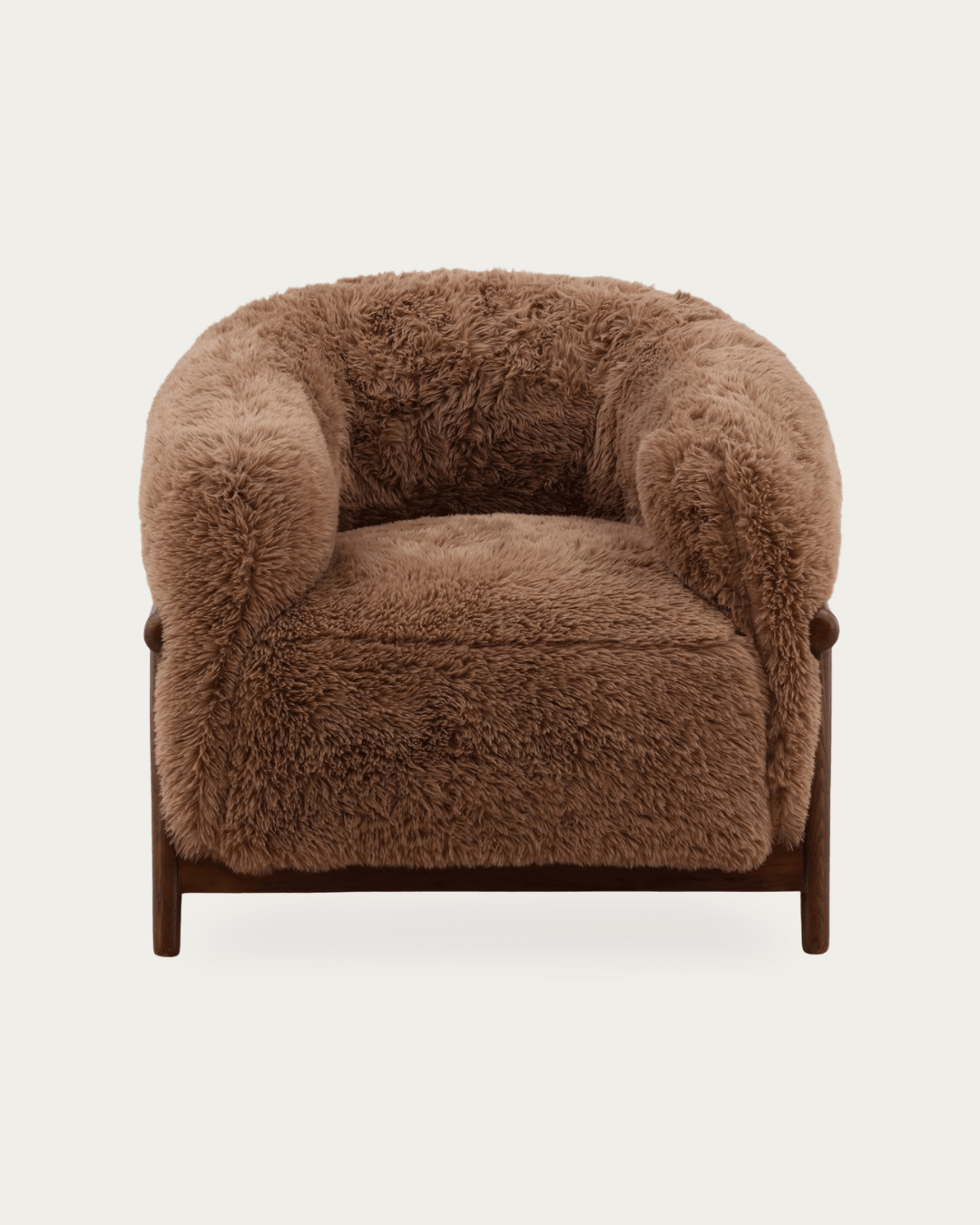
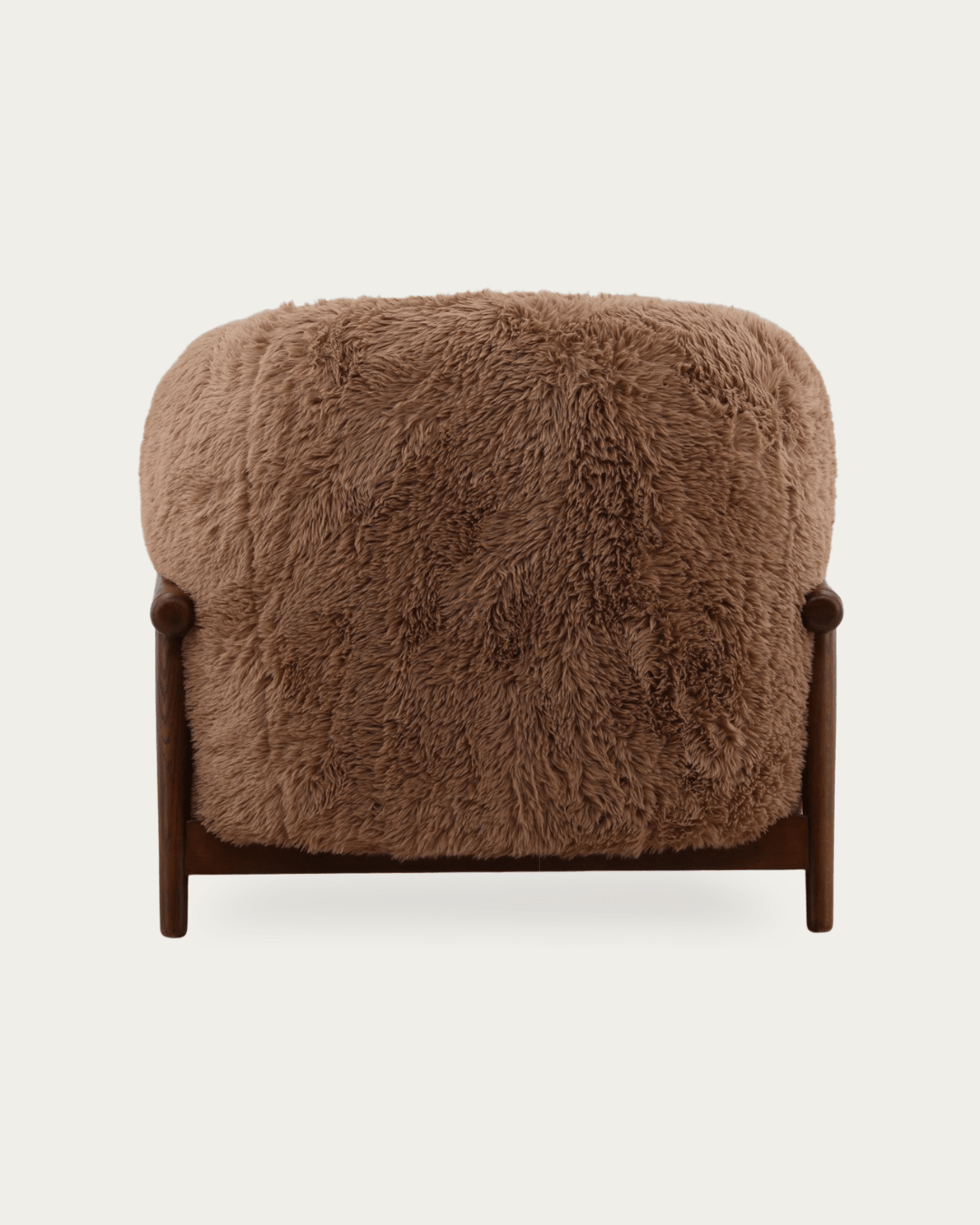
An upholstered chair like the Beret Chair can sit comfortably alongside a wood dining chair such as the Trym Dining Chair because both share similar proportions and visual presence.
The room gains interest without losing balance.
The Brain Likes Patterns, Not Sameness
There's a difference between repetition and pattern.
Repetition means everything looks identical.
Pattern means differences exist within a recognizable structure.
The most successful dining rooms rely on pattern rather than repetition because the brain finds them more engaging over time.
Upholstered and Wood Dining Chairs Work Better Together
One of the easiest ways to create a layered dining room is by combining upholstered dining chairs with wood dining chairs.
Each material contributes something different.
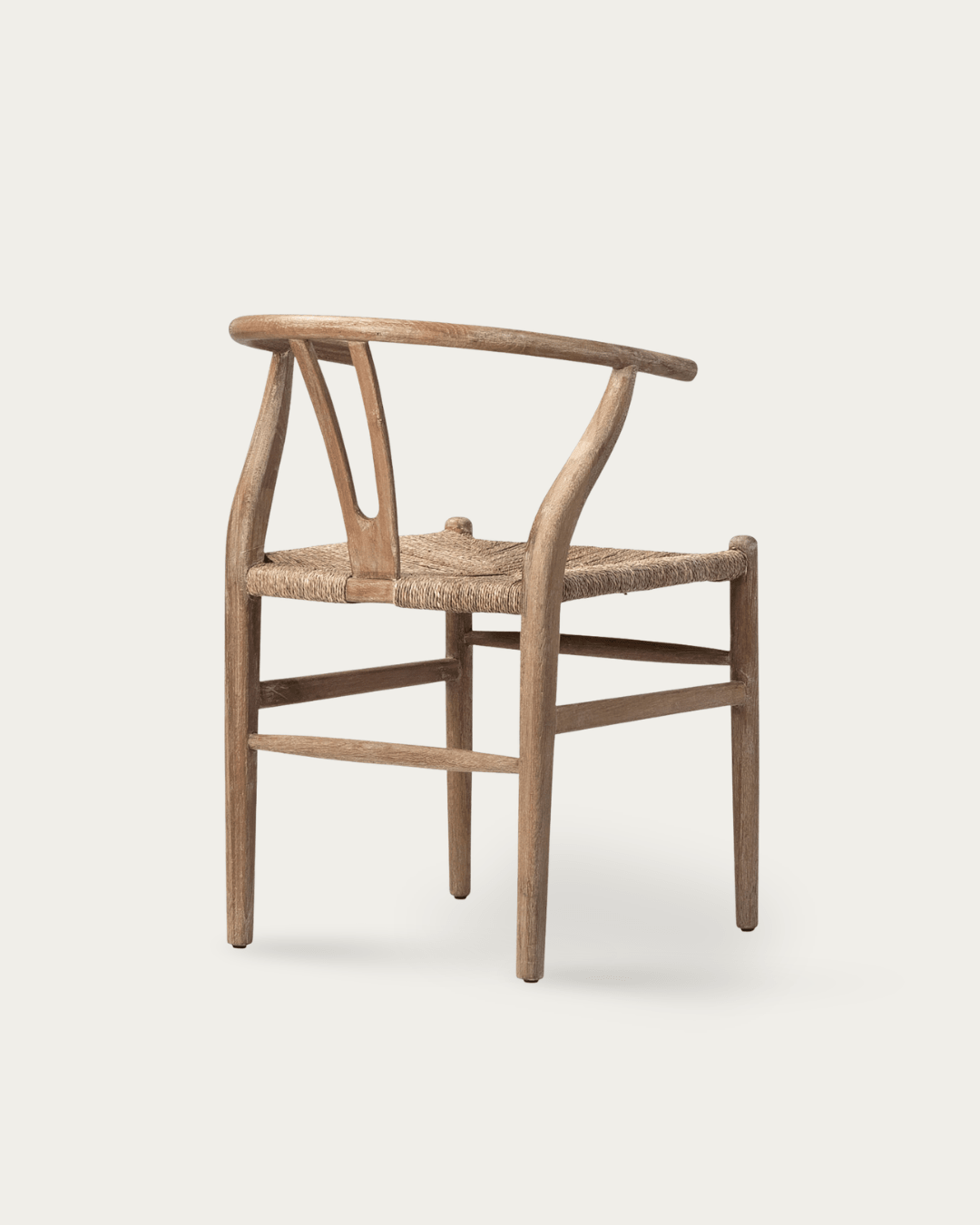
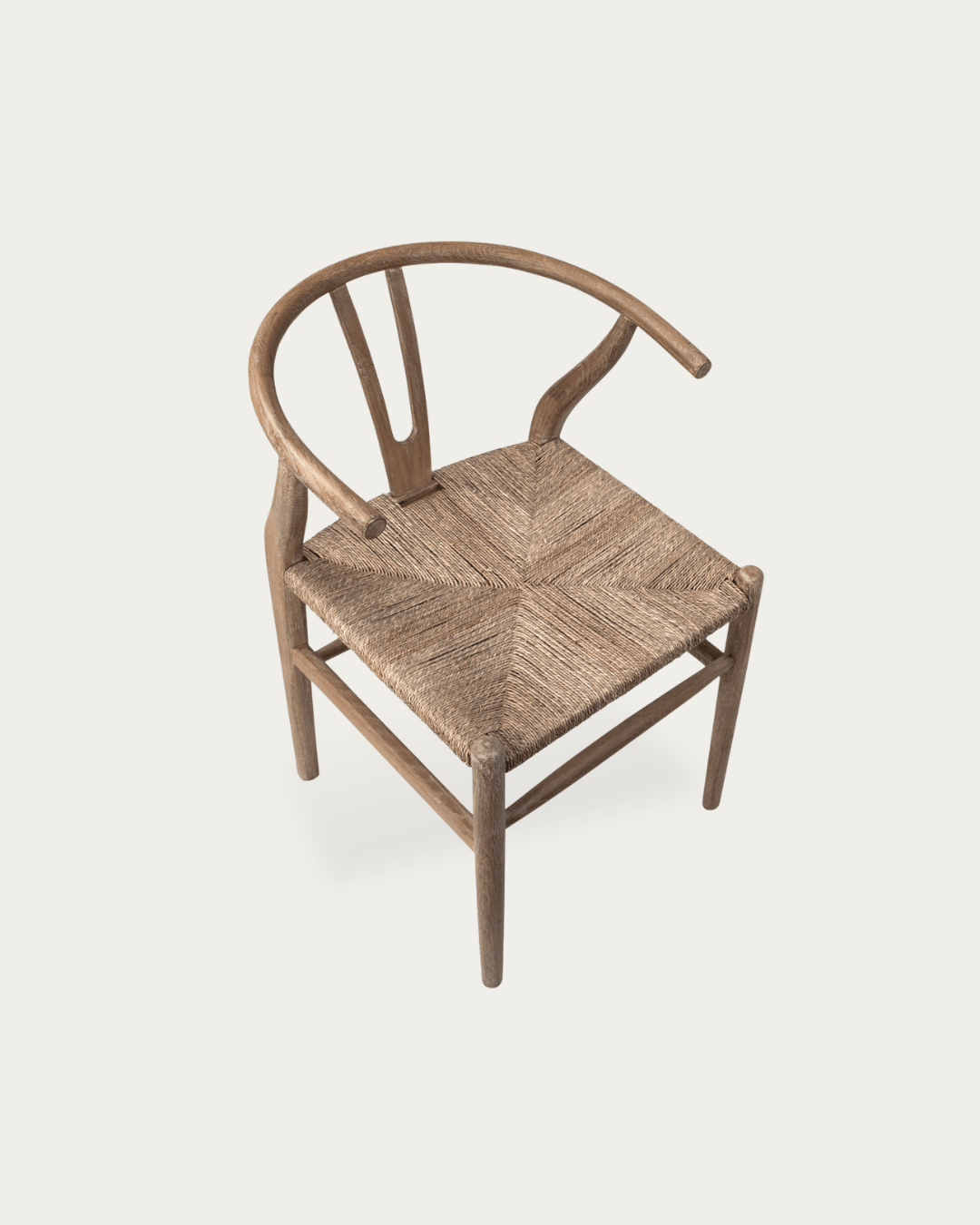
Wood chairs introduce structure.
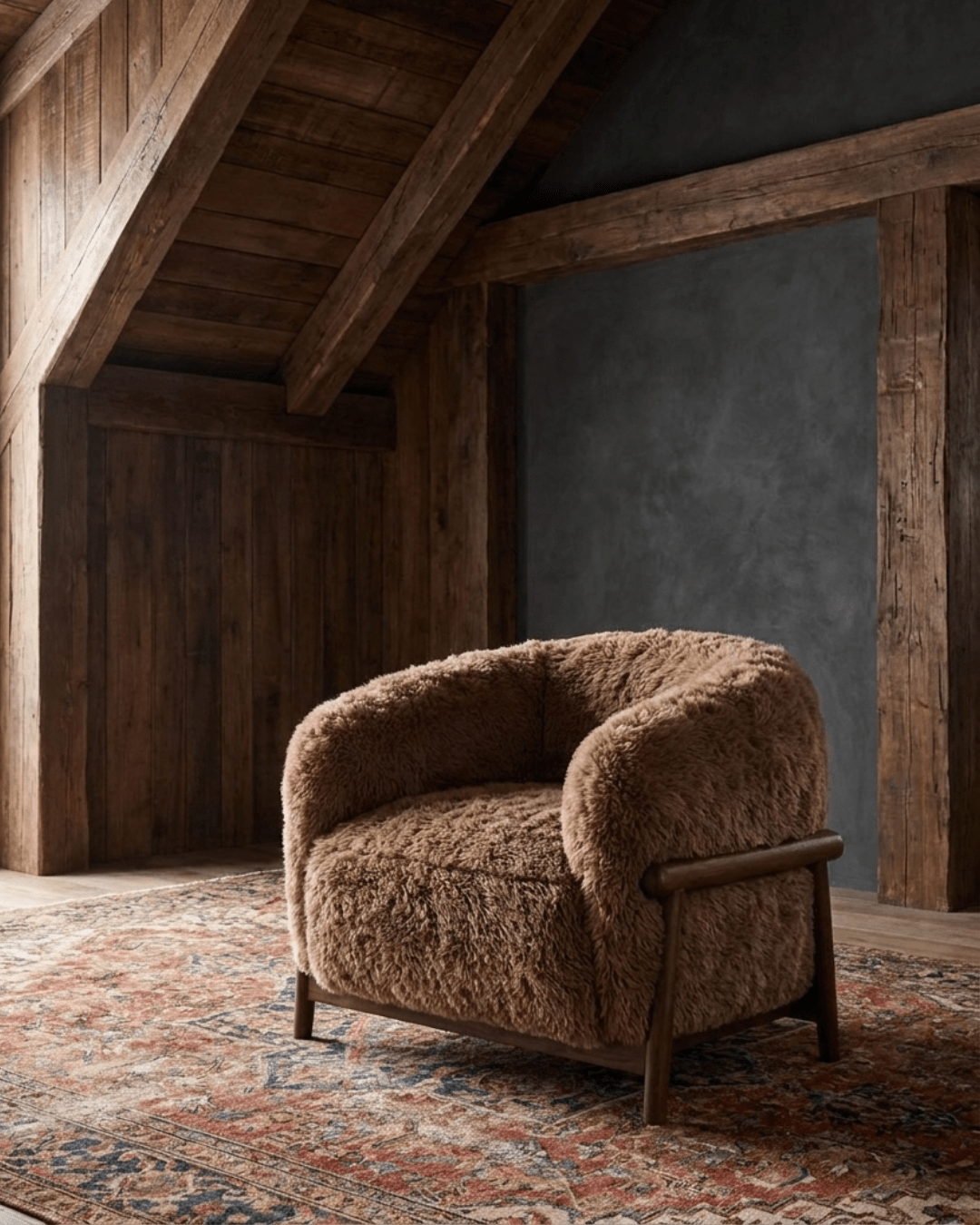
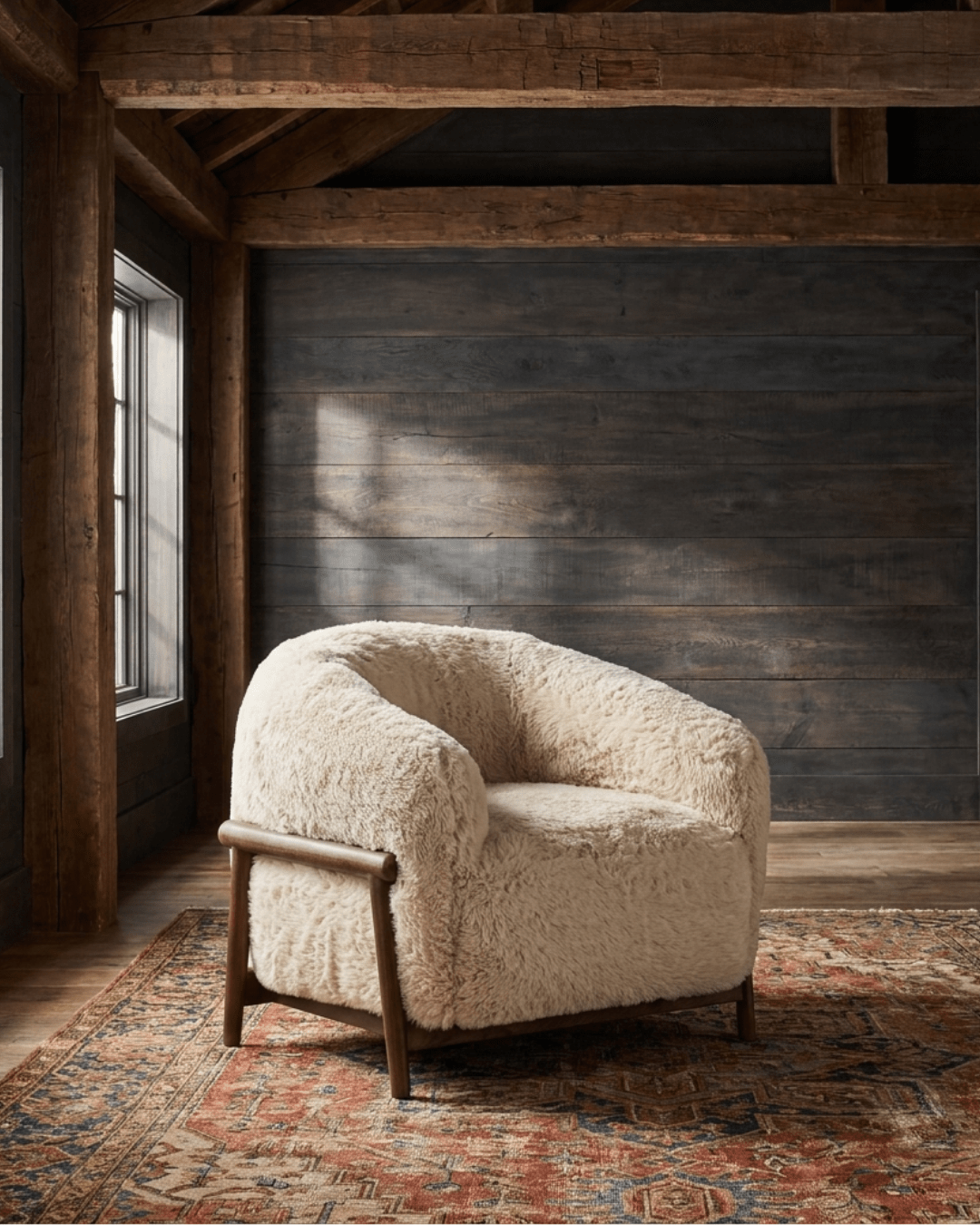
Upholstered chairs introduce softness.
Together they create contrast that feels intentional.
The Peder Dining Chair works beautifully alongside the Shelby Dining Chair because both maintain similar visual scale while offering completely different textures.
That balance keeps the room from feeling overly formal or overly casual.
Texture Regulates Faster Than Colour
Many homeowners focus primarily on colour when designing a dining room.
Texture often has a greater impact.
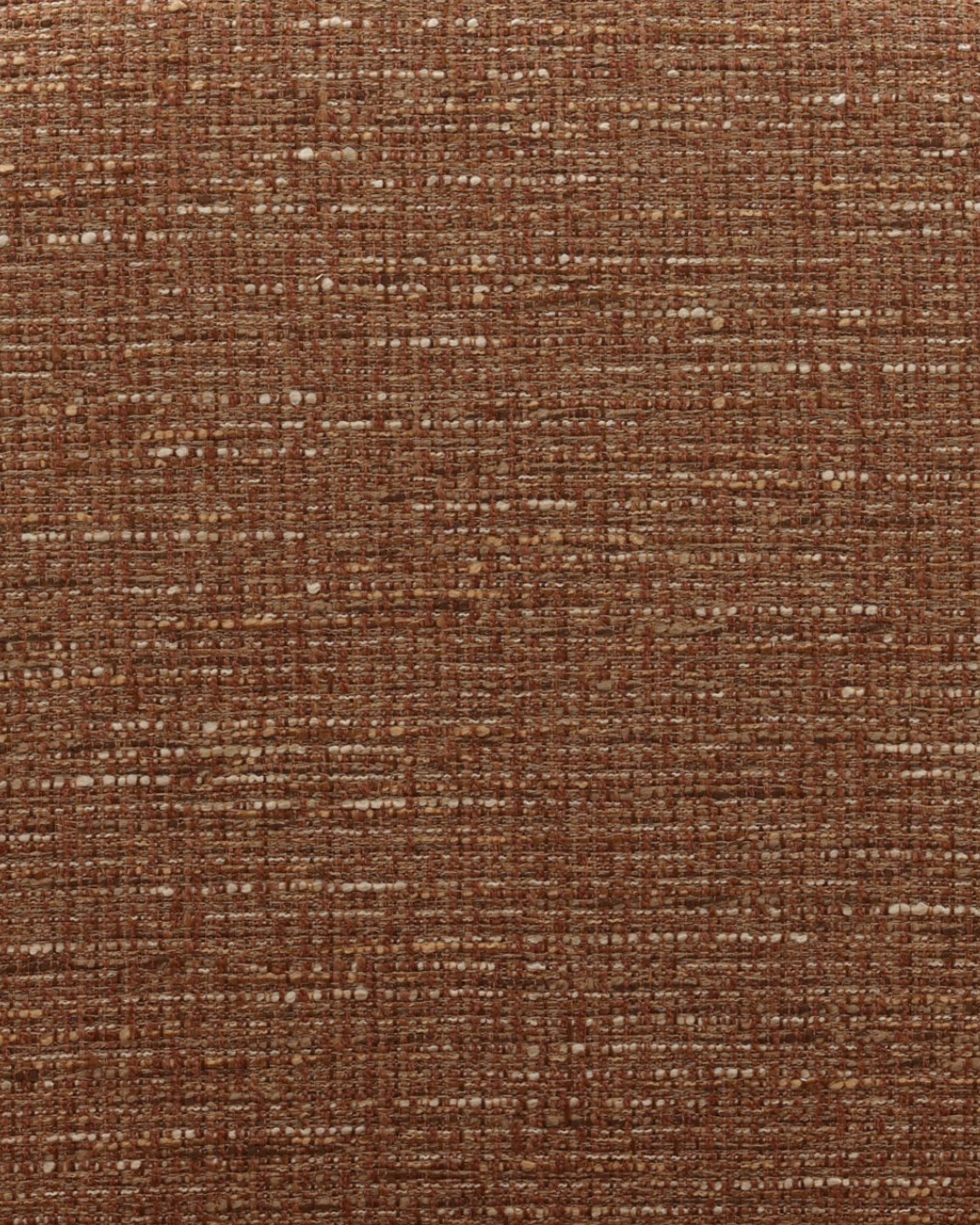
The nervous system responds strongly to tactile variation because texture creates sensory richness without requiring visual clutter.
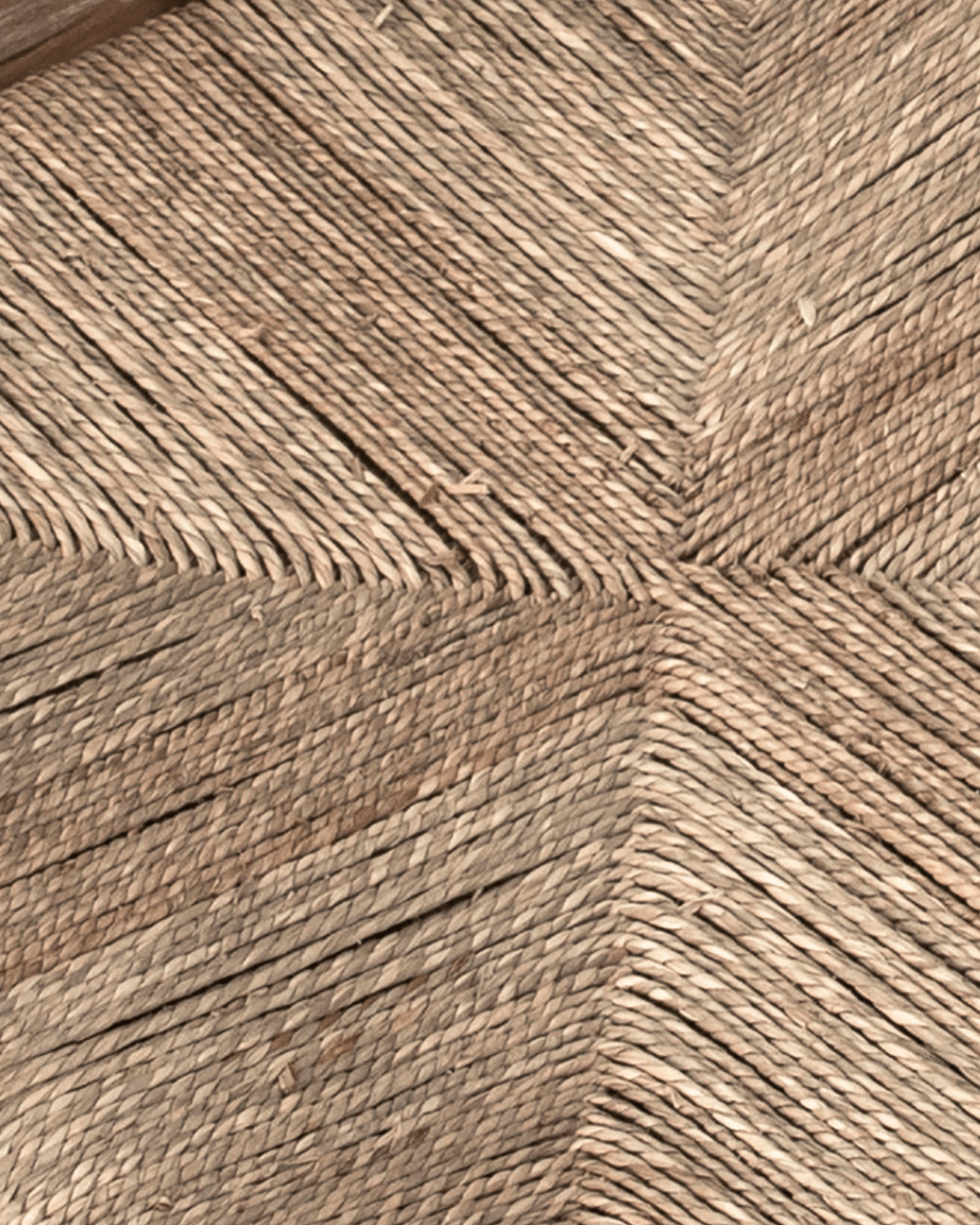
That's why reclaimed wood, woven materials, and upholstery often feel more layered than simply introducing another paint colour.
The Best Dining Rooms Feel Collected, Not Purchased
One challenge with matching furniture sets is that they can feel overly complete.
Everything arrives at once.
Everything looks identical.
Nothing evolves.
Mismatched chairs create the opposite feeling.
The room feels assembled over time rather than delivered in a single box.
The Sabine Dining Chair introduces softness through upholstery, while the Joia Woven Bistro Dining Chair adds woven texture and visual movement.
Together they create a dining room that feels layered without feeling busy.
Why Layering Feels More Human
Human environments naturally accumulate variation over time.
Spaces that contain subtle differences often feel more authentic because they mirror how people actually live.
That's why collected interiors tend to age better than highly coordinated ones.
Reclaimed Wood Softens Modern Interiors
Modern homes can sometimes become overly polished.
Too many smooth surfaces.
Too many sharp lines.
Too much visual perfection.
Reclaimed wood introduces relief.
The imperfections matter.
The knots.
The weathering.
The grain movement.
The tonal shifts.
These details help modern spaces feel less rigid and more approachable.
The Igne Dining Table balances reclaimed texture with a cleaner silhouette, while the Hallfrid Outdoor Dining Table extends that same materiality into outdoor dining spaces.
The result is continuity rather than contrast.
Head Chairs Are an Easy Entry Point
Not everyone wants to fully embrace mismatched seating.
That's where head chairs come in.
Keeping side chairs consistent while introducing different chairs at the ends of the table creates immediate visual interest without feeling risky.
A pair of Eldrid Dining Chairs can establish presence at each end of the table while simpler wood chairs handle the remaining seating.
The arrangement feels structured and intentional.
Why Hierarchy Creates Comfort
The brain likes knowing where to look first.
Visual hierarchy reduces cognitive effort because certain pieces naturally become focal points.
When everything competes equally for attention, rooms can feel mentally noisy.
RUTED Tip: If your dining room feels flat, don't start with decor. Start with the chairs. The nervous system notices furniture scale, texture, and visual rhythm long before it notices decorative accessories. A thoughtful mix of seating can completely change the feeling of a room without changing anything else.
Comfort Matters More Than Trends
Dining rooms are among the hardest-working spaces in a home.
People gather.
Work.
Celebrate.
Linger.
Connect.
Comfort should never be sacrificed for aesthetics.
The Yrja Dining Chair demonstrates why supportive seating matters, while the Elvy Dining Chair encourages people to stay a little longer around the table.
Neuroscience and Physical Comfort
The nervous system constantly monitors physical support.
When seating feels comfortable, attention shifts away from the body and toward conversation, connection, and experience.
That's where great dining rooms succeed.
Better Dining Rooms Are Built on Balance
At its core, successful dining room design is about balance.
Old and new.
Soft and structured.
Natural and refined.
Reclaimed dining tables provide grounding through texture and material weight. Mismatched chairs introduce variation through shape, upholstery, and form.
The Sigrid Scandinavian Dining Chair paired with the Saffi Rustic Scandinavian Dining Chair demonstrates how different chairs can share a common language without looking identical.
That's where the most interesting dining rooms usually live.
Not in matching.
In balance.
The Best Dining Rooms Feel Effortless Because They're Thoughtful
The strongest dining rooms rarely rely on perfection.
They feel good because the materials carry enough depth on their own. The reclaimed table anchors the room. The mismatched chairs create rhythm. The textures keep the eye engaged without becoming overwhelming.
That's the real advantage of pairing reclaimed dining tables with mismatched chairs.
Less rigidity.
Less visual repetition.
Less pressure to make everything identical.
More texture.
More balance.
More spaces designed around how people actually gather.
Explore Hello Norden's reclaimed furniture collection and dining chair collection to discover reclaimed dining tables, upholstered dining chairs, and wood dining chairs that work beautifully together without feeling overly matched.