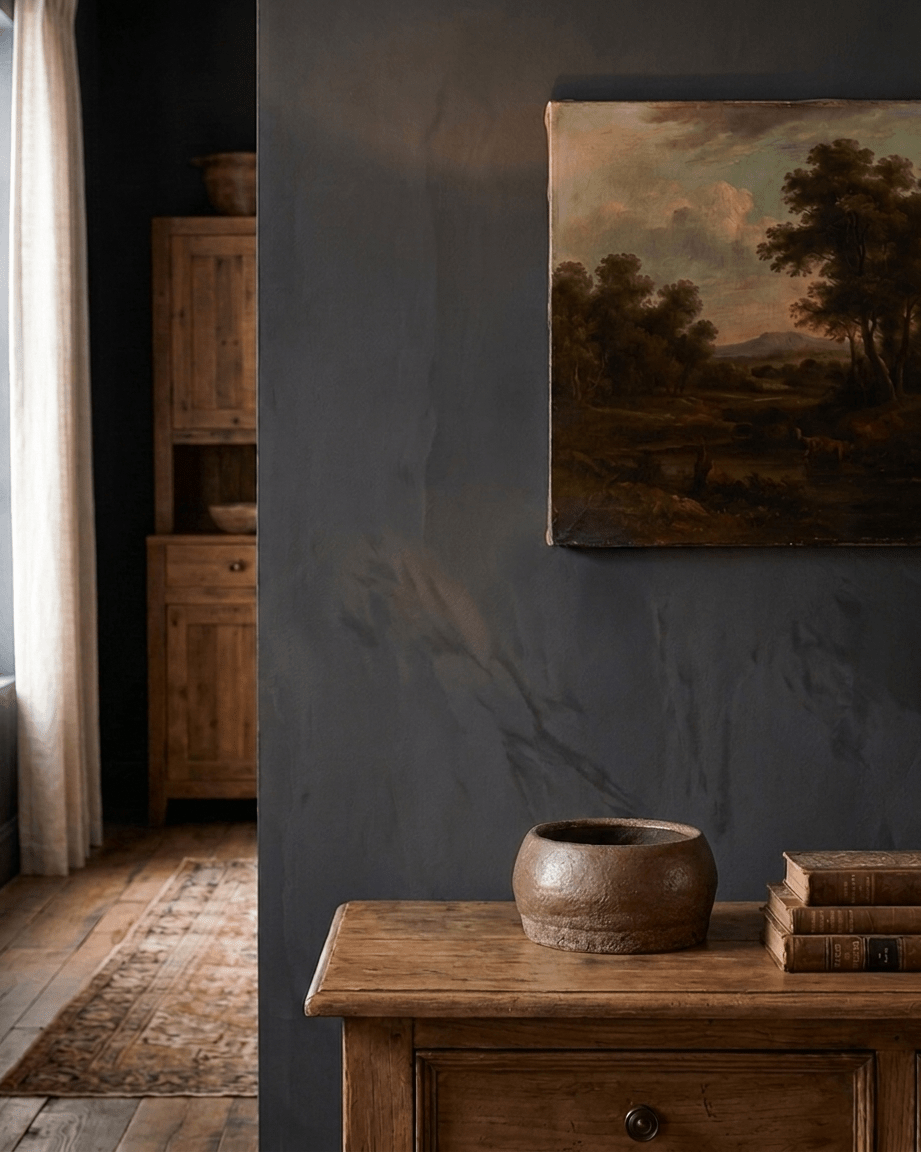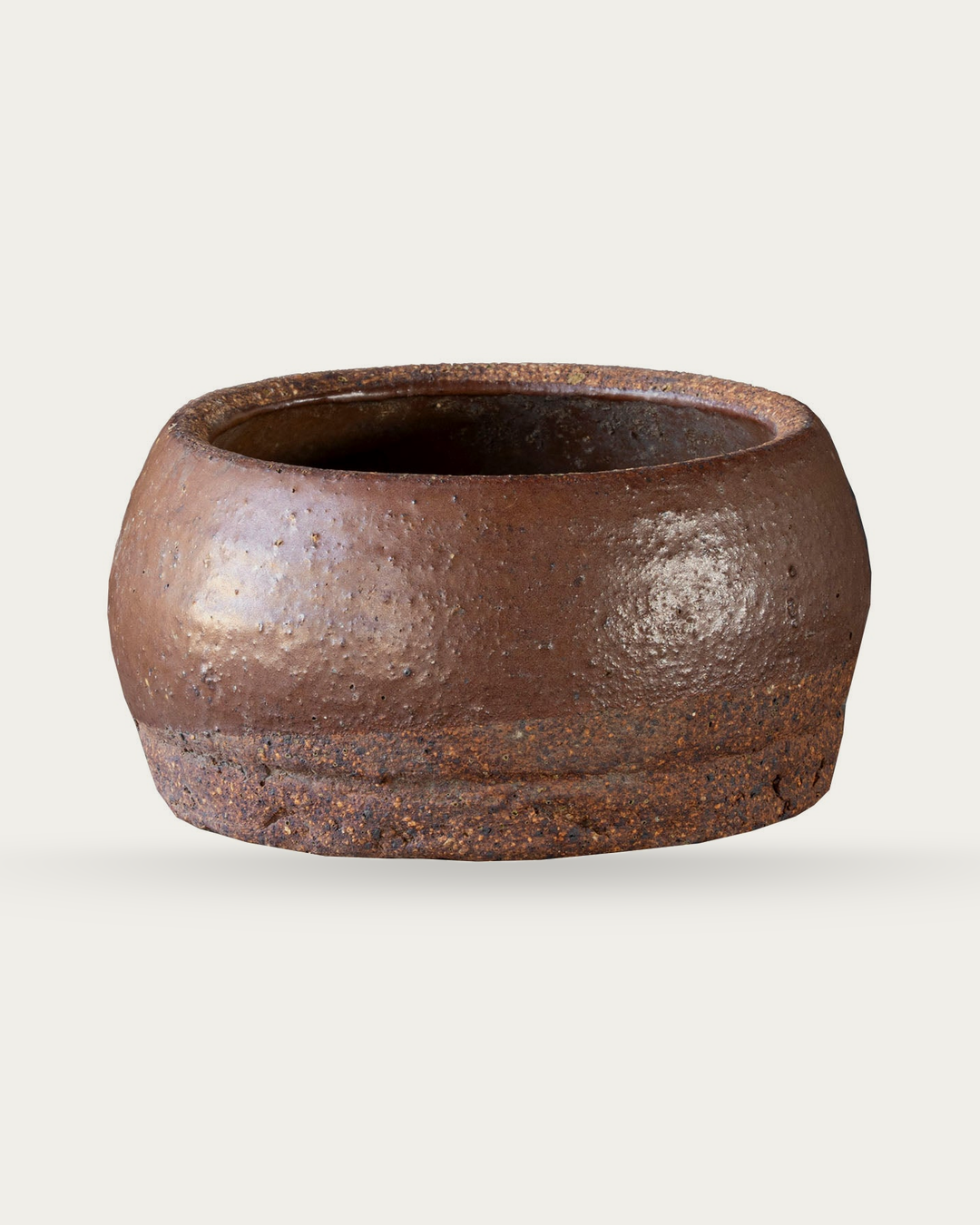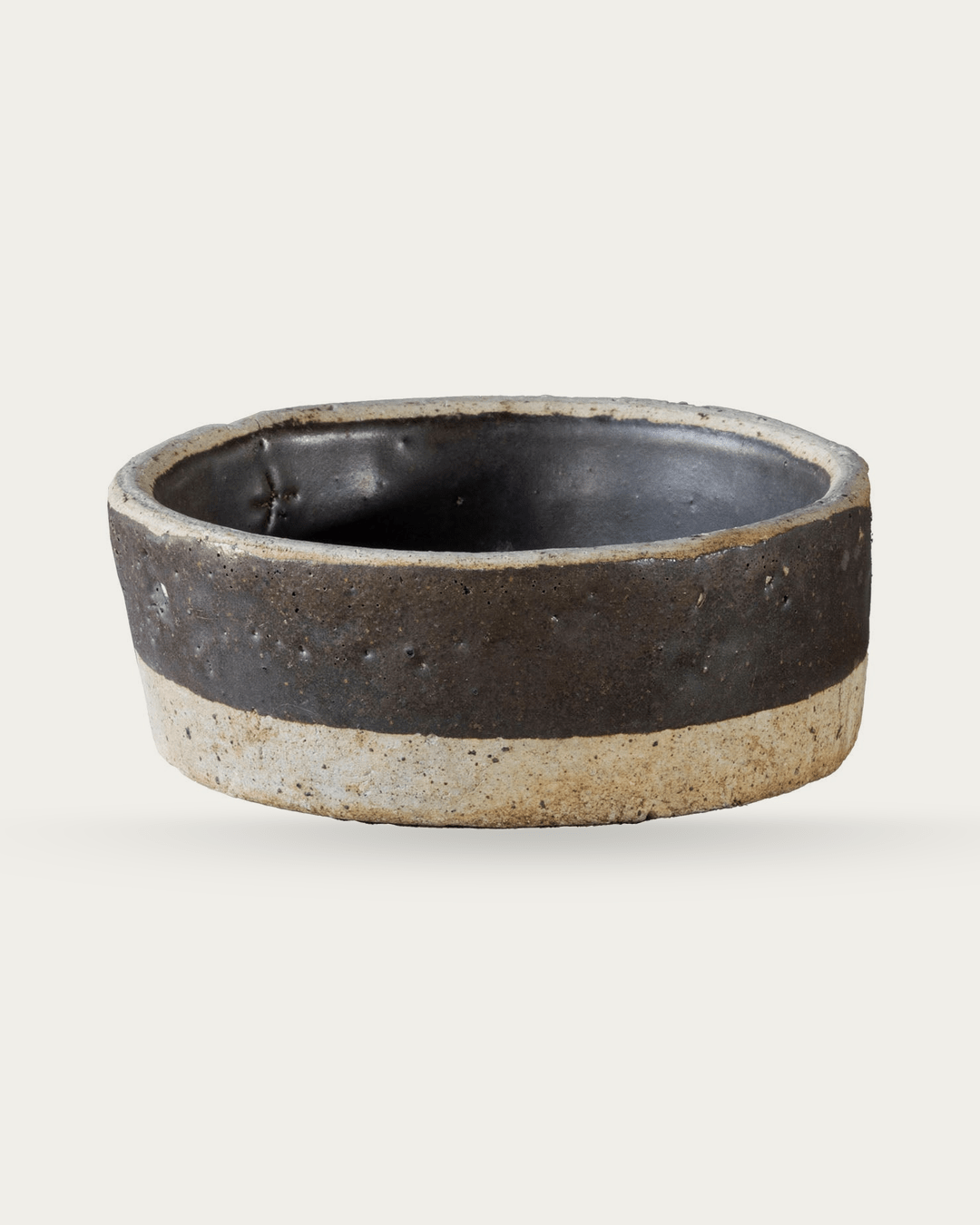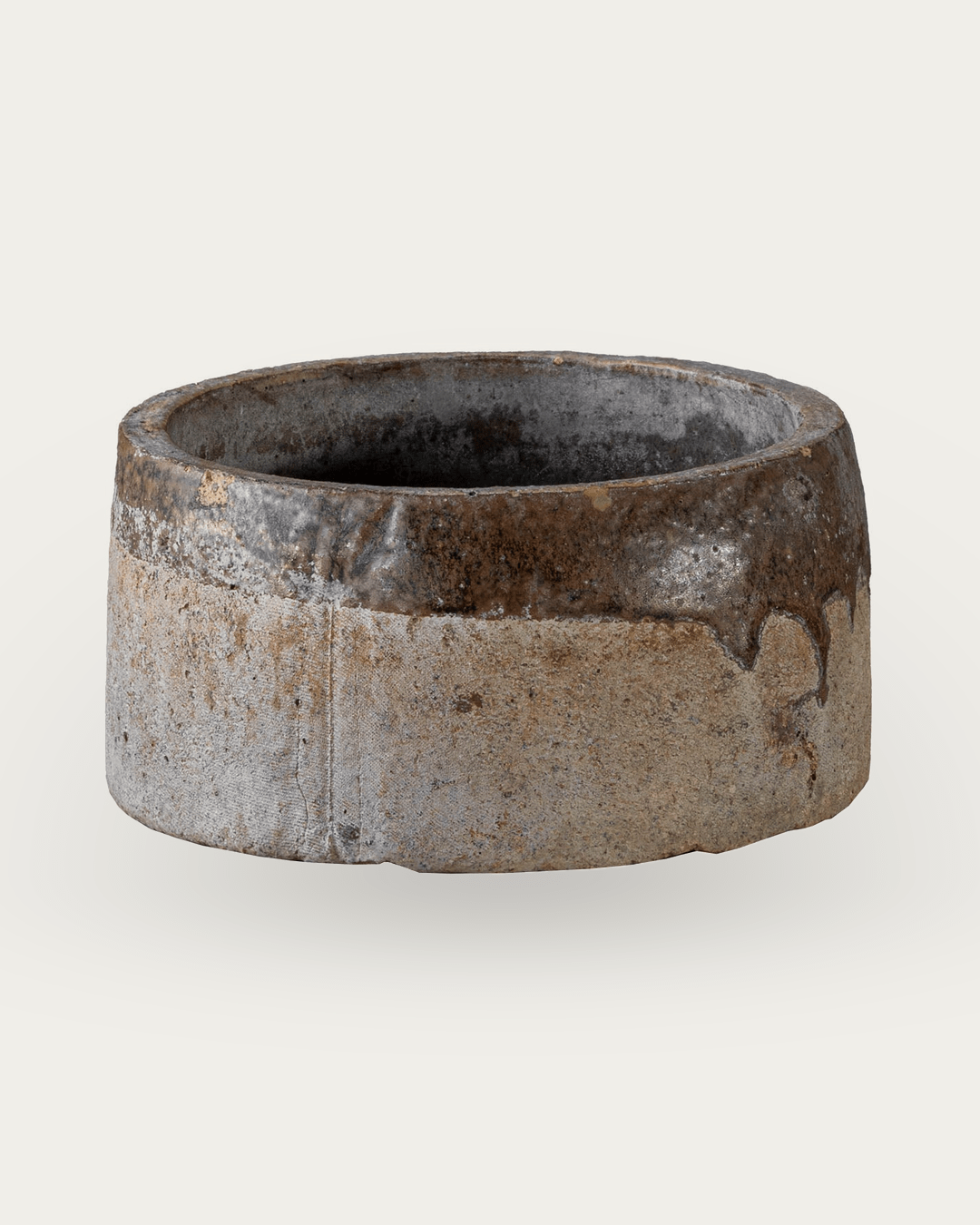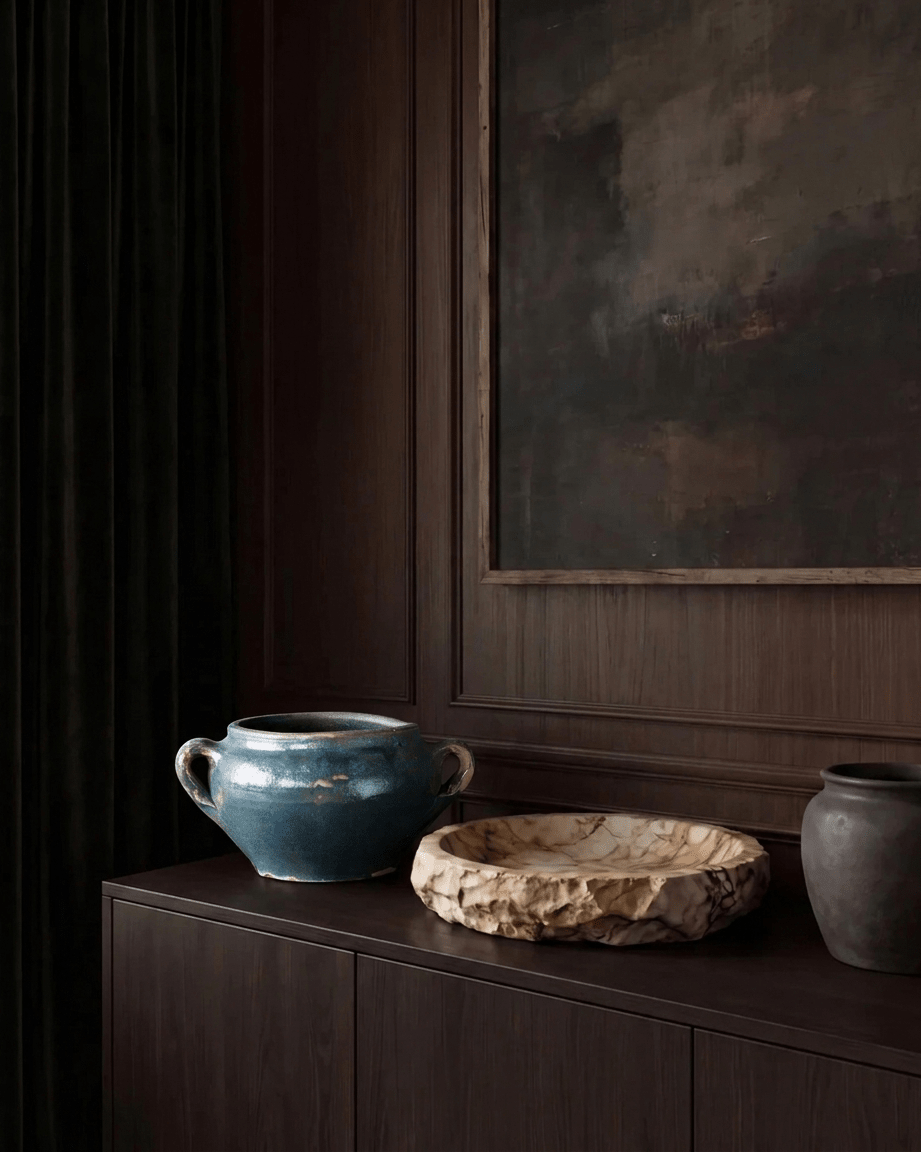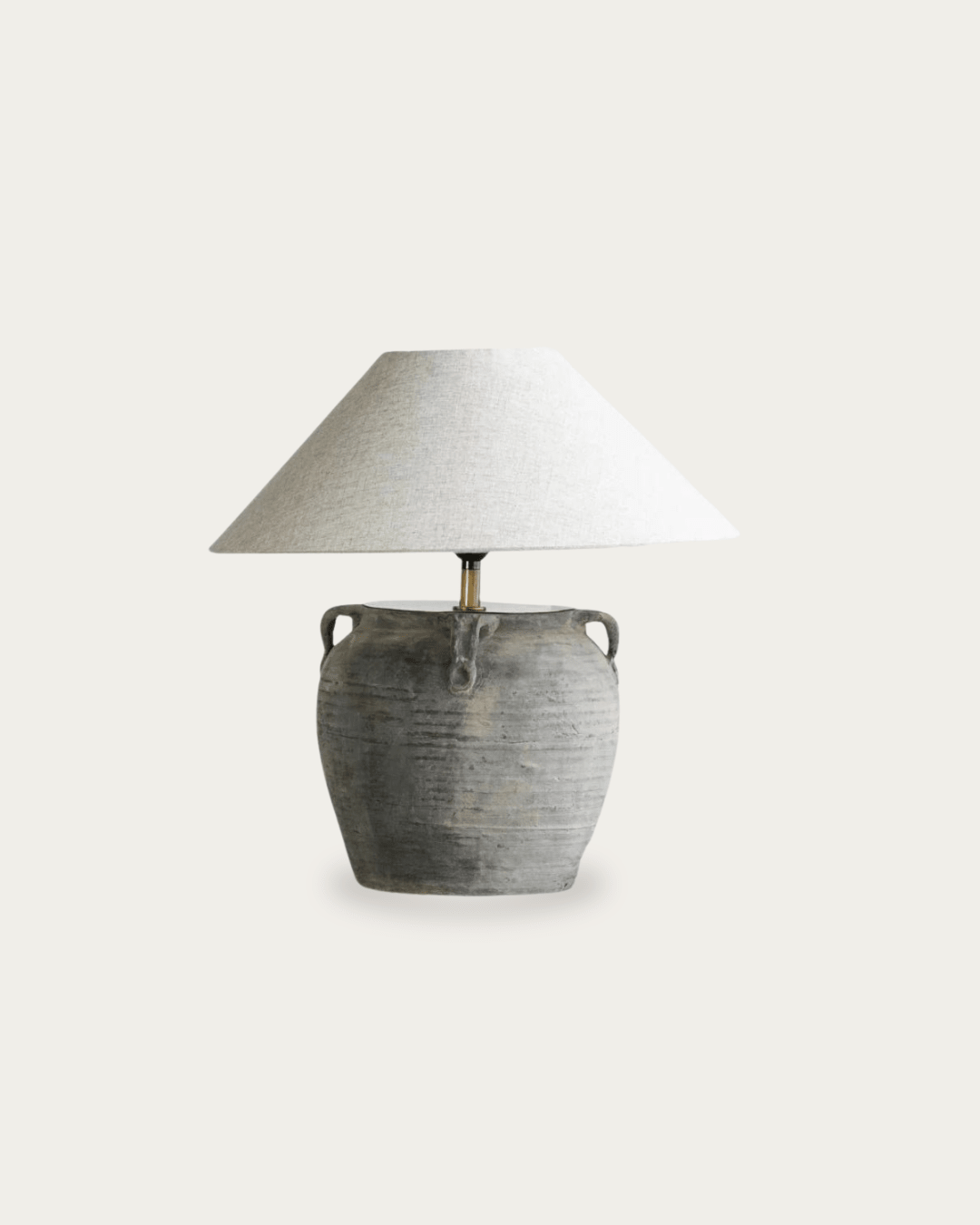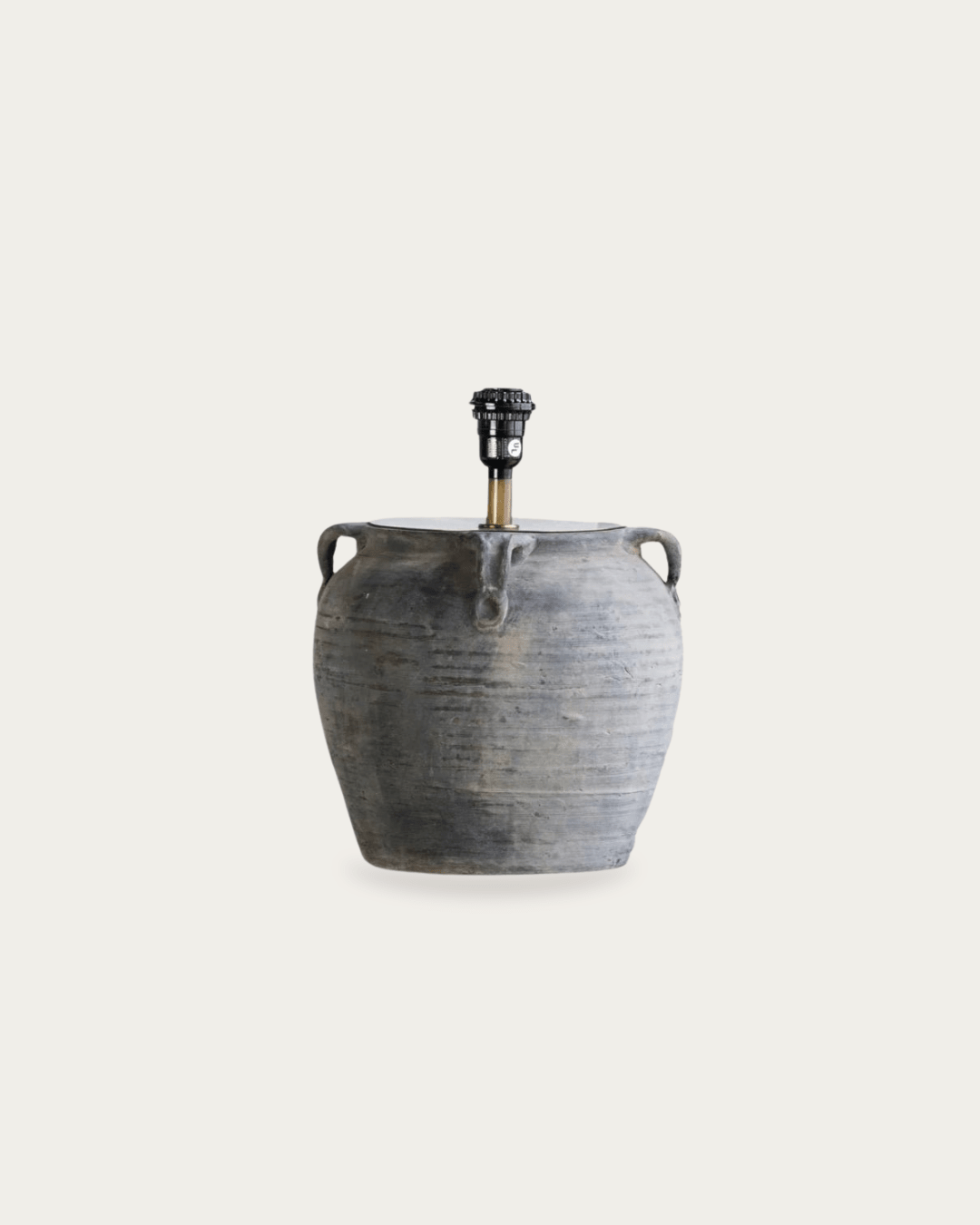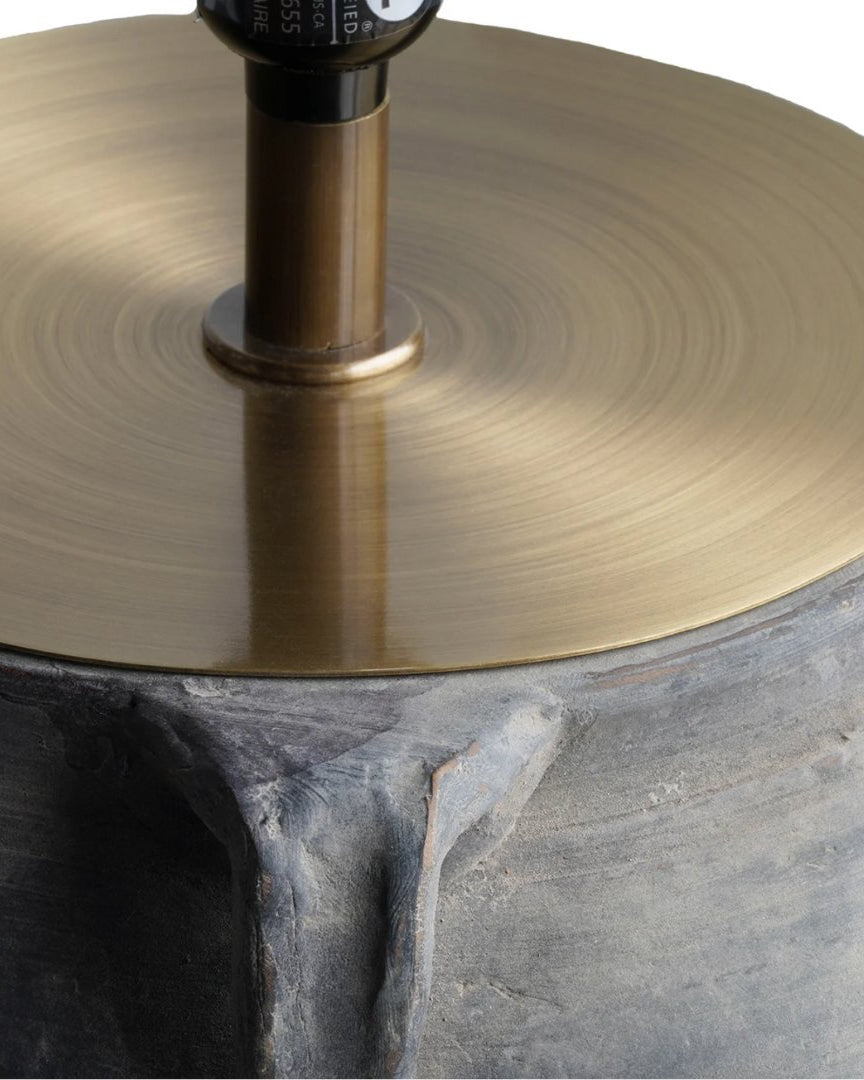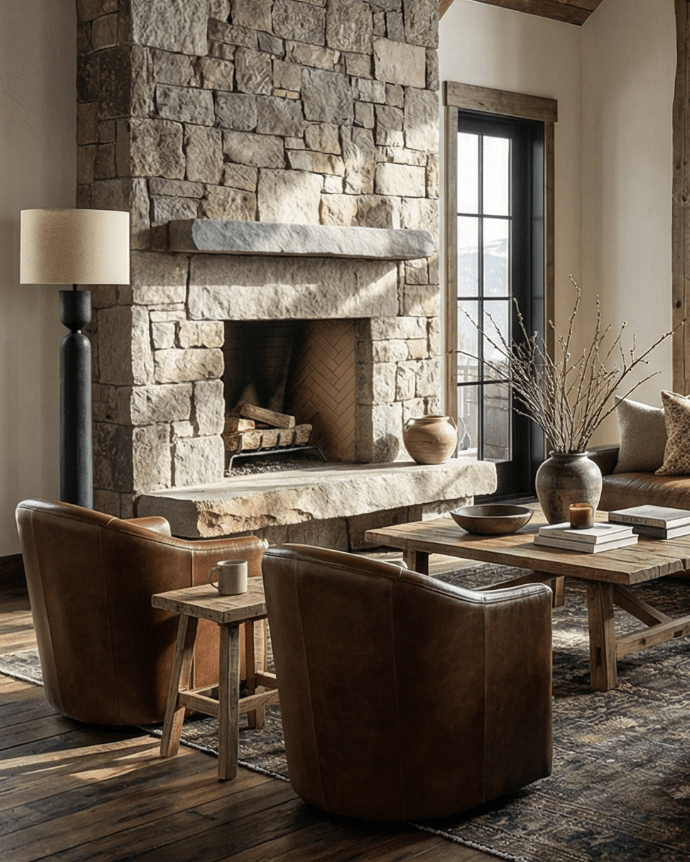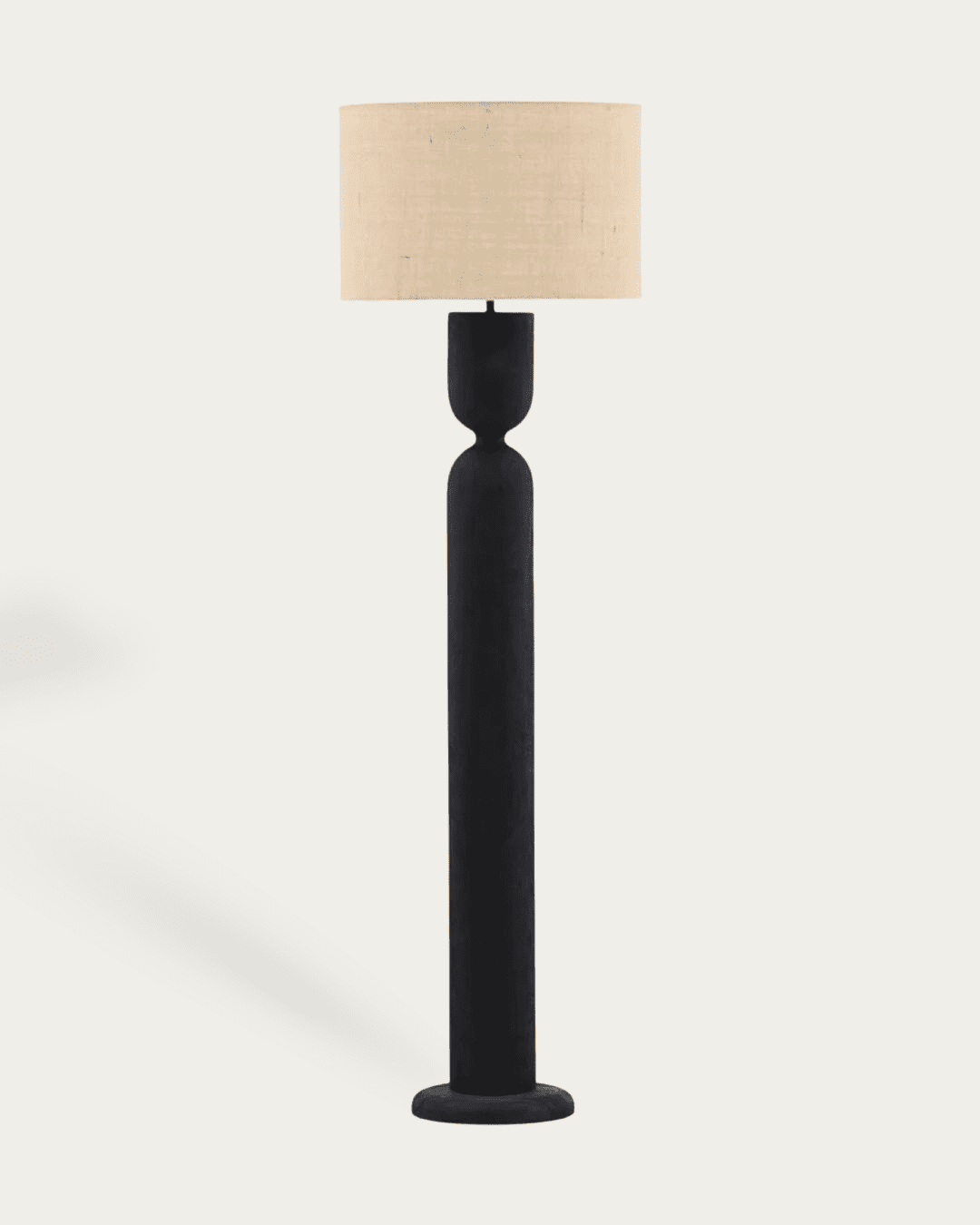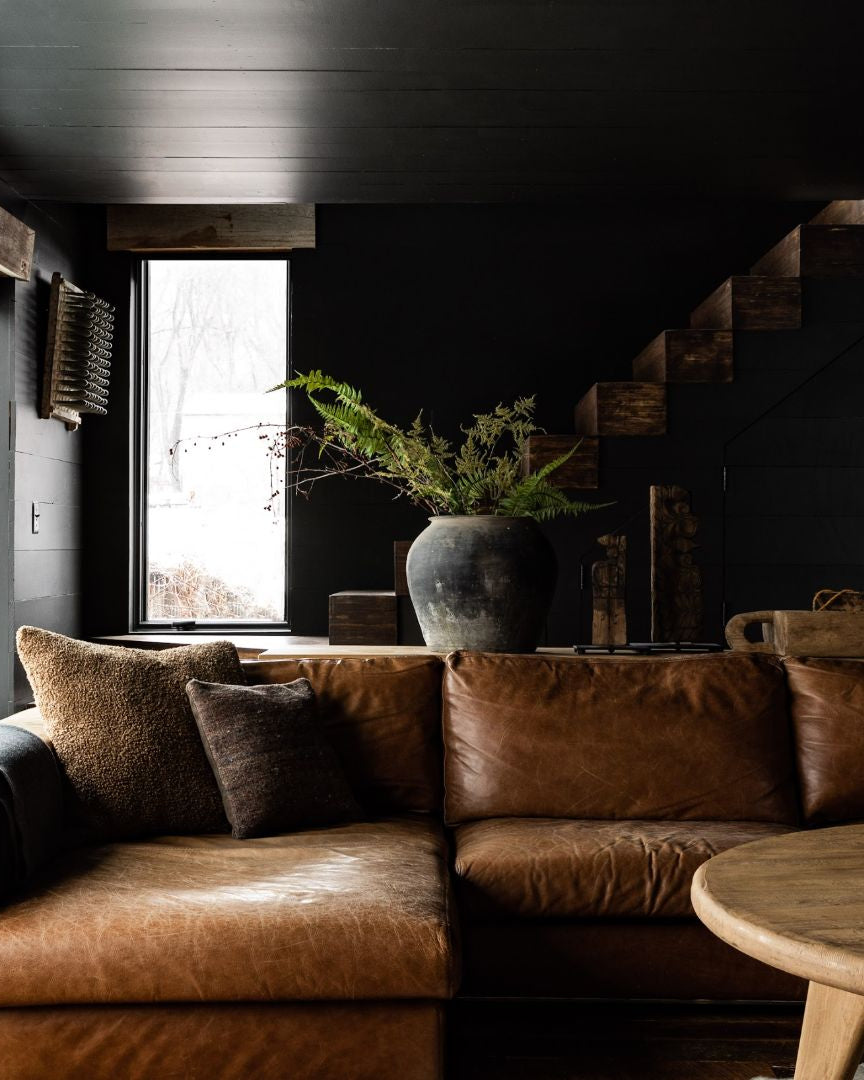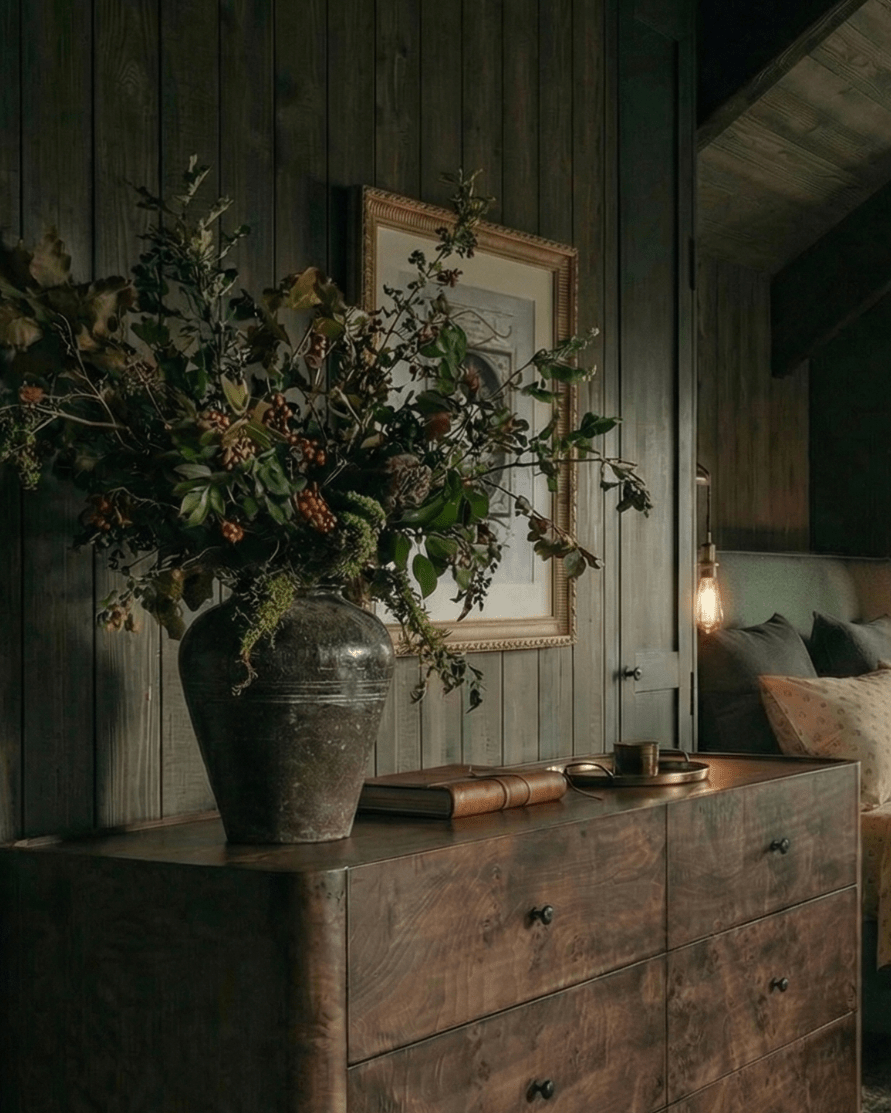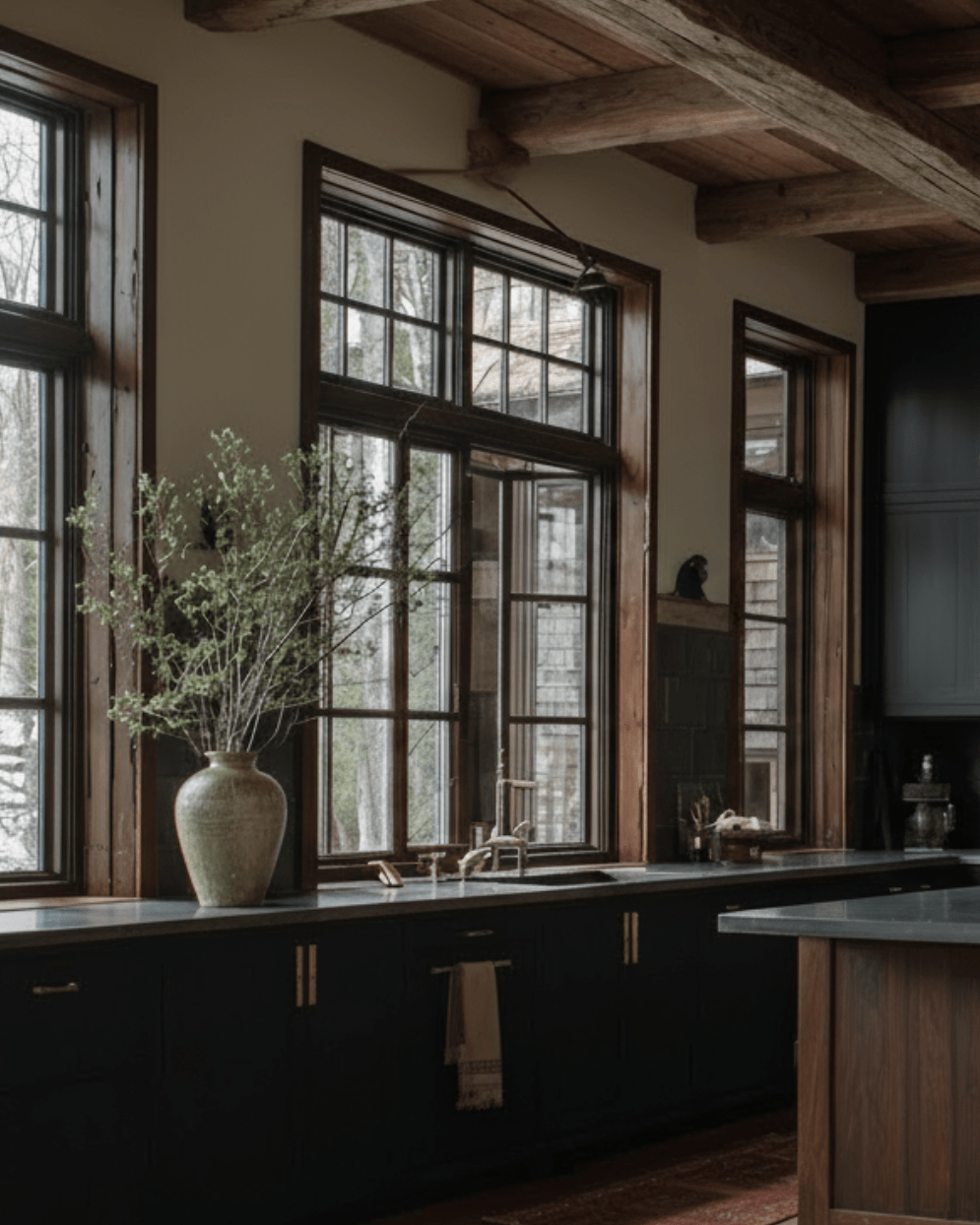








Here's an easy way to make an expensive room look slightly off: put a tiny lamp on a substantial table.
It happens constantly. The console is six feet long, the sofa has plenty of visual weight, the artwork is oversized—and sitting beside it all is a lamp that looks like it was chosen for a dorm-room nightstand.
When choosing a unique table lamp, we tend to focus on the interesting part first: the shape, glaze, color, or material. But scale is what determines whether that lamp actually belongs where you put it. And in many rooms, going slightly larger creates better proportions, more useful light, and far more visual presence than playing it safe with something small.
Bigger isn't always better. But undersized is much more common than you might think.
Explore Hello Norden's table lamp collection and look at the lamps as furniture-scale objects—not just something that holds a bulb.
Why Table Lamps Often Look Too Small
Table lamps are deceptive when you're shopping for them.
On a product page, the lamp fills the screen. You see the texture of the base, the shade, and all the small details.
Then it arrives and you place it on a 72-inch console.
Suddenly it looks tiny.
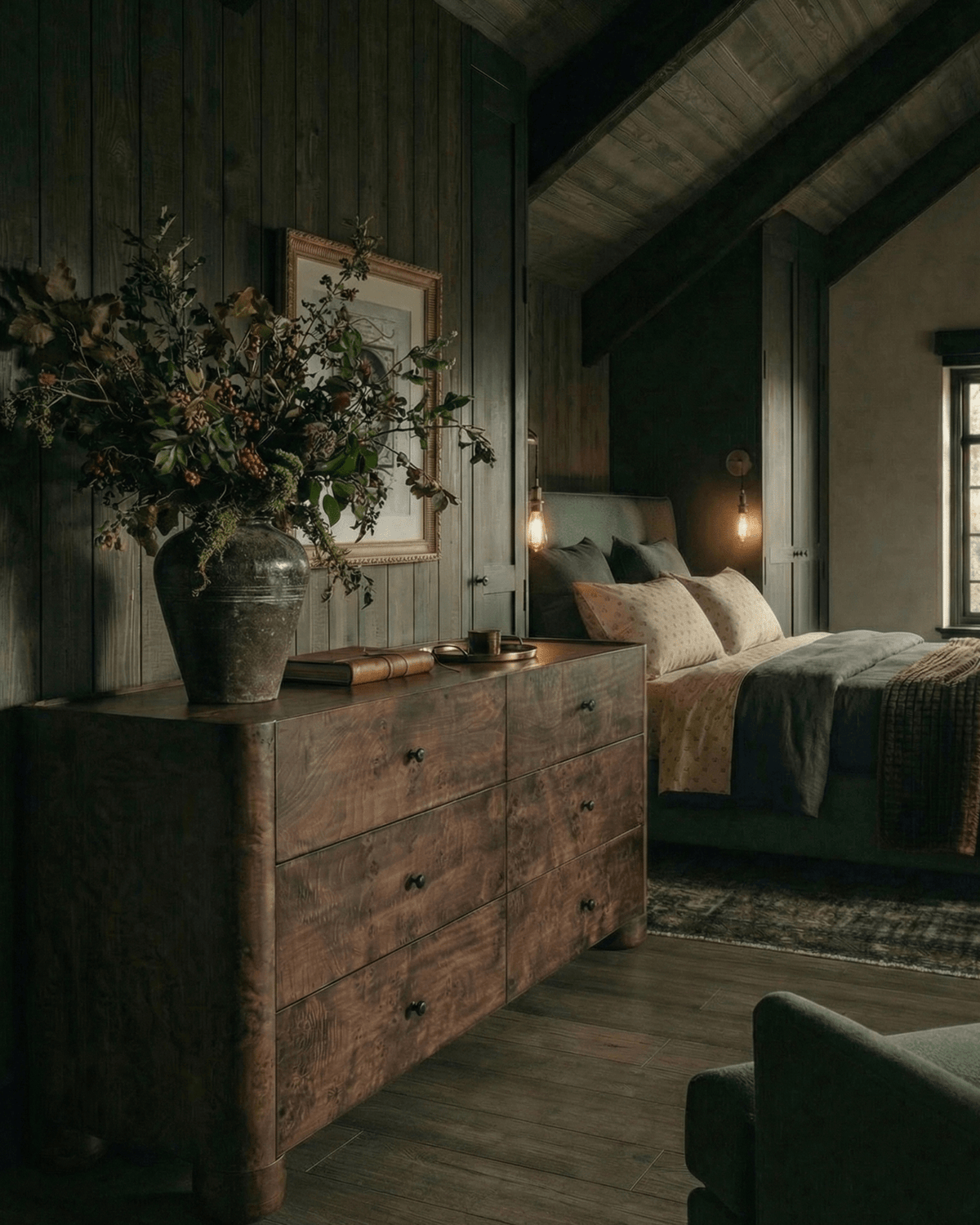
That's because we don't experience a table lamp by itself. We see it in relation to the furniture underneath it, the wall behind it, the ceiling above it, and every object around it.
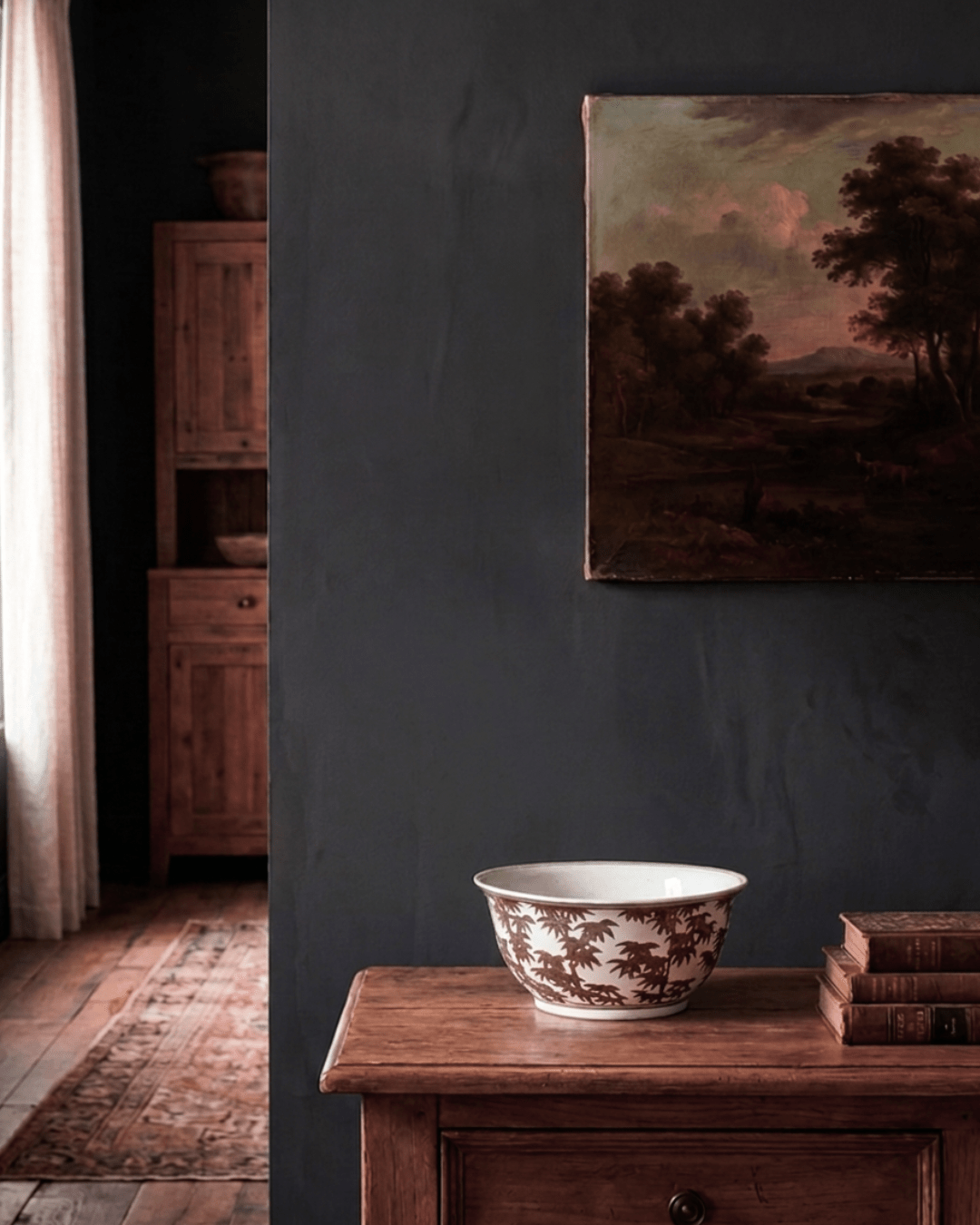
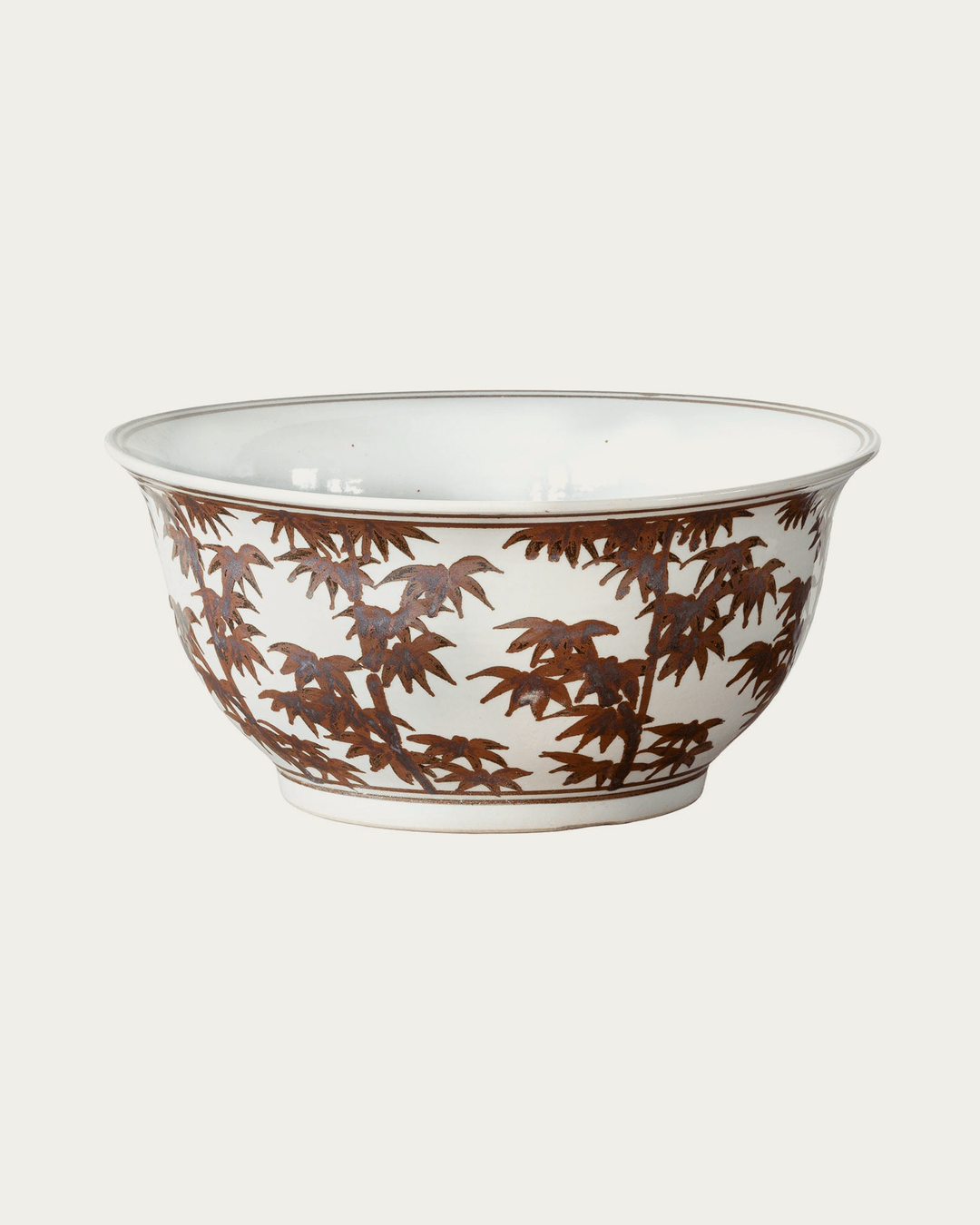
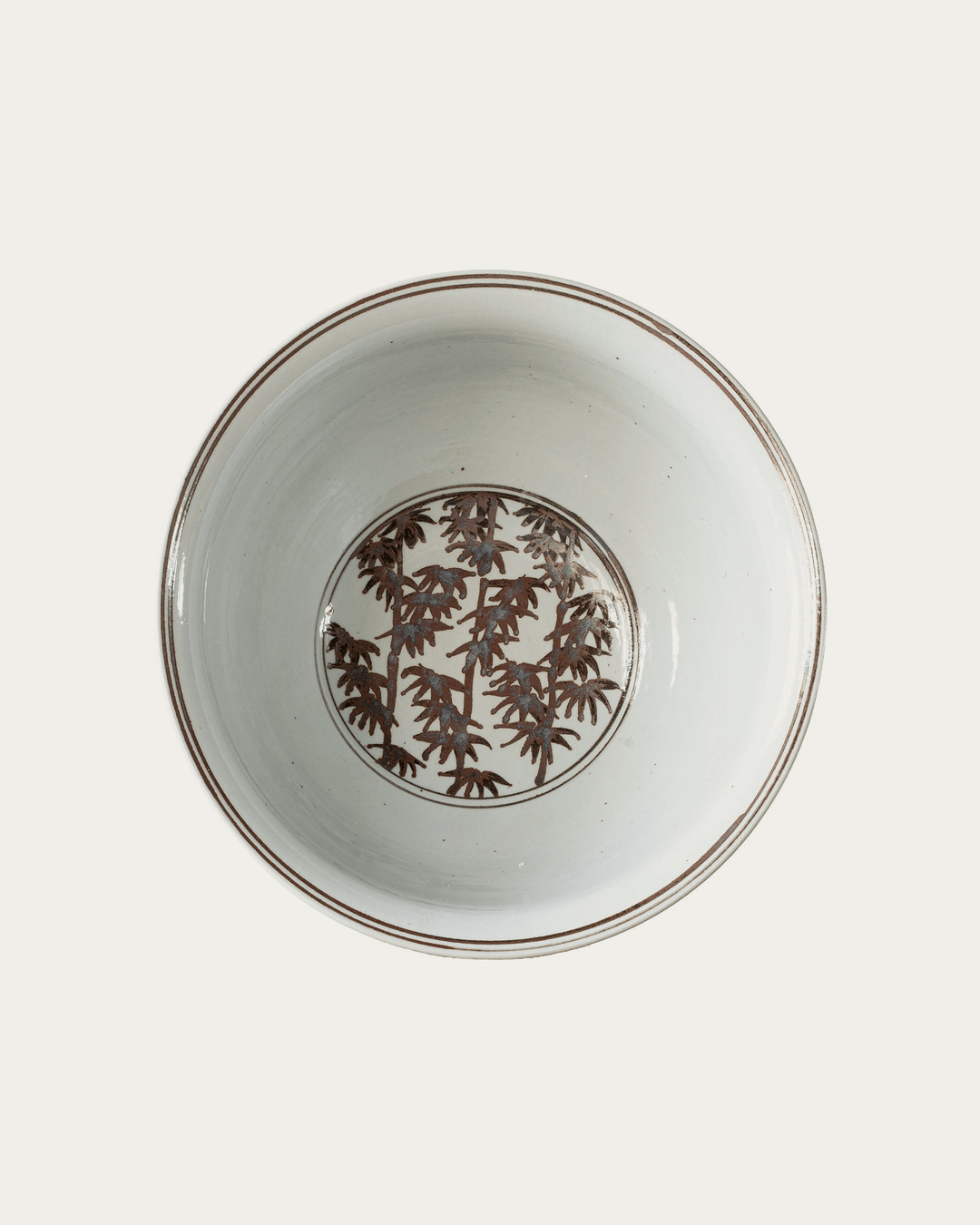
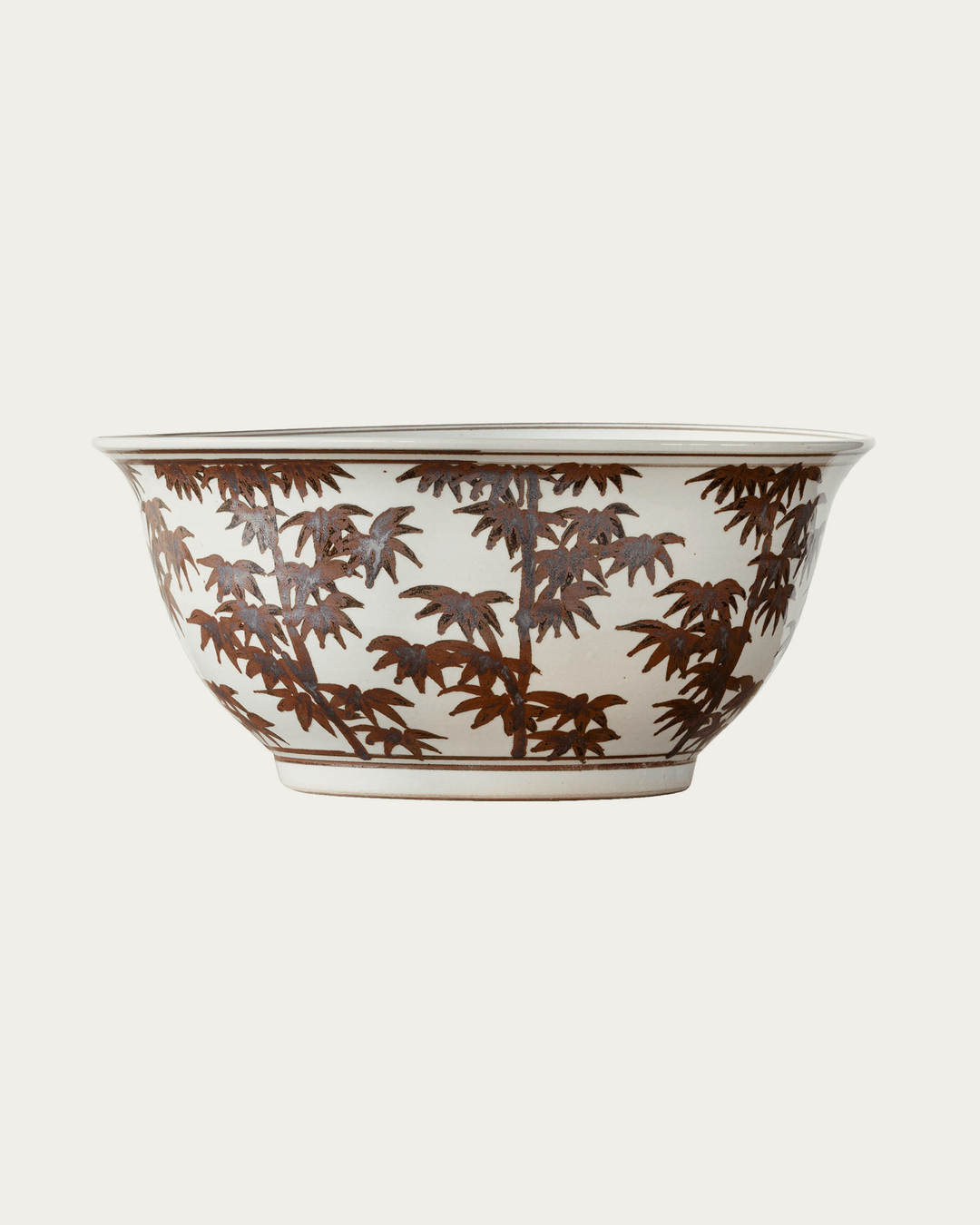
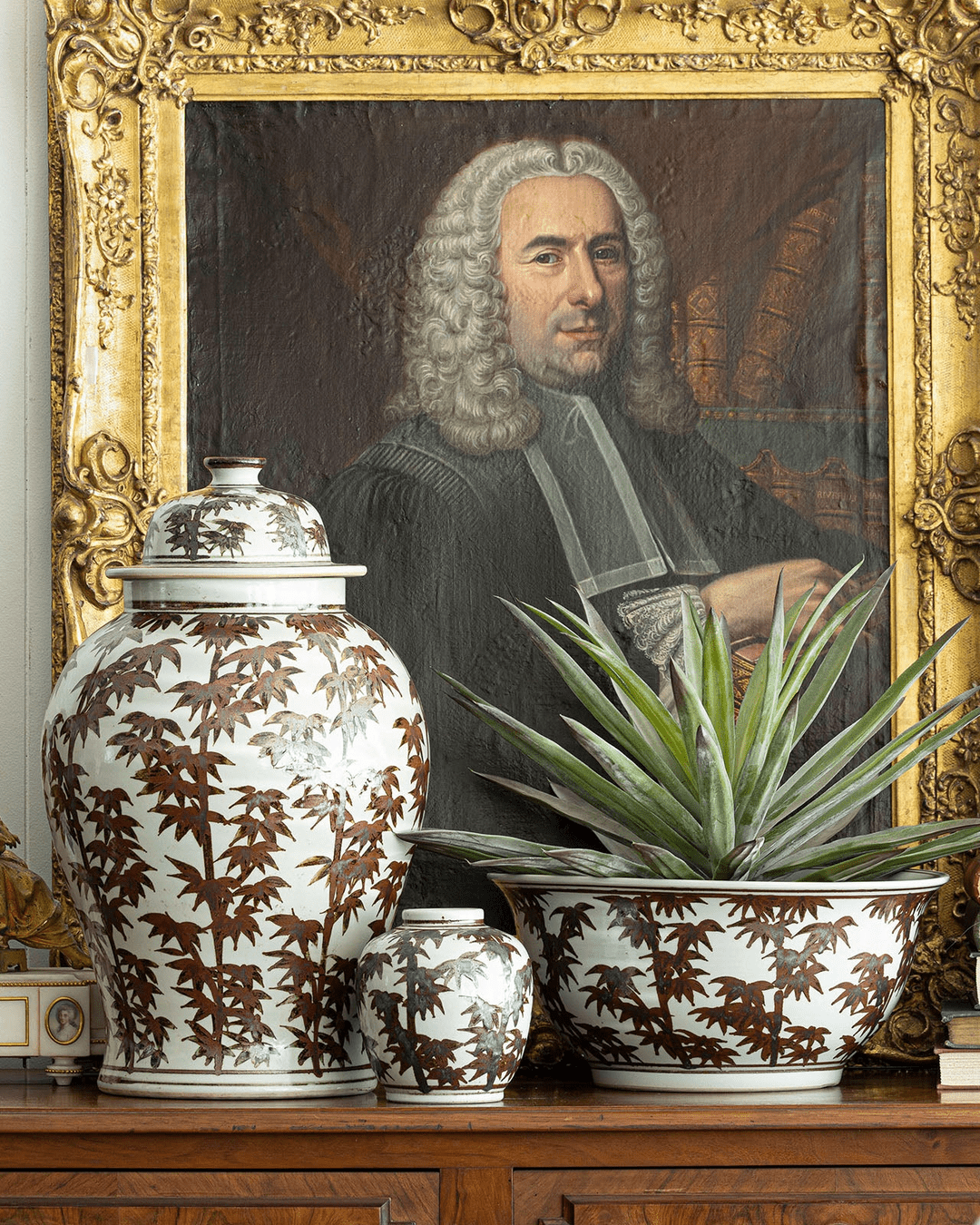
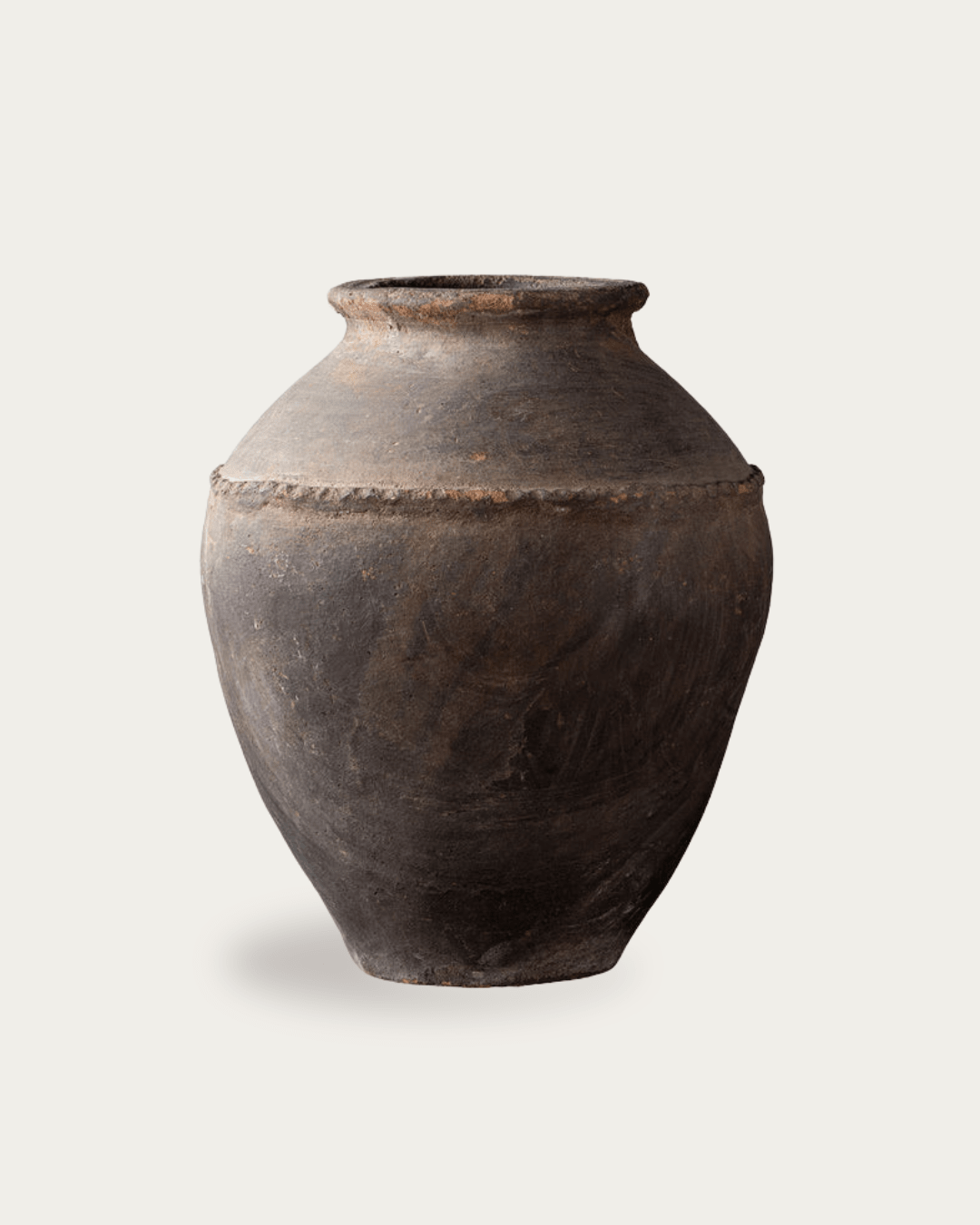
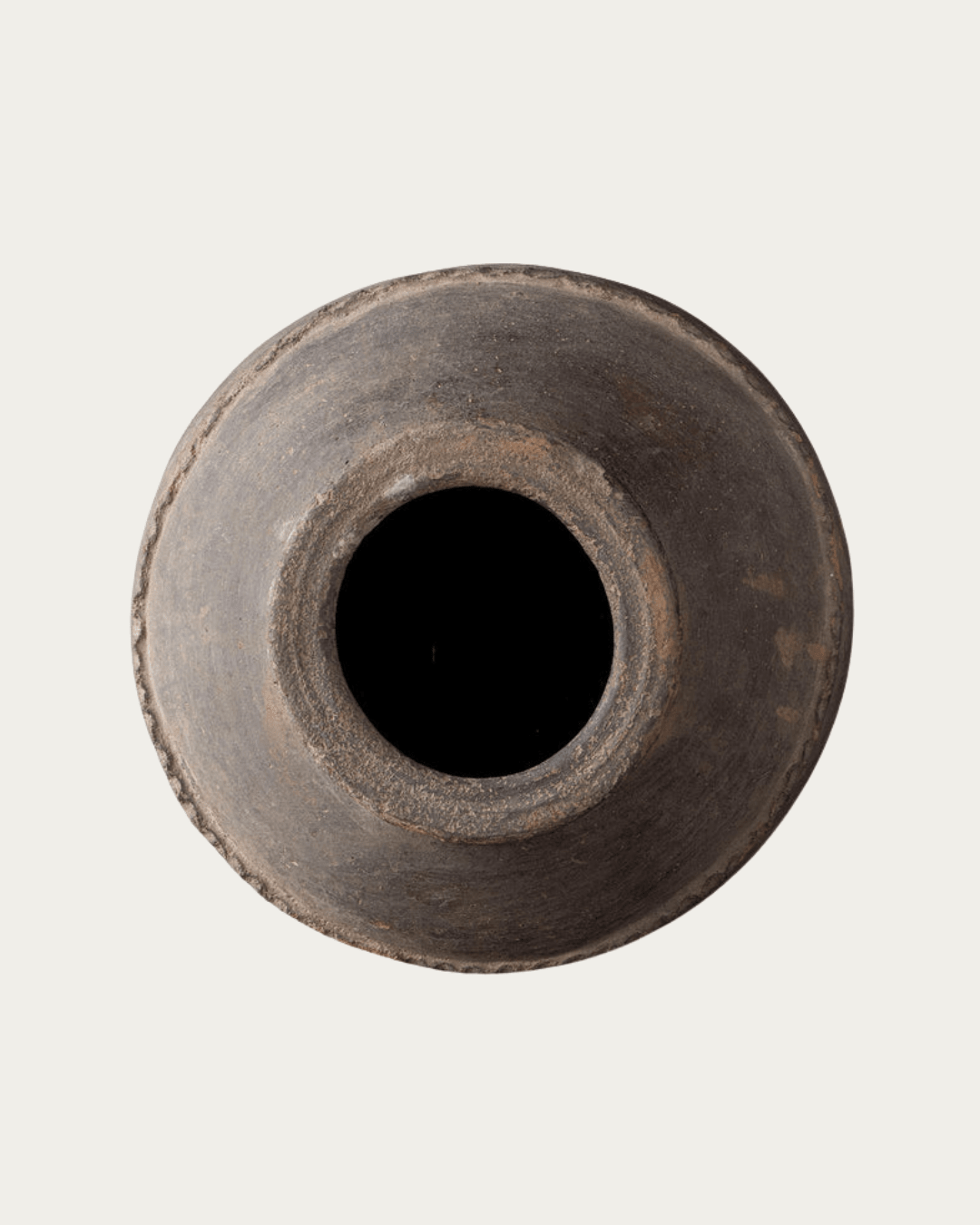
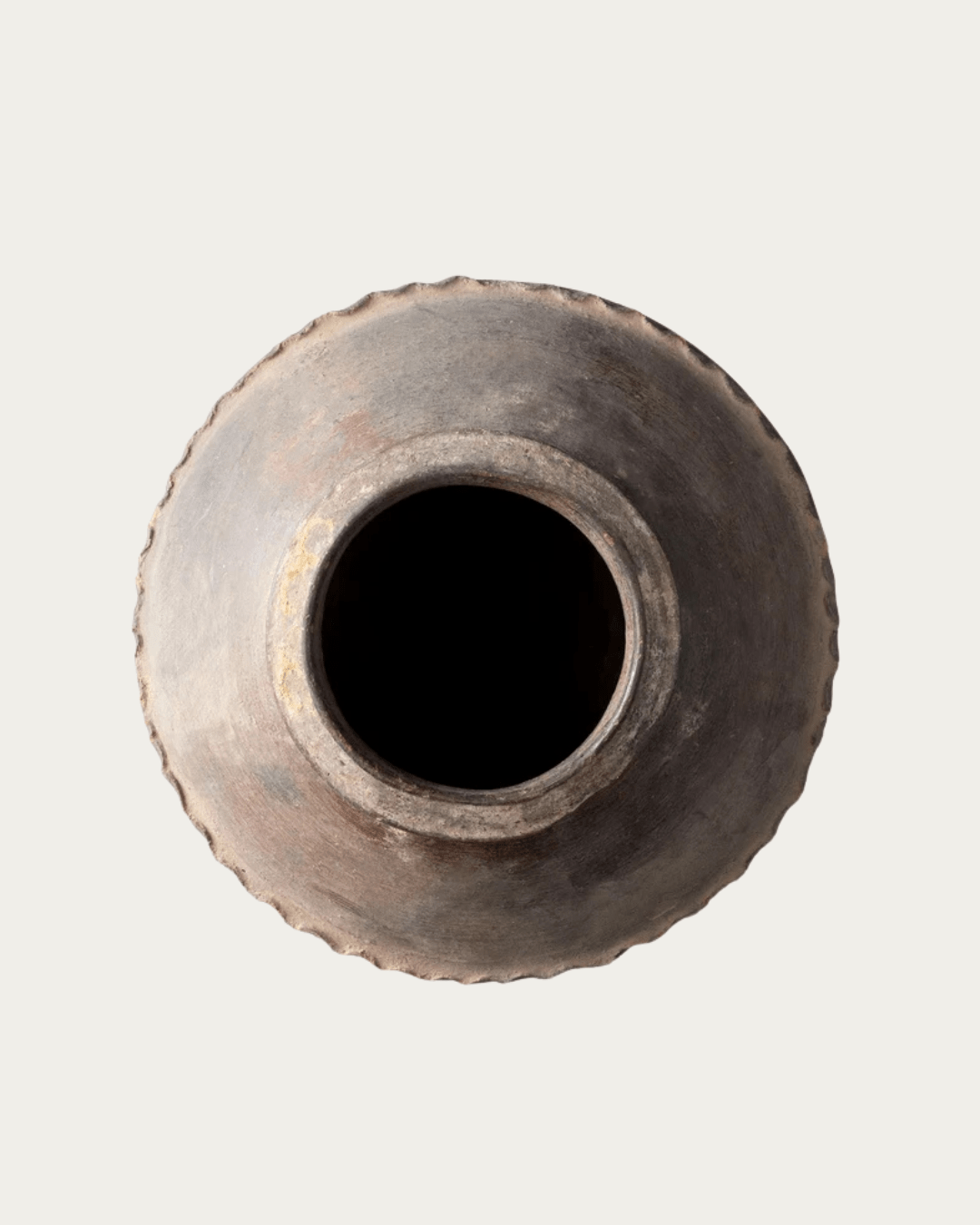
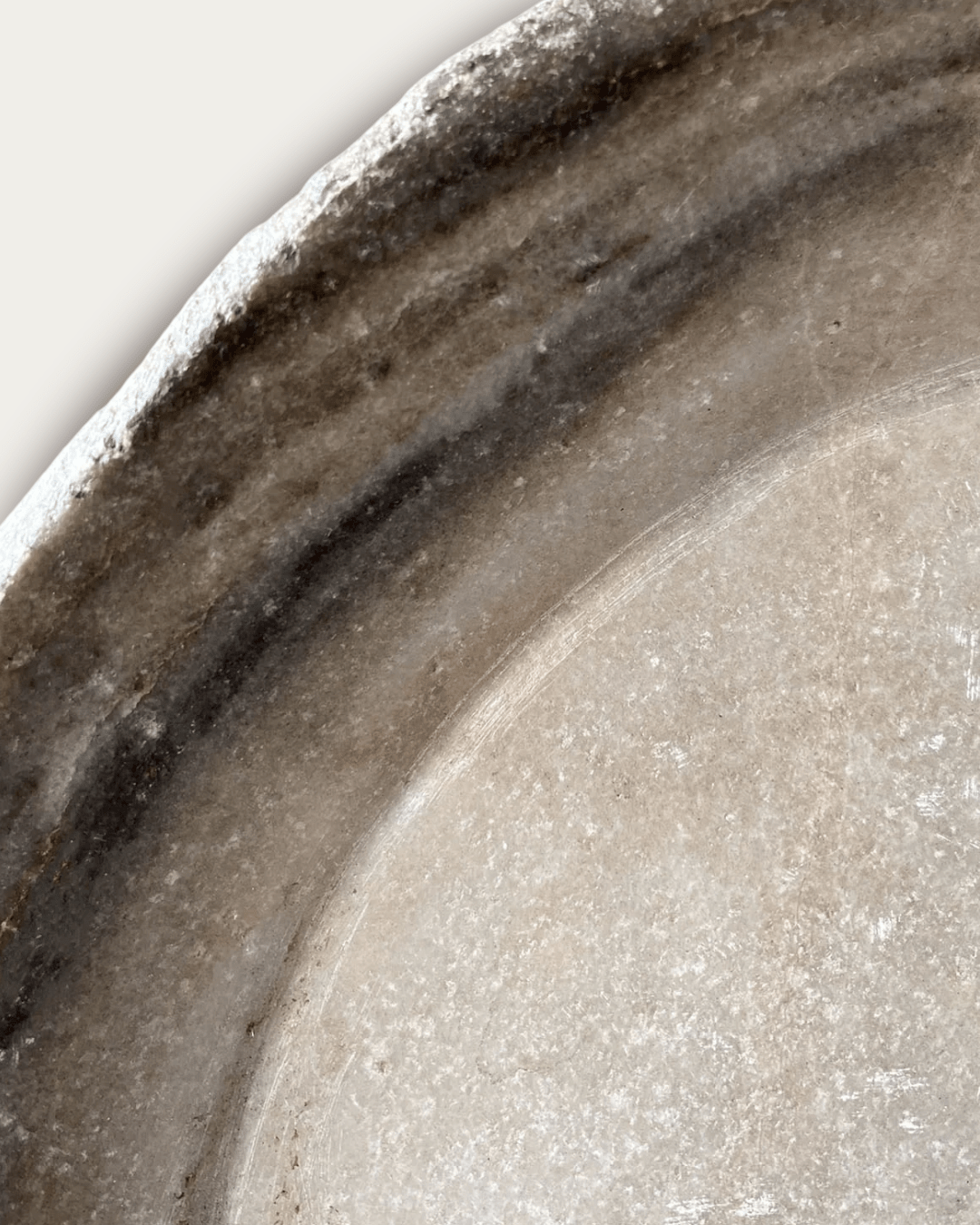
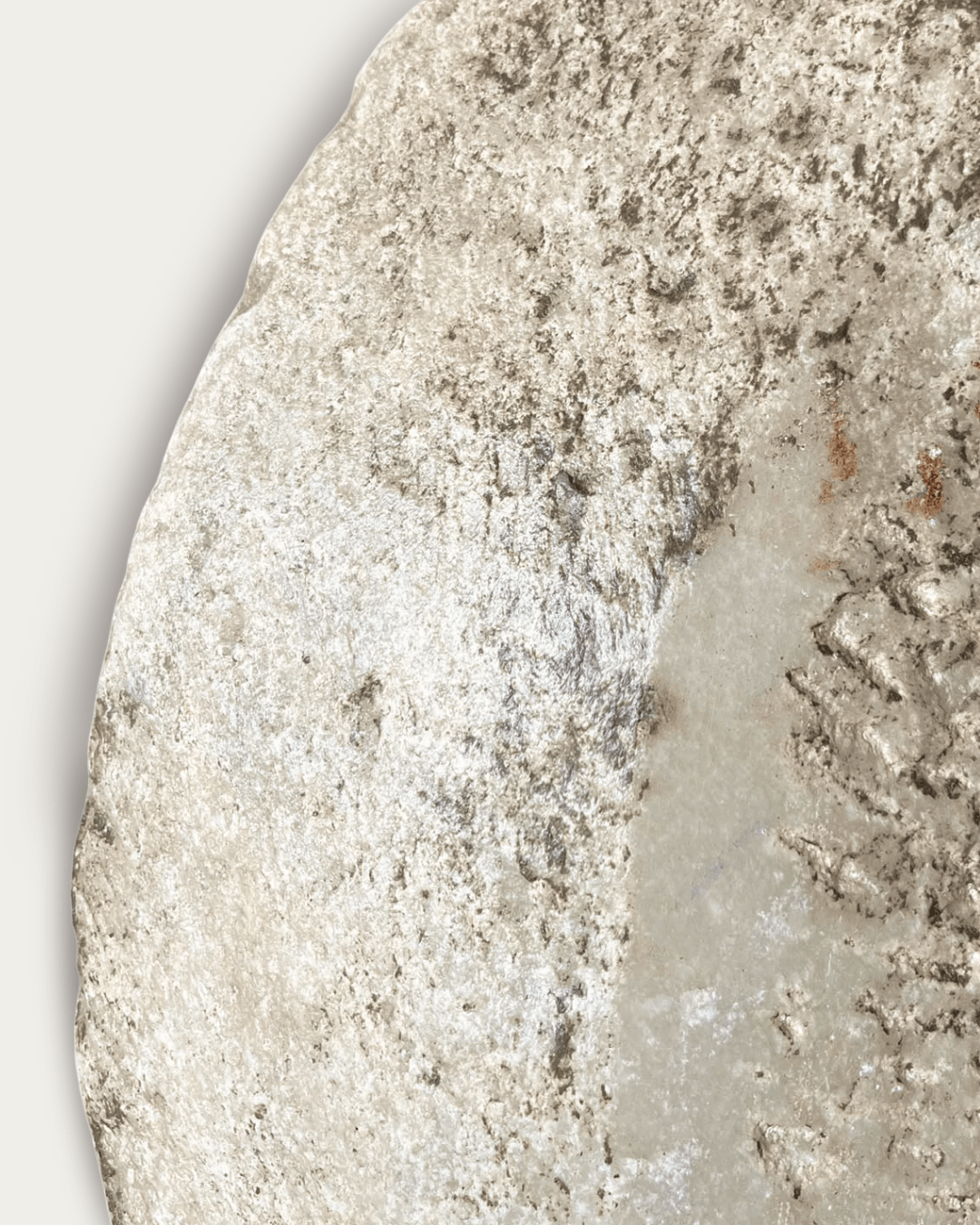
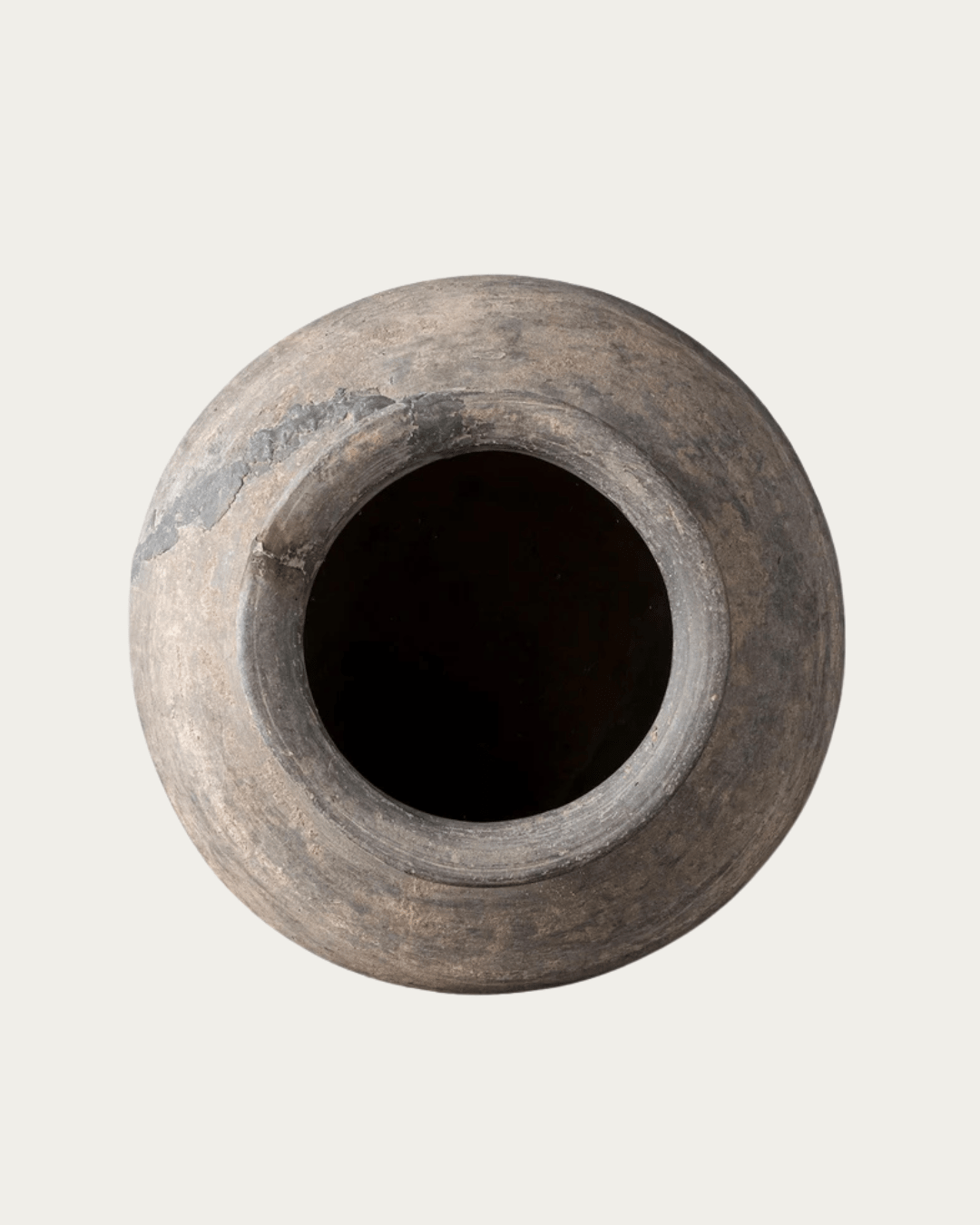
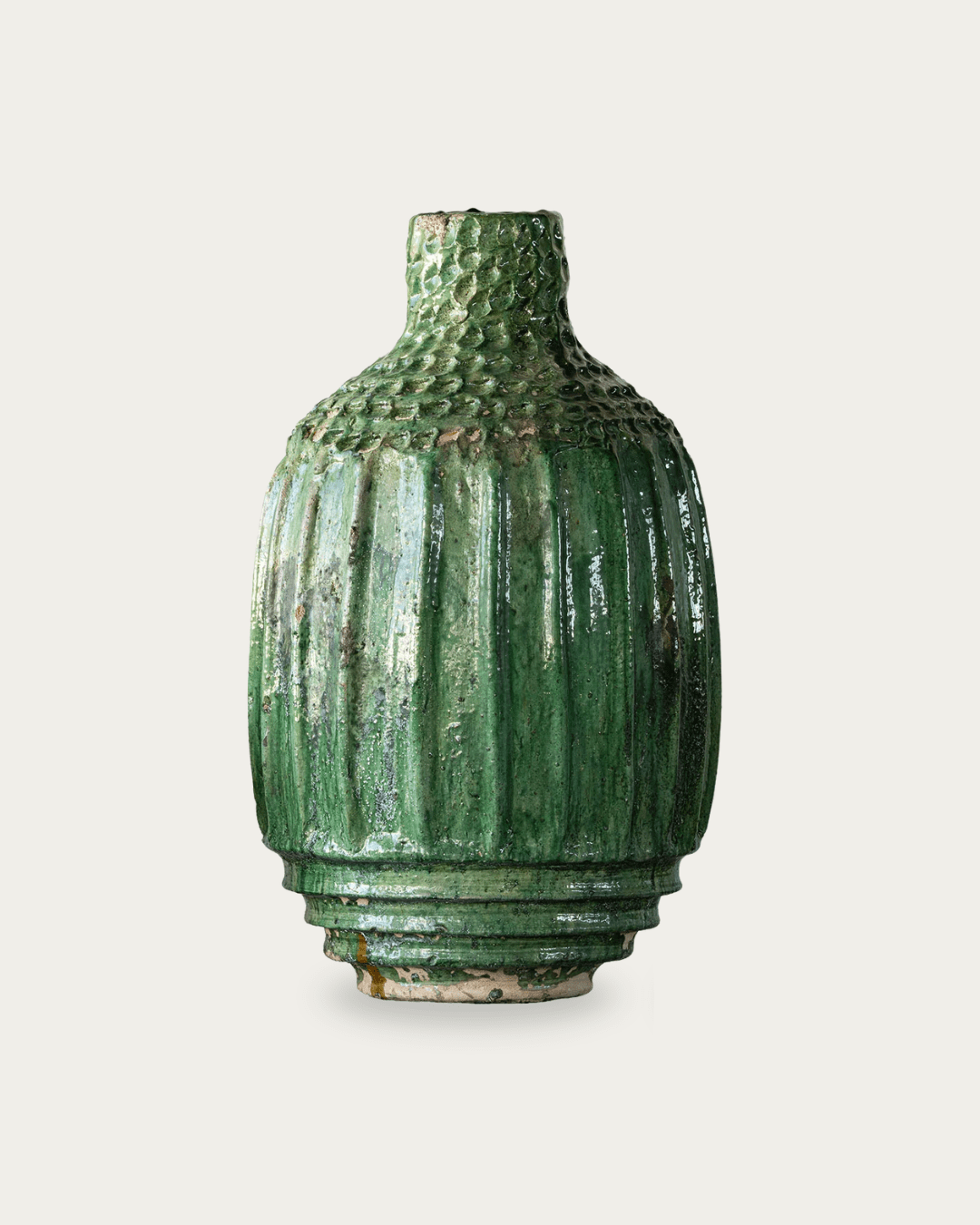
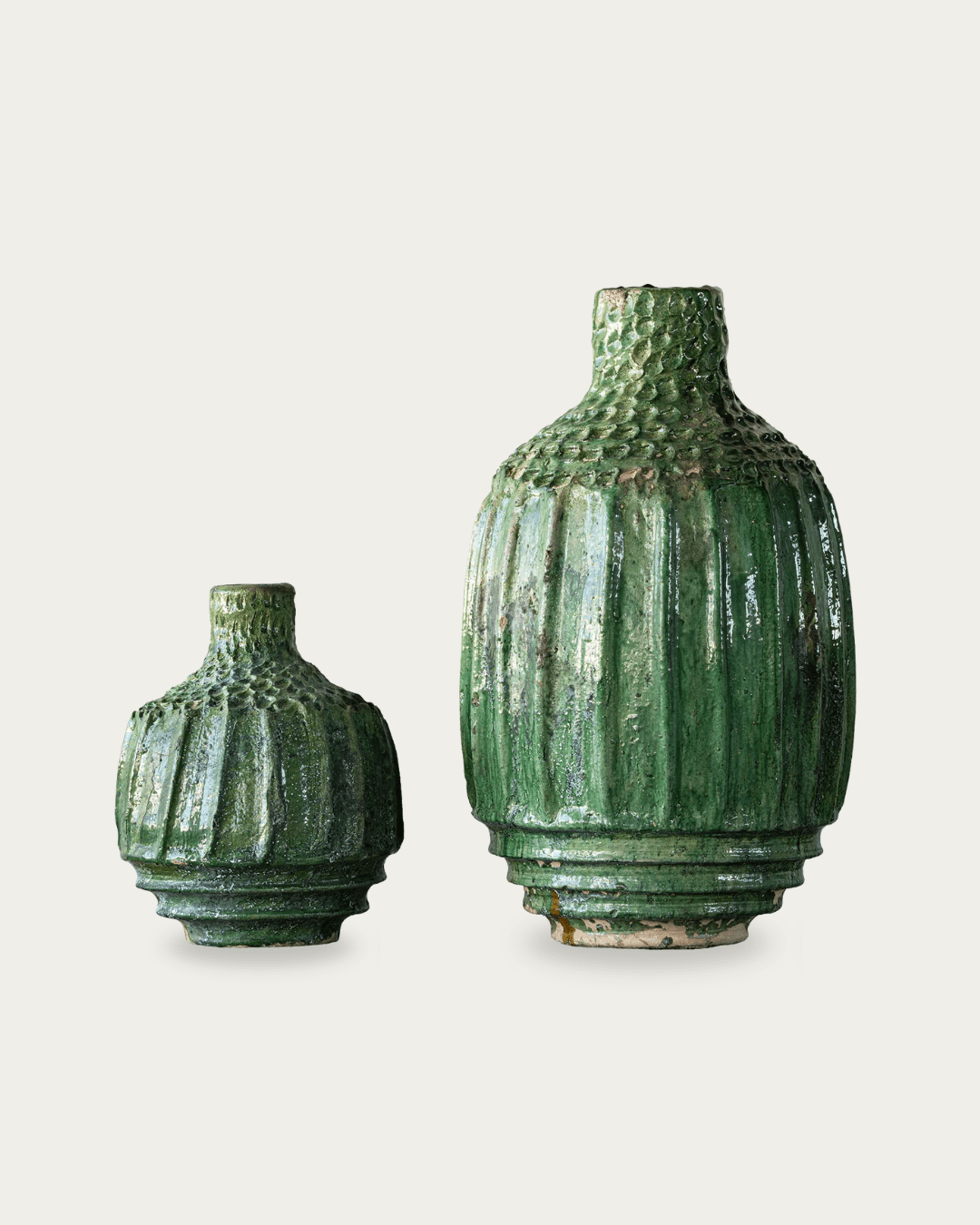
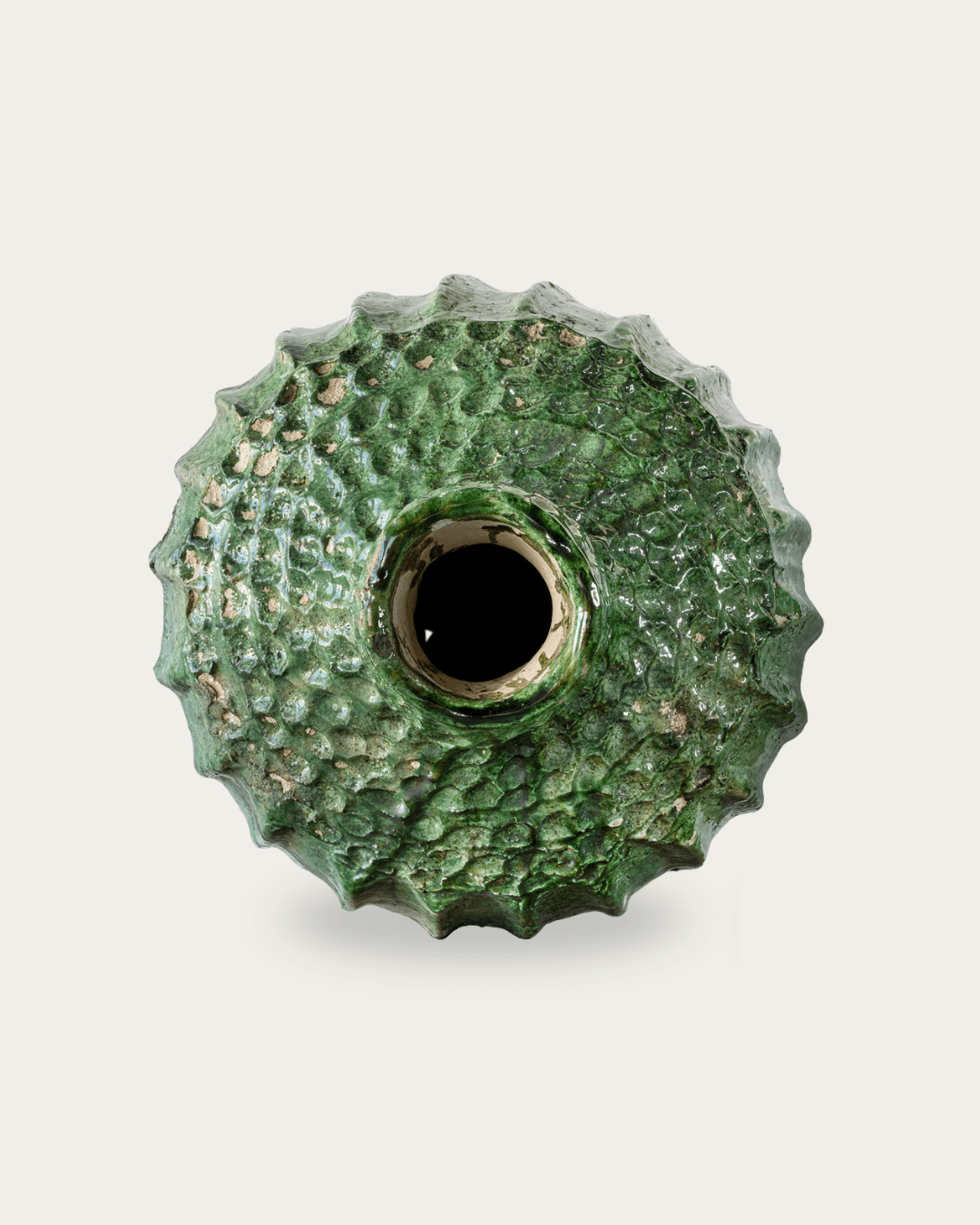
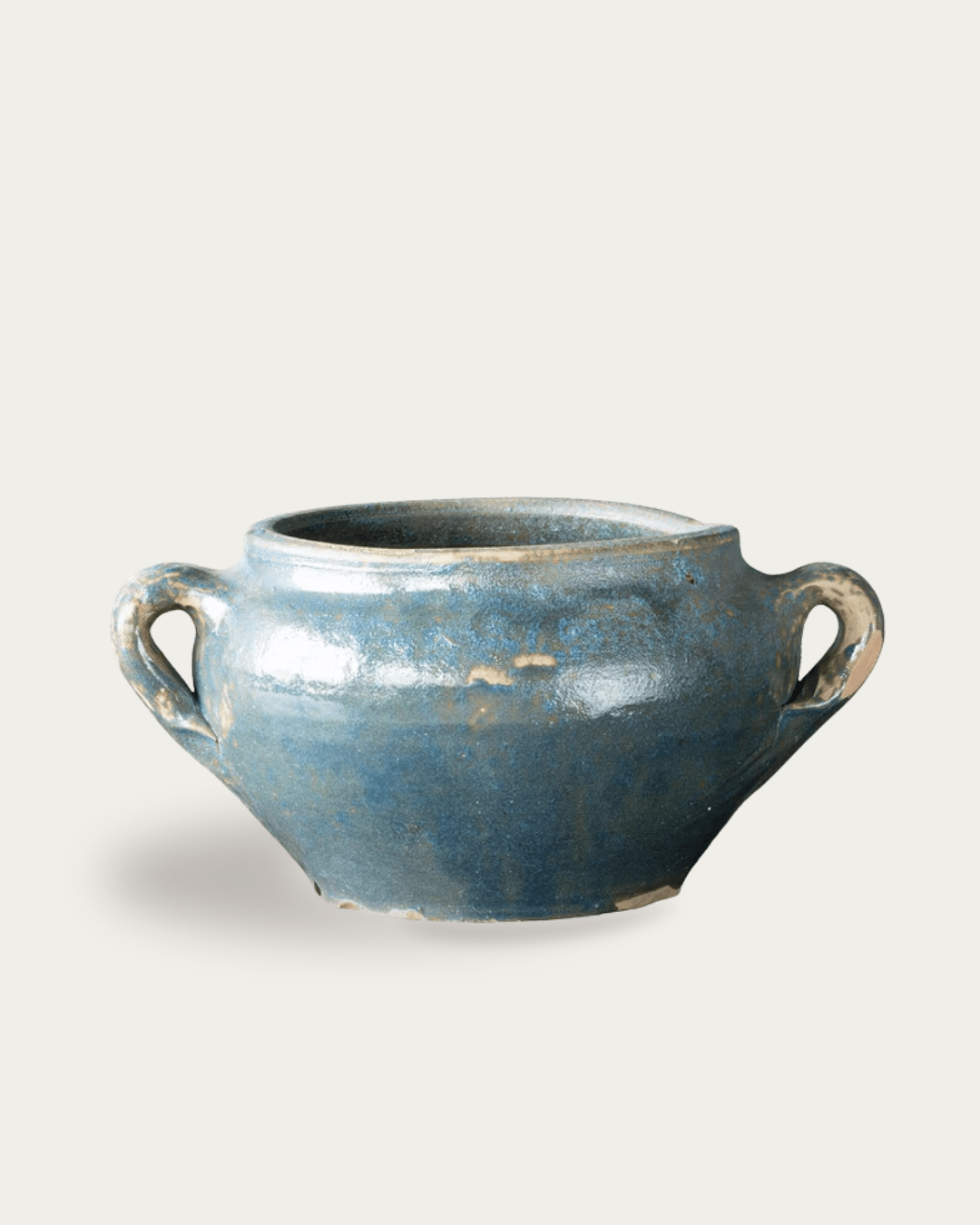
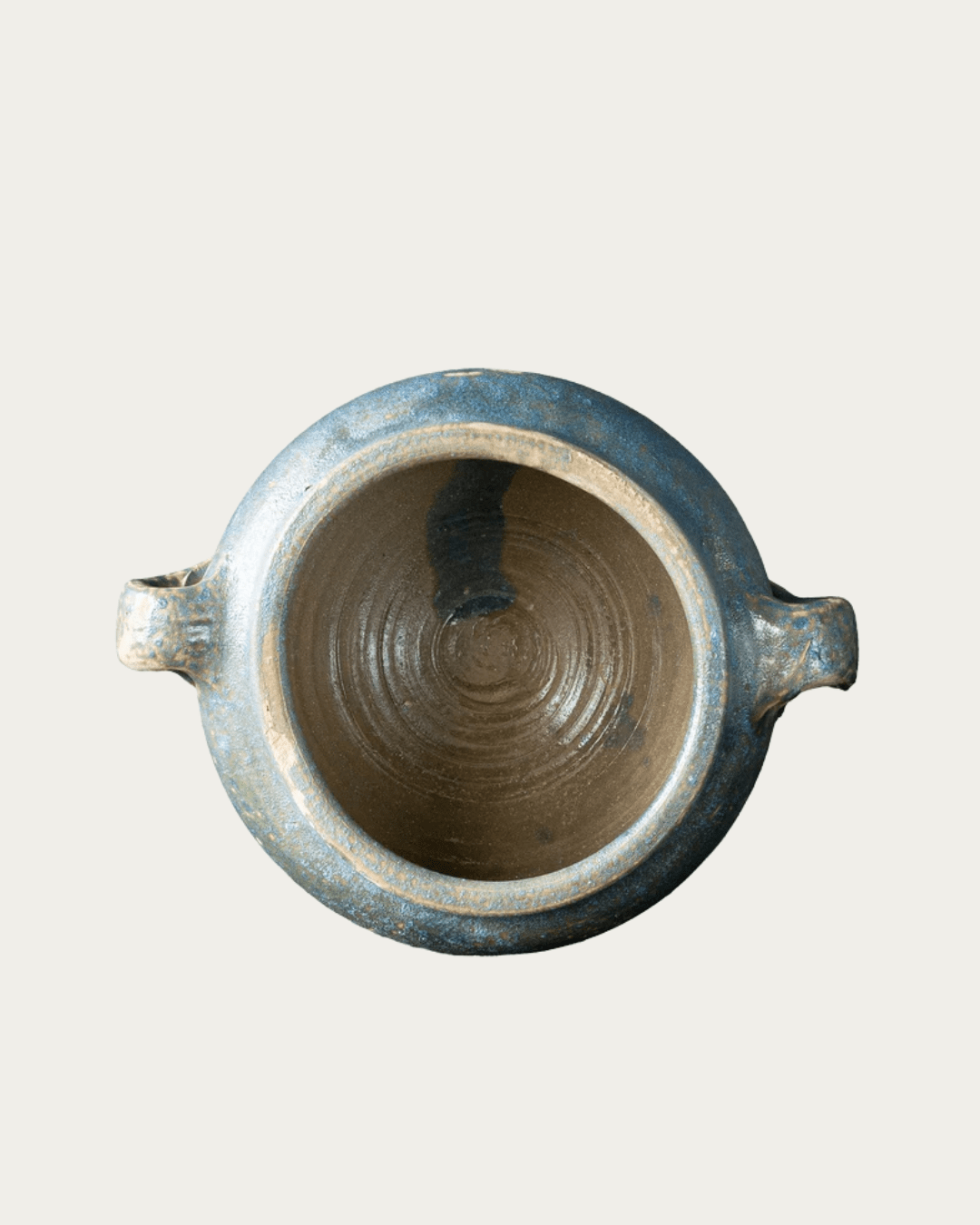
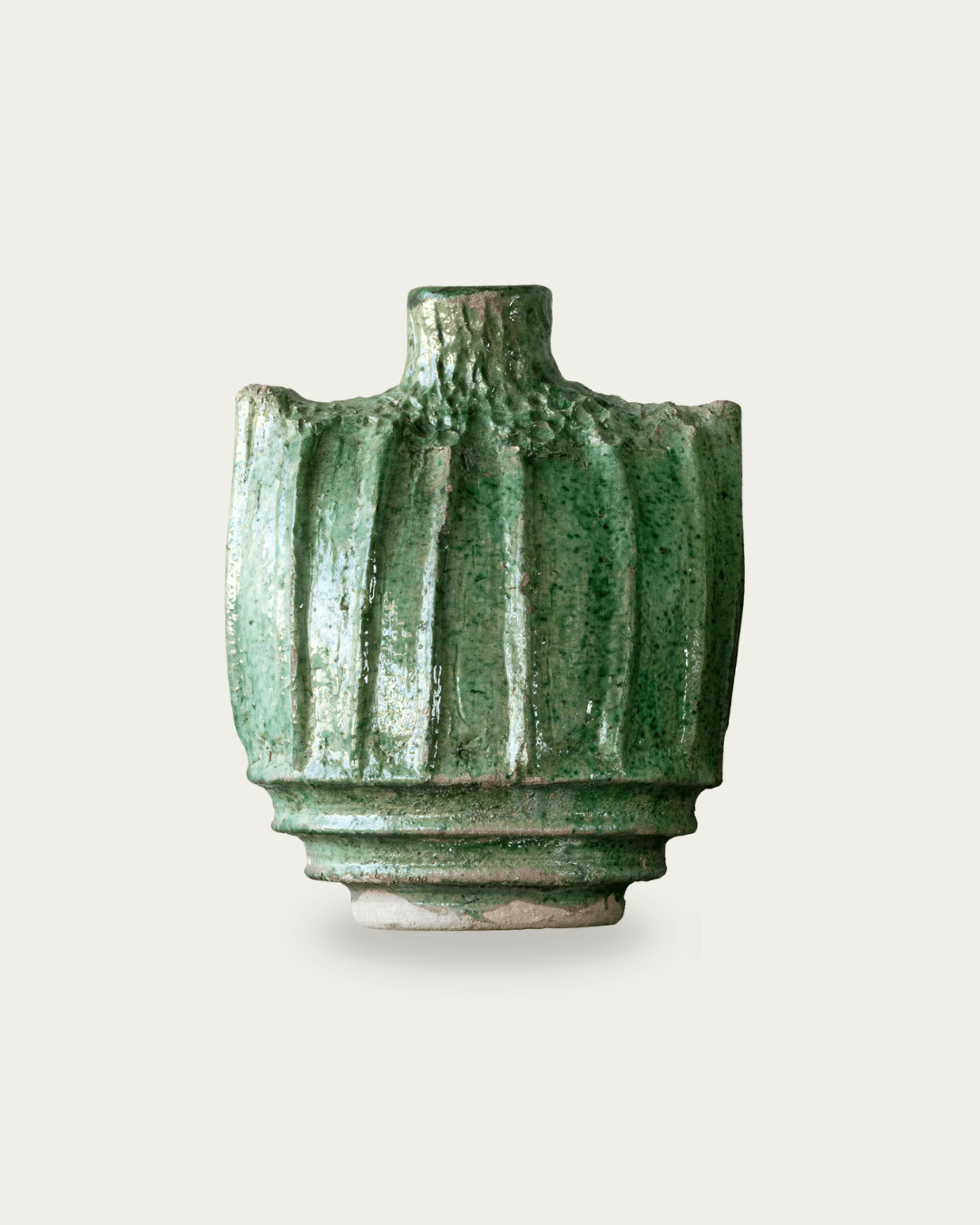
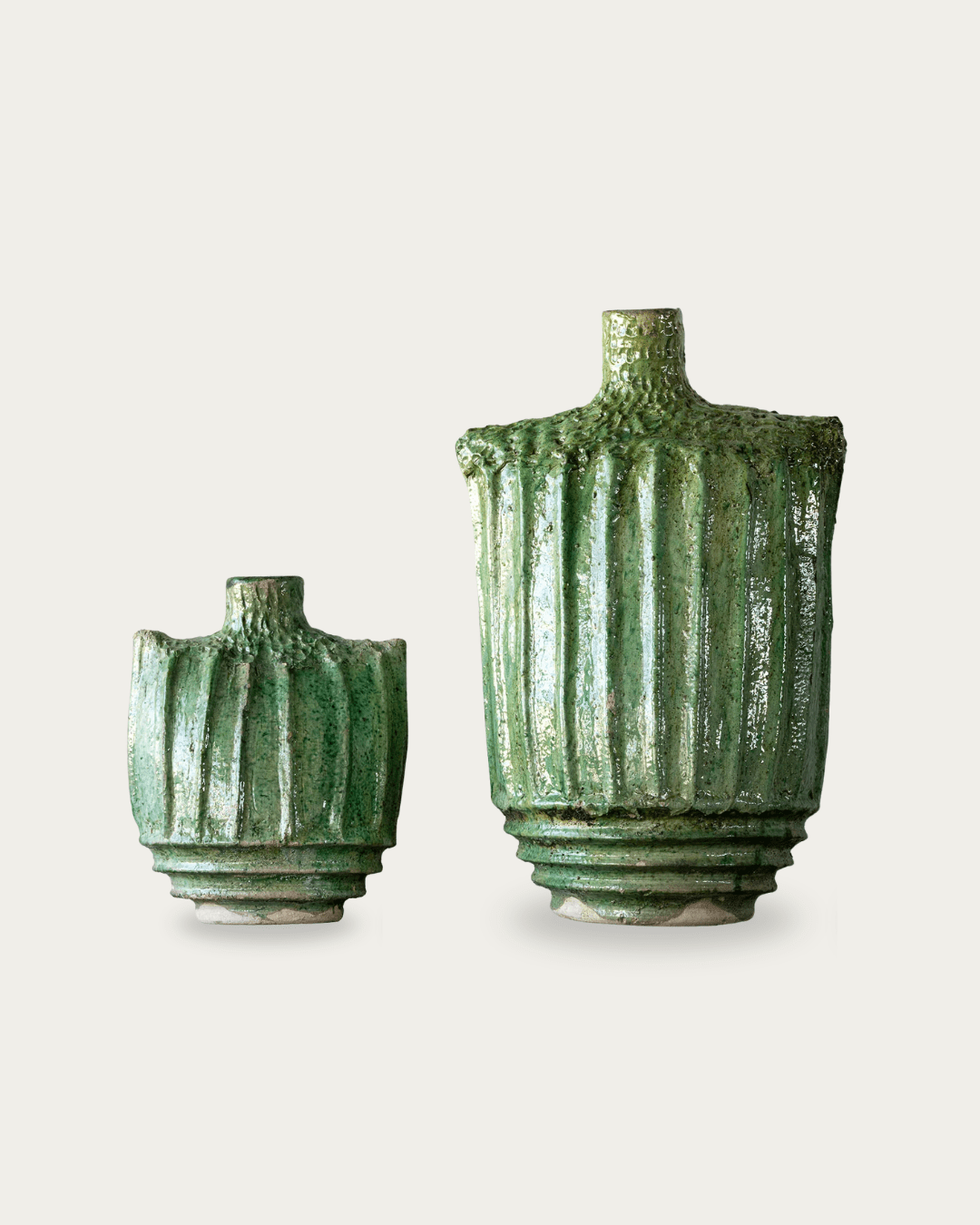
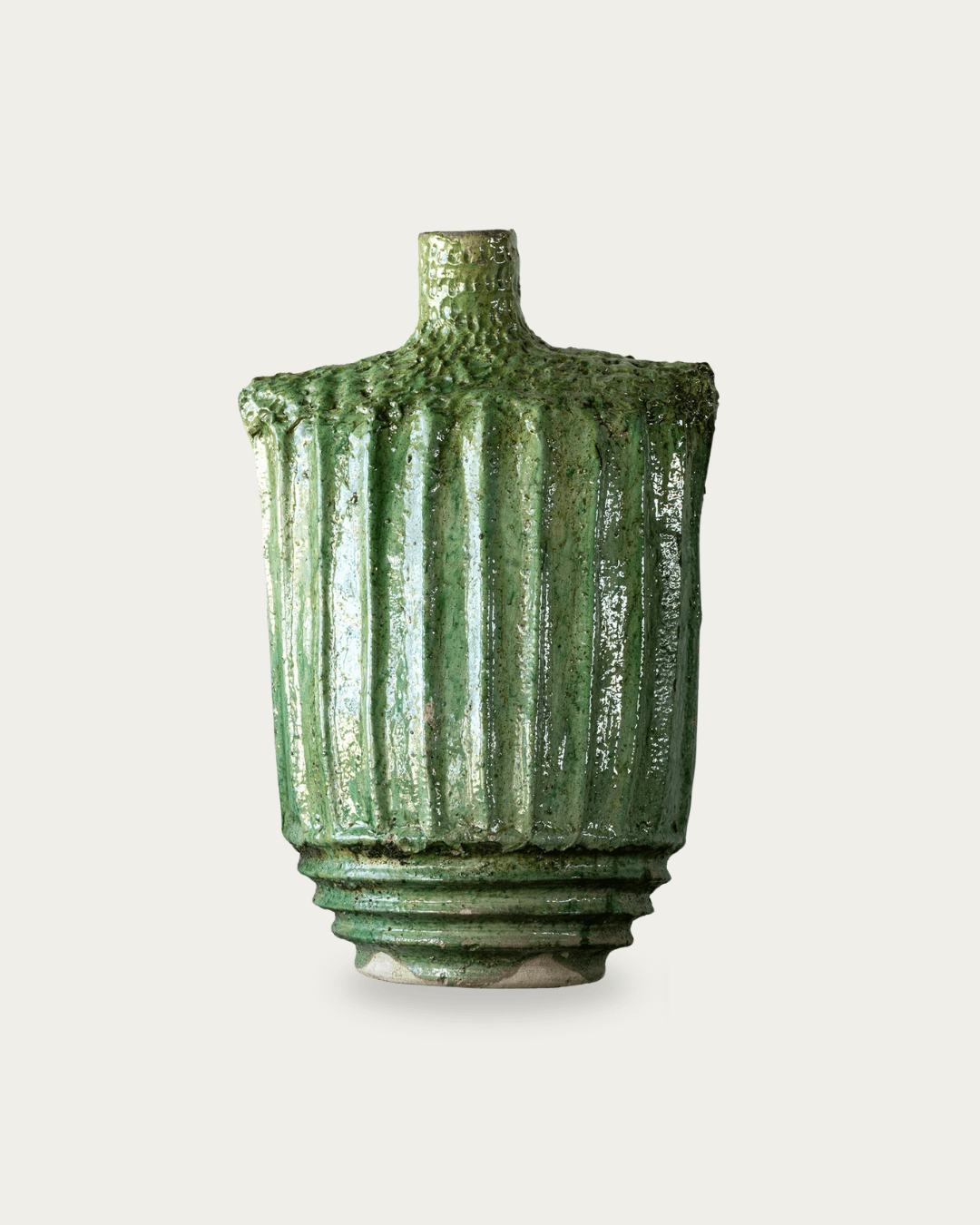
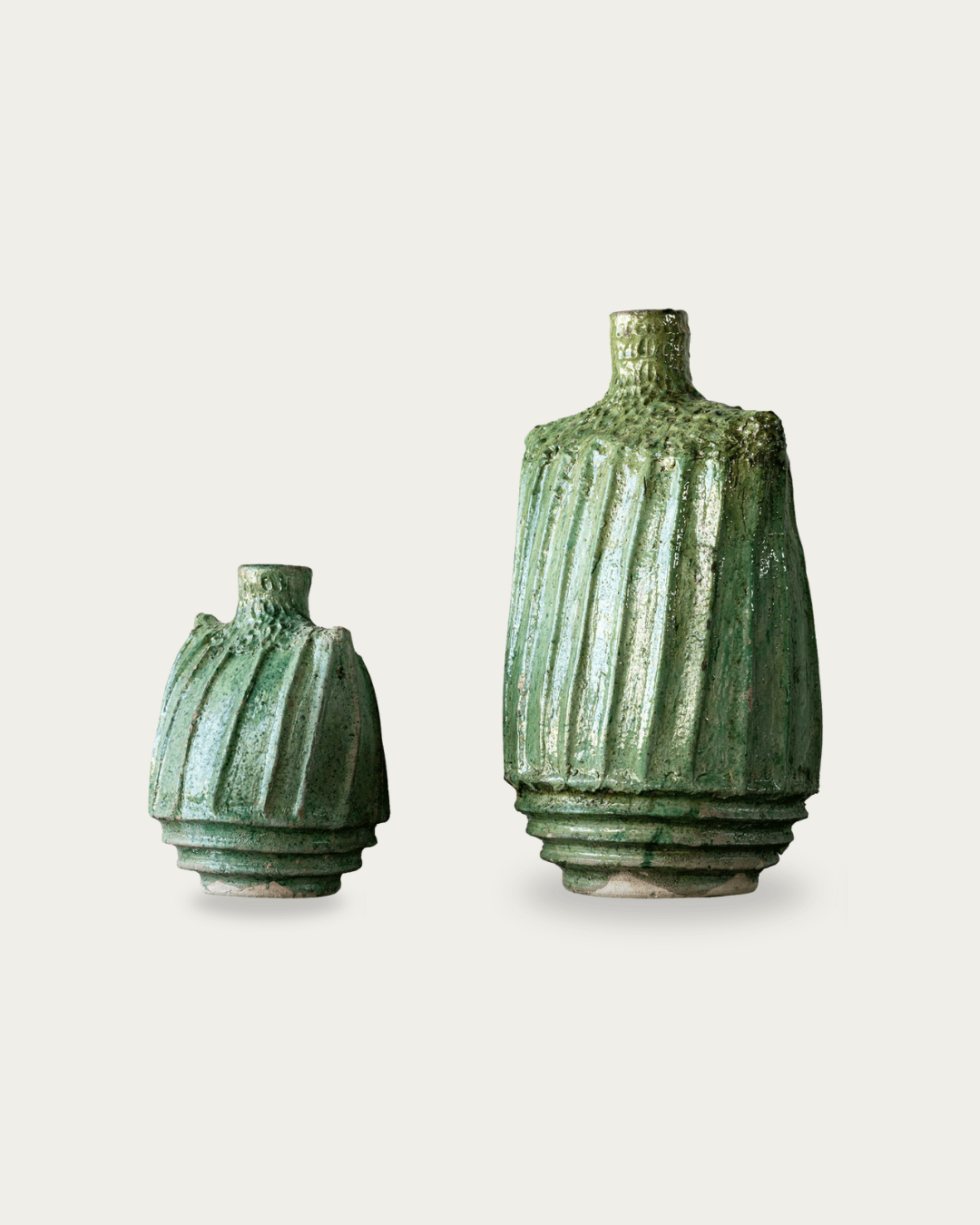
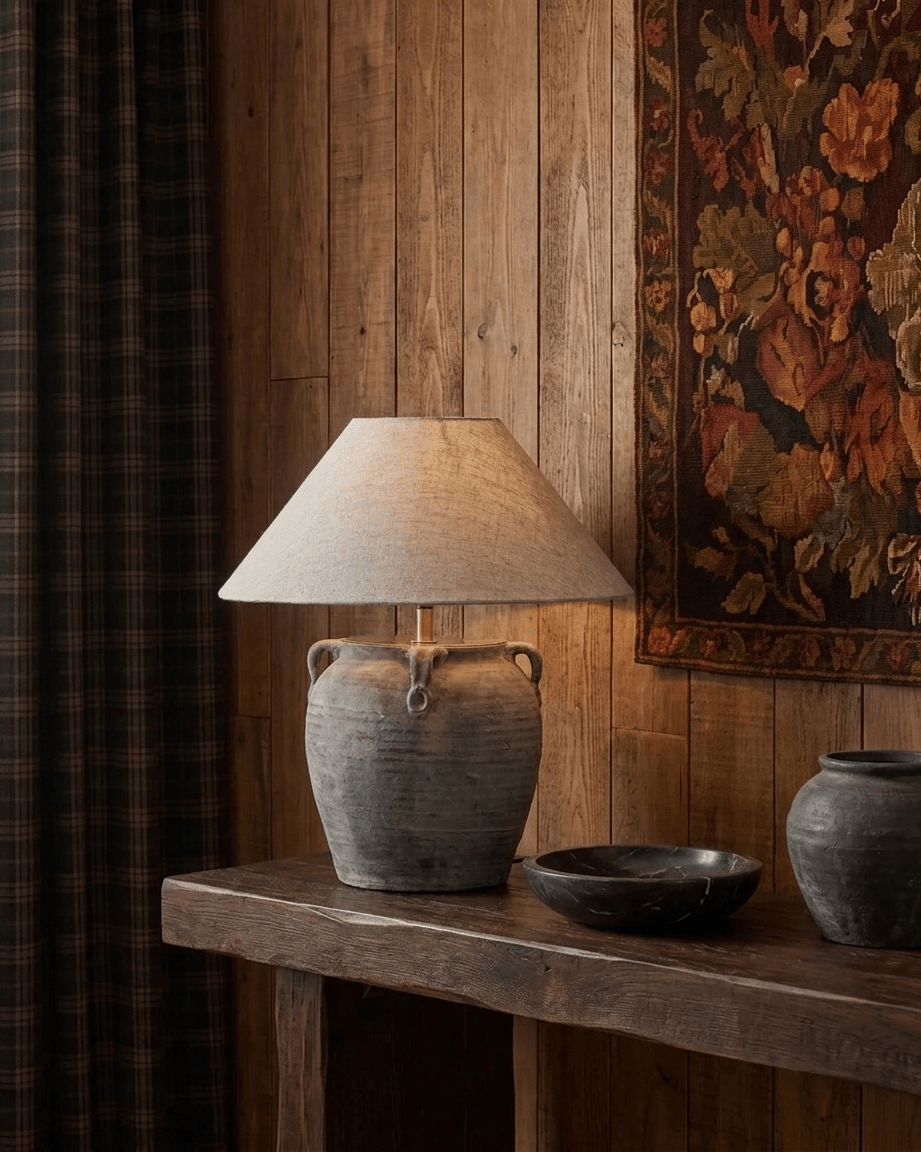
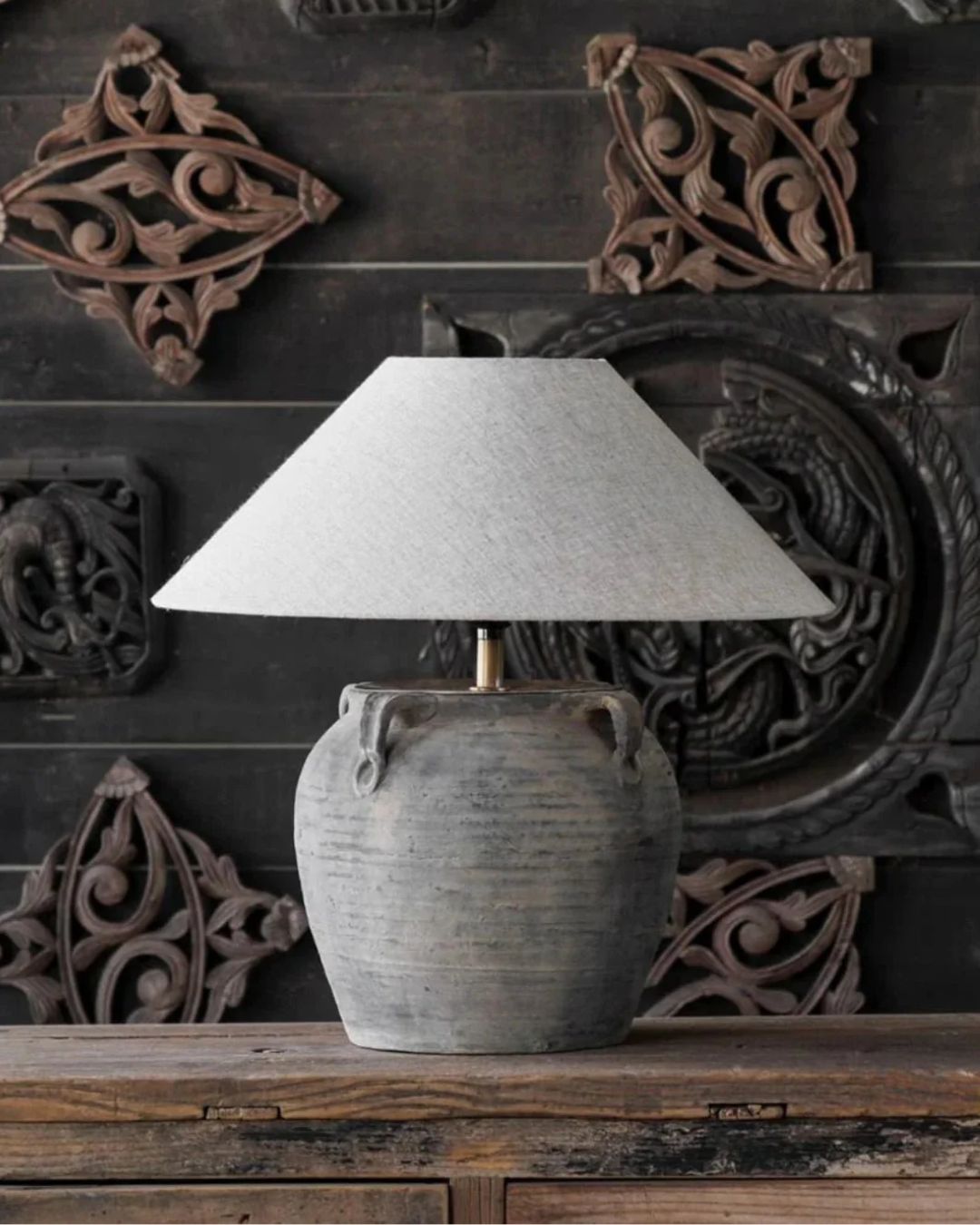
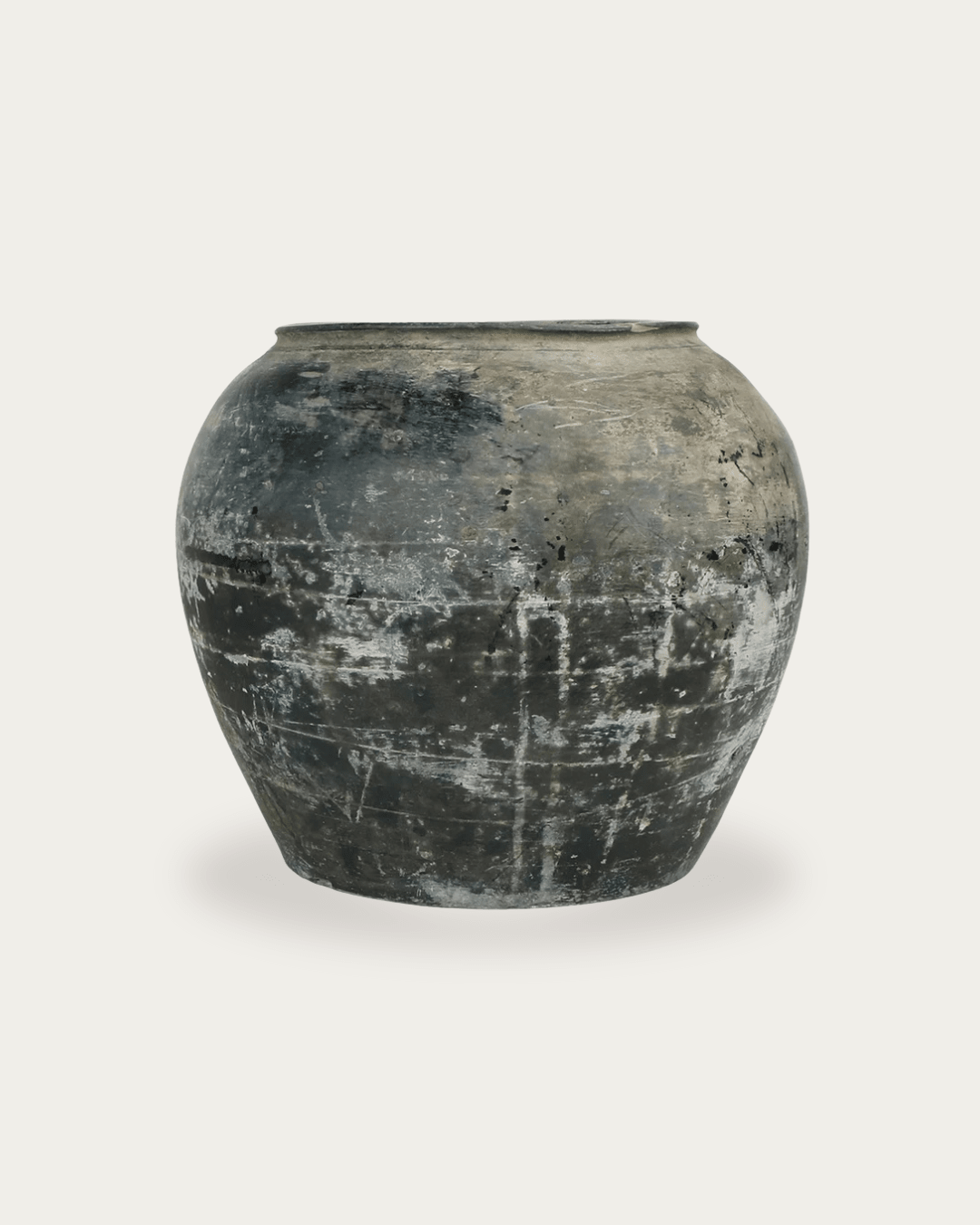
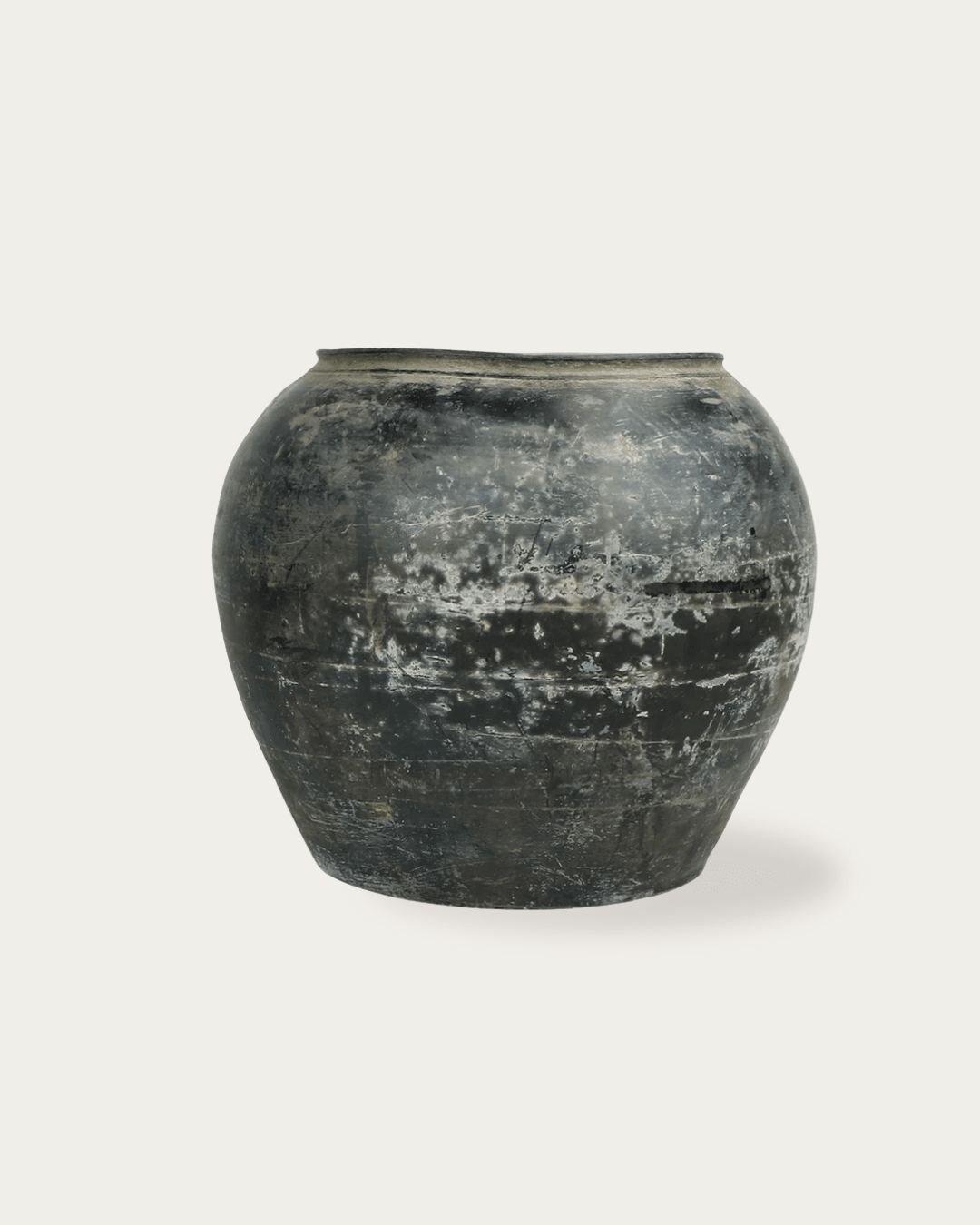
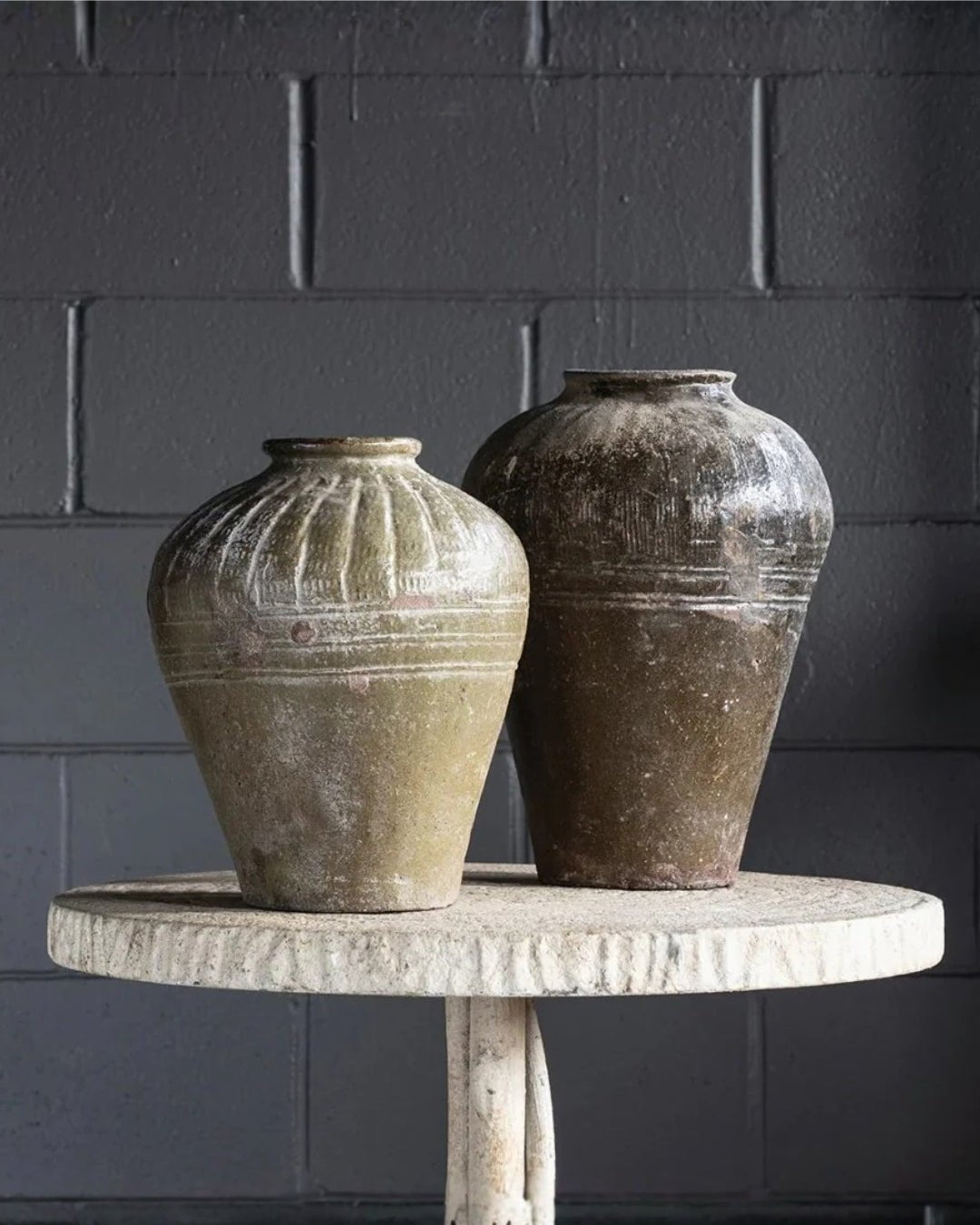
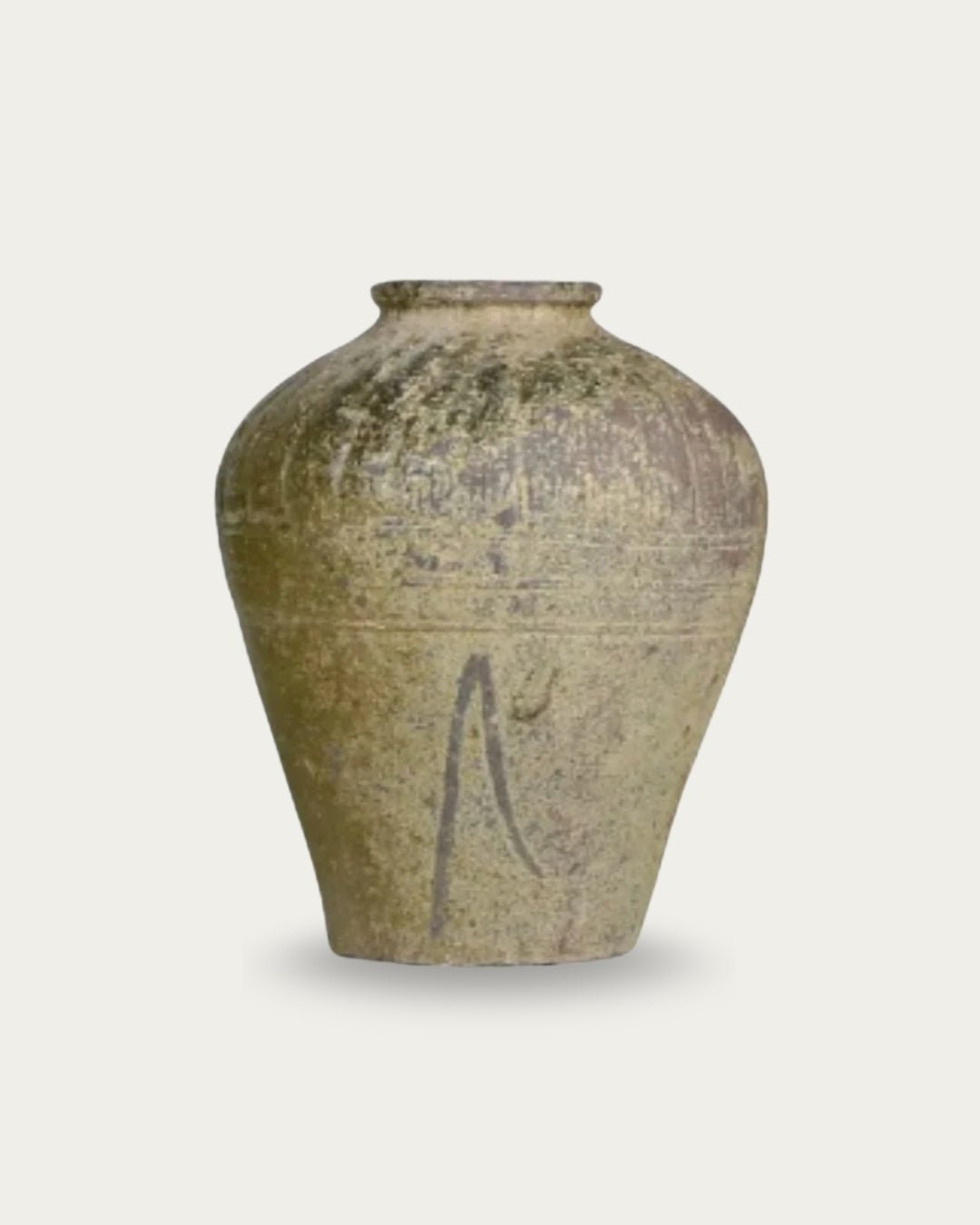
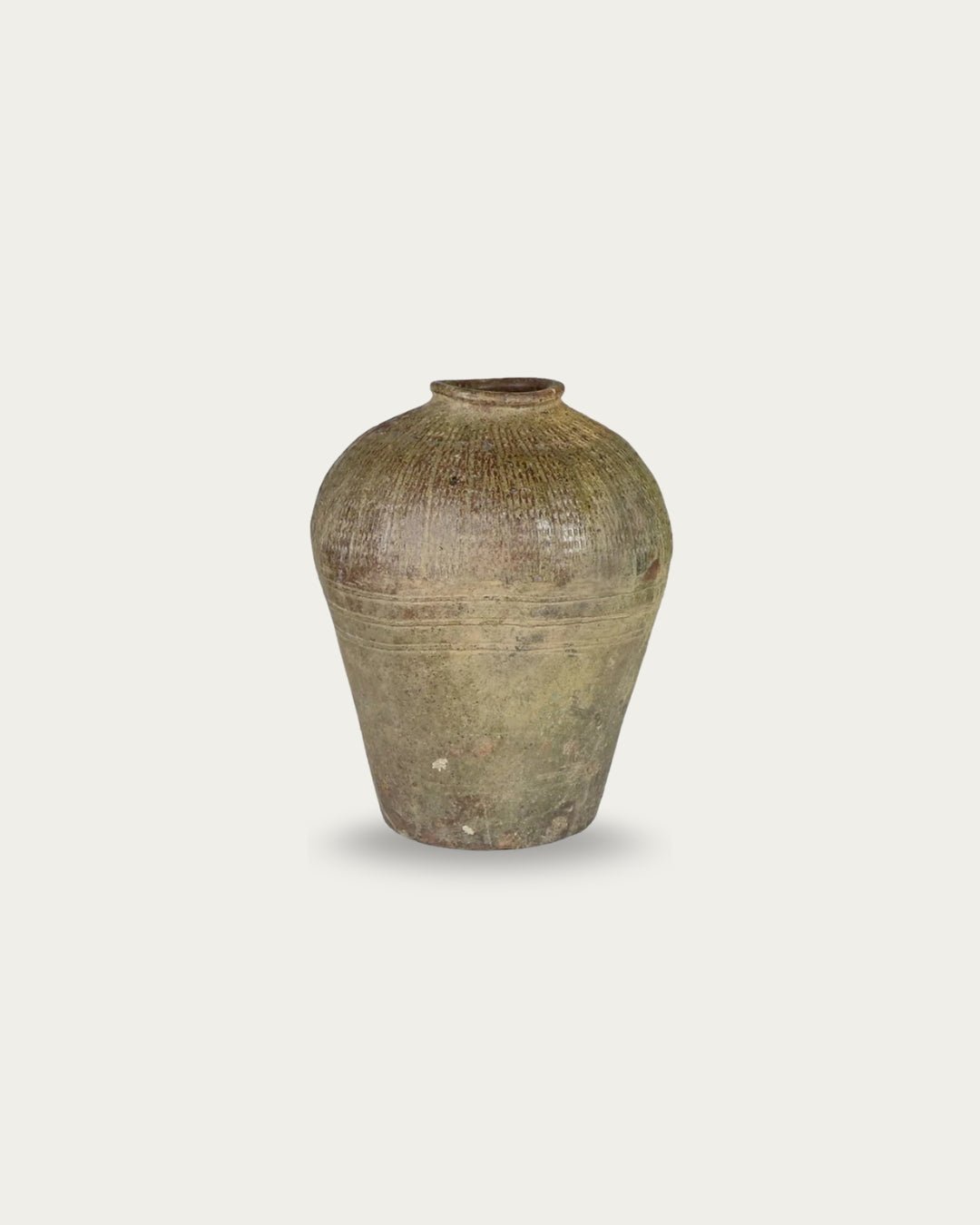
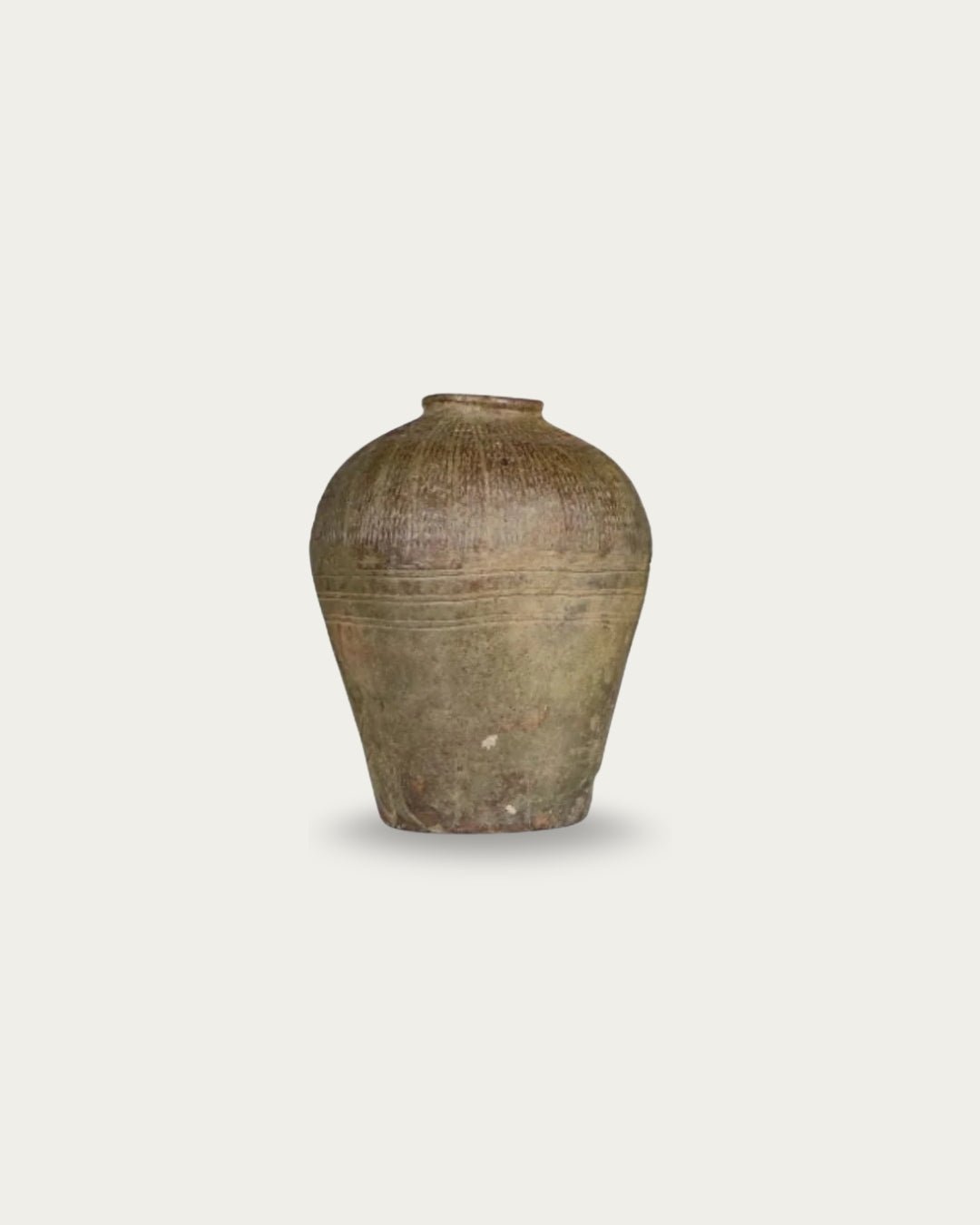
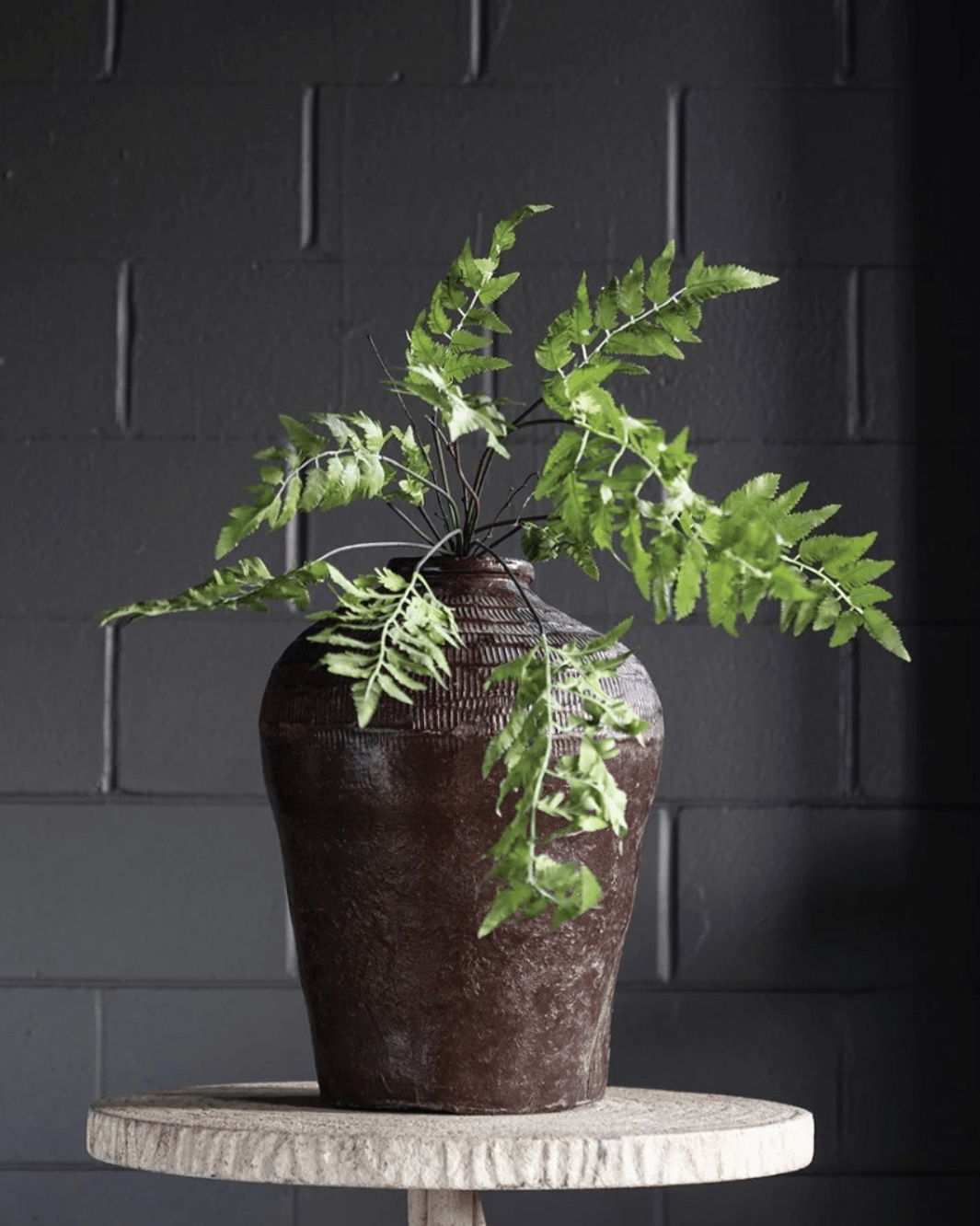
The Aslak porcelain shunan temple jar lamp and Aslak porcelain hand-painted temple jar lamp are useful examples of why a lamp base can be treated as a substantial object within a room rather than a minor accessory.
Stop Thinking of Lamps as Accessories
This is probably the first mindset change to make.
A table lamp isn't the finishing touch you squeeze onto whatever surface is left.
It has mass.
Height.
Shape.
Texture.
And once it's switched on, it creates an entire zone of light around itself.
Treat it more like a small piece of furniture and you'll start making very different decisions about scale.
The Bigger the Table, the More Presence the Lamp Needs
One of the easiest ways to judge lamp scale is to look at the furniture underneath it.
A long console can visually swallow a small lamp.
A substantial side table can make a narrow lamp feel even more undersized.
A large bedside table with a tiny lamp often leaves a strange amount of empty visual space above the surface.
You don't need to fill every inch, but the lamp should have enough presence to relate to the furniture supporting it.
Look at Width, Not Just Height
People often judge lamps by height alone.
Width matters just as much.
A substantial ceramic or pot-shaped base carries more visual weight than a very narrow base of the same height. A generous lampshade also expands the lamp's presence across the tabletop.
This is why two lamps with similar heights can feel completely different in the same spot.
One holds its own.
The other disappears.
A Larger Lamp Can Reduce the Need for More Decor
Here's the funny part about going bigger: sometimes it actually gives you permission to use less.
Put an undersized lamp on a large console and you'll probably start filling the gaps.
Books.
Vase.
Bowl.
Frame.
Candle.
Another bowl for reasons nobody can explain.
A larger lamp can establish enough visual weight that the surface needs very little else.
The Ellisiv pot table lamp can function as both lighting and a substantial object, while the Arnbjorn storage jar lamp brings a jar-like form that can carry visual presence even when the lamp is switched off.
Let the Lamp Take Up Some Space
Not every tabletop needs to be styled edge to edge.
A larger lamp with some open space around it often looks more intentional than a small lamp surrounded by accessories trying to compensate for its scale.
Negative space is doing work here.
Let it.
Large Porcelain Table Lamps Work Especially Well in Neutral Rooms
A porcelain table lamp can do more than introduce light.
At a larger scale, the base becomes a significant source of pattern, color, or surface variation.
That can be especially useful in rooms built around neutral upholstery, natural wood, stone, linen, and quieter finishes.
Instead of introducing five patterned accessories, one substantial porcelain lamp can provide the interruption.
Pattern Changes With Scale
A small patterned object reads as an accessory.
Increase its scale, and the same type of pattern starts participating in the architecture of the room.
That's why a larger porcelain lamp can have such a different effect from a small decorative ceramic object.
You notice it from across the room.
The lamp becomes part of the composition rather than something you discover only after sitting beside it.
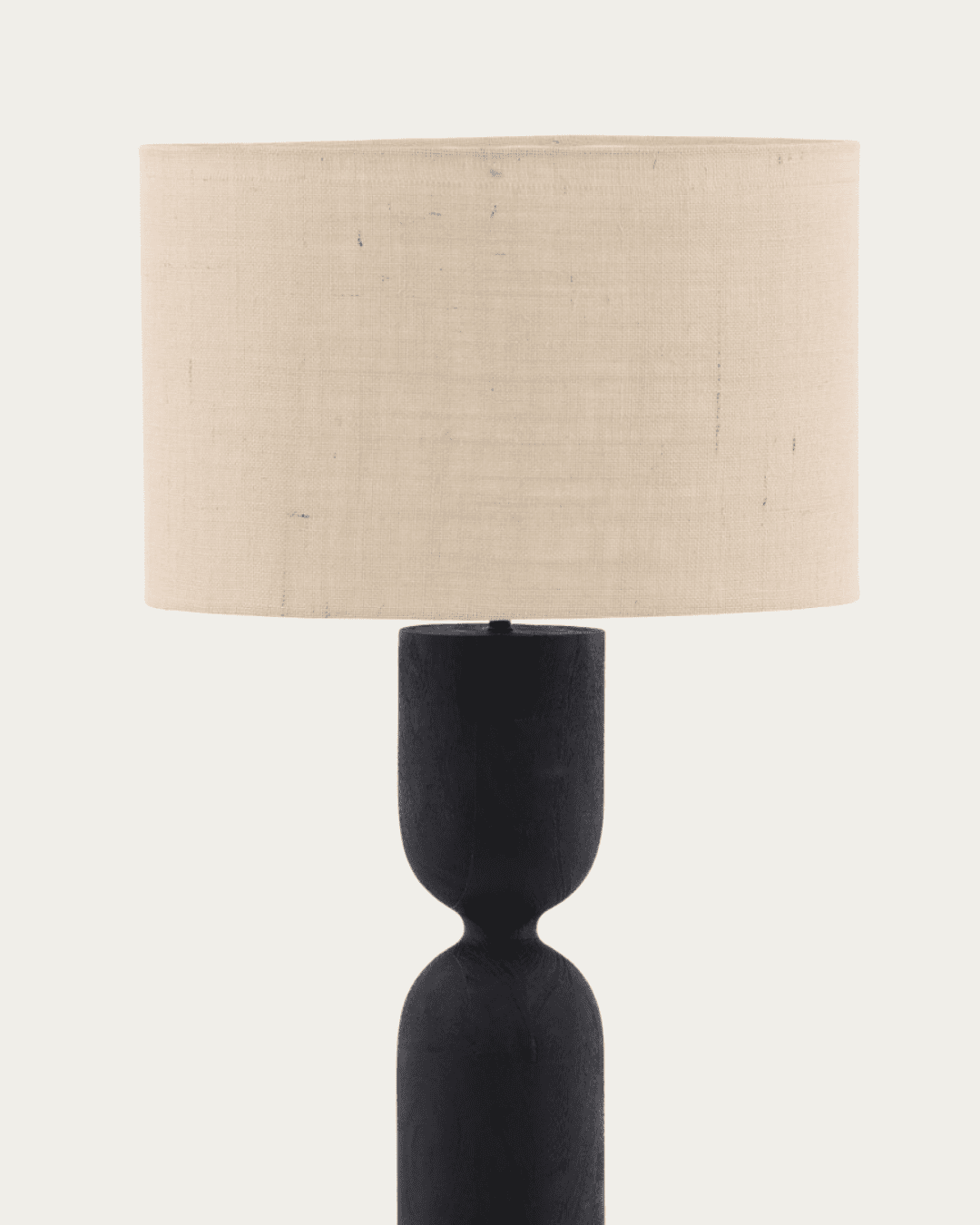
Your Lampshade Is Part of the Scale Problem
Sometimes the base is fine.
The shade is the culprit.
An undersized shade can make an otherwise substantial lamp look top-heavy in the wrong direction—too much base, not enough visual width above it.
An oversized shade can create the opposite problem.
You want the base and shade to read as one object.
Look at the Silhouette
Step several feet away.
Better yet, take a photo.
Ignore the material and color for a moment and look only at the outline.
Does the shade feel proportional to the base?
Does the entire lamp have enough width for the table?
Does it visually connect with nearby furniture?
If you're adjusting accessories around the lamp because something feels wrong, check the silhouette before buying another object.
The problem may be sitting directly under the bulb.
Bigger Can Also Mean Better Light Placement
Lamp scale isn't purely visual.
Height changes where the light actually lands.
A lamp that's too short beside a sofa may put the brightest part of the light below a useful level.
For reading, conversation, or softer evening illumination, the relationship between the shade, bulb, and seated eye level matters.
You don't want a bare bulb shining directly into your face.
You also don't want all the useful light trapped below shoulder height.
A larger lamp can sometimes solve both the visual and functional problems.
When you're planning several levels of light rather than relying on one ceiling fixture, it helps to think about table lamps as part of a broader lighting collection, with each source doing a different job.
Hello Norden Take: Don't ask whether the lamp fits on the table. Ask whether it fits the room around the table.
RUTED Tip: Take the lamp off your console and replace it temporarily with something noticeably bigger—a large vase, stack of books with an object on top, whatever gets you roughly the extra height and width.
Then stand across the room.
If the whole setup suddenly makes more sense, your lamp has been getting away with being too small.
No tape measure required. Mild lamp intervention complete.
Vintage Table Lamps Can Handle More Scale Than You Think
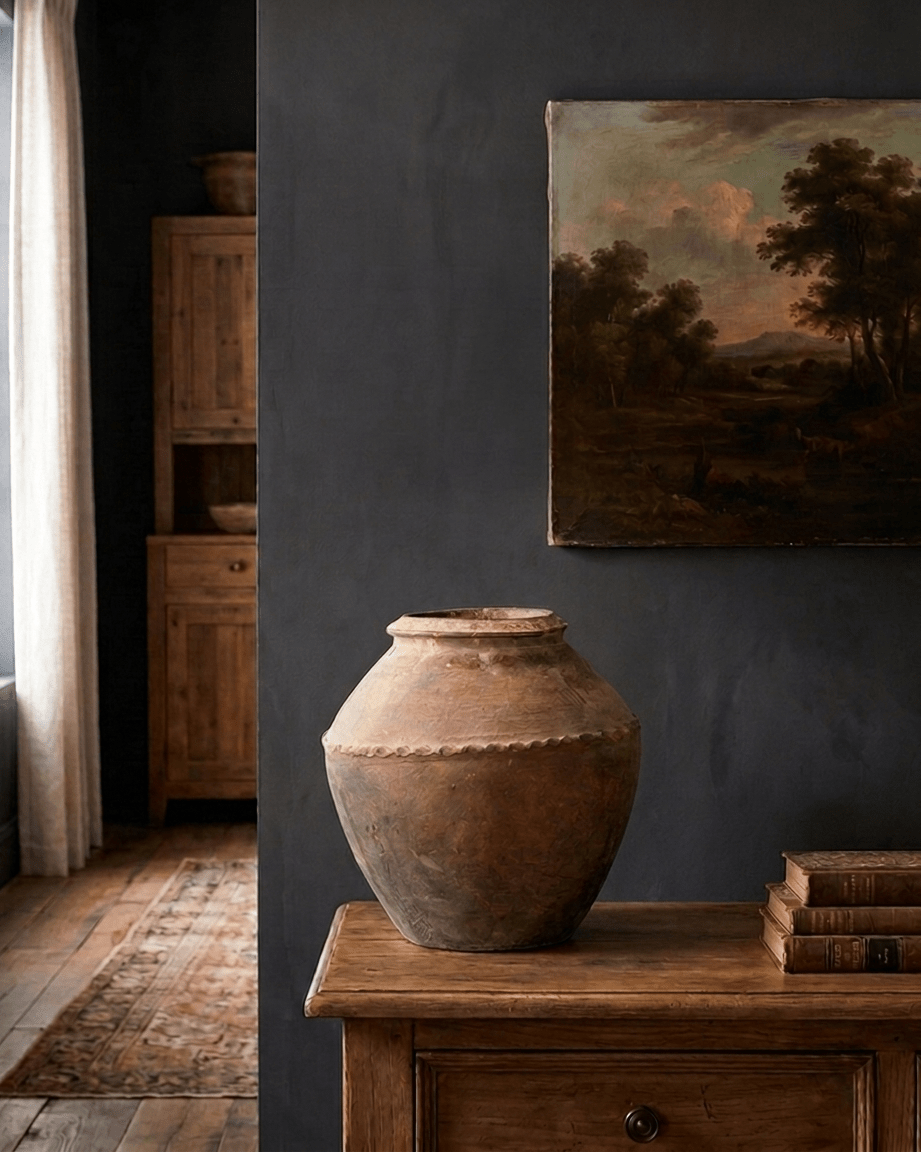
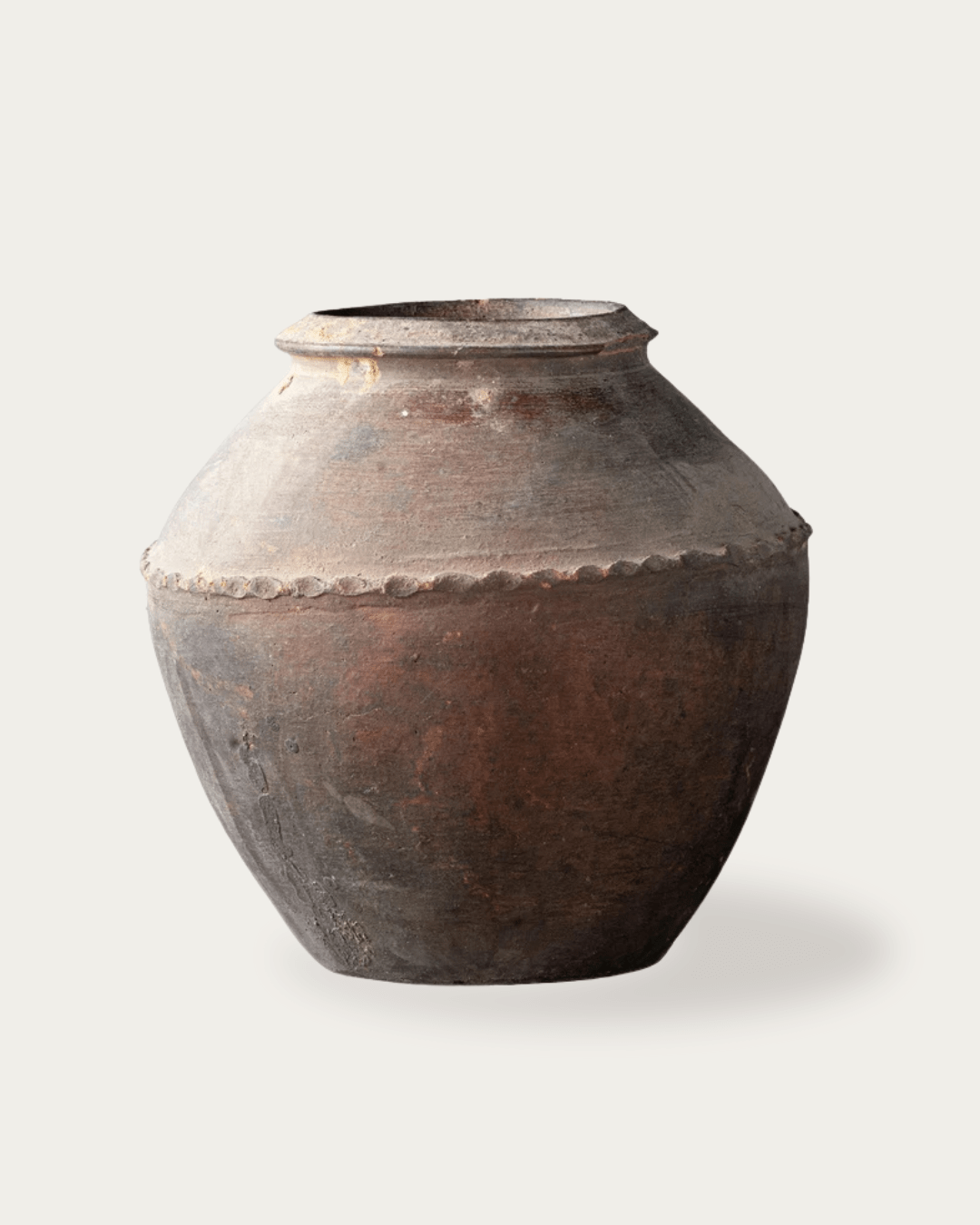
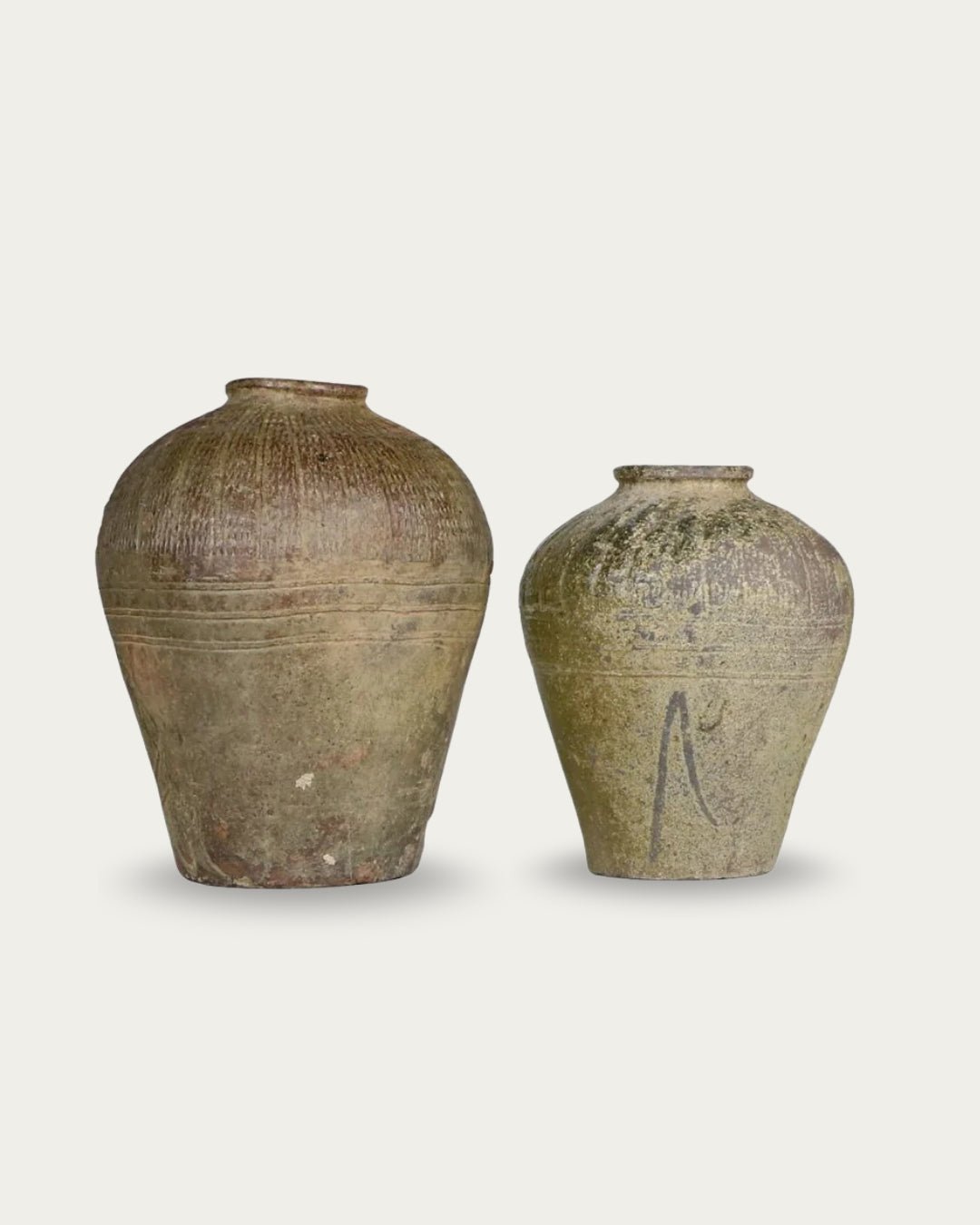
A vintage table lamp or lamp made from an older pot or vessel often has more visual mass than a conventional narrow lamp.
That's part of the appeal.
The base may be wider.
The surface may be irregular.
The proportions may feel less standardized.
Rather than hiding that character by choosing the smallest version possible, allowing the lamp to have some scale can make it a stronger part of the room.
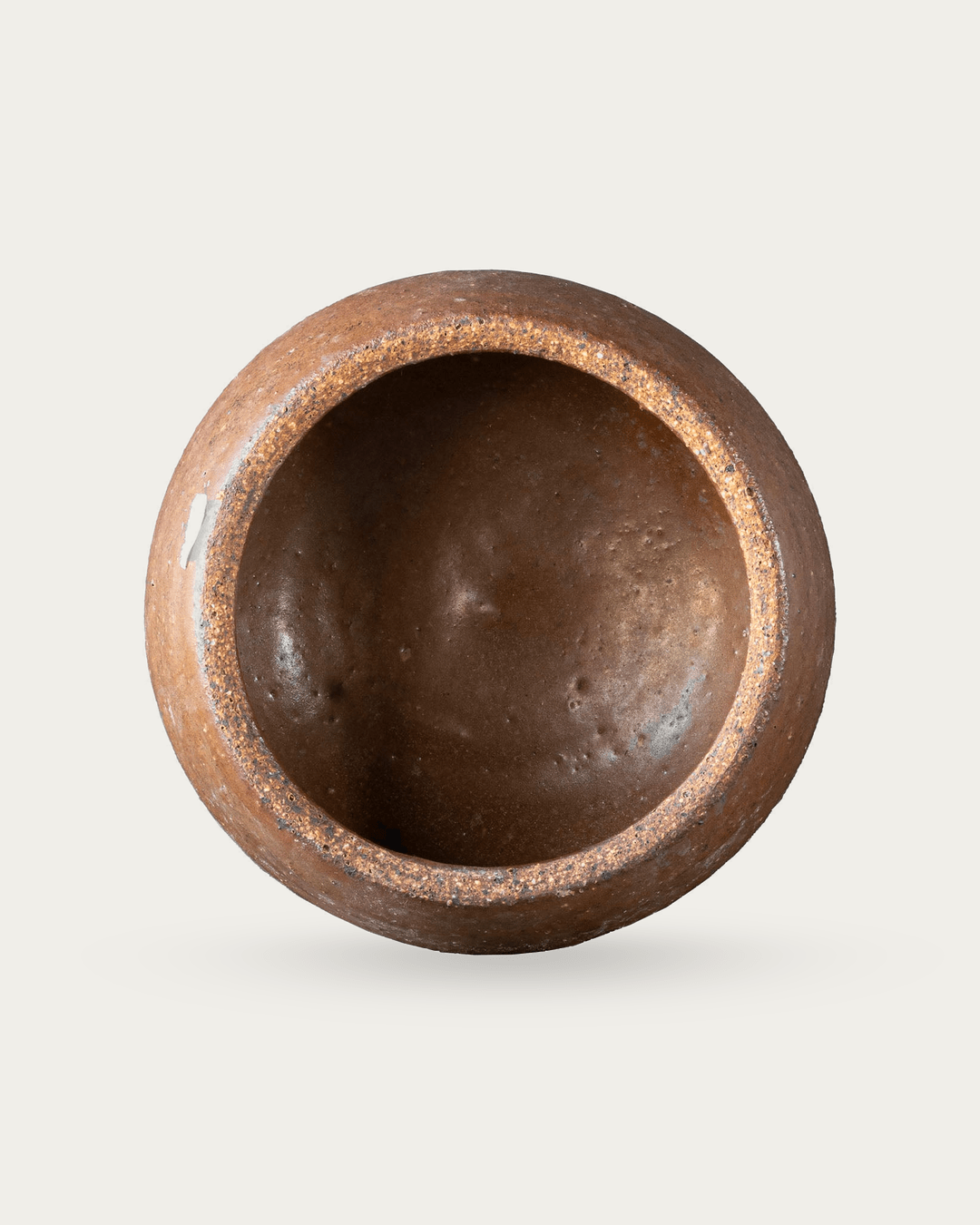
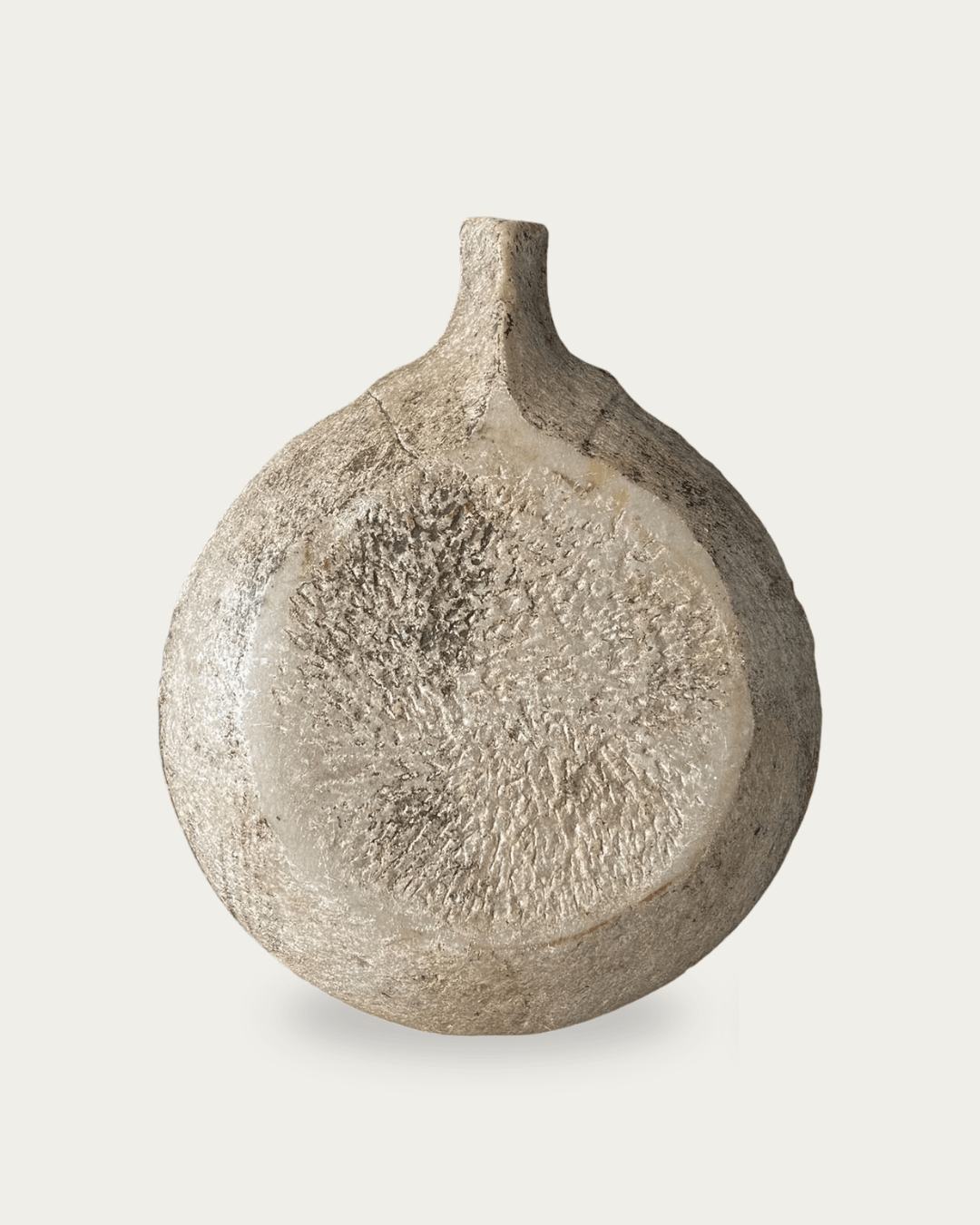
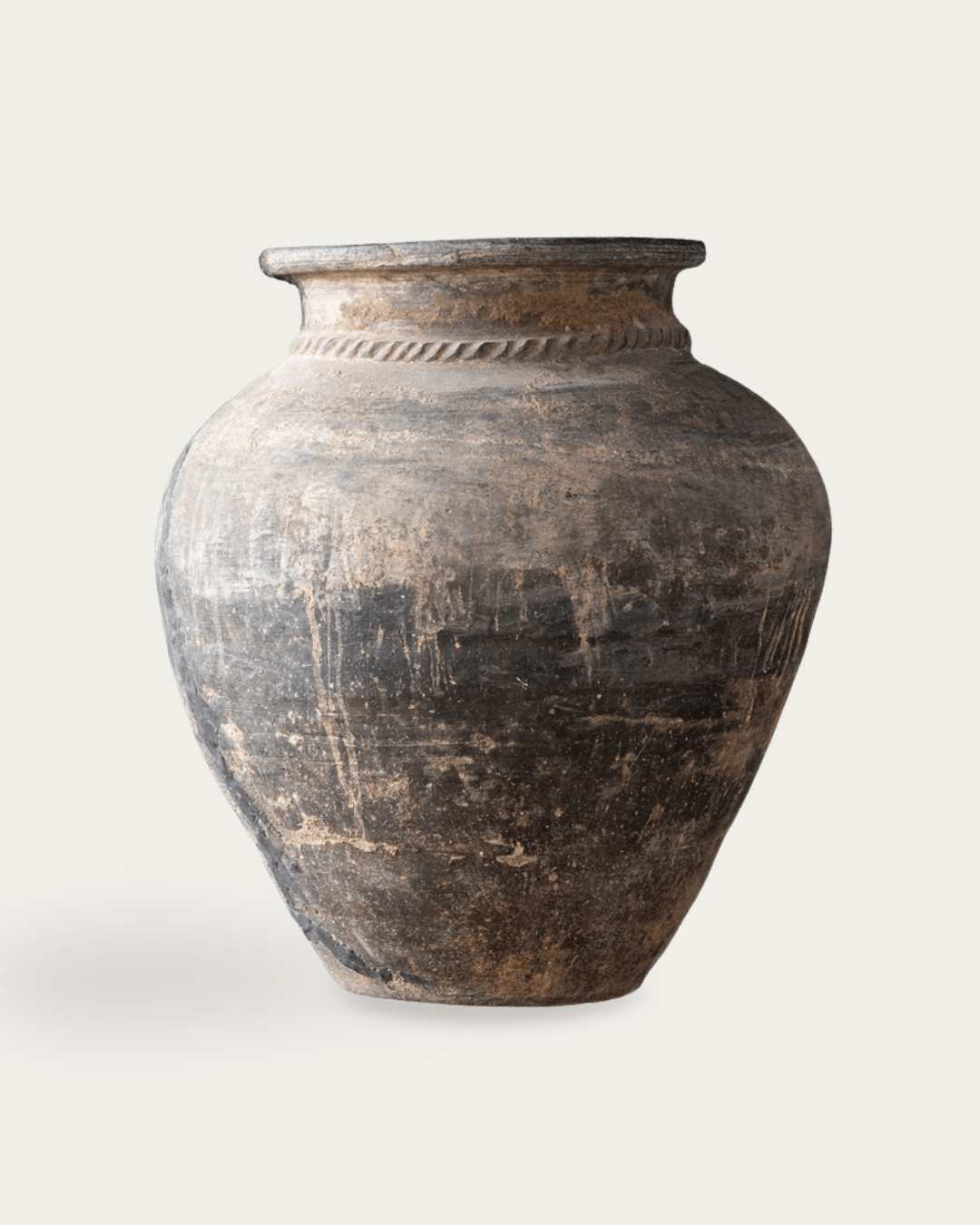
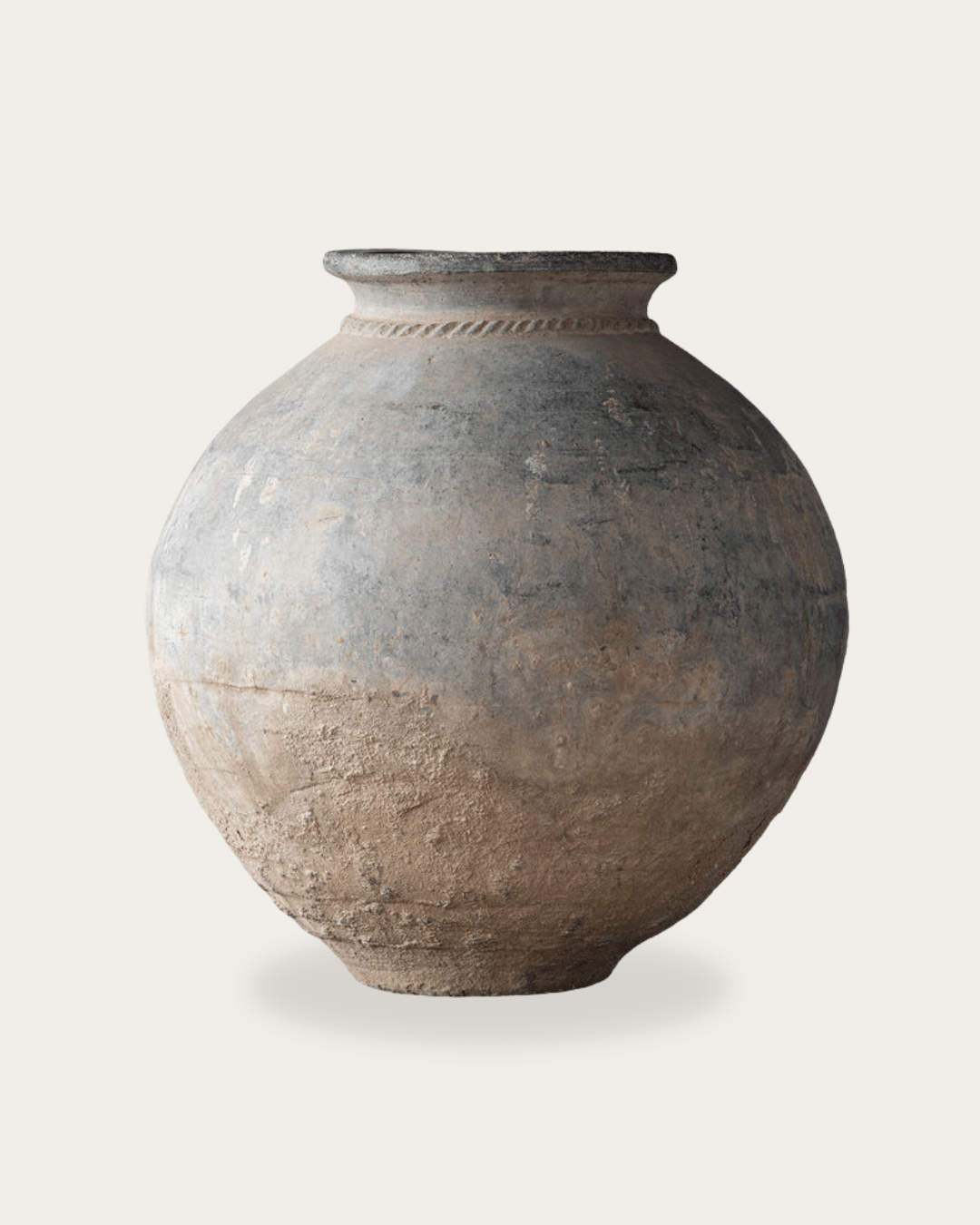
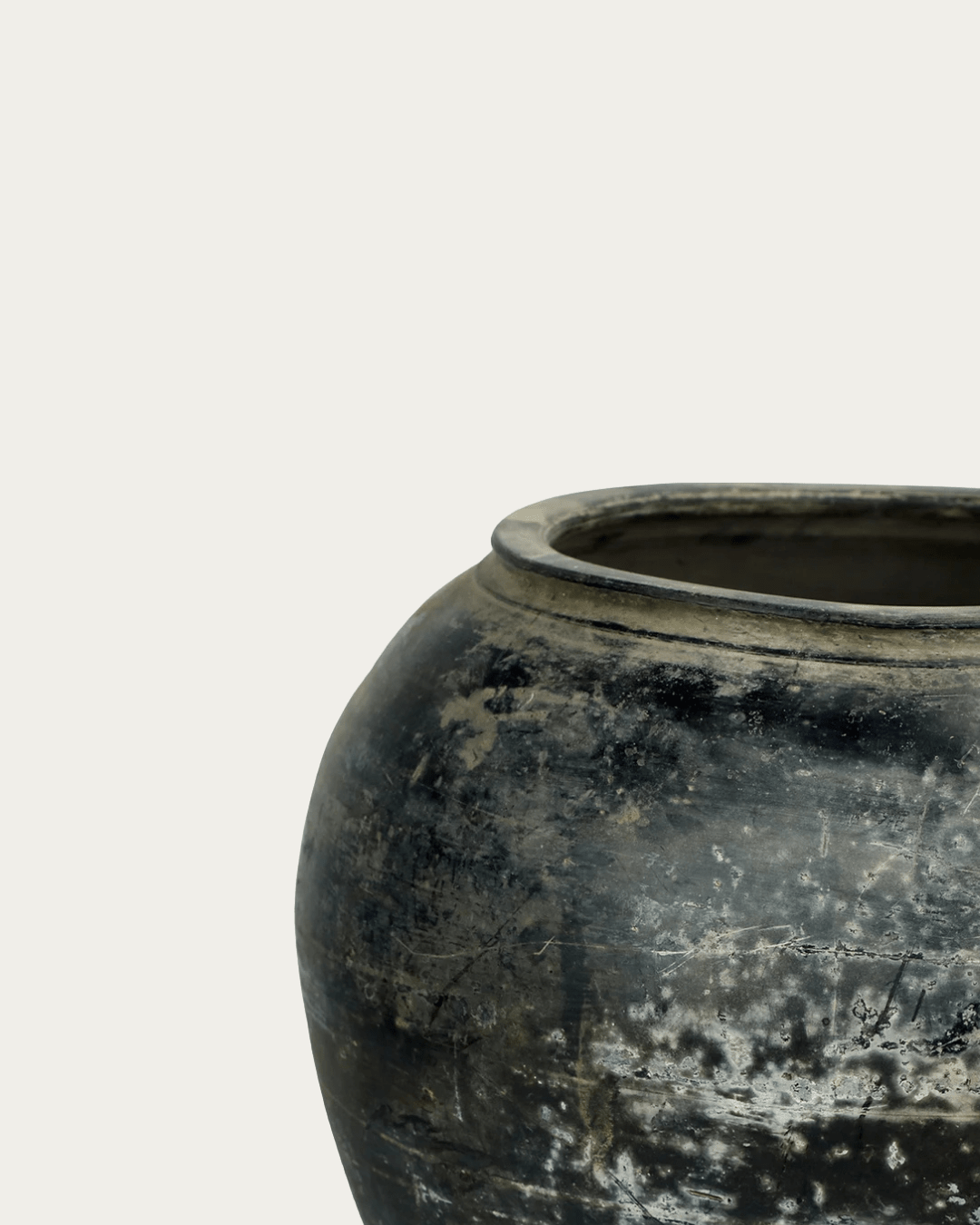
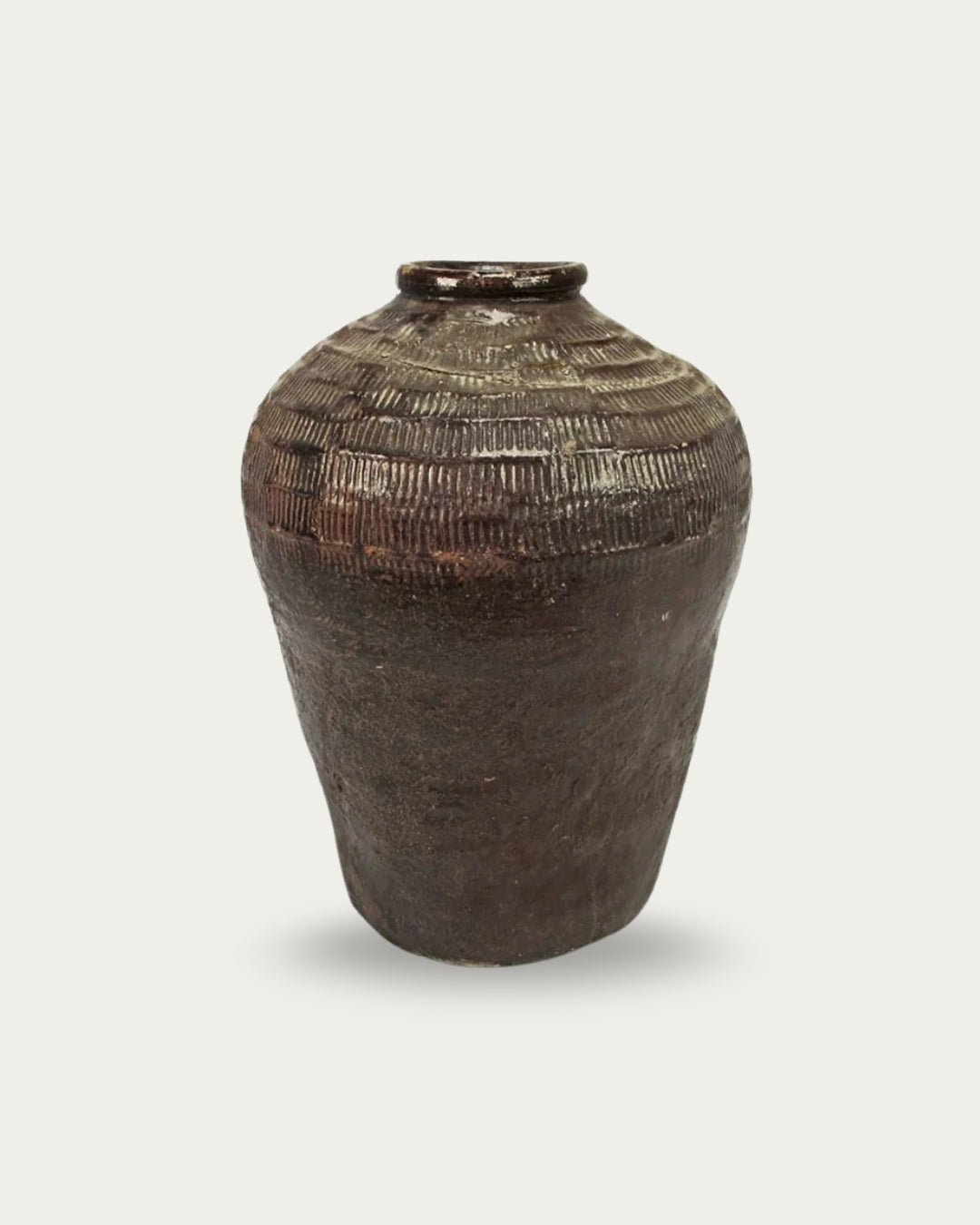
The Betz water pot table lamp can bring the presence of an old vessel to a tabletop, while the Cunmin clay pot table lamp introduces a clay surface that can provide texture without relying on additional pattern.
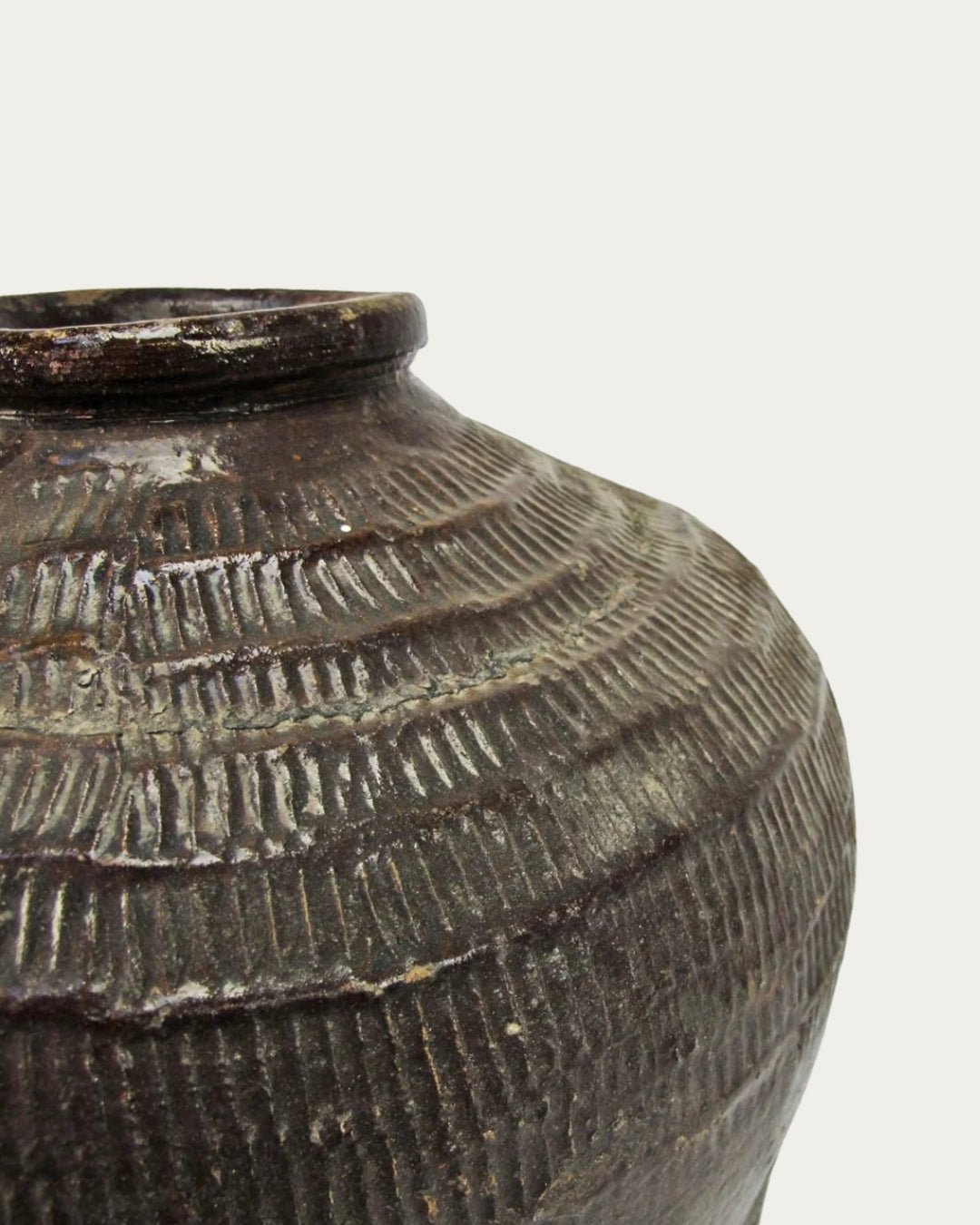
Patina Needs Room to Be Seen
Part of the reason to choose a vintage-style lamp is the surface.
Variation.
Marks.
Glaze.
Clay.
Signs that the object isn't meant to look perfectly uniform.
If the lamp is too small for the room, those details disappear into the background.
Give the object enough scale and breathing room, and the material becomes much easier to read.
A Bigger Lamp Can Ground an Empty Corner
Some corners don't need another chair.
They need height.
A side table sitting by itself can look unfinished because all the visual weight is concentrated close to the floor.
Add a substantial table lamp and the composition rises.
Now the table and lamp work together as one vertical arrangement.
This can be particularly effective beside a sofa, between two windows, at the end of a long console, or in a bedroom where a bedside area needs more presence.
Think Vertically
Rooms aren't composed only across the floor.
Your eye moves up and down too.
A coffee table creates low visual weight.
A sofa occupies the middle.
Artwork, tall lighting, and architecture bring the eye higher.
Table lamps can bridge those levels.
When they're too small, you lose that connection.
Don't Use a Table Lamp Where You Really Need a Floor Lamp
There is a limit to the bigger-is-better idea.
If you're buying an enormous lamp simply because there's no appropriate table underneath it, you may be solving the wrong problem.
Sometimes you need height and light without another furniture surface.
That's where a floor lamp collection makes more sense, particularly beside a reading chair, sectional, or open corner where adding a table would interfere with circulation.
Hello Norden Take: Don't build a table arrangement just to justify a lamp. Choose the light source that makes sense for how the space actually works.
Bigger Doesn't Mean Bulky
This distinction matters.
A larger lamp doesn't automatically need to feel visually heavy.
Material changes how we perceive scale.
A pale ceramic base may have substantial dimensions but still feel relatively quiet against a light wall.
A darker glazed pot of the same dimensions may carry more visual weight.
Patterns can make the lamp more noticeable.
A simple shade can quiet it down.
The Lamont glazed pot table lamp is the kind of piece that can be considered through both dimensions and surface—the glaze contributes just as much to its presence as the silhouette itself.
Visual Weight Matters as Much as Measurements
Two lamps can have identical dimensions and still feel completely different.
So don't shop by measurements alone.
Look at:
base width
shade width
color
pattern
material
surface texture
the furniture underneath
the wall behind it
the amount of negative space around it
Scale is a relationship, not a number.
Know When to Stop Sizing Up
Bigger is often better.
Not always.
A lamp shouldn't block artwork you want to see.
It shouldn't make a small side table physically unstable.
It shouldn't interfere with conversation across a seating area.
And it definitely shouldn't put a bright bulb directly in someone's line of sight.
The goal is the appropriate scale.
We're simply correcting for the tendency to choose lamps too cautiously.
If you're deciding between a lamp that feels slightly small and one that feels surprisingly substantial, try the larger one in the room before dismissing it.
You might be surprised by how quickly the proportions click.
Give the Lamp Enough Presence to Do Its Job
The best table lamps aren't just there when you need light.
They're part of the room all day.
Their shape affects the furniture underneath them. Their height changes the vertical balance of a wall. Their material introduces texture. Their shade determines how light spreads after dark.
That's why scale matters so much.
A unique table lamp that's too small can disappear into the furniture around it, no matter how interesting the material or shape may be.
Give it enough size, and the relationship changes.
The console needs fewer accessories.
The side table feels more resolved.
The corner gains height.
The light lands where it's actually useful.
So next time you're choosing between the safe little lamp and the one that seems almost too substantial, don't automatically size down.
Stand back.
Look at the whole room.
Bigger might be exactly what the table has been waiting for.
Explore Hello Norden's table lamp collection and look for a lamp with enough scale, material, and presence to hold its own in the room.