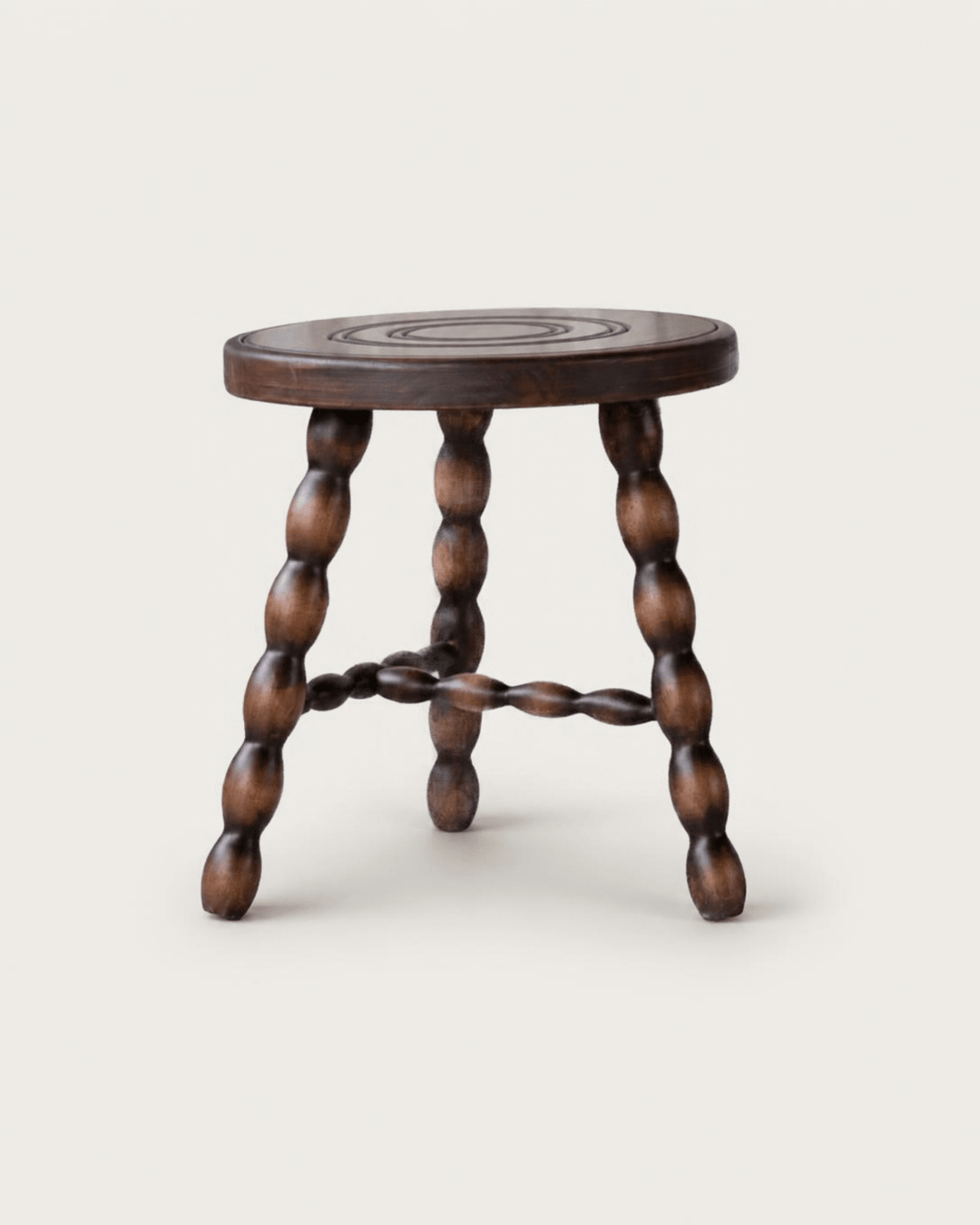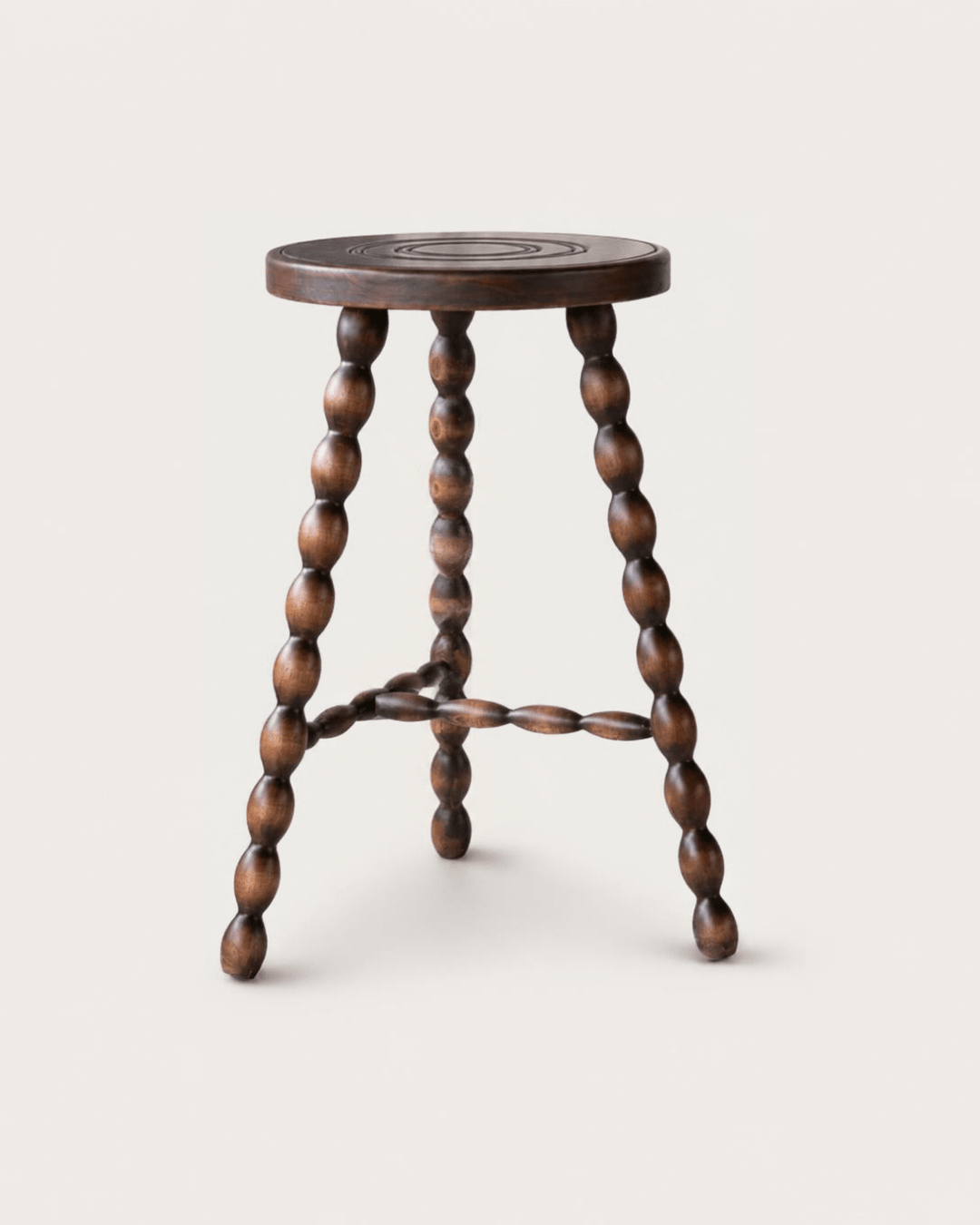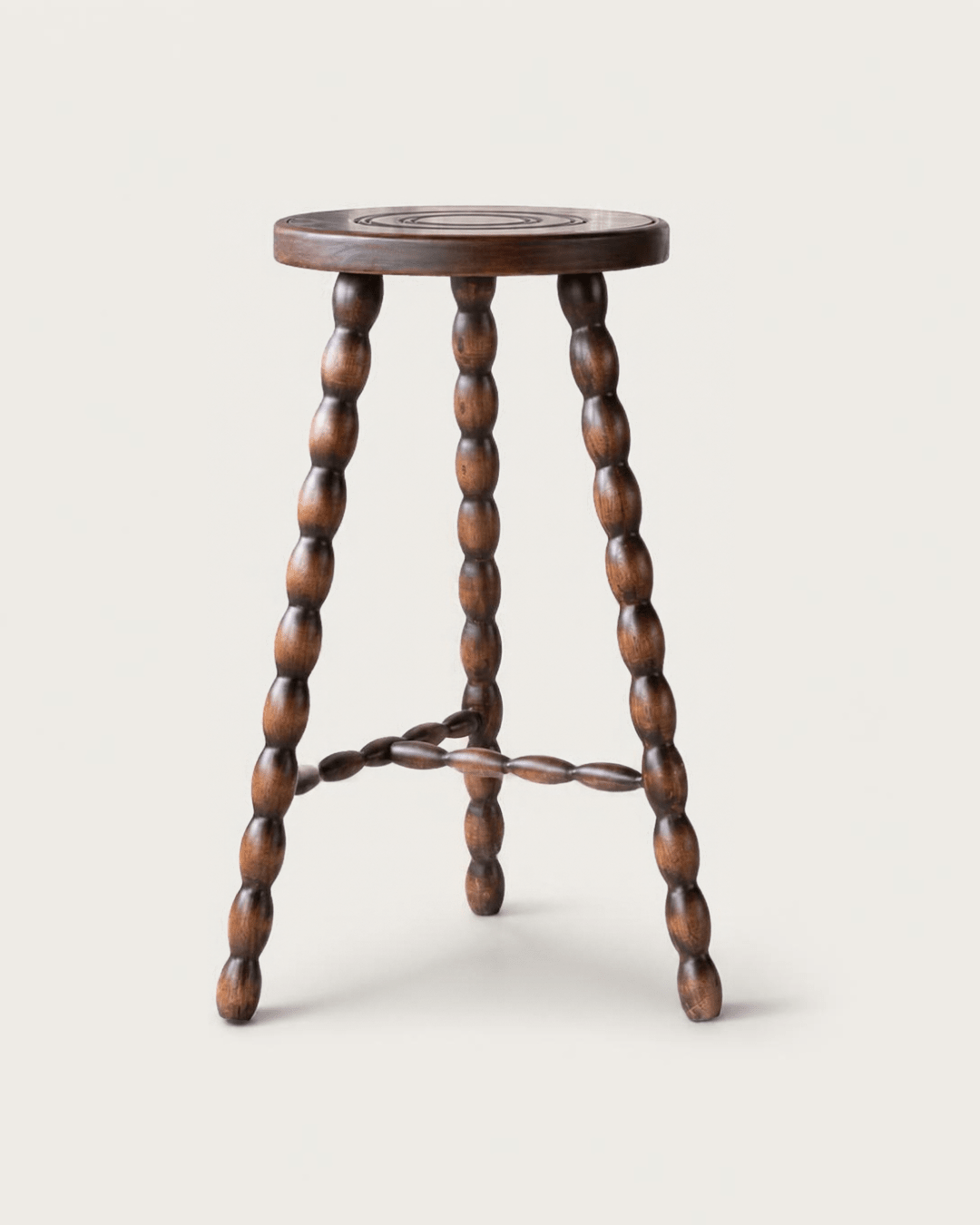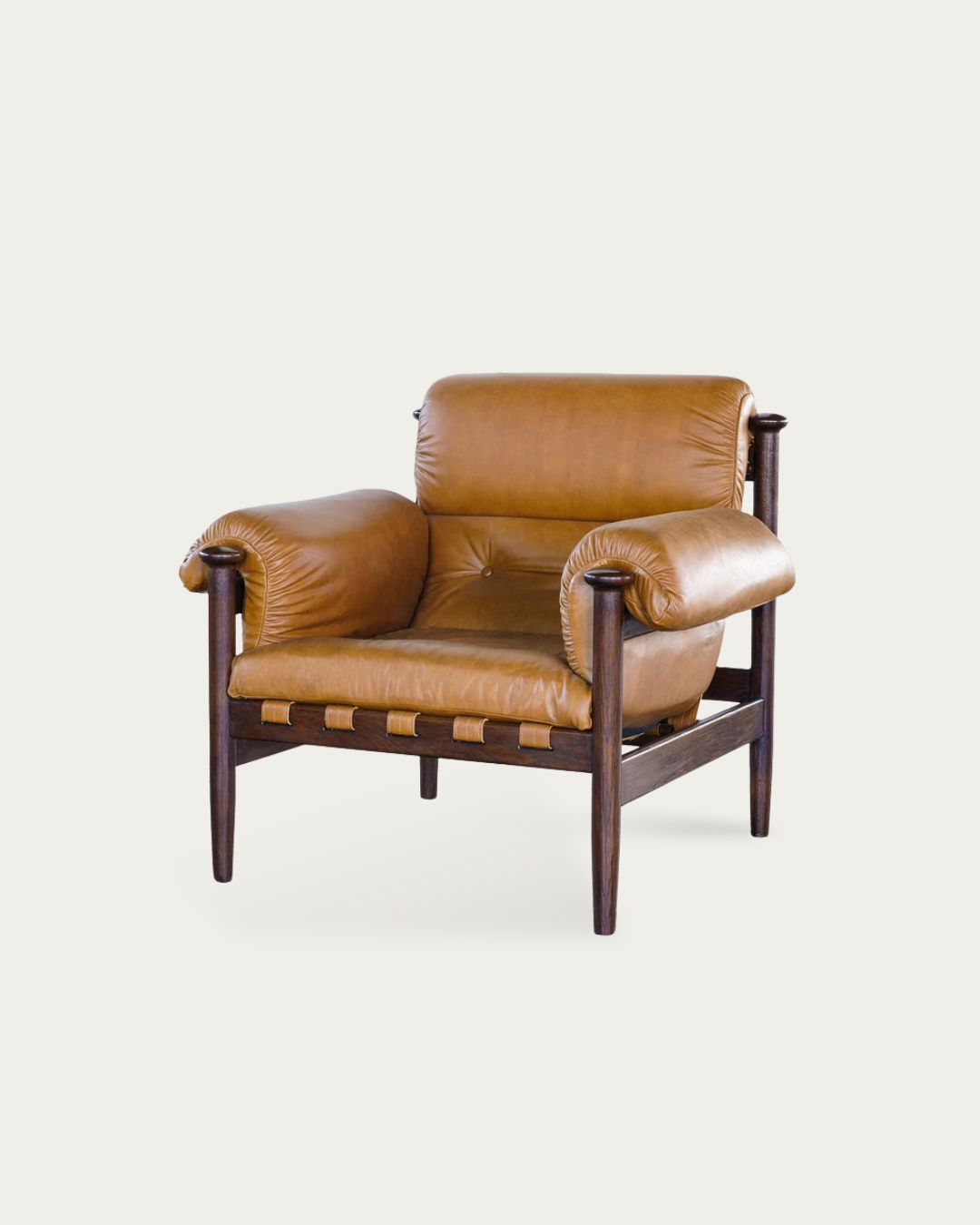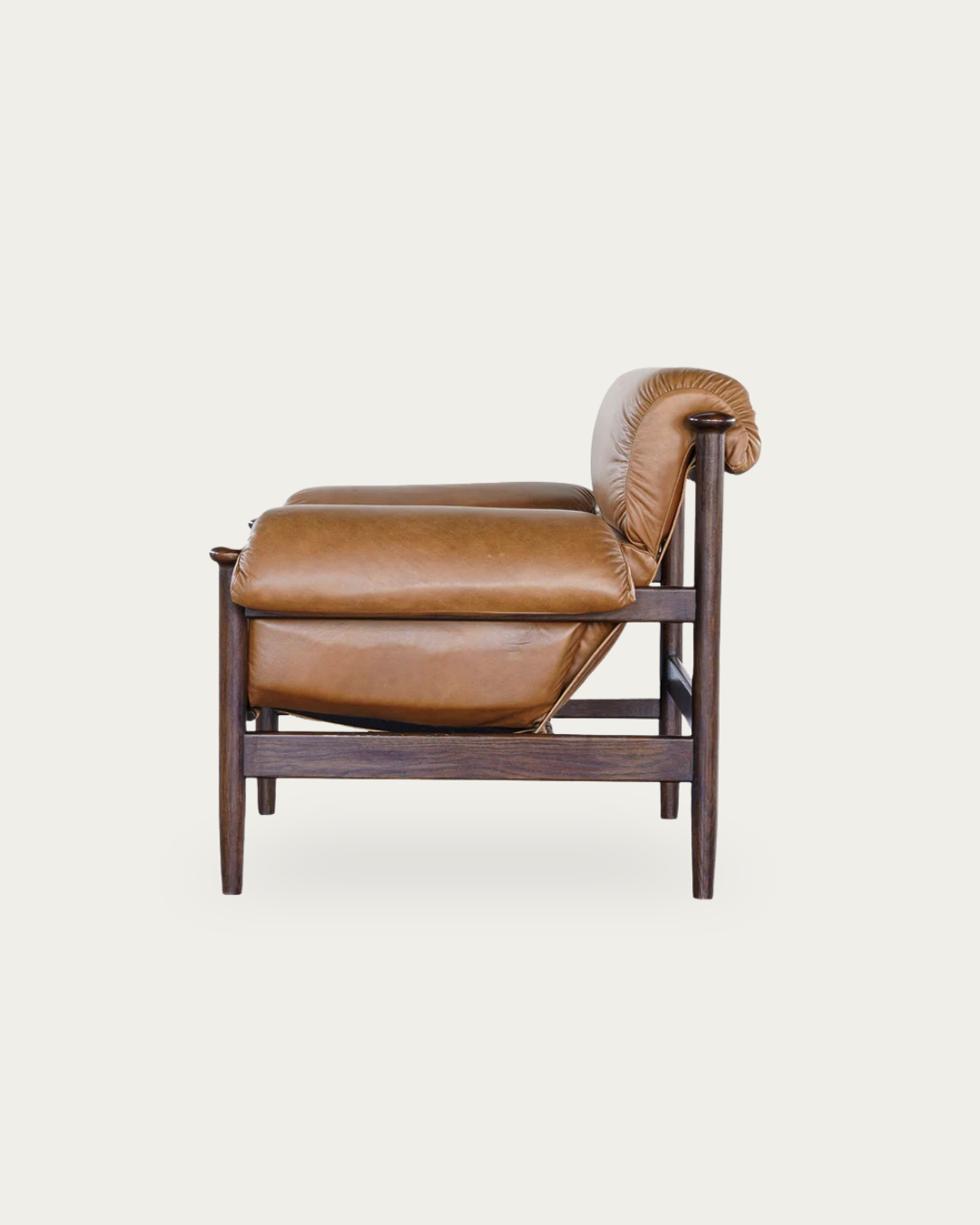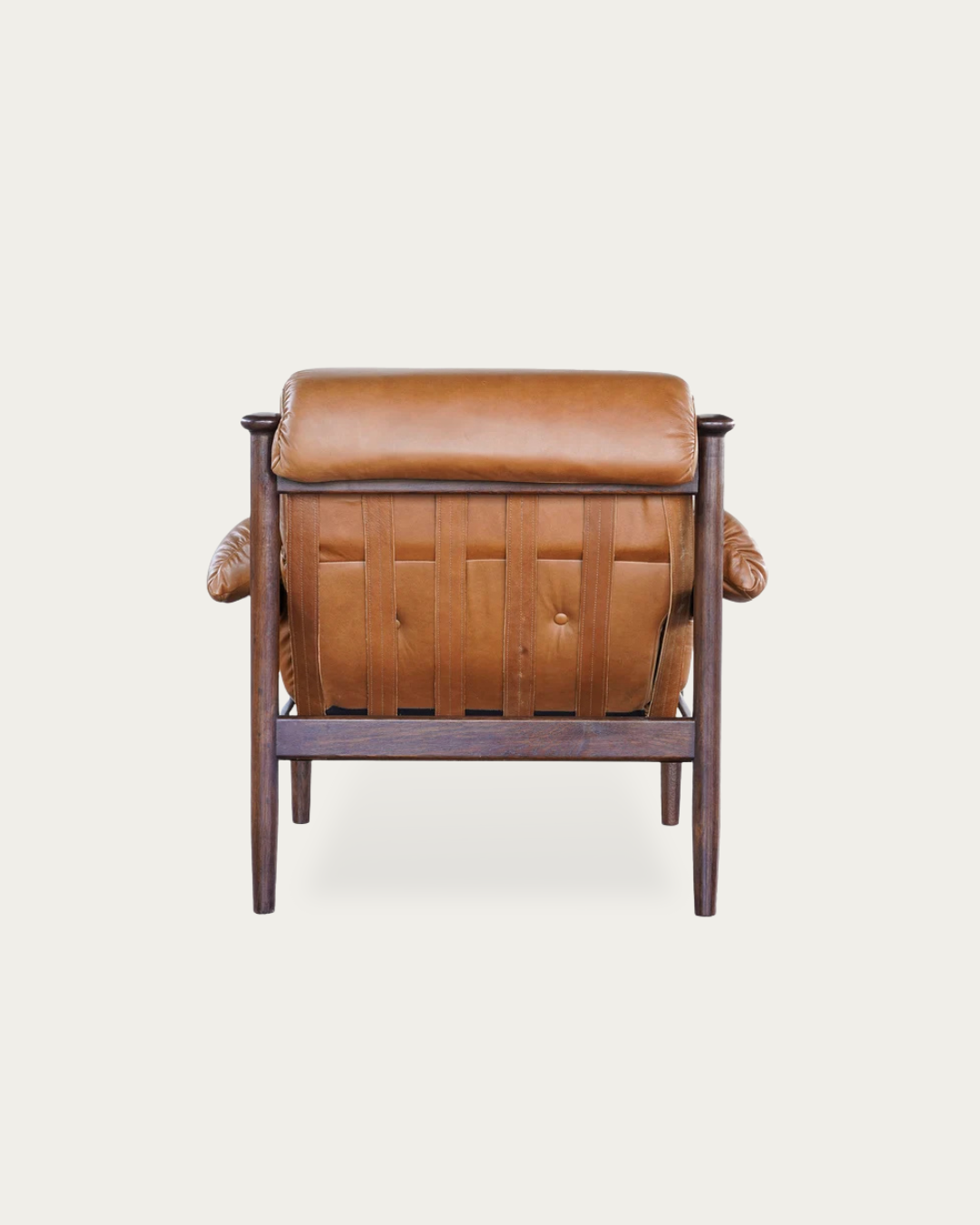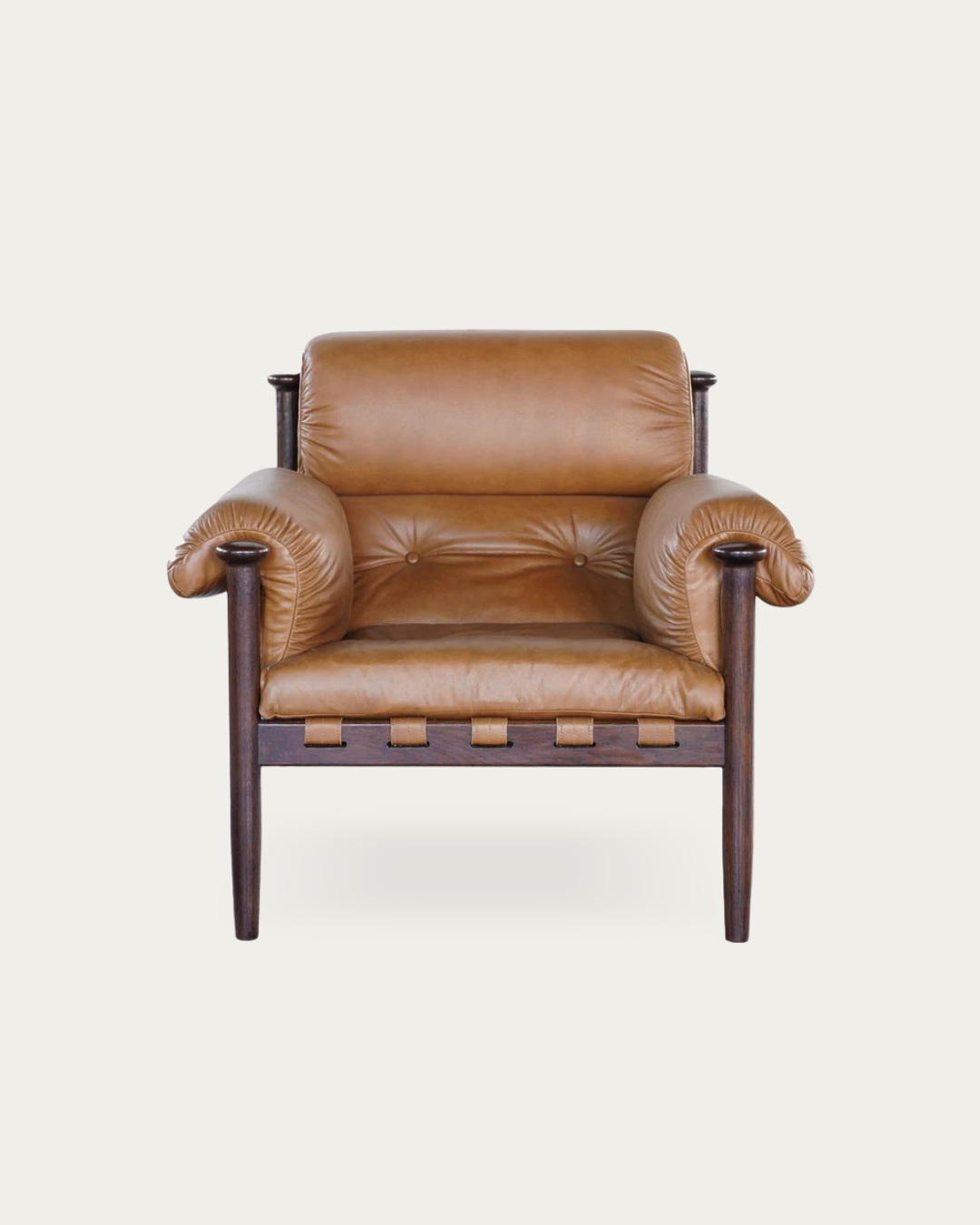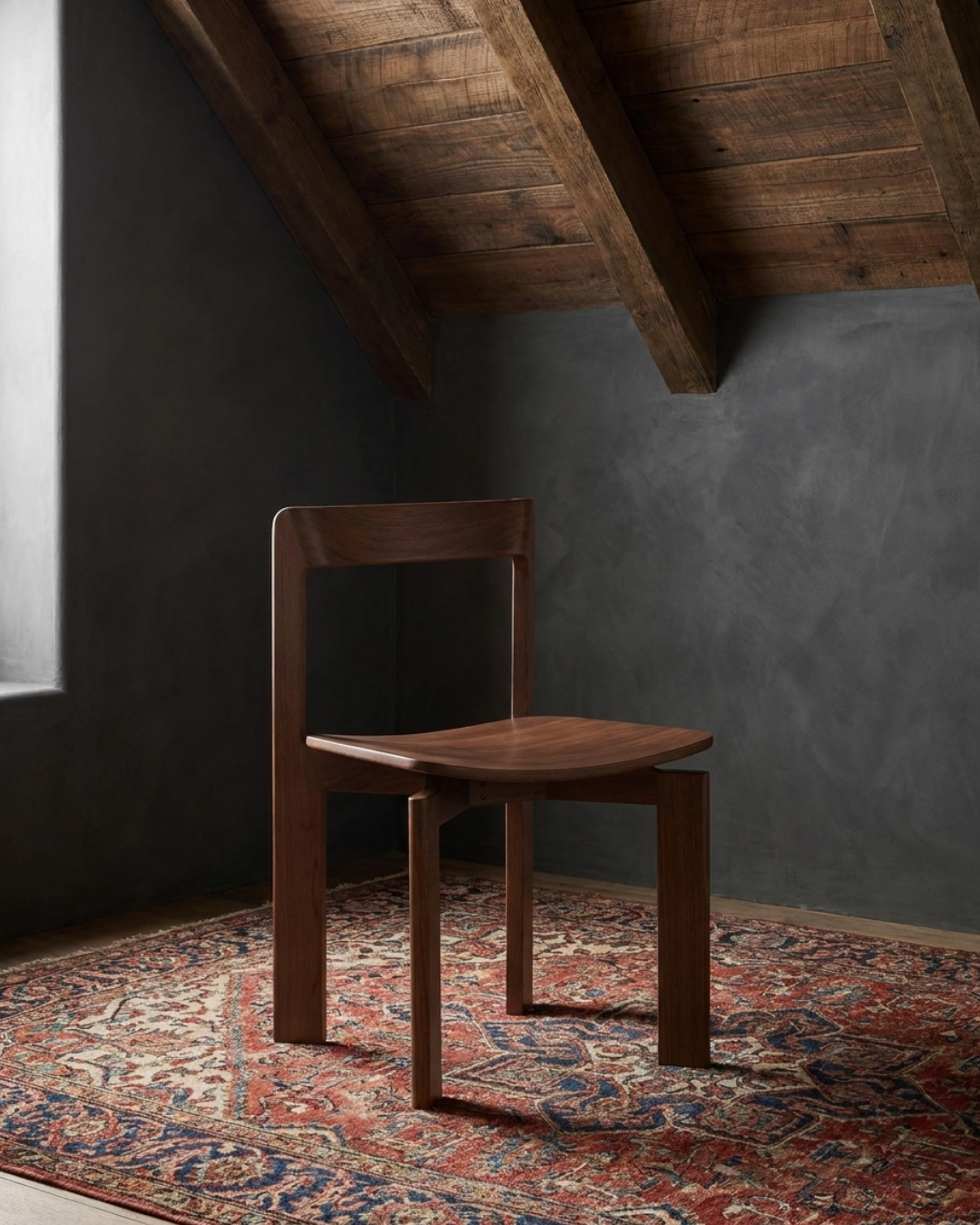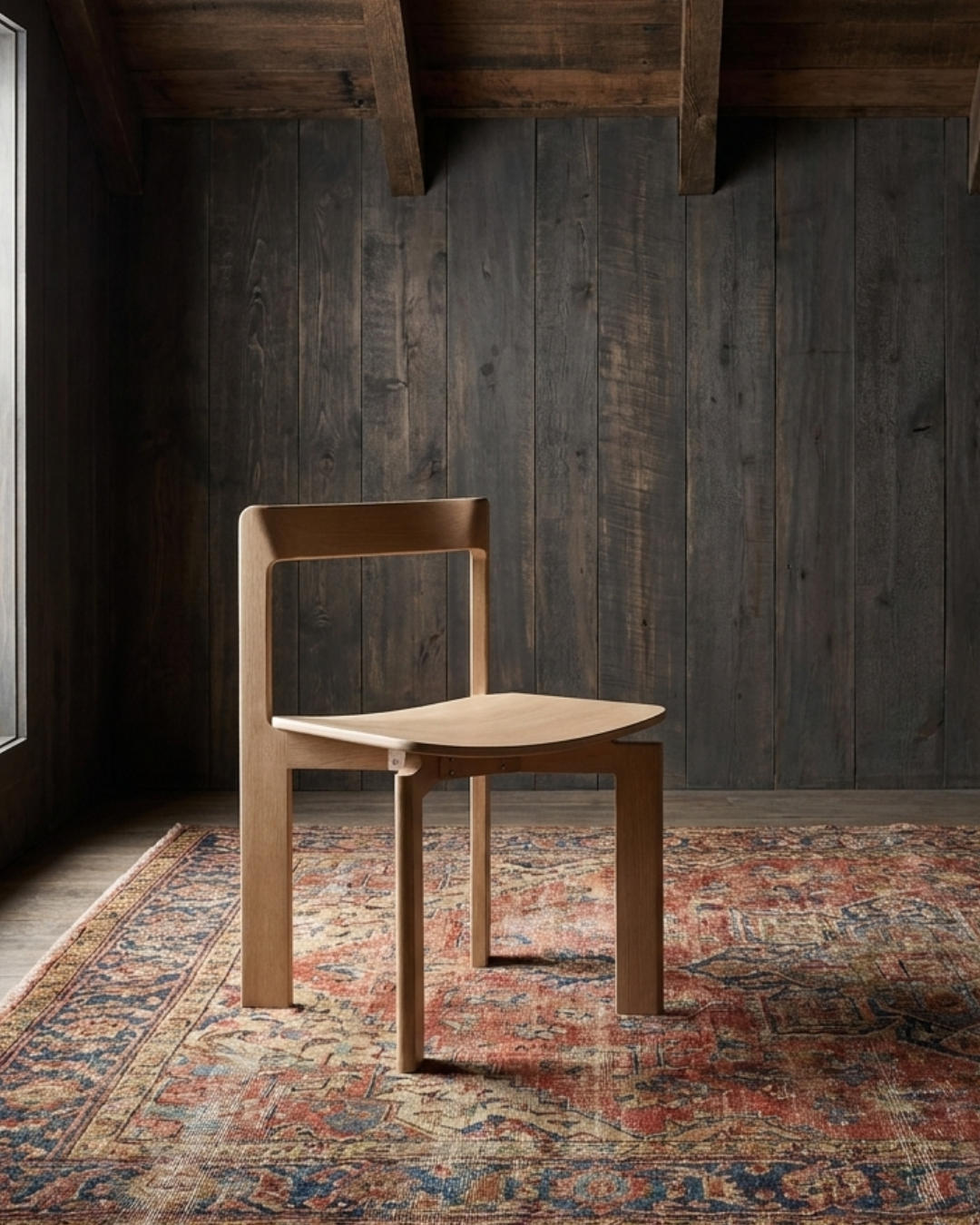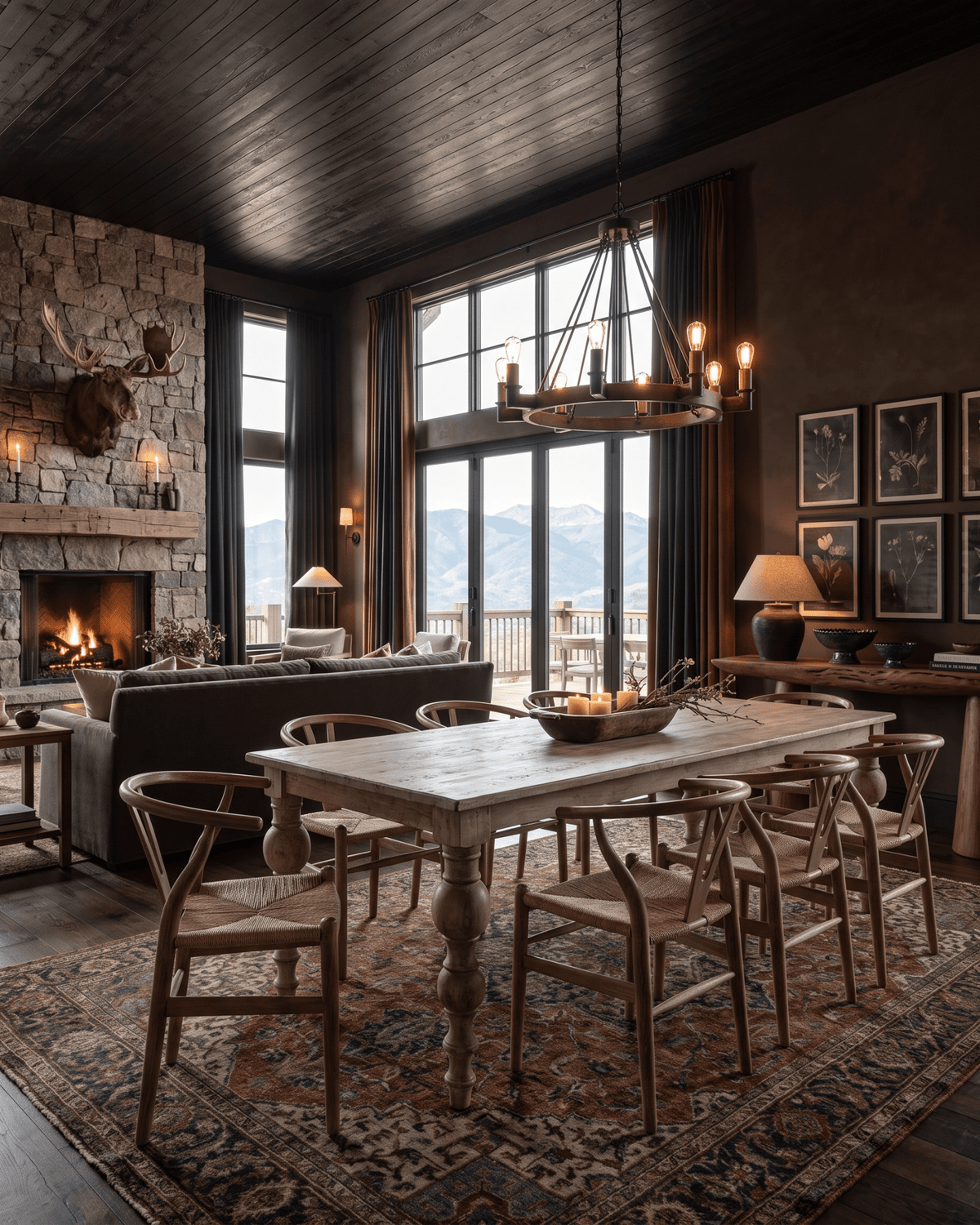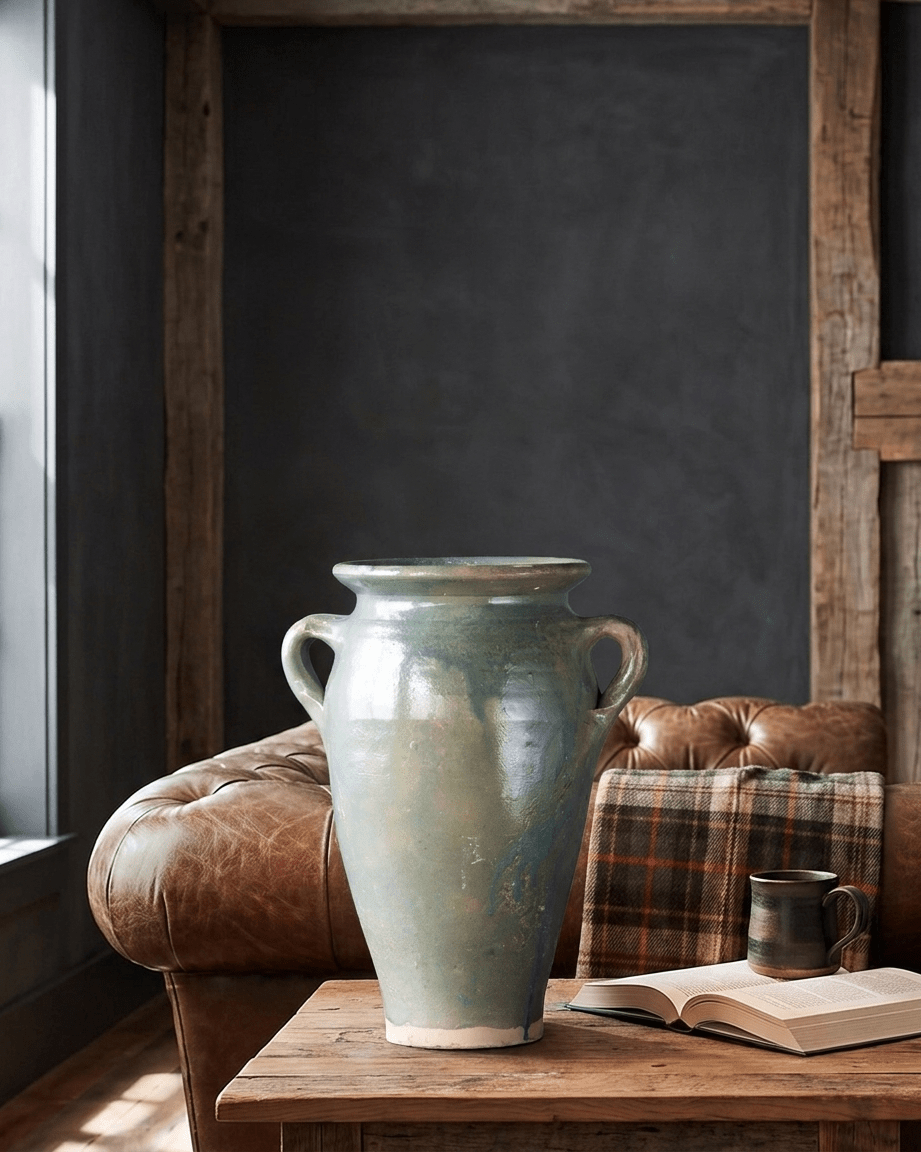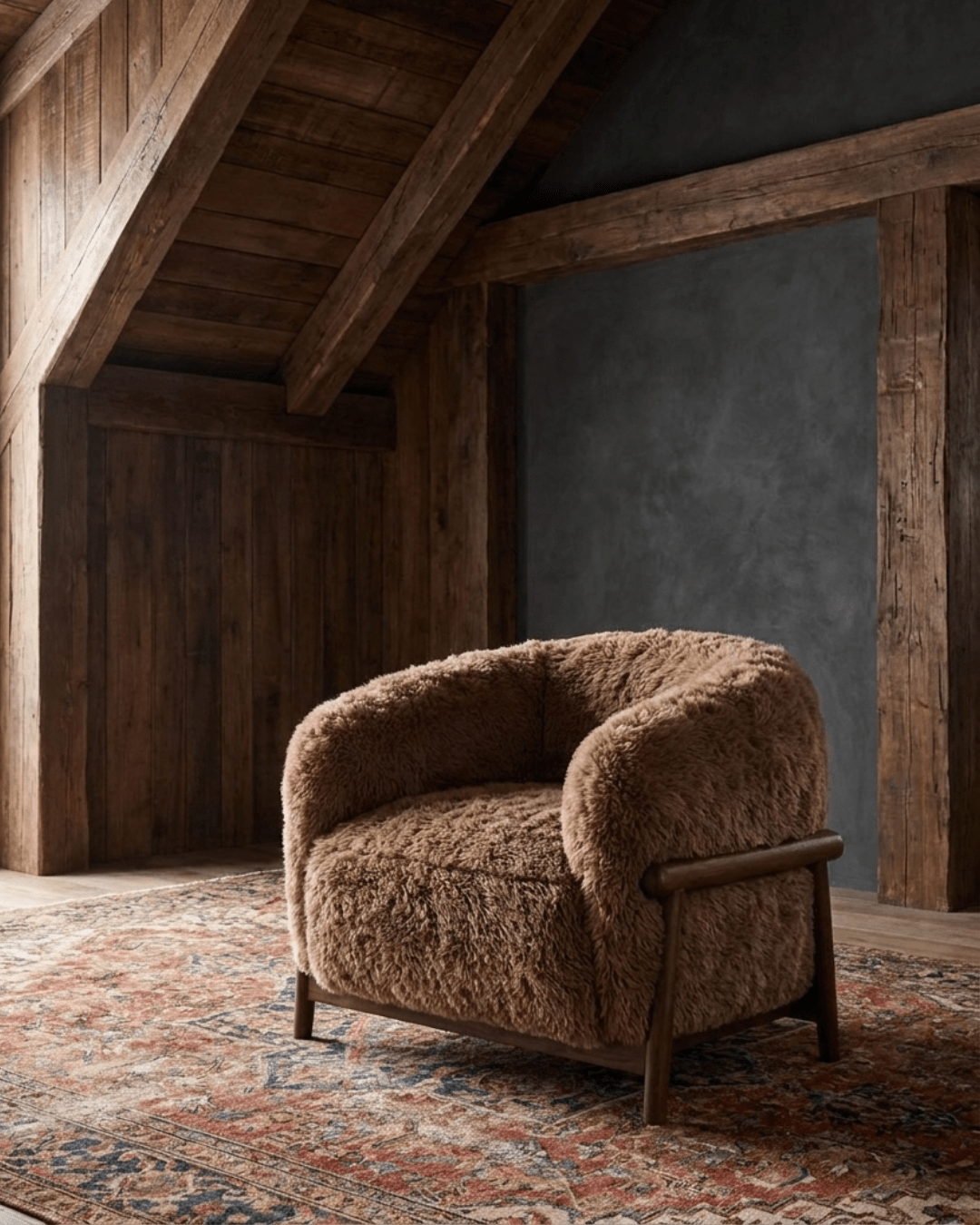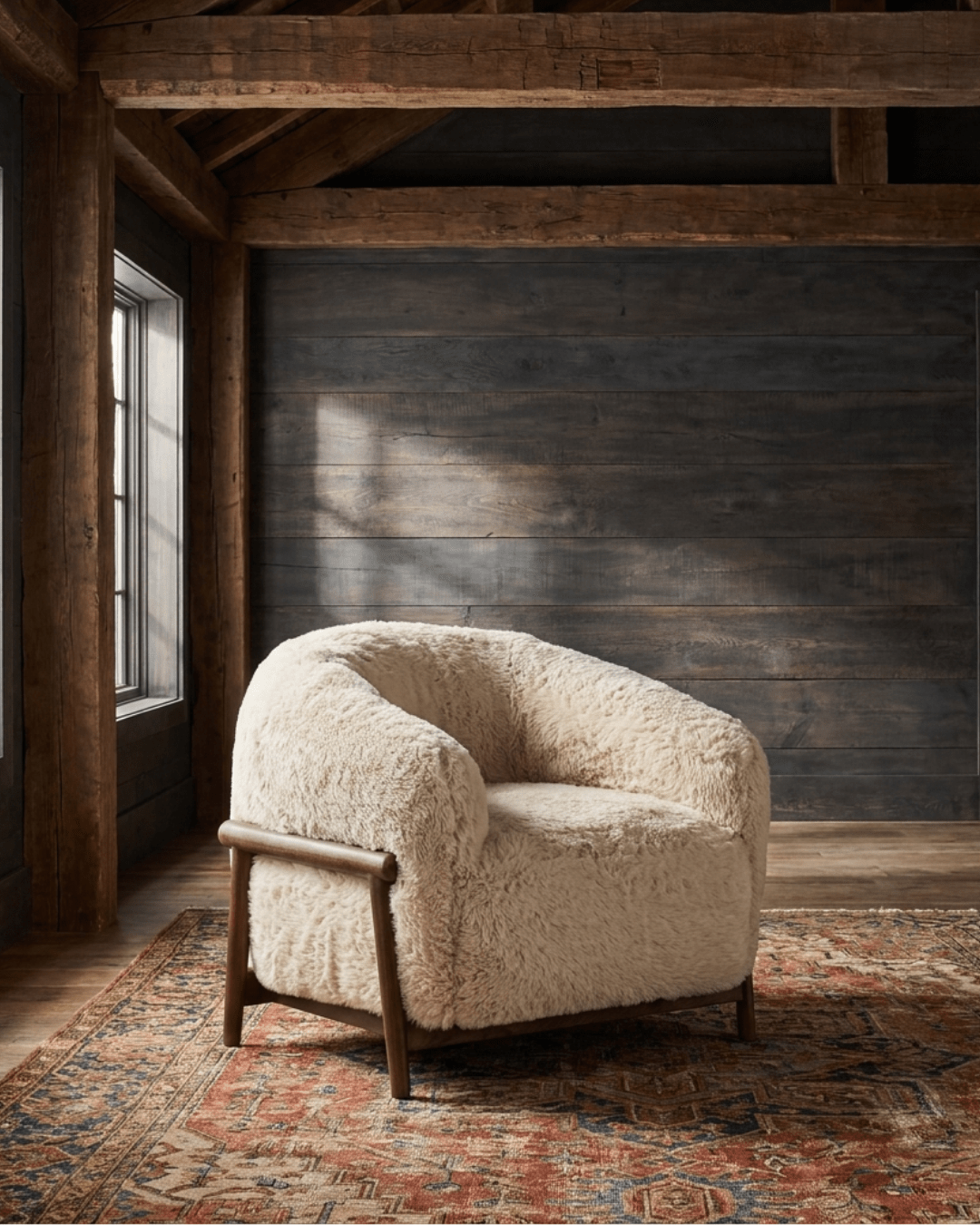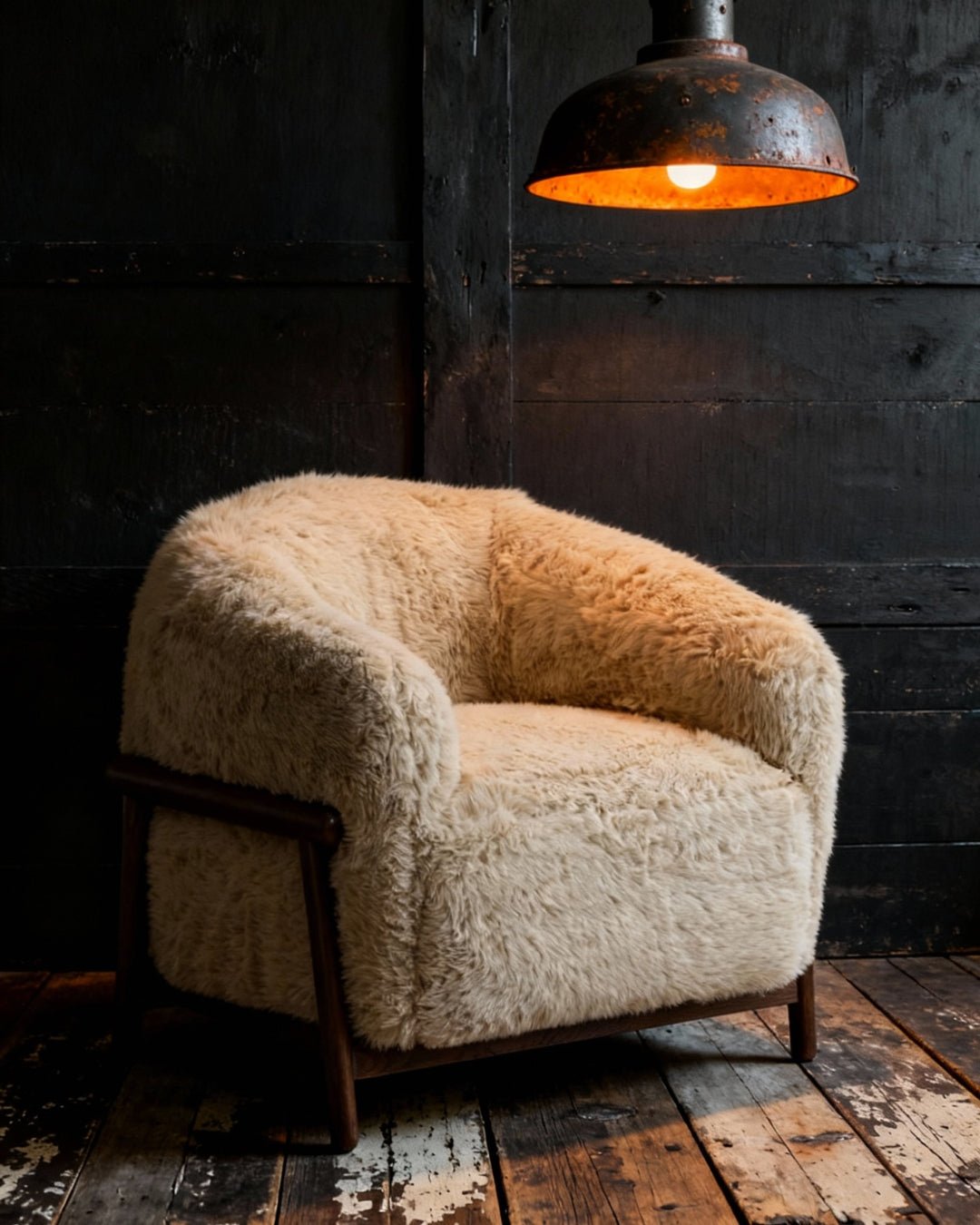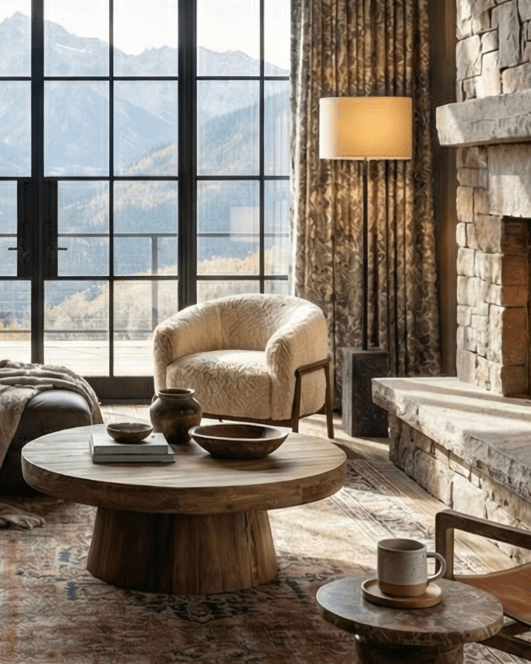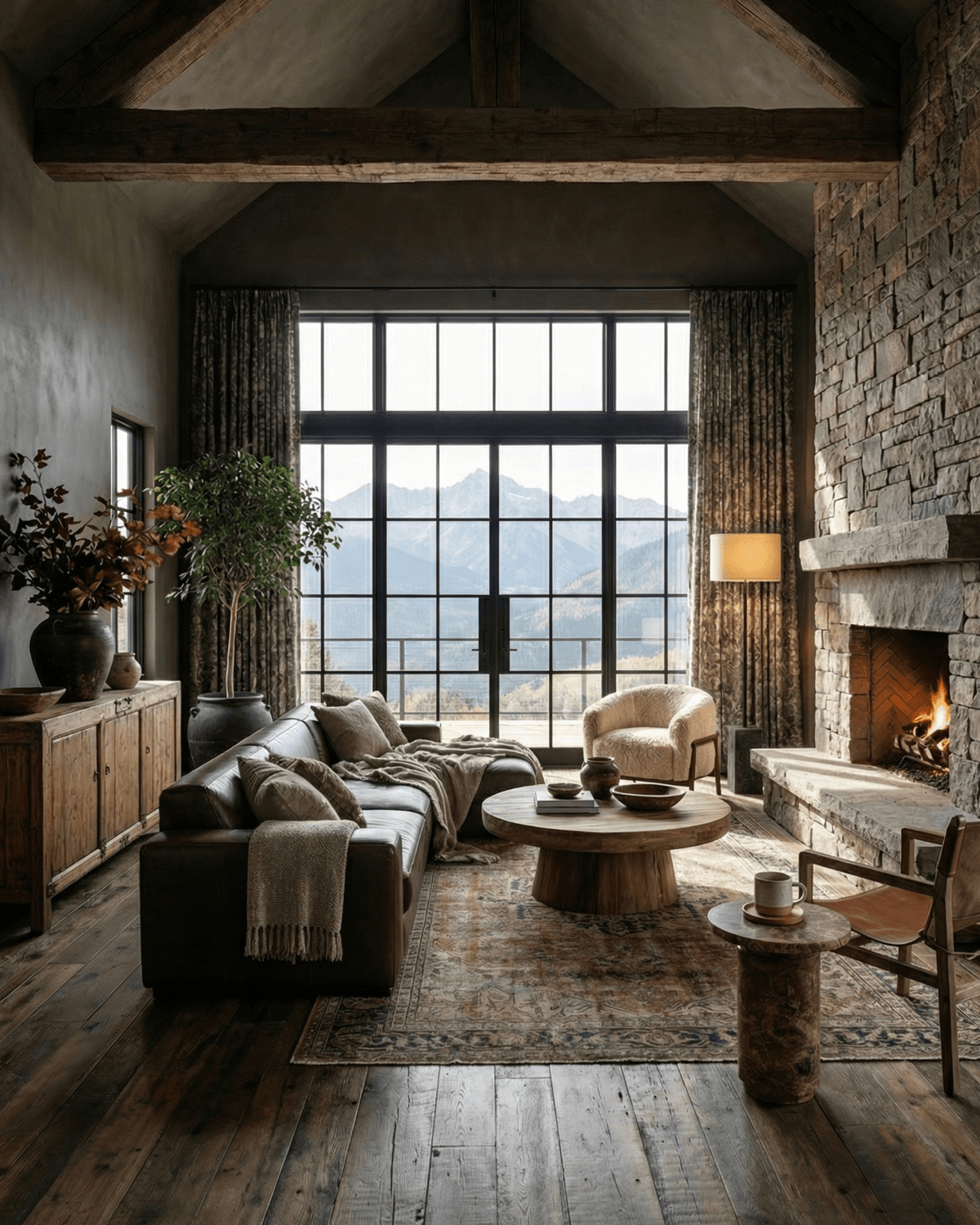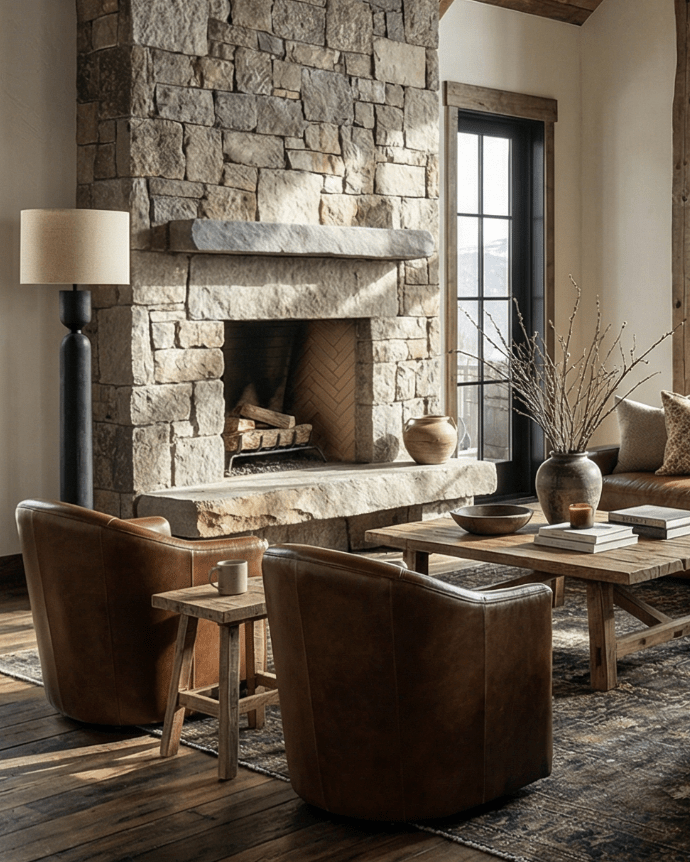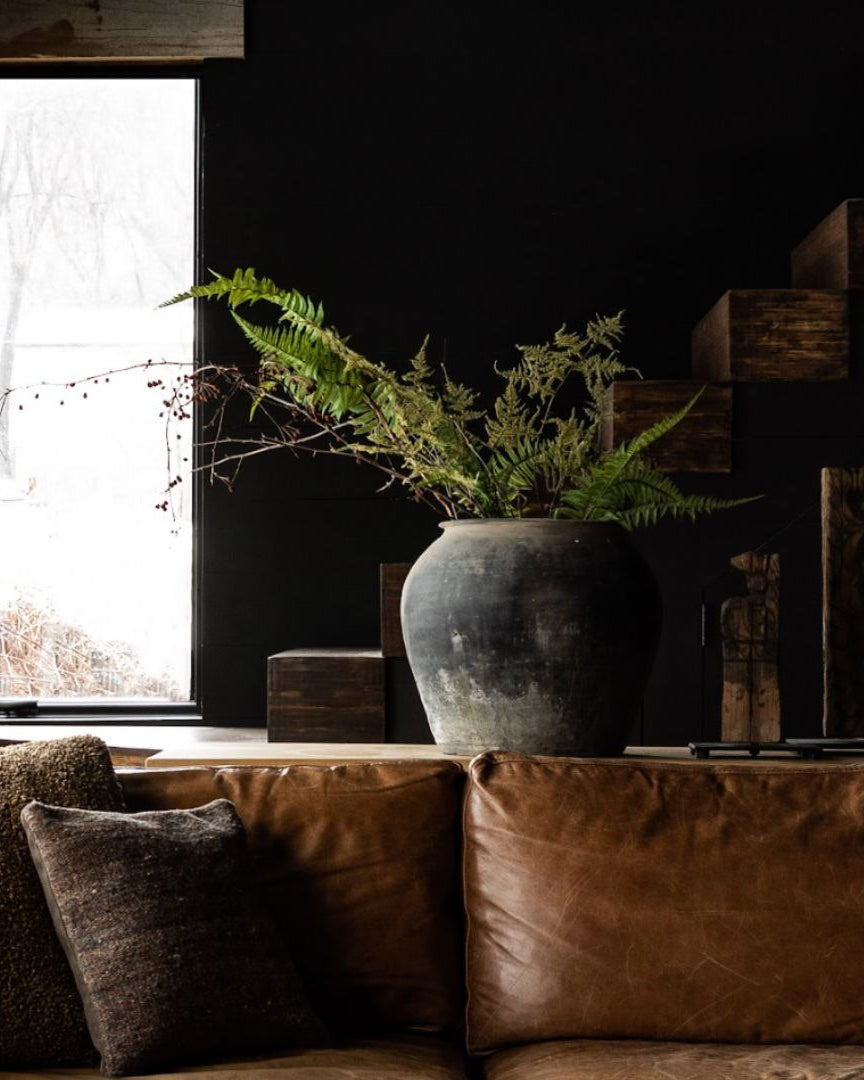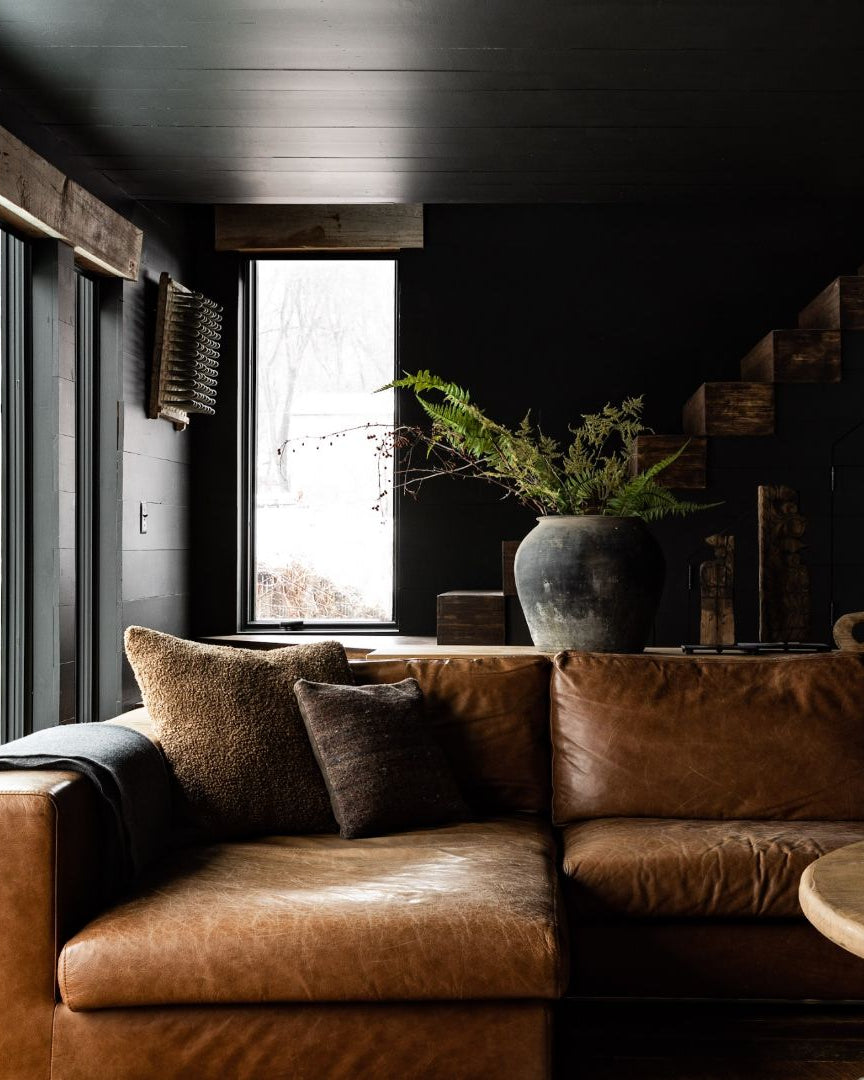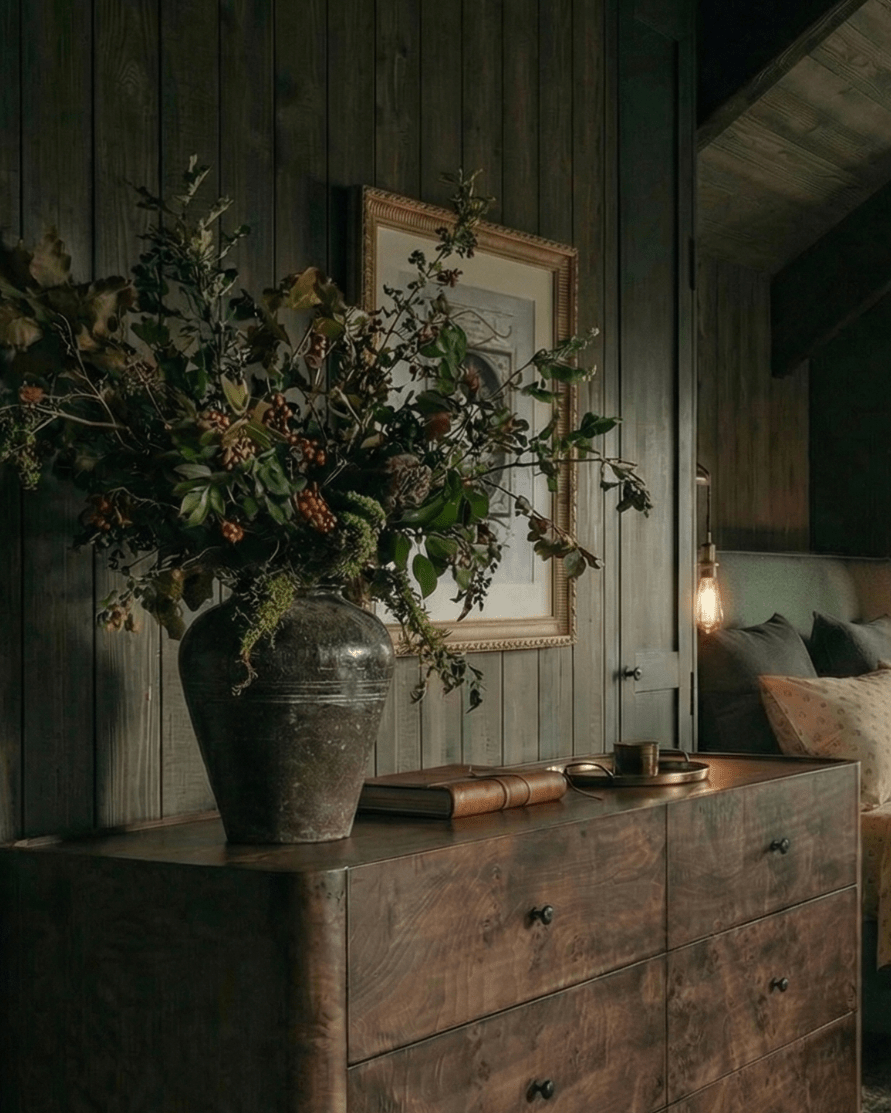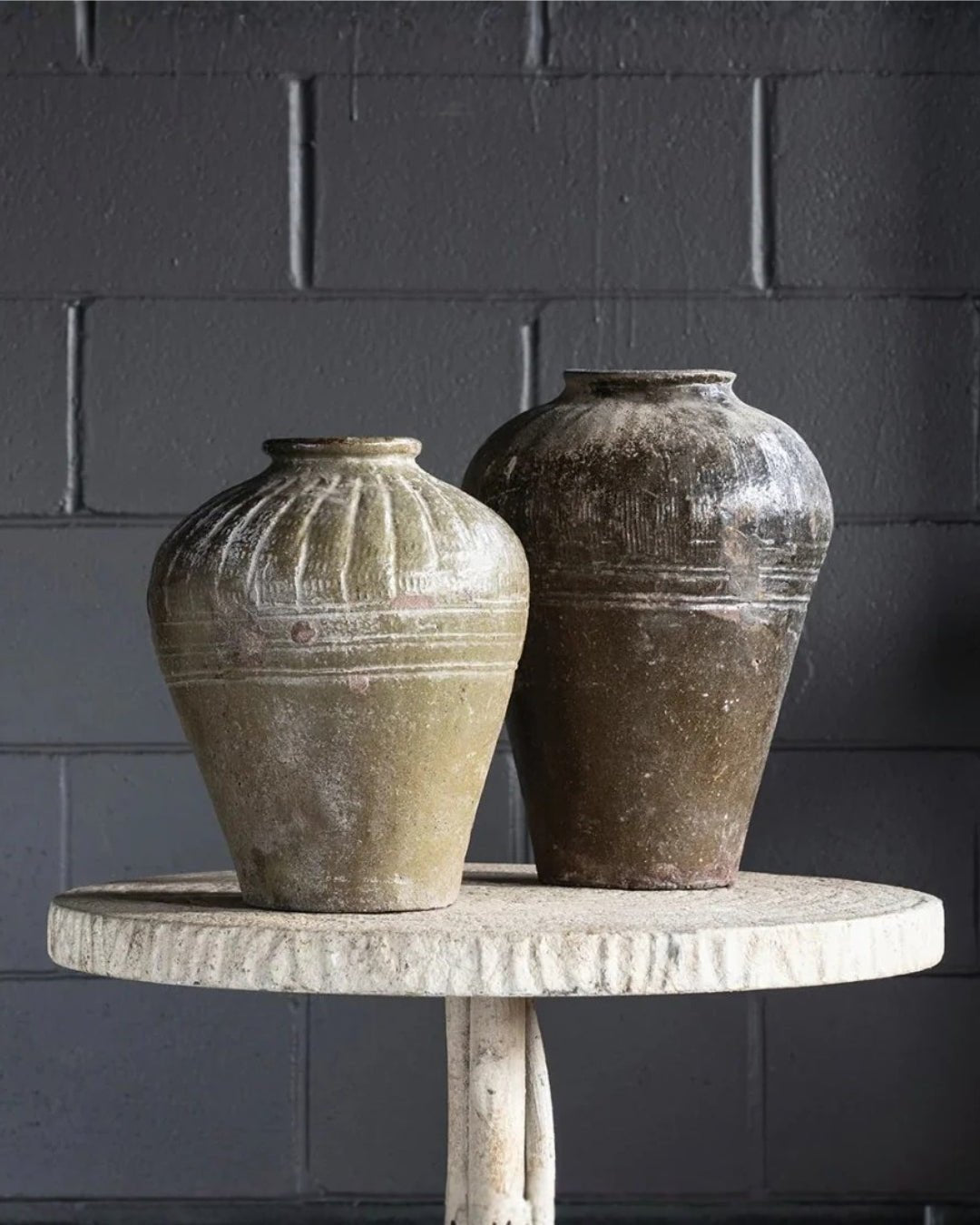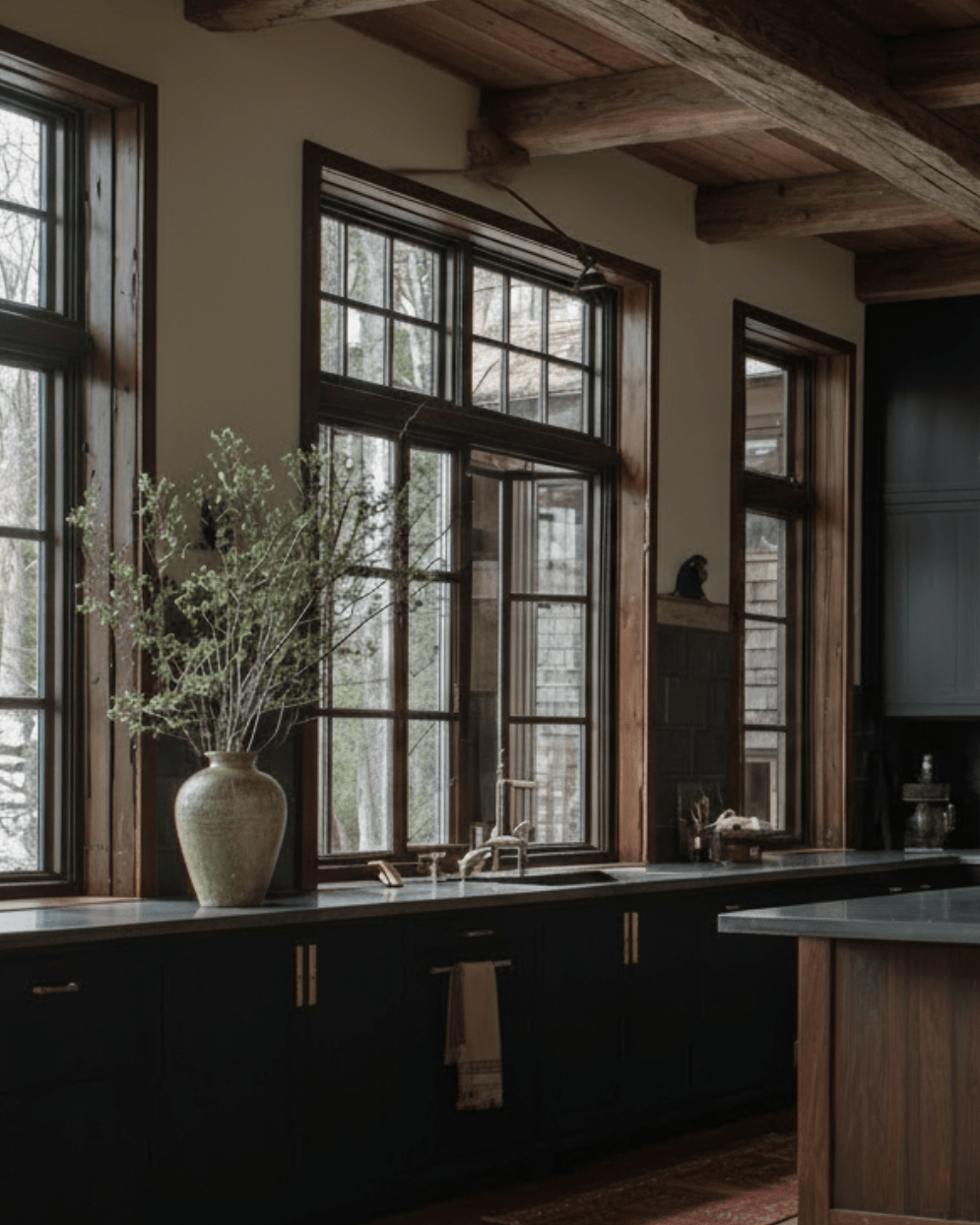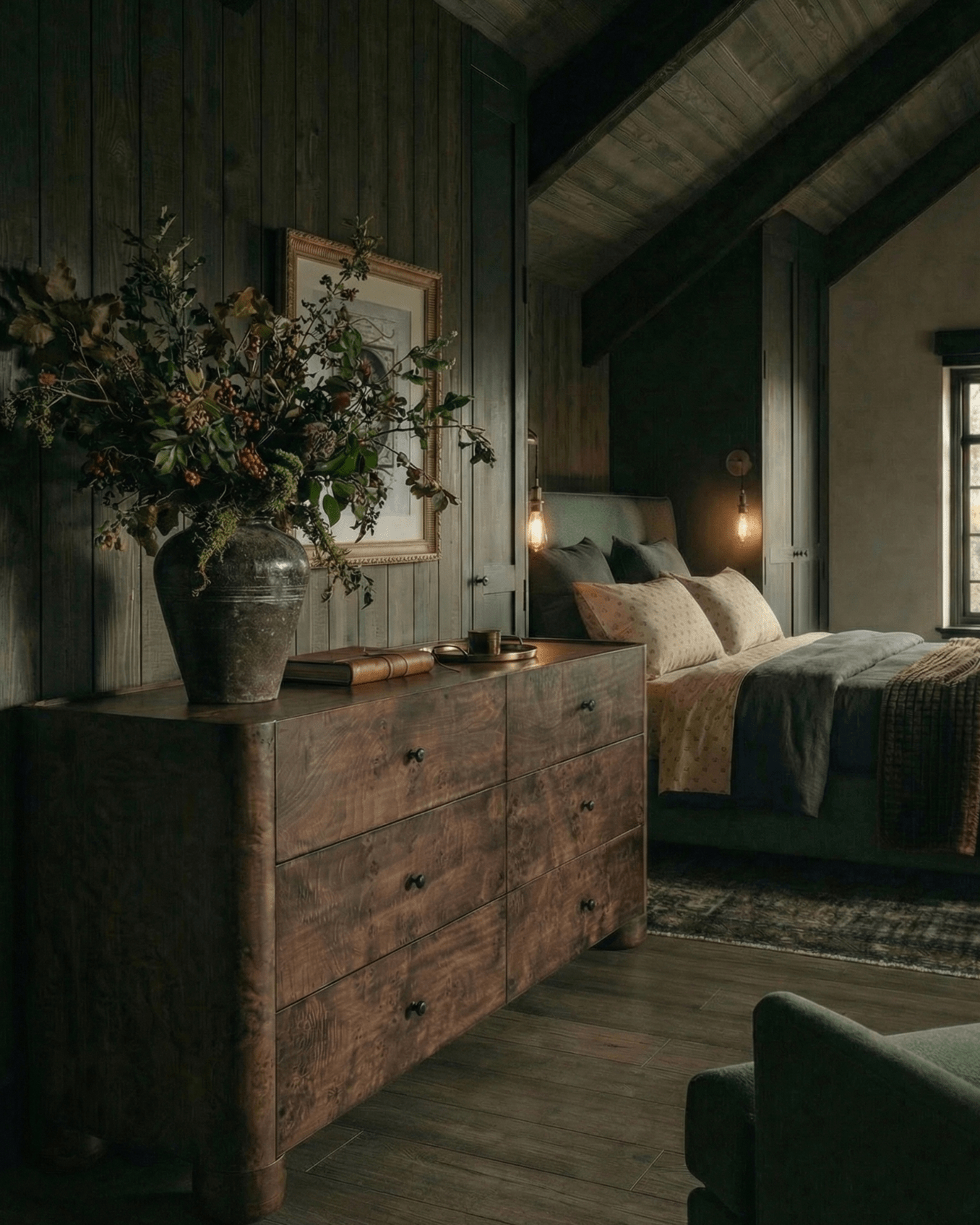











Some living rooms feel calm before you even sit down.
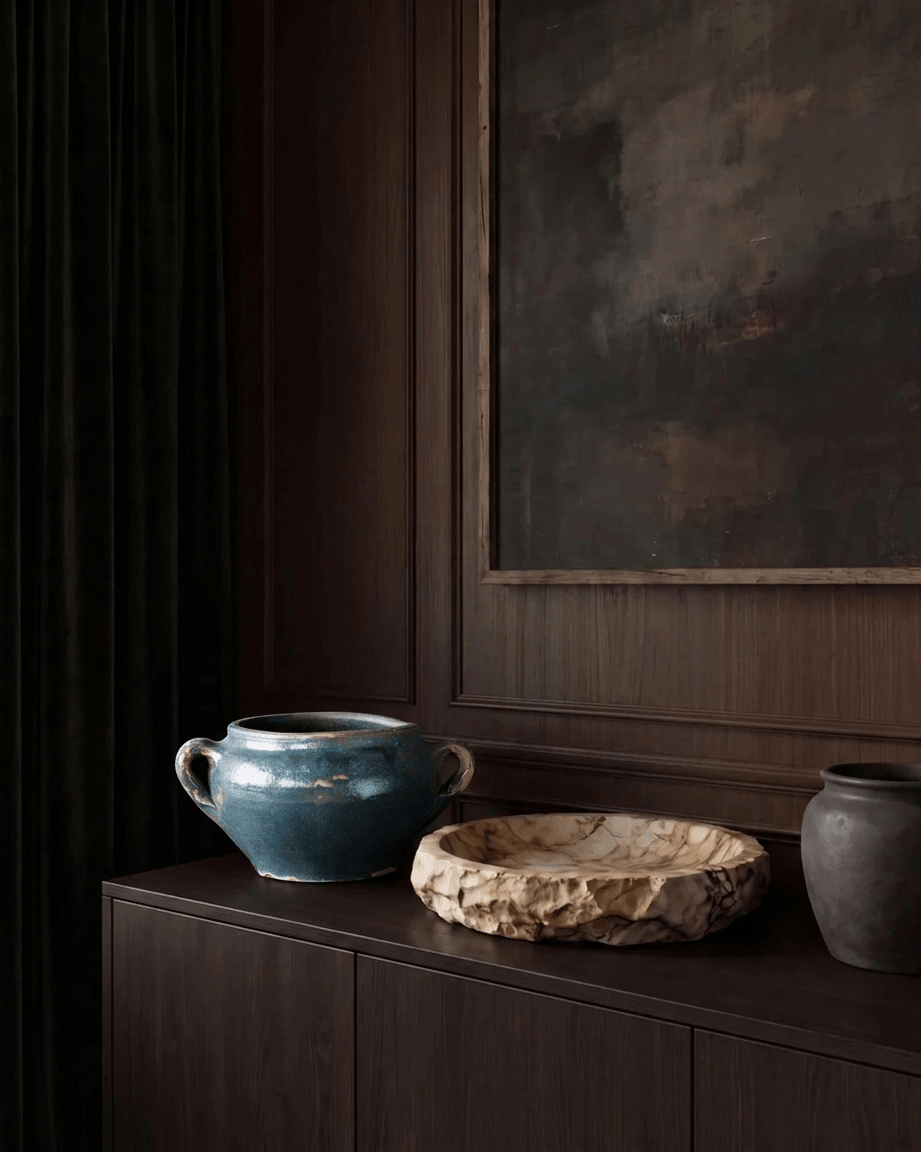
The lighting seems softer somehow. The furniture feels substantial instead of temporary. The room has texture, but it isn’t visually noisy. Nothing is aggressively trying to prove itself, and oddly enough, that’s exactly why the space works.
That feeling usually has less to do with styling and more to do with materials.
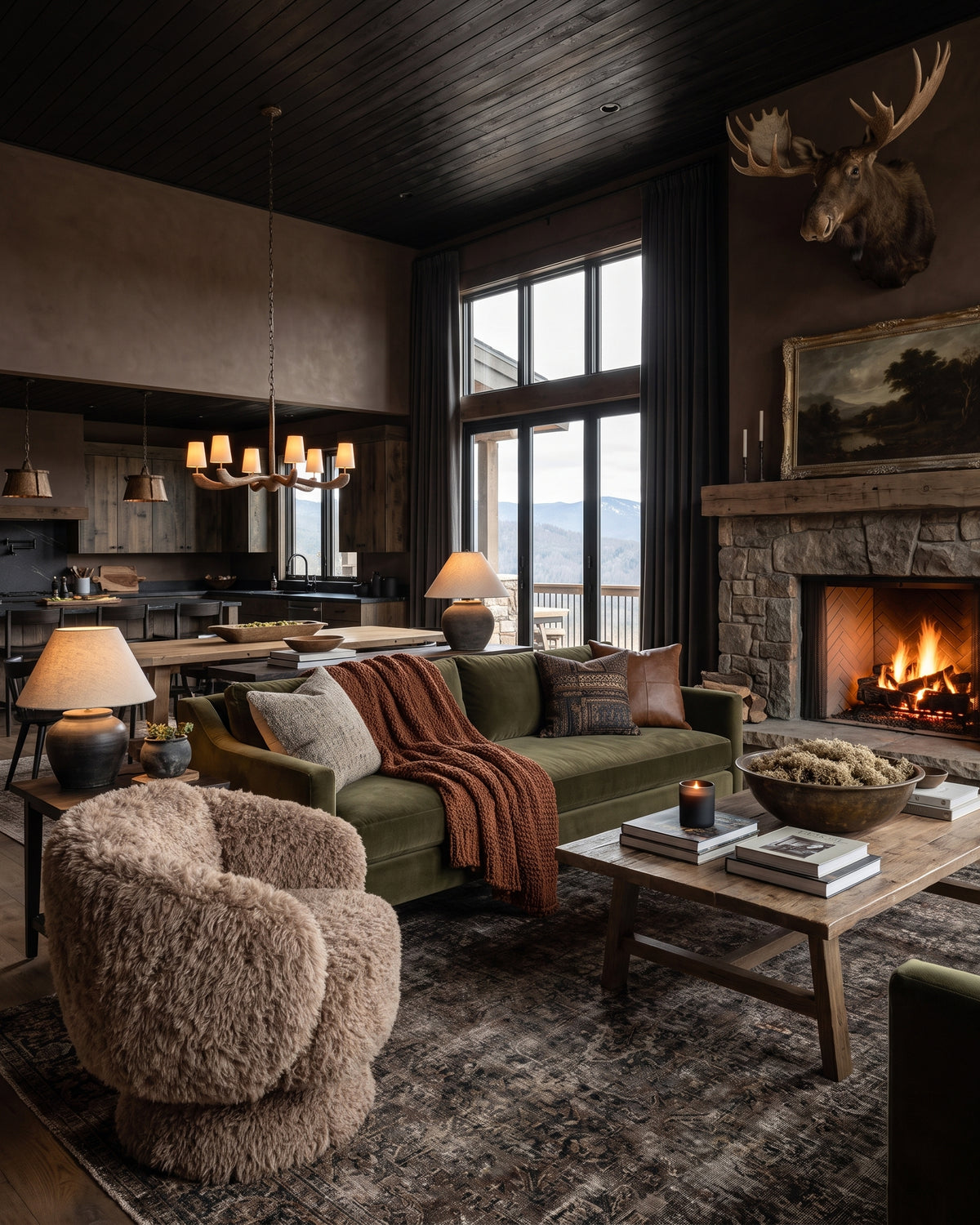
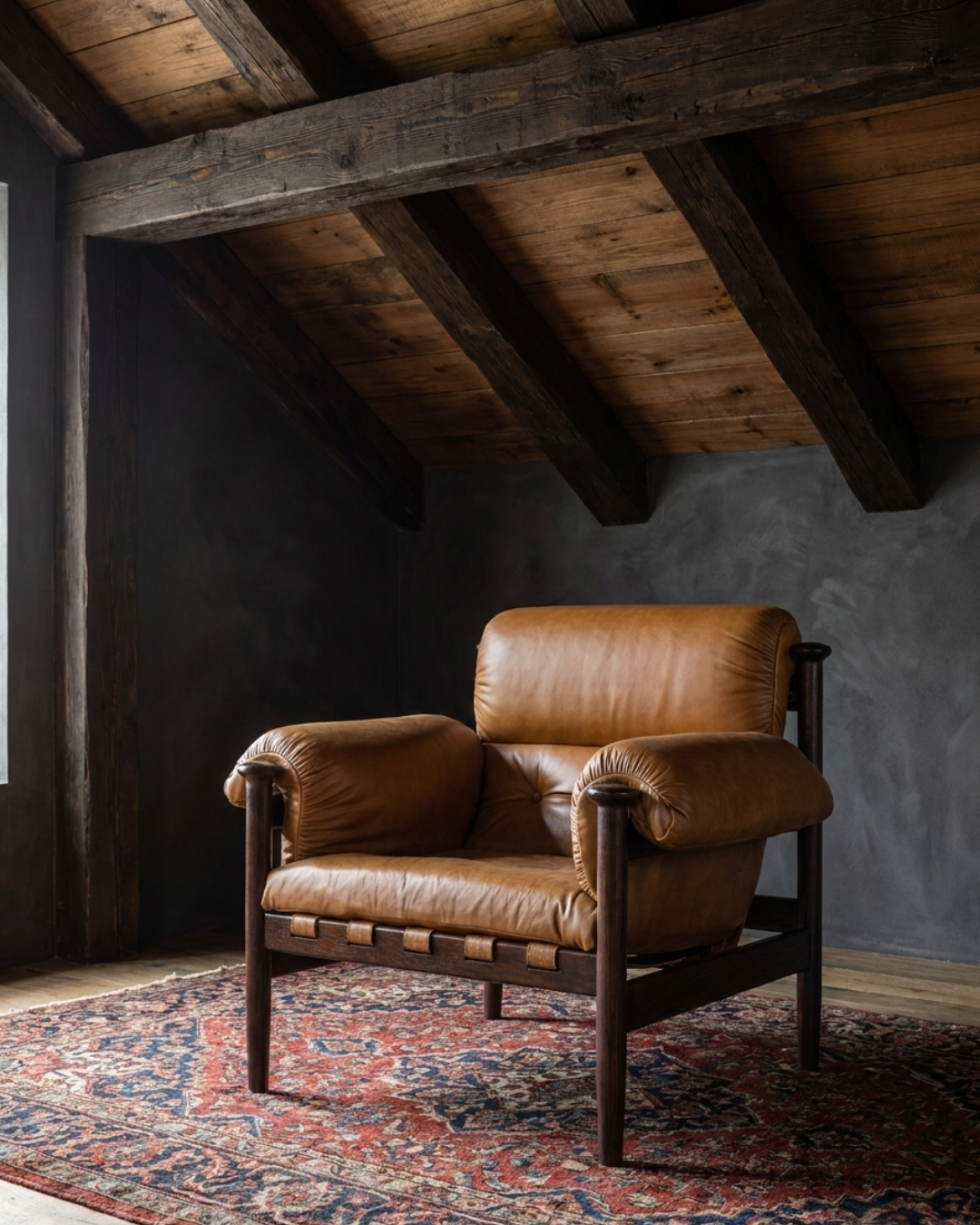
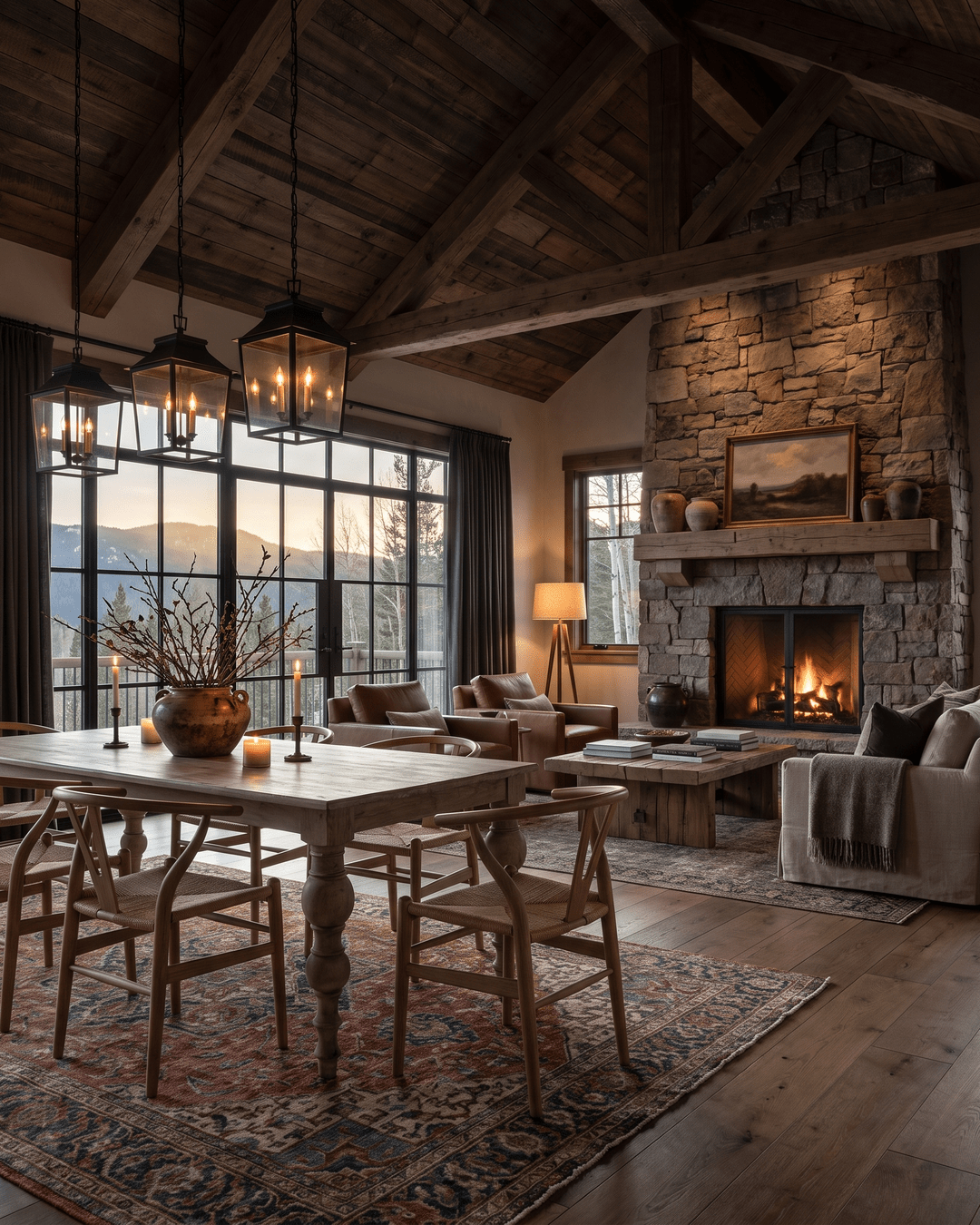
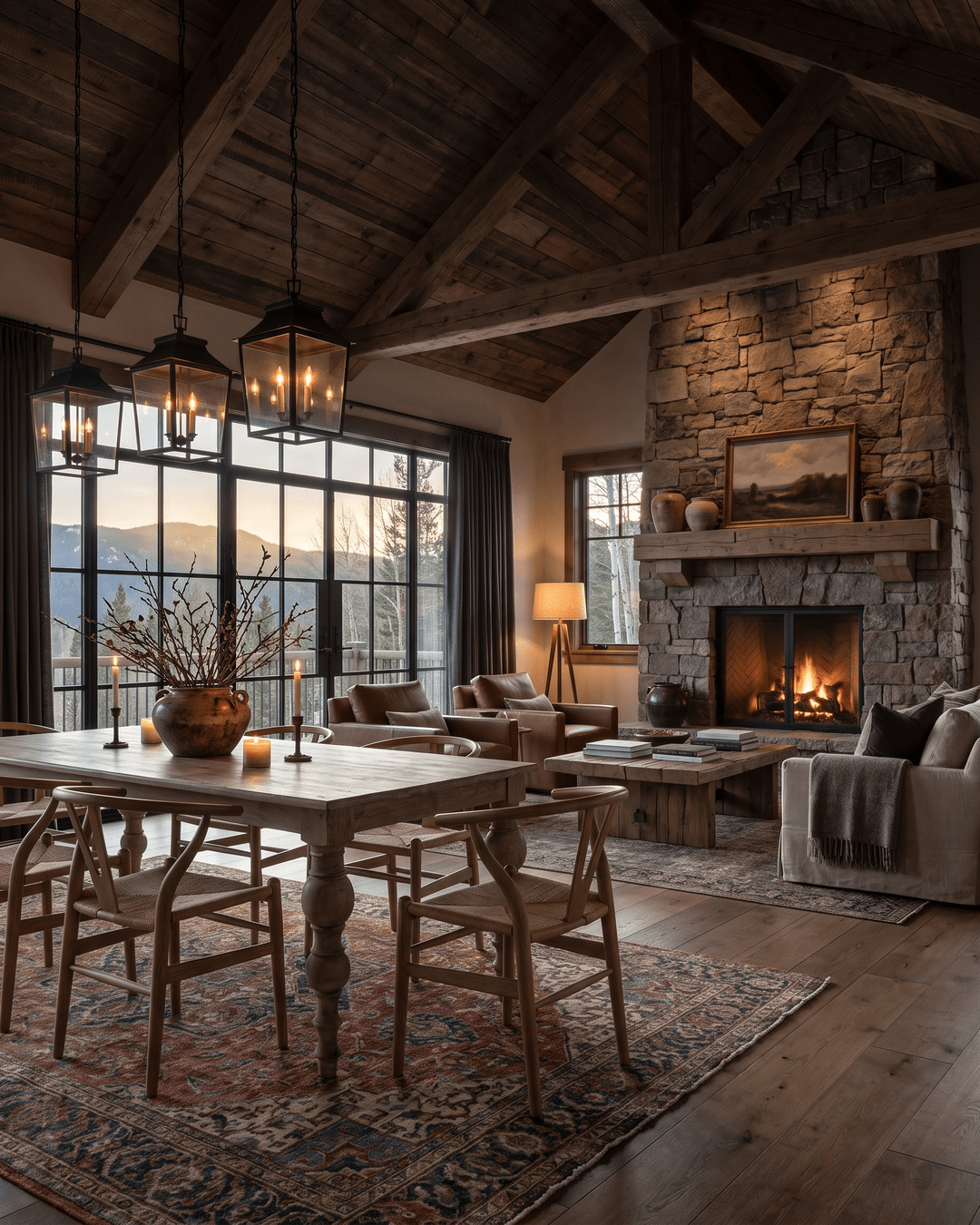
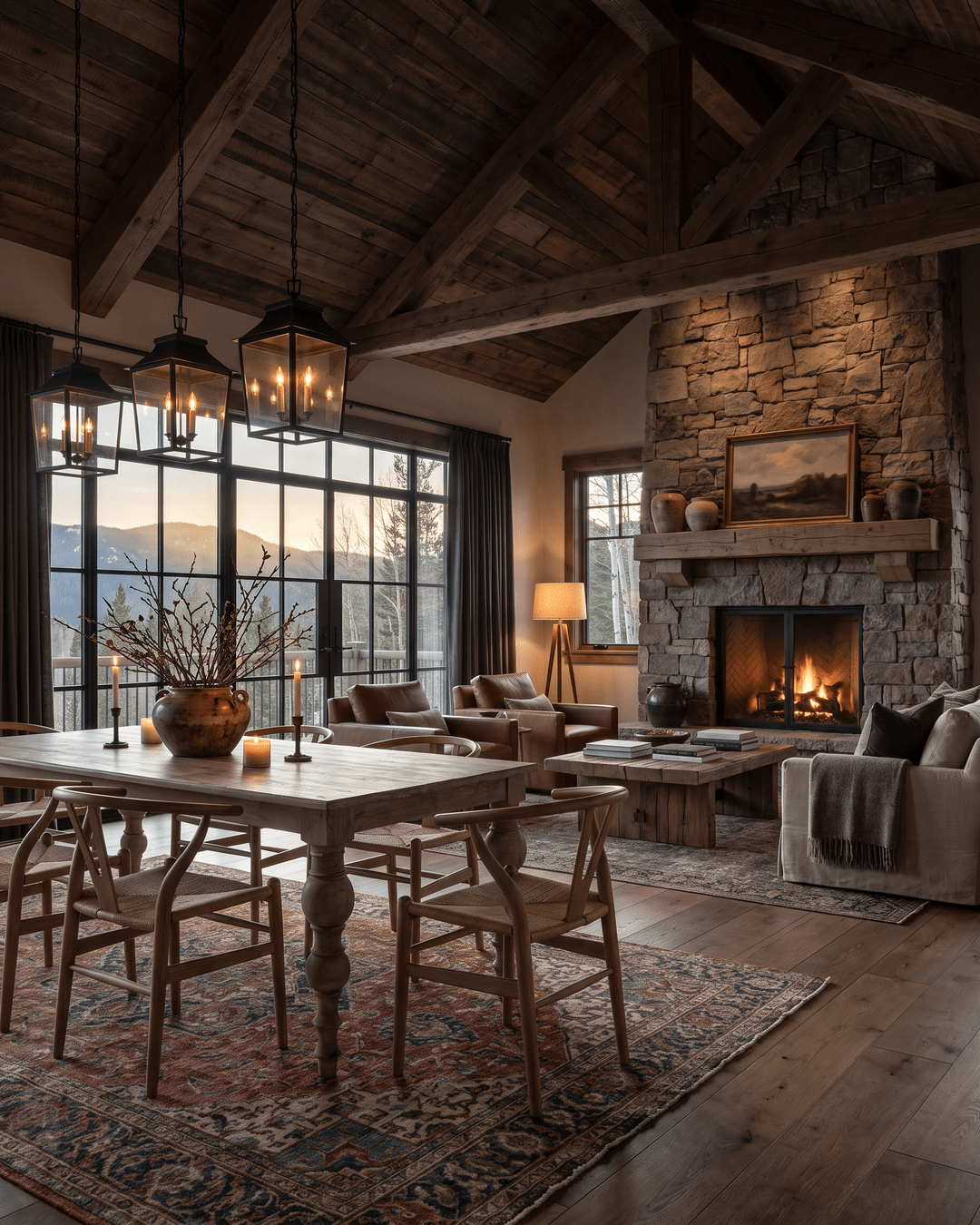
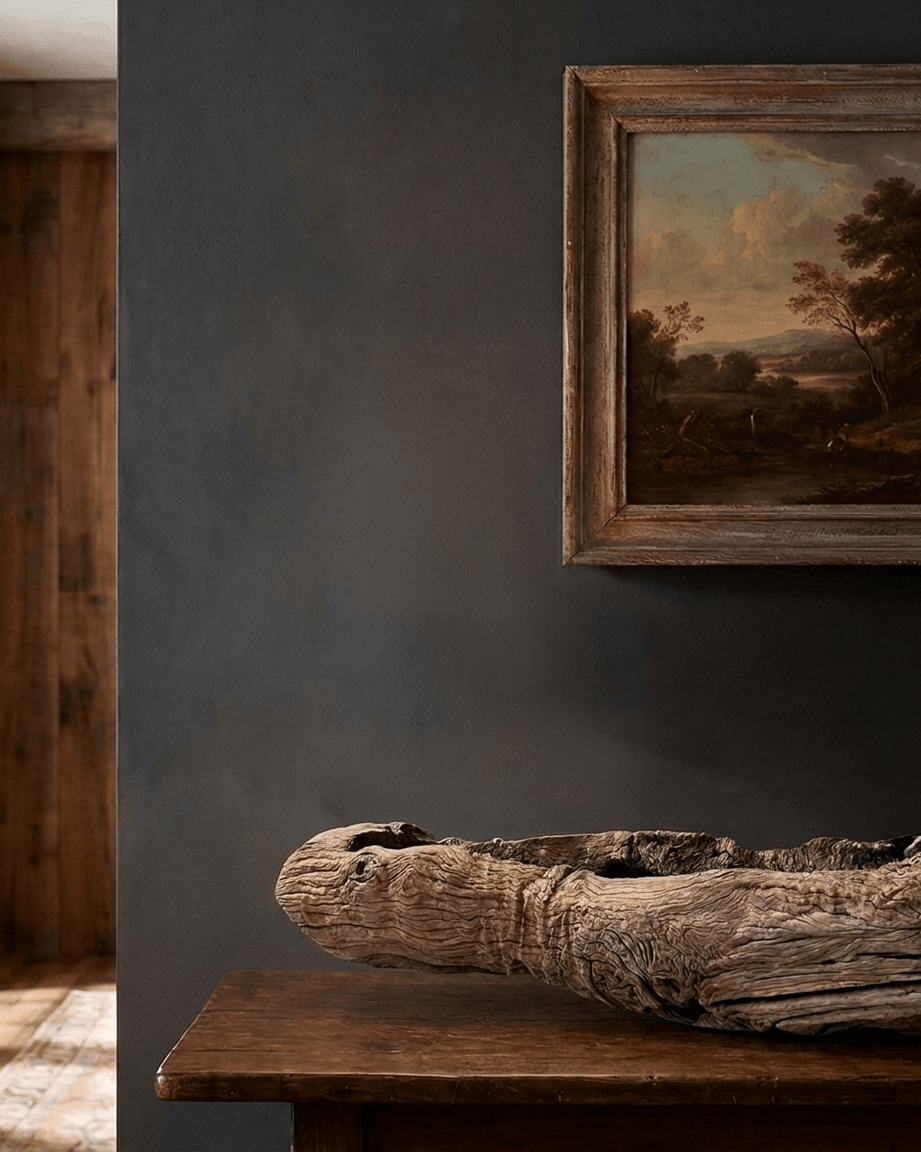
A grounded living room isn’t built through trendy decor objects or perfectly coordinated color palettes. It’s built through visual weight, tactile variation, and surfaces that help the nervous system slow down instead of constantly scanning for stimulation. Reclaimed wood furniture does that unusually well because it introduces natural texture and sensory depth without overwhelming the room.
That’s why so many modern mountain homes continue returning to heavier reclaimed materials as the foundation of slower, more regulating interiors.
Many of those spaces begin with substantial pieces from the Reclaimed furniture collection where layered wood textures and grounded silhouettes help create living rooms that feel quieter, steadier, and easier to exist inside every day.
Reclaimed Wood Creates Visual Weight Without Feeling Heavy
One reason living rooms feel emotionally unsettled is because there’s no visual anchor.
Everything floats.
Small furniture.
Tiny decor objects.
Reflective surfaces.
Lightweight materials.
Too many disconnected shapes competing for attention simultaneously.
The nervous system responds to that fragmentation constantly, even when people stop consciously noticing it.
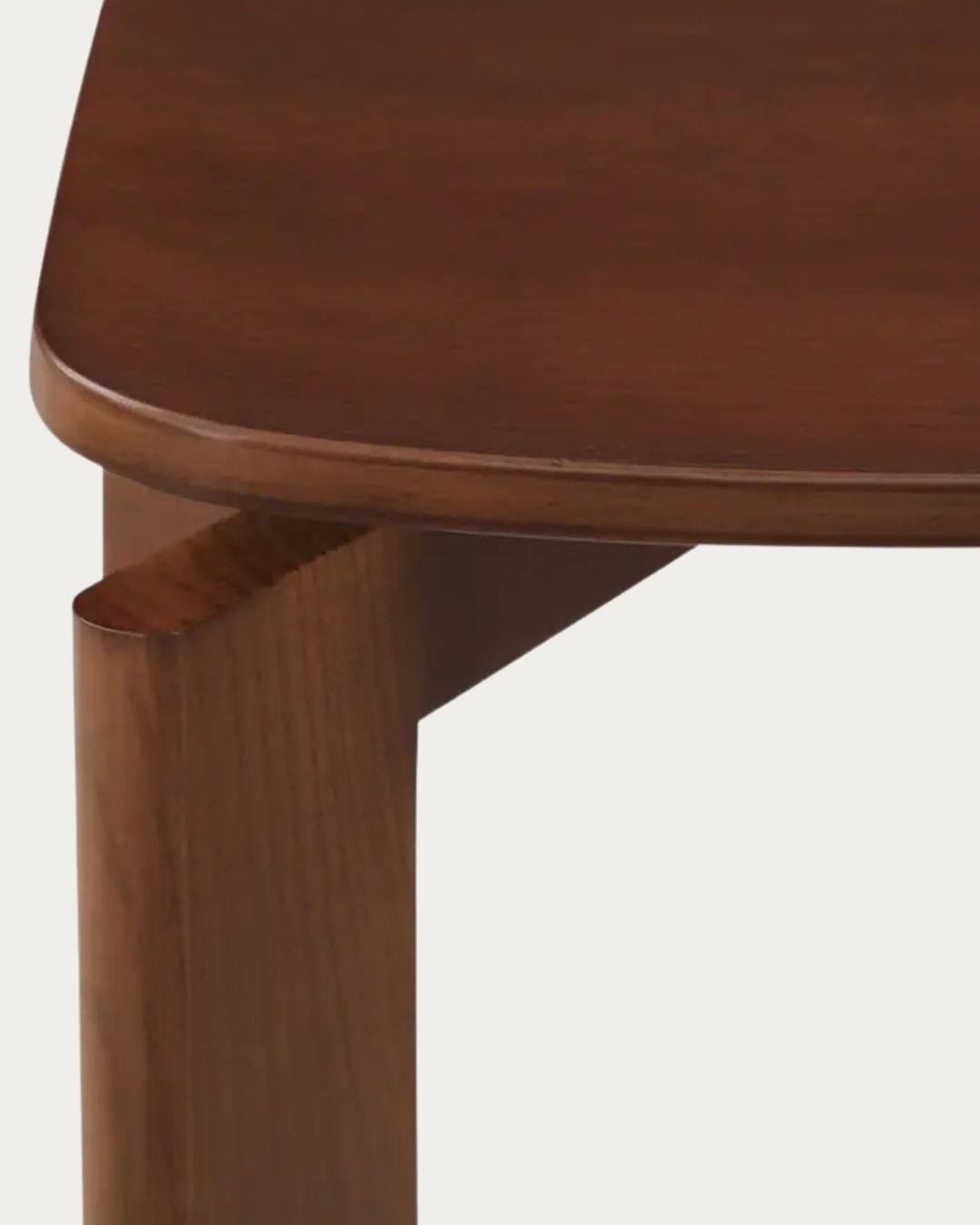
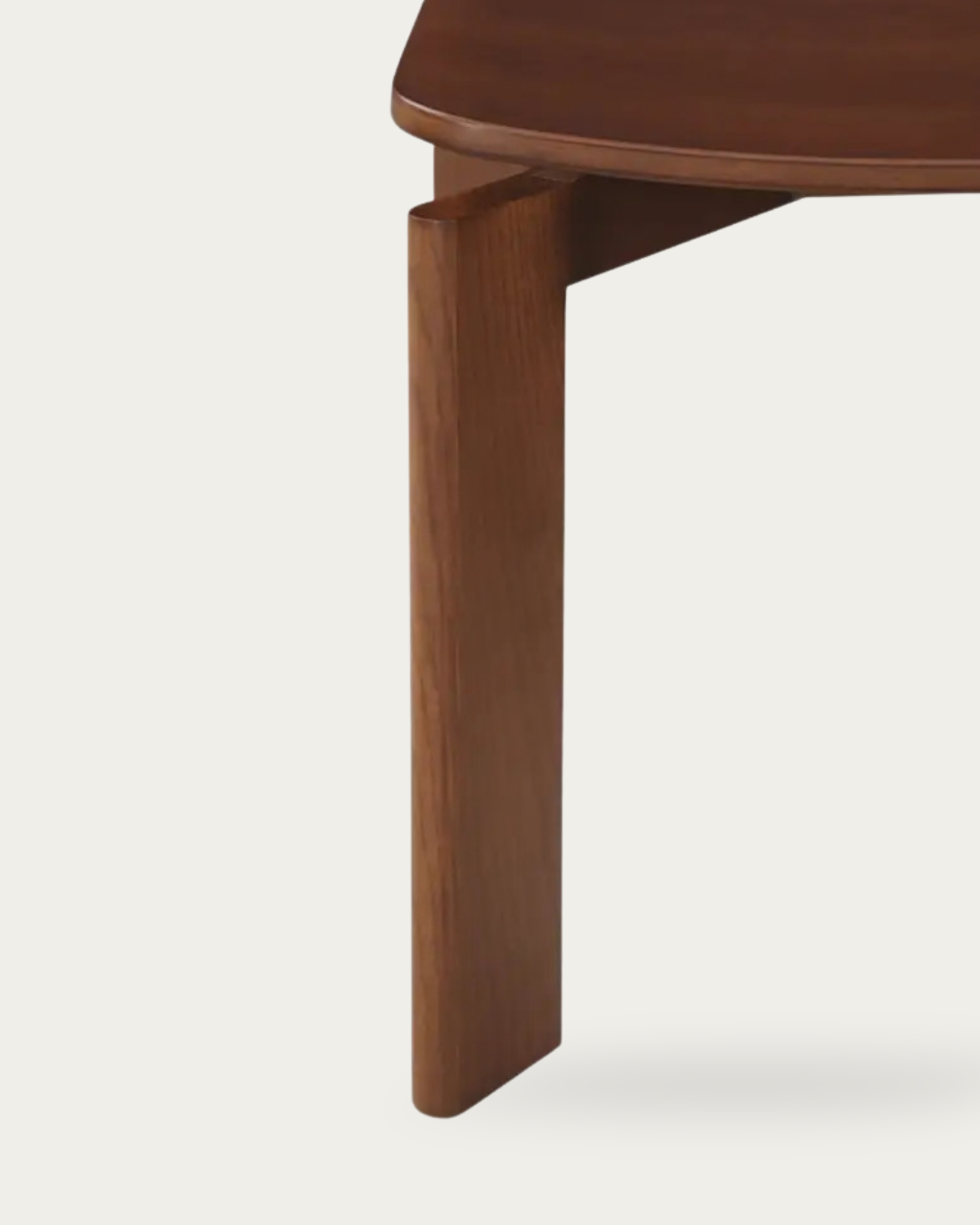
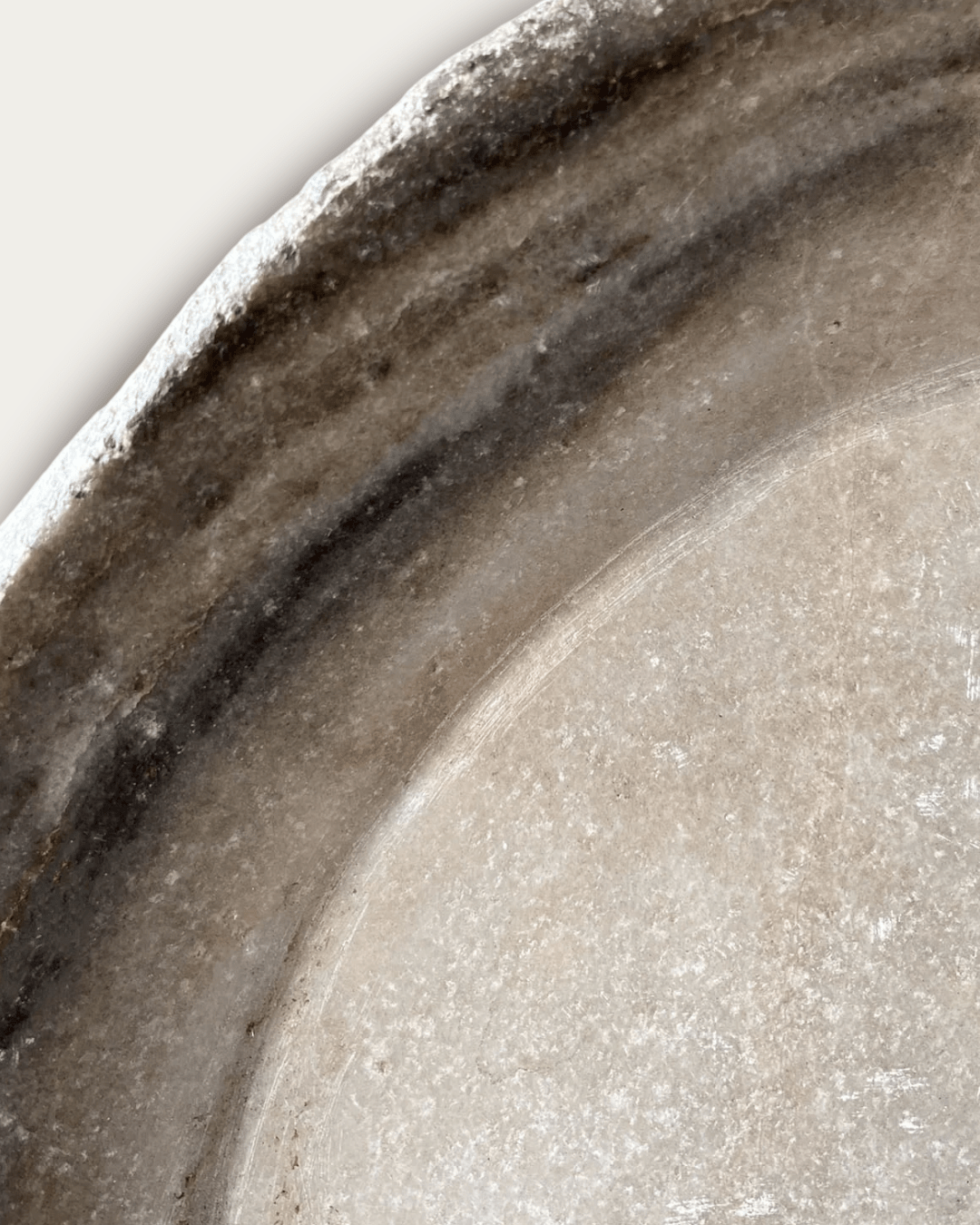
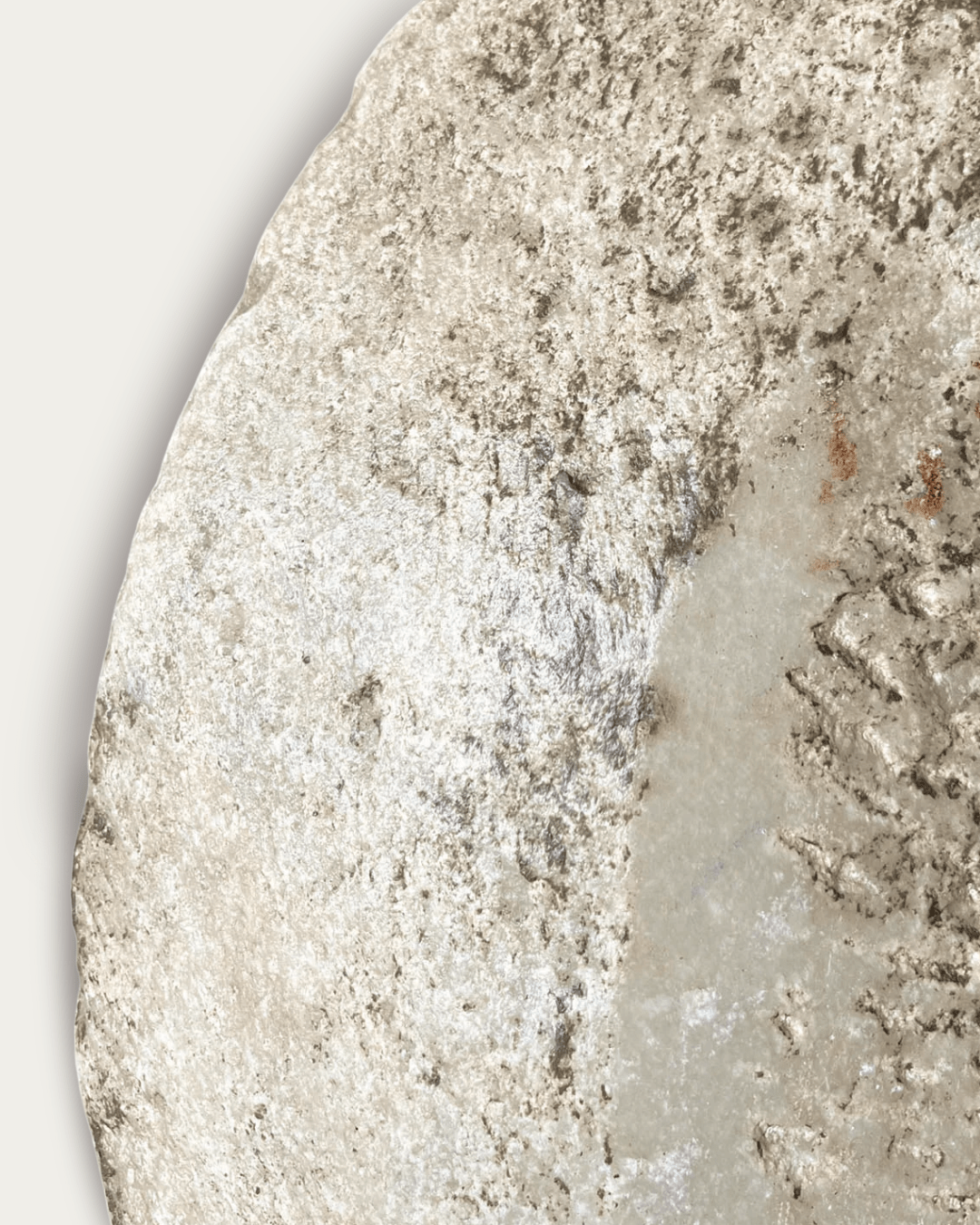
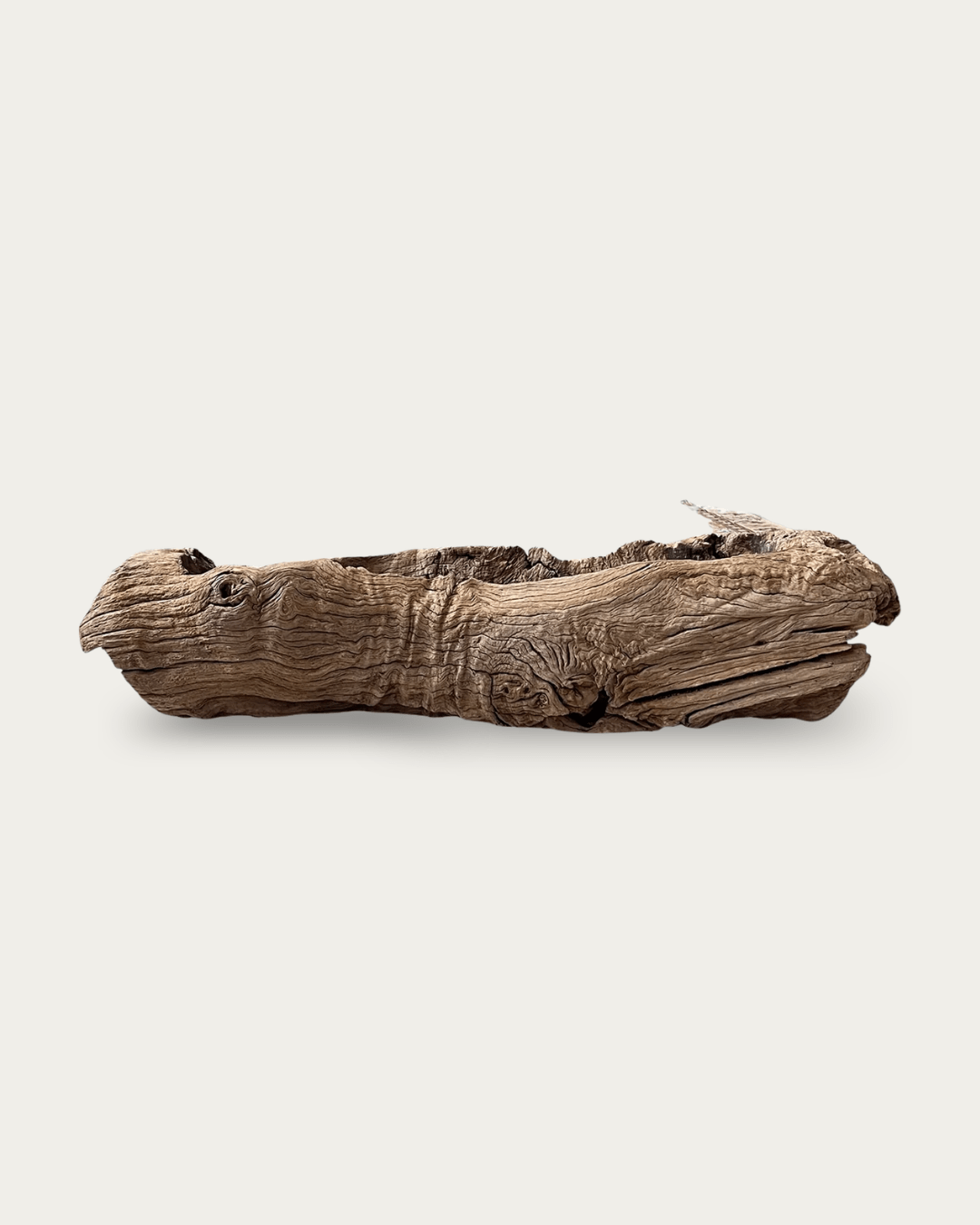
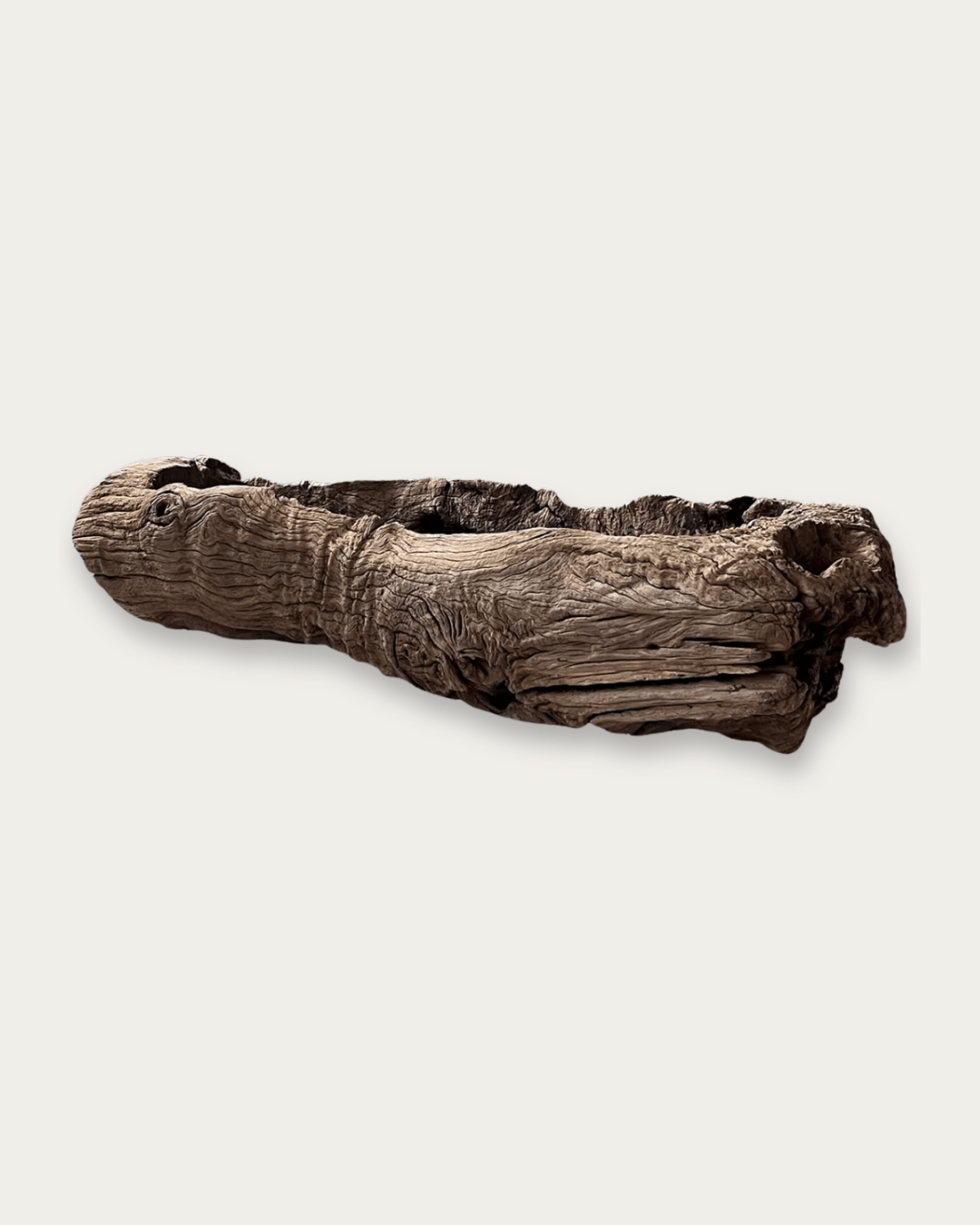
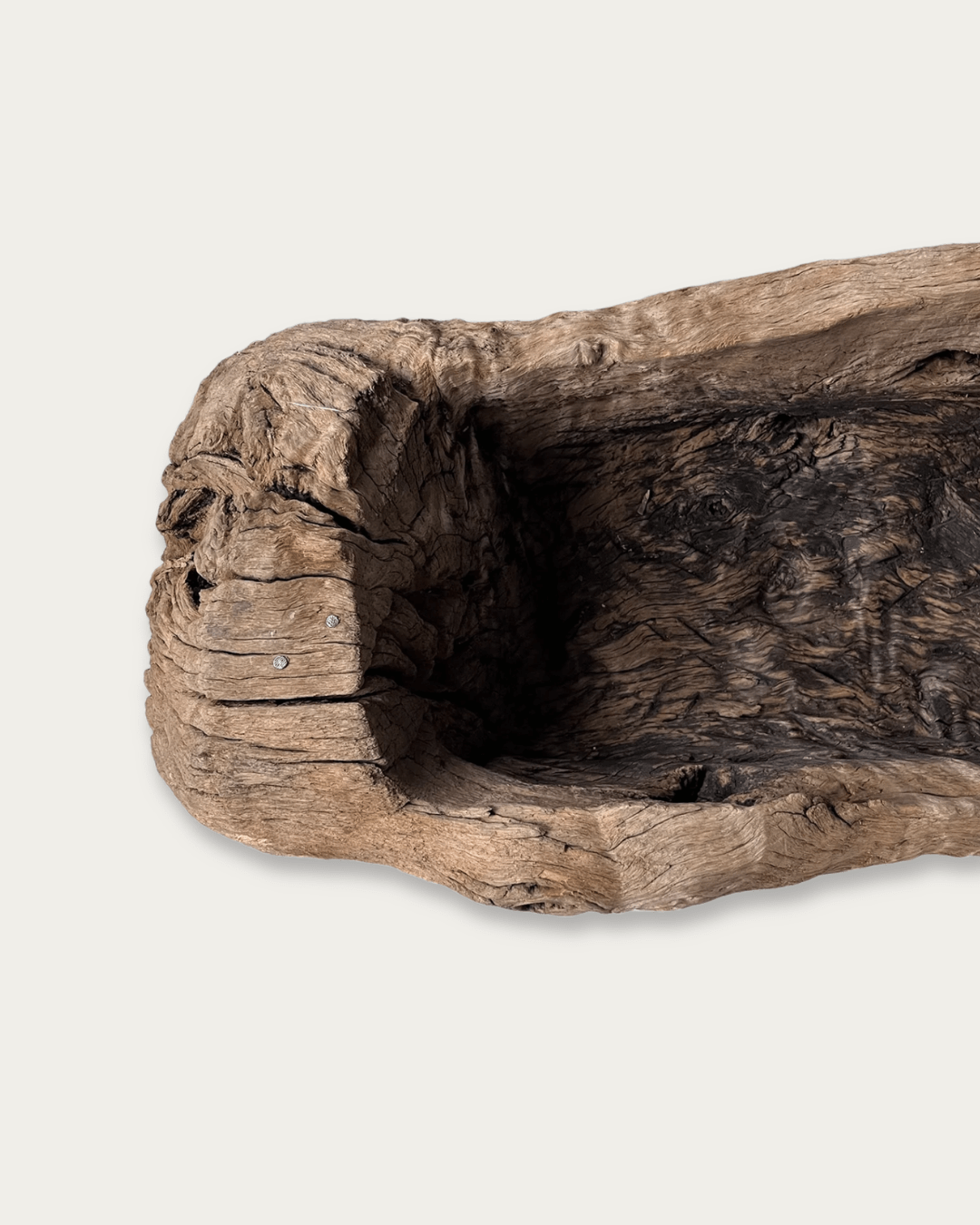
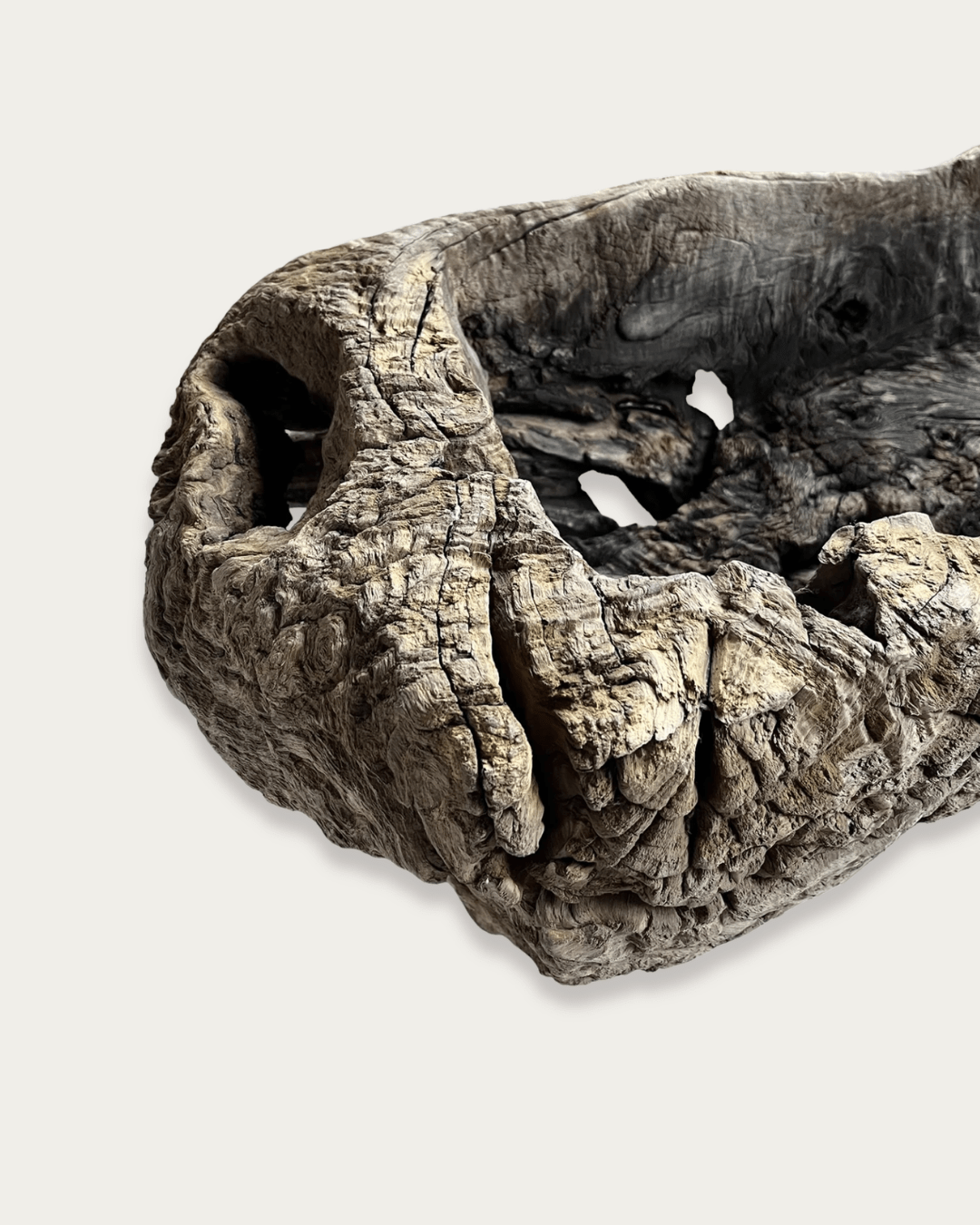
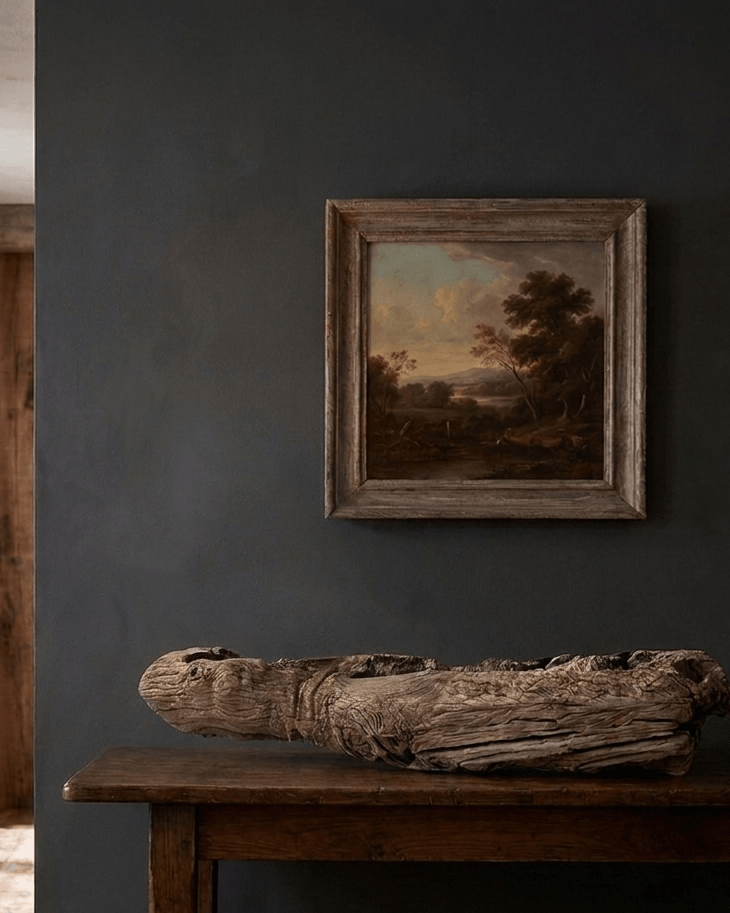
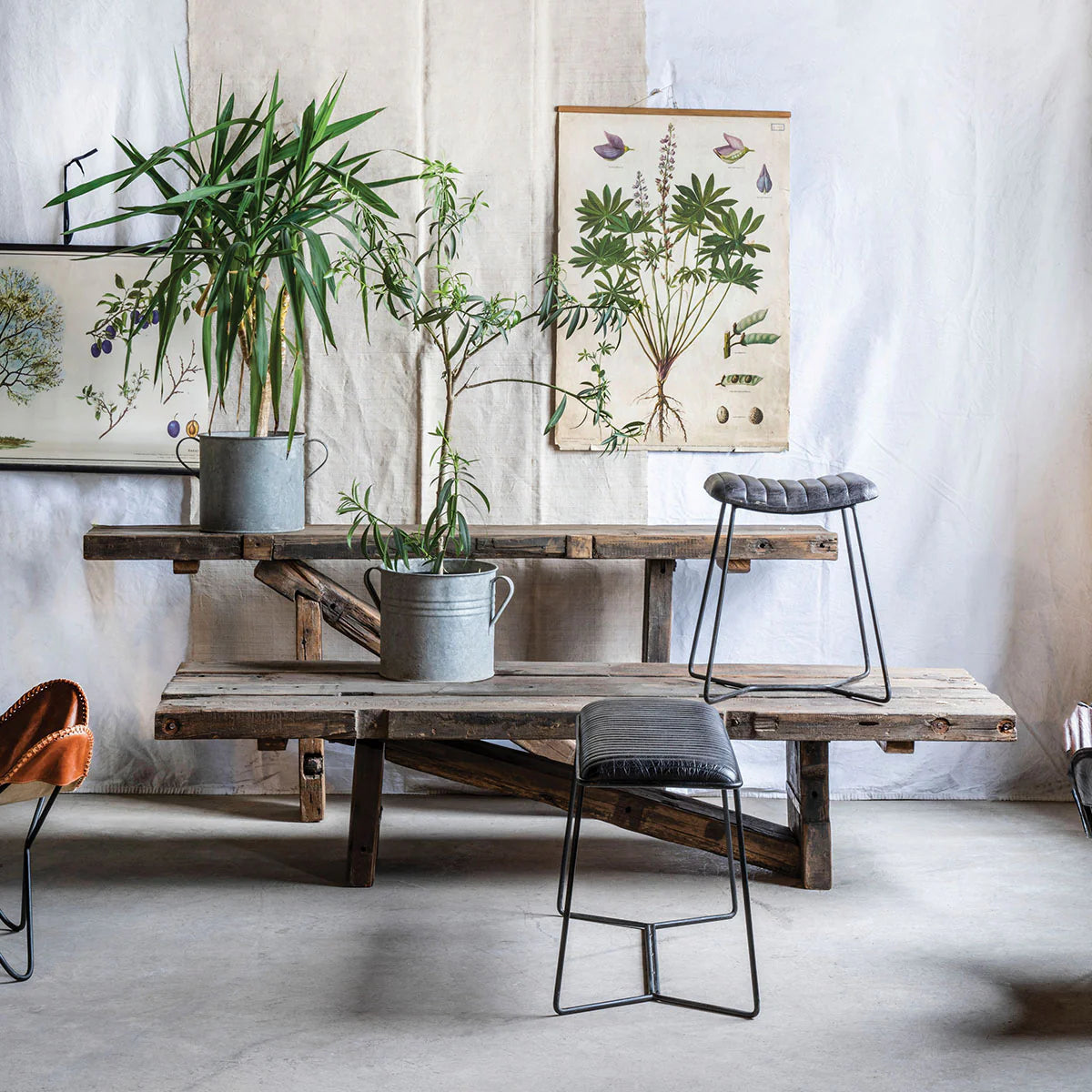
Reclaimed wood furniture helps solve this because the material naturally carries visual density. The grain, tonal movement, edge wear, and texture variations create grounding without forcing the room into visual heaviness.
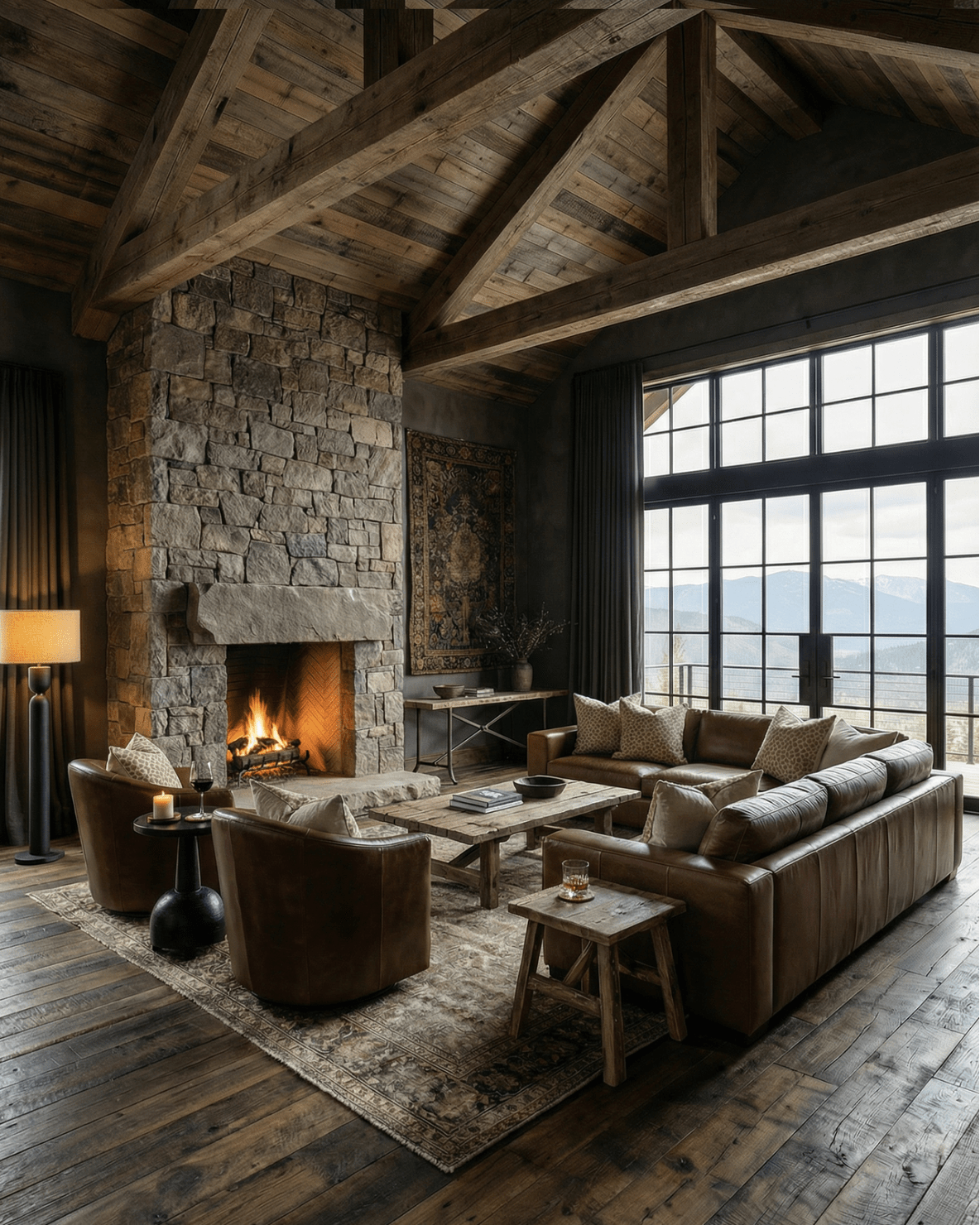
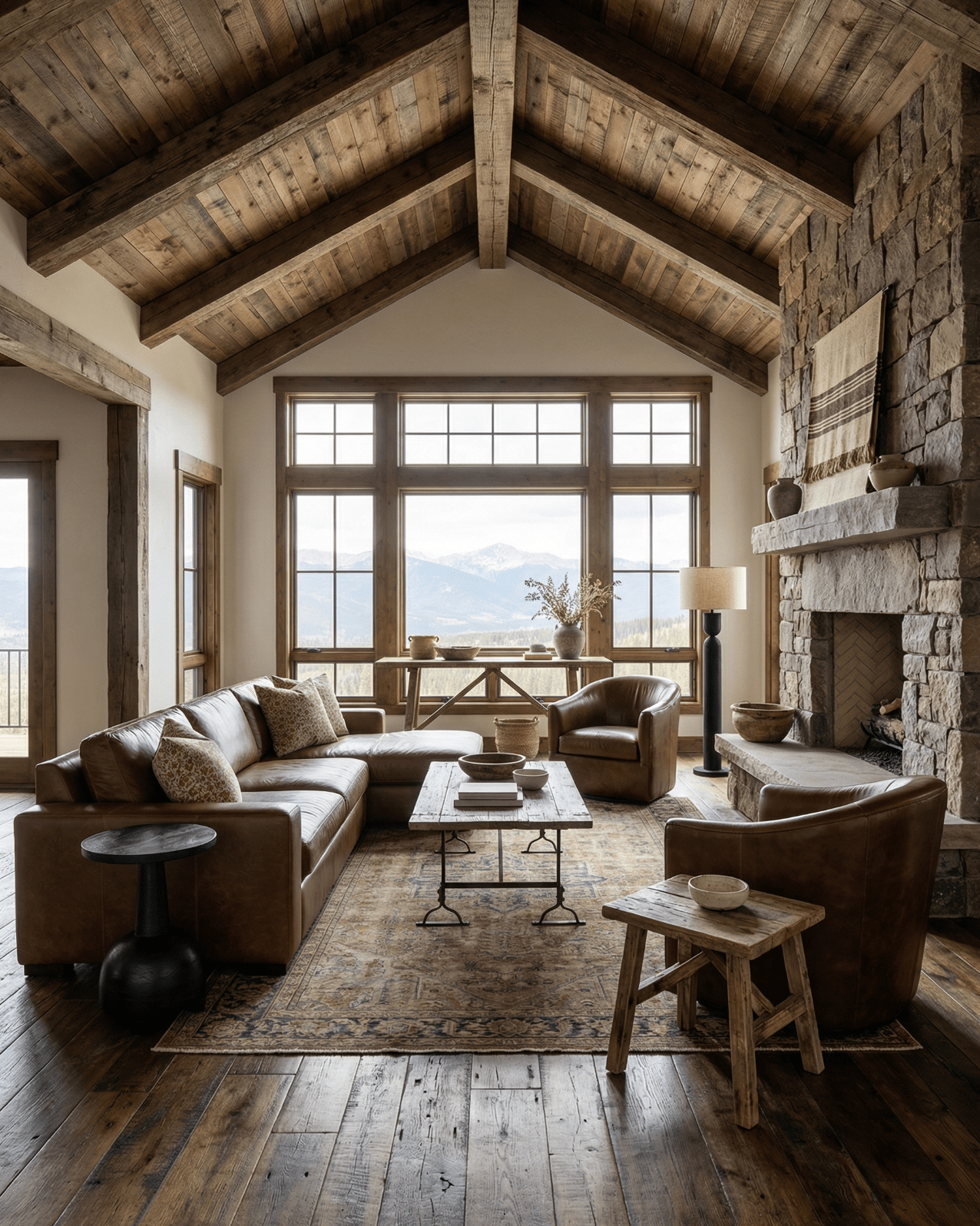
That’s especially important in modern mountain interiors where larger architecture already carries more scale through stone, wood beams, oversized windows, or taller ceilings.
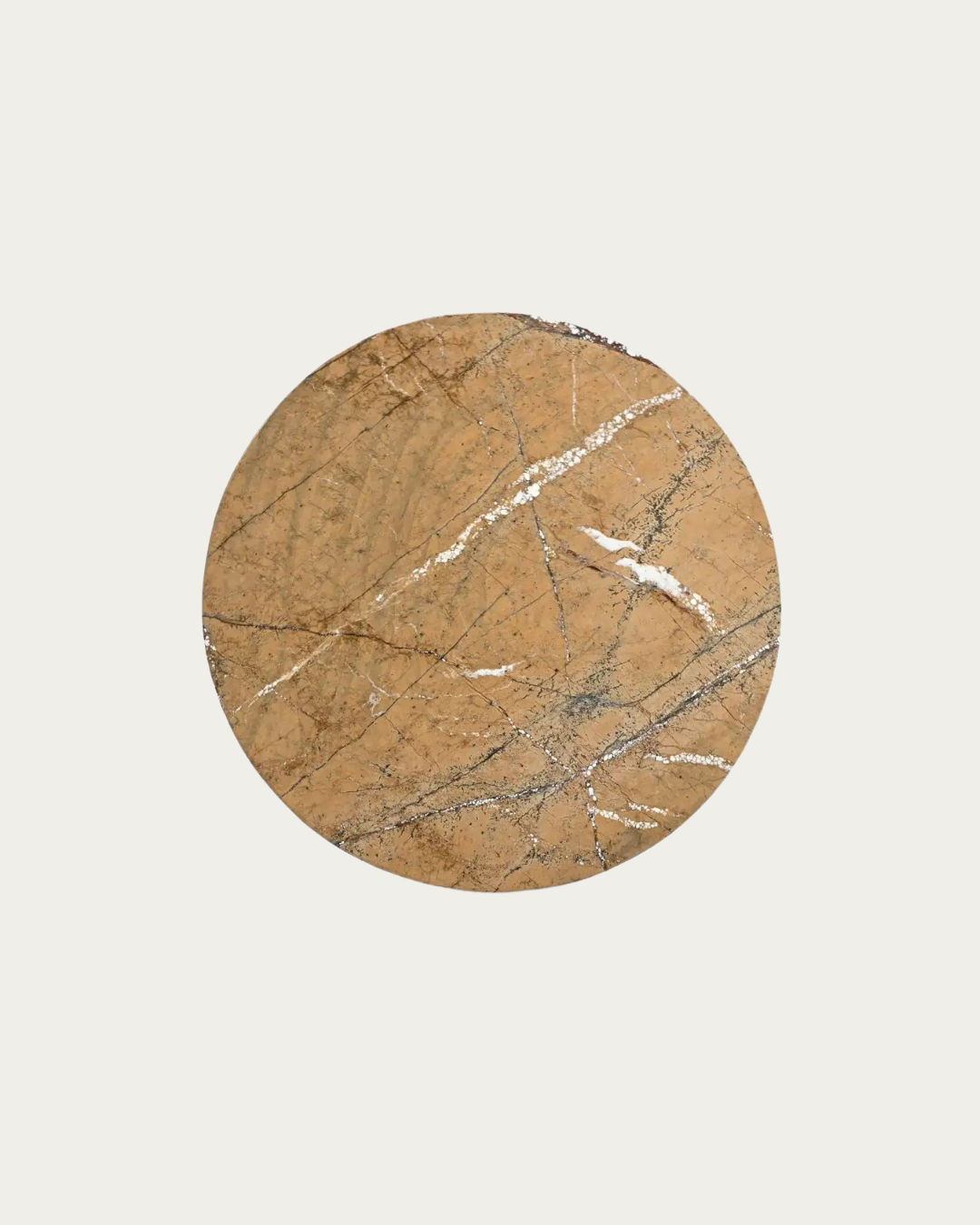
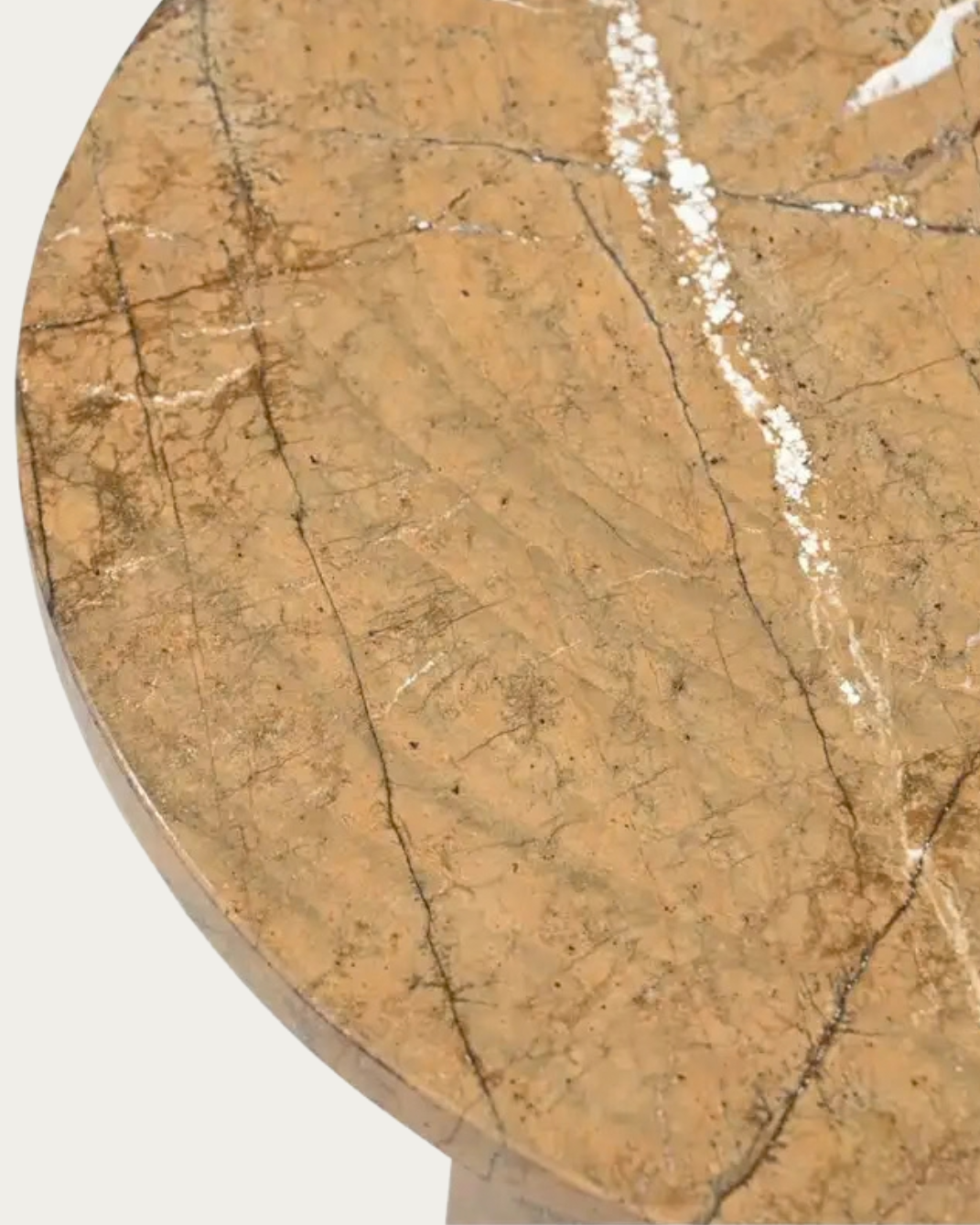
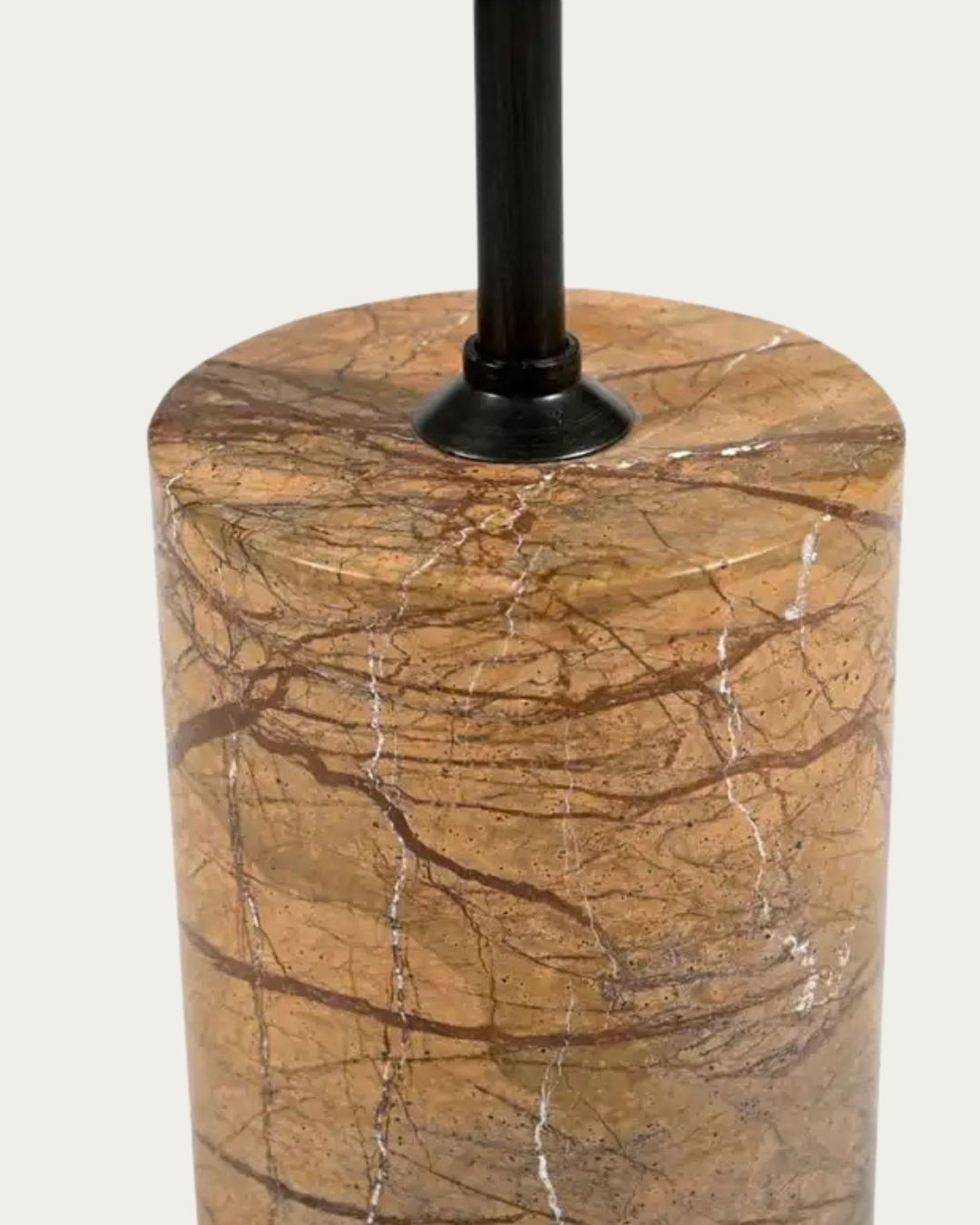
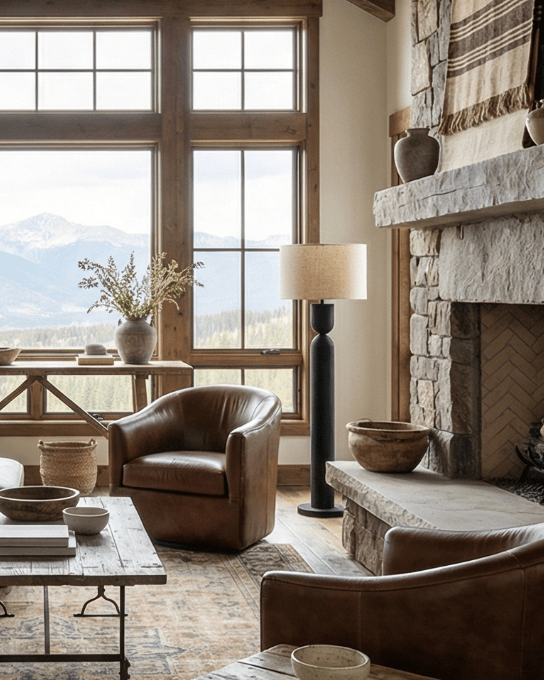
The Elin coffee table works particularly well in these environments because its reclaimed surface visually anchors the center of the room without requiring excessive styling around it.
The Ebon coffee table creates a similar effect while introducing darker tonal depth that helps soften cleaner modern spaces that might otherwise feel too polished.
The room starts feeling more settled because the furniture itself already carries enough sensory presence.
The Brain Processes Natural Texture Differently
Most people assume reclaimed wood furniture feels better simply because it looks more organic.
The neuroscience behind it is actually deeper than that.
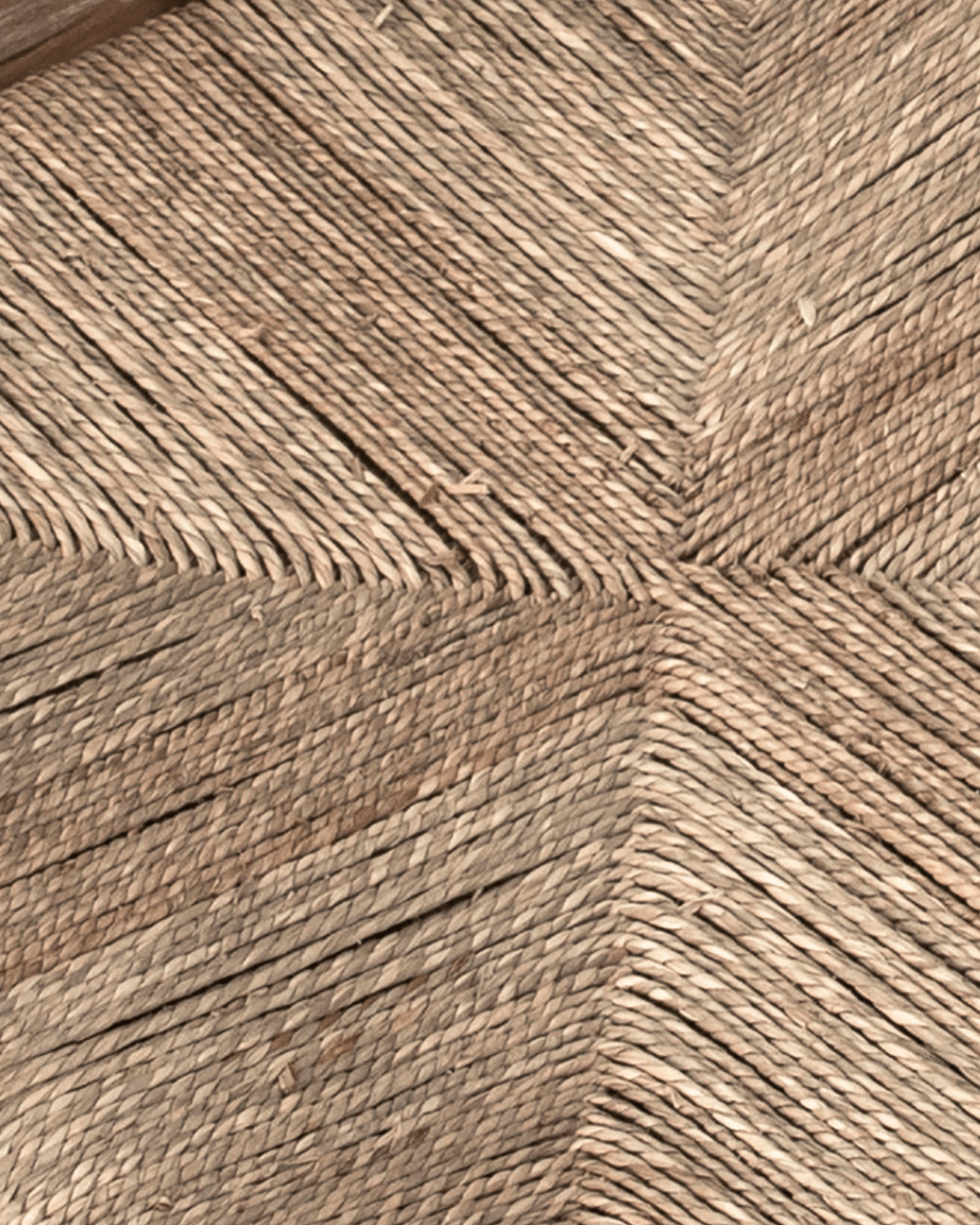
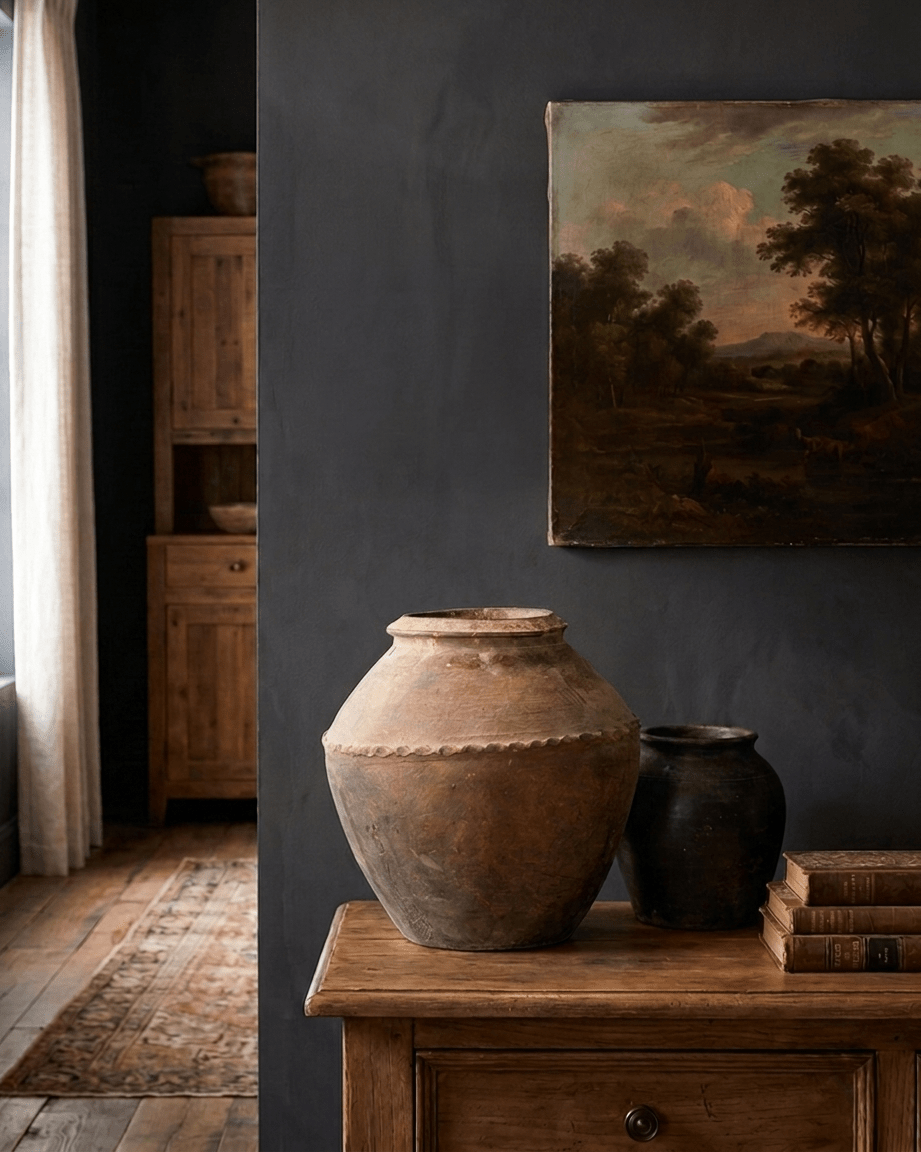
Human brains are constantly processing environmental texture, pattern repetition, light absorption, and sensory contrast. Natural materials tend to create a calmer visual response because they contain irregularity the eye recognizes instinctively.
Reclaimed wood introduces:
uneven grain patterns
tonal variation
softened edges
lower reflectivity
tactile depth
These things create sensory richness without overstimulation.
Highly manufactured materials often do the opposite. Flat veneers, glossy finishes, and overly repetitive textures can subtly increase visual fatigue because the room starts feeling mechanically uniform.
This is one reason reclaimed wood furniture resonates so strongly inside grounded modern interiors. The material feels visually alive without becoming chaotic.
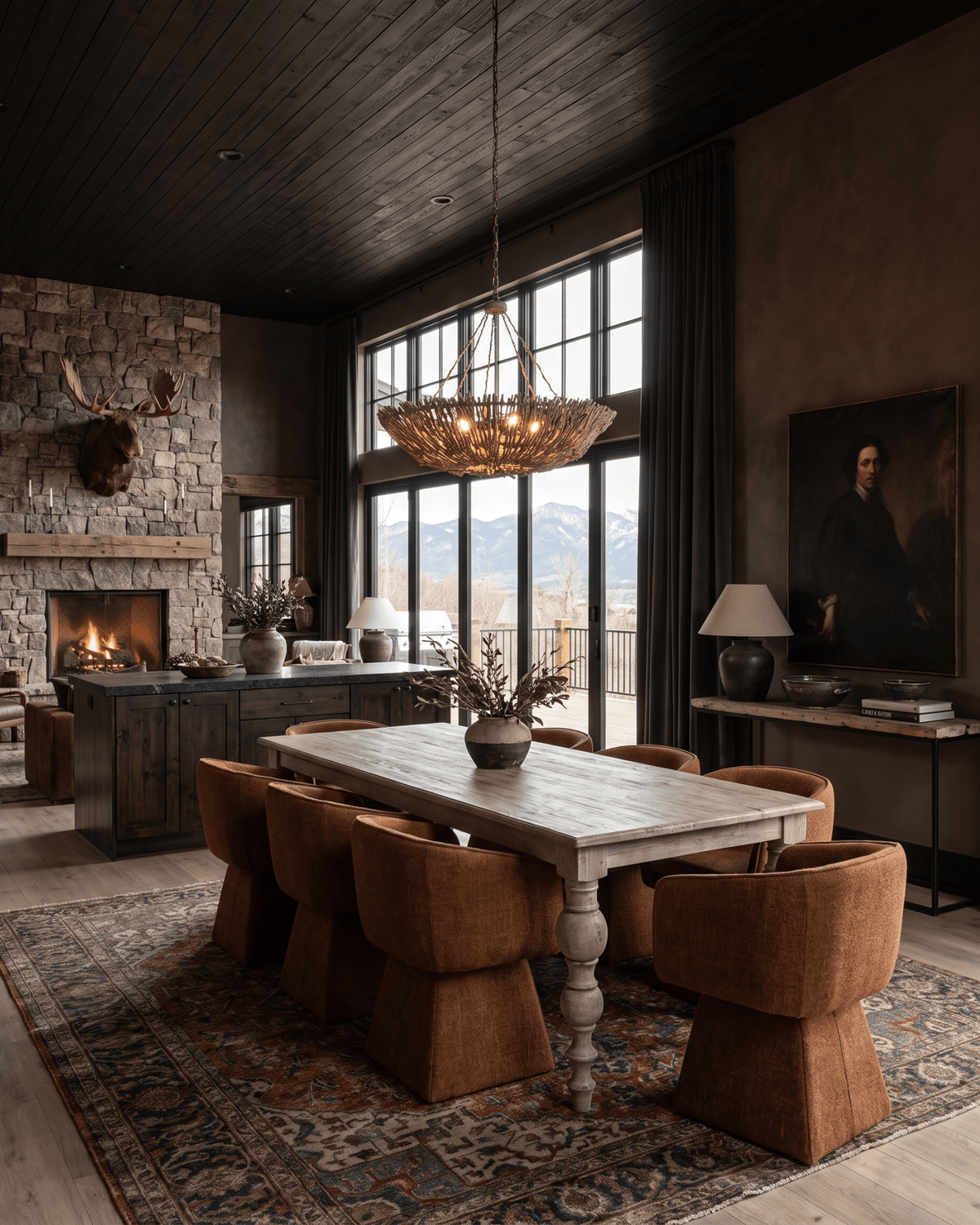
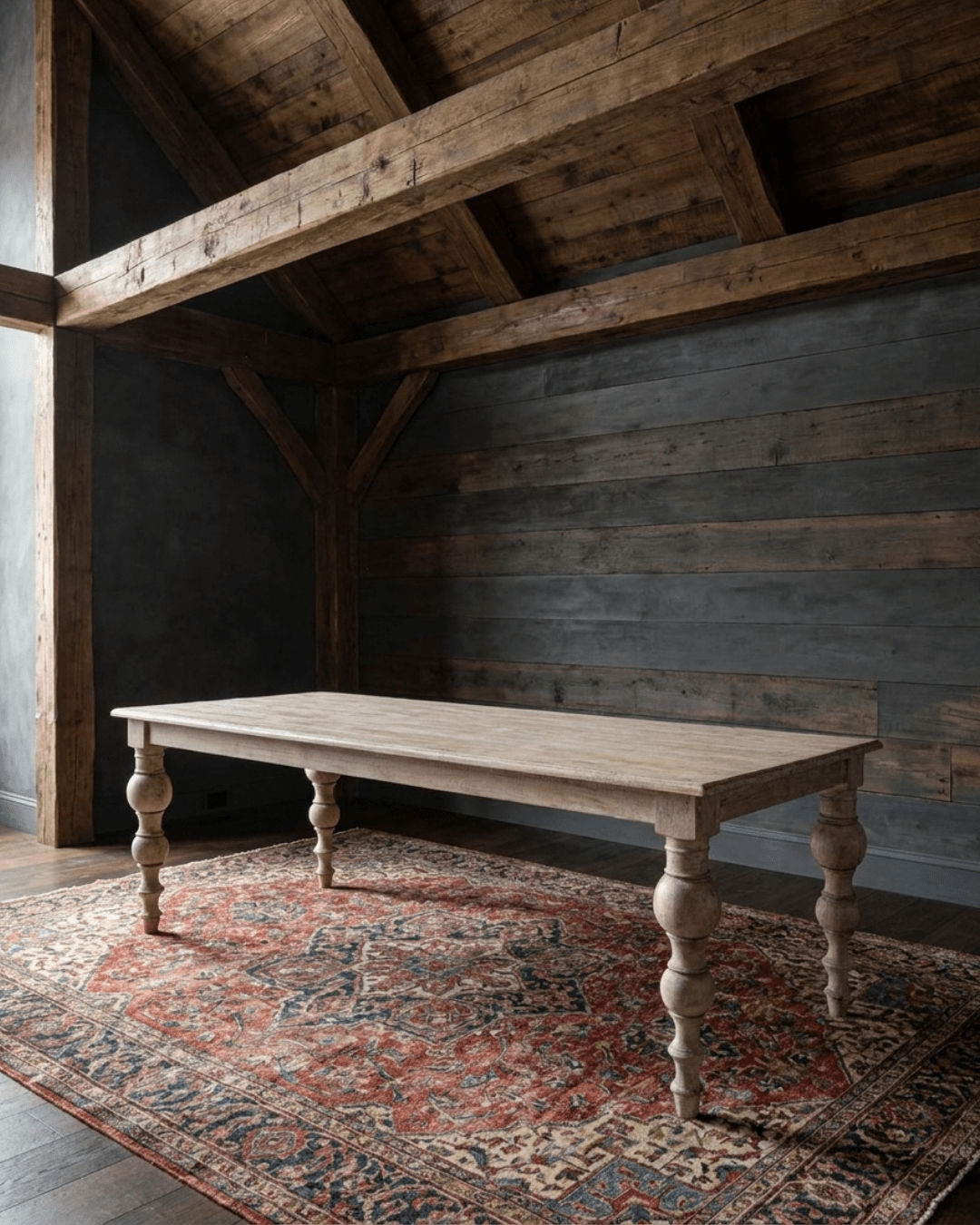
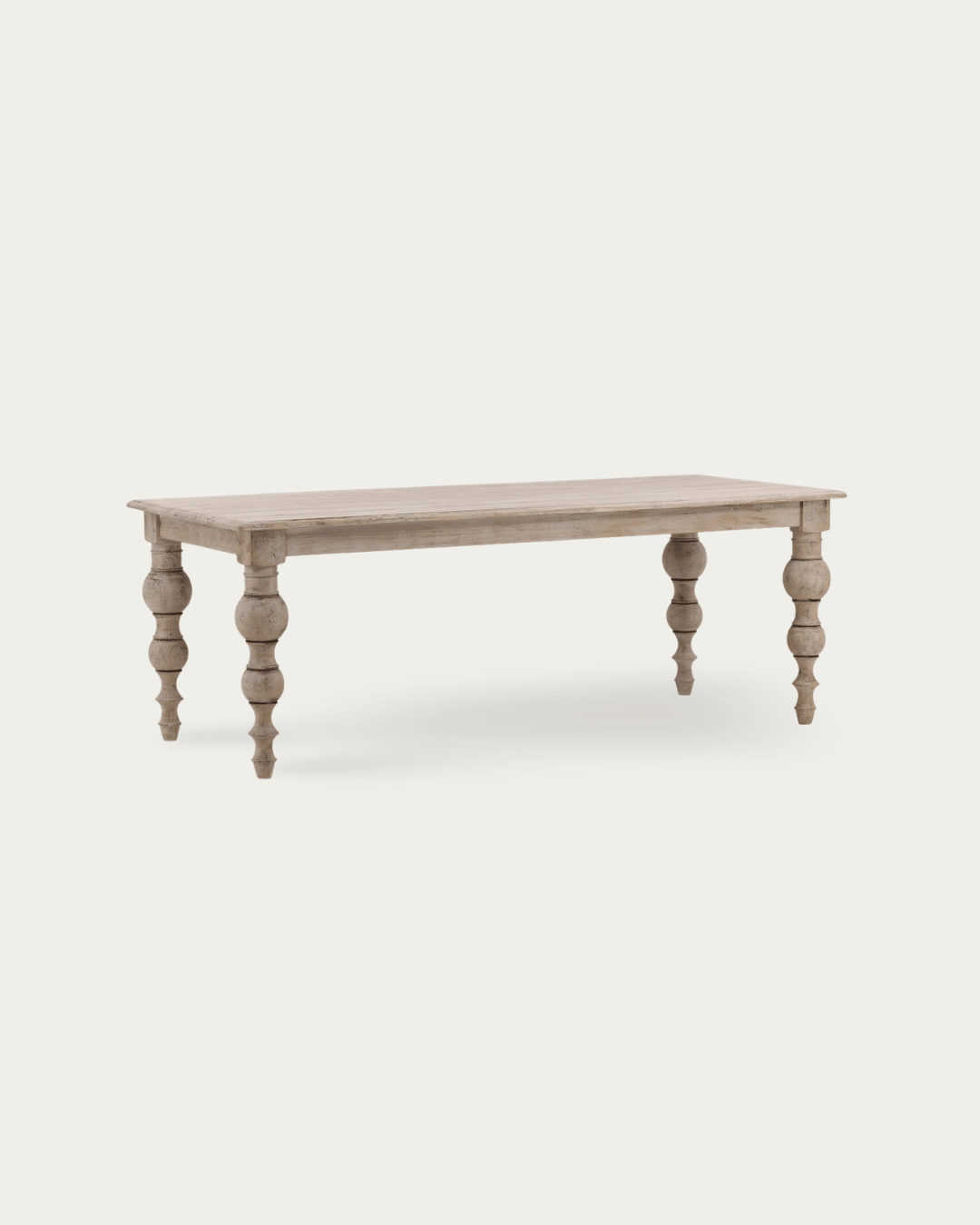
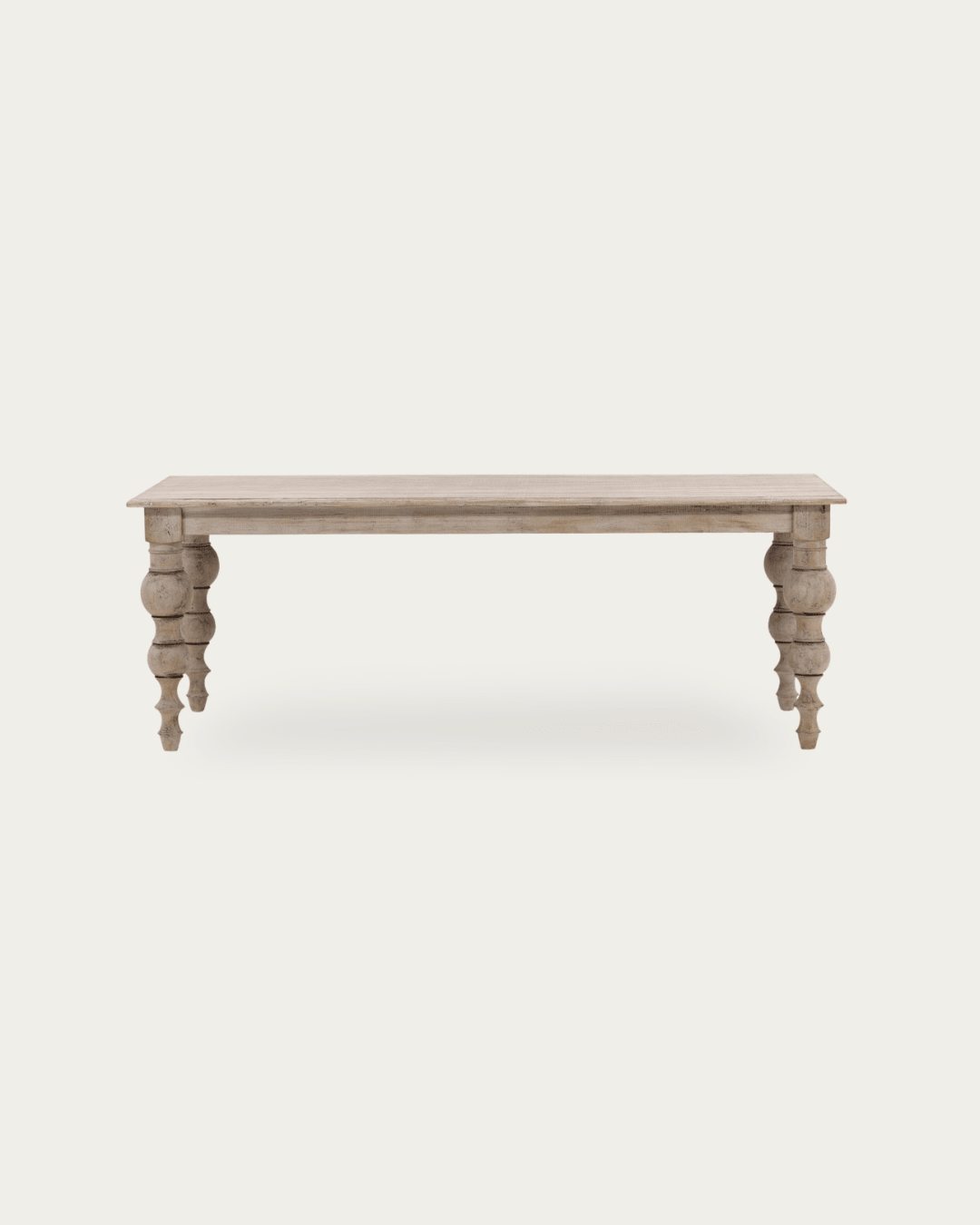
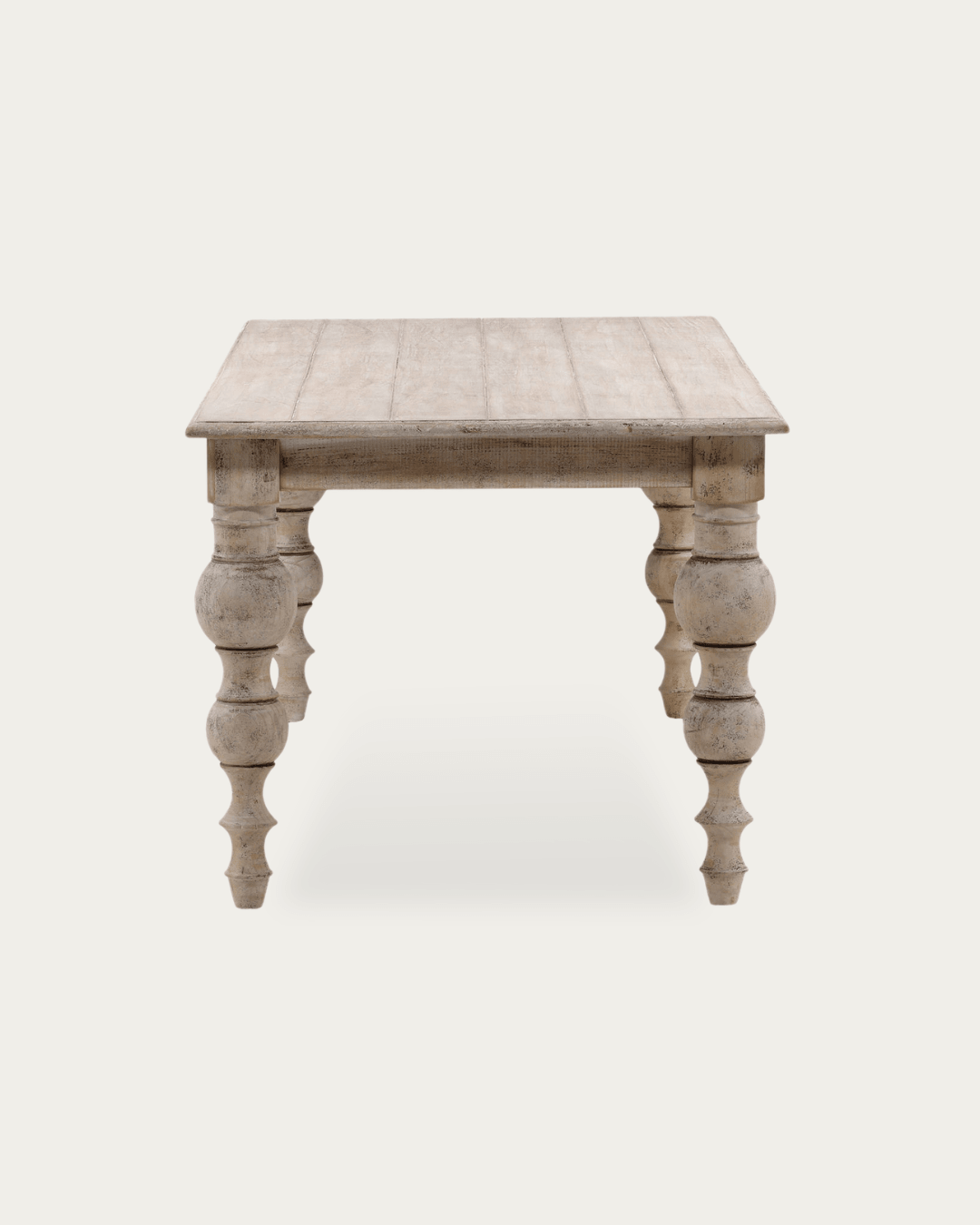
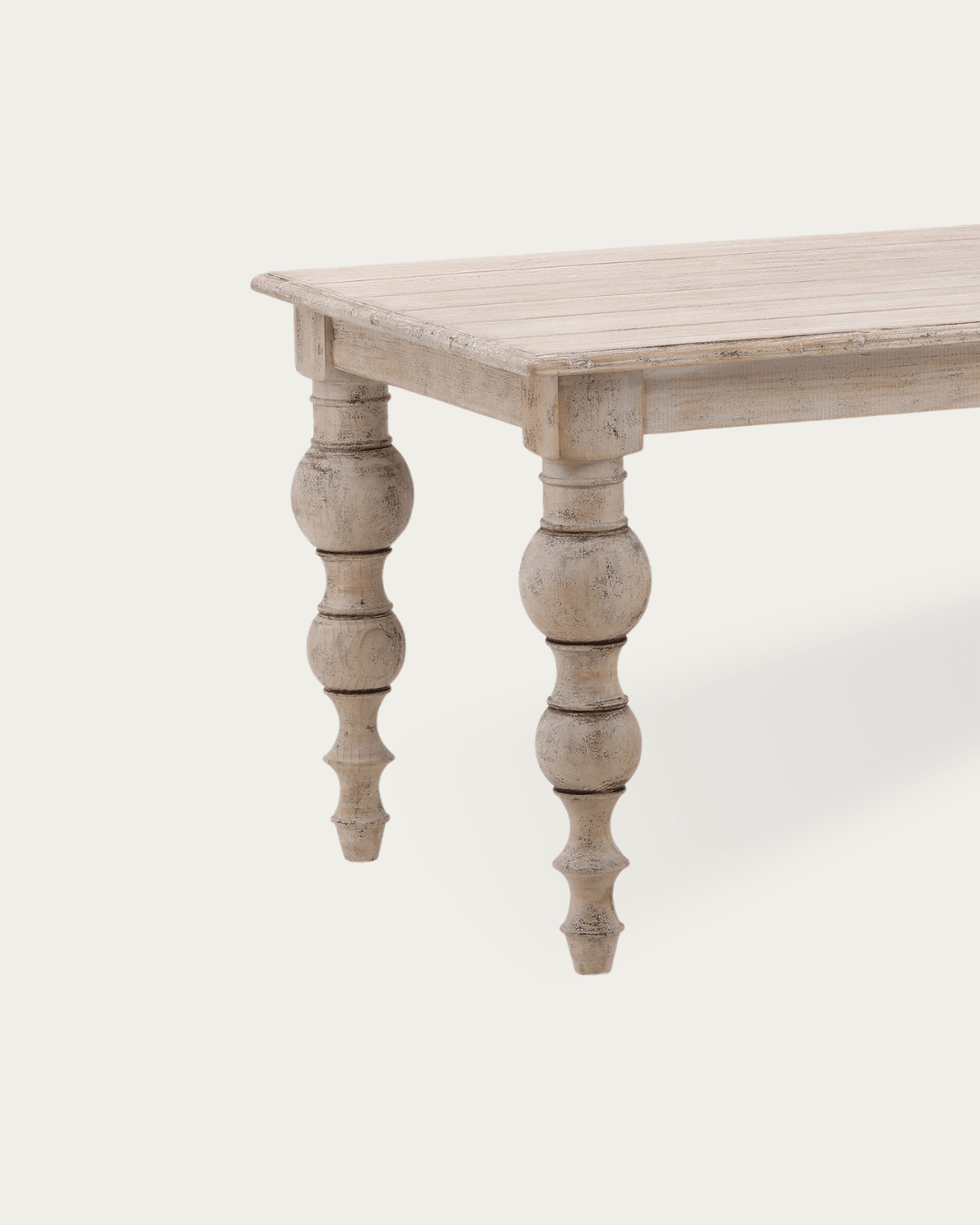
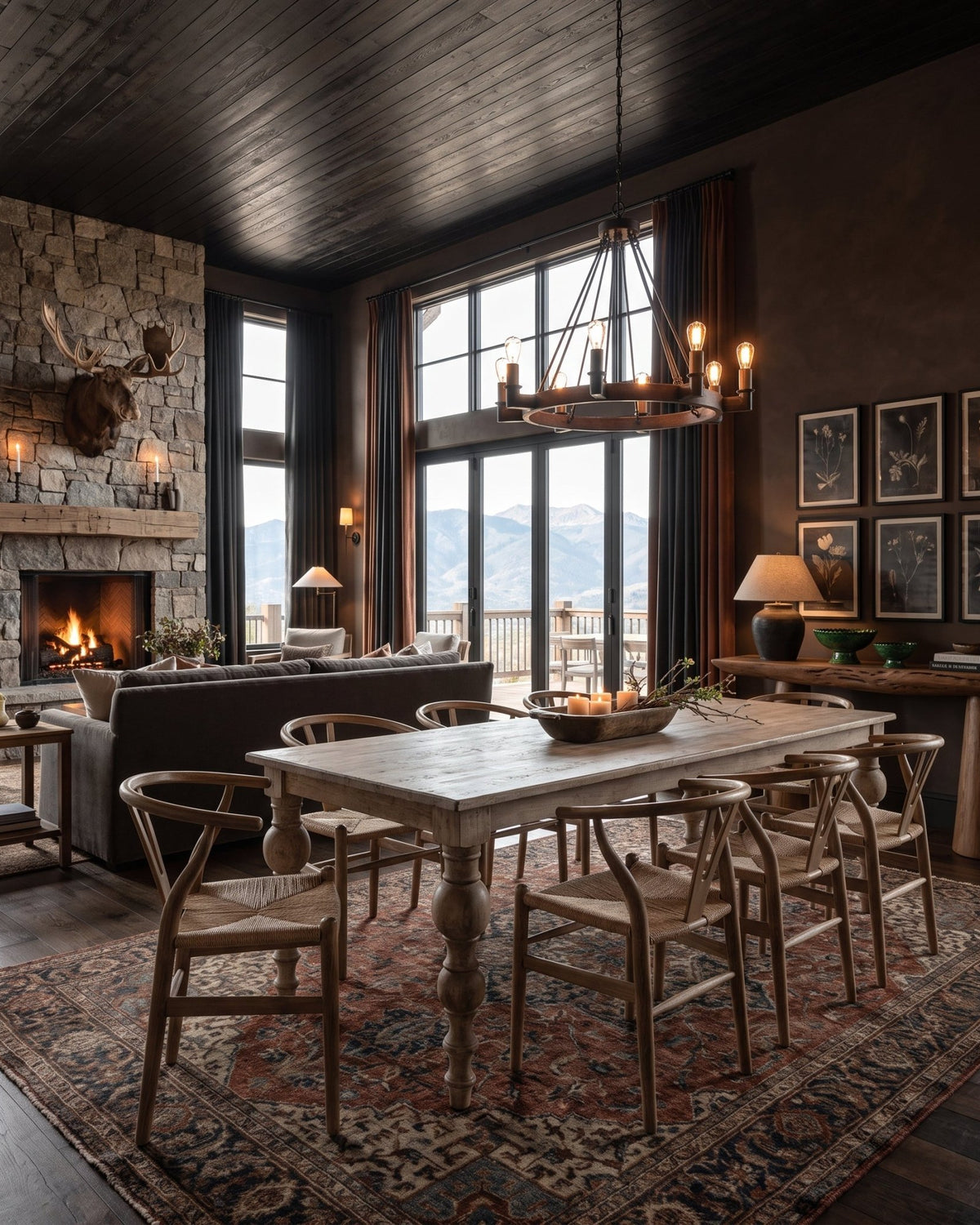
The Trym dining table demonstrates this especially well because its heavier reclaimed wood surface creates enough texture and movement to visually stabilize an entire dining area.
Meanwhile, the Lovisa dining table introduces softer transitions through shape and finish while still maintaining the grounding effect reclaimed wood naturally provides.
Texture regulates faster than decoration ever will.
Grounded Living Rooms Usually Prioritize Fewer, Better Materials
A lot of overstimulating living rooms aren’t actually cluttered.
They’re fragmented.
Too many finishes.
Too many competing tones.
Too many disconnected materials trying to coexist without any sensory rhythm tying them together.
Modern mountain homes tend to feel calmer because the material palette stays more controlled. Reclaimed wood becomes the connective tissue across the room rather than just another isolated design choice.
That continuity matters psychologically.
When materials repeat naturally throughout a space, the brain spends less energy trying to process abrupt visual shifts. The room feels coherent instead of scattered.
Consoles become especially important here because they often sit inside transition zones where visual flow either succeeds or completely falls apart.
The Jona reclaimed console table introduces heavier material grounding into entryways, behind sofas, or along larger walls where the room needs more visual structure.
The Bryndis console table creates similar continuity while softening sharper architectural transitions through reclaimed texture and lower visual weight.
The room feels more connected because the materials are speaking the same language throughout the space.
Reclaimed Wood Softens Modern Interiors Naturally
One reason reclaimed wood furniture works so well in modern mountain homes is because it balances cleaner architecture without fighting against it.
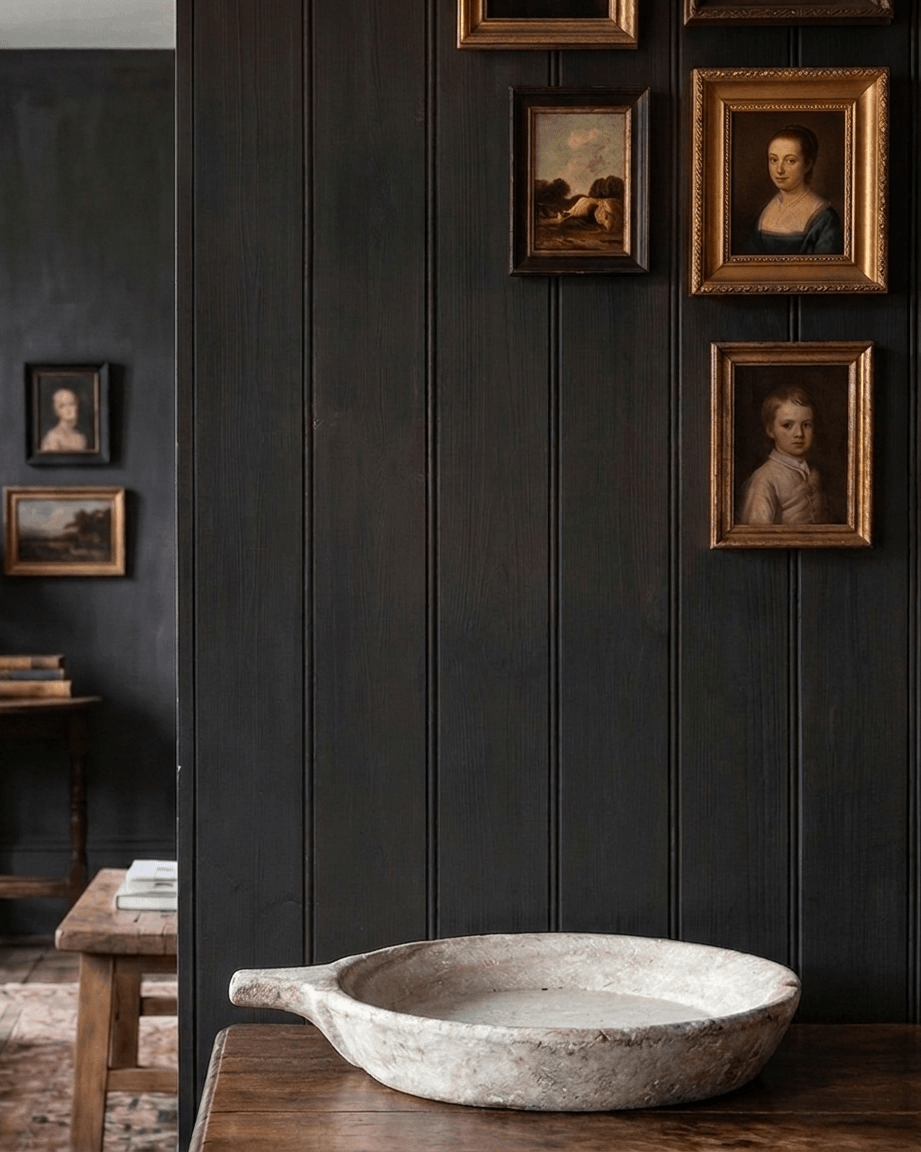
Highly modern spaces can sometimes feel emotionally cold when every surface is sharp, smooth, or visually perfect. Reclaimed wood interrupts that rigidity naturally.
The imperfections matter.
Knots.
Surface variation.
Wear patterns.
Texture inconsistencies.
Softened edges.
Those details help modern interiors feel more human because the room stops feeling overly controlled.
This balance becomes especially important in living rooms where people are supposed to decompress. Overly polished environments can unintentionally keep the nervous system alert because the space feels too visually precise.
Reclaimed wood introduces softness without requiring excessive decor.
The room feels layered through materiality itself.
Reclaimed Furniture Encourages Slower Living
Fast furniture often encourages fast attachment.
Buy it.
Replace it.
Refresh it.
Swap it out again next season.
Reclaimed wood furniture creates a completely different relationship with the room.
The material already carries variation and character naturally, so the space doesn’t rely on constant trend cycling to feel interesting. The furniture settles into the architecture instead of demanding reinvention every few months.
That shift affects the emotional atmosphere of the home too.
Rooms become:
less performative
less trend dependent
less visually frantic
more tactile
more grounded
more stable emotionally
RUTED Tip: If a living room feels mentally noisy, stop adding decorative objects and start increasing material depth instead. One substantial reclaimed wood piece usually regulates a space faster than ten smaller accessories trying to manufacture personality. This is why reclaimed wood furniture often becomes the emotional foundation of slower interiors. The material itself already creates enough sensory complexity to make the room feel complete.

Outdoor Connection Matters More Than People Realize
Modern mountain homes feel especially grounding when the transition between indoor and outdoor spaces feels cohesive.
The nervous system responds positively to environmental continuity. When materials carry naturally from inside the home outward, the entire space feels calmer and more connected.
Reclaimed wood supports this beautifully because it already feels organic within natural landscapes.
The Hallfrid outdoor dining table extends the same grounded materiality outdoors, helping exterior spaces feel integrated with the interior rather than visually separate from it.
The Igne dining table creates a similar sense of continuity indoors where reclaimed textures can soften cleaner architectural lines without overwhelming them.
The strongest modern mountain homes rarely feel divided into “inside” and “outside” emotionally. The materials help the spaces flow naturally together.
The Best Living Rooms Usually Feel the Most Human
The rooms people remember most rarely rely on perfect styling.
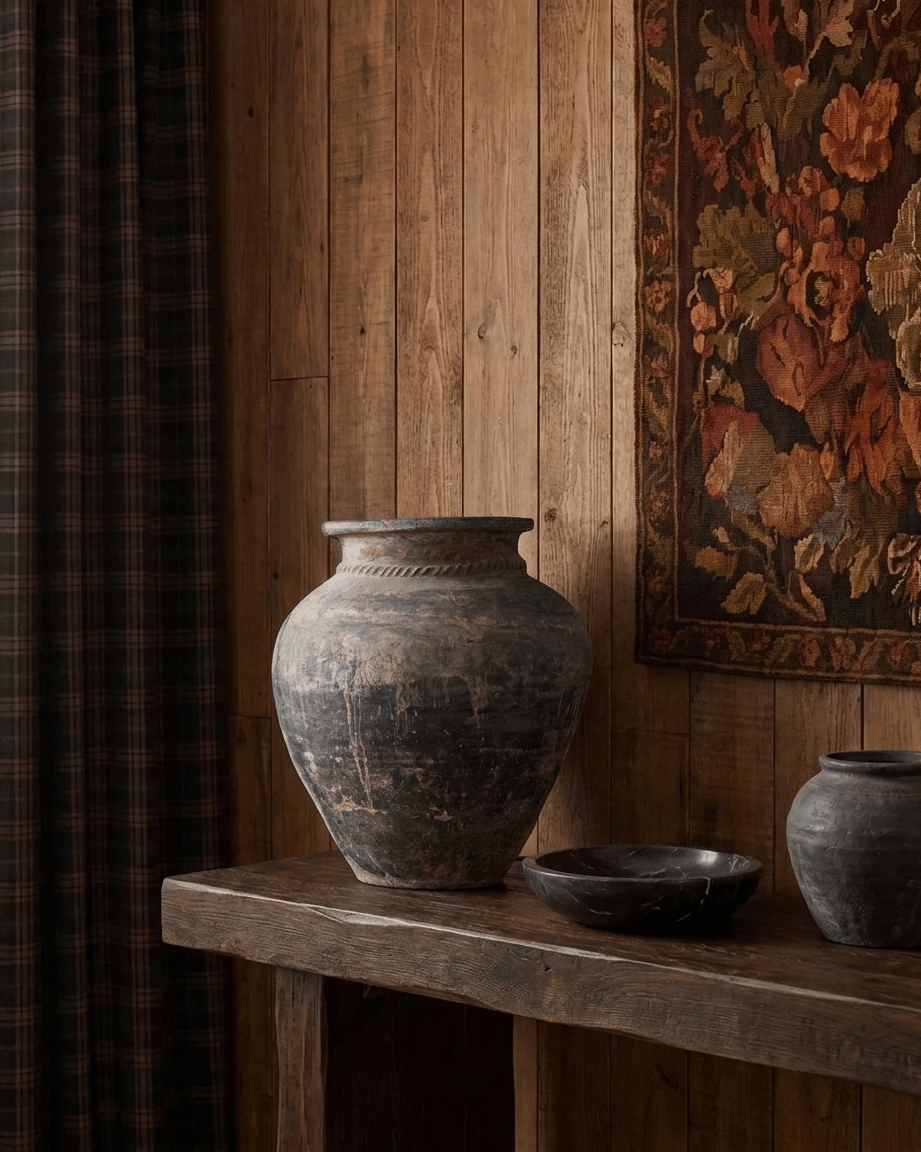
They feel grounded because the materials already carry enough emotional atmosphere on their own. The reclaimed wood absorbs light naturally. The textures create variation without visual chaos. The furniture feels substantial enough to settle the room instead of fragmenting it.
That’s the real secret behind a more grounded living room.
Not more decor.
Not more trends.
Not more visual performance.
Just slower materials.
Better texture.
More sensory balance.
And furniture that helps the nervous system exhale instead of staying alert.
Explore more reclaimed wood dining tables, coffee tables, consoles, and grounding furniture pieces throughout the Reclaimed furniture collection and create a living room that feels quieter, steadier, and more connected to actual living.