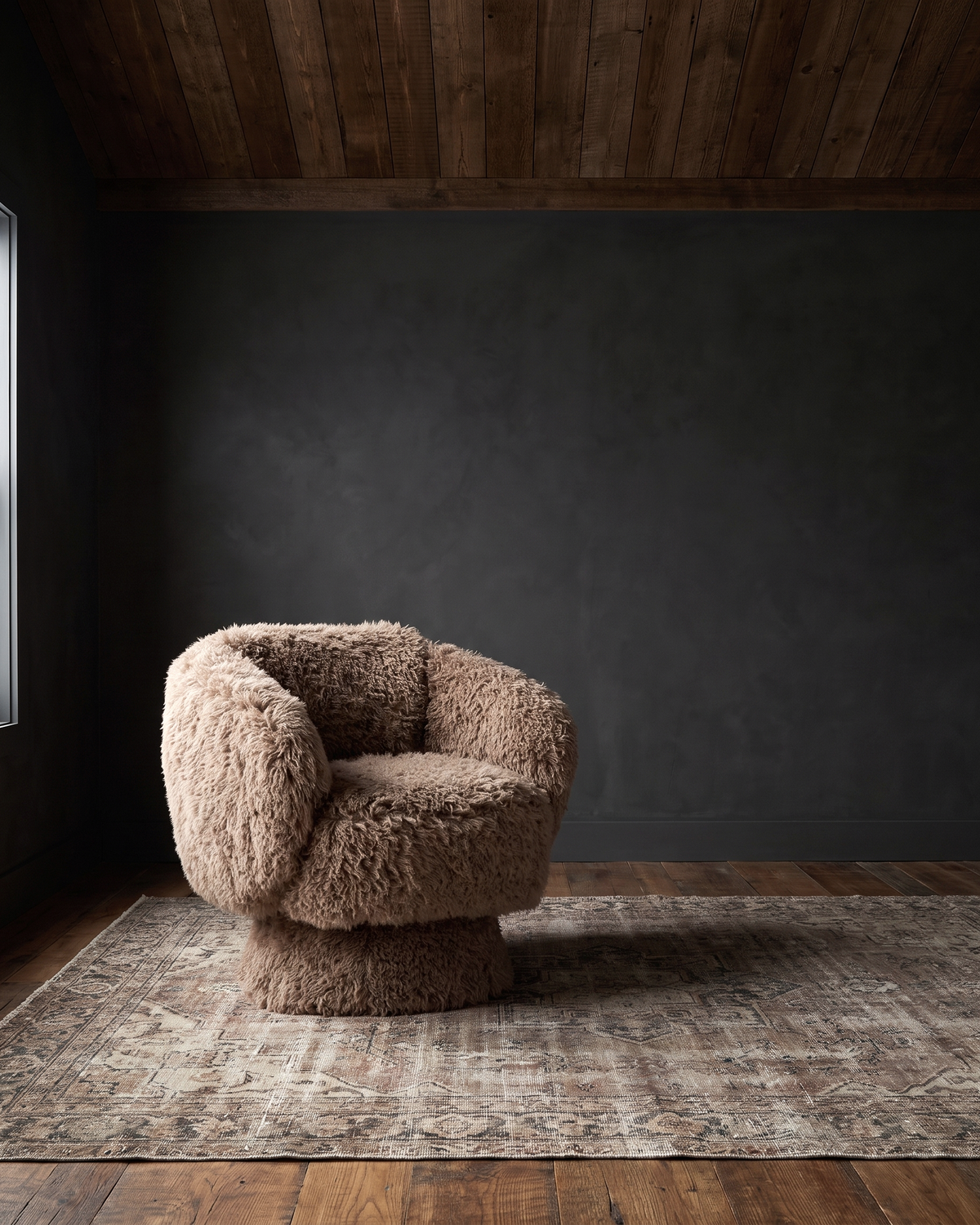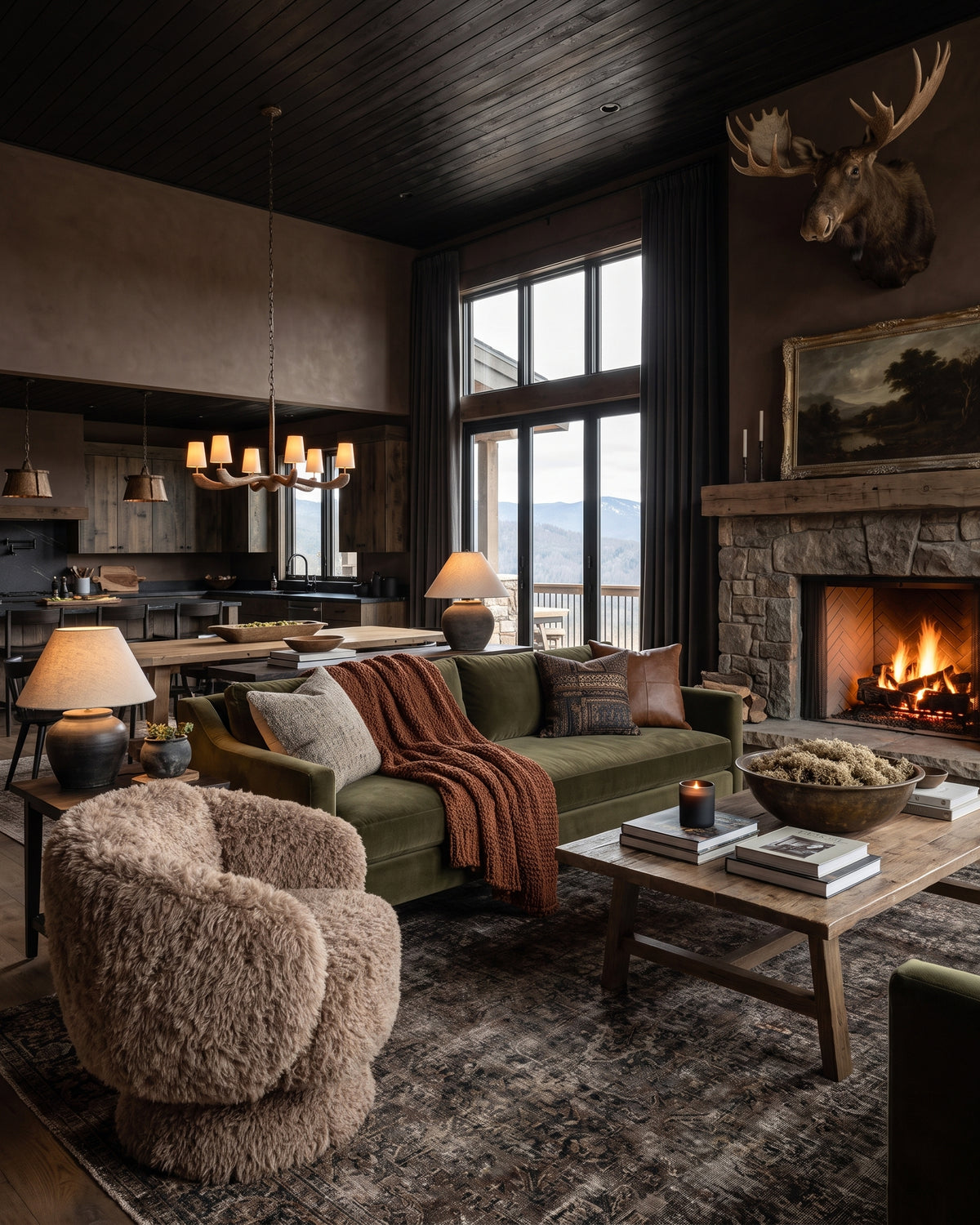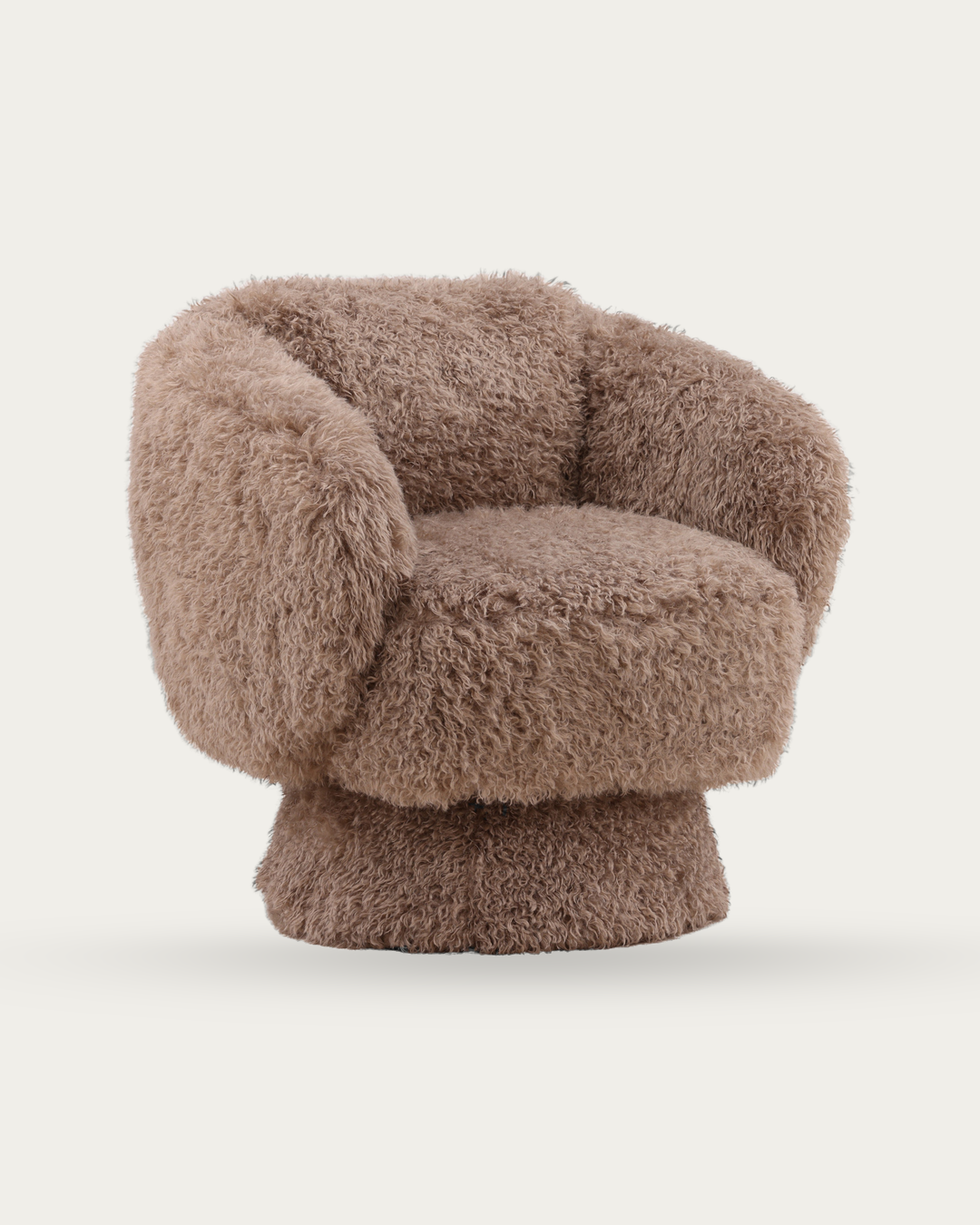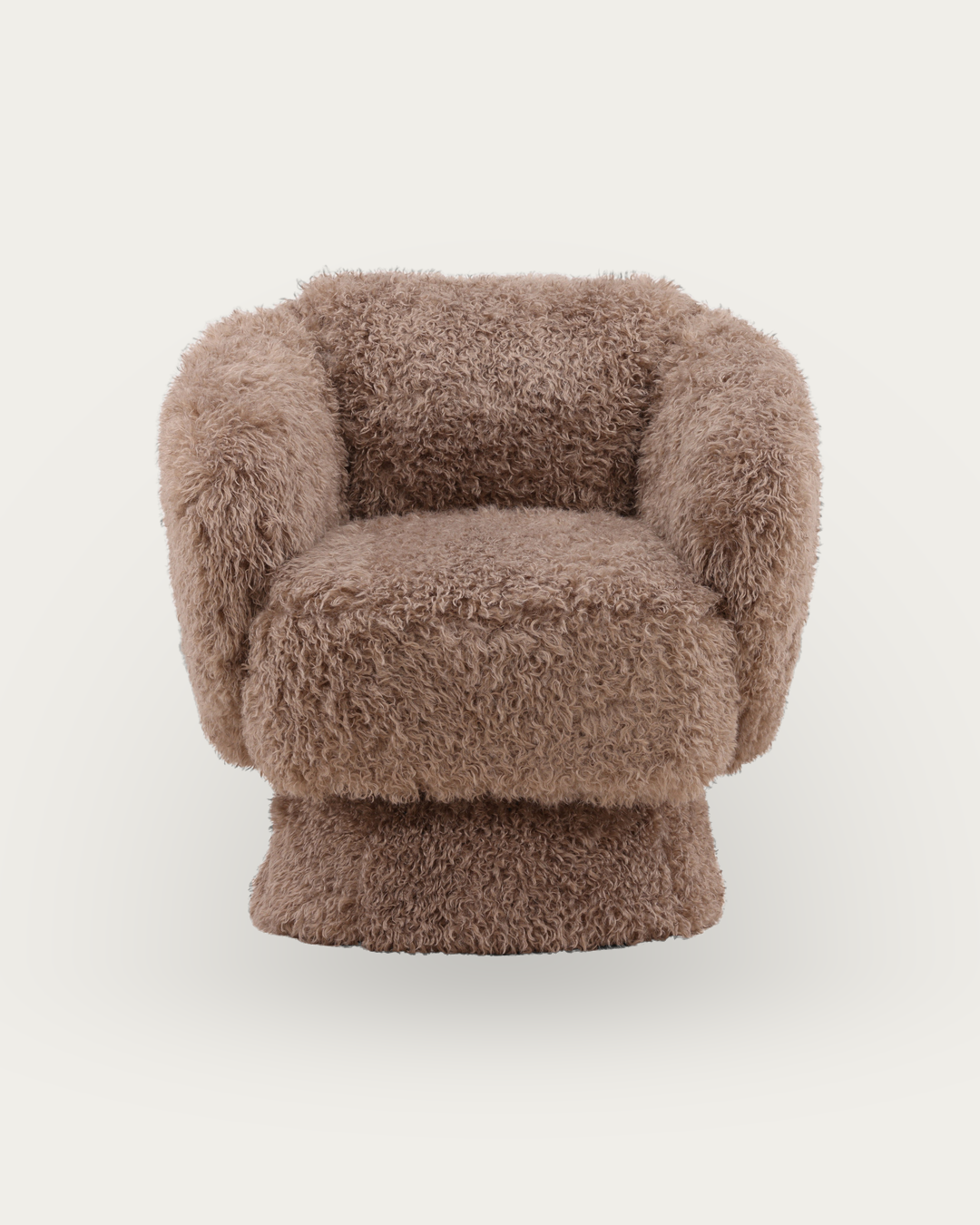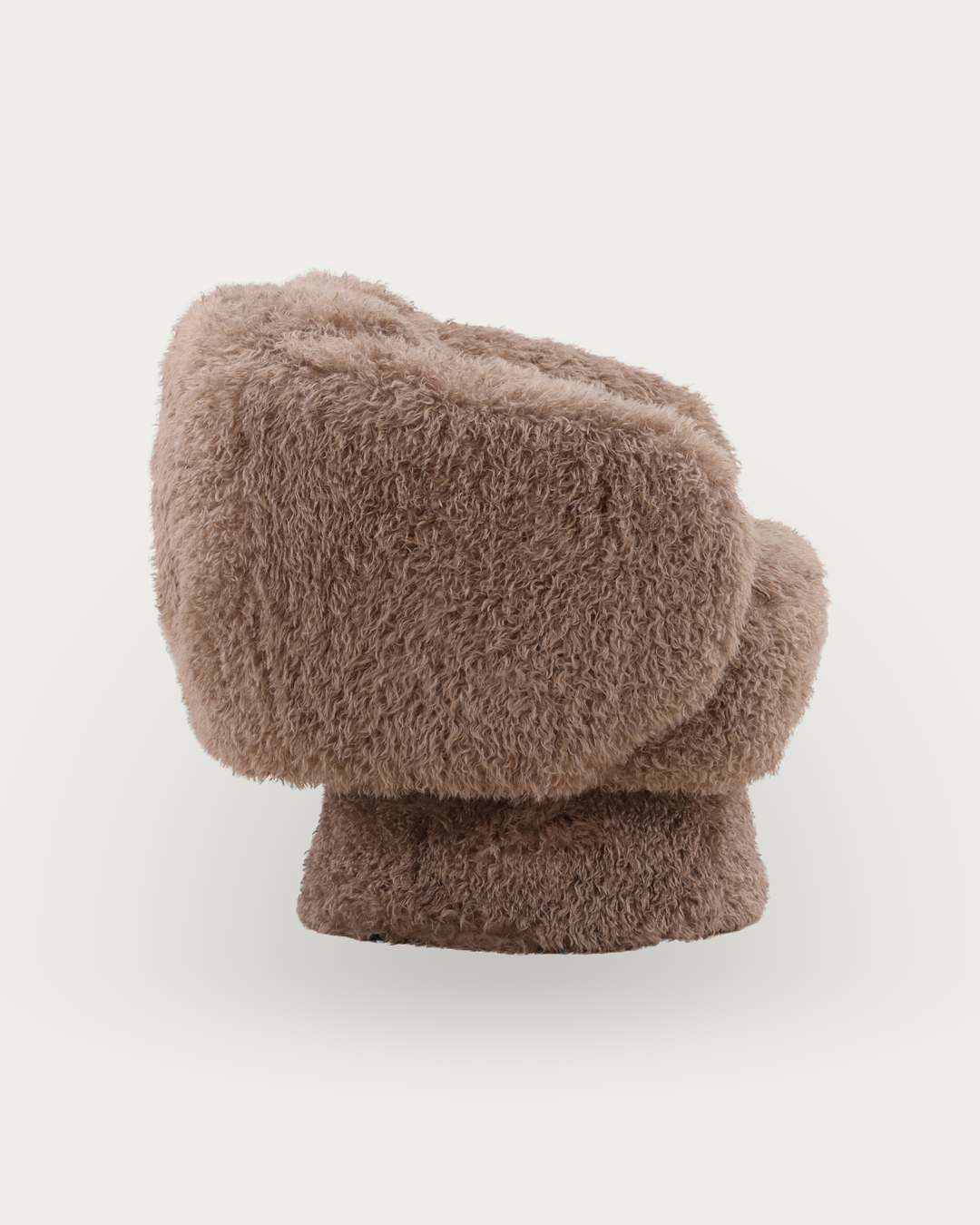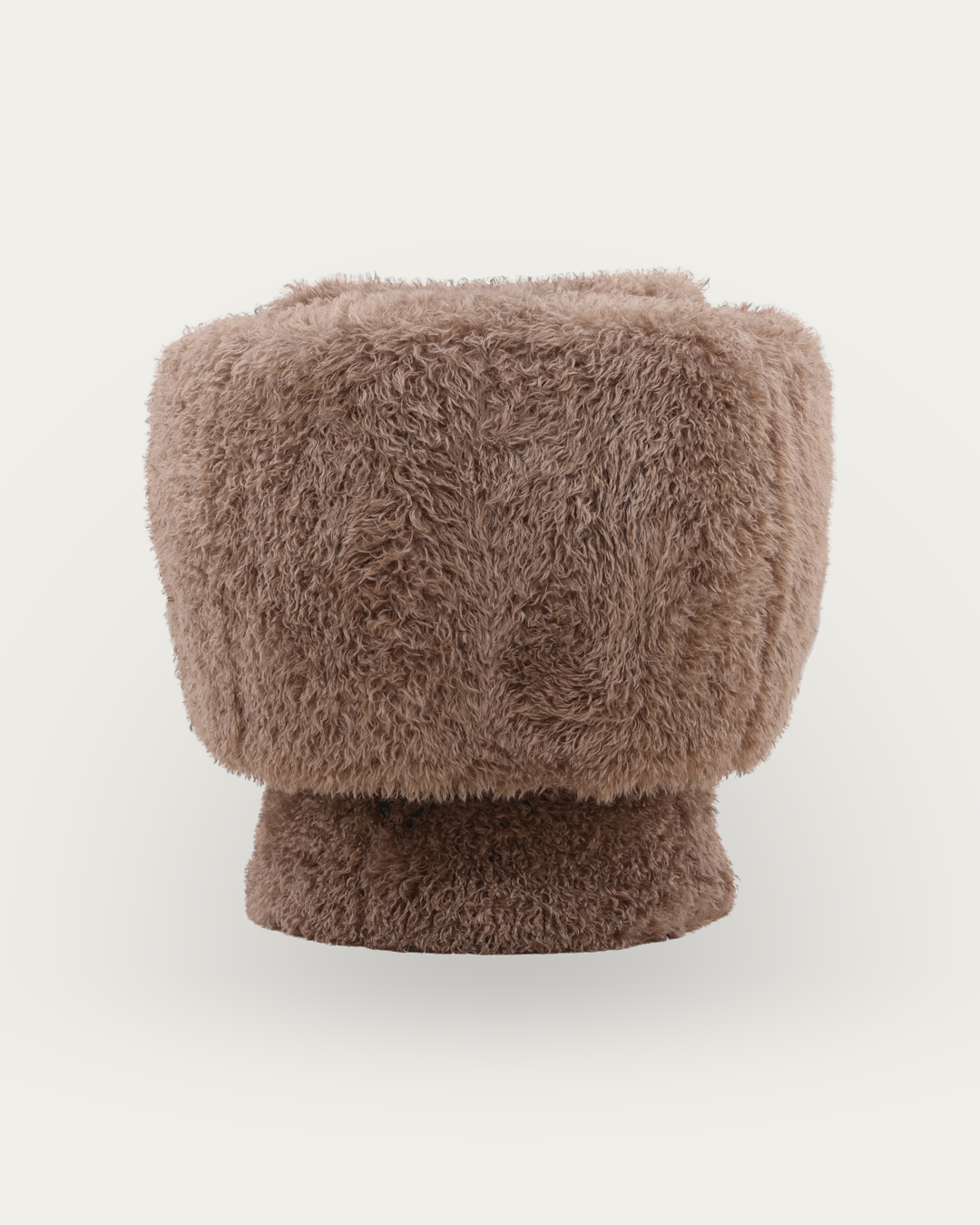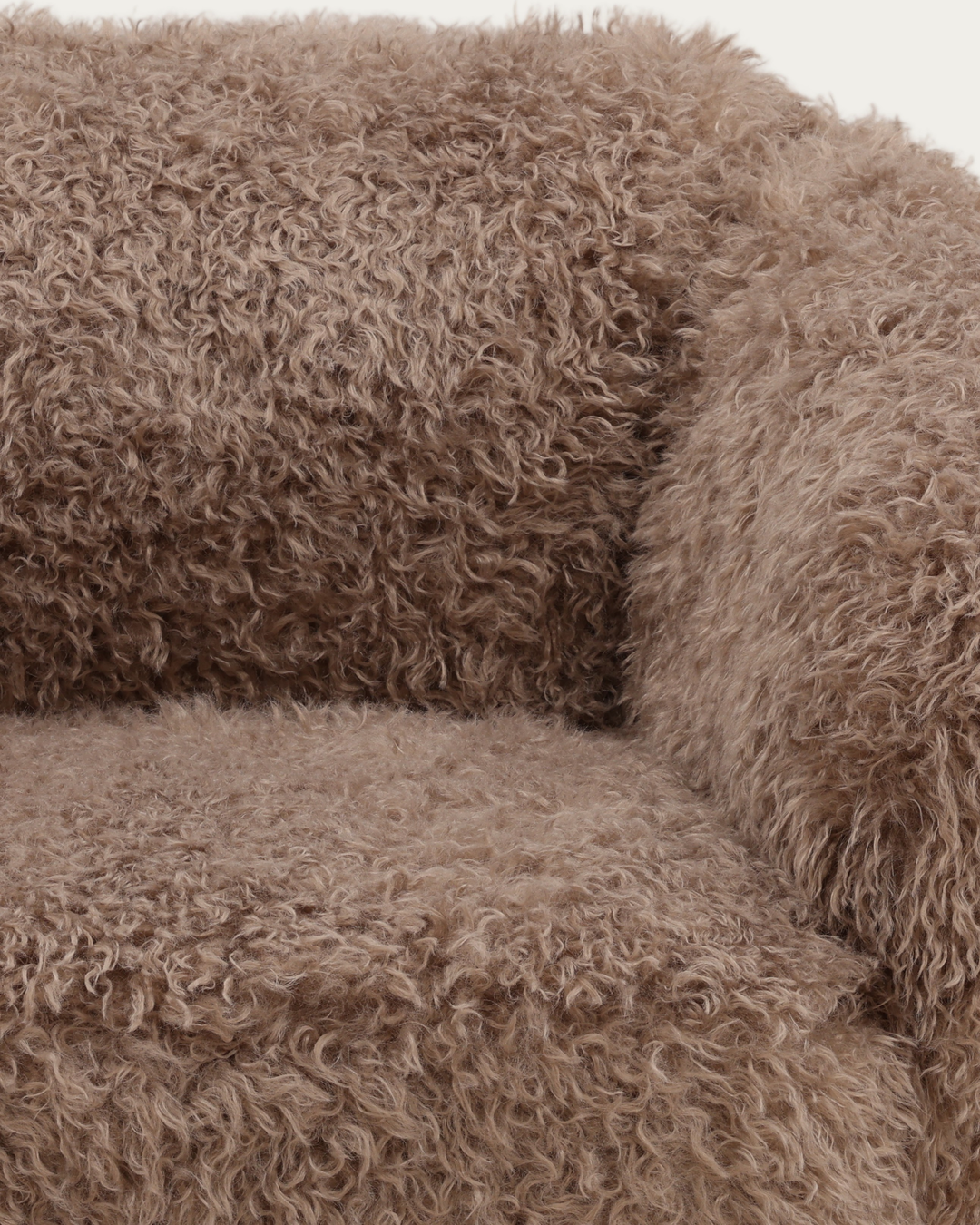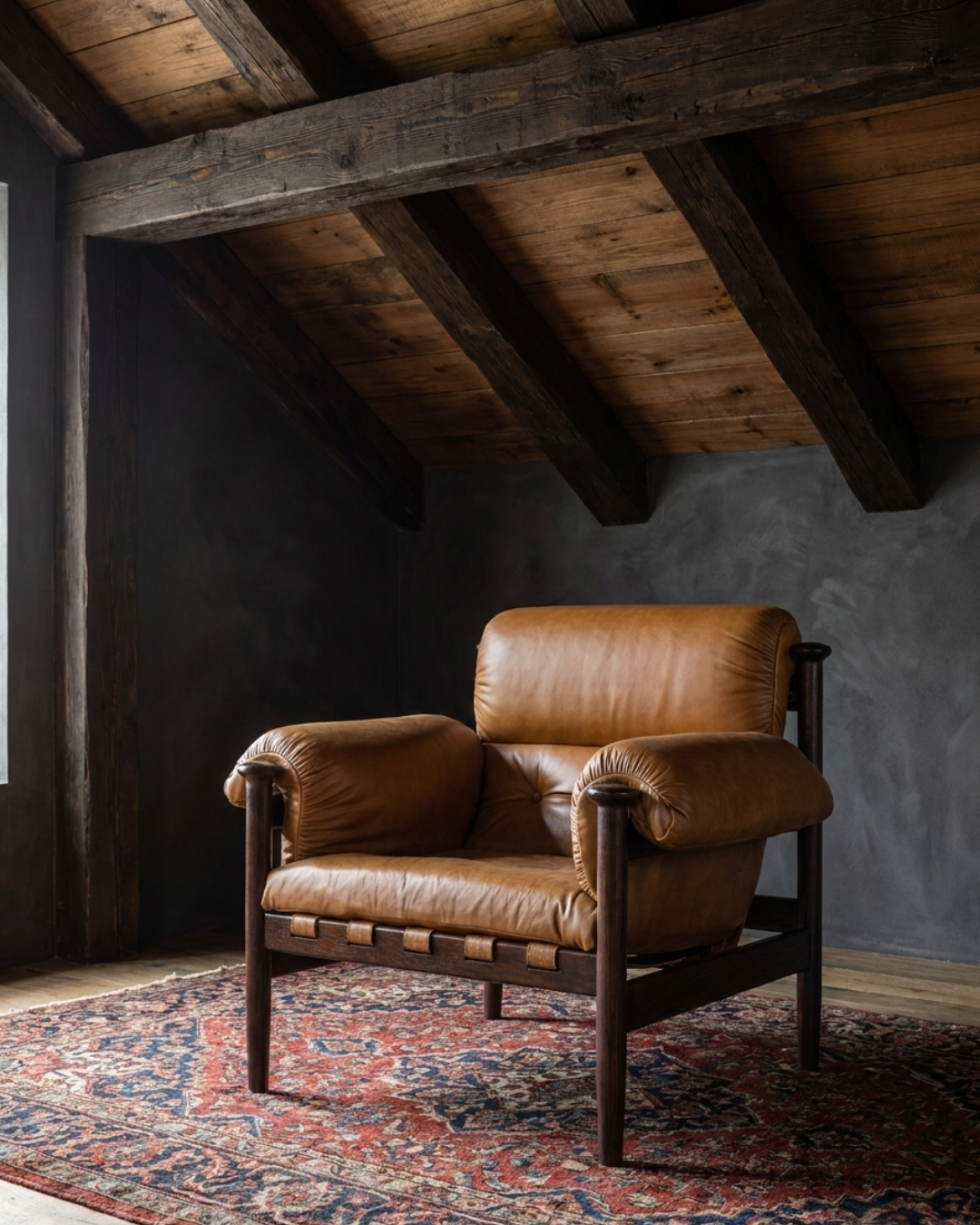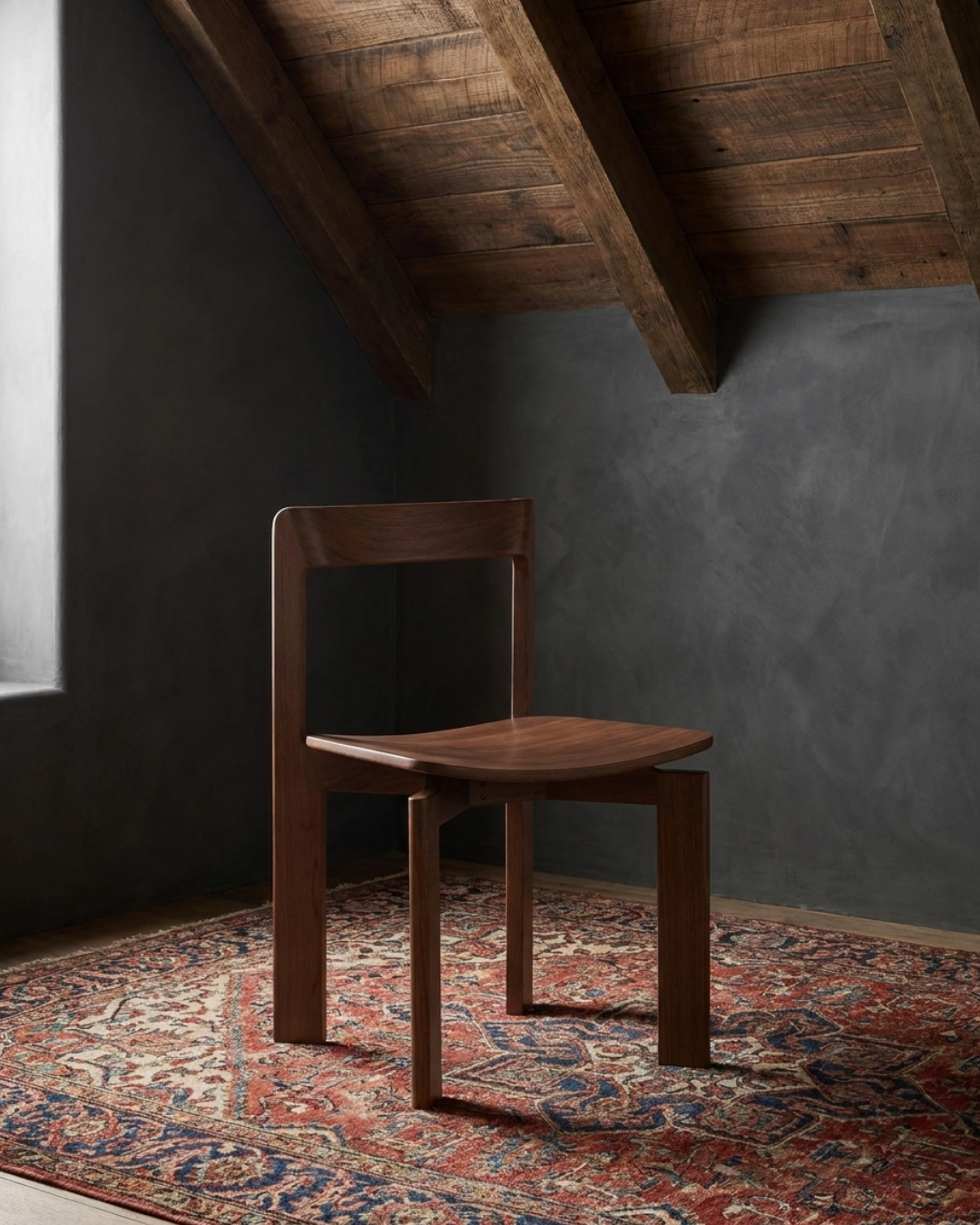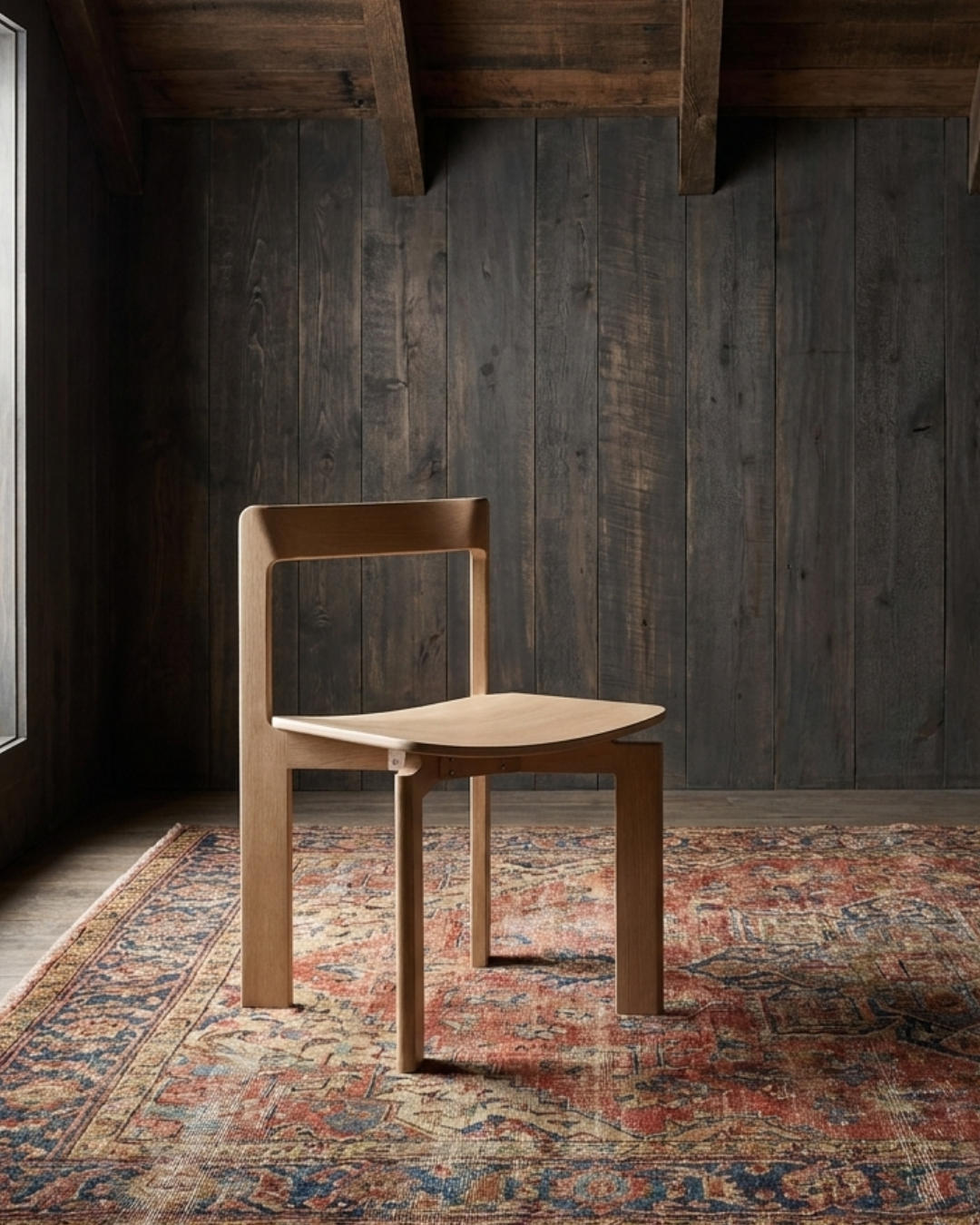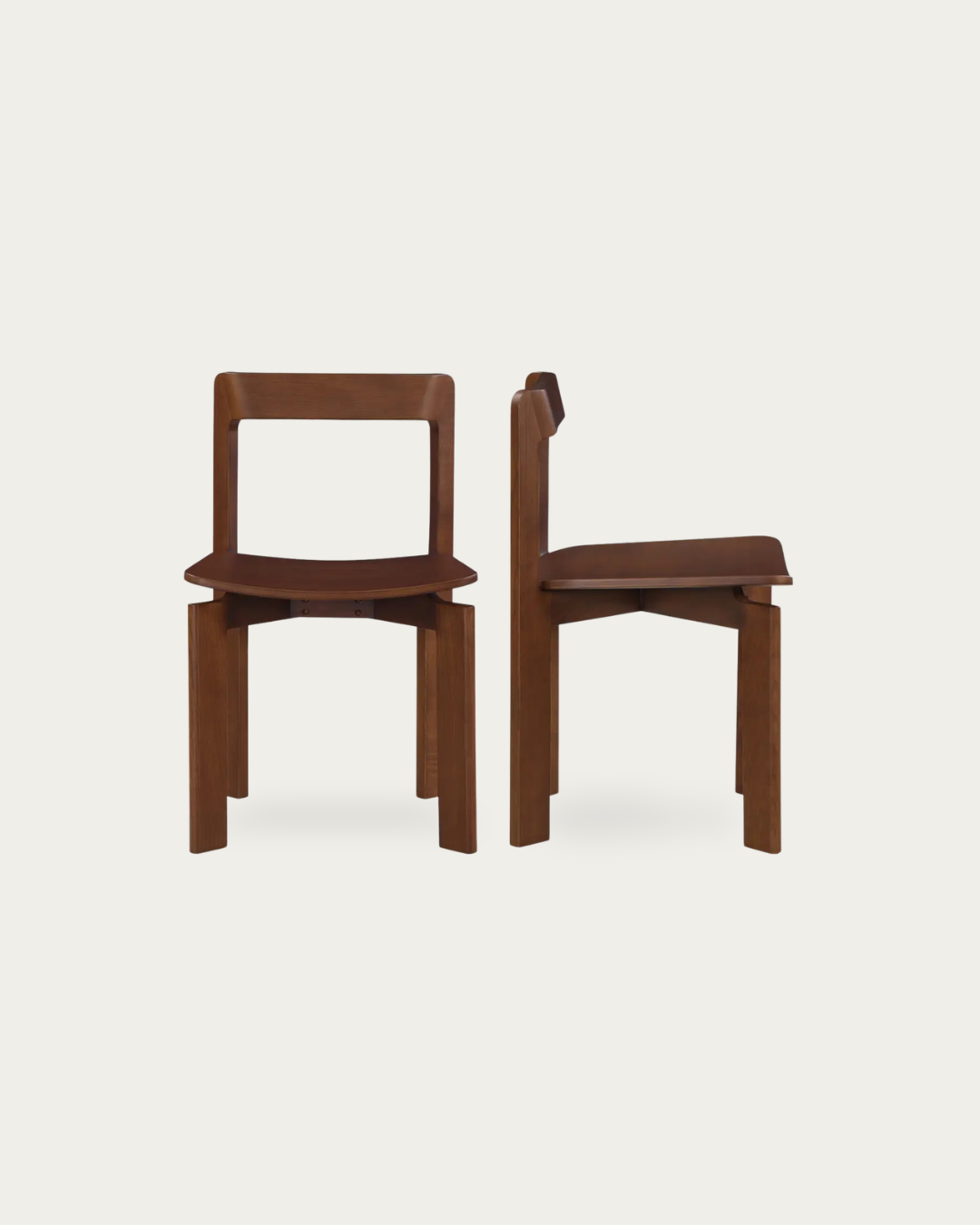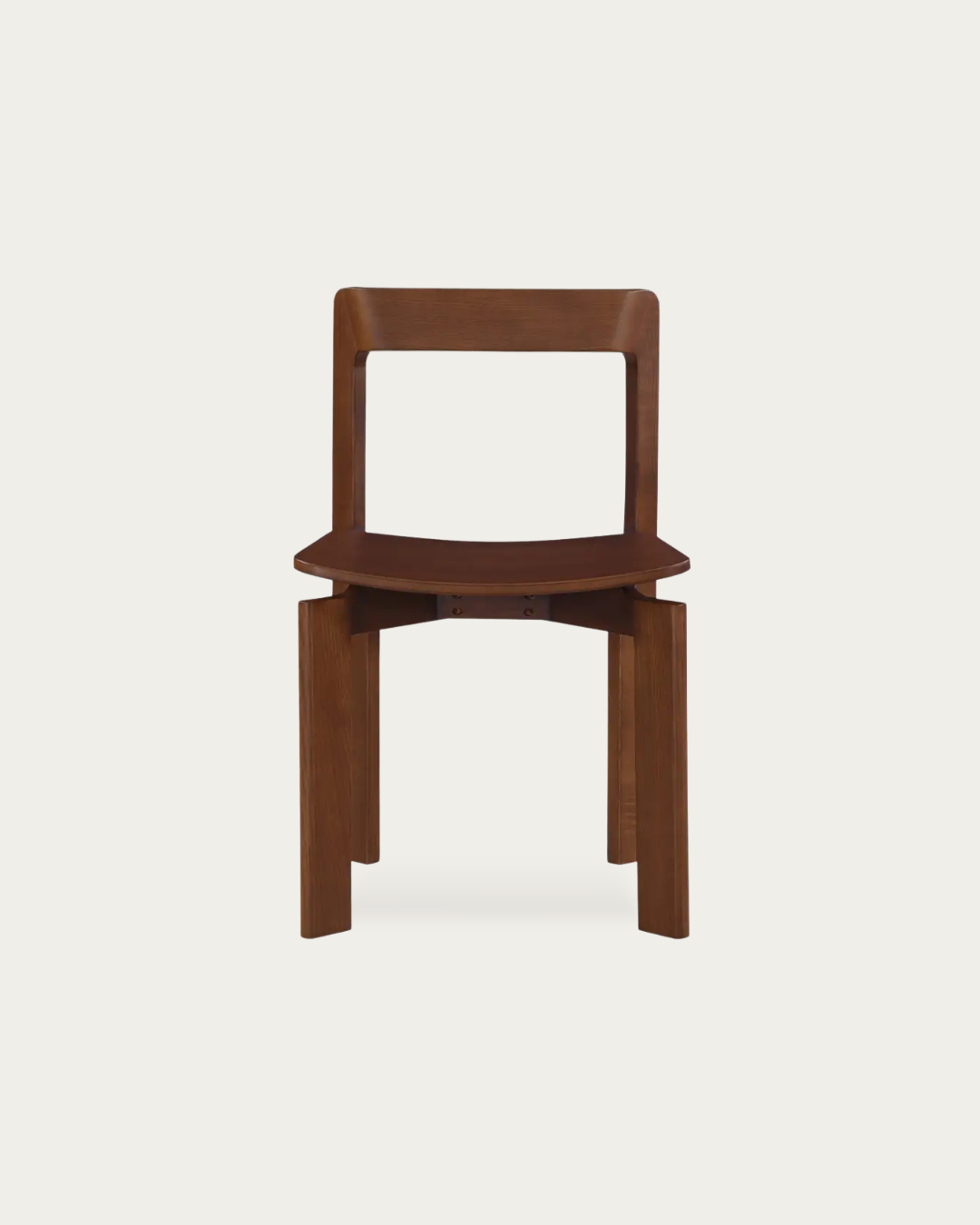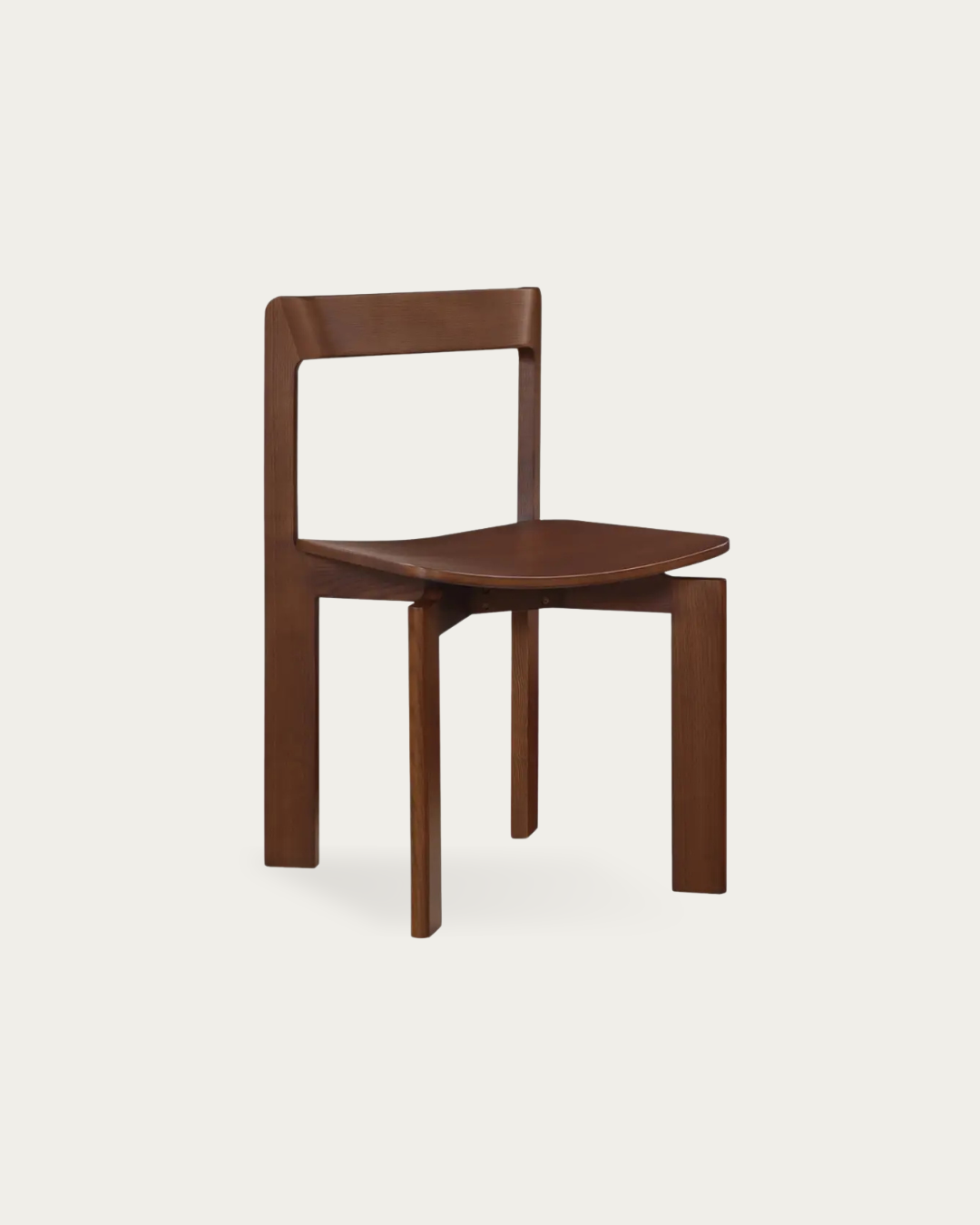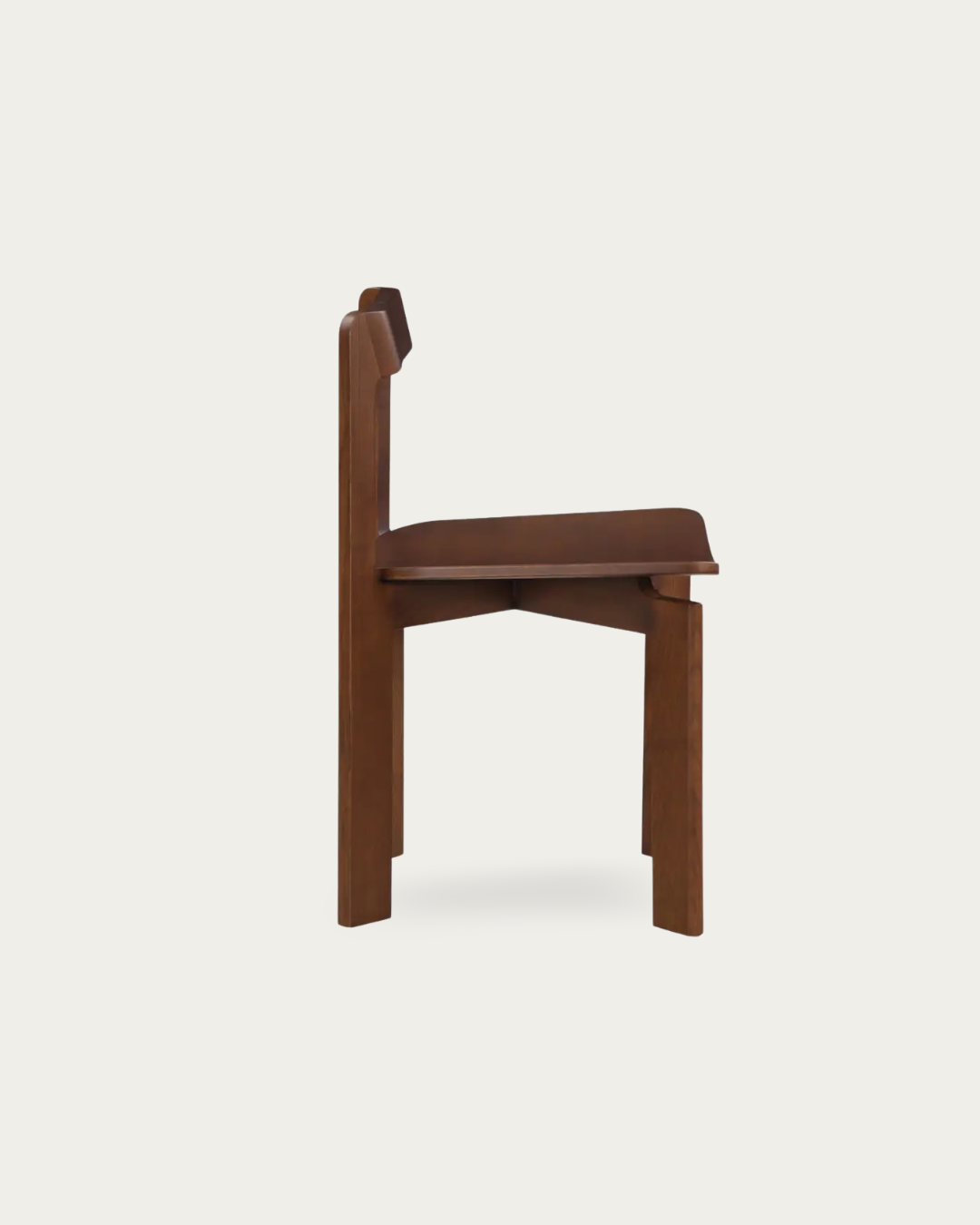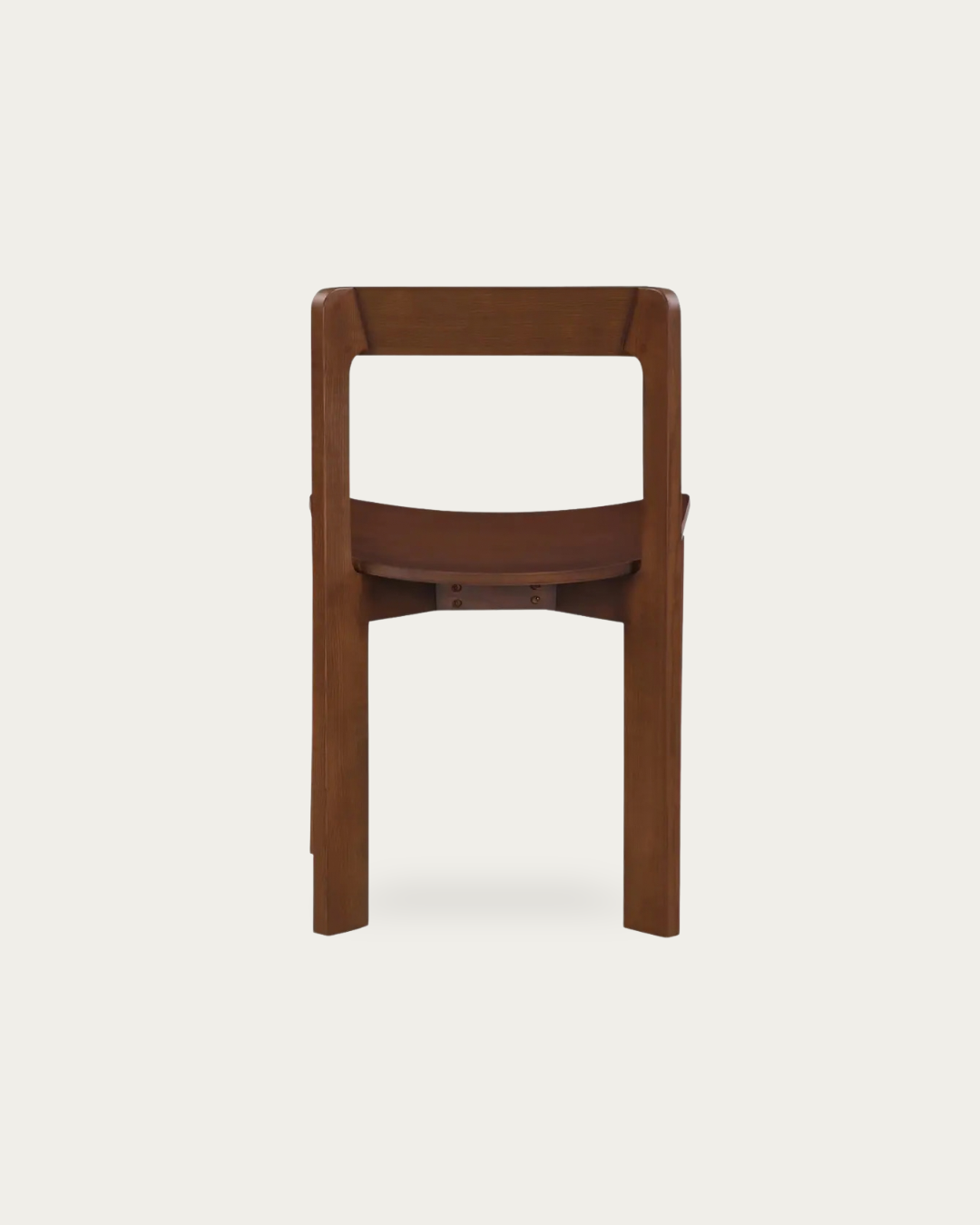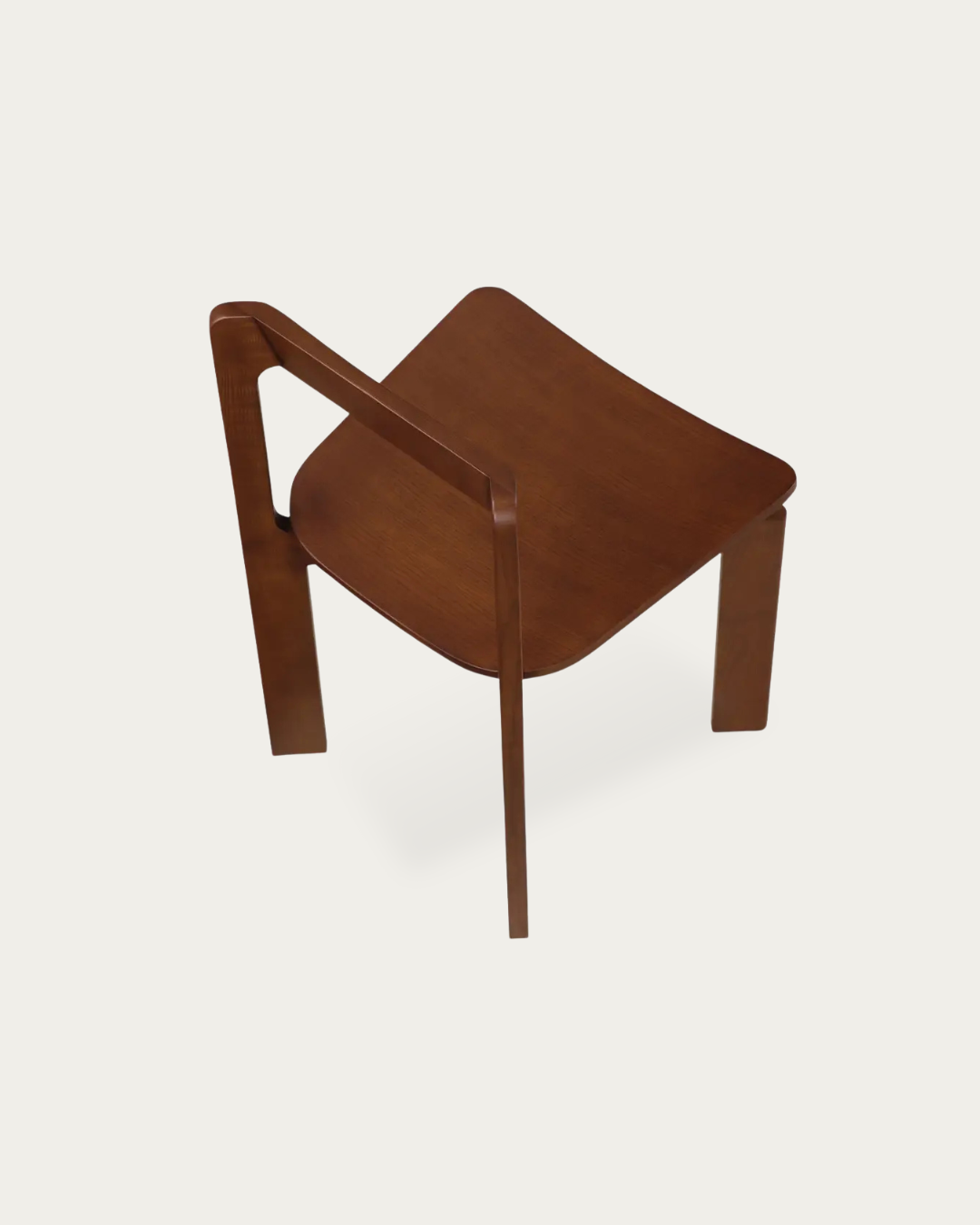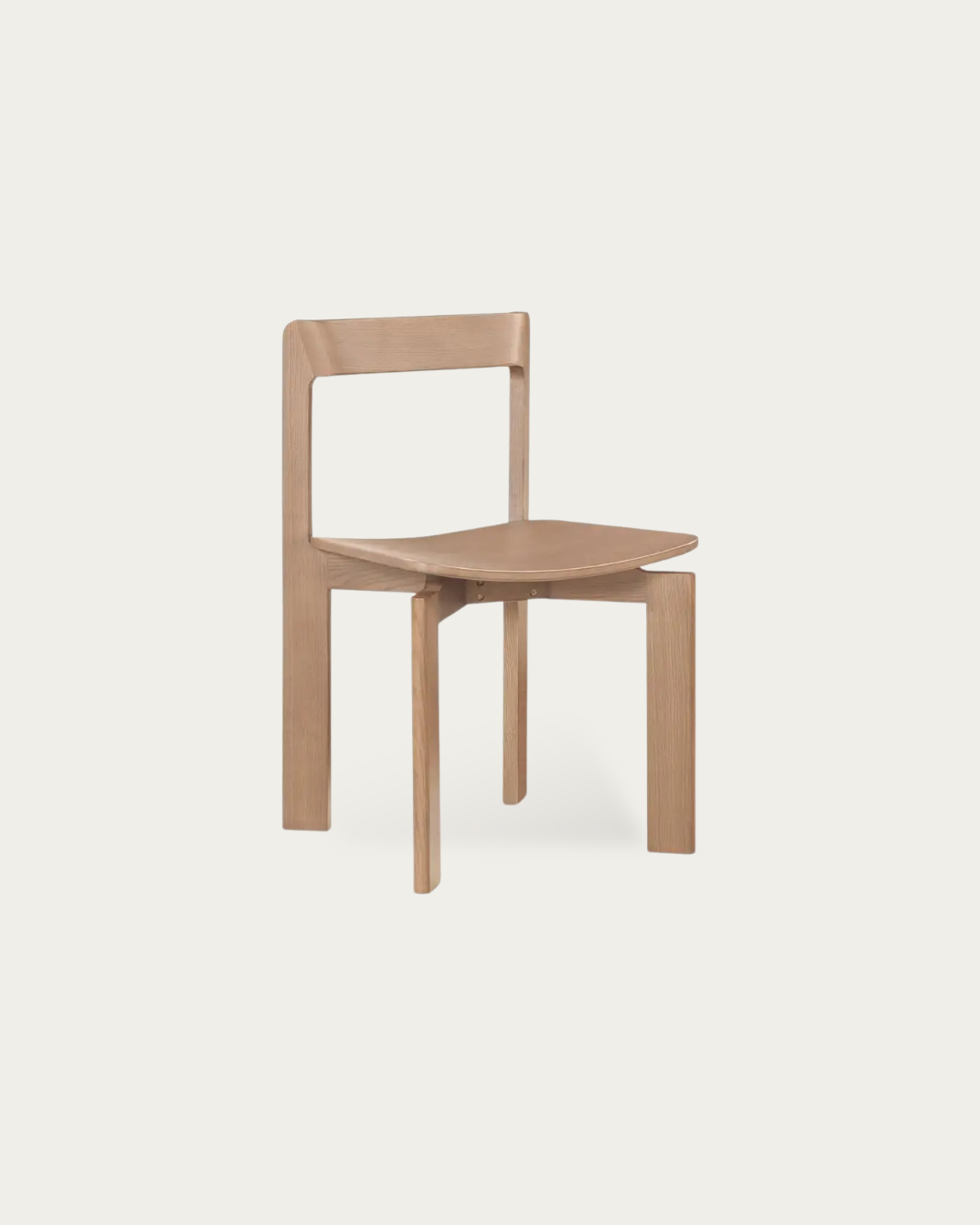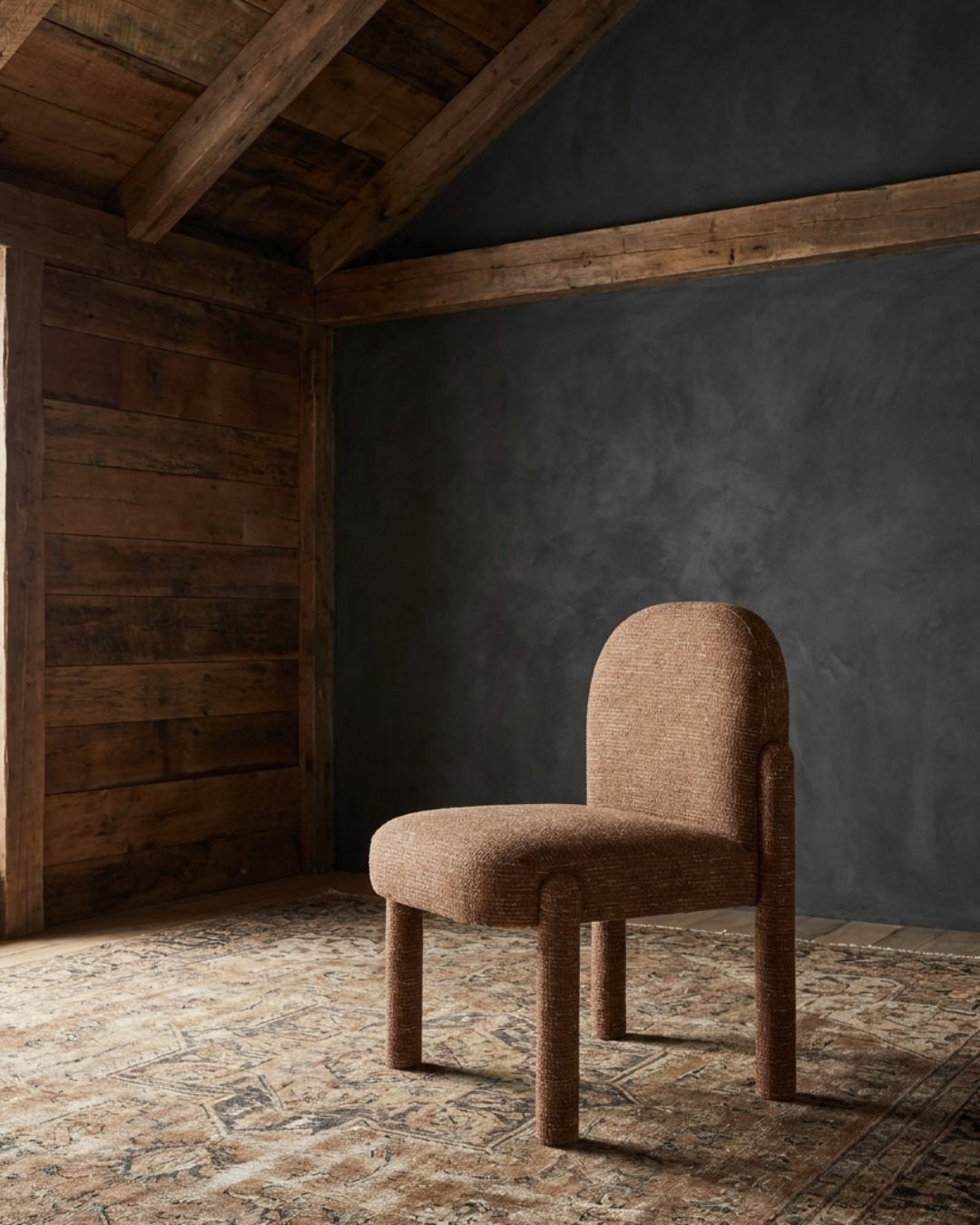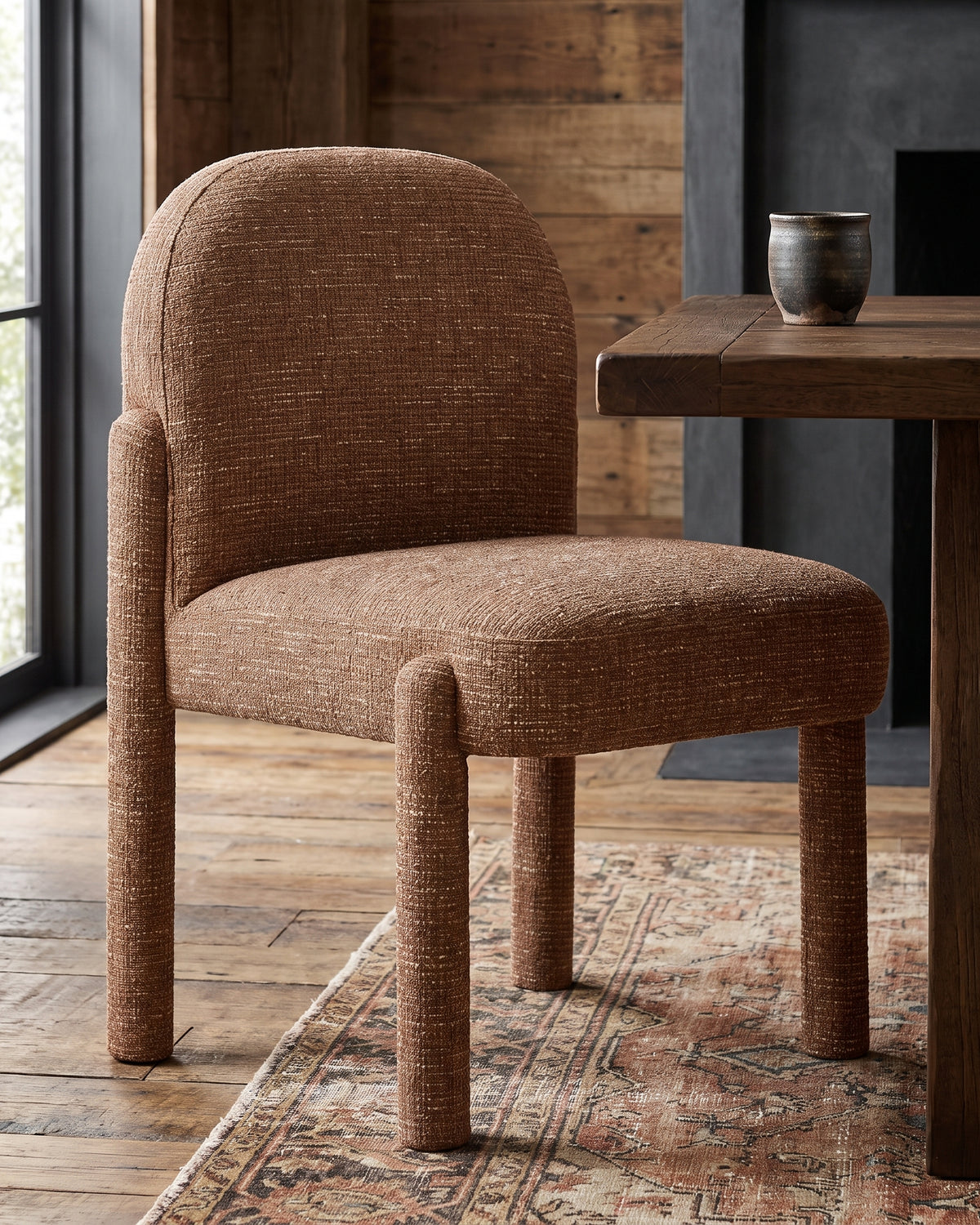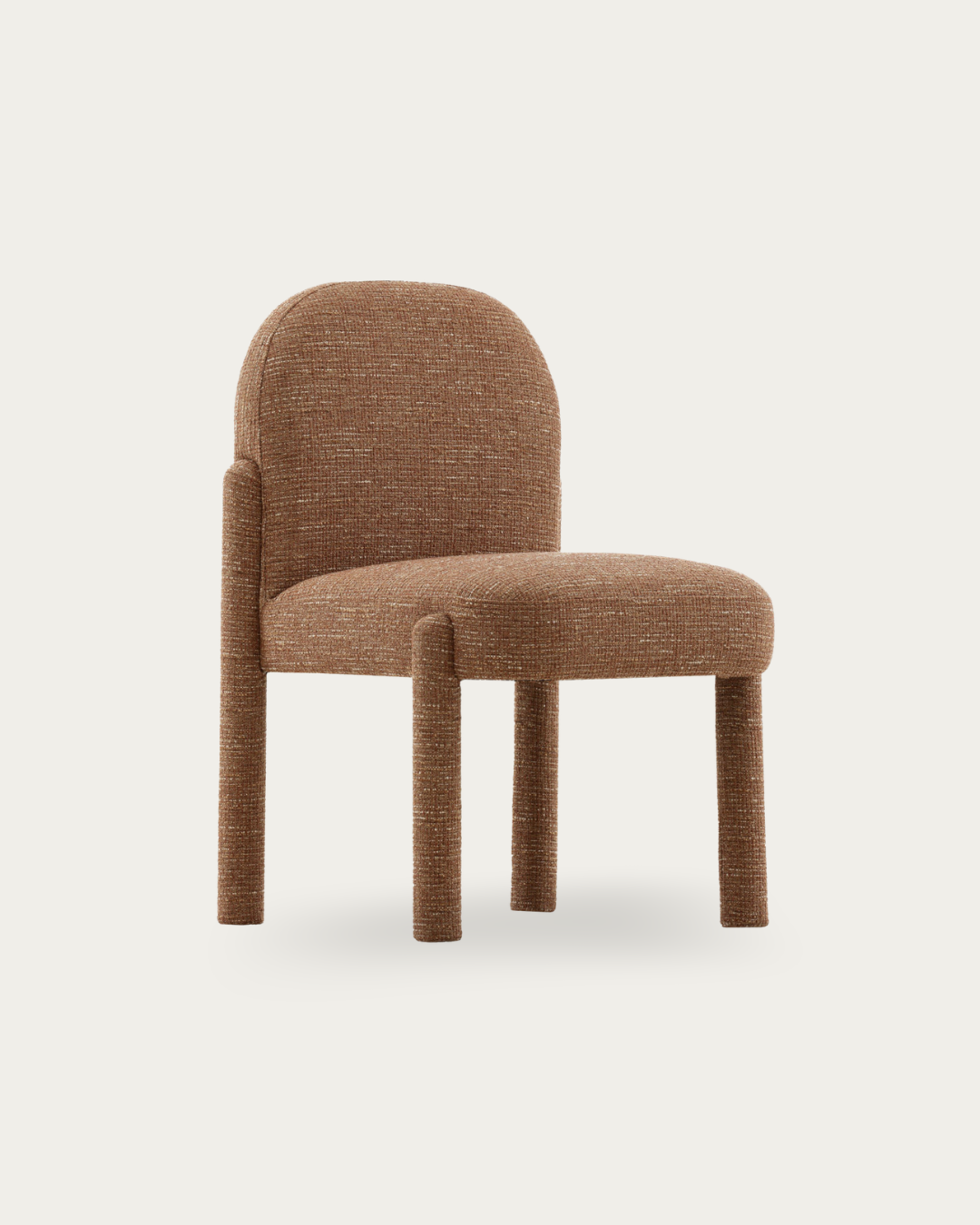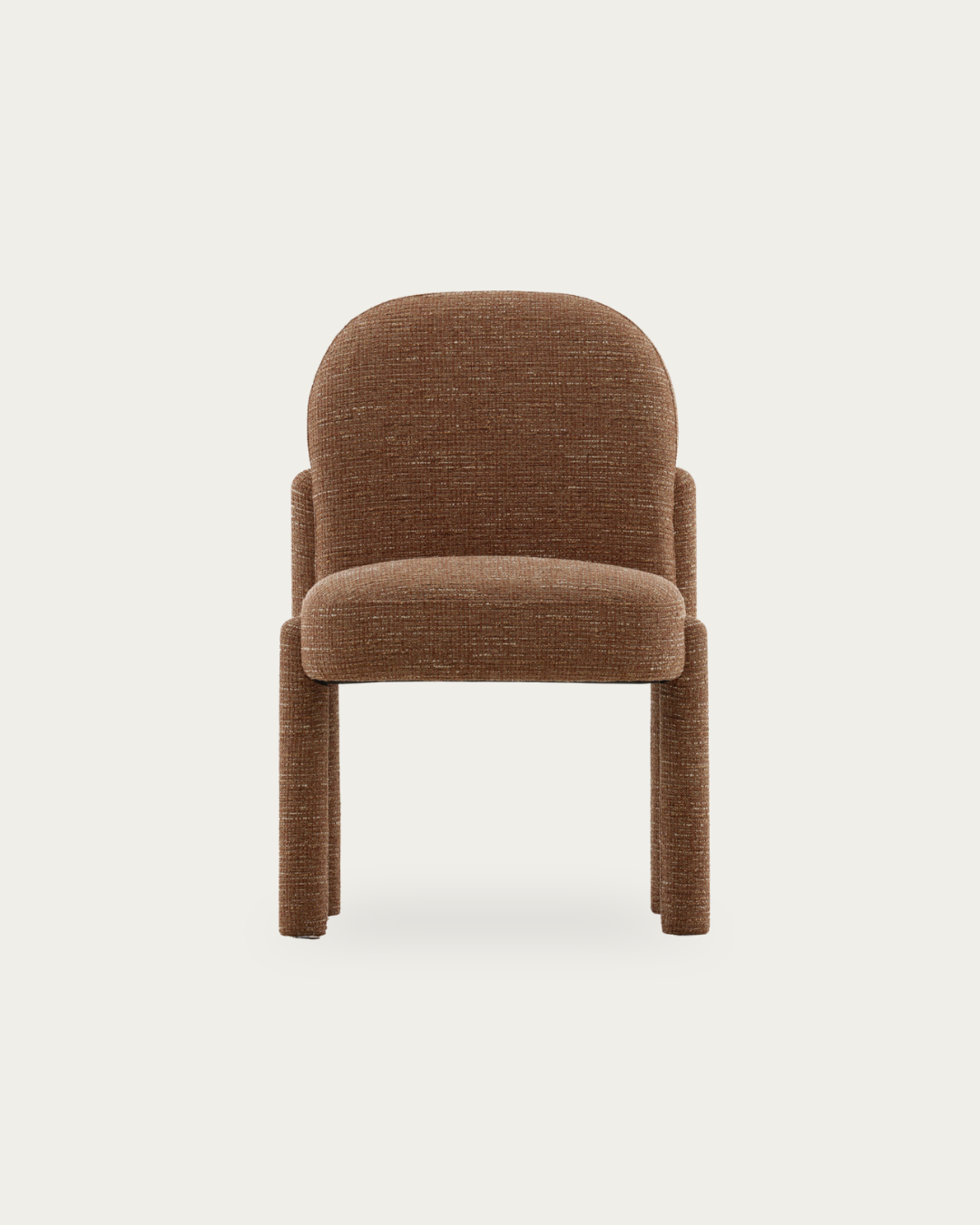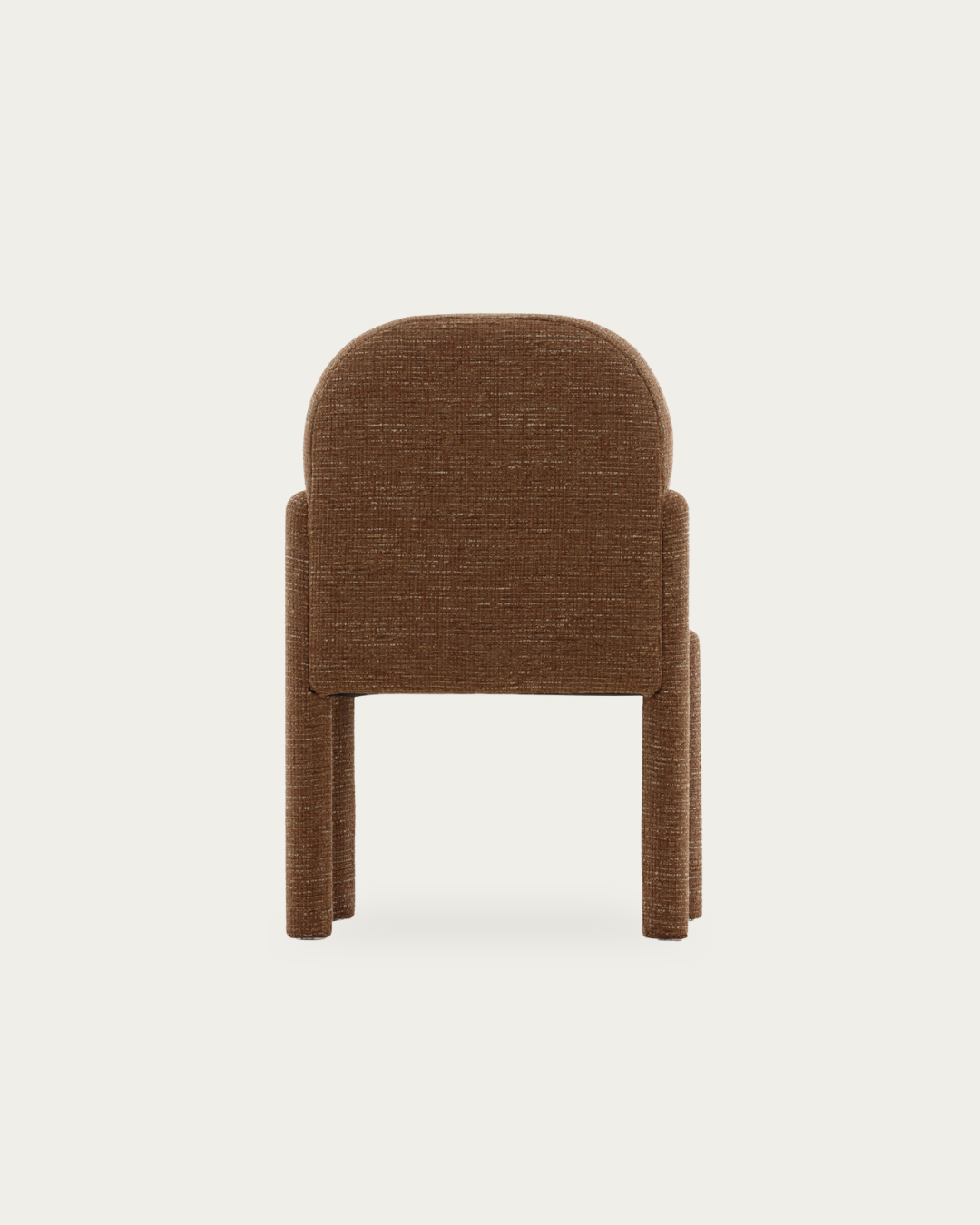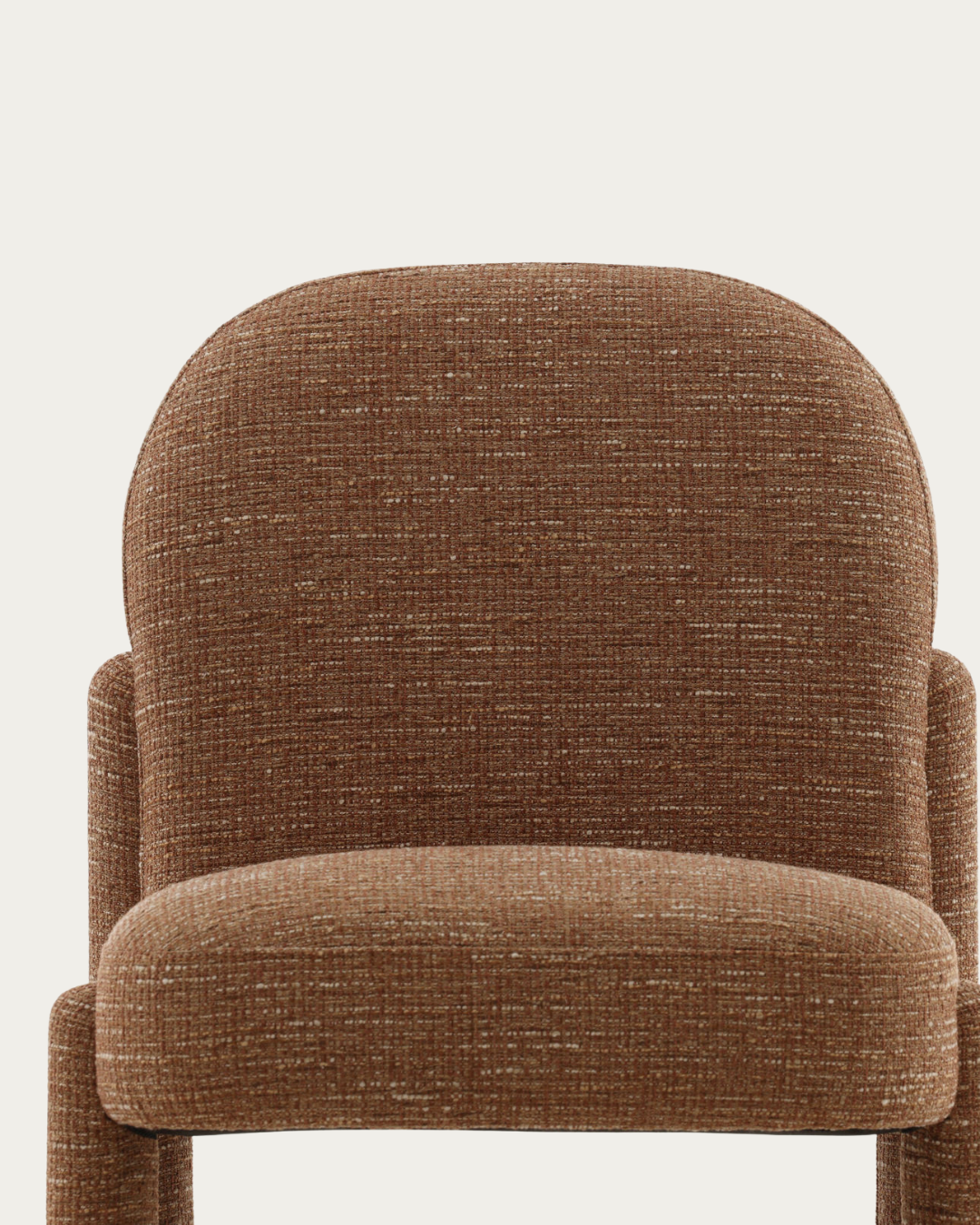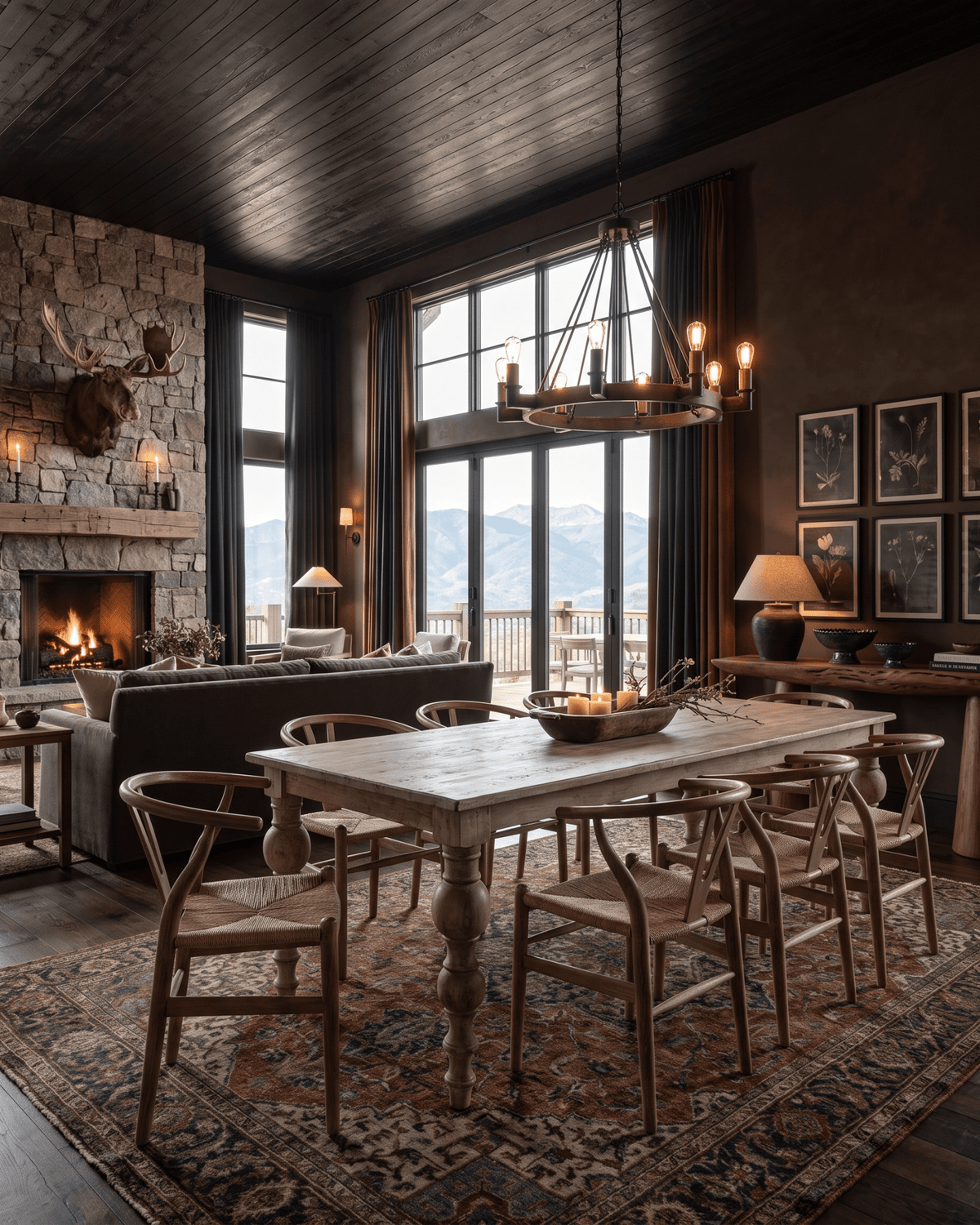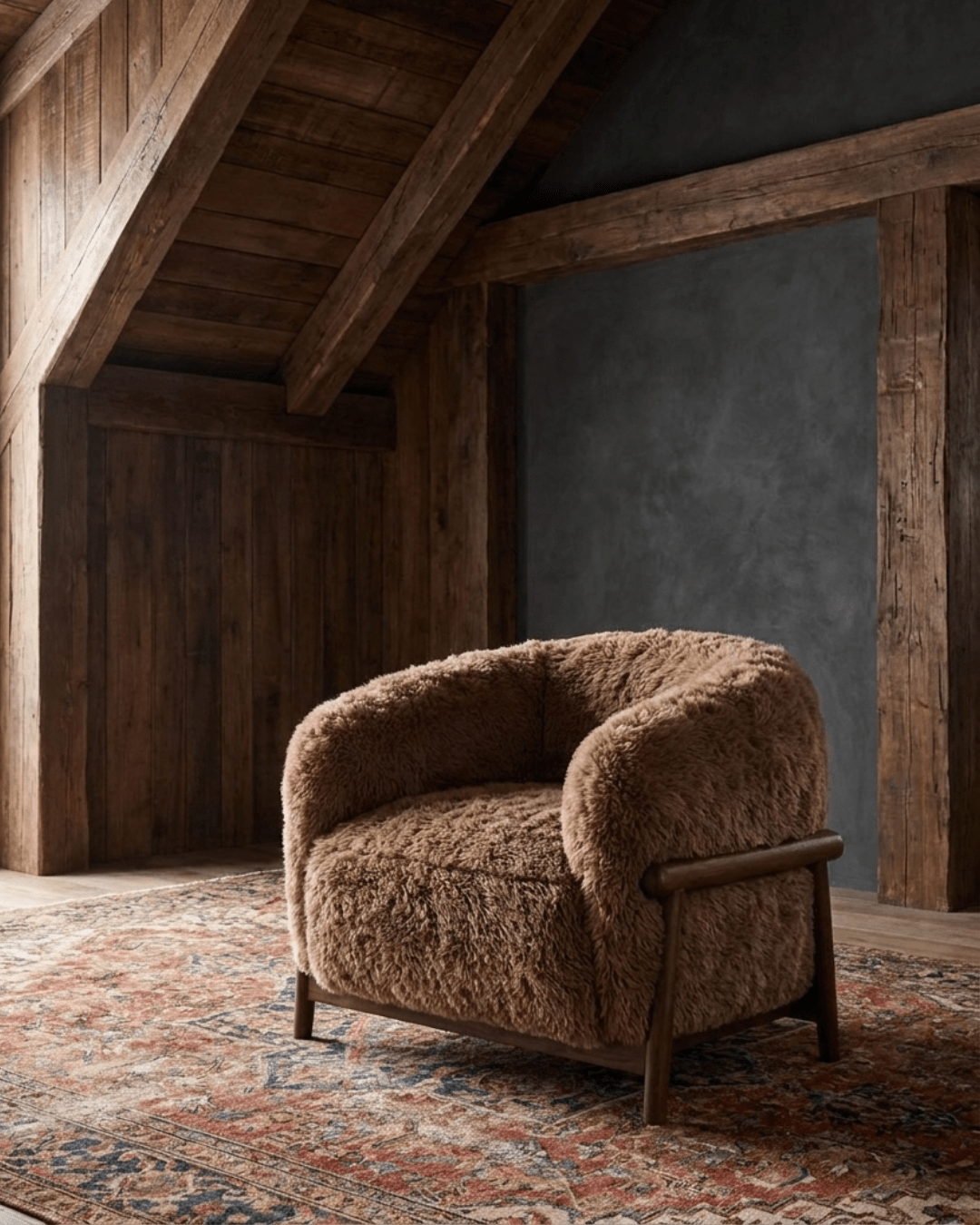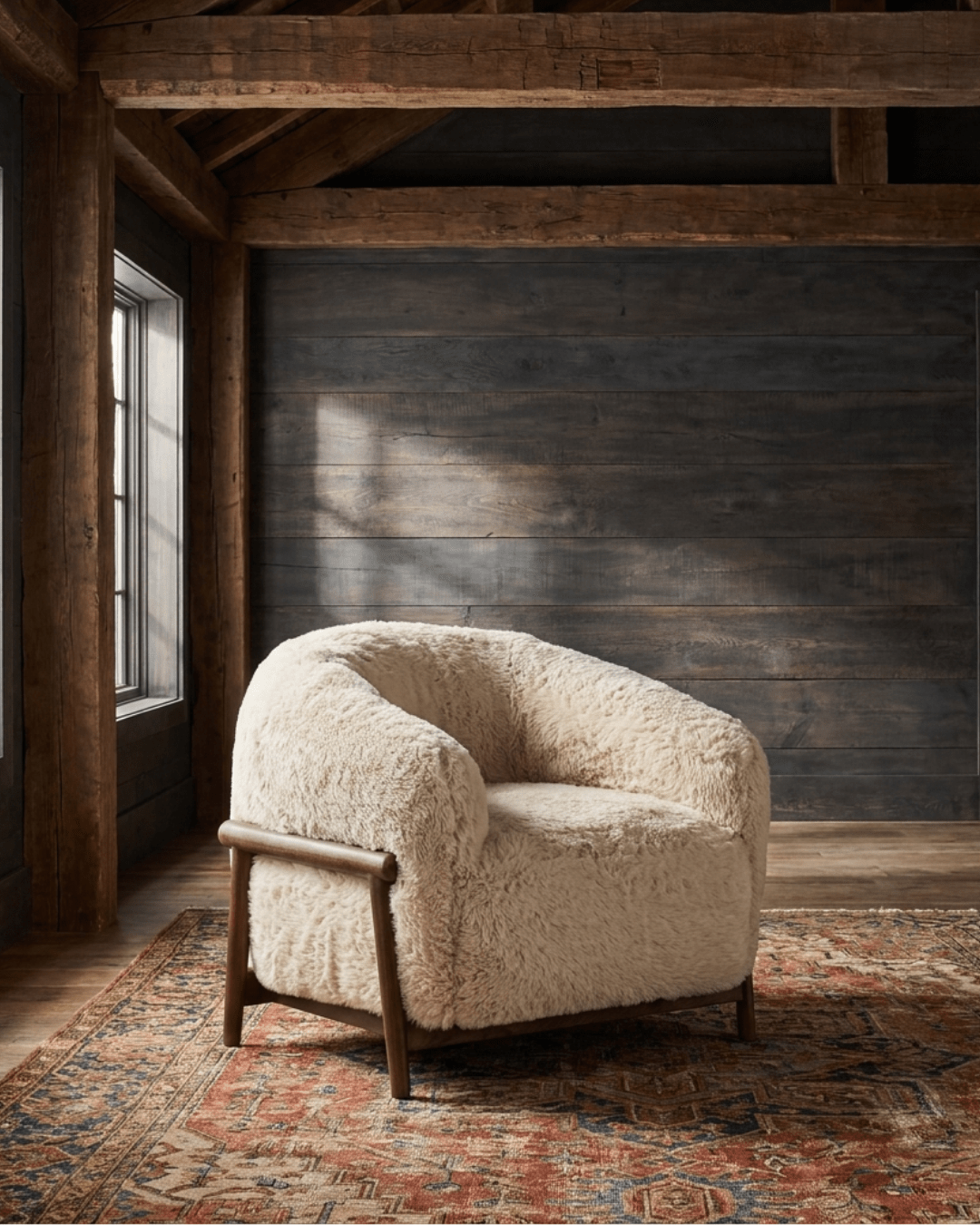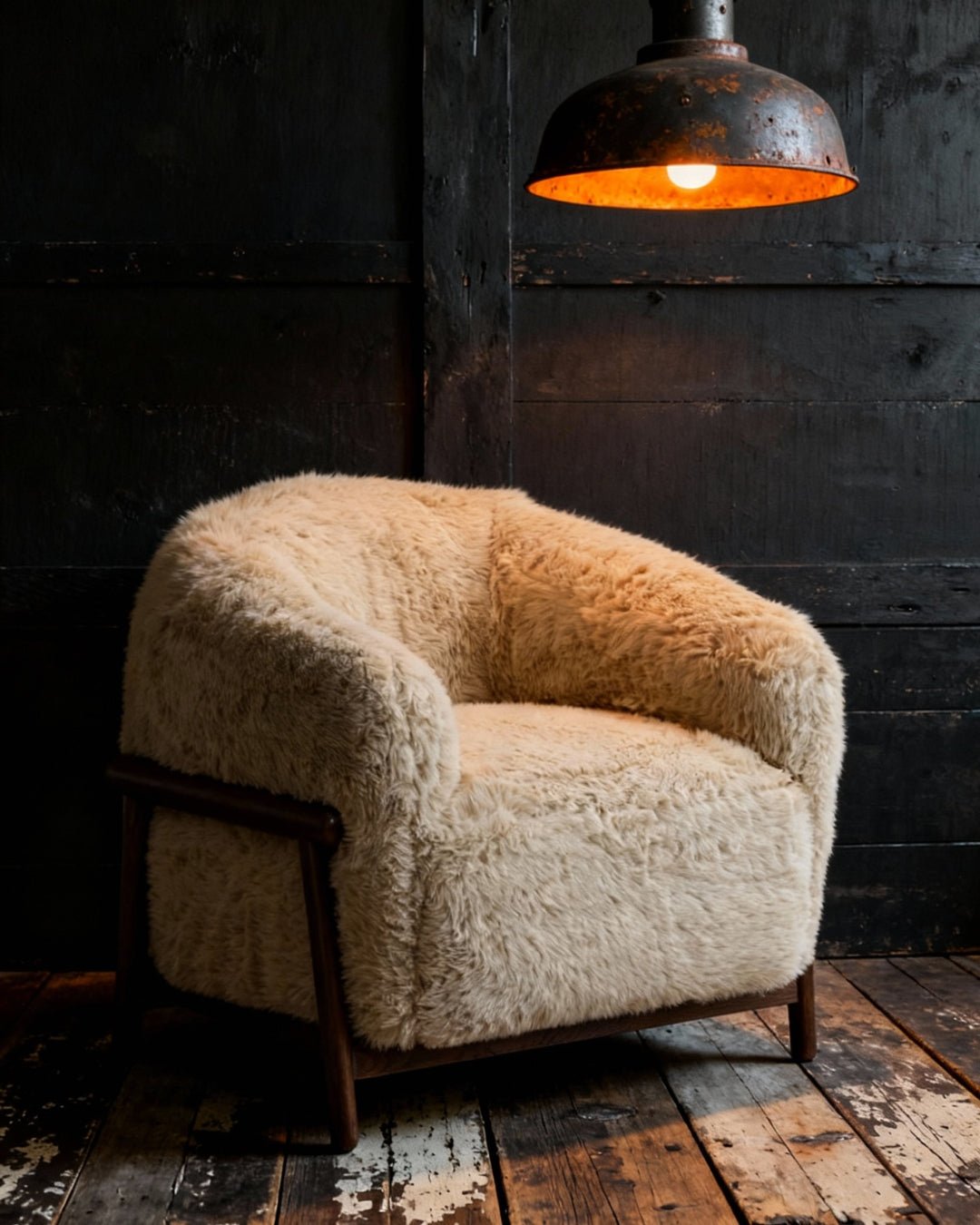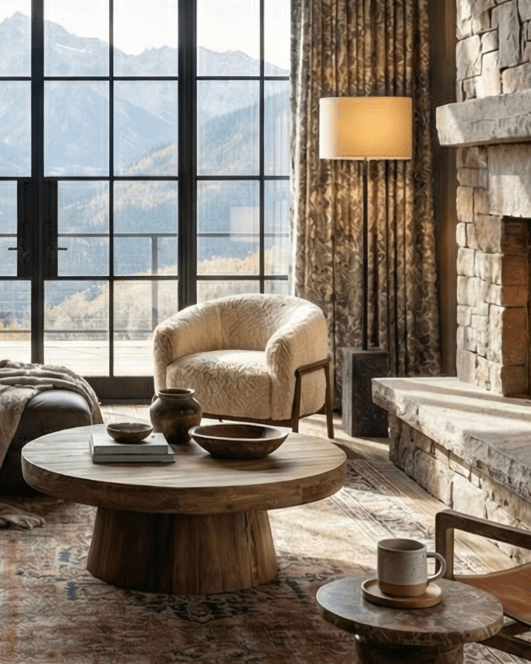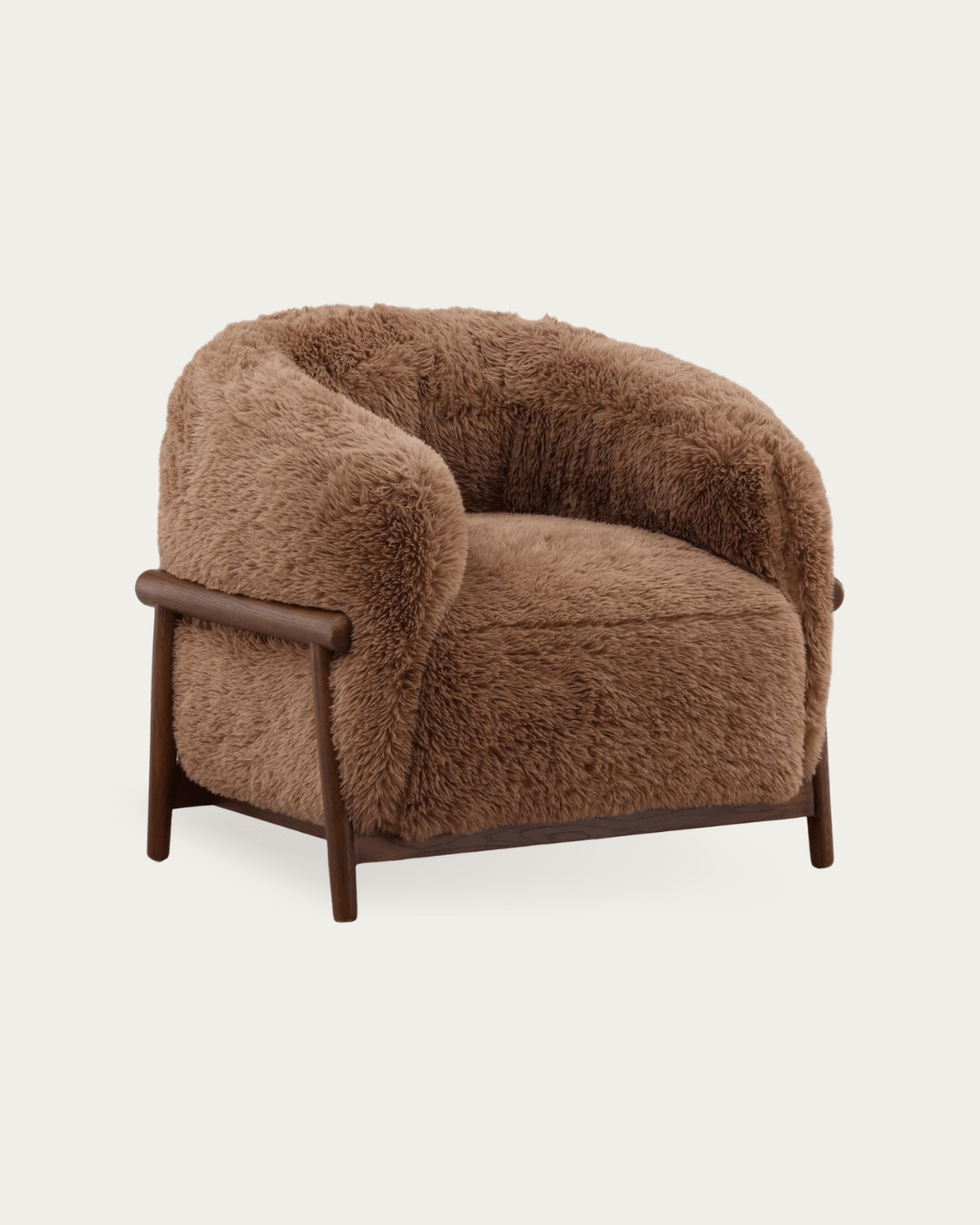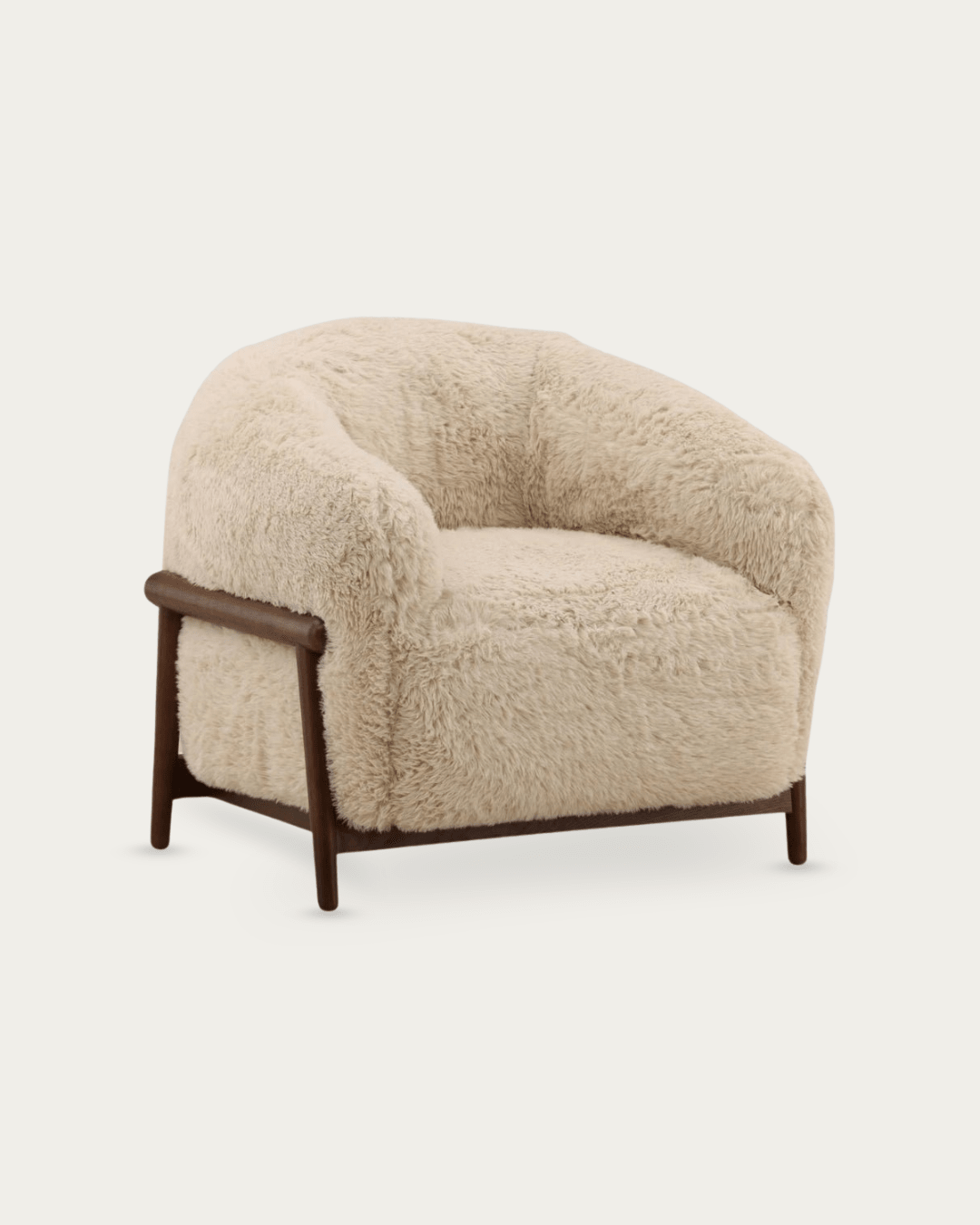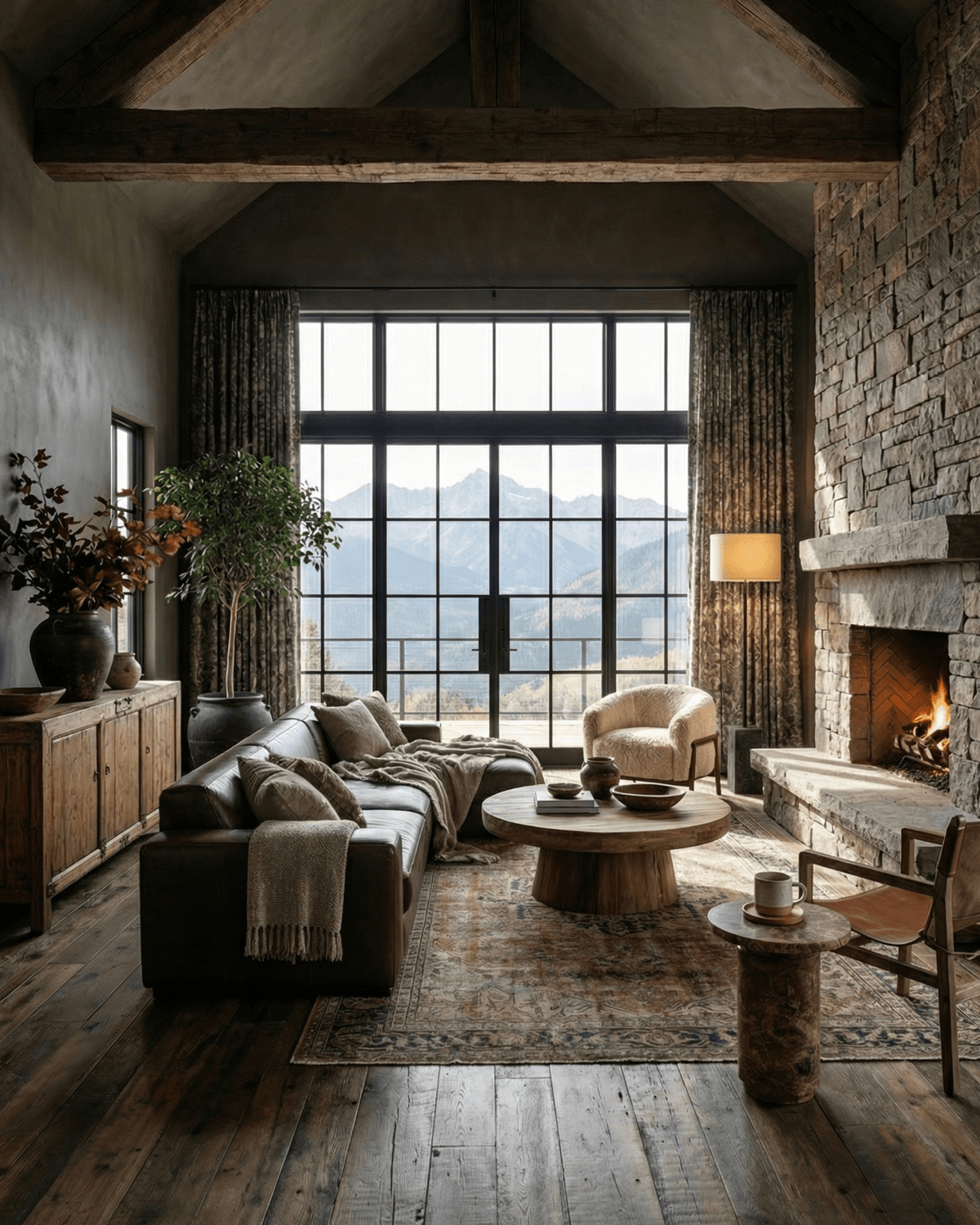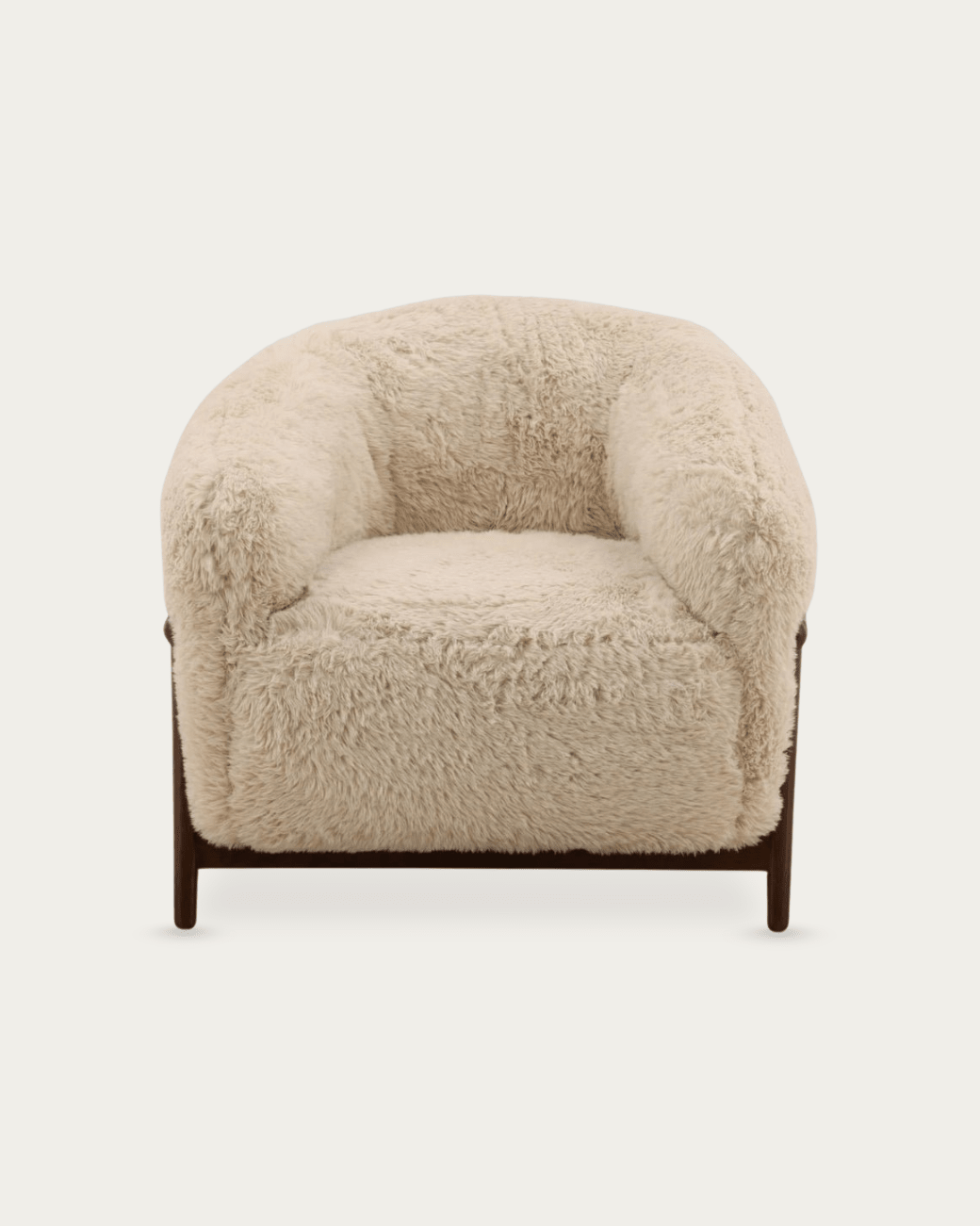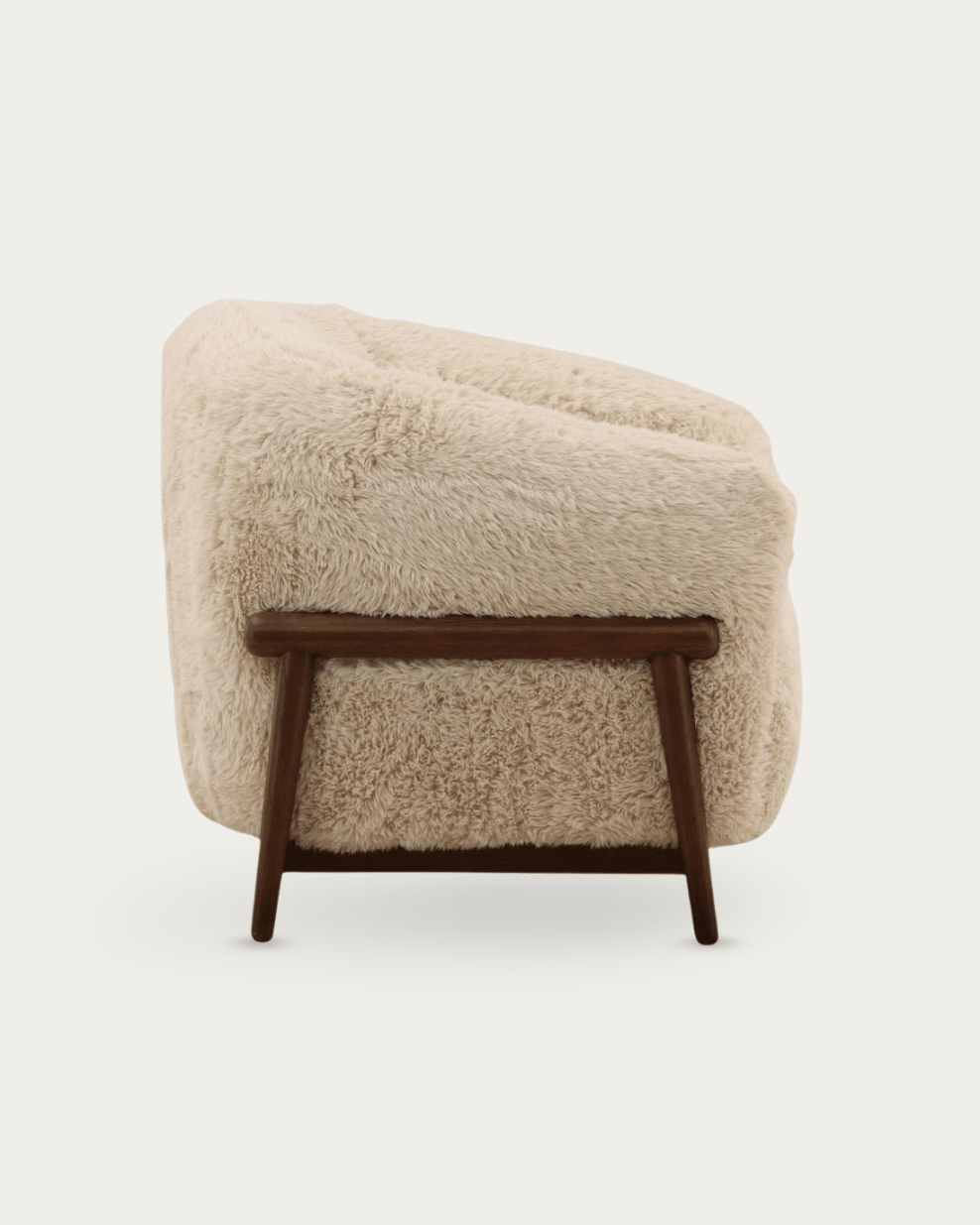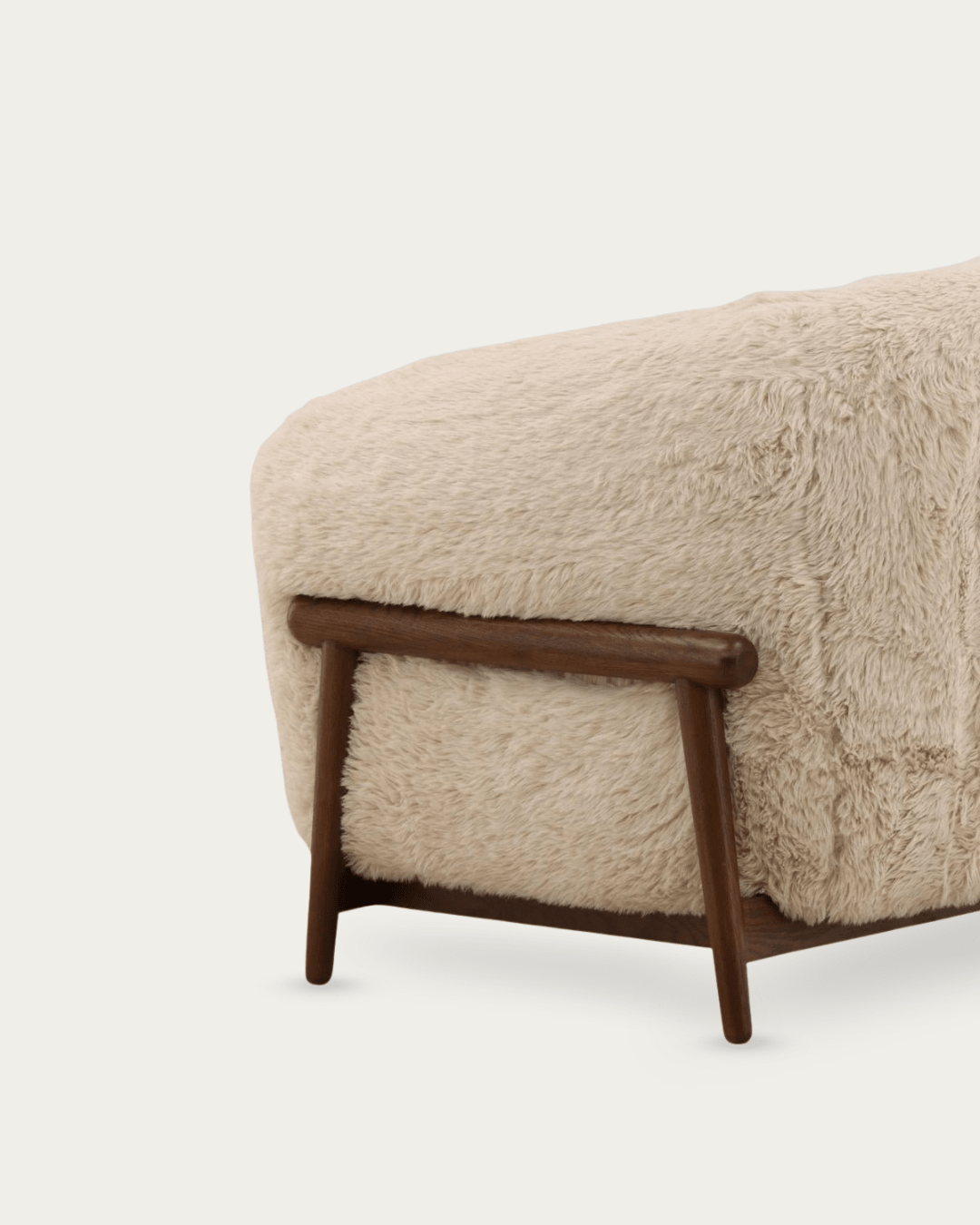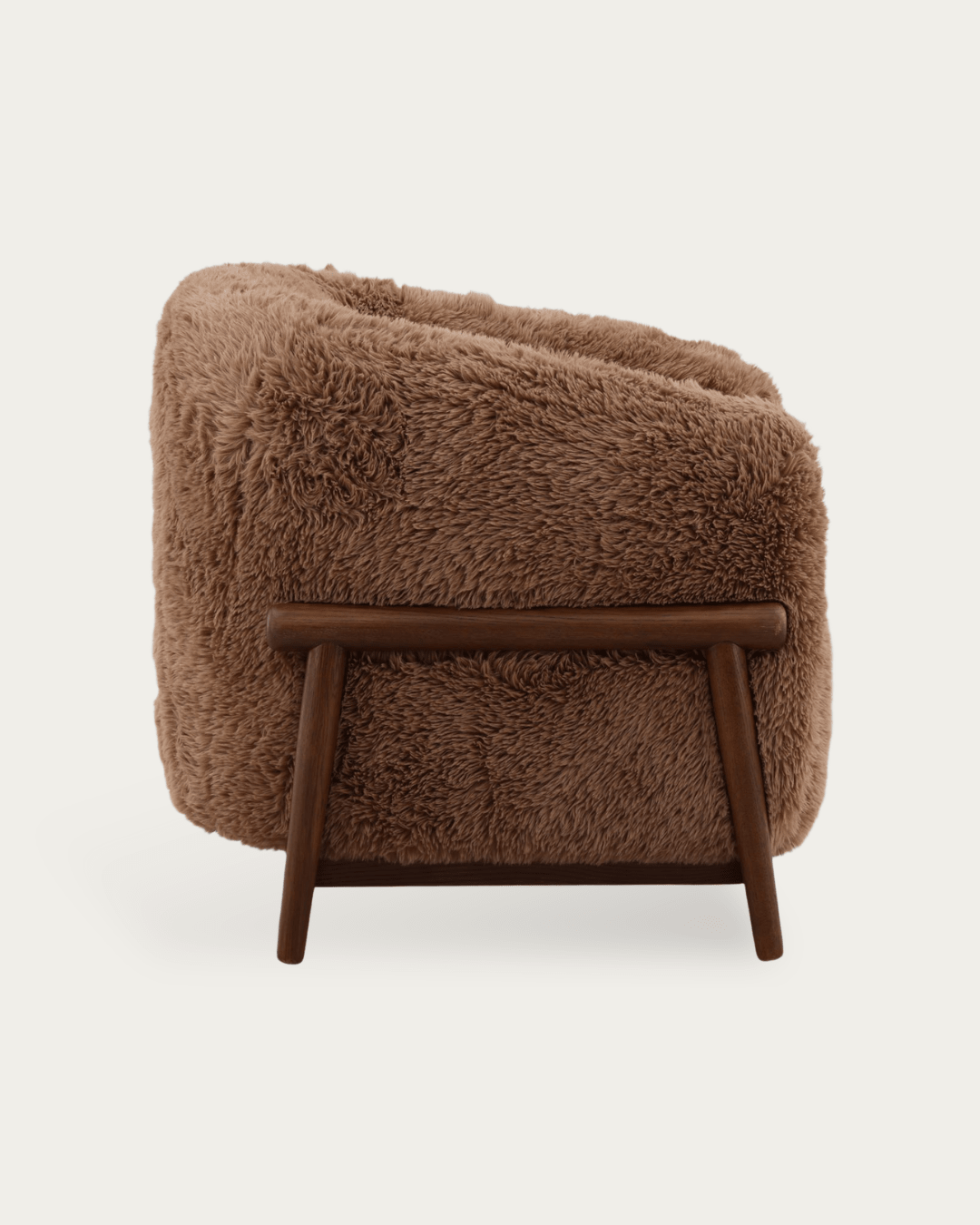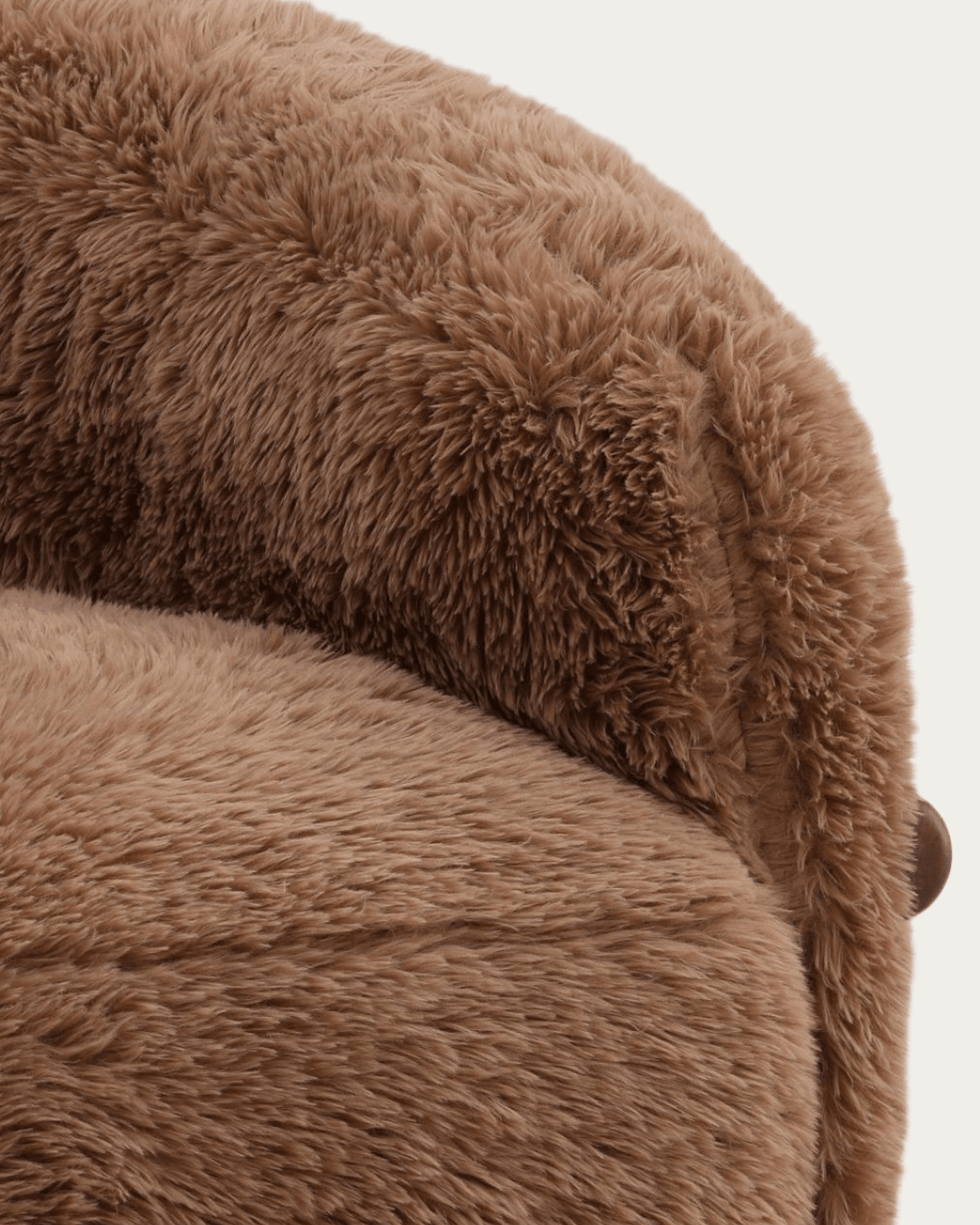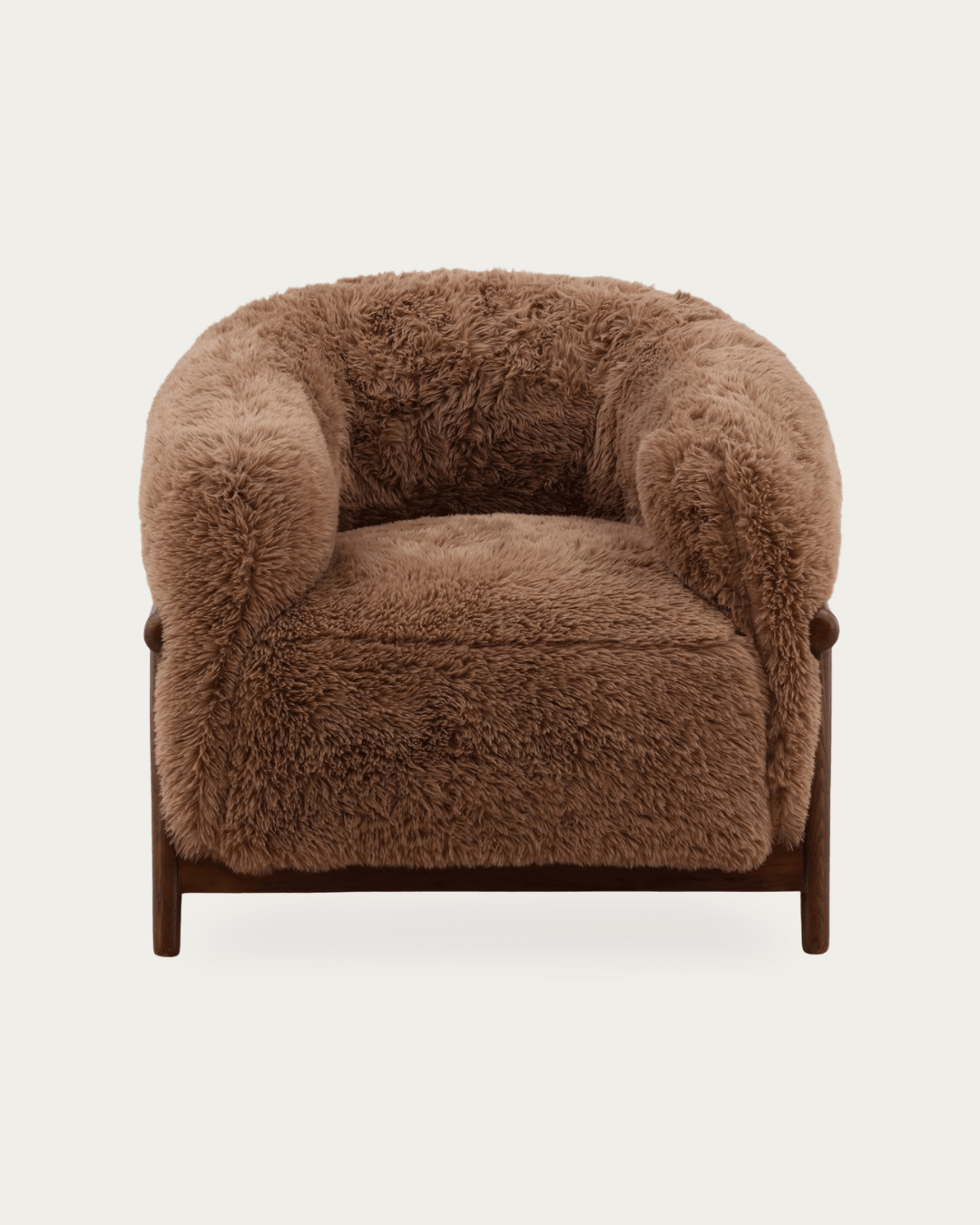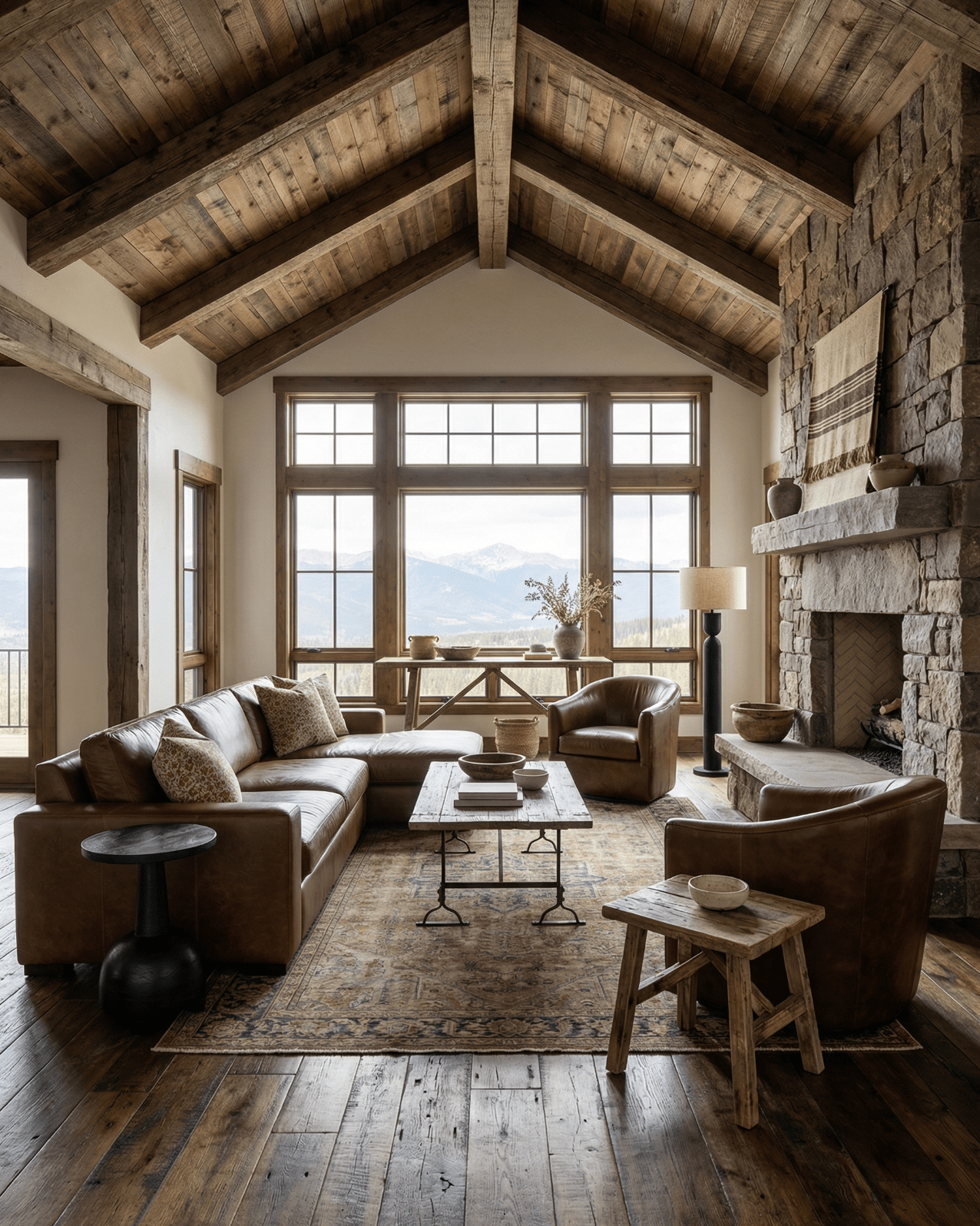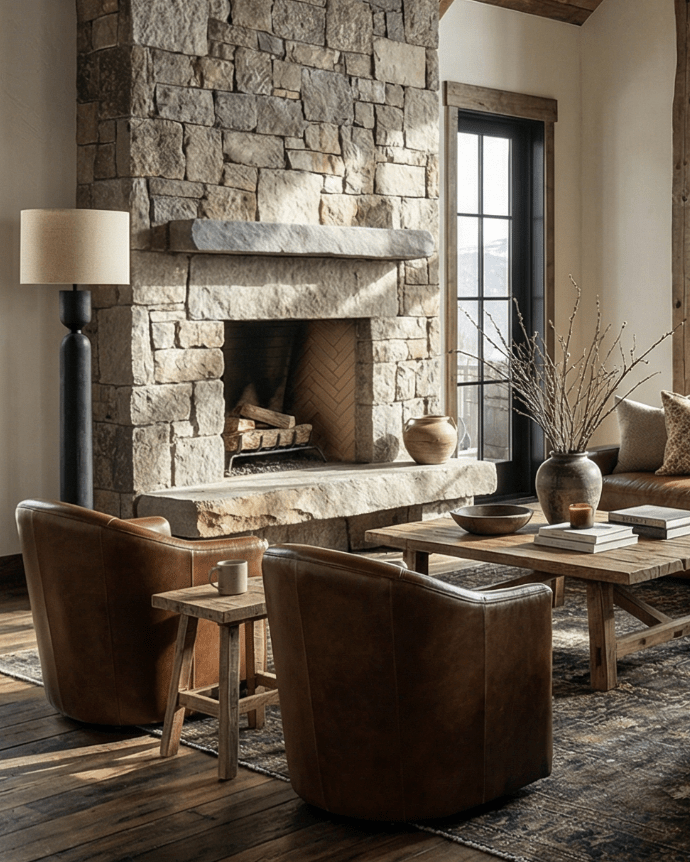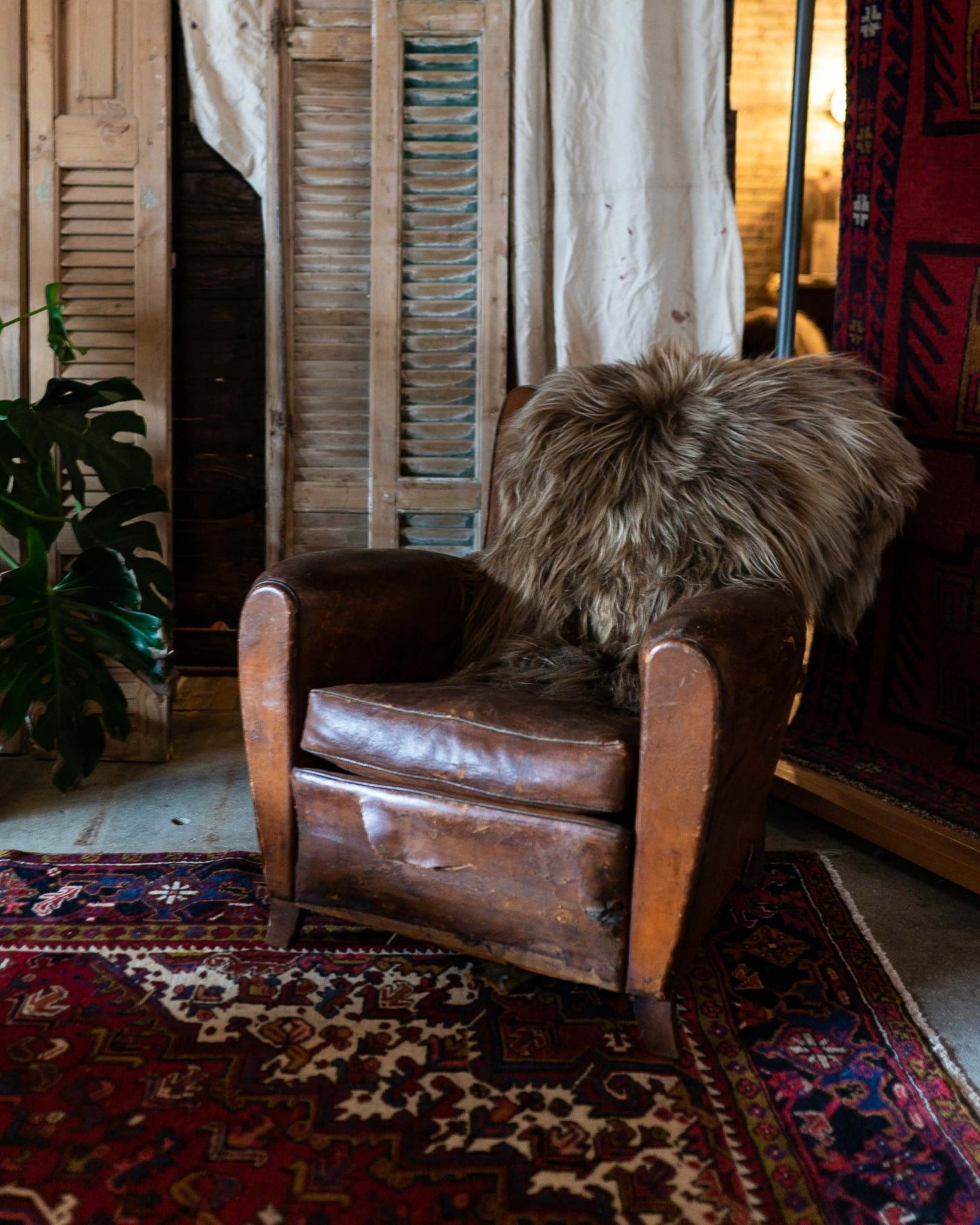








Some furniture simply fills a room.
Other furniture quietly changes how you live inside it.
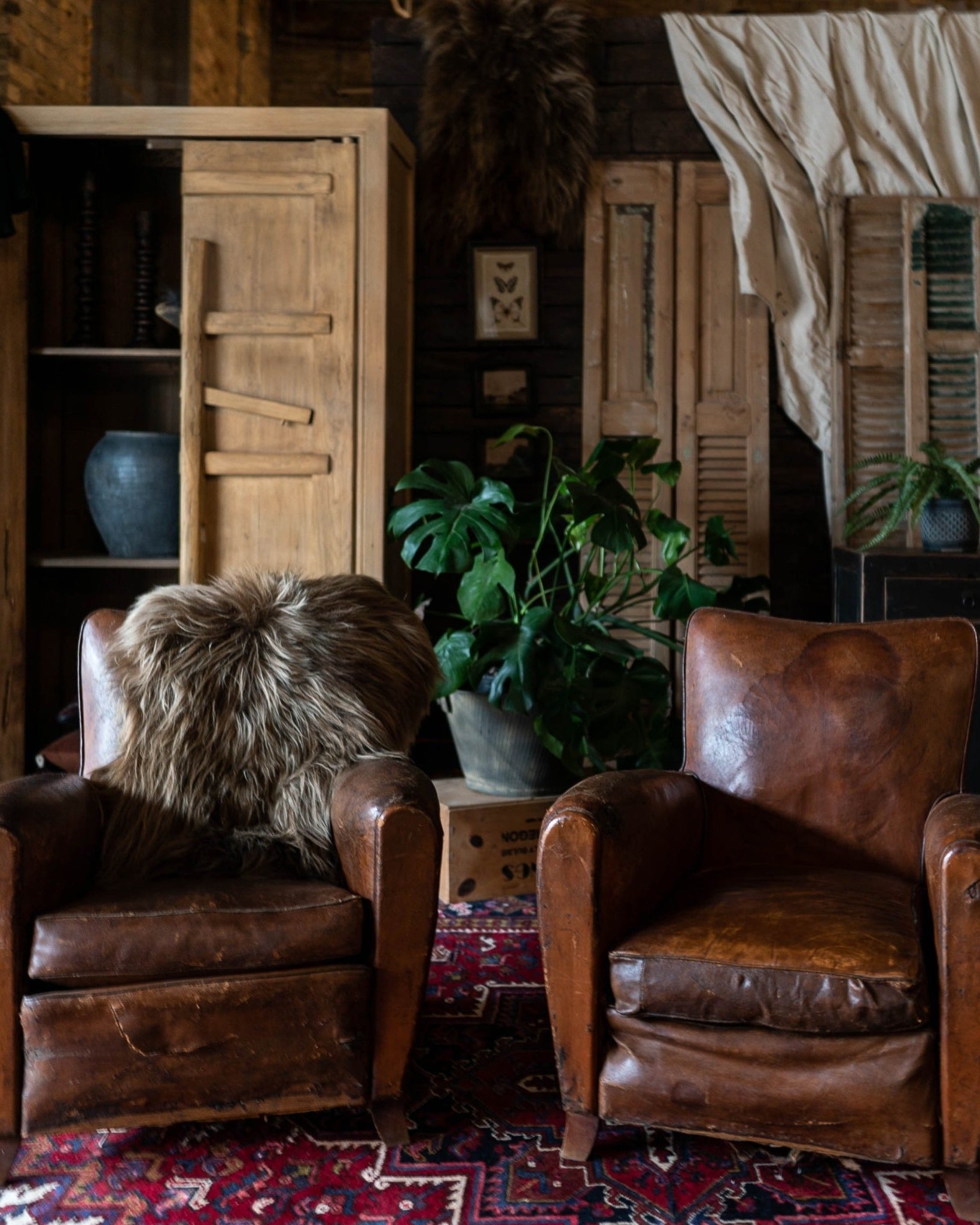
A leather lounge chair belongs firmly in the second category. It rarely becomes the largest piece in a living room, yet it often becomes the one people remember. It's where morning coffee somehow tastes better. Where books finally get finished. Where conversations linger after everyone else has moved to the kitchen.
That's because a lounge chair isn't just another seat. It changes how people move through a space, where they naturally pause, and how the nervous system experiences the room itself. Good living rooms aren't simply arranged—they're inhabited. And sometimes one chair is enough to change that experience completely.
If you're looking to create a living room that feels slower, more grounded, and genuinely enjoyable to spend time in, explore Hello Norden's Lounge chairs collection:
https://hellonorden.com/collections/lounge-chairs
Your Favorite Seat Is Never Random
Every household has one.
The chair nobody officially claims, yet everyone quietly hopes is available.
Interestingly, this has very little to do with habit and almost everything to do with neuroscience.
The brain constantly evaluates environments for safety, visibility, comfort, and control. A well-designed lounge chair naturally satisfies all four. It offers support without restriction, comfort without excess, and a position within the room that feels both connected and slightly separate.
That's why lounge chairs often become destinations rather than simply furniture.
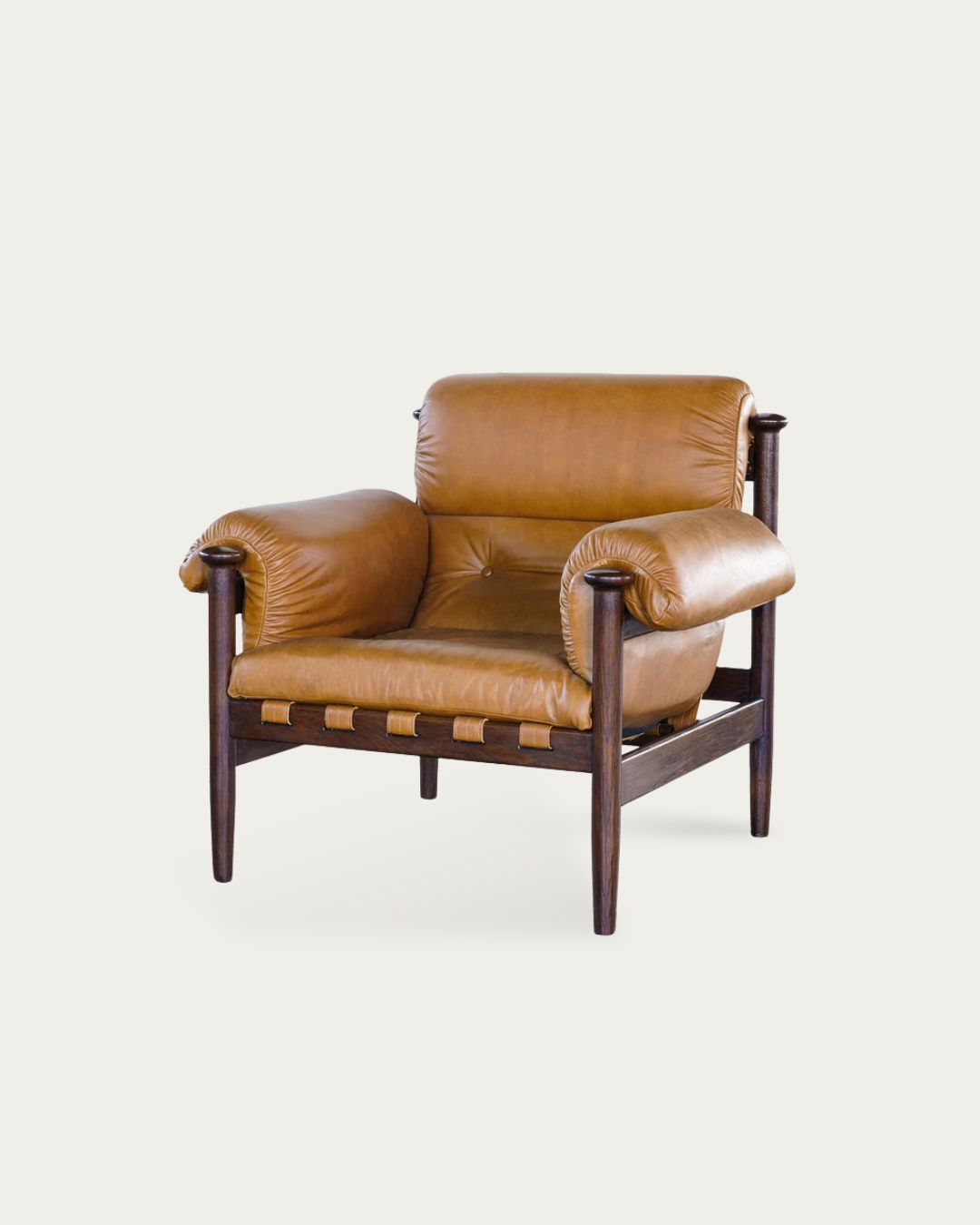
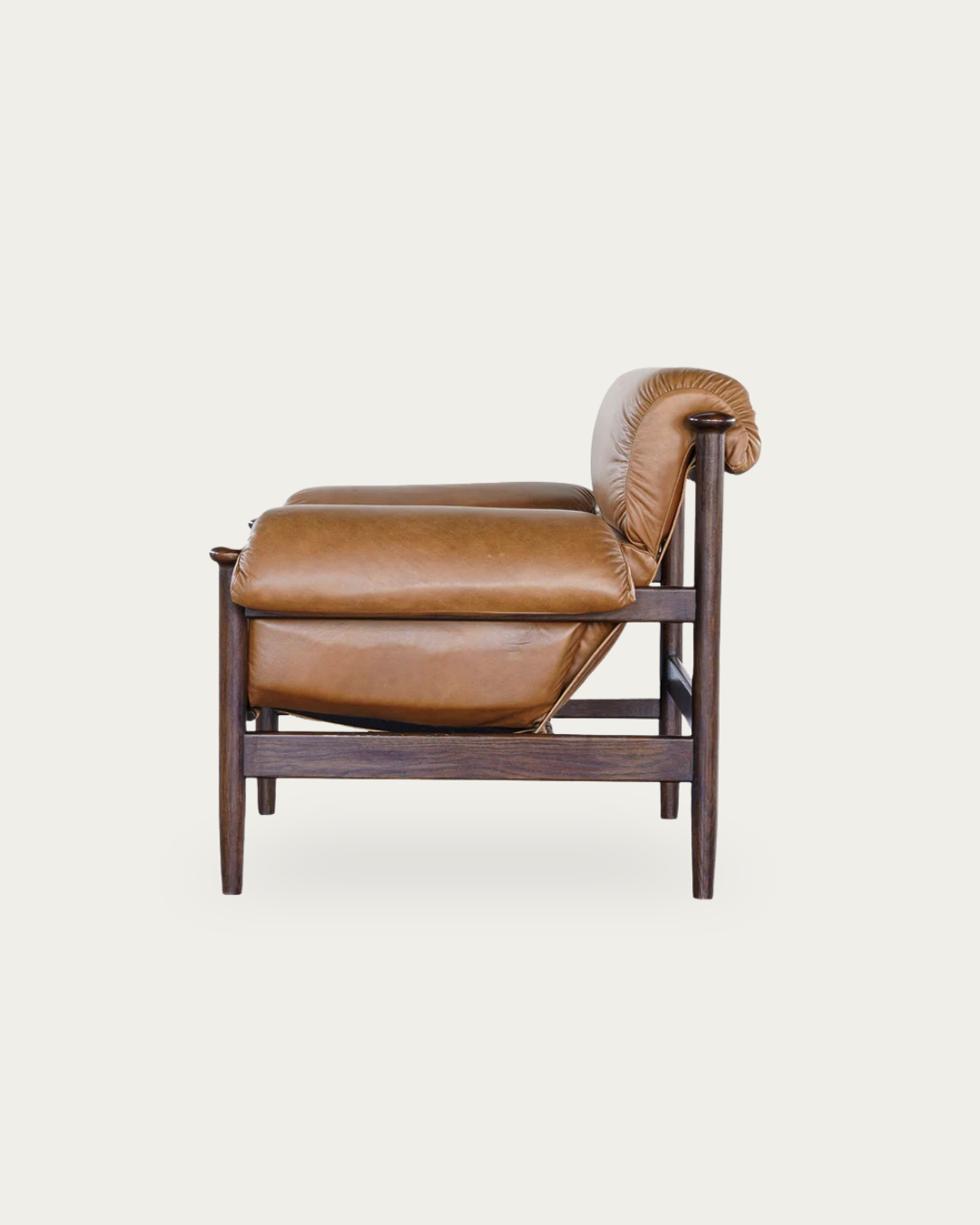
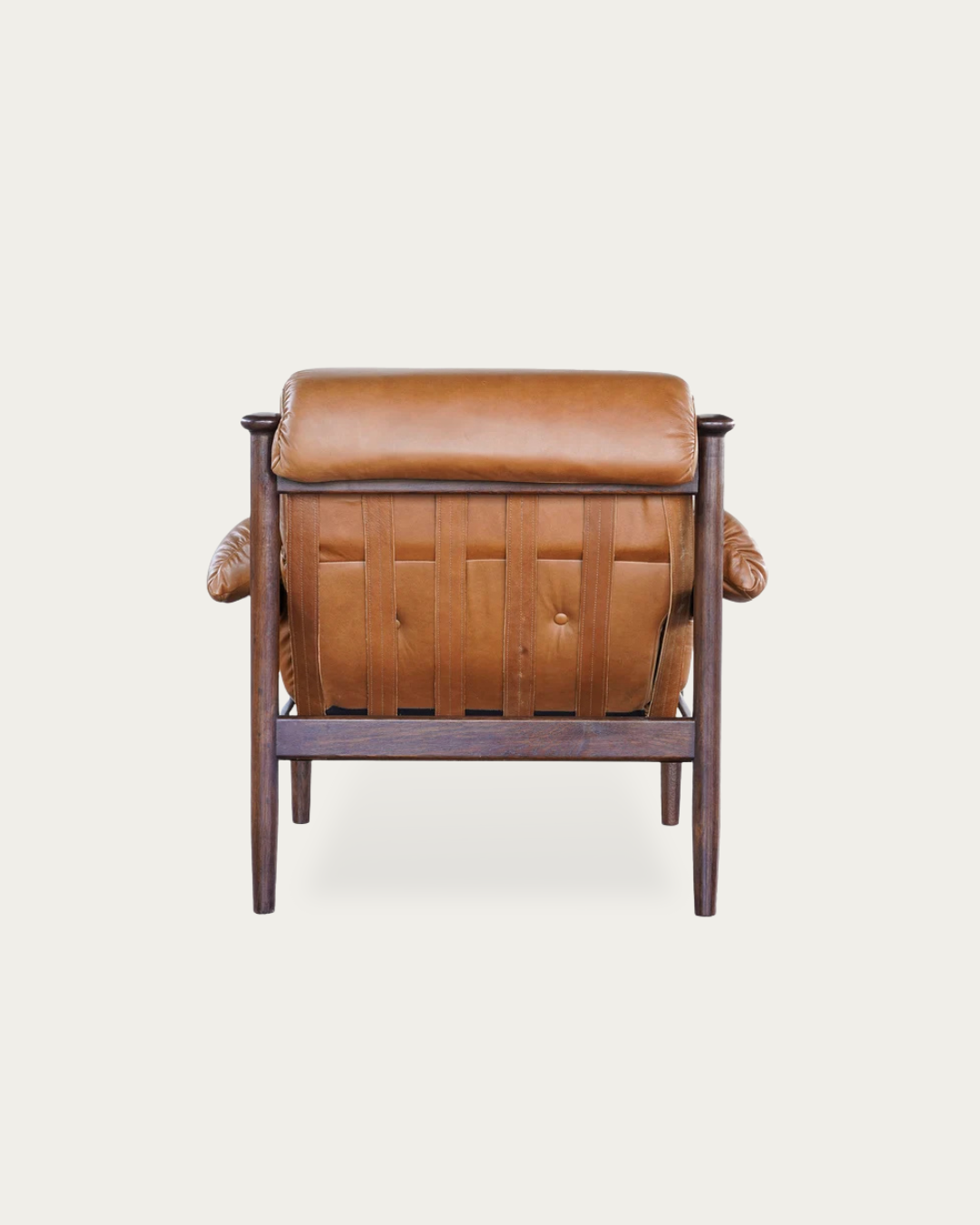
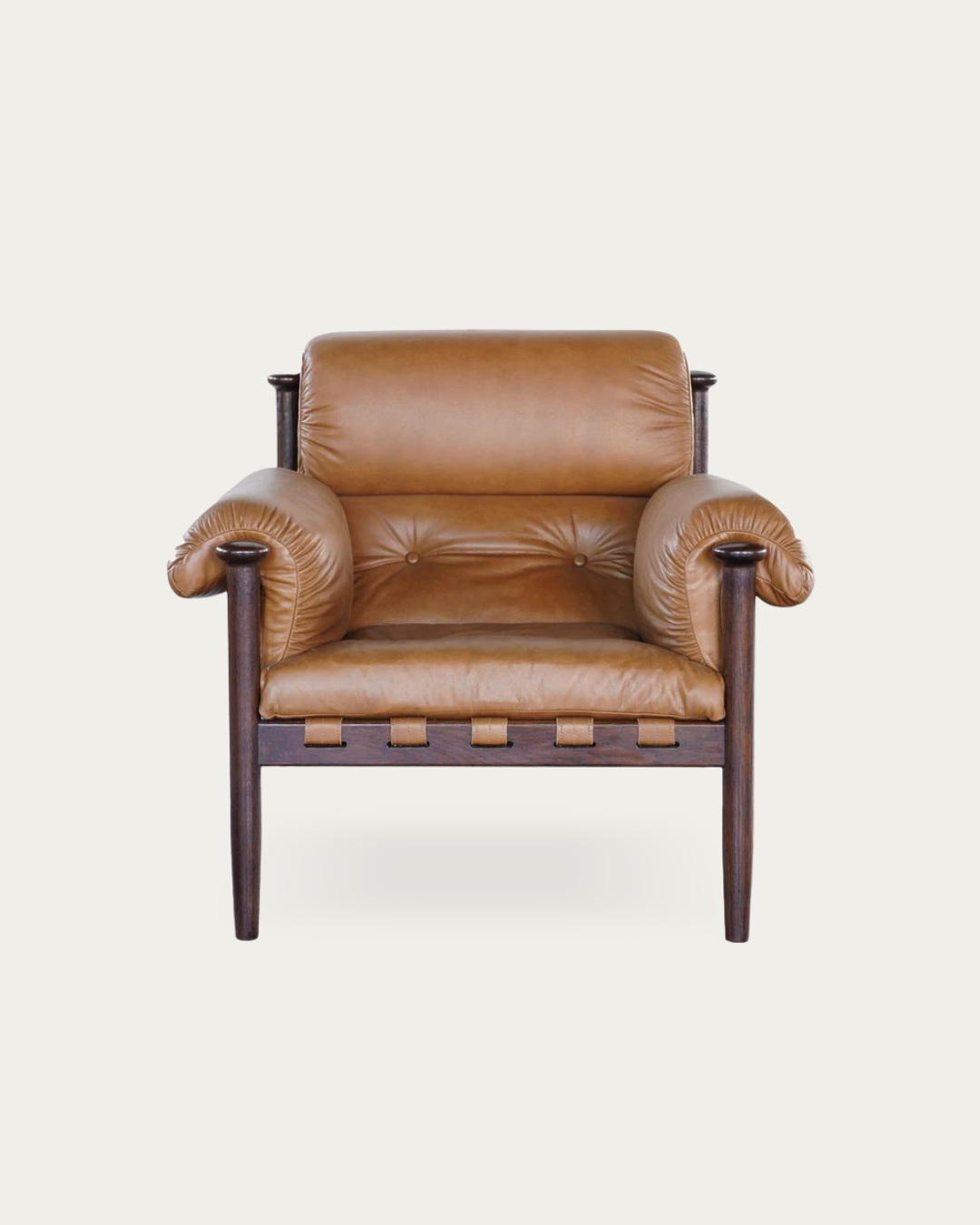
The Oscar leather chair creates this feeling through its supportive proportions and structured leather upholstery, while the Njala leather lounge chair combines generous seating with an open silhouette that encourages long periods of comfortable use.
The Brain Loves Predictable Refuge
Humans naturally seek environments where they feel protected while remaining aware of their surroundings.
This principle—sometimes called prospect and refuge in environmental psychology—explains why corner seats, window seats, and lounge chairs become favorites so quickly.
The room hasn't changed.
Your relationship with it has.
A Lounge Chair Changes How You Move Through the Room
Most people think about furniture as static. It isn't.
Furniture quietly choreographs movement.
Where people stop.
Where they turn.
How they enter.
Where conversations begin.
A leather lounge chair introduces a secondary destination inside the living room. Suddenly, the room isn't simply organized around the sofa. It develops another place worth moving toward.
That small shift changes the rhythm of everyday life.
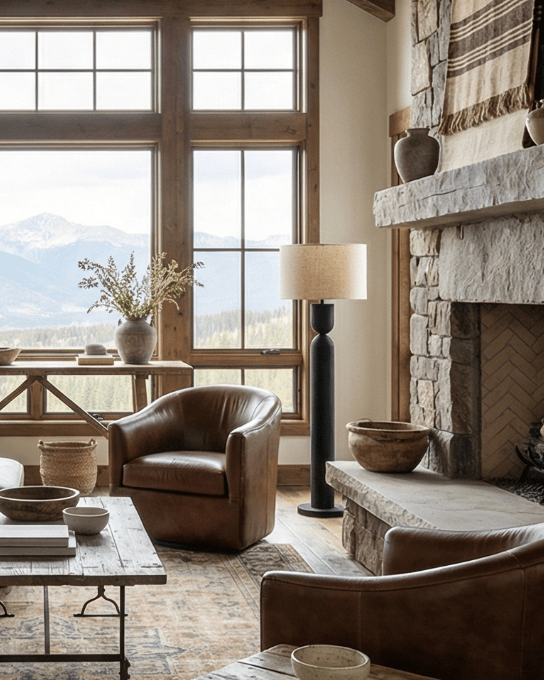
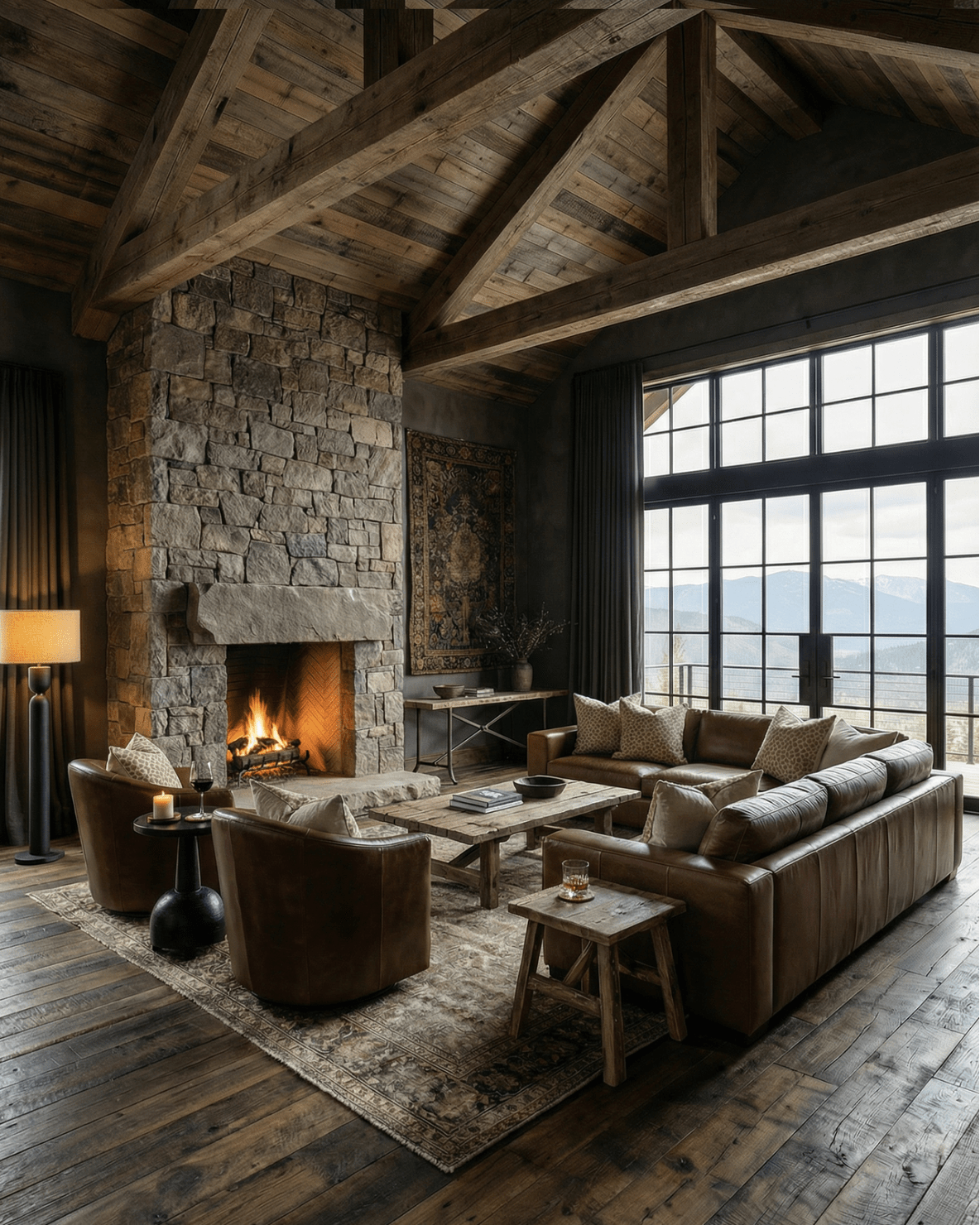
The Linder lounge chair works beautifully beside a fireplace, bookshelf, or window, naturally creating an independent retreat within the larger space. Likewise, the Ellsworth chair helps establish quieter corners without disconnecting them from the rest of the room.
Good Furniture Creates Gentle Movement
The most comfortable rooms don't force people into one activity.
They quietly offer options.
Sit here.
Read there.
Turn toward the window.
Face the conversation.
The room begins feeling more intuitive because movement feels more natural.
Leather Creates a Different Sensory Experience
Material matters more than we often realize.
Long before we touch a chair, the brain has already evaluated its surface.
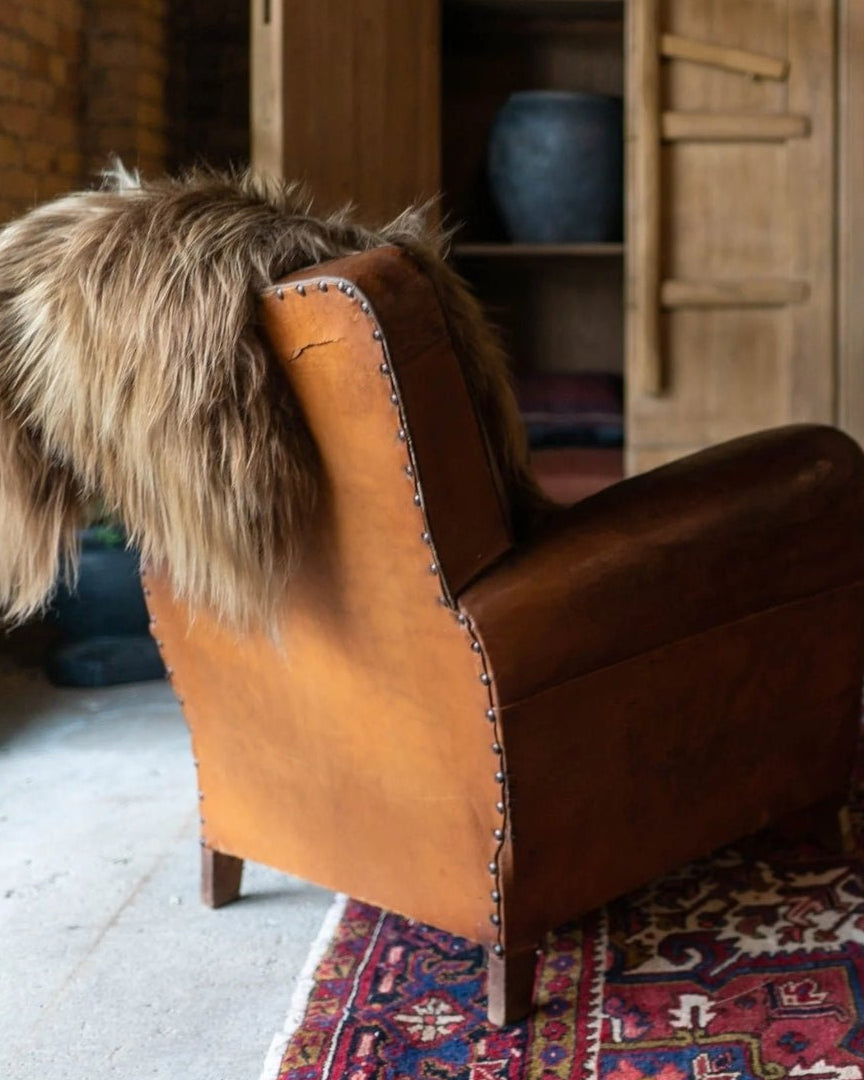
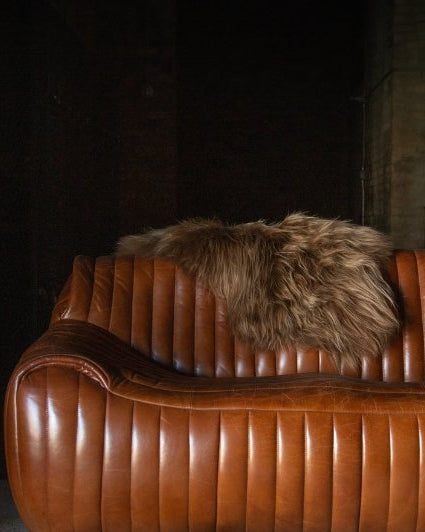
Leather communicates something different from heavily textured fabrics or synthetic upholstery. It reflects light softly, develops subtle variation over time, and gradually records everyday life through natural patina.
Rather than remaining visually identical for years, it evolves.
That evolution makes the room feel alive.
The Hilda brown leather tufted chair illustrates this beautifully, with leather that gains character through use rather than losing appeal. The Frenchy club chair offers a similarly tactile experience, pairing rich leather with a lower profile that feels grounded without becoming visually heavy.
The Nervous System Responds to Material Honesty
Natural materials contain subtle irregularities.
Tiny tonal shifts.
Soft creases.
Changing textures.
The brain processes these variations more comfortably than perfectly uniform surfaces because they resemble the complexity found throughout nature.
One Chair Can Change the Scale of the Entire Room
Large living rooms often suffer from an unexpected problem.
They're too open.
Without enough visual anchors, the eye keeps moving, searching for somewhere to settle.
A lounge chair quietly solves this.
It introduces another point of visual gravity that balances the larger furniture around it. Suddenly, the room feels organized rather than empty.
The Maxim chair provides enough visual presence to support larger seating arrangements without competing with them, while the Lina club chair adds substantial material weight in a footprint that remains surprisingly adaptable.
Visual Weight Creates Emotional Stability
Rooms feel calmer when visual weight is distributed evenly.
That doesn't require matching furniture.
It requires furniture that knows its role.
A lounge chair often becomes the quiet counterbalance that allows everything else to work.
The Chair Becomes Part of Your Daily Rituals
People rarely remember furniture because it looked beautiful.
They remember it because of what happened there.
Morning coffee.
Late-night reading.
Phone calls.
Weekend naps.
Watching the rain.
A leather lounge chair often becomes associated with these small routines because it invites longer periods of stillness than almost any other seat.
Over time, the chair becomes more than an object.
It becomes part of the emotional geography of the home.
The brain begins associating that seat with slowing down.
With breathing more deeply.
With stepping away from constant stimulation.
That relationship can't be manufactured overnight.
It's built one quiet moment at a time.
Swivel Chairs Change More Than Direction
One of the simplest ways a lounge chair changes the experience of a room is by allowing movement without requiring you to leave your seat.
It sounds like a small detail.
It isn't.
The nervous system constantly makes subtle adjustments throughout the day. We turn toward natural light. Rotate toward conversation. Face the fireplace. Watch children playing. Look out the window while thinking.
A swivel chair supports those movements naturally instead of forcing the body into a fixed position.
The Letty swivel lounge chair allows the room to adapt to changing moments throughout the day, while the Scottie swivel lounge chair creates the same flexibility with a softer silhouette that feels equally suited to conversation or quiet solitude.
Small Movements Reduce Mental Fatigue
Comfort isn't about remaining perfectly still.
It's about being free to move without interruption.
Furniture that supports natural movement often feels noticeably more relaxing because the body doesn't have to fight against it.
The Right Lounge Chair Makes Everything Around It Look Better
One interesting thing happens when a lounge chair is chosen well.
The rest of the room suddenly feels more intentional.
That's because good furniture creates hierarchy.
Without hierarchy, every object competes equally for attention.
Artwork.
Lighting.
Coffee table.
Side table.
Plants.
Accessories.
The eye never knows where to begin.
A leather lounge chair changes this by becoming a secondary focal point. It quietly organizes everything nearby.
The Ruthie chair adds sculptural balance that complements larger seating without overwhelming it, while the Fletcher chair introduces visual structure through its generous proportions and clean lines.
Great Rooms Don't Have More Objects
They have better relationships between objects.
When furniture works together, accessories no longer need to work so hard.
RUTED Tip: The best reading corner isn't created with books. It's created with permission to stay. If your lounge chair makes you immediately think about what you should do next instead of inviting you to pause for ten extra minutes, keep looking. The right chair changes your behaviour before it changes your decor.
A Lounge Chair Creates Emotional Geography
Homes aren't simply collections of furniture.
They're collections of experiences.
Every room contains invisible destinations.
The kitchen island where everyone gathers.
The dining table where celebrations happen.
The bed where the day ends.
A leather lounge chair creates another destination—one designed entirely around slowing down.
That emotional geography matters because the nervous system responds positively to environments that offer different levels of stimulation.
Not every space should encourage activity.
Some should encourage stillness.
The Oscar leather chair naturally becomes that destination through its supportive proportions, while the Njala leather lounge chair creates a quieter retreat that feels connected to the room without becoming isolated from it.
One Chair Can Change Daily Habits
It's remarkable how often people begin reading more, lingering longer, or simply sitting quietly once a genuinely comfortable chair enters the room.
The furniture hasn't changed their personality.
It has changed the environment that supports those behaviours.
Leather Ages Alongside the Home
Unlike many modern materials, leather doesn't simply wear.
It evolves.
Natural creases develop.
The surface softens.
The colour gains depth.
Instead of feeling older, the chair often feels more personal.
This gradual change creates something psychologists sometimes describe as attachment through use. Objects become more meaningful because they begin reflecting the life happening around them.
Rather than remaining frozen in time, the chair becomes part of the home's story.
That's one reason leather lounge chairs often stay in homes for decades.
They improve through experience rather than resisting it.
A Better Living Room Is Built Around Experience
People often begin redesigning a living room by asking:
"What should I buy?"
A better question might be:
"How do I want this room to feel?"
Do you want conversations to last longer?
A quiet place to read?
Somewhere to watch the afternoon light move across the room?
A comfortable seat that becomes part of your everyday rhythm?
If so, a leather lounge chair often becomes one of the most influential pieces you can introduce.
Not because it dominates the room.
Because it changes how the room is experienced.
The strongest interiors aren't remembered because they looked perfect.
They're remembered because they made people want to stay.

The Best Seat Is the One That Changes Everything Else
The most successful living rooms don't rely on constant styling or endless decorative updates.
They rely on furniture that encourages people to slow down.
A leather lounge chair does exactly that. It introduces visual weight, tactile richness, and a sense of personal retreat that quietly reshapes the entire room. It influences movement, establishes rhythm, and creates moments of stillness that become woven into everyday life.
That's why one thoughtfully chosen chair often has a greater impact than another shelf of accessories.
Not because it's larger.
Not because it's louder.
Because it changes the experience of being home.
Explore Hello Norden's Lounge chairs collection to discover leather lounge chairs that balance proportion, materiality, and comfort—helping create living rooms that support not only how your home looks, but how it feels to live in every day.