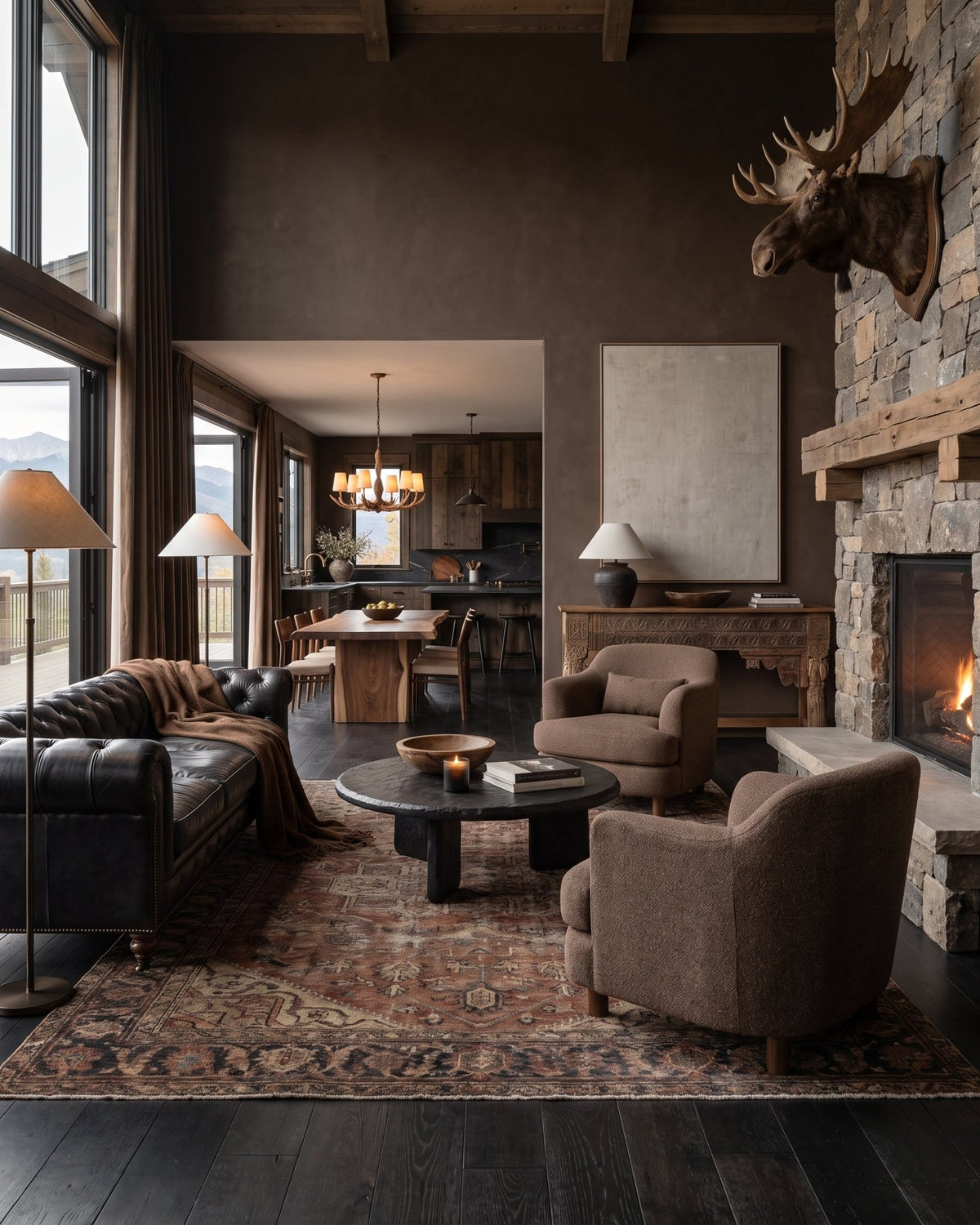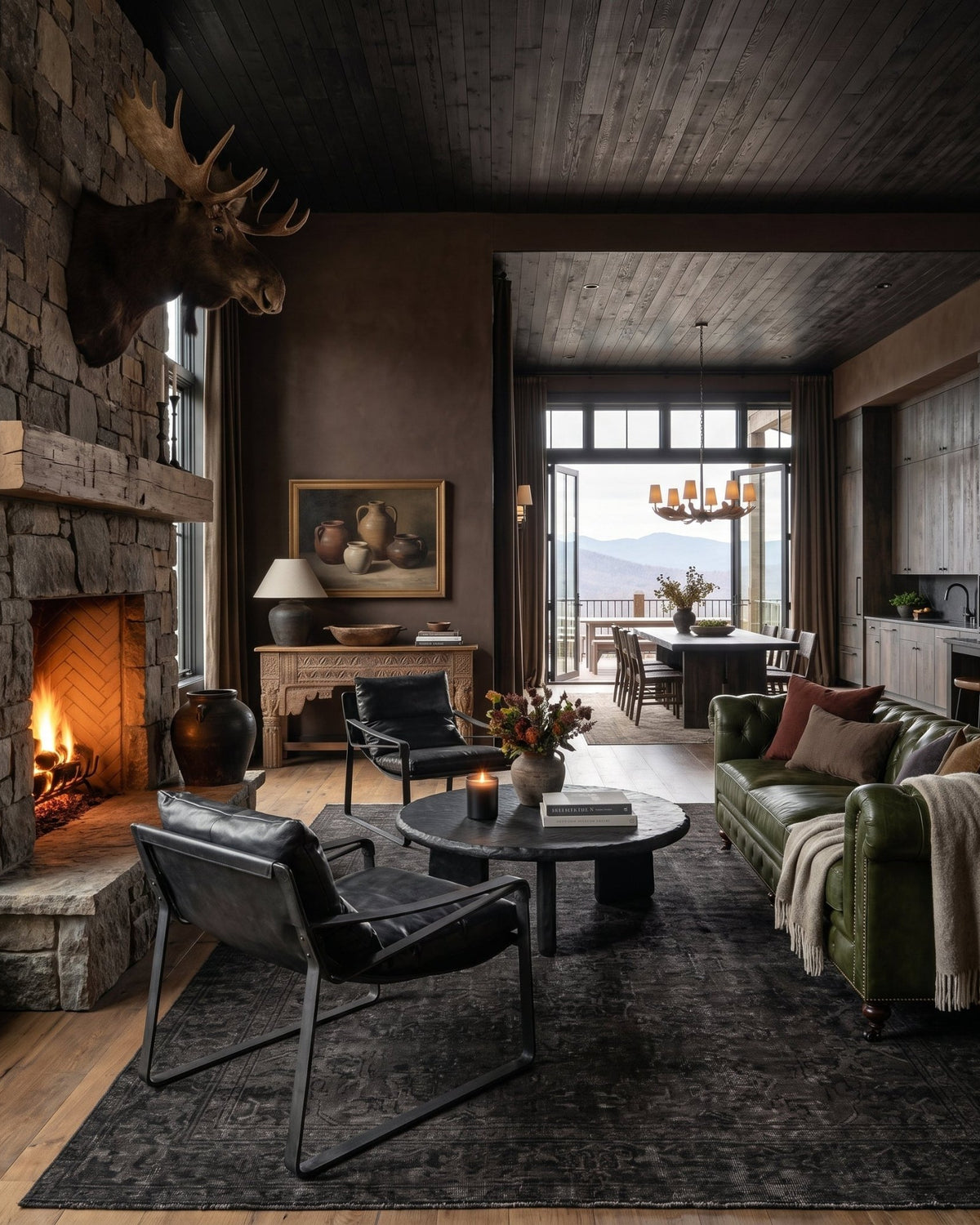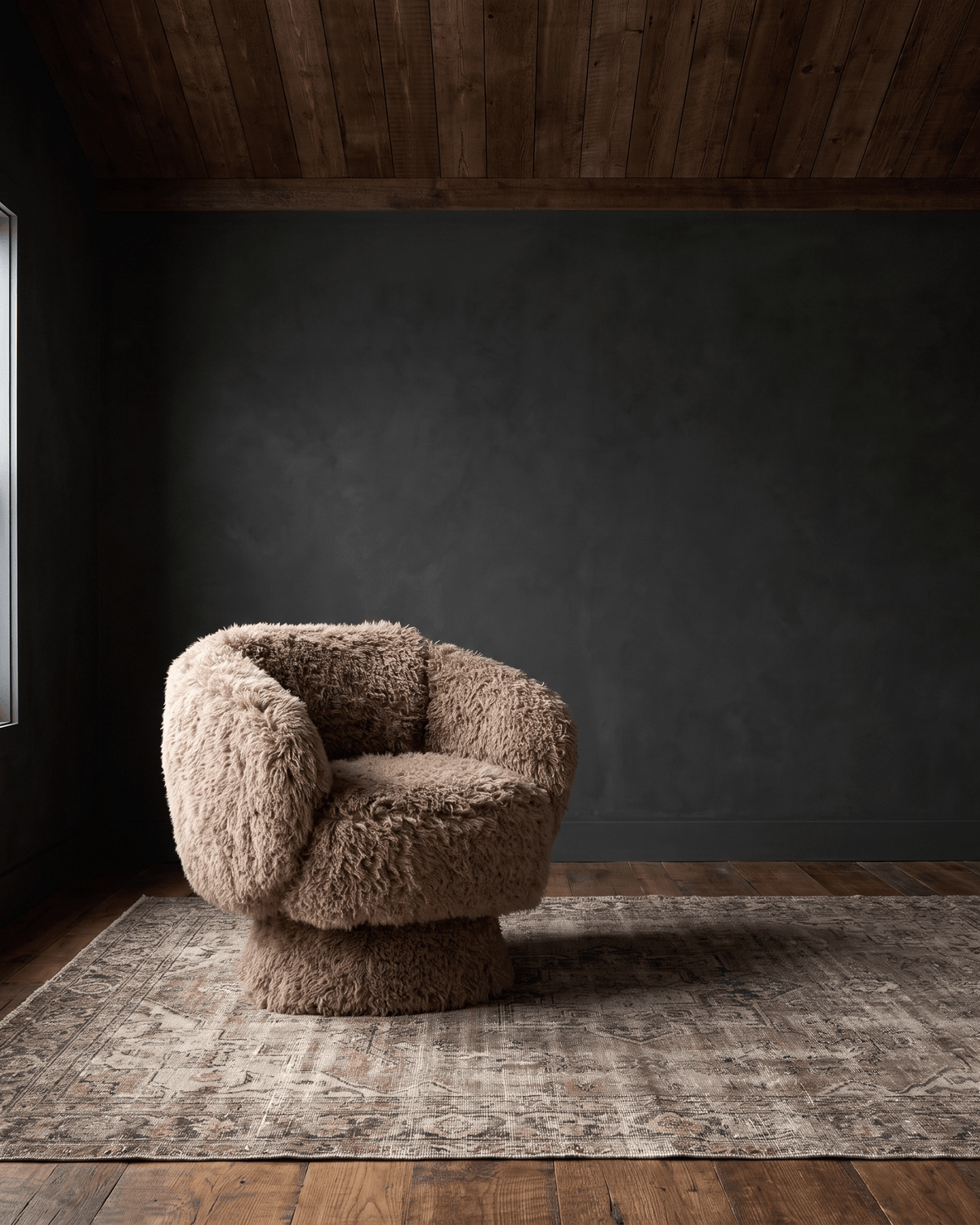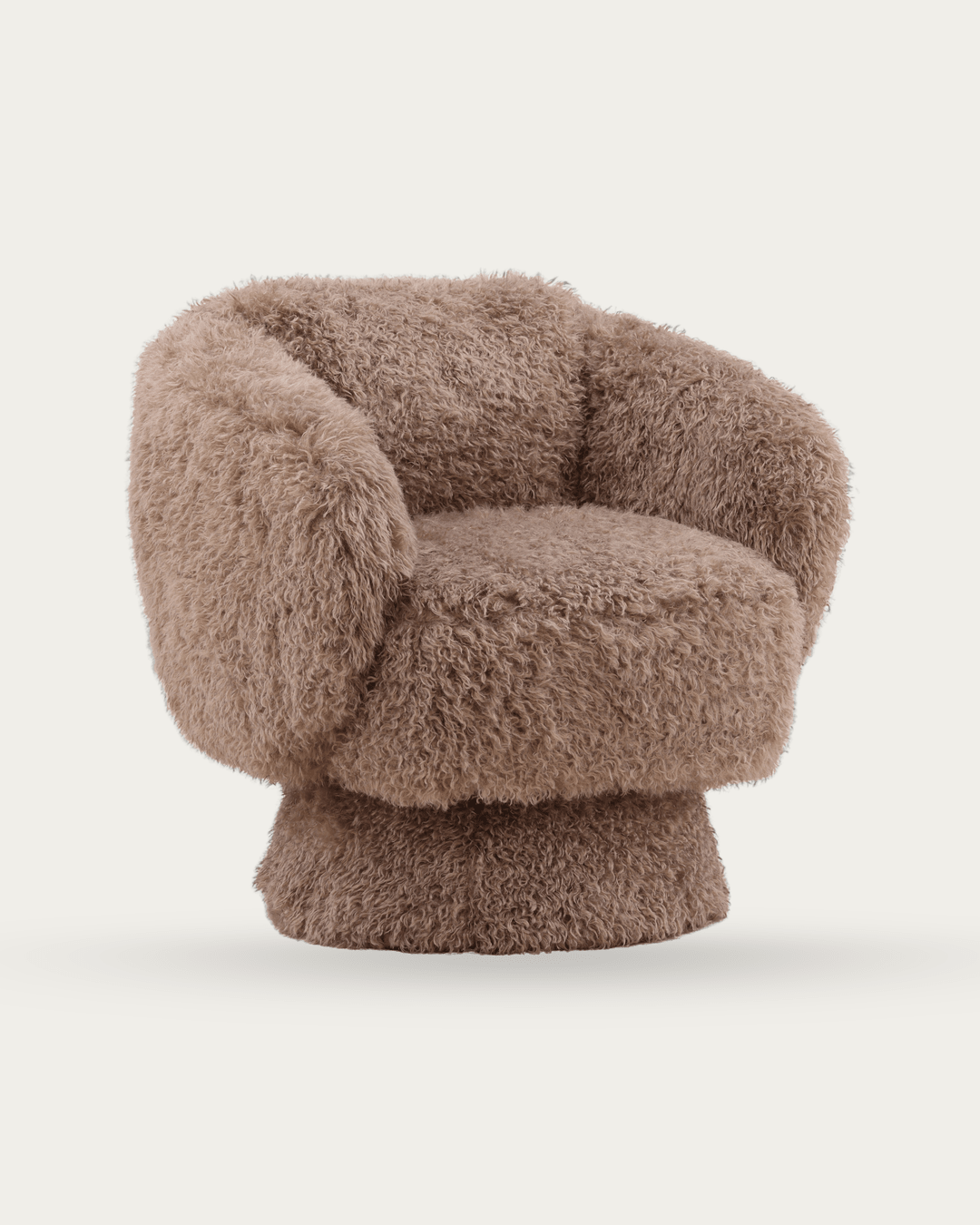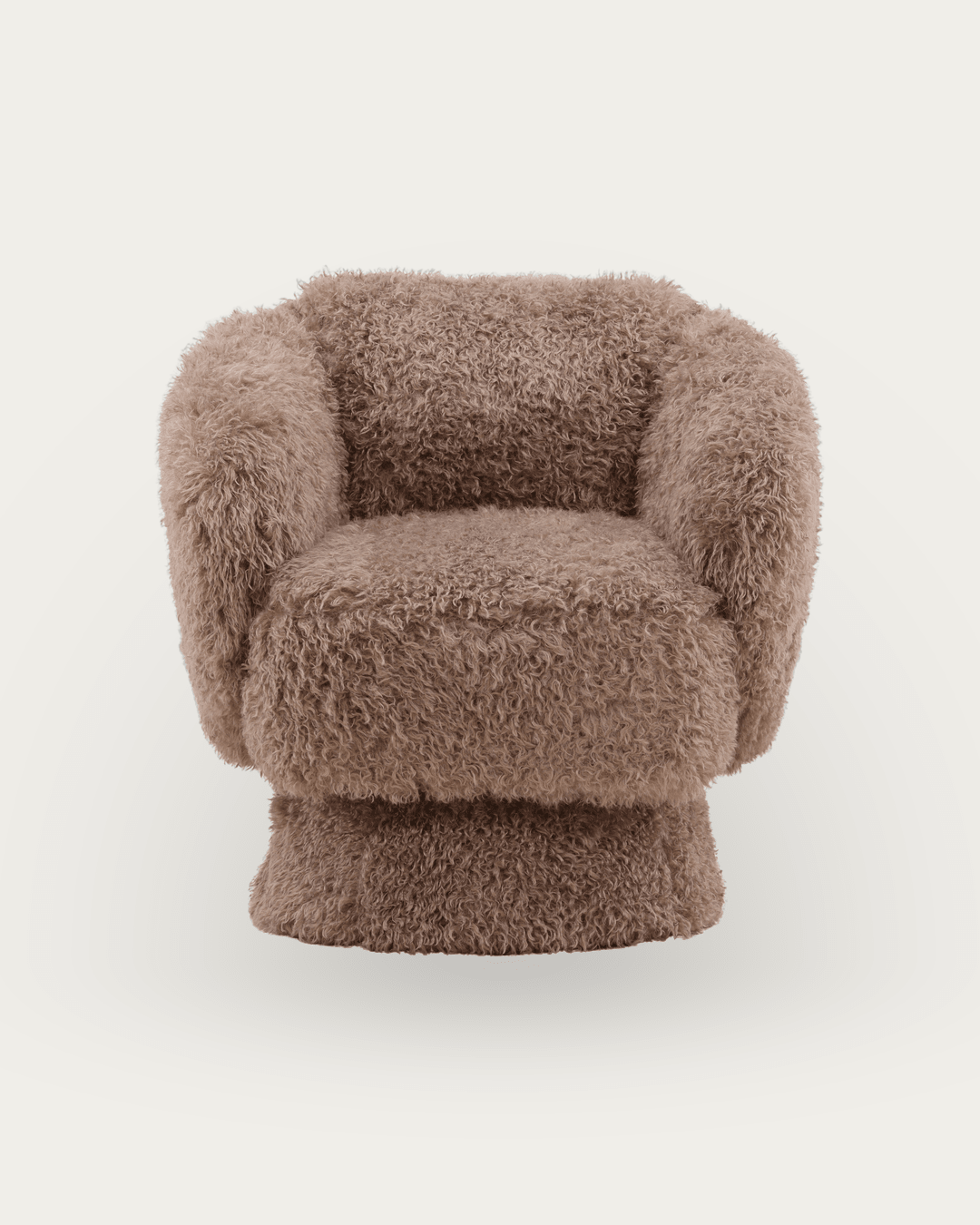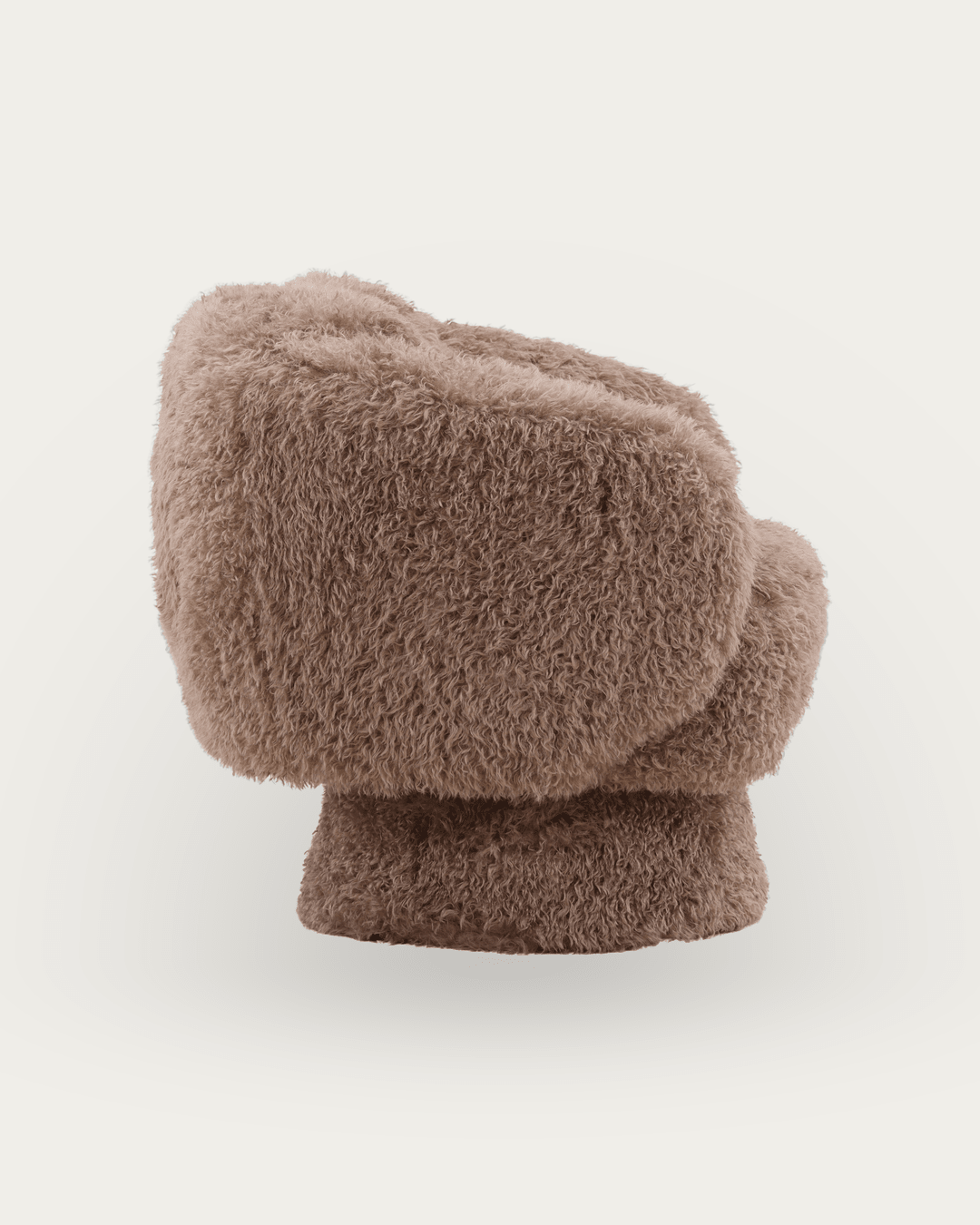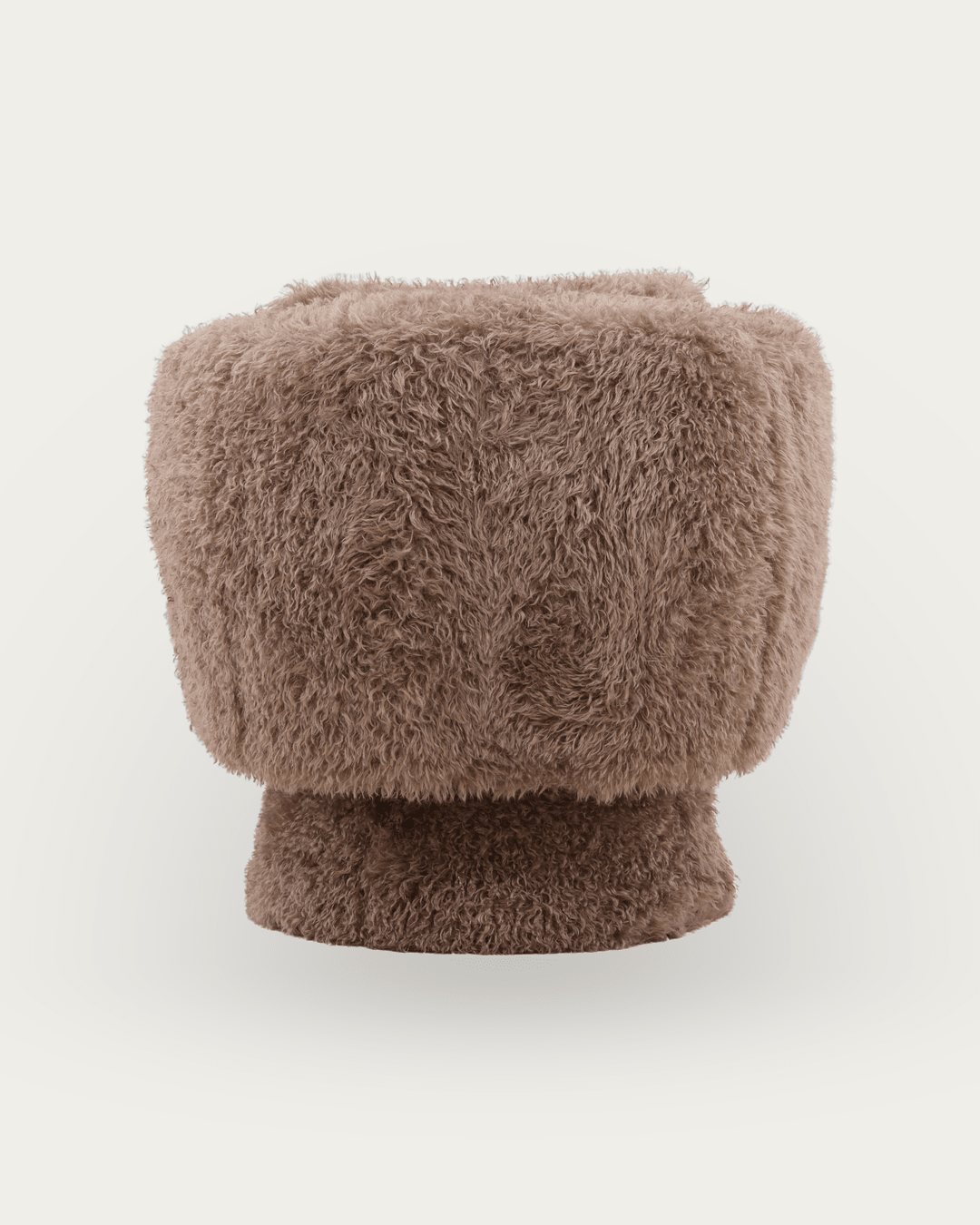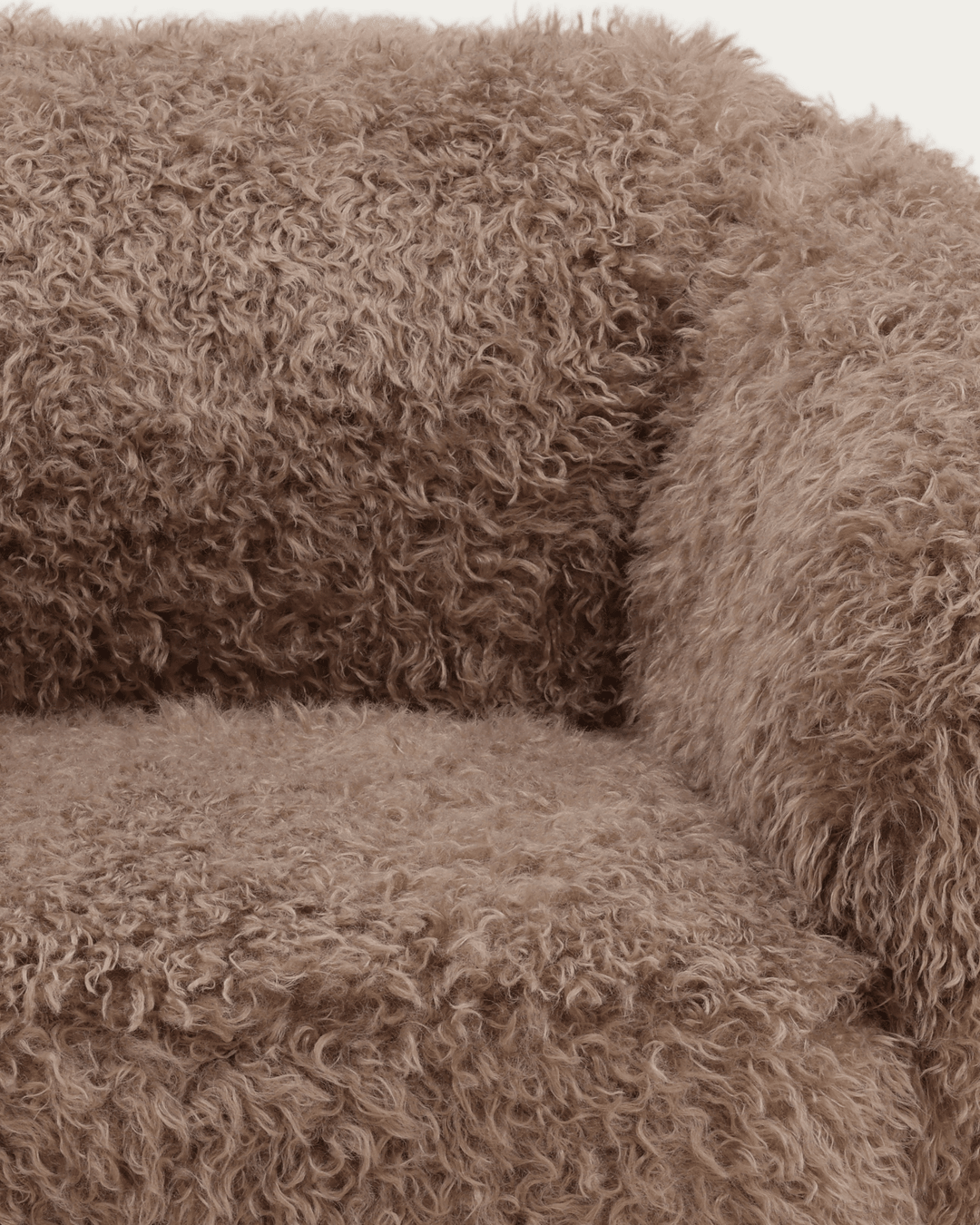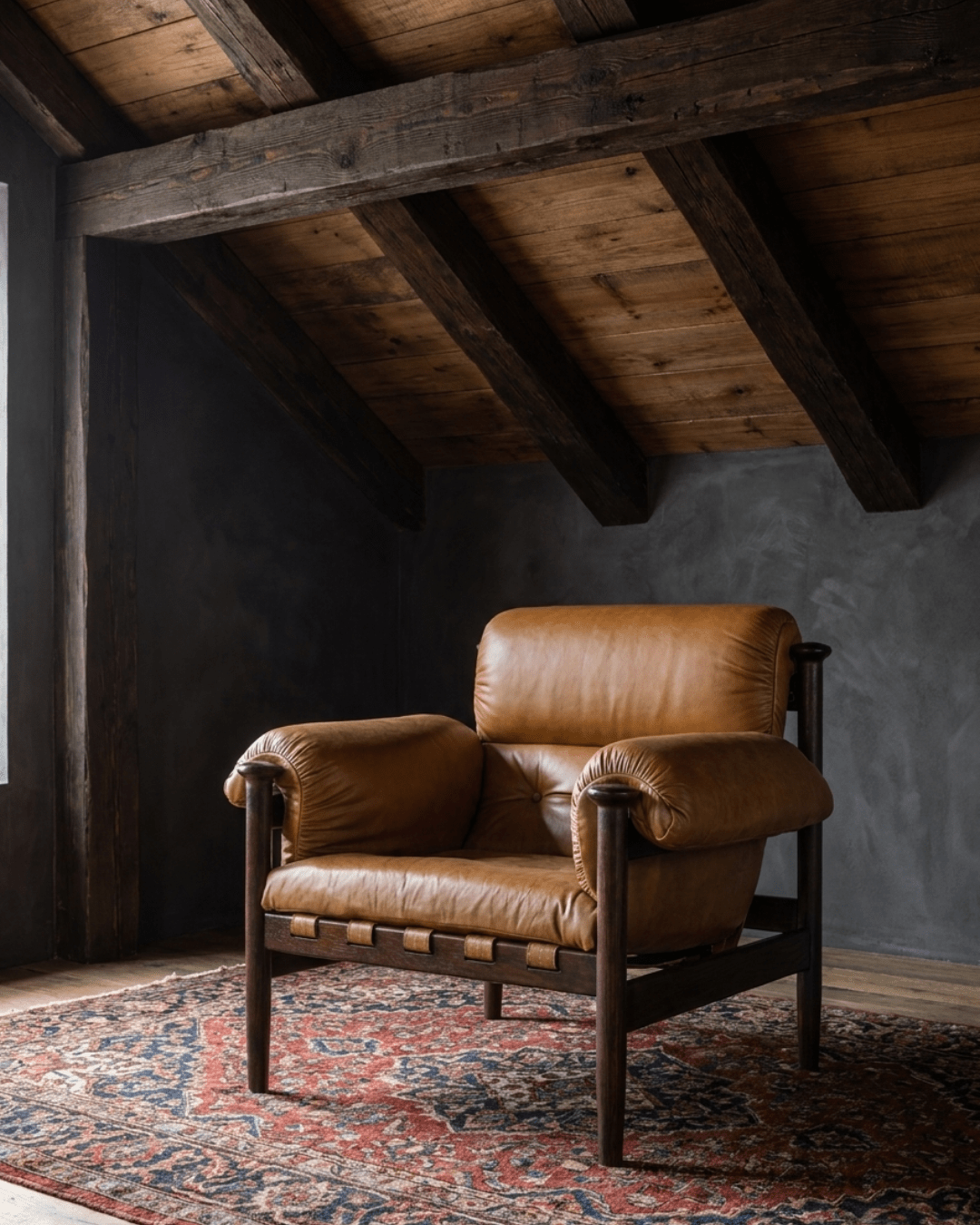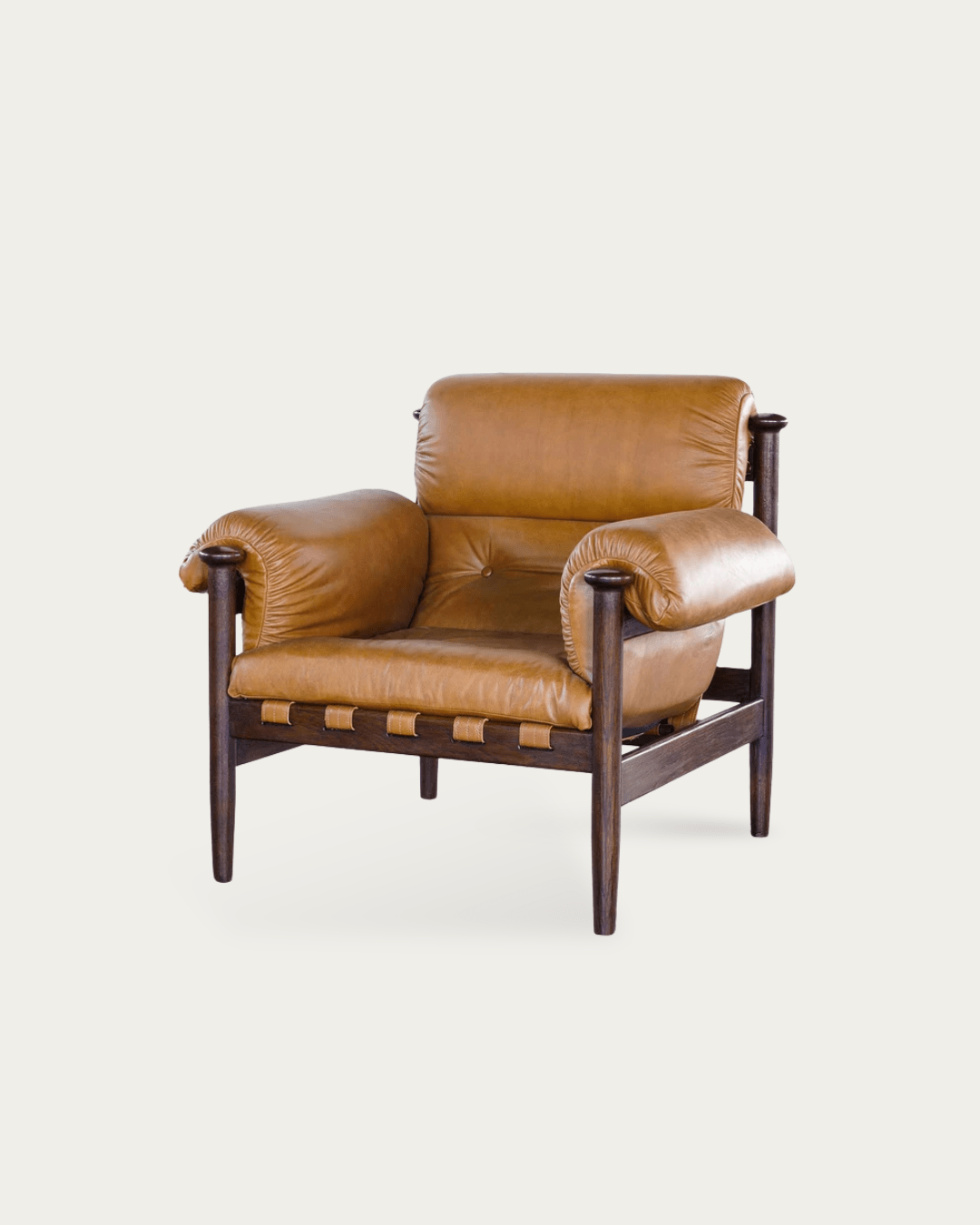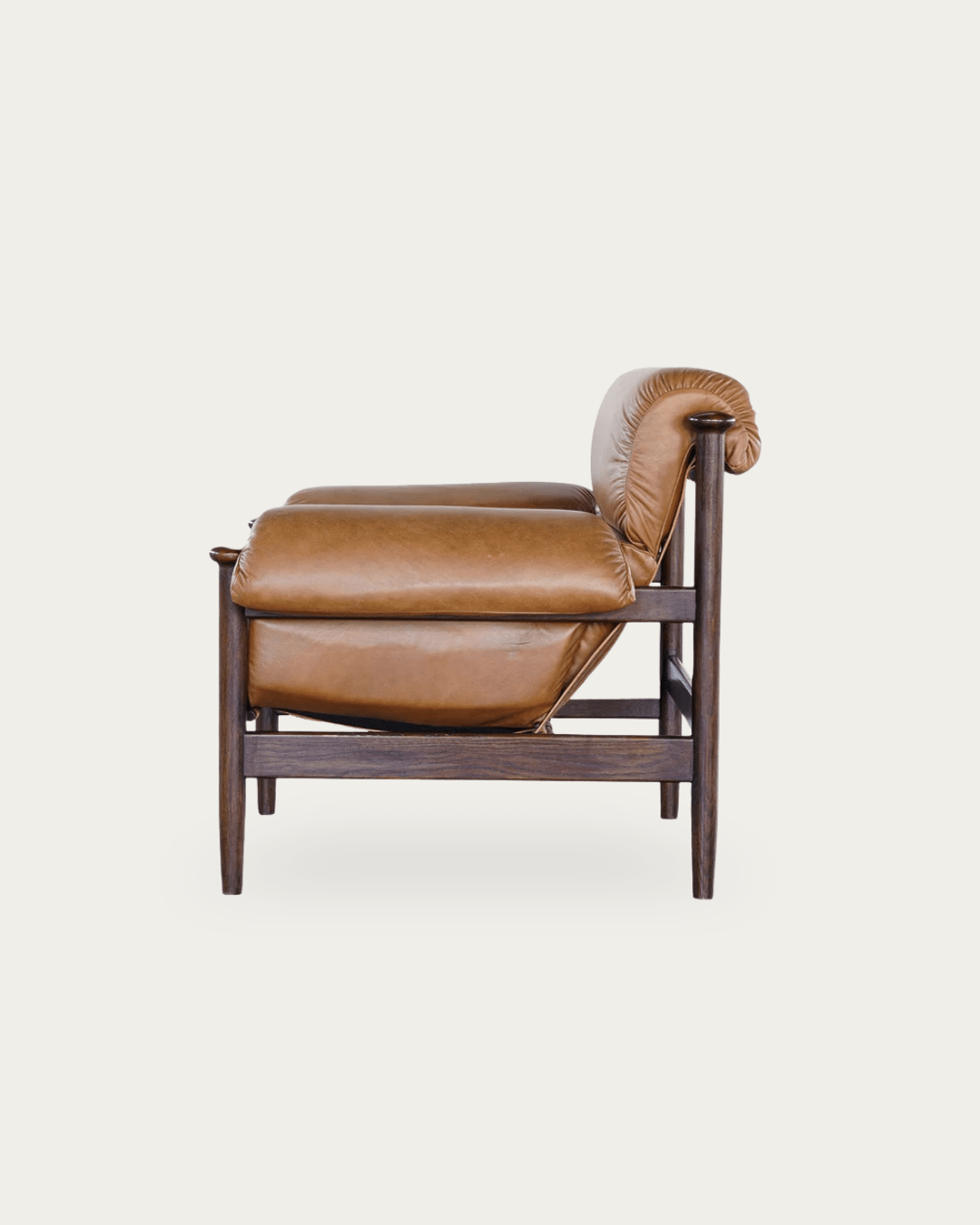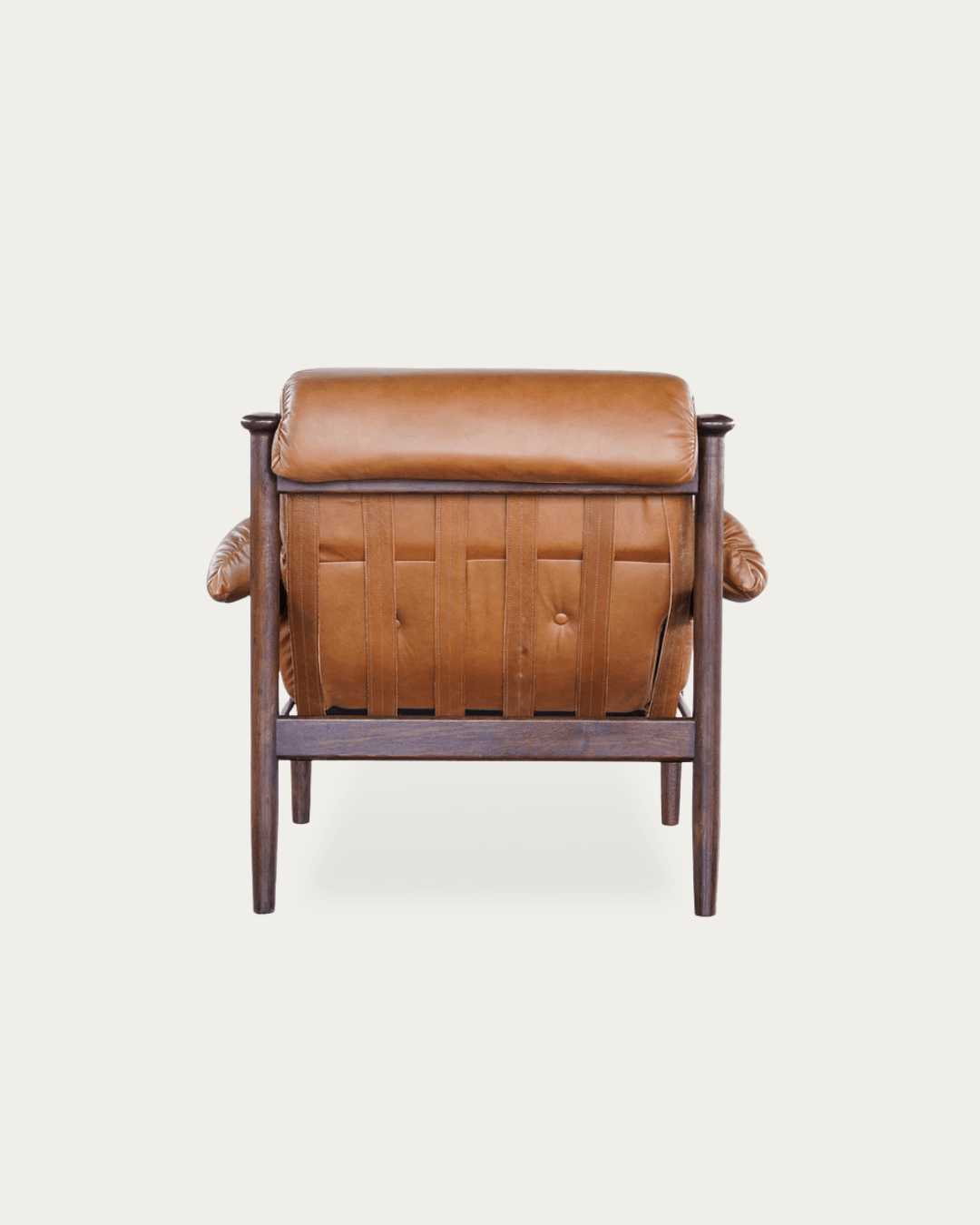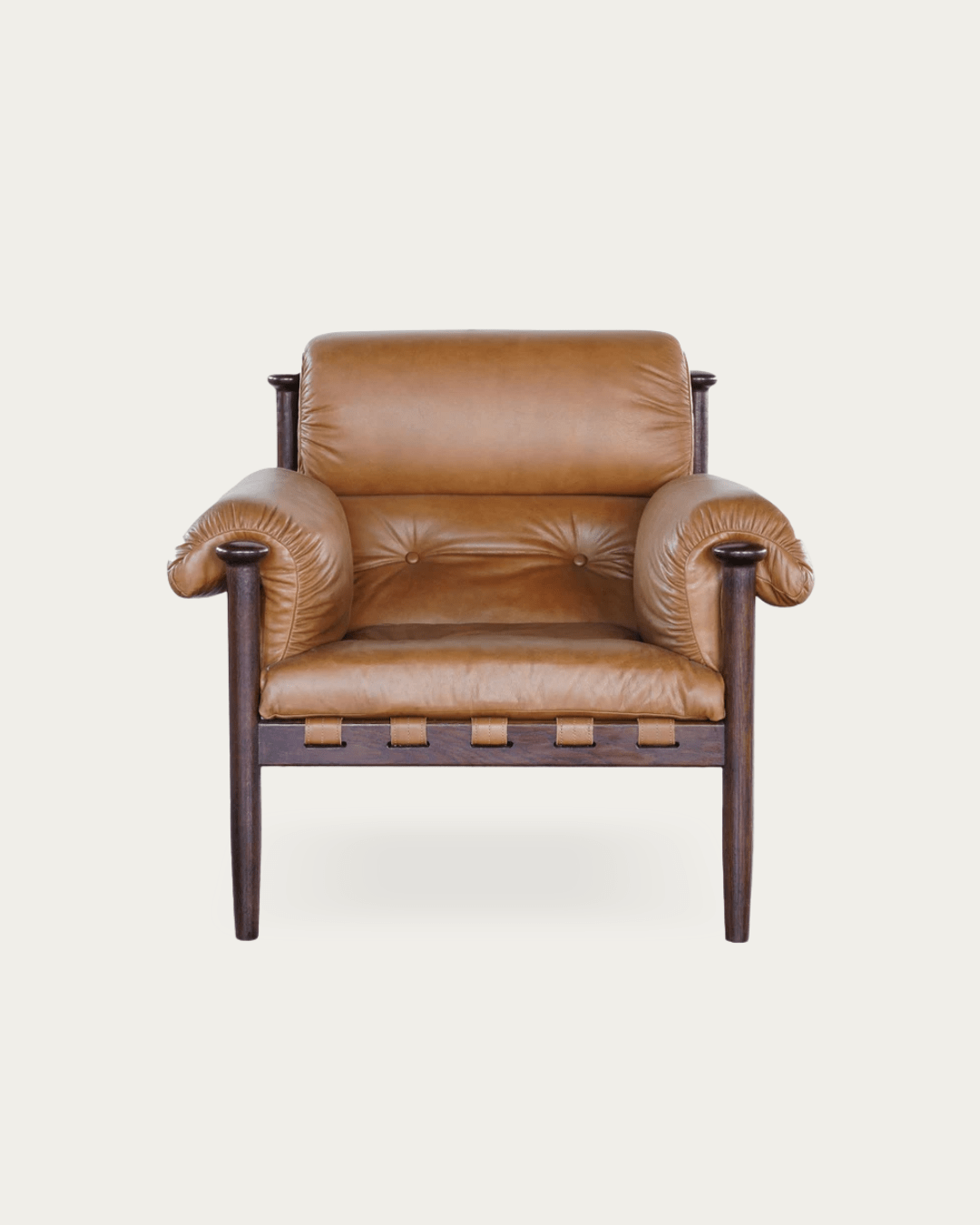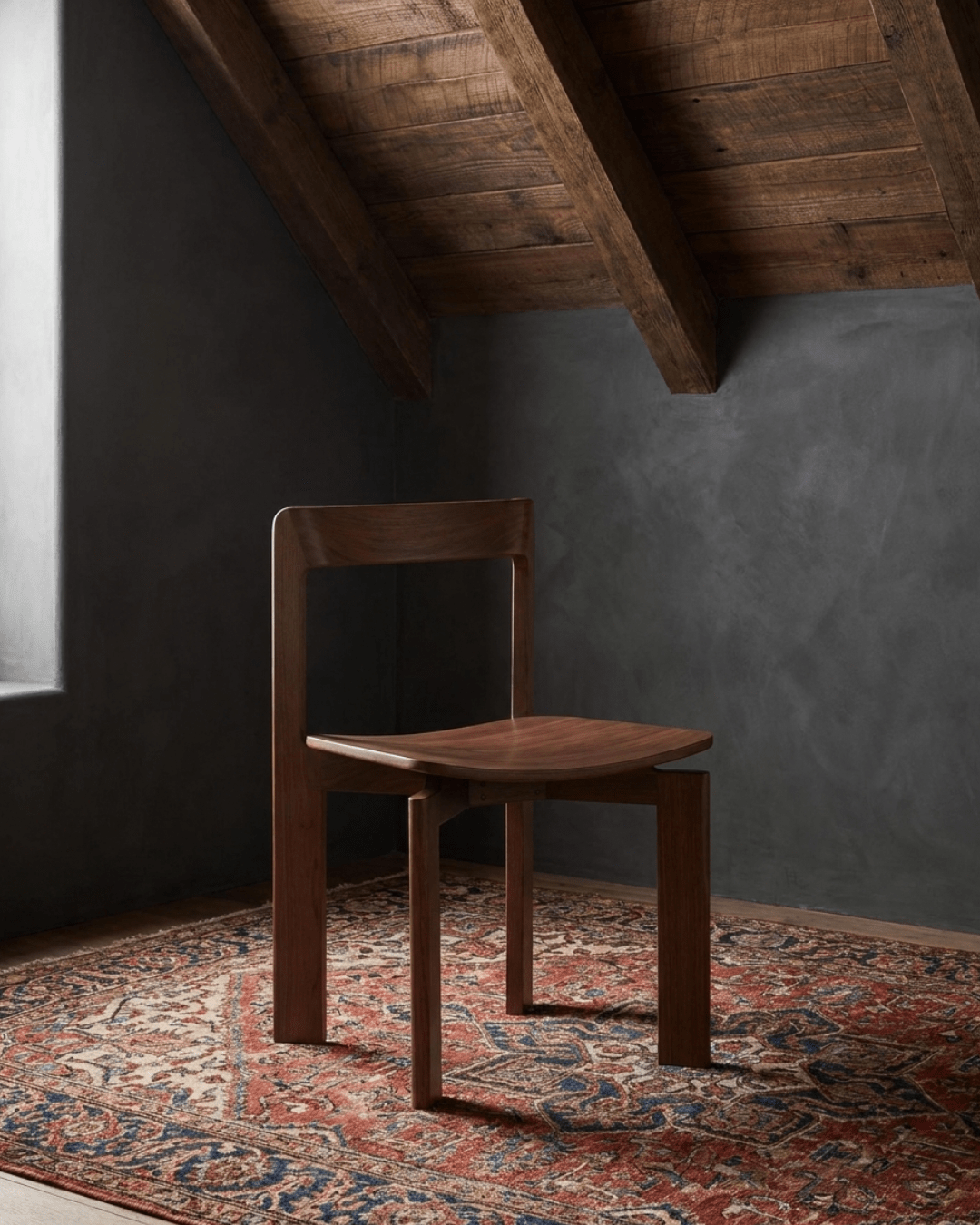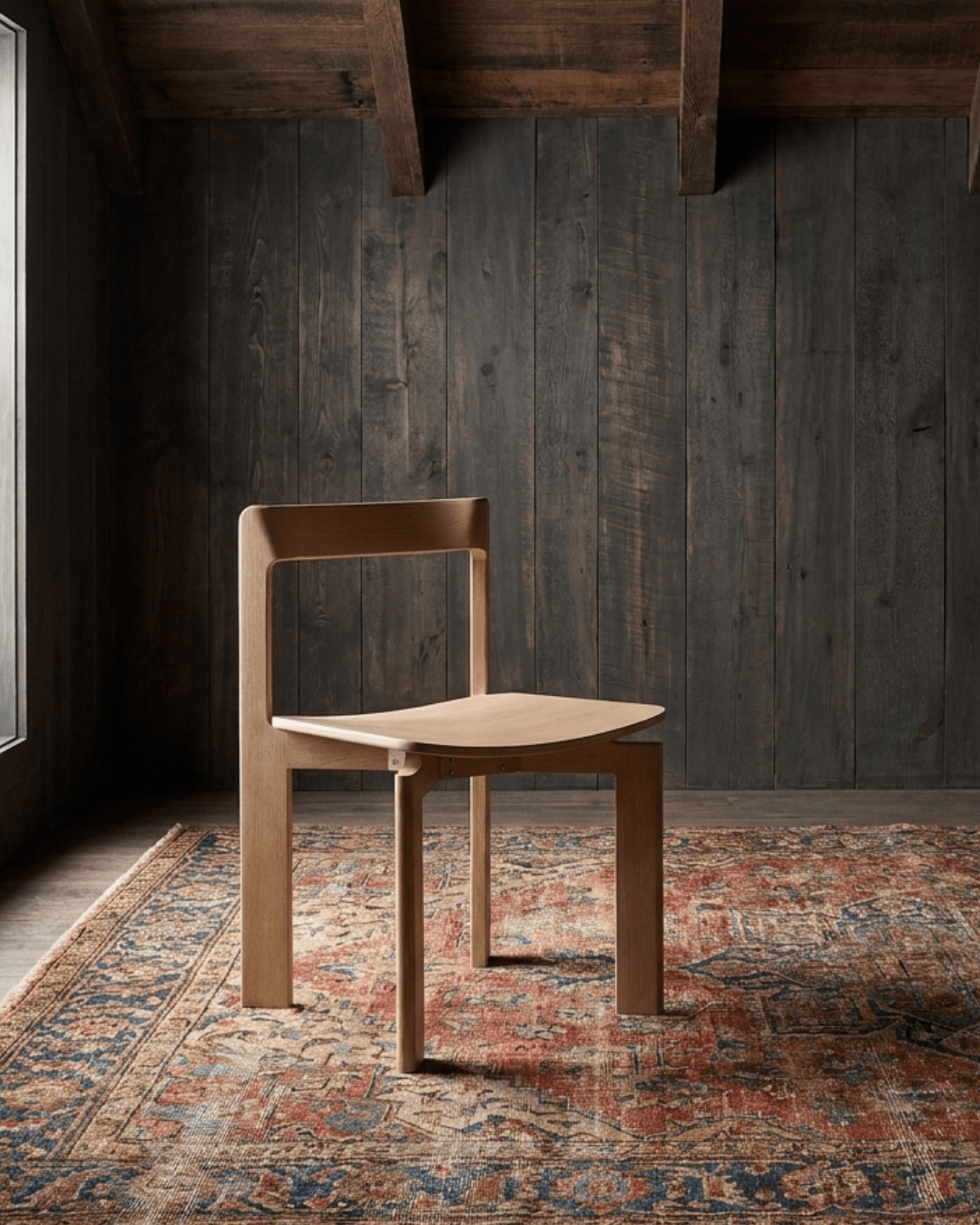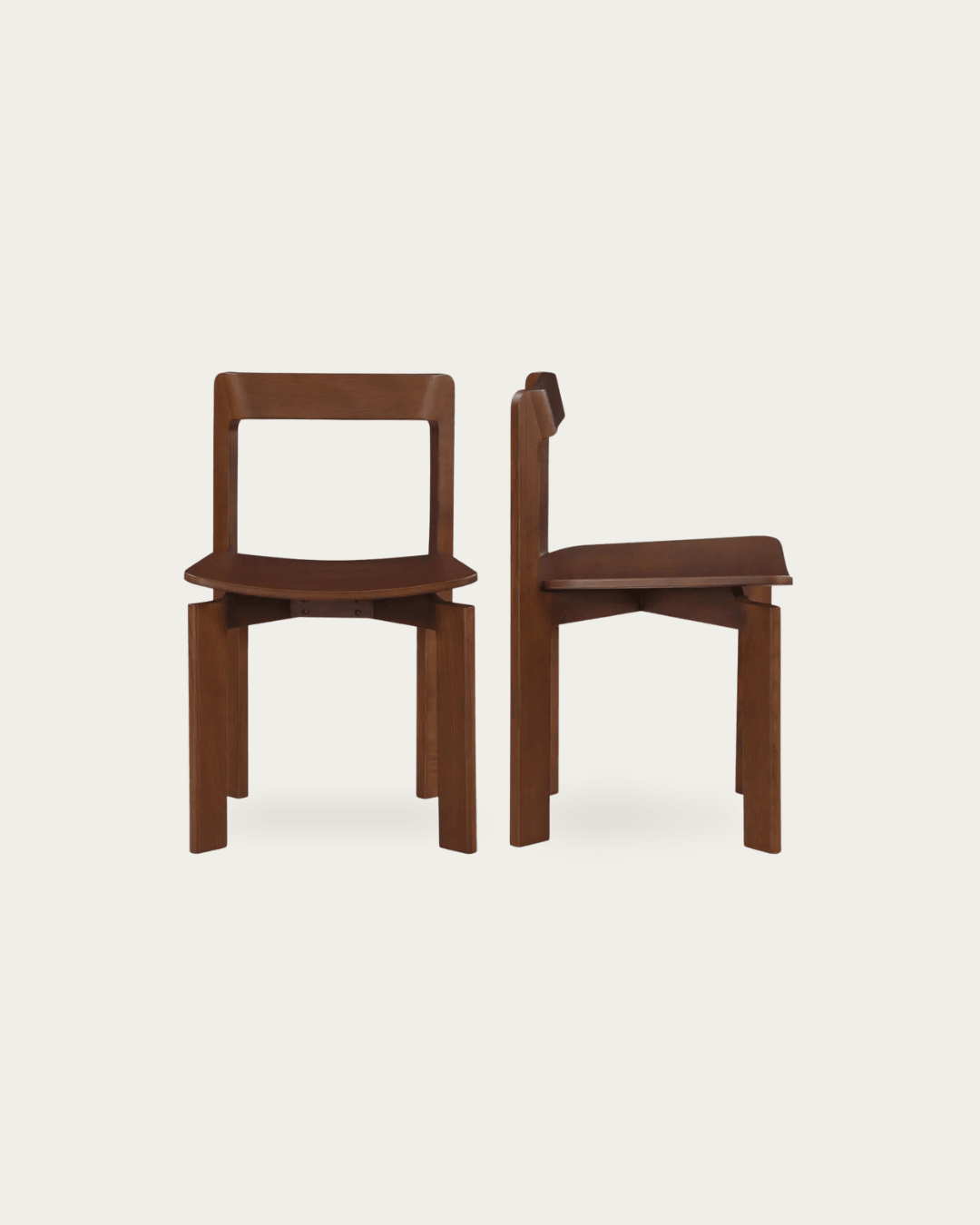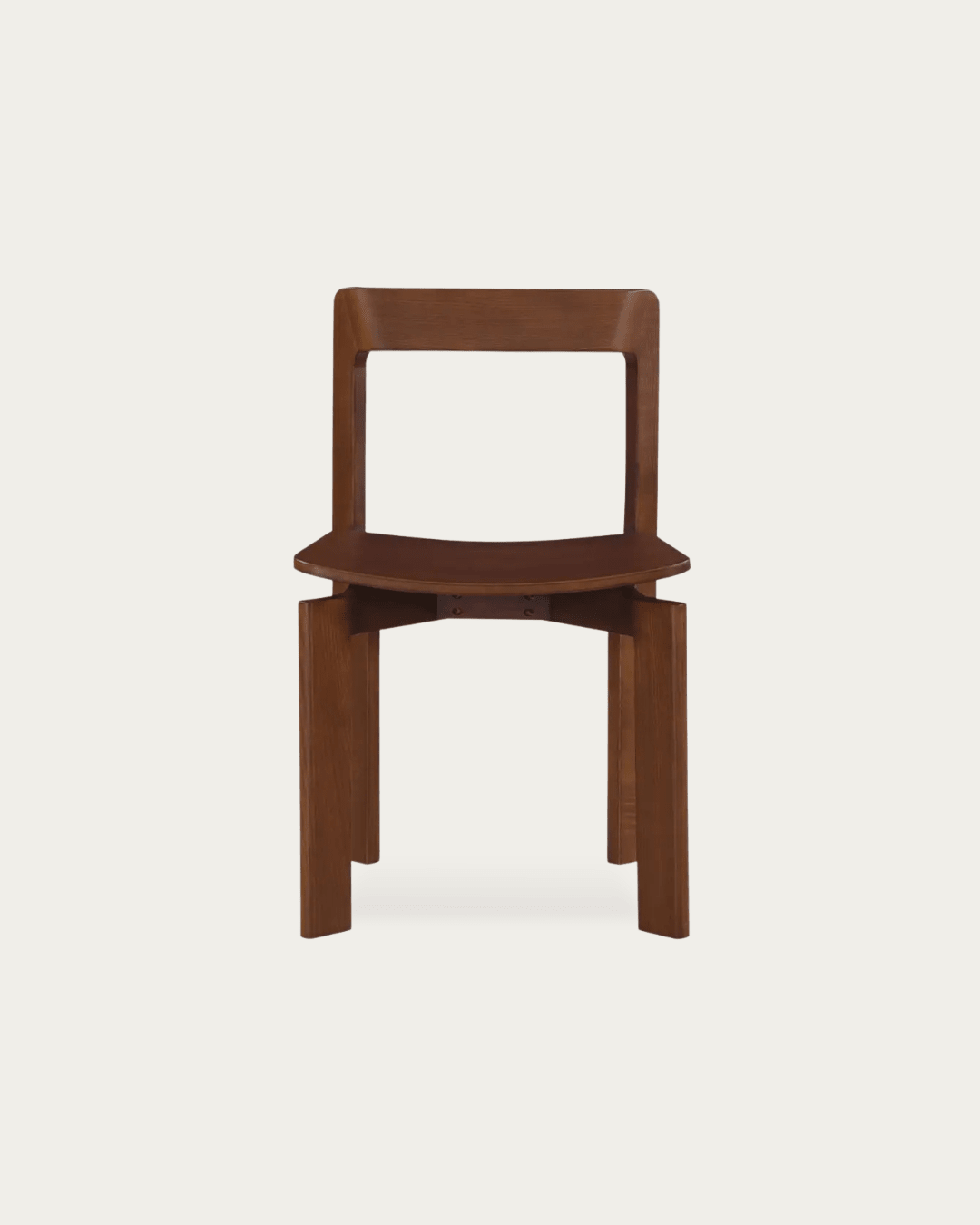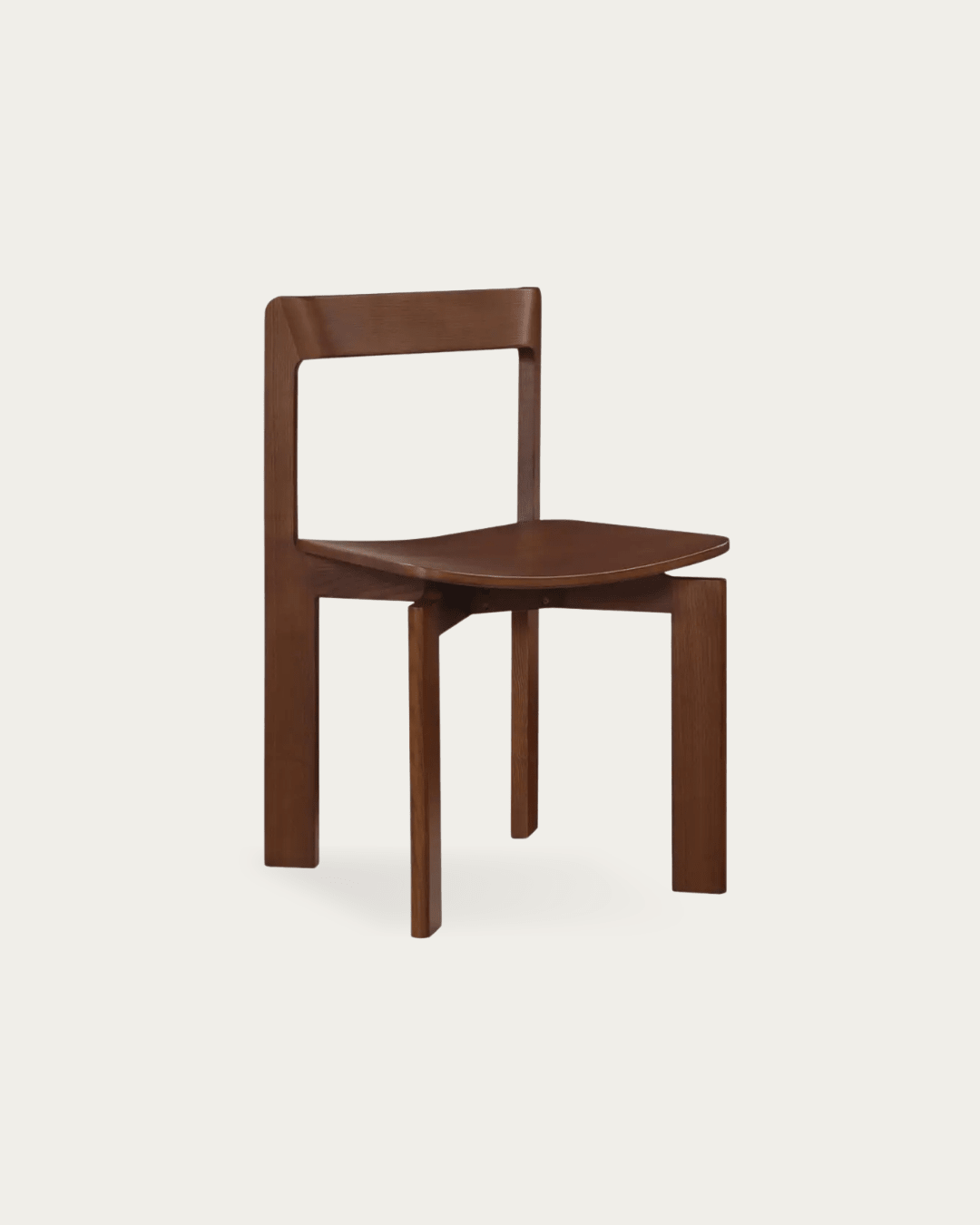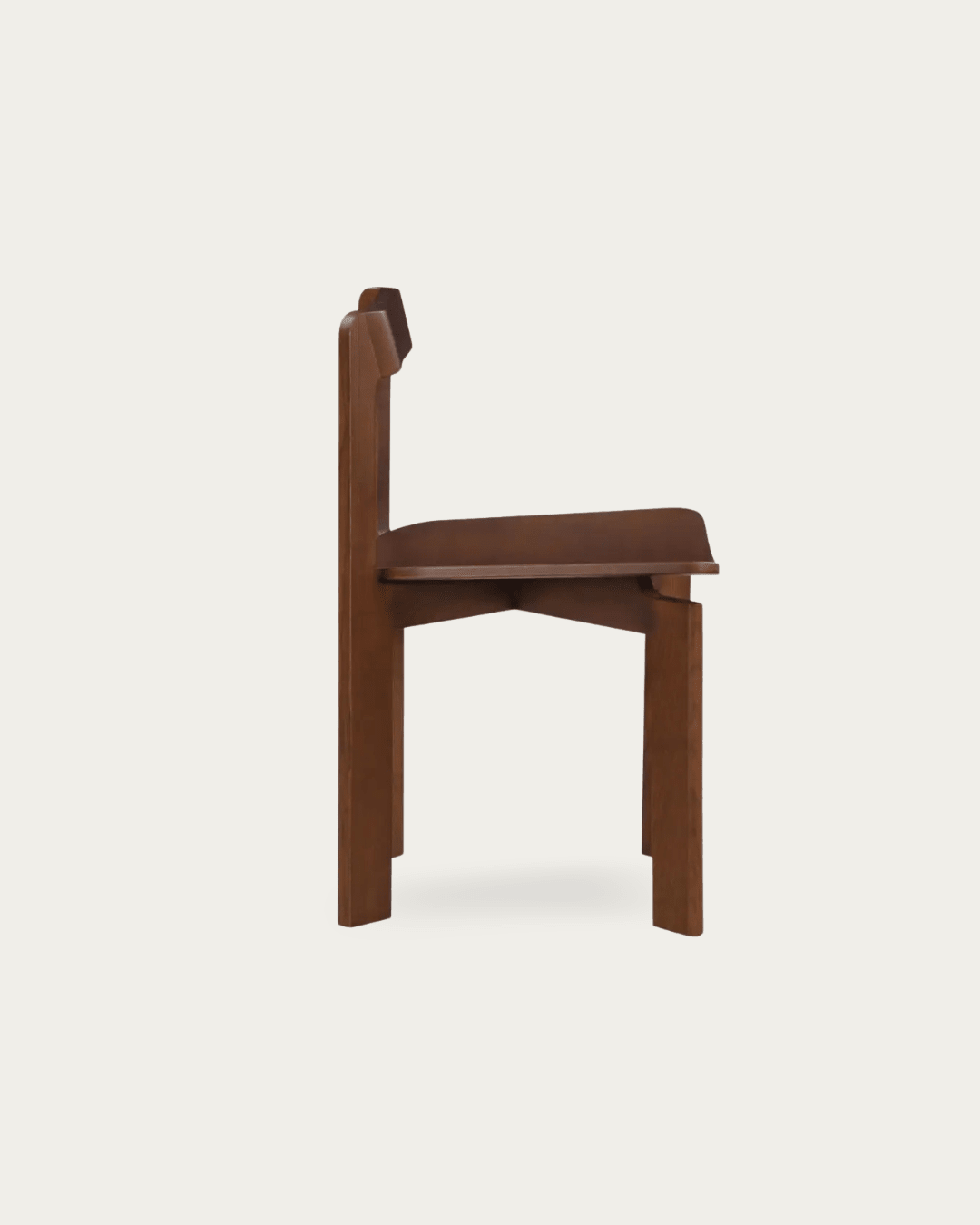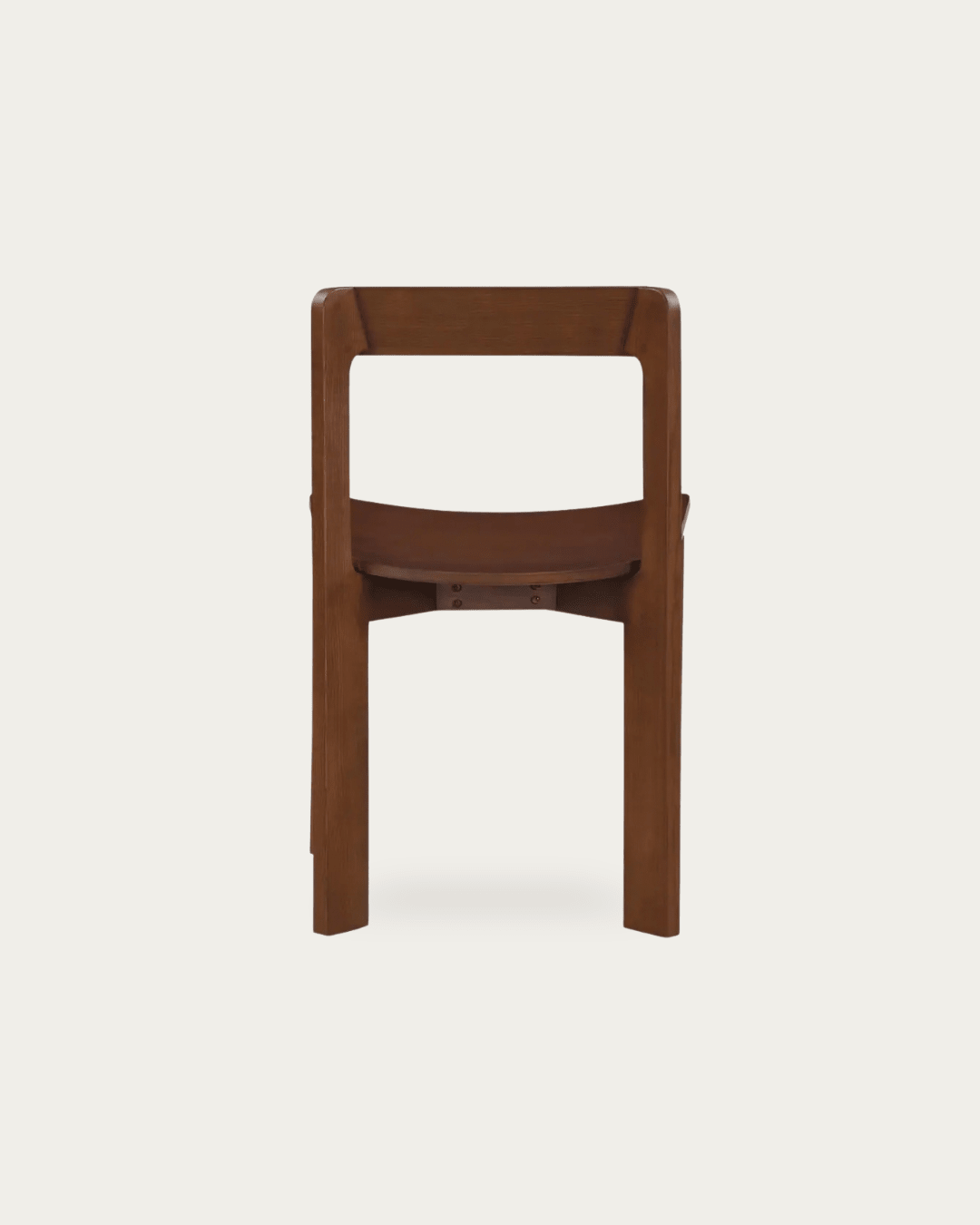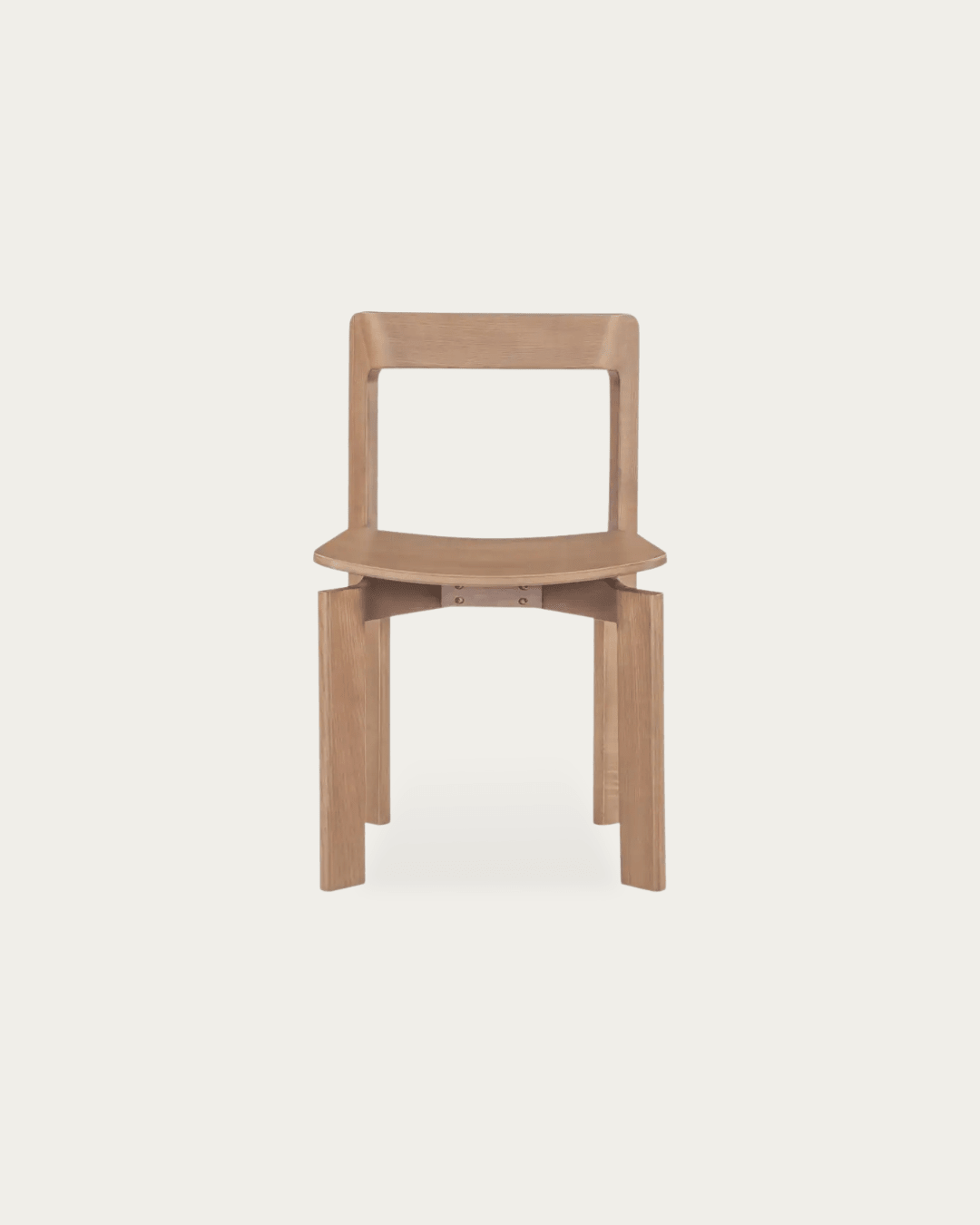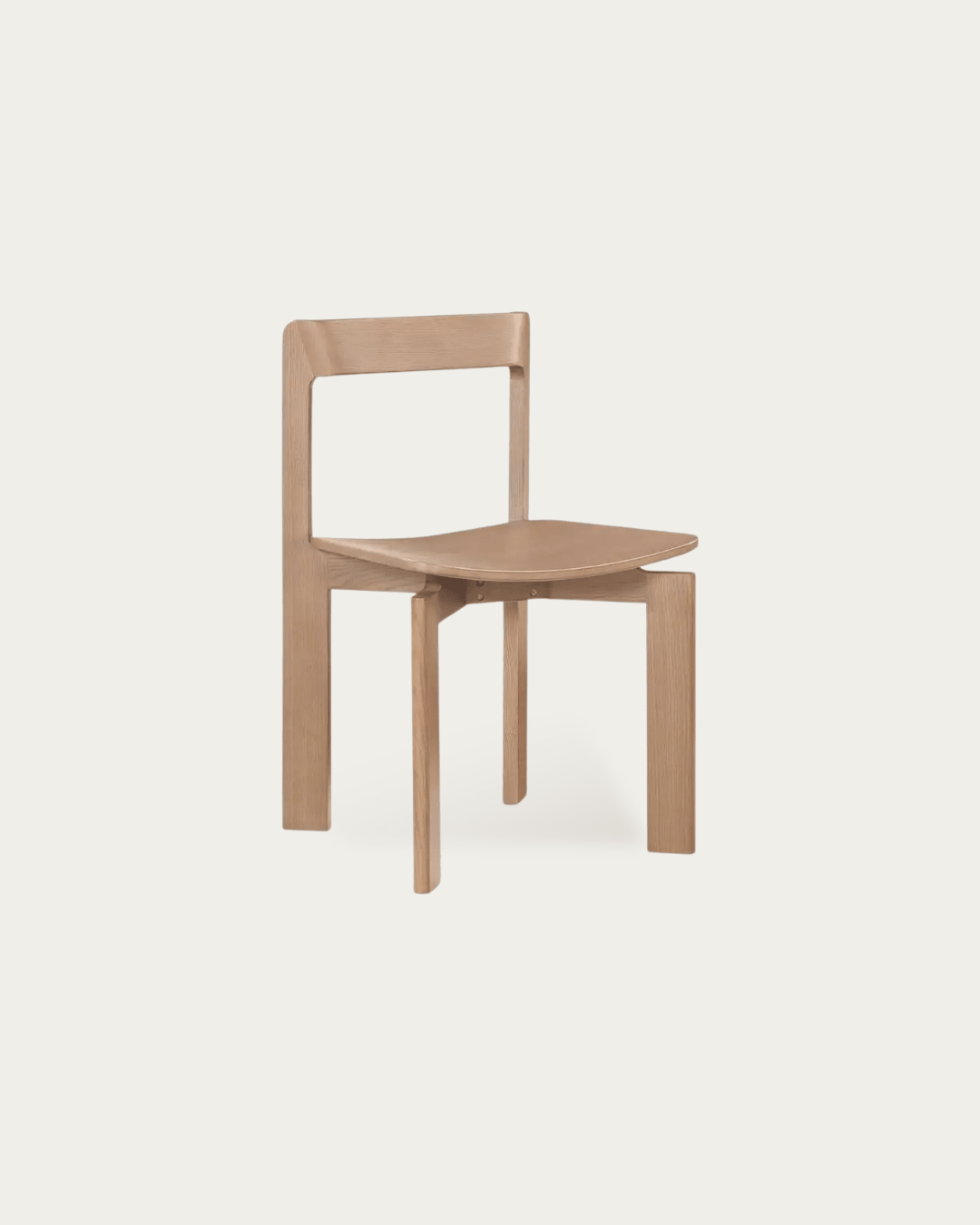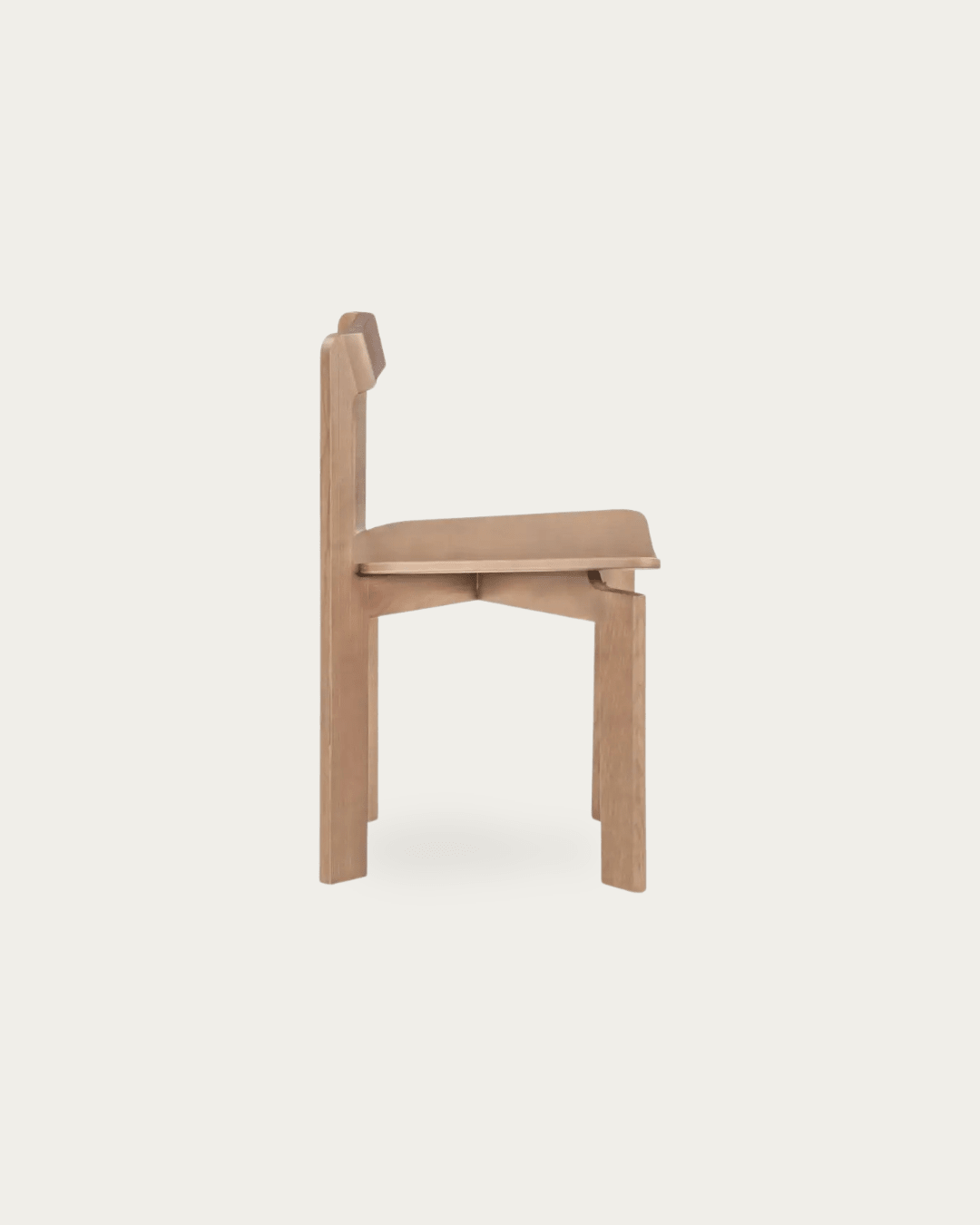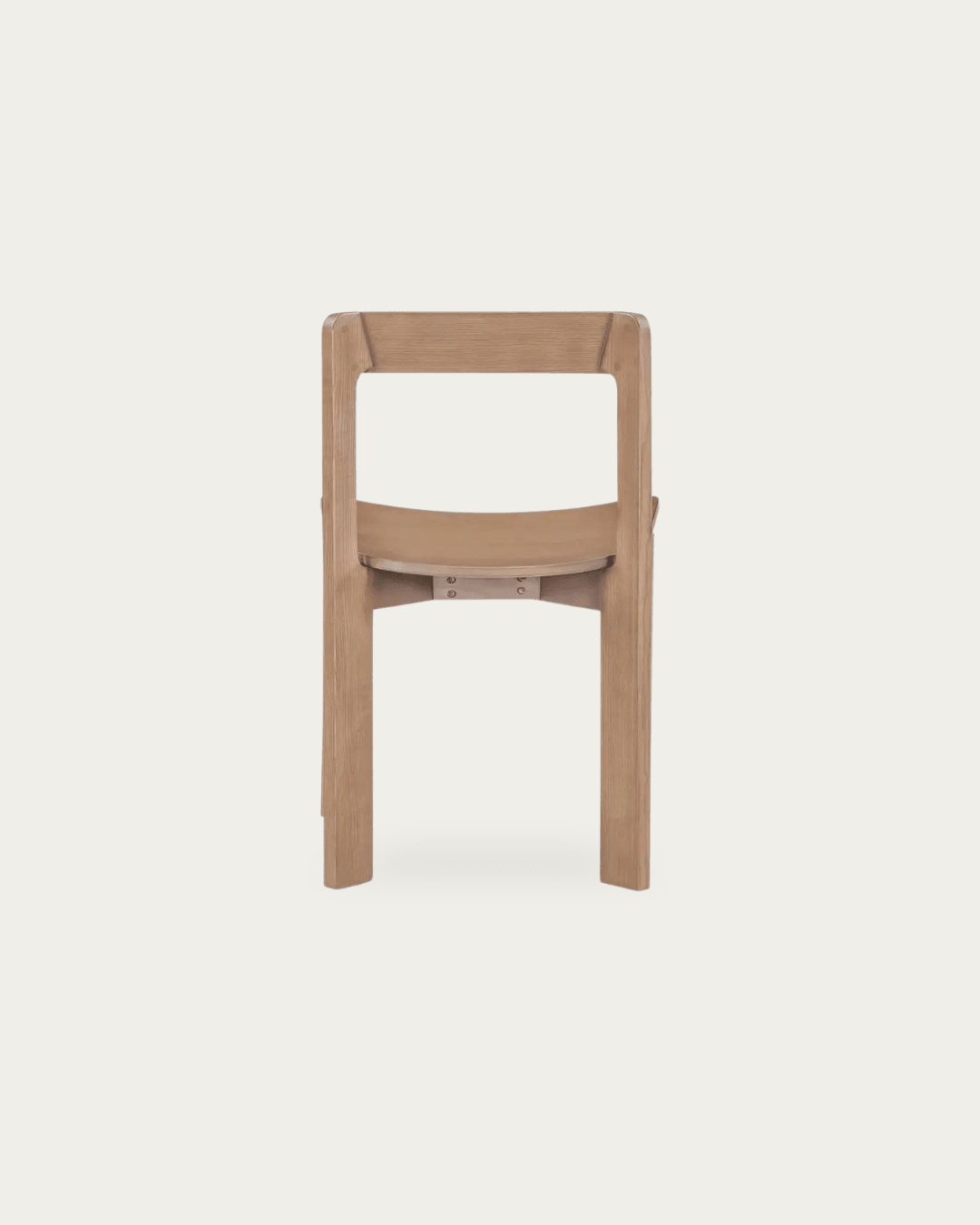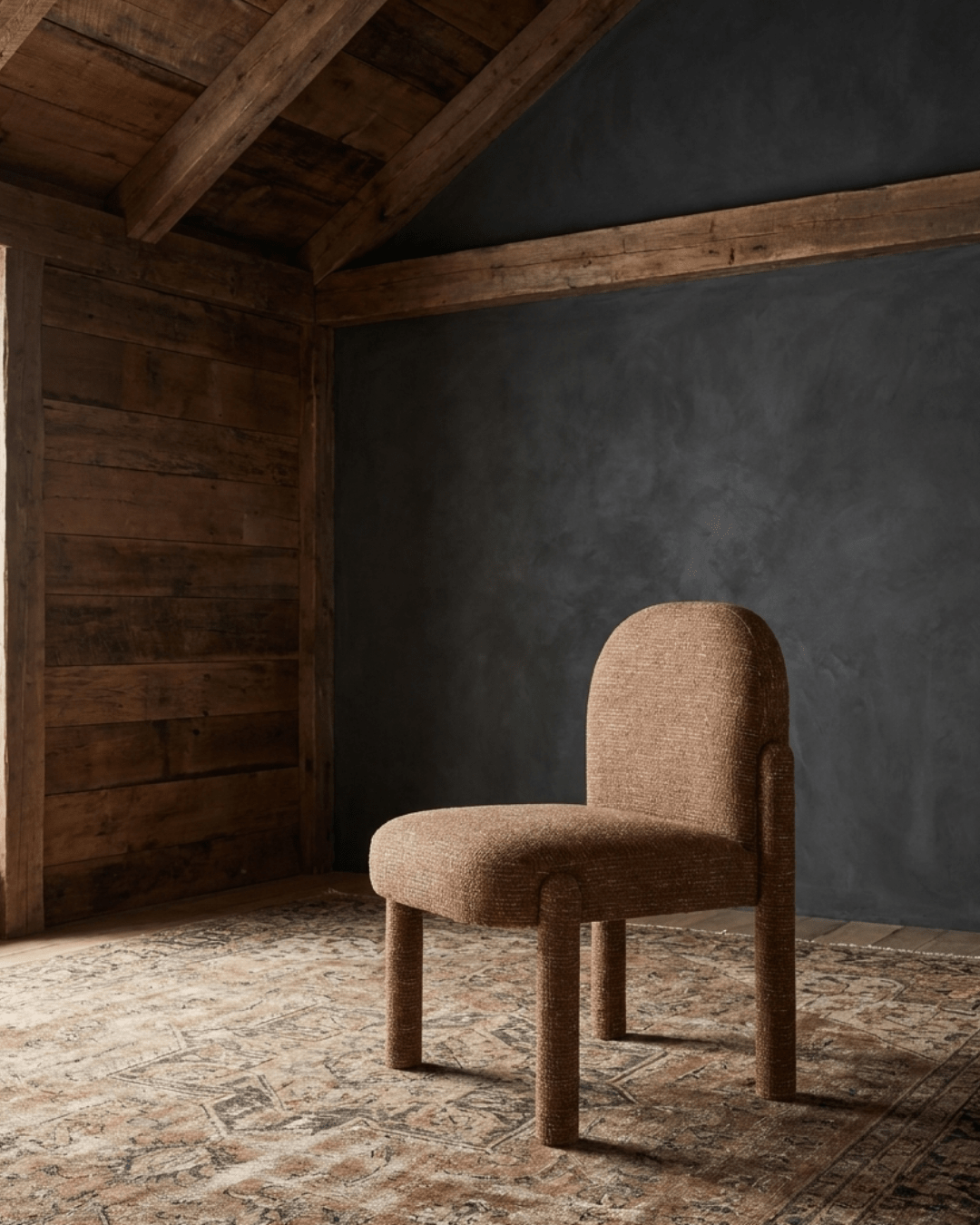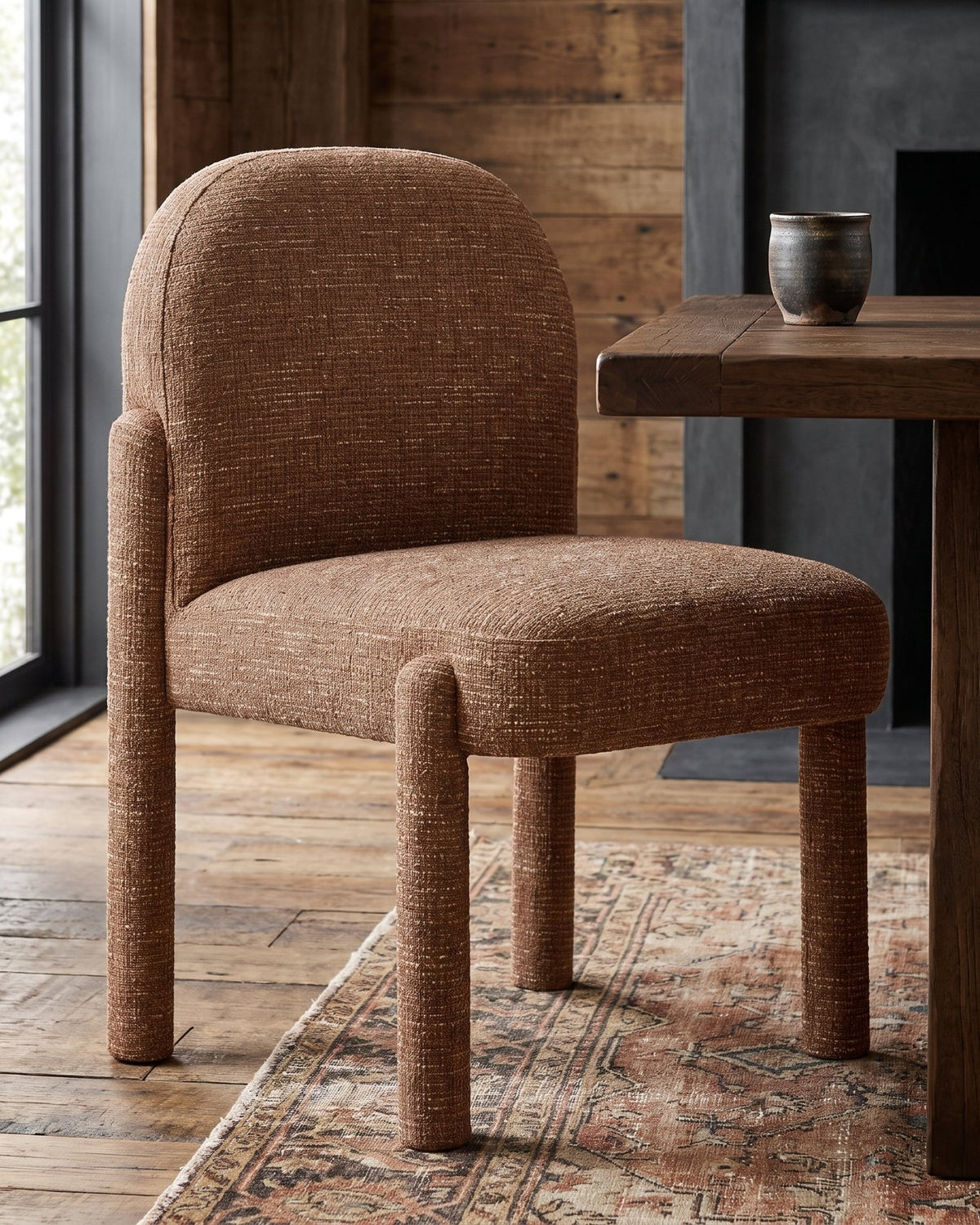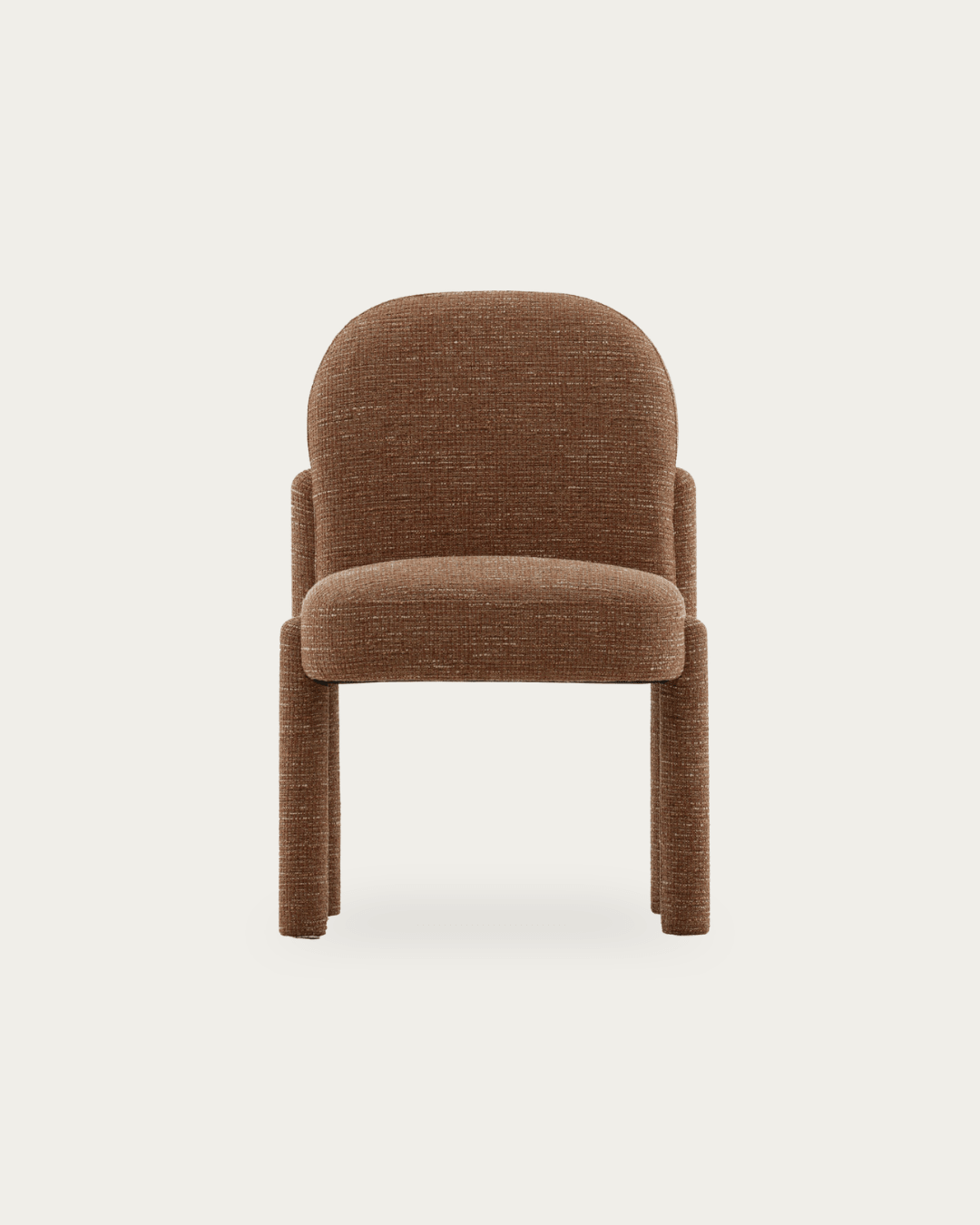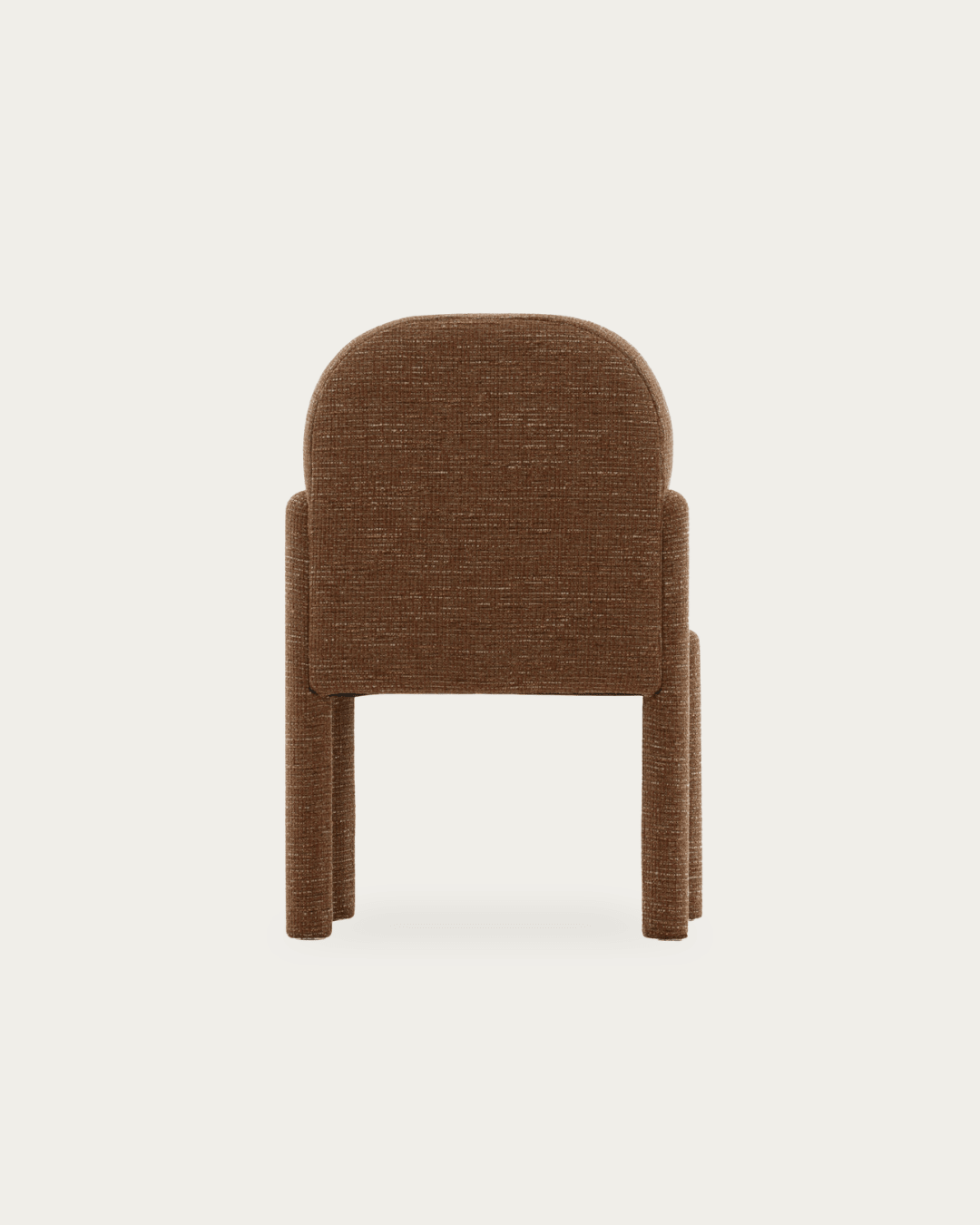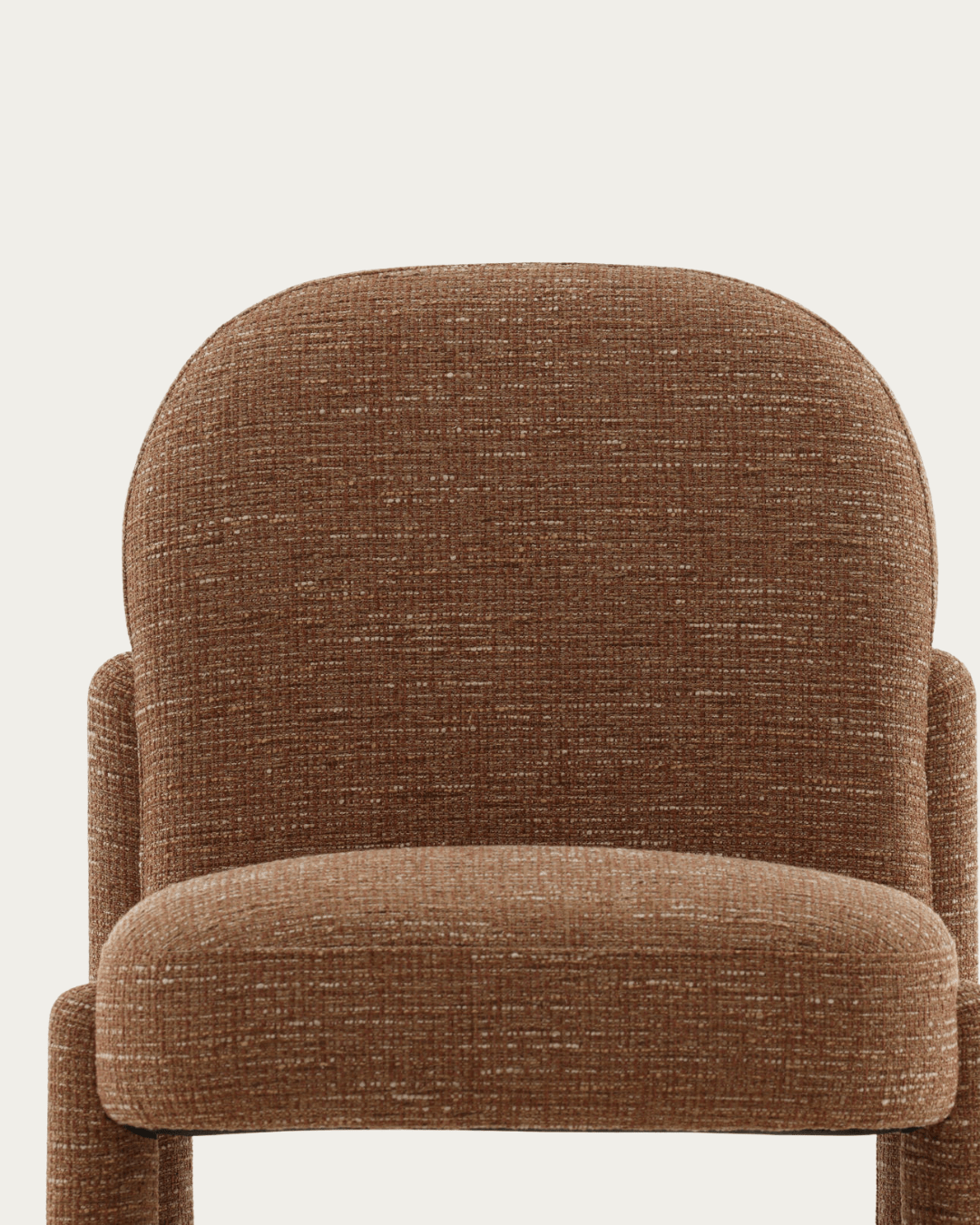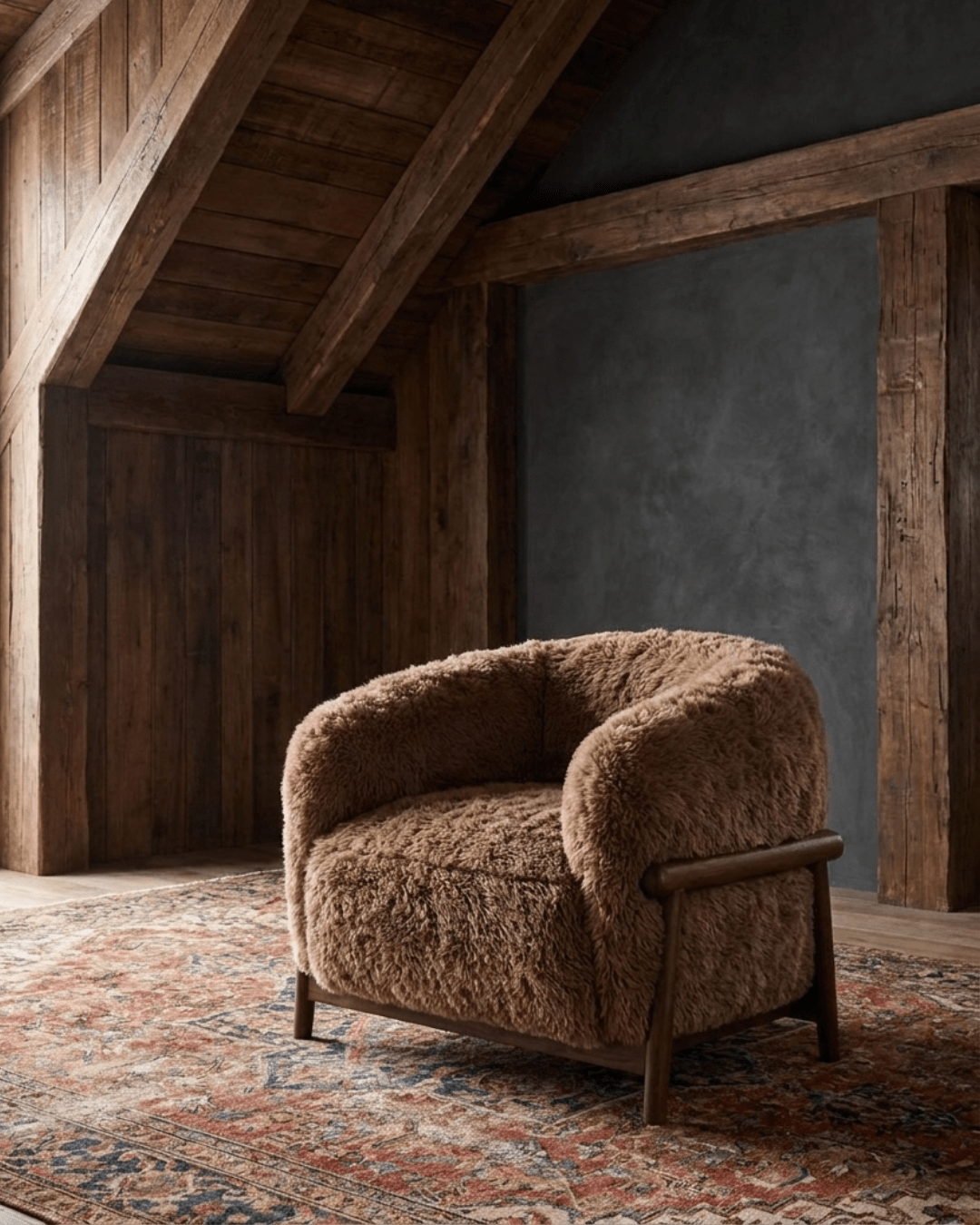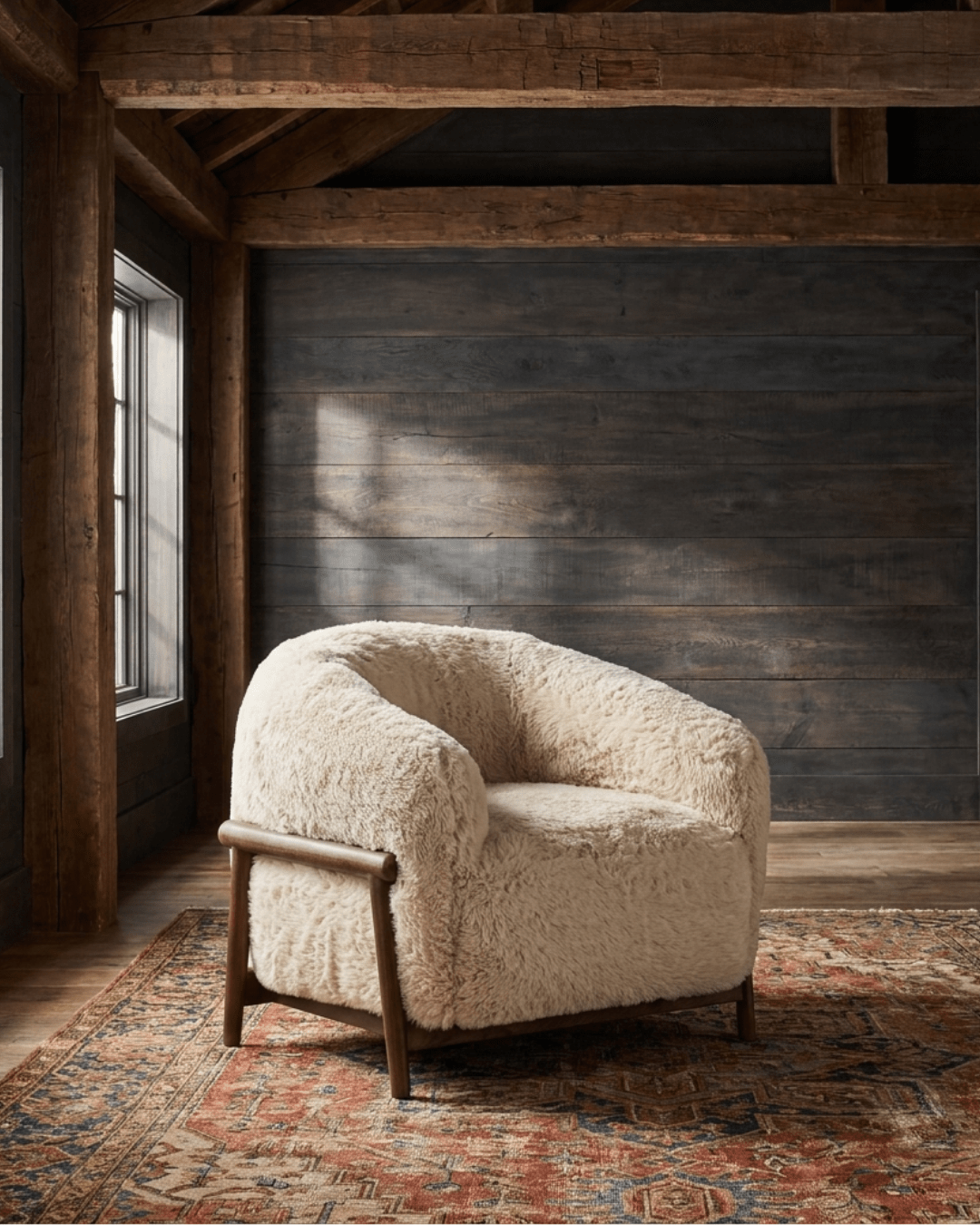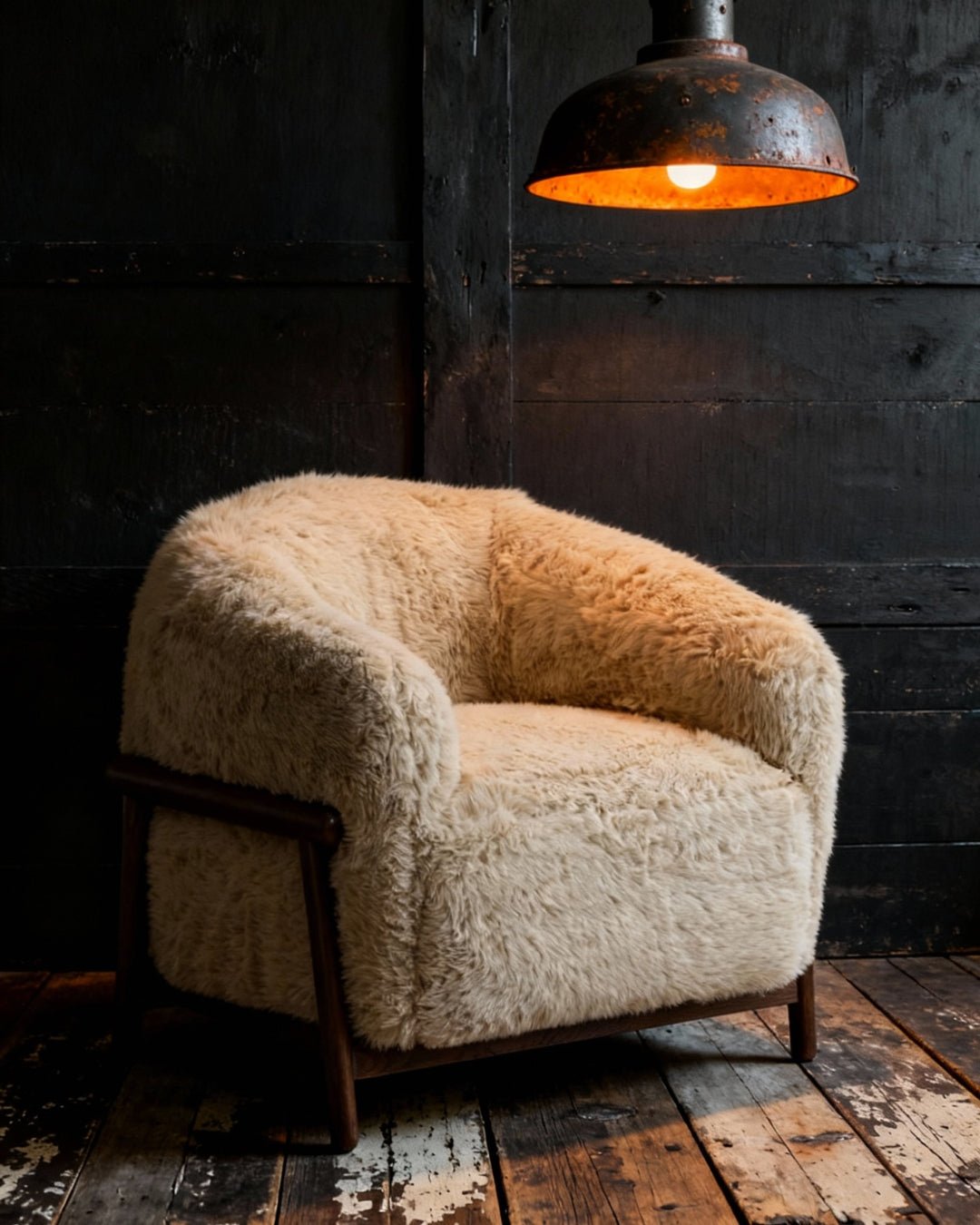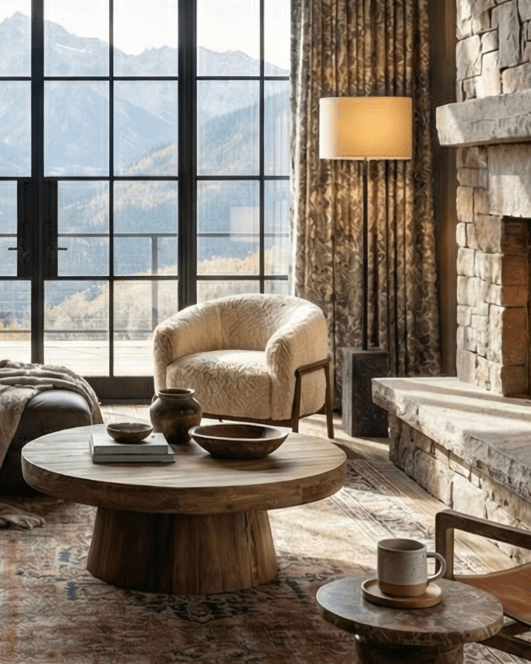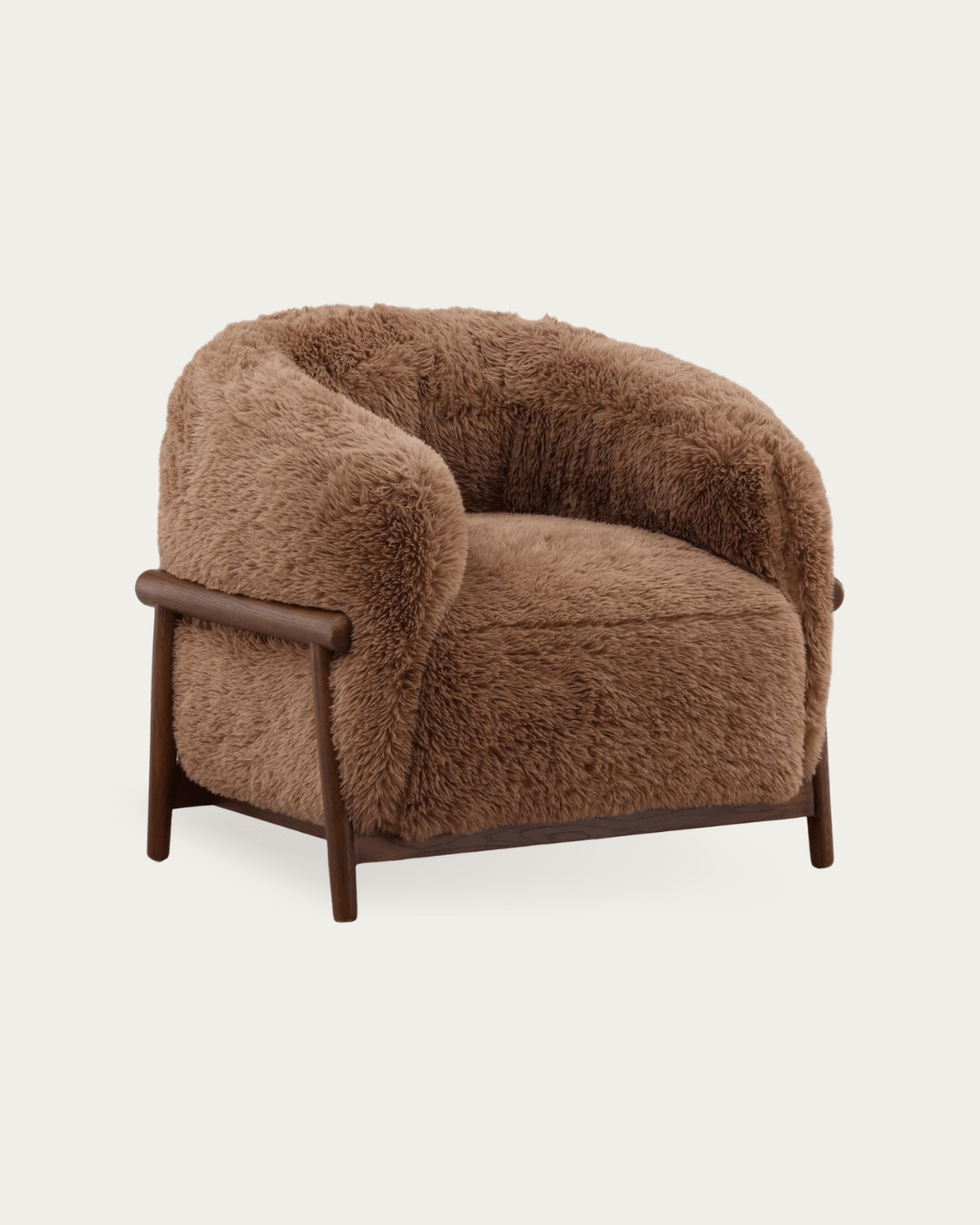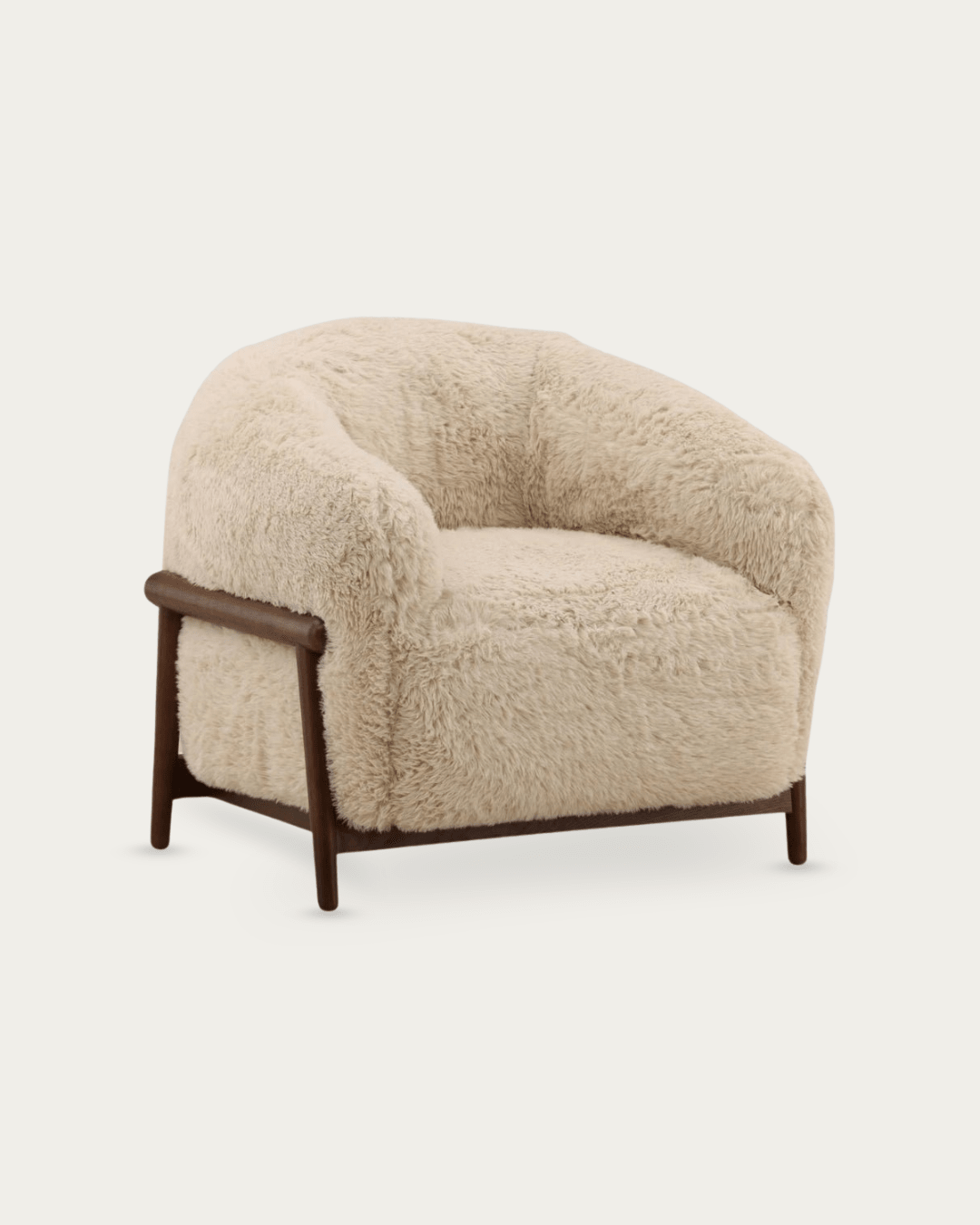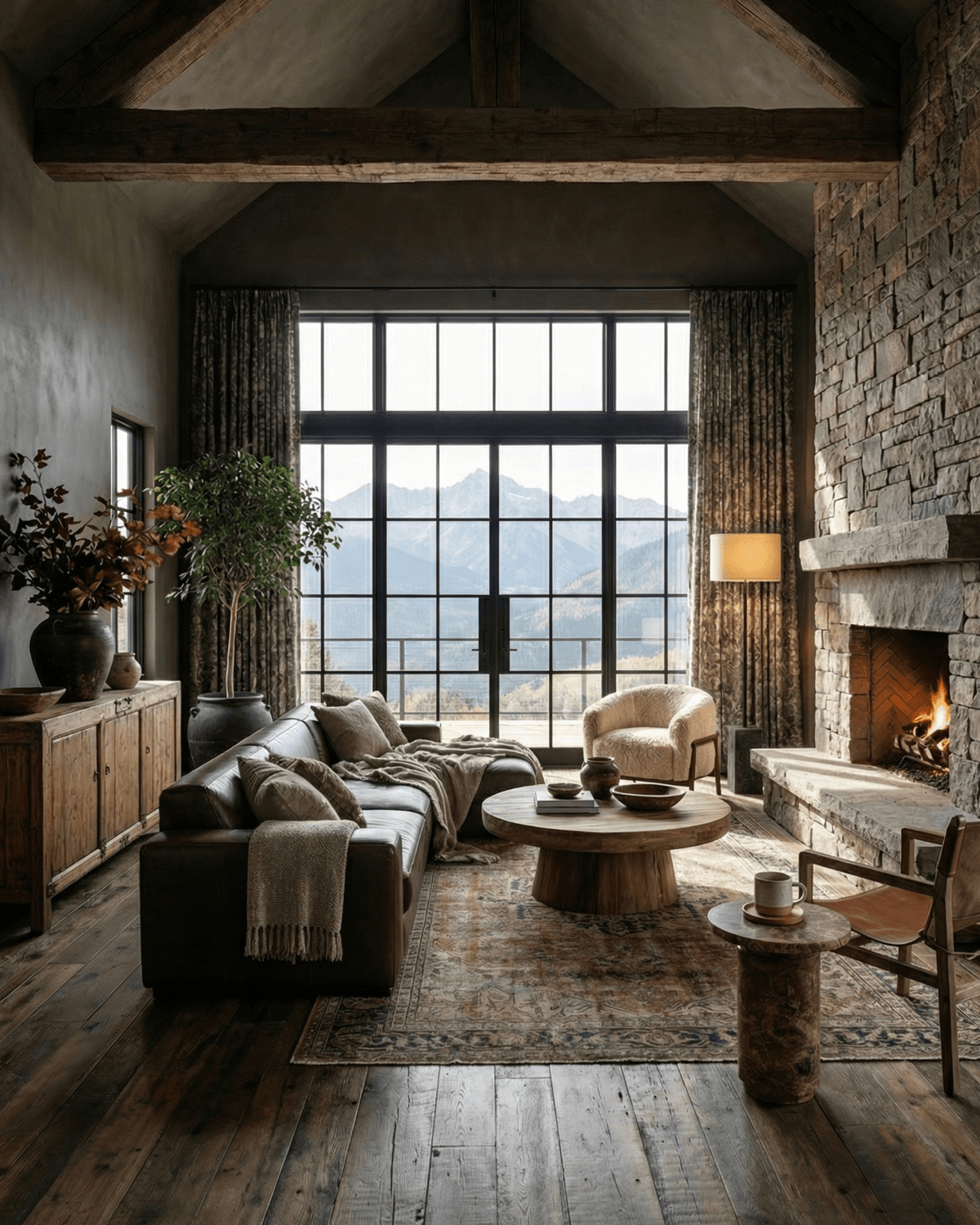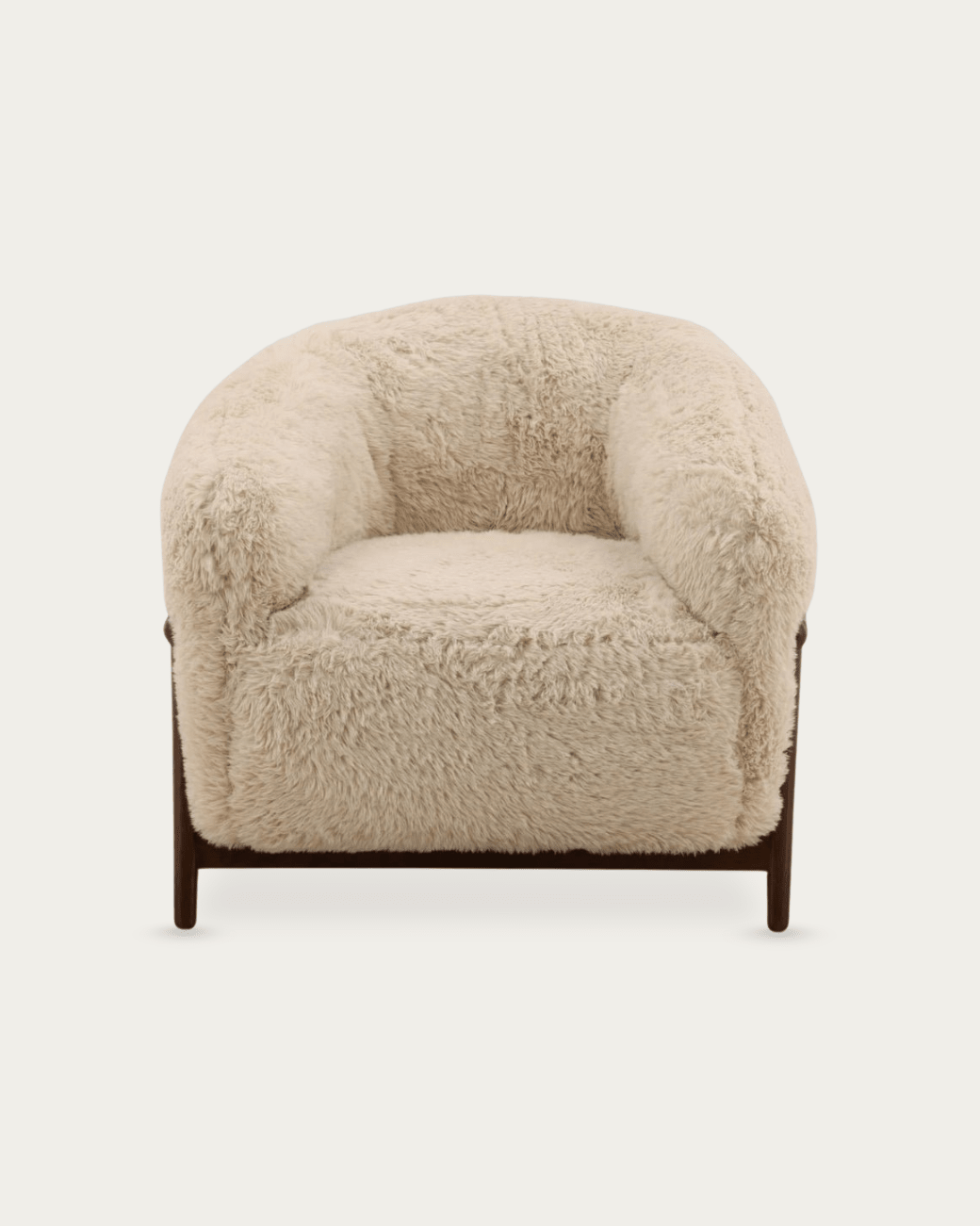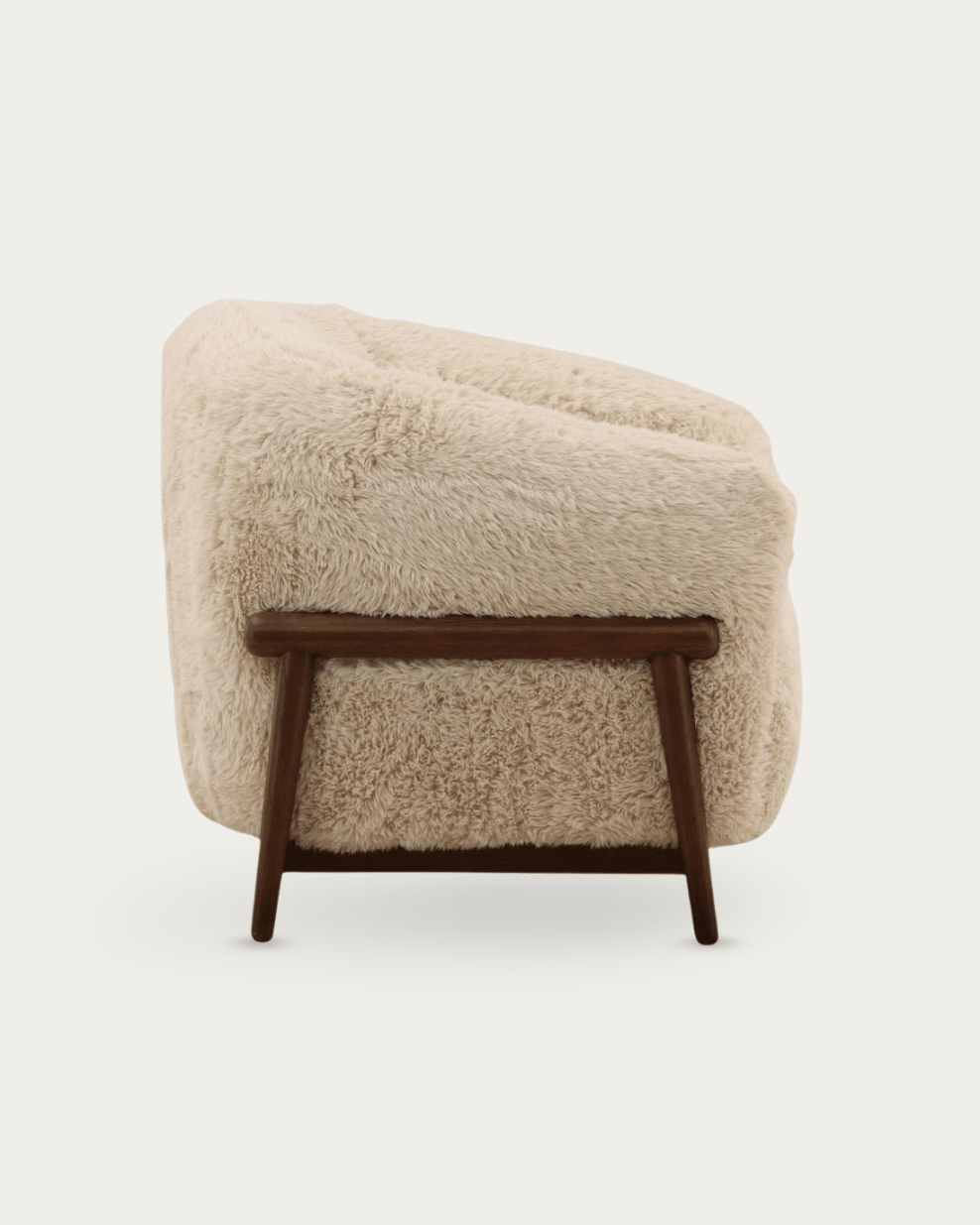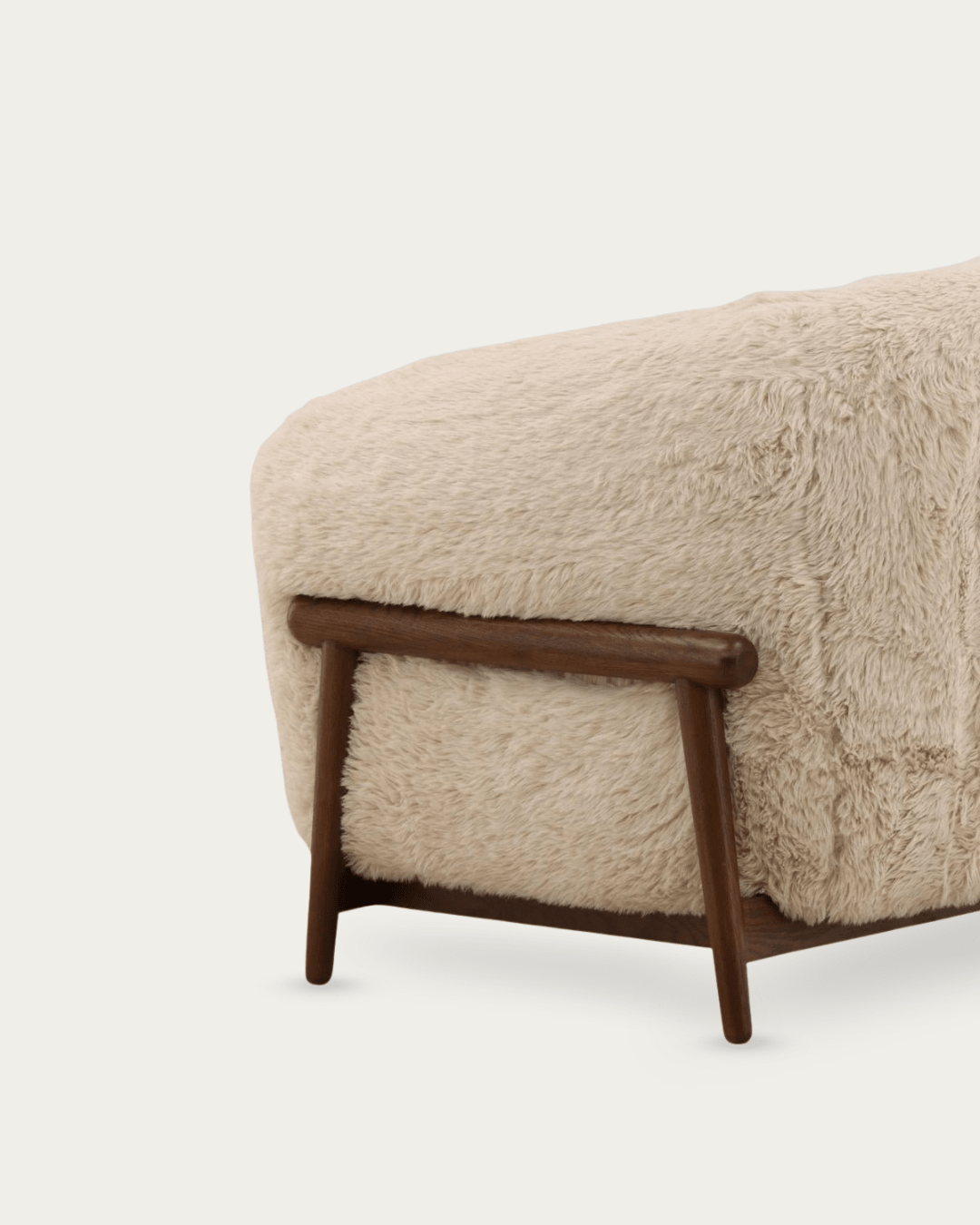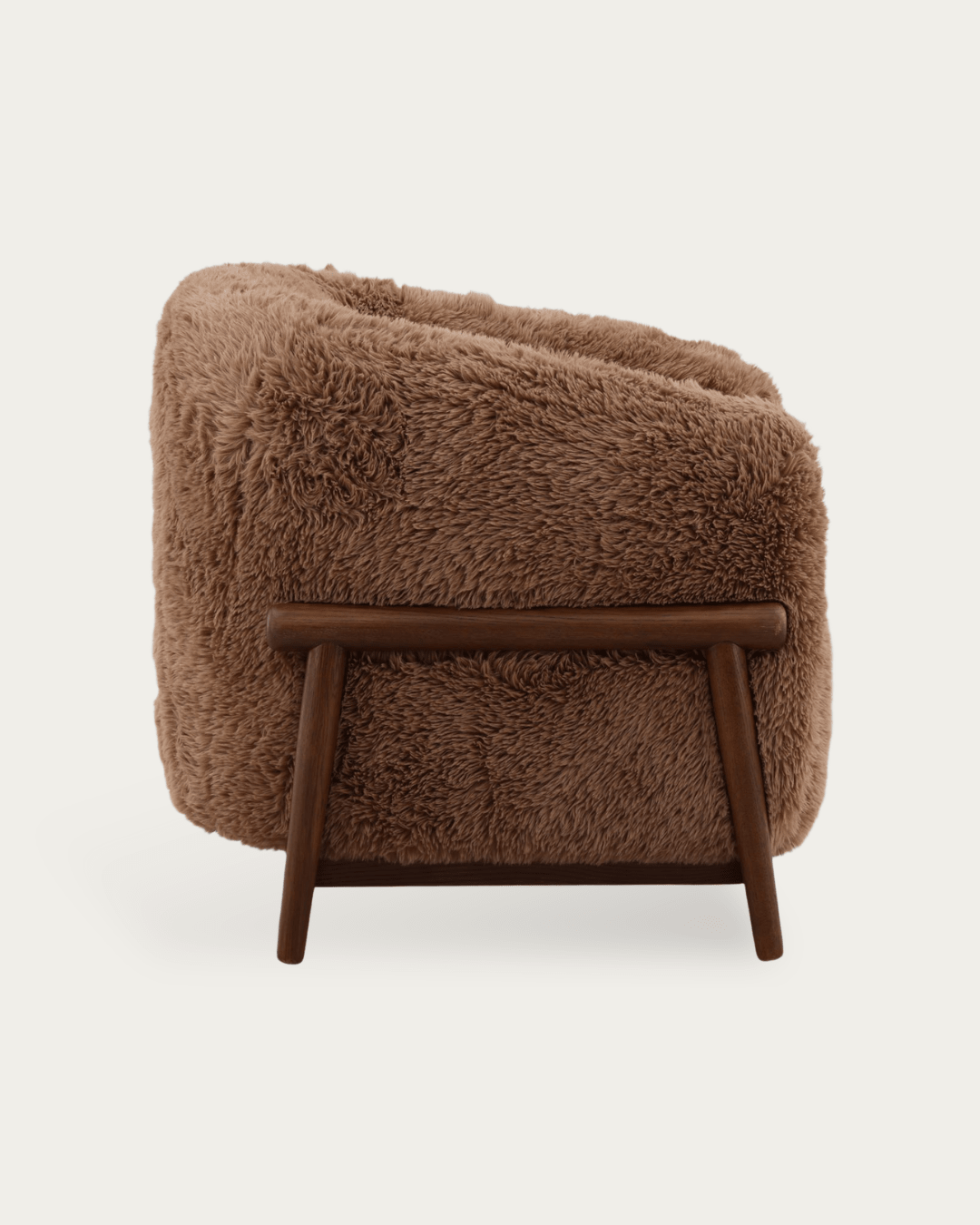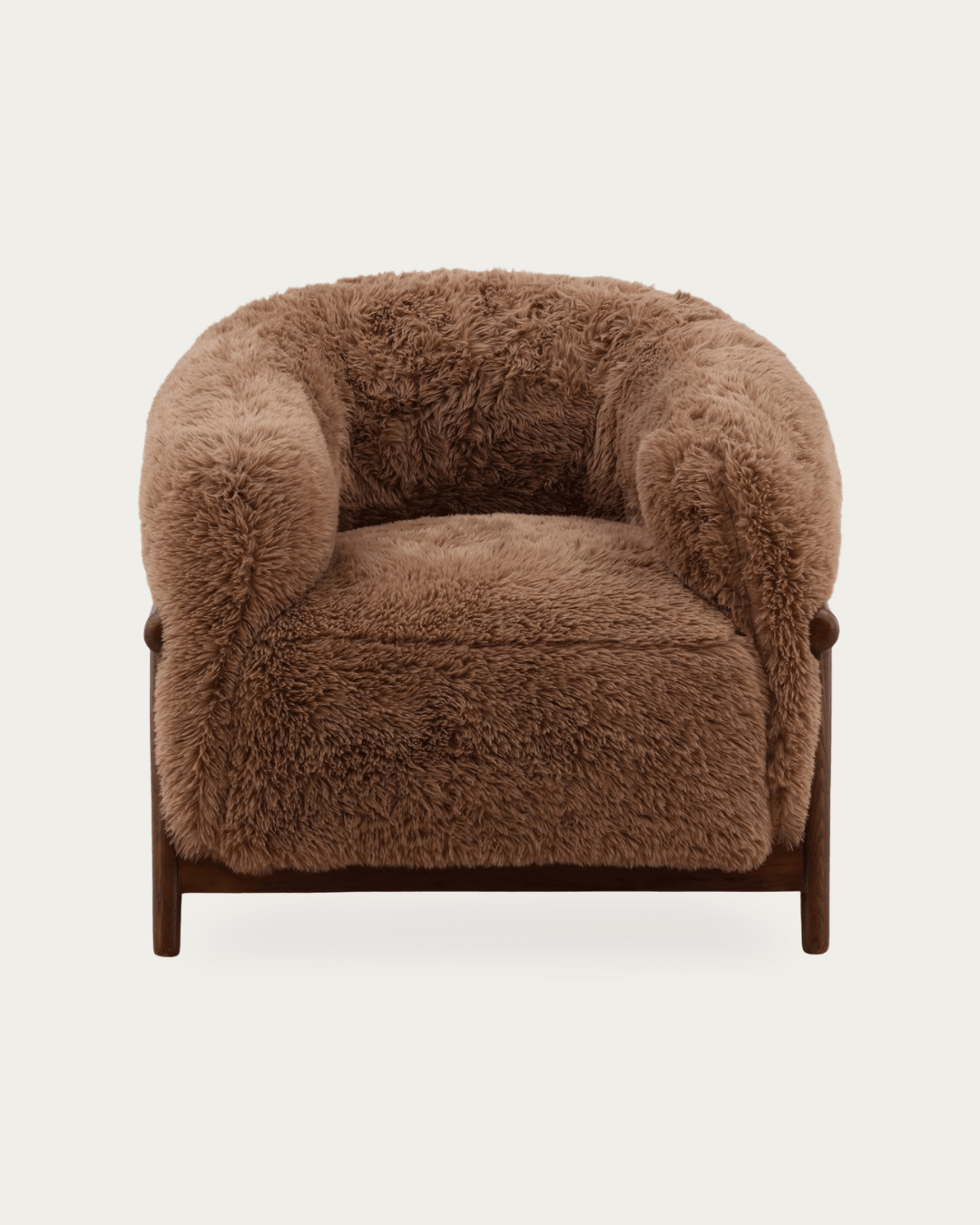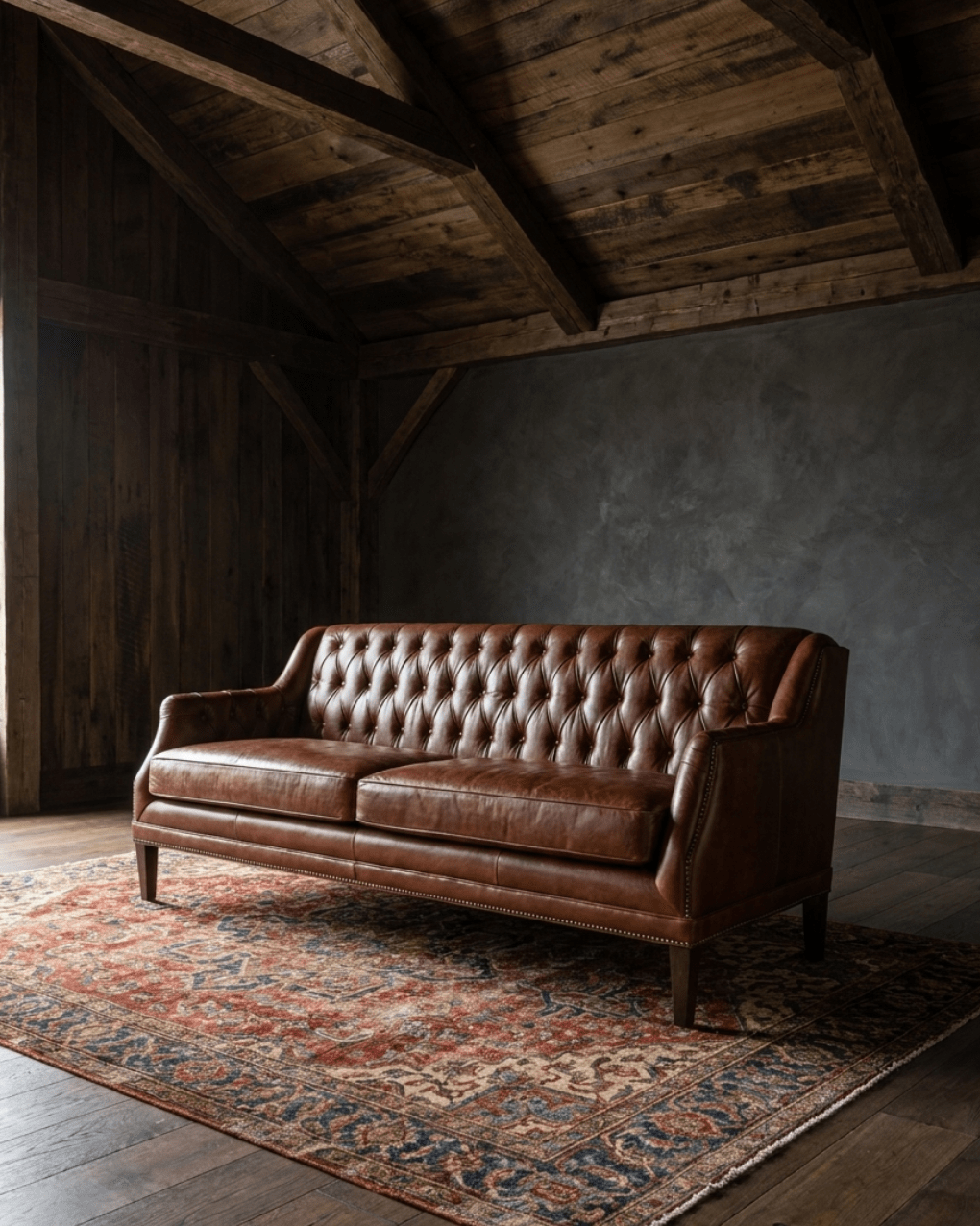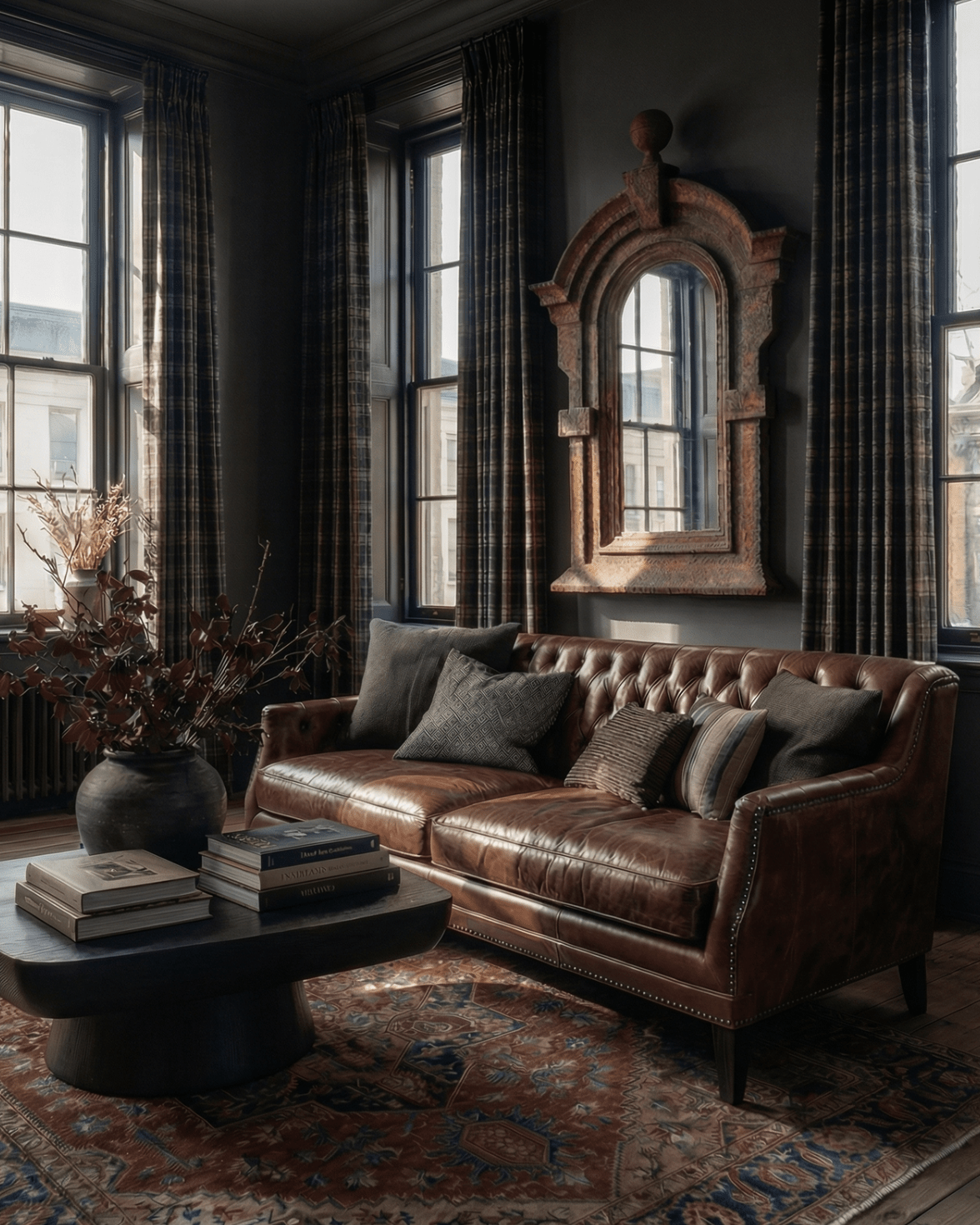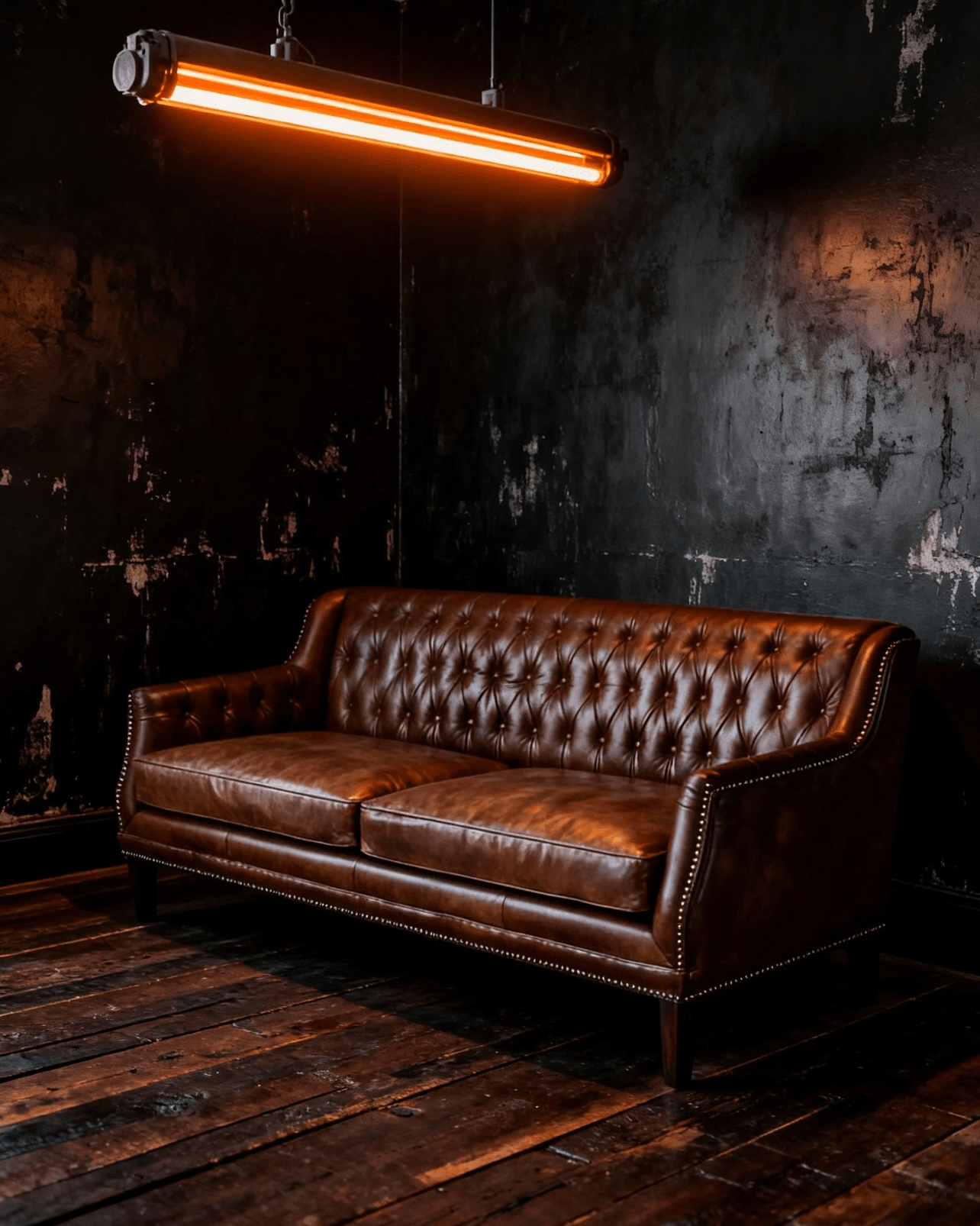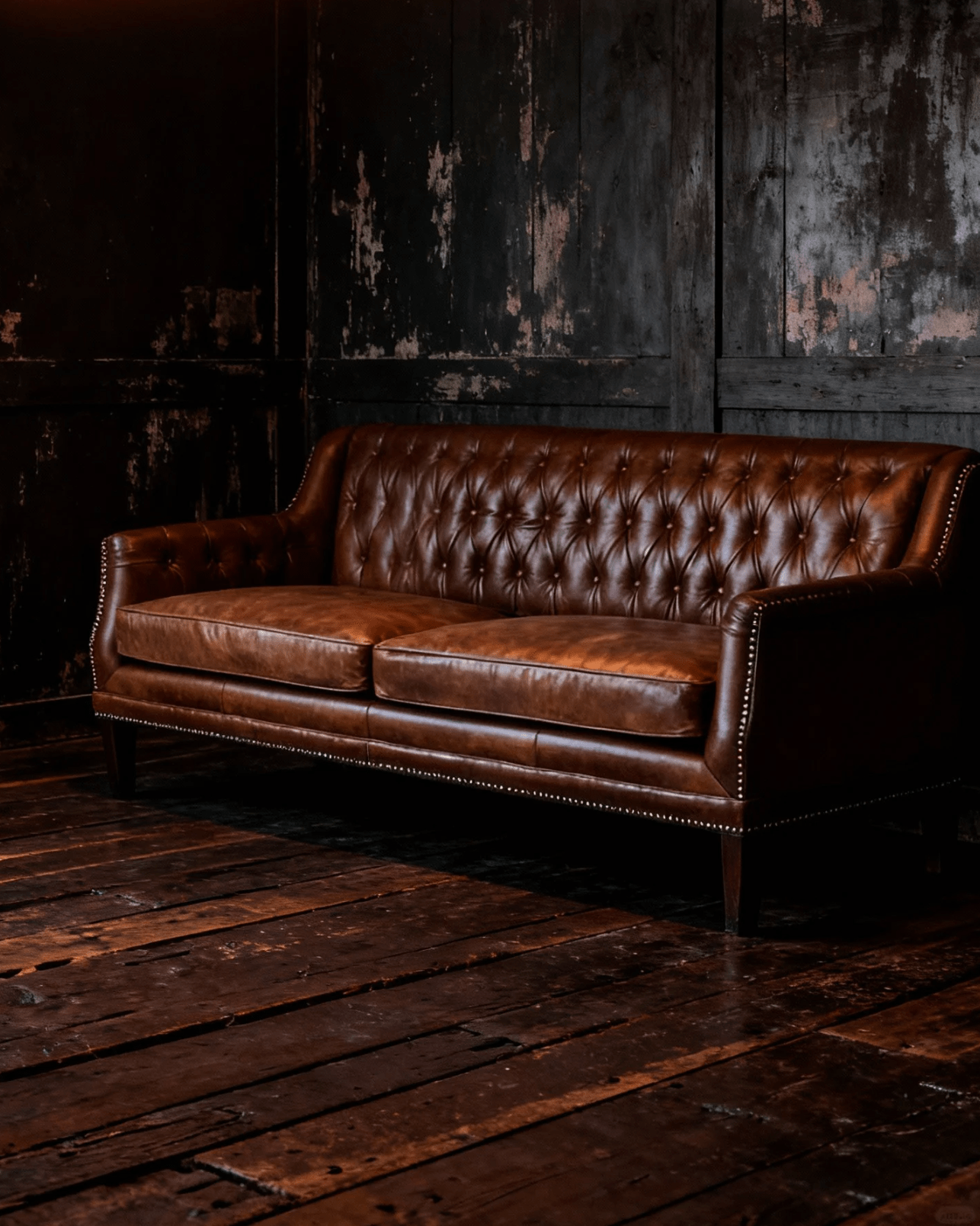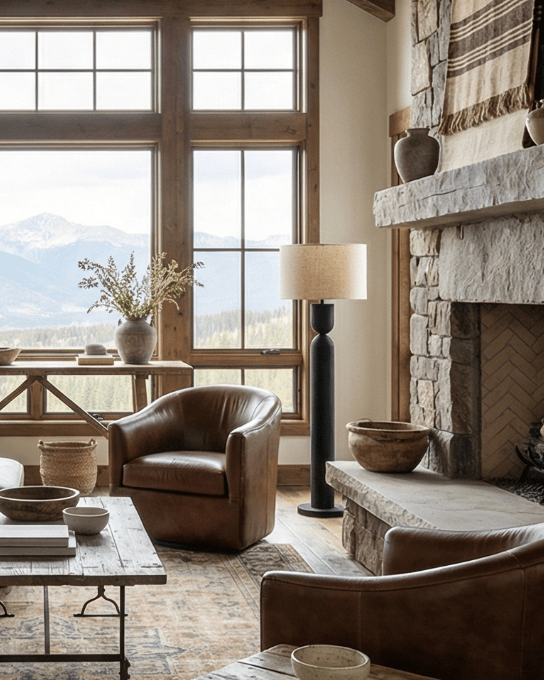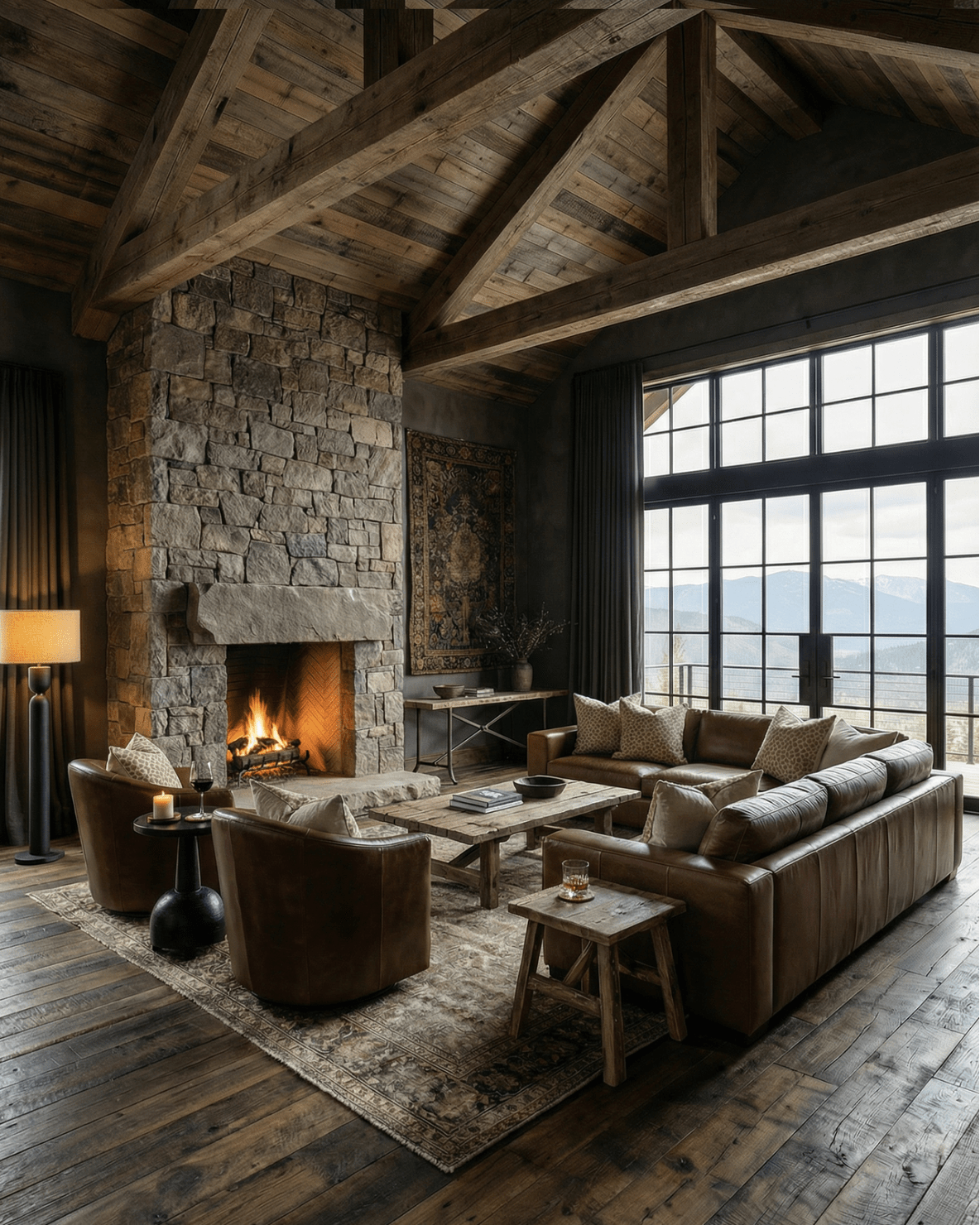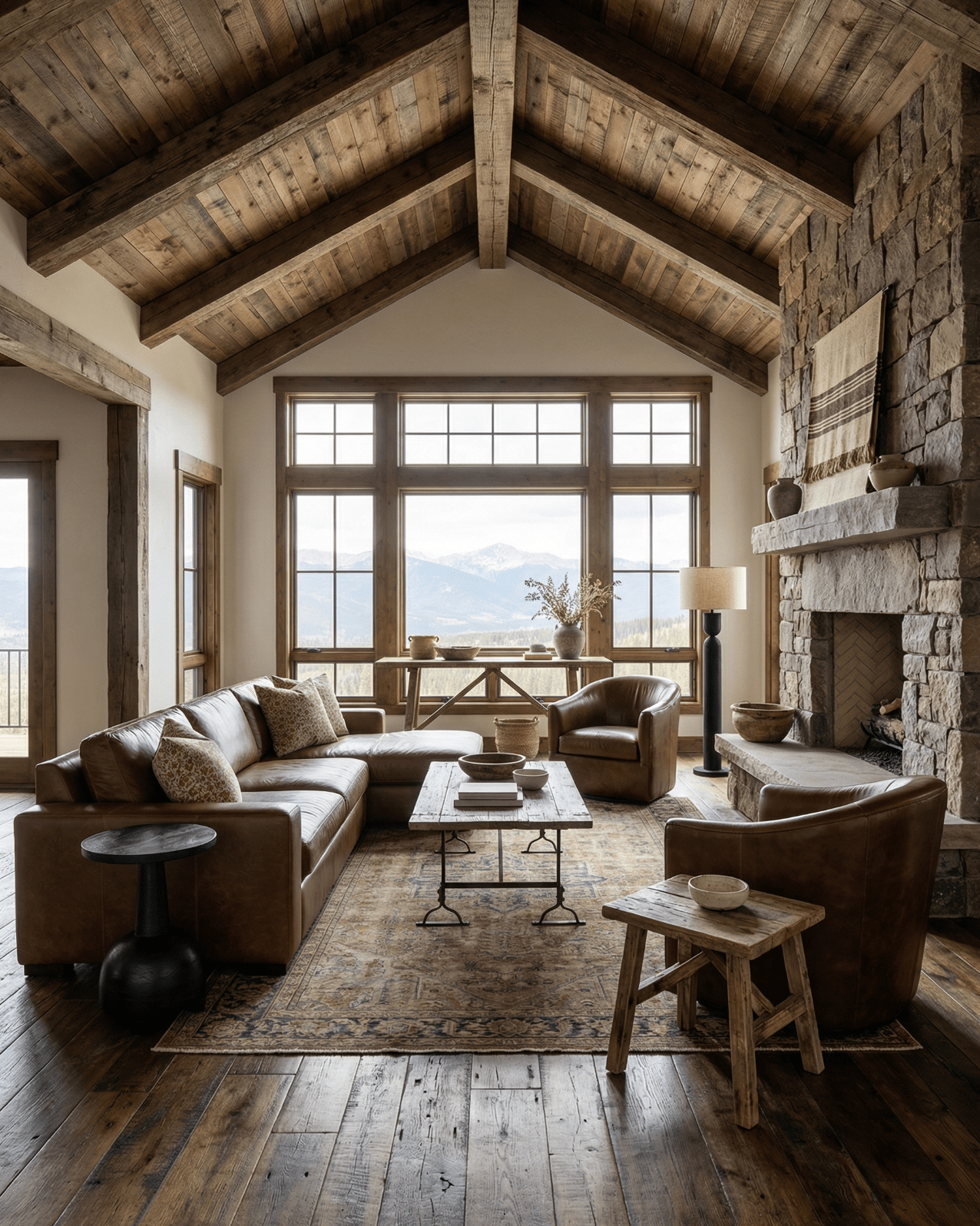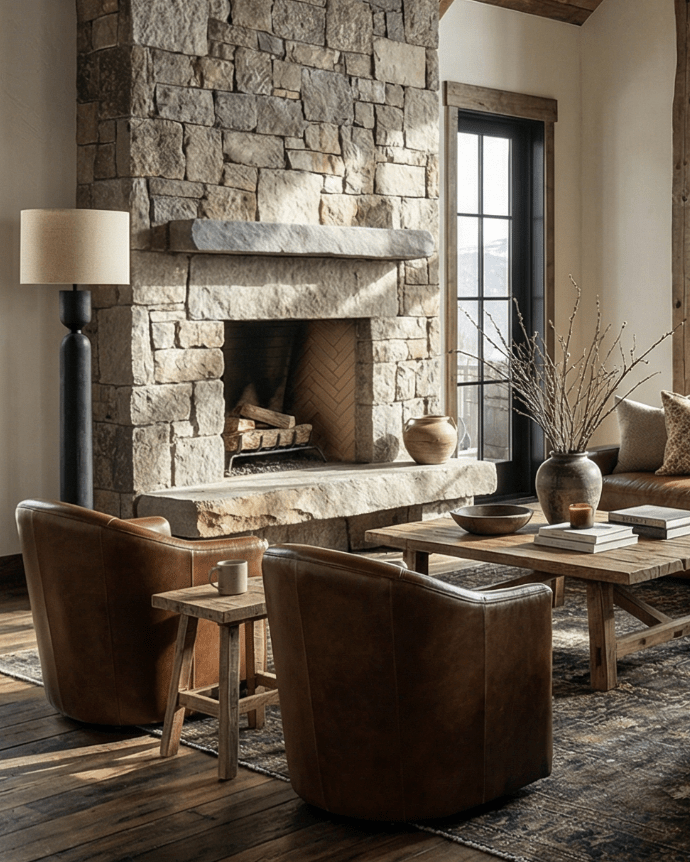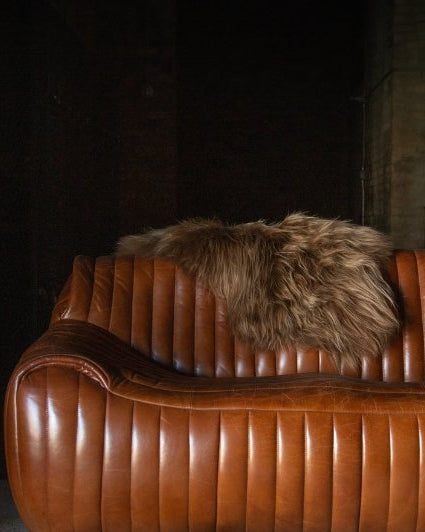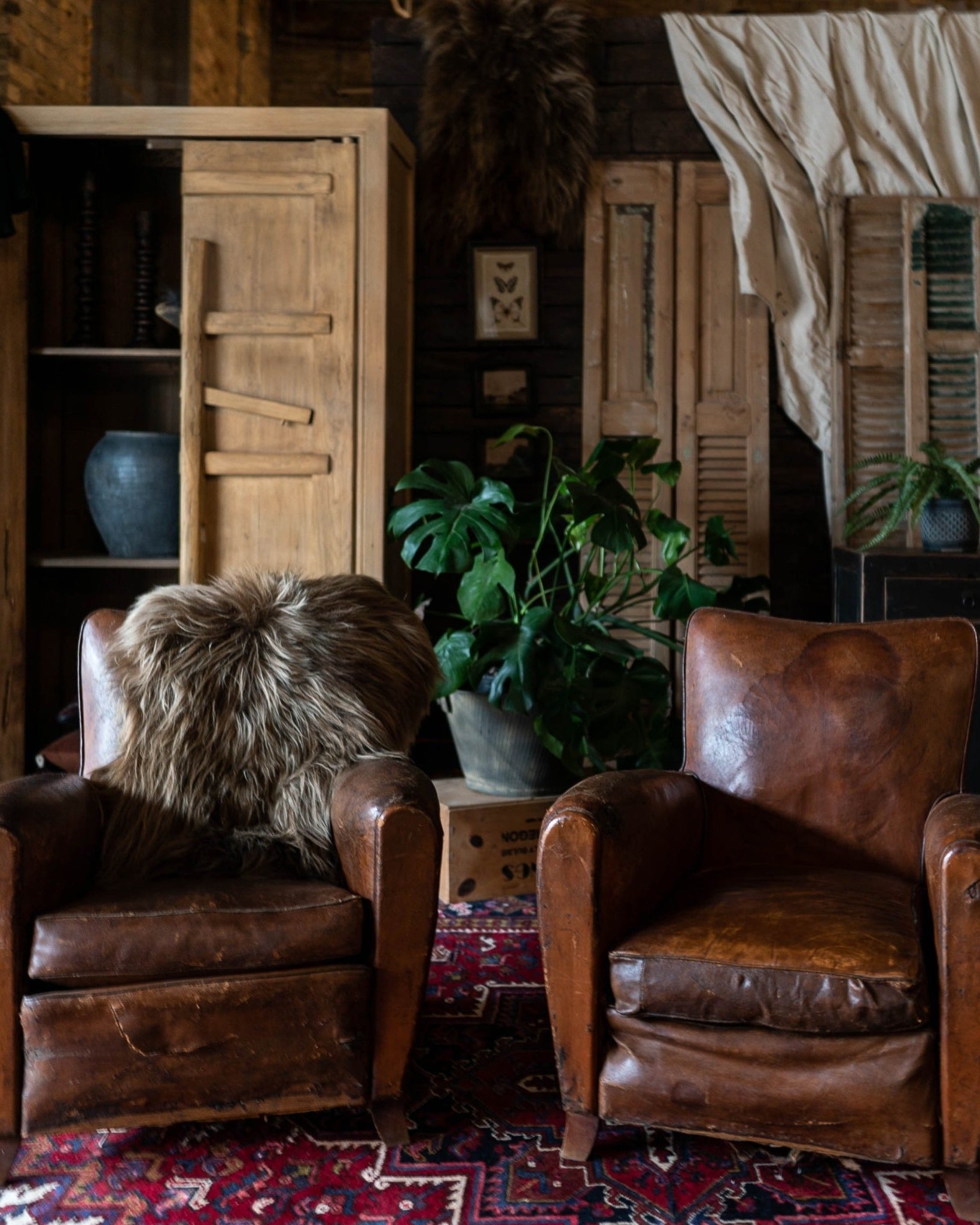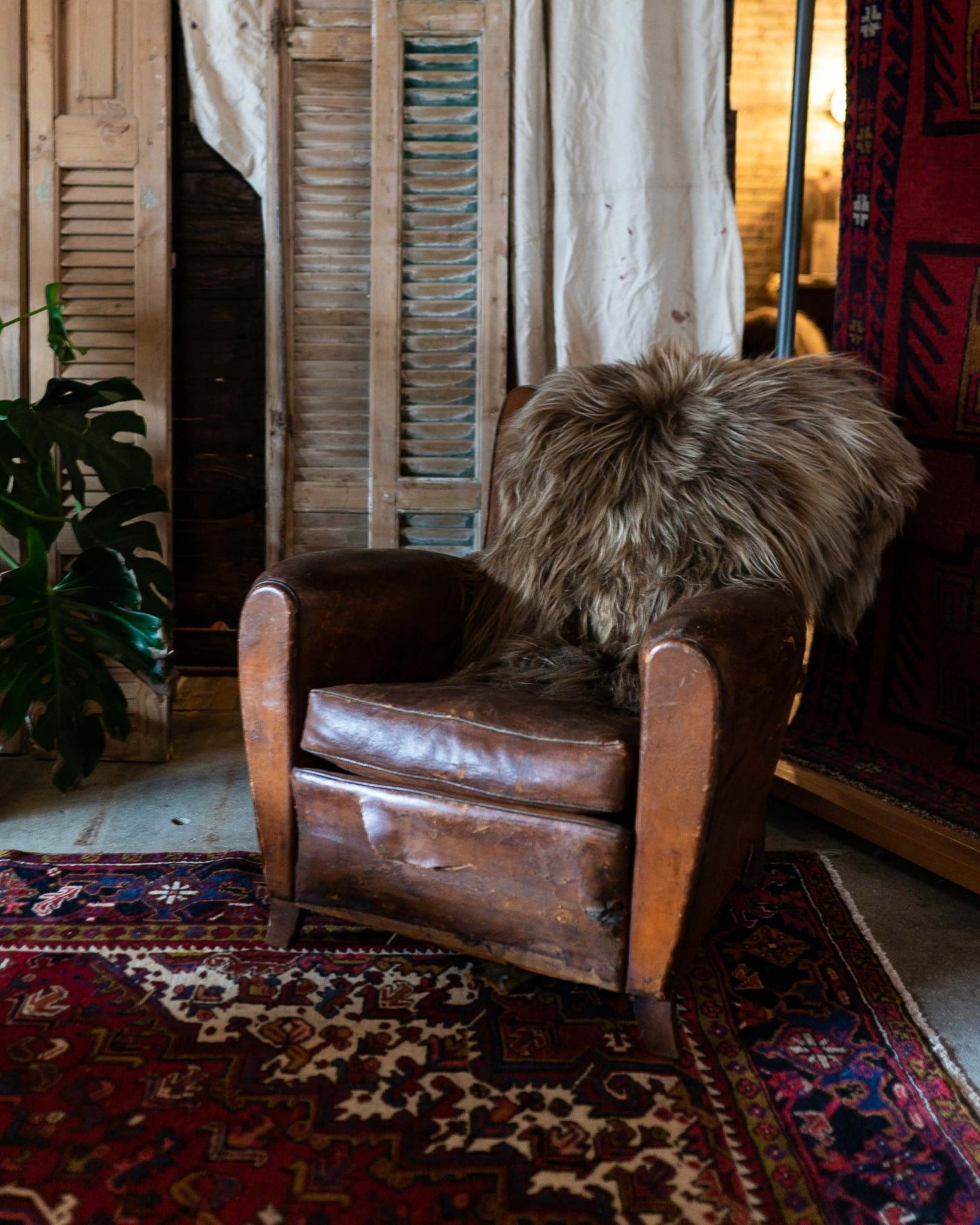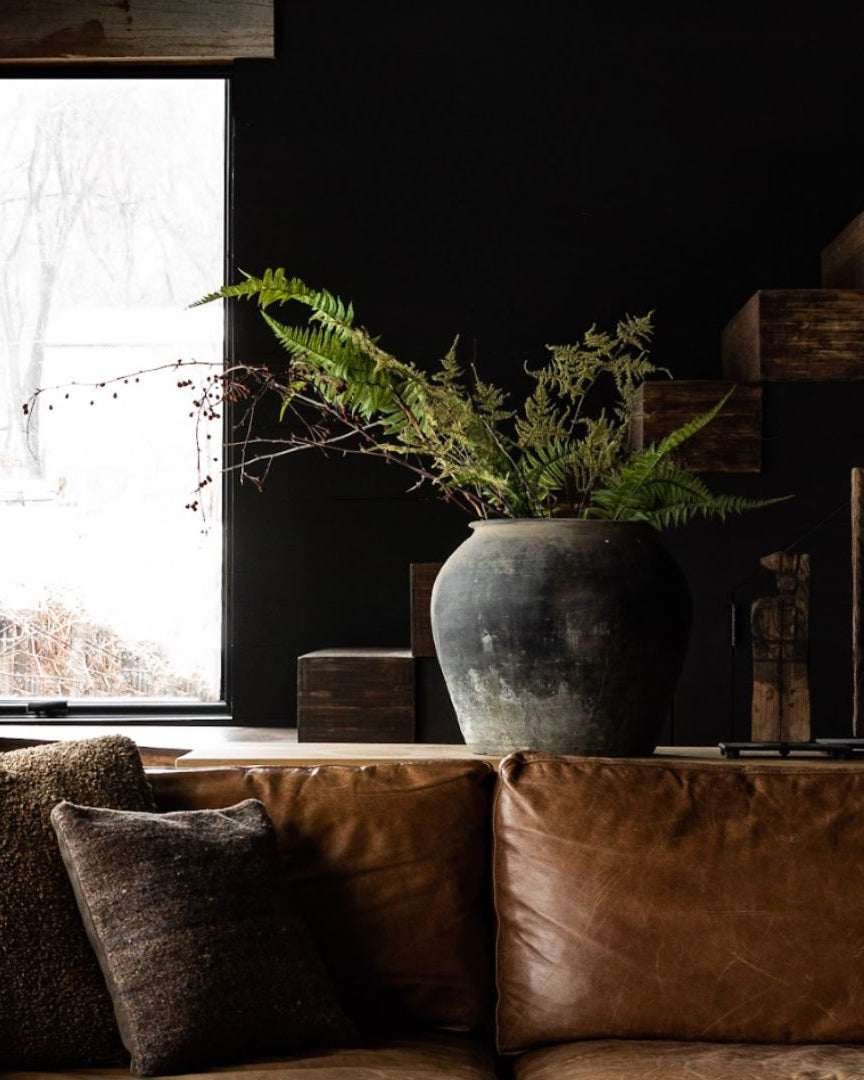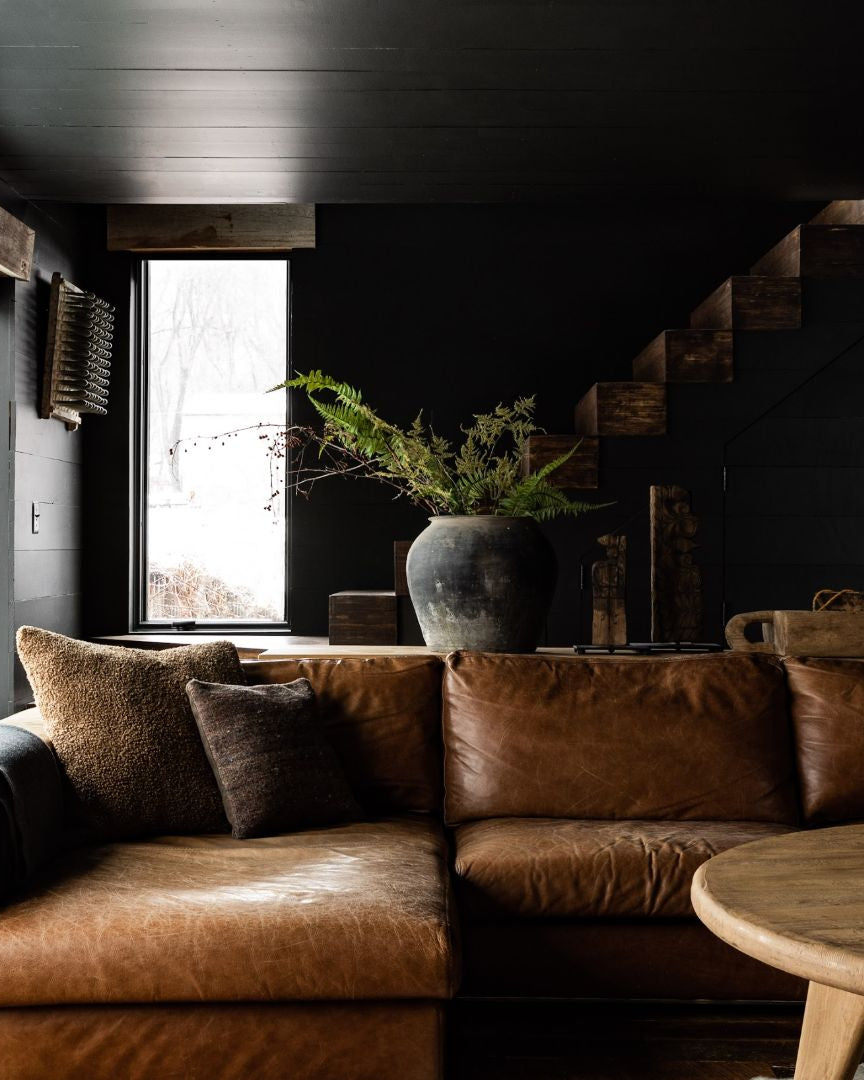








There is almost always one seat everyone quietly gravitates toward.
Not necessarily the biggest sofa. Not the chair closest to the television. Somehow, one chair becomes the chair. The place where people read, drink coffee, answer emails, or simply stare out the window doing absolutely nothing—and somehow enjoying every second of it.
That isn't an accident.
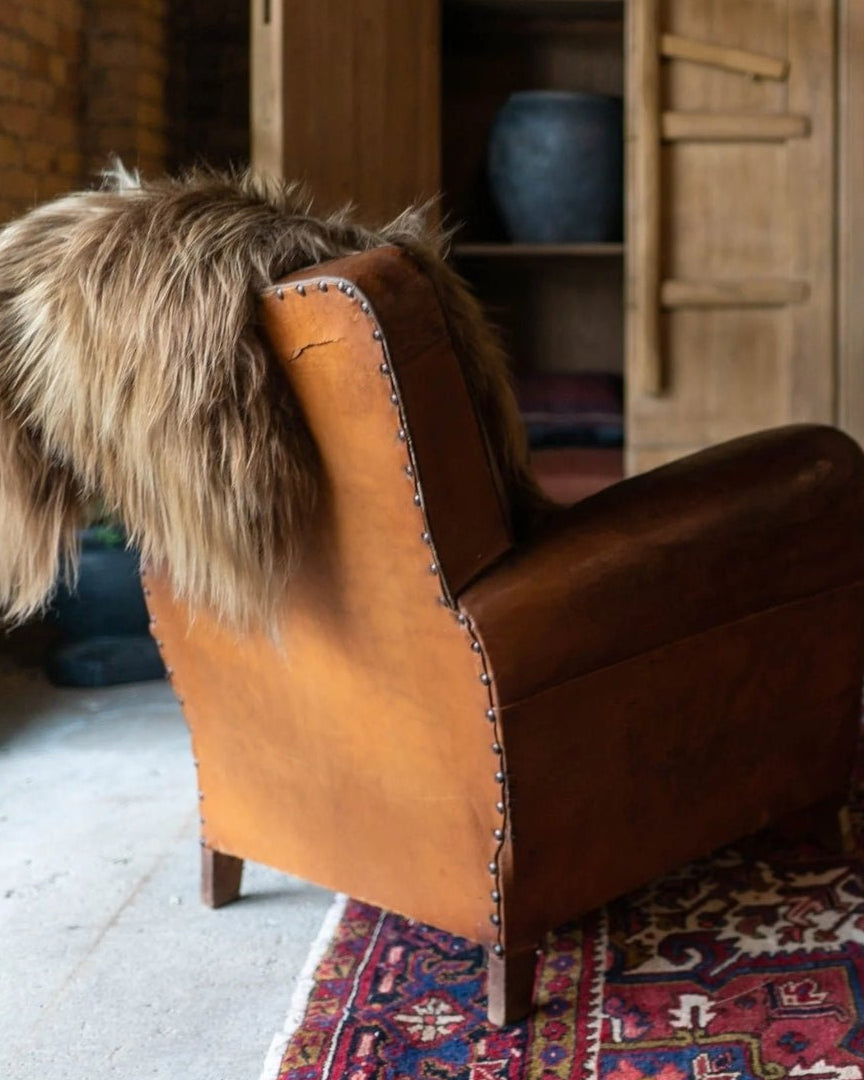
A leather lounge chair often becomes the emotional anchor of a living room because it satisfies something deeper than aesthetics. The brain constantly searches for places that feel secure, comfortable, and visually balanced. A well-proportioned lounge chair offers all three. It creates a small zone of refuge inside a larger room, helping both the body and the nervous system settle.
If you're looking to create a living room that feels calmer instead of simply more decorated, explore Hello Norden's Lounge chairs collection:
https://hellonorden.com/collections/lounge-chairs
The Nervous System Doesn't Relax in Every Seat
We often assume comfort comes from softness.
In reality, comfort begins long before we sit down.
The brain is constantly evaluating proportion, enclosure, material, and posture. It asks subconscious questions:
Does this seat feel stable?
Can I stay here comfortably?
Does it feel supported?
Can I see the room without feeling exposed?
When those questions are answered positively, the nervous system shifts into a calmer state.
That explains why lounge chairs often become favorite seats inside a home. Unlike dining chairs or accent chairs, they're designed around longer periods of rest. The Oscar leather chair creates this sense of support through its generous proportions and enveloping silhouette, while the Njala leather lounge chair pairs structured leather upholstery with a relaxed profile that encourages the body to slow down naturally.
Comfort Starts Before Contact
One fascinating aspect of interior design is that visual comfort often arrives before physical comfort.
The brain evaluates the chair from across the room before anyone sits in it.
If the proportions feel balanced and the materials appear substantial, the body already expects relaxation.
That expectation changes the entire experience.
Why Leather Feels Different From Other Upholstery
Leather isn't simply chosen because it looks good.
Its material qualities affect how a room feels visually.
Unlike highly reflective synthetic fabrics or heavily patterned upholstery, leather develops character gradually. It softens over time, catches light differently throughout the day, and creates natural variation through everyday use.
That changing surface gives the eye more information without creating visual noise.
Neuroscience suggests humans respond positively to environments containing natural variation. Perfect uniformity often feels less engaging than materials that evolve.
The Hilda brown leather tufted chair demonstrates this beautifully through its rich leather upholstery and deep tufting, while the Frenchy club chair uses softer curves to create an inviting silhouette that feels grounded instead of formal.
Patina Makes a Room Feel More Human
One advantage of leather is that it doesn't stay exactly the same.
It develops patina.
Small creases.
Subtle changes in tone.
Natural wear that reflects how the chair has been lived in.
Rather than making the furniture feel older, these changes often make it feel more connected to everyday life.
A Lounge Chair Creates a Personal Refuge
Large sofas are designed for gathering.
Lounge chairs are designed for lingering.
That difference matters psychologically.
The nervous system benefits from environments that provide both community and retreat. Even inside an open-plan living room, having one dedicated chair creates a quieter destination within the larger space.
Instead of treating the room as one uninterrupted zone, the brain begins recognizing different functions.
Conversation.
Reading.
Rest.
Reflection.
A lounge chair helps define those experiences without adding walls.
The Linder lounge chair offers a generous seat that naturally encourages longer moments of rest, while the Ellsworth chair balances clean lines with comfortable proportions that work particularly well in layered living rooms.
Small Zones Reduce Mental Fatigue
Interior designers often talk about zoning.
Neuroscience explains why it works.
When every part of a room serves the same purpose, the brain continues processing the entire environment equally.
Creating smaller destinations gives the nervous system permission to focus.
A lounge chair quietly says:
"This is where you slow down."
Scale Matters More Than Most People Realize
Many living rooms feel slightly uncomfortable even when they're beautifully furnished.
The issue isn't usually style.
It's proportion.
A chair that's too small beside an oversized sofa feels disconnected.
A chair that's too upright rarely invites someone to stay.
One that's too delicate disappears visually inside the room.
Scale affects emotional comfort because it affects visual stability.
When furniture proportions feel balanced, the eye stops searching for something to correct.
The room begins feeling complete.
The Maxim chair works particularly well because its proportions complement larger seating arrangements without competing with them. Likewise, the Lina club chair adds visual weight while maintaining an approachable footprint.
Visual Weight Creates Psychological Stability
The nervous system prefers rooms where visual weight feels evenly distributed.
That doesn't mean every object must match.
It simply means the room feels balanced enough that nothing appears awkwardly isolated.
RUTED Tip: If your living room feels restless, resist the urge to buy another throw pillow. Instead, ask yourself one question: "Where would someone naturally choose to sit alone for twenty minutes?" If you don't immediately know the answer, your room probably needs a better lounge chair—not more styling.
Swivel Chairs Support Natural Movement
Movement plays an underrated role in regulation.
The nervous system is constantly making small adjustments to posture throughout the day. A chair that allows gentle movement rather than forcing the body into one fixed position can feel noticeably more comfortable over time.
That's one reason swivel lounge chairs continue to gain popularity in living rooms. They allow people to reorient themselves toward conversation, natural light, or a favorite view without disrupting the room.
The Letty swivel lounge chair offers a sculptural silhouette with the flexibility to move naturally throughout the day. Meanwhile, the Scottie swivel lounge chair introduces softer movement into living rooms where adaptability is just as important as aesthetics.
Small Movements Reduce Physical Tension
Remaining completely still for long periods isn't necessarily relaxing.
Small shifts in posture help distribute pressure, improve comfort, and make a chair feel more accommodating.
Furniture that supports natural movement often supports mental relaxation as well.
Texture Helps a Living Room Feel More Grounded
Many living rooms rely heavily on color to create an atmosphere.
Texture usually has a greater impact.
Leather introduces subtle variation that changes throughout the day. Morning light reveals different qualities than evening light. Small creases catch shadows. The surface develops depth over time instead of remaining visually static.
This changing material experience helps prevent a room from feeling flat.
The Ruthie chair balances leather with clean, architectural lines that allow the material itself to become the focal point. Likewise, the Fletcher chair pairs generous proportions with tactile upholstery that becomes more interesting the longer you live with it.
The Brain Appreciates Material Variety
Natural materials rarely remain visually identical throughout the day.
That variation keeps the room engaging without becoming overstimulating.
It's one reason leather continues to feel relevant regardless of changing trends.
A Lounge Chair Helps Slow the Entire Room Down
Every living room benefits from having one piece that encourages people to stay a little longer.
Not because it's flashy.
Because it feels good.
When someone chooses a lounge chair over constantly moving through the space, something interesting happens.
The pace of the room changes.
Conversations become longer.
Reading sessions become uninterrupted.
Morning coffee lasts a little while longer.
Those moments matter because homes aren't experienced through photographs.
They're experienced through habits.
The Oscar leather chair naturally creates that slower rhythm through its supportive proportions, while the Frenchy club chair offers an inviting seat that encourages people to settle in rather than pass through.
Regulation Happens Through Repetition
The nervous system responds to routines.
A chair that consistently becomes your place to unwind gradually builds positive associations.
Eventually, simply sitting down becomes part of the body's relaxation ritual.
The Best Living Rooms Feel Lived In, Not Perfect
It's easy to chase the perfectly styled living room.
The matching accessories.
The coordinated cushions.
The carefully arranged coffee table.
But the rooms people remember most rarely succeed because everything matches.
They succeed because they invite people to stay.
A leather lounge chair contributes to that invitation in a way few other pieces can. It creates visual weight without heaviness, texture without clutter, and comfort without demanding attention.
Rather than functioning as another decorative object, it becomes part of the daily rhythm of the home.
The chair where someone finishes a novel.
The chair where morning coffee becomes a ritual.
The chair everyone quietly hopes is still available.
That's why lounge chairs matter.
Not because every living room needs another seat.
Because every home benefits from having one place that feels like an exhale.
The Living Room Isn't Just a Space—It's a Nervous System Environment
Design conversations often revolve around style.
Modern.
Scandinavian.
Organic.
Minimalist.
But our bodies experience rooms differently.
They respond to:
scale
posture
texture
material honesty
visual balance
sensory comfort
A thoughtfully chosen leather lounge chair supports each of these elements.
It becomes more than furniture.
It becomes an environment within the environment.
A place where visual weight feels balanced.
Where materials feel authentic.
Where the nervous system doesn't have to work quite so hard.

A Better Living Room Starts With One Better Seat
The most regulating living rooms aren't necessarily the largest or the most elaborately styled.
They're the ones that make people feel comfortable enough to linger.
A leather lounge chair quietly shapes that experience through thoughtful proportions, tactile materials, and a sense of refuge that larger seating arrangements can't always provide.
Instead of asking how to decorate a room more, consider asking how to make it feel better.
Often, the answer isn't another accessory.
It's one chair chosen well.
Explore Hello Norden's Lounge chairs collection to discover leather lounge chairs that balance comfort, proportion, and material richness—helping create living rooms designed not just to be seen, but genuinely enjoyed every day.