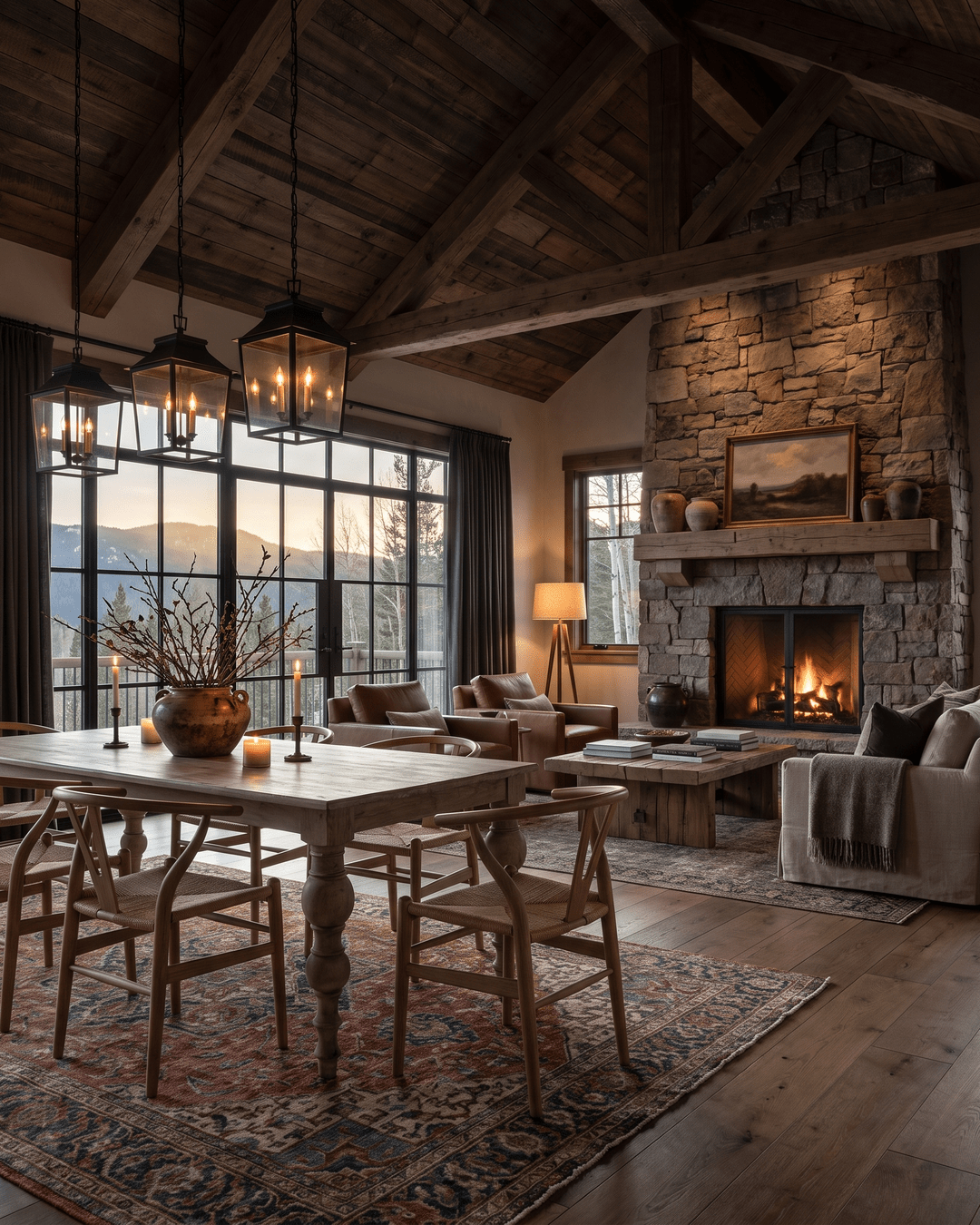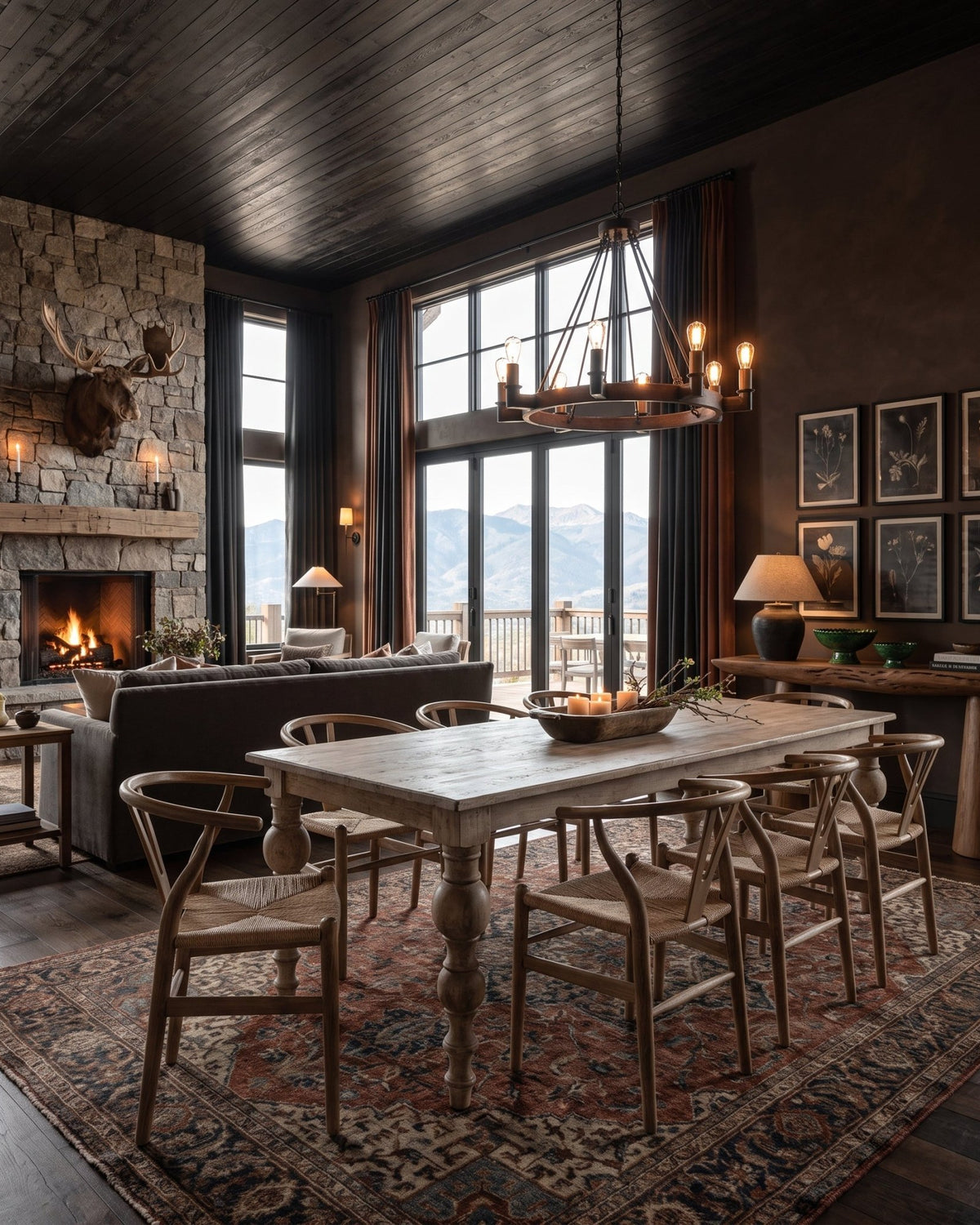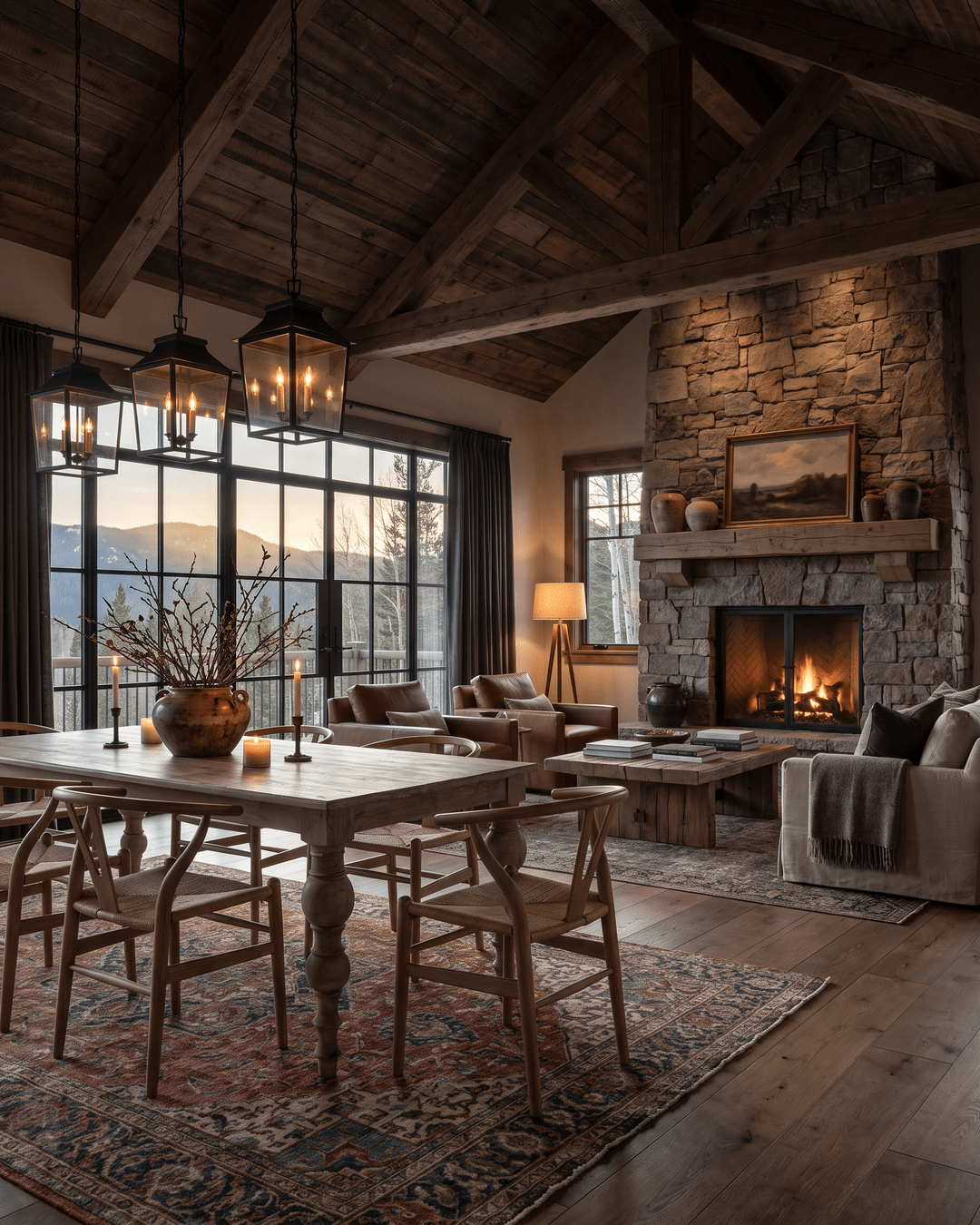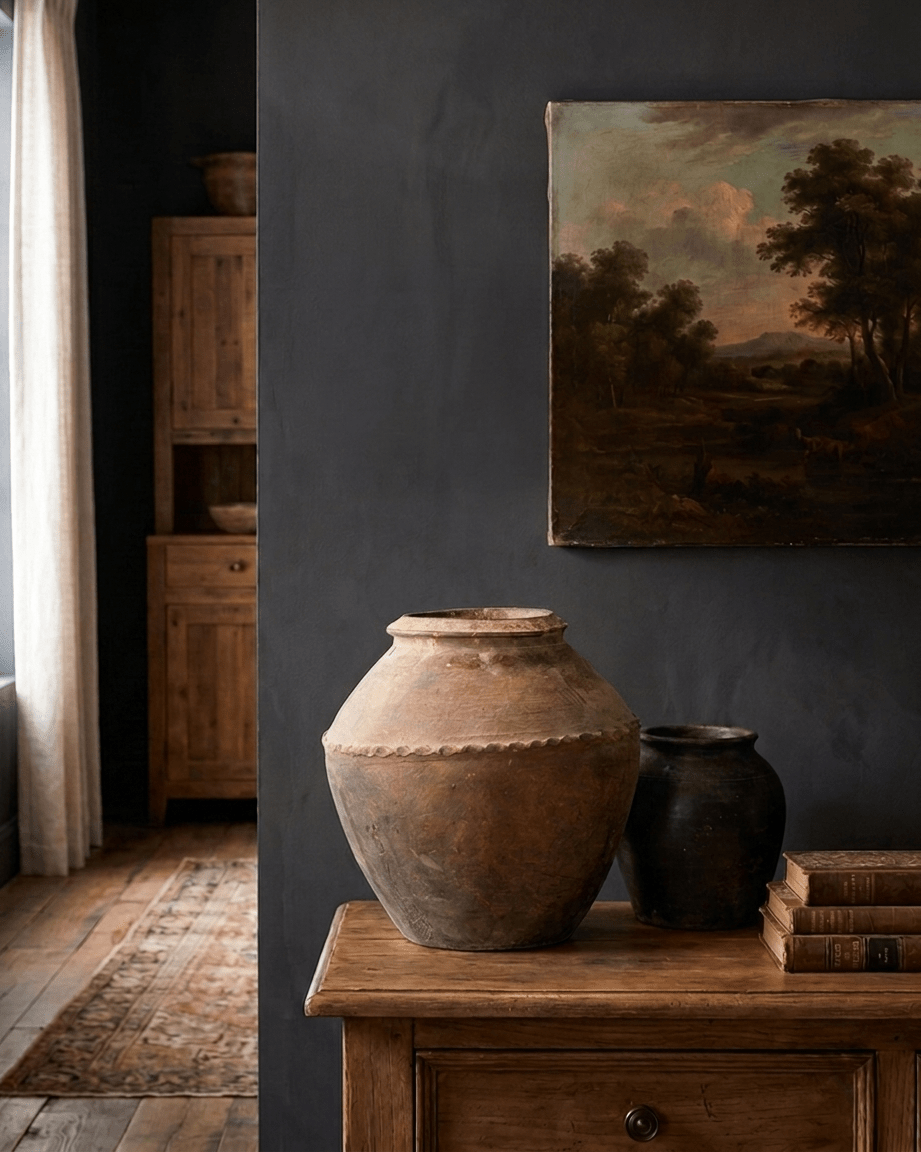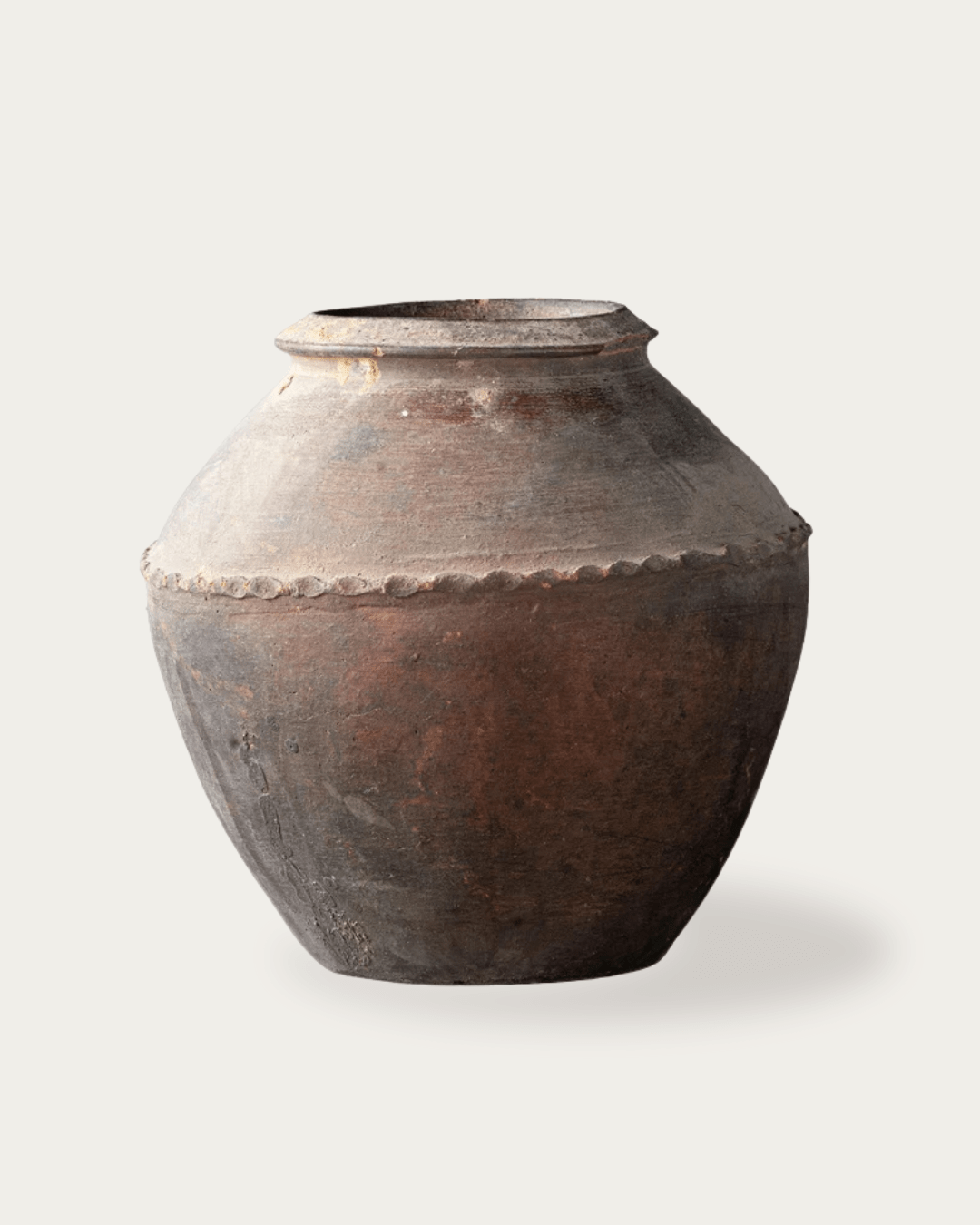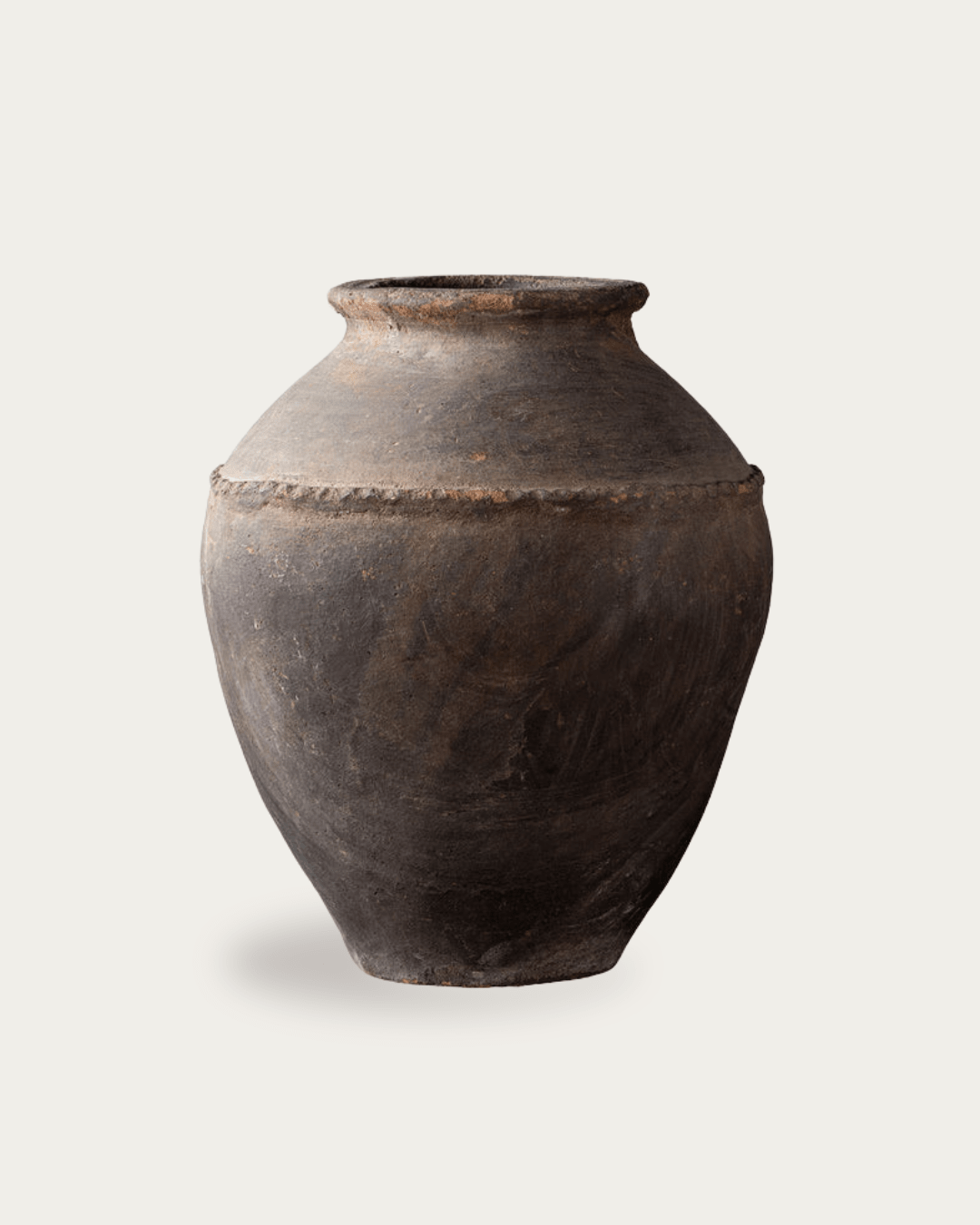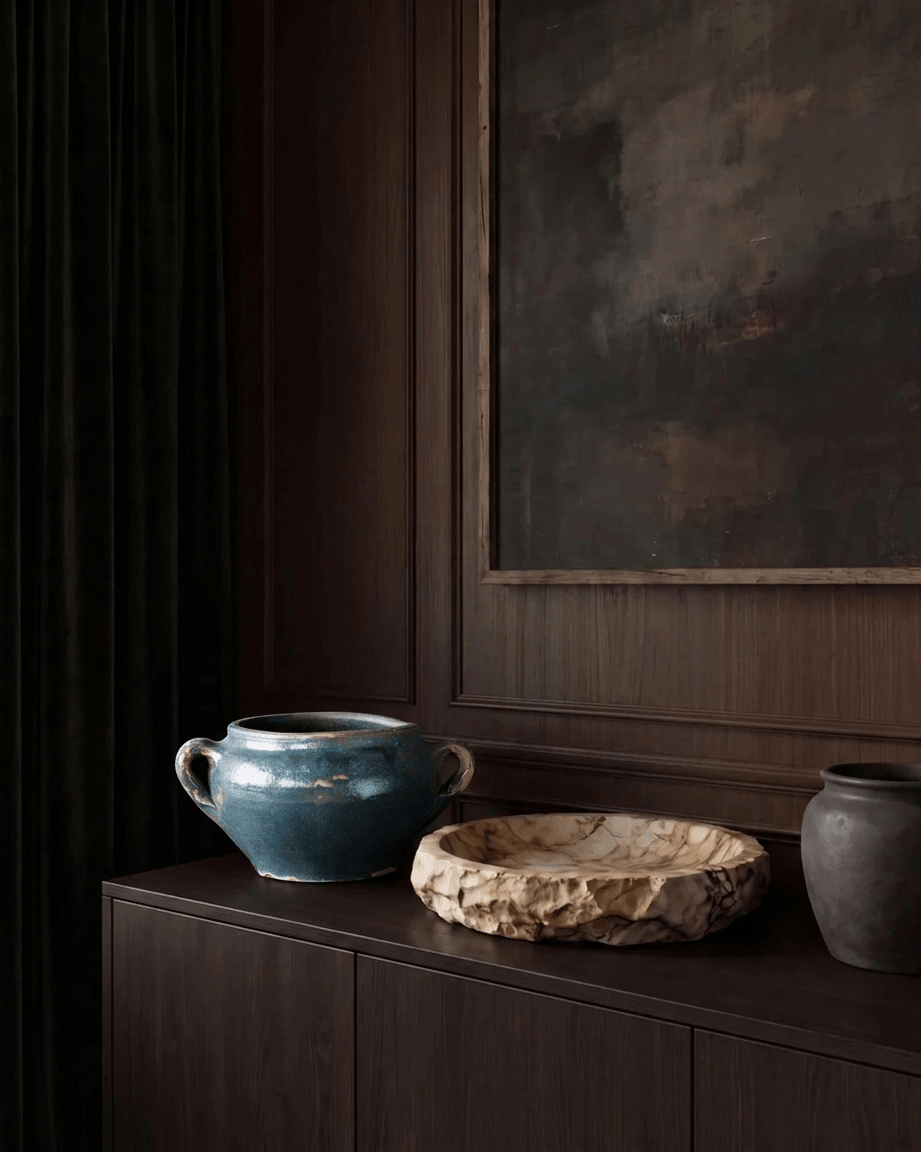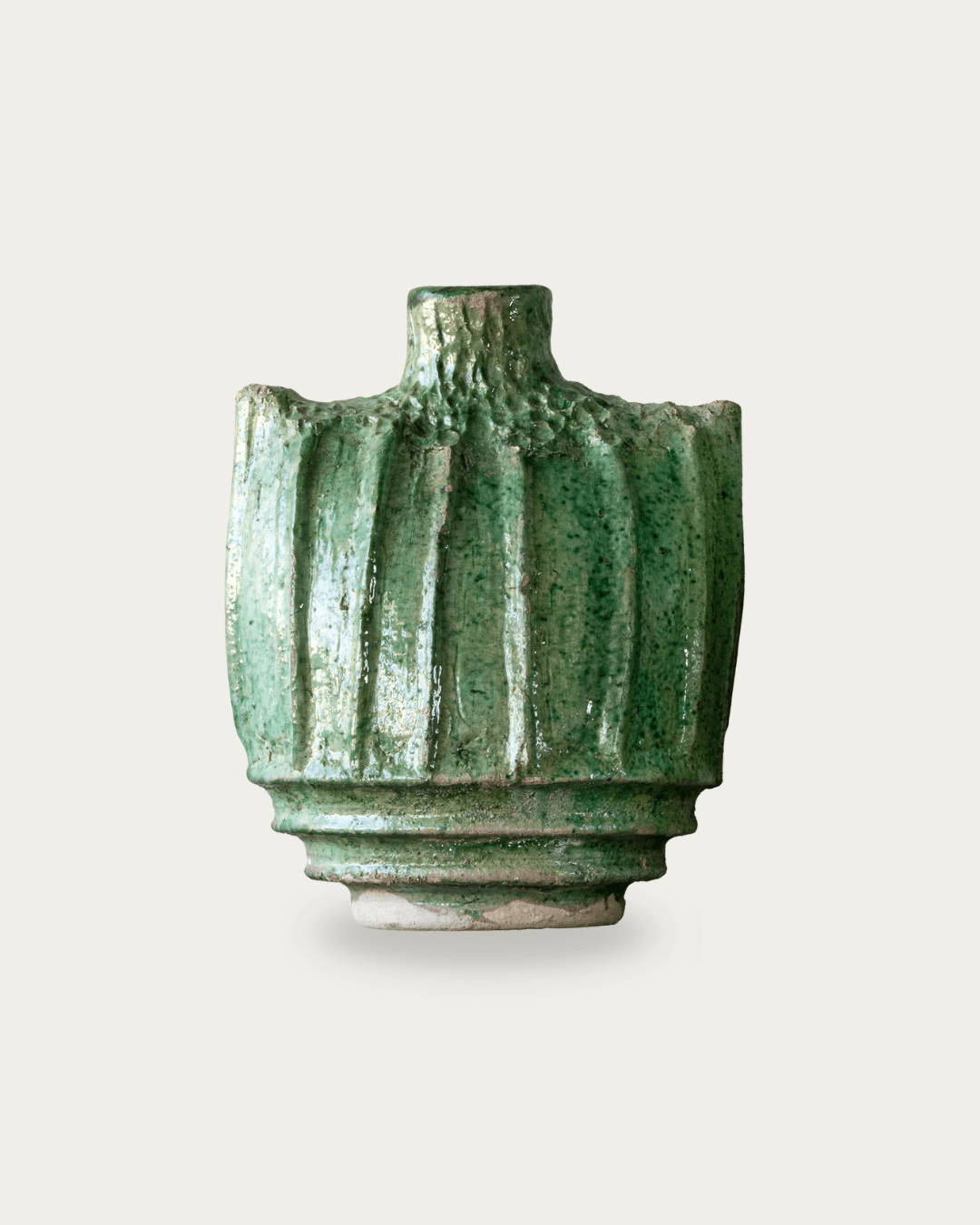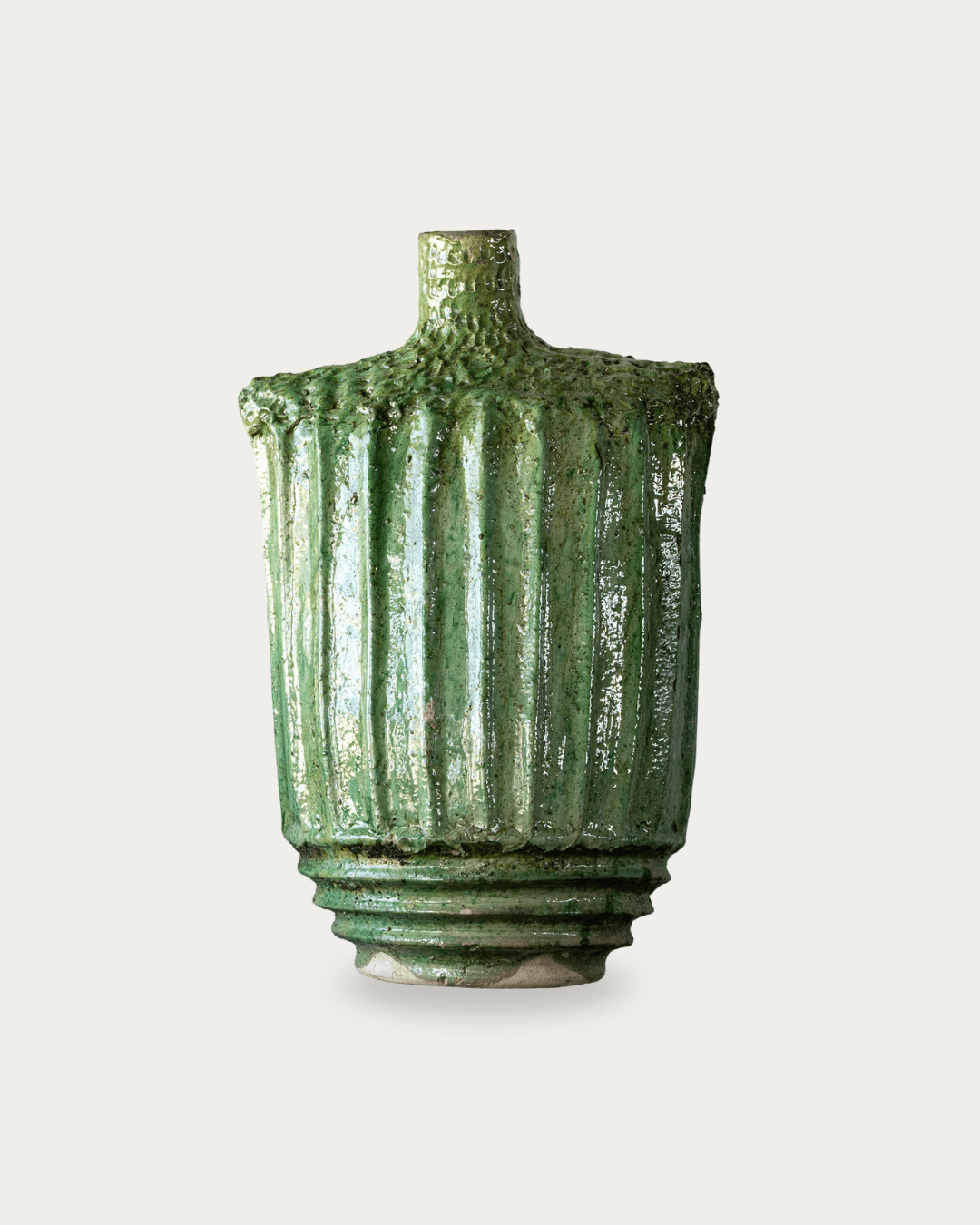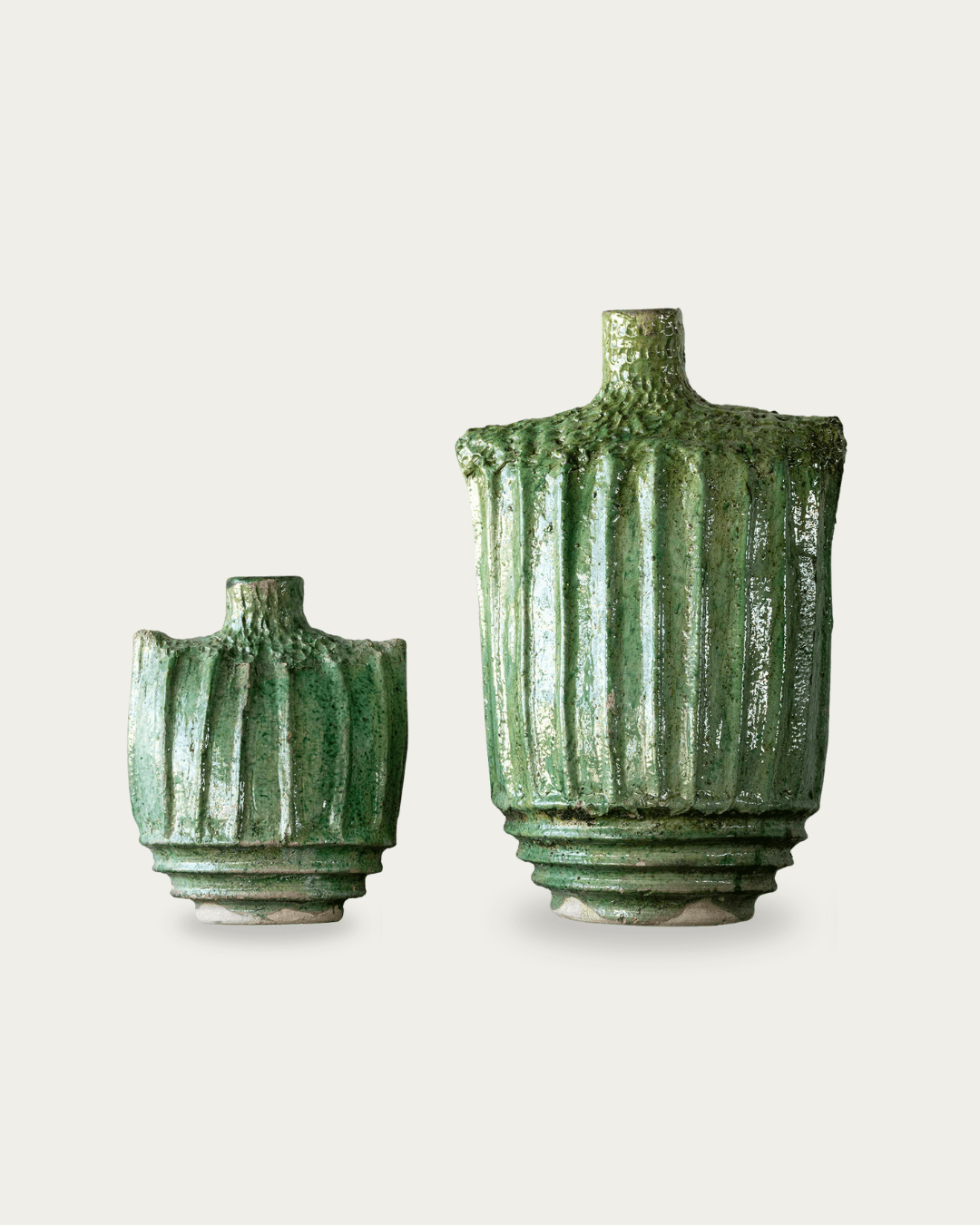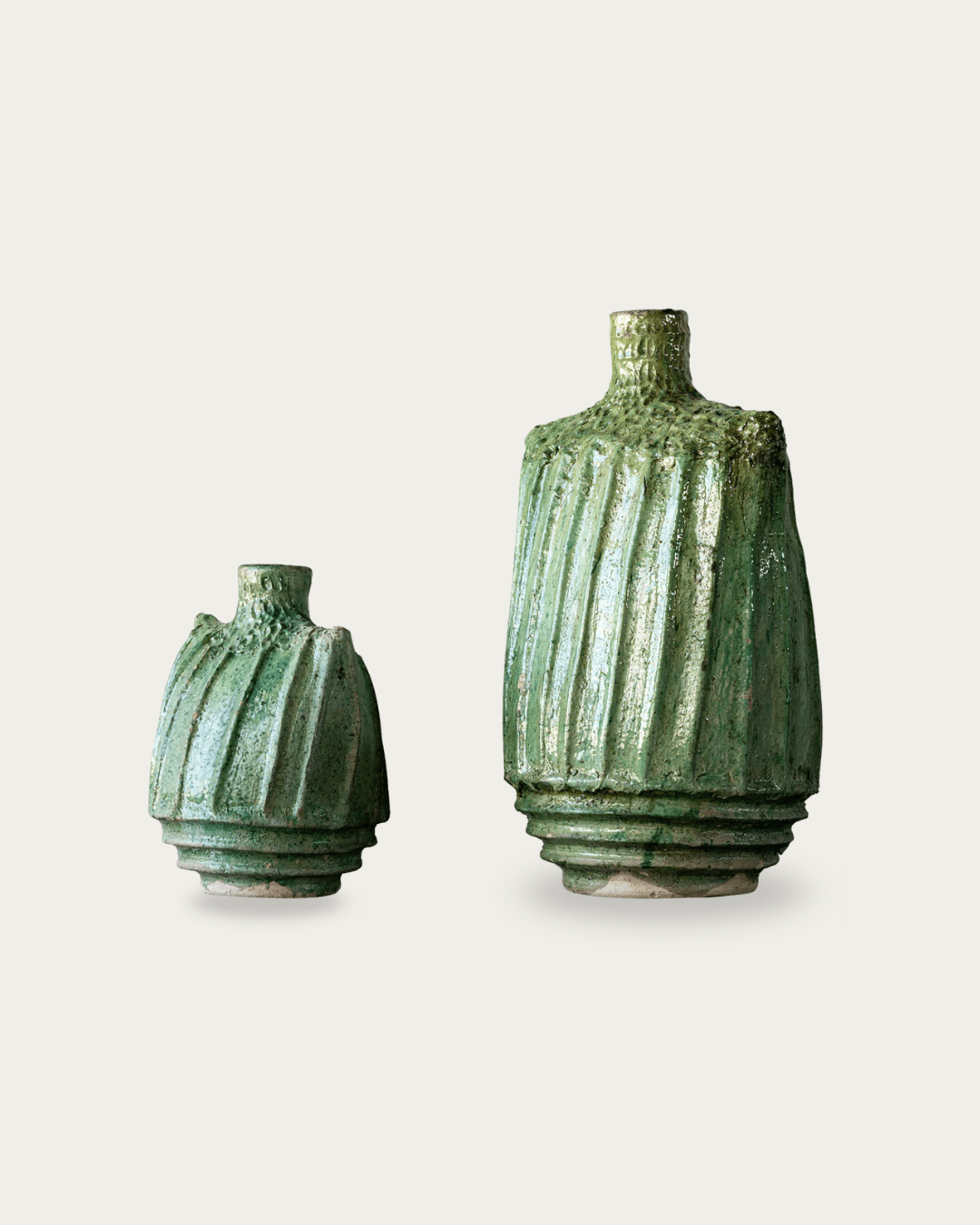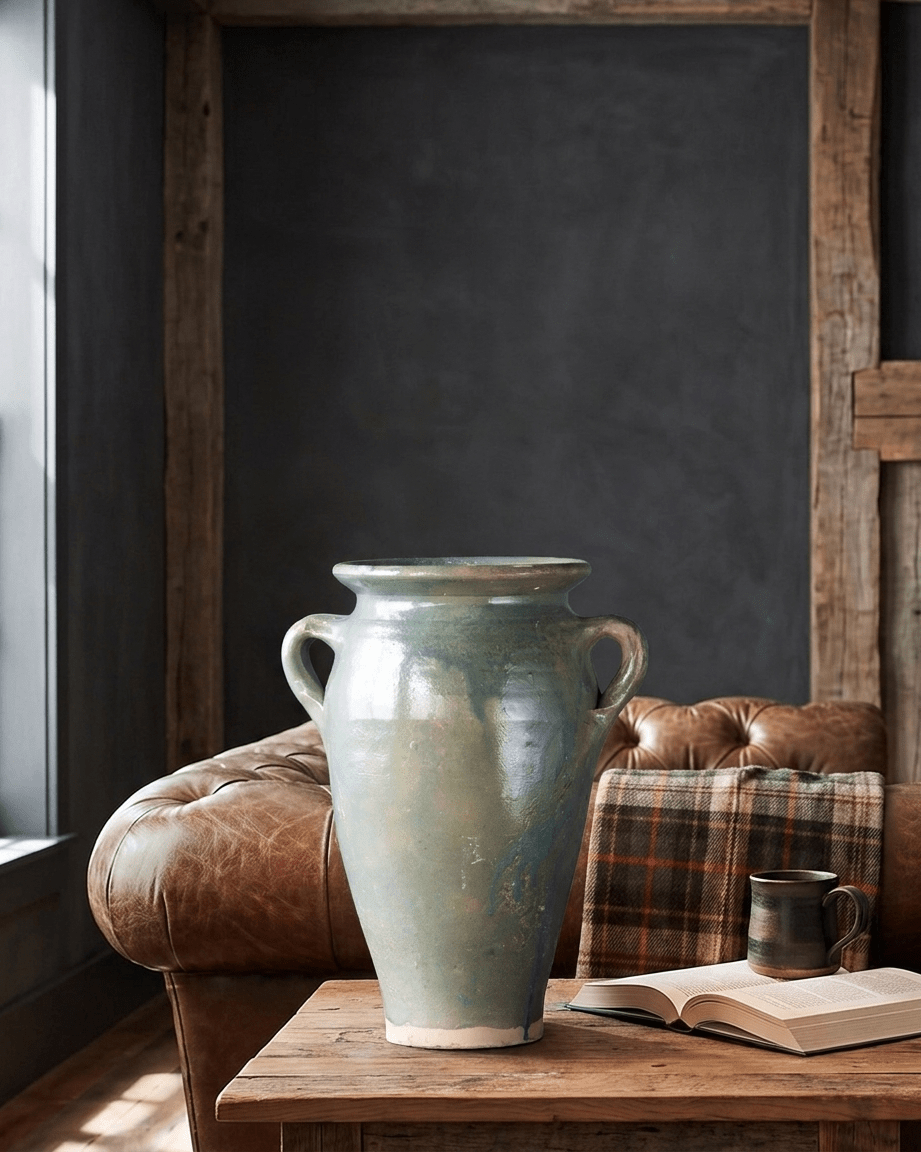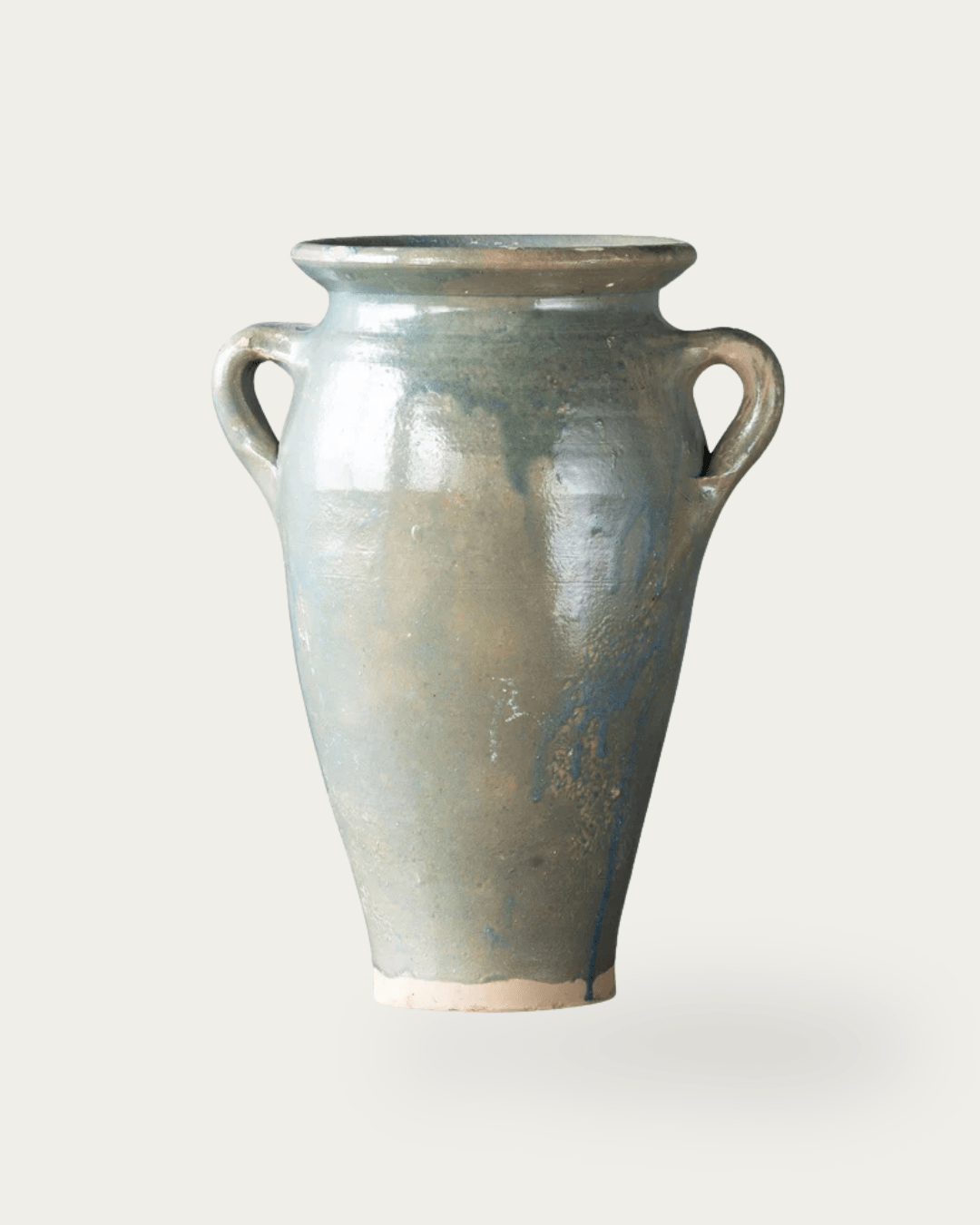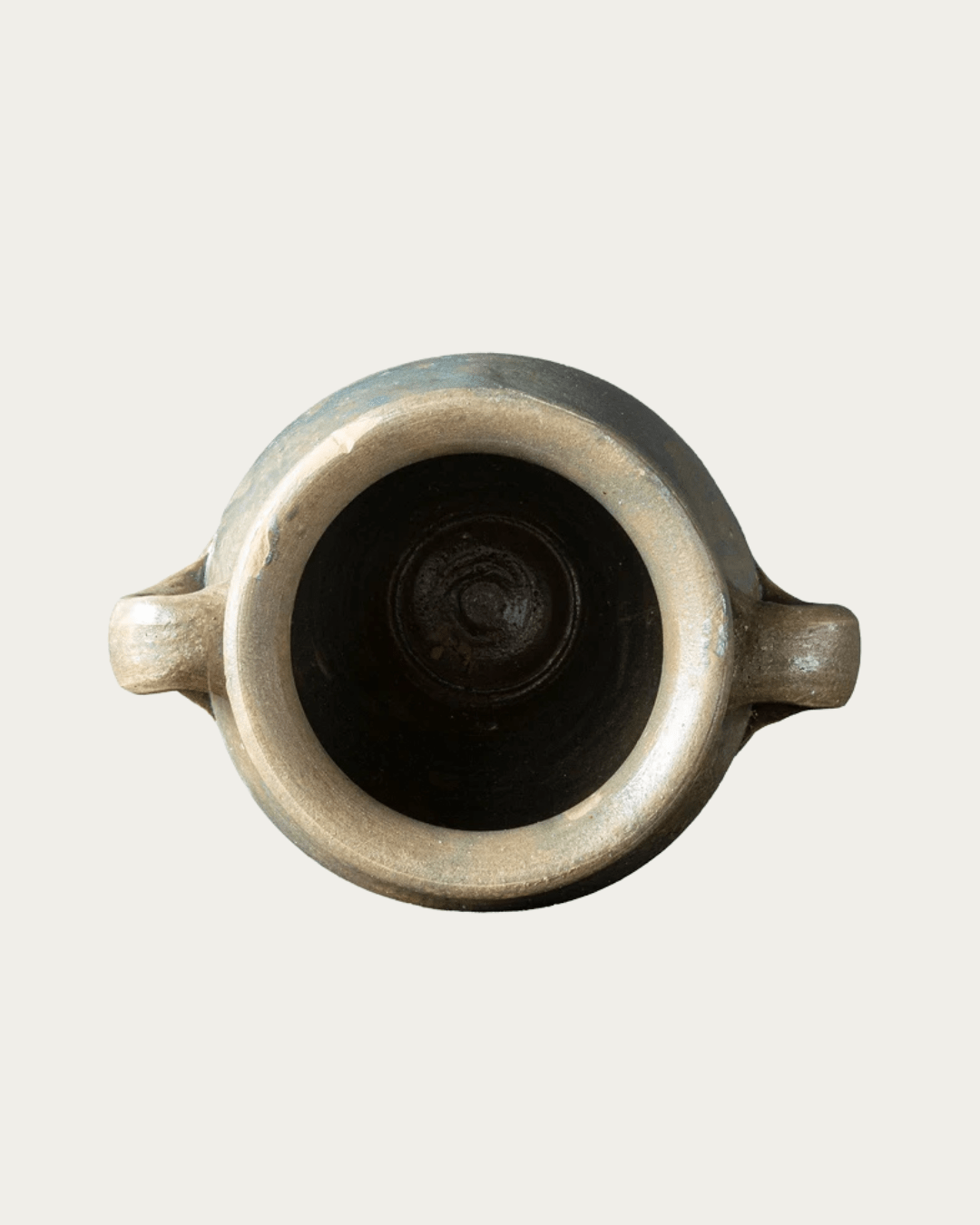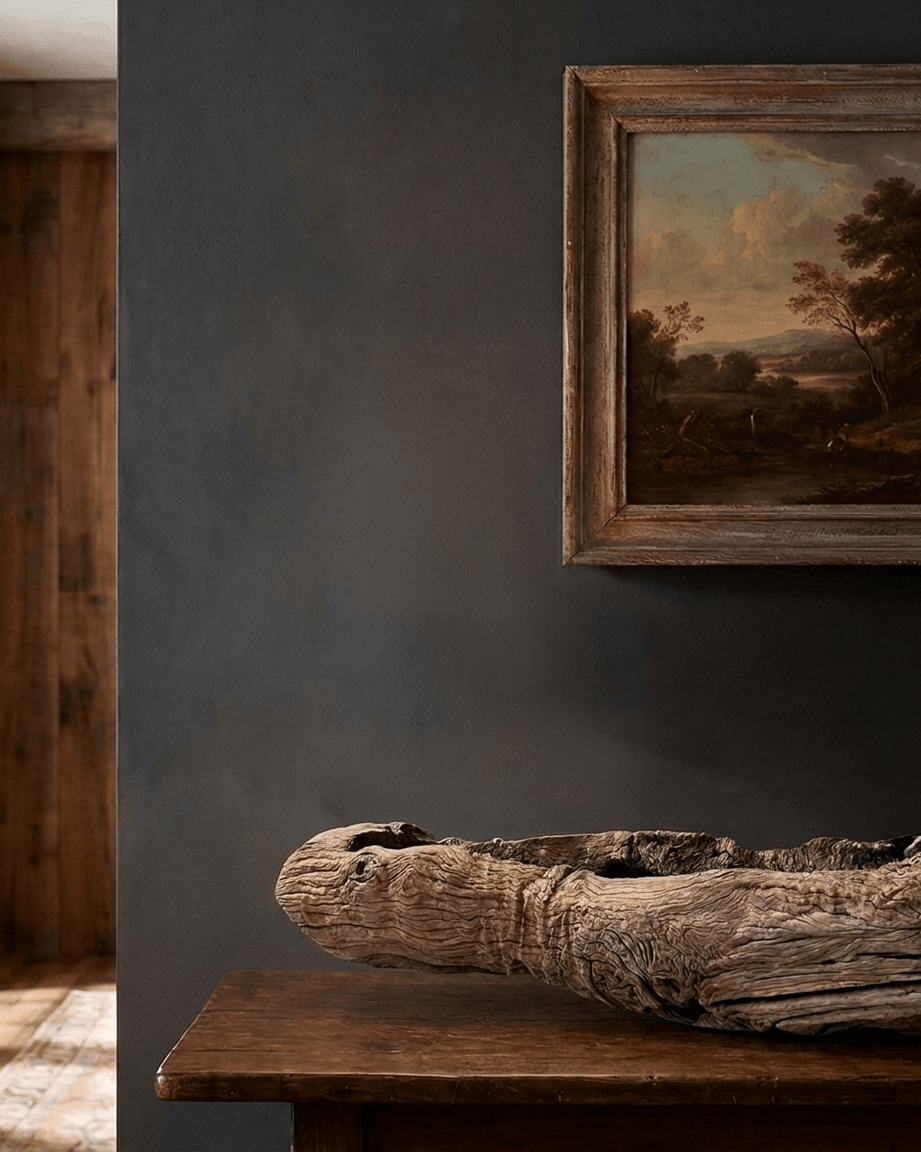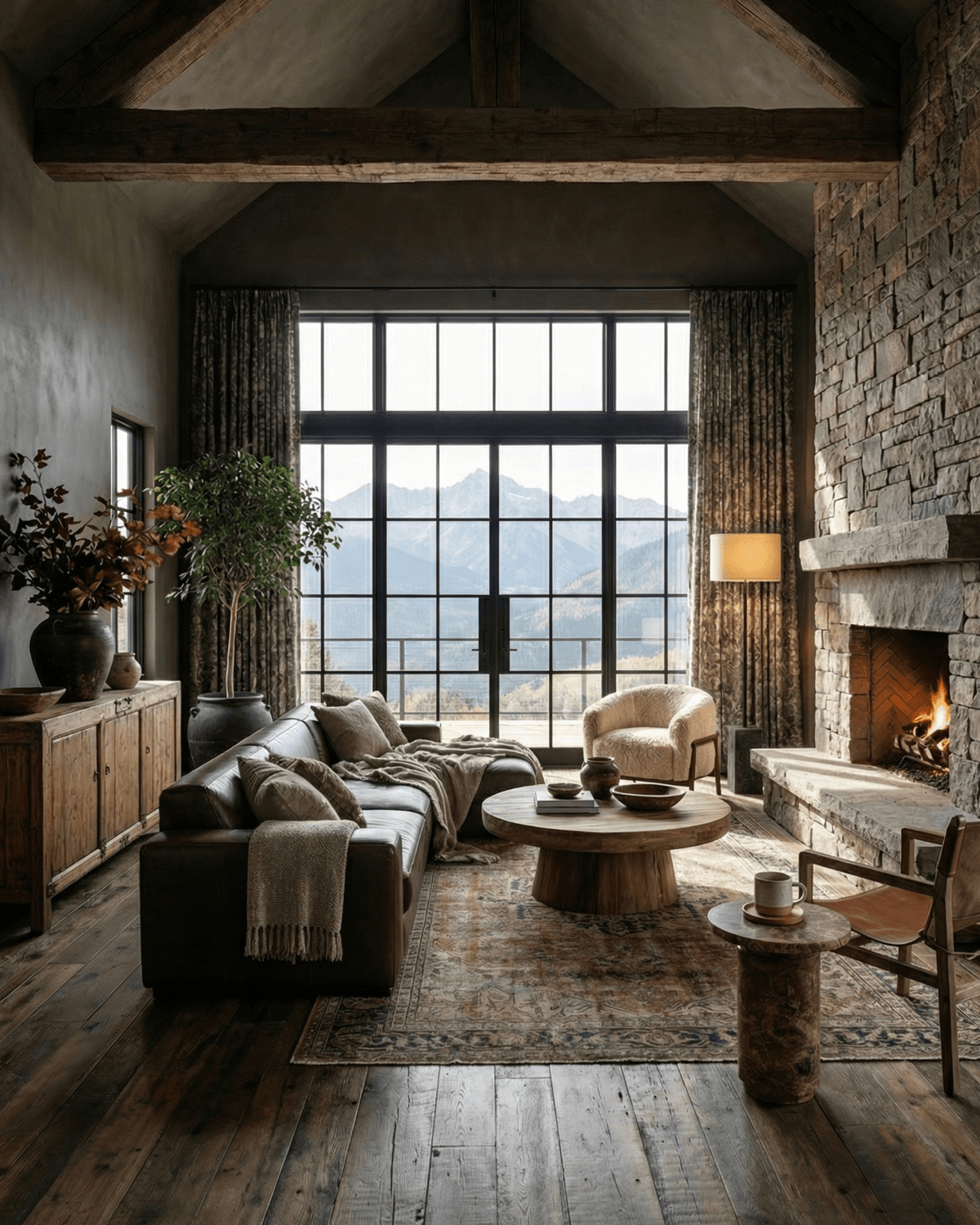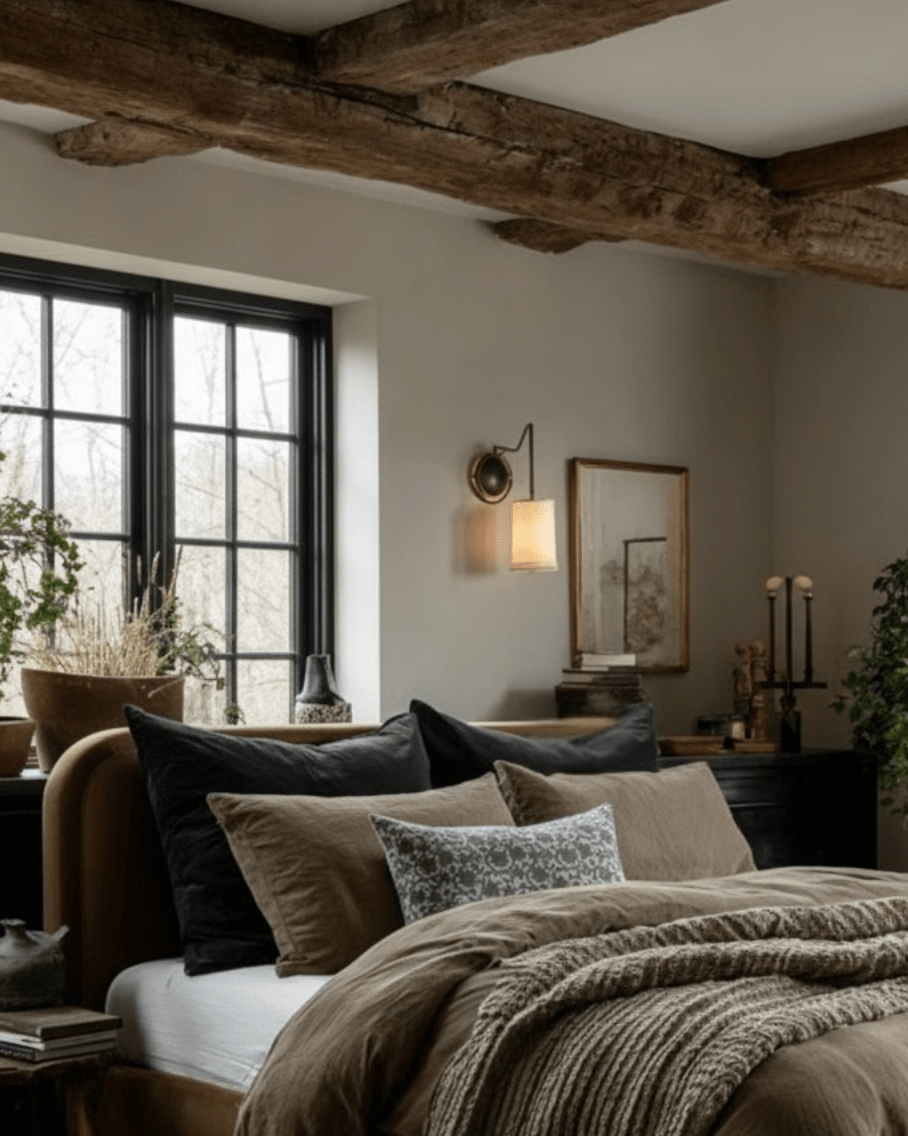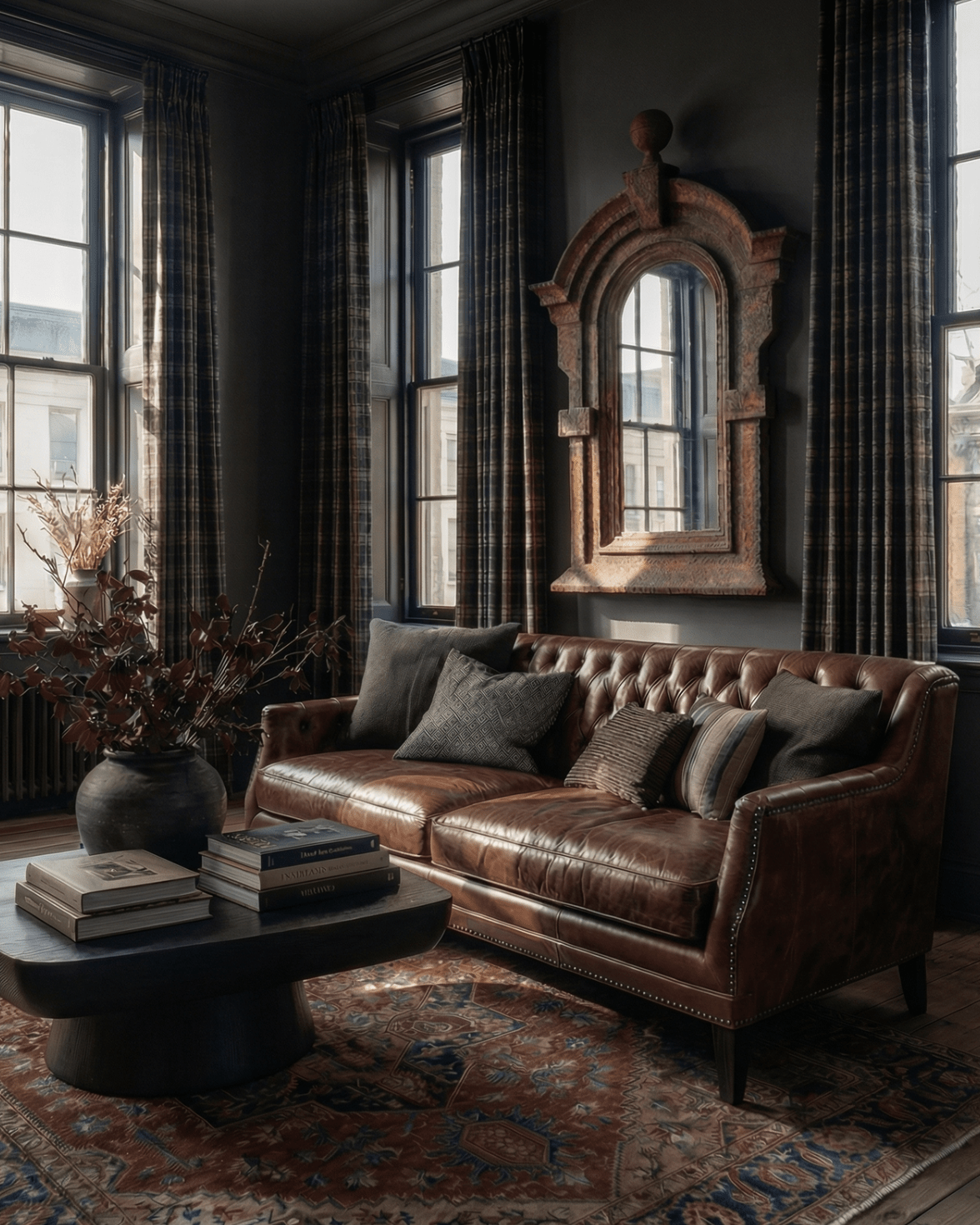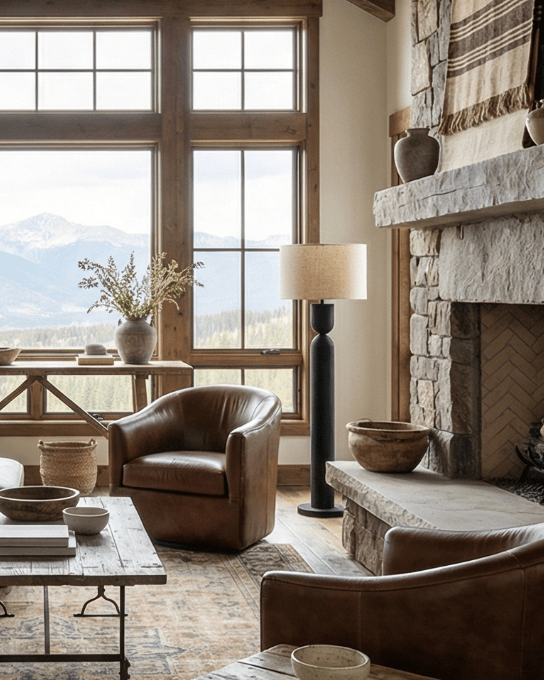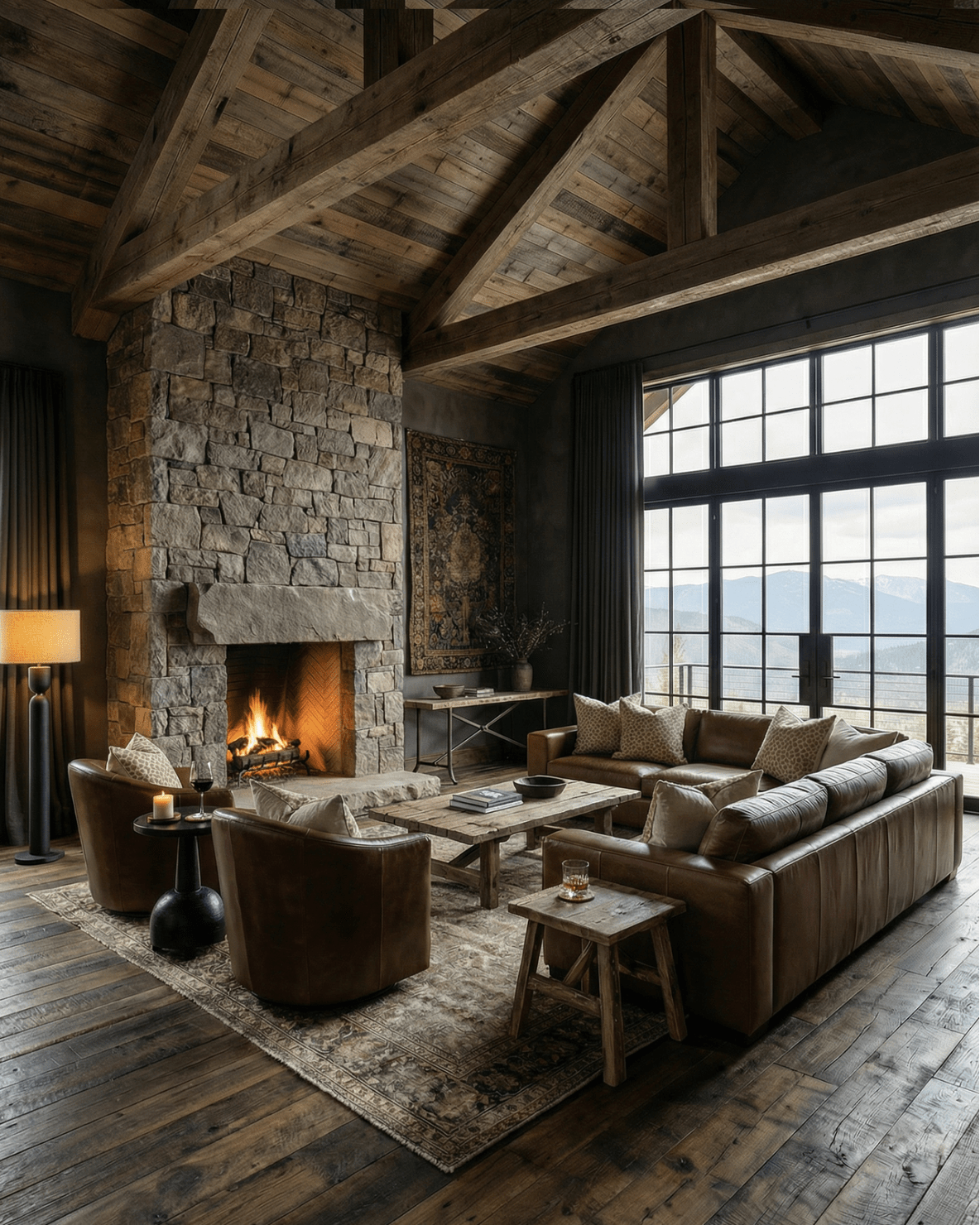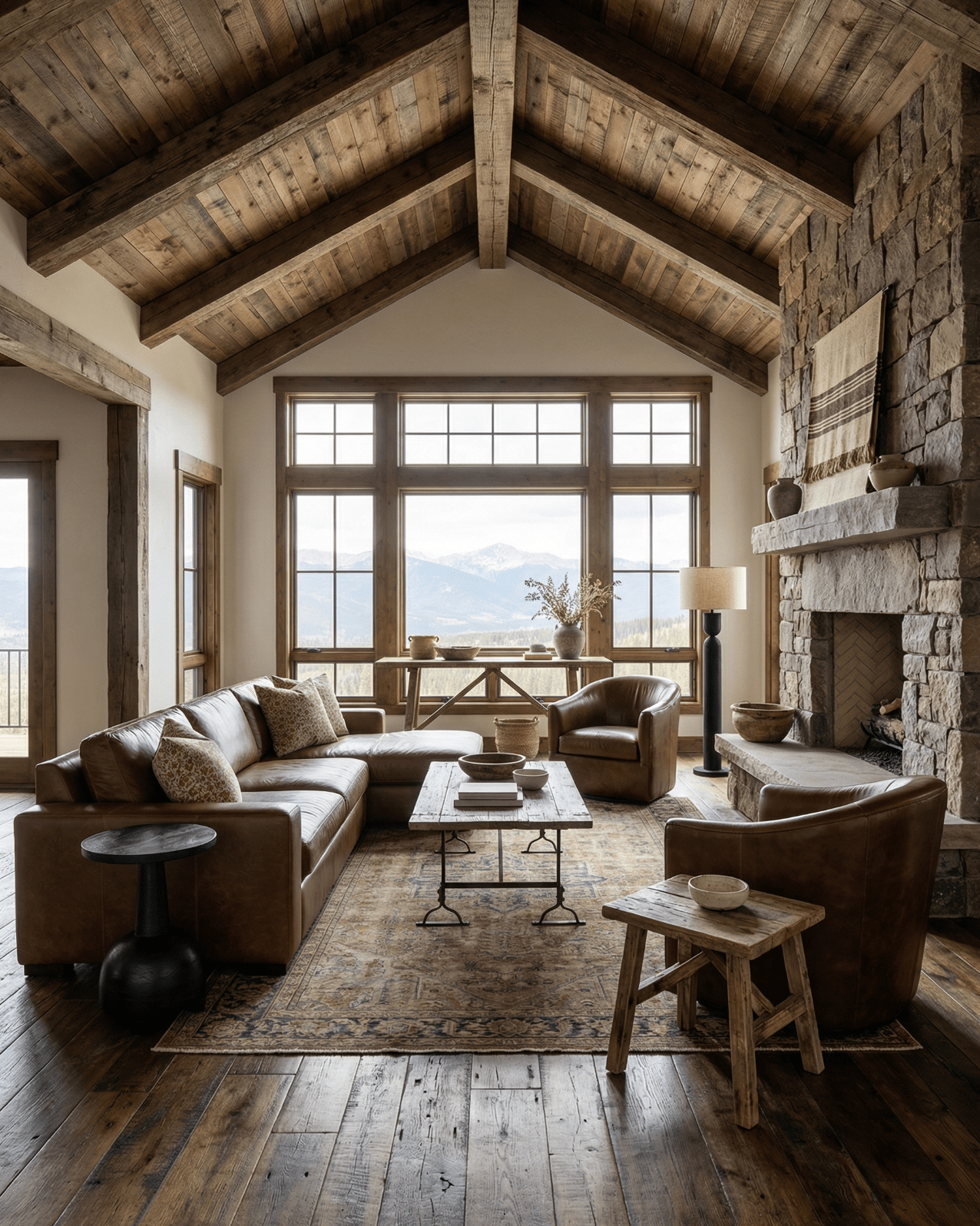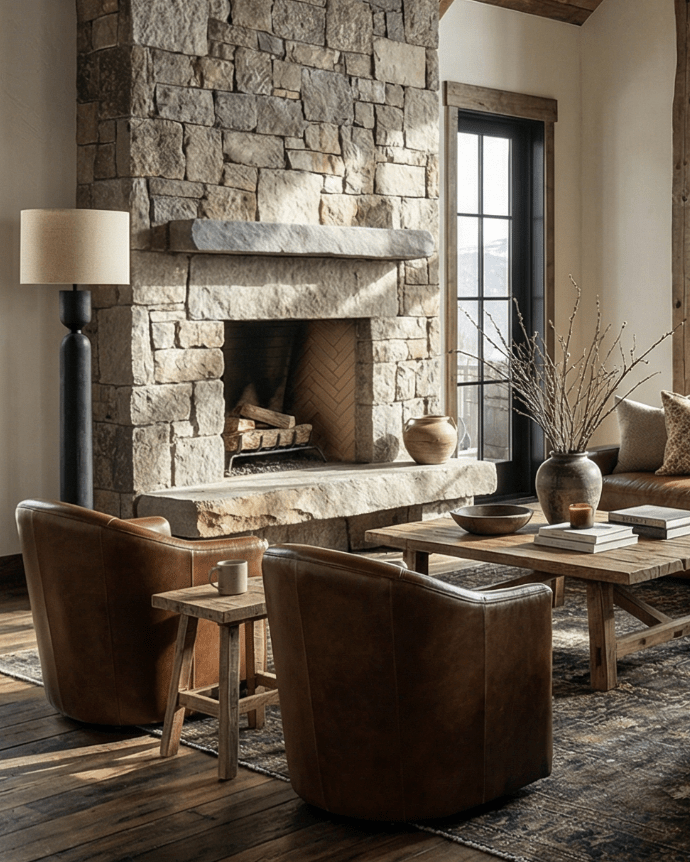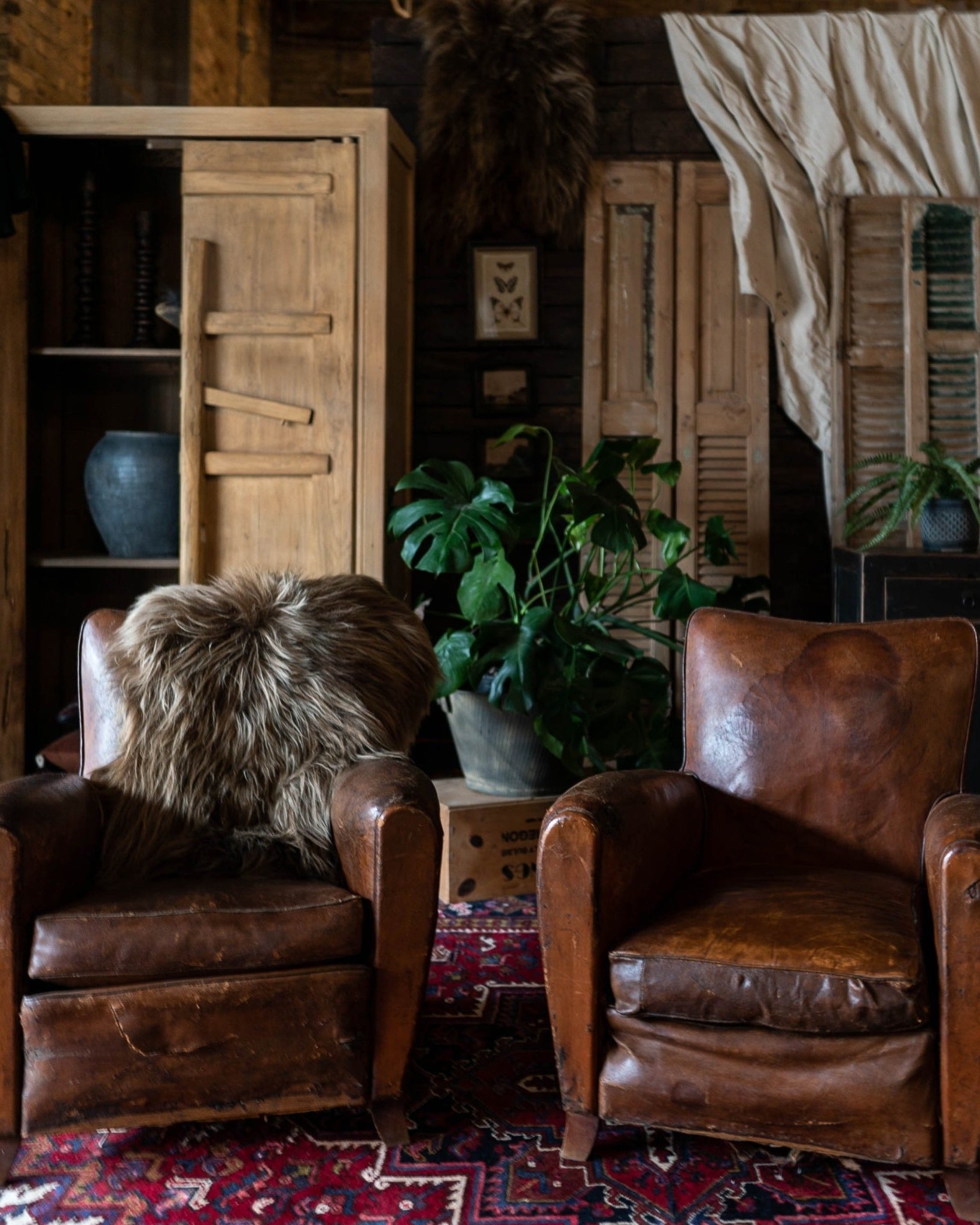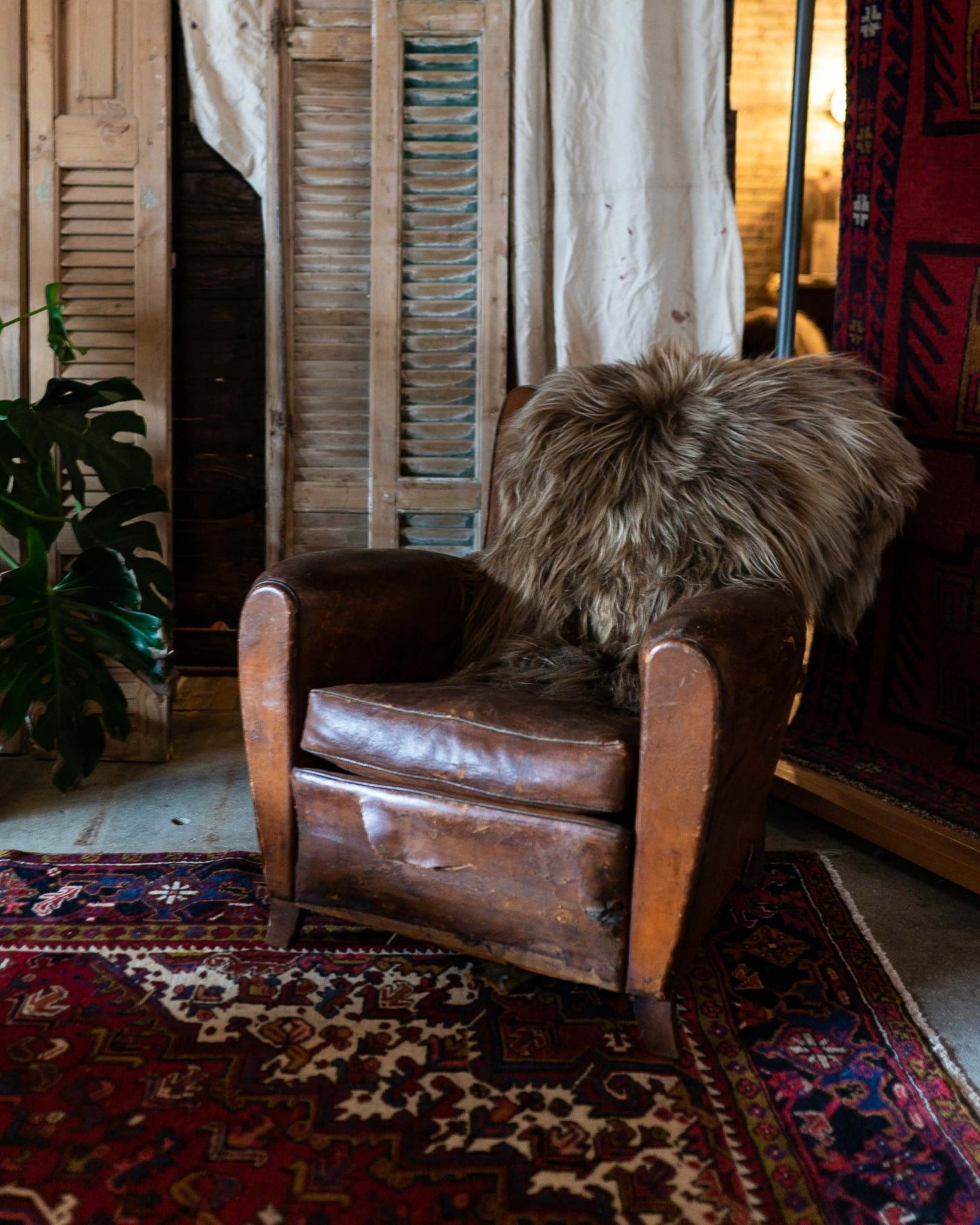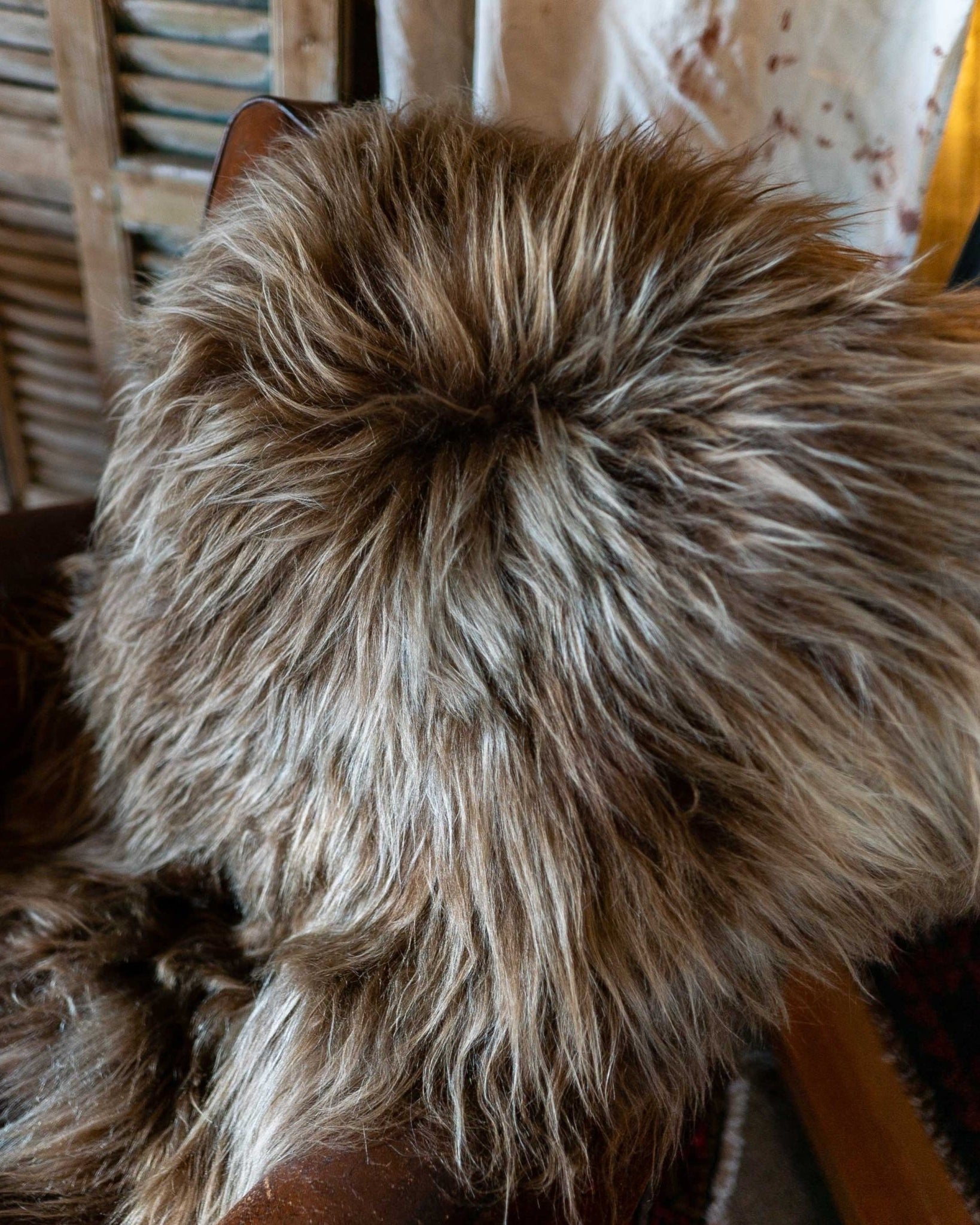






Have you ever noticed that some rooms feel settled before you even sit down?
Nothing dramatic is happening. There aren't dozens of styling tricks competing for attention. The room simply feels balanced. Your eyes slow down. Your shoulders relax. The space feels easier to exist inside.
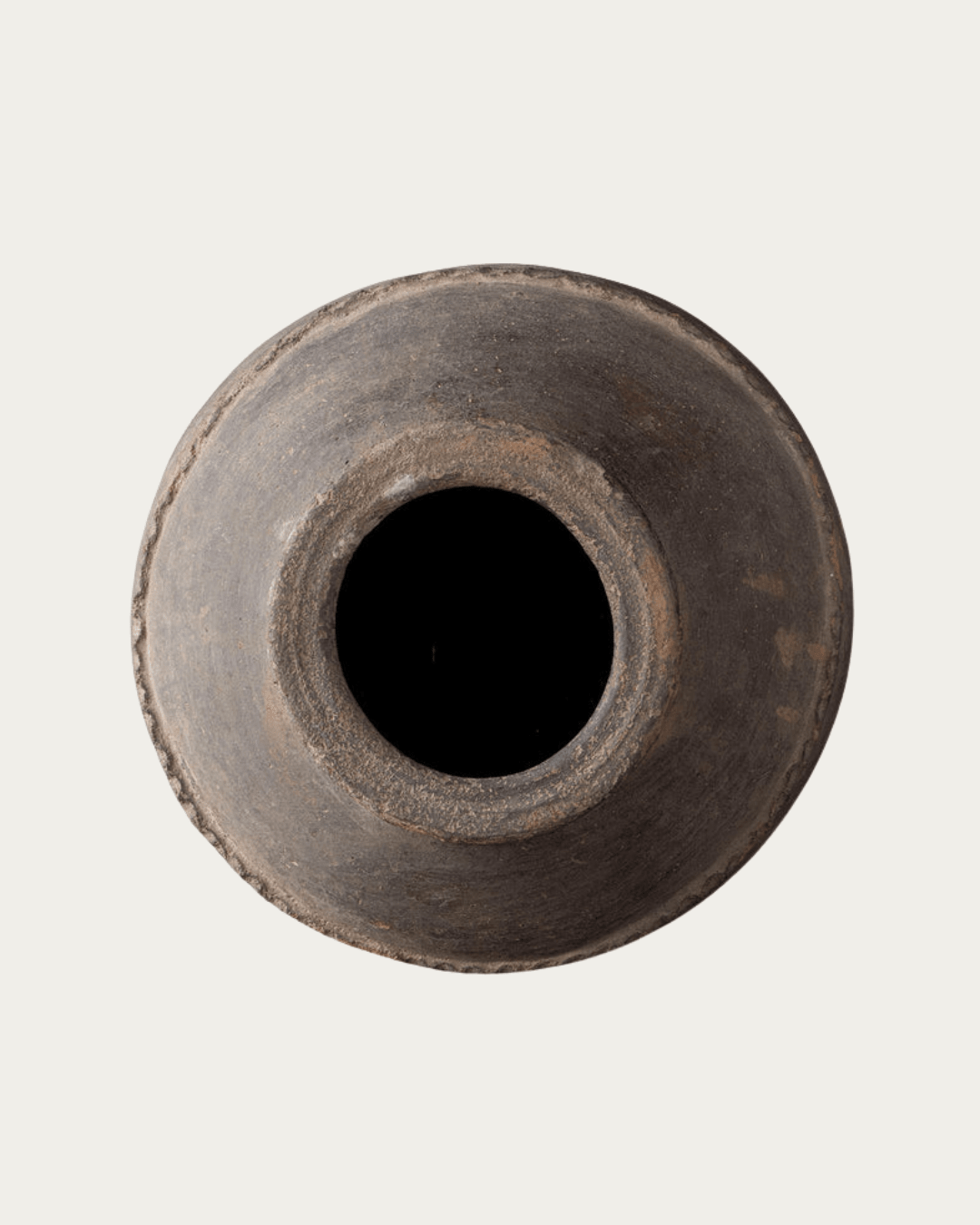
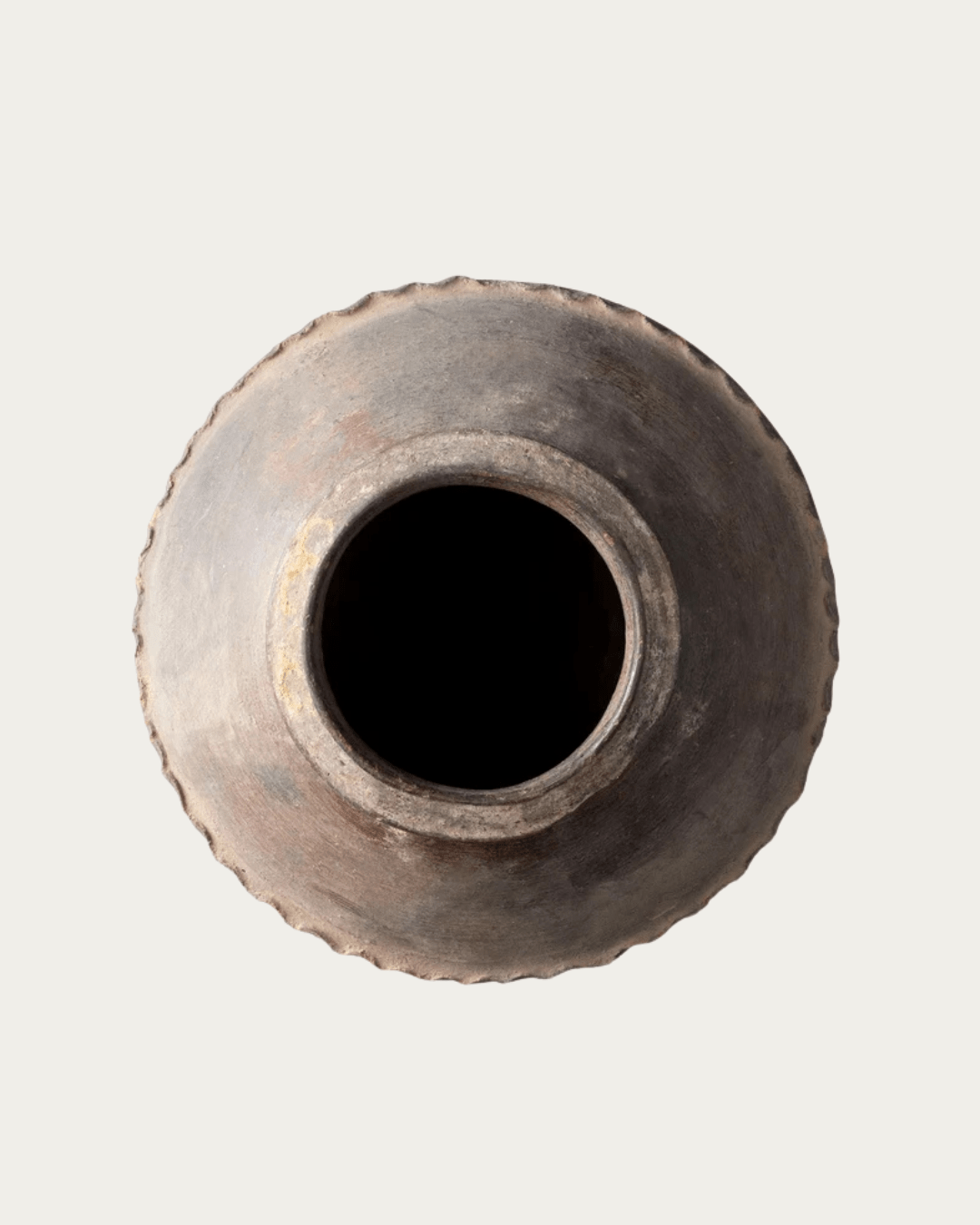
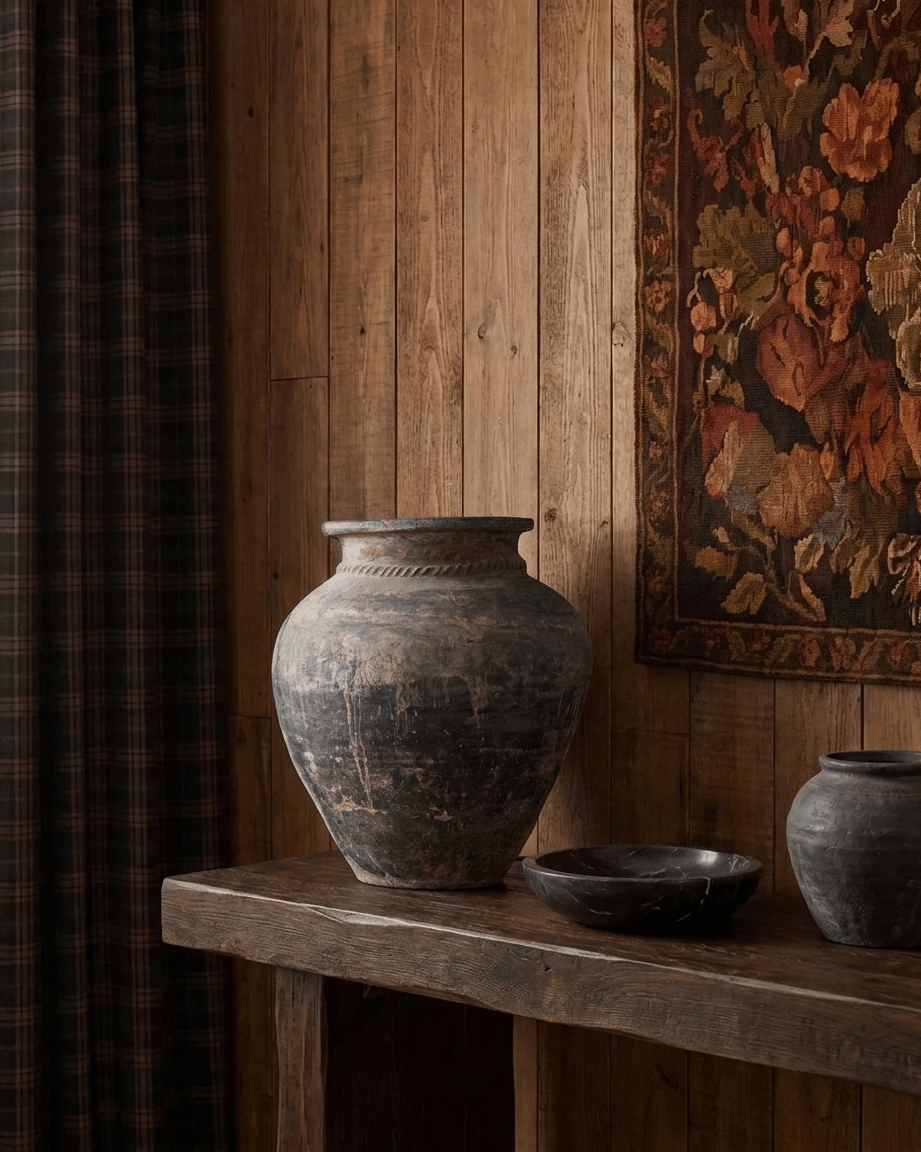
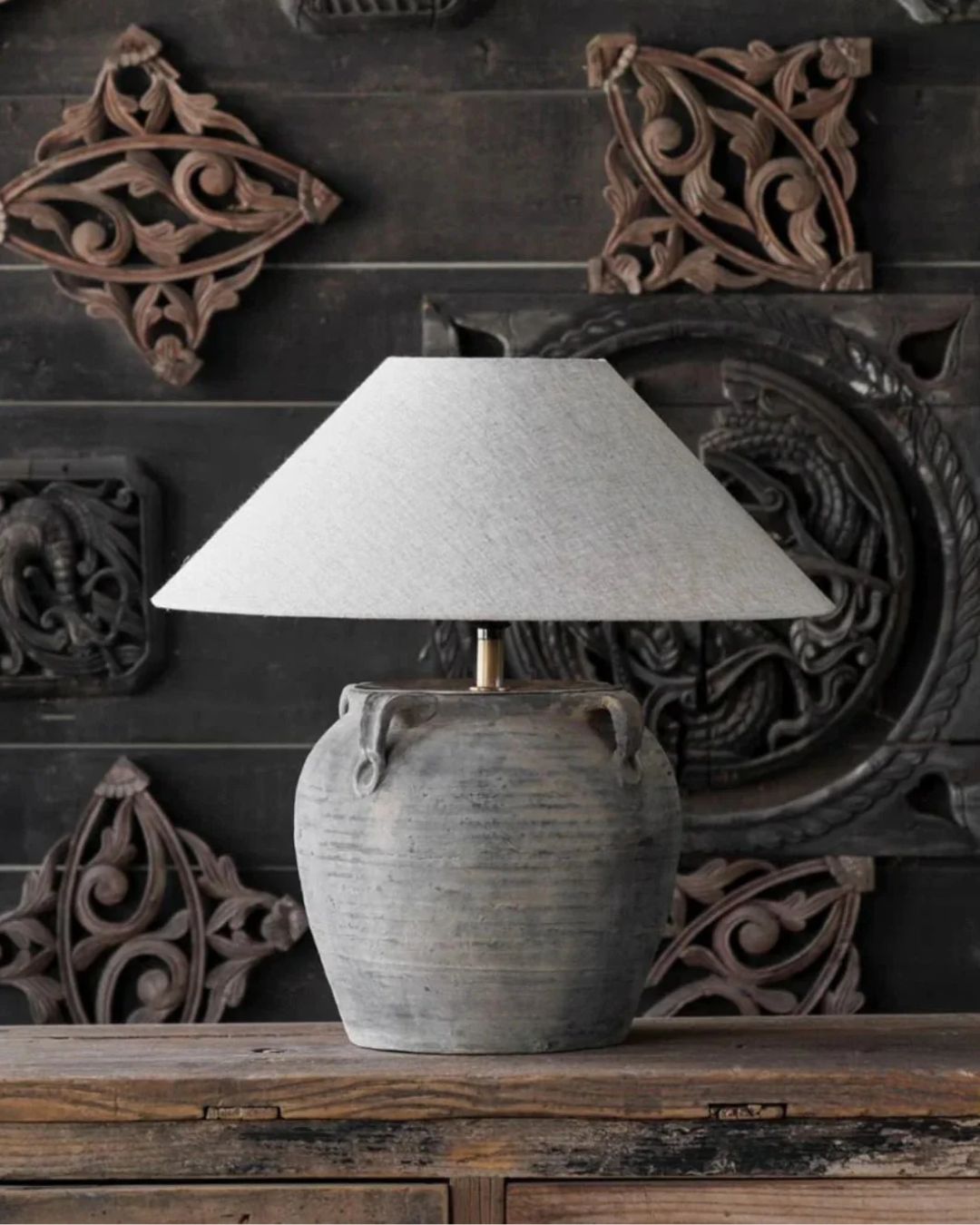
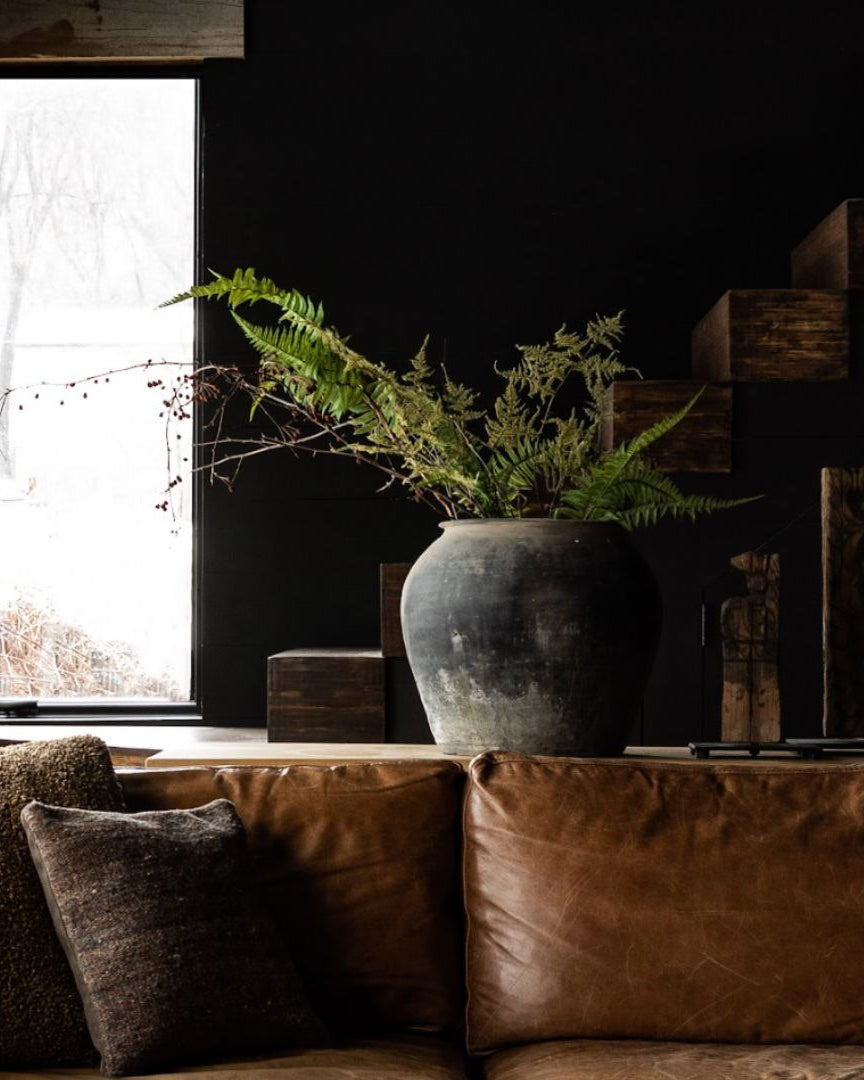
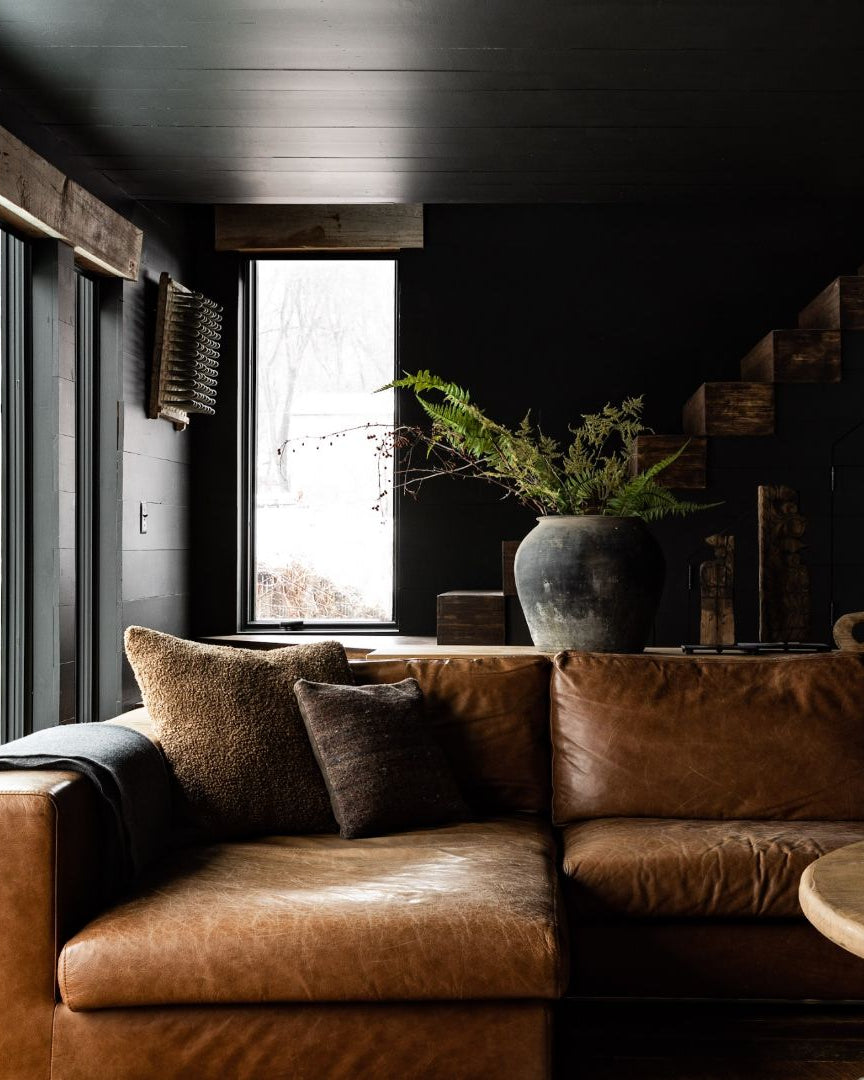
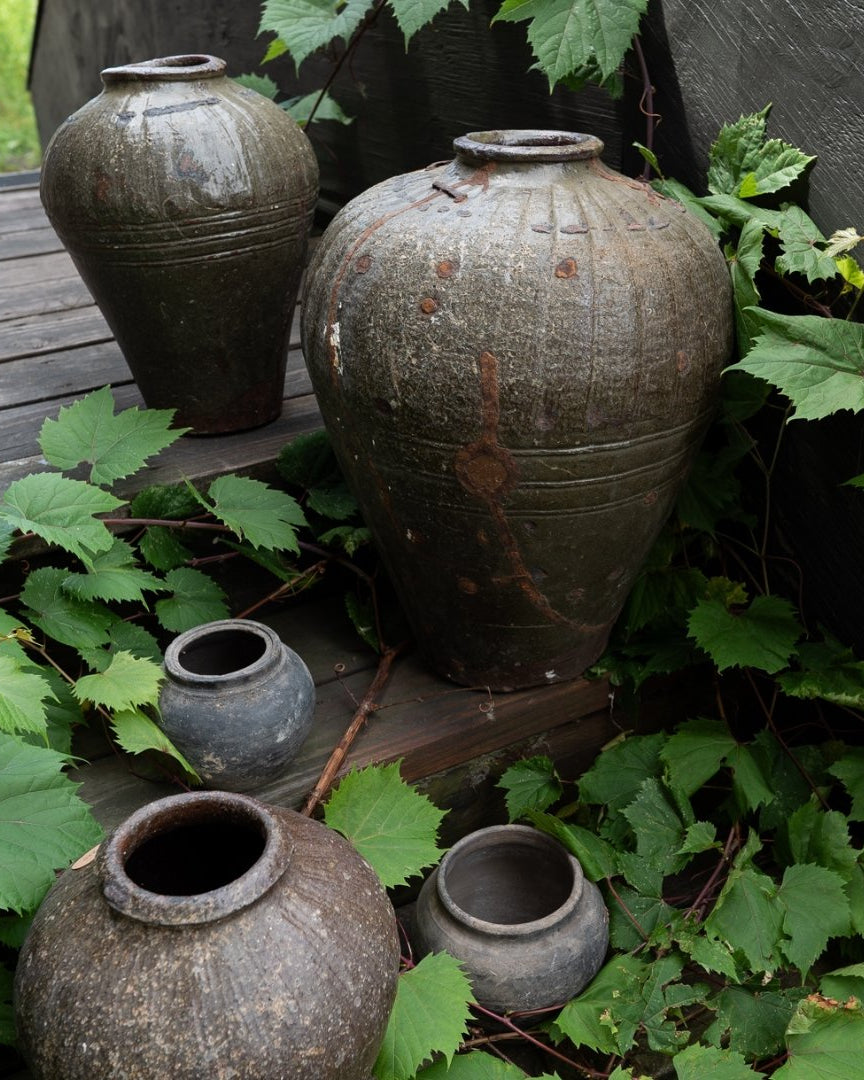
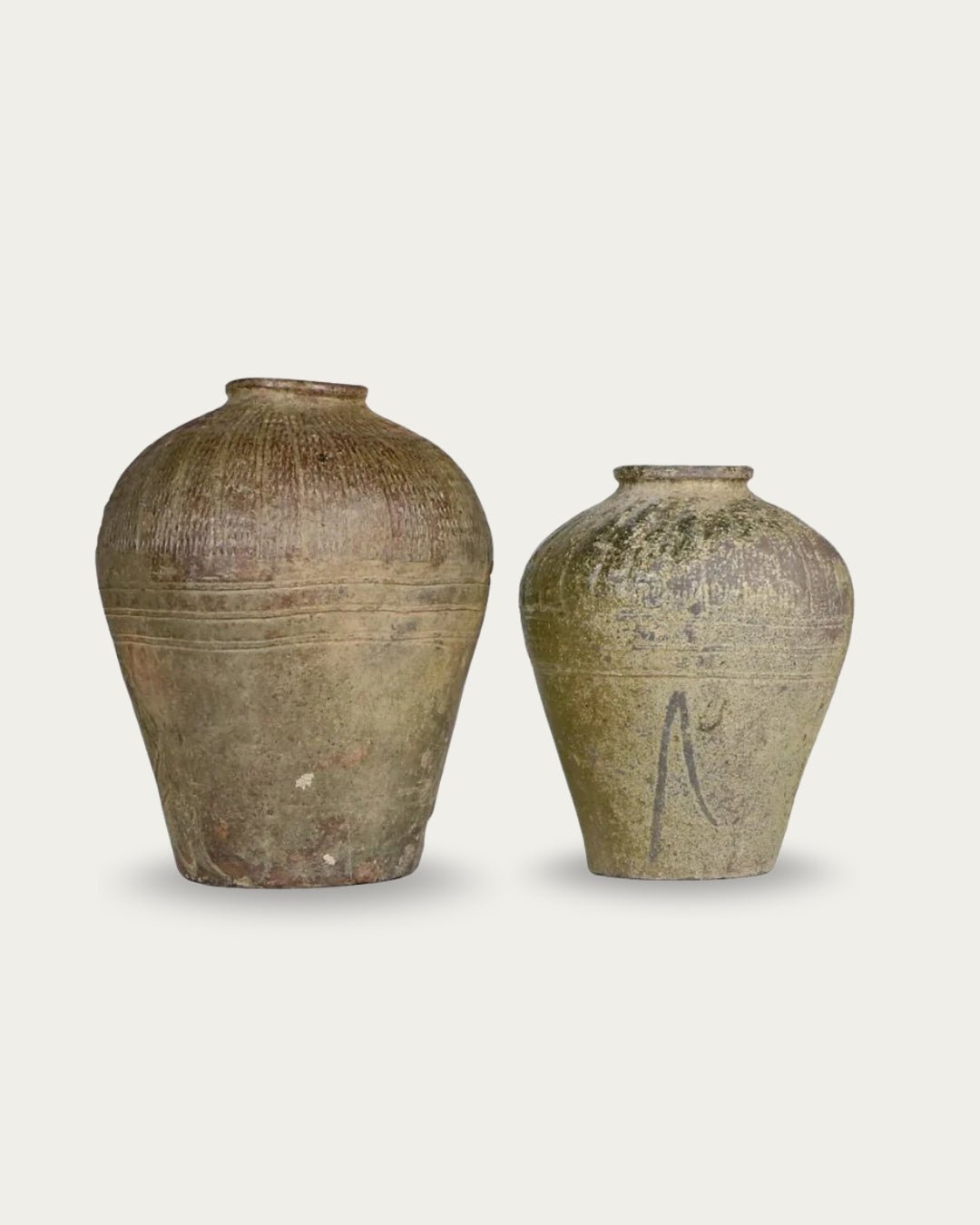
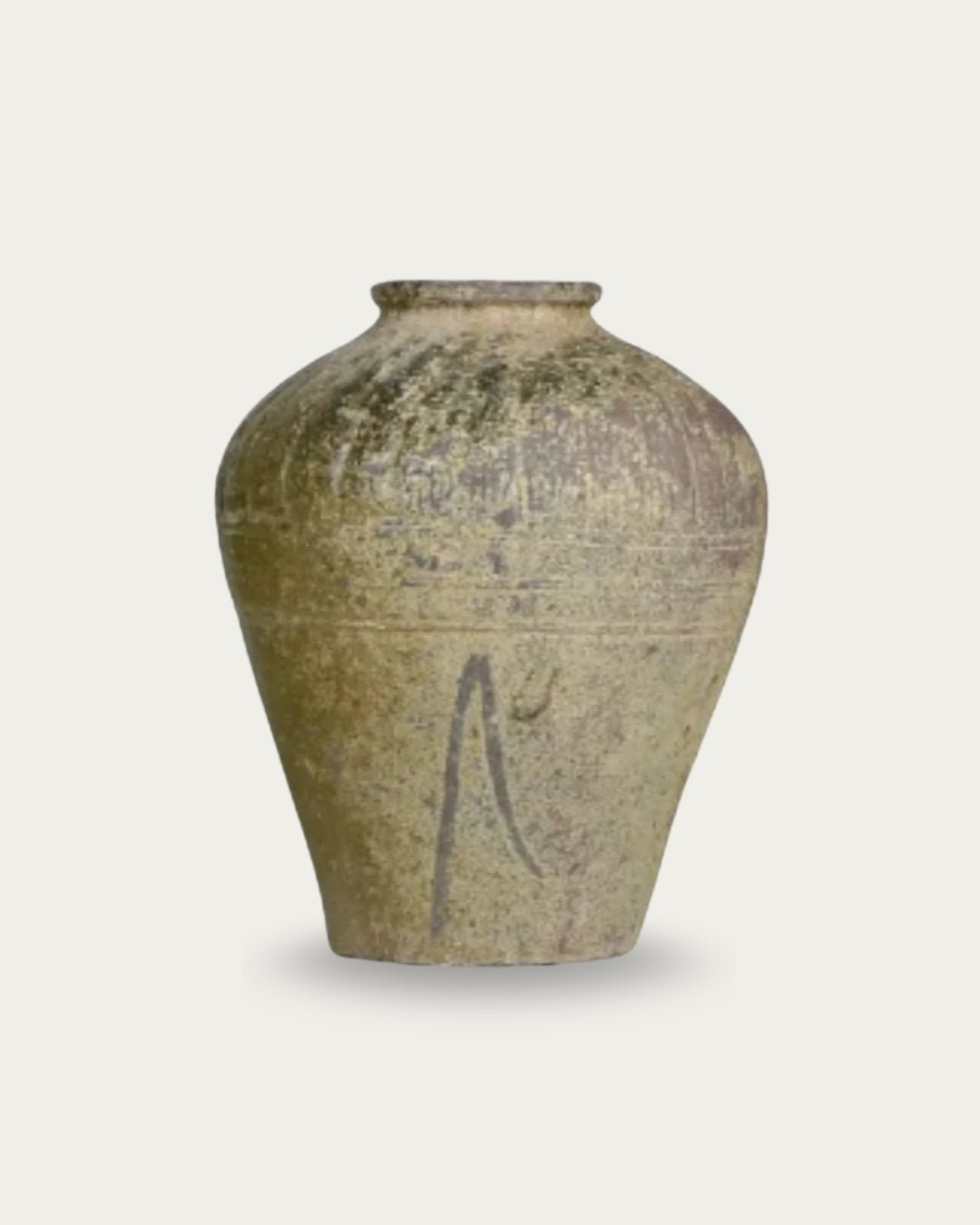
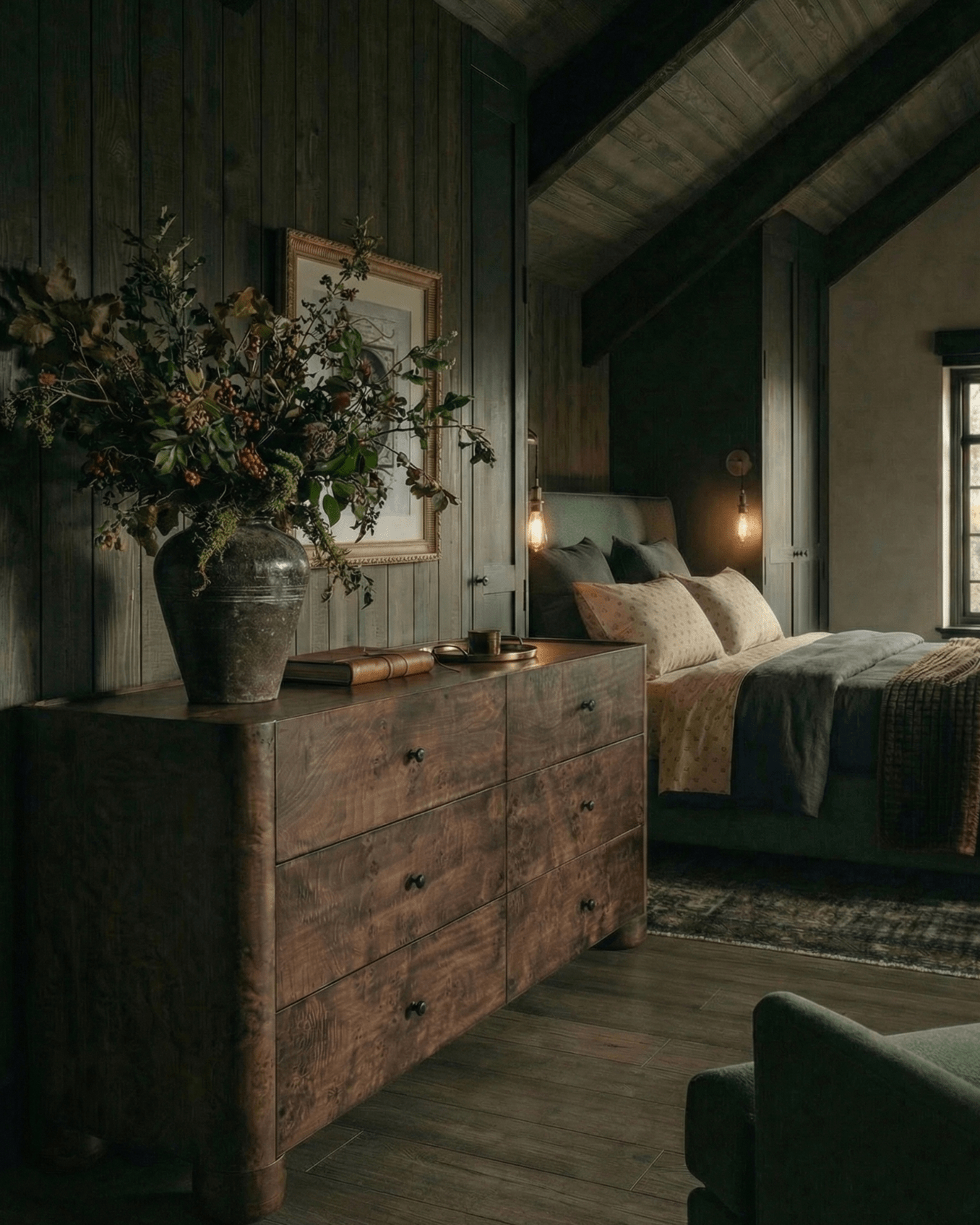
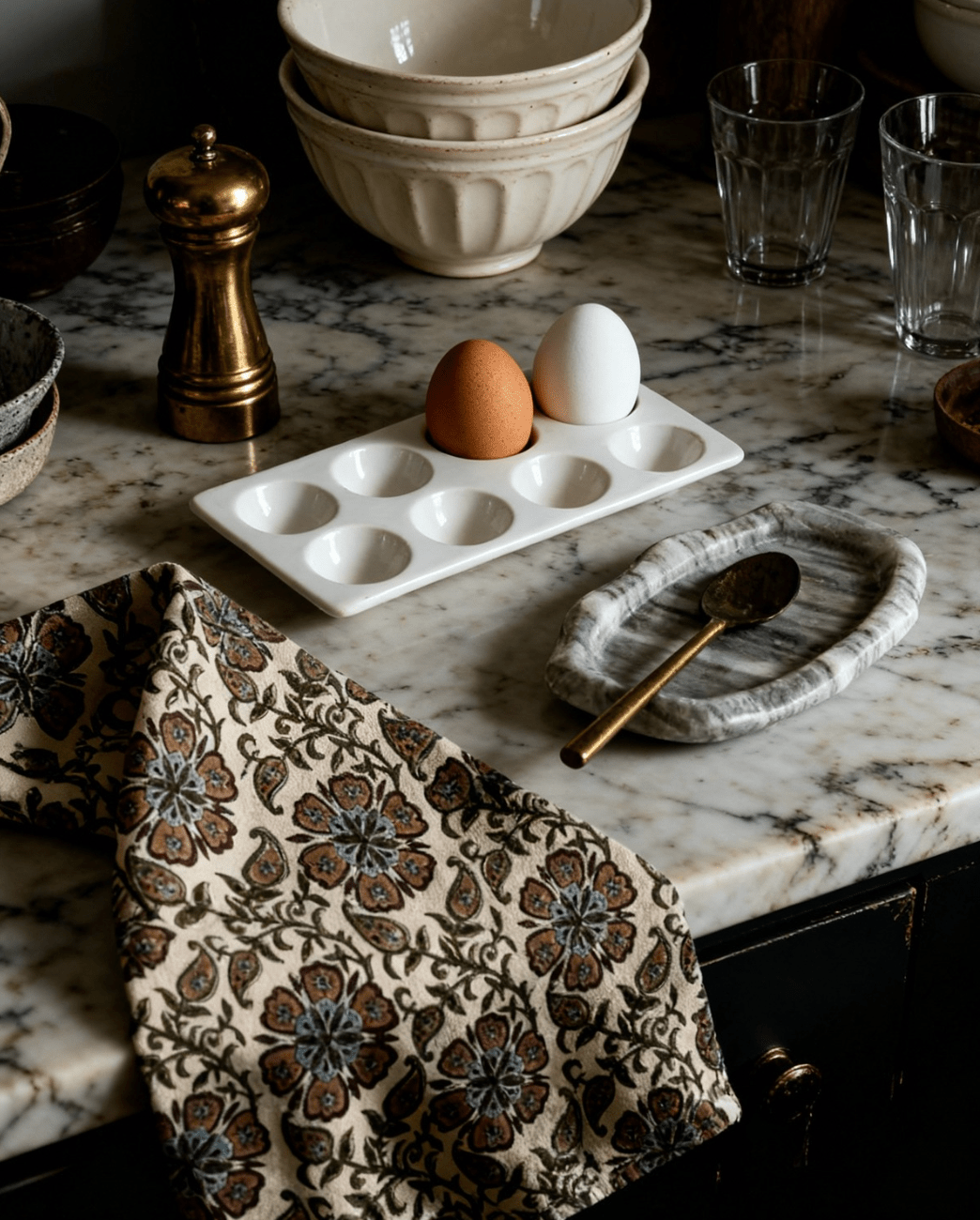
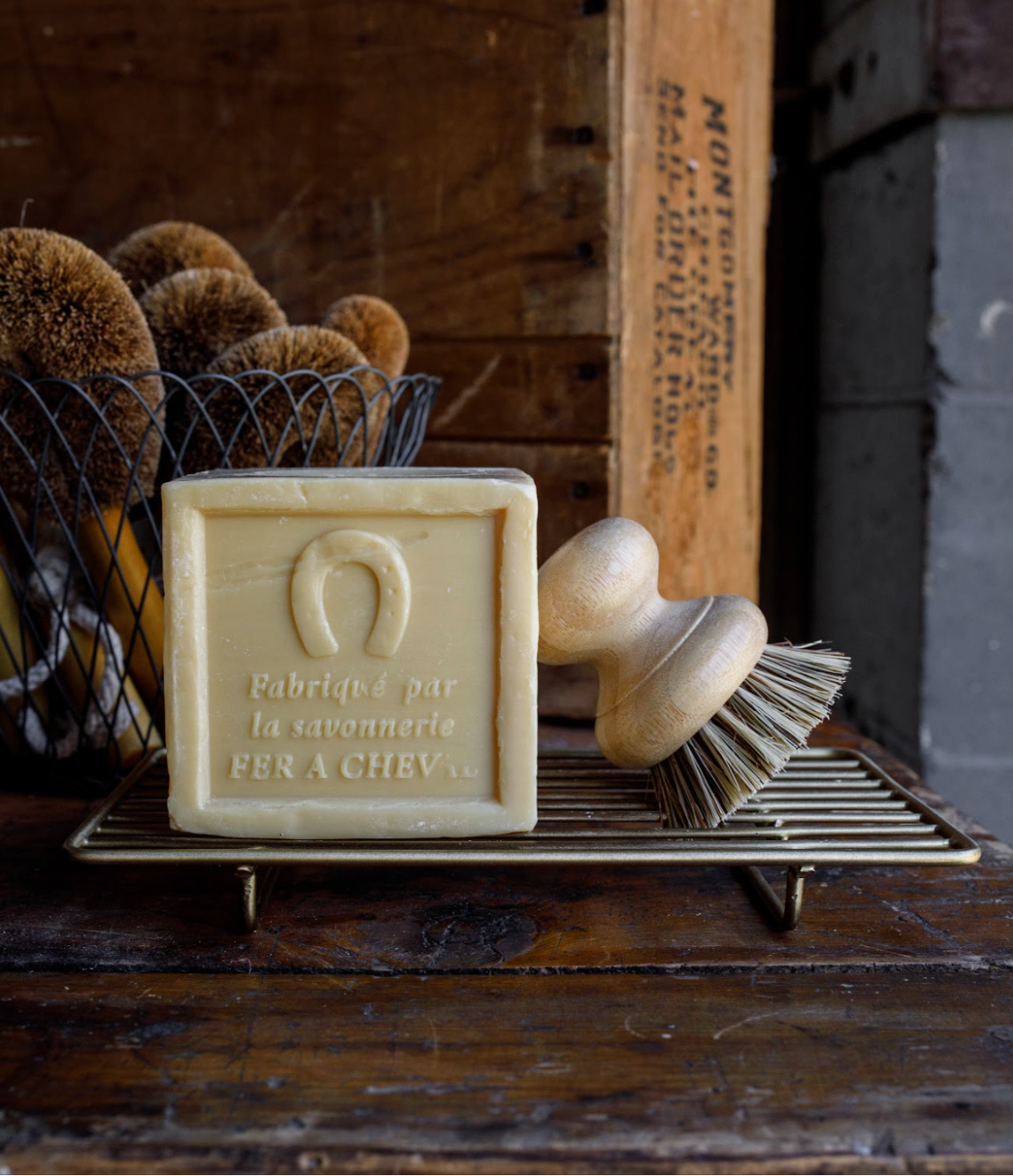
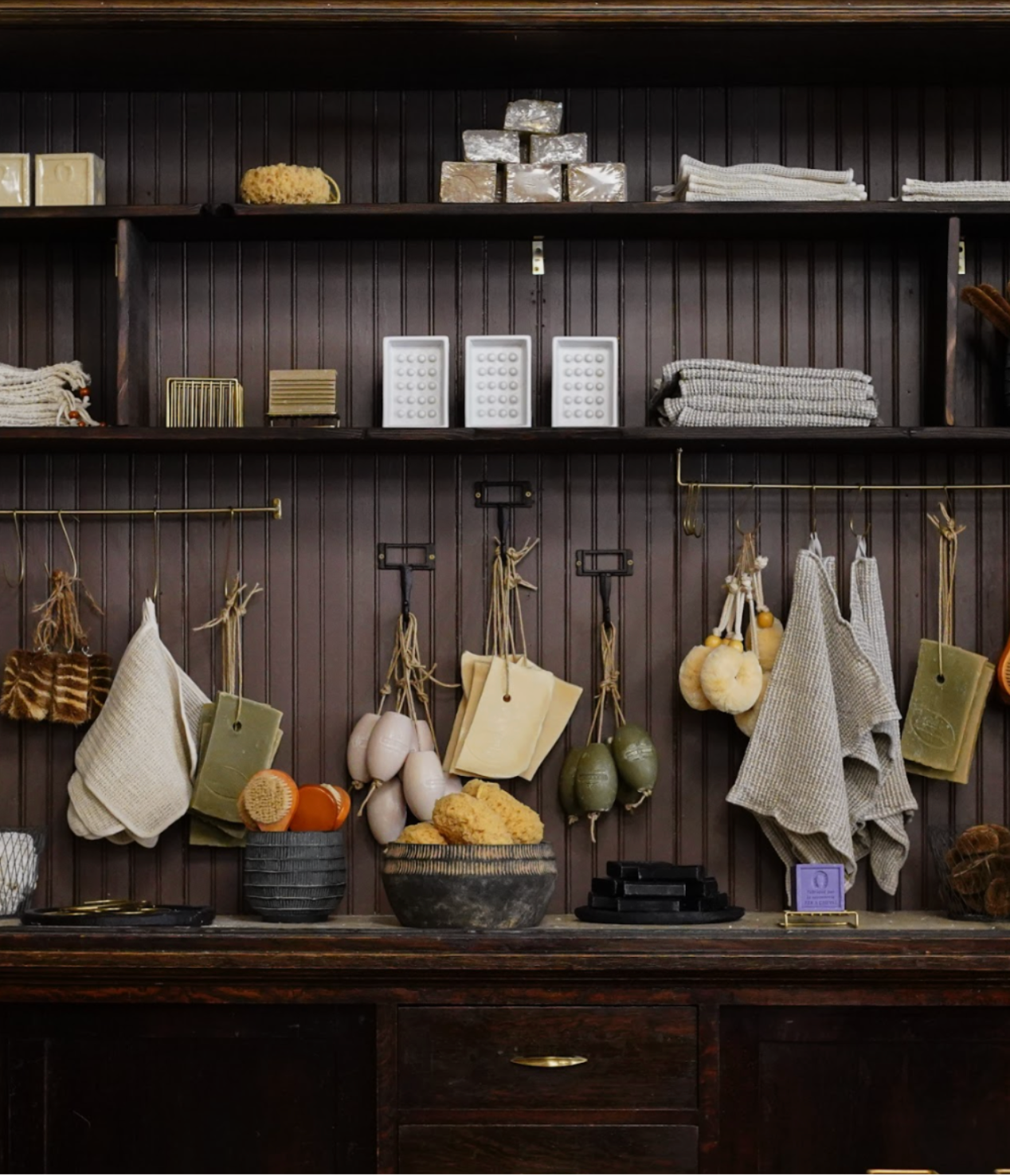
Interestingly, that feeling often has less to do with furniture and more to do with the objects layered throughout the room. This is one reason vintage home decor continues to resonate so strongly. While modern accessories often prioritize visual perfection, vintage pieces introduce texture, material depth, patina, and sensory variation that naturally support a more grounded environment.
The result isn't necessarily a room that looks older. It's a room that feels more connected, more layered, and less visually demanding.
If you're looking to create a home with more depth and less visual noise, explore Hello Norden's vintage decor collection. Sometimes the smallest shift in materiality can completely change how a room feels.
The Nervous System Responds to Materials Before Style
Most people assume they experience a room visually.
The nervous system experiences it sensorily.
Long before we consciously decide whether we like a room, our brains are already processing texture, surface variation, contrast, and material authenticity. These cues help determine whether an environment feels calming or overstimulating.
Modern accessories often prioritize consistency.
Uniform finishes.
Perfect surfaces.
Predictable textures.
While visually appealing, too much consistency can create environments that feel strangely flat.
Vintage objects introduce something different.
Variation.
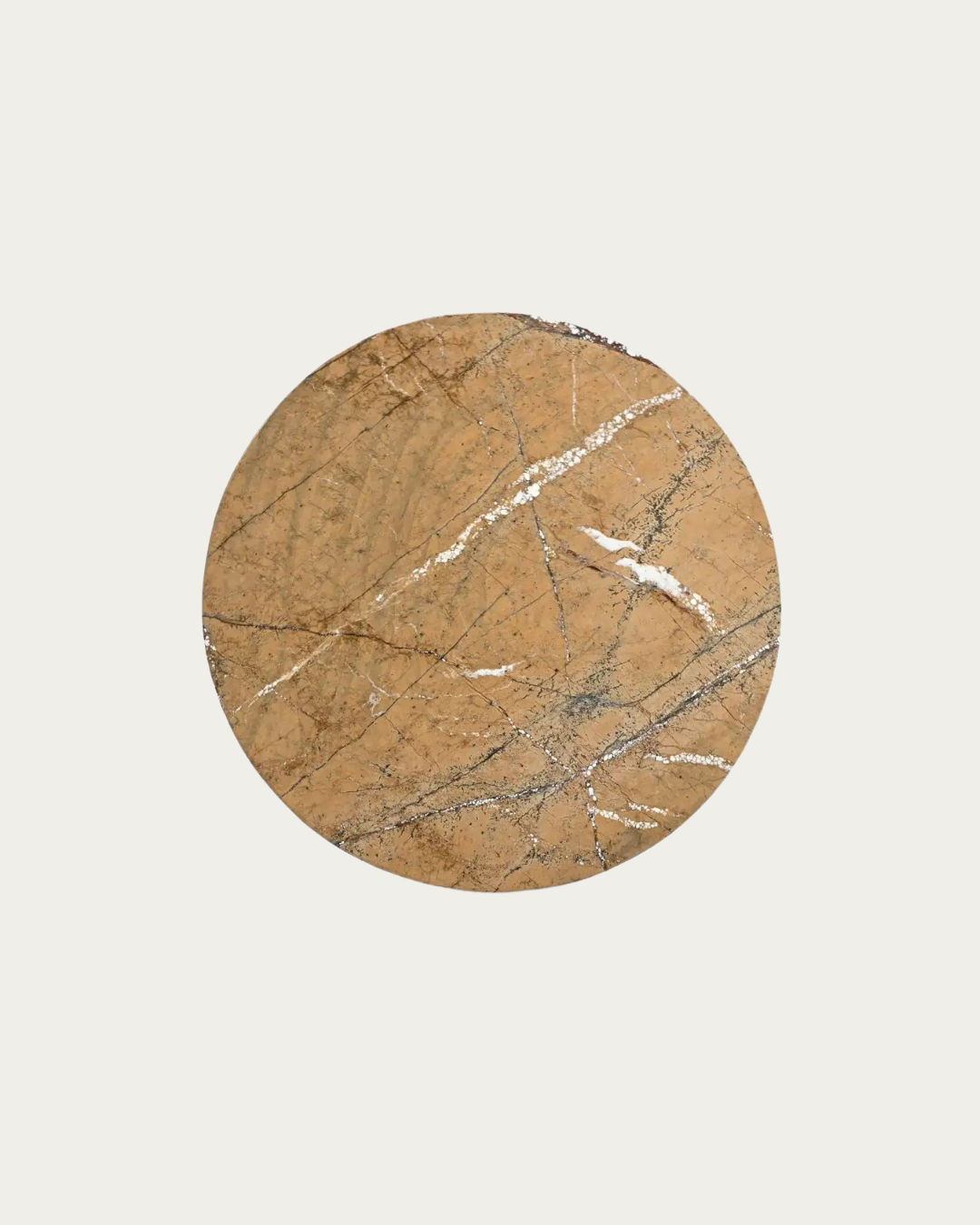
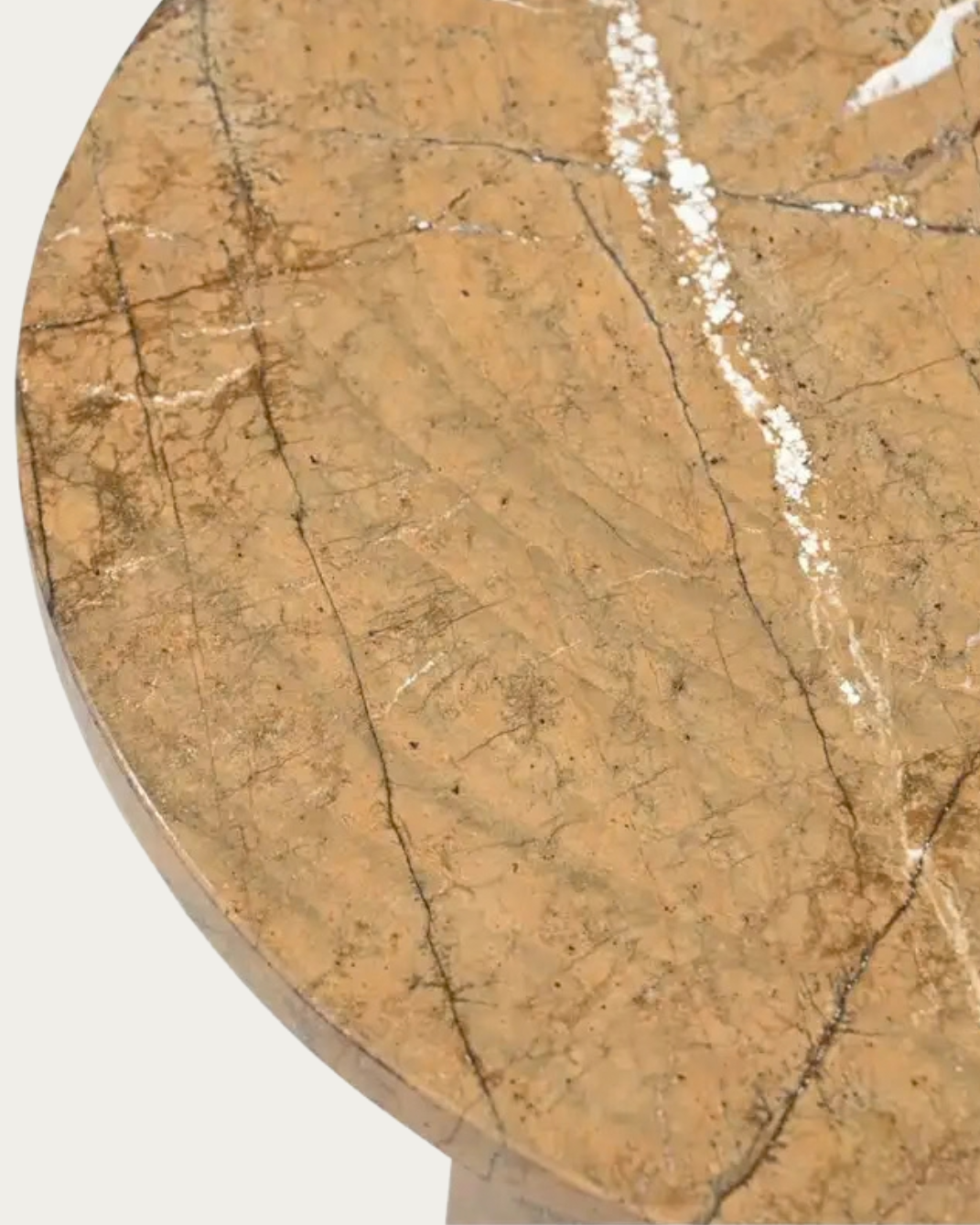
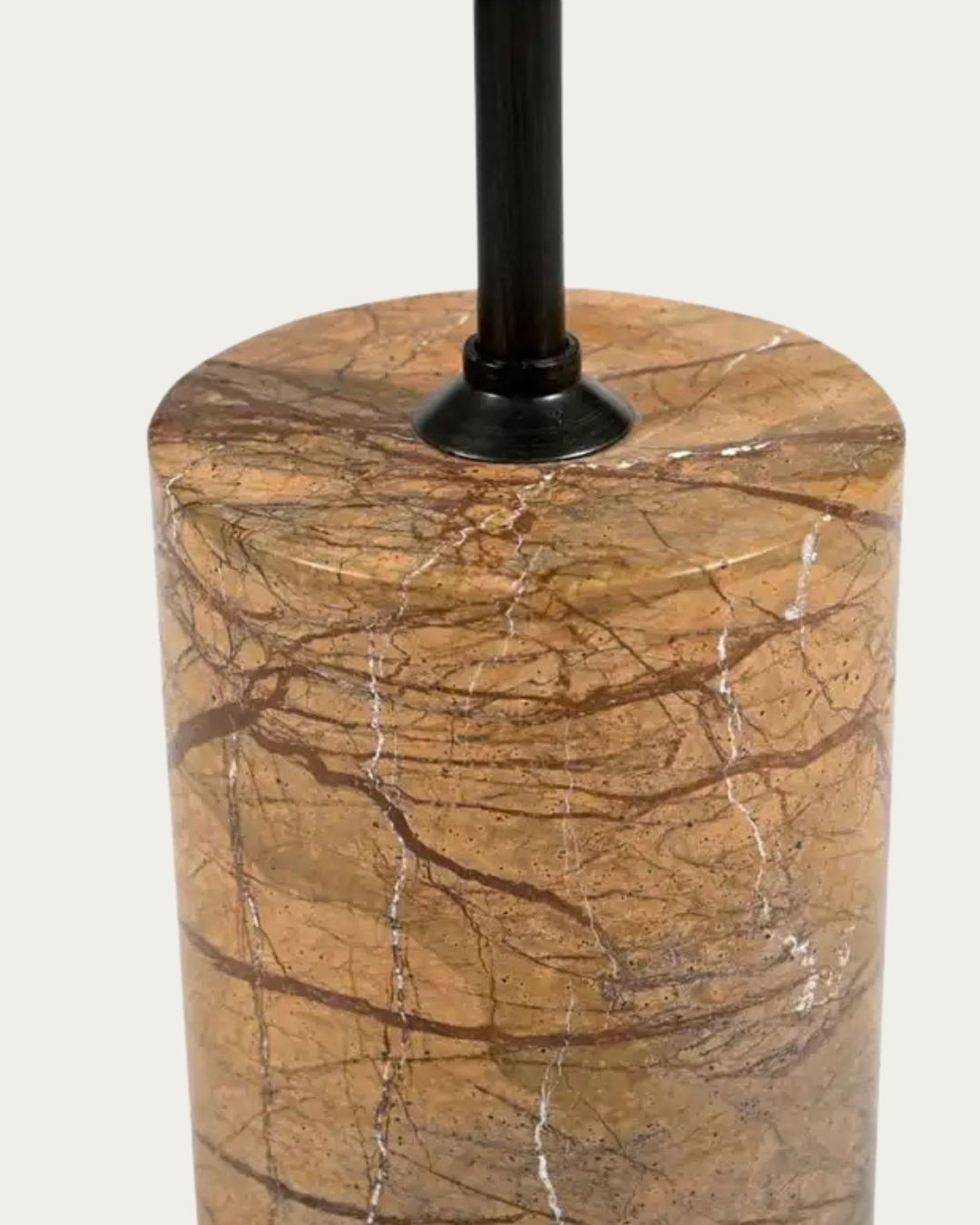
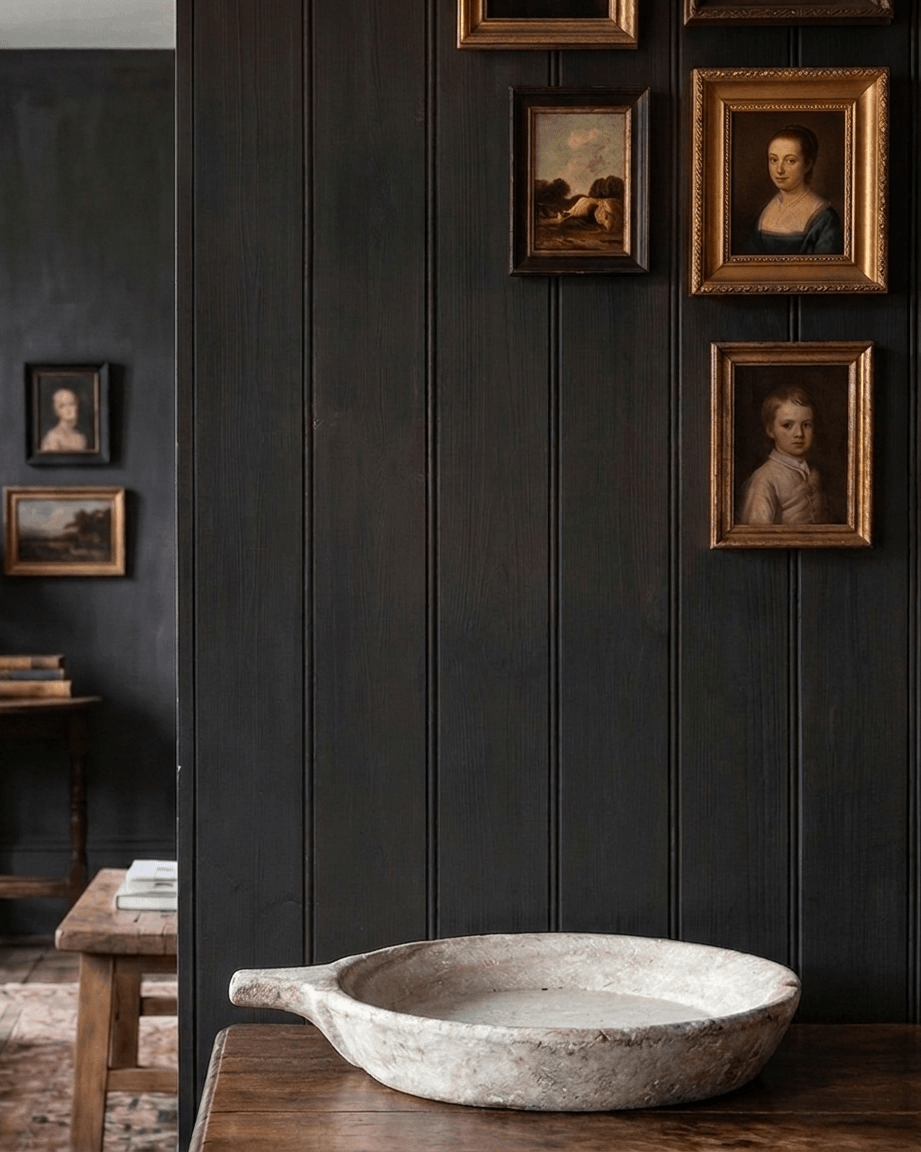
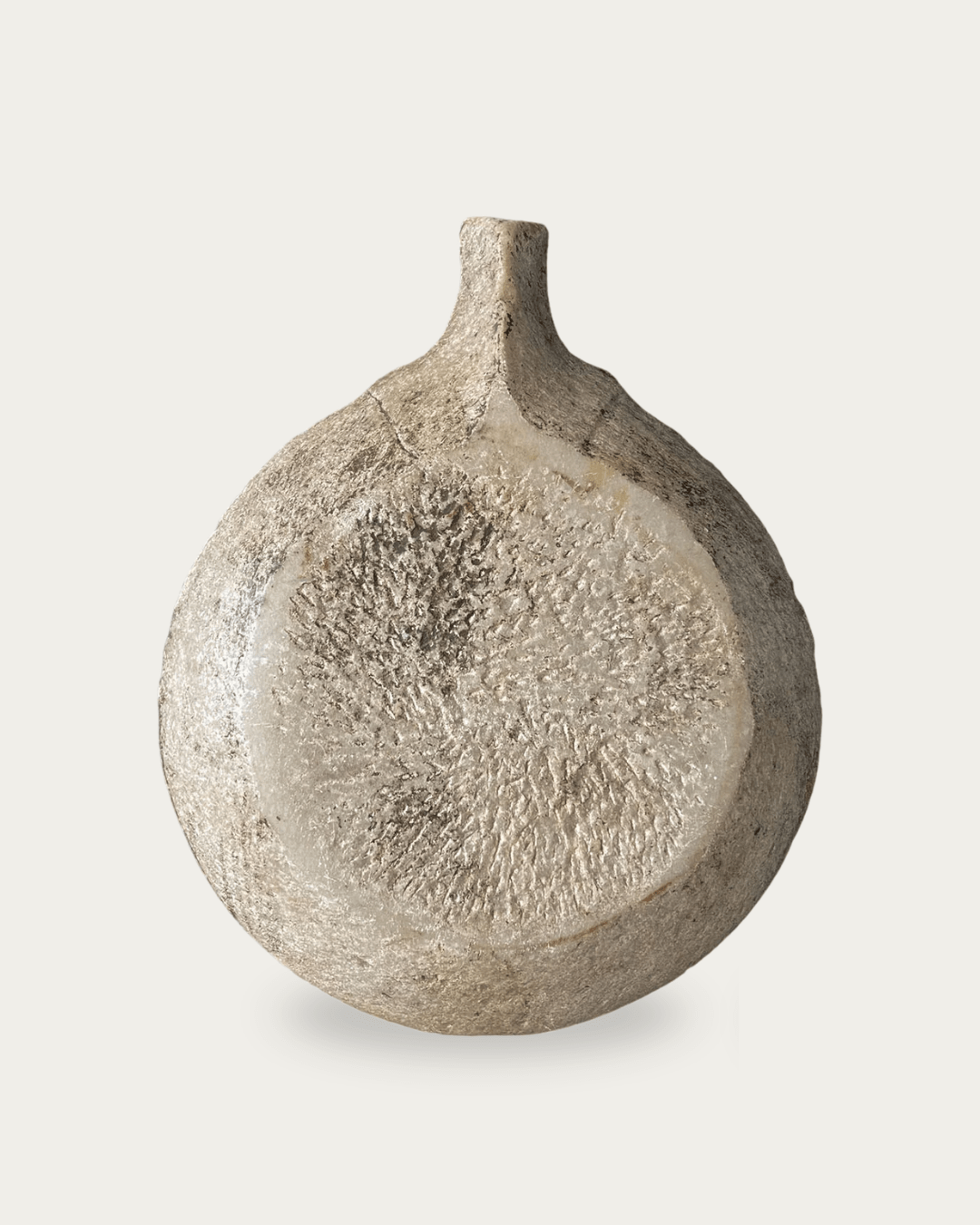
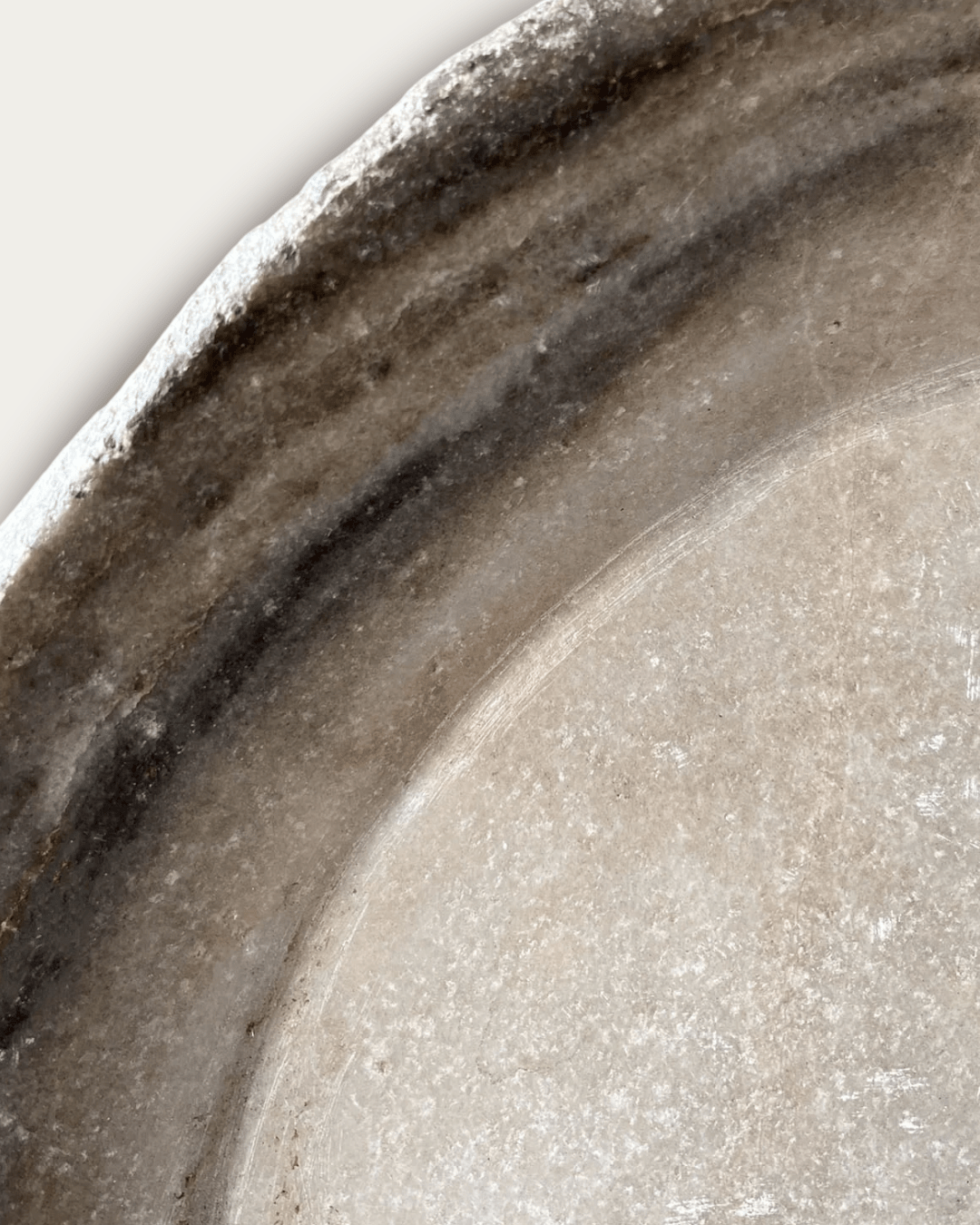
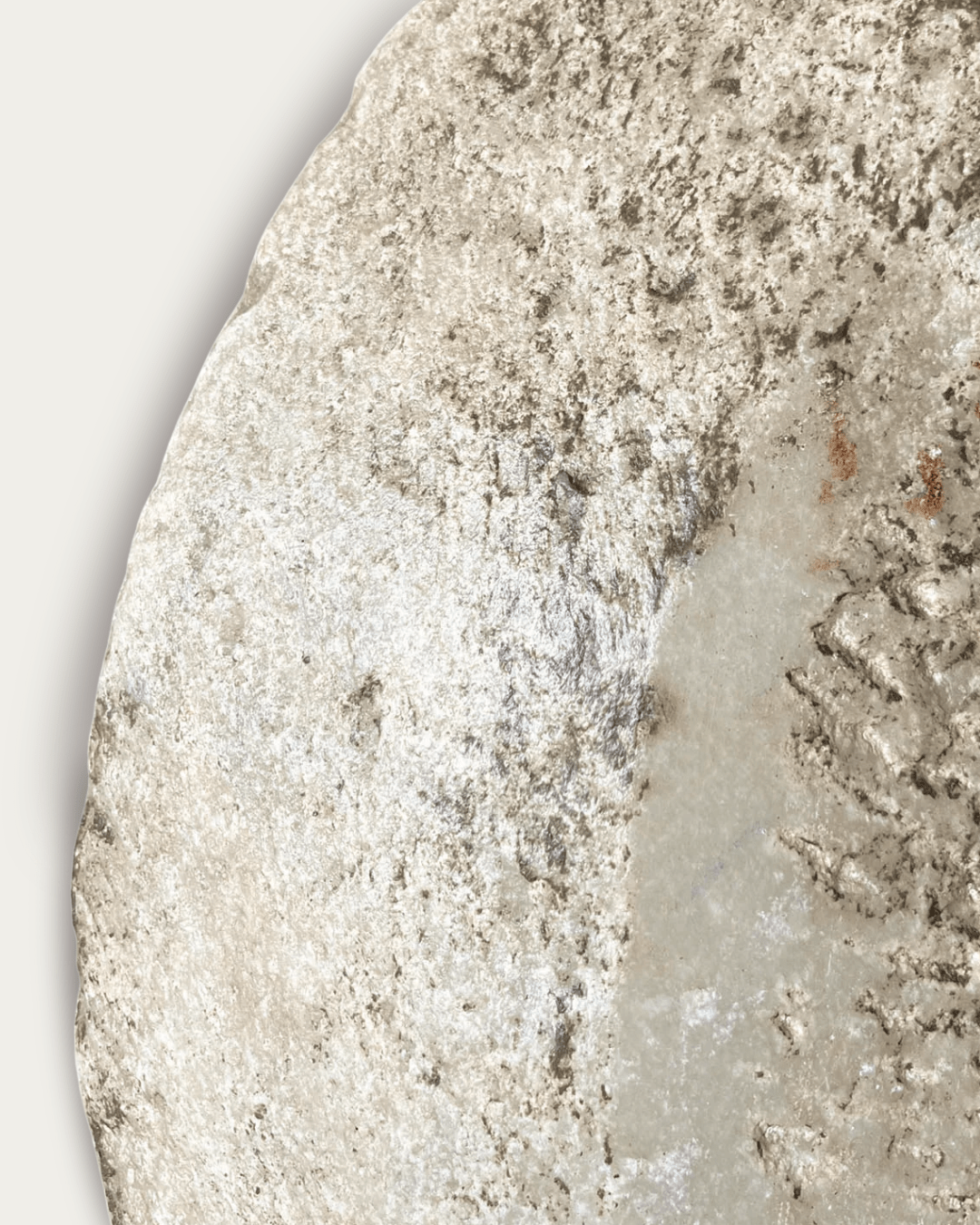
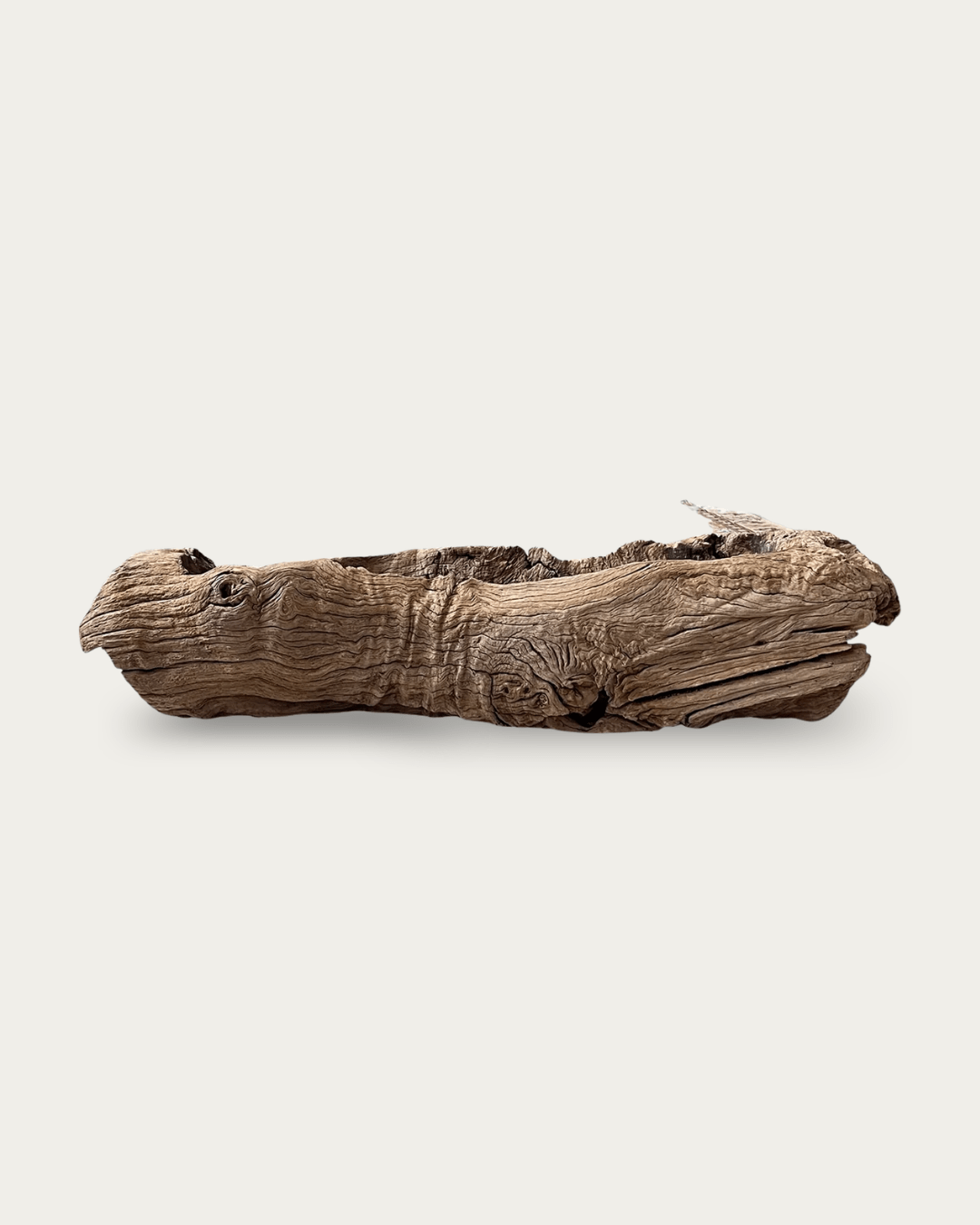
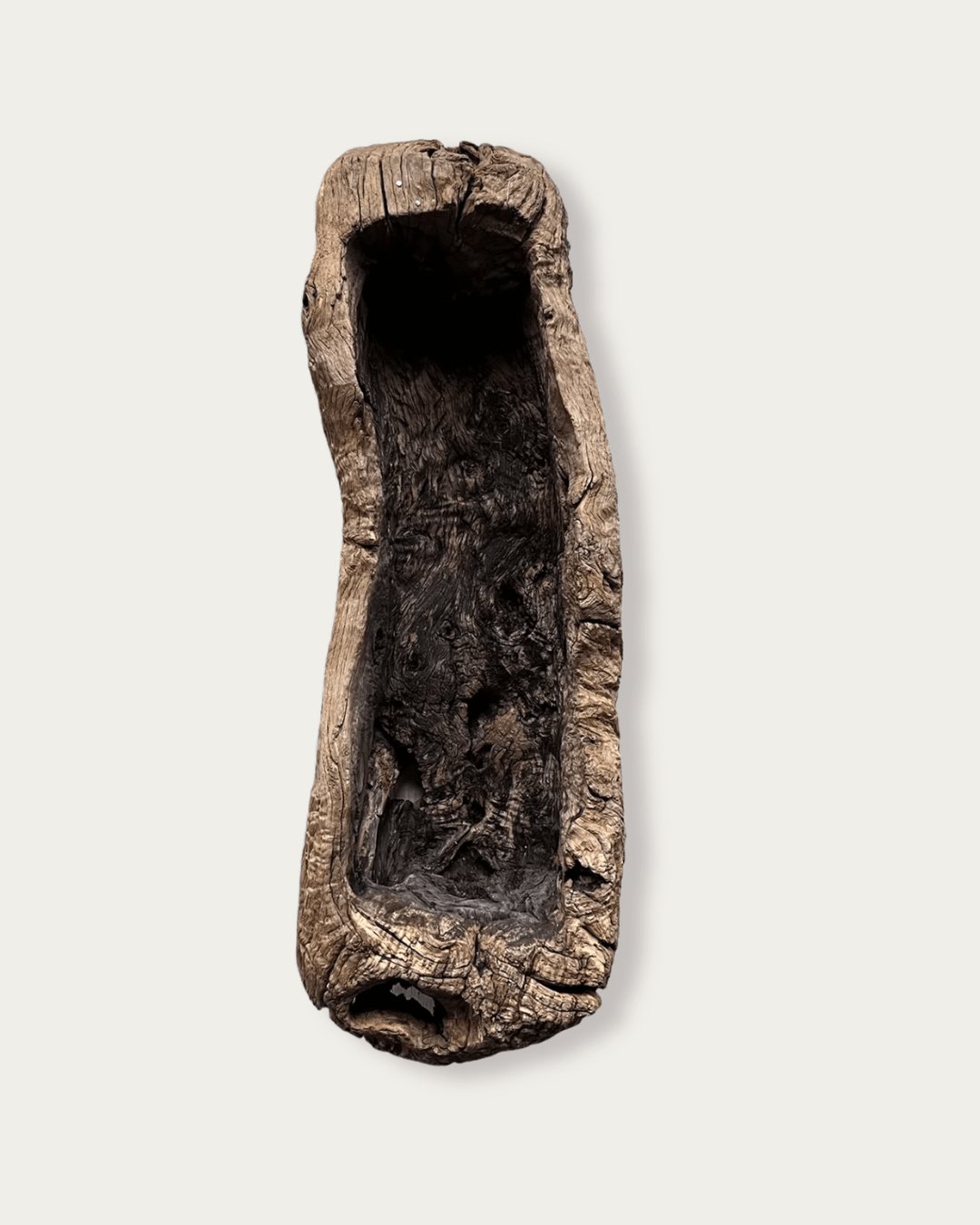
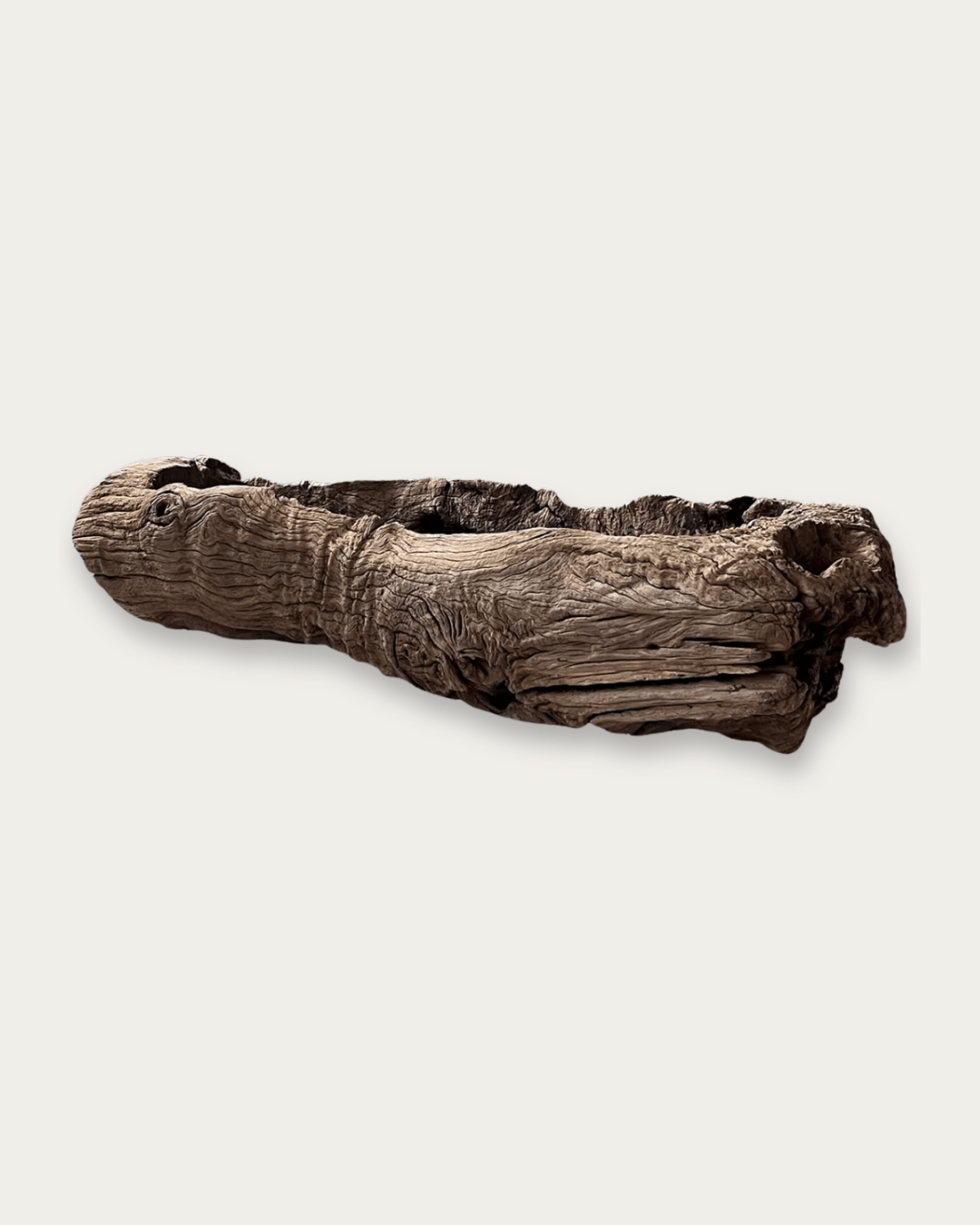
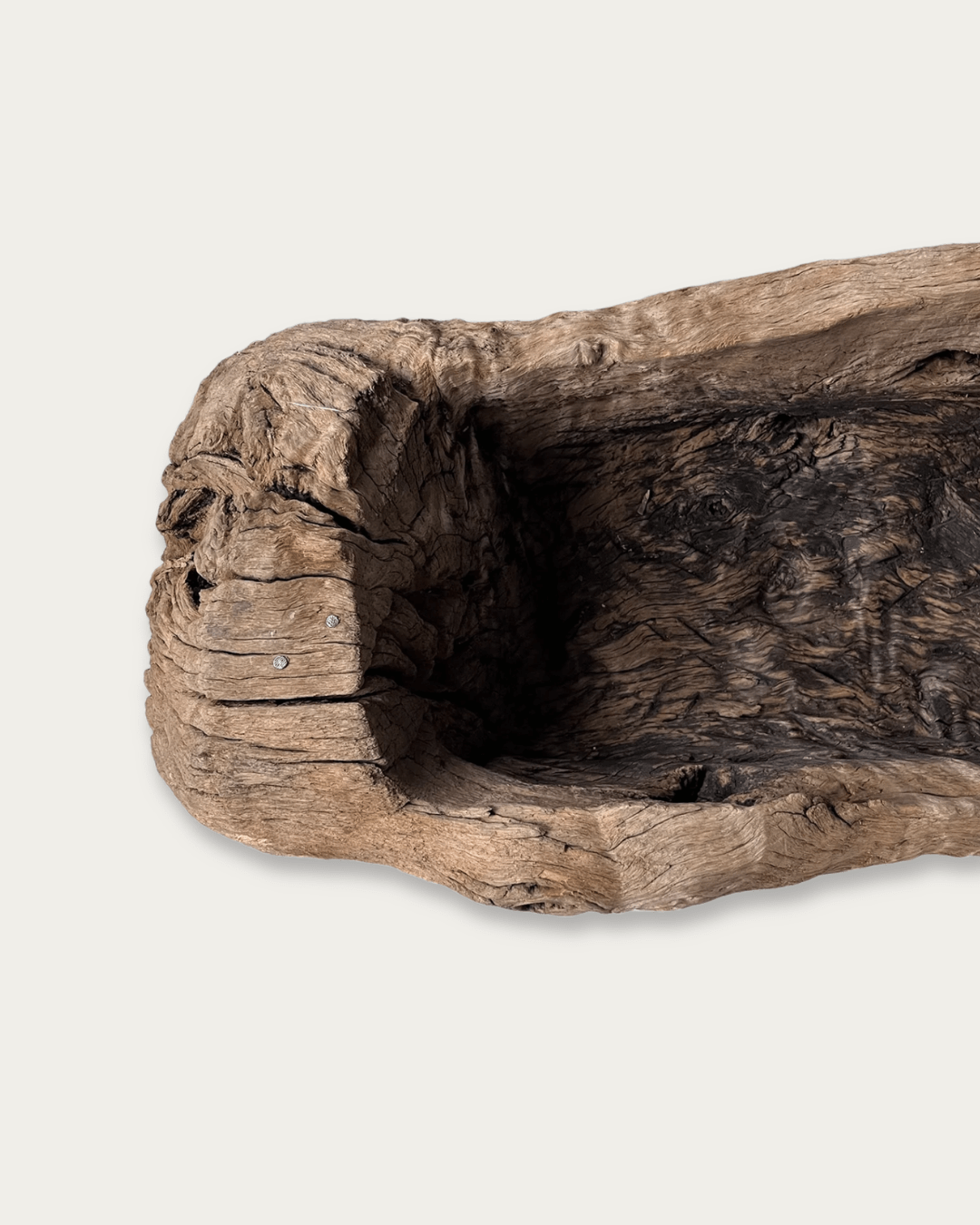
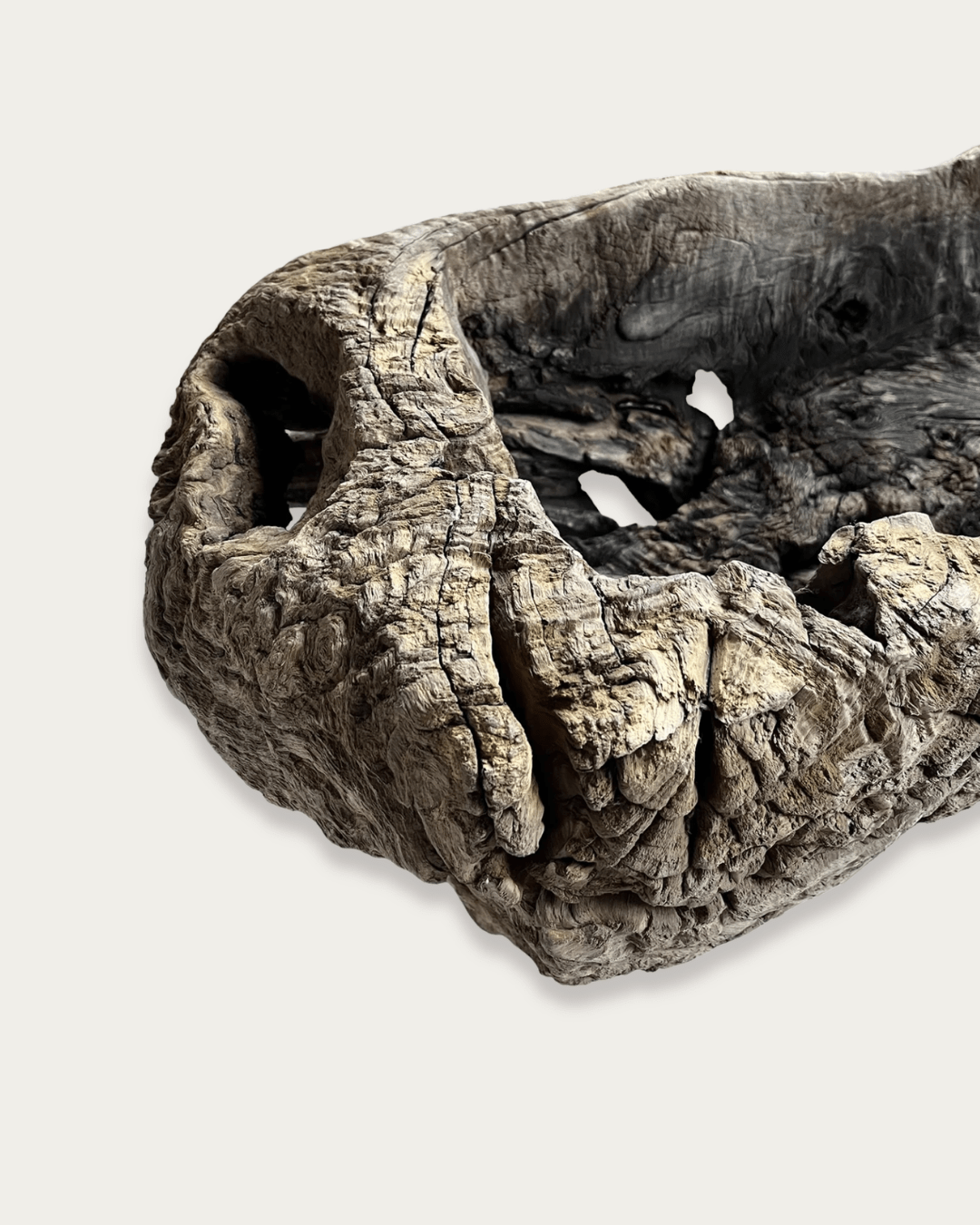
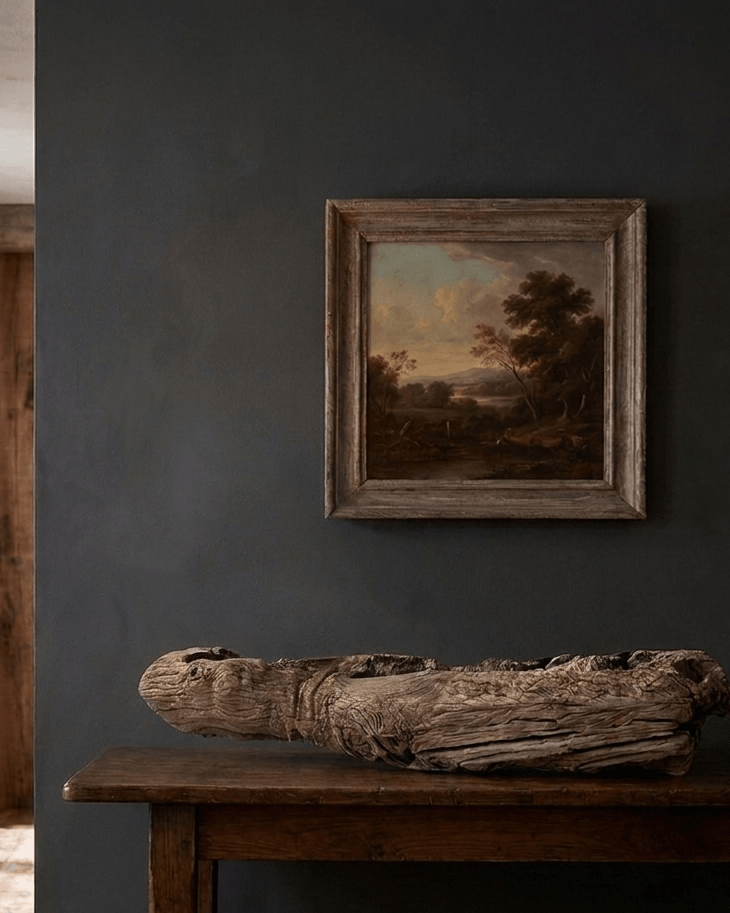
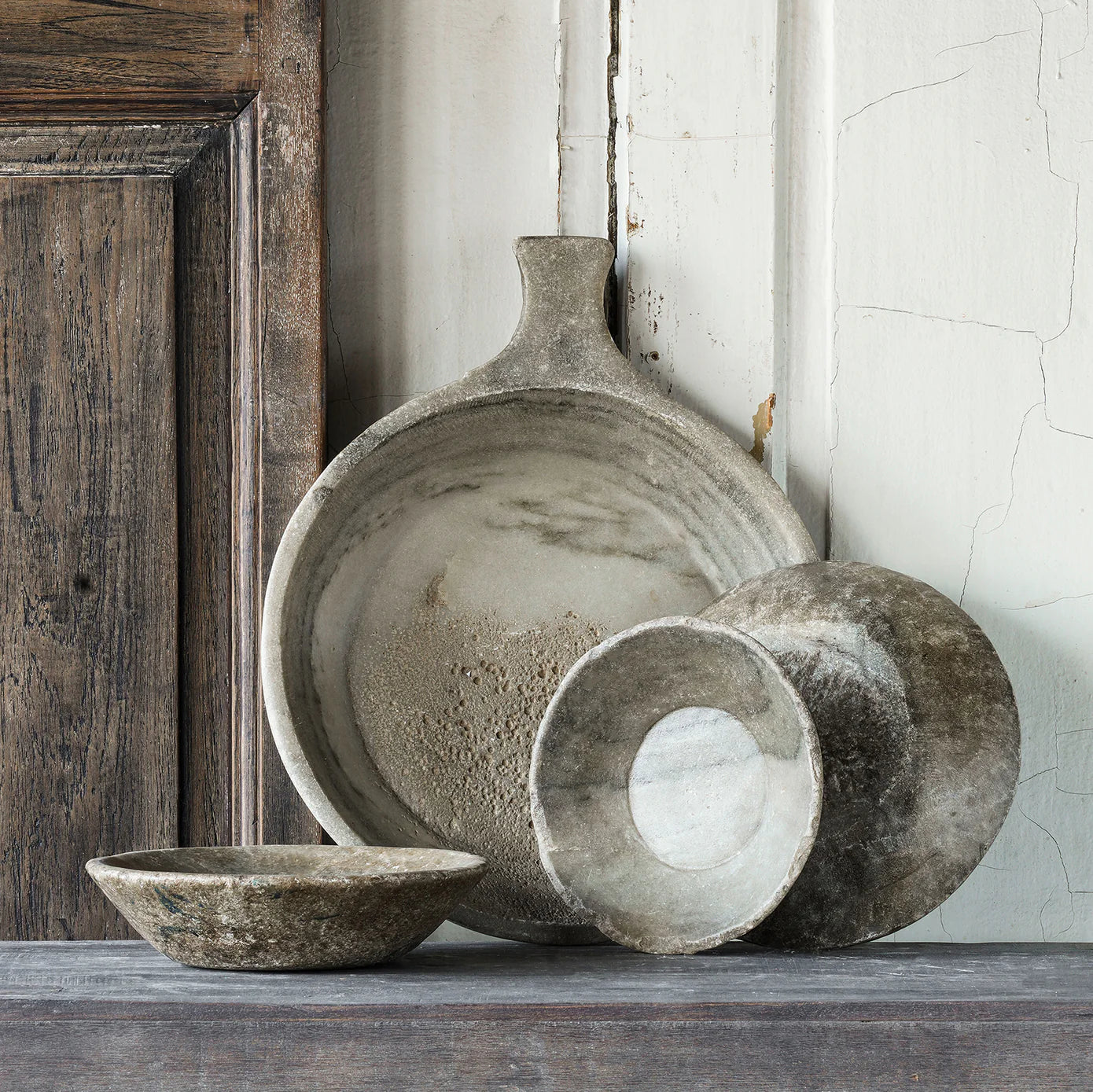
The Vintage shallow wood bowls carry decades of grain movement, softened edges, and natural wear that immediately create sensory depth. Similarly, the Vintage marble shallow bowl introduces organic veining and texture that no factory-produced finish can replicate.
The Brain Prefers Natural Complexity
Humans evolved in environments filled with irregular materials.
Stone wasn't uniform.
Wood wasn't identical.
Clay wasn't perfect.
Vintage decor reflects those natural conditions, which may explain why it often feels more comfortable than highly manufactured accessories.
Patina Creates Emotional Weight
One of the most powerful qualities of vintage decor is patina.
Patina isn't simply wear.
It's accumulated experience.
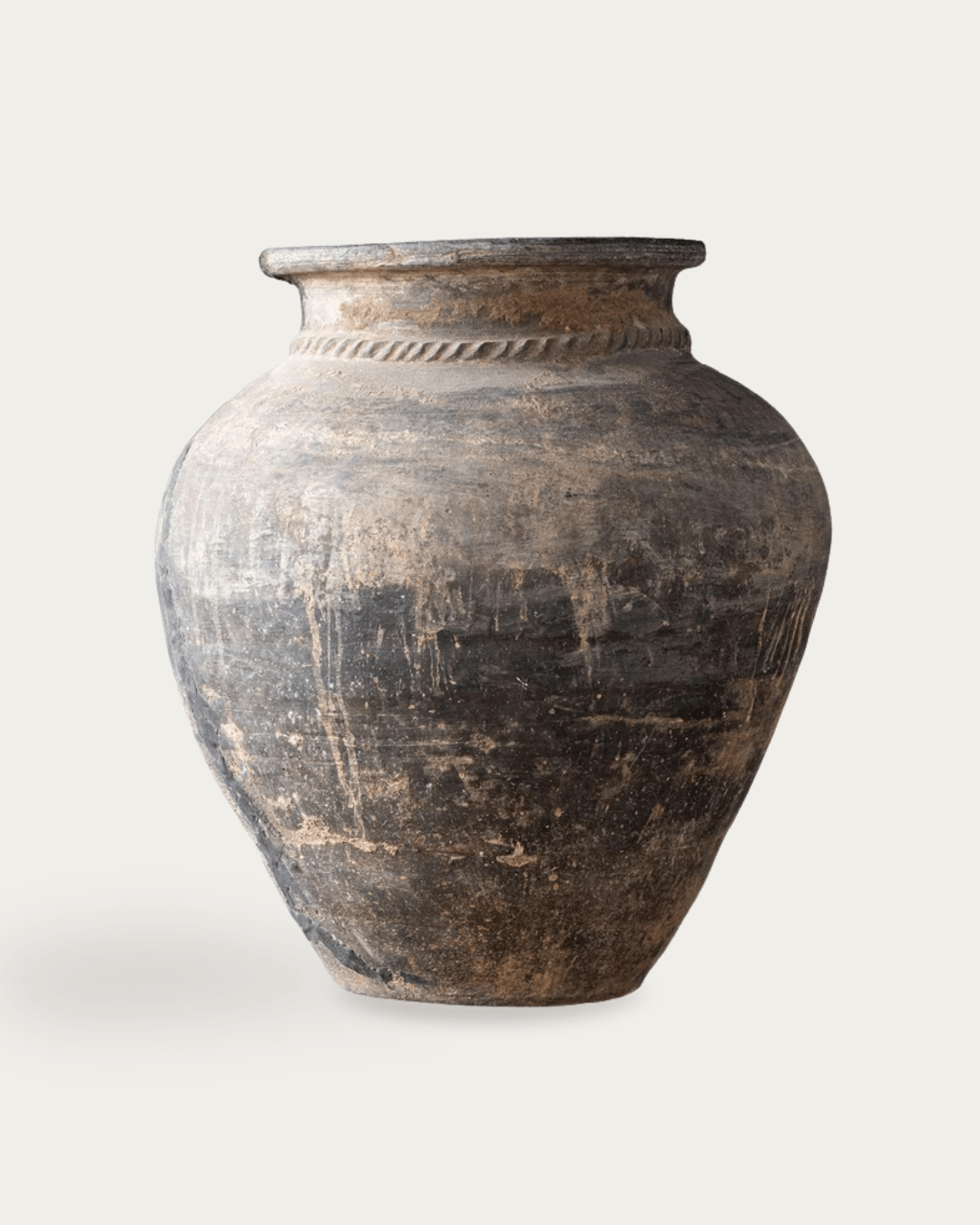
Every mark, discoloration, softened edge, and weathered surface becomes part of an object's identity. The nervous system interprets this as authenticity.
Modern accessories often arrive visually complete.
Vintage objects arrive with history.
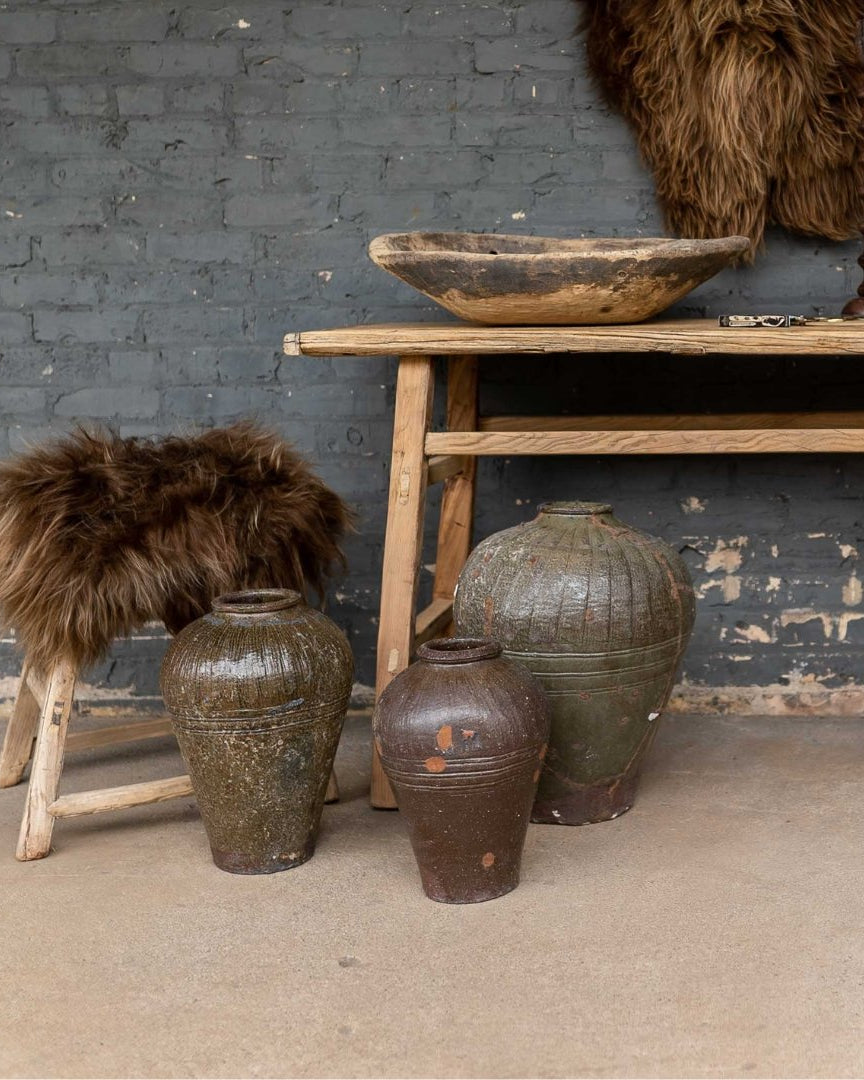
The Primitive rice measurer small carries visible evidence of use, while the Vintage rice carrier introduces texture and age that immediately create visual grounding.
Why History Feels Calming
Objects with history often feel less disposable.
Less temporary.
Less trend-driven.
That permanence helps rooms feel more settled because the objects appear connected to time rather than detached from it.
Vintage Decor Absorbs Visual Noise
One reason modern accessories can feel overwhelming is because many are designed to attract attention.
Bright finishes.
Perfect symmetry.
High contrast.
Sharp edges.
These qualities aren't necessarily problematic individually. The challenge appears when an entire room is filled with objects competing for attention simultaneously.
Vintage decor often works differently.
It absorbs visual energy rather than amplifying it.
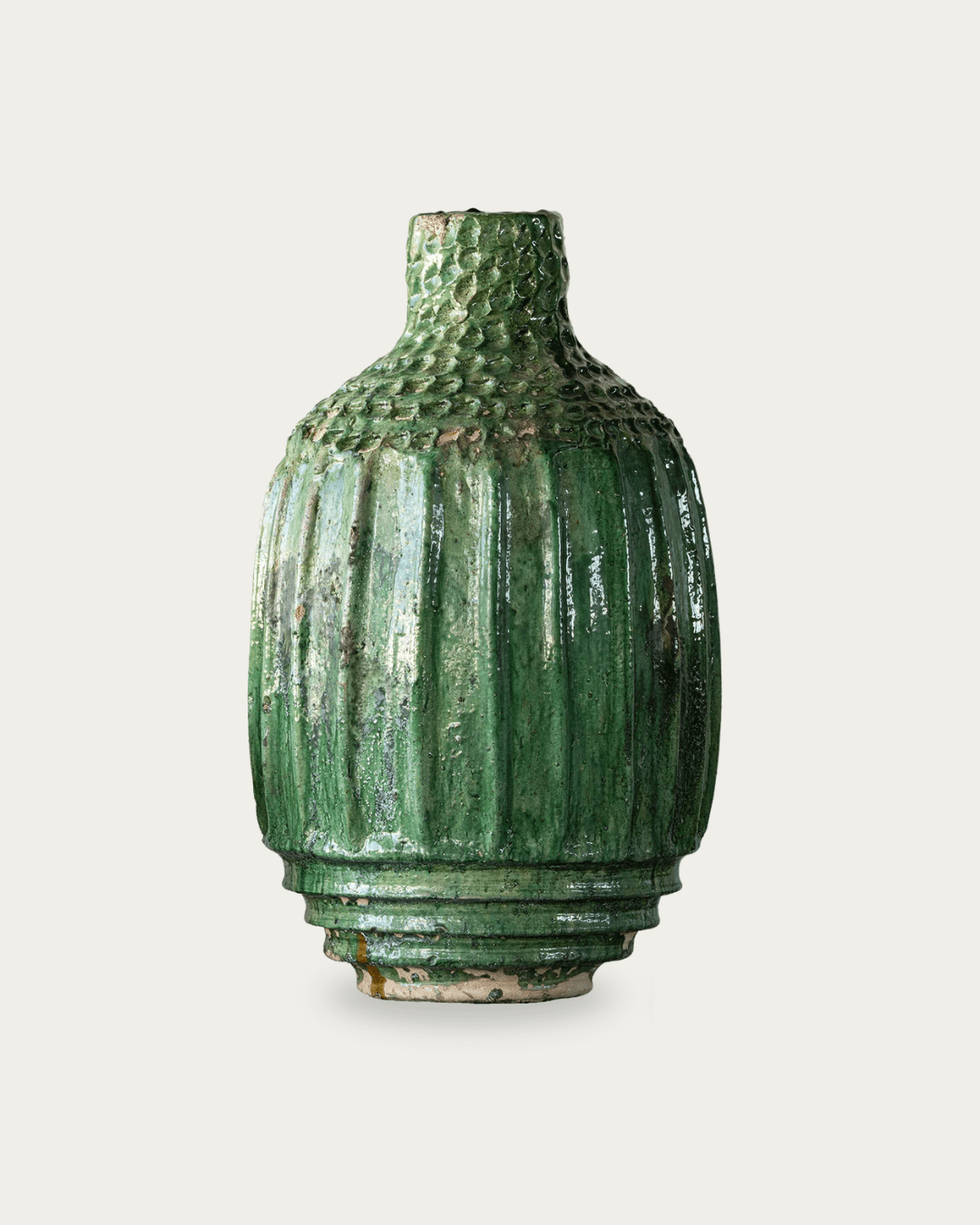
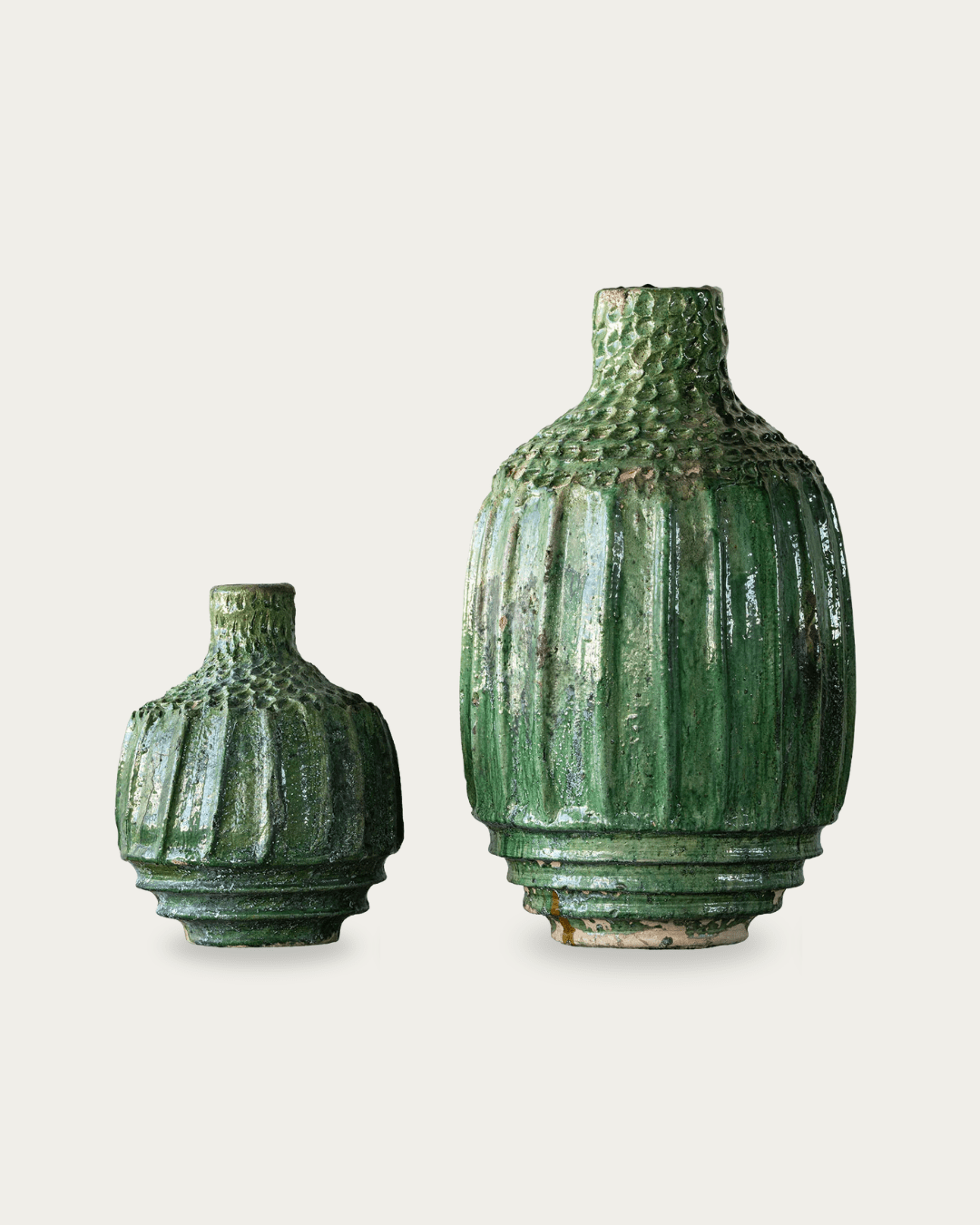
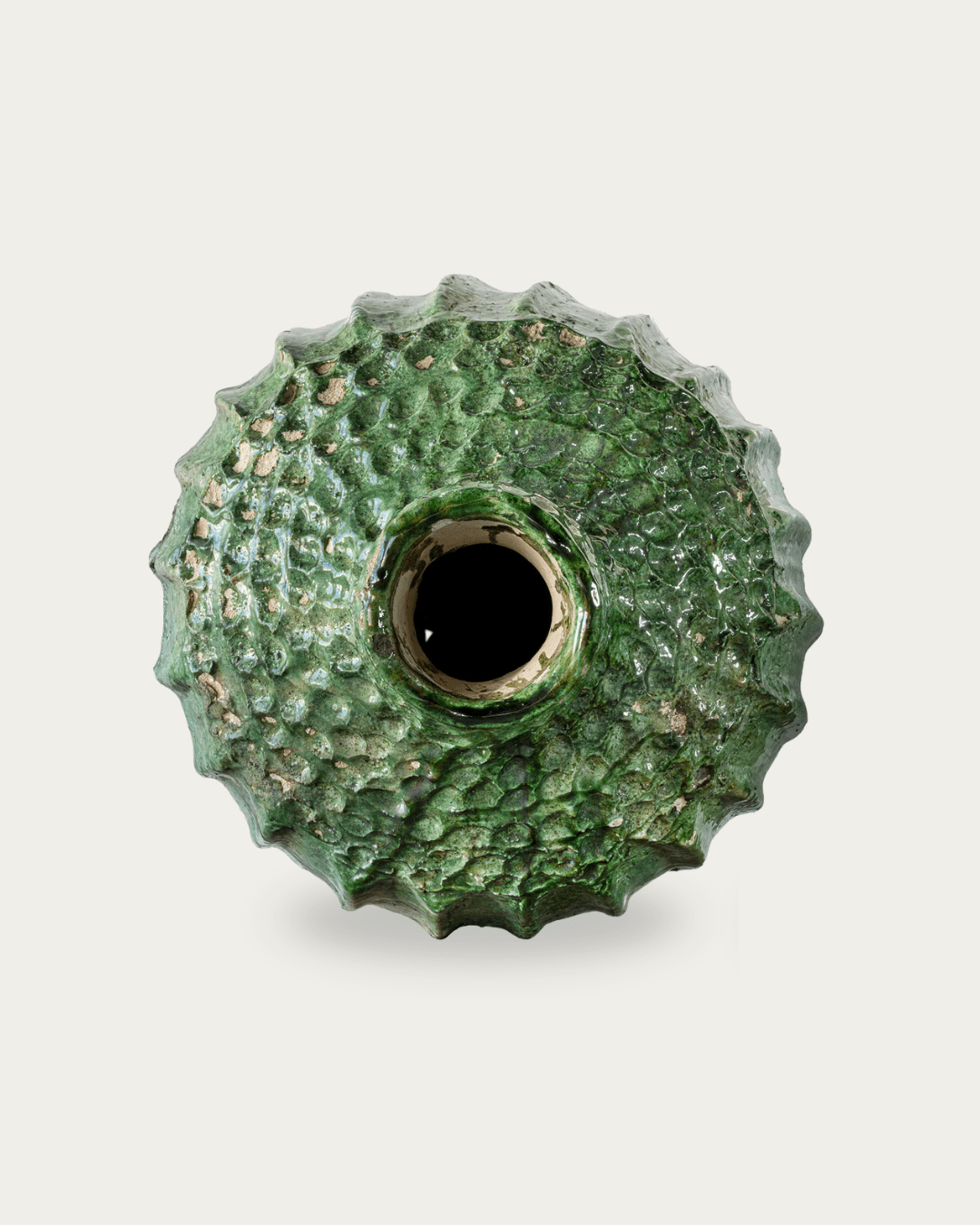
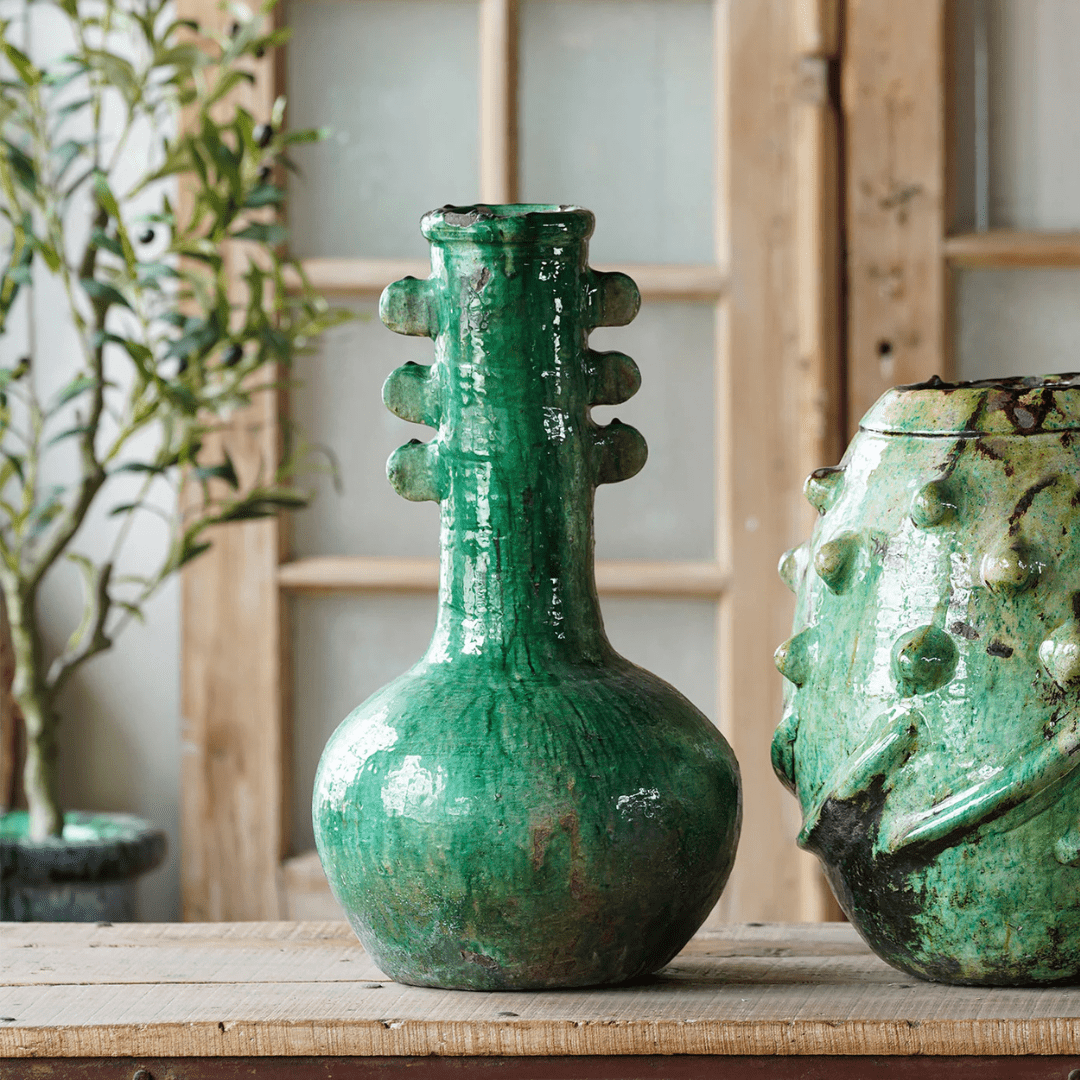
The Tamegroute green bowl introduces handmade variation that encourages slower visual processing. Nearby, the Tamegroute compote green bowl creates sculptural interest without becoming visually loud.
Texture Slows Visual Processing
The eye doesn't move through textured environments the same way it moves through highly polished ones.
Texture encourages observation.
Reflection.
Pause.
The room begins feeling calmer because the visual experience becomes calmer.
Grounding Comes From Imperfection
Perfection is often celebrated in design.
Yet many of the most relaxing spaces contain surprisingly imperfect objects.
A carved edge that's slightly uneven.
A glaze that pooled unexpectedly.
A surface that has worn naturally over decades.
These details make objects feel human.
The Katia vintage chapati board demonstrates this beautifully through its age and surface variation. The Gretel stone village plate creates similar visual interest through carved texture and material irregularity.
The Nervous System Doesn't Need Perfection
In many cases, perfection creates distance.
Imperfection creates connection.
Vintage decor often succeeds because it feels approachable rather than untouchable.
Large Vintage Pieces Create Stability
Grounding isn't limited to small accessories.
Larger vintage objects often create some of the strongest regulating effects within a room.
The nervous system constantly searches for anchors.
Objects that help organize visual information reduce unconscious scanning and create a greater sense of stability.
The Vintage moorish door on stand functions almost like architecture, creating a strong focal point through scale, texture, and craftsmanship. Similarly, the Mathias doors establish visual structure that helps larger rooms feel more cohesive.
Visual Anchors Reduce Cognitive Load
When the eye understands where to settle, the brain spends less energy processing the environment.
This is one reason oversized vintage pieces often feel calming rather than overwhelming.
RUTED Tip: If a room feels mentally busy, don't start by removing furniture. Start by removing decorative objects that contribute no texture. A single vintage piece with patina often creates more sensory depth than five modern accessories sitting beside it looking suspiciously identical.
Vintage Decor Creates Depth Without Excess
Many modern interiors attempt to create interest through quantity.
More accessories.
More layers.
More styling moments.
Vintage decor often achieves the same goal through materiality.
Because the objects already contain texture and variation, fewer pieces are needed to create richness.
The Fern stone biscuit mold plate introduces depth through carving and age. The Tamegroute green candle holder contributes visual complexity through handcrafted form and irregular glazing.
Better Materials Require Less Styling
This is one of the defining characteristics of collected interiors.
The materials do the work.
The room doesn't rely on excessive decoration to feel complete.
Vintage Pieces Feel More Connected to Nature
Natural environments rarely contain perfect repetition.
Every tree is different.
Every stone is different.
Every surface changes over time.
Vintage decor mirrors these qualities.
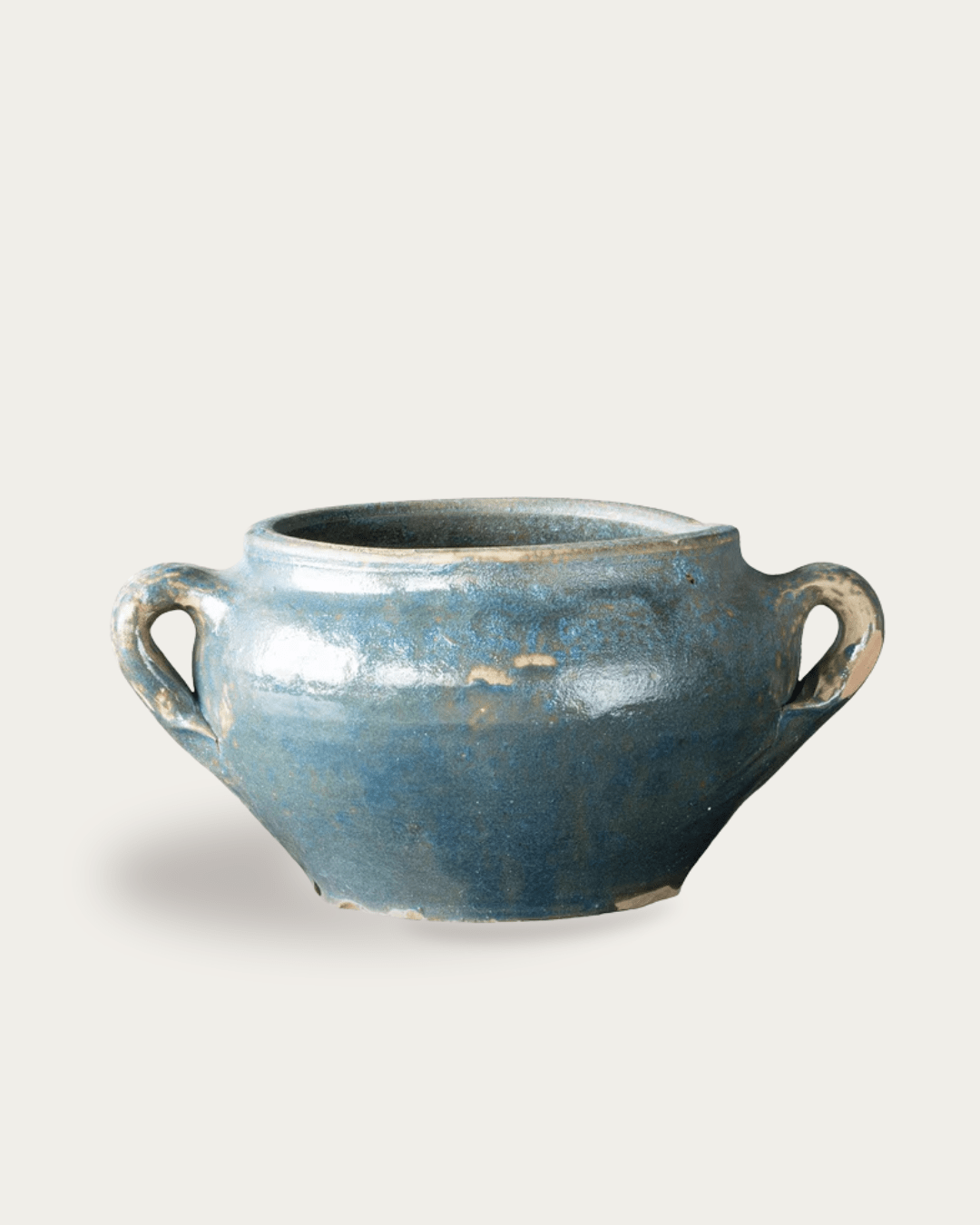
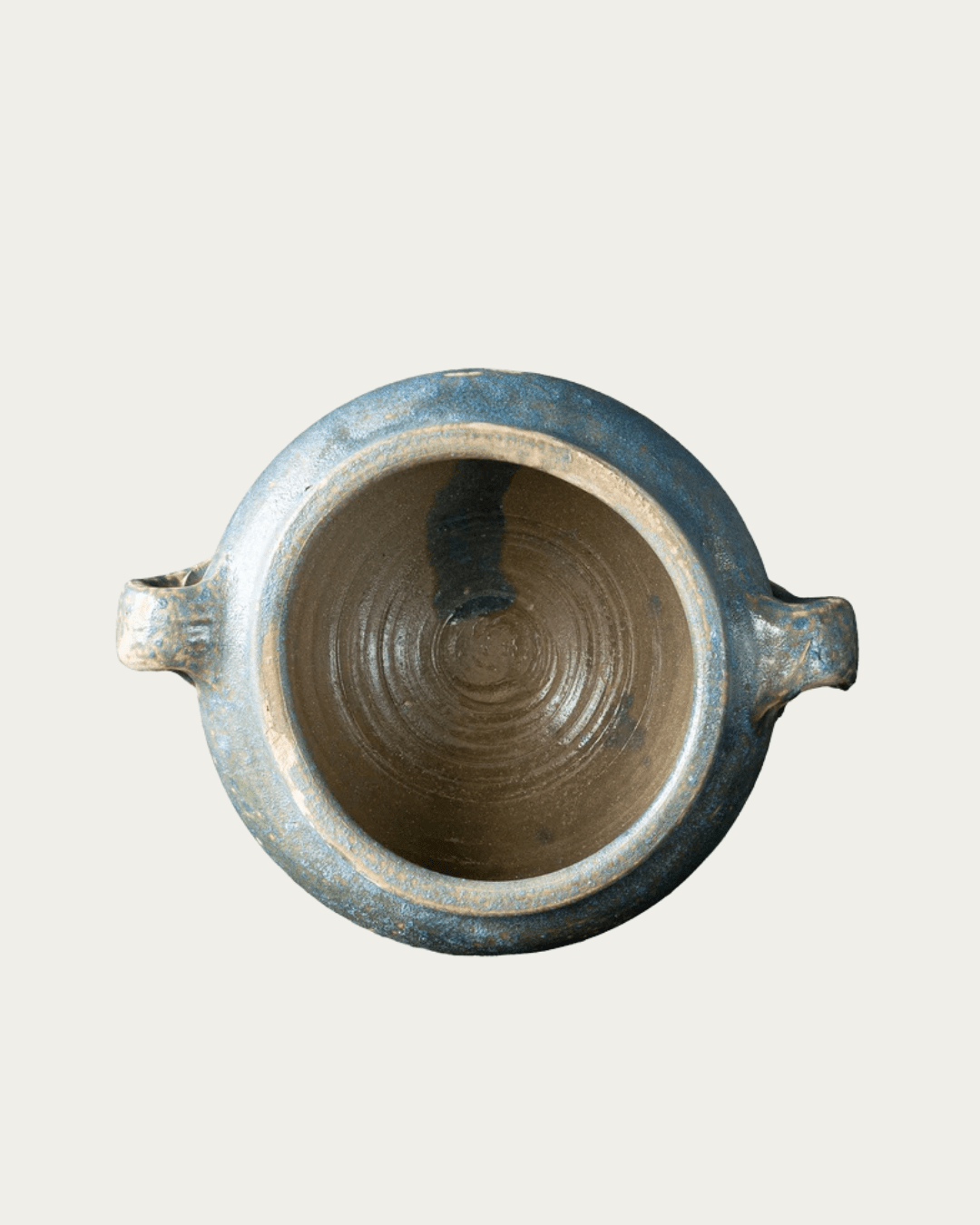
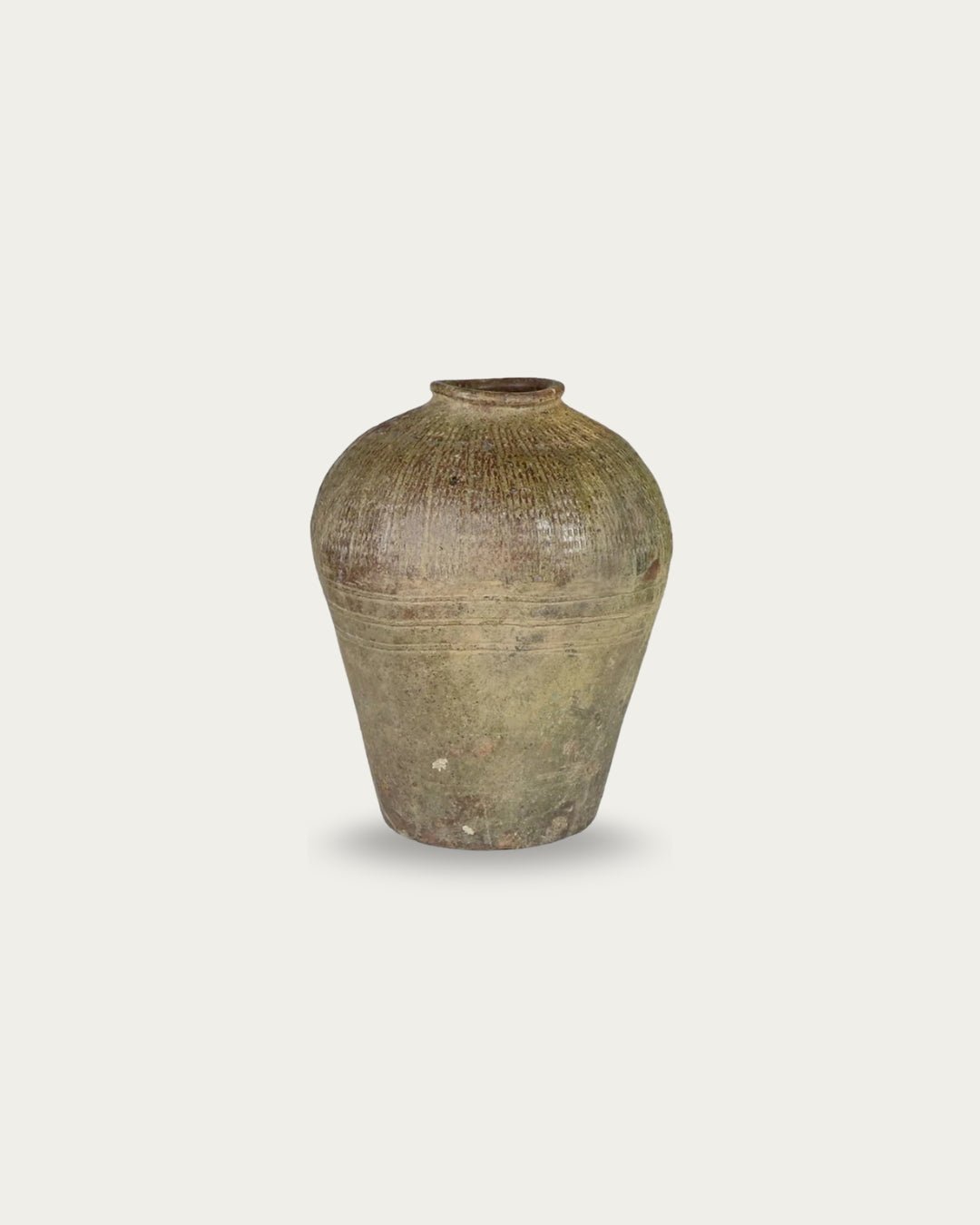
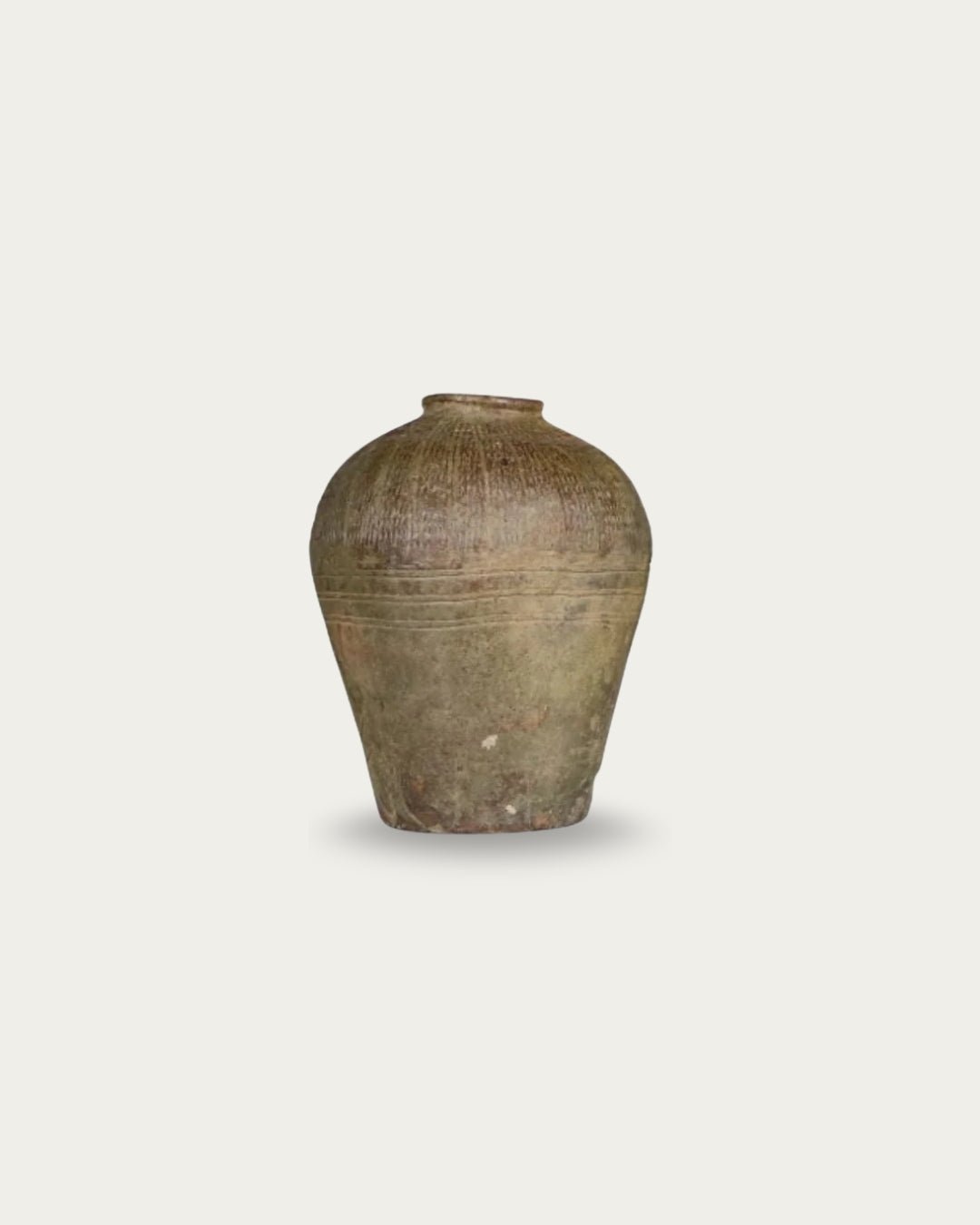
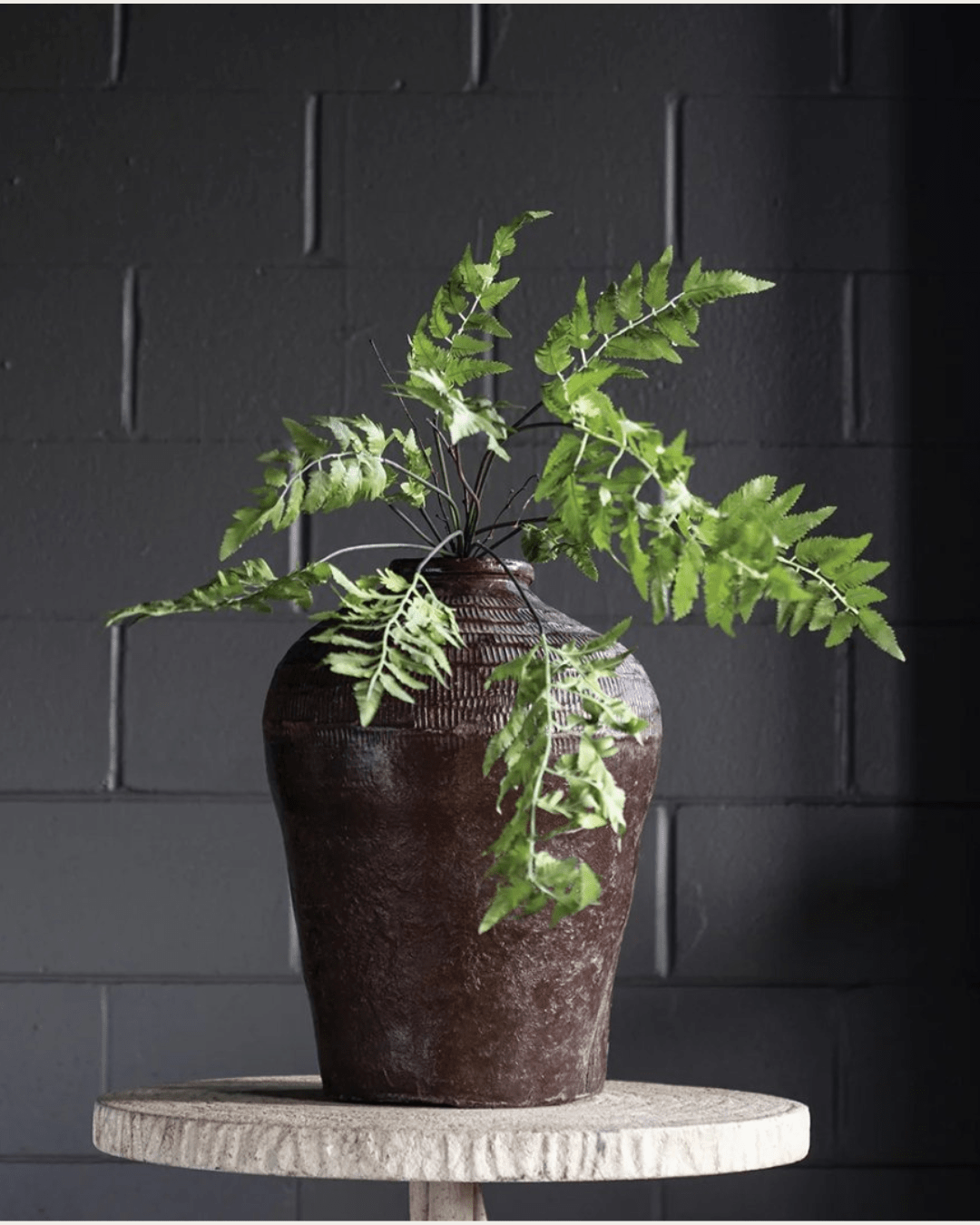
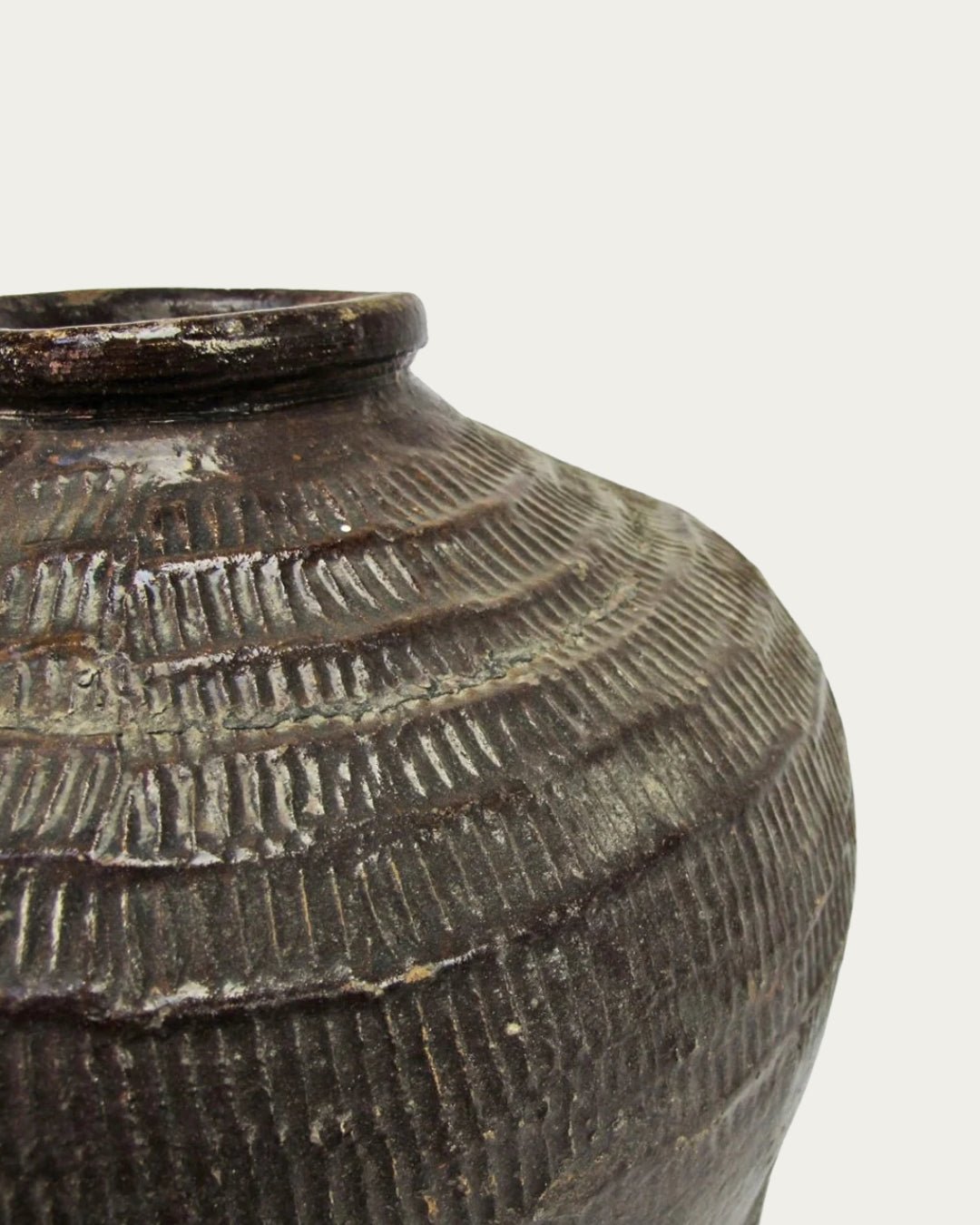
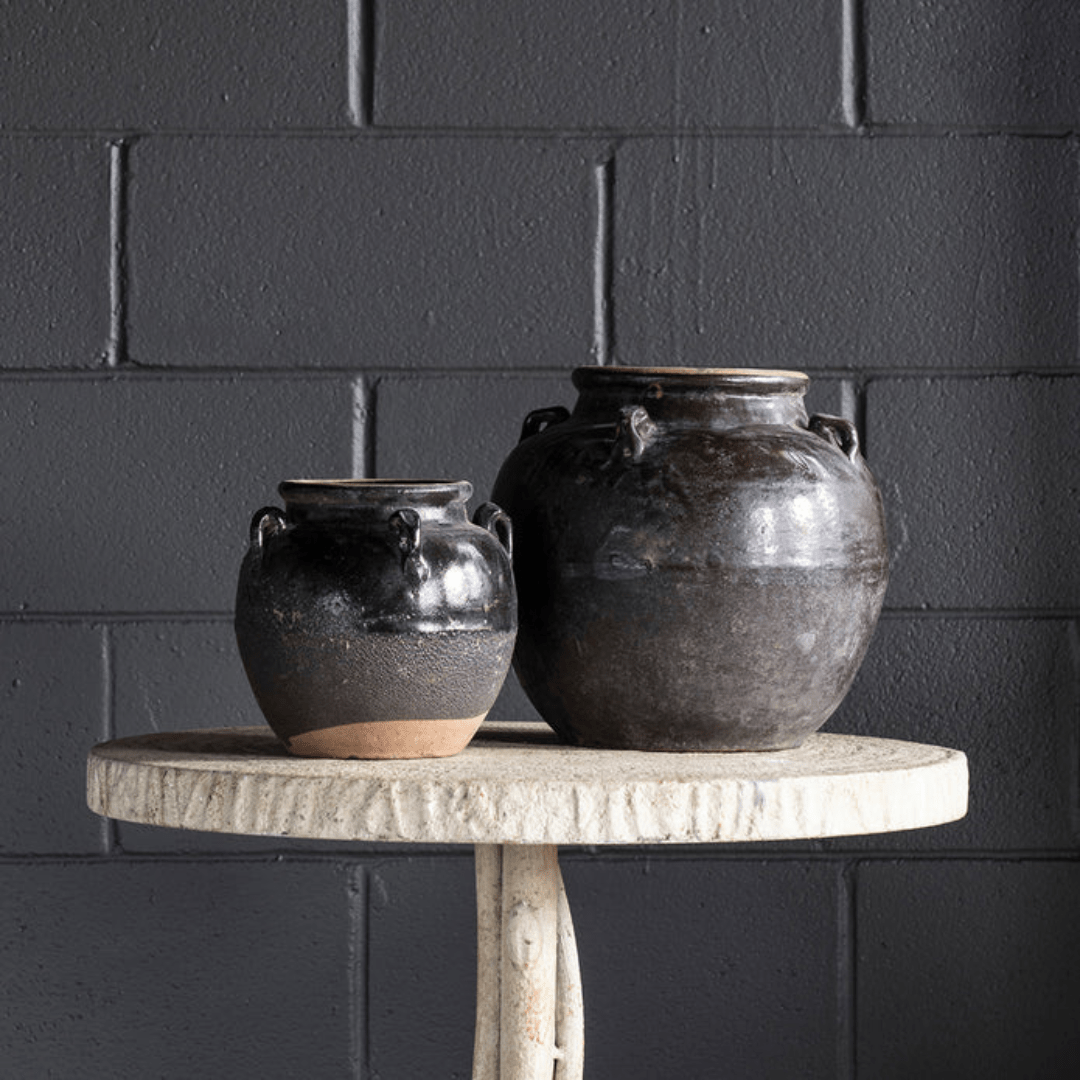
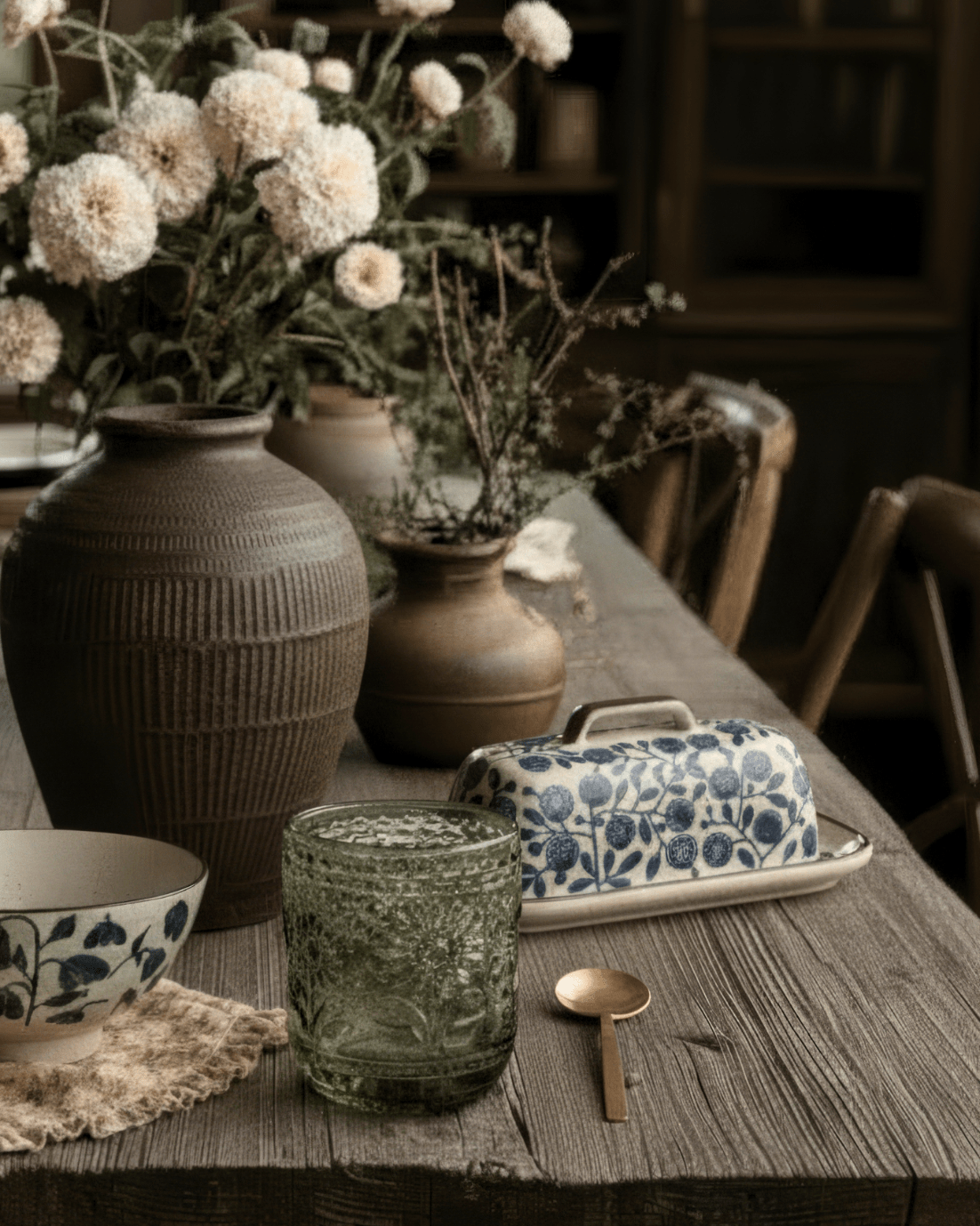
The Chinese harvest basket introduces organic texture through woven construction and age. The Maria glazed pot creates visual variation through handmade glazing and surface irregularity.
These materials feel familiar because they reflect patterns the brain already understands.
Familiarity Supports Regulation
The nervous system often responds positively to environments that resemble natural sensory experiences.
Vintage decor naturally supports this.
Why Vintage Homes Feel More Collected
Modern accessories are often purchased together.
Vintage objects are usually discovered individually.
That difference matters.
Collected rooms tend to feel more personal because every object contributes something distinct. Shapes vary. Materials vary. Histories vary.
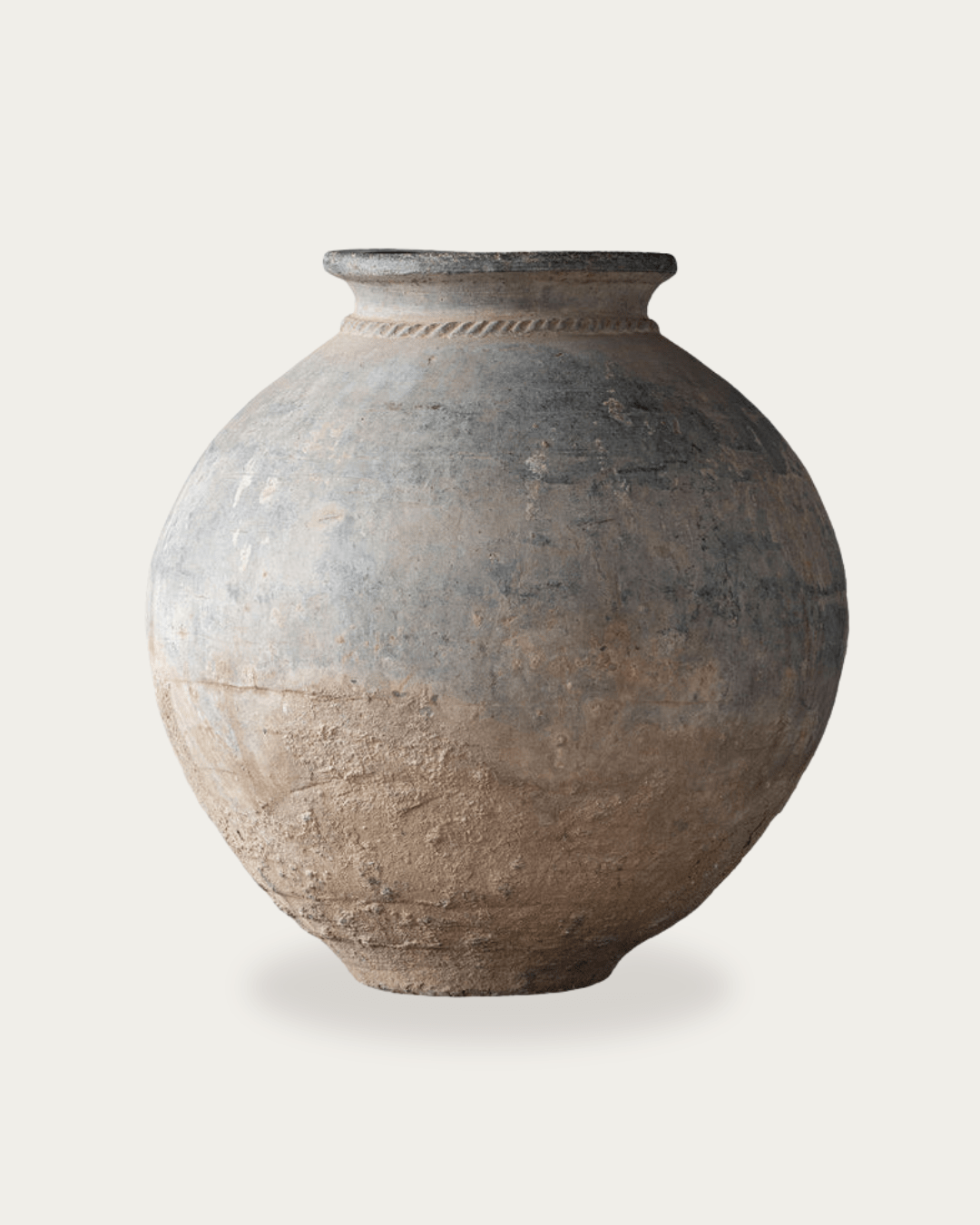
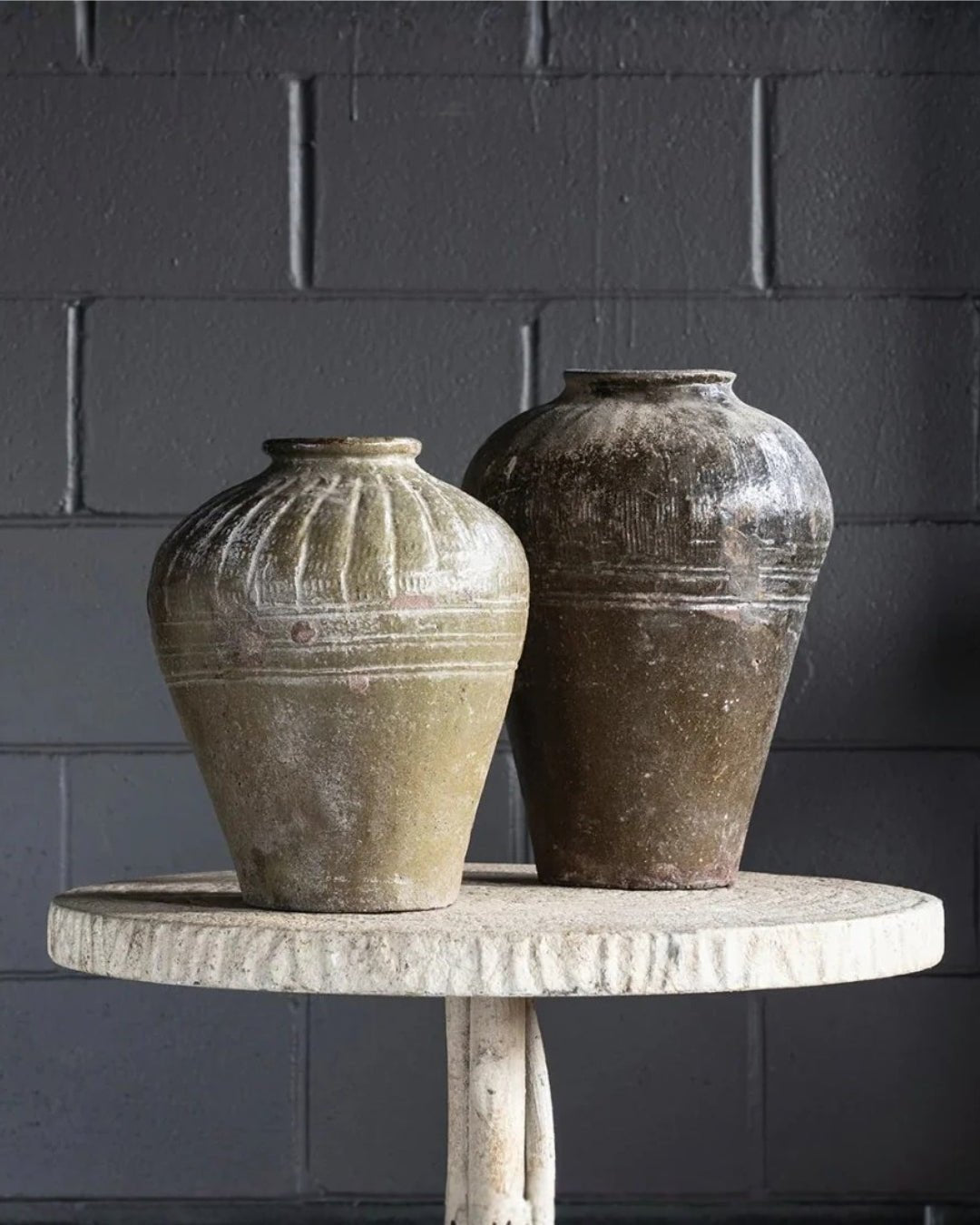
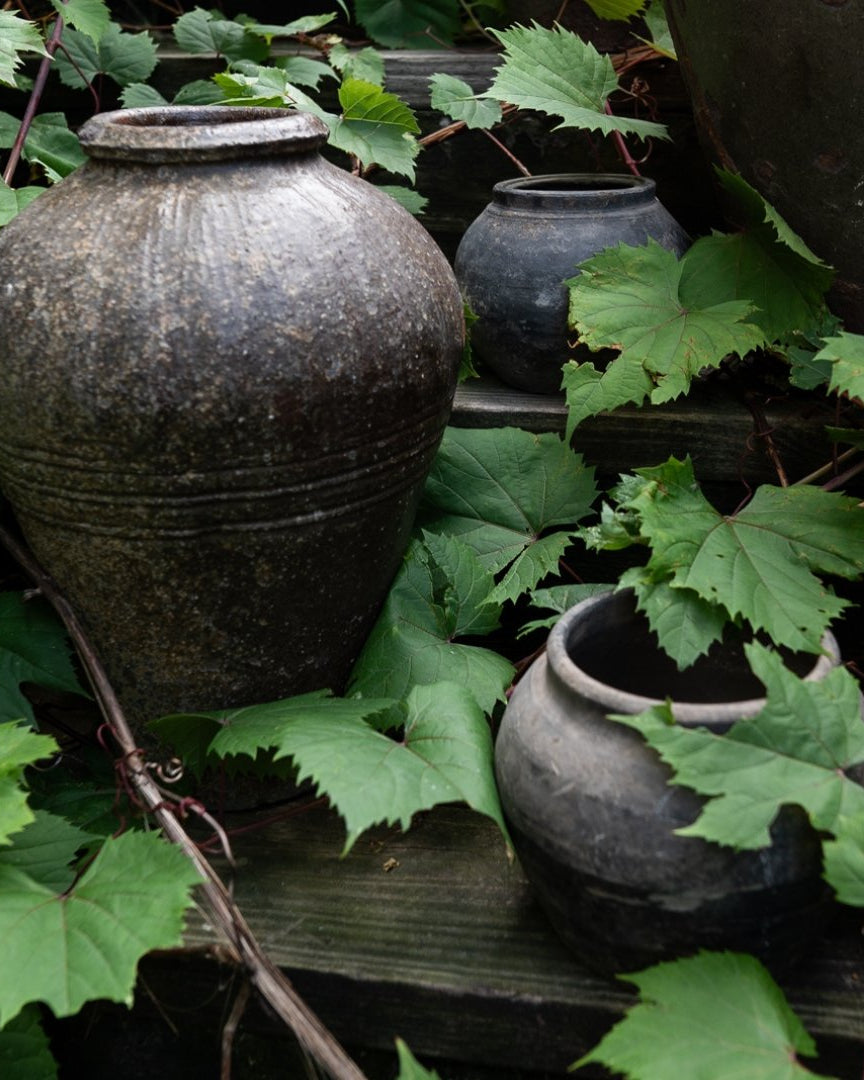
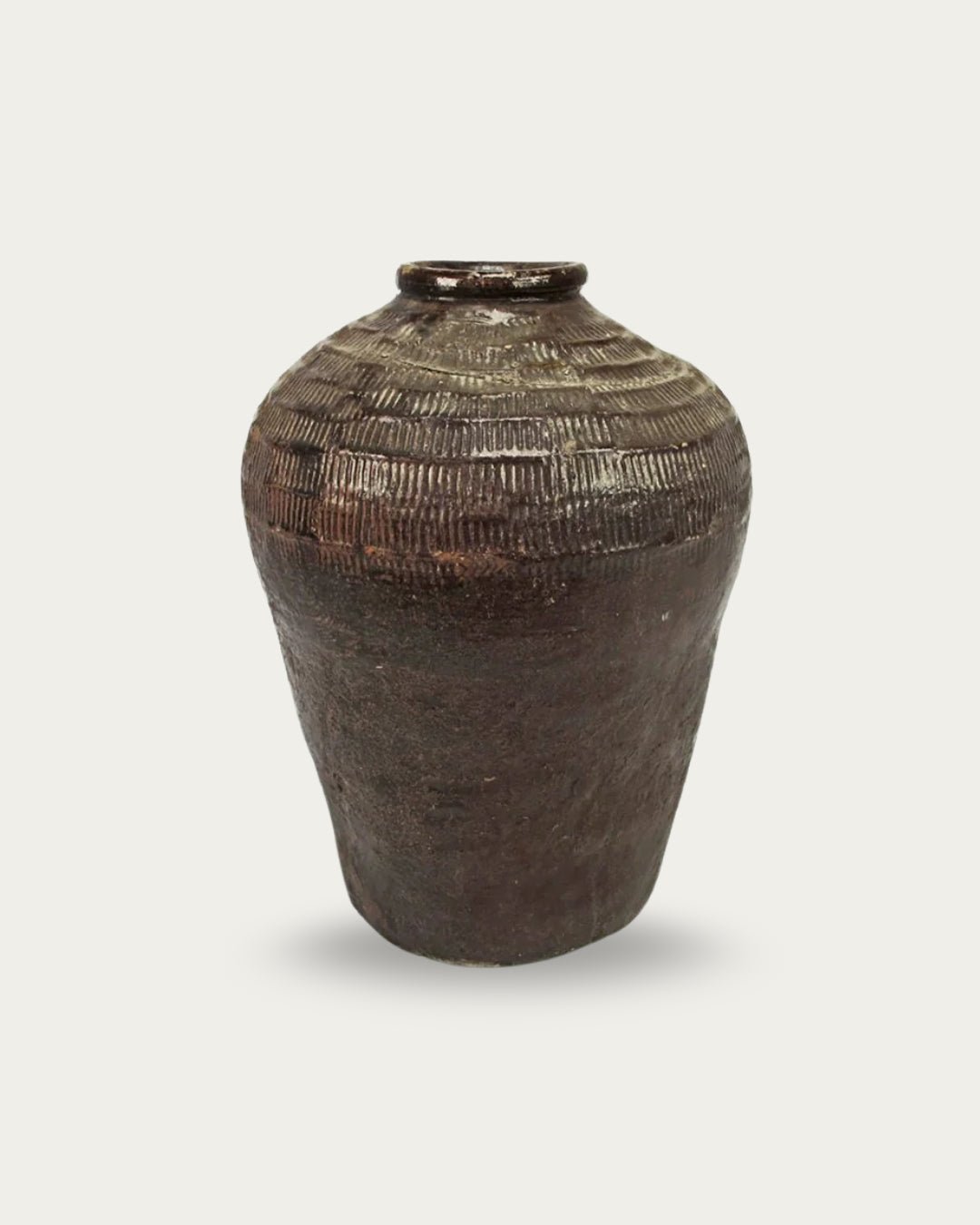
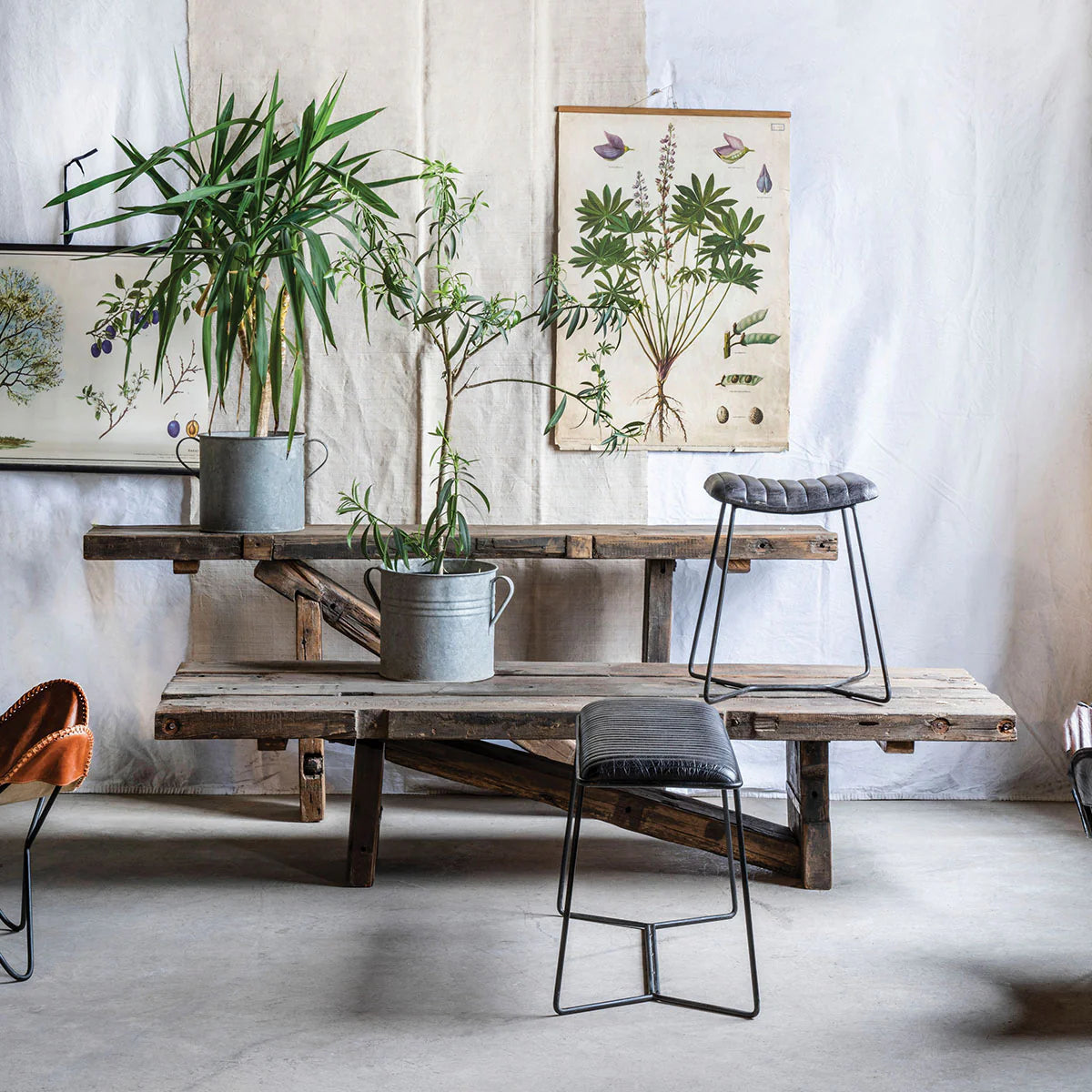
The Leeben vintage round zinc tray introduces a weathered metal texture that differs entirely from the organic presence of the Guorun pot.
Together, they create a richer sensory experience than matching accessories ever could.
Collected Spaces Feel More Human
People are complex.
Homes should be too.
Vintage decor helps create interiors that feel layered rather than formulaic.

The Most Grounding Rooms Feel Lived In
The strongest interiors rarely rely on perfection.
They feel grounded because the materials already contain enough depth on their own. The textures absorb light naturally. The patina creates visual history. The objects feel connected to real life rather than existing purely for decoration.
That's why vintage decor often feels more grounding than modern accessories.
Not because old is automatically better.
Not because every vintage object has a fascinating story.
But because vintage pieces introduce qualities that support how humans naturally process environments.
More texture.
More material honesty.
More variation.
Less visual pressure.
Less perfection.
Less sensory fatigue.
Explore Hello Norden's Vintage Decor collection to discover bowls, vessels, baskets, mirrors, trays, and collected objects that help create homes with more depth, more texture, and a stronger sense of grounding.