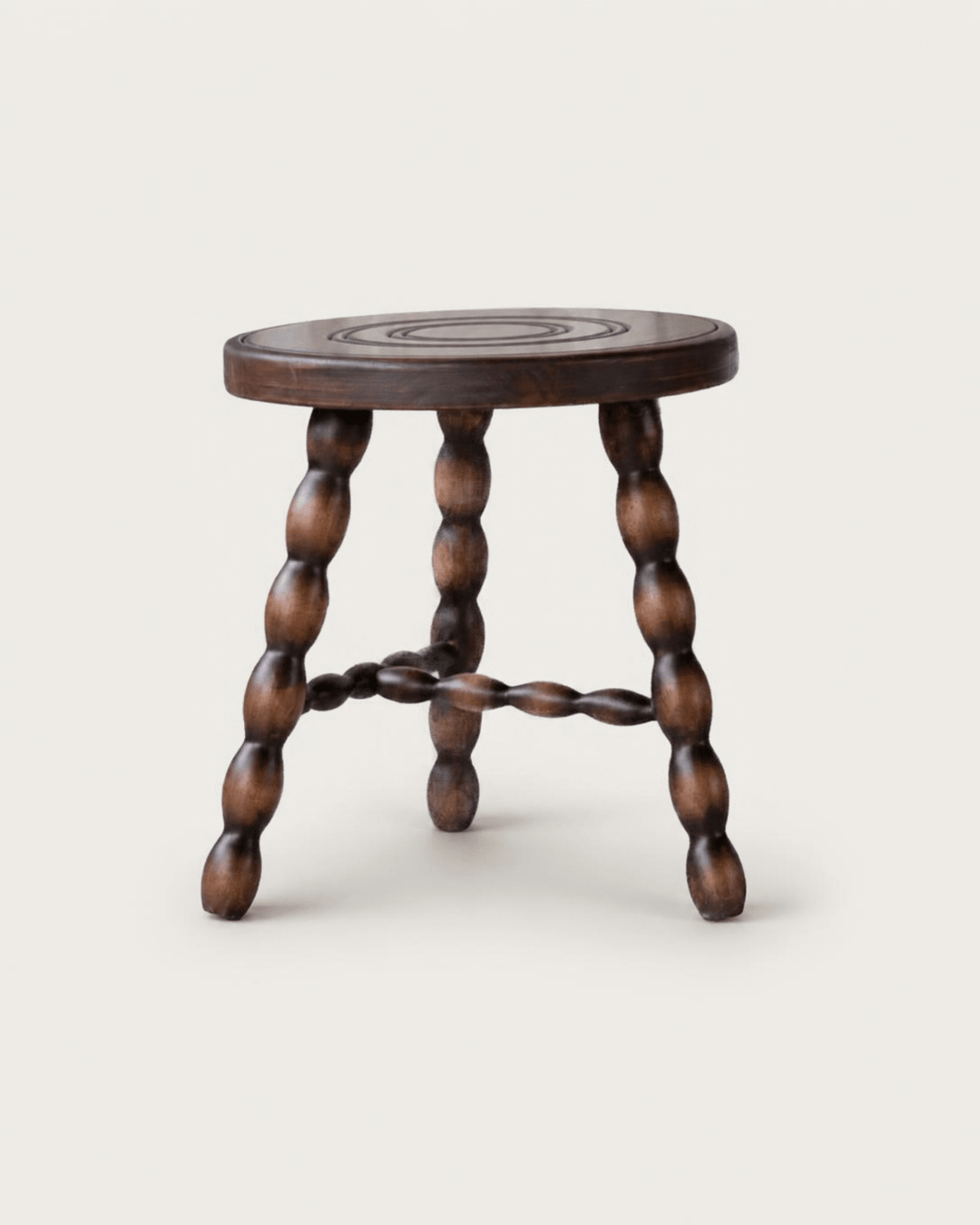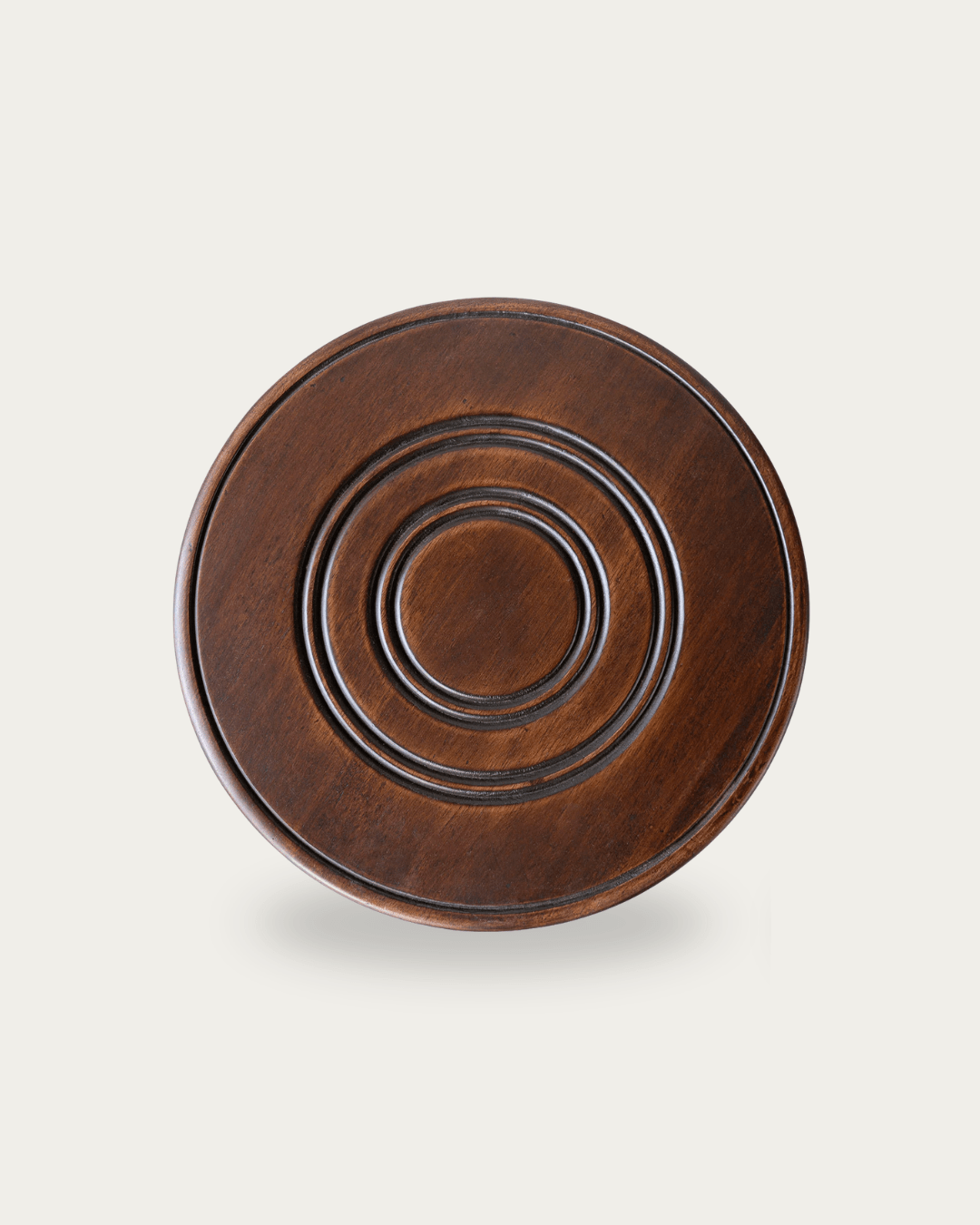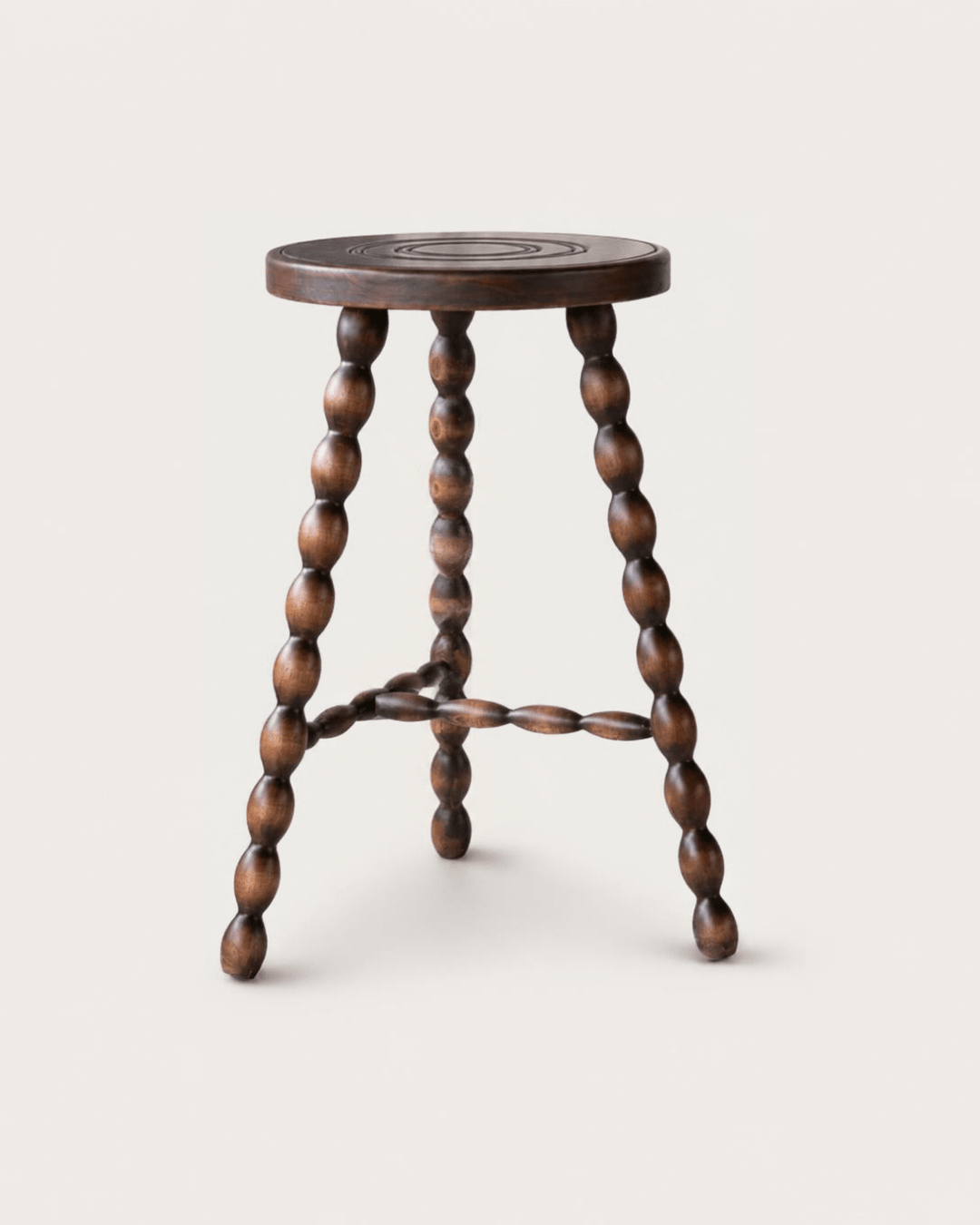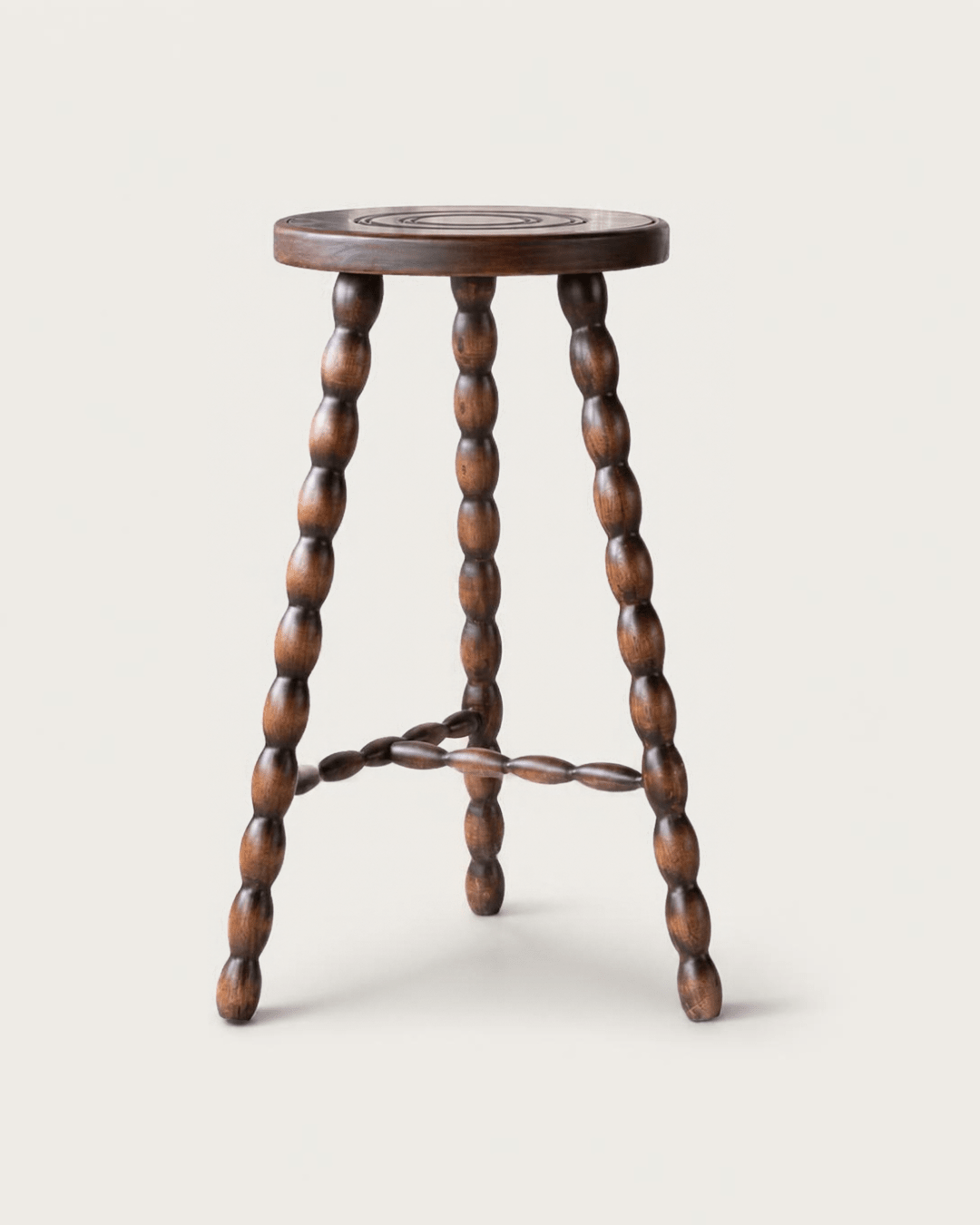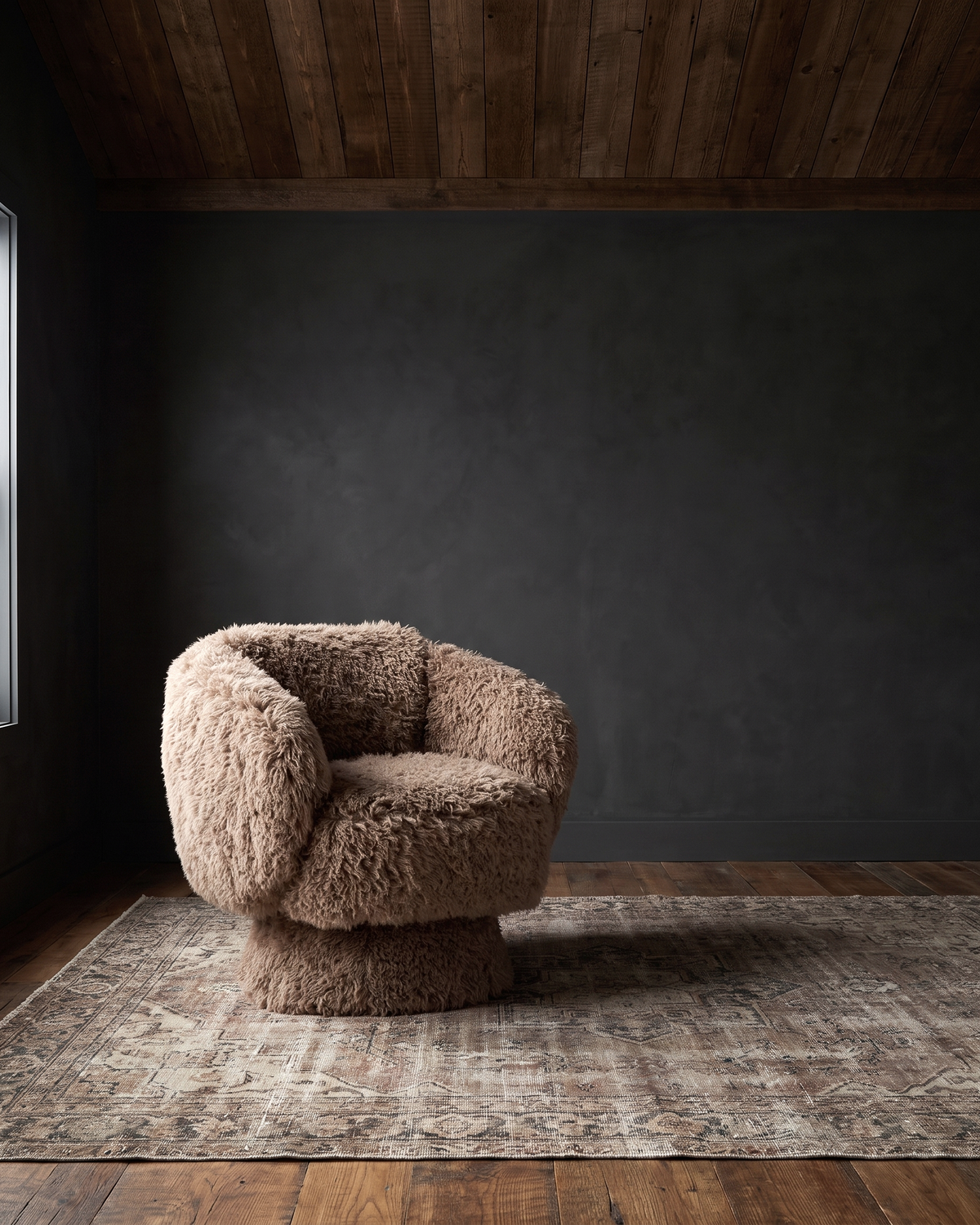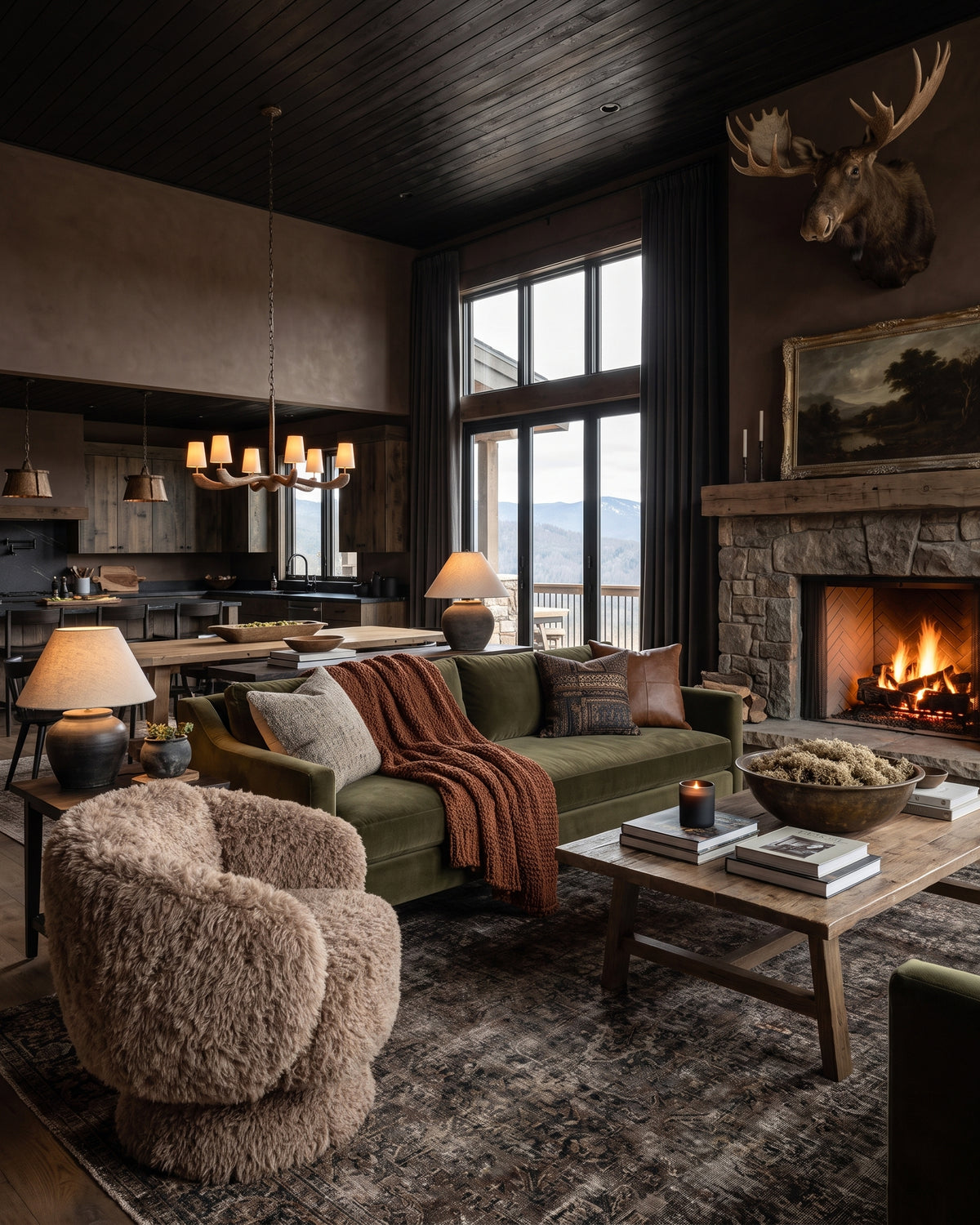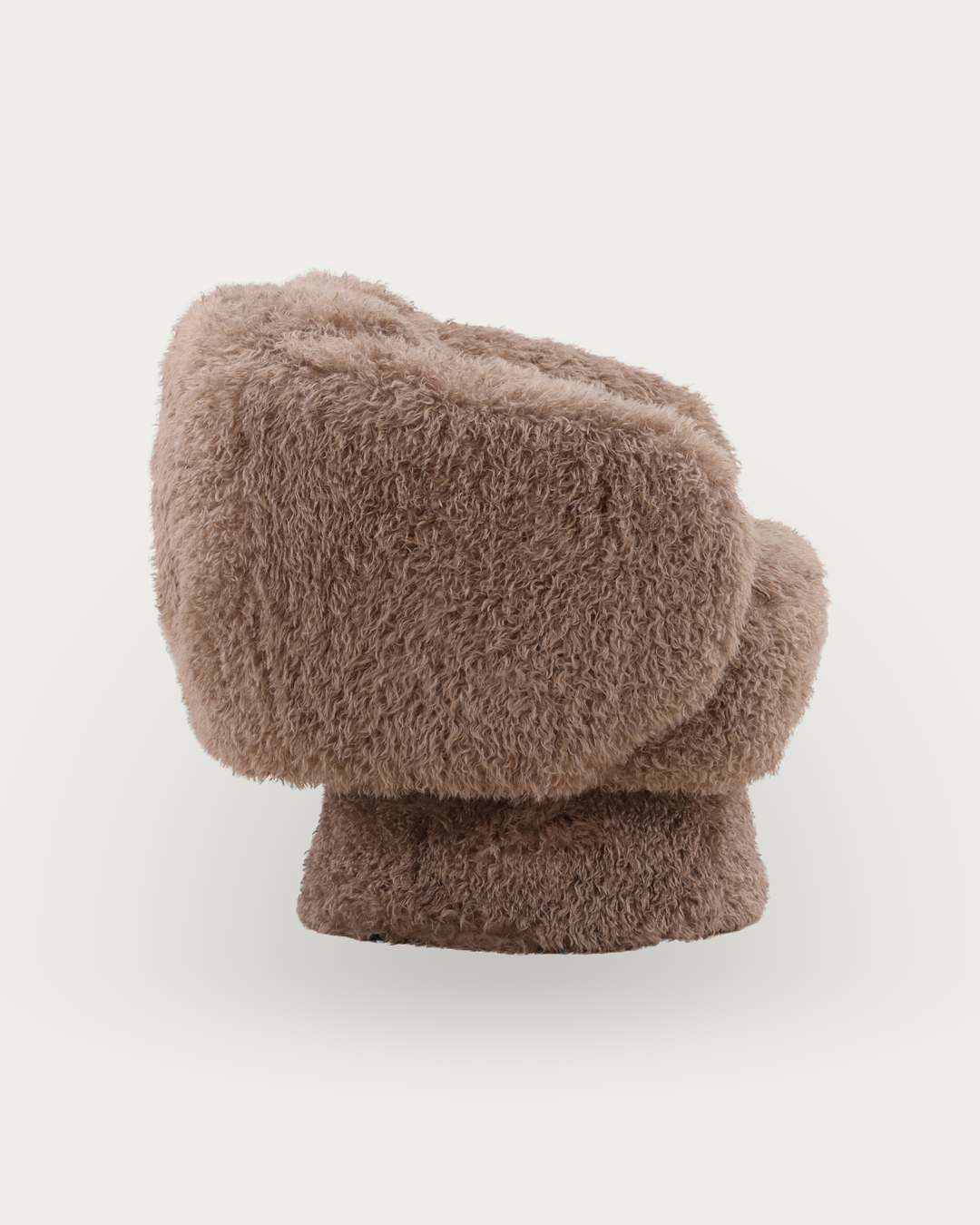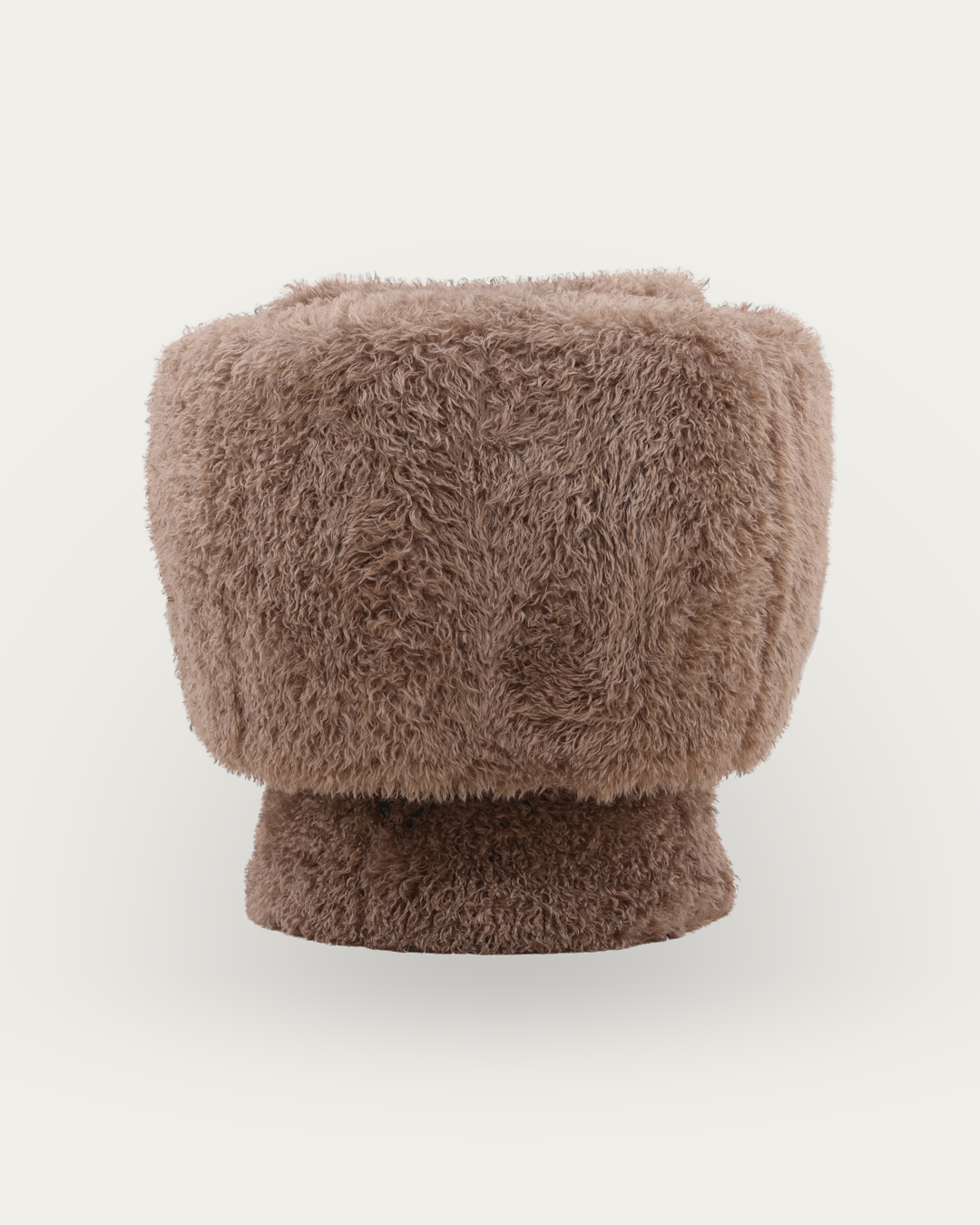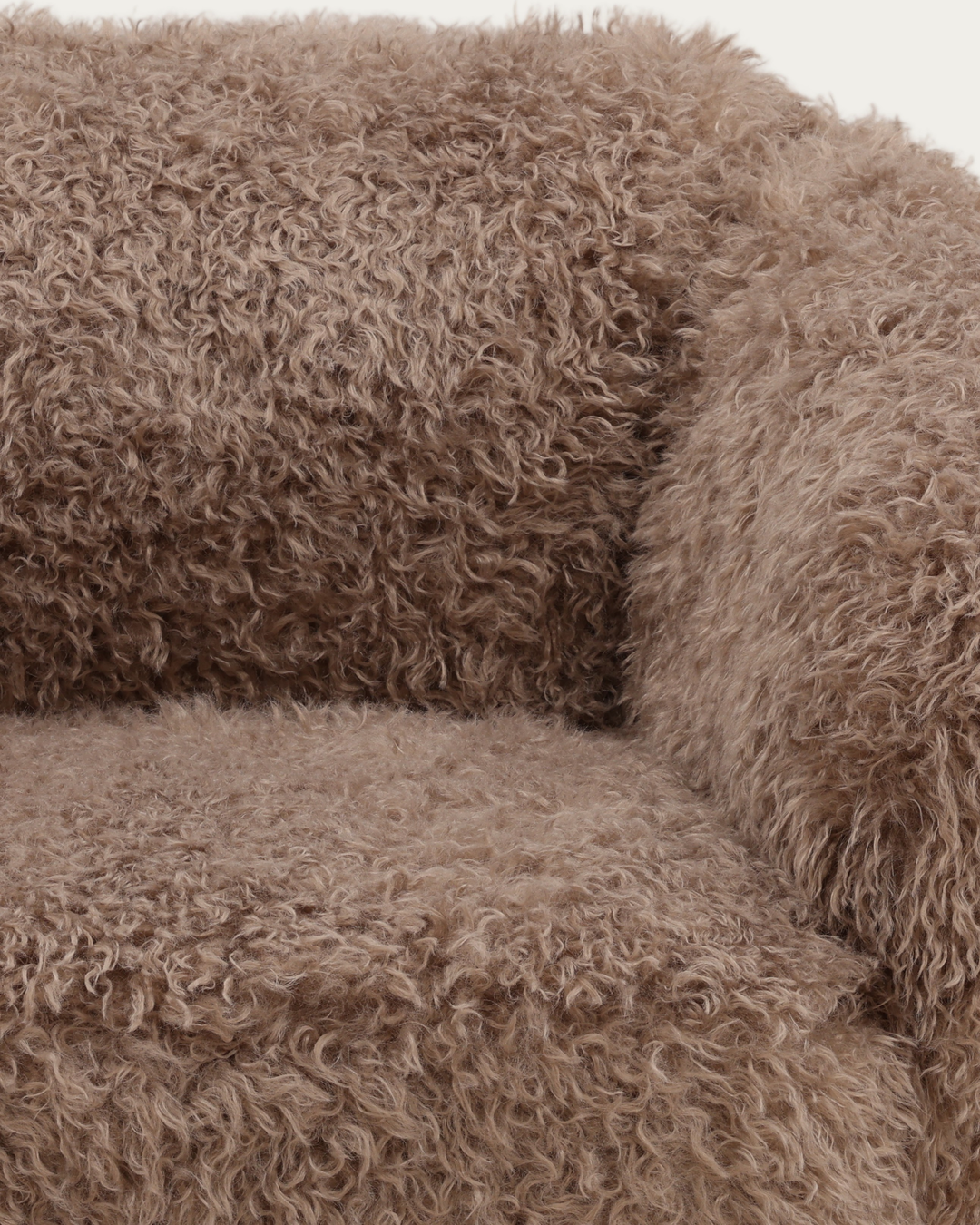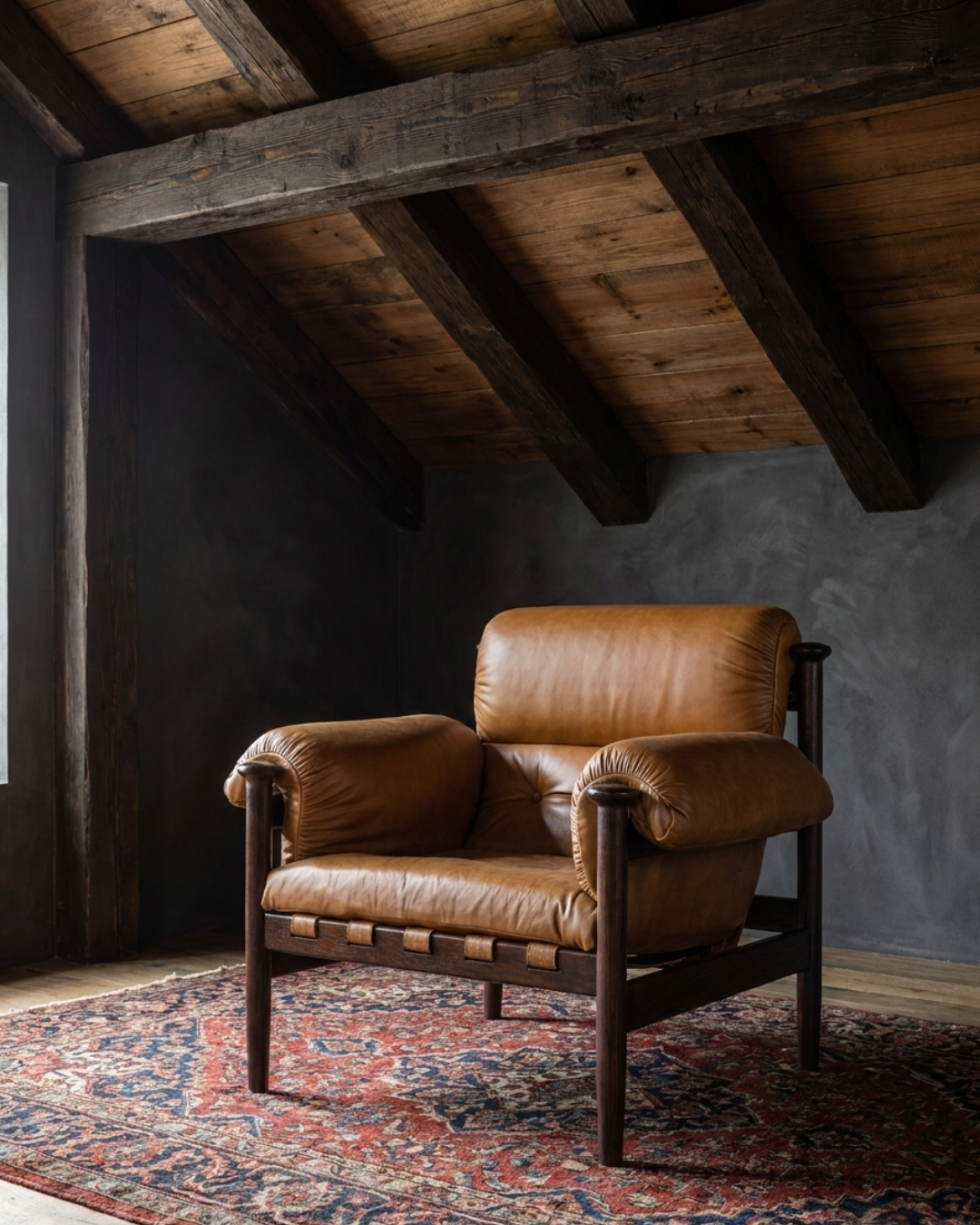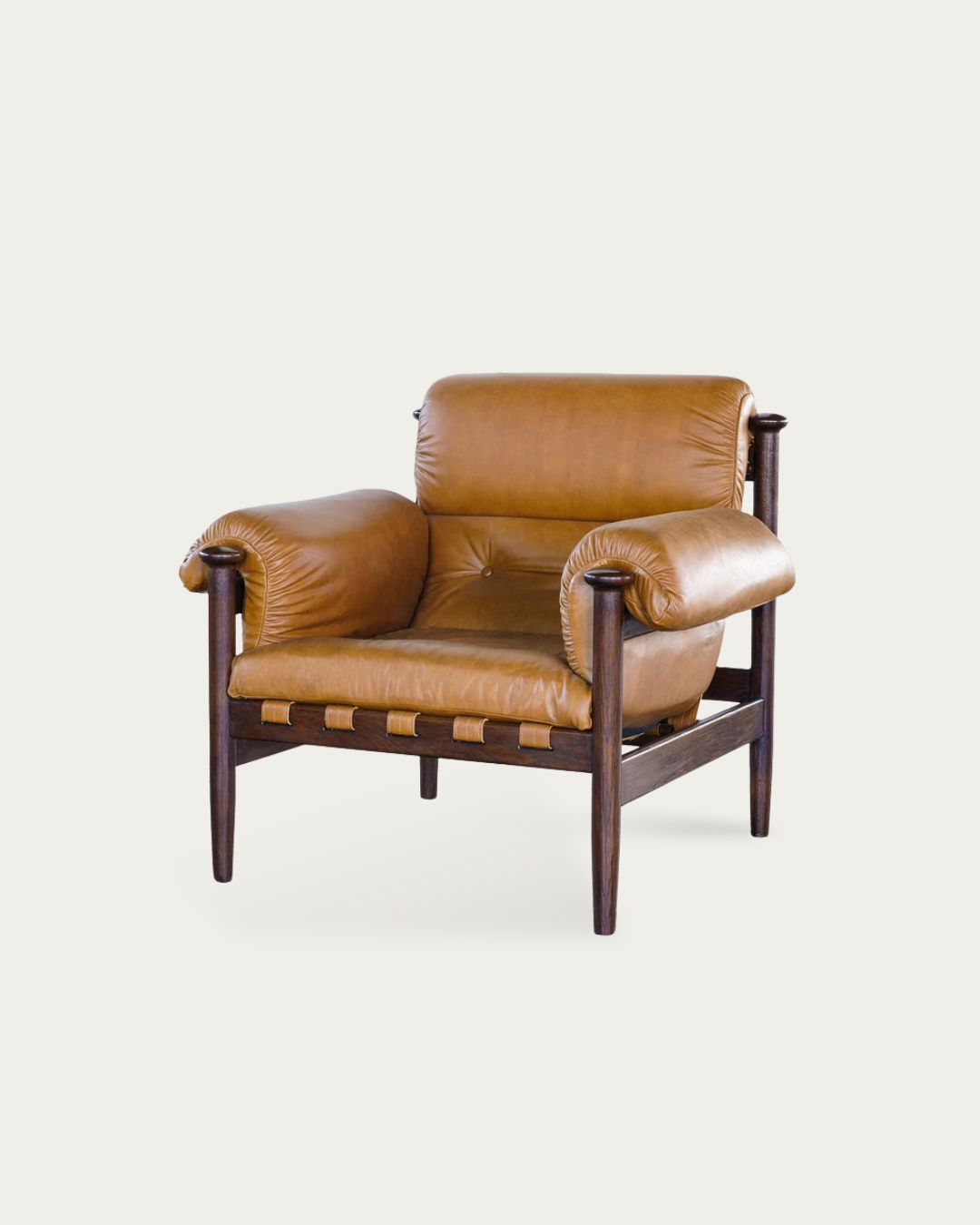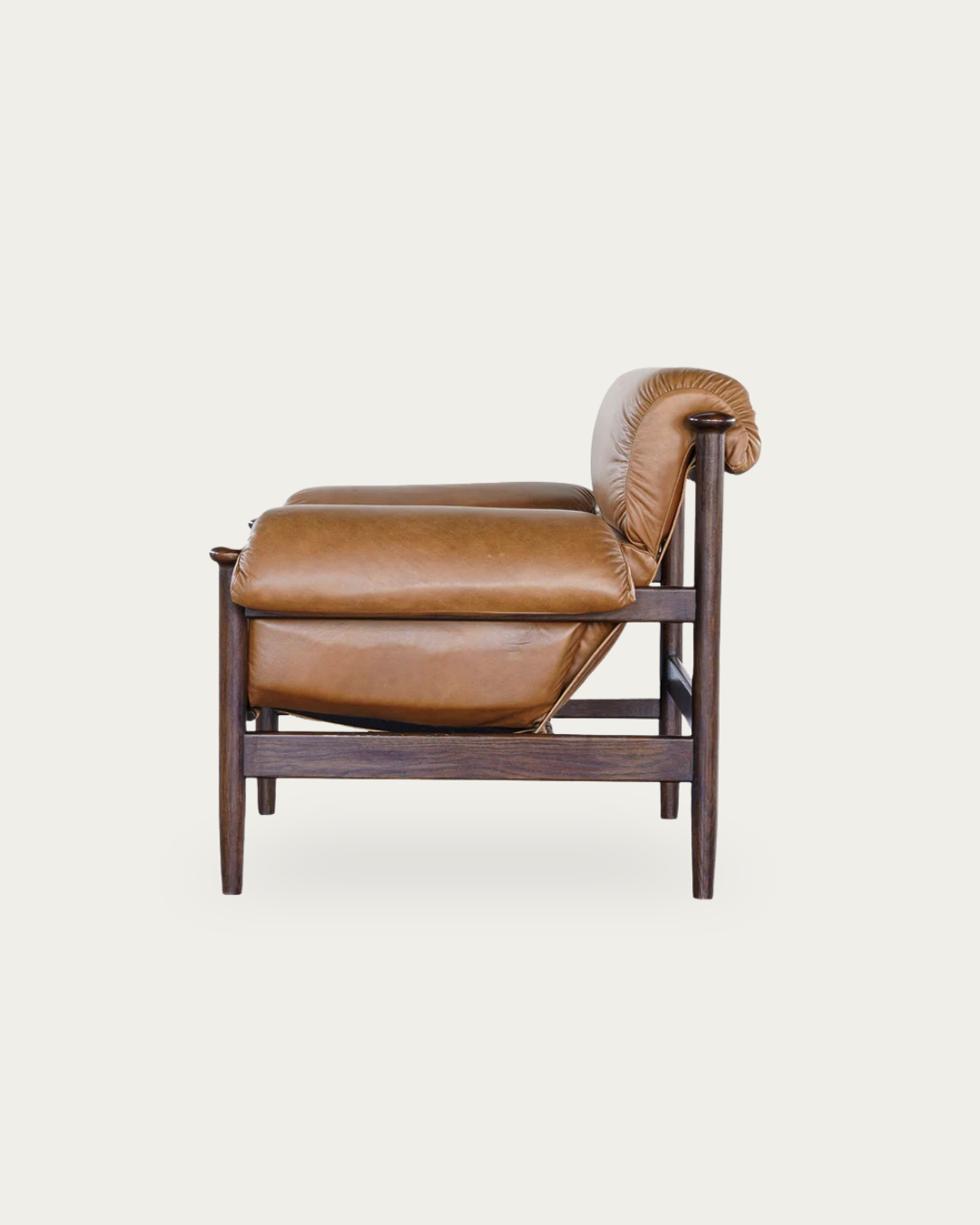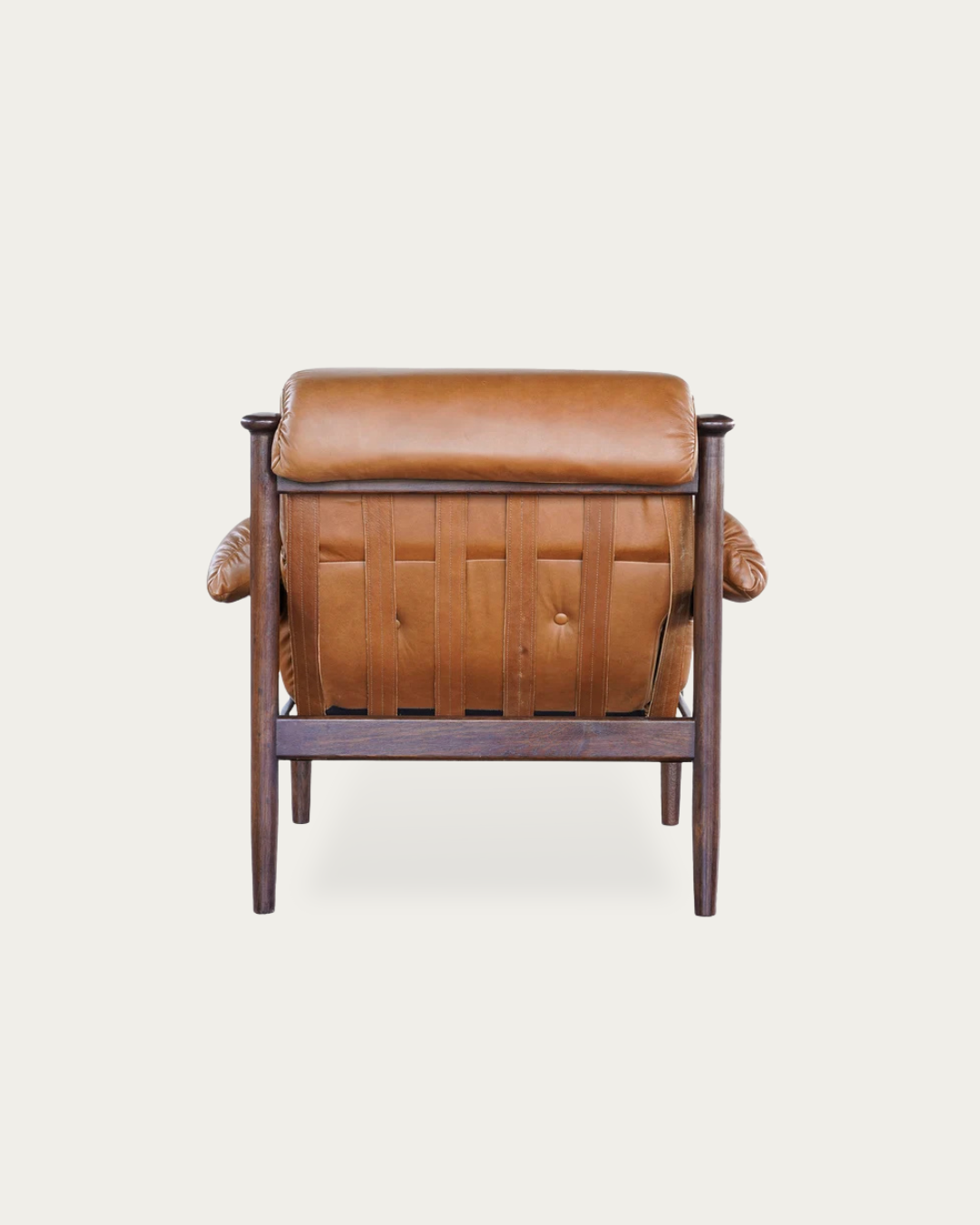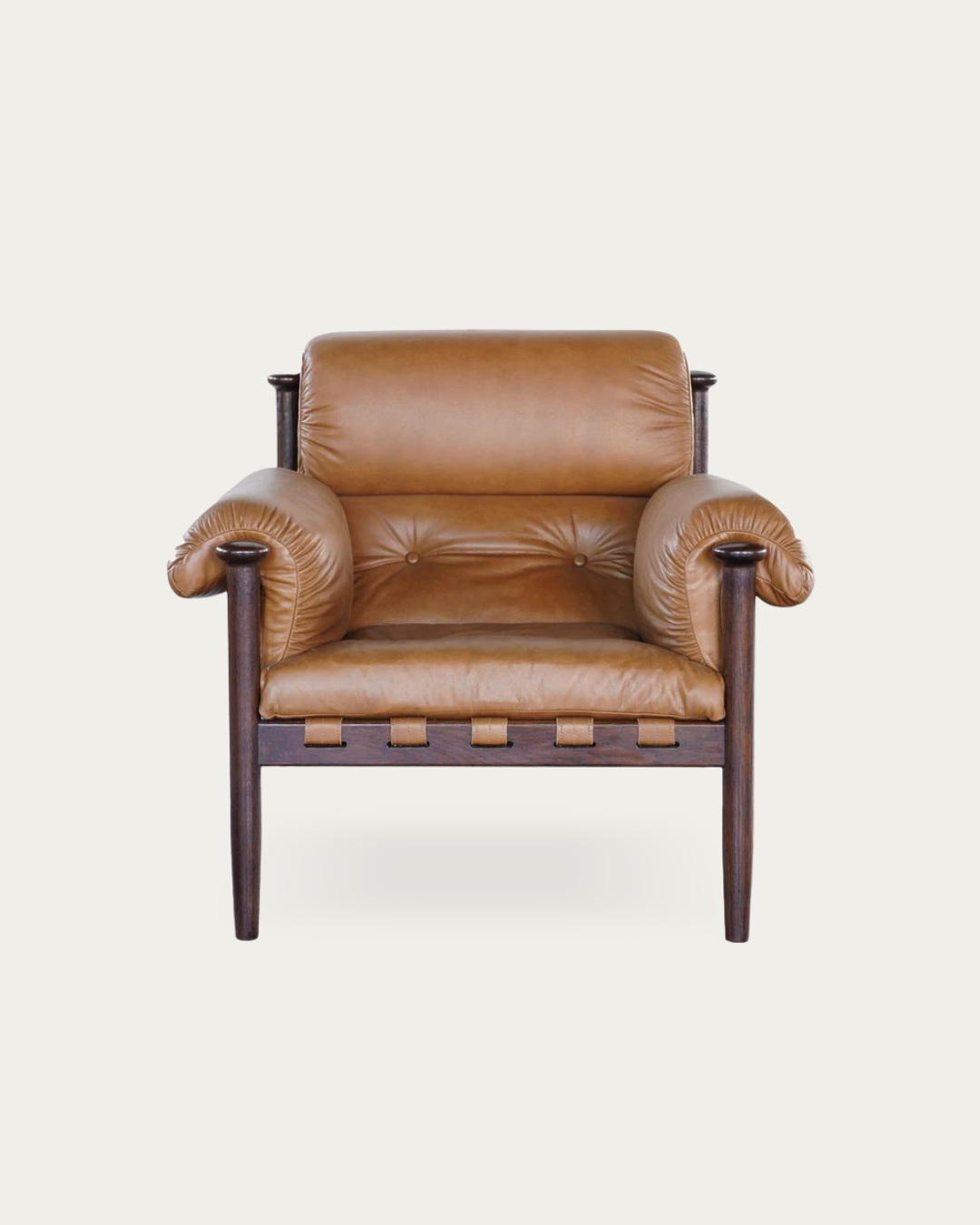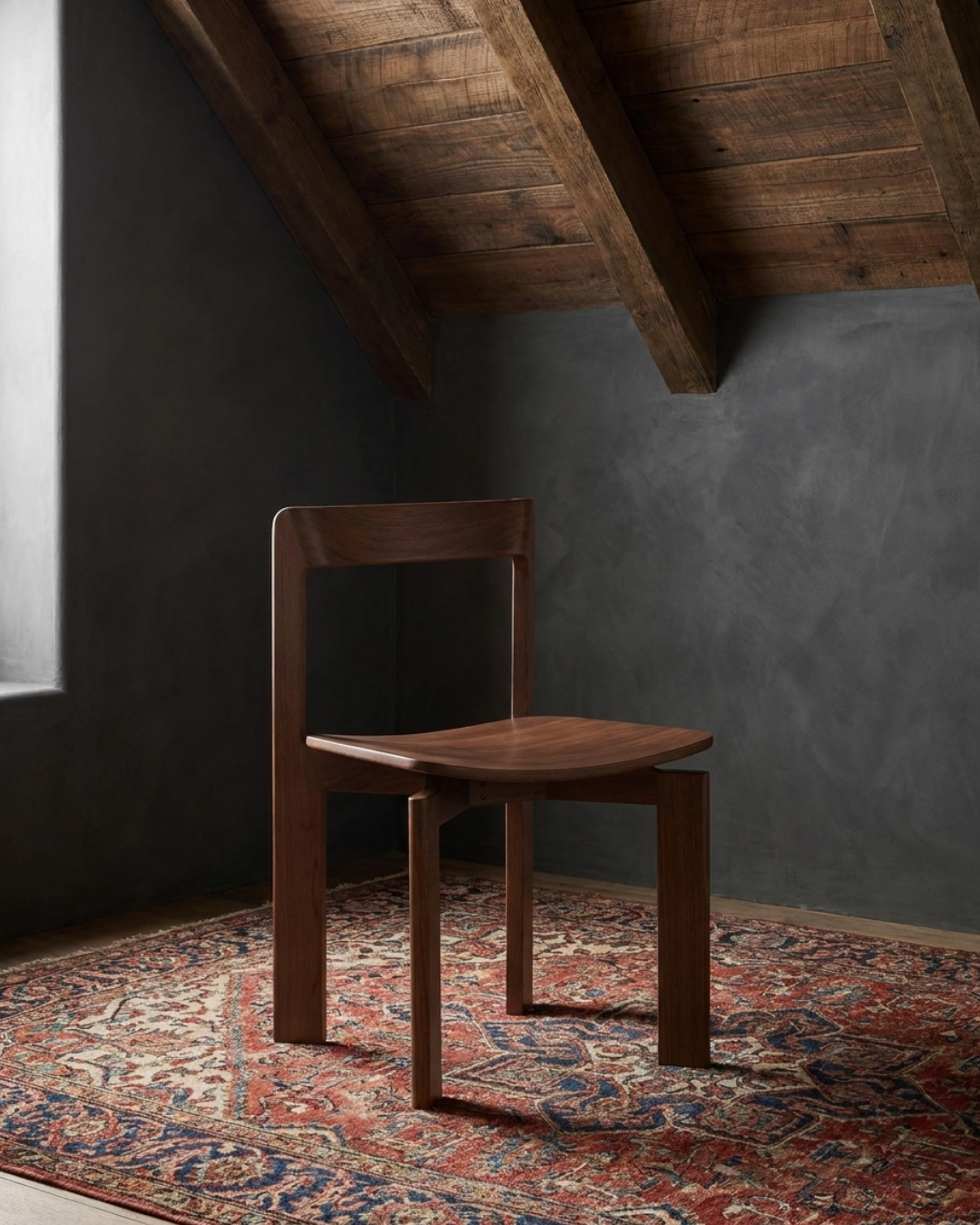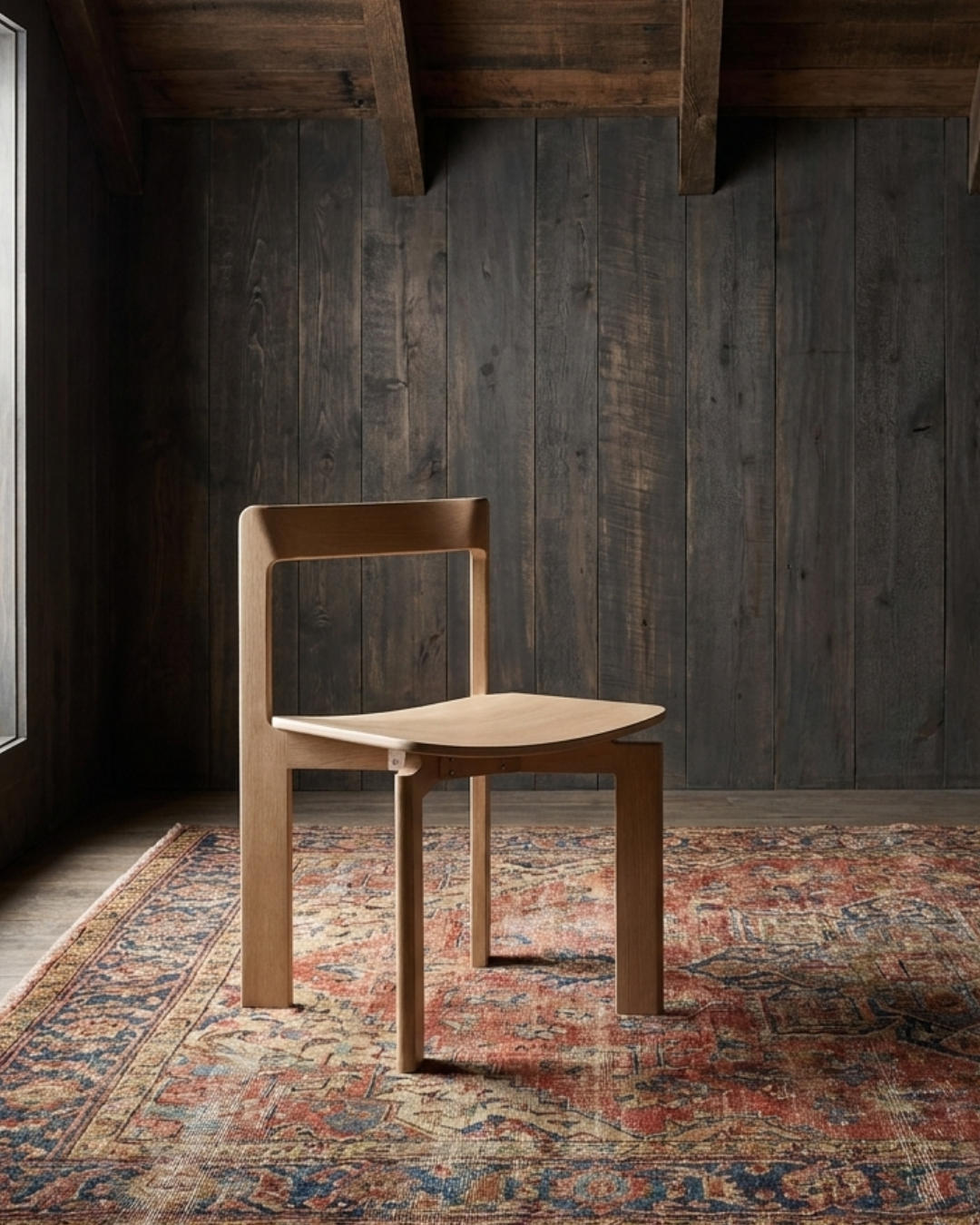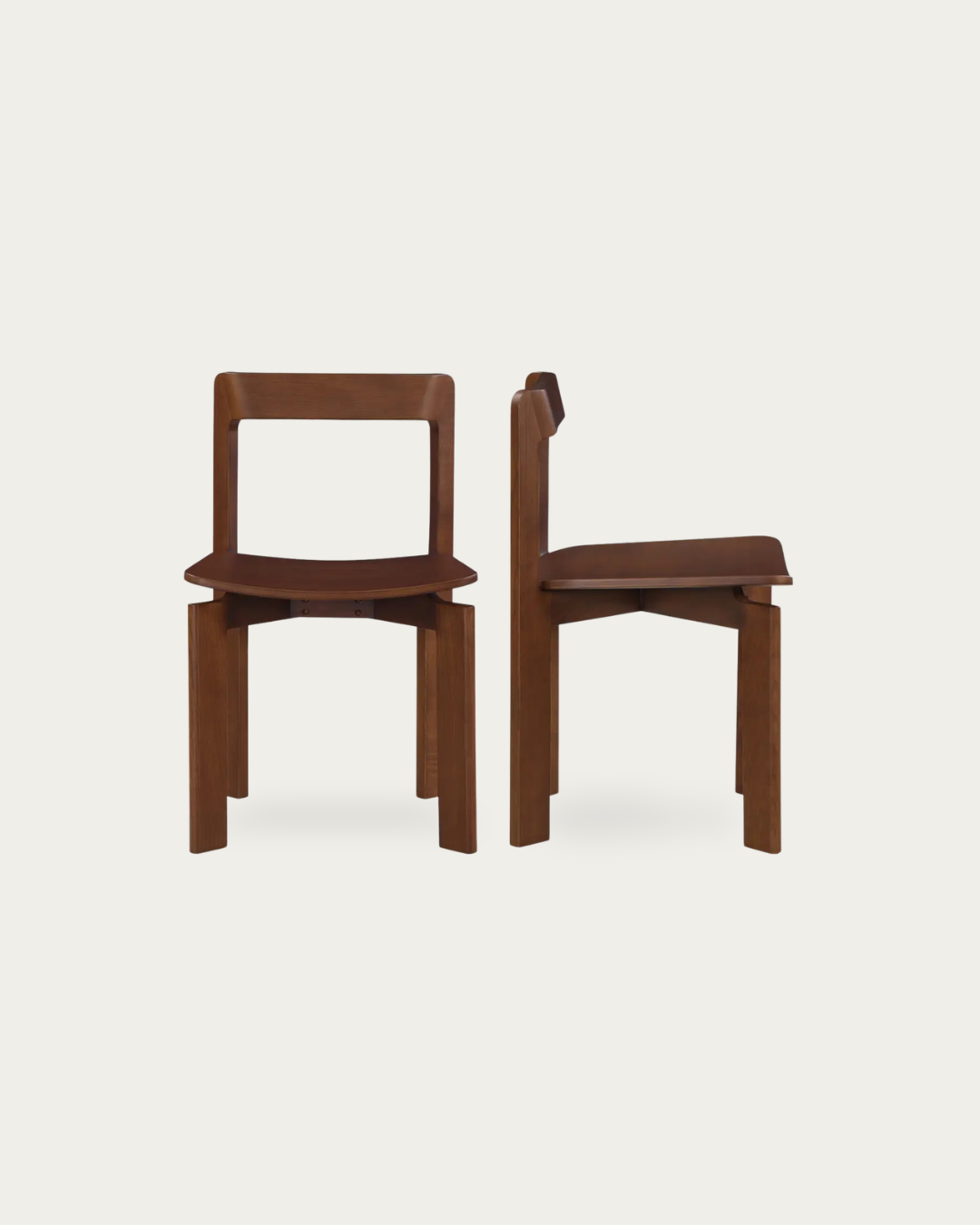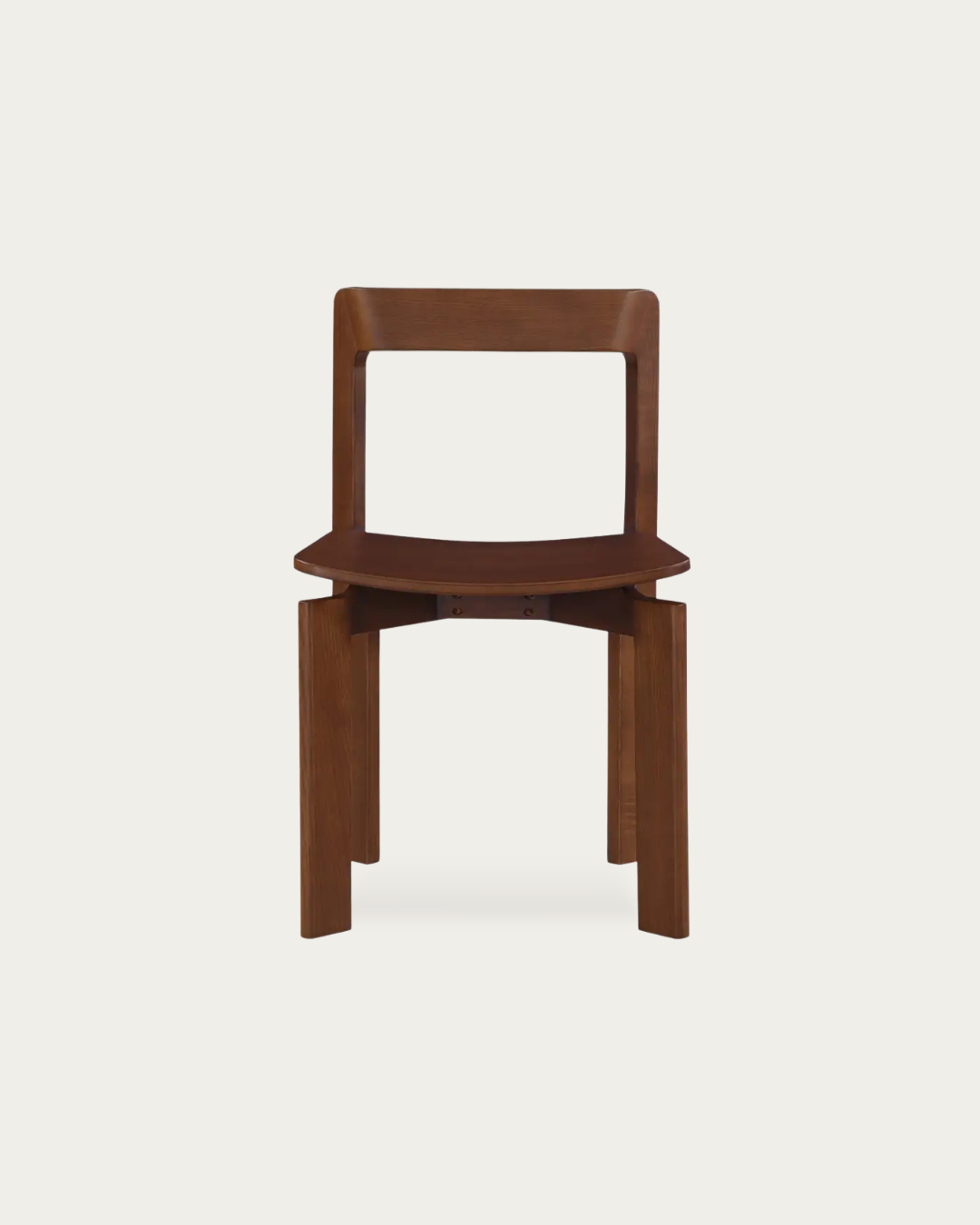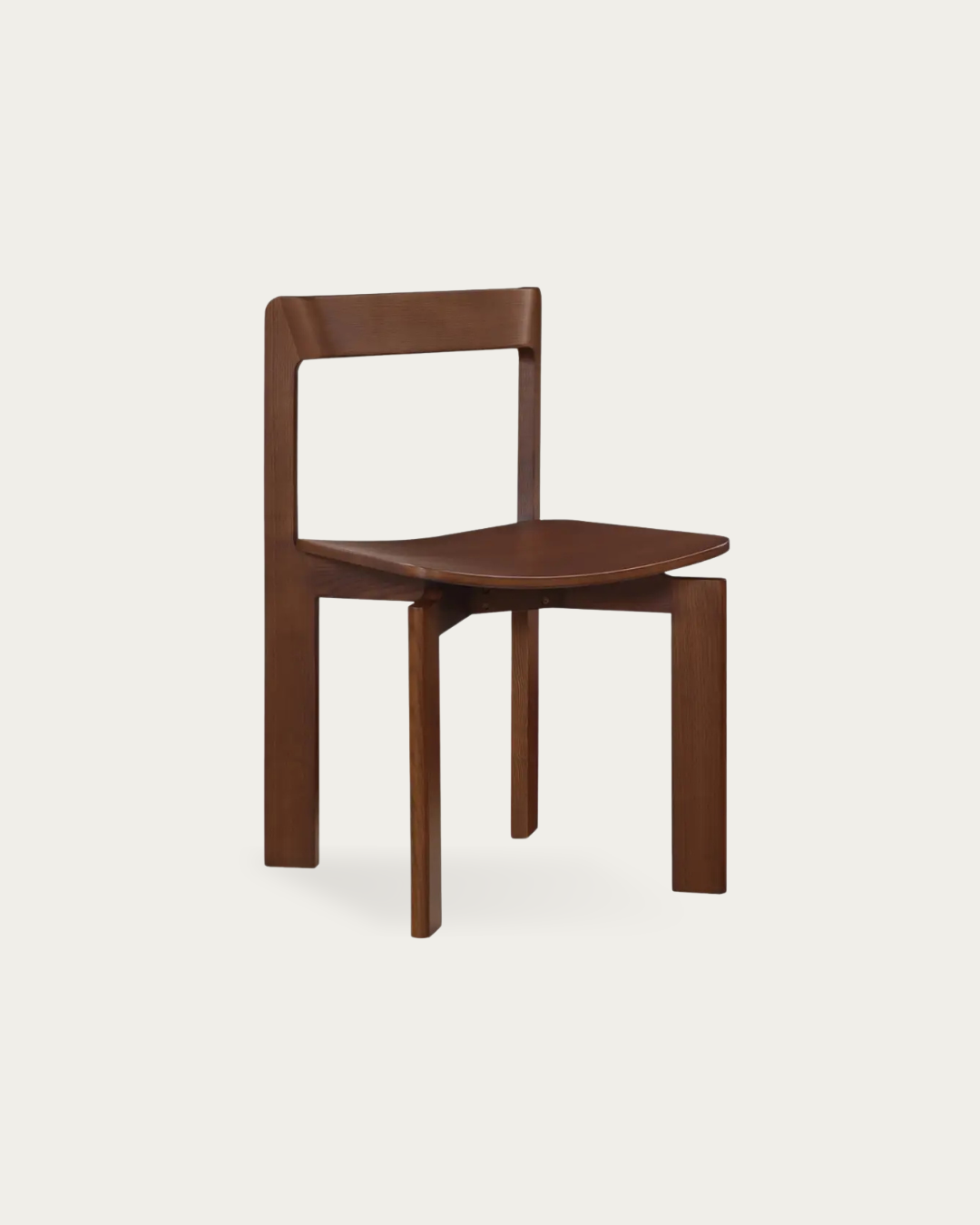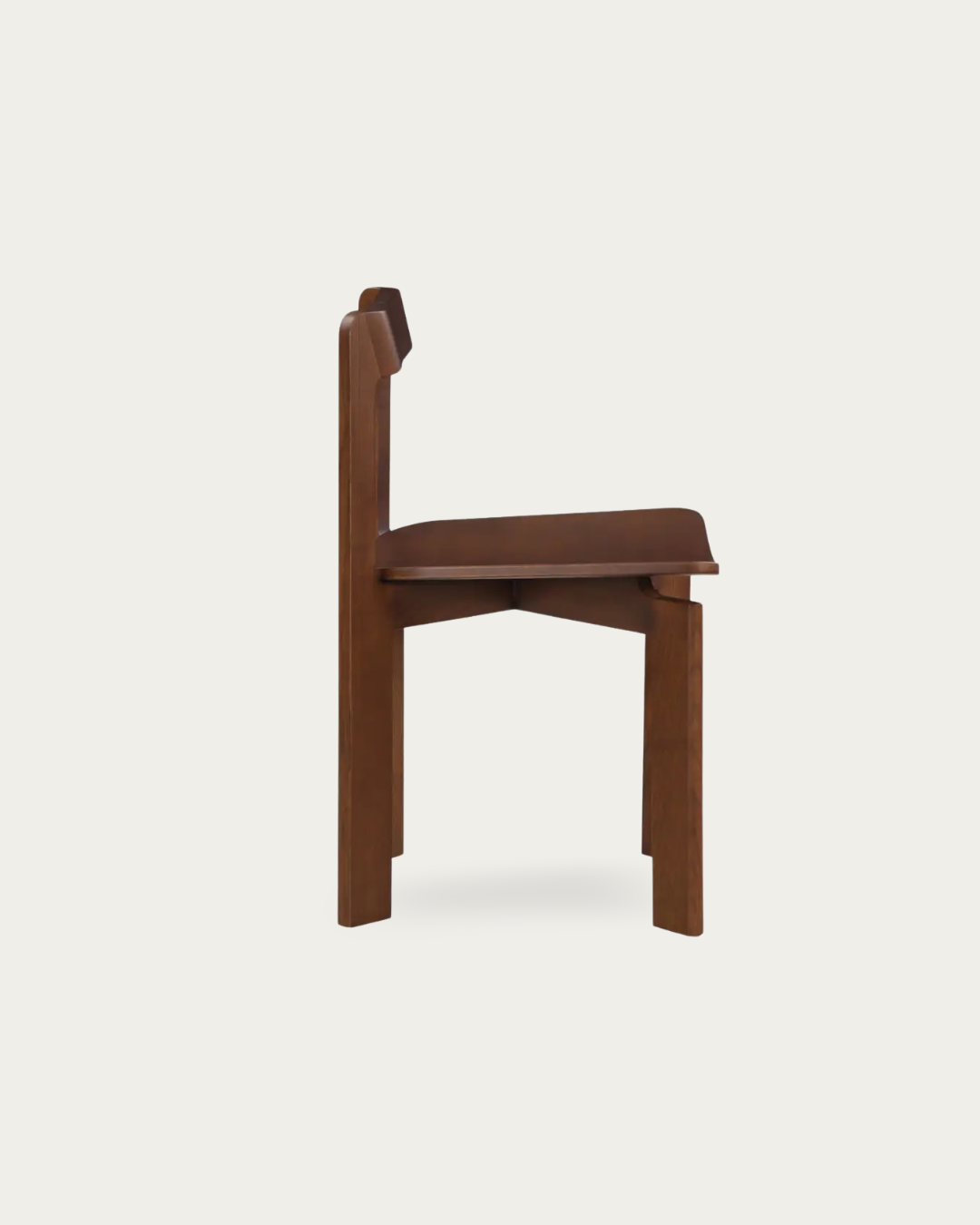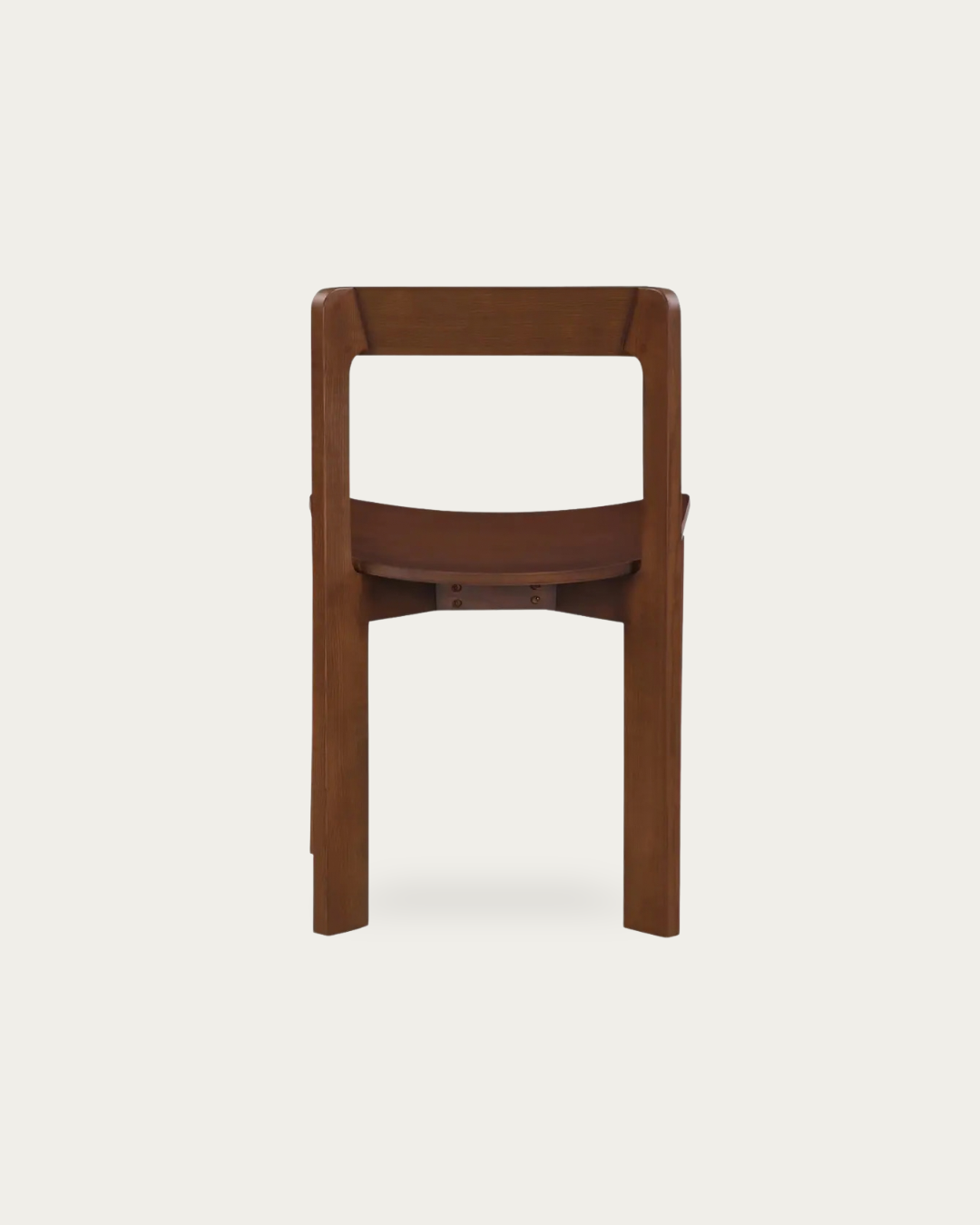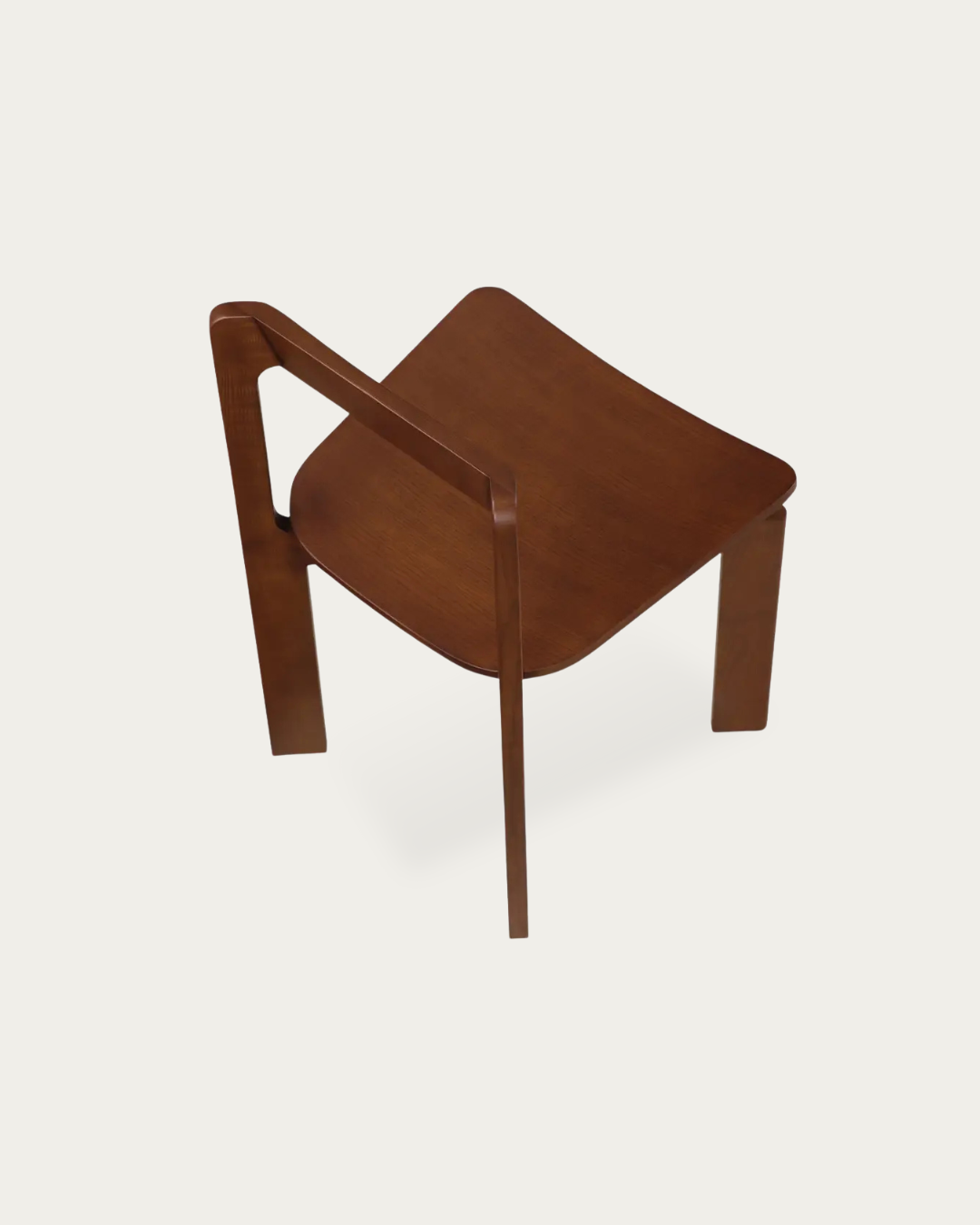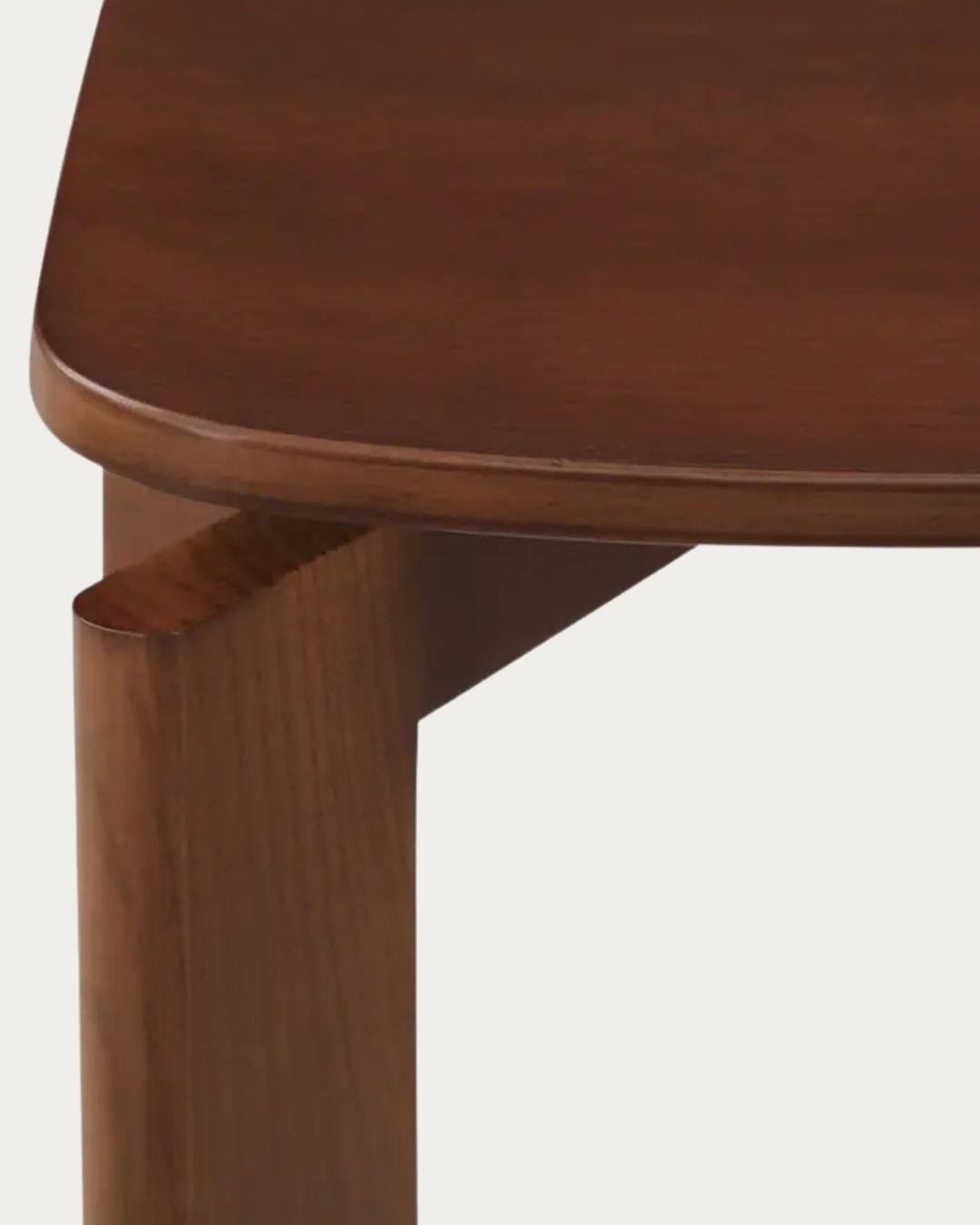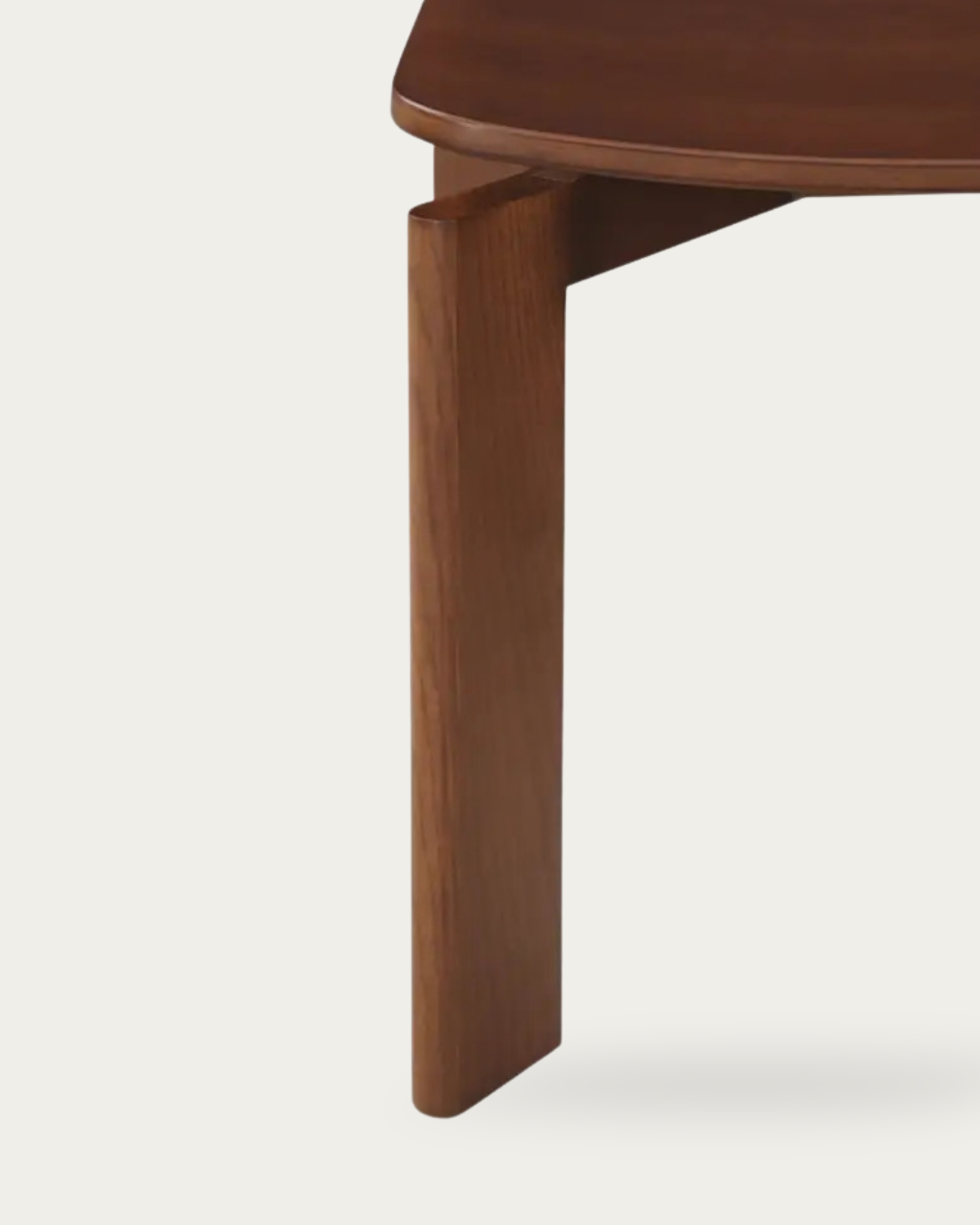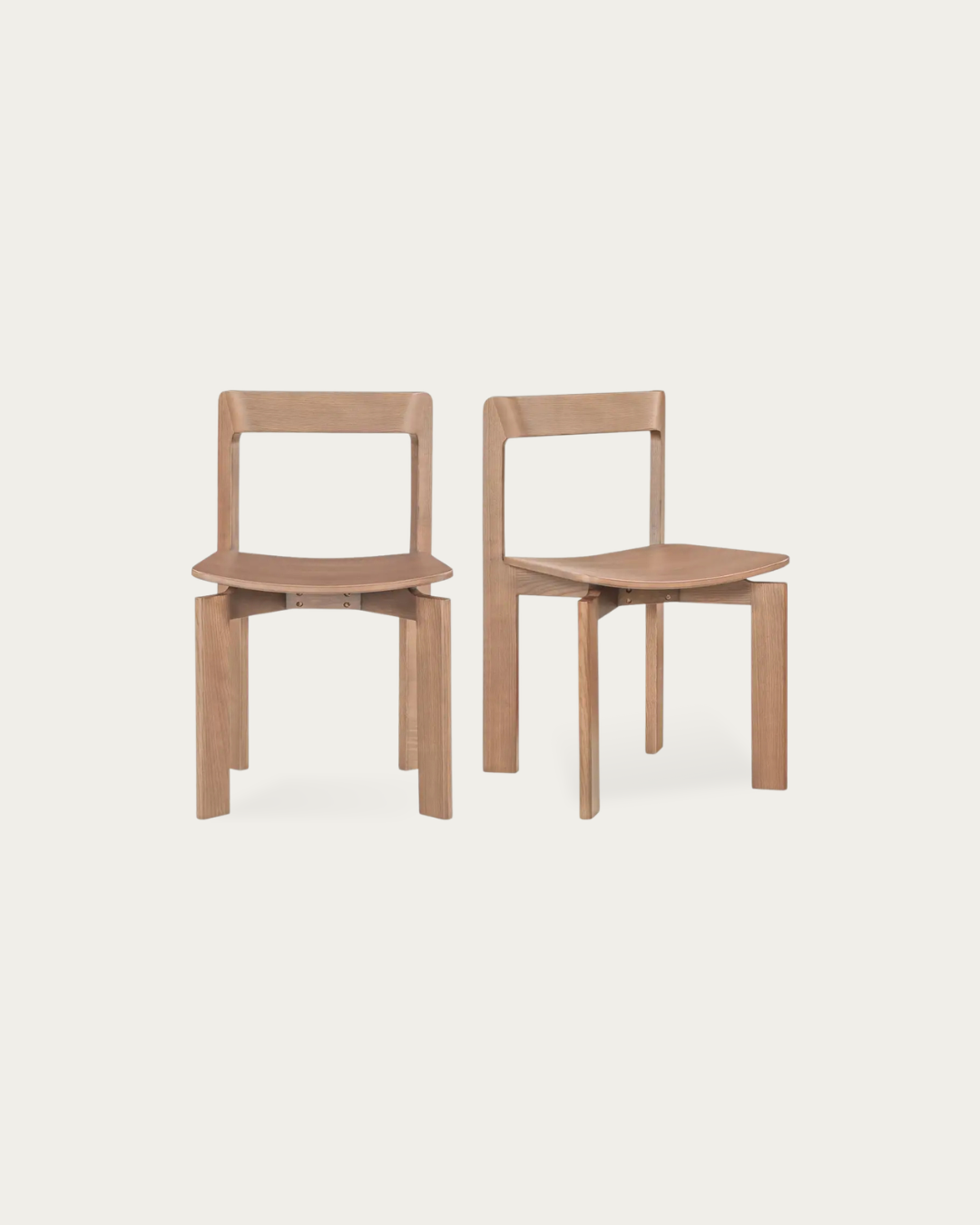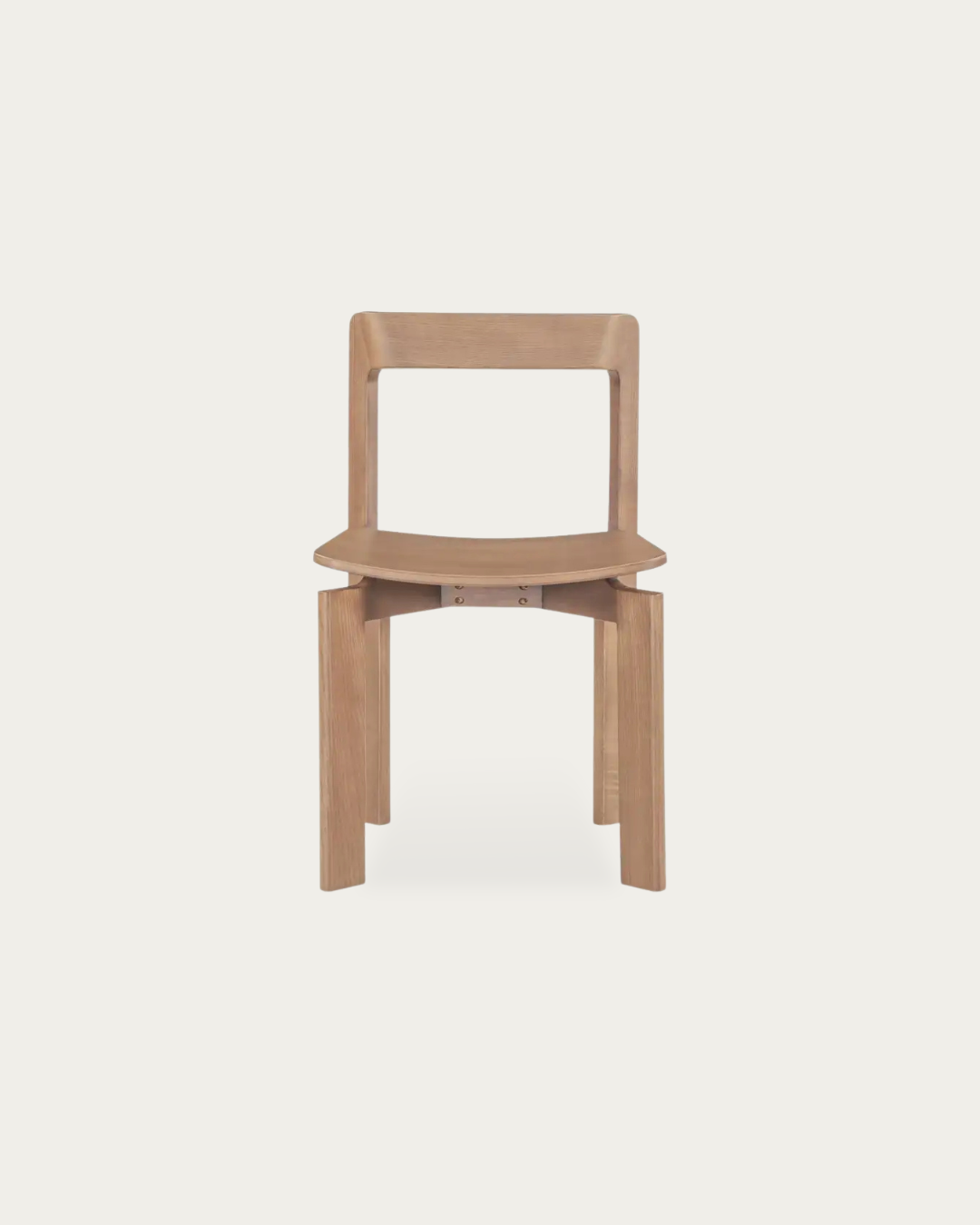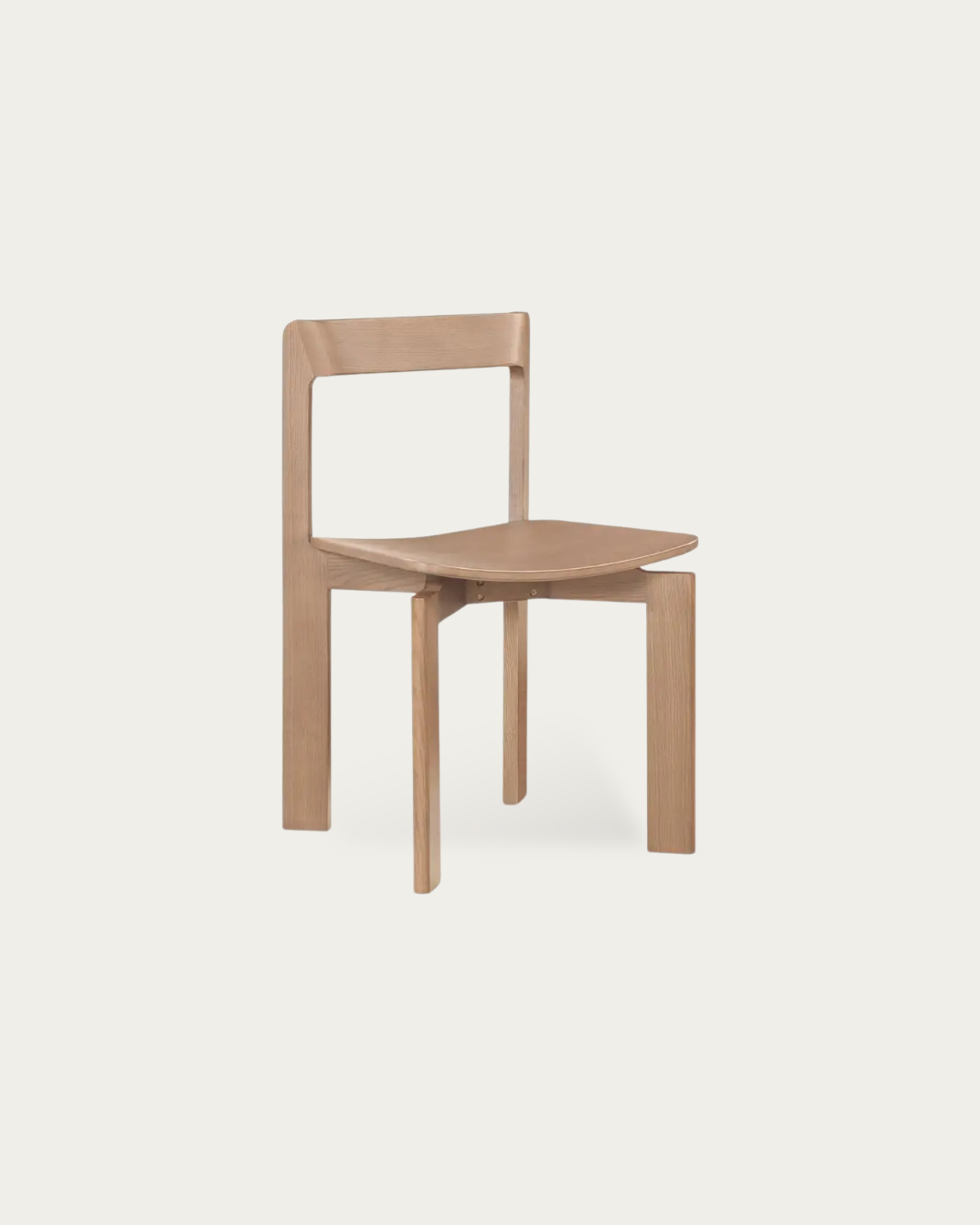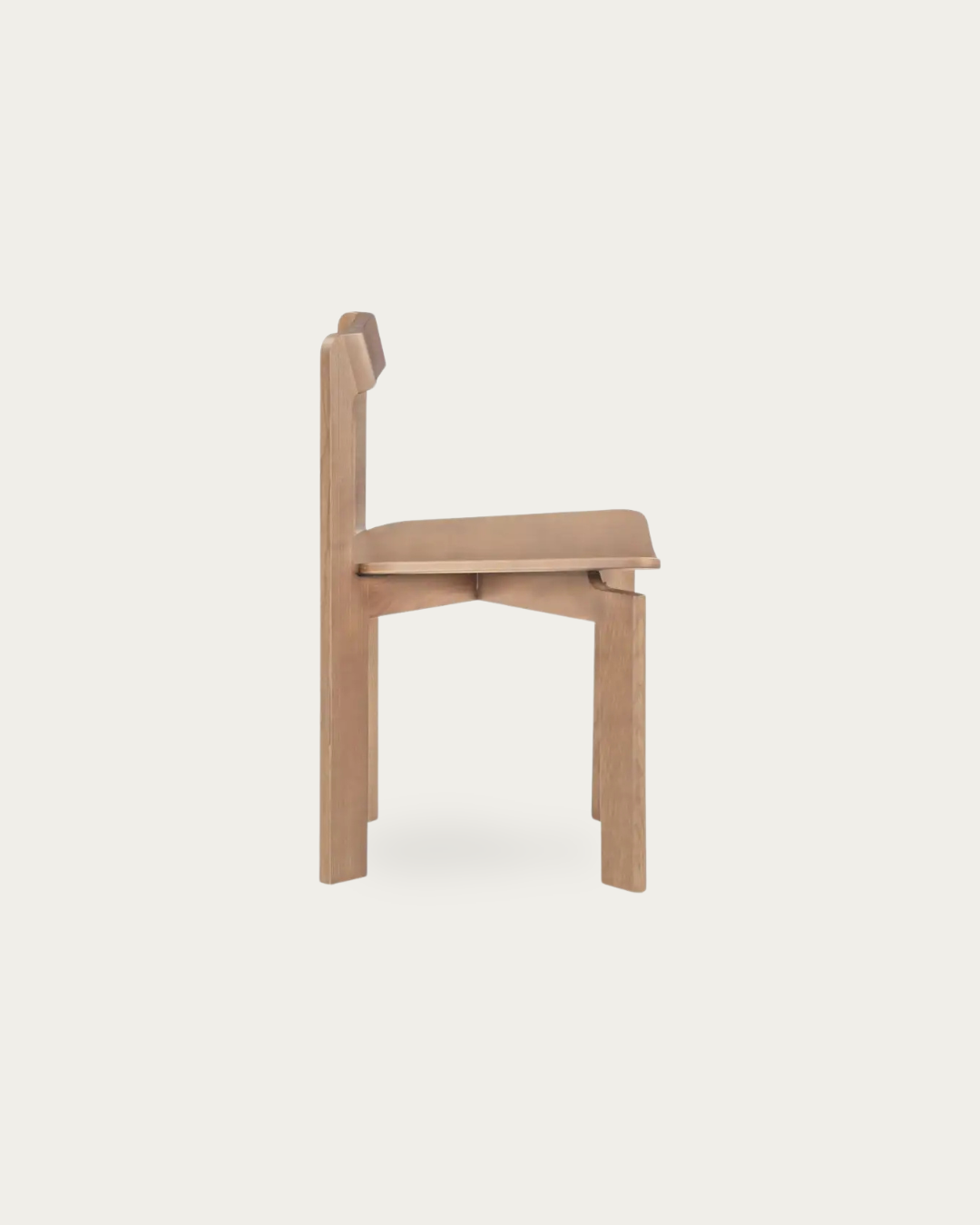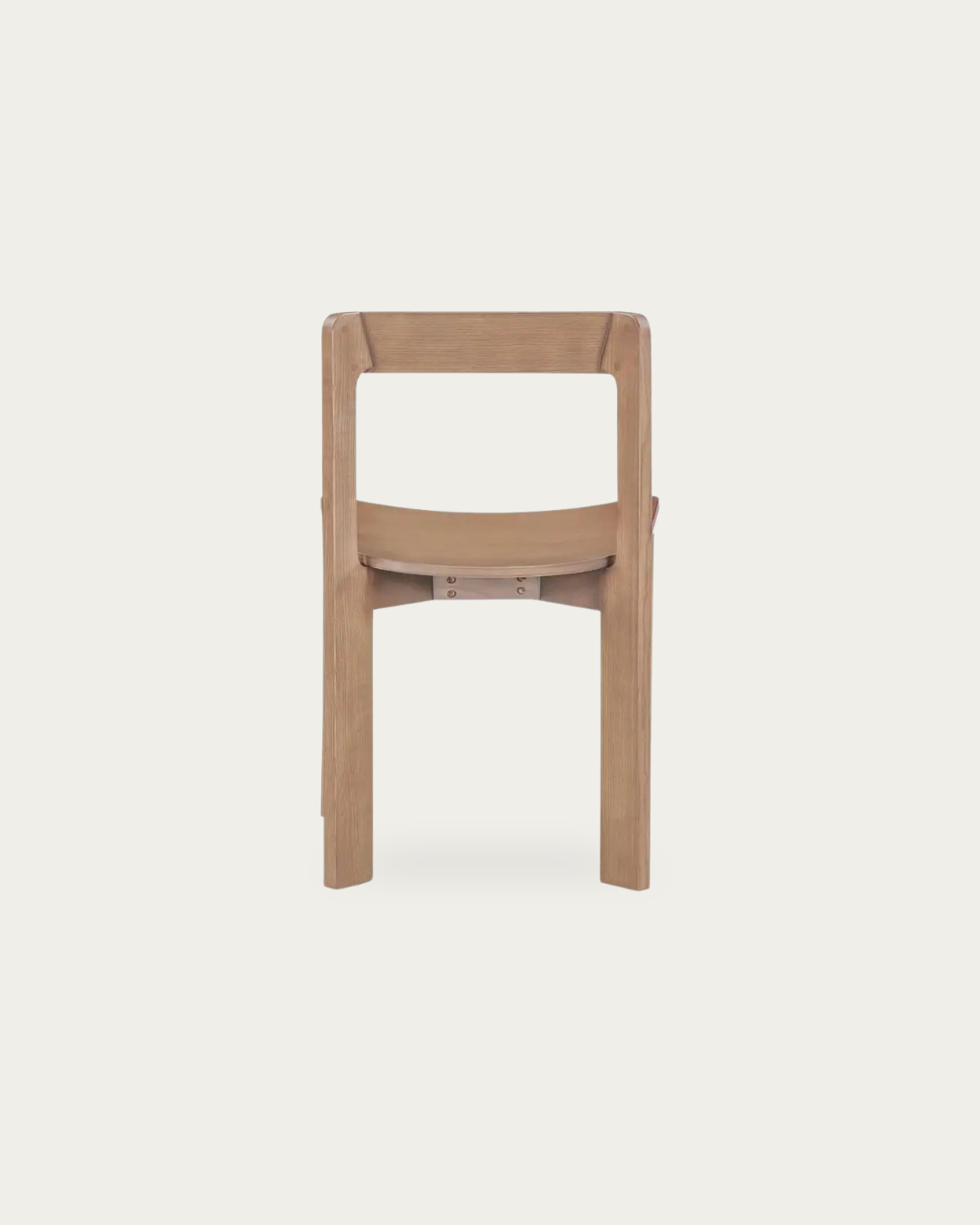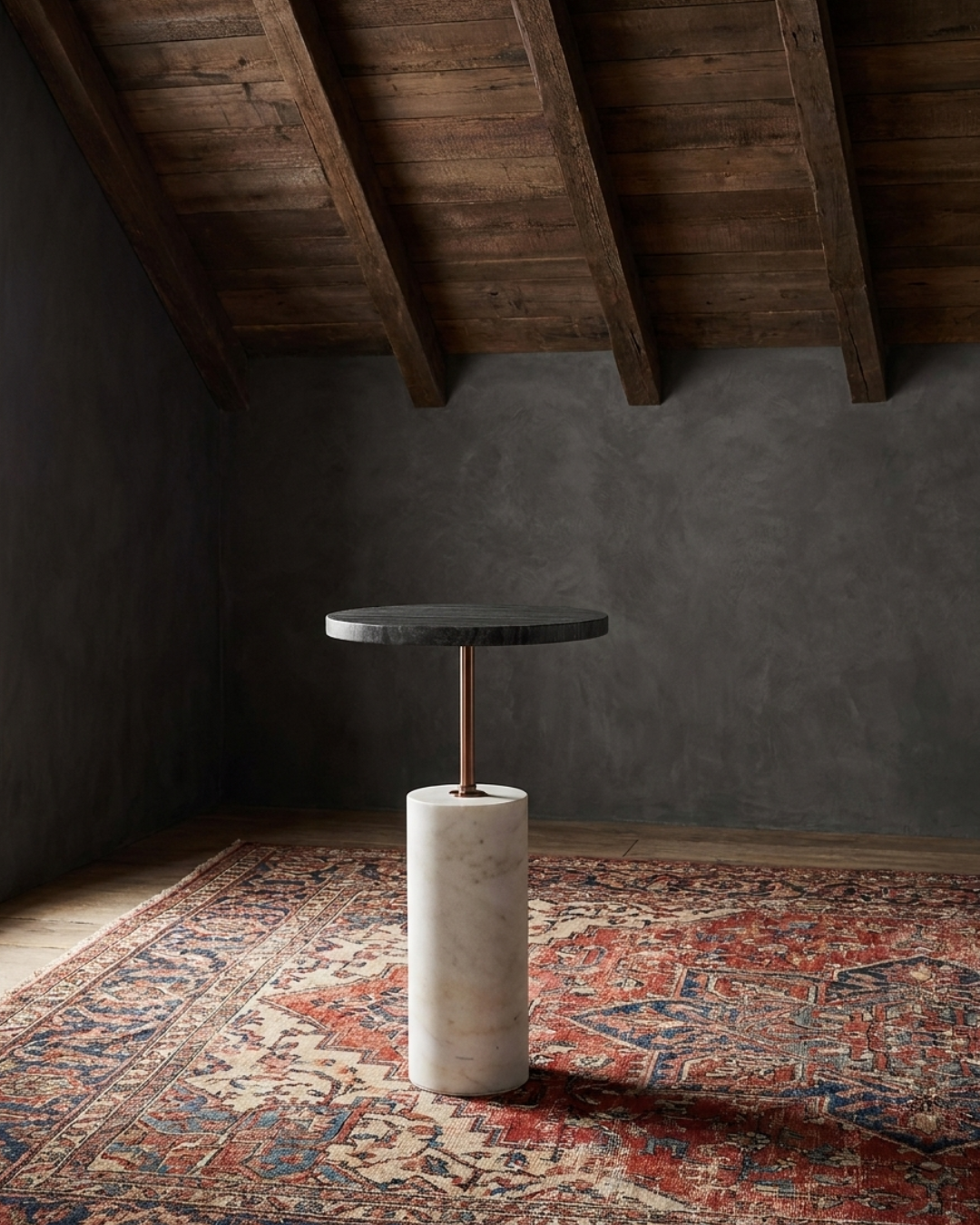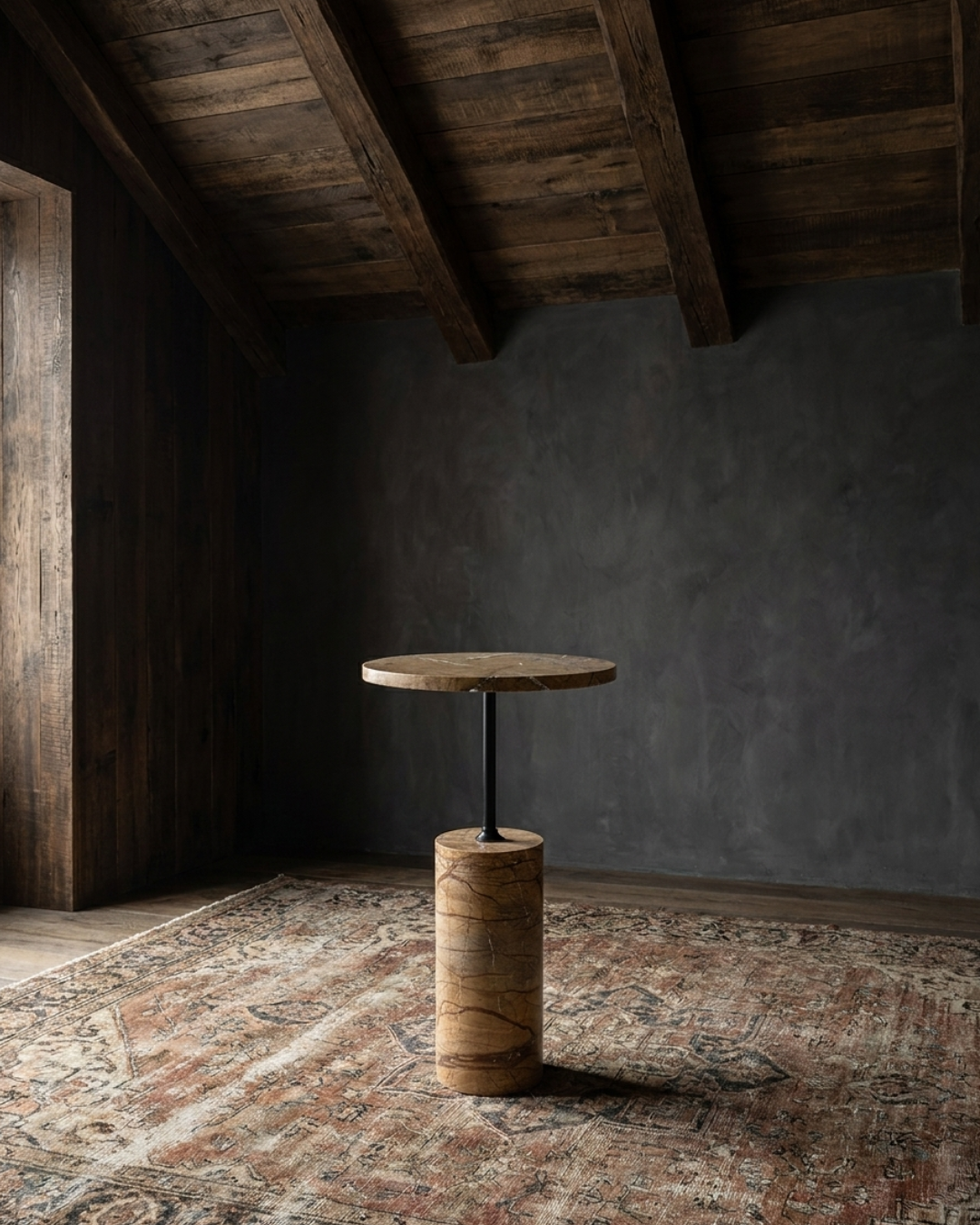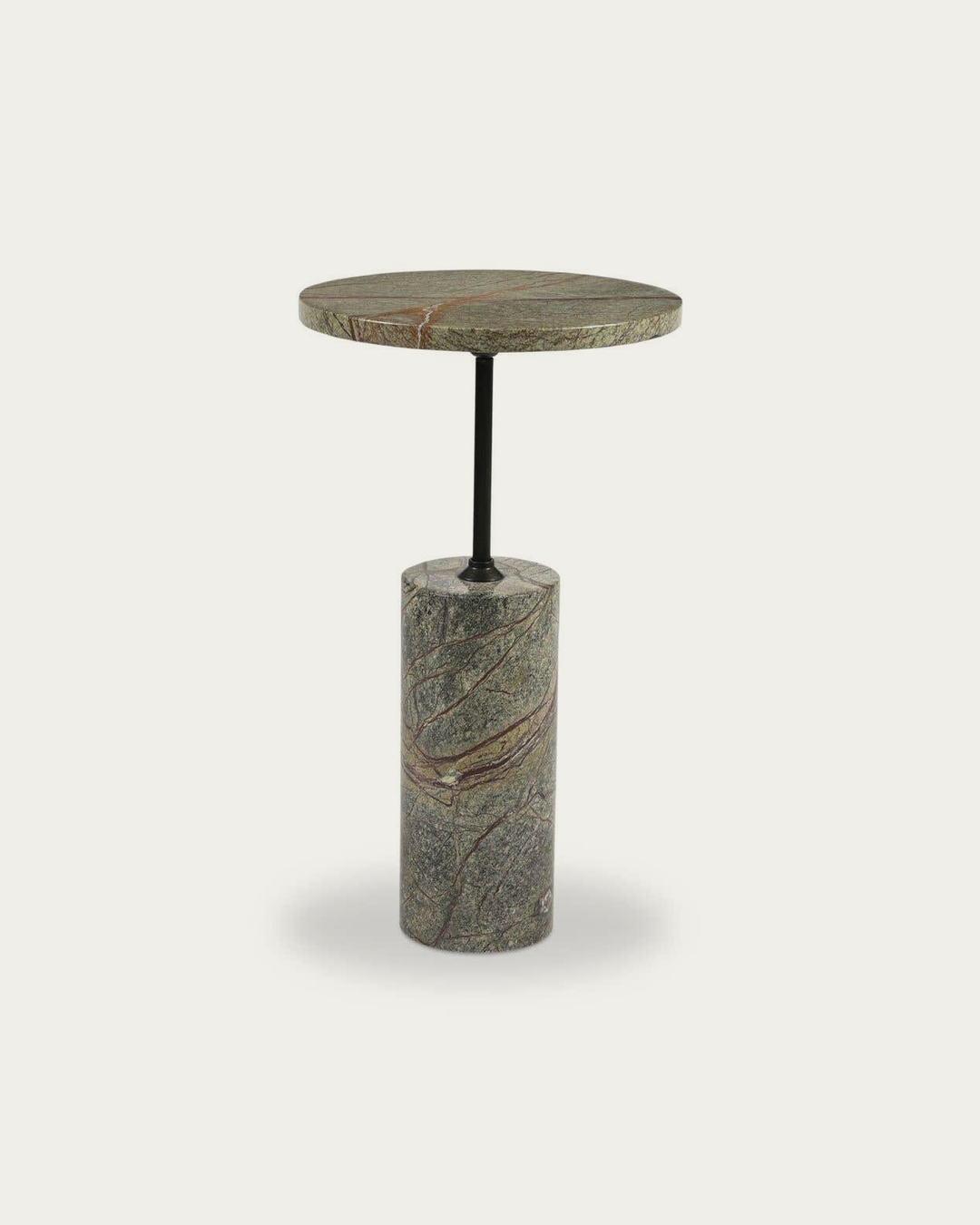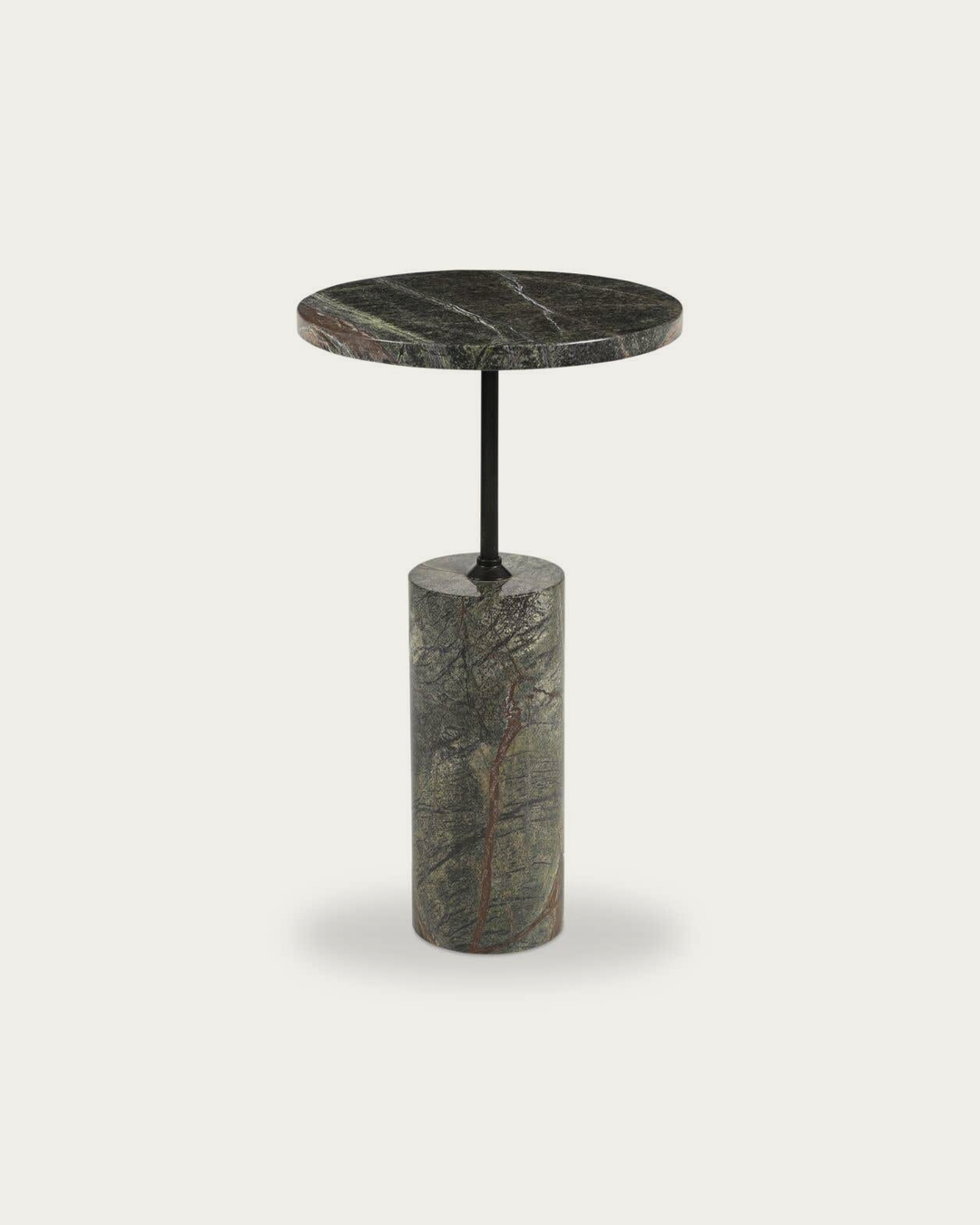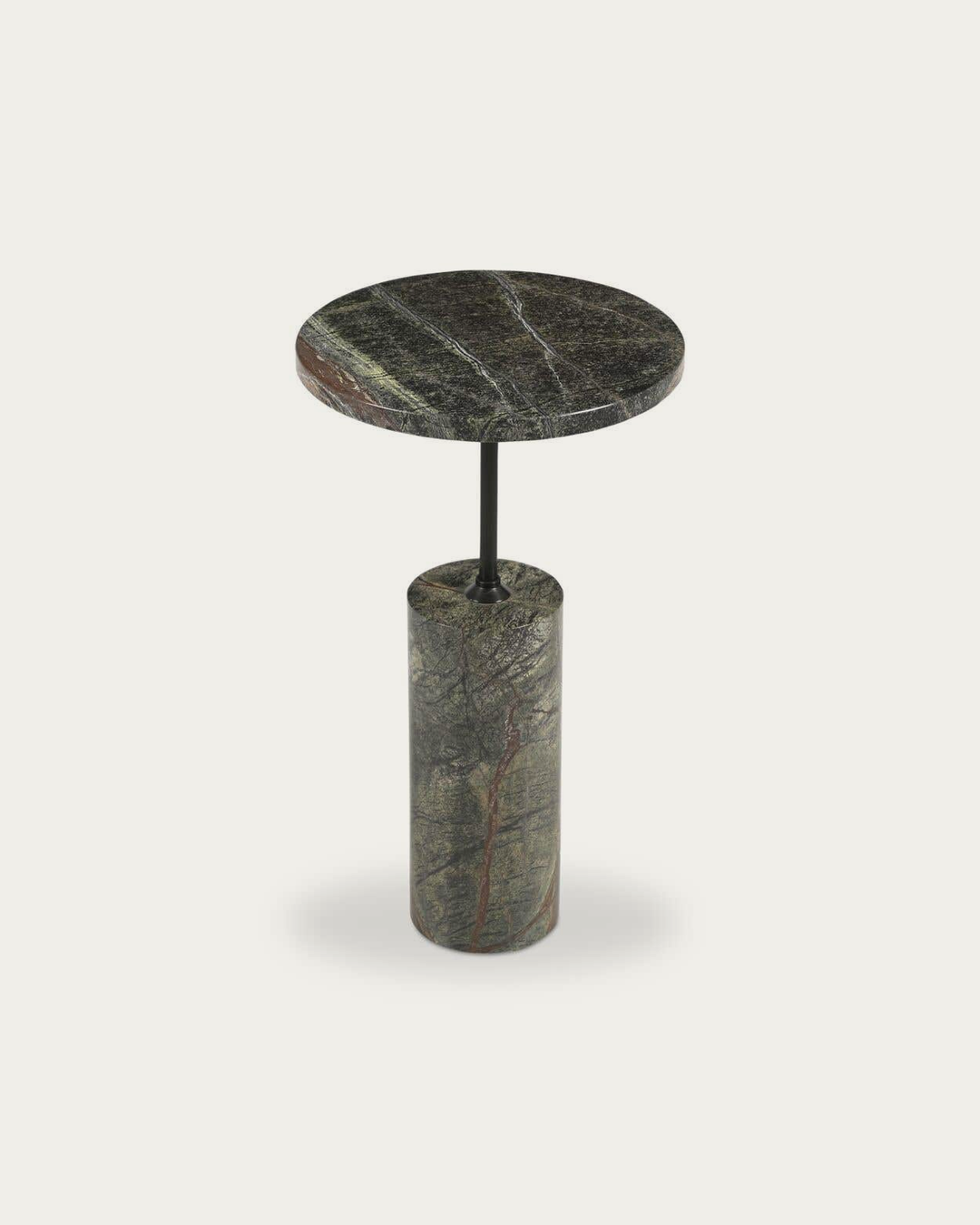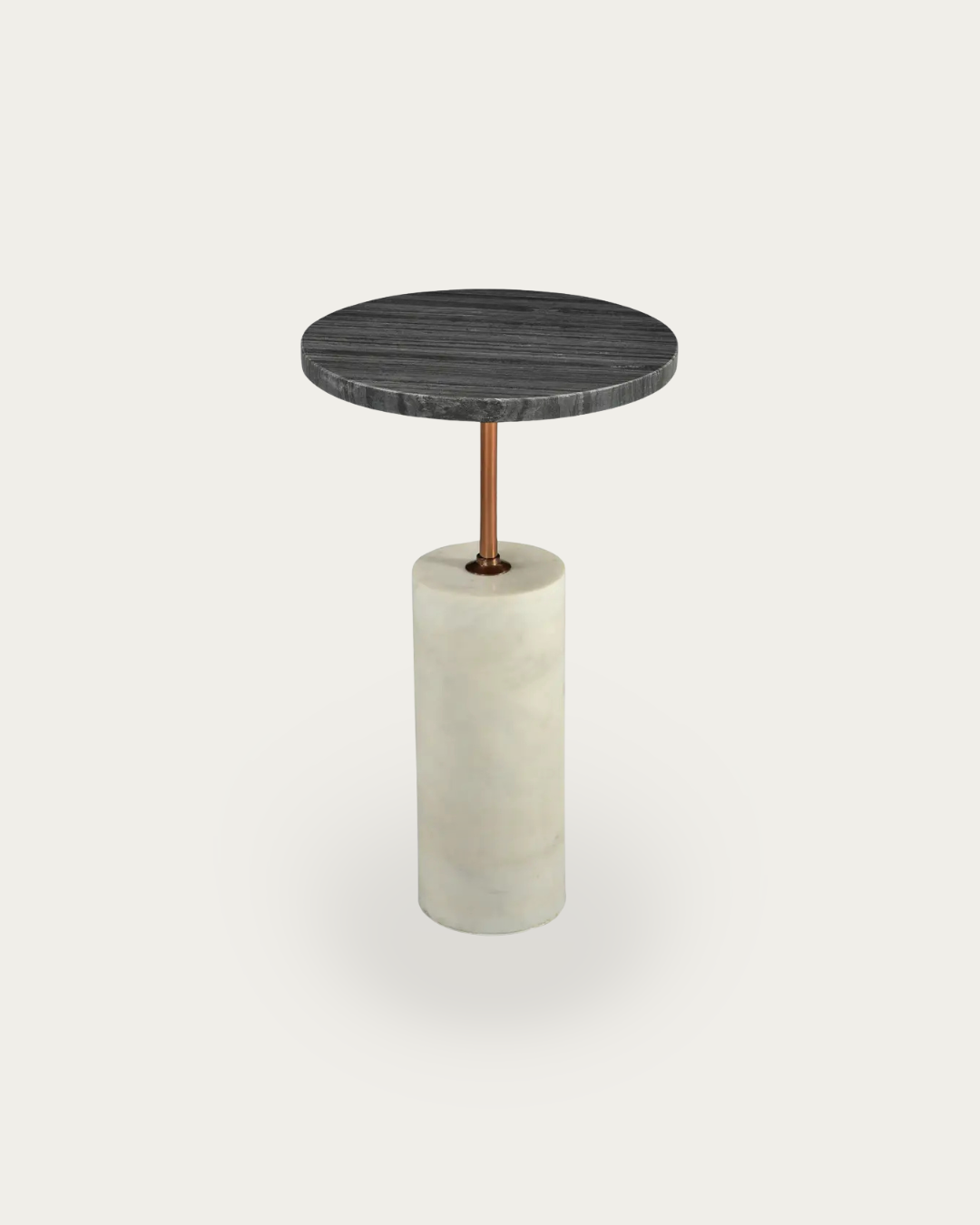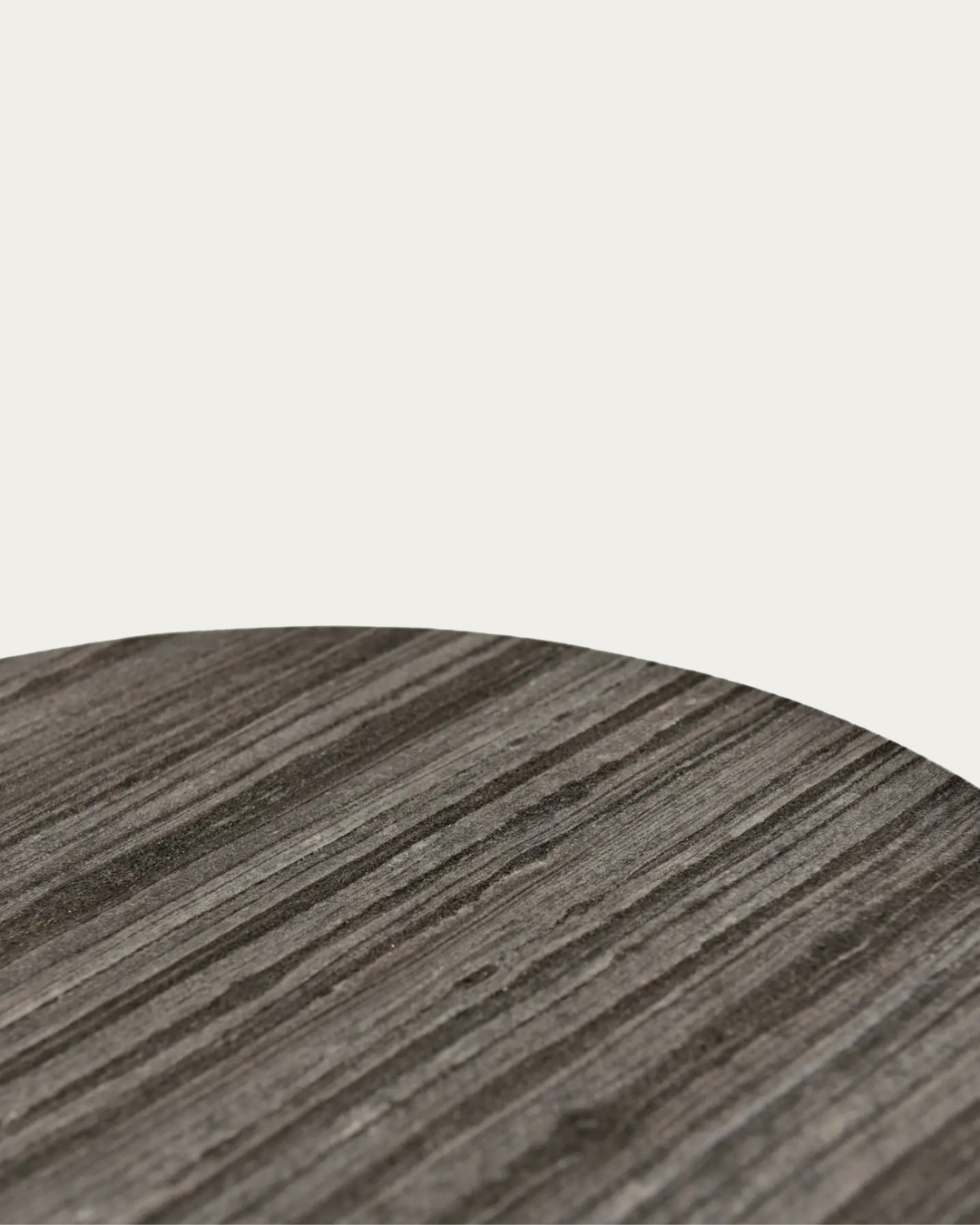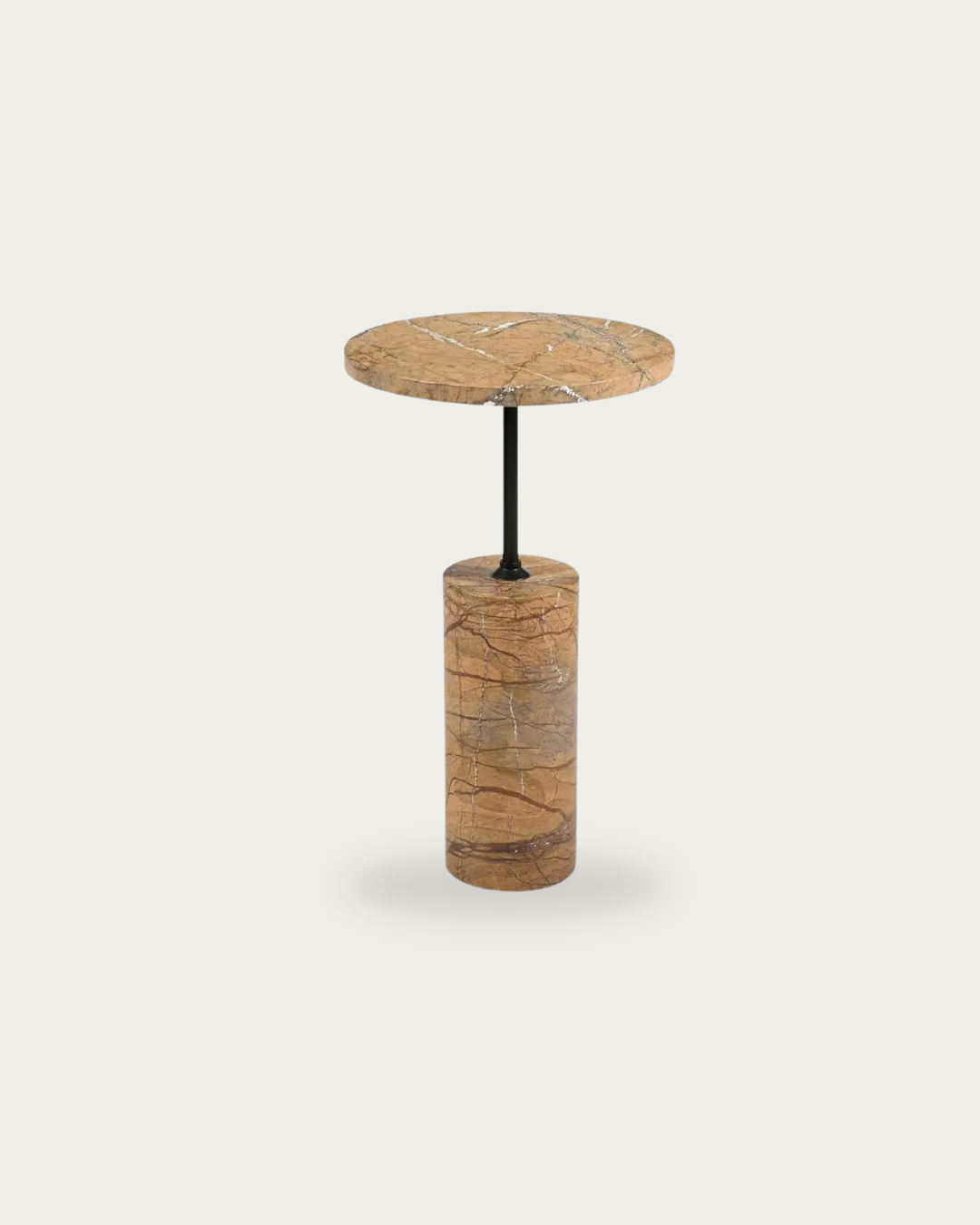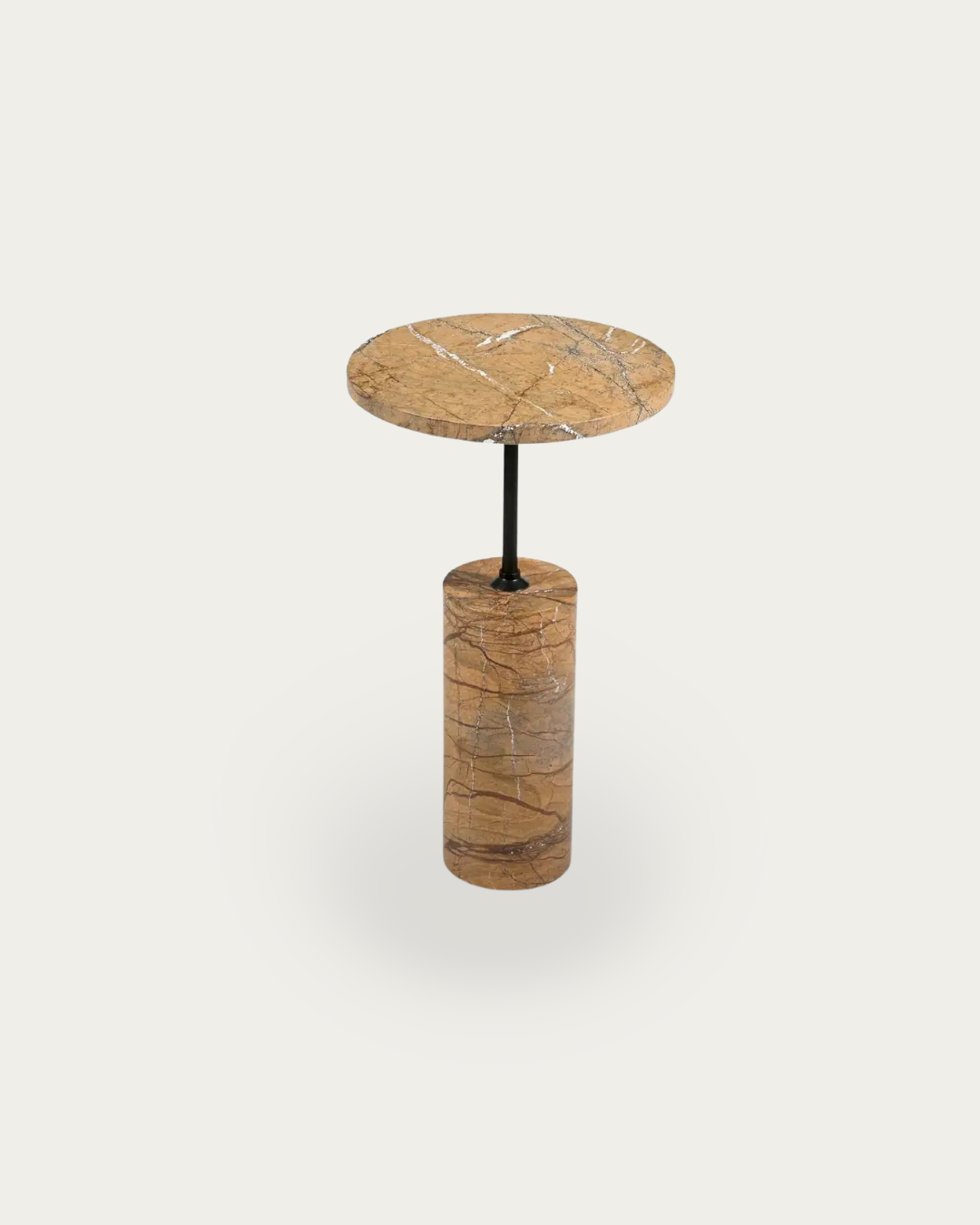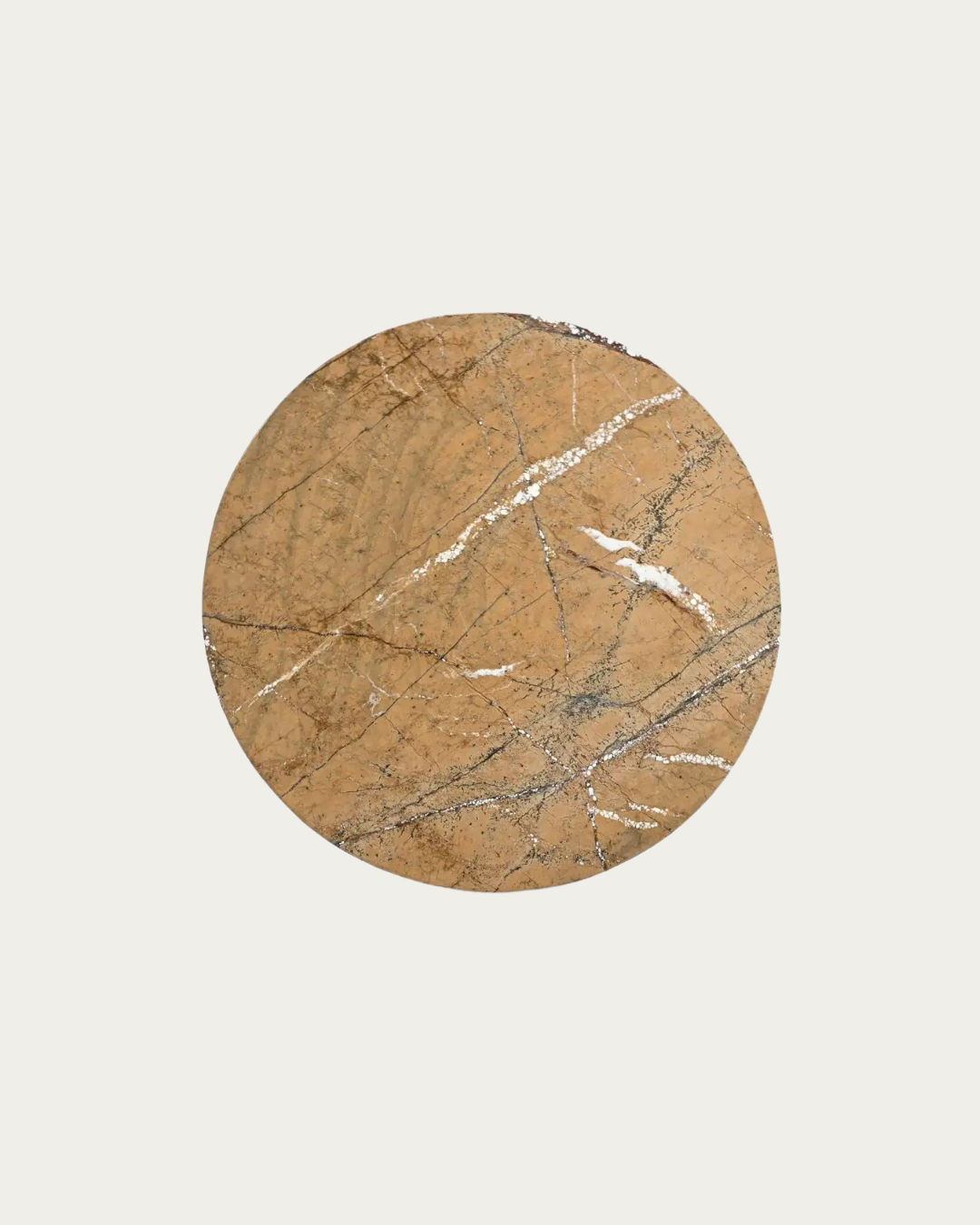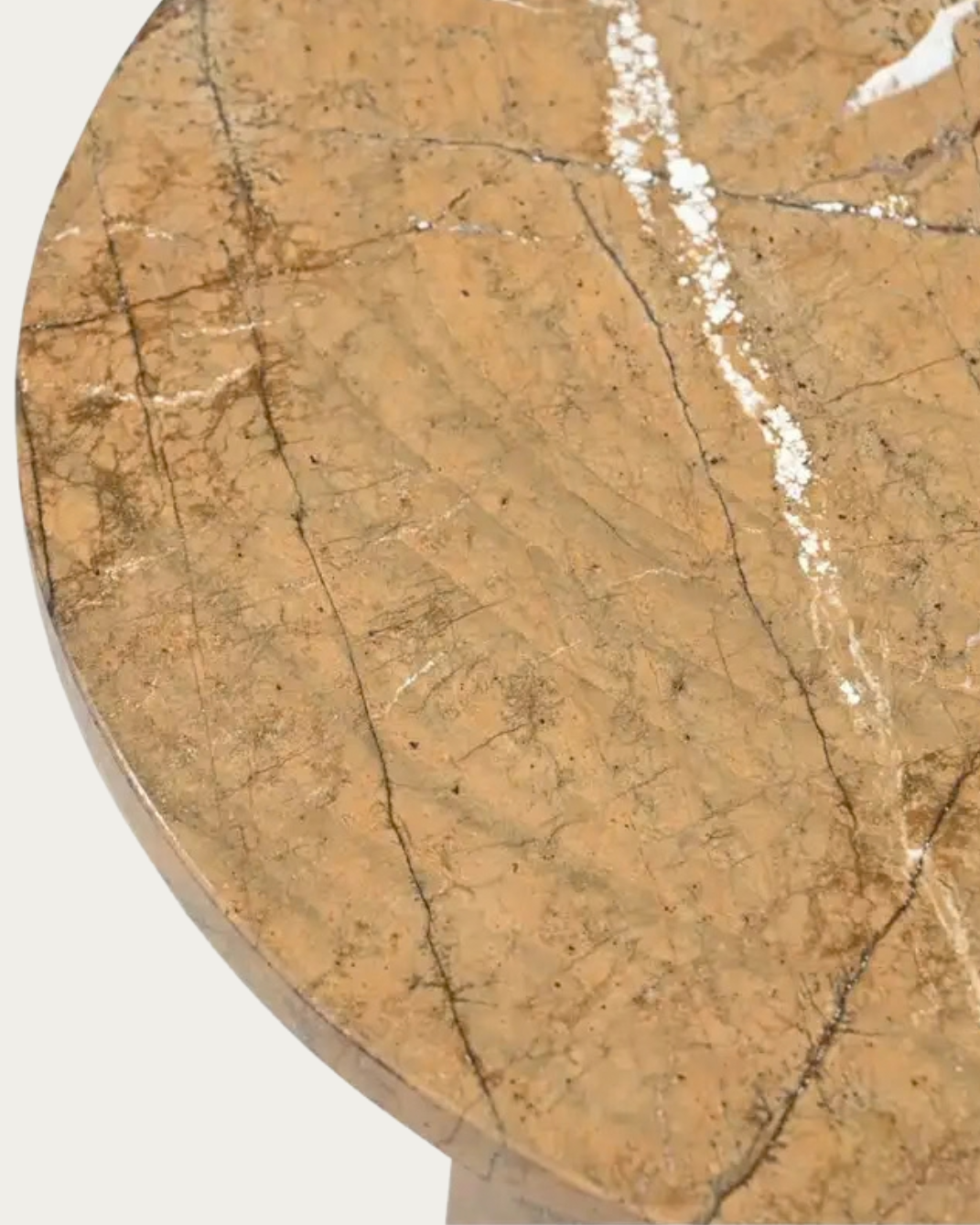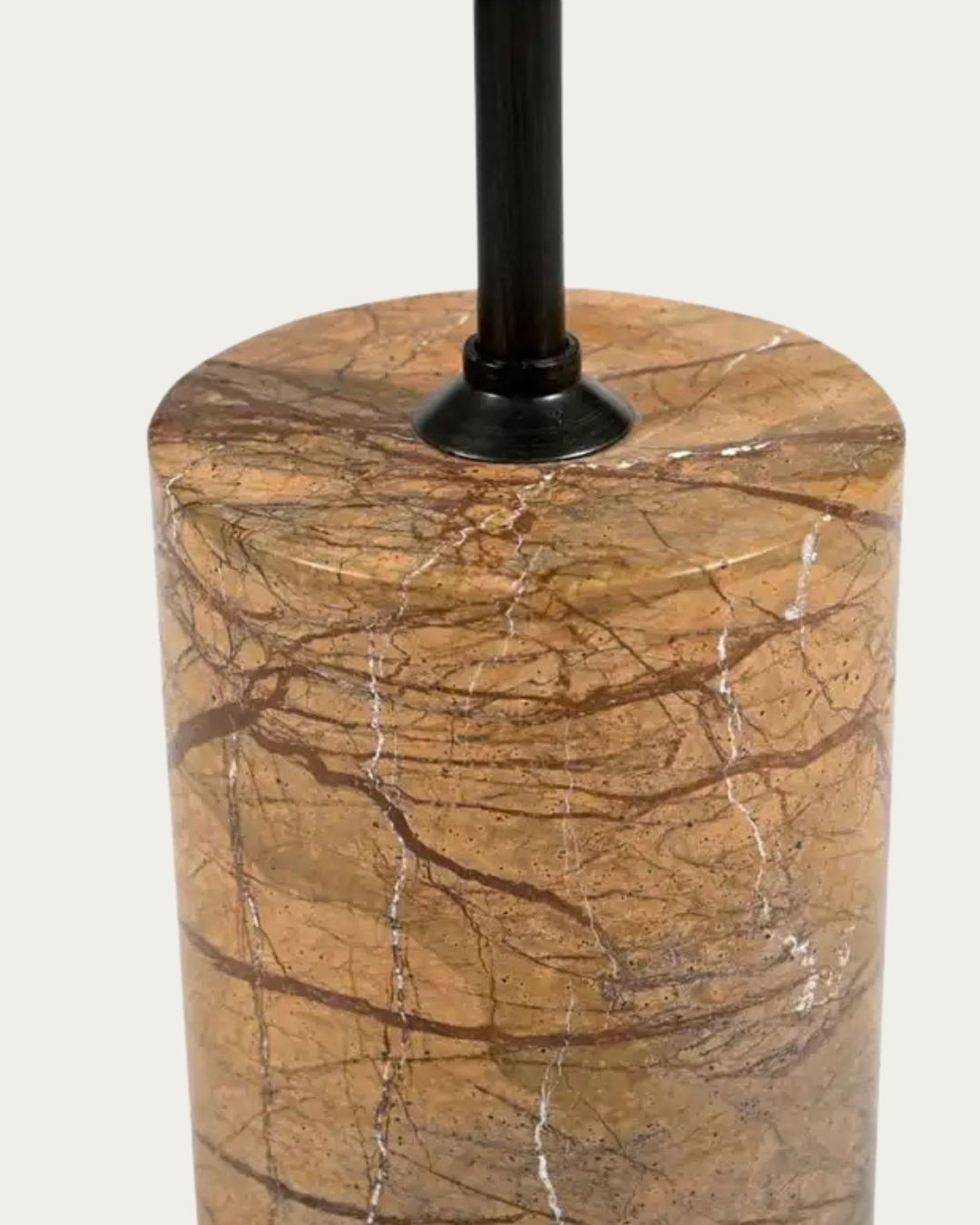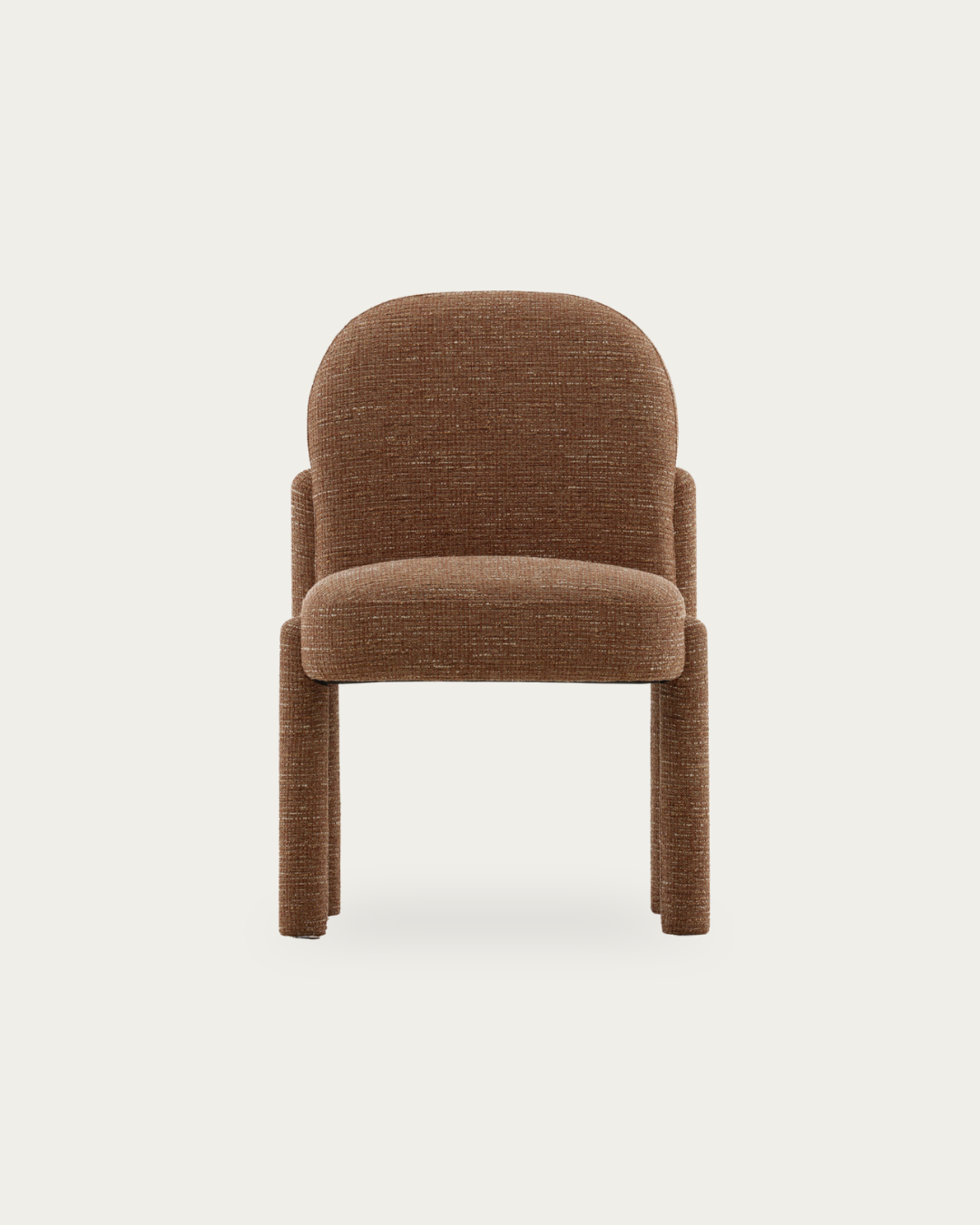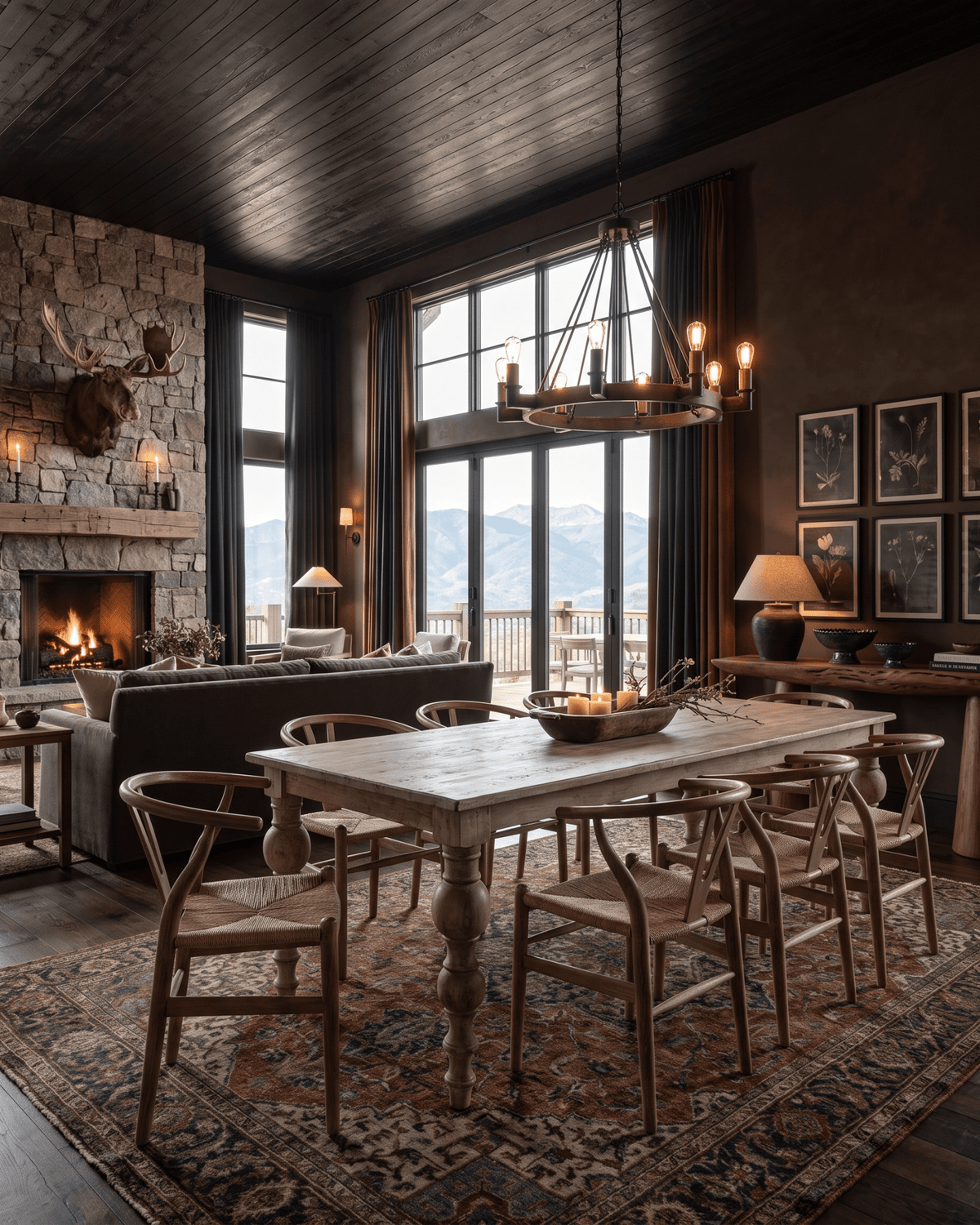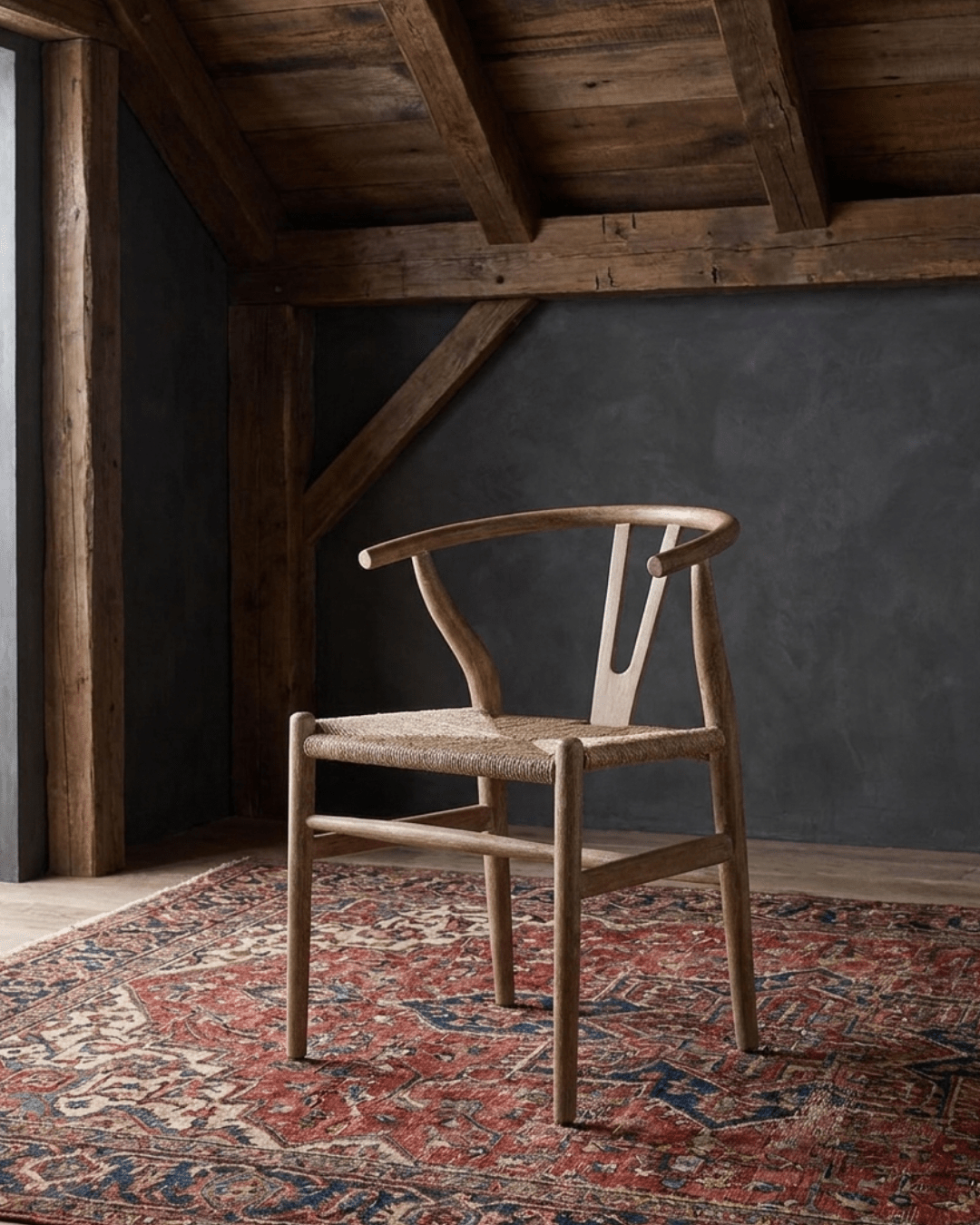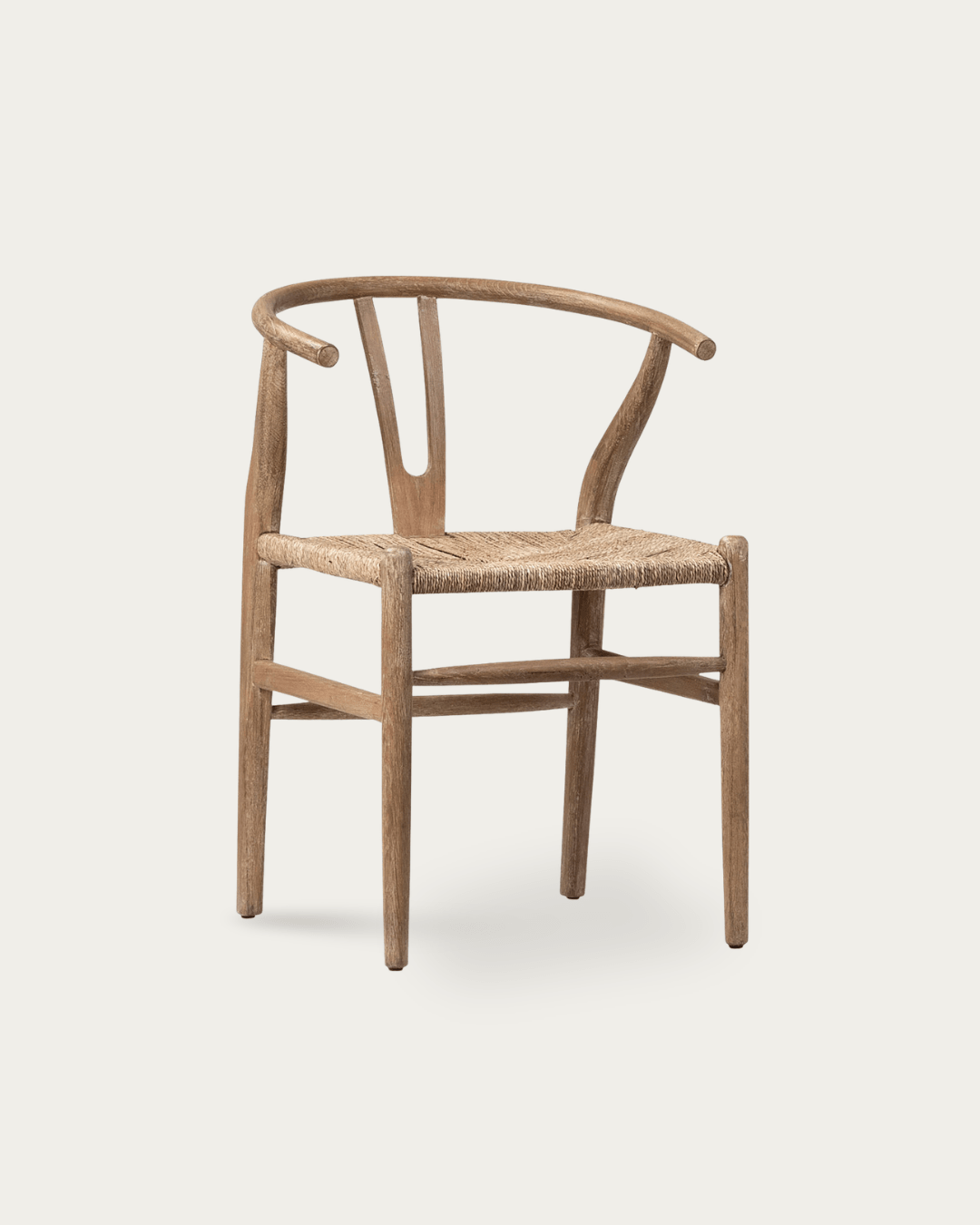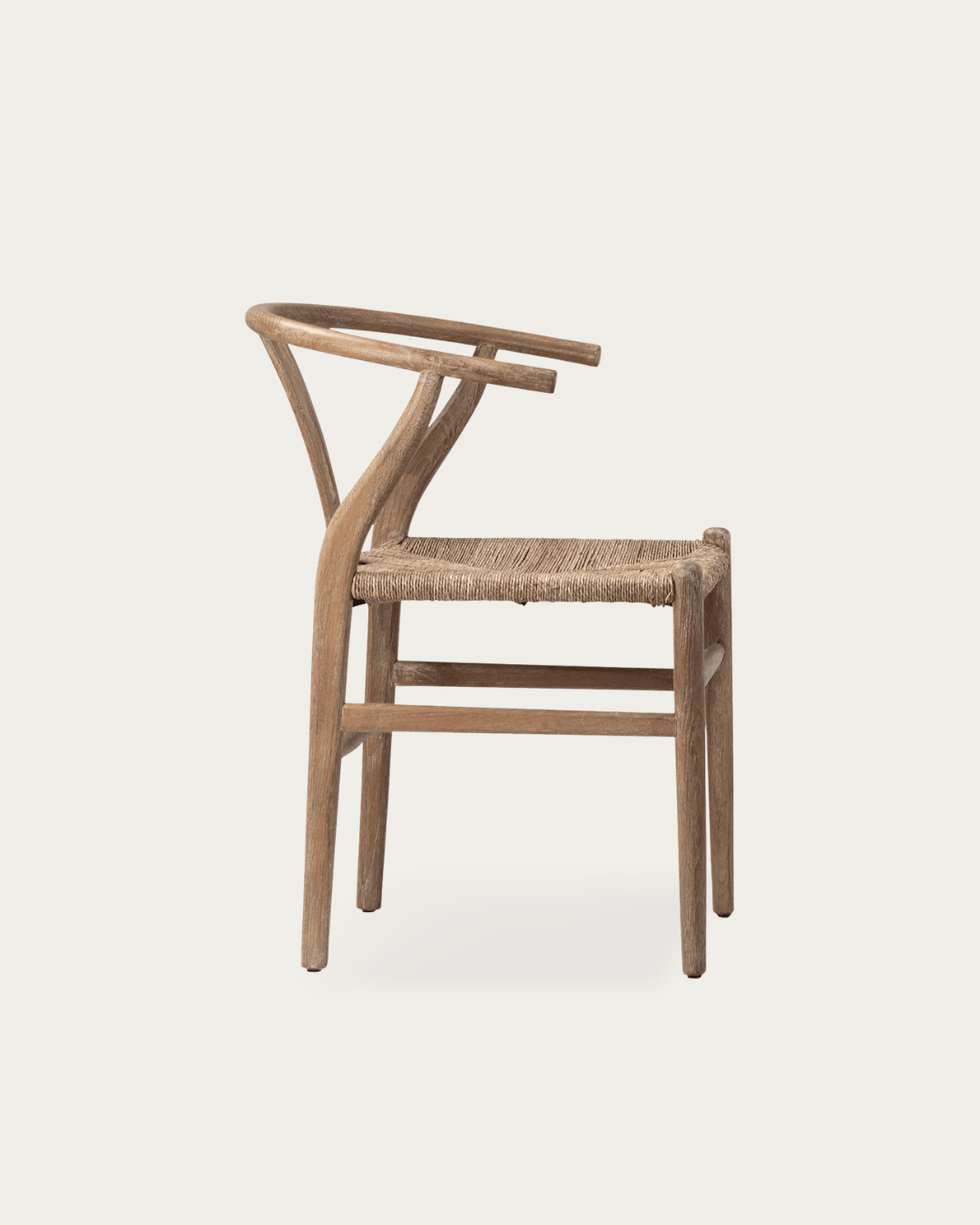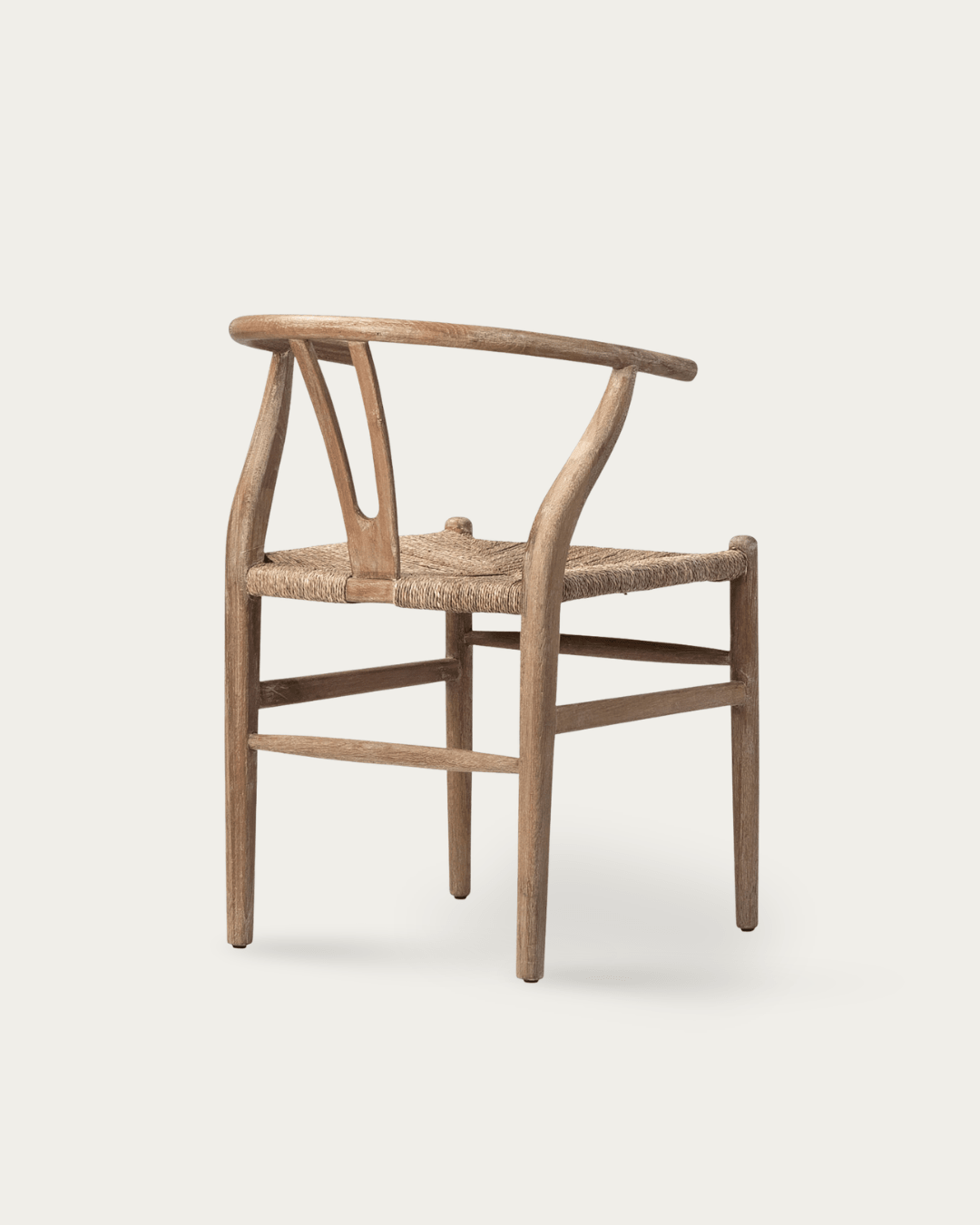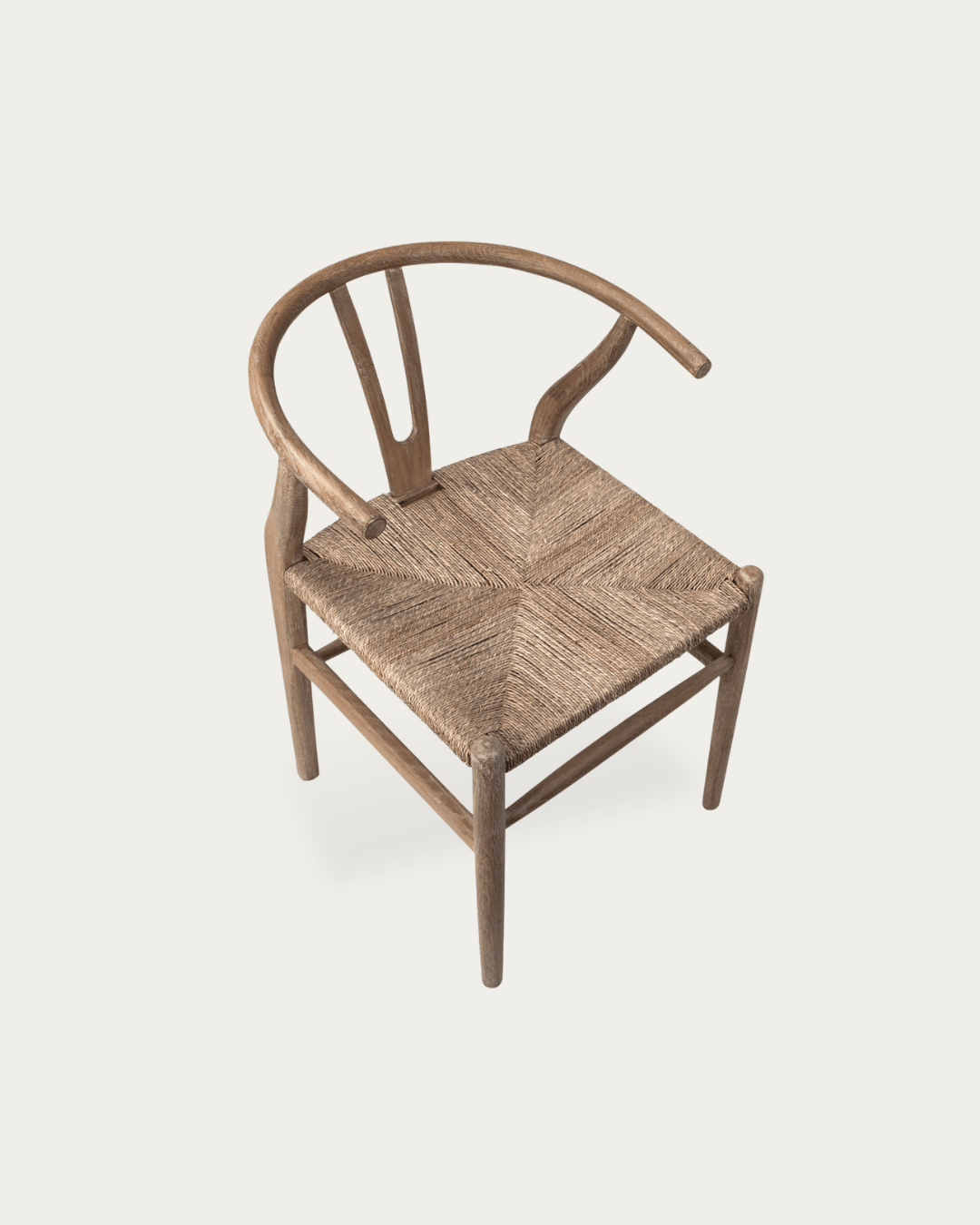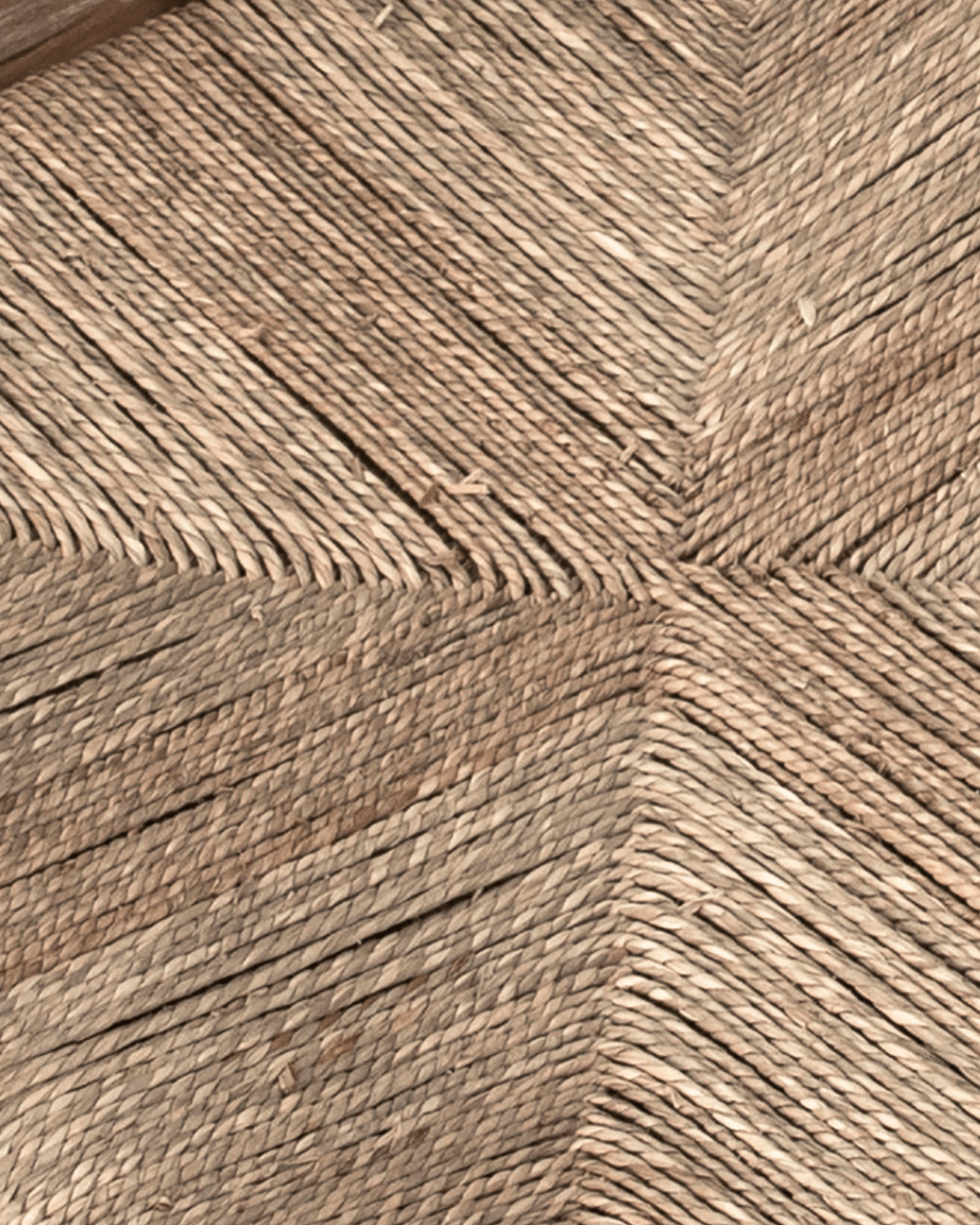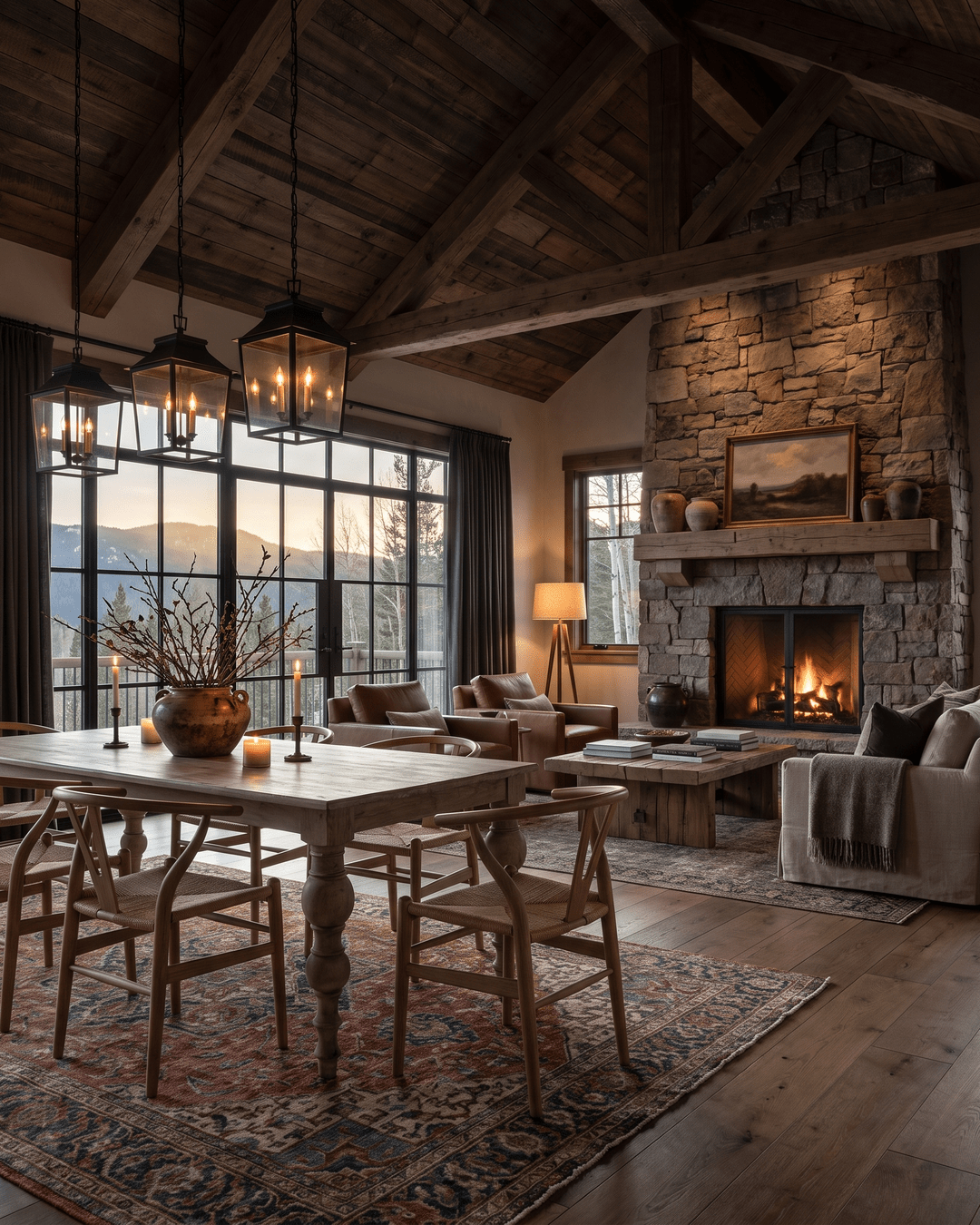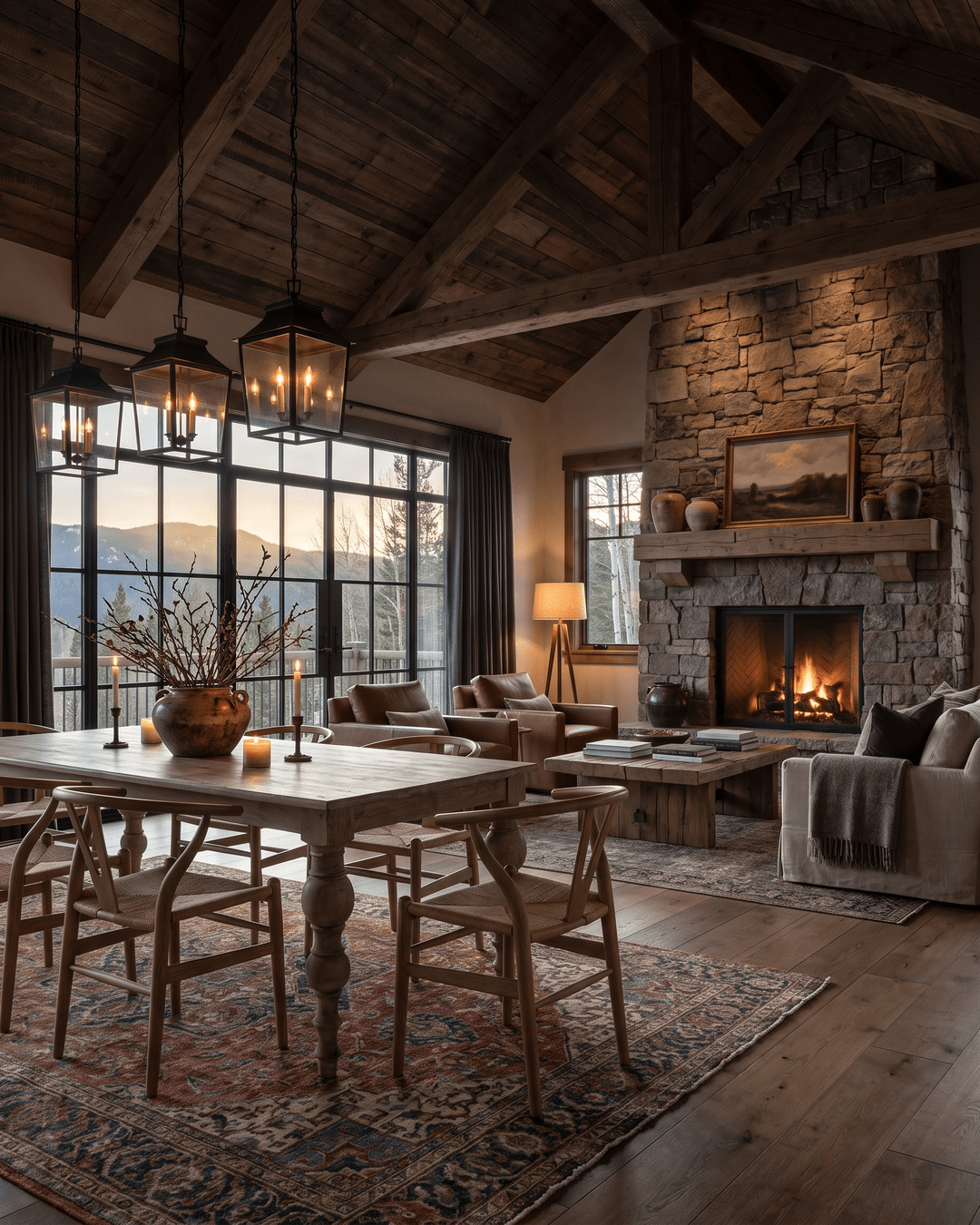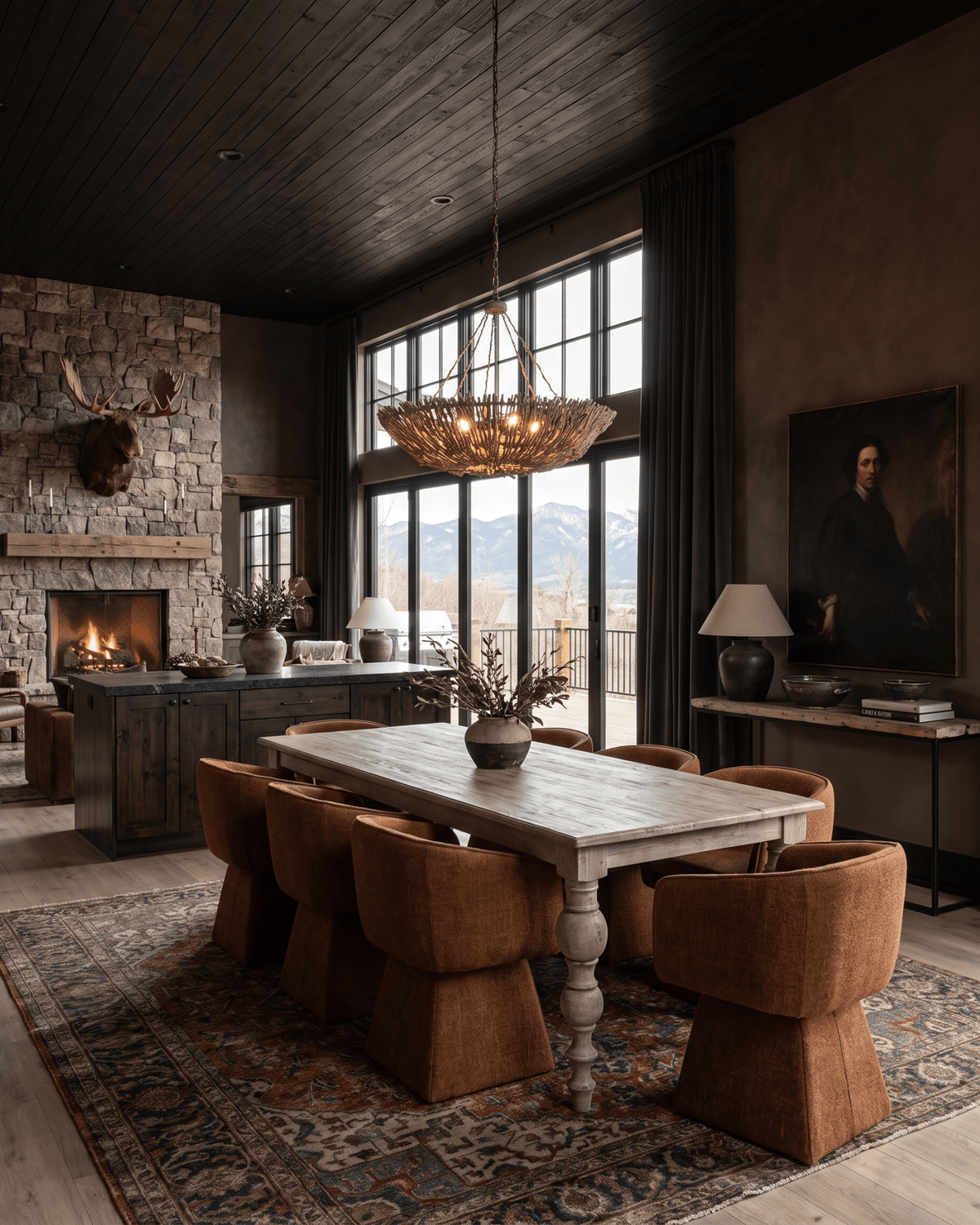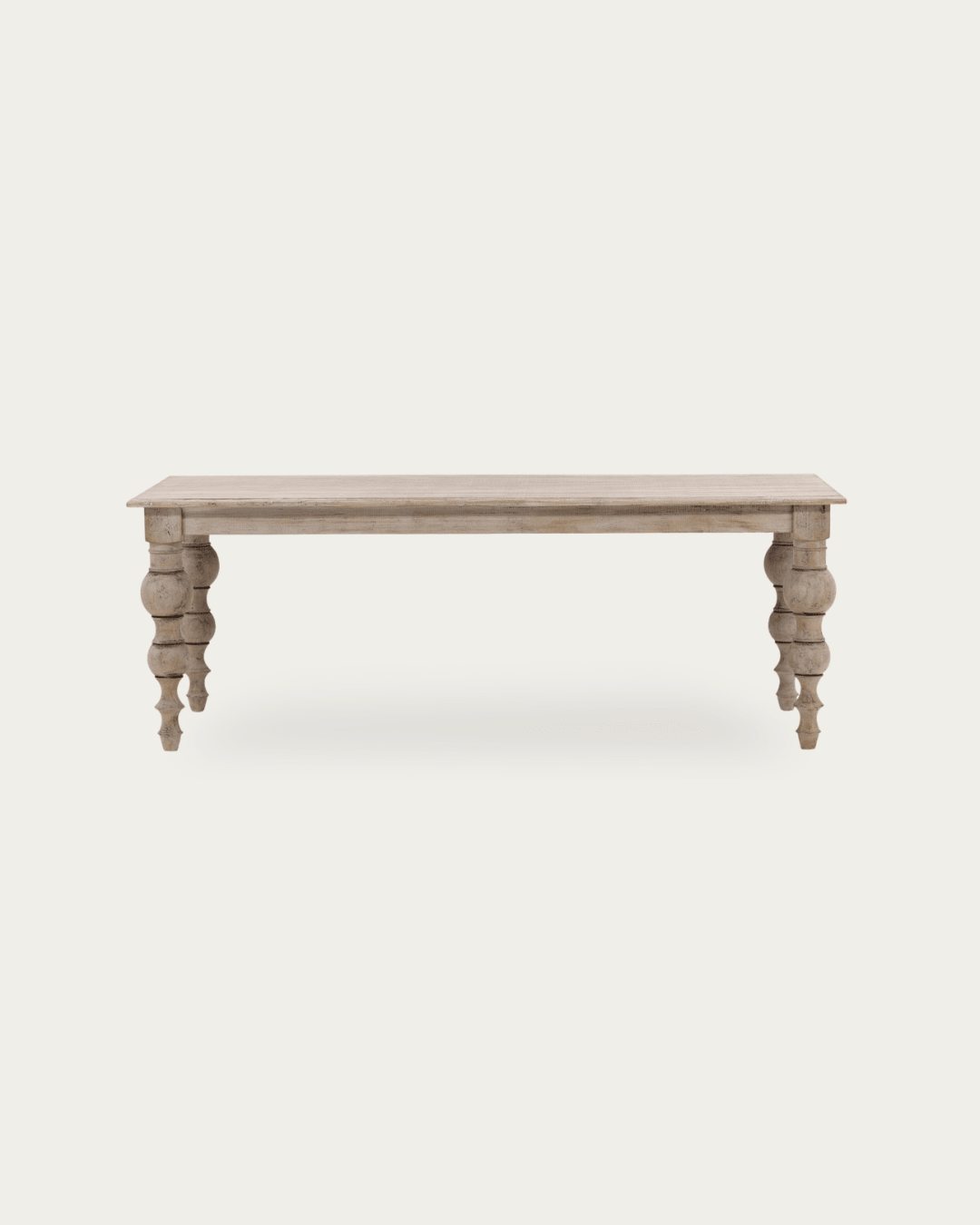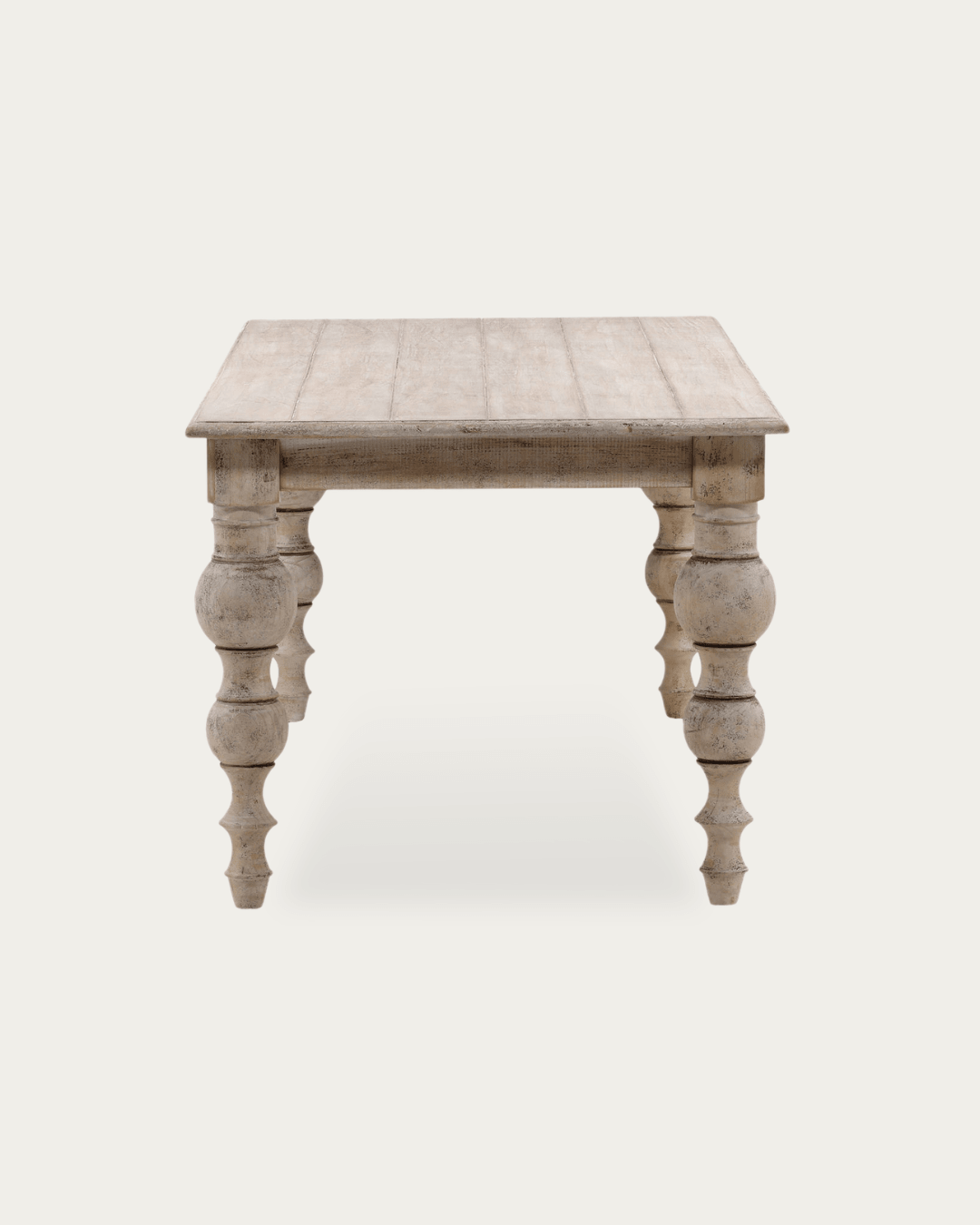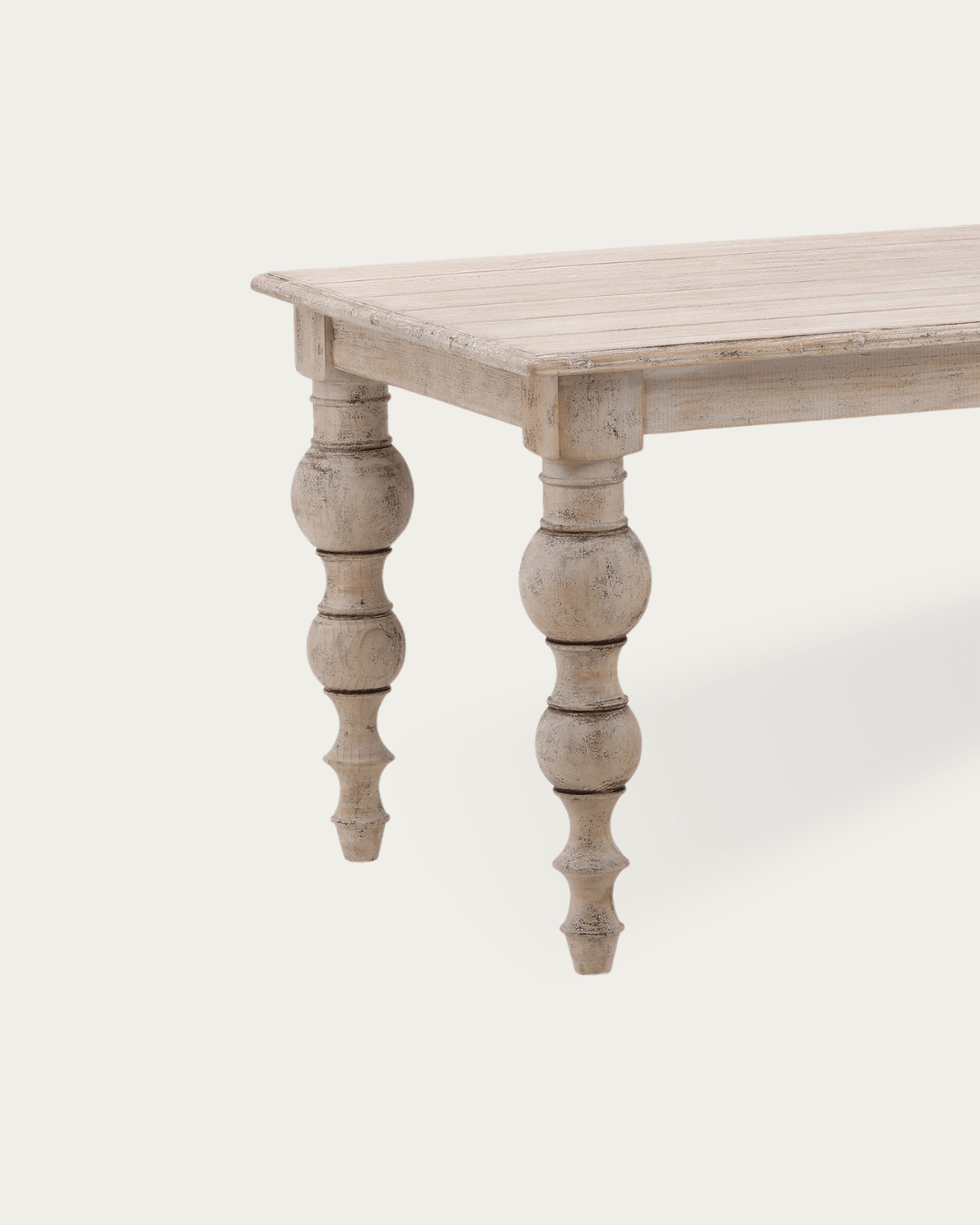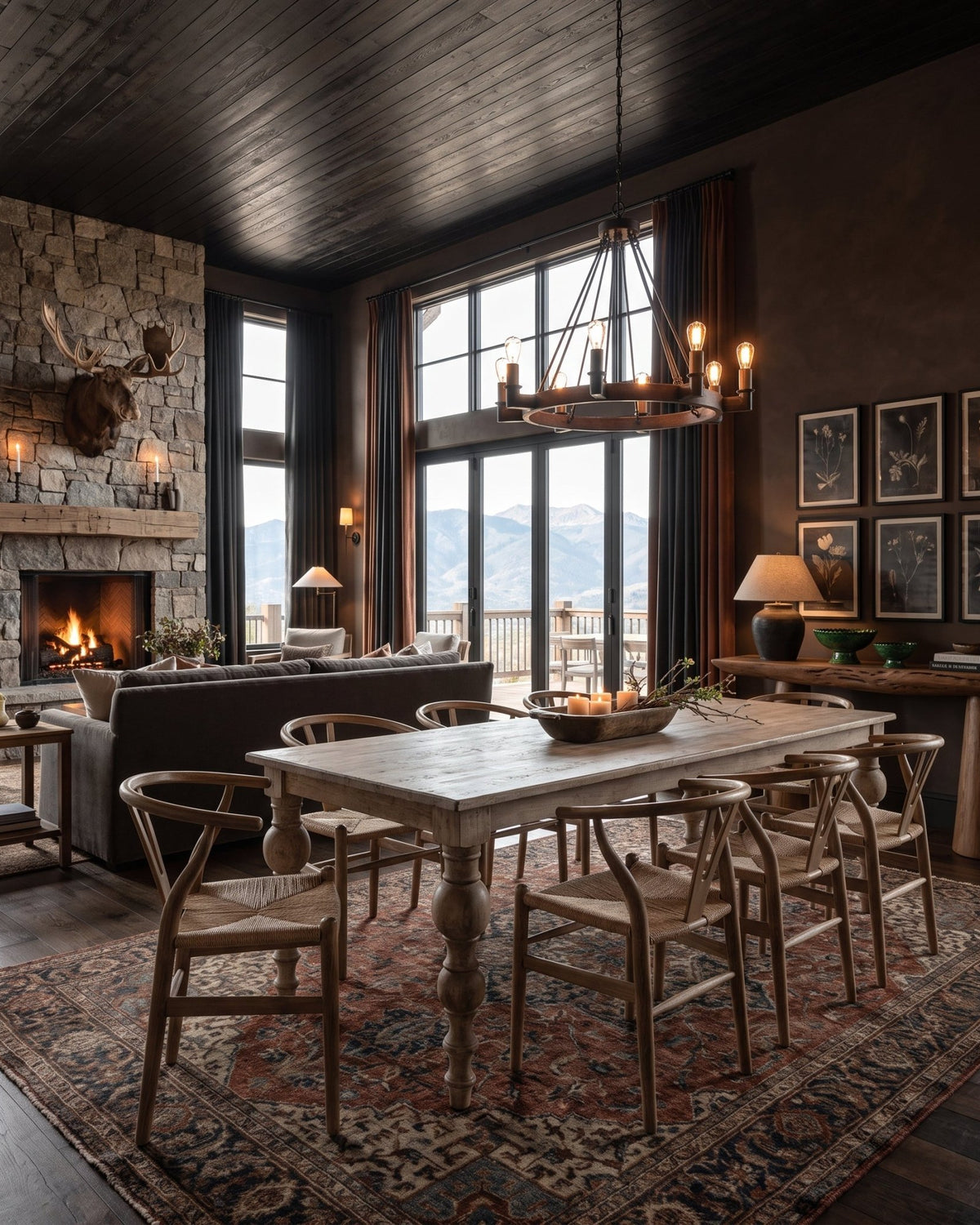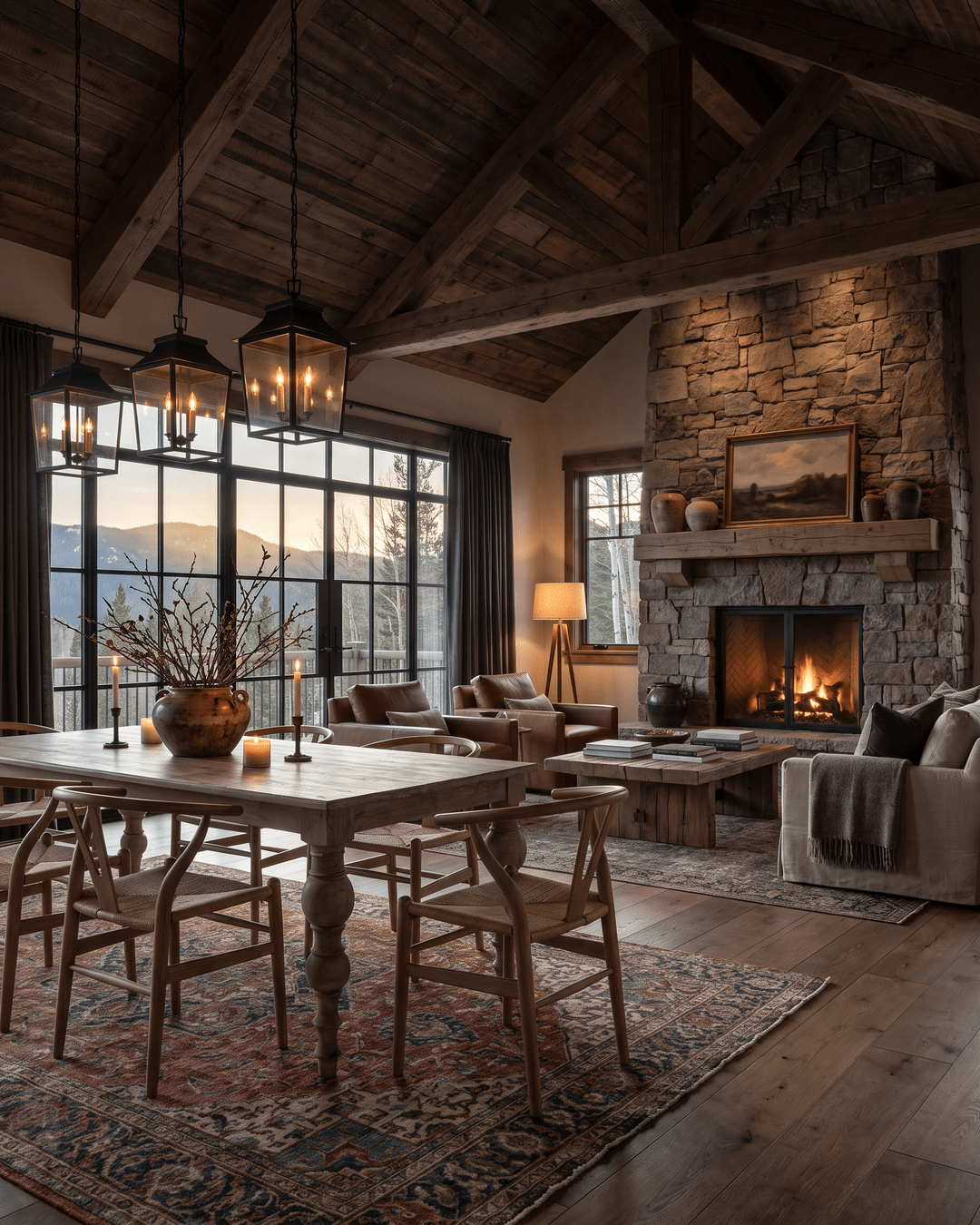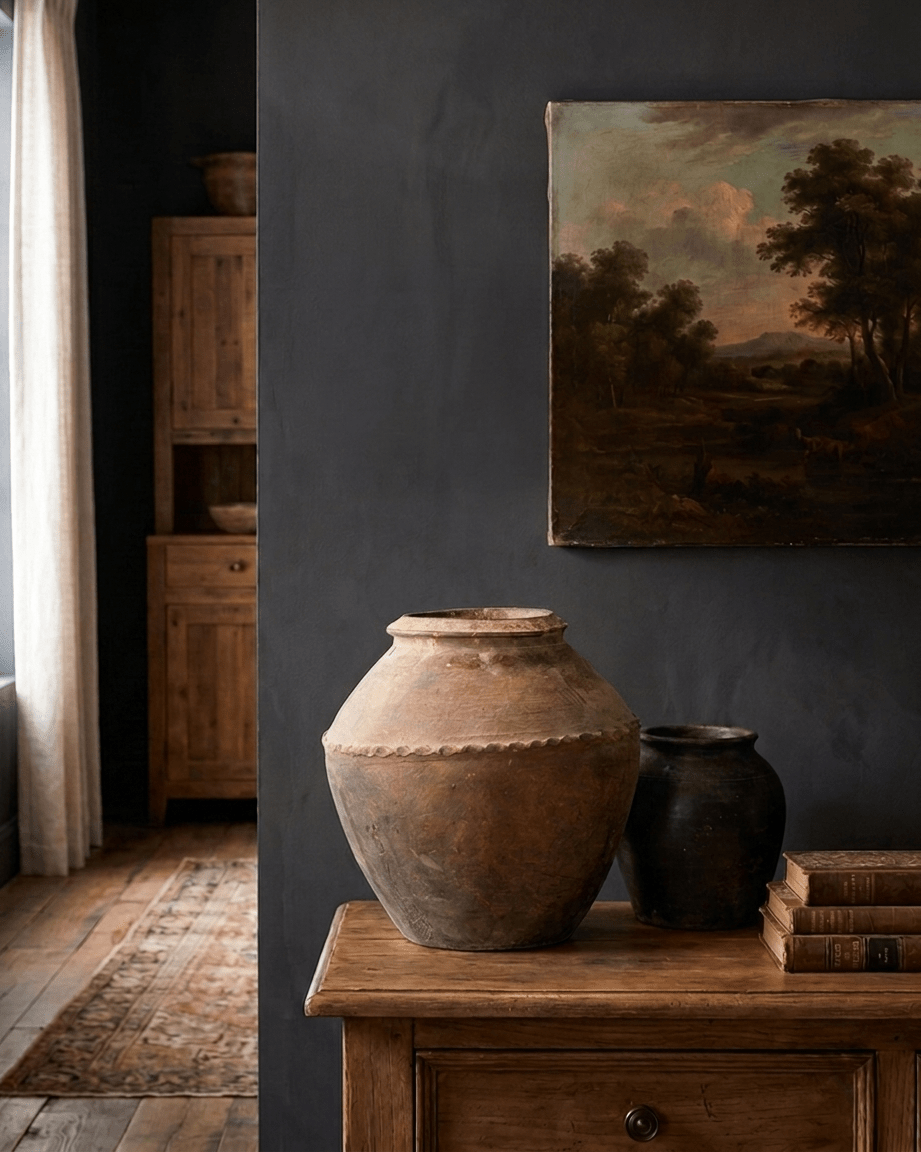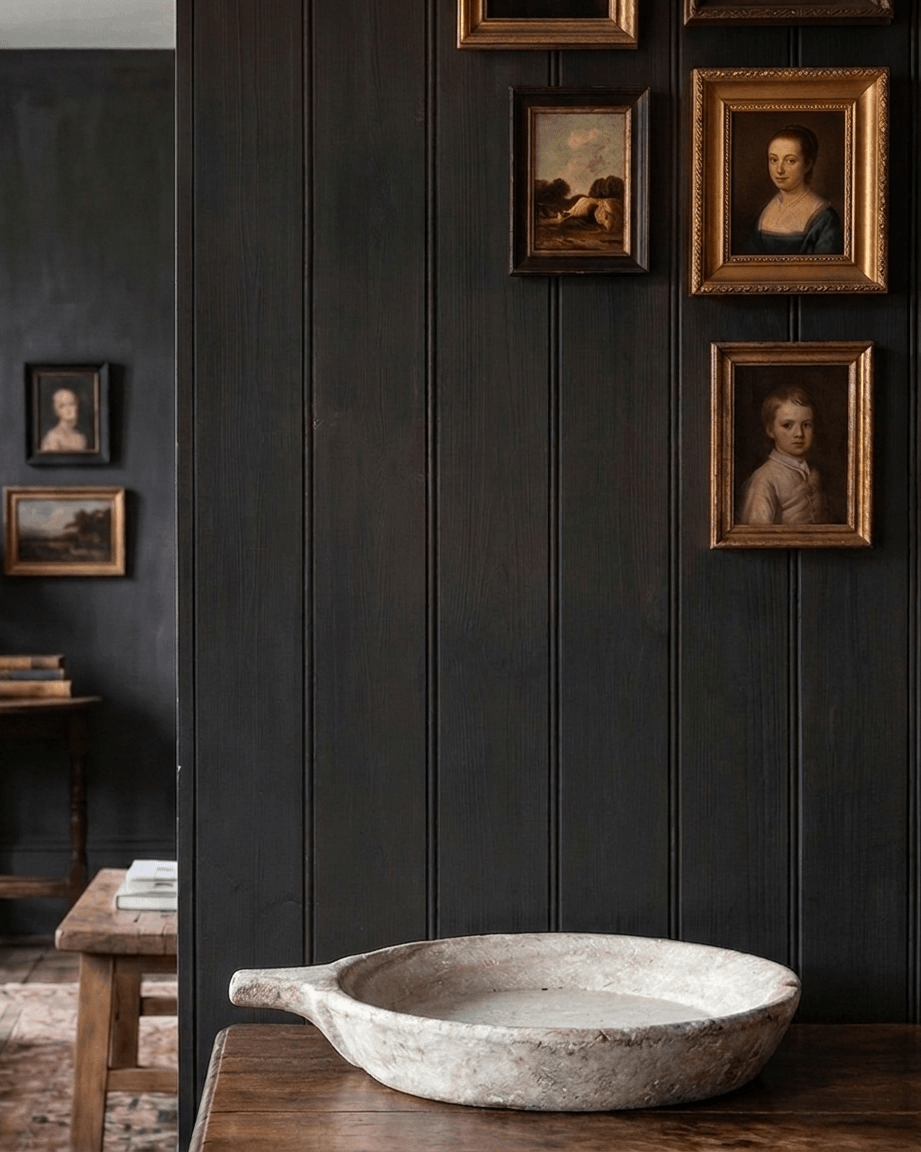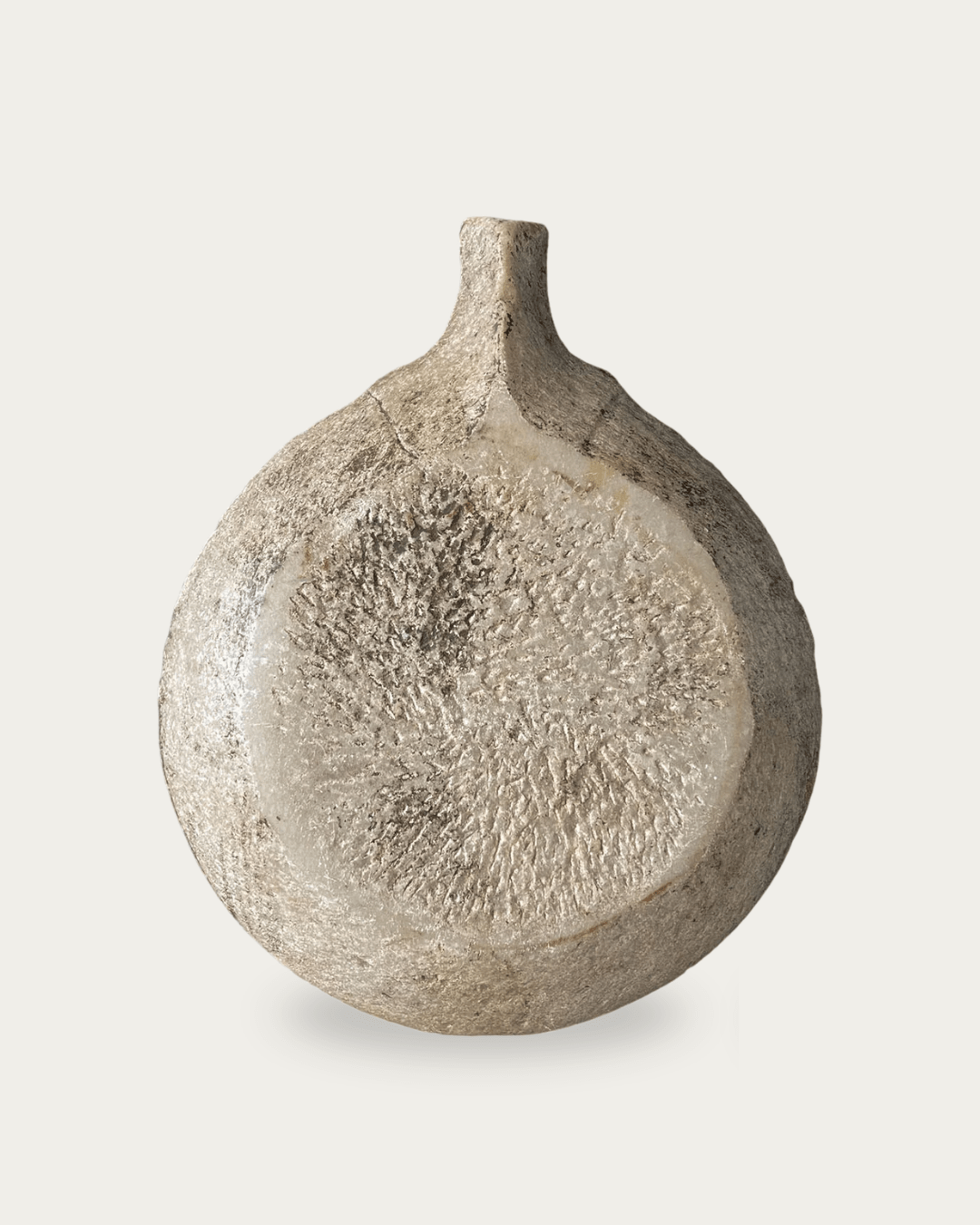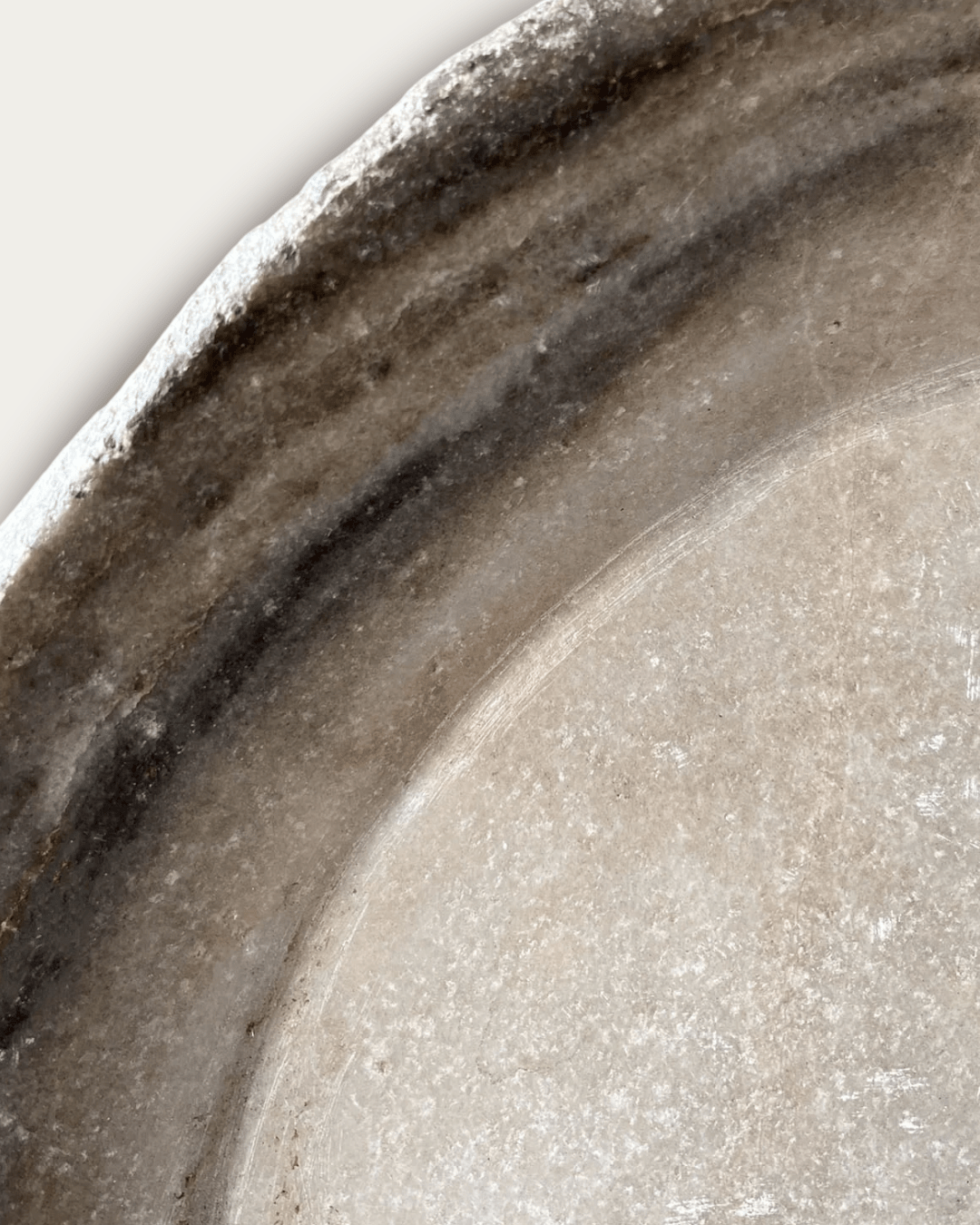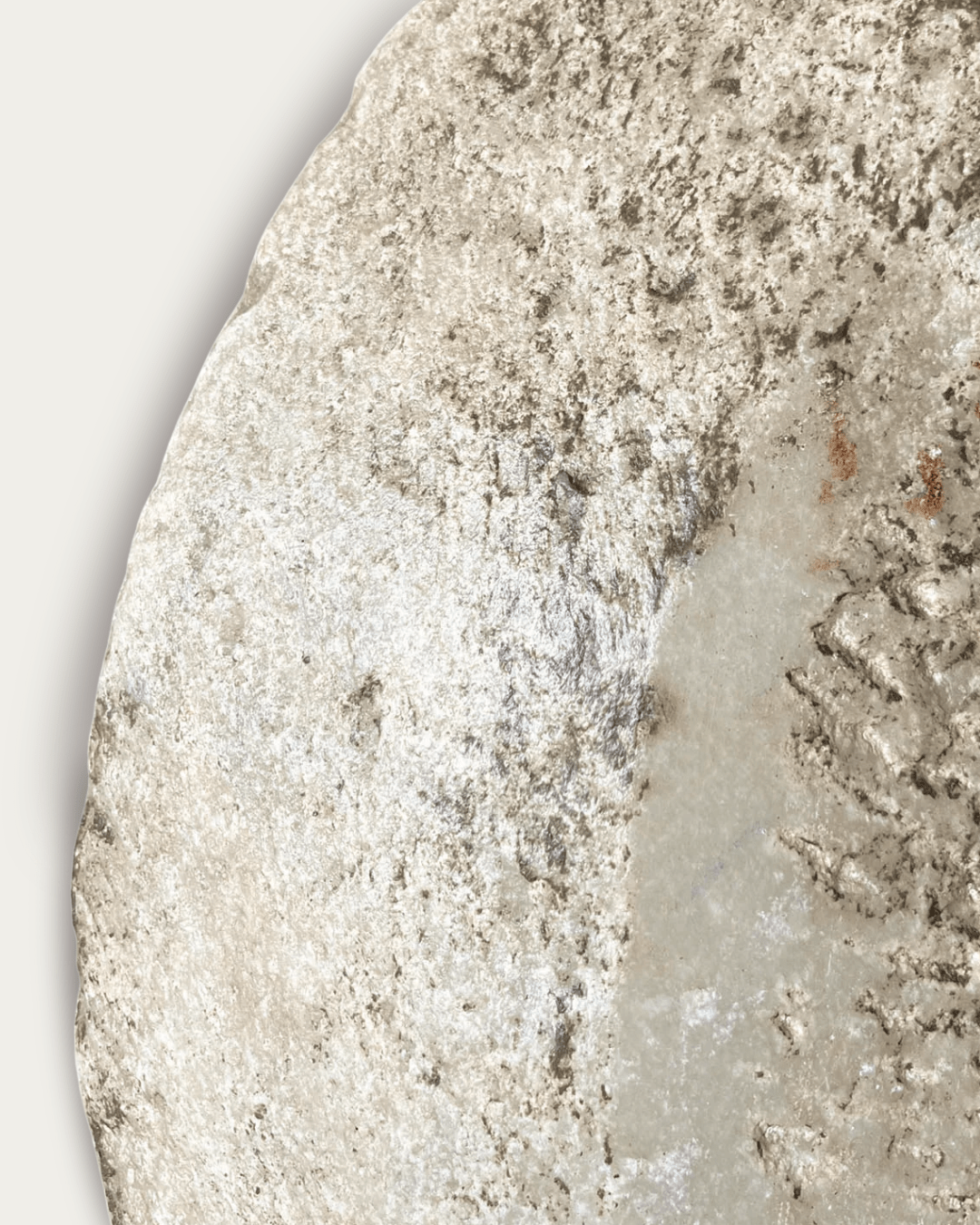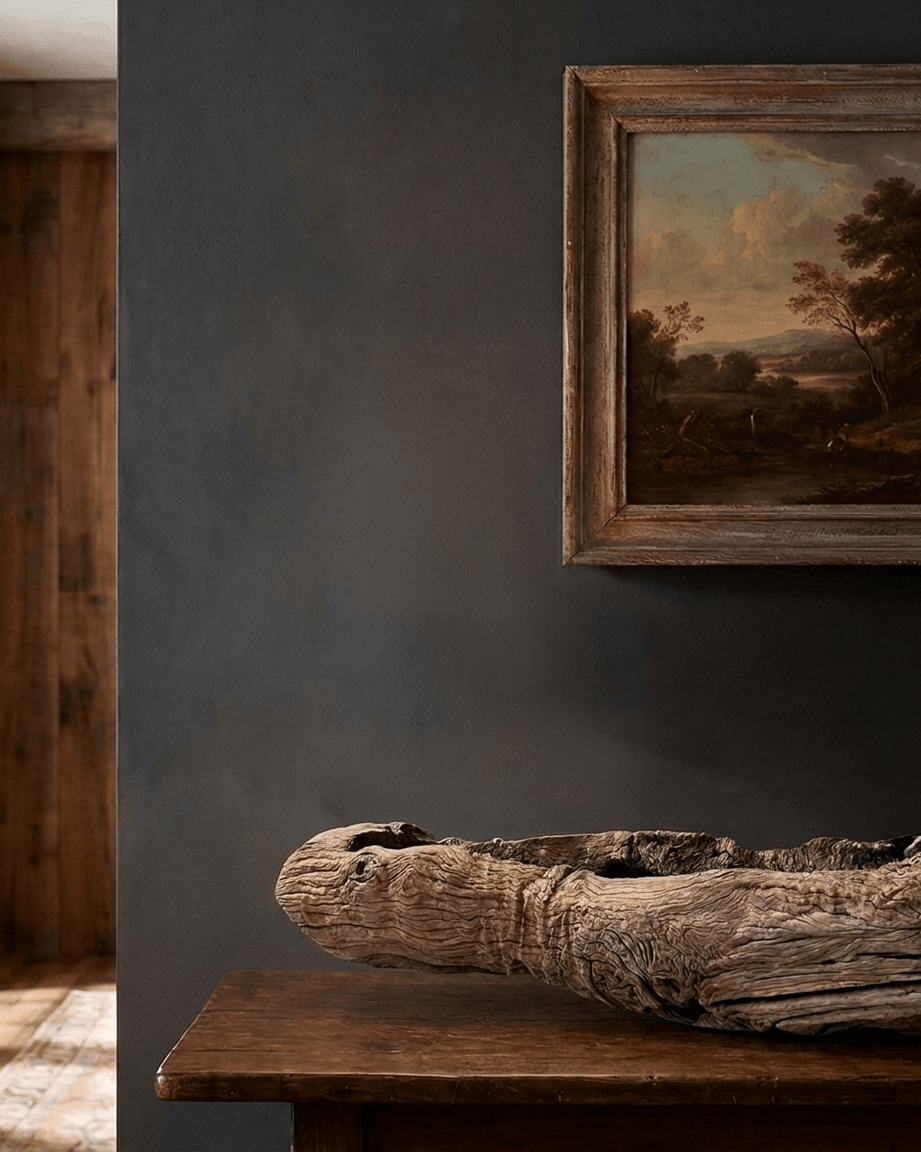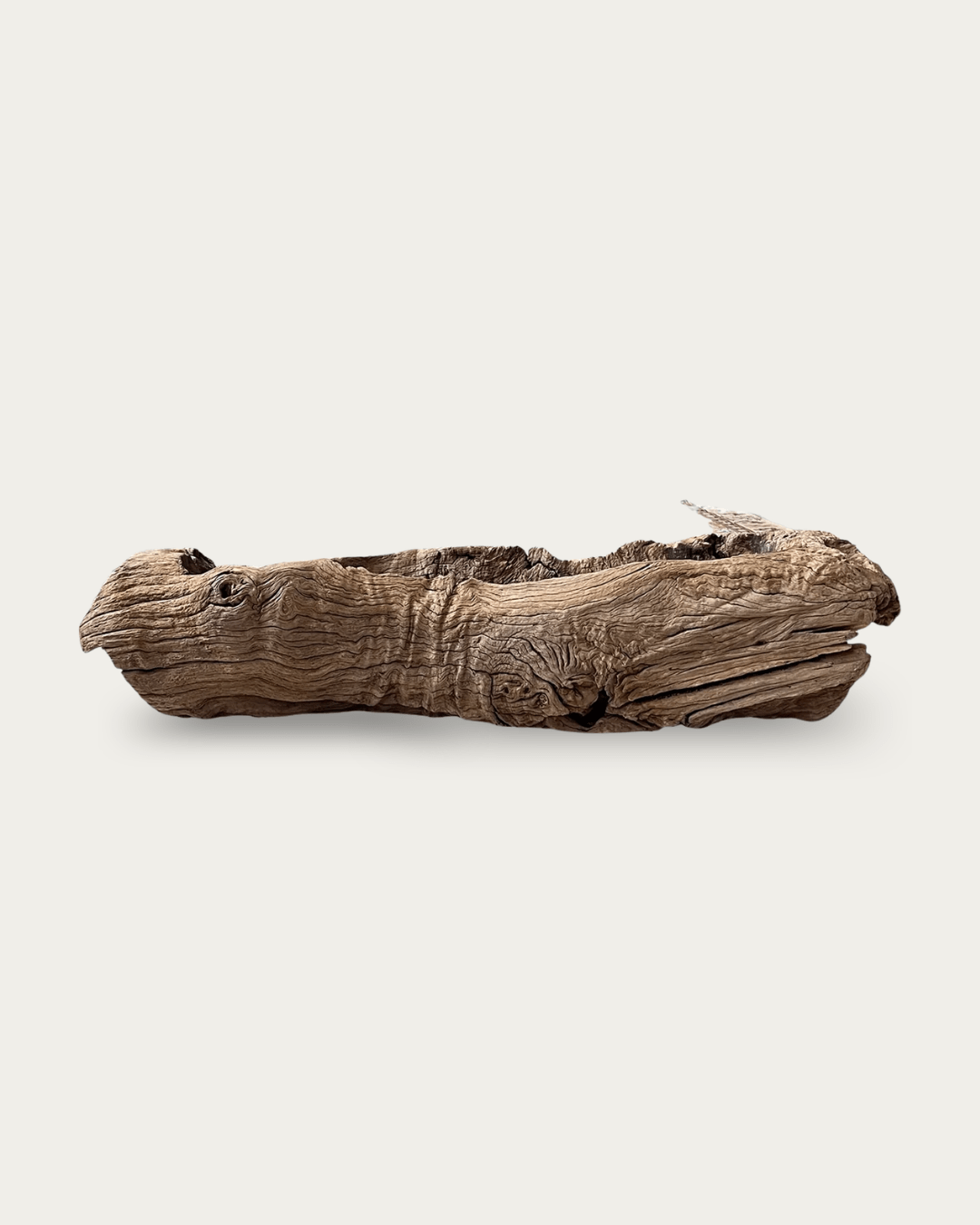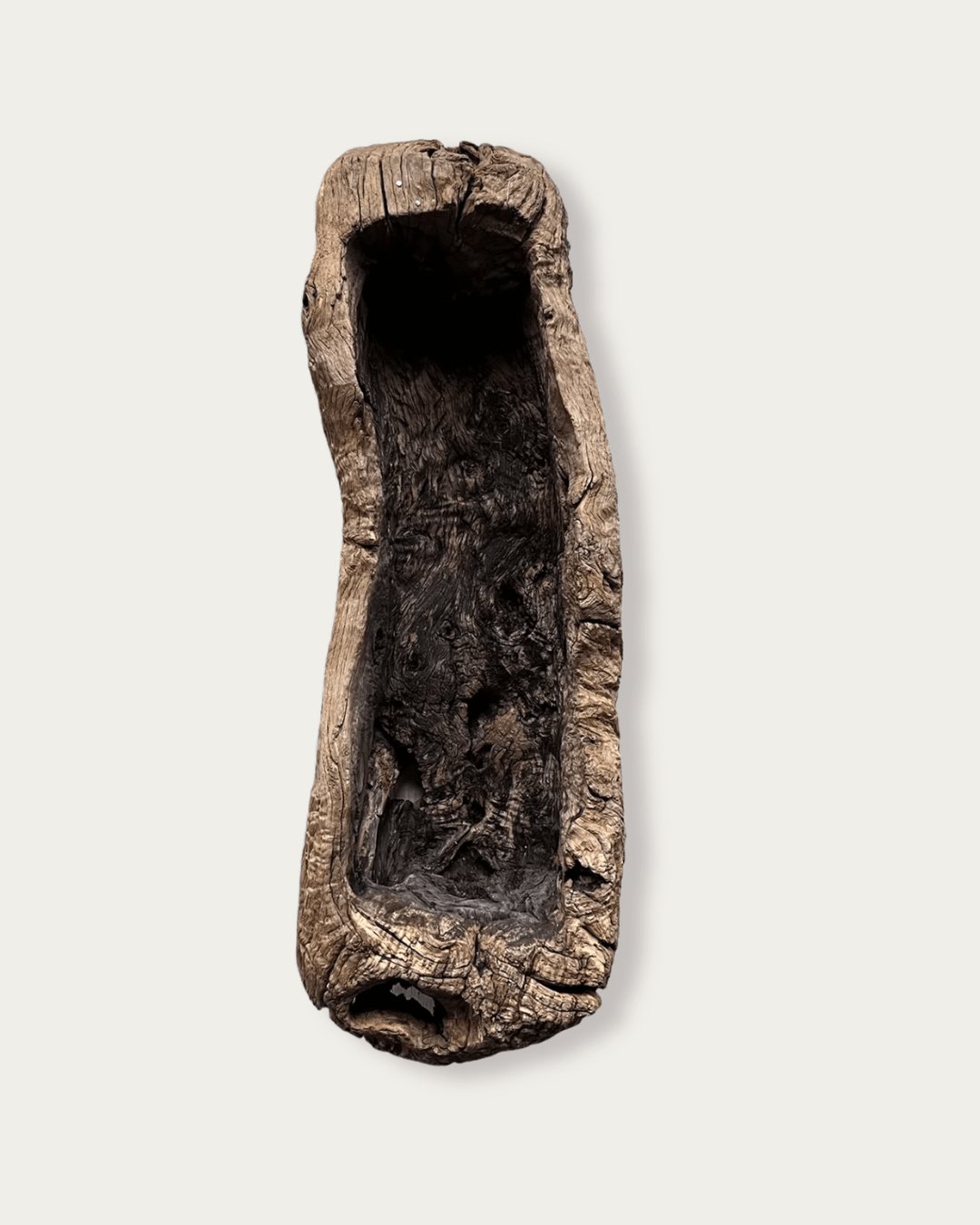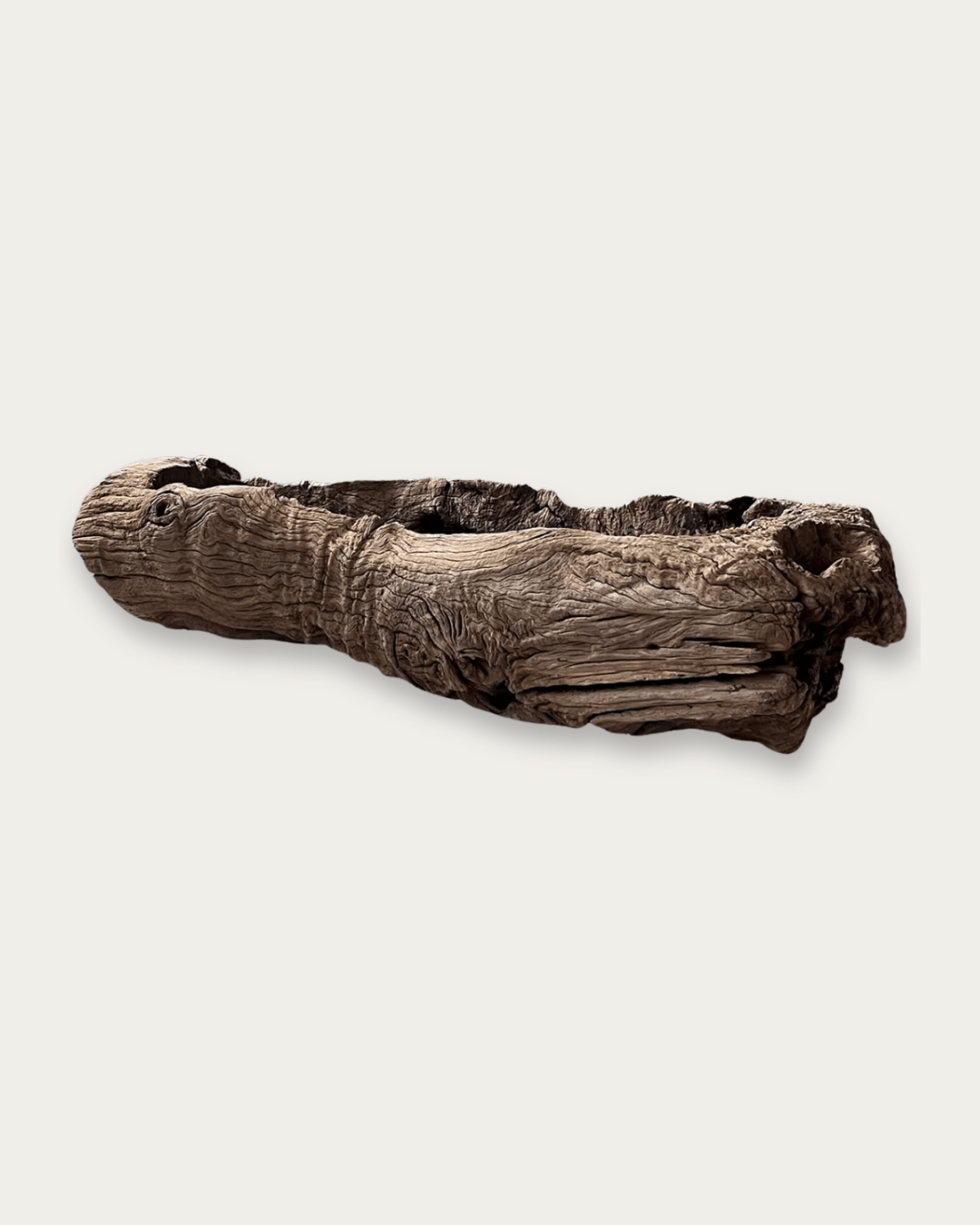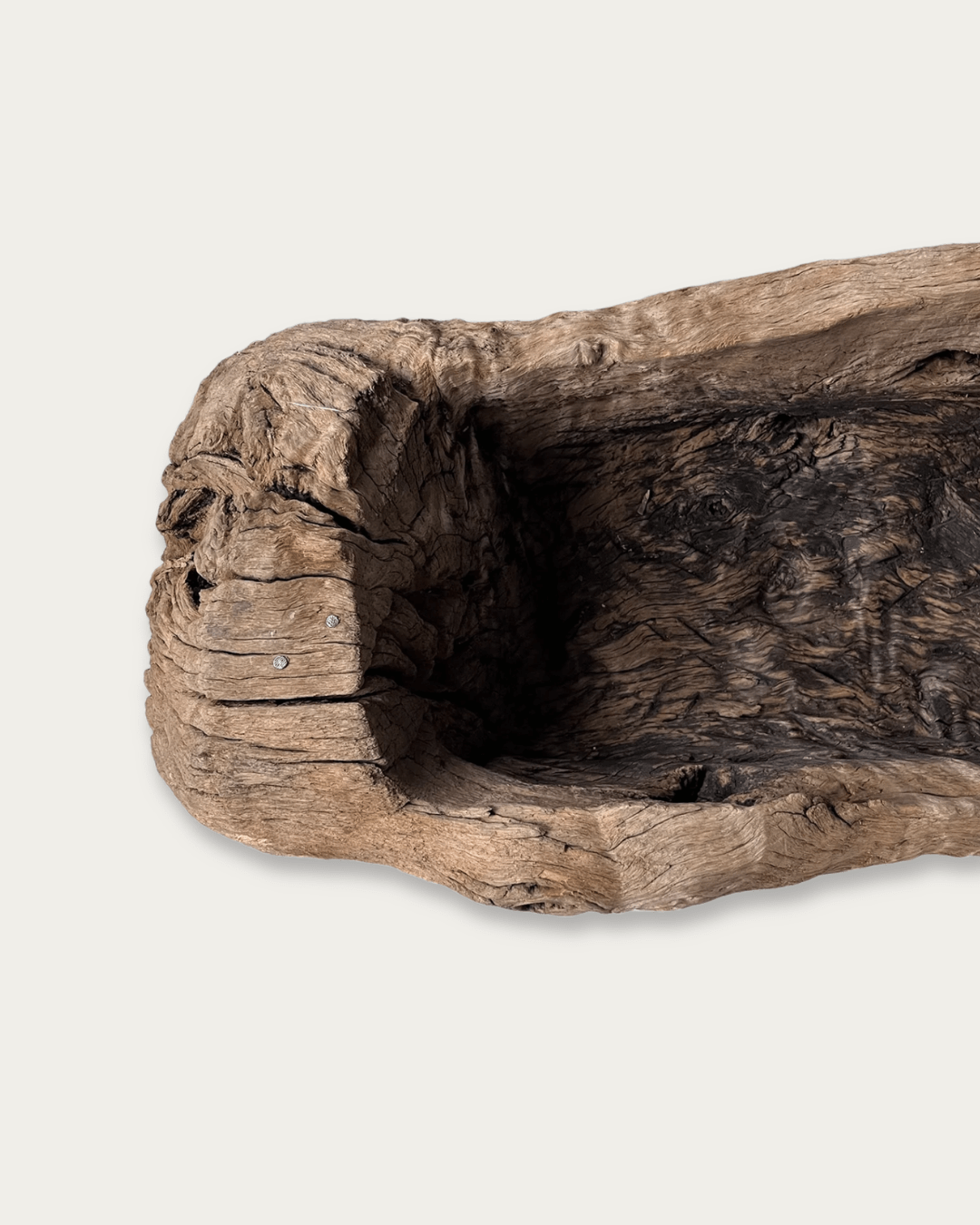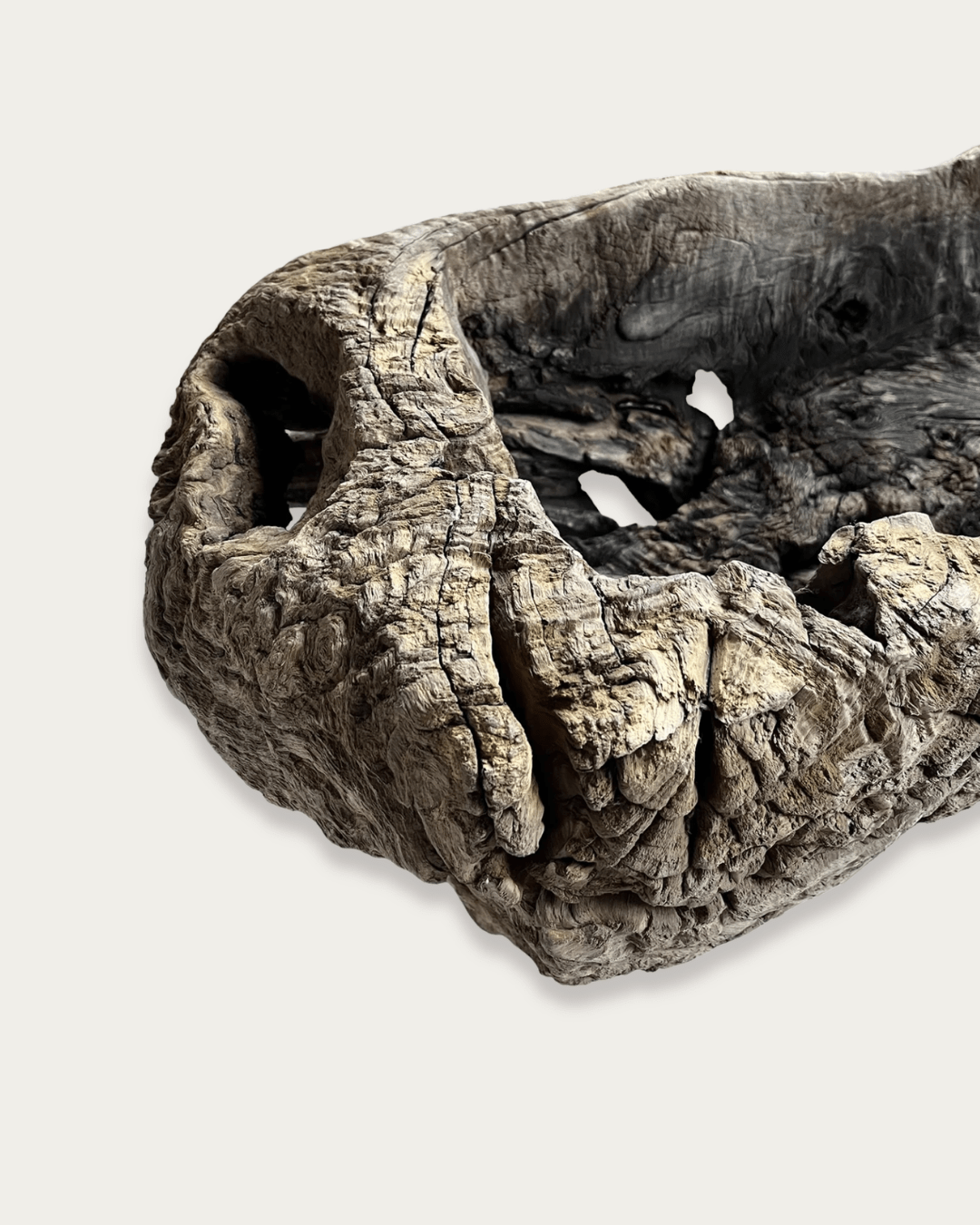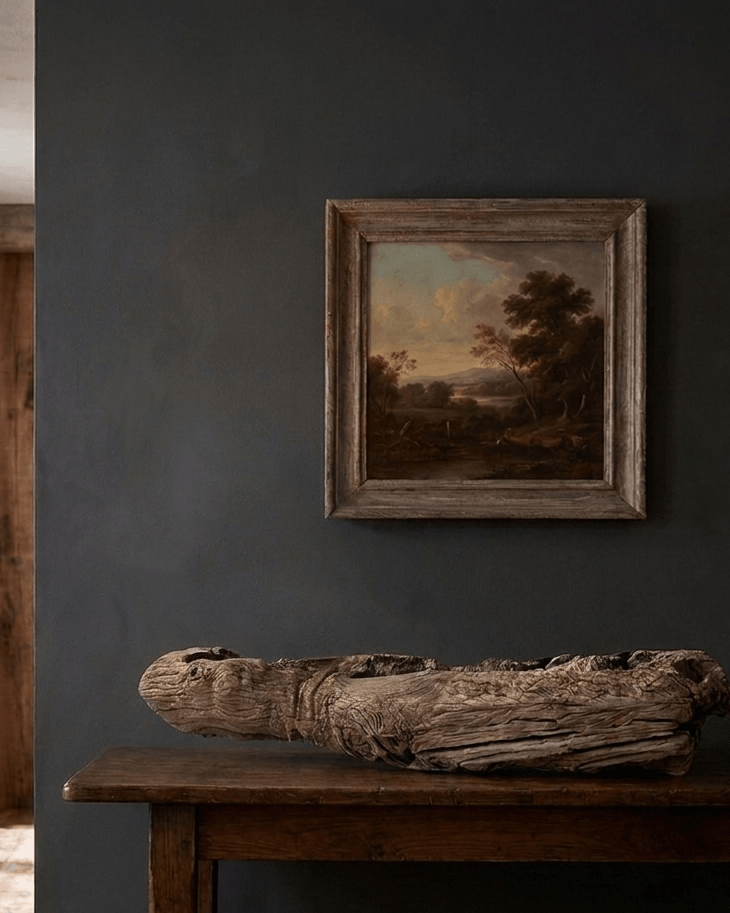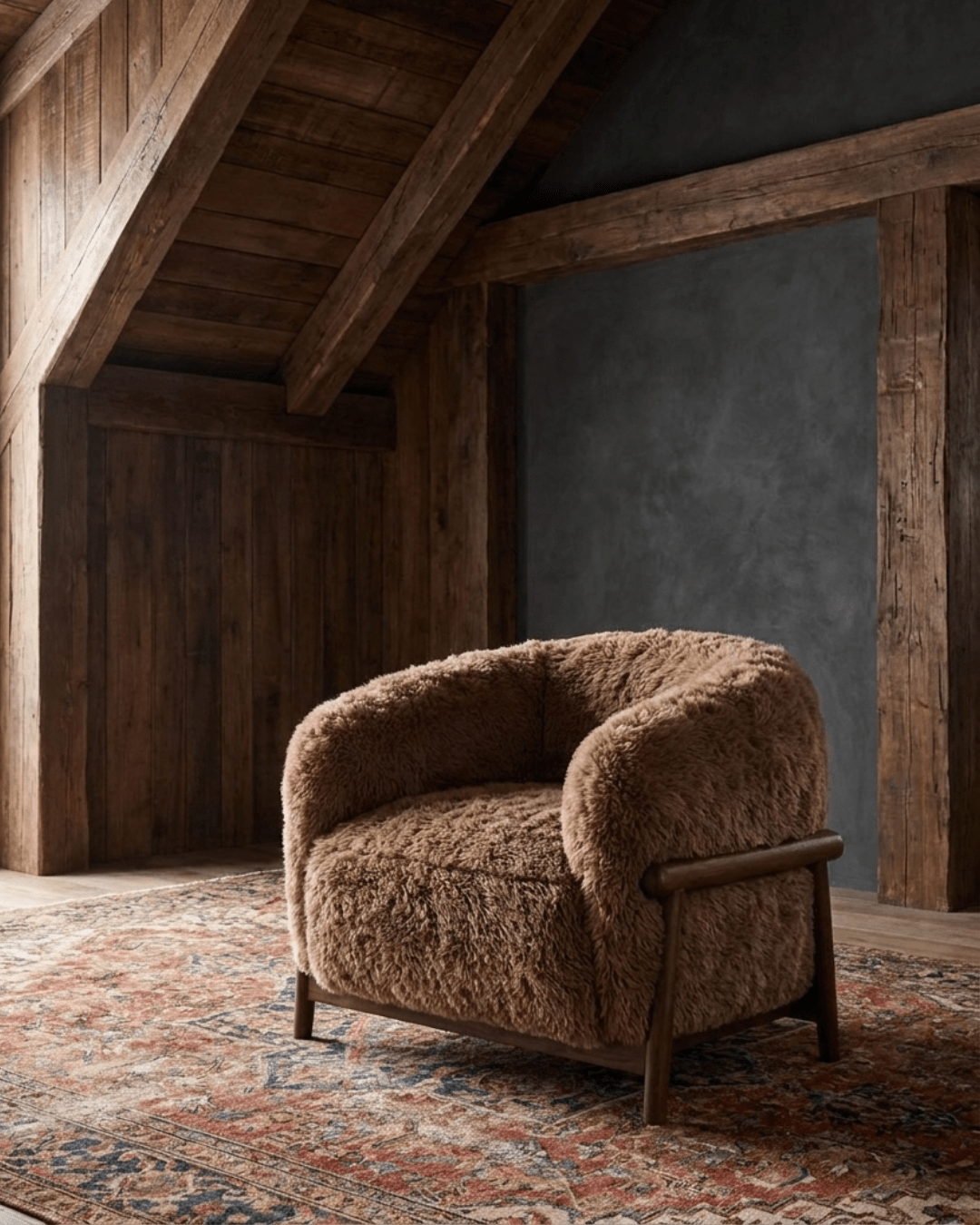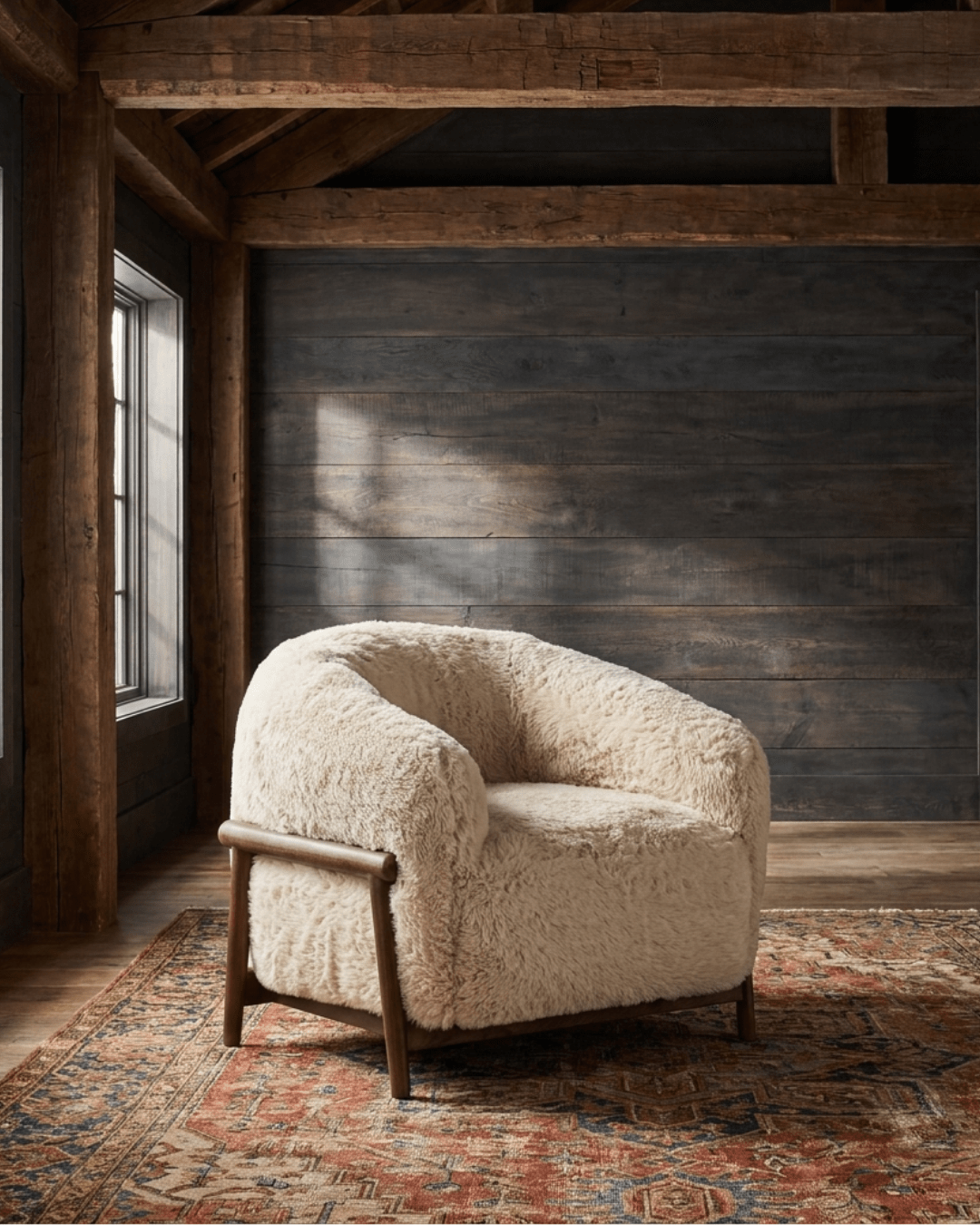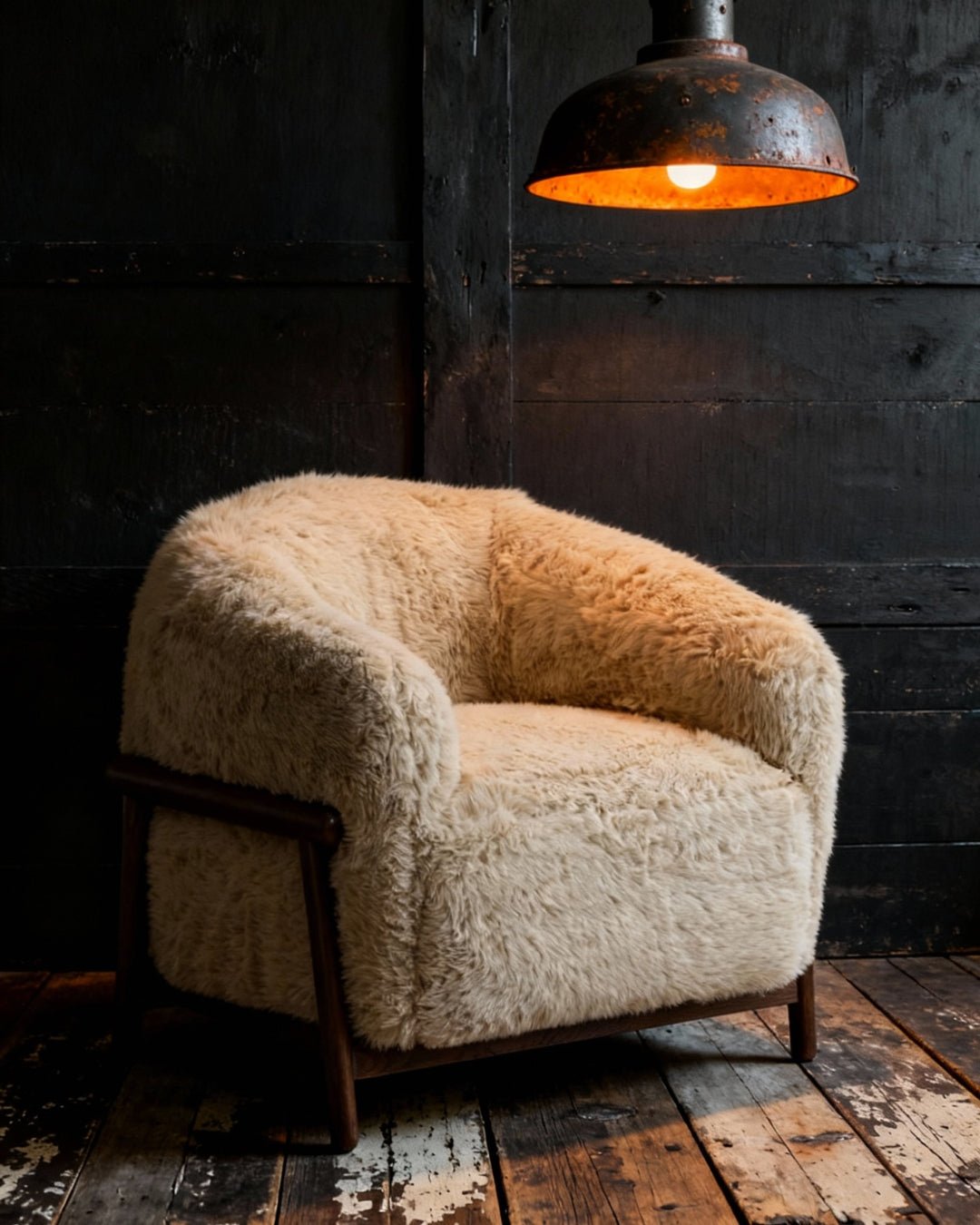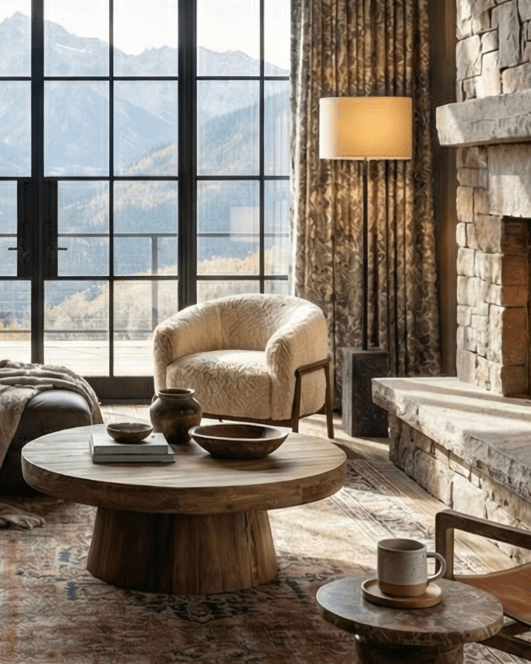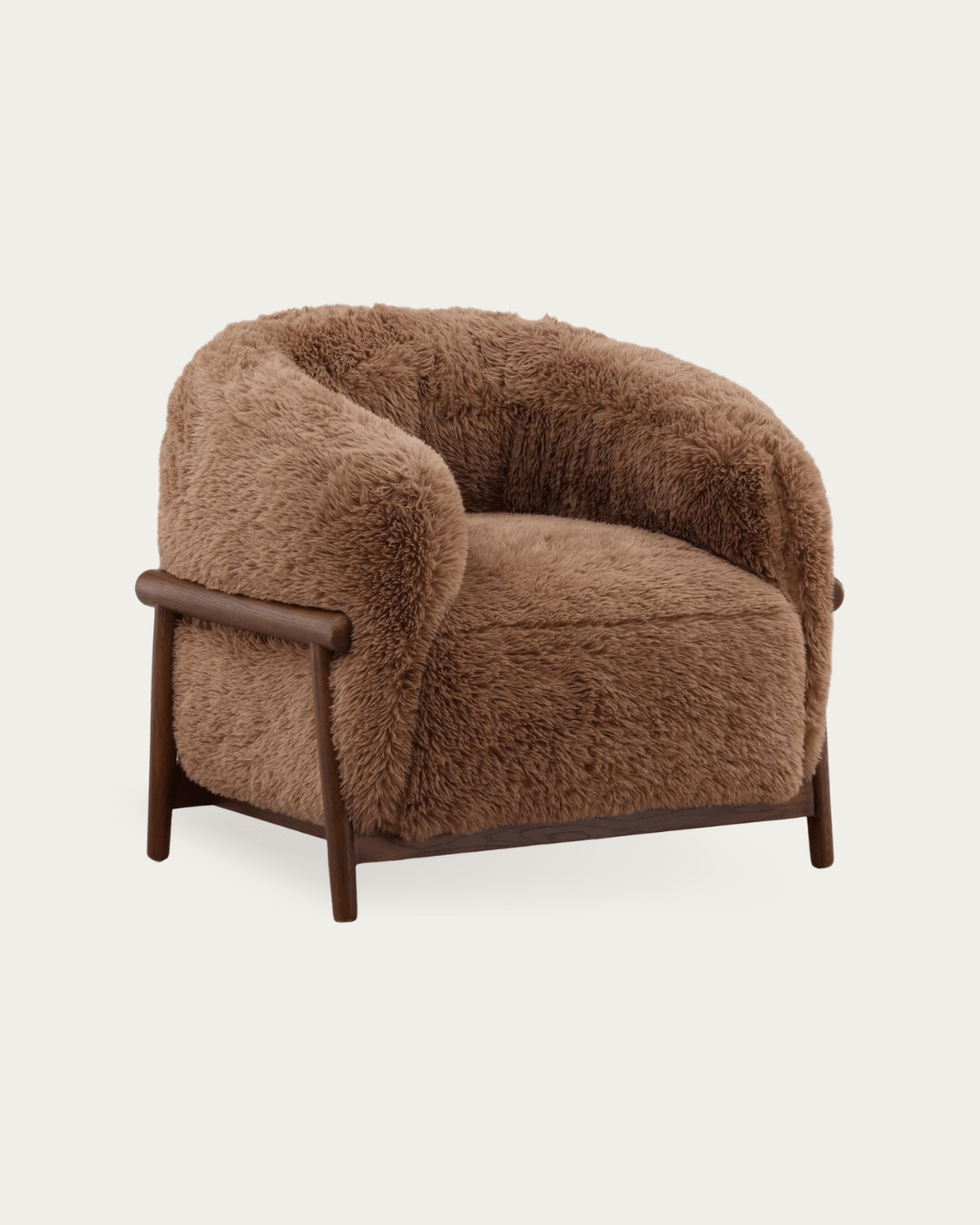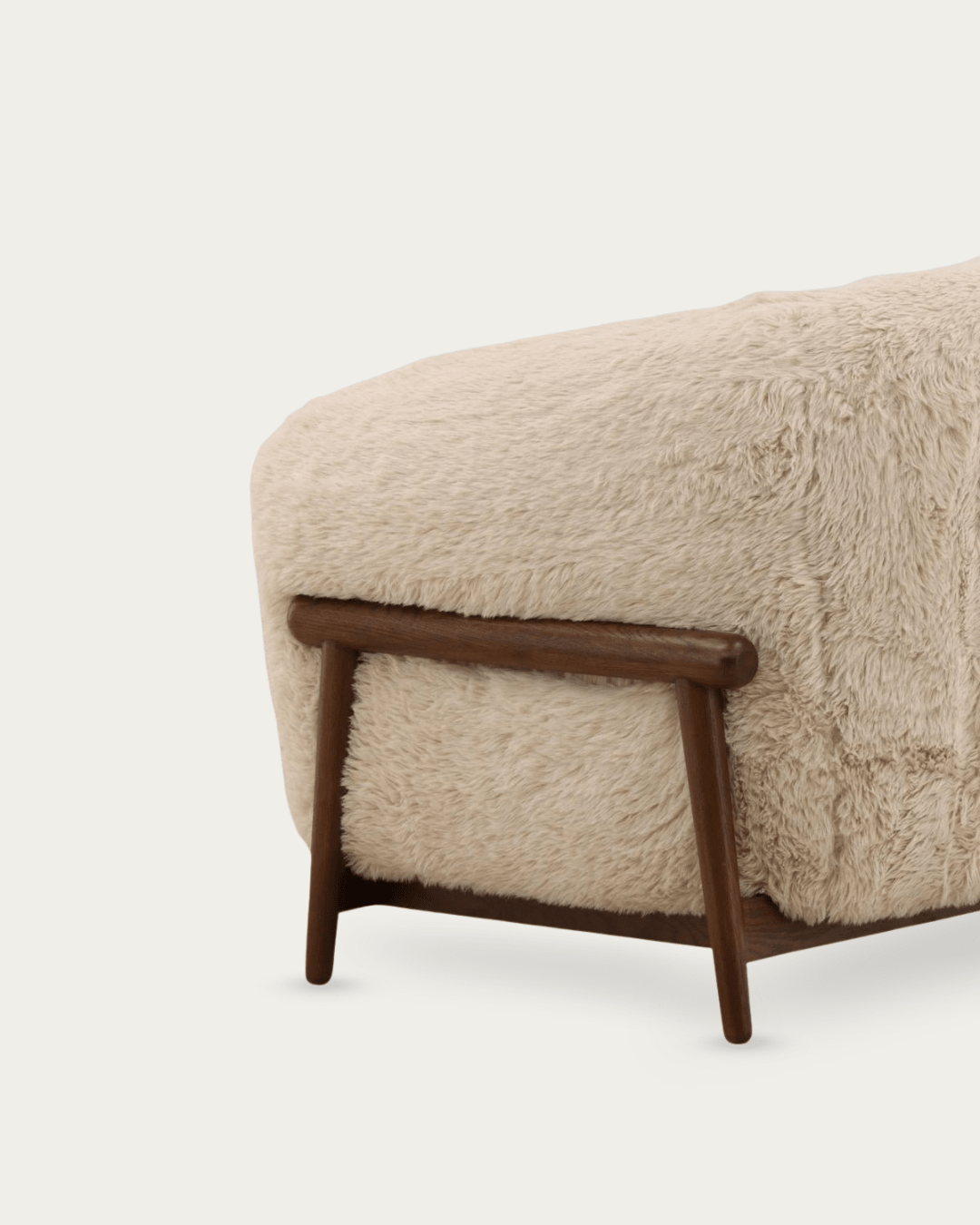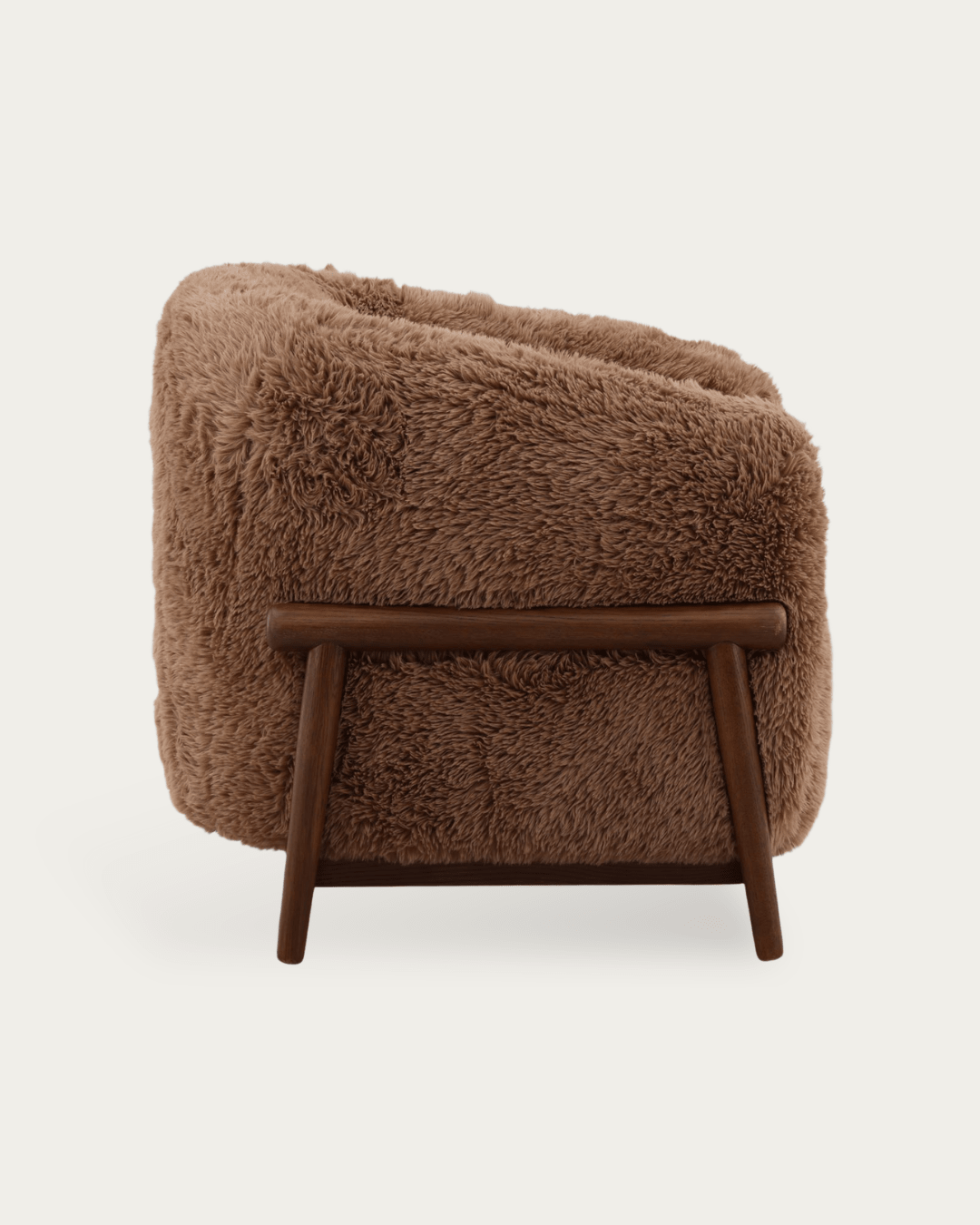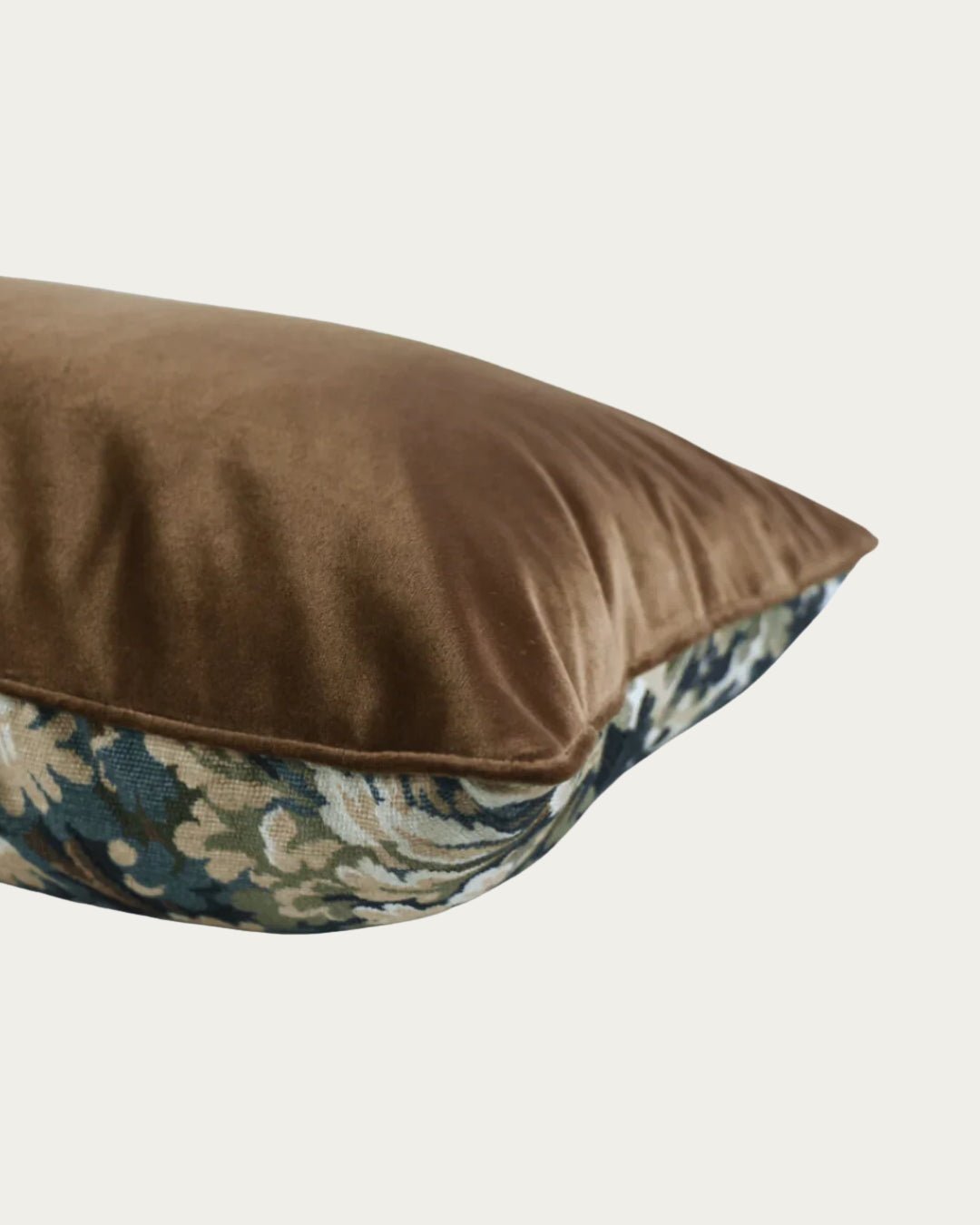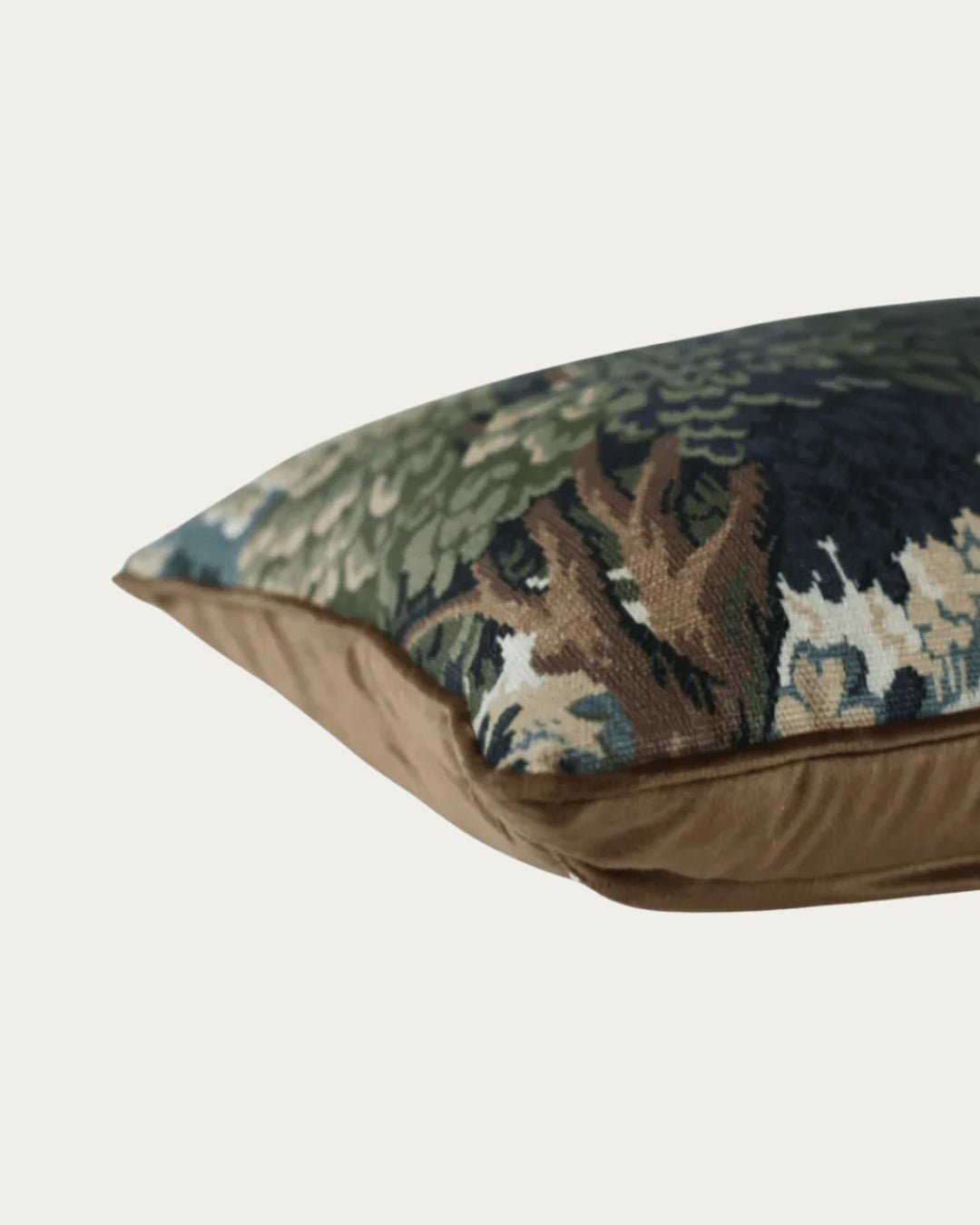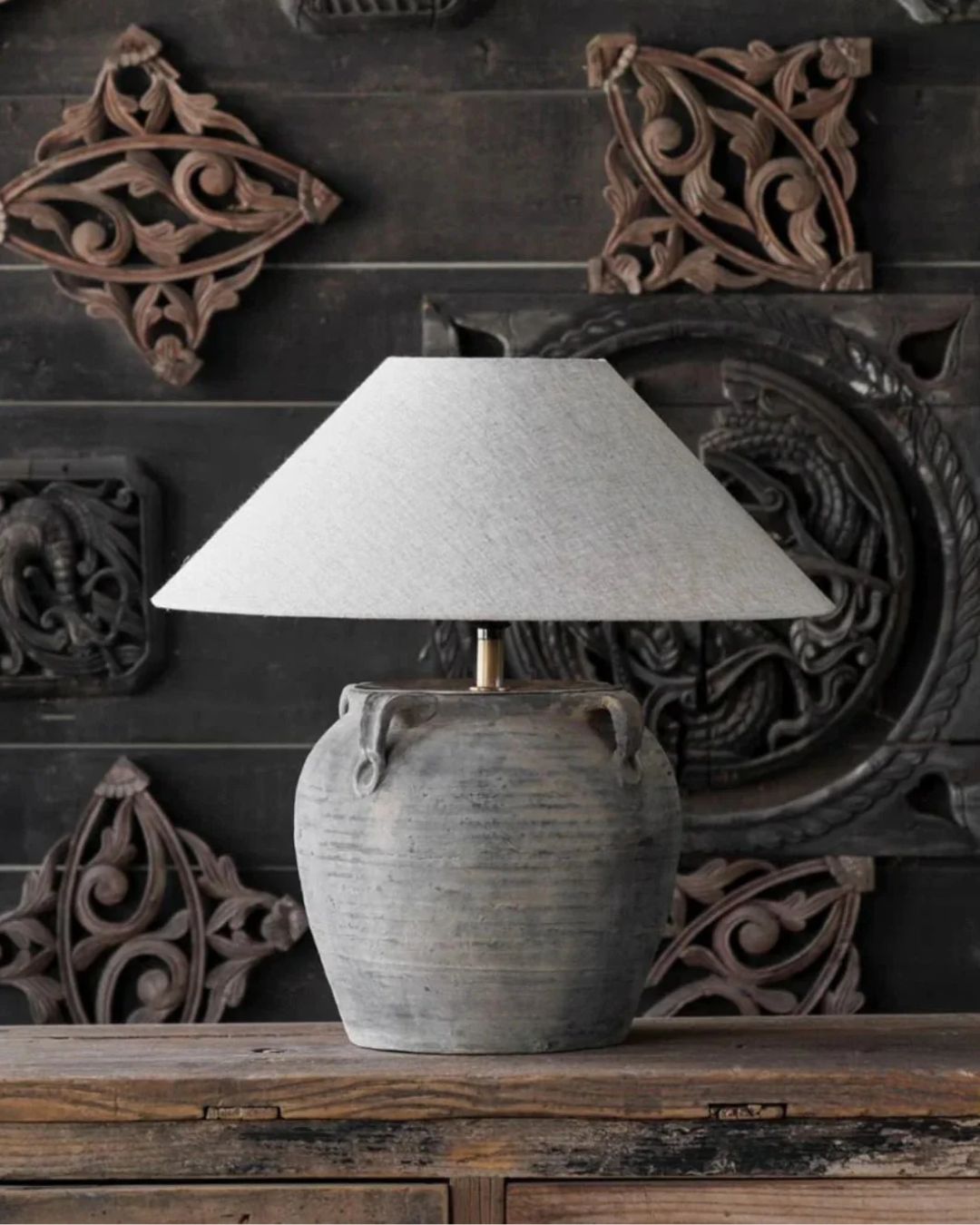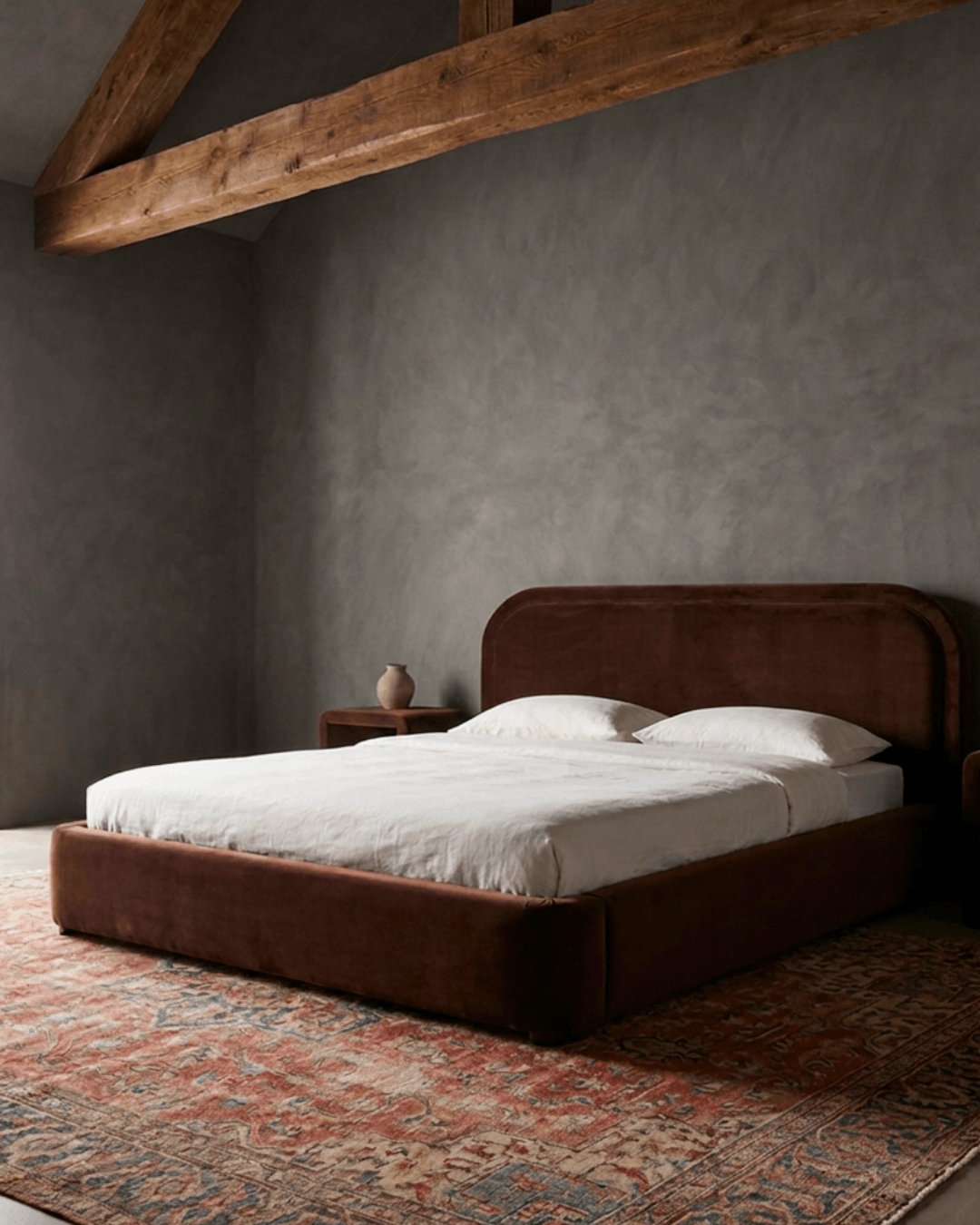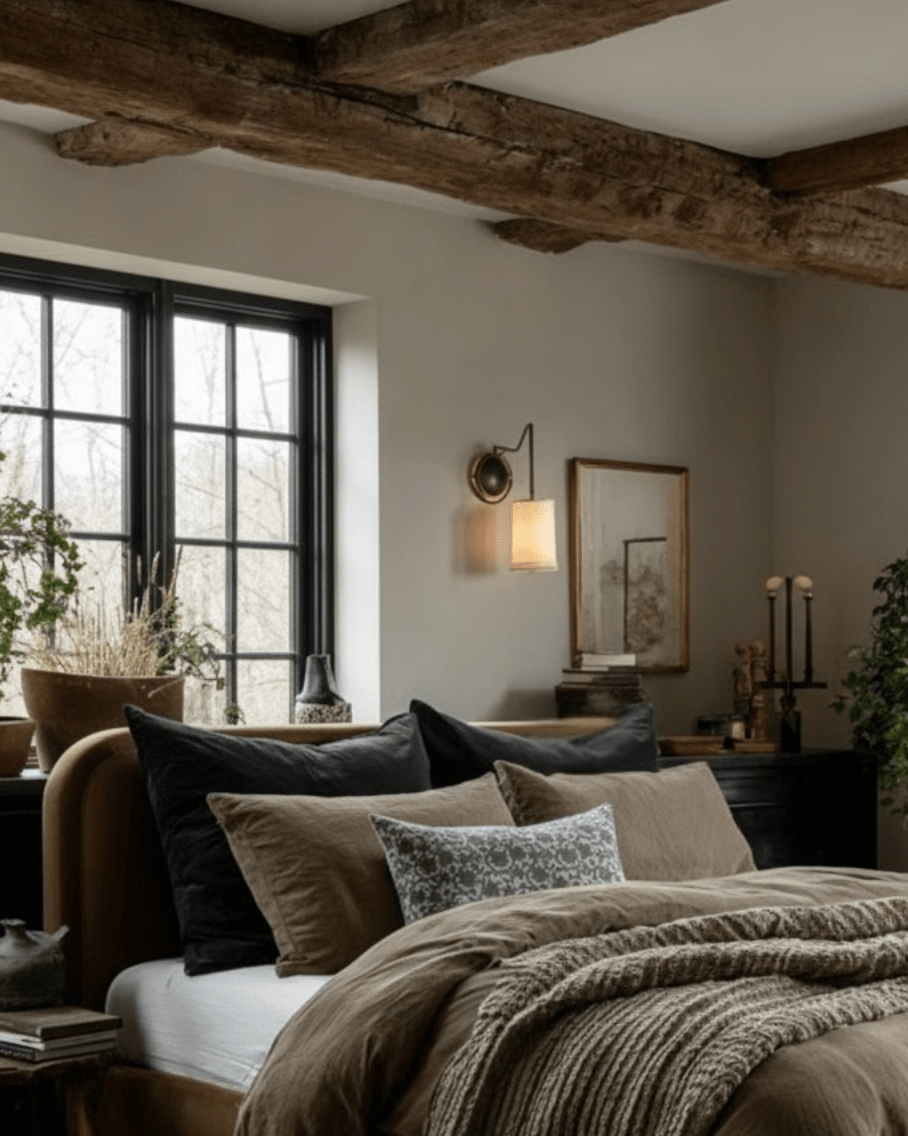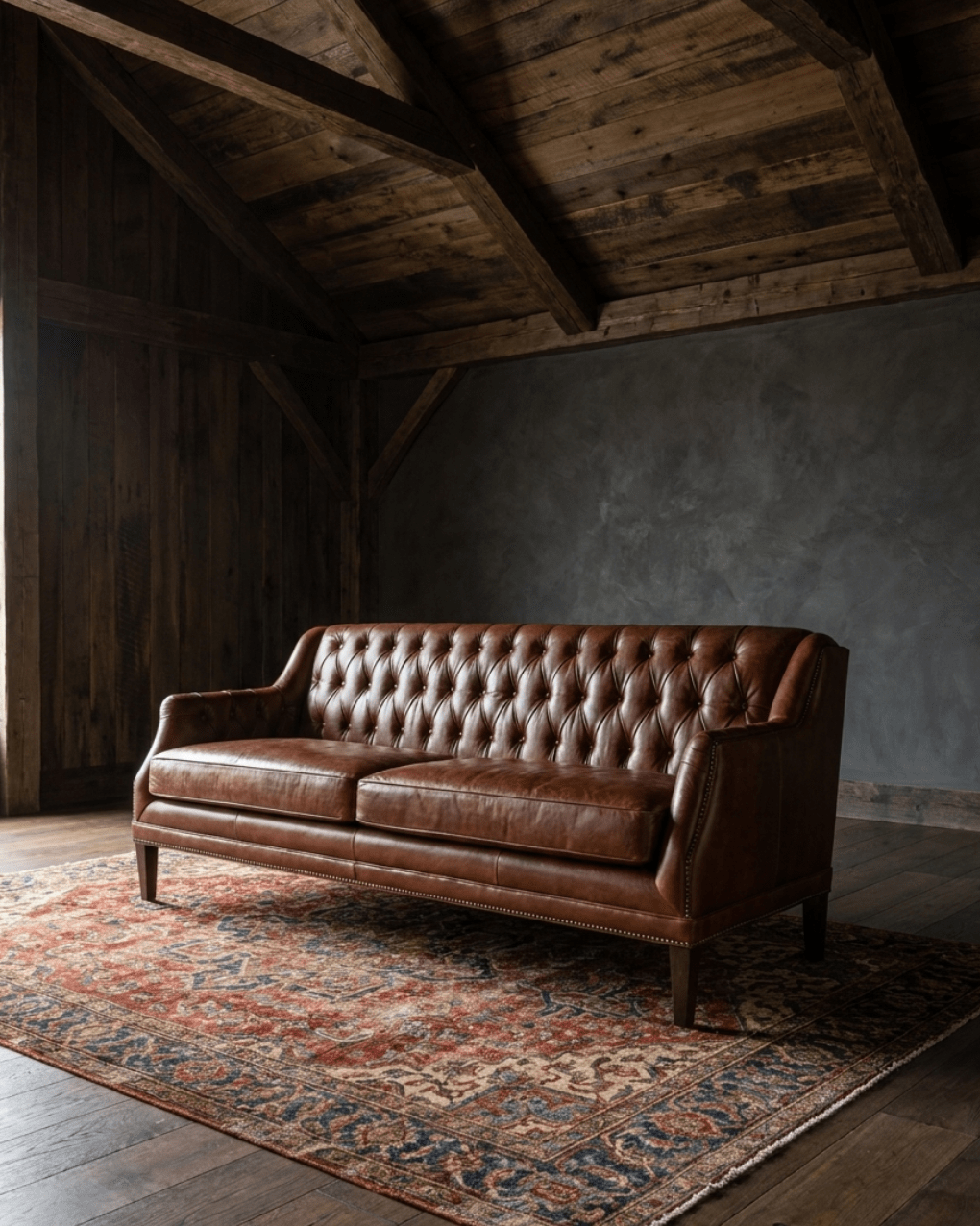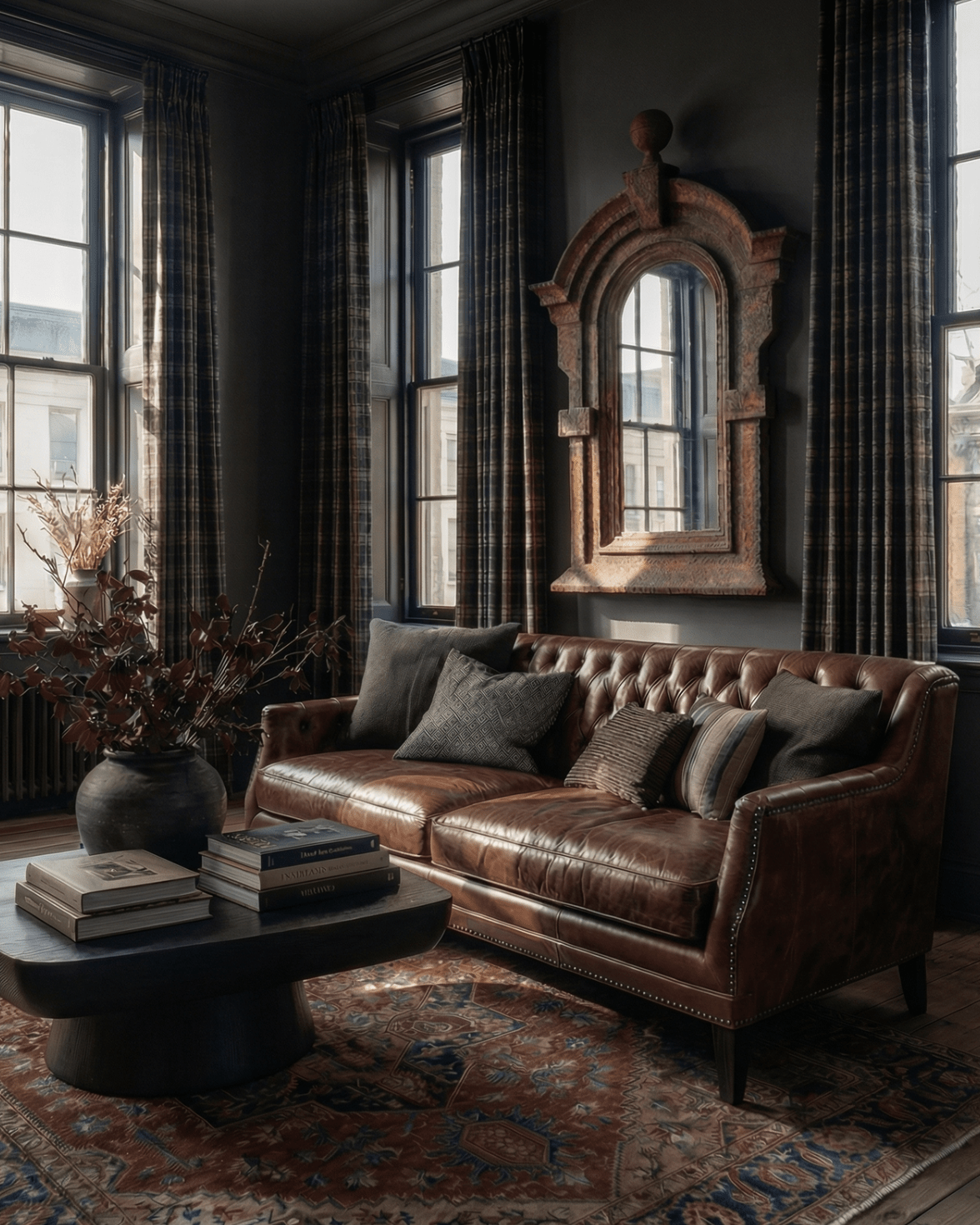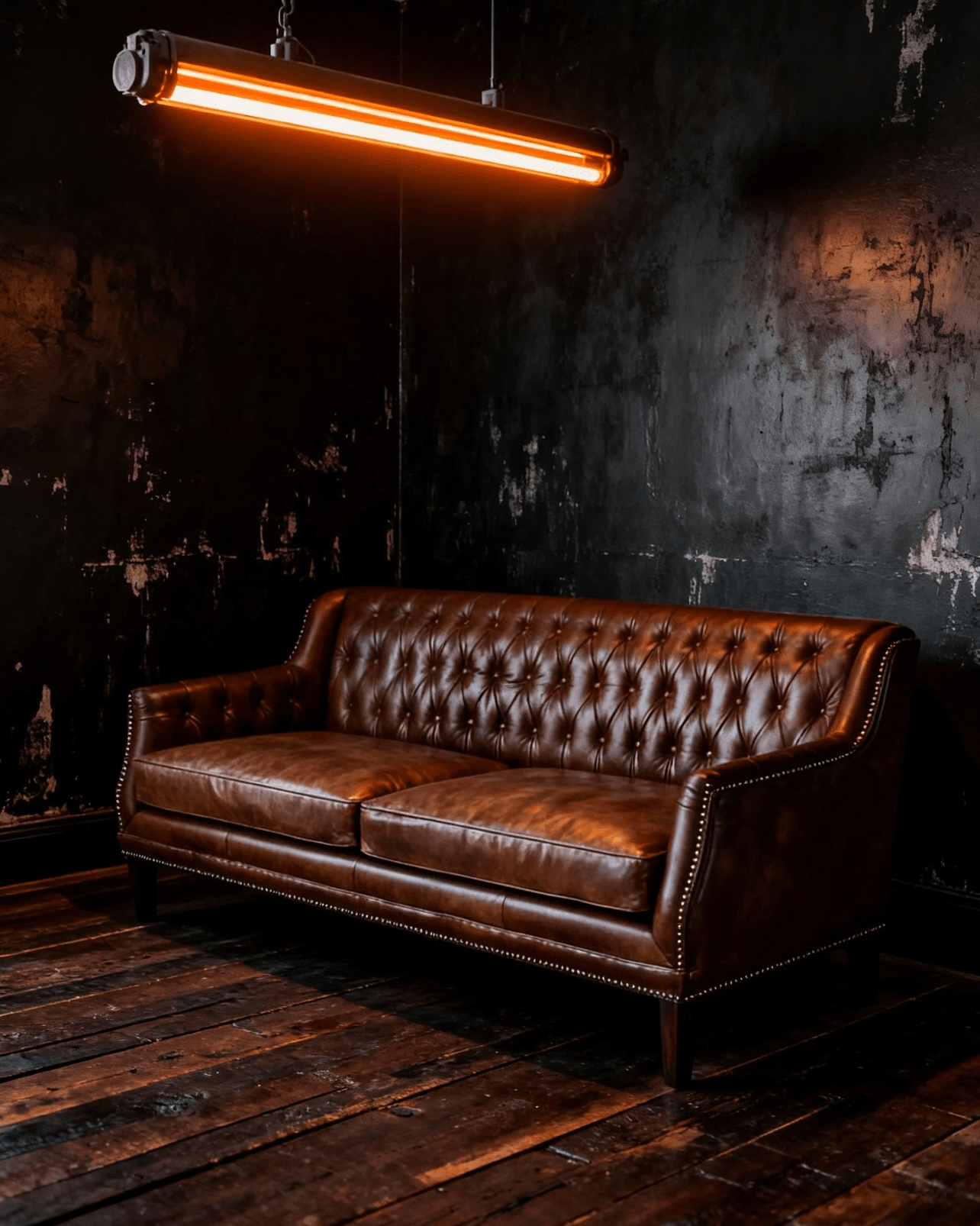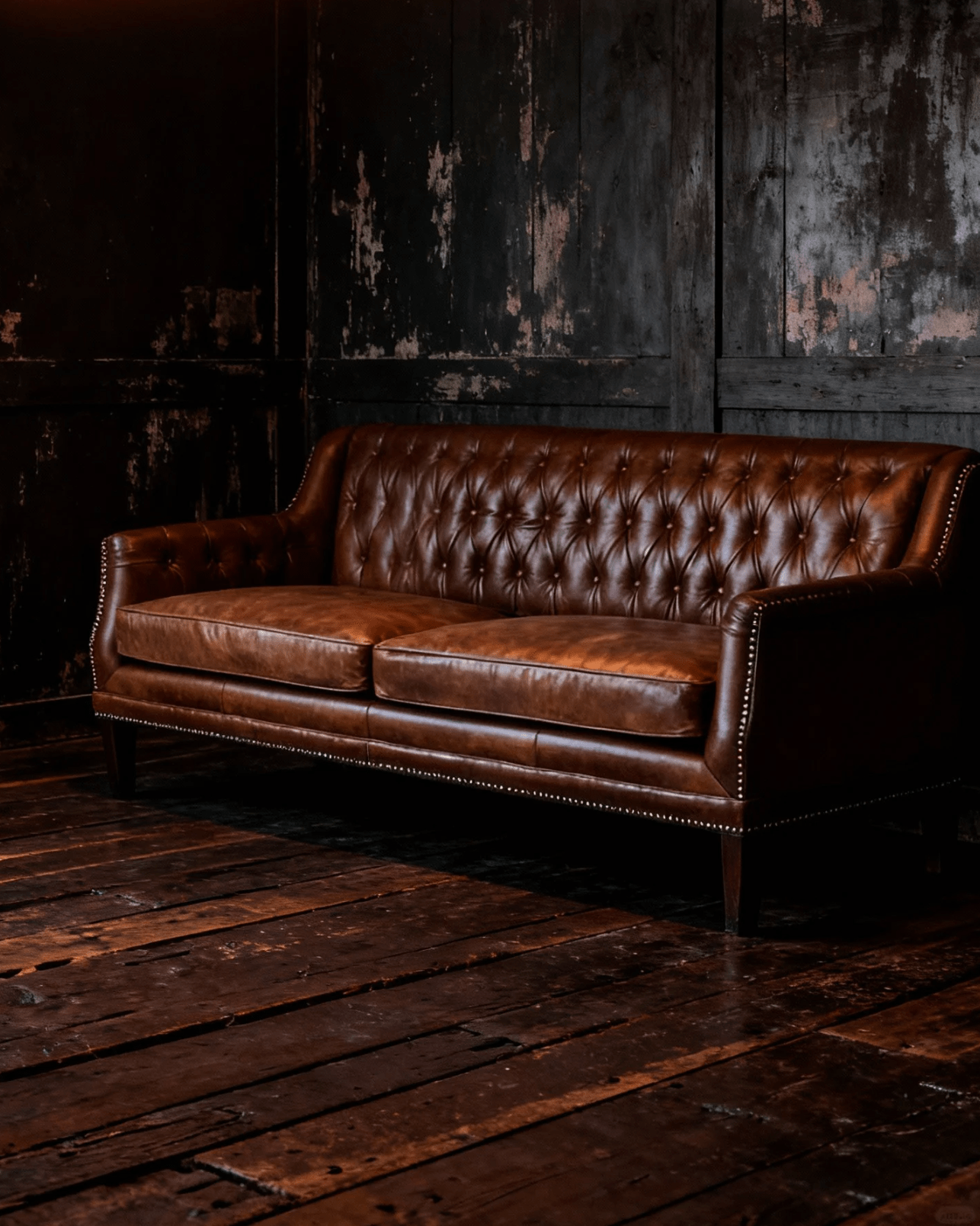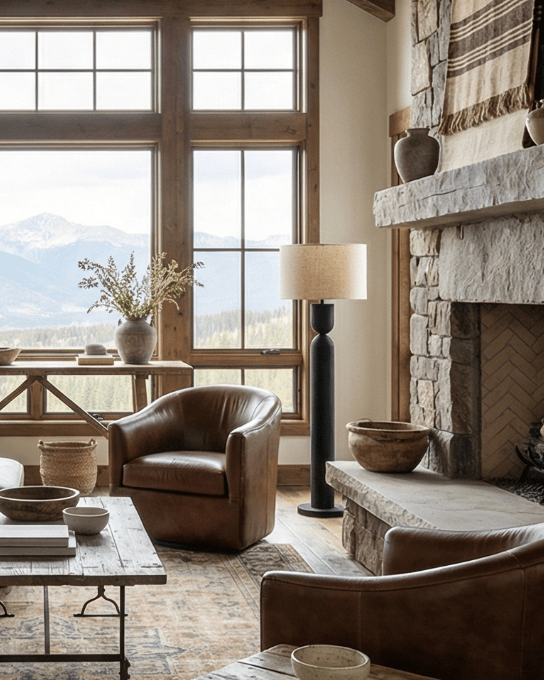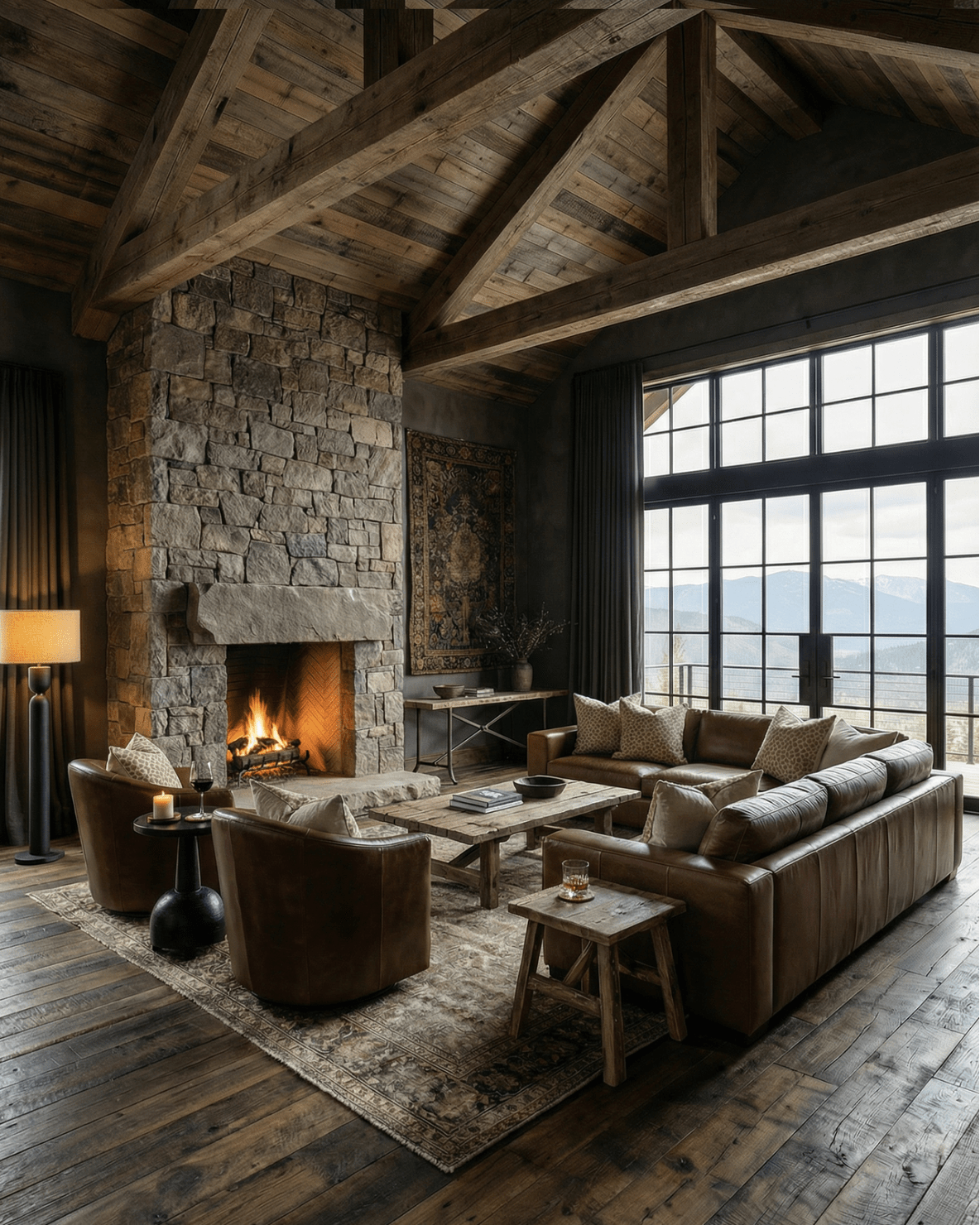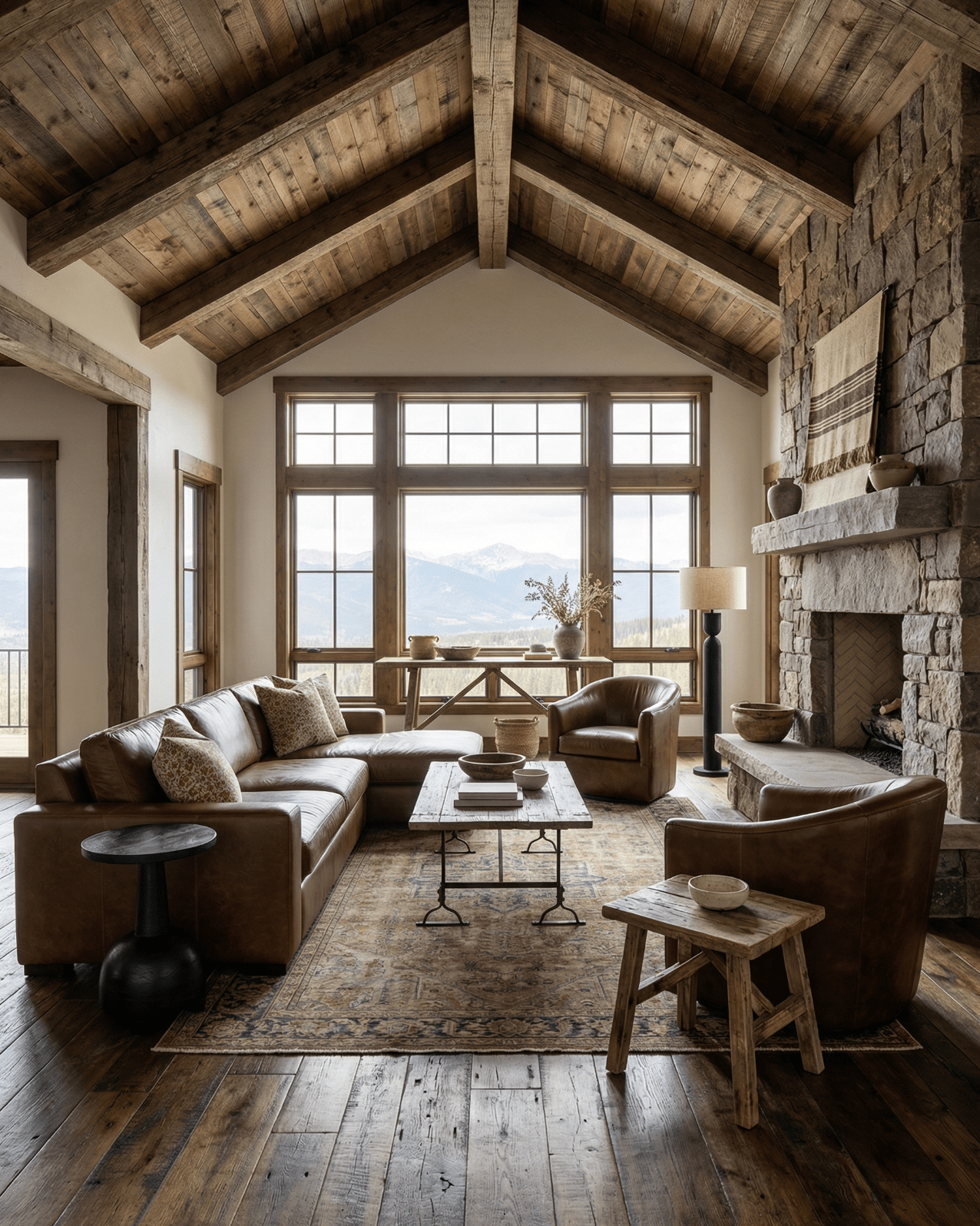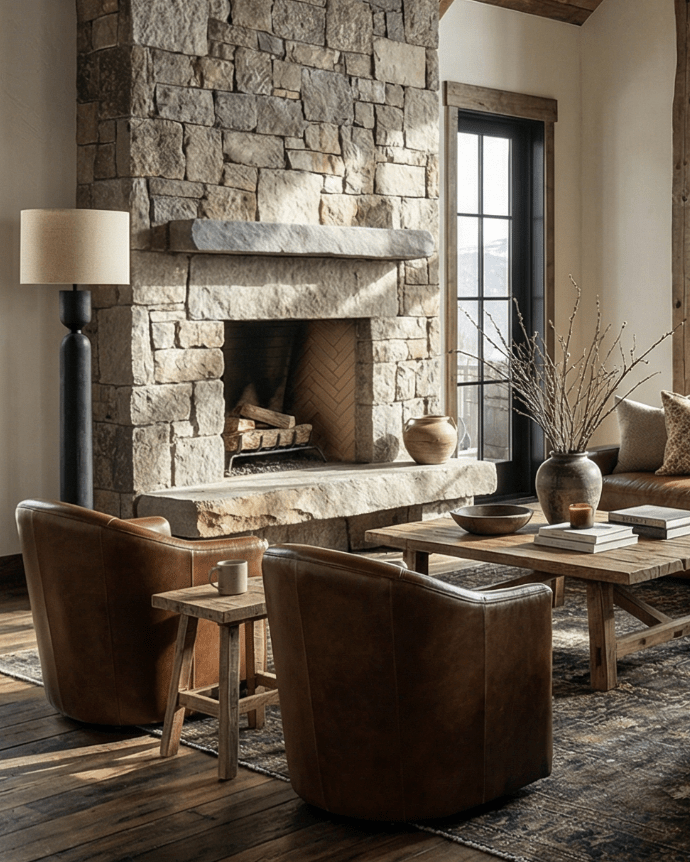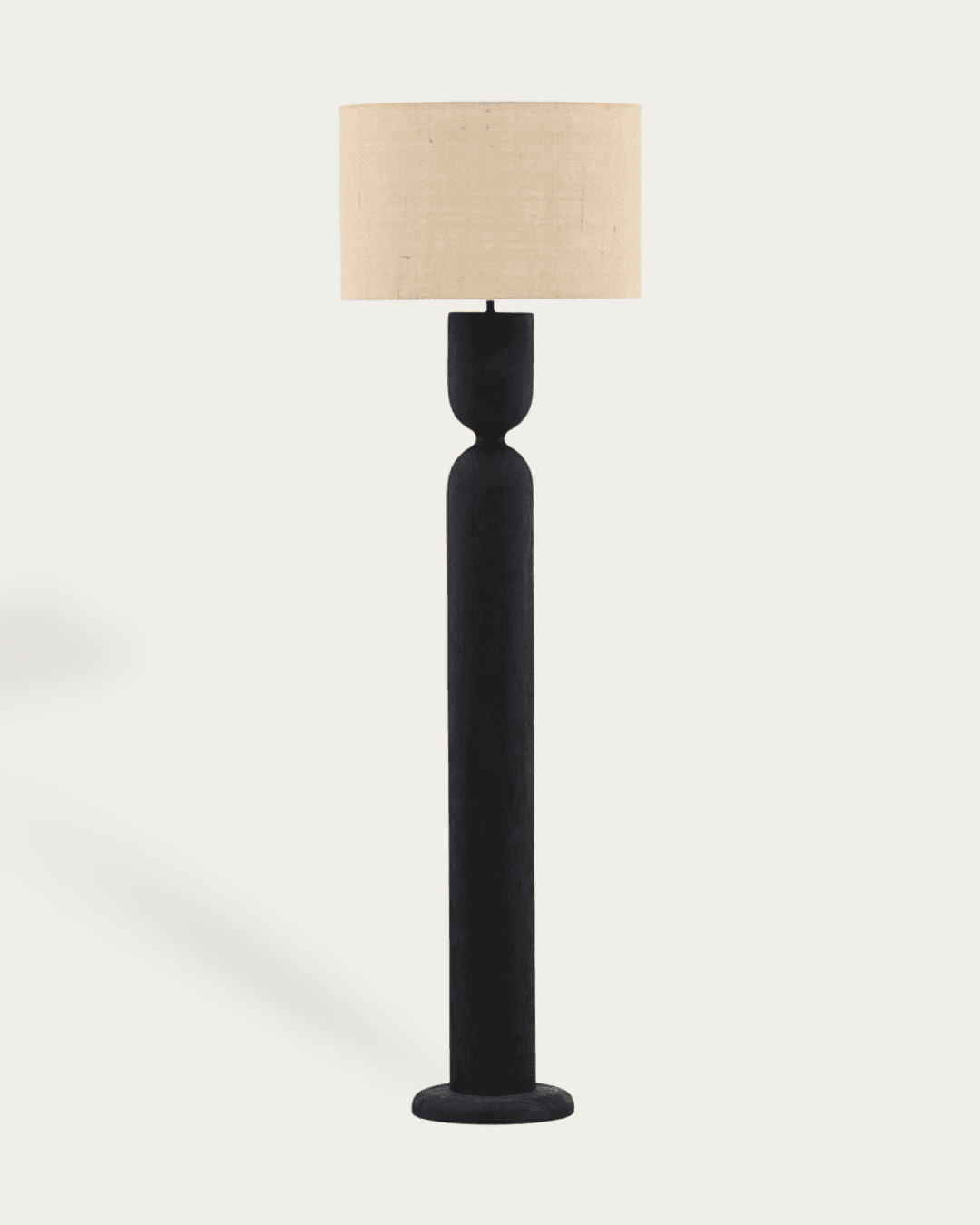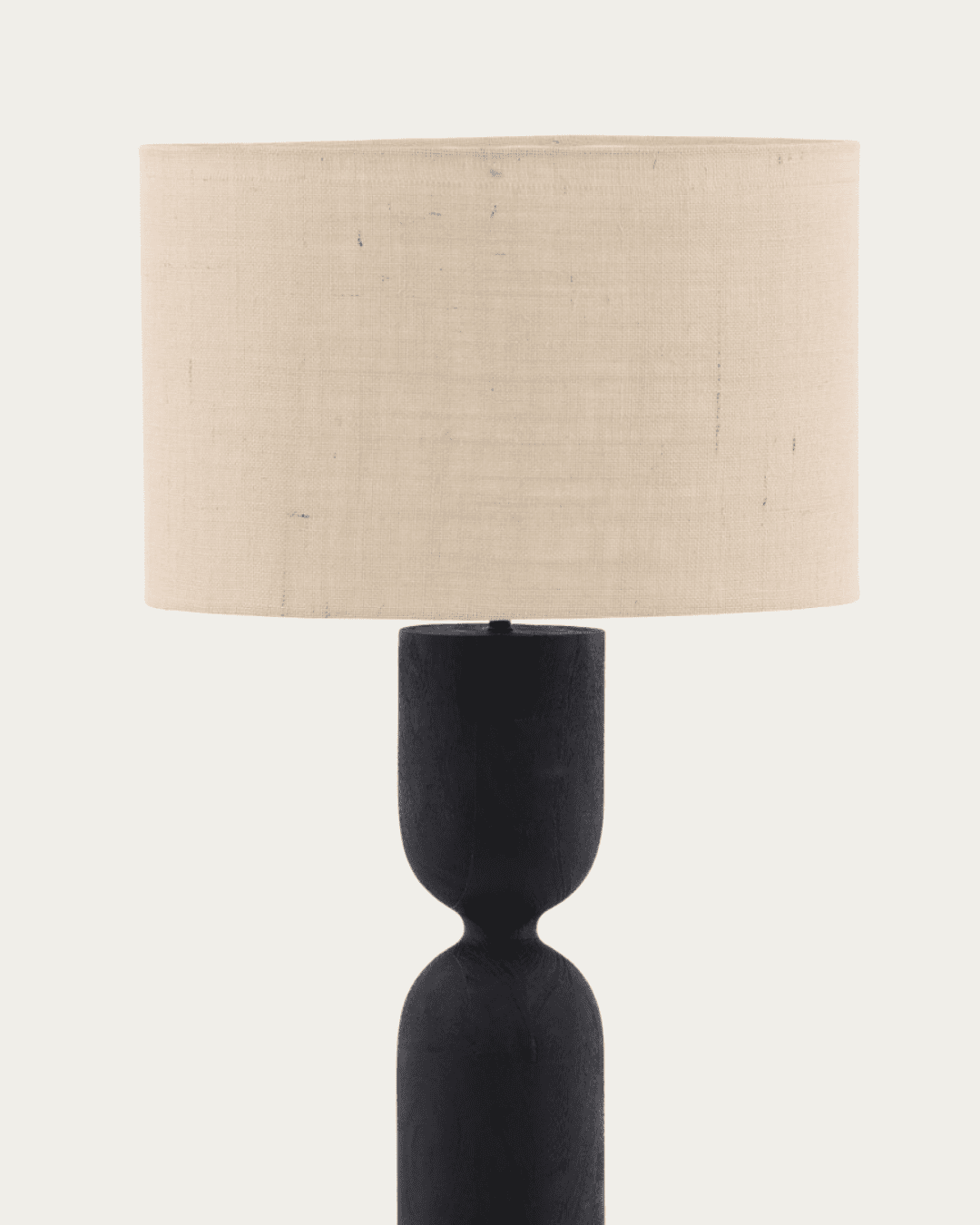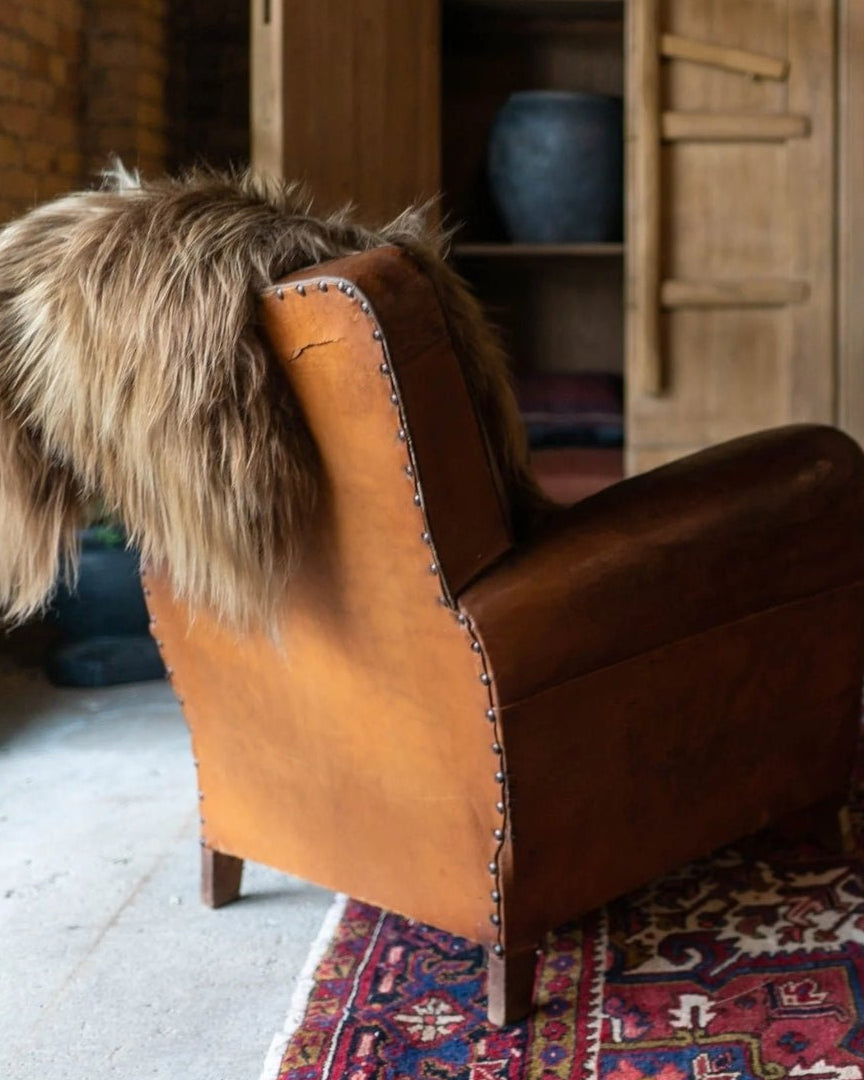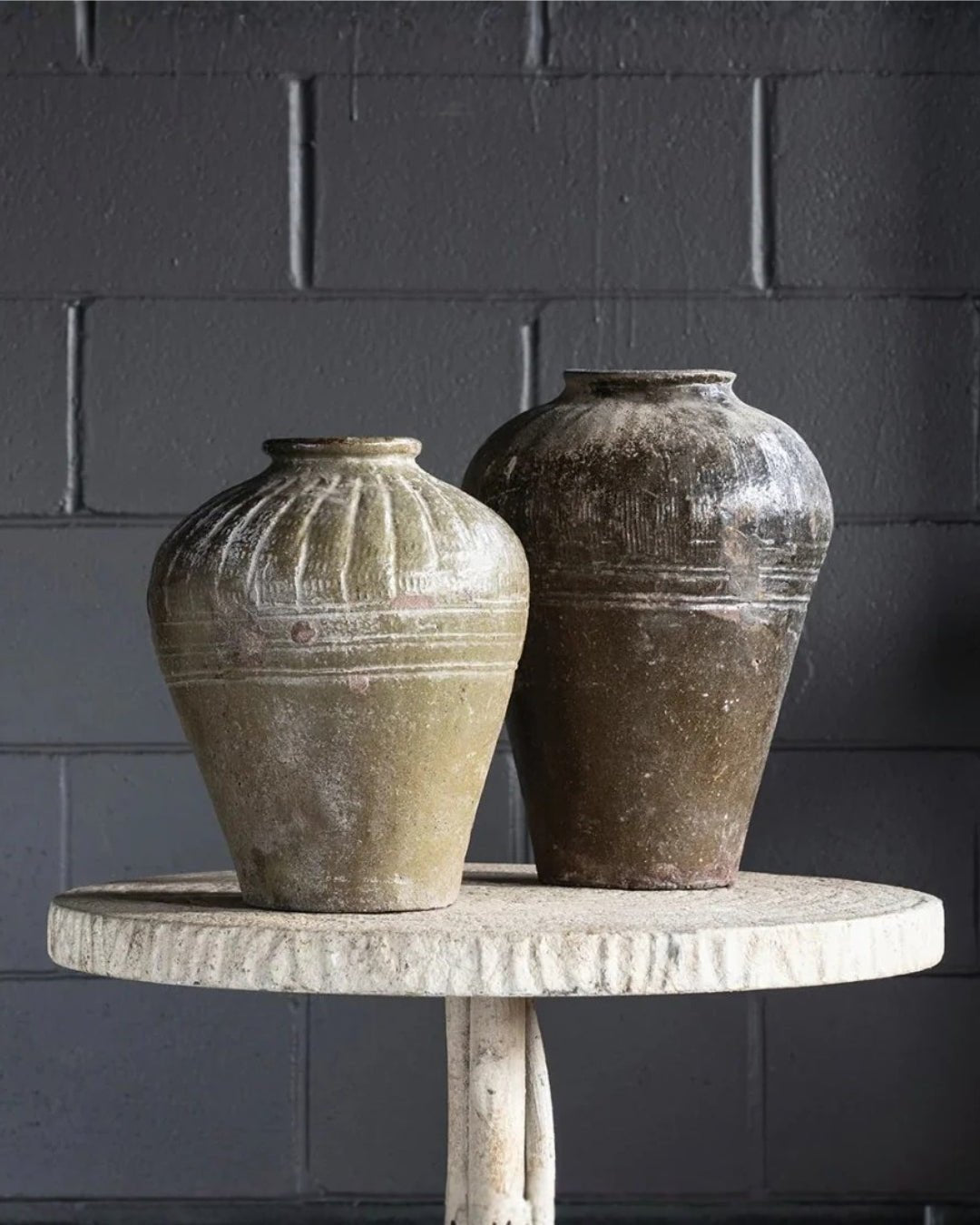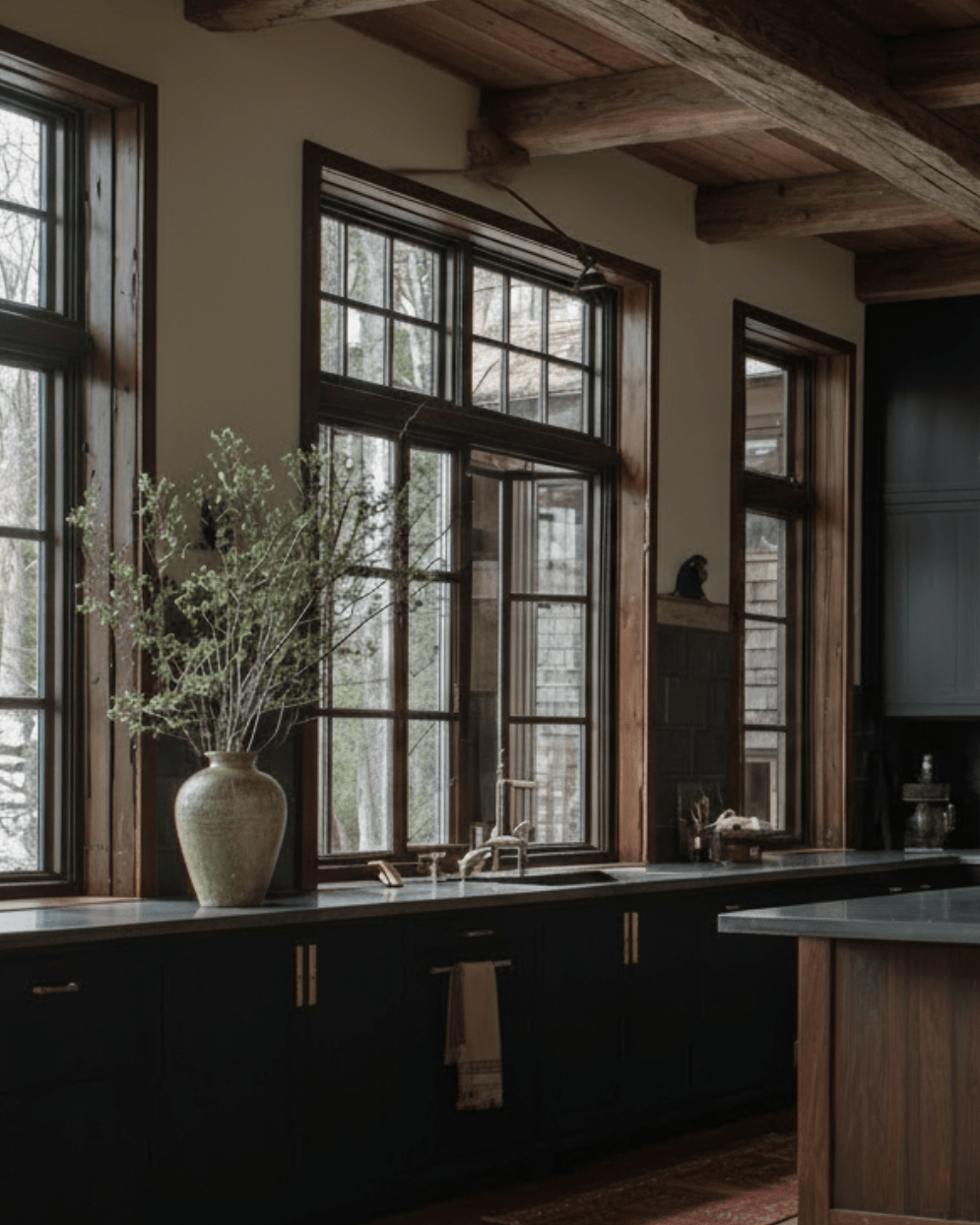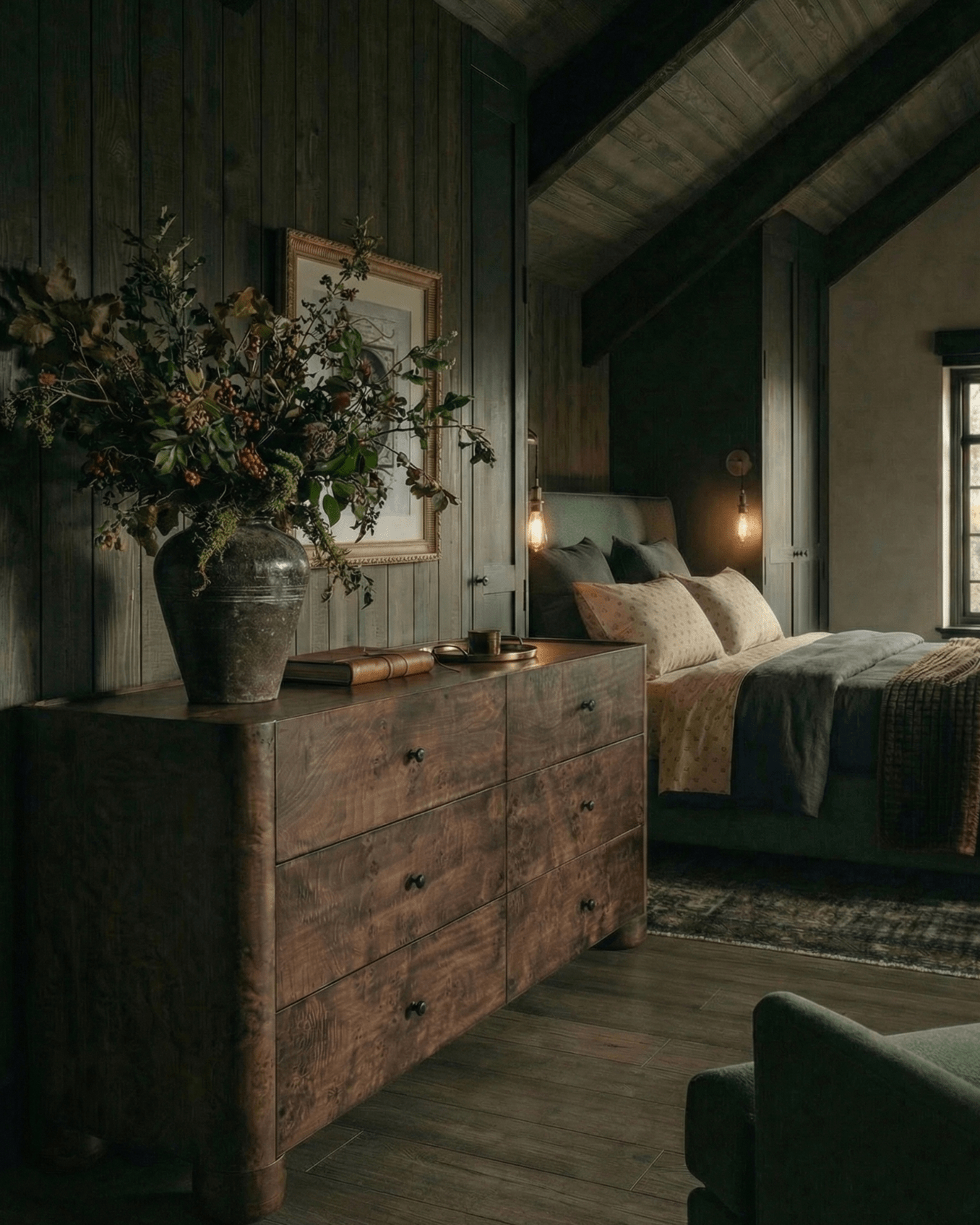






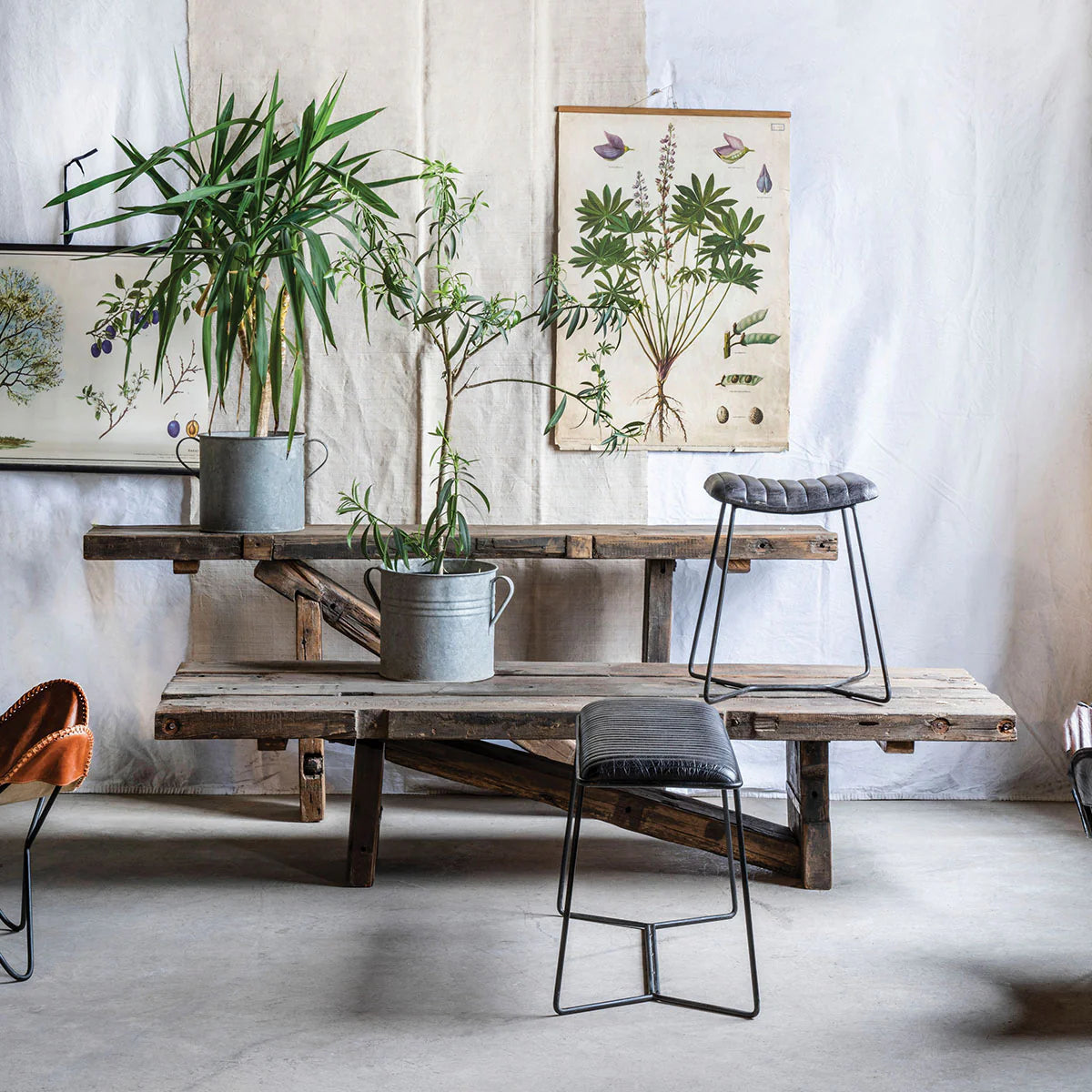



There’s a reason people keep gravitating toward reclaimed wood furniture even as interiors become cleaner, quieter, and more modern.
It doesn’t feel manufactured in the same way newer materials often do.
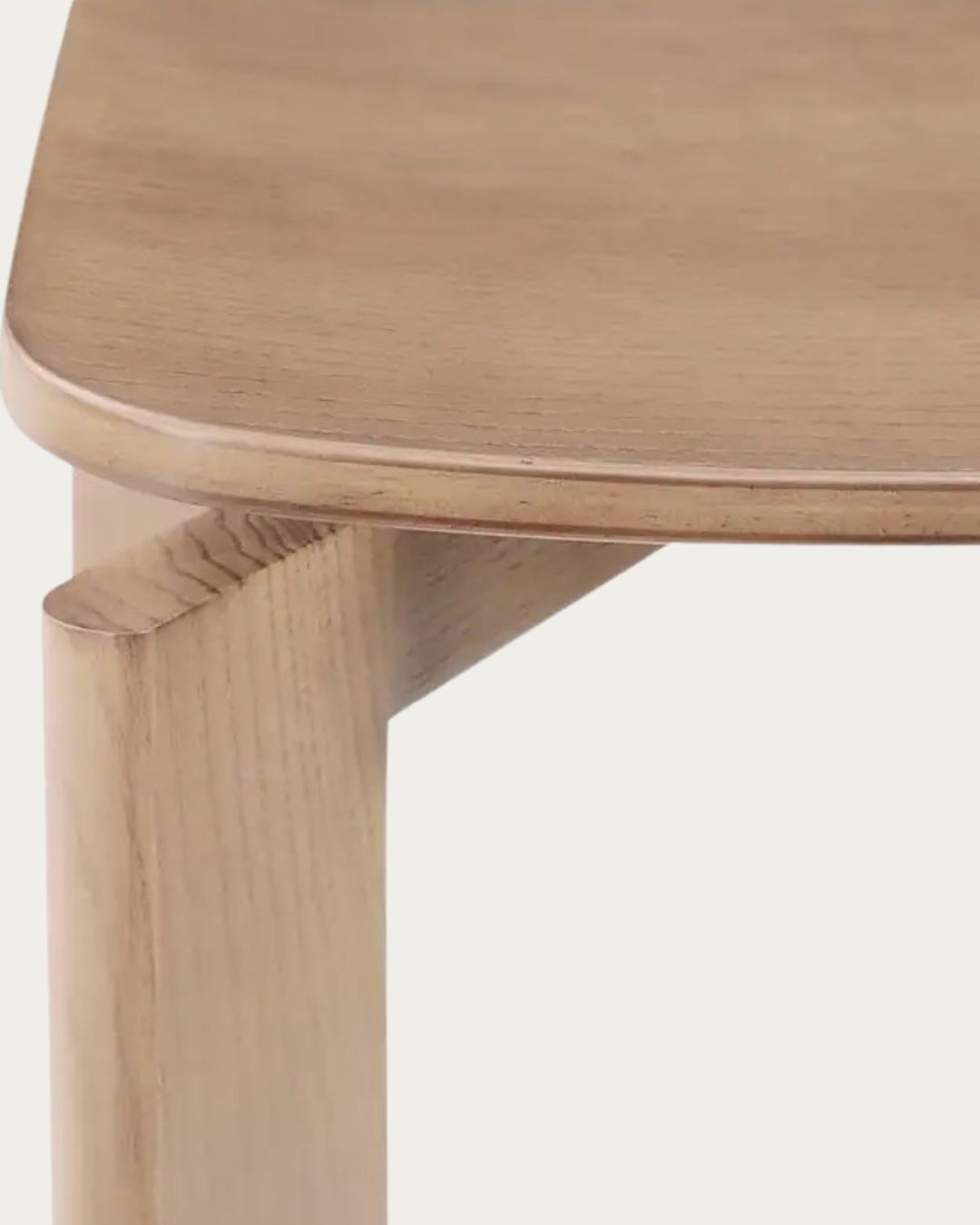
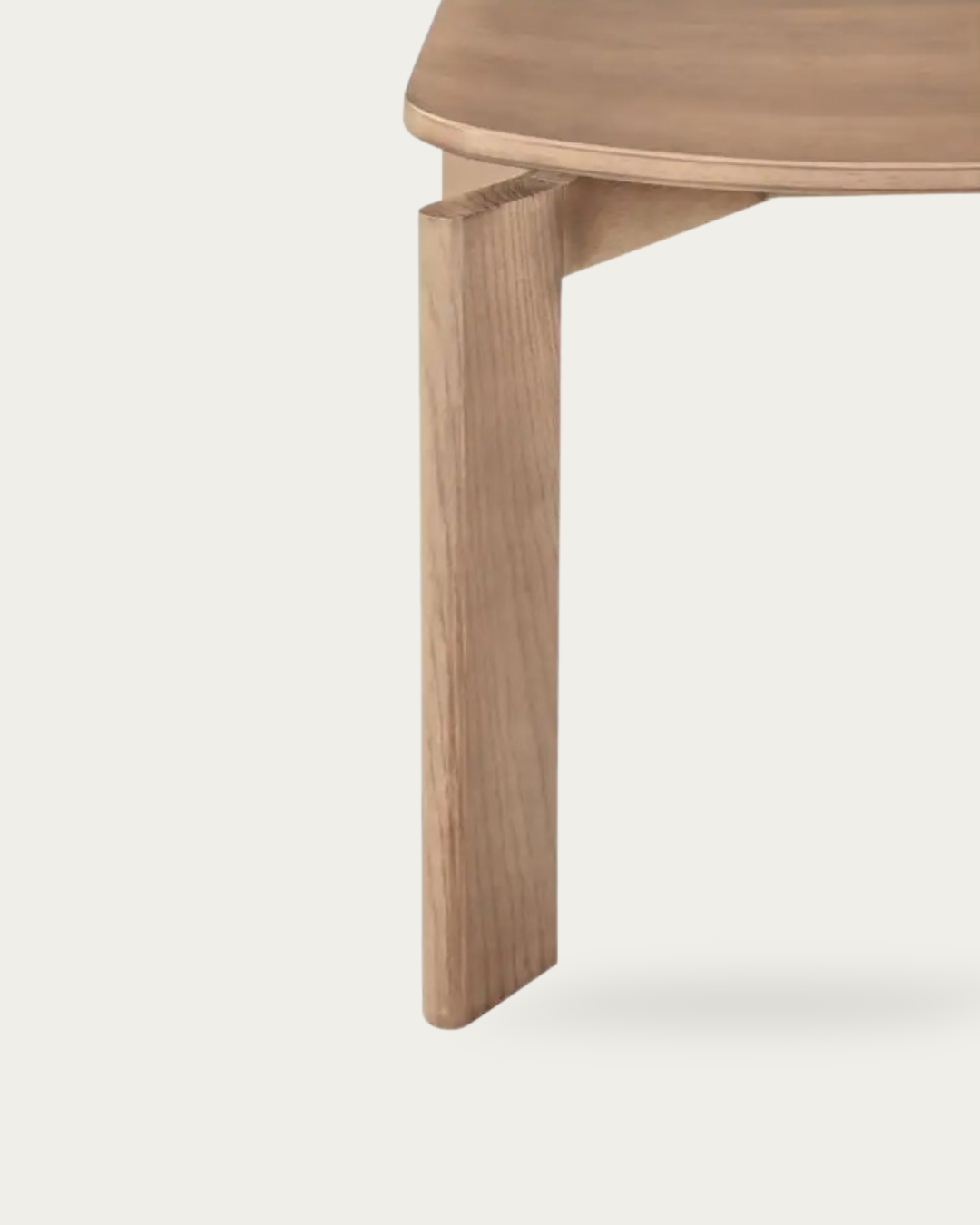
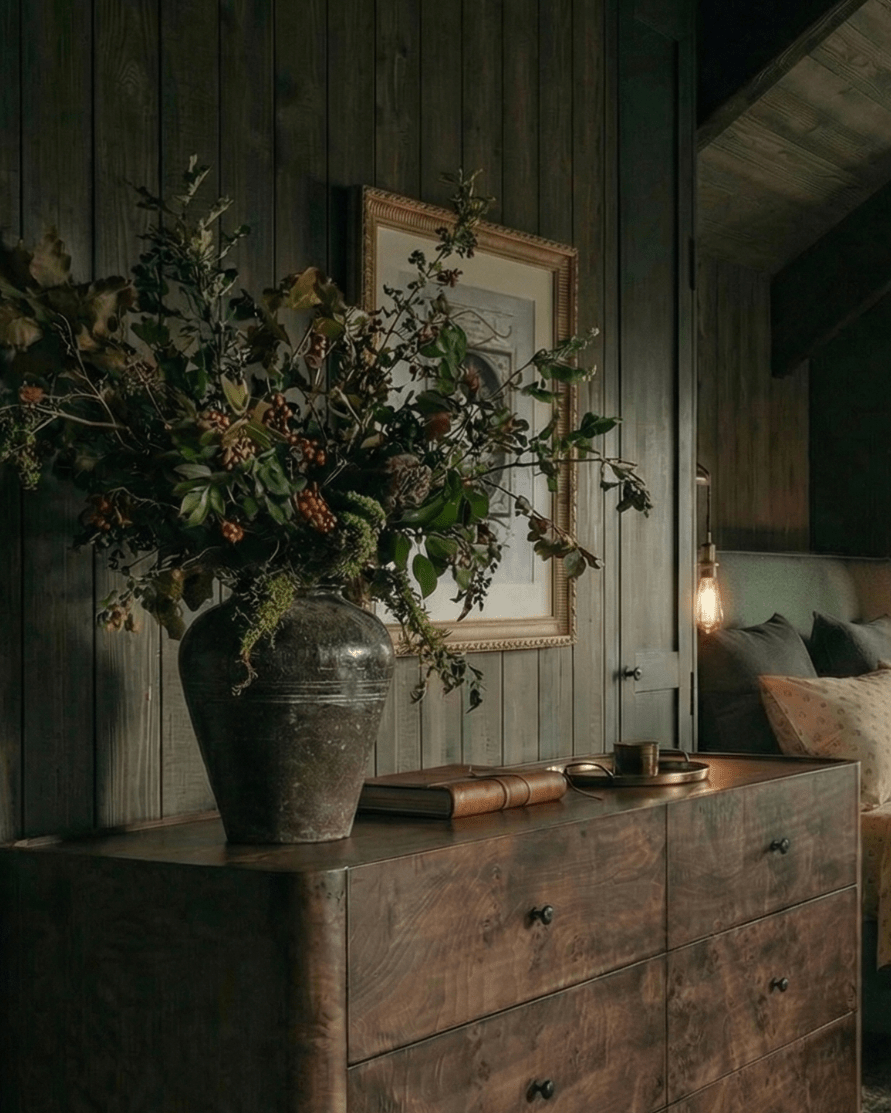
The grain is irregular. The texture carries variation. The dents, weathering, and tonal shifts interrupt the visual perfection most modern spaces accidentally become obsessed with. And strangely enough, that imperfection is part of why reclaimed wood feels calming to live around.
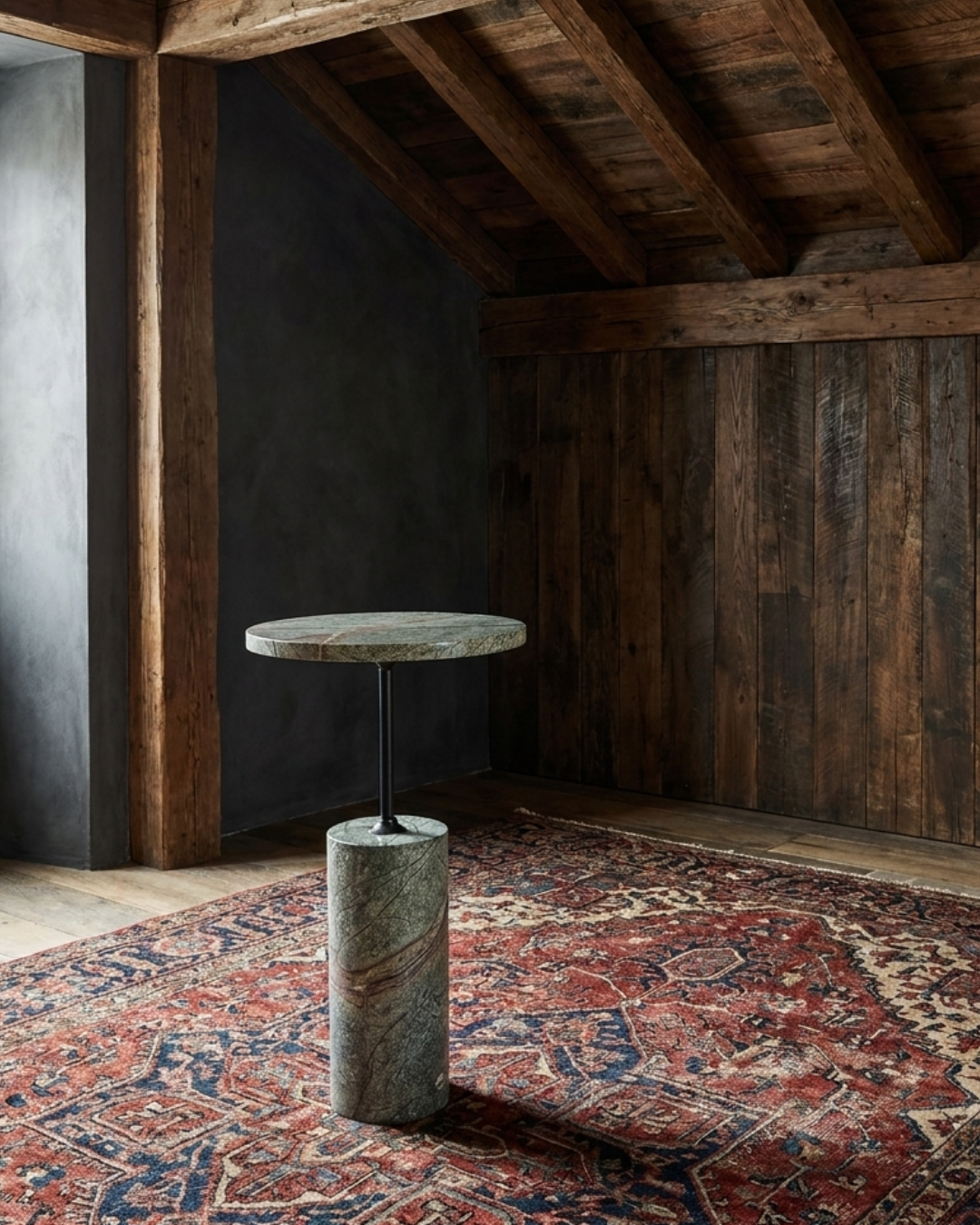
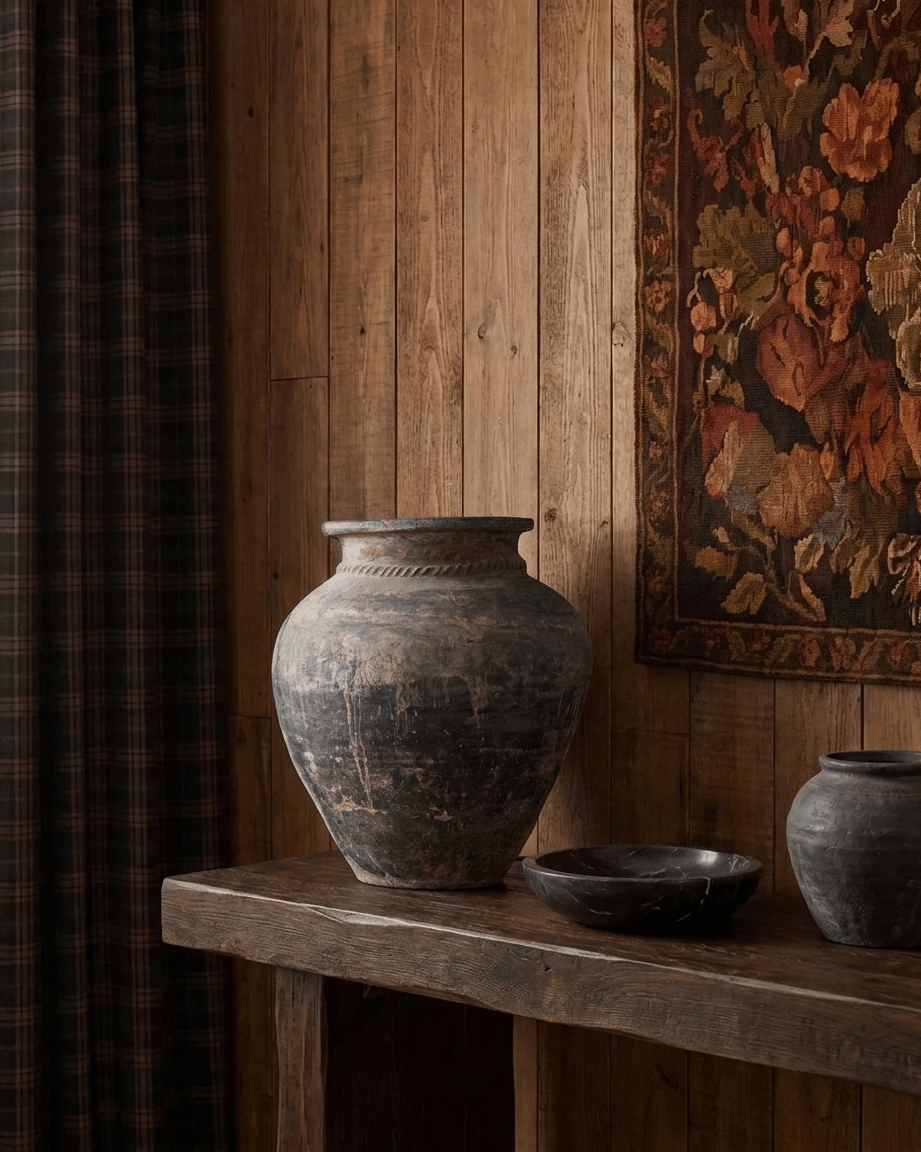
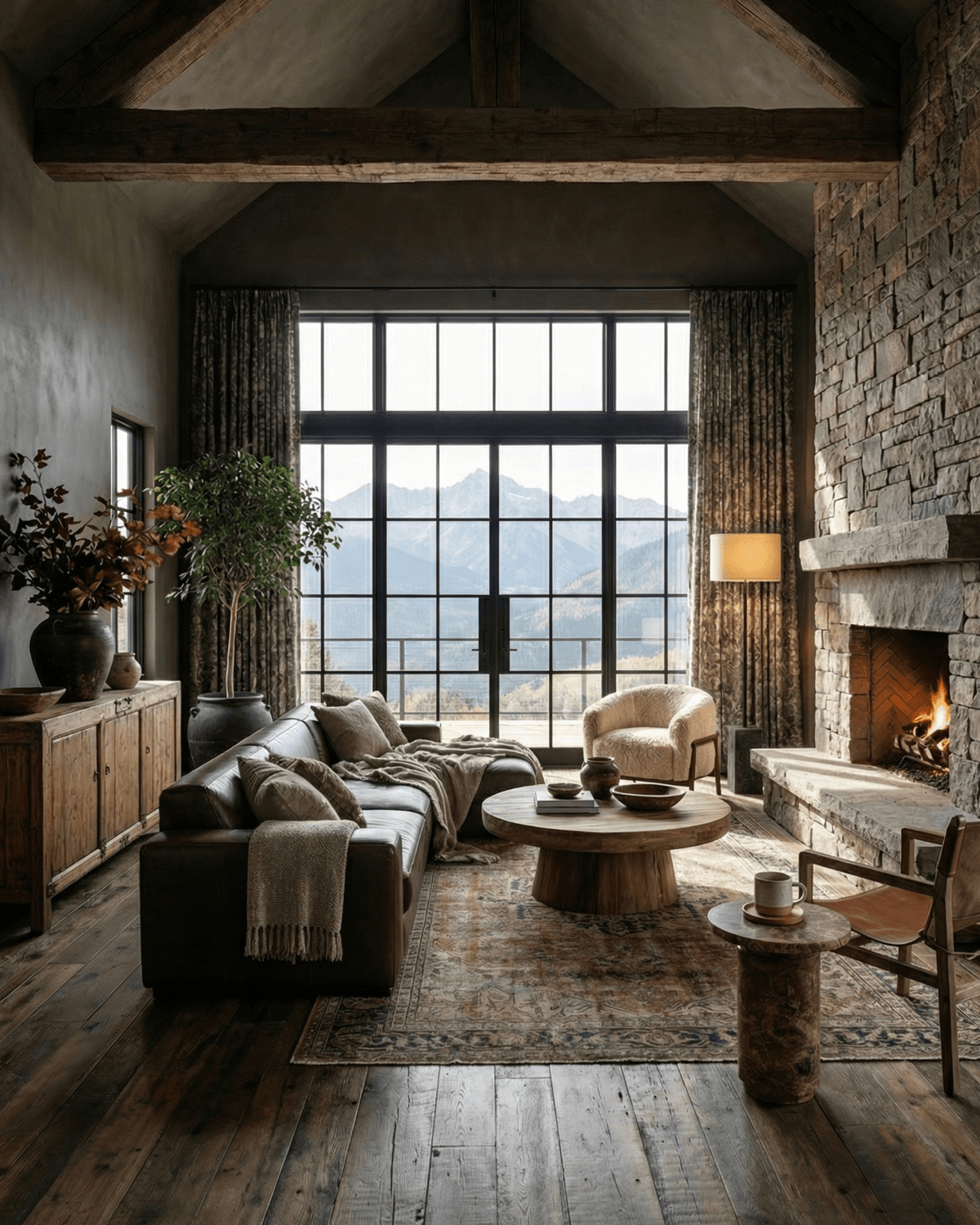
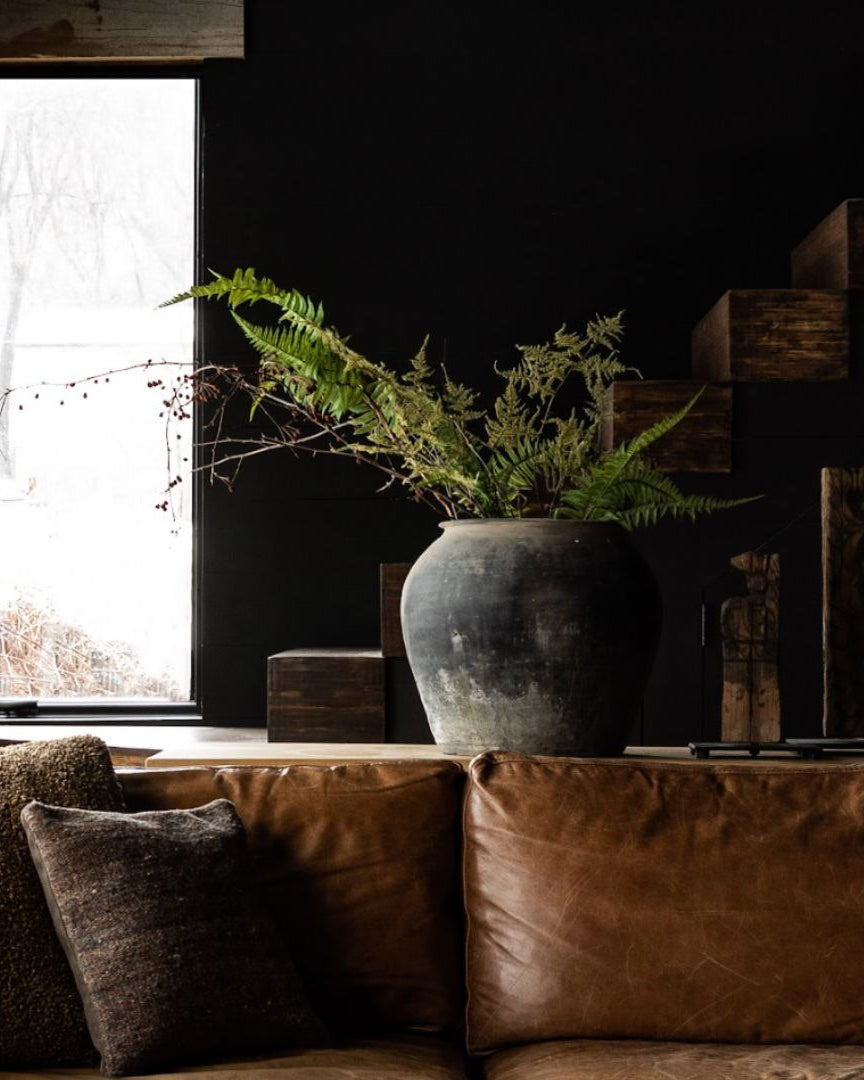
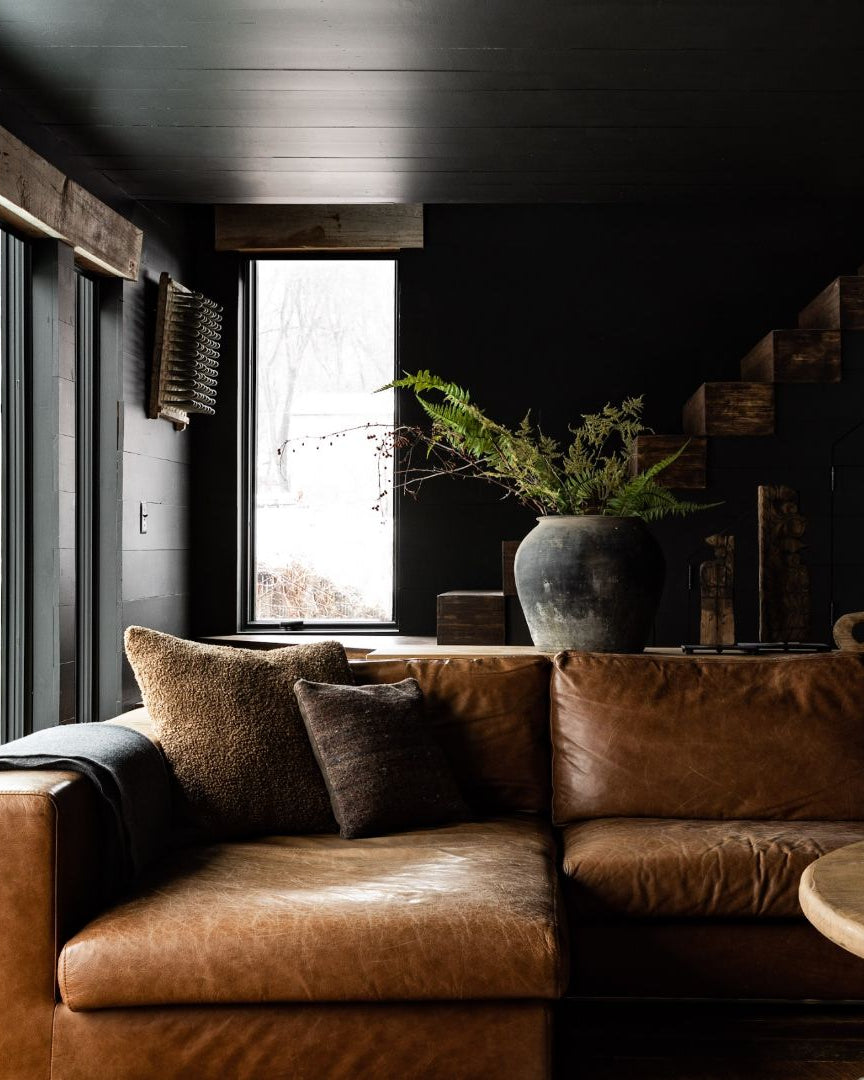
The newer version of the modern mountain home isn’t trying to recreate a cabin from the early 2000s anymore. It’s becoming softer, more architectural, and far more aware of how materials affect the nervous system. Reclaimed wood furniture works inside these homes not because it feels “rustic,” but because it introduces grounding, tactile variation, and visual depth without overstimulating the room.
Many of those spaces begin with heavier pieces from the Reclaimed furniture collection that allow the architecture and materials to carry the emotional atmosphere of the room naturally.
Reclaimed Wood Feels Different Because the Brain Processes It Differently
Most people think reclaimed wood furniture is purely aesthetic.
It’s not.
The nervous system constantly scans surfaces for texture, pattern repetition, predictability, and sensory contrast. Natural materials tend to create a softer visual response because they contain irregularity the brain recognizes instinctively.
Highly synthetic or overly polished materials often create subtle tension because everything appears too perfect, too reflective, or too flat. Reclaimed wood interrupts that.
The grain changes direction.
Edges soften over time.
Color variation develops naturally.
Light hits the surface unevenly throughout the day.
That sensory unpredictability actually helps create visual interest without overwhelming the eye.
This is why reclaimed wood furniture works so naturally inside modern mountain homes. It creates grounding through materiality instead of relying on excessive decor or dramatic contrast.
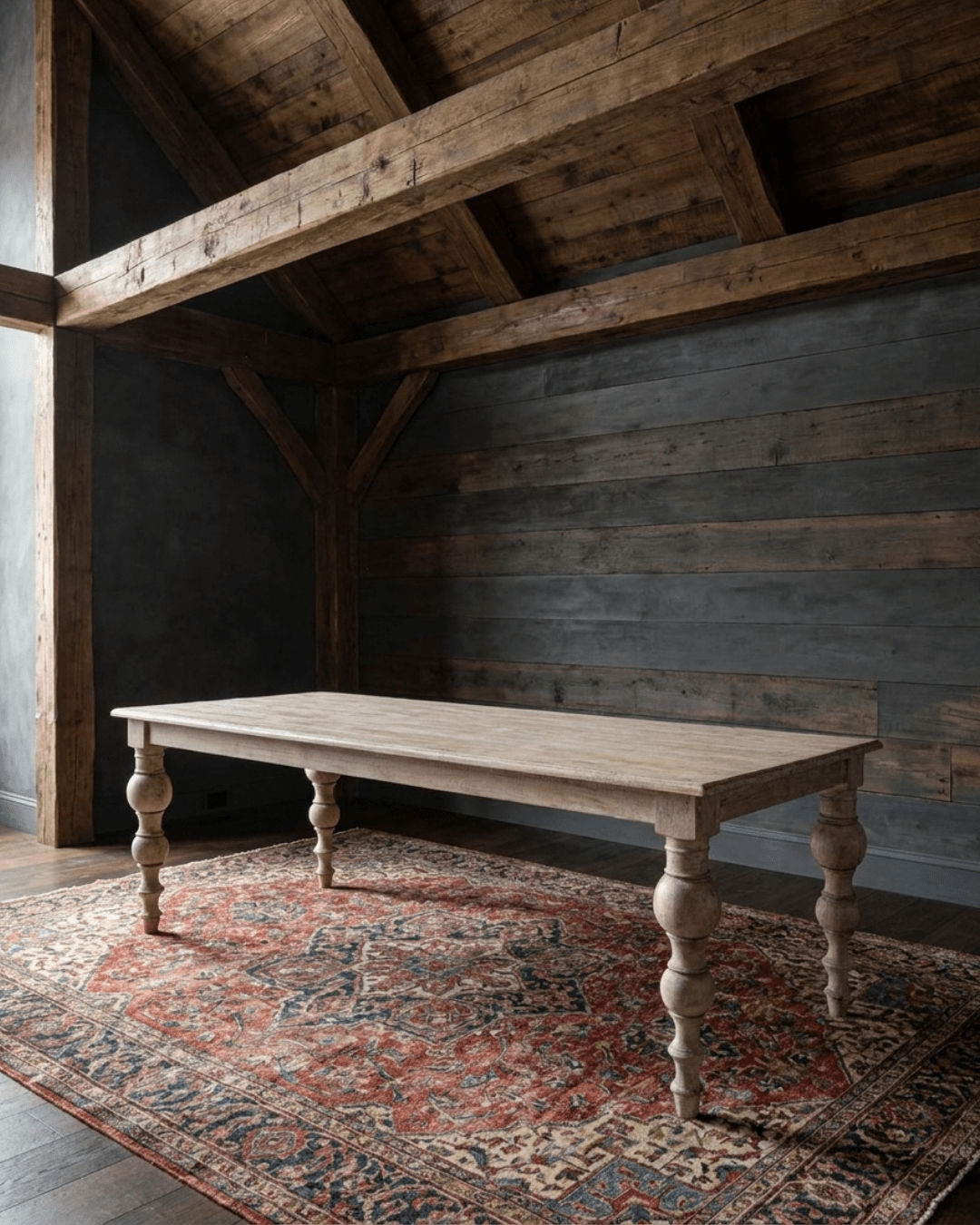
The Trym dining table does this particularly well because the heavier reclaimed wood surface becomes the visual anchor of the room immediately. It carries enough depth on its own without needing layers of styling to feel complete.
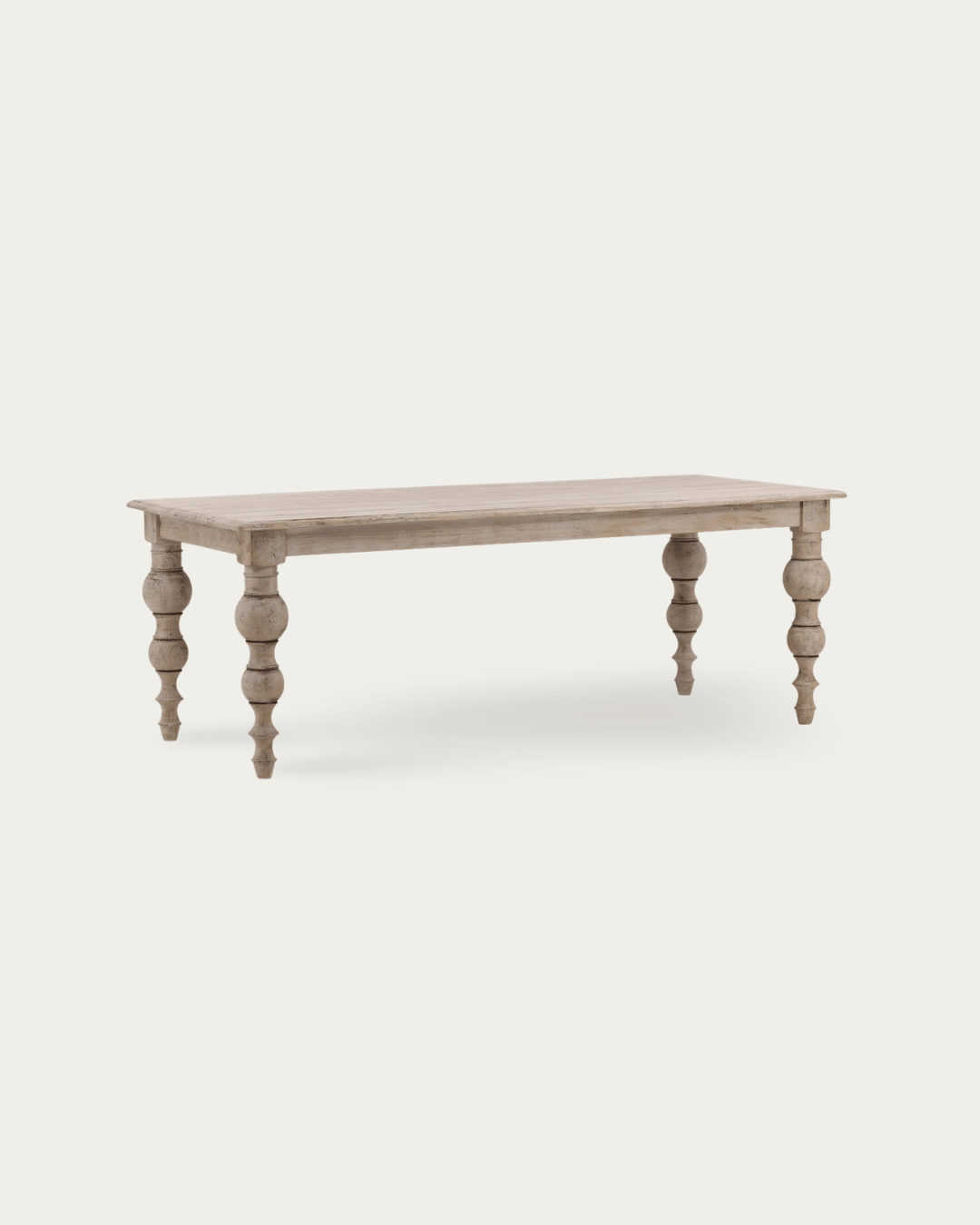
The Lovisa dining table creates a similar effect while introducing softer shape transitions that help larger dining spaces feel more approachable and less rigid.
The room starts feeling grounded before anything decorative even enters the picture.
The New Rustic Isn’t About Theme — It’s About Regulation
A lot of older rustic interiors relied on exaggeration.
Too many distressed finishes.
Too many faux vintage details.
Too much visual heaviness stacked into every corner.
The newer version of rustic is much quieter.
Modern mountain homes are shifting toward fewer materials, fewer interruptions, and more intentional texture layering. Reclaimed wood furniture works because it already carries enough visual information to make the room feel layered without forcing additional clutter into the space.
That’s one reason reclaimed wood coffee tables often become the emotional center of a room. They visually slow the space down.
The Vidar salvaged wood coffee table introduces heavier texture and lower visual weight into living rooms that might otherwise feel too polished or disconnected.
Meanwhile, the Elin coffee table creates a softer transition between upholstery, flooring, and surrounding materials while still maintaining substantial visual grounding.
That balance matters neurologically.
Rooms feel calmer when the eye understands where to settle.
Texture Regulates a Space Faster Than Color Ever Will
People often try solving uncomfortable rooms with paint colors first.
Usually the issue is texture.
The nervous system responds strongly to tactile variation because texture changes how the eye moves through a room. Spaces layered entirely with flat, smooth, reflective materials tend to feel emotionally cold even when the palette itself is neutral.
Reclaimed wood introduces micro-variation automatically:
uneven grain
tonal movement
softer edge wear
visual density
lower reflectivity
This creates sensory depth without forcing the room into visual chaos.
That’s why modern mountain homes often feel more regulating than hyper-minimal interiors. The materials absorb light differently throughout the day instead of flattening everything into one continuous visual plane.
The Ebon coffee table works particularly well in this context because its darker reclaimed finish creates visual weight while still maintaining organic movement across the surface.
Texture gives the room something to feel without requiring constant stimulation.
Consoles Quiet Transitional Spaces
Hallways, entryways, and transitional walls are often the most emotionally neglected parts of a home.
People style the main seating area and forget the visual experience of moving through the house itself.
That movement matters more than most people realize.
The nervous system responds to transitions constantly. Abrupt visual breaks, empty walls, or disconnected furniture placement can make a home feel subtly fragmented even when individual rooms look beautiful on their own.
Reclaimed wood console tables help slow those transitions down.
The Jona reclaimed console table introduces heavier material grounding into entry zones or behind seating arrangements where the room needs more visual structure.
The Bryndis console table creates a similar effect while softening longer walls that might otherwise feel visually abrupt.
Consoles are often doing invisible nervous-system work in the background:
slowing transitions
distributing texture
supporting softer lighting
reducing visual emptiness
helping rooms feel connected instead of isolated
The best modern mountain homes usually feel cohesive because these quieter transition zones are handled intentionally too.
Reclaimed Wood Creates Emotional Weight Without Clutter
One of the reasons reclaimed wood furniture resonates so strongly right now is because people are exhausted by visual excess.
Fast furniture tends to rely on novelty.
Reclaimed furniture relies on material depth.
That difference changes how a room feels emotionally.
A reclaimed wood dining table already carries variation, history, texture, and visual movement naturally. It doesn’t need five decorative objects piled on top of it to feel interesting.
RUTED Tip: If a room feels visually noisy, stop adding decor and start increasing material depth instead. One substantial reclaimed wood piece usually regulates a space faster than ten smaller accessories trying to create personality.
This is where the neuroscience behind visual processing becomes important.
The brain tends to prefer environments that feel coherent but not sterile. Reclaimed wood hits that balance unusually well because it introduces natural irregularity while still maintaining structural consistency.
The room feels layered without feeling chaotic.

Why Modern Mountain Homes Keep Returning to Natural Materials
Modern mountain interiors continue gravitating toward reclaimed wood because the material solves multiple design problems simultaneously.
It grounds larger architecture.
Softens cleaner modern lines.
Introduces texture without overstimulation.
Ages naturally instead of looking dated overnight.
Absorbs light instead of aggressively reflecting it.
Creates visual continuity across rooms.
Most importantly, it feels human.
That’s the real shift happening in design right now.
People aren’t just searching for homes that look impressive anymore. They’re searching for spaces that feel emotionally supportive after spending all day overstimulated by screens, notifications, bright lighting, visual clutter, and constant cognitive noise.
Reclaimed wood furniture naturally supports that shift because its sensory experience is slower, heavier, and easier for the nervous system to process.
The Best Modern Mountain Homes Feel Grounded, Not Overdesigned
The strongest modern mountain interiors rarely feel overstyled.
The materials already carry enough emotional atmosphere on their own. The reclaimed wood introduces texture without chaos. The furniture creates grounding without heaviness. The room feels visually quieter because fewer things are competing for attention simultaneously.
That’s the new rustic.
Less theme.
Less decorative performance.
Less pressure to look perfect.
More texture.
More regulation.
More materials that allow the nervous system to settle naturally inside the room.
Explore more reclaimed wood dining tables, coffee tables, consoles, and grounding furniture pieces throughout the Reclaimed furniture collection and build a modern mountain home that feels slower, steadier, and easier to exist inside every day.