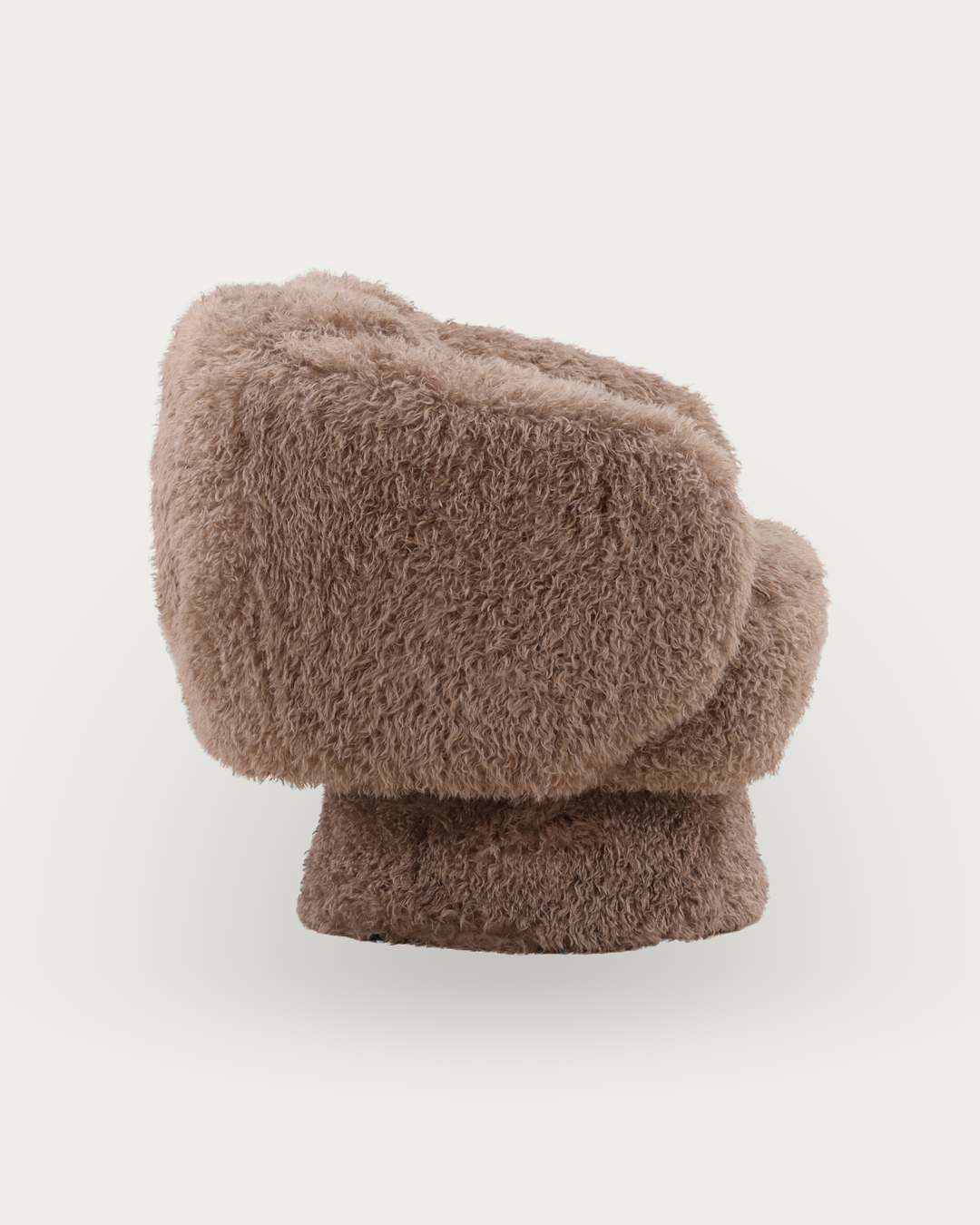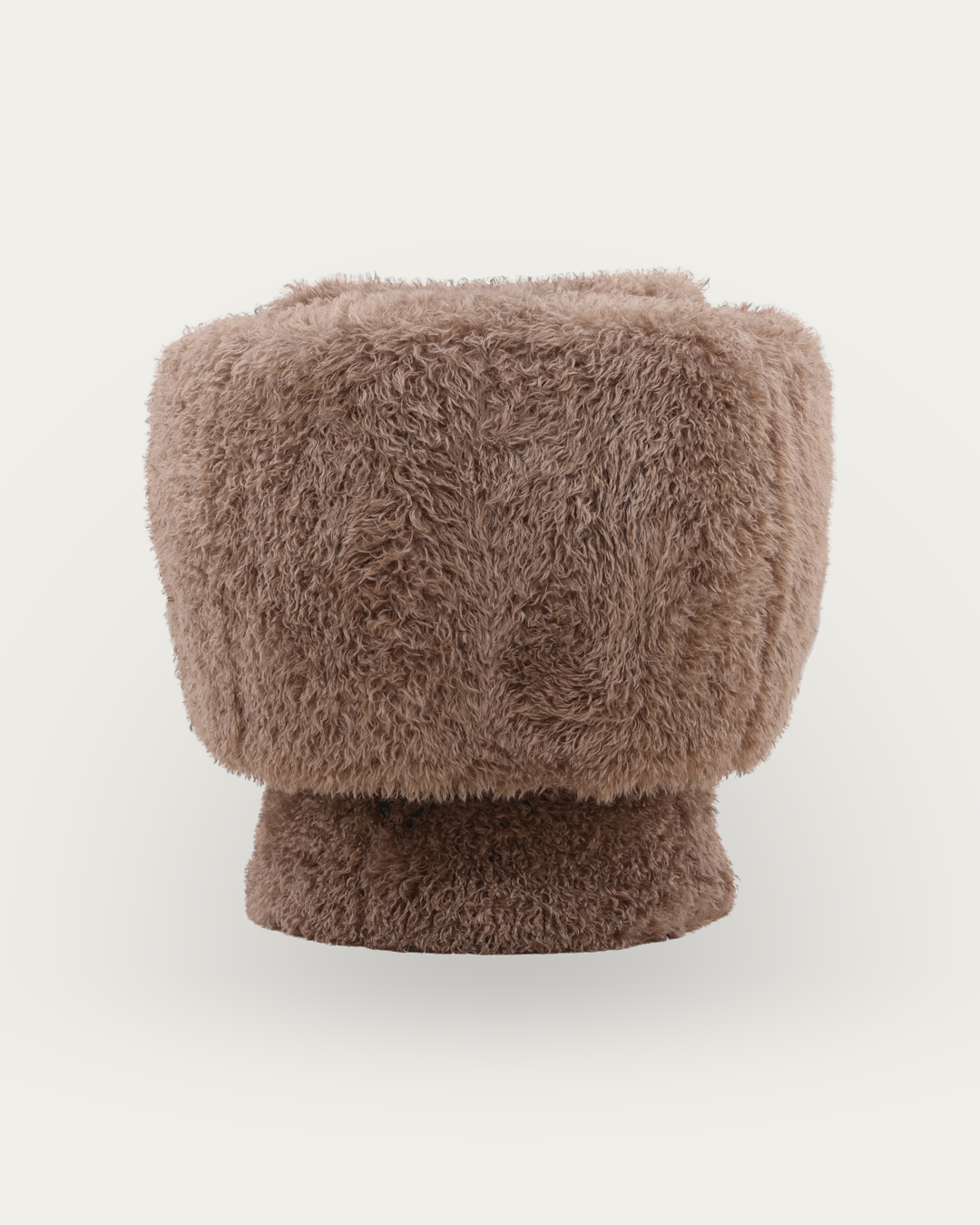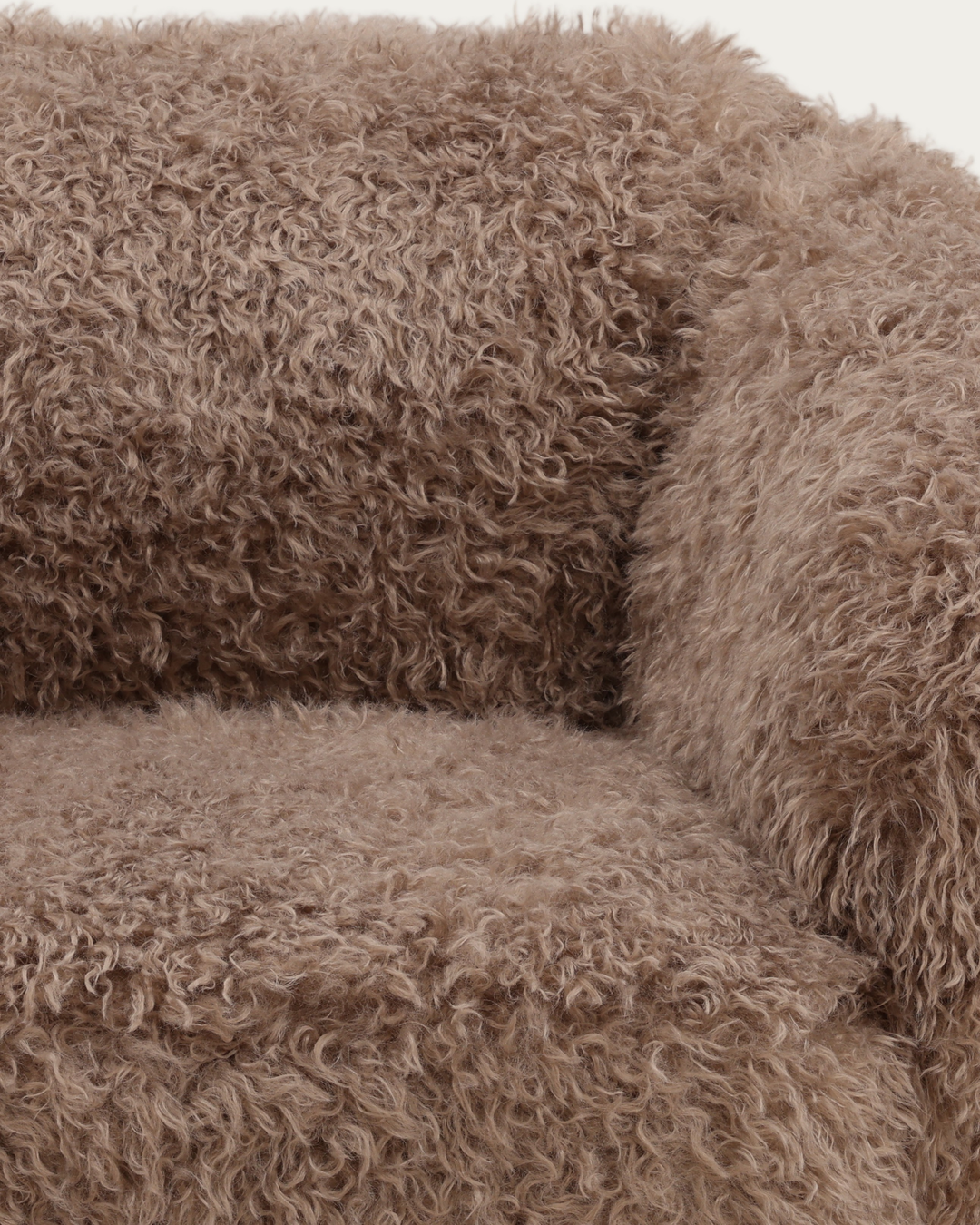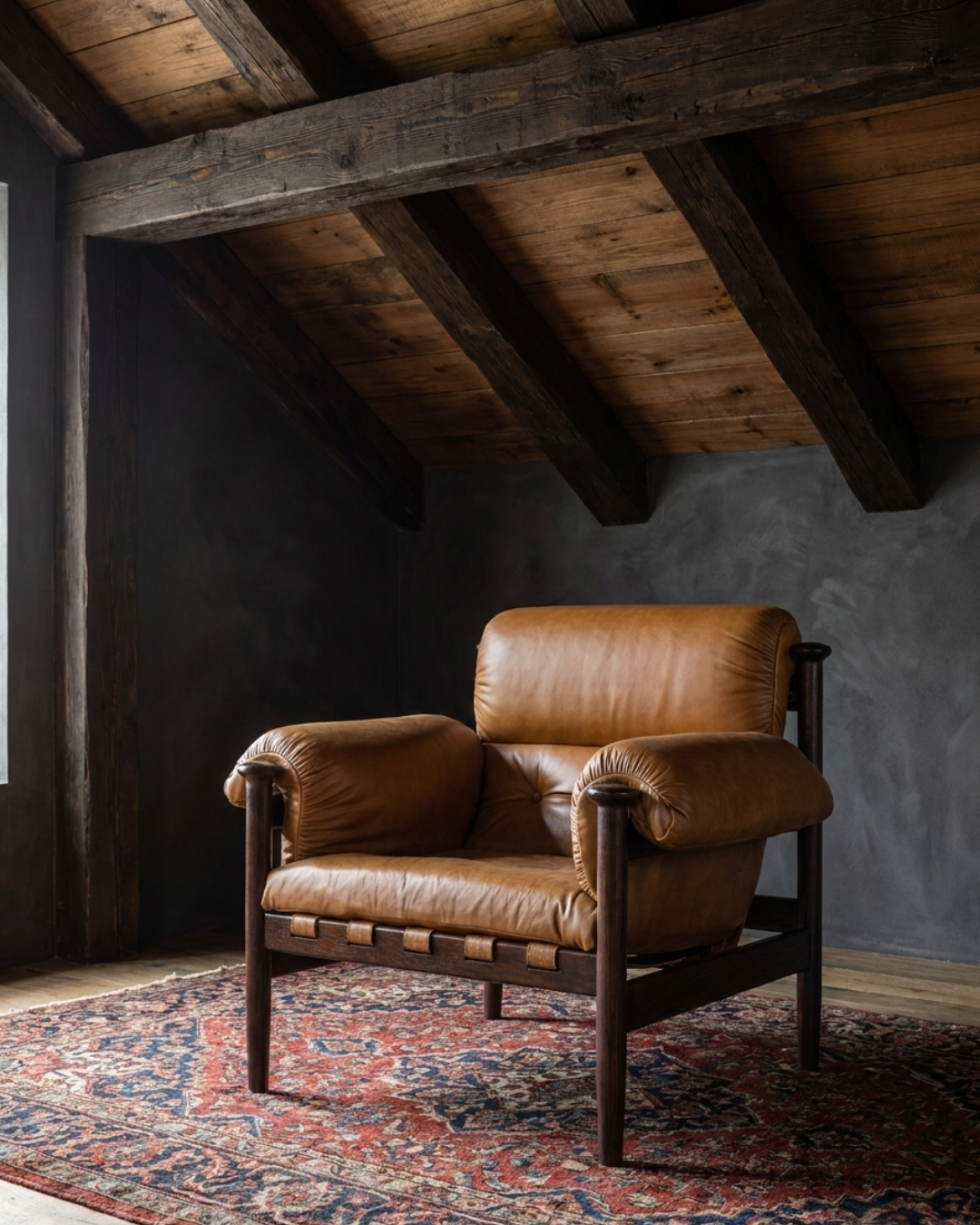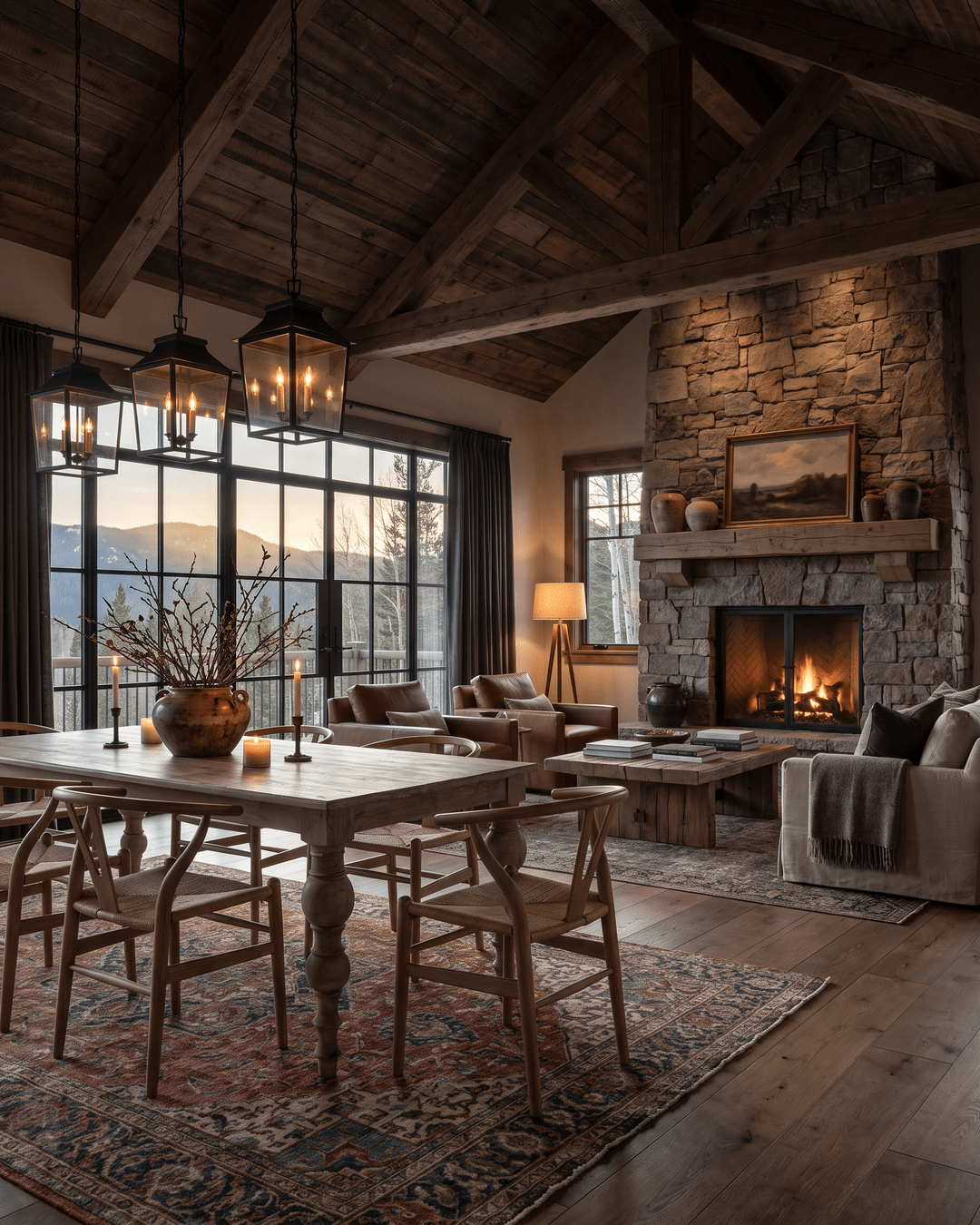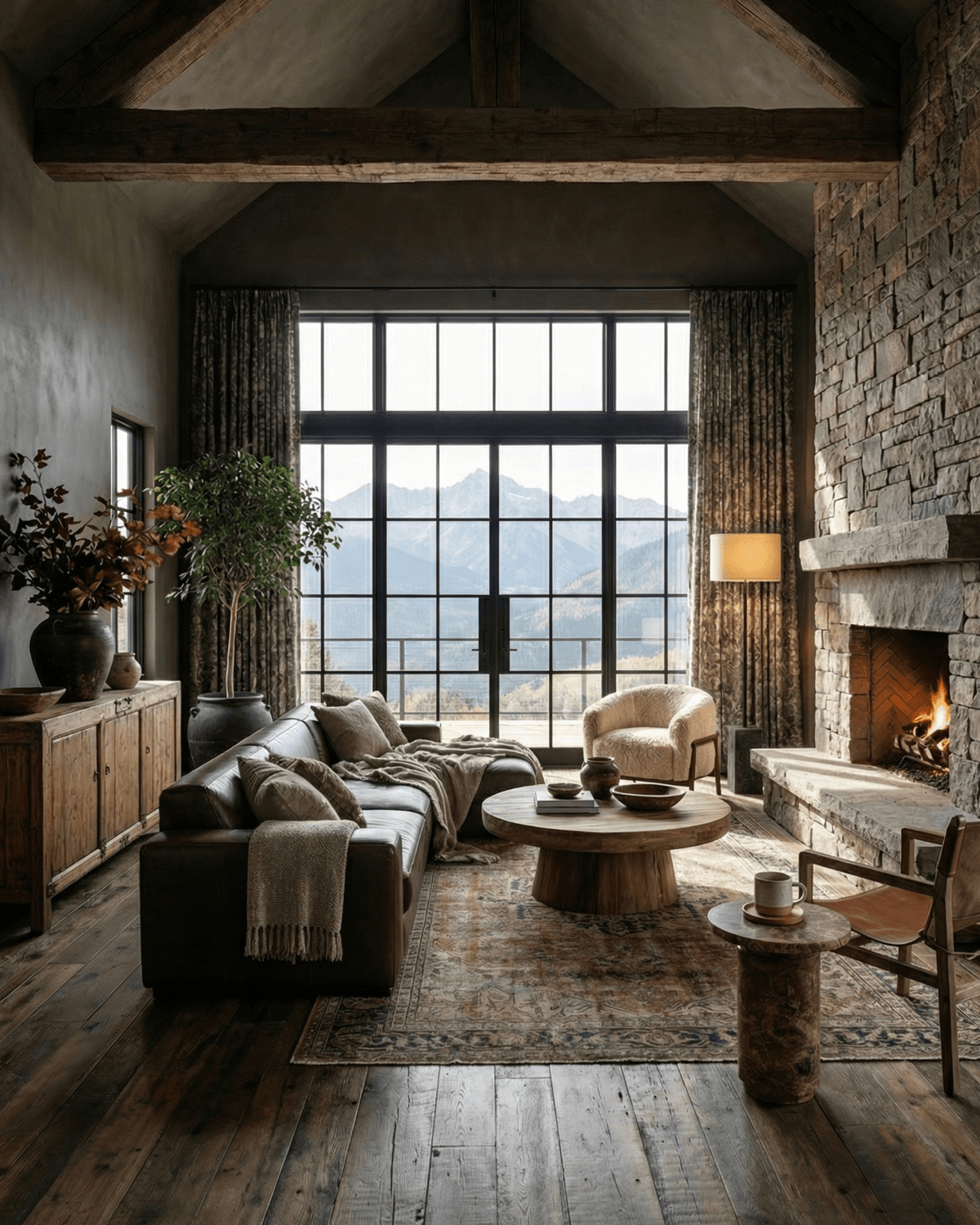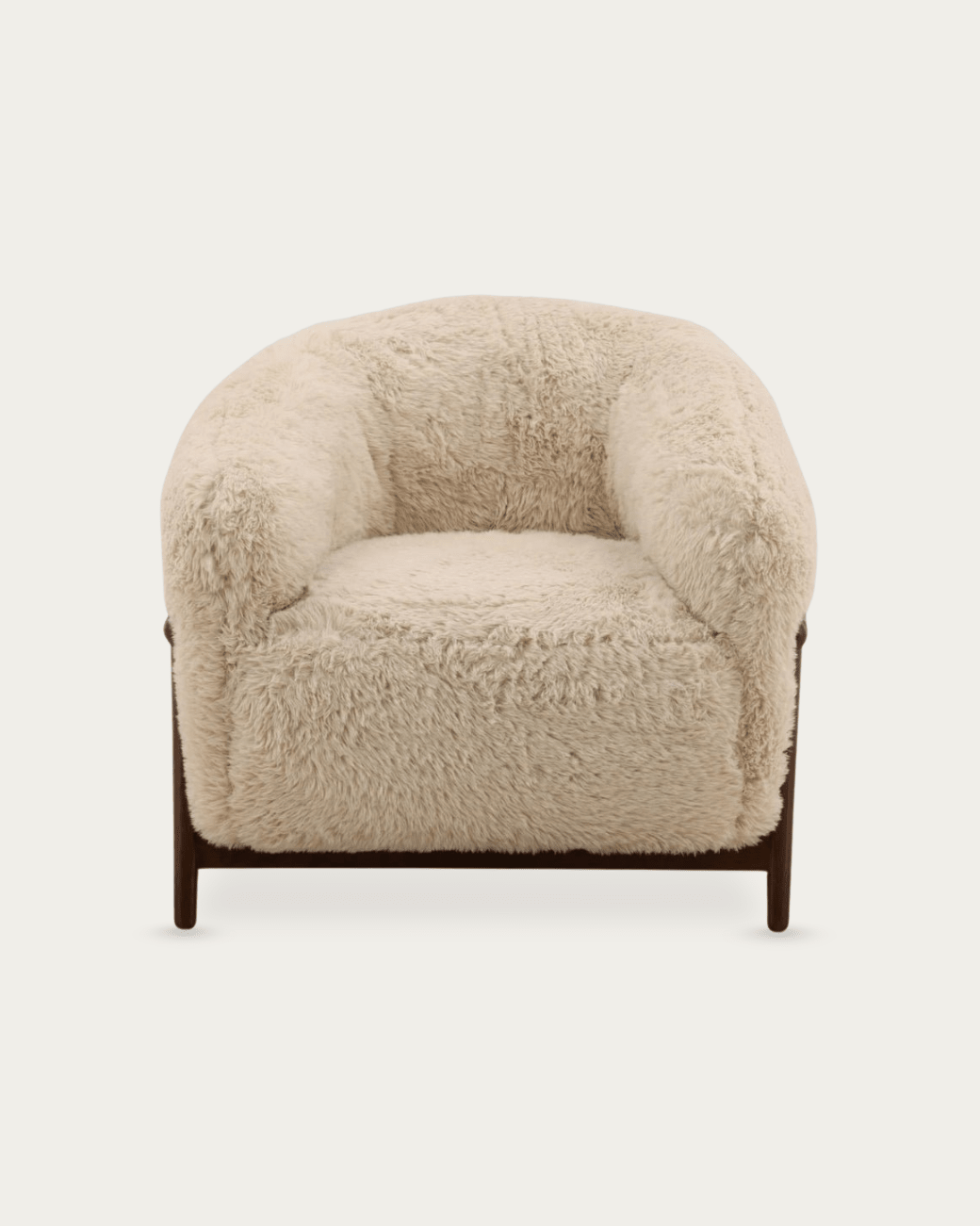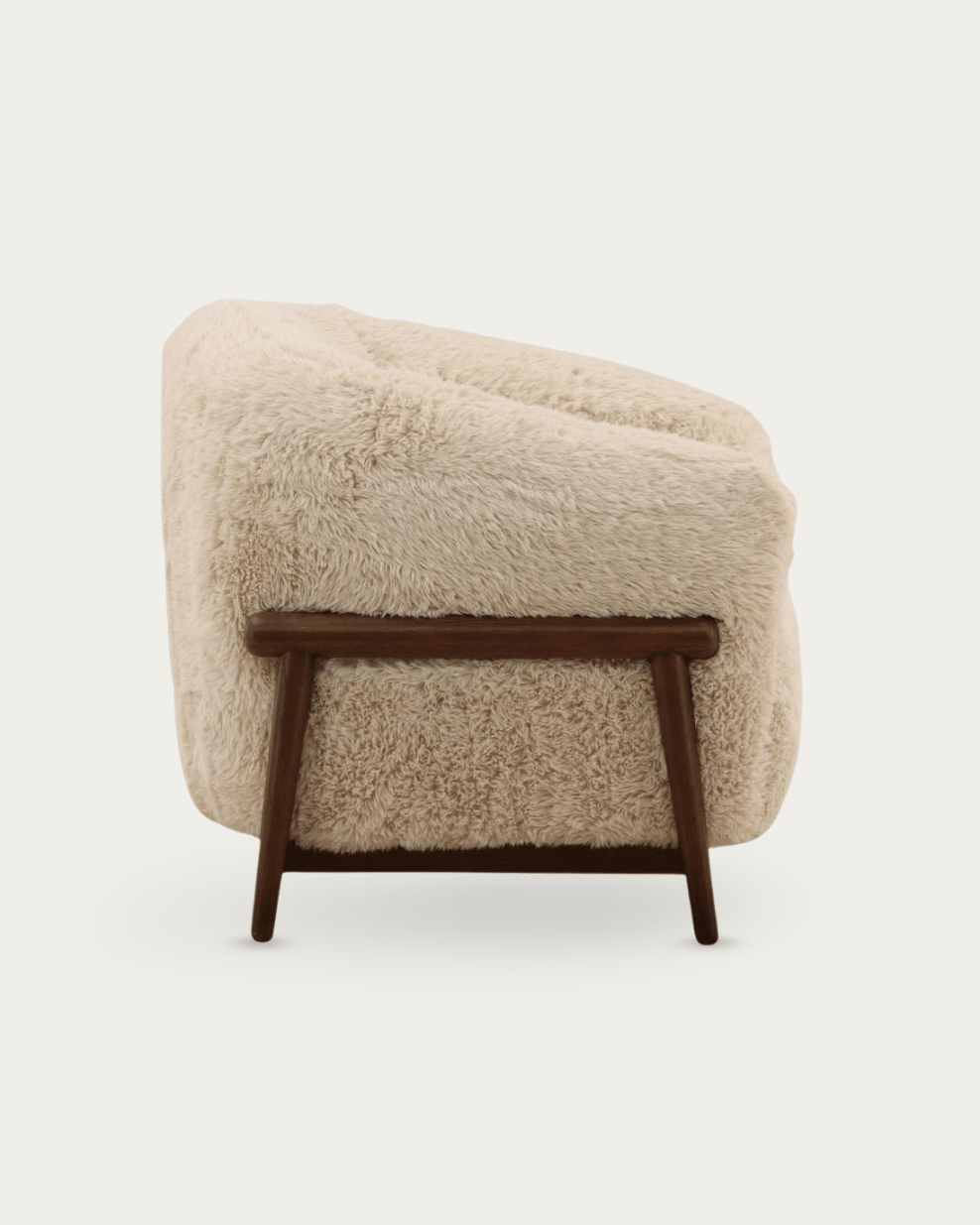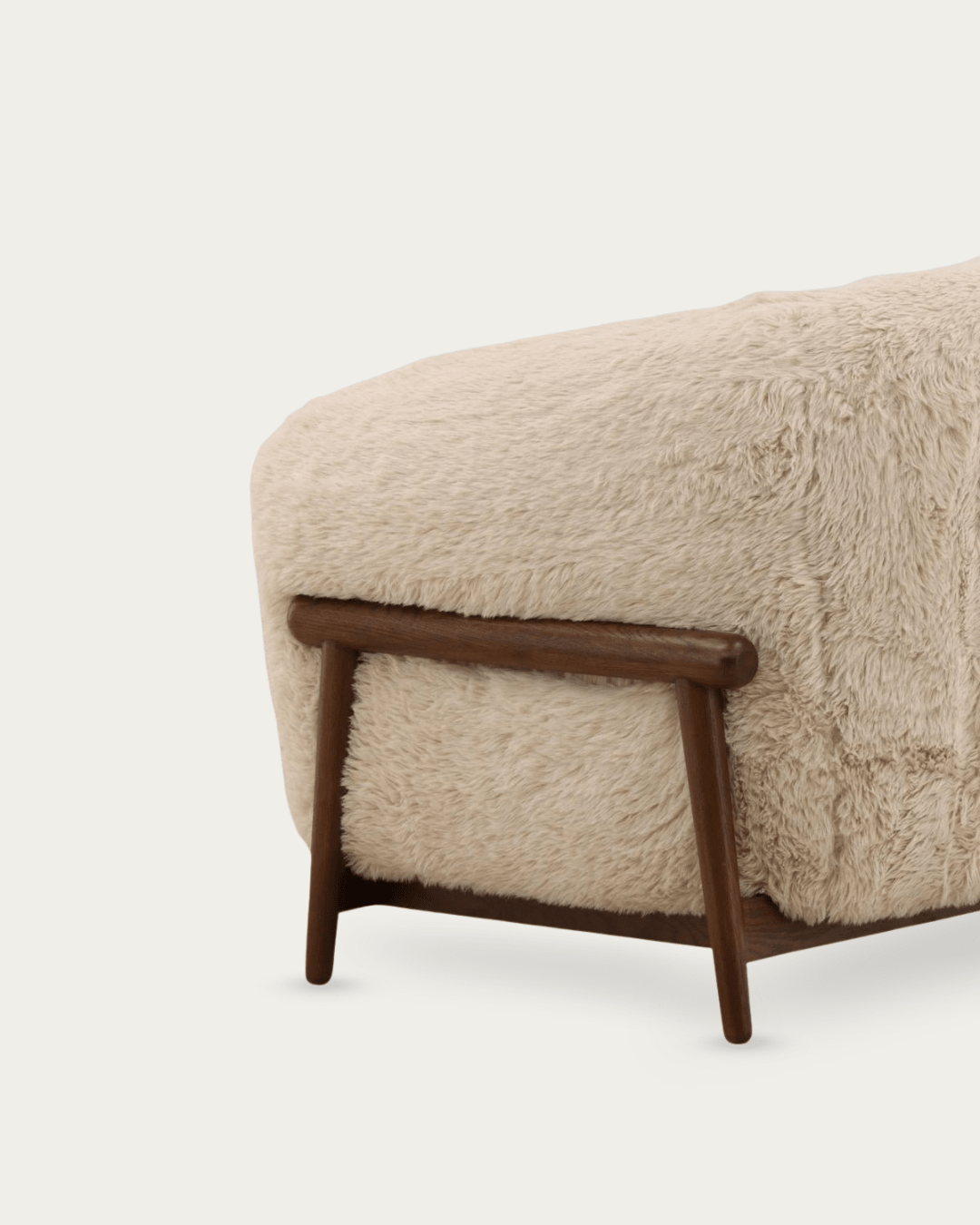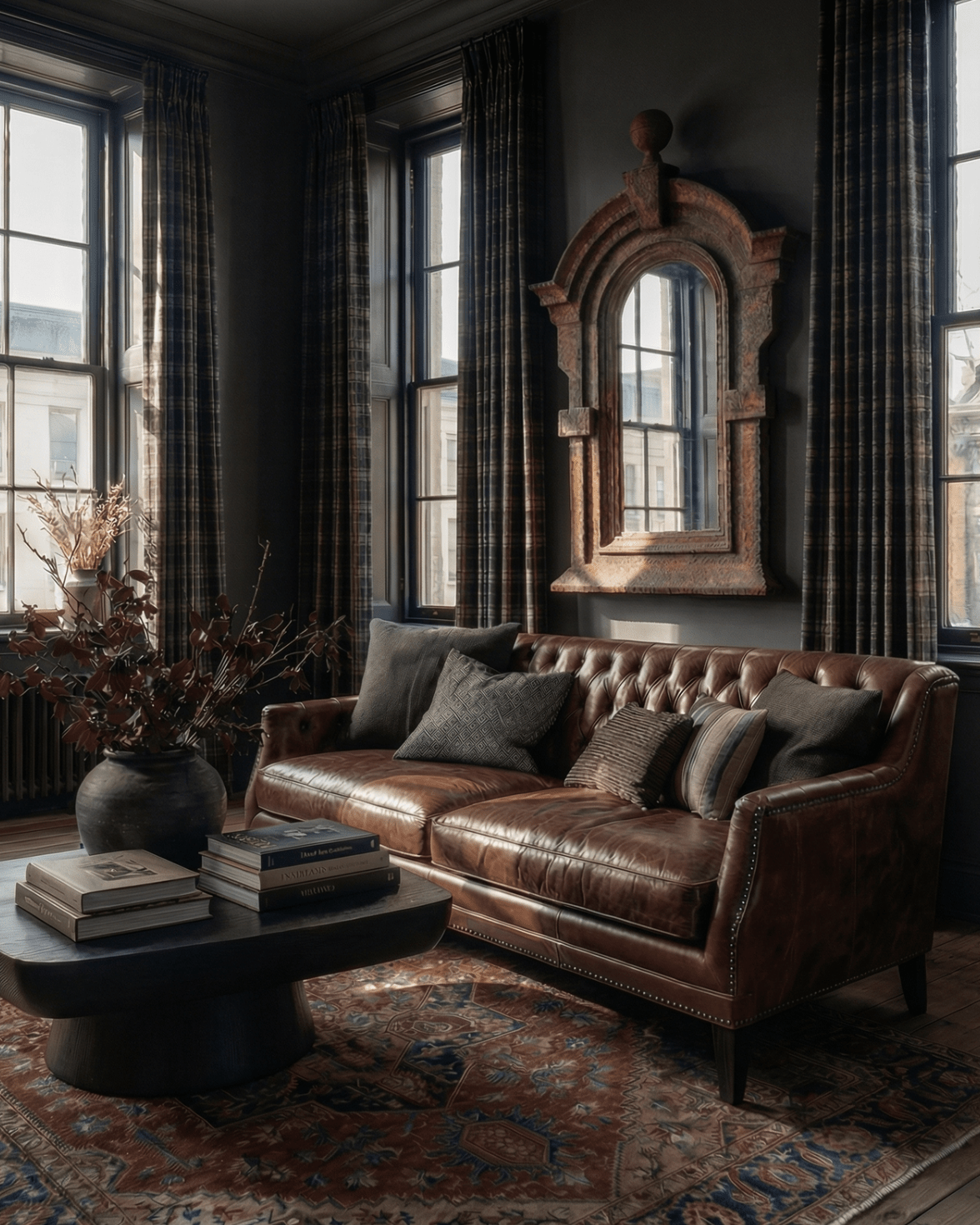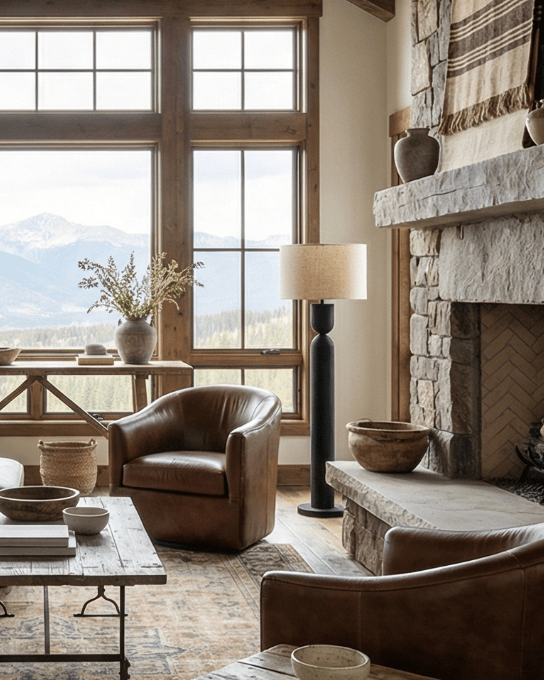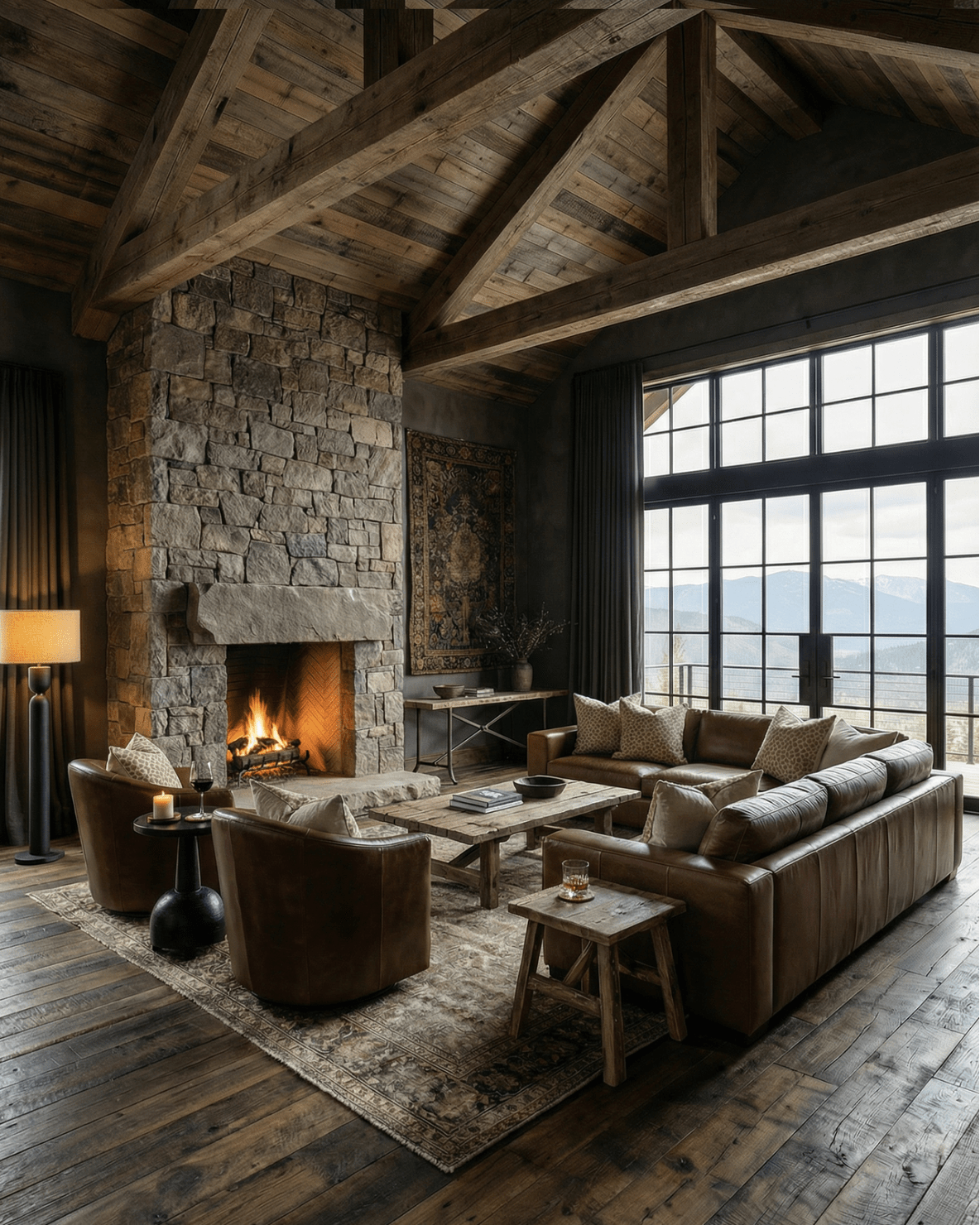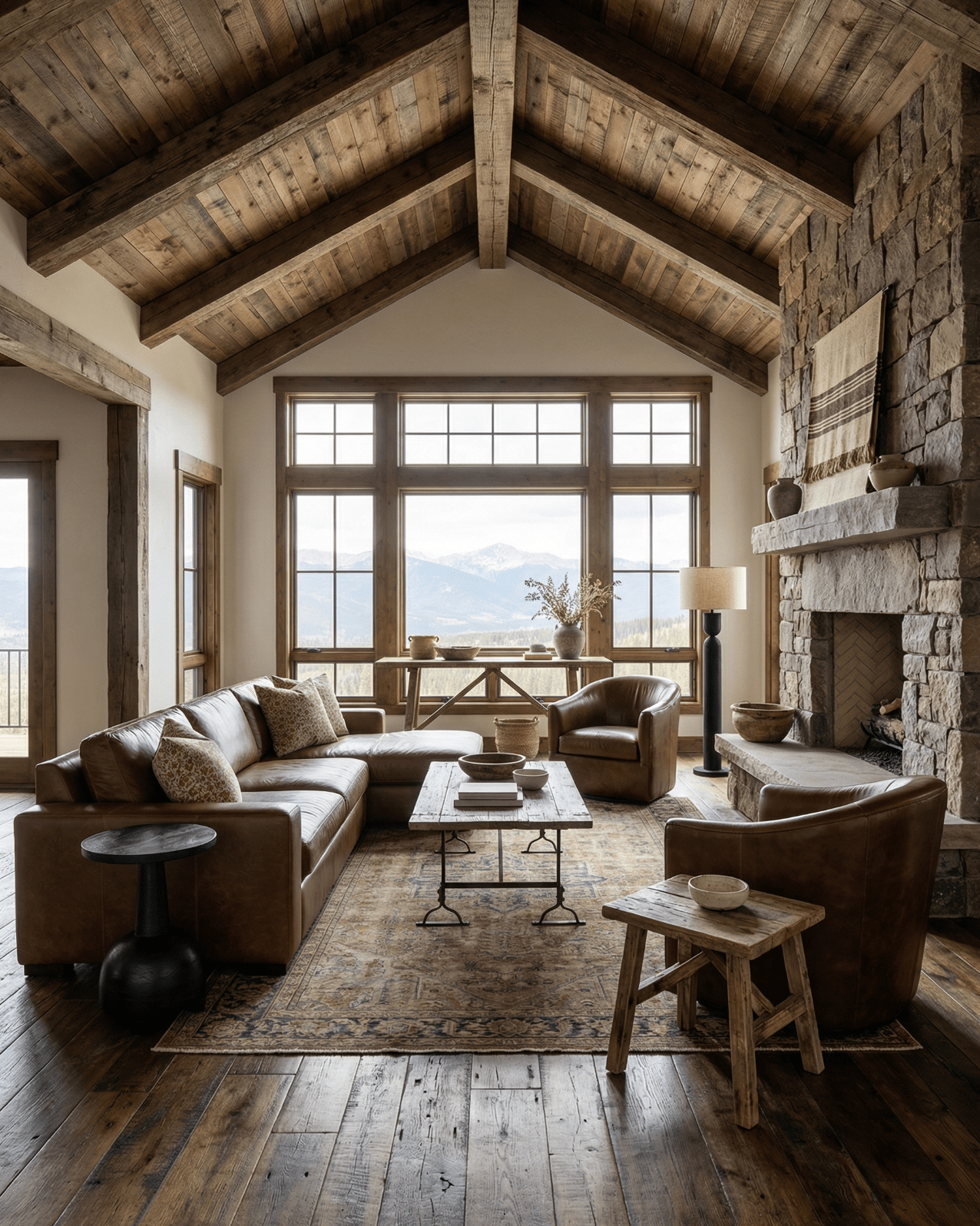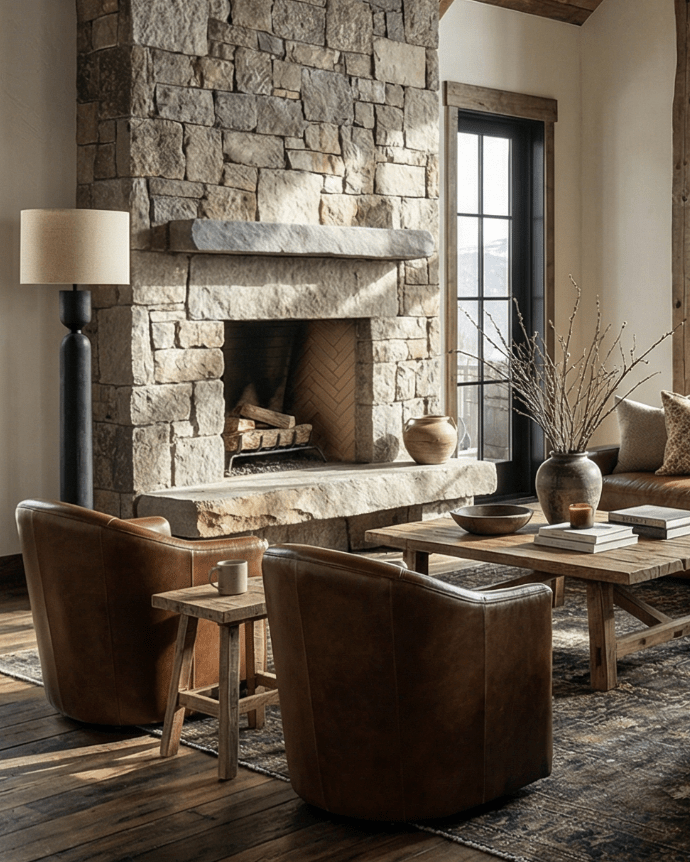







Have you ever noticed how some objects seem to calm a room without trying very hard?
Not because they're expensive. Not because they're perfectly styled. And certainly not because they arrived in a matching set.
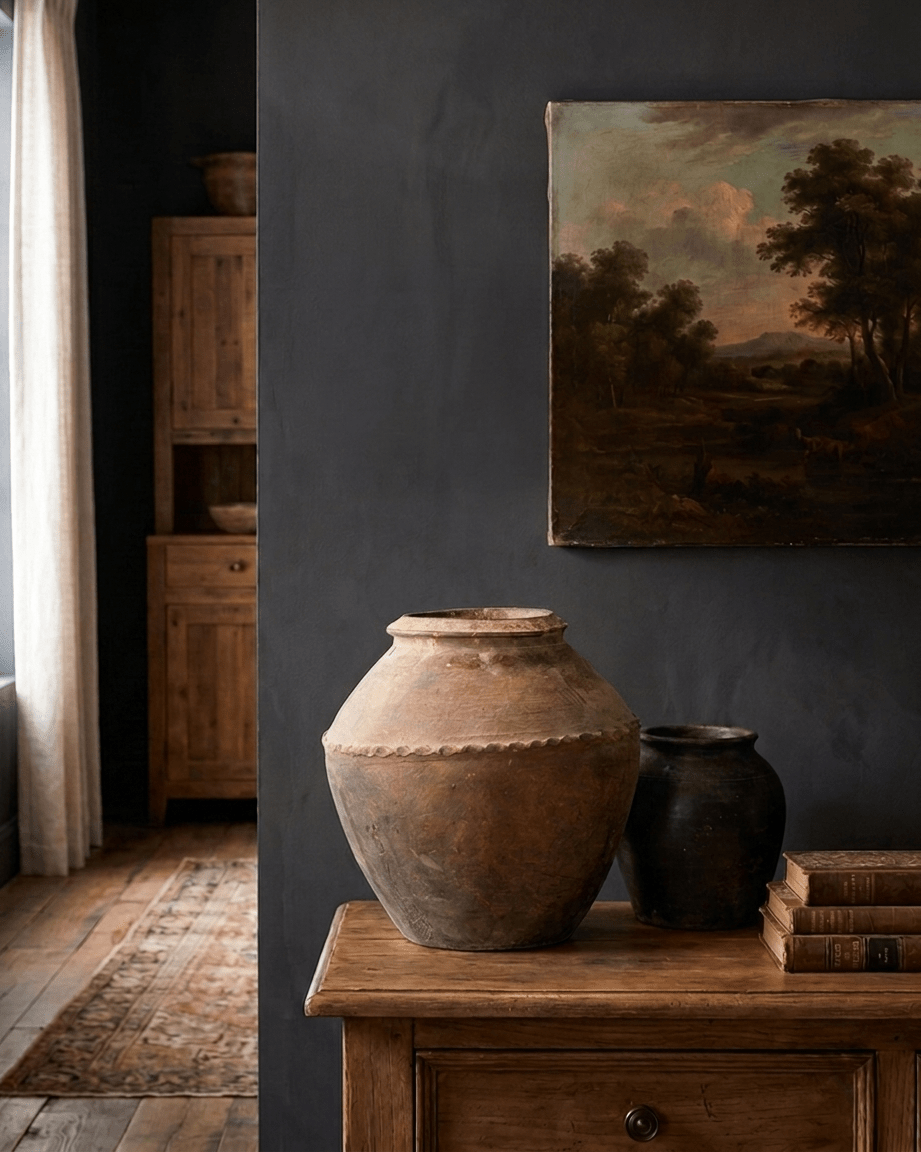
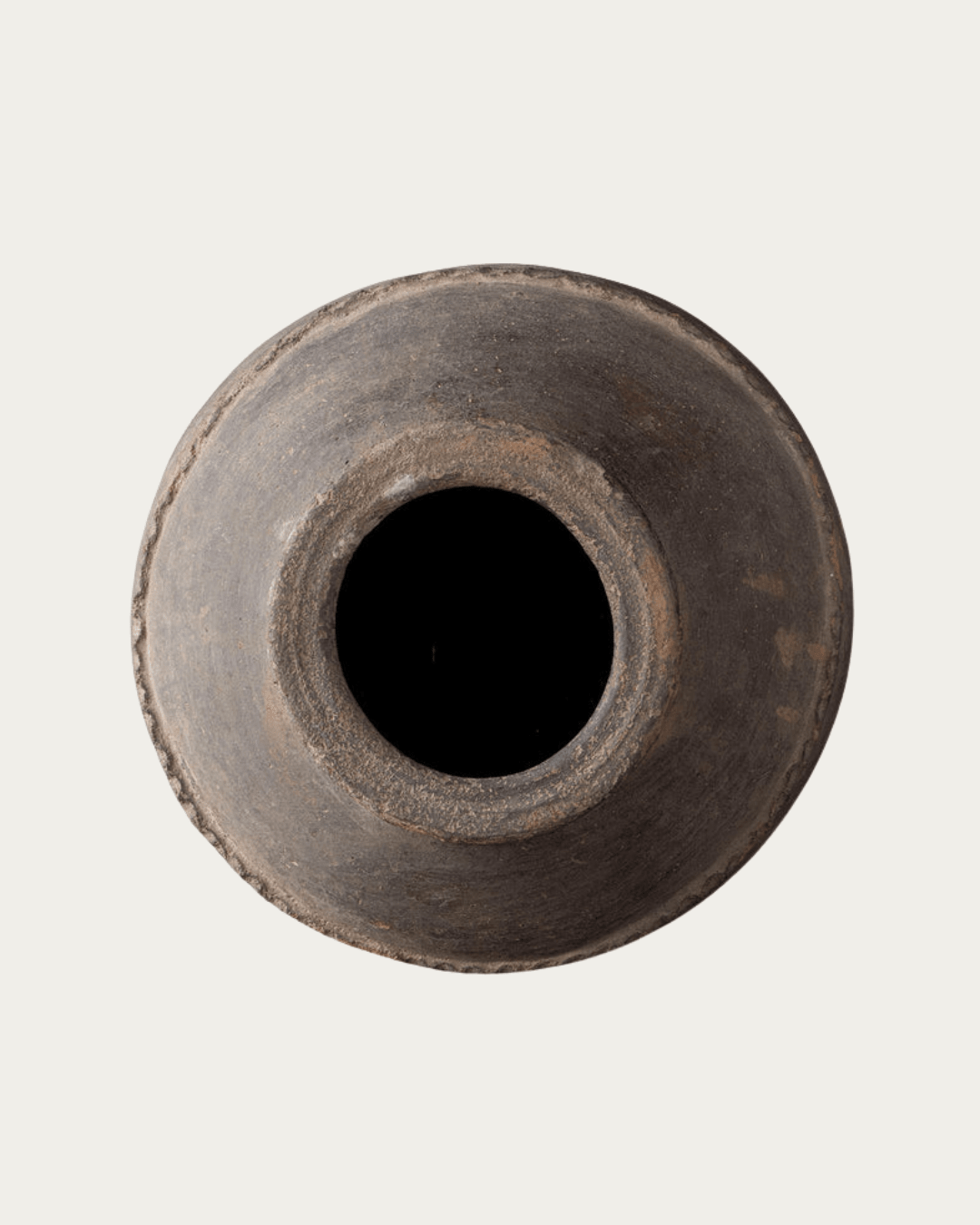
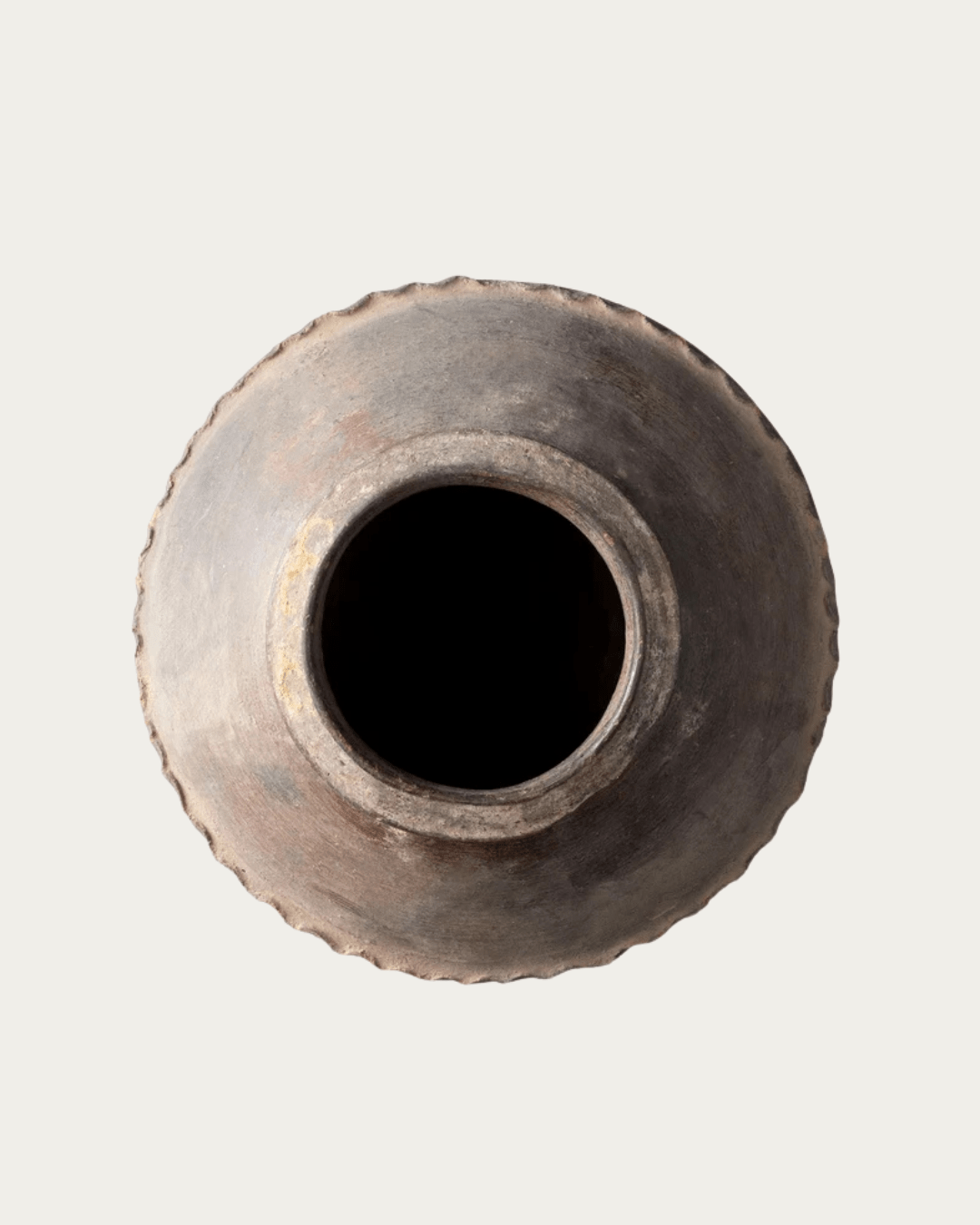
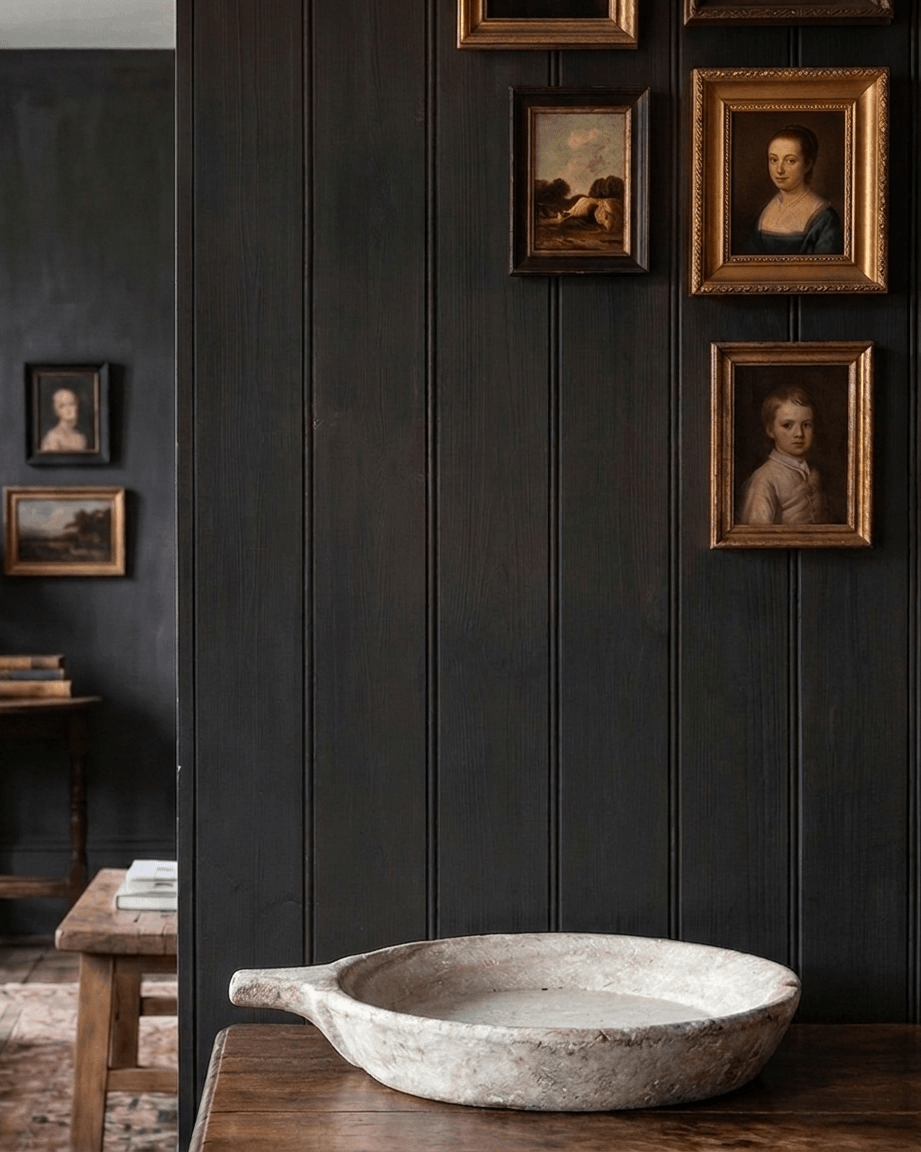
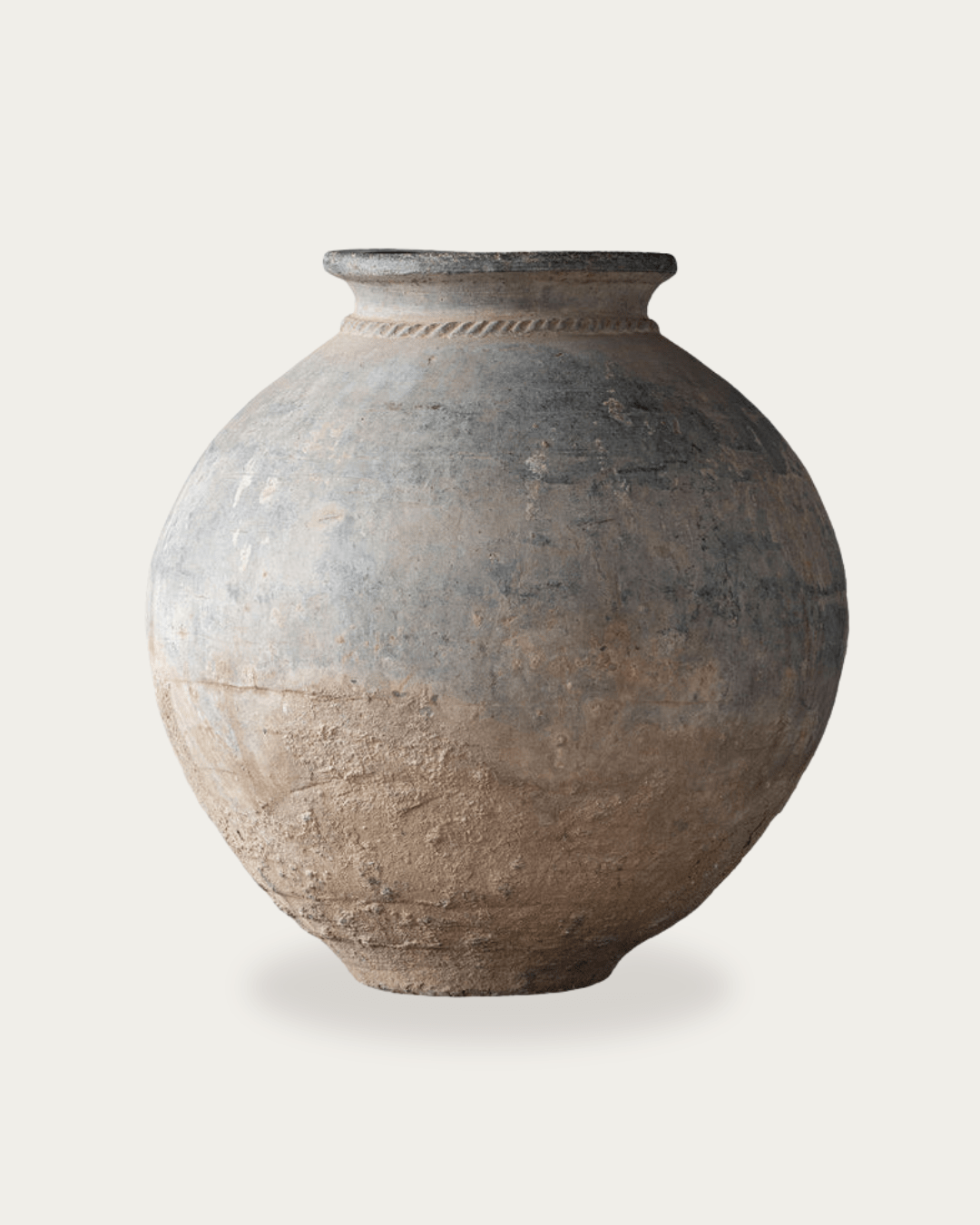
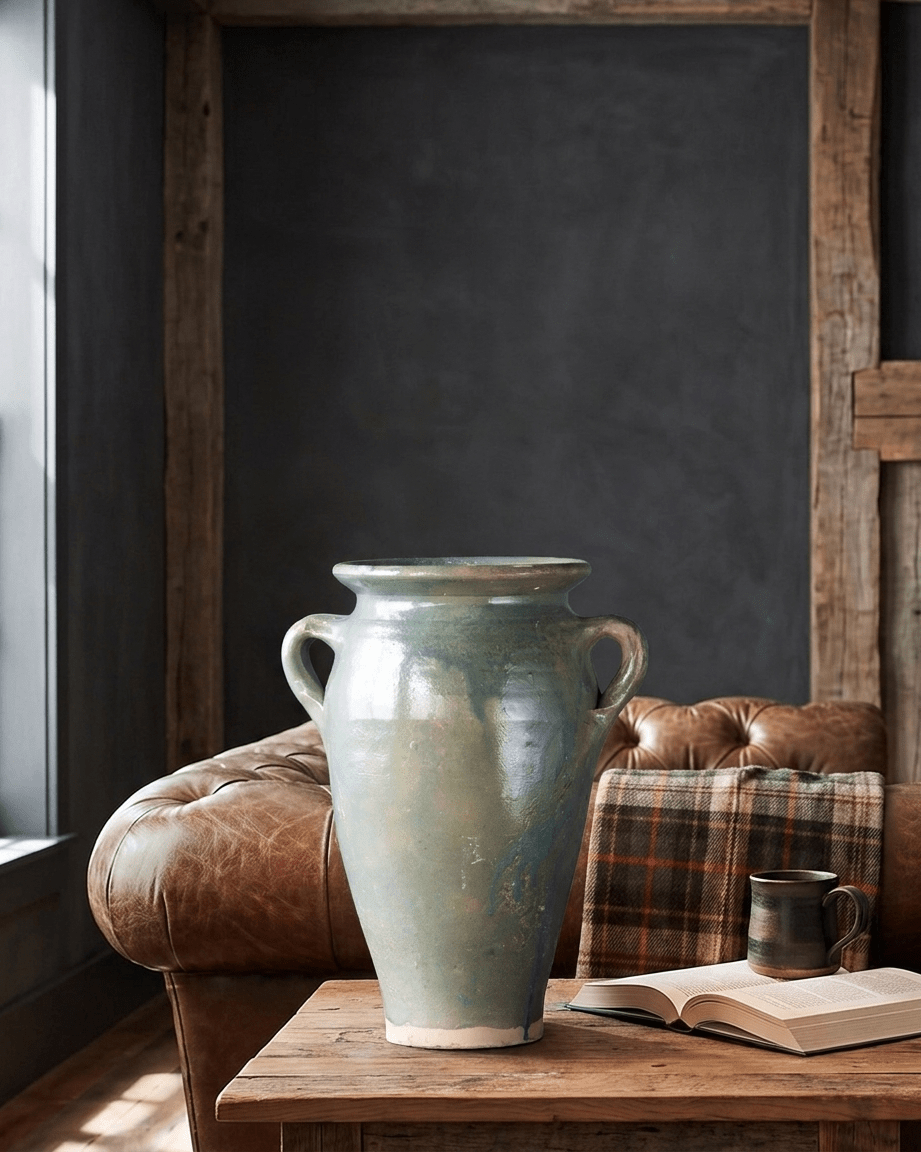
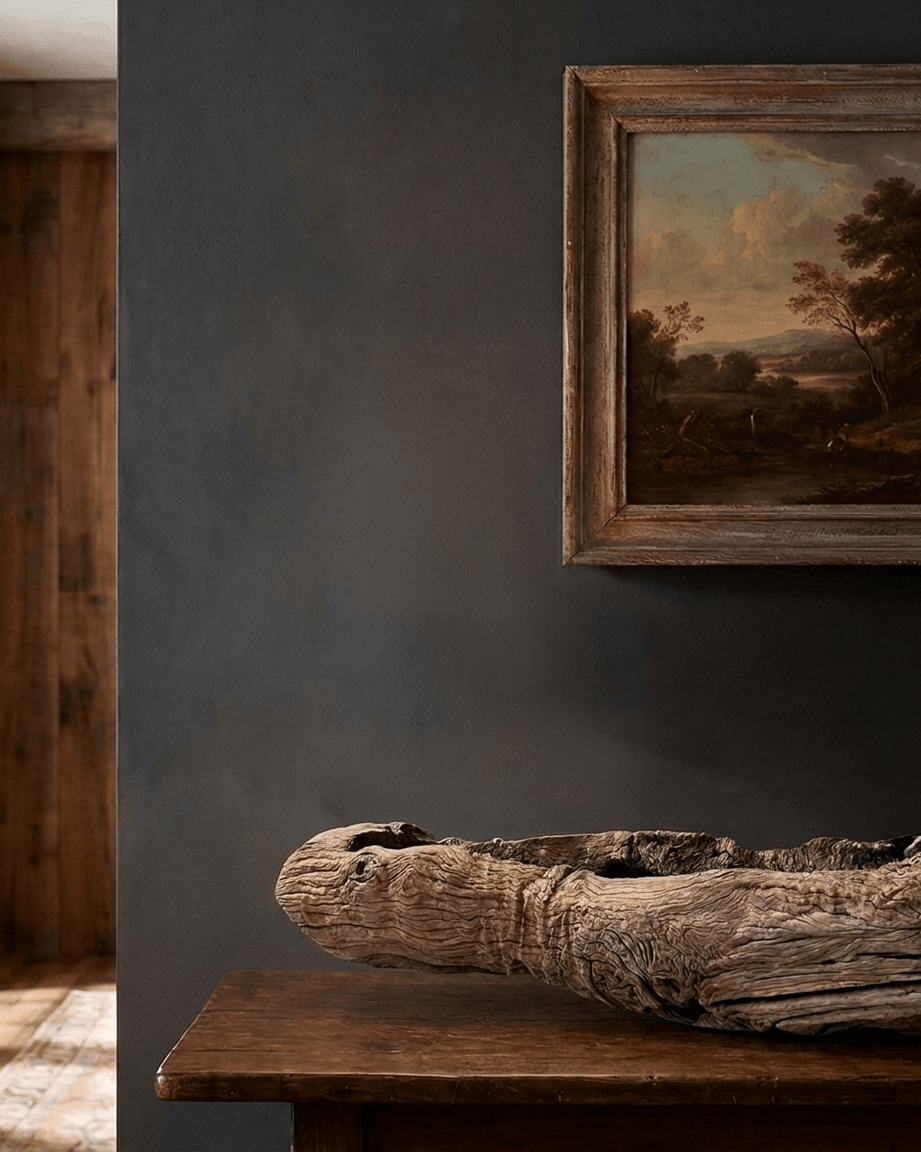
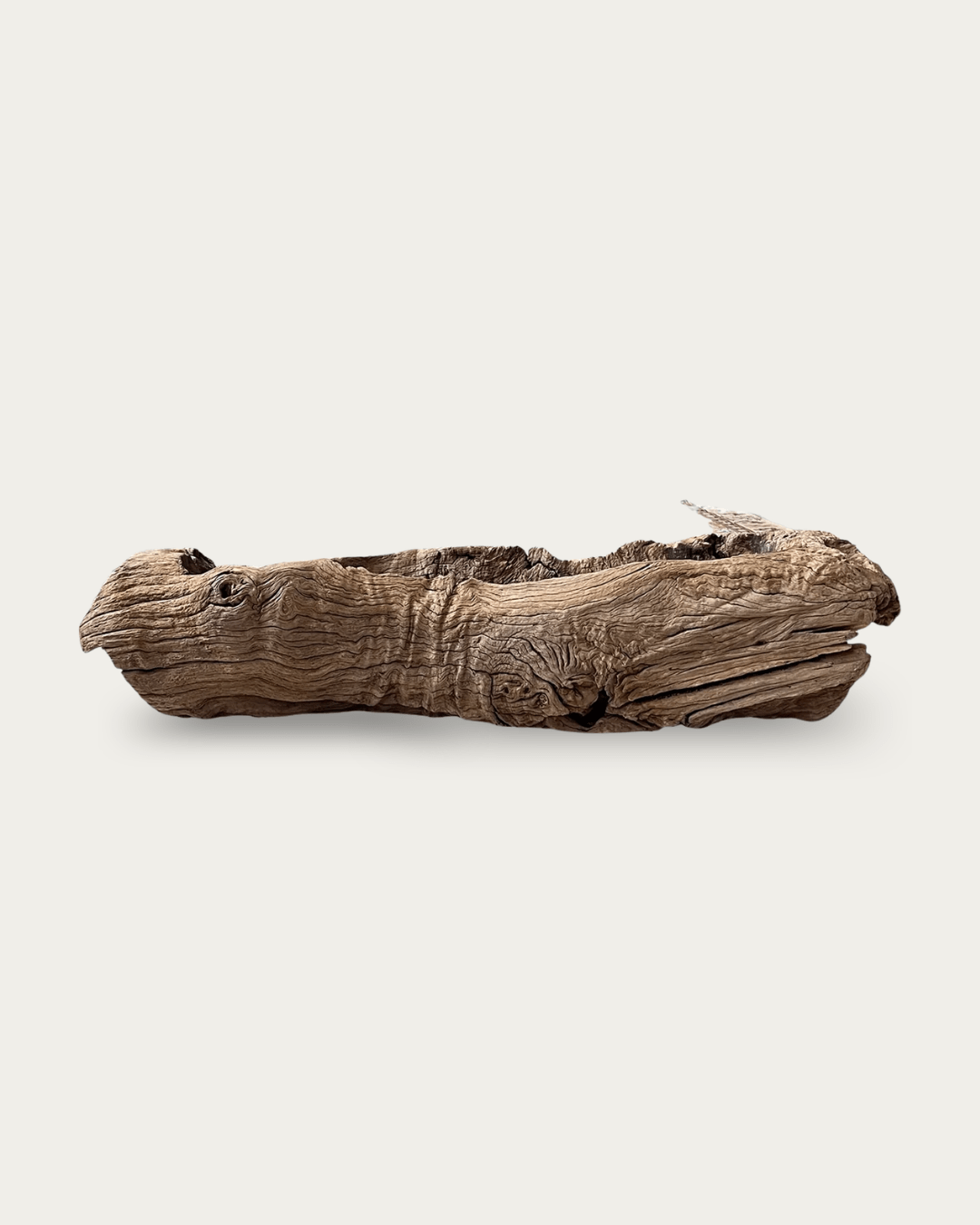
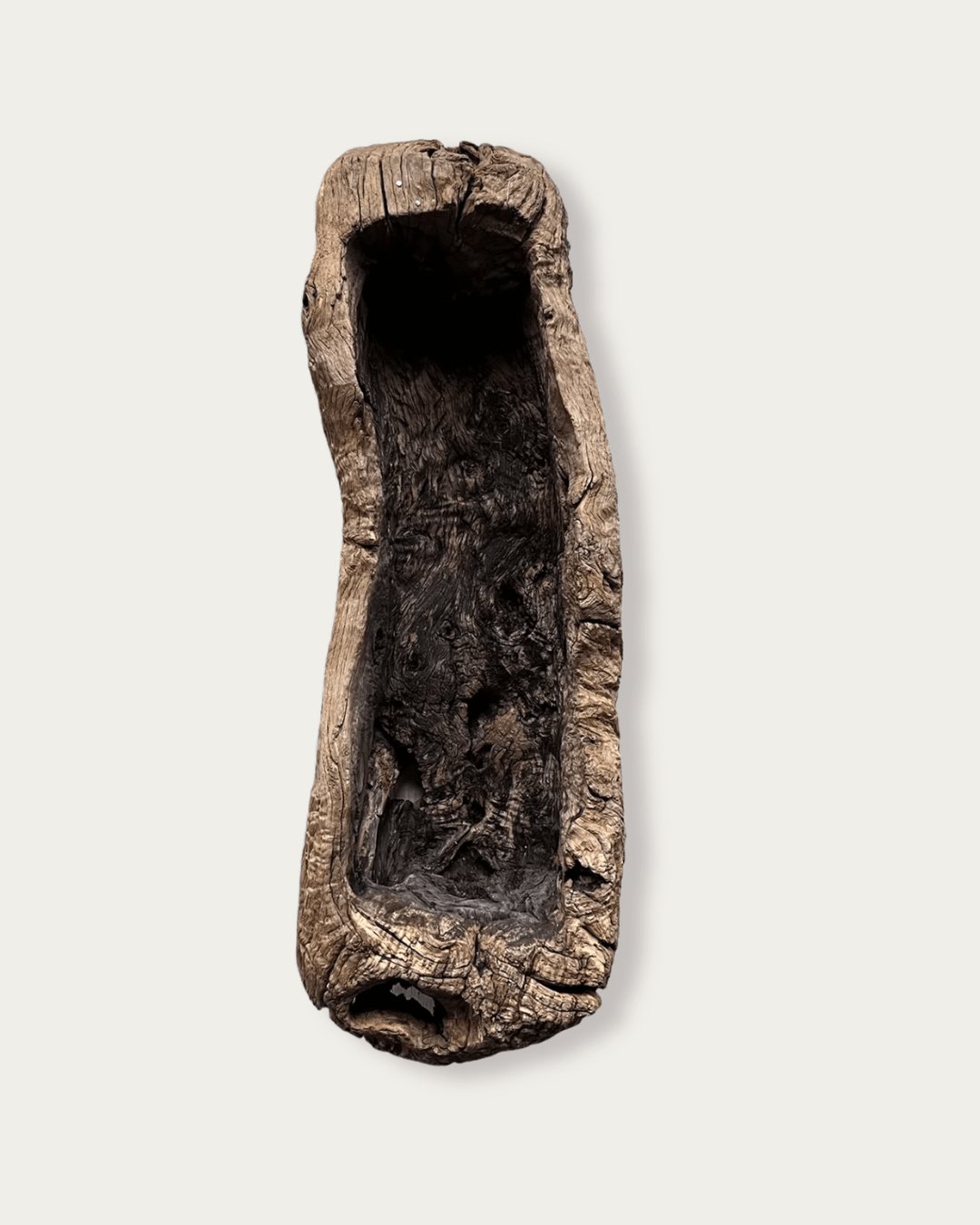
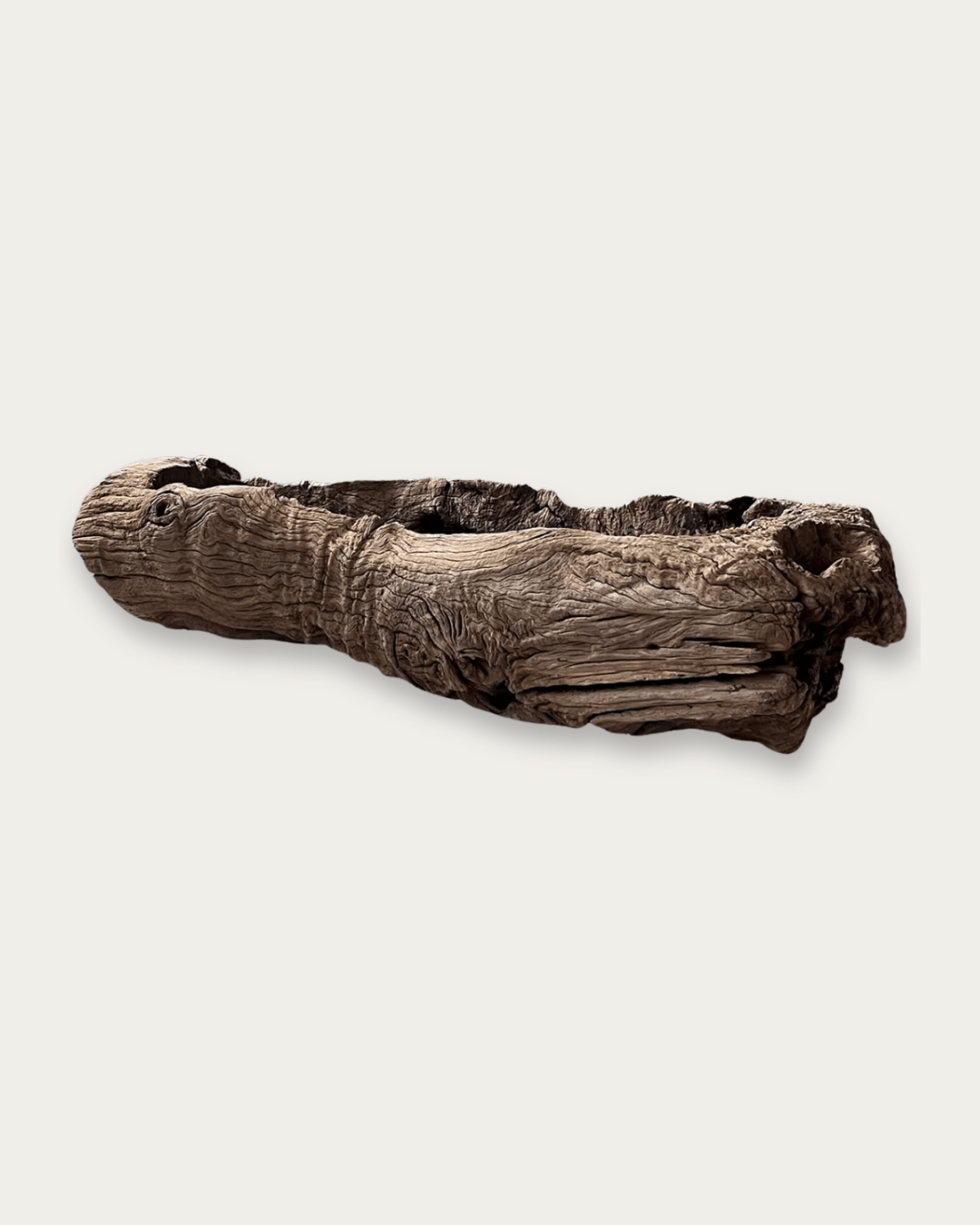
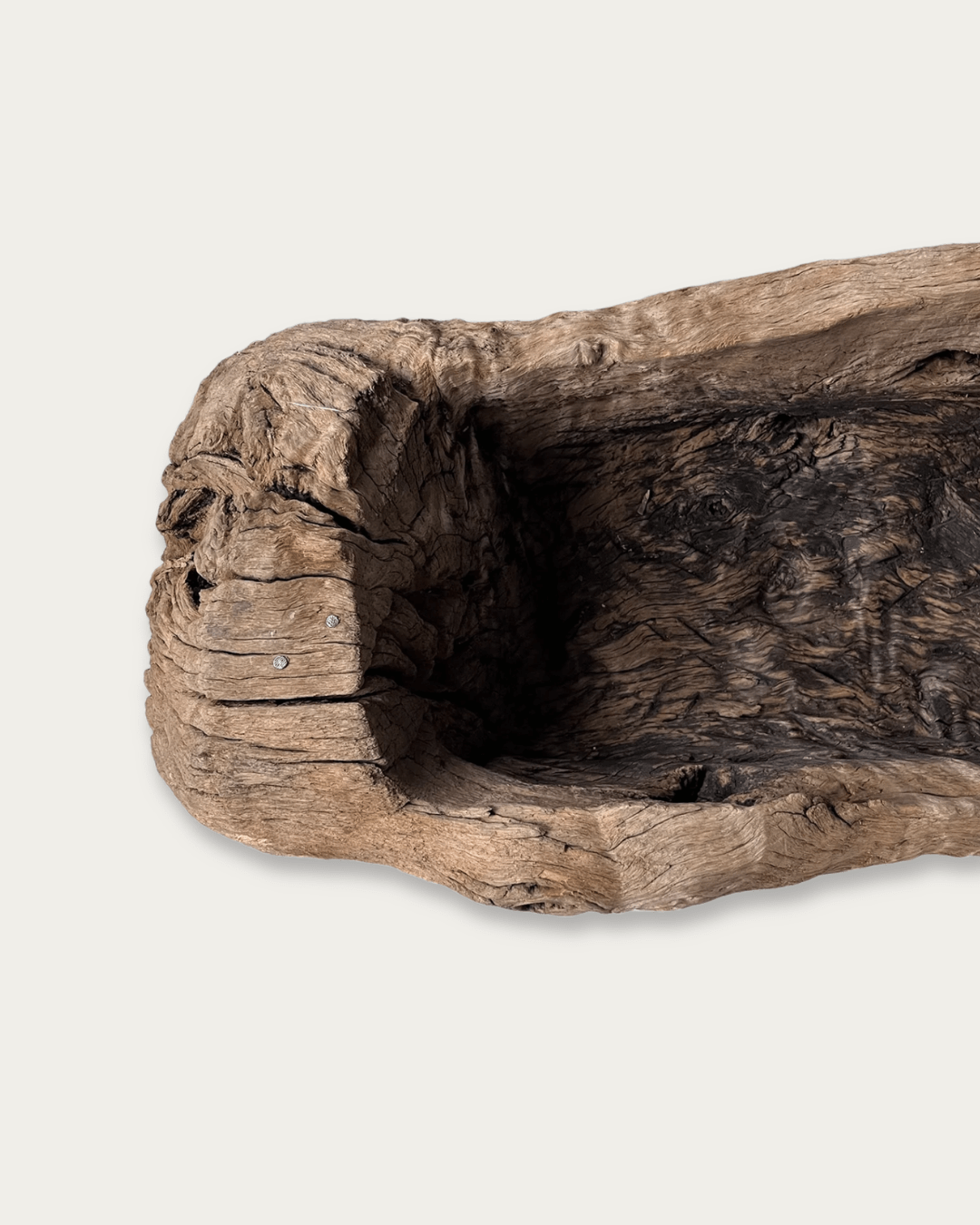
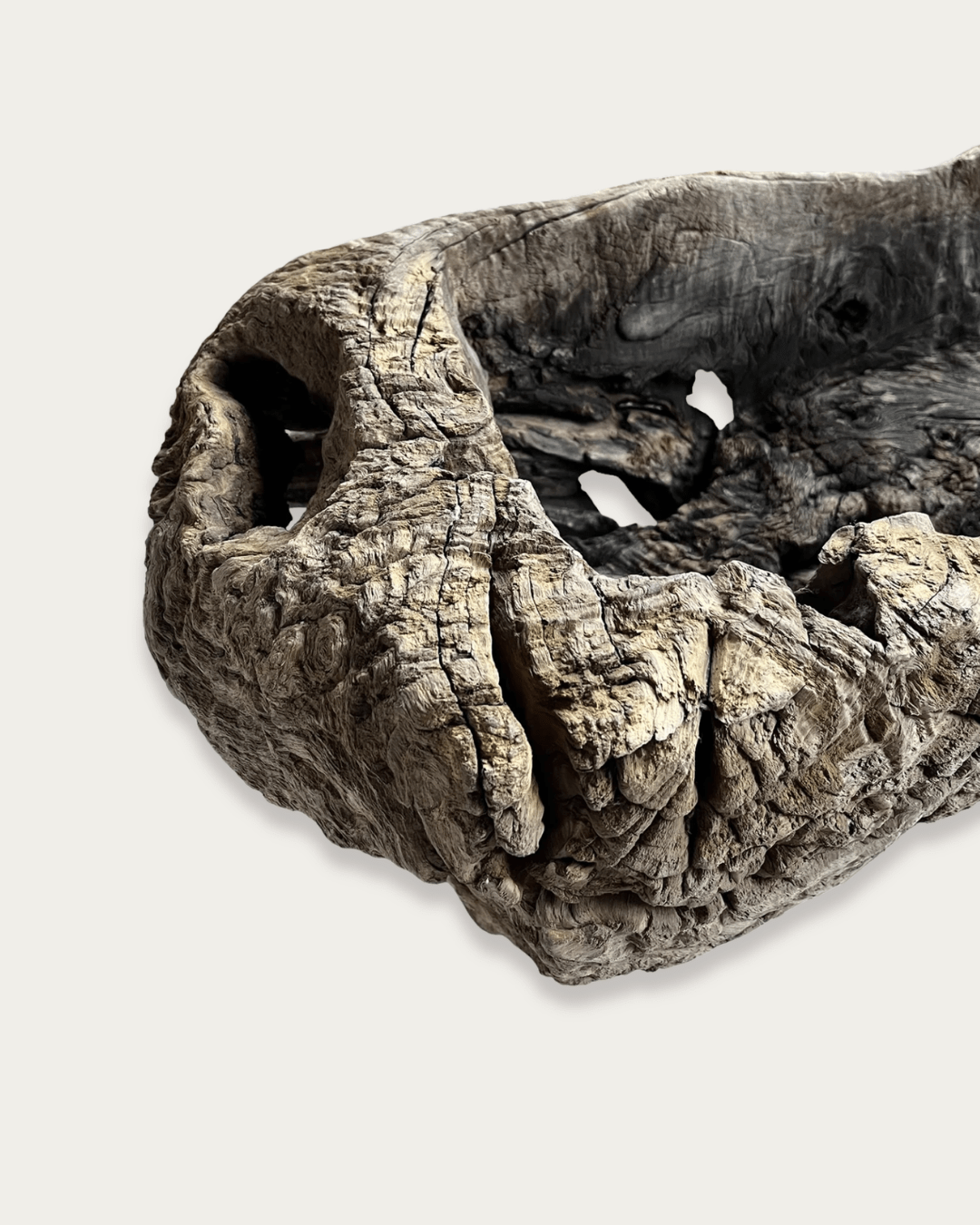
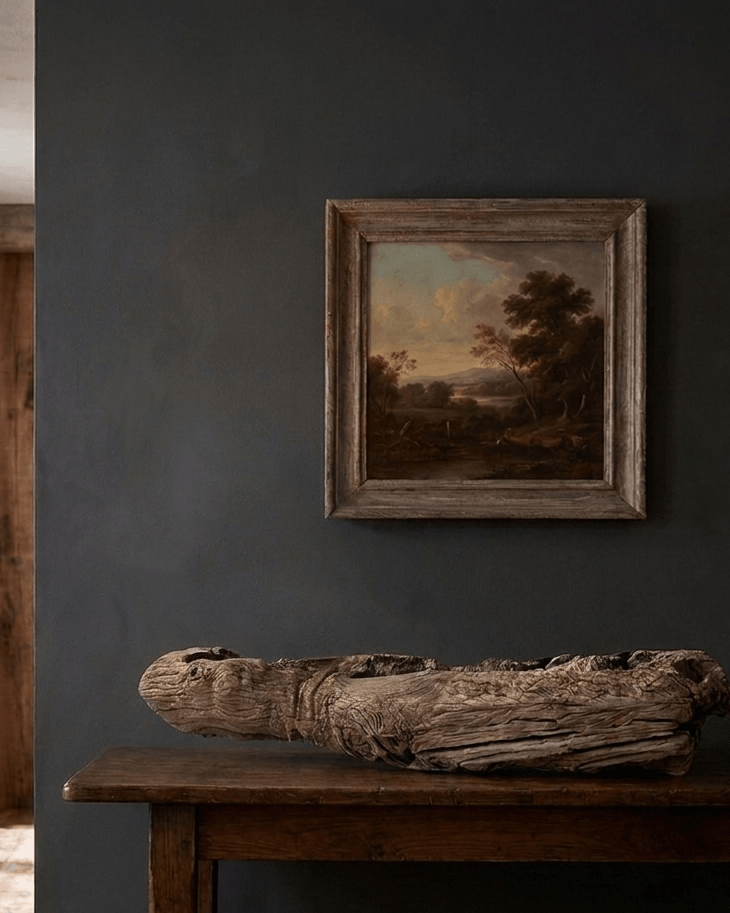
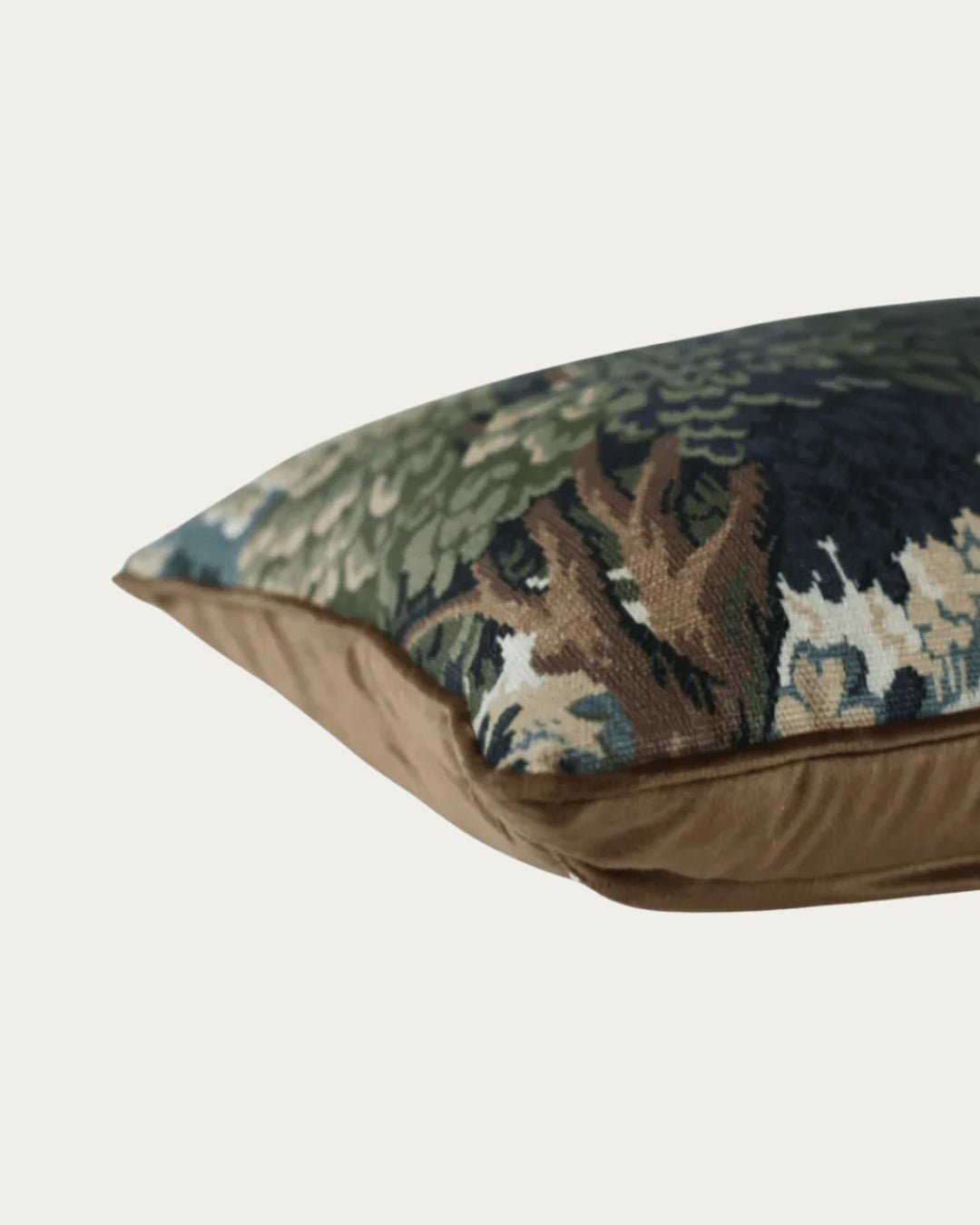
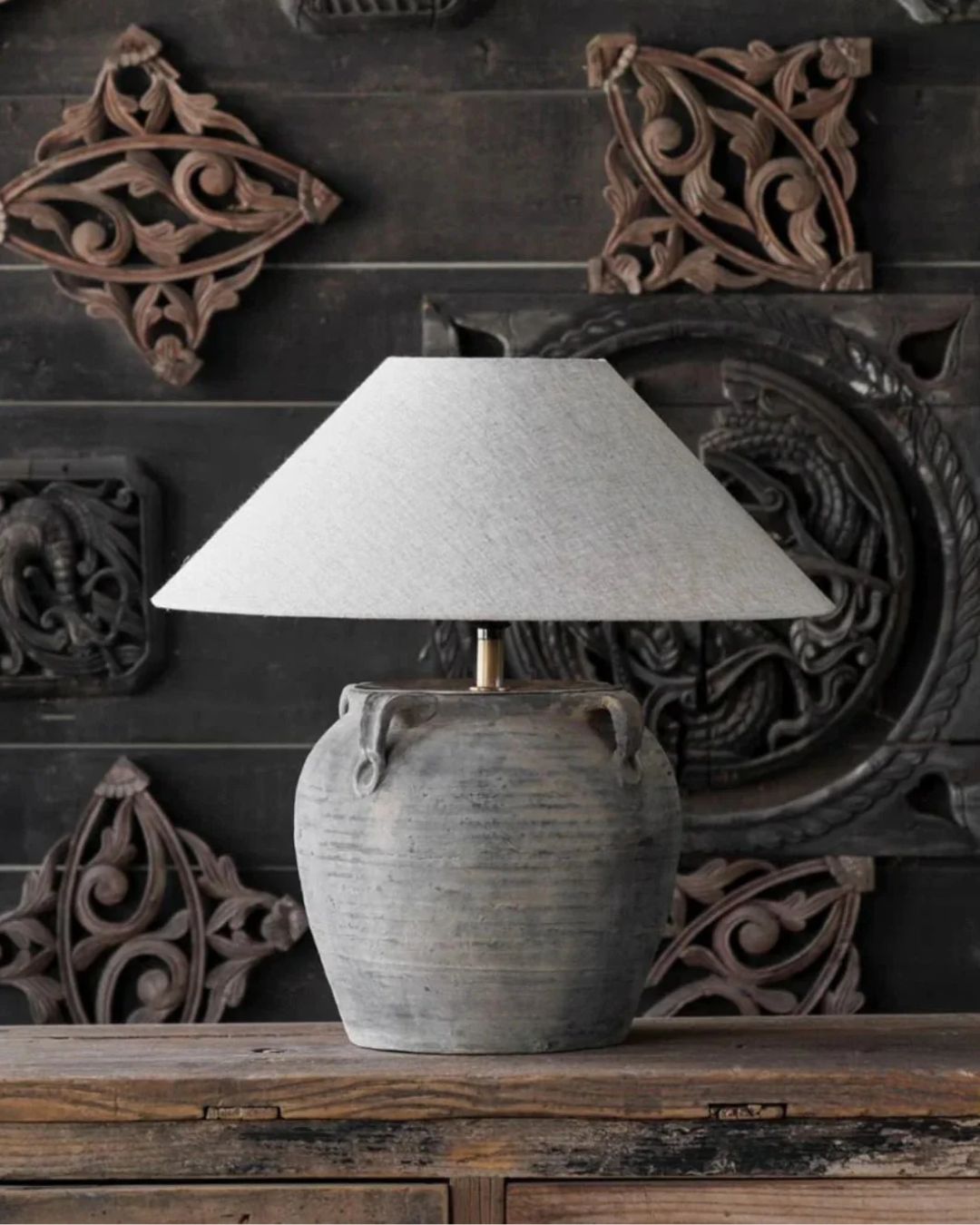
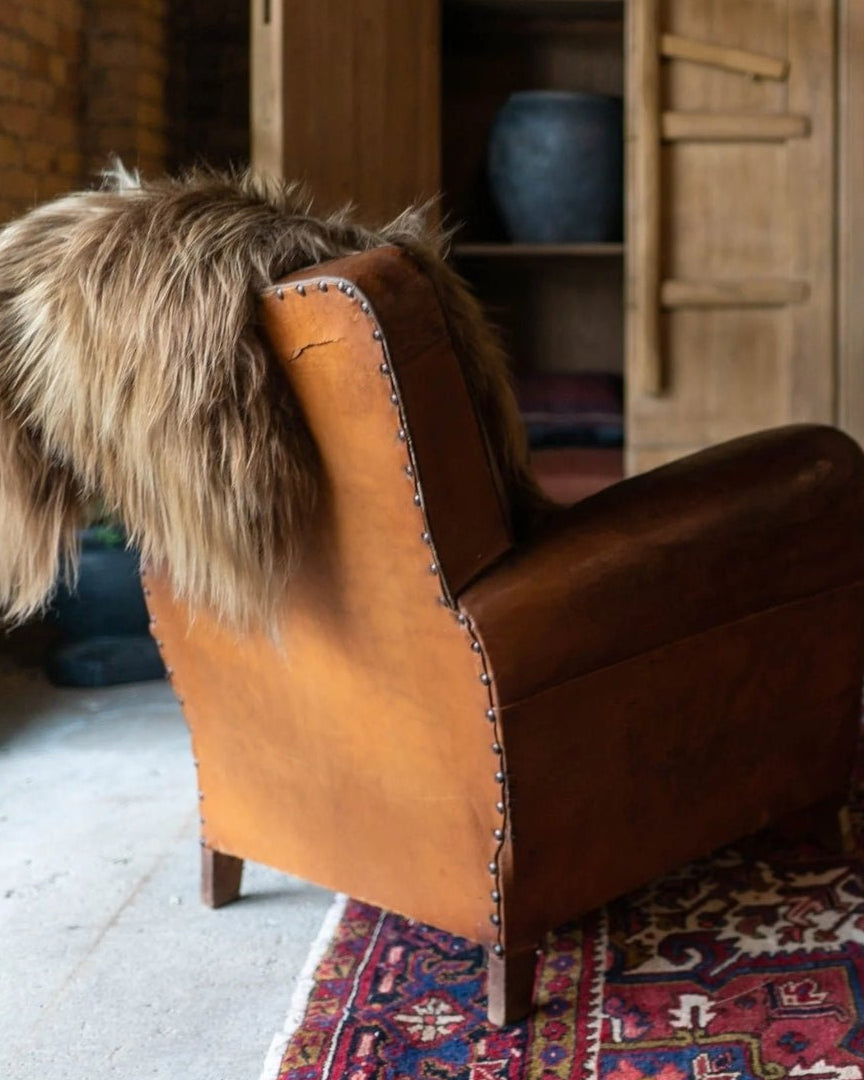
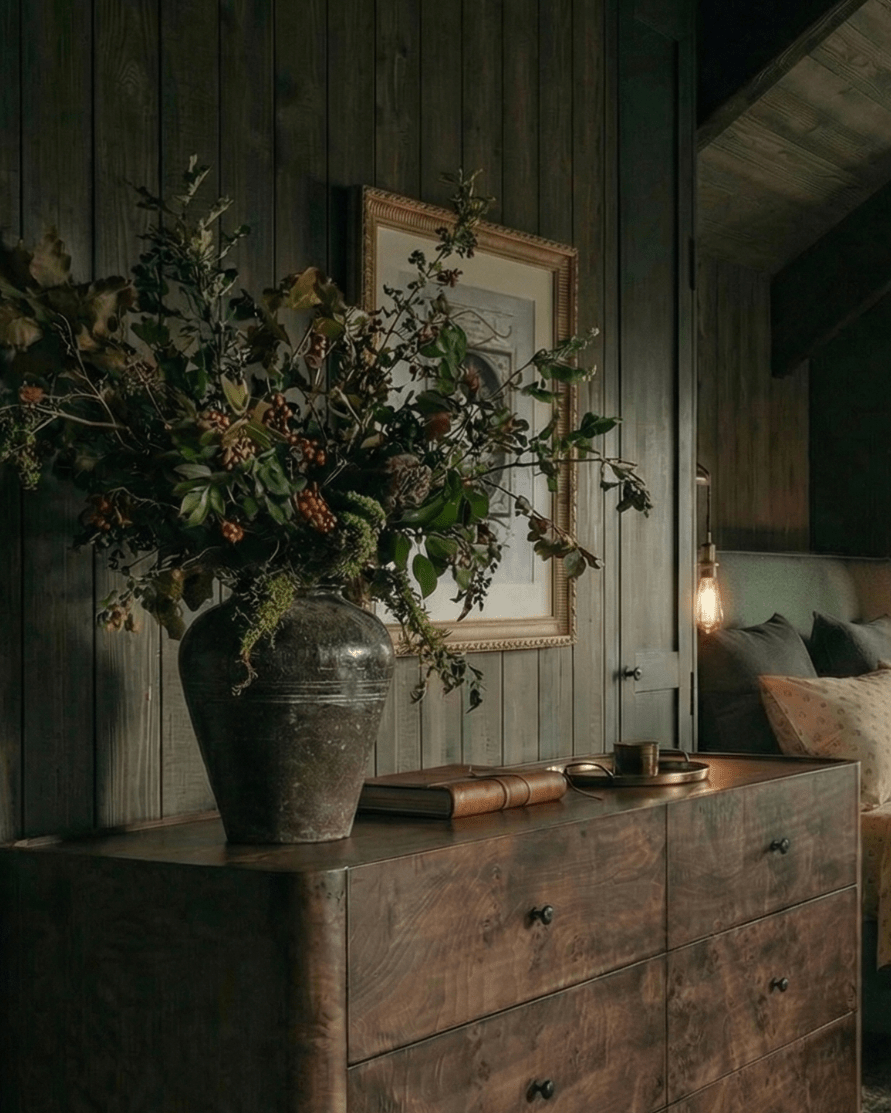
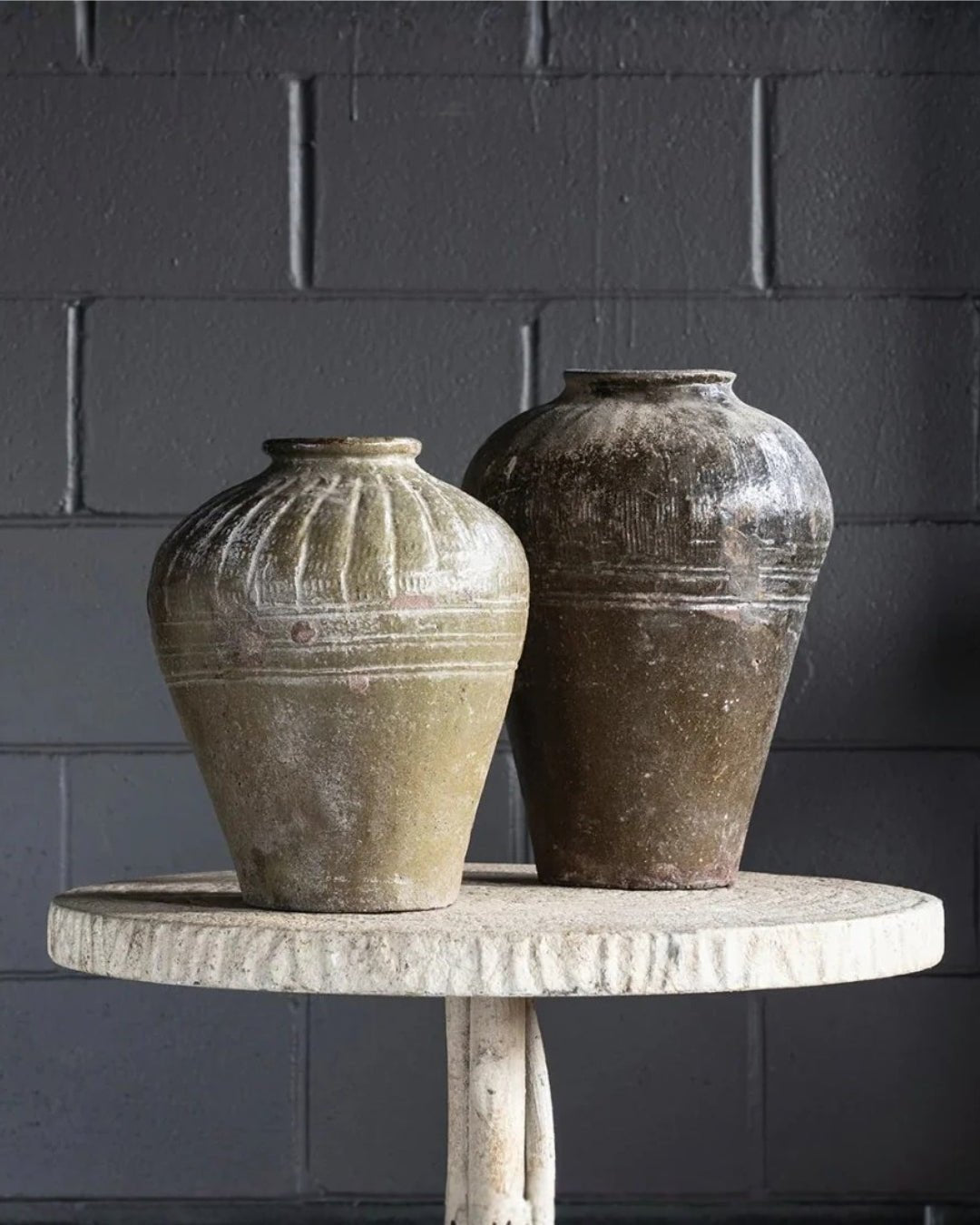
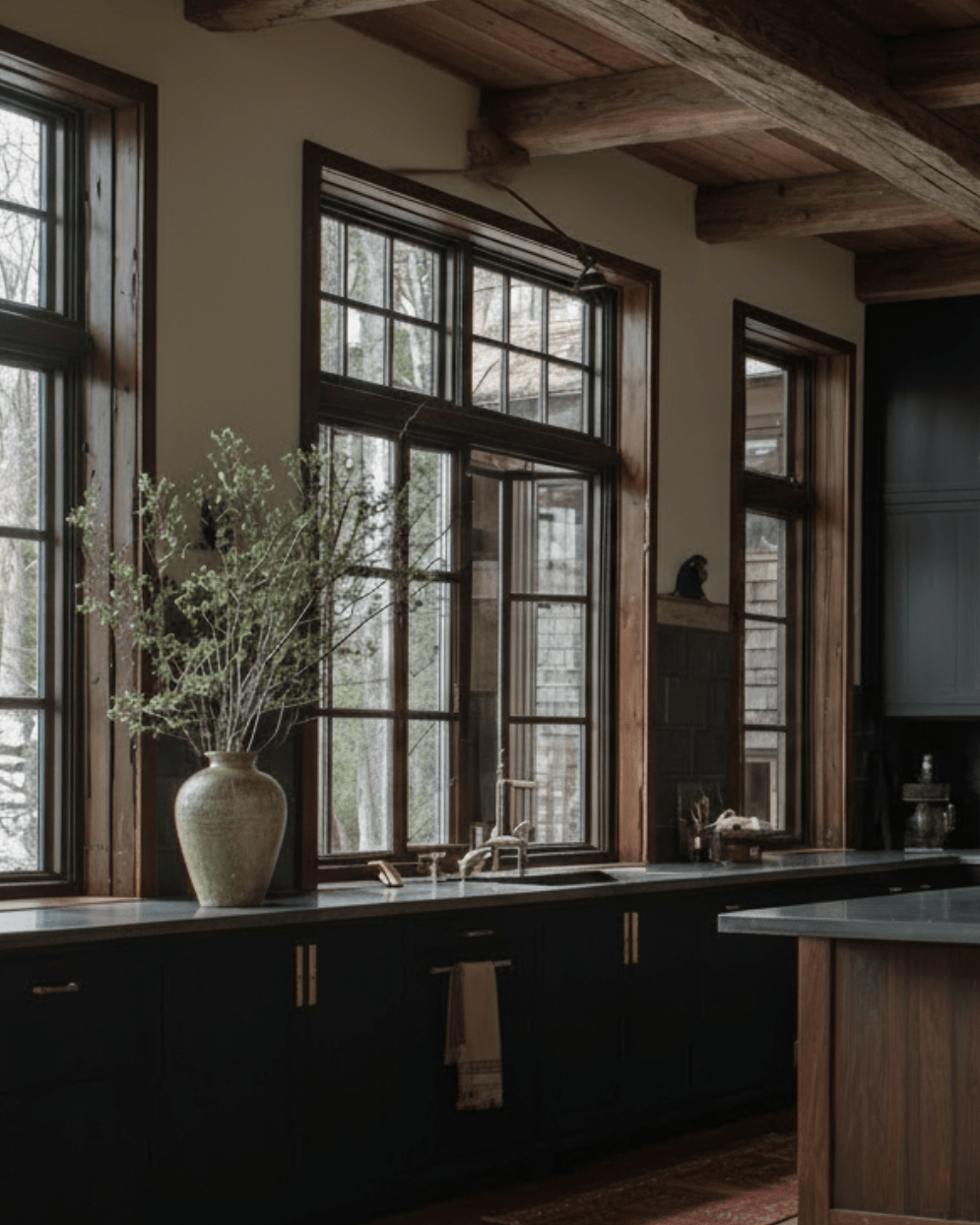
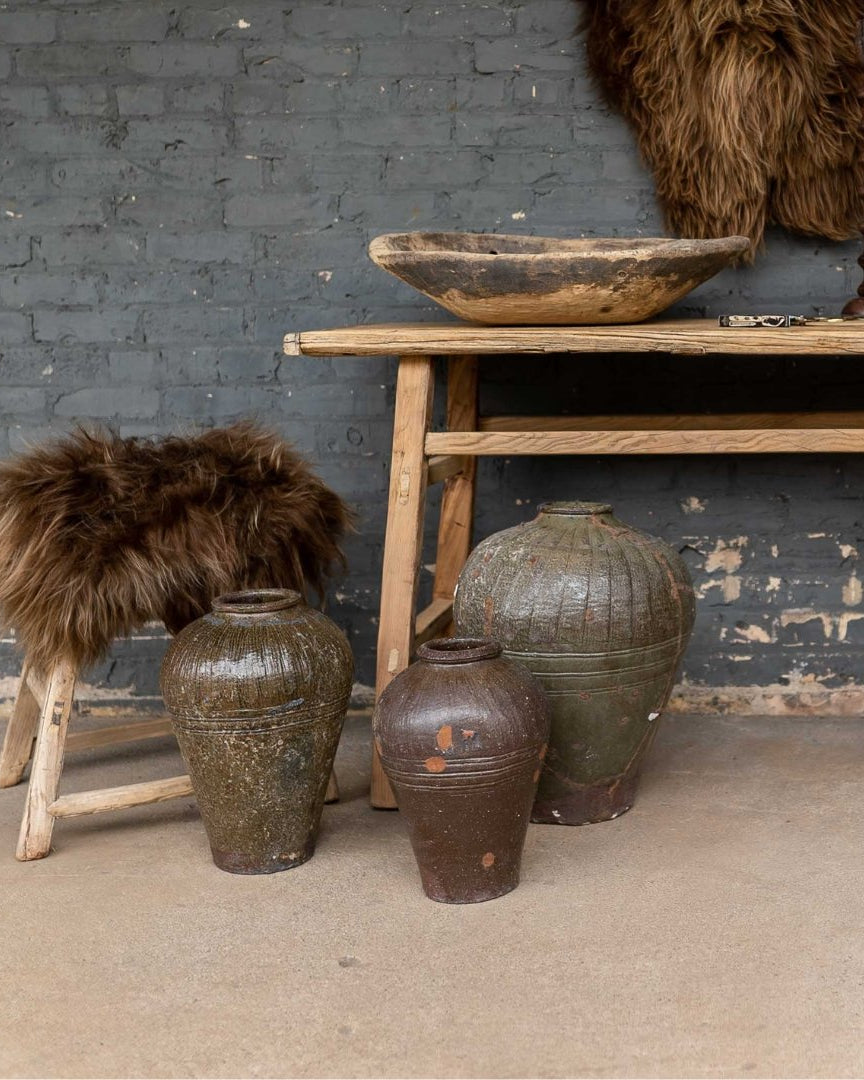
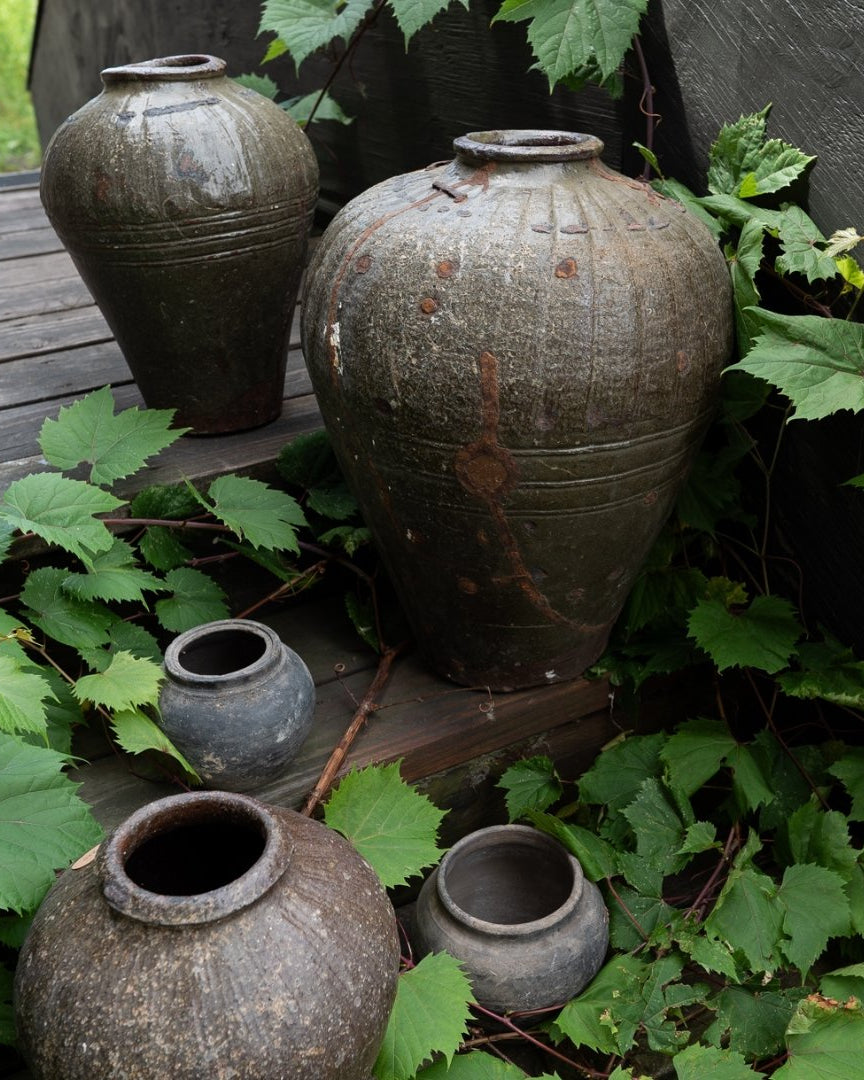
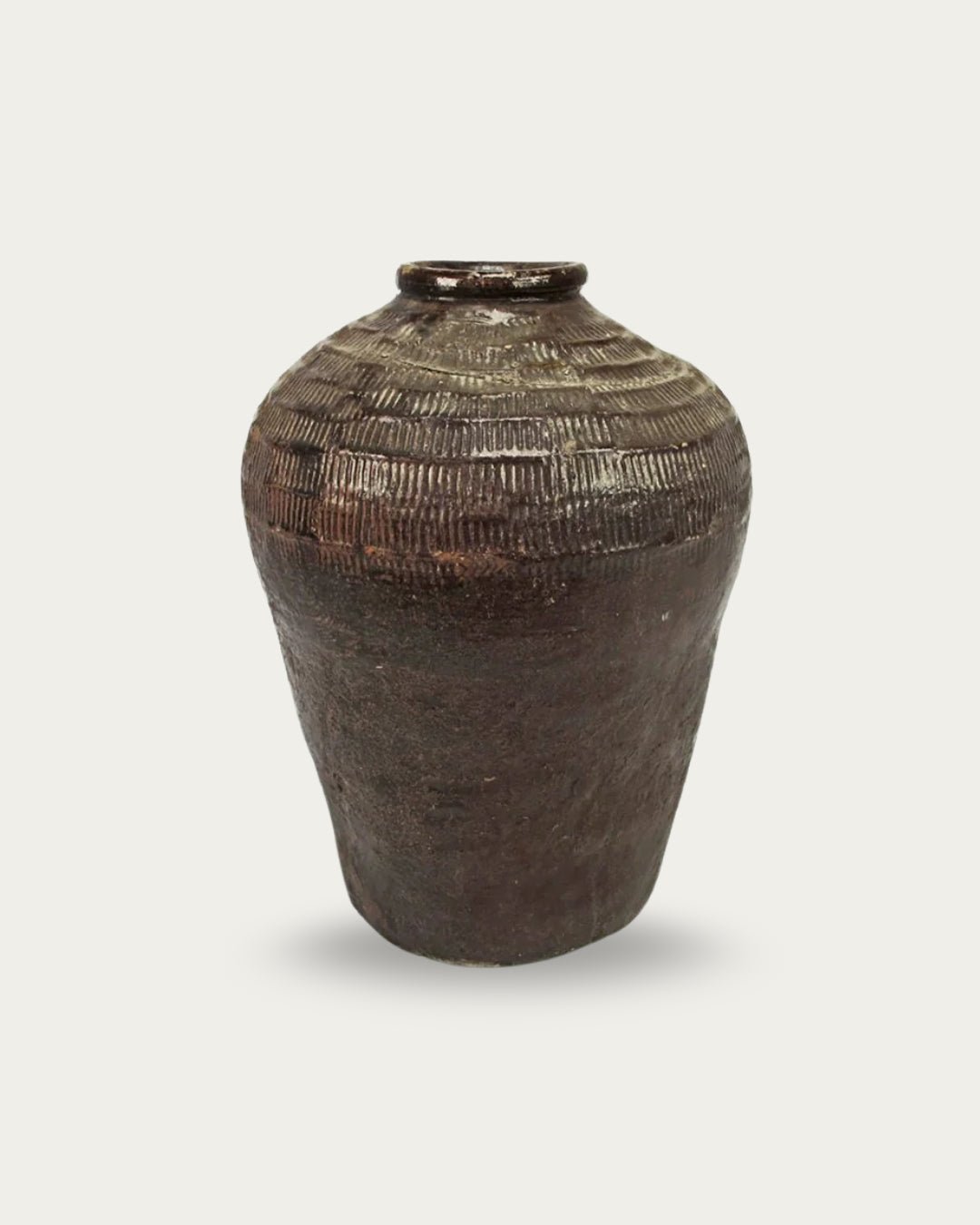
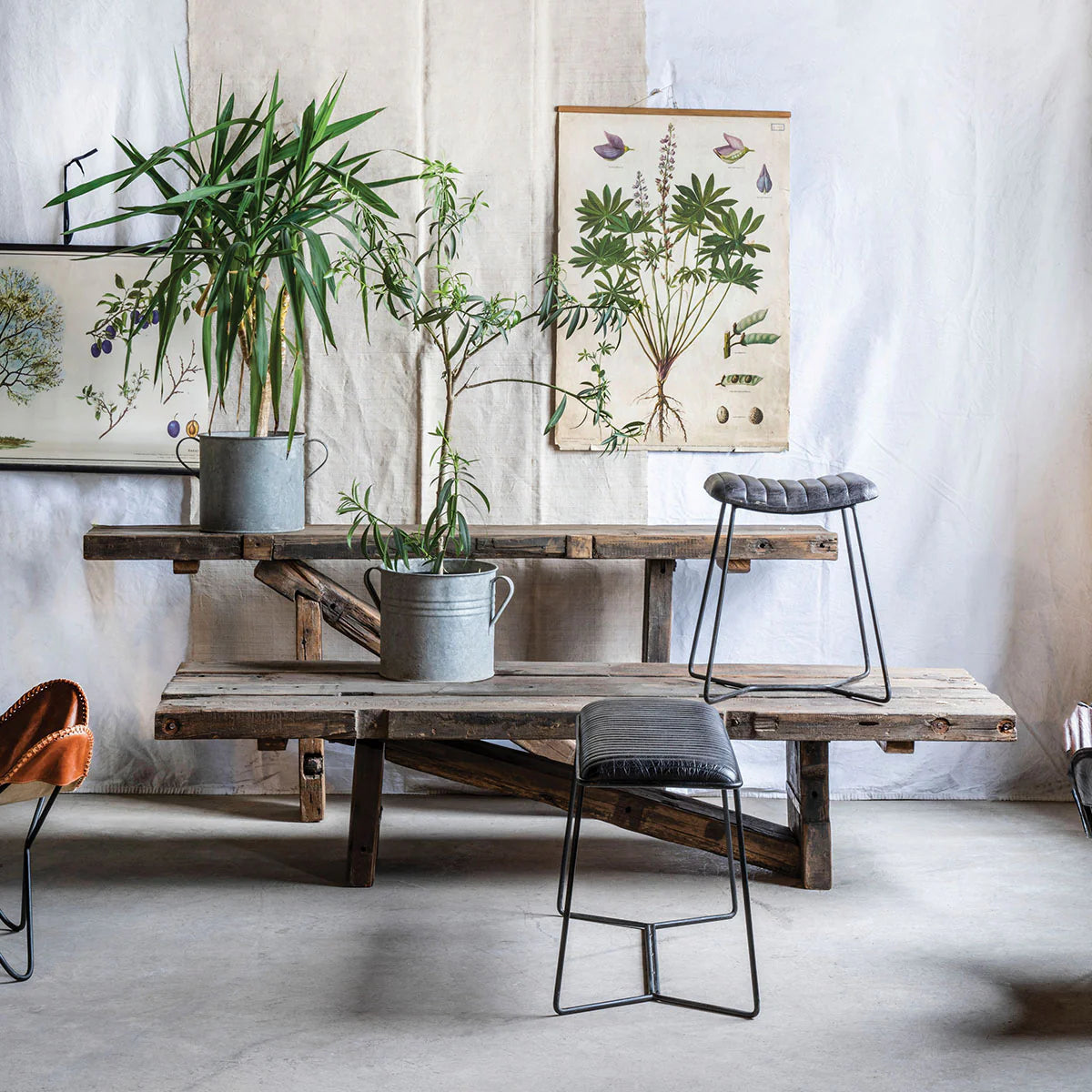
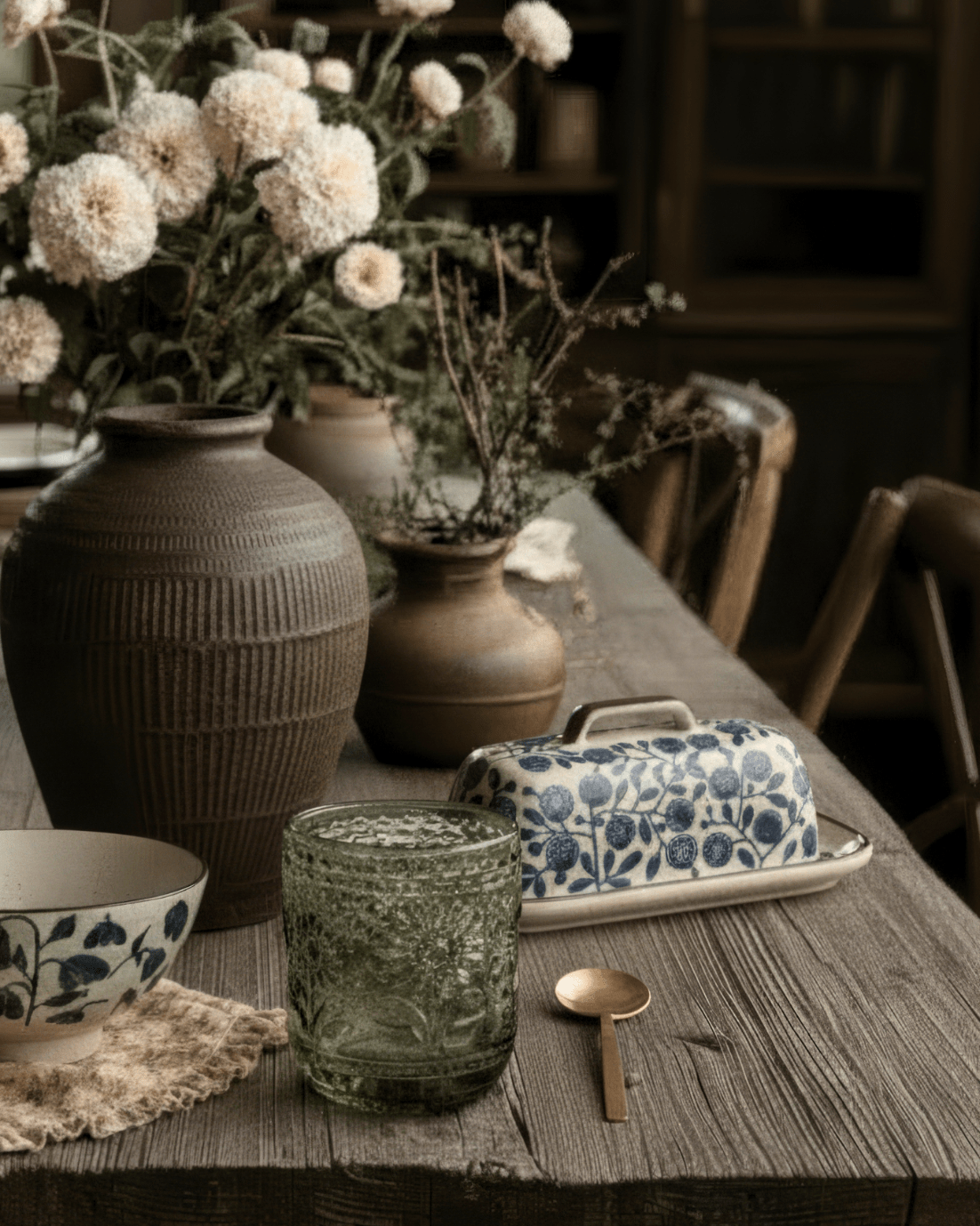
A worn wooden bowl. A weathered clay pot. A stone plate with decades of subtle imperfections. These objects often feel more satisfying to live with than brand-new decor, and the reason goes beyond aesthetics. Vintage home decor introduces something modern interiors are increasingly missing: sensory depth. The textures, irregularities, and signs of age found in vintage pieces create environments that feel easier for the nervous system to process and more interesting to experience over time.
If you're looking to bring more character, texture, and visual grounding into your home, exploring Hello Norden's vintage decor collection is a great place to start. Sometimes a room needs less decorating and more objects with a story already built in.
Why Patina Feels Different From Perfection
Patina is the visible record of time.
It's the softened edge on a wooden board. The slight variation in a hand-shaped bowl. The subtle wear on a piece that has been touched, used, and lived with for years.
Modern manufacturing often prioritizes consistency. Every piece is identical. Every surface is flawless. Every edge is perfectly sharp.
The brain doesn't always prefer that.
Human beings evolved in environments filled with natural variation. Trees, stone, earth, and water are never identical. The nervous system is accustomed to complexity that feels organic rather than manufactured.
This is one reason pieces like the Vintage shallow wood bowls and the Primitive rice measurer small feel so compelling. Their imperfections aren't flaws. They're visual information that makes the object feel more human and easier to connect with.
The Brain Likes Authenticity
The nervous system constantly scans environments for coherence.
When materials feel honest and naturally aged, the brain doesn't have to work as hard to understand them.
That's often why patina feels calming rather than distracting.
Vintage Decor Creates Texture Without Clutter
Many people try to make a room feel layered by adding more objects.
The result is often visual noise.
Vintage decor works differently.
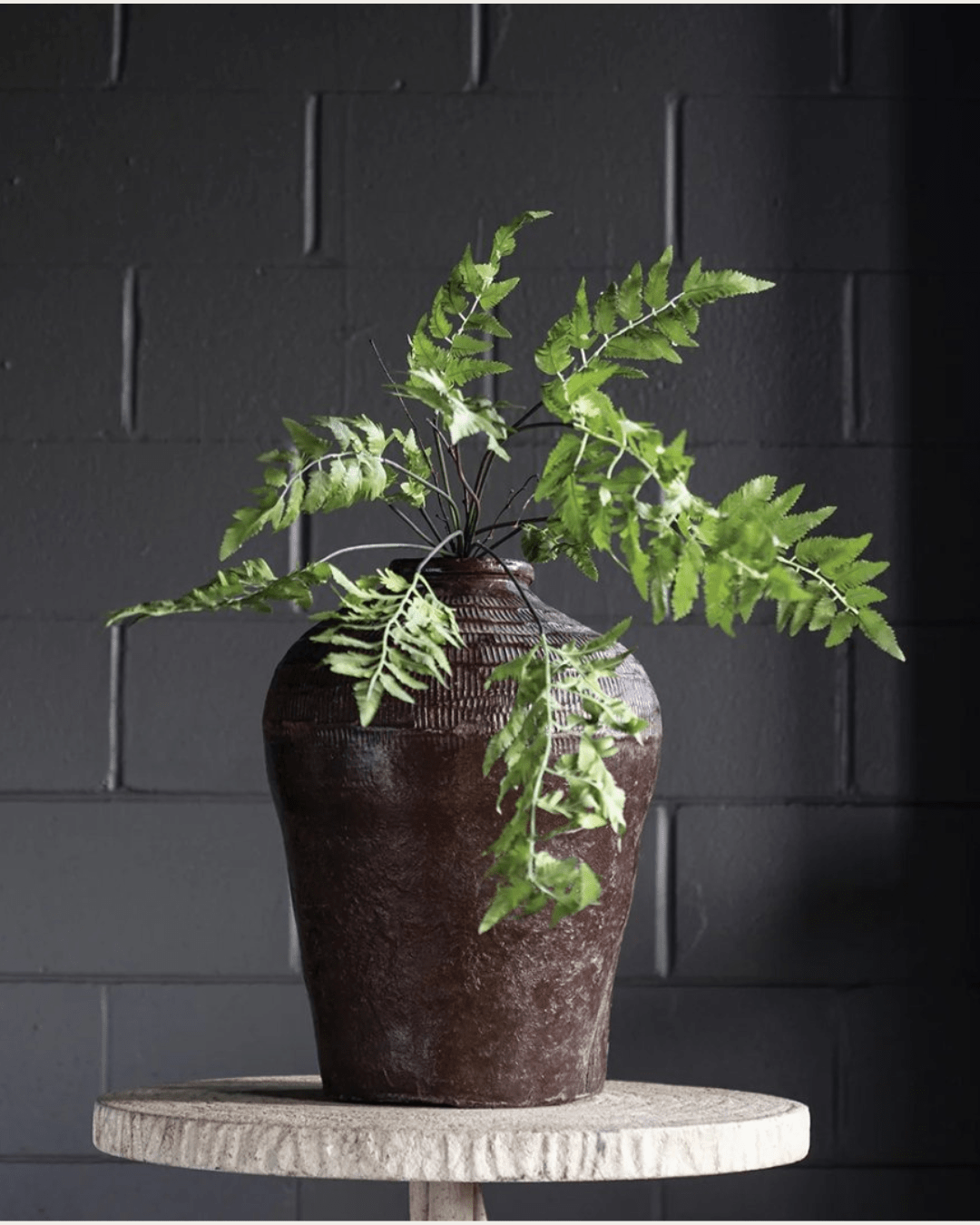
Because these pieces already contain variation through material, texture, and age, they contribute visual depth without requiring large quantities. One carefully chosen object can create more interest than a shelf full of mass-produced accessories.
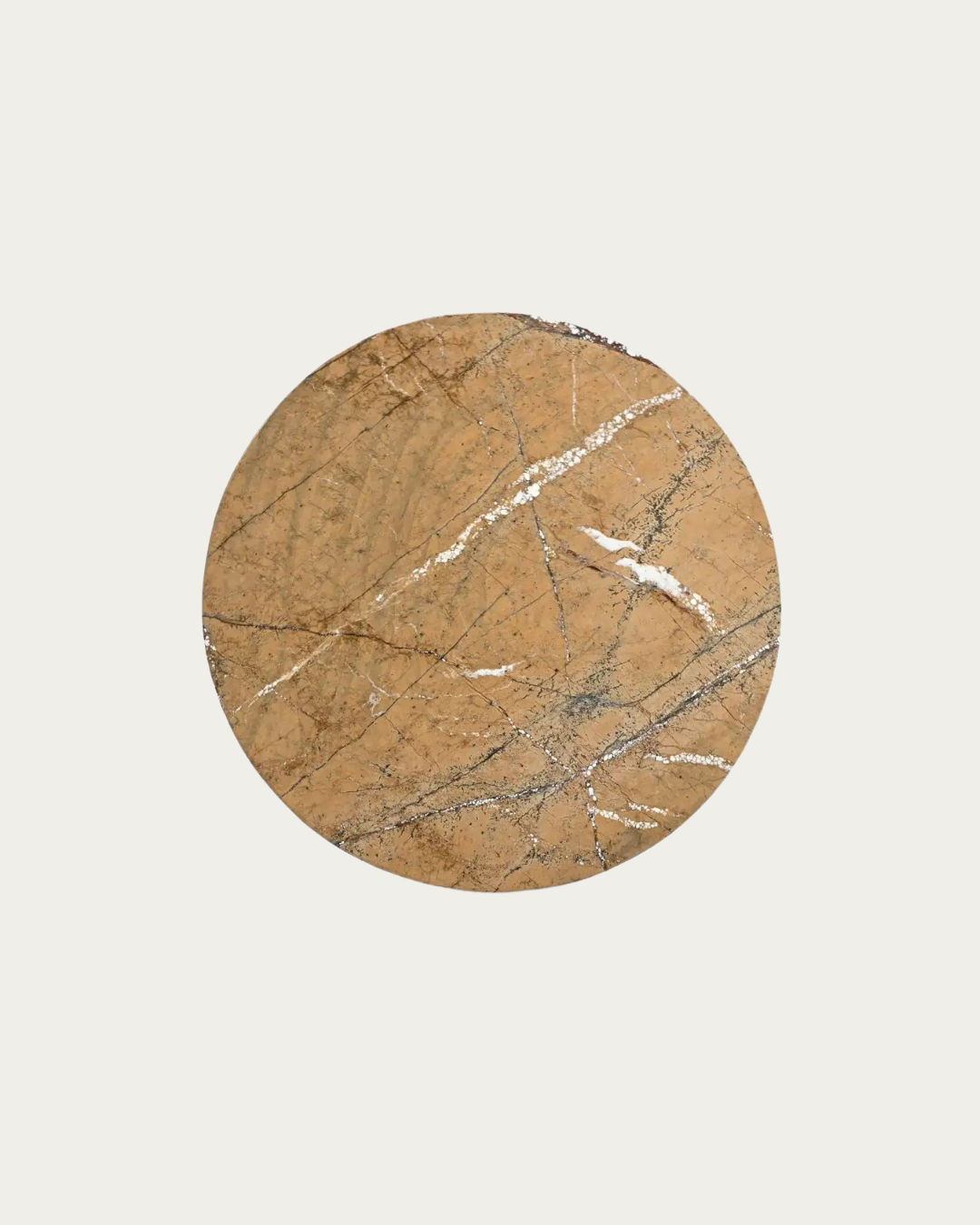
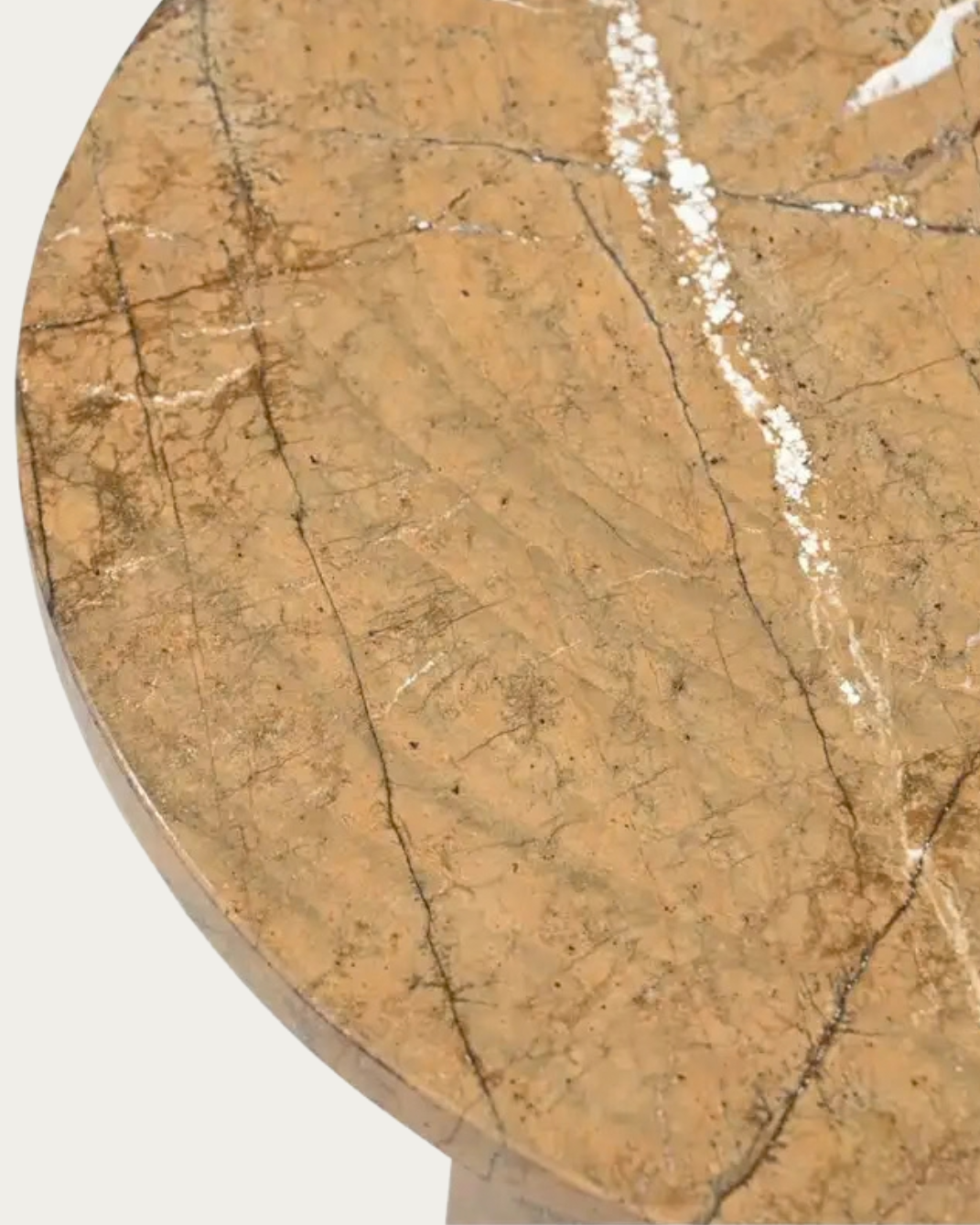
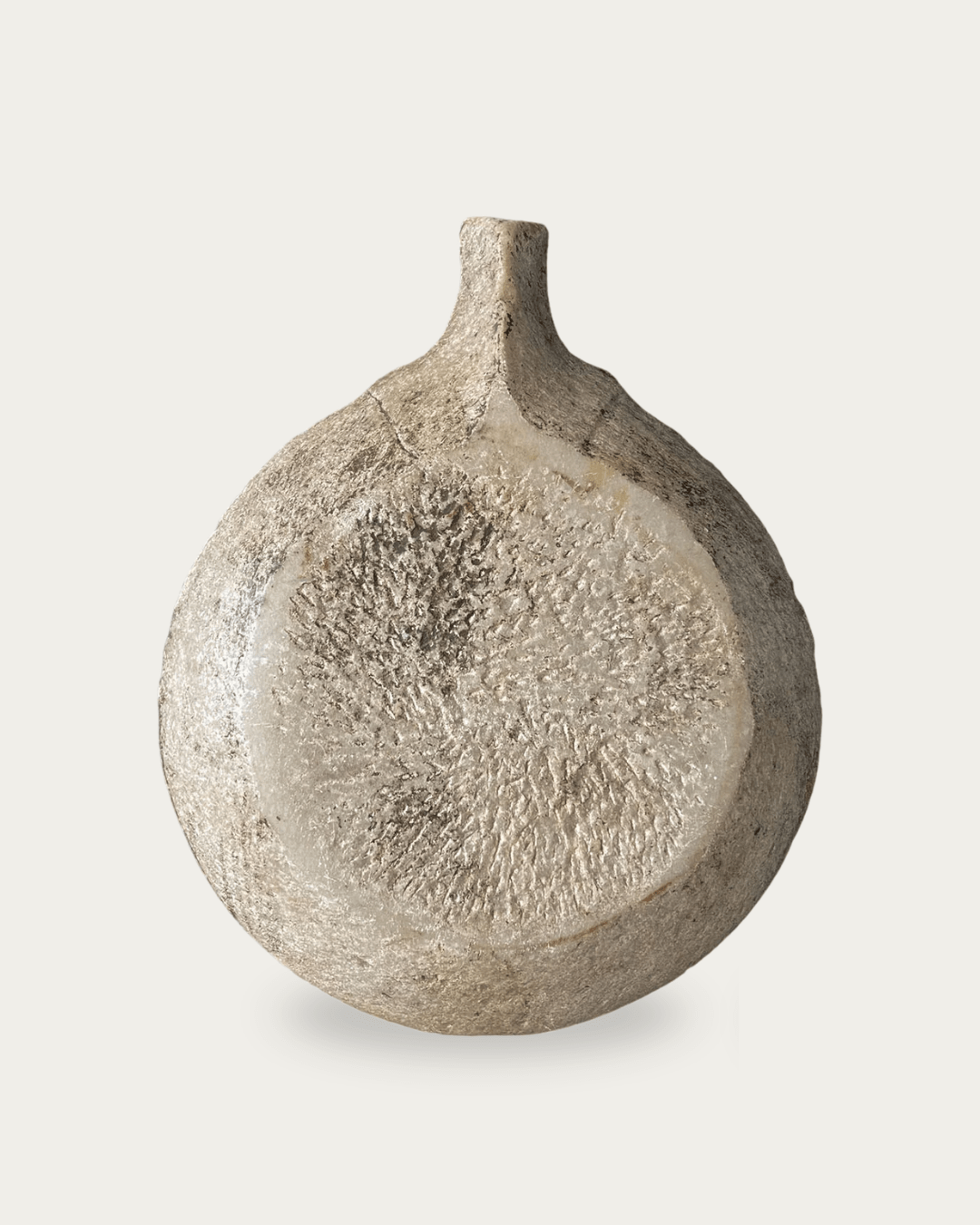
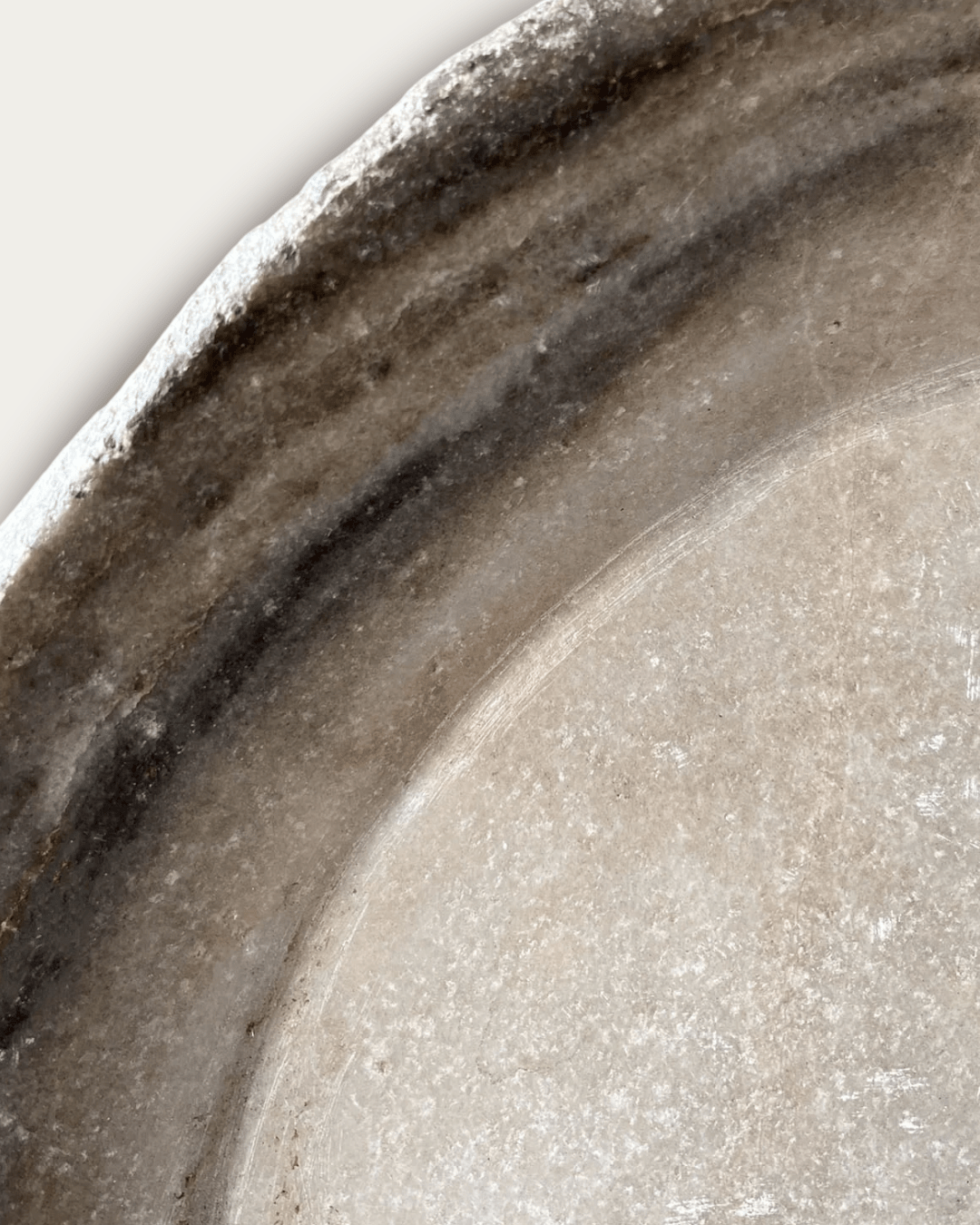
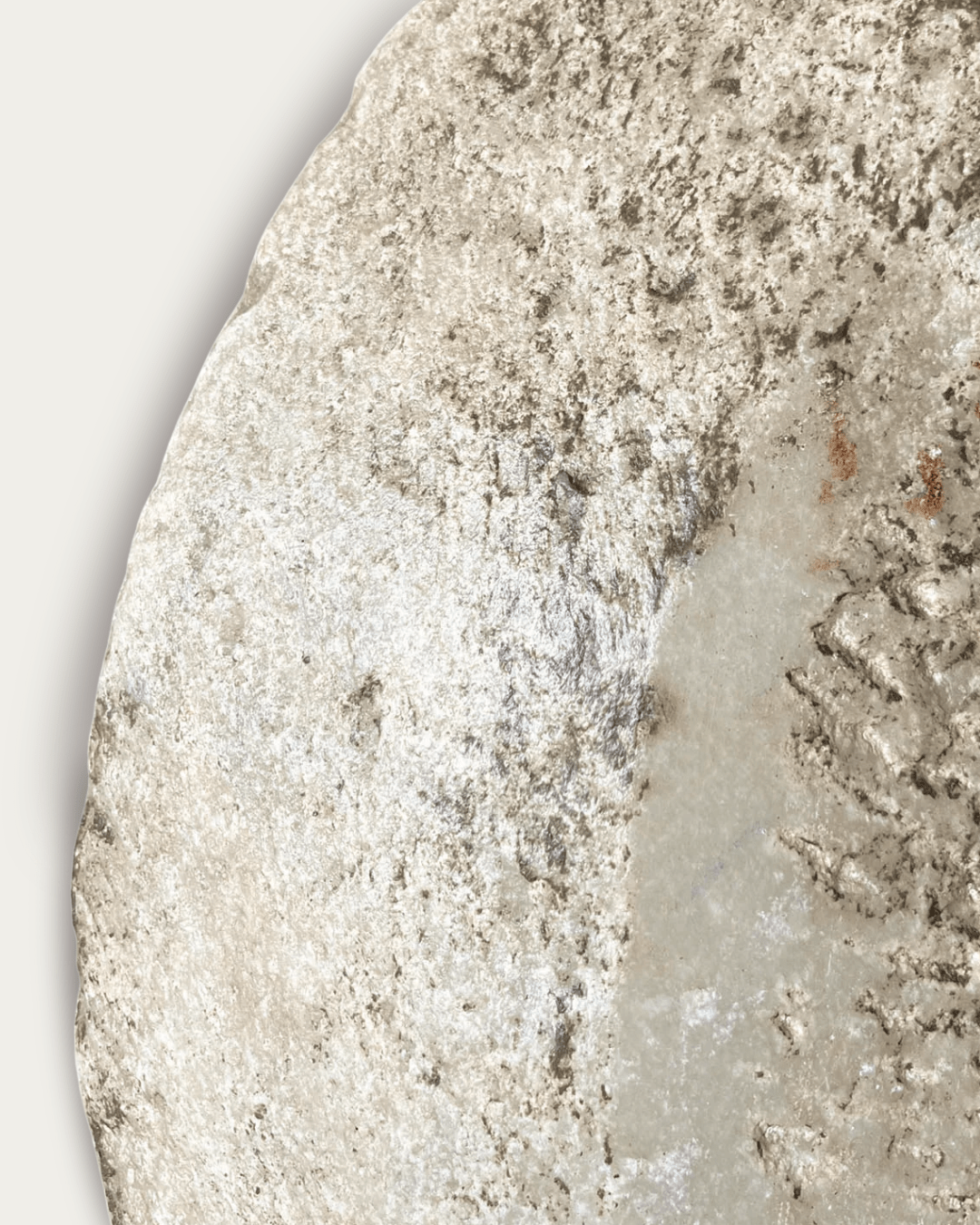
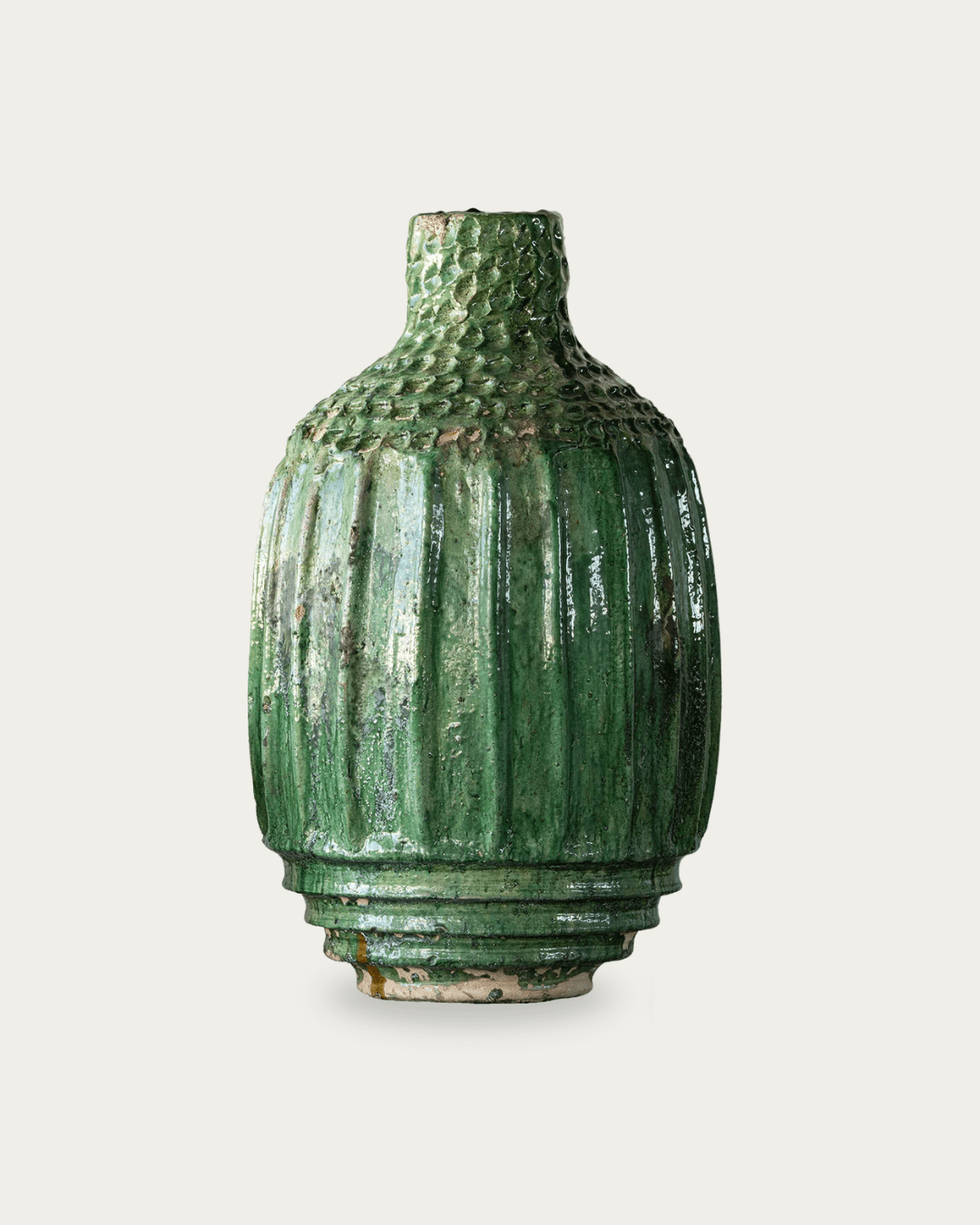
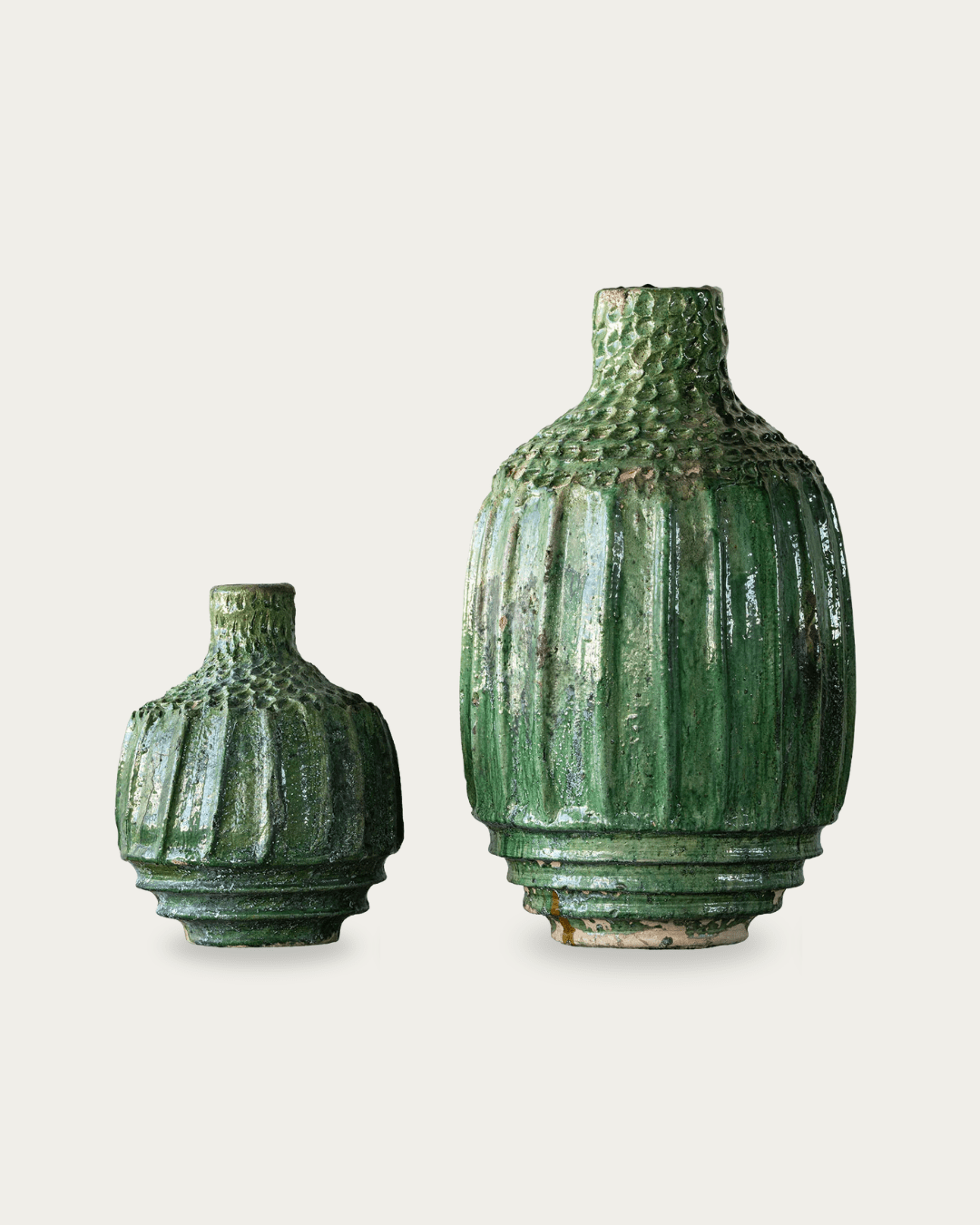
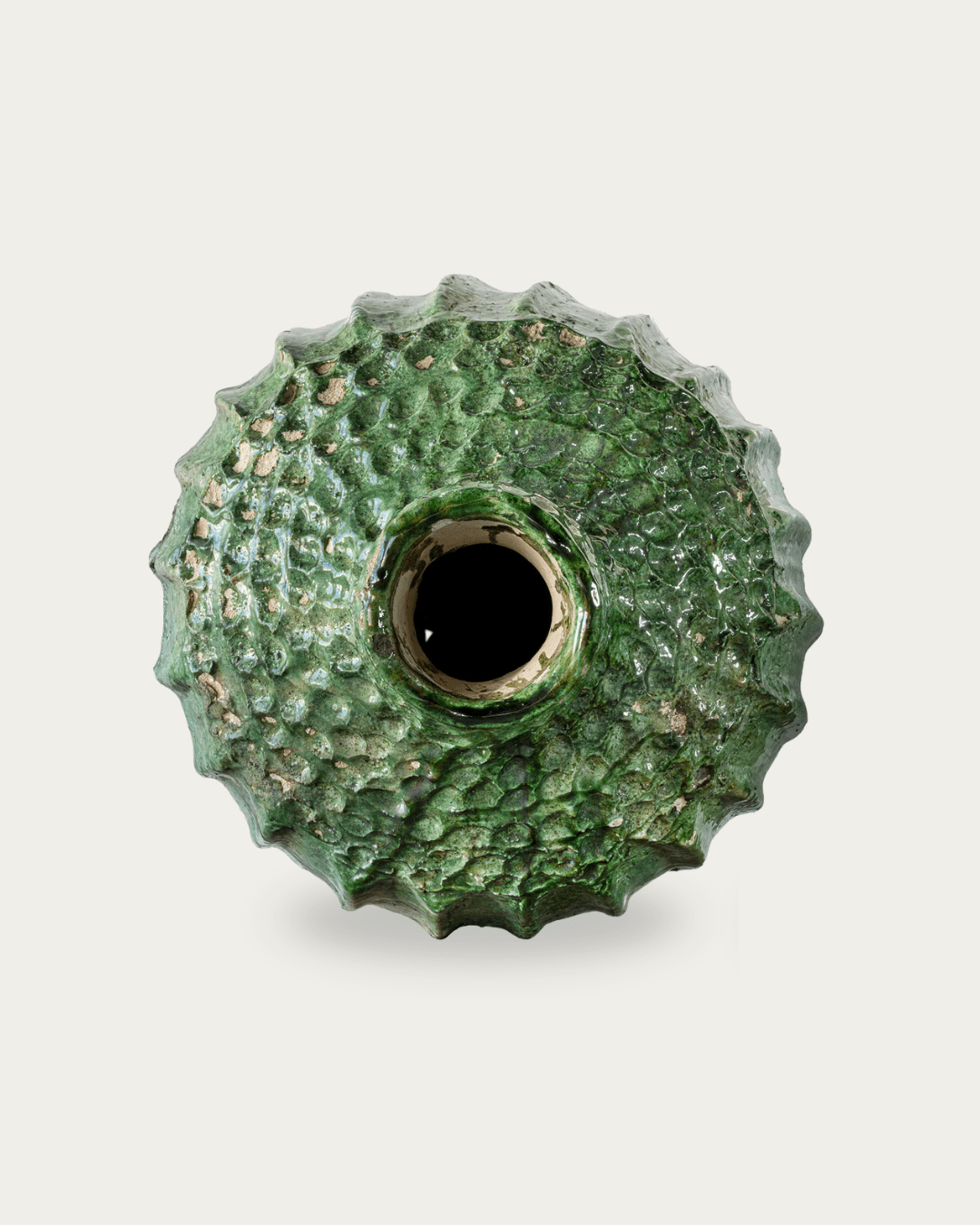
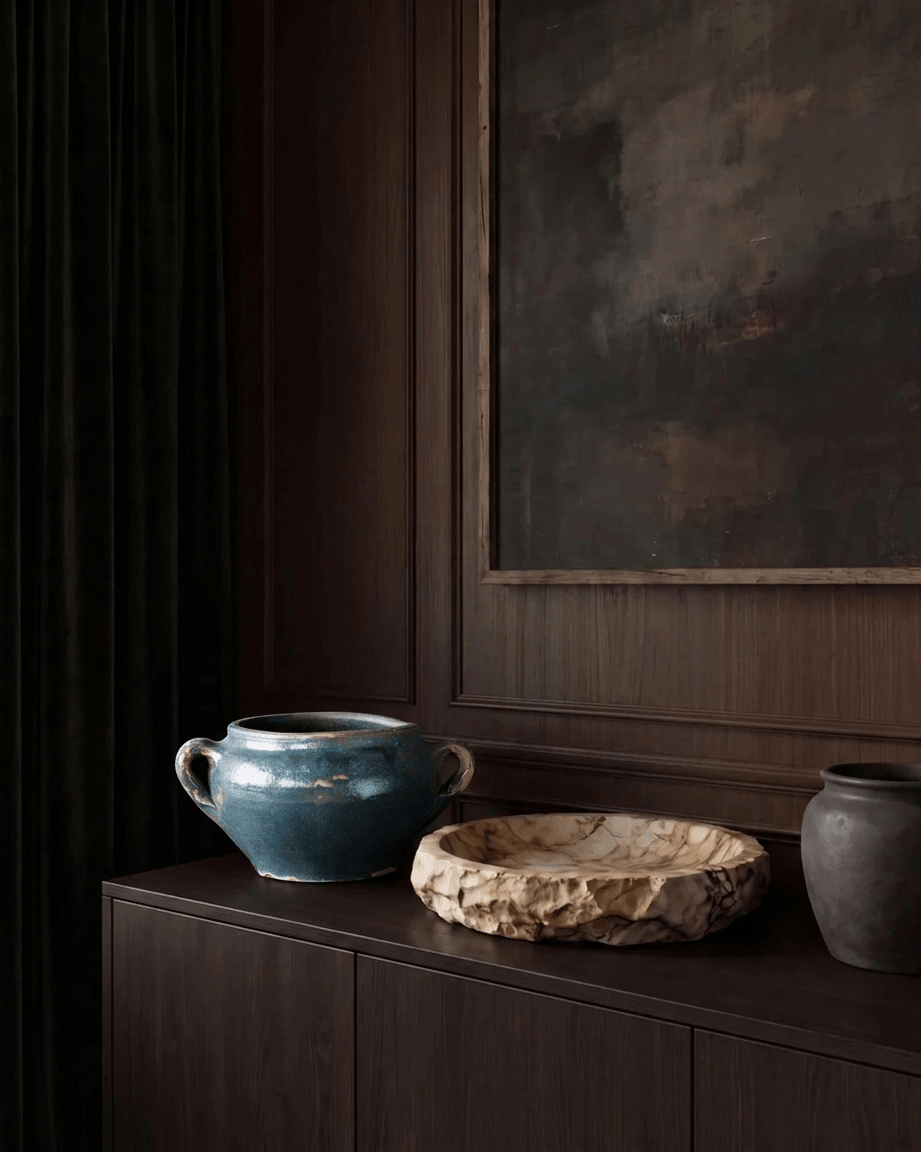
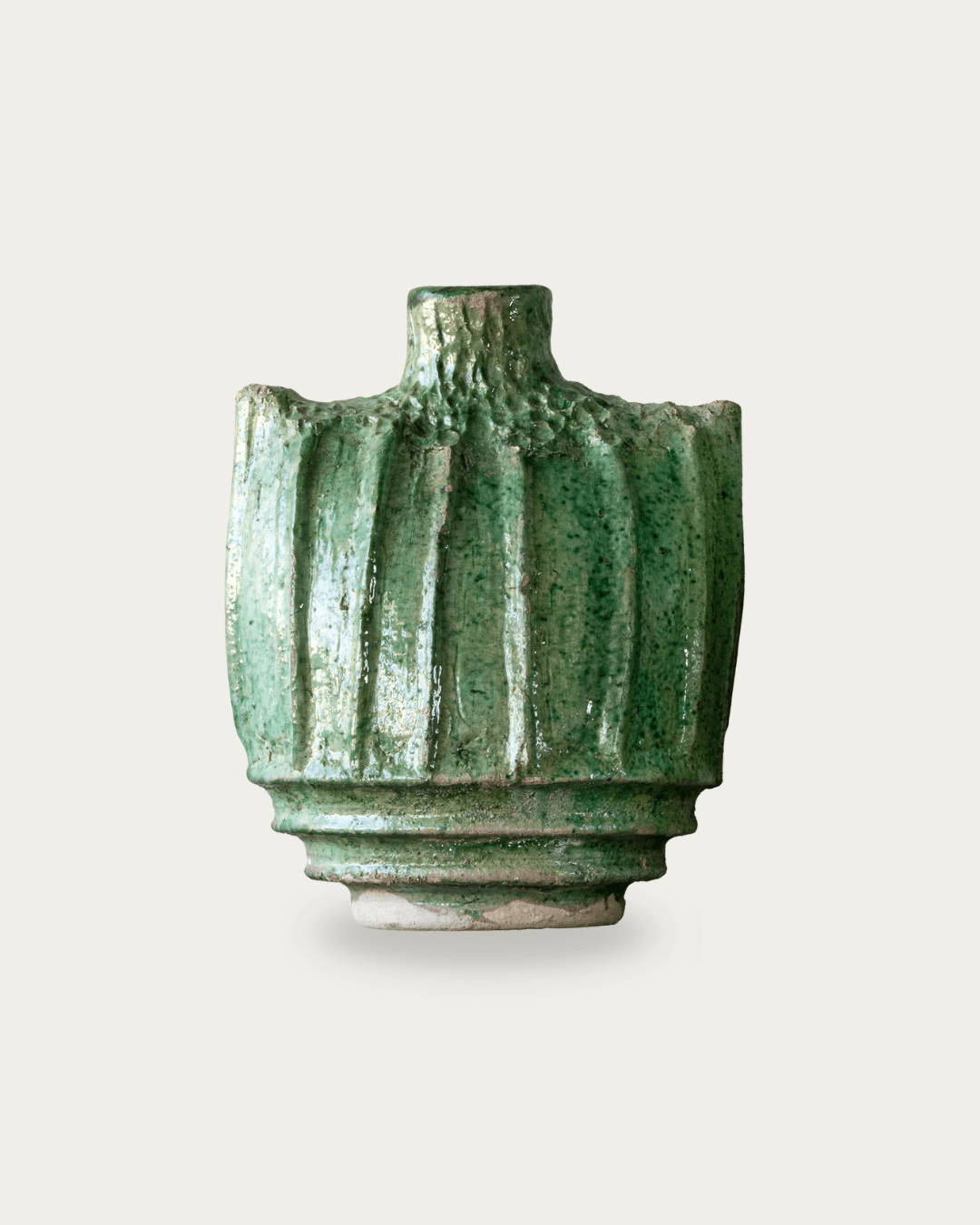
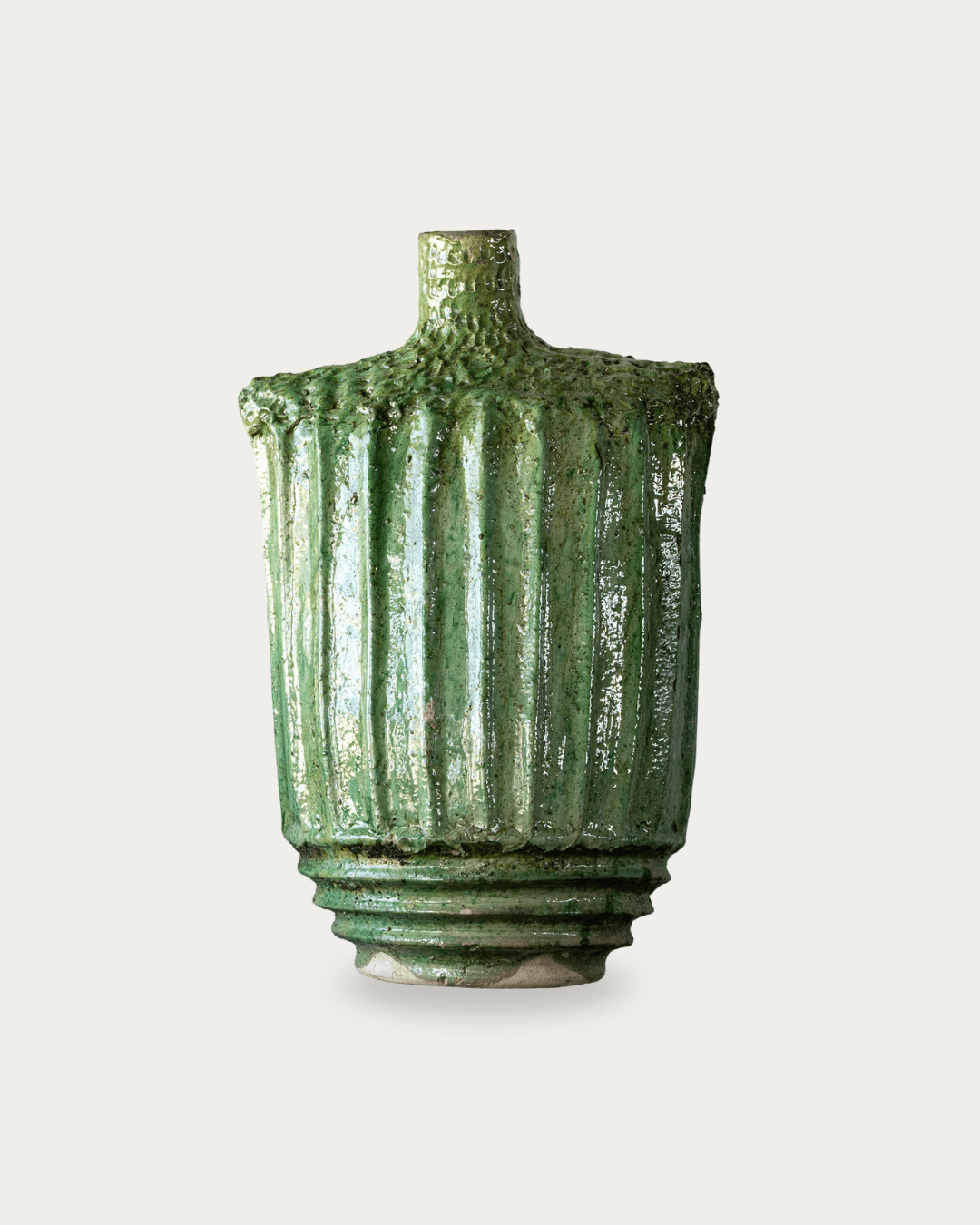
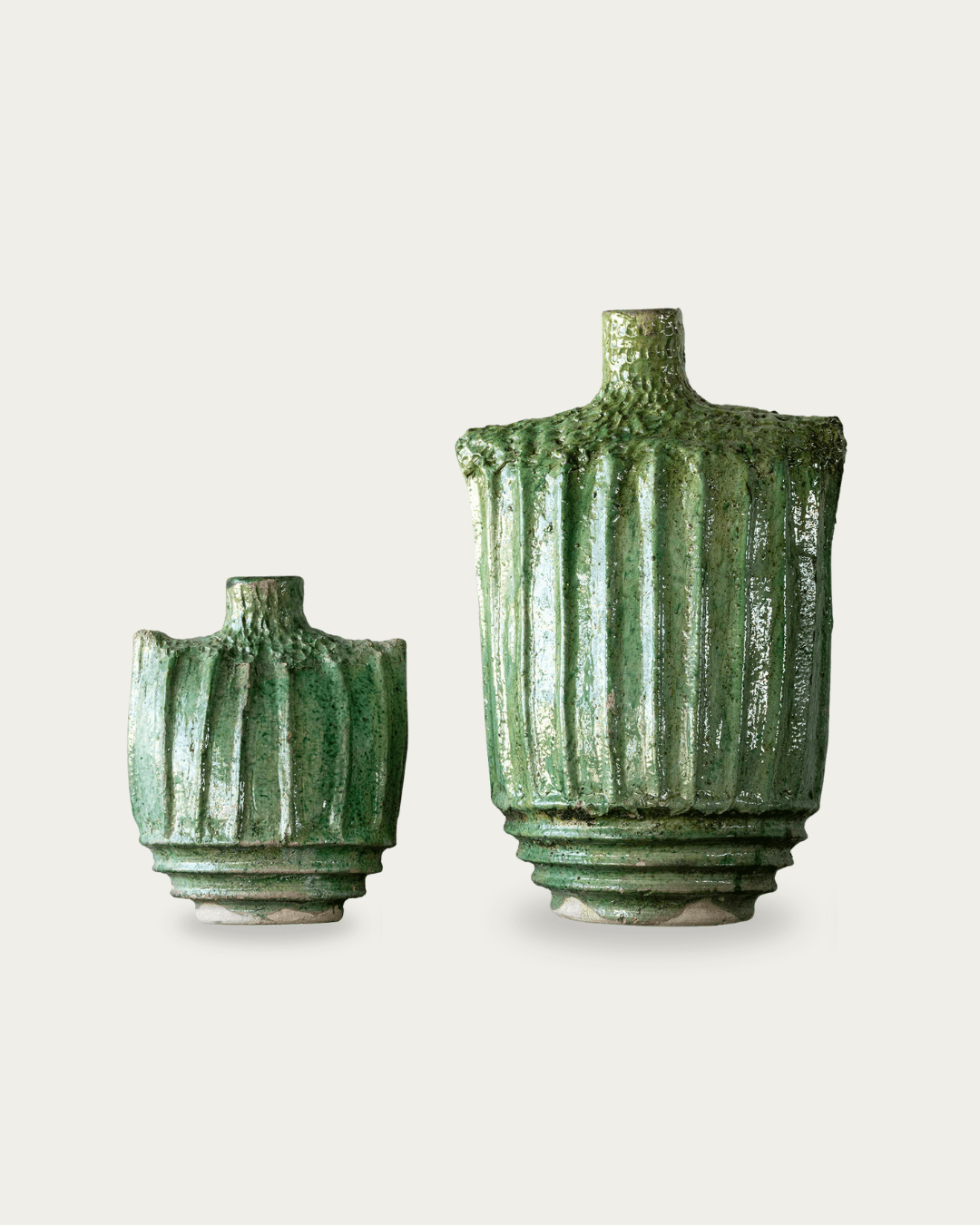
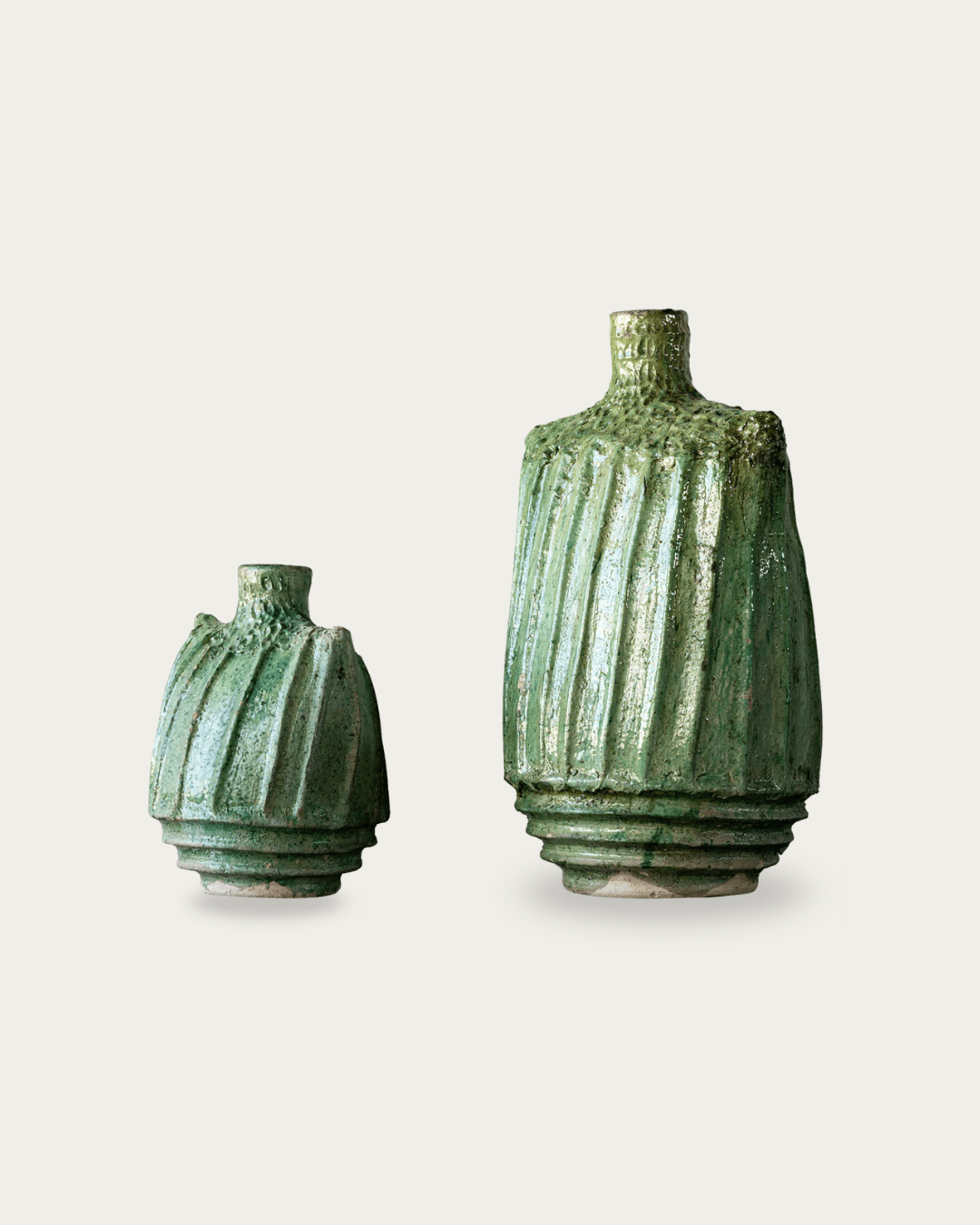
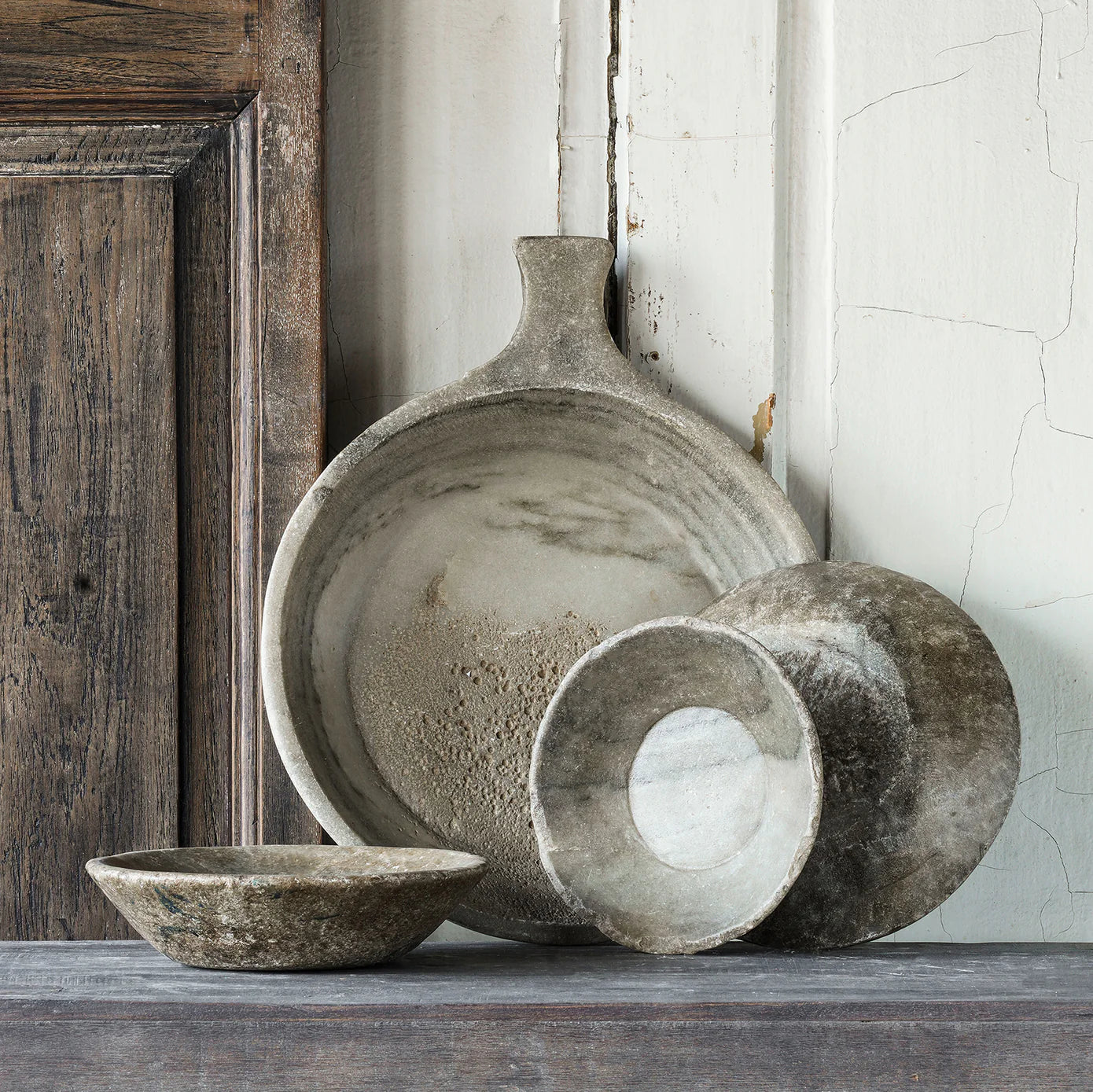
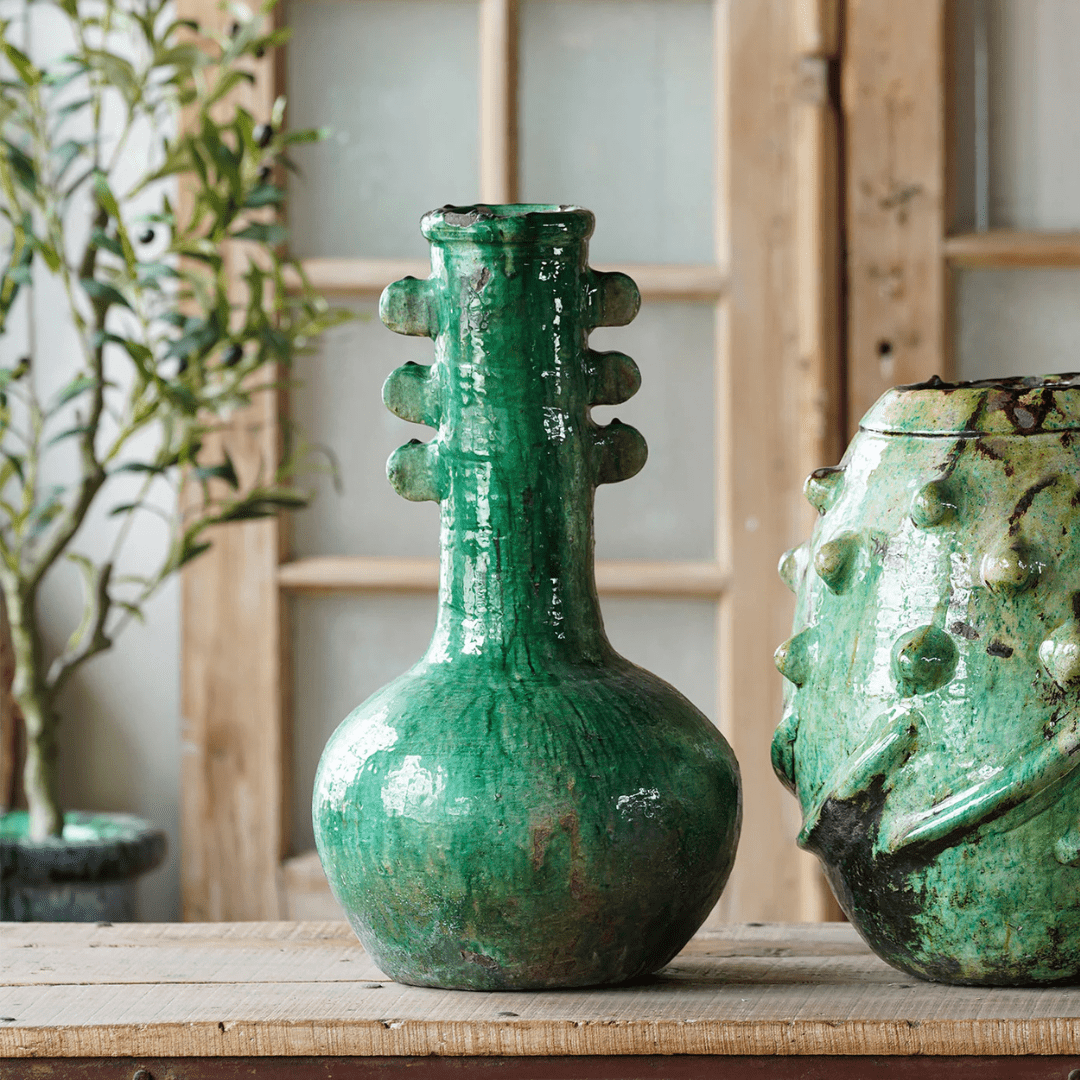
The Tamegroute green bowl introduces subtle irregularities through its handmade glazing, while the Vintage marble shallow bowl adds natural movement through the stone itself.
Neither piece needs excessive styling around it.
The material does the work.
Why Less Often Feels Better
Rooms become overwhelming when too many objects compete for attention.
Patinated materials naturally create hierarchy because they carry enough visual richness on their own.
The room feels layered without feeling crowded.
Objects With History Feel More Grounding
One reason people are increasingly drawn to vintage home decor is because many modern environments feel temporary.
Furniture changes.
Trends shift.
Decor gets replaced.
Everything can start to feel disposable.
Vintage pieces create the opposite experience.
They bring a sense of permanence.
The Chinese harvest basket and the Vintage rice carrier weren't originally created to be decorative. They were functional objects that developed character through years of use.
That history is part of what makes them feel substantial.
Why Stories Matter
People naturally form stronger connections with objects that feel meaningful.
The brain responds differently when something appears to have lived a life before entering your home.
It creates curiosity rather than consumption.
Patina Softens Modern Interiors
Modern homes often feature cleaner lines, larger open spaces, and fewer decorative layers.
While this can feel refreshing, it can also become visually flat if every surface feels new and highly finished.
Vintage decor introduces contrast.
Not through color.
Through texture.
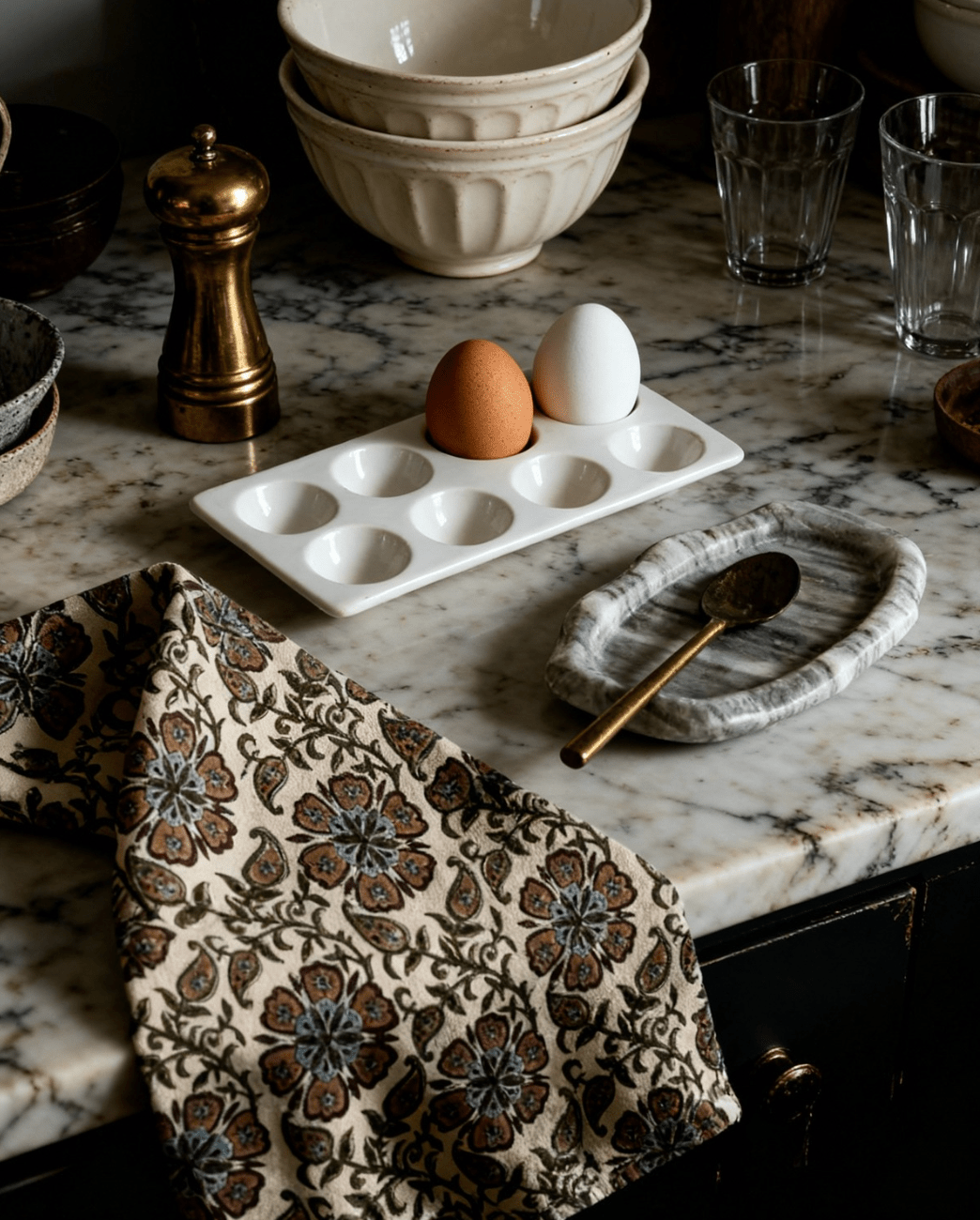
The Katia vintage chapati board brings natural wear and material variation into a room, while the Gretel stone village plate introduces a tactile quality that offsets smoother contemporary surfaces.
The result isn't a more rustic room.
It's a more balanced one.
Texture Regulates Faster Than Styling
People often focus on changing paint colors when a room feels off.
Often the issue is texture.
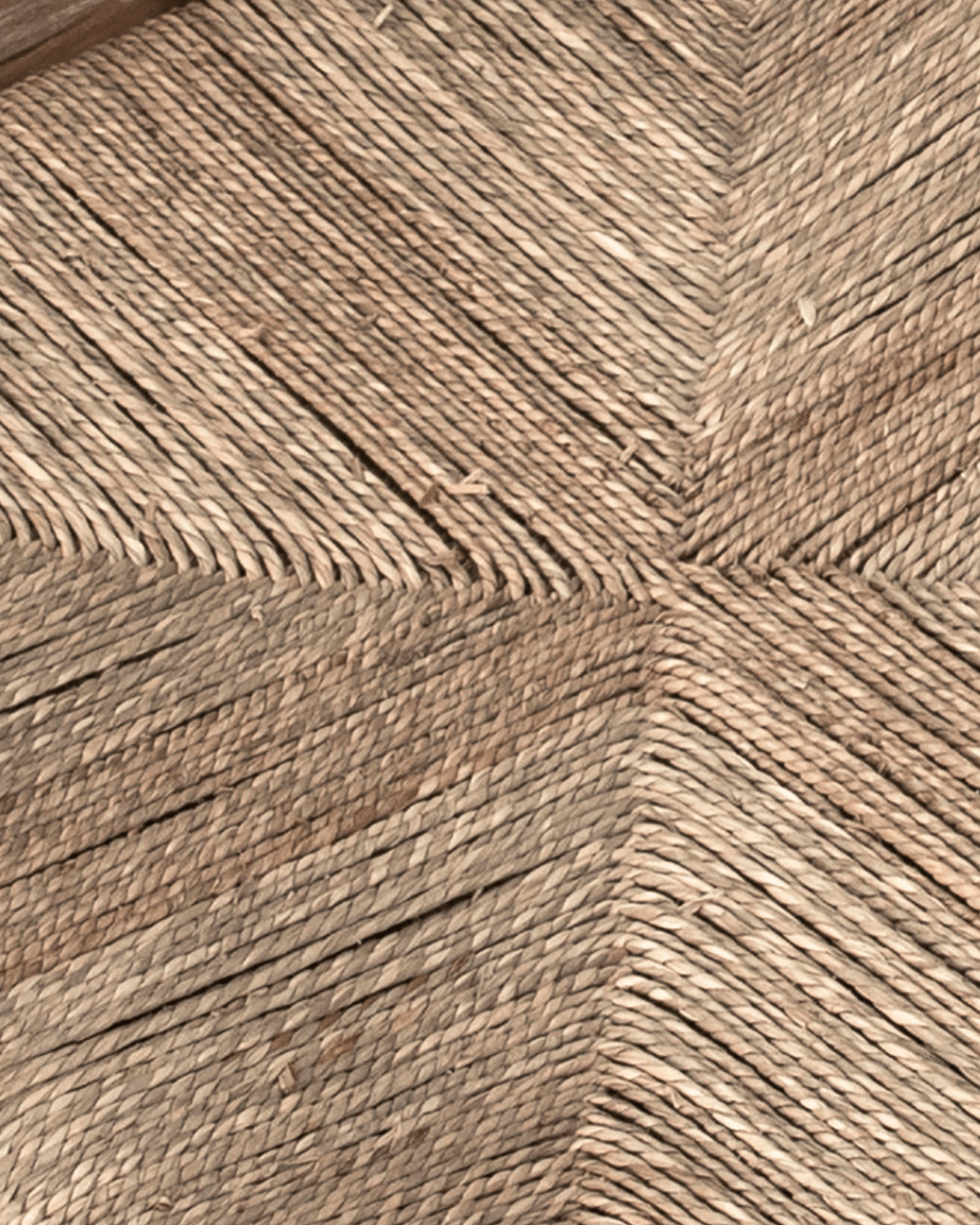
The nervous system responds strongly to tactile variation because it creates depth without increasing visual clutter.
Larger Vintage Pieces Create Visual Anchors
Not all vintage decor needs to sit on a shelf.
Some of the most powerful pieces are the ones that create structure within the room itself.
Larger vintage objects naturally become visual anchors because they carry both scale and history.
The Vintage moorish door on stand functions almost like architectural art, while the Mathias doors introduce a sense of permanence and material depth that instantly changes the atmosphere of a space.
These pieces don't simply decorate a room.
They organize it.
Why Anchors Matter
The eye likes having somewhere to settle.
Strong visual anchors help reduce the constant scanning that can make a room feel restless.
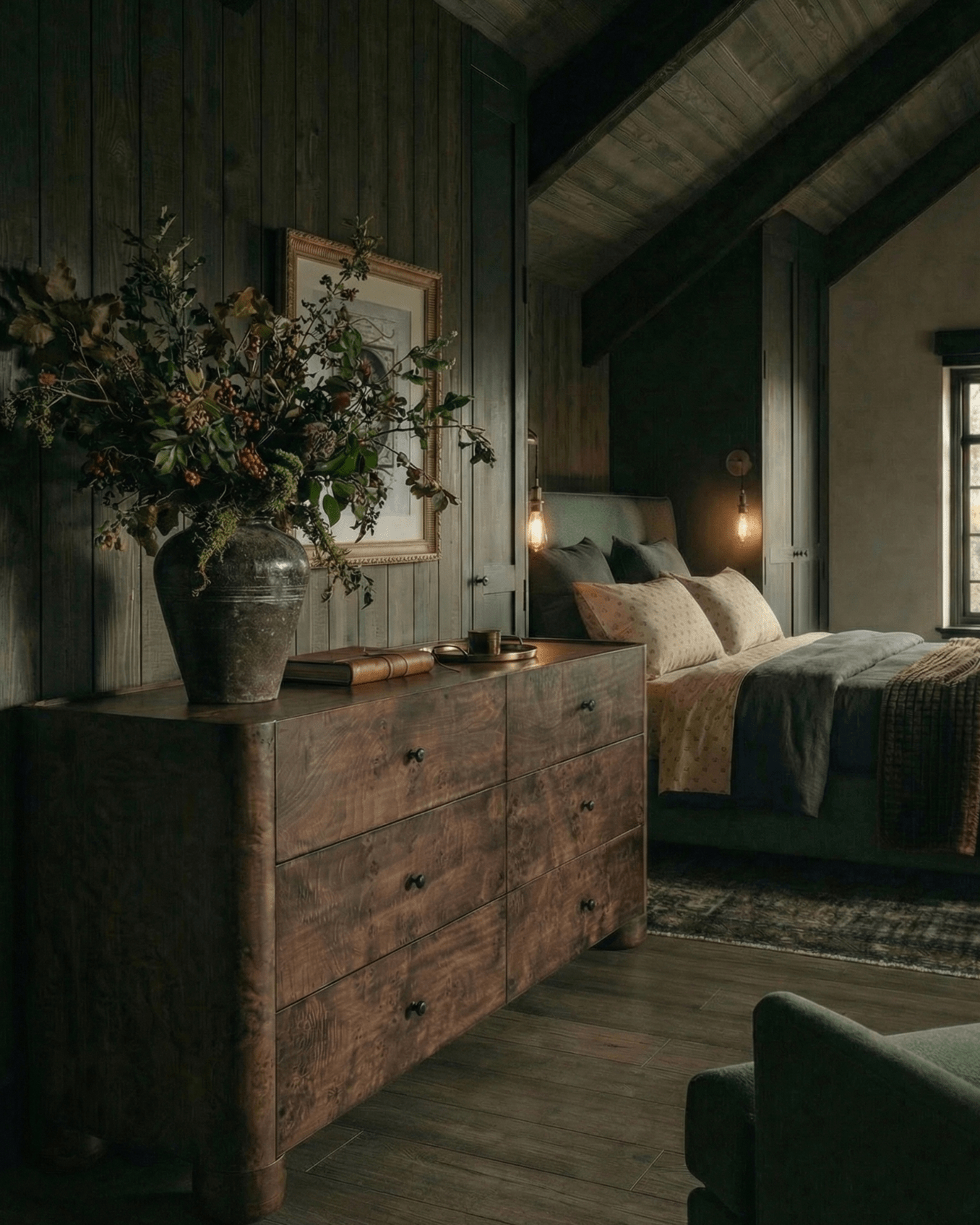
RUTED Tip: If a room feels too polished, don't add another decorative object. Add something older. A room with ten perfect accessories often feels less interesting than a room with one imperfect piece that carries texture, wear, and history. Patina usually creates more personality than purchasing another matching set ever will.

Natural Materials Age Better Than Trends
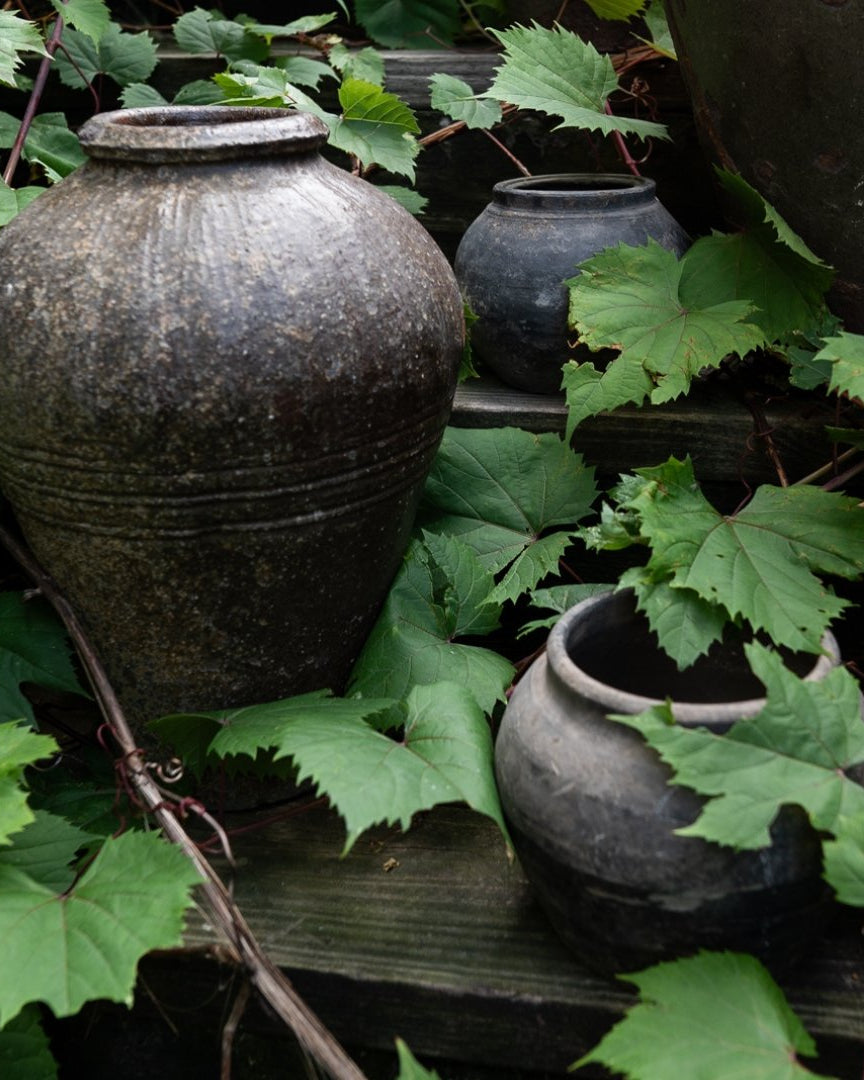
One of the reasons vintage decor continues to resonate is because natural materials evolve gracefully.
Wood develops character.
Stone gains subtle variation.
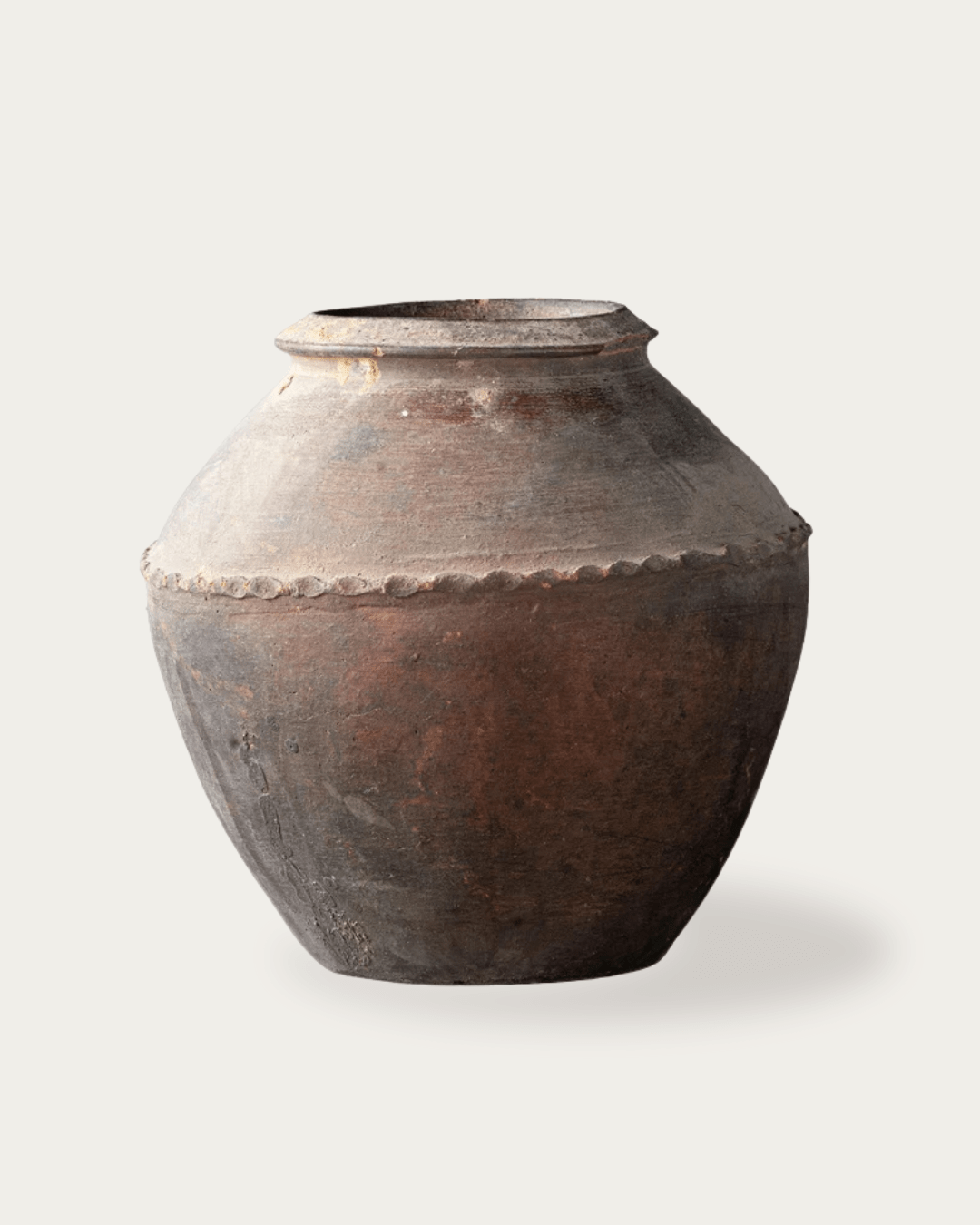
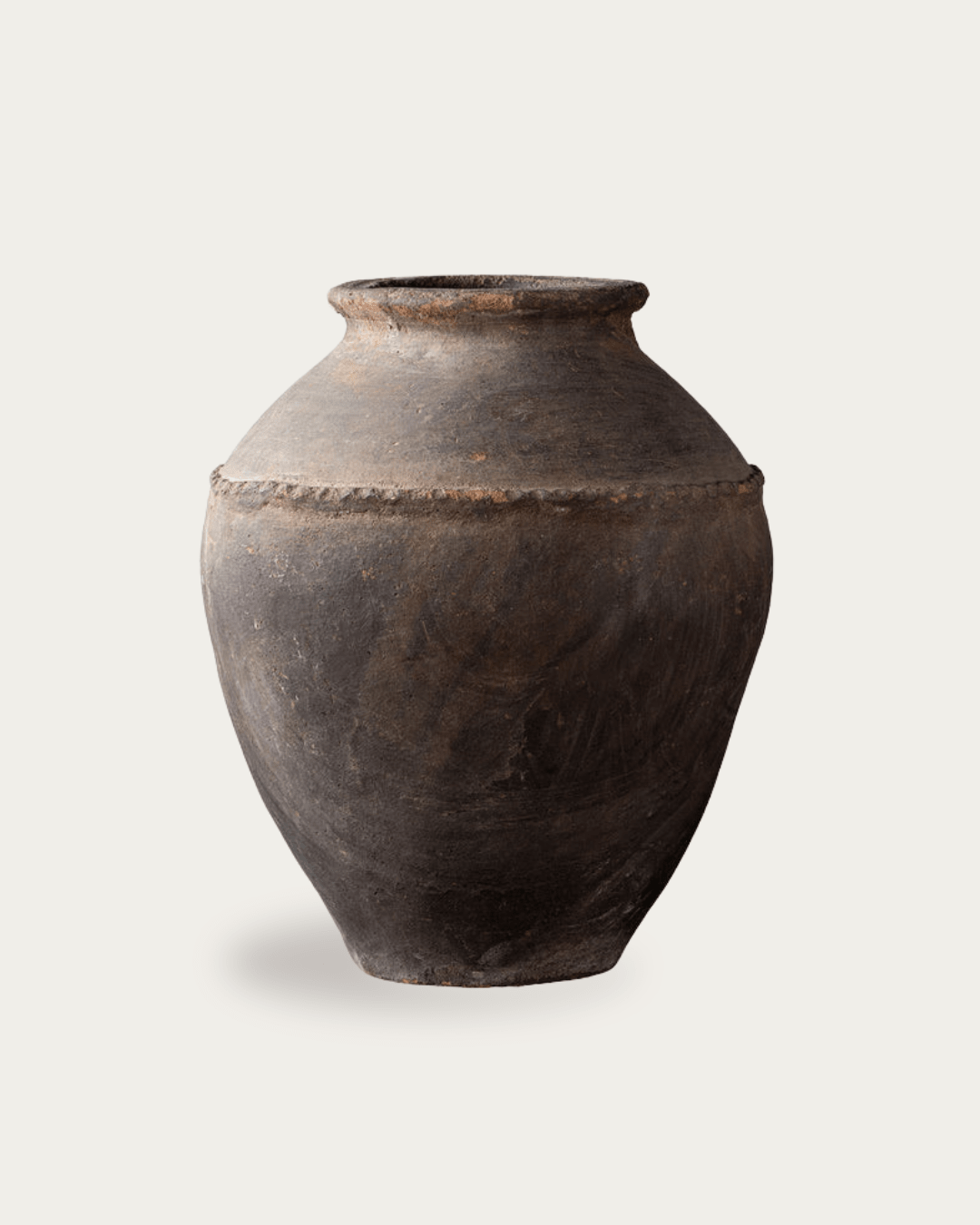
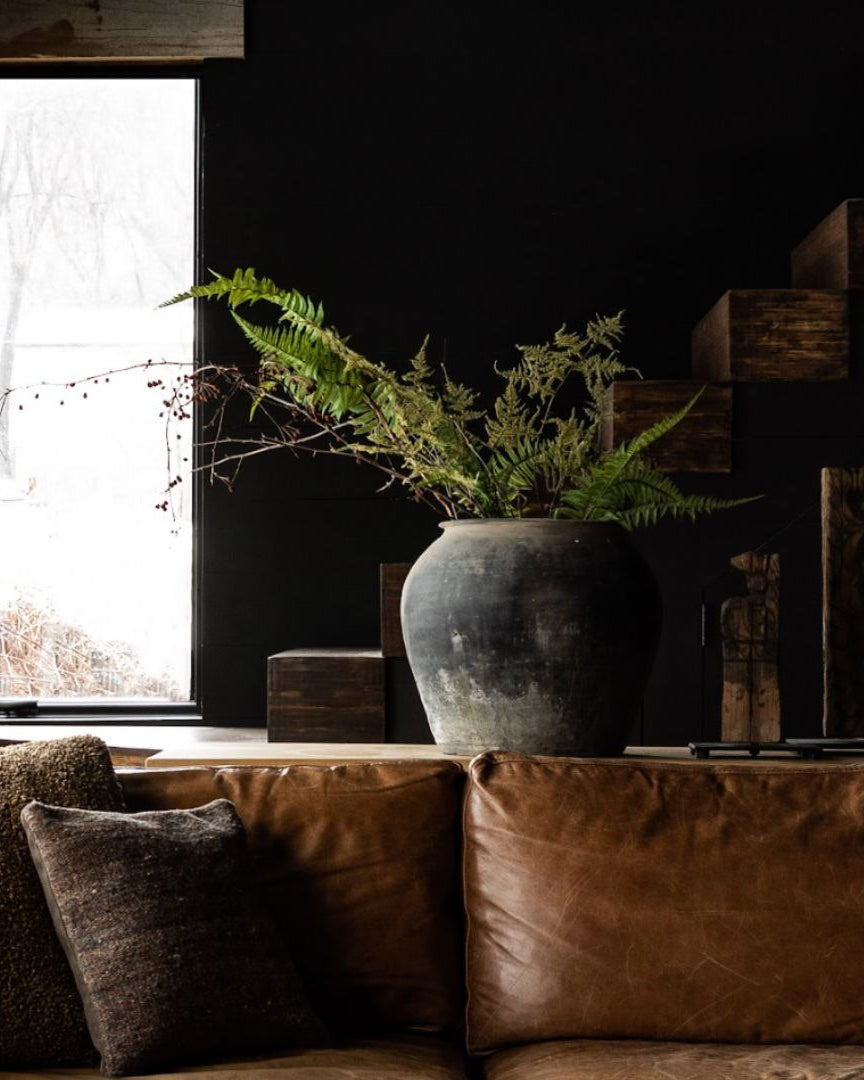
Clay changes with use.
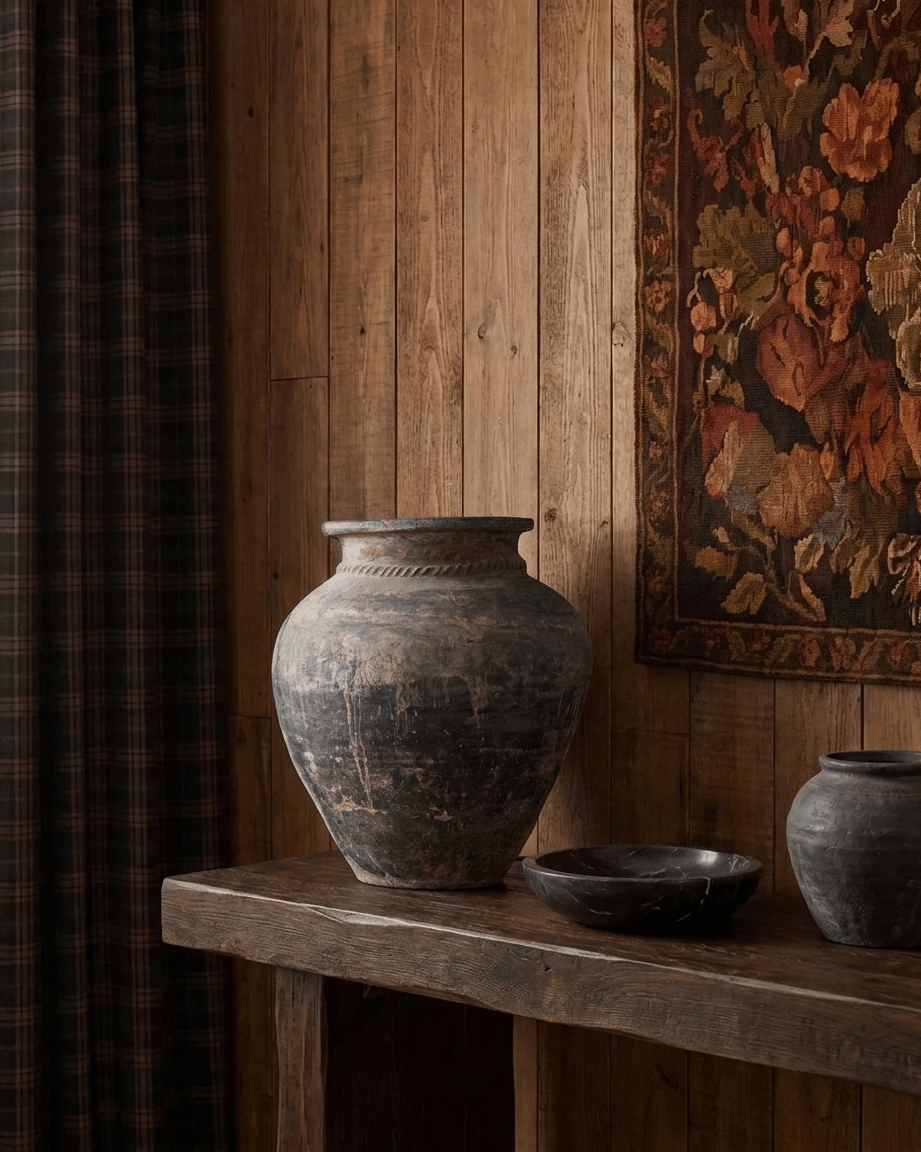
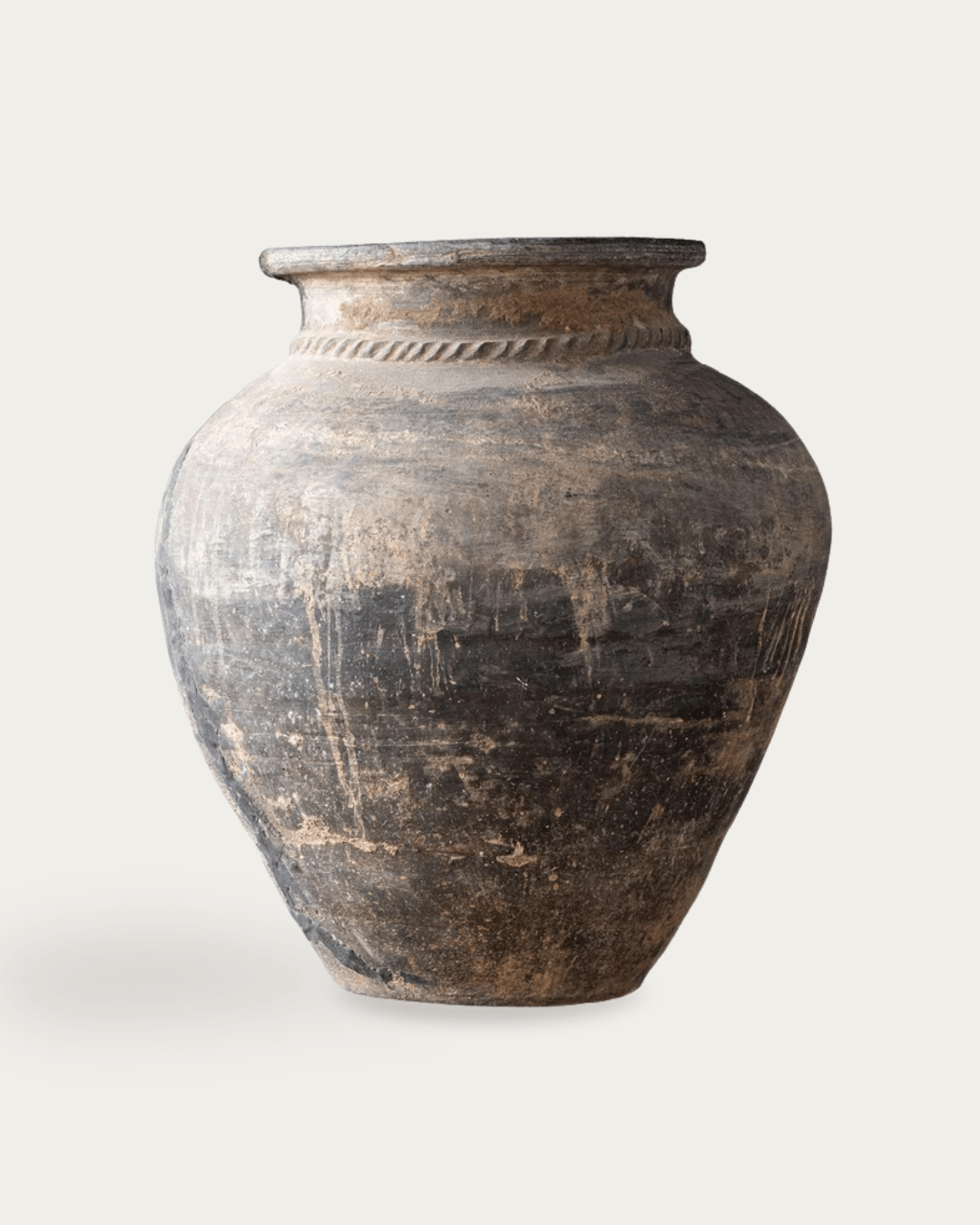
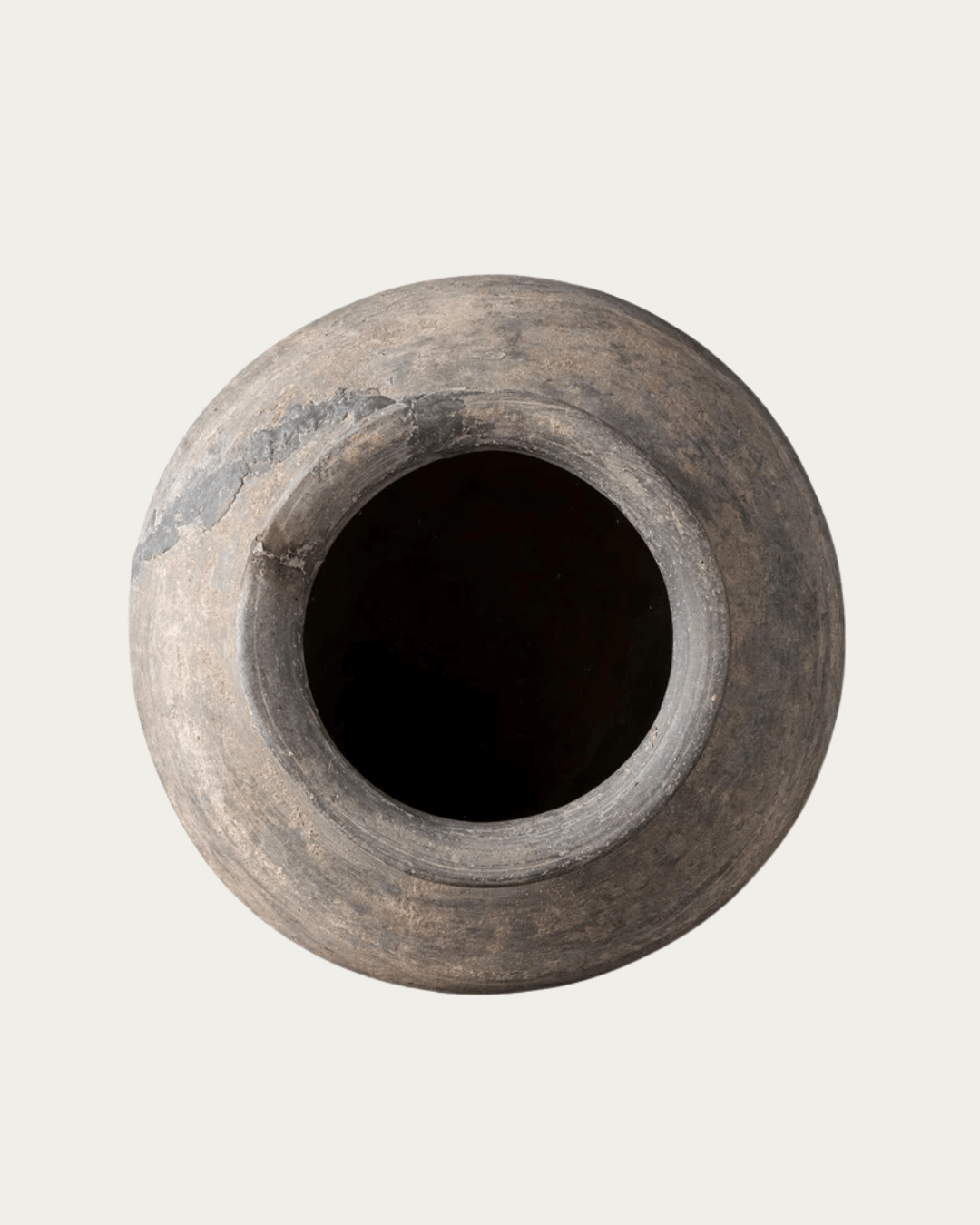
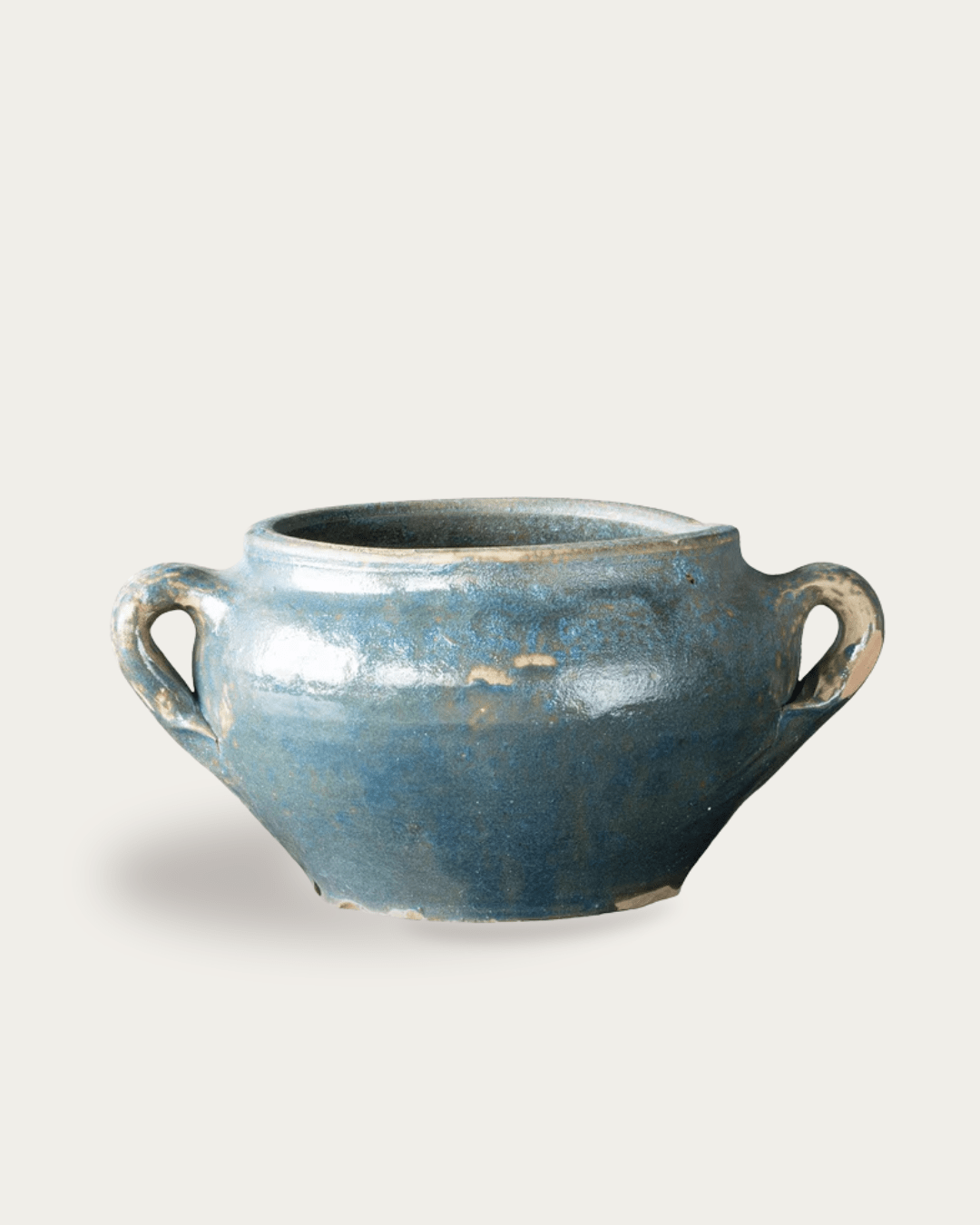
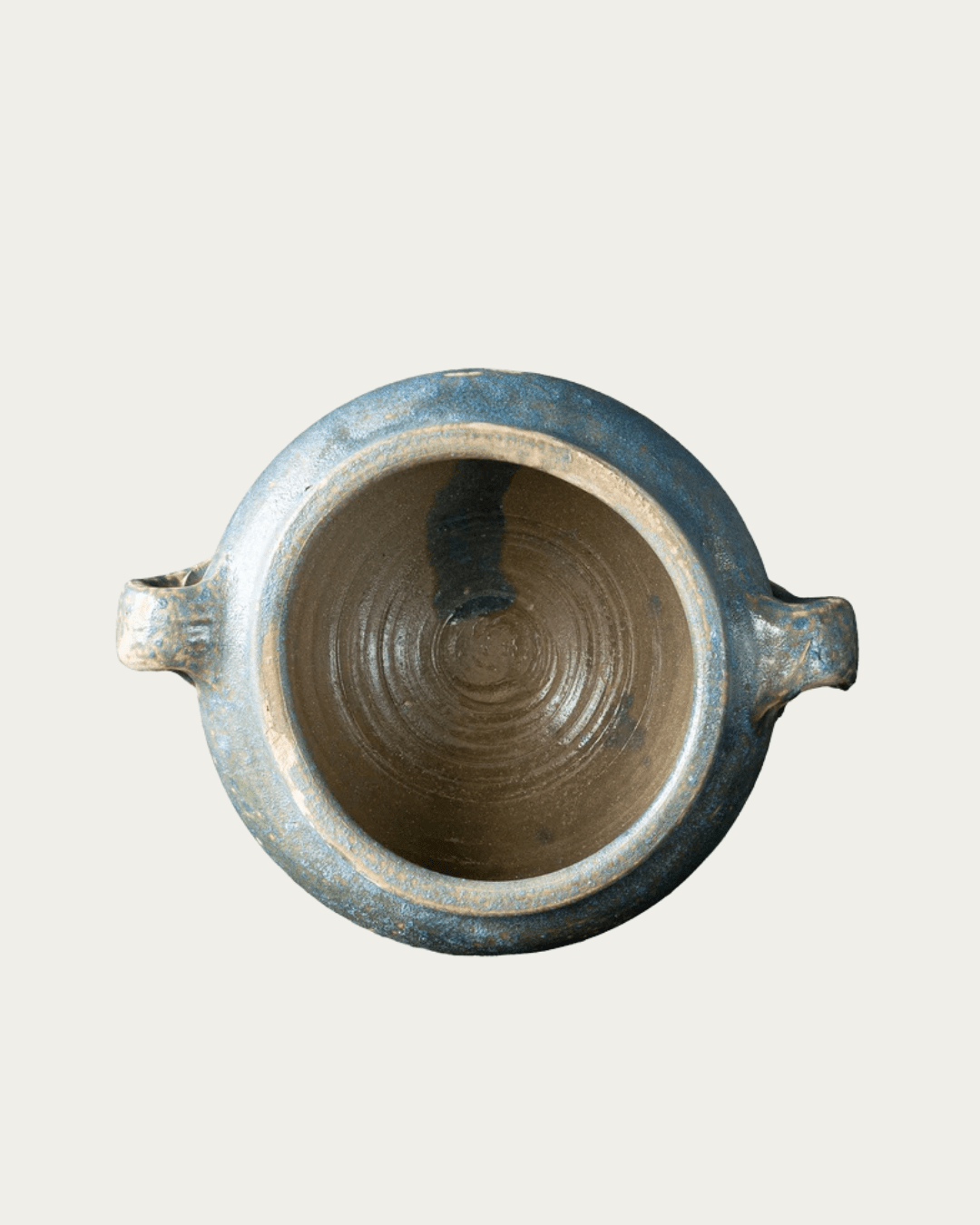
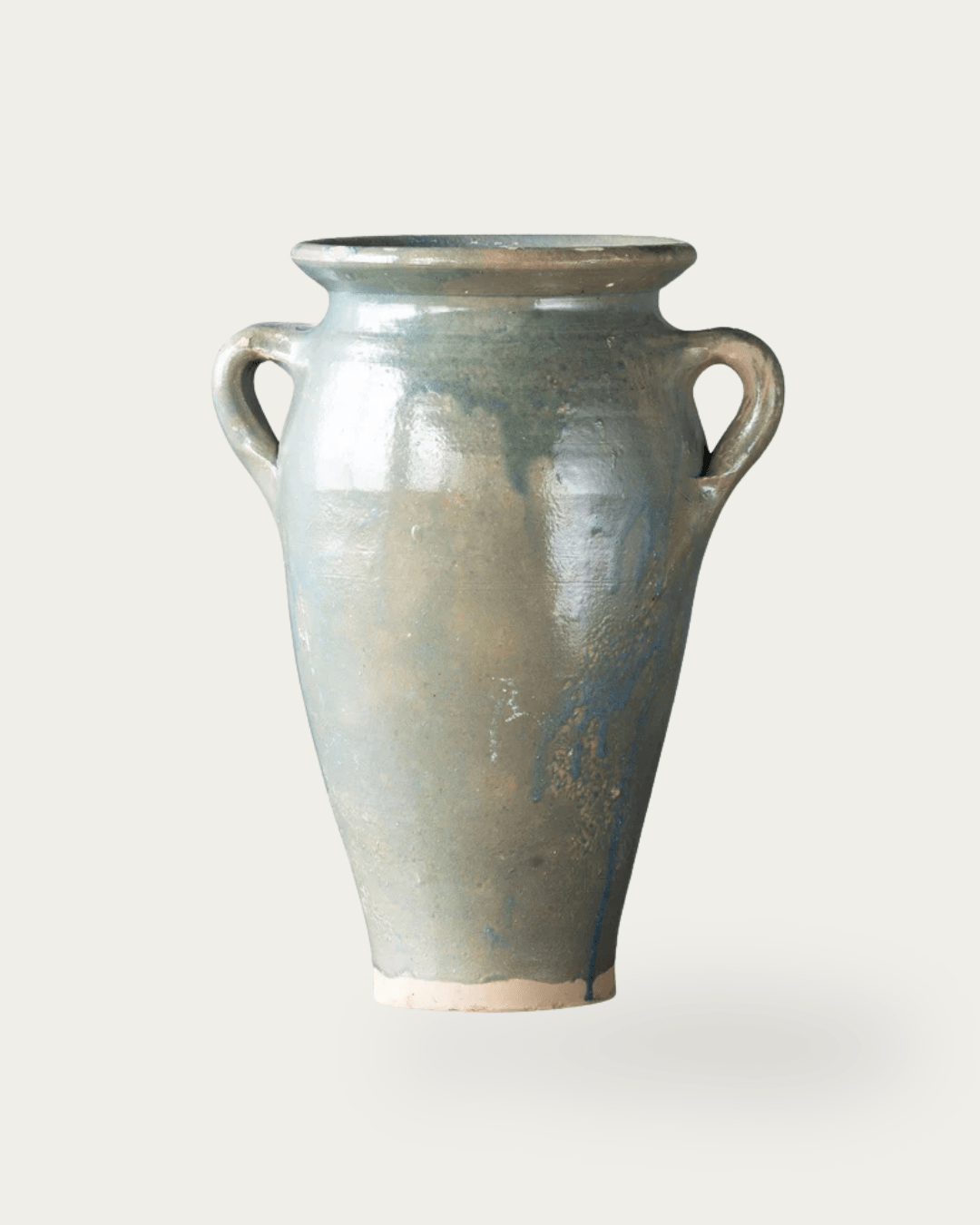
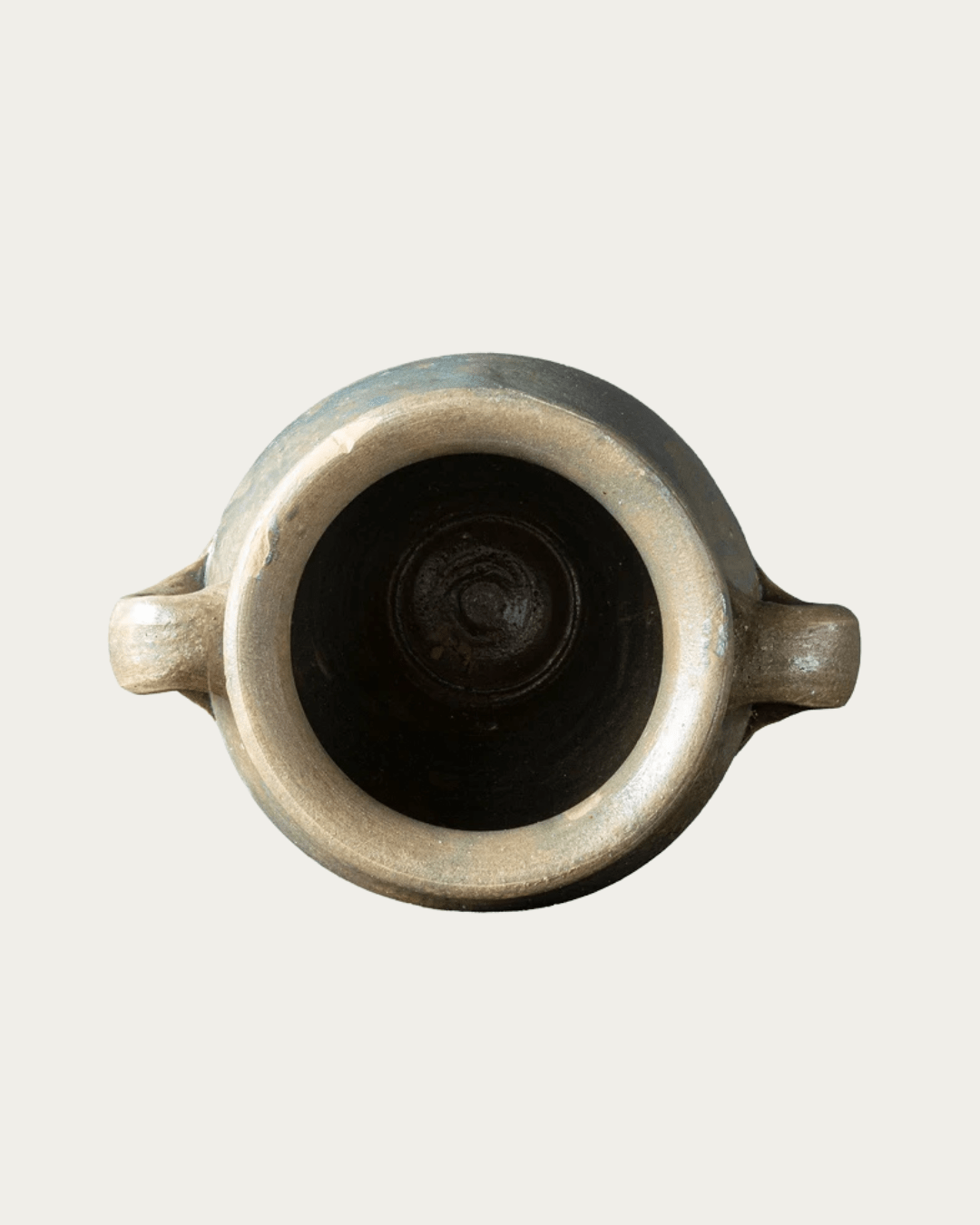
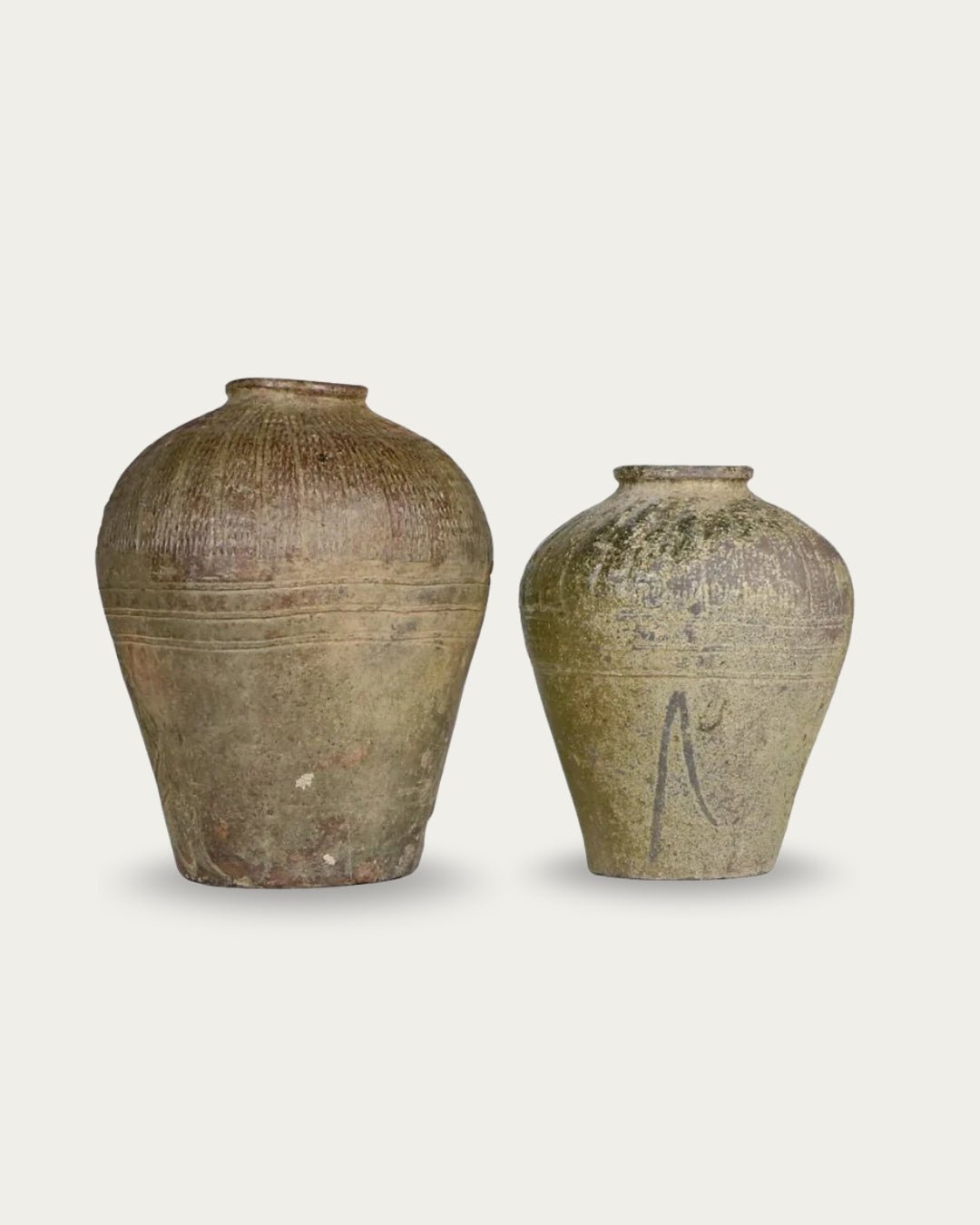
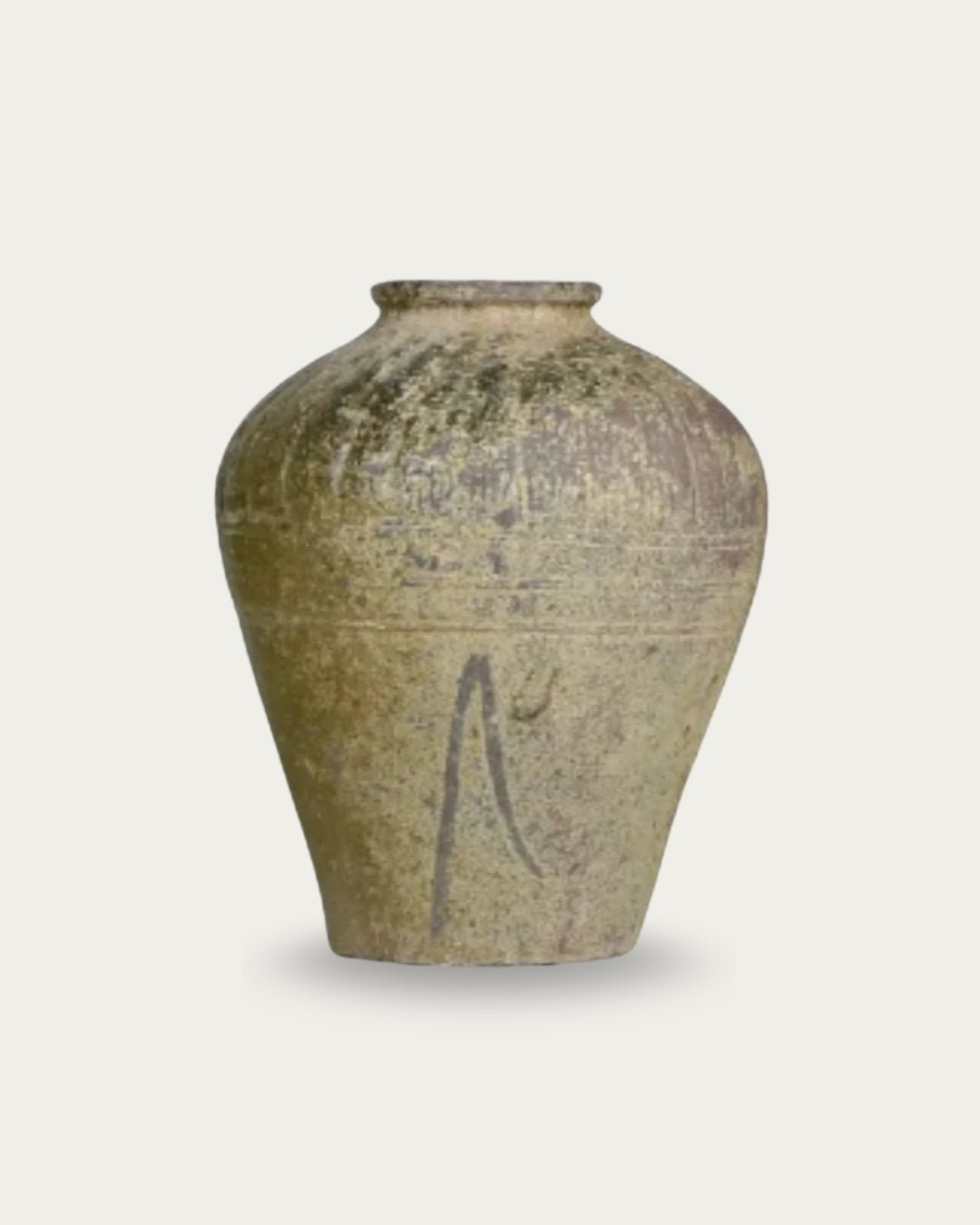
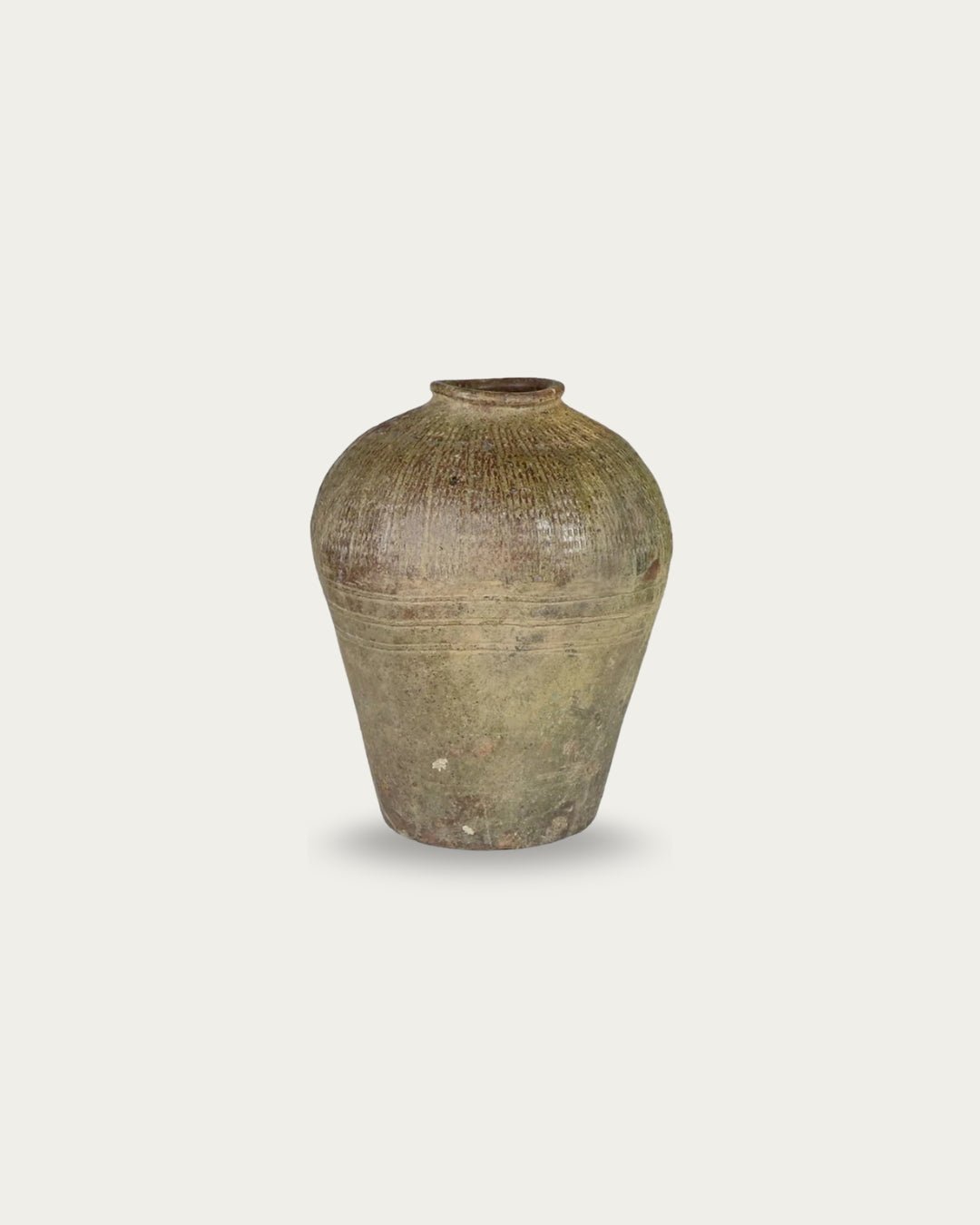
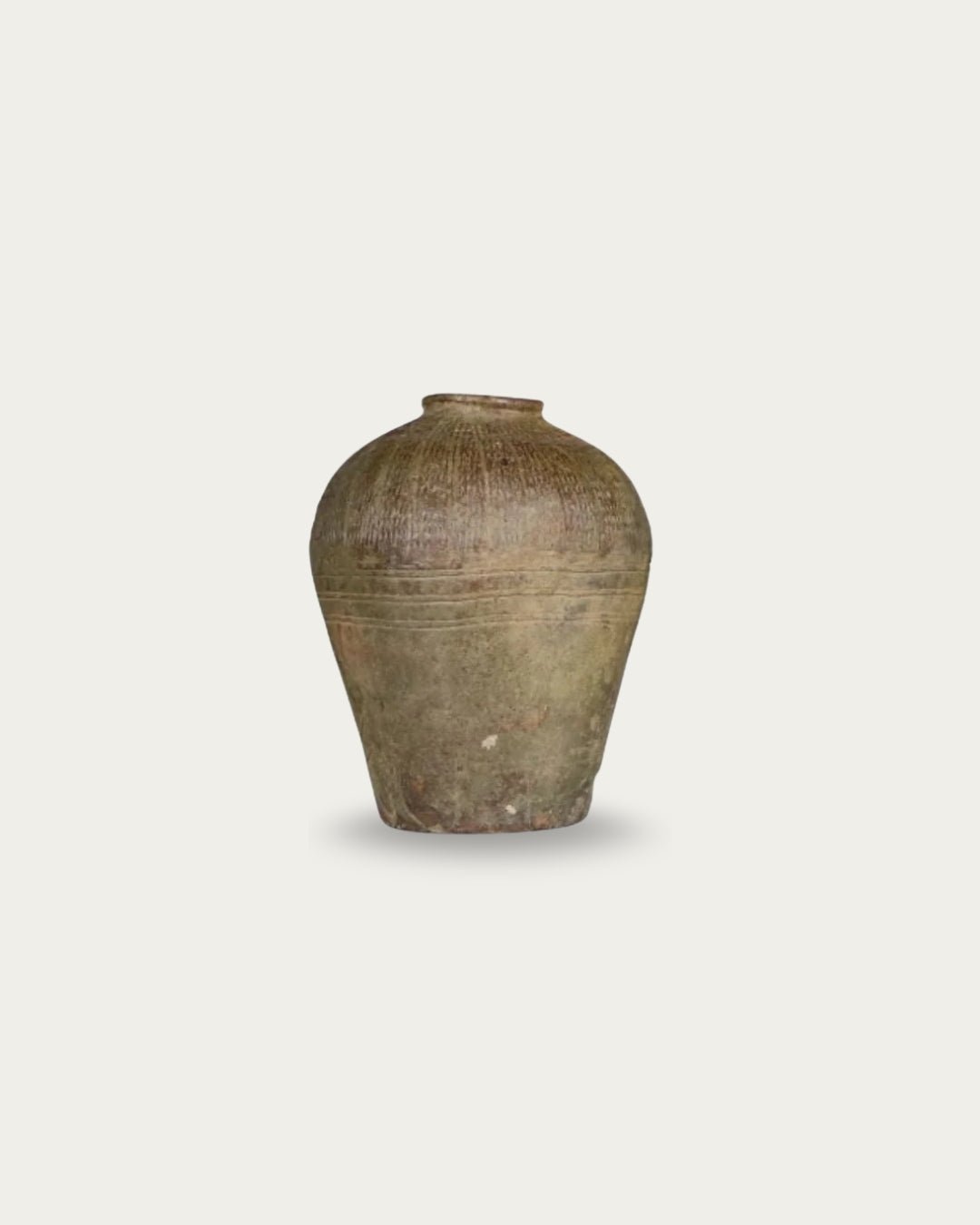
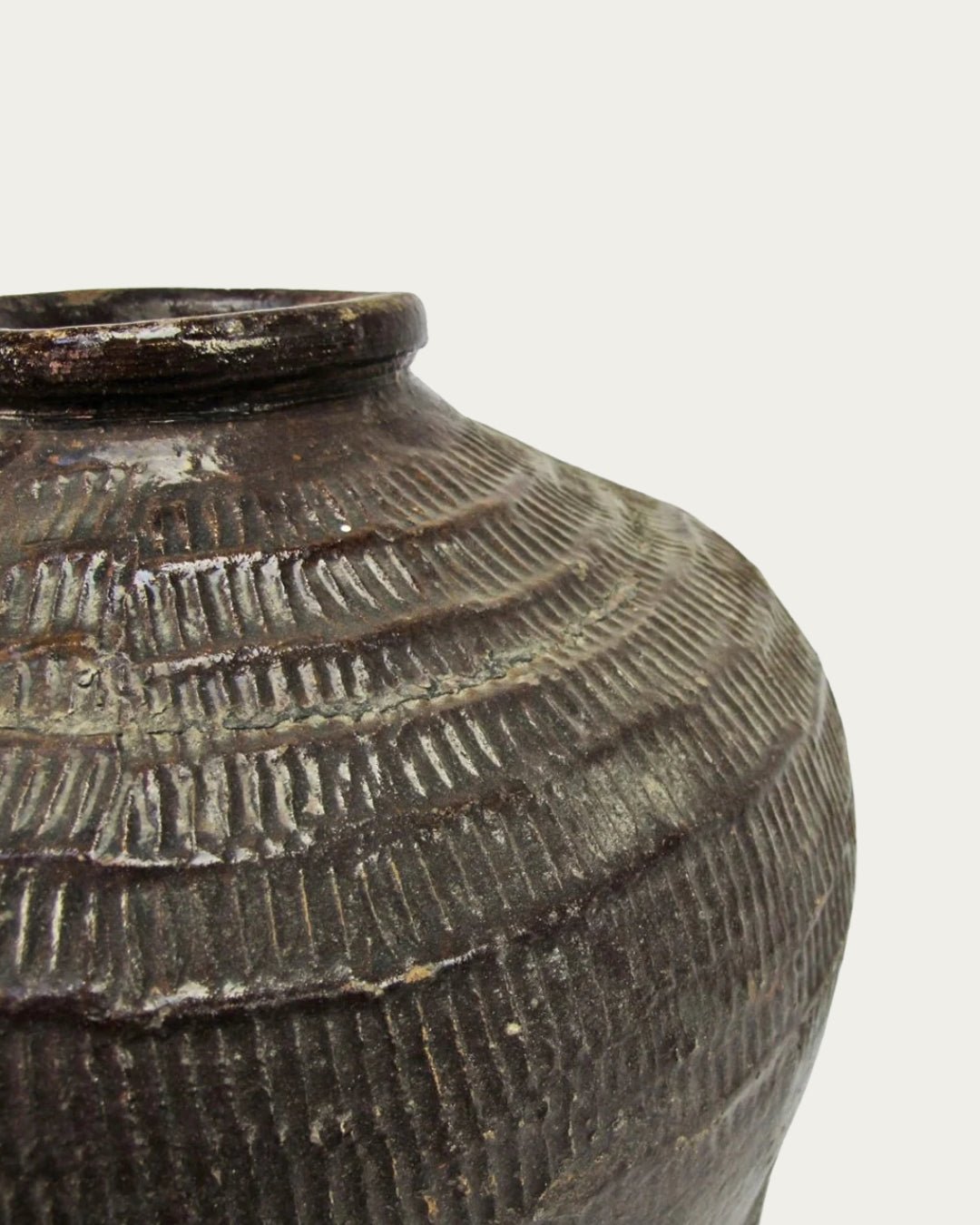
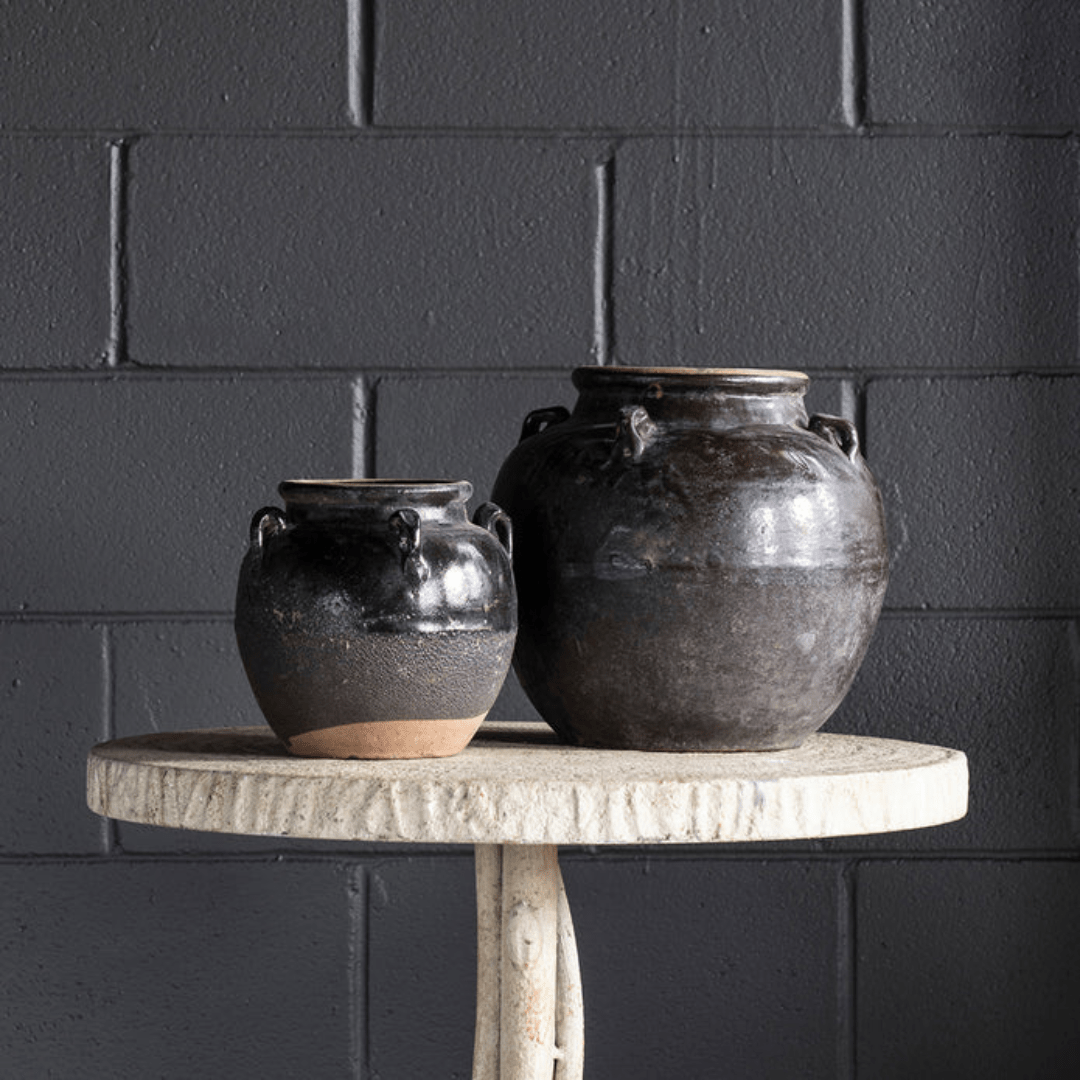
The Maria glazed pot becomes more interesting as light interacts with its surface throughout the day, while the Guorun pot brings material depth that doesn't rely on trend-driven styling.
These objects don't need to stay frozen in time.
They continue changing.
And that's part of their appeal.
The Difference Between Aging and Deteriorating
Good vintage pieces don't feel worn out.
They feel worn in.
The distinction matters.
Patina reflects use, not damage.
It creates character without feeling neglected.
Why Vintage Decor Makes a Home Feel More Human
The strongest interiors rarely feel perfect.
They feel personal.
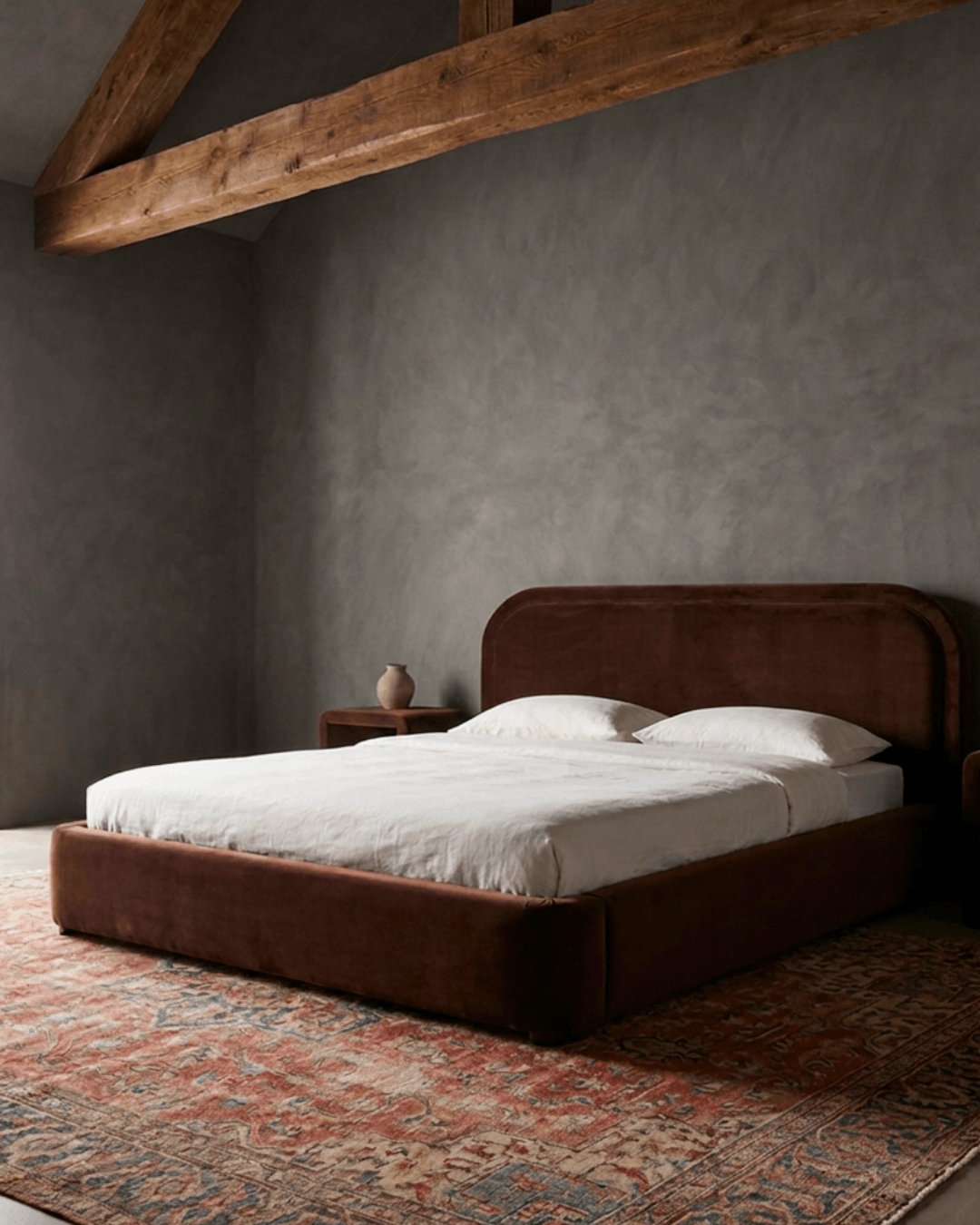
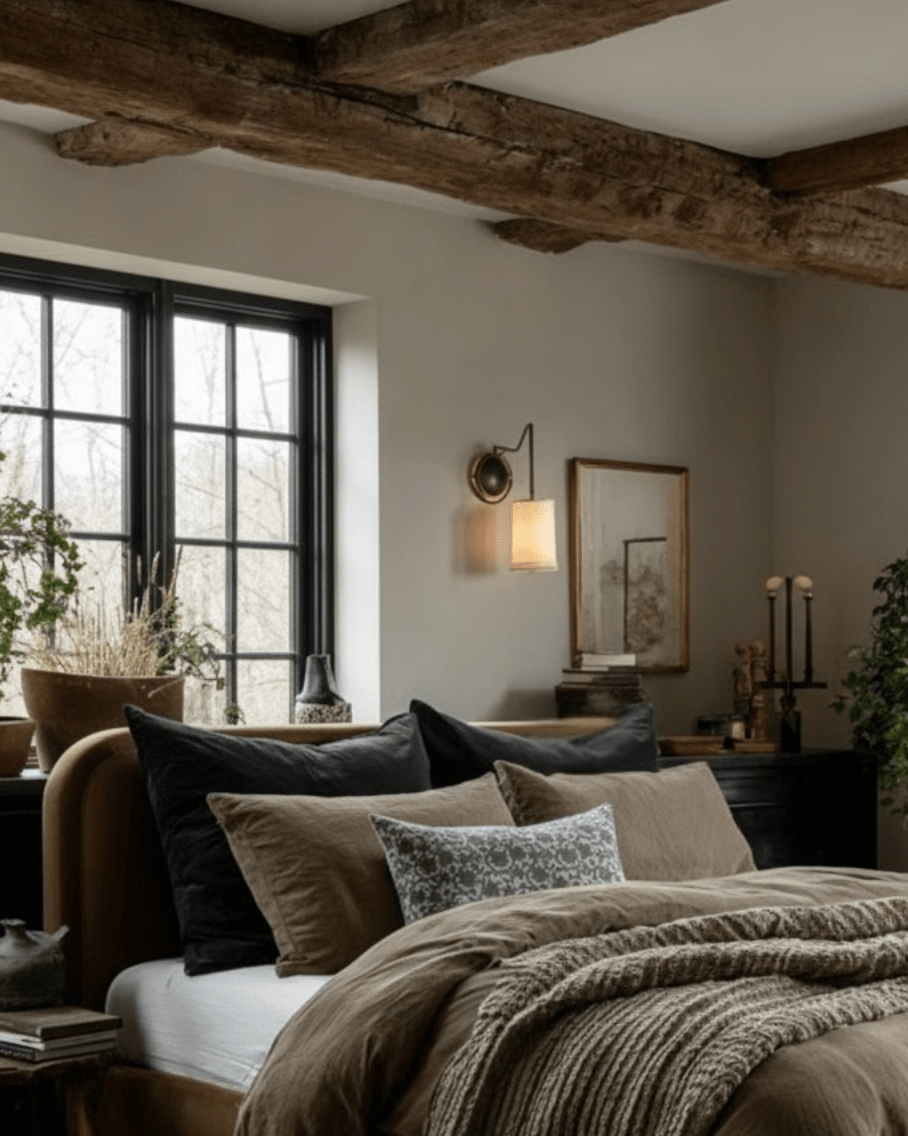
Patinated objects help achieve this because they introduce irregularity, texture, and material honesty into a space. They remind us that homes aren't showrooms. They're environments meant to support daily life.
The Fern stone biscuit mold plate and the Tamegroute green candle holder both carry subtle imperfections that make them feel approachable rather than precious.
That accessibility is important.
Homes tend to feel better when they invite interaction instead of demanding perfection.
The Best Rooms Feel Lived In, Not Decorated
Patina teaches an interesting lesson about design.
Objects don't have to be flawless to be beautiful.
In fact, many of the pieces people connect with most are the ones that show evidence of time, use, and material honesty.
That's why vintage home decor continues to resonate so strongly.
Not because it's nostalgic.
Not because it's trendy.
But because it introduces texture, visual depth, and authenticity in a way modern manufacturing often struggles to replicate.
The rooms that feel best rarely contain the newest objects.
They contain the most interesting ones.
Explore Hello Norden's vintage decor collection to discover bowls, vessels, boards, baskets, and architectural pieces that bring texture, history, and sensory depth into the spaces you live with every day.