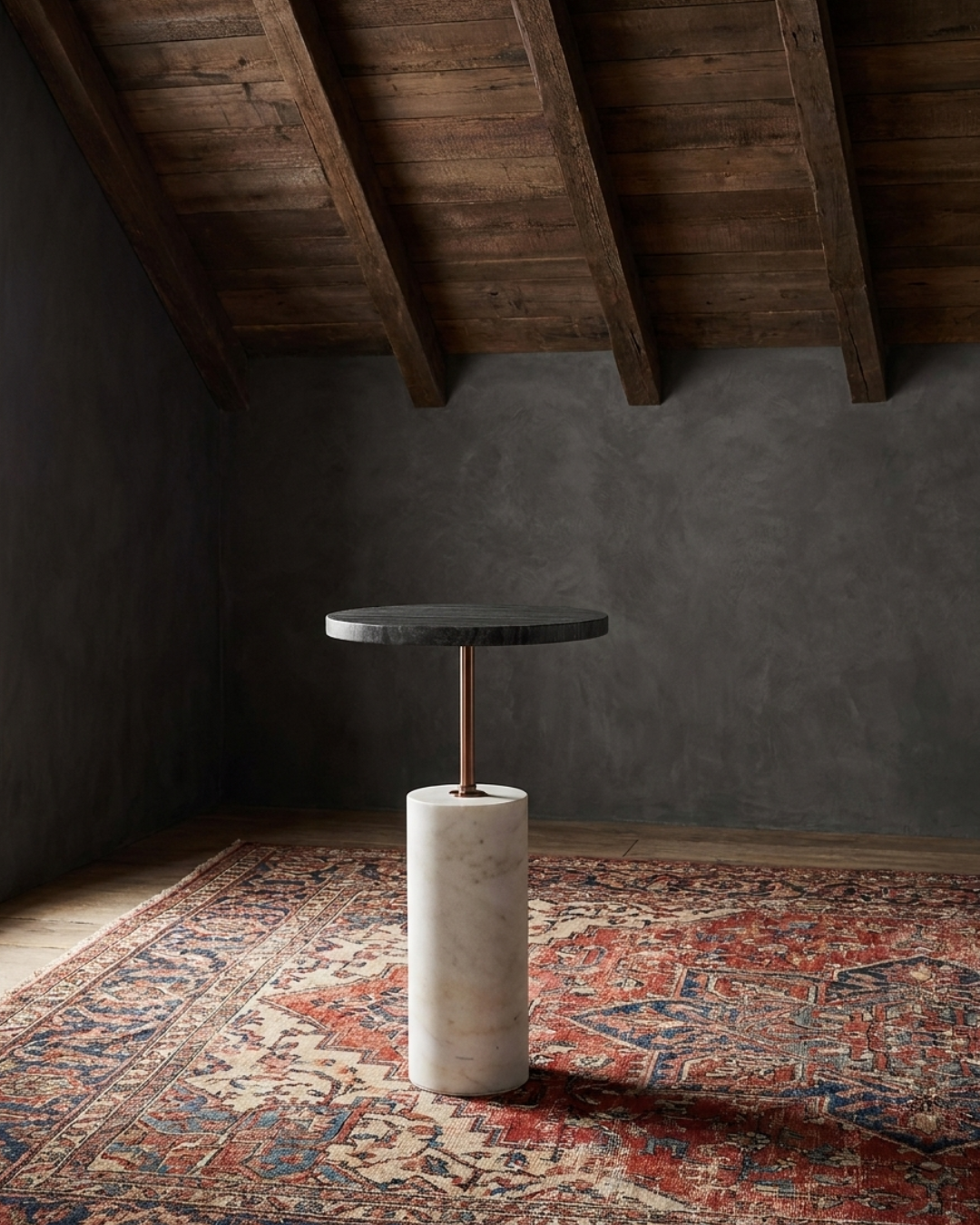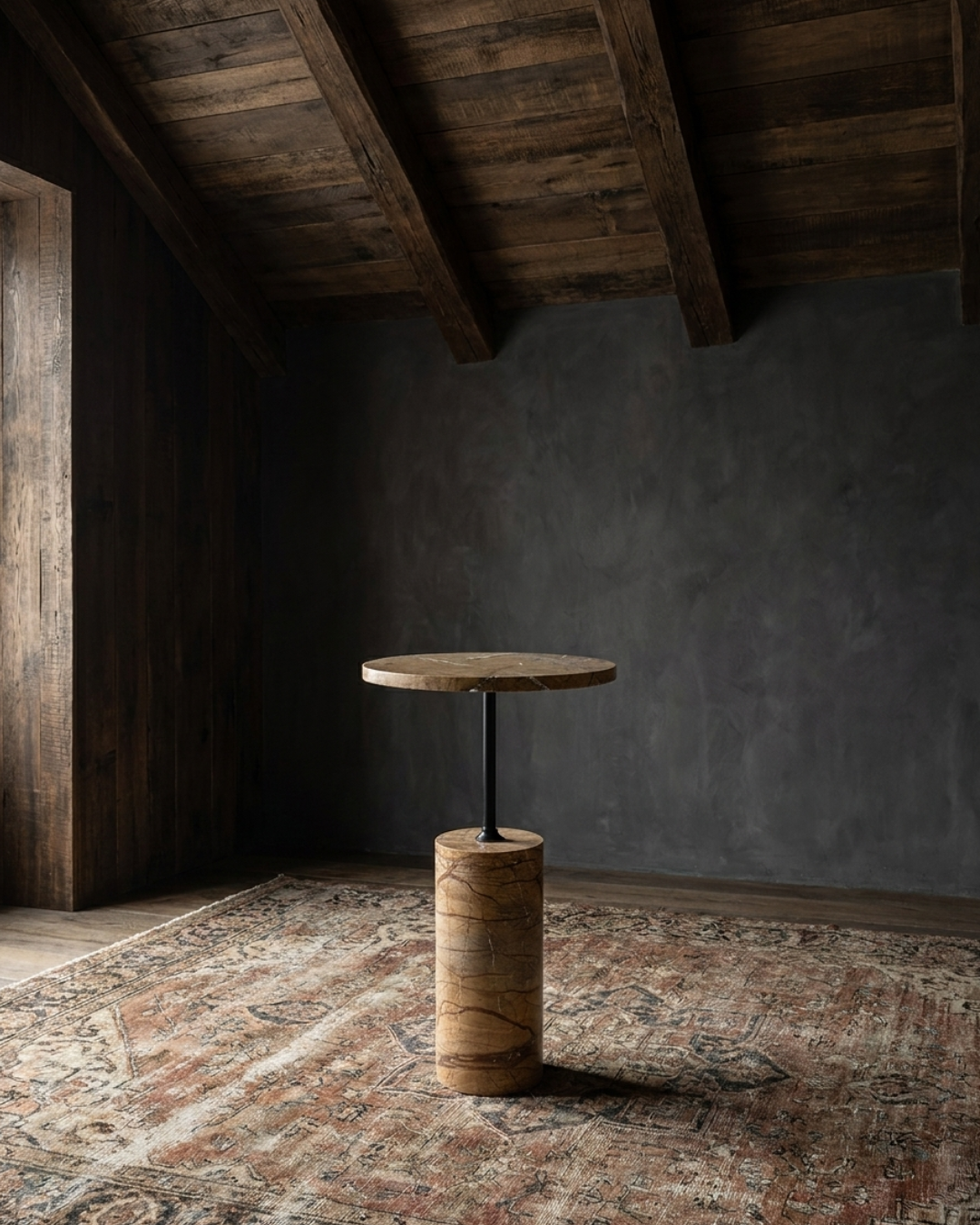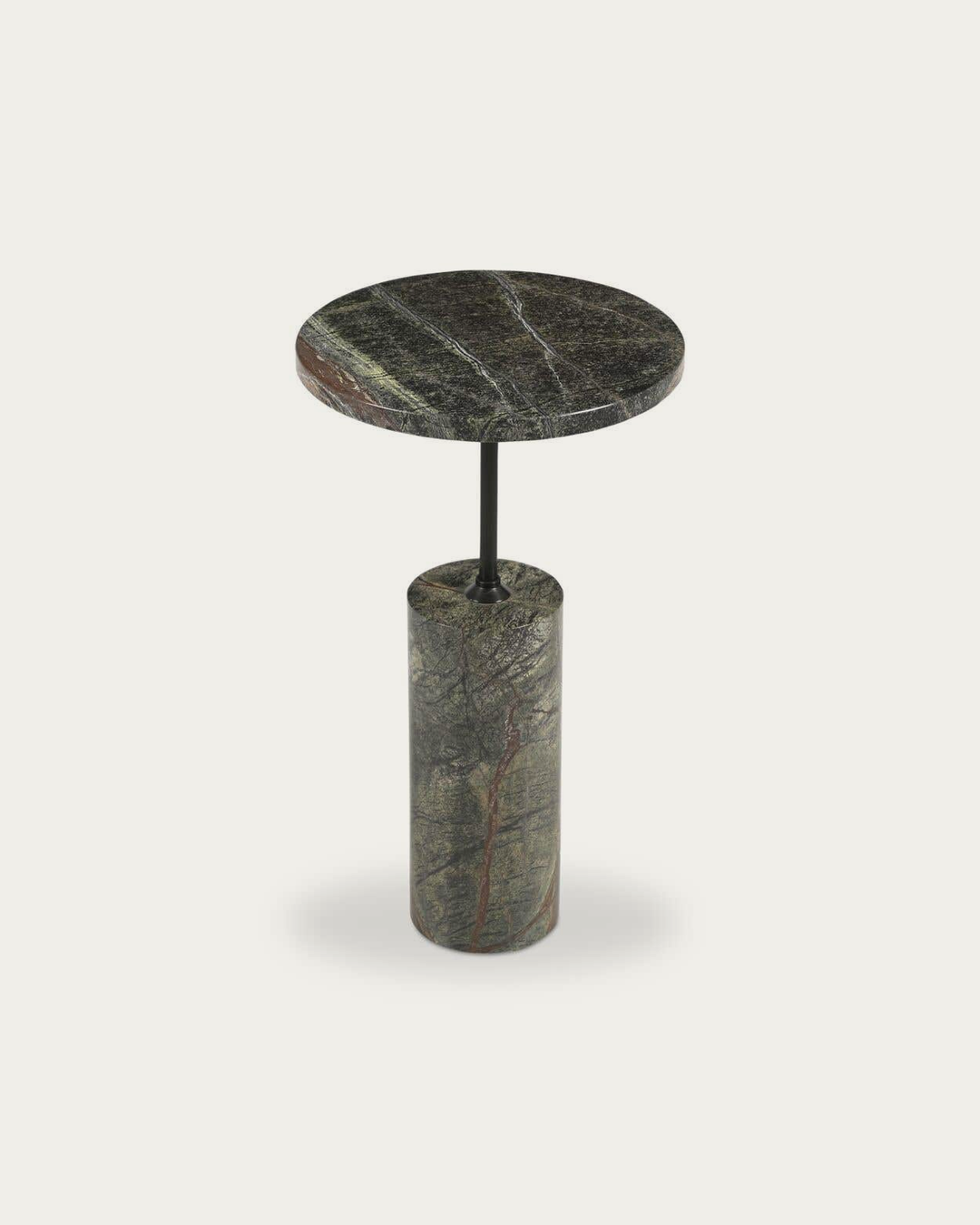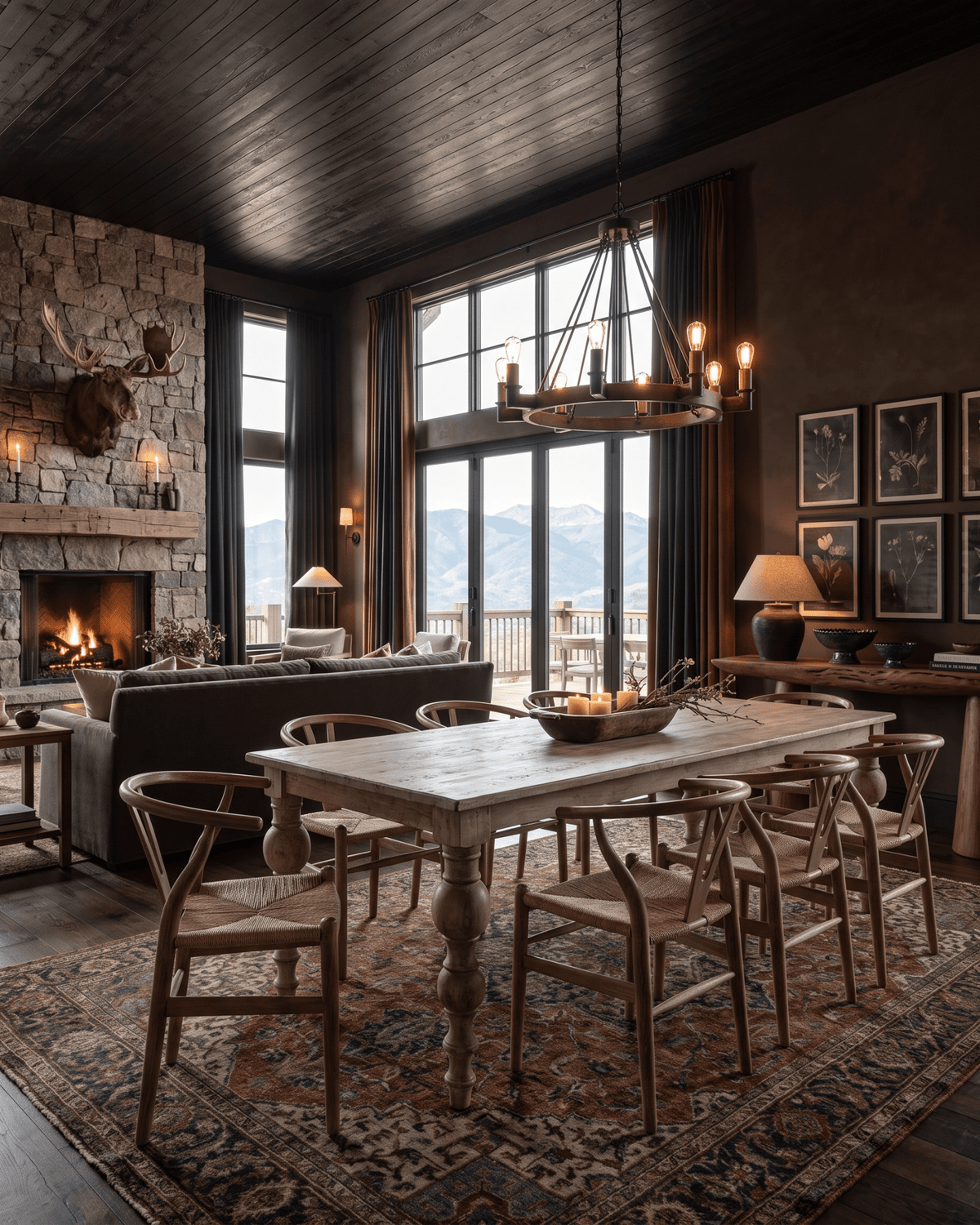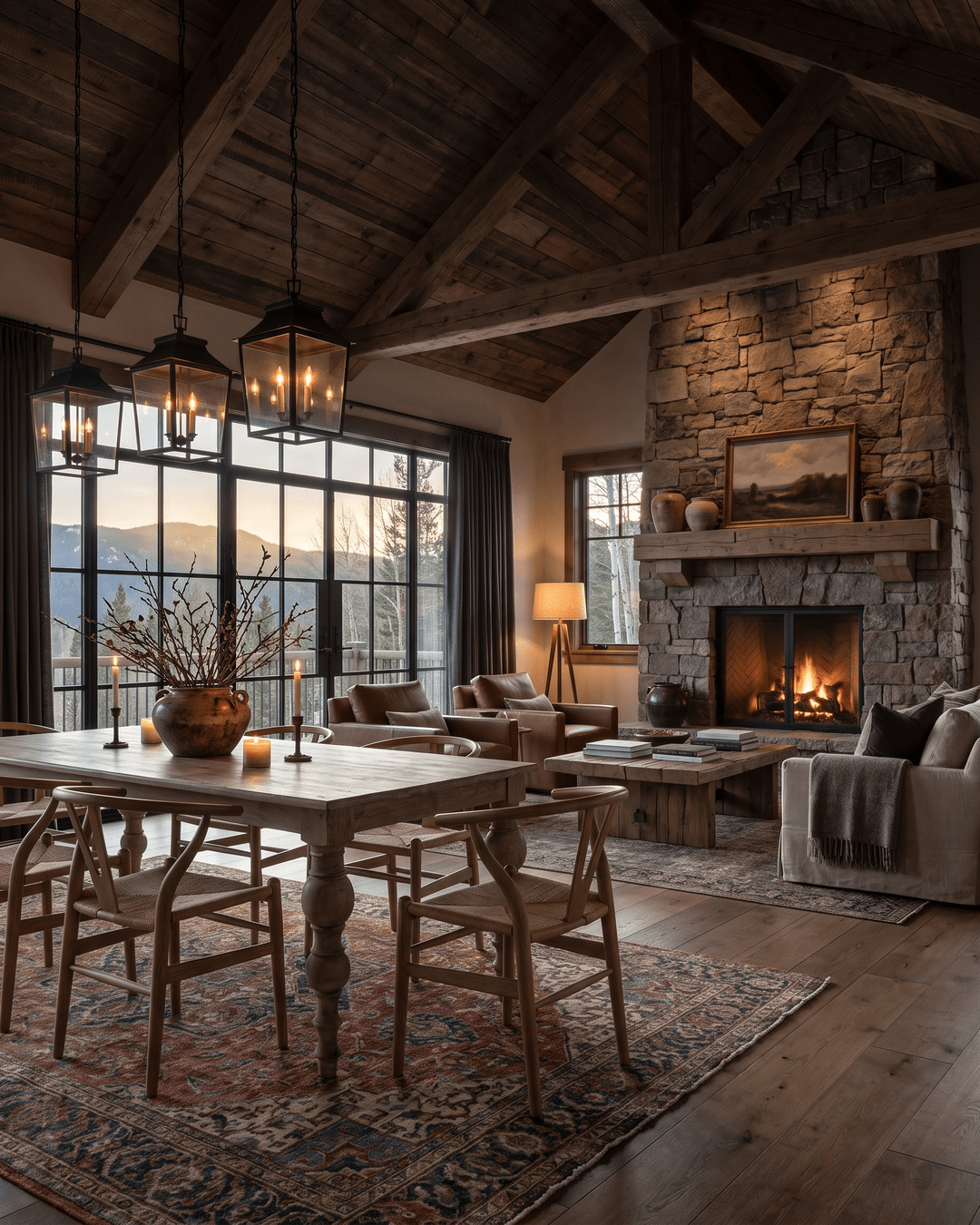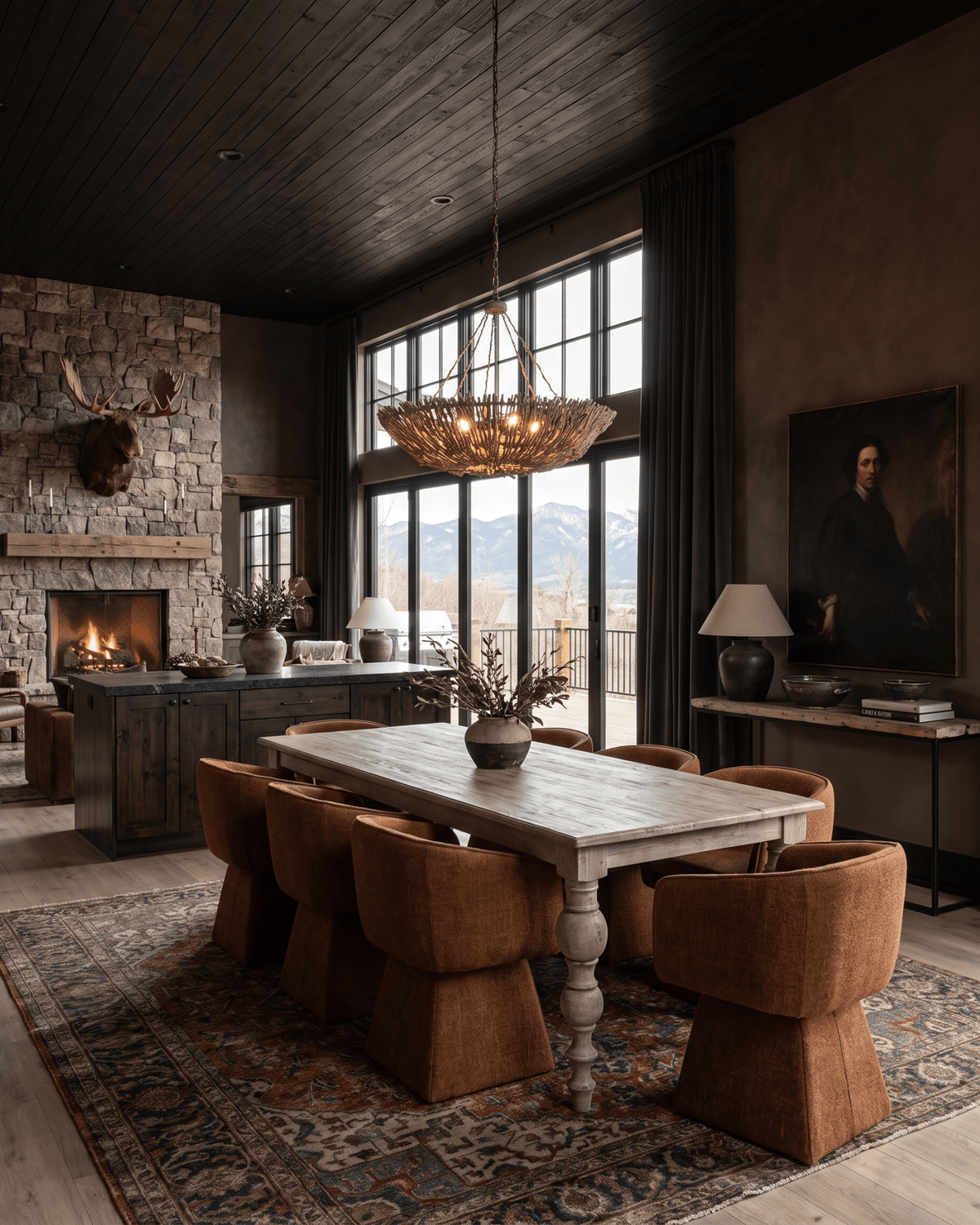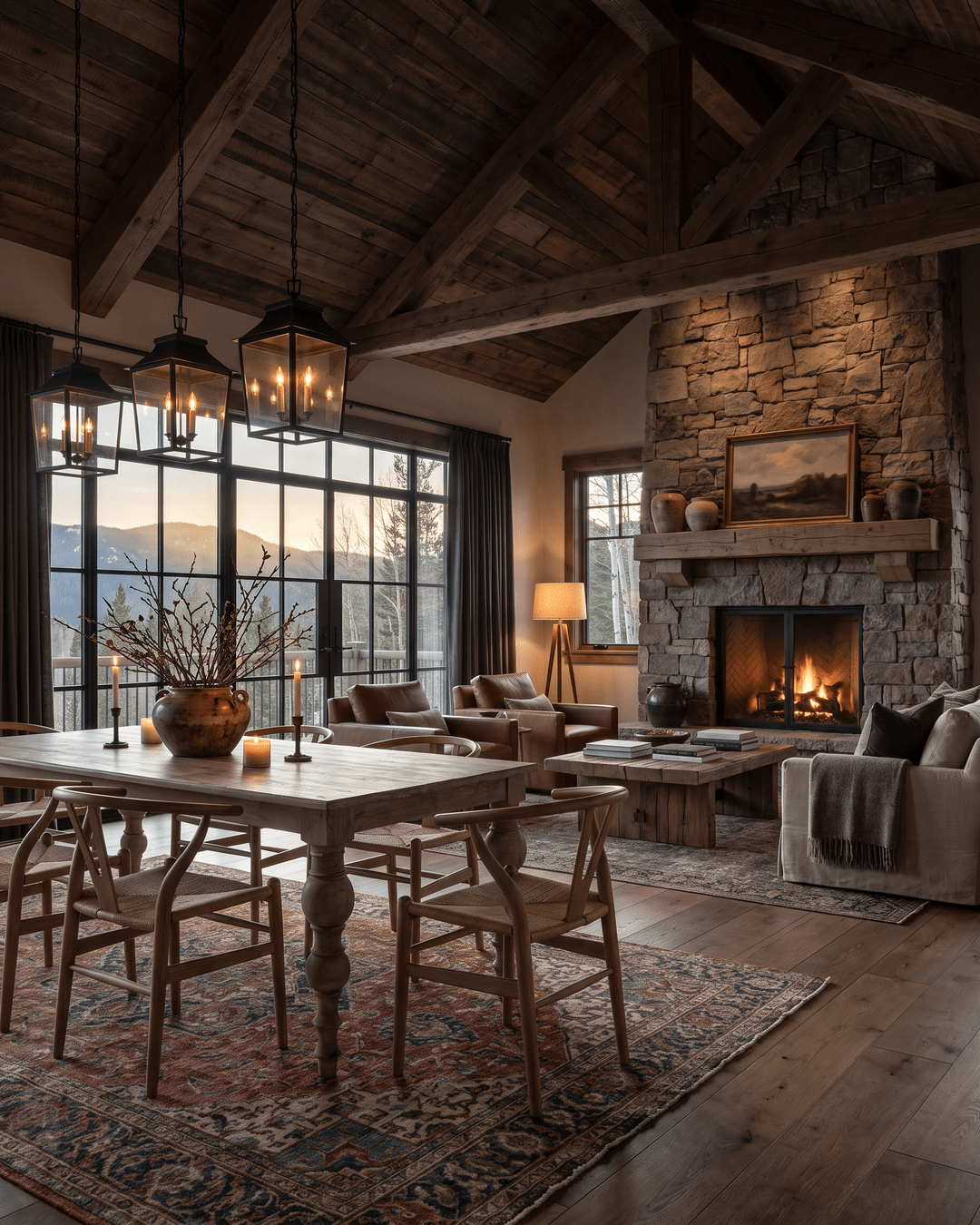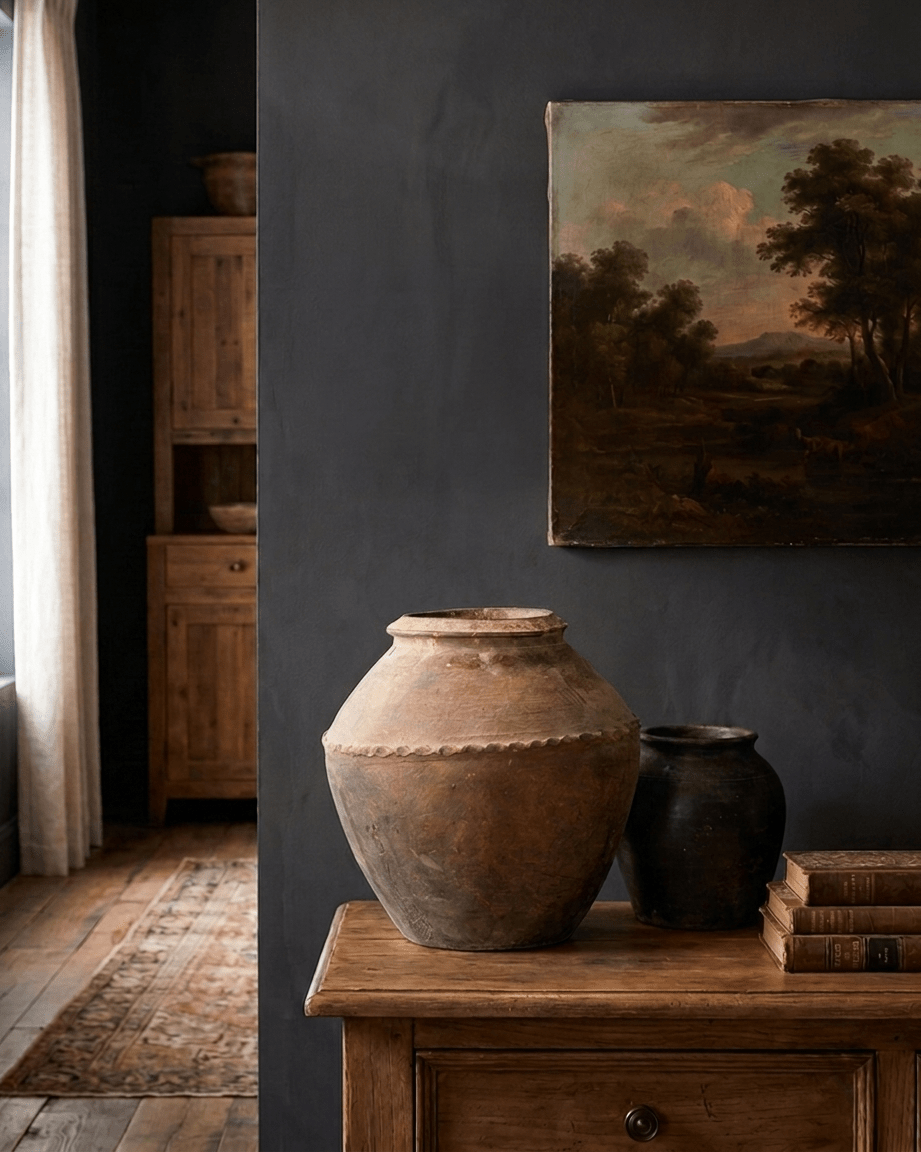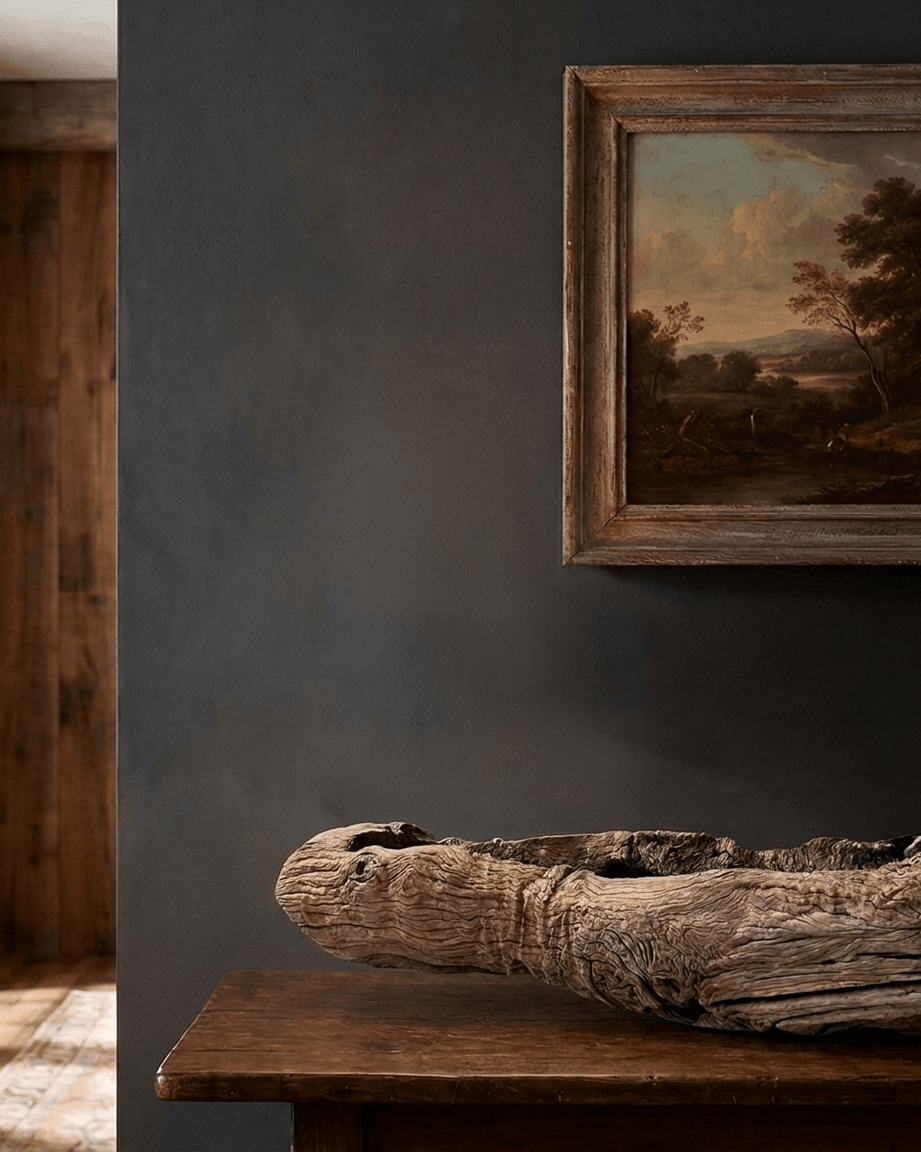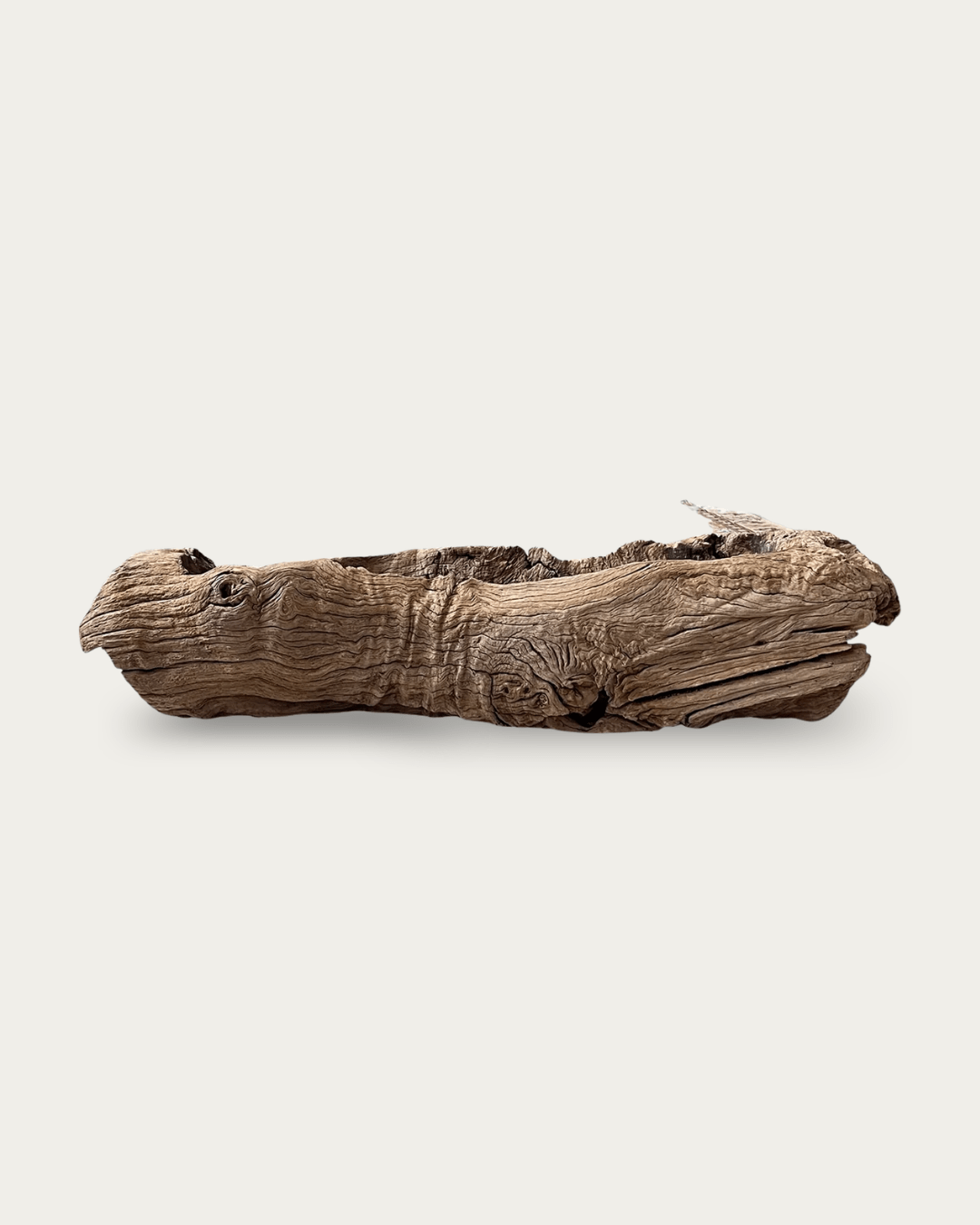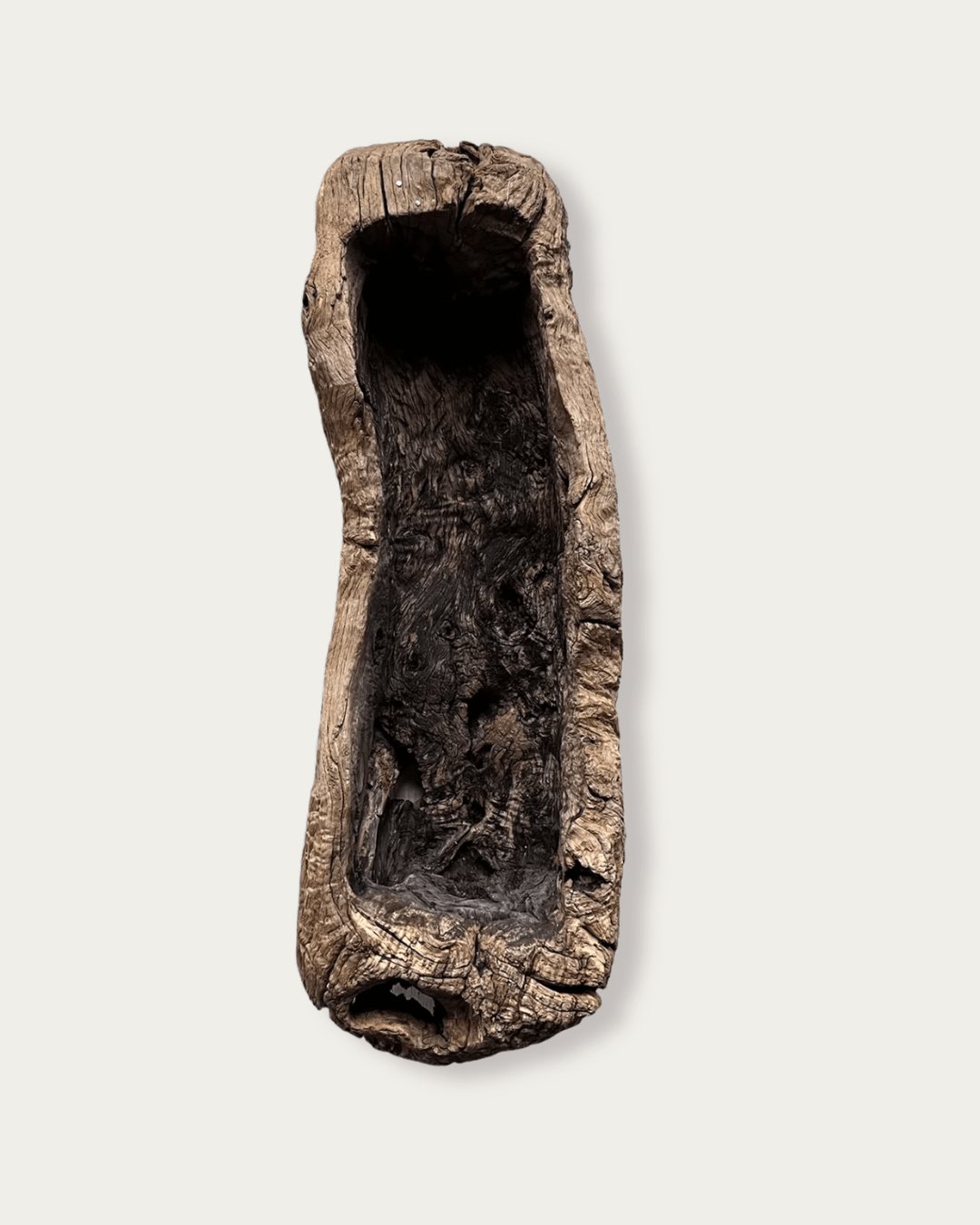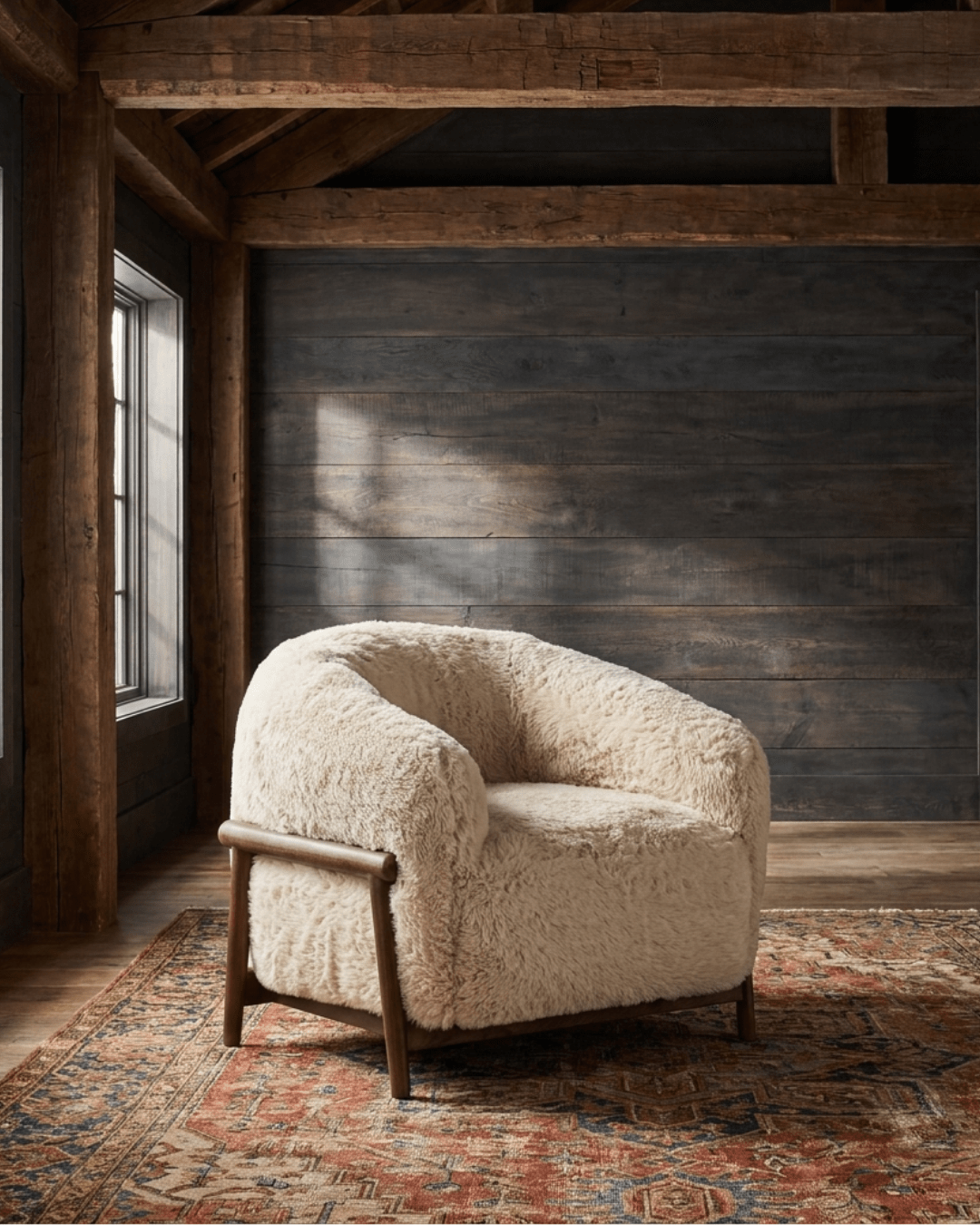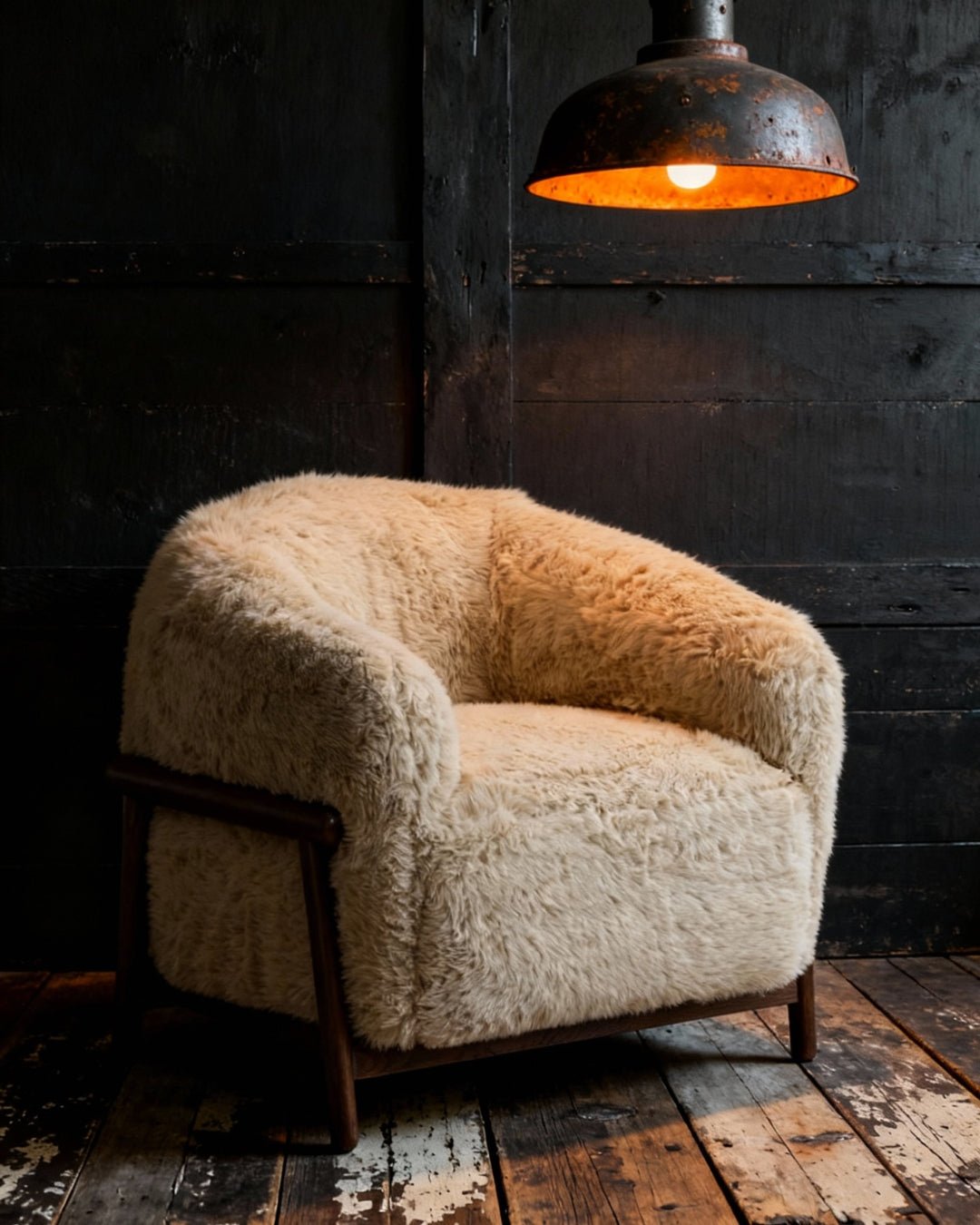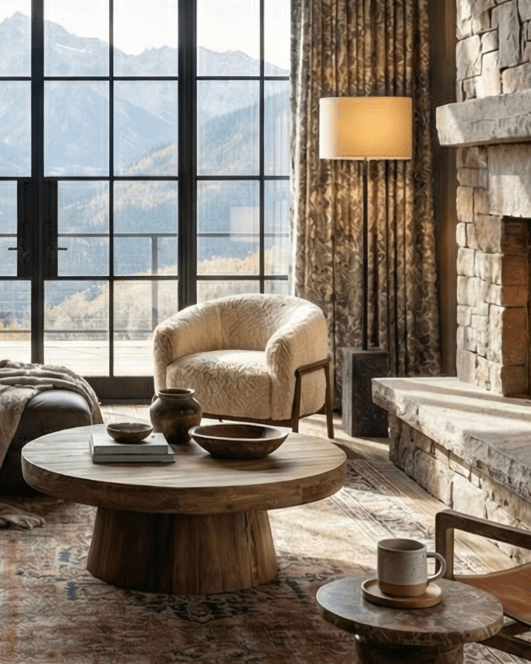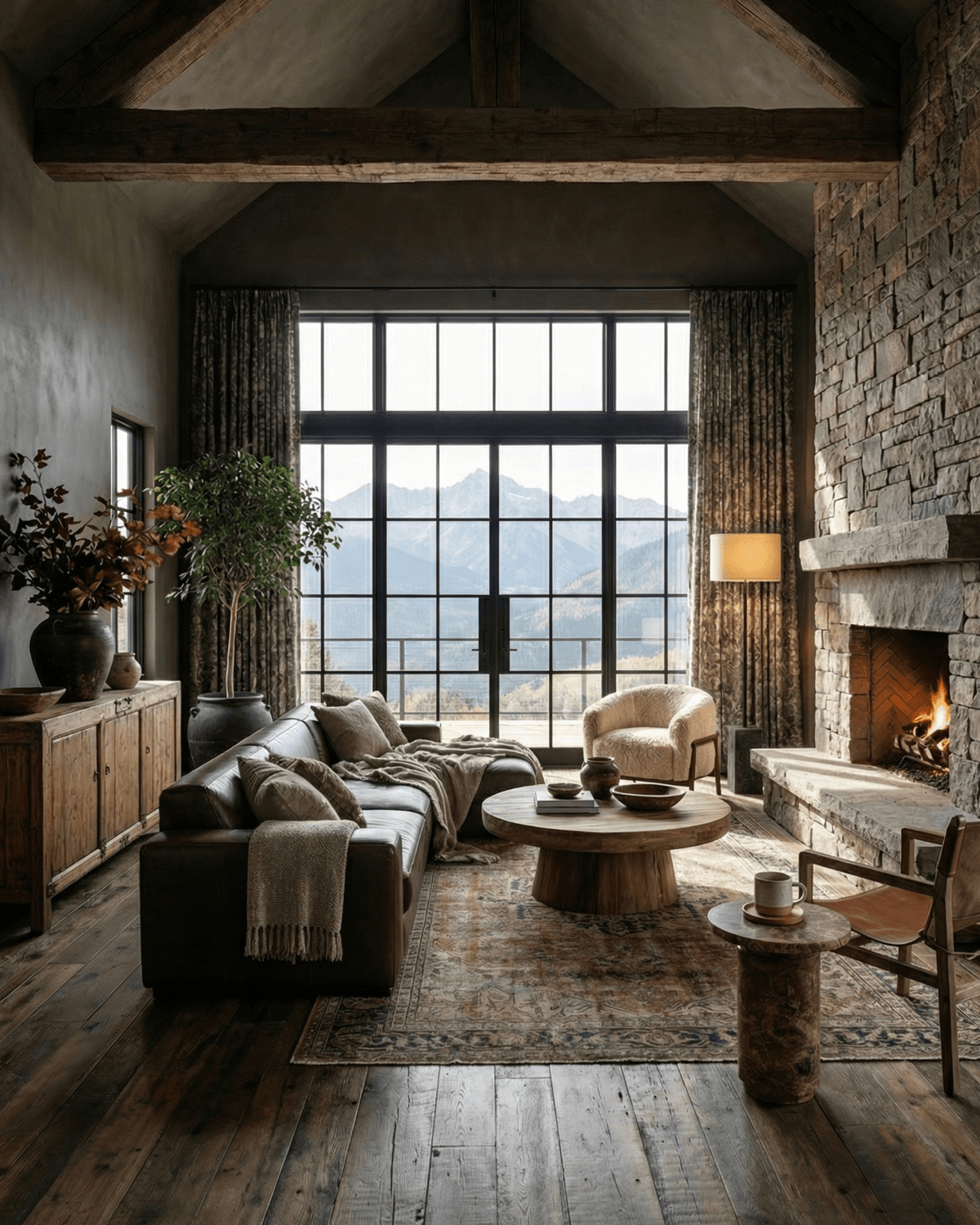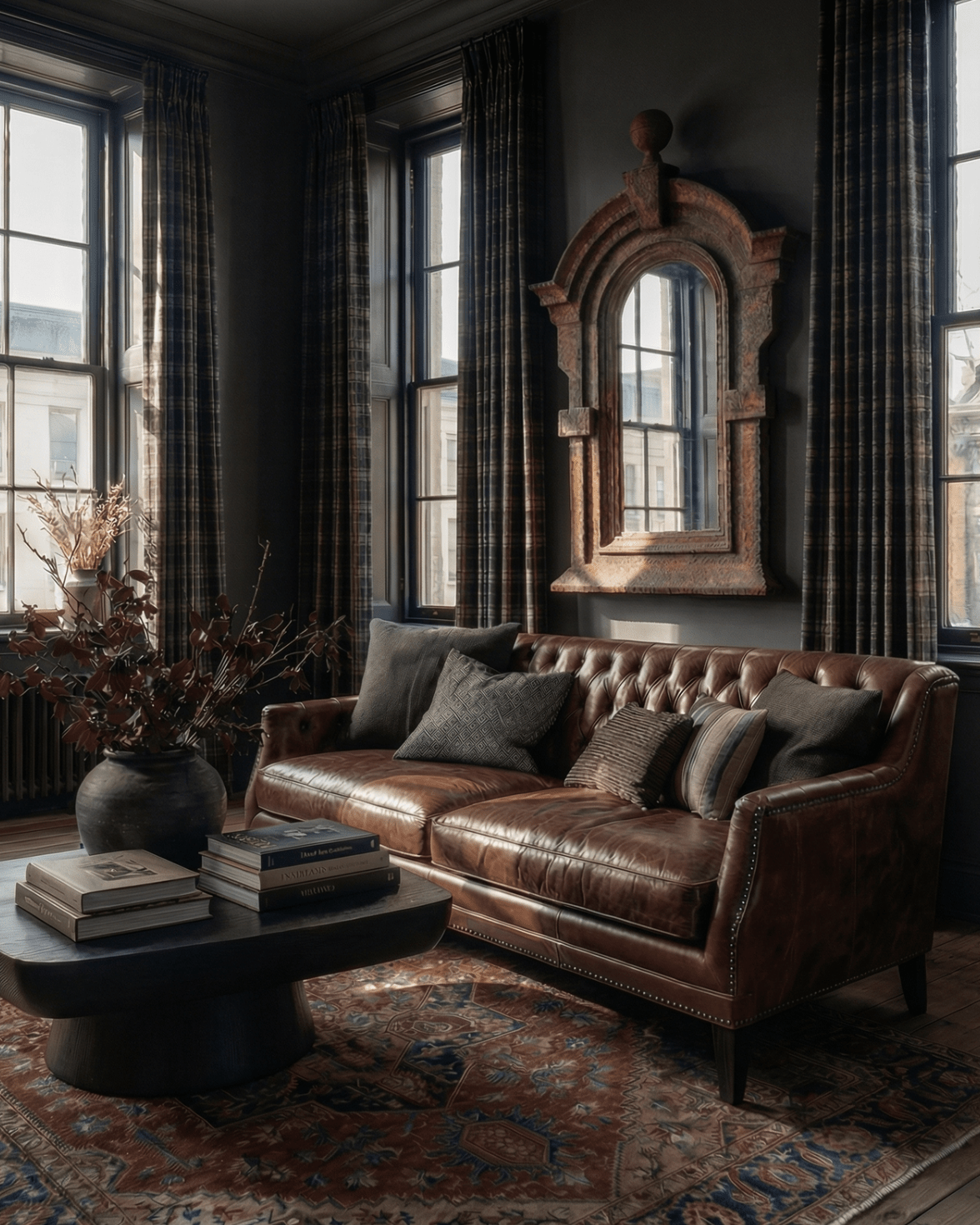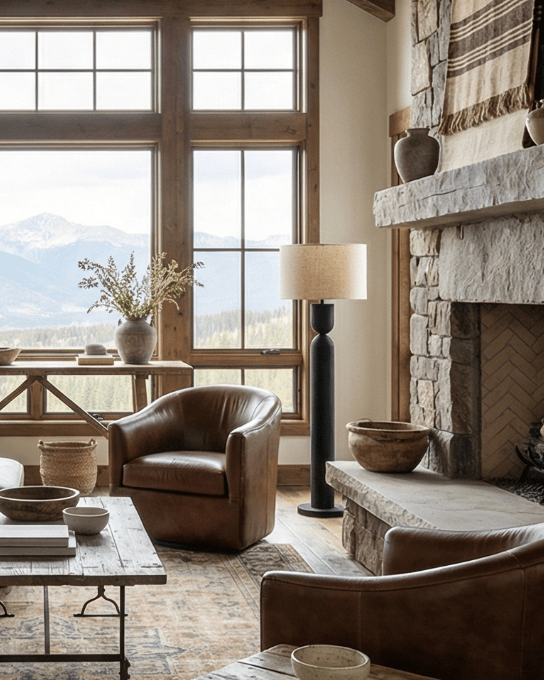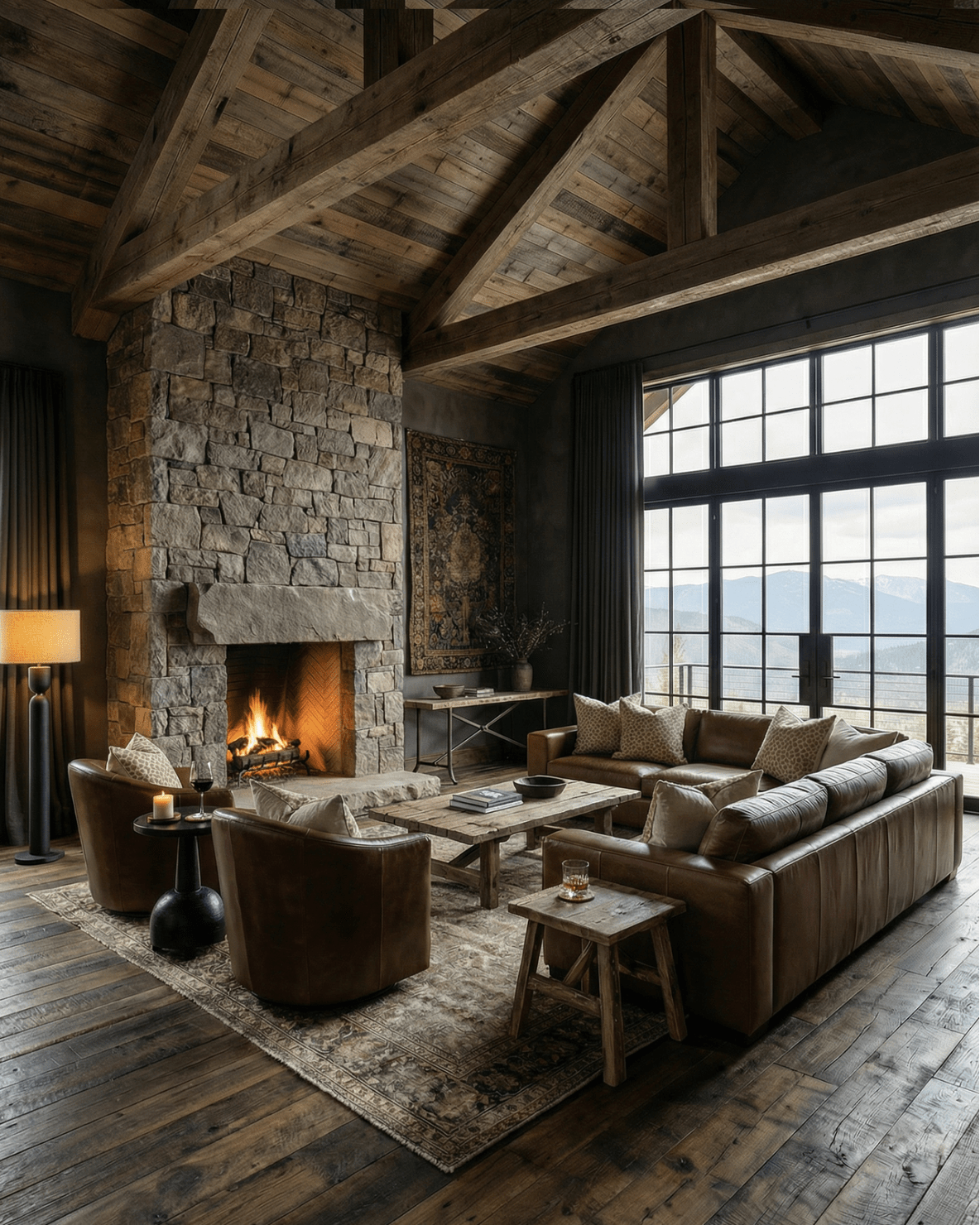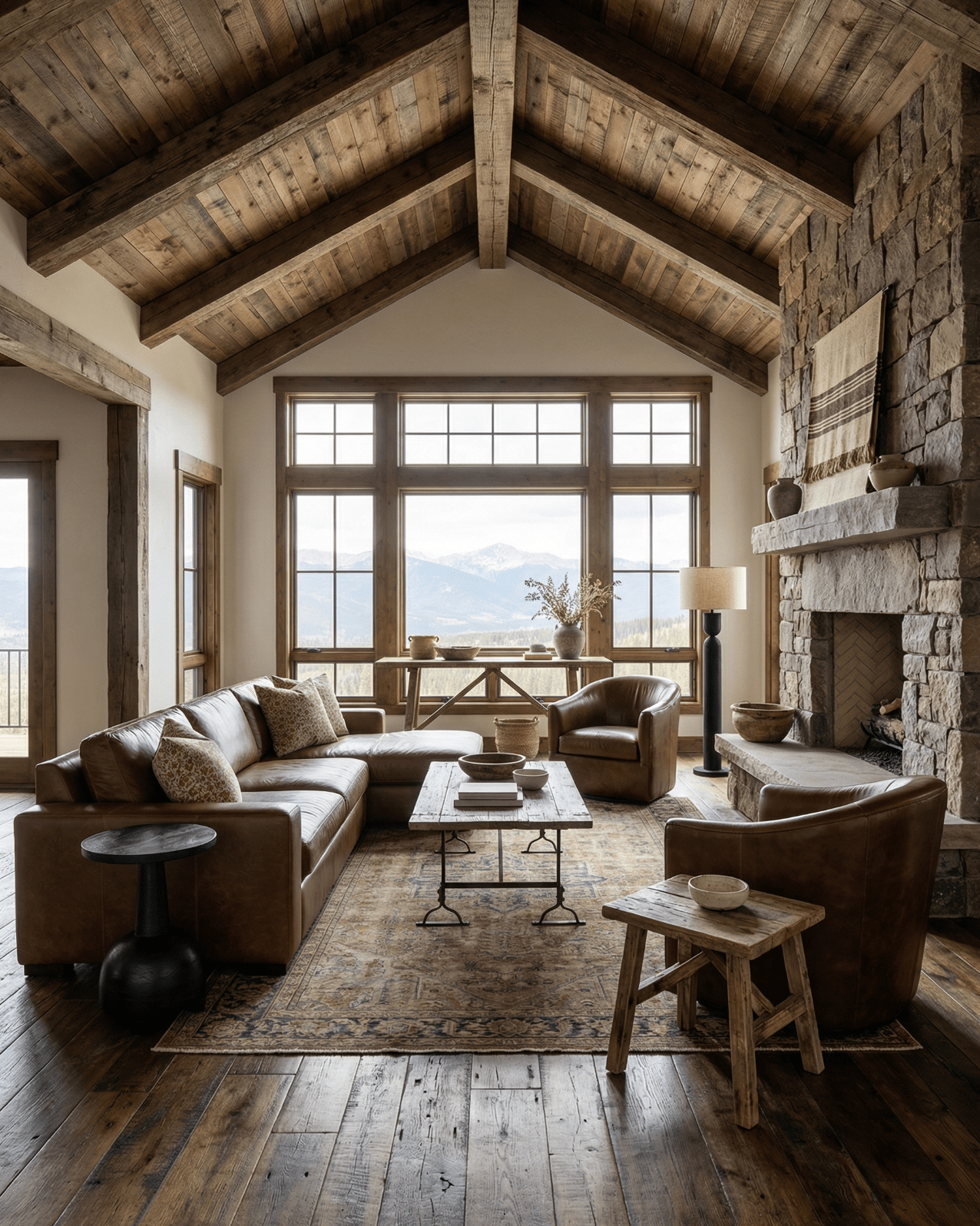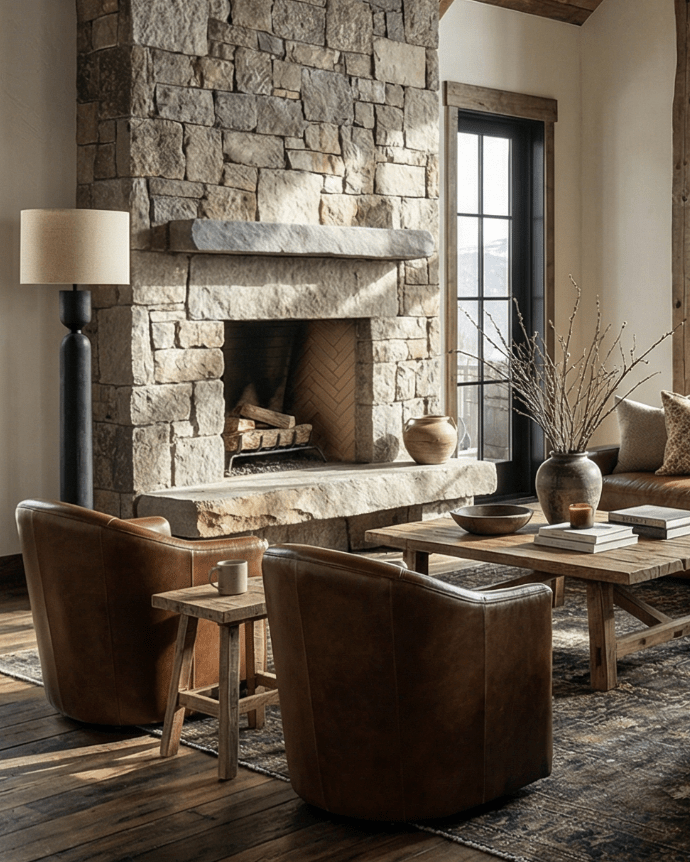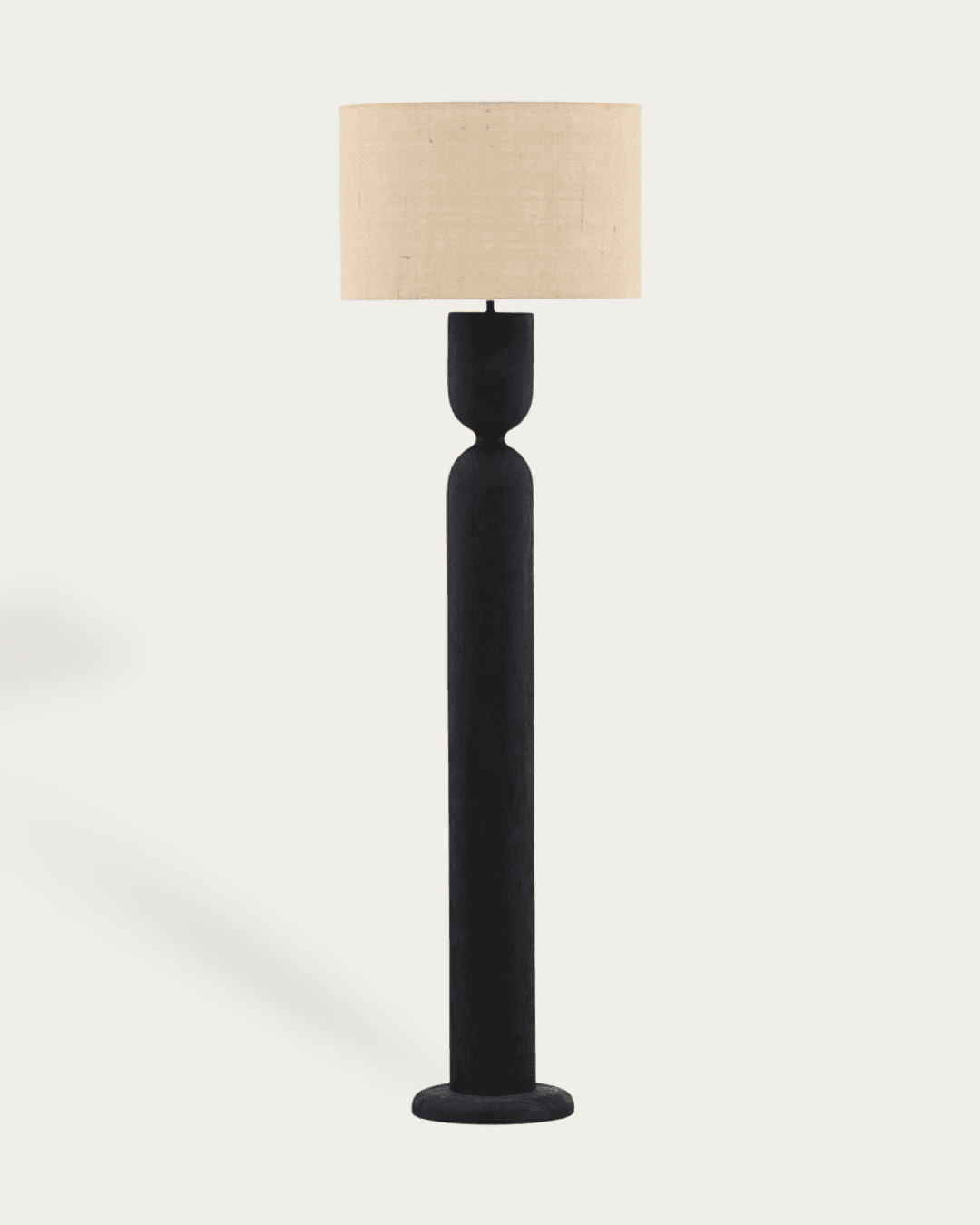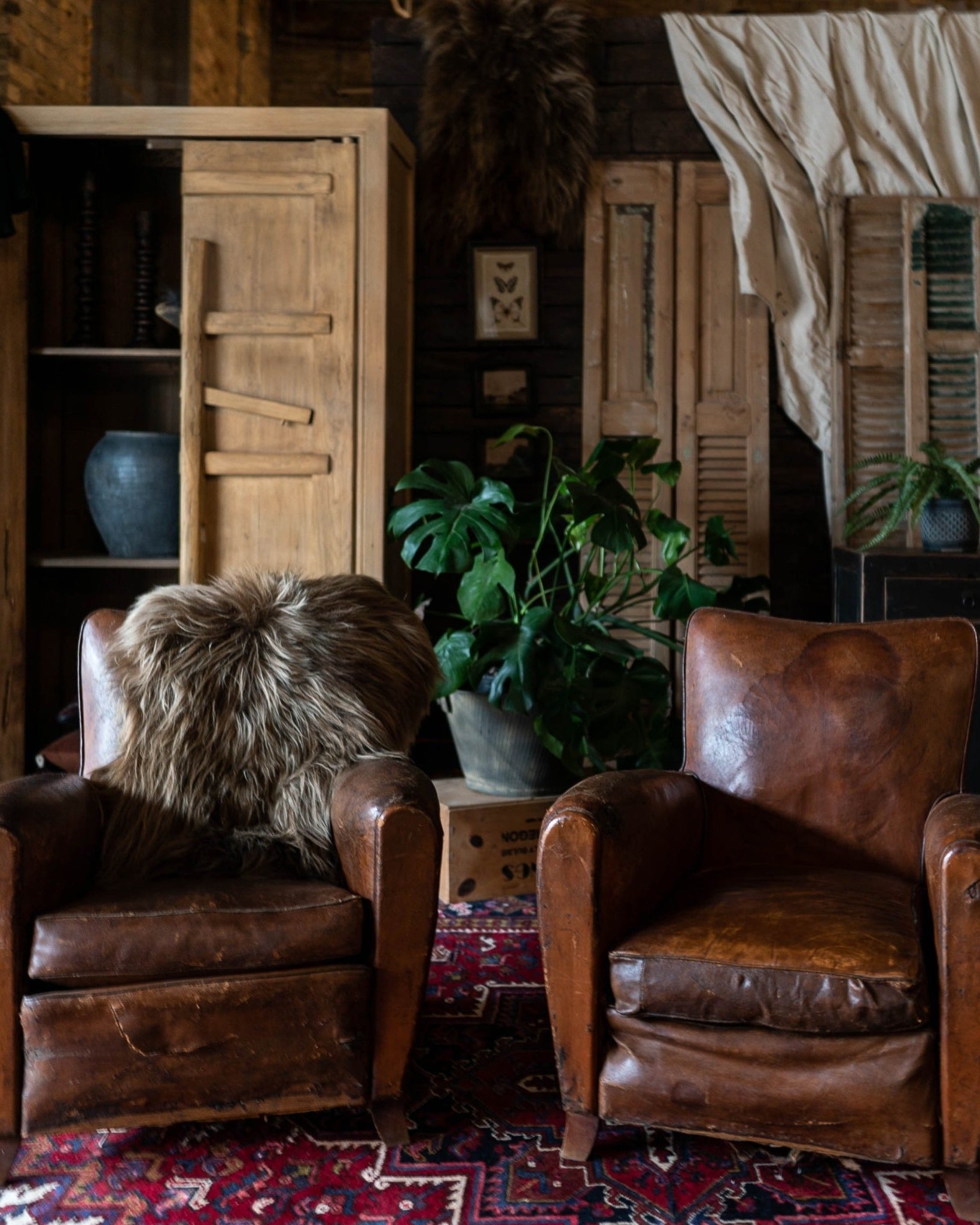








Every home has one: the corner that looks unfinished no matter what you put there.
You try a plant. Too predictable. A basket. Now it's storing random blankets. A chair. Nobody sits in it. Before adding another piece of furniture, try something simpler: a small surface and one unique table lamp.
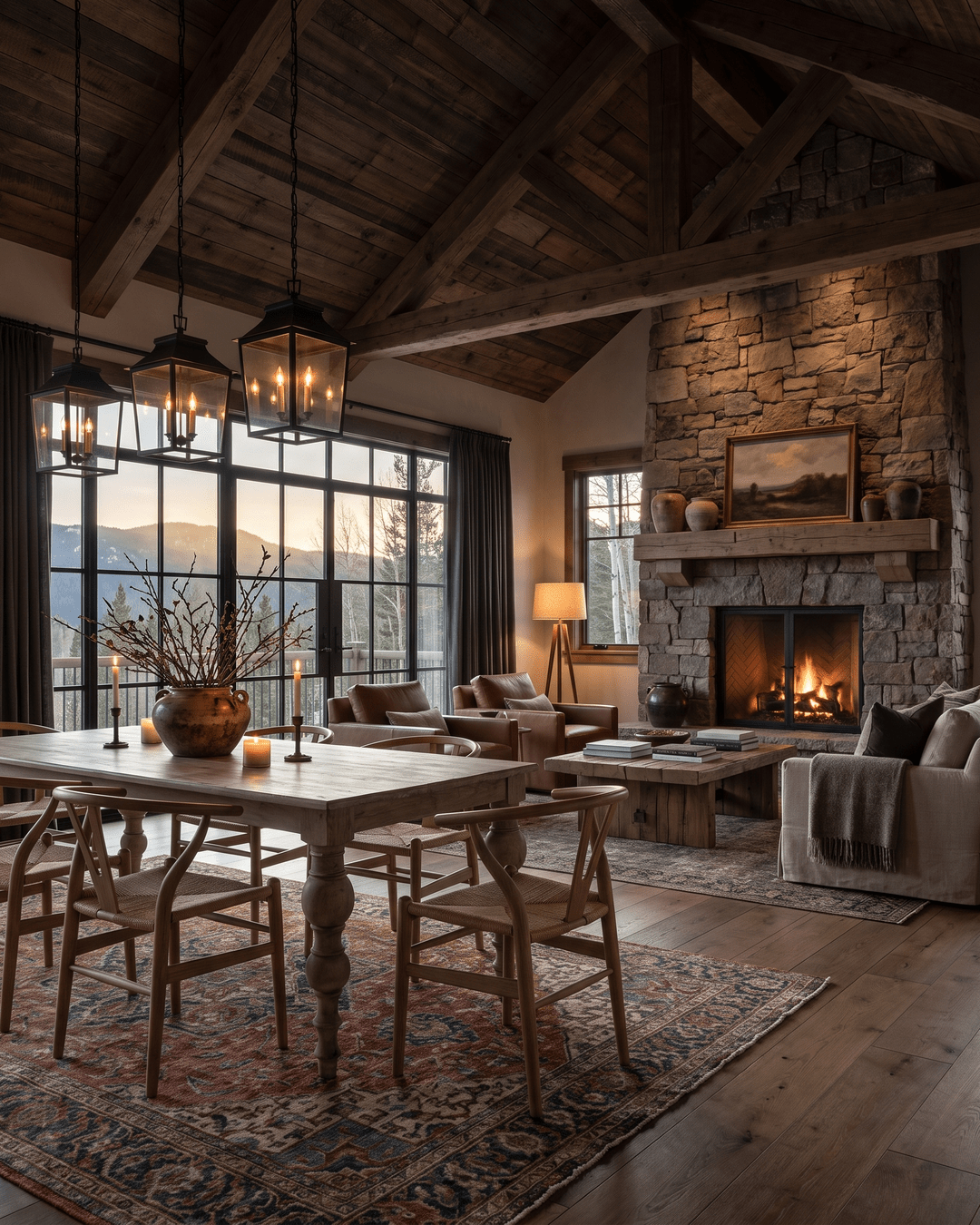
Lighting can give an awkward area a reason to exist. Instead of filling empty space, you're creating a pool of light that establishes a reading spot, gives a hallway somewhere to land, makes a console useful after dark, or simply draws attention toward a part of the room that previously disappeared.
Sometimes an awkward corner isn't missing furniture. It's missing a purpose.
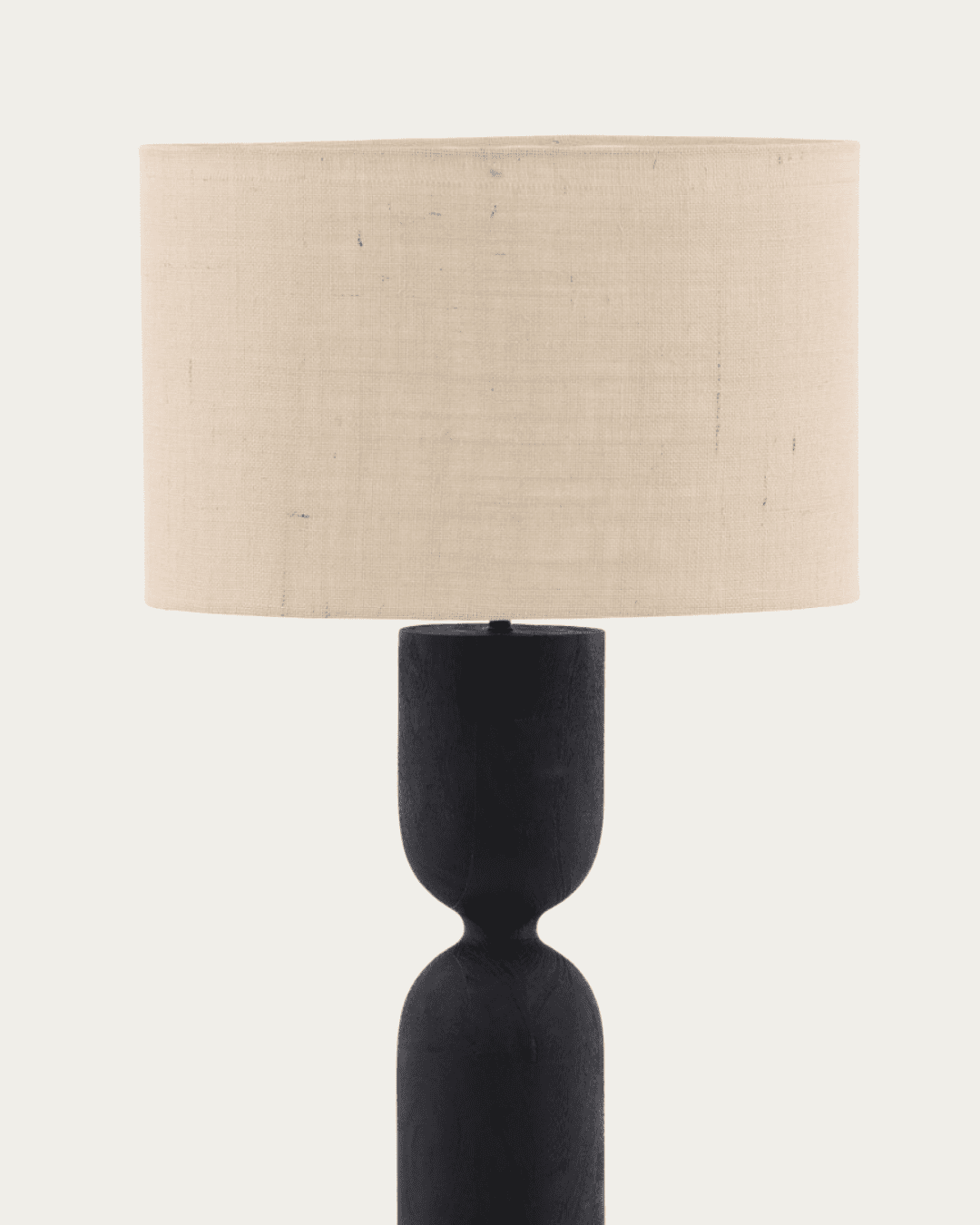
Explore Hello Norden's table lamp collection for lighting that can turn overlooked surfaces into intentional parts of the room.
First, Figure Out Why the Corner Feels Awkward
Before buying anything, diagnose the problem.
Awkward spaces usually fall into a few categories.
They're too small for substantial furniture.
They're visually disconnected from the rest of the room.
They're dark after sunset.
They sit between two functional areas without clearly belonging to either.
Or they're technically furnished, but nothing about them gives you a reason to look—or go—there.
A table lamp can address several of these problems because it works at two levels. During the day, the base functions as an object with shape, material, and visual weight. At night, the light defines the area around it.
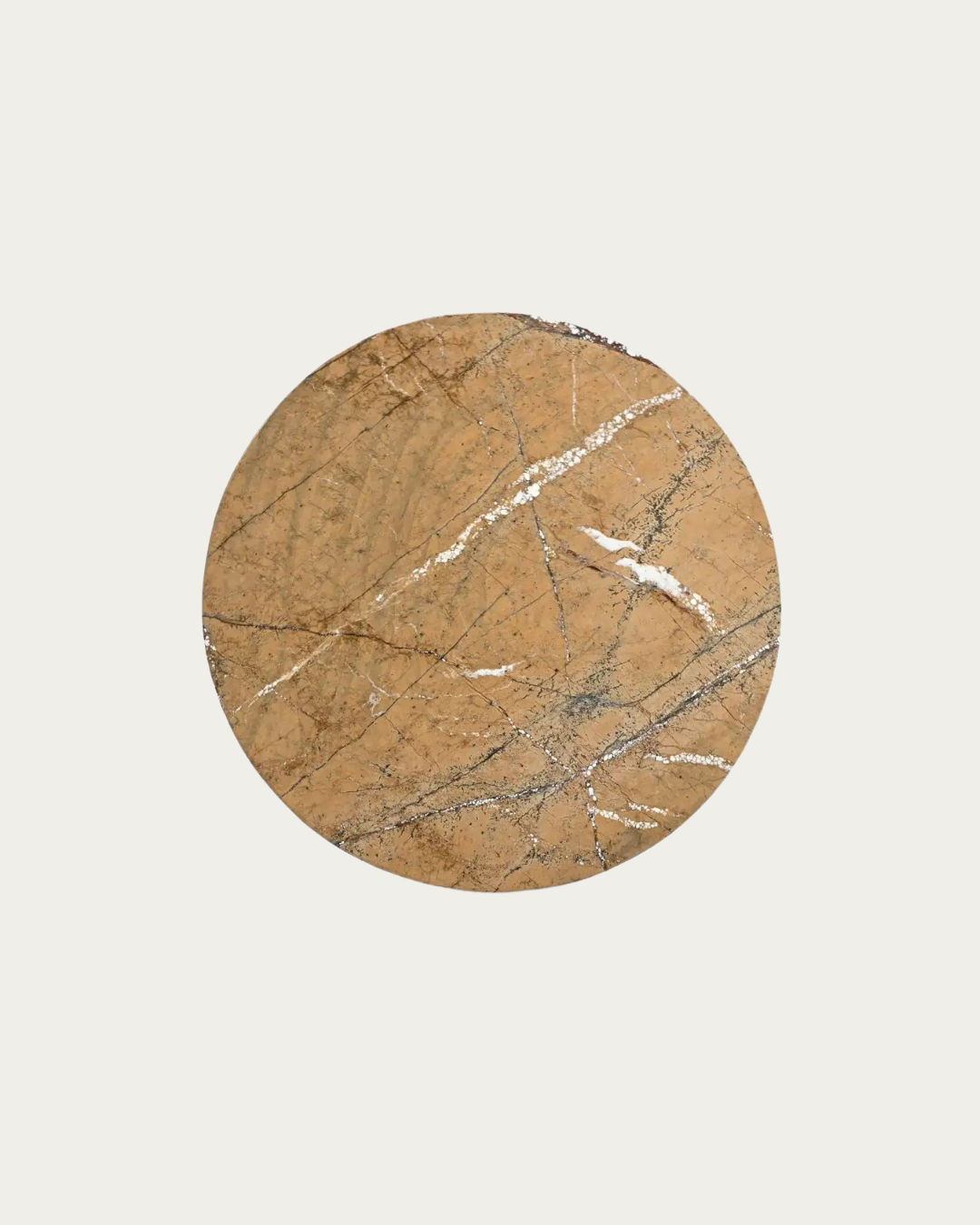
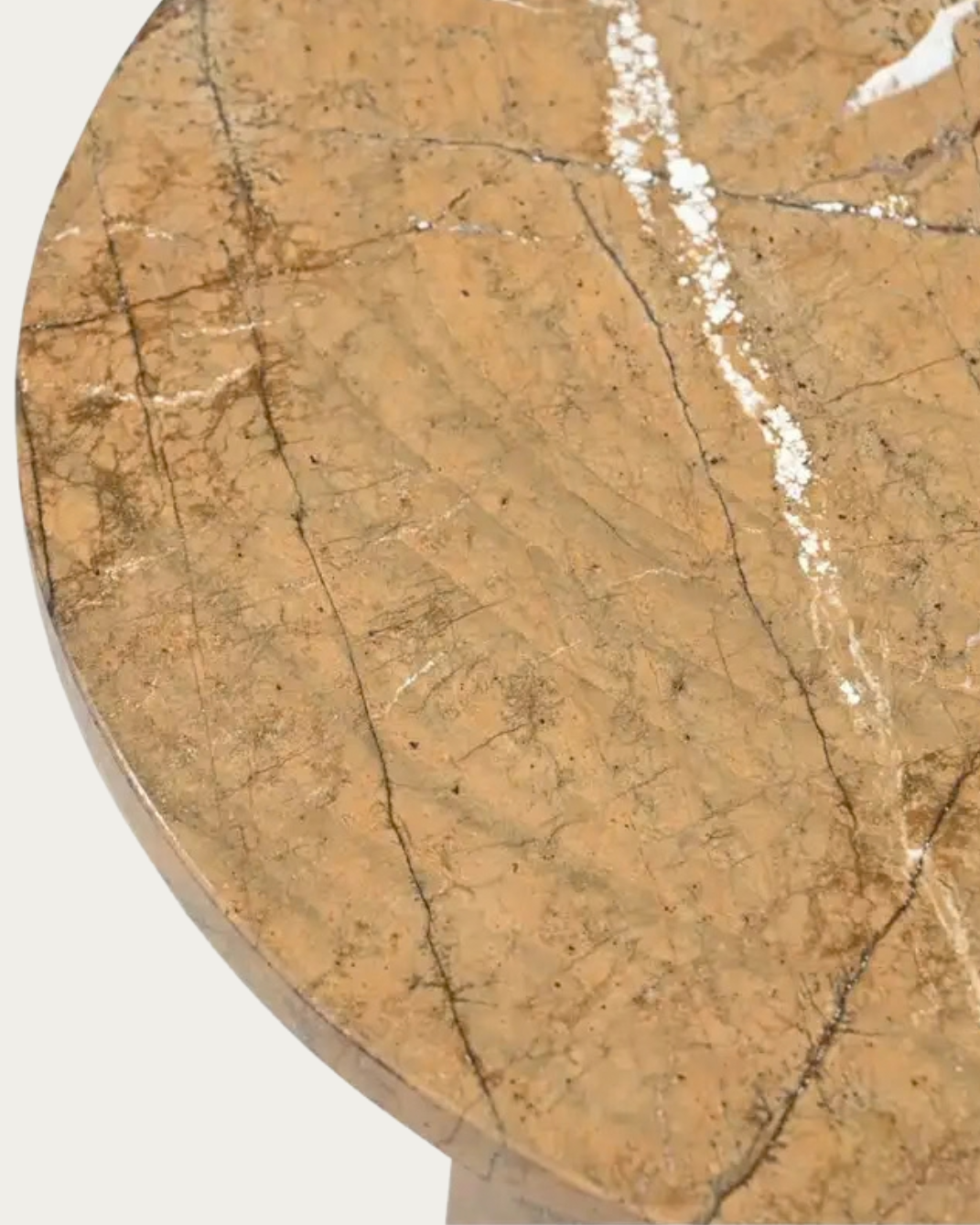
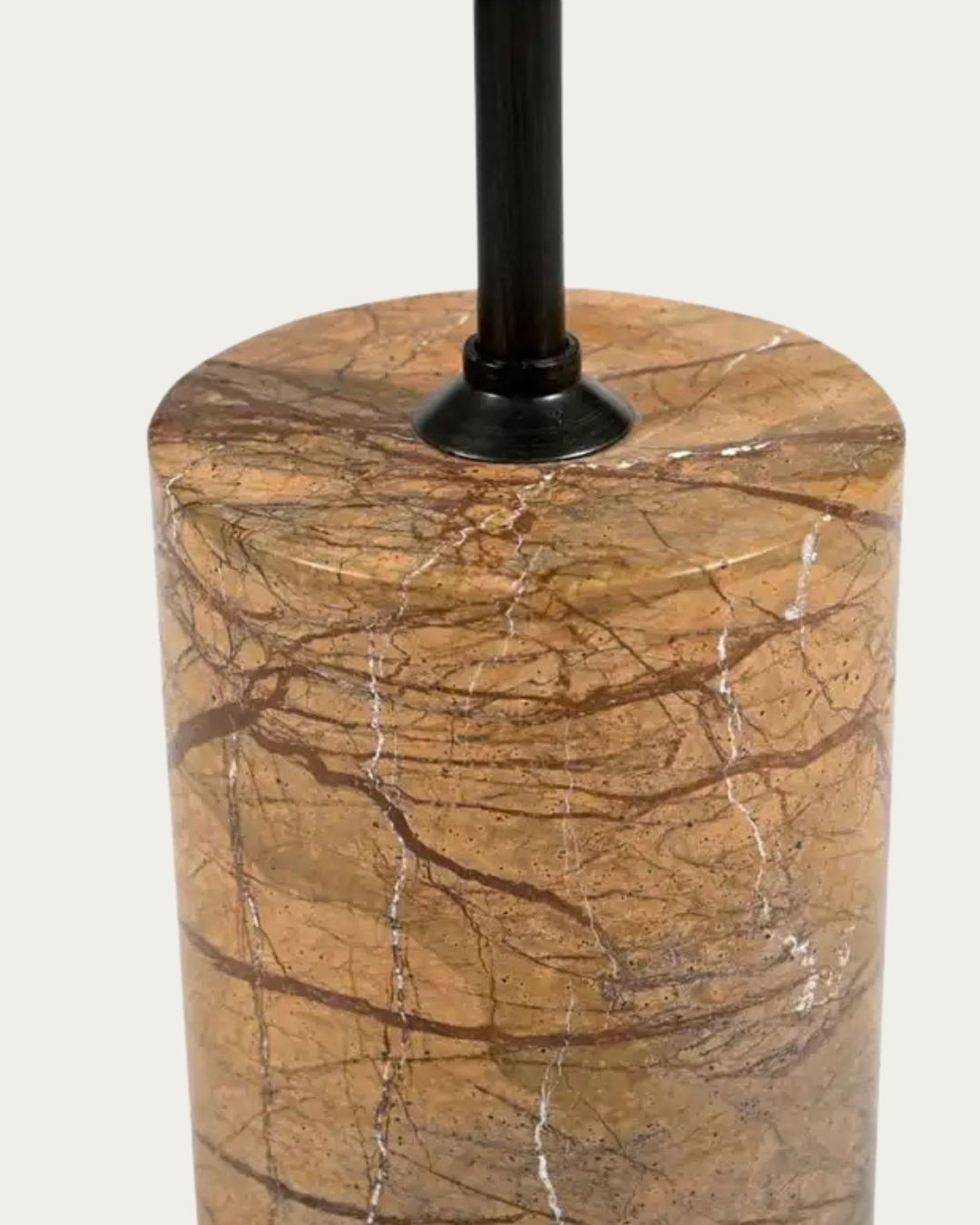
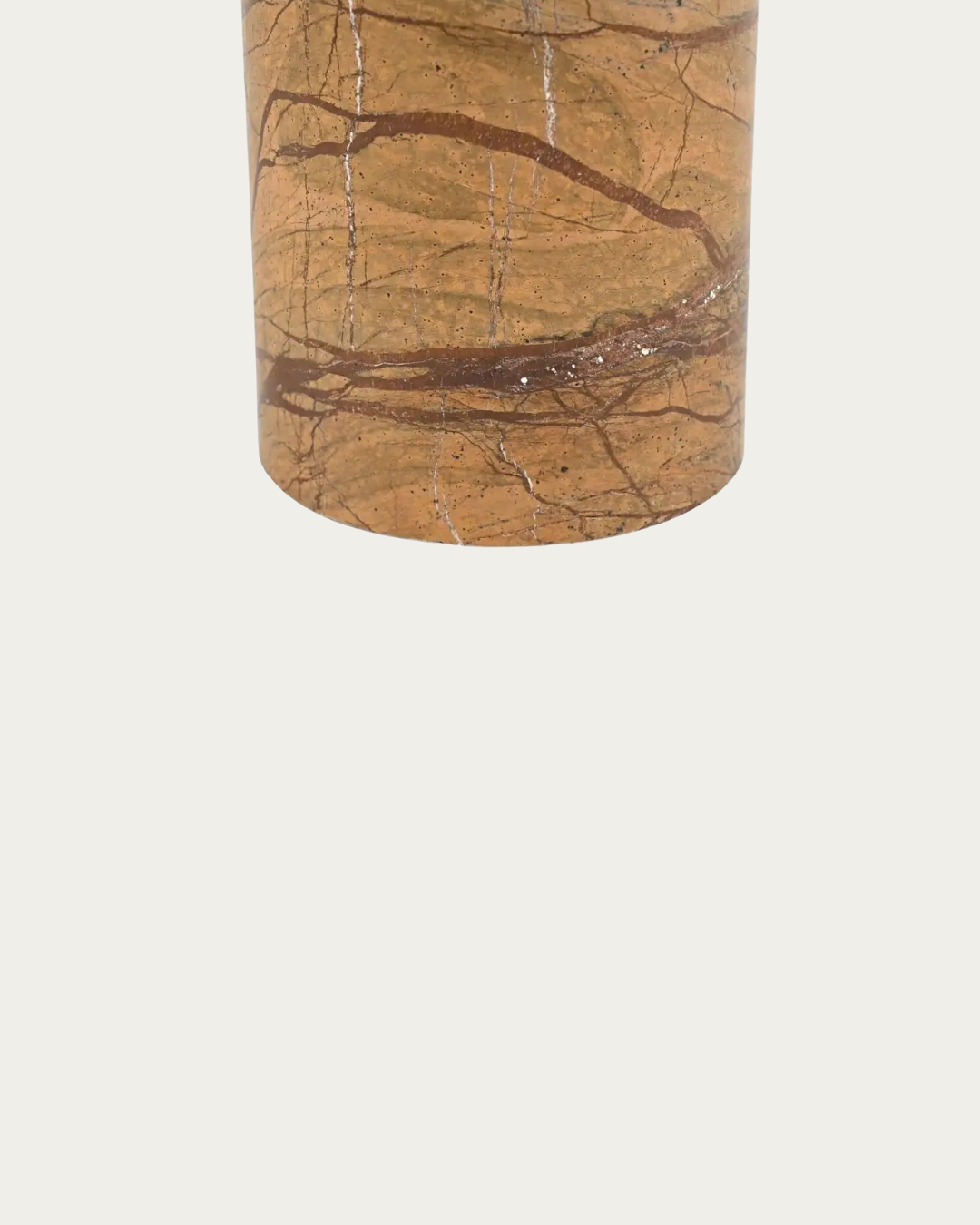
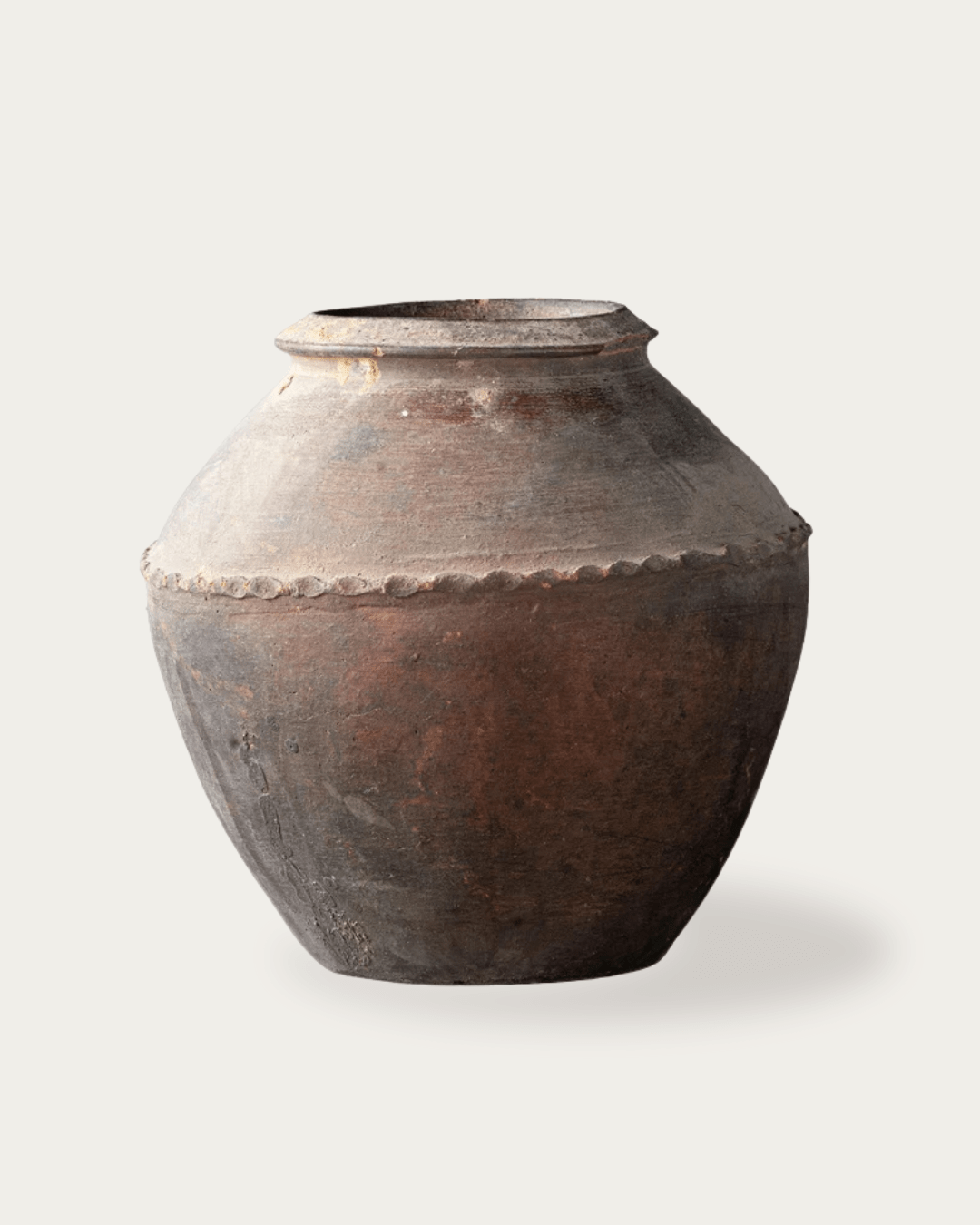
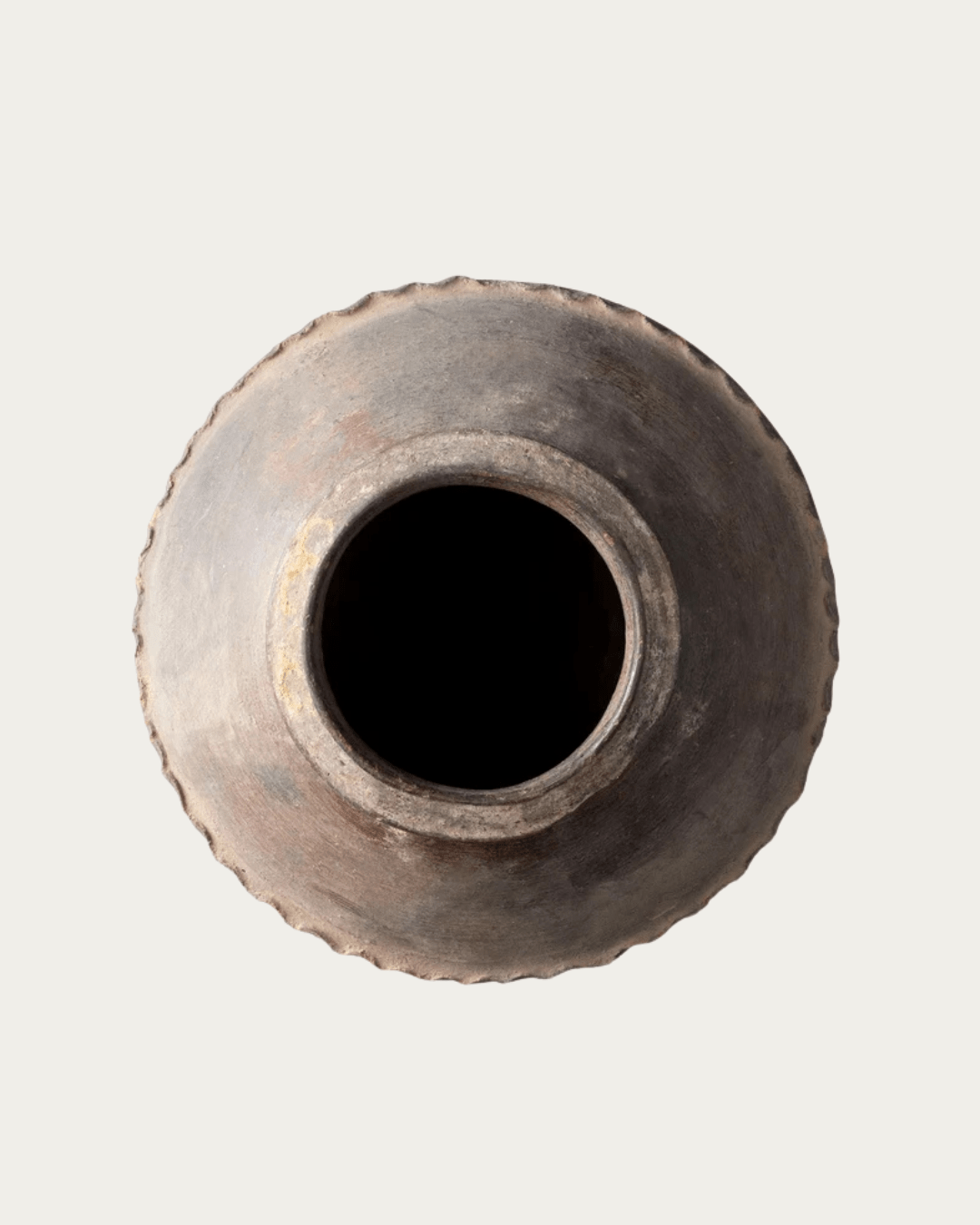
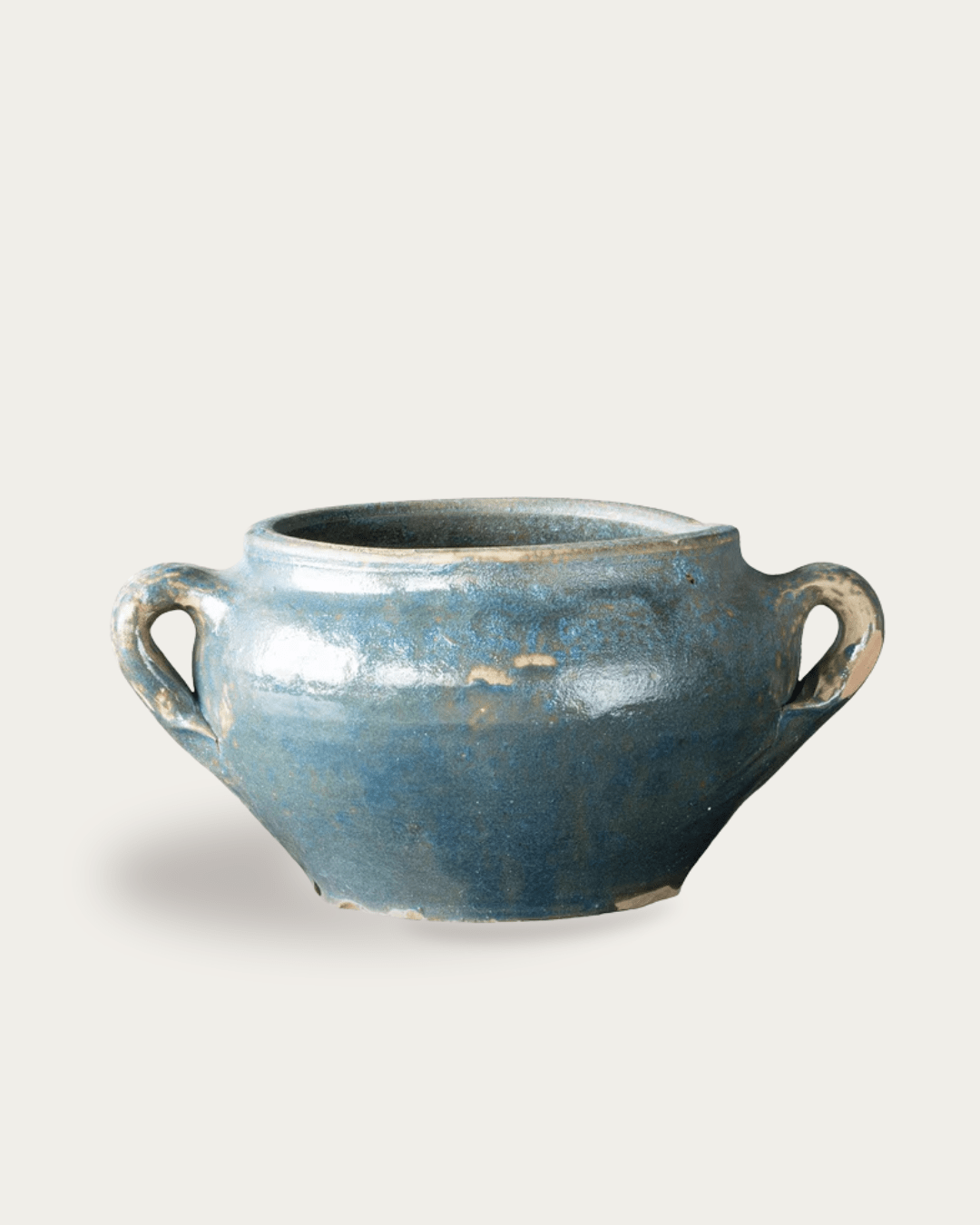
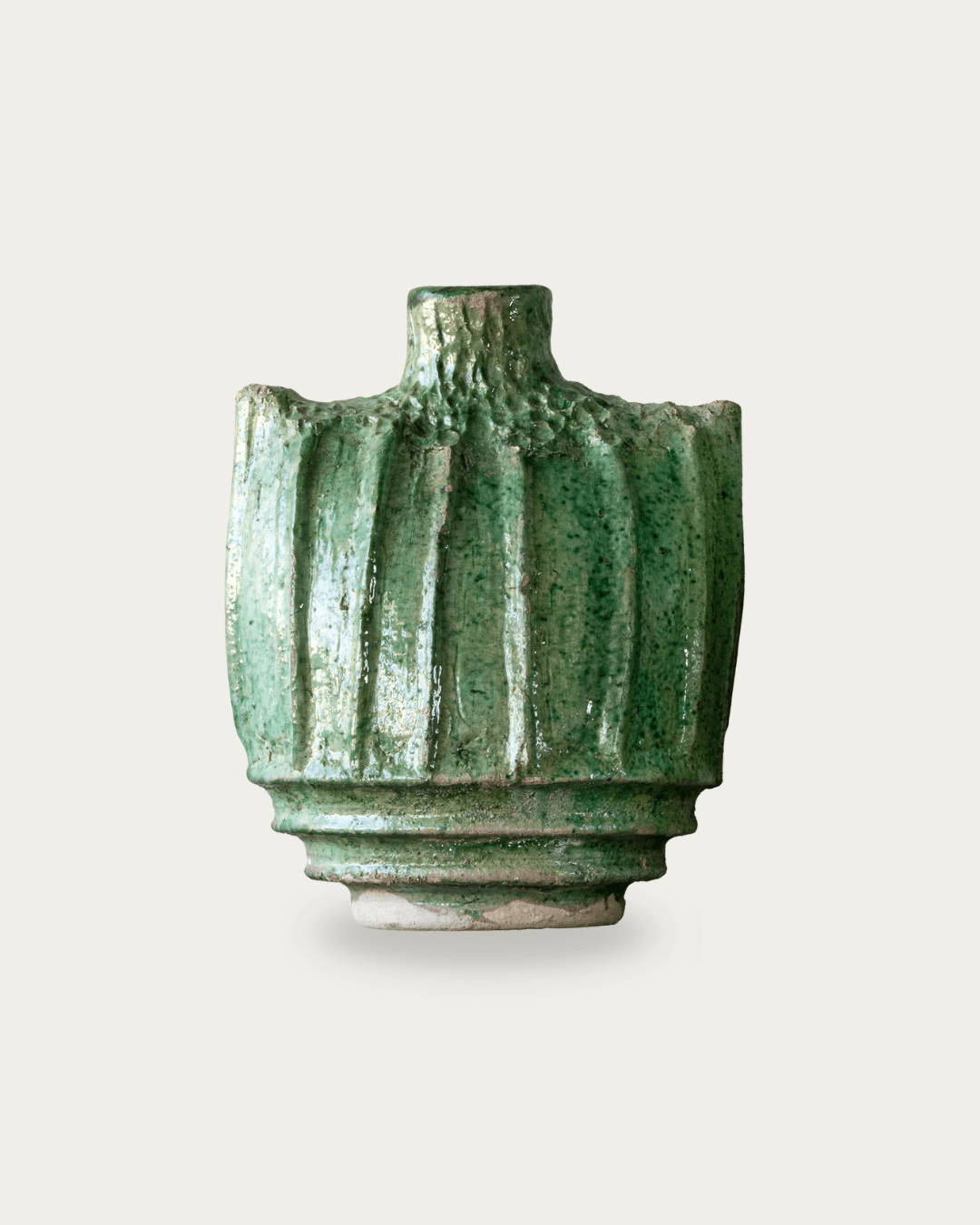
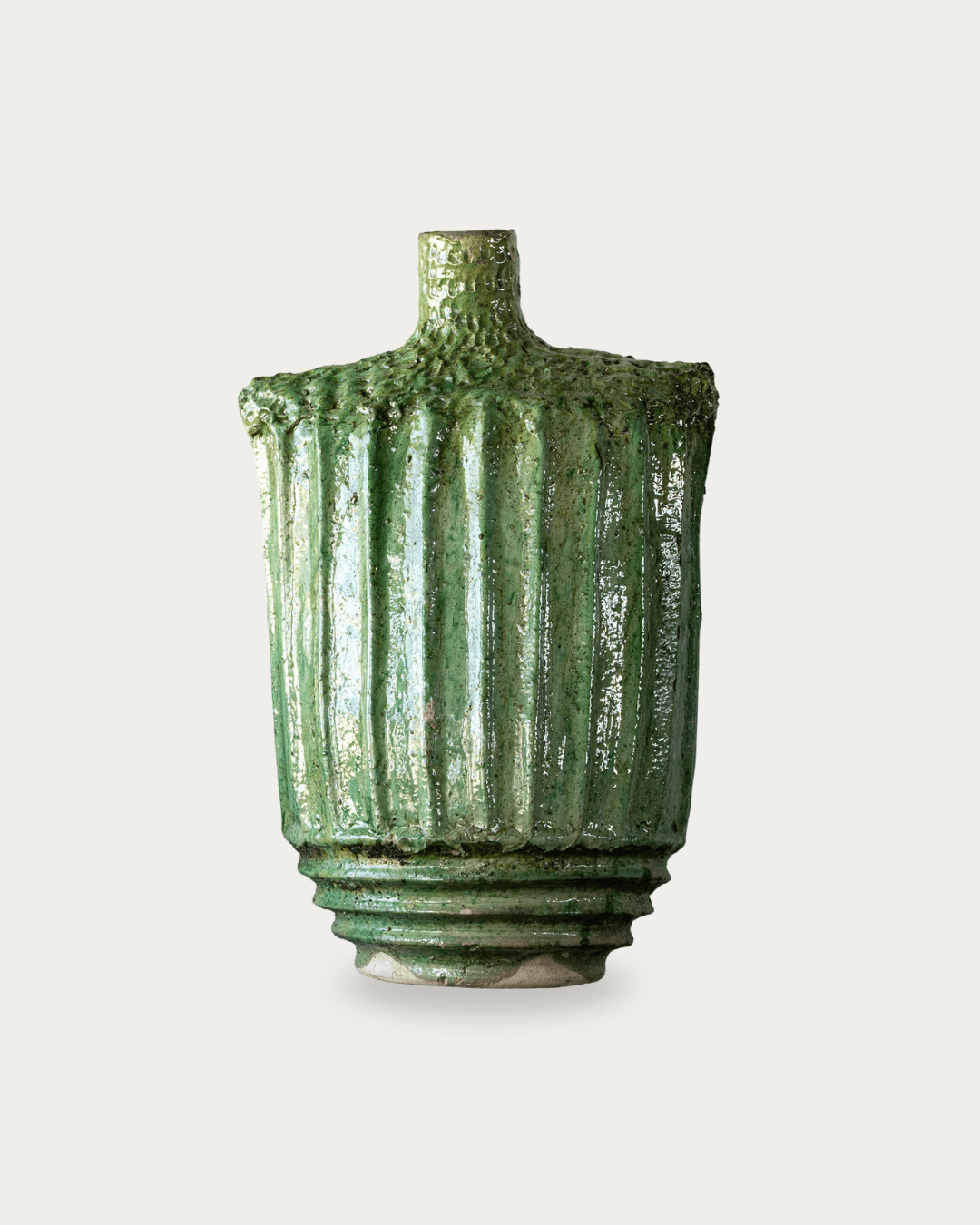
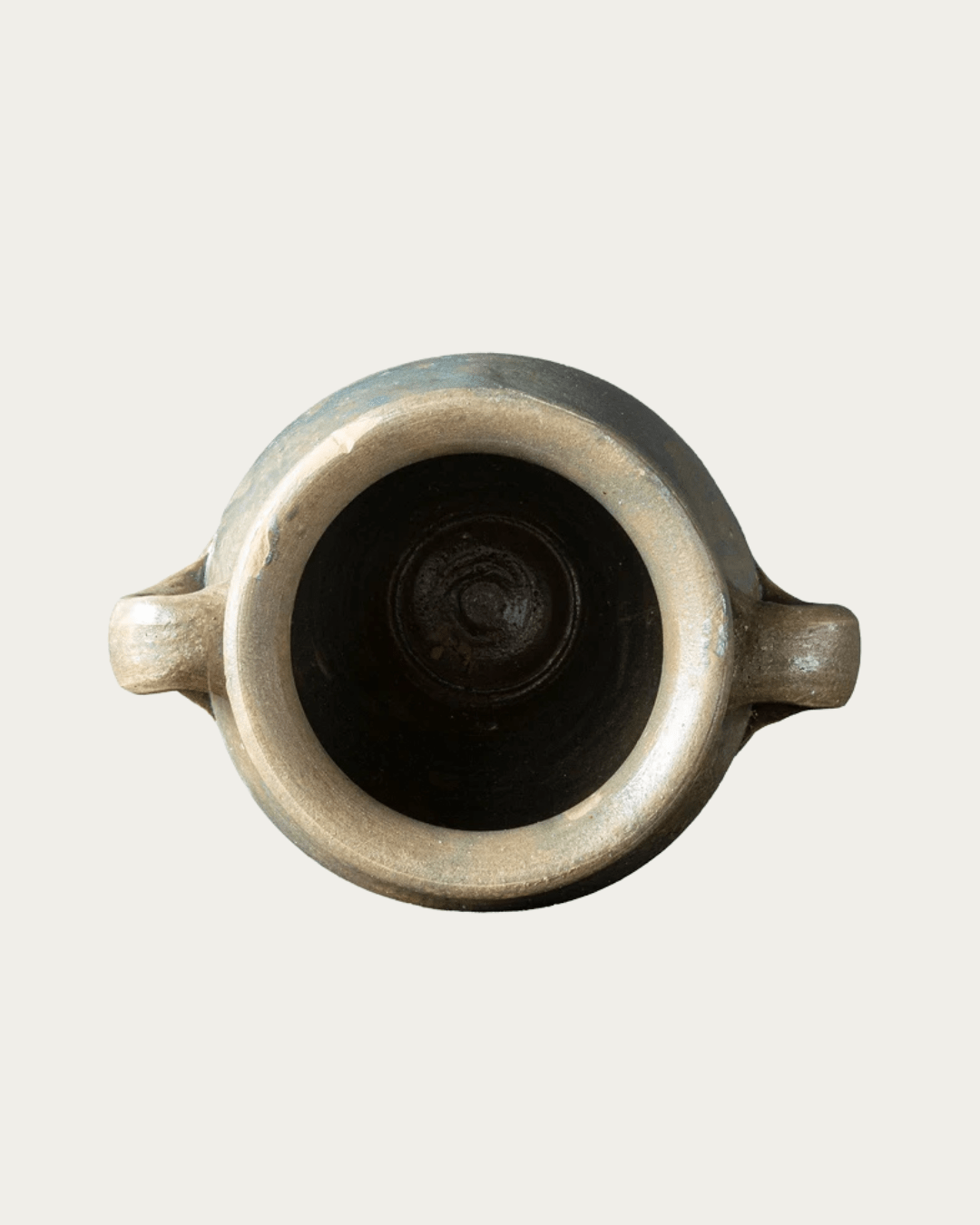
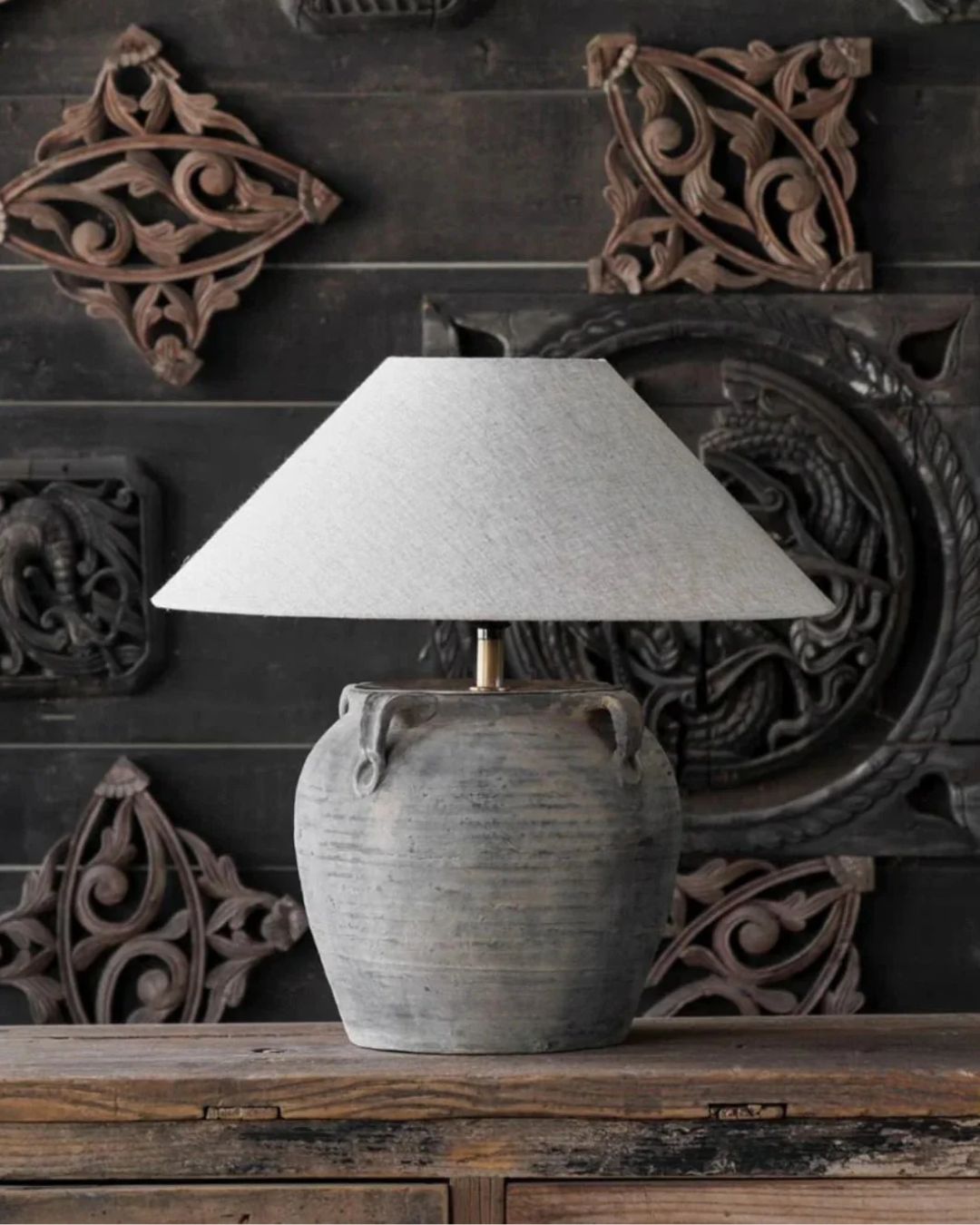
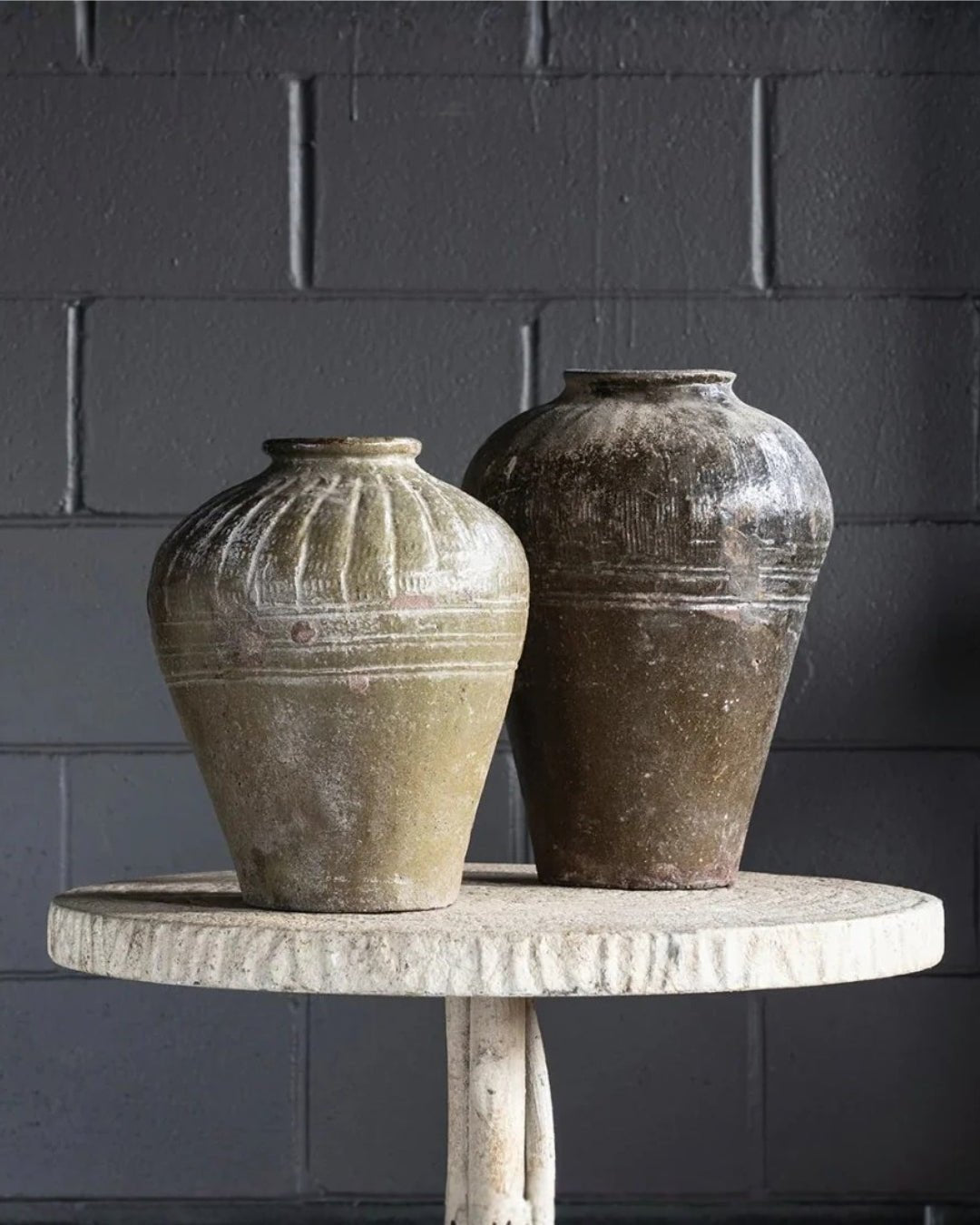
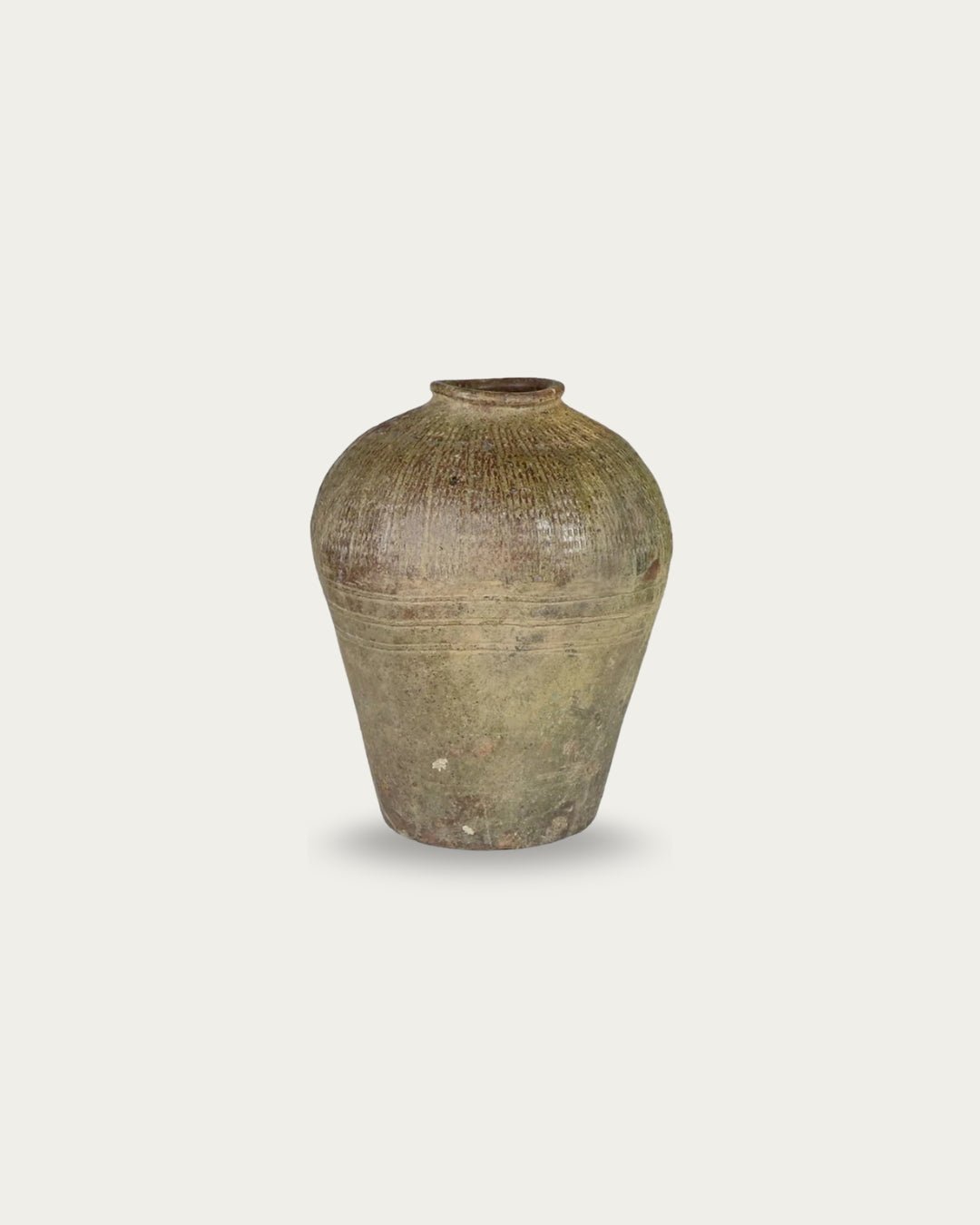
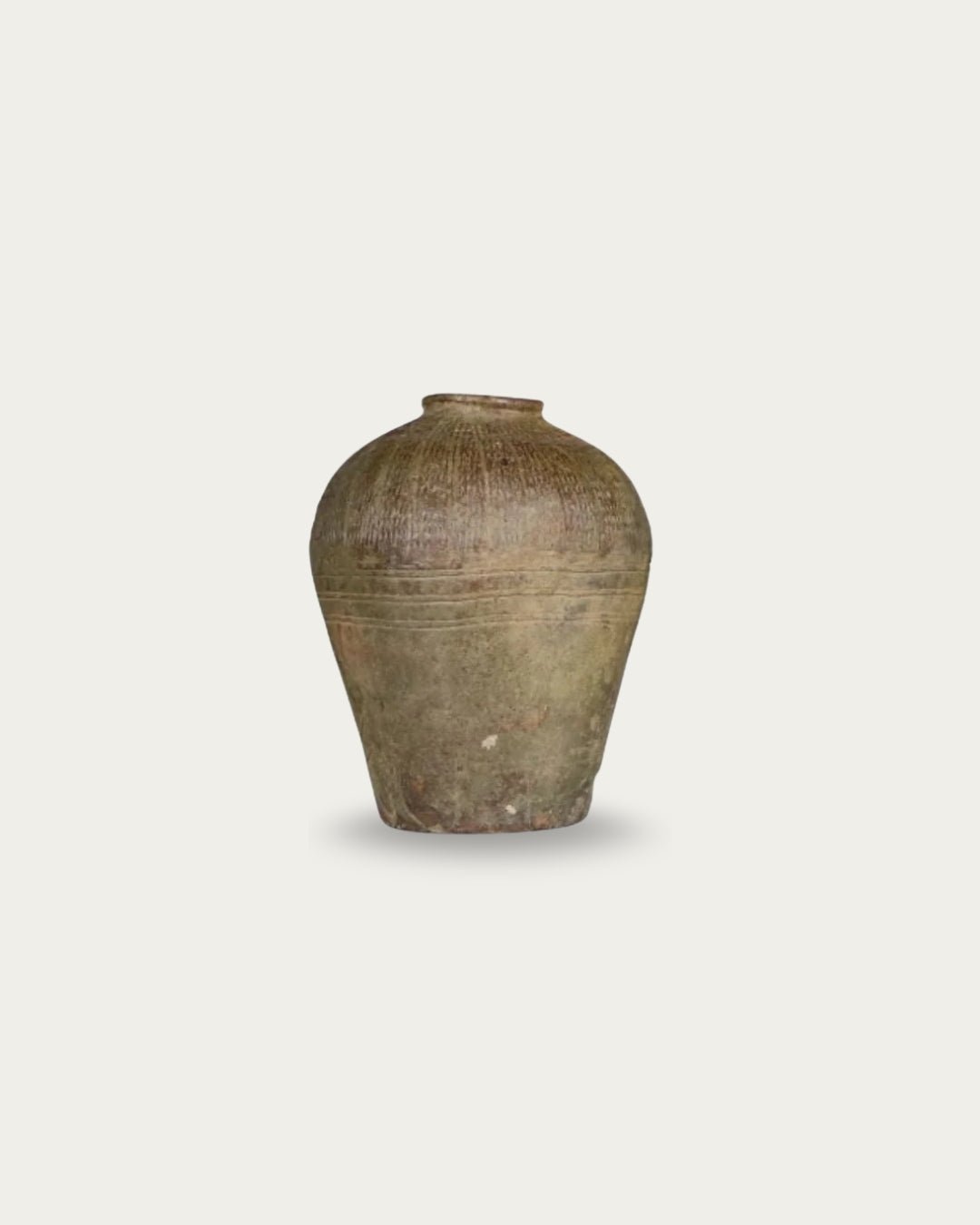
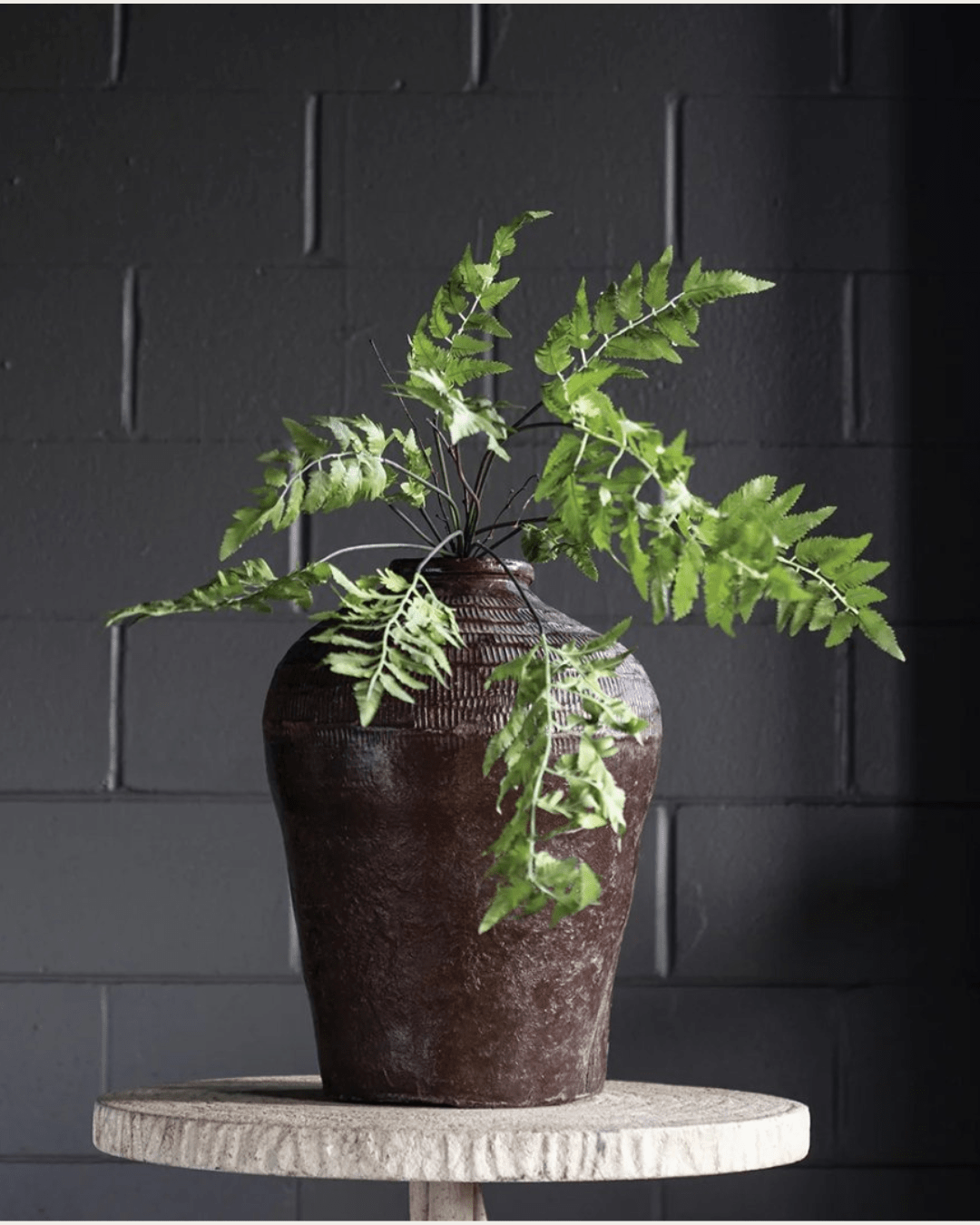
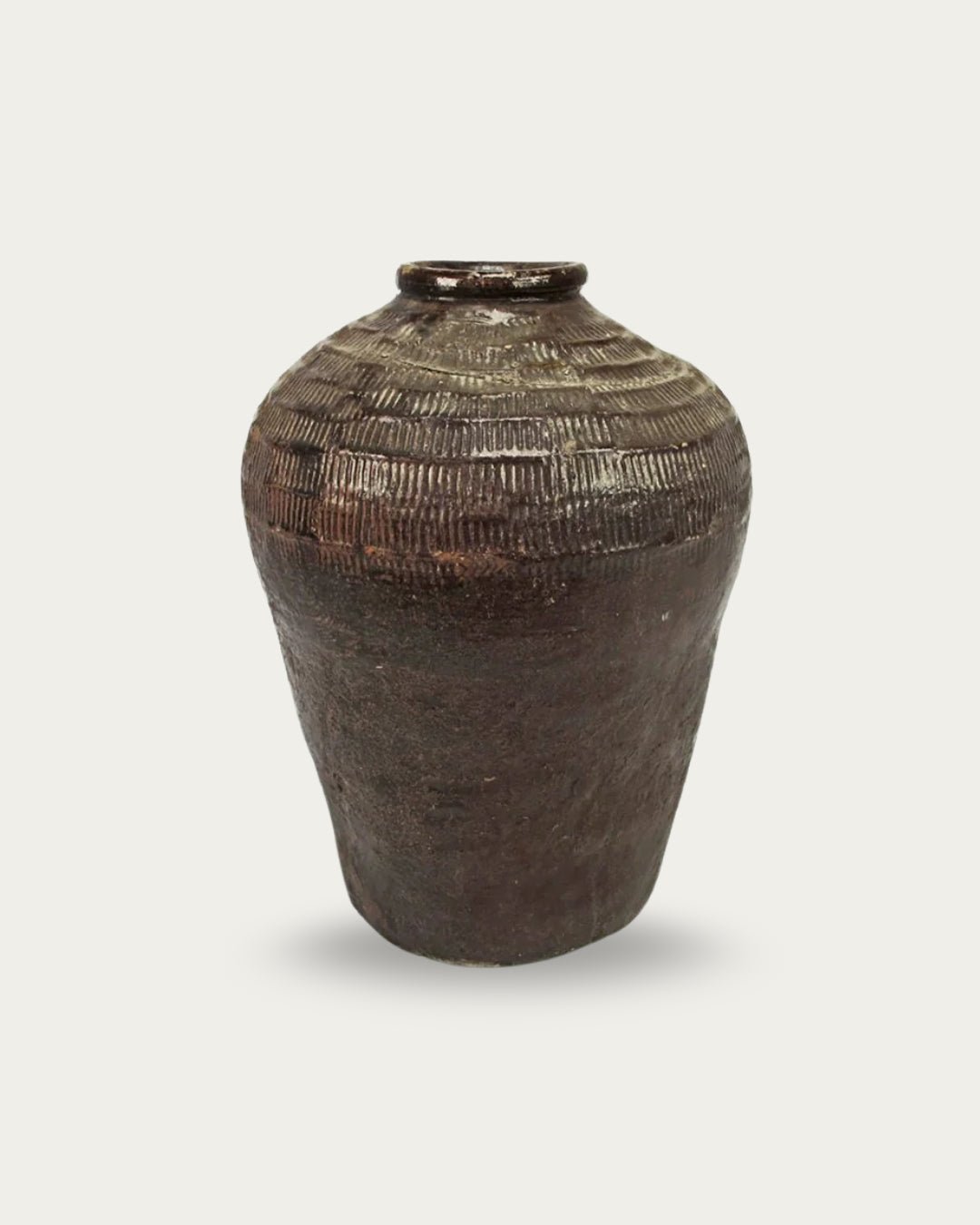
The Ellisiv pot table lamp can introduce a substantial pot-like form where a surface needs more visual presence, while the Arnbjorn storage jar lamp brings a different jar-inspired silhouette into the room.
Don't Fill Space Just Because It's Empty
An empty corner isn't automatically a problem.
If it provides circulation, breathing room, or a clear view toward another part of the room, leave it alone.
The corners worth fixing are the ones that feel disconnected from an otherwise resolved space or could perform a useful function but currently don't.
That's an important distinction.
We're not declaring war on empty floor space.
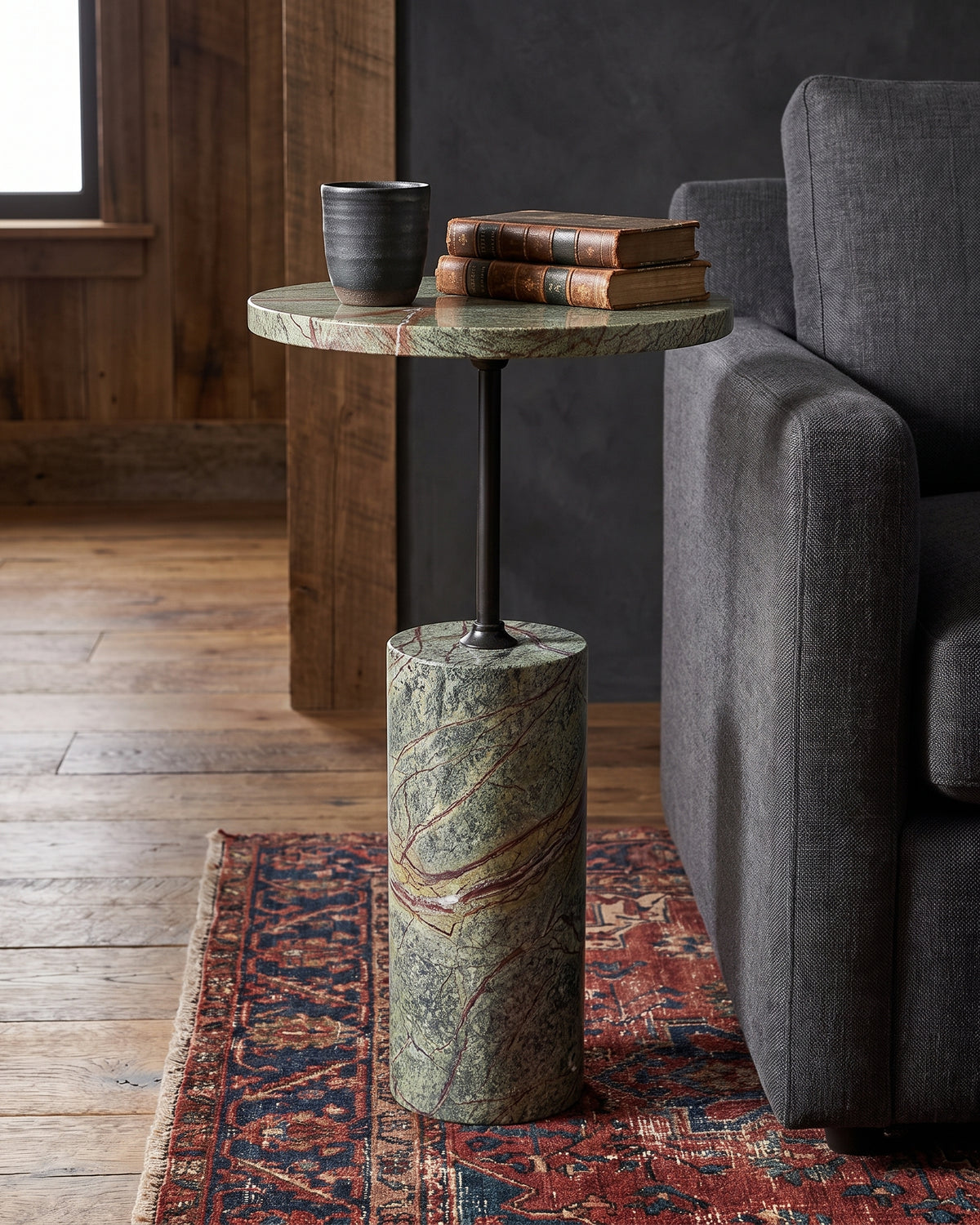
Give an Unused Side Table a Job
Sometimes the awkward corner already contains furniture.
There's a side table.
Maybe even a chair.
And somehow it still feels like nobody finished the thought.
Lighting can complete that composition.
A table lamp introduces vertical height above a low piece of furniture and creates a visual relationship between the table, wall, and surrounding seating.
Think in Vertical Layers
Look at the corner from across the room.
If everything stops around seat height, the area may feel visually unfinished simply because there's nothing carrying your eye upward.
A lamp solves that without requiring tall furniture.
The table creates the low anchor.
The lamp base establishes the middle.
The shade carries the composition higher.
Now the corner has a silhouette rather than a lonely table sitting near the floor.
Use a Porcelain Table Lamp Where the Room Needs Pattern
Some awkward spaces aren't empty.
They're just visually quiet.
Perhaps the corner sits in a neutral living room filled with linen, wood, cream upholstery, and plain walls. Adding another neutral object may technically fill the space without making it any more interesting.
This is where a porcelain table lamp can work especially well.
The Aslak porcelain shunan temple jar lamp can introduce pattern and a different surface quality, while the Aslak porcelain hand-painted temple jar lamp adds hand-painted detail without requiring you to introduce pattern across the entire room.
Let One Pattern Be Enough
You don't need to repeat a patterned porcelain lamp through matching cushions and accessories.
Connect it more subtly.
Perhaps one of its colors appears elsewhere in the room.
Maybe its rounded form relates to a nearby table.
Or its traditional shape sits against more contemporary furniture and becomes the contrast.
The lamp can be the exception.
That's often what makes the corner worth noticing.
Turn the Dead Corner Beside the Sofa Into Useful Light
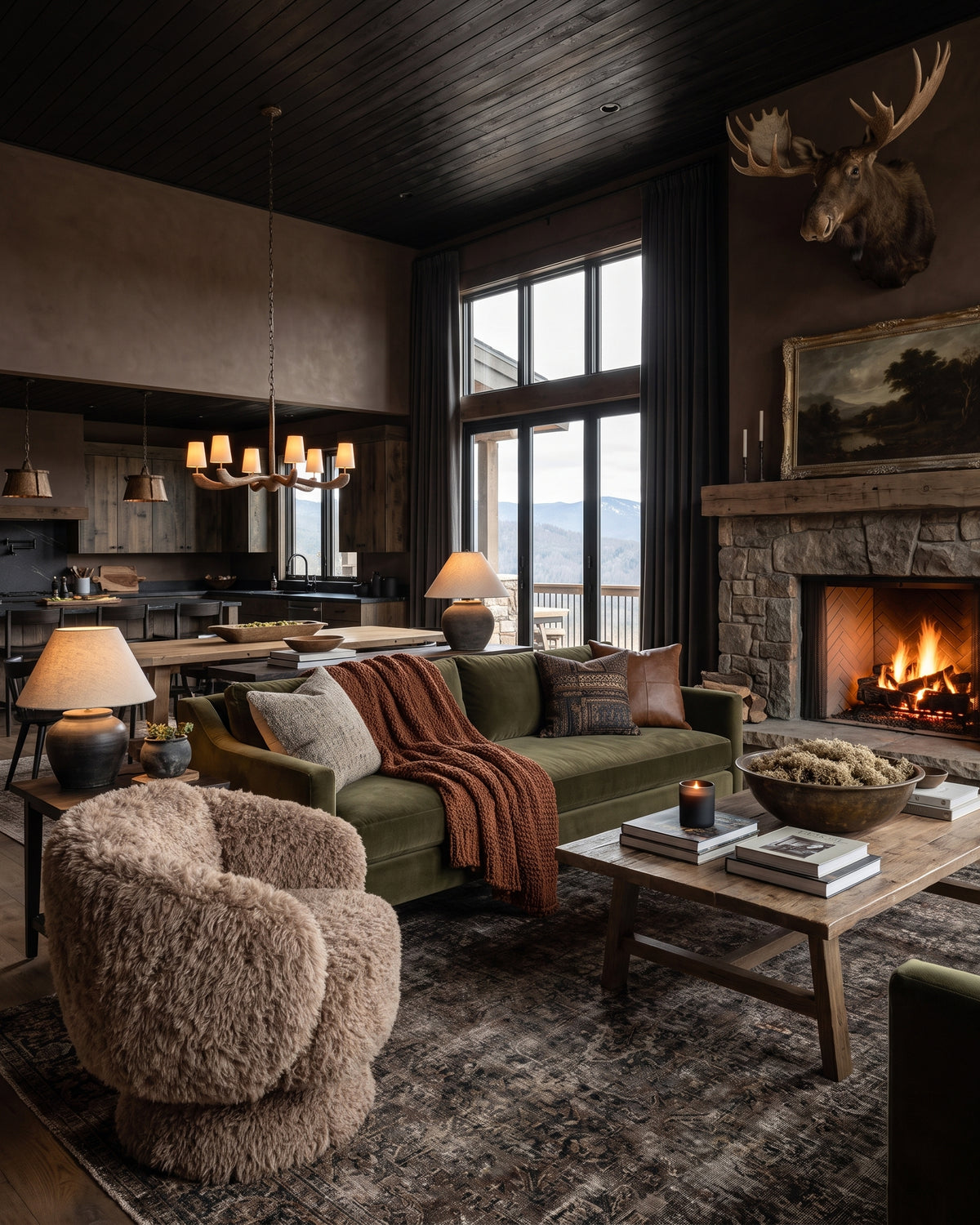
The space beside a sofa is one of the most obvious candidates for this approach.
It often gets filled with a small side table because that's what living rooms are supposed to have.
But a table alone doesn't necessarily establish a destination.
Add a lamp and the function becomes clearer.
Now someone can sit there with a book.
The table can hold a drink.
The lamp provides lower light in the evening.
The corner participates in how the room is actually used.
Lower Light Changes the Geography of a Room
One overhead fixture treats the entire room almost equally.
Table lamps don't.
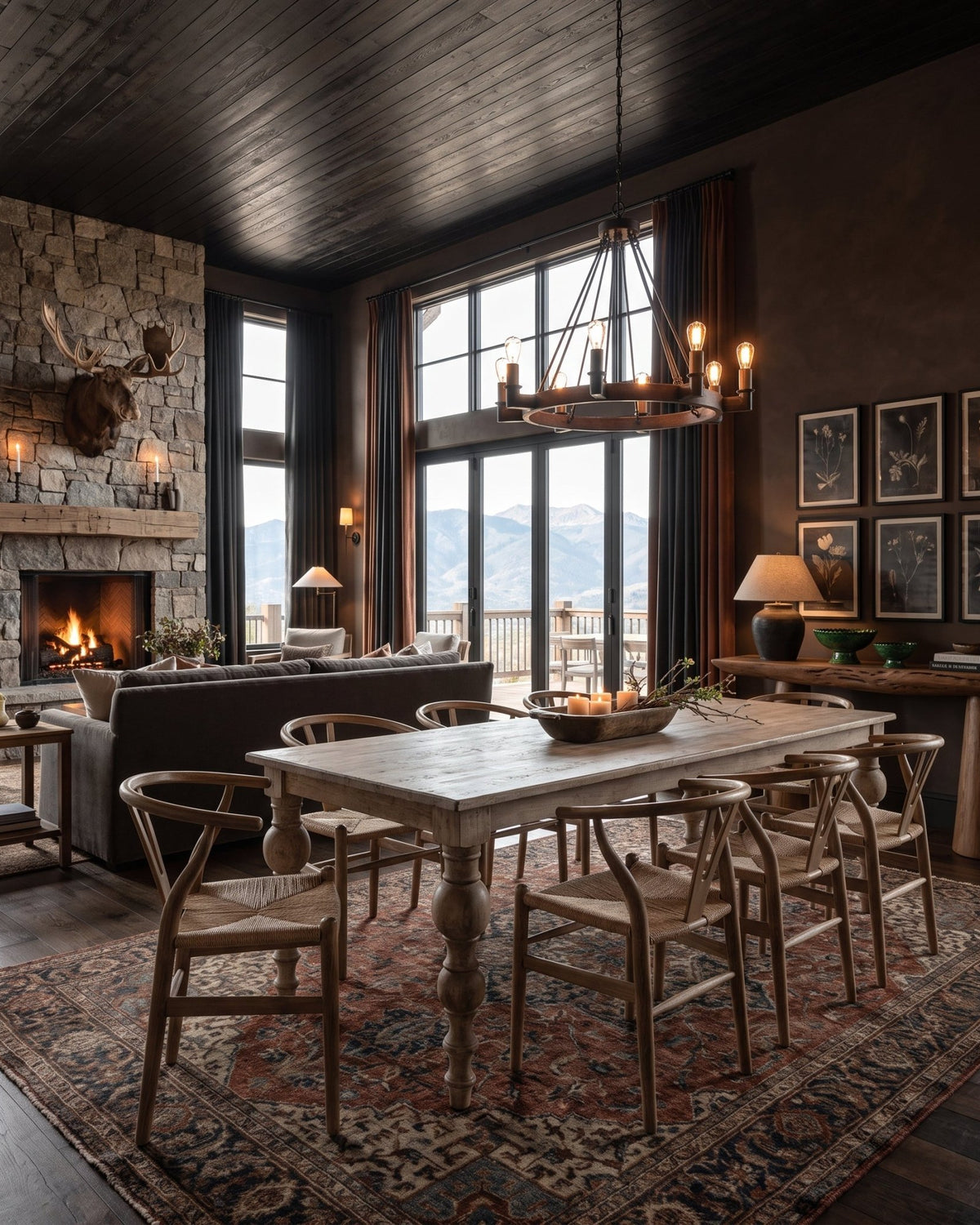
They create smaller areas of illumination, which can make different parts of the room feel distinct after dark.
The sofa becomes one zone.
A reading chair becomes another.
A console along the wall gets its own softer pool of light.
Instead of thinking about fixtures individually, it can help to look at the broader lighting collection and consider how different sources can work together at different heights.
Hello Norden Take: Don't light the whole room just because there's a switch for it. Put light where you actually sit, read, talk, and live.
Fix the Empty End of a Long Console
Long consoles create another common styling problem.
You put artwork above them.
Maybe a bowl in the middle.
Then you're left staring at several feet of surface wondering what you're supposed to do with it.
This is where a substantial table lamp can solve more than a collection of small accessories.
The Betz water pot table lamp can give one end of the console enough visual weight to create an anchor, while the Cunmin clay pot table lamp introduces the texture of clay where a smoother room needs some material variation.
Don't Center Everything
A lamp doesn't need to sit directly beneath the center of the artwork.
In fact, placing it toward one end of a console can create a more useful asymmetrical composition.
Let the lamp carry one side.
Balance it with a lower object or negative space elsewhere.
You don't need equal objects sitting at equal distances like they're waiting for inspection.
RUTED Tip: Before buying furniture for an awkward corner, put a lamp there temporarily.
Borrow one from another room.
Turn it on after sunset.
Then ask: Did the corner need furniture, or did it just need light?
This test can save you from buying a chair whose primary function becomes holding clothes.
The chair deserves better.
So do the clothes.
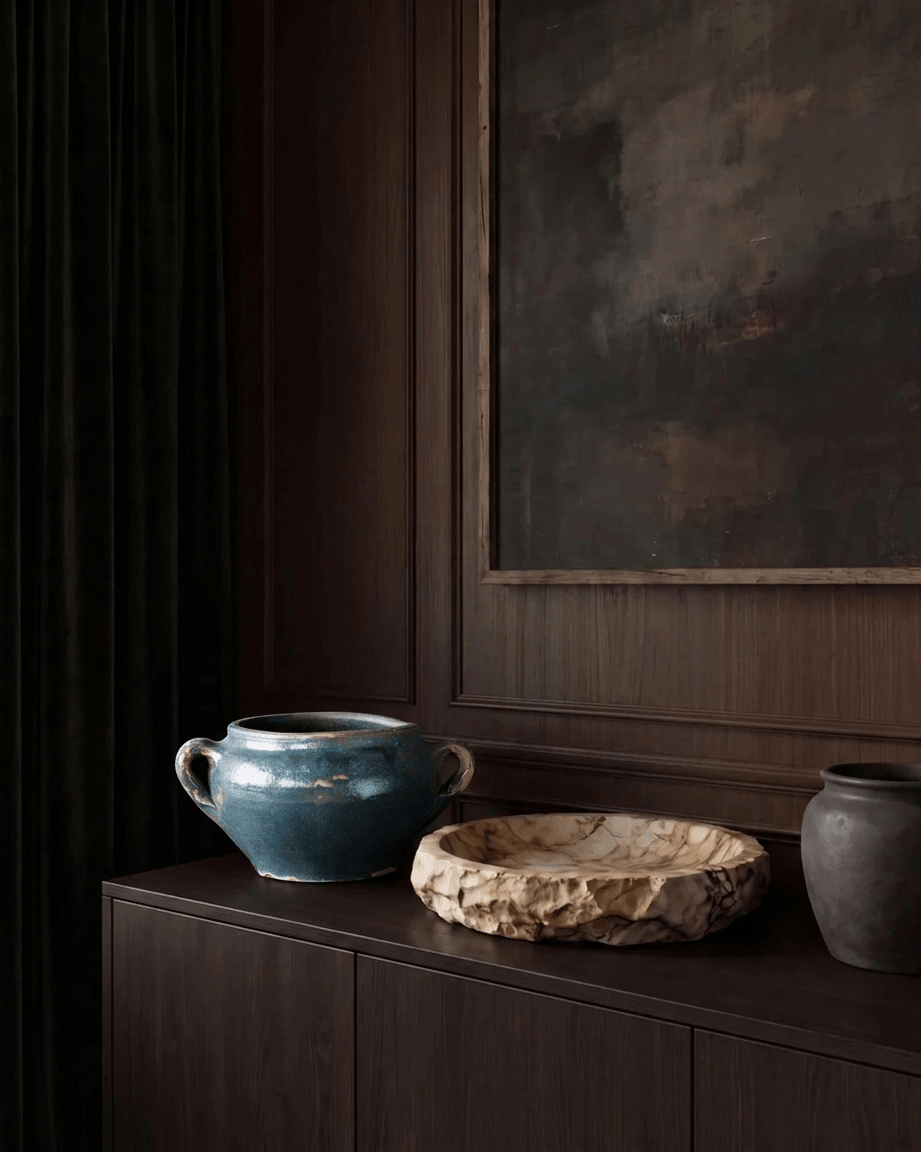
Use a Vintage Table Lamp to Make a Forgotten Area Feel Collected
An awkward corner often becomes even more obvious when everything around it feels newly furnished.
A brand-new console plus a brand-new lamp plus brand-new accessories can look less like a discovered corner and more like a furniture display.
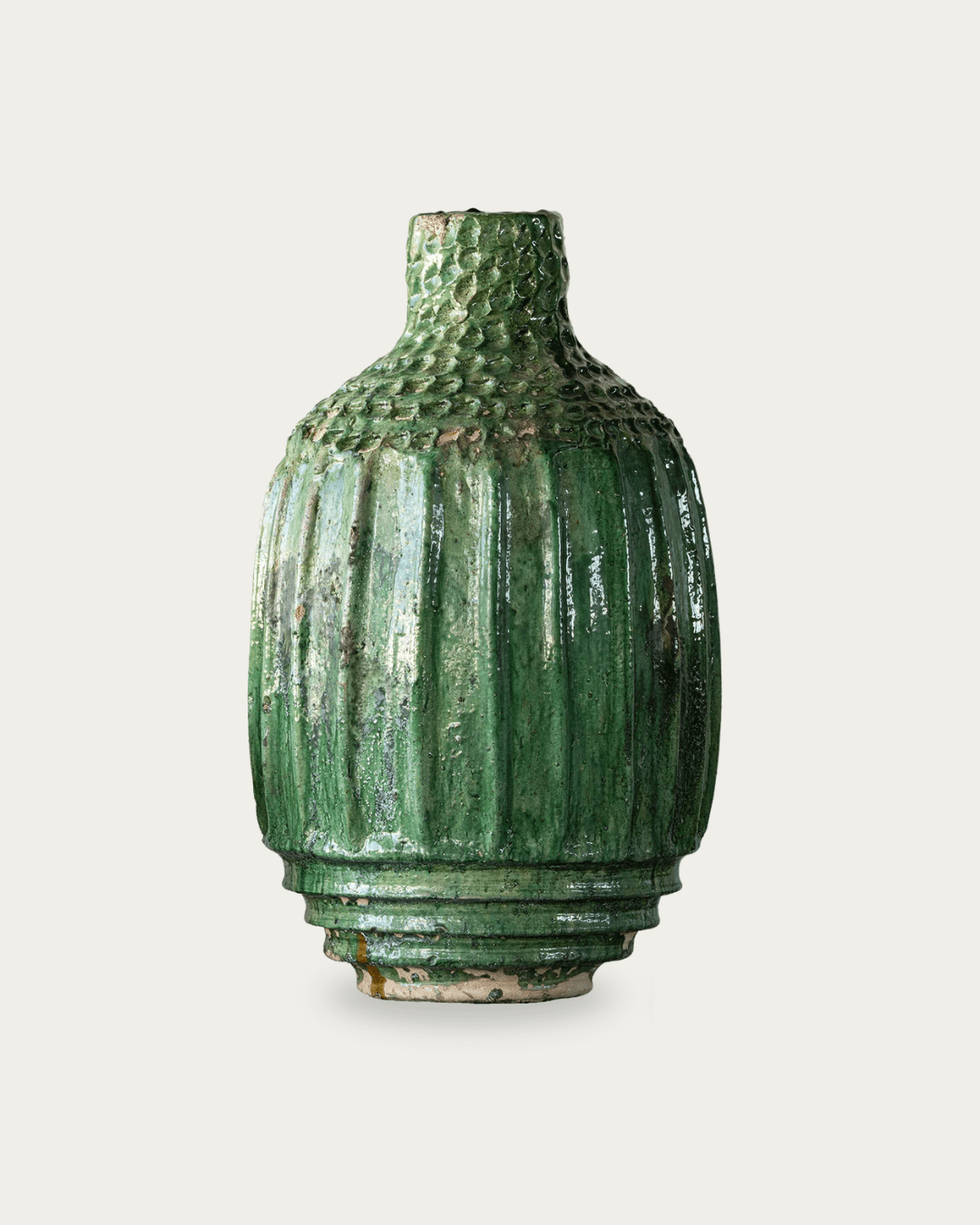
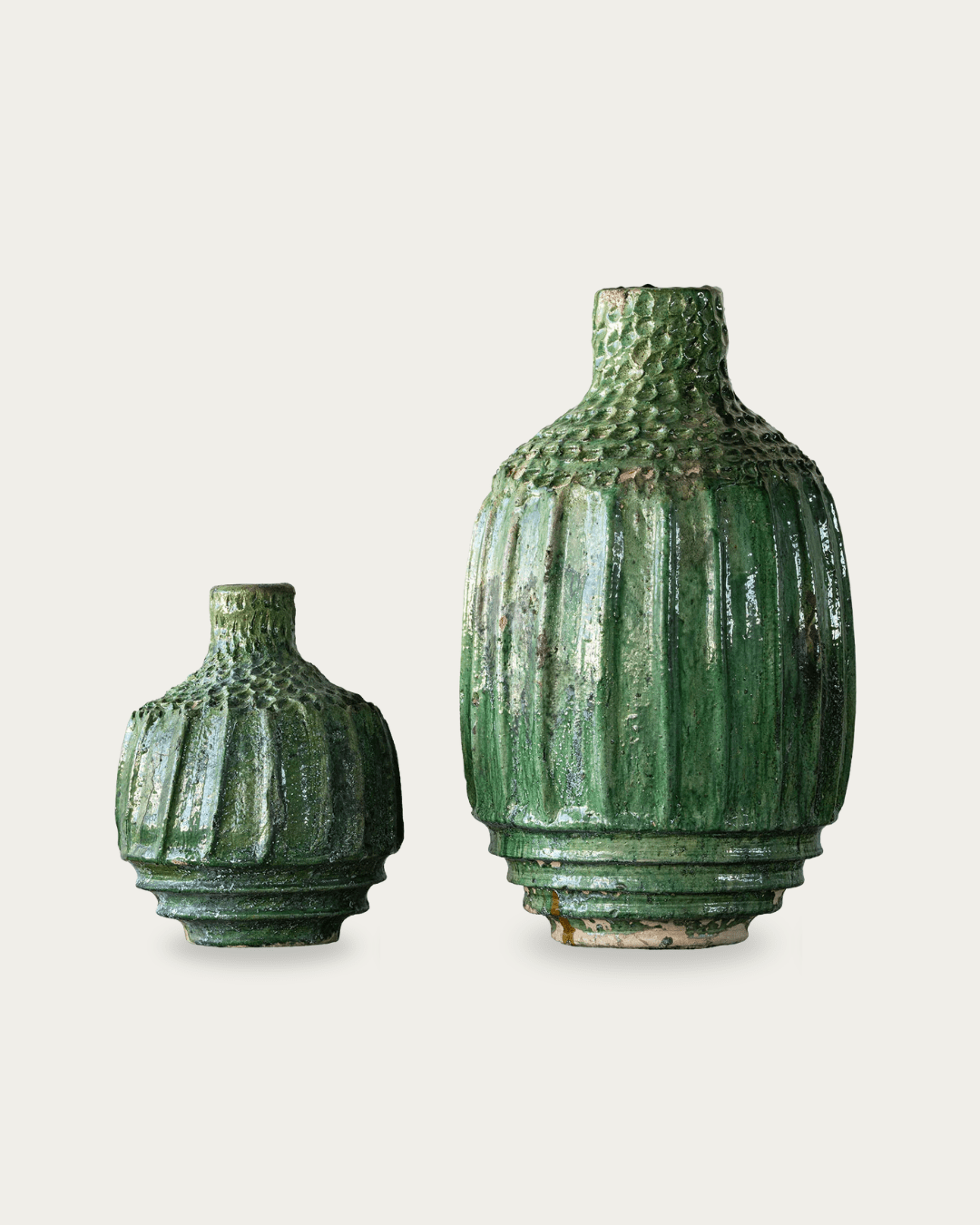
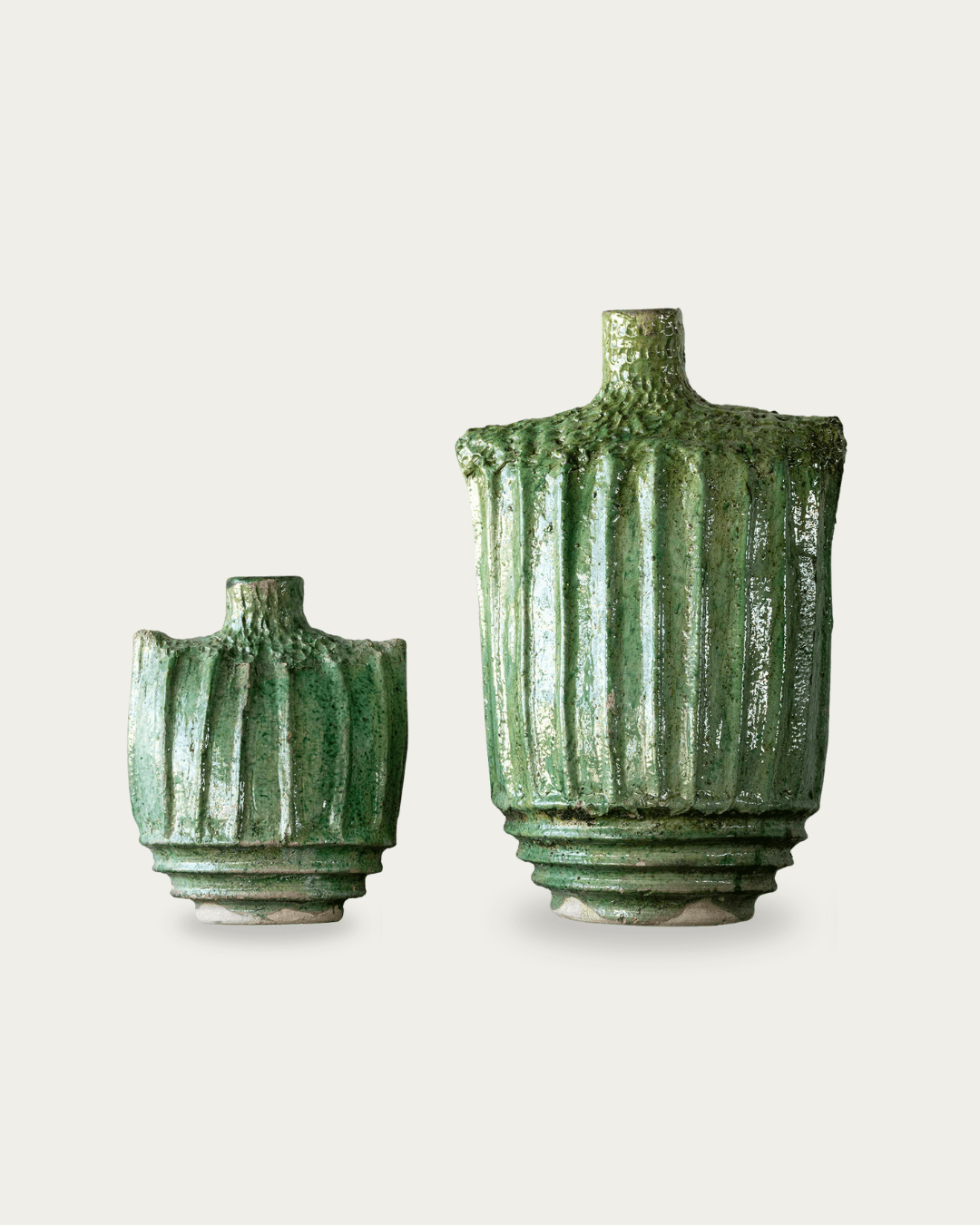
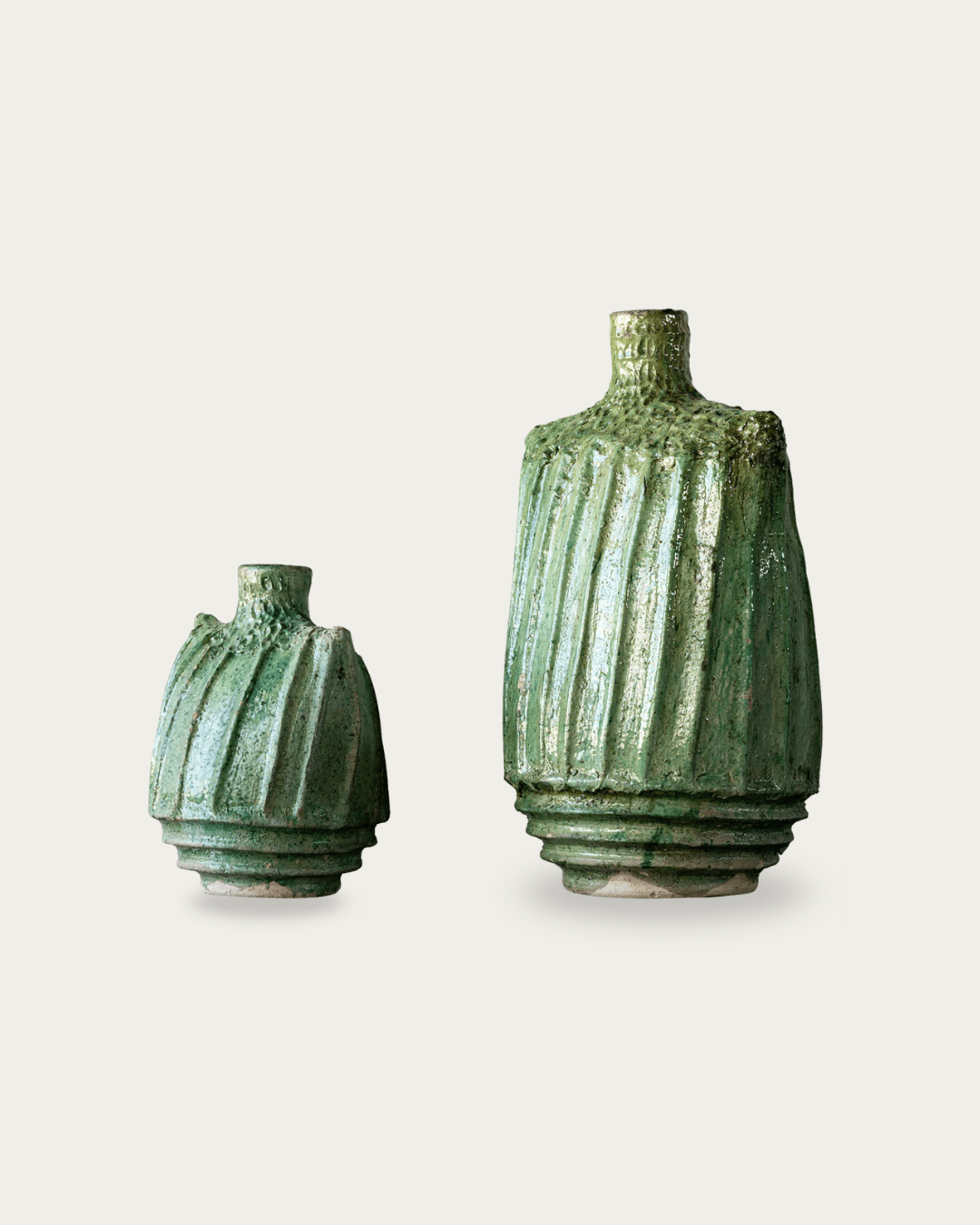
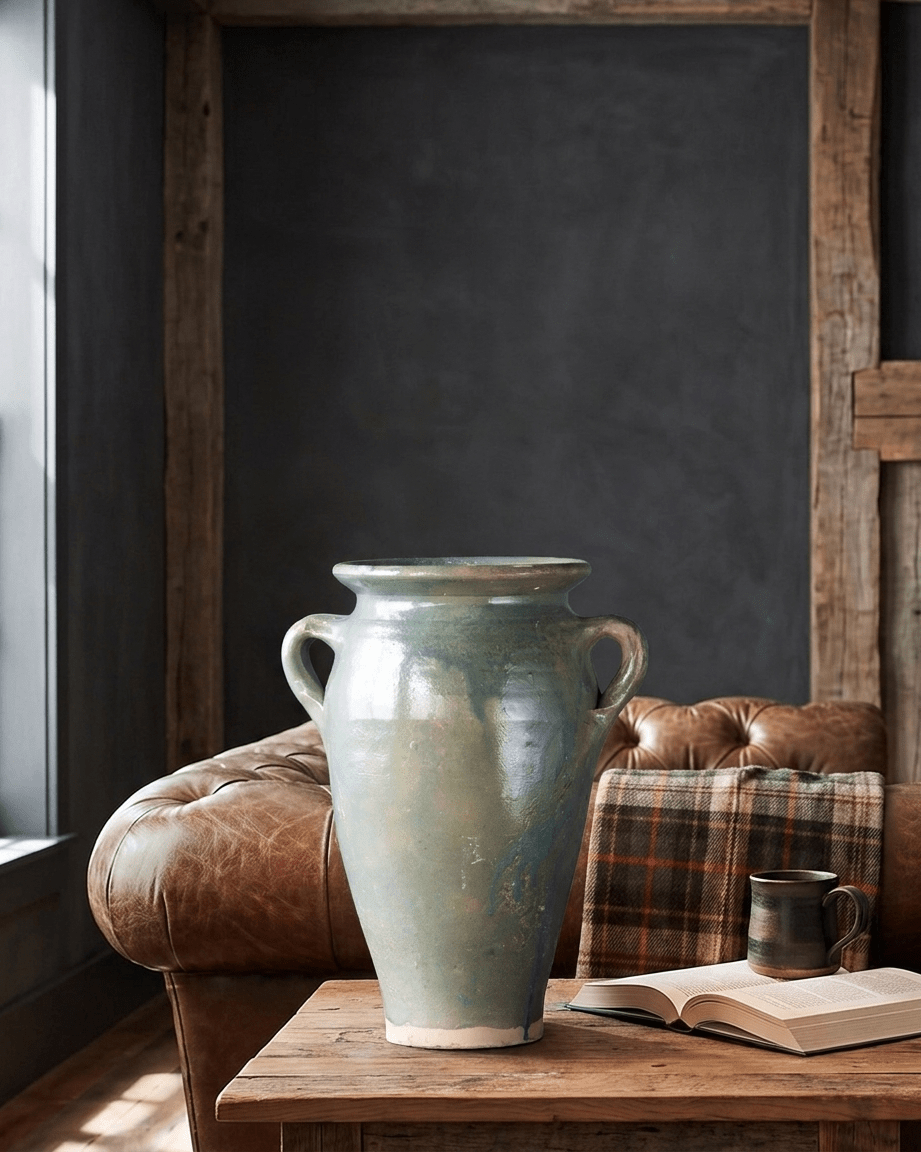
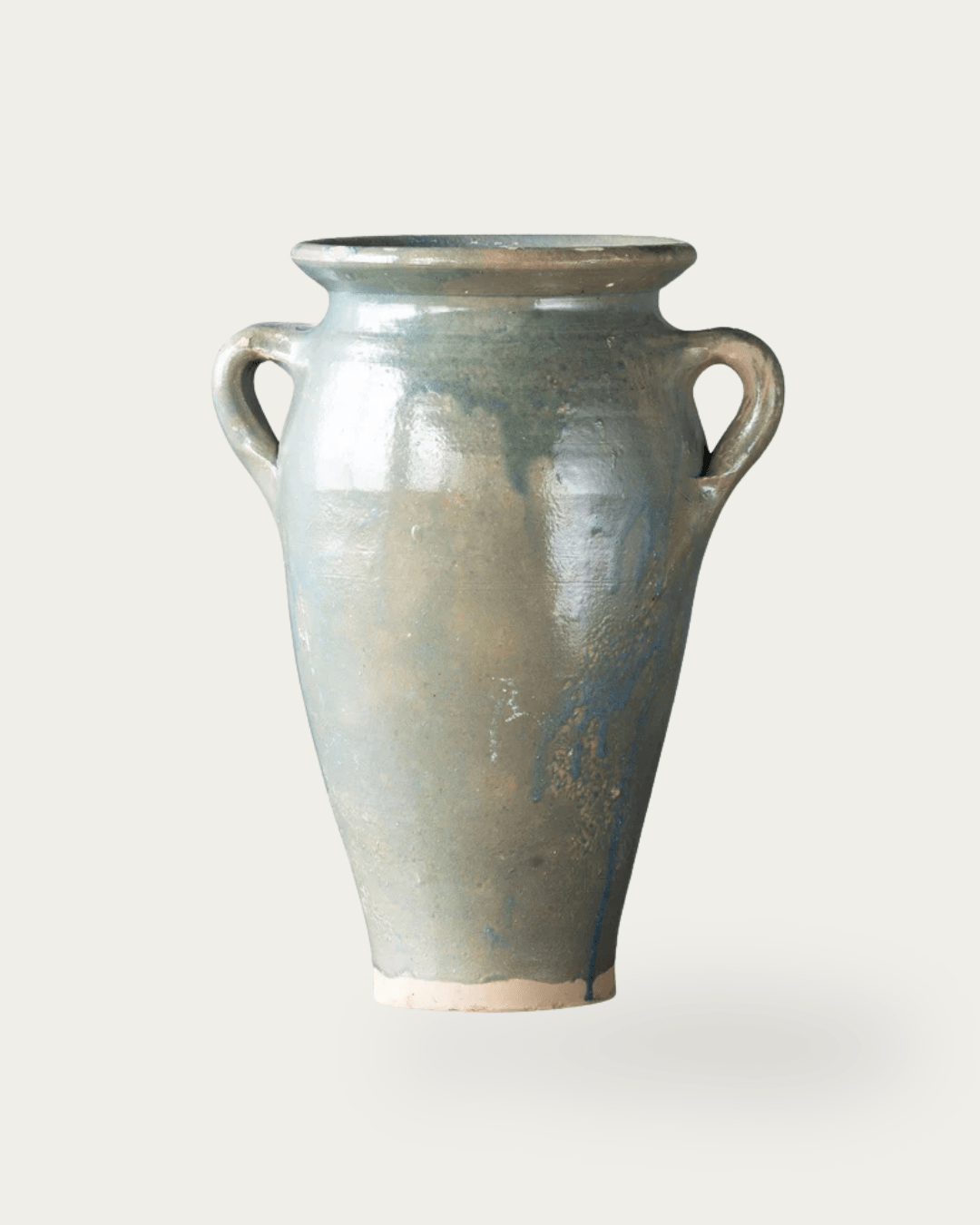
A vintage table lamp or a lamp with an aged vessel-like base can interrupt that newness.
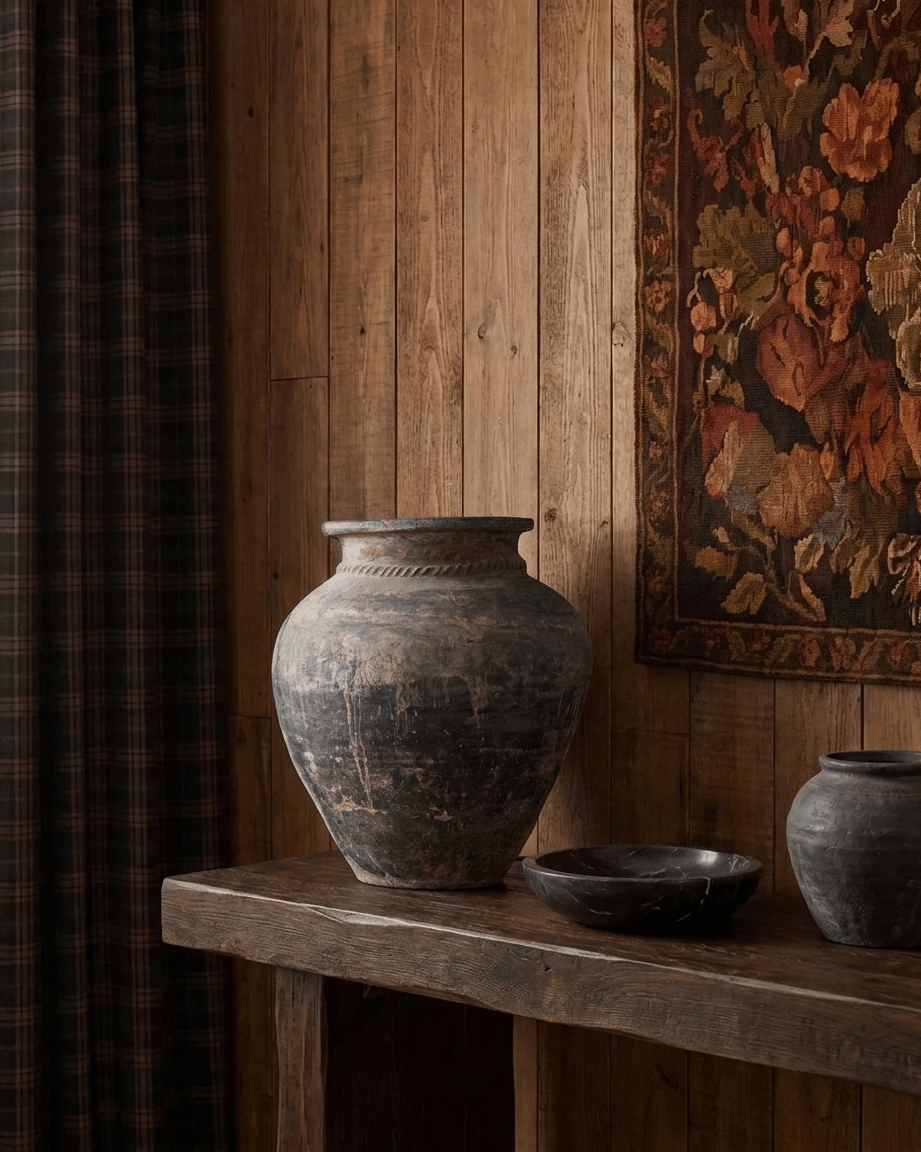
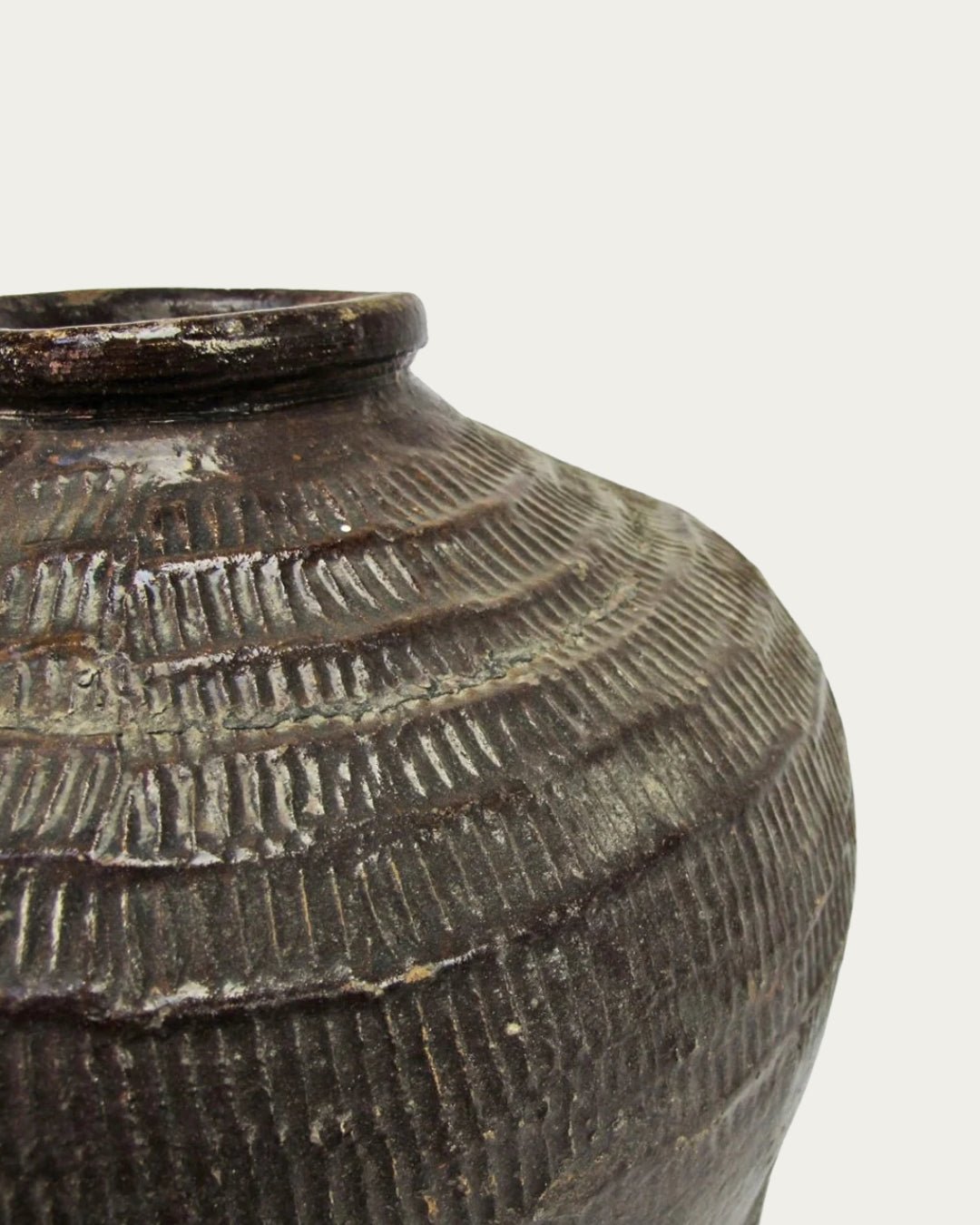
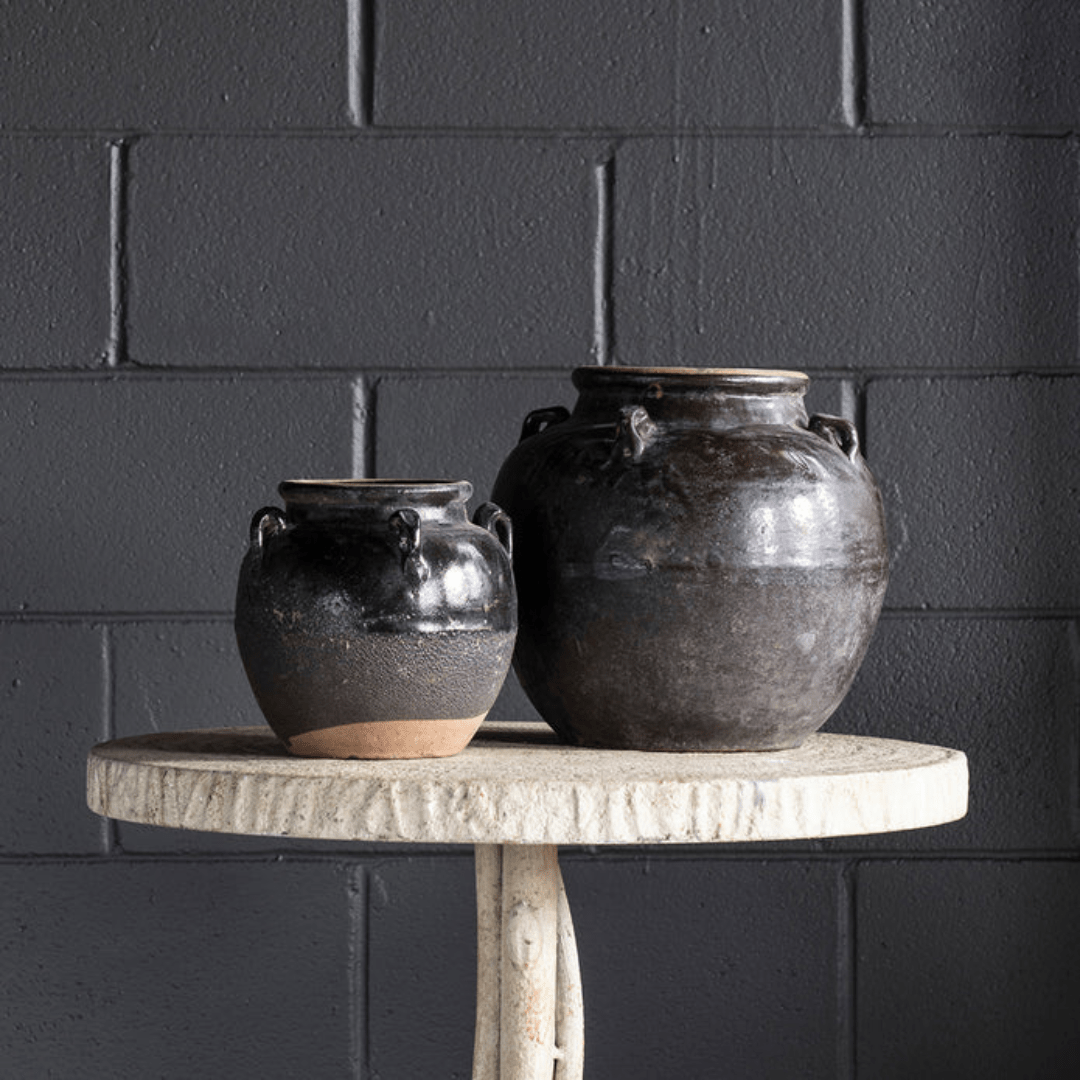
Older-looking materials introduce irregular surfaces, patina, and forms that don't necessarily follow the same visual language as the rest of the furniture.
That difference can make a small corner feel more considered without requiring much styling.
Patina Can Do the Work of Several Accessories
Texture creates visual information.
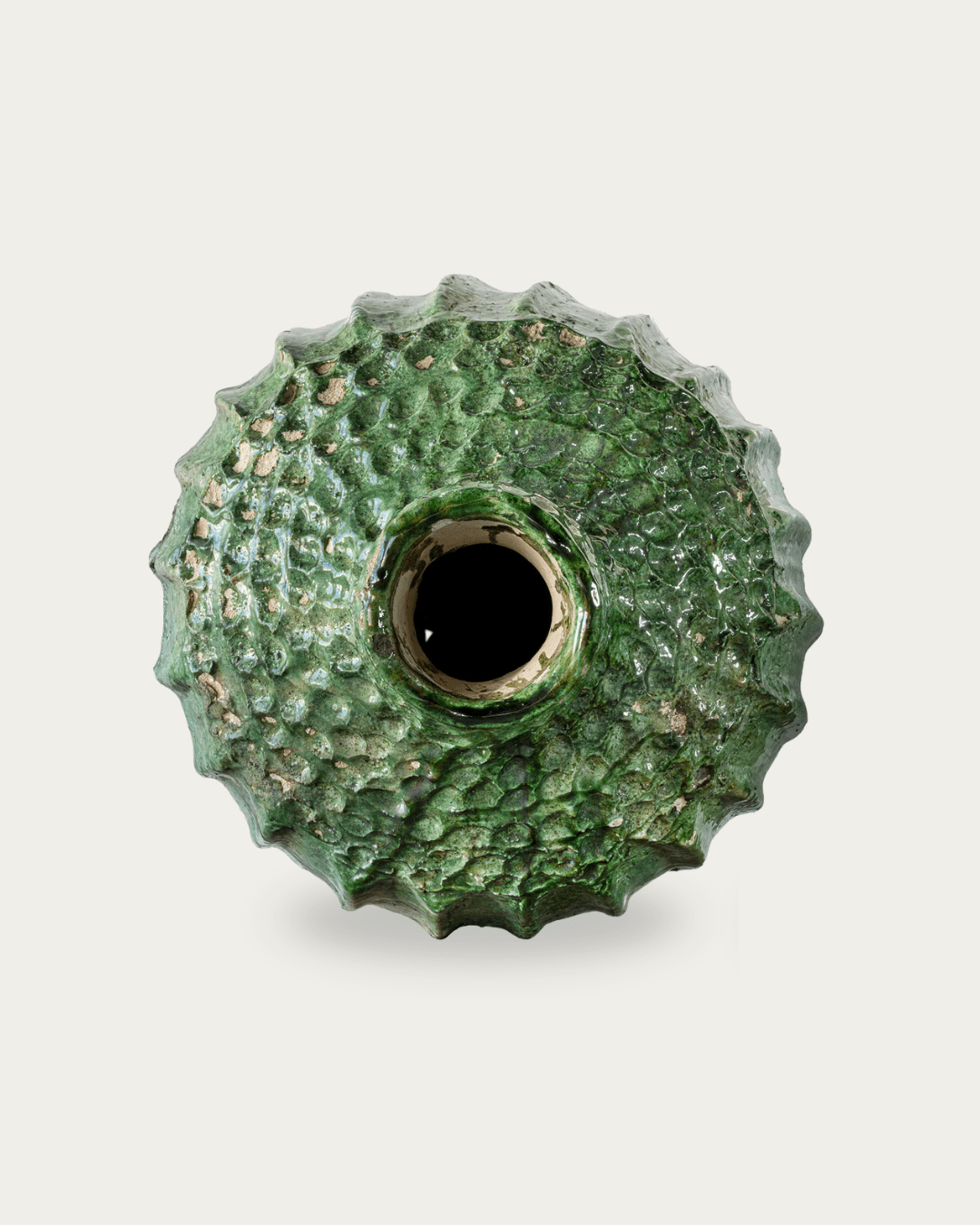
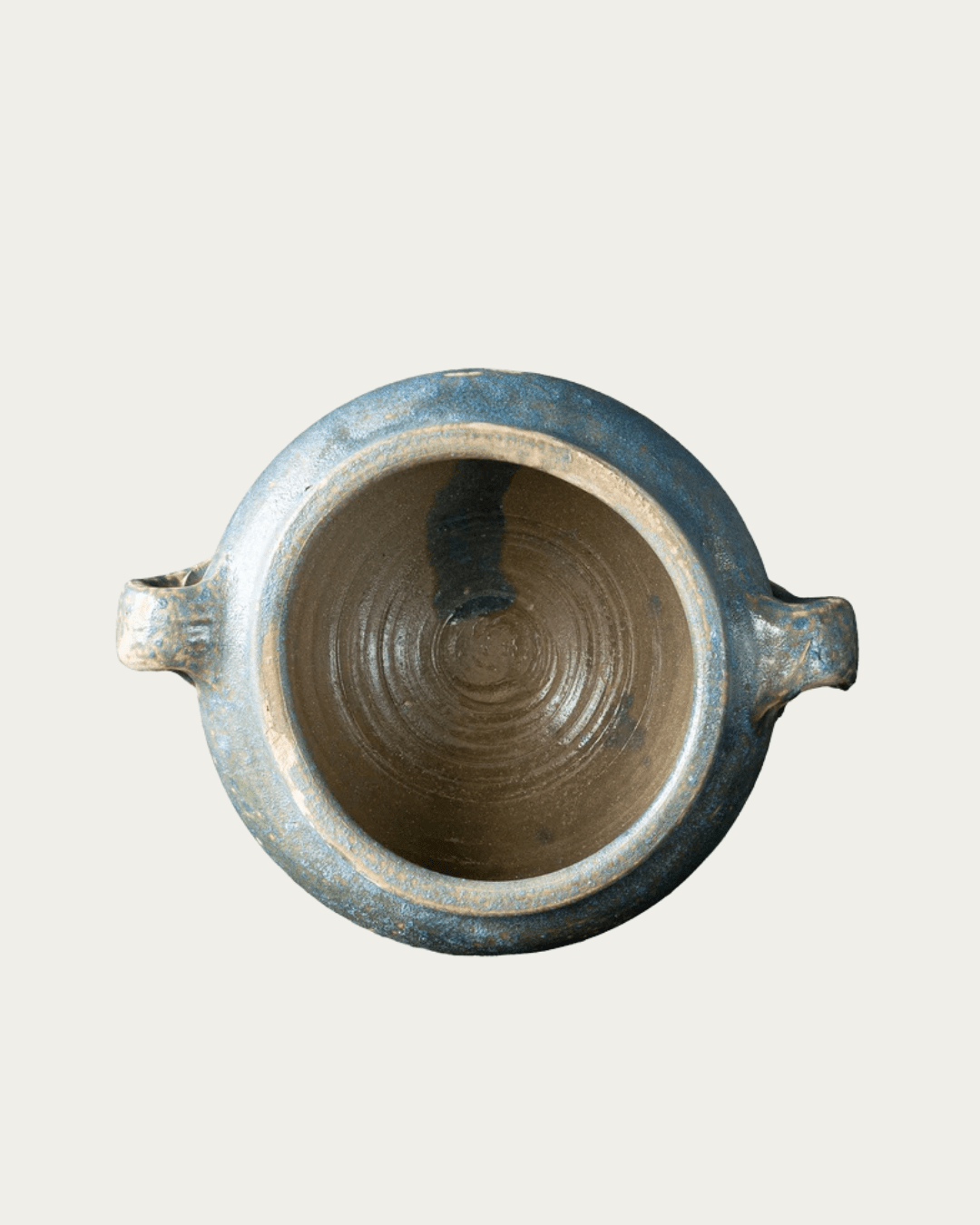
A worn-looking clay surface or varied glaze gives the eye more to notice than a perfectly uniform object.
That means you can often style less around it.
One substantial lamp.
A couple of books.
Maybe a small object.
Done.
The surface of the lamp is already contributing something.
Watch the Scale in Small Corners
Awkward doesn't always mean large and empty.
Sometimes the problem is a narrow strip of wall, a small landing, or the space between a window and a doorway.
In these areas, scale becomes especially important.
The lamp needs enough presence to look intentional without physically crowding the surface.
Look at the entire composition rather than the lamp dimensions alone.
How wide is the table?
How much wall is visible?
Will the shade interfere with curtains?
Does the corner need height or width?
Can someone comfortably walk past it?
Small Space Doesn't Automatically Mean Tiny Lamp
This is where people often overcorrect.
The corner is small, so every object placed there becomes miniature.
Tiny table.
Tiny lamp.
Tiny frame.
Tiny decorative object.
Now you've created a dollhouse.
A small space can still handle one substantial object if you leave enough negative space around it.
Often, using fewer objects at a slightly larger scale makes the corner easier to read.
Use a Lamp to Pull Attention Toward an Overlooked View
Not every awkward corner should become the focal point.
Sometimes the lamp's job is to redirect attention toward something better.
Maybe there's a window with a great view that disappears at night.
A piece of artwork isn't getting enough visual support.
A chair sits slightly away from the main seating area.
Place a lamp nearby, and you create a visual cue.
The eye follows light naturally, particularly when the rest of the room is more softly illuminated.
This is why placement matters as much as the lamp itself.
You're not simply filling a surface.
You're deciding where attention goes.
Know When the Corner Needs a Floor Lamp Instead
Sometimes there's no appropriate surface for a table lamp.
Don't invent one just to make the idea work.
A corner beside a lounge chair may already have enough furniture. Adding a side table purely to support a lamp could restrict circulation or make the arrangement feel crowded.
In that situation, a floor lamp can introduce height and localized lighting without requiring another piece of furniture underneath it.
Hello Norden Take: The goal isn't to squeeze in a table lamp. The goal is to give the corner useful light with the fewest unnecessary objects possible.
Let Different Corners Have Different Jobs
You don't need to repeat the exact same solution around the house.
The lamp beside the sofa can be functional and easy to reach.
The lamp on an entry console can be more sculptural.
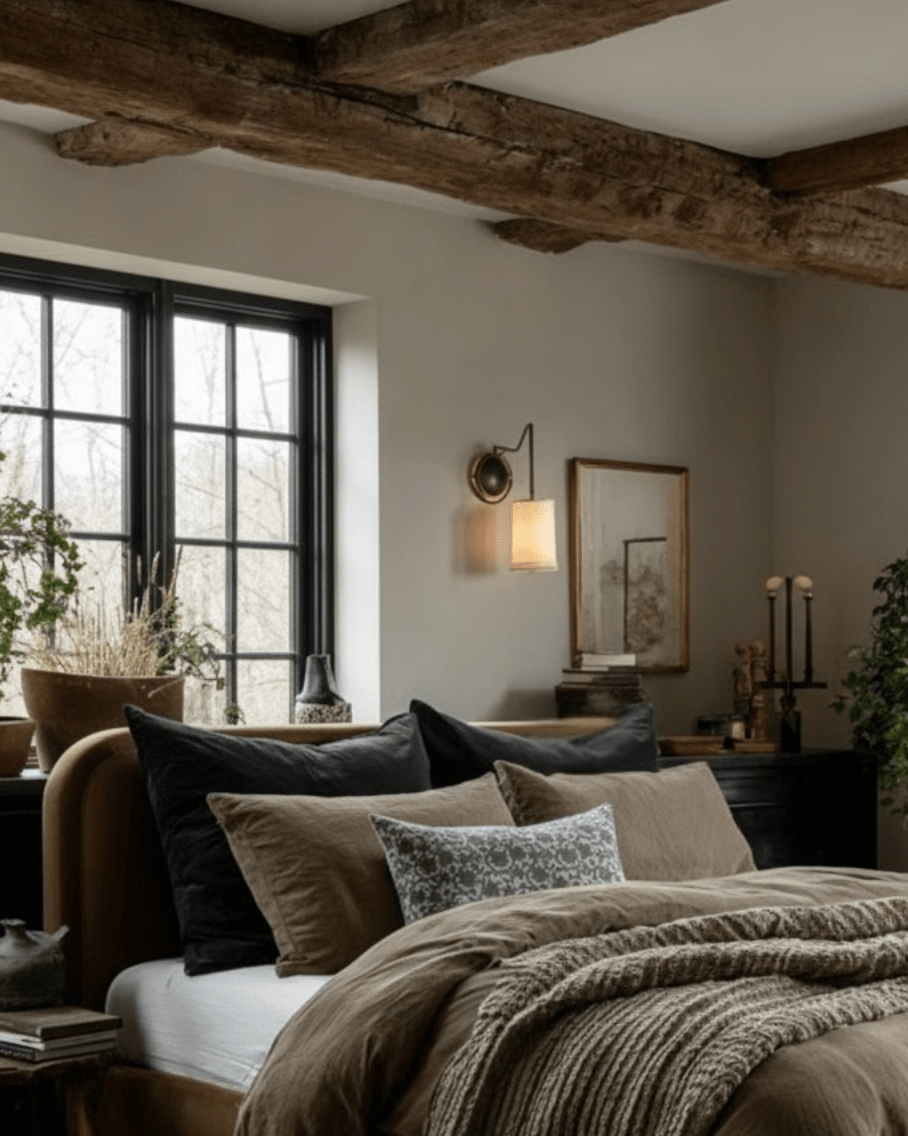
A bedroom lamp might provide lower evening light.
A lamp on a sideboard may primarily help create softer illumination during dinner.
Once you stop treating every table lamp as the same object with the same job, choosing them becomes much easier.
Material, scale, and shade can respond to the actual location.
Better Lighting Can Make a Room Easier to Settle Into
There's also a reason a room with several lower light sources can feel different from one illuminated entirely from above.
Localized lighting creates clearer zones and allows you to reduce overall brightness when you don't need it.
A reading corner can be illuminated without flooding the entire room.
A table lamp can create enough light for conversation without making every surface equally bright.
That kind of environmental control can be useful when winding down. Rather than claiming that a specific lamp regulates the nervous system, it's more accurate to say that reducing unwanted sensory input—such as excessive brightness—can make an environment feel less demanding.
Sometimes the room doesn't need another decorating trick.
It needs a dimmer evening.
One Lamp Can Be Enough
An awkward corner can tempt you into overcorrecting.
Chair.
Table.
Plant.
Basket.
Art.
Three books.
Decorative bowl.
And somewhere underneath all that, the original problem is still there.
Start smaller.
Ask what the corner is missing.
If it needs a reason to be used, add functional light.
If it needs visual height, choose a lamp with enough scale.
If it needs texture, look at clay, glaze, porcelain, or an aged surface.
If it needs a pattern, let one distinctive lamp introduce it.
And if the corner is perfectly fine and empty, leave it alone.
A unique table lamp works best when it solves something—not when it's another object looking for somewhere to live.
Sometimes one lamp really does make a better corner.
Explore Hello Norden's table lamp collection and look for the overlooked part of your home that could use better light rather than more stuff.