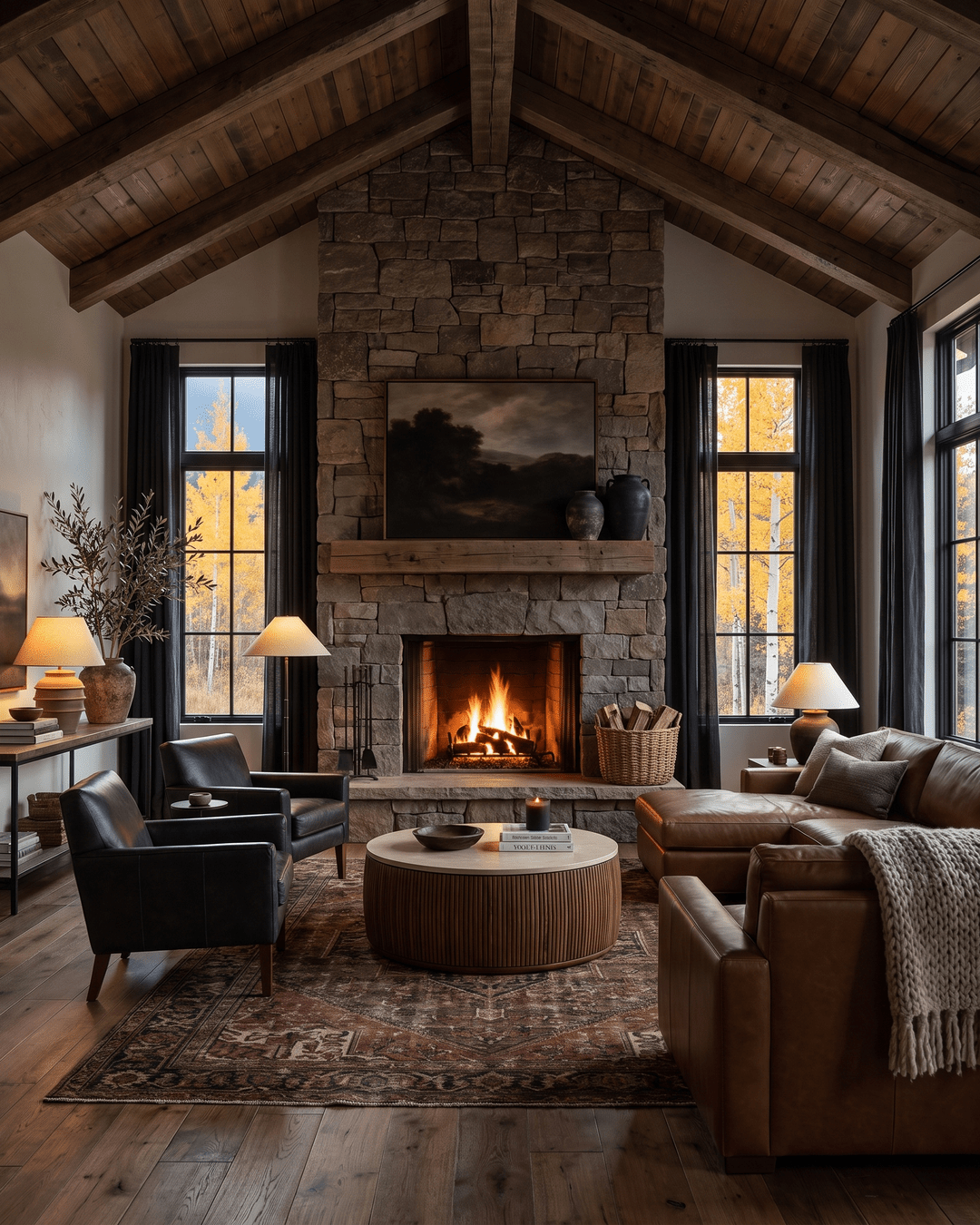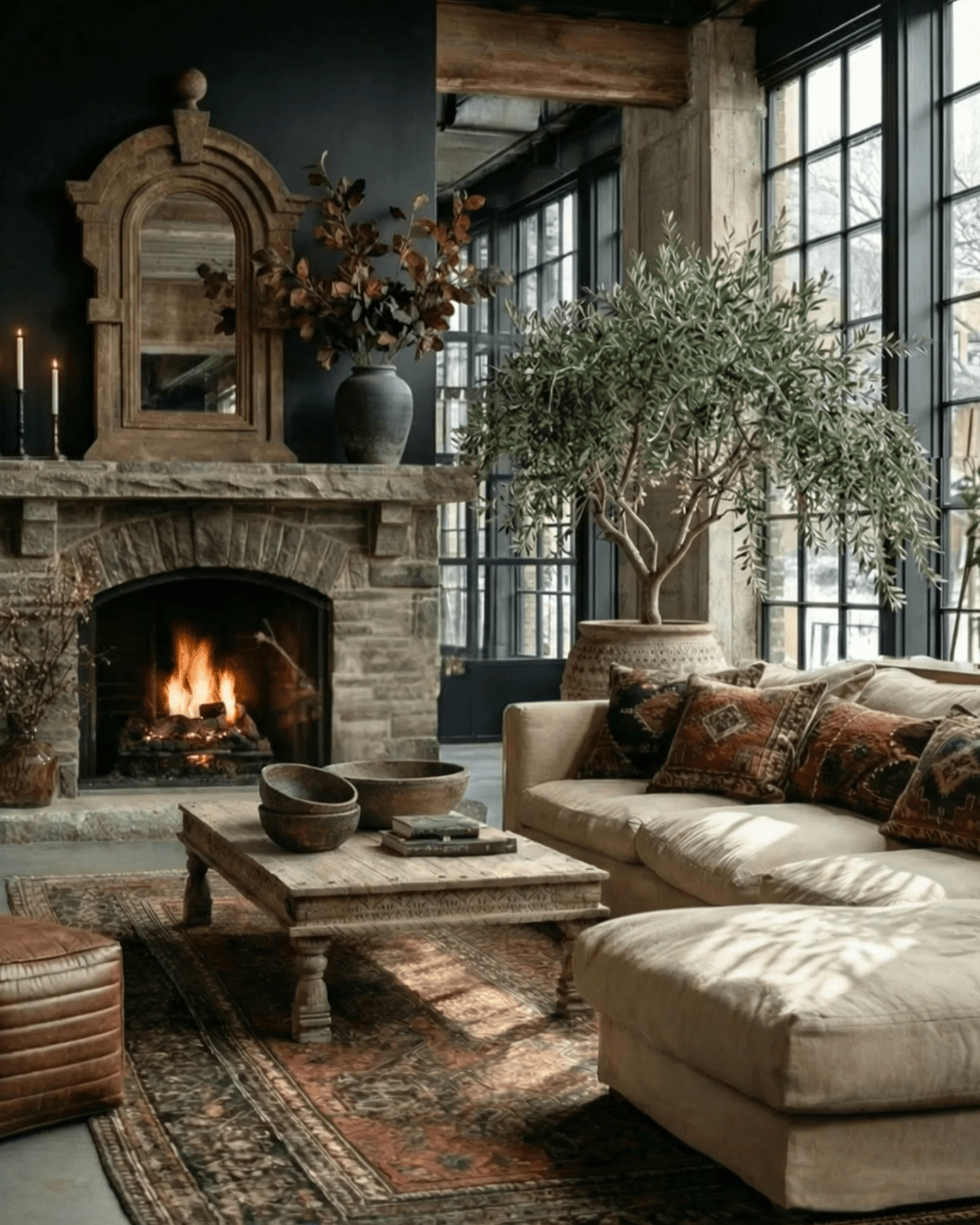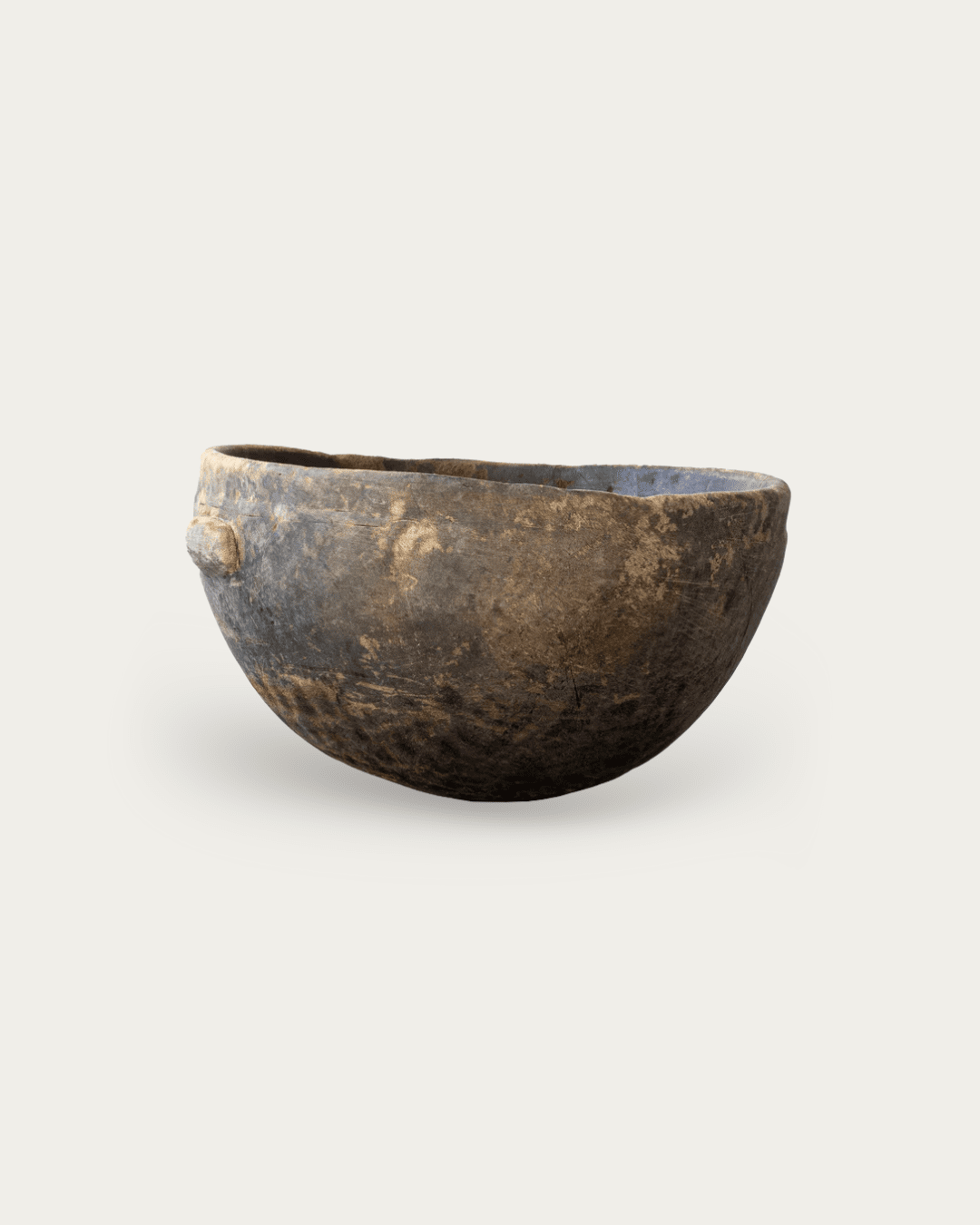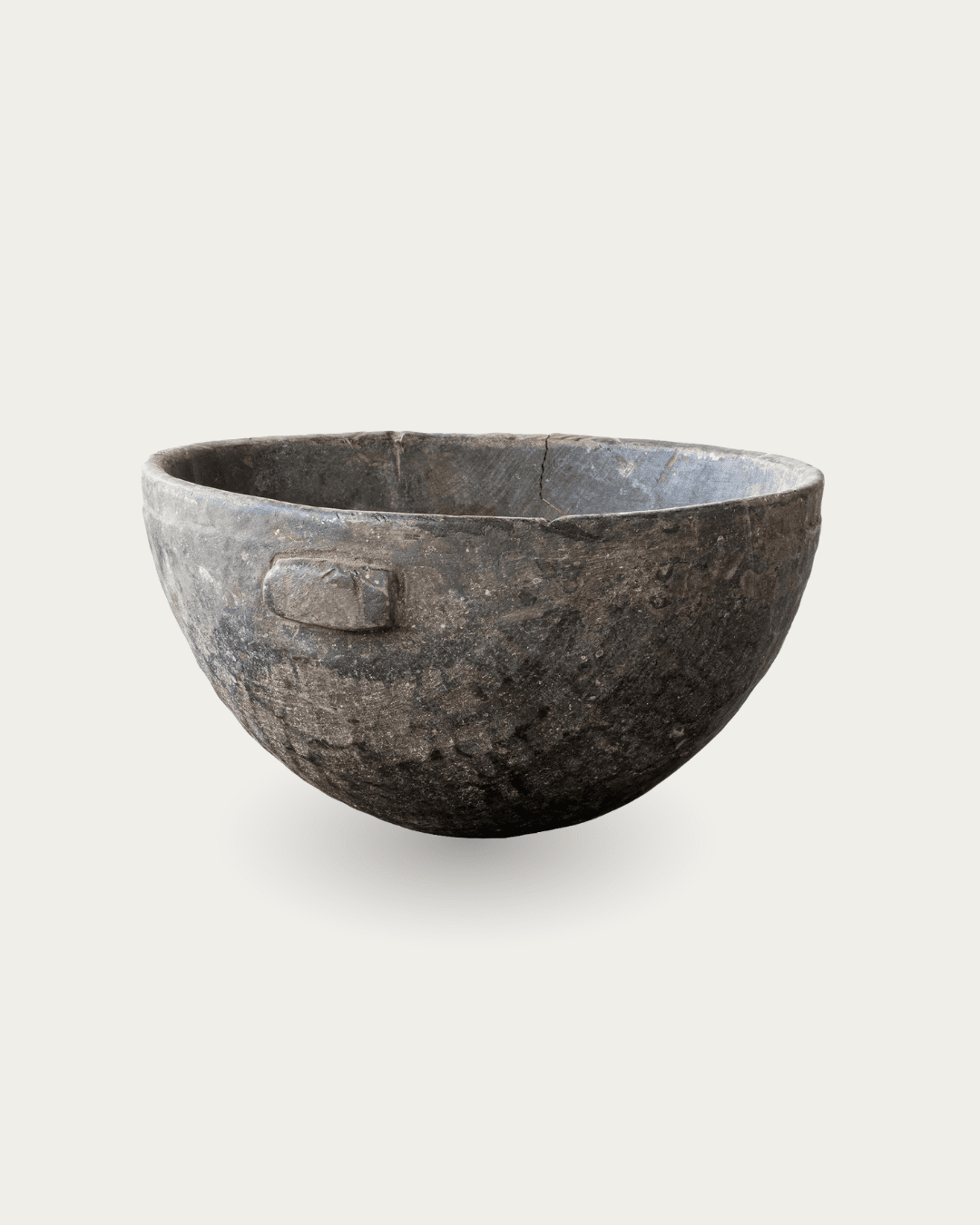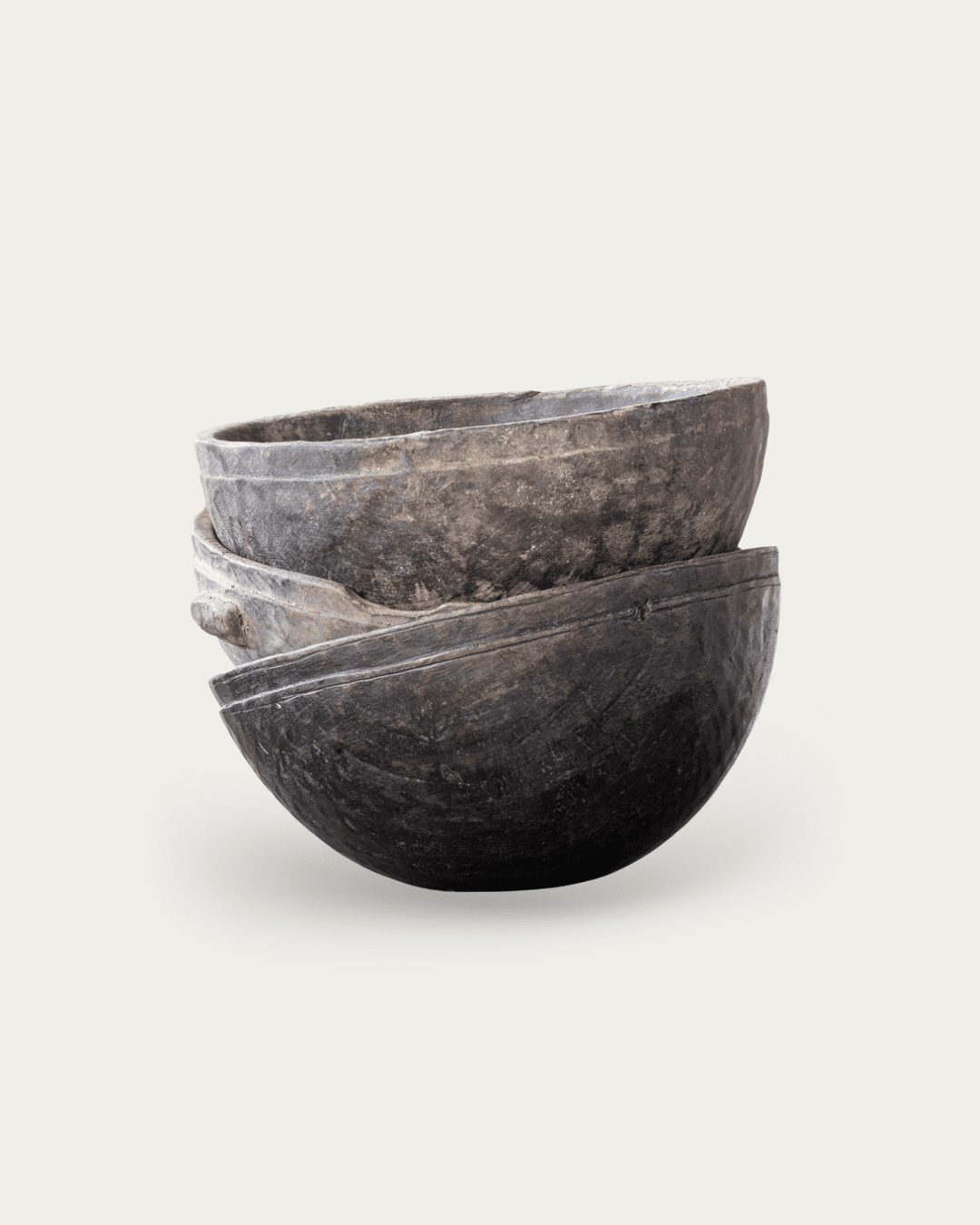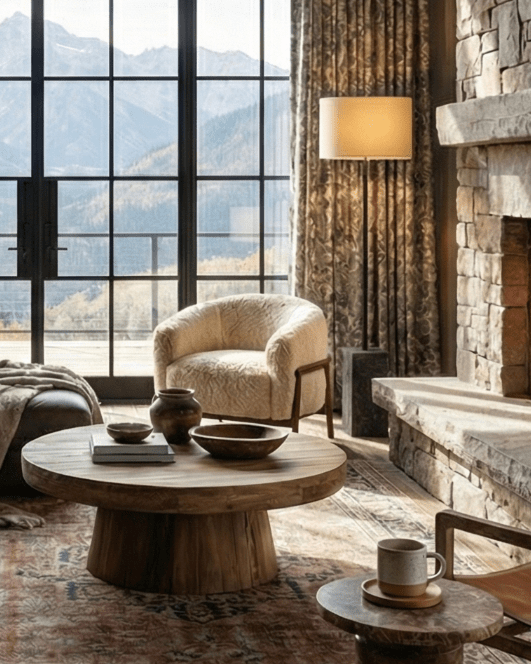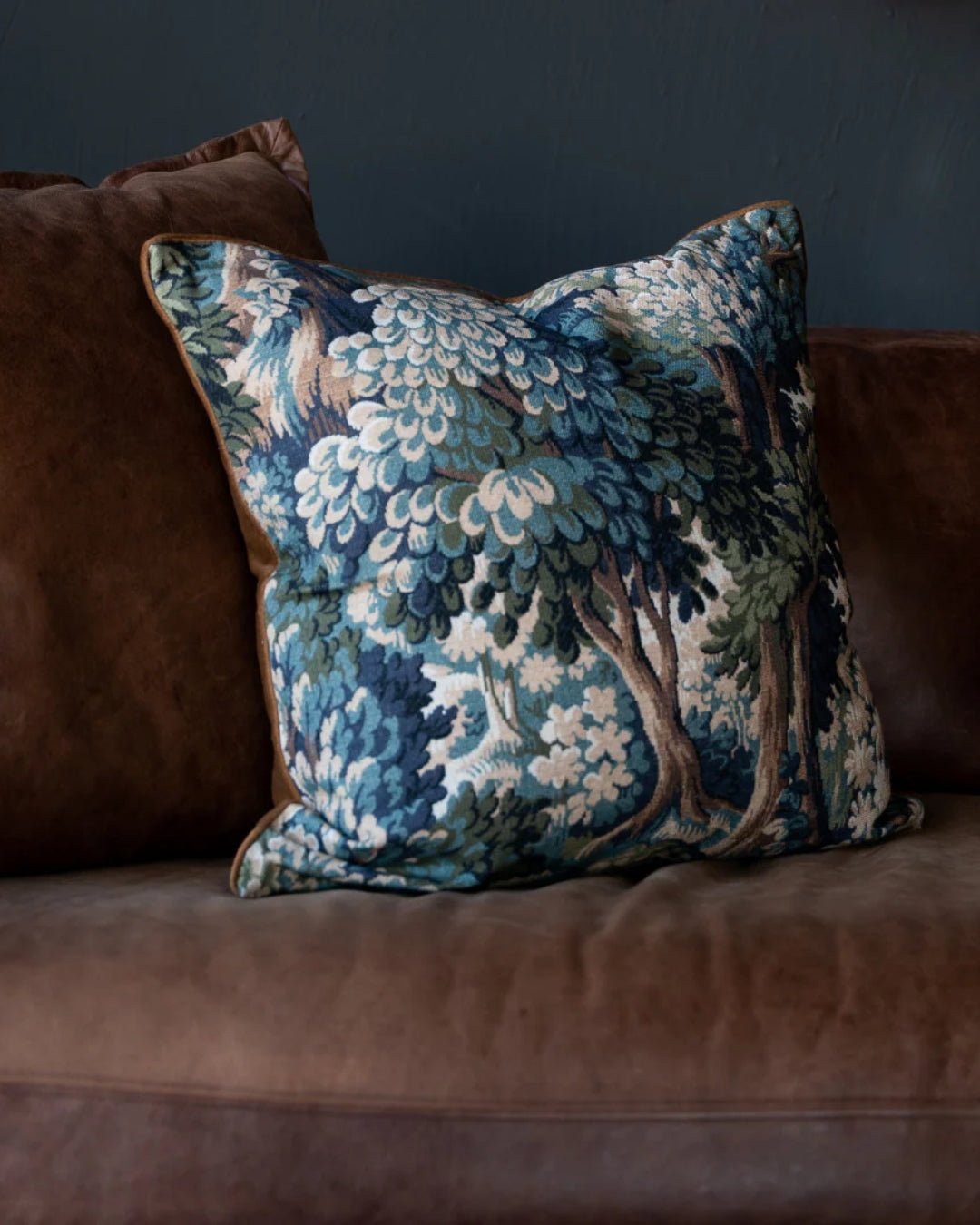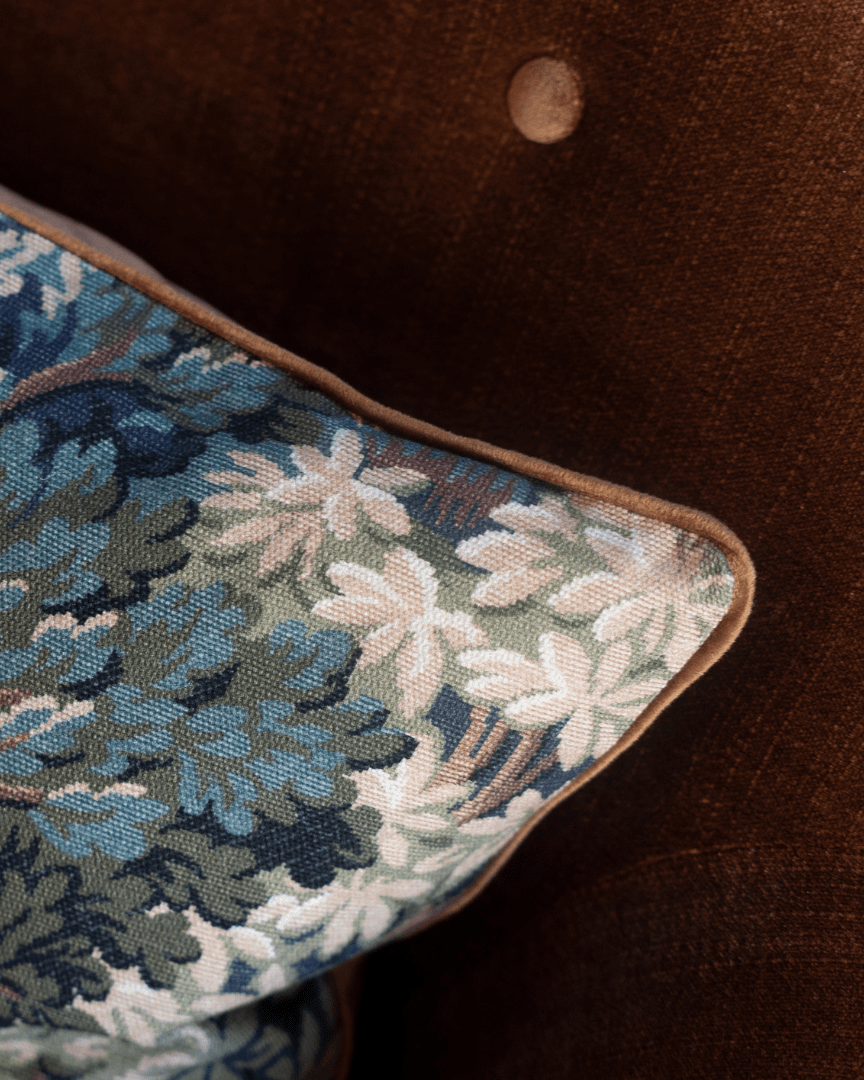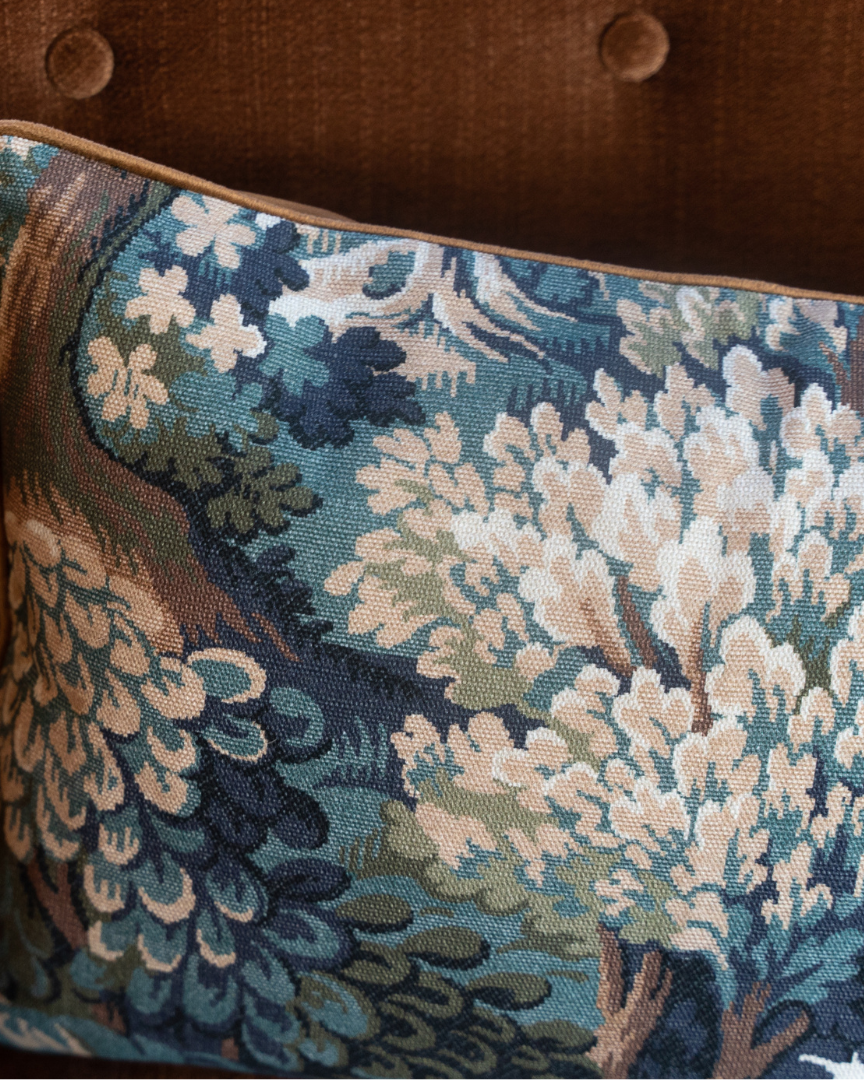







Most people don’t start with custom furniture.
They start with what’s available.
They scroll. Compare. Measure. Try to make something fit.
And sometimes it works.
But more often, it almost works.
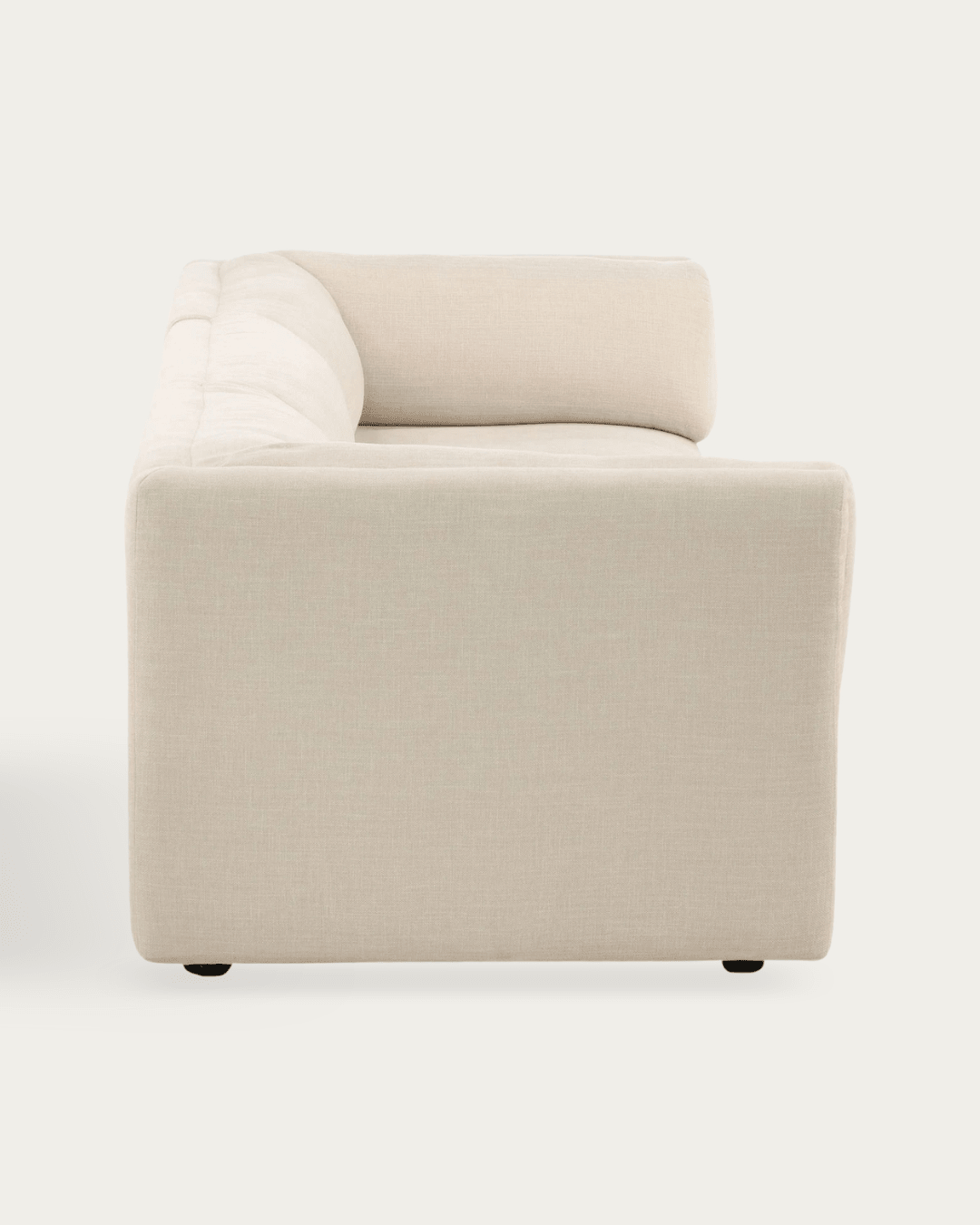
The sofa is slightly too deep.
The proportions feel off.
The layout never fully resolves.
So the space stays in that in-between state.
Not wrong. Not finished either.
That’s usually the point where custom furniture starts to make sense.
Not because you want more choices—but because you want fewer compromises.
If you’re exploring pieces designed to work with your space, not against it, you can start here:
living room furniture collection.
Why Ready-Made Furniture Often Falls Short
Most furniture is built to work for as many people as possible.
Standard sizes. Standard depths. Standard proportions.
That’s efficient.
But your space isn’t standard.
Your layout, your lighting, your movement patterns—they’re all specific.
And when furniture doesn’t align with that, your body feels it.
You adjust how you sit.
You shift how you move.
You work around the piece instead of with it.
That low-level friction is what keeps a room from feeling settled.
What Custom Furniture Actually Solves
There’s a misconception that custom furniture is about aesthetics.
Fabric choices. Color options. Finishes.
That’s surface-level.
What it actually solves is fit.
The right depth.
The right length.
The right scale.
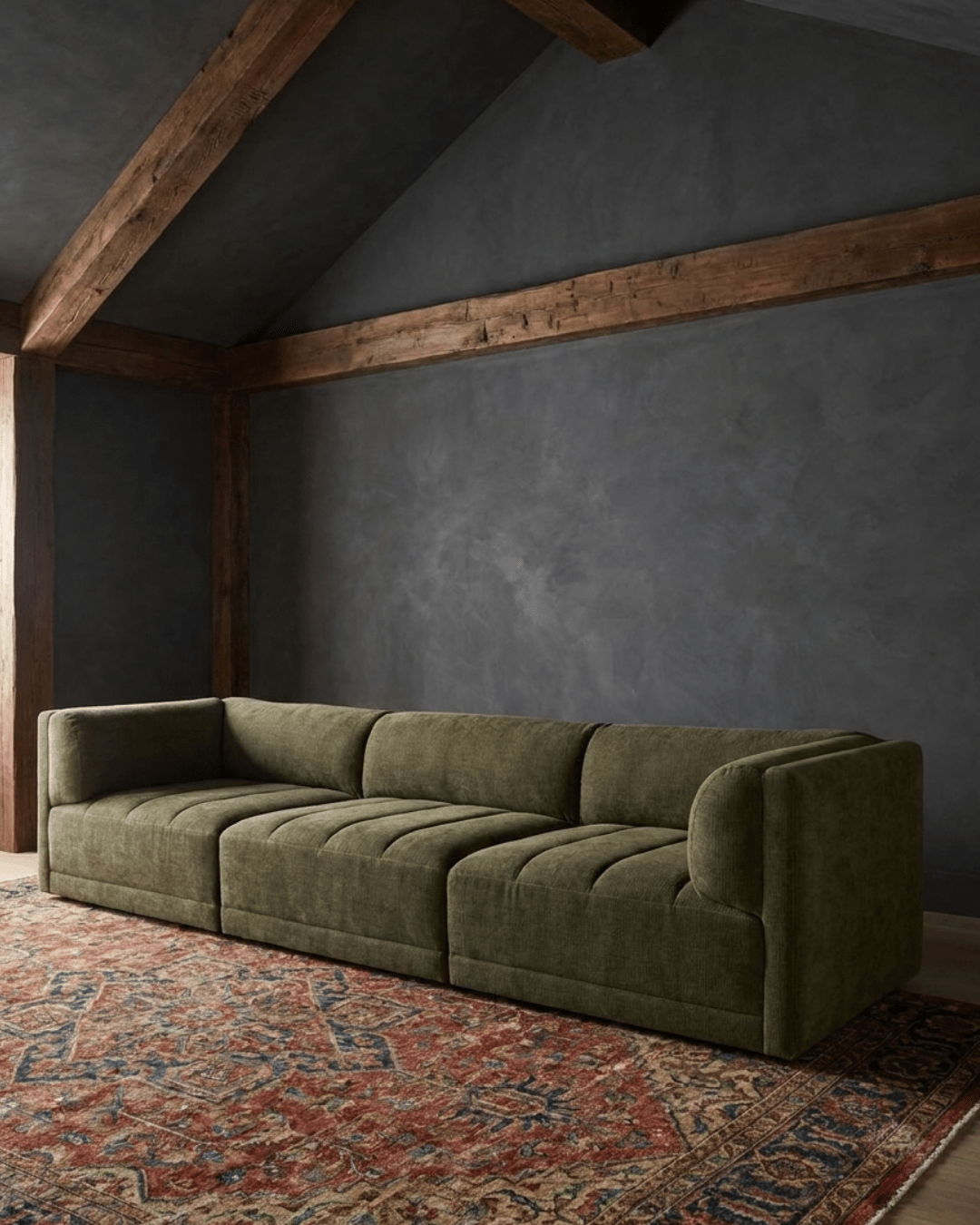
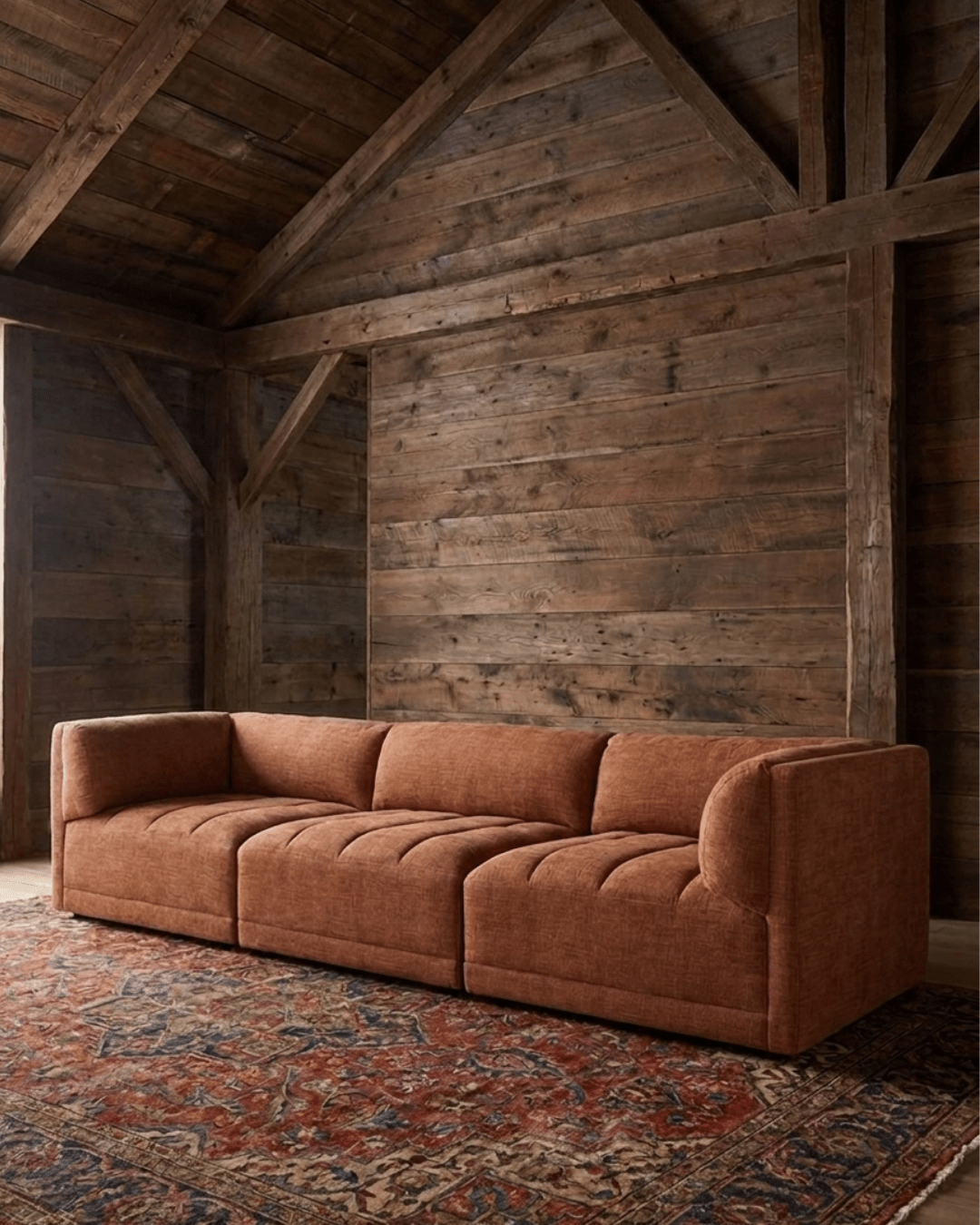
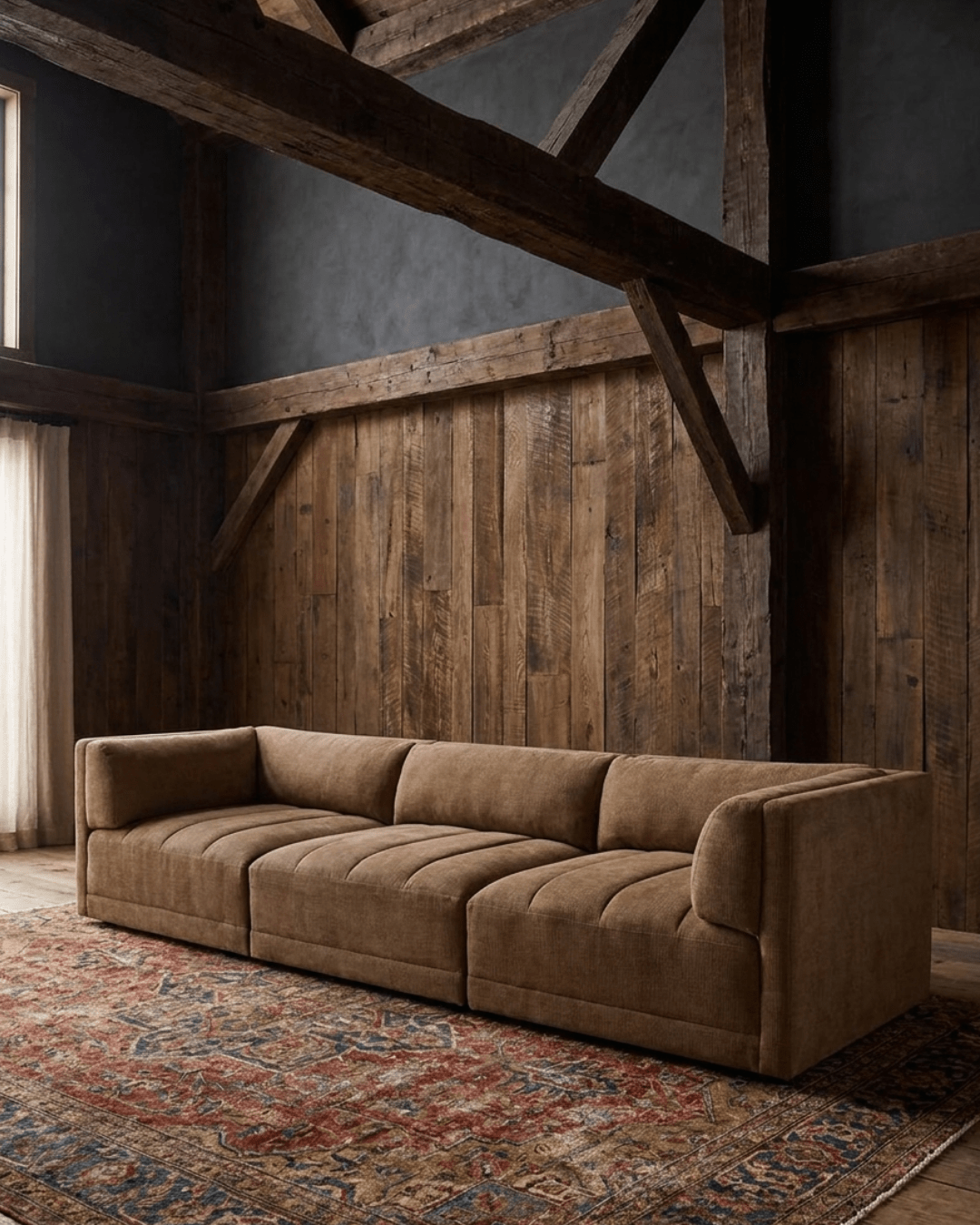
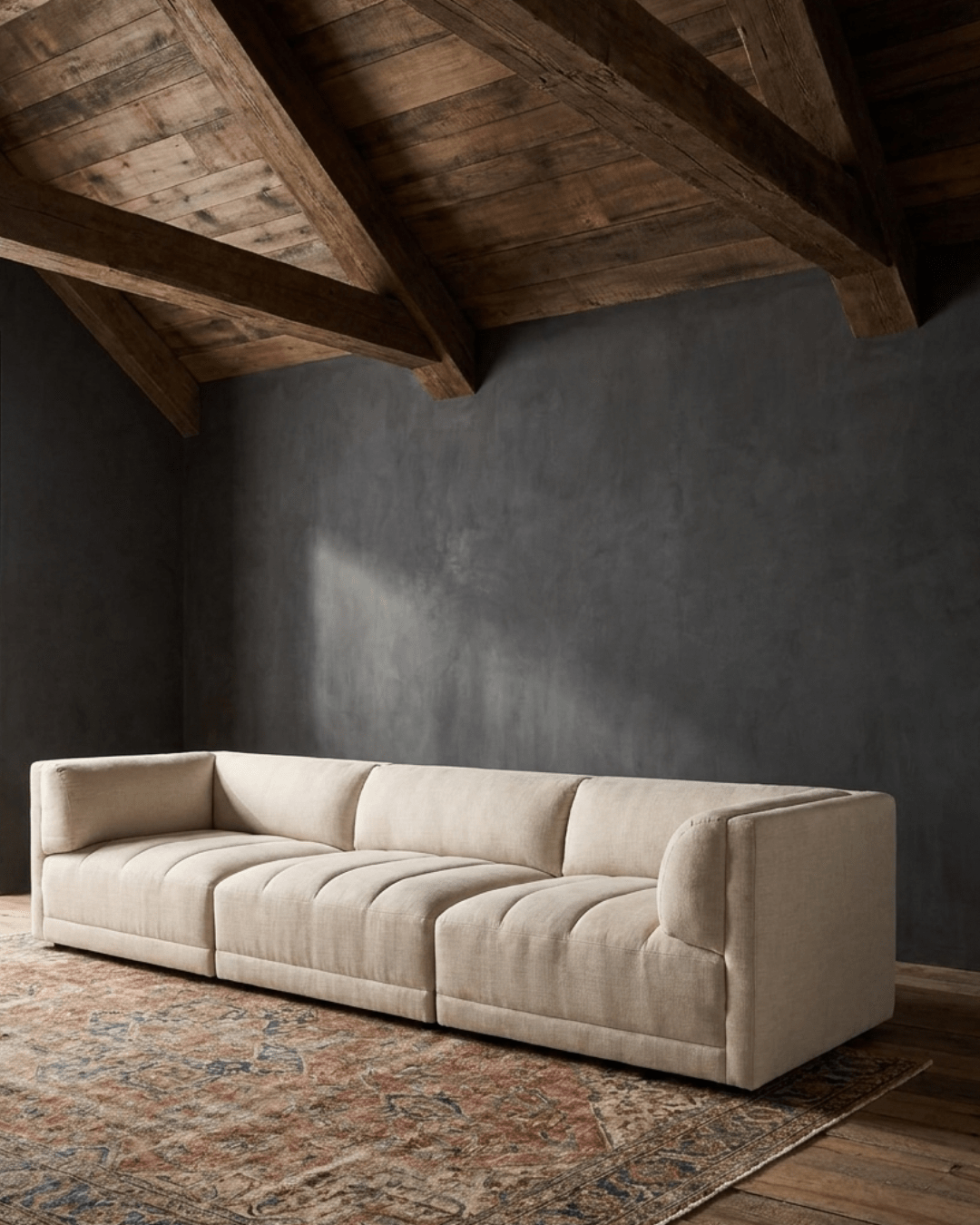
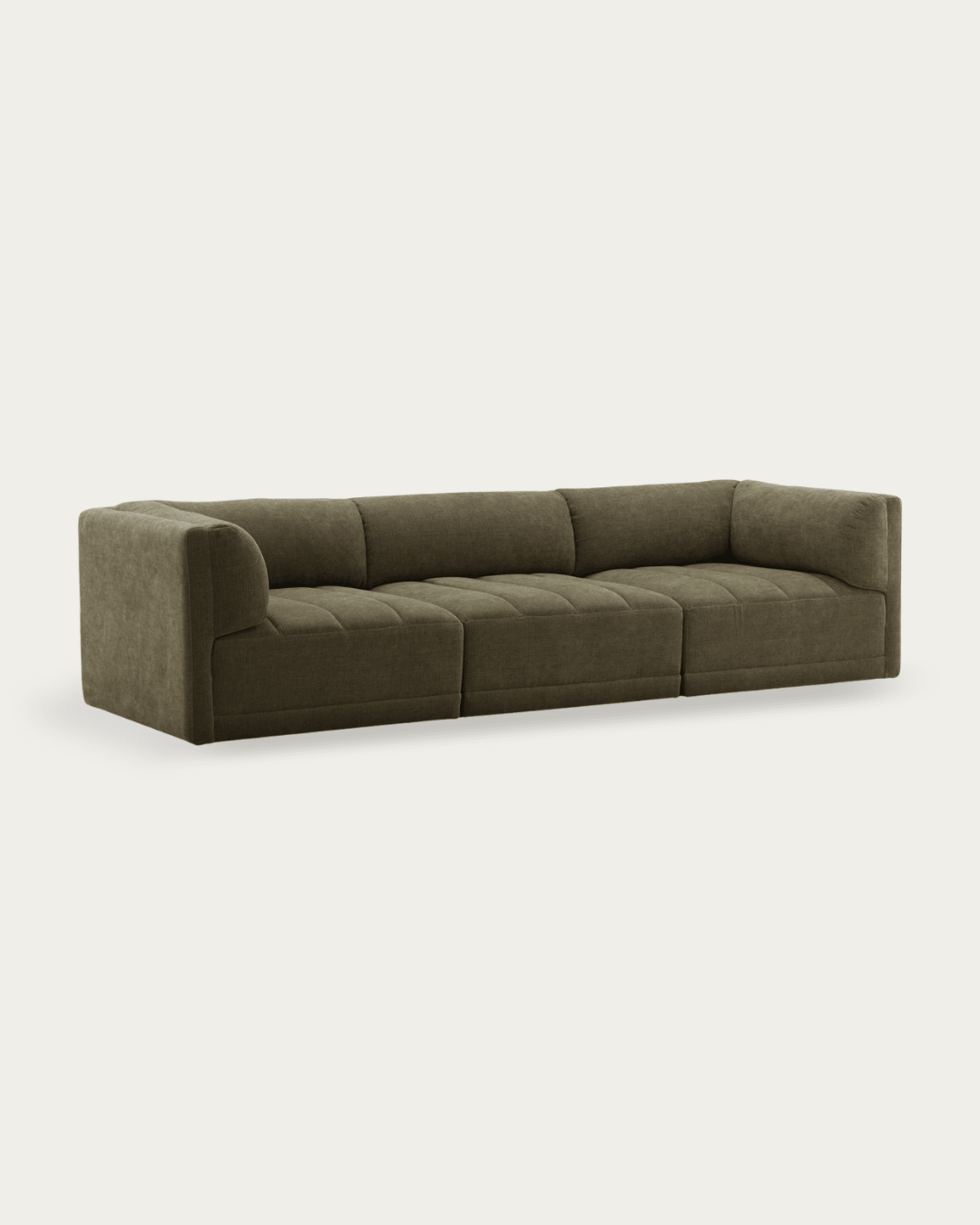
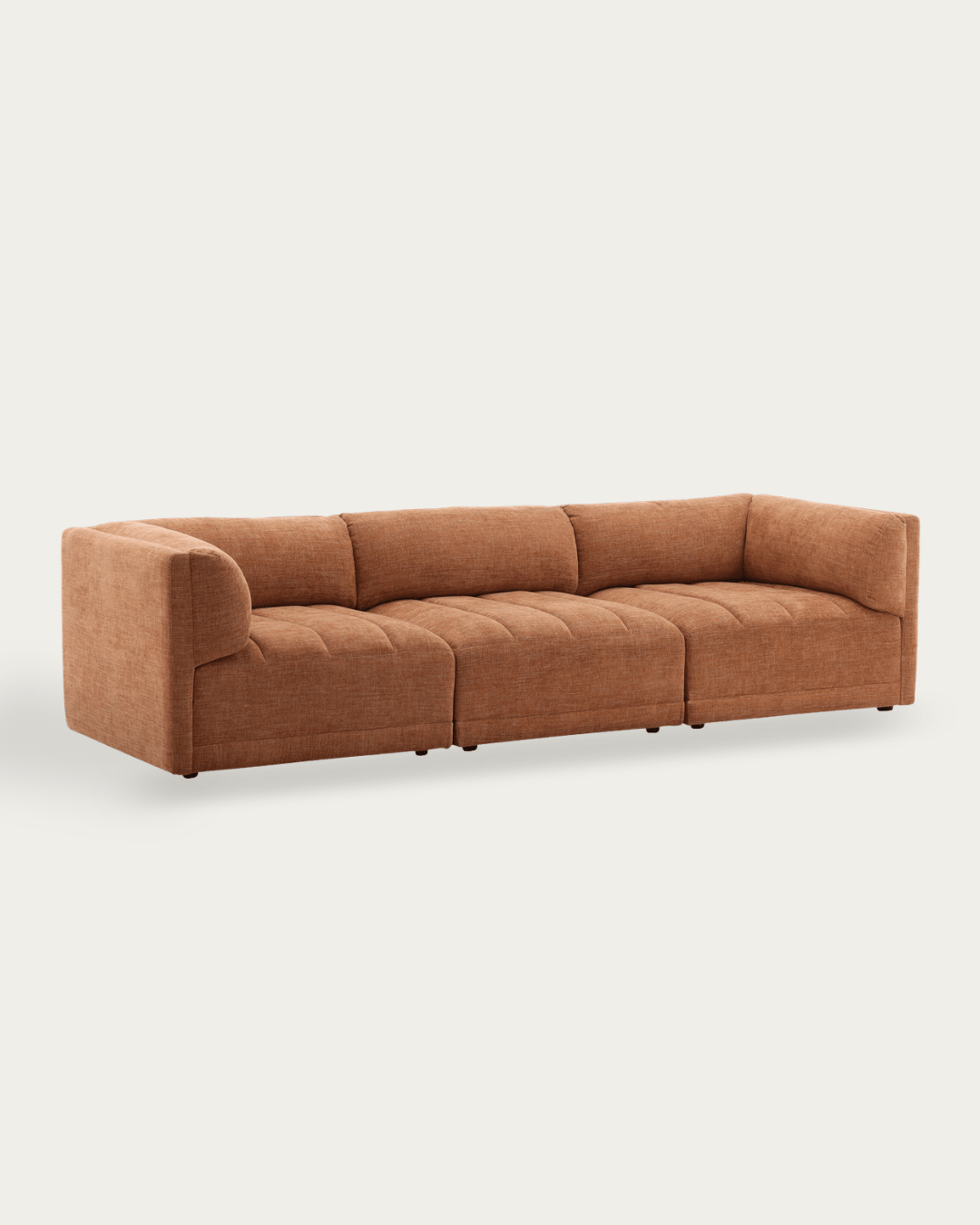
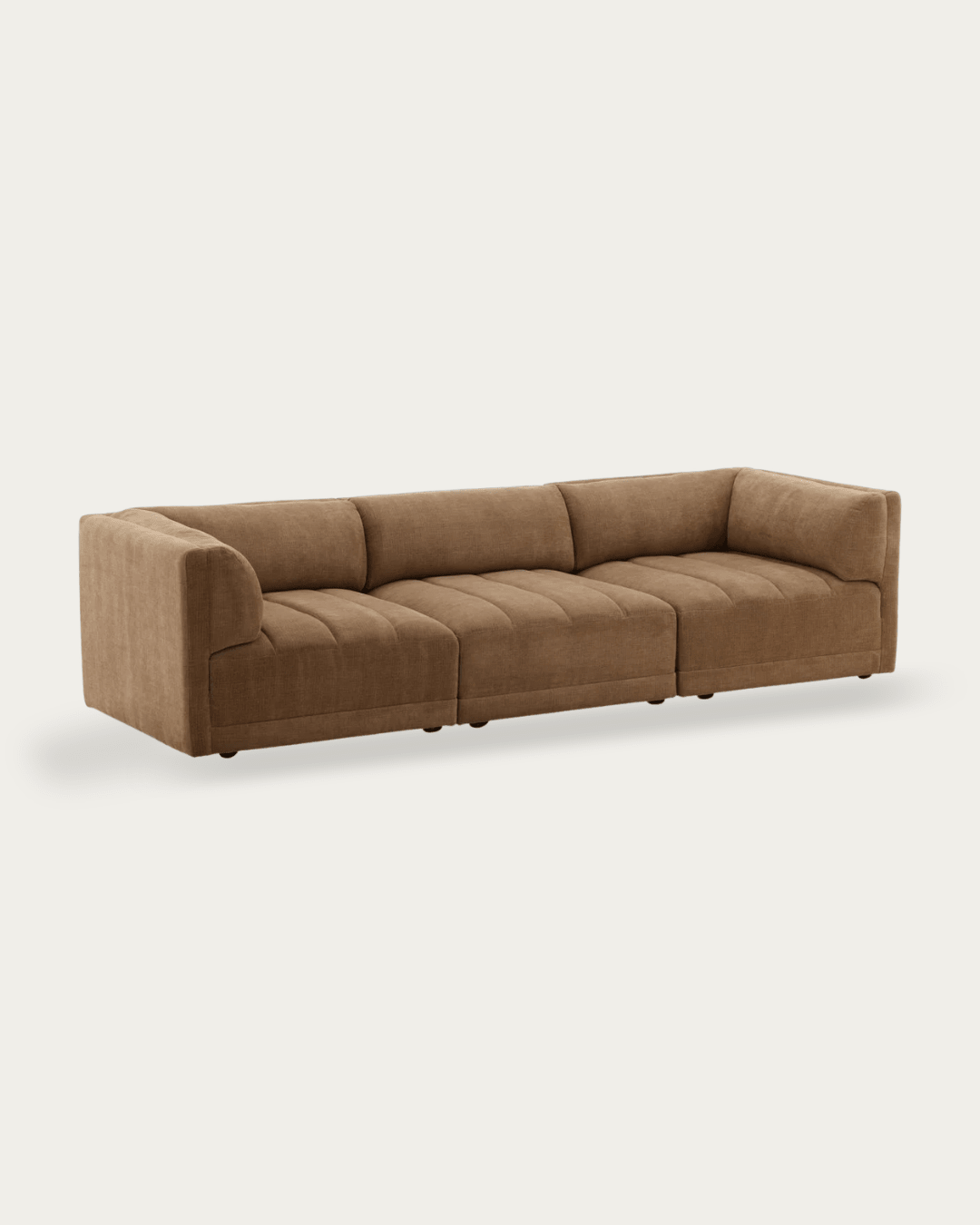
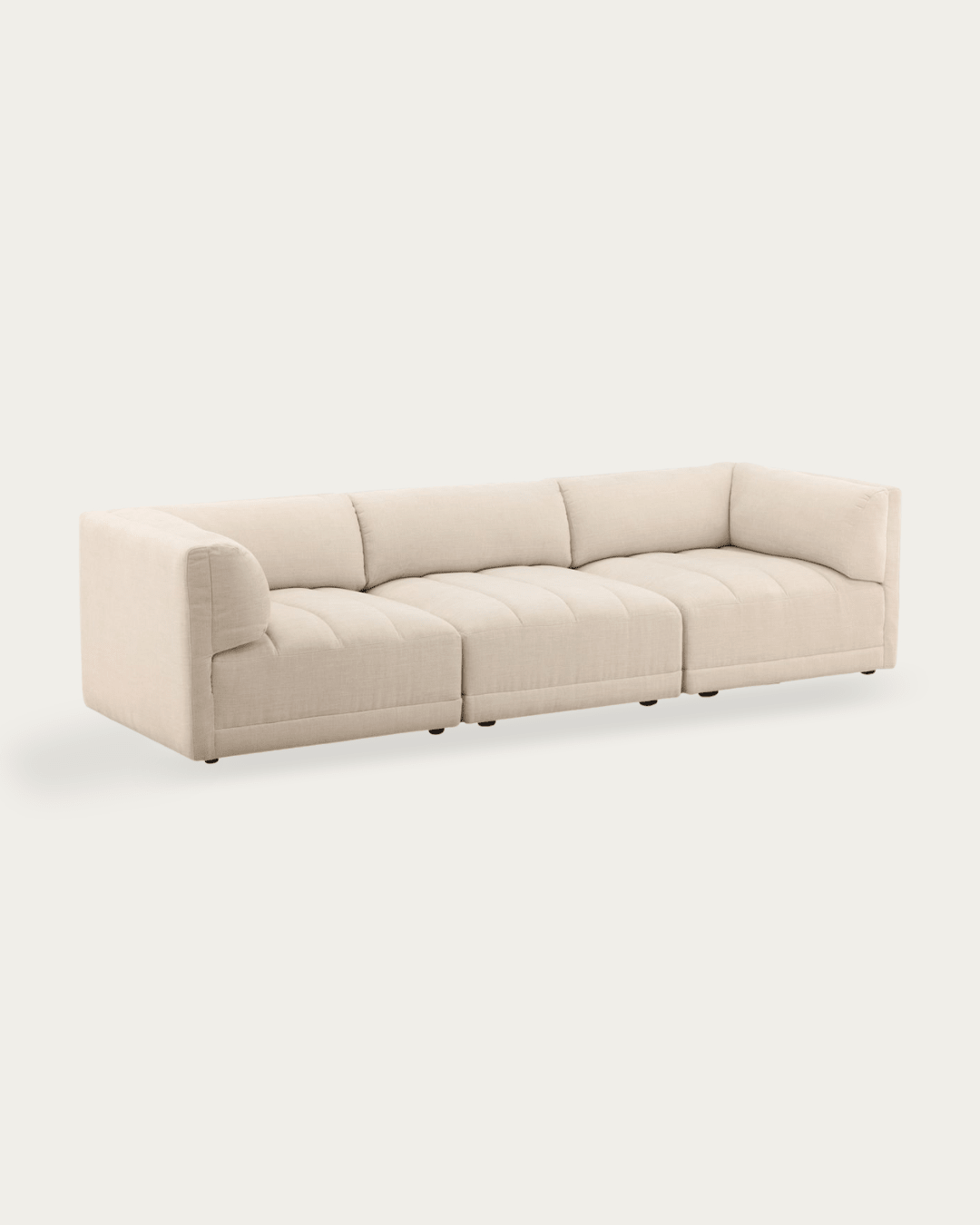
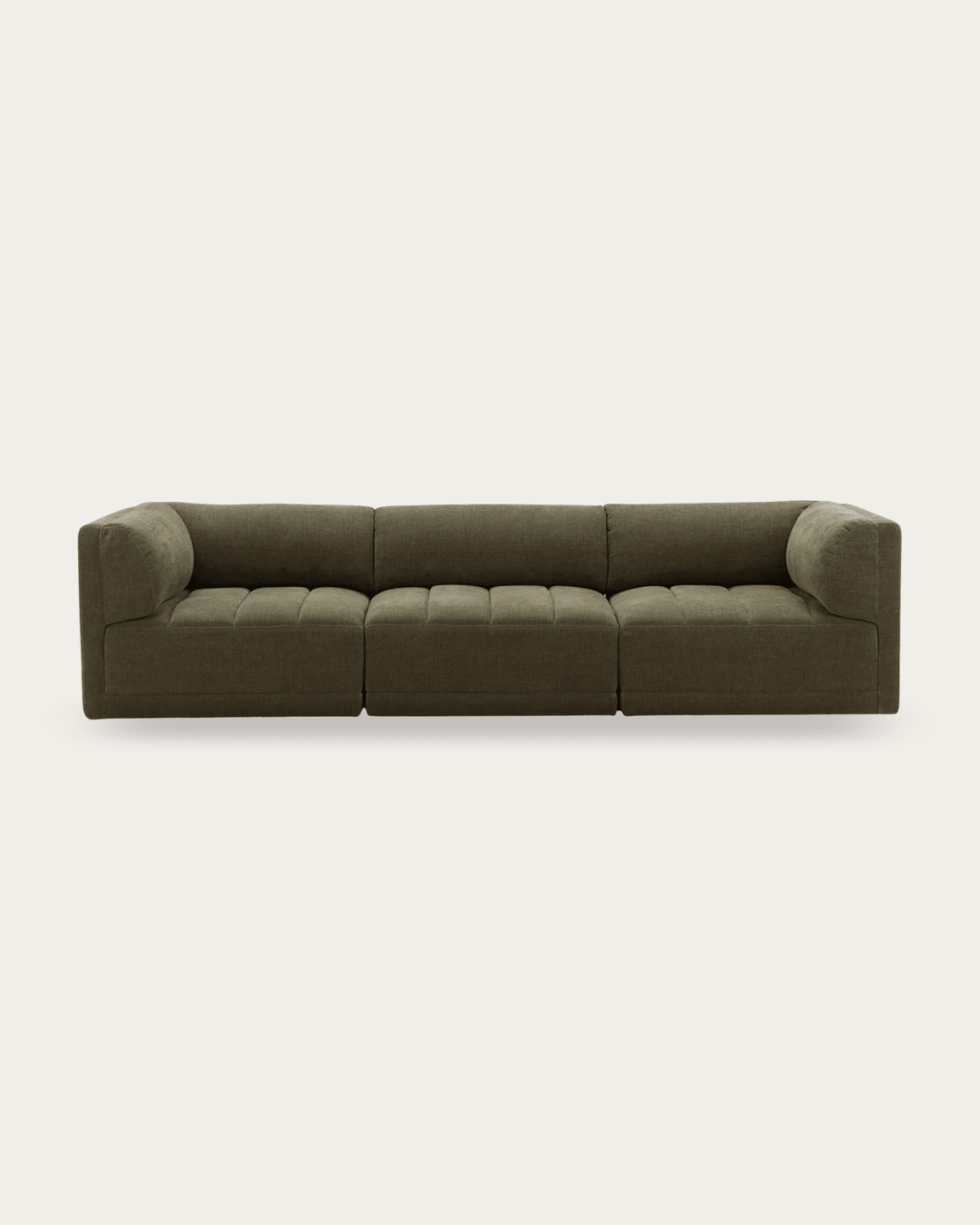
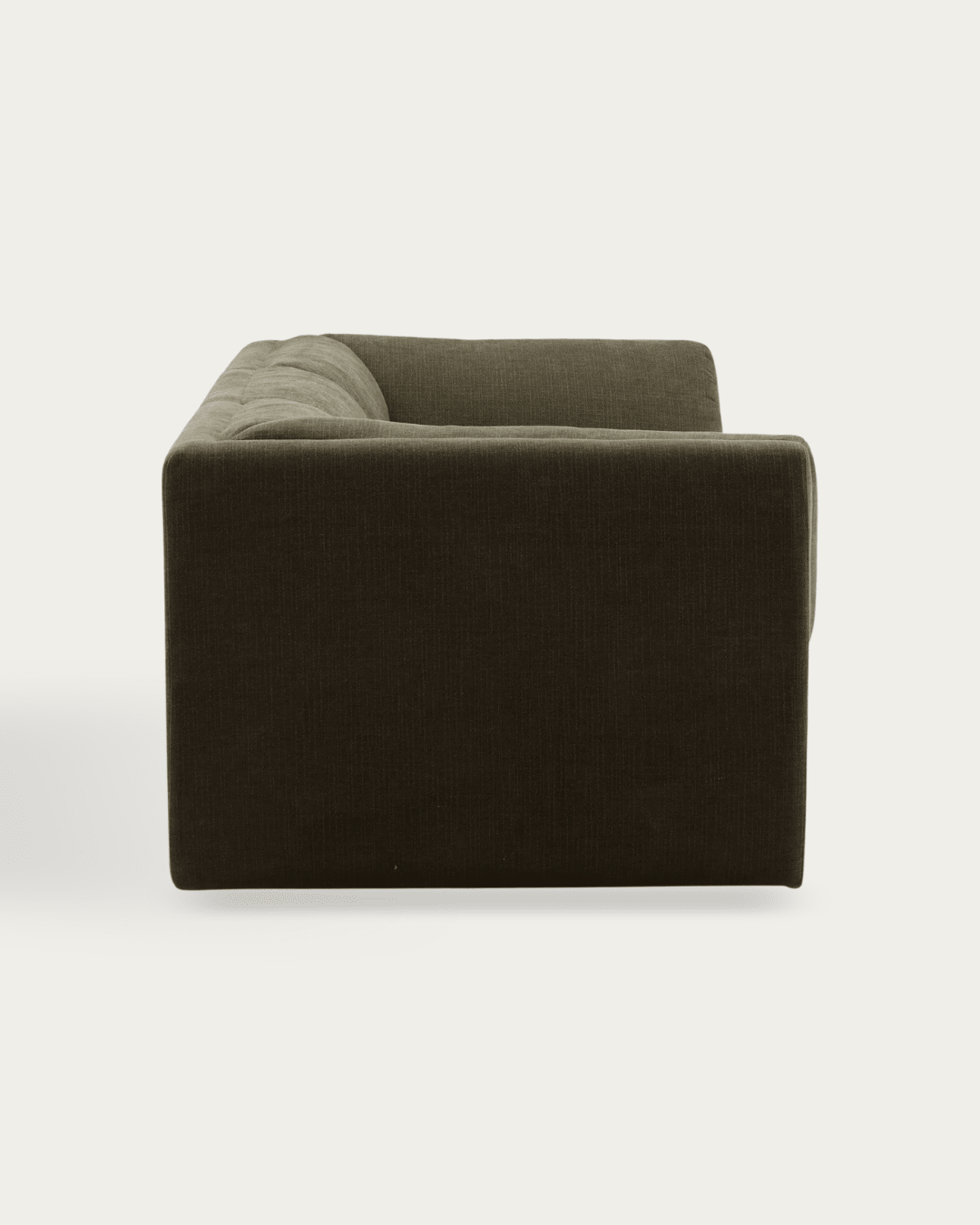
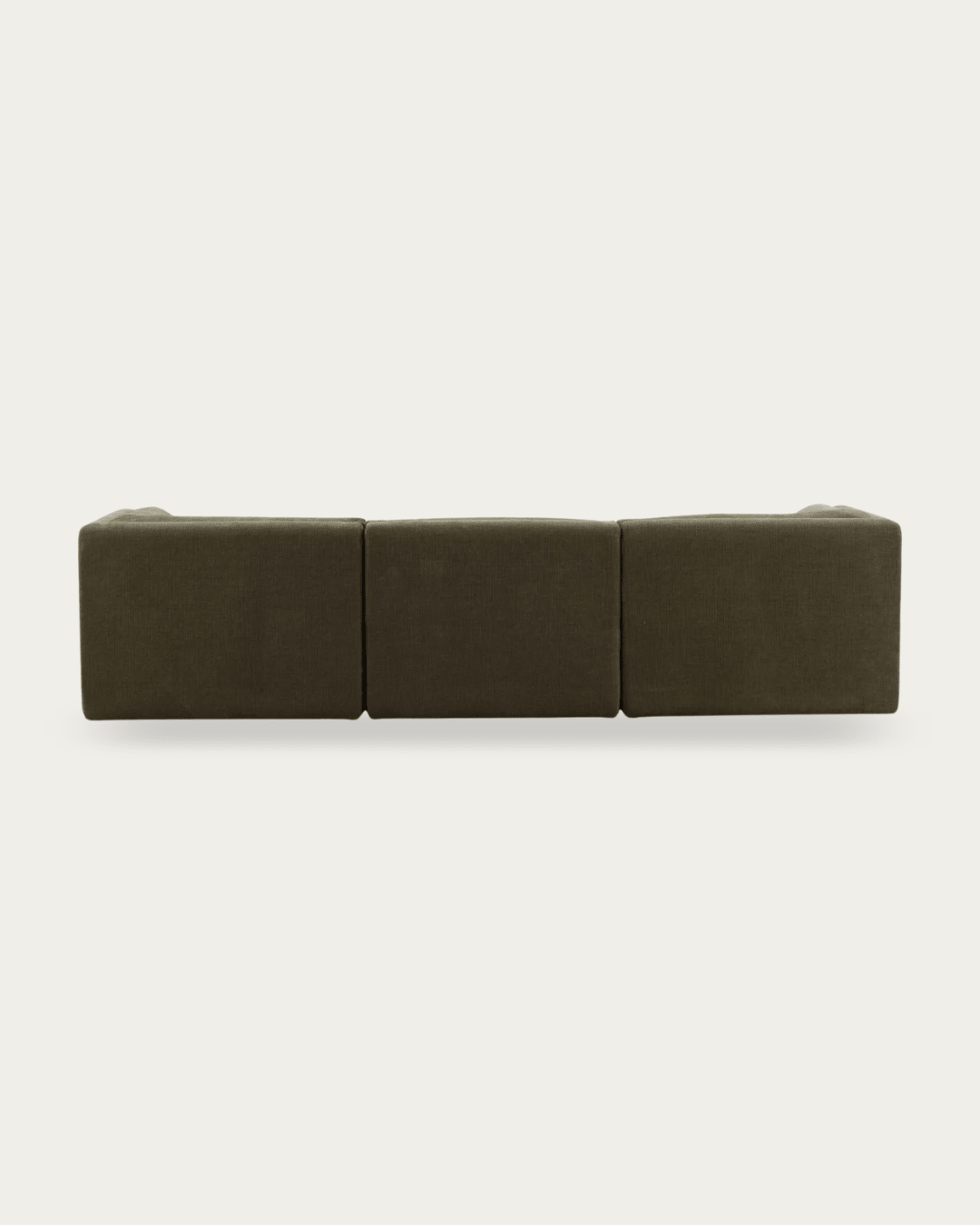
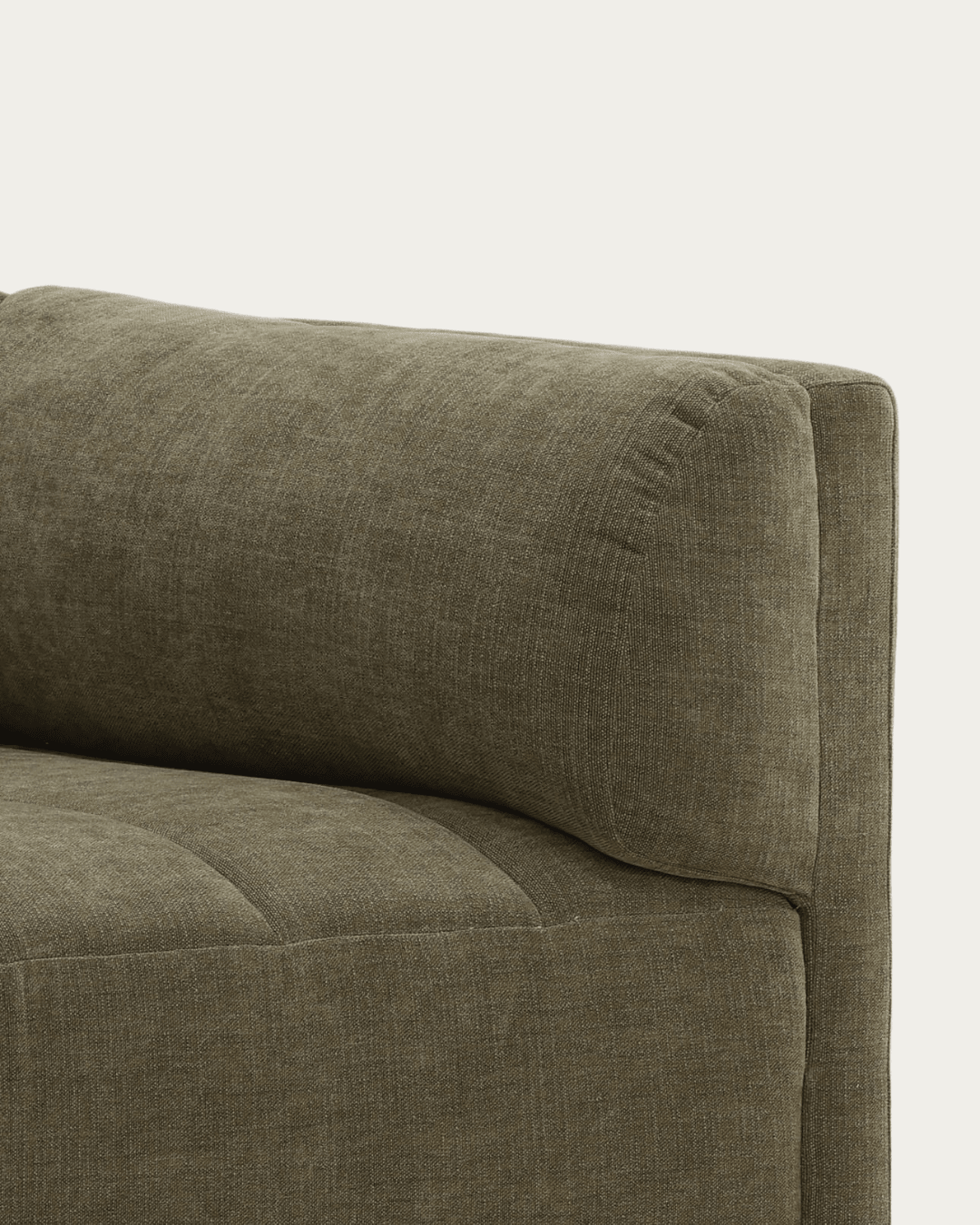
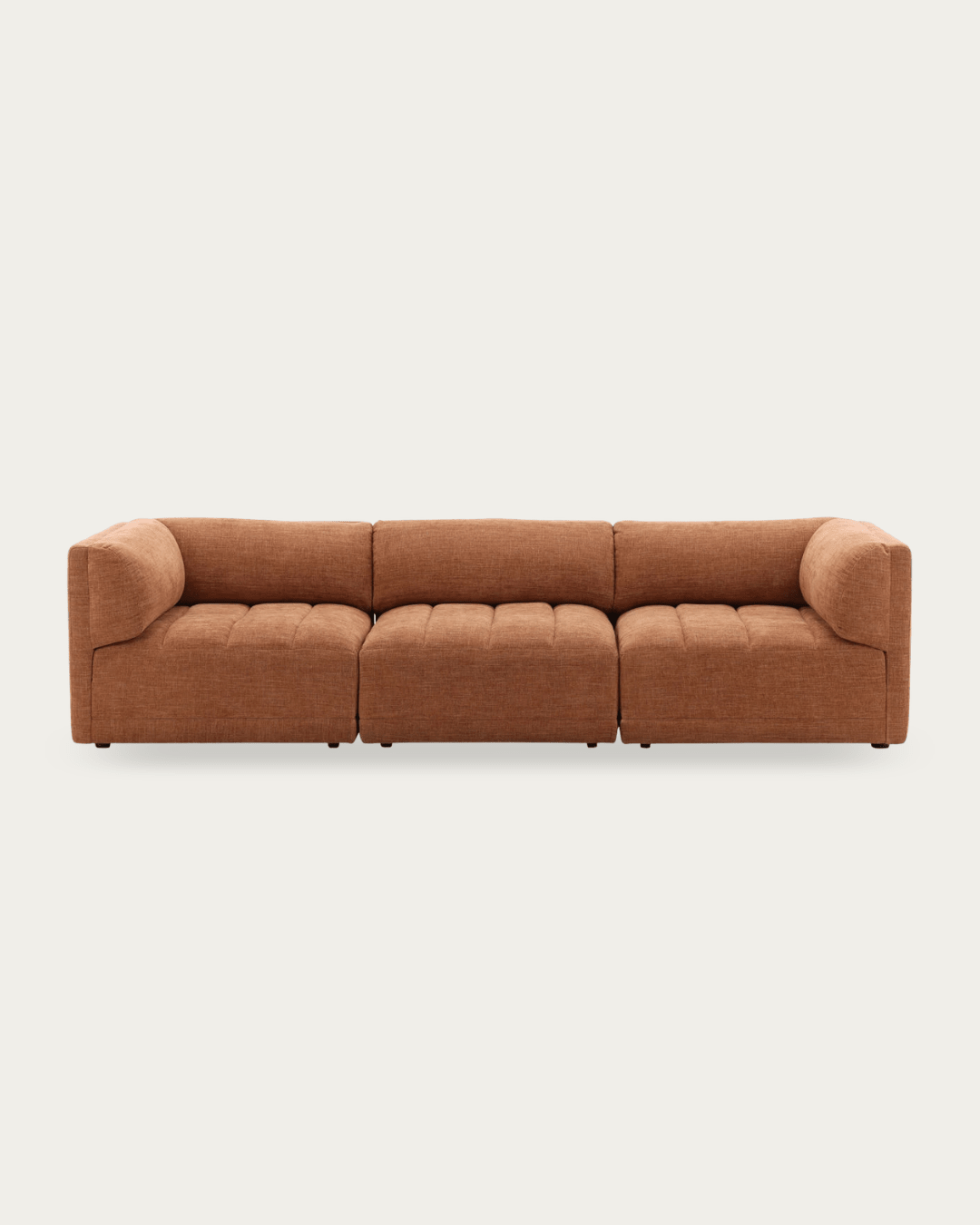
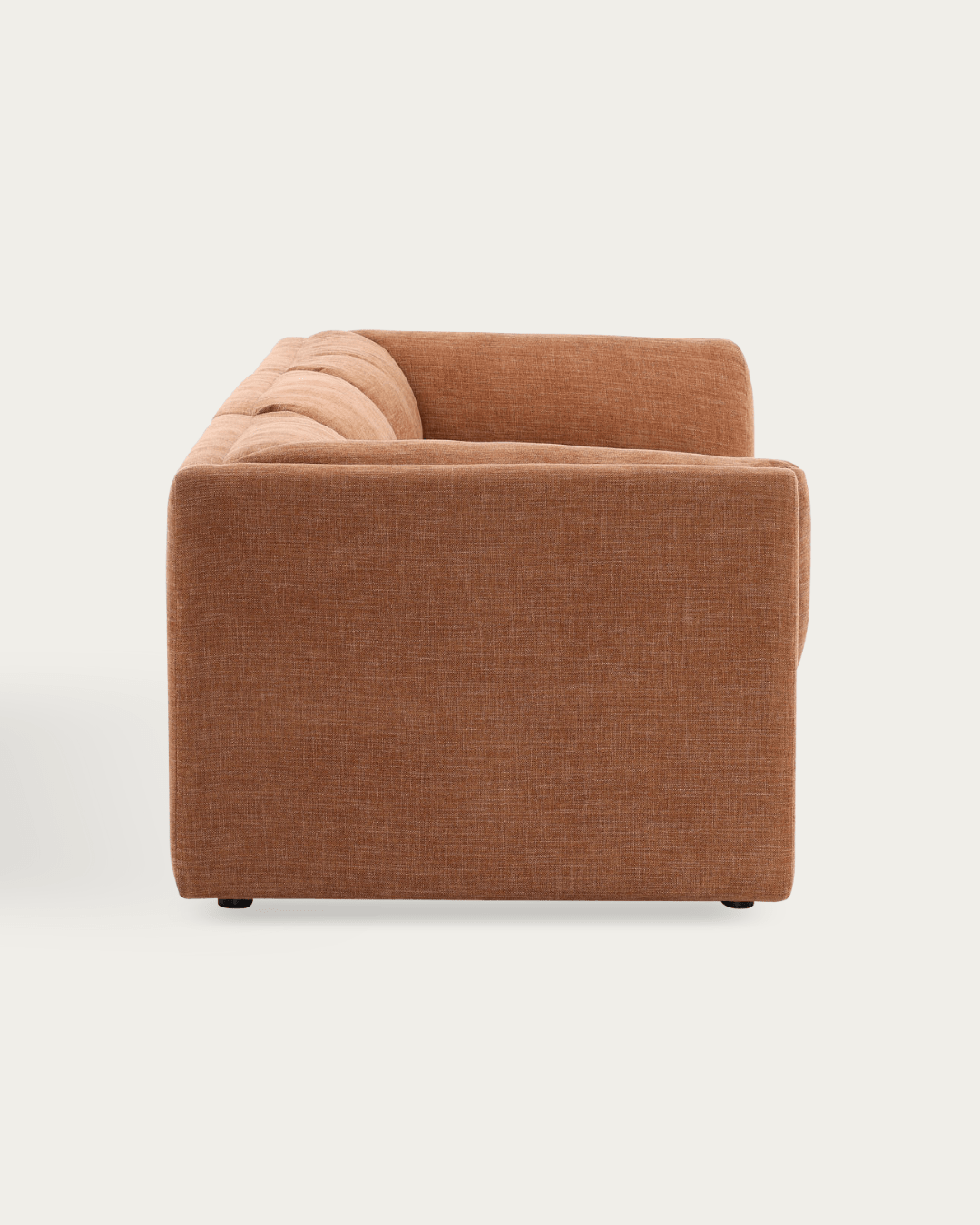
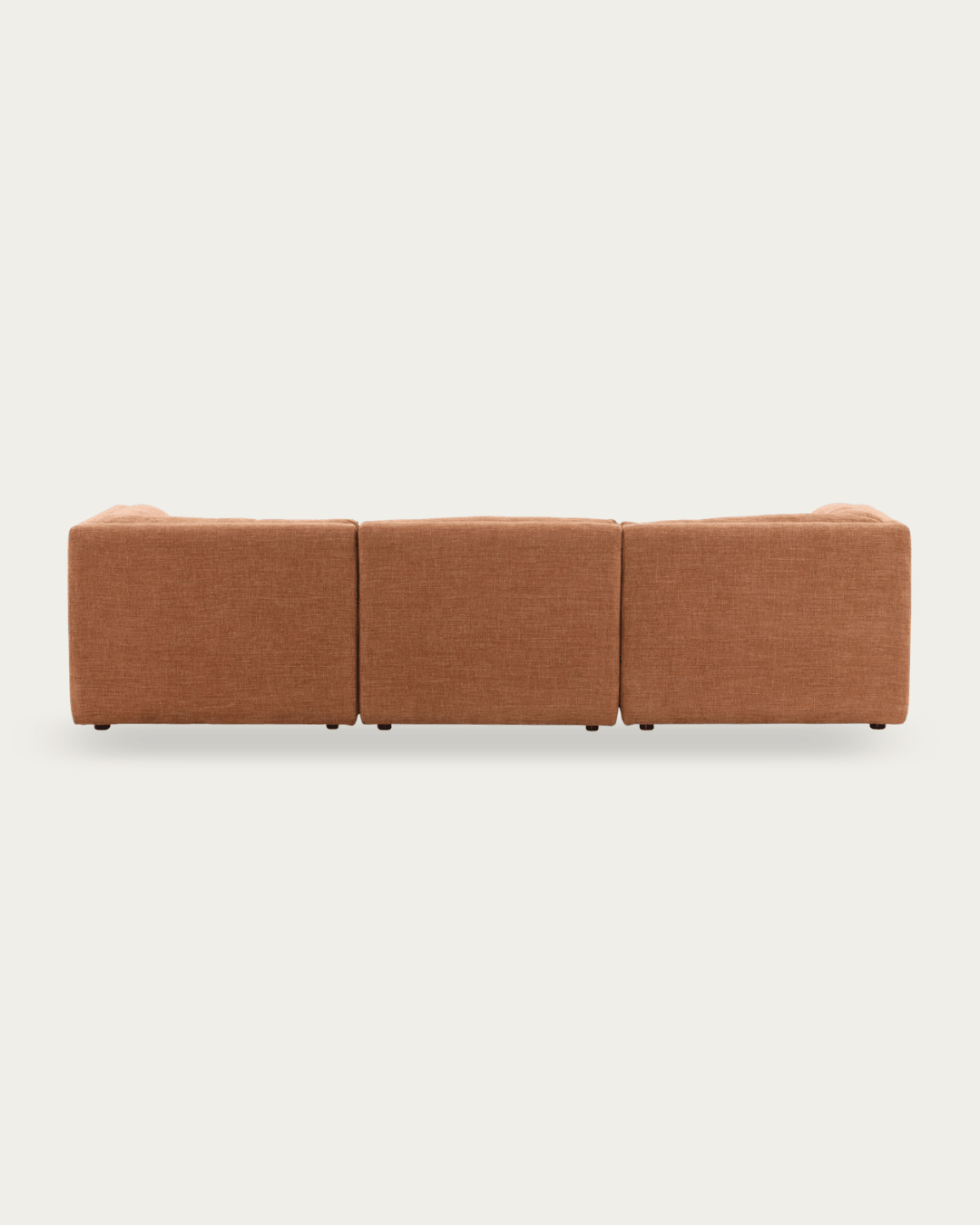
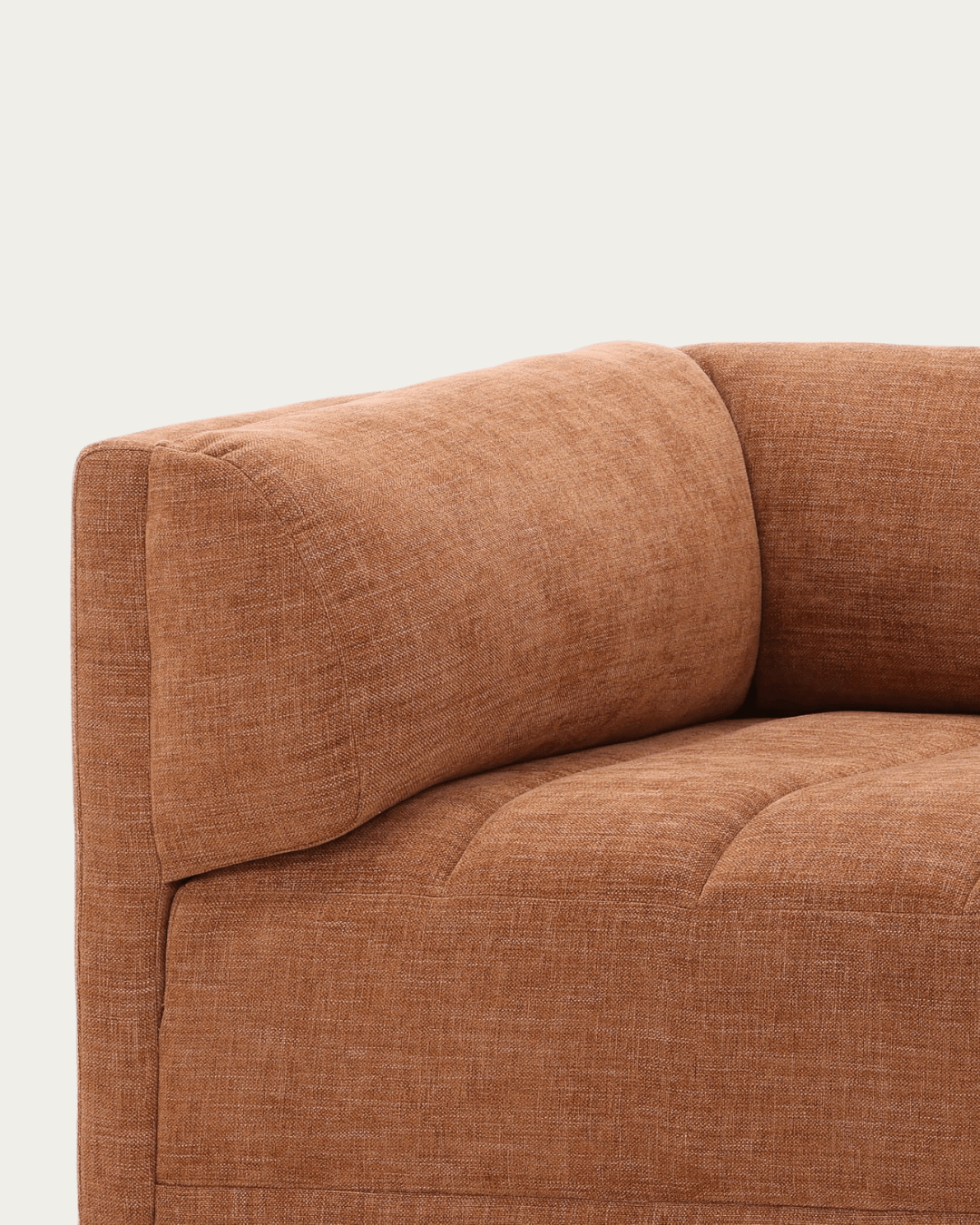
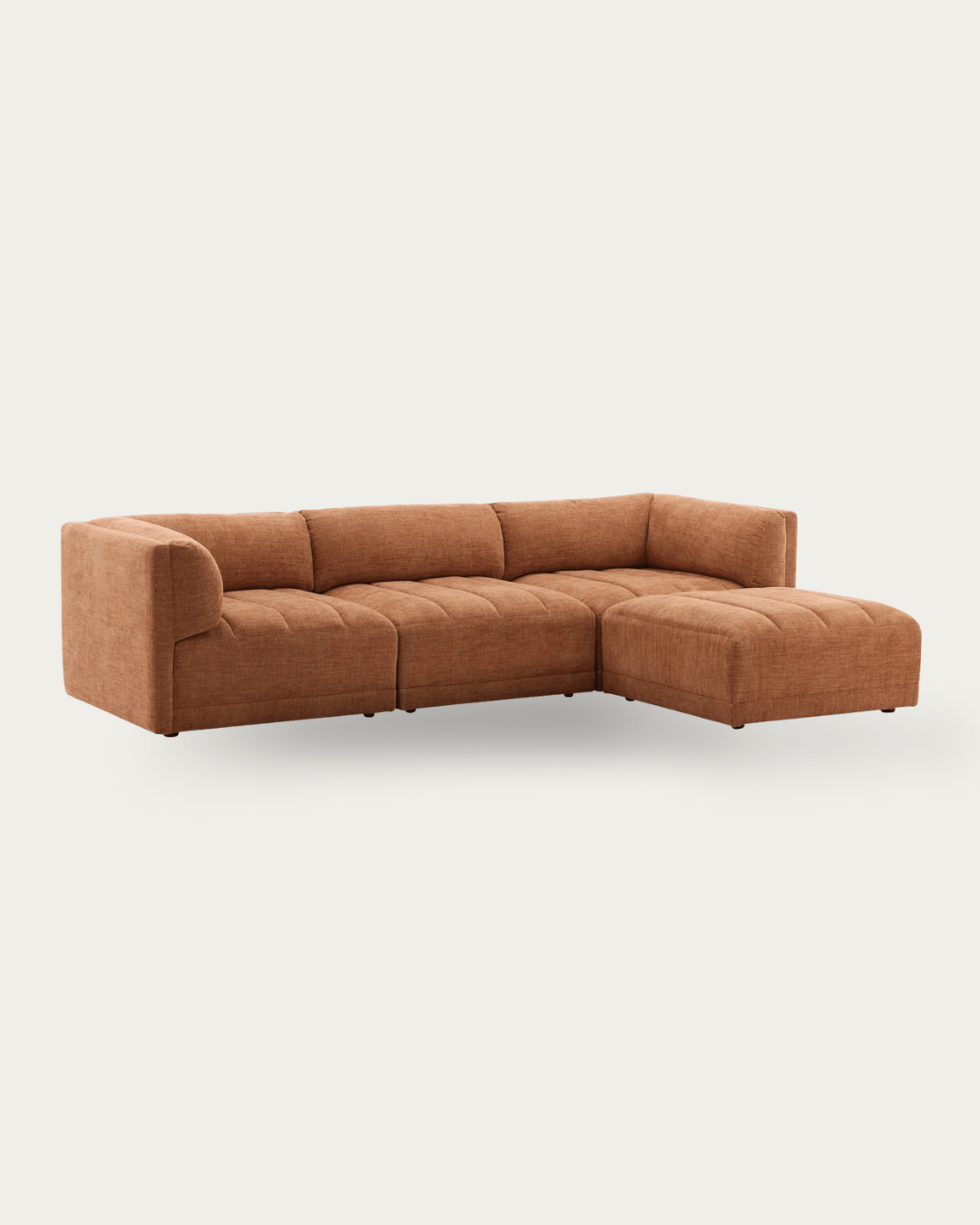
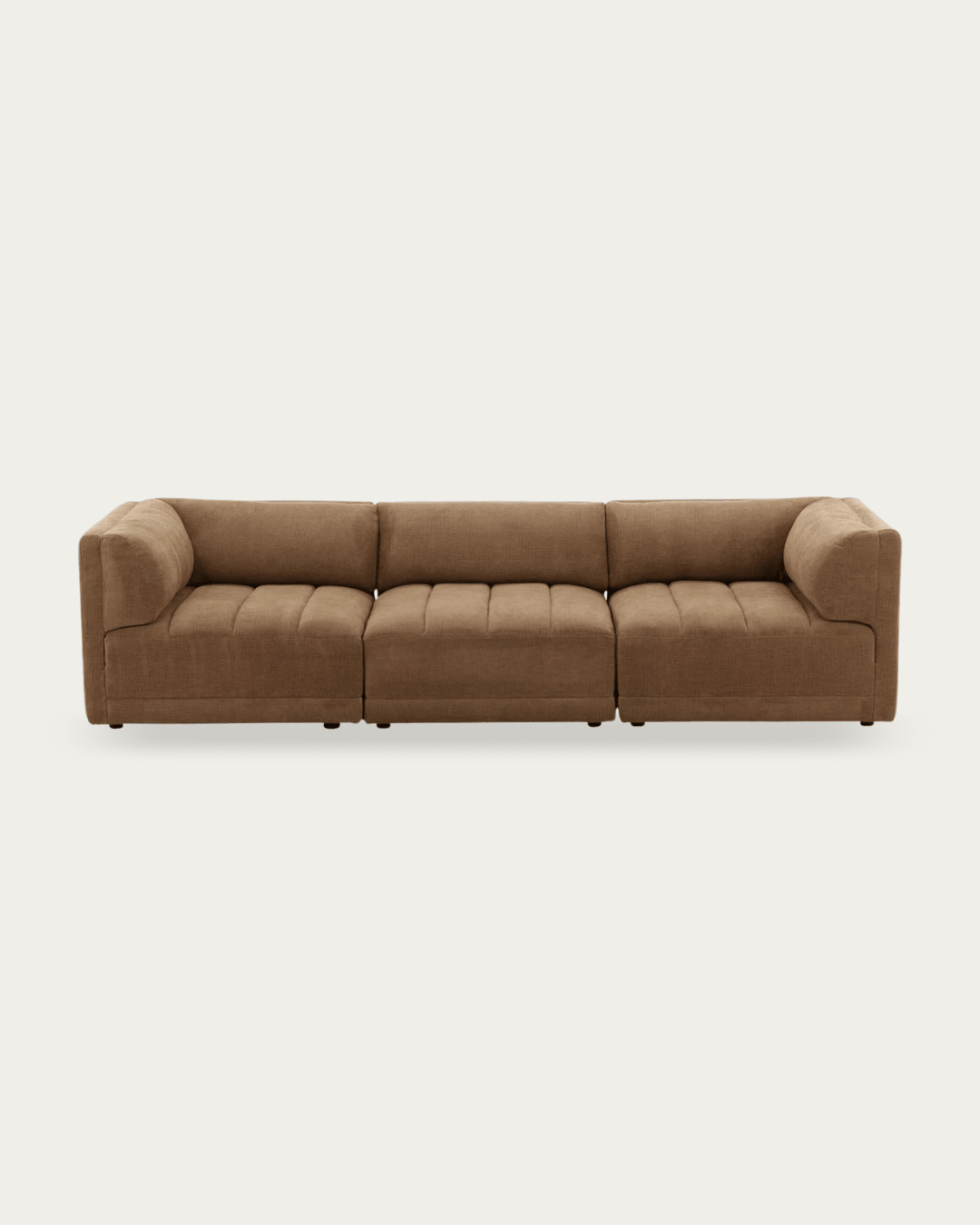
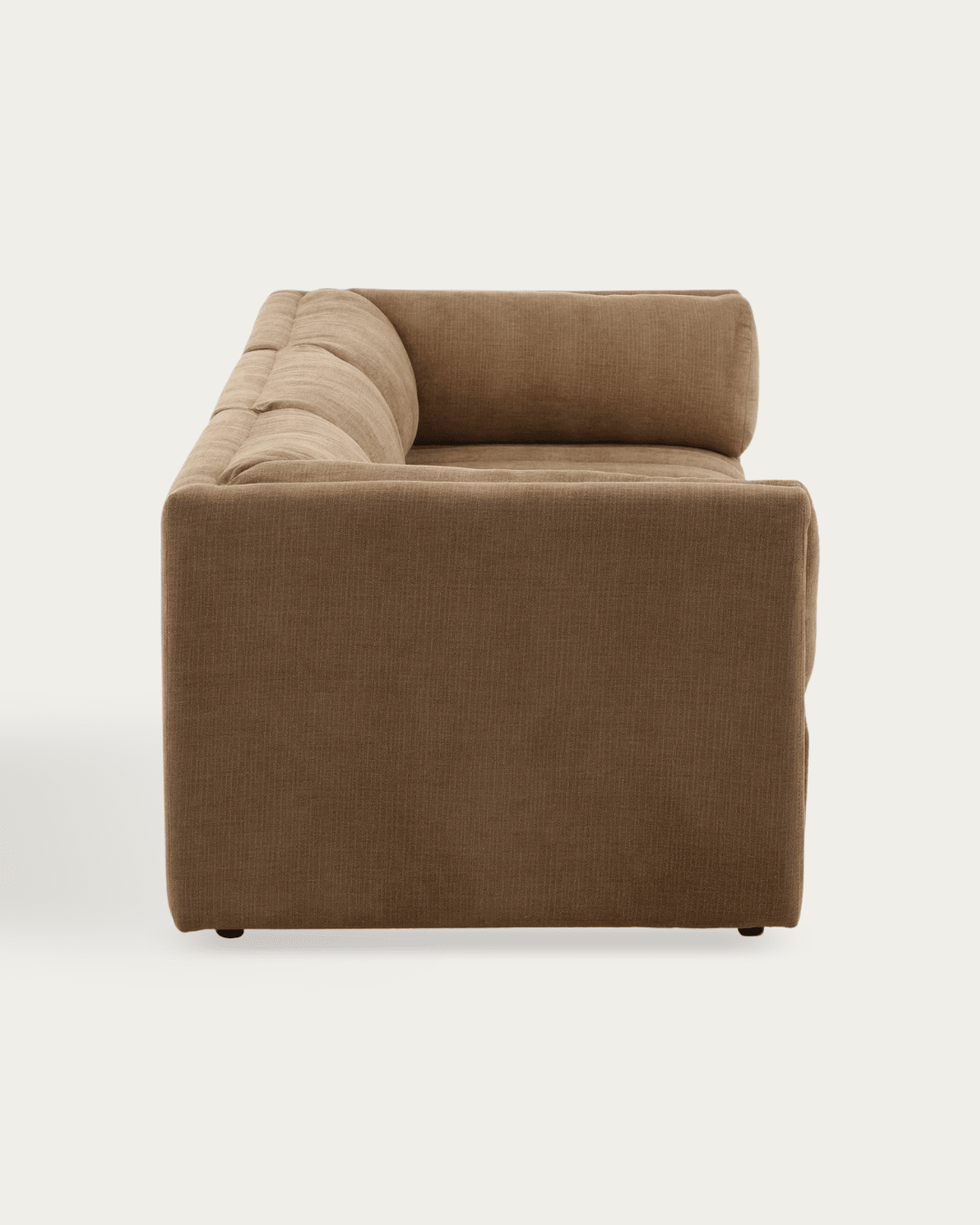
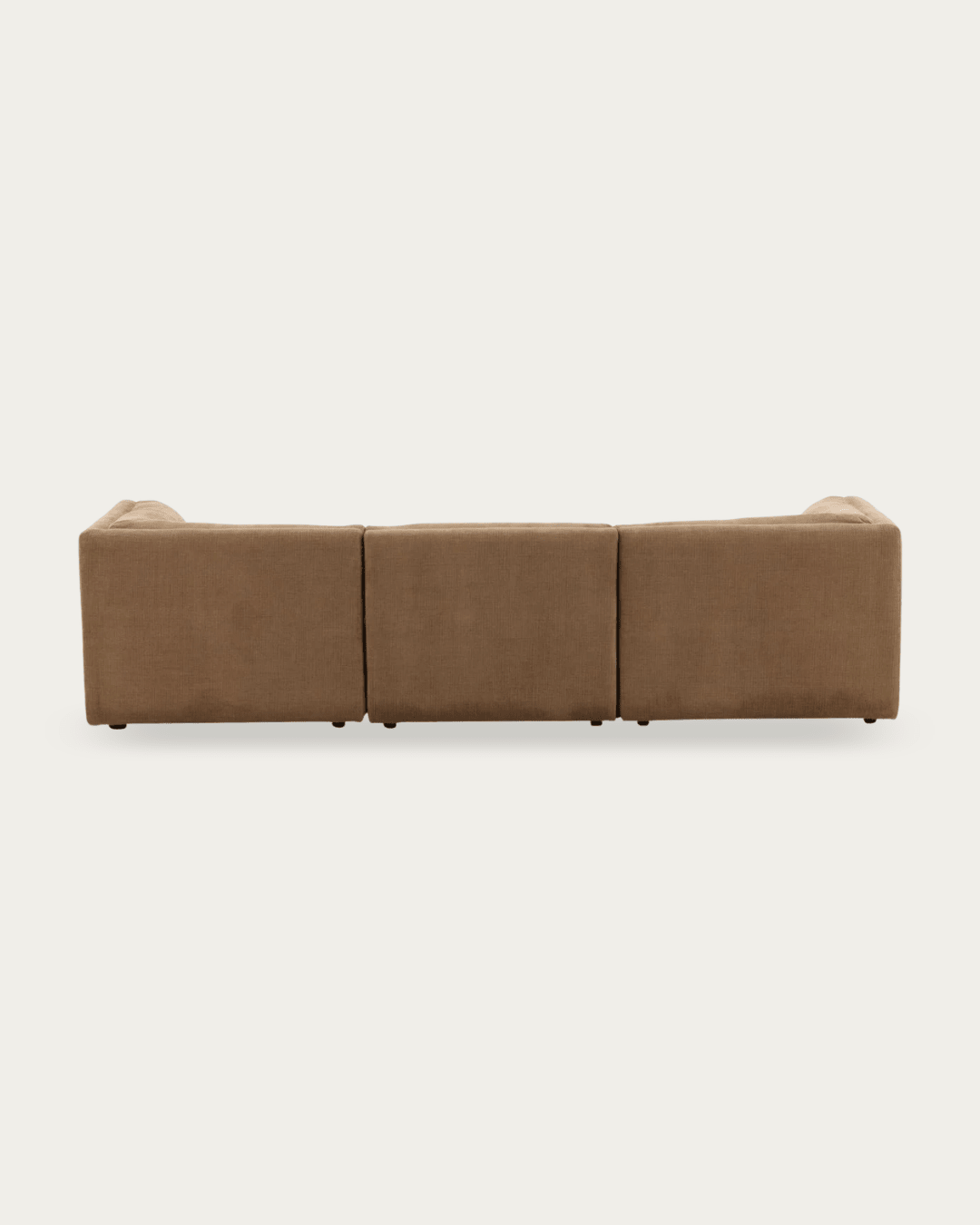
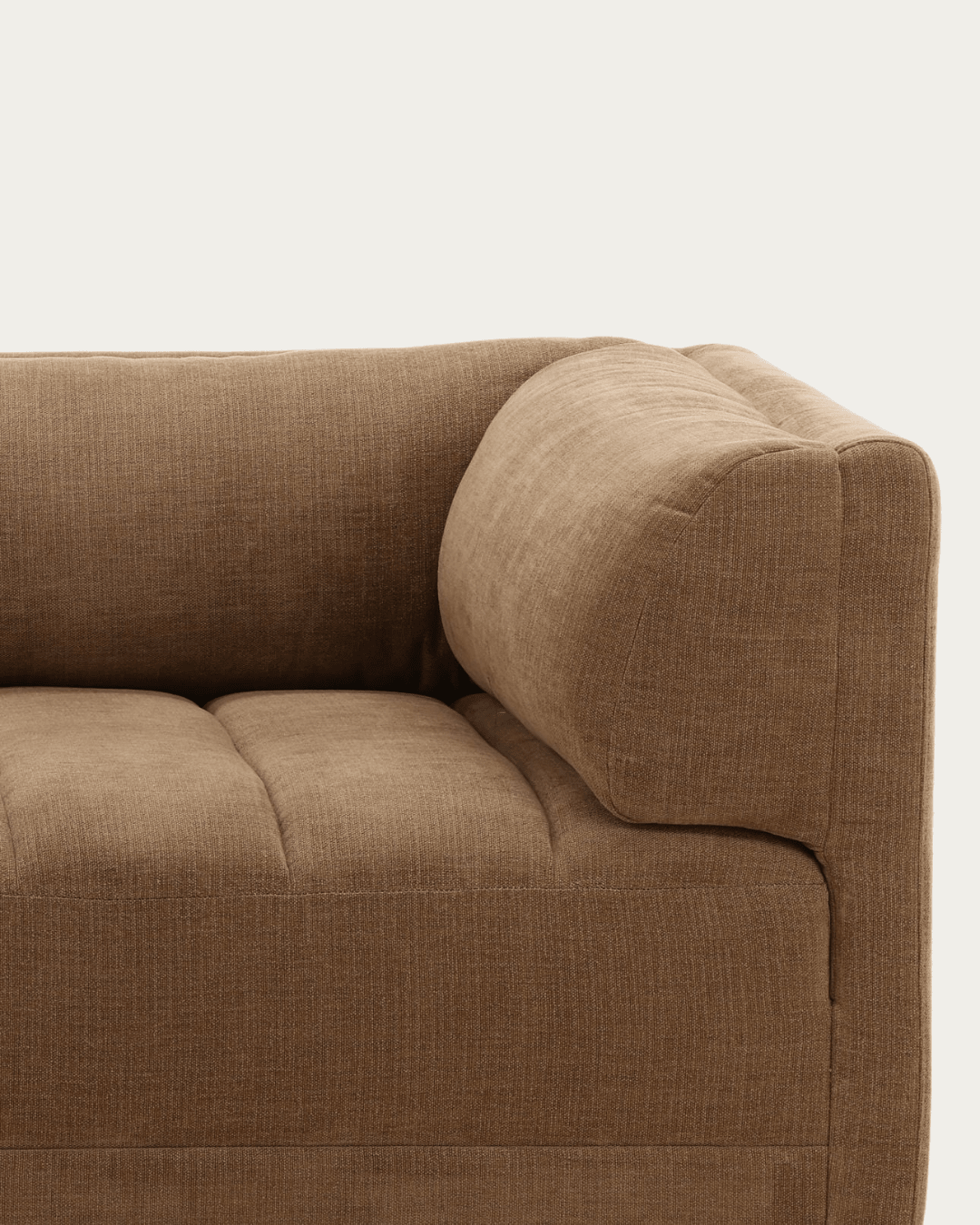
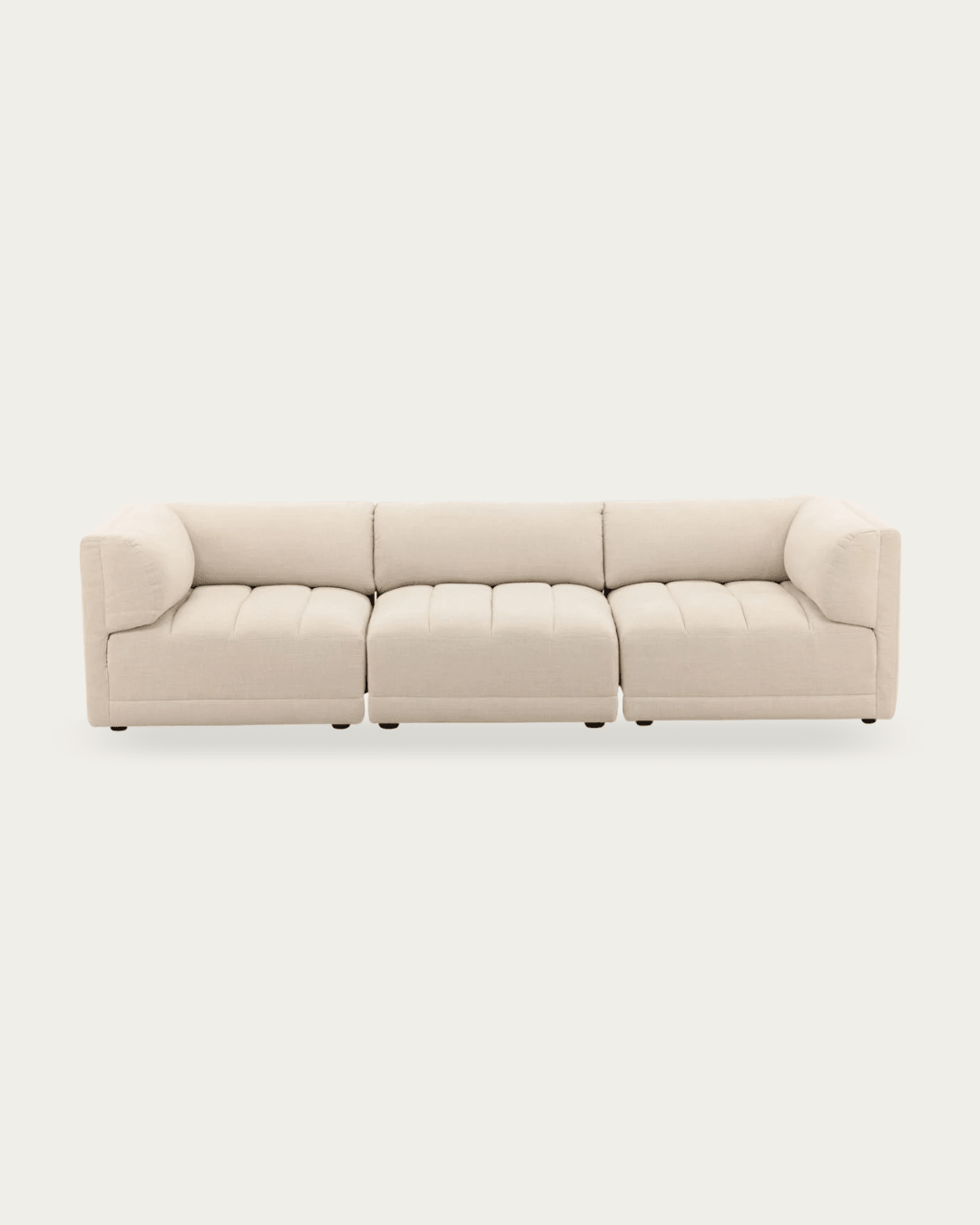
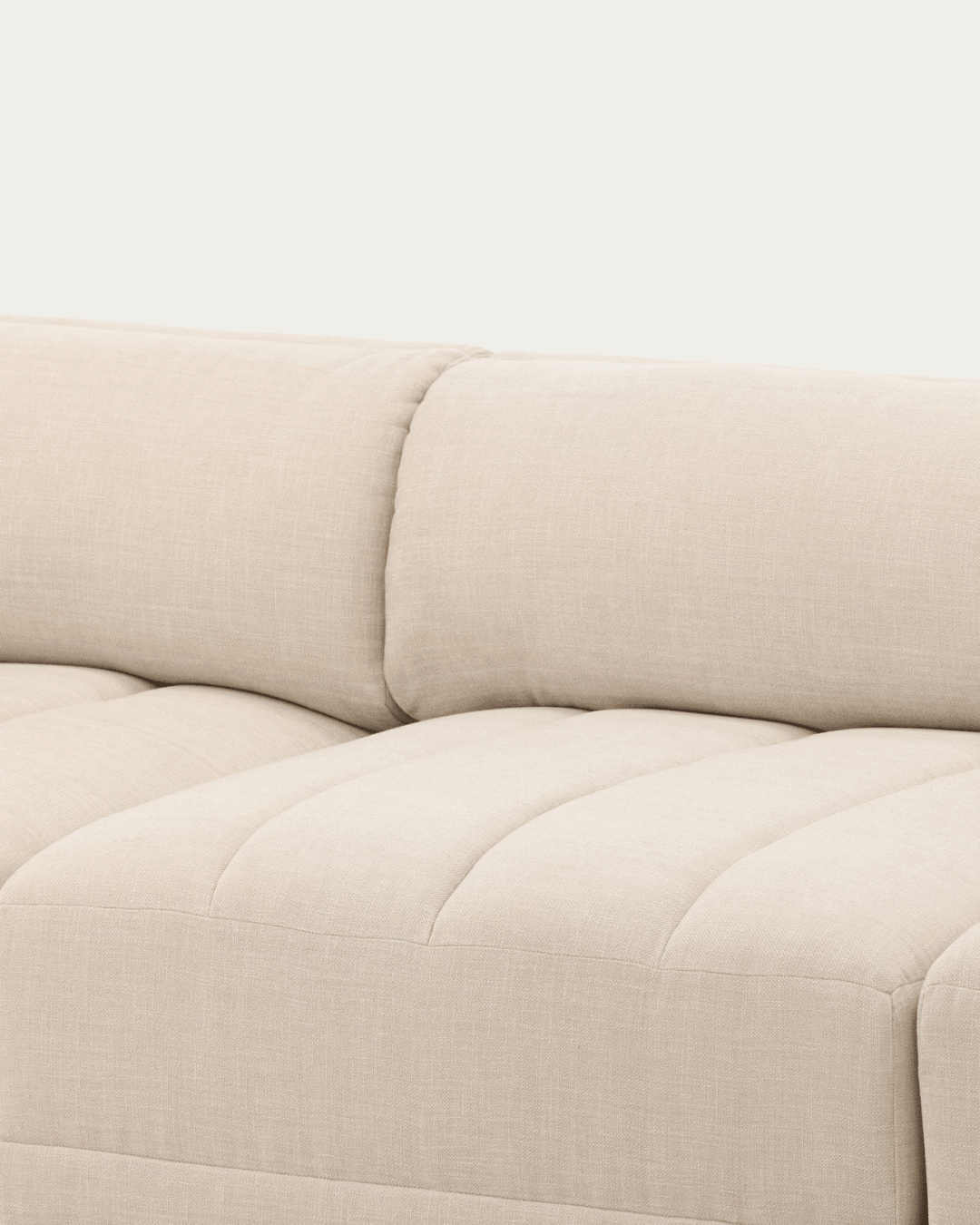
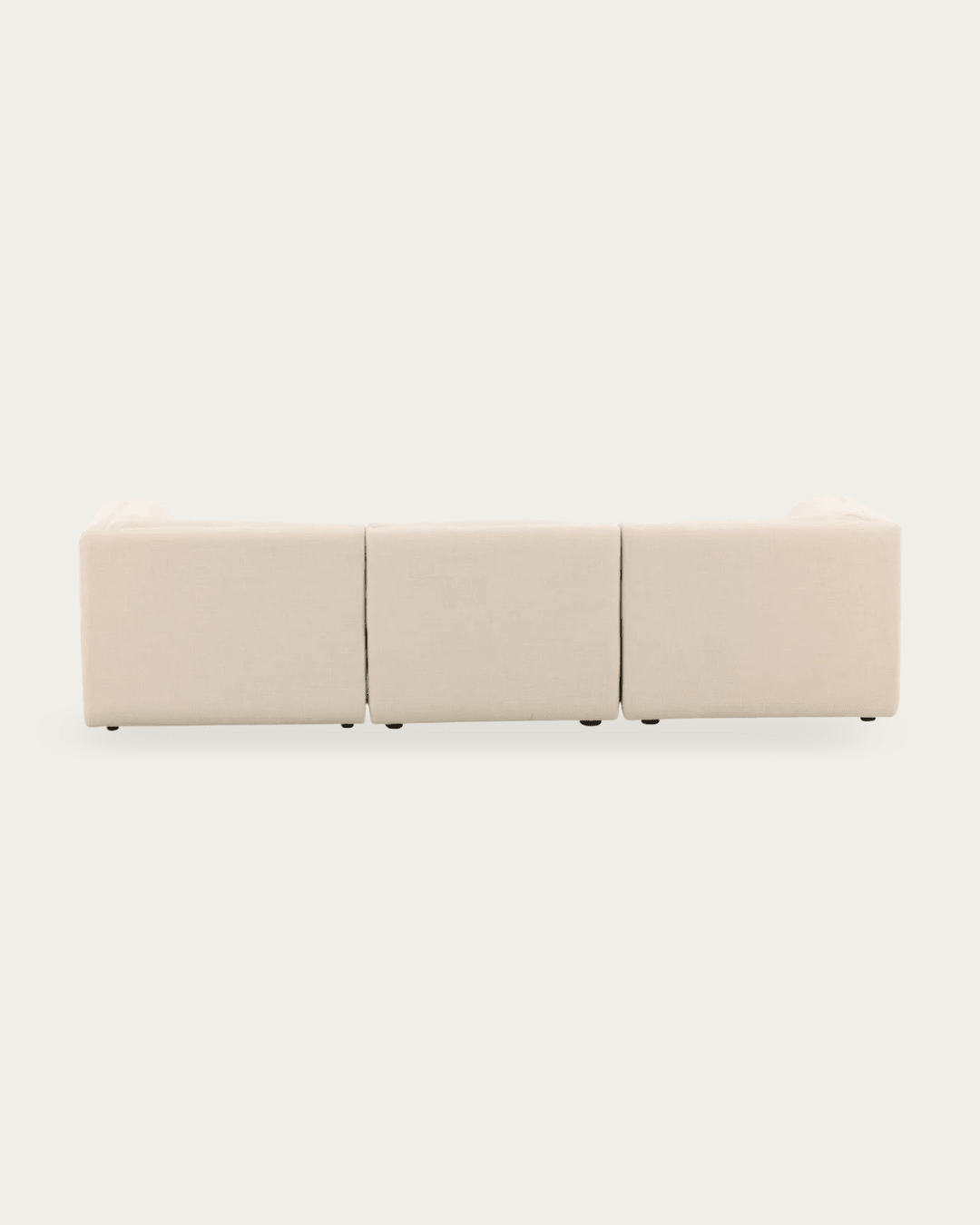
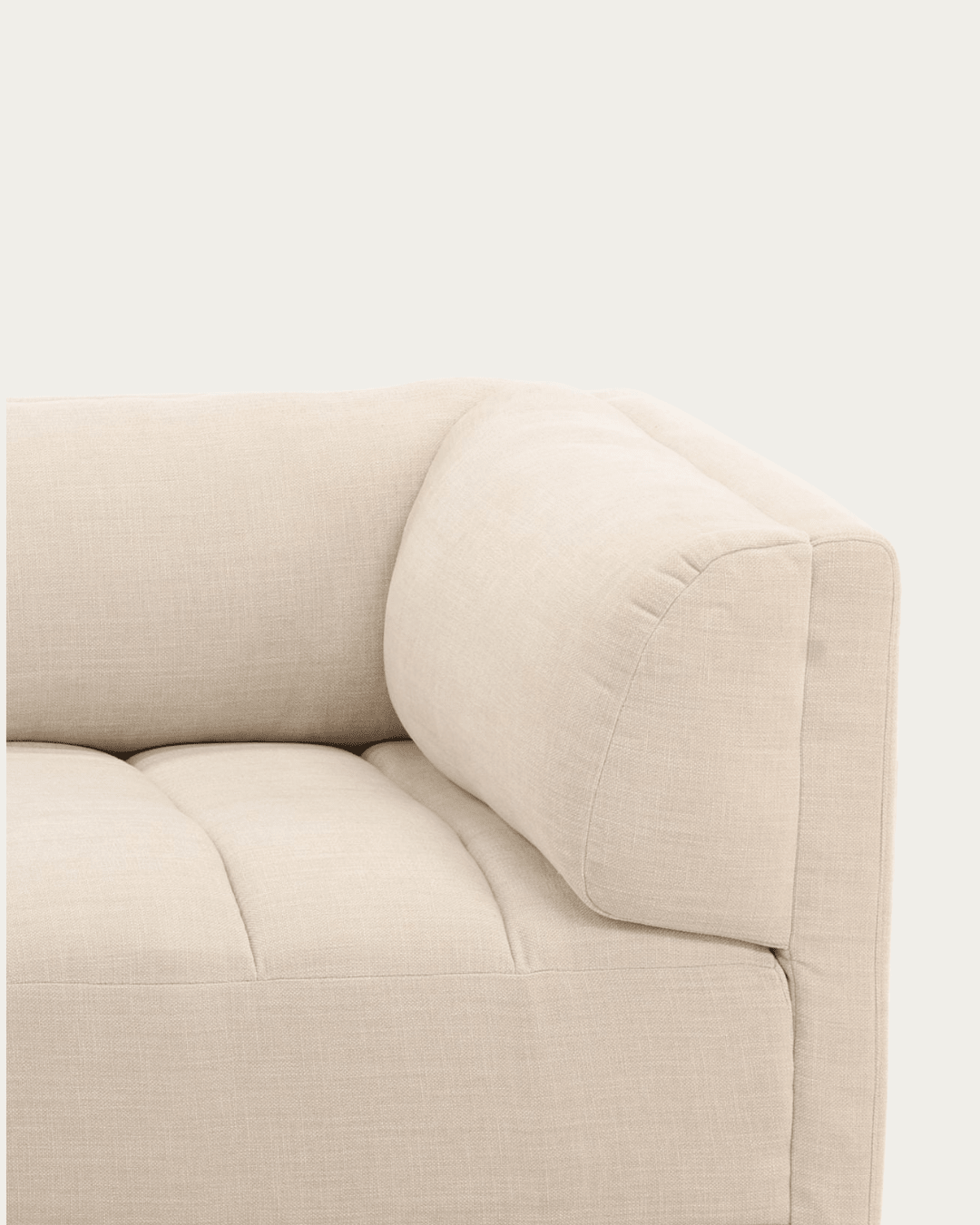
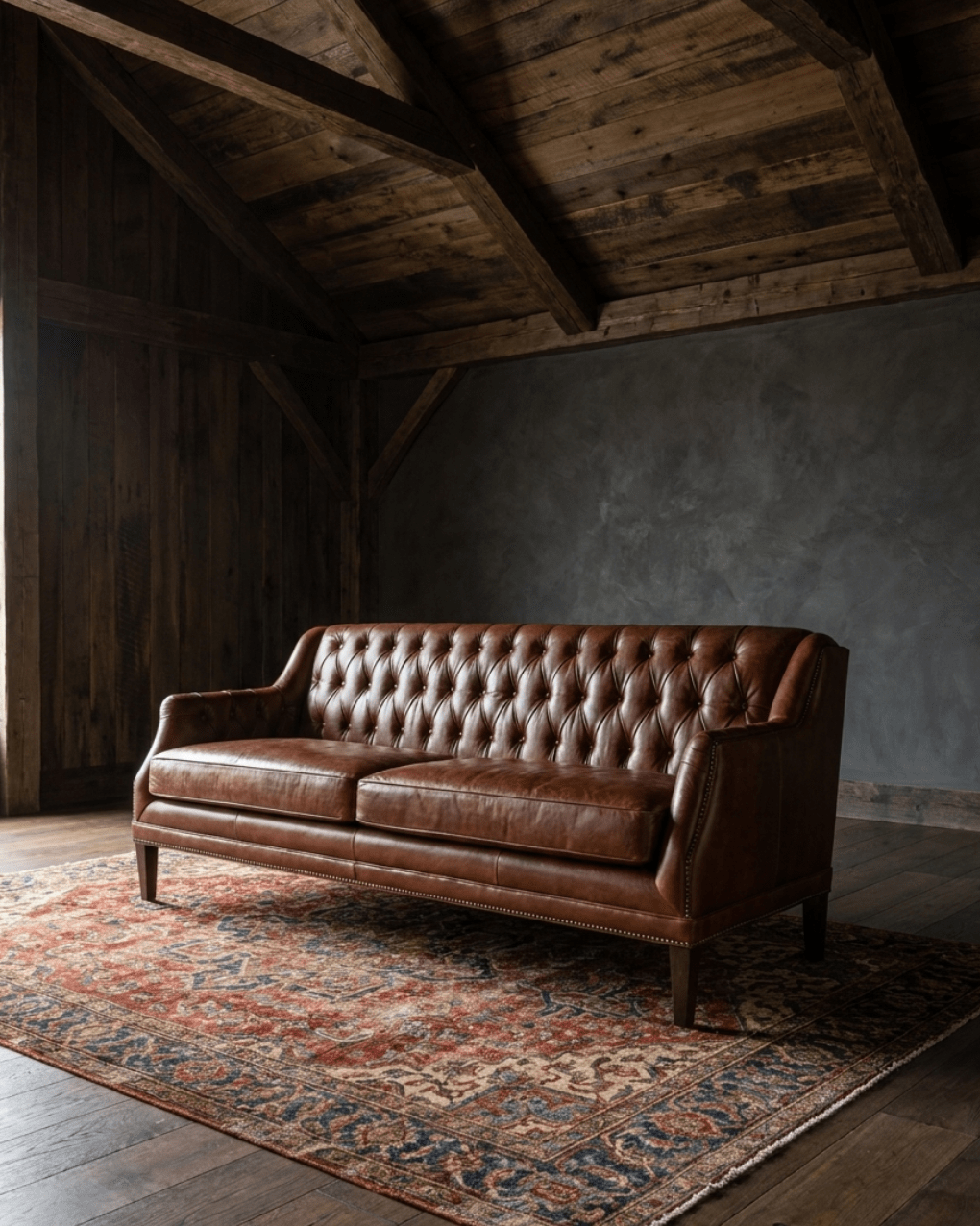
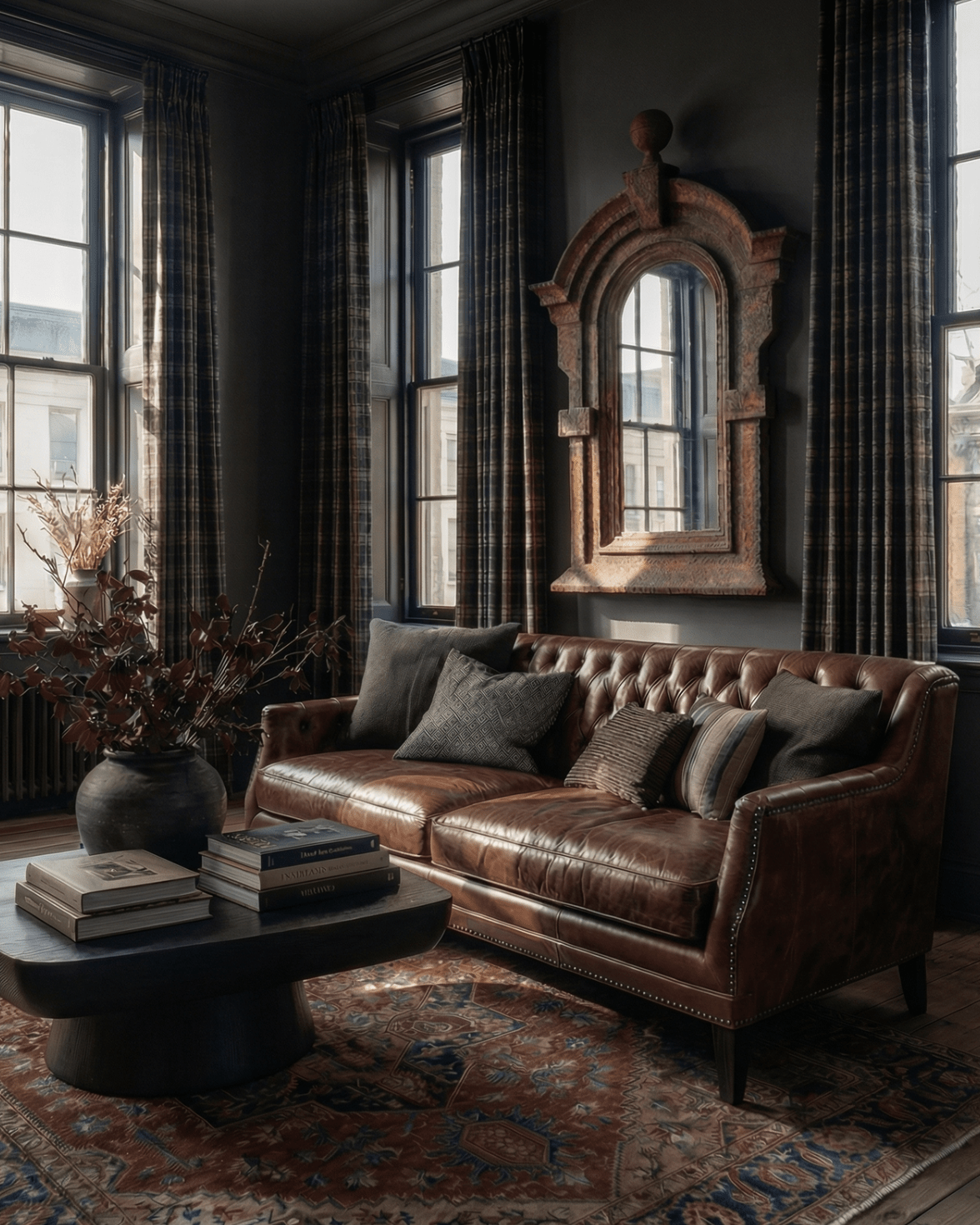
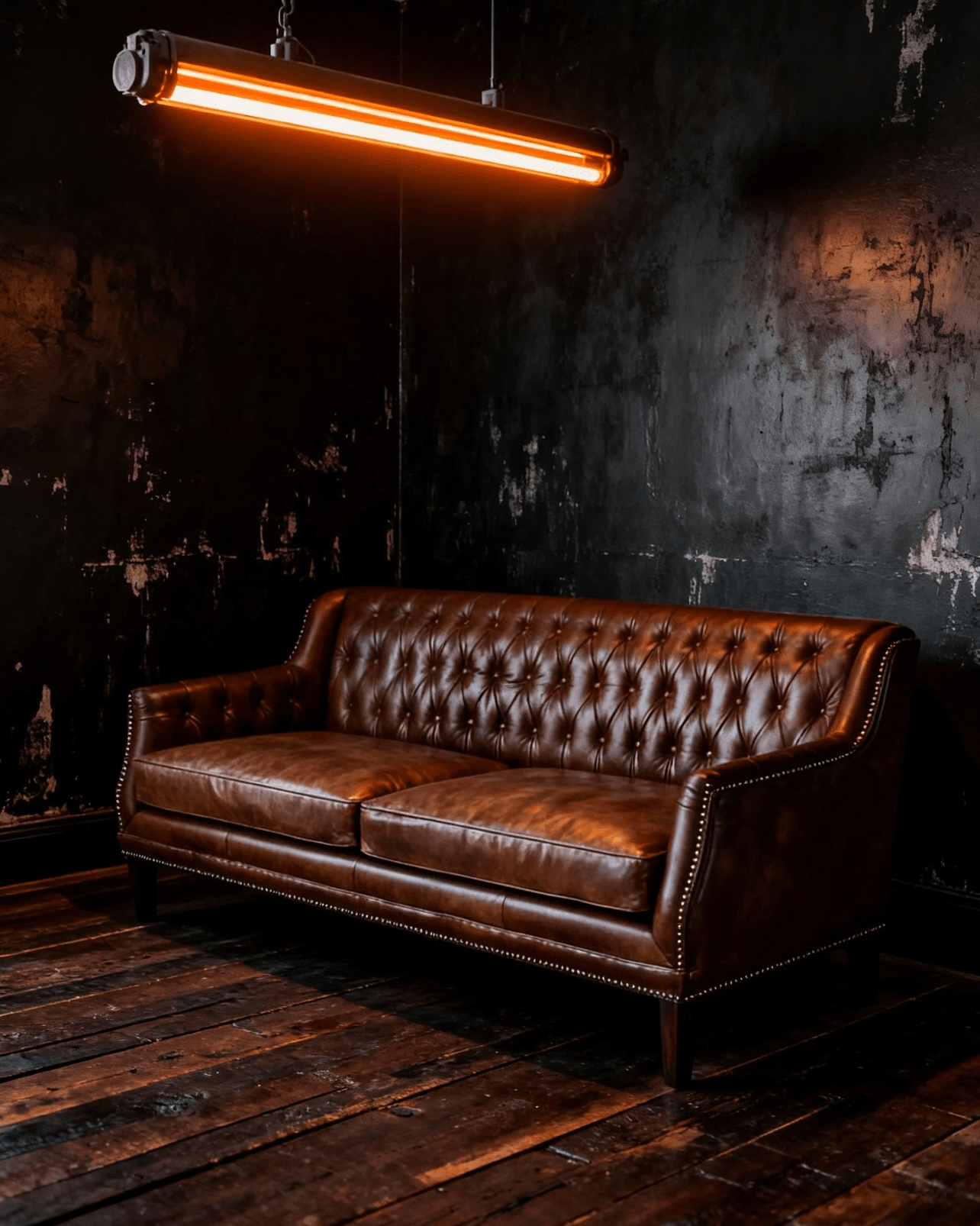
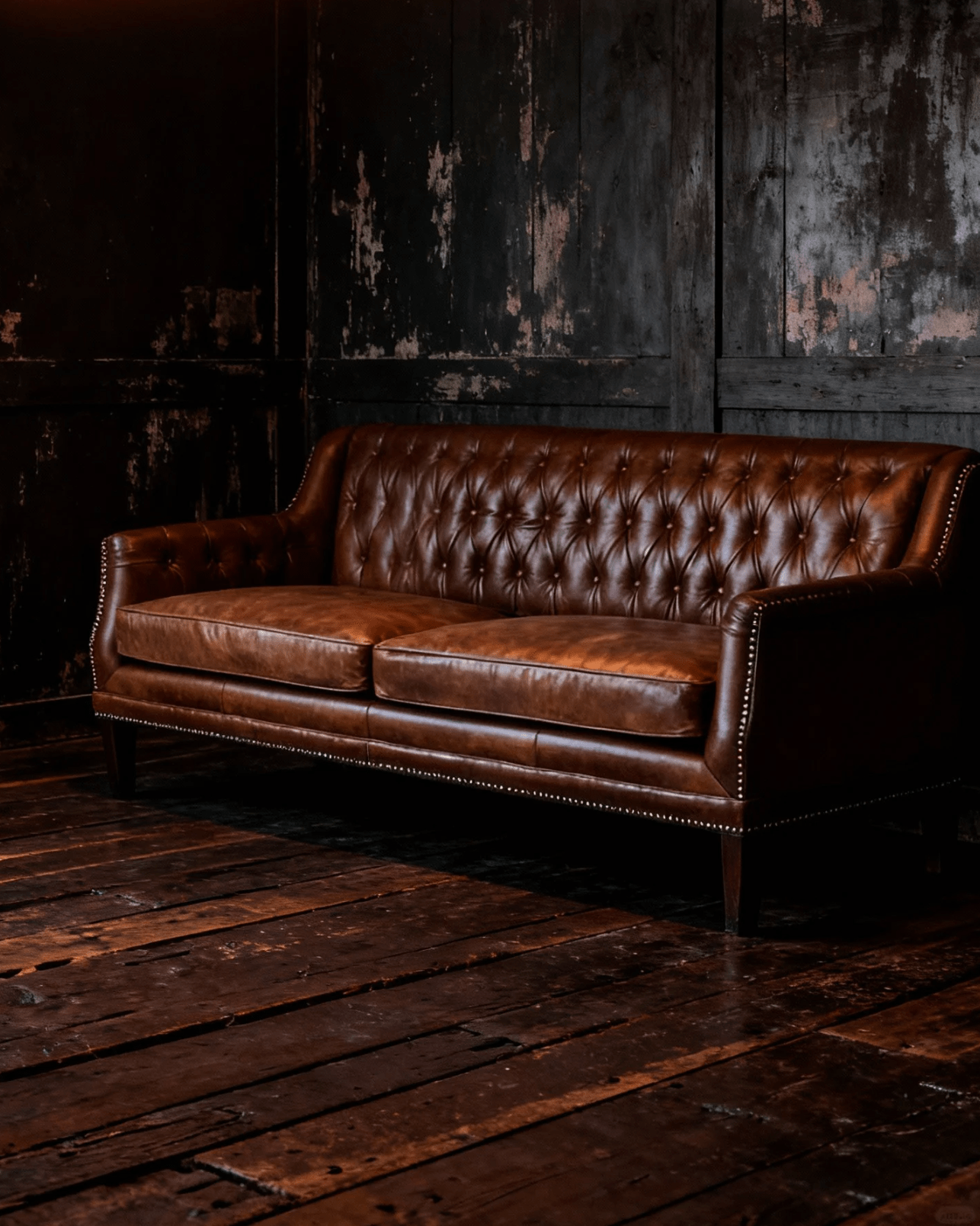
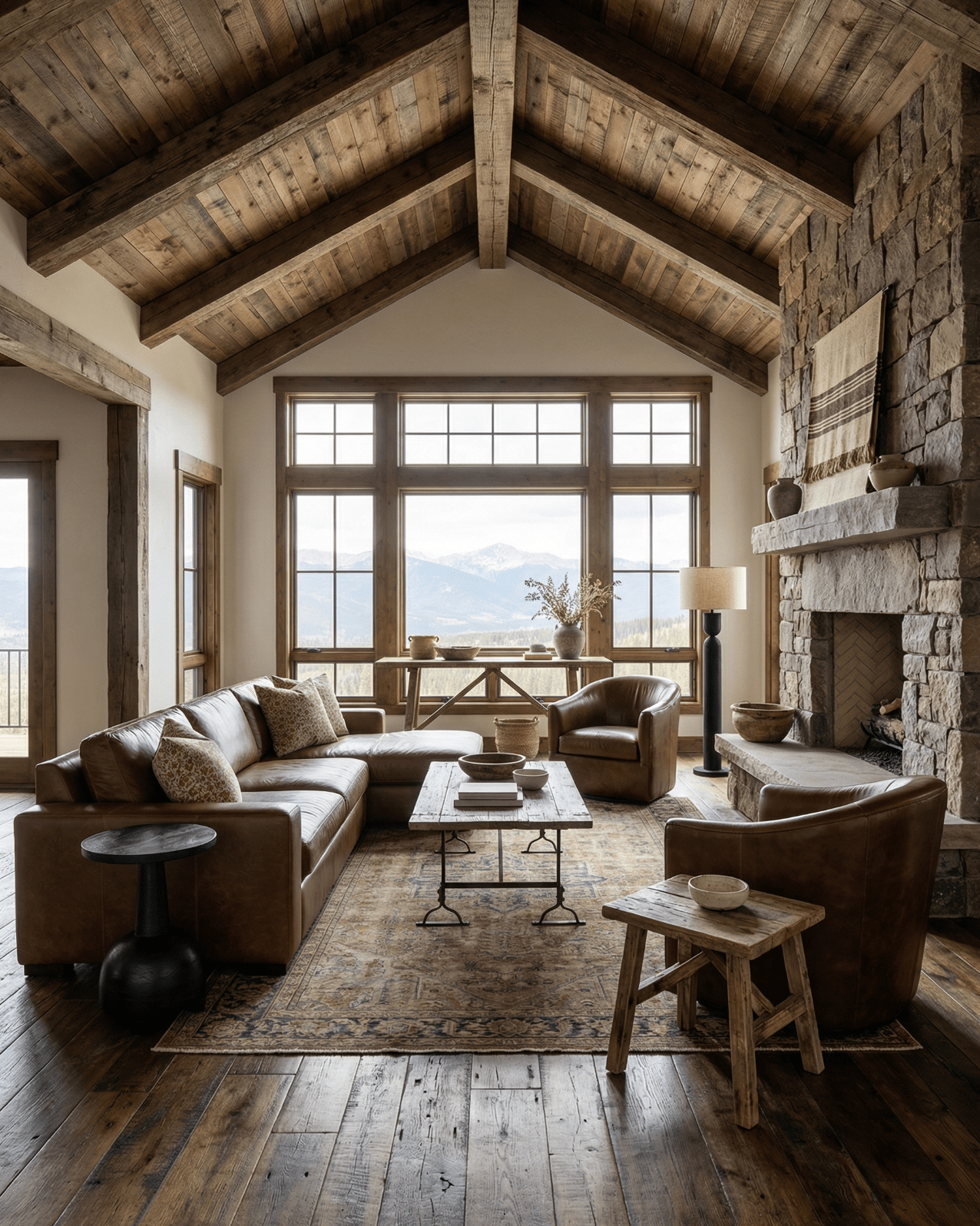
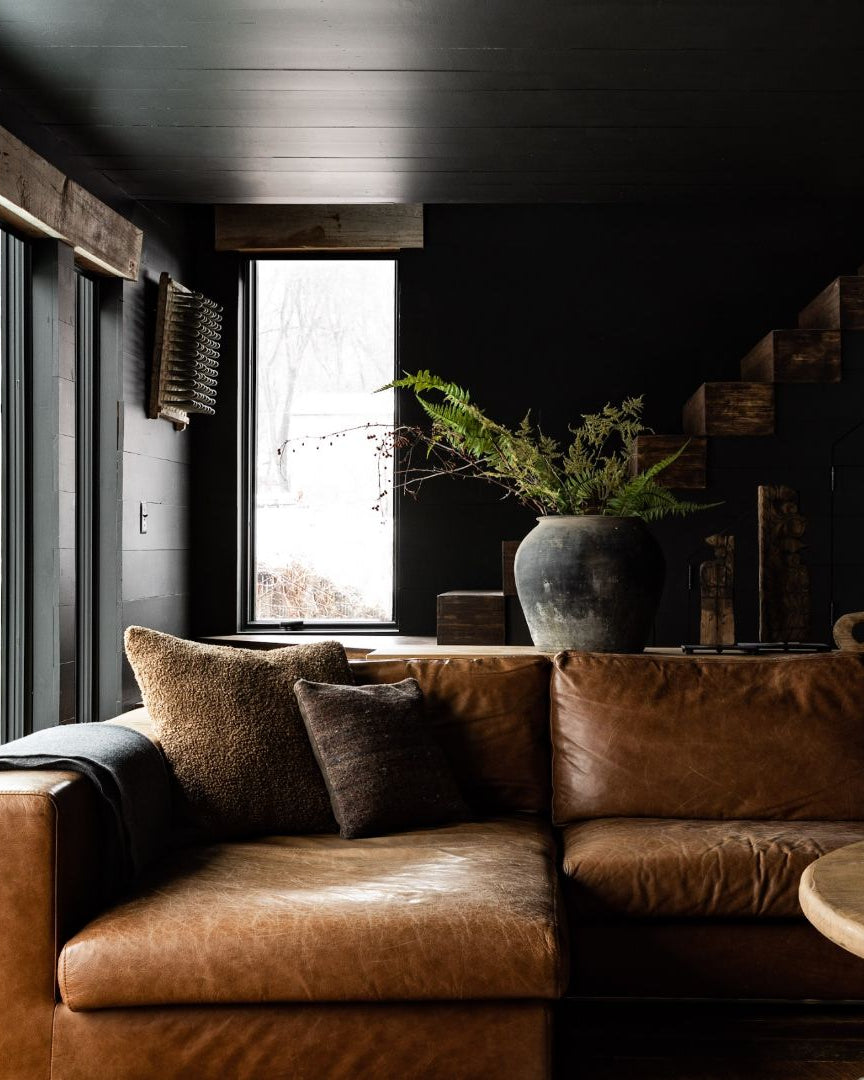
A sofa like the wilhelm sofa works because it can adjust to the space it sits in—rather than forcing the room to adjust around it.
That’s the difference.
The Role of Proportion in How a Room Feels
Proportion is one of the biggest drivers of comfort—and one of the most overlooked.
A piece that’s slightly off will always feel slightly off.
You’ll notice it when you sit.
When you walk past it.
When you try to relax.
Custom pieces allow you to correct that without overthinking it.
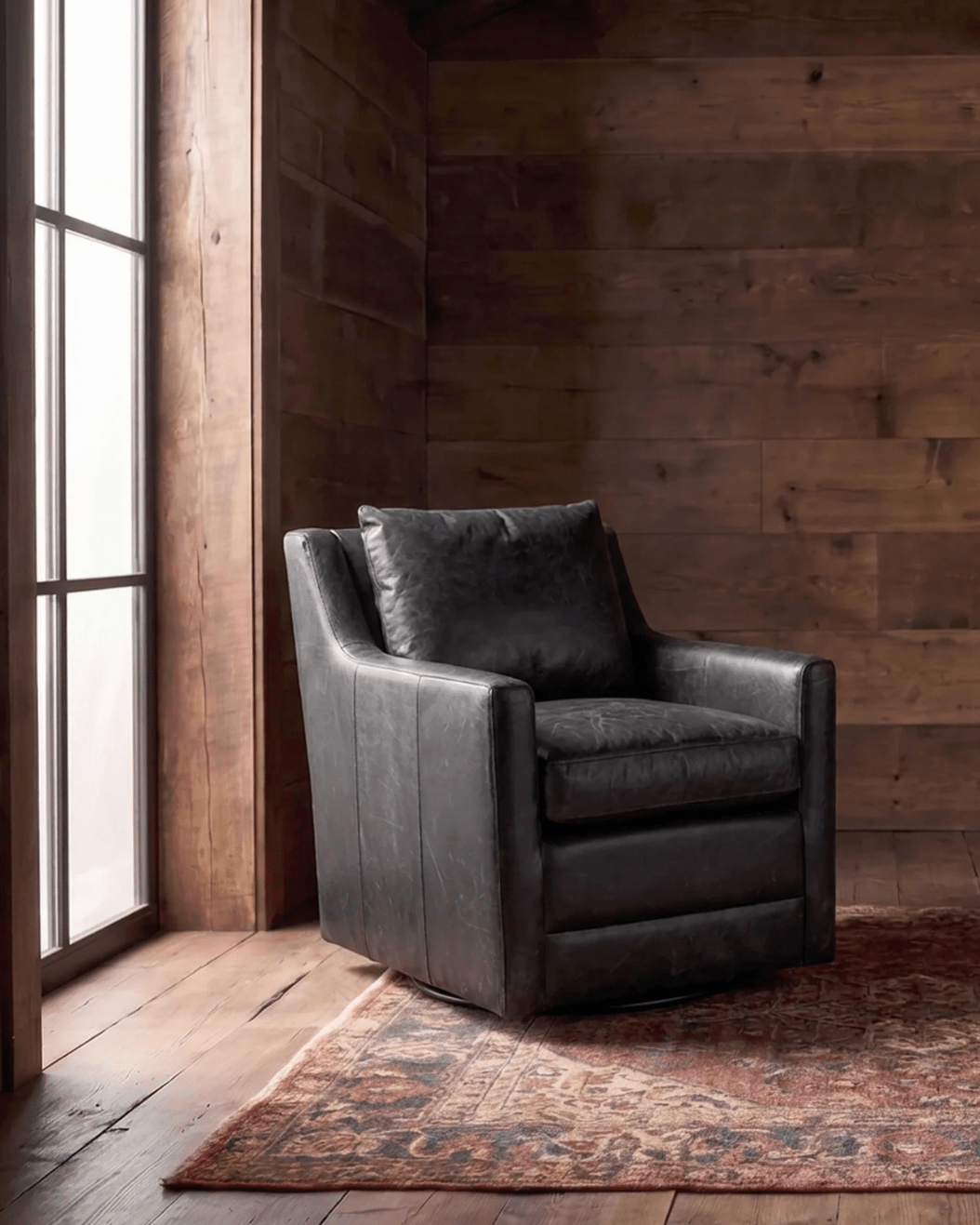
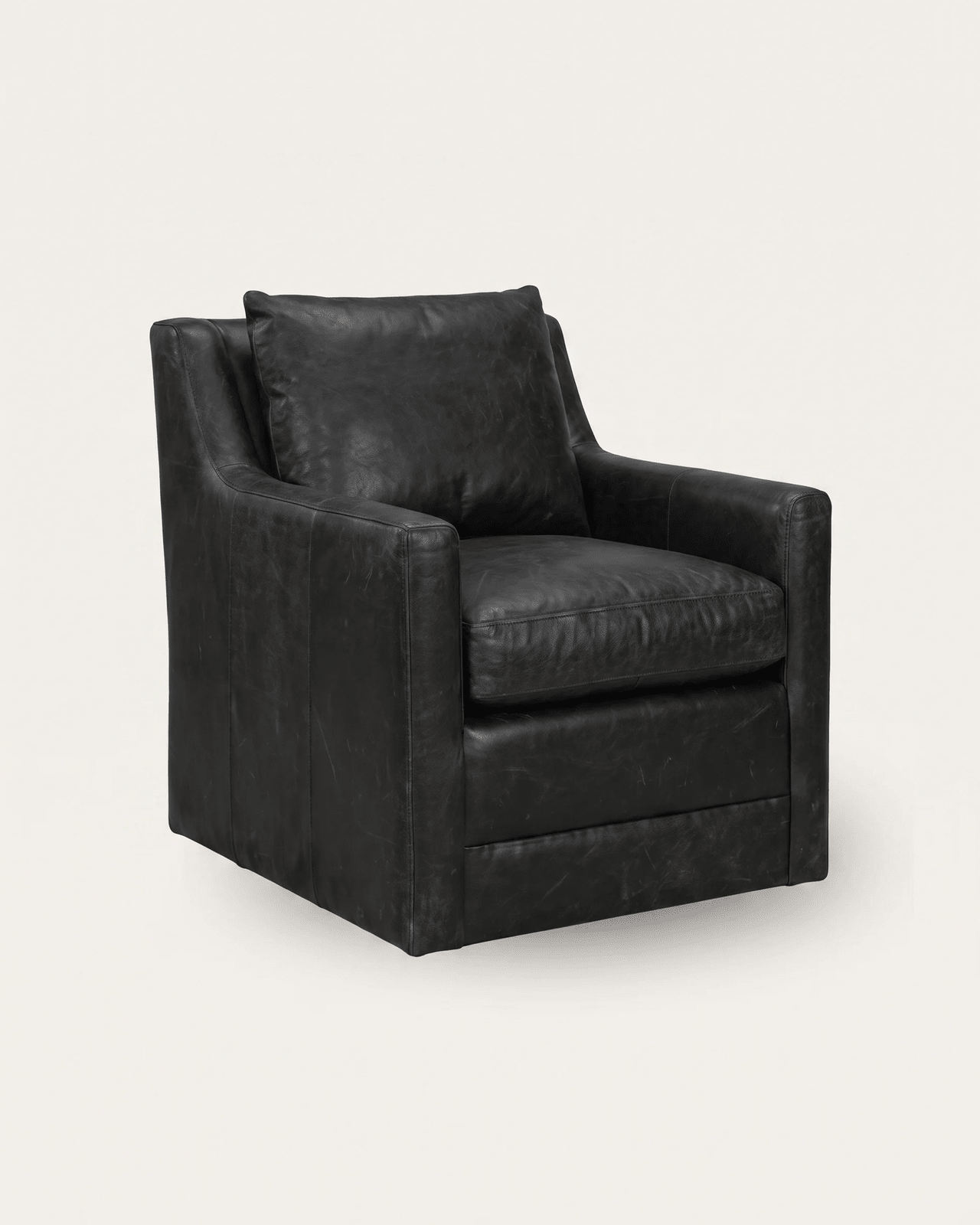
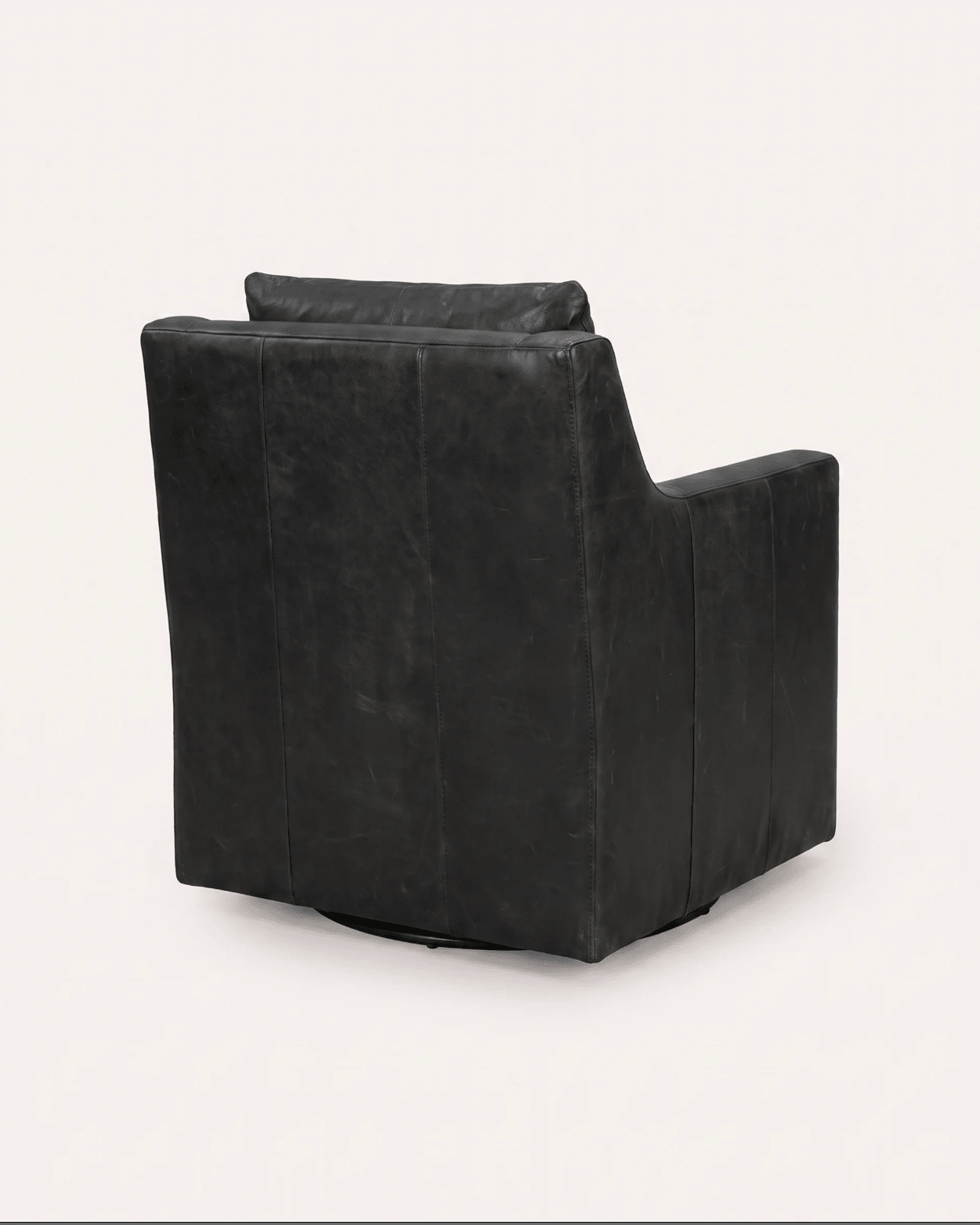
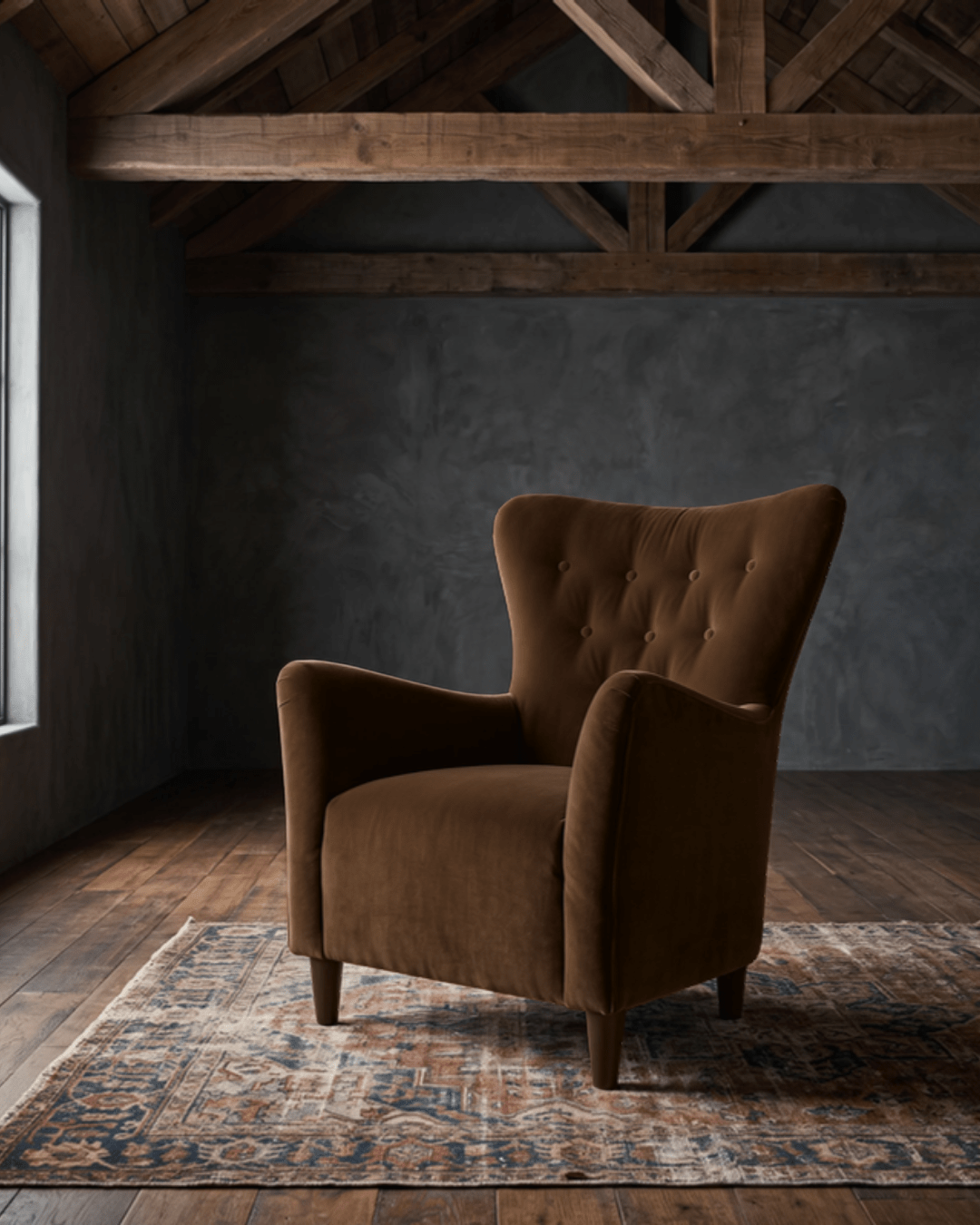
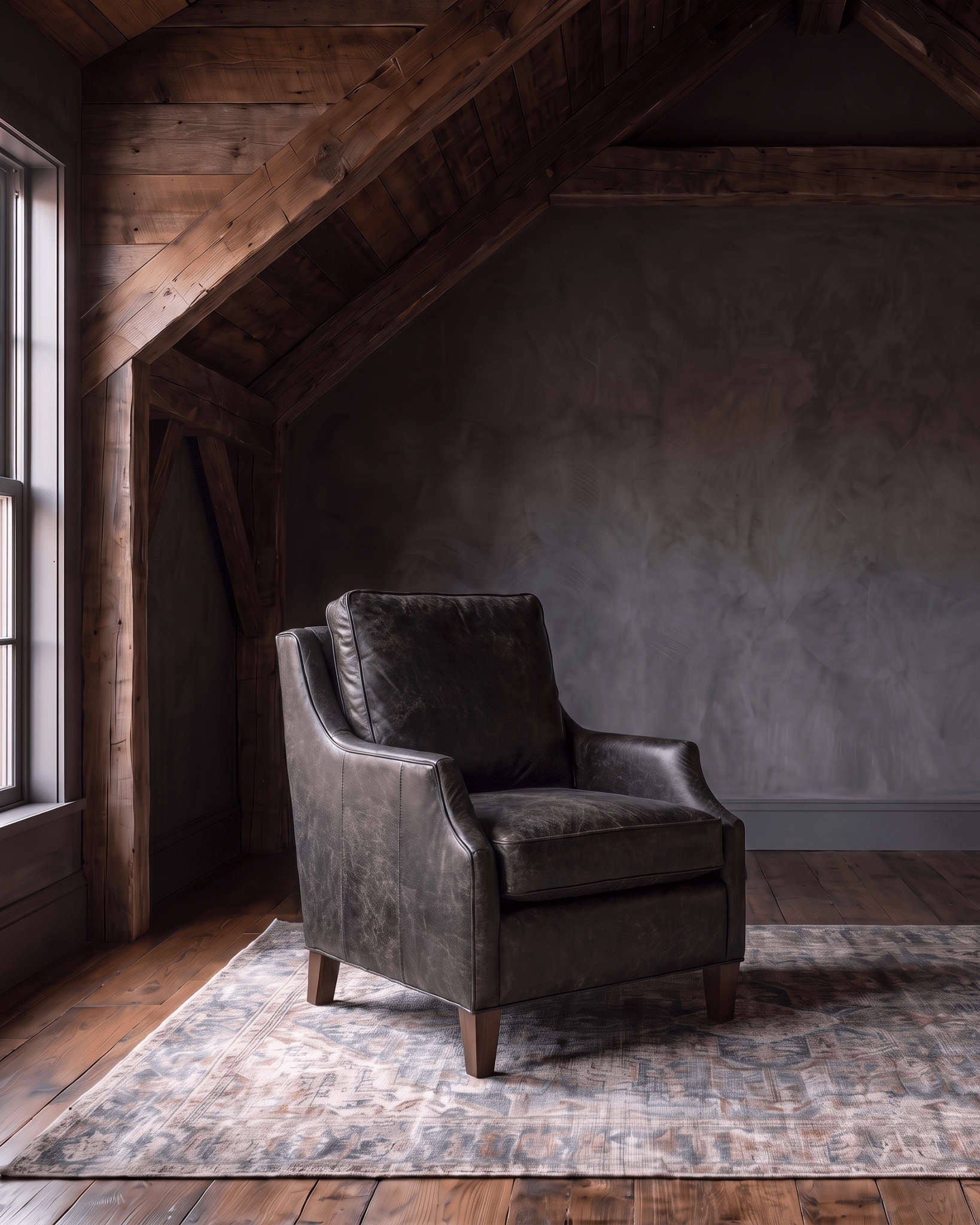
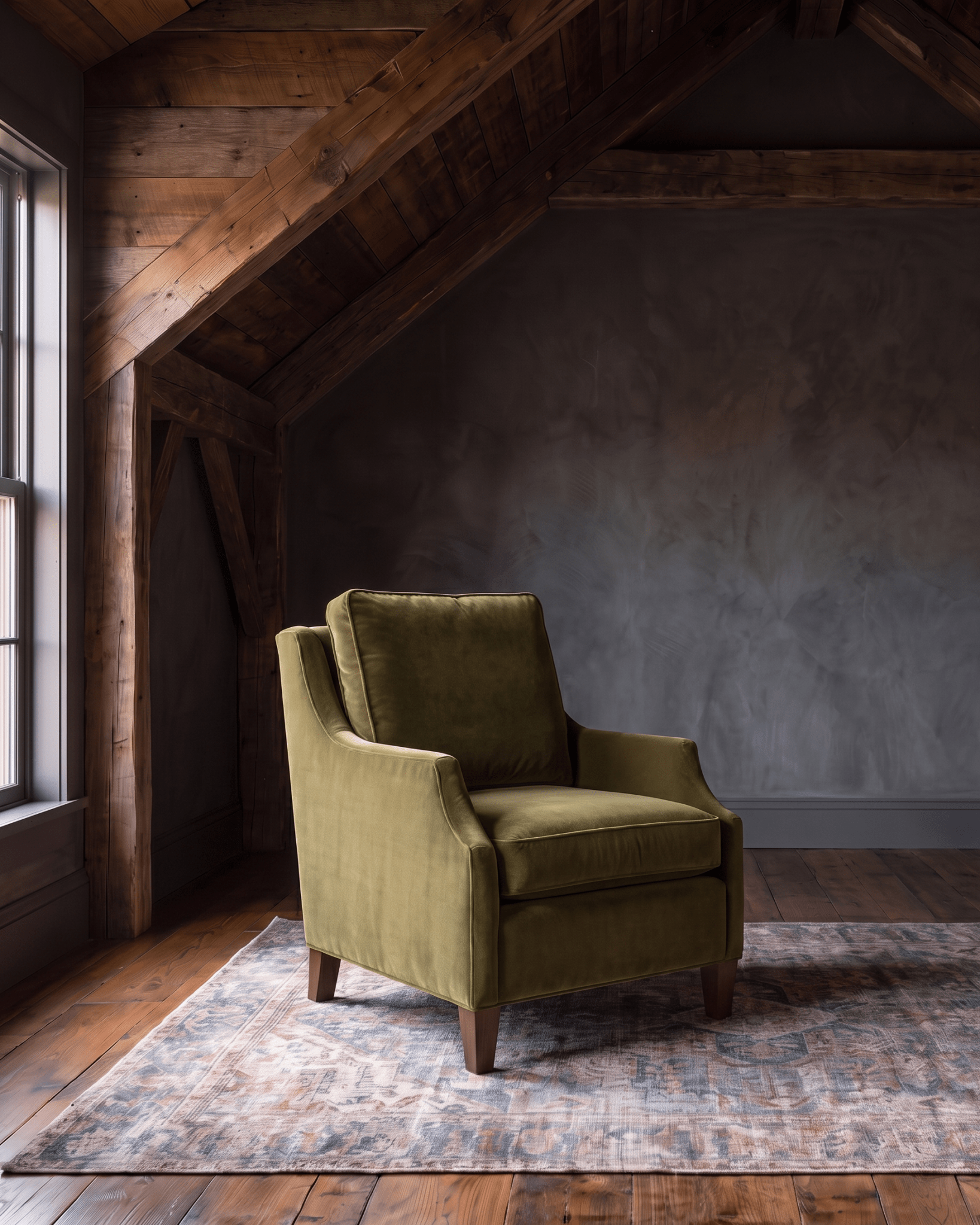
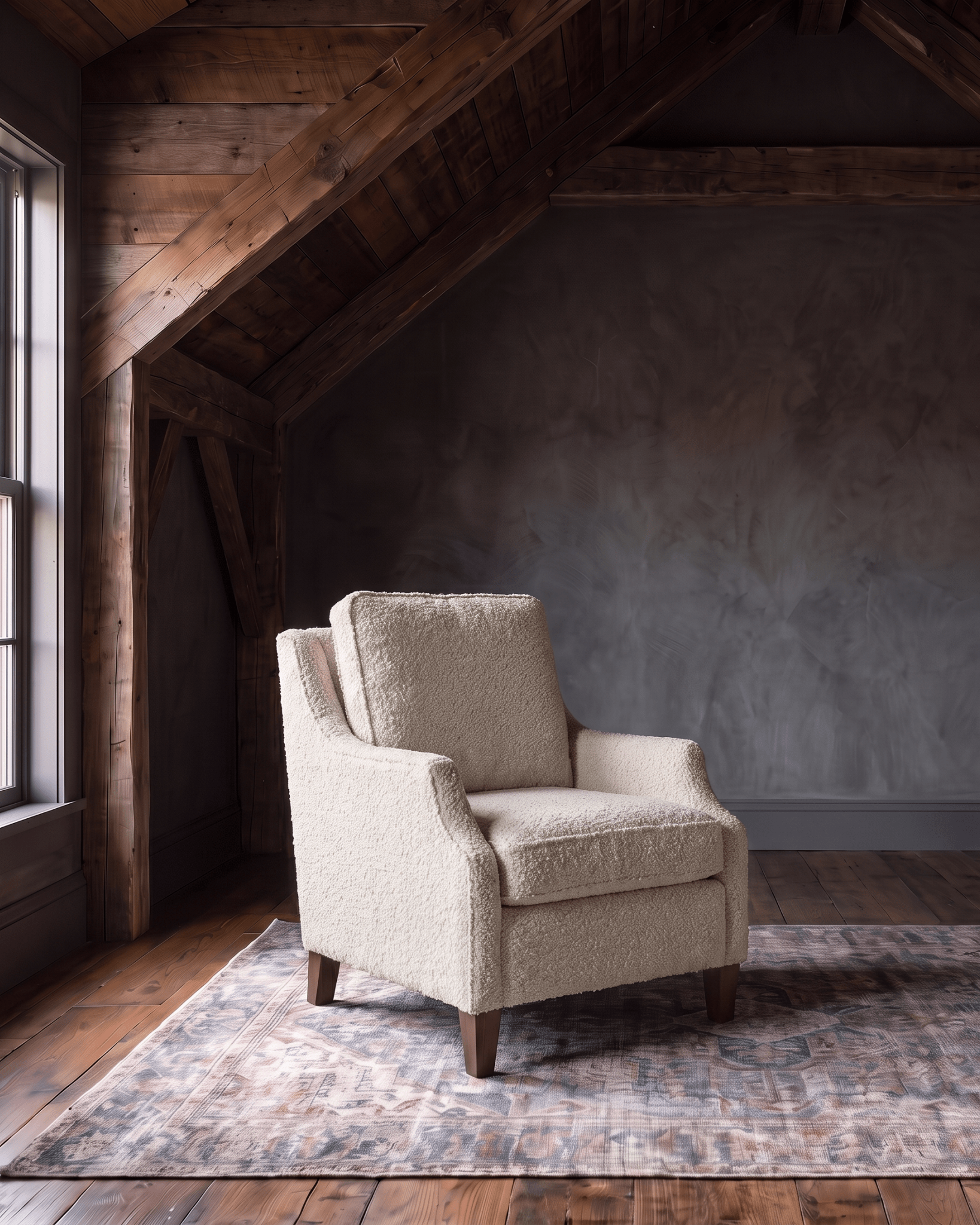
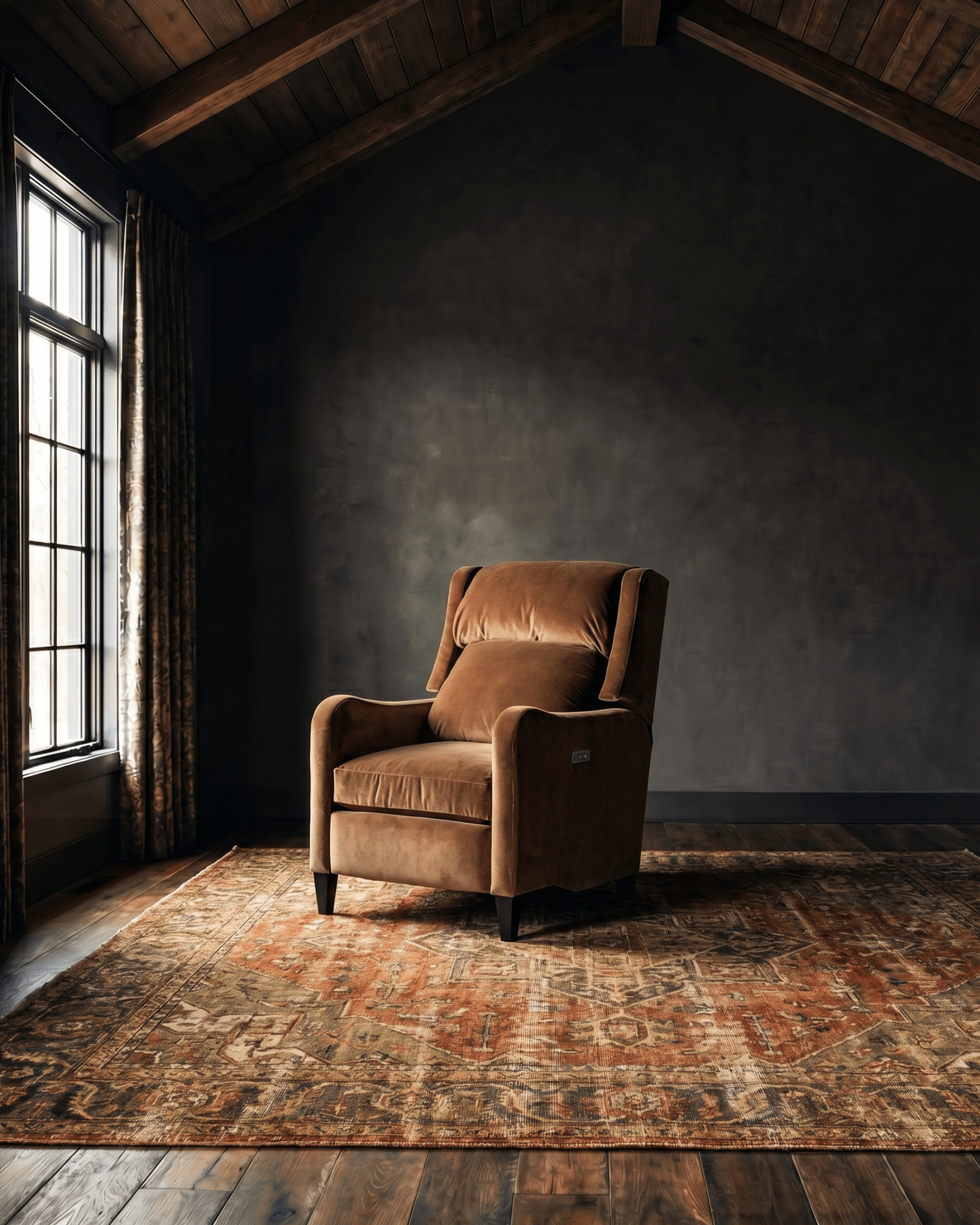
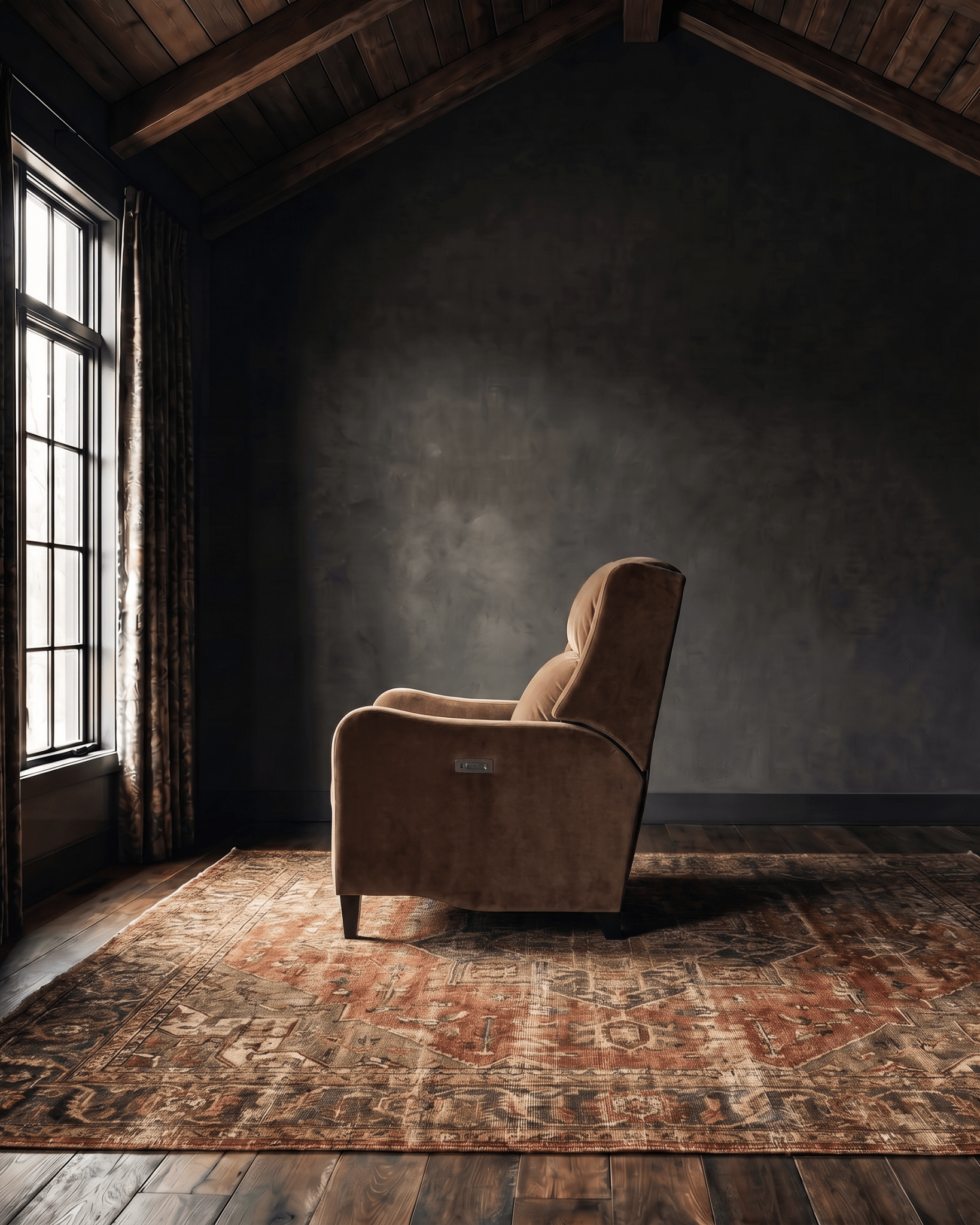
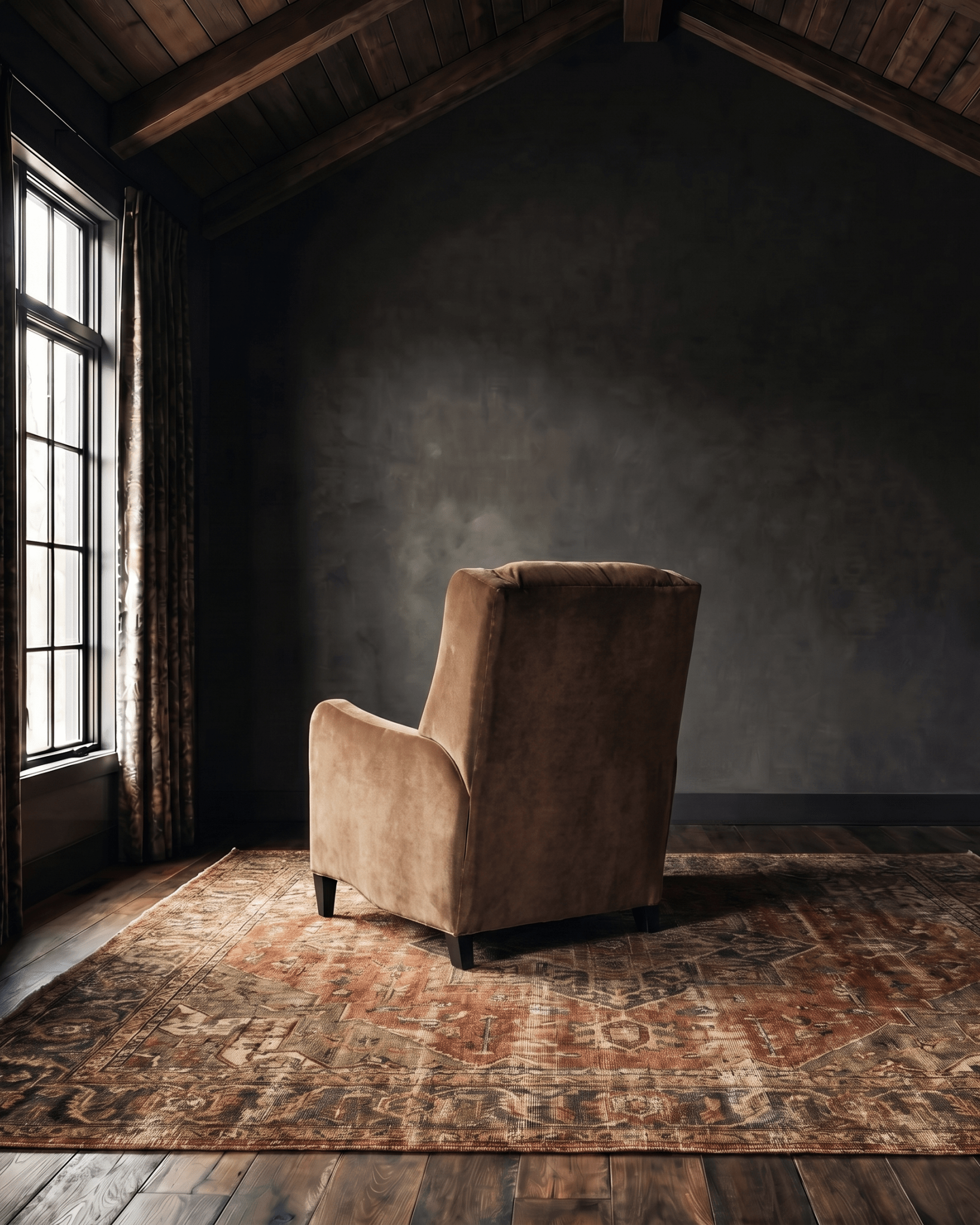
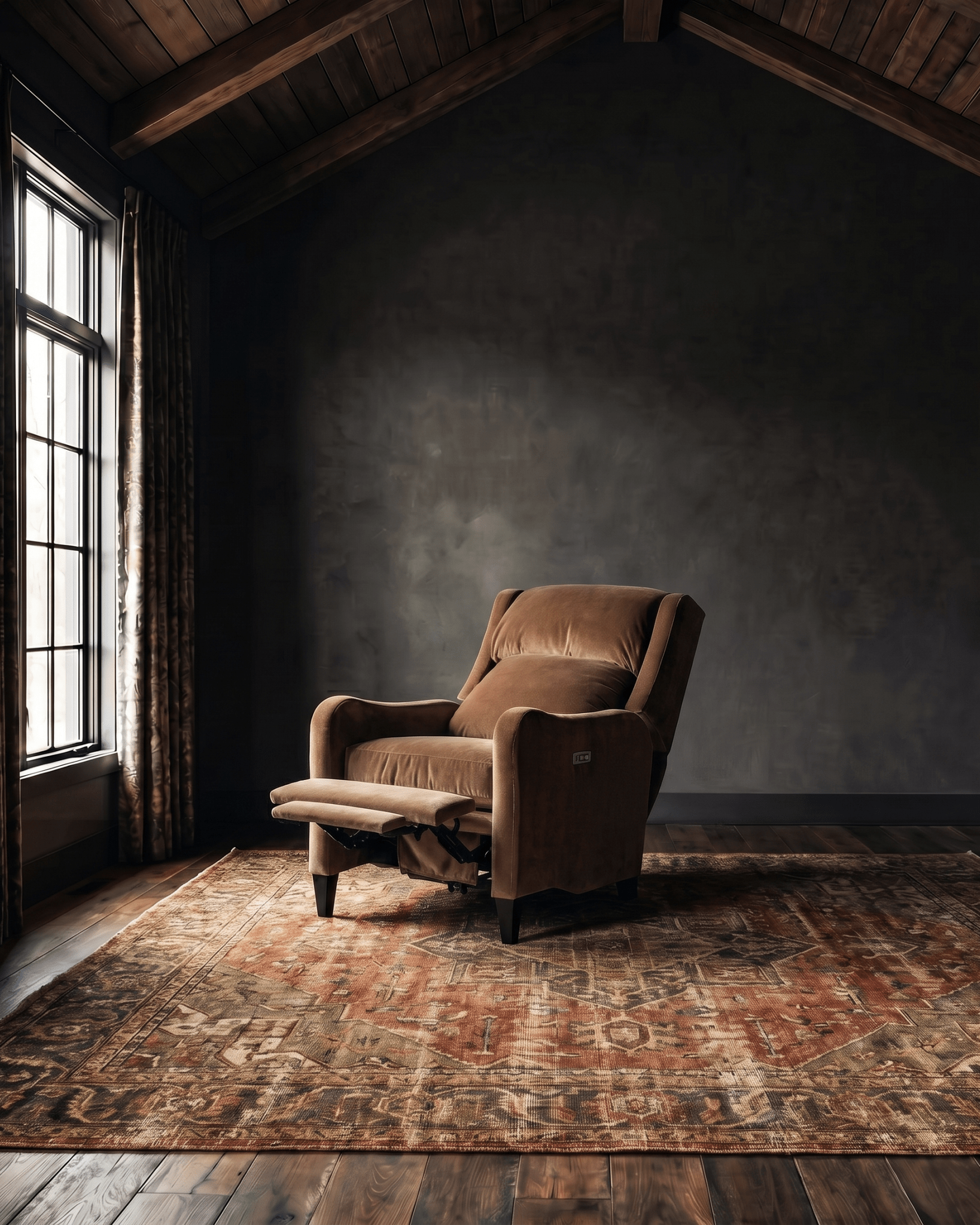
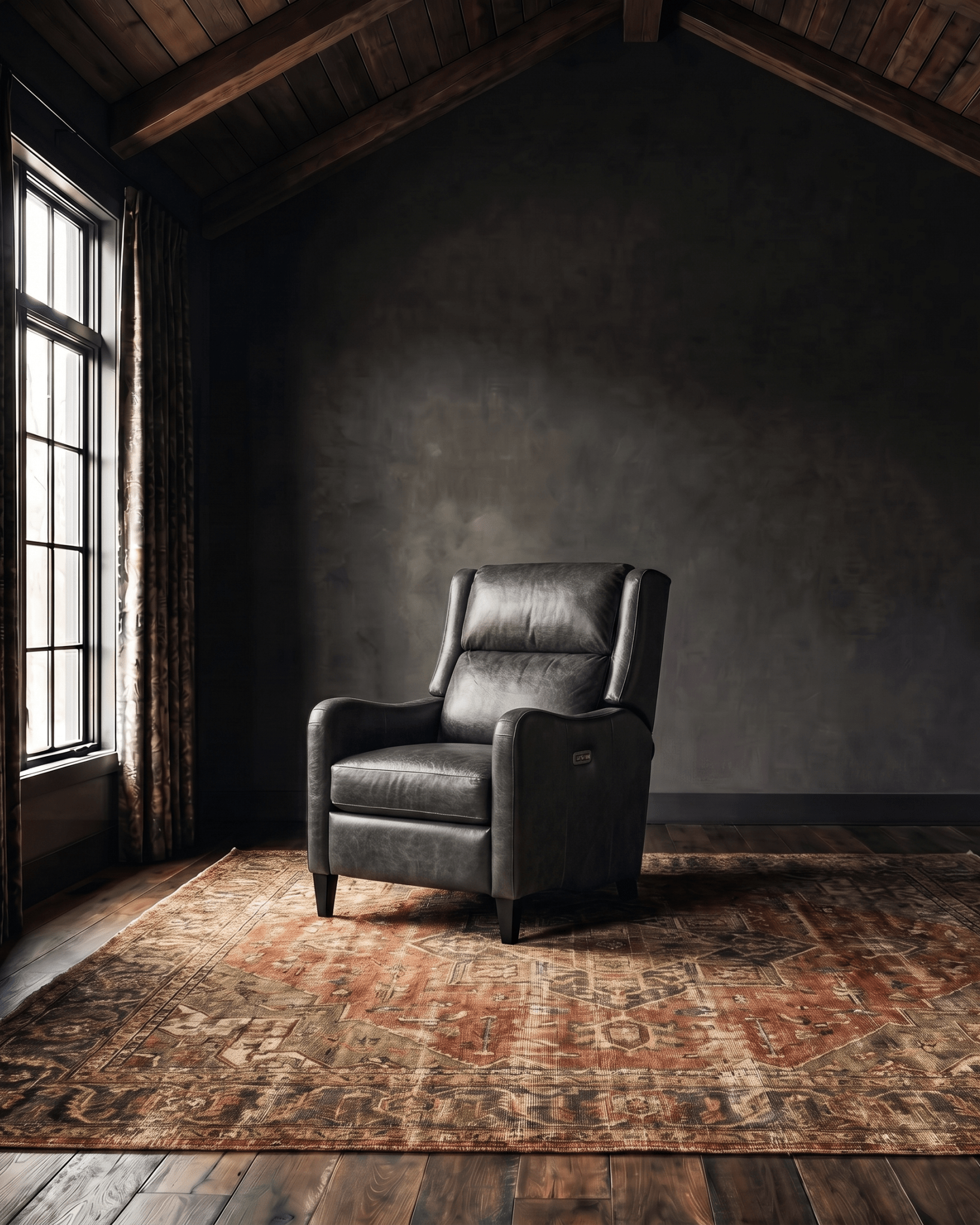
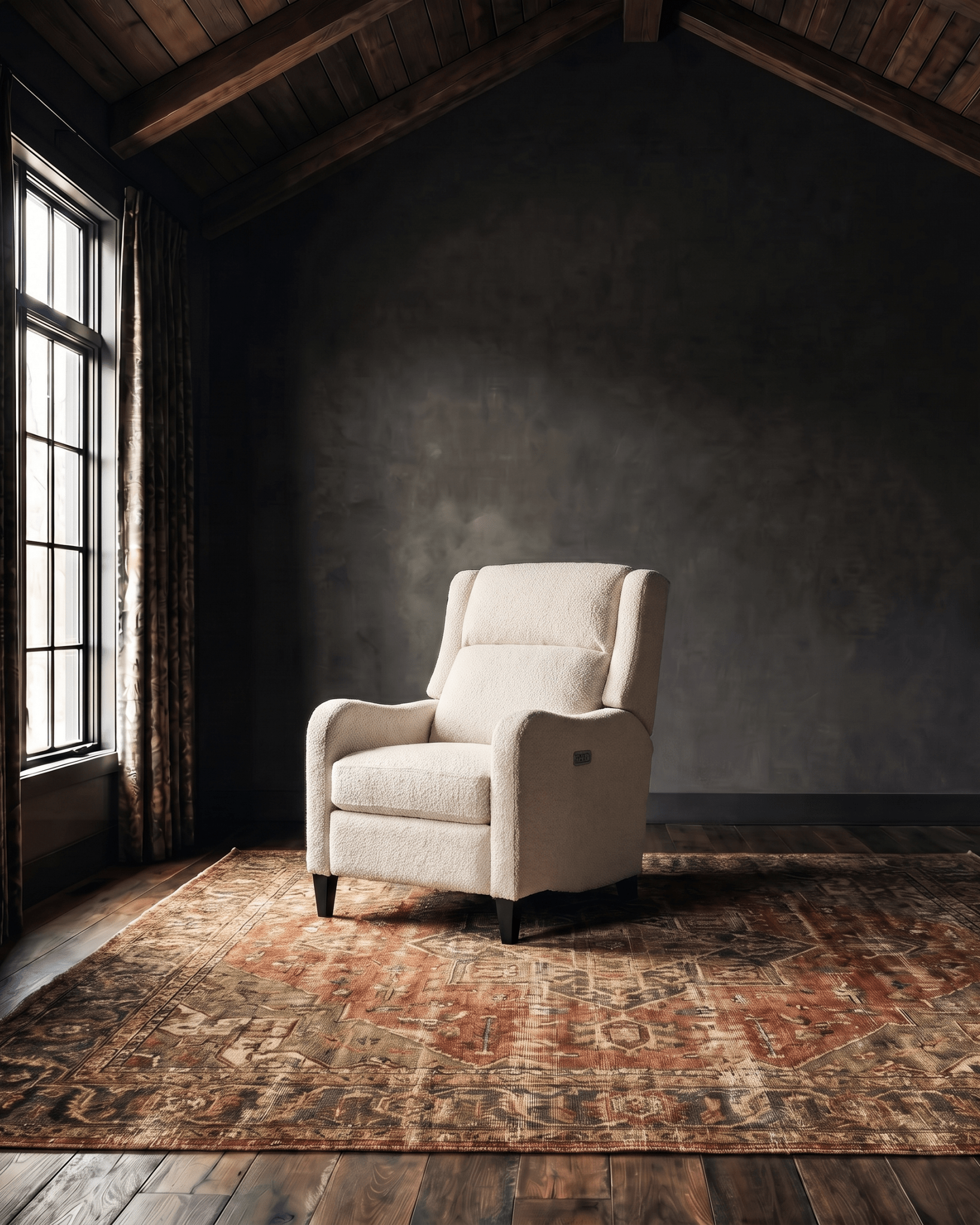
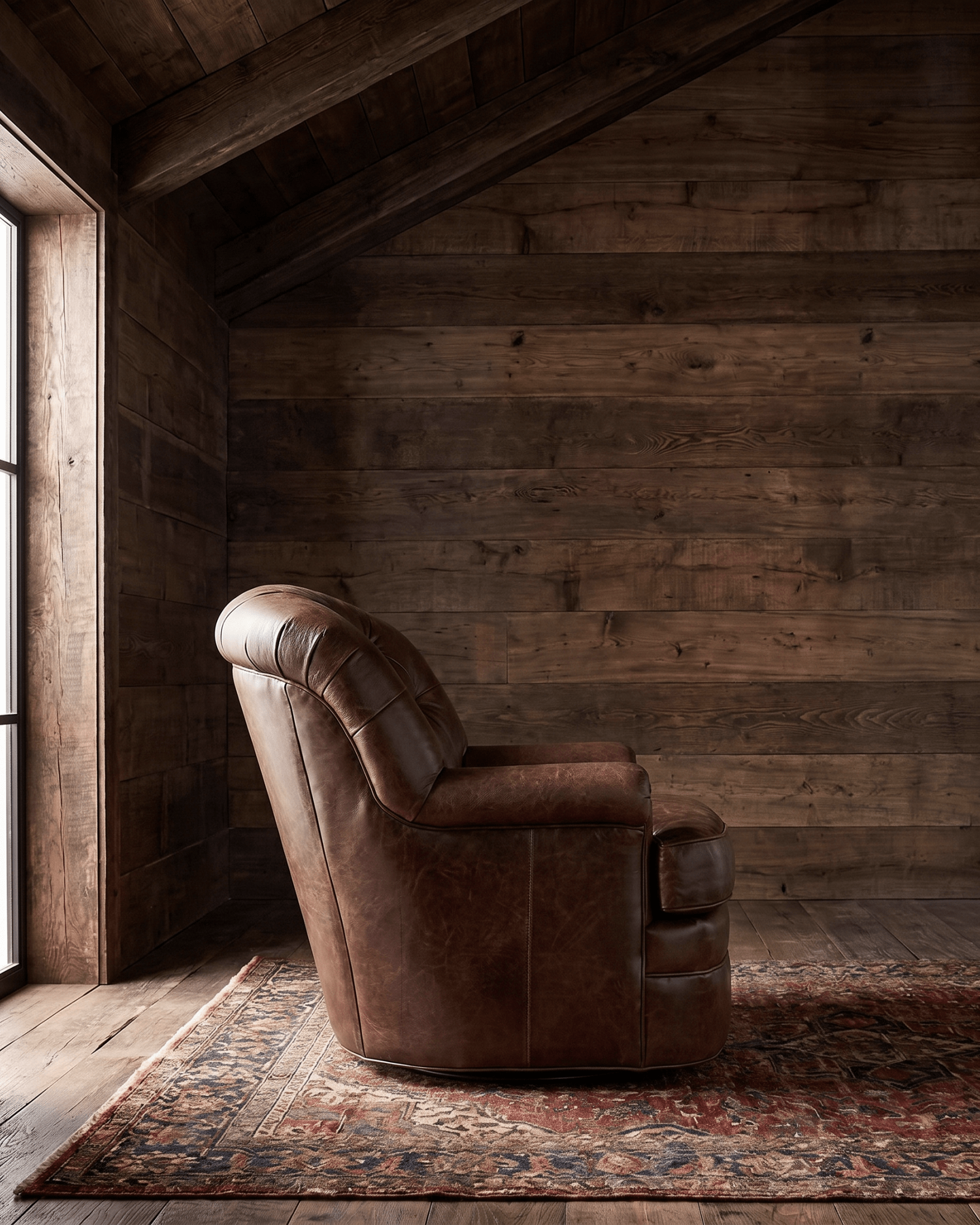
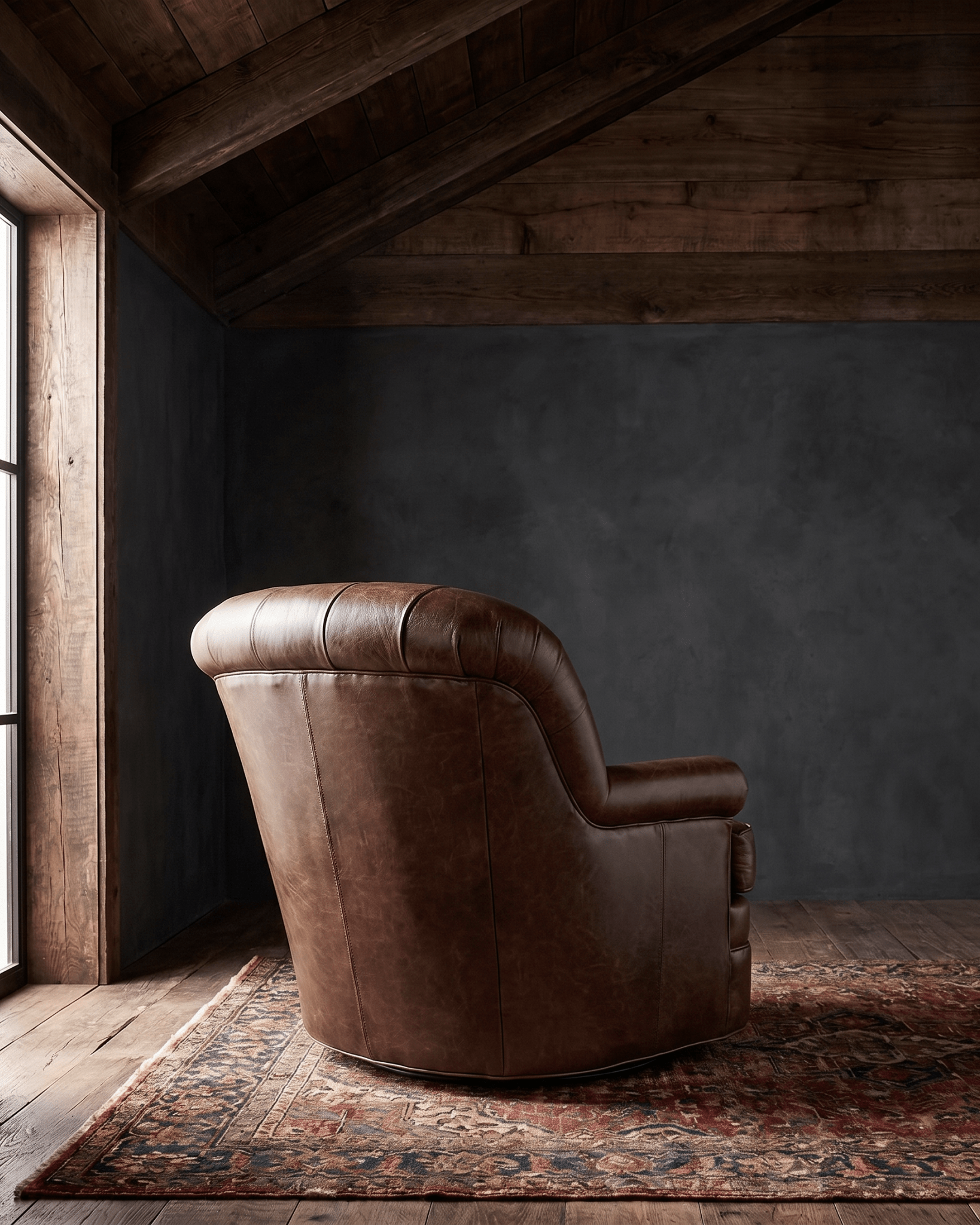
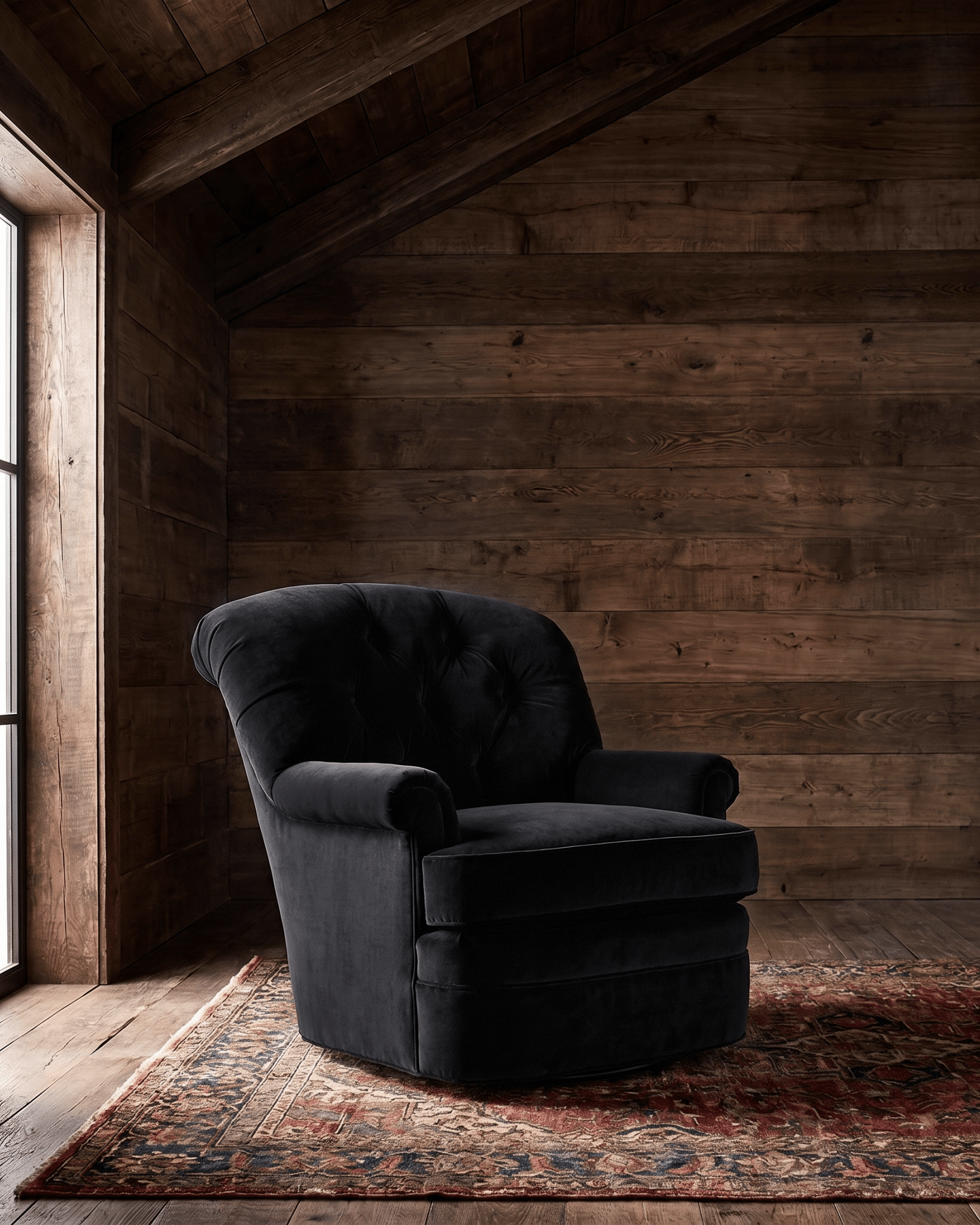
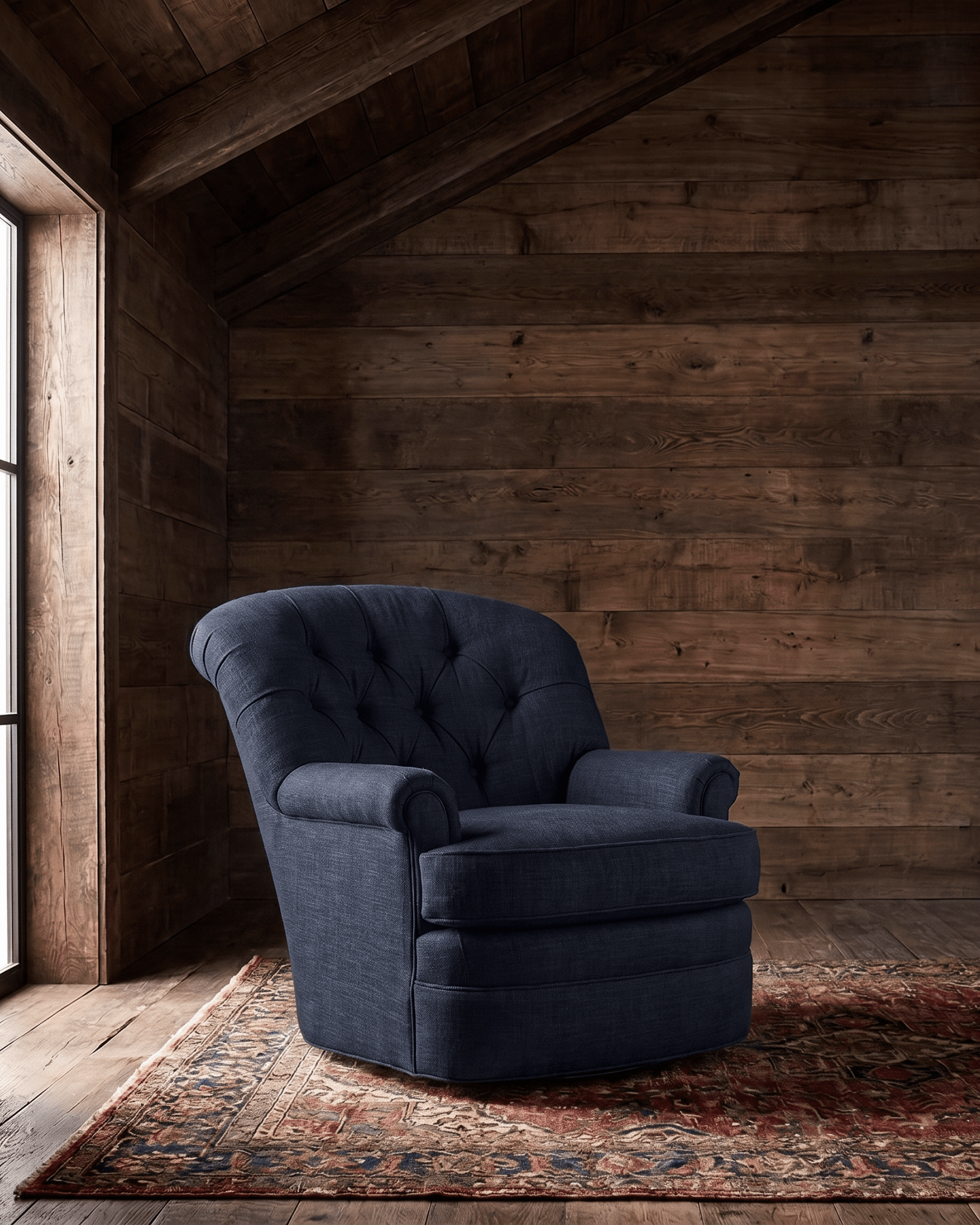
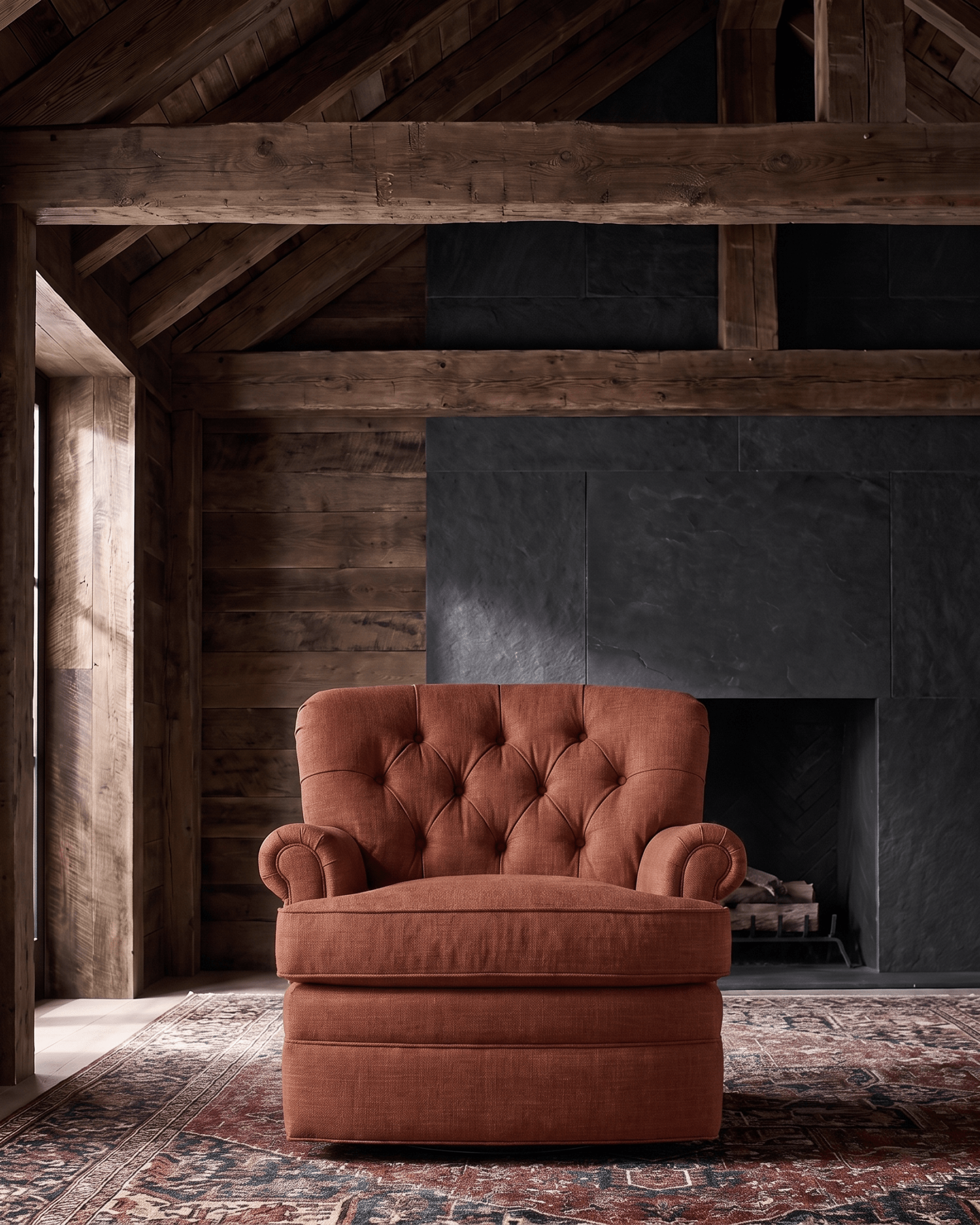
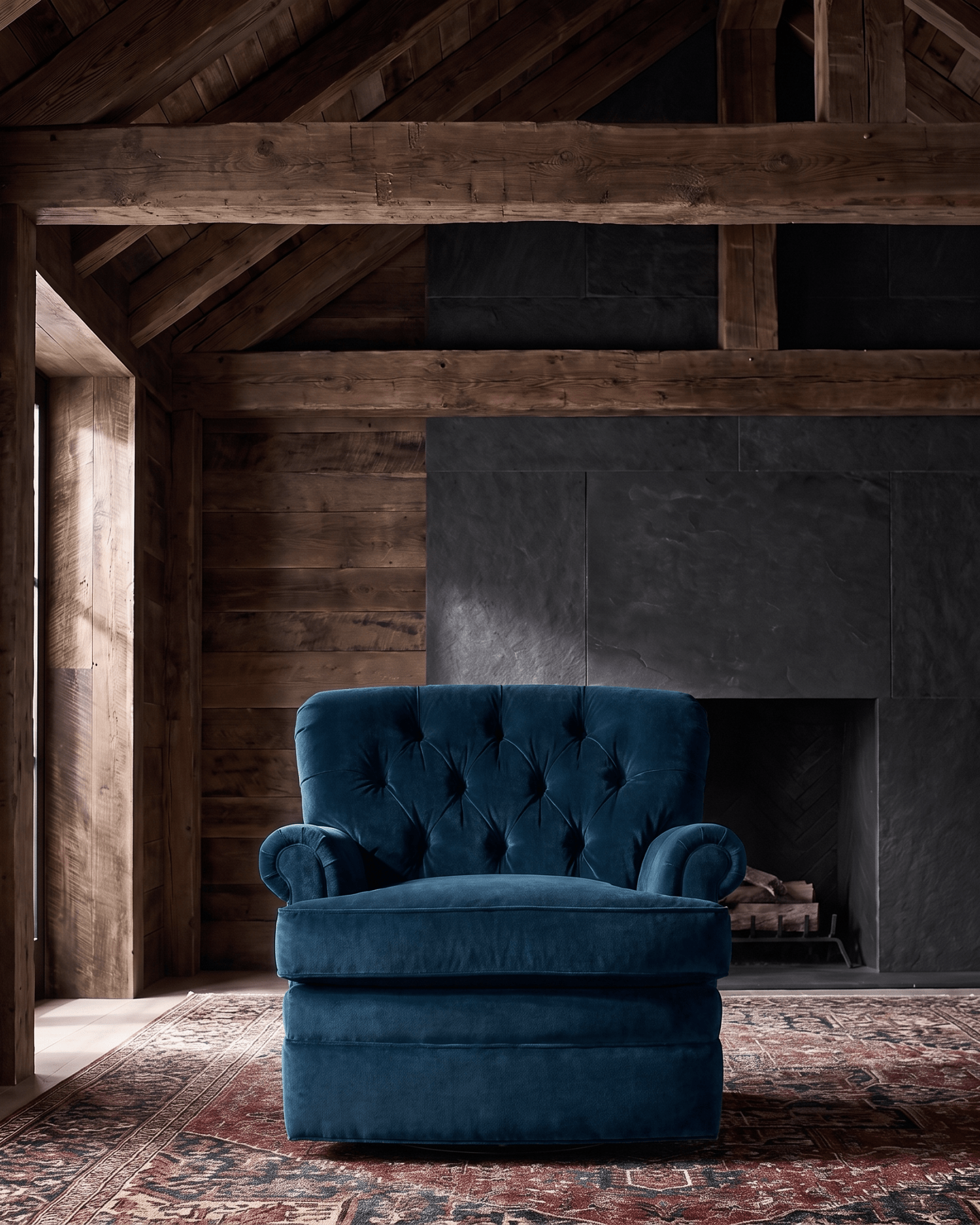
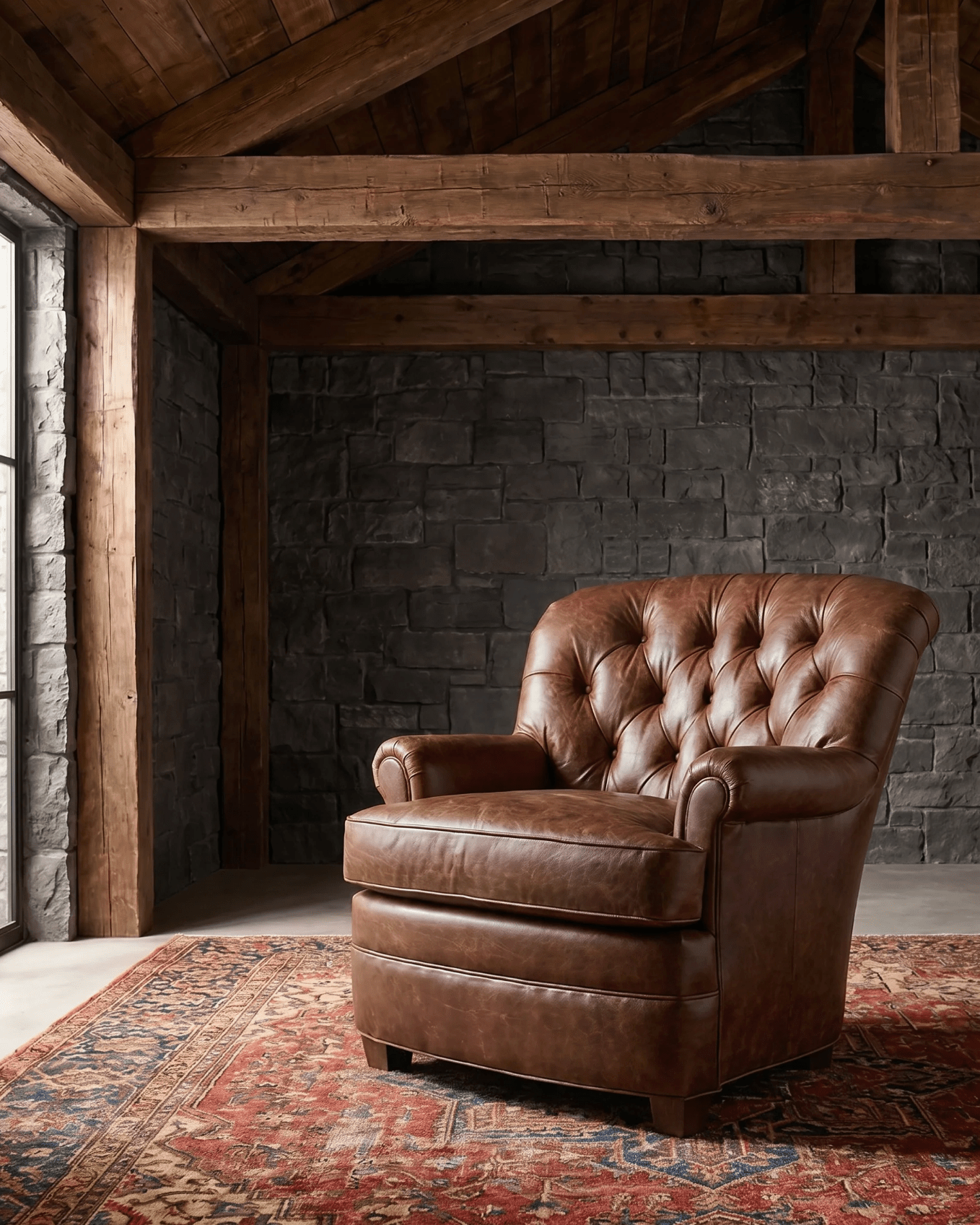
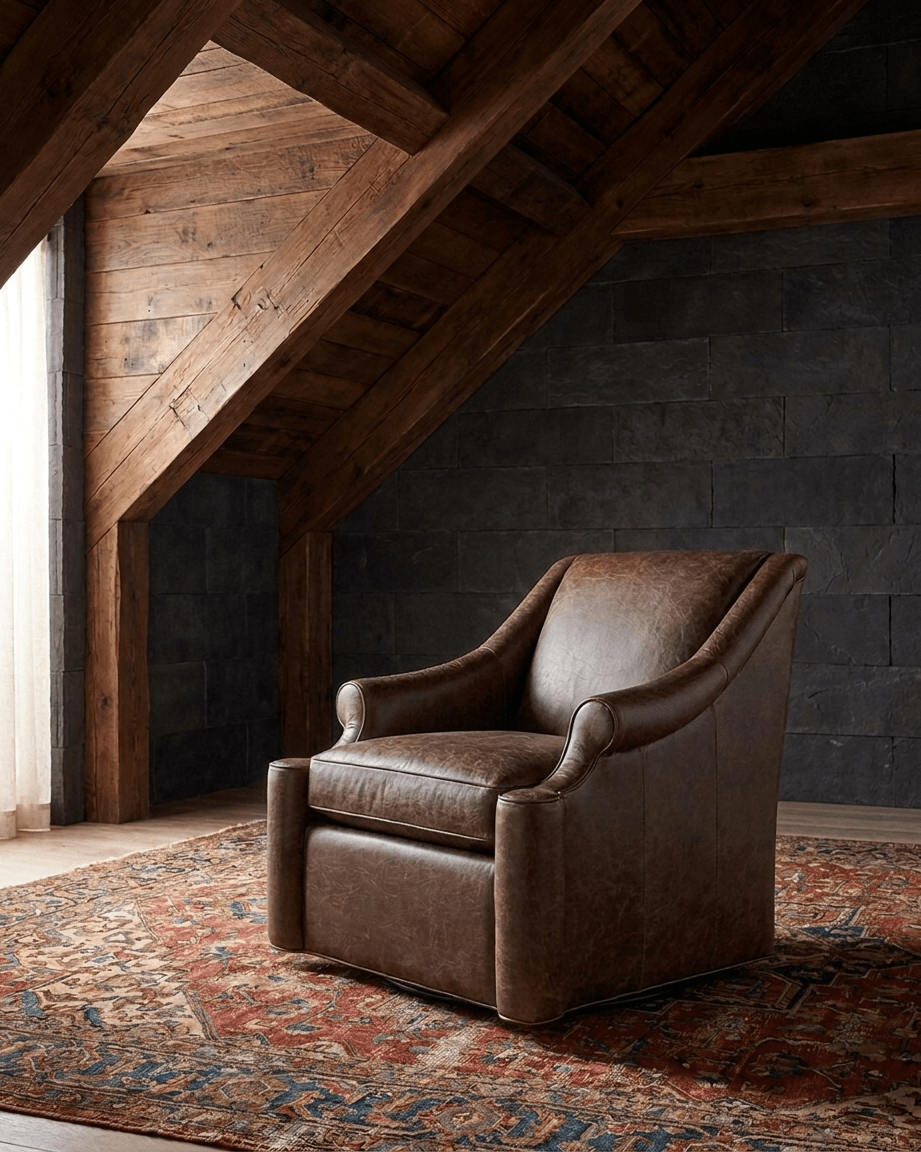
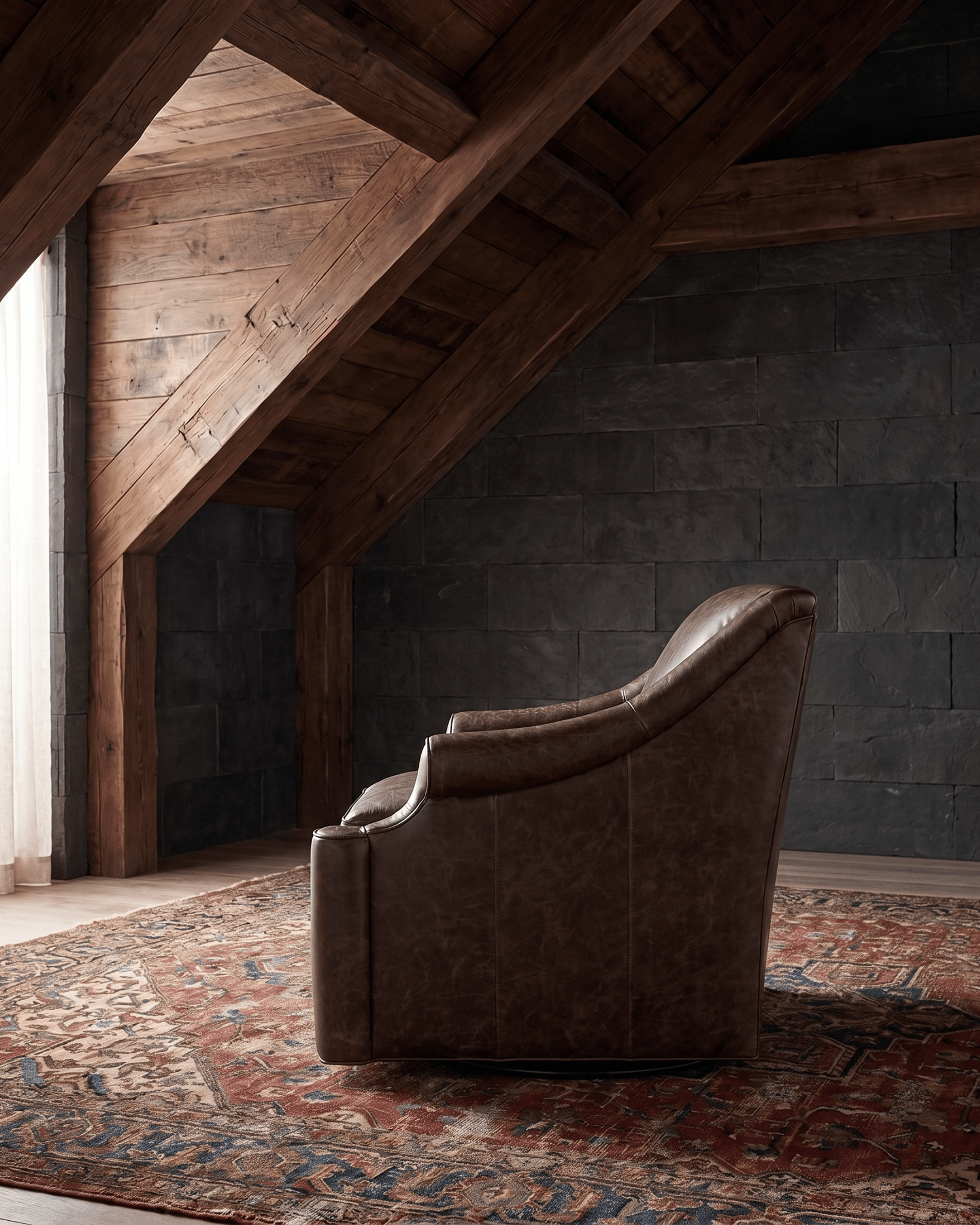
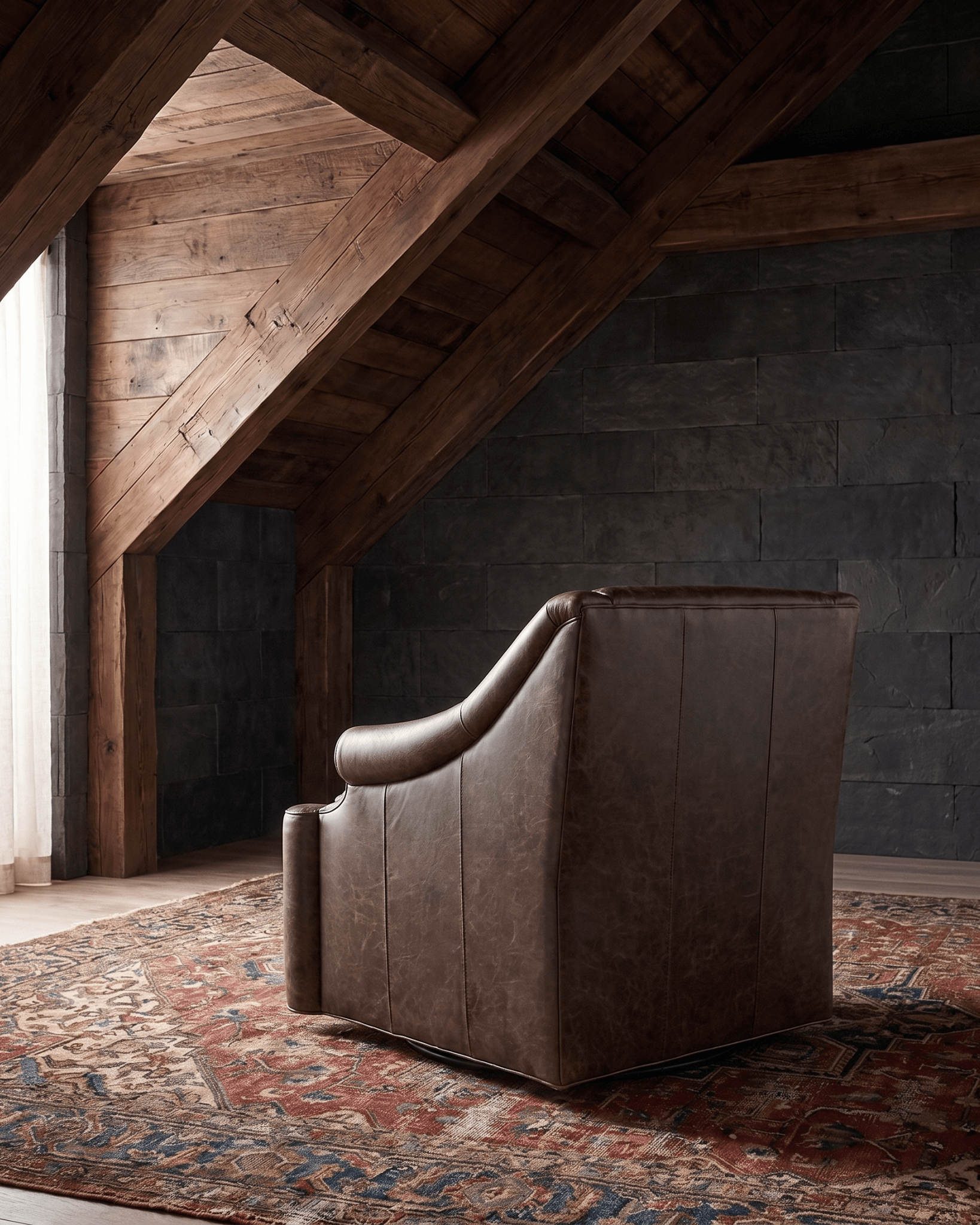
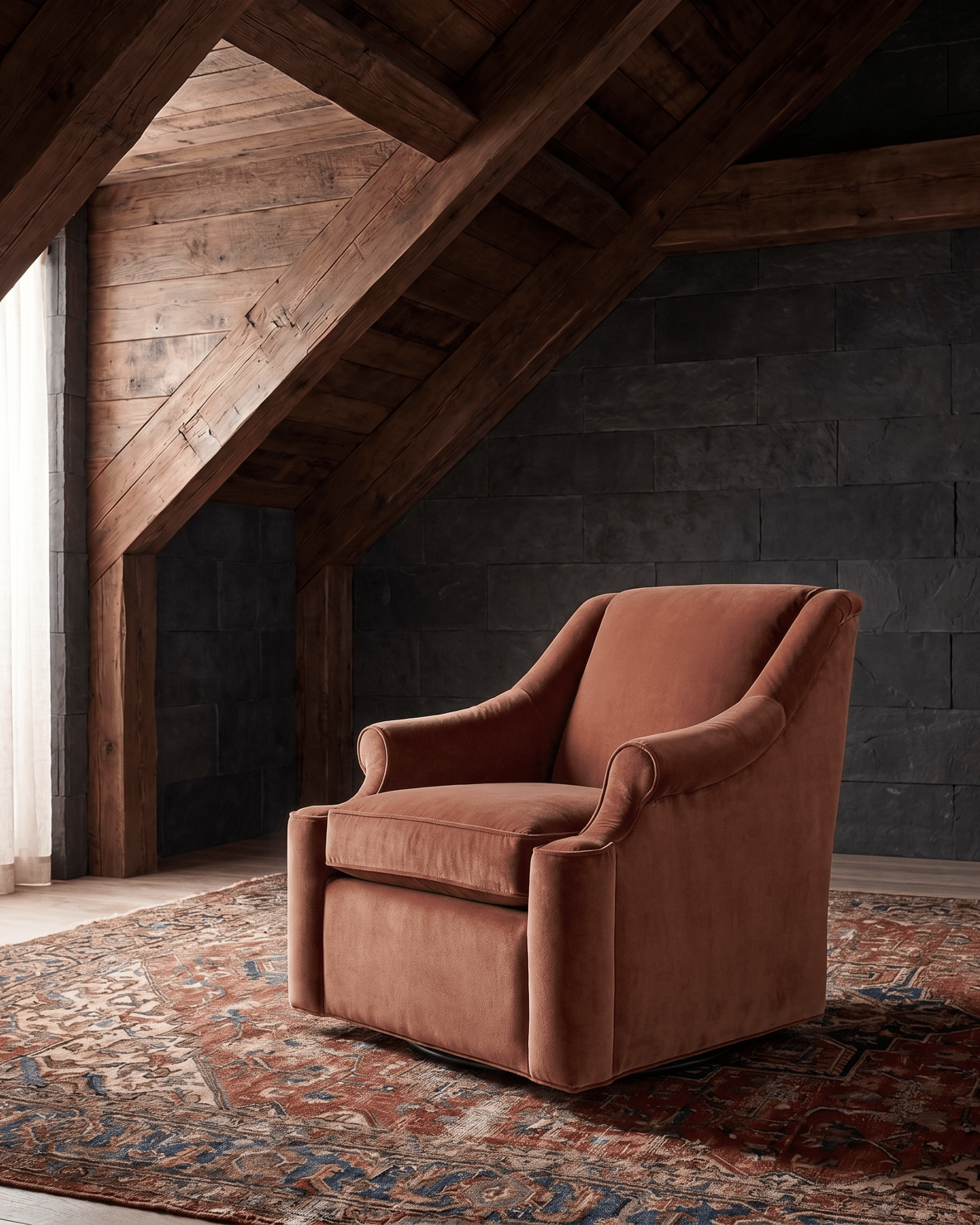
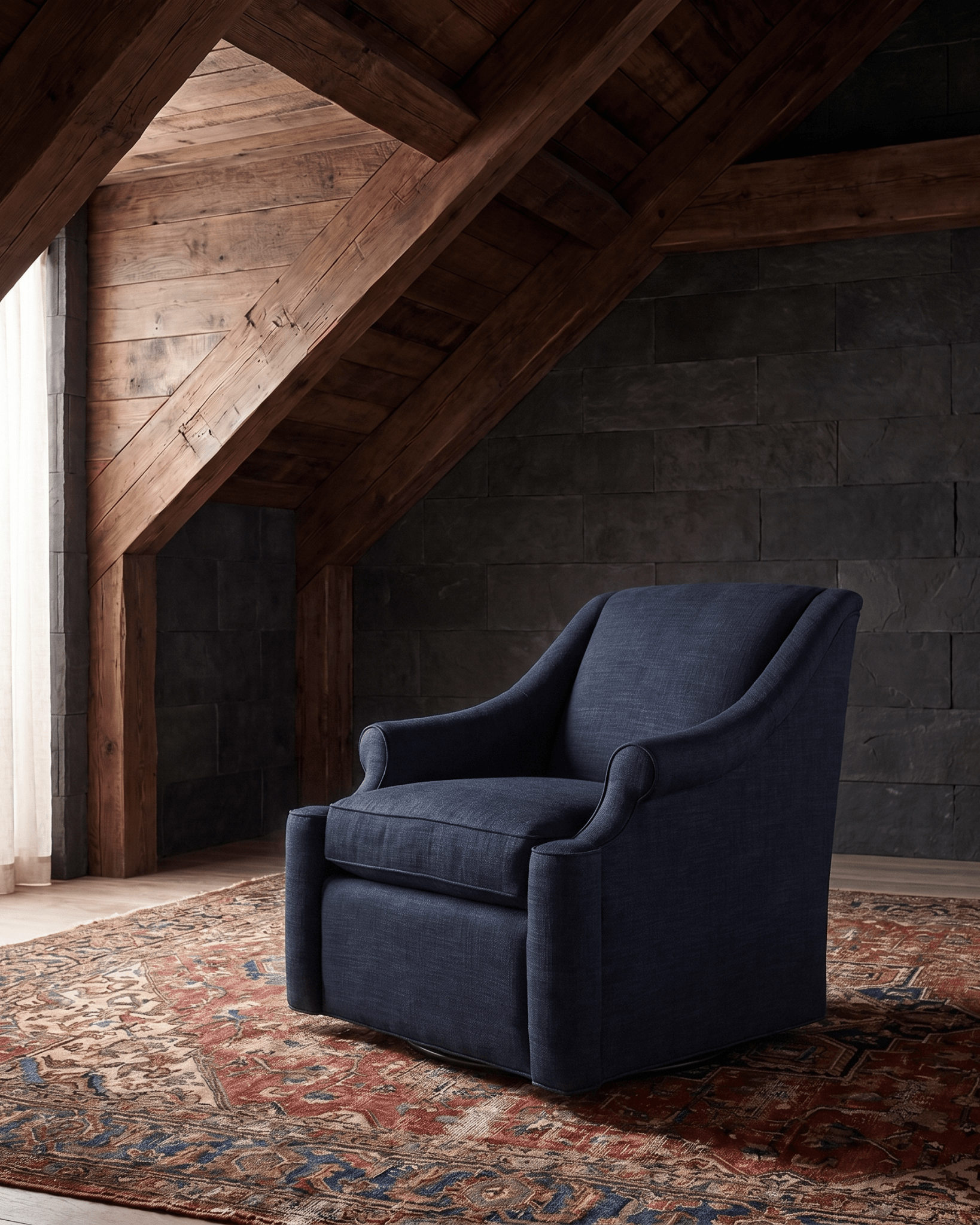
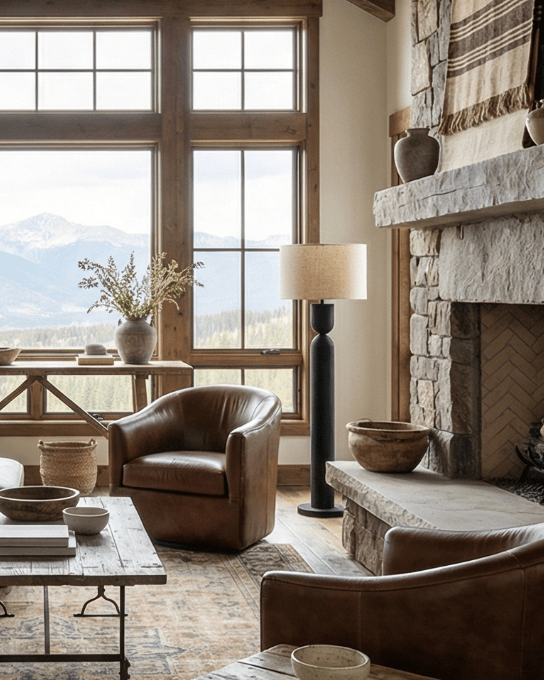
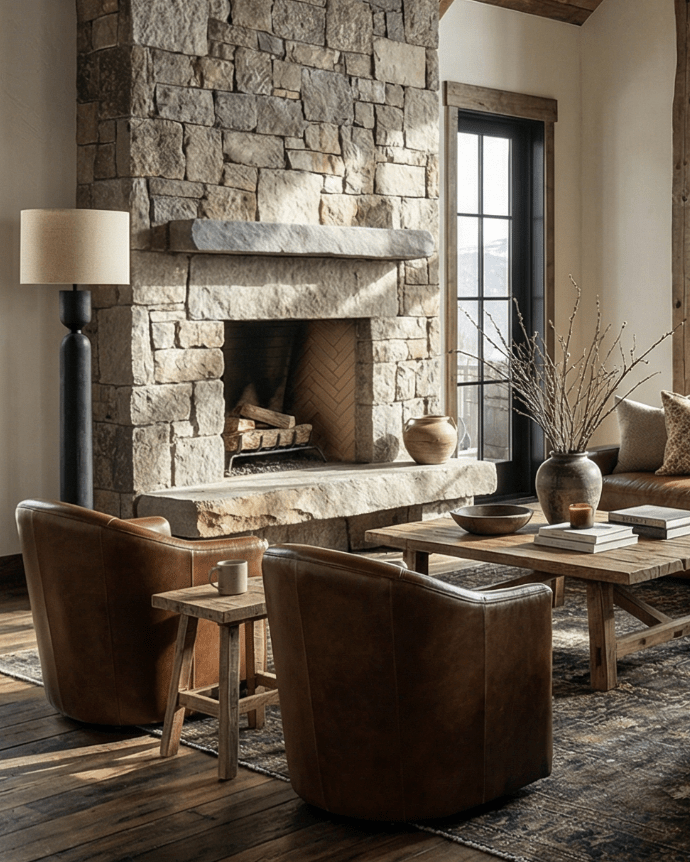
Even something as simple as the scale of a chair—like the griffin chair or the maxim chair can shift how balanced a room feels.
It’s not dramatic.
But it’s constant.
Why Made-to-Order Feels Different
There’s a difference between selecting something—and shaping it.
Made-to-order furniture sits in that space.
Not infinite options.
Just the right ones.
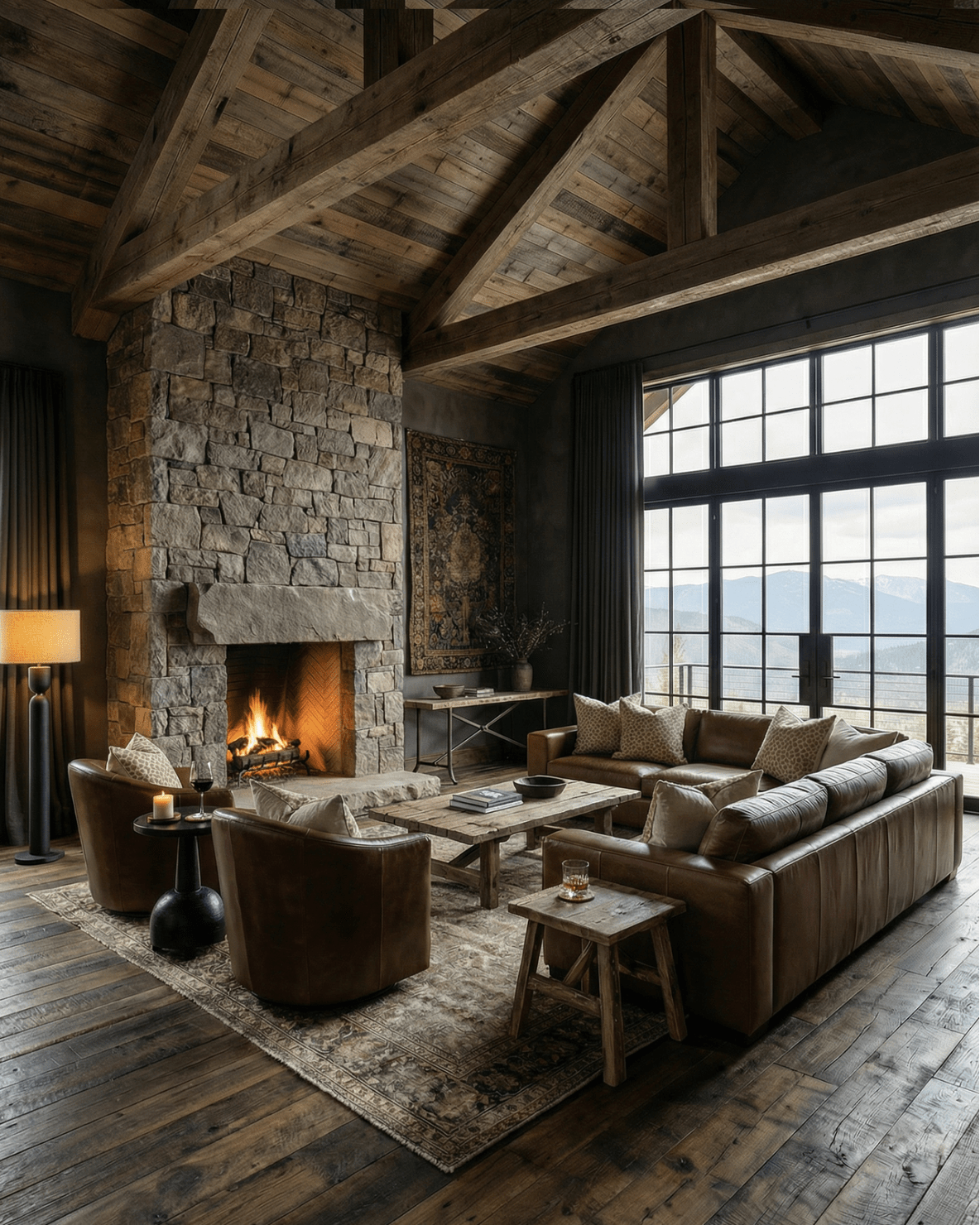
A piece like the norden chesterfield sectional with chaise doesn’t just fill a room—it defines how the room functions.
It creates structure.
And structure is what allows everything else to relax.
When Custom Furniture Actually Makes Sense
Not every piece needs to be custom.
But some should be.
The ones that define how you live in the space:
Sofas
Sectionals
Primary seating
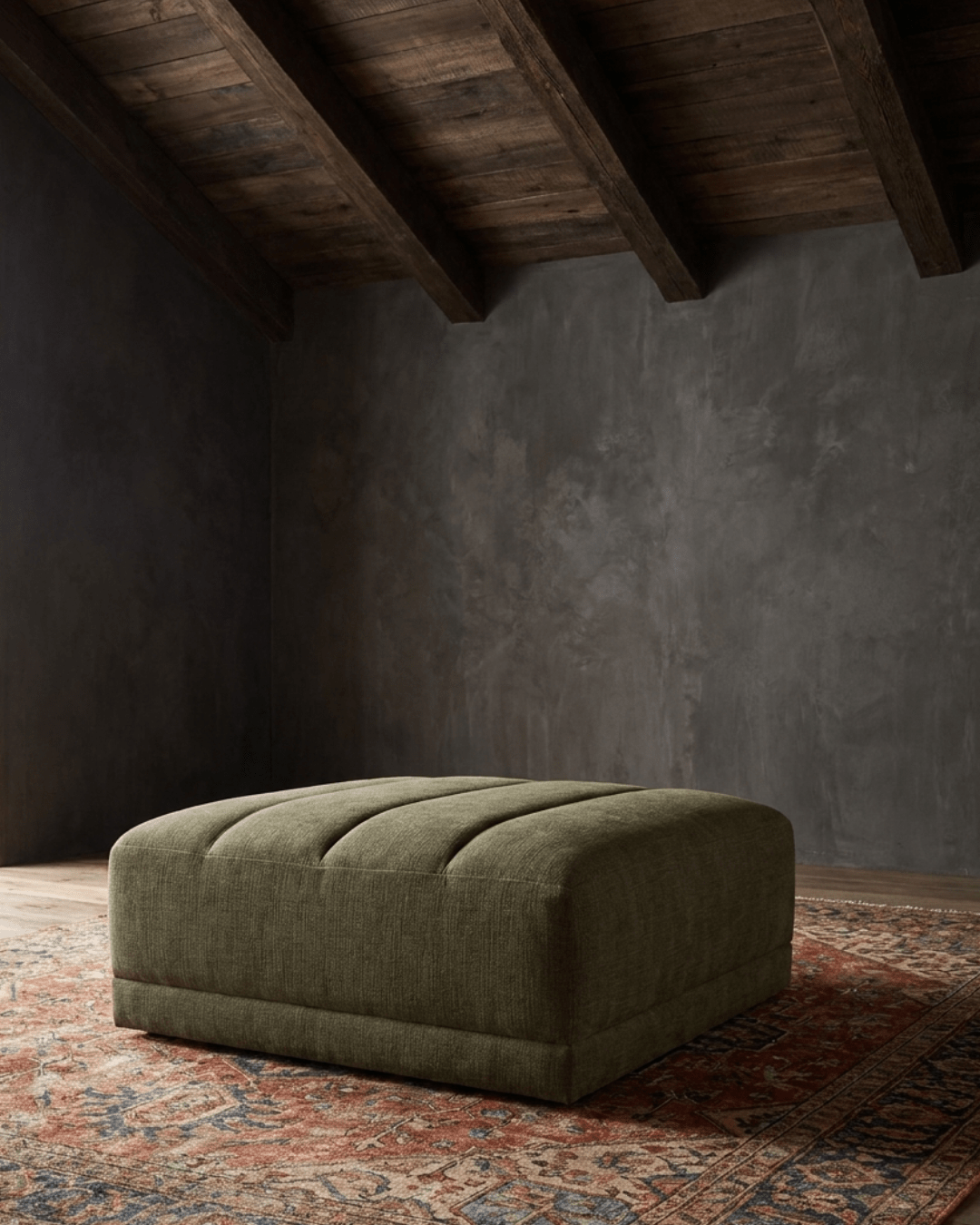
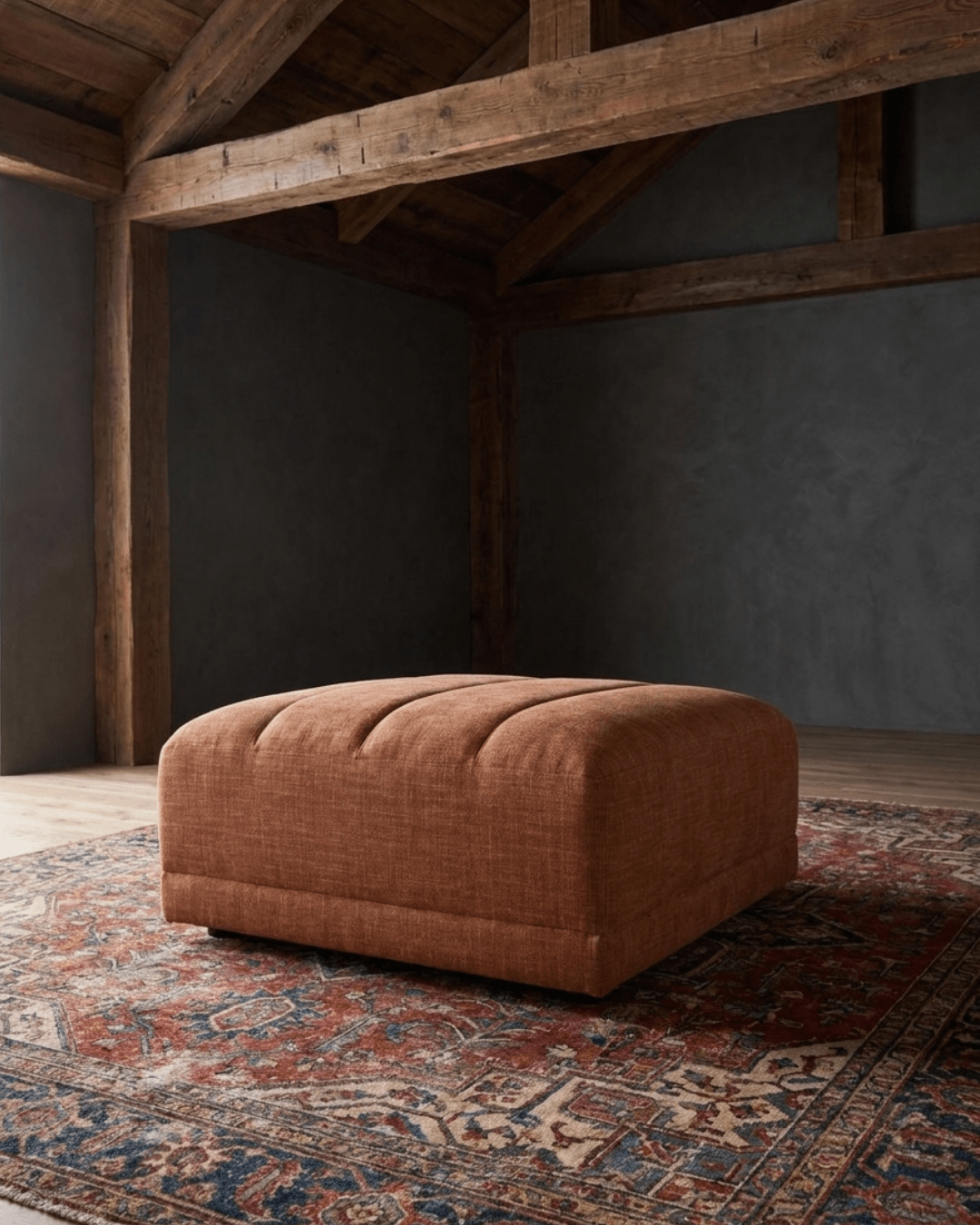
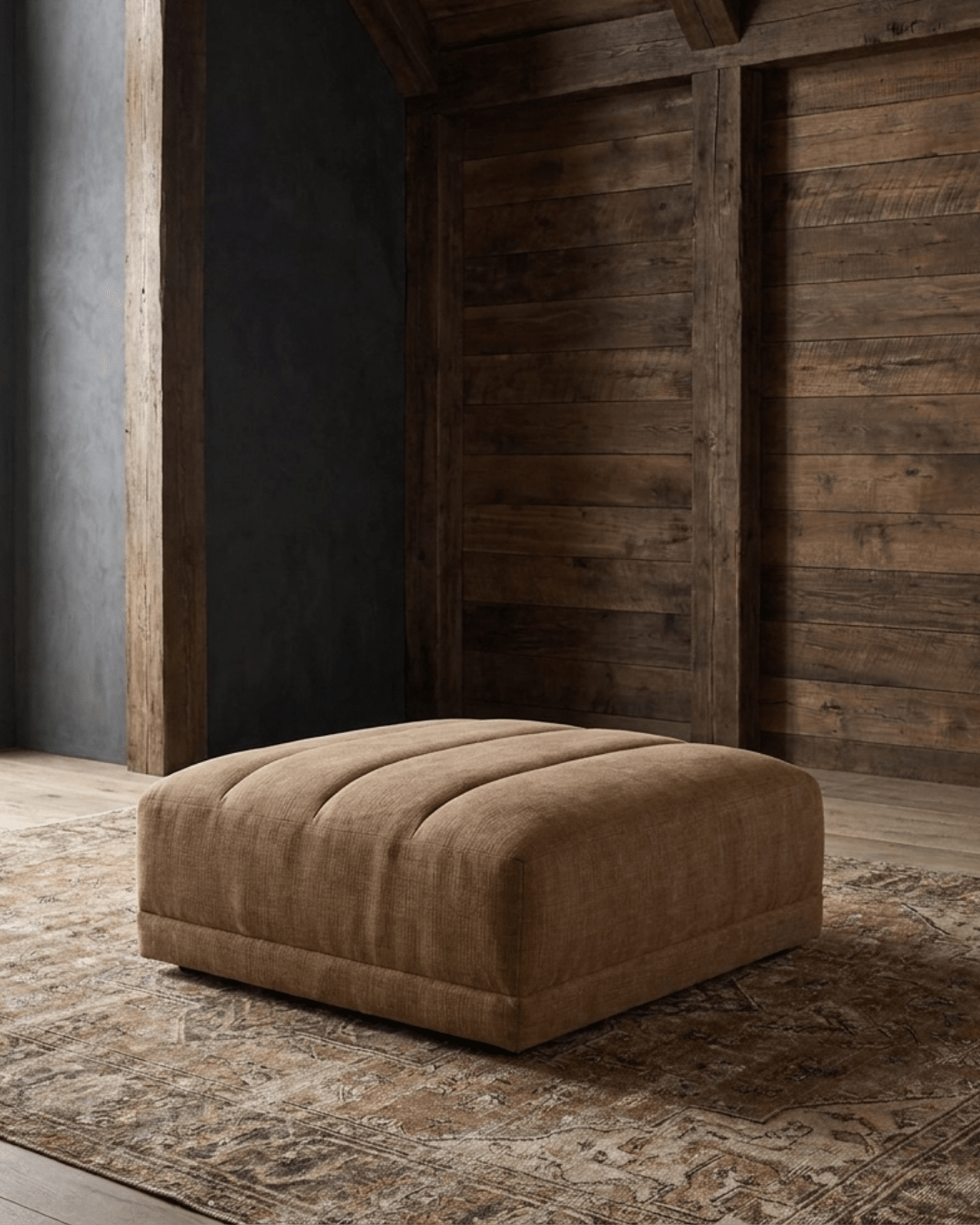
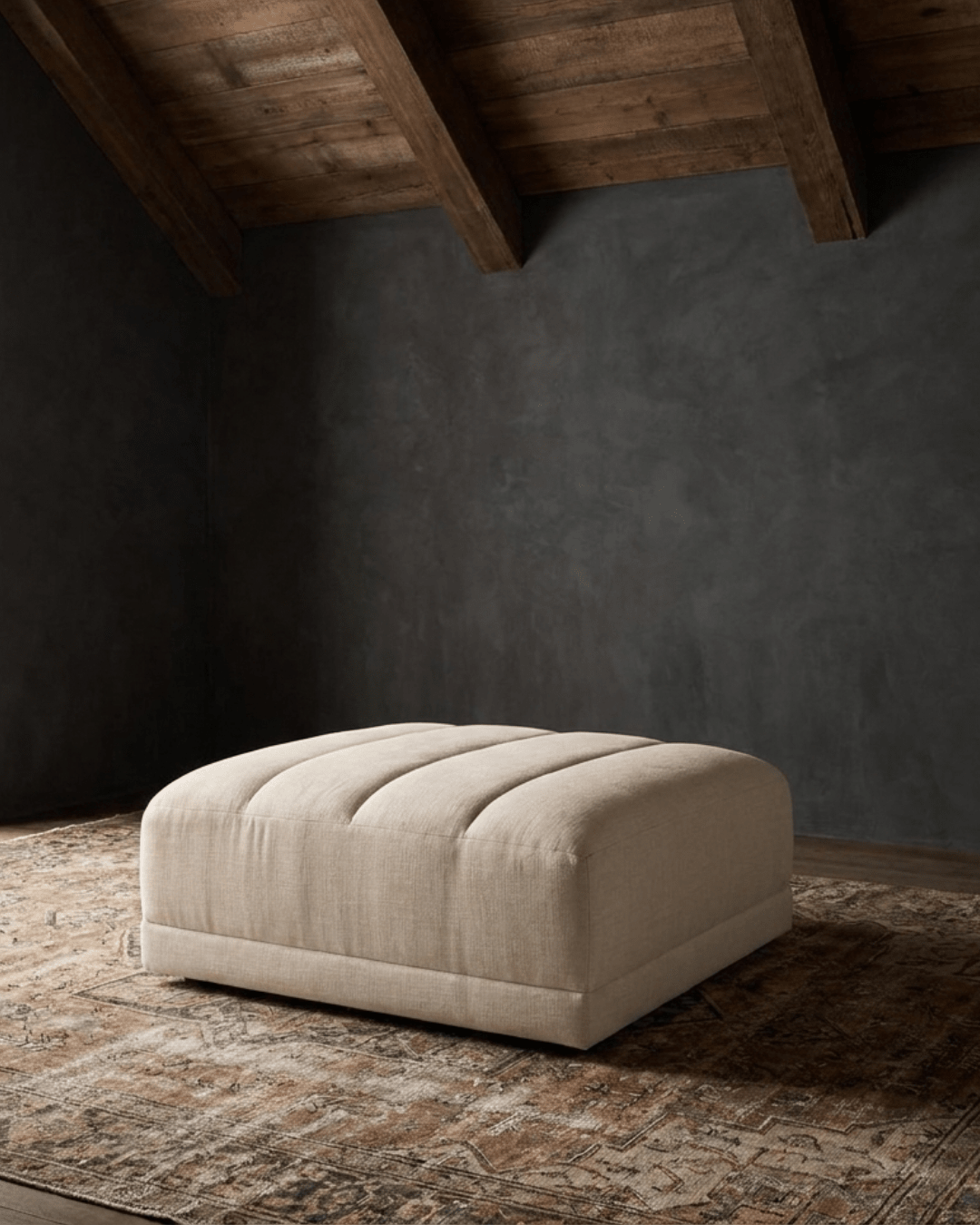
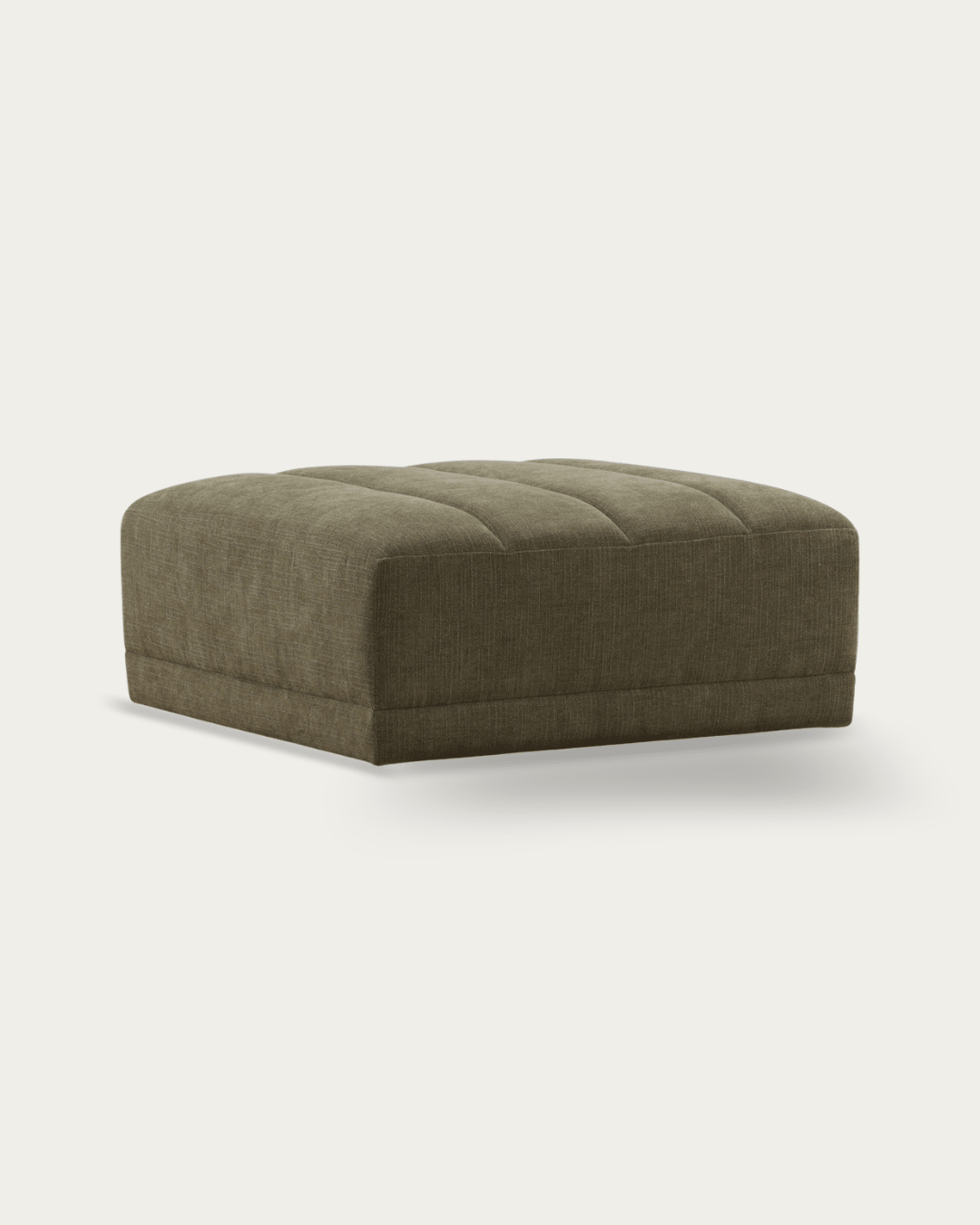
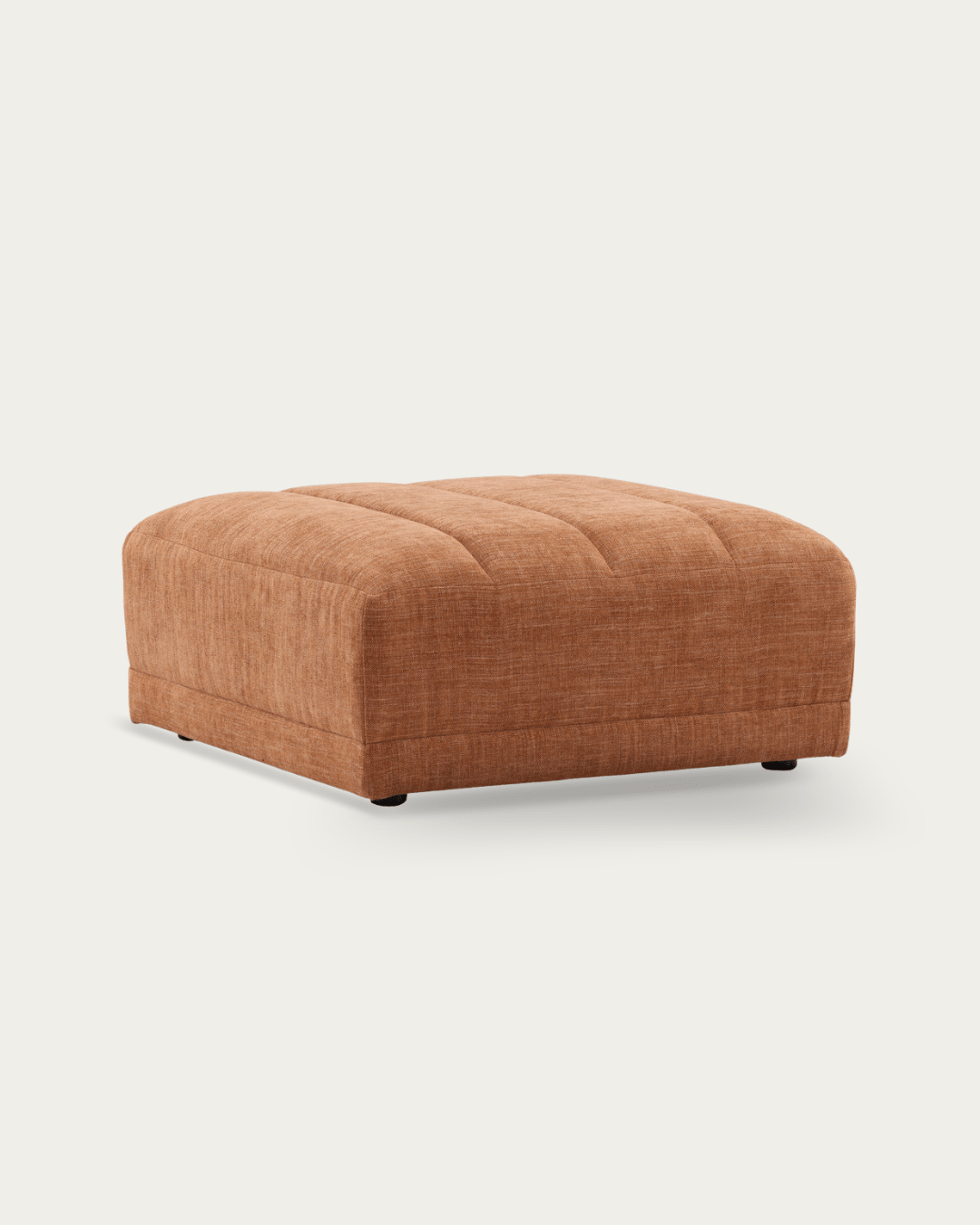
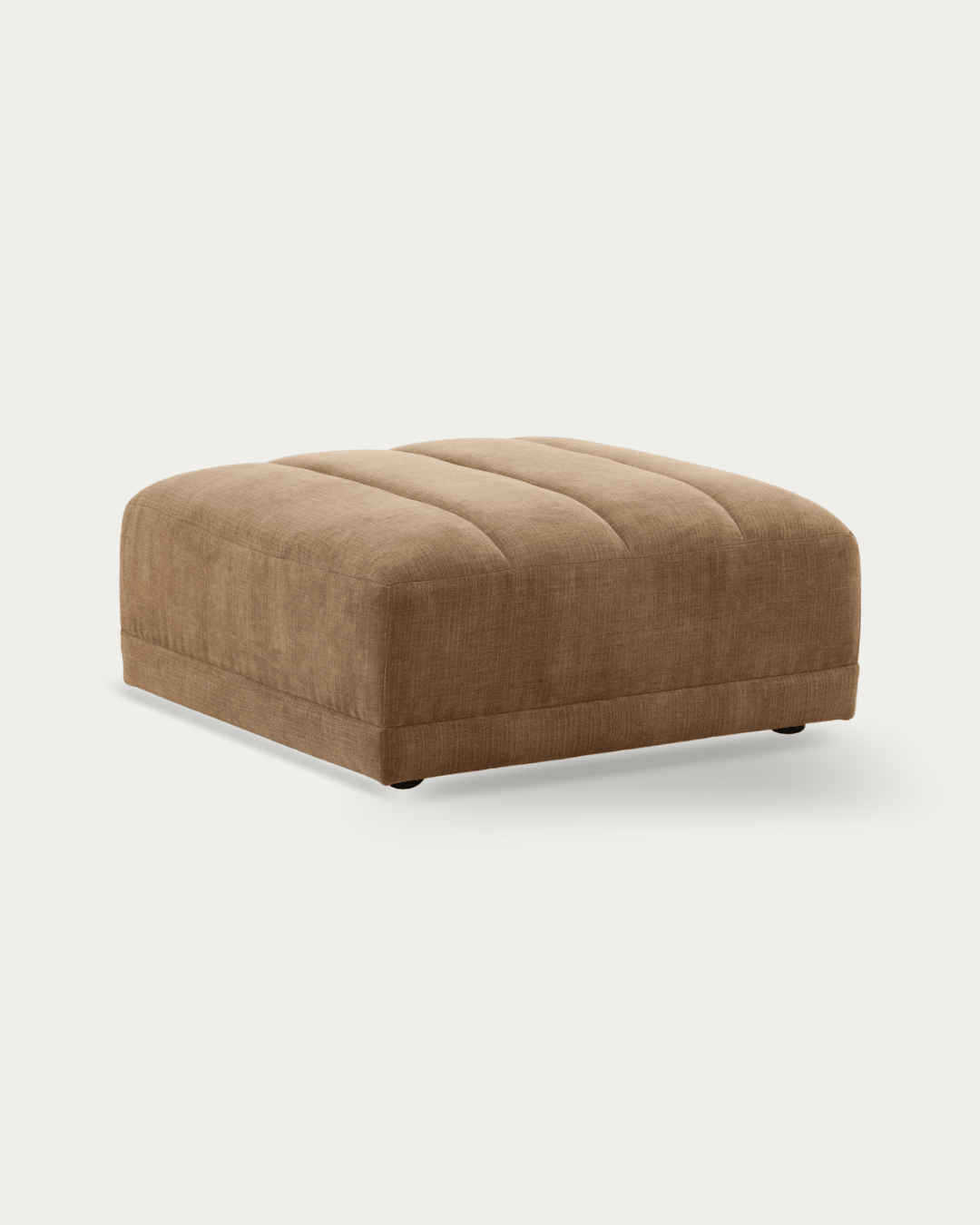
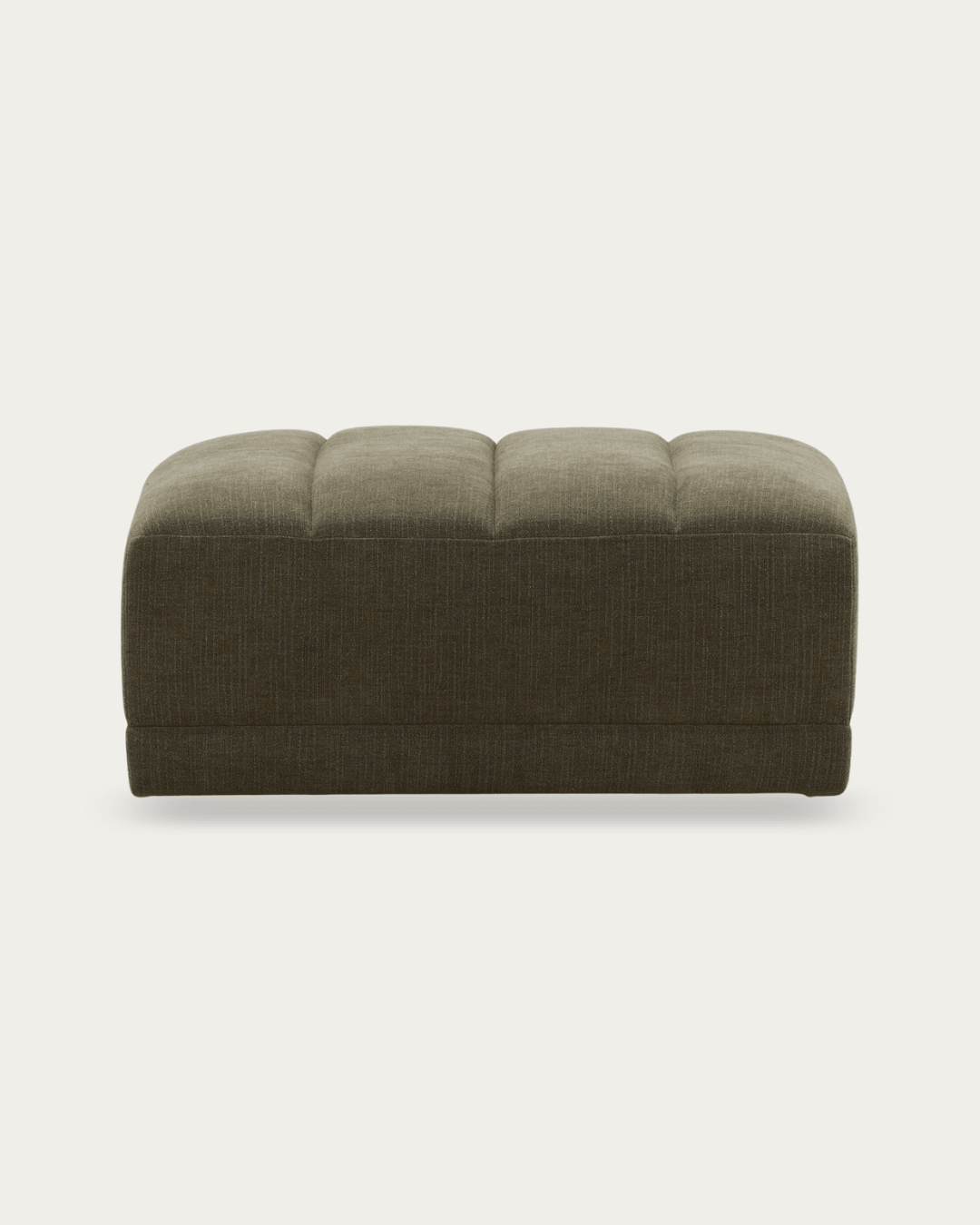
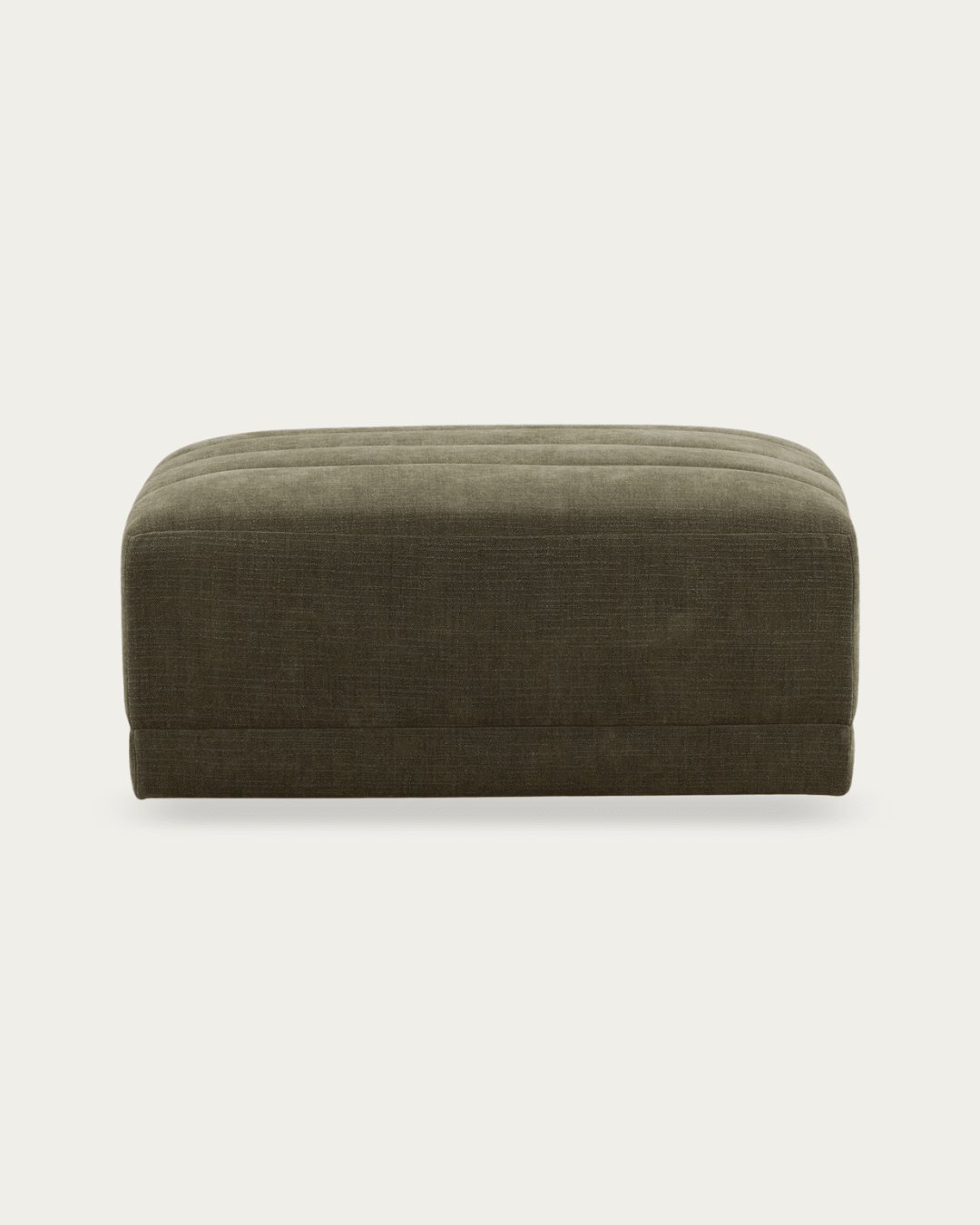
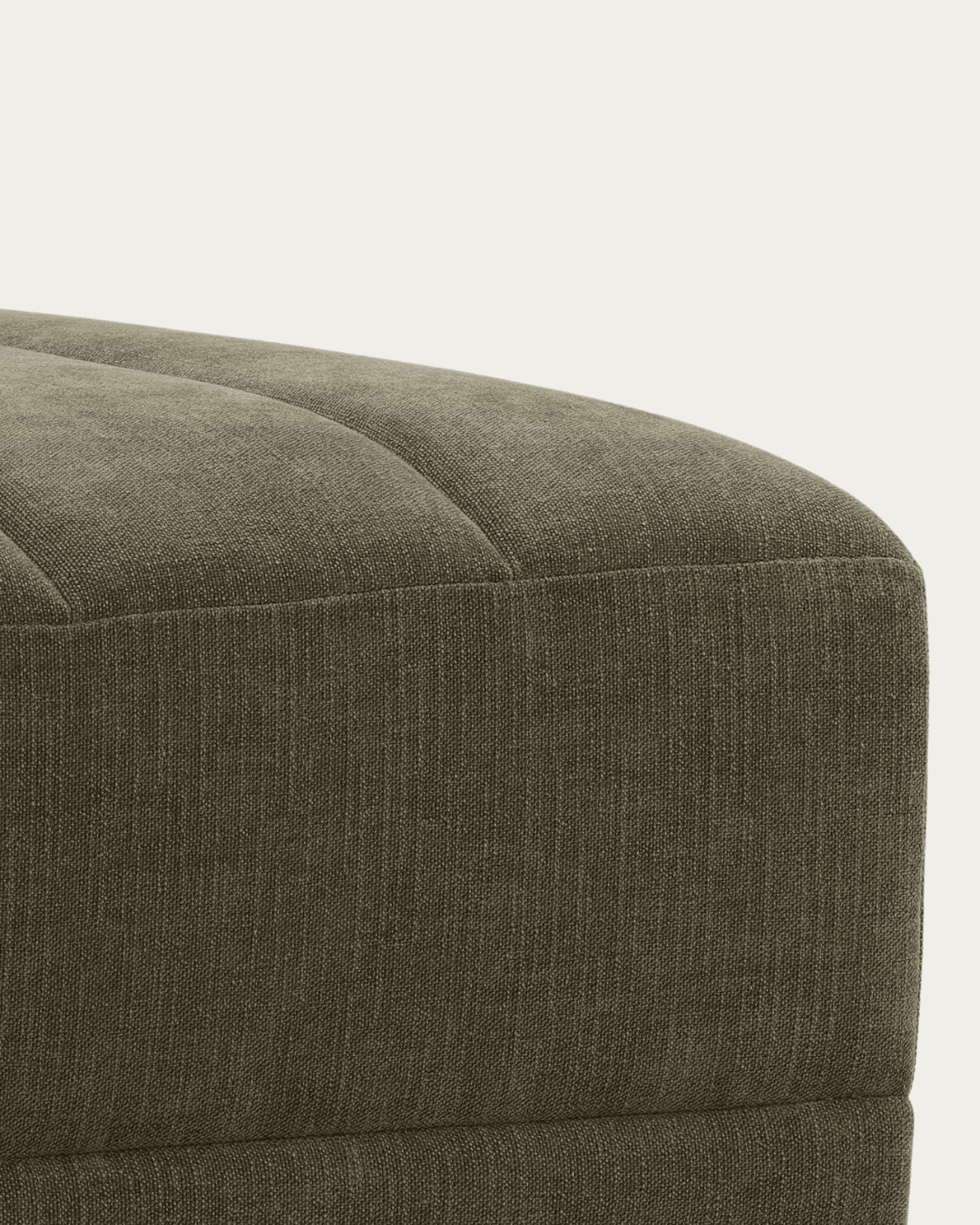
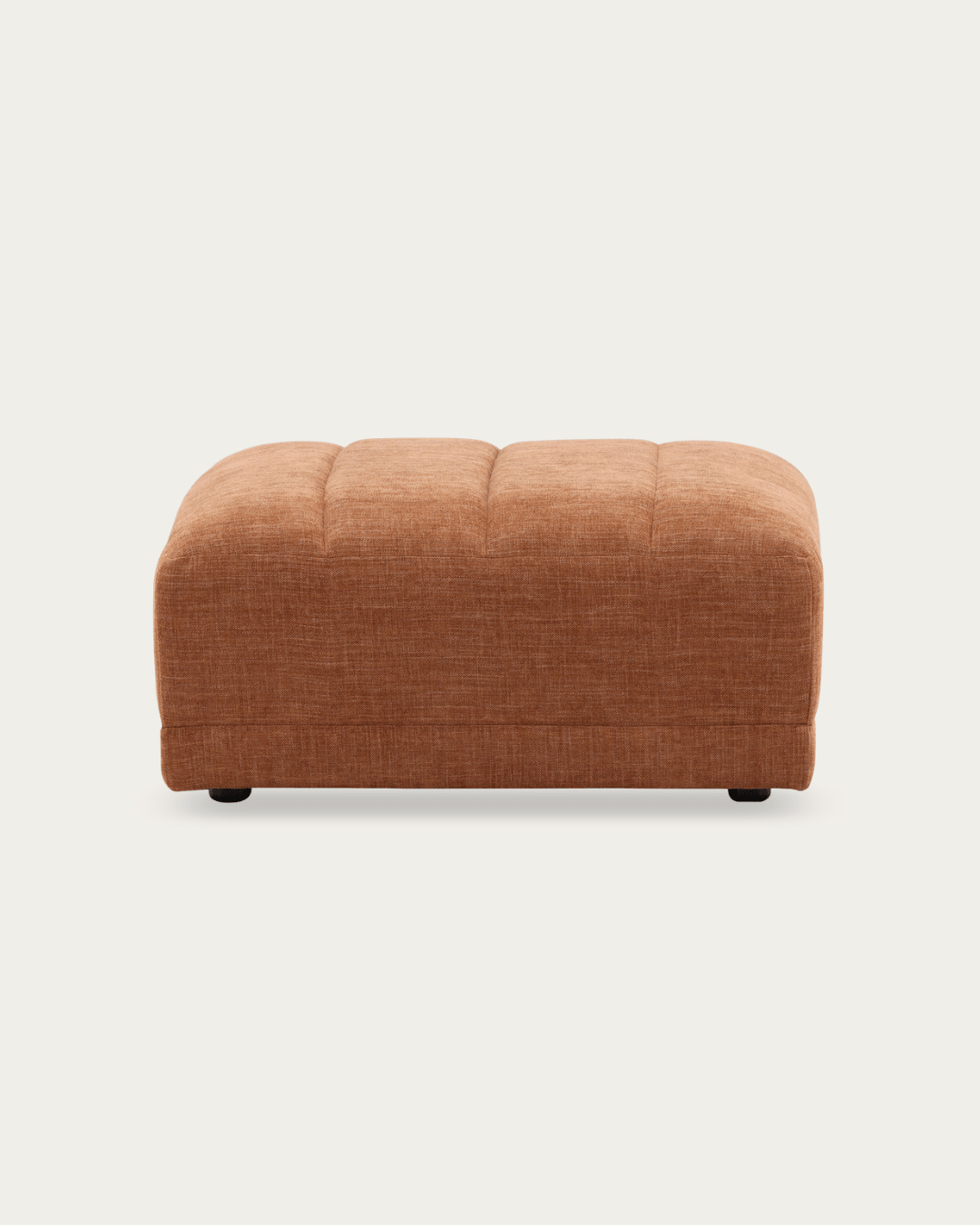
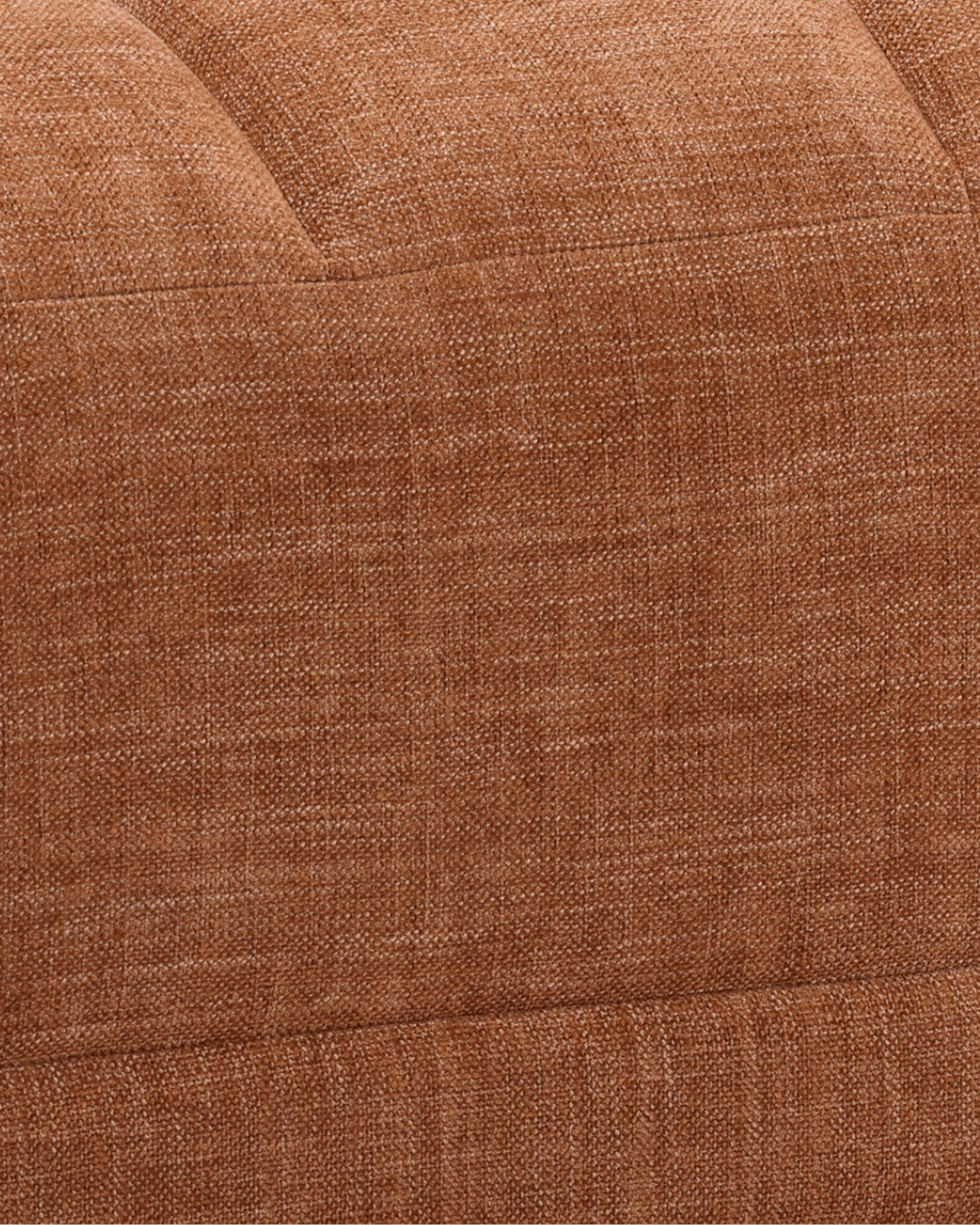
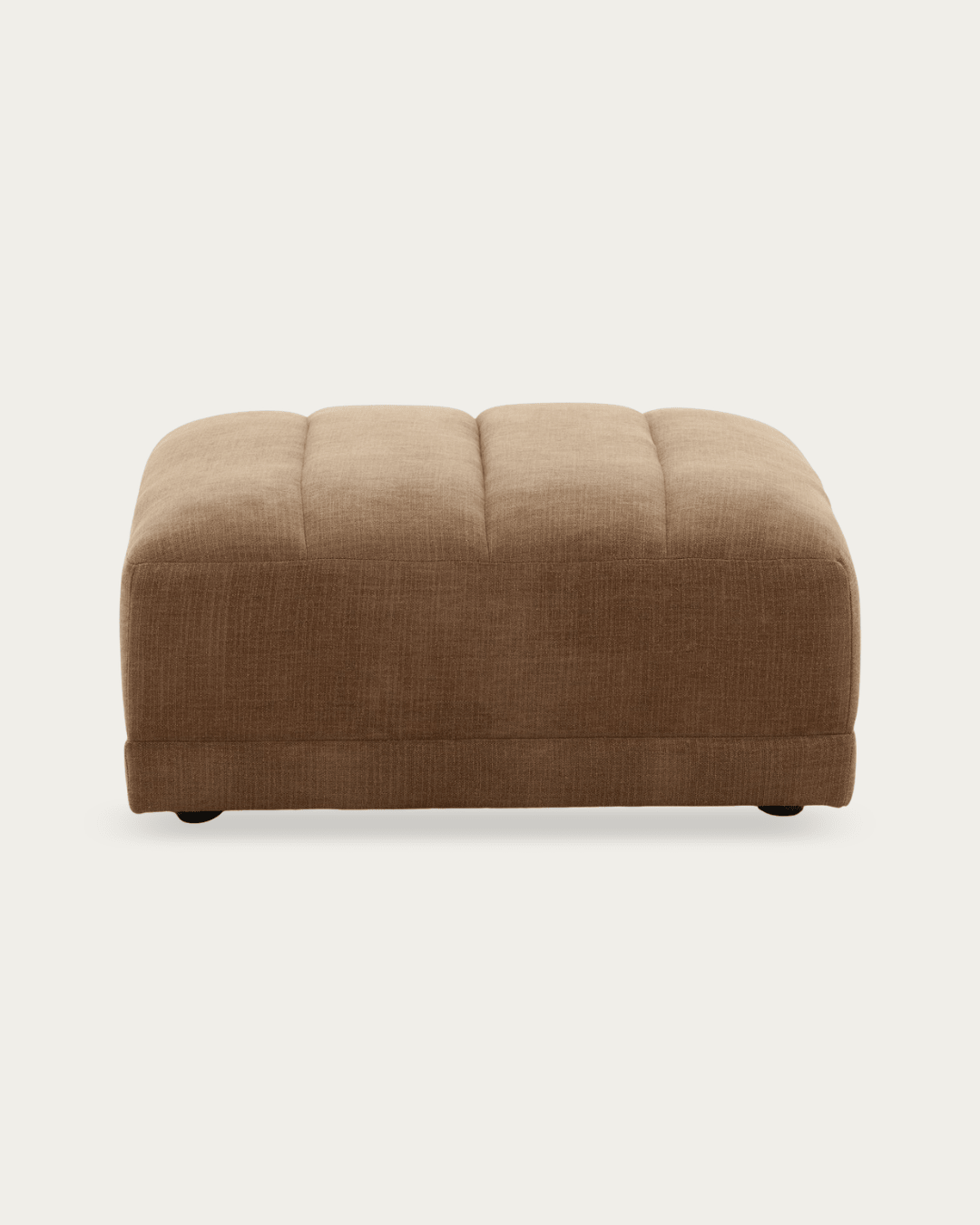
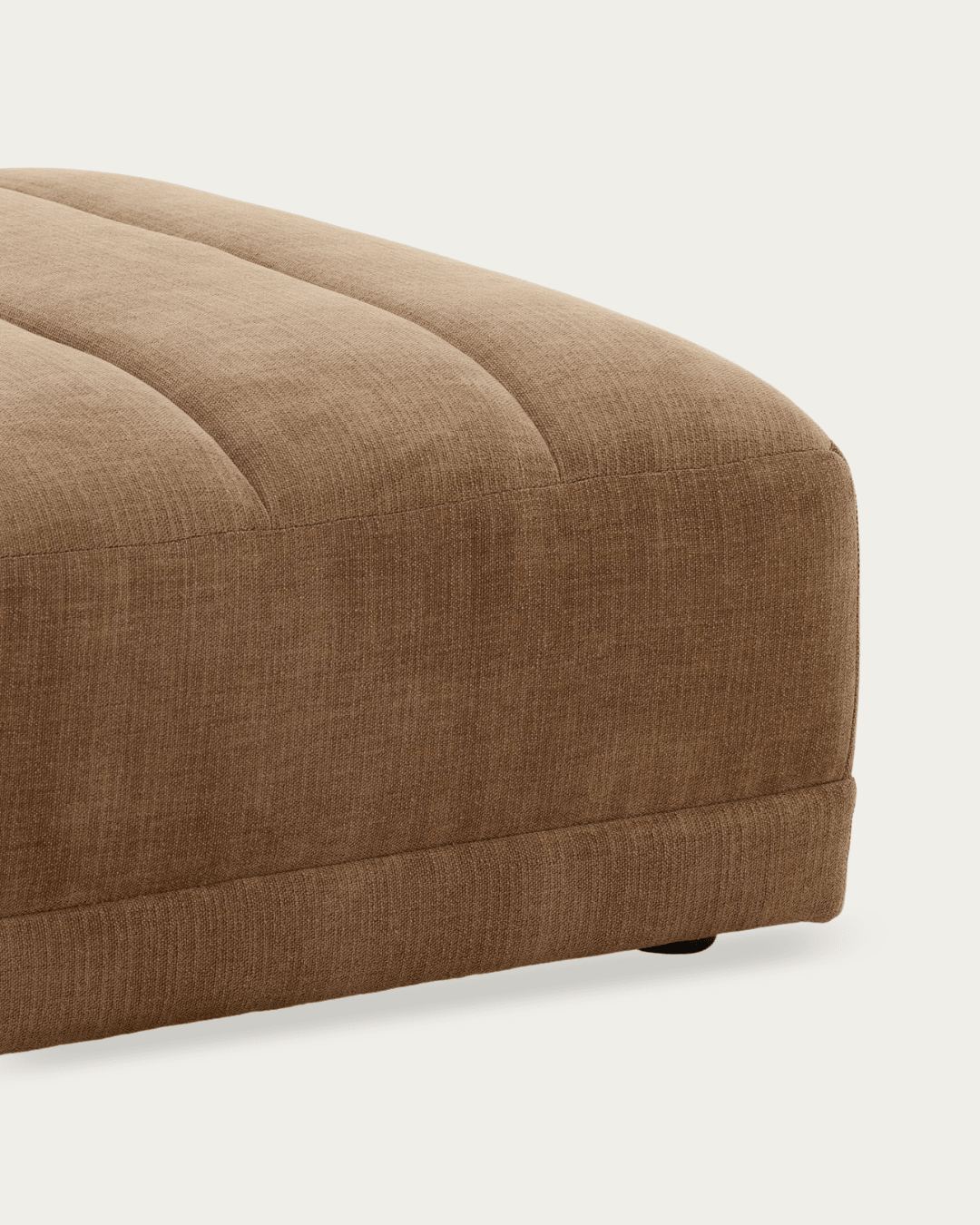
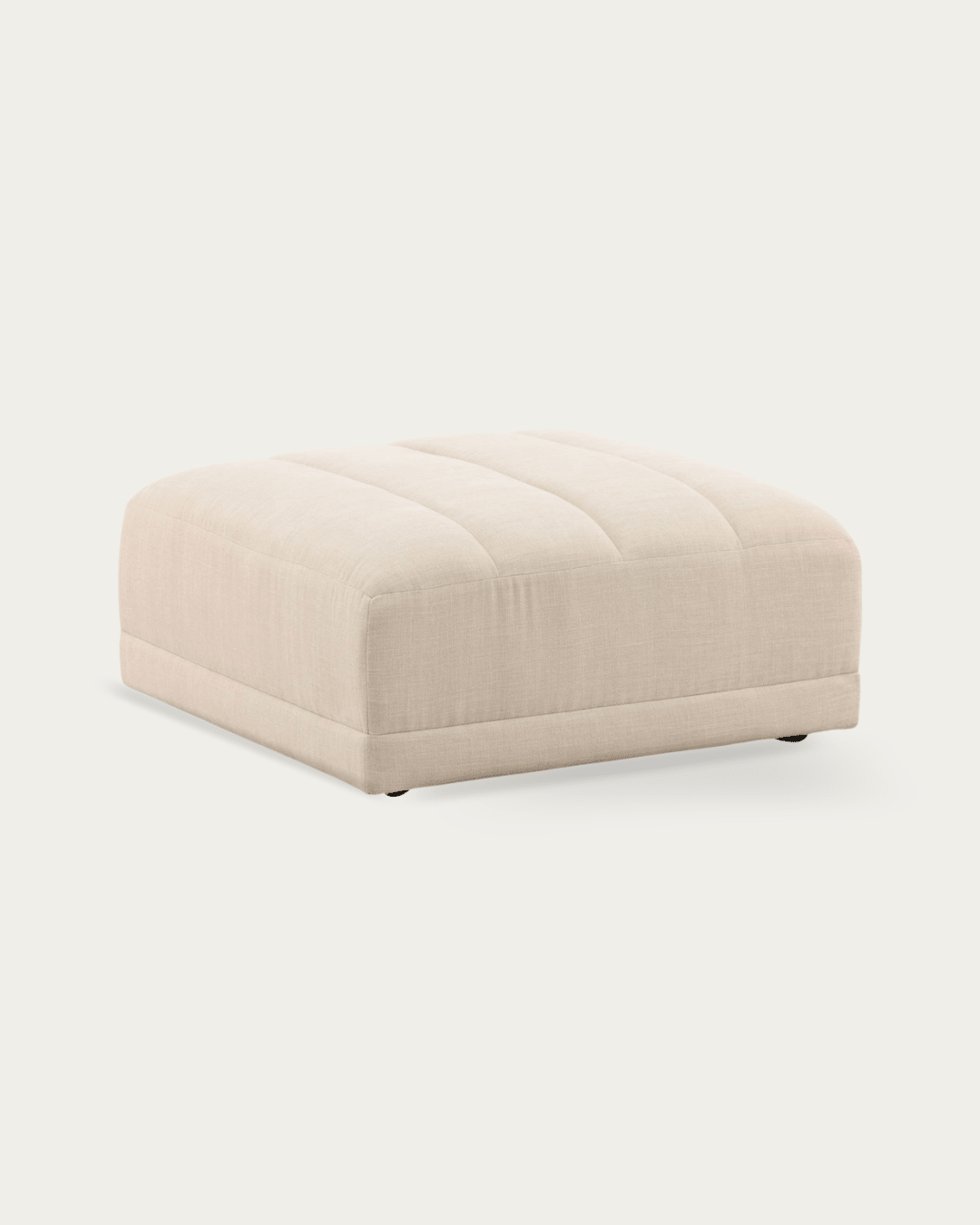
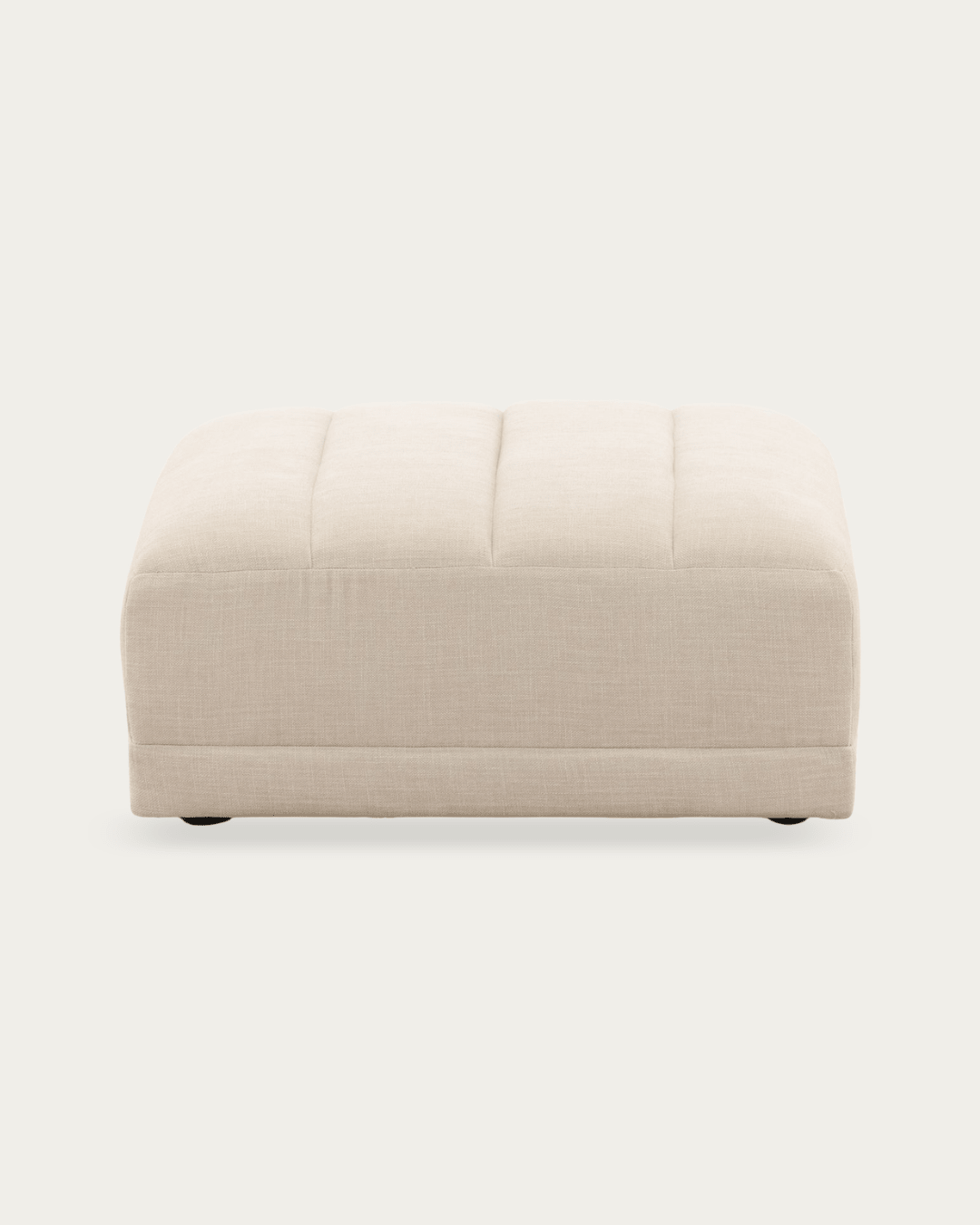
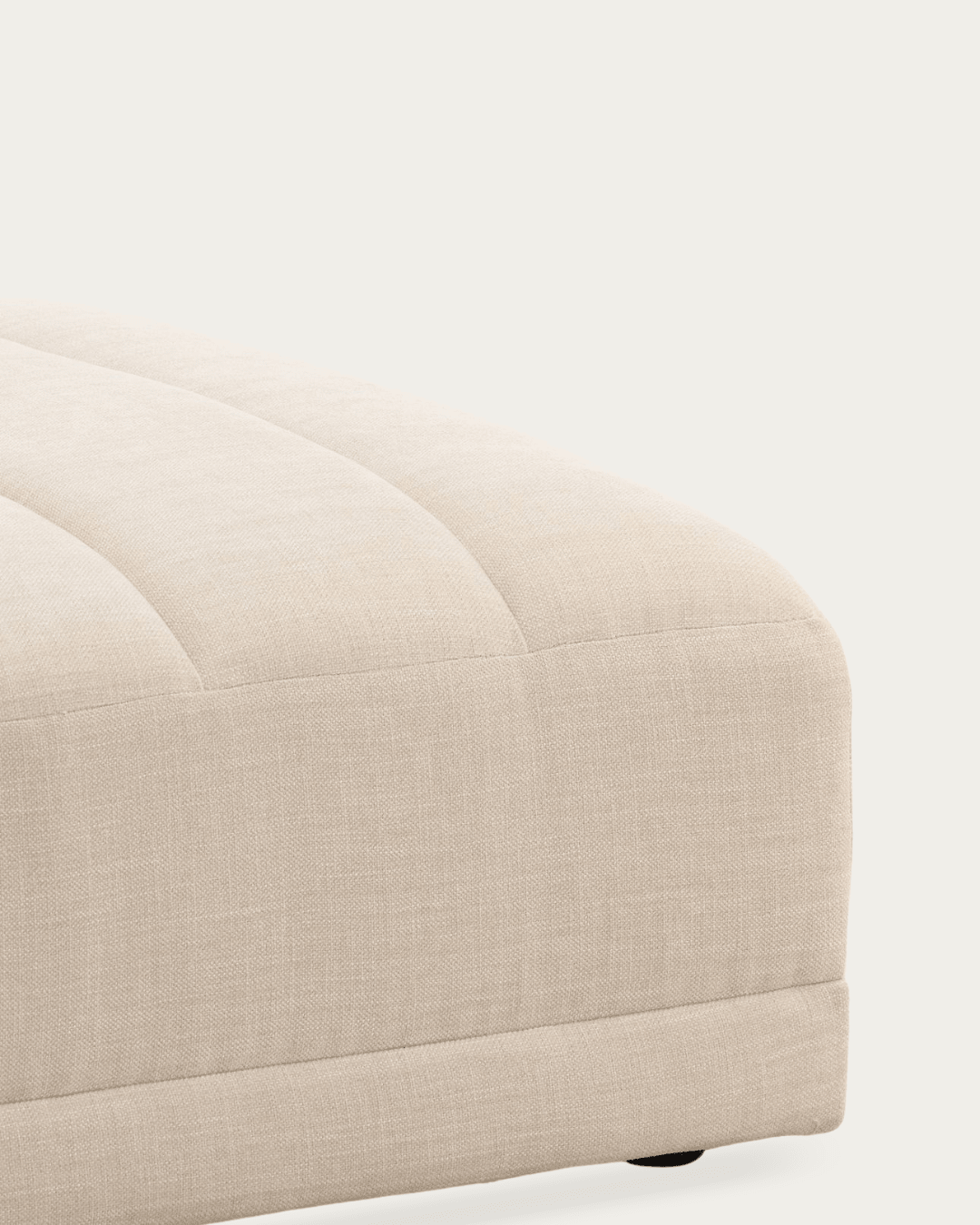
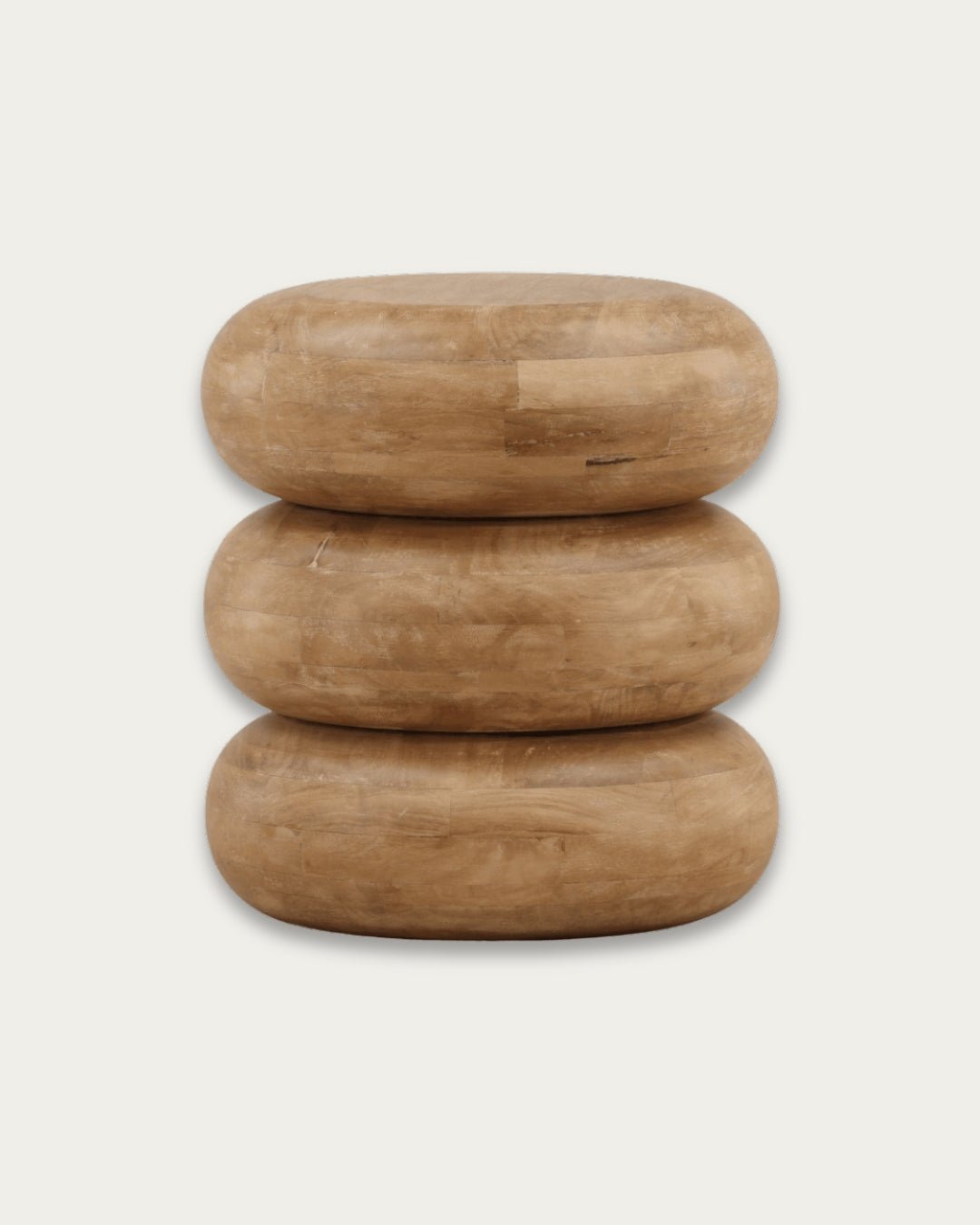
Even supporting pieces—like an ottoman—can change how a room flows.
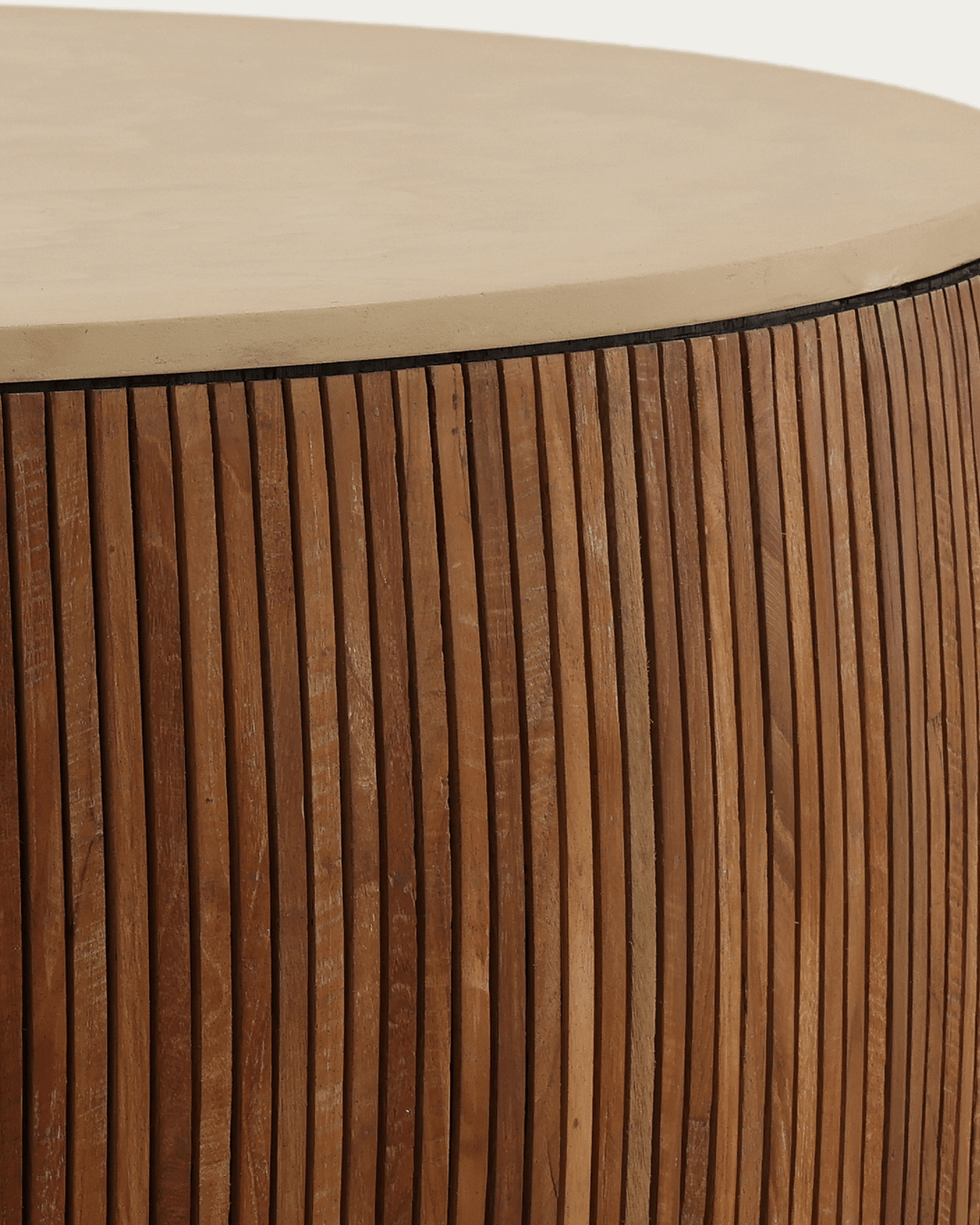
Something like the Wolf Ottoman can act as both anchor and transition point without adding visual noise.
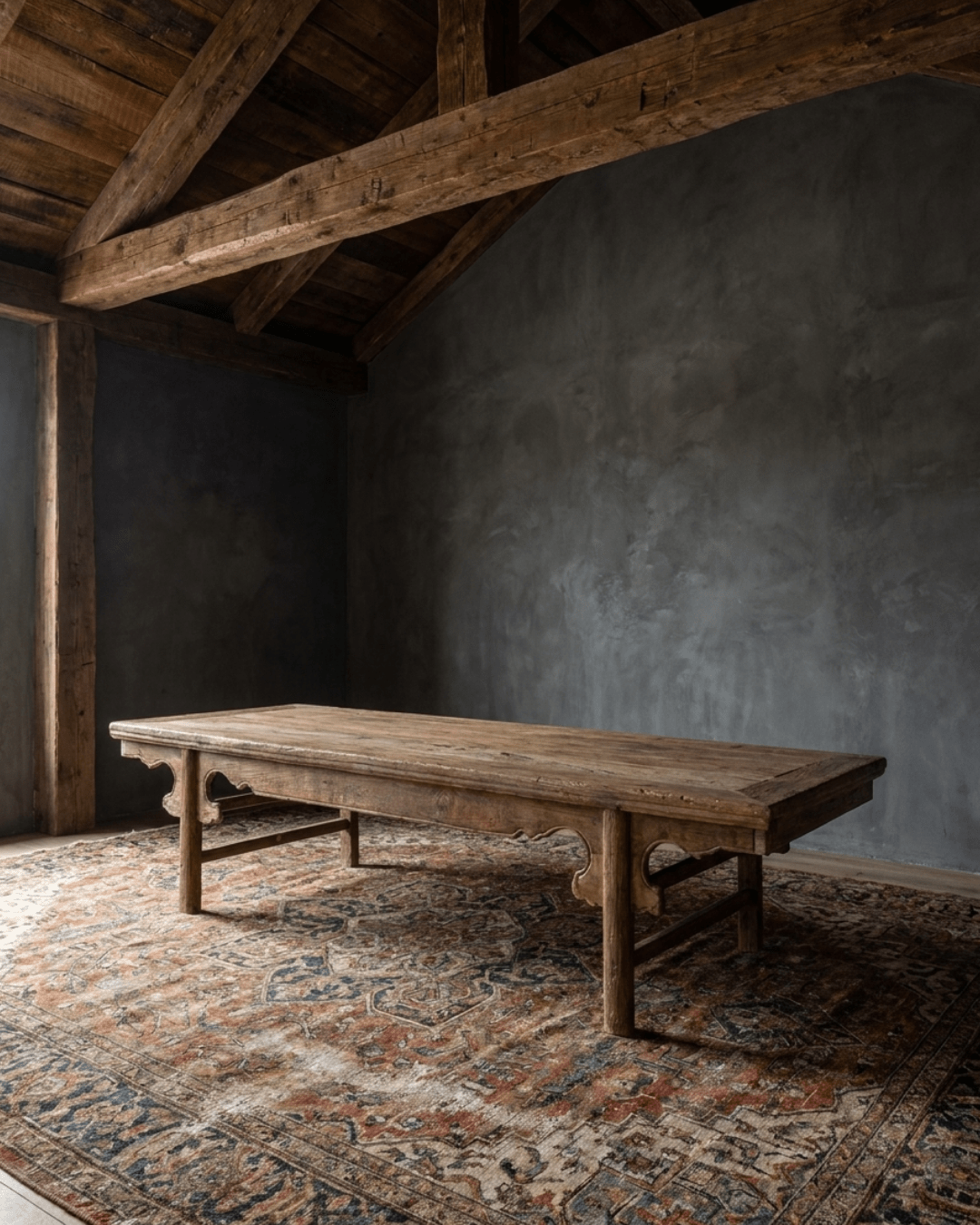
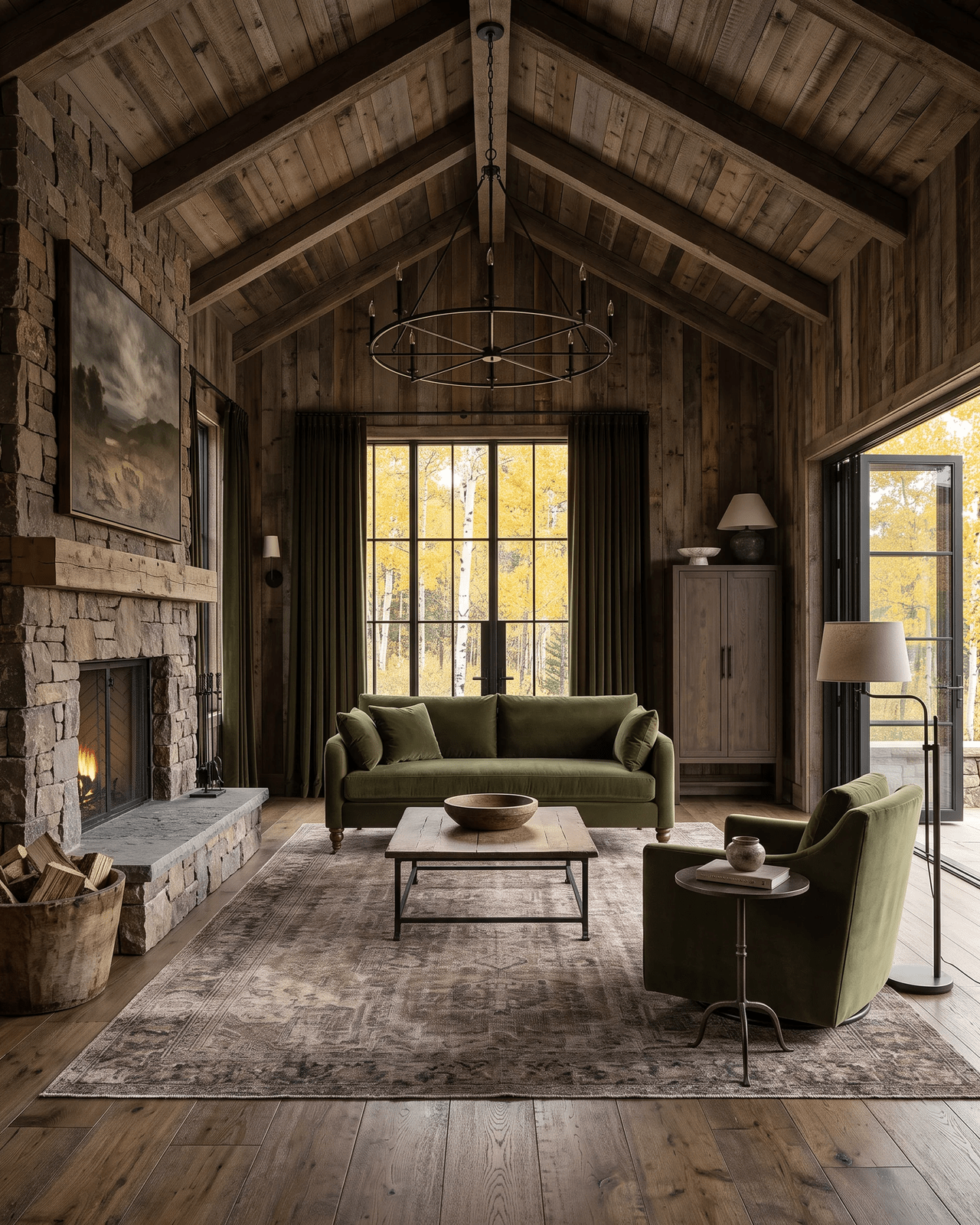
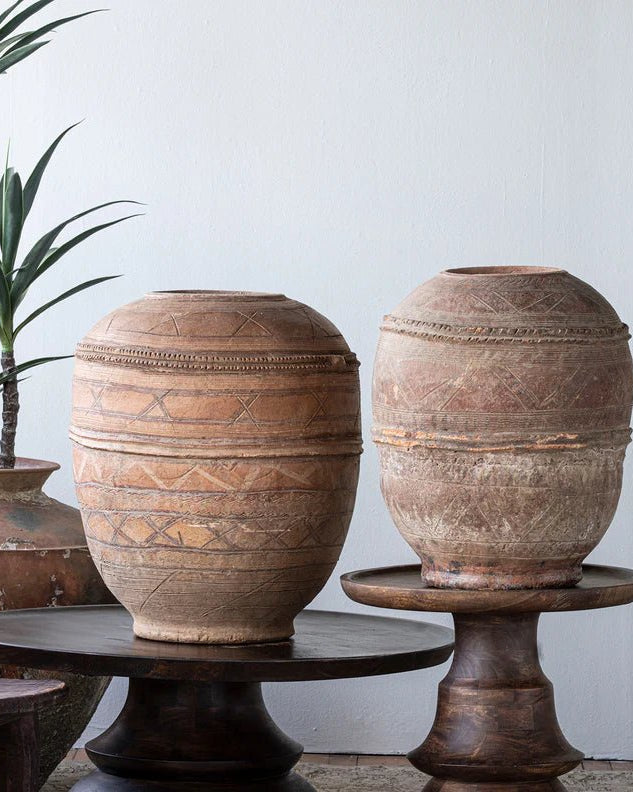
Pairing Custom Pieces With Vintage and Reclaimed Elements
Custom doesn’t mean uniform.
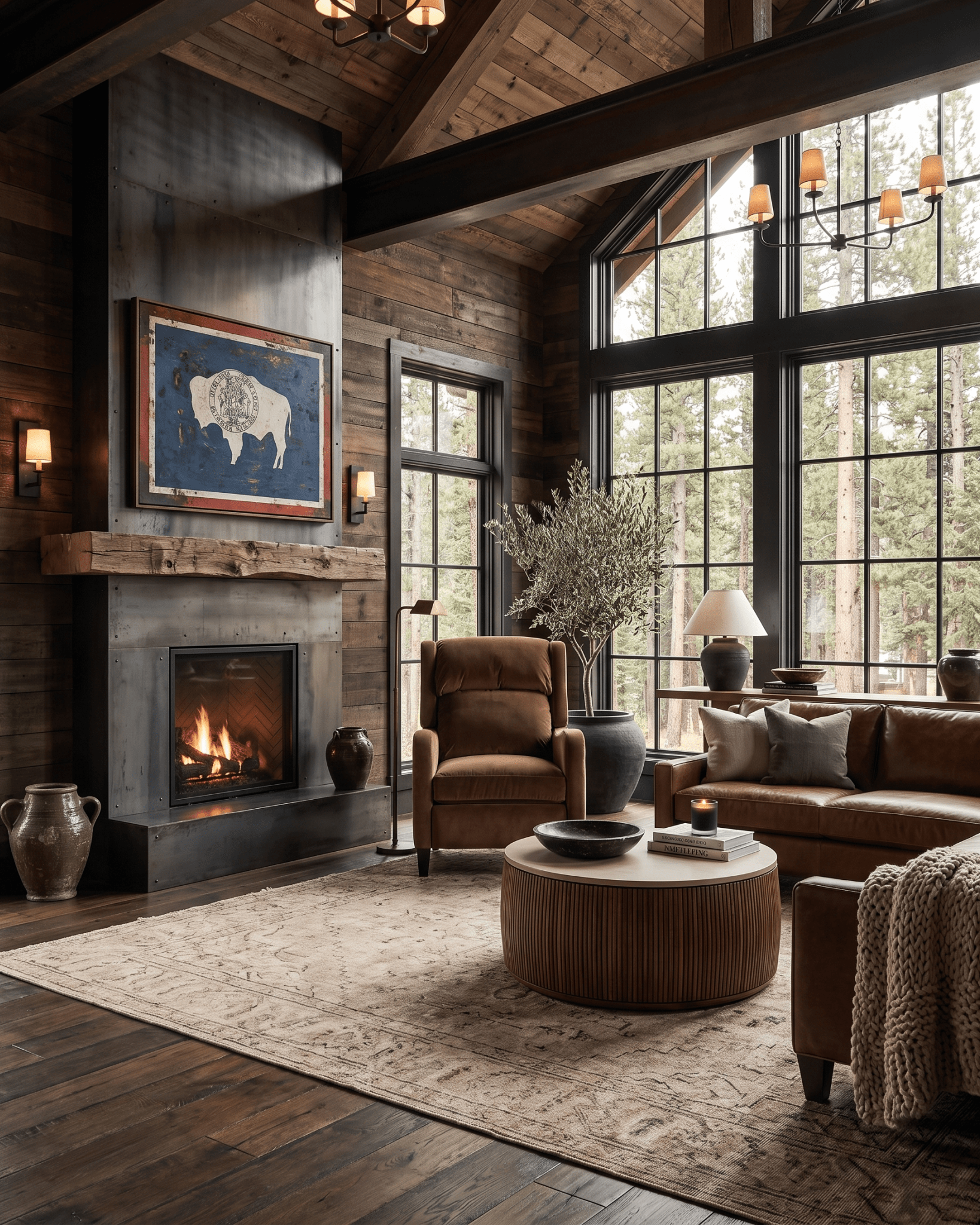
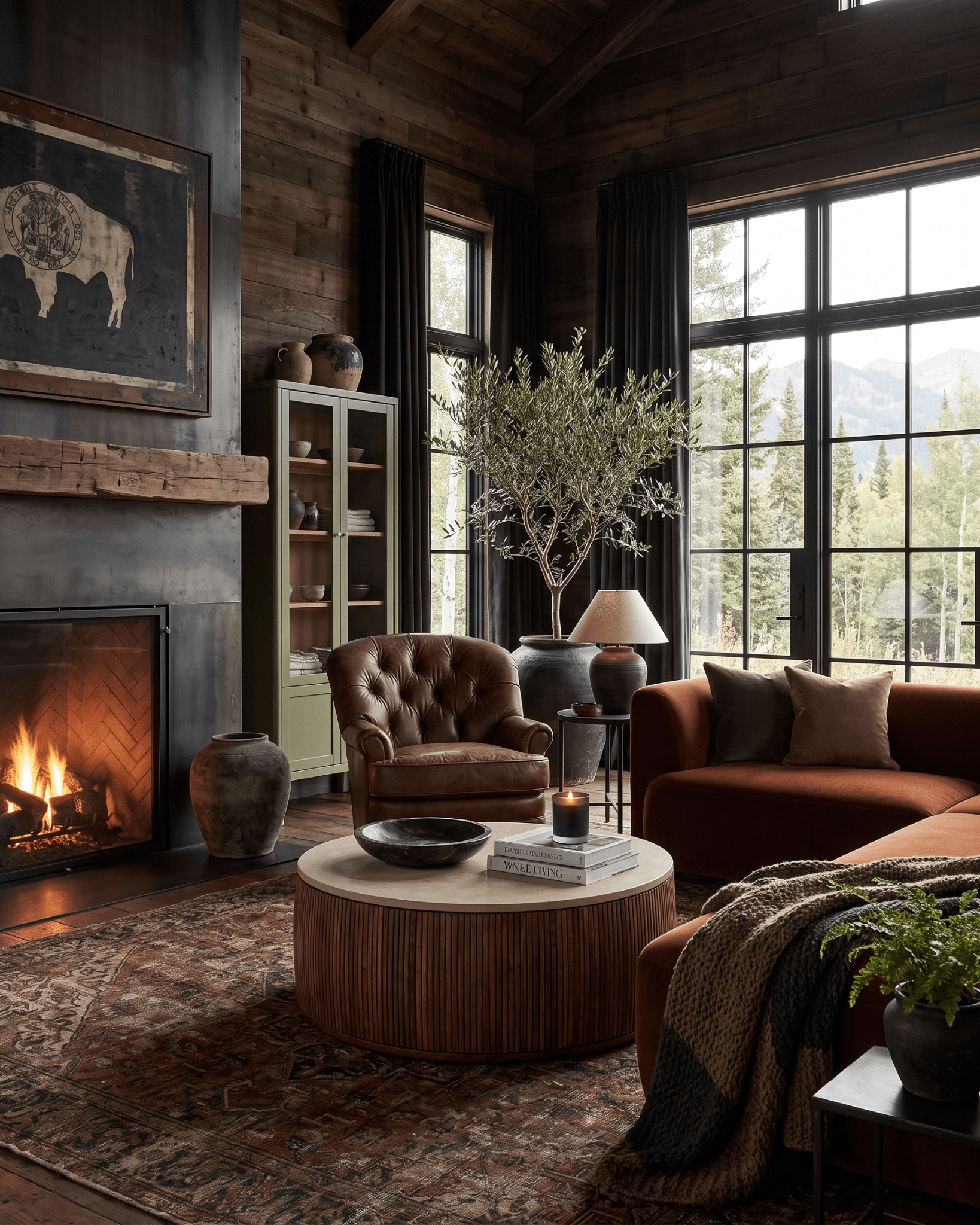
It works best when it’s paired with contrast.
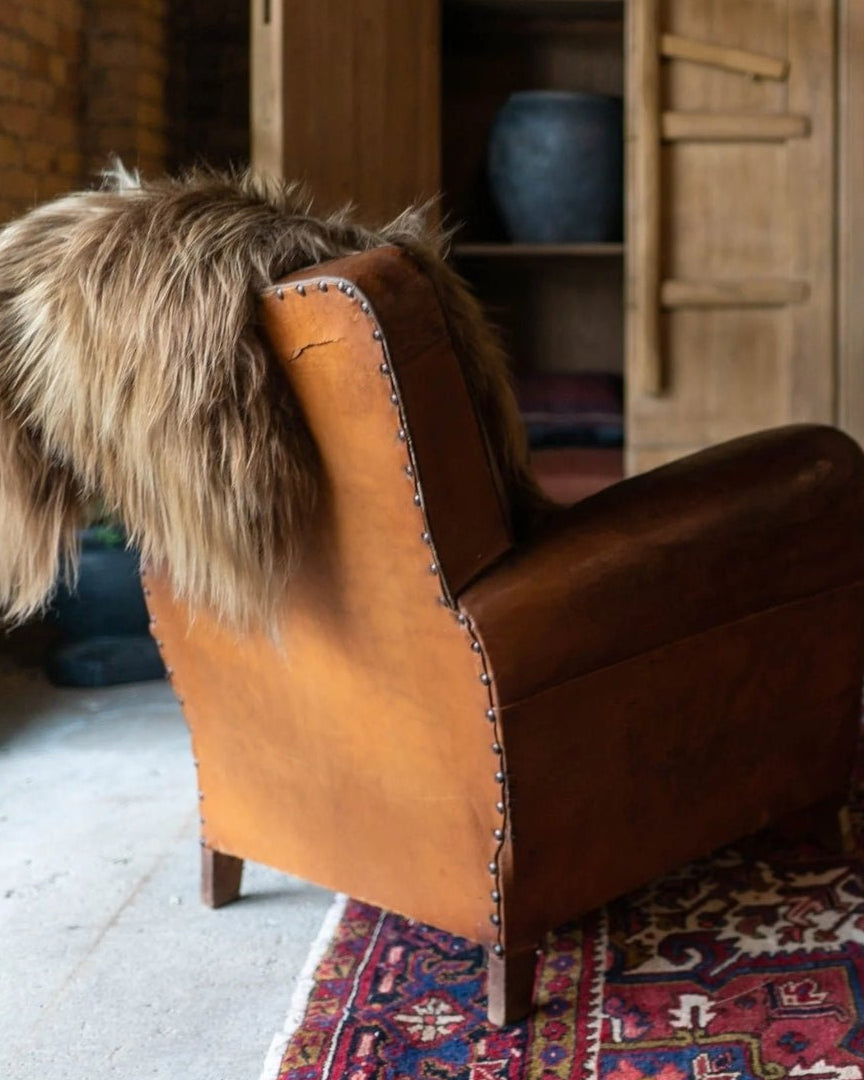
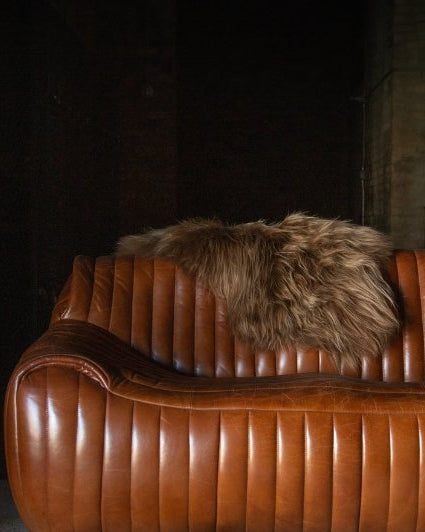
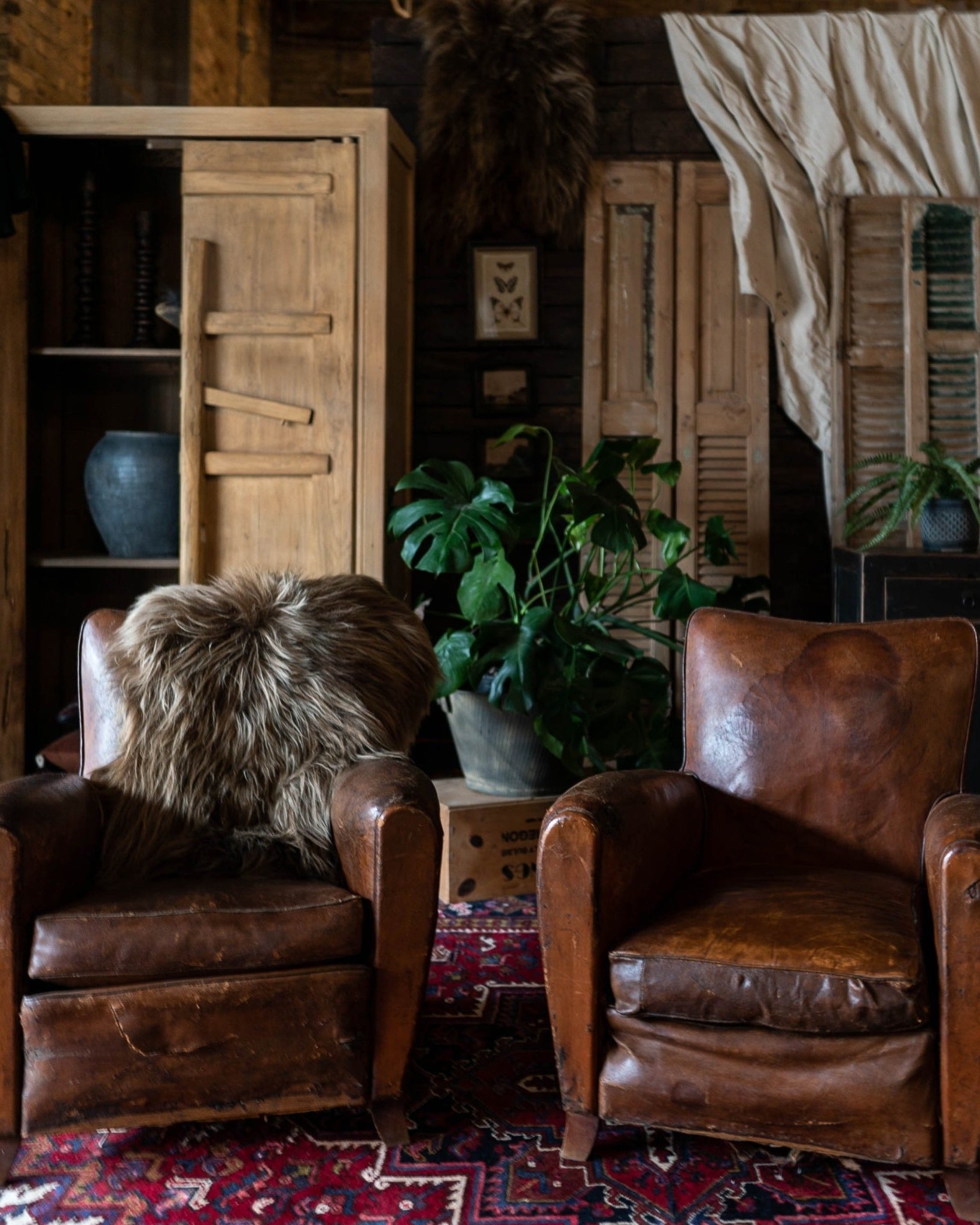
A structured sofa next to something worn.
A tailored chair beside a textured surface.
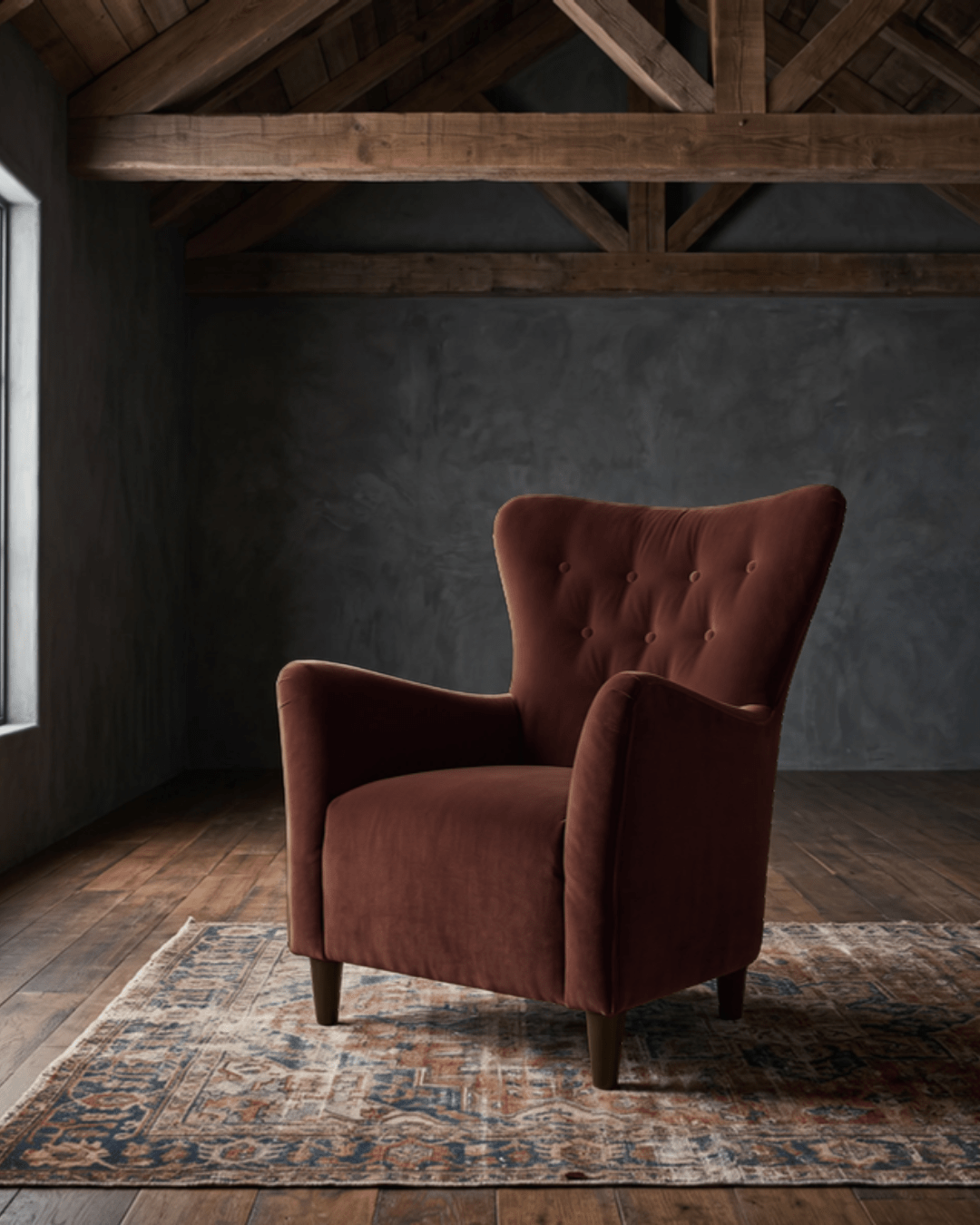
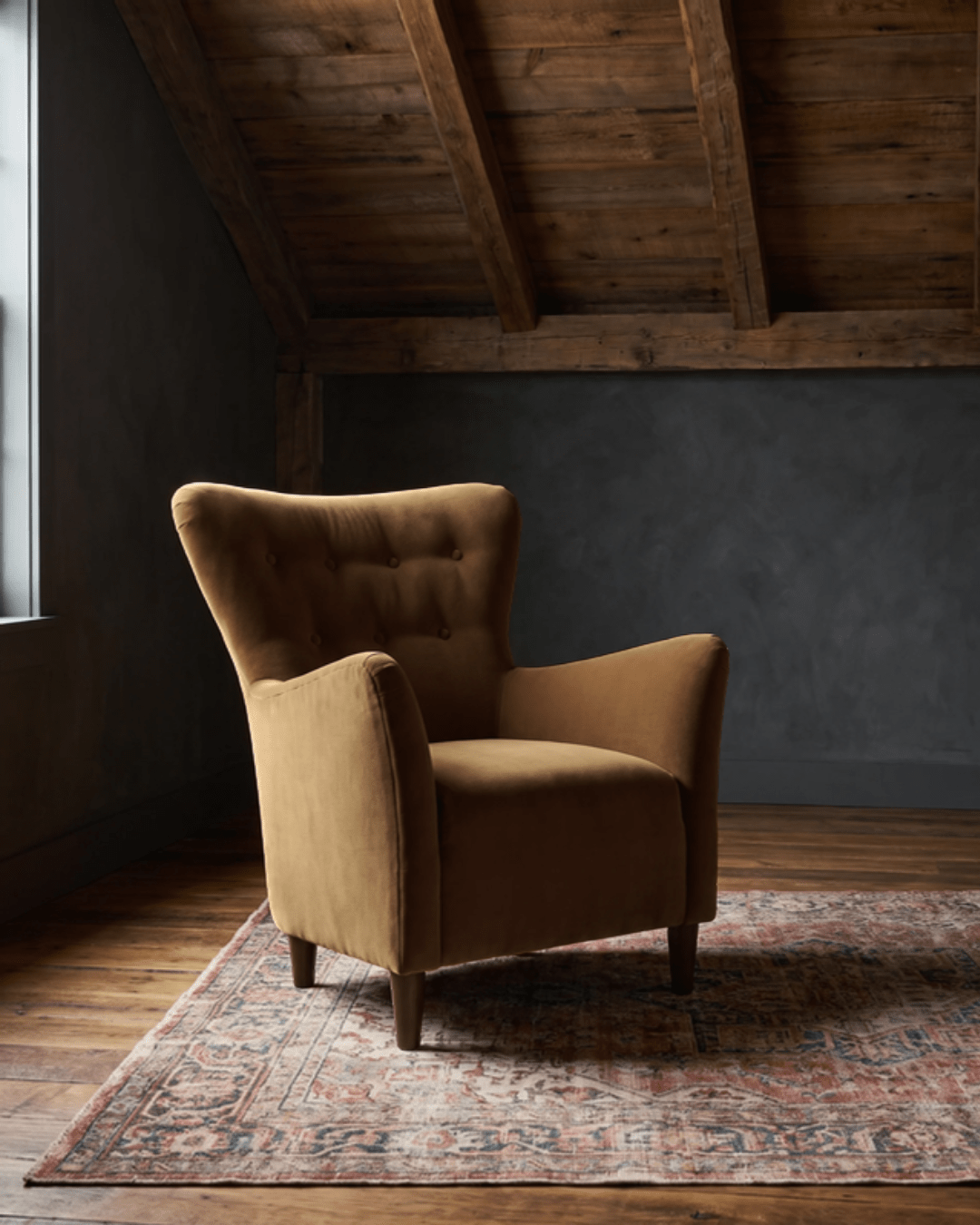
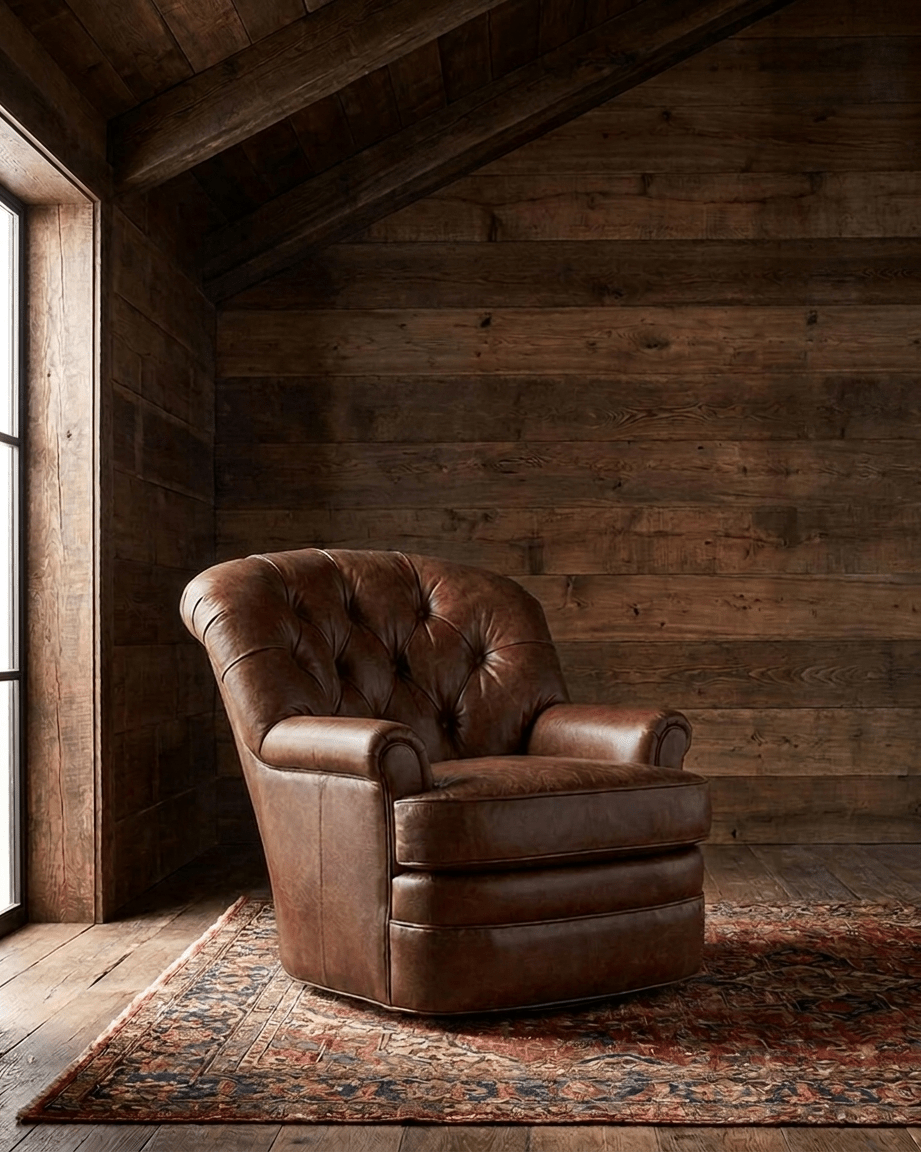
A piece like the fletcher chair or gitta chair
holds its own—but doesn’t overpower the room when paired with vintage elements.
That’s where the balance happens.
The Hidden Benefit: Less Decision Fatigue
One of the biggest advantages of custom furniture isn’t obvious at first.
It removes the loop.
No more:
Trying multiple versions
Rearranging constantly
Second-guessing your choices
A well-fitted piece—like the Lina club chair—just works.
And when something works, your brain stops checking it.
That’s what makes a room feel finished.
A RUTED Tip: Fit Reduces Friction Your nervous system is constantly adjusting to your environment, and when furniture dimensions don’t align with your body or layout—like a sofa that’s too deep or a chair that interrupts movement—it creates small but continuous signals of friction; custom furniture removes that mismatch by aligning scale and function with how you actually live, which reduces the need for your brain to keep correcting the space and allows it to settle more easily.
When a Space Finally Feels Done
It’s not when everything matches.
It’s when nothing feels slightly off anymore.
That’s what custom pieces resolve.
Quietly.
But consistently.

Where to Start
Start with the piece that affects your space the most.
Usually, that’s your sofa.
Focus on fit first. Then material. Then finish.
You can explore made-to-order options designed to align with your space here:
Final Thought
Custom furniture isn’t about having more options.
It’s about removing the ones that don’t work.
And once that happens, your space stops feeling like something you’re managing—
and starts feeling like something that finally fits.