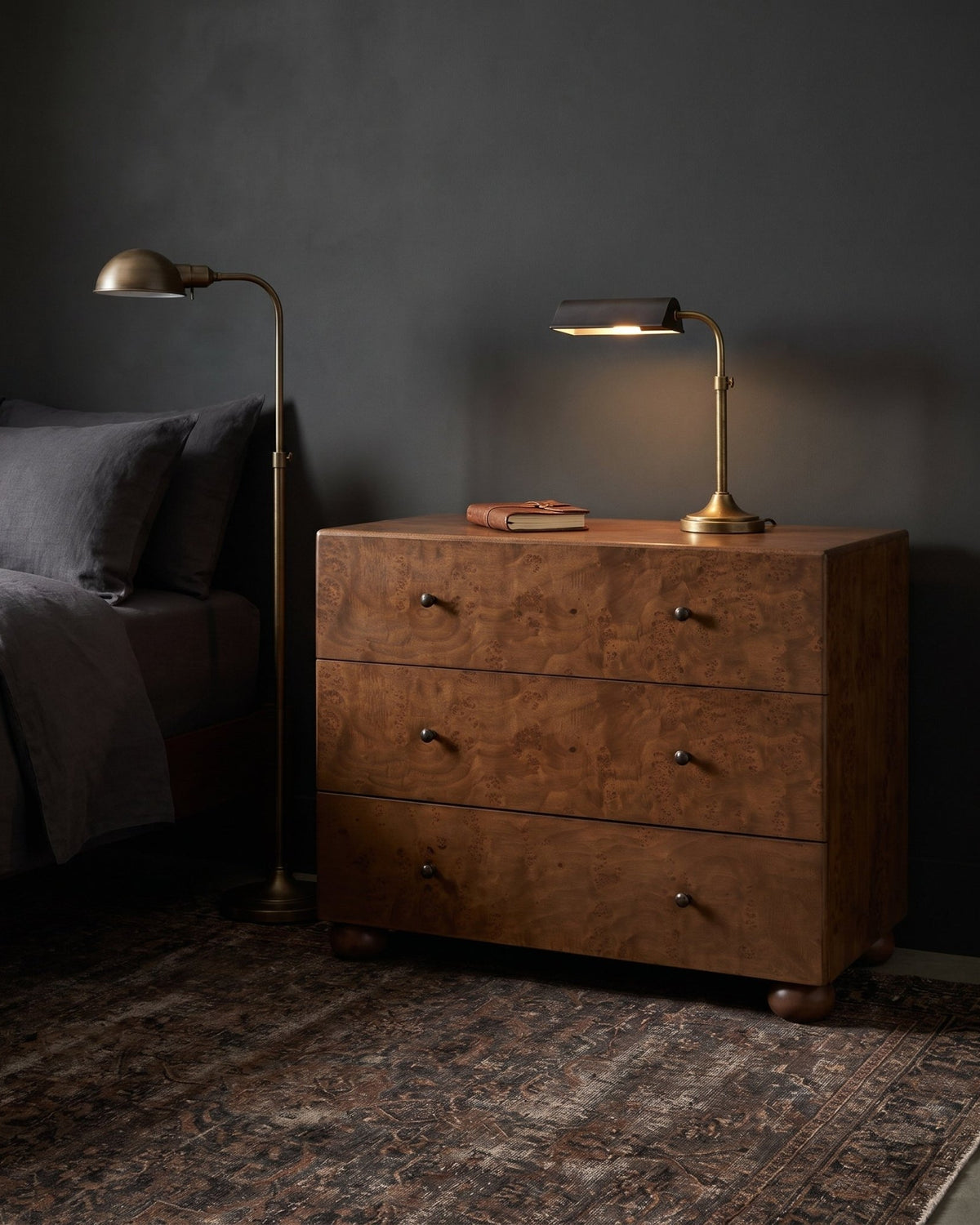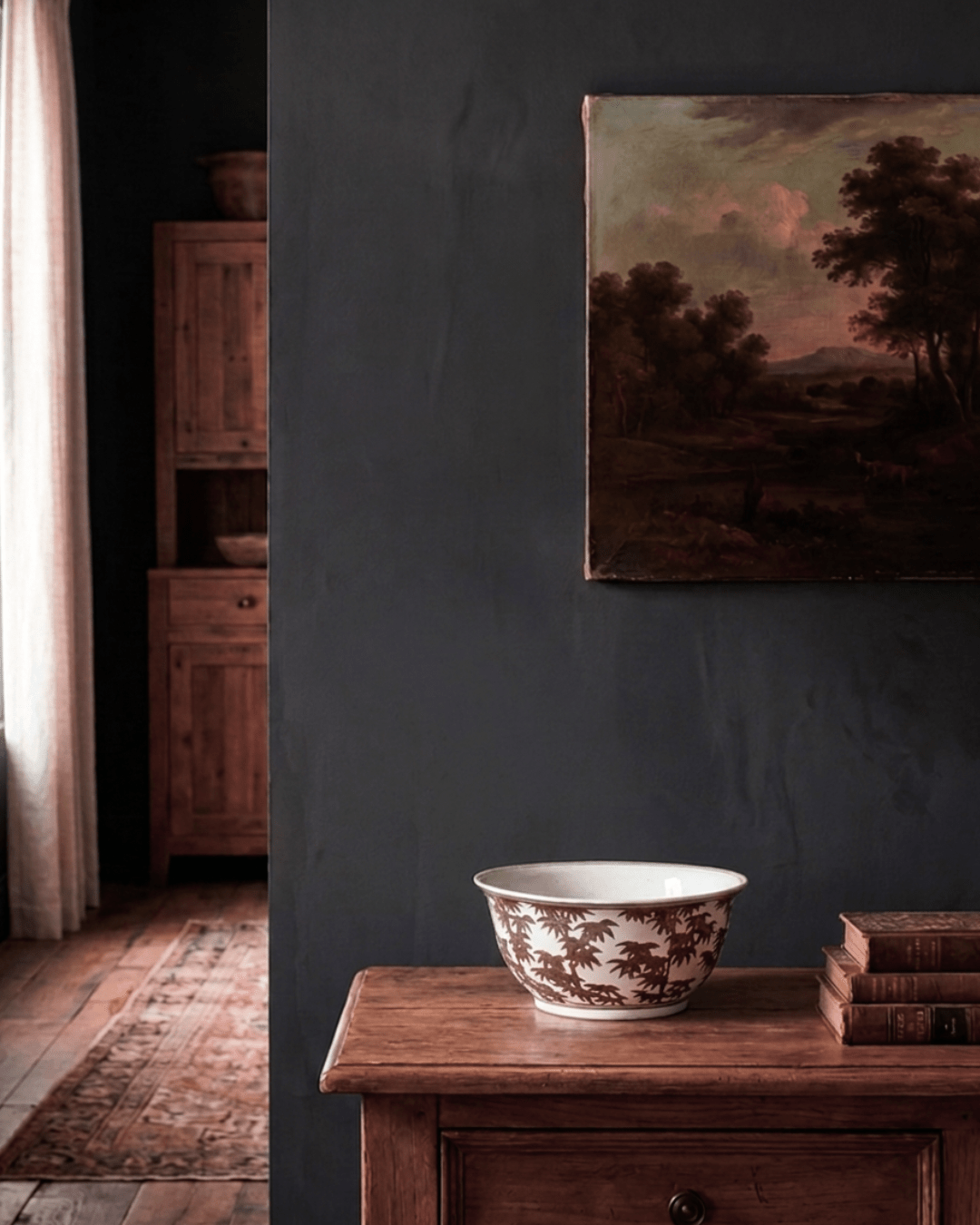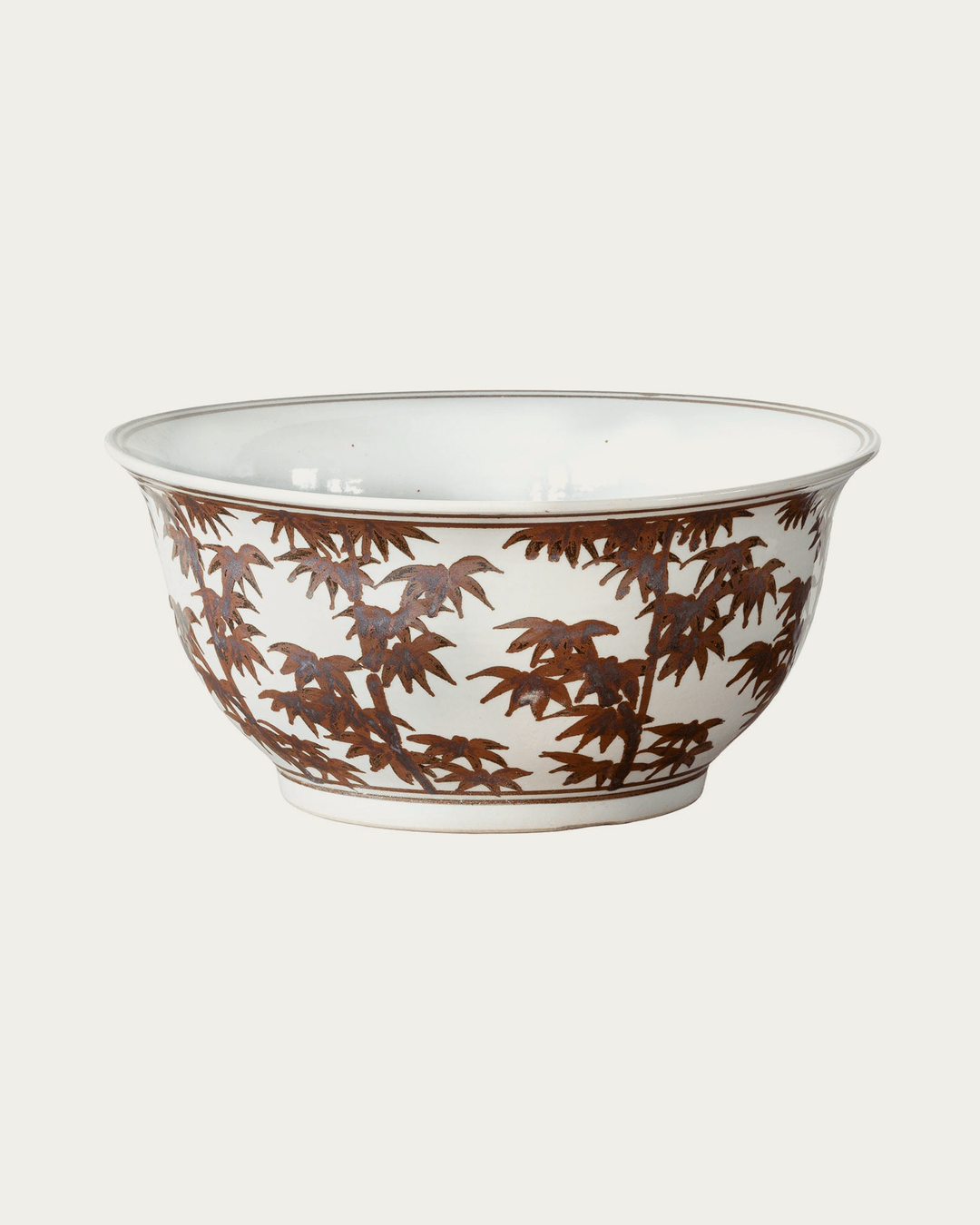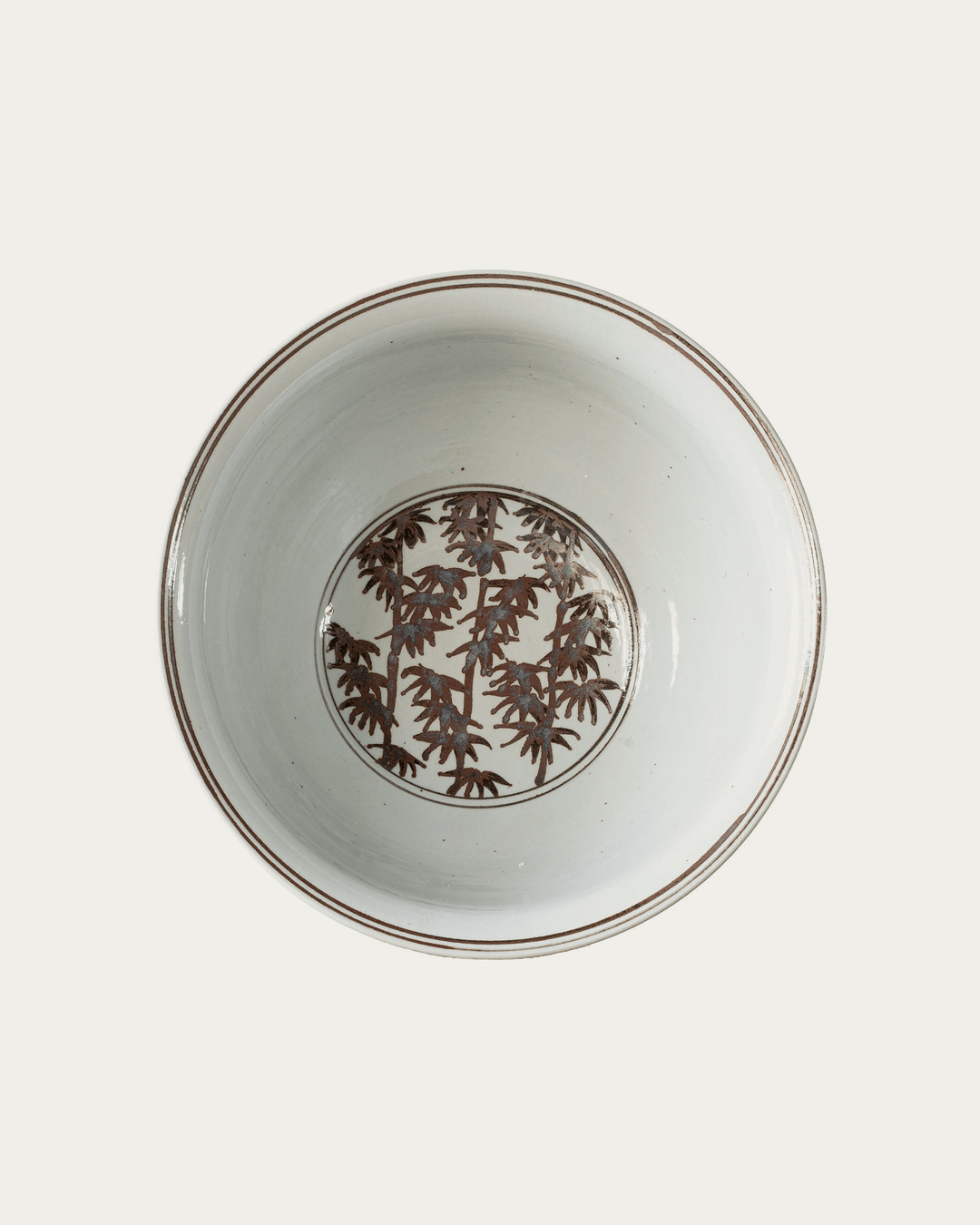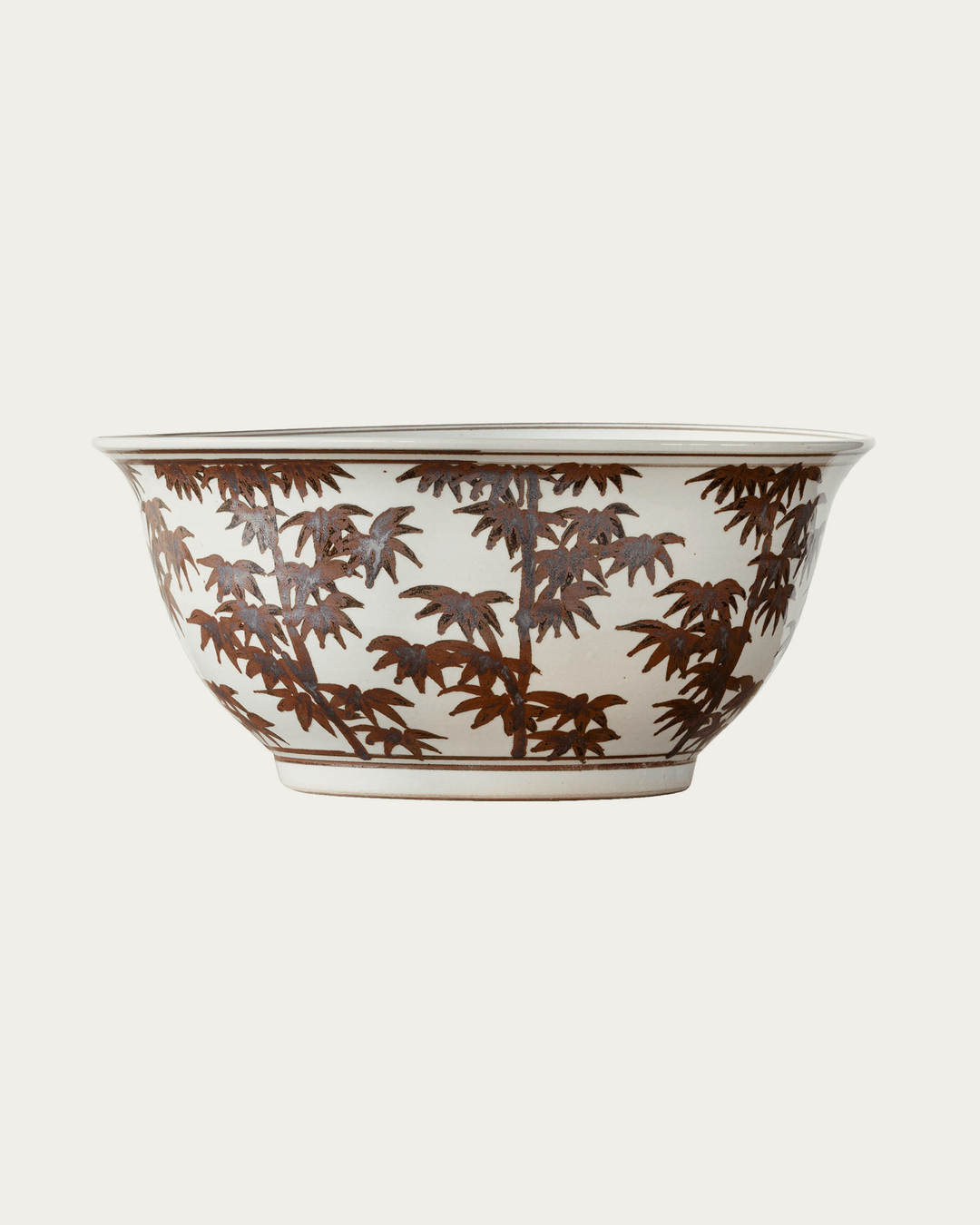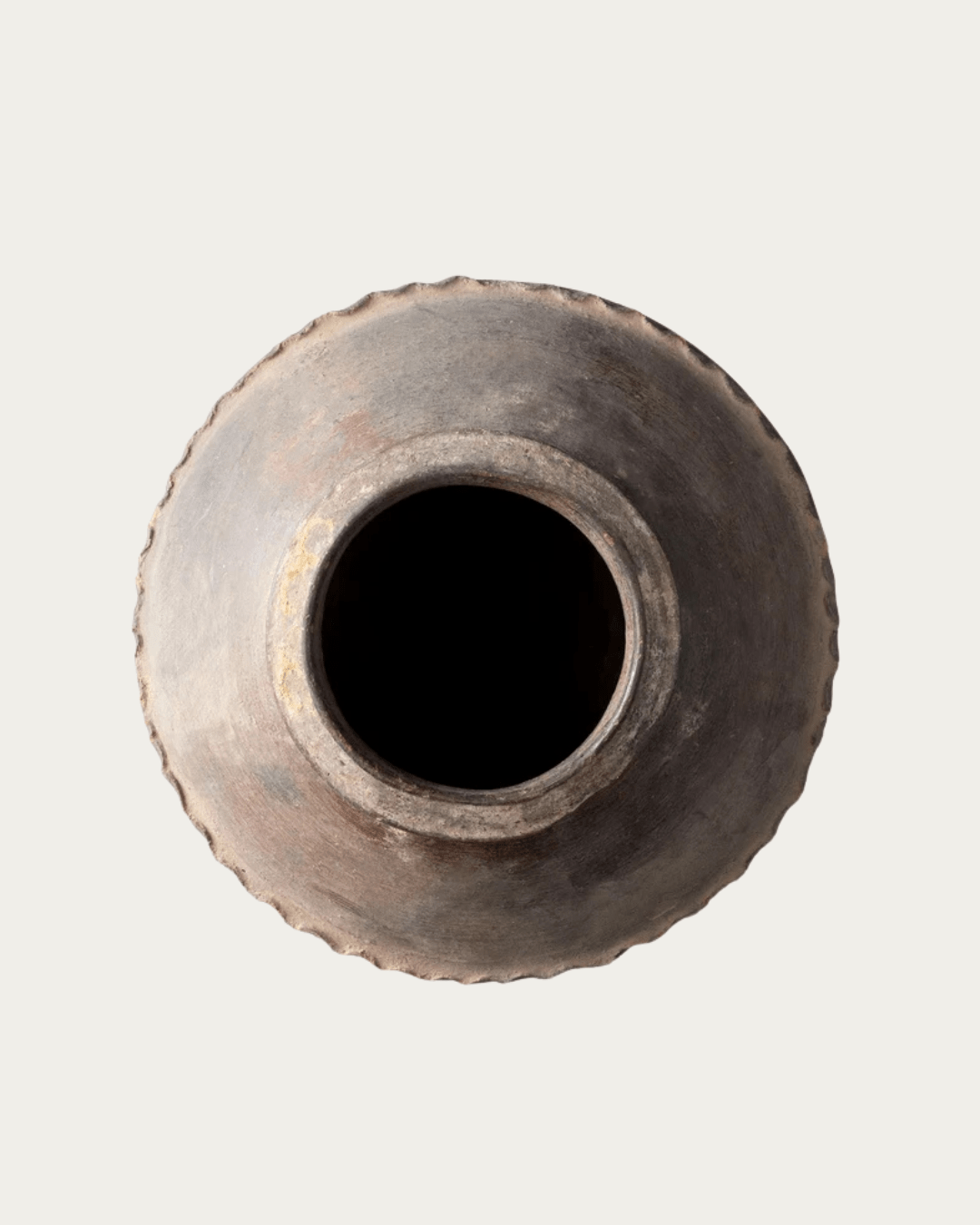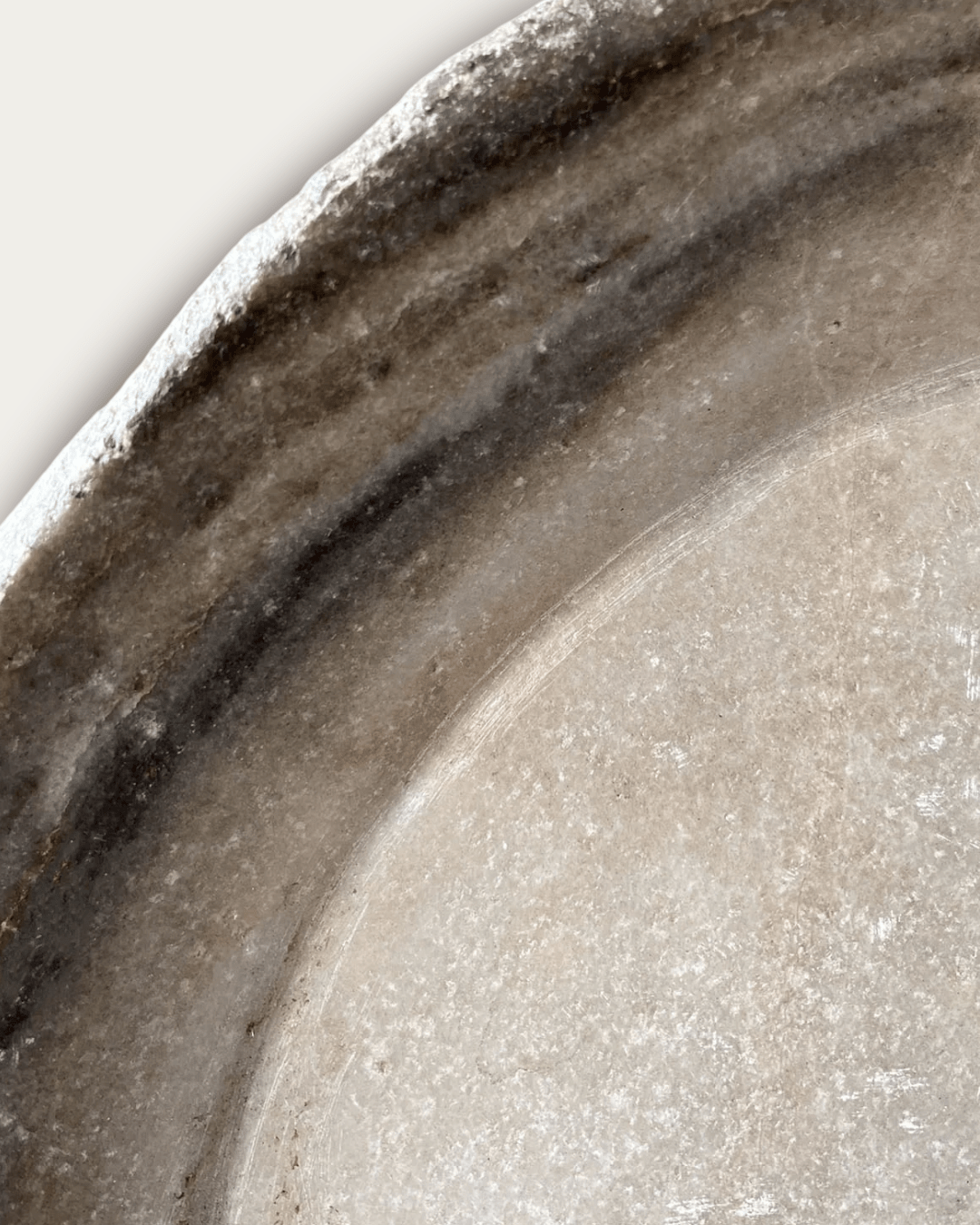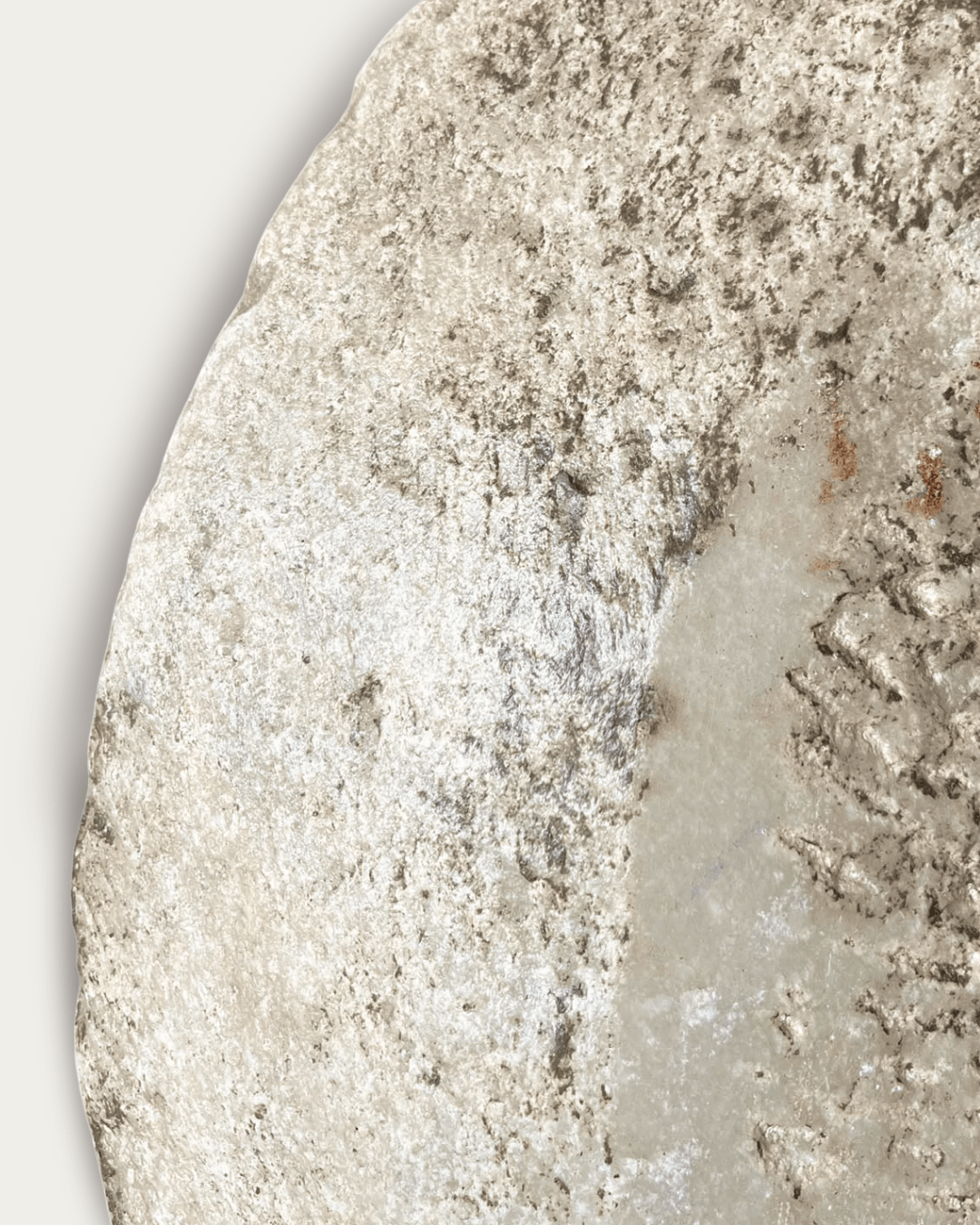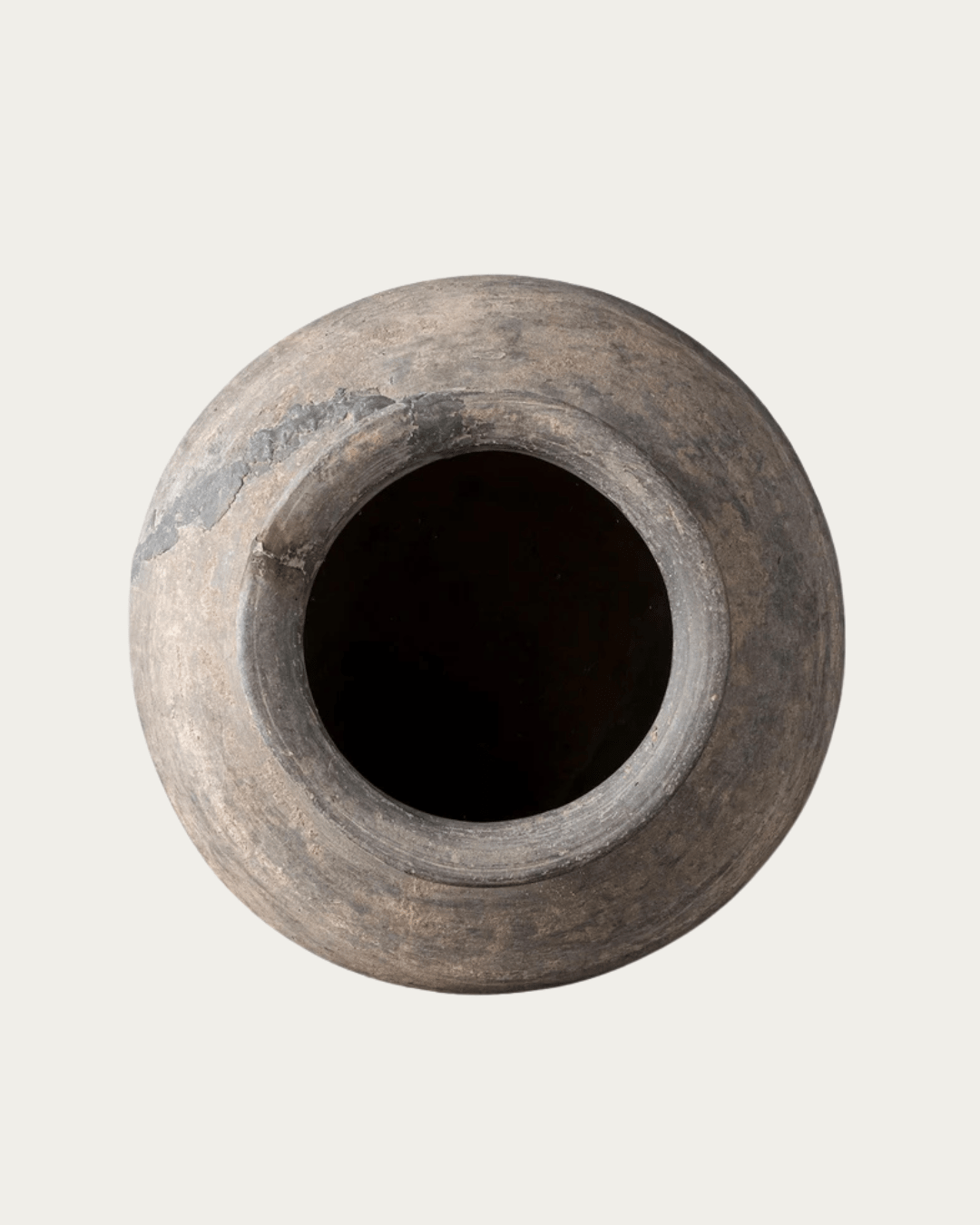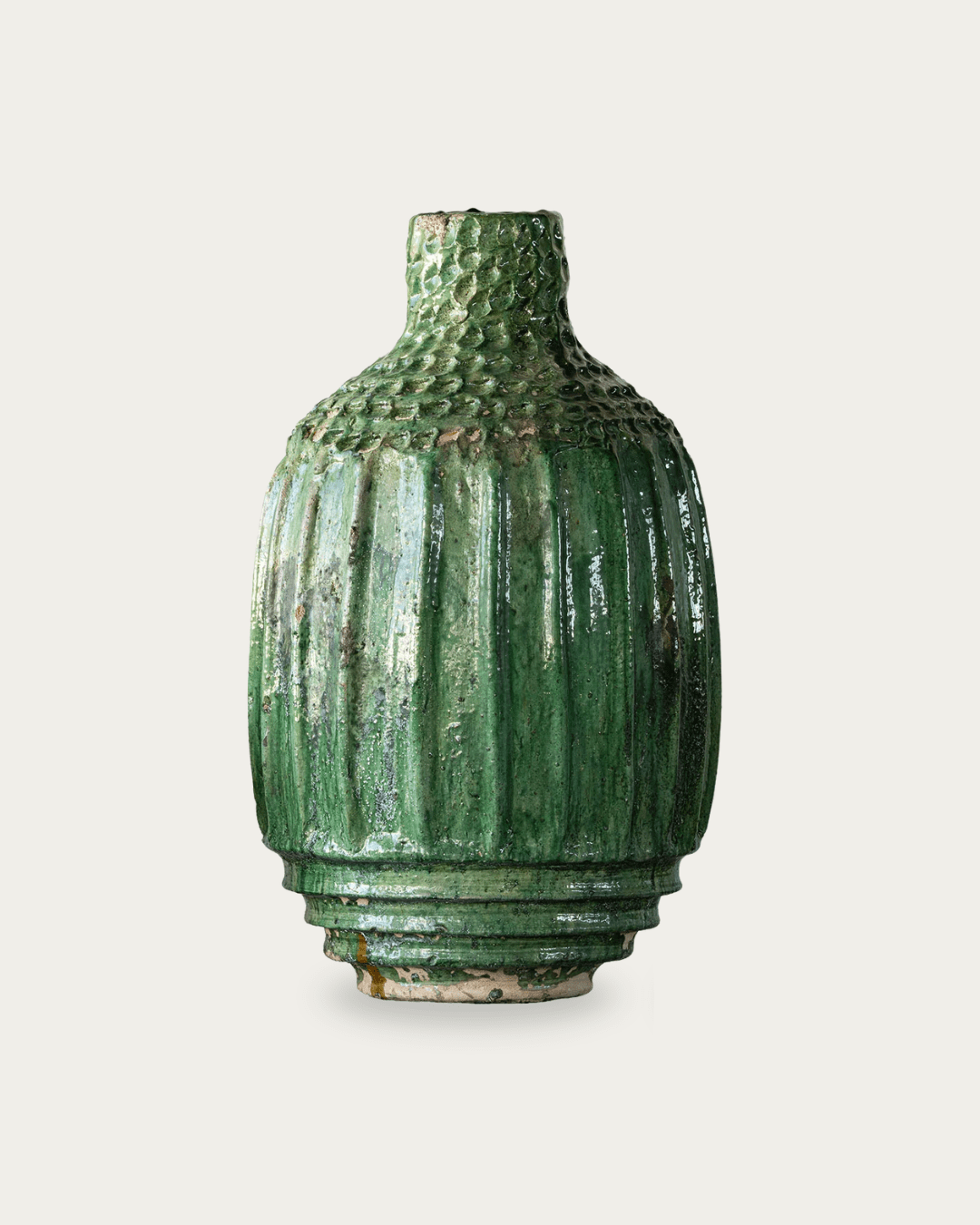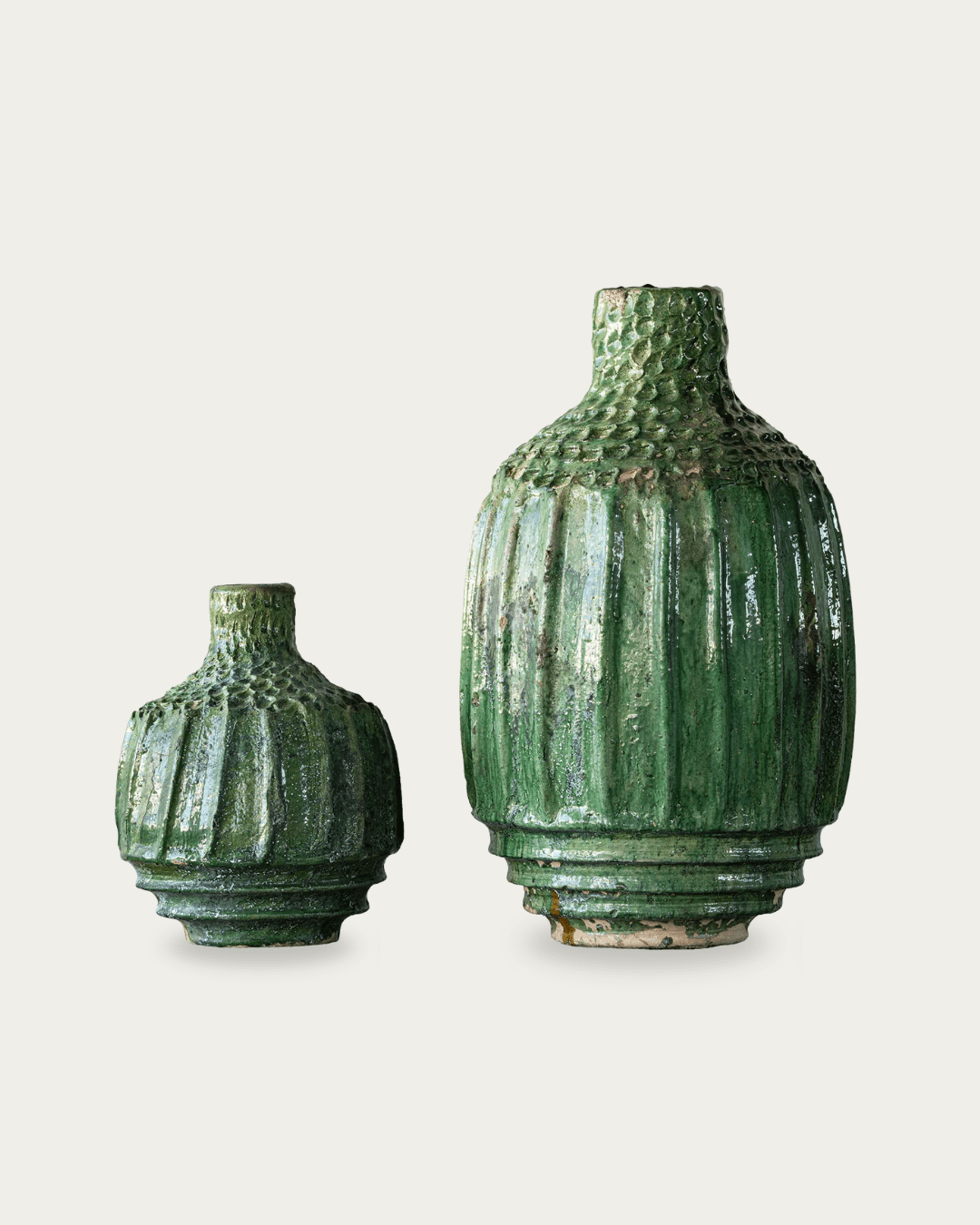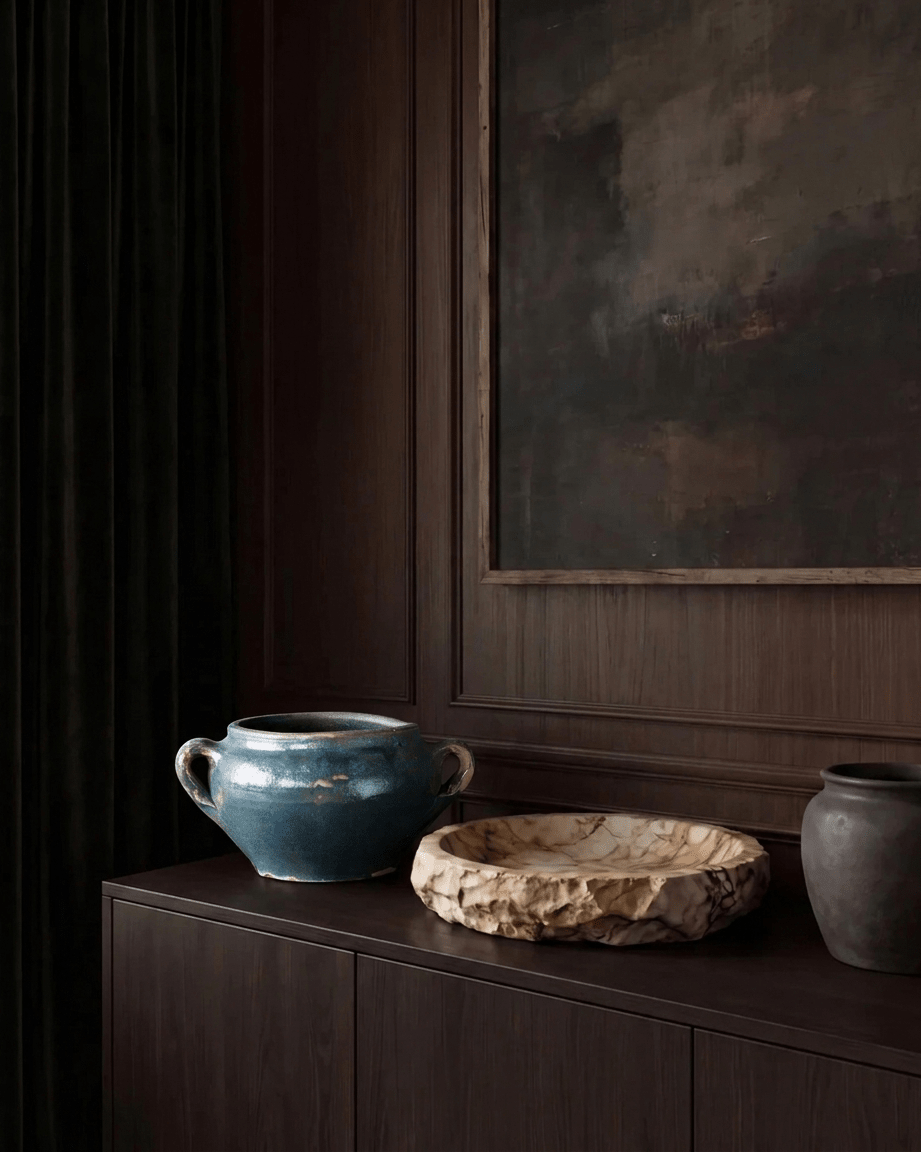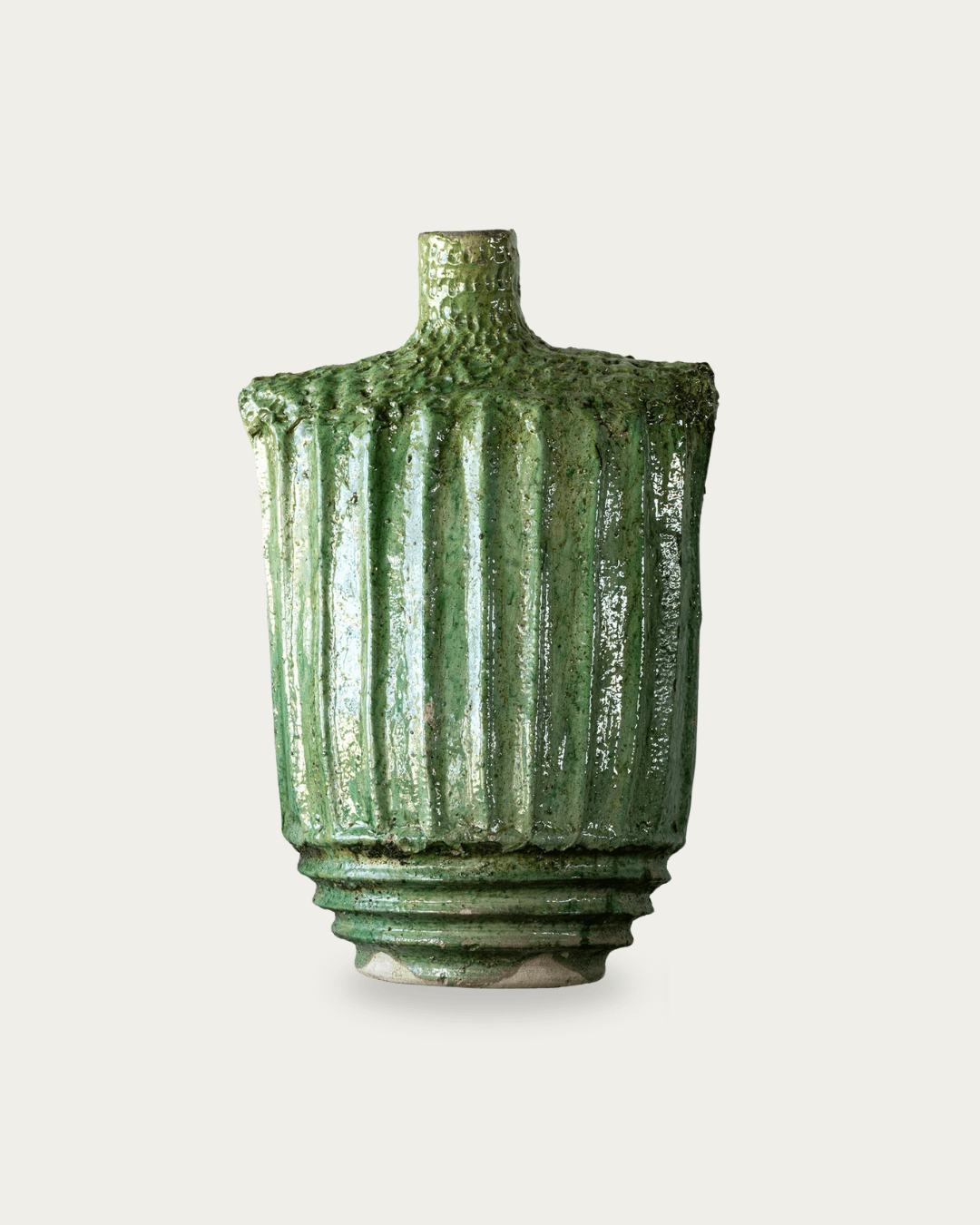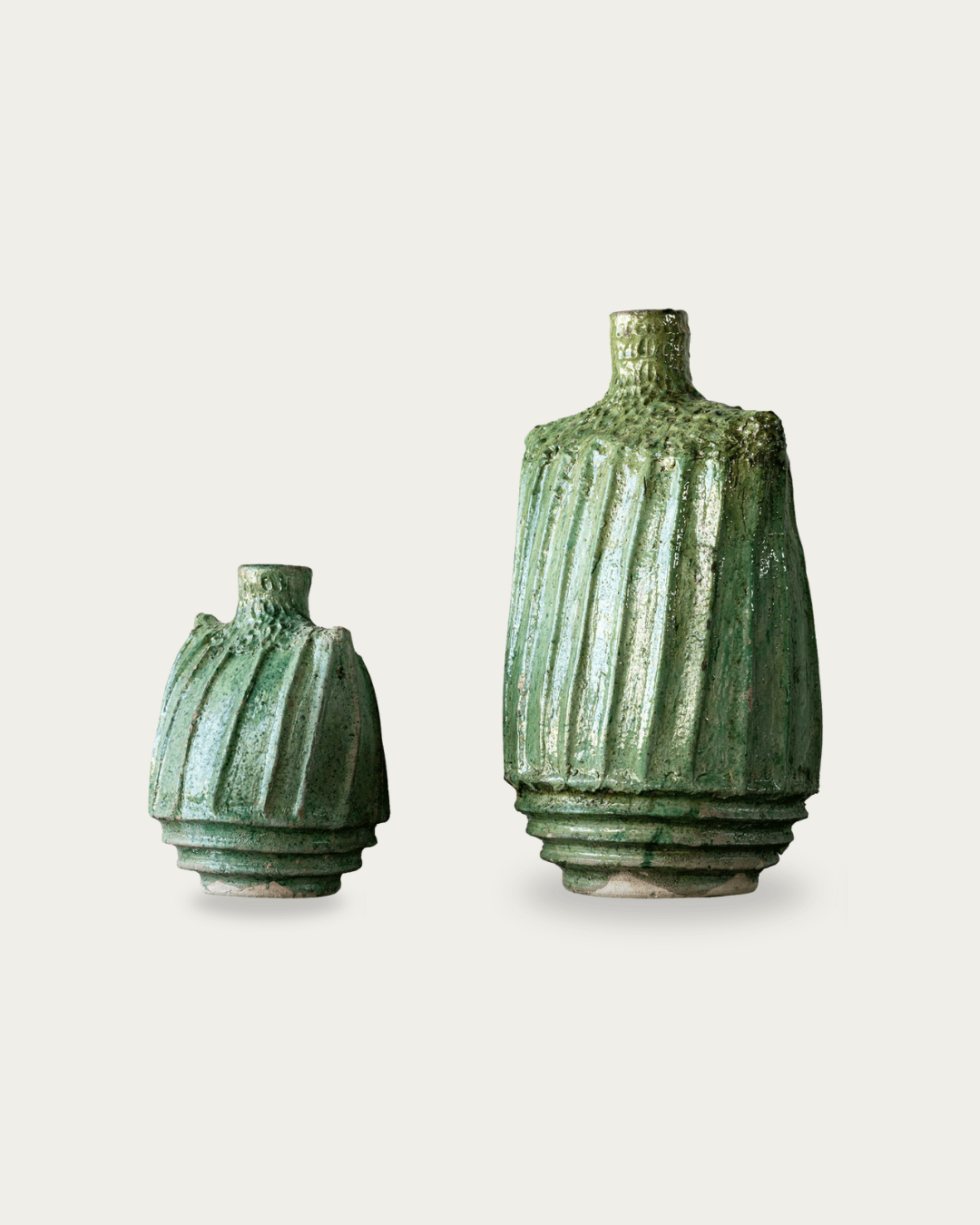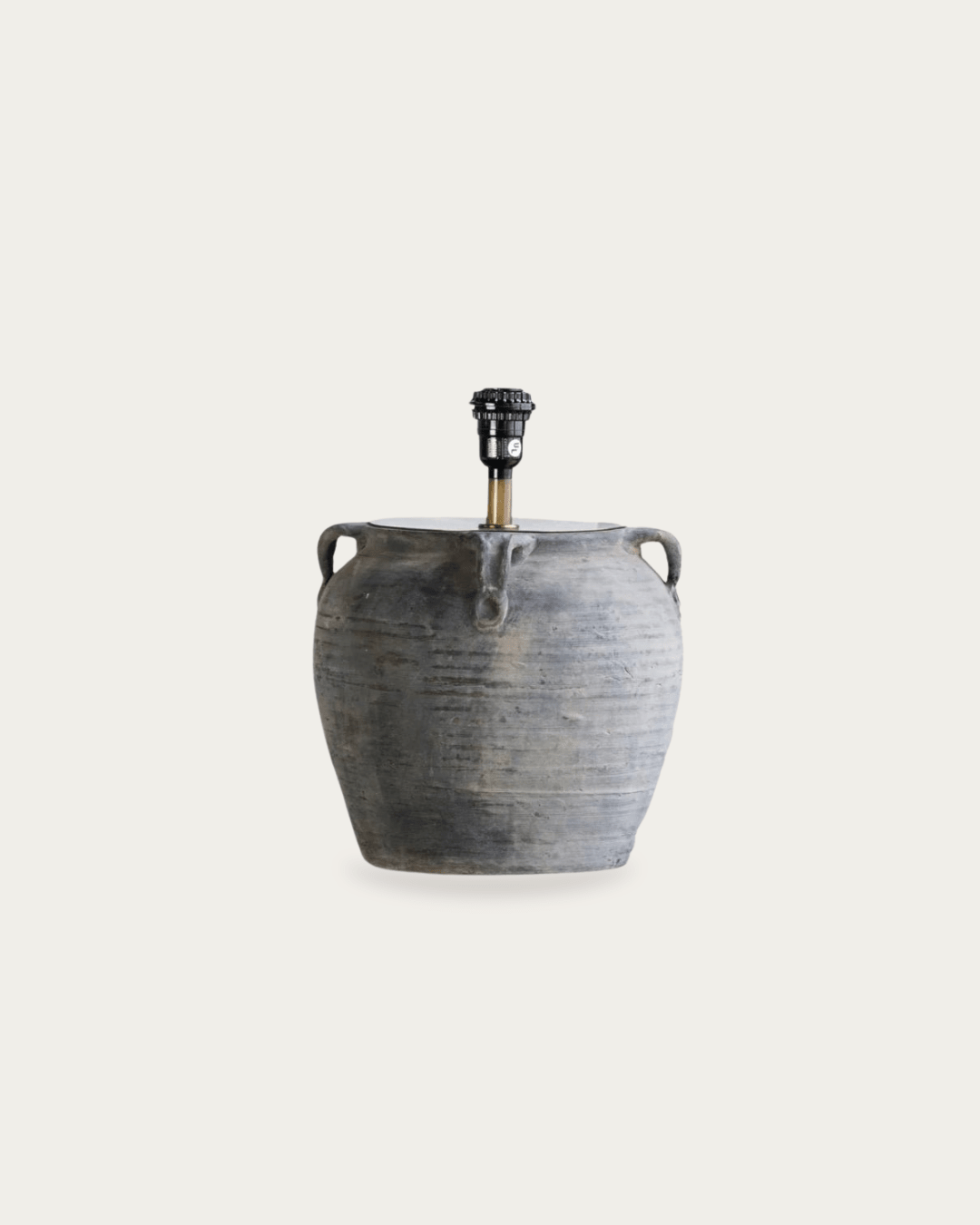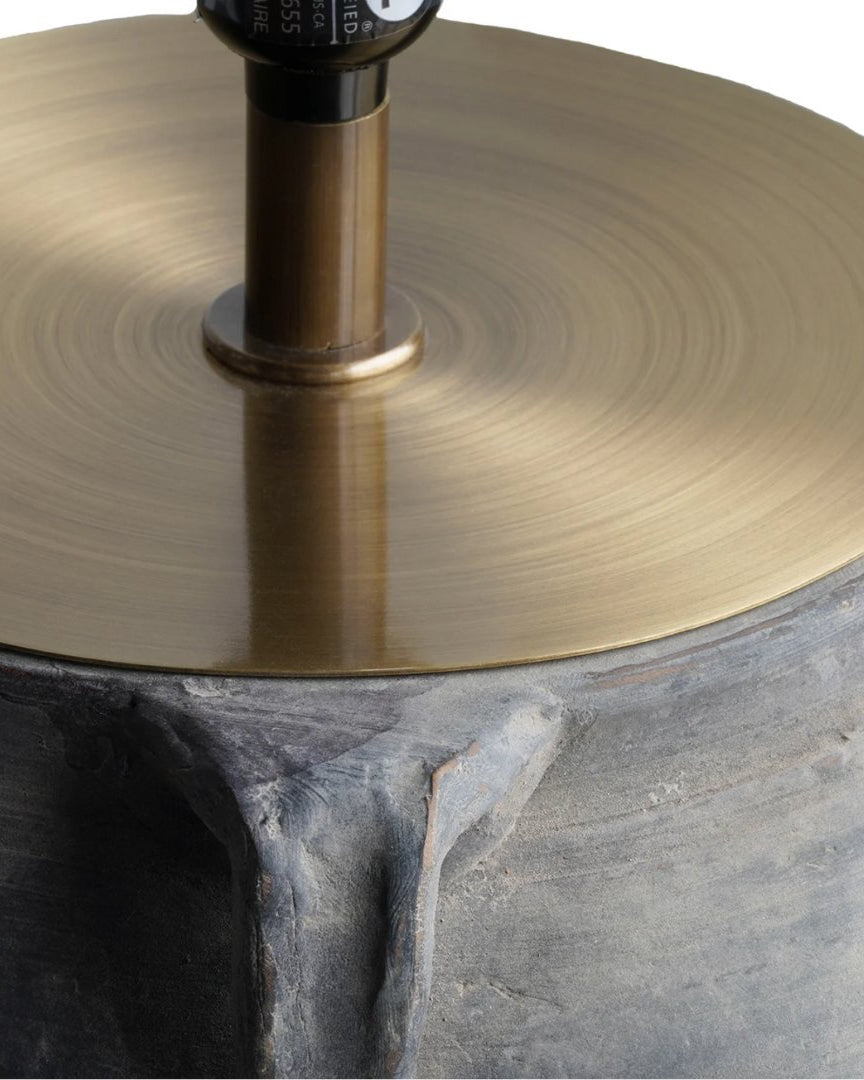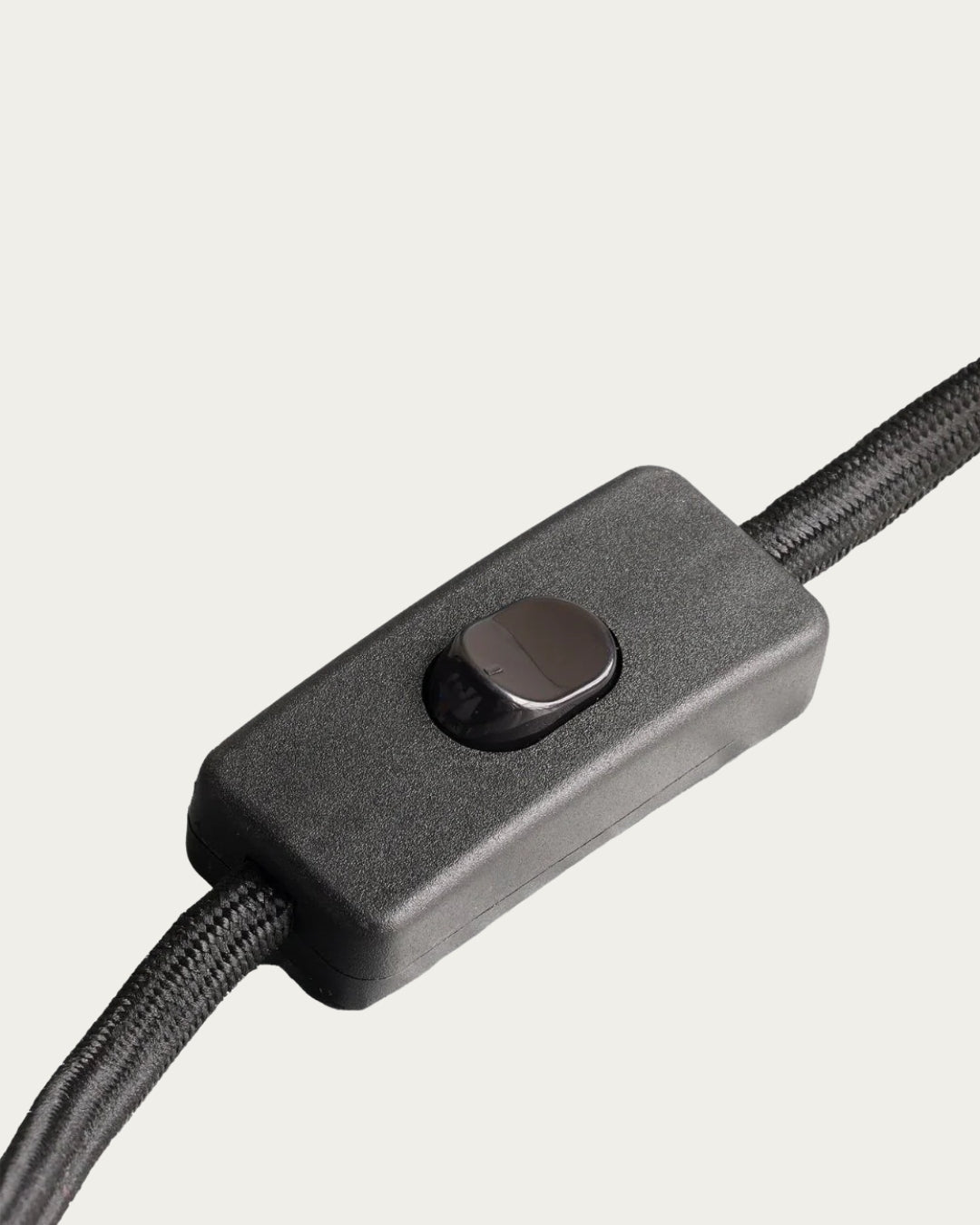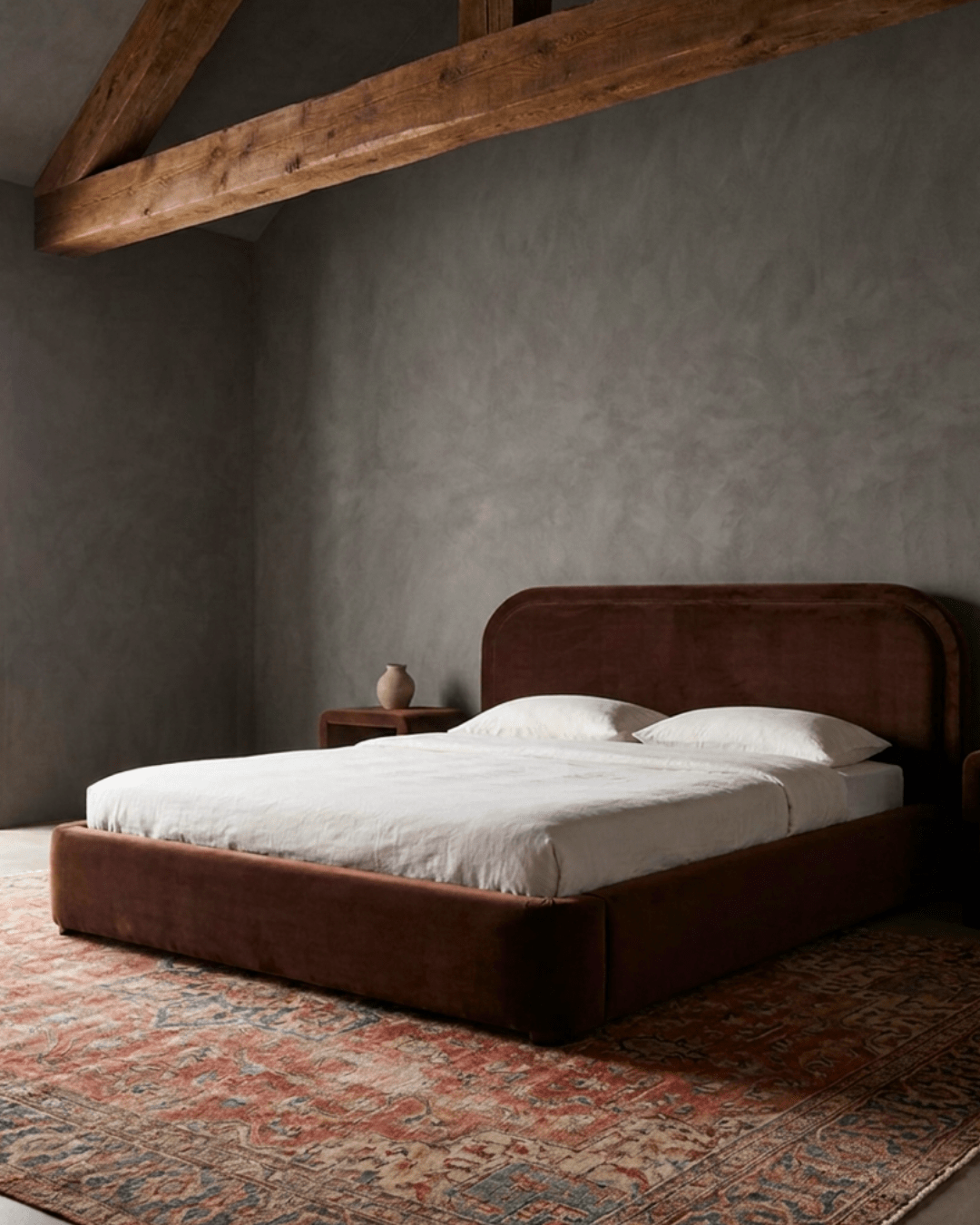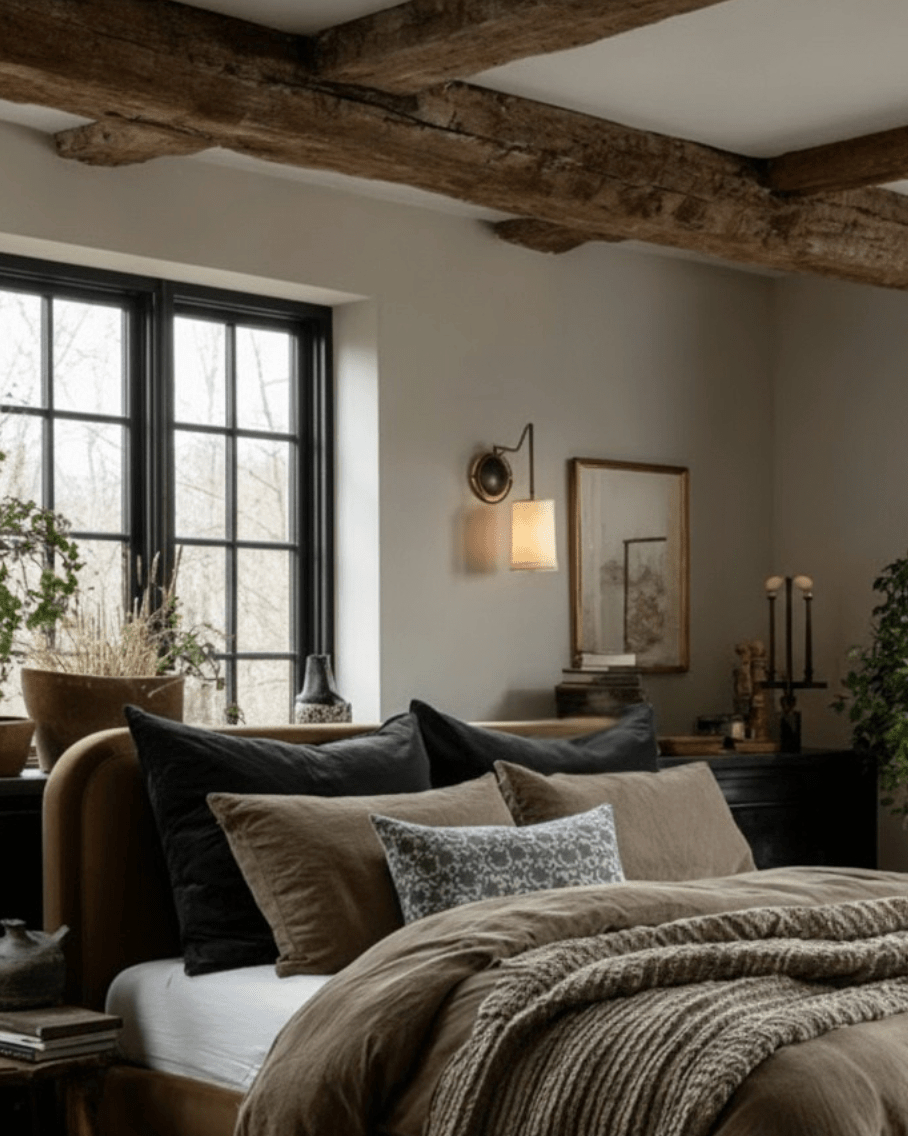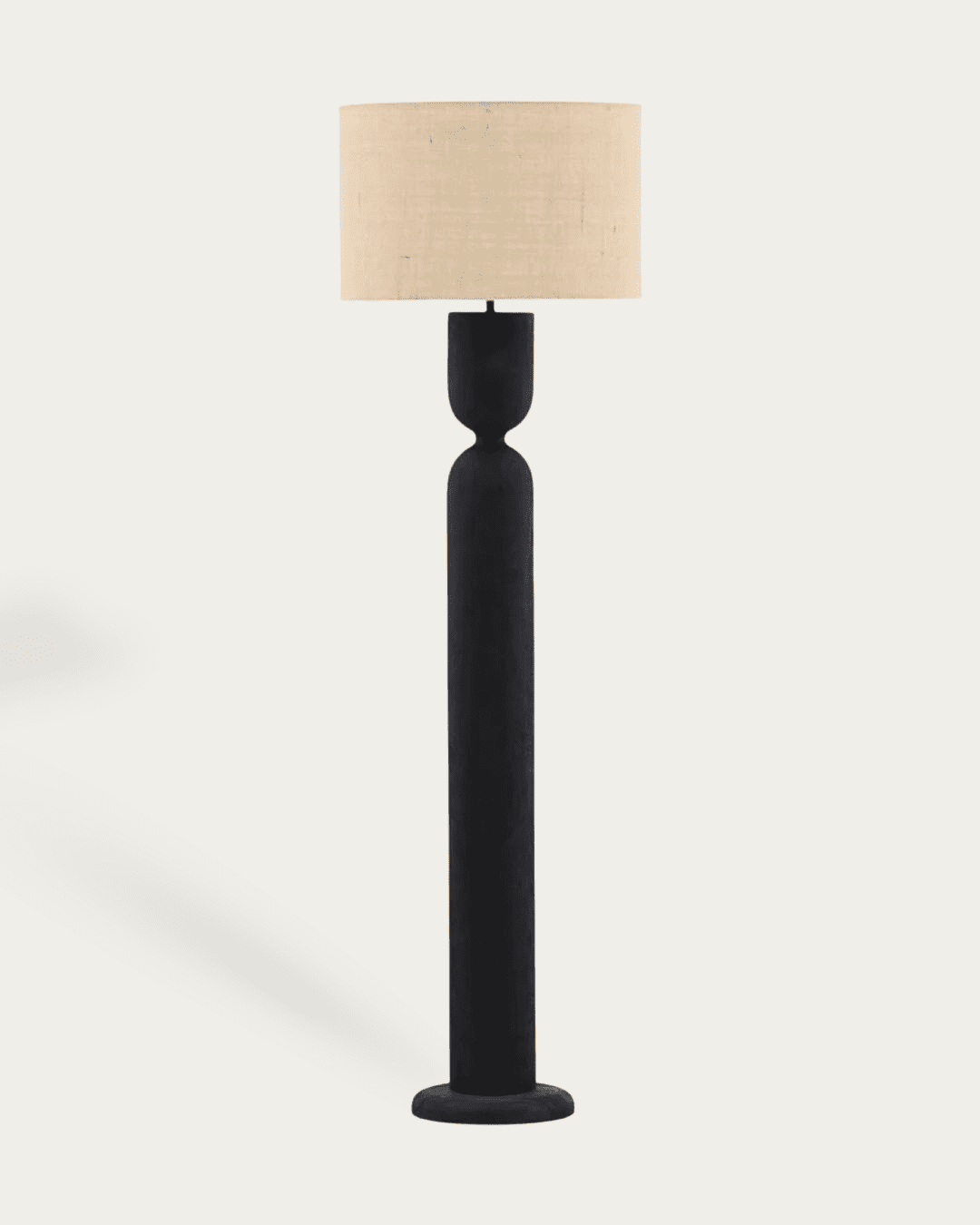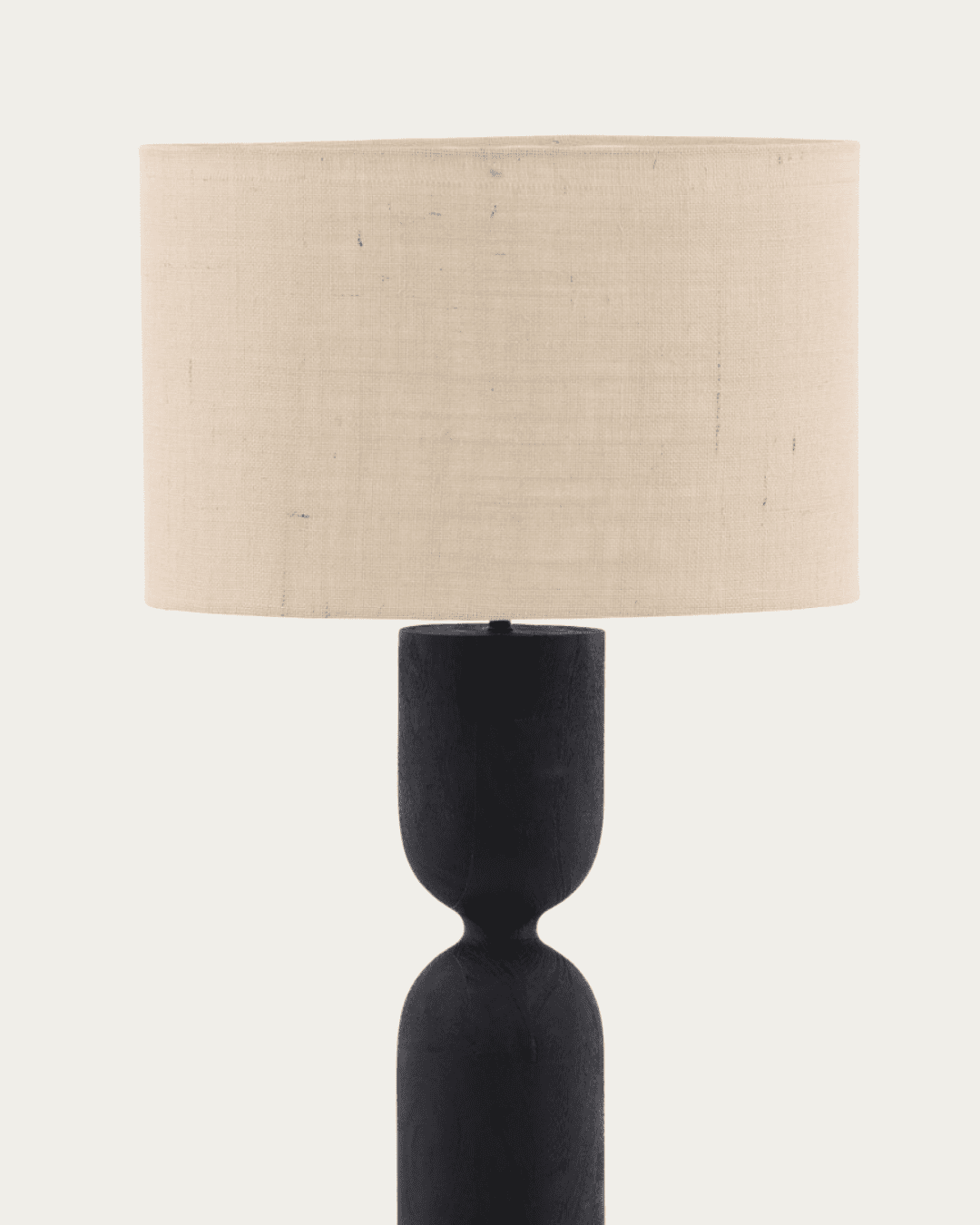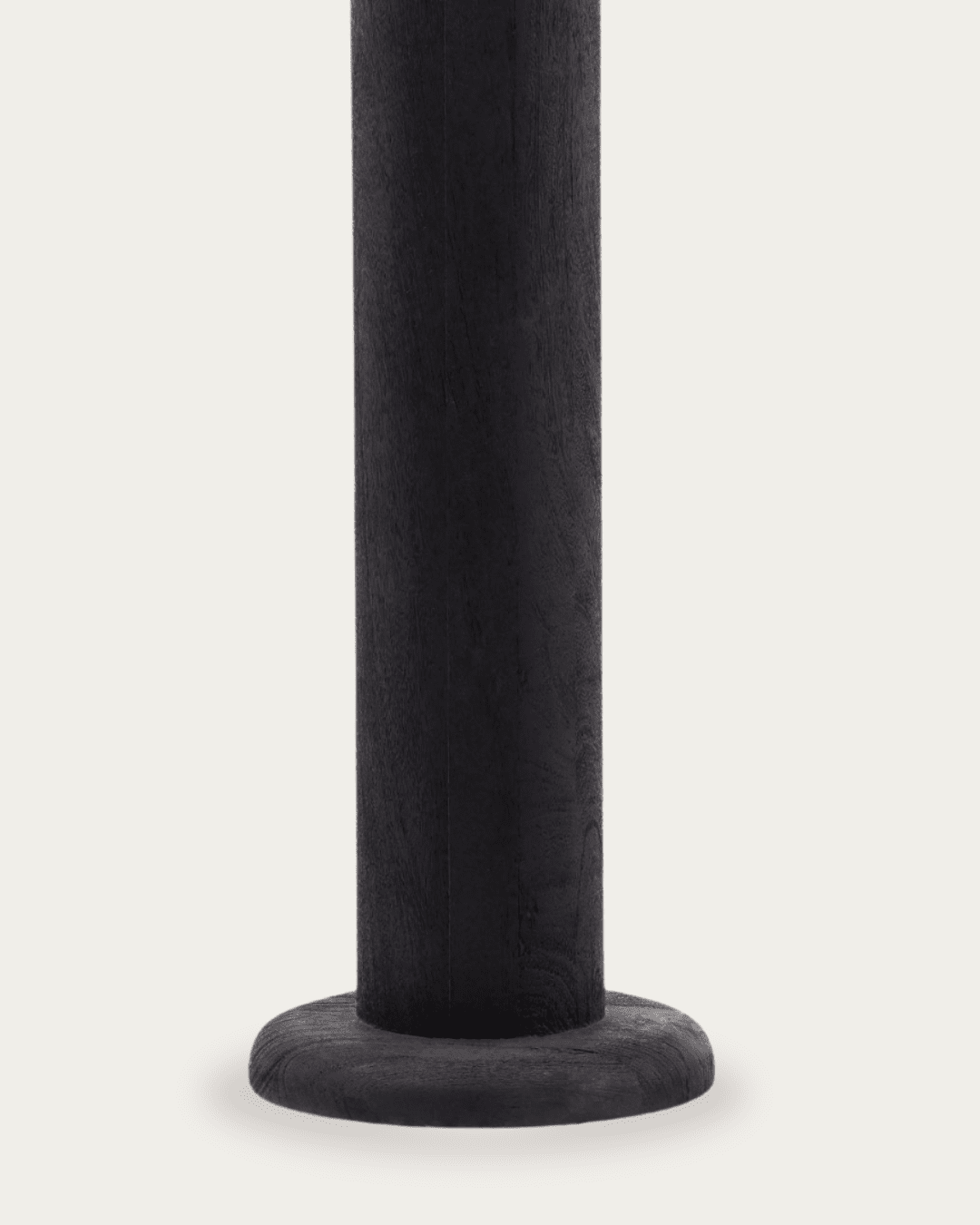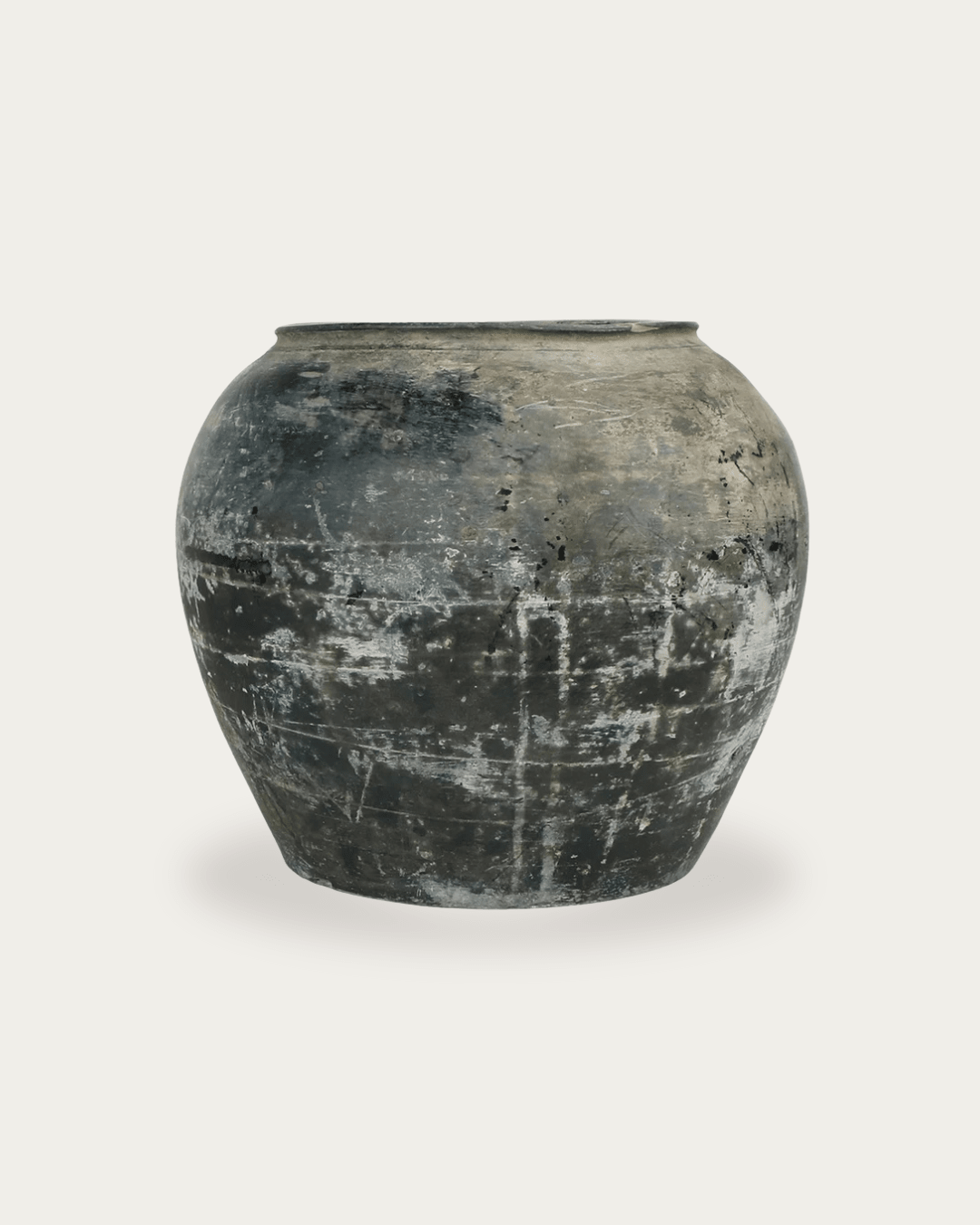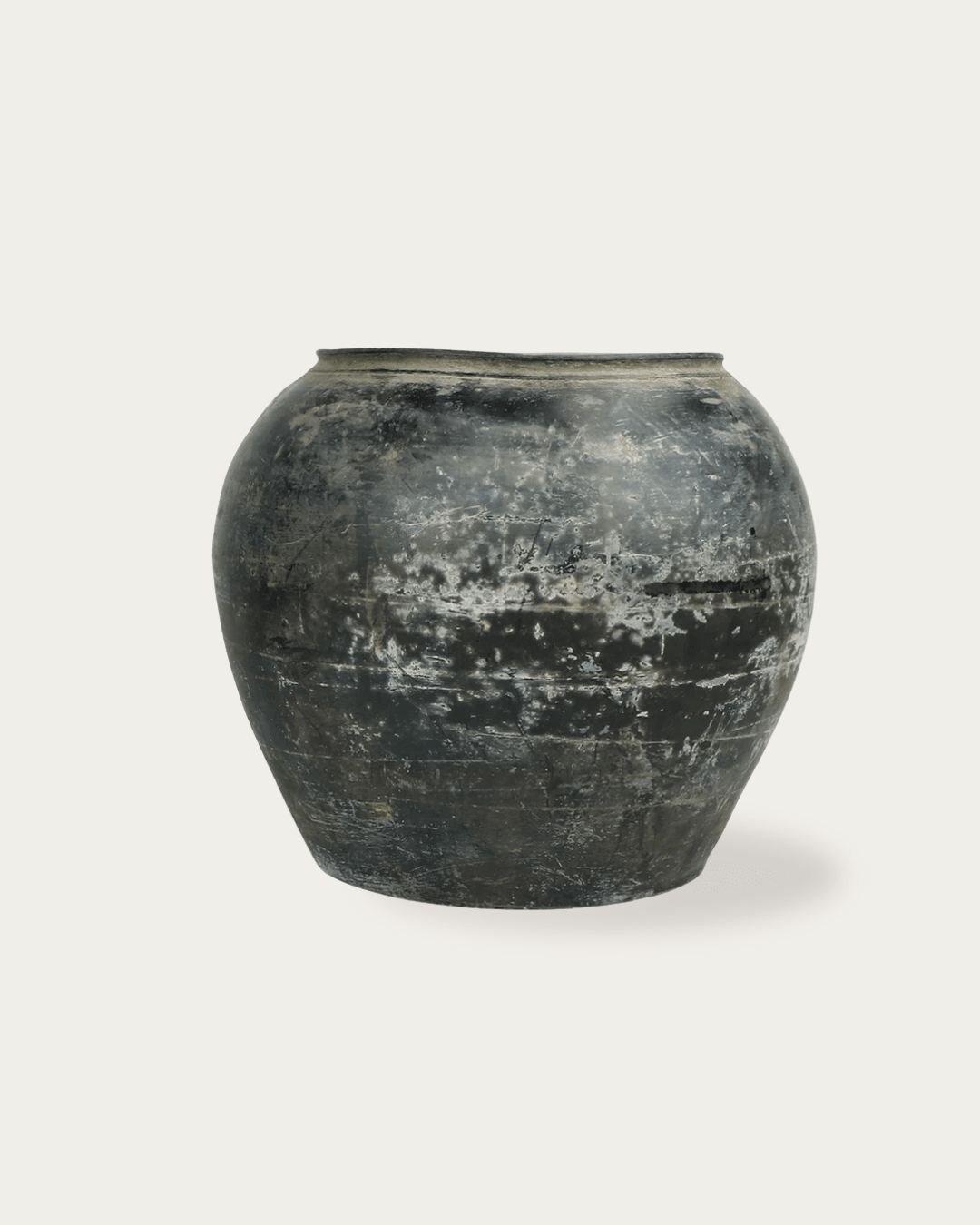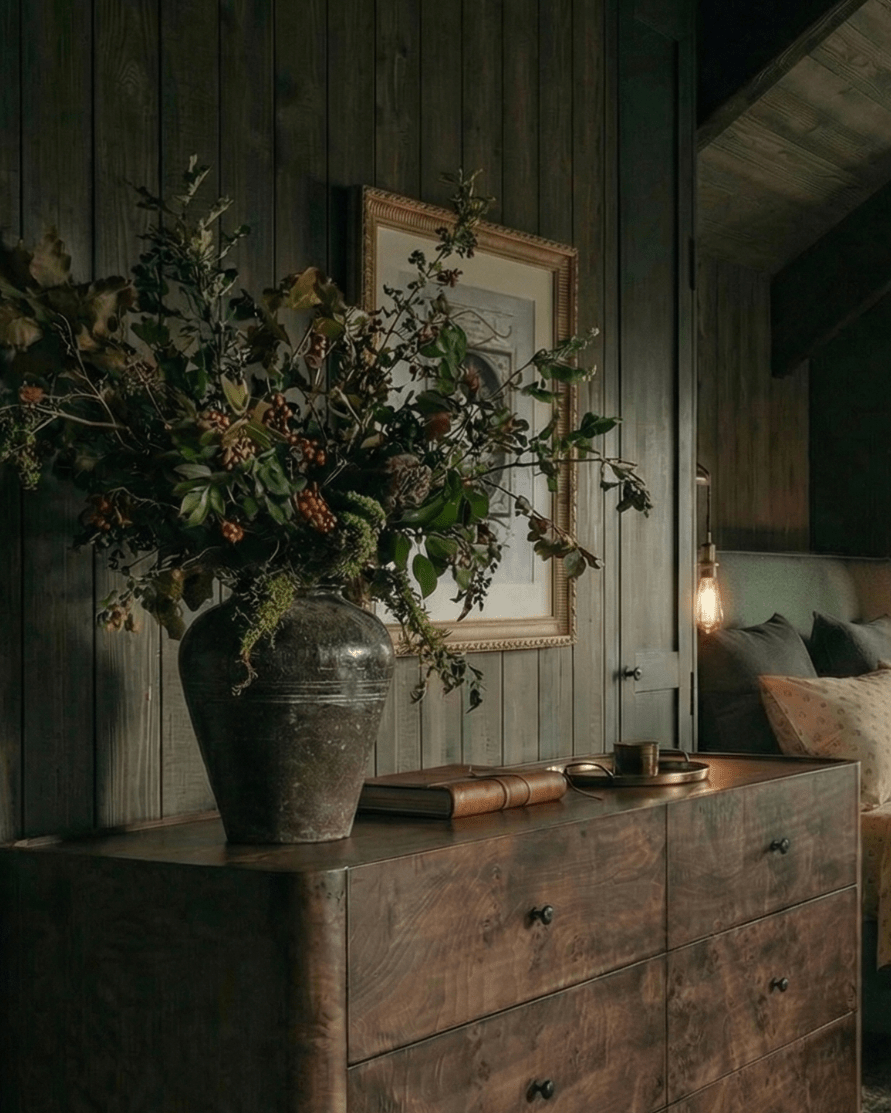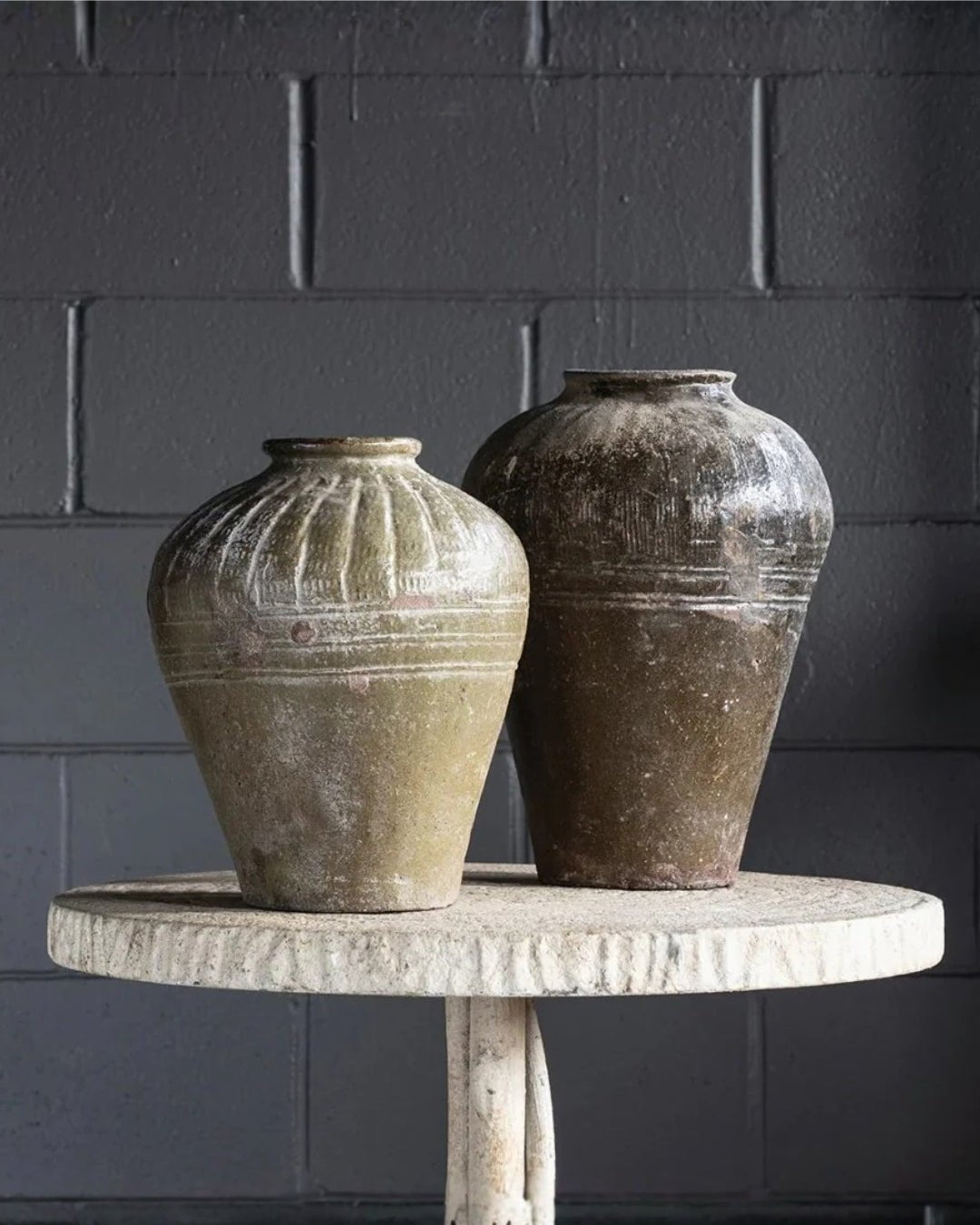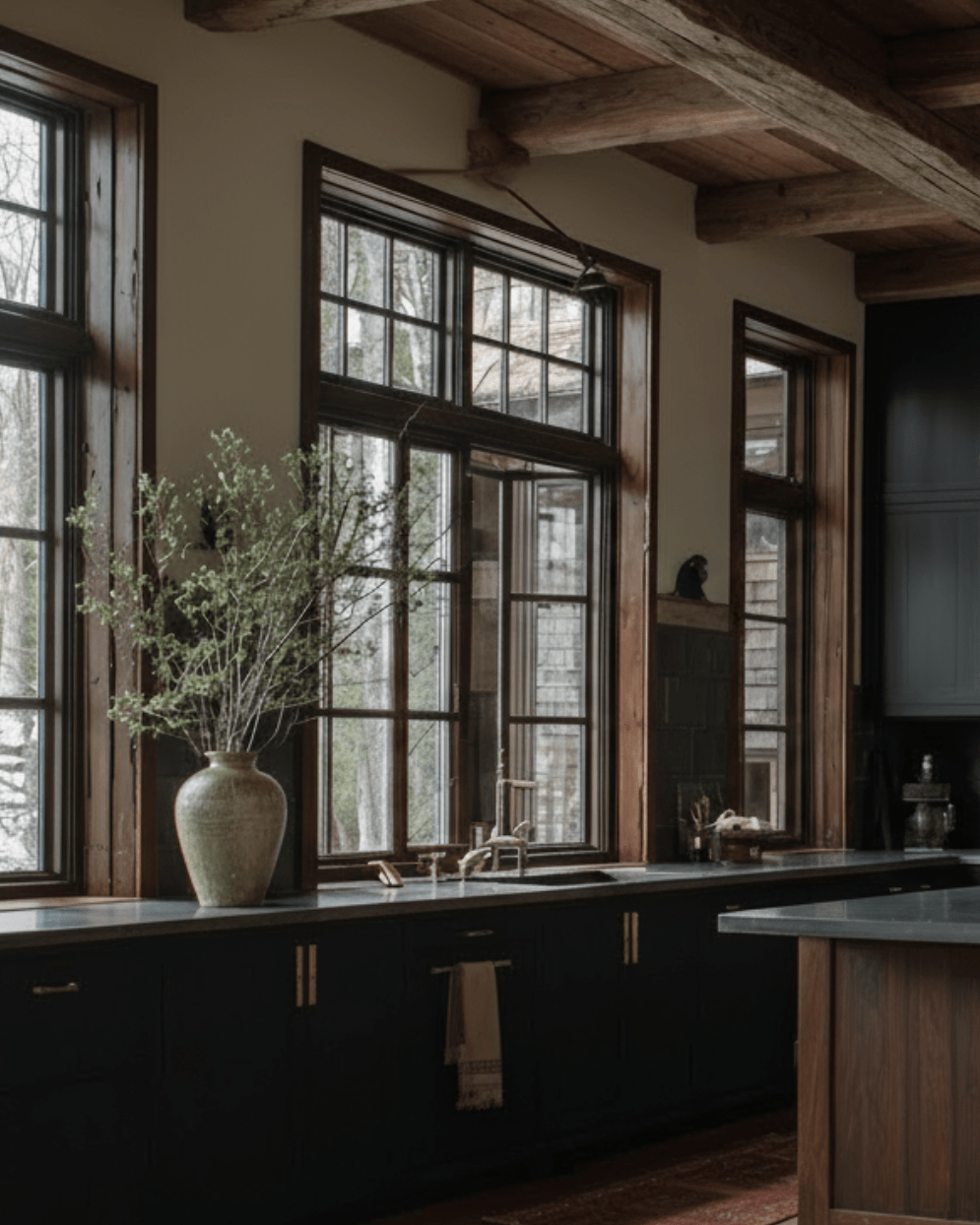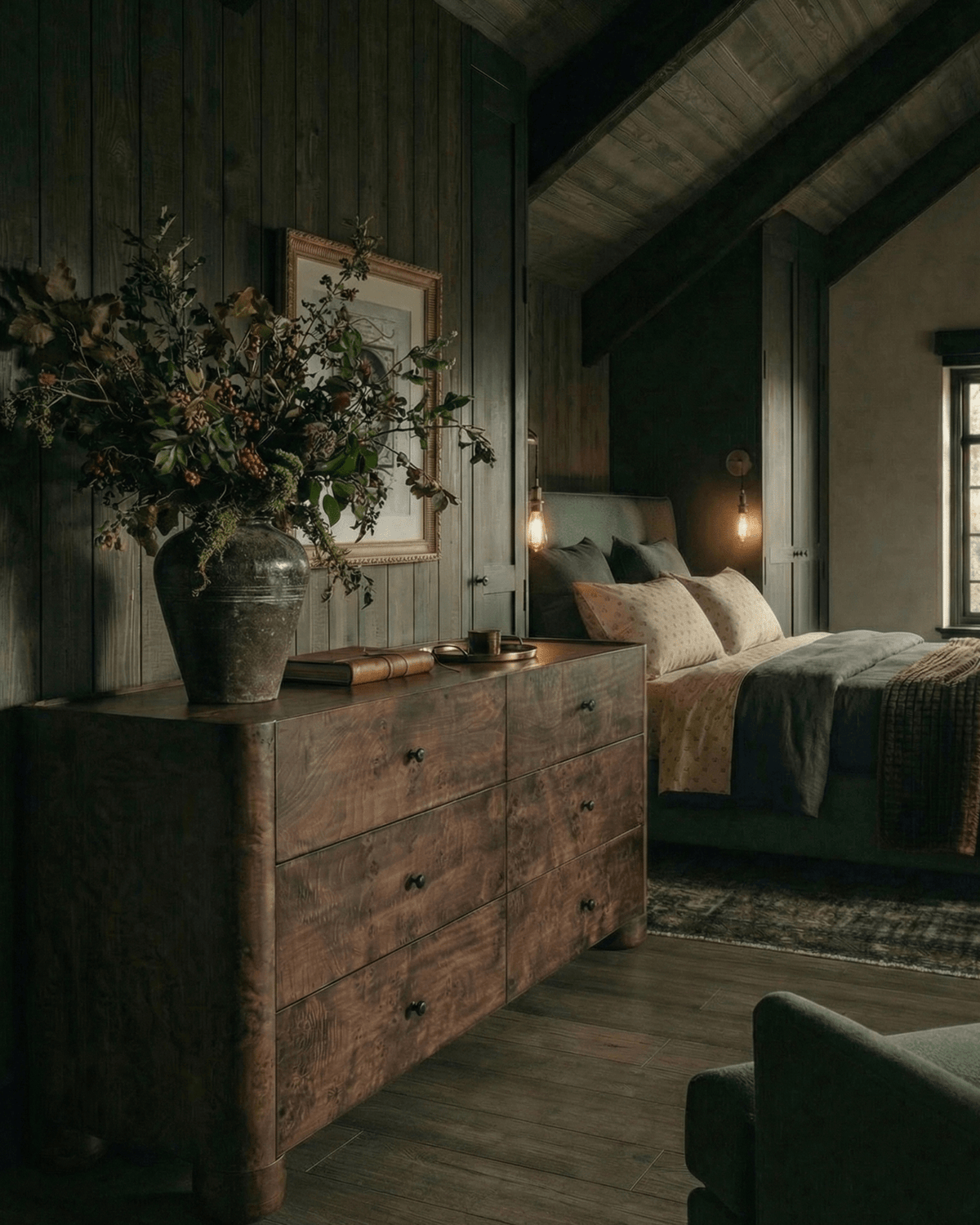









Most table lamps are chosen backwards. We find an empty surface, put a lamp on it, and only later realize the light is too high, too low, too far away, or basically decorative.
A better starting point is the 3-foot lighting rule: keep useful table lighting roughly within three feet of the activity it needs to support. Think beside the sofa where you read, next to the bed where you wind down, or on the console you pass every evening. A unique table lamp can look great across the room, but its placement should make sense from the seat, surface, or task closest to it.
Three feet isn't a building code. It's a practical starting point that stops lamps from drifting into places where they look good but do very little.
Explore Hello Norden's table lamp collection and start thinking about where the light needs to land before deciding where the lamp should sit.


What Is the 3-Foot Lighting Rule?
The idea is simple: table lamps generally work best when they're close to the people and activities they're meant to illuminate.
That means thinking in zones rather than asking, “Where is there an empty table? ”
A lamp used for reading belongs close to the chair.
A bedside lamp belongs within comfortable reach of the bed.
A console lamp can sit farther from seating because its job may be ambient light rather than task lighting.
The rule isn't about measuring exactly 36 inches with a tape measure. It's about preventing a common lighting mistake: putting small pools of light too far away from where people actually spend time.
Start With the Person, Not the Outlet
Outlets matter, obviously.
But don't let the nearest outlet dictate the entire room.
Start with where you sit, read, work, talk, or get ready for bed. Then determine how the lamp can support that activity without creating glare or forcing you to cross the room every time you want to switch it off.
Lighting becomes much easier once a function gets the first vote.
Put a Table Lamp Beside the Sofa, Not Somewhere Near the Sofa
A lamp on the other side of the living room may create an atmosphere, but it won't necessarily help someone sitting on the sofa.
If the lamp is intended to make that seat more usable after dark, keep it close.
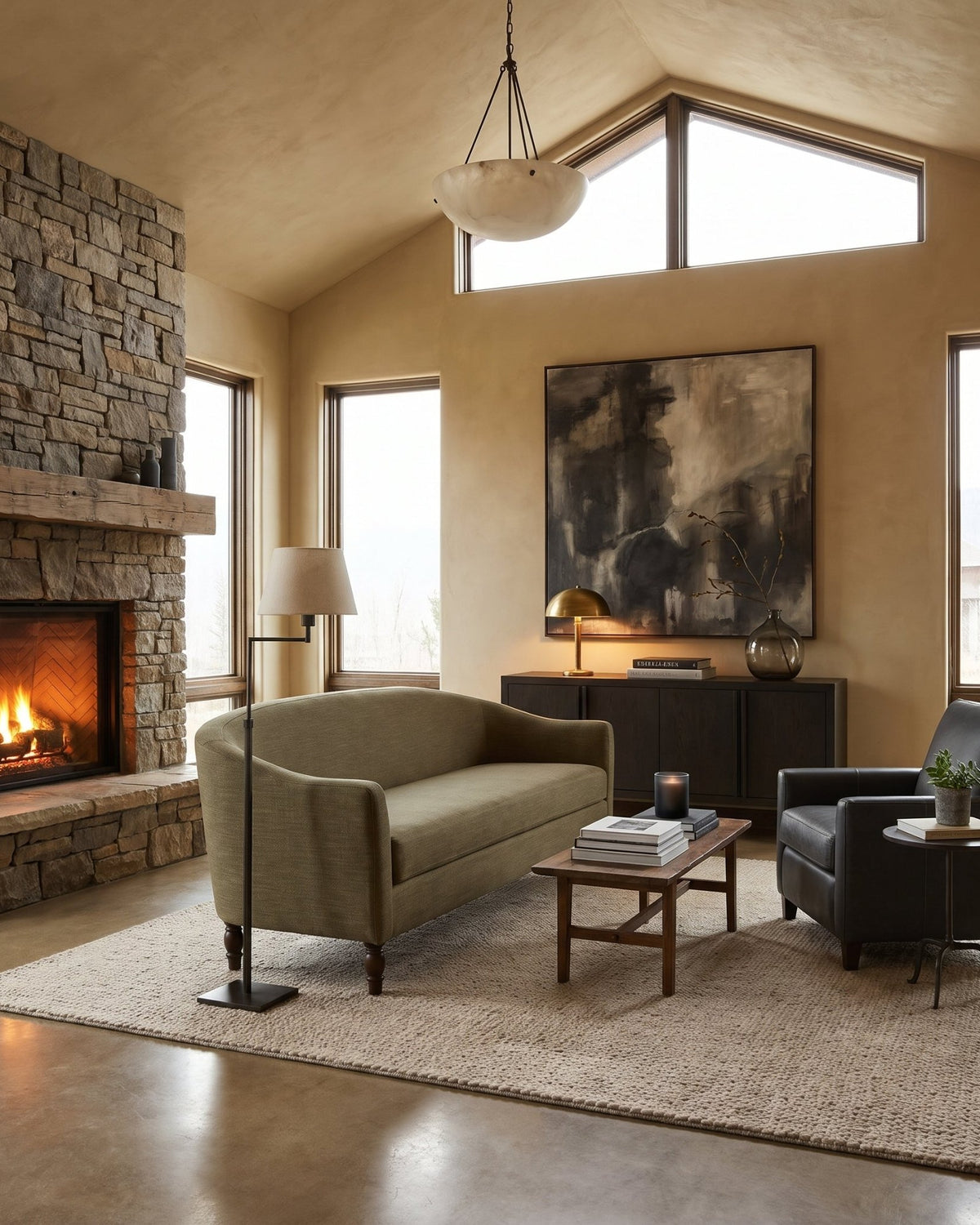
A side table beside the sofa is the obvious location because the furniture and lamp begin functioning as one small zone.
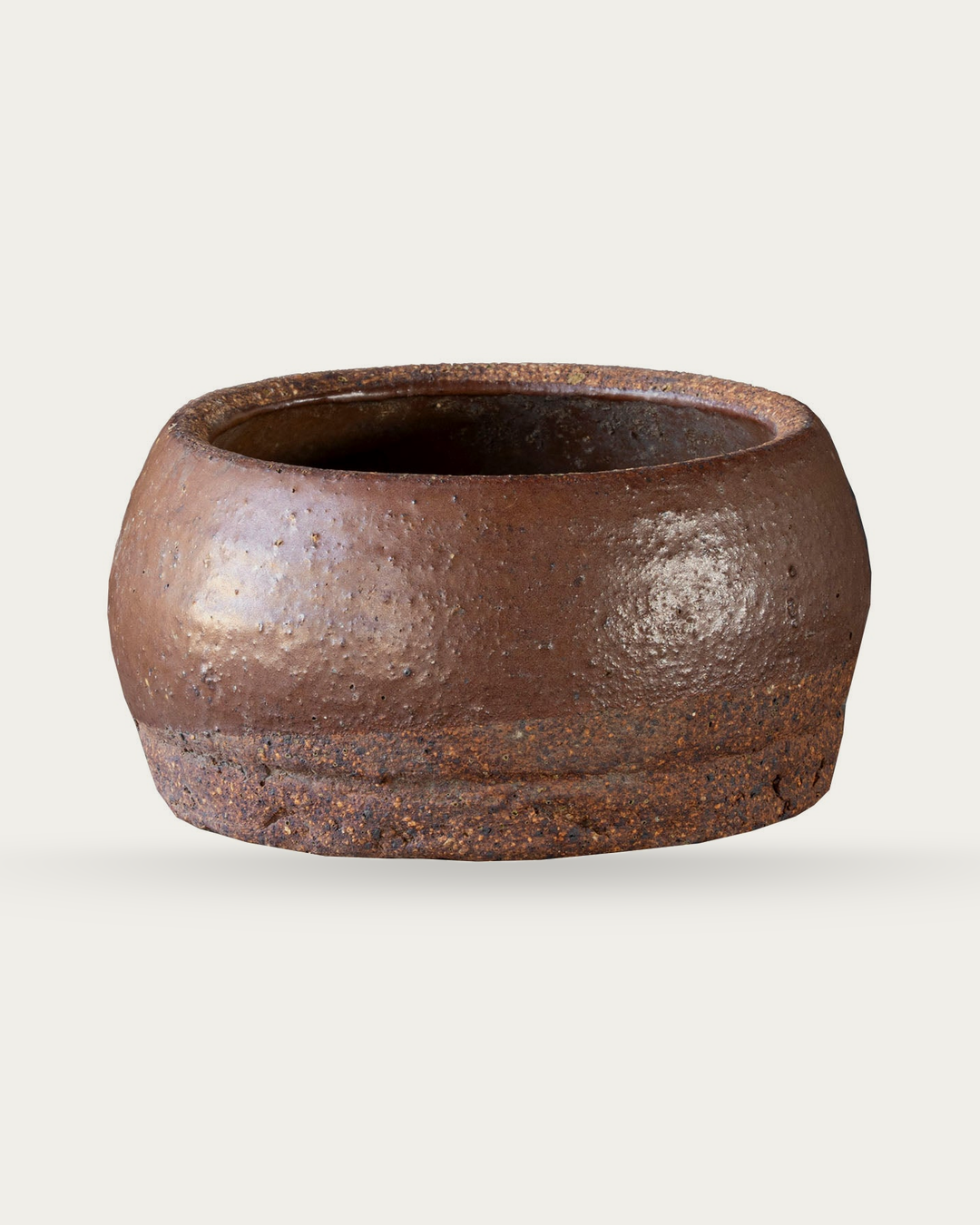
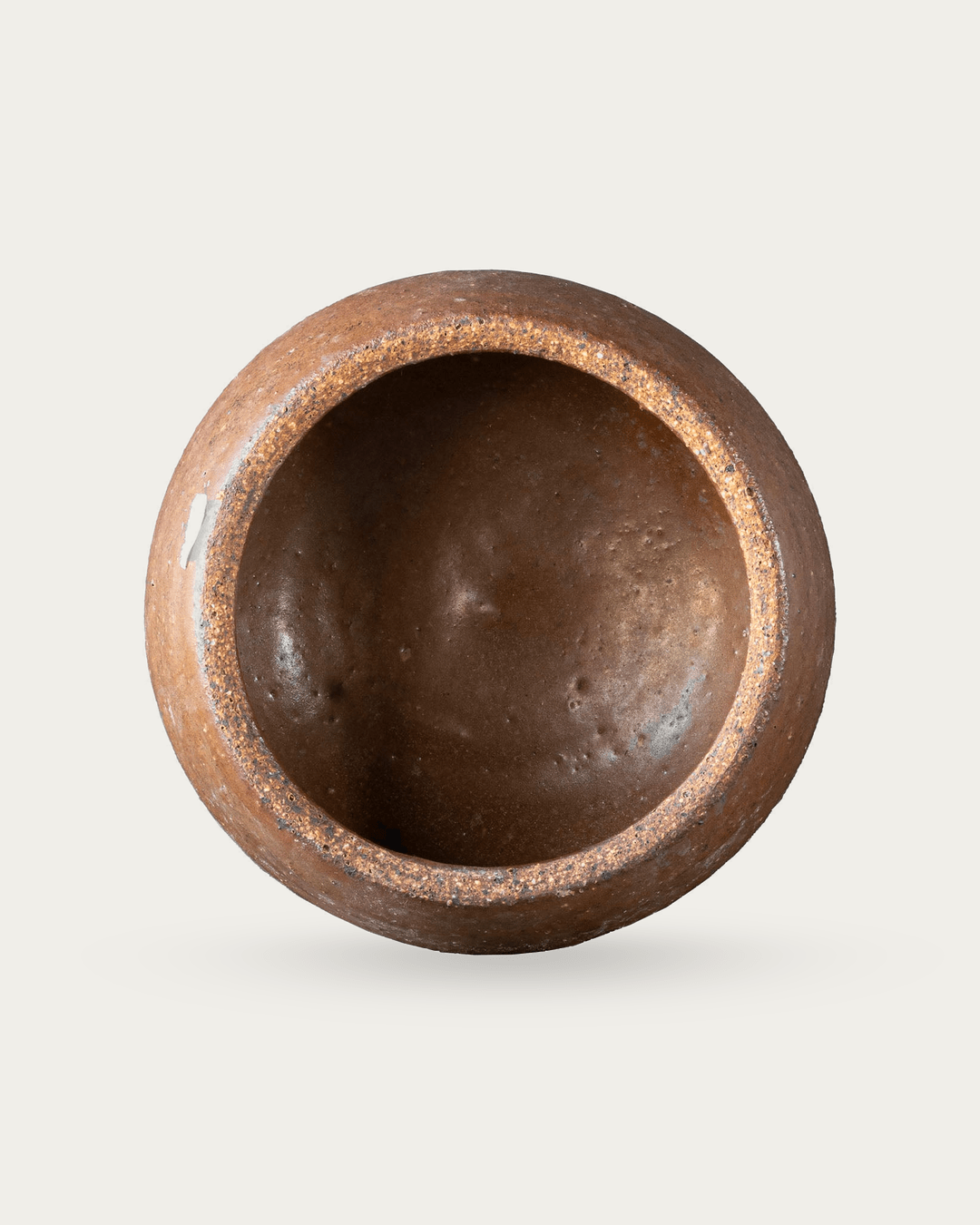
The Ellisiv pot table lamp can give that arrangement additional visual weight, while the Arnbjorn storage jar lamp brings a more object-like base to a simple side table.


Check the Shade From a Seated Position
Here's the test people skip.
Sit down.
Don't judge the lamp while standing across the room.
From the sofa, look toward the lamp. The shade should help diffuse the light without leaving the bare bulb glaring directly at eye level.
This is where lamp height, table height, and shade proportions need to work together.
A beautiful lamp that shines directly into your eyes every night isn't a lighting success.
It's an interrogation.
Use Table Lamps to Build Smaller Lighting Zones
One ceiling fixture asks for a lot of room.
It's expected to illuminate the sofa, coffee table, reading chair, artwork, walkways, and every corner at once.
Table lamps allow you to be more specific.
Put one beside the sofa.
Another on a console.
Perhaps another near a chair across the room.
Now you have several smaller lighting zones that can be used separately or together.
That flexibility is especially useful in living rooms because the way we use them changes throughout the day.
A broader mix from the lighting collection can help create these layers rather than expecting one fixture to handle every job.
The Hello Norden way: Light the activity first. The rest of the room doesn't need to be equally bright just because you're awake.


Put a Porcelain Table Lamp Where You Can Actually See the Detail
Placement isn't purely functional.
If you've chosen a porcelain table lamp because of its pattern, glaze, or painted surface, hiding it in a distant corner misses half the point.
Place it somewhere the material can be appreciated at a normal viewing distance: beside seating, on a console you regularly pass, or on a bedside table.
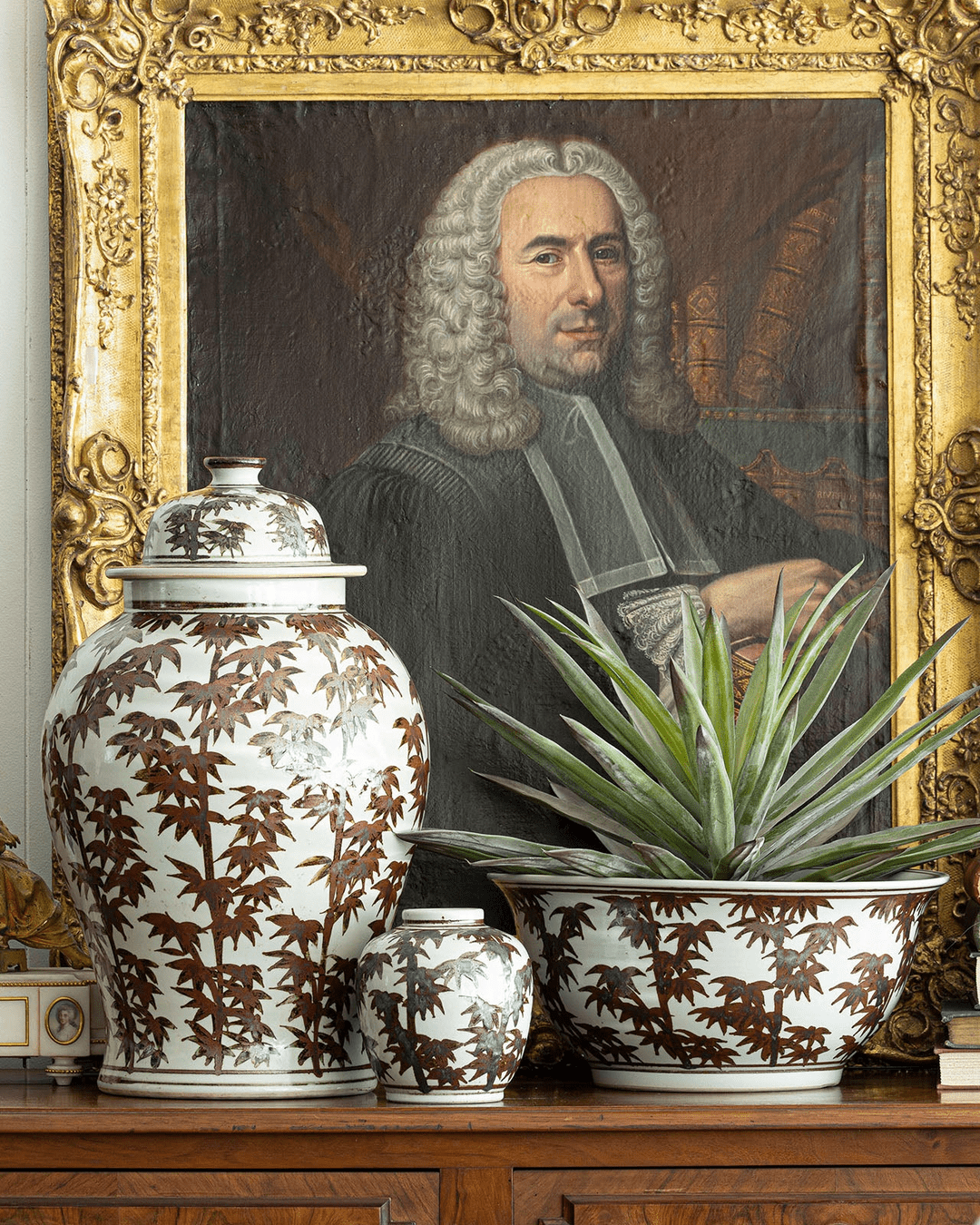
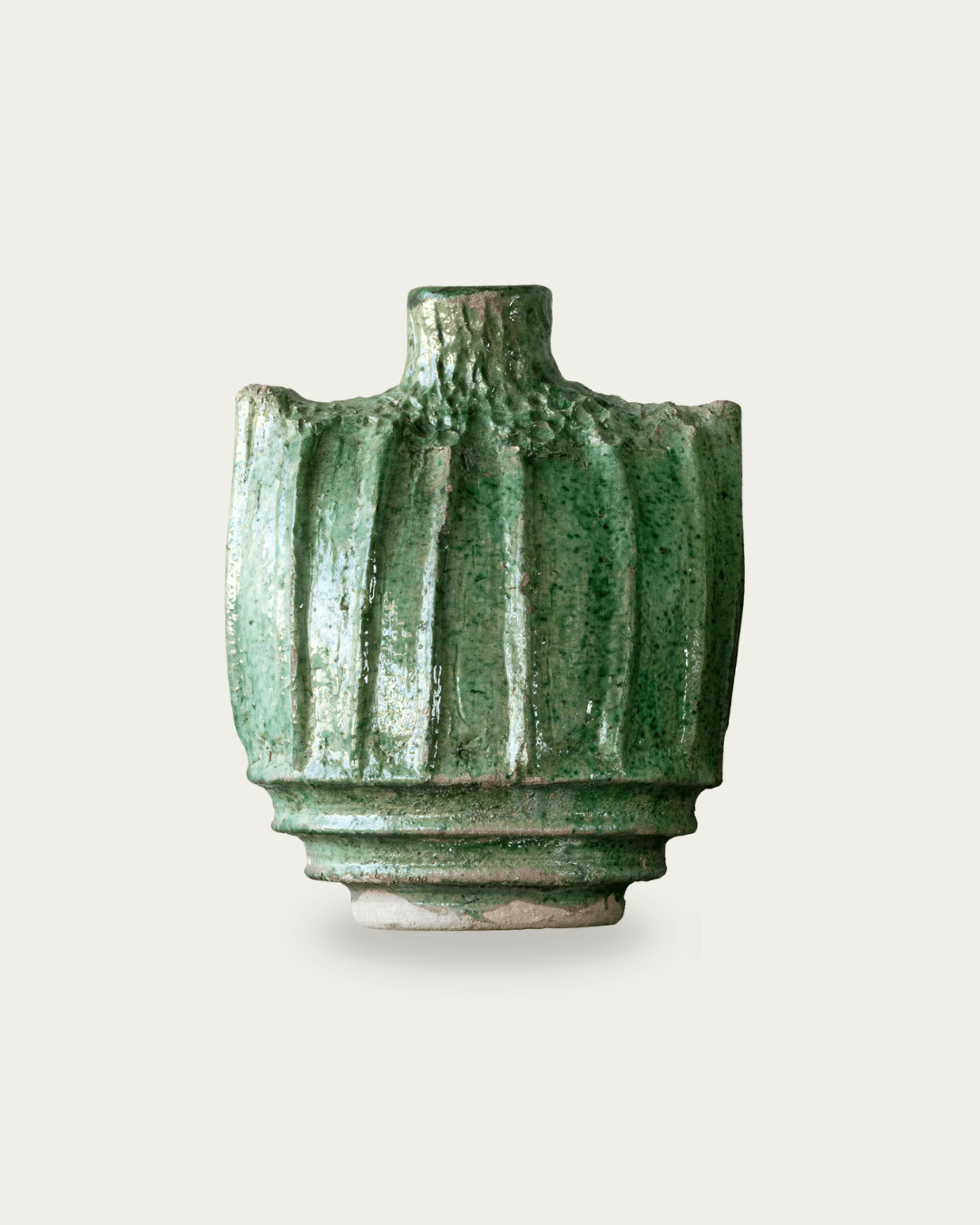
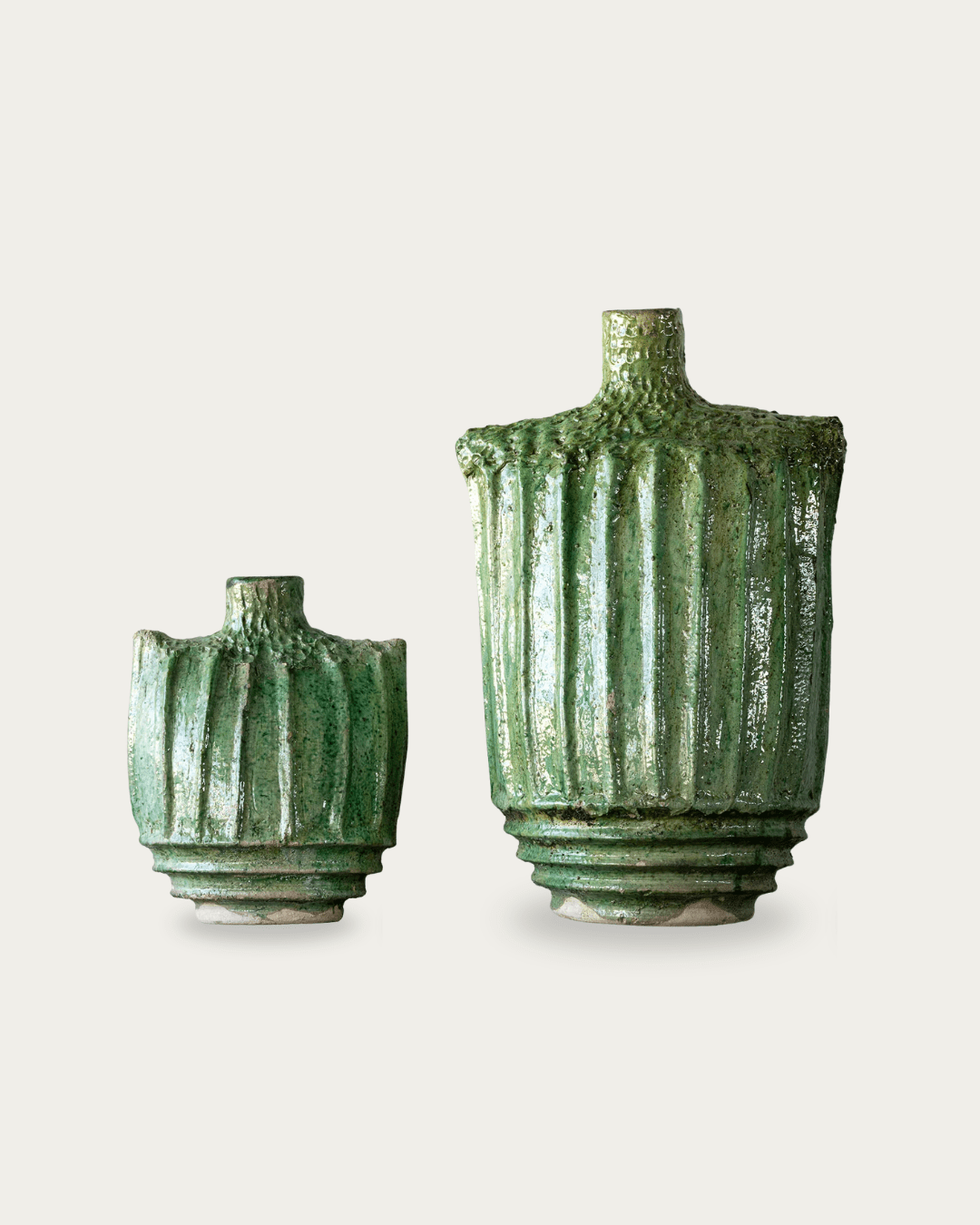
The Aslak porcelain shunan temple jar lamp can introduce patterns among quieter materials, while the Aslak porcelain hand-painted temple jar lamp can bring more detailed surface variation into a neutral room.
Don't Bury an Interesting Lamp in Accessories
If the base already has a pattern or surface detail, give it breathing room.
You don't need a vase, a stack of books, a candle, a framed photo, a decorative box, and a small mysterious object beside it.
Leave some tabletop visible.
A lamp with enough character can carry that side of the composition by itself.
Your Bedside Lamp Should Pass the Reach Test
The 3-foot rule becomes particularly practical in a bedroom.
If you have to get out of bed to switch off your bedside lamp, something has gone wrong.
The lamp should be easy to reach from your normal sleeping position while still providing useful light for reading or winding down.
This doesn't mean the lamp itself has to sit three feet from your head. The point is that it belongs inside the functional zone around the bed rather than somewhere across the room because the dresser looked empty.
Bedside Lighting Is About Height Too
A low bedside table plus a short lamp can leave the light sitting too low.
A very tall lamp on a high nightstand can put the bulb uncomfortably close to eye level.
Consider the total height of the table and lamp together.
Then sit or lie where you'll actually use it.
The room doesn't care what the product photo looked like.
Your eyes do.
RUTED Tip: Do the lazy-person test.
Sit exactly where you normally sit at night and try to turn on the lamp without getting up, leaning halfway across the furniture, or performing an unnecessary core workout.
If it's annoying, move it.
Good lighting should support your habits, not demand new ones.
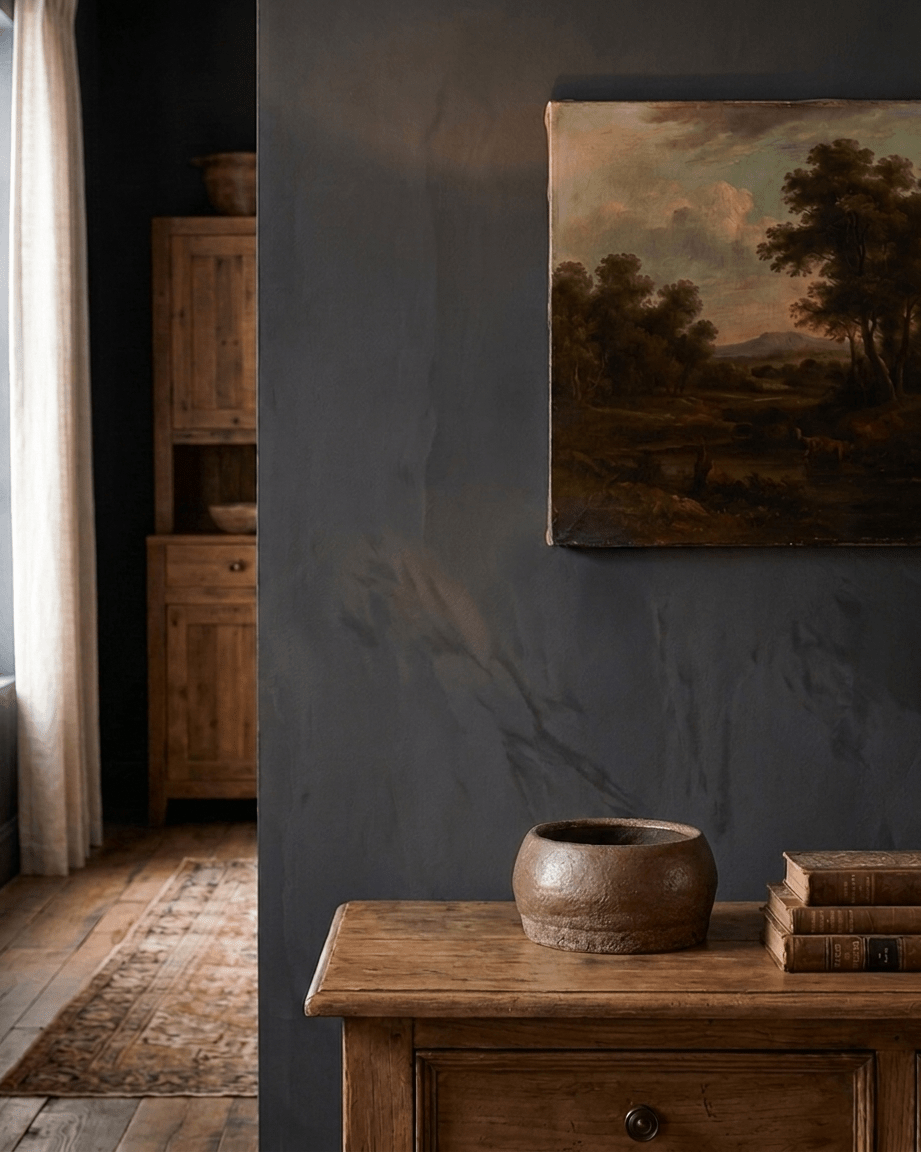
Put a Vintage Table Lamp Where Patina Can Do Some Work
A vintage table lamp is particularly useful in parts of a room that feel overly clean or newly furnished.
Its job isn't only illumination.
An aged-looking surface can introduce texture and material variation without requiring more decorative objects.
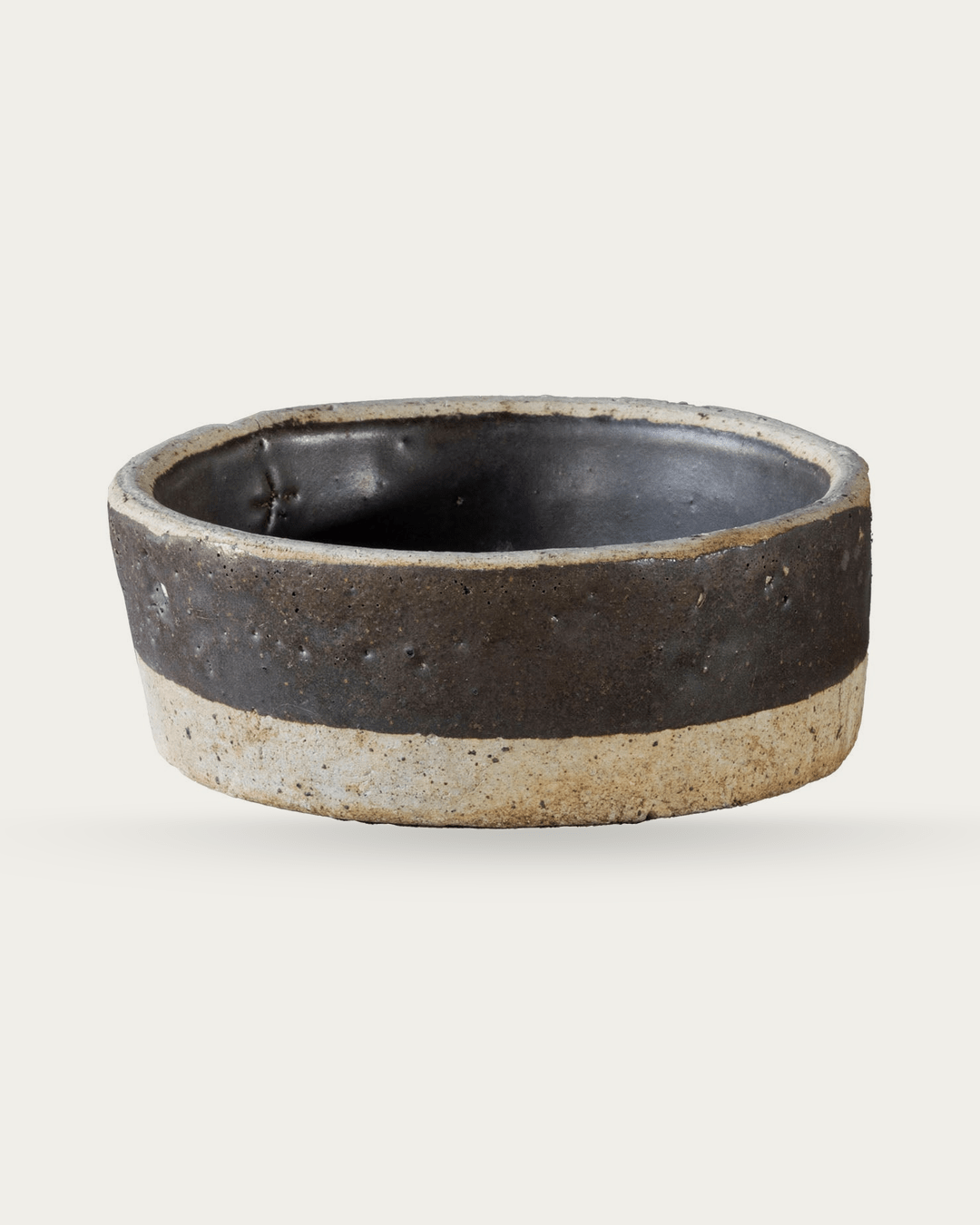
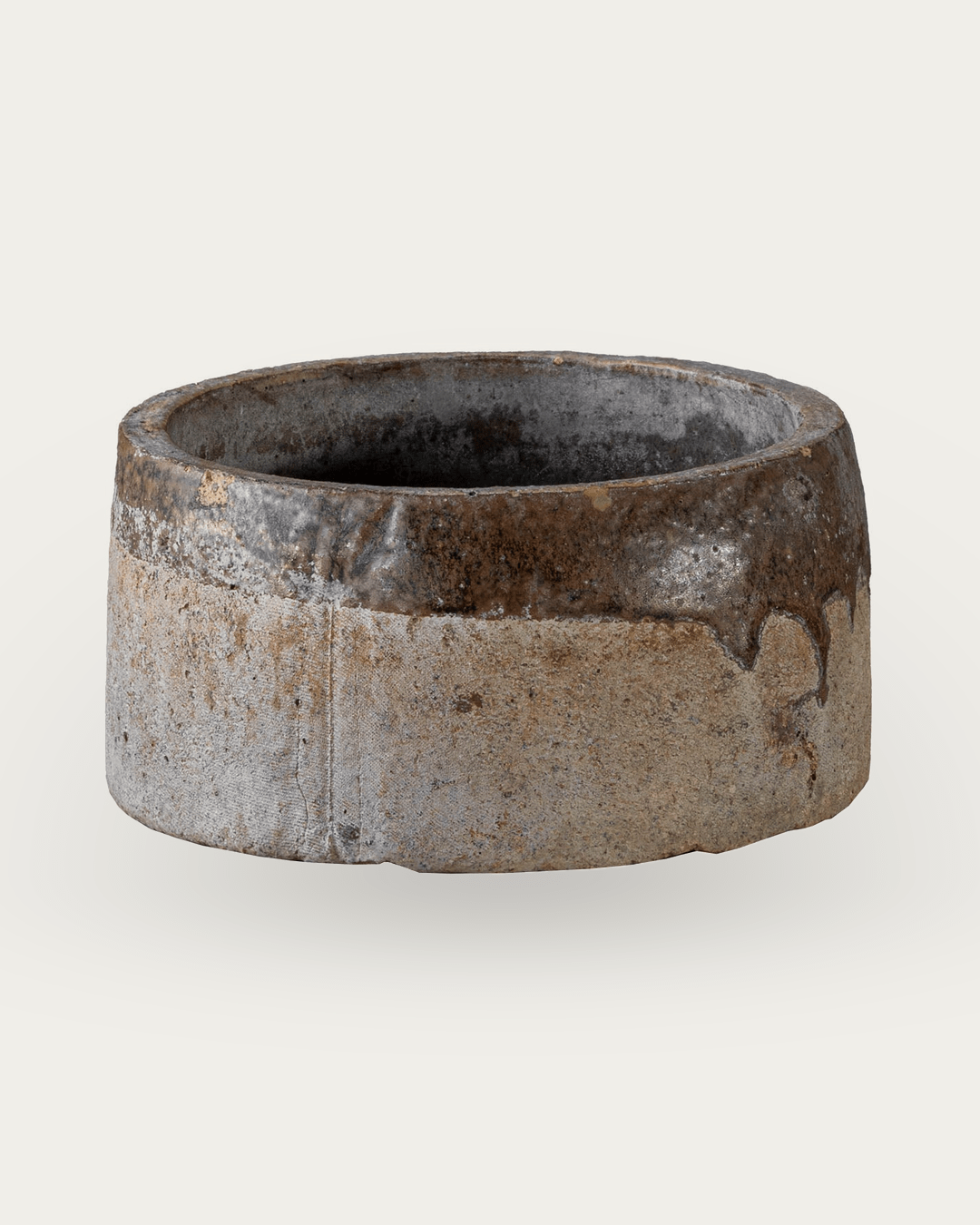
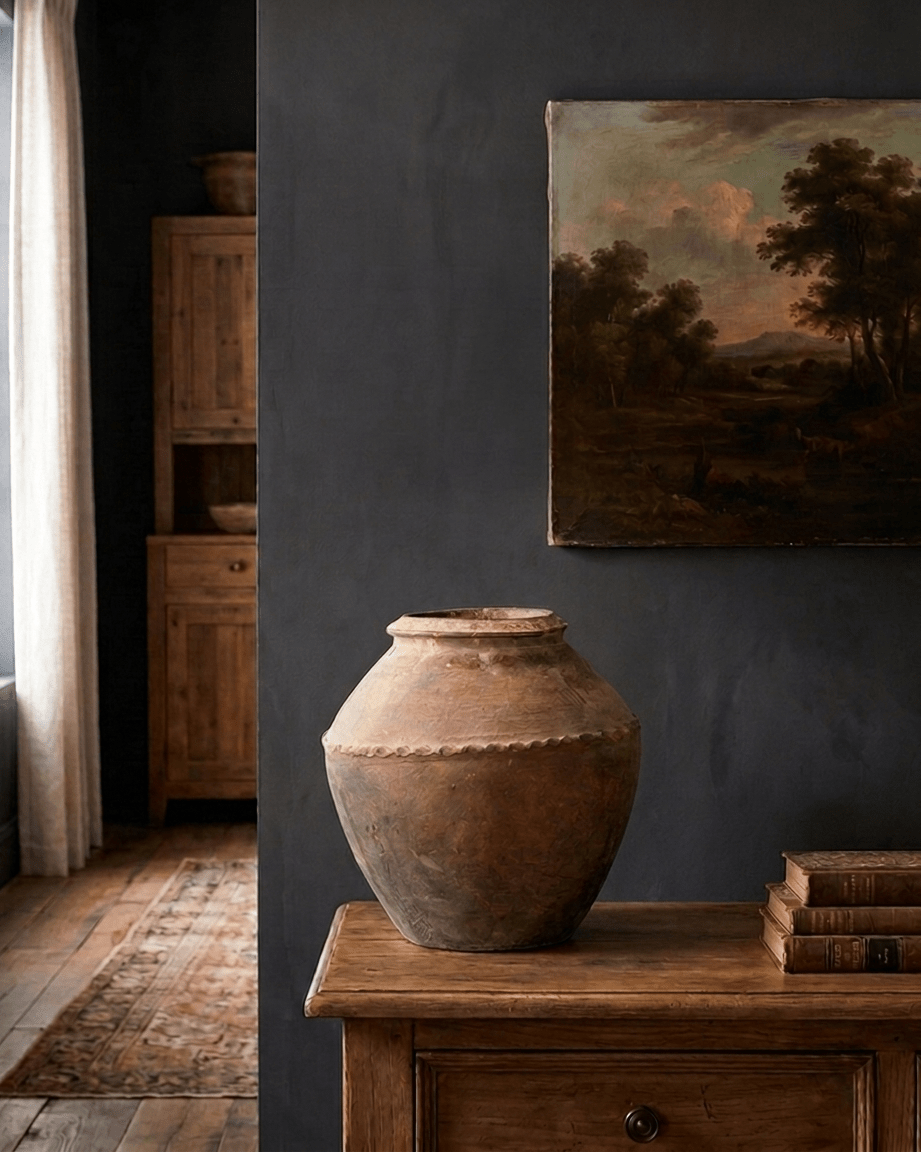
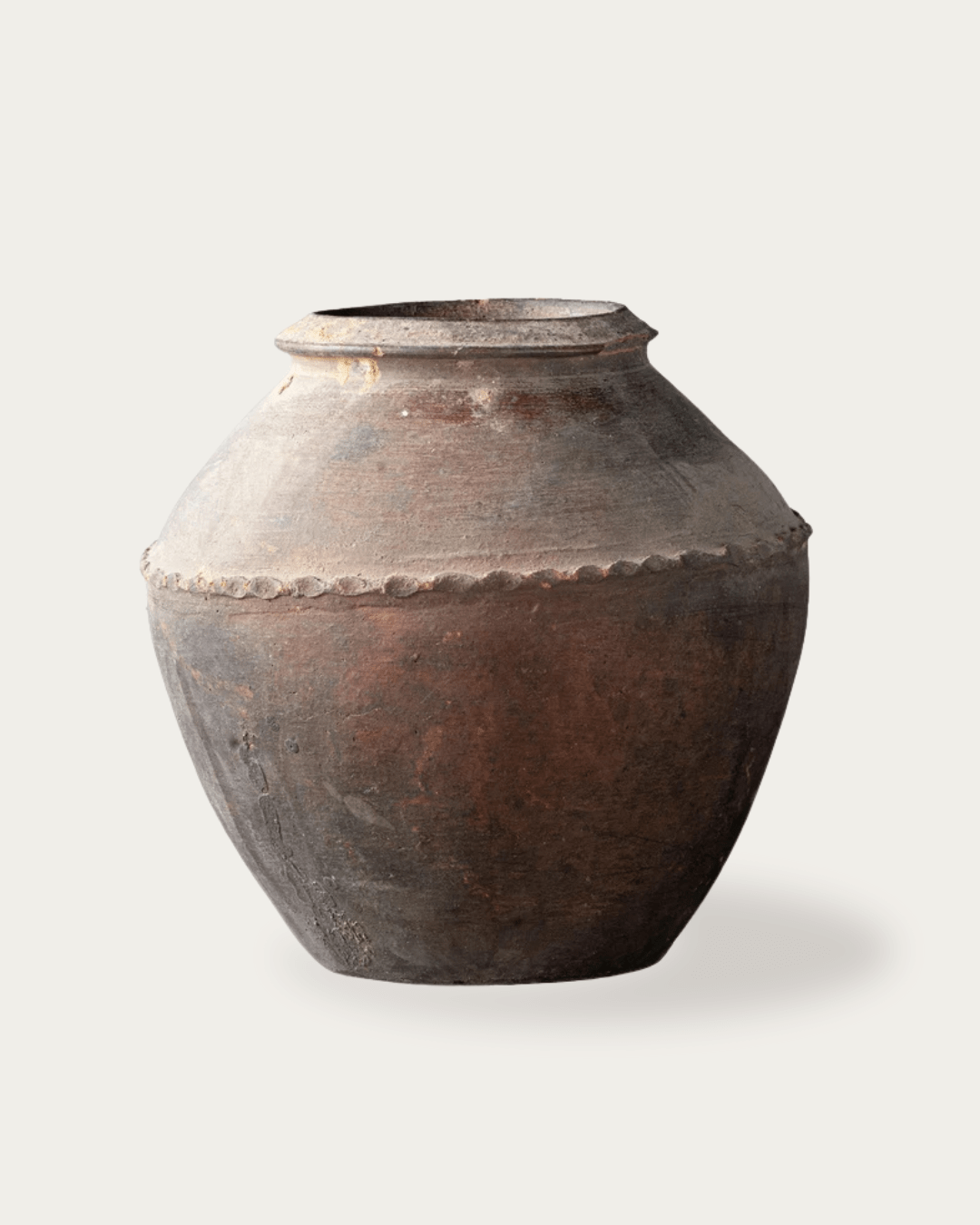
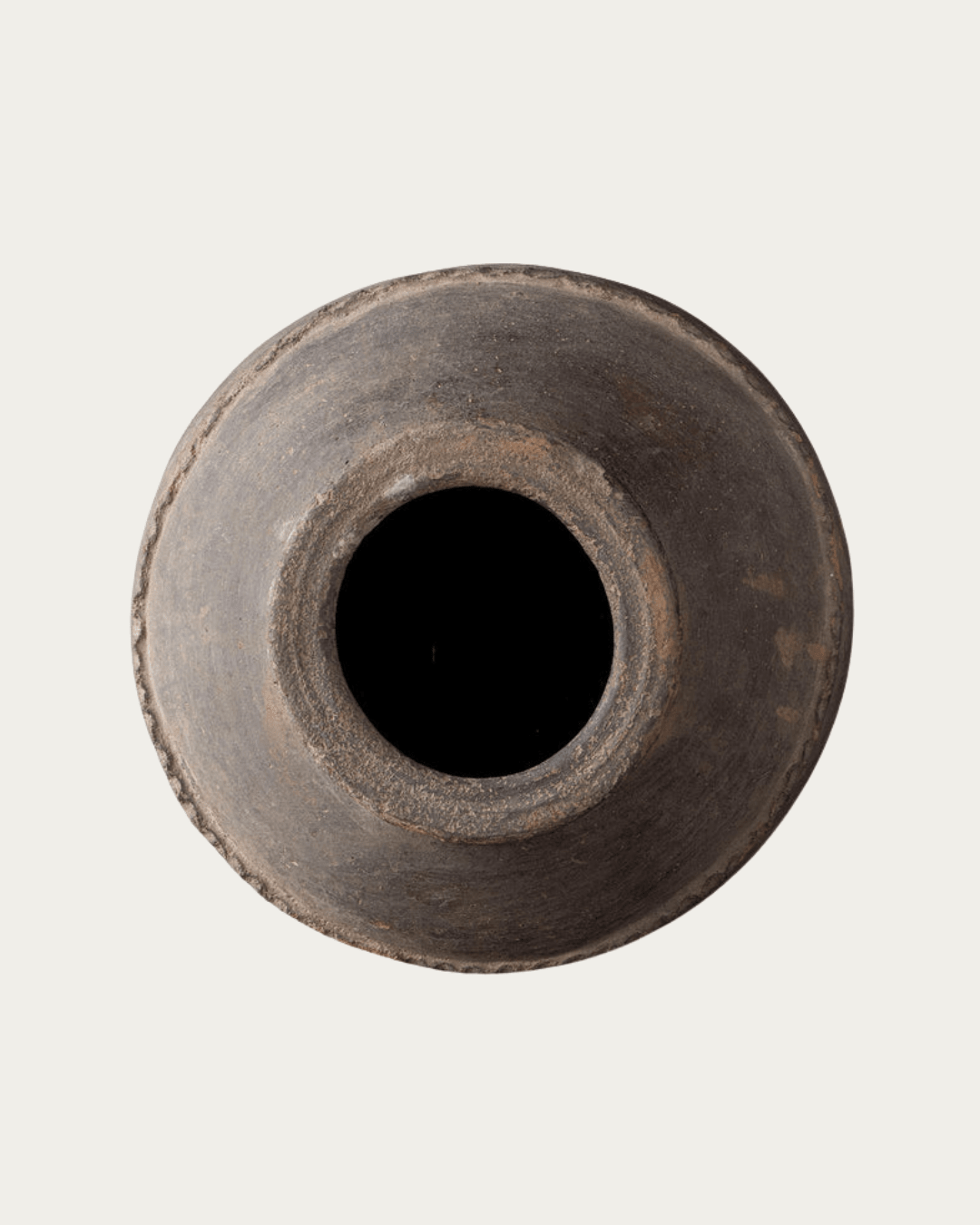
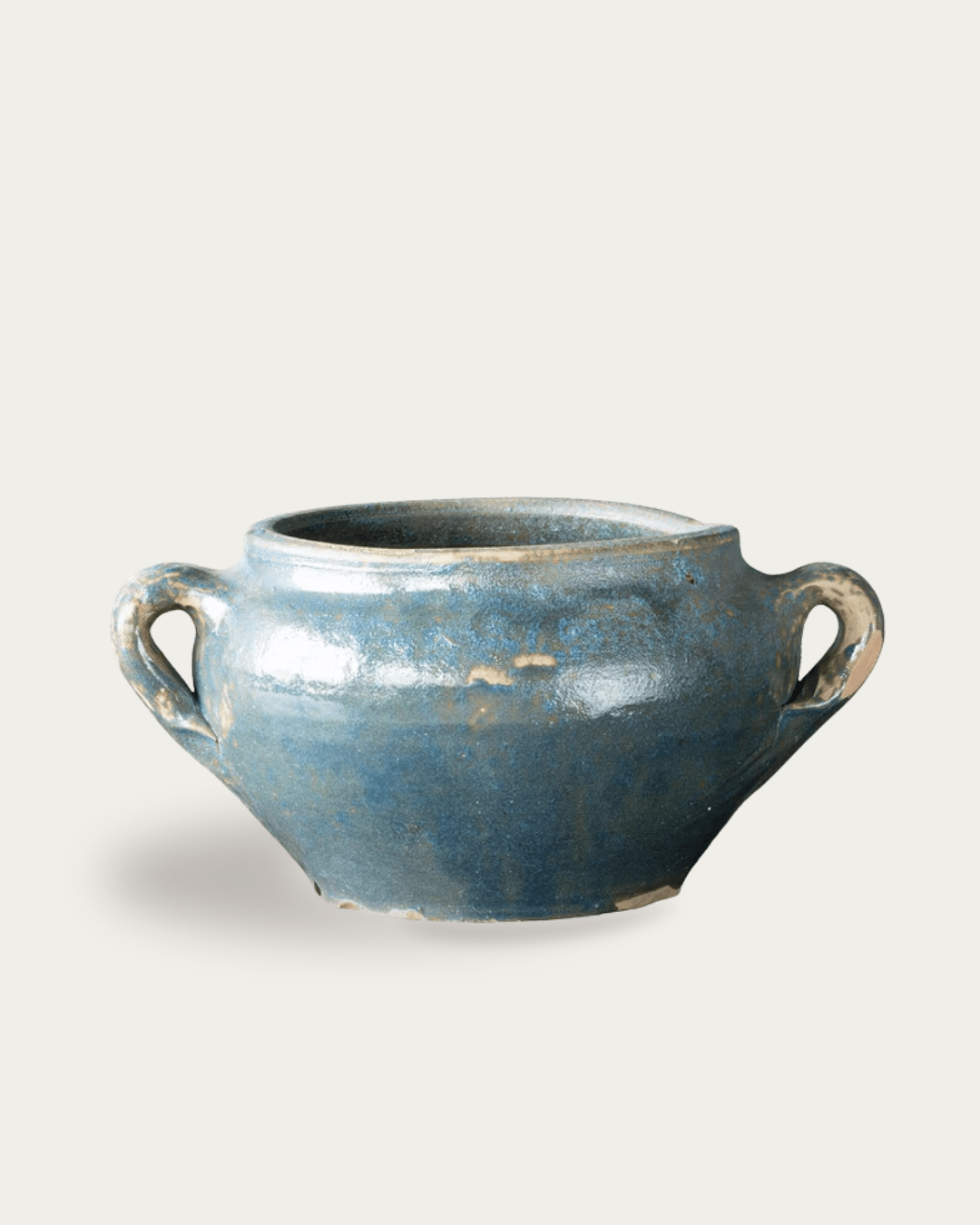
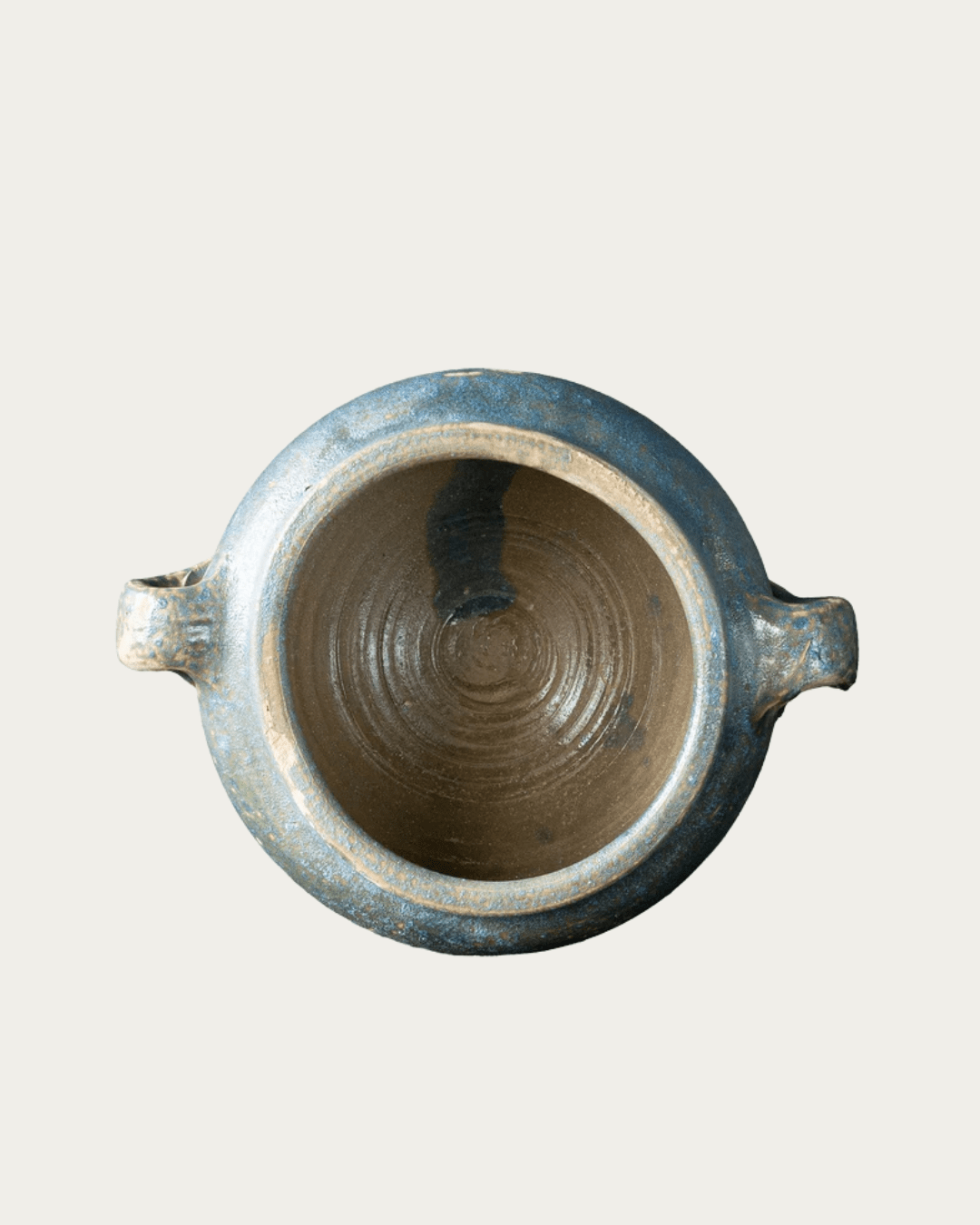
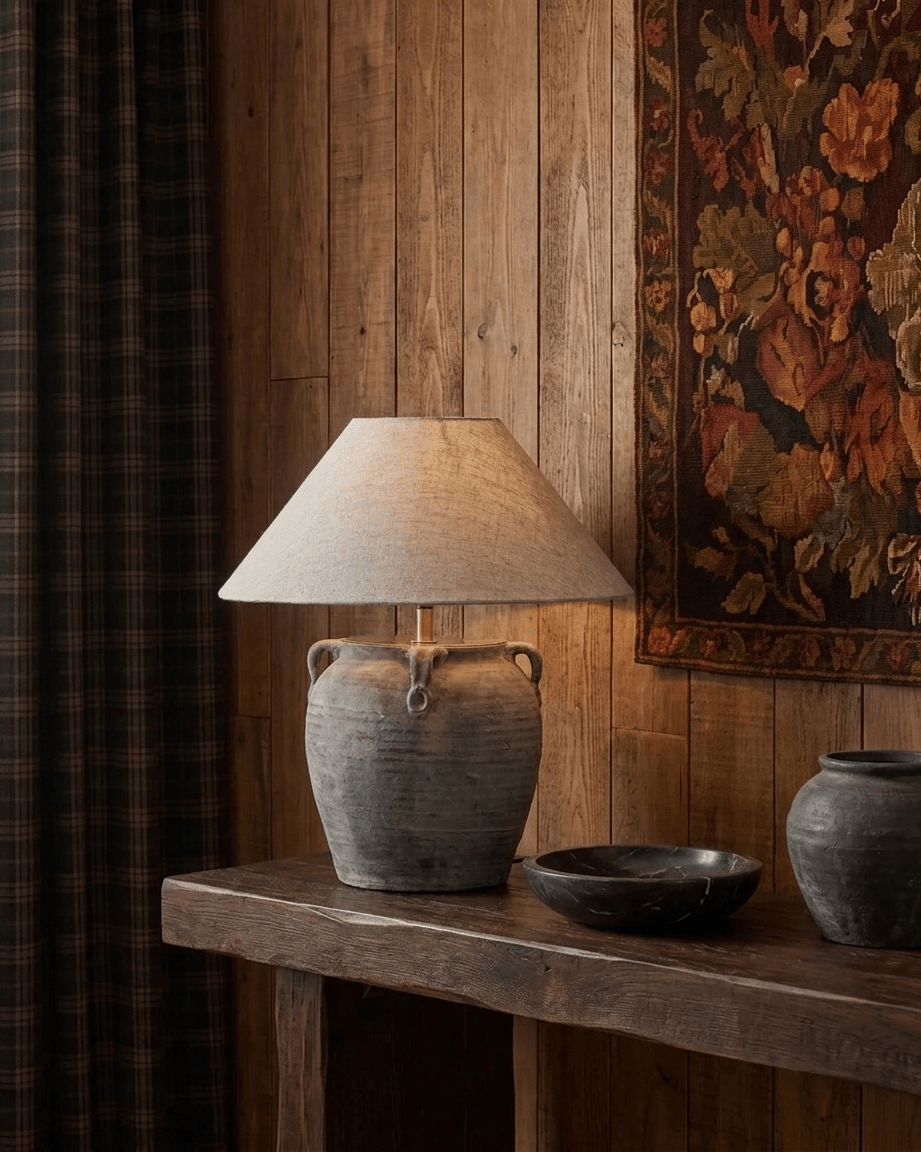
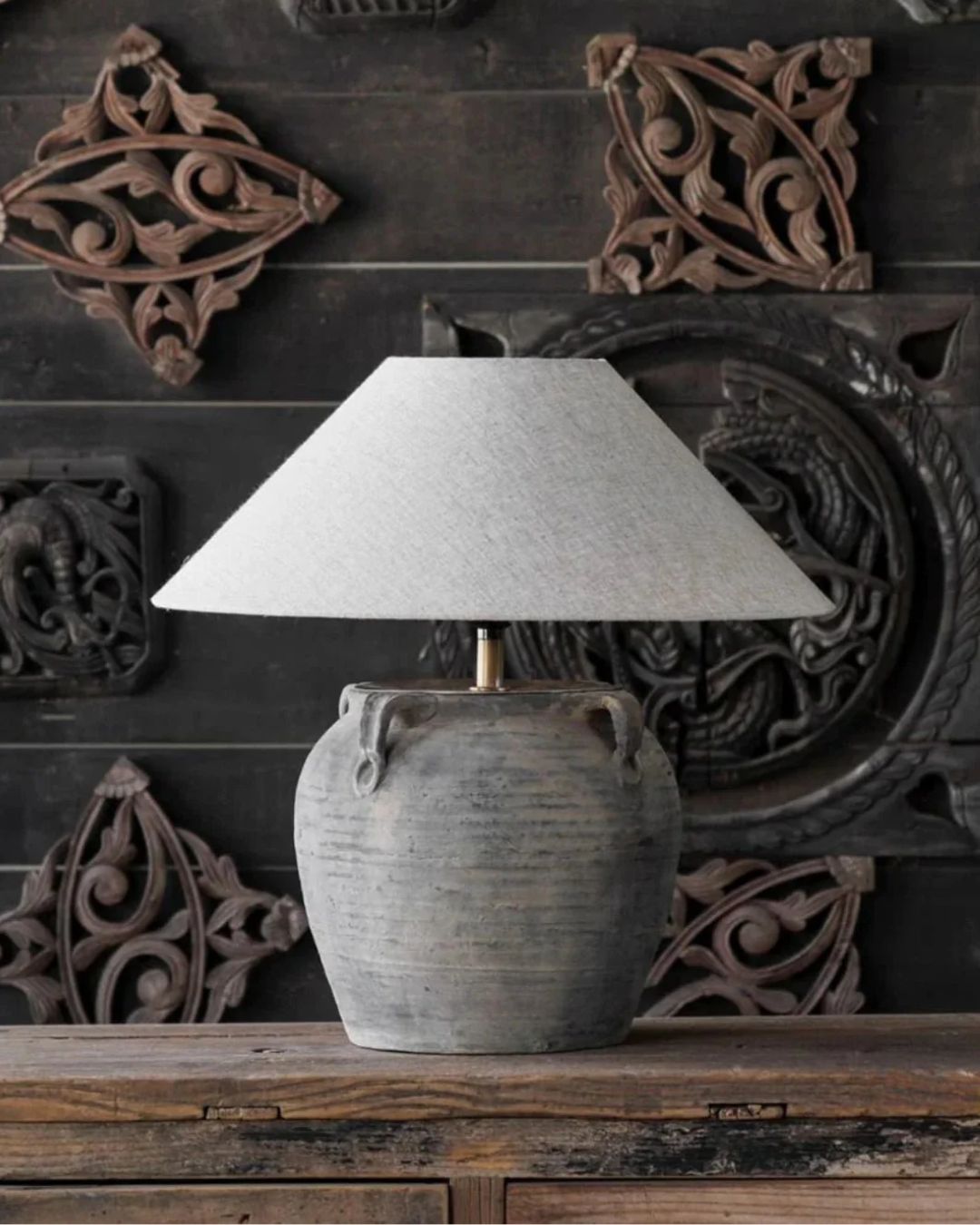
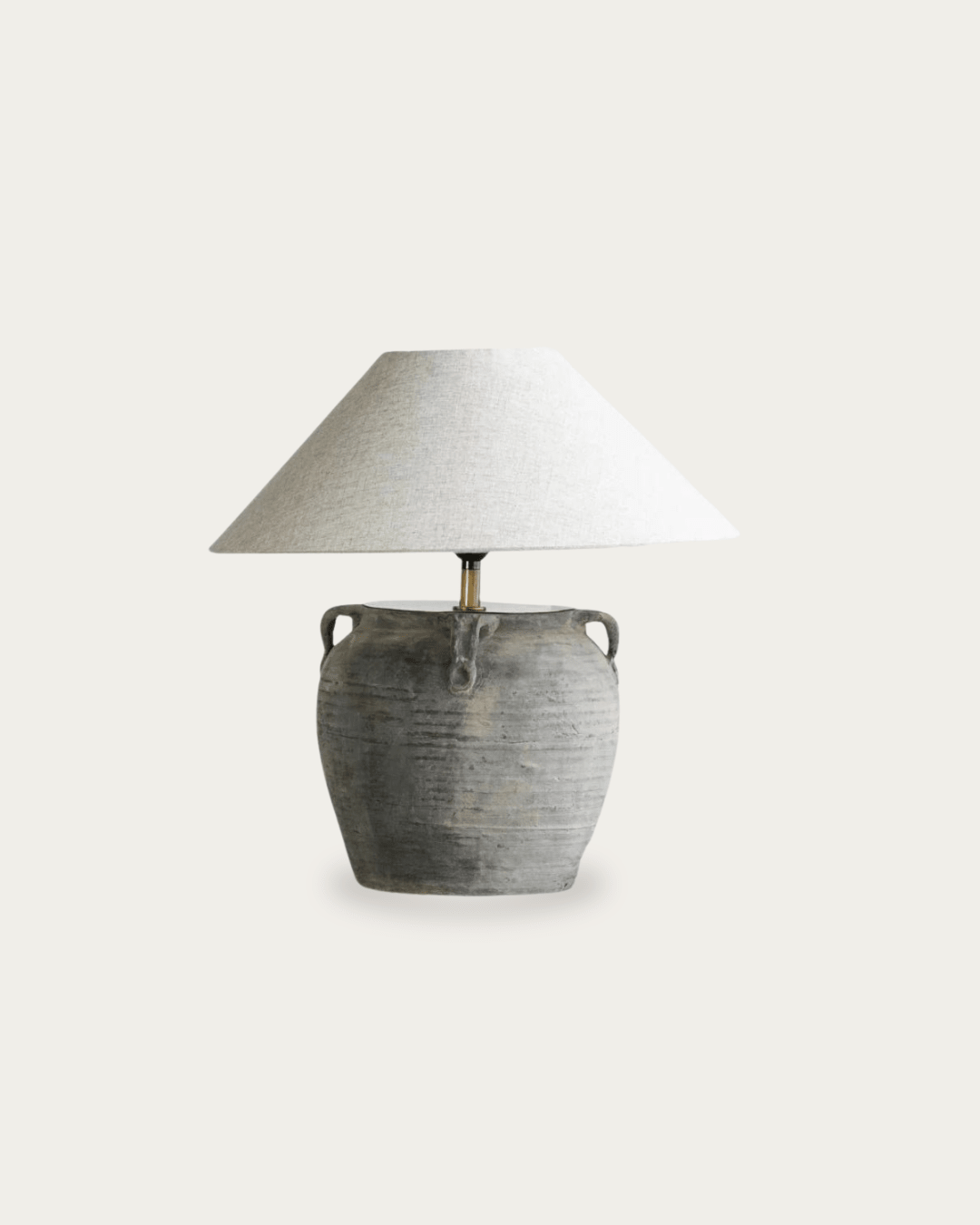
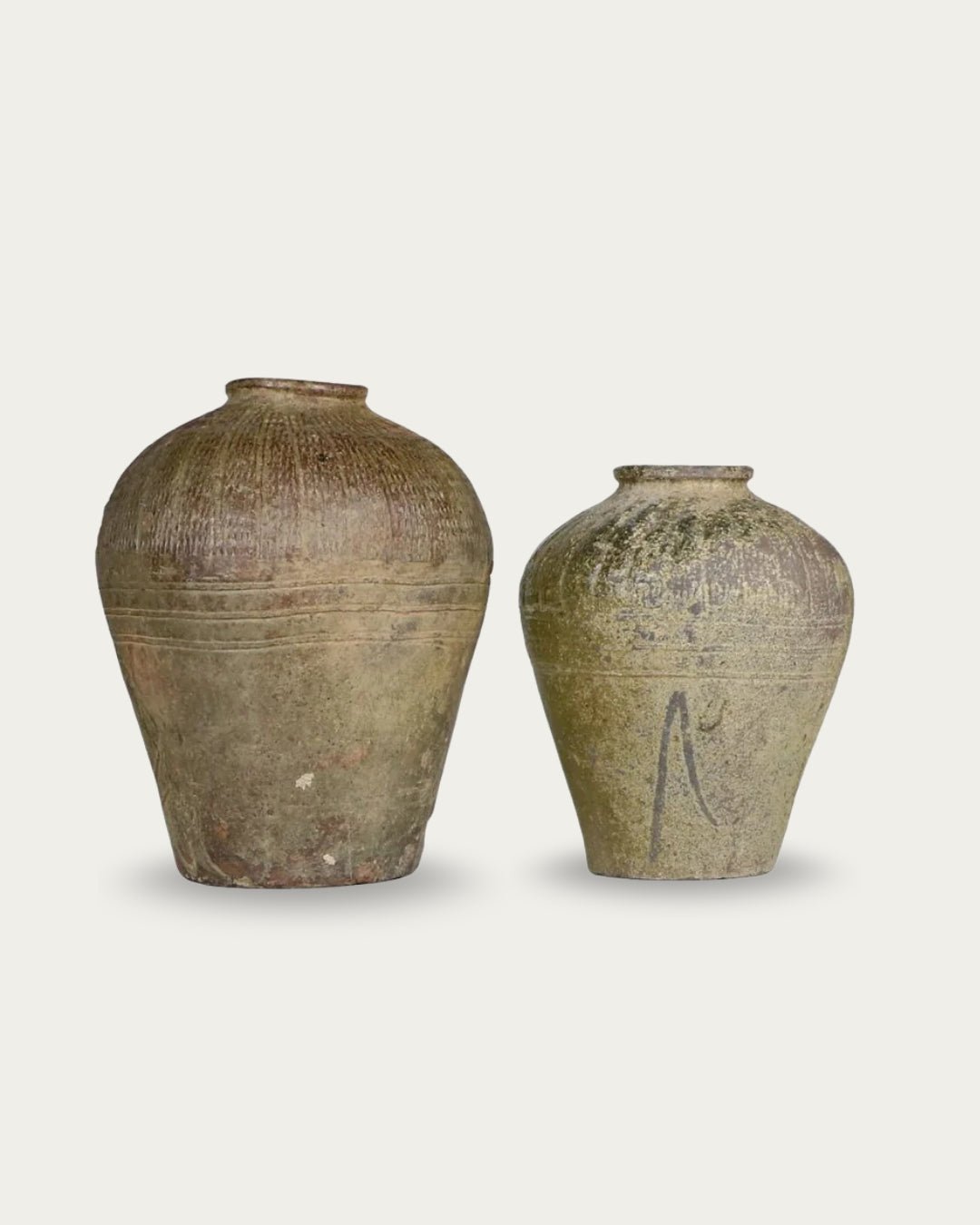
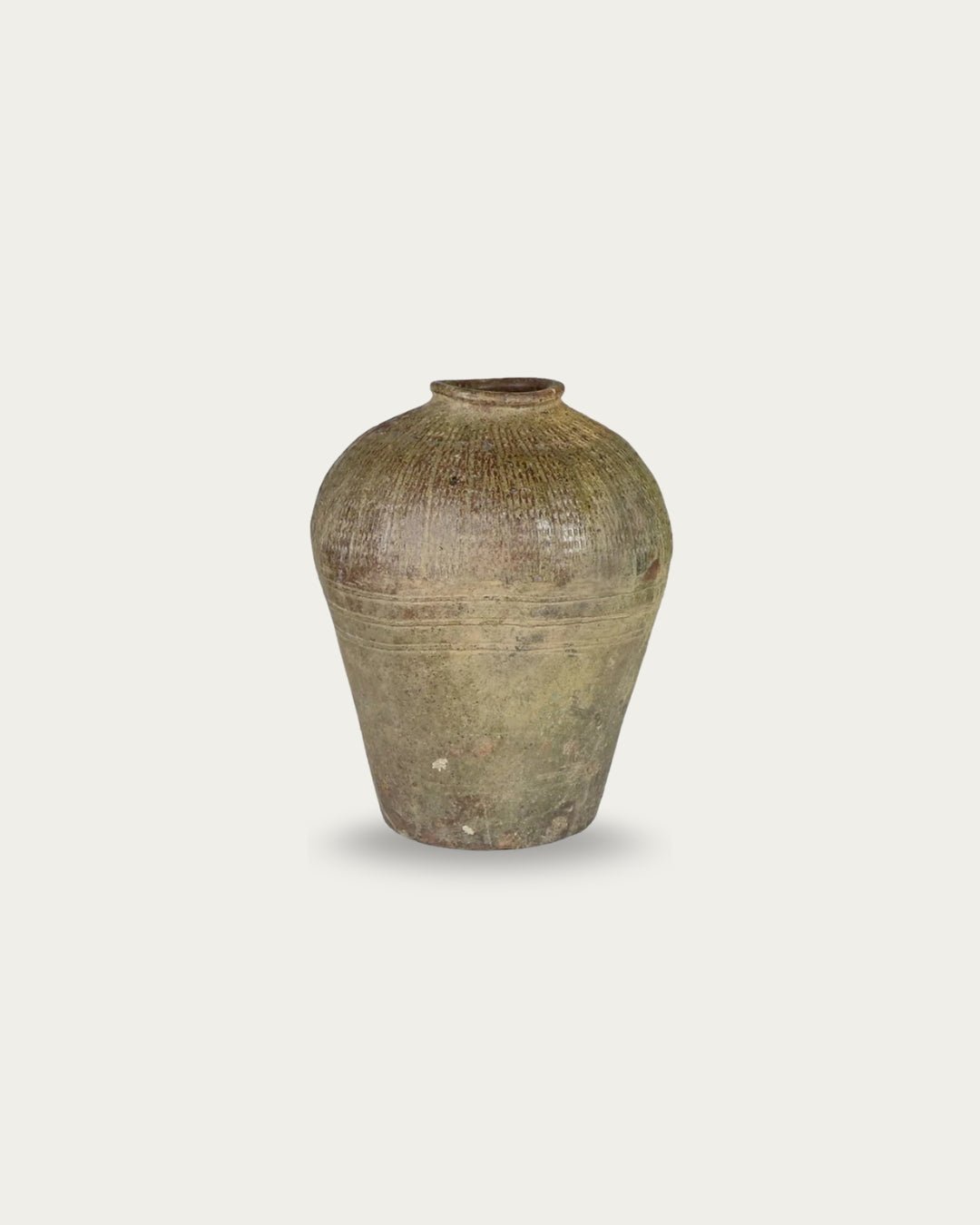
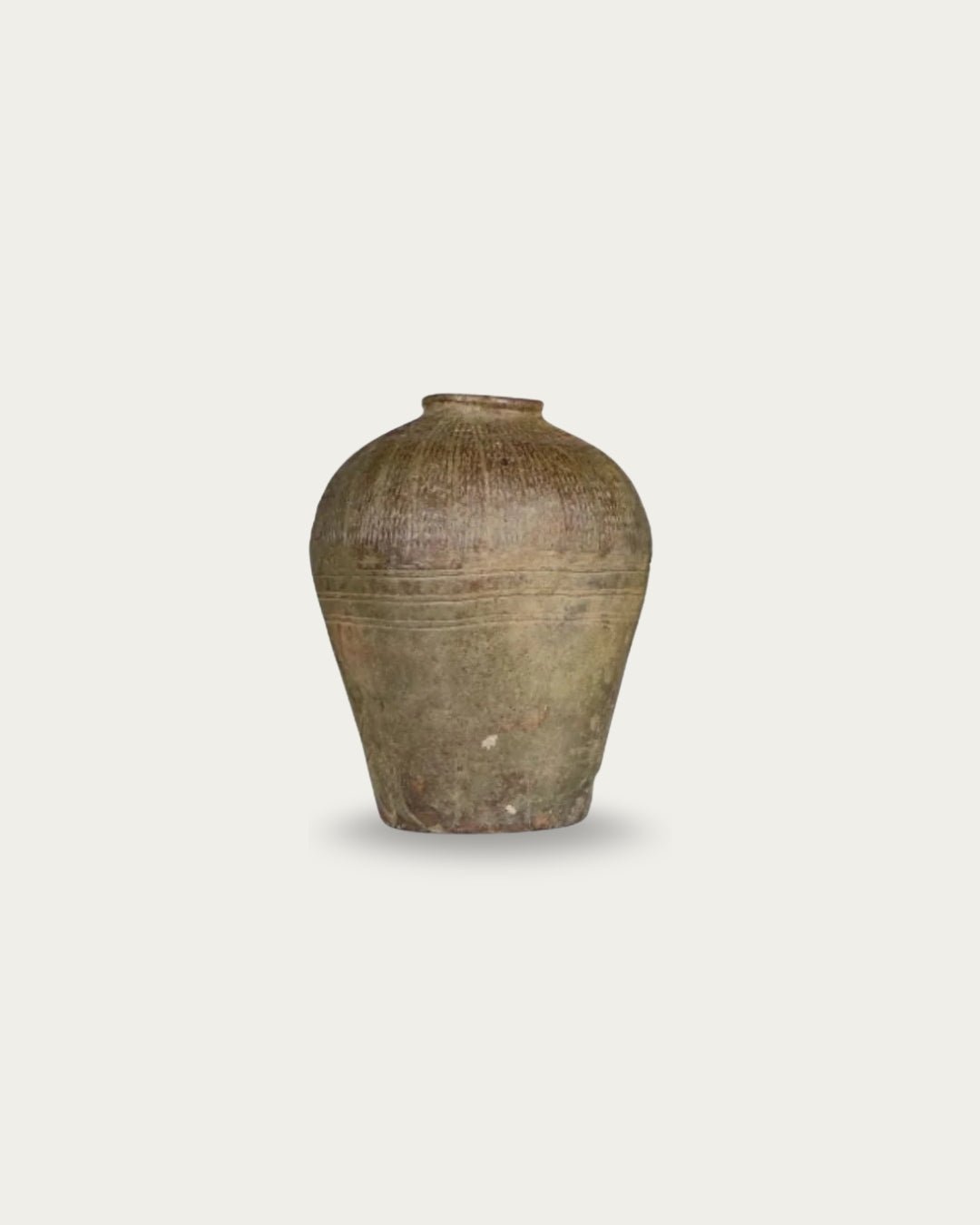
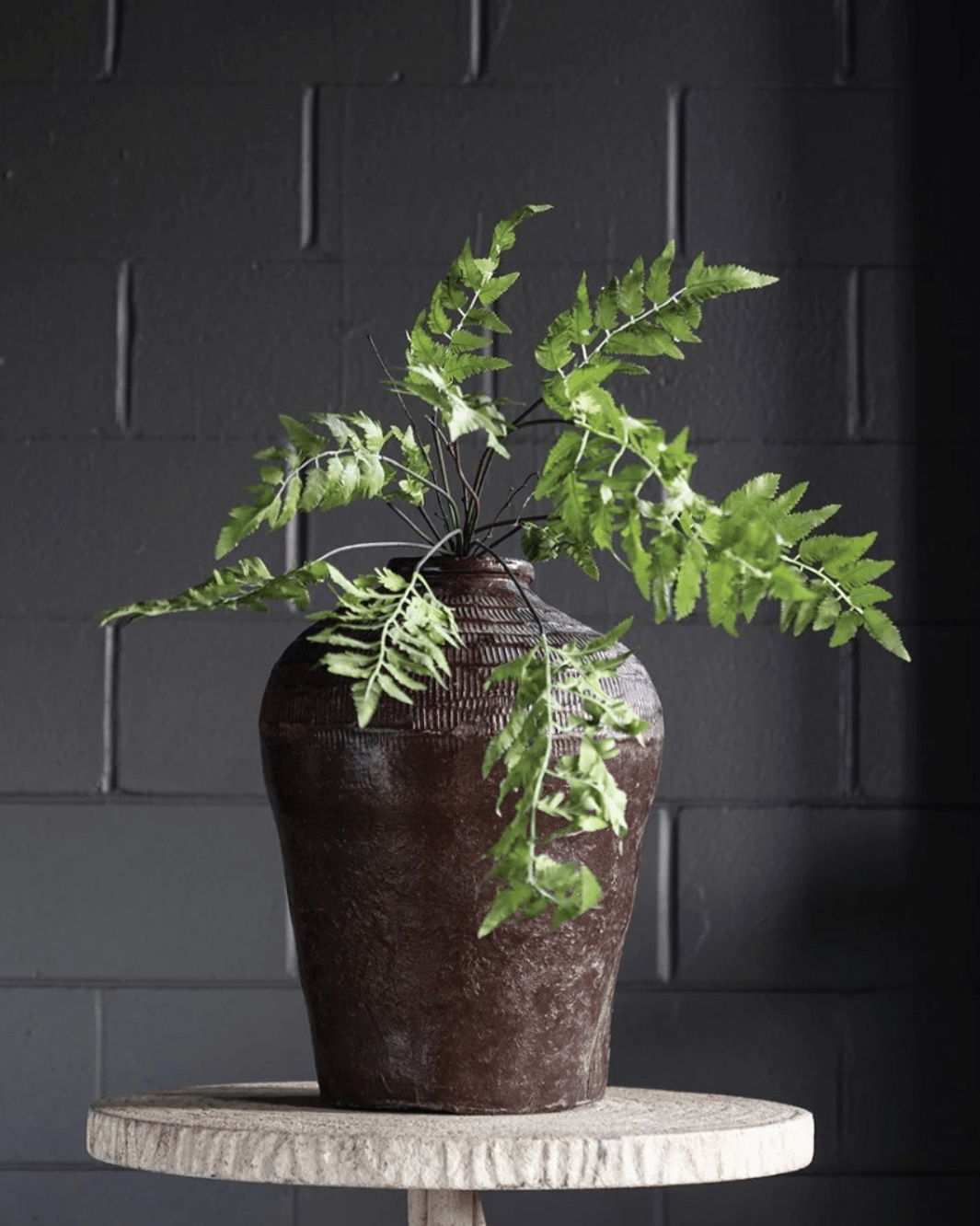
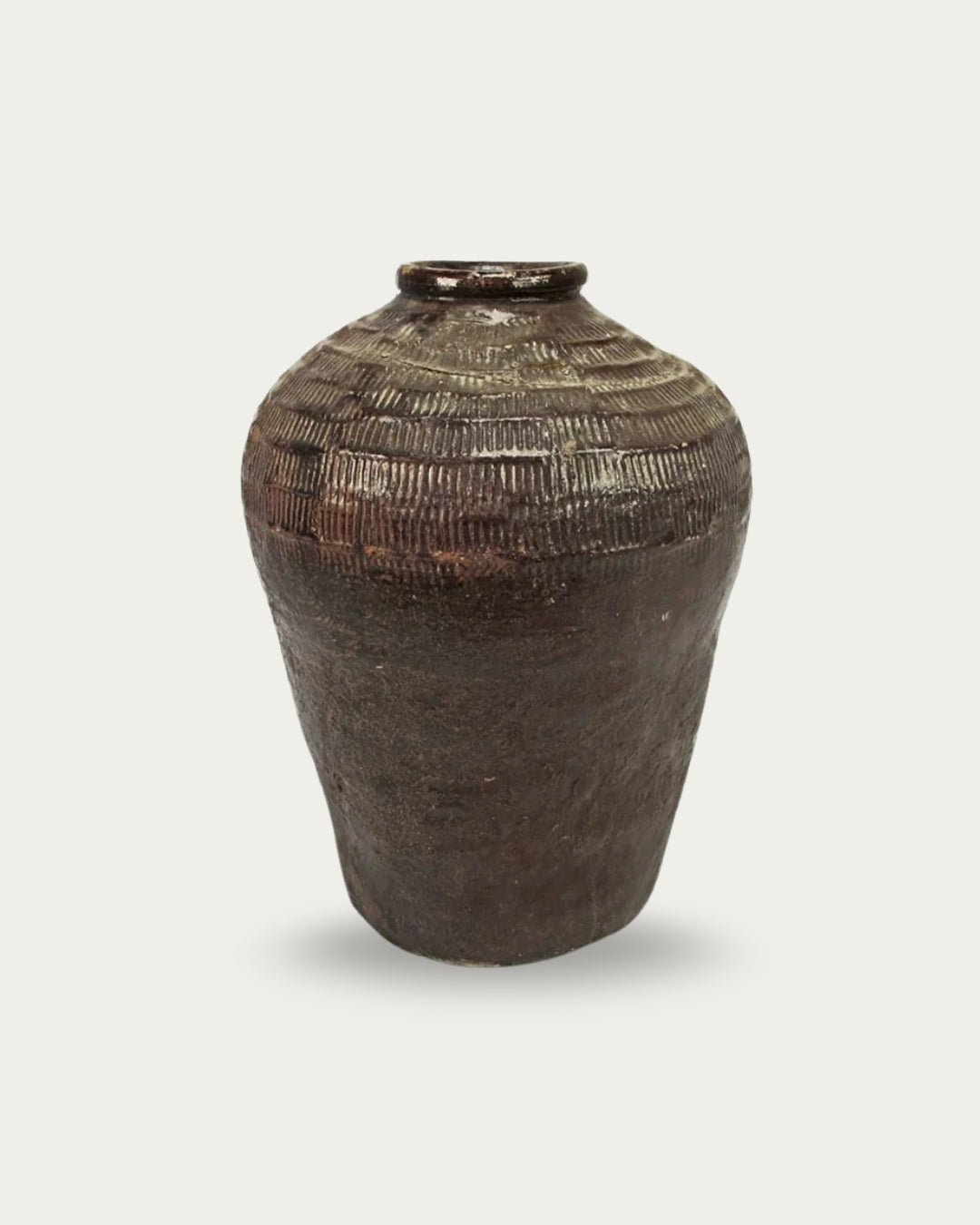
The Betz water pot table lamp can bring a vessel-like shape into a room dominated by cleaner lines, while the Cunmin clay pot table lamp can introduce the visual variation of clay.
Place these lamps where the material has something useful to contrast against.
Clay beside smooth wood.
An aged surface against a clean wall.
A rounded pot forms beside more linear furniture.
The placement lets the material do its job.
Use the 3-Foot Rule Around Reading Chairs
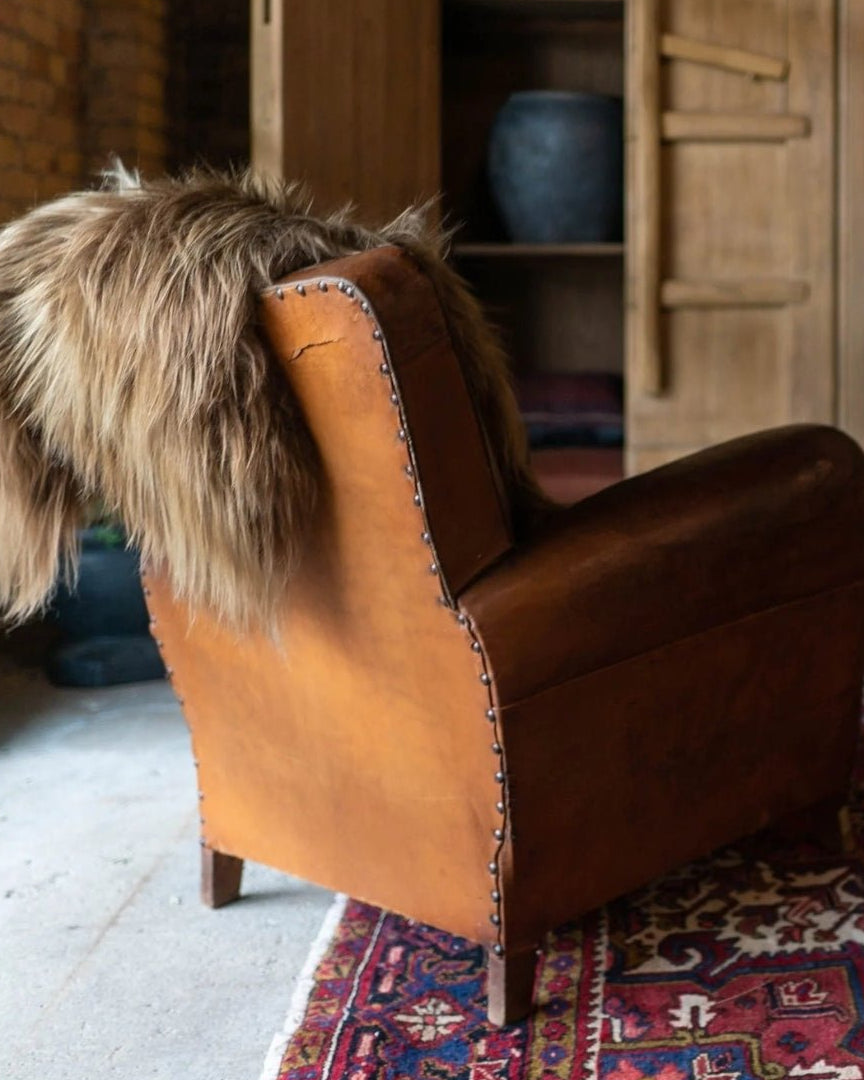
A reading chair with no nearby light is mostly optimism.
If you genuinely want the chair to function for reading, put the light close enough to illuminate the page comfortably.
A side table and table lamp can work if there's enough room.
If not, don't force one into the floor plan.
This is where a floor lamp may be the better answer, particularly when you need light close to a chair without sacrificing circulation.
The Hello Norden way: Give every reading chair a light source within reach. Otherwise you've mostly created a very specific place to scroll your phone.


Console Table Lamps Follow a Different Rule
Not every lamp needs to support a task.
A lamp on a console may be there primarily for ambient light and visual balance.
That means it can sit farther away from seating while still doing its job.
This is where the 3-foot rule becomes flexible.
Ask what you're lighting.
If the answer is “the book in my hand,” proximity matters.
If the answer is “this side of the room after sunset,” you have more freedom.
Use a Unique Table Lamp to Anchor the Perimeter
Living rooms often concentrate most of their visual weight in the center.
Sofa.
Coffee table.
Rug.
Chairs.
Meanwhile, the perimeter disappears.
A console lamp gives the eye another stopping point along the wall and creates depth when viewed across the room.
The Lamont glazed pot table lamp can be particularly useful when the lamp needs enough material presence to hold its own on a larger surface.
Don't Put Every Lamp at the Same Height
The 3-foot rule is about horizontal proximity, but vertical placement matters too.
If every light source sits at roughly the same height, the room can still feel flat.
Mix levels.
A table lamp might sit around the middle of the room's visual field.
A floor lamp can carry light higher.
A pendant can bring illumination down from above.
This creates layers rather than one horizontal band of brightness.
Let Each Light Source Have a Job
You don't need every lamp switched on at once.
That's actually part of the benefit.
One lamp might support reading.
Another might illuminate the room's perimeter.
A third might give the entry console enough light when you come home.
Once each fixture has a job, you can use only the ones the moment requires.
Watch the Space Between Lamps
More table lamps aren't automatically better.
Put too many close together and the room can become visually busy during the day and overly bright at night.
Look at the distance between your lighting zones.
If two lamps are doing exactly the same job within a few feet of each other, ask whether both are necessary.
If one side of the room is glowing while the other completely disappears, the distribution may need adjusting.
The goal isn't perfect symmetry.
It's useful coverage.
Think About Material Placement During the Day
Lighting plans are usually discussed as though lamps only exist after sunset.
They don't.
During daylight hours, the base becomes part of your material palette.
Porcelain adds a smoother, often more detailed surface.
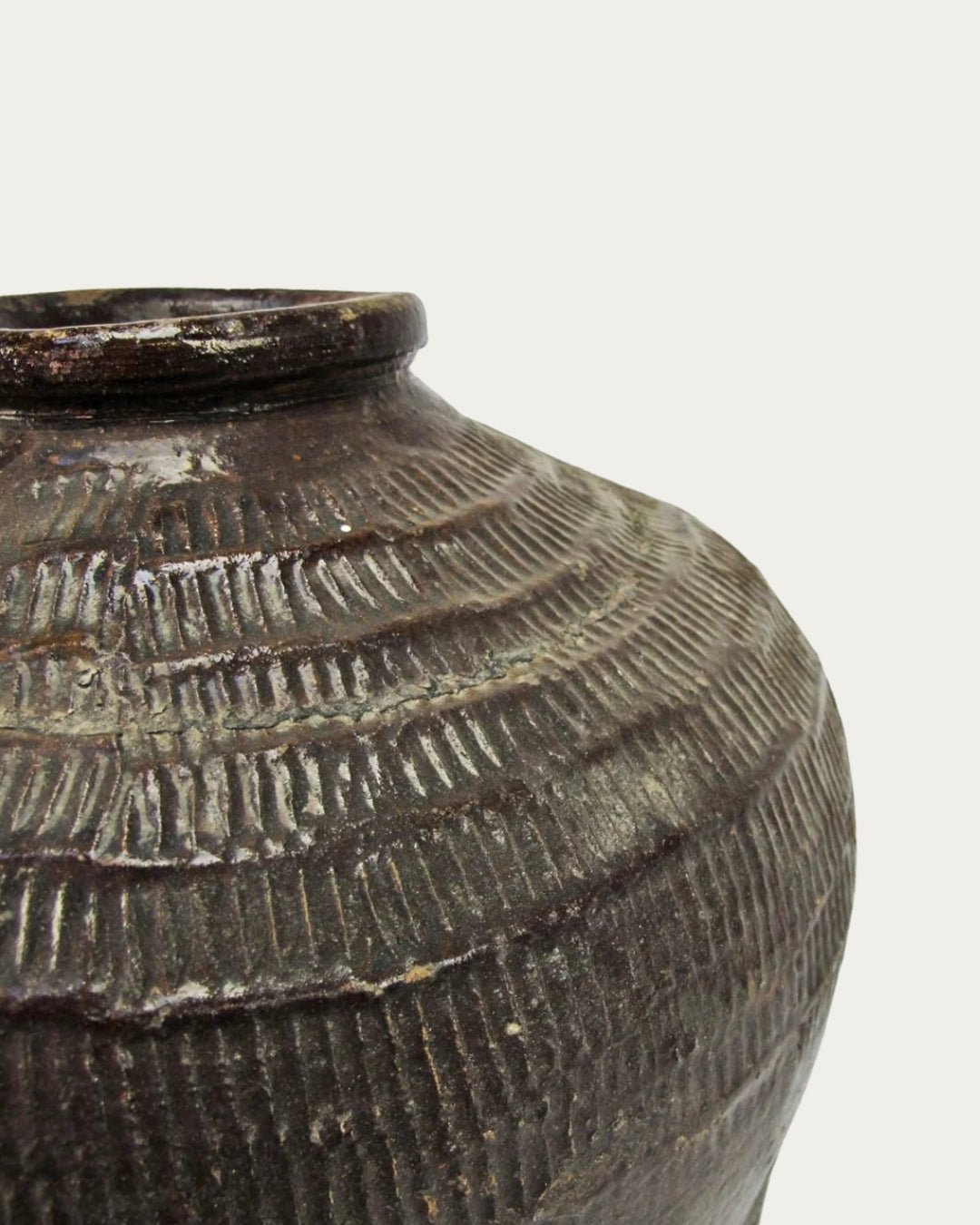
Clay can introduce a rougher texture.
Glazed finishes reflect light differently from matte finishes.
Vintage-inspired forms can interrupt a room full of contemporary furniture.
That's why lamp placement should make sense both switched on and switched off.
If the lamp is prominent during the day, choose a material you actually want to look at.
Better Lighting Can Reduce Visual and Sensory Load at Night
Lighting also affects how much visual information a room presents at once.
Bright overhead lighting tends to illuminate everything equally.
Lower, localized lighting allows some areas to recede while keeping the places you're actually using visible.
For some people, having control over brightness and reducing unnecessary sensory input can make an evening environment feel less demanding.
That doesn't mean a table lamp is a nervous-system treatment.
It means your surroundings don't always need to operate at maximum brightness.
A few well-positioned lamps give you options.
And options are useful.
Use the Rule as a Starting Point, Not a Tape Measure
The 3-foot lighting rule isn't meant to send you around the house measuring every lamp with a ruler.
It's a way to ask a better question.
Is this light close enough to the thing it's supposed to help me do?
If yes, you're probably on the right track.
If your reading lamp is across the room, move it closer.
If your bedside lamp requires getting out of bed, reconsider the setup.
If a console lamp exists purely to create ambient light, let it sit farther away.
If a chair doesn't have room for a table, use a floor lamp rather than forcing another piece of furniture into the layout.
The exact distance matters less than the relationship.
Put the Light Where Life Actually Happens
Table lamps shouldn't be distributed according to where you happen to have an empty tabletop.
They should follow the way you use the room.
Beside the seat where you read.
Next to the bed where you switch off at night.
On the console that needs a softer pool of evening light.
Near the corner that disappears after sunset.
Once you start thinking in those terms, a unique table lamp becomes more than another object to style. Its scale, material, shade, and placement all have a job.
Start within roughly three feet of the activity.
Sit down and test the light from the position where you'll actually experience it.
Then adjust.
No complicated lighting diagram required.
Explore Hello Norden's table lamp collection and find the light that makes sense for where you actually sit, read, and wind down.