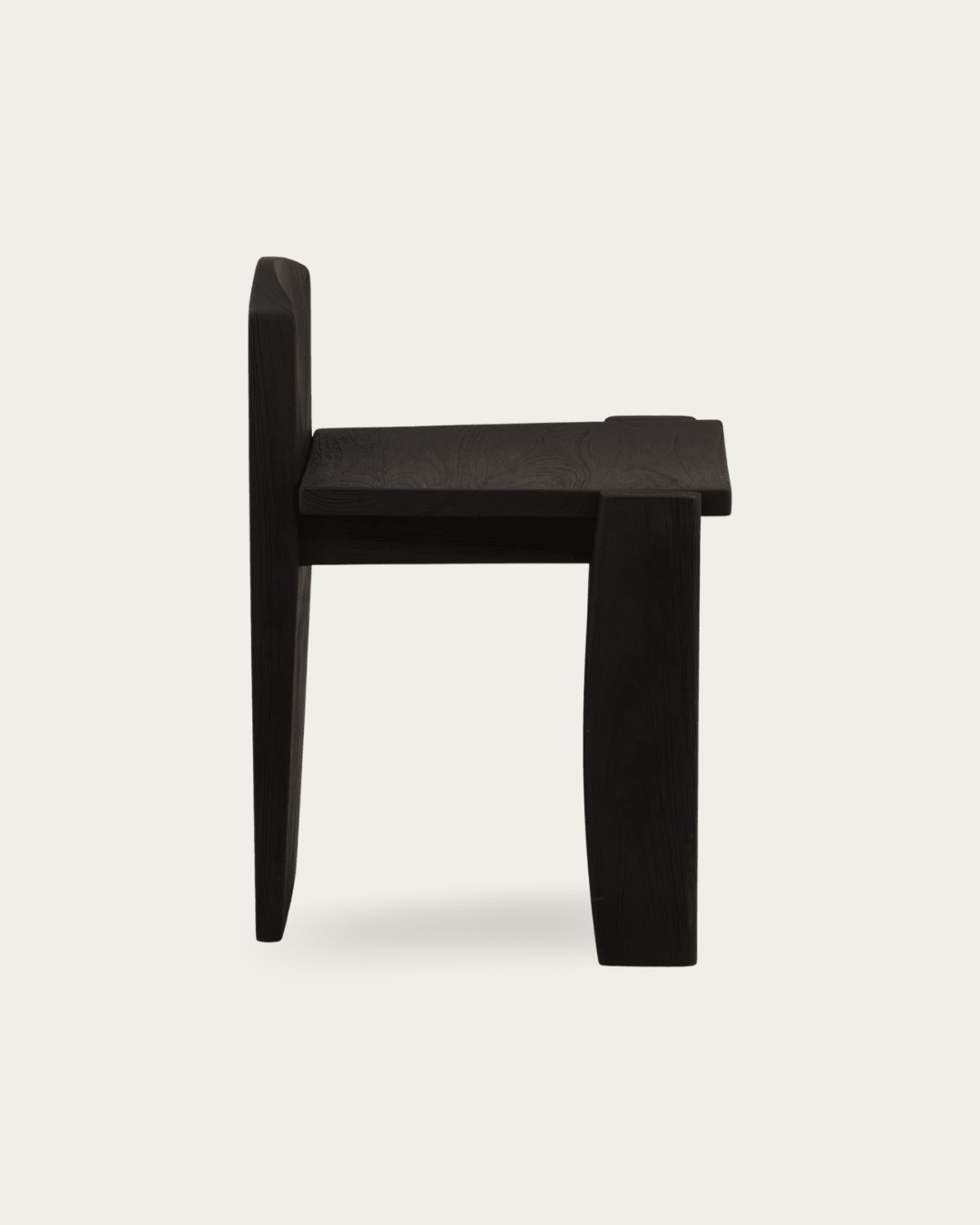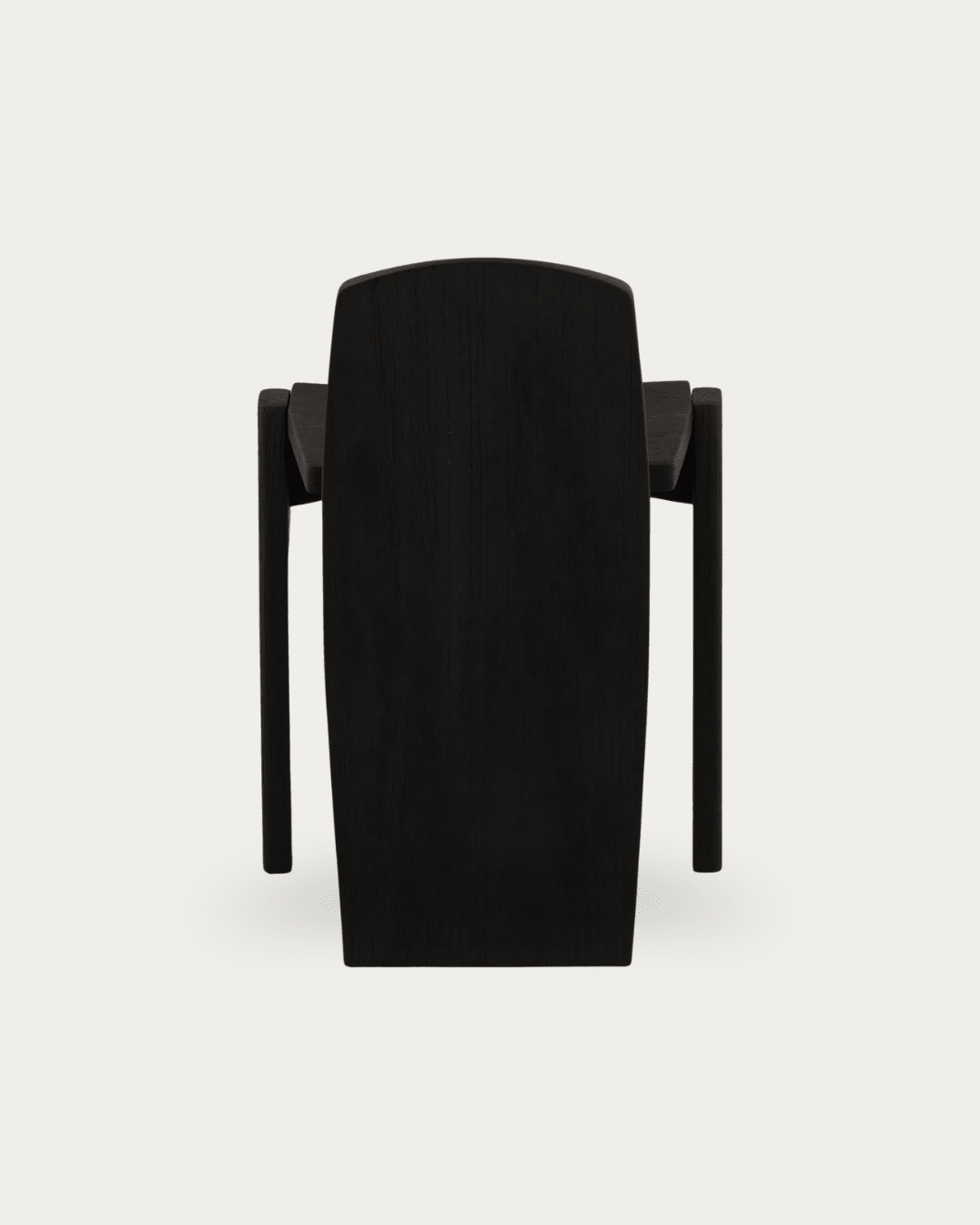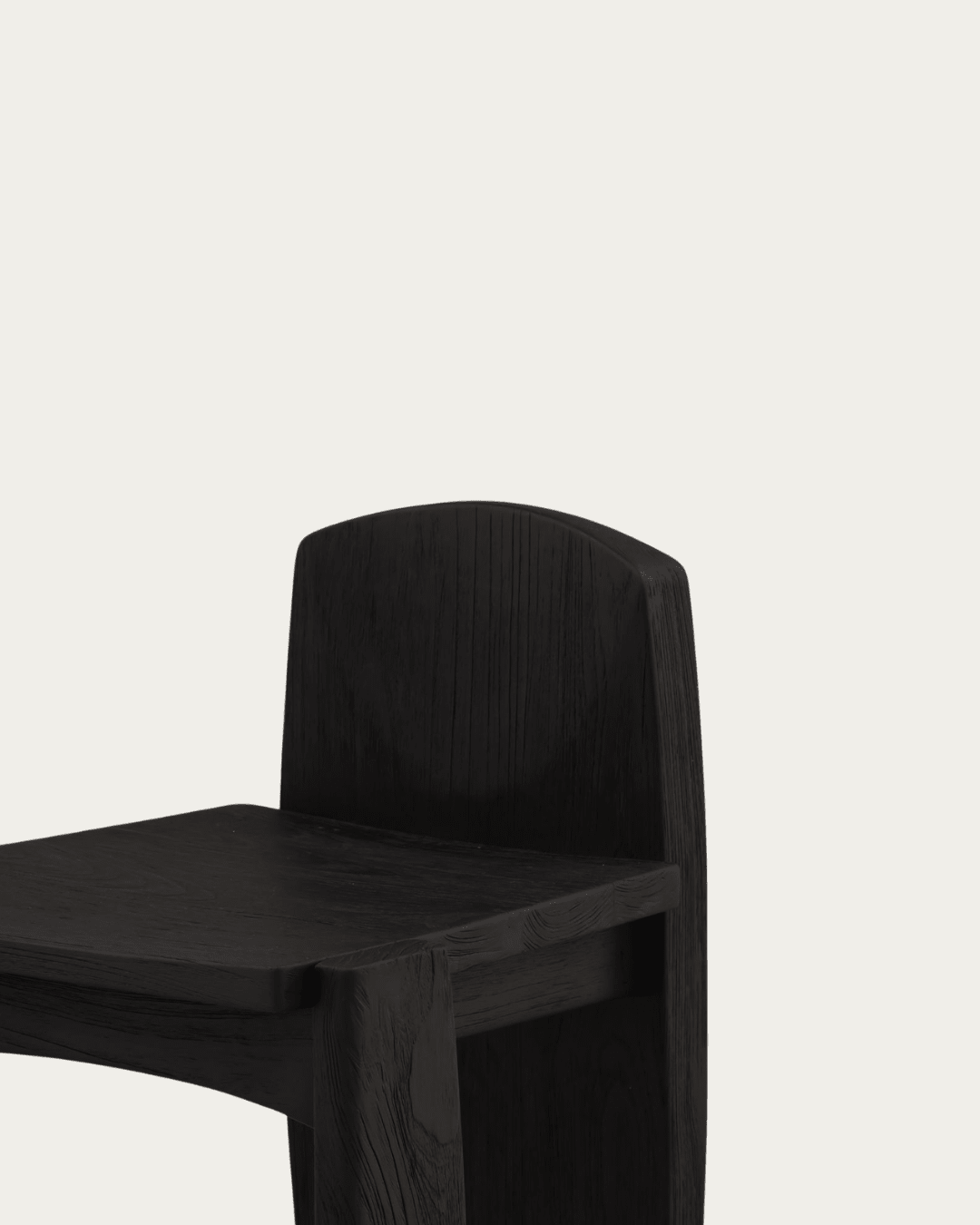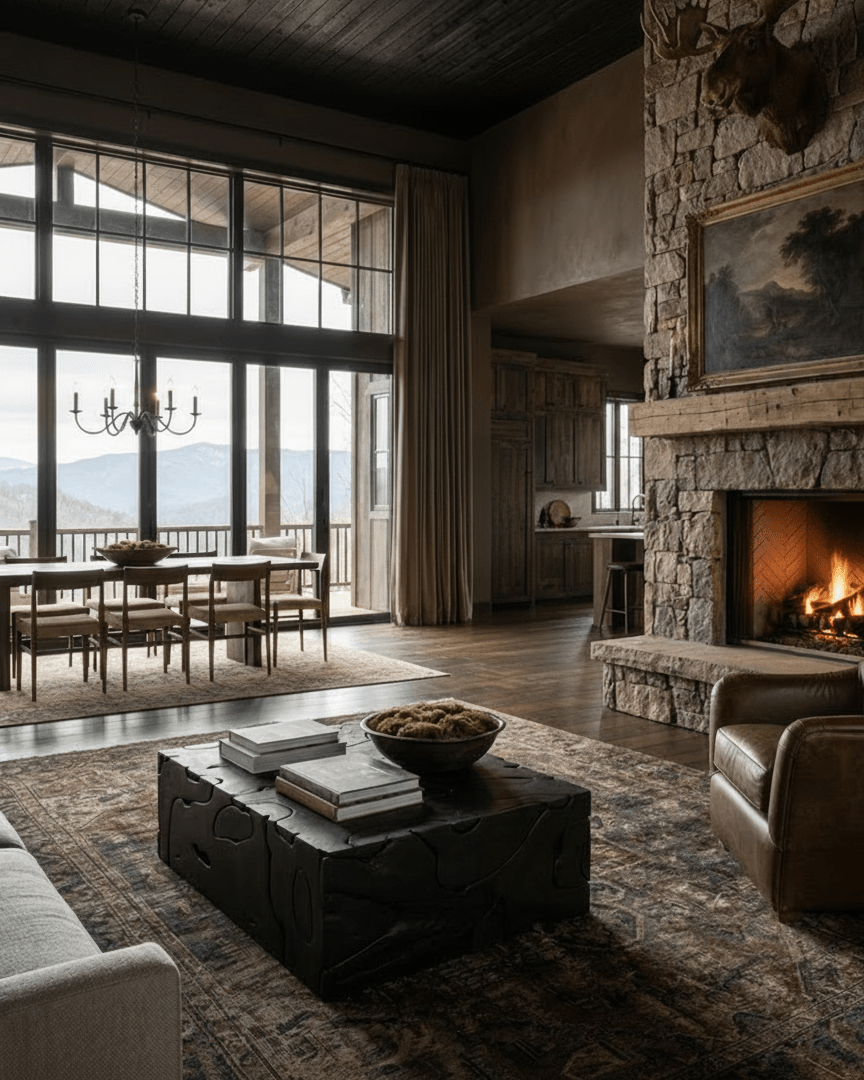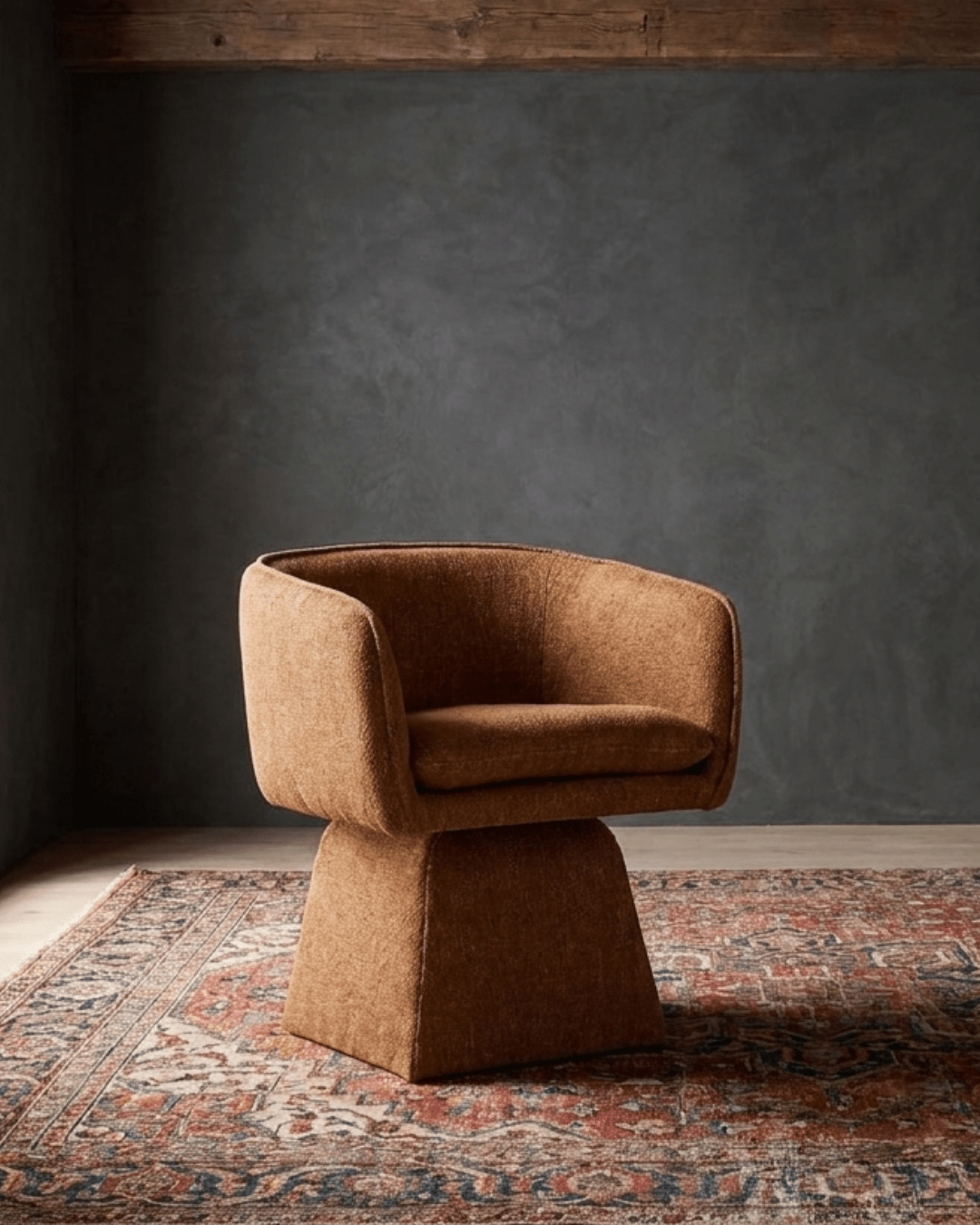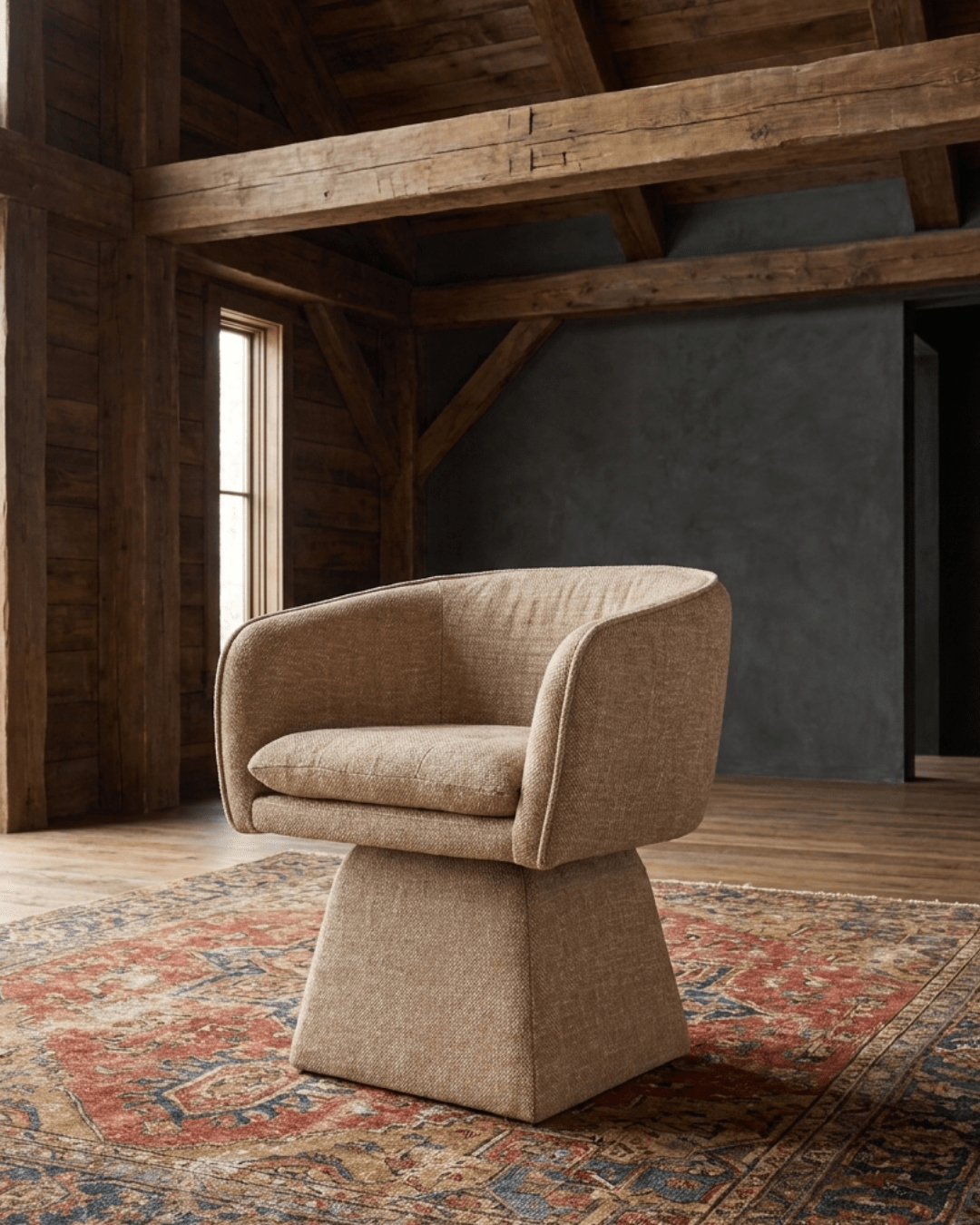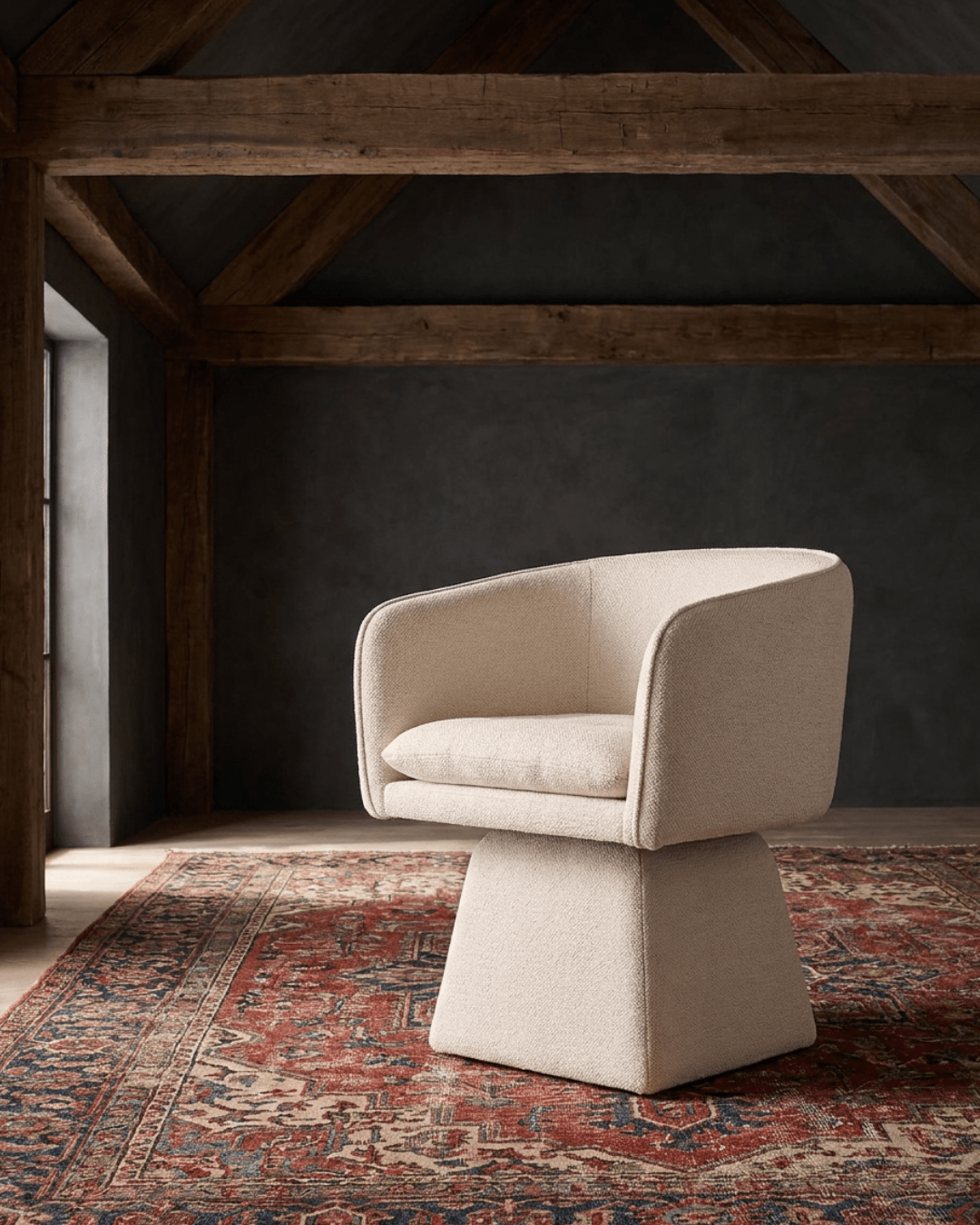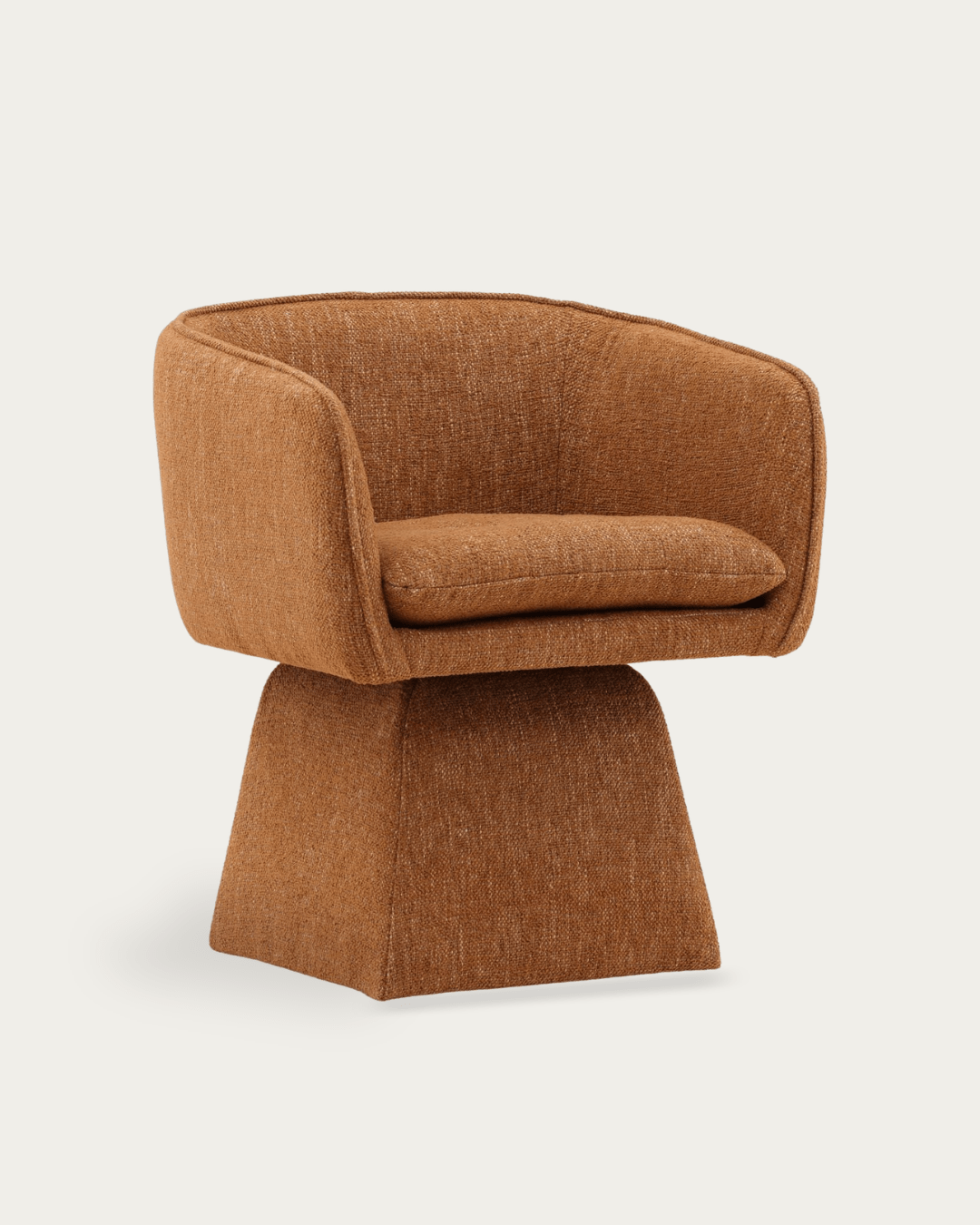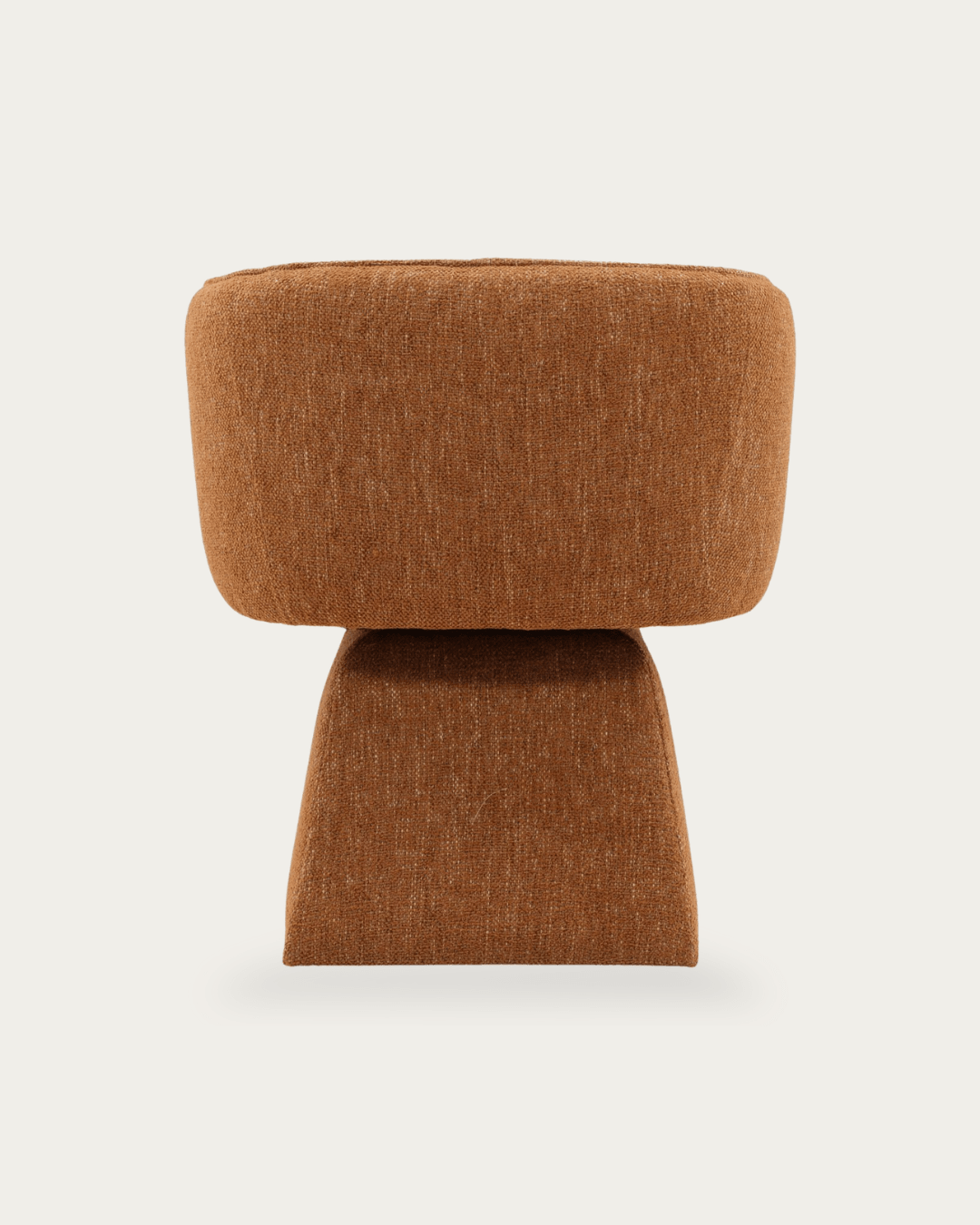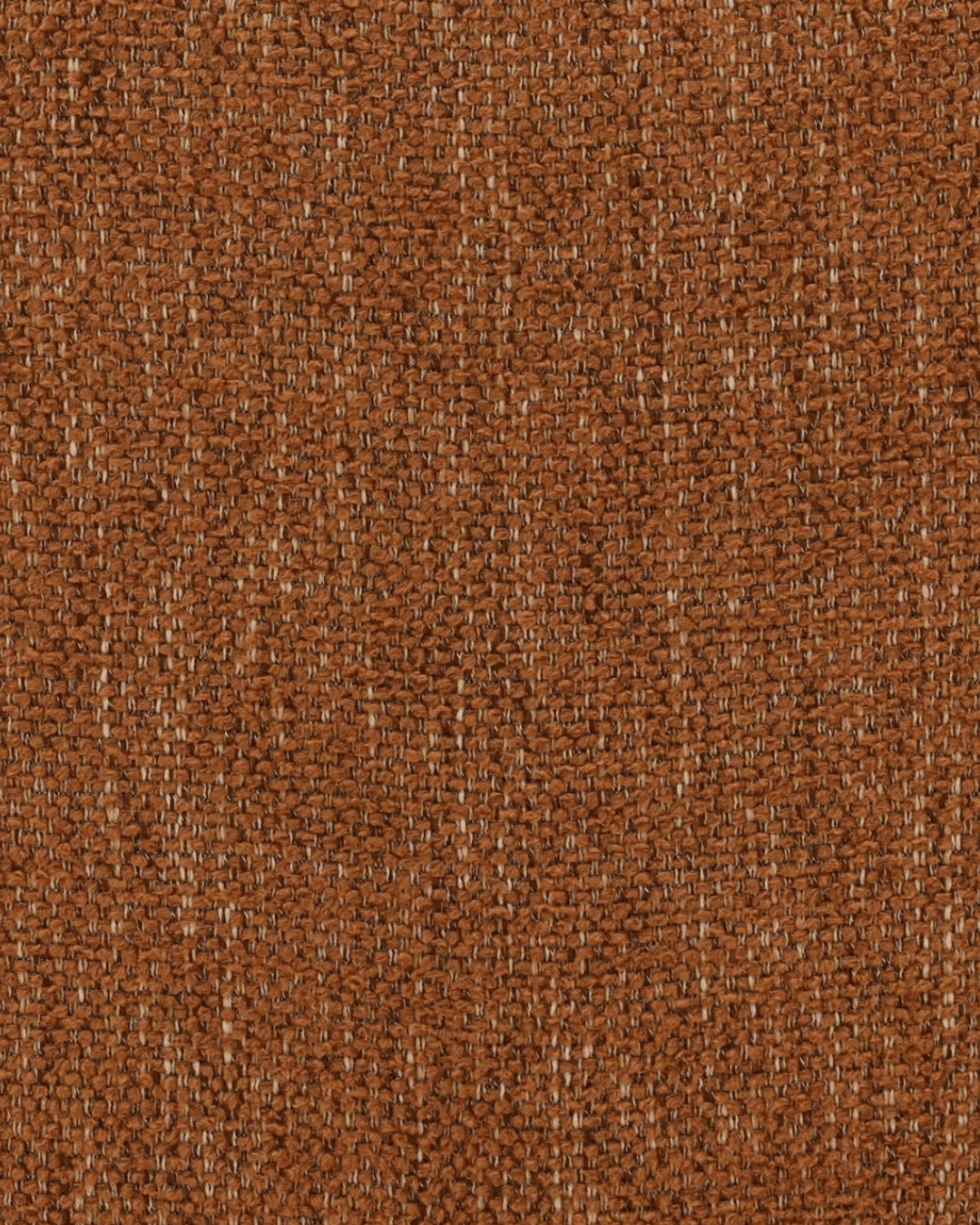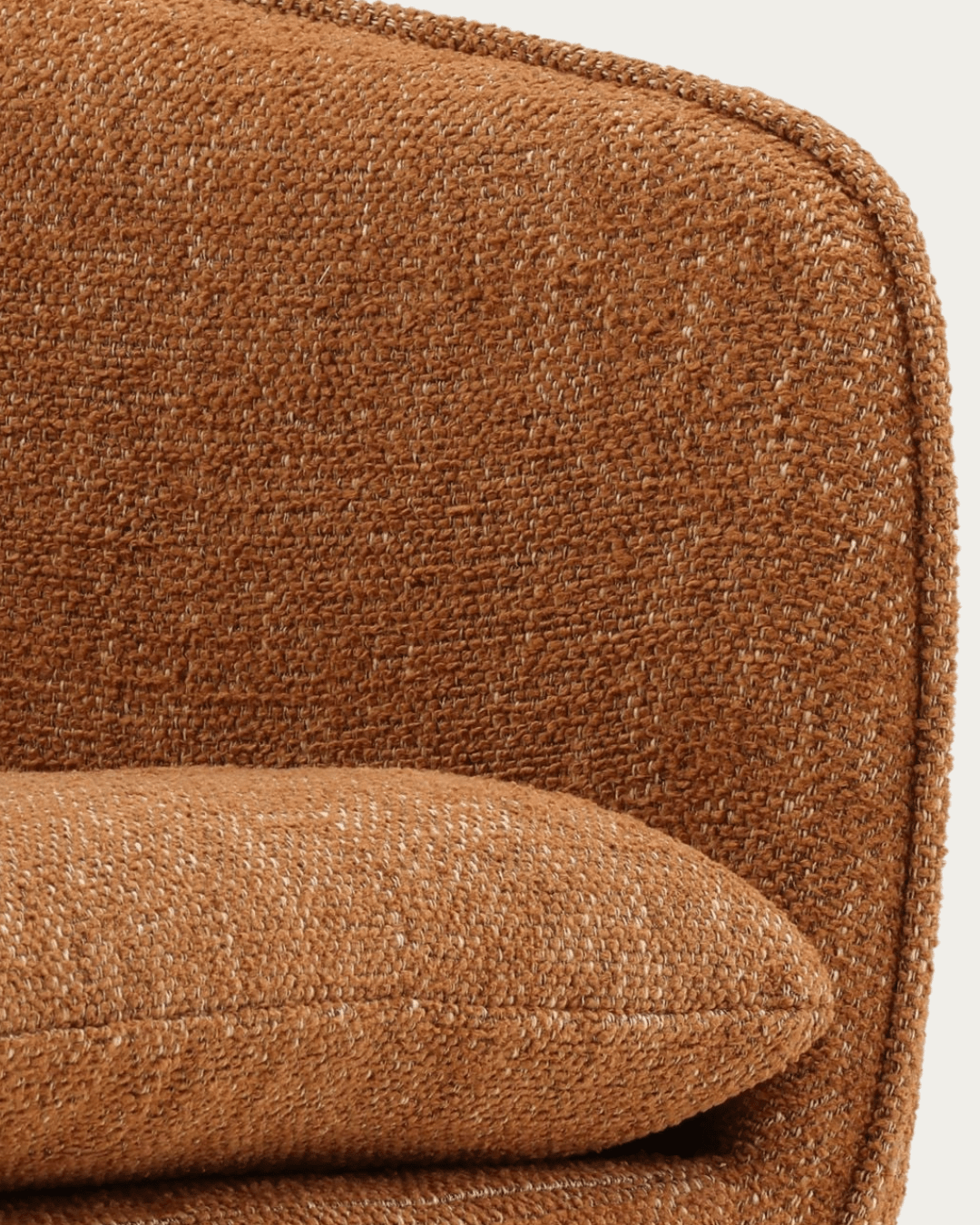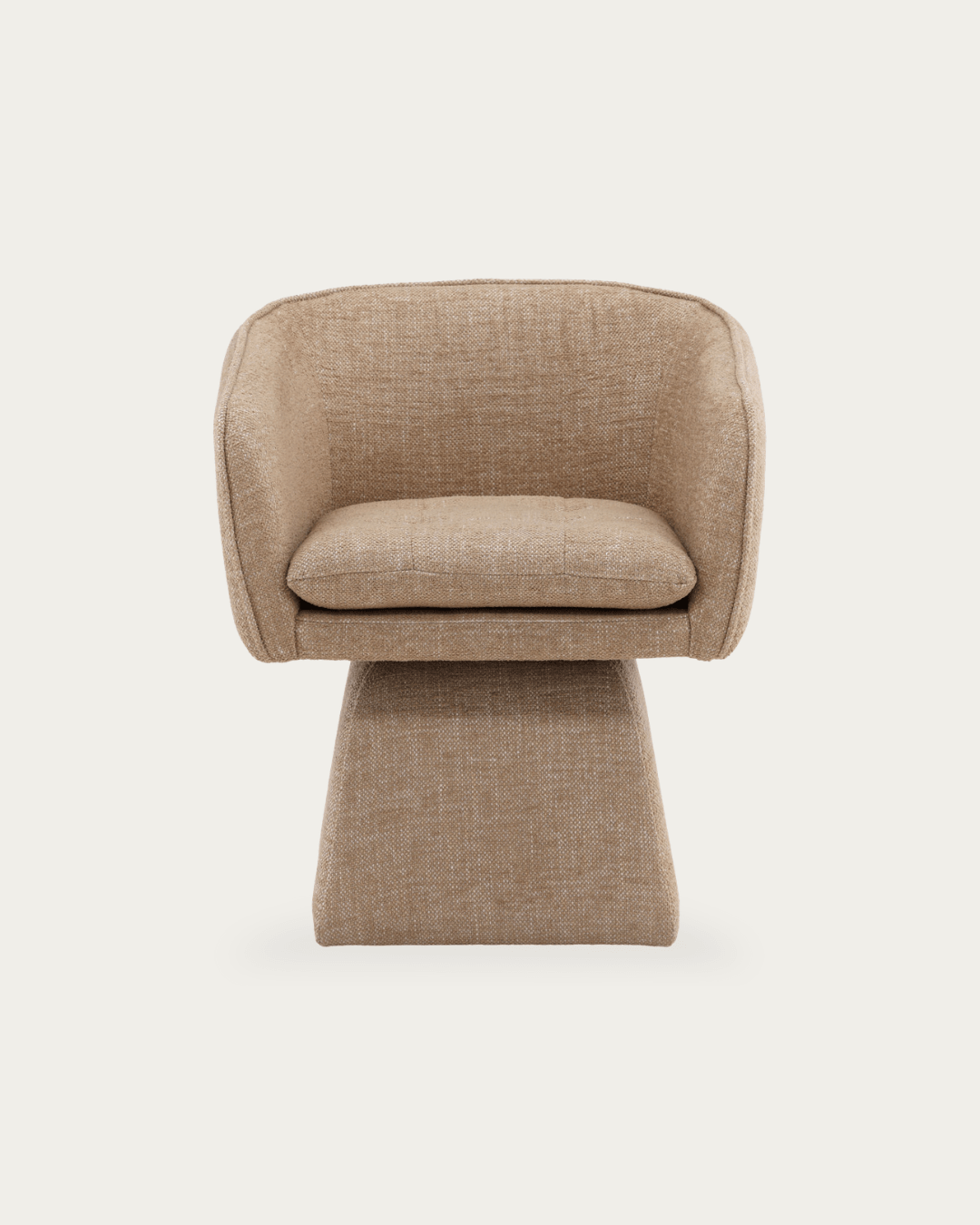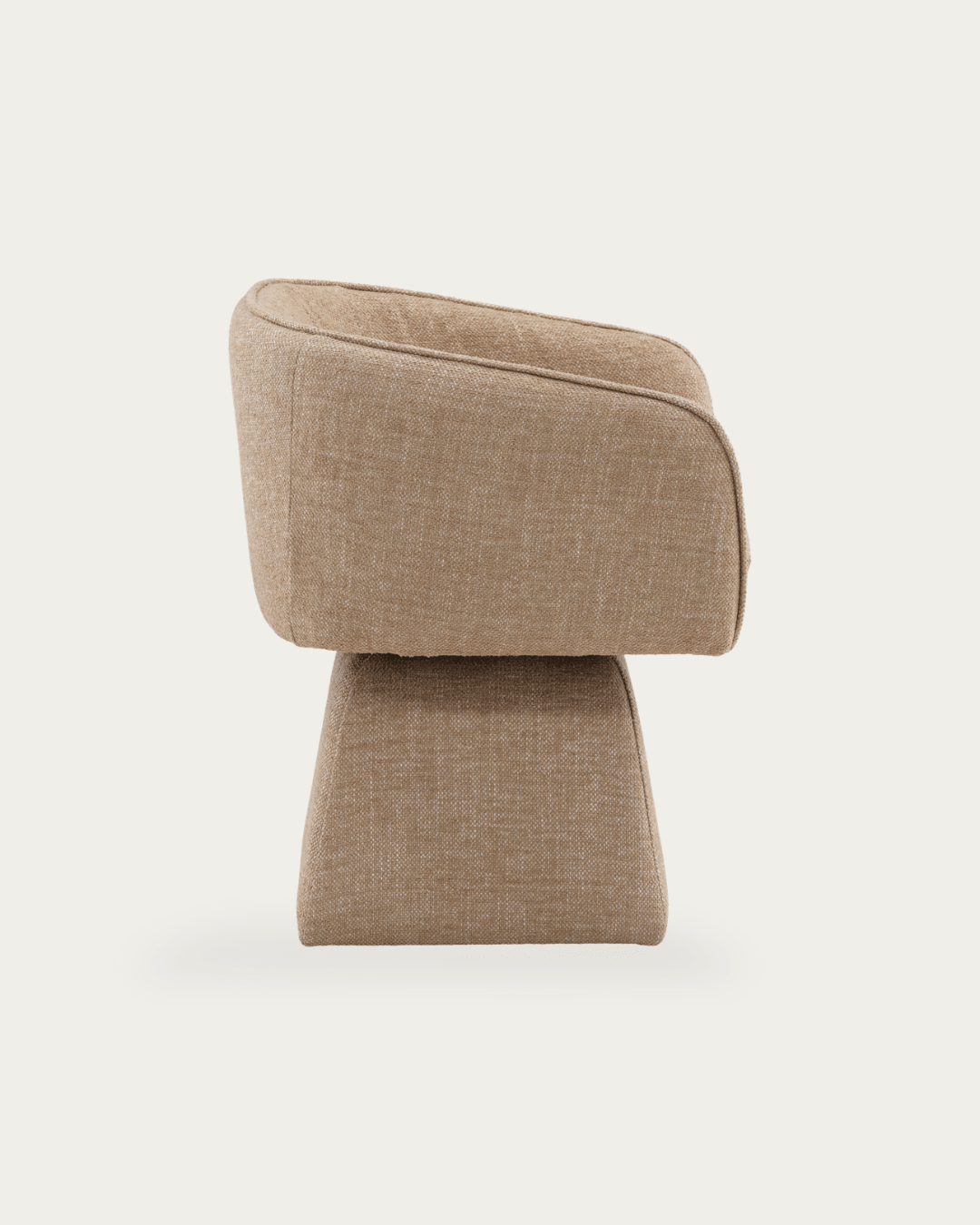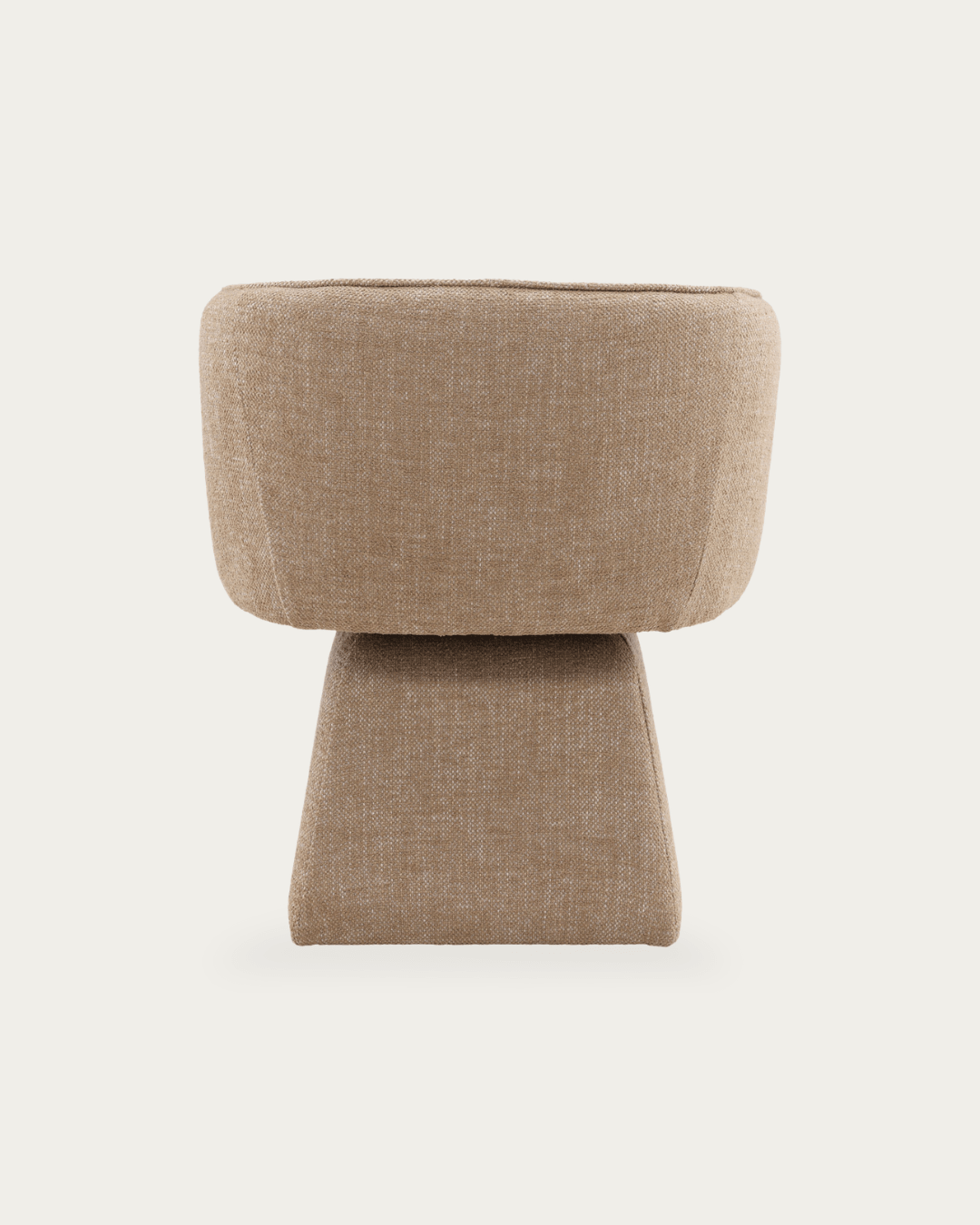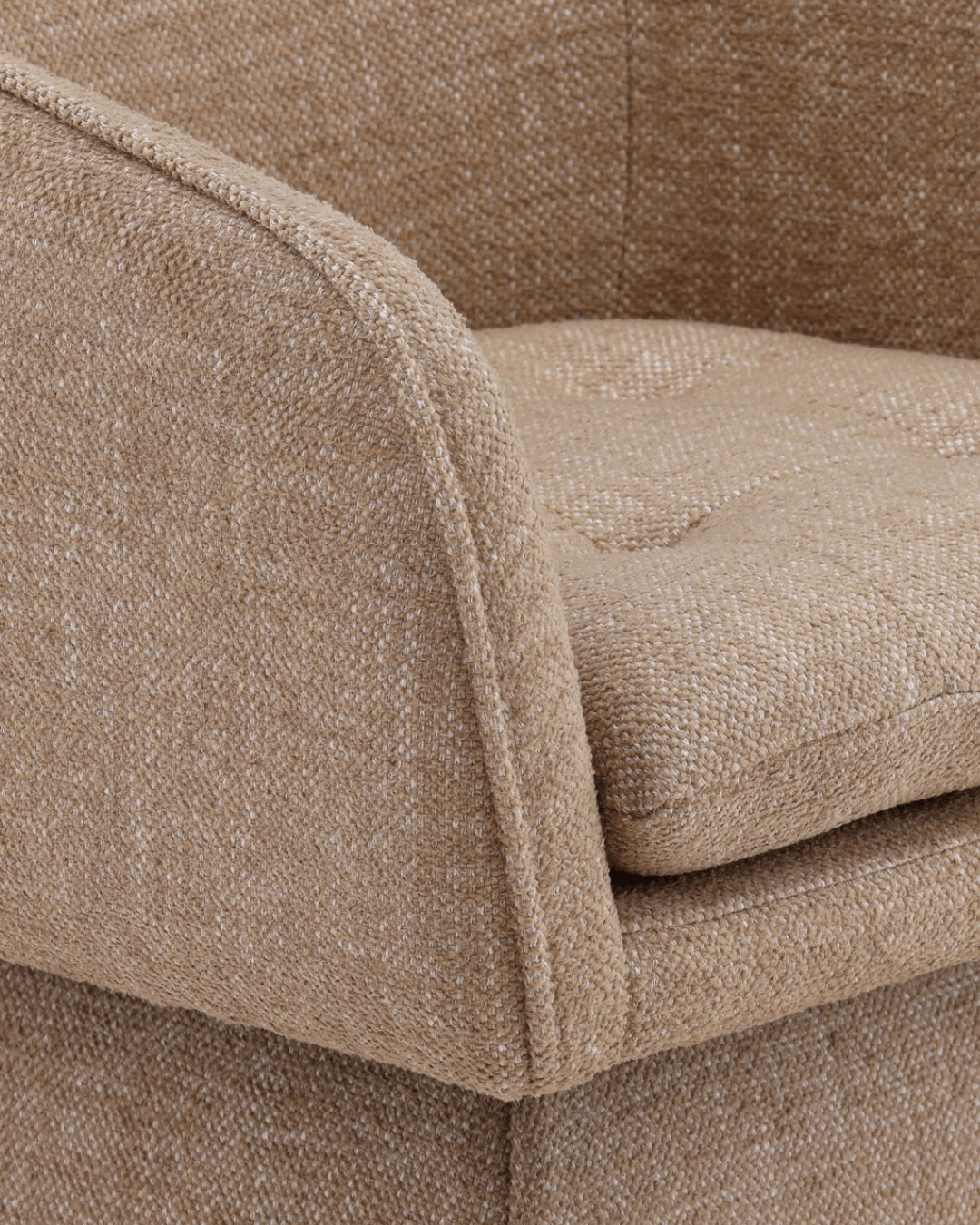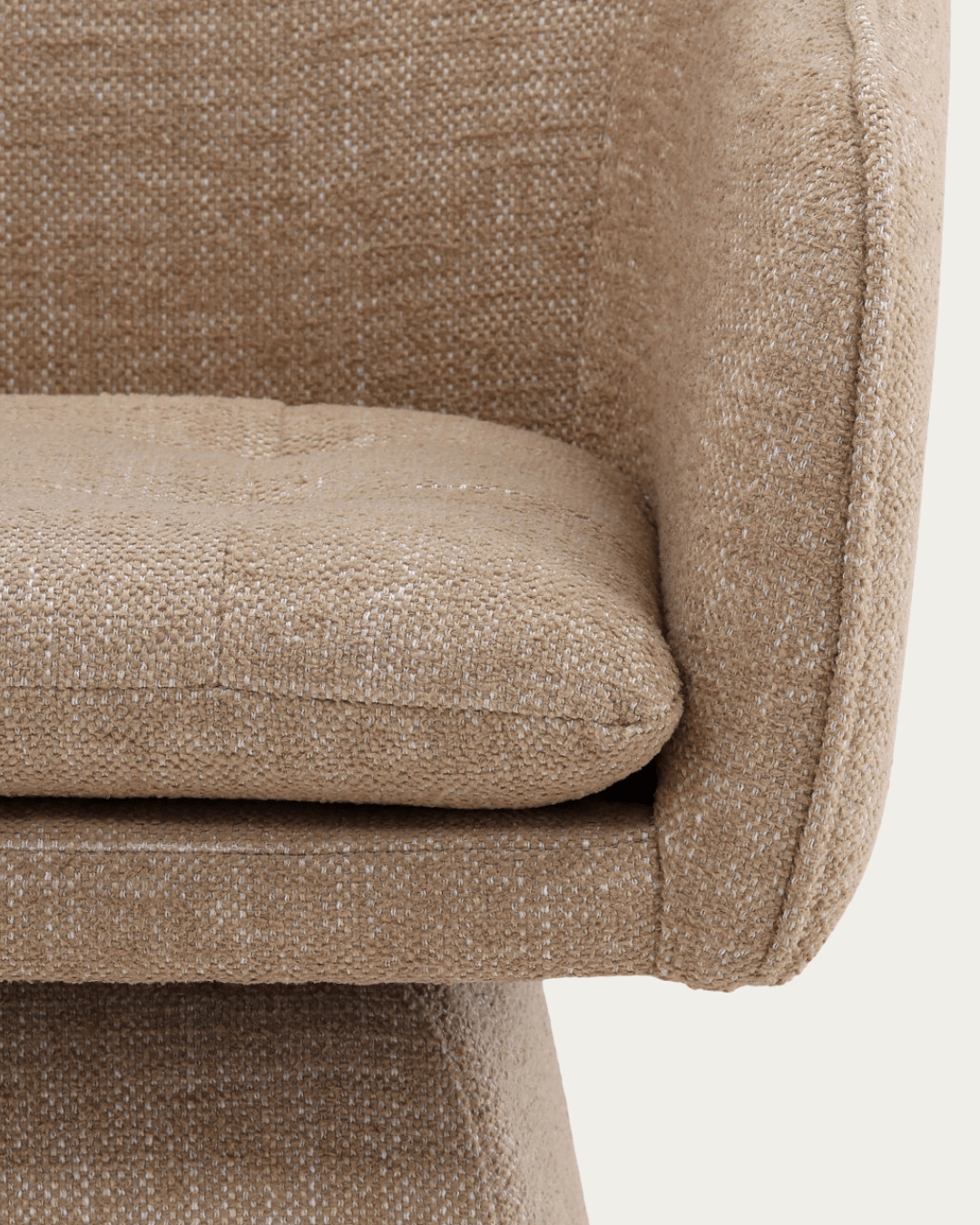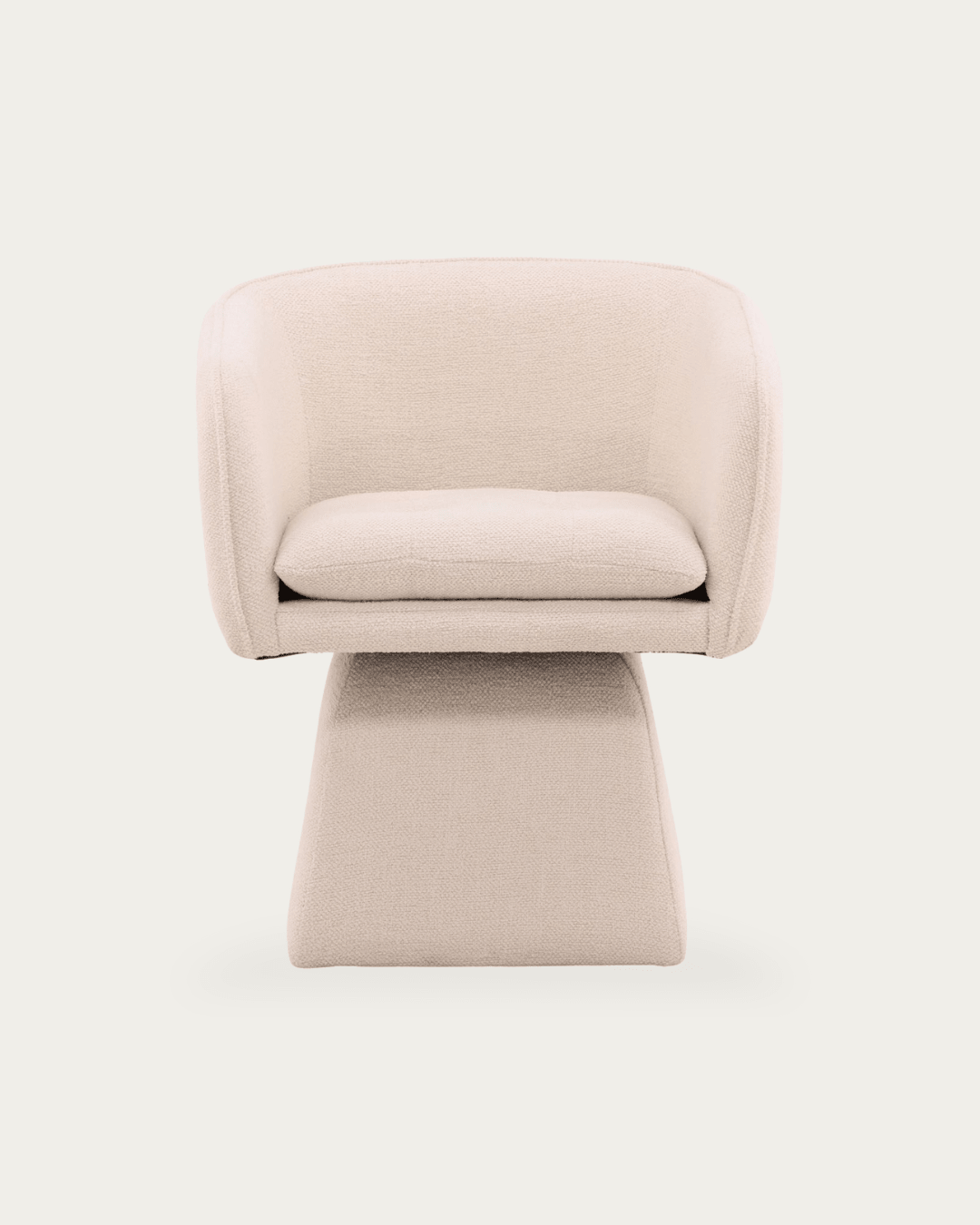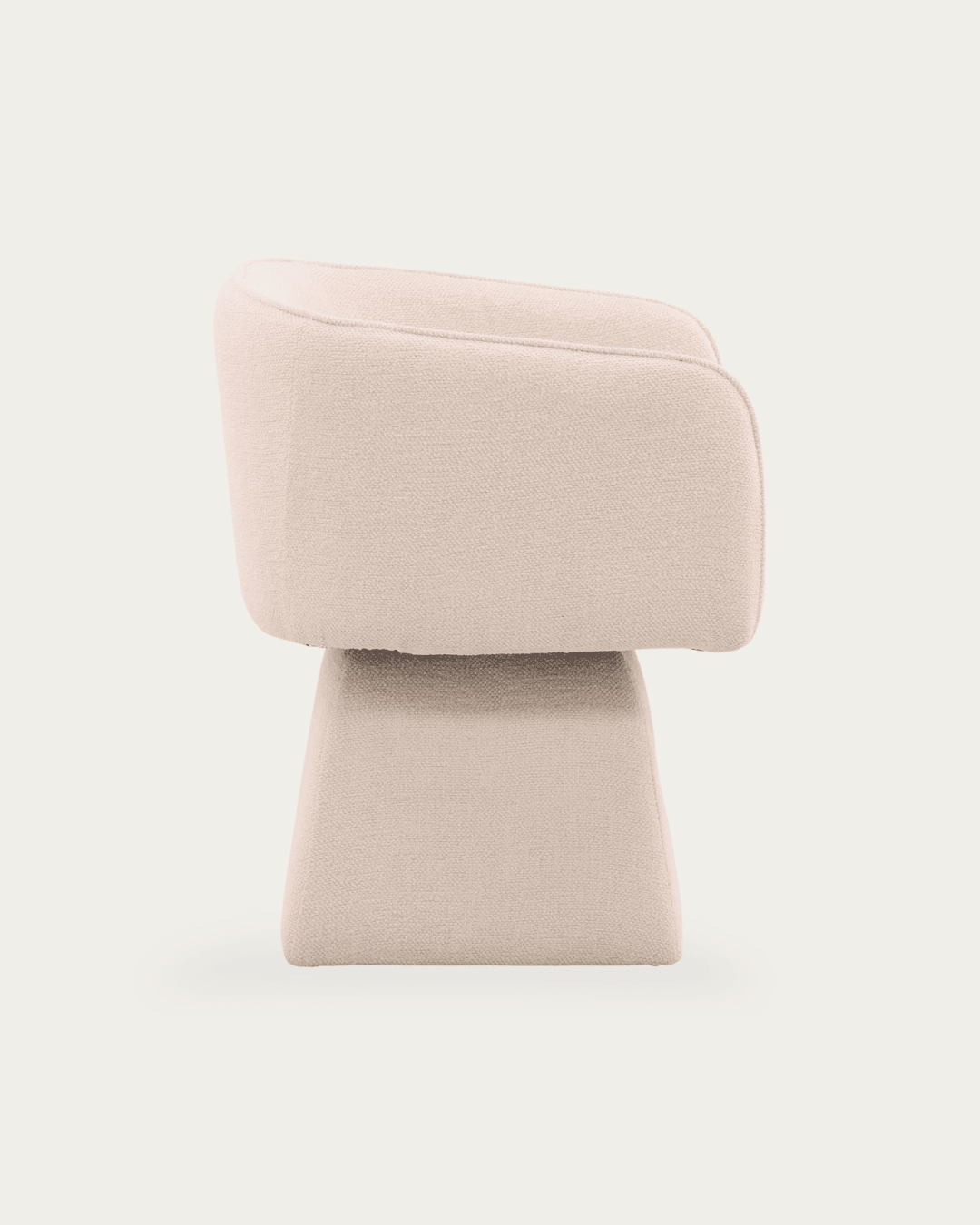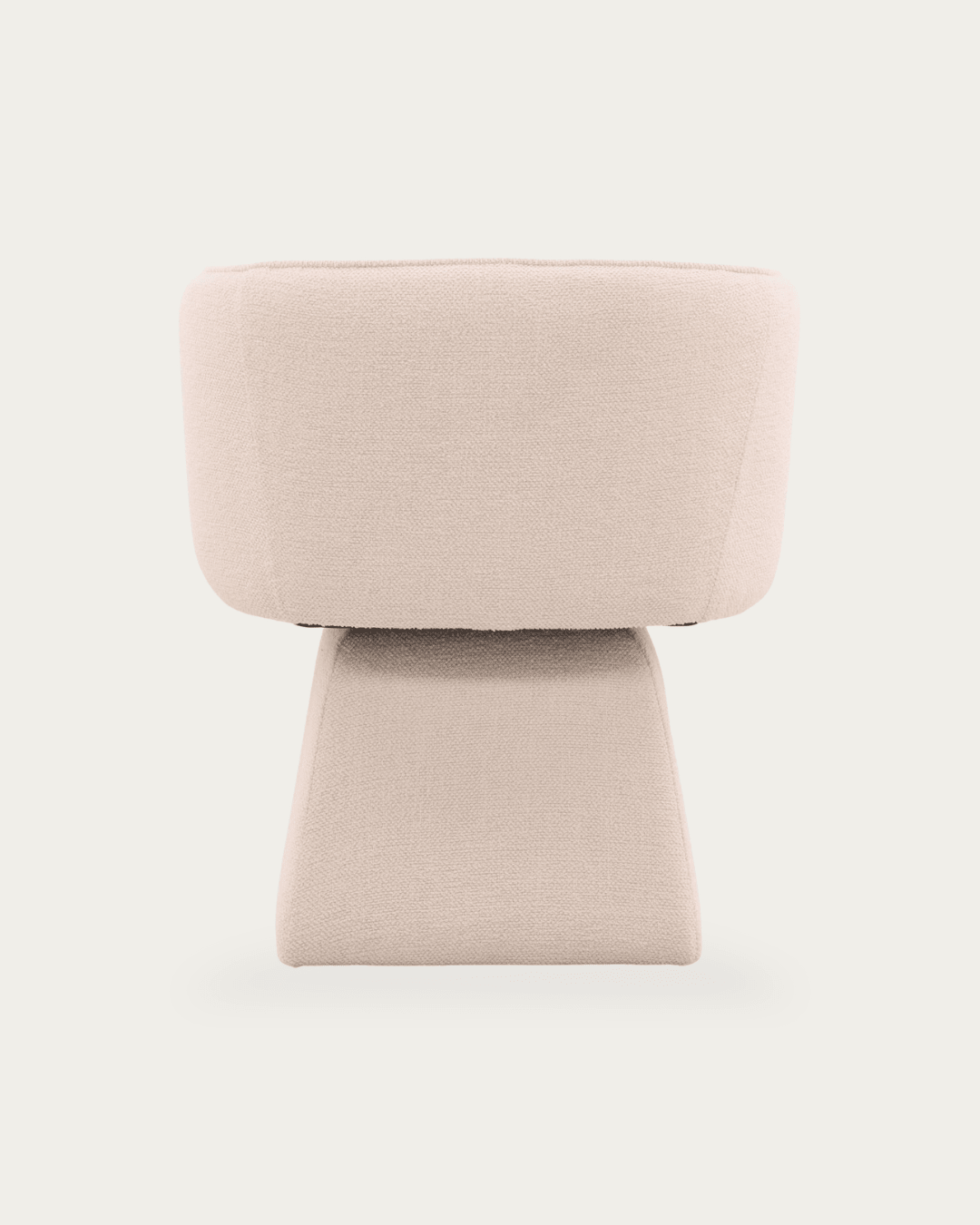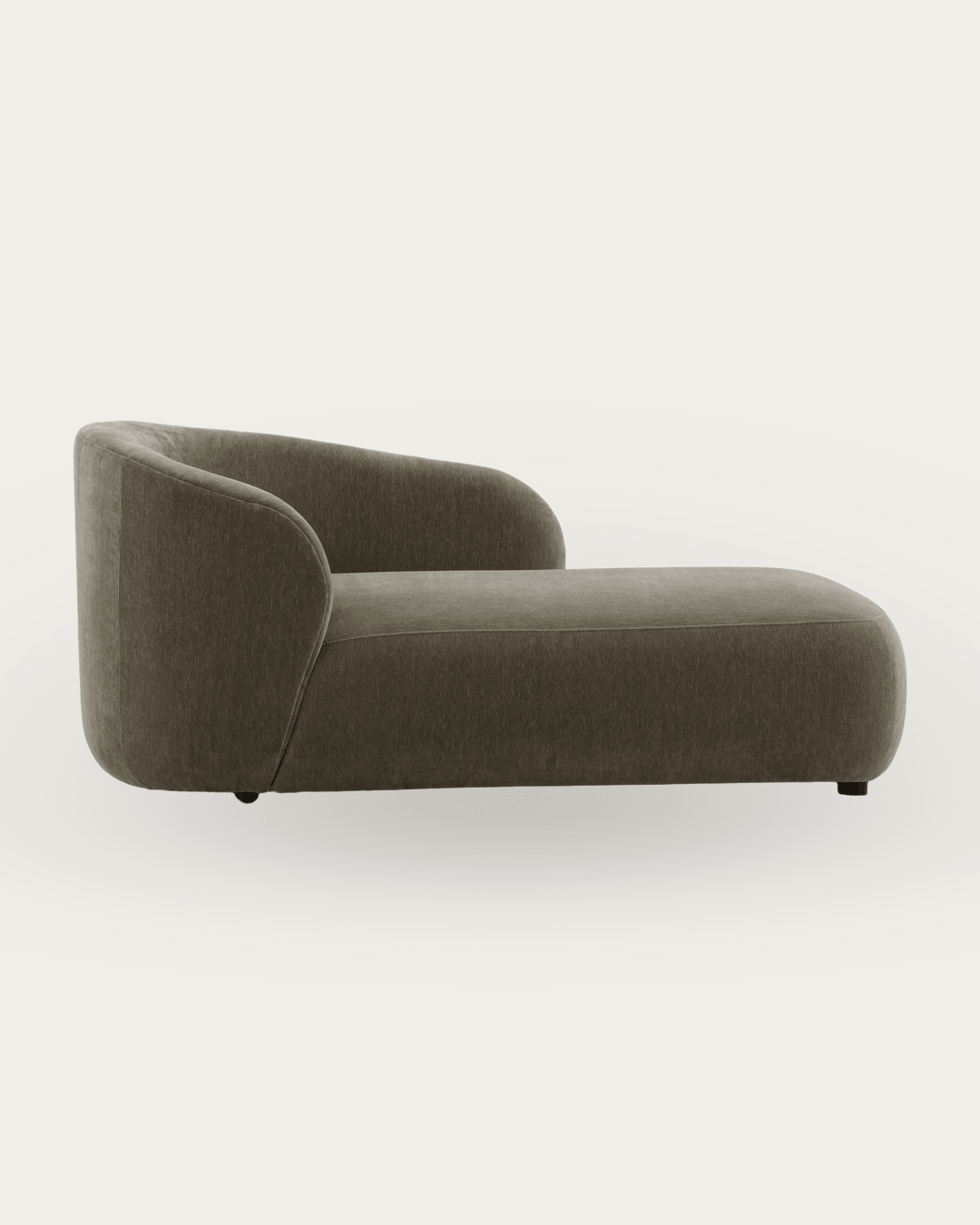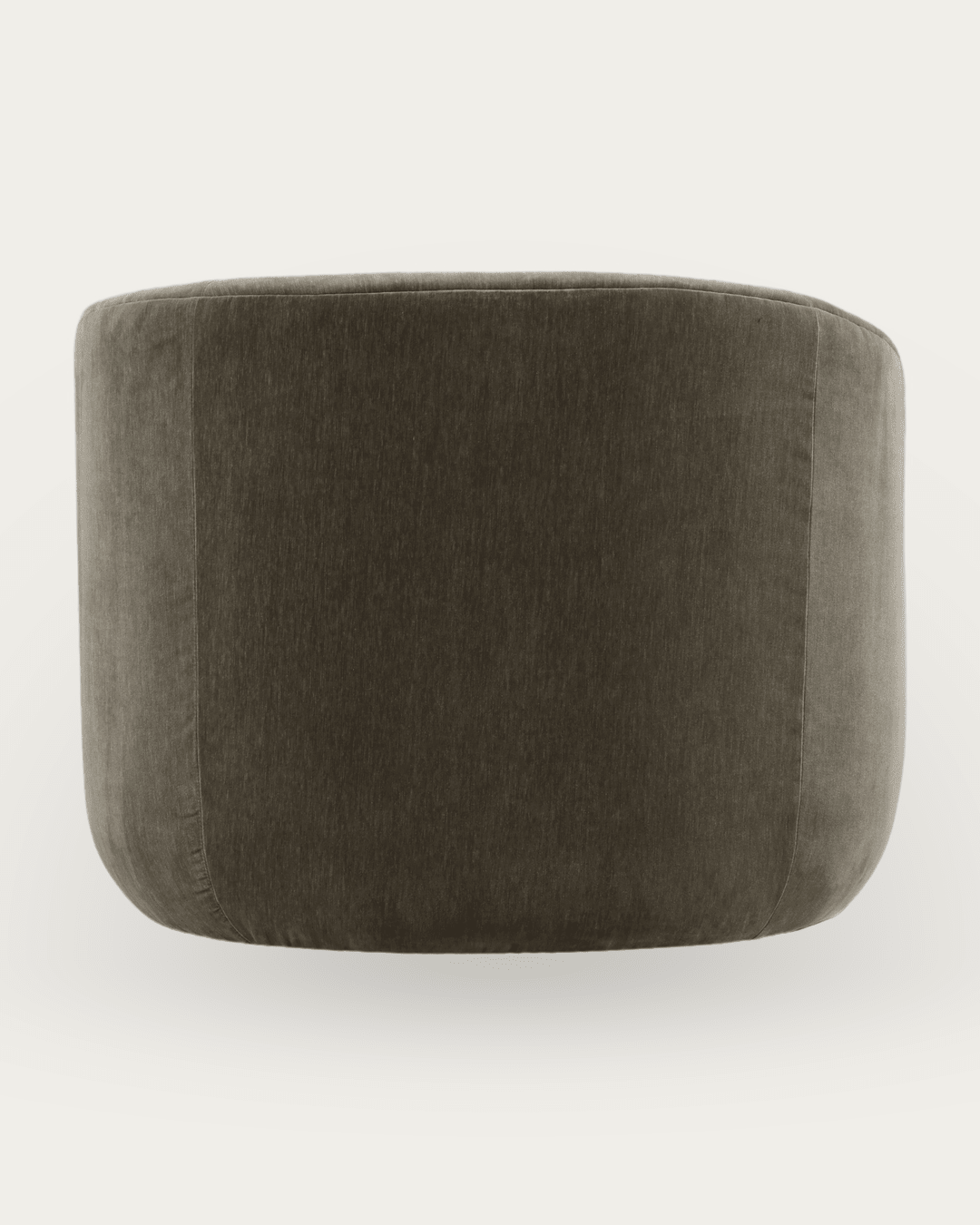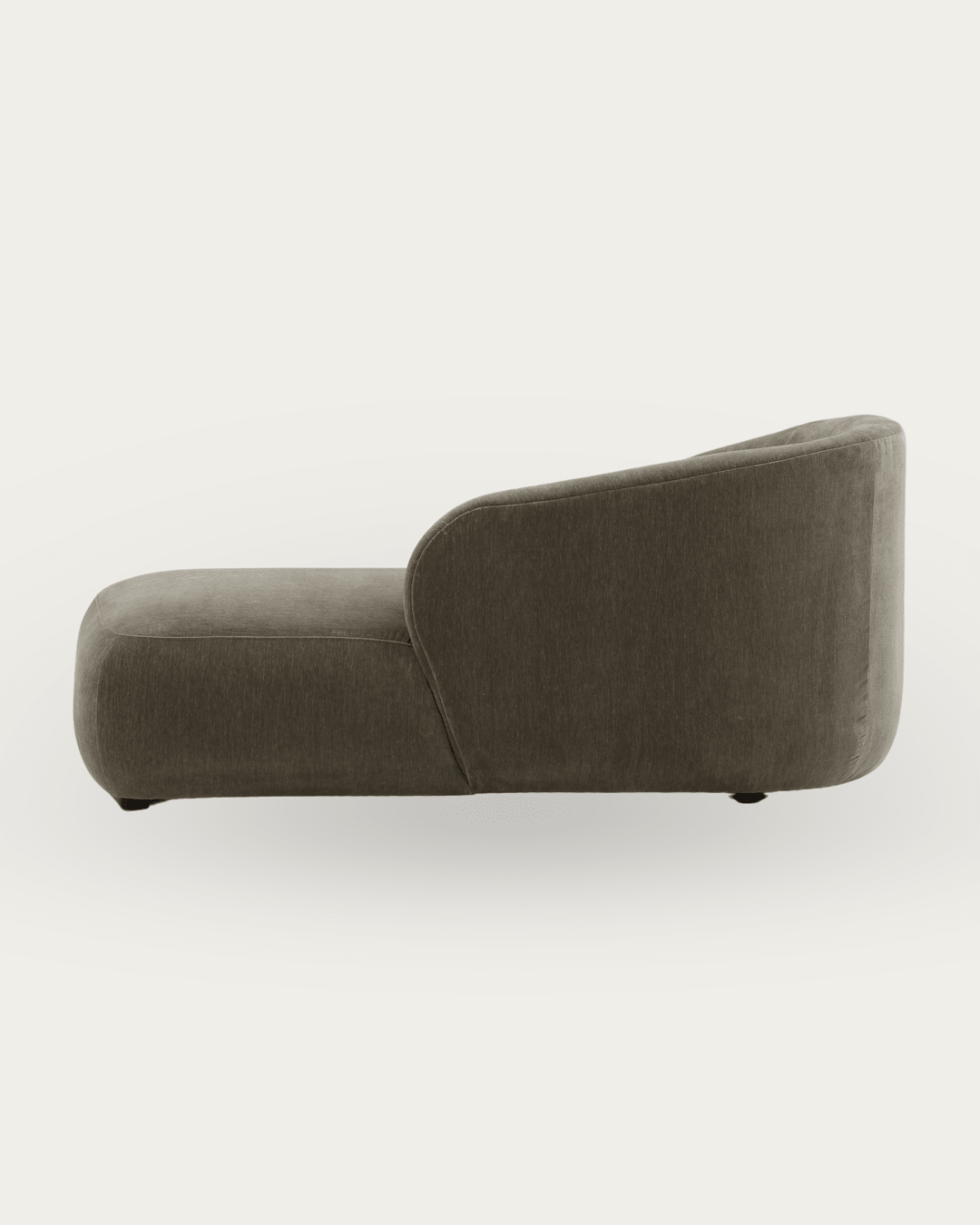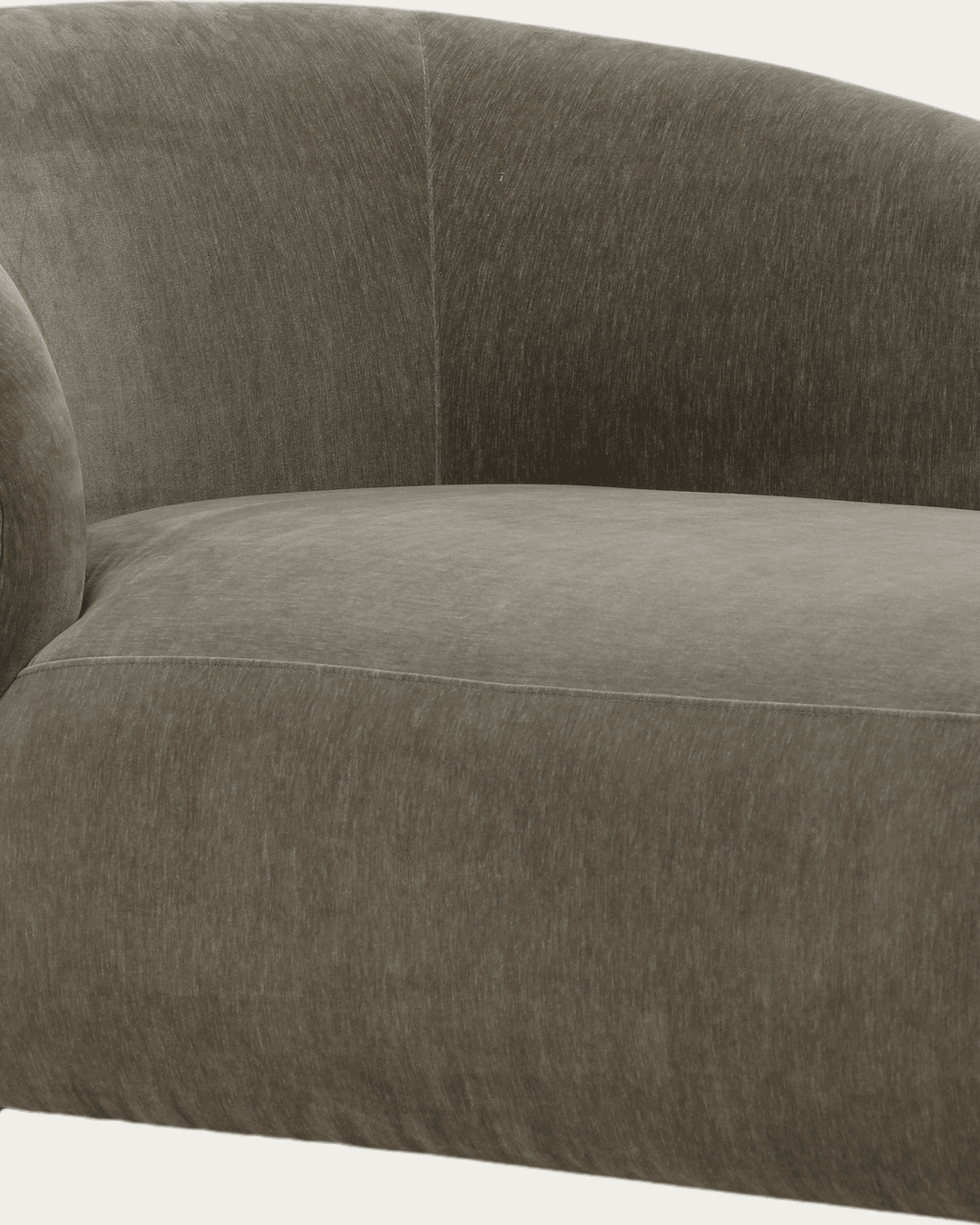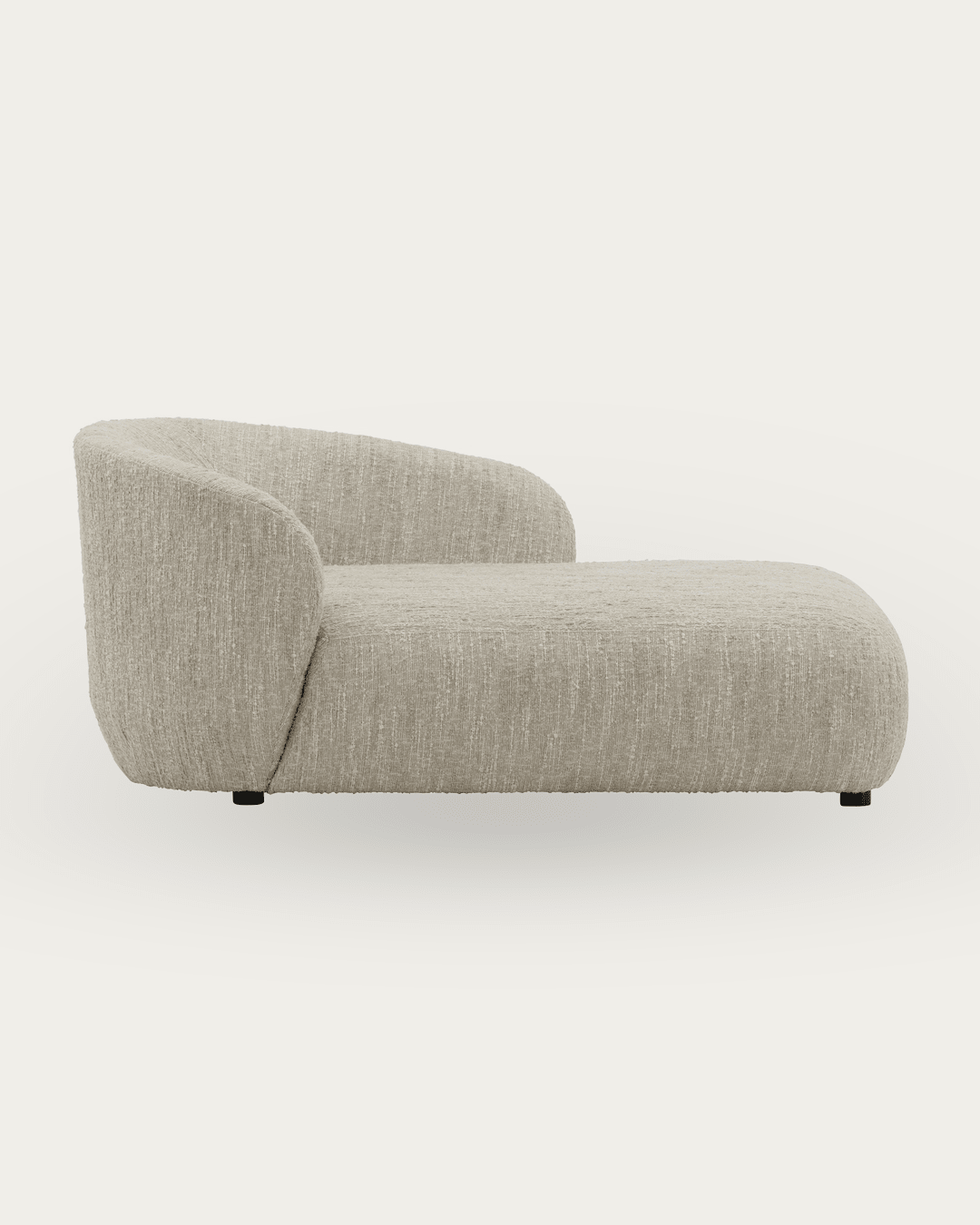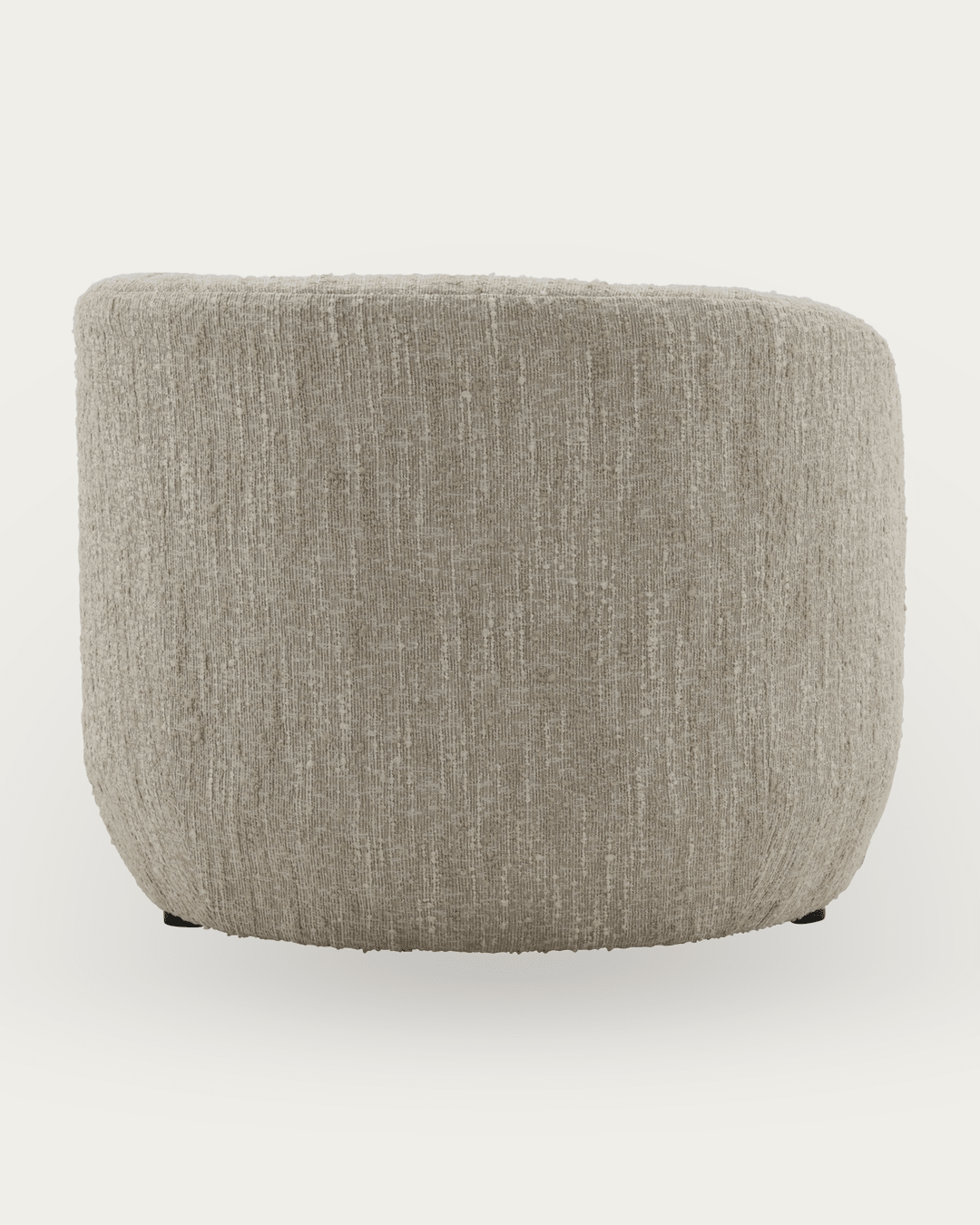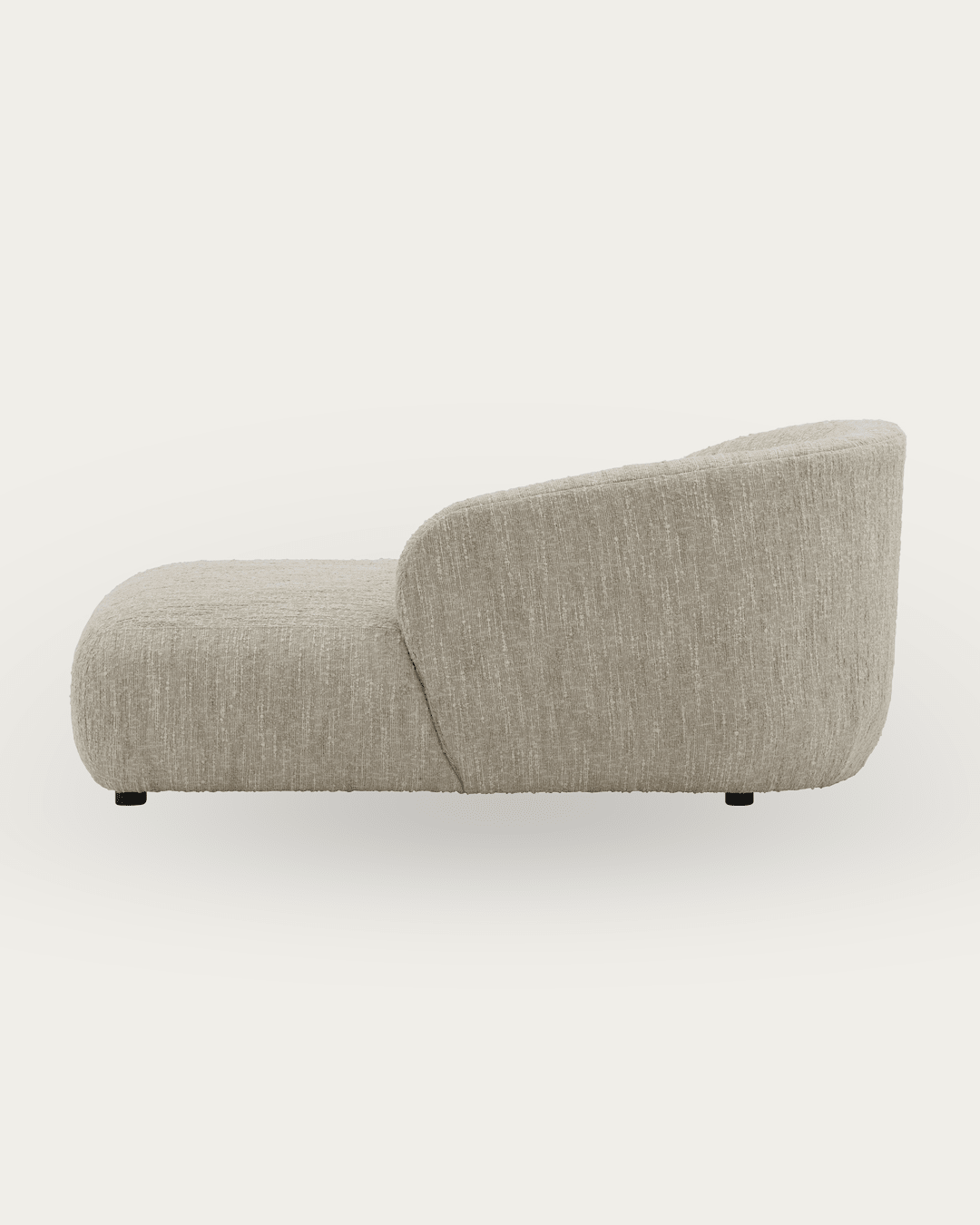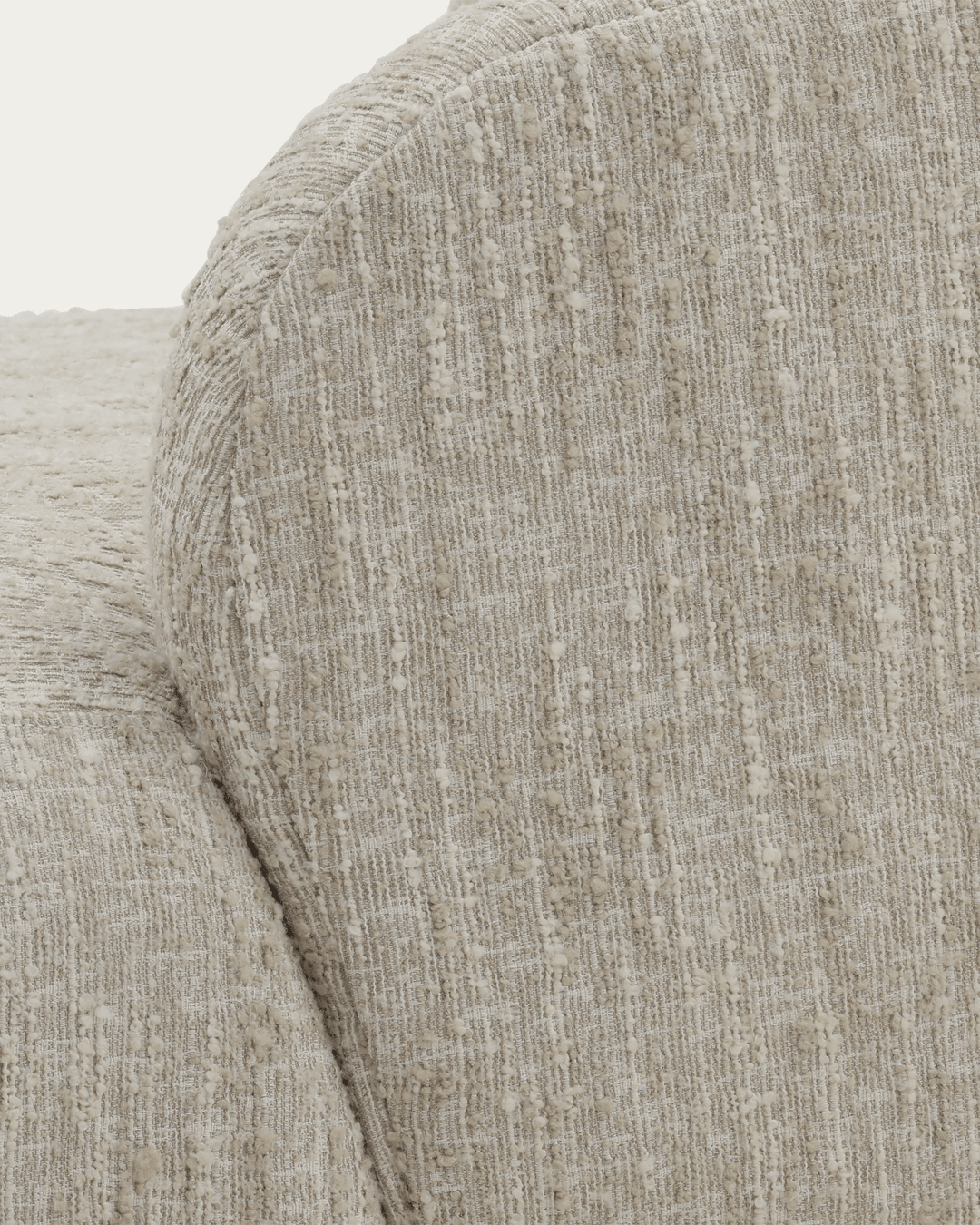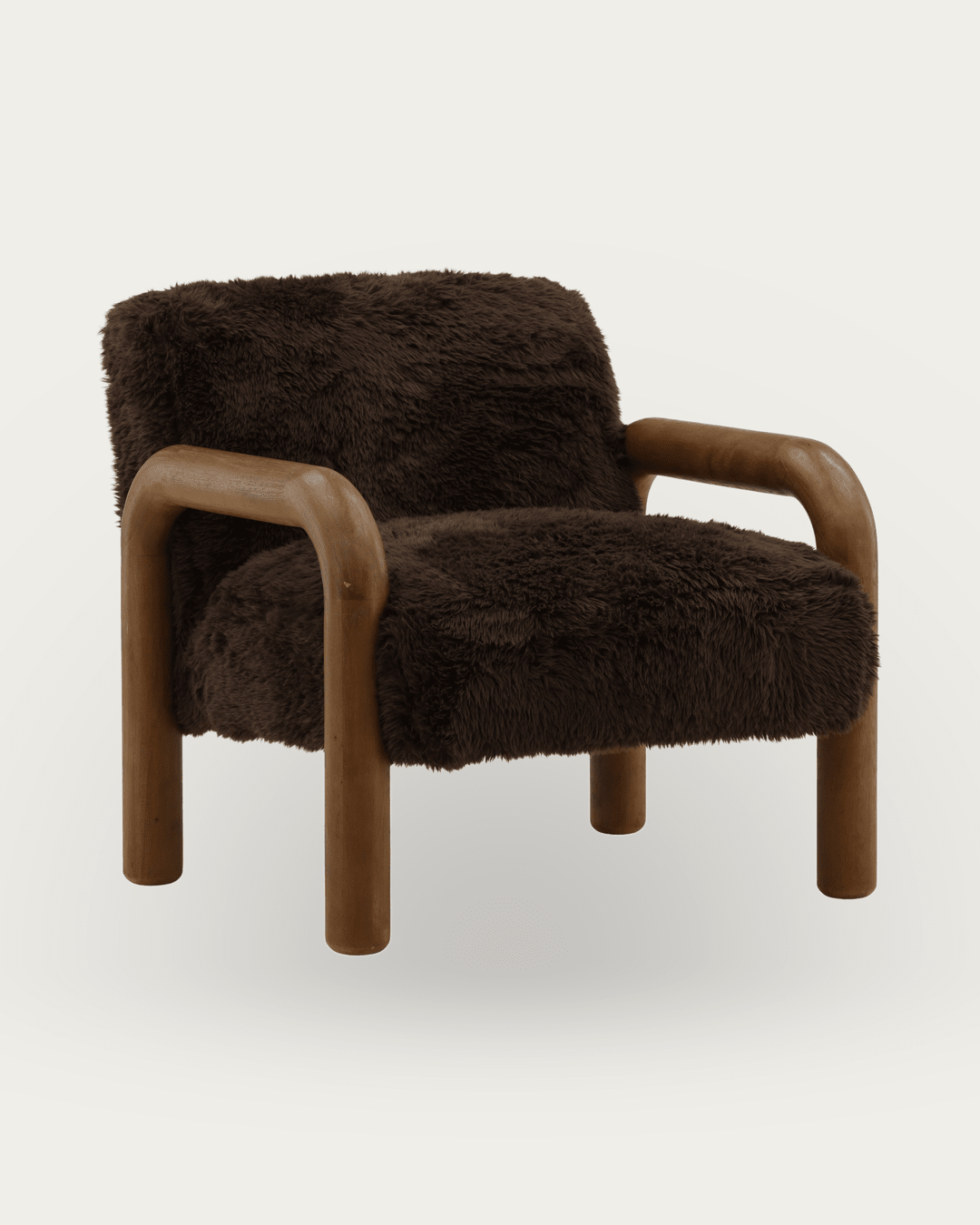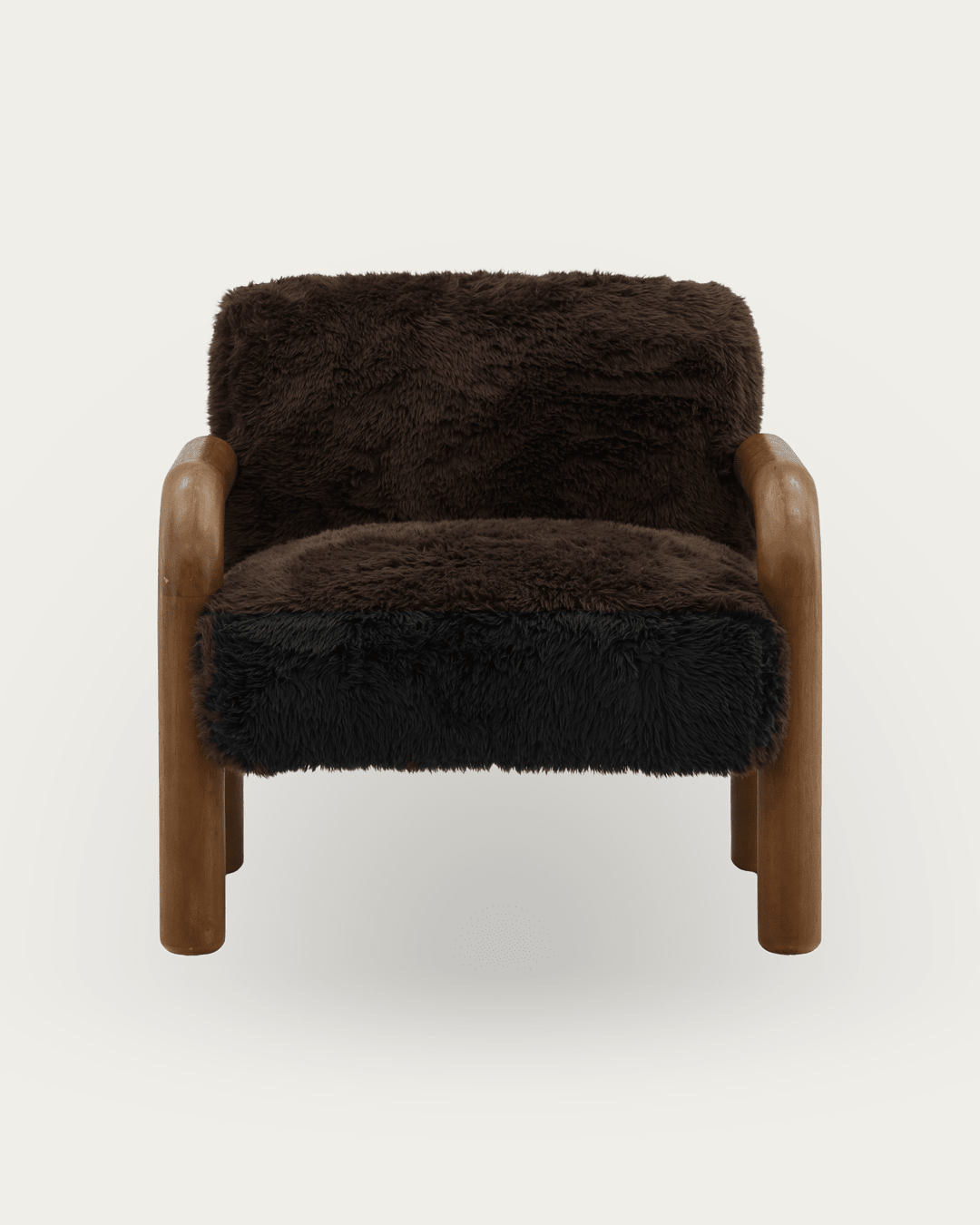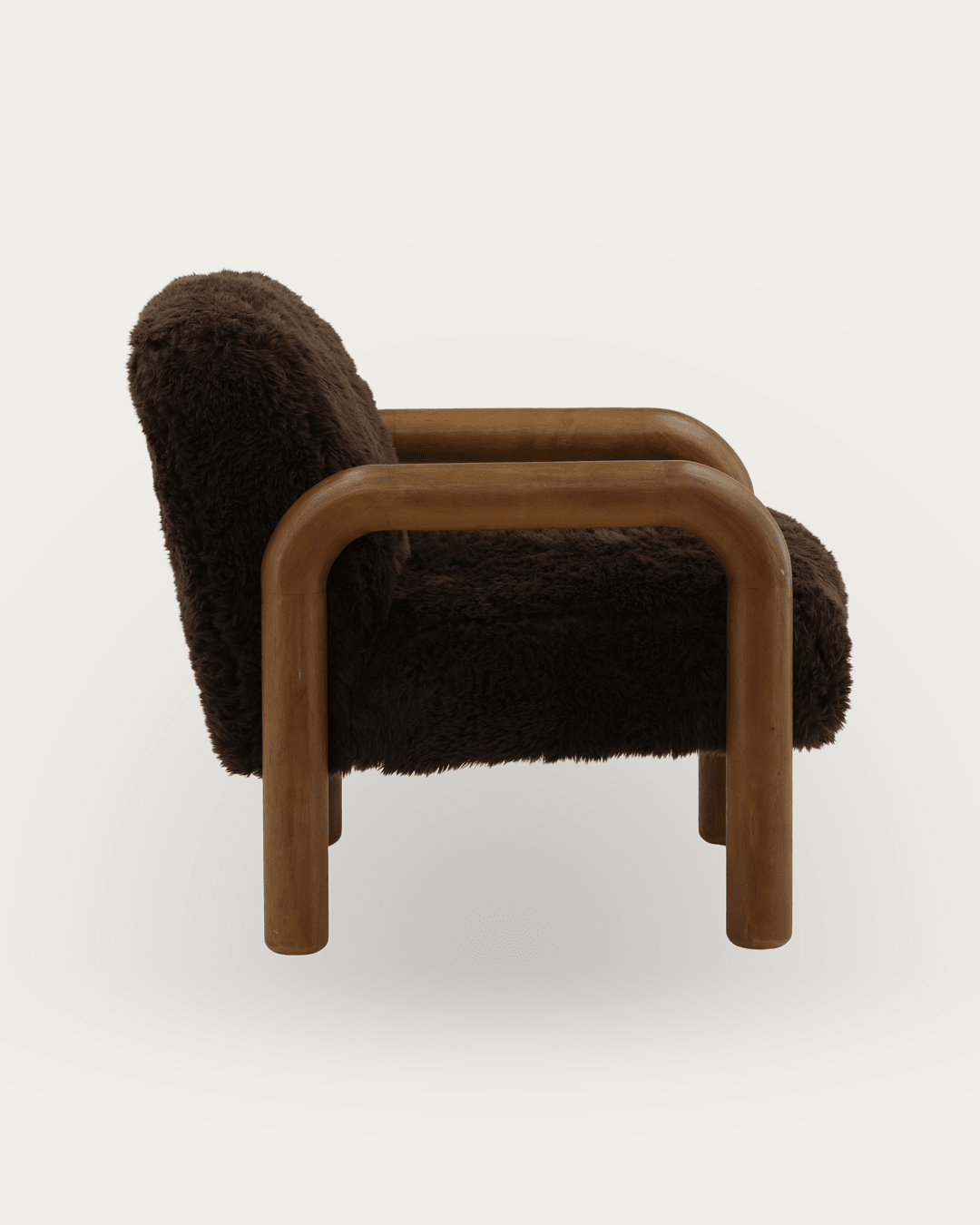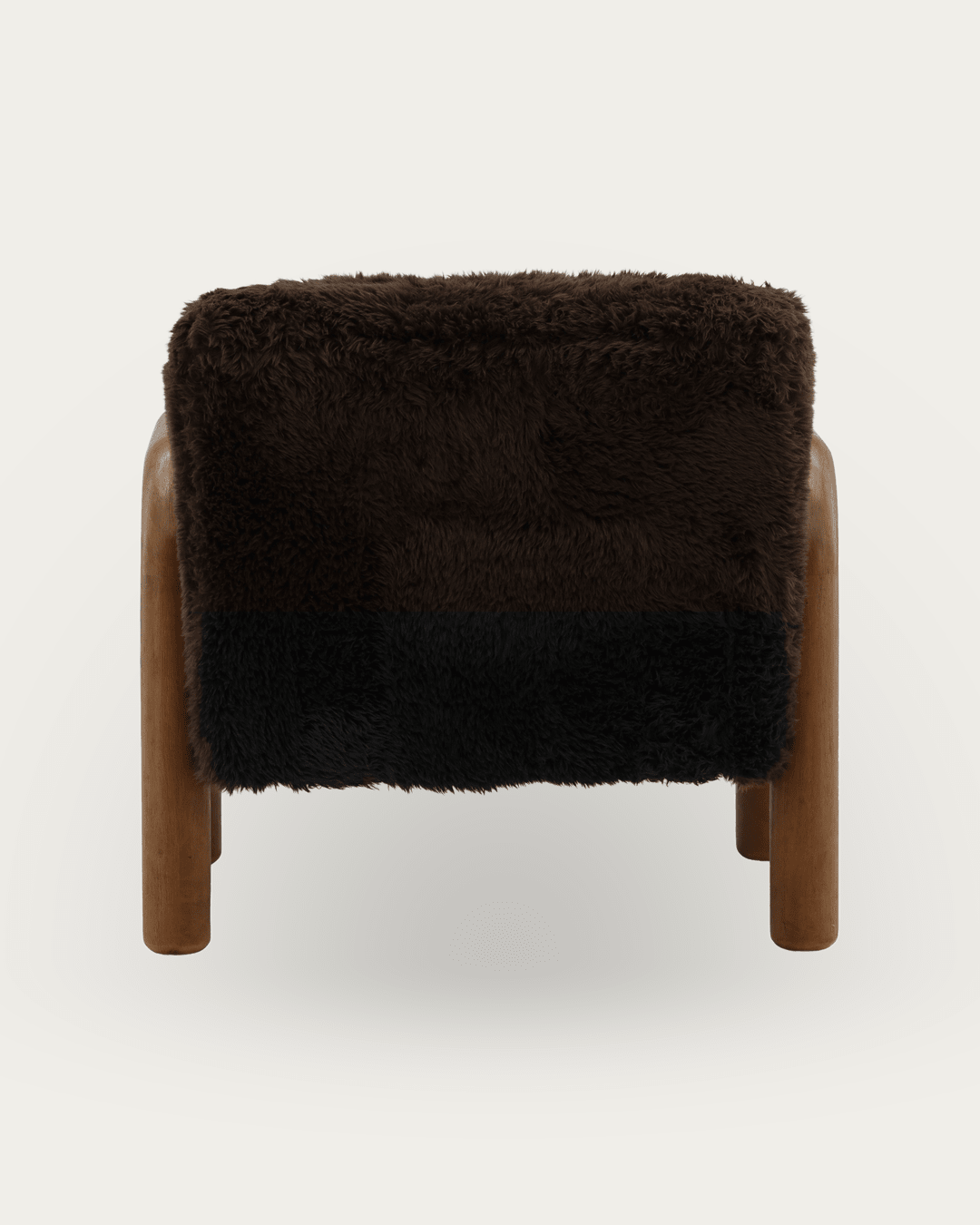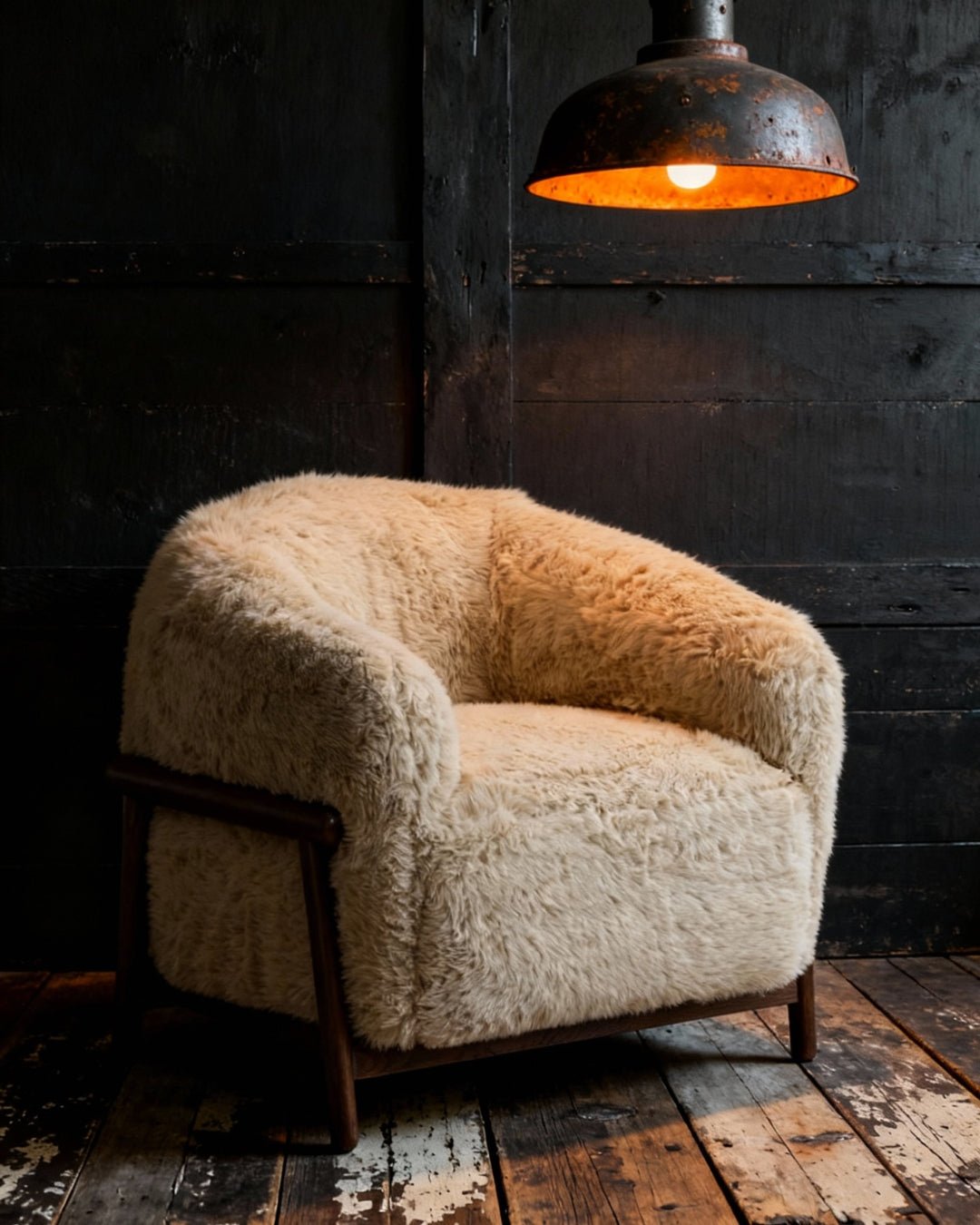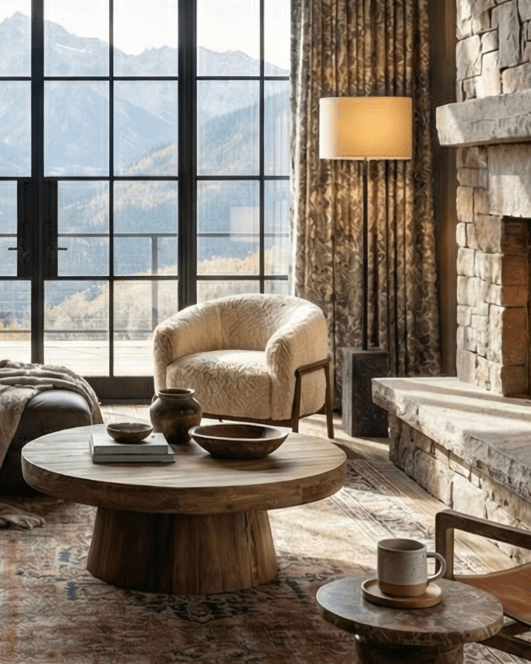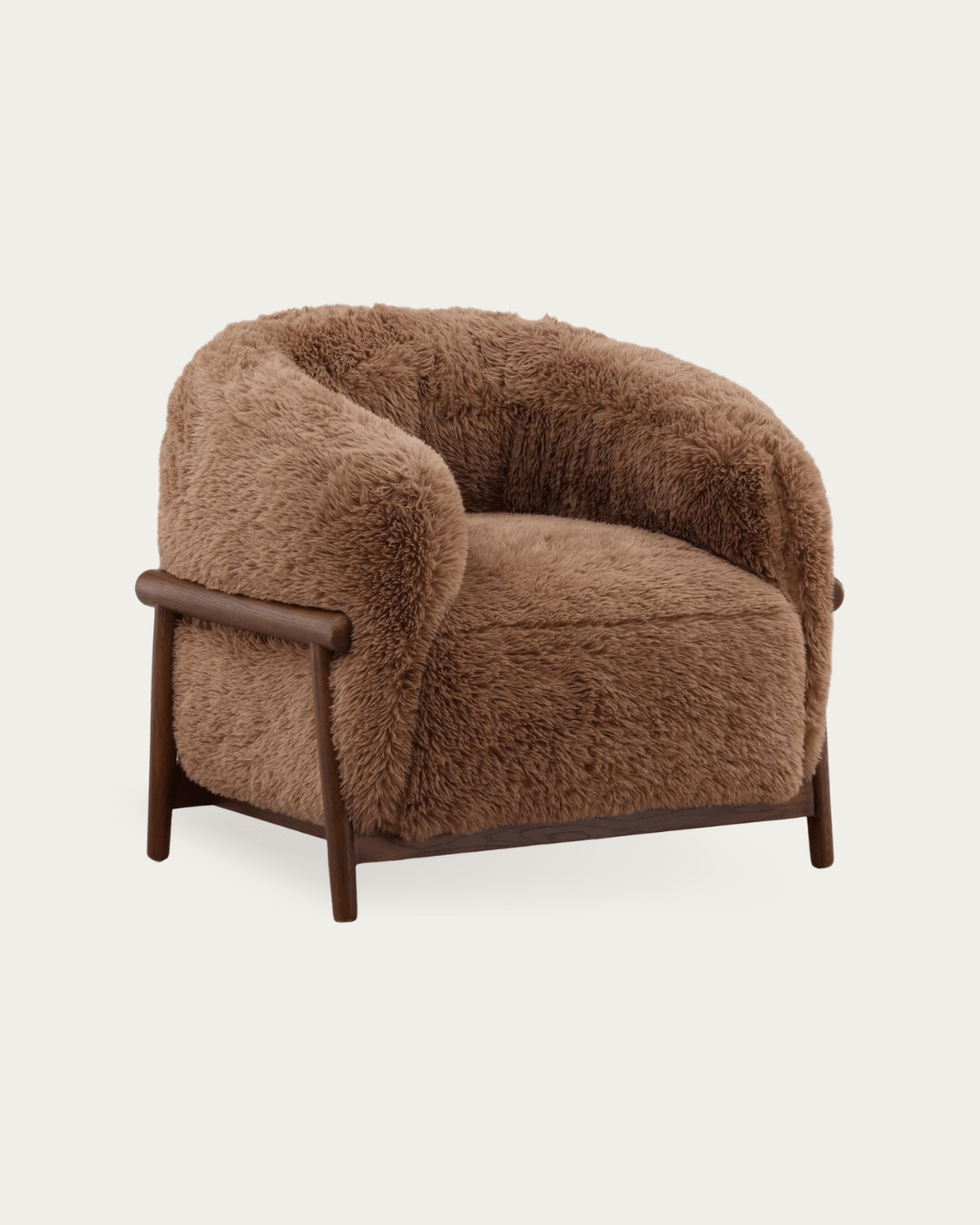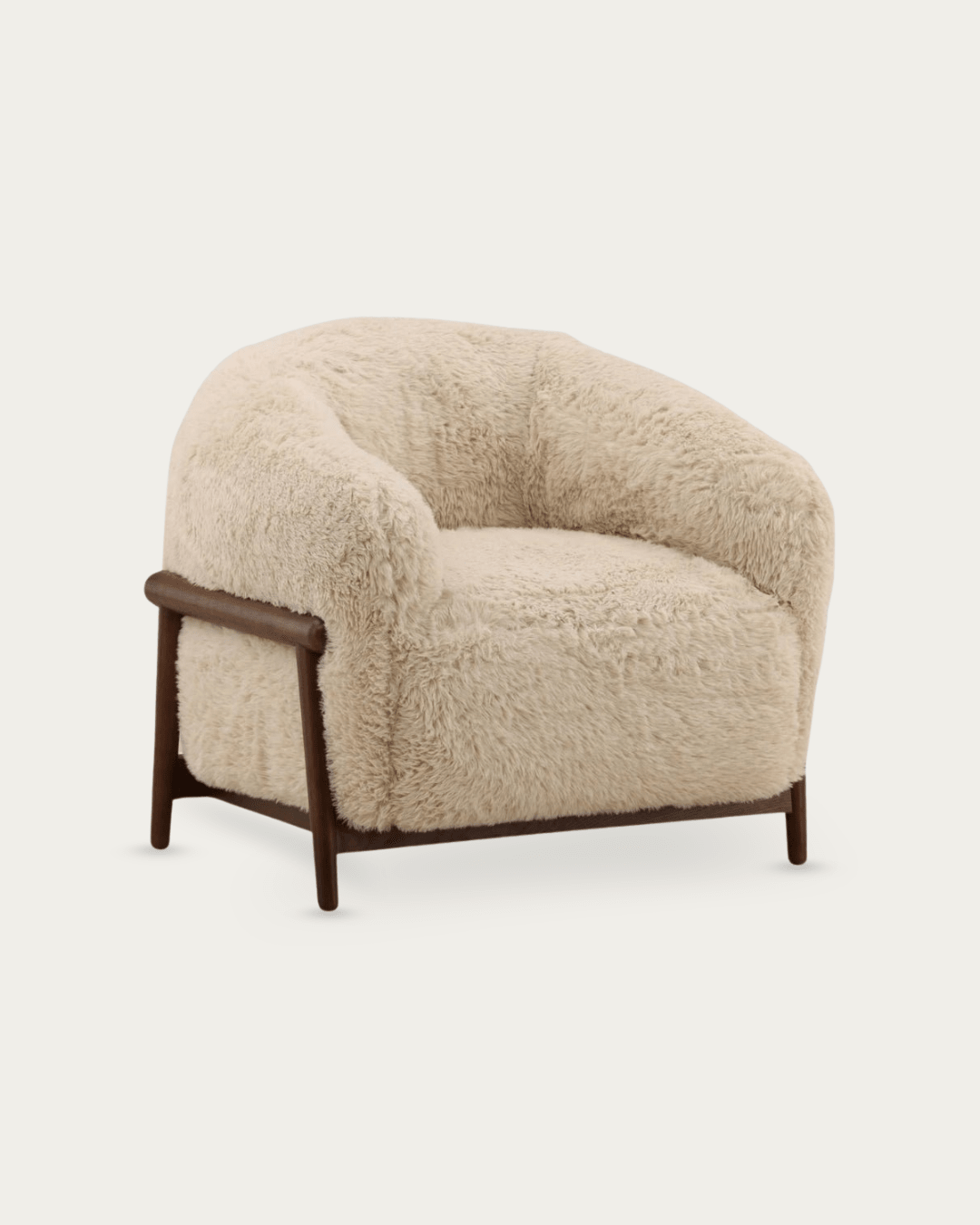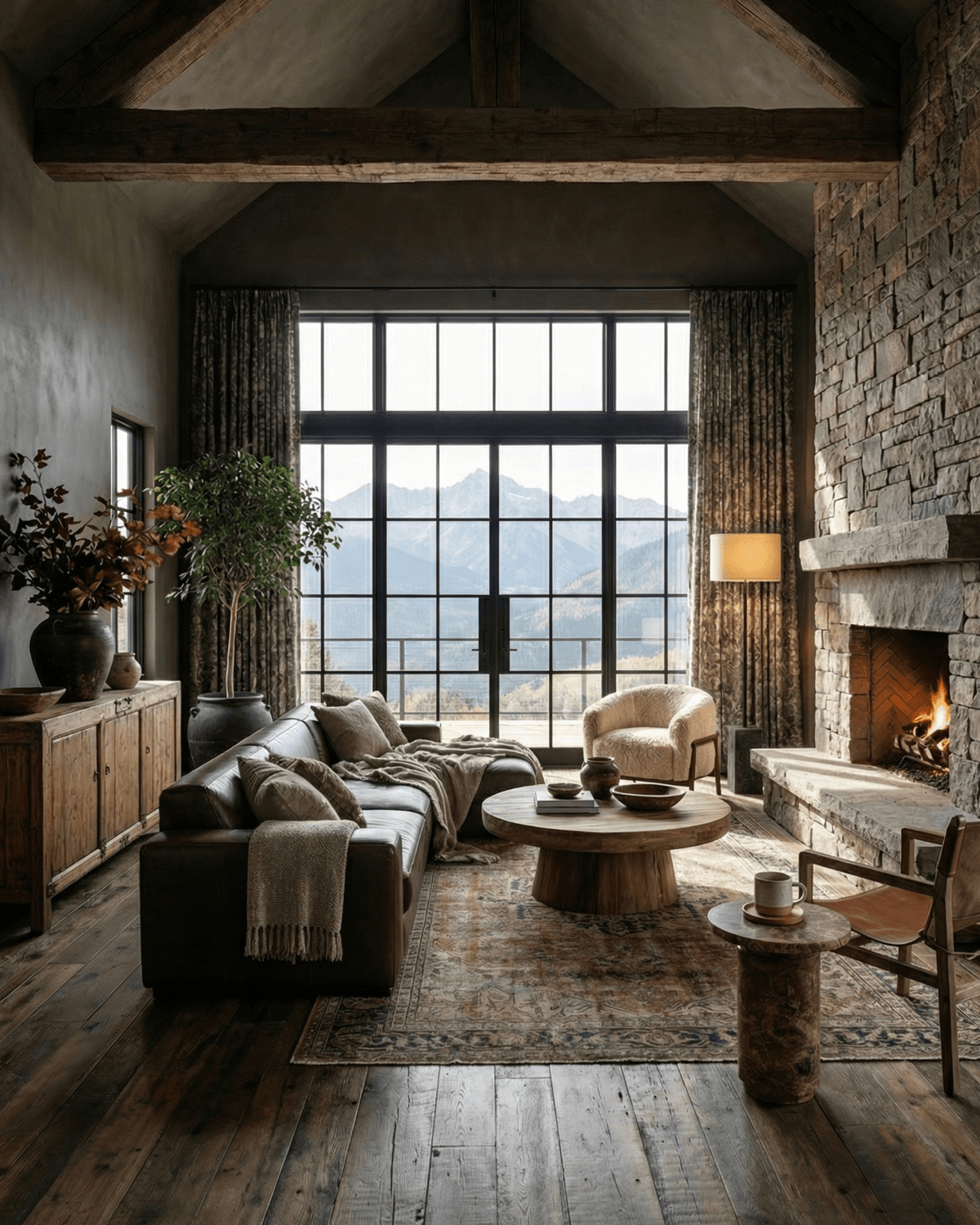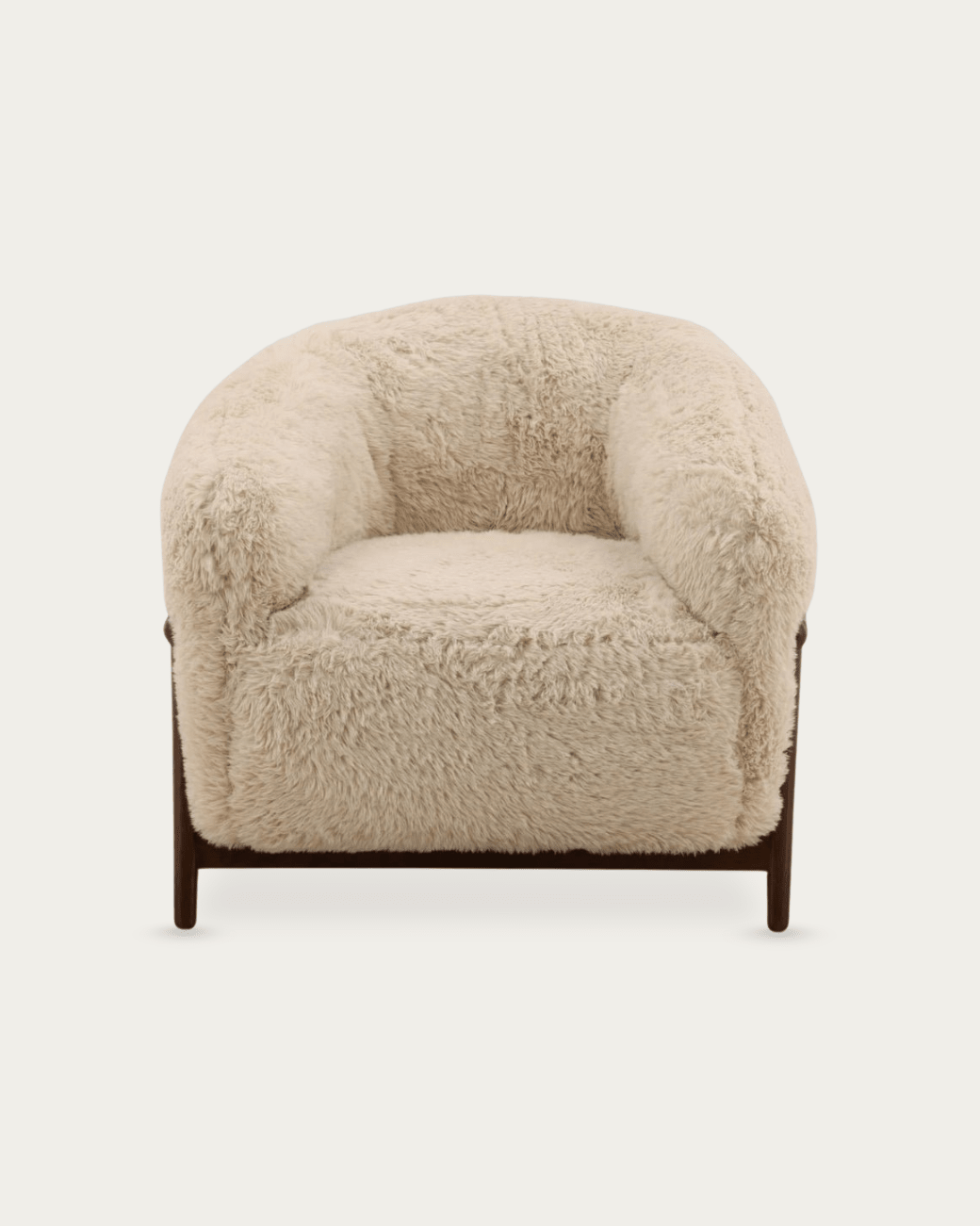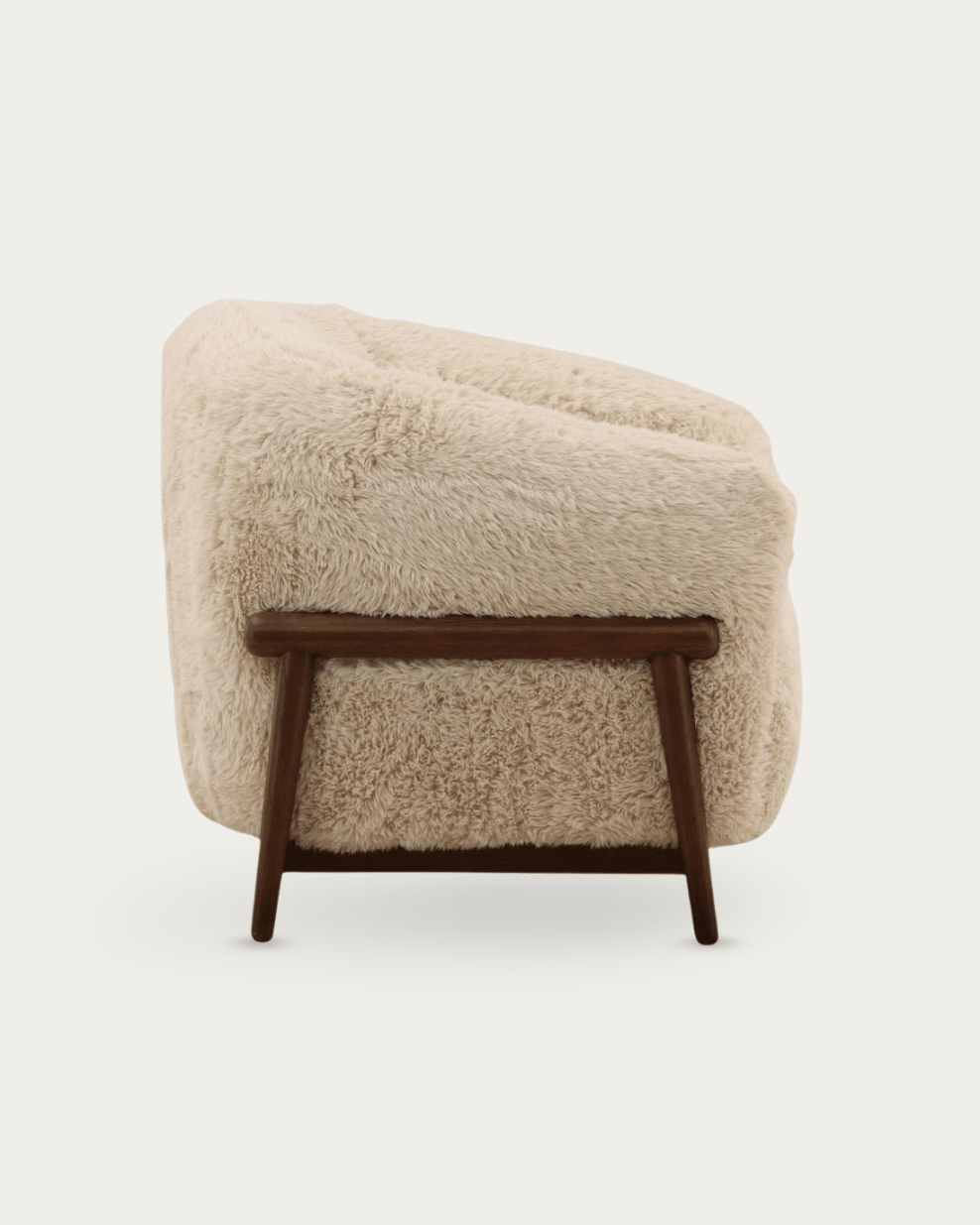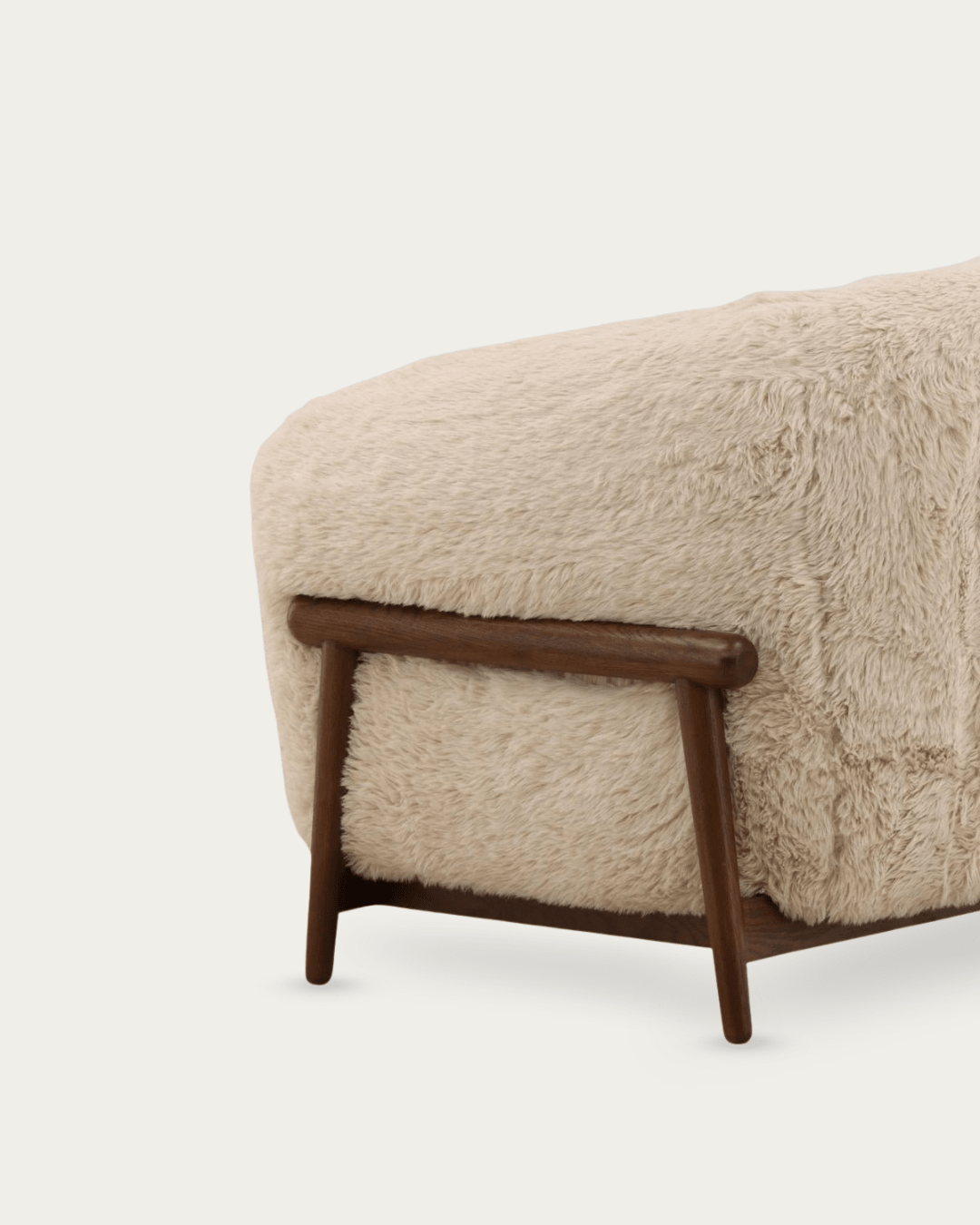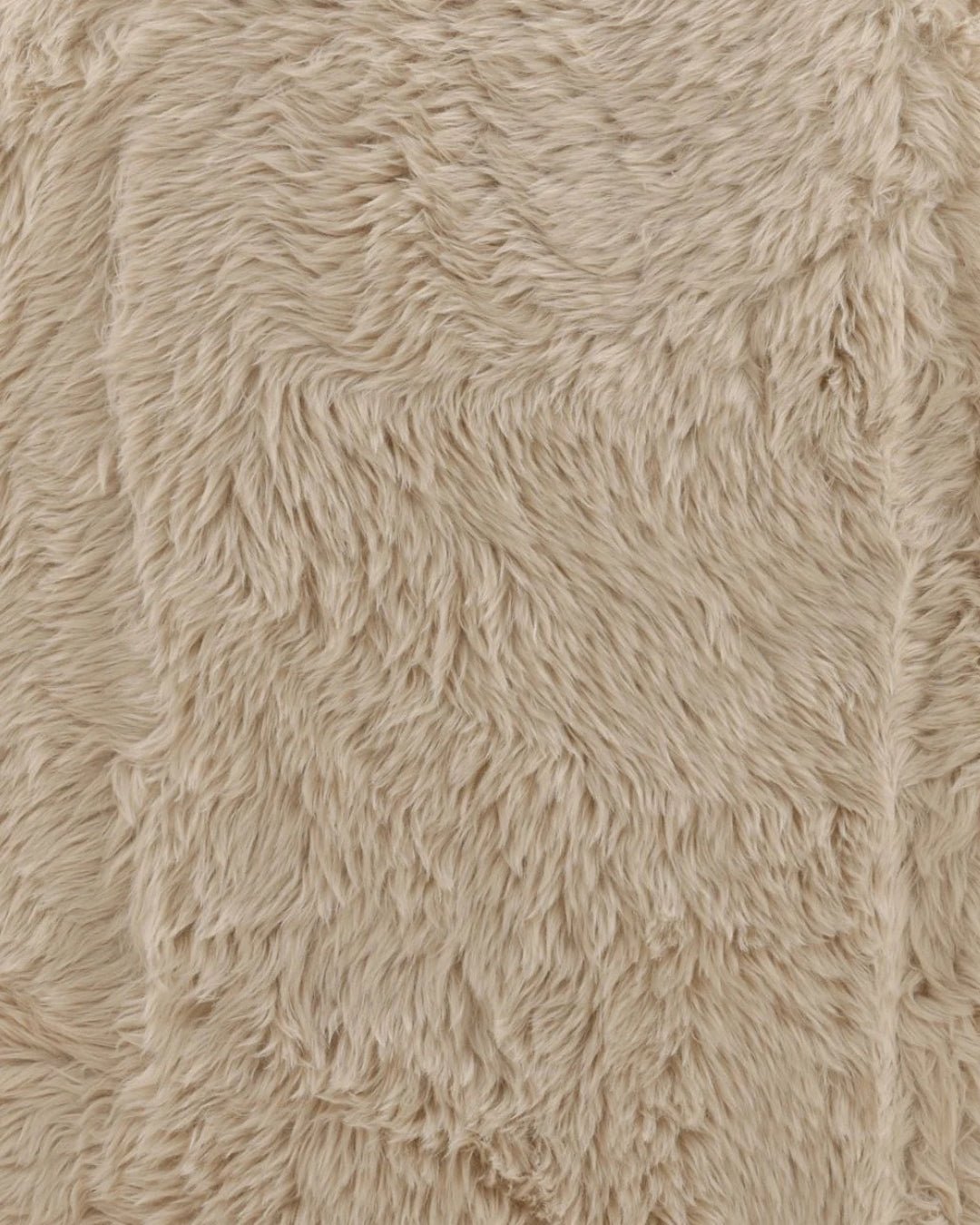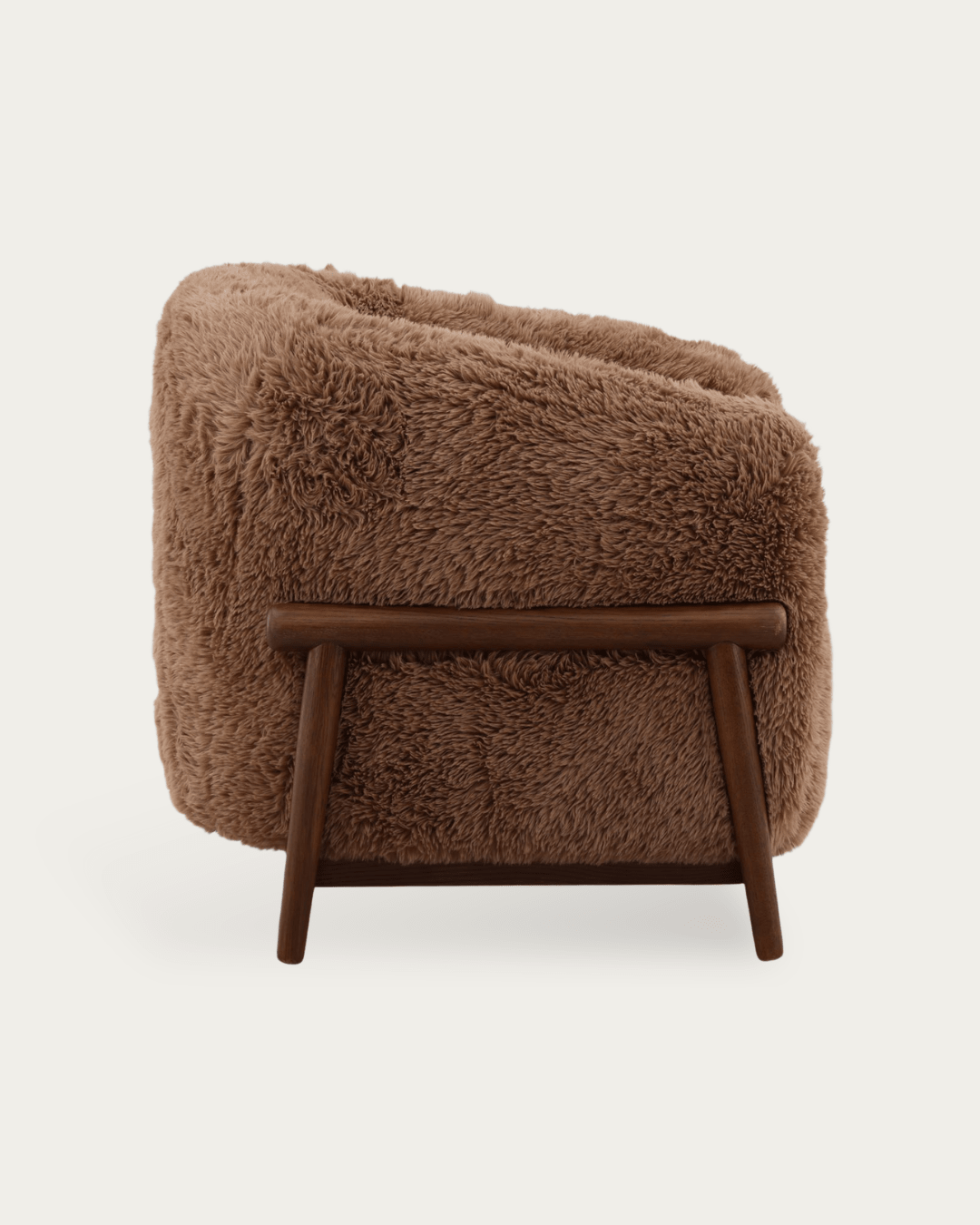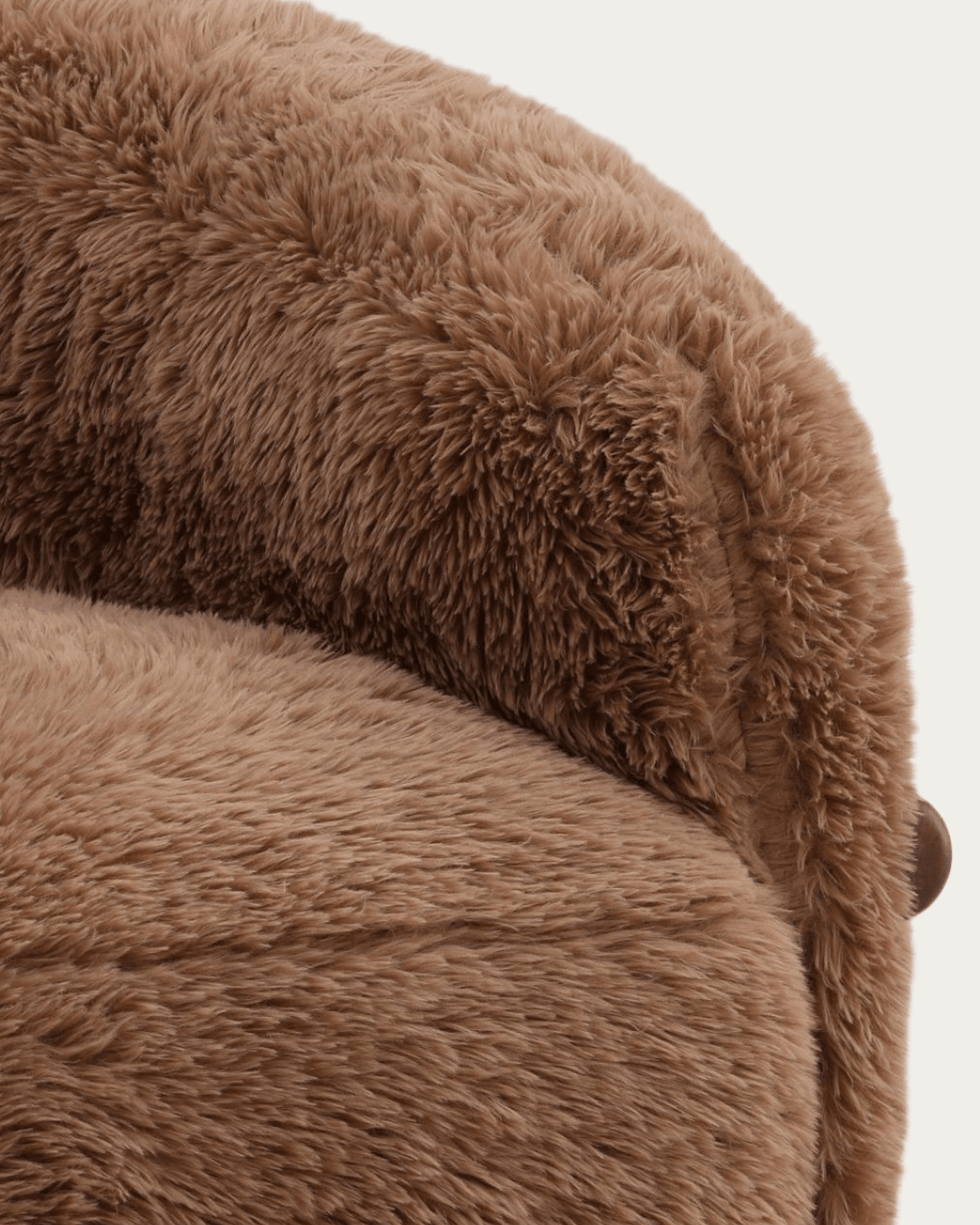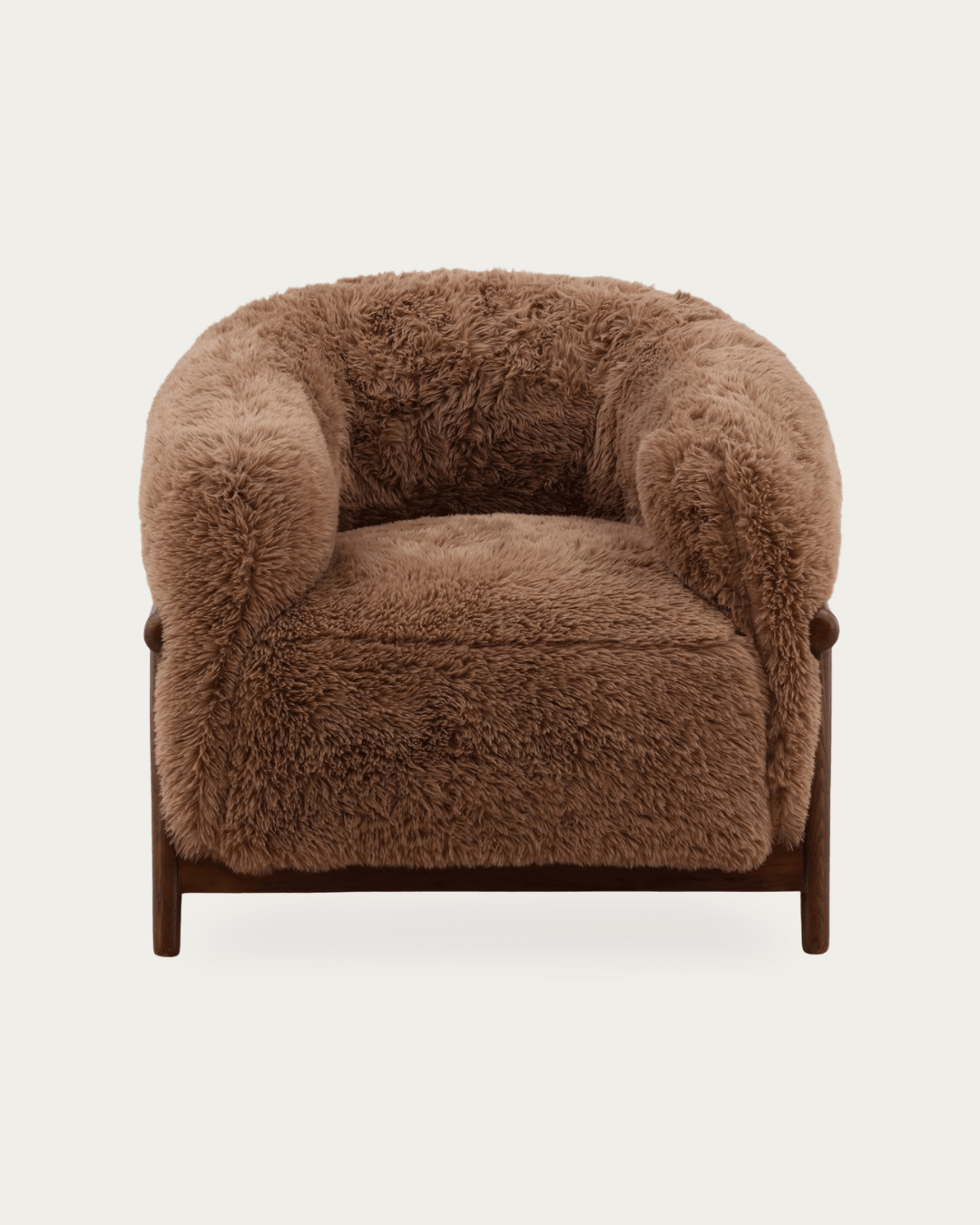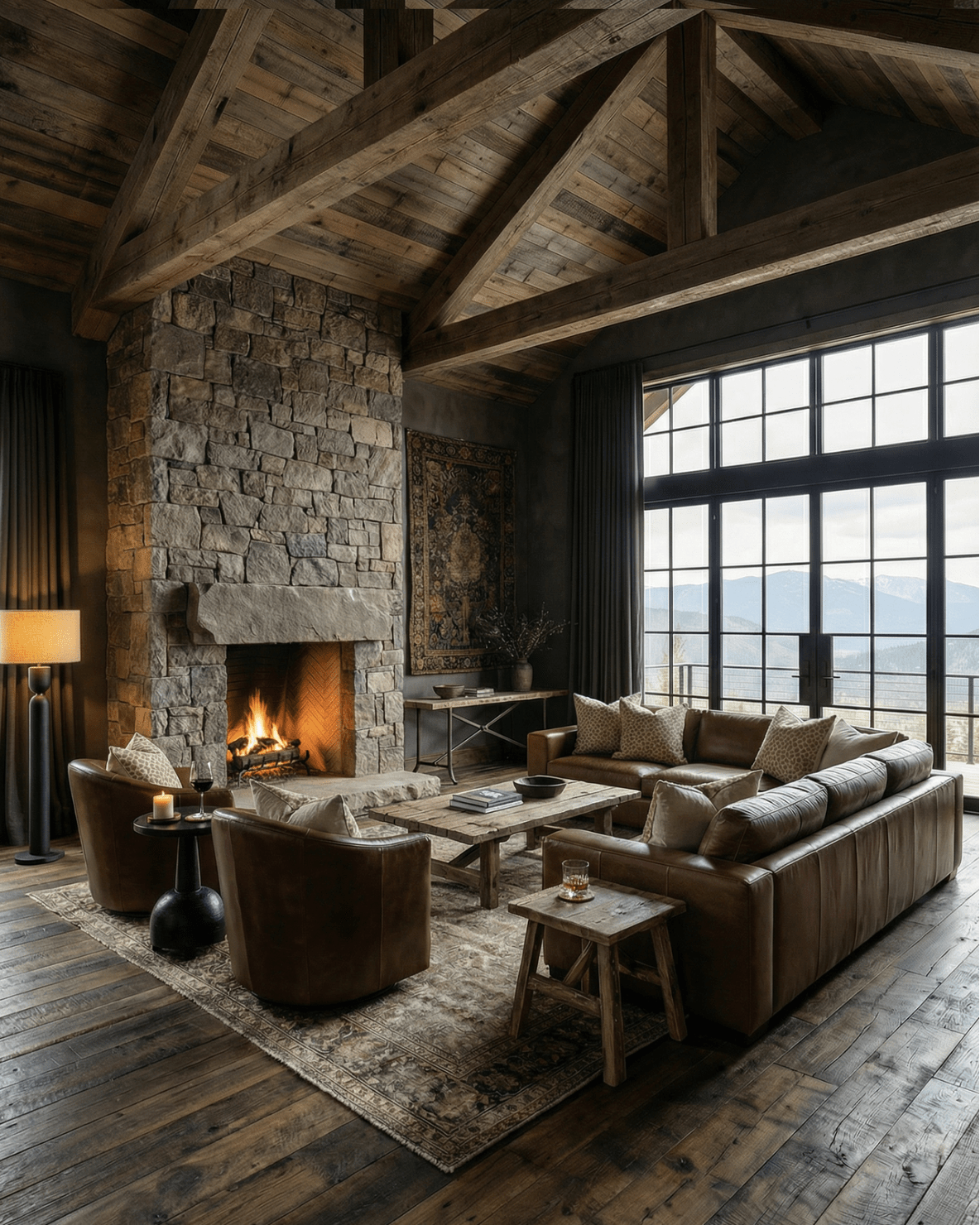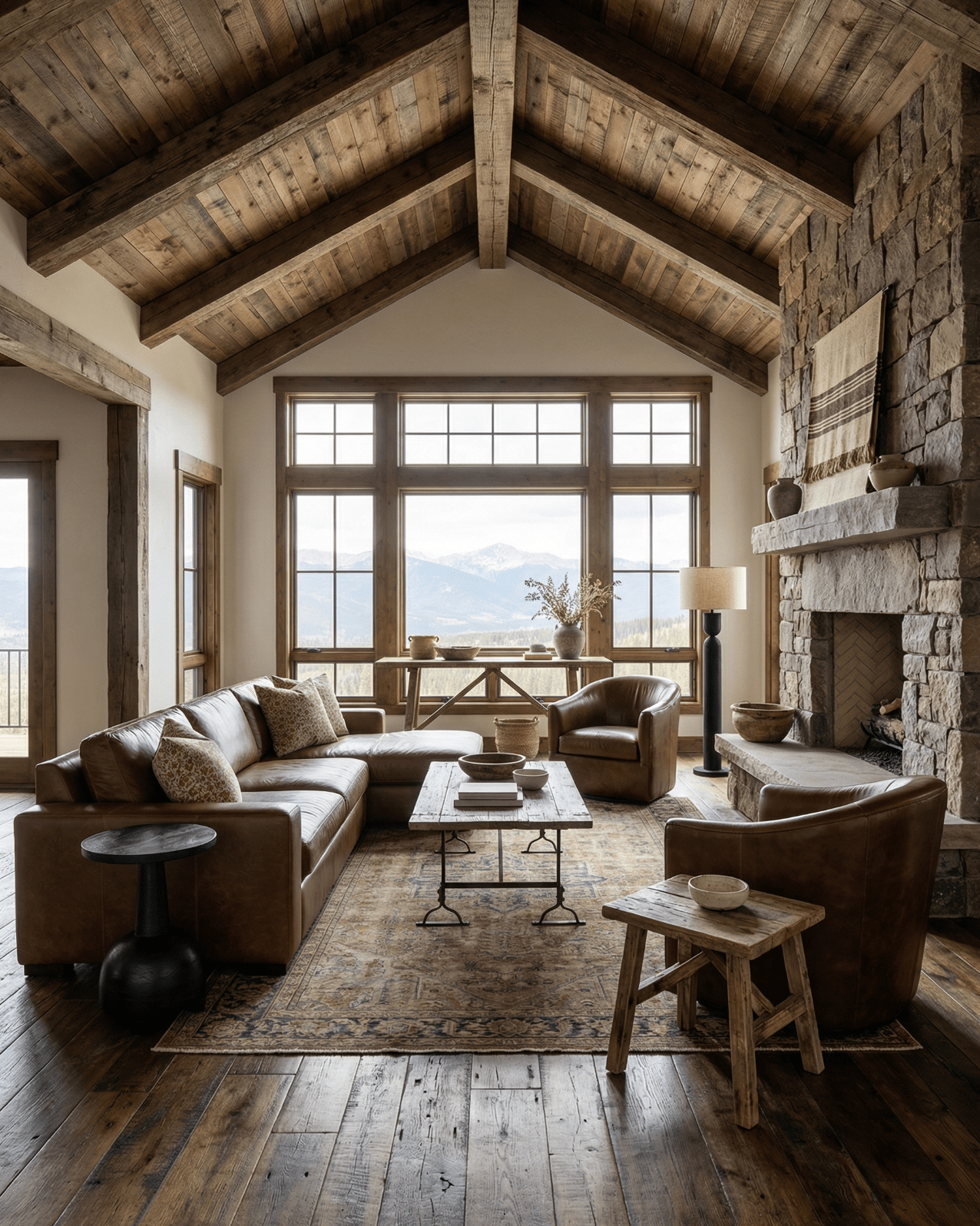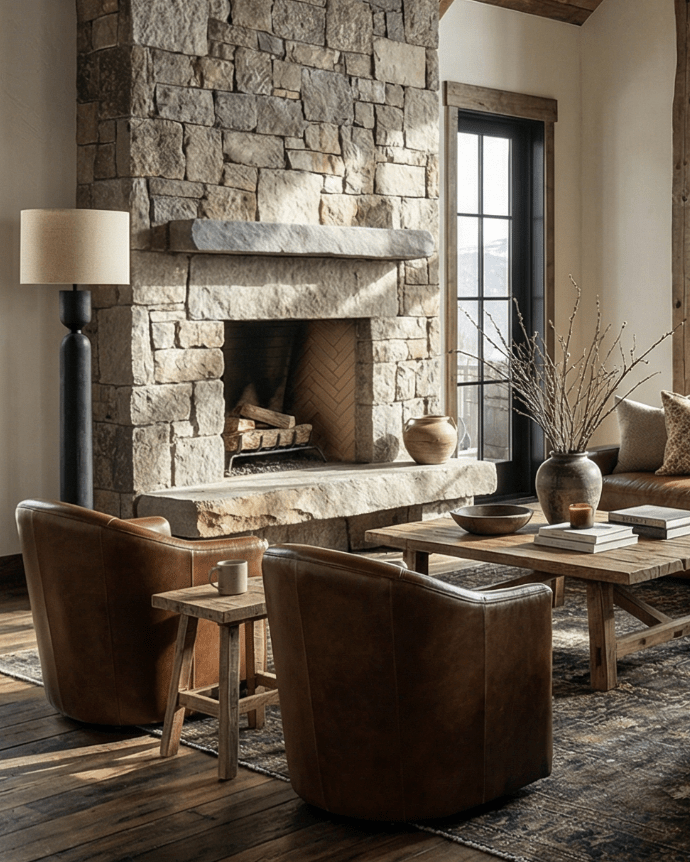








Have you ever sat in a chair that immediately made you stay a little longer than you planned?
Not because you were tired. Not because you had nowhere else to be. Something about that particular seat simply felt right.
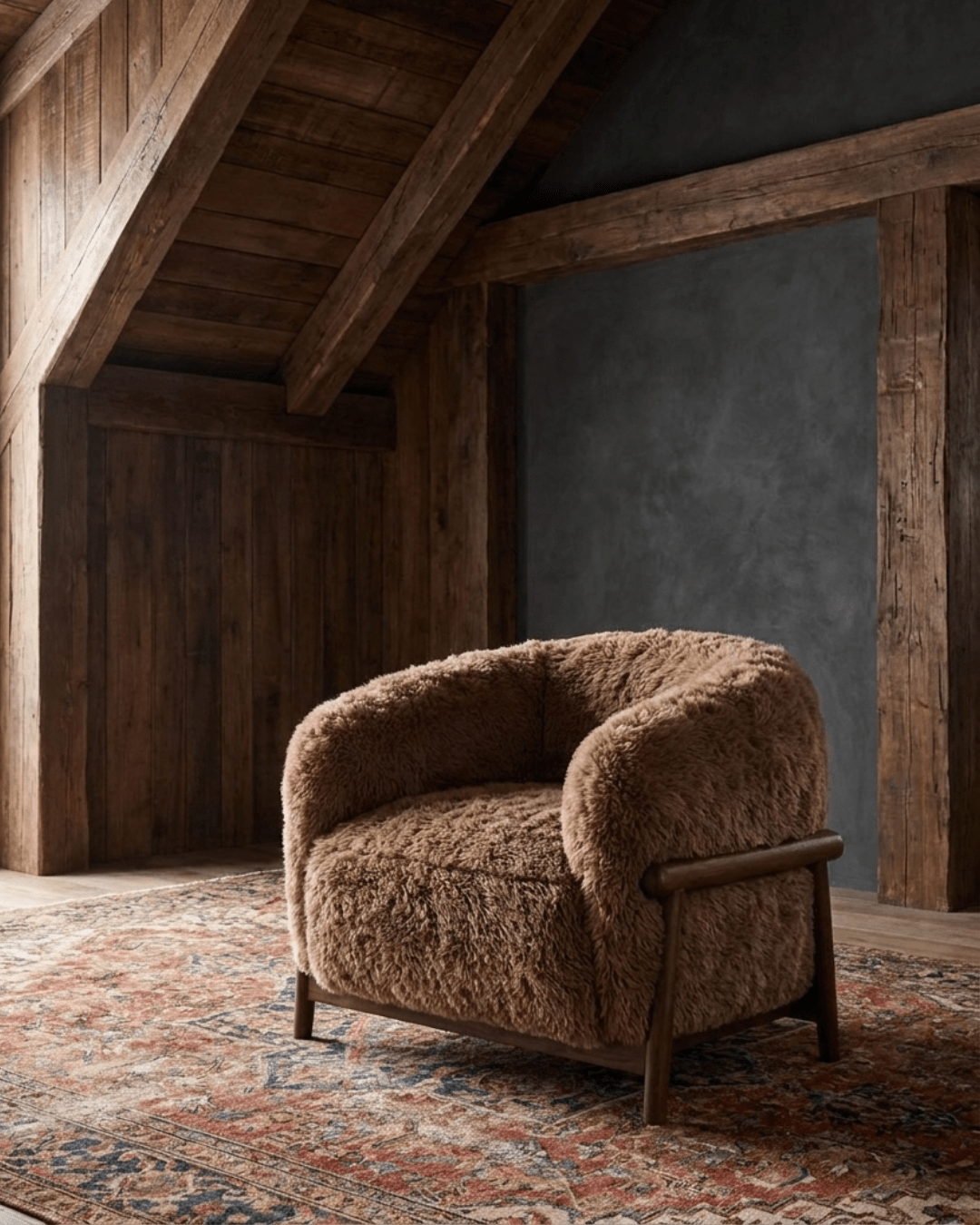
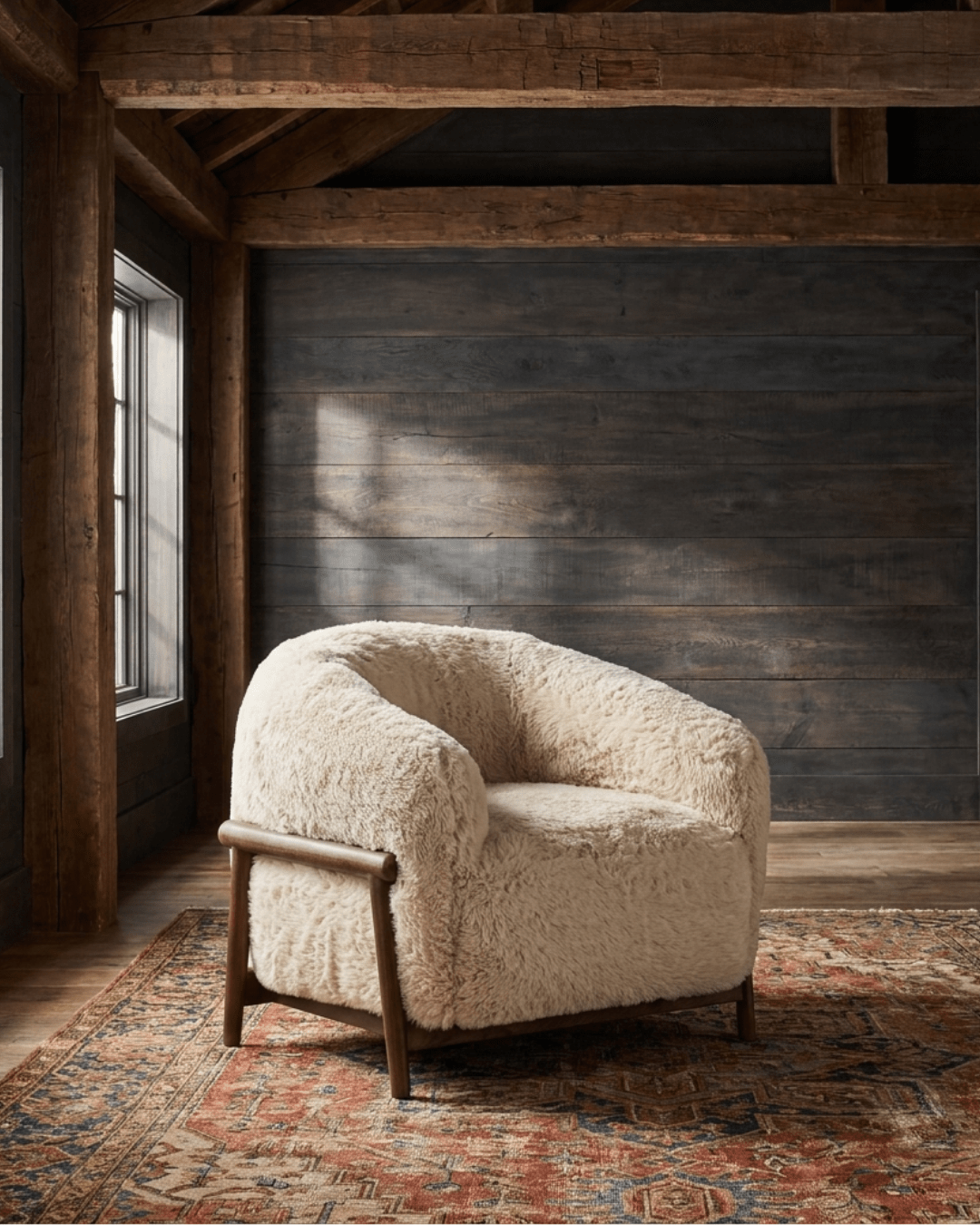
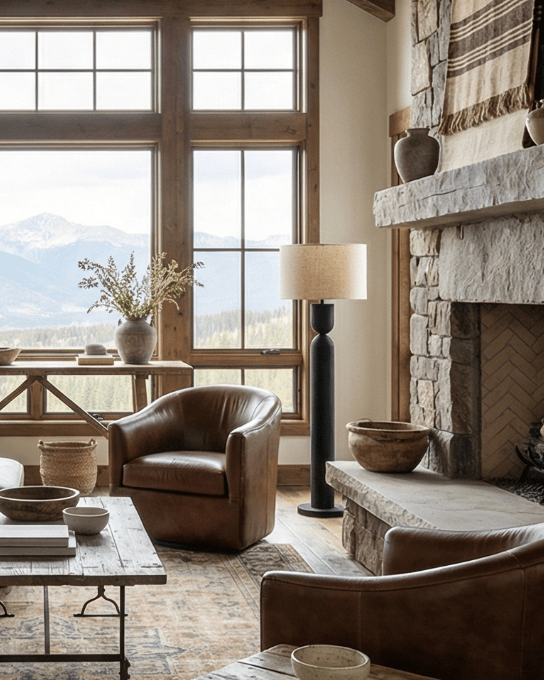
That response isn't random. A leather lounge chair changes how your body and brain experience a room through a combination of posture, material, visual weight, and sensory cues. While we often think comfort begins with cushions, neuroscience suggests it starts much earlier—before we even sit down.
If you're looking to create a living room that supports genuine comfort instead of simply looking comfortable, explore Hello Norden's Lounge Chairs collection:
https://hellonorden.com/collections/lounge-chairs
Sitting Is More Than a Physical Activity
Most of us think sitting is passive.
The nervous system disagrees.
Every time you approach a chair, your brain begins making rapid predictions.
Is it stable?
Will it support my posture?
Can I stay here comfortably?
Does this feel like somewhere I can relax?
These decisions happen before your body makes contact with the seat.
A well-designed leather lounge chair answers those questions almost immediately through proportion, structure, and material.
The Oscar leather chair uses generous proportions and supportive cushioning to create immediate physical confidence, while the Njala leather lounge chair balances a structured frame with relaxed seating that naturally encourages longer periods of comfort.
The Brain Predicts Comfort Before It Experiences It
Humans constantly anticipate physical experiences.
If a chair appears balanced, supportive, and substantial, the nervous system already expects a positive outcome.
That expectation influences how comfortable the chair ultimately feels.
Why Leather Feels Different From Fabric
Comfort isn't determined by softness alone.
Texture plays a surprisingly important role.
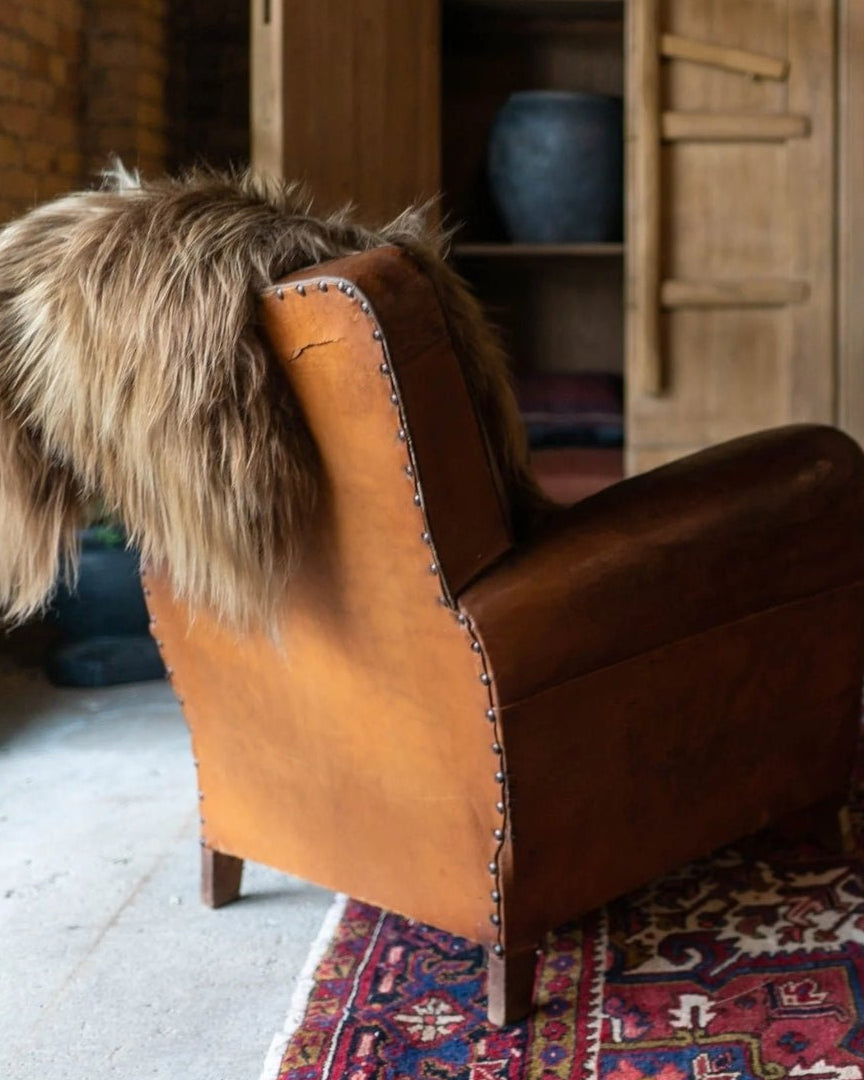
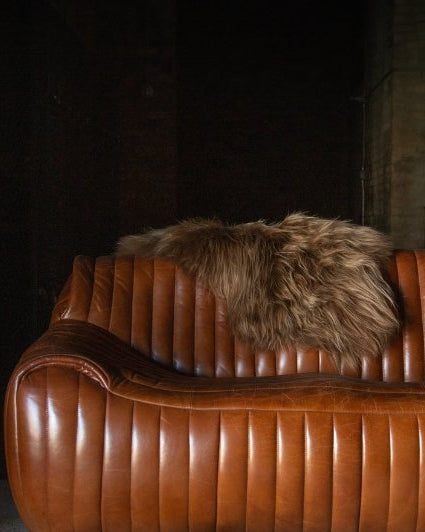
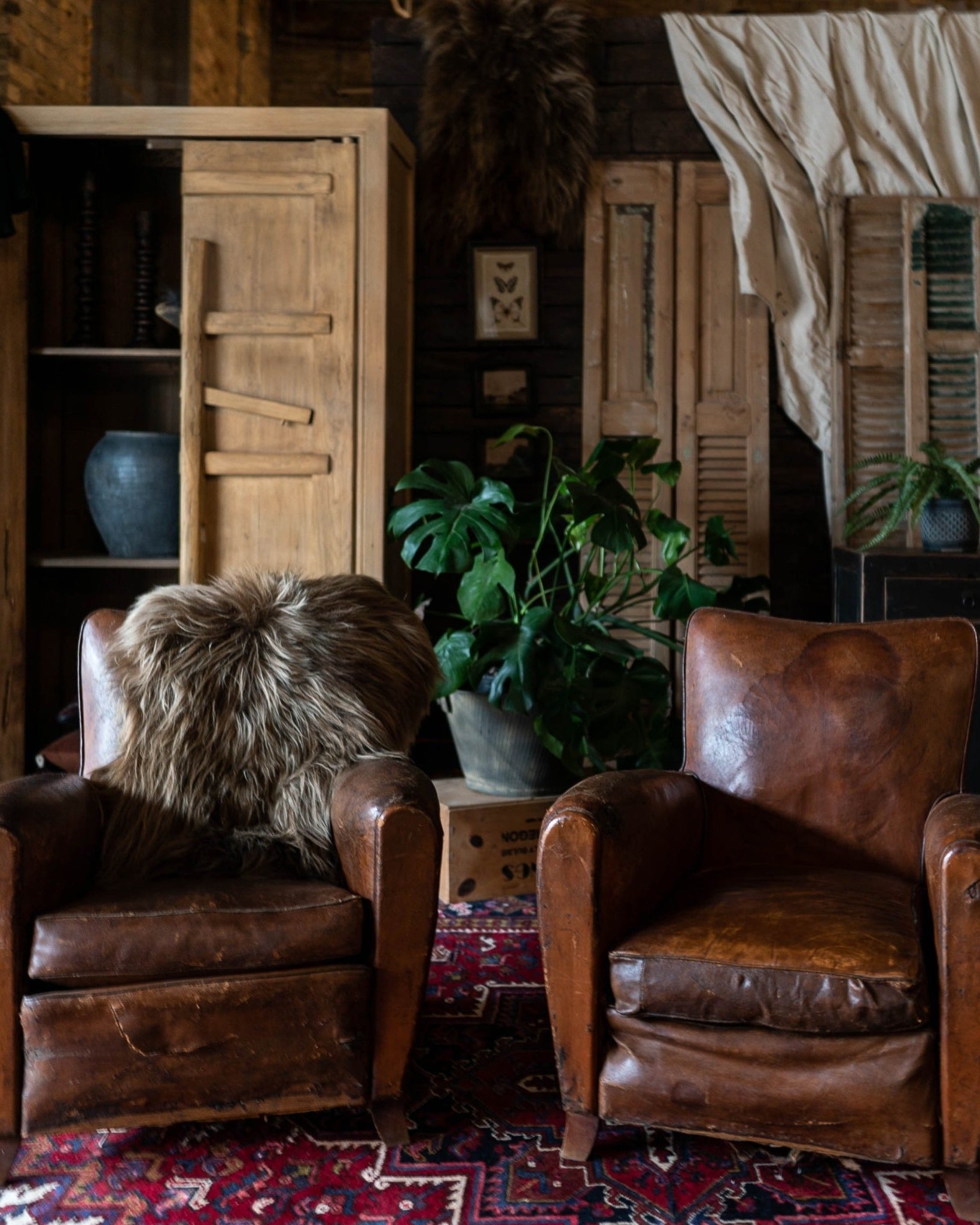
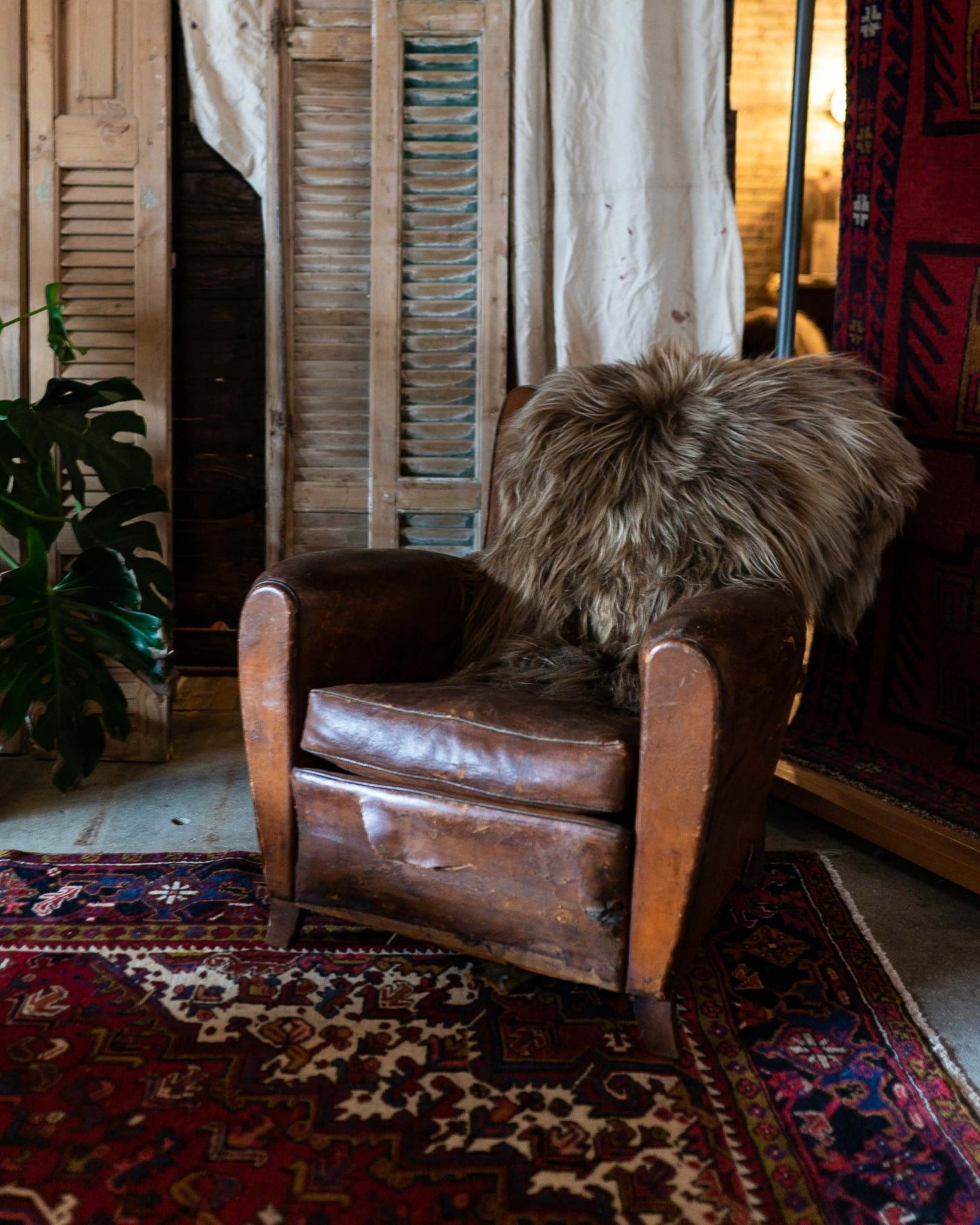
Leather reflects light differently than woven fabrics, develops subtle patina through use, and provides gentle tactile feedback that changes over time. Instead of remaining visually identical for years, it becomes more nuanced with everyday life.
That evolution matters.
Natural materials tend to contain irregularities the brain recognizes instinctively.
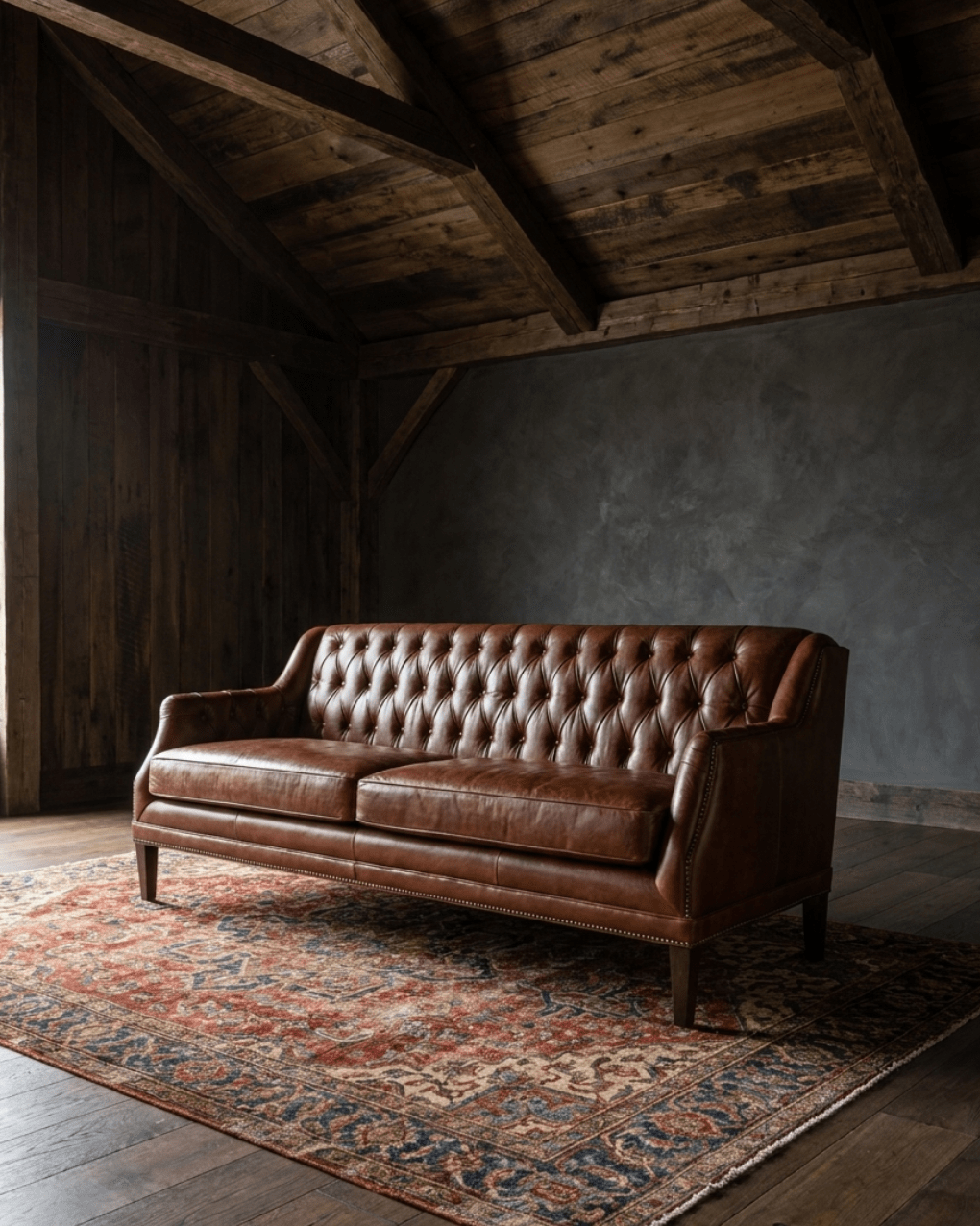
The Hilda brown leather tufted chair illustrates this beautifully, while the Frenchy club chair combines rich leather with supportive proportions that encourage people to linger.
Material Honesty Creates Trust
The nervous system responds positively to materials that behave as expected.
Leather looks substantial.
It feels substantial.
It ages naturally.
That consistency helps create a stronger sense of ease within the room.
Lounge Chairs Encourage Better Posture Without Feeling Rigid
The most comfortable seating rarely forces perfect posture.
Instead, it supports natural posture.
A lounge chair allows the body to settle while maintaining enough support to reduce unnecessary muscular effort. That's one reason reading, conversation, and quiet reflection often happen more naturally in lounge seating than upright dining chairs.
The body isn't fighting the furniture.
It's working with it.
The Linder lounge chair offers generous seating depth that supports relaxed posture, while the Ellsworth chair provides a more structured experience that still feels inviting during longer periods of sitting.
Comfort Doesn't Mean Collapse
Deeply sinking into furniture isn't always relaxing.
The nervous system generally prefers support that reduces effort without removing stability.
That balance is where great lounge chairs excel.
The Brain Likes Having One Seat That Feels Familiar
Almost every household develops one unofficial favorite chair.
Nobody assigns it.
People simply choose it.
Repeatedly.
That's because familiarity reduces cognitive load. The brain no longer has to evaluate the environment each time. It already knows the experience waiting there.
Over time, that chair becomes associated with positive routines.
Morning coffee.
Reading.
Phone calls.
An afternoon pause.
Eventually, sitting there becomes a cue for relaxation.
RUTED Tip: If every seat in your living room feels interchangeable, none of them will become memorable. Your home needs one chair that quietly says, "Stay a little longer." That's usually the chair everyone ends up fighting over.
Movement Is Part of Comfort
Remaining perfectly still isn't actually comfortable.
People naturally shift.
Turn.
Rotate toward conversations.
Face the window.
Adjust throughout the day.
Furniture that accommodates these movements generally feels more intuitive than furniture that restricts them.
Swivel lounge chairs are a perfect example.
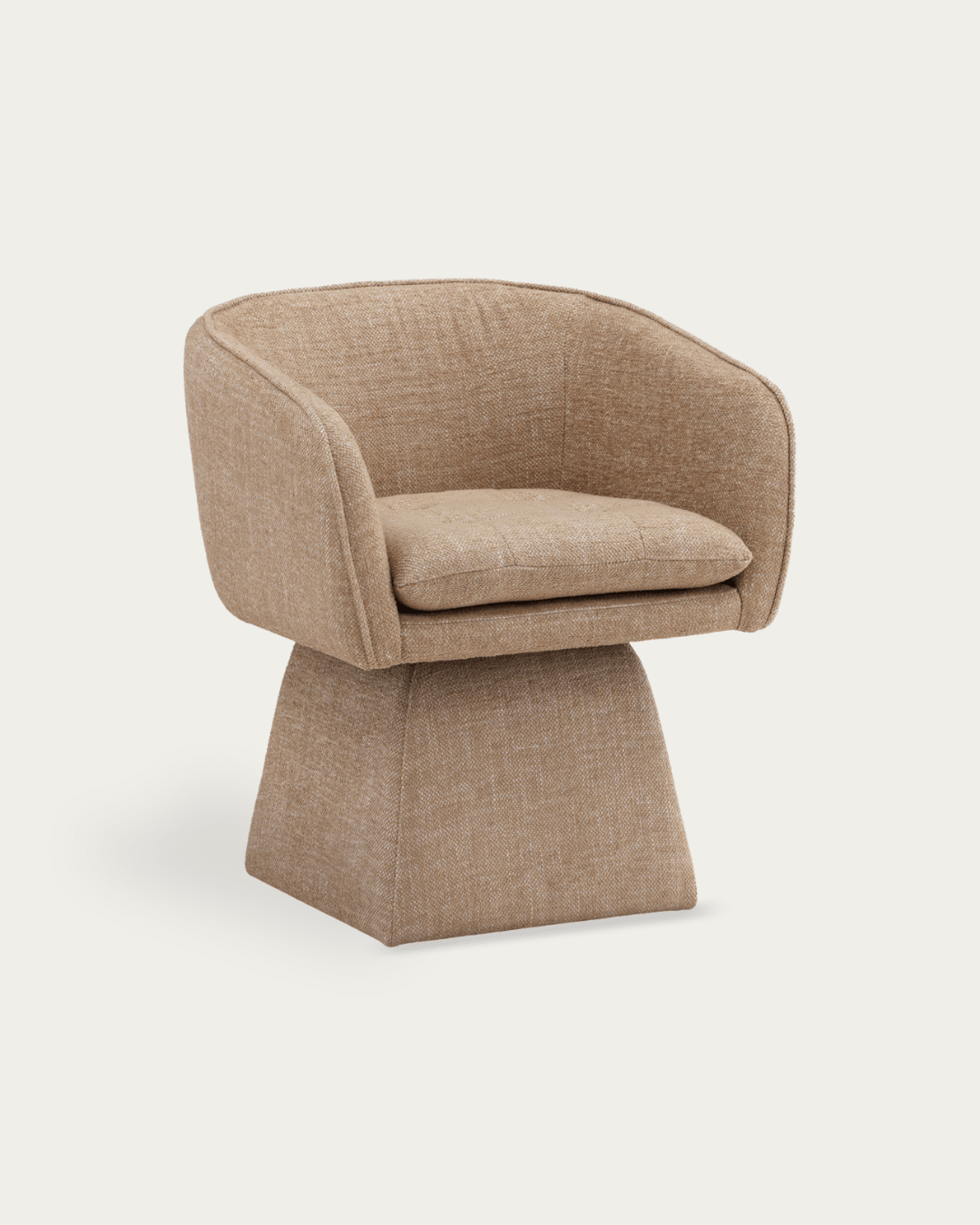
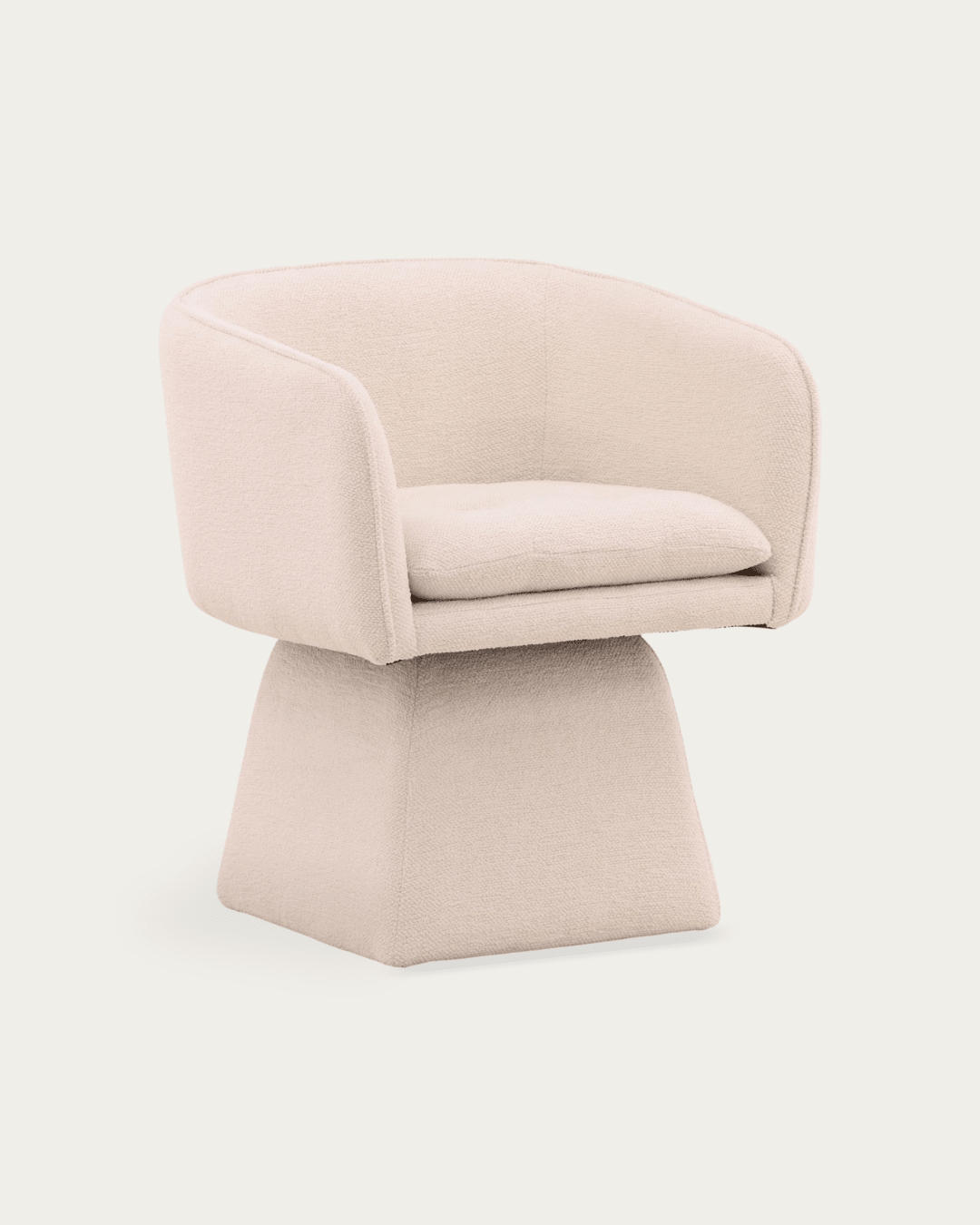
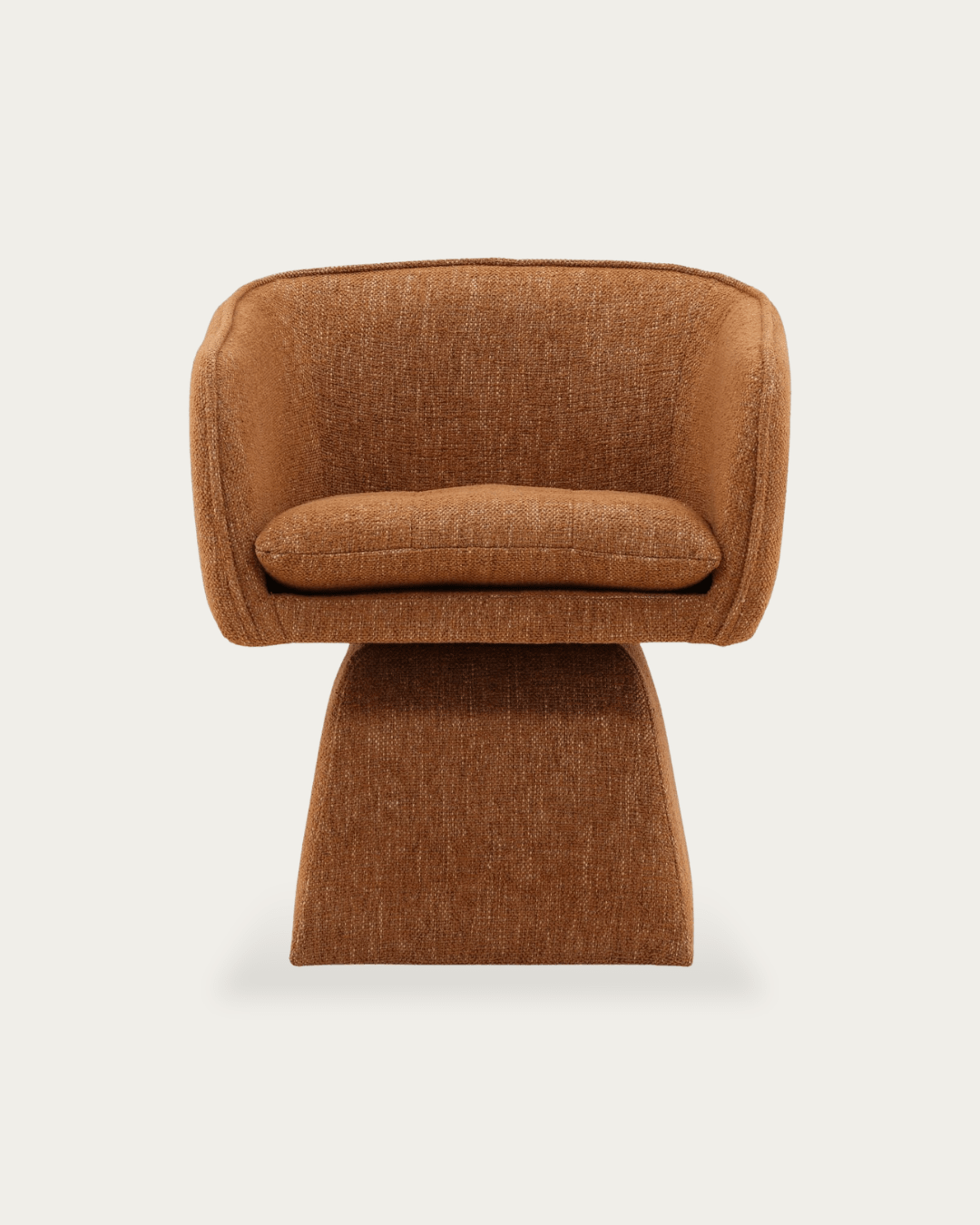
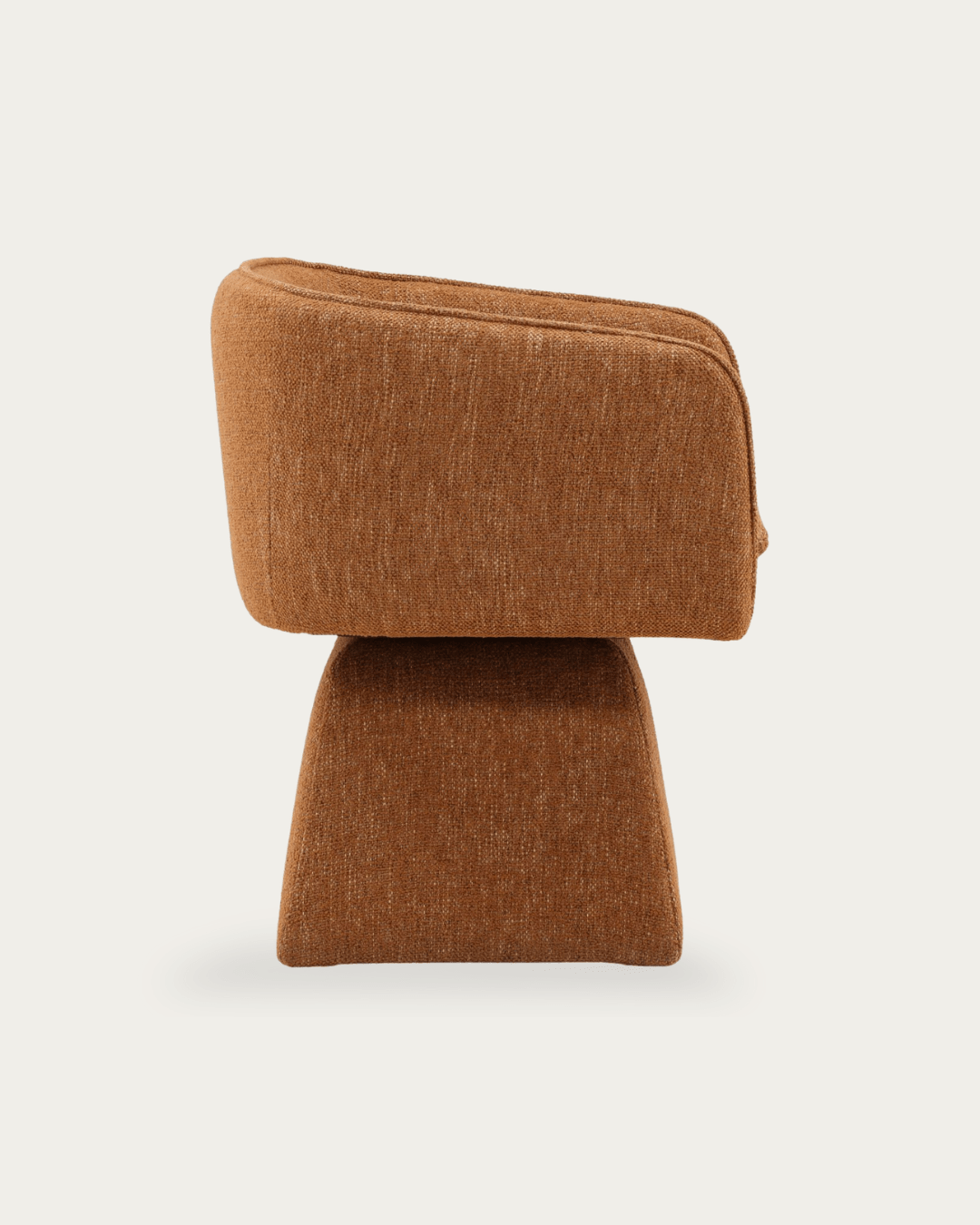
The Letty swivel lounge chair makes these transitions effortless, while the Scottie swivel lounge chair supports changing activities without requiring the entire room to be rearranged.
Small Movements Keep the Body Comfortable
The nervous system continuously makes micro-adjustments to posture.
Supporting those adjustments often improves comfort more than adding softer cushions ever could.
Scale Influences How Safe a Chair Feels
Comfort isn't just physical.
It's visual.
A chair that's too small beside a large sofa can feel strangely disconnected.
One that's oversized in a compact room can dominate the space.
The best lounge chairs create visual balance while still feeling substantial enough to anchor a corner.
The Maxim chair achieves this through generous proportions that work beautifully in larger living rooms, while the Lina club chair offers similar visual grounding within a slightly more compact footprint.
The Eye Wants Somewhere to Rest
Visual stability reduces unconscious scanning.
When furniture feels proportionate, the room immediately becomes easier to process.
Why Lounge Chairs Create Better Reading and Conversation
A lounge chair naturally slows people down.
It encourages sitting differently.
Remaining longer.
Turning toward others.
Settling into a book without constantly changing position.
Unlike furniture designed primarily for appearance, lounge chairs are designed around experience.
The Letty lounge chair creates an inviting retreat for reading or quiet moments, while the Ruthie chair balances clean architecture with comfort that supports extended conversations.
Good Furniture Supports Human Behaviour
The best furniture doesn't ask people to adapt.
It quietly adapts to them.
That's one reason lounge chairs become favorite seats so consistently.
A Leather Lounge Chair Changes the Feeling of an Entire Room
People often assume sofas define living rooms.
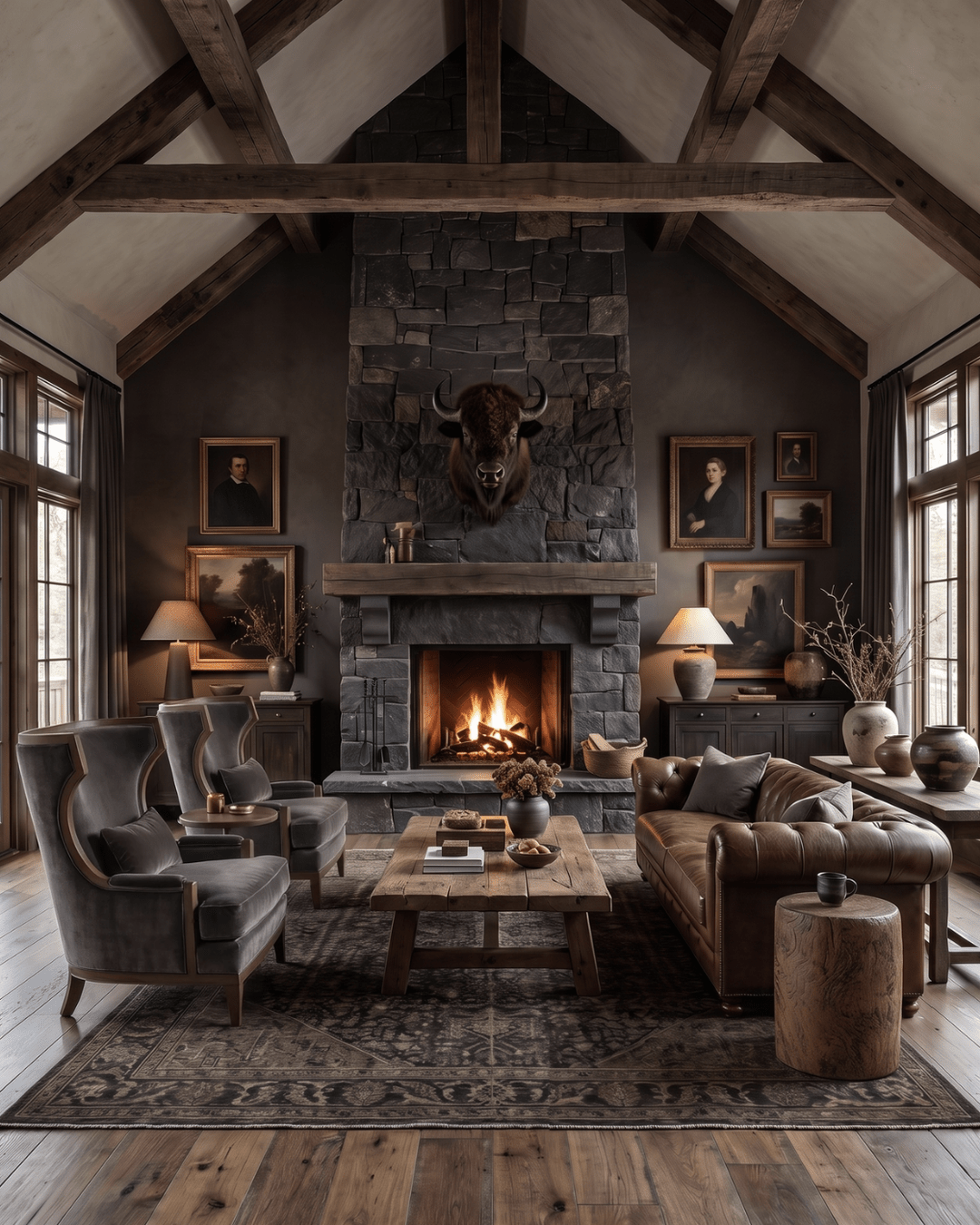
In reality, lounge chairs often define how those rooms are experienced.
They create secondary destinations.
Encourage quieter rituals.
Balance larger furniture.
Introduce tactile materials.
Support slower moments.
A leather lounge chair doesn't simply occupy an empty corner.
It gives that corner a purpose.
The room begins feeling more personal because there's now a place designed specifically for lingering rather than passing through.

Great Sitting Is Really About Great Living
The science of sitting extends far beyond ergonomics.
It's about creating environments where the body feels supported, the mind feels less stimulated, and everyday routines become a little more enjoyable.
A thoughtfully chosen leather lounge chair accomplishes this through proportion, material honesty, visual balance, and tactile richness. It quietly changes how you read, rest, converse, and experience your living room—not through dramatic design, but through subtle support that the nervous system notices immediately.
Explore Hello Norden's Lounge Chairs collection to discover leather lounge chairs designed to support better posture, better conversations, and better everyday living.